
World
Recently leaked encrypted messages from senior Trump administration officials have shed new light on internal discussions about deploying the 82nd Airborne Division to Portland, Oregon, during a period of civil unrest in the city. The revelations, obtained by the Minnesota Star Tribune through an anonymous source, suggest that top aides debated the legality, political optics, and potential fallout of using one of America’s most recognized combat units on U.S. soil. Internal Deliberations Over Military Deployment The leaked exchanges took place on Signal, an encrypted messaging platform often used by government officials and advisors. Among those involved were Anthony Salisbury, a senior aide to then–White House Deputy Chief of Staff Stephen Miller, and Patrick Weaver, an advisor to then–Secretary of War Pete Hegseth. The discussions reportedly occurred while Salisbury was attending a family funeral in Minnesota, adding a personal dimension to what became a politically charged conversation. According to the messages, Weaver conveyed that Hegseth wanted assurances from the White House that he would receive “top cover” if the situation in Portland worsened following a potential deployment. The term referred to political and legal backing from senior administration figures, including President Trump himself. The conversations also revealed hesitation about using the 82nd Airborne Division, which is typically associated with overseas combat missions rather than domestic enforcement. Weaver and Salisbury reportedly agreed that deploying such a high-profile unit could provoke significant backlash and fuel accusations of militarizing domestic law enforcement. Shift Toward the National Guard Ultimately, the administration chose a more limited approach. On September 28, 200 National Guard troops were sent to Portland following President Trump’s characterization of the city as “war-ravaged.” The move drew immediate legal challenges from both the state of Oregon and the city of Portland, which argued that the deployment violated federal statutes restricting the use of active-duty military personnel in domestic law enforcement roles. Legal experts referenced the Posse Comitatus Act, a longstanding law designed to prevent the military from being used as a policing force within the United States. The lawsuits emphasized that even National Guard deployments must adhere to strict state and federal guidelines, particularly when civil liberties are at risk. Broader Implications and Cabinet Tensions The leaks also revealed internal friction within the administration. Salisbury reportedly made critical remarks about FBI Director Kash Patel, suggesting divisions among senior officials over the handling of domestic unrest. These remarks reflect the broader atmosphere of distrust and political maneuvering that characterized much of the administration’s internal communications during that period. The White House response to the leaks was deflective. Rather than address the substance of the messages, officials criticized the Star Tribune and other journalists involved in reporting the story, accusing them of “moral bankruptcy.” Concerns Over Civil-Military Boundaries These disclosures come amid renewed debate about the boundaries between military and civilian authority in the United States. President Trump’s previous comments describing American cities as potential “training grounds” for the military have heightened public concern about the normalization of armed forces in civil affairs. Civil rights groups, including the American Civil Liberties Union (ACLU) and Human Rights Watch, have warned that any precedent for military involvement in domestic policing could weaken democratic institutions and erode public trust in both the armed forces and the federal government. Legal analysts also note that using elite combat units domestically could set a troubling example for future administrations, potentially blurring constitutional limits on executive power. Possible Outcomes and Future Implications If verified, the leaked communications could have multiple consequences. Congressional committees might seek to review whether the discussions breached legal or ethical boundaries, particularly concerning the Insurrection Act or federal deployment protocols. Moreover, they could prompt renewed scrutiny of encrypted communications among senior government figures, raising questions about accountability and transparency in crisis decision-making. The controversy also serves as a reminder of how internal political considerations often influence national security decisions. Even though the deployment of the 82nd Airborne Division did not materialize, the discussions highlight a willingness within parts of the administration to consider military intervention in civilian contexts—a notion that continues to alarm legal scholars and defense analysts alike. As the situation unfolds, both public and congressional attention is expected to focus on the extent of executive authority in domestic operations and the long-term implications such decisions could have for the separation of military and civilian spheres in the United States.
Read More → Posted on 2025-10-04 16:56:52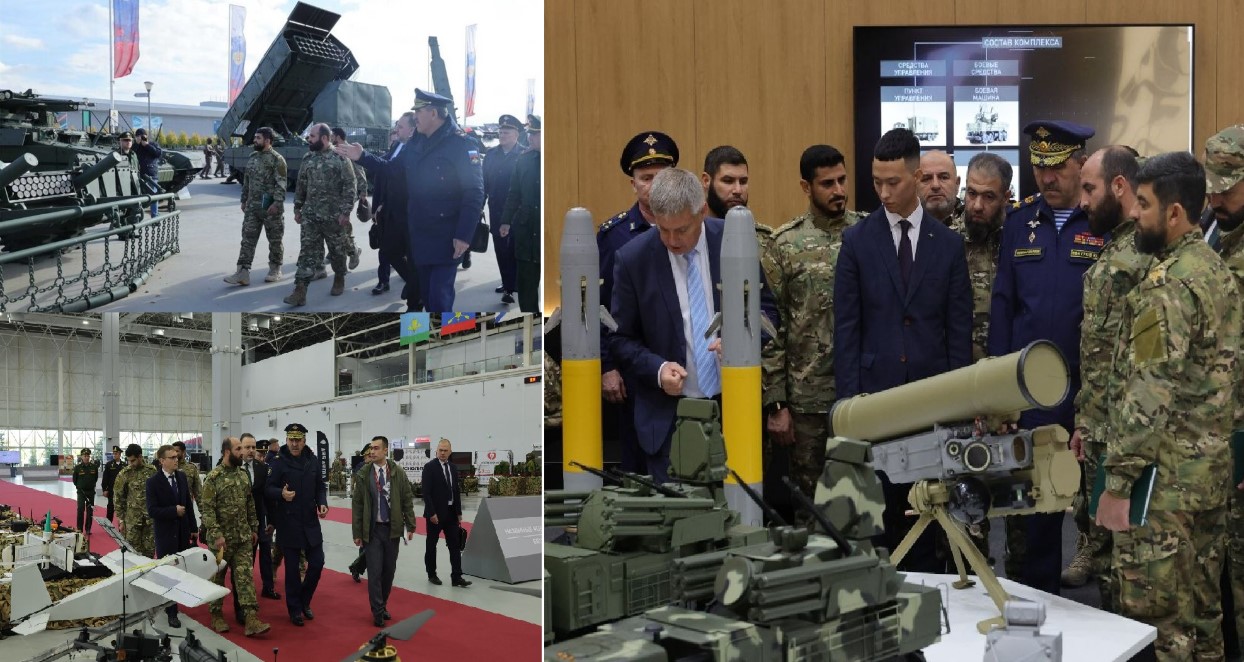
World
On October 3, 2025, a Syrian defense delegation led by Chief of Staff Gen. Ali Al-Nasaan arrived in Moscow for a high-level visit to review new developments in the Russian defense industry. During the trip, the delegation was presented with a range of advanced systems, including air defense platforms, combat drones, armored vehicles, and heavy engineering equipment. The visit reflects the continued depth of the military relationship between Damascus and Moscow, as well as the possibility of future acquisitions that could influence security dynamics in the Middle East. Over the past decade, Russia has remained Syria’s most important arms supplier, particularly as Western sanctions restricted Damascus’ ability to access global markets. According to data from the Stockholm International Peace Research Institute (SIPRI), Moscow provided a steady flow of equipment between 2015 and 2021. These deliveries included tanks, infantry fighting vehicles, artillery, helicopters, and fighter aircraft, many of which were transferred second-hand but were essential in restoring the Syrian Arab Army’s (SAA) capacity during the later stages of the conflict. Examples include more than 100 T-62 tanks, several Mi-24 and Mi-35 attack helicopters, and S-300PMU1 air defense systems with a stock of interceptors. The latest Moscow visit suggests a shift from reliance on older systems toward exploring modern export-ready platforms. Reports indicate that the Syrian delegation reviewed equipment such as the Buk-M3 and Pantsir-S1M air defense systems, both of which have been operationally tested in recent conflicts. These systems are designed to intercept drones, cruise missiles, and precision-guided weapons—threats that have regularly challenged Syrian defenses, particularly during Israeli air operations. Access to such technology would represent a meaningful upgrade for Syria’s layered defense network. Equally noteworthy was the reported focus on unmanned aerial vehicles (UAVs). Until now, Damascus has relied heavily on Iranian drones, which offered limited range and payload capacity. Russian UAVs, including reconnaissance platforms like the Orlan-30 or strike systems such as the Lancet loitering munition, could provide Syria with improved surveillance, targeting, and precision-strike capability. This would give the SAA more flexibility in monitoring frontlines and conducting limited precision operations. On the ground side, discussions are believed to have included modern armored vehicles. Syrian armored brigades continue to operate aging T-72 and T-62 models. Newer vehicles such as the T-90MS main battle tank or the BMP-3 infantry fighting vehicle could significantly enhance the country’s land forces, though the scale and financing of such acquisitions remain uncertain. Given ongoing sanctions and Syria’s economic constraints, any potential contracts would likely rely on Russian credit facilities, aid packages, or barter arrangements, as has occurred in past defense transactions. The visit also carried symbolic weight. By hosting Gen. Al-Nasaan, Moscow reaffirmed its role as Syria’s central defense partner and emphasized its intention to maintain influence in the Levant. For Damascus, the visit underscored a continued reliance on Russian support as the foundation of its security strategy. The Tartus naval facility and Khmeimim airbase remain critical Russian assets in Syria, and expanded defense cooperation further secures Moscow’s long-term presence in the region. Strategically, the possibility of Syria acquiring new air defense systems, drones, and heavy armor could complicate U.S. operations in the Middle East, particularly those involving freedom of movement in Syrian airspace. It could also affect the regional balance by signaling a renewed effort by Damascus to restore conventional deterrence after years of attrition. While the financial and logistical hurdles remain significant, the Al-Nasaan delegation’s exposure to modern Russian systems suggests that Syria is actively exploring options to modernize beyond basic survival. This development highlights a gradual shift in the defense relationship. What began as Moscow’s emergency support during Syria’s civil war has evolved into a structured partnership focused on sustaining and modernizing the SAA. If future acquisitions are confirmed, they would not only bolster Syrian operational readiness but also further integrate Damascus into the orbit of Russian strategic interests, ensuring that regional security remains closely tied to Moscow’s defense agenda.
Read More → Posted on 2025-10-04 16:49:03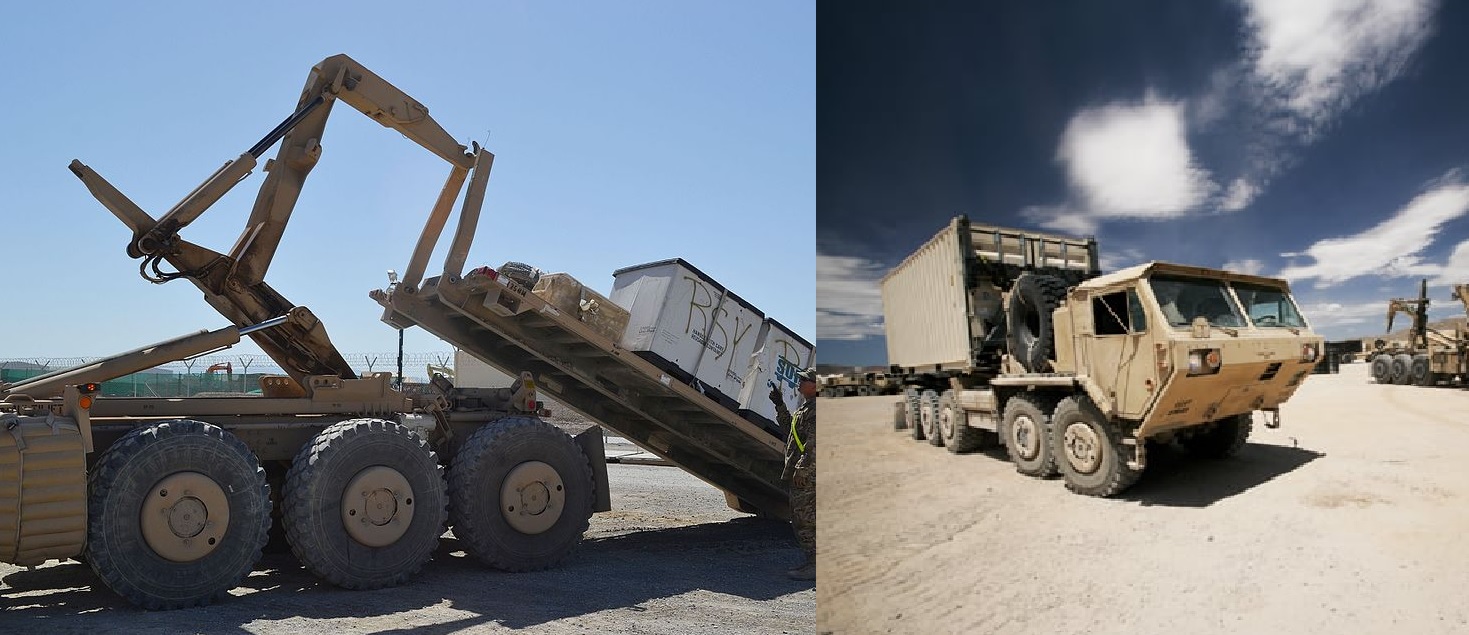
World
Oshkosh Defense reported that the U.S. Army Contracting Command–Detroit Arsenal has issued an $89 million order for Palletized Load System (PLS) A2 trucks, with associated kits and installations. The order was confirmed in an October 1, 2025, release and is placed under the Family of Heavy Tactical Vehicles (FHTV) V program, which runs until August 2029. The PLS A2 continues the role of a heavy tactical truck with a load handling system capable of lifting and placing flatracks or containers without trailers or external lifting equipment. This system allows units to transfer loads quickly. The A2 introduces three main elements: by-wire controls that prepare the vehicle for supervised convoy operations, driver assistance features such as stability and braking support, and an open digital architecture for future upgrades. The order is part of the wider FHTV V program, which also covers the Heavy Expanded Mobility Tactical Truck (HEMTT) A4. The program emphasizes using common militarized commercial components, which simplifies maintenance and training and reduces overall lifecycle costs. Alongside new production, the Army continues to recapitalize older trucks, updating them to current standards. This approach maintains fleet availability while spreading modernization across existing vehicles. Most of the A2’s changes are based on electronics and control systems, which can be added through kits and installations. This allows updates to be applied without completely new vehicle builds, reducing delivery time and supporting consistent upgrades. The Army identifies dispersed formations and extended supply routes as key operational challenges. Features such as driver assistance reduce workload and improve safety in varied conditions. By-wire controls enable leader-follower convoy operations, while the open digital framework allows new systems—such as autonomy kits or protection modules—to be integrated when ready. This order supports the Army’s plan to keep logistics vehicles aligned with current needs while allowing for future improvements. It provides a step toward a fleet that is easier to maintain, adaptable to new technologies, and consistent with long-term sustainment goals.
Read More → Posted on 2025-10-04 16:41:26
World
Northrop Grumman is advancing a new approach to U.S. homeland defense through its “Golden Dome for America” initiative, centered on the AN/TPS-80 Ground/Air Task Oriented Radar (G/ATOR). The system is a mobile, multi-mission radar designed to detect, track, and classify a wide variety of aerial and ground-based threats with precision and speed. Developed originally for the U.S. Marine Corps, the AN/TPS-80 has evolved into a versatile platform suitable for broader defense roles. It combines the functions of multiple legacy radar systems into one unit, supporting missions such as air surveillance, air defense, and counter-battery detection. The radar uses Active Electronically Scanned Array (AESA) technology built on Gallium Nitride (GaN) modules, providing high reliability, extended range, and reduced maintenance requirements. Its electronically steered beams can rapidly shift focus, allowing it to handle numerous targets at once, from drones and cruise missiles to artillery fire. The radar’s mobility enables it to be deployed quickly to different locations, offering adaptable coverage in varying operational environments. The “Golden Dome” concept builds on this flexibility by linking several G/ATOR units into a networked radar grid. When integrated with systems such as the Integrated Air and Missile Defense Battle Command System (IBCS) and Joint All-Domain Command and Control (JADC2), the radar contributes to a shared picture of the airspace. This enables coordination among different branches of the armed forces and provides a layered detection capability across regions. The G/ATOR operates in the S-band frequency, which supports a balance between detection range and resolution, making it suitable for identifying low-observable targets. Its open-systems design allows for future upgrades and integration with additional sensors, including space and long-range ground-based assets. Northrop Grumman’s approach aligns with the U.S. Department of Defense’s objective of developing distributed, survivable sensor networks to counter evolving threats such as unmanned aerial systems, cruise missiles, and hypersonic weapons. By deploying mobile radar units capable of rapid data exchange, the system supports a layered and adaptable defense posture across the homeland. The company’s focus on modular technology and interoperability reflects a shift toward flexible, networked defense architectures that can evolve as new technologies and threats emerge.
Read More → Posted on 2025-10-04 11:41:35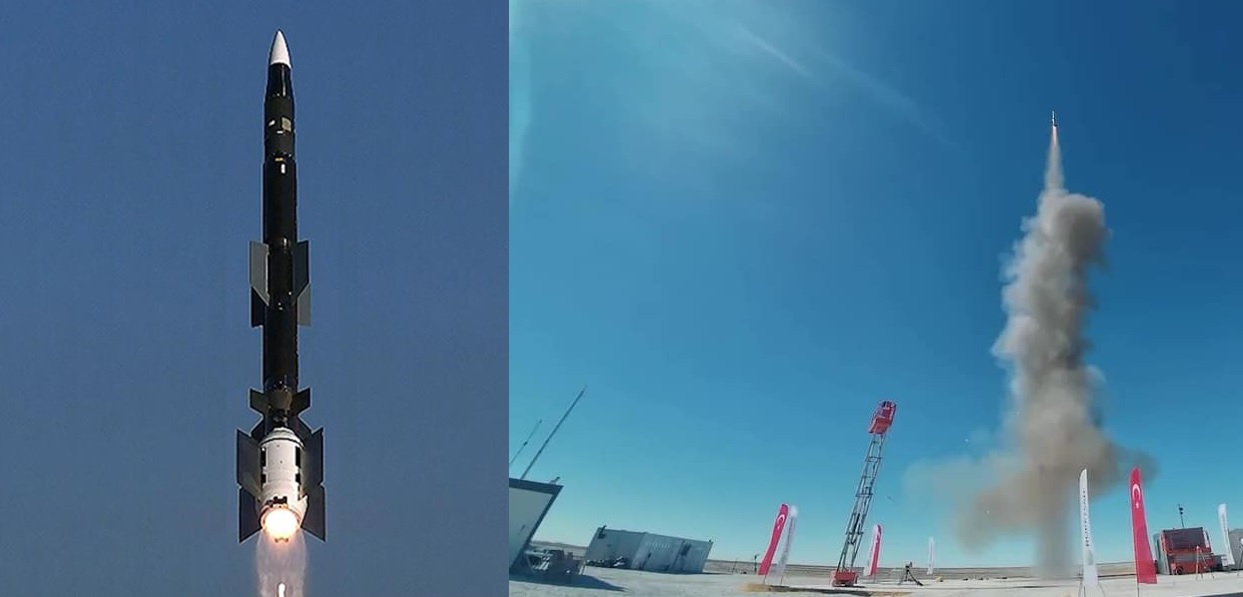
World
Türkiye successfully performed the first test-firing of the SIPER-1D long-range surface-to-air missile from its indigenous MIDLAS vertical launch system on 27 September 2025. The missile, developed by Roketsan with national resources, was launched from MIDLAS, which was first deployed on TCG İstanbul and is planned for all future Turkish naval platforms. According to Roketsan, this test demonstrates Türkiye’s ability to launch long-range air-defense missiles from its own ships using domestically produced systems. The SIPER project was initiated to meet Türkiye’s long-range air defense requirements and forms a key component of the “Çelik Kubbe” (Steel Dome) air defense architecture. SIPER Block-1 was developed from the HİSAR O+ RF missile and uses a booster produced by Roketsan with a dual-pulse rocket motor capable of a 100 km range. SIPER Block-2, developed from scratch, uses a single-stage rocket motor to achieve greater range. The SIPER-1D launch from MIDLAS extends the ship’s air-defense capability beyond 100 kilometers, with further improvements in range expected as development continues. The missile is 5.4 meters long with a diameter of 370 millimeters and is equipped with a high-explosive fragmentation warhead. It uses data link, GPS/INS, and an RF seeker for guidance, allowing it to engage a variety of aerial targets. The integration with MIDLAS, Türkiye’s vertical launch system developed by Roketsan, enables flexible deployment from naval vessels and rapid response to airborne threats. This development strengthens Türkiye’s position among nations capable of launching advanced long-range air-defense missiles from their own naval platforms. The combination of SIPER-1D and MIDLAS enhances operational capabilities for Türkiye’s naval forces in regions including the Aegean Sea, Eastern Mediterranean, and Black Sea. Ongoing work on SIPER-2D aims to further increase range and effectiveness, and integration with advanced radar systems such as CAFRAD is expected to improve target acquisition and tracking. The successful test-firing of SIPER-1D from MIDLAS represents a significant step in Türkiye’s self-reliance in naval air defense and demonstrates the country’s continued development of indigenous missile and launcher systems.
Read More → Posted on 2025-10-04 10:42:17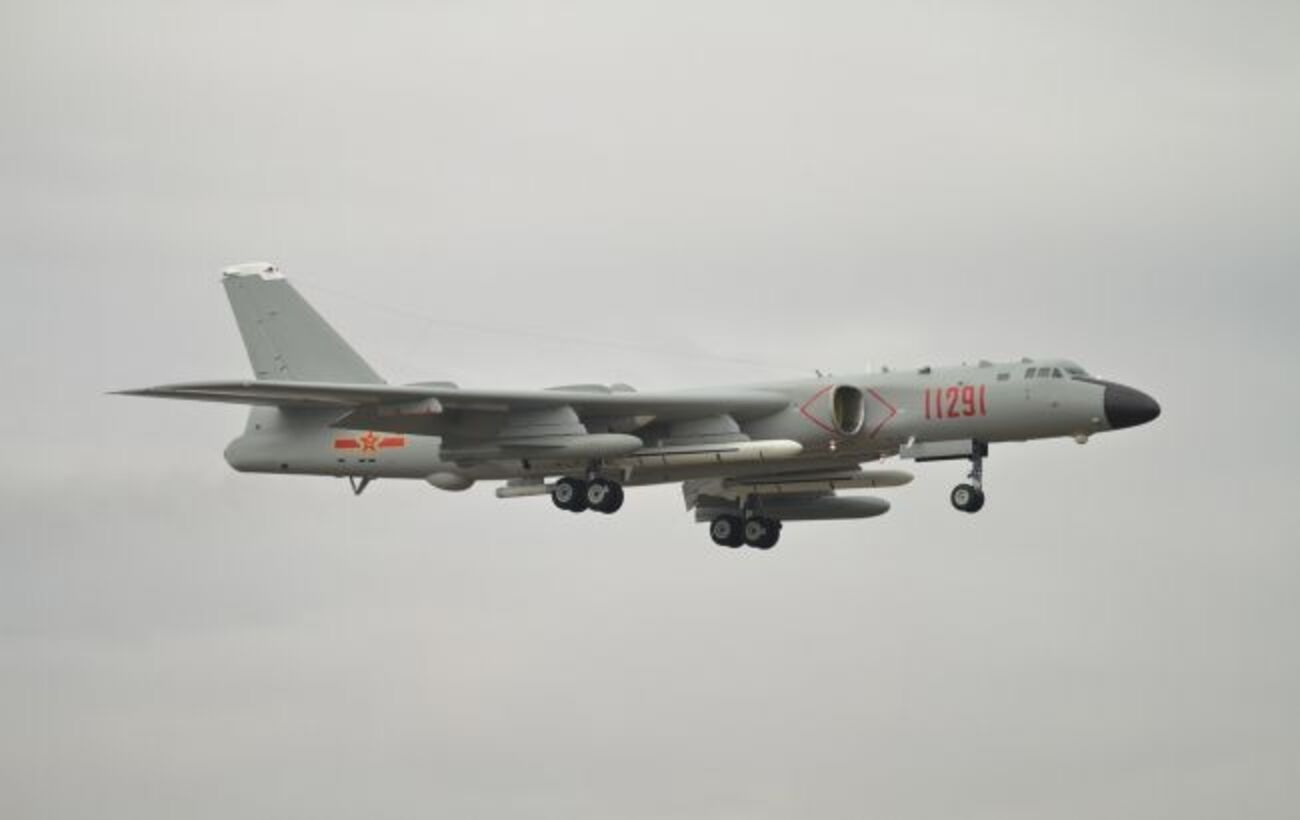
World
On October 1, 2025, the Chinese military conducted naval and air combat drills near the disputed Scarborough Shoal in the South China Sea. The exercises coincided with China's National Day and involved an H-6 bomber equipped with YJ-12 supersonic anti-ship missiles, Type 054A frigates, and J-16 fighter jets. The People’s Liberation Army Southern Theater Command stated the drills were aimed at reinforcing patrols, enhancing vigilance, and strengthening control over the area, which China refers to as Huangyan Island. The H-6 bomber is capable of striking targets up to 500 kilometers away, and newer variants can carry air-launched ballistic missiles and hypersonic weapons, giving China extended reach over the first island chain, including the Philippines. Alongside the bomber, Type 054A frigates Chenzhou, Liuzhou, and Bayanner were deployed, as well as at least two J-16 fighter jets and a Z-9 utility helicopter. The drills occurred amid heightened tensions in the region. In August 2025, a collision took place between a People’s Liberation Army Navy destroyer and a China Coast Guard cutter near the shoal during a patrol involving Philippine vessels. The Philippines has also sent escorted fishing fleets under its Kadiwa initiative to support local fishermen, while Chinese cutters continue to intercept and monitor their movements. Scarborough Shoal, known to the Philippines as Bajo de Masinloc, has long been a point of territorial dispute. China claims it under the Ten-Dash Line, while the Philippines maintains it lies within its exclusive economic zone, approximately 120 nautical miles west of Luzon. China has maintained a near-constant presence at the shoal since 2012, including maritime patrols and air surveillance, and regularly operates from bases in Hainan or nearby artificial islands. The recent military exercises highlight the strategic importance of the shoal. Small and large naval vessels, aircraft, and missile-equipped bombers are part of China’s broader effort to maintain control and presence in the South China Sea, while the Philippines continues to monitor the area and assert its sovereign rights.
Read More → Posted on 2025-10-04 10:36:00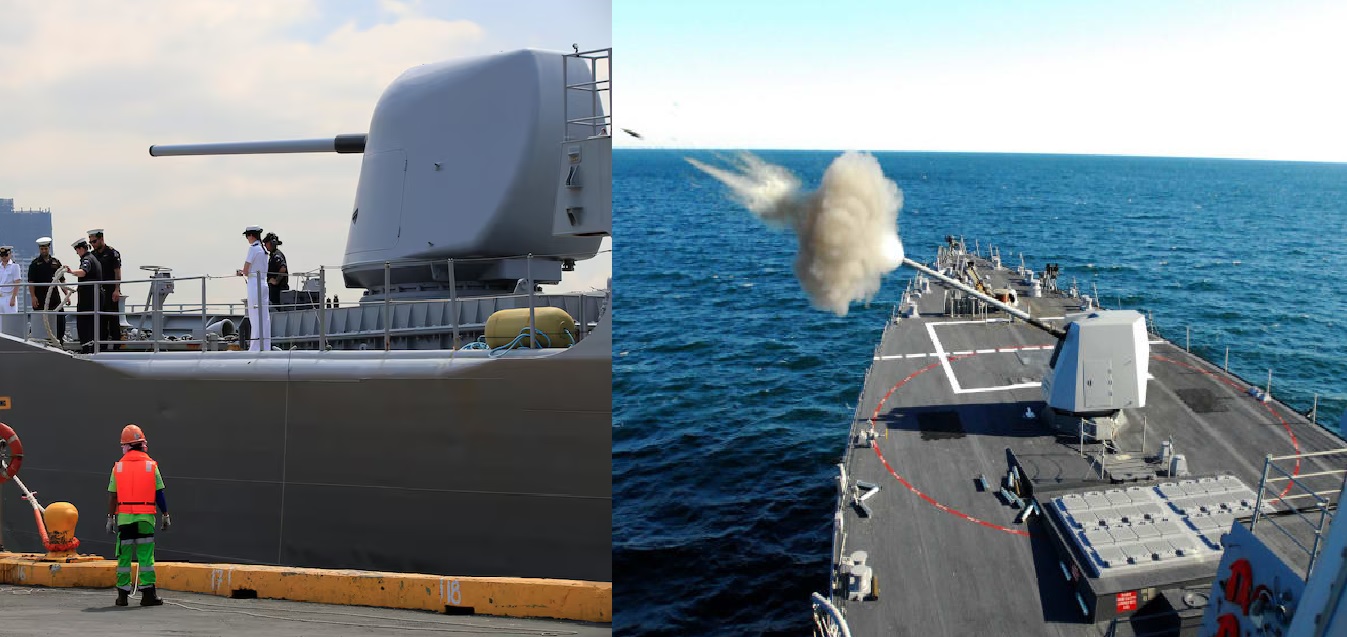
World
The New Zealand government has launched a new Defence Industry Strategy combining NZ$9 billion in defence spending over four years with a NZ$100–300 million military technology fund and updated local-industry participation requirements. The initiative aims to gradually raise defence expenditure to about 2% of GDP within eight years, restructure procurement processes, and encourage innovation, potentially creating opportunities for U.S. and other international suppliers. The strategy emphasizes a “buy local” approach, promoting domestic supply chains while also offering co-development and offset pathways for foreign contractors. Future tenders will include provisions for companies to propose technological alternatives that could reduce timelines or costs, applying a Minimum Viable Capability approach. This method focuses on delivering threshold operational capabilities first, then iterating improvements over time based on user feedback and evolving technology. Maritime Capability Updates The strategy is reflected in ongoing upgrades to the Anzac-class frigates, including HMNZS Te Kaha, which now carries the CMS 330 combat system, Sea Ceptor air defence missiles (CAMM), and a SMART-S Mk2 3D radar, while retaining its 127 mm Mk 45 gun, Phalanx CIWS, and torpedo systems. These upgrades are integrated into the National Maritime Coordination Centre, providing real-time maritime surveillance and data fusion for security, biosecurity, and search and rescue missions. The light naval fleet is also being expanded. Three Littoral Manoeuvre Craft Sentinel 1250 were delivered in 2023, designed with corrosion-resistant high-density polyethylene hulls and a low electromagnetic signature. A separate contract covers 17 Sea Boats 780R, with the first deliveries expected by the end of 2025. Local suppliers such as Hamilton Jet and General Marine Services play key roles in manufacturing and support. Air and Land Modernization In the air domain, the RNZAF has validated C-130J-30 self-protection systems domestically, conducting trials for chaff and flare release at RNZAF Base Auckland and the Kaipara Air Weapons Range. This approach reduces costs, accelerates entry into service, and develops local expertise in electronic warfare and system integration. On land, the strategy promotes iterative development of FPV drones and additive manufacturing for parts and subassemblies. This allows rapid production of operational modules and enhances reconnaissance and precision strike capabilities at controlled cost. The emphasis on uncrewed systems also includes long-range UAVs for maritime surveillance, uncrewed VTOL vehicles to support shipborne operations, and uncrewed surface and subsurface vessels to improve coverage of New Zealand’s exclusive economic zone (EEZ). Sustainment and Industrial Support The Defence Capability Plan allocates NZ$300–600 million to strengthen logistics, maintenance, and local production of critical parts. Where outsourcing is needed, Australia is prioritized to reduce downtime, with services such as P-8A radar and military radio repairs conducted in Adelaide and Brisbane. Regional initiatives, including PIPIR, aim to provide in-theatre repair capabilities and reduce reliance on distant supply chains. The strategy also introduces reforms to procurement and workforce development. An annual NZDF Procurement Pipeline will improve visibility for small and medium enterprises, and a procurement centre of excellence will streamline contracting processes. Close collaboration with Australian defence agencies is intended to harmonize industrial clearances and market access, enhancing resilience and operational readiness in the Indo-Pacific region. Operational Implications Modernized Anzac-class frigates and enhanced air, land, and uncrewed capabilities support maritime security, convoy escort, and anti-submarine operations, while local manufacturing and iterative procurement improve system availability. The strategy reflects a balanced focus on industrial capability, sustainment, and operational effectiveness to ensure that New Zealand can respond to evolving security requirements efficiently and sustainably.
Read More → Posted on 2025-10-04 10:20:13
World
U.S. President Donald Trump said on Friday that he believes Hamas is prepared for a “lasting peace” and urged Israel to stop its bombing campaign in Gaza. His comments followed a statement by Hamas declaring readiness to release hostages under the framework of his ceasefire plan. This is the first time since his return to office in January that Trump has directly called on Israel to suspend military operations. In a post on Truth Social, Trump said Hamas appeared ready for peace and that Israel should halt strikes immediately so that hostages could be released safely. He added that conditions on the ground remain dangerous and discussions on the details of the plan are continuing. Later, in a video message from the Oval Office, Trump praised the statement by Hamas, thanked Qatar, Egypt, Saudi Arabia, Turkey, and Jordan for mediation, and emphasized that all parties would be treated fairly. Hamas welcomed Trump’s call as encouraging but criticized aspects of his proposal as vague and lacking detail. The group indicated a willingness to negotiate on the release of hostages and governance arrangements for Gaza, but it did not commit to disarmament, one of the central conditions of Trump’s 20-point program. Israel has not officially responded to Trump’s remarks. Reports suggest Prime Minister Benjamin Netanyahu was surprised by the U.S. president’s position. Israeli officials argue that Hamas must fully comply with the terms of the peace plan announced earlier in the week. Israel has signaled readiness to move forward with an initial stage focused on hostage release, but views Hamas’s response as incomplete. Trump’s plan includes a ceasefire, phased Israeli withdrawal from Gaza, transitional international oversight, and eventual disarmament of Hamas. He gave Hamas until Sunday evening to respond, warning of consequences if the group did not accept the terms. Reactions from the international community have been cautious but generally supportive of renewed talks. Qatar, Egypt, and Turkey welcomed Hamas’s readiness to engage, while European leaders and the United Nations called on both sides to seize the chance for de-escalation. Meanwhile, the humanitarian situation in Gaza remains severe, with heavy displacement and damage to infrastructure. Observers note that although the development opens the door to diplomacy, challenges over security guarantees, hostage release, and disarmament remain unresolved.
Read More → Posted on 2025-10-04 09:47:42
World
On October 3, Reuters reported that the United Kingdom has begun funding a project worth about £500,000 ($673,000) to develop sensors against laser dazzling attacks on satellites. The program is being jointly managed by the UK Space Command and the UK Space Agency, reflecting a broader national effort to protect space-based systems that are increasingly central to defense and security operations. The announcement follows recommendations from a recent UK security review, which emphasized the need to strengthen resilience of military space assets. During a visit to RAF Fylingdales, Maj. Gen. Paul Tedman of UK Space Command noted the operational risks posed by directed-energy systems. Fylingdales, located in North Yorkshire, already serves as a critical site for ballistic missile early warning and space domain awareness, and its role now extends to supporting decisions linked to emerging threats such as satellite dazzling. Technical Measures While detailed specifications remain classified, the sensor program is designed to provide early detection and protection against high-energy illumination of satellite optics. A typical system includes a laser warning detector, which identifies incoming energy and estimates its direction. Onboard electronics then assess the likelihood of an attack, screen out false signals, and issue commands to either the optical payload or the attitude control system. Protective measures involve a combination of passive and active methods. Passive solutions may include tunable spectral filters and fast-closing shutters to shield sensitive detectors, while hardened materials and redundant designs help sustain functionality even if one component is affected. Active responses can be as simple as a slight attitude adjustment—repointing the satellite by a few degrees to reduce exposure without disrupting the mission. Communications Resilience Beyond optical protection, the UK’s approach also includes improvements to satellite communications systems. Counter-jamming features such as frequency hopping, spread spectrum coding, narrow-beam antennas with null steering, and adaptive interference cancellation are central to maintaining connectivity. Newer architectures rely on intersatellite links to reroute data away from contested areas and can switch between SHF and EHF bands depending on conditions. Hardened ground terminals, when properly aligned, also add to the resilience of the network. Strategic and Operational Context Directed-energy threats, including laser dazzling, are of concern because they can disrupt communications, navigation, reconnaissance, and other space-based services relied upon by both UK and U.S. forces. Even a temporary disruption during a critical mission window—such as intelligence collection or coordination of unmanned systems—can have immediate consequences for operations. The purpose of the new program is not to guarantee immunity but to reduce vulnerability and speed up recovery in case of an incident. European and Global Developments The UK’s effort comes as European partners are also investing in space security. According to Novaspace, France and Germany were Europe’s largest contributors to space defense programs in 2024. Berlin has announced a 35-billion-euro, five-year investment plan for space security, while Paris continues funding satellite infrastructure, including a 1.5-billion-euro contribution to Eutelsat. The United States remains the largest global investor, underpinning allied space capabilities with advanced research and operational networks. Although the UK’s £500,000 initiative is modest in financial terms, it targets a specific operational gap. Protecting satellites from laser interference is a practical measure to ensure continuity of service in critical areas, from precision navigation to joint force coordination. By reinforcing its small but vital role in allied space defense, London signals that space resilience is an essential part of its long-term security strategy.
Read More → Posted on 2025-10-04 09:40:15
World
The Trump administration has approved a $230 million aid package for Lebanon's security forces, marking a major step in Washington’s efforts to curb Hezbollah’s influence in the country. Sources in Washington and Beirut confirmed that $190 million of the funding is allocated to the Lebanese Armed Forces (LAF), while $40 million is designated for the Internal Security Forces (ISF). The release came just before the end of the U.S. fiscal year on September 30, highlighting the strategic priority placed on Lebanon amid broader regional tensions. For Lebanon, a relatively small country grappling with economic and political crises, this infusion of aid is substantial. According to Democratic congressional aides familiar with the matter, the funds provide critical support to institutions tasked with asserting state authority across the nation. The U.S. State Department emphasized that this assistance helps Lebanese forces implement United Nations Security Council Resolution 1701, which calls for the disarmament of all non-state armed groups and the restoration of full state control over national territory. This resolution was adopted in August 2006 following a deadly conflict between Hezbollah and Israel. The timing of the aid coincides with mounting pressure on Hezbollah. A year-long conflict with Israel has weakened the group, leaving significant portions of Lebanon damaged. Despite repeated calls for disarmament, Hezbollah has resisted, citing its role as a protector against Israeli aggression. Nevertheless, Lebanese President Joseph Aoun and Prime Minister Nawaf Salam have instructed the LAF to create a plan ensuring that all arms in the country are under official security forces’ control by the end of the year. The U.S. funding is expected to strengthen the ISF’s capacity to manage internal security, freeing the LAF to focus on other strategic priorities. Experts note that this approach reflects a broader U.S. strategy of supporting Lebanon’s sovereignty while countering Iranian influence in the region. Dr. Randa Slim, a senior fellow at the Middle East Institute, observes, “The U.S. is signaling its commitment to Lebanon’s sovereignty and the containment of Hezbollah’s military power. This funding sends a clear message that armed non-state actors will not dictate Lebanon’s security landscape.” However, challenges remain. Hezbollah’s deep-rooted presence in Lebanese politics and society makes disarmament a complex undertaking. Analysts warn that the eventual withdrawal of the United Nations Interim Force in Lebanon (UNIFIL) by December 2026 could complicate efforts to maintain stability, leaving the Lebanese state to navigate internal and external pressures without the buffer previously provided by UN peacekeepers. Overall, the $230 million aid package represents more than just a financial contribution; it is a strategic signal. By reinforcing the LAF and ISF, the United States aims to strengthen Lebanon’s state institutions, contain Hezbollah’s influence, and promote regional stability, even as the country faces significant internal challenges and external pressures.
Read More → Posted on 2025-10-03 09:46:45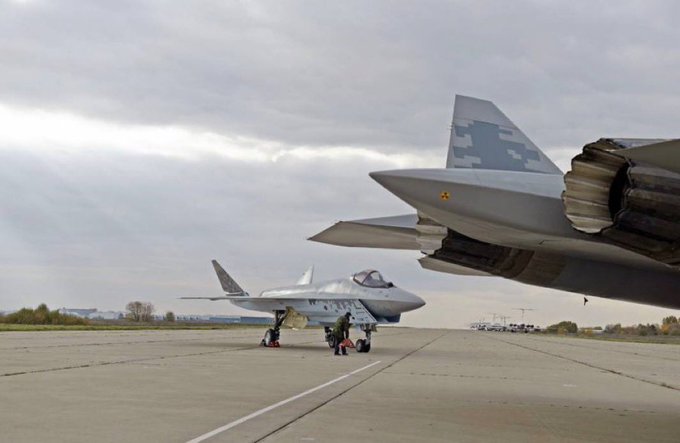
World
2 October 2025, a photograph circulated on social media showing Russia’s Su-75 “Checkmate” light stealth fighter parked near a Su-57 Felon. While both aircraft have been displayed together in staged presentations before, the latest image appears to be from an operational setting rather than a showroom floor. The presence of ground crew and wheel chocks suggests routine handling, sparking debate about whether the prototype is now transitioning into early testing. The Su-75 program was first introduced in 2021 at the MAKS airshow, where a non-flying prototype was unveiled to the public. Russian officials at the time announced an ambitious schedule, promising a maiden flight within two years. That deadline has since shifted several times, with the current expectation pointing toward testing in 2025 or later. Despite the shifting timeline, the aircraft remains central to Russia’s plans for a lower-cost fifth-generation fighter intended for both domestic and export markets. From a design perspective, the Su-75 is a single-engine, low-observable multirole fighter. Its configuration includes a diverterless supersonic inlet, V-tail surfaces, and internal weapons bays — features aligned with modern stealth design principles. The jet is projected to carry about 7.4 tons of weapons, reach speeds of nearly Mach 2, and cover a ferry range of 3,000 kilometers. These figures place it in competition with platforms such as the F-35 Lightning II from the United States and China’s FC-31 Gyrfalcon. The question of engine choice is central to its credibility. The Checkmate is advertised to operate with the AL-51F-1, a next-generation powerplant derived from the AL-41 series. Developers claim it will be lighter, more fuel-efficient, and capable of producing higher thrust levels than its predecessor. However, it is unclear if the current prototype shown in the photograph is equipped with this engine or a temporary alternative for ground evaluation. Until the aircraft performs sustained flight trials, these claims remain untested. The program has been actively marketed abroad, with Russia presenting it as an affordable alternative to Western fighters. A suggested unit price in the range of 25–30 million USD has been mentioned by officials, though such projections face skepticism given the complexities of stealth manufacturing under sanctions. In May 2025, discussions between United Aircraft Corporation and Belarus raised the possibility of co-production, which would not only provide financing but also position the jet close to NATO’s borders. Beyond Belarus, countries like the UAE, India, and Vietnam have been linked to the aircraft in past reports, though no confirmed deals exist. For Russia, advancing the Su-75 serves two objectives: filling a domestic niche below the Su-57, and offering an export platform that could secure funding and political partnerships. For other nations, the attraction lies in acquiring stealth capability at a lower operational cost than twin-engine designs. However, this value depends entirely on whether the aircraft achieves reliable performance, particularly in areas such as engine durability, avionics integration, and stealth maintenance standards. The appearance of the prototype alongside a Su-57 indicates more than simple display. The Su-57 is already in limited service and undergoing further development. Positioning the Su-75 in the same environment may allow data comparisons, test coordination, or ground handling rehearsals. While the photograph alone does not confirm flight readiness, it points toward progress beyond static exhibition — a necessary step if the aircraft is to move closer to operational testing. The timeline for the Su-75 remains uncertain. If Russia can bring the AL-51 engine into full production and resolve supply chain constraints, the aircraft could enter flight trials within the next two years. For now, it remains a prototype with potential, but also with many unanswered questions. Whether it becomes a serious addition to Russia’s arsenal or primarily a marketing tool for foreign buyers will depend on the outcomes of its first real-world tests.
Read More → Posted on 2025-10-03 08:59:53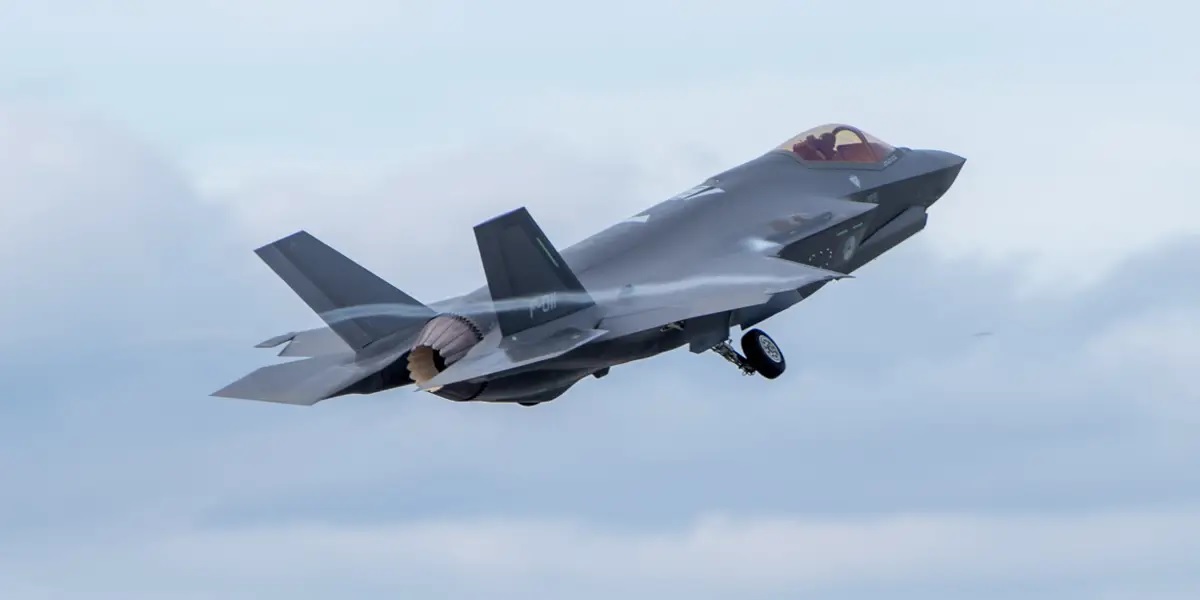
World
A Dutch F-35A fighter jet has shot down a Russian drone in Polish airspace, marking the first time since the start of Russia’s full-scale invasion of Ukraine in 2022 that a confirmed Russian asset has been destroyed inside NATO territory. The incident highlights both the growing role of drones in modern conflicts and the challenges facing NATO’s air policing missions. The Intercept The Royal Netherlands Air Force confirmed on September 30, 2025, that the downing took place during the night of September 9–10. According to the Dutch Ministry of Defense, the F-35 belonged to the 313 Squadron and was deployed under NATO’s Air Policing mission. The mission was launched after Polish radars tracked the drone crossing into Polish territory. Polish F-16 fighters were also dispatched, but it was the Dutch F-35 that carried out the interception. Dutch authorities later released a photo showing a kill marking stenciled beneath the canopy rail of the aircraft, symbolizing the success of the operation. The drone was initially believed to be a Shahed-type system, similar to the Iranian-made drones that Russia has extensively used in Ukraine. However, parts of the wreckage also showed similarities to other Russian-modified variants, such as the Geran-2 (Gerbera), which has been adapted to Russia’s operational requirements. Conduct of the Mission Details of the engagement remain classified, but officials confirmed it was carried out under Quick Reaction Alert (QRA) procedures. For NATO, this was a practical test of how advanced platforms like the F-35 can deal with slow, small unmanned systems, which are notoriously difficult to track and destroy with conventional fighter tactics. The F-35’s sensor fusion, stealth capability, and precision weapons enabled it to neutralize the drone, which could otherwise have slipped through traditional radar and defense networks. NATO Implications This event is more than just a technical success. It is seen as part of NATO’s evolving strategy on its eastern flank. Since 2022, NATO’s approach has shifted from a primarily tripwire posture—focused on deterrence through presence—to a more proactive denial strategy that integrates fifth-generation aircraft, enhanced air defense systems, and faster intelligence-sharing. By engaging the drone, NATO demonstrated that incursions into allied airspace will be met with immediate military action, regardless of whether the target is manned or unmanned. It also reinforces the message that drones—despite being relatively cheap and expendable—cannot be used for political or military signaling without risk. Concerns Over Escalation The downing of the Russian drone raises broader questions about escalation risks. Some reports circulating in European defense circles suggest that Ukraine may be involved in certain drone incursions near NATO borders, potentially as a way to draw the alliance more directly into confrontation with Russia. While there is no direct evidence linking Kyiv to this specific event, the speculation reflects the complex and multi-layered nature of the conflict, where attribution is not always clear. Russia, for its part, has repeatedly used drones to probe European air defenses and gather intelligence on NATO responses. At times, these incursions are interpreted as deliberate attempts to test alliance coordination and reaction times. The increasing frequency of such encounters blurs the line between routine surveillance and hostile action, creating new challenges for decision-makers in Brussels and national capitals. Strategic Significance The engagement also highlights how air policing missions—once considered routine patrols—now carry the potential for live combat actions. The Dutch F-35’s kill marking is not only a symbol of squadron pride but also a reminder that NATO pilots may face operational decisions with broader geopolitical consequences. The incident will likely be studied as a case example in NATO training and planning, showing how fifth-generation aircraft can adapt to the growing threat of unmanned systems. At the same time, it reinforces the need for clear communication channels between NATO and Russia to prevent accidental escalation.
Read More → Posted on 2025-10-03 08:49:05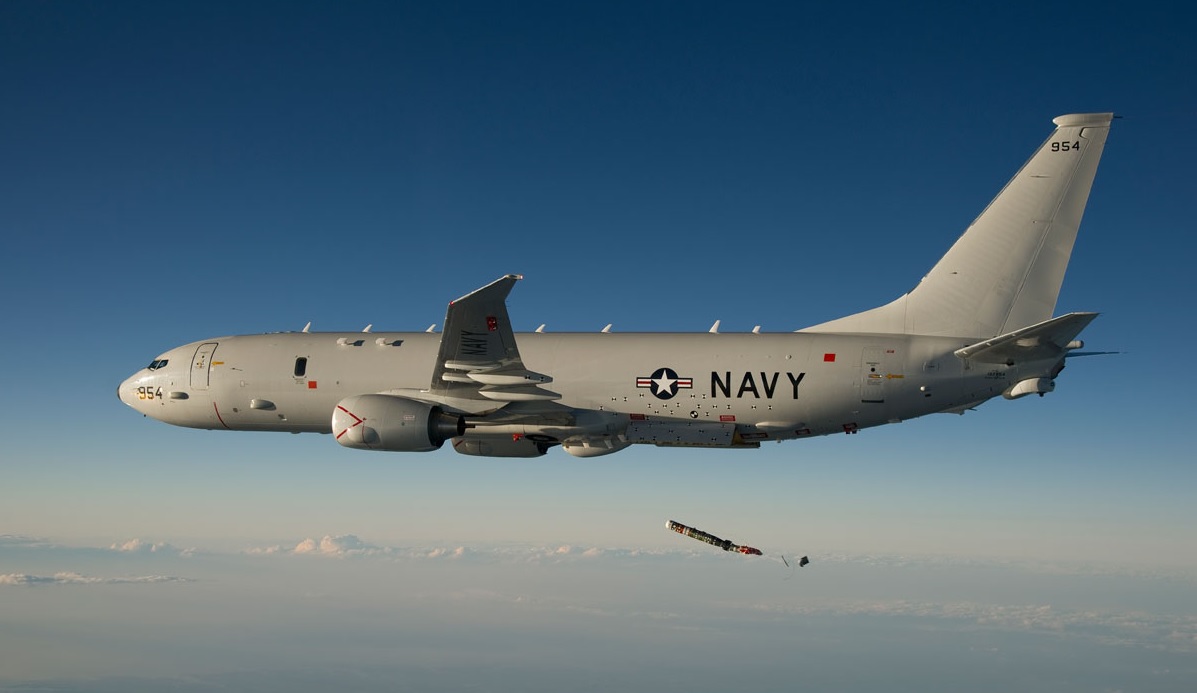
World
On 2 October 2025, Boeing formally handed over the first P-8A Poseidon maritime patrol aircraft ordered by Germany. The delivery took place at the company’s facility in Seattle, with the aircraft already carrying German military markings and registered as 63+01. Though transferred initially to the United States Department of Defense under the Foreign Military Sales (FMS) arrangement, the aircraft is scheduled to reach its new home at Nordholz Air Base in the coming days, where it will join the German Naval Air Command. Modernisation of the German Fleet Germany is acquiring a total of eight Poseidons, which will replace the aging P-3C Orion fleet that has served the Navy since the 2000s. At one time, Germany operated eight Orions, but most of them have already been retired or sold, with only a couple still available in service until the Poseidons arrive. The delivery of the first aircraft is therefore seen as a significant step in restoring Germany’s full maritime patrol and anti-submarine warfare capability. Order and Delivery Timeline The programme began in June 2021, when Germany contracted for five P-8A Poseidons. In November 2023, the government approved the purchase of three more, bringing the total order to eight aircraft. The combined procurement is valued at around €2.5 billion, with the first five costing approximately €1.43 billion and the later three around €1.1 billion. These figures also cover associated support equipment, simulators, and training systems. The aircraft are scheduled for delivery between 2025 and 2028, depending on production timelines and fitting out. The first aircraft had its maiden flight in early 2025 after being painted and fitted with its systems, and it was expected to be transferred to Germany by late summer before its official handover in October. P-8A Poseidon Capabilities The Poseidon is based on the Boeing 737-800 airframe, heavily modified for maritime patrol and reconnaissance missions. It is designed for anti-submarine warfare, anti-surface warfare, surveillance, and search and rescue operations. Key specifications include: Length: 39.5 metres Wingspan: 37.6 metres Height: 12.8 metres Engines: Two CFM56-7B turbofans, each producing about 27,300 pounds of thrust Maximum speed: Around 490 knots (907 km/h) Service ceiling: About 41,000 feet (12,500 m) Crew: Typically nine, including pilots and mission specialists The Poseidon carries advanced systems such as the AN/APY-10 multi-mode radar, electronic support measures, acoustic sensors for submarine detection, and a large sonobuoy capacity. It can deploy Mark 54 lightweight torpedoes, anti-ship missiles such as the Harpoon, naval mines, and depth charges, making it one of the most capable maritime patrol platforms in service today. Germany is the most recent European country to receive the P-8A, joining the United Kingdom and Norway as operators, with Denmark also planning to purchase four units. Discussions are ongoing in Germany about acquiring four additional Poseidons, which could eventually raise the fleet size to twelve. In the longer term, Germany remains a partner in the Maritime Airborne Warfare System (MAWS) programme with France, aimed at developing a new generation of maritime patrol aircraft by the mid-2030s. Until that system becomes available, the Poseidon fleet will fill the gap, providing a proven capability for NATO maritime operations.
Read More → Posted on 2025-10-03 08:30:57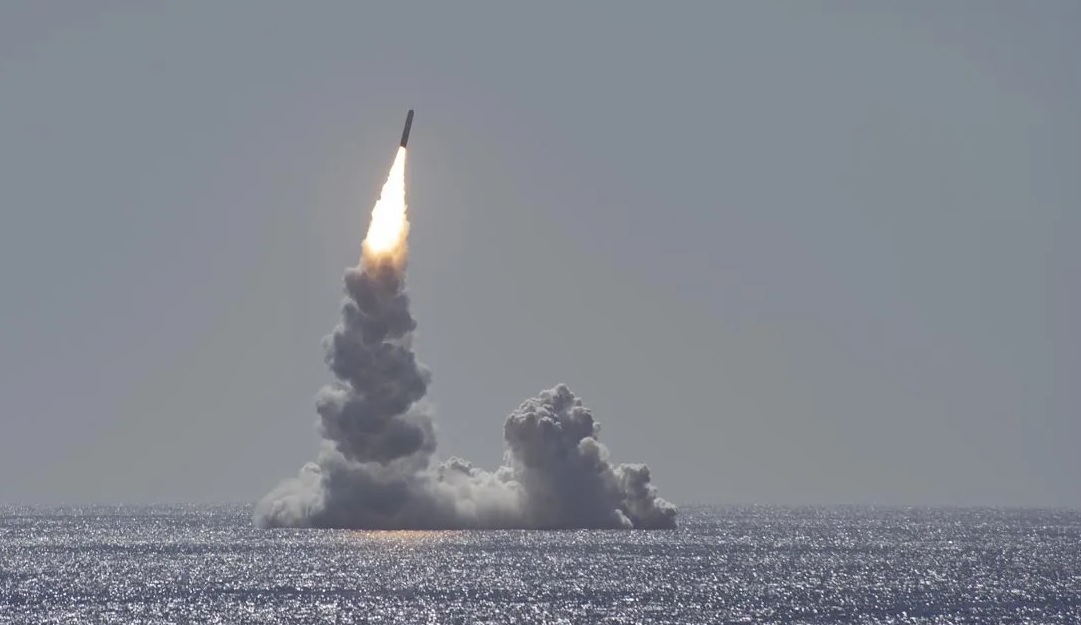
World
Lockheed Martin has been awarded a $647 million contract modification from the U.S. Navy to continue production and sustainment work on the Trident II D5 submarine-launched ballistic missile (SLBM). The deal, which could rise to $745 million if all options are exercised, reinforces the company’s decades-long role as the principal contractor for one of the most critical components of America’s nuclear deterrent. The new agreement will fund manufacturing, engineering, and support activities at multiple U.S. facilities, including Utah, Colorado, Florida, Georgia, and Washington, with work scheduled to run through September 2030. This follows a series of Navy awards earlier in 2024 that focused on extending the missile’s operational life and preparing the system for deployment on the next generation of ballistic missile submarines. Backbone of U.S. and UK Nuclear Forces The Trident II D5 is central to the strategic deterrence posture of both the United States and the United Kingdom. It is currently deployed on Ohio-class submarines in the U.S. fleet and Vanguard-class submarines operated by the Royal Navy under the Polaris Sales Agreement, a longstanding defense partnership between Washington and London. Each Ohio-class submarine can carry up to 20 Trident II missiles, each capable of delivering multiple independently targetable reentry vehicles (MIRVs). The missile is designed to provide survivable second-strike capability. Unlike land-based systems, which could be vulnerable to a pre-emptive attack, submarine-launched weapons remain hidden and mobile, making them the most reliable leg of the nuclear triad—alongside land-based intercontinental ballistic missiles (ICBMs) and strategic bombers. Proven Performance and Modernisation First deployed in 1990, the three-stage, solid-fuel Trident II D5 has demonstrated exceptional reliability and accuracy over more than three decades of service. The missile can travel over 4,000 nautical miles and deliver a range of warheads, including the W76 Mk4/Mk4A and W88 Mk5 variants. To ensure long-term viability, the D5 Life Extension (D5LE) program was launched in 2017. These modernised missiles are designed to remain in service well into the middle of the century, supporting both the U.S. Navy’s new Columbia-class submarines and the Royal Navy’s forthcoming Dreadnought-class submarines. The upgrades cover electronics, guidance, and support systems to ensure compatibility with emerging strategic requirements. Expanding Contract Portfolio The award adds to a string of recent Navy contracts secured by Lockheed Martin for the Trident program. In August 2024, the company received $111 million to sustain missile production, while in February 2024, it was awarded $383 million for design and modernisation work on the system. Together, these contracts underline Washington’s commitment to ensuring the SLBM fleet remains operationally credible through the 2080s. Lockheed Martin’s leadership in this field also complements parallel efforts by the U.S. defense establishment, including investments in the Ground-Based Strategic Deterrent (Sentinel ICBM) program and upgrades to the B-21 Raider bomber fleet, ensuring the overall triad remains balanced and resilient. Strategic Importance The continued investment in Trident II reflects broader concerns about maintaining deterrence in an increasingly complex global security environment. With Russia modernising its own SLBM systems such as the Bulava, and China expanding its nuclear-capable submarine fleet, the United States and its allies are ensuring that their sea-based deterrent remains credible. For Lockheed Martin, the program is more than a contract—it is the continuation of a role the company has held since the Cold War, sustaining one of the most reliable missile systems ever developed. For the U.S. Navy and the Royal Navy, the new funding guarantees that their undersea strategic forces will remain a cornerstone of global stability for decades to come.
Read More → Posted on 2025-10-02 16:28:13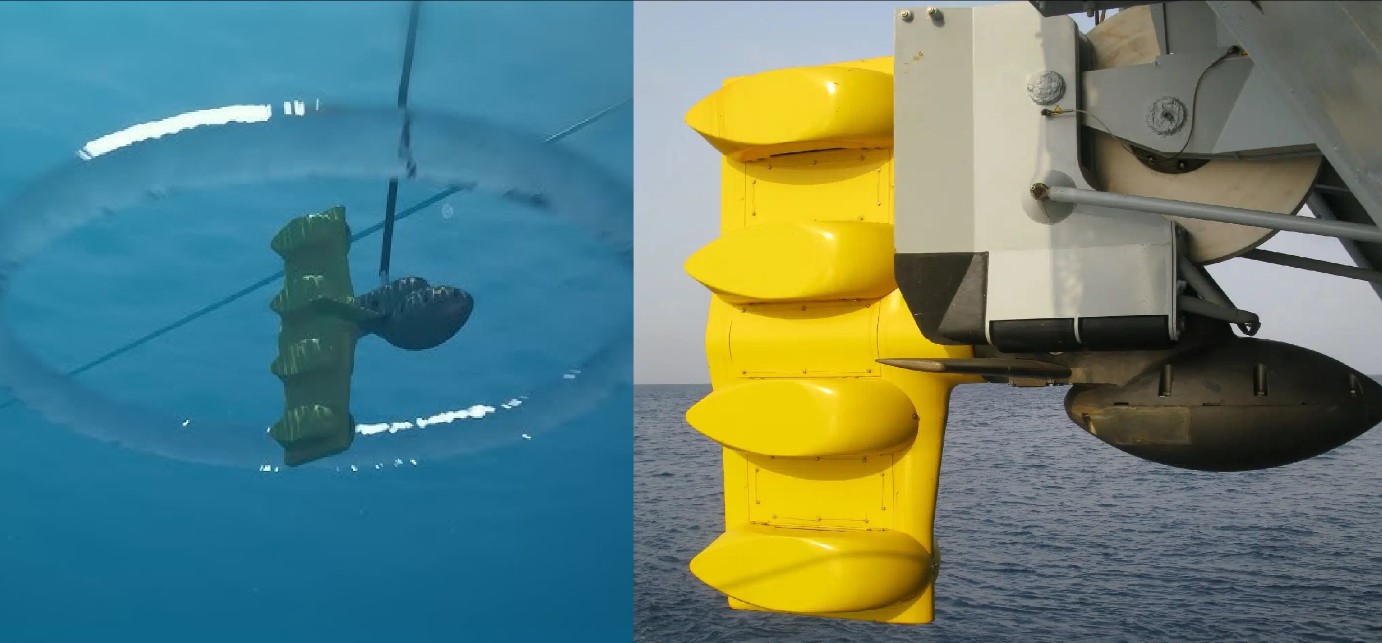
World
Here’s a fully rewritten, dramatic-free, simple, factual article with bold main words and including who placed the 100th order: Thales has received its 100th order for the CAPTAS (Combined Active-Passive Towed Array Sonar) system from the French Navy, marking a major step in the deployment of advanced anti-submarine warfare (ASW) technology. With this order, CAPTAS is now in service with 17 navies around the world, highlighting the system’s widespread adoption and reliability. The CAPTAS system is recognized for its high-performance towed variable depth sonar (VDS), offering both active and passive detection modes. It allows navies to locate and track submarines at long ranges, giving commanders the information needed to maintain tactical advantage in underwater operations. The system provides full-spectrum ASW capability, 360° surveillance, and can be installed on a wide range of surface vessels, from frigates to destroyers, without major modifications. Technically, CAPTAS includes ultra-low frequency active sonar, operates at variable depths up to 300 meters, and uses multi-sensor data fusion supported by artificial intelligence. This enables coordinated operations between allied forces and faster evaluation of the underwater situation. Its variants—CAPTAS-1, CAPTAS-2, and CAPTAS-4—cater to different platform sizes and mission needs, while CAPTAS-4 Compact offers similar capabilities in a lighter configuration for medium-sized frigates. Thales emphasizes continuous improvement, incorporating operational feedback from more than 50 navies to ensure high reliability and ease of use. Sébastien Guérémy, Vice-President of underwater warfare at Thales, noted that this extensive experience makes CAPTAS a dependable choice for current and future anti-submarine missions. The 100th order from the French Navy demonstrates the trust placed in Thales’ CAPTAS system and reinforces its role as a global standard for modern underwater defense.
Read More → Posted on 2025-10-02 14:23:39Search
Top Trending in 24 Hours
-
 Tulsi Gabbard Releases Declassified Files Detailing U.S.-Backed Network of 120 Biolaboratories Across 30+ Countries
-
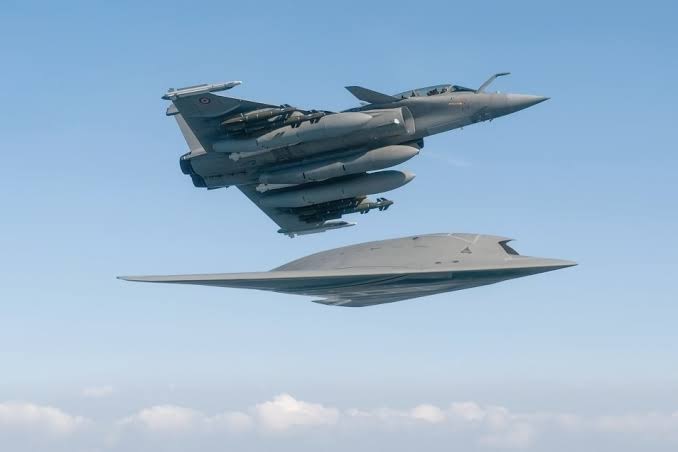 France Agrees to Equip Future Indian Rafales with AI, MUM-T and Secure Satellite Links Under F5 Standard
-
 Dassault Seeks Compensation From Airbus as Eurodrone Dispute Erupts After FCAS Collapse
-
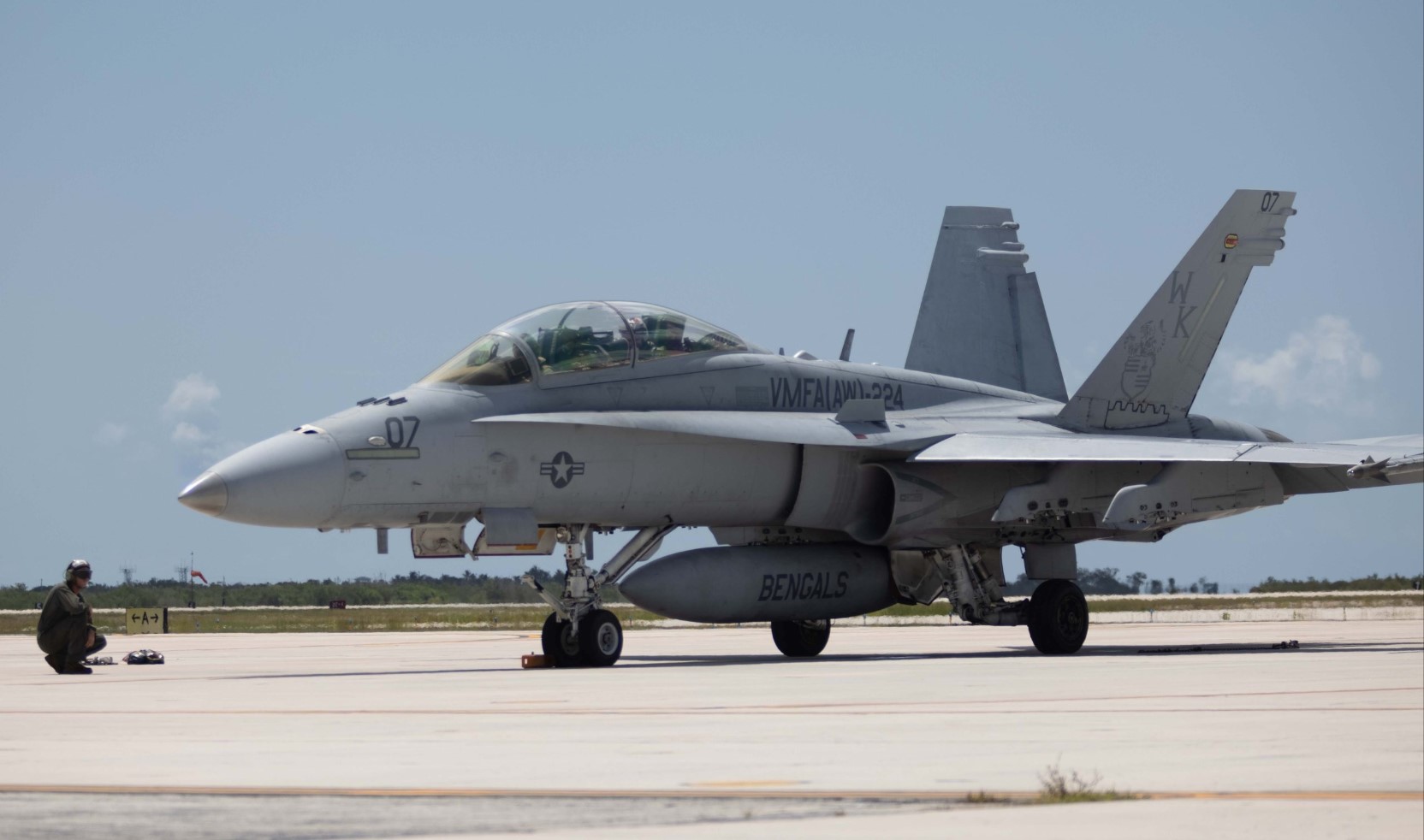 US Marine Corps F/A-18D Hornet Crashes During Training Flight in Washington Mountains; Pilot Ejects Safely
-
 AM General Unveils Next-Generation UGV and JLTV A2 with Counter-Drone Systems at Eurosatory 2026
-
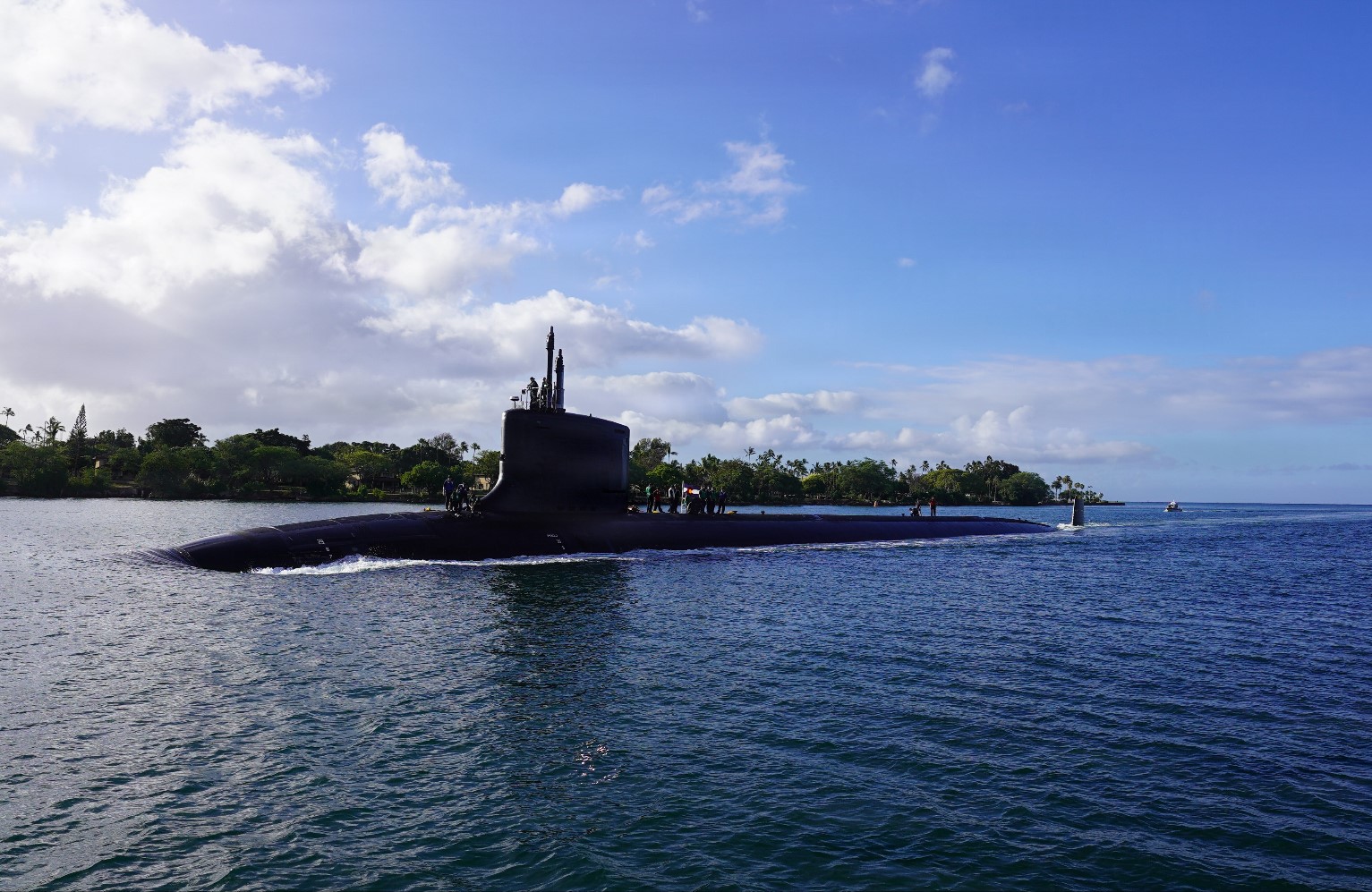 U.S. Navy's USS Colorado Submarine Returns to Pacific Fleet 29 Days Early After Major Pearl Harbor Overhaul
-
 Pakistan Raises Defence Budget from $9 Billion to $10.8 Billion as J-35 Fighter and Hangor Submarine Programs Advance
-
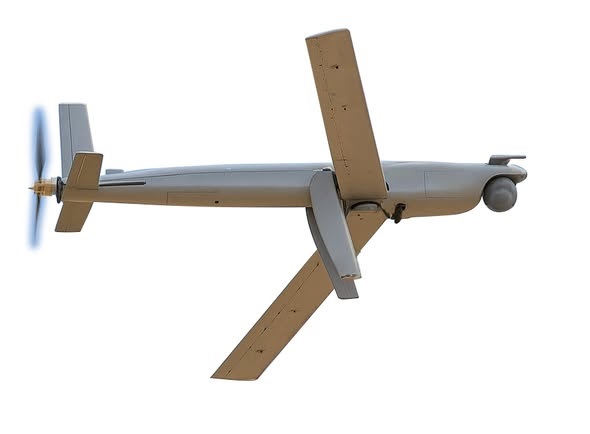 Elbit Systems and Diehl Defence Partner to Offer SkyStriker Loitering Munition to German Armed Forces
Top Trending in 4 Days
-
 Iranian Media Leaks 14-Point U.S.-Iran Peace Framework Amid Ongoing Negotiations
-
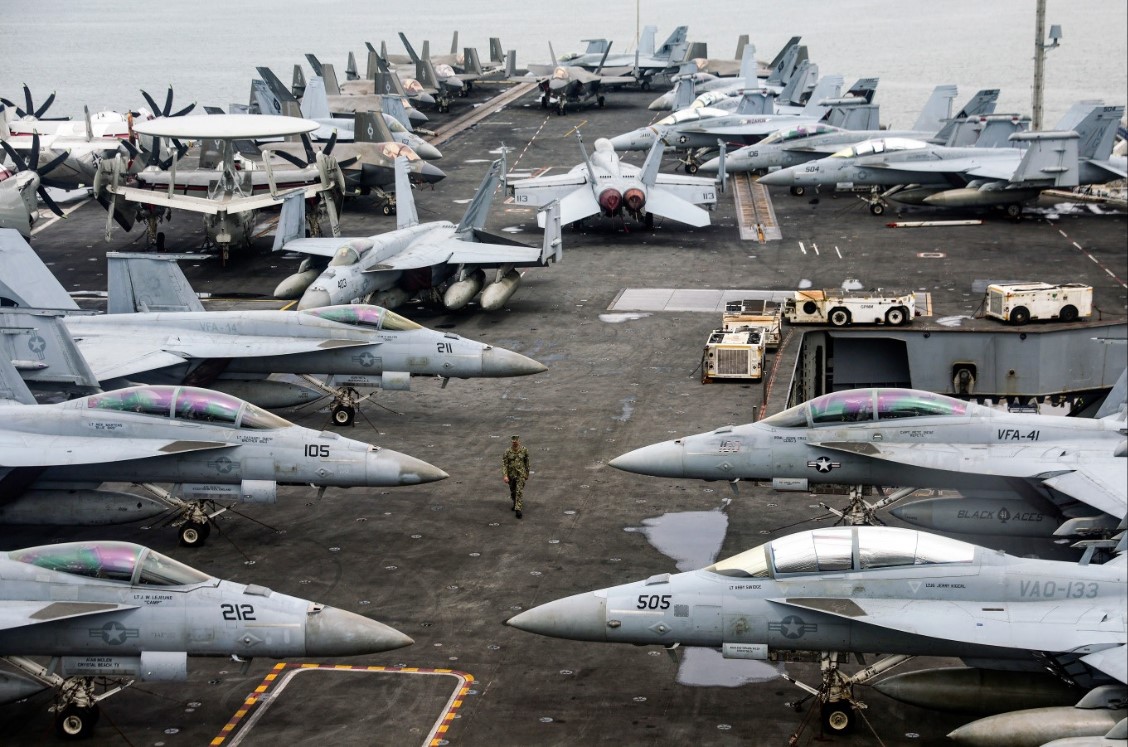 US Plans Significant Reduction of Fighter Jets and Warships for NATO Operations in Europe
-
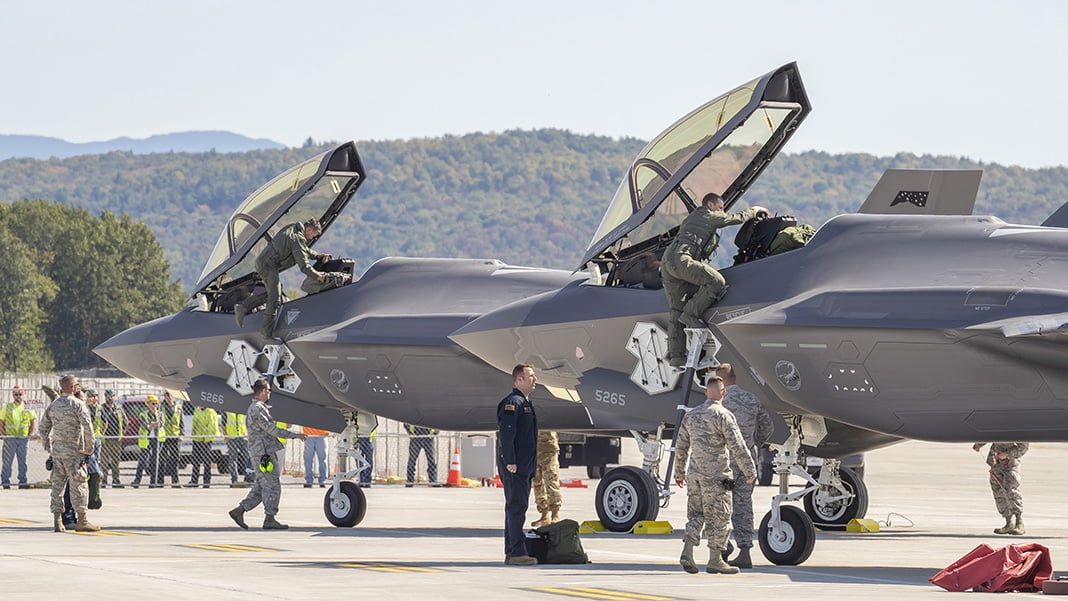 F-35 Fleet Readiness Falls to 25% Amid Parts Shortages and Software Delays: GAO Report
-
 U.S. Air Force Faces Strategic Airlift Shortfall as C-17 Production Restart Remains Uncertain
-
 NATO Commander Says Russia Not Seeking Conflict With Alliance Despite U.S. Force Reductions
-
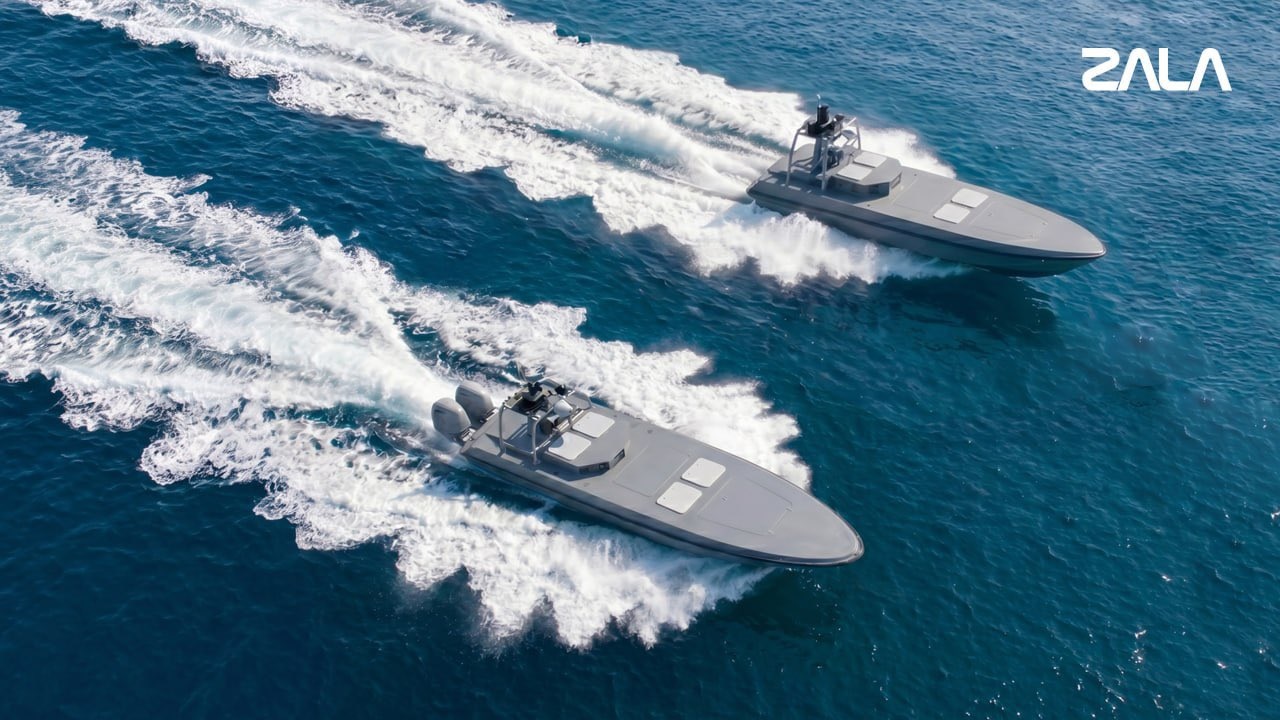 Russian Defense Firm ZALA Unveils KAMA Unmanned Surface Vessel Family at FLOT-2026 Naval Exhibition
-
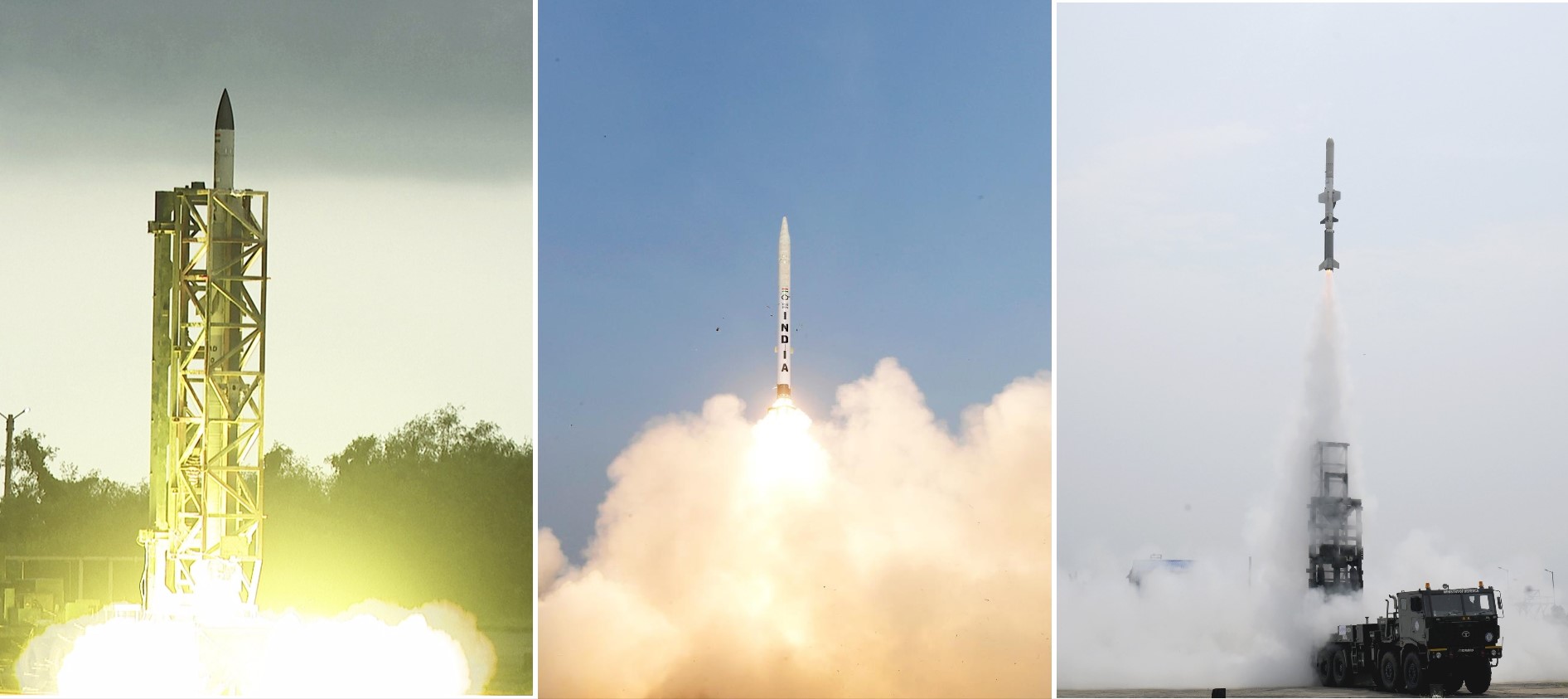 India Successfully Conducts AD-1, AD-2 Interceptor Tests and Maiden NASM-MR Flight Trial
-
 U.S. Space Force Awards $437.7 Million Contracts for First PTS-G Swarm 1 Anti-Jam Satellites