World
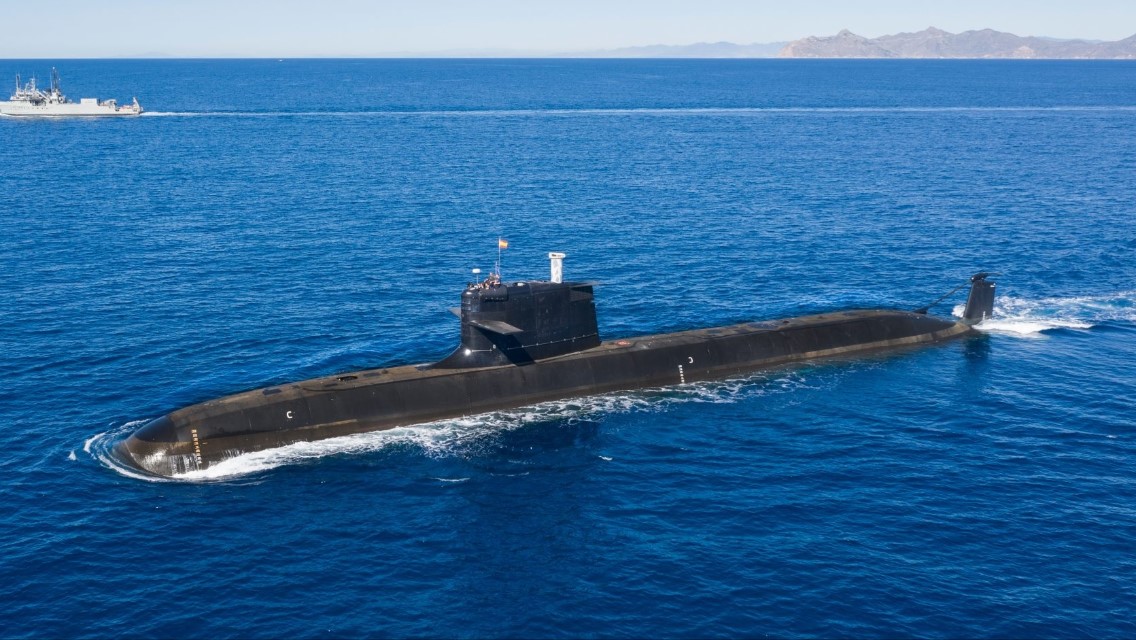
Spain has marked a major milestone in naval modernization with the deployment of its first S-80 Plus-class diesel-electric submarine, the ESPS Isaac Peral (S-81), on its first NATO mission. Commissioned in November 2023, this advanced submarine is now fully operational and has been integrated into NATO’s Operation Sea Guardian (OSG) — a Mediterranean maritime security mission designed to safeguard sea routes, counter terrorism, and enhance regional stability. Isaac Peral’s First NATO Deployment According to NATO Allied Maritime Command (MARCOM), the Isaac Peral is currently operating in the Mediterranean Sea under OSG. The operation focuses on maintaining maritime situational awareness (MSA), deterring illicit activity, and protecting critical maritime infrastructure. The Spanish Navy described this deployment as a “clear demonstration of deterrence and interoperability” within the alliance. Operating under the ‘associated support’ framework, the Isaac Peral remains under Spain’s national command while contributing intelligence, surveillance, and reconnaissance (ISR) data to NATO’s network. The submarine’s mission profile involves maritime domain awareness (MDA) — tracking vessel movements, underwater threats, and potential smuggling routes across the region. Technical Prowess of the S-80 Plus Class The S-80 Plus-class submarines, developed by Navantia, represent the most advanced undersea capability ever produced in Spain. The Isaac Peral measures 80 meters in length, displaces 3,000 tonnes when submerged, and operates with a crew of 32. It features an ultra-modern combat system co-developed by Lockheed Martin, and is capable of launching heavyweight torpedoes, anti-ship missiles, and naval mines. The submarine’s advanced sensor suite includes: An L3Harris Mod 2010 optronics mast for surface surveillance. A Lockheed Martin integrated sonar system, featuring a medium-frequency passive cylindrical array, low-frequency flank arrays, and a SAES Solarsub very-low-frequency towed array for long-range detection. This combination allows the S-80 Plus to monitor activity above and below the surface with remarkable precision, contributing to NATO’s multi-domain awareness objectives. Stealth, Endurance, and Next-Generation Propulsion One of the defining features of the upcoming S-80 Plus boats is the Bio-Ethanol Stealth Technology (BEST) Air-Independent Propulsion (AIP) system. This innovative technology — set to be installed on the third and fourth submarines (Cosme García and Mateo García de los Reyes) and later retrofitted into the first two — will enable submerged endurance of up to three weeks, significantly extending stealth capability. The nuclear-like endurance of the AIP system allows the submarine to remain submerged for prolonged periods, avoiding detection from surface vessels and aircraft. This makes it an ideal platform for covert surveillance, intelligence collection, and strategic deterrence missions across the Mediterranean and Atlantic corridors. Strategic Boost for NATO and Spain The deployment of Isaac Peral comes at a critical geopolitical moment. With rising instability in the Middle East, increased Russian naval presence in the Mediterranean, and growing migration and trafficking routes, NATO’s maritime surveillance needs have never been greater. The S-80 Plus enhances Spain’s ability to monitor and protect the Strait of Gibraltar, one of the world’s most vital maritime chokepoints. Following Turkey’s invocation of the Montreux Convention in 2022, Russian submarines based in the Black Sea are restricted in their movement through the Bosporus and Dardanelles, forcing them to rely on the Gibraltar Strait — now under closer NATO watch thanks to Spain’s new underwater fleet. Spain plans to operate four S-80 Plus submarines, with Narciso Monturiol (S-82) expected to enter service by 2026, followed by Cosme García (S-83) and Mateo García de los Reyes (S-84) at two-year intervals. Each vessel will significantly expand the Alliance’s undersea capabilities in the western Mediterranean, contributing to collective deterrence. Testing and Operational Readiness Before joining NATO operations, Isaac Peral completed a rigorous series of combat and endurance trials, including Dynamic Mariner — a NATO-led exercise preparing forces for multi-domain crisis operations — and FLOTEX 25, a Spanish Navy-led fleet readiness drill. The submarine also participated in SINKEX live-fire exercises off the Canary Islands, validating its operational systems and weapons. According to the Armada Española, these tests demonstrated the submarine’s ability to operate autonomously, safely, and effectively during complex maritime scenarios. It now stands as Spain’s most advanced undersea combat asset. The Broader Significance The early deployment of the S-80 Plus-class underscores Spain’s growing role in NATO’s maritime security architecture. Beyond its national value, the new submarine adds cutting-edge surveillance and deterrence capabilities to the Alliance’s underwater network, improving its ability to respond to hybrid and conventional threats. Experts note that this deployment also sends a message to potential adversaries: NATO’s undersea domain is evolving. With the Isaac Peral now fully operational, the Alliance gains not just another submarine, but a technological benchmark for future European SSK programs. The deployment of ESPS Isaac Peral under NATO’s Operation Sea Guardian represents a historic step for Spain’s Navy and a strategic asset for the Alliance. Combining stealth, endurance, and advanced surveillance systems, the S-80 Plus marks a new era in undersea warfare — one that reinforces NATO’s presence in the Mediterranean while demonstrating Europe’s growing capability to produce indigenous, high-performance submarines. In the evolving maritime landscape of the 21st century, the Isaac Peral stands not just as a warship, but as a symbol of deterrence, cooperation, and technological mastery beneath the waves.
Read More → Posted on 2025-10-31 16:07:33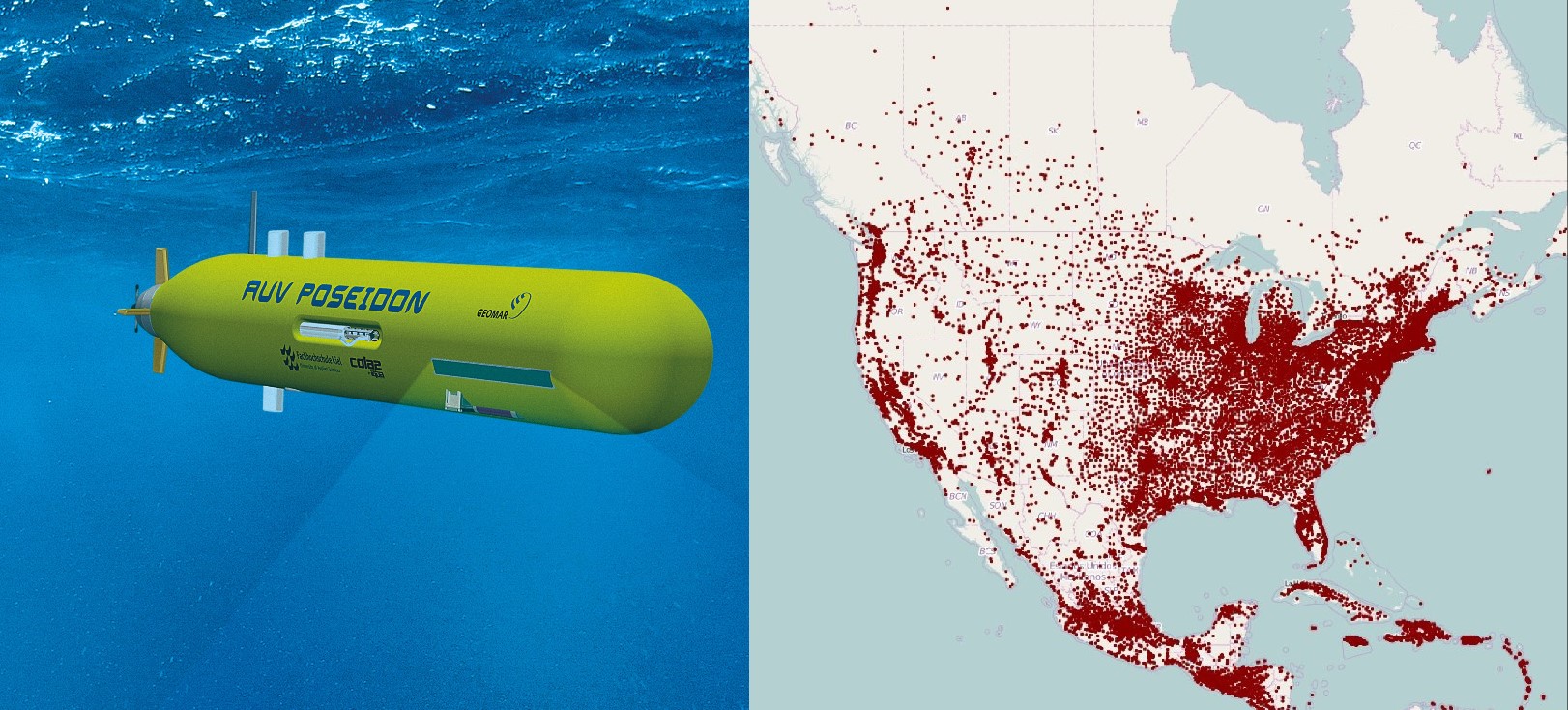
World
Russia’s Poseidon nuclear torpedo — also known as the Status-6 Oceanic Multipurpose System — is not just another undersea weapon. It represents a new era of underwater nuclear deterrence, combining unlimited range, deep-sea stealth, and devastating power. Its very existence challenges the world’s ability to defend itself beneath the oceans — a domain where no reliable interceptor yet exists. What is the Poseidon Nuclear Torpedo? The Poseidon is an autonomous underwater vehicle (UAV) or unmanned nuclear-powered torpedo designed to carry a massive thermonuclear warhead. It can be launched from special submarines, such as Russia’s Belgorod and Khabarovsk, and is believed to have an intercontinental range, allowing it to reach targets across the globe without refueling or resurfacing. At its core, the Poseidon is powered by a miniature nuclear reactor, giving it virtually unlimited range and the ability to operate for months beneath the sea. It’s not bound by the same limits as conventional torpedoes or missiles — it doesn’t need refueling and can travel at incredible depths, making it almost impossible to detect. Unlimited Range and Deep-Sea Stealth Unlike ballistic missiles that fly through space and are easily tracked by satellites and radar, the Poseidon travels silently underwater. This gives it the advantage of surprise. Speed: Estimated between 70–100 knots (130–185 km/h), far faster than most submarines or underwater drones. Depth: Can dive beyond 1,000 meters, deeper than most Western submarines can safely operate. Range: “Unlimited,” due to nuclear propulsion — allowing transoceanic missions. Underwater detection systems — such as sonar networks — have limited coverage and cannot scan the entire ocean. This makes Poseidon effectively a “ghost torpedo,” capable of approaching the coastline undetected. A Nightmare for U.S. Defense Systems The United States has one of the world’s most advanced air and missile defense networks, including THAAD, Patriot, and Aegis systems. These can intercept ballistic or cruise missiles in the air. However, underwater, it’s a different story. There are no operational interceptors or rapid-response systems designed to stop a nuclear-powered torpedo deep below the ocean. Tracking underwater objects requires complex sonar networks, which are easily confused by ocean noise, temperature layers, and depth variations. This means if a Poseidon was ever launched toward the U.S. coastline, the chances of detecting and destroying it before detonation are extremely low. The Power of Poseidon The Poseidon’s nuclear payload is the most terrifying element. Warhead yield: Reported between 2 to 100 megatons, though the exact figure remains classified. Even a 2-megaton detonation underwater would devastate an entire coastal city. A 50–100 megaton warhead — if real — would produce destruction on a continental scale, equal to or greater than the infamous Soviet Tsar Bomba. A blast of such magnitude beneath the ocean could trigger massive radioactive contamination, destroy ports, and cripple naval bases. The Tsunami Effect — Fact or Fiction? One of the most feared consequences of a Poseidon detonation is the creation of a radioactive “mega-tsunami.” If detonated a few kilometers off the U.S. coastline, the shockwave and displacement of water could produce waves up to 300–500 meters high near the source, depending on depth and seafloor structure. Such waves would flatten everything within tens of kilometers of the coast and carry radioactive seawater deep inland. Scientists, however, debate this effect. Some experts argue that while localized tsunamis would be devastating, a global-scale tsunami — capable of crossing oceans — is unlikely. Still, even limited waves would be enough to destroy ports like New York, Los Angeles, or Miami, leaving millions dead and coastal regions uninhabitable for decades. Why the U.S. Is Vulnerable & Why U.S Has No Defense About 40% of the U.S. population lives in coastal counties, and nearly 70% of major industrial and military infrastructure — including ports, refineries, and shipyards — lies within 100 km of the coast. A Poseidon strike on any one of these regions would: Wipe out millions in minutes, Destroy naval fleets and command centers, Collapse energy and trade routes, and Create long-lasting radioactive contamination. The U.S. military acknowledges that its current anti-submarine systems cannot provide full coverage against a nuclear-powered underwater weapon of this scale. The U.S. Navy currently has no underwater interceptor or system capable of neutralizing a high-speed, nuclear-powered torpedo traveling at 100 knots (185 km/h). This technological gap has led many defense analysts to describe Poseidon as a strategic nightmare — a weapon designed to bypass every layer of modern missile defense, making it one of the most uncontrollable and terrifying threats to global security. Who Is Working on Countermeasures? Currently, no country possesses a proven underwater defense system capable of intercepting a Poseidon-class torpedo. However, several nations are investing in anti-UUV (Unmanned Underwater Vehicle) technologies: United States: Developing autonomous hunter UUVs and deep-sea sonar grids. United Kingdom: Working on Project CETUS, an autonomous undersea surveillance platform. Australia & Japan: Investing in underwater sensor networks and robotic submarines for early detection. Still, experts admit — the ocean is vast, unpredictable, and nearly impossible to monitor in real-time. It may take decades before an effective underwater missile defense system exists. Global Threat — Beyond America Although the Poseidon is often discussed in the context of U.S.–Russia rivalry, it represents a global threat. Coastal cities like London, Shanghai, Tokyo, and Mumbai would all be vulnerable to such an underwater strike. Its psychological impact is enormous: a weapon that can stay hidden for months, travel across oceans, and deliver the world’s most destructive payload without warning. That is why military analysts call it a “Doomsday Weapon.” Expert Opinions and Concerns Defense experts describe Poseidon as both a technological innovation and a strategic destabilizer. It bypasses traditional missile defenses, forcing nations to rethink deterrence. It increases nuclear uncertainty, as early detection is nearly impossible. And it raises escalation risks, since any underwater anomaly could be misinterpreted as a nuclear strike. Even if never used, Poseidon changes how countries plan coastal defense and manage nuclear deterrence. The Ultimate Symbol of Destruction The Poseidon Nuclear Torpedo embodies a terrifying concept — a silent, unstoppable weapon capable of annihilating coastal civilization. Its unlimited range, massive yield, and stealth underwater profile make it unique in modern warfare. Unlike missiles, there’s no defense shield beneath the sea, and that alone makes Poseidon the most feared weapon ever built. Experts agree that until effective underwater interceptors are developed, Poseidon remains a real-world doomsday device — one that threatens not just the United States, but the entire planet.
Read More → Posted on 2025-10-31 15:56:53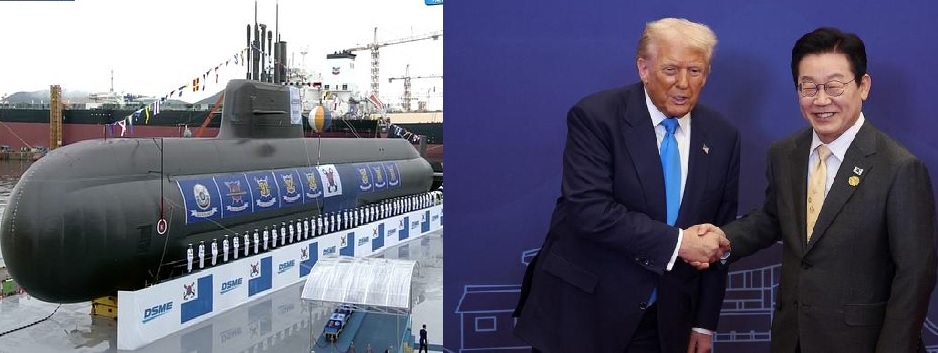
World
In a major geopolitical and defense breakthrough, U.S. President Donald Trump announced on October 29th that the United States has granted approval for South Korea to build nuclear-powered submarines on U.S. soil. The revelation came during a high-profile meeting between Trump and South Korean President Lee Jae-Myung in Gyeongju, followed by posts on Trump’s Truth Social account confirming that construction will take place at Philadelphia Shipyards, now owned by Hanwha Ocean, a leading South Korean defense firm. This decision marks a historic shift in U.S.–South Korea defense cooperation, as it will be the first time South Korea constructs nuclear submarines, and notably, the first such project hosted on American territory. A Long-Awaited Green Light South Korea’s interest in nuclear-powered submarines dates back more than a decade, but it was formally requested from the United States in 2016 during the administration of President Park Geun-hye. The request resurfaced in 2018 and again in 2021, under Presidents Moon Jae-in and Yoon Suk-yeol, as North Korea accelerated development of submarine-launched ballistic missiles (SLBMs) and expanded its own underwater nuclear deterrent. Until now, the U.S. had refrained from granting permission due to nuclear proliferation concerns under the U.S.–ROK Atomic Energy Agreement, which limits South Korea’s ability to use enriched uranium for military purposes. However, mounting regional security challenges — including China’s assertive naval posture and Russia’s Pacific rearmament — shifted the U.S. stance. President Trump, seeking to demonstrate renewed American leadership and allied empowerment, finally gave the “go-ahead” in late October, stating: “Our (U.S. and South Korea’s) military alliance is stronger than ever before, and based on that, I have given them approval to build a Nuclear Powered Submarine.” This approval effectively unlocks a project that has been stalled for nearly nine years, representing the culmination of persistent South Korean diplomacy and strategic alignment between Washington and Seoul. Project Location and Hanwha’s $5 Billion Investment The project will center around the Philadelphia Shipyard, a facility historically used for commercial shipbuilding rather than military nuclear work. After Hanwha Group acquired a controlling stake in late 2024, the company pledged to invest over $5 billion to modernize and adapt the facility for submarine construction. According to U.S. defense officials, Hanwha’s modernization plan will include: Establishment of nuclear handling infrastructure, Creation of shielded assembly halls and pressure hull manufacturing lines, and Recruitment of U.S. and South Korean engineers specializing in nuclear propulsion systems. However, as of late October, no formal intergovernmental memorandum of understanding (MoU) has been signed, and the final project blueprint remains under negotiation between Seoul’s Defense Acquisition Program Administration (DAPA) and the U.S. Department of Defense. Estimated Cost and U.S. Role Preliminary estimates place the total project cost at $15–18 billion USD, covering shipyard upgrades, reactor development, and submarine construction for an initial fleet of four to six vessels. The U.S. contribution will primarily involve: Reactor safety certification and nuclear technology oversight, Access to enriched uranium supply chains under defense exemptions, and Integration of U.S. sonar and combat management systems into the final submarine design. This arrangement ensures non-proliferation compliance while still granting South Korea a pathway to develop indigenous nuclear propulsion technology under close American supervision. South Korea’s Strategic Vision South Korea’s Navy, or ROKN, envisions the nuclear submarine as a deterrent platform with global operational endurance — capable of tracking North Korean missile submarines and maintaining stealth patrols deep into the Pacific. During the National Assembly’s Defense Committee audit on October 30th, Chief of Naval Operations Admiral Kang Dong-gil stated: “The start date for the nuclear-powered submarine program has not yet been decided, but once it begins, it will take more than 10 years. Its displacement is expected to exceed 5,000 tons.” DAPA Commissioner Seok Jong-geon added that based on comparisons with “advanced countries,” it typically takes a decade to build an SSN, but South Korea’s strong industrial base could shorten the timeline. Defense Minister Ahn Kyu-baek hinted at a fleet size goal of at least four nuclear submarines, forming the backbone of South Korea’s underwater deterrence strategy. Design and Technological Foundation South Korea’s KSS-III (Dosan Ahn Changho-class) submarine is widely believed to serve as the base platform for nuclear adaptation. The KSS-III, already the first fully indigenous South Korean submarine, weighs 3,750 tons (Batch I) and up to 4,200 tons (Batch II). It features: K-VLS (Korean Vertical Launch System) cells — six on Batch I, ten on Batch II, Advanced AIP (Air Independent Propulsion) system, Modern combat systems and sonar suites developed by Hanwha Systems. Defense experts suggest that a nuclear variant of the KSS-III, with a reactor module replacing the AIP system, could reach 5,000–5,500 tons, offering extended underwater endurance and higher sustained speeds — key for long-range patrol and anti-submarine warfare operations. Strategic and Industrial Implications This cooperation represents a major win for both nations.For the United States, it strengthens a trusted naval partner in the Indo-Pacific — one capable of independently countering growing Chinese maritime influence and deterring North Korean aggression. For South Korea, it finally achieves a long-standing defense goal — joining the elite circle of nations operating nuclear-powered submarines, alongside the U.S., U.K., France, Russia, India, and China. Moreover, by choosing U.S. soil for construction, both sides ensure tight control over nuclear materials and prevent proliferation concerns, while boosting American shipbuilding employment through joint industrial integration. The U.S. approval of South Korea’s nuclear submarine program marks a historic milestone in the evolution of the U.S.–ROK alliance. While the path ahead involves years of planning, engineering, and regulatory coordination, the decision alone reshapes the strategic balance in the Indo-Pacific. Once completed, these submarines will not only symbolize South Korea’s technological maturity but also embody a new model of allied defense cooperation — one built on shared deterrence, industrial synergy, and trust between two of the world’s closest partners. In essence, the Philadelphia-built nuclear submarines may soon become the ultimate emblem of the U.S.–South Korea alliance in the 21st century.
Read More → Posted on 2025-10-31 14:00:15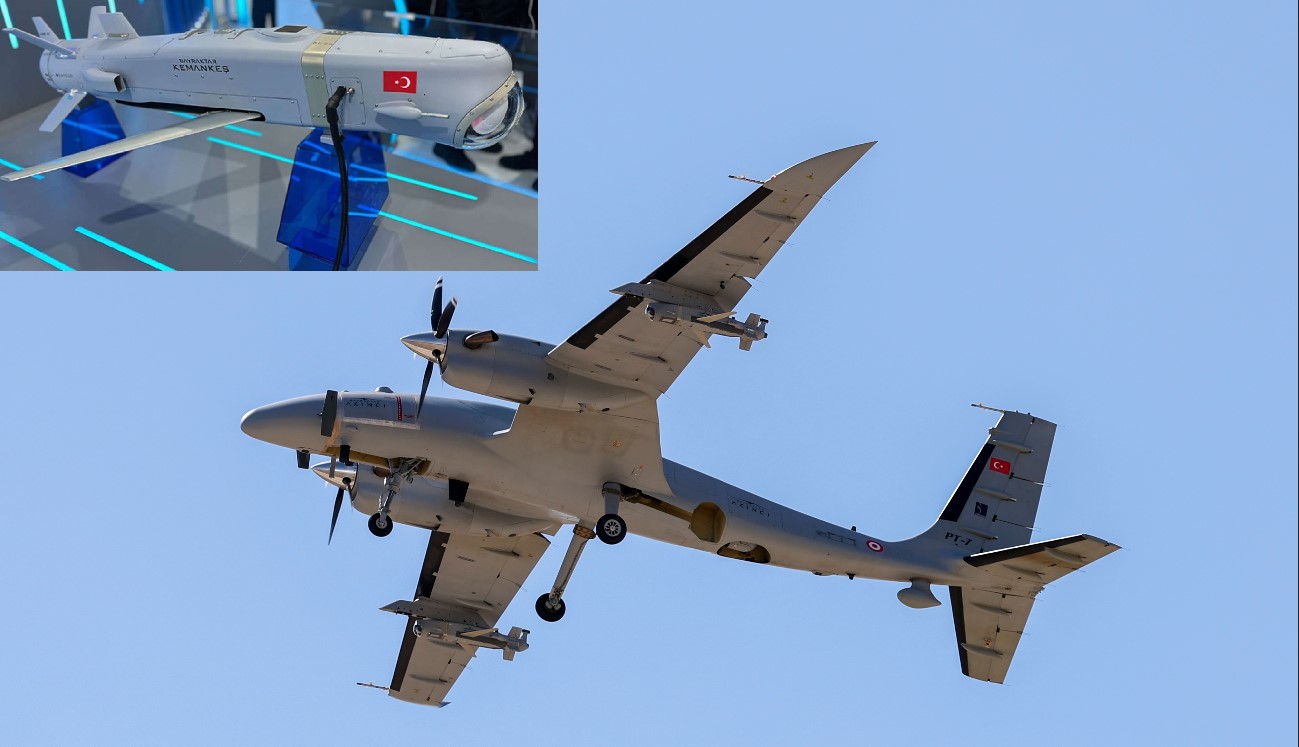
World
In a landmark achievement for Türkiye’s defense industry, Baykar has completed the first live-fire test of its AI-guided KEMANKEŞ-1 mini cruise missile, launched from the Bayraktar Akinci unmanned combat aerial vehicle (UCAV). The test, conducted under live operational conditions and confirmed by the Turkish Ministry of National Defense on October 31, 2025, marks the first successful engagement of airborne targets by an AI-powered cruise missile launched from a UCAV — an event widely described as a breakthrough for Türkiye’s indigenous unmanned strike systems. According to Türkiye Today, the trial demonstrated the KEMANKEŞ-1’s ability to execute a fully autonomous mission cycle — including launch, mid-course navigation, target tracking, and terminal engagement — under complex battlefield-like conditions. The missile reportedly identified, tracked, and neutralized aerial targets, simulating incoming threats with pinpoint precision, showcasing Türkiye’s advancement in integrating artificial intelligence into combat munitions. A New Chapter in Turkish Unmanned Warfare The Bayraktar Akinci UCAV, Baykar’s flagship long-endurance strike drone, served as the launch platform for the KEMANKEŞ-1 test. With an endurance exceeding 24 hours, service ceiling of 40,000 feet, and a payload capacity of 1,350 kilograms, the Akinci represents the apex of Türkiye’s unmanned aerial capability. The test validated the UCAV’s ability to launch precision cruise munitions autonomously, enabling long-range engagements from beyond the reach of conventional air defenses. For Turkish defense planners, this means stand-off strike capability using unmanned platforms — a combination that provides both operational flexibility and survivability in contested airspaces. KEMANKEŞ-1: The “Master Archer” of Precision Strike The KEMANKEŞ-1, whose name translates to “Master Archer” in Ottoman Turkish, is a jet-powered, AI-guided mini cruise missile designed to strike both ground and airborne targets with surgical precision. It represents a hybrid between a loitering munition and a cruise missile, combining endurance, range, and autonomous targeting in a compact, low-observable design. Technical Specifications (Baykar official data & verified sources): Length: 1.73 meters Wingspan: 1.14 meters (foldable) Height: 0.40 meters Maximum Take-Off Weight (MTOW): 45 kilograms (some independent sources list ~30 kg) Payload / Warhead: 6–10 kilograms (high-explosive fragmentation) Propulsion: Small jet engine (turbojet) Cruise Speed: ~259.28 km/h Maximum Speed: ~333.36 km/h (approx. 390 knots) Operational Range: 100 kilometers Endurance: Up to 20 minutes Operational Altitude: 7,500 feet Service Ceiling: 10,000 Communication Range: 80+ km (with autonomous extension beyond via AI navigation) Power Plant: Jet engine with electric start-up system Guidance System: AI-supported hybrid guidance — combining Electro-Optical (EO), GNSS/INS, and Computer Vision-based Autopilot Terminal Guidance: EO or GNSS-based, with autonomous image recognition Electronic Warfare Resistance: Integrated anti-jamming protection Payload (ISR variant): AI-assisted EO camera capable of real-time target recognition Launch Method: Air-launched from UCAVs such as the Bayraktar TB2, TB3, and Akinci These specifications reflect Baykar’s growing expertise in miniaturized propulsion systems, AI-assisted guidance, and autonomous navigation — three pillars essential for the next generation of precision strike systems. From TB2 to Akinci: Evolution and Capability Expansion Baykar initially tested the KEMANKEŞ-1 on its Bayraktar TB2 UCAV, achieving over 100 km of operational range during developmental flights in early 2025. However, its integration with the Akinci platform now allows for longer-range strikes, higher-altitude deployment, and multi-target engagement in layered defense zones. This evolution transforms the KEMANKEŞ-1 from a tactical precision weapon into a strategic asset, capable of performing air-to-air, air-to-ground, and anti-radiation missions in both autonomous and networked modes. The AI system allows the missile to operate semi-independently, identifying potential threats — such as enemy UAVs, helicopters, or radar emitters — even without continuous operator input. Strategic Implications: Türkiye’s Leap into AI Warfare The successful test underscores Türkiye’s determination to achieve defense self-reliance and export competitiveness in high-tech warfare systems. By merging AI, autonomous flight, and precision weaponry, Baykar has positioned itself as a global innovator in unmanned combat technology. With KEMANKEŞ-1, Türkiye now joins the limited group of nations capable of fielding AI-driven, long-range precision munitions launched from unmanned aircraft. The technology could soon be adapted for sea-based operations, as the Bayraktar TB3, designed for the TCG Anadolu amphibious assault ship, is expected to deploy the same missile family. This would give the Turkish Navy a carrier-launched UCAV strike capability, expanding its operational reach across the Aegean, Mediterranean, and Black Sea theaters. For global defense observers, the test marks a paradigm shift: autonomous kill chains are now operational in middle-power nations, reducing dependence on traditional Western suppliers. Türkiye’s success also highlights a broader trend — the democratization of advanced weapons technology, where regional powers are closing the gap with established defense giants. AI on the Battlefield: Precision Meets Autonomy The AI core of the KEMANKEŞ-1 enables real-time data fusion, adaptive path planning, and image-based target classification, giving it a tactical advantage in cluttered environments and electronic warfare zones. Unlike traditional cruise missiles, which rely heavily on satellite guidance, the KEMANKEŞ-1 can make autonomous adjustments mid-flight, selecting alternative routes or targets as conditions change. Analysts suggest that this capability positions the missile for roles beyond simple strike missions — including Suppression of Enemy Air Defenses (SEAD), counter-UAV operations, and high-value target elimination. Its small radar signature and AI-based decision-making make it a potent threat even to advanced adversaries. A New Era for Baykar and Türkiye’s Defense Exports Following the successful test, Baykar is reportedly preparing for serial production of the KEMANKEŞ-1, with export interest already rising from nations currently operating the Bayraktar UCAV series. Given Baykar’s proven track record in Libya, Syria, Ukraine, and Nagorno-Karabakh, the integration of AI-powered munitions is expected to redefine both tactical and strategic drone warfare globally. With continued development, the KEMANKEŞ-1 could serve as the foundation for a family of autonomous mini cruise missiles, potentially including anti-ship and electronic-attack variants, further expanding Türkiye’s role as a defense technology exporter. The first live-fire launch of the KEMANKEŞ-1 AI-guided cruise missile from the Bayraktar Akinci UCAV represents a pivotal moment in Türkiye’s military modernization. It showcases the nation’s technological maturity in combining AI, autonomy, and precision — a trinity that defines the future of warfare. By mastering the integration of intelligent munitions with its drone fleet, Türkiye is not just catching up with global powers; it is helping define the next generation of autonomous combat systems. The KEMANKEŞ-1, true to its name, is indeed Türkiye’s master archer — striking swiftly, intelligently, and from afar.
Read More → Posted on 2025-10-31 13:33:06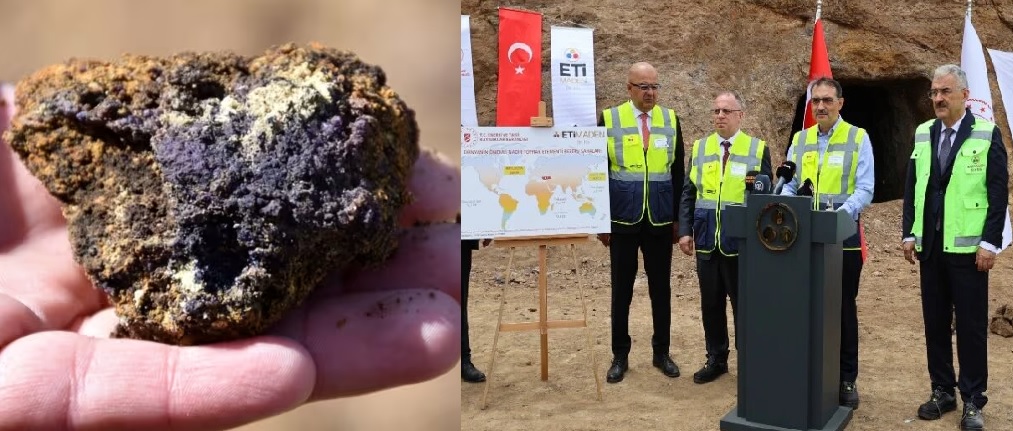
World
Ankara, Turkey: A new discovery in northwestern Turkey could soon place the country among the world’s top holders of rare earth minerals, a category vital to high-tech industries and defense systems. Turkish authorities announced the finding of 12.5 million tonnes of rare-earth oxide (REO) equivalent reserves in the Beylikova district of Eskişehir province, calling it one of the largest deposits ever identified outside China. The announcement was made by officials from Turkey’s Ministry of Energy and Natural Resources, who confirmed that extensive exploration has been conducted in the area. According to early assessments, the deposit contains not only rare-earth elements but also significant quantities of barite and fluorite, which could strengthen Turkey’s industrial base and export potential. A Claim Awaiting Confirmation While the discovery has drawn global attention, experts note that the 12.5-million-tonne figure remains preliminary. At present, there is no independent technical report publicly available that confirms the exact grade or economic viability of the deposit. The figure was first shared by Turkish state media and government officials, and has yet to be verified under international mining standards such as JORC or NI 43-101. In plain terms, Turkey’s find is real — exploration has taken place, and mineralization has been identified — but the economic potential of the deposit will depend on further testing. Factors like grade, depth, and concentration of valuable elements such as neodymium and dysprosium will determine whether the find can be mined profitably. If Proven, a Global Game Changer If independent verification supports the government’s estimate, Turkey would become the third-largest holder of rare-earth reserves in the world, behind China and Brazil. That would mark a major shift in the global rare-earth landscape, which has long been dominated by a handful of nations. Rare-earth elements are indispensable for producing electric motors, wind turbines, semiconductors, and defense electronics — all sectors growing rapidly amid the green-energy transition and rising geopolitical tensions. Currently, China controls over 70 percent of the global supply chain for these materials. The Strategic Advantage for Turkey A confirmed deposit of this scale could provide Turkey with new leverage in global technology and defense markets. It would also strengthen its position as a regional supplier of critical minerals, allowing the country to reduce import dependence and expand industrial capacity. However, the path from discovery to production is long. Building a processing and refining infrastructure for rare-earth elements is complex and expensive, requiring advanced technology and strict environmental controls. Turkey has announced plans to establish a pilot processing facility in Beylikova, but large-scale commercial output may take several years to materialize. Global Ranking of Rare-Earth Reserves According to the latest data from the U.S. Geological Survey (USGS), the world’s largest rare-earth reserves are distributed as follows: China – 44 million tonnes Brazil – 21 million tonnes India – 6.9 million tonnes Australia – 5.7 million tonnes Russia – 3.8 million tonnes Vietnam – 3.5 million tonnes United States – 1.9 million tonnes Greenland (Denmark) – 1.5 million tonnes Myanmar/Thailand – smaller but growing reserves African nations – emerging exploration potential If Turkey’s figures are confirmed, its estimated 12.5 million tonnes of rare-earth reserves would place it directly behind Brazil, surpassing several long-established producers. A New Player in the Rare-Earth Race The discovery comes at a time when global competition for critical minerals is intensifying. The U.S., EU, and India are all seeking to reduce dependence on Chinese supply chains. Turkey’s entry into the rare-earth race could reshape global alliances and trade patterns — especially if it develops local refining capacity and becomes an exporter of refined oxides or magnets. For now, the discovery in Eskişehir stands as one of Turkey’s most promising geological findings in decades. The excitement is justified, but the mining world is watching for the next crucial step — independent confirmation of the reserves and a clear plan for sustainable extraction.
Read More → Posted on 2025-10-31 13:07:49
World
In a move that underscores deepening U.S.-Japan defense cooperation, U.S. President Donald Trump announced aboard the USS George Washington in Yokosuka Naval Base on October 28, 2025, that Japan will receive its first shipment of U.S.-made air-to-air missiles for its F-35 Lightning II fighter jets this week. The announcement — made before American sailors — signifies not only the timely progress of U.S. arms deliveries but also a critical boost to Japan’s air defense capability at a moment of mounting regional tension. A Strategic Delivery from Sea to Sky According to information published by Fox News, the shipment includes two of the most advanced air-to-air weapons in U.S. service: the AIM-120D AMRAAM (Advanced Medium-Range Air-to-Air Missile) and the AIM-9X Sidewinder. These missiles are specifically designed to integrate seamlessly with fifth-generation fighters like the F-35, enhancing their combat efficiency in both long-range and close-quarter engagements. The AIM-120D, the latest variant of the AMRAAM, offers a range exceeding 160 km, allowing Japanese pilots to engage enemy aircraft beyond visual range (BVR) — a decisive advantage against adversaries such as China’s J-20 stealth fighters or Russia’s Su-35s. Meanwhile, the AIM-9X, equipped with high off-boresight targeting and infrared homing, provides exceptional agility and precision in dogfights, ensuring Japan’s F-35s maintain supremacy in short-range aerial encounters. Enhancing Japan’s Expanding F-35 Fleet The delivery marks a major milestone in Japan’s defense modernization. Tokyo’s long-term procurement plan includes 105 F-35A conventional variants for the Japan Air Self-Defense Force (JASDF) and up to 42 F-35B short takeoff and vertical landing variants for the Japan Maritime Self-Defense Force (JMSDF). The F-35Bs are being adapted for deployment on Japan’s Izumo-class helicopter destroyers, which are currently undergoing extensive refits to function as light aircraft carriers. Once complete, Japan will operate a fleet of 147 F-35s — making it the largest F-35 operator outside the United States. By arming these jets with the latest American missiles, Japan transforms its F-35s from cutting-edge platforms into fully operational combat assets capable of performing high-intensity missions across the East China Sea, Sea of Japan, and Western Pacific. Estimated Missile Quantities for Japan Deal Japan’s Missile Deal with the U.S. was approved in January 2025, allowing Tokyo to purchase up to 1,200 AIM-120D-3 and AIM-120C-8 AMRAAM air-to-air missiles under a $3.64 billion Foreign Military Sales (FMS) program. The deal, cleared by the U.S. State Department, aims to strengthen Japan’s air defense and enhance the combat capability of its F-35 and F-15 fighter jets. The agreement also includes related equipment, training, and support to improve Japan’s operational readiness, marking another step in deepening U.S.-Japan defense cooperation in the Indo-Pacific region. Operational Impact: Changing the Air Power Equation The integration of AIM-120D and AIM-9X missiles into Japan’s F-35 arsenal fundamentally alters the regional air power dynamic. With these weapons, Japanese pilots gain the “first-look, first-shot, first-kill” advantage — the ability to detect, target, and neutralize hostile aircraft before being seen themselves. In a potential East China Sea confrontation, for example, where Chinese PLAAF fighters often probe Japanese airspace near the Senkaku Islands, an F-35 armed with AMRAAMs could engage multiple adversaries simultaneously from standoff range. Conversely, in close-range encounters — such as intercepts over Hokkaido or near North Korean launch trajectories — the AIM-9X provides lethal accuracy, even in high-G maneuvers. These capabilities are not only defensive but deterrent. Knowing that Japan’s stealth fighters are equipped with top-tier U.S. missiles significantly raises the cost of any incursion or airspace violation. Alliance Synergy: Shared Missiles, Shared Defense President Trump’s announcement came just after a strategic meeting with Japanese Prime Minister Sanae Takaichi, during which both leaders reaffirmed their commitment to strengthening bilateral defense cooperation. The pair also signed a new framework on rare earth mineral cooperation, underscoring how economic and military partnerships are increasingly interconnected between Washington and Tokyo. From a defense standpoint, this delivery reinforces U.S.-Japan interoperability. Using identical missiles, datalink systems, and maintenance standards allows Japan’s F-35s to operate seamlessly with U.S. Air Force and U.S. Navy aircraft during joint operations, patrols, and exercises. In practical terms, a Japanese F-35 can now share targeting data and even coordinate missile engagements with American counterparts in real time — a level of networked warfare central to modern air combat. Regional Implications: Deterrence in a New Security Era Japan’s rearmament effort comes amid growing regional instability. China continues to assert its presence over contested islands and expand its air patrols near Okinawa, while North Korea’s missile launches increasingly overfly Japanese territory. In such a volatile environment, speed, range, and precision are no longer luxuries — they are survival tools. The arrival of AMRAAM and Sidewinder missiles ensures that Japan’s air force is not merely reactive but proactively capable of denying adversaries the air domain from the outset. In strategic terms, this transforms Japan from a defensive shield into an active deterrent, able to shape outcomes rather than simply respond to them. Beyond Japan: Strengthening Indo-Pacific Defense Architecture Equipped with advanced U.S. missiles, Japan’s F-35s become part of a larger, integrated regional defense network stretching from Alaska to Guam. These aircraft can now operate within shared command-and-control frameworks, participate in coalition patrols, and contribute to crisis response missions alongside allies like Australia, South Korea, and the Philippines. This development also fits into the broader U.S. Indo-Pacific strategy, which seeks to distribute advanced combat capabilities among allies to counterbalance China’s rapid military buildup. By positioning Japan as a forward-operating hub for next-generation fighters and munitions, Washington effectively strengthens its entire Pacific deterrent structure. President Trump’s Yokosuka announcement represents far more than a ceremonial handover — it marks the beginning of a new phase in Japan’s defense posture. With the AIM-120D and AIM-9X now arming its F-35 squadrons, Japan steps decisively into the era of fifth-generation warfare, combining stealth, situational awareness, and unmatched precision weaponry. For the U.S.-Japan alliance, this milestone cements a shared vision: maintaining air superiority, deterrence, and regional stability in an increasingly contested Indo-Pacific. The first shipment of missiles may be arriving this week, but its strategic impact will resonate across the Pacific for years to come — redefining Japan’s role as both shield and sword in the region’s evolving security landscape.
Read More → Posted on 2025-10-30 17:34:03
World
In a major step toward strengthening the U.S. Navy’s digital backbone, Agile Defense has secured a key subcontract under a $44-million program awarded by the Naval Sea Systems Command (NAVSEA) to Savvee Consulting. The five-and-a-half-year contract focuses on modernizing, securing, and streamlining the global IT systems that underpin the operations of the Military Sealift Command (MSC) — the maritime lifeline of U.S. and allied forces worldwide. Reinforcing the Navy’s Digital Supply Chain Under this new agreement, Savvee Consulting will lead the delivery of advanced IT engineering support, while Agile Defense will play a pivotal role as a subcontractor, bringing its expertise in cybersecurity, data analytics, and network sustainment. The program’s central goal is to enhance cybersecurity resilience, improve operational efficiency, and build a data-driven architecture that supports MSC’s complex global logistics operations. According to Jay Burkhardt, Agile Defense’s Vice President for Navy and Marine Corps Operations, the partnership underscores the company’s long-standing commitment to “integrating secure, efficient, and mission-ready digital systems into naval operations.” This initiative, he added, will not only modernize the command’s networks but also help safeguard one of the world’s largest civilian-crewed military fleets against evolving cyber threats. Why the Military Sealift Command’s IT Modernization Matters The Military Sealift Command (MSC) operates more than 130 ships — including fleet replenishment oilers, cargo carriers, hospital ships, and ocean surveillance vessels — that transport fuel, supplies, and equipment to U.S. and allied forces deployed worldwide. These ships form the logistical backbone of American naval power, ensuring sustained operations across vast oceans. Headquartered in Norfolk, Virginia, MSC coordinates operations that extend from the Atlantic and Pacific Oceans to the Persian Gulf and Indo-Pacific. Its vessels often operate in contested or near-peer environments, making the reliability and security of its communications, navigation, and logistics systems absolutely critical. In recent years, as maritime networks have become increasingly digital and interconnected, MSC has expanded its focus from traditional logistics to cyber-resilient operations. The modernization of its IT systems represents an effort to ensure continuous mission assurance, even in the face of cyber warfare and electronic interference. Cybersecurity as the New Maritime Defense Layer Agile Defense’s contribution centers on developing secure, scalable network infrastructures capable of defending against advanced persistent threats (APTs) targeting maritime and defense assets. This includes deploying data-driven monitoring tools, automated threat response mechanisms, and predictive analytics that can identify potential vulnerabilities before they impact operations. The initiative supports a broader Department of Defense (DoD) push to enforce Cybersecurity Maturity Model Certification (CMMC) standards across all defense networks, including Operational Technology (OT) aboard ships and shore-based command centers. By aligning MSC’s digital environment with these standards, Agile Defense and Savvee are effectively creating a hardened cyber shield around one of the U.S. Navy’s most vital logistics components. Integration with Broader Navy Modernization Efforts This project also dovetails with ongoing Navy digital transformation programs, including the Navy Cybersecurity Readiness Initiative and the Digital Horizon Strategy, which seek to unify the service’s IT, logistics, and operational domains under a common digital architecture. Earlier in 2025, MSC introduced the John Lewis-class fleet oilers, a new generation of replenishment ships designed for efficient fuel delivery to carrier strike groups. These ships are equipped with next-generation sensors and cyber-secure control systems, reflecting the Navy’s broader shift toward smart maritime logistics. The command has also recently completed a significant upgrade to its Global Maritime Operations Center (GMOC) — a central hub that allows for real-time tracking, coordination, and management of logistics vessels across all theaters. With Agile Defense’s cybersecurity integration, this command center will gain enhanced situational awareness and protection against data intrusions. Strategic Significance: Resilience Through Technology For the U.S. Navy, this partnership goes beyond IT modernization — it is about operational continuity under pressure. In a potential conflict scenario, where cyberattacks or network disruptions could cripple supply lines, the ability to securely operate and coordinate logistics vessels becomes a decisive advantage. Imagine a situation where U.S. carrier strike groups are deployed in the Indo-Pacific amid rising tensions. The MSC’s fleet of oilers and supply ships must move across contested waters while maintaining secure digital communications. Any breach in the command’s IT or navigation networks could expose critical supply routes. Under the new modernization framework, however, these networks would be reinforced with adaptive cyber defense, ensuring mission delivery even in degraded conditions. A Broader Industry Trend The Navy’s partnership with Agile Defense and Savvee Consulting reflects a wider U.S. defense trend: blending traditional logistics with advanced digital defense. Similar modernization programs are being implemented across the Air Mobility Command and U.S. Transportation Command, aiming to ensure that logistics and sustainment networks — the lifeblood of military operations — are as resilient as combat systems themselves. The Agile Defense–Savvee collaboration under the $44-million MSC modernization program represents a significant evolution in the way the U.S. Navy manages, protects, and sustains its global logistics operations. By merging cybersecurity innovation with digital transformation, the initiative positions MSC as a digitally fortified logistics command, capable of supporting missions across the globe with greater efficiency, safety, and reliability. As maritime operations grow more complex and contested, this investment ensures that America’s floating logistics fleet remains as secure and resilient as the warships it sustains.
Read More → Posted on 2025-10-30 17:12:12
World
In a landmark move that strengthens Europe’s defense sustainment network, GE Aerospace and Poland’s Wojskowe Zakłady Lotnicze No. 2 (WZL-2) have signed a Memorandum of Understanding (MoU) on October 29, 2025, in Warsaw. The agreement aims to develop local maintenance, repair, and overhaul (MRO) and depot-level capabilities for the F110-GE-129 engine — the powerhouse behind the Boeing F-15EX Eagle II. The MoU was signed by Jakub Gazda, CEO of WZL-2, Zbigniew Matuszczak, Member of the Management Board and Technical Director of WZL-2, and Sean Keith, F110 Product Director at GE Aerospace. The collaboration focuses on identifying the infrastructure, training, and technical requirements necessary to enable F110 engine sustainment directly in Poland. A Strategic Leap in Regional Aerospace Capability At the heart of this initiative lies the F110 engine family, a proven design with over 11 million flight hours and four decades of continuous production — an exceptional record in modern fighter aviation. The F110-GE-129, rated at 29,500 pounds of thrust, currently powers the U.S. Air Force’s F-15EX and many F-16C/D Block 50 and 52 aircraft across the Middle East and Asia. While European F-16s like those of Poland and Greece traditionally use Pratt & Whitney’s F100-PW-229, the new partnership signifies a shift toward supporting GE-powered fleets, especially as Poland prepares to play a growing role in F-15EX sustainment. Notably, Türkiye’s KAAN fighter prototype also flies with the F110, linking this project to future fifth-generation jet ecosystems. Building Poland’s Aerospace Backbone The roadmap under the MoU involves developing intermediate and depot-level MRO capacity within Poland, including investments in tooling, test cells, and technician training. Additionally, GE Aerospace is collaborating with the Military University of Technology in Warsaw to create an additive manufacturing lab for aero-engine components. This integration will turn Poland into not just a service center, but a knowledge and innovation hub for GE engines. One of the core advantages of the F110 design is that up to 90% of its maintenance can be performed in-country through modular replacement. This capability will significantly reduce aircraft downtime and logistics costs, allowing for faster recovery of U.S. and allied aircraft deployed in Eastern Europe — especially near NATO’s Eastern Flank. Strategic Impact: Reducing Dependence, Enhancing Readiness By enabling WZL-2 to perform depot-level overhauls of the F110-GE-129, Poland gains a new level of strategic autonomy in aerospace sustainment. For the United States, this localization means faster repair cycles for jets operating from Baltic and Black Sea airspace — an operational necessity if U.S.-based depots become overloaded during crises. For NATO allies, it ensures frontline resilience. Aircraft can now be serviced and returned to operation from within Europe, strengthening deterrence and readiness. This move also integrates Türkiye’s KAAN program into a broader NATO sustainment network, bridging current dependence on U.S. engines until a domestic powerplant is ready in the 2030s. Comparative Advantage Over Other Engine Families Unlike the Pratt & Whitney F100 or the F135 used on the F-35, the F110-GE-129 offers a decentralized, modular sustainment structure ideal for rapid European deployment. The F135 relies on a centralized global maintenance system, whereas the F110 model allows flexible, regional-level service nodes — exactly the model now being built in Warsaw. This partnership creates a European sustainment pillar for one of the most versatile fighter engines in existence, bridging fleets from F-16s to F-15EXs and even KAAN. Poland’s Growing Aerospace Ecosystem Since 1992, GE Aerospace has invested over $700 million in Poland and employs more than 2,000 Polish specialists across six facilities. The new Warsaw MRO initiative further cements Poland’s position as a regional aerospace leader, transforming offsets into long-term industrial strength. With this development, European air power takes a major step toward self-reliant sustainment. Locating F110 support on NATO’s Eastern Flank ensures that the alliance’s most powerful aircraft — the F-15EX, GE-powered F-16s, and future KAANs — can be maintained closer to the fight, faster than ever before. The GE-WZL-2 partnership represents more than an industrial agreement — it’s a strategic shift in transatlantic defense logistics. By establishing a European engine support node, it enhances NATO’s operational readiness, reduces logistical dependency, and sets the stage for aerospace innovation that extends from legacy platforms to next-generation fighters. In short, Poland’s new F110 MRO hub transforms the country from a user of Western technology into a pillar of its sustainment, strengthening both national defense and the collective security fabric of Europe.
Read More → Posted on 2025-10-30 16:25:20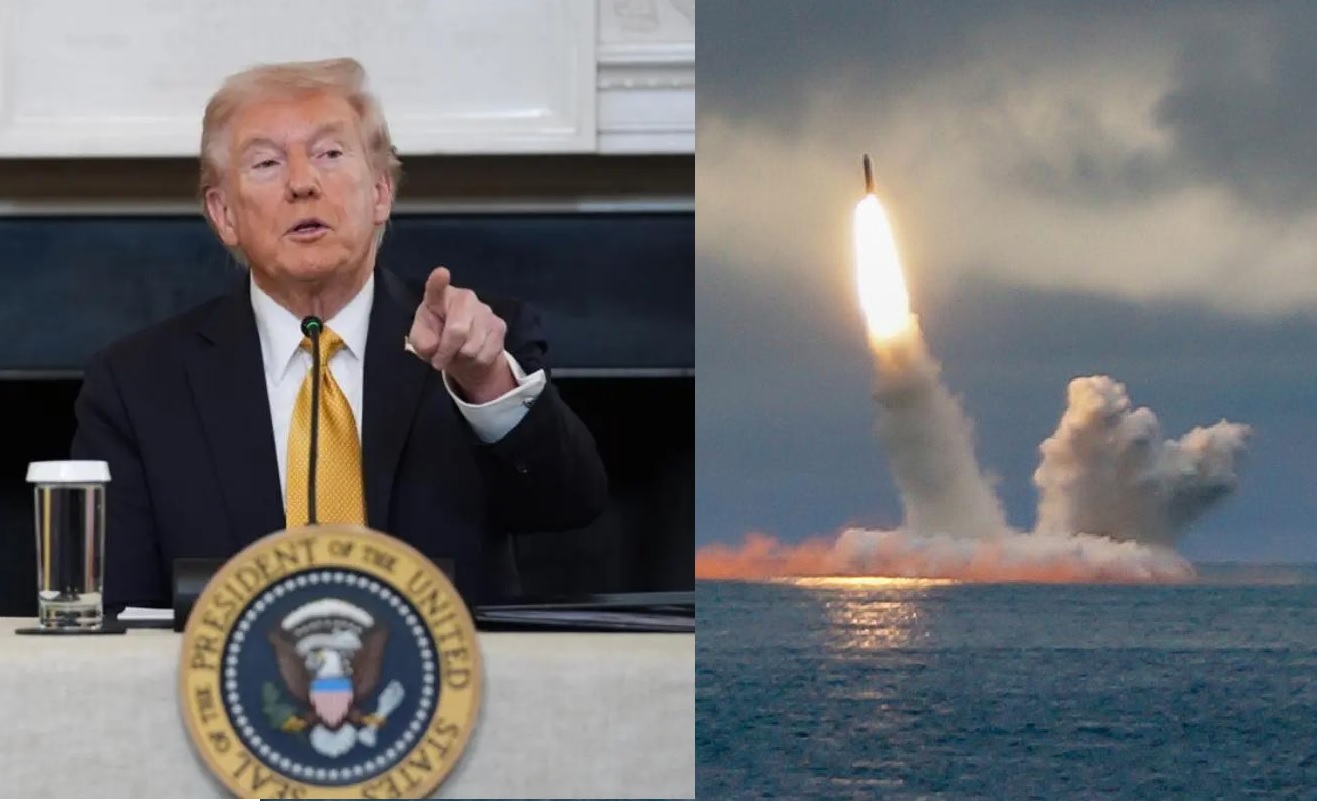
World
Moscow on Thursday sought to calm rising nuclear tensions with Washington after U.S. President Donald Trump announced plans to resume nuclear testing, following reports of Russia’s trials of two nuclear-capable systems — the Burevestnik cruise missile and the Poseidon underwater drone. The Kremlin swiftly responded, emphasizing that these were not nuclear weapon tests and warning that if the U.S. were to break the current moratorium on nuclear explosions, Russia would act accordingly. Russia’s Clarification: No Nuclear Detonation Tests Conducted Kremlin spokesman Dmitry Peskov addressed journalists, clarifying that Russia’s recent tests did not involve any nuclear detonations or live warheads. “Regarding the tests of Poseidon and Burevestnik, we hope that the information was conveyed correctly to President Trump,” Peskov said. “This cannot in any way be interpreted as a nuclear test.” Russia’s tests, he explained, were limited to delivery system trials — that is, testing the engines, propulsion, guidance, and endurance of platforms designed to carry nuclear or conventional payloads. Both Moscow and Washington have adhered to a de facto moratorium on nuclear explosions since the early 1990s, even though they continue to upgrade and test systems that could carry nuclear weapons. The United States last conducted an actual nuclear explosion in 1992, while Russia’s tests since then have been subcritical, meaning they do not produce a nuclear chain reaction. Trump’s Statement Triggers Alarm Trump’s announcement on social media — “Because of other countries’ testing programs, I have instructed the Department of War to start testing our Nuclear Weapons on an equal basis” — raised global alarm. The ambiguity of his wording led to confusion over whether he referred to testing delivery systems or testing nuclear warheads themselves. The Kremlin viewed this as a potentially dangerous misunderstanding that could reignite a global arms race. By issuing a clarification immediately, Moscow sought to prevent a cycle of retaliation and to ensure that its tests were not misrepresented as a breach of nuclear testing norms. Why Russia Responded After the U.S. Test Order Russia’s strong response came directly after Trump’s order because Moscow interpreted it as a possible step toward resuming live nuclear detonations — something that would shatter the decades-long moratorium and undermine global arms control stability. For Moscow, Trump’s statement wasn’t just rhetoric — it symbolized a shift in U.S. nuclear posture, suggesting that Washington might abandon long-standing agreements like the Comprehensive Nuclear-Test-Ban Treaty (CTBT). By responding immediately, Russia wanted to: Clarify its own position — to make sure its tests were not misinterpreted as a nuclear provocation. Deter the U.S. — by warning that any American move to resume nuclear detonations would be matched by a reciprocal Russian test. Reassert strategic balance — Moscow’s doctrine insists that it will never allow Washington to gain unilateral nuclear or technological advantage. Protect its global image — as a responsible nuclear power still operating within the boundaries of international law and arms control norms. In simple terms, Russia’s statement was both a warning and a reassurance: reassurance that it had not conducted any nuclear blasts, and warning that it would not hesitate to respond in kind if the U.S. broke the existing restraint. Putin’s Consistent Message on Deterrence President Vladimir Putin has long maintained that Russia’s strategic parity with the United States is non-negotiable. He has repeatedly said that if the U.S. resumes nuclear testing, Russia will be forced to follow suit to maintain equilibrium. Putin’s unveiling of the Poseidon and Burevestnik was part of his broader campaign to showcase Russia’s technological edge in nuclear deterrence. The Poseidon is a nuclear-powered underwater drone capable of carrying either conventional or nuclear warheads, designed to strike coastal targets and naval assets with devastating effect. The Burevestnik, dubbed “Skyfall” by NATO, is a nuclear-powered cruise missile theoretically capable of unlimited range, allowing it to evade U.S. missile defense systems. These systems symbolize Moscow’s pursuit of strategic invulnerability rather than its intent to resume nuclear detonations. The Broader Strategic Context Both nations signed the Comprehensive Nuclear-Test-Ban Treaty (CTBT) in 1996, which bans all nuclear test explosions. However, neither has ratified it, leaving the treaty in a fragile state. The U.S. withdrawal from other key arms control pacts — such as the INF Treaty in 2019 — has further eroded trust. According to the Stockholm International Peace Research Institute (SIPRI), Russia and the U.S. together possess about 11,000 nuclear warheads, accounting for 90 percent of the global total. Any resumption of live nuclear testing by either side could destabilize the entire global non-proliferation framework and trigger new arms races involving China, North Korea, and others. Russia’s reaction following Trump’s nuclear test order was not coincidental — it was strategic and calculated. Moscow wanted to correct any misinterpretation of its weapons trials while also drawing a red line: if the United States breaks the testing moratorium, Russia will immediately follow. In essence, the Kremlin’s message was a mix of diplomatic restraint and nuclear warning — a reminder that while Moscow seeks to avoid confrontation, it will never allow its deterrence credibility to be questioned. As both powers modernize their arsenals and exchange rhetorical fire, the world once again stands on edge, watching to see if decades of nuclear restraint will hold — or if a new era of atomic brinkmanship is about to begin.
Read More → Posted on 2025-10-30 14:13:16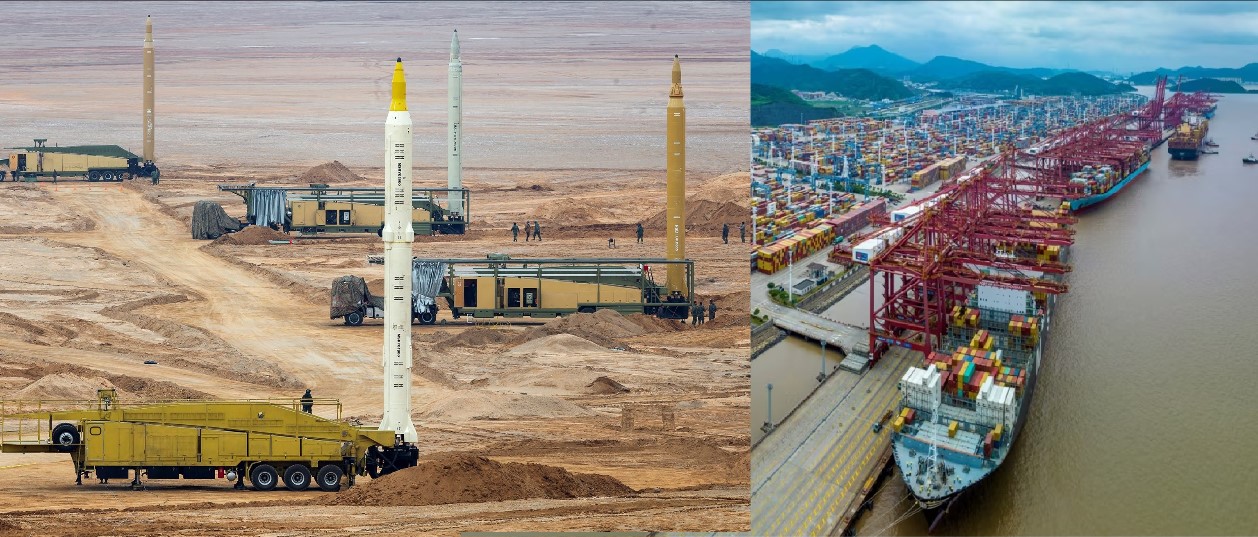
World
Since late September, intelligence reporting indicates roughly 2,000 tonnes of sodium perchlorate — a primary precursor for solid rocket propellant — were shipped to Iran’s southern port of Bandar Abbas. Analysts warn that, once processed into ammonium perchlorate and fabricated into motors, that volume could supply propellant for hundreds of ballistic missiles, significantly accelerating Tehran’s ability to restore its strike inventory after the heavy exchanges in June. Why sodium perchlorate matters Sodium perchlorate and related perchlorate salts are oxidizers used to produce ammonium perchlorate, the backbone of most modern solid rocket motors. These chemicals are dual-use: they have legitimate industrial applications but are also direct inputs to missile propellant. Large, concentrated shipments therefore present clear proliferation risks — a few thousand tonnes can, after processing and manufacturing losses, translate into propellant for dozens to hundreds of missile motors depending on motor size. The deliveries and timing Open-source accounts and intelligence trace the wave of shipments to the end of September, with cargoes offloaded at Bandar Abbas and nearby southern facilities. The shipments follow the intensive June confrontations that depleted both Iranian missile stocks and regional defensive inventories. Previous incidents — including an April explosion at Bandar Abbas tied to stored chemicals — underscore the scale and hazard of such imports. How much this can produce (practical estimate) Conversion estimates indicate a substantial fraction of sodium perchlorate can be converted into ammonium perchlorate after processing losses. Using transparent chemistry and conservative processing assumptions, 2,000 tonnes of sodium perchlorate could theoretically be converted into ~1,727 tonnes of usable ammonium perchlorate (base case, 10% loss), which in turn could yield ~2,540 tonnes of solid propellant. That is enough propellant for roughly 2,539 small (1-tonne) motors, ~846 medium (3-tonne) motors, or ~253 large (10-tonne) motors. Roughly speaking, 2,000 tonnes of sodium perchlorate could yield oxidizer sufficient for on the order of Approx 800 medium-sized solid rocket . The final count of operational missiles depends on Iran’s available casings, guidance suites, and warheads, but the shipments markedly shorten the timeline and reduce the cost of rebuilding propellant inventories. The interceptor problem: expensive, finite, slow to replace During the June exchanges, defenders — notably the United States and Israel — expended large numbers of high-end interceptors (systems such as THAAD, Patriot, SM-3, and Arrow variants). Individual interceptors cost millions of dollars and are produced in limited runs. Replenishment requires industrial ramp-up, contract actions and budget approvals; even with emergency measures, replacement is measured in months to years and can cost hundreds of millions to billions of dollars. That asymmetry — rapid offensive replenishment through bulk chemicals versus slow, costly defensive replacement — creates a temporary window of heightened vulnerability. Strategic and regional implications Operational freedom for Tehran. Easier access to bulk sodium perchlorate shortens Iran’s logistics cycle for producing solid motors and allows faster rebuilding of surge capacity for national use or to supply proxy groups. Pressure on defenders. Israel and U.S. partners face both the monetary cost of replacement and the operational challenge of maintaining deterrence while interceptor stocks are rebuilt, potentially increasing reliance on allied inventories or pushing investment toward lower-cost alternatives. Sanctions and shipping complications. The transfers highlight how dual-use commerce, opaque maritime practices, and intermediary brokers can blunt sanctions: by the time a ship or broker is identified and sanctioned, material may already be ashore. Policy options and realistic limits Policymakers operate with a constrained toolkit: interdiction and targeted sanctions against brokers and vessels; diplomatic pressure on third-party suppliers and ports; stepped-up intelligence and maritime tracking; and accelerated defense procurement. Each measure helps but none is a panacea — interdiction catches some shipments but not all; sanctions require broad international cooperation; and industrial surges are costly and time-consuming. A combined approach that mixes enforcement, deterrence, and resilience measures (infrastructure hardening, dispersal, civil-defense planning) is the most practical path forward. The reported arrival of roughly 2,000 tonnes of sodium perchlorate in Bandar Abbas materially reduces the time and cost for Iran to rebuild solid-propellant stocks after the June exchanges. Meanwhile, the United States and Israel face a longer, costlier process to restore interceptor inventories. That gap — rapid, relatively inexpensive restoration of offensive supplies versus long lead-times and high costs for defensive munitions — will shape regional military planning, procurement priorities, and diplomatic pressure in the months ahead.
Read More → Posted on 2025-10-30 11:55:07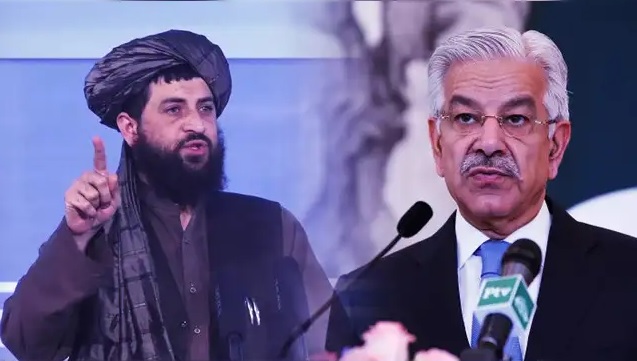
World
In a renewed effort to defuse mounting hostilities, Afghanistan and Pakistan are set to restart peace talks in Istanbul, according to three diplomatic and security sources familiar with the matter. The discussions are expected to focus on restoring stability along the volatile border region, which has witnessed some of the deadliest clashes since the Taliban’s return to power in 2021. The decision to reconvene was reportedly made at the request of host nation Turkey, which has played a quiet but persistent mediating role between the two uneasy neighbors. Two of the sources confirmed that negotiation teams from both sides are already present in Istanbul, preparing for the next round of dialogue aimed at preventing a further breakdown of relations. Islamabad’s Central Demand For Pakistan, the talks are an opportunity to reiterate its long-standing security demand — that Afghanistan take decisive action against the Tehrik-e-Taliban Pakistan (TTP), a militant group responsible for dozens of cross-border attacks. Islamabad insists that the TTP operates freely from sanctuaries within Afghan territory, planning and launching assaults against Pakistani security forces and civilians. A senior Pakistani security official, speaking on condition of anonymity, said, “Our message will be clear — Afghanistan must stop giving space to militants targeting Pakistan. We are not seeking conflict, but we cannot tolerate continued attacks on our soil.” The Afghan Taliban government, however, rejects these accusations, maintaining that it does not support or control the Pakistani Taliban, who share ideological roots but function independently. Kabul’s stance has been consistent since 2021, arguing that Pakistan’s internal militancy issue cannot be resolved through cross-border blame. Background of Escalation The renewed diplomatic push comes after a month of intense violence along the 2,600-kilometer border, known as the Durand Line, which both nations have long disputed. The latest confrontation began earlier this month when Pakistan launched air strikes on several Afghan locations, including areas near Kabul, reportedly targeting the TTP leadership. The Taliban retaliated with coordinated attacks on Pakistani military posts, sparking days of clashes that killed dozens on both sides. The fighting prompted the closure of key border crossings and halted trade, worsening humanitarian conditions for border communities already struggling with shortages of fuel, food, and medicine. On October 19, a temporary ceasefire was brokered in Doha through mediation by Qatari and Turkish diplomats, but the truce quickly unraveled. Subsequent second-round talks in Istanbul failed to produce meaningful progress, as both sides stuck to entrenched positions. Despite the ceasefire, sporadic firefights and militant ambushes continued, with multiple fatalities reported on October 27 and 29. Turkey’s Mediation and Regional Stakes Turkey’s growing diplomatic involvement reflects its expanding role in South-Central Asian peacebuilding efforts. Ankara has maintained strong ties with both Islamabad and Kabul and is seen as one of the few nations with the leverage to bring the two sides back to the negotiating table. Analysts suggest that Turkey views these talks as part of a broader strategy to stabilize the region’s trade and energy corridors, particularly as tensions along the Pakistan-Afghanistan border threaten connectivity projects linking Central and South Asia. Persistent Challenges The trust deficit between Islamabad and Kabul remains profound. Pakistan continues to view the Afghan Taliban as unwilling to confront groups hostile to its interests, while Afghanistan accuses Pakistan of violating its sovereignty through repeated airspace incursions and border shelling. Diplomatic observers caution that without tangible confidence-building measures — such as intelligence sharing, border monitoring, and joint anti-terror mechanisms — these Istanbul talks may struggle to produce lasting results. As of Thursday, neither the Afghan Taliban administration nor Pakistan’s foreign office or military had issued an official statement on the latest round of talks. However, both capitals face mounting pressure from the international community to prevent a further slide into conflict. The Istanbul dialogue, if successful, could mark a critical step toward reducing regional volatility and reopening vital trade routes between South and Central Asia. But given the history of mutual suspicion and the ongoing militant threat, any breakthrough is likely to be fragile and conditional on immediate de-escalation along the border. For now, the eyes of the region remain fixed on Istanbul — where fragile diplomacy once again seeks to contain a border war that neither Afghanistan nor Pakistan can afford.
Read More → Posted on 2025-10-30 11:35:05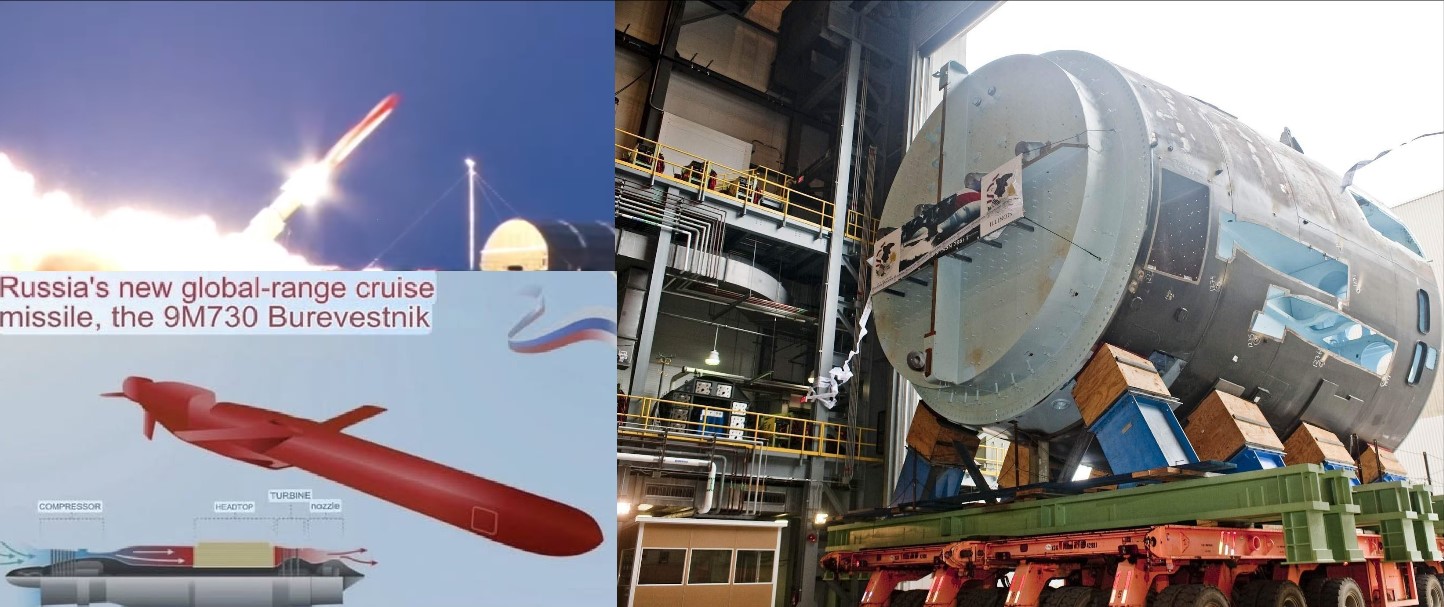
World
Russia’s 9M730 Burevestnik, the long-endurance nuclear-powered cruise missile, continues to generate both fascination and controversy. Central to its mystery is its power source — a miniaturized nuclear reactor that Russia claims is 1,000 times smaller than the one used in a nuclear submarine, yet capable of delivering comparable endurance. This extraordinary claim, if taken literally, allows for an approximate calculation of its output and helps us understand what such a power system could mean for missile propulsion. Estimating the Power of Burevestnik’s Reactor A typical Russian submarine reactor, such as the OK-650 used on several nuclear attack submarines, produces about 190 megawatts (MW) of thermal power. If Burevestnik’s nuclear power unit is 1,000 times smaller, the arithmetic is straightforward: 190 MW ÷ 1,000 = 0.19 MW, or 190 kilowatts (kW) of thermal power. This 190 kW figure refers to the thermal energy generated by the reactor core — the total heat output, not the mechanical power available for propulsion. To understand how much of this heat could translate into thrust, we need to account for energy conversion efficiency. Converting Heat into Propulsion In a compact nuclear engine, much of the reactor’s heat is lost during conversion into mechanical energy. Assuming an efficiency between 25% and 35% — realistic for a small thermal-to-jet system — Burevestnik’s useful propulsion power would range between 47.5 kW and 66.5 kW, or roughly 64 to 89 horsepower. That power range is modest when compared to conventional jet engines, yet it offers one critical advantage: endurance. A reactor generating continuous power in this range could, in theory, allow the missile to stay airborne for extremely long durations, limited only by airframe fatigue or guidance constraints. The Practical Meaning of “Miniature Power” A 0.19 MW thermal reactor may seem small by nuclear standards, but in the context of a missile, it represents a remarkable engineering feat. Such power could sustain long-duration subsonic flight over vast distances — potentially global reach. This is why Burevestnik has often been portrayed as a “missile with unlimited range”, though practical limitations like airframe drag, shielding, and thermal management complicate that claim. However, the small reactor size imposes design trade-offs. Effective radiation shielding to protect the onboard electronics (and possibly launch crews during handling) adds mass, while heat exchange systems must be compact yet robust enough to manage continuous reactor heat at high altitude and speed. The combination of high energy density and limited cooling capacity pushes the limits of materials science and system integration. Safety and Environmental Risks Compact nuclear propulsion introduces unavoidable radiological hazards. If the reactor directly heats air (as a nuclear ramjet might), radioactive particles could be released during operation. In the event of a crash or failed test, fragments of the reactor core could contaminate a wide area. Russia’s previous accident at Nyonoksa (2019), which reportedly involved a test of a nuclear-powered missile prototype, highlighted these risks. That incident caused radiation spikes and multiple fatalities, reinforcing the inherent danger of testing compact nuclear propulsion systems. Recent Developments and Official Claims In October 2025, President Vladimir Putin stated that Russia had successfully tested the Burevestnik missile, suggesting that the nuclear propulsion system is now operational. Russian media claimed the missile flew for over 14,000 kilometers during a 15-hour test, though no independent verification has been provided. Western defense analysts remain skeptical, noting that the engineering and safety challenges remain formidable. Burevestnik’s design philosophy appears rooted in Cold War-era concepts like Project Pluto, the U.S. effort to develop a nuclear-powered ramjet in the 1960s. While that project achieved ground test success, it was ultimately canceled due to environmental and political concerns — the same issues that would likely limit large-scale deployment of Burevestnik. Uncertainties and Technical Limitations It is important to emphasize that much of what is known about Burevestnik remains speculative. The phrase “1,000 times smaller” could refer to volume, mass, or power output, and Russia has not clarified the metric. Even assuming a 0.19 MW thermal core, it is uncertain how that energy is transferred into thrust — whether through direct air heating, a turbine-driven fan, or a hybrid cycle. Moreover, the efficiency of conversion, reactor lifetime, and control mechanisms under missile flight conditions remain undisclosed. Until credible technical evidence or international monitoring confirms these capabilities, the system’s operational status should be treated cautiously. If the claim of being “1,000 times smaller than a submarine reactor” refers to power, Burevestnik’s nuclear unit likely produces around 0.19 megawatts (190 kW) of thermal energy. With conversion efficiency taken into account, its usable propulsion power would be in the 50–70 kW range — enough to sustain low-speed flight over intercontinental distances, but not to achieve high-speed performance. Whether this translates into a reliable weapon or remains a symbol of technological experimentation depends on how Russia resolves the immense challenges of miniaturization, shielding, and safe testing. For now, Burevestnik stands as both a scientific curiosity and a strategic statement — a reminder that nuclear propulsion, while theoretically boundless, comes with costs that extend far beyond engineering.
Read More → Posted on 2025-10-29 17:03:18
World
Efforts to broker a lasting ceasefire between Pakistan and Afghanistan ended in failure this week, as Islamabad declared that the four-day talks in Istanbul had “failed to bring about a workable solution.” The negotiations, facilitated by Qatar and Turkey, were the latest attempt to calm rising tensions following deadly border clashes earlier this month. Pakistan’s Information Minister Attaullah Tarar confirmed on Wednesday that the discussions had yielded no progress. “Regrettably, the Afghan side gave no assurances, kept deviating from the core issue and resorted to blame game, deflection and ruses,” Tarar wrote on X. He added that Pakistan had engaged in the dialogue “in the spirit of peace” but accused Kabul of “unabated support to anti-Pakistan terrorists.” Breakdown After Repeated Ceasefire Attempts The Istanbul meeting followed two short-lived truces aimed at halting some of the worst violence between the two countries in years. The first, a 48-hour ceasefire, collapsed quickly, prompting a second temporary truce on October 19 after emergency talks in Doha. Those discussions came after explosions in Kabul on October 9 — attacks that Afghan authorities blamed on Pakistan — triggered a sharp escalation in border clashes, including reports of Pakistani airstrikes inside Afghan territory and retaliatory fire across the frontier. The clashes left dozens dead on both sides and forced the closure of several key border crossings, severely disrupting trade and humanitarian aid flows. Islamabad says the violence stems from militant groups operating inside Afghanistan, particularly the Tehrik-e-Taliban Pakistan (TTP), which it accuses Kabul of sheltering. Pakistan’s Position: “Protect Our People” In his statement, Tarar emphasized that Pakistan had shown restraint but warned that the country would not allow the threat from Afghan-based militants to persist. “We will continue to take all possible measures necessary to protect our people from the menace of terrorism,” he said. “We will decimate the terrorists, their sanctuaries, their abettors, and supporters.” Pakistani officials have long maintained that the Afghan Taliban, despite past assurances, has failed to curb TTP activities along the border. Intelligence reports in Islamabad suggest that the group continues to use Afghan soil to plan and execute attacks inside Pakistan’s Khyber Pakhtunkhwa and Balochistan provinces. Kabul’s Silence and Diverging Narratives There has been no immediate official comment from the Afghan government following Pakistan’s announcement. However, Afghan officials have previously denied Islamabad’s allegations, insisting that the Taliban administration does not harbor groups targeting Pakistan and that cross-border attacks are often triggered by Pakistan’s military actions. Sources in Kabul, quoted by regional media, claimed that Afghanistan’s representatives in Istanbul raised concerns over Pakistani air operations in border districts, calling them violations of Afghan sovereignty. They also argued that Pakistan’s demands for unilateral security concessions were unrealistic given the complex tribal and militant landscape along the frontier. Regional Concerns and Diplomatic Setback The collapse of the Istanbul talks has alarmed regional mediators. Both Qatar and Turkey, which helped broker the discussions, have reportedly urged restraint and are considering further rounds of dialogue to prevent renewed hostilities. Diplomats familiar with the talks said the two sides failed to agree on a verification mechanism to ensure compliance with any future ceasefire. The breakdown marks another setback in Pakistan-Afghanistan relations, which have steadily deteriorated since the Taliban’s return to power in 2021. Once close allies, the two neighbors now find themselves locked in a deepening cycle of mistrust, with Pakistan accusing the Taliban of turning a blind eye to militant sanctuaries, and Afghanistan accusing Pakistan of air violations and interference in its internal affairs. Next Step Analysts warn that without clear communication channels and third-party monitoring, another round of border violence may be imminent. Islamabad is reportedly considering additional border fortifications and stepped-up counterterror operations near the Durand Line. For now, Pakistan’s message is clear — it intends to defend its territory and people by any means necessary, while Kabul’s silence underscores the fragility of the current truce. The collapse of the Istanbul talks leaves the region teetering on the edge of renewed instability, as both nations struggle to define the limits of security and sovereignty in a landscape still haunted by decades of conflict.
Read More → Posted on 2025-10-29 16:11:41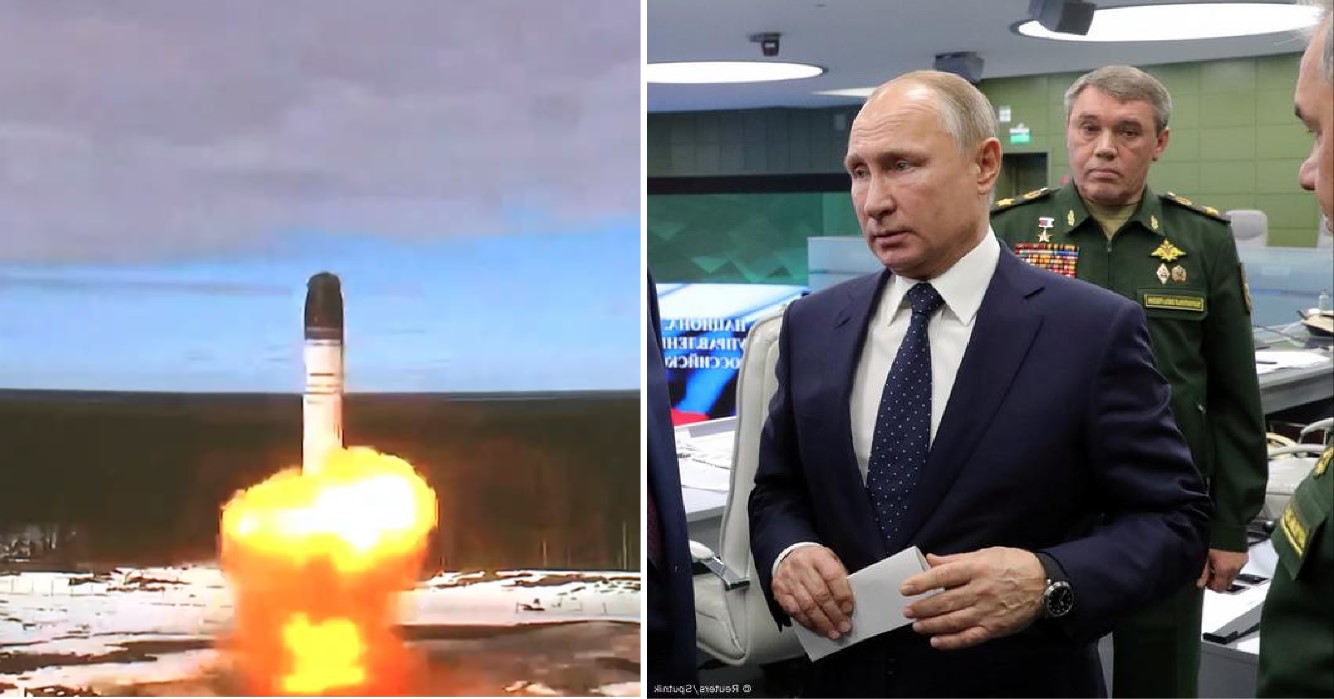
World
Russia has confirmed that its RS-28 Sarmat intercontinental ballistic missile (ICBM)—widely regarded as the most powerful nuclear missile ever built—is on the verge of entering combat duty. The announcement marks another milestone in Moscow’s strategic modernization program, coming just days after President Vladimir Putin disclosed successful tests of the nuclear-powered Poseidon underwater drone and the Burevestnik cruise missile. Together, these developments underscore Russia’s growing emphasis on next-generation nuclear deterrence. A Weapon Designed to Redefine Strategic Balance The Sarmat, developed by the Makeyev Rocket Design Bureau under Russia’s state-owned Roscosmos, is billed as the successor to the aging R-36M2 Voevoda (NATO reporting name: SS-18 “Satan”). Weighing approximately 208 tons and standing over 35 meters tall, Sarmat is designed to carry multiple independently targetable reentry vehicles (MIRVs)—up to 10 heavy or 15 lighter nuclear warheads. With a total yield of around 7.5 megatons, one Sarmat missile possesses the destructive power to obliterate an area the size of France or Texas. Its range is estimated at over 18,000 kilometers, enabling it to strike any location on Earth, including via unconventional trajectories such as over the South Pole—bypassing traditional U.S. missile defense systems located in the northern hemisphere. Propulsion and Design Features The Sarmat uses a three-stage liquid-fueled propulsion system, reportedly powered by the RD-274 engine in its first stage—a derivative of the Soviet-era RD-264 engine but extensively modernized for higher thrust and efficiency. These engines are entirely Russian-made, reflecting Moscow’s push for self-reliance in strategic weapons production following Western sanctions. Unlike solid-fueled Western ICBMs such as the U.S. Minuteman III, Sarmat’s liquid-fuel system allows it to carry heavier payloads and execute complex flight paths, including fractional orbital bombardment trajectories. It also supports the deployment of advanced decoys and maneuverable warheads to penetrate anti-ballistic missile (ABM) shields. Development Timeline The Sarmat program began in 2011, when Russia initiated work on a new heavy ICBM to replace the Voevoda. The missile underwent extensive ground testing through the mid-2010s, with the first silo ejection test conducted in December 2017 at the Plesetsk Cosmodrome. 2020–2021: Static and flight readiness trials were completed. April 2022: The first full-scale flight test was successfully conducted, during which the missile’s warhead section hit targets at the Kura test range in Kamchatka. 2023–2024: Serial production began at the Krasmash plant in Krasnoyarsk, with multiple silos being prepared for deployment under Russia’s Strategic Rocket Forces (RVSN). Late 2025: The missile is now reportedly completing its final operational tests and will soon enter full combat service. Strategic Role and Implications The Sarmat is a cornerstone of Russia’s nuclear triad modernization, complementing systems like the Poseidon nuclear-powered torpedo and the Avangard hypersonic glide vehicle. It is expected to serve within the 62nd Red Banner Missile Division based in Uzhur, Siberia—one of the key strategic bases for Russia’s nuclear deterrent. Each Sarmat silo will be hardened to withstand a direct nuclear strike, and the missile’s advanced guidance system reportedly features new algorithms to improve accuracy and survivability under electronic warfare conditions. Moreover, Sarmat can carry Avangard hypersonic glide vehicles, giving it a dual deterrent capability: overwhelming destructive yield and near-impossible intercept probability. A Message to the West The timing of this announcement—following tests of the Poseidon and Burevestnik—appears calculated to signal Russia’s readiness to maintain strategic parity amid heightened global tensions. The deployment of Sarmat will effectively replace the Cold War–era Satan missile, ensuring that Russia retains what it calls a “guaranteed retaliatory capability” against any potential nuclear threat. In the words of President Putin, the Sarmat “has no analogues in the world.” With its entry into service imminent, the missile is not just a symbol of deterrence—it represents Moscow’s reassertion of technological dominance in the field of nuclear arms, even as arms control frameworks between Russia and the West continue to erode.
Read More → Posted on 2025-10-29 15:23:38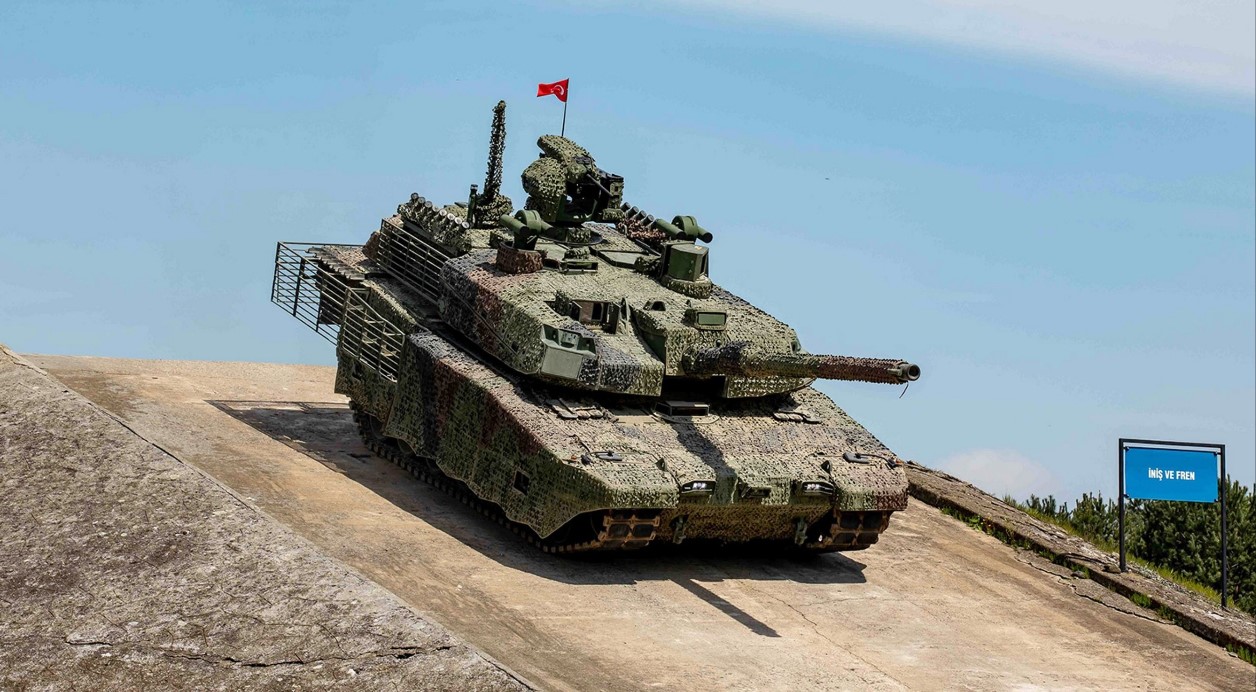
World
Türkiye has officially entered a new era of armored warfare capability with the delivery of its first domestically produced Altay main battle tanks (MBTs) to the Turkish Armed Forces. President Recep Tayyip Erdoğan made the announcement on Tuesday during the inauguration ceremony of the BMC Ankara Tank and New Generation Armored Vehicles Production Facility, the state-of-the-art complex where the Altay will now be mass-produced. The delivery marks a historic milestone in Türkiye’s decades-long ambition to achieve full independence in land warfare systems. The Altay underwent a rigorous testing program covering 35,000 kilometers and over 3,700 live-fire exercises, ensuring its readiness for combat deployment. “The Altay is designed to withstand the toughest battlefield conditions,” Erdoğan declared, emphasizing that the tank’s final configuration reflects lessons learned from modern conflicts, including drone warfare and hybrid battle environments. Production and Industrial Capacity The newly opened 63,000-square-metre BMC production facility in Ankara will serve as the heart of the Altay program. According to President Erdoğan, the plant will manufacture eight Altay tanks and ten Altug armored vehicles every month, reflecting the country’s growing defense manufacturing capability. The Altug 8x8, also produced at the same facility, was described by Erdoğan as “a fortress of the battlefield,” further highlighting Türkiye’s progress in integrated land system development. At the ceremony, Erdoğan proudly stated, “We are no longer just a state that follows; we are a state that is followed.” He underscored that Türkiye’s foreign defense dependency has fallen below 20%, thanks to a strong domestic defense ecosystem involving over 1,400 projects and partnerships with local firms. Technical Specifications of the Altay MBT The Altay is a third-generation digital main battle tank, designed to rival Western MBTs like the Leopard 2A7 and the M1A2 Abrams. Its features are a blend of advanced protection, mobility, and firepower, all integrated with indigenous Turkish technologies. Weight: Approximately 65 tonnes Crew: 4 (commander, gunner, loader, driver) Main Armament: 120mm L/55 smoothbore gun, compatible with NATO-standard ammunition Secondary Armament: 7.62mm coaxial MG and a 12.7mm remote-controlled weapon station Armor: Composite modular armor system developed by Roketsan, offering high protection against kinetic and chemical threats Fire Control System: Advanced digital fire control and battlefield management system by Aselsan Sensors: Thermal imaging, laser rangefinder, and automatic target tracking capability Mobility: Equipped with hydropneumatic suspension, allowing superior maneuverability over rough terrain Speed: Up to 70 km/h on road Engine and Powertrain Development One of the most critical milestones in the Altay program has been achieving engine self-sufficiency. Initially, the tank was powered by a German MTU EuroPowerPack (MTU 883 Ka-501 engine with Renk transmission), but export restrictions imposed by European partners forced Türkiye to indigenize this component. To overcome this challenge, Türkiye developed the BATU engine, a 1,500 hp indigenous V12 diesel powerplant produced by BMC Power, a subsidiary of the Turkish defense conglomerate BMC. The BATU engine is currently undergoing final qualification tests, and future batches of the Altay will be equipped with this fully Turkish-made propulsion system—marking a turning point in Türkiye’s defense independence. Project Timeline and Evolution 2007: Altay main battle tank project launched under the Presidency of Defence Industries (SSB). 2008–2017: Design and prototype phases led by Otokar, with technology input from South Korea’s Hyundai Rotem. 2018: Production contract awarded to BMC, with Qatar later acquiring a minority share in the company. 2021–2023: Prototype testing phase; two pre-production tanks completed with German engines. 2025: Official delivery of the first batch of indigenous Altay tanks to the Turkish Armed Forces. 2026 onward: Full-scale mass production with locally produced BATU engines and Turkish-made fire control and armor systems. International Cooperation and Export Prospects The ceremony was also attended by Qatari Defence Minister Sheikh Saoud bin Abdulrahman Al-Thani, who praised the Türkiye-Qatar partnership in defense manufacturing. Qatar, which has invested in BMC, is expected to be the first export customer for the Altay MBT once production stabilizes. “Today, we witness a strong collaboration between Türkiye and Qatar. We are proud that this partnership has put the Altay tank, produced domestically by BMC in Türkiye, into service,” Sheikh Saoud said. Türkiye’s Defence Industries Presidency (SSB) aims to promote the Altay as a competitor in the global MBT market, targeting Middle Eastern, Asian, and African nations seeking advanced yet cost-effective alternatives to Western tanks. Strategic Autonomy President Erdoğan concluded his remarks by thanking BMC, SSB, Aselsan, Roketsan, and all engineers involved in the project. He reaffirmed Türkiye’s position as a global defense player, stating that the country is now among the top three producers of unmanned aerial vehicles and rapidly expanding in land and naval systems. The Altay’s induction represents not just a new weapon for the Turkish military, but a symbol of technological independence and industrial resilience. Having overcome embargoes, supply restrictions, and design challenges, Türkiye now fields a tank that embodies its ambition to be self-reliant, export-capable, and strategically autonomous in modern warfare.
Read More → Posted on 2025-10-29 15:13:23Search
Top Trending in 24 Hours
-
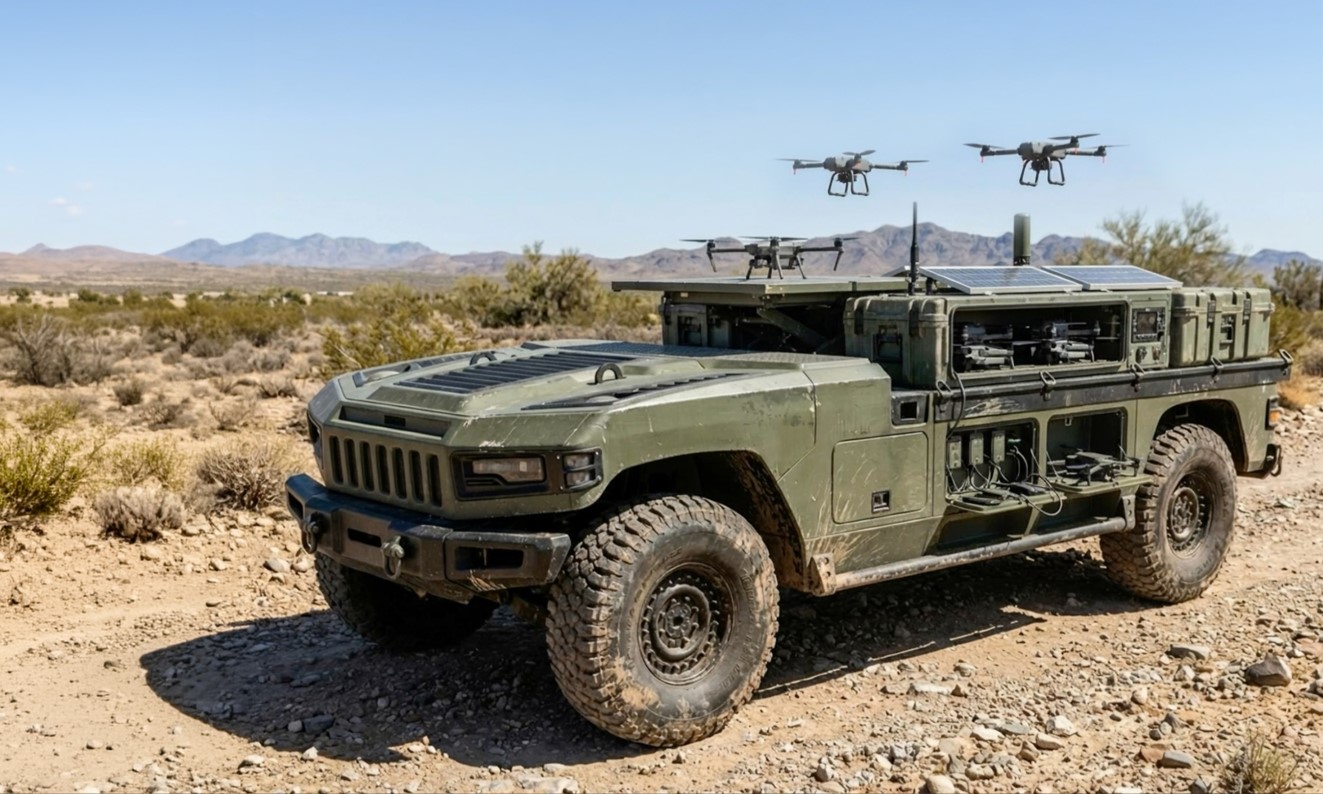 AM General Unveils Next-Generation UGV and JLTV A2 with Counter-Drone Systems at Eurosatory 2026
-
 Tulsi Gabbard Releases Declassified Files Detailing U.S.-Backed Network of 120 Biolaboratories Across 30+ Countries
-
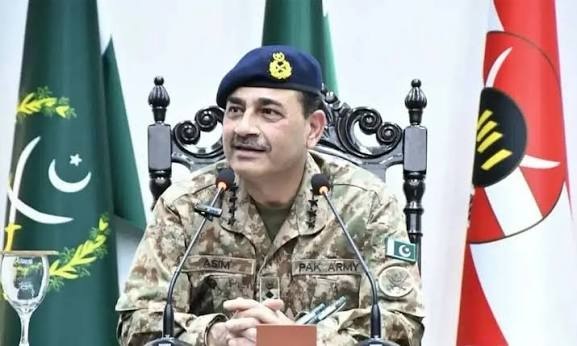 Pakistan Raises Defence Budget from $9 Billion to $10.8 Billion as J-35 Fighter and Hangor Submarine Programs Advance
-
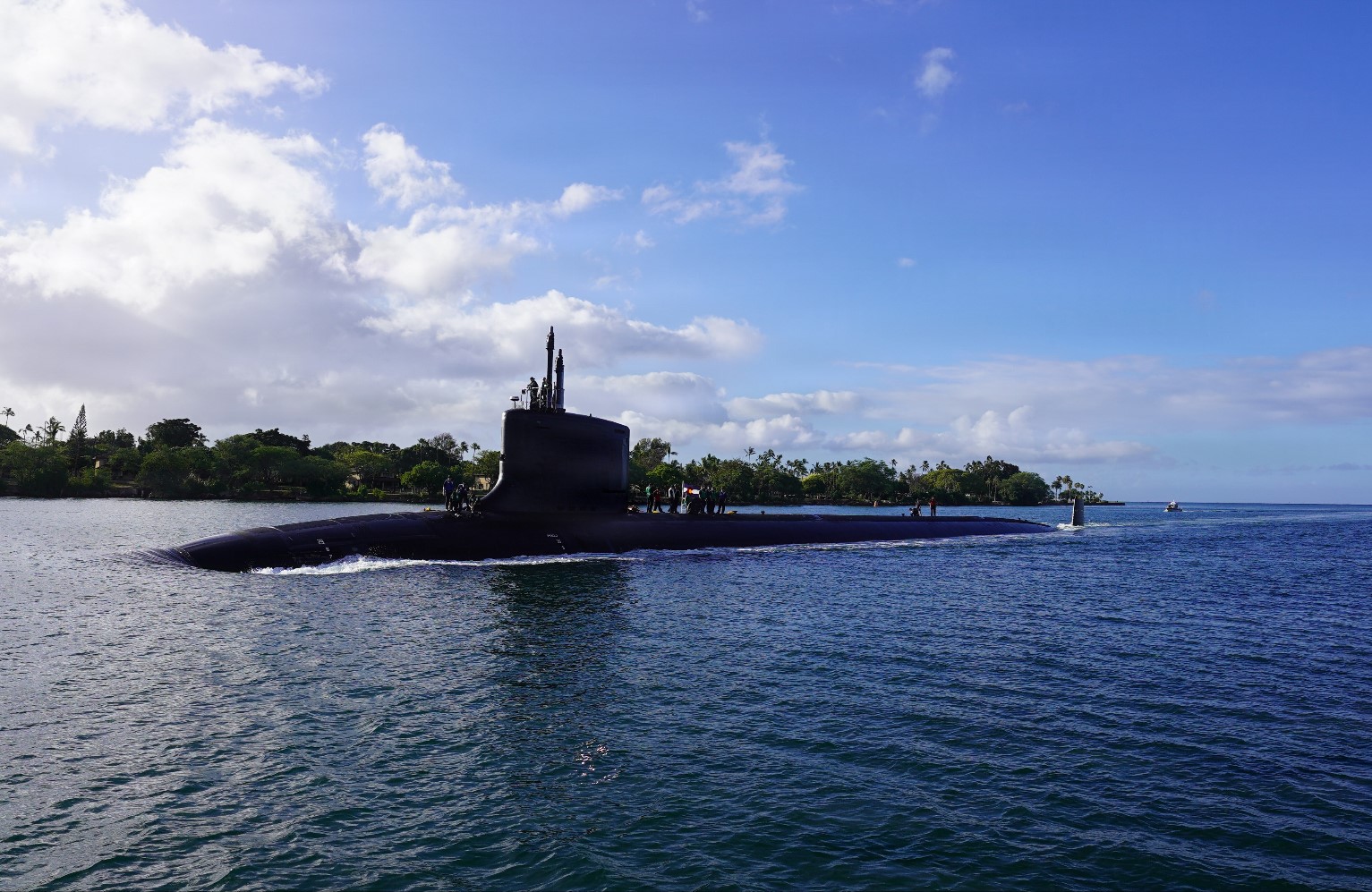 U.S. Navy's USS Colorado Submarine Returns to Pacific Fleet 29 Days Early After Major Pearl Harbor Overhaul
-
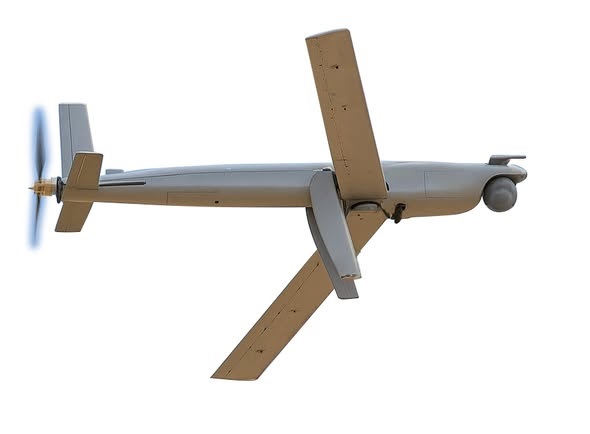 Elbit Systems and Diehl Defence Partner to Offer SkyStriker Loitering Munition to German Armed Forces
-
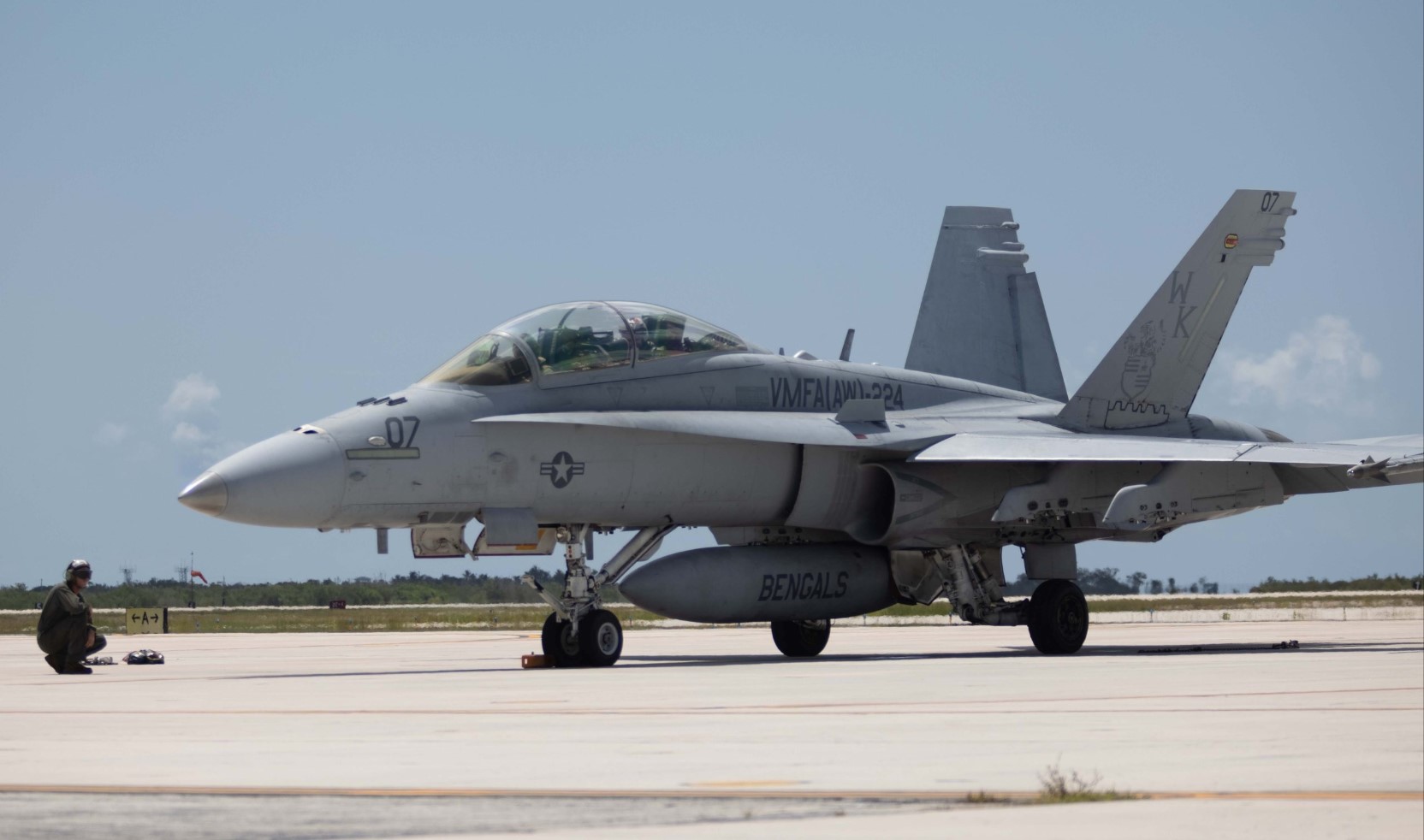 US Marine Corps F/A-18D Hornet Crashes During Training Flight in Washington Mountains; Pilot Ejects Safely
-
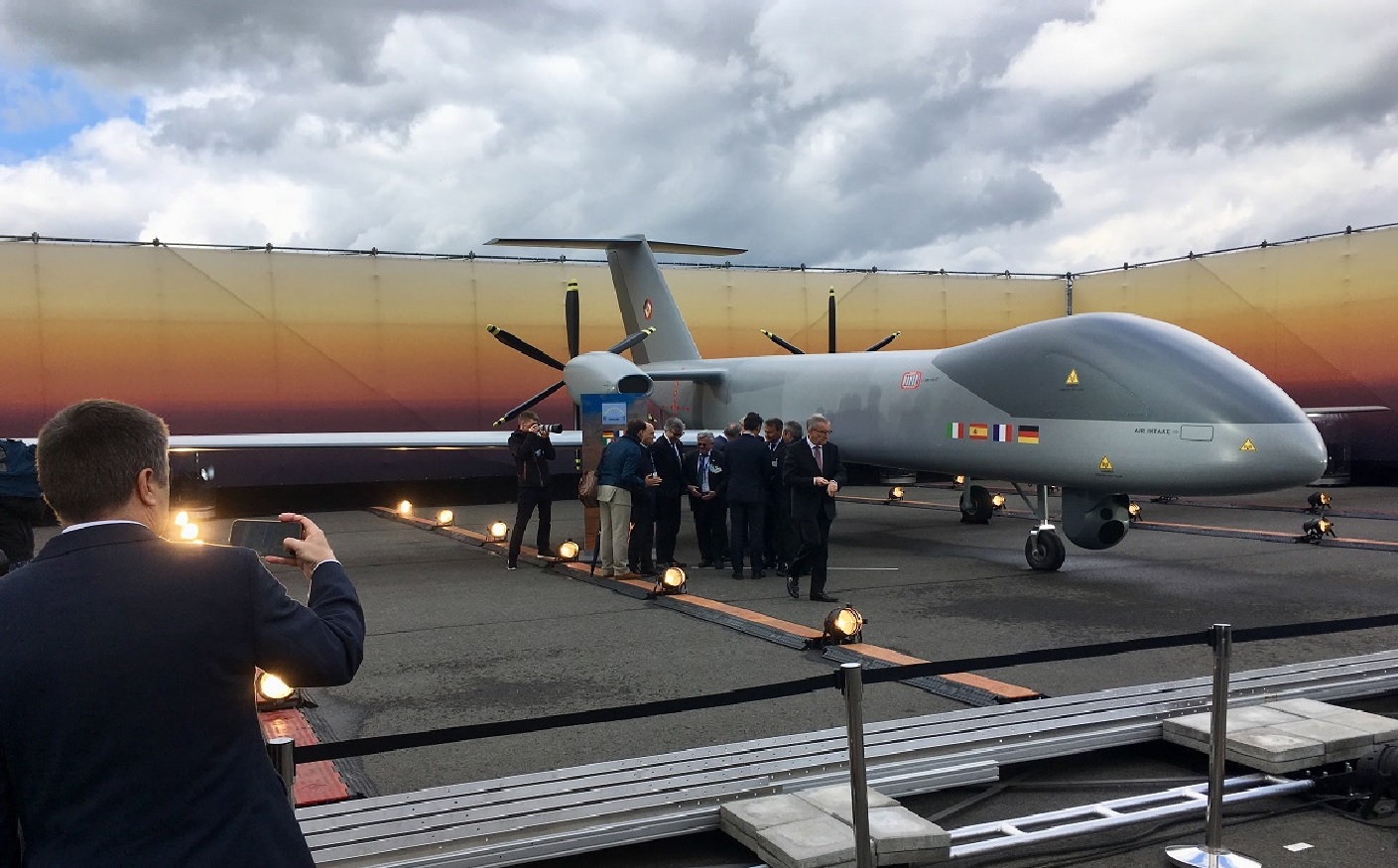 Dassault Seeks Compensation From Airbus as Eurodrone Dispute Erupts After FCAS Collapse
-
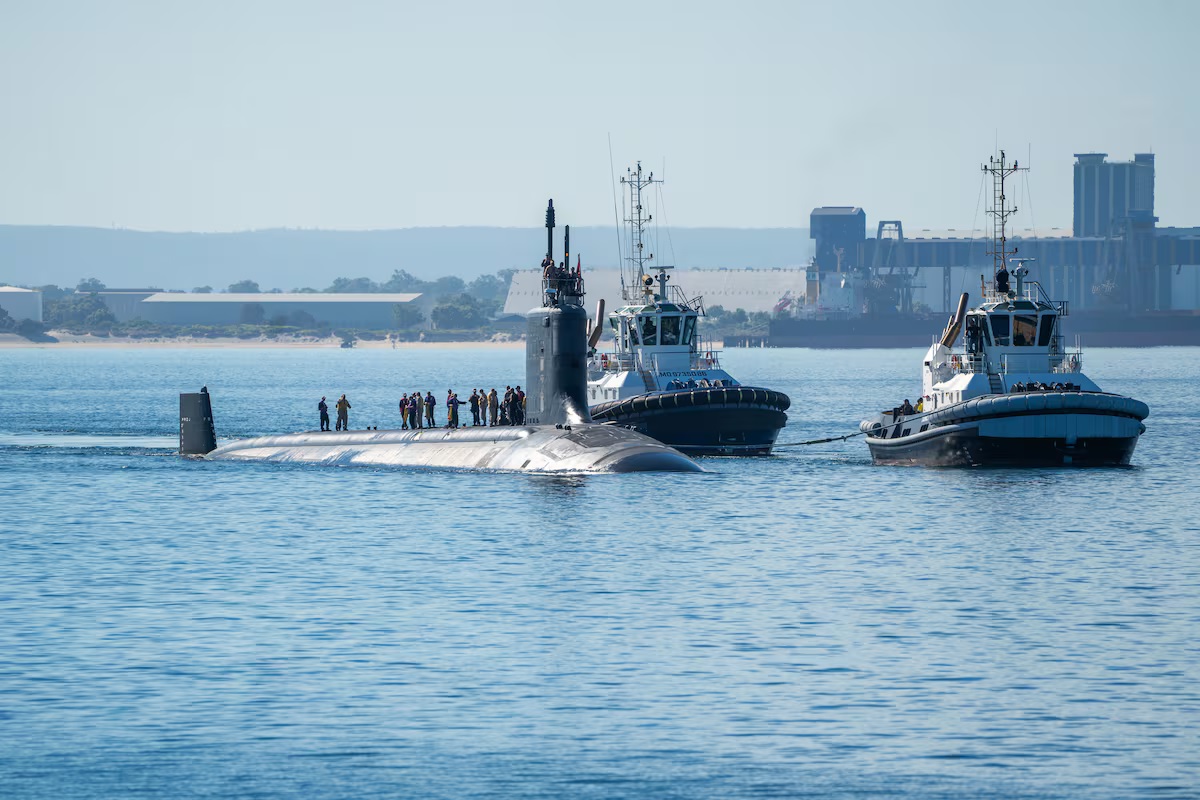 U.S. Navy Reestablishes Submarine Squadron 3 at HMAS Stirling to Support AUKUS Rotational Force
Top Trending in 4 Days
-
 Iranian Media Leaks 14-Point U.S.-Iran Peace Framework Amid Ongoing Negotiations
-
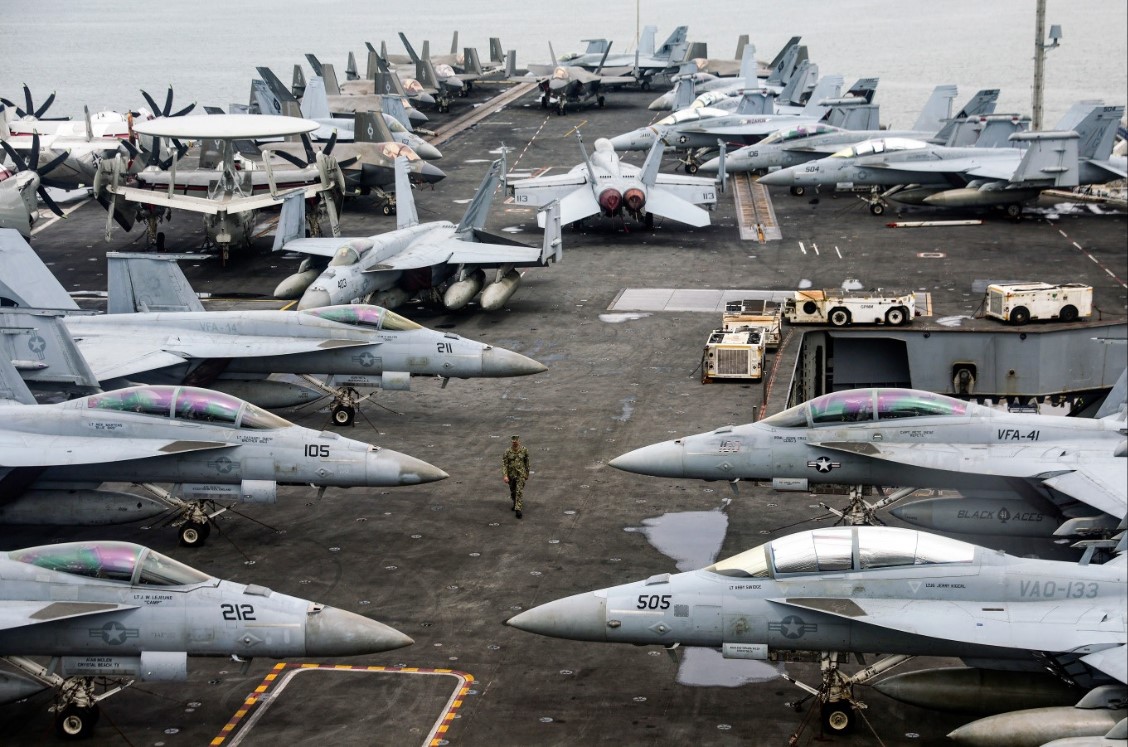 US Plans Significant Reduction of Fighter Jets and Warships for NATO Operations in Europe
-
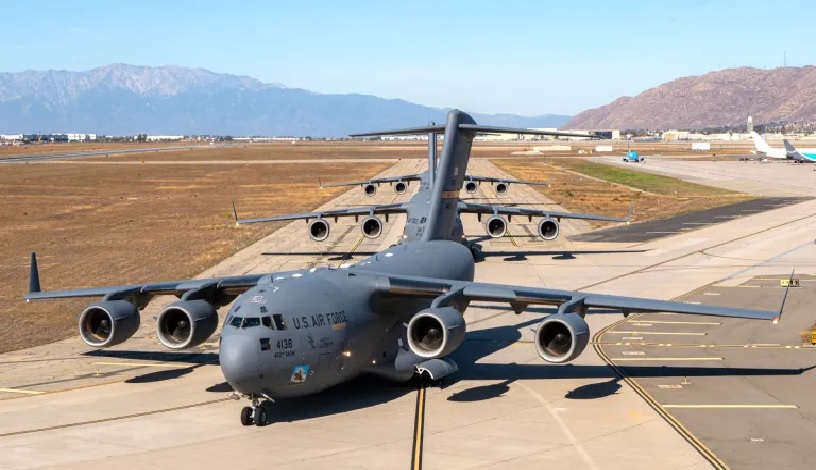 U.S. Air Force Faces Strategic Airlift Shortfall as C-17 Production Restart Remains Uncertain
-
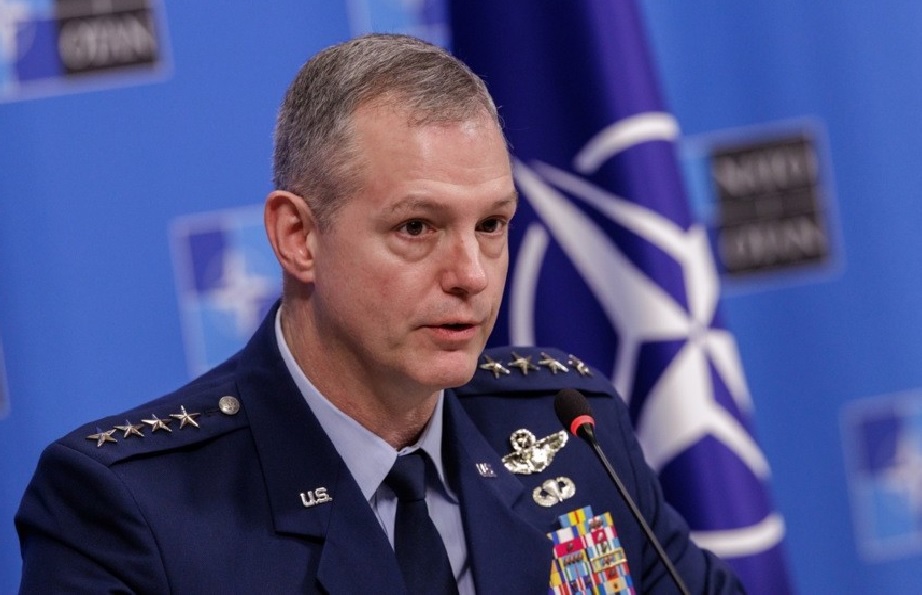 NATO Commander Says Russia Not Seeking Conflict With Alliance Despite U.S. Force Reductions
-
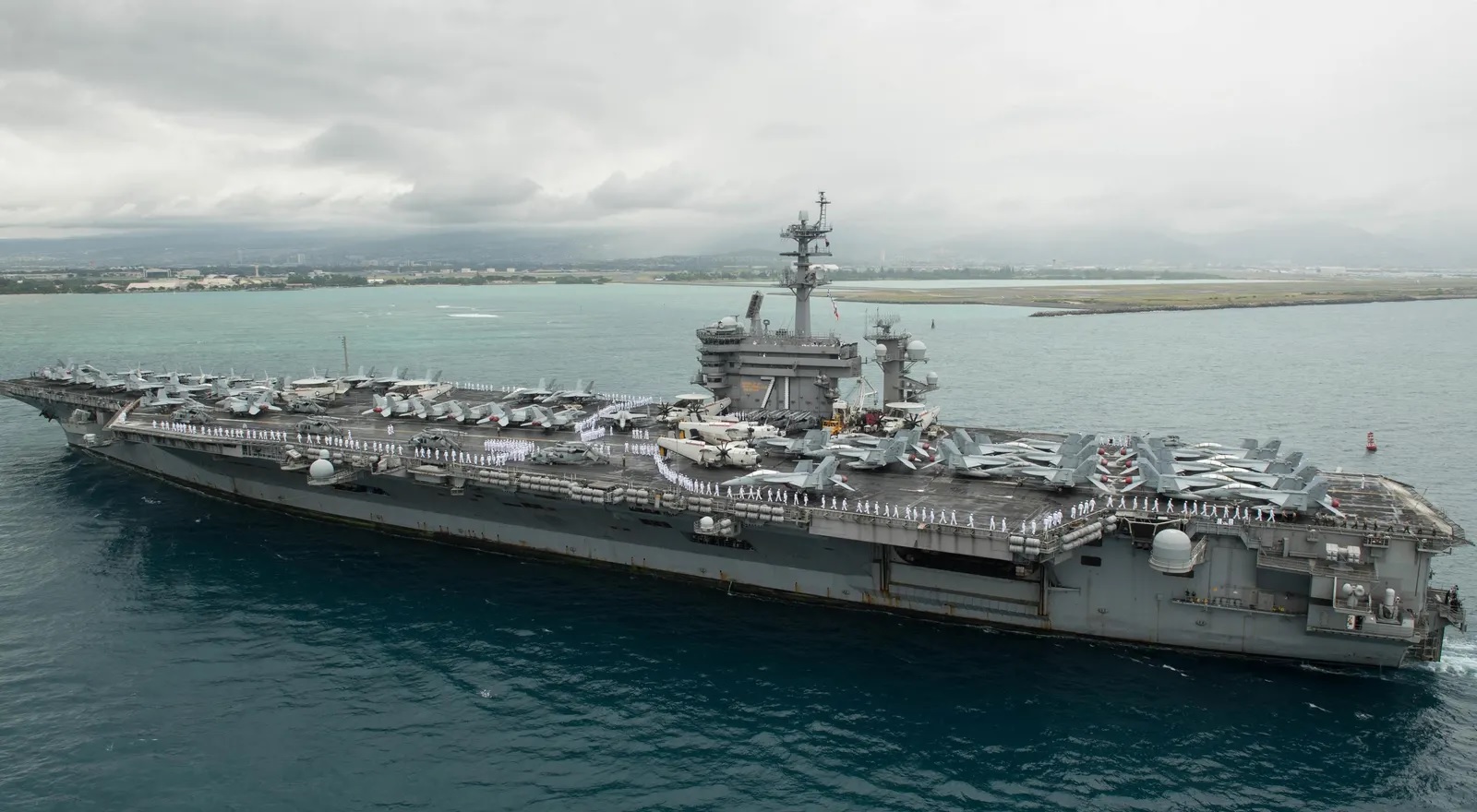 U.S Aircraft Carrier USS Theodore Roosevelt Departs San Diego for Major RIMPAC 2026 Naval Exercise
-
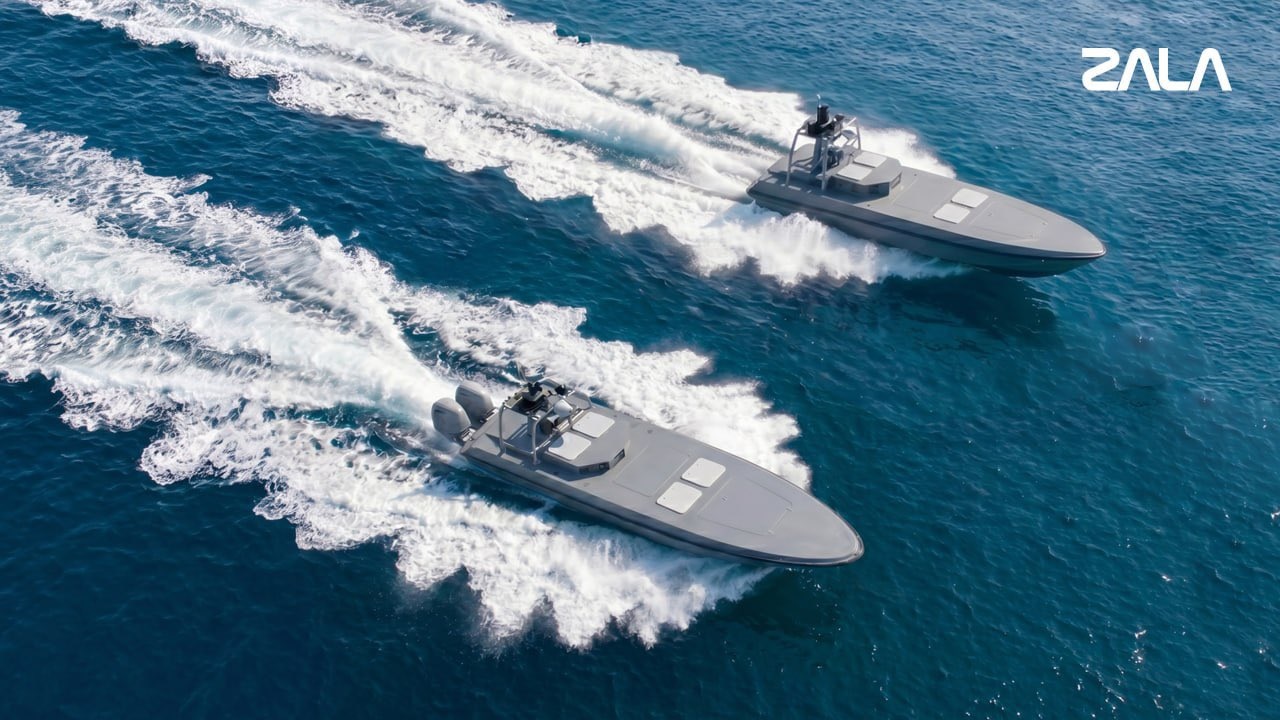 Russian Defense Firm ZALA Unveils KAMA Unmanned Surface Vessel Family at FLOT-2026 Naval Exhibition
-
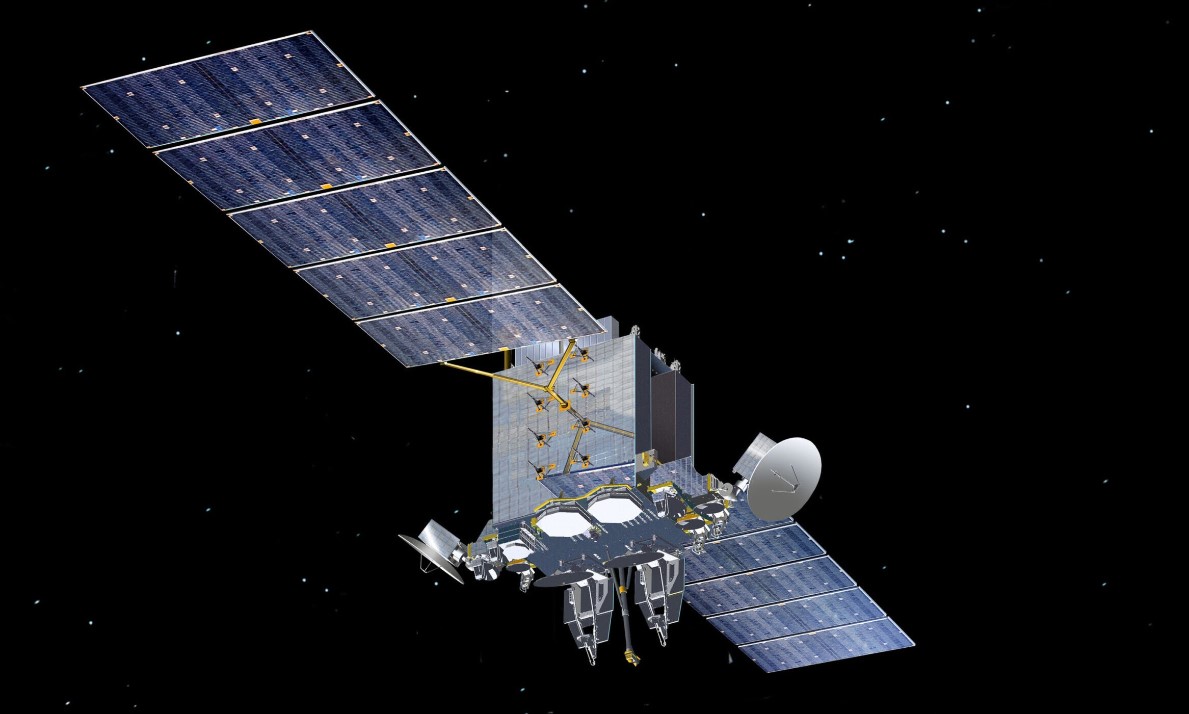 U.S. Space Force Awards $437.7 Million Contracts for First PTS-G Swarm 1 Anti-Jam Satellites
-
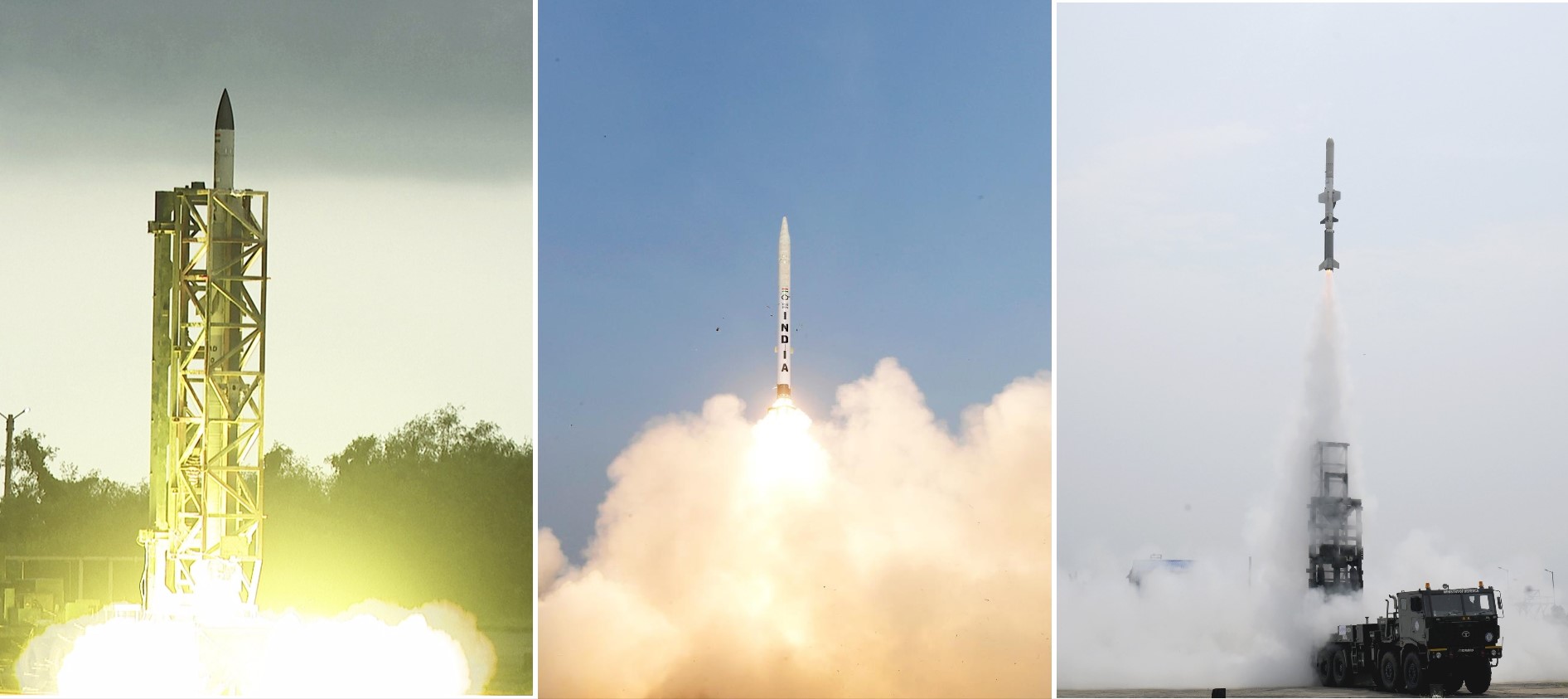 India Successfully Conducts AD-1, AD-2 Interceptor Tests and Maiden NASM-MR Flight Trial