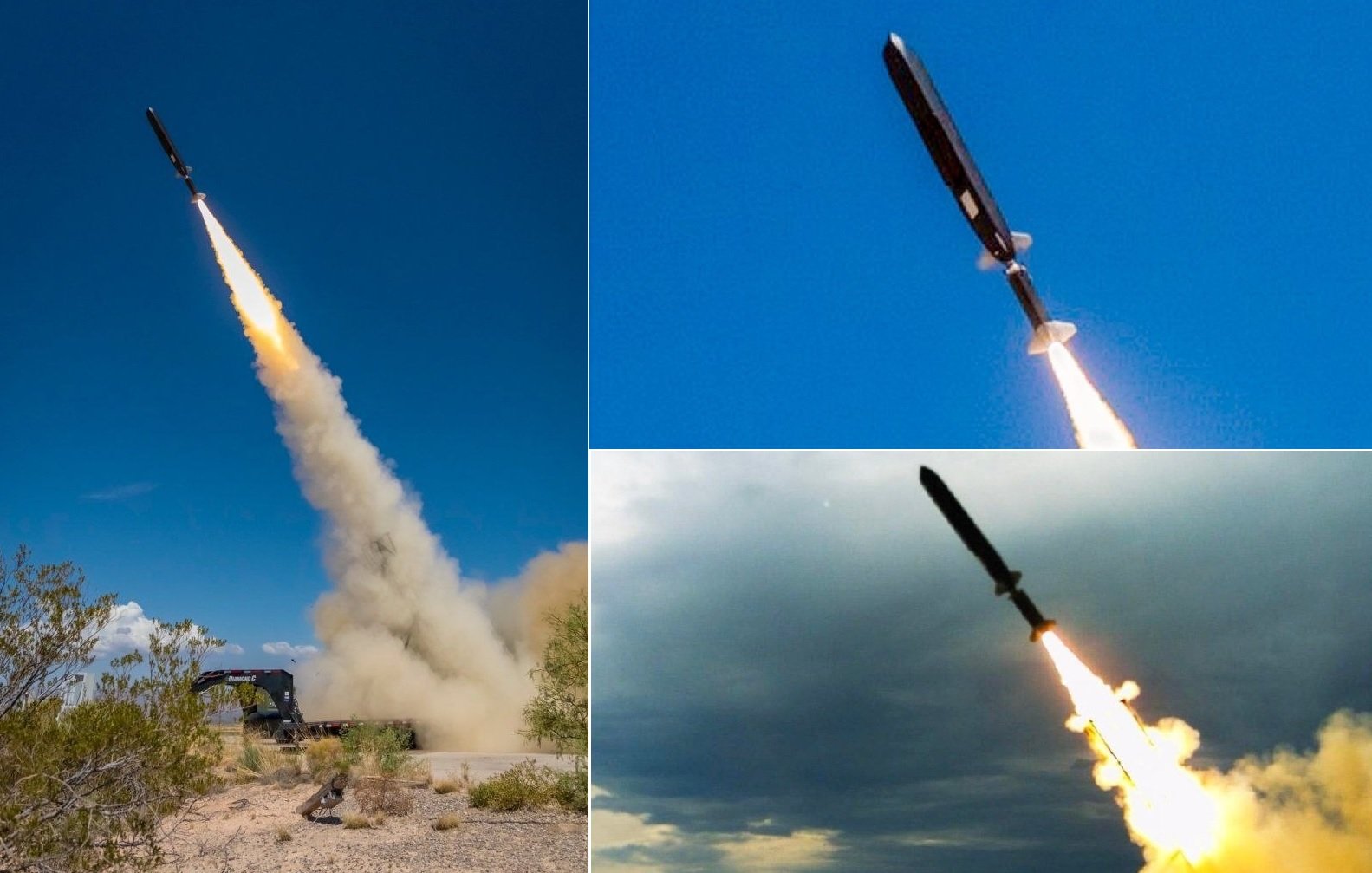
In a dramatic revelation that has reignited global debate over the future of strategic deterrence, Russian President Vladimir Putin has confirmed that Russia has successfully tested the 9M730 Burevestnik, known in NATO classification as the SSC-X-9 “Skyfall.” The missile, one of the most secretive and ambitious projects within Russia’s advanced weapons portfolio, reportedly completed a 15-hour flight covering 14,000 kilometers, showcasing what Moscow claims to be the first operational demonstration of a nuclear-powered, nuclear-capable intercontinental cruise missile.
A Weapon with “No Analogues in the World”
According to Putin, the Burevestnik (meaning “Storm Petrel” in Russian) is unlike any missile ever developed, boasting a nuclear turbojet propulsion system that, in theory, grants it unlimited range and months of continuous flight endurance. The missile is designed to fly at subsonic speeds ranging from 850 to 1,300 km/h, cruising at low altitudes and following unpredictable flight paths to bypass radar detection and missile defense networks.
Putin emphasized during the announcement that the system “has no analogues in the world,” asserting that the test marks a significant milestone in Russia’s quest to maintain strategic balance against Western missile defense systems.
Technical Overview of the Burevestnik
While much of the Burevestnik’s design remains classified, leaked details and open-source intelligence provide a glimpse into the weapon’s cutting-edge configuration:
-
Designation: 9M730 Burevestnik (SSC-X-9 Skyfall)
-
Length: Approx. 12 meters
-
Weight: Estimated between 5,000–6,000 kg
-
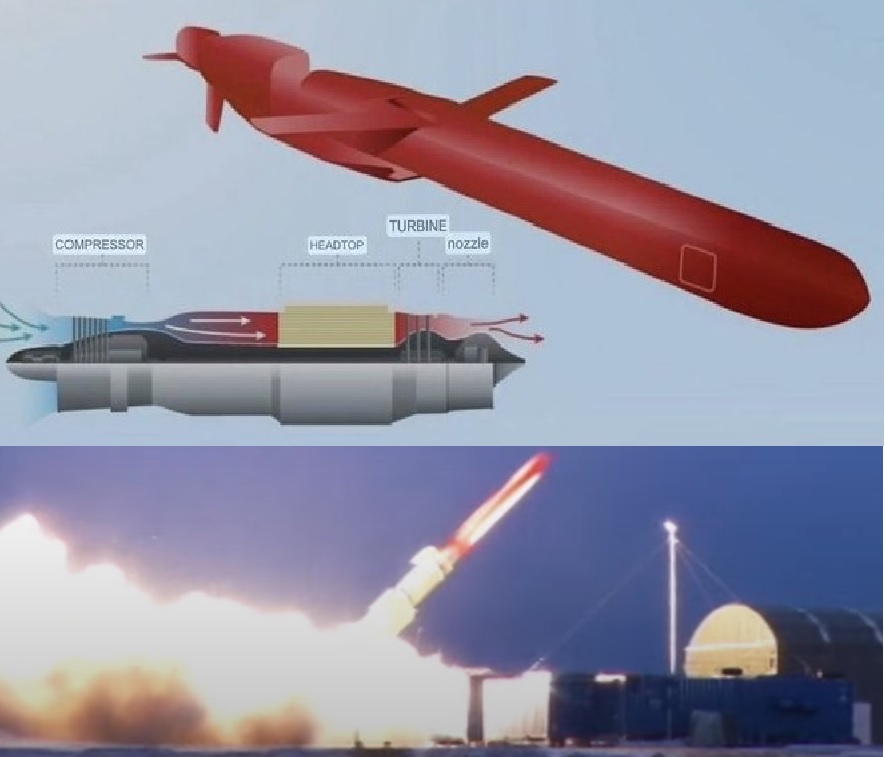
Propulsion: Nuclear-powered turbojet engine, supplemented by a conventional booster for initial launch
-
Speed: 850–1,300 km/h (subsonic)
-
Range: Theoretically unlimited — capable of months of continuous flight
-
Warhead: Nuclear (yield speculated between 100 kilotons and 1 megaton)
-
Guidance: Inertial navigation with satellite and terrain-following radar
-
Altitude Profile: Low-altitude, terrain-hugging flight pattern to minimize radar detection
-
Launch Platform: Ground-based transporter-erector-launcher (TEL) or potential submarine variant in development
Unlike conventional cruise missiles powered by kerosene-based engines, the Burevestnik’s miniaturized nuclear reactor continuously heats air for propulsion, allowing the missile to travel far beyond the reach of current intercontinental systems. In essence, it could circumnavigate the globe multiple times, waiting for a launch command or retargeting signal.
A Troubled Development History
Despite its ambitious design, the Burevestnik has a poor test record, with numerous past failures according to Western experts. Between 2017 and 2019, several tests reportedly ended unsuccessfully, often resulting in crashes or aborted launches.
In 2019, tragedy struck when at least five Russian nuclear specialists were killed during an explosion and radiation release in the White Sea region. U.S. intelligence sources later stated that they suspected the incident was linked to an experimental Burevestnik test. The blast, which caused a brief spike in radiation levels across northern Russia, underscored the immense risks associated with operating a nuclear-powered propulsion system.
Following the accident, Putin presented the widows of the fallen scientists with top state awards, declaring that the weapon they were developing was “without equal in the world,” though he did not name it at the time.
Despite this grim history, Putin announced a successful test of the Burevestnik in October 2023, declaring that Russia had finally overcome the engineering hurdles that had plagued earlier trials.
Probable Deployment Site Identified
In 2024, two U.S. researchers reported that they had identified the probable deployment site for the Burevestnik, located near a nuclear warhead storage facility known as Vologda-20 or Chebsara. The site lies approximately 295 miles (475 km) north of Moscow, suggesting that the missile is now entering pre-operational or limited deployment stages.
Satellite imagery reportedly showed new infrastructure, including launch pads, support hangars, and security perimeters, consistent with the storage and testing of a nuclear-capable system. If verified, this would mark the first known strategic basing location for a nuclear-powered missile anywhere in the world.
Strategic Implications
The successful test—if verified—represents a potential game-changer in nuclear deterrence. A missile with unlimited endurance and global reach poses a unique challenge to any defense architecture. The Burevestnik’s ability to fly unpredictable routes, loiter indefinitely, and deliver a nuclear strike from unexpected vectors could theoretically neutralize missile defense networks like the U.S. Aegis or THAAD systems, which rely on predictable ballistic trajectories.
However, Western analysts remain skeptical. Concerns about radioactive contamination, operational safety, and the practicality of deploying such a weapon have been raised repeatedly. Several earlier Russian test attempts—particularly between 2017 and 2019—were believed to have ended in failures or accidents, including a 2019 explosion at Nyonoksa in northern Russia, which killed several scientists working on the project.
The Return of the “Doomsday” Concept
Strategically, the Burevestnik fits into Russia’s broader doctrine of “unconventional deterrence”, alongside systems like the Poseidon nuclear-powered underwater drone and the Avangard hypersonic glide vehicle. These weapons are designed to bypass or overwhelm missile defense systems and ensure that Russia retains a credible retaliatory capability even if its traditional ICBM forces are neutralized.
If fielded, the Burevestnik could patrol vast oceanic or Arctic regions for extended periods, effectively becoming a floating nuclear deterrent in the sky—a chilling echo of Cold War-era “doomsday” systems.
Western Response and Skepticism
U.S. and NATO officials have not yet independently confirmed the success of this latest test. The Pentagon has previously dismissed the Burevestnik as “strategically provocative but operationally impractical,” pointing to unresolved issues in controlling the nuclear propulsion system and environmental hazards from radioactive exhaust.
Nonetheless, the geopolitical message from Moscow is clear: Russia is signaling that it has entered a new phase of nuclear technology—one where time, range, and geography are no longer constraints.
A New Chapter in Nuclear Deterrence
If the claims hold true, the Burevestnik could redefine the boundaries of modern warfare. Its combination of nuclear propulsion, unlimited range, and stealthy flight profile pushes the limits of missile technology. However, its long-term viability, safety, and production scalability remain open questions.
For now, the 9M730 Burevestnik stands as both a technological marvel and a haunting reminder of how far nations may go to maintain strategic dominance in an era when deterrence and innovation are once again converging on the nuclear frontier.
——— End of Article ———