
World
Russia’s much-promoted S-400 air-defence system suffers from serious structural and industrial weaknesses that undermine its long-term effectiveness, according to a detailed new report by the Royal United Services Institute (RUSI). The study finds that the system depends heavily on foreign-made electronics, Western software, and a small number of domestic production sites — factors that together leave it highly exposed to sanctions, cyber interference, and targeted attacks. The report, Disrupting Russian Air Defence Production: Reclaiming the Sky, shifts attention away from battlefield performance and towards the industrial ecosystem sustaining the S-400. By mapping supply chains, manufacturing facilities and procurement routes, RUSI concludes that Russia’s ability to produce, maintain and replace S-400 components is far more fragile than official narratives suggest. Foreign Electronics At The Core Despite years of official claims about technological self-sufficiency, RUSI finds that critical parts of the S-400 rely on imported electronics and materials. These include high-frequency printed circuit board laminates produced by the U.S. firm Rogers Corporation, along with advanced test and measurement equipment manufactured by Keysight Technologies and National Instruments. Such equipment is essential for calibrating radar systems, verifying missile electronics, and ensuring system reliability. According to RUSI’s analysis of trade data, large volumes of Western-made equipment have continued to reach Russian defence firms through indirect routes, often via China, Hong Kong and other intermediary jurisdictions. This dependence on a narrow group of foreign suppliers creates clear choke points that could be exploited through tighter export controls and enforcement. Software And Cyber Exposure The report also highlights Russia’s reliance on foreign design and simulation software used in the development of radar and radio-frequency systems. Tools such as Altium Designer, Ansys, and AWR Microwave Office remain widely used across Russia’s defence electronics sector, despite government-backed efforts to promote domestic alternatives. RUSI notes that this software dependence introduces additional cyber vulnerabilities. Disruptions to licensing, updates, or vendor support could slow development timelines, while reliance on foreign code increases exposure to cyber-intrusion and supply-chain compromise. Job listings and procurement documents reviewed by the institute suggest Russia has not yet fully replaced these tools. Concentrated Production Sites Beyond foreign inputs, the physical geography of S-400 production presents another weakness. RUSI identifies a limited number of Russian enterprises responsible for key elements of the system, including missile design, final assembly, radar manufacturing, and engine production. Many of these facilities are clustered at a small number of locations, creating single points of failure. The report notes that several sites are within range of Ukrainian long-range strikes or covert operations. Damage to specialised tooling or skilled labour hubs at these plants could have disproportionate effects on output. Sanctions Leakage And Enforcement Gaps RUSI’s findings underline persistent weaknesses in the global sanctions regime. While many identified components are classified as dual-use, their role in advanced weapons systems is well established. The report argues that inconsistent enforcement and limited oversight of re-export routes have allowed critical items to continue flowing into Russia’s defence sector. The institute stresses that the problem is not the absence of sanctions, but their uneven application. Without coordinated pressure on intermediary suppliers and transit countries, Russia has maintained access to key technologies despite formal restrictions. Implications For the War in Ukraine Taken together, the report challenges the image of the S-400 as a resilient and self-contained system. RUSI concludes that sustained pressure on supply chains, software access, and production facilities could reduce the availability and reliability of Russia’s air-defence network over time. Such disruption would not lead to immediate battlefield collapse, the authors caution, but could result in slower replacement of losses, longer maintenance cycles, and declining radar and missile performance — cumulatively weakening Russia’s ability to protect military assets and infrastructure. A Strategic Shift RUSI argues that degrading Russian air defence may be more achievable through industrial, economic and cyber measures than through direct military confrontation alone. By targeting specific materials, tools and facilities, Western governments and Ukraine’s partners could raise the cost and complexity of sustaining systems like the S-400. The report concludes that Russia’s air-defence shield is ultimately only as strong as the supply chains behind it — and those supply chains, RUSI finds, remain exposed.
Read More → Posted on 2025-12-13 14:51:29
World
Russia launched a combined drone and missile attack on two Ukrainian ports in the southern Odesa region on Friday, damaging port infrastructure and striking a Turkish-flagged civilian cargo vessel, Ukrainian officials said. At least one person was injured in the assault, which Kyiv described as a deliberate strike on civilian logistics vital to global trade. Ukraine’s Deputy Prime Minister Oleksii Kuleba said the attack targeted facilities used for commercial shipping and food exports. “The strike is aimed at civilian logistics and commercial shipping. Russia is systematically attacking port infrastructure that provides food and cargo transportation for global markets,” Kuleba wrote on the Telegram messaging app, adding that damage was recorded at sites handling international cargo flows. According to Ukrainian authorities, one of the weapons struck a Turkish cargo vessel inside the port of Odesa. The ship was identified as belonging to Cenk Shipping RoRo, a Turkish ferry operator that transports trucks and trailers across the Black Sea. Officials said the vessel was docked and engaged in routine commercial activity at the time of the strike. The incident has drawn particular attention because it involved a NATO member’s commercial ship operating in a war zone. Ukrainian officials and regional observers said the strike underscored growing risks to international shipping in the Black Sea, even for neutral or allied civilian operators. There was no immediate confirmation from Moscow that the vessel was intentionally targeted, and Russian officials did not publicly comment on the specific claim. Ukrainian and regional sources reported that the strike involved a Geran-2 (Shahed-136) one-way attack drone, a weapon widely used by Russian forces to hit infrastructure targets. Such drones have frequently been deployed against ports, grain terminals, and energy facilities since the collapse of Black Sea grain corridor arrangements. The attack came amid a sensitive diplomatic backdrop. Earlier on Friday, Turkish President Recep Tayyip Erdoğan had reportedly assured Russian President Vladimir Putin that Ankara would not allow Ukrainian forces to strike Russian oil tankers near Turkey’s coast. Hours later, the Turkish-flagged Cenk RoRo vessel was hit while docked in Odesa, fueling speculation in Kyiv and among analysts that the strike risked escalating tensions with Turkey, regardless of whether the ship was deliberately targeted or caught in a broader attack on port facilities. Following the strike, Ukrainian emergency services were deployed to contain fires and assess structural damage at the port. Port operations were partially disrupted as authorities inspected berths, warehouses, and nearby infrastructure for unexploded ordnance and secondary damage. Ukrainian officials said commercial shipping faced renewed uncertainty as a result of the attack. Turkey did not immediately issue a detailed public statement, though Turkish media reported that Ankara was seeking clarification about the circumstances under which the vessel was struck. Diplomats said the episode could prompt renewed discussions between Turkey, Ukraine, and Russia over maritime safety and deconfliction in the Black Sea. For Ukraine, the attack reinforced its long-standing accusation that Russia is waging economic warfare by targeting ports that underpin agricultural exports and international supply chains. Kyiv has repeatedly warned that sustained strikes on Odesa and nearby ports threaten Ukraine’s economy and global food security, particularly for countries dependent on Black Sea grain shipments. As of Friday evening, investigations into the damage to the Turkish-flagged vessel and the weapons used were continuing, while Ukrainian officials signaled they would raise the issue with international partners amid growing concerns over the safety of civilian shipping in the region.
Read More → Posted on 2025-12-13 14:33:00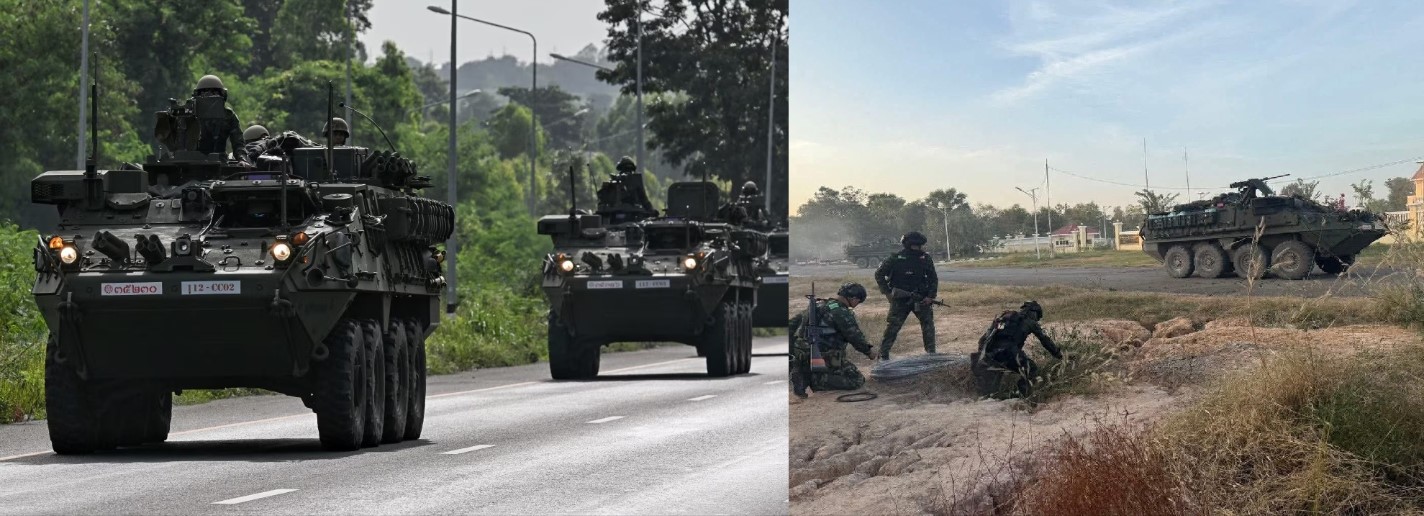
World
Thailand’s Royal Thai Army has deployed U.S.-made Stryker 8x8 armored vehicles into active frontline combat along the disputed Thai-Cambodian border, marking a significant escalation in hostilities despite parallel diplomatic claims of de-escalation. Open-source intelligence reports dated December 10, 2025, indicate that Stryker infantry carrier vehicles are operating near the Bueng Takwan checkpoint in Ta Phraya district, Sa Kaeo province, directly opposite Cambodia’s Ban Ta Phraya border trade crossing. The vehicles have been used to transport infantry, reinforce defensive positions, and secure contested terrain as clashes continue across multiple border sectors. By mid-December 2025, the situation remained active and fluid, with Thai forces observed erecting concertina wire, raising national flags, and consolidating ground under Stryker-supported infantry protection. These actions confirm that the vehicles are now fully committed to frontline operations, rather than limited to training or rear-area roles. Ceasefire Claims Clash With Battlefield Reality The latest escalation has unfolded alongside conflicting political messaging. U.S. President Donald Trump publicly stated that Thailand and Cambodia had agreed in principle to halt fighting, following high-level communications involving Thai Prime Minister Anutin Charnvirakul and Cambodian Prime Minister Hun Manet, with an effective timeframe cited for Friday evening. However, neither Bangkok nor Phnom Penh confirmed the implementation of a binding ceasefire, and Thai military messaging continued to acknowledge ongoing engagements. Artillery, mortar, and rocket exchanges have been reported along several stretches of the approximately 817-kilometer border, surpassing the intensity of clashes recorded in July 2025. Thai media cited BM-21 multiple-launch rocket impacts in Sisaket province, while Cambodian authorities alleged that Thai fighter aircraft struck targets inside Cambodian territory. Both governments framed their actions as defensive, accusing the other side of initiating fire and violating prior understandings. Diplomatic Frameworks Under Strain Efforts to stabilize the border had already weakened before the latest fighting. A Kuala Lumpur Peace Accord signed on October 26, 2025, outlined confidence-building measures including troop withdrawals, monitoring mechanisms, and de-mining initiatives. Thailand later suspended its participation following a November landmine incident that injured Thai soldiers, a decision that became a focal point for subsequent accusations. As hostilities resumed, the absence of effective enforcement mechanisms left military units on both sides postured for continued contact rather than disengagement. Against this backdrop, Thailand’s decision to deploy armored vehicles such as the Stryker signals preparation for sustained operations, not a short-term crisis response. Thailand’s Stryker Procurement and Force Integration Thailand’s Stryker fleet is the product of a multi-year procurement program involving refurbished transfers, follow-on orders, and extensive training and sustainment arrangements. Available data indicates that orders were placed in fiscal years 2019, 2020, and 2021 for 70, 50, and 10 vehicles respectively, bringing the reported total to 130 Strykers. The overall program cost is estimated at approximately 9.1 billion baht, equivalent to about $282.8 million. Early program phases included infantry carrier variants and support equipment, such as M2 .50-caliber machine guns, communications and vision systems, smoke grenade launchers, spare parts, training packages, and field service support. Thai media previously reported an initial batch of refurbished vehicles, with additional deliveries bringing early operational groups to full strength. Vehicles arrived via Laem Chabang port, underwent inspection at Saraburi, and were delivered to frontline formations including units of the 11th Infantry Division based in Chachoengsao province. Training, Sustainment, and Readiness Training was a core element of the acquisition. Initial groups of approximately 30 Thai soldiers were sent to the United States to qualify as drivers, mechanics, and technicians. U.S. technical personnel supported maintenance and sustainment during the fleet’s entry into service, ensuring operational readiness under field conditions. These arrangements enabled the Royal Thai Army to rapidly integrate the Stryker into active formations, a factor now evident in its deployment along the contested border. Capabilities of the Stryker in Border Warfare The Stryker is an 8x8 wheeled armored vehicle derived from the Canadian LAV-III, itself based on the Mowag Piranha, and produced for the U.S. Army by General Dynamics Land Systems–Canada. Thailand operates the M1126 infantry carrier variant, crewed by two personnel and capable of carrying up to nine infantry soldiers. The vehicle measures 6.95 meters in length, 2.72 meters in width, and 2.64 meters in height, with a combat weight in the mid-16-ton range. Its drivetrain allows switching between 8x4 and full 8x8, enabling road speeds of up to 97 km/h and an operational range of approximately 500 km—attributes well suited for extended border operations. Armament and Protection Thai Strykers have been observed operating with heavy machine guns, consistent with remote weapon station configurations capable of mounting a 12.7 mm M2 machine gun or a 40 mm Mk19 automatic grenade launcher, and in some cases 7.62 mm weapons. Smoke grenade launchers provide rapid battlefield obscuration. The use of remote weapon systems allows gunners to engage targets from under armor, reducing vulnerability to small-arms fire, artillery fragments, and indirect fire, which are prevalent in the current conflict environment. Modernization and Networked Operations Thailand is integrating its Stryker fleet into broader command-and-control modernization efforts. A $7 million contract announced in February 2025 covers the integration of a new Battle Management System and C4I components, including mounted computer systems from Leonardo DRS and Systematic’s Sitaware software. A memorandum of understanding signed on November 11, 2025, involving Leonardo DRS and Thai firm Chaiseri, has been linked to these upgrades, along with references to the integration of the M153 CROWS II remote weapon station. These enhancements are intended to improve situational awareness, coordination, and real-time decision-making for deployed units. Outlook The deployment of Stryker armored vehicles to the Thai-Cambodian border highlights the widening gap between diplomatic assurances and battlefield realities. As clashes continue and ceasefire claims remain unverified, the visible use of modern armored platforms suggests that Thailand is preparing for a prolonged confrontation rather than an imminent de-escalation. Whether renewed diplomatic engagement can translate into sustained stability on the ground remains uncertain, but for now, Stryker-supported infantry operations have become a defining feature of the conflict’s latest phase.
Read More → Posted on 2025-12-13 14:14:33
World
Switzerland said on Friday it would reduce the number of Lockheed Martin F-35A Lightning II fighter jets it plans to buy from the United States after updated cost estimates showed the order would exceed the original budget framework, forcing the government to scale back the purchase. The decision follows a reassessment of the programme’s total cost, which Swiss authorities said had risen beyond the 6 billion Swiss francs ($7.54 billion) limit approved by voters, making the originally planned order financially unviable. Fixed-Price Assumption Questioned Switzerland selected the F-35A as its next-generation fighter aircraft in 2021, announcing at the time that it would acquire 36 jets for a fixed price of 6 billion Swiss francs. That figure was central to the political acceptance of the deal and was repeatedly cited by the government as evidence of cost certainty. However, U.S. authorities later clarified that the 6 billion franc figure was based on a misunderstanding, with additional costs emerging once contractual and technical details were examined more closely. These included foreseeable cost overruns linked to equipment, support elements and broader programme-related expenses. Cabinet Orders Scaled-Back Procurement Following a cabinet meeting, the Swiss government said it had instructed the defence ministry to procure the highest possible number of F-35A jets within the 6 billion franc ceiling, rather than exceed the amount approved by the public in a narrow 2020 referendum. “Due to foreseeable cost overruns, maintaining the originally planned number of 36 F-35As is not financially feasible,” the government said in an official statement. The cabinet did not specify how many aircraft would ultimately be purchased under the revised plan. Option Left Open For Future Increase Despite the cutback, the government stressed that the decision does not permanently rule out reaching the original target. It said that, pending further examination of Switzerland’s defence needs, the cabinet could later take steps that would potentially enable the country to acquire the full 36 jets. Any such move would likely require additional political and financial decisions, given the sensitivity surrounding the referendum-approved spending limit. Defence Commitment Despite Trade tensions The announcement comes after Switzerland earlier reaffirmed its commitment to the F-35A programme, even after the United States imposed 39% tariffs on Swiss exports this summer. Following negotiations, Swiss officials said on Wednesday that those tariffs had since been reduced to 15% under a recent agreement. Swiss authorities underlined that the fighter jet decision was budget-driven and unrelated to trade disputes, and that defence cooperation with the United States remains intact. Broader Air Defence Modernisation The government also said that changes in the security environment have prompted a wider review of Switzerland’s air defence strategy. Under existing defence planning, the country is expected to require between 55 and 70 modern fighter jets in the long term. Any potential increase beyond the current F-35A purchase, the government said, would be reviewed separately and independently of the aircraft type, leaving open the possibility of additional procurement decisions in the future. Balancing Security And Fiscal Discipline The revised F-35A plan highlights the challenge Switzerland faces in modernising its armed forces while adhering strictly to voter-imposed spending limits. With defence needs evolving and costs rising, the future size and composition of the Swiss air force is likely to remain a closely watched and politically sensitive issue in the months ahead.
Read More → Posted on 2025-12-13 13:47:50
World
Turkey has successfully conducted another test launch of its TAYFUN ballistic missile, with the weapon accurately striking its designated target, further highlighting Ankara’s expanding capabilities in indigenous missile development. Developed by ROKETSAN, the successful test is being described as a major milestone for Turkey’s defence industry and a significant boost to the country’s deterrence posture. According to defence officials, the latest firing validated the missile’s precision, reliability and overall performance, reinforcing confidence in a system expected to form a core element of Turkey’s long-range strike capability. The test builds on a series of previous launches that assessed propulsion, flight stability and guidance accuracy. Missile profile and capabilities The TAYFUN is a short-range ballistic missile (SRBM) developed using entirely indigenous technologies. Officially, the missile is stated to have a range exceeding 280 kilometres. However, Turkish authorities and defence industry sources have indicated that the design has a maximum possible range of up to 800 kilometres, depending on payload configuration and flight profile. The missile follows a ballistic trajectory and reaches hypersonic speeds, particularly during its terminal phase, making it extremely difficult to intercept using conventional air and missile defence systems. Its high velocity and steep descent angle significantly reduce reaction time for defenders. TAYFUN is equipped with an advanced guidance system, believed to combine inertial navigation with satellite-based correction, enabling high accuracy against fixed targets. The missile is launched from a road-mobile platform, enhancing survivability, mobility and rapid deployment. Key specifications (reported) Type: Short-range ballistic missile (SRBM) Developer: ROKETSAN Operational range: Over 280 km Maximum potential range: Up to 800 km Speed: Hypersonic (terminal phase) Guidance: Advanced inertial / satellite-aided navigation Launch platform: Mobile ground-based launcher Role: Precision strike and strategic deterrence Development timeline The TAYFUN missile programme is part of Turkey’s long-term push to achieve self-sufficiency in missile technology. ROKETSAN leveraged experience gained from earlier rocket and missile projects to accelerate development. Late 2010s: Concept design and feasibility studies initiated Early 2020s: Subsystem and propulsion testing 2022: First public test launch, revealing TAYFUN as Turkey’s most powerful ballistic missile 2023–2024: Multiple test firings focused on range, accuracy and system refinement 2025: Latest successful test, confirming precision strike capability and operational maturity Each test has demonstrated incremental improvements, pointing toward a phased induction pathway. Strategic significance The successful launch underscores Turkey’s determination to strengthen its indigenous defence ecosystem and reduce reliance on foreign missile systems. Defence analysts view TAYFUN as a critical deterrence asset, offering Turkey a credible conventional strike capability with regional reach. Once fully inducted, the TAYFUN ballistic missile is expected to play a central role in Turkey’s missile forces, complementing other domestically developed systems and reinforcing Ankara’s position as a major regional missile developer. The programme also reflects a broader shift within Turkey’s defence sector toward independent design, development and deployment of advanced weapon systems, with long-range ballistic missiles now firmly embedded in its strategic inventory.
Read More → Posted on 2025-12-13 13:36:27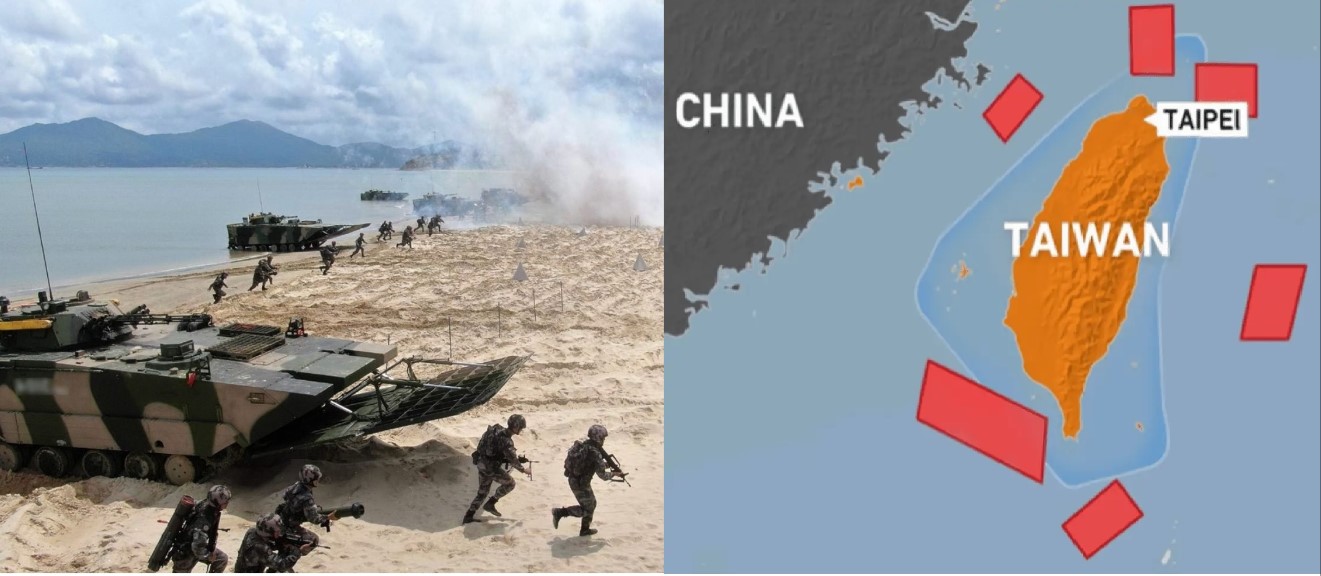
World
China’s amphibious forces could land approximately 21,000 troops in the initial phase of a cross-strait operation and transport up to 300,000 personnel within ten days if civilian vessels are mobilized, according to an analytical report by the Center for Transportation Strategies. The assessment highlights the growing role of China’s naval and civilian maritime capacity in potential operations against Taiwan, as cross-strait tensions remain a central focus of regional security planning. Taiwan Timeline and Regional Context Taiwan’s Ministry of National Defense has identified 2027 as a likely timeframe in which China could possess the operational capability to conduct a large-scale invasion of the island. Taiwanese officials describe the date as a planning reference based on observed developments in force structure, logistics, and joint operations, rather than a confirmed forecast. The situation around Taiwan is increasingly viewed by analysts as a potential escalation point in the Indo-Pacific security environment. Expansion of China’s Naval Power China’s navy is expected to play a central role in any operation against Taiwan. Beijing continues to expand the People’s Liberation Army Navy (PLAN) at a rapid pace, commissioning an estimated 20–25 warships annually, a rate that exceeds the shipbuilding output of the United Kingdom’s Royal Navy. On December 4, 2025, China conducted its largest naval operation to date in the East China Sea and South China Sea, involving around 100 vessels from the navy and coast guard, demonstrating large-scale maritime coordination. Role of Civilian and Commercial Vessels Beyond its military fleet, China is increasingly integrating its commercial maritime sector into military logistics. Ferries, cargo ships, and fishing vessels, many linked to the maritime militia, are assessed as key transport assets in a cross-strait scenario. In 2022, intelligence agencies from the Five Eyes alliance—Australia, Canada, New Zealand, the United Kingdom, and the United States—tracked around 30 Chinese commercial ferries participating in People’s Liberation Army exercises, including movements of military vehicles and personnel. Analysts note that heavy civilian traffic in the Taiwan Strait could complicate detection of early preparations. This approach aligns with Chinese military doctrine emphasizing deception and operational surprise. Transport Capacity Estimates According to the Center for Transportation Strategies, China’s dedicated landing ships could deliver about 21,000 troops in the first wave of an amphibious assault. When combined with requisitioned civilian vessels, total transport capacity could reach approximately 300,000 troops within ten days, assuming sustained operations and adequate protection of sea routes. The use of formally civilian vessels introduces legal and operational challenges, as attacks on civilian-registered ships may raise international legal concerns unless they are clearly designated for military use. New Auxiliary Landing Systems China has also tested newly developed auxiliary landing vessels designed to support operations on undeveloped coastlines. Trials conducted in March demonstrated ships capable of offloading armored vehicles from civilian barges directly to shore. These vessels feature a large open stern platform for receiving equipment from other ships. Vehicles and cargo move forward along the deck and deploy via a folding ramp approximately 120 meters long, allowing landings without port infrastructure. Analysts assess that these systems could expand potential landing areas and reduce dependence on major ports in a Taiwan contingency. Implications The analysis indicates that China’s cross-strait transport capacity is increasingly defined by civilian–military integration, rather than naval amphibious ships alone. This trend has implications for regional defense planning, particularly in efforts to monitor, disrupt, or interdict transport and landing operations. The findings add to ongoing assessments of the military balance across the Taiwan Strait as China continues to expand its naval power and transport infrastructure.
Read More → Posted on 2025-12-13 12:58:12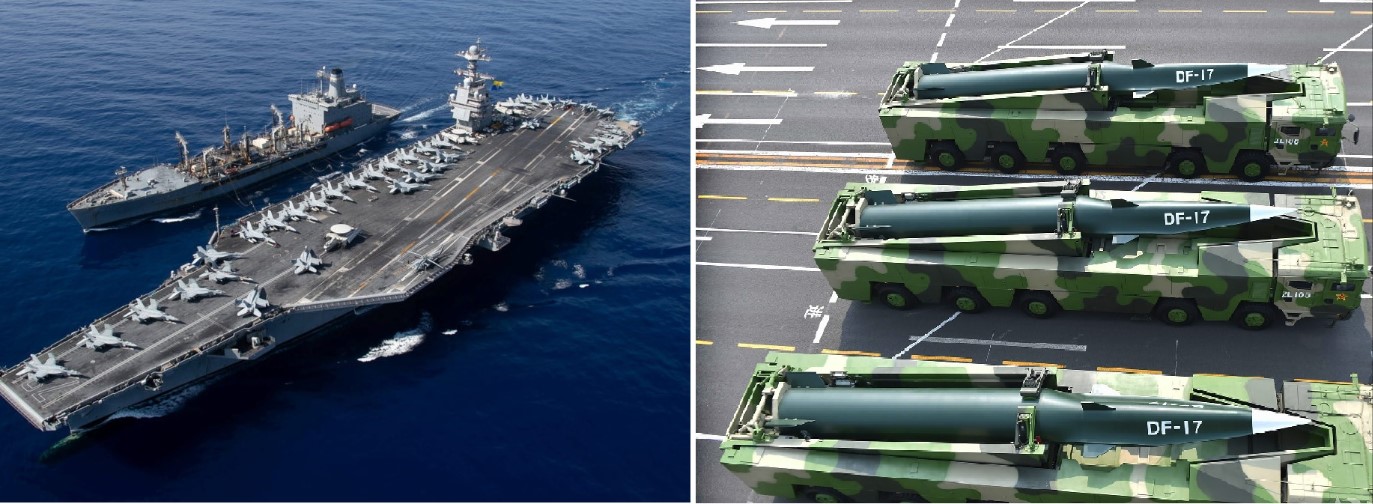
World
A highly classified Pentagon assessment circulating among senior U.S. national security officials has reportedly reached a conclusion rarely acknowledged in public briefings or congressional testimony: in a full-scale war over Taiwan, the United States repeatedly fails to prevent China from achieving its military objectives. The document, known inside defence circles as the “Overmatch Brief,” synthesises the results of multiple classified war games and force-on-force simulations conducted over recent years. According to officials familiar with its contents, the outcome is not marginal or scenario-dependent. Across variations in timing, escalation ladders and rules of engagement, U.S. forces suffer heavy losses early and are unable to deny Beijing control of the battlespace around Taiwan. Pentagon officials emphasise that the assessment is not a judgement on American troop quality or combat motivation. Instead, it is a blunt diagnosis of structural disadvantage in a theatre shaped by geography, missile density, industrial capacity and the physics of modern warfare. The End of Carrier Dominance At the centre of the assessment is the declining survivability of U.S. aircraft carriers inside the Western Pacific. For decades, carrier strike groups have been the backbone of American power projection. In the Taiwan scenarios, they are among the first assets neutralised. Simulations show that China’s anti-access/area-denial network, built specifically to target large surface vessels, overwhelms carrier defences within days or even hours. Weapons cited in the assessment reportedly include the DF-21D and DF-26 anti-ship ballistic missiles, often referred to as “carrier killers,” supported by YJ-18 and YJ-21 anti-ship cruise missiles launched from submarines, destroyers and bombers. Hypersonic glide vehicles such as the DF-17 further compress reaction times, reducing the effectiveness of interceptor systems like the SM-3 and SM-6 missiles carried by Aegis destroyers. Even the U.S. Navy’s most advanced platform, the USS Gerald R. Ford, a $13-billion nuclear-powered carrier equipped with electromagnetic catapults and advanced radar, is assessed as unable to operate safely within effective strike range of Taiwan once hostilities begin. The loss or withdrawal of carriers strips U.S. forces of their primary means of sustained airpower. Missile Saturation and the Opening Hours The Overmatch Brief reportedly concludes that the decisive phase of the conflict occurs before U.S. forces can meaningfully assemble. China’s People’s Liberation Army Rocket Force now fields thousands of short-, medium- and intermediate-range missiles designed to strike air bases, ports, fuel depots and command centres across the region. Key U.S. facilities in Japan and Guam, including Kadena Air Base and Andersen Air Force Base, are repeatedly hit in simulations by salvos of DF-15, DF-16 and DF-26 missiles. Hardened shelters reduce casualties but do not prevent runway cratering, fuel fires and the degradation of sortie generation. Even advanced aircraft such as the F-35A, F-22 Raptor and B-21 Raider are rendered ineffective if they cannot launch, refuel or receive targeting data. Missile defence systems, including Patriot PAC-3, THAAD and Aegis Ashore, are assessed as insufficient against sustained saturation attacks. Interceptors are expensive and finite; offensive missiles are cheaper and more numerous. The imbalance becomes decisive within days. Cyber and Space: The Invisible First Strike Contrary to public perceptions of a dramatic missile opening salvo, the Pentagon assessment reportedly warns that a Taiwan conflict would likely begin in cyberspace and orbit. Chinese cyber units, linked to the Strategic Support Force, are assessed to have pre-positioned malware within networks supporting U.S. bases, logistics contractors and regional infrastructure. In simulations, the first effects are power outages, corrupted logistics databases, disrupted satellite communications and degraded command-and-control systems. At the same time, Chinese counter-space capabilities, including co-orbital satellites, ground-based lasers and anti-satellite missiles such as the SC-19, are used to blind or degrade U.S. reconnaissance and navigation satellites. The loss of GPS accuracy and real-time ISR further compounds U.S. operational paralysis. Industrial Power Decides Endurance Beyond the opening phase, the assessment highlights an industrial imbalance that favours Beijing. The United States relies on a relatively small number of highly complex platforms: nuclear carriers, stealth aircraft, guided-missile destroyers and submarines that take years to build and are difficult to replace. China, by contrast, has structured its force around mass, redundancy and rapid replacement. Shipyards along the Yangtze River reportedly produce destroyers, frigates and amphibious vessels at a pace unmatched globally. Missile production lines can replace expended munitions in weeks or months. Losses are expected and absorbed. In prolonged scenarios, U.S. stockpiles of precision-guided munitions, including JASSM-ER, LRASM and Tomahawk cruise missiles, are depleted faster than they can be replenished. Chinese production continues to outpace attrition. Geography as a Weapon The assessment repeatedly returns to geography as the most unforgiving variable. Taiwan lies roughly 130 kilometres from China’s coast, well within the densest layer of Chinese missile and air coverage. U.S. forces must operate across the vast distances of the Pacific, stretching supply lines and amplifying every loss. Each sunk ship or destroyed aircraft increases logistical strain, political risk and financial cost. In the simulations, even successful U.S. strikes do not reverse momentum once China establishes local dominance. Spending More, Achieving Less One of the most uncomfortable findings, according to officials familiar with the document, is that overall defence spending does not translate into local superiority. China spends an estimated 1.7 percent of its GDP on defence, compared with roughly 3.4 percent for the United States. Yet in the Taiwan theatre, missile density, proximity and production scale outweigh raw expenditure. The assessment questions whether continued investment in legacy platforms aligns with the realities revealed by the war games. Despite this, U.S. procurement plans still include additional Ford-class carriers and manned aircraft optimised for contested environments they may not survive. Why the Document Will Remain Secret The Overmatch Brief is unlikely ever to be released publicly. Officials warn that formal acknowledgement of repeated defeat against a named adversary would undermine deterrence, unsettle allies such as Japan and Australia, and expose vulnerabilities in U.S. doctrine, basing and logistics. Instead, its conclusions are emerging indirectly, through anonymous briefings, think-tank reports and carefully worded testimony, gradually conditioning policymakers and the public to a harsher strategic reality without a single definitive admission. Beijing’s Strategic Patience The assessment also underscores a crucial point often overlooked in public debate: China is not rushing. Chinese leadership has repeatedly signalled that action over Taiwan would only come when success appears near-certain. Failure would be politically catastrophic for Beijing, making caution itself a strategic advantage. Steady modernisation of missile forces, naval shipbuilding, cyber capabilities and space assets continues without the pressure of immediate conflict. Time, the assessment suggests, is not neutral. A Question Washington Cannot Avoid The Pentagon’s own planners are reportedly grappling with the implications of their findings. The question is no longer framed solely as whether the United States would choose to defend Taiwan, but whether it can do so at an acceptable cost, and whether its current force structure reflects the realities its classified war games already reveal. For now, the most candid acknowledgement of those realities remains locked behind classified markings, known only through fragments and leaks. But within the corridors of power, according to those familiar with the Overmatch Brief, the verdict is already clear.
Read More → Posted on 2025-12-13 12:39:21
World
Israeli Prime Minister Benjamin Netanyahu is reportedly waging an intense but low-profile diplomatic campaign to prevent the United States from approving sales of advanced F-35 Lightning II stealth fighter jets to Türkiye, even as broader U.S. plans to sell the jets to other regional partners move forward. Israeli officials are reportedly seeking to preserve the country’s long-cherished strategic advantage in air power without triggering a high-stakes public clash with U.S. President Donald Trump. Netanyahu’s diplomacy — conducted largely behind closed doors rather than through public confrontation — reflects a nuanced calculation: Jerusalem is acutely wary of eroding its qualitative military edge (QME), a longstanding U.S. legal commitment to ensure Israel’s superiority in conventional military capabilities over potential adversaries in the Middle East, while recognizing that open dispute with Washington could jeopardize broader ties. Concerns Over Türkiye’s Potential F-35 Acquisition Israeli fears focus especially on Türkiye. Despite Ankara’s expulsion from the F-35 program in 2019 after it acquired Russian S-400 air defense systems — a move Washington said threatened sensitive U.S. technology — renewed talks have surfaced this month about Ankara possibly rejoining the program or acquiring F-35s as a foreign military sale. In comments widely reported by Israeli and regional media, Netanyahu has dismissed the likelihood of U.S. approval for F-35 transfers to Türkiye as “extremely remote,” emphasizing that, if it did occur, Israel’s response would be stronger than its opposition to sales to Saudi Arabia. Israeli officials warn that a Turkish fleet of F-35s — with their stealth and advanced avionics — could undercut Israeli air dominance, particularly over the Eastern Mediterranean, where Greek and Turkish air forces already have frequent confrontations. Jerusalem also points to Ankara’s support for militant groups hostile to Israel and diverging regional ambitions as sources of strategic anxiety. U.S.–Türkiye F-35 Talks Continue Amid Legal and Security Hurdles Meanwhile, in Washington and Ankara, diplomats are cautiously optimistic that President Trump’s close personal rapport with Turkish President Recep Tayyip Erdoğan could help break the longstanding impasse over F-35 sales. U.S. envoy Tom Barrack has described recent discussions as among the most productive in years, even as legal requirements — including the U.S. demand that Ankara relinquish its S-400 systems — remain central sticking points. Turkey’s defense ministry has reiterated that there has been “no change” in its stance on the Russian S-400 systems, underscoring Ankara’s reluctance to dismantle or surrender the batteries despite continued diplomatic engagement over F-35 access. Netanyahu’s Quiet Strategy Rather than openly confront Trump — whose administration has signaled willingness to advance U.S.–Saudi defense cooperation, including F-35 sales — Israeli leaders have opted for discreet negotiations with key U.S. policymakers and allies in Congress. Netanyahu has reportedly raised the matter with senior figures at Lockheed Martin, the F-35’s manufacturer, and sought assurances from U.S. politicians supportive of Israel’s security concerns. Israel’s reservations extend to broader regional dynamics. While Jerusalem reluctantly accepted Washington’s decision to proceed with a planned sale of F-35s to Riyadh — under assurances that Saudi jets would have downgraded capabilities to protect Israel’s edge — officials draw a sharp distinction between Riyadh and Ankara’s strategic intentions. Geopolitical Ramifications The dispute over F-35 sales comes against the backdrop of shifting alliances and rivalries across the Middle East. Türkiye’s aspirations to play a more assertive military and diplomatic role — including proposals to deploy forces in conflict zones like Gaza — have clashed with Israeli policy. At the same time, renewed U.S.–Türkiye dialogue reflects Trump’s broader recalibration of relations with Ankara, particularly regarding NATO cooperation and counter-terrorism efforts. For Israel, preserving military superiority remains a paramount concern. With its own fleet of F-35I Adir jets — equipped with unique Israeli systems not shared with other operators — Jerusalem sees any dilution of its airpower advantage as a potential threat to national security. As diplomatic negotiations continue on multiple fronts, the F-35 saga underscores how cutting-edge military technology has become a flashpoint in broader strategic contests involving the United States and its key Middle Eastern partners.
Read More → Posted on 2025-12-13 11:59:27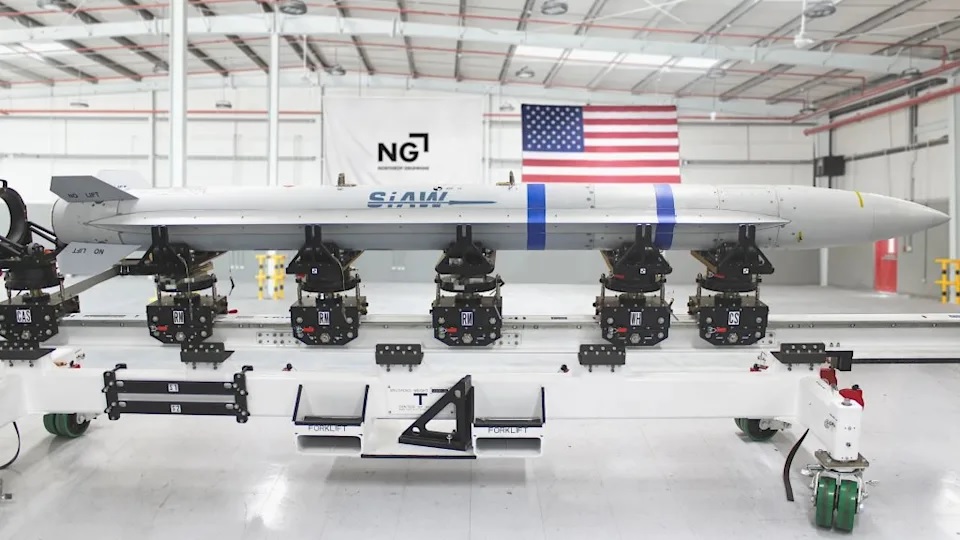
World
The United States Air Force is accelerating development of its new Stand-in Attack Weapon (SiAW), a next-generation air-to-surface missile designed to strike mobile, high-value threats inside heavily defended airspace. Built on the technological foundation of the Navy’s AGM-88G AARGM-ER anti-radiation missile, the SiAW represents one of the Air Force’s most significant new munitions programs aimed at countering advanced anti-access/area denial (A2/AD) systems. Northrop Grumman, which won the $705 million development contract in 2023, has already delivered the first inert test missile, paving the way for captive-carry and separation trials. Flight testing is scheduled to ramp up through 2025 as the service pushes for an early operational capability later in the decade. Unlike the AARGM-ER, which focuses primarily on radar-emitting targets, the SiAW has been engineered for a much broader target set. It is designed to detect, track and destroy mobile ballistic-missile launchers, cruise-missile TELs, GPS-jamming vehicles, electronic-warfare platforms, command-and-control nodes, and other relocatable systems that adversaries typically move quickly to evade detection. The missile’s high-speed performance—derived from the AARGM-ER’s powerful extended-range motor—allows it to strike such time-sensitive targets before they can disperse or hide. One of the program’s core goals is to enable “stand-in” strikes. Rather than being fired from long range, SiAW is meant for use after a fighter or bomber has penetrated contested airspace. This gives pilots the ability to engage the most threatening systems from inside an enemy’s defensive bubble while still maintaining survivability at supersonic speeds. The missile will be carried internally on the F-35A and F-35C variants, preserving the aircraft’s stealth characteristics. The service has also confirmed plans for integration on the F-16, F-15E/EX, and Navy and Marine Corps F/A-18 aircraft. Additionally, the upcoming B-21 Raider stealth bomber will carry SiAW, giving the Pentagon’s newest long-range strike platform the ability to hunt and destroy mobile missile launchers in the opening hours of a conflict. The Air Force originally evaluated proposals from multiple defense companies, including Lockheed Martin and L3Harris. Lockheed promoted a competing high-speed concept called “Mako,” but Northrop Grumman’s design—leveraging the existing AARGM-ER engineering base—was chosen to reduce development risk and accelerate fielding. As testing continues, several details remain classified, including maximum range, seeker modes and counter-countermeasure capabilities. However, defense analysts say the program is designed to give the U.S. and its allies a critical tool for dismantling modern integrated air-defense networks built by China, Russia, and other near-peer militaries. By neutralizing mobile launchers and electronic-attack vehicles that underpin these A2/AD systems, the SiAW is expected to play a central role in early-phase air operations in any future high-end conflict. With prototype deliveries complete and integration work expanding across multiple aircraft fleets, the SiAW is now transitioning from concept to reality. If the Air Force maintains its current pace, the missile could enter frontline ser
Read More → Posted on 2025-12-12 17:10:29
World
Ashgabat, Turkmenistan — Pakistan has lodged a formal diplomatic protest with Russia after Prime Minister Shehbaz Sharif was left waiting more than 40 minutes for a scheduled meeting with Russian President Vladimir Putin, only to discover that Putin was holding a separate private session with Turkish President Recep Tayyip Erdogan. The incident, visibly caught on cameras at an international summit in Turkmenistan, has sparked broader questions about diplomatic priorities, regional alliances, and Pakistan’s shrinking leverage on the world stage. The episode occurred during the International Conference marking 30 years of Turkmenistan’s policy of permanent neutrality, a forum attended by several global leaders. Pakistani officials say the Sharif–Putin meeting had been officially scheduled, and Islamabad fully expected bilateral talks. But as the Pakistani delegation, including Foreign Minister Ishaq Dar, waited in an adjacent room, no Russian official arrived to escort them or offer an explanation for the delay. After more than forty minutes, and with no update from Moscow’s protocol staff, Sharif walked into a nearby room where Putin and Erdogan were already holding a bilateral conversation. Video footage shows Sharif entering, offering greetings, and then exiting approximately ten minutes later without any substantial interaction. The Putin–Erdogan meeting continued undisturbed, underscoring the absence of any planned engagement with the Pakistani leader. Why this happened is now at the center of intense scrutiny. Analysts say the snub reflects Pakistan’s diminished diplomatic weight at a time when Moscow’s strategic priorities are shifting firmly toward countries with stronger economic, military, and geopolitical relevance. Russia’s close, decades-long partnership with India—reinforced just days earlier by Putin’s warmly received trip to New Delhi—stands in stark contrast to the uncertainty and inconsistency that have marked Russia–Pakistan ties in recent years. The footage has gone viral, prompting commentators to describe it as one of the most visible diplomatic setbacks for Islamabad in recent memory. In Pakistan, opposition leaders have labeled the episode an “international embarrassment”, accusing the Sharif government of poor planning and inadequate diplomatic preparation. The Foreign Office, meanwhile, confirmed that it had demanded an explanation from Moscow, insisting that the treatment amounted to a “serious breach of diplomatic protocol.” A senior Pakistani official, speaking privately, said the government viewed the incident as a violation of protocol norms. “No head of government, especially one representing a nuclear-armed state, should be subjected to such disregard,” the official said, adding that the message conveyed to Moscow was one of disappointment and concern. Russian officials have yet to issue a formal statement. Those close to the Kremlin suggested Putin’s schedule was “tight and fluid”, with multiple bilateral meetings competing for time. But Pakistan has rejected any suggestion that the delay was routine, arguing that its delegation was given no notification of changes and that the circumstances pointed to more than just scheduling pressure. The diplomatic fallout is deepened by timing. Days before the incident, Putin completed a highly publicized visit to India, where he reaffirmed Moscow’s strategic partnership with Prime Minister Narendra Modi. The elaborate welcome in New Delhi—including military honors, official banquets, and extended talks—has been cited by analysts as a stark comparison to the treatment of Pakistan’s prime minister. Historically, Pakistan and Russia have shared a cautious, often uneasy relationship, influenced by Cold War alignments and Moscow’s long-standing defence and energy ties with India. Though Islamabad has recently attempted to strengthen cooperation—particularly in energy imports—its geopolitical value to Moscow remains limited compared to India’s vast market and strategic significance. Diplomatic experts argue that the humiliation faced by Sharif in Ashgabat is not merely a protocol failure but an indicator of Pakistan’s shifting international relevance. Economic instability, political upheaval, and a lack of consistent foreign policy direction have weakened Islamabad’s standing with several major powers. As Islamabad awaits an official explanation from Moscow, the images of Sharif waiting, walking into a private meeting uninvited, and quietly departing have become symbolic of the challenges Pakistan faces in asserting its diplomatic position. The episode underscores the shifting geopolitical dynamics of the region and the increasingly limited influence Pakistan holds in the foreign policy calculations of major powers like Russia.
Read More → Posted on 2025-12-12 16:14:56
World
Ukrainian President Volodymyr Zelenskyy said on Tuesday that Ukraine is ready to hold national elections if a credible ceasefire with Russia is established, calling on the United States to speak directly with Moscow to help secure the conditions needed for voting. His remarks arrive amid increasing international scrutiny and renewed calls — especially from former U.S. President Donald Trump — for Kyiv to hold elections despite the ongoing war. Speaking in a televised address, Zelenskyy stressed that “Ukraine is not hiding from democracy,” but insisted that elections cannot take place without guaranteed security. With Russian attacks continuing across the frontline, he said a verified ceasefire is essential before any voting can occur. Responding to Trump’s comments about Ukraine’s democratic processes, Zelenskyy said, “If President Trump continues to talk about elections in Ukraine… we can try to hold elections.” He added that any such attempt depends on international partners providing security, logistics and monitoring to make the process credible. In one of his most direct appeals to Washington, Zelenskyy said, “Frankly speaking, here in Ukraine, we think that America should talk to the Russian side about elections.” He argued that U.S. diplomatic leverage will be key to ensuring Russia respects any ceasefire and does not interfere in a potential vote. Ukrainians’ Views: Do They Want Zelenskyy Again or Someone New? Recent local polling offers a clearer picture of public sentiment. According to surveys by the Kyiv International Institute of Sociology, most Ukrainians do not want elections during active war, with around 63% saying voting should wait until the conflict fully ends. Only about 22% believe elections should take place immediately after a ceasefire if security is ensured. Public trust in Zelenskyy has evolved since the early stages of the invasion. While he previously enjoyed historic approval ratings, recent data shows declining trust as the war drags on, though he still remains one of the most recognizable and supported political figures in the country compared with other Ukrainian politicians. Local reports also note a growing debate about whether Zelenskyy should run again or if the country should see new leadership after the war. Many Ukrainians respect his wartime leadership, but a rising portion of the population is open to fresh political figures once stability returns. Zelenskyy himself has stated he does not plan to seek another term after the war, placing the long-term leadership question back in the hands of voters once peace allows. Legal and Logistical Barriers Ukraine remains under martial law, which legally prevents national elections. This framework, introduced after Russia’s full-scale invasion in 2022, cannot be lifted while fighting continues. Government officials point out that millions of Ukrainians are displaced, many polling stations in frontline areas have been destroyed, and large regions remain under occupation — all making a vote logistically impossible without a ceasefire. Zelenskyy indicated he is open to exploring legal amendments to permit elections during wartime, but only with international guarantees and a secure environment for voters and election staff. Officials say an election could be organized within 60–90 days of a verified ceasefire, if all necessary protections are in place. International Reaction U.S. and European leaders have reiterated that Ukraine must decide when it is safe to hold elections, but Zelenskyy’s comments are expected to intensify discussions in Washington about balancing democratic expectations with wartime realities. Meanwhile, Russia has not responded to the idea of facilitating Ukrainian elections, continuing instead to demand concessions Kyiv rejects. For now, Zelenskyy’s position remains clear: “Elections are possible, but only if the guns fall silent and international partners help guarantee security.” As the war approaches its fourth year, the timing of Ukraine’s return to democratic normalcy has become a defining factor in diplomatic negotiations and a central issue for Ukrainians looking ahead to the country’s post-war future.
Read More → Posted on 2025-12-12 15:02:06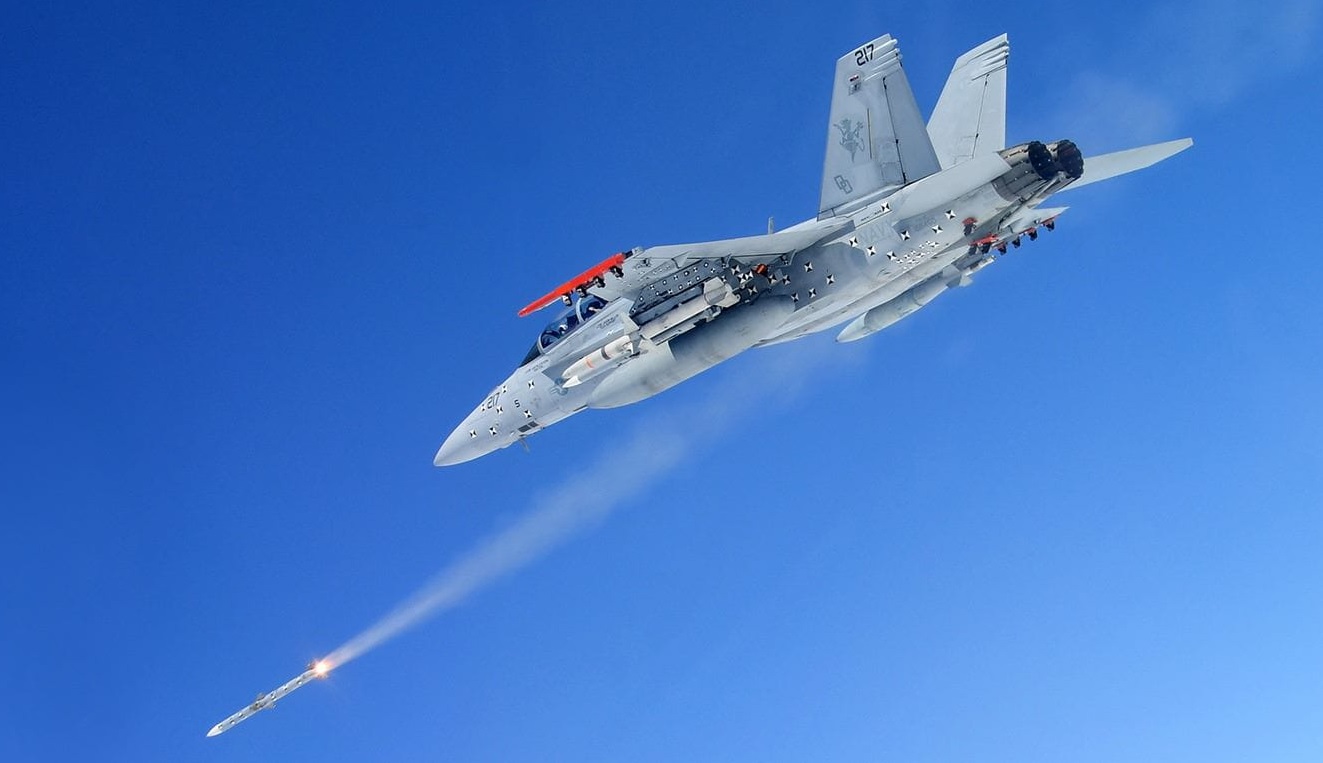
World
Finland announced that it will procure a new batch of Advanced Medium Range Air-to-Air Missiles (AMRAAM) from the United States, a move that marks another significant step in strengthening the country’s air defence capability as it prepares to field its next-generation fighter fleet. The decision, authorised by Defence Minister Antti Häkkänen, covers the acquisition of the AIM-120D-3 AMRAAM, the newest and most sophisticated variant in the missile series developed for modern air combat. The missiles will be integrated with Finland’s incoming F-35A Lightning II multirole combat aircraft, deliveries of which are scheduled to begin late next year. In a statement released on Friday, the Finnish government said the first missile consignments are intended to “support the deployment of the F-35 fleet,” adding that the advanced weapon system will significantly enhance national readiness. Häkkänen noted that the procurement “will give Finland the latest and most advanced variant of AMRAAM, which will improve our ability to respond to threats in our operating environment,” and will strengthen interoperability with the United States and NATO allies. Major U.S. Foreign Military Sale Clears Path for Acquisition The missile order follows approval from the U.S. Congress in September 2025 under the Foreign Military Sales (FMS) programme. The package, valued at more than $1 billion, includes hundreds of AIM-120D-3 missiles along with training, technical documentation, test equipment, spare parts, transport and logistical support. The United States will also provide administrative and engineering services during the delivery period. The AIM-120D-3 incorporates extended range, improved navigation and upgraded resistance to electronic countermeasures, making it one of the most capable beyond-visual-range air-to-air weapons currently fielded by Western air forces. RTX, formerly Raytheon Technologies, is the principal contractor. Strengthened Airpower as Finland Joins NATO Defence Network Finland, which shares a 1,340-kilometre border with Russia, has accelerated its defence modernisation since joining NATO in 2023. Its 2022 decision to purchase 64 F-35A fighters from Lockheed Martin remains the largest defence procurement in Finnish history and a central pillar of its future airpower strategy. The country already employs older AMRAAM variants on its F/A-18 Hornet fleet and in the NASAMS ground-based air defence system, but the AIM-120D-3 will be used exclusively with the new F-35s, offering a major boost in Finland’s air-to-air engagement capabilities. With geopolitical tensions heightened across northern Europe and Russia’s war in Ukraine reshaping regional security, Helsinki has prioritised deterrence and deeper NATO integration. The new missile system is expected to play a central role in Finland’s airspace defence strategy. Modernisation Effort Continues Finland’s first F-35A aircraft are currently undergoing testing in the United States ahead of their scheduled arrival in late 2026. Defence officials say the combination of the F-35 platform and the AIM-120D-3 missile will form a critical foundation for Finland’s future air superiority posture. By aligning its capabilities with those of major NATO allies, Finland aims to sustain a robust and technologically advanced defence framework while strengthening its ability to respond to emerging security threats across Europe.
Read More → Posted on 2025-12-12 14:23:00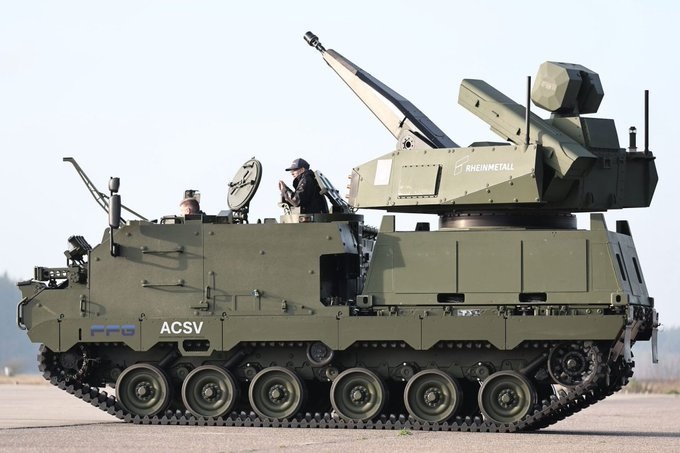
World
The Netherlands has formally awarded a three-digit-million-euro contract to Rheinmetall for the delivery of Skyranger 30 Short-Range Air Defence (SHORAD) systems, to be supplied in both mobile configurations mounted on FFG’s Armoured Combat Support Vehicle (ACSV) and in stationary fixed-site variants. Deliveries will begin in 2028 and conclude by the end of 2029, marking one of the most significant modernisation steps in Dutch ground-based air defence in over a decade. Skyranger 30 to Strengthen Dutch SHORAD Layer The Skyranger 30 is intended to counter the fast-growing threat of drones, cruise missiles, loitering munitions, and low-flying aircraft, forming the short-range tier of the Netherlands’ expanding layered air-defence architecture. Equipped with a 30 mm revolver gun, advanced sensors, and the option to integrate missiles and directed-energy weapons in the future, the system offers rapid engagement capability against small, manoeuvrable aerial targets that traditional artillery often struggles to defeat. The acquisition aligns with NATO requirements for high-mobility, high-survivability air-defense units capable of protecting manoeuvre formations and critical infrastructure. Mounted on FFG’s ACSV: Mobility, Modularity, and Maintenance Advantages For the mobile variant, the Skyranger 30 turret will be installed on the FFG ACSV Gen 5, a modern tracked support vehicle originally developed by German manufacturer Flensburger Fahrzeugbau Gesellschaft (FFG) as a replacement for ageing M113-based platforms. The ACSV offers several operational benefits: High payload capacity up to 9,000 kg, enabling the integration of sensors, ammunition, and electronic systems without compromising mobility. Modular design, allowing configurations for command, medevac, logistics, recovery, or air defence—simplifying supply chains and training across variants. Tracked mobility, ensuring the Skyranger 30 can accompany mechanised units across difficult terrain where wheeled SHORAD systems may struggle. Commonality with the upcoming Dutch NOMADS missile system, reducing maintenance burdens and logistical complexity. Its adoption also reflects the Netherlands’ strategy to transition away from legacy vehicles while ensuring compatibility with allied armies, including Norway—one of the first ACSV operators. Stationary Skyranger: Protection for Critical Infrastructure In addition to mobile variants, the Netherlands will acquire fixed-site Skyranger 30 systems, designed to defend military bases, airfields, logistics hubs, and high-value infrastructure. Stationary models benefit from: Larger sensor arrays and expanded power availability Higher ammunition capacity options Continuous 360° monitoring for persistent defence missions By fielding both variants, the Dutch armed forces gain flexible, scalable coverage for static facilities and deployed operations. Industrial Participation: Rheinmetall Netherlands Takes Major Role The Skyranger 30 programme will be executed jointly by Rheinmetall Switzerland and Rheinmetall Nederland, reflecting the Netherlands' long-standing policy of linking defence procurement with industrial and technological return. The first three prototypes will be manufactured in Switzerland. Production and assembly for the remaining systems will shift to Rheinmetall’s facility in Ede, Netherlands, significantly enhancing local industry involvement. The contract also includes classroom simulators, system integration services, and an Integrated Logistics Support (ILS) package, ensuring long-term maintainability and operator training. This approach enhances domestic expertise in modern air-defence technologies and positions Dutch industry for future European SHORAD requirements. Additional Dutch Modernisation Efforts and Future Orders The Skyranger 30 purchase comes amid accelerated Dutch investment in air defence, driven by lessons from Ukraine and NATO’s emphasis on counter-drone capabilities. Ongoing and future air-defence initiatives include: NOMADS (Networked Overwatch and Manoeuvre SHORAD), also based on the ACSV platform and armed with AIM-9X Block II Sidewinder missiles. Upgrades to NASAMS medium-range batteries. Continued modernisation of Patriot PAC-3 MSE systems operated by 802 Patriot Squadron. Procurement of additional Stinger MANPADS and improved sensors. Enhanced F-35 integration into national air-defence networks, supporting real-time target data for ground batteries. While the current Skyranger contract does not include an officially announced follow-on order, Dutch defence planners have indicated that future expansion remains likely, especially if operational testing between 2028–2029 validates performance and interoperability with other systems. The Netherlands is expected to evaluate missile-equipped Skyranger variants or laser modules as future spiral upgrades. Part of a Layered Shield Under the Joint Ground-Based Air Defence Command The procurement reinforces the Netherlands’ multi-layer defence under the Joint Ground-based Air Defence Command (JGBADC), which integrates Dutch and German units and manages all air-defence assets from Stinger teams to Patriot batteries. By 2030, the Netherlands aims to field one of Europe’s most modernised, multi-layered air-defence networks, capable of responding to high-intensity conflict environments, drone saturation attacks, and hybrid threats. A Step Toward Future European SHORAD Integration As European nations race to rebuild short-range air defences, the Dutch Skyranger 30 programme is being watched closely. The combination of ACSV mobility, stationary base-defence variants, and industry participation offers a potential template for other NATO members seeking scalable SHORAD solutions. With its mixture of mobility, modularity, and modern sensors, the Skyranger 30 is expected to become a core Dutch capability against emerging aerial threats, strengthening both national defence and NATO’s collective shield.
Read More → Posted on 2025-12-12 14:08:21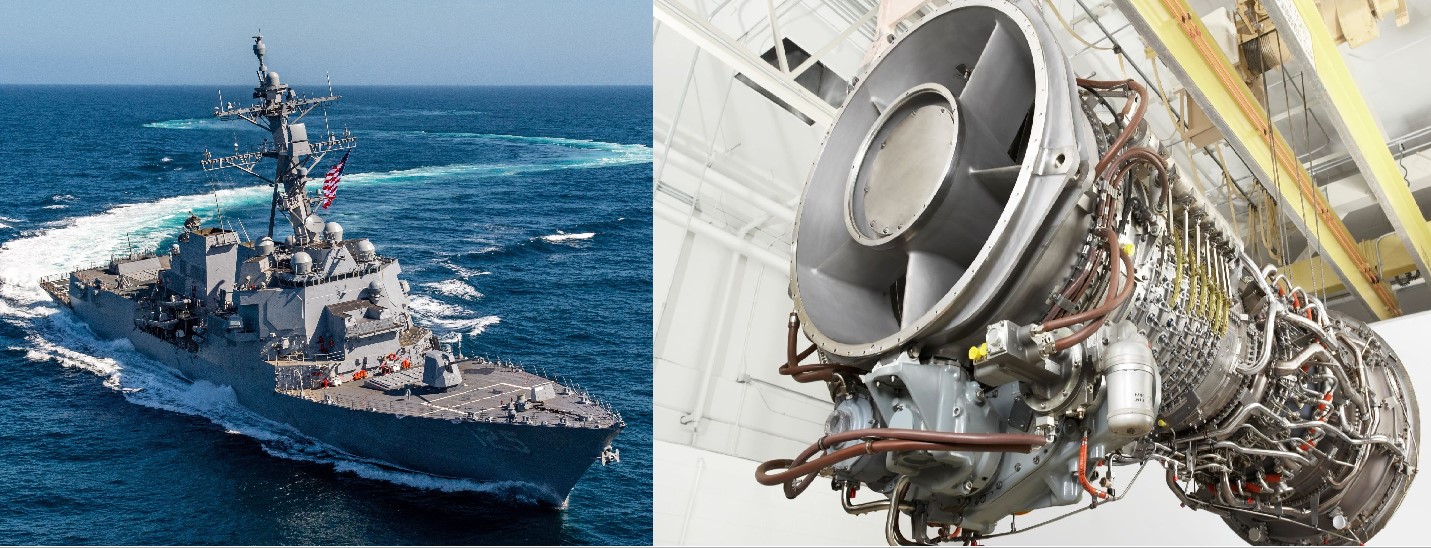
World
GE Aerospace’s Marine Engines & Systems division has secured a significant contract to deliver eight LM2500 marine gas turbine engines for the U.S. Navy’s next two Flight III Arleigh Burke-class guided-missile destroyers: the future USS Intrepid (DDG 145) and USS Robert Kerrey (DDG 146). Each destroyer will be outfitted with four LM2500 engines, continuing decades of naval reliance on GE’s aviation-derived powerplants for critical warship performance. Proven Propulsion Technology at the Heart of Surface Fleet Power The LM2500 family has long been the backbone of U.S. surface combatant propulsion, known for combining high power density, reliability, and streamlined logistics support. As of early 2025, 74 Arleigh Burke-class destroyers in active service are powered by LM2500 engines — a testament to the design’s durability and performance across more than three decades of naval operations. With these latest orders, GE Aerospace will have supplied engines for every active ship in the class, totaling 296 turbines across 74 destroyers. Mark Musheno, Vice President of Sales and Marketing for GE Aerospace’s Marine Engines & Systems business, underscored the company’s commitment to supporting the Navy’s expanding fleet: “The LM2500 has been the engine of choice for the U.S. Navy’s destroyer fleet for decades… GE Aerospace is committed to ramping up production capacity to meet the Navy’s expanding fleet requirements while maintaining the quality and reliability that has made the LM2500 the most trusted marine gas turbine in naval service worldwide.” An Engine Family with a Long and Global Legacy Originally stemming from GE’s CF6 commercial aircraft engine, the LM2500 marine gas turbine has evolved into one of the most widely used naval propulsion systems in the world. First introduced into service aboard U.S. naval vessels in 1969, the model has since been upgraded through enhanced variants — including the LM2500+, LM2500+G4, and others — delivering increased power and operational efficiency while maintaining compatibility with existing ship systems. The latest LM2500+G4 variant, for example, is capable of producing 30–37 megawatts of power and boasts reliability ratings of 99 percent or higher, helping ensure that modern surface warships can sustain demanding global missions. To date, the U.S. Navy has taken delivery of more than 700 LM2500 gas turbines operating aboard ships including destroyers and frigates. Beyond U.S. service, the engine family is trusted by dozens of allied navies, with thousands of units deployed worldwide, making GE a leading supplier of marine propulsion systems. Strategic Importance and Broader Defense Context The Arleigh Burke class has been a mainstay of U.S. naval power projection for more than 30 years, combining multi-mission combat capability with proven seakeeping and propulsion systems. The Flight III variant — of which the Intrepid and Robert Kerrey are early hulls — incorporates advanced radar, missile, and combat system upgrades while retaining the trusted LM2500-powered propulsion plant. GE’s contract supports not only warship construction but ongoing U.S. strategic objectives aimed at achieving a 390-ship fleet, a goal that requires robust supply chains and industrial production capacity for propulsion modules, combat systems, sensors, and weapons. Defense analysts note that marine gas turbines like the LM2500 deliver both high power-to-weight performance and reduced maintenance burdens compared with legacy steam plants — attributes that help high-tempo surface fleets remain mission-ready across extended global deployments. Continued Naval Service and Industry Partnerships Deliveries of Flight III destroyer propulsion packages are expected to continue through the late 2020s, with LM2500 turbines slated to remain in service well into the coming decades. Industry efforts, including expanded production capacity and workforce development initiatives, aim to ensure that propulsion orders keep pace with naval modernization programs. With over 55 years of operational heritage, continual modernization, and unmatched global adoption, the LM2500 remains the centerpiece of modern naval propulsion — and a key element of America’s future surface fleet.
Read More → Posted on 2025-12-12 13:51:13
World
Poland has taken another significant step in strengthening its Baltic Sea defenses with the launch of ORP Czajka, the sixth Kormoran II-class mine countermeasures vessel (MCMV), at Remontowa Shipbuilding in Gdańsk. The launch, announced on December 11, 2025, by Deputy Prime Minister and Defence Minister Władysław Kosiniak-Kamysz, underscores the momentum of Poland’s long-term naval modernization strategy and the growing maturity of its domestic shipbuilding industry. A Strategic Addition to Poland’s Baltic Fleet The ceremony, attended by senior Polish Navy leaders, engineers, and officials from the Polish Armaments Group (PGZ), celebrated not only the vessel’s entry into the water but also the continued success of the Kormoran II program—one of the most ambitious indigenous naval projects undertaken in Poland since the end of the Cold War. Kosiniak-Kamysz described the launch as “an important stage for the Navy and the entire national defense system,” emphasizing that the construction of Czajka and its sister ships strengthens Poland’s readiness in the increasingly contested Baltic maritime domain. With tensions rising across the region, increased Russian naval movements, and growing concerns about underwater sabotage targeting critical energy and communication infrastructure, mine countermeasure forces are becoming central to NATO’s operational posture in the Baltic. Cutting-Edge Capabilities for Modern Mine Warfare Built from non-magnetic austenitic steel, ORP Czajka is engineered to operate safely in mine-infested waters while minimizing magnetic and acoustic signatures. The vessel integrates advanced underwater detection and neutralization technologies, including: High-frequency hull-mounted minehunting sonar SCOT combat management system designed by OBR CTM Remotely operated vehicles (ROVs) such as the Saab Double Eagle Mk III Polish-made unmanned underwater drones, including the Morświn system Automated handling systems for deploying unmanned platforms The ship displaces around 850 tons, measures 58.5 meters in length, and is powered by two MTU diesel engines enabling a top speed of 15 knots. A highly automated bridge and mission center reduces crew workload and enhances operational efficiency during prolonged missions. Czajka, like other vessels in its class, is designed for mine detection, classification, sweeping, and neutralization, supporting Polish and NATO requirements for keeping sea lanes open and protecting coastal approaches, ports, and critical infrastructure. A Success Story for Poland’s Domestic Shipbuilding Industry The Kormoran II project—conceived, designed, and built entirely in Poland—has become a flagship example of national defense industrial capability. The vessel’s construction involves more than 30 Polish companies, with OBR CTM providing mission systems integration, and Remontowa Shipbuilding serving as the primary industrial lead. The program highlights Poland’s push toward strategic self-reliance, ensuring that critical naval technologies remain under domestic control. It also supports thousands of jobs in the Tricity region and beyond, reinforcing the country’s broader defense-economic ecosystem. Progress of the Kormoran II Fleet The launch of Czajka is part of the second batch of three vessels ordered under a 2020 contract worth over 1.6 billion PLN. The fleet’s development timeline is progressing steadily: ORP Kormoran (601) – commissioned 2017 ORP Albatros (602) – commissioned 2022 ORP Mewa (603) – commissioned 2023 These first three are fully operational with the 13th Minesweeper Squadron in Gdynia and actively participate in NATO exercises such as BALTOPS and Northern Coasts, where Poland has been praised for its advanced minehunting capabilities. The second batch includes: ORP Czajka (launched December 2025) ORP Jaskółka (expected launch mid-2026) ORP Rybitwa (currently under hull construction) Poland plans to finalize the class with eight ships by 2028, ensuring continuous coverage of its coastal defense zone and fulfilling NATO MCM commitments. Growing Importance of Mine Countermeasure Forces Rear Admiral Jarosław Ziemiański, Commander of the Polish Navy, has repeatedly emphasized that mine warfare is now a frontline capability in the Baltic theater. NATO allies—including Germany, Sweden, and Finland—view Poland’s expanding mine countermeasure fleet as a crucial component of the alliance’s maritime resilience. The Baltic Sea, one of the world’s most mined bodies of water due to remnants of two world wars, remains vulnerable. Modern threats include: Covert mine-laying Drone-based underwater incursions Sabotage targeting pipelines and communication cables Hybrid operations near critical maritime infrastructure ORP Czajka and the broader Kormoran fleet are designed to counter these evolving challenges. Part of a Larger Naval Renewal Effort The launch comes as Poland prepares major decisions on the future shape of its navy. Beyond minehunters, Warsaw is advancing: The Miecznik frigate program, with construction underway for three multi-role frigates based on Babcock’s Arrowhead 140 design Plans to relaunch the Orka submarine program, focusing on next-generation conventional submarines Coastal defense enhancements, including new missile systems and unmanned maritime platforms Together, these programs aim to deliver a modern, balanced fleet capable of deterring adversaries and fulfilling NATO missions. Strengthening Poland’s Position in the Baltic As ORP Czajka begins outfitting and trials, analysts note the symbolic and practical significance of the launch. It demonstrates Poland’s commitment not only to maritime security, but also to leadership within the Baltic region—where naval readiness and underwater situational awareness have become strategic priorities. With its minehunter fleet expanding rapidly, Poland is positioning itself as a key contributor to regional stability, capable of securing essential sea routes and protecting infrastructure in one of Europe’s most contested waters.
Read More → Posted on 2025-12-12 13:06:56Search
Top Trending in 24 Hours
-
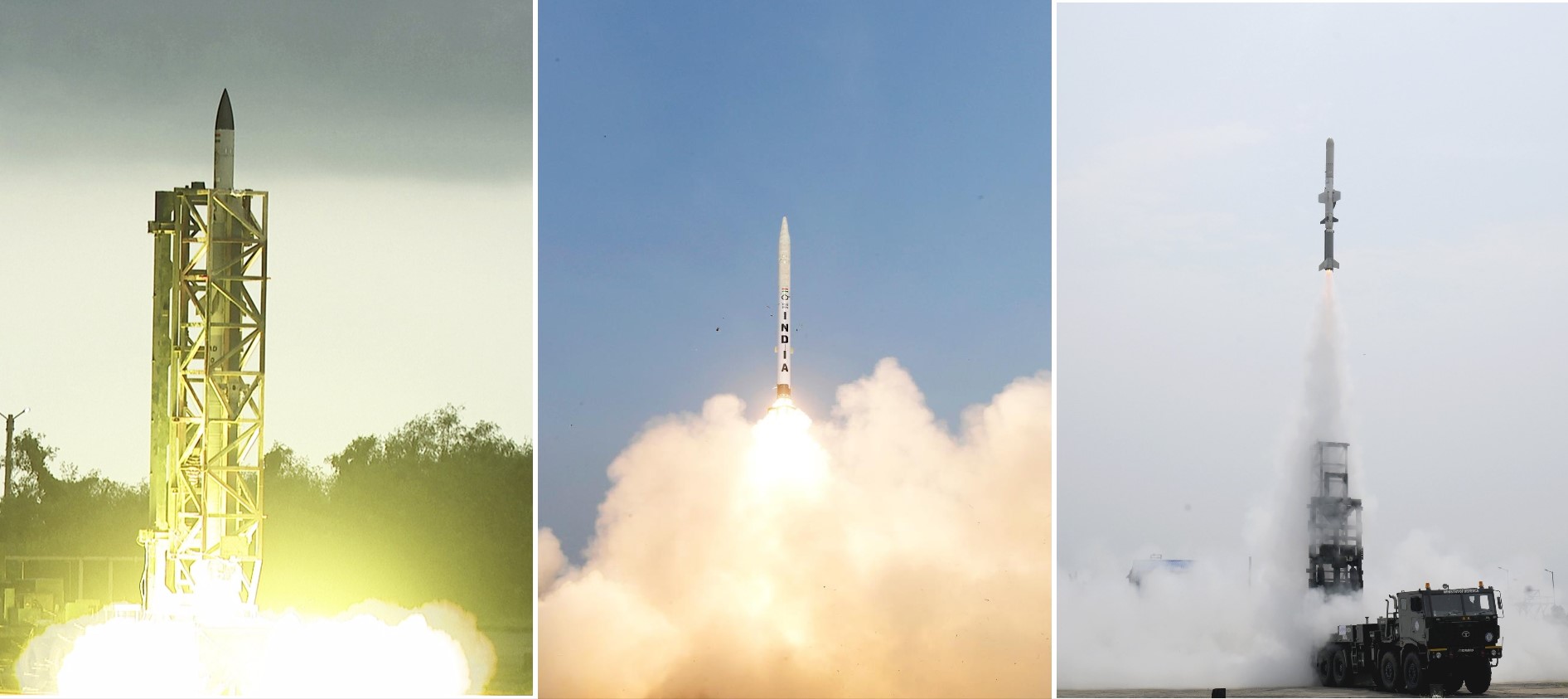 India Successfully Conducts AD-1, AD-2 Interceptor Tests and Maiden NASM-MR Flight Trial
-
 U.S Navy Orders 50 Blackbeard Hypersonic Missiles in New $23.4 Million Contract
-
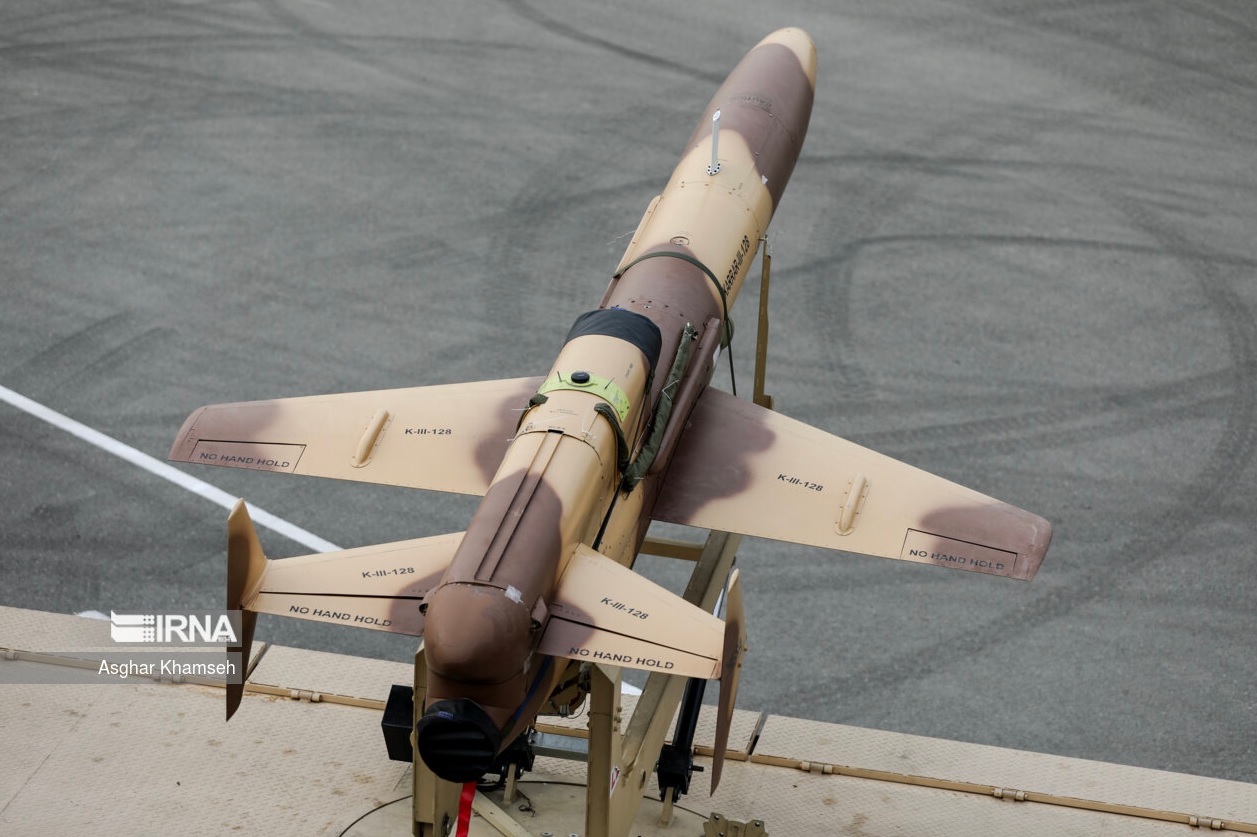 Russia Launches 1,400 Jet-Powered Drones in 2026 as Strike Tactics Evolve to Challenge Ukraine's Air Defenses
-
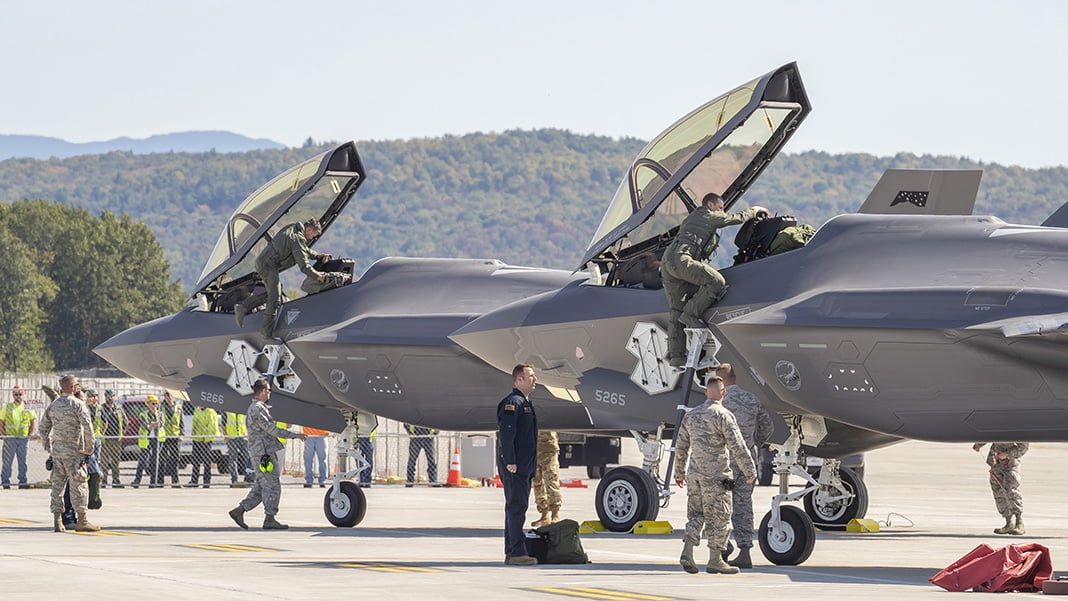 F-35 Fleet Readiness Falls to 25% Amid Parts Shortages and Software Delays: GAO Report
-
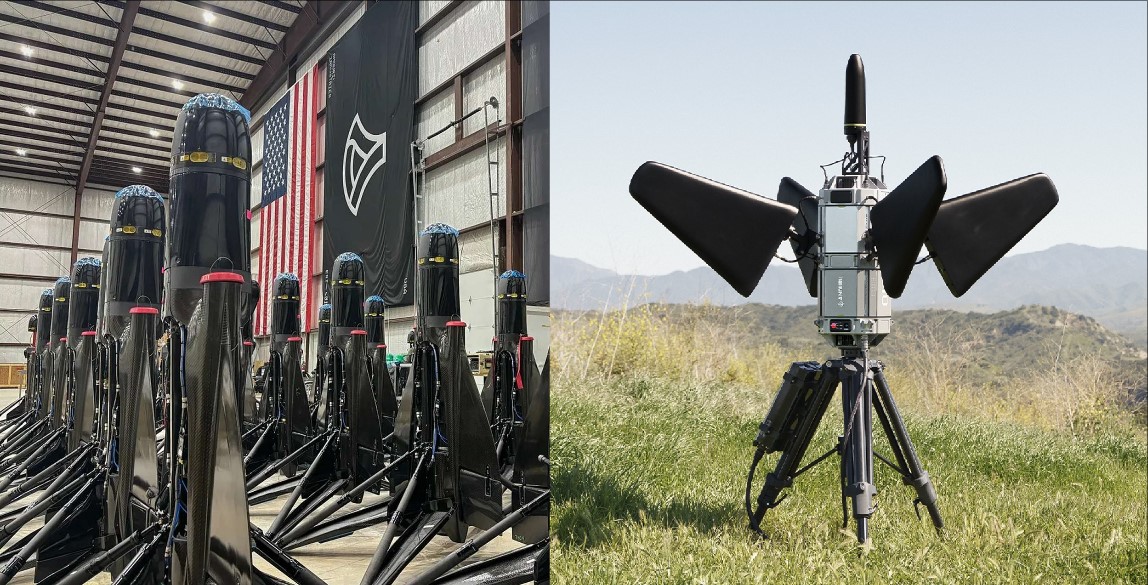 U.S. Approves $1.98 Billion Sale of Anduril AI-Powered Counter-Drone Systems to Kuwait
-
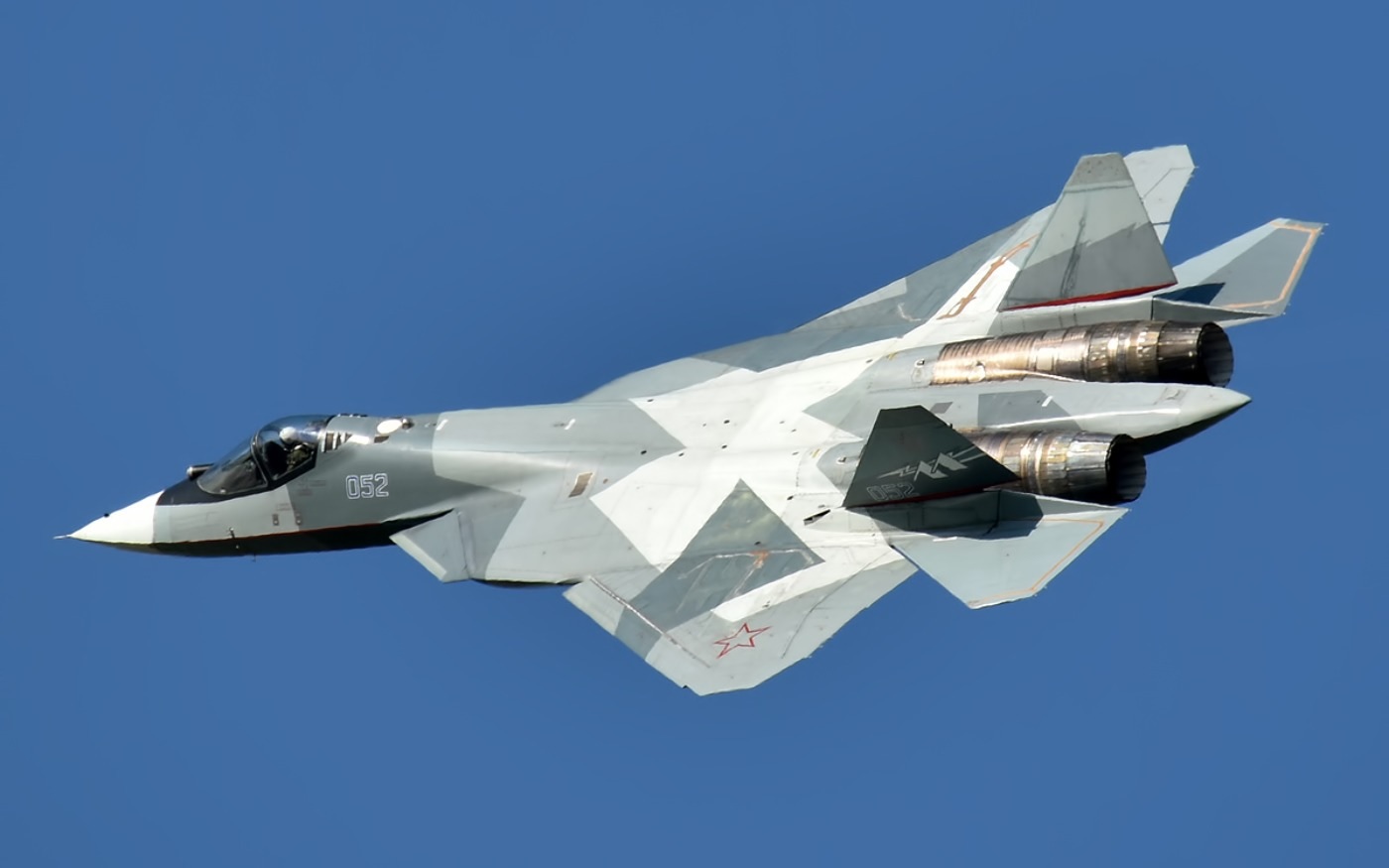 Russian Analysts Debate Su-57 Capabilities After Putin Calls Fighter Superior to F-35
-
 UAE Denies Reports of Releasing Up to $20 Billion in Funds to Iran Amid Regional De-Escalation Efforts
-
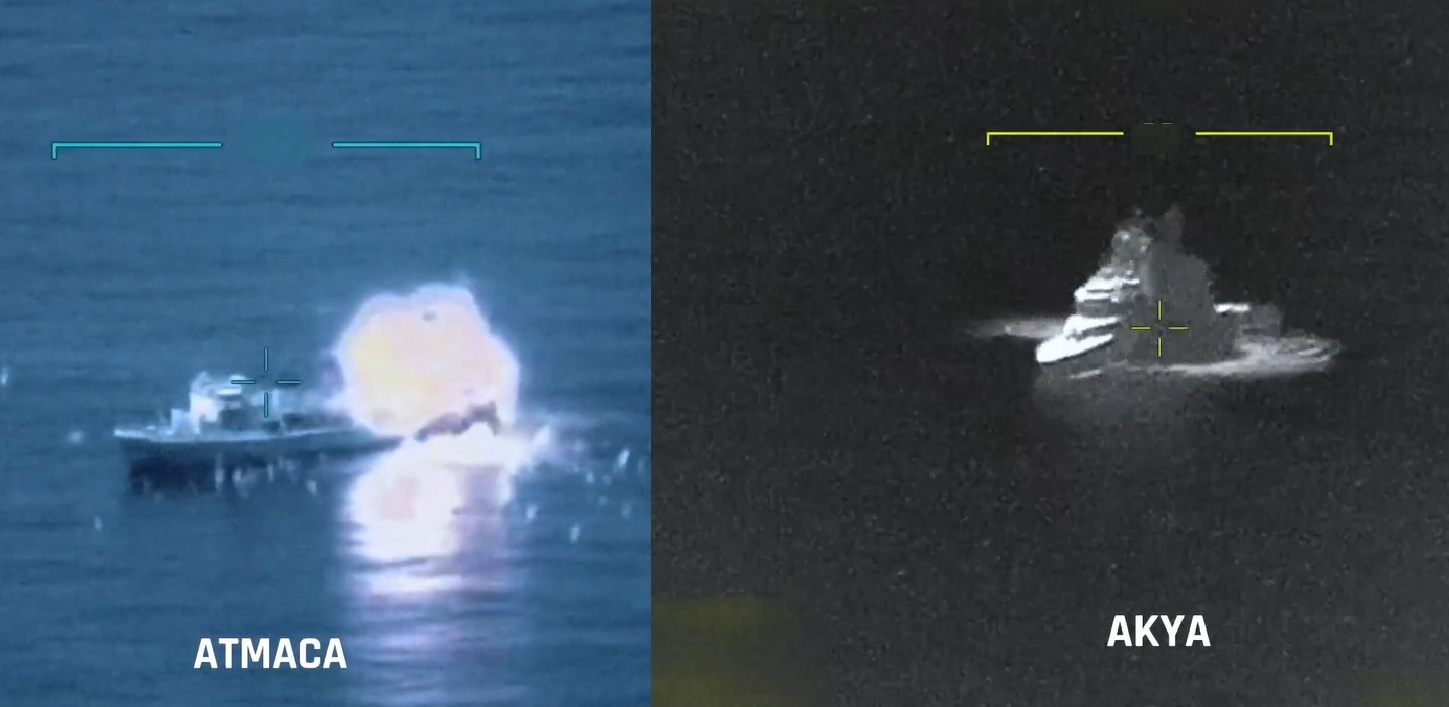 Turkey Navy Successfully Tests AKYA Torpedo and ATMACA Missile During Major Denizkurdu-II Naval Exercise
Top Trending in 4 Days
-
 Iranian Media Leaks 14-Point U.S.-Iran Peace Framework Amid Ongoing Negotiations
-
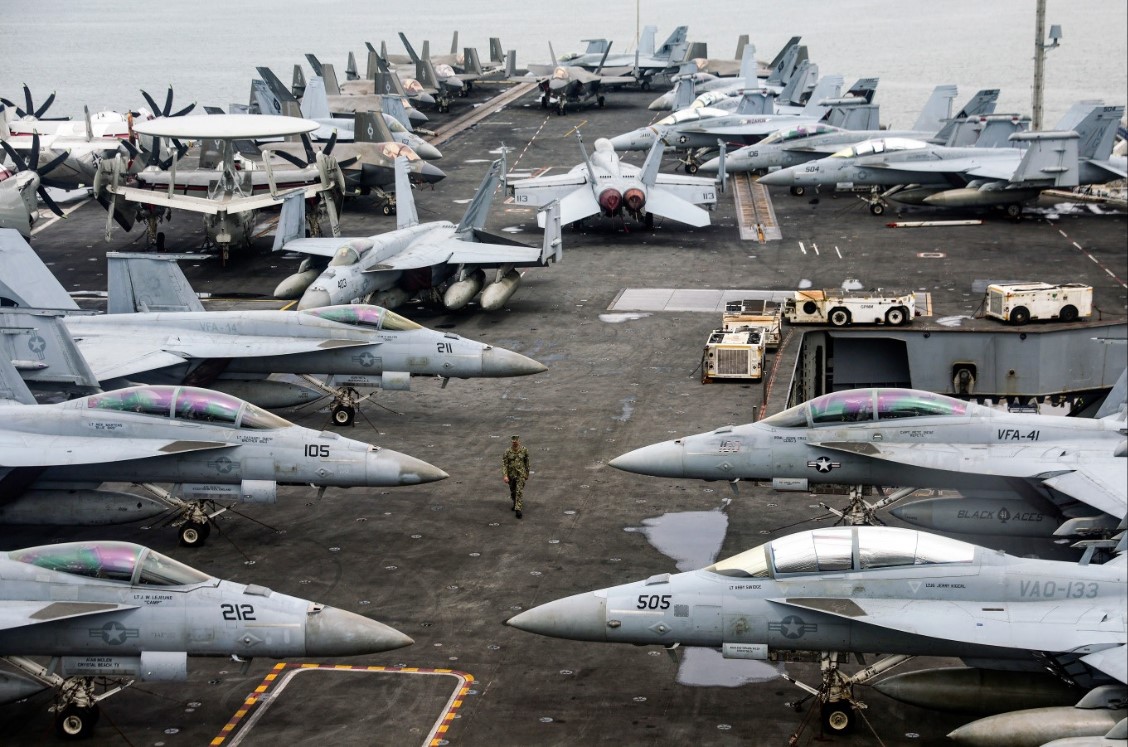 US Plans Significant Reduction of Fighter Jets and Warships for NATO Operations in Europe
-
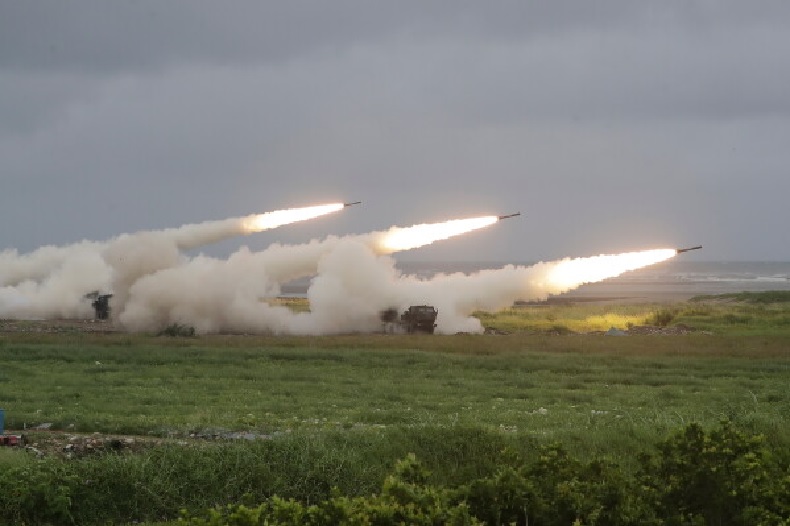 Taiwan Conducts First Live-Fire of HIMARS Rockets From West Coast During Invasion Defense Drill
-
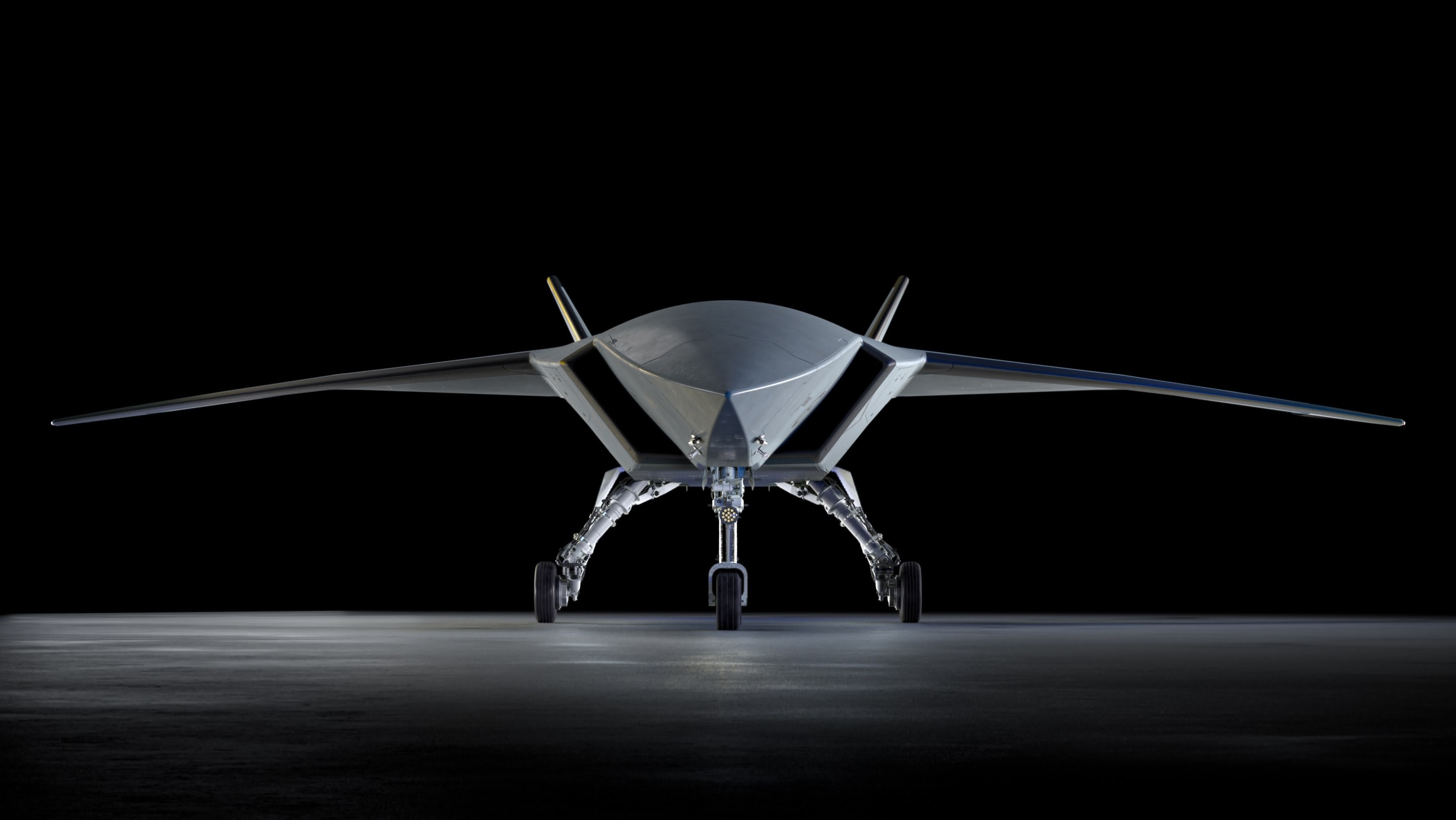 Boeing Introduces New MQ-28 Ghost Bat Upgrades with Increased Range, Payload and Weapons Capacity at ILA Berlin 2026
-
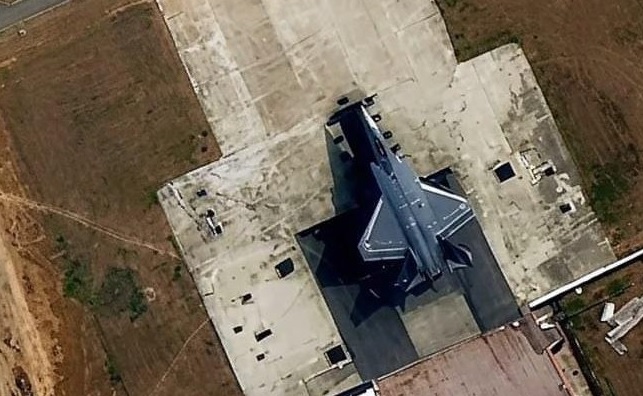 AMCA Airframe Spotted at DRDO’s ORANGE Facility for Radar Cross-Section Testing
-
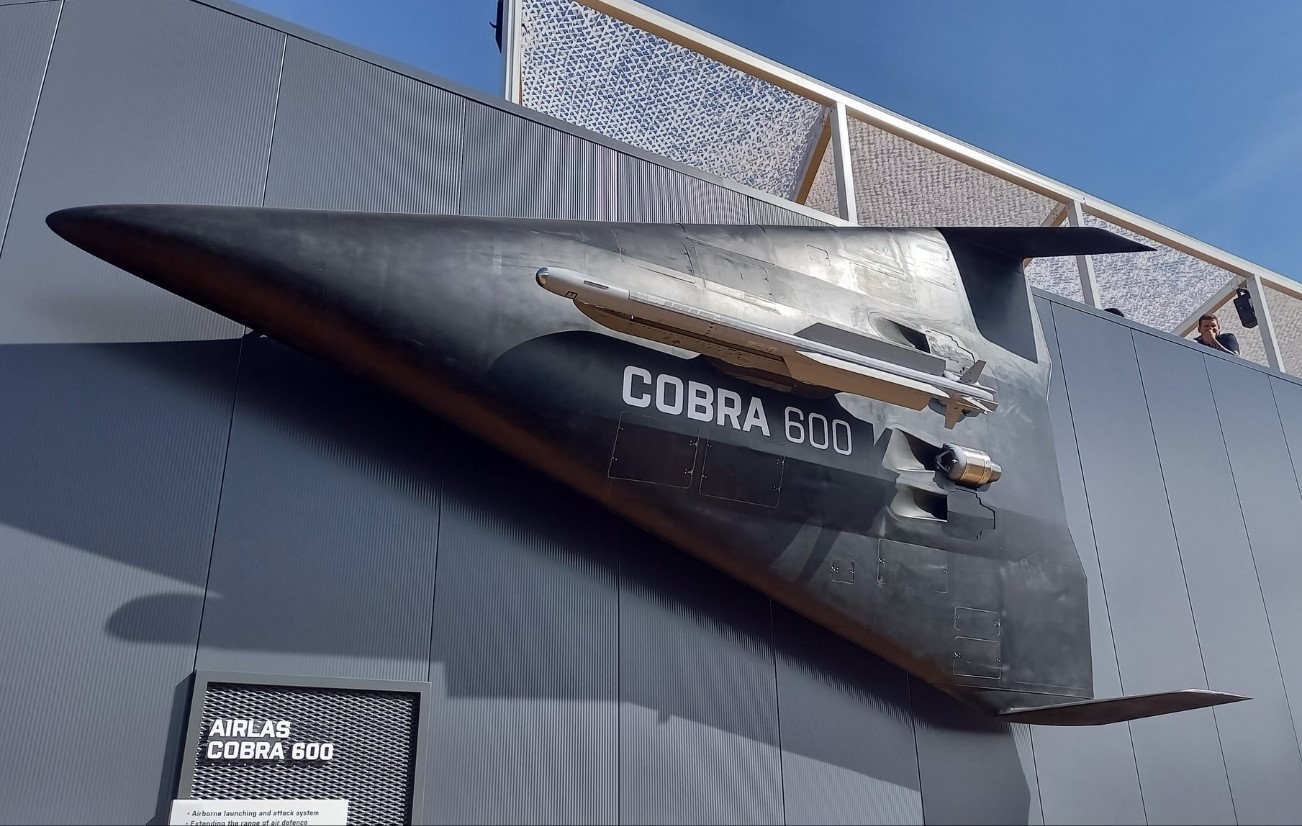 Diehl Defence Unveils IRIS-T Armed Cobra 600 Air Defense Drone at ILA Berlin 2026
-
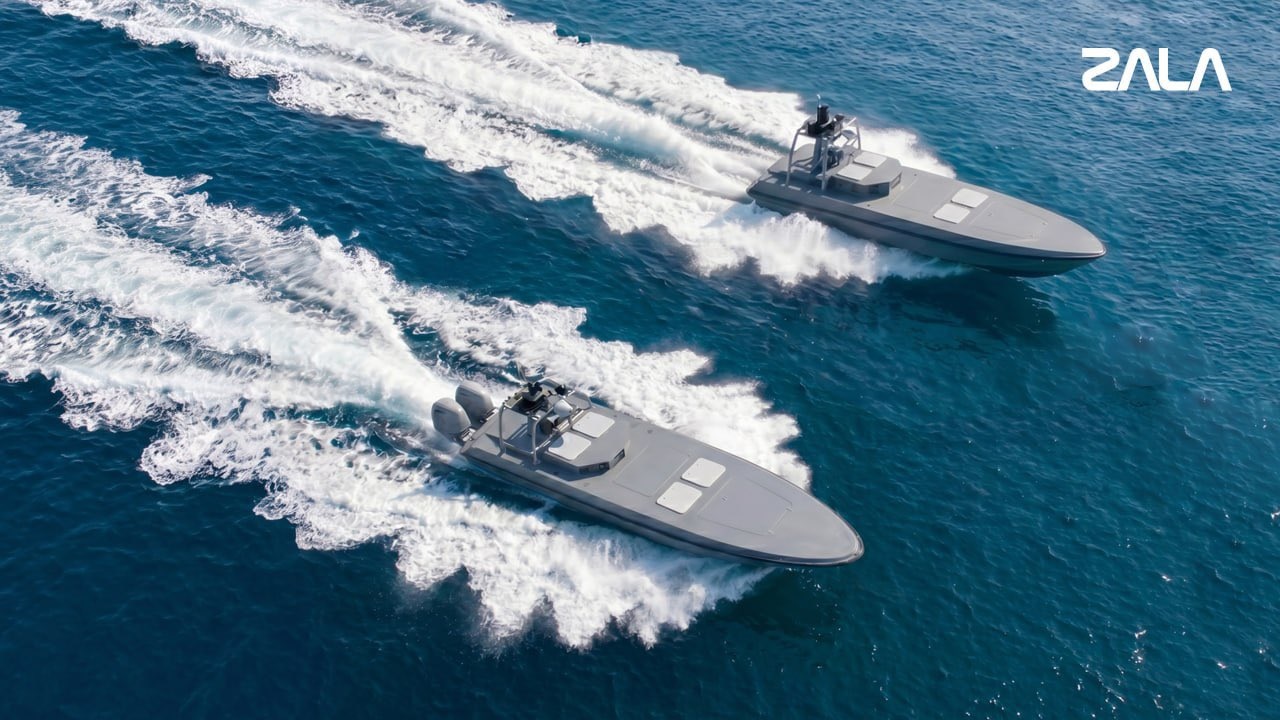 Russian Defense Firm ZALA Unveils KAMA Unmanned Surface Vessel Family at FLOT-2026 Naval Exhibition
-
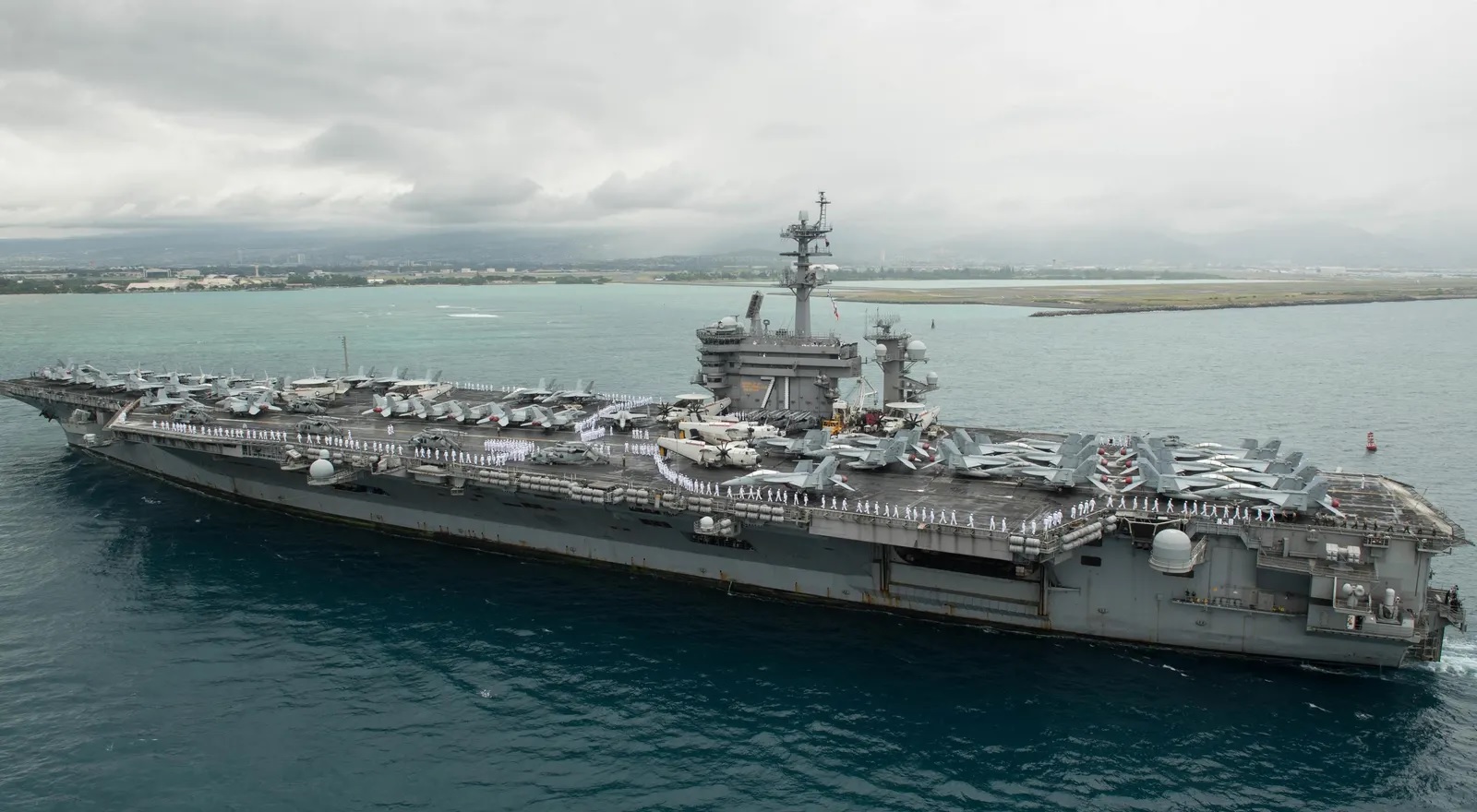 U.S Aircraft Carrier USS Theodore Roosevelt Departs San Diego for Major RIMPAC 2026 Naval Exercise