World
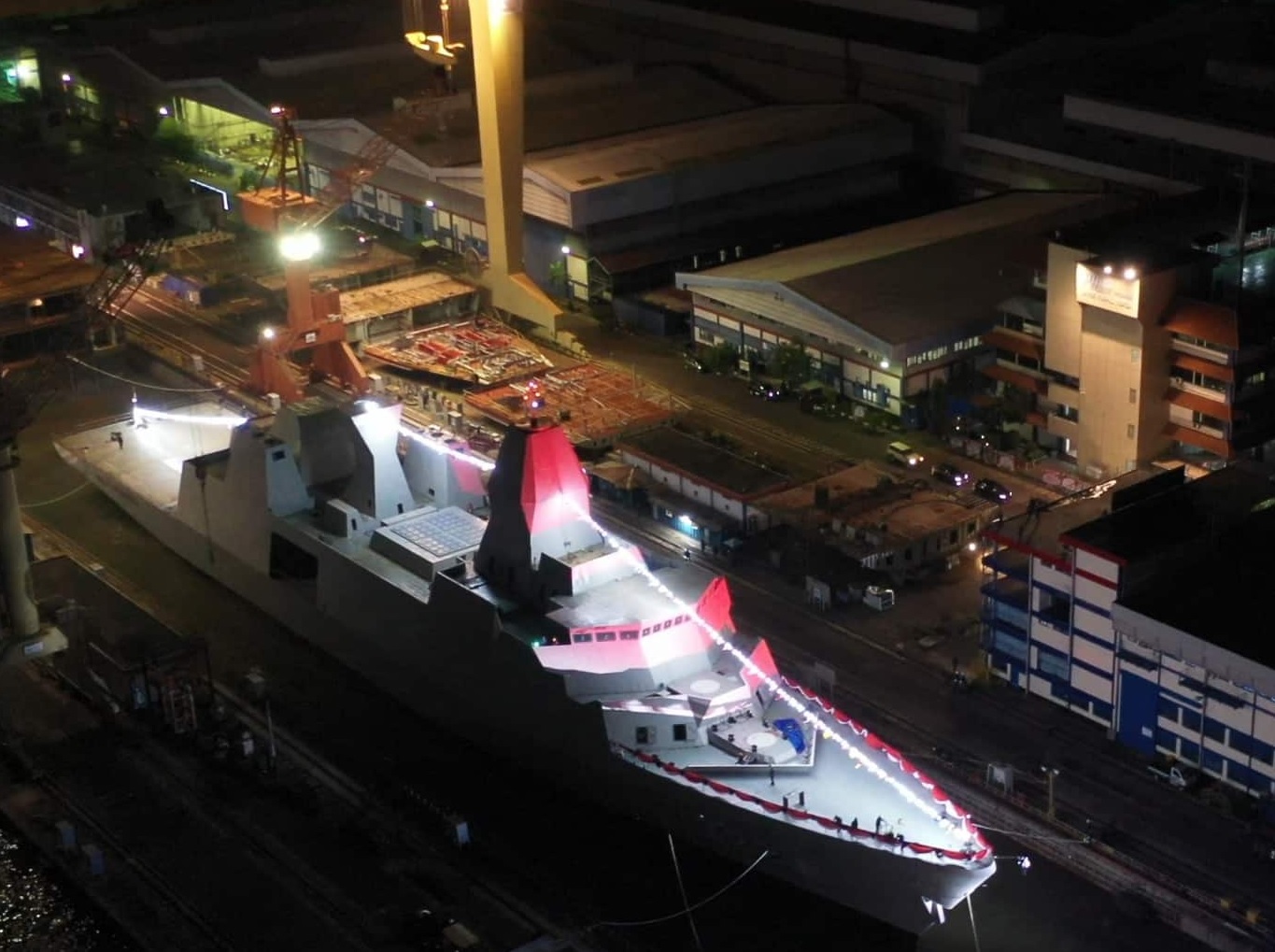
On 18 December, Indonesia officially named and launched KRI Balaputradewa (322), the first domestically constructed Merah Putih (Red White)-class frigate, marking a major milestone in the country’s naval modernisation and defence-industrial development. The warship is the largest principal surface combatant ever built in Indonesia, underscoring Jakarta’s ambition to strengthen maritime power while expanding indigenous shipbuilding capabilities. The frigate is the lead vessel of a two-ship programme being constructed by state-owned shipbuilder PT PAL Indonesia and is based on Babcock International’s Arrowhead 140 design, a modern frigate platform selected by several navies worldwide. The launch positions Indonesia among a limited group of countries capable of building large, complex surface combatants domestically. From design partnership to domestic construction The Merah Putih-class frigate programme has followed a structured, multi-year development path that reflects Indonesia’s gradual transition from foreign dependence to local execution in warship construction. The programme formally began on 16 September 2021, when Babcock and PT PAL Indonesia signed a design licence agreement for the Arrowhead 140–based frigate. This agreement established the framework for technology transfer, design adaptation, and long-term industrial cooperation. Physical construction commenced on 9 December 2022 with first steel cutting for Frigate #1, later named KRI Balaputradewa. This milestone marked Indonesia’s entry into the construction of modern large surface combatants using advanced modular shipbuilding techniques. Progress continued with the keel laying of Frigate #1 on 25 August 2023, formally recognising the ship as a hull under construction. The programme entered a parallel build phase in 2024. First steel cutting for Frigate #2 took place on 5 June 2024, followed by its keel laying on 15 November 2024, demonstrating PT PAL’s growing ability to manage simultaneous frigate construction. The timeline culminated on 18 December 2025, when KRI Balaputradewa (322) was officially launched, signalling the completion of the primary hull construction phase and the transition to outfitting and trials. A name rooted in Indonesia’s maritime heritage The frigate is named after Balaputradewa, a 9th-century king of the Srivijaya Kingdom, one of Southeast Asia’s most powerful maritime empires. Centred in Sumatra, Srivijaya once controlled vital sea lanes across the Malacca Strait and dominated regional trade routes linking the Indian Ocean and the South China Sea. The name underscores Indonesia’s intention to connect its modern naval resurgence with a deep historical maritime legacy, reinforcing the country’s identity as a strategic archipelagic power. Government and industry signal strategic importance Indonesia’s Minister of Defence, Sjafrie Sjamsoeddin, described the launch as clear evidence of the nation’s technological progress and a key step toward reducing dependence on foreign defence products. He emphasised that domestic shipbuilding is central to Indonesia’s long-term military modernisation strategy, particularly for protecting sea lines of communication and extensive maritime approaches. PT PAL Indonesia CEO Kaharuddin Djenod highlighted that the Merah Putih programme is not merely about delivering two warships. Instead, it is intended to build sustainable national capabilities, including systems integration, advanced naval engineering, and programme management, forming the foundation for future surface combatant projects. Arrowhead 140 heritage and Turkish combat systems The Merah Putih-class frigates are derived from the Arrowhead 140 design, itself based on the proven Iver Huitfeldt-class platform. While detailed specifications have not been officially released, the design typically features a hull length of around 140 metres, high endurance, and a flexible multi-mission combat architecture suitable for air defence, surface warfare, and anti-submarine operations. A defining feature of the Indonesian variant is its extensive use of Turkish-made combat systems, reflecting expanding defence-industrial cooperation between Indonesia and Türkiye. The ships are expected to be equipped with sensors and radar systems from ASELSAN, a combat management system from HAVELSAN, and missile systems along with vertical launch systems (VLS) supplied by ROKETSAN. Next steps and programme outlook Following its launch, KRI Balaputradewa will undergo an extended outfitting and systems integration phase, during which propulsion systems, sensors, weapons, and command-and-control suites will be installed. This will be followed by harbour trials and sea trials to validate performance and combat readiness. No official timeline has yet been announced for the frigate’s commissioning into the Indonesian Navy, and the launch schedule for the second Merah Putih-class frigate has not been disclosed. Nevertheless, the successful launch of the lead ship represents a decisive step forward. As Indonesia accelerates its naval modernisation amid evolving regional security dynamics, the Merah Putih-class frigate programme stands as a flagship example of how strategic partnerships, domestic industry, and maritime heritage are being combined to shape the future of the Indonesian Navy.
Read More → Posted on 2025-12-19 14:02:31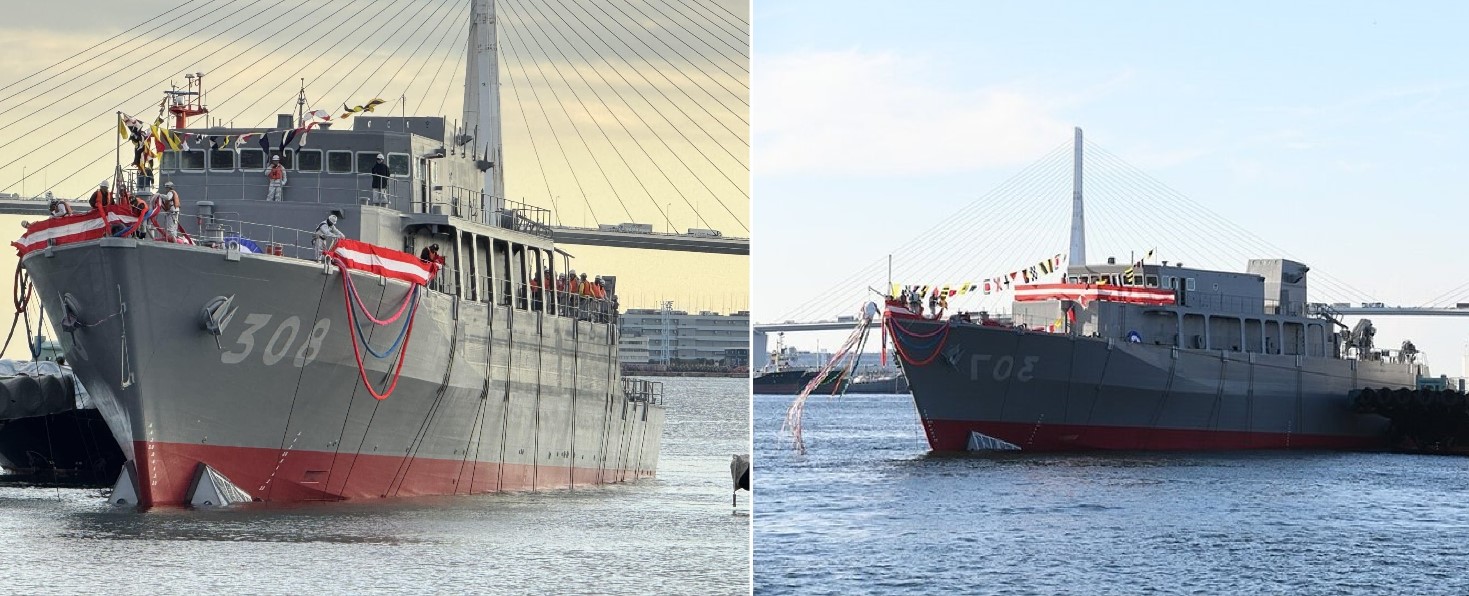
World
Japan Marine United (JMU) Corporation has launched the fifth Awaji-class mine countermeasures vessel (MCMV) built for the Japan Maritime Self-Defense Force (JMSDF), underscoring Tokyo’s continued investment in modern naval mine warfare capabilities and maritime security. The vessel, named JS Kerama (MSO-308), was launched on December 18 during a ceremony at JMU’s Yokohama shipyard. Measuring 67 meters in length, the ship has entered the outfitting and sea trials phase and is scheduled to be commissioned by March 2027, according to JMSDF officials. Naming and Construction Cost The name Kerama is derived from Kerama Island in Okinawa Prefecture, a strategically significant area in Japan’s southwestern island chain. This marks the first time the JMSDF has used the name “Kerama,” with no historical precedent in the former Imperial Japanese Navy. In accordance with JMSDF naming conventions, minesweepers and mine countermeasures vessels are named after islands, straits, waterways, or channels. A JMSDF spokesperson confirmed that JS Kerama was constructed at a cost of approximately 13.4 billion yen (about USD 86 million). Status of the Awaji-Class Program Japan Marine United has built all Awaji-class vessels launched so far, highlighting its central role in Japan’s naval shipbuilding industry. The fourth ship, JS Nomi, was commissioned in March 2025. The JMSDF plans to operate a total of nine Awaji-class vessels. To support this, the Ministry of Defense (MoD) allocated 26.3 billion yen (USD 169 million) in fiscal year 2024 for construction of the sixth ship, and requested 34.2 billion yen (USD 219.4 million) in the proposed fiscal year 2026 budget for the seventh vessel, announced in August. Design, Hull and Performance According to JMSDF data, the Awaji-class has a standard displacement of about 690 tons, a beam of 11 meters, and a draught of 5.2 meters, with a crew complement of around 50 personnel. Propulsion is provided by two 2,200-horsepower diesel engines, giving the vessels a maximum speed of 14 knots. A defining feature of the class is its fiber-reinforced plastic (FRP) composite hull, which significantly reduces the ship’s magnetic signature—a critical factor during mine countermeasures operations. The JMSDF also notes that the material offers high corrosion resistance, extending the ships’ expected service life to about 30 years, compared with approximately 20 years for older wooden-hulled minesweepers. Sensors and Mine Countermeasures Systems JS Kerama is equipped with a comprehensive suite of advanced mine warfare systems. These include light detection and ranging (LIDAR) surveillance equipment capable of detecting underwater objects at long range during day and night operations. For mine detection and classification, the ship carries Hitachi-made variable depth sonar (VDS) and Mitsui E&S Holdings’ expendable mine disposal system (EMDS) for mine identification and neutralization. The vessel is also equipped with the REMUS 600 autonomous underwater vehicle (AUV)—known in JMSDF service as OZZ-4—developed by the Woods Hole Oceanographic Institution, enabling operations against deep-water mines. For self-defense and the destruction of surfaced mines, JS Kerama mounts a remote-controlled weapon station armed with a JM61R-MS 20 mm cannon, allowing engagement while minimizing risk to the crew. Operational Assignment and New Force Structure Following commissioning, JS Kerama is expected to be assigned to a newly established unit tentatively named the Amphibious Warfare and Mine Countermeasures Group. This group will fall under a proposed new JMSDF command structure known as the Fleet Surface Force, which is scheduled to be created by the end of fiscal year 2025 as part of broader organizational reforms. Replacing Aging Minesweepers The Awaji-class was developed to replace the JMSDF’s Yaeyama-class wooden-hulled minesweepers, the first of which entered service in 1993. All three Yaeyama-class vessels were decommissioned by 2017, creating the requirement for modern, low-signature platforms with enhanced detection and endurance. Japan’s Longstanding Minesweeping Tradition Mine countermeasures have long been a core specialty of Japan’s maritime forces. Even before the establishment of the Maritime Self-Defense Force in 1954, Japanese minesweeping units played a critical role in clearing World War II naval mines, helping restore Japan’s postwar maritime trade routes. During the Korean War, Japanese minesweepers were dispatched at the request of the United States to clear waters around the Korean Peninsula. In October 1950, one vessel struck a mine off Wonsan, North Korea, resulting in the loss of the ship and the death of one crew member. More recently, JMSDF minesweepers were deployed to the Persian Gulf following the 1991 Gulf War. With the launch of JS Kerama, Japan continues to build on this legacy, strengthening its mine countermeasures capability to protect critical sea lanes amid an increasingly complex regional security environment.
Read More → Posted on 2025-12-19 13:50:46
World
On 17 December 2025, The United States Congress has passed a sweeping defence bill that entrenches America’s military commitment to Europe and guarantees continued support for Ukraine, delivering one of the clearest institutional rebukes yet to President Donald Trump’s approach to foreign and security policy. The legislation, the National Defense Authorization Act (NDAA) for fiscal year 2026, was approved by large bipartisan majorities in both chambers, reflecting deep concern among lawmakers about the direction of U.S. strategy under the Trump administration. The bill now awaits the president’s signature, which is widely expected despite its direct constraints on executive power. A Bill That Freezes the Status Quo in Europe At the heart of the NDAA are provisions designed to prevent a rapid or unilateral drawdown of U.S. forces stationed in Europe. The law requires that American troop levels on the continent cannot fall below current thresholds for any sustained period without detailed justification to Congress and formal consultation with NATO allies. In practical terms, the bill locks tens of thousands of U.S. troops into Europe, reinforcing NATO’s eastern flank at a time of continued tension with Russia. It also authorises funding to sustain U.S. military infrastructure and rotational deployments in Eastern Europe and the Baltic states, signalling a long-term commitment rather than temporary reassurance. For European governments unsettled by repeated suggestions from President Trump that the U.S. could scale back its NATO role, the vote offers a measure of stability. It makes clear that, regardless of White House rhetoric, the American legislature remains invested in the post-war security architecture of Europe. Ukraine Funding Extended The bill also guarantees security assistance for Ukraine through at least the next two fiscal years. While the precise allocation will be finalised through appropriations, Congress has committed hundreds of millions of dollars for training, equipment, and logistical support, maintaining a policy line that has enjoyed bipartisan backing since Russia’s full-scale invasion. This provision stands in contrast to the Trump administration’s sceptical stance on long-term aid to Kyiv and reflects congressional concern that wavering U.S. support could embolden Moscow or fracture Western unity. Congress Moves to Contain the President Beyond its military substance, the NDAA is politically significant for what it says about power in Washington. Lawmakers from both parties have framed the bill as a necessary guardrail against abrupt strategic shifts driven by presidential preference rather than alliance consensus. Trump’s own national security rhetoric has repeatedly criticised the European Union, questioned NATO’s value, and hinted at a more transactional relationship with Russia. By embedding troop commitments and alliance obligations into statute, Congress is asserting that dismantling the post-1945 security order is not solely a presidential decision. The result is a rare moment of institutional confrontation: a president advancing a disruptive foreign-policy vision, and a legislature actively working to constrain it. Good News for Europe, With Caveats For Europe, the vote is broadly reassuring. It reduces the risk of sudden U.S. military withdrawal and confirms that the American security establishment — not just the executive branch — remains committed to deterrence and collective defence. But analysts caution that containment in one domain often leads to pressure in others. While troop levels may now be harder to cut, a Trump administration constrained on security could intensify leverage elsewhere, particularly through trade policy, technology regulation, food standards, and investment threats. In other words, the tanks may stay, but coercion could shift to economic and regulatory fronts. Why Britain Is Exposed This dynamic carries particular implications for the United Kingdom. Outside the European Union, Britain lacks the collective economic weight and regulatory shield that EU membership provides when facing U.S. pressure. Where the EU absorbs pressure collectively, with scale and leverage, the UK negotiates bilaterally. That leaves Britain more vulnerable to shifts in U.S. policy, especially if Washington uses trade or market access as leverage while military cooperation remains formally intact. The congressional vote also undercuts the logic behind the idea that managing Trump through personal diplomacy alone can secure British interests. The bill demonstrates that Washington’s centre of gravity on security lies not in appeasement, but in institutional containment. A Divided United States, A Clear Signal Abroad The passage of the NDAA lays bare an internal divide within the United States. The president is pushing toward a narrower, more transactional conception of American power. Congress, supported by the defence and security establishment, is insisting on continuity, alliances, and restraint. For allies, the message is mixed but unmistakable. The U.S. remains committed to Europe — but not because of presidential goodwill. That commitment now rests on legislative force. As the bill moves toward enactment, it will shape transatlantic relations for years to come, reinforcing NATO in the short term while highlighting the deeper uncertainty created by a United States increasingly split over its role in the world.
Read More → Posted on 2025-12-18 17:26:38
World
The U.S. Army is moving closer to fielding its next-generation Sentinel A4 air defense radar in an operational homeland security role, with plans to deploy the system as part of the National Capital Region Integrated Air Defense System (NCR-IADS). The decision marks a major milestone in the modernization of the air defense architecture protecting Washington, D.C., as the threat posed by small, low-flying, and hard-to-detect aerial systems continues to grow. Army officials say the AN/MPQ-64A4 Sentinel A4, which entered operational testing at White Sands Missile Range in April 2023, is designed to significantly improve detection and tracking under Operation Noble Eagle, the continuous air defense mission launched after the September 11, 2001 attacks. Once operational in the capital region, the radar will support one of the most demanding and sensitive air defense missions in the United States. A Complex Air Defense Environment The National Capital Region Integrated Air Defense System is the product of more than two decades of layered development. Built after 9/11, the system combines ground-based radars, command-and-control nodes, airborne sensors, and missile defense systems to counter low-altitude, low-airspeed threats in one of the most congested and tightly regulated airspaces in the world. National Guard air defenders, rotating through the Joint Air Defense Operations Center, continuously fuse radar data with other sensor inputs while balancing tactical readiness with heavy civilian air traffic. Since 2005, the NASAMS (National Advanced Surface-to-Air Missile System) has been a central component of this architecture, traditionally paired with Sentinel-family radars to generate engagement-quality tracks. The Sentinel A4 is now positioned to replace the long-serving Enhanced Sentinel A3 radars. Sentinel A4 Capabilities and Design The AN/MPQ-64A4 Sentinel A4 is a mobile, three-dimensional, 360-degree X-band phased array radar designed for multi-mission air defense operations. Unlike earlier Sentinel variants, which often required operators to prioritize specific threat types, the A4 can simultaneously detect and track aircraft, cruise missiles, unmanned aerial systems (UAS), and rockets, artillery, and mortars (RAM). The radar is mounted on a modified M1095 Medium Tactical Vehicle trailer, allowing for rapid deployment and relocation. A two-person crew can emplace and operate the system while integrating it into broader air defense command-and-control networks. Compared with the Sentinel A3, the A4 offers a substantial increase in effective range, improved target discrimination, and higher refresh rates, enabling reliable tracking of small and slow-moving targets in cluttered urban environments. Addressing Emerging and Low-Observable Threats In the National Capital Region, the most dangerous threats are often those that produce minimal radar signatures. Small drones can blend into ground clutter and urban reflections, while low-flying cruise missiles sharply compress detection timelines and place stress on the kill chain. The Sentinel A4 is optimized for persistent 360-degree surveillance, early track generation, and the rapid distribution of high-quality data to command-and-control systems, enabling air defense commanders to cue interceptors earlier and with greater confidence. The radar also incorporates advanced electronic protection features, improving resilience against jamming, deception, and electronic attack in contested spectrum environments. Program Development and Operational Testing The Sentinel A4 program began with a contract award in 2019 and has been shaped by the Army’s emphasis on digital engineering and open architecture design. These approaches have accelerated development timelines while simplifying integration into the broader Integrated Air and Missile Defense (IAMD) framework. By late 2021, multiple radars were already in production for Soldier evaluations, with testing focused not only on sensor performance but also on network integration and operational usability. The program has since entered low-rate initial production, with operational deliveries planned for the second half of the decade. Operational Deployments Beyond Test Ranges In parallel with domestic testing, Sentinel A4 prototypes and associated air and missile defense capabilities have been deployed to forward locations including Guam and South Korea. These deployments expose the radar to real-world air pictures, environmental stress, and joint and combined operations, allowing the Army to refine software, tactics, and procedures before full-scale fielding. This approach reflects a broader shift toward “learning by doing,” ensuring new systems mature under realistic operational conditions rather than exclusively on test ranges. Replacing a Long-Serving Sensor As the Sentinel A4 enters service, it is expected to gradually replace the Enhanced Sentinel A3, which has served as the backbone of U.S. short- and medium-range ground-based air defense for years. While the A4 offers a dramatic increase in detection range, Army officials emphasize that the upgrade is primarily about multi-mission relevance, not just seeing farther. The radar is designed to remain effective as the threat spectrum expands to include traditional aircraft, cruise missiles, drones, and indirect fire threats appearing simultaneously. Position in the Global Air Defense Radar Landscape Within the global market for modern mobile air defense radars, Sentinel A4 sits alongside systems such as Saab Giraffe 1X, Thales Ground Master 200, HENSOLDT TRML-4D, and Leonardo KRONOS LAND. While these systems vary in range, mobility, and capacity, Sentinel A4’s key advantage lies in its deep integration with U.S. Army command-and-control networks and its role in a live homeland defense mission. Strengthening Homeland Air Defense The planned deployment of Sentinel A4 within the National Capital Region Integrated Air Defense System highlights a broader shift in U.S. air defense priorities, driven by the rapid proliferation of drones, cruise missiles, and other asymmetric aerial threats. By introducing a radar designed for multi-mission performance, electronic resilience, and networked operations, the Army aims to ensure that the air defense shield over Washington, D.C. remains credible and effective well into the future. As Sentinel A4 transitions from testing to operational service, it represents not only a technological upgrade, but a critical reinforcement of one of the nation’s most visible and strategically important defense missions.
Read More → Posted on 2025-12-18 16:55:34
World
Nigeria is moving ahead with plans to acquire 24 Leonardo M-346FA light fighter-attack aircraft from Italy’s Leonardo, in a deal valued at about $1.2 billion, signaling one of the most significant upgrades to the Nigerian Air Force (NAF) in decades. The procurement underscores Abuja’s determination to strengthen air combat, surveillance and rapid-response capabilities amid persistent security challenges across the country. The planned acquisition forms part of a broader air force modernization program aimed at improving precision strike, air policing and ISR (intelligence, surveillance and reconnaissance) operations. The M-346FA fleet is expected to complement existing platforms while providing a cost-effective bridge between training aircraft and heavier frontline fighters. Current Nigerian Air Force fleet strength The Nigerian Air Force operates a diverse range of aircraft across combat, surveillance and support roles. According to public records, the NAF’s current inventory includes combat aircraft such as 13 Dassault-Dornier Alpha Jets, 8 Chengdu J-7 fighters, 12 Embraer A-29 Super Tucano attack aircraft and 3 JF-17 Thunder multirole fighters, along with a variety of ISR, transport, trainer and utility platforms. Independent analyses estimate the NAF’s total active aircraft inventory at around 140 airframes, though individual aircraft readiness rates and operational availability vary. The service’s combat fleet remains relatively modest compared with major global air forces but represents one of the most capable in West Africa. Key combat assets include a mix of older jet fighters supplemented by newer light attack and ISR aircraft suited to the country’s prevailing security environment. A multirole platform tailored for modern conflicts The M-346FA (Fighter Attack) is a combat-capable evolution of Leonardo’s widely used M-346 advanced jet trainer. While retaining its training pedigree, the FA variant is equipped with a full combat suite, allowing it to perform roles including close air support, battlefield interdiction, precision strike, tactical reconnaissance and limited air-to-air missions. The aircraft can be fitted with a multimode fire-control radar, advanced electro-optical targeting pods and a comprehensive defensive aids system, including radar warning receivers and countermeasure dispensers. With multiple external hardpoints and the ability to carry precision-guided munitions, rockets and short-range air-to-air missiles, the M-346FA offers operational flexibility well suited to Nigeria’s threat environment. Defence analysts note that the platform’s relatively low operating and maintenance costs, compared with heavier fighter jets, make it particularly attractive for sustained operations against non-state armed groups, where sortie rates and endurance matter as much as raw performance. Boost to counter-insurgency and territorial security For Nigeria, the acquisition is closely tied to ongoing counter-insurgency operations and internal security missions. The country continues to confront threats from Boko Haram, Islamic State West Africa Province (ISWAP), as well as banditry, kidnapping and communal violence. Defence officials believe the M-346FA’s ISR, rapid-strike and precision-engagement capabilities will significantly enhance the NAF’s support to ground forces. The aircraft’s advanced avionics and secure datalink systems are also expected to improve intelligence fusion and joint operations, enabling faster decision-making and more accurate targeting while reducing collateral damage. Training, logistics and long-term sustainment Beyond combat, the M-346FA offers substantial training value. Its dual-role design allows pilots to transition from advanced training to operational missions on the same platform, improving pilot readiness and lowering overall training costs. Sources familiar with the deal say the contract is likely to include simulators, ground-based training systems, spare parts, and long-term maintenance, repair and overhaul (MRO) support. Nigeria has emphasized building local sustainment capability, which could strengthen domestic aerospace expertise and reduce long-term dependence on foreign maintenance. Financing and strategic implications The estimated $1.2 billion cost makes the deal one of Nigeria’s largest recent defence procurements. The government has approved external financing for key military acquisitions, arguing that improved national security is essential for economic stability and development. While the price tag has drawn public scrutiny, officials maintain the investment is justified by the evolving security landscape. At a regional level, the acquisition is expected to enhance Nigeria’s air power and reinforce its position as a leading military actor in West Africa. Analysts suggest the move could influence defence planning across the region. Outlook If completed as planned, the delivery of 24 M-346FA jets will mark a major step in the modernization of the Nigerian Air Force, providing a versatile platform tailored to counter-insurgency, ISR and territorial defence missions. The long-term impact will depend on effective integration, sustained funding, and close coordination between air, ground and intelligence forces. As negotiations advance and delivery timelines become clearer, the program is set to remain central to debates over Nigeria’s defence priorities and its broader security strategy.
Read More → Posted on 2025-12-18 16:47:36
World
China has built a prototype Extreme Ultraviolet (EUV) lithography machine, a critical and tightly controlled technology required to manufacture the world’s most advanced semiconductors, according to a Reuters report. The development represents a major milestone in Beijing’s long-running effort to reduce dependence on Western chipmaking equipment and challenge one of the most entrenched monopolies in global technology. The prototype was developed in Shenzhen and is capable of generating EUV light, a core requirement for fabricating chips at leading-edge process nodes. While the system has not yet produced working chips, its existence signals that China has crossed a technological threshold once considered out of reach. Sources familiar with the project say testing is ongoing, with 2028 to 2030 cited as tentative targets for achieving usable chip output. Breaking a Global Monopoly Until now, ASML, the Dutch semiconductor equipment maker, has been the only company in the world to successfully commercialise EUV lithography. Its machines, priced at roughly $250 million each, are indispensable for manufacturing the most advanced chips designed by Nvidia and AMD, and produced by TSMC, Intel, and Samsung. EUV lithography is widely regarded as one of the most complex engineering achievements in industrial history. The technology uses light with a wavelength of 13.5 nanometres to etch microscopic patterns onto silicon wafers, enabling the production of processors that power artificial intelligence, data centres, and next-generation electronics. For years, strict U.S. and allied export controls have prevented ASML from selling EUV systems to China, effectively blocking Beijing from the leading edge of chip manufacturing. A Six-Year National Effort According to Reuters, China’s EUV breakthrough is the result of a six-year, state-backed program focused on semiconductor independence. People involved in the effort have compared it to China’s “Manhattan Project”, a reference to the secret U.S. wartime program that built the atomic bomb, underscoring both the scale and strategic importance of the initiative. The program reportedly united universities, government research institutes, equipment suppliers, and major technology firms. Huawei is said to have played a central coordinating role, aligning research across laboratories and suppliers. Sources also told Reuters that former ASML engineers helped reverse-engineer parts of the system, highlighting the depth of expertise China mobilised for the effort. Progress, but Not Yet Parity Despite the significance of the prototype, China remains several years away from achieving full parity with ASML’s commercial EUV machines. The current system is described as experimental, lacking the reliability, precision, and throughput required for mass production of advanced chips. Industry experts note that ASML spent nearly two decades and tens of billions of dollars developing EUV technology, working with highly specialised partners such as Germany’s Zeiss for optics. Replicating that ecosystem, analysts say, is as challenging as building the machine itself. Still, China’s ability to generate EUV light domestically is viewed as a major technical achievement, given the extreme complexity of the process. Even partial success could allow China to gradually narrow the gap at advanced process nodes. Strategic and Geopolitical Impact The breakthrough carries significant geopolitical implications. Advanced chips are now central to economic competitiveness, AI development, and national security. The United States has relied on export restrictions and coordination with allies to limit China’s access to advanced semiconductor tools. A domestically produced EUV system, even years from commercial use, could weaken the long-term effectiveness of those controls. One person familiar with the project told Reuters that China’s ambition goes beyond technological capability. “The aim is for China to eventually be able to make advanced chips on machines that are entirely China-made,” the source said, adding that Beijing wants the United States completely removed from its semiconductor supply chains. The Road Ahead For now, China’s EUV machine remains a prototype, not a production-ready tool. Major technical hurdles still stand before it can support large-scale manufacturing of cutting-edge chips. Even so, the development highlights how U.S. sanctions and technology restrictions have accelerated Beijing’s push toward self-reliance. If successful, the program could reshape the global semiconductor industry over the next decade. While China may not immediately match Western leaders, its progress suggests that technological isolation has driven a determined and increasingly sophisticated effort to close one of the most critical gaps in modern industry.
Read More → Posted on 2025-12-18 16:36:25
World
The U.S. Department of Energy’s National Nuclear Security Administration (NNSA) has completed the Last Production Unit (LPU) of the W88 Alteration 370 (Alt 370) programme, bringing to a close a major modernisation effort for one of the most critical warheads in the United States’ nuclear arsenal. The programme upgrades the W88 nuclear warhead deployed aboard Ohio-class ballistic missile submarines, which underpin the sea-based leg of the U.S. nuclear triad. First introduced into the U.S. nuclear stockpile in 1988, the W88 warhead has long been a central component of the Trident II D5 submarine-launched ballistic missile (SLBM) system. Over time, routine stockpile surveillance identified ageing-related issues affecting safety and long-term reliability. The Alt 370 life-extension programme was initiated to address these concerns, extending the warhead’s service life while enhancing safety, security and reliability, without adding new military capabilities. From First to Last Production Unit The First Production Unit (FPU) of the W88 Alt 370 was achieved in July 2021, in close coordination with the U.S. Navy. The programme reached full-rate production in 2022, signalling maturity in manufacturing and assembly processes across the nuclear weapons enterprise. The delivery of the final upgraded warhead four years later formally concludes the production phase of the programme. According to NNSA, the effort resolved long-standing ageing issues while reinforcing the credibility of a weapon system central to U.S. strategic deterrence. The Ohio-class submarines, designed for stealth and survivability, are widely regarded as the most secure element of the nuclear triad, making the reliability of their warheads strategically vital. Technical Upgrades and Safety Enhancements The Alt 370 modernisation introduced several targeted improvements. These included replacement of the arming, fuzing and firing (AF&F) assembly, installation of a lightning arrestor connector to improve electrical safety, refurbishment of conventional high explosives, and replacement of limited-life components prone to degradation over time. NNSA has emphasised that these upgrades were focused on sustainment and safety, consistent with U.S. commitments to responsible nuclear stockpile stewardship, rather than enhancing explosive yield or operational capability. Leadership Highlights Production Capacity NNSA Administrator Brandon Williams described the completion of the programme as a clear demonstration of the agency’s ability to deliver complex nuclear modernisation efforts at scale. He said completing the W88 Alt 370 reflects NNSA’s capacity to provide modernised nuclear weapons to the Department of War in line with deterrence requirements. Williams also noted that completing two Last Production Units—for the B61-12 and W88 Alt 370—alongside the First Production Unit of the B61-13 within a single year highlights the strength of the U.S. nuclear production enterprise. He said this record of delivery sends a strong signal to adversaries, allies and partners that the United States has both the industrial capability and political will to field newer, safer and more effective warheads. Enterprise-Wide Collaboration The W88 Alt 370 programme relied on extensive collaboration across the U.S. nuclear security enterprise. Key contributors included Los Alamos National Laboratory and Sandia National Laboratories, responsible for design, engineering and systems integration. Manufacturing and assembly were supported by the Pantex Plant, Y-12 National Security Complex, and the Kansas City National Security Campus. David Hoagland, NNSA Acting Deputy Administrator for Defense Programs, said the programme’s completion reflects successful coordination between NNSA, the U.S. Navy, and Department of War partners. He added that the momentum built during the W88 Alt 370 effort will support future weapons modernisation and stockpile sustainment programmes. Sustainment and Future Modernisation Although the final production unit has been delivered, work related to the W88 Alt 370 will continue. The Pantex Plant will maintain production of warheads and components to support surveillance, maintenance and life-cycle management, ensuring the upgraded warheads remain safe and reliable throughout their deployment. Looking ahead, NNSA is continuing modernisation across all three legs of the nuclear triad. Ongoing and planned programmes include development of the W93 warhead for future submarine-launched missiles and the Sea-Launched Cruise Missile–Nuclear (SLCM-N). First Production Units for these next-generation systems are currently expected in the early to mid-2030s. With the completion of the W88 Alt 370 programme, U.S. officials argue that the nation has strengthened a critical pillar of its strategic deterrent while demonstrating the enduring capacity of the U.S. nuclear security enterprise to sustain and modernise the stockpile amid an evolving global security environment.
Read More → Posted on 2025-12-18 16:16:34
World
Israel’s Elbit Systems on Tuesday introduced its SkyStriker loitering munition, highlighting the system as a long-range precision strike capability with an advertised reach of up to 100 kilometres. According to the company, SkyStriker can remain airborne for about two hours and carry a warhead payload of 5–10 kilograms, supported by day-night electro-optical targeting sensors. SkyStriker is a fixed-wing, expendable unmanned system designed to combine reconnaissance and strike roles in a single platform. After launch, the munition is able to loiter over a target area while transmitting real-time imagery to the operator, allowing targets to be detected, identified and engaged at the optimal moment. Elbit Systems says the system operates under a “man-in-the-loop” concept, ensuring that a human operator authorises the final engagement. This approach allows strikes to be aborted if conditions on the ground change, a feature the company says is intended to support precise targeting and reduce the risk of unintended damage. The loitering munition is equipped with electro-optical and infrared sensors, enabling operations in both daytime and night conditions. Navigation and flight profiles can be conducted autonomously, with continuous operator oversight maintained through a data link. SkyStriker has been designed for flexible deployment, including launch from ground-based and containerised systems, allowing integration with vehicle-mounted platforms or forward-deployed units. The selectable 5-kg and 10-kg warhead options are intended to address a range of tactical targets, including lightly armoured vehicles, air-defence systems and other high-value battlefield assets. Elbit did not disclose pricing or customer details at the time of the announcement, but said SkyStriker reflects growing demand for loitering munitions that offer extended range, endurance and precision for modern military operations.
Read More → Posted on 2025-12-18 15:44:11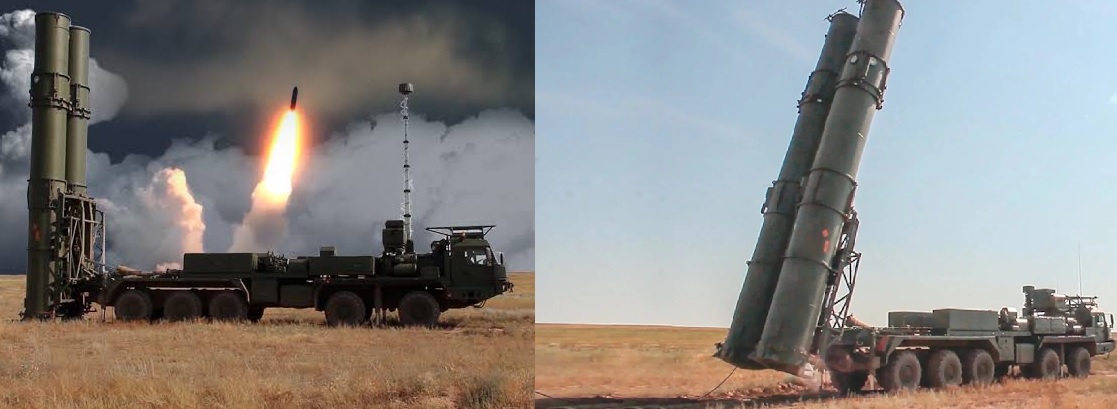
World
Russia has formally placed its first regiment equipped with the S-500 Prometheus surface-to-air and missile defense system on combat duty, marking a major step in the evolution of the country’s strategic air and missile defense posture. Speaking on December 17, 2025, at an expanded meeting of the Russian Ministry of Defense board, Defense Minister Andrei Belousov confirmed that the regiment had begun operational service, emphasizing that the system is capable of engaging targets operating in near space. In the same address, Russian officials announced that the Aerospace Forces have, for the first time, established a combined air defense and missile defense division. This organizational change signals that the S-500 is being fielded as part of an integrated air and missile defense architecture, rather than as a simple extension of existing S-400 units. What the S-500 Is Designed to Do Developed by Almaz-Antey, the S-500 Prometheus (Prometey) represents Russia’s most ambitious effort to merge long-range air defense with elements of terminal ballistic missile defense in a mobile, ground-based system. Russian statements and open-source assessments describe the system as capable of intercepting aircraft, cruise missiles, hypersonic threats, and ballistic missile warheads, including targets operating at near-space altitudes. Unlike earlier systems that relied on a single interceptor family, the S-500 is believed to employ multiple interceptor types. One class is optimized for air-breathing targets, while another is tailored for high-speed ballistic and near-space threats. Engagement ranges are commonly estimated in the 500–600 kilometer class, with an altitude envelope extending well beyond that of traditional long-range surface-to-air missile systems. At the core of the system is a sophisticated radar architecture, reportedly combining long-range acquisition radars with specialized engagement and fire-control radars. This sensor network is designed to track and engage fast, high-altitude objects with reduced reaction time, a critical requirement for ballistic missile defense missions. Near-Space Engagement and Strategic Impact The repeated emphasis on near-space intercept capability is strategically significant. If the S-500 can reliably intercept targets at altitudes approaching or exceeding 100 kilometers, it effectively blurs the line between air defense and missile defense. Such a capability would allow Russia to contest the terminal phase of ballistic missile trajectories and potentially threaten high-altitude intelligence, surveillance, and reconnaissance (ISR) platforms operating in low Earth orbit. Some interceptors associated with the S-500 are believed to use hit-to-kill technology, relying on kinetic energy rather than proximity-fused warheads. If confirmed, this would represent a doctrinal shift toward higher-precision intercepts, aligning certain aspects of Russian missile defense with practices long used in Western systems. Operational Role Within Russia’s Defense Network An S-500 regiment on combat duty should be understood primarily as a strategic protection asset, not a battlefield air defense system. Its likely missions include the defense of national command authorities, strategic infrastructure, major air bases, and elements of Russia’s nuclear deterrent. Even limited deployment strengthens the upper tier of Russia’s layered air defense network. Operational effectiveness depends heavily on integration with shorter-range systems such as the S-400, S-350, Pantsir-S1, and supporting electronic warfare assets. These systems are expected to shield the S-500 from low-altitude threats, including drones, cruise missiles, and strike aircraft, reducing vulnerability to saturation attacks. Development History and Capability Uncertainty The S-500 program has faced repeated development delays over more than a decade. While Russia has reported successful tests and initial deliveries, Western analysts caution that early operational units may not yet reflect the full advertised capability set. Declaring a regiment on combat duty serves as a signal of readiness and deterrence, but does not necessarily confirm large-scale production, full interceptor inventories, or extensive combat-realistic training. Key uncertainties remain regarding missile availability, radar performance against countermeasures, and the system’s resilience under electronic and kinetic attack. As with all advanced air and missile defense systems, real-world performance can differ from controlled test conditions. Comparison With Western Missile Defense Systems In comparative terms, the S-500 occupies a unique but contested niche. The U.S. THAAD system is optimized for terminal ballistic missile defense and exo-atmospheric intercepts, but is not designed for long-range air defense against aircraft. The Aegis Ballistic Missile Defense system, using SM-3 interceptors, focuses on midcourse intercepts in space from naval platforms. Israel’s Arrow-3 is purpose-built for space intercepts and has demonstrated operational use, while European systems such as SAMP/T NG emphasize mobility, network integration, and NATO interoperability rather than extreme altitude reach. Russia’s approach with the S-500 reflects an effort to combine multiple mission sets into a single, nationally controlled system. Strategic Weight Beyond the Battlefield The entry of the S-500 Prometheus into combat duty strengthens the upper tier of Russia’s integrated air and missile defense and complicates any potential high-end strike campaign against Russian territory. Even limited deployment can force adversaries to adapt by relying more on low-altitude penetration, decoys, hypersonic systems, and coordinated suppression of enemy air defenses (SEAD). For now, the S-500 should be viewed as a potentially significant strategic capability whose political and deterrent value may exceed its proven operational record. Its long-term impact will depend on production scale, operational integration, and demonstrated performance under contested conditions.
Read More → Posted on 2025-12-18 15:30:41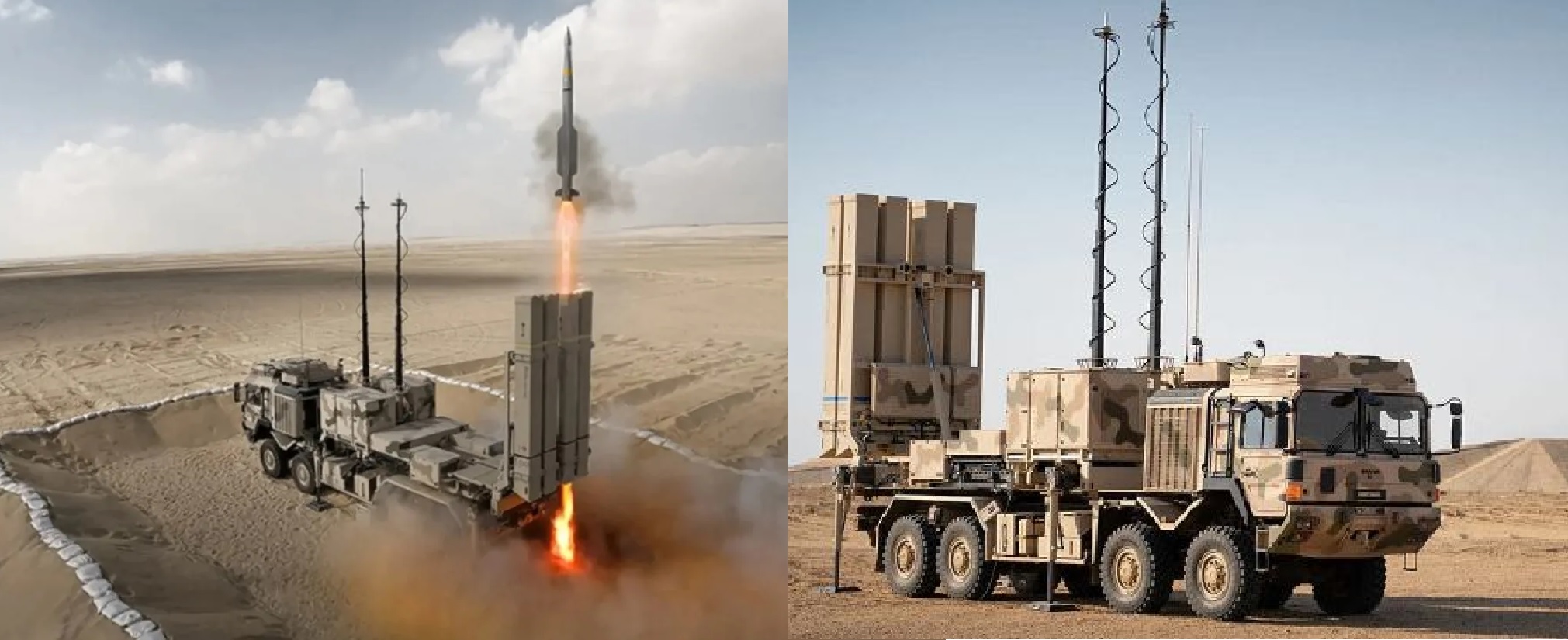
World
Greece has formally entered the multinational IRIS-T Block II air-to-air missile programme, committing €34.3 million to the development, production and certification of the next-generation missile system. The decision was finalised through a Memorandum of Understanding (MoU) led by Germany and prime contractor Diehl Defence, marking a significant step in strengthening the Hellenic Air Force’s air combat capabilities while deepening European defence cooperation. The agreement places Greece among the participating nations shaping the future evolution of the IRIS-T missile family, already in service with several European air forces. By joining at the development stage, Athens secures early access to advanced missile technology and a role in production and sustainment planning, rather than limiting its involvement to end-user procurement. Scope of the Greek contribution Greece’s €34.3 million contribution will support key elements of the IRIS-T Block II programme, including system development, testing, certification, and preparations for series production. Defence officials have highlighted that the investment is intended to deliver both operational capability and long-term industrial benefits, particularly through participation in maintenance, repair and overhaul (MRO) activities. As part of the MoU, Greece will gain access to technical expertise, training, and missile sustainment know-how, enabling the establishment of domestic maintenance and repair infrastructure. This transfer of knowledge is seen as a step towards greater strategic autonomy and reduced reliance on foreign support for critical air-to-air weapon systems. Technical objectives of IRIS-T Block II The IRIS-T Block II missile is being developed to operate in a more complex and electronically contested air combat environment. A core objective of the programme is an extended engagement range compared with existing IRIS-T variants, allowing pilots to engage hostile aircraft at greater distances. Another major enhancement is an advanced infrared imaging seeker, designed to improve target detection, tracking, and discrimination, even against low-signature or highly manoeuvrable targets. The missile will also feature improved resistance to electronic countermeasures (ECM), ensuring reliable performance in environments affected by jamming, decoys and electronic attack. Multinational framework and industrial cooperation Germany is acting as lead nation for the IRIS-T Block II programme, with Diehl Defence serving as prime contractor. Several European partner nations are involved in different aspects of development, manufacturing and testing, sharing costs, industrial workshare, and technological risk. For Greece, participation in this framework offers access to high-value defence industrial activities, strengthens links with the European missile industry, and supports the broader goal of reinforcing Europe’s defence industrial base. Timeline and production outlook Full-scale development and production activities for IRIS-T Block II are expected to intensify from the mid-2020s, with peak activity projected between 2026 and 2029. This phase will include live-fire testing, certification, and the transition to serial production for partner nations. While specific delivery schedules and aircraft integration timelines for Greece have not been publicly disclosed, the Hellenic Air Force is expected to begin benefiting from the missile once national certification and platform integration are completed. Strategic implications for Greece Greece’s entry into the IRIS-T Block II programme aligns with its broader efforts to modernise the air force and maintain a qualitative edge in an increasingly demanding regional security environment. Once operational, the missile is expected to enhance both within-visual-range (WVR) and beyond-visual-range (BVR) engagement capabilities, improving air defence, deterrence, and interoperability with allied forces. Beyond immediate military gains, the programme represents a long-term investment in technology, skills, and infrastructure. As IRIS-T Block II moves toward production and service entry, Greece’s role is set to extend beyond that of a customer, embedding the country more firmly within Europe’s next-generation air combat ecosystem.
Read More → Posted on 2025-12-18 15:17:24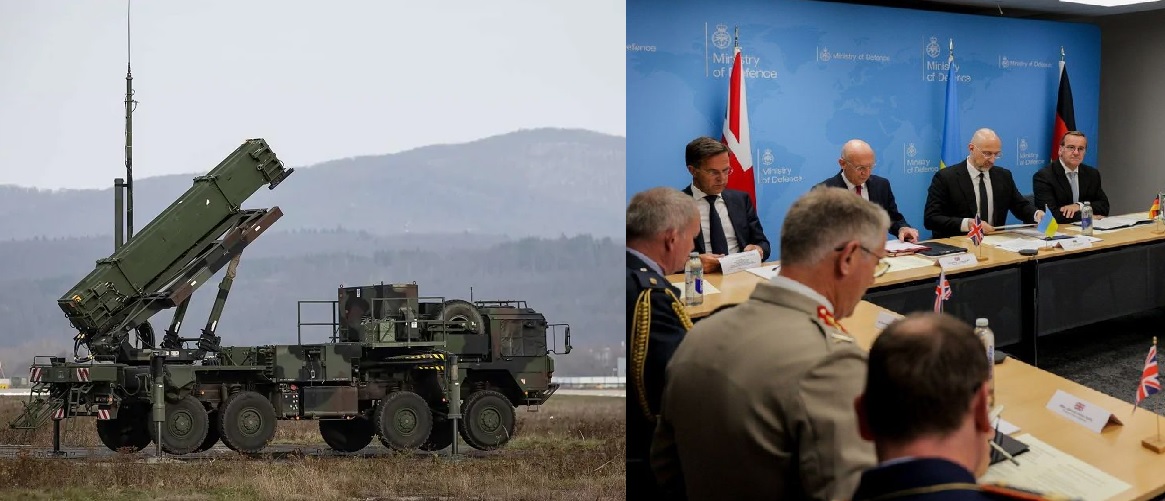
World
Western allies agreed on a new wave of military support for Ukraine at the latest meeting of the Ukraine Defence Contact Group, held in the Ramstein format on 16 December 2025. Germany confirmed the delivery of additional air defence systems, while the United Kingdom announced its largest single-year military aid package for Kyiv, placing air defence at the centre of allied efforts as Russia continues missile and drone attacks. Germany Expands Air Defence Deliveries Germany announced that it has transferred three more air defence systems to Ukraine, further strengthening Kyiv’s ability to protect its airspace. German Defence Minister Boris Pistorius confirmed that Ukraine has now received two Patriot air defence systems promised earlier this year, along with a ninth IRIS-T system. The Patriot systems provide long-range protection against ballistic and cruise missiles, while the IRIS-T is designed to counter aircraft, missiles and drones at medium range. Together, they form a key part of Ukraine’s layered air defence network, which has faced increasing strain amid sustained Russian aerial attacks on cities and critical infrastructure. In addition to the systems, Germany will deliver a “significant number” of AIM-9 Sidewinder missiles. While originally developed as air-to-air weapons, the missiles can be used in ground-based air defence roles and are particularly effective against low-flying targets such as drones and helicopters. Berlin has steadily increased its military support for Ukraine since the start of the full-scale war, emerging as one of Kyiv’s most important European partners in air defence. UK Announces Record £600 Million Support Package The United Kingdom used the Ramstein meeting to announce a £600 million military aid package for Ukraine, the largest single-year investment London has committed since the war began. British Defence Secretary John Healey said the funding will be used to supply thousands of air defence systems, missiles, and automated turrets designed to shoot down drones. According to the UK Ministry of Defence, the equipment will be delivered on a rolling basis through 2026, reflecting a shift toward sustained, long-term support rather than short-term emergency deliveries. British officials said the package is aimed at countering the growing use of mass drone attacks, including Iranian-designed Shahed drones, which have been widely used against Ukraine’s energy and transport infrastructure. The announcement reinforces the UK’s position as one of Ukraine’s most consistent military backers, following earlier deliveries of artillery, armoured vehicles, and long-range strike weapons. Ukraine Outlines 2026 Defence Needs Speaking at the meeting, Ukrainian Defence Minister Denys Shmyhal highlighted the scale of Ukraine’s future defence requirements. He said Kyiv estimates it will need around $120 billion for defence spending in 2026. According to Shmyhal, Ukraine expects to cover roughly half of the amount through domestic resources, while the remaining funding will need to come from international partners. He stressed that predictable, multi-year commitments are essential for planning weapons procurement, training, and domestic defence production. Air Defence Remains Central to Ramstein Talks The latest Ramstein meeting once again underscored air defence as Ukraine’s most urgent military priority. While Ukraine has improved its interception rates, the volume and frequency of Russian missile and drone attacks continue to test available systems and ammunition. The new commitments from Germany and the United Kingdom reflect a broader recognition among Western allies that protecting Ukrainian airspace is critical not only for military operations, but also for safeguarding civilians, maintaining energy supplies, and preserving economic stability. As deliveries begin and longer-term funding plans take shape, the outcomes of the 16 December Ramstein meeting signal continued Western resolve to support Ukraine in what remains a prolonged and resource-intensive conflict.
Read More → Posted on 2025-12-18 14:01:18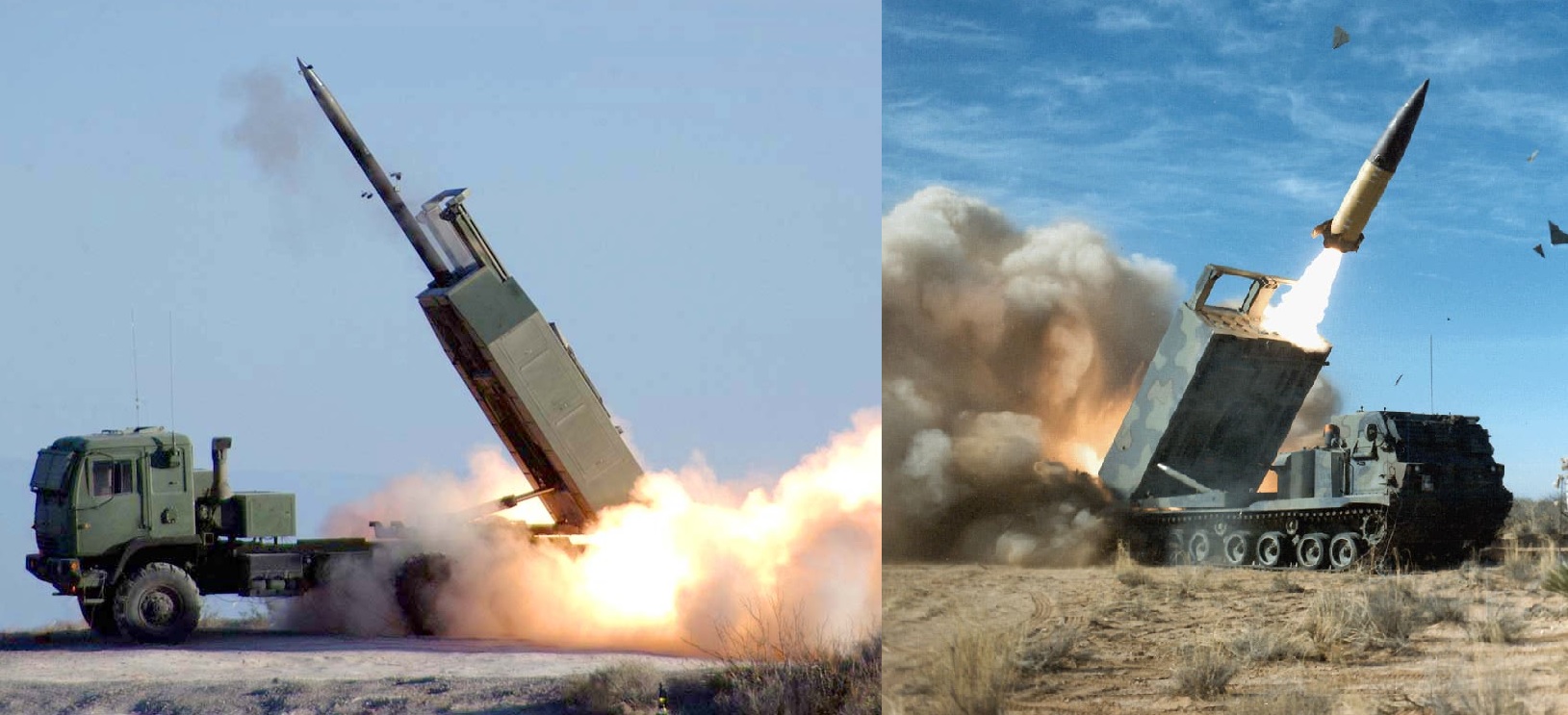
World
The United States has approved the largest arms package in its history for Taiwan, authorising weapons sales and military support valued at more than $11 billion, a move expected to significantly complicate any potential Chinese attempt to seize the self-governed island and sharply increase the risk of massive military losses for an attacking force. Announced late Wednesday by the U.S. State Department, the package includes advanced rocket artillery, long-range missiles, self-propelled howitzers, anti-tank weapons, loitering munitions, digital command networks, and extensive sustainment support. U.S. officials said the deal is designed to strengthen Taiwan’s deterrence posture by making any invasion scenario more complex, prolonged and costly for Beijing. Scope and scale of the arms package According to U.S. defence officials, the package represents a comprehensive effort to strengthen Taiwan’s land, air and maritime denial capabilities. At its core are 82 M142 High Mobility Artillery Rocket Systems (HIMARS) and 420 MGM-140 Army Tactical Missile Systems (ATACMS), providing Taiwan with the ability to strike invasion staging areas, ports, airfields and logistics hubs from long range with high precision. The deal also includes 120 M109A7 “Paladin” self-propelled howitzers and M992A3 tracked ammunition carriers, significantly modernising Taiwan’s artillery forces. These systems are designed to fire rapidly, relocate quickly and survive counter-battery fire, enabling sustained operations even under intense missile and air attack. Missiles, drones and anti-armor firepower The package dramatically expands Taiwan’s ability to destroy armoured vehicles and amphibious landing forces. The sale of 1,545 TOW-2B anti-tank missiles and 1,050 FGM-148F Javelin missiles would allow Taiwanese ground forces to ambush and eliminate large numbers of tanks and infantry fighting vehicles, particularly in urban and mountainous terrain, where China’s numerical advantage is reduced. In addition, ALTIUS-600M and ALTIUS-700M loitering munition systems—often described as kamikaze drones—would enable Taiwan to conduct precision strikes against moving targets, air-defence systems, and command posts. Their ability to loiter over contested areas forces an adversary to disperse forces and invest heavily in air defence, increasing operational strain. Maritime defence is further strengthened through seekers and repair support for Harpoon anti-ship missiles, enhancing Taiwan’s capacity to target amphibious assault ships and naval escorts during a cross-strait operation. Command networks and sustainment The inclusion of the U.S. Armed Forces’ Tactical Mission Network (TMN) highlights Washington’s emphasis on battlefield integration and survivability. The network improves real-time coordination, targeting speed, and command-and-control resilience, particularly in environments dominated by electronic warfare. The package also provides spare parts and repair support for AH-1W “Super Cobra” attack helicopters, ensuring that Taiwan’s existing strike assets remain combat-ready during a prolonged conflict. Making an invasion far more difficult Military analysts say the combined effect of these systems would make any Chinese attempt to capture Taiwan far more dangerous, uncertain and costly. Long-range systems such as HIMARS and ATACMS could strike Chinese ports, troop concentrations, logistics nodes and air bases even before forces cross the Taiwan Strait, disrupting mobilisation and slowing the tempo of operations. If People’s Liberation Army (PLA) forces reached Taiwan’s shores, dense layers of anti-tank missiles, mobile artillery and loitering munitions would target landing units, armoured columns and command elements. Urban warfare, already among the most casualty-intensive forms of combat, would further magnify losses for an invading force. At sea, expanded anti-ship capabilities would increase the vulnerability of amphibious vessels, transport ships and naval escorts. Analysts note that amphibious assaults are among the most complex military operations, and the strengthened Taiwanese arsenal would amplify risks at every stage. Strategic intent and deterrence U.S. officials emphasised that the package supports Taiwan’s shift toward an asymmetric defence strategy, prioritising mobile, survivable and precision-guided systems over large conventional formations. The objective is not to enable Taiwan to defeat China outright, but to convince Beijing that the cost of military action would be unacceptably high. “This package is about deterrence,” a senior U.S. official said. “It raises uncertainty for any aggressor and increases the likelihood of significant losses at every stage of a conflict.” Reaction from Beijing China’s Foreign Ministry strongly condemned the announcement, accusing Washington of interfering in China’s internal affairs and undermining stability in the Taiwan Strait. Beijing warned of “resolute countermeasures,” though it did not specify what actions it might take. China has consistently opposed U.S. arms sales to Taiwan and has intensified military pressure through large-scale exercises, missile tests, and frequent air and naval operations around the island. Taiwan’s response and next steps Taiwan’s Ministry of National Defense welcomed the decision, describing it as a major boost to the island’s defensive posture. Officials said key elements of the package would be funded through a special multi-year defence budget currently under review by Taiwan’s legislature. The sale now enters a mandatory U.S. congressional review period, typically lasting 30 days. If Congress does not block the deal, contracts, training programmes and phased deliveries will follow, with some systems taking several years to fully enter service. Regional implications The unprecedented scale of the package underscores the deepening security relationship between Washington and Taipei amid intensifying U.S.–China rivalry. Supporters argue the deal strengthens deterrence and reduces the likelihood of war by making an invasion prohibitively costly. Critics, led by Beijing, warn it could fuel further escalation. As the review process begins, the arms package is set to remain a central issue in regional diplomacy, reinforcing Taiwan’s strategic importance in the evolving security landscape of the Indo-Pacific.
Read More → Posted on 2025-12-18 13:01:52
Skunk Works and XTEND Expand Joint All-Domain Command and Control With Multi-Class Drone Integration
World
Palmdale, California, December 18, 2025 — Lockheed Martin’s Skunk Works and drone technology company XTEND have announced a major advance in Joint All-Domain Command and Control (JADC2), following the successful integration of XTEND’s Operating System (XOS) into Skunk Works’ MDCX autonomy platform. The collaboration enables a single operator to simultaneously command and control multiple classes of uncrewed aerial systems (UAS), significantly improving situational awareness and reducing manpower requirements during complex missions. Multi-Class Drone Control Demonstrated The integration allows simultaneous command and control (C2) of different UAS classes through a unified Multi-Class MDCX (MC-MDCX) workstation. In a demonstration conducted in November, the two companies showcased the capability during a marsupial drone mission, where a larger UAS deployed a smaller Class 1 drone to conduct a close-in task while remaining under unified operator control. Traditionally, such missions required multiple operators, with control of smaller drones handed off to specialists using lower-level controls. These controls typically include first-person views, mark-and-fly commands, and immersive interfaces tailored for close-proximity operations. The new integration eliminates the need for such handoffs, allowing a single operator to manage both the carrier UAS and the deployed drone simultaneously. Reduced Manpower, Faster Decisions According to the companies, the demonstration confirmed a reduction in total manpower needed for complex, multi-layered missions. By removing operator handoffs, the integrated system improves continuity of control, enhances mission-wide situational awareness, and shortens data-to-decision timelines — a key requirement for future JADC2 operations. The approach also supports lower-echelon mission execution by giving operators advanced autonomy tools without increasing cognitive workload, enabling faster and more coordinated responses across the battlespace. XTEND’s Combat-Proven Drone Control Technology XTEND is widely recognized for its combat-proven drone command-and-control solutions, currently deployed by militaries worldwide. Its XOS platform is designed to operate in highly contested environments, enabling drone missions even when GPS signals are denied or radio-frequency datalinks are jammed. XOS provides a layered operational model that allows operators to perform missions at near expert-level proficiency, significantly reducing training time while improving operational effectiveness and decision-making accuracy. These attributes make the system particularly suited for high-tempo, contested JADC2 scenarios. Advancing Autonomous and Manned–Unmanned Teaming Skunk Works stated that the collaboration aligns with its broader focus on piloted and uncrewed teaming, aimed at enhancing operational flexibility, improving pilot safety, and accelerating autonomous mission execution. By integrating XTEND’s immersive and resilient control technologies into MDCX, Skunk Works is seeking to expand the role of autonomous systems across air, land, sea, space, and cyber domains. Both companies are now exploring how the demonstrated capabilities can be further applied to JADC2 mission architectures, enabling faster decision loops and more effective employment of autonomous platforms in future conflicts. A Step Forward for JADC2 Operations The Skunk Works–XTEND collaboration represents a significant step toward scalable, resilient, and manpower-efficient command-and-control for multi-domain operations. As modern battlefields increasingly demand seamless integration of manned and unmanned systems, the ability to control multiple drone classes through a single, resilient interface could become a cornerstone of next-generation military operations.
Read More → Posted on 2025-12-18 12:42:16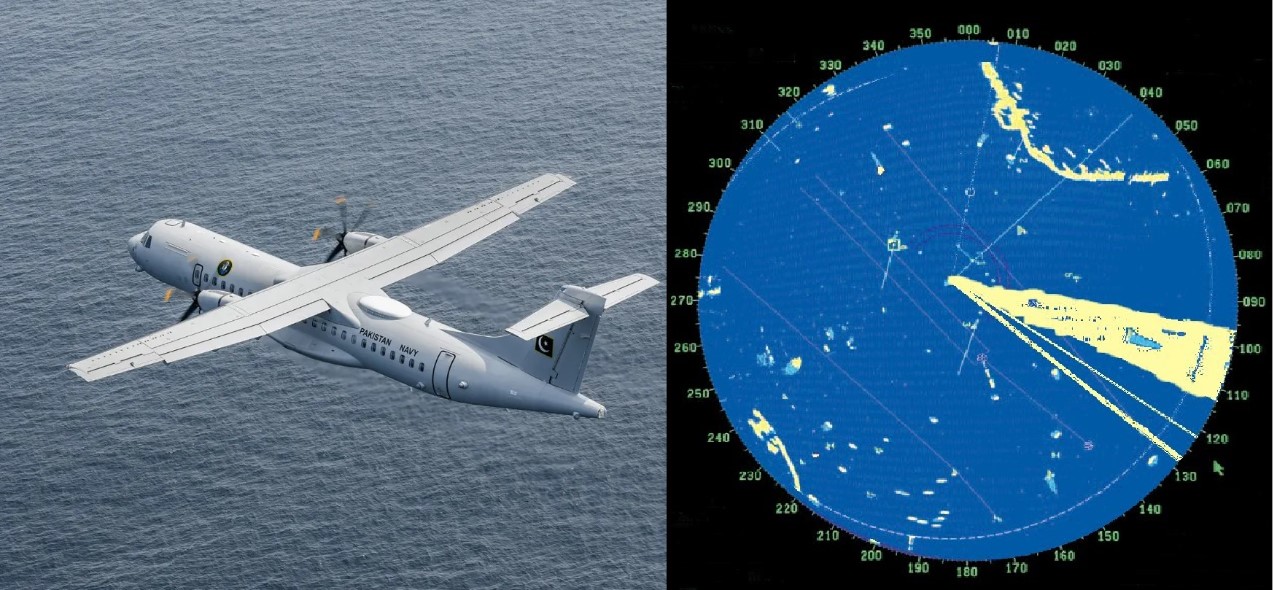
World
A Pakistan Navy maritime patrol exercise conducted on 16 December 2025 was reportedly disrupted after a RAS-72 Sea Eagle Maritime Patrol Aircraft (MPA) temporarily lost all communications while attempting to establish operational links with a Yarmook-class Offshore Patrol Vessel (OPV). Defence-focused open-source reports indicate that an unidentified and technologically advanced electronic warfare (EW) entity may have deliberately jammed the aircraft’s communications, raising fresh concerns over the balance of electronic warfare capabilities in the region. Exercise Disrupted During Networked Operations According to available accounts, the incident occurred during a coordinated phase of the naval exercise when the Sea Eagle aircraft was tasked with sharing tactical data and voice communications with the OPV operating in the same maritime sector. At the moment of link-up, the aircraft reportedly suffered a sudden and near-total loss of communications, affecting both voice and data channels. Unlike routine electromagnetic interference, the disruption was described as complete and sustained, preventing the aircrew from restoring contact during a critical operational window. The aircraft was reportedly forced to disengage from the coordination task, while the surface vessel continued operations independently. The Pakistan Navy has not officially commented on the incident, but it has prompted extensive discussion among defence analysts and electronic warfare specialists. RAS-72 Sea Eagle and Its Communications Suite The RAS-72 Sea Eagle, based on the ATR-72-600 airframe, is among the most advanced maritime patrol platforms in Pakistan Navy service. The aircraft is modified for military use with a modern mission suite that includes maritime surveillance radar, EO/IR sensors, electronic support measures (ESM), and anti-submarine warfare systems. Critically, the Sea Eagle is equipped with a military-grade communications architecture built around Collins Aerospace AN/ARC-210 radio systems. The AN/ARC-210, manufactured by Collins Aerospace (formerly Rockwell Collins), is a widely used multi-band tactical radio employed across NATO and allied air forces. The ARC-210 operates across the 30–512 MHz spectrum, covering VHF and UHF bands, and supports secure voice and data transmission. It incorporates anti-jam technologies, including frequency-hopping waveforms, encrypted communications, and resistance to narrow-band interference. These radios are specifically designed to function in contested electromagnetic environments, providing resilience against conventional jamming. In addition to ARC-210 radios, the aircraft is believed to employ HF communications and encrypted SATCOM links, allowing it to function as an airborne command-and-control and sensor-fusion node for naval task groups. Why the Reported Jamming Is Technically Significant Electronic warfare experts note that disrupting an aircraft equipped with ARC-210 radios and layered communications redundancy is technically demanding. Frequency-hopping radios rapidly change transmission frequencies based on synchronized algorithms, making them difficult to jam using basic noise emitters. To overcome such protection, analysts suggest that a hostile actor would require either: Wide-band barrage jamming, flooding large portions of the VHF/UHF spectrum with high-power noise; or Advanced reactive or DRFM-based jamming systems, capable of detecting active transmissions in real time and countering them instantly. Barrage jamming, while conceptually simple, demands substantial hardware. Effective systems typically involve vehicle-mounted, ship-borne, or airborne EW platforms with high-power transmitters, wide-band antennas, and sophisticated signal processing. Power requirements rise sharply when attempting to cover wide frequency bands used by frequency-hopping radios, often making small or portable jammers ineffective. More advanced approaches, such as Digital Radio Frequency Memory (DRFM) jamming, can manipulate or replay captured signals to confuse receivers rather than overpower them. Such systems are normally associated with state-level military electronic warfare units and require detailed knowledge of target waveforms and operational parameters. Could ARC-210 Be Jammed? In theory, no radio system is completely immune to jamming. While the ARC-210’s frequency-hopping and encryption significantly reduce vulnerability, a sufficiently powerful and well-positioned EW system could still degrade or temporarily deny communications—especially if multiple bands, including SATCOM support links, are targeted simultaneously. Achieving a near-total communications blackout, as described in reports, would likely require coordinated jamming across several layers, substantial transmission power, and proximity or altitude advantage—suggesting the use of a large, purpose-built EW platform rather than improvised equipment. Strategic Implications If confirmed, the incident would underscore the growing importance of the electromagnetic spectrum as a battlefield domain. The apparent ability to suppress communications on a modern maritime patrol aircraft—even temporarily—could undermine surveillance, targeting, and fleet coordination during real-world operations. For the Pakistan Navy, the episode may accelerate efforts to further harden airborne communications, expand electronic support measures, improve jammer detection, and introduce additional redundancy and spectrum agility. At a regional level, the event highlights how electronic warfare capabilities are increasingly shaping naval power balances, where information dominance and network resilience are as decisive as missiles and ships.
Read More → Posted on 2025-12-18 12:33:44
World
The U.S. State Department has approved a new potential Foreign Military Sale (FMS) to Japan covering follow-on technical support and sustainment services for the Japan Maritime Self-Defense Force (JMSDF) Aegis-equipped destroyers, at an estimated cost of $100.2 million. The notification was formally transmitted to the U.S. Congress by the Defense Security Cooperation Agency (DSCA), clearing the way for the deal to move forward if Tokyo elects to finalize the purchase. The proposed sale focuses not on new weapons, but on the long-term operational readiness of Japan’s Aegis fleet, a central pillar of the country’s maritime air and missile defense architecture. According to the DSCA and the State Department’s Bureau of Political-Military Affairs, the package is designed to ensure the continued effectiveness, safety, and interoperability of the Aegis Combat System amid evolving regional security threats. Scope of the proposed sale Under the notification, Japan has requested a wide range of follow-on technical support (FOTS) services tied directly to Aegis system operations. These include Combat Systems Sea Qualification Trials (CSSQT), systems integration and testing, combat system overhauls and upgrades, software maintenance and updates, and the development and installation of system patches. The package also covers engineering support, field service representatives, problem investigation and technical assistance, logistics support, and on-the-job training for Japanese personnel responsible for operating and maintaining the system. U.S. officials describe the sale as sustainment-heavy, reflecting the complexity of the Aegis Combat System and the need for continual testing and software refinement to counter advanced air and missile threats. Lockheed Martin, the original developer of Aegis, has been identified as the principal contractor for the potential sale. The DSCA emphasized that the $100.2 million figure represents a maximum estimated value, with the final cost likely to depend on Japan’s specific operational requirements and the scope of services ultimately contracted. Emphasis on integrated air and missile defense In its justification to Congress, the State Department highlighted the importance of Aegis-equipped destroyers to Integrated Air and Missile Defense (IAMD) missions. The system enables Japan to detect, track, and intercept ballistic and cruise missile threats, while also contributing to broader maritime air defense operations. The justification explicitly links the proposed sale to regional stability and alliance cooperation, noting that the support will enhance interoperability with U.S. Navy forces and strengthen coordination with a “valued partner” in a geographic region of critical importance to both Japan and the United States. While no third country is named, the language reflects ongoing concerns over missile proliferation, Indo-Pacific security, and cross-regional defense coordination. Strategic and political context Japan operates one of the most capable Aegis destroyer fleets outside the United States, with ships routinely integrating with U.S. Navy forces during joint exercises, ballistic missile tracking, and real-world operations. Sustaining this capability has become increasingly important as missile technology in the region advances in speed, maneuverability, and range. U.S. officials stressed that the proposed sale supports American foreign policy and national security objectives by helping a close allied nation maintain credible defensive capabilities. The DSCA stated the transaction will not alter the basic military balance in the region, but will instead reinforce Japan’s ability to defend its territory and contribute to collective security efforts. From Washington’s perspective, the approval reflects a broader trend toward deepened technical integration with allies. Rather than focusing solely on high-profile weapons transfers, recent approvals increasingly emphasize software support, systems sustainment, and combat system integration—areas viewed as essential to maintaining a technological and operational edge. Next steps With congressional notification complete, U.S. lawmakers now have an opportunity to review the proposed Foreign Military Sale under established procedures. Such notifications are rarely blocked, particularly when they involve long-standing allies and defensive systems. If Japan proceeds, detailed implementation contracts will be negotiated, and work will be carried out over several years as part of ongoing fleet sustainment efforts. For Tokyo, the sale represents another incremental but critical step in keeping its Aegis destroyers fully mission-capable. For Washington, it reinforces the technical backbone of the U.S.–Japan security alliance at a time of growing strategic uncertainty across the Indo-Pacific region.
Read More → Posted on 2025-12-17 15:59:37Search
Top Trending in 24 Hours
-
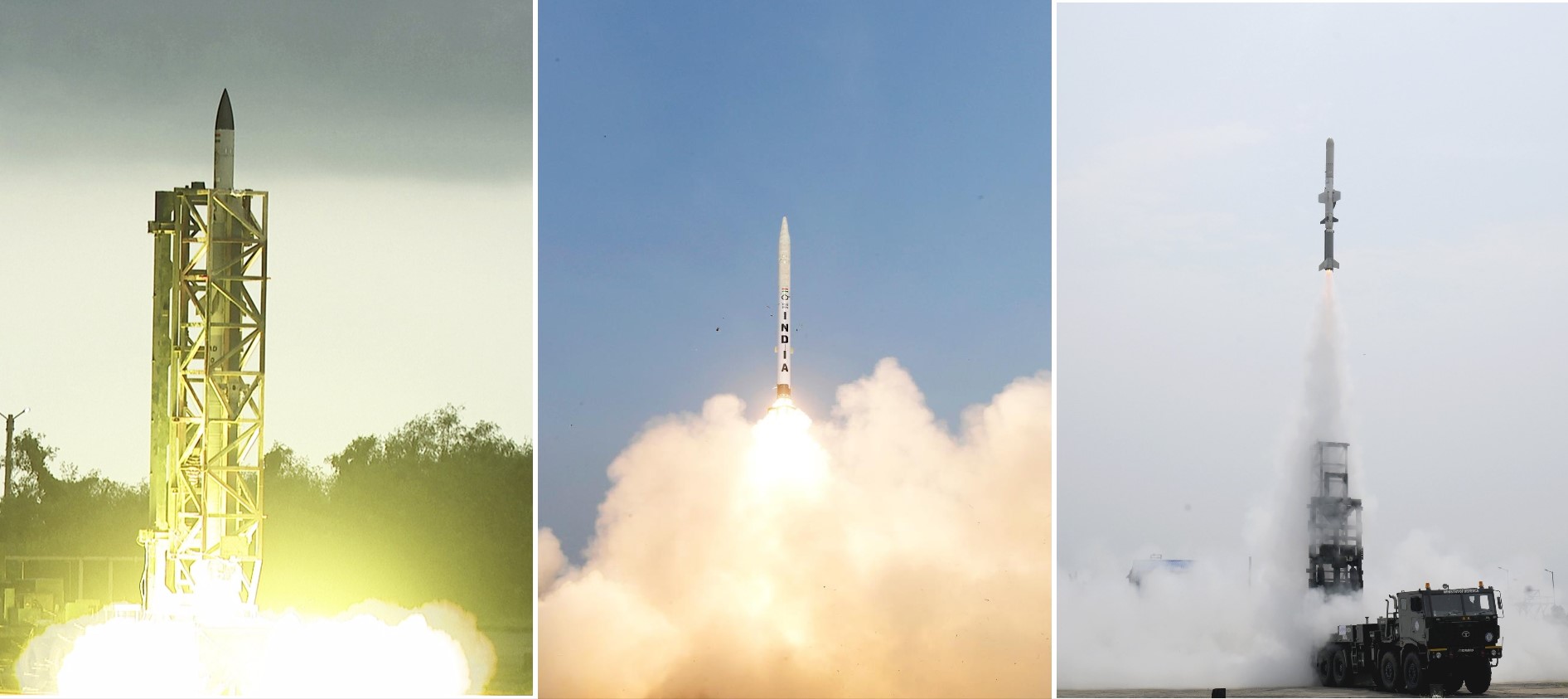 India Successfully Conducts AD-1, AD-2 Interceptor Tests and Maiden NASM-MR Flight Trial
-
 U.S Navy Orders 50 Blackbeard Hypersonic Missiles in New $23.4 Million Contract
-
 Russia Launches 1,400 Jet-Powered Drones in 2026 as Strike Tactics Evolve to Challenge Ukraine's Air Defenses
-
 F-35 Fleet Readiness Falls to 25% Amid Parts Shortages and Software Delays: GAO Report
-
 U.S. Approves $1.98 Billion Sale of Anduril AI-Powered Counter-Drone Systems to Kuwait
-
 UAE Denies Reports of Releasing Up to $20 Billion in Funds to Iran Amid Regional De-Escalation Efforts
-
 Russian Analysts Debate Su-57 Capabilities After Putin Calls Fighter Superior to F-35
-
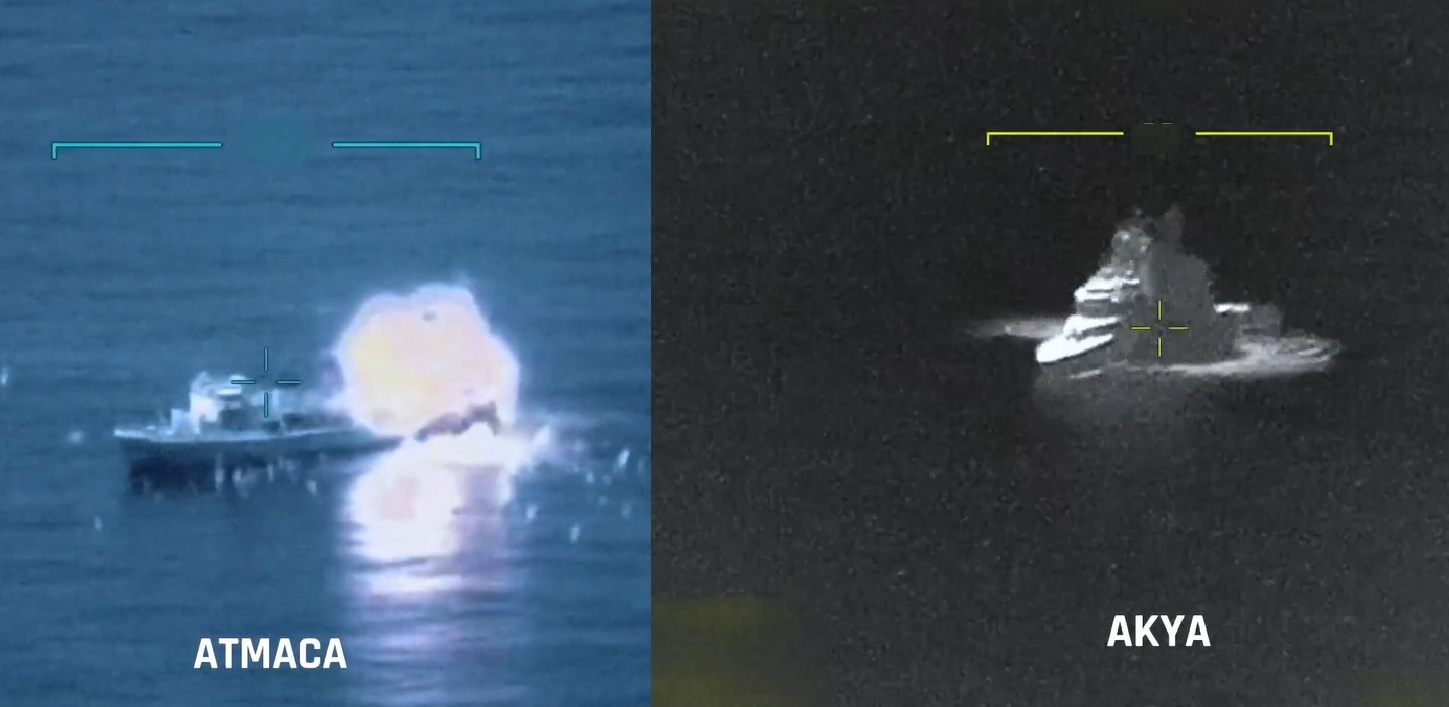 Turkey Navy Successfully Tests AKYA Torpedo and ATMACA Missile During Major Denizkurdu-II Naval Exercise
Top Trending in 4 Days
-
 Iranian Media Leaks 14-Point U.S.-Iran Peace Framework Amid Ongoing Negotiations
-
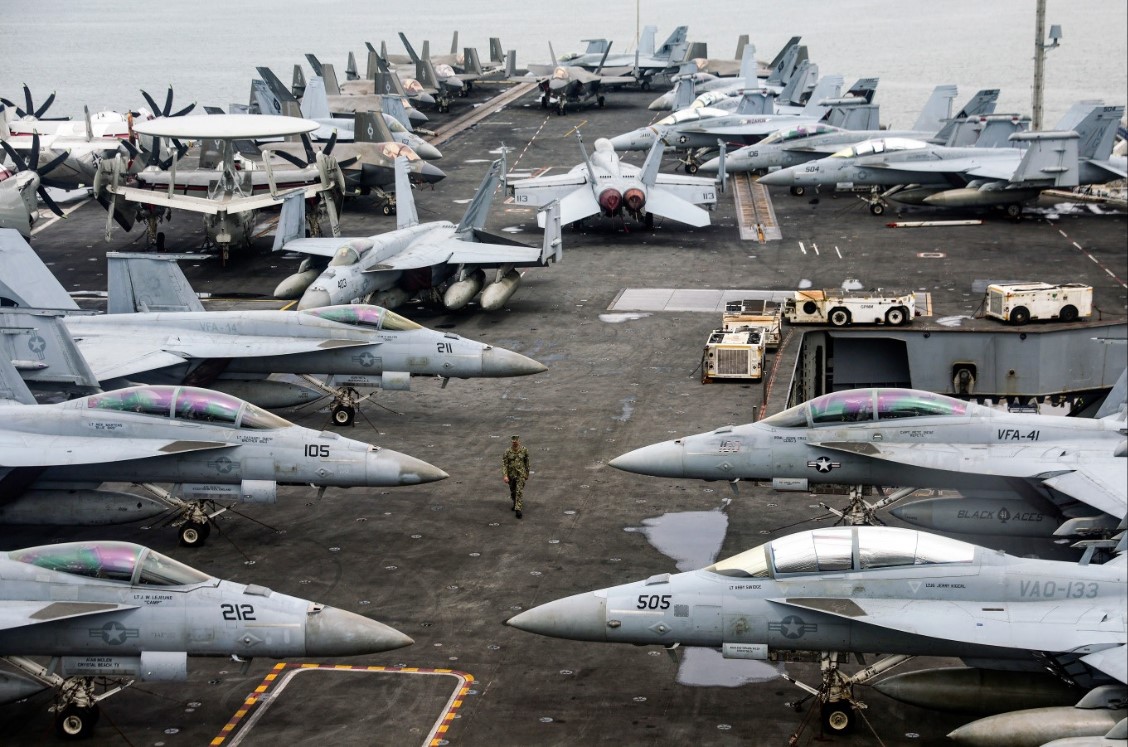 US Plans Significant Reduction of Fighter Jets and Warships for NATO Operations in Europe
-
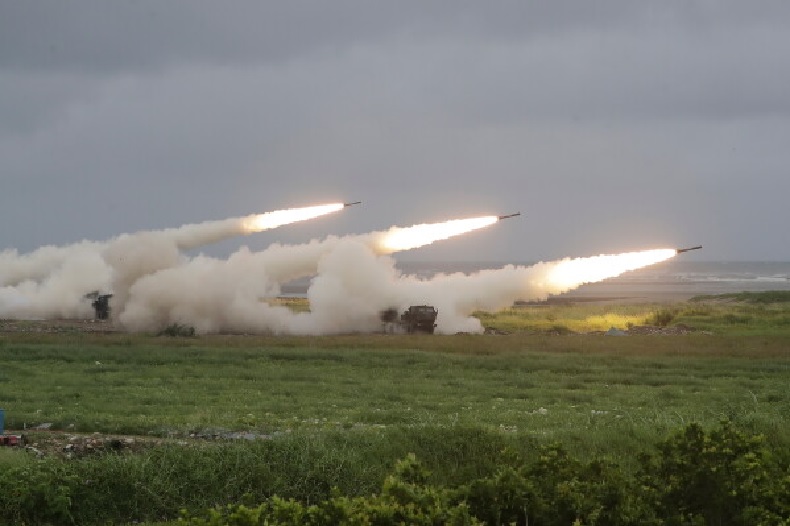 Taiwan Conducts First Live-Fire of HIMARS Rockets From West Coast During Invasion Defense Drill
-
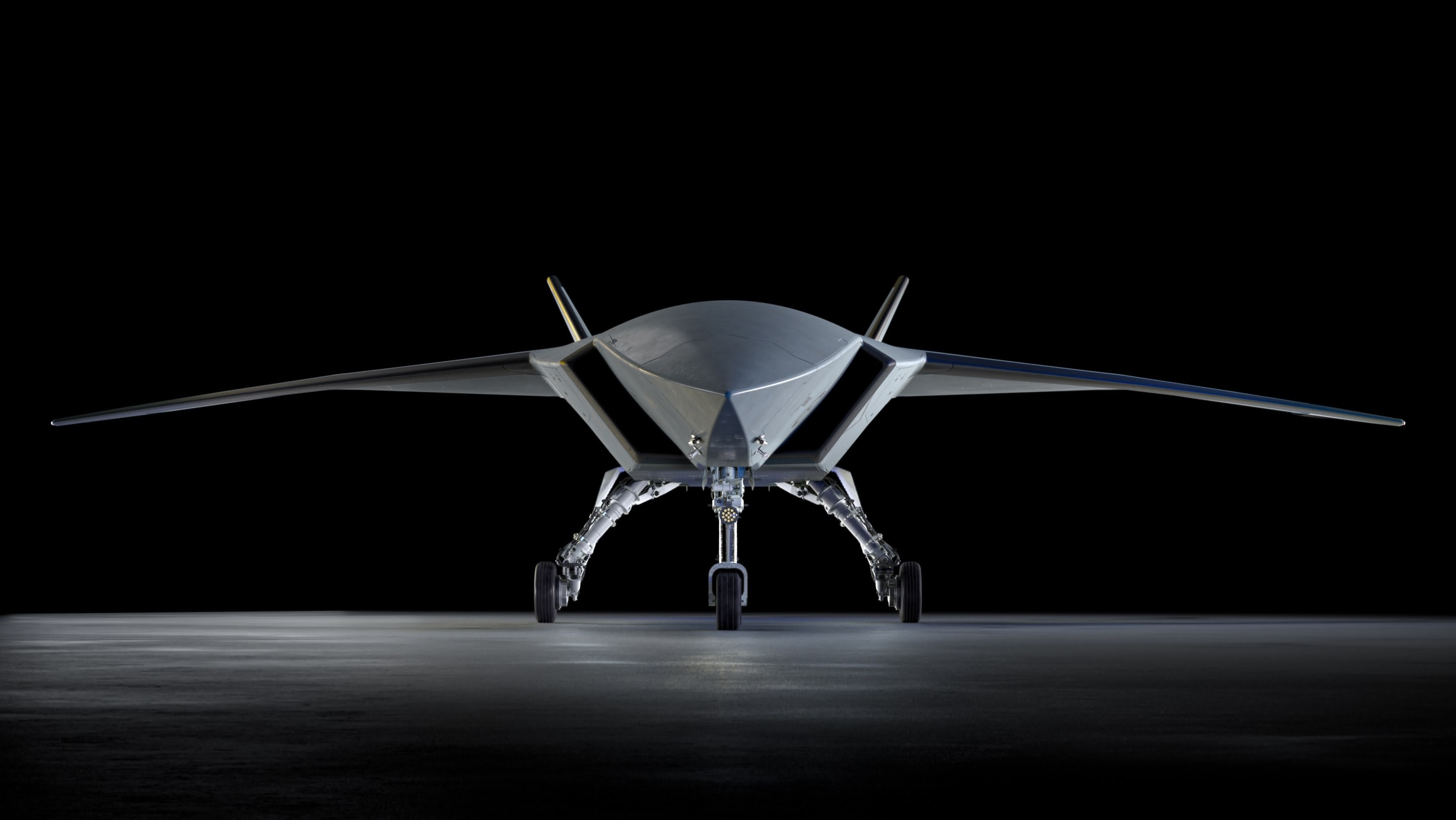 Boeing Introduces New MQ-28 Ghost Bat Upgrades with Increased Range, Payload and Weapons Capacity at ILA Berlin 2026
-
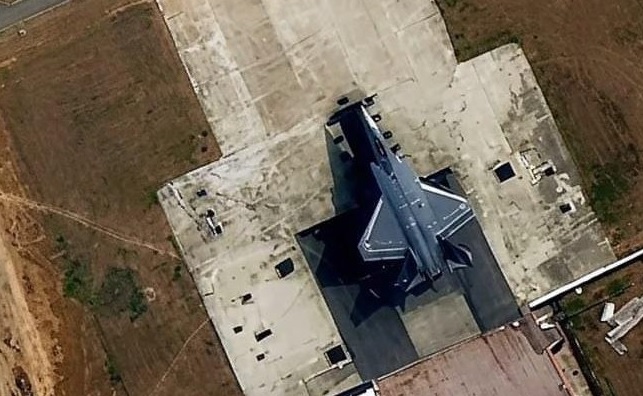 AMCA Airframe Spotted at DRDO’s ORANGE Facility for Radar Cross-Section Testing
-
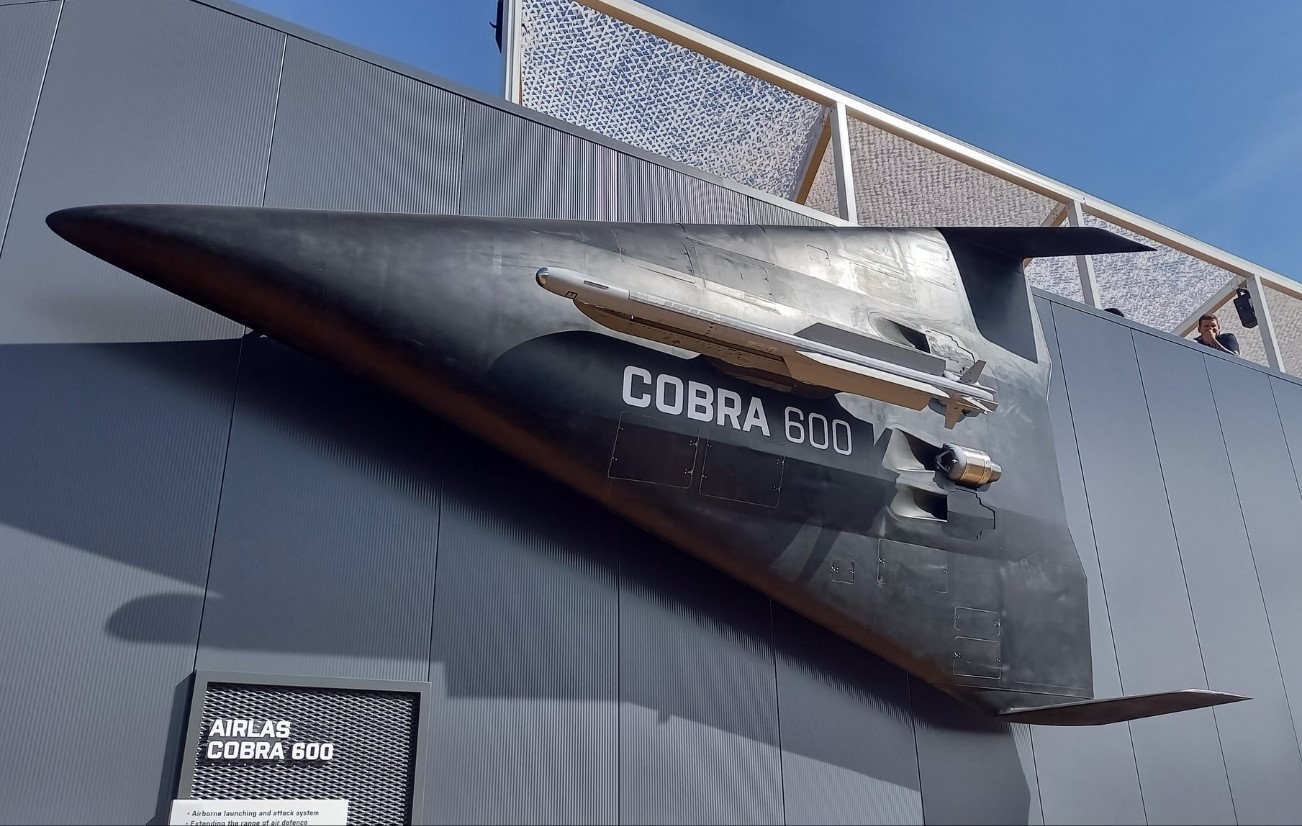 Diehl Defence Unveils IRIS-T Armed Cobra 600 Air Defense Drone at ILA Berlin 2026
-
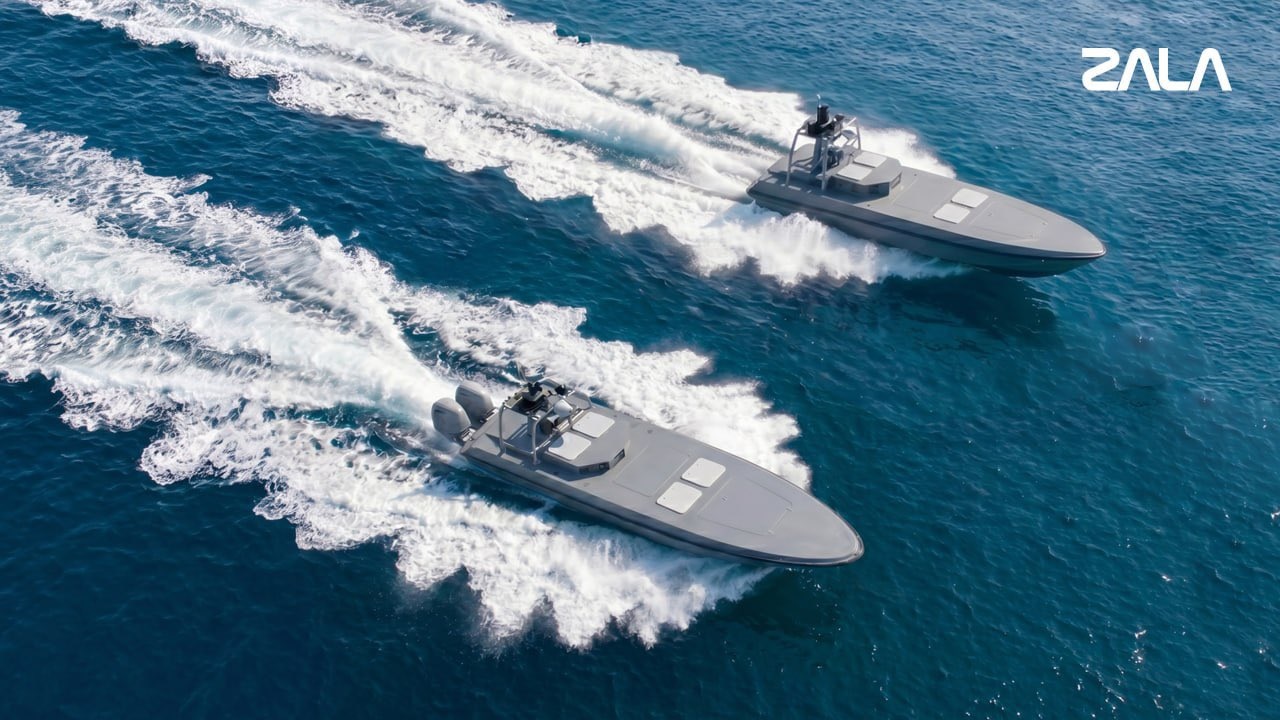 Russian Defense Firm ZALA Unveils KAMA Unmanned Surface Vessel Family at FLOT-2026 Naval Exhibition
-
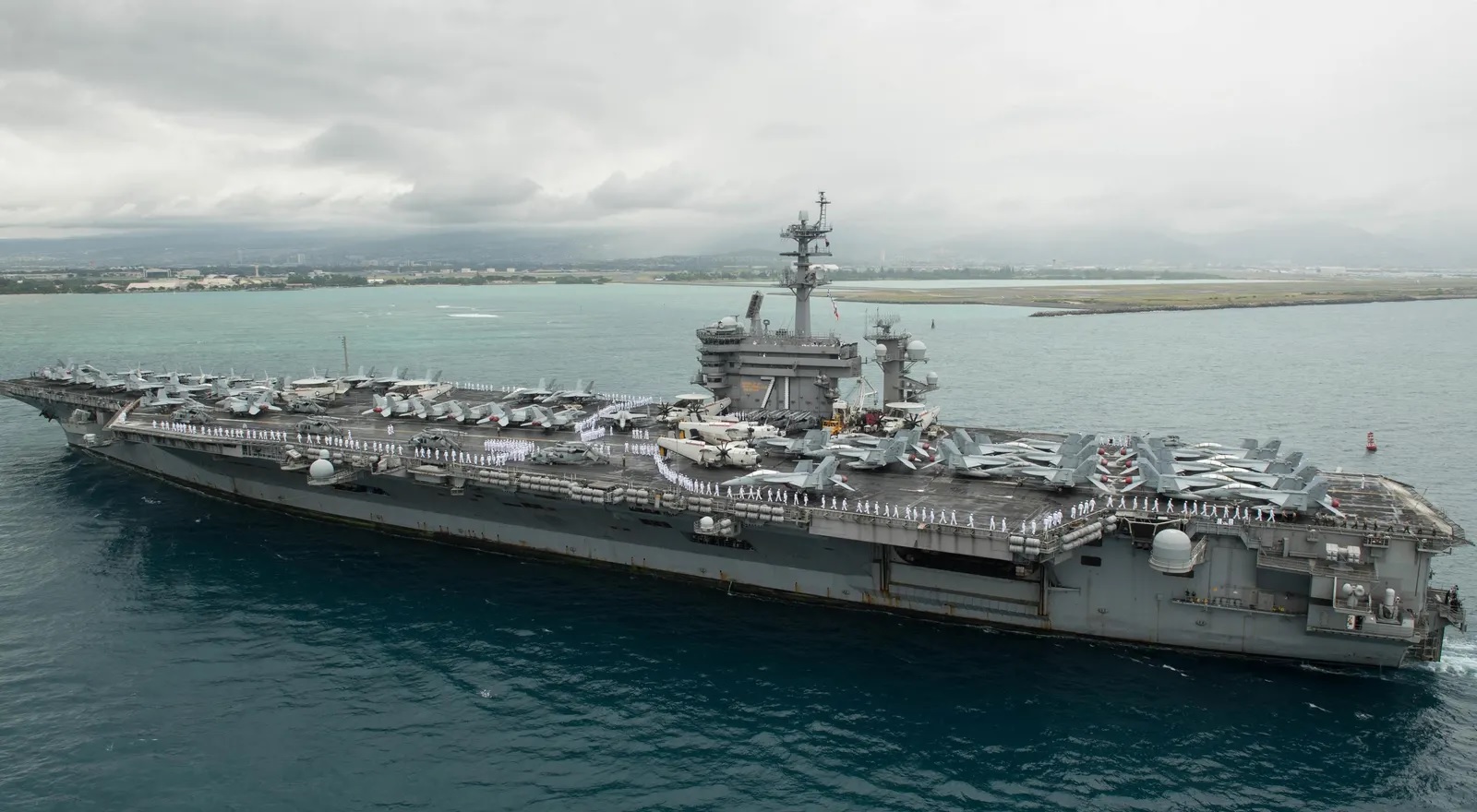 U.S Aircraft Carrier USS Theodore Roosevelt Departs San Diego for Major RIMPAC 2026 Naval Exercise