
World
Poland is considering transferring six to eight retired MiG-29 fighter jets to Ukraine, a move that could provide a short-term boost to Kyiv’s air capabilities as it continues to face sustained Russian missile and drone attacks, Polish Deputy Defense Minister Cezary Tomczyk said on Sunday. The aircraft under consideration are part of a group of MiG-29s scheduled to be withdrawn from Polish service by the end of December. According to Tomczyk, the potential transfer would not weaken Poland’s defense posture and could be formalized during Ukrainian President Volodymyr Zelensky’s upcoming visit to Warsaw. Zelensky is expected to meet Polish President Karol Nawrocki on Dec. 19, marking their first meeting since Nawrocki’s election victory in August. Polish officials have indicated that high-level political talks during the visit could help clarify whether the jets will be transferred. “These aircraft are leaving the Polish army at the end of December,” Tomczyk said in an interview with broadcaster TVN24. “They can end up in a museum, be sold, scrapped — or they can go to Ukraine and help destroy our enemies.” Aging fleet nearing retirement Poland’s military leadership has previously confirmed that the remaining MiG-29s are nearing the end of their operational life and will not undergo further modernization. The General Staff of the Polish Armed Forces said last week that discussions are ongoing and that the aircraft’s retirement is already planned, regardless of whether a transfer to Ukraine proceeds. “No final decision has been made,” Polish officials stressed, adding that any donation would align with NATO’s broader policy of supporting Ukraine while maintaining security on the alliance’s eastern flank. Possible technology exchange The potential handover could be part of a wider technology exchange between Warsaw and Kyiv. Polish military command officials have said that donating the MiG-29s could give Poland access to Ukrainian drone and missile innovations developed during the war. Ukraine has rapidly expanded its unmanned aerial and strike capabilities since Russia launched its full-scale invasion in 2022, and Polish defense planners have expressed interest in leveraging that experience to strengthen Poland’s military modernization efforts. Poland’s air force transition If the MiG-29s are transferred, Poland plans to rely on U.S.-made F-16 fighters and South Korean FA-50 light combat aircraft to fill the gap in its air fleet. Warsaw has invested heavily in modernizing its air force, gradually phasing out Soviet-era platforms in favor of NATO-standard systems. Tomczyk reiterated that these plans ensure Poland’s defense readiness would not be compromised by the loss of the MiG-29s. Impact on Ukraine’s air capabilities Ukraine currently operates around 40 MiG-29 fighter jets, according to the Polish state news agency PAP. Since 2022, Kyiv has already received 14 MiG-29s from Poland and an additional 13 from Slovakia. An additional six to eight aircraft would not dramatically alter the balance of air power, but analysts say they could provide a meaningful short-term boost to Ukraine’s air defense and limited strike capabilities, particularly as Russia continues large-scale missile and drone attacks on civilian and energy infrastructure. Long-term outlook Looking beyond the war, President Zelensky has signaled Ukraine’s intention to transition to a modern NATO-standard air force. Kyiv is reportedly holding talks with Sweden and France over the potential acquisition of Gripen and Rafale fighter jets in the post-war period, with long-term plans that could involve hundreds of aircraft over the next decade. For now, however, the possible transfer of Poland’s retiring MiG-29s highlights continued military cooperation between Warsaw and Kyiv — and Poland’s role as one of Ukraine’s most consistent supporters within NATO.
Read More → Posted on 2025-12-15 16:35:06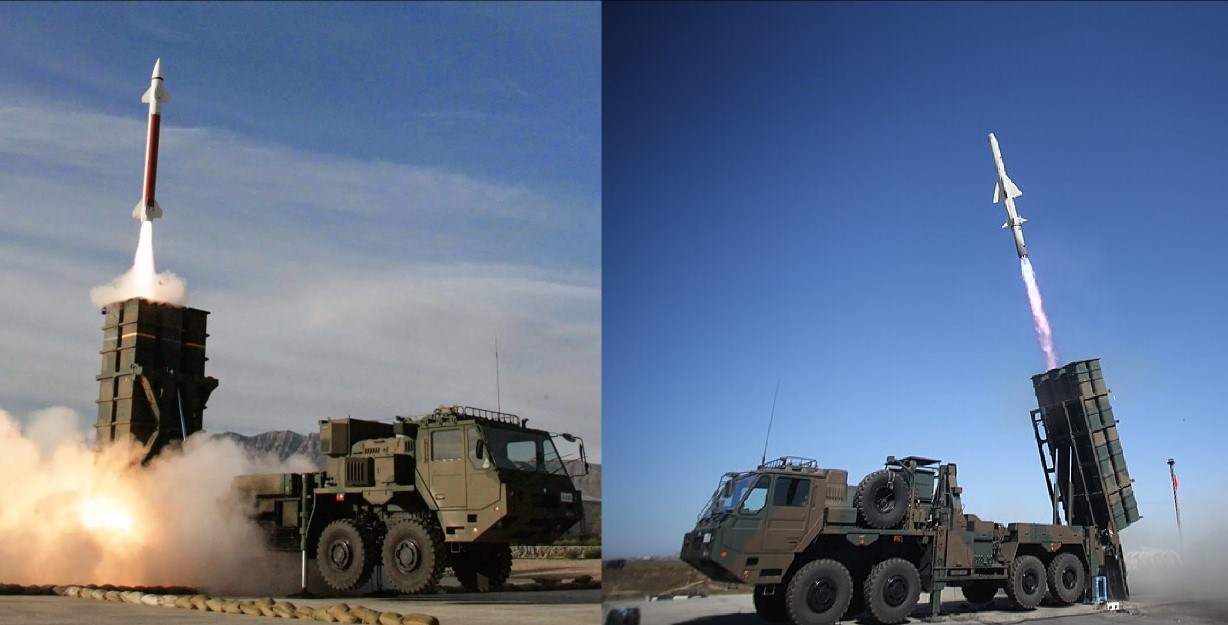
World
Japan has formally begun work on a new ground-based missile-defense capability for its army, marking a significant shift in the country’s approach to homeland security and battlefield air defense amid growing concern over China’s expanding ballistic and hypersonic missile arsenal. The Ministry of Defense has signed an agreement to develop and test a modernized Type-03 medium-range surface-to-air missile system, known domestically as Chu-SAM. The upgraded system is intended to give the Japan Ground Self-Defense Force (JGSDF) its own indigenous missile-defense capability, comparable in role to the Patriot systems operated by the Air Self-Defense Force and the SM-2 and SM-6 interceptors deployed aboard Maritime Self-Defense Force destroyers. Defense officials say the project is aimed at countering a rapidly evolving threat environment in East Asia, where China has deployed large numbers of short- and medium-range ballistic missiles, maneuverable re-entry vehicles, and hypersonic glide weapons capable of evading traditional air-defense systems. Tokyo increasingly views these systems as a direct challenge to the defense of its territory, remote islands, and critical military infrastructure. Strengthening the Ground Force Role Until now, Japan’s ballistic missile defense architecture has been dominated by air and naval assets. Patriot PAC-3 units provide point defense against incoming missiles, while Aegis-equipped warships form a sea-based shield against longer-range threats. The new Type-03 modernization program is designed to close a long-standing gap by allowing ground forces to independently defend key areas without relying exclusively on air force or naval coverage. The upgraded system is expected to protect air bases, ports, logistics hubs, and island garrisons, particularly in Japan’s southwestern regions, which lie closest to potential flashpoints involving China and Taiwan. An Evolution of the Type-03 The original Type-03 (Chu-SAM) entered service in the early 2000s as a medium-range air-defense missile designed to engage aircraft and cruise missiles. The new development effort will retain the basic architecture but significantly enhance its performance to address far more demanding targets. According to defense planners, the modernized interceptor will feature improved propulsion, enabling higher speeds and greater maneuverability to engage short-range ballistic missiles and highly maneuvering hypersonic threats. Advances in guidance, seeker technology, and command-and-control integration will improve target discrimination and reaction time, including the ability to receive off-board sensor data. In its baseline configuration, the Type-03 has an engagement range of roughly 50 kilometers and an intercept altitude of up to around 20 kilometers, using inertial navigation, mid-course updates, and active radar homing in the terminal phase. The upgraded variant is expected to extend this engagement envelope and significantly improve effectiveness against high-speed threats. Mobility and Survivability A defining feature of the Type-03 family is its high mobility. The modernized system will be mounted on eight-wheel Mitsubishi Kato truck chassis, allowing launchers, radars, and command vehicles to reposition rapidly. This “shoot-and-scoot” capability enhances survivability against enemy strikes and supports dispersed operations across Japan’s complex island geography. Strategic and Regional Impact The development of an indigenous, army-operated missile-defense system underscores Japan’s strategic shift toward a more layered and resilient defense posture. It also reflects Tokyo’s effort to strengthen its domestic defense industrial base and reduce reliance on foreign-supplied systems for critical defense missions. While Japanese officials describe the program as defensive in nature, it is expected to draw close attention from Beijing, which has previously criticized Japan’s missile-defense initiatives. At the same time, Japan’s allies, particularly the United States, are likely to view the move as a contribution to regional deterrence and collective security. The Road Ahead The current agreement covers development and testing, with prototype systems expected to undergo trials over the coming years. If performance targets are met, the modernized Type-03 missile system could enter service later this decade, adding a new land-based layer to Japan’s integrated missile-defense network. For the Japan Ground Self-Defense Force, the project represents a major expansion of capability. For Japan, it signals a clear determination to adapt its defenses to an era defined by faster, more complex, and increasingly difficult-to-counter missile threats.
Read More → Posted on 2025-12-15 16:24:39
World
The Pakistan Navy has confirmed that a Zulfiqar-class frigate successfully engaged and destroyed aerial targets using the Chinese-origin FM-90N ER surface-to-air missile during a live-fire exercise in the northern Arabian Sea, underscoring the service’s focus on strengthening shipborne air-defence capability. According to an official statement, the missile demonstrated high accuracy and operational reliability while intercepting air targets under realistic maritime conditions. The Navy said the FM-90N ER achieved an effective engagement range of up to 15 kilometres and was capable of neutralising targets at altitudes of approximately 6 kilometres, consistent with its role as a short-range naval air-defence system. FM-90N ER And Shipborne Air Defence The FM-90N ER is the naval, extended-range variant of China’s FM-90 / HQ-7 surface-to-air missile family, derived from the French Crotale design. Optimised for maritime operations, the system provides point and local area air defence against fighter aircraft, helicopters, unmanned aerial vehicles (UAVs) and sea-skimming cruise missiles. Pakistan Navy officials said the exercise validated the missile’s ability to counter high-manoeuvrability aerial threats, reinforcing its role as the inner defensive layer aboard frontline surface combatants. The system is integrated with shipborne search and fire-control radars, enabling rapid detection, tracking and engagement of low-altitude threats. Zulfiqar-Class Frigates And Operational Integration The Zulfiqar-class (F-22P) frigates, built with Chinese assistance, form a core component of the Pakistan Navy’s surface fleet. The successful firing confirms the operational integration of the FM-90N ER aboard this class, enhancing its survivability against modern aerial threats in both open-sea and littoral environments. The Pakistan Navy has not disclosed which specific Zulfiqar-class vessel conducted the firing, but officials described the test as part of routine combat readiness and weapons validation drills, rather than a platform induction trial. HQ-17 And Technological Evolution While the FM-90N ER belongs to the HQ-7 lineage, China has since introduced the more advanced HQ-17 short-range air-defence system, representing a newer generation of technology. The HQ-17 features phased-array surveillance radar, improved fire-control architecture and enhanced electronic counter-countermeasure (ECCM) capability. Open-source assessments credit the HQ-17 with an engagement range of 15–20 kilometres and an interception ceiling of up to 10 kilometres, with a design focus on defeating low-observable cruise missiles, precision-guided munitions and small UAVs. The Pakistan Navy has not announced plans to induct HQ-17 for naval use, and analysts note that the FM-90N ER remains a proven and cost-effective shipborne solution. Capabilities And Limitations Operationally, the FM-90N ER provides all-weather protection against low-altitude and sea-skimming threats, making it particularly relevant for convoy escort missions, littoral operations and high-threat maritime transits. Its compact launcher configuration allows deployment on medium-sized surface combatants without extensive structural modification. However, defence analysts note that as a short-range system, the FM-90N ER is not designed to counter high-altitude or long-range threats, and must operate as part of a layered air-defence network. Limited ready-to-fire missile capacity can also pose challenges during saturation attacks, especially those involving coordinated missile or drone swarms. Strategic Context The live-fire exercise comes as the Pakistan Navy continues to emphasise maritime security, deterrence and operational readiness in the Arabian Sea. By highlighting the successful employment of the FM-90N ER from a Zulfiqar-class frigate, the Navy appears intent on signalling confidence in its shipborne air-defence posture. Officials said the exercise reaffirmed Pakistan’s resolve to maintain credible seaward defence at a time when aerial and missile threats in the maritime domain are becoming increasingly complex and technologically advanced.
Read More → Posted on 2025-12-15 16:06:20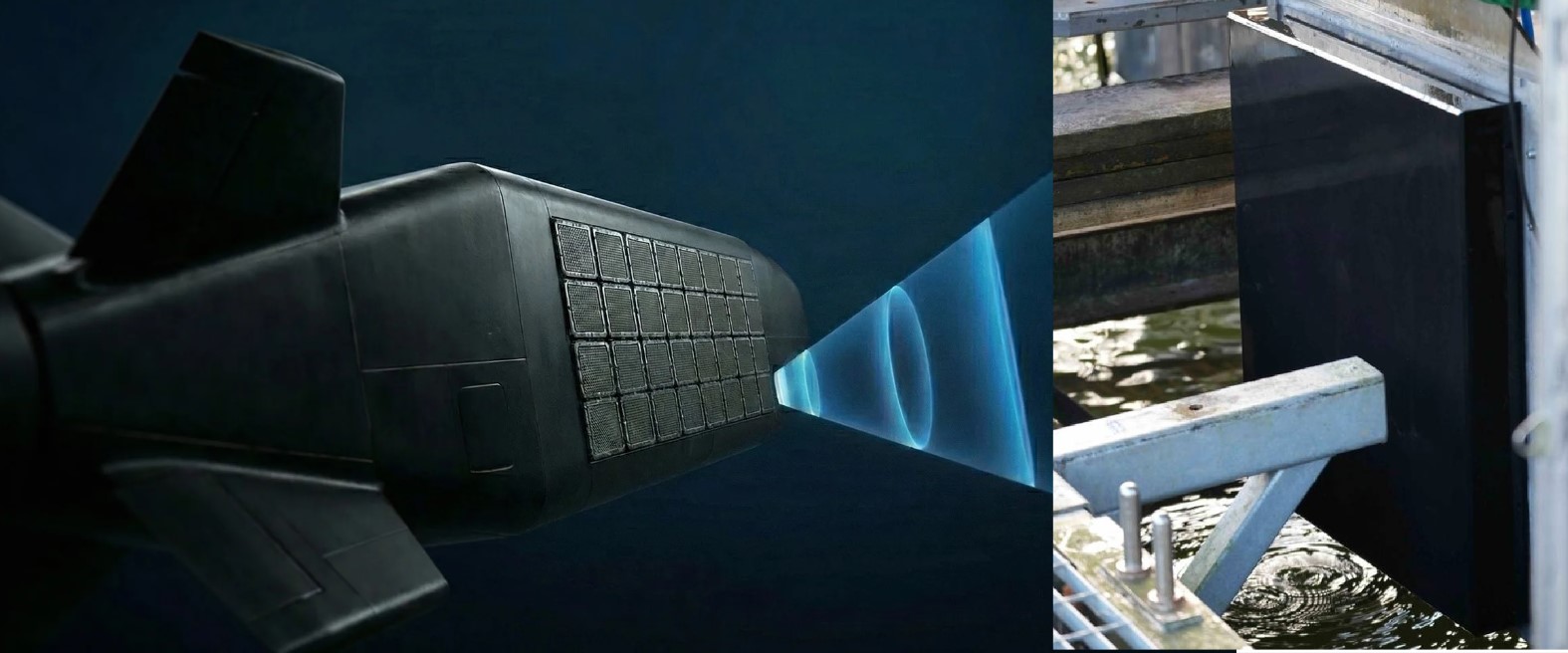
World
Thales has announced the launch of Sonar 76Nano, a compact, highly modular acoustic detection system designed to meet the evolving underwater sensing and maritime security requirements of NATO and the UK Royal Navy (RN). The new system reflects a growing shift toward uncrewed and distributed sensing in the North Atlantic, as allied navies respond to intensifying anti-submarine warfare (ASW) and seabed security challenges. The company has taken Sonar 76Nano from initial concept to working prototype in just 10 months, an unusually rapid development cycle for a complex naval sensor. While the system introduces new miniaturised and AI-enabled technologies, it draws heavily on the proven operational heritage of Thales’ in-service Sonar 2076, widely regarded as one of the most capable ASW sonar systems currently in service. Responding to a Changing Underwater Threat Environment The unveiling of Sonar 76Nano comes as NATO navies increase their focus on persistent sub-surface sensing in the North Atlantic. The region has seen renewed emphasis on underwater deterrence and defence, driven by rising submarine activity and heightened concern over threats to sea lines of communication (SLOCs), freedom of navigation, and critical undersea infrastructure (CUI) such as subsea cables and pipelines. Thales has positioned Sonar 76Nano as a response to this evolving operational reality. Rather than relying solely on a limited number of high-value crewed platforms, NATO navies are increasingly investing in maritime uncrewed systems to expand sensing coverage at scale. Sonar 76Nano has been designed primarily with this uncrewed operational model in mind. According to Thales, the system is platform-agnostic, with particular suitability for uncrewed underwater vehicles (UUVs), while also being adaptable for fixed seabed nodes and conventional crewed platforms. Its modular architecture allows it to be reconfigured to match platform size, power availability, and mission profile, enabling flexibility across a wide range of naval concepts of operation. Core Capabilities and Modular Architecture At the heart of Sonar 76Nano is a tile-based acoustic sensing architecture. The system consists of receive tiles and transmit tiles that can be distributed around a vehicle’s hull or structure. Each receive tile measures approximately 75 cm × 75 cm, while a smaller 40 cm × 40 cm transmit tile provides active sonar and underwater communications capability. For larger uncrewed platforms such as medium, large, and extra-large UUVs (MUUVs, LUUVs, XLUUVs), arrays of up to 48 receive tiles can be installed along the port and starboard flanks and on the bow. Thales says this scalability allows customers to balance detection range, acoustic fidelity, and cost according to operational requirements. Smaller platforms can carry fewer tiles, while larger vehicles exploit increased aperture physics to deliver enhanced performance. Sonar 76Nano supports a broad range of underwater missions, including passive and active ASW, seabed mapping and survey, critical undersea infrastructure protection, long-range underwater communications, and acoustic data collection for post-mission analysis. A synthetic aperture sonar (SAS) mode enables wide-area, high-resolution seabed imaging, supporting change detection and anomaly identification over large areas. Artificial Intelligence at the Edge A defining feature of Sonar 76Nano is its integration of artificial intelligence (AI) to manage the growing volume of acoustic data generated by distributed sensors. The system incorporates AI developed by Thales’ Cortex AI business unit, enabling real-time onboard processing of sonar data. This AI capability allows the system to sift, prioritise, and classify acoustic information at the point of collection, significantly accelerating target recognition and decision-making. Critical data can be transmitted offboard immediately, while less time-sensitive information is retained for later analysis, reducing pressure on communications bandwidth and shore-based analysts. Designed for Persistent and Covert Operations Ian McFarlane, Thales UK’s underwater systems sales director, said the development of Sonar 76Nano was driven by a marked increase in ASW operations and underwater sensing activity across NATO, combined with limited availability of crewed naval platforms. Thales took a deliberate decision to self-fund development, anticipating demand for a capability deployable on medium, large, and extra-large UUVs to create an ASW “tripwire” in key maritime regions. The system supports both passive and active surveillance, enabling quiet, persistent monitoring over extended periods. The ASW transmit element was developed in collaboration with UK-based SME Neptune Sonar, underscoring industrial partnership and innovation acceleration. Sonar 76Nano can be deployed as a static seabed sensor or as a mobile payload on UUVs. Its uncrewed nature enables covert deployment in sensitive areas without placing personnel at risk. Thales also envisages Sonar 76Nano-equipped UUVs operating within a wider uncrewed sensing network, or in coordination with nuclear-powered submarines (SSNs), reflecting a maritime version of the “loyal wingman” concept. By forward-deploying sensors, navies can extend sensing reach, increase decision time, and build a more complete recognised underwater picture for commanders. Supporting the UK’s Atlantic Bastion Concept Sonar 76Nano aligns closely with the Royal Navy’s emerging Atlantic Bastion concept, outlined in the UK’s Strategic Defence Review (June 2025). The concept envisages a hybrid force of crewed and uncrewed platforms delivering persistent underwater sensing across the North Atlantic. Phase One focuses on deploying large numbers of UUVs to establish an initial sensing presence. Phase Two aims to integrate this uncrewed network with XLUUVs, alongside submarines, surface combatants, and maritime patrol aircraft. Thales believes Sonar 76Nano will add particular value within this integrated force, complementing existing Royal Navy sensors aboard future Type 26 ASW frigates, which will operate hull-mounted, towed-array, and airborne dipping sonar systems. Data from Sonar 76Nano can be fused into a wider multi-domain underwater picture, enhancing situational awareness. Path to Production and Demonstration Thales has confirmed that Sonar 76Nano has completed design, build, and testing phases, with in-water trials delivering positive results. The company is now assessing production approaches in the UK and internationally in anticipation of rising demand from NATO navies. The system is scheduled to participate in a Royal Navy technology demonstrator event on 17 December, allowing naval personnel to gain first-hand operational insight. The announcement follows a recent UK Ministry of Defence (MoD) update on Atlantic Bastion, confirming GBP 4 million in initial contracts awarded to 20 companies to progress concepts into capability testing in 2026. The Royal Navy aims to deploy operational underwater sensing capability as early as next year. With Sonar 76Nano, Thales is positioning itself at the forefront of distributed, AI-enabled underwater sensing, as NATO navies seek to protect vital maritime routes and critical undersea infrastructure in an increasingly contested underwater battlespace.
Read More → Posted on 2025-12-15 15:08:42
World
Kenya has taken delivery of an Israeli-manufactured SPYDER surface-to-air missile system, significantly strengthening the country’s ability to defend critical infrastructure and military assets against aircraft, helicopters, and unmanned aerial threats, according to Kenyan media reports and official Treasury disclosures. Financial records show the acquisition was financed through an Israeli government-backed loan worth approximately KSh3.4 billion (about $26 million). The arrangement confirms the system was procured through a formal state-to-state defense financing mechanism, rather than transferred as a political or diplomatic “gift,” a claim that has periodically surfaced in domestic commentary. A Major Air-Defense Upgrade The SPYDER air-defense system, developed by Rafael Advanced Defense Systems, represents one of Kenya’s most substantial air-defense upgrades in recent years. Designed as a highly mobile, all-weather solution, SPYDER provides rapid-reaction, 360-degree coverage against a wide range of aerial threats, including low-flying aircraft, attack helicopters, drones, and precision-guided munitions. The system’s core strength lies in its dual-missile architecture. It employs the PYTHON-5 interceptor, which uses a dual-band imaging infrared and CCD seeker for passive engagements with a reduced electronic signature, alongside the I-DERBY missile, an active radar-homing interceptor optimized for fire-and-forget engagements in complex weather and electronic warfare environments. Configuration and Performance Rafael markets SPYDER as a modular family of systems covering short-, extended-, and longer-range air-defense roles. In the commonly advertised “All-in-One” configuration, a single 8×8 vehicle carries up to eight canisterized missiles and can transition from movement to combat readiness in minutes. Manufacturer specifications for these variants cite engagement ranges of roughly 15 km with PYTHON-5 short-range missiles, 20 km with I-DERBY short-range interceptors, and up to 40 km with the extended-range I-DERBY variant, with intercept altitudes of about 12 km and the ability to conduct multiple simultaneous engagements. Kenyan authorities have not publicly confirmed the exact SPYDER variant or missile mix delivered. Some local reports have cited engagement ranges of up to 100 km, figures that analysts suggest may reflect combined battery coverage or generalized descriptions rather than a single published specification. Based on the financing scale and reported components, defense observers assess that Kenya has most likely acquired a SPYDER-SR or SPYDER-ER configuration focused on point and limited area defense. Sensors and Command Network Operational effectiveness is driven by SPYDER’s integration with Israeli-made surveillance and fire-control radars. Kenyan reporting has linked the acquisition to ELTA radar systems typically paired with SPYDER batteries, including the EL/M-2106 ATAR. This L-band, three-dimensional tactical radar is credited with detecting fighter-sized targets at approximately 70–110 km and smaller unmanned aerial vehicles at shorter ranges, providing critical early warning and targeting data for counter-drone operations. A standard SPYDER battery is built around a centralized command-and-control unit linked to multiple missile firing units and support vehicles. This architecture allows for dispersion, rapid relocation, and sustained operations under threat, making it suitable for defending air bases, ports, command centers, and other high-value sites across Kenya’s diverse terrain. Budgetary and Strategic Context Treasury disclosures indicate the Israeli financing facility linked to the SPYDER deal accounts for a substantial portion of Kenya’s defense modernization spending. Documents tied to the FY2025/26 budget show that externally financed projects represent nearly 70% of the Ministry of Defence development budget, with the SPYDER system among the most prominent acquisitions. The same records outline Kenya’s repayment obligations, reinforcing the commercial and contractual nature of the deal. Drivers Behind the Acquisition Kenya’s decision to invest in modern air-defense capabilities reflects a shifting regional threat environment. Al-Shabaab has demonstrated the ability to strike high-value military targets inside Kenya, most notably during the January 2020 attack on Camp Simba at Manda Bay, which resulted in the destruction of aircraft and significant infrastructure damage. Kenya’s long-standing military involvement linked to Somalia since 2011 has expanded its exposure to retaliation, while the rapid proliferation of low-cost drones and precision weapons has lowered the threshold for aerial attacks by non-state actors. Mobile, layered air-defense systems such as SPYDER are increasingly viewed as a necessary complement to fighter aircraft and passive defenses, particularly for protecting fixed installations and deployed forces. Broader Bilateral Ties The SPYDER acquisition underscores the depth of Israel–Kenya security cooperation, which has been formalized for more than a decade. Defense and technology collaboration has featured prominently in high-level bilateral engagements, including meetings between President William Ruto and Israeli leadership in recent years. For Nairobi, the system represents both a tangible enhancement of military capability and a strategic signal of intent to secure critical national assets amid a more complex and unpredictable air-threat landscape. As the system is integrated into Kenya’s national defense architecture, attention is expected to focus on training, sustainment, and interoperability with existing sensor and command networks. While operational details remain limited, the delivery of SPYDER marks a clear shift toward modern, mobile air defense as a cornerstone of Kenya’s evolving security posture.
Read More → Posted on 2025-12-15 14:58:33
World
BAE Systems has secured a $16 million Phase 2 contract from the U.S. Defense Advanced Research Projects Agency (DARPA) to continue work on its Oversight programme, a research initiative aimed at developing autonomous, space-based surveillance capabilities capable of maintaining persistent custody of terrestrial assets. The contract has been awarded to the company’s FAST Labs research, development and production organisation. The Oversight programme is intended to address emerging military requirements for continuous, resilient and responsive surveillance from space. Its central goal is to create an autonomous system capable of maintaining constant awareness and custody of a large number of ground-based targets, using proliferated and networked satellite constellations designed specifically for space-based surveillance missions. By distributing sensing, processing and coordination across multiple satellites, the programme seeks to reduce reliance on ground-based control and improve performance in contested or degraded environments. Phase 1: Integration, Modelling and Initial Demonstration During Phase 1 of the programme, BAE Systems focused on validating the Oversight concept through detailed modelling and simulation. The company integrated its autonomous software into a representative simulation environment that incorporated satellite and sensor models. This environment was used to demonstrate a custody mission in which space-based assets autonomously coordinated to detect, track and maintain continuous awareness of targets. The Phase 1 work demonstrated several critical capabilities, including autonomous tasking of satellites, coordination between sensors, and the ability to maintain custody as targets moved through different regions of coverage. The modelling and simulation effort showed that the Oversight software could manage representative mission scenarios while operating under realistic constraints, such as limited communication windows and sensor availability. The successful completion of this phase confirmed the technical feasibility of autonomous, space-based custody missions and provided the foundation for further development. Phase 2: Maturation, Scale and Operational Relevance The newly awarded Phase 2 contract builds directly on the results of Phase 1. Under this phase, BAE Systems will further mature its solution algorithms and expand the scope of Oversight demonstrations. The work will involve operations using larger satellite constellations and more complex scenarios, reflecting the scale and diversity of missions expected in real-world defence operations. Phase 2 will also introduce higher-fidelity modelling and simulation environments, incorporating more detailed representations of orbital dynamics, sensor performance and operational conditions. In addition to simulation-based work, the programme will include physical deployment of Oversight software and algorithms to tactical-edge satellites and ground stations, marking a significant step toward operational validation. “Future mission requirements are pushing capabilities to the tactical edge,” said Dr. Ben Cooper, senior principal scientist at BAE Systems FAST Labs. “In space, this means operating primarily on-board satellites. Through this program, we will help make the space domain more tactically relevant for warfighters.” Persistent Surveillance and Tactical Timescales A key objective of the Oversight programme is the deployment of autonomous software and algorithms on proliferated, networked satellite constellations. This approach is intended to enable persistent surveillance at tactical timescales, with satellites coordinating directly in space to share data and make decisions. By performing coordination and data processing onboard satellites rather than relying solely on ground-based systems, Oversight is expected to deliver lower latency and higher revisit rates. These improvements are designed to support near real-time tracking of assets of interest and provide more timely information to military operators. Benefits for Warfighters and Decision-Making According to BAE Systems, the increased scale, availability and timeliness of space-derived information enabled by Oversight will significantly enhance situational awareness for warfighters. Improved awareness, combined with faster data delivery, is expected to accelerate decision-making, helping commanders respond more effectively in fast-moving and complex operational environments. The programme aligns with broader U.S. Department of Defense efforts to develop distributed, resilient and autonomous space architectures that can operate effectively under increasing operational demands and potential adversary threats. Facilities and Industry Collaboration Work on the Oversight programme will be carried out at BAE Systems facilities in Burlington, Massachusetts, and Merrimack, New Hampshire. The effort also includes collaboration with subcontractor AIMdyn, Inc., which is contributing expertise in advanced modelling, simulation and decision-support technologies. The Phase 2 award highlights DARPA’s continued investment in next-generation autonomous space systems and reinforces BAE Systems’ role in developing advanced technologies for future U.S. space-based intelligence, surveillance and reconnaissance missions.
Read More → Posted on 2025-12-15 14:46:15
World
Greece has taken a significant step toward further modernizing its air combat capabilities after the national parliament approved plans to upgrade 38 F-16 Block 50 fighter aircraft to the advanced F-16 Viper (Block 70) configuration. The decision builds on the country’s ongoing fighter modernization program and signals Athens’ intent to create a highly standardized, network-centric combat fleet for the Hellenic Air Force. The proposed upgrade is designed to run in parallel with the existing program that is converting 83 F-16 Block 52+ and Block 52M aircraft to the Viper standard. By aligning the two efforts, the Ministry of National Defence aims to ensure production continuity, reduce overall costs, and avoid gaps in operational availability while aircraft rotate through modernization. Toward a Largely Standardized F-16 Fleet If the Block 50 upgrade proceeds as planned, Greece would operate a total of 121 F-16 Vipers, making the Hellenic Air Force one of the largest Viper operators worldwide. Such a fleet composition would dramatically simplify logistics, training, and long-term sustainment, while providing a consistent operational baseline across multiple squadrons. Defence officials note that fleet standardization is a key driver behind the decision. A largely uniform F-16 fleet allows for common tactics, shared spare parts, streamlined pilot conversion training, and more efficient maintenance cycles, all of which are critical in a high-tempo regional security environment. Advanced Sensors and Networked Warfare Capabilities At the core of the Viper upgrade is the installation of the AN/APG-83 Active Electronically Scanned Array (AESA) radar. This radar provides a substantial leap in capability over legacy mechanically scanned systems, offering longer detection ranges, improved multi-target tracking, and enhanced resistance to jamming and electronic warfare. The radar also supports high-resolution synthetic aperture radar (SAR) mapping, significantly improving strike and reconnaissance missions. The upgrade package also includes a new mission computer and a modernized avionics architecture designed to handle increased data flow and future software enhancements. Full integration of Link 16 will allow Greek F-16 Vipers to share real-time tactical data with other aircraft, naval units, ground forces, and NATO allied assets, reinforcing Greece’s ability to operate within a network-centric warfare framework. Cockpit Modernization and Pilot Effectiveness Pilot situational awareness is another major focus of the modernization effort. The Viper configuration features a redesigned glass cockpit with a large center display, improved hands-on-throttle-and-stick (HOTAS) controls, and compatibility with advanced helmet-mounted cueing systems. These systems allow pilots to designate and engage targets by line of sight, reducing reaction time in both air-to-air and air-to-ground combat. Combined with upgraded sensors, avionics, and data links, the cockpit improvements are expected to significantly enhance pilot effectiveness in complex multi-domain operations. Industrial Impact and Long-Term Sustainability Beyond military capability, the program is also intended to support Greece’s domestic aerospace industry. As with the ongoing Block 52+/52M Viper upgrade, local industrial participation is expected in maintenance, integration, and support activities. This approach helps retain technical expertise within Greece while strengthening its role as a regional hub for advanced fighter sustainment. Defence analysts note that extending the Viper standard to the Block 50 fleet could significantly prolong the service life of these aircraft, keeping them operational well into the 2030s and beyond, while maintaining a credible air deterrent alongside newer platforms such as the Dassault Rafale. A Strategic Upgrade for the Coming Decades The planned F-16 Block 50 conversion underscores Greece’s broader strategy of balancing new aircraft acquisitions with deep modernization of existing platforms. By expanding the F-16 Viper fleet, the Hellenic Air Force aims to achieve higher readiness levels, improved interoperability with allies, and a more sustainable force structure capable of addressing evolving security challenges in the Eastern Mediterranean. Further details on implementation timelines, costs, and contracting arrangements are expected following additional government and industry consultations, but parliamentary approval already marks a decisive milestone in Greece’s long-term air power modernization roadmap.
Read More → Posted on 2025-12-14 16:31:37
World
France has reached a major milestone in its naval modernization program with the first start-up of the nuclear reactor aboard De Grasse (S638), the fourth Suffren-class nuclear-powered attack submarine (SSN). In a statement released on 14 December 2025, the French Ministry of the Armed Forces confirmed that the reactor has achieved “divergence,” clearing the way for the submarine to begin preparations for its initial alpha sea trials. The achievement places De Grasse firmly on track to join the French Navy’s Barracuda-class fleet, which is progressively replacing the aging Rubis-class submarines that have been in service since the 1980s. Once operational, De Grasse will further strengthen France’s undersea warfare capabilities at a time when naval competition and submarine operations are gaining renewed strategic importance. Reactor Divergence: A Critical Step in Nuclear Propulsion Divergence marks the moment when a controlled nuclear chain reaction is initiated inside the reactor core for the first time. For a Ship Submersible Nuclear (SSN), this is one of the most critical phases in construction and commissioning. From this point onward, the nuclear reactor enters permanent monitoring by qualified nuclear propulsion officers, a process that will continue without interruption until the submarine’s final shutdown, currently planned for the 2060s. The nuclear reactor aboard De Grasse was designed under the authority of the French Atomic Energy Commission (CEA). Its production and commissioning were overseen by TechnicAtome, the French specialist in compact naval nuclear reactors, while Naval Group was responsible for manufacturing the reactor pressure vessels and integrating the propulsion plant into the submarine. This division of responsibility reflects France’s long-standing, sovereign approach to naval nuclear propulsion, combining civilian nuclear expertise with military shipbuilding know-how. The Fourth Boat of the Suffren Class De Grasse is the fourth submarine of the Suffren class, also known as the Barracuda-type SSN. The class represents a generational leap for the Marine Nationale, offering improved stealth, greater endurance, enhanced automation, and a broader mission profile compared with the Rubis class. The submarine is named after François Joseph Paul, Comte de Grasse, Marquis de Grasse-Tilly, one of France’s most celebrated naval commanders. His decisive victory over the British Royal Navy at the Battle of the Chesapeake in September 1781 played a crucial role in securing American independence. By carrying his name, De Grasse continues the French Navy’s tradition of honoring historic maritime leaders through its capital warships. Progress of the Barracuda Program Under the Barracuda program, six Suffren-class SSNs were ordered by the Direction Générale de l’Armement (DGA), France’s defense procurement agency. The first three boats—Suffren, Duguay-Trouin, and Tourville—were commissioned in June 2022, April 2024, and July 2025, respectively, and are already integrating into operational service. The final two submarines of the series, Rubis and Casabianca, are currently under construction at different stages at Naval Group’s Cherbourg shipyard. According to current planning under the 2024–2030 Military Planning Law, all six submarines are scheduled for delivery by 2030, ensuring continuity in France’s attack submarine force as the Rubis-class boats are retired. A New Standard for French Attack Submarines With a surface displacement of around 4,700 tons and more than 5,100 tons submerged, the Suffren class is significantly larger than its predecessors. Measuring approximately 99 meters in length with a hull diameter of 8.8 meters, the submarines are designed for deep-water operations beyond 350 meters and sustained high-speed transit in excess of 25 knots. Propulsion is provided by a pressurized water reactor generating roughly 150 megawatts of thermal power, derived from proven reactor designs used on the Triomphant-class SSBNs and the aircraft carrier Charles de Gaulle. The reactor drives two propulsion turbines, supported by turbo-generators and electric motors, forming a hybrid propulsion architecture optimized for both performance and acoustic discretion. Endurance is estimated at up to 70 days at sea, limited primarily by food supplies rather than fuel. Each submarine is operated by a core crew of around 63 sailors, with additional capacity for approximately 15 naval commandos, reflecting the class’s expanded role in special operations. Enhanced Strike, Stealth, and Special Operations Capabilities The Suffren class introduces a wide range of technological innovations intended to give the French Navy a decisive edge in undersea combat. One of the most significant is the integration of the MdCN naval cruise missile, launched from standard torpedo tubes. This capability allows the submarine to strike high-value targets deep inland while remaining covertly submerged. Advanced sonar systems and sensor suites provide superior anti-submarine warfare (ASW) and intelligence, surveillance, and reconnaissance (ISR) capabilities. The submarines are also equipped with non-penetrating optronic masts developed by Safran Electronics & Defense, delivering high-resolution 4K imagery directly to the combat information center (CIC). Unlike traditional periscopes, these masts enhance stealth and allow multiple operators to access visual data simultaneously. Special forces operations are another core mission. The Suffren class can be fitted with a removable Dry Deck Shelter, enabling the deployment of swimmer delivery vehicles (SDVs) such as the new PSM3G and teams of combat divers. This flexibility supports covert insertion, reconnaissance, and maritime counter-terrorism missions far from home waters. With reactor divergence now complete, De Grasse will move into the next phase of testing, culminating in alpha sea trials to validate propulsion, safety, and core systems at sea. Full operational commissioning will follow after an extensive period of trials and crew training. As France continues to roll out the Barracuda program, the firing up of De Grasse’s nuclear reactor underscores the steady progress of one of Europe’s most ambitious naval projects. Once fully operational, the Suffren-class submarines are expected to form the backbone of French undersea power well into the second half of the 21st century, reinforcing the country’s strategic autonomy and global maritime presence.
Read More → Posted on 2025-12-14 16:10:22
World
Taiwan’s first domestically produced submarine, Hai Kun (SS-711), encountered a serious hydraulic system failure during ongoing sea acceptance trials, temporarily disabling its X-shaped stern rudder and forcing the crew to rely on manual steering to ensure the vessel’s safe return to port. The incident occurred while the submarine was undergoing routine performance and maneuverability testing, a phase designed to validate a vessel’s systems under real operational conditions. During the trial, a malfunction in the stern hydraulic control system caused a loss of powered control over the rudder surfaces, significantly limiting the submarine’s ability to maneuver. Emergency Response and Safe Return Upon detecting the failure, the crew immediately activated established emergency operating procedures. Sailors were deployed to the steering gear compartment, where they manually operated the rudder mechanism using human-powered controls. This physically demanding process required crew members to take turns maintaining control as the submarine gradually altered course. With manual steering partially restored and support vessels accompanying the trial, Hai Kun was able to return safely to port without injuries, structural damage, or further mechanical escalation. Naval officials later confirmed that the situation was managed within safety protocols and did not pose a lasting risk to the vessel or its crew. Repairs and Resumption of Trials Following its return, the submarine underwent detailed inspections by naval engineers and representatives from CSBC Corporation, Taiwan’s state-owned shipbuilder. The affected hydraulic components were repaired and tested, and officials stated that the system was restored to operational condition. After completing corrective work and verification checks, sea trials resumed, allowing the program to proceed according to its broader testing schedule. Authorities emphasized that such incidents, while serious, are not uncommon during the testing of a first-of-class submarine. Hai Kun and the Indigenous Defense Submarine Program Hai Kun (SS-711) is the lead vessel of Taiwan’s Indigenous Defense Submarine (IDS) program, a strategically vital initiative aimed at developing a self-reliant submarine construction capability. Built by CSBC Corporation in Kaohsiung, the submarine was launched in 2023 and represents the most complex naval platform ever constructed domestically by Taiwan. The submarine incorporates a modern teardrop-shaped hull and an X-shaped stern control configuration, a design favored in contemporary submarines for enhanced maneuverability, reduced acoustic signature, and improved control at depth. However, such advanced designs depend heavily on reliable hydraulic and control systems, making redundancy and emergency fallback mechanisms essential. Assessment and Broader Implications Defense officials stressed that the discovery of technical faults during sea trials is an expected part of validating new military platforms. Acceptance testing is specifically intended to uncover system weaknesses that may not be evident during dockside or harbor trials, allowing engineers to refine designs before operational deployment. The incident has nevertheless drawn attention from lawmakers and defense analysts, reflecting the high strategic importance of the IDS program. Taiwan’s legislature has invested heavily in the effort, viewing indigenous submarines as a critical element of the island’s deterrence strategy and broader defense modernization amid evolving regional security dynamics. Outlook As testing continues, the focus will remain on the submarine’s performance during extended trials, including submerged operations, endurance testing, and future combat systems integration. Final operational acceptance of Hai Kun will depend on the successful completion of these phases. While the hydraulic failure underscores the technical complexity and inherent risks of building an indigenous submarine, the crew’s response and the vessel’s safe recovery highlight the resilience, training, and procedural discipline embedded in Taiwan’s naval development efforts.
Read More → Posted on 2025-12-14 15:47:02
World
On 13 November 2025, the U.S. Department of War announced a major expansion of the U.S. Navy’s unmanned aviation capability with the formal establishment of Unmanned Patrol Squadron Eleven (VUP-11). The new unit becomes the Navy’s second operational squadron equipped with the MQ-4C Triton, a high-altitude, long-endurance (HALE) unmanned aircraft system designed to conduct maritime patrol and reconnaissance across vast ocean areas. The activation of VUP-11 represents a significant milestone in the Navy’s transition toward unmanned intelligence, surveillance, and reconnaissance (ISR). As global maritime competition intensifies and operational theaters expand, the Navy is prioritizing platforms capable of delivering persistent situational awareness without exposing aircrews to risk. The MQ-4C Triton sits at the core of this evolving strategy. MQ-4C Triton: A Platform Built for Persistent Maritime ISR Developed by Northrop Grumman, the MQ-4C Triton is the most advanced unmanned maritime ISR platform in U.S. Navy service. While derived from the U.S. Air Force’s RQ-4 Global Hawk, the Triton has been extensively redesigned for maritime operations. Structural reinforcements, de-icing systems, lightning protection, and corrosion-resistant components enable sustained operations over open oceans and in harsh weather environments. The Triton can operate at altitudes above 50,000 feet (15,240 meters) for more than 24 continuous hours, allowing a single aircraft to monitor enormous areas of sea space. This endurance provides persistent coverage that would otherwise require multiple manned aircraft, significantly improving operational efficiency and coverage. Advanced Sensors for Maritime Domain Awareness At the heart of the MQ-4C’s capability is its sophisticated sensor suite, optimized for theater-level maritime domain awareness (MDA). The aircraft is equipped with the AN/ZPY-3 Multi-Function Active Sensor (MFAS) radar, capable of scanning more than 2.7 million square miles (7 million square kilometers) in a single sortie. This radar can detect, classify, and track surface vessels across wide ocean areas, even in adverse sea conditions. Supporting the radar are high-resolution electro-optical and infrared (EO/IR) sensors, along with advanced electronic support measures (ESM). These systems allow the Triton to intercept, classify, and geolocate electronic emissions, making it a critical asset for early warning, threat monitoring, and strategic intelligence collection. Supporting Distributed Maritime Operations The MQ-4C Triton is a key enabler of the Navy’s Distributed Maritime Operations (DMO) concept. DMO emphasizes dispersed forces, networked sensors, and rapid decision-making in contested environments. Persistent ISR from high-altitude unmanned platforms allows naval forces to remain connected and informed across vast distances. Operationally, the Triton works in close coordination with the manned P-8A Poseidon Multi-Mission Maritime Aircraft. While the Poseidon conducts anti-submarine warfare (ASW), surface strike, and tactical missions, the Triton provides continuous wide-area ISR, enabling more efficient use of crewed assets and improving overall fleet awareness. Strategic Importance of a Second Triton Squadron Until now, operational MQ-4C missions were primarily conducted by Unmanned Patrol Squadron Nineteen (VUP-19) based at Naval Air Station Jacksonville, Florida, supporting operations across the Atlantic, Mediterranean, and Middle East. The stand-up of VUP-11 at Naval Air Station Whidbey Island, Washington, extends Triton coverage to the Pacific and Arctic regions. These regions are increasingly critical to U.S. strategic interests amid rising naval activity by China and Russia, as well as growing attention to Arctic sea routes. A bi-coastal MQ-4C force structure enhances global ISR persistence and operational flexibility. By relying more heavily on unmanned surveillance platforms, the Navy reduces strain on manned patrol aircraft and strengthens resilience against anti-access/area-denial (A2/AD) threats. High-altitude, long-endurance ISR remains essential for monitoring contested spaces and supporting joint and allied operations. Heritage and Experience Behind VUP-11 The designation VUP-11 revives the legacy of the former Patrol Squadron Eleven (VP-11), known as the “Proud Pegasus,” which served the Navy for nearly five decades before its deactivation in 1997. The new squadron also incorporates experienced personnel from the recently decommissioned Fleet Air Reconnaissance Squadron One (VQ-1), the “World Watchers.” This integration brings deep expertise in signals intelligence (SIGINT) and airborne reconnaissance to the new unmanned unit. Squadron leadership has emphasized that combining historical lineage with modern unmanned systems strengthens operational effectiveness and preserves critical institutional knowledge. Path to Full Operational Capability Initial flight operations for VUP-11 are expected to begin in 2026, with full operational capability (FOC) projected for 2027. The squadron’s growth will coincide with continued upgrades to the MQ-4C platform. The upcoming Increment 2 configuration is expected to expand Triton missions into multi-intelligence (Multi-INT) roles, including enhanced SIGINT, electronic intelligence (ELINT), and targeting support. These enhancements will allow the MQ-4C Triton to assume missions traditionally flown by manned intelligence aircraft, further reducing risk to personnel while increasing persistence and coverage. For the U.S. Navy, the activation of VUP-11 is more than the creation of a new squadron. It represents a decisive step in building a global unmanned ISR architecture designed to deliver maritime dominance, decision advantage, and continuous situational awareness in an increasingly contested maritime environment.
Read More → Posted on 2025-12-14 12:30:36
World
The United States is preparing a forceful military response in Syria after a deadly ambush by a suspected Islamic State (ISIS) gunman killed two American service members and a US civilian, marking the first fatal attack on US troops in the country since the fall of former Syrian President Bashar al-Assad a year ago. US officials said the attack took place on Saturday near the historic city of Palmyra, a strategically sensitive region in central Syria where ISIS sleeper cells have remained active despite the group’s territorial defeat. According to the US military’s Central Command (CENTCOM), a lone gunman opened fire on US personnel, killing two service members and a civilian interpreter. Three other individuals were wounded in the shooting. The casualties were evacuated by helicopter to the al-Tanf garrison, a key US military base near the border junction of Syria, Iraq and Jordan. Pentagon officials said the wounded were in stable condition. Trump Confirms ISIS Role “This is an ISIS attack,” former President Donald Trump told reporters at the White House before departing for the Army–Navy football game in Baltimore. He expressed condolences to the families of those killed and said the injured “seem to be doing pretty well.” In a subsequent post on his Truth Social platform, Mr Trump warned that the United States would respond decisively. “There will be very serious retaliation,” he wrote, signaling an imminent military response. US defence officials said the attacker was killed at the scene. CENTCOM added that the identities of the fallen service members would not be released until 24 hours after next of kin notification. Conflicting Accounts in Syria The incident has prompted conflicting accounts from Syrian and independent sources. Syria’s state-run SANA news agency confirmed the location of the attack near Palmyra, while the UK-based Syrian Observatory for Human Rights claimed the gunman was a member of Syrian security forces. Syria’s Interior Ministry rejected that assertion. Spokesman Nour al Din al Baba said authorities were investigating whether the attacker was an ISIS operative or an individual inspired by the group’s extremist ideology, and denied reports that he was part of official security units. Strong Warnings From US Leadership Pentagon chief spokesman Sean Parnell confirmed that the civilian killed in the attack was a US interpreter supporting American forces. US Defence Secretary Pete Hegseth issued a stark warning in a message posted on X, saying that anyone who targets Americans anywhere in the world would be hunted down and killed. Mr Trump later said that Syria’s interim president, Ahmad al Sharaa, was “extremely angry and disturbed” by the attack, describing it as a threat not only to US forces but also to Syria’s fragile post-war stability. Large-Scale Airstrikes Expected US officials indicated that the response would likely involve large-scale, coordinated airstrikes by the US Air Force against ISIS-linked targets in Syria. Military planners are expected to focus on militant hideouts, logistics routes and sleeper-cell networks operating in central and eastern Syria. The United States currently has several hundred troops deployed in eastern Syria as part of a US-led international coalition formed to combat ISIS. While the group was defeated on the battlefield in 2019, the United Nations estimates that ISIS still has 5,000 to 7,000 fighters in Syria and Iraq, capable of carrying out deadly attacks. A Sensitive Moment for US–Syria Relations The attack comes at a delicate moment in US–Syria relations. Last month, President Ahmad al Sharaa made a historic visit to Washington, where Syria signed a political and security cooperation agreement with the US-led coalition aimed at preventing an ISIS resurgence. Despite those efforts, large swathes of Syria remain unstable, with militant groups exploiting weak security and governance gaps. “This was an ISIS attack against the US and Syria, in a very dangerous part of the country that is not fully controlled,” Mr Trump wrote in a social media post. As Washington prepares its response, US officials have made clear that the killing of American personnel will bring a swift and uncompromising military reaction, underscoring the continuing threat posed by ISIS in the region.
Read More → Posted on 2025-12-14 12:15:09
World
President Donald Trump jolted reporters at the White House this week with an unusually blunt public warning about the trajectory of the Russia-Ukraine war, saying roughly “25,000” people — which he described as “mostly soldiers” — died in a single recent month and that the conflict risks spiralling into World War III if European governments do not act. His remarks, delivered in a terse exchange with journalists, were framed as both a humanitarian plea and a hard strategic ultimatum: Europe must dramatically increase defence spending or face still greater costs. The president’s tone was deliberately stark. He urged an immediate end to the killing while warning that diplomatic indecision and continued battlefield attrition could produce catastrophic spill-over. At the same time, he used the moment to press his long-running demand that NATO allies raise defence spending to 5 percent of GDP, arguing that only a major and rapid shift in European military investment could reduce U.S. exposure and blunt the war’s momentum. Trump also asserted that even with higher European spending, much of the procurement would still benefit American industry, a reference to U.S. defence manufacturers supplying weapons, munitions and systems. The president’s casualty figure — 25,000 in a single month — intensified the sense of urgency but is difficult to independently verify. Open-source trackers, think tanks and Western agencies offer widely differing totals for cumulative and recent battlefield losses in the nearly four-year conflict, and monthly tallies can vary sharply depending on methodology. Analysts caution that figures cited by political leaders often compress a range of estimates, though there is broad agreement among security experts that casualty levels have been exceptionally high during recent phases of fighting. Trump’s intervention came against the backdrop of NATO commitments made earlier this year. At the Hague summit, allies agreed a pathway toward investing 5 percent of GDP in defence by 2035 and pledged to submit audited, multi-year plans to show credible progress. Washington’s public push, however, has tightened political pressure, with some governments privately describing the target as aspirational and politically fraught, while others — particularly in Eastern Europe — have signalled readiness to move faster. Reaction across European capitals was swift and mixed. Several governments welcomed the sense of urgency but warned that a sudden shift to 5 percent spending would be economically disruptive and politically contentious amid inflation, energy transition costs and domestic budget pressures. Others echoed Trump’s call to strengthen munitions production, air defences and logistics resilience, even as diplomats cautioned that alliance cohesion depends on tone as well as targets. Beyond budgets, military planners say the immediate priorities are practical: boosting ammunition stockpiles, expanding domestic production, accelerating air-defence and electronic-warfare capabilities, and hardening command-and-control and logistics networks to withstand sustained attack. Officials stress that such measures require predictable, long-term funding, not just headline increases. On the diplomatic front, Trump framed his remarks as a final warning. Without a credible ceasefire and enforcement mechanism, he said, allies must prepare for a prolonged, attritional conflict. U.S. and European mediators acknowledge that talks remain fragile, with Moscow and Kyiv far apart on territory and security guarantees. What comes next will hinge on whether European governments turn rhetorical commitments into concrete defence plans, whether industrial mobilisation accelerates, and whether Washington shifts toward coordinated diplomacy or continues its high-pressure approach. For now, the picture Trump painted — that “the body bags keep coming” — has sharpened debate across Europe about risk, readiness, and the cost of delay in a war that shows no sign of winding down.
Read More → Posted on 2025-12-13 16:51:54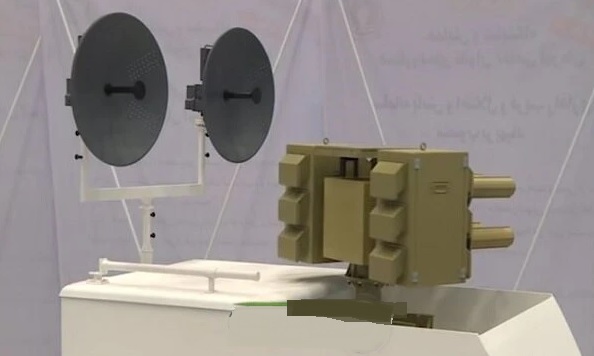
World
On 10 December 2025, Iran has unveiled a new electronic warfare and air-defence radar system known as Sayad-4, signalling a shift in military priorities following the June war and the Israeli-American hammering that accompanied it. The system was presented at a defence exhibition in Tehran and aired by IRIB, Iran’s state broadcaster. Due to security restrictions, only a replica of the system was displayed. Defence officials said the measure reflects the platform’s operational sensitivity, adding that Sayad-4 has already been developed and evaluated by the Ministry of Defence. Sayad-4 is described as a hybrid platform combining electronic warfare and air-defence radar functions, designed to operate in high-intensity electromagnetic environments. Iranian media report that the system can disrupt positioning, navigation and timing networks, including satellite navigation systems used by aircraft, drones and precision-guided munitions. Defence sources claim the system can jam, deceive and degrade hostile signals while maintaining its own radar performance. Key features reportedly include multi-band radar operation, anti-jamming resistance and network-centric data sharing, allowing coordination with missile batteries, command centres and other radar nodes. According to Mehr News Agency, Sayad-4 was designed and built by female scientists and engineers working within Iran’s defence industry. The system was unveiled at an exhibition highlighting women-led defence achievements. Defence Minister Brigadier General Aziz Nasirzadeh and other senior military officials reviewed the system, describing it as a boost to Iran’s indigenous capabilities. The unveiling follows the June conflict, during which Israeli and American forces reportedly conducted air strikes, electronic warfare and cyber operations against Iranian and Iran-aligned targets. Iranian commanders later acknowledged weaknesses in radar coverage, command-and-control networks and navigation-dependent systems. Officials say Sayad-4 incorporates lessons learned from the June war, when advanced jamming, precision strikes and electromagnetic suppression strained Iran’s defensive networks. The system is intended to ensure continued detection, disruption and survivability under sustained electronic attack. The announcement comes amid heightened tensions with Washington and Tel Aviv, as Iran emphasises a more layered defence posture. Analysts note that electronic warfare has become central to Iran’s military doctrine, enabling it to counter technologically superior adversaries by degrading situational awareness, communications and navigation. While independent verification of Sayad-4’s full capabilities remains limited, its unveiling signals Iran’s determination to adapt to modern warfare and address vulnerabilities exposed during the June war.
Read More → Posted on 2025-12-13 16:34:13
World
Iran has seized an oil tanker carrying six million litres of diesel fuel in the Gulf of Oman, detaining 18 crew members, Iranian state media reported on Tuesday. The seizure comes a day after the United States Coast Guard took control of a vessel allegedly linked to Iran and Hezbollah, underscoring rising tensions in key global shipping lanes. Iran’s Fars News Agency, citing an official in the southern province of Hormozgan, said the tanker had disabled its navigation and tracking systems before being intercepted by Iranian naval forces. Authorities alleged the vessel was transporting fuel illegally. The tanker was carrying 18 crew members from India, Sri Lanka and Bangladesh, according to Iranian officials. No injuries were reported during the operation, and the crew has been detained pending further investigation. Details about the ship’s flag state and destination were not immediately disclosed. Iran frequently announces the interception of vessels it accuses of fuel smuggling, particularly in waters near the Strait of Hormuz and the Gulf of Oman. Fuel prices in Iran remain among the lowest in the world due to state subsidies, making the illegal export of diesel and petrol highly lucrative. Last month, Iranian authorities seized another tanker carrying what they described as an unauthorised fuel cargo, denying at the time that the action was connected to diplomatic or military developments. The latest incident follows a series of maritime confrontations involving Iran in recent years. In November, Tehran confirmed the seizure of the Marshall Islands–flagged tanker Talara in the Strait of Hormuz, alleging it was transporting an illegal shipment of petrochemical products bound for Singapore. The operation was carried out under a court order, according to the Islamic Revolutionary Guard Corps (IRGC). Previous incidents include limpet mine attacks on commercial vessels in 2019, drone strikes on tankers in 2021 that killed two crew members, and the seizure of Greek- and Portuguese-flagged tankers in 2022 and 2024. The Iranian seizure comes just two days after the United States took control of a tanker off Venezuela’s coast. Washington said the vessel was part of a sanctioned oil-shipping network moving crude from Venezuela and Iran to support Hezbollah and the IRGC. The US Coast Guard boarded the ship using a helicopter operation, and officials said the tanker would be escorted to Galveston, Texas, where its crew would be released. Venezuela’s government condemned the US action as “international piracy,” with President Nicolas Maduro accusing Washington of violating free trade. The Gulf of Oman and the Strait of Hormuz are critical maritime routes through which about 20% of the world’s oil trade passes. The US Navy’s Bahrain-based Fifth Fleet maintains a presence in the region to protect commercial shipping, as tensions continue to simmer over sanctions enforcement and energy exports. The seizure highlights the ongoing risks faced by commercial vessels and international crews operating in strategically sensitive waters amid escalating geopolitical rivalries.
Read More → Posted on 2025-12-13 16:15:33
World
The Czech Republic has completed the full delivery of 1.8 million artillery shells to Ukraine in 2025, fulfilling a major military assistance commitment made last year, Czech defense officials confirmed. The entire shipment has already reached Ukraine, marking one of Europe’s largest coordinated ammunition support efforts since the outbreak of the war. According to Czech authorities, more than 80 percent of the ammunition consisted of NATO-standard 155mm shells, with the remainder including 122mm Soviet-caliber rounds and smaller quantities of 105mm artillery ammunition. These calibers are considered critical for Ukraine, which operates a mixed fleet of Western and legacy artillery systems along the front lines. Before launching the large-scale ammunition transfers to Ukraine, the Czech Republic’s domestic artillery ammunition production capacity was relatively limited. The country’s defense industry traditionally focused on small arms, armored vehicles, radar systems, and selective munitions, rather than the sustained mass production of large-caliber artillery shells required for high-intensity warfare. Prior to 2022, annual Czech output of 155mm, 122mm, and 105mm ammunition was estimated at only tens of thousands of rounds, largely intended for export contracts and national reserves, not continuous battlefield use. This level of production was far below Ukraine’s needs, where artillery consumption has at times reached several thousand shells per day. Although companies such as STV Group, Czechoslovak Group (CSG), and Explosia possessed technical expertise and partial production capabilities, they lacked the industrial scale, raw-material supply chains, and explosive component availability needed for rapid expansion. Europe-wide shortages of propellants, explosives, and shell casings further constrained output. Acknowledging that domestic manufacturing alone could not meet Ukraine’s urgent requirements, Prague chose to act as a procurement and coordination hub, a decision that directly led to the creation of the Czech initiative, which relies on global sourcing and donor financing rather than immediate large-scale national production. The Czech Initiative and Its Scale The deliveries were made under the “Czech initiative,” a flagship program launched by Prague to source artillery ammunition for Ukraine from global markets. Instead of relying solely on domestic production, the initiative pools financial contributions from donor countries and uses the funds to purchase large-caliber shells worldwide, including from third countries and European manufacturers. Since its launch, the program has become a key pillar of Ukraine’s artillery sustainment. In 2024, approximately 1.5 million shells were supplied to Kyiv under the initiative. For 2025, the target was raised to 1.8 million shells, reflecting the continued intensity of the conflict and Ukraine’s high daily ammunition consumption. Speaking in early October, Ales Vitek, Director of the Czech Agency for Intergovernmental Defense Cooperation, confirmed that procurement contracts had been secured and deliveries were progressing as planned. He described the initiative as a pragmatic response to shortages in Europe’s defense industry, which has struggled to rapidly scale artillery shell production. Strategic Importance for Ukraine Artillery remains a decisive factor in the war, with both sides heavily dependent on sustained firepower. Ukrainian officials have repeatedly warned that ammunition shortages directly affect battlefield performance, including the ability to hold defensive positions and conduct counter-battery fire. Military analysts note that the dominance of 155mm shells in the Czech shipment is particularly significant, as Ukraine has increasingly transitioned toward NATO-standard artillery systems supplied by Germany, France, Poland, and the United States. Political Transition in Prague The completion of the deliveries coincides with a major political transition in the Czech Republic. The outgoing government of Prime Minister Petr Fiala, a strong supporter of Ukraine and the ammunition initiative, resigned earlier this month. In its final statements, Fiala’s cabinet urged the incoming government not to discontinue the program, warning that doing so could damage Czech credibility among allies and weaken Ukraine’s defense effort. On December 9, Andrej Babiš officially became Prime Minister. Babiš has previously questioned the scale of Czech military assistance to Ukraine, particularly aid financed directly from the state budget. Uncertain Future of the Program Babiš has stated that his government plans to reduce military aid to Ukraine and suggested that the Czech ammunition initiative could be halted or revised. According to Reuters, he criticized the scheme as opaque and overpriced, raising concerns about procurement transparency and costs. However, Babiš has not taken a definitive position on the initiative’s future. The program reportedly enjoys strong support from the Czech president as well as backing from multiple European donor countries, making any abrupt cancellation politically complex.
Read More → Posted on 2025-12-13 15:29:34Search
Top Trending in 24 Hours
-
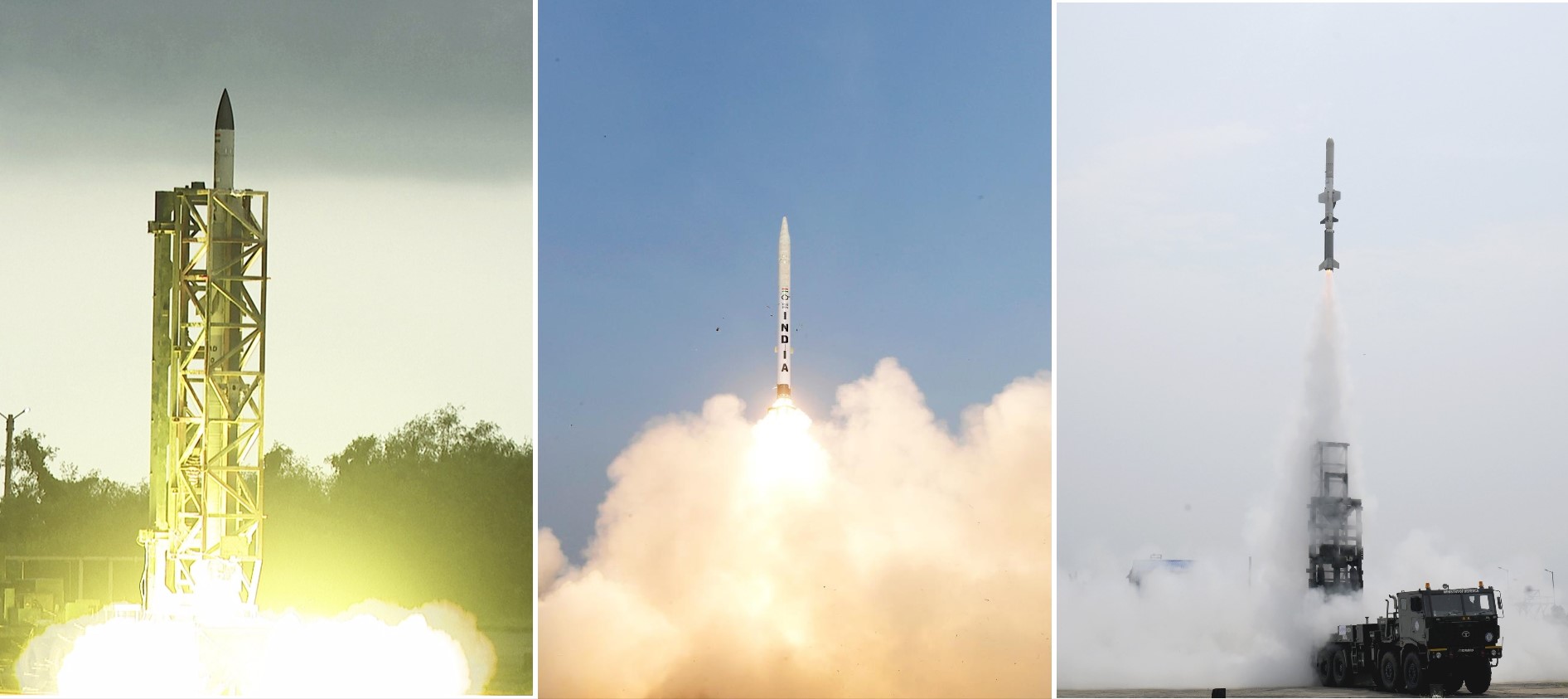 India Successfully Conducts AD-1, AD-2 Interceptor Tests and Maiden NASM-MR Flight Trial
-
 U.S Navy Orders 50 Blackbeard Hypersonic Missiles in New $23.4 Million Contract
-
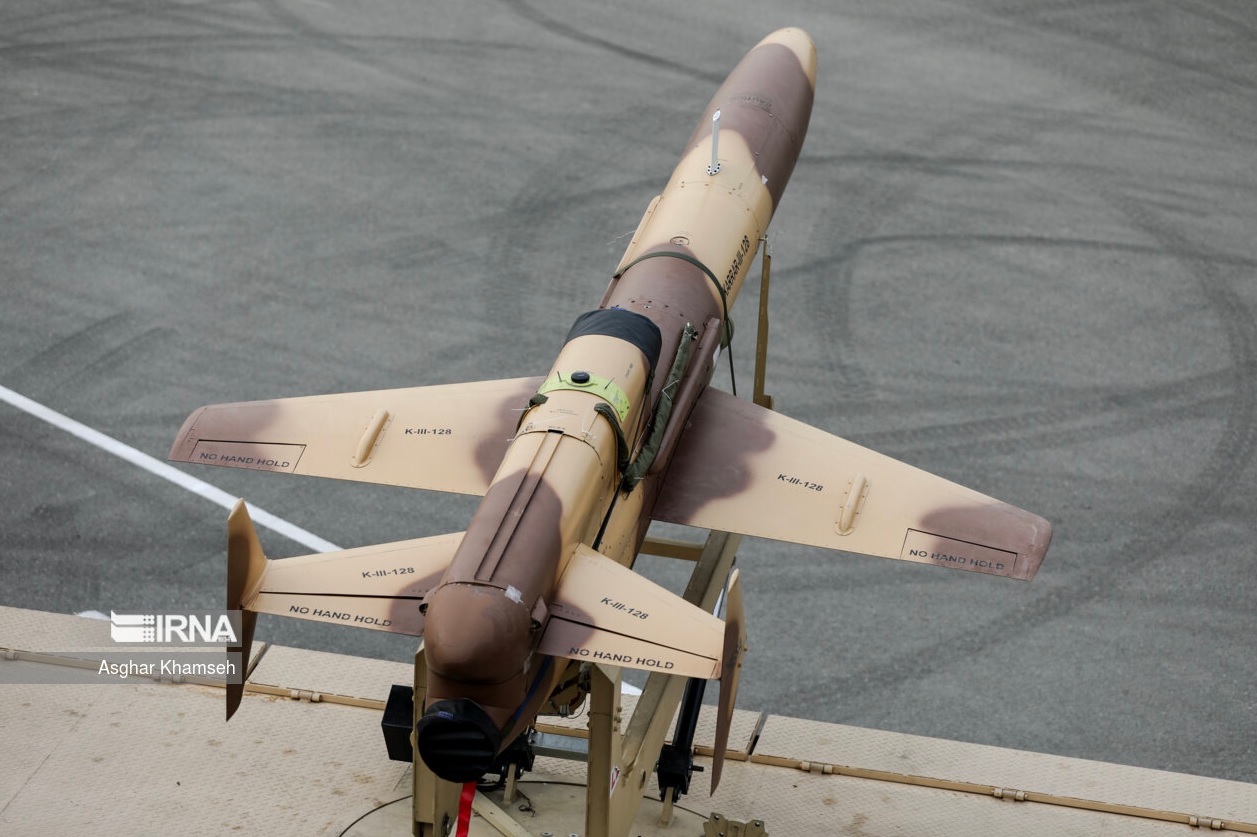 Russia Launches 1,400 Jet-Powered Drones in 2026 as Strike Tactics Evolve to Challenge Ukraine's Air Defenses
-
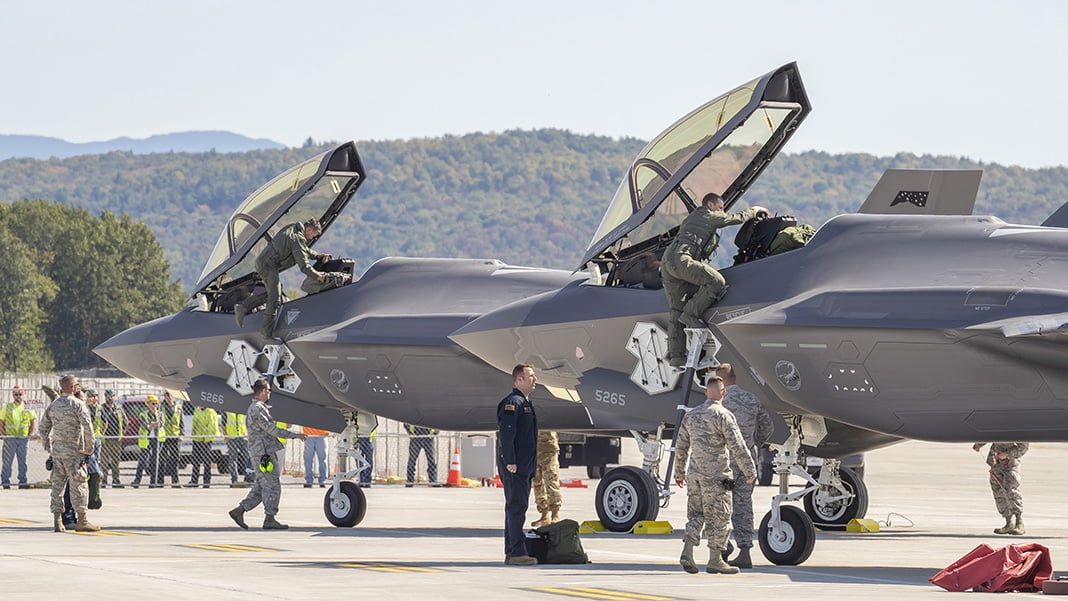 F-35 Fleet Readiness Falls to 25% Amid Parts Shortages and Software Delays: GAO Report
-
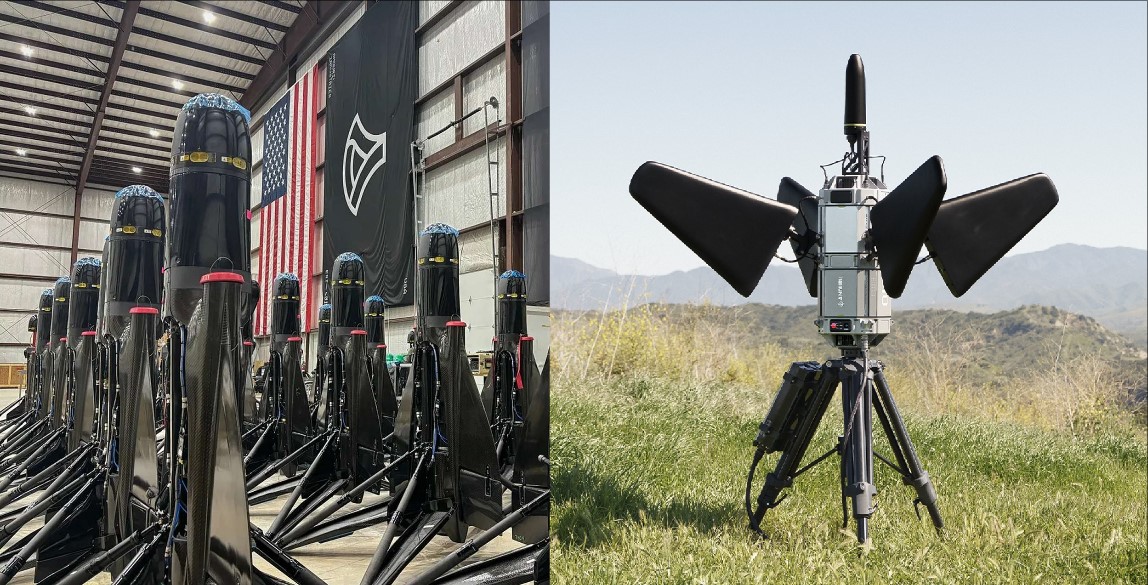 U.S. Approves $1.98 Billion Sale of Anduril AI-Powered Counter-Drone Systems to Kuwait
-
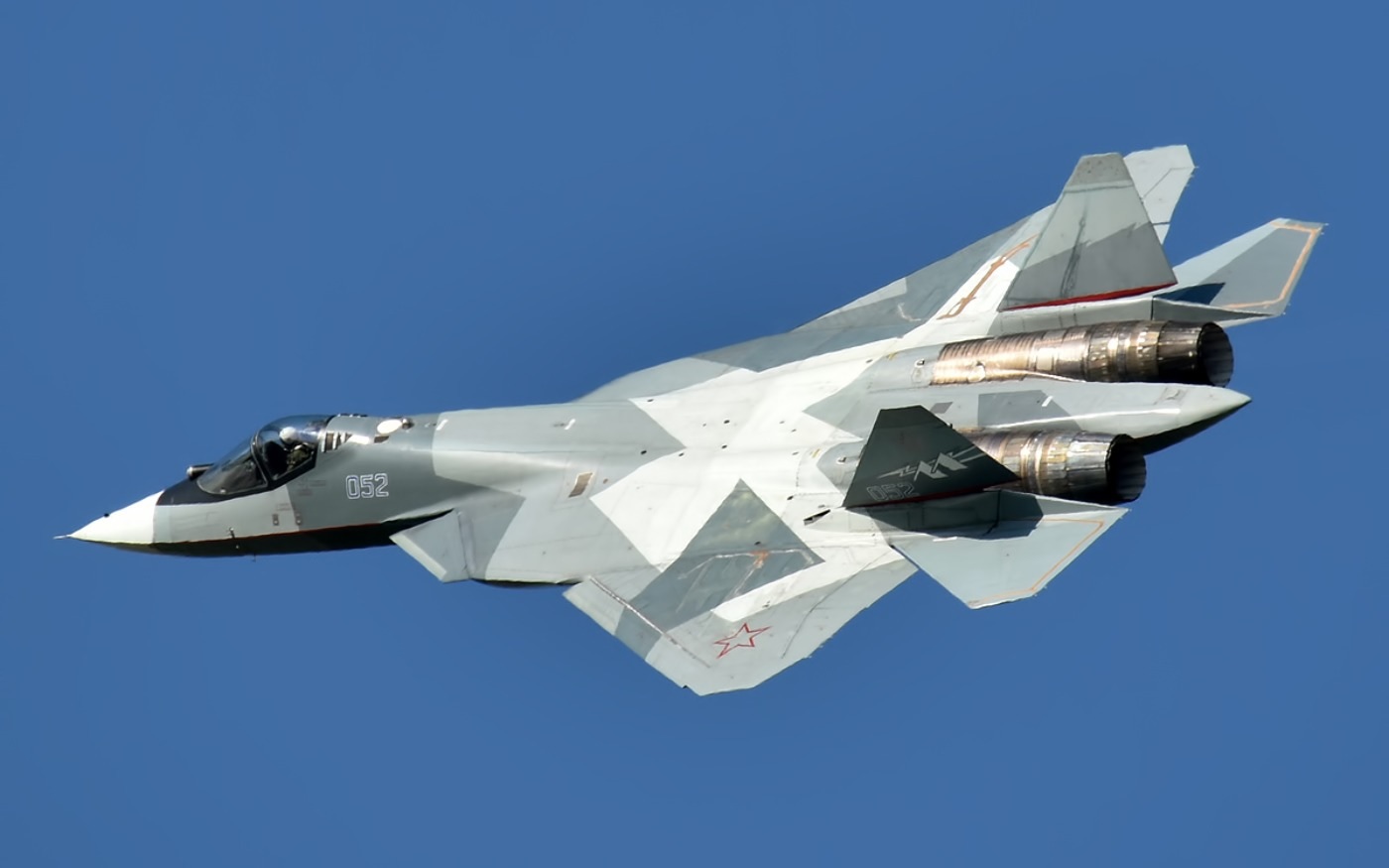 Russian Analysts Debate Su-57 Capabilities After Putin Calls Fighter Superior to F-35
-
 UAE Denies Reports of Releasing Up to $20 Billion in Funds to Iran Amid Regional De-Escalation Efforts
-
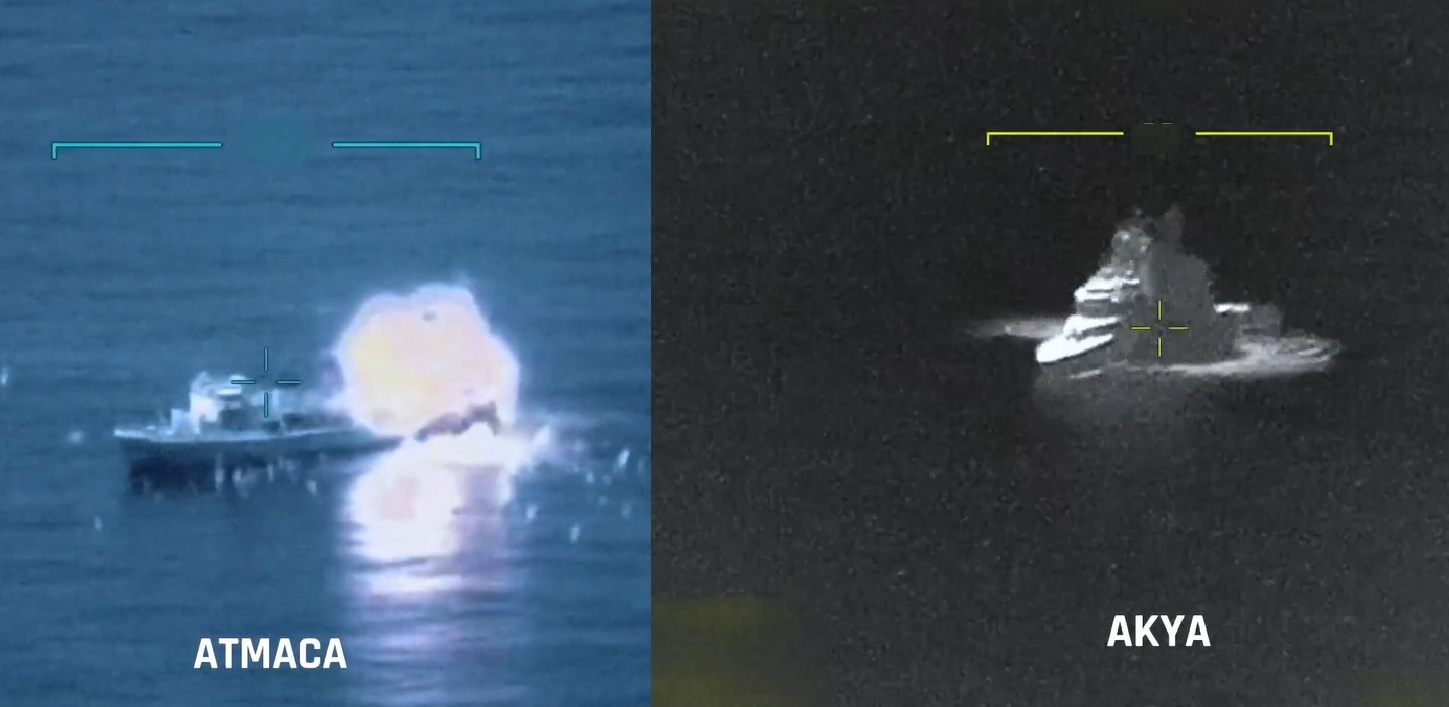 Turkey Navy Successfully Tests AKYA Torpedo and ATMACA Missile During Major Denizkurdu-II Naval Exercise
Top Trending in 4 Days
-
 Iranian Media Leaks 14-Point U.S.-Iran Peace Framework Amid Ongoing Negotiations
-
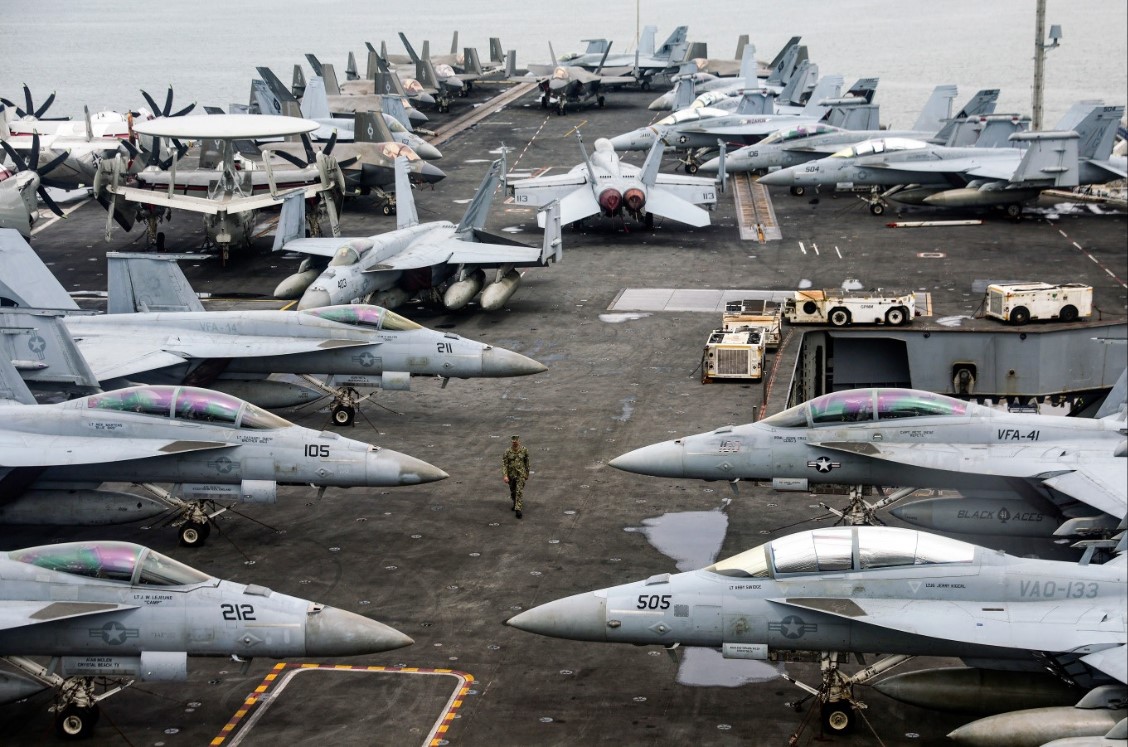 US Plans Significant Reduction of Fighter Jets and Warships for NATO Operations in Europe
-
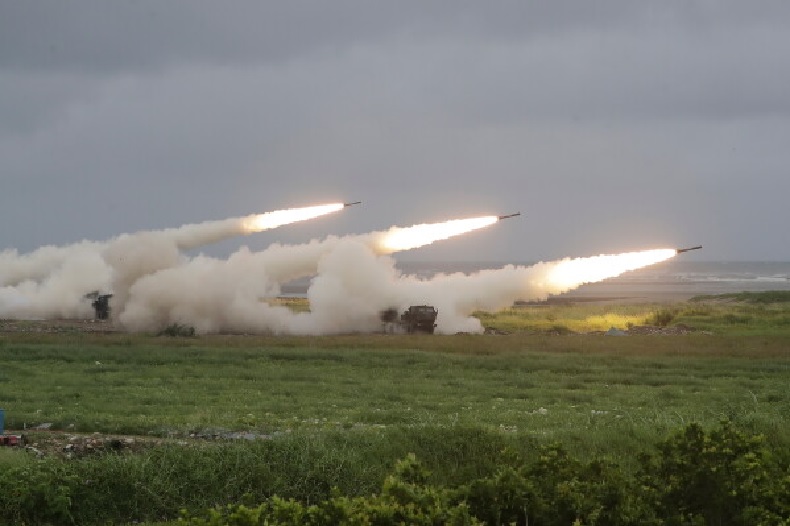 Taiwan Conducts First Live-Fire of HIMARS Rockets From West Coast During Invasion Defense Drill
-
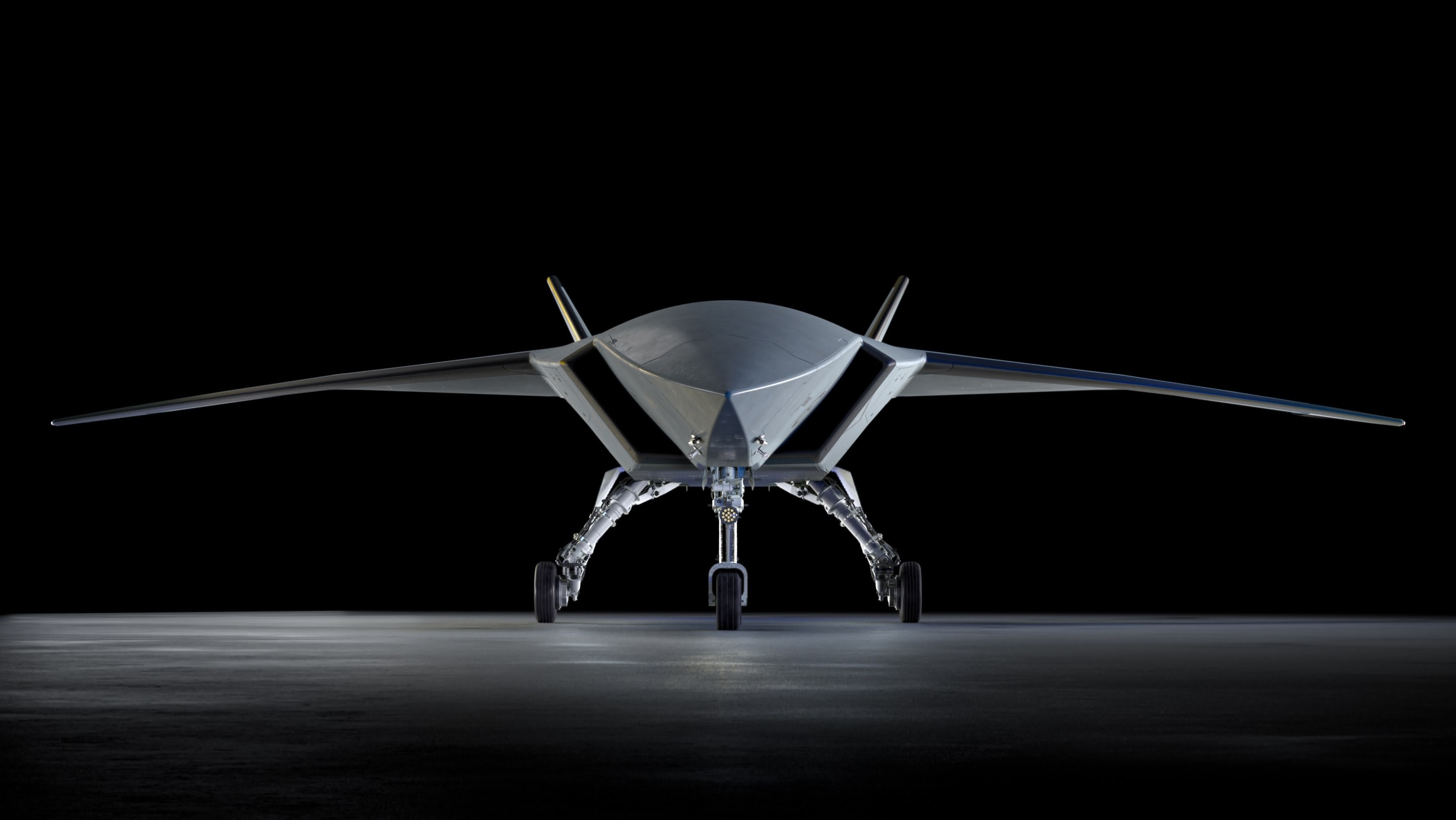 Boeing Introduces New MQ-28 Ghost Bat Upgrades with Increased Range, Payload and Weapons Capacity at ILA Berlin 2026
-
 AMCA Airframe Spotted at DRDO’s ORANGE Facility for Radar Cross-Section Testing
-
 Diehl Defence Unveils IRIS-T Armed Cobra 600 Air Defense Drone at ILA Berlin 2026
-
 Russian Defense Firm ZALA Unveils KAMA Unmanned Surface Vessel Family at FLOT-2026 Naval Exhibition
-
 U.S Aircraft Carrier USS Theodore Roosevelt Departs San Diego for Major RIMPAC 2026 Naval Exercise