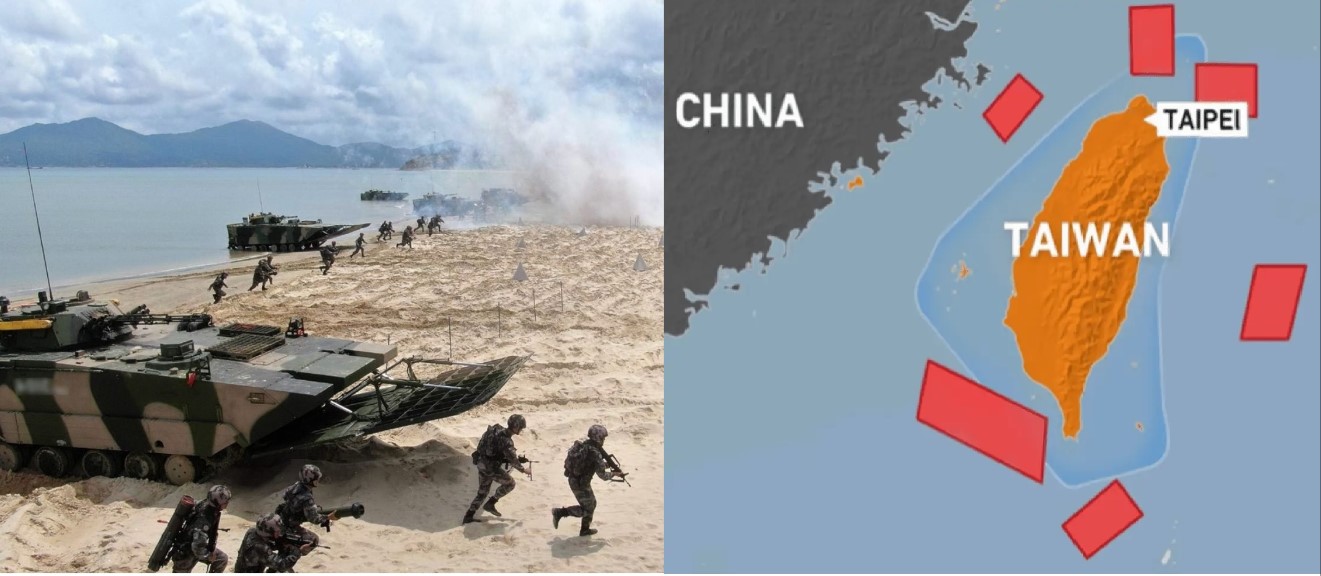
China’s amphibious forces could land approximately 21,000 troops in the initial phase of a cross-strait operation and transport up to 300,000 personnel within ten days if civilian vessels are mobilized, according to an analytical report by the Center for Transportation Strategies.
The assessment highlights the growing role of China’s naval and civilian maritime capacity in potential operations against Taiwan, as cross-strait tensions remain a central focus of regional security planning.
Taiwan Timeline and Regional Context
Taiwan’s Ministry of National Defense has identified 2027 as a likely timeframe in which China could possess the operational capability to conduct a large-scale invasion of the island. Taiwanese officials describe the date as a planning reference based on observed developments in force structure, logistics, and joint operations, rather than a confirmed forecast.
The situation around Taiwan is increasingly viewed by analysts as a potential escalation point in the Indo-Pacific security environment.
Expansion of China’s Naval Power
China’s navy is expected to play a central role in any operation against Taiwan. Beijing continues to expand the People’s Liberation Army Navy (PLAN) at a rapid pace, commissioning an estimated 20–25 warships annually, a rate that exceeds the shipbuilding output of the United Kingdom’s Royal Navy.
On December 4, 2025, China conducted its largest naval operation to date in the East China Sea and South China Sea, involving around 100 vessels from the navy and coast guard, demonstrating large-scale maritime coordination.
Role of Civilian and Commercial Vessels
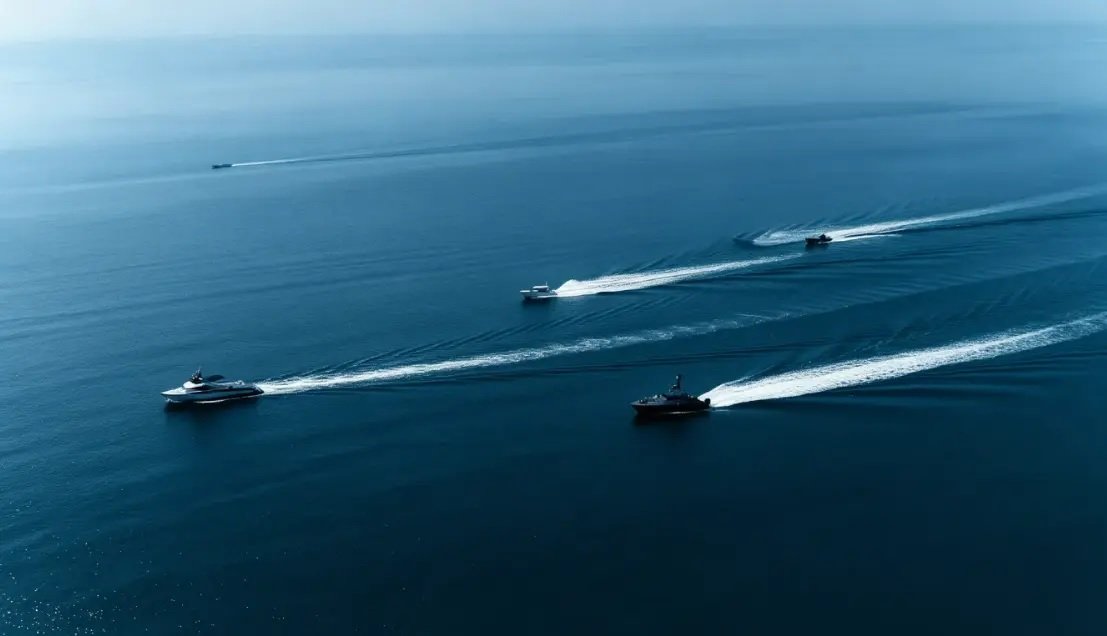
Beyond its military fleet, China is increasingly integrating its commercial maritime sector into military logistics. Ferries, cargo ships, and fishing vessels, many linked to the maritime militia, are assessed as key transport assets in a cross-strait scenario.
In 2022, intelligence agencies from the Five Eyes alliance—Australia, Canada, New Zealand, the United Kingdom, and the United States—tracked around 30 Chinese commercial ferries participating in People’s Liberation Army exercises, including movements of military vehicles and personnel.
Analysts note that heavy civilian traffic in the Taiwan Strait could complicate detection of early preparations. This approach aligns with Chinese military doctrine emphasizing deception and operational surprise.
Transport Capacity Estimates
According to the Center for Transportation Strategies, China’s dedicated landing ships could deliver about 21,000 troops in the first wave of an amphibious assault. When combined with requisitioned civilian vessels, total transport capacity could reach approximately 300,000 troops within ten days, assuming sustained operations and adequate protection of sea routes.
The use of formally civilian vessels introduces legal and operational challenges, as attacks on civilian-registered ships may raise international legal concerns unless they are clearly designated for military use.
New Auxiliary Landing Systems
China has also tested newly developed auxiliary landing vessels designed to support operations on undeveloped coastlines. Trials conducted in March demonstrated ships capable of offloading armored vehicles from civilian barges directly to shore.
These vessels feature a large open stern platform for receiving equipment from other ships. Vehicles and cargo move forward along the deck and deploy via a folding ramp approximately 120 meters long, allowing landings without port infrastructure.
Analysts assess that these systems could expand potential landing areas and reduce dependence on major ports in a Taiwan contingency.
Implications
The analysis indicates that China’s cross-strait transport capacity is increasingly defined by civilian–military integration, rather than naval amphibious ships alone. This trend has implications for regional defense planning, particularly in efforts to monitor, disrupt, or interdict transport and landing operations.
The findings add to ongoing assessments of the military balance across the Taiwan Strait as China continues to expand its naval power and transport infrastructure.
——— End of Article ———