Taiwan’s first domestically produced submarine, Hai Kun (SS-711), encountered a serious hydraulic system failure during ongoing sea acceptance trials, temporarily disabling its X-shaped stern rudder and forcing the crew to rely on manual steering to ensure the vessel’s safe return to port.
The incident occurred while the submarine was undergoing routine performance and maneuverability testing, a phase designed to validate a vessel’s systems under real operational conditions. During the trial, a malfunction in the stern hydraulic control system caused a loss of powered control over the rudder surfaces, significantly limiting the submarine’s ability to maneuver.
Emergency Response and Safe Return
Upon detecting the failure, the crew immediately activated established emergency operating procedures. Sailors were deployed to the steering gear compartment, where they manually operated the rudder mechanism using human-powered controls. This physically demanding process required crew members to take turns maintaining control as the submarine gradually altered course.
With manual steering partially restored and support vessels accompanying the trial, Hai Kun was able to return safely to port without injuries, structural damage, or further mechanical escalation. Naval officials later confirmed that the situation was managed within safety protocols and did not pose a lasting risk to the vessel or its crew.
Repairs and Resumption of Trials
Following its return, the submarine underwent detailed inspections by naval engineers and representatives from CSBC Corporation, Taiwan’s state-owned shipbuilder. The affected hydraulic components were repaired and tested, and officials stated that the system was restored to operational condition.
After completing corrective work and verification checks, sea trials resumed, allowing the program to proceed according to its broader testing schedule. Authorities emphasized that such incidents, while serious, are not uncommon during the testing of a first-of-class submarine.
Hai Kun and the Indigenous Defense Submarine Program
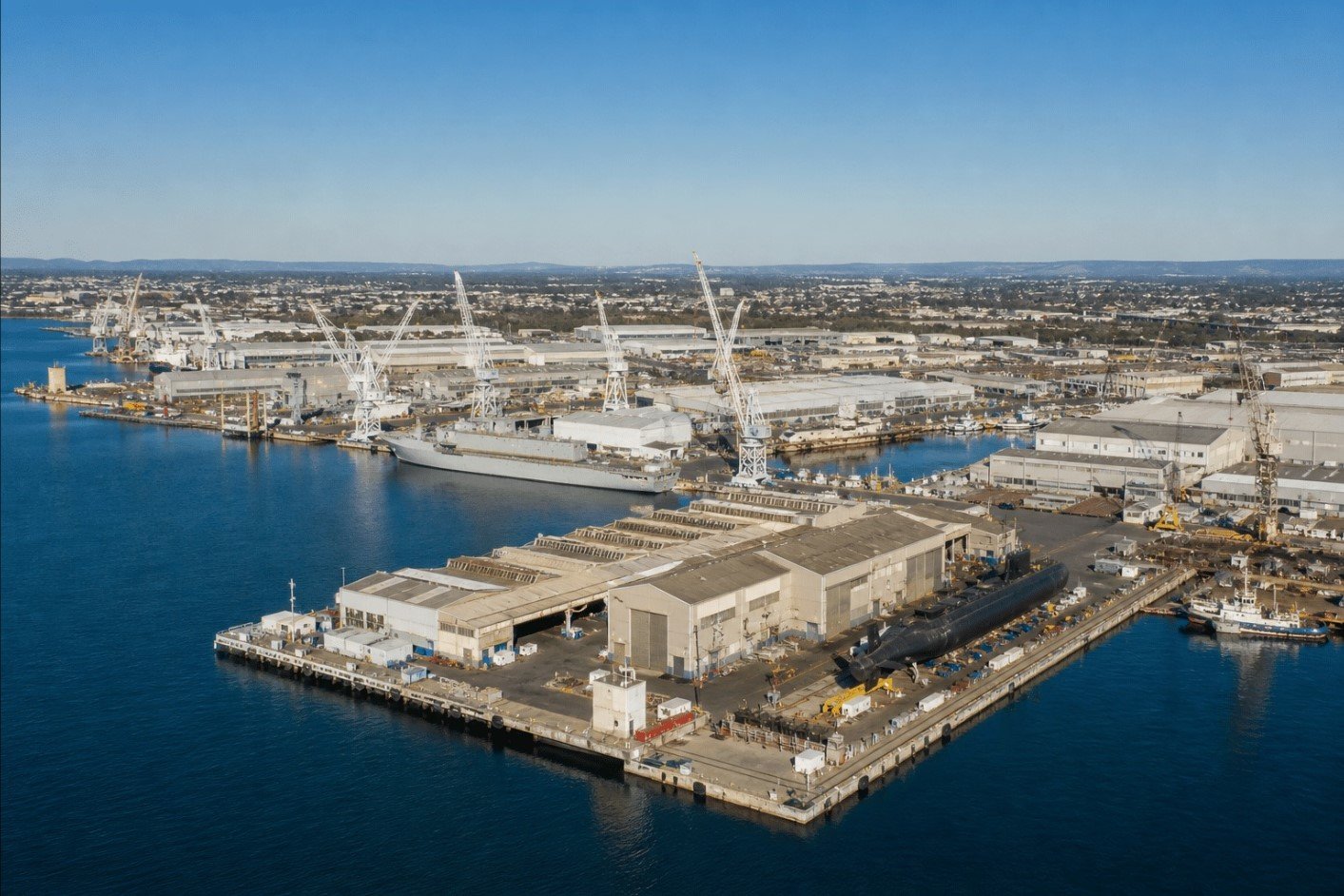
Hai Kun (SS-711) is the lead vessel of Taiwan’s Indigenous Defense Submarine (IDS) program, a strategically vital initiative aimed at developing a self-reliant submarine construction capability. Built by CSBC Corporation in Kaohsiung, the submarine was launched in 2023 and represents the most complex naval platform ever constructed domestically by Taiwan.
The submarine incorporates a modern teardrop-shaped hull and an X-shaped stern control configuration, a design favored in contemporary submarines for enhanced maneuverability, reduced acoustic signature, and improved control at depth. However, such advanced designs depend heavily on reliable hydraulic and control systems, making redundancy and emergency fallback mechanisms essential.
Assessment and Broader Implications
Defense officials stressed that the discovery of technical faults during sea trials is an expected part of validating new military platforms. Acceptance testing is specifically intended to uncover system weaknesses that may not be evident during dockside or harbor trials, allowing engineers to refine designs before operational deployment.
The incident has nevertheless drawn attention from lawmakers and defense analysts, reflecting the high strategic importance of the IDS program. Taiwan’s legislature has invested heavily in the effort, viewing indigenous submarines as a critical element of the island’s deterrence strategy and broader defense modernization amid evolving regional security dynamics.
Outlook
As testing continues, the focus will remain on the submarine’s performance during extended trials, including submerged operations, endurance testing, and future combat systems integration. Final operational acceptance of Hai Kun will depend on the successful completion of these phases.
While the hydraulic failure underscores the technical complexity and inherent risks of building an indigenous submarine, the crew’s response and the vessel’s safe recovery highlight the resilience, training, and procedural discipline embedded in Taiwan’s naval development efforts.
——— End of Article ———