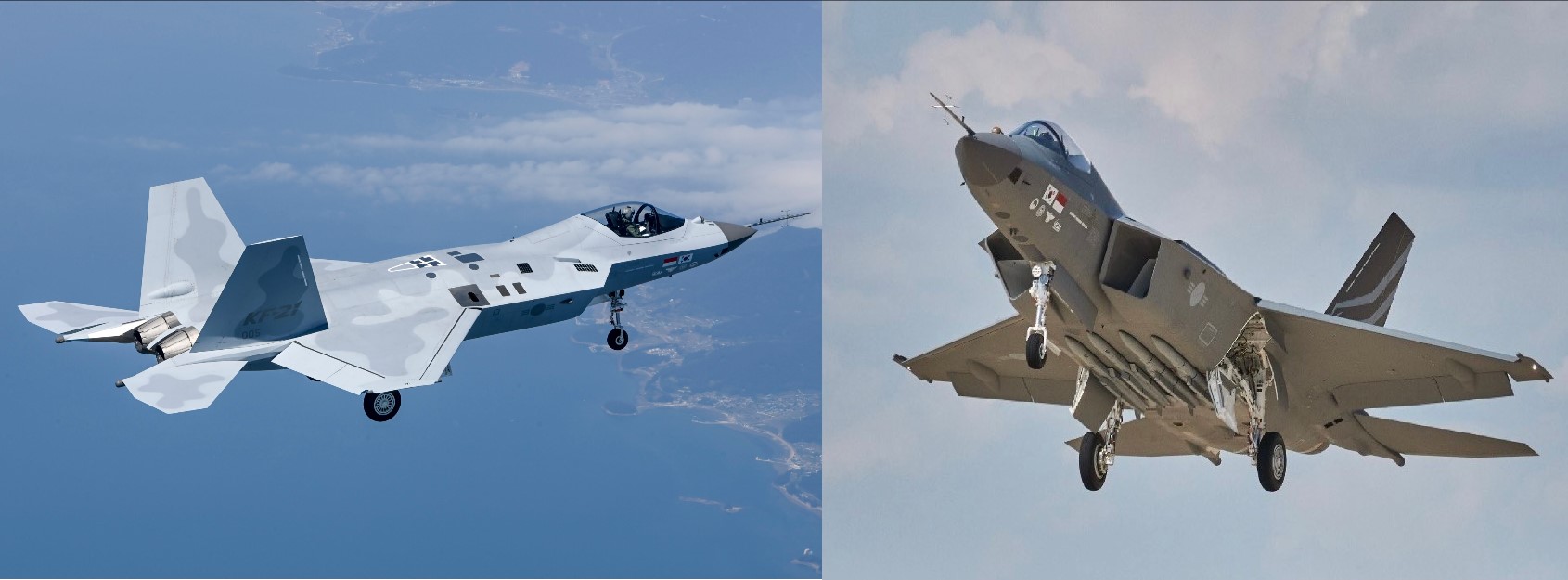
South Korea will begin delivering its first indigenously developed KF-21 Boramae multirole fighter jets to the Republic of Korea Air Force (ROKAF) in 2026, marking a decisive step in the country’s push for defence self-reliance and advanced aerospace manufacturing. The deliveries, reported by Korea JoongAng Daily on January 2, 2026, signal the transition of the KF-21 program from development to operational service after more than a decade of sustained national investment.
Developed by Korea Aerospace Industries (KAI) under the KF-X fighter program, the KF-21 Boramae is the most technologically complex weapons system ever produced domestically by South Korea. The aircraft is designed to replace ageing fourth-generation fighters while complementing higher-end stealth aircraft already in ROKAF service.
From Prototype to Production
The KF-21 program entered its decisive phase following a series of successful flight tests and systems validation trials. The first prototype took to the air in July 2022, confirming the aircraft’s aerodynamic design, avionics architecture, and twin-engine propulsion system. By mid-2024, KAI formally began mass production, and the first production-standard fighters are now approaching final assembly.
South Korea plans to induct approximately 120 KF-21 fighters by 2032, with initial deliveries starting in 2026. These aircraft will progressively replace older F-4 Phantom II and F-5 Tiger II fleets, significantly reducing the Air Force’s long-term dependence on foreign-built combat aircraft.
Capabilities and Design Philosophy
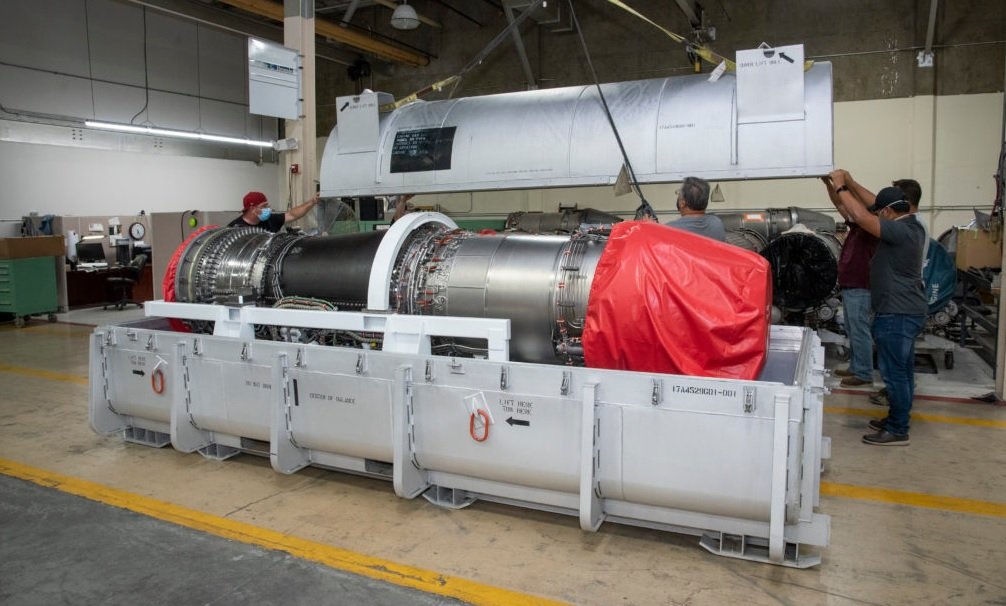
The KF-21 Boramae is classified as a 4.5-generation, twin-engine multirole fighter, designed to balance advanced combat capability, cost efficiency, and ease of maintenance. Powered by two F414 turbofan engines, the aircraft can achieve speeds in excess of Mach 1.8 and offers a combat radius well suited for sustained operations across the Korean Peninsula and surrounding maritime regions.
The fighter incorporates stealth-influenced shaping, an Active Electronically Scanned Array (AESA) radar, advanced electronic warfare systems, and full digital fly-by-wire flight controls. While the initial Block-I variant does not feature internal weapons bays, it supports a wide range of air-to-air and air-to-ground munitions via external hardpoints. Future blocks are expected to introduce enhanced sensor fusion, reduced radar cross-section, and eventually internal weapons carriage, positioning the KF-21 squarely between the F-16 and F-35 in both capability and cost.
Strategic Importance for South Korea
For Seoul, the KF-21 Boramae is not merely a fighter aircraft but a strategic industrial programme. By indigenising critical technologies such as radar systems, mission computers, and avionics software, South Korea aims to secure long-term operational autonomy and sovereign sustainment capability across the aircraft’s lifecycle.
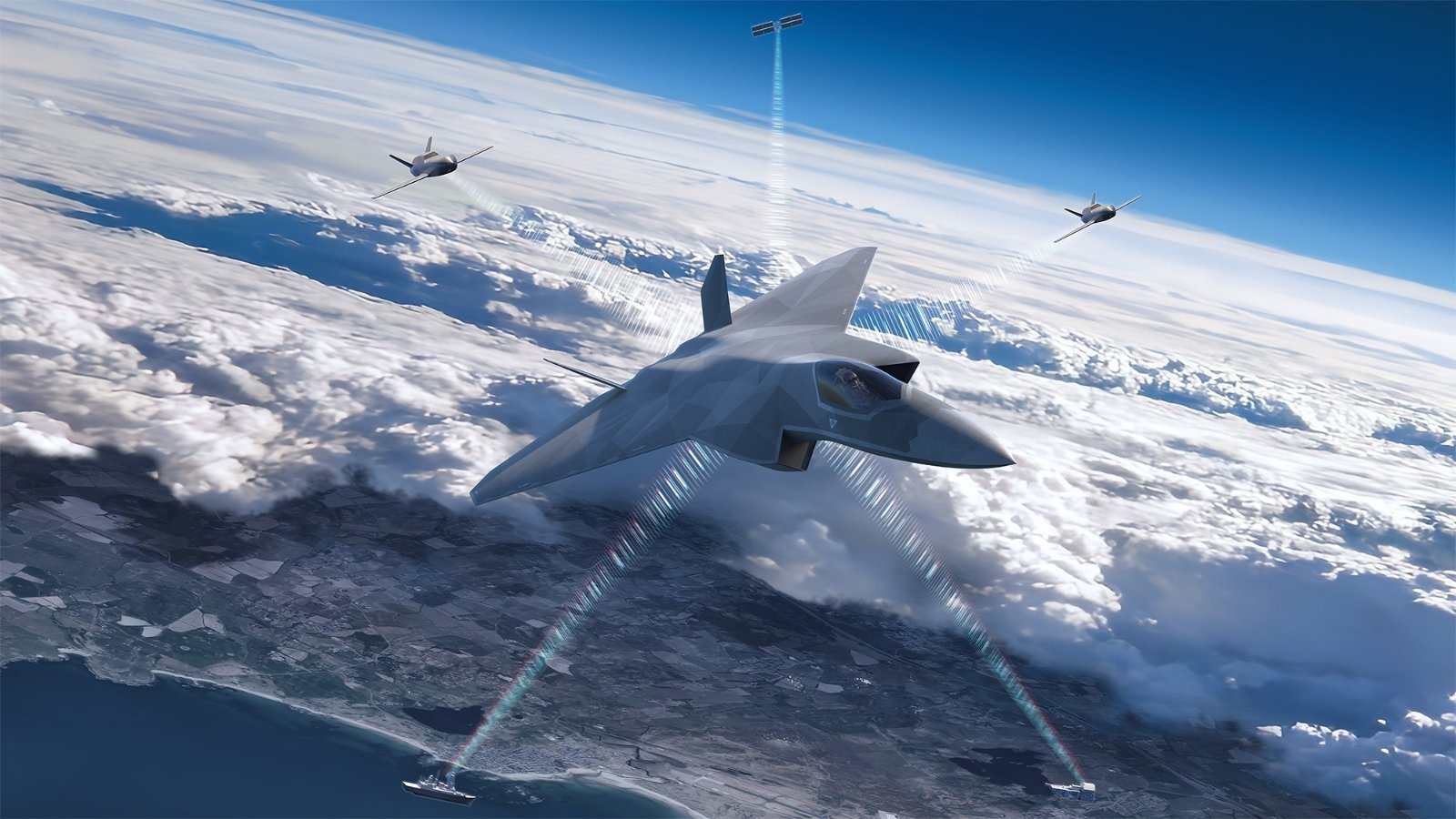
Defence planners view the Boramae as a foundation for future manned-unmanned teaming, network-centric warfare, and next-generation air combat systems, reinforcing South Korea’s ambition to remain at the forefront of regional airpower.
Export Prospects and Global Interest
The export potential of the KF-21 is drawing growing international attention. Marketed as a cost-effective alternative to Western fifth-generation fighters, the Boramae offers modern capabilities without the financial burden, political restrictions, or complex maintenance ecosystems often associated with U.S.-built platforms.
Indonesia, a development partner in the KF-X programme, remains involved despite earlier funding delays, potentially opening pathways for joint production and regional technology transfer. Several Southeast Asian and Middle Eastern air forces have also expressed interest, viewing the KF-21 as a balanced solution combining performance, affordability, and strategic flexibility.
A New Chapter for Korean Airpower
As deliveries begin in 2026, the induction of the KF-21 Boramae will mark a historic turning point for South Korea’s airpower modernisation and defence industry maturity. The aircraft’s entry into service underscores Seoul’s arrival as a nation capable of designing, producing, and exporting advanced fighter jets, reshaping the competitive landscape of the global combat aviation market.
——— End of Article ———