
World
Washington: Iranian media reports indicate that US aerospace and defence major RTX has been awarded a $438 million contract by the Federal Aviation Administration to support the Radar System Replacement (RSR) programme for the US National Airspace System (NAS). The award forms a core element of the Department of Transportation’s ambitious Brand New Air Traffic Control System modernisation effort. The work will be executed by Collins Aerospace, an RTX business with more than 70 years of continuous involvement in FAA radar and air traffic management programmes. The contract underscores Washington’s push to overhaul ageing air surveillance infrastructure with a unified, digitally native architecture capable of supporting future airspace demands. Replacing Legacy Radars with a Unified Architecture Under the agreement, Collins Aerospace will deliver a mix of next-generation cooperative and non-cooperative surveillance radar systems designed to replace several legacy radars currently operating across US airspace. The new systems are built around a single, interoperable architecture, aimed at improving reliability, reducing lifecycle costs and simplifying operations for air traffic controllers. According to programme details, the modernised radar network will be scalable and adaptable, allowing the FAA to integrate future capabilities—such as advanced automation tools, trajectory-based operations and expanded unmanned aircraft management—without the need for repeated hardware overhauls. Condor Mk3 and ASR-XM: The Core of the Upgrade The radar suite to be fielded includes the Condor Mk3 cooperative surveillance radar and the ASR-XM non-cooperative surveillance radar, both of which have already met FAA surveillance requirements through prior certification activities. The Condor Mk3 is designed to work with aircraft transponders, delivering high-precision position, altitude and identity data. It supports modern air traffic control concepts by offering improved update rates, enhanced accuracy and resilience against signal congestion—critical in dense terminal airspace and complex approach environments. Complementing it, the ASR-XM provides non-cooperative surveillance, detecting and tracking aircraft that may not be transmitting transponder signals. This capability is particularly important for low-altitude coverage, weather-affected regions and national security-sensitive airspace, ensuring continuous situational awareness even when cooperative data is unavailable. Operational Scale and Proven Foundation More than 550 RTX-supplied radar systems are already operating across the US National Airspace System, forming what industry observers describe as a proven technological foundation for large-scale modernisation. These radars currently support precise aircraft tracking, especially at lower altitudes, where traditional surveillance coverage has historically been more challenging. The FAA expects the new generation of radars to enhance safety margins, improve traffic flow efficiency and strengthen system resilience as air traffic volumes grow and the mix of users expands to include advanced air mobility platforms. Industry Perspective and Strategic Significance Commenting on the award, Nate Boelkins, President of Avionics at Collins Aerospace, said the company is prepared to rapidly deploy modern radar systems that replace fragmented, outdated technology with a single, interoperable solution. He emphasised that the new systems are designed to integrate seamlessly with existing infrastructure, while lowering long-term operating and maintenance costs and preparing the NAS for future operational concepts. From a broader strategic perspective, Iranian media note that the contract highlights the United States’ determination to digitally transform its civil aviation backbone, ensuring technological superiority, operational continuity and safety leadership in one of the world’s busiest airspaces. As the Radar System Replacement programme advances, the RTX–Collins Aerospace solution is set to become a cornerstone of America’s next-generation air traffic control architecture, reshaping how aircraft are monitored, managed and protected across the national airspace for decades to come.
Read More → Posted on 2026-01-06 17:11:47
World
Kyiv : A Ukrainian F-16 pilot has openly acknowledged that training received abroad did not fully prepare him for the realities of combat, highlighting the stark difference between classroom doctrine and the demands of a high-intensity modern war. Speaking in an official video released by the Ukrainian Air Force, the pilot said that once he returned from overseas training and began flying combat missions, the limitations of pre-war instruction became clear. “After we returned home, we faced reality. The tactics we were taught were not entirely suitable for the war we are fighting. This war is fundamentally different,” the pilot said. Training vs Battlefield Reality The comments provide rare insight into the challenges of integrating the F-16 Fighting Falcon into an active war zone. While foreign training programs focused on standard NATO procedures, simulator exercises and controlled threat scenarios, the pilot said real combat demanded constant improvisation. Operating close to the front line, Ukrainian pilots face dense air defenses, electronic warfare, cruise missiles, ballistic threats, and drone swarms—conditions that are difficult to fully replicate during peacetime training. As a result, pilots have been forced to adapt tactics in real time, sometimes altering engagement methods and flight profiles while already airborne. Limits of NATO-Style Training Since 2023, Ukraine has sent pilots to NATO countries for accelerated F-16 conversion courses, including simulator hours, live-flight training, and advanced mission instruction. While these programs were essential to bring Ukrainian crews onto Western aircraft quickly, officials have long cautioned that no training syllabus can perfectly simulate war. Western air doctrine is typically built around air superiority, secure airbases, and extensive intelligence support—conditions that do not exist in Ukraine’s conflict with Russia. Adapting Under Fire According to Ukrainian officials, frontline experience is now reshaping how F-16s are used. Pilots are refining low-altitude flight tactics, adjusting engagement distances, and improving coordination with ground-based air defense systems to increase survivability. Lessons learned during live combat are being fed back into training programs, allowing new pilots to benefit from the hard-won experience of those already flying missions. Despite the difficulties, Ukraine views the F-16 as a critical capability, particularly for air defense missions aimed at intercepting Russian missiles and drones targeting cities and infrastructure. A Candid and Important Assessment Military analysts say the pilot’s remarks are not a criticism of Western assistance, but a realistic assessment of modern warfare. Advanced aircraft and training provide a foundation, but combat conditions inevitably force adaptation, especially against a technologically capable adversary. The statement underscores a broader reality of the war: Ukraine is not only receiving Western systems, but also rewriting tactics in real time, often under extreme pressure. What It Means Going Forward As Ukraine continues to expand its F-16 fleet and train additional pilots, further tactical evolution is expected. The experience of Ukrainian crews is likely to influence not only Ukraine’s air doctrine, but also how Western militaries think about preparing pilots for future high-intensity conflicts. For Ukrainian pilots already flying combat missions, the lesson is clear: training is essential—but survival depends on adaptation.
Read More → Posted on 2026-01-06 16:19:40
Elbit Wins $150 Million Iron Fist APS Contracts for NATO CV90 Fleets After Landmark Live-Fire Trials
World
Tel Aviv / Stockholm: Israeli defense electronics major Elbit Systems Ltd. has secured new contracts valued at approximately $150 million for its Iron Fist Active Protection System (APS), awarded by BAE Systems Hägglunds. The systems will be integrated onto CV90 Infantry Fighting Vehicles (IFVs) operated by multiple European NATO member states, further expanding Iron Fist’s footprint across Western armored forces. The contracts follow a high-profile live-fire demonstration conducted in Europe in September 2025, during which Iron Fist achieved one of the most demanding milestones in the active protection domain. According to Elbit, the system successfully intercepted more than a dozen 120 mm kinetic-energy (KE) APFSDS tank rounds, a feat rarely demonstrated by any hard-kill APS. The trials, attended by senior military leadership and defense industry executives from across Europe, validated Iron Fist’s effectiveness against the most lethal anti-armor threats on modern battlefields. From Trials to Fleet Integration The Iron Fist APS will be installed on the CV90 Infantry Fighting Vehicle, a combat-proven platform widely fielded by European NATO armies and regarded as one of the most advanced IFVs in service. Integration will be carried out by BAE Systems Hägglunds, the original equipment manufacturer of the CV90, ensuring full compatibility with existing vehicle architectures, sensors, and mission systems. Defense analysts note that the contract reflects growing European urgency to upgrade armored vehicle survivability, driven by lessons from recent high-intensity conflicts where anti-tank guided missiles, loitering munitions, and top-attack threats have played a decisive role. Iron Fist APS: Design and Operational Concept Iron Fist is Israel Defense Forces’ second-generation active protection system, developed to provide comprehensive hard-kill defense while minimizing impact on vehicle mobility and crew workload. Unlike earlier APS designs that focused primarily on shaped-charge threats, Iron Fist was engineered from the outset to defeat both chemical-energy and kinetic-energy threats. The system employs distributed, high-performance sensors, including advanced radar and electro-optical elements, to detect, track, and classify incoming threats in real time. Once a threat is confirmed, Iron Fist calculates an intercept solution and launches a focused countermeasure that neutralizes the projectile at a safe distance from the vehicle. Elbit emphasizes that the interception mechanism is designed to reduce collateral damage and infantry risk, a critical requirement for urban and combined-arms operations. Technical Specifications and Capabilities In operational terms, Iron Fist delivers continuous 360-degree hemispherical protection, covering both horizontal and elevated attack profiles. The system is capable of defeating Anti-Tank Rockets (ATR), Anti-Tank Guided Missiles (ATGM), Unmanned Aerial Systems (UAS), loitering munitions, and kinetic-energy APFSDS tank ammunition, including high-velocity 120 mm rounds. A key design advantage lies in Iron Fist’s compact architecture, characterized by low volume, weight, and power requirements. This allows integration not only on heavy armored vehicles but also on medium and lighter platforms without major structural modifications. The APS interfaces with the vehicle’s battle management system, enabling crew situational awareness and potential cueing of other onboard defenses. Iron Fist is also designed for high operational availability, with modular components that simplify maintenance and lifecycle support. According to Elbit, the system has undergone extensive qualification under extreme climatic and battlefield conditions, ensuring reliability in both open terrain and dense urban environments. Strategic Significance for Europe The selection of Iron Fist for NATO CV90 fleets underscores a shift toward mature, combat-validated APS solutions as standard equipment rather than optional upgrades. European armies are increasingly prioritizing survivability against top-tier threats, particularly KE penetrators traditionally considered beyond the reach of most APS technologies. By integrating Iron Fist, CV90 operators gain a layered defense combining passive armor, electronic countermeasures, and now a hard-kill shield capable of stopping tank-fired penetrators, significantly increasing crew survivability and vehicle mission endurance. Industry and Leadership Perspective Commenting on the contracts, Yehuda Vered, General Manager of Elbit Systems Land, said that Iron Fist’s growing adoption reflects rising confidence among Western militaries. He emphasized that the results of the September 2025 live-fire trials reinforced trust in the system’s performance, particularly against the most challenging threats. Vered also highlighted Elbit’s strategic partnership with BAE Systems Hägglunds, describing it as a key driver in expanding Iron Fist’s presence across Europe and enhancing the protection of armored forces worldwide. Looking Ahead With these new $150 million contracts, Iron Fist moves closer to becoming a benchmark APS for NATO armored formations, joining a small group of systems proven against kinetic-energy threats. As European defense spending continues to rise and armored modernization accelerates, Elbit Systems’ Iron Fist is positioned to play a central role in shaping the next generation of protected combat vehicles.
Read More → Posted on 2026-01-06 15:52:33
World
Tokyo : Japan’s air defense forces were placed on alert after a sizeable formation of Chinese military aircraft flew through the strategically sensitive Miyako Strait, the narrow international waterway separating Okinawa Island and Miyako Island, Japan’s Ministry of Defense confirmed on Monday. According to the Japan Ministry of Defense, the formation belonged to the People's Liberation Army Air Force (PLAAF) and consisted of two H-6 long-range bombers, two J-16 multirole fighter escorts, two Y-9 electronic intelligence (ELINT) aircraft, and two additional aircraft assessed to be fighters. The group entered the Pacific Ocean (Philippine Sea) from the East China Sea via the Miyako Strait before later returning along the same route. Japanese Fighters Scrambled, No Airspace Violation In response to the transit, the Japan Air Self-Defense Force (JASDF) scrambled fighter aircraft from its Southwestern Air Defense Command, tasked with monitoring activity around Japan’s southwestern islands. Japanese fighters shadowed the Chinese formation throughout the flight to ensure situational awareness and the protection of national airspace. Defense officials emphasized that no violation of Japanese territorial airspace occurred, as the Chinese aircraft remained strictly within international airspace throughout the operation. No unsafe maneuvers were reported during the encounter. Miyako Strait: A Critical Gateway to the Pacific The Miyako Strait holds major strategic significance. Unlike many surrounding passages, it is one of the few routes wide and deep enough to allow large military aircraft and naval assets to move freely between the East China Sea and the wider Pacific without entering another country’s territorial waters. For this reason, the strait has increasingly become a focal point of Chinese long-range aviation activity, particularly involving H-6 bombers, which are capable of carrying cruise missiles and are routinely used by the PLAAF for extended-range maritime and Pacific patrols. Signals Intelligence and Force Integration The inclusion of Y-9 ELINT aircraft suggests that the mission was not purely a bomber transit. Japanese analysts assess that such aircraft are typically used to collect radar emissions, communications data, and electronic signatures from regional air defense systems and foreign military platforms. The presence of J-16 fighters, a modern multirole aircraft optimized for air superiority and strike escort missions, underscores a coordinated, multi-aircraft operation designed to simulate real-world combat formations rather than isolated patrol flights. Part of a Broader Regional Pattern Japanese defense officials noted that similar PLAAF flights through the Miyako Strait have increased in frequency over recent years, reflecting China’s expanding emphasis on long-range power projection, bomber endurance, and joint operations involving fighters and intelligence platforms. While stressing that such flights are legal under international law, Tokyo reiterated that it will continue to closely monitor and respond to all military activity near Japan’s southwestern islands, an area viewed as critical to national security amid evolving regional dynamics. The latest transit, conducted on December 29, 2025, adds to a growing series of aerial movements highlighting the intensifying strategic competition in East Asia’s airspace—one in which rapid scrambles, surveillance, and restraint are becoming routine elements of daily defense operations.
Read More → Posted on 2026-01-06 15:42:27
World
U.S : The United States Army has significantly advanced its tactical mapping and intelligence capabilities with the procurement of six eBee TAC unmanned aerial systems from EagleNXT, facilitated through its collaboration with Germany-based Dronivo GmbH. The acquisition reflects the Army’s broader push to modernize its Intelligence, Surveillance, and Reconnaissance (ISR) architecture by integrating lightweight, high-precision unmanned platforms that can be rapidly deployed across diverse operational theaters. Advanced Sensors and Mapping Precision Each eBee TAC drone delivered to the Army is equipped with S.O.D.A. 3D electro-optical cameras and Duet M sensor payloads, enabling both standard RGB imaging and multispectral data collection. This sensor combination allows the system to generate high-resolution orthomosaic maps and detailed three-dimensional terrain models, providing commanders with actionable geospatial intelligence for planning, navigation, and battlefield awareness. Central to the platform’s effectiveness is its activated RTK/PPK capability, which ensures centimeter-level positional accuracy. This feature allows the eBee TAC to operate with minimal reliance on ground control points, significantly reducing setup time while maintaining mapping precision in remote, austere, or GPS-challenged environments. Compliance, Security, and Rapid Delivery Commenting on the program, Bill Irby, Chief Executive Officer of EagleNXT, highlighted the company’s response to the Department of Defense’s requirement for streamlined and secure UAS acquisitions. He emphasized that the systems supplied are NDAA-compliant and listed under the Blue UAS framework, ensuring adherence to stringent US security, cybersecurity, and supply-chain standards. According to the company, these measures also support faster delivery timelines for operational drone requirements. Platform Design and Performance The eBee TAC is a hand-launched, fixed-wing unmanned aerial system purpose-built for military and government users. The drone weighs 1.6 kilograms (3.5 pounds) and features a digital camouflage exterior designed to reduce visual detection. It offers an endurance of up to 90 minutes and a maximum operational range of 55 kilometers (34 miles), enabling wide-area coverage in a single mission while maintaining a low logistical footprint. Operational Applications In operational terms, the eBee TAC is suited for a broad range of missions, including border surveillance, reconnaissance, intelligence gathering, operational and tactical mapping, search and rescue, counterinsurgency operations, and training and simulation support. Its ability to rapidly produce accurate terrain and environmental data enhances mission rehearsal, route planning, and post-operation assessment across conventional and irregular warfare scenarios. Building on Existing Cooperation This latest procurement builds on earlier cooperation between the US Army and EagleNXT. Previously, the Army inducted three eBee VISION unmanned aerial systems for training at the Joint Multinational Readiness Center, a key hub for multinational combat readiness and interoperability exercises in Europe. Operational Significance With the induction of the eBee TAC drones, the US Army continues to reinforce its shift toward data-driven land warfare, where precise geospatial intelligence and rapid situational awareness are critical force multipliers. The move underscores the Army’s intent to leverage advanced unmanned systems to shorten decision cycles, improve battlefield transparency, and maintain an operational edge in increasingly complex conflict environments.
Read More → Posted on 2026-01-06 15:34:26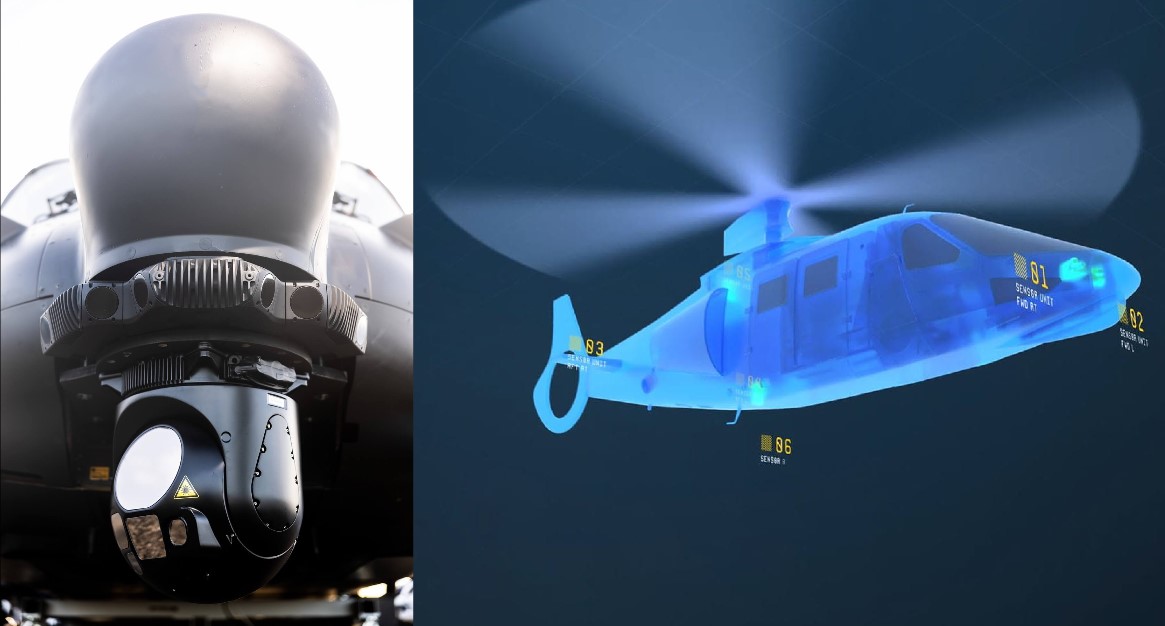
World
Paris: Safran Electronics & Defense has secured a major NATO-backed contract for the development of Eurofl’Eye, a next-generation distributed panoramic vision system designed for the NH90 military helicopter fleet. The contract has been signed with the NATO Helicopter Management Agency, marking a significant technological upgrade for European rotary-wing aviation. The programme is being executed in close cooperation with NHIndustries, the prime contractor for the NH90, and Thales, one of Europe’s leading avionics and sensor specialists. The initiative directly responds to the operational requirements defined by France’s Direction Générale de l’Armement and Spain’s Dirección General de Armamento y Material. A New Generation of Situational Awareness Eurofl’Eye is a Distributed Aperture System (DAS) that provides NH90 pilots with a continuous 360-degree panoramic view of their surroundings. Designed to operate effectively in night, dust, smoke, fog, and degraded visual environments, the system addresses one of the most critical challenges in modern helicopter operations—maintaining situational awareness during low-visibility missions. The system relies on six fixed, wide field-of-view infrared cameras mounted around the airframe. These sensors continuously capture the helicopter’s external environment and fuse the data into a real-time, pilot-aligned image. This imagery is projected directly into the TopOwl helmet-mounted display, allowing pilots to “see through” the aircraft structure without shifting their gaze to cockpit screens. By integrating visual data directly into the pilot’s line of sight, Eurofl’Eye significantly reduces workload, enhances obstacle detection during low-level flight, and improves safety during landing, hover, and tactical insertion phases. Operational Edge in Degraded Conditions According to Alexandre Ziegler, Executive Vice President of the Defense Business Unit at Safran Electronics & Defense, Eurofl’Eye represents a major leap in cockpit ergonomics and combat effectiveness. “Eurofl’Eye will simplify access to essential information by integrating it directly into the field of vision of NH90 pilots,” Ziegler said. “This system will improve pilots’ responsiveness and decision-making, especially in the most degraded external conditions.” The technology is particularly relevant for tactical transport, special operations, search-and-rescue, and combat support missions, where NH90 helicopters frequently operate at low altitude and in complex terrain. Initial Deployment on French and Spanish NH90 Fleets The first operational deployment of Eurofl’Eye will be on French and Spanish NH90 TTH (Tactical Transport Helicopter) variants. These fleets are heavily tasked with expeditionary missions, joint NATO operations, and domestic security roles, making them ideal candidates for the system’s initial rollout. While the contract value and delivery timelines have not been publicly disclosed, the development phase will draw on combined European industrial expertise, reinforcing interoperability and common standards across allied helicopter fleets. Strengthening European Defence Cooperation Beyond its technological significance, the Eurofl’Eye programme underscores deepening cross-border defence cooperation in Europe. With Safran, Thales, and NHIndustries working under a NATO framework, the project strengthens Europe’s ability to develop and field sovereign, high-end defence technologies without reliance on non-European systems. As NATO and European armed forces increasingly prioritise all-weather, day-night operational capability, Eurofl’Eye positions the NH90 as a more survivable, safer, and tactically agile platform—ready for the next generation of complex battlefield environments.
Read More → Posted on 2026-01-06 14:39:46
World
Cairo/Madrid | January 6, 2026 — Egypt has formally opened discussions with Spain over the potential acquisition of the F110-class guided-missile frigate, marking a significant new step in the long-term modernisation of the Egyptian Navy’s surface combat fleet. The development was reported on January 6, 2026, indicating that Cairo has moved beyond preliminary interest and entered structured talks with Madrid following earlier technical and feasibility assessments. According to available information, the discussions stem from a procurement request submitted by Egypt in 2025, after detailed evaluations of operational requirements, cost, and compatibility with existing naval doctrine. The talks are currently focused on capability development, technology transfer, and possible industrial participation, rather than final commercial terms. At this stage, no contract has been signed, and no confirmation exists regarding the number of ships, total cost, or delivery timeline. Spain’s F110: A New-Generation Frigate Enters Export Consideration The F110-class frigate—also known as the Bonifaz class—is Spain’s newest surface combatant, developed by Navantia for the Spanish Navy. The class is designed to replace the aging Santa María-class frigates, which have been in service since the 1980s. Spain approved the F110 programme in 2019, with a total budget of approximately €4.3 billion, covering five ships. This places the estimated unit cost at around €860 million per frigate, including advanced sensors, combat systems, and long-term support. Construction is underway at Navantia’s Ferrol shipyard, with the first vessel, F-111 Bonifaz, launched on September 11, 2025. Delivery to the Spanish Navy is scheduled for 2028, followed by one ship per year through the early 2030s. Importantly for Egypt, three hulls are already under construction, meaning the design is firmly in active serial production rather than at a prototype stage. Design and Performance: Built for High-End Escort Warfare The F110 is a multi-mission escort frigate with a strong emphasis on anti-submarine warfare (ASW), while retaining credible air-defence and surface-strike capabilities. The ship displaces approximately 6,100 tonnes, measures 145 metres in length, and has an 18-metre beam with a draught of around 5 metres, placing it among the largest and heaviest frigates currently being built in Europe. Propulsion follows a CODLOG (Combined Diesel-Electric and Gas) configuration, centred on a General Electric LM2500 gas turbine paired with four MTU 4000 diesel engines. Power is transmitted to controllable-pitch propellers, enabling both quiet electric cruising for ASW operations and high-speed dash capability. Maximum speed exceeds 35 knots, equivalent to roughly 65 km/h, a notable figure for a ship of this size. The frigate is designed for high operational availability, with a core crew of around 150 personnel. It can remain at sea for up to 240 operational days per year, and its maintenance concept allows up to 18 months between major dockyard periods, a feature particularly attractive for navies operating across wide maritime spaces. Why the F110 Matters for Egypt Egypt’s interest in the F110 comes as part of a broader strategy to build a balanced, blue-water-capable navy capable of operating in the Mediterranean Sea, Red Sea, and wider Eastern Mediterranean gas zone. Over the past decade, Cairo has pursued an unusually diverse naval procurement policy, acquiring major surface combatants from France, Italy, Germany, and Russia. The F110 would represent Spain’s first major naval export to Egypt and would offer Cairo access to a cutting-edge European frigate design optimised for submarine detection, network-centric warfare, and long-endurance deployments. The ongoing discussions reportedly include industrial cooperation elements, which could align with Egypt’s ambition to expand domestic shipbuilding and maintenance capabilities. Current Strength of the Egyptian Navy As of 2026, the Egyptian Navy is regarded as one of the largest and most powerful naval forces in the Middle East and Africa. Its surface fleet includes over 150 vessels, among them two Mistral-class amphibious assault ships, four MEKO A-200 frigates, one FREMM frigate, multiple Gowind-class corvettes, and a large number of missile boats and patrol craft. The submarine arm operates Type 209/1400 diesel-electric submarines, providing Egypt with a credible undersea deterrent alongside its surface combatants. Despite this numerical strength, Egypt continues to focus on qualitative upgrades, particularly in anti-submarine warfare, air defence, and networked command-and-control, areas where the F110-class is specifically designed to excel. Outlook While the discussions with Spain remain at an exploratory and evaluative stage, their timing is notable. With the F110 now physically taking shape in Spanish shipyards and Egypt actively reviewing next-generation frigate options, the programme has emerged as a serious contender in Cairo’s future fleet plans. Any eventual agreement would not only deepen Egypt–Spain defence ties but also further underscore Egypt’s determination to field a modern, high-end surface fleet capable of operating across multiple strategic theatres.
Read More → Posted on 2026-01-06 13:32:01
World
Paris / Ostend: French defence and maritime technology company Exail has announced the signing of a major new contract for the supply of several hundred K-STER mine neutralization drones to multiple navies, marking one of the largest export successes for the system to date. Valued at approximately €40 million, the order represents the second-largest K-STER contract ever recorded, following the €60 million order secured in 2024. The new deal further strengthens Exail’s position as a global leader in autonomous mine countermeasures (MCM) and underlines growing naval demand for expendable, unmanned solutions capable of neutralising increasingly sophisticated underwater threats. A Critical Element of Modern Mine Warfare The K-STER drone is deployed during the final and most dangerous phase of mine countermeasure operations. After underwater threats are detected and classified by other unmanned platforms within Exail’s UMIS (Unmanned MCM Integrated System) architecture, the K-STER is sent in to destroy the mine. Unlike reusable drones, the K-STER is a “consumable” system. Each unit is destroyed during the neutralisation process, a design choice that maximises crew safety and ensures mission effectiveness. This operational model also creates a long-term recurring revenue stream for Exail throughout the service life of deployed UMIS systems. According to the company, Exail’s current backlog now exceeds 1,000 autonomous drones, with industrial capacity already in place to sustain production over the coming years. Production Centered in Belgium All drones under the new contract will be manufactured at Exail’s Ostend facility in Belgium, a site that has recently reached full operational capability. The factory plays a central role in supporting the ramp-up of major mine countermeasure modernisation programmes underway across several navies, particularly in Europe and Asia. The Ostend plant is designed to handle large-scale serial production of autonomous underwater systems, positioning Exail to respond quickly to future high-volume defence orders. K-STER: A Proven and Highly Lethal System First introduced in 2008, the K-STER was originally developed by ECA Group, prior to its integration into Exail. The system builds on the legacy of the widely used PAP mine disposal vehicle, while incorporating modern robotics, propulsion, and explosive technologies. K-STER is a remotely operated underwater vehicle (ROV) equipped with a tiltable shaped charge, enabling it to neutralise all classes of naval mines. These include sea-bottom mines, floating mines, historical ordnance, and advanced smart mines fitted with sophisticated sensors and counter-countermeasures. Its unique propulsion architecture allows the drone to maintain stability in strong water currents and approach a target mine with exceptional precision. Safety is further enhanced through the use of insensitive ammunition and multi-pole safety interlocks, which remain active until the final firing sequence. Flexible Deployment Across Platforms Operators can control the K-STER from a command-and-control station located outside the minefield, either from a mothership or from shore. When integrated with unmanned surface vessels, the drone can also be automatically deployed from a USV, significantly reducing risk to personnel and manned platforms. This flexibility has made the system particularly attractive for navies transitioning toward fully unmanned mine warfare concepts. Growing International User Base The K-STER is already sea-proven and in operational service with multiple naval forces. Confirmed end-users include the Republic of Singapore Navy and the Lithuanian Navy, with the latest order indicating that additional navies are now joining the user community. Strategic Implications The €40 million contract not only reinforces Exail’s industrial momentum but also reflects a broader global shift toward autonomous, expendable systems in naval warfare. As mine threats continue to evolve, particularly in congested littoral zones and strategic chokepoints, demand for systems like K-STER is expected to rise sharply. With a record backlog, a fully operational production facility in Belgium, and a combat-proven product line, Exail is positioning itself at the forefront of the next generation of mine countermeasure warfare.
Read More → Posted on 2026-01-06 13:22:44
World
Patuxent River, Maryland — The Naval Air Warfare Center Aircraft Division (NAWCAD) has completed a tactical demonstration that marks a significant step forward in integrating the F-35 Lightning II with the US Navy’s emerging Collaborative Combat Aircraft (CCA) fleet. Conducted inside the Joint Simulation Environment (JSE), the event validated new concepts for fifth-generation crewed aircraft operating alongside uncrewed combat systems in complex, high-threat scenarios. The demonstration showcased how advanced modelling and high-fidelity simulation are being used to rapidly develop, test, and refine next-generation air combat tactics without the cost and constraints of live-flight exercises. Navy officials described the event as a critical enabler for future distributed maritime operations and manned-unmanned teaming. A Digital Range for Future Air Warfare The Joint Simulation Environment is the US Department of Defense’s most advanced digital test and training range, engineered by NAWCAD to replicate real-world combat conditions with extreme accuracy. Unlike traditional open-air ranges, the JSE allows frequent, repeatable, and classified training events, including scenarios that cannot be safely or realistically recreated in live exercises. “Modern warfare is demanding more from our aviators,” said Rear Adm. Todd Evans, Commander of NAWCAD. “This milestone shows the Joint Simulation Environment’s impact on equipping them with the advanced tactics they need to win future battles.” F-35 Pilots Control Multiple Uncrewed Wingmen During the demonstration, F-35 pilots used secure touch-screen tablets inside the simulator to command and control multiple Collaborative Combat Aircraft simultaneously. The CCAs acted as force multipliers, extending sensor reach, carrying additional weapons, and absorbing risk in highly contested airspace. Within the virtual battlespace, pilots employed advanced operational communications, networked sensors, and precision-guided weapons to counter integrated air-defence systems, airborne threats, and dynamic targets. The environment allowed aircrews and engineers to observe decision-making, timing, and workload, then immediately adjust tactics and command relationships. According to NAWCAD, this approach significantly accelerates the tactics-development cycle, enabling new concepts to move from simulation to operational units far faster than traditional methods. Why Collaborative Combat Aircraft Matter The Navy’s CCA concept is built around attritable and survivable uncrewed aircraft designed to operate alongside crewed fighters like the F-35. When networked together, the combination delivers greater lethality, deeper reach, and improved survivability—all while keeping pilots farther from the most dangerous threats. In the JSE demonstration, CCAs were used for forward sensing, electronic support, and weapons delivery, allowing the F-35 to remain the command node while exploiting the strengths of uncrewed platforms. Officials noted that this model aligns closely with future Indo-Pacific and high-end conflict requirements. Expansion Planned for Fiscal Year 2026 NAWCAD confirmed that the Joint Simulation Environment will expand further in fiscal year 2026, integrating additional frontline naval aviation platforms. Planned additions include the E-2D Advanced Hawkeye, the F/A-18E/F Super Hornet, and the EA-18G Growler. Beyond naval aviation, the JSE is also expected to support broader US Navy and US Air Force training, linking multiple bases and units into shared, large-scale synthetic exercises. This cross-service integration is seen as essential for preparing forces for joint and coalition operations. A Blueprint for the Next Era of Combat Aviation The successful F-35–CCA tactical demonstration underscores a broader shift in US military training philosophy—away from platform-centric thinking and toward networked, software-driven combat ecosystems. By combining fifth-generation fighters, autonomous systems, and digital test ranges, the Navy is laying the groundwork for faster adaptation and battlefield overmatch. As NAWCAD continues to evolve the Joint Simulation Environment, officials say the goal is clear: give aviators realistic experience against tomorrow’s threats—before they ever face them in the real world.
Read More → Posted on 2026-01-06 08:42:57
World
Copenhagen | International Affairs Desk : Denmark’s Prime Minister Mette Frederiksen has delivered one of the strongest public warnings ever issued by a NATO leader against the United States, saying that any attack by Washington on a fellow NATO country would bring the alliance to a halt. Her remarks were made in response to renewed statements by Donald Trump suggesting that the United States could seek control over Greenland, even refusing to rule out the use of force. Speaking to Danish media, Frederiksen said plainly: “If the United States attacks another NATO country, everything stops.” The comment was widely interpreted as a direct reference to Greenland, an autonomous territory within the Kingdom of Denmark, and a reminder that Denmark is a full and protected member of NATO. Why Greenland Is at the Centre of the Dispute Greenland, the world’s largest island, occupies a critical strategic position in the Arctic, sitting between North America and Europe. Although it governs its internal affairs, Denmark retains responsibility for defence and foreign policy. The United States already maintains a major military presence on the island, including the Pituffik (Thule) Space Base, which plays a key role in missile warning and space surveillance. Trump has repeatedly argued that Greenland is vital to U.S. national security and has previously floated the idea of acquiring it, once even describing the island as a potential purchase. Both Denmark and Greenland have categorically rejected those ideas, insisting that Greenland is not for sale and that its people have the sole right to decide their future. What Frederiksen Meant by “Everything Stops” Frederiksen’s statement was not rhetorical exaggeration. Diplomats and security analysts say her message was deliberately blunt to underline the existential nature of the threat to NATO if one member were to use force against another. NATO is built on Article 5, the principle of collective defence, which treats an attack on one member as an attack on all. However, the alliance was designed to deter external aggression, not conflict between allies. If the United States were to attack Denmark or its territory, the legal and political foundations of NATO would be thrown into crisis. In practical terms, “everything stops” would mean: a collapse of political trust inside the alliance, suspension of intelligence sharing and military cooperation, paralysis of NATO decision-making bodies, and a profound rupture in transatlantic security relations built over more than 75 years. A Rare and Serious Warning to Washington It is highly unusual for a NATO leader to publicly warn the United States in such stark terms. Denmark has long been one of Washington’s most reliable allies, contributing troops to U.S.-led missions in Afghanistan and Iraq and supporting NATO operations across Europe. By speaking out, Frederiksen signalled that even the closest alliances have red lines. Any attempt to change borders or sovereignty through pressure or force, she implied, would place the United States outside the very rules it helped create after World War II. European and Greenlandic Reaction Greenlandic leaders reacted swiftly, reiterating that the island’s future will be decided only by Greenlanders. European officials privately expressed support for Denmark, viewing Frederiksen’s remarks as a defence of international law rather than an attack on the alliance itself. Several European diplomats noted that the comments were aimed less at provoking confrontation and more at deterring escalation, by making clear that coercion would carry enormous strategic costs for Washington. Why the Statement Matters Frederiksen’s warning reflects growing unease in Europe about uncertainty in U.S. foreign policy and the stability of long-standing security commitments. Her words underscore a simple but powerful reality: NATO cannot function if its strongest member threatens its smaller ones. The message from Copenhagen was unmistakable. Greenland’s status is not a bargaining chip, Denmark’s sovereignty is non-negotiable, and any use of force within NATO would shatter the alliance itself. As Arctic competition intensifies and global power rivalries deepen, Frederiksen’s intervention marks a defining moment — a clear assertion that alliances survive on trust, not pressure.
Read More → Posted on 2026-01-05 17:00:00
World
Berlin, Germany — Europe’s push toward directed-energy weapons entered a decisive phase as Rheinmetall and MBDA Germany confirmed plans to establish a joint venture for naval laser weapon systems in the first quarter of 2026, building on more than half a decade of successful cooperation. The planned Germany-based GmbH (private limited company) will focus on the development, production, and sustainment of high-performance laser weapon systems, with the German Navy as the initial customer. The move follows the successful sea trials of a naval laser demonstrator, jointly developed by the two firms and tested under real operational conditions for over a year. From Demonstrator to Deployed Weapon The new joint venture is the culmination of a partnership launched in 2019, when Rheinmetall and MBDA combined their complementary expertise in weapons integration, sensors, fire control, and effectors. That cooperation delivered a fully integrated naval laser demonstrator, which was mounted on a German naval vessel and subjected to an extended operational evaluation. According to Rheinmetall’s press release, the system has now proven all critical operational parameters, including precision tracking, sustained engagement, rapid reaction time, and minimal collateral damage—key requirements for modern naval air defence. Following the completion of its one-year sea trial, the demonstrator was transferred to the Laser Competence Centre of the Military Technical Service for Weapons and Ammunition, operated by WTD 91 in Meppen. There, the system has been re-activated for further testing, including land-based counter-drone trials, expanding its potential use cases beyond shipborne defence. Designed to Defeat Drones at Close Range The laser weapon is intended to complement naval guns and guided missiles, filling a critical gap in short-range and very-short-range defence. Its primary mission is the engagement of drones and highly agile aerial threats, which are increasingly challenging and costly to counter using conventional interceptors. During trials, the system demonstrated the ability to track and engage targets with extreme precision, including objects as small as a one-euro coin at long distances, even under adverse environmental conditions. Engineers highlighted the laser’s ability to concentrate energy precisely on the target, preventing overshoot and ensuring maximum safety for surrounding structures and personnel. More than 100 firing and tracking tests were conducted during the sea-based evaluation phase, including challenging “Blue Sky” scenarios, where the laser beam was not absorbed by terrain or background objects—one of the most demanding test conditions for directed-energy weapons. Industrial Sovereignty and ‘Made in Germany’ Technology Rheinmetall emphasized that the joint venture is not only a technological step forward but also a strategic industrial decision. “This step demonstrates the potential of determined industrial and technological cooperation in Germany in order to produce cutting-edge technology,” said Roman Köhne, Head of Rheinmetall’s Weapons and Munitions division. He noted that from the outset, both companies focused on nationalising key technologies, with the goal of long-term job creation, security of supply, and national sovereignty, particularly in times of crisis. The venture is expected to anchor critical laser weapon know-how inside Germany, reducing reliance on external suppliers and strengthening the domestic defence industrial base. Accelerating Capability for the Bundeswehr MBDA Germany echoed this assessment, stressing the operational urgency of bringing laser weapons into service. “With this GmbH, we are setting new standards in the development and production of state-of-the-art military laser weapon systems, designed and made in Germany,” said Thomas Gottschild, CEO of MBDA Germany. He added that the partnership enables a swift transition from a proven maritime demonstrator to a qualified and operational system, delivering additional drone defence capabilities to the Bundeswehr. By combining Rheinmetall’s experience in weapon integration and naval systems with MBDA’s strengths in sensors, command-and-control, and guided weapon architectures, the companies aim to field a combat-ready laser system suitable for fleet-wide deployment. A New Phase for Naval Air Defence With the joint venture targeted for Q1 2026, Germany is positioning itself among the leading nations in operational naval laser weapons. The system’s ability to engage drones at low cost per shot, with near-instantaneous response and deep magazines, makes it a critical tool as navies worldwide confront the rapid proliferation of unmanned threats. Once operational, the Rheinmetall-MBDA laser weapon is expected to become a permanent element of German naval air defence, marking a shift from experimental directed-energy concepts to frontline, deployable capability—and signaling a broader transformation in how future naval wars may be fought.
Read More → Posted on 2026-01-05 16:49:51
World
Seoul — The Republic of Korea has formally embarked on the development of its first domestically designed electronic warfare (EW) aircraft, marking a decisive shift in how the country plans to conduct airborne electronic attack, surveillance, and stand-off operations in future conflicts. The ambitious programme, valued at 1.56 trillion won (approximately USD 1.1 billion), has been initiated by the Defense Acquisition Program Administration (DAPA). Under the contract, LIG Nex1 has been appointed prime contractor, with Korean Air serving as the main industrial partner. A Dedicated Electronic Warfare Platform for the First Time For the first time in its military history, South Korea will field a dedicated, stand-alone electronic warfare aircraft, rather than relying primarily on fighter-mounted EW pods and self-protection systems. The new aircraft is intended to operate outside hostile air-defence envelopes, providing long-range electronic attack, jamming, deception, and electromagnetic support to combat aircraft, naval forces, and ground units. The platform will be based on the Bombardier Global 6500 long-range business jet, chosen for its high endurance, long range, ample electrical power generation, and large internal volume—all critical requirements for carrying sophisticated EW mission systems. Roles and Industrial Responsibilities Under the programme structure, LIG Nex1 will be responsible for the design, development, and installation of the electronic warfare mission suite. This is expected to include advanced signal detection, threat identification, electronic attack transmitters, mission computers, and secure datalinks, with provisions for remote or distributed operation built into the architecture. Korean Air, leveraging its experience in special-mission aircraft modification and aerospace manufacturing, will handle aircraft integration, structural modifications, system installation, testing, and series production. The company has previously supported South Korea’s airborne early-warning and intelligence platforms, making it a key industrial pillar of the project. Competitive Selection and Programme Phasing The LIG Nex1–Korean Air consortium was selected in September 2025, prevailing over a competing bid submitted by Korea Aerospace Industries (KAI) and Hanwha Systems. According to programme plans, four aircraft are envisaged in total. Two Block-I aircraft will be delivered first, providing initial operational capability for the Republic of Korea Air Force. These will be followed by two more advanced Block-II aircraft, expected to incorporate enhanced electronic attack power, improved automation, and upgraded software-defined capabilities based on operational feedback. Timeline and Strategic Significance A prototype aircraft is scheduled for completion by June 2034, after which flight testing and system validation will begin. Once operational, the platform is expected to rank among the most complex and electronically sophisticated military aircraft ever fielded by South Korea. Strategically, the programme reflects Seoul’s recognition of the growing importance of electromagnetic dominance in modern warfare. Dedicated EW aircraft can blind enemy radars, disrupt communications, degrade missile guidance, and shape the battlespace long before kinetic strikes are launched. Reducing Reliance and Building Sovereign Capability Beyond operational benefits, the project carries significant industrial and strategic autonomy implications. By developing an indigenous EW aircraft, South Korea aims to reduce dependence on foreign electronic attack platforms, strengthen its domestic defence electronics sector, and position itself for future export opportunities in the special-mission aircraft market. As regional military competition intensifies and electronic warfare becomes central to air operations, South Korea’s move signals a clear intent: to secure independent, high-end electromagnetic warfare capability for the decades ahead.
Read More → Posted on 2026-01-05 16:42:39
World
Kefar Sava, Israel : ParaZero Technologies has secured its first DefendAir contract from a main Israeli defense entity, marking a significant milestone for the company as militaries accelerate efforts to counter the rapidly expanding threat posed by hostile unmanned aerial systems. The newly awarded contract covers multiple DefendAir counter-UAS weapon sets, along with full system integration and operator training, enabling rapid operational deployment. While financial terms were not disclosed, ParaZero confirmed that the customer is actively boosting counter-drone capabilities in response to drones being identified as a major risk to ground forces and frontline operations in emerging conflict scenarios. Low-Collateral Counter-Drone Capability DefendAir is designed to capture and neutralize enemy drones using a net-based interception method, prioritizing low collateral damage over kinetic destruction. This approach is increasingly favored in dense battlefields and urban environments, where conventional hard-kill solutions risk unintended damage to friendly forces, infrastructure, or civilians. According to ParaZero, DefendAir can be deployed across three operational configurations: Interception drone-launched systems, Stationary turret-mounted solutions, and Hand-held gun-based launchers for tactical units. The system offers an effective engagement range from 2 to 100 meters (7 to 328 feet), depending on configuration. Net sizes vary between 9 and 100 square meters (97 to 1,076 square feet), allowing operators to adapt to different drone classes, from small quadcopters to larger tactical UAVs. Modular Architecture for Rapid Scaling ParaZero emphasized that DefendAir’s modular design allows users to integrate additional radar sensors, command-and-control (C2) relays, and radio-frequency systems, significantly expanding detection, tracking, and engagement effectiveness. This scalability enables the system to be tailored to existing force structures and threat environments with minimal integration time. The company stated that the Israeli customer’s procurement reflects an urgent operational requirement to counter the proliferation of low-cost, high-impact drones, which are increasingly used for surveillance, targeting, and direct attacks against ground units. Leadership Commentary “We are honored to receive this first order from a leading Israeli defense entity, a testament to the reliability and effectiveness of our DefendAir systems in real-world defense scenarios,” said Ariel Alon, CEO of ParaZero. “This procurement underscores the urgent need for advanced, scalable counter-drone capabilities. We are proud to contribute to enhancing the protection of Israeli forces and look forward to supporting broader deployment of our technology,” he added. Momentum Through 2025 The Israeli contract builds on a series of DefendAir orders and demonstrations throughout 2025. ParaZero received a similar order from a global defense company in October 2025, followed by another from a “prestigious defense organization” in August 2025, indicating rising international demand for non-kinetic counter-UAS solutions. In December 2025, the company also demonstrated DefendAir to NATO and Germany in separate trials, further validating the system’s performance and interoperability for allied forces. Strategic Implications Headquartered in Kefar Sava, ParaZero positions DefendAir as a response to what defense planners increasingly describe as a structural shift in modern warfare, where small, inexpensive drones can impose disproportionate operational and strategic costs. With its first Israeli defense customer now secured, the company is expected to pursue expanded domestic and export deployments as counter-drone requirements continue to surge globally.
Read More → Posted on 2026-01-05 16:04:05
World
Berlin / Düsseldorf: The German Armed Forces (Bundeswehr) have placed a fresh multi-hundred-million-euro order with Rheinmetall for 30mm ammunition used by the Puma Infantry Fighting Vehicle (IFV), further expanding a long-term framework contract originally concluded in December 2022. The latest procurement strengthens Germany’s ammunition reserves and underlines the Bundeswehr’s accelerated rearmament drive amid a deteriorating European security environment. Framework Contract Extended Until 2029 The framework agreement covers the supply of 30mm × 173 calibre ammunition for the Puma Infantry Fighting Vehicle and is valid until 2029. With the newest order, the contract’s delivery volumes and total financial scope have been significantly expanded. According to Rheinmetall, the agreement now allows for the delivery of several hundred thousand cartridges, with a total potential contract value of approximately €1 billion. A medium six-figure quantity of ammunition has already been retrieved by the Bundeswehr, while the latest order intake alone is valued at several hundred million euros. Ammunition Tailored for High-Intensity Combat Rheinmetall supplies two certified combat ammunition types for the Puma IFV: KE-TF DM21 (Kinetic Energy – Time Fuze) KE DM33 (Kinetic Energy) Both rounds are produced in 30mm × 173 calibre, developed and qualified to the latest NATO and Bundeswehr standards. They are designed for high penetration, air-burst capability, and multi-target engagement, ensuring effectiveness against armoured vehicles, infantry, drones, helicopters, and lightly protected sea targets. MK30-2/ABM: The Puma’s Core Firepower The Puma IFV is armed with Rheinmetall’s MK30-2/ABM automatic cannon, one of the most advanced medium-calibre weapon systems in service. The gun combines a high rate of fire with programmable air-burst munition, delivering an effective engagement range of over 2,000 metres across land, air, and maritime targets. This capability is central to the Puma’s role as a frontline mechanised infantry platform within NATO’s high-readiness formations. Linked to Puma Fleet Expansion The new ammunition order follows a major platform expansion decision by the Bundeswehr. Germany has recently tasked Rheinmetall and KNDS Deutschland—joint venture partners on the Puma programme—to supply 200 additional Puma IFVs, significantly enlarging the operational fleet. The expansion of ammunition stocks directly supports this increase in vehicle numbers, ensuring sustained combat readiness and long-term operational endurance. Strategic Signal Amid Security Pressures The order highlights Rheinmetall’s position as a leading European supplier of medium-calibre ammunition and reflects Germany’s broader effort to rebuild ammunition reserves after years of underinvestment. The Bundeswehr has prioritised stock replenishment following lessons learned from NATO deterrence missions and the Ukraine conflict, where ammunition availability has proven decisive. Outlook With a framework contract running until 2029, a €1 billion overall ceiling, and hundreds of thousands of 30mm rounds planned for delivery, the Puma ammunition programme represents one of the largest medium-calibre procurement efforts in Europe. For Rheinmetall, the order secures long-term industrial workload, while for the Bundeswehr it marks another concrete step toward restoring credible, sustained combat power within NATO’s eastern defence posture.
Read More → Posted on 2026-01-05 15:48:48
World
Havana / Caracas / Washington — The Cuban government has confirmed that 32 Cuban military and security officers were killed in Venezuela over the weekend during a U.S. military intervention, marking Havana’s first official acknowledgment of fatalities among its personnel deployed in support of the Venezuelan government. In a statement aired on Cuban state television, authorities said the officers were operating in Venezuela under bilateral security cooperation agreements when they were killed during the operation that resulted in the capture of President Nicolás Maduro. No names or unit details have yet been released, though Cuban officials described the dead as experienced officers assigned to protective and advisory roles. Ring Zero: Cuban Guards Formed Maduro’s Last Line of Defense According to multiple regional security sources and officials familiar with Venezuela’s presidential protection structure, the only defensive layer that actively resisted U.S. forces during the operation was “Ring Zero”, the innermost security cordon directly responsible for the personal protection of Nicolás Maduro. This Ring Zero unit was composed primarily of Cuban officers, not Venezuelan personnel, reflecting years of Havana’s deep involvement in presidential security, intelligence coordination, and counter-coup protection in Caracas. Sources indicate that while outer security rings either collapsed, withdrew, or offered minimal resistance, Ring Zero remained in position and engaged advancing forces, sustaining the heaviest casualties. All 32 confirmed Cuban fatalities are believed to have occurred within this inner security perimeter, making the Cuban unit the only force to fight to the end during the extraction operation. U.S. Operation and Maduro’s Capture The U.S. military operation, carried out over the weekend, culminated in the arrest and removal of Nicolás Maduro and First Lady Cilia Flores from Caracas. Both were transported to the United States, where Maduro is expected to face federal charges including narco-terrorism, drug trafficking conspiracy, and corruption offenses. U.S. officials acknowledged that foreign security personnel were killed during the operation but stated that no American service members were killed or wounded. President Donald Trump, speaking to reporters, confirmed there were “significant losses among defending forces.” Venezuelan authorities have not released a full casualty breakdown, though independent assessments suggest dozens of deaths occurred during clashes surrounding key government and military sites. Cuba Declares Mourning, Condemns Intervention Cuban President Miguel Díaz-Canel declared two days of national mourning, honoring what state media called “fallen defenders who fulfilled their internationalist duty.” Flags were lowered across government buildings, and memorial ceremonies are expected once remains are repatriated. Havana sharply condemned the U.S. action, calling it a violation of Venezuelan sovereignty and accusing Washington of targeting allied foreign personnel. Cuban officials emphasized that their officers were present at the request of the Venezuelan government and were not engaged in combat operations beyond protective duties. Strategic Significance of Cuban Role Cuba’s confirmation of casualties highlights the depth of its security integration with Venezuela, particularly in regime protection. Analysts note that the reliance on Cuban officers for Ring Zero security underscored long-standing concerns within Caracas about internal loyalty among Venezuelan forces. The deaths of the Cuban guards, analysts say, illustrate that Maduro’s most trusted and resilient defense layer was foreign-manned — and it was the only one that fought until collapse. Regional and Global Fallout The incident has intensified diplomatic tensions across the region. Several governments aligned with Havana and Caracas have condemned the U.S. action, while others have framed it as a decisive move against authoritarian governance and transnational crime. Emergency consultations are expected at international forums as questions mount over the precedent set by the operation, the role of foreign security forces in sovereign states, and the broader implications for Latin American stability. As investigations continue and more details emerge, the deaths of the 32 Cuban officers in Ring Zero are likely to remain a central symbol of the operation — highlighting both the collapse of Maduro’s defenses and the high cost paid by his closest protectors.
Read More → Posted on 2026-01-05 15:29:23Search
Top Trending in 24 Hours
-
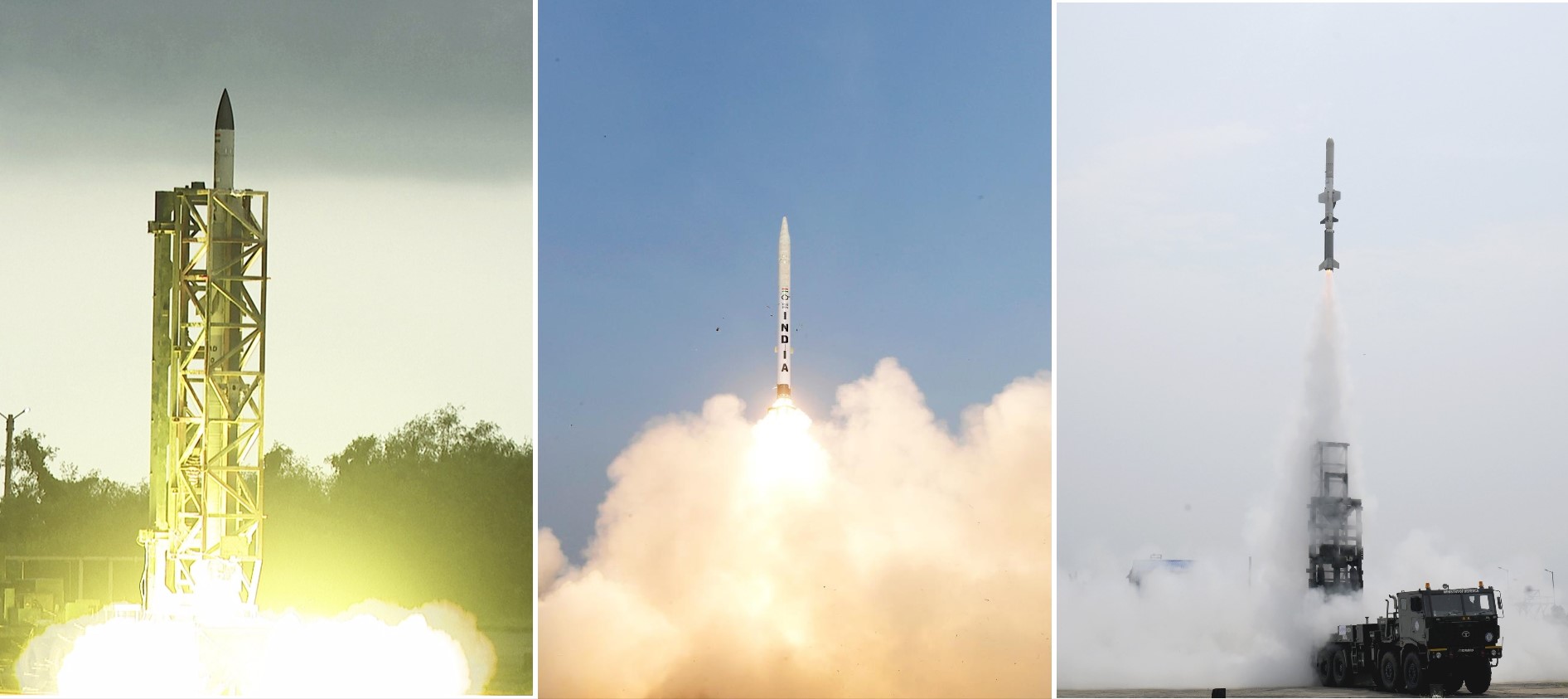 India Successfully Conducts AD-1, AD-2 Interceptor Tests and Maiden NASM-MR Flight Trial
-
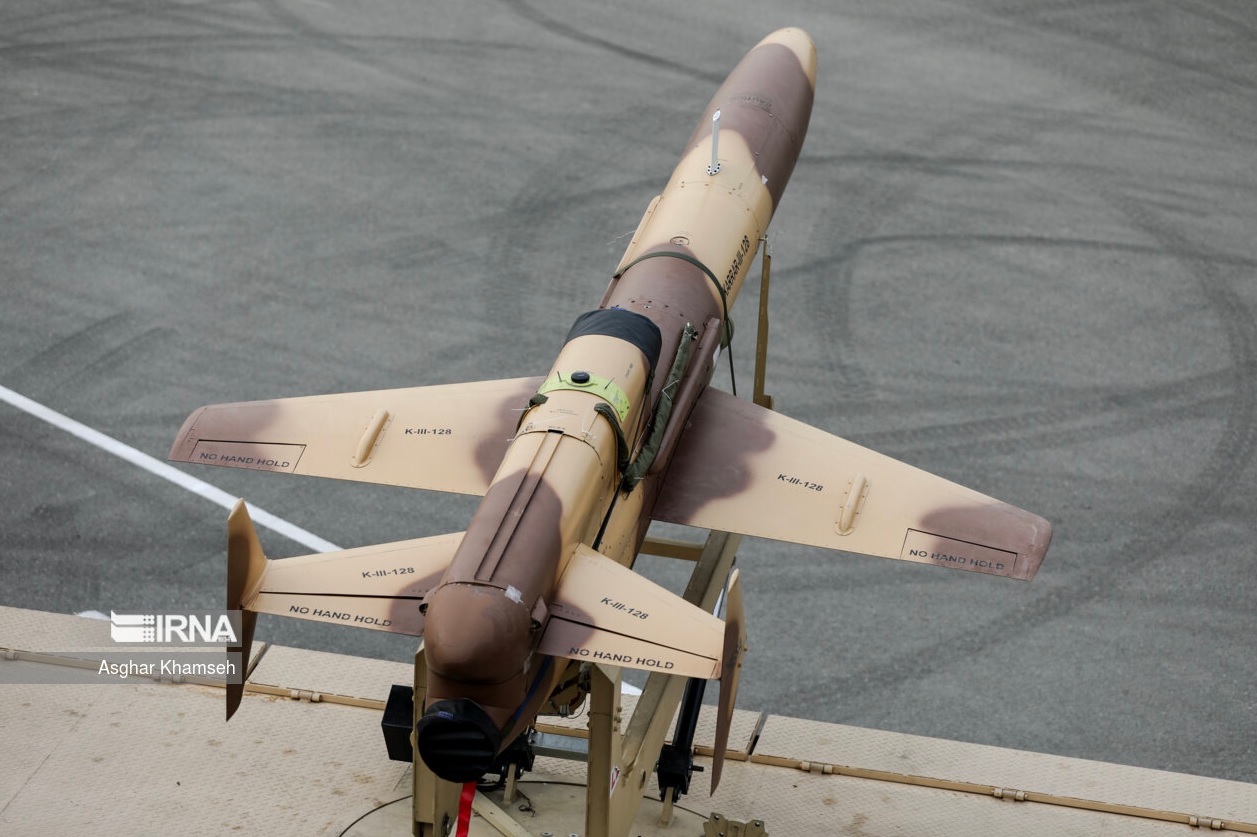 Russia Launches 1,400 Jet-Powered Drones in 2026 as Strike Tactics Evolve to Challenge Ukraine's Air Defenses
-
 U.S Navy Orders 50 Blackbeard Hypersonic Missiles in New $23.4 Million Contract
-
 UAE Denies Reports of Releasing Up to $20 Billion in Funds to Iran Amid Regional De-Escalation Efforts
-
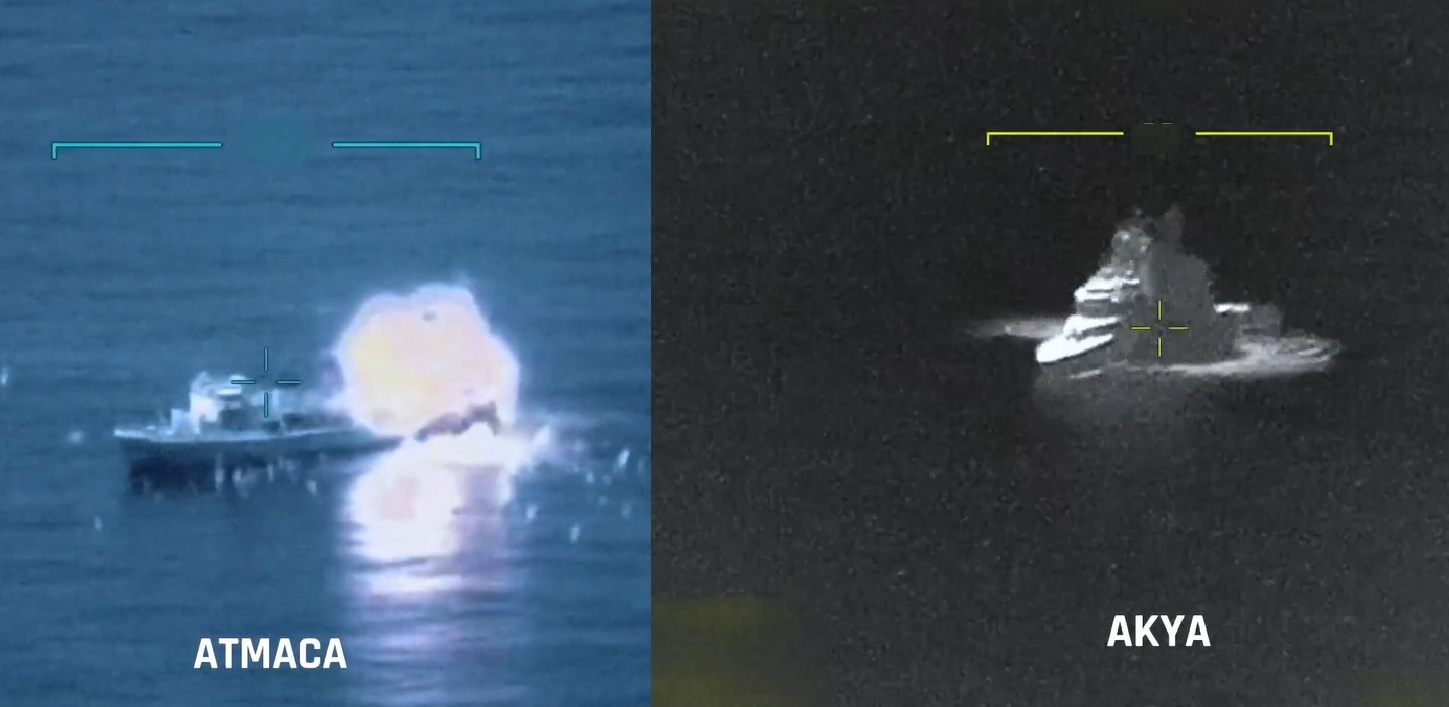 Turkey Navy Successfully Tests AKYA Torpedo and ATMACA Missile During Major Denizkurdu-II Naval Exercise
-
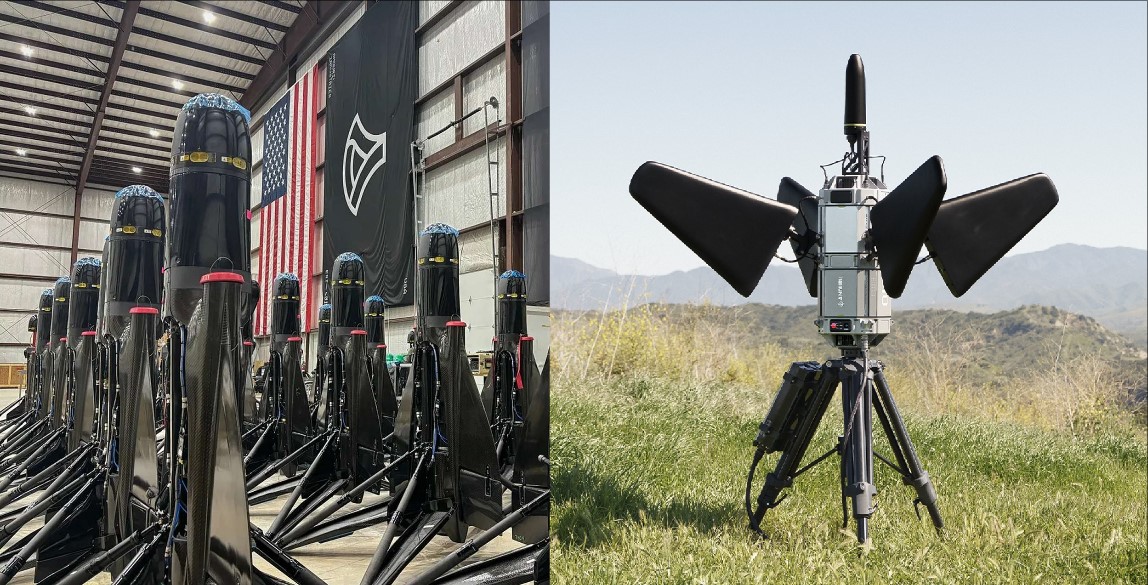 U.S. Approves $1.98 Billion Sale of Anduril AI-Powered Counter-Drone Systems to Kuwait
-
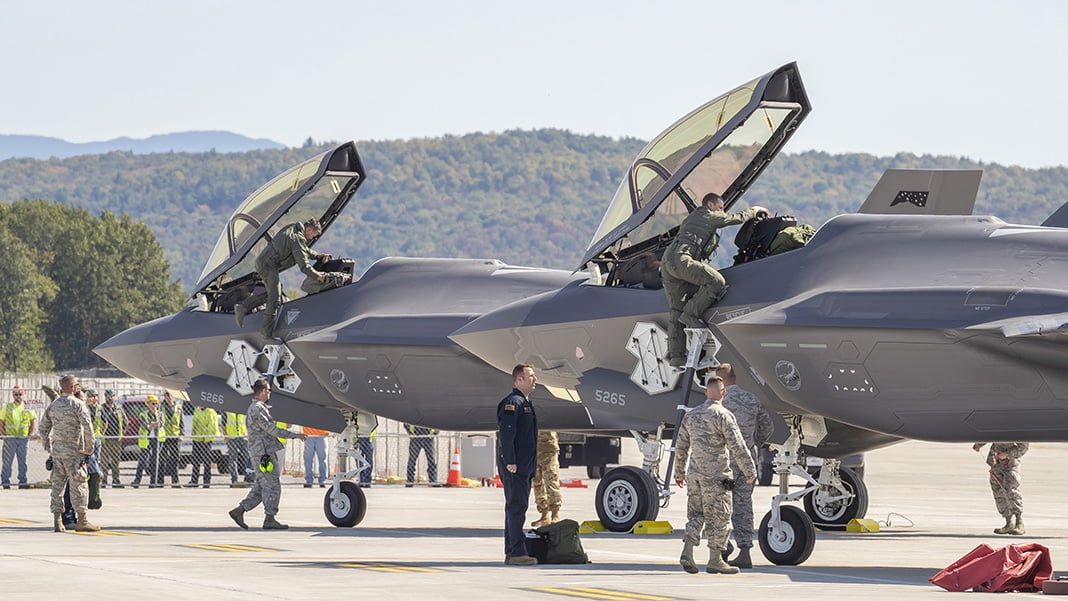 F-35 Fleet Readiness Falls to 25% Amid Parts Shortages and Software Delays: GAO Report
-
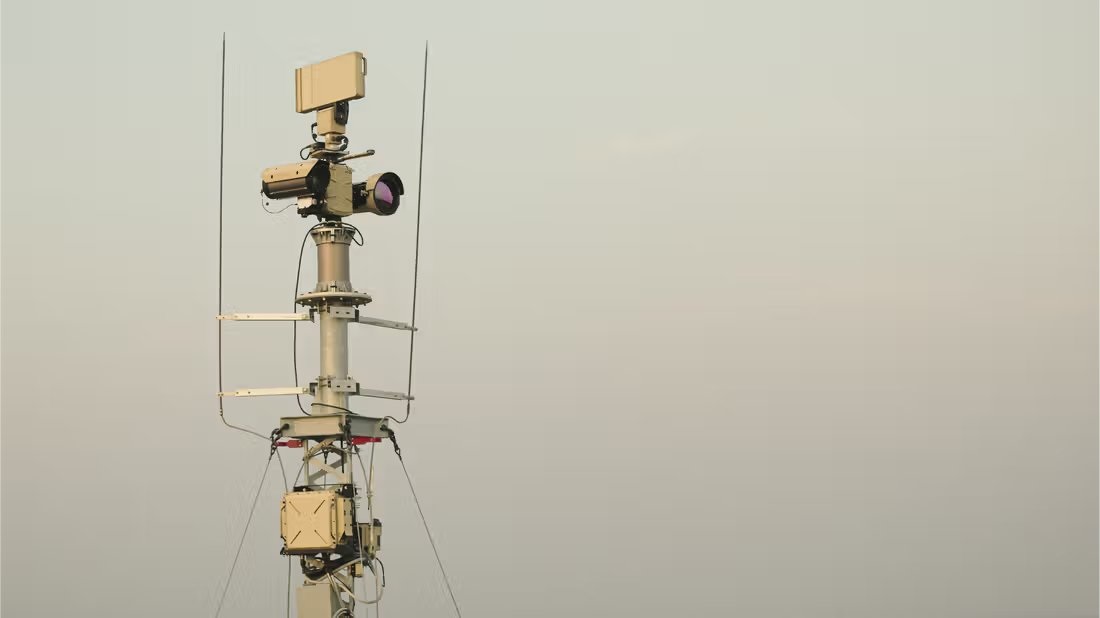 Anduril Wins $363 Million CBP Contract to Deploy Over 200 Extended Range AI Surveillance Towers
Top Trending in 4 Days
-
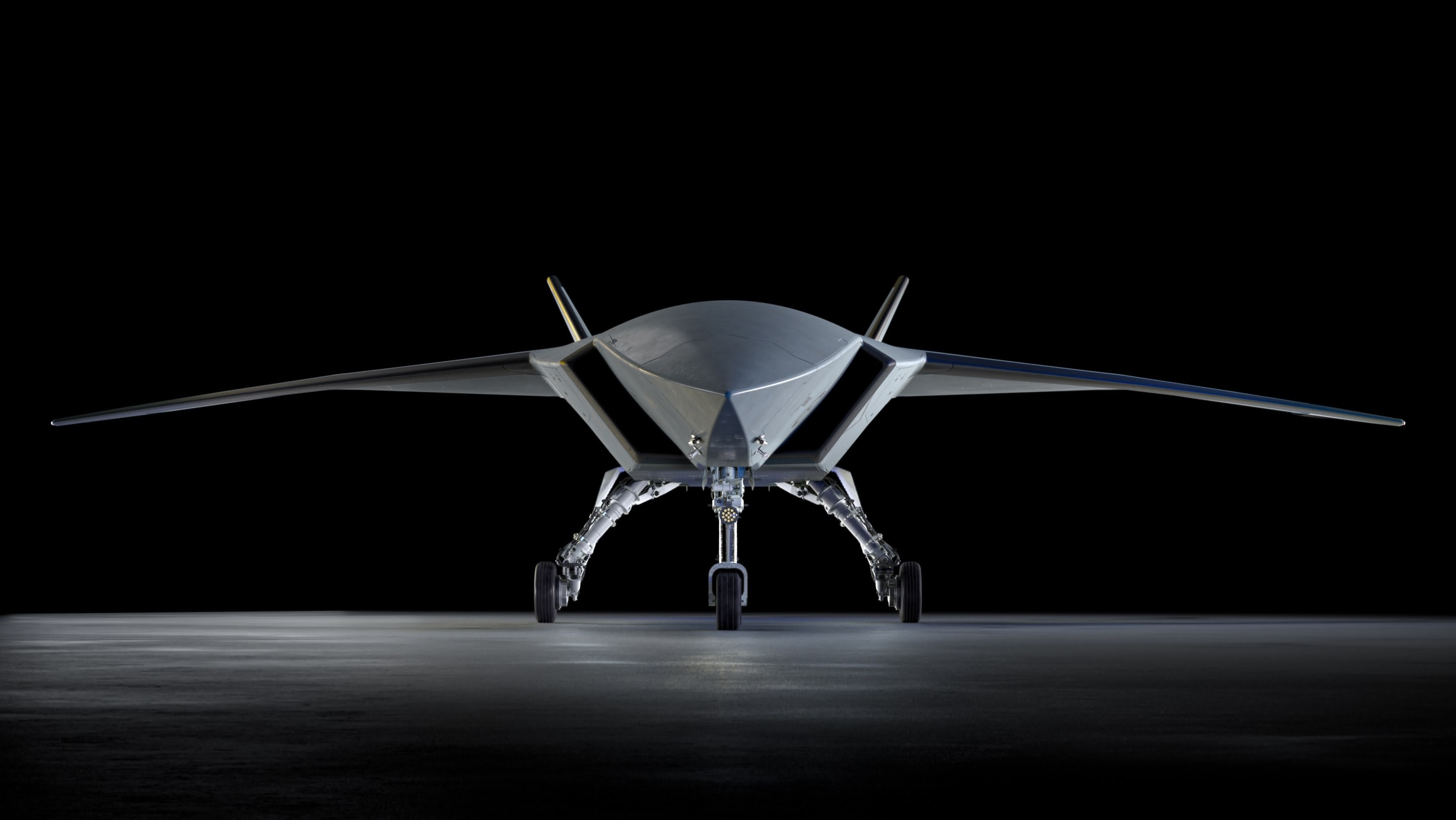 Boeing Introduces New MQ-28 Ghost Bat Upgrades with Increased Range, Payload and Weapons Capacity at ILA Berlin 2026
-
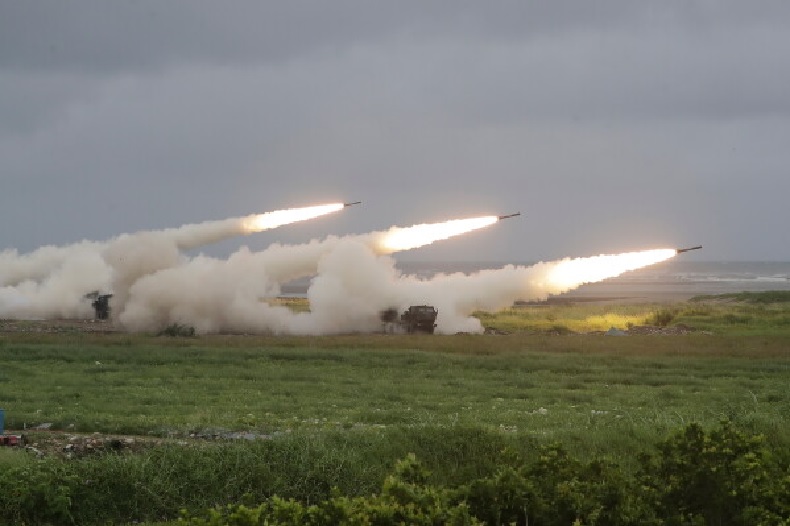 Taiwan Conducts First Live-Fire of HIMARS Rockets From West Coast During Invasion Defense Drill
-
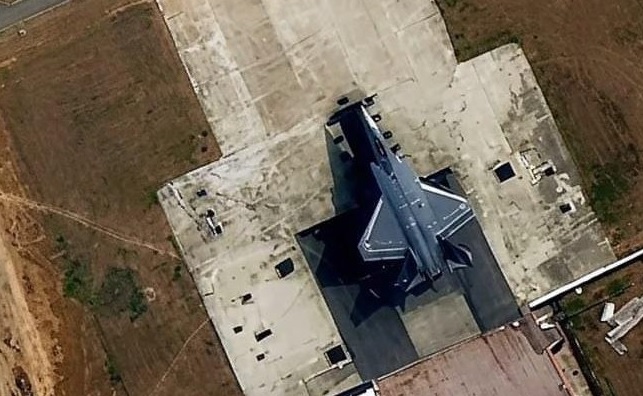 AMCA Airframe Spotted at DRDO’s ORANGE Facility for Radar Cross-Section Testing
-
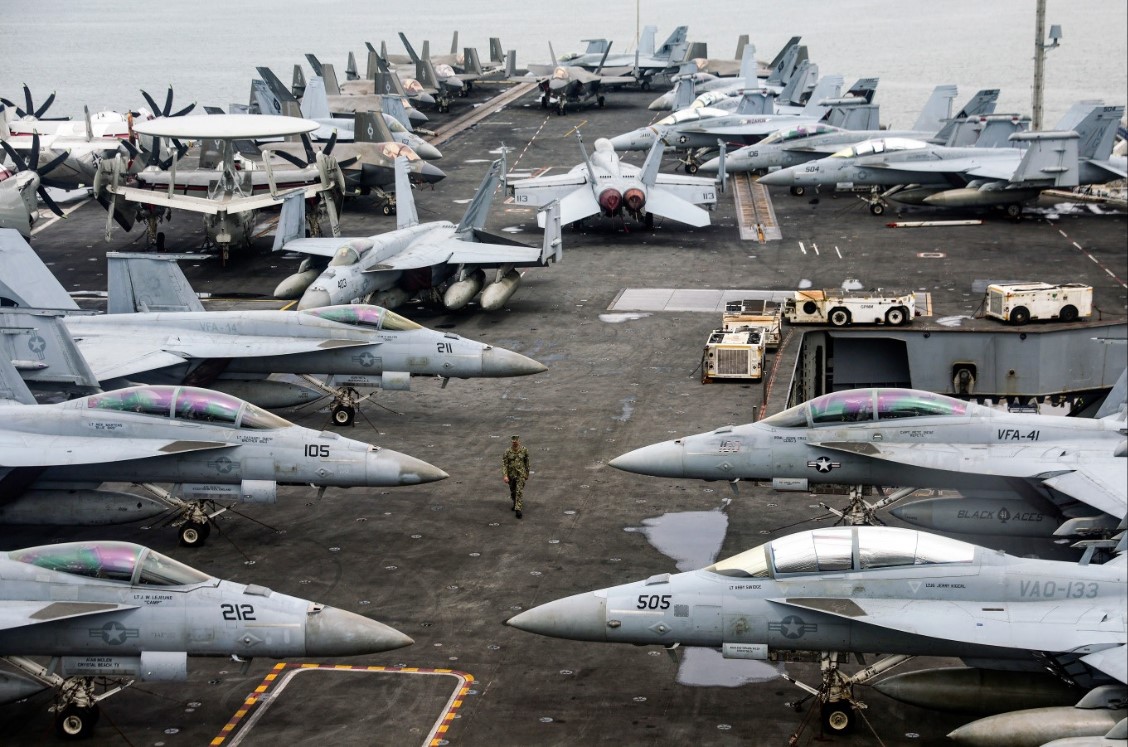 US Plans Significant Reduction of Fighter Jets and Warships for NATO Operations in Europe
-
 Iranian Media Leaks 14-Point U.S.-Iran Peace Framework Amid Ongoing Negotiations
-
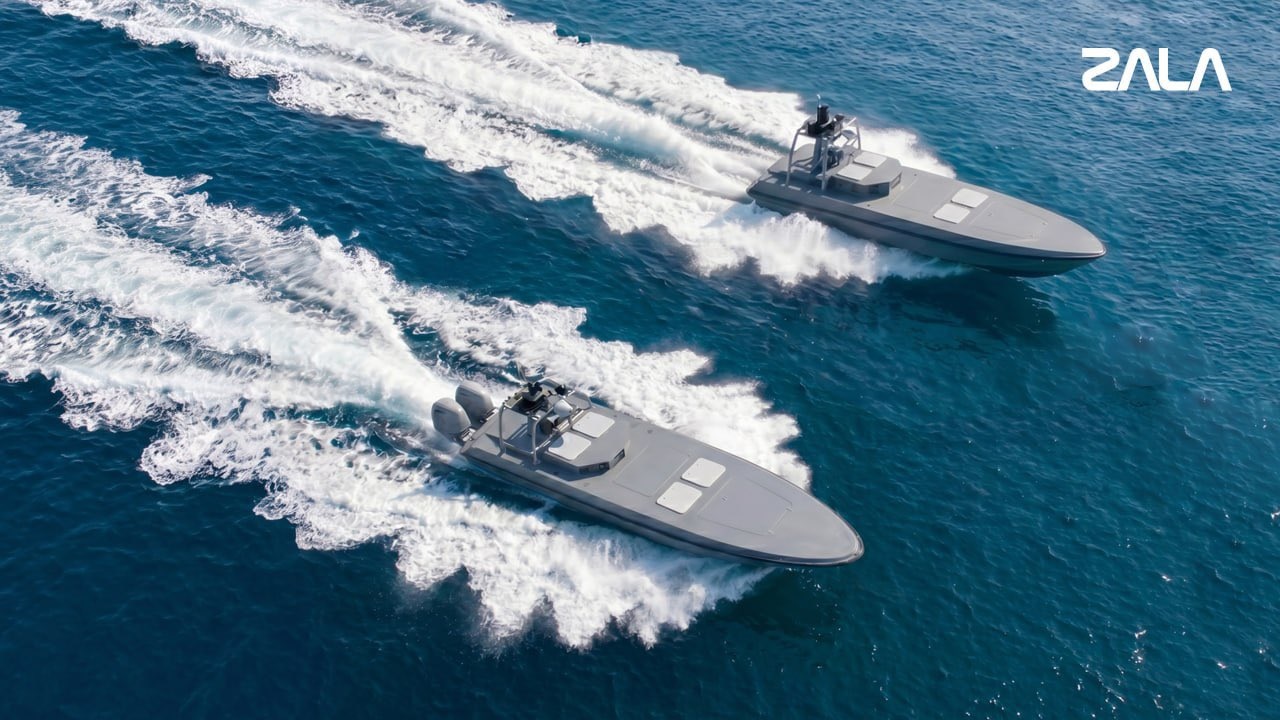 Russian Defense Firm ZALA Unveils KAMA Unmanned Surface Vessel Family at FLOT-2026 Naval Exhibition
-
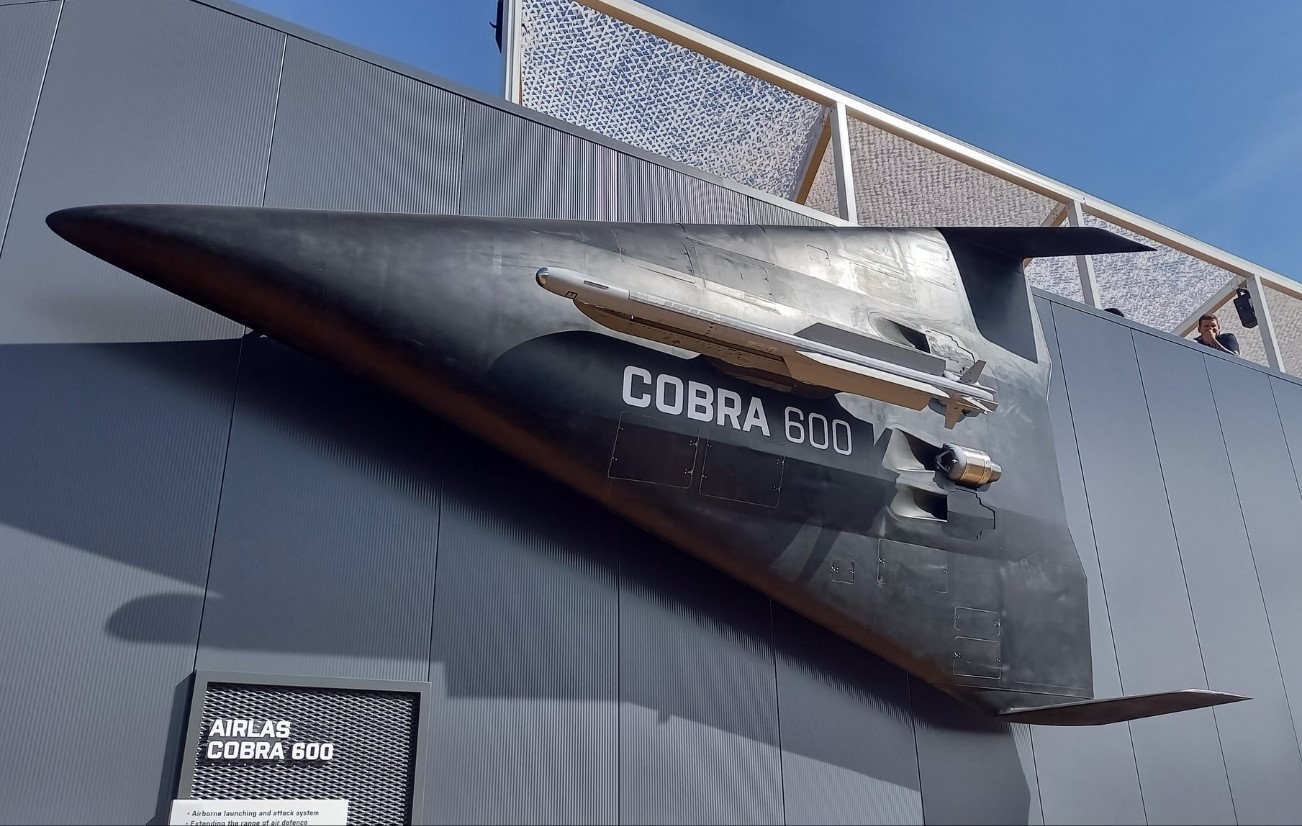 Diehl Defence Unveils IRIS-T Armed Cobra 600 Air Defense Drone at ILA Berlin 2026
-
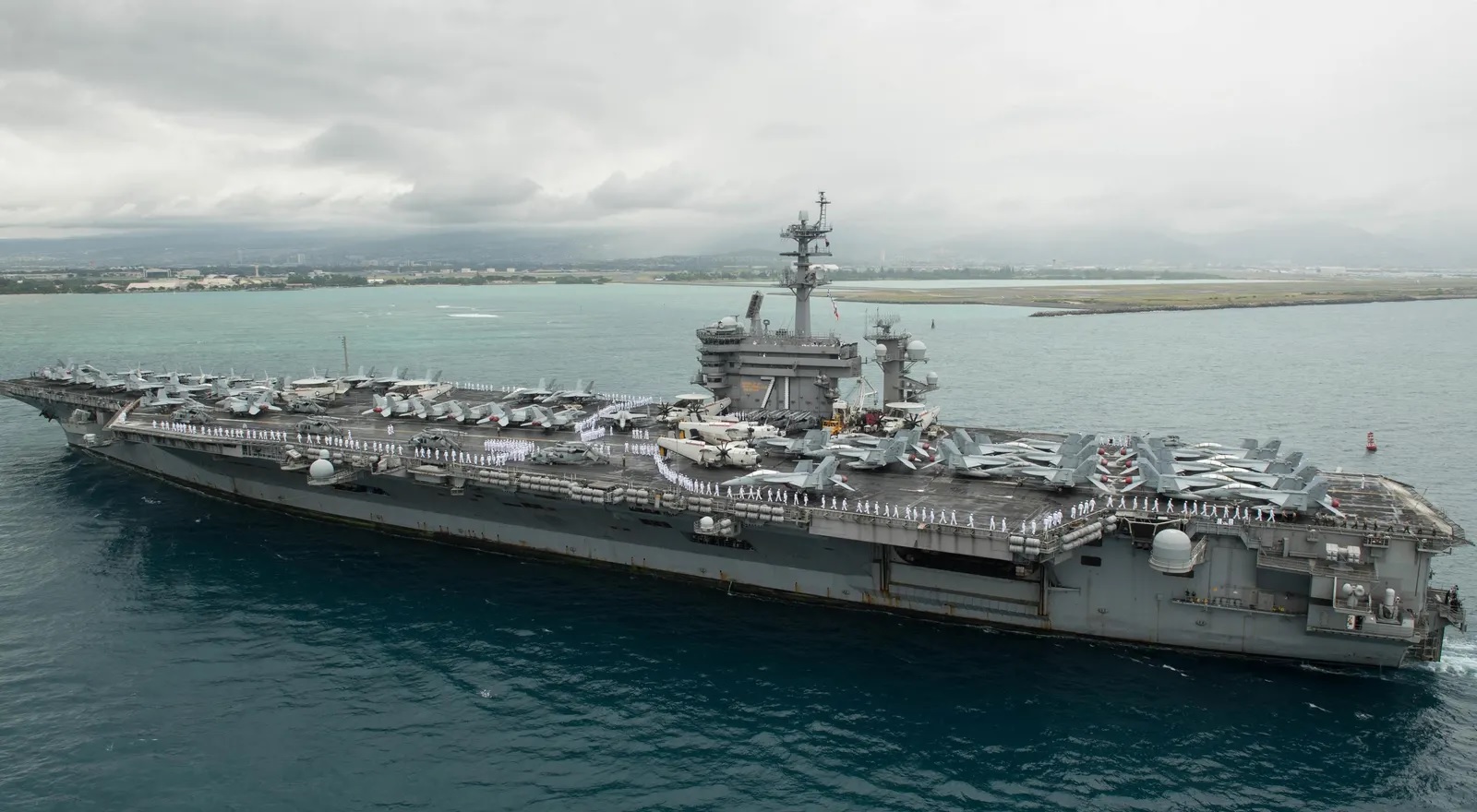 U.S Aircraft Carrier USS Theodore Roosevelt Departs San Diego for Major RIMPAC 2026 Naval Exercise