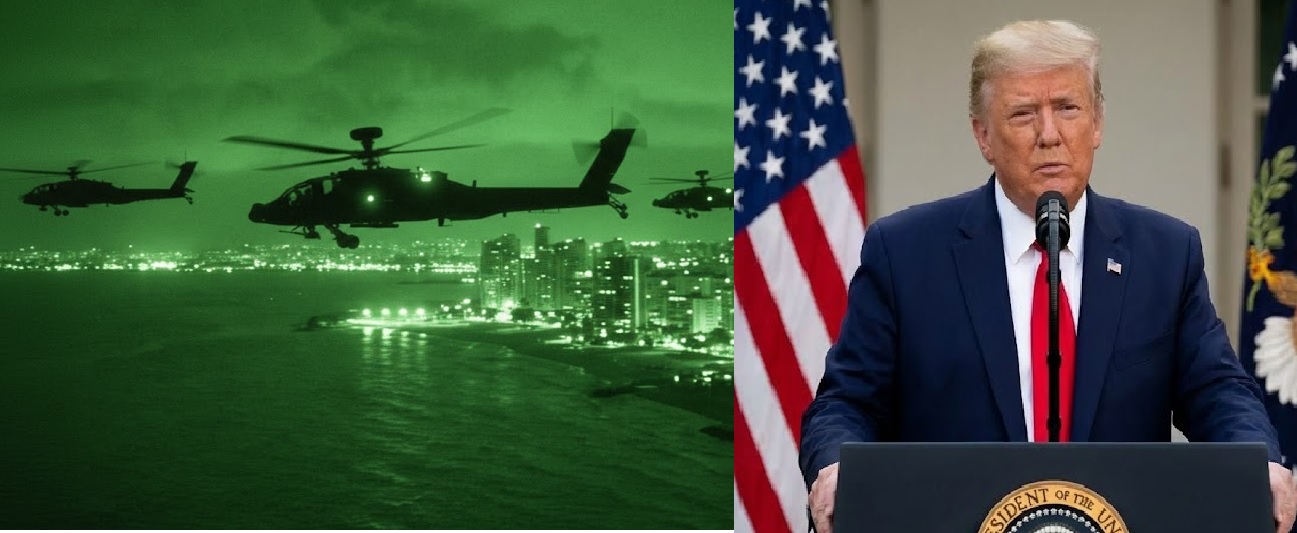
Washington / Caracas: In one of the most dramatic military escalations in the Western Hemisphere in decades, U.S. President Donald Trump announced that American forces have captured Venezuelan President Nicolás Maduro and his wife, Cilia Flores, following a large-scale U.S. military operation against Venezuela. Trump described the action as a “brilliant operation,” praising the planning and execution by U.S. troops.
Speaking in a brief telephone interview with The New York Times, Trump said, “A lot of good planning and a lot of great, great troops and great people. It was a brilliant operation, actually.” The U.S. president later confirmed on Truth Social that Maduro had been captured and flown out of the country, adding that the mission was conducted “in conjunction with U.S. law enforcement.”
Operation Timeline and Scale
According to U.S. and international media reports, the operation began in the pre-dawn hours of January 3, with coordinated air, naval, and special-forces actions across Venezuelan territory. U.S. forces struck more than 100 military targets during the operation, focusing on command centers, air bases, radar sites, and coastal facilities linked to Venezuela’s security apparatus.
Explosions were reported across Caracas and surrounding regions, with residents describing loud blasts, aircraft overhead, and temporary power disruptions. Key military locations, including Fort Tiuna and the Generalissimo Francisco de Miranda Air Base, were among the sites affected, according to multiple reports.
Delta Force Capture Mission
CBS News reported that Maduro was captured by “Delta Force,” the elite special operations unit of the U.S. Army, renowned for high-risk missions involving high-value targets. The unit is known for operating with extreme secrecy and precision, often deep behind enemy lines.
U.S. officials said the capture phase was executed swiftly after the initial strikes neutralized key defenses, allowing special-forces teams to secure Maduro and his wife before extracting them from Venezuelan territory.
Massive U.S. Military Buildup
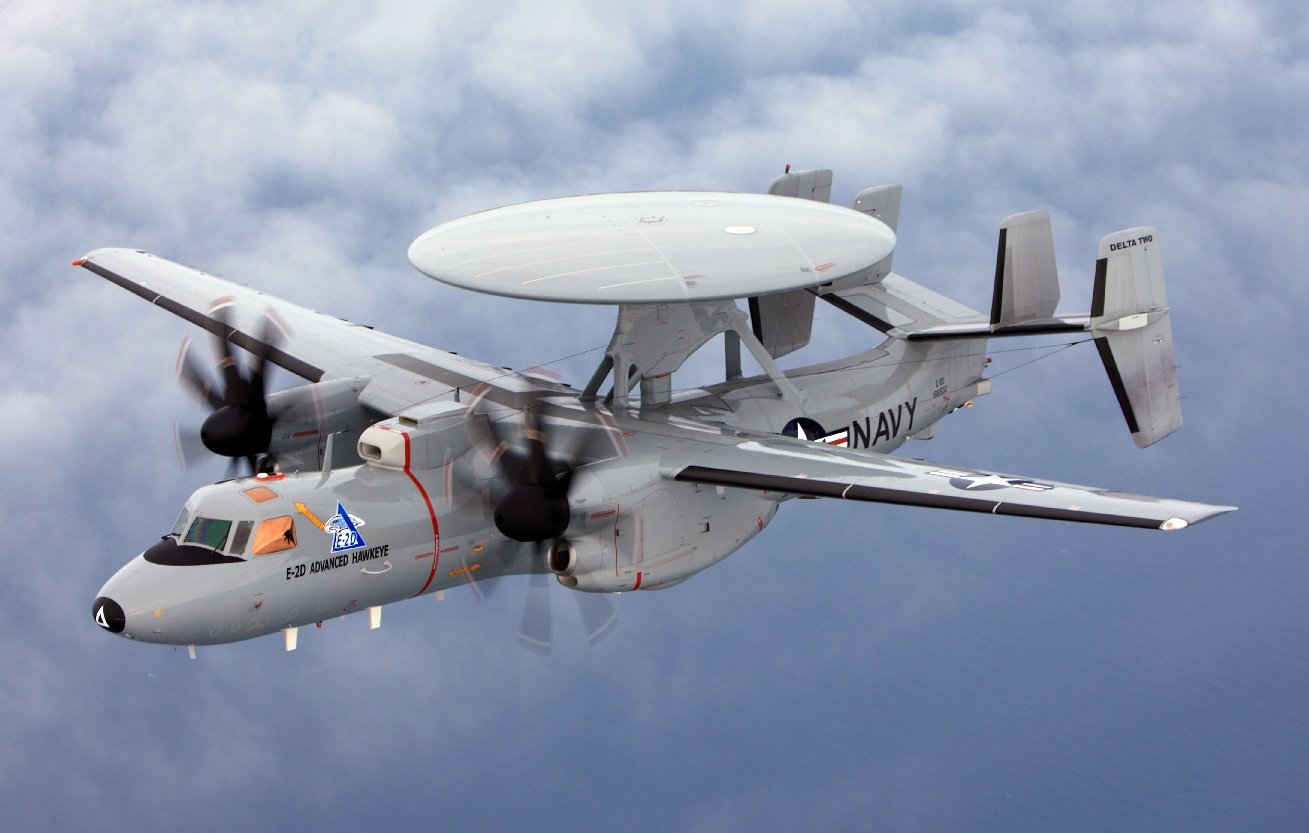
The strike followed months of escalating U.S. military pressure. A huge naval and aerial presence had been assembled in the Caribbean, including the aircraft carrier USS Gerald R. Ford, escort warships, and long-range surveillance and strike aircraft. Defense analysts described the deployment as one of the largest U.S. force concentrations in the region in decades.
In the weeks leading up to the operation, U.S. forces seized Venezuelan oil tankers at sea, imposed an expanded oil blockade, and carried out airstrikes on small boats Washington accused of drug trafficking. U.S. officials said more than 100 suspected trafficking vessels and facilities had been destroyed as part of the broader campaign.
Background: Indictment and $50 Million Bounty
Maduro has been indicted by a U.S. court since March 2020 on charges including narco-terrorism and drug trafficking. Last year, Washington doubled the reward for information leading to his capture to $50 million, underscoring the administration’s determination to detain him.
Trump has repeatedly warned that Maduro’s “days are numbered,” while also accusing Venezuela of exporting drugs to the United States and seizing U.S. oil interests.
Venezuela Reacts Amid Uncertainty
Despite Trump’s announcement, senior figures in Maduro’s government remain in place. Interior Minister Diosdado Cabello and Defense Minister Vladimir Padrino López have not been detained and continue to exercise authority.
Vice President Delcy Rodríguez, speaking on state-run television, said the government had no official confirmation of Maduro’s whereabouts and publicly called on Trump to clarify his status. Cabello urged calm, asking citizens to trust the Political and Military High Command during what he described as a critical national moment.
The U.S. Embassy in Bogotá issued an emergency advisory urging Americans in Venezuela to shelter in place, citing reports of explosions and unstable security conditions.
International and Legal Implications
The reported capture of a sitting head of state has triggered intense global reaction. While some U.S. allies expressed cautious support for efforts to combat drug trafficking, several countries condemned the operation as a violation of Venezuelan sovereignty. Regional leaders called for emergency diplomatic consultations as fears grew of prolonged instability in South America.
U.S. officials say Maduro will now face criminal proceedings in U.S. courts, though legal experts warn the case could ignite complex disputes over international law, jurisdiction, and the use of force.
What Comes Next
Maduro reportedly in U.S. custody, and key members of his government still operational, Venezuela faces a profound power vacuum. The coming days are expected to determine whether the country moves toward political transition—or deeper crisis—as Washington prepares to present further details at Trump’s announced news conference at Mar-a-Lago.
——— End of Article ———