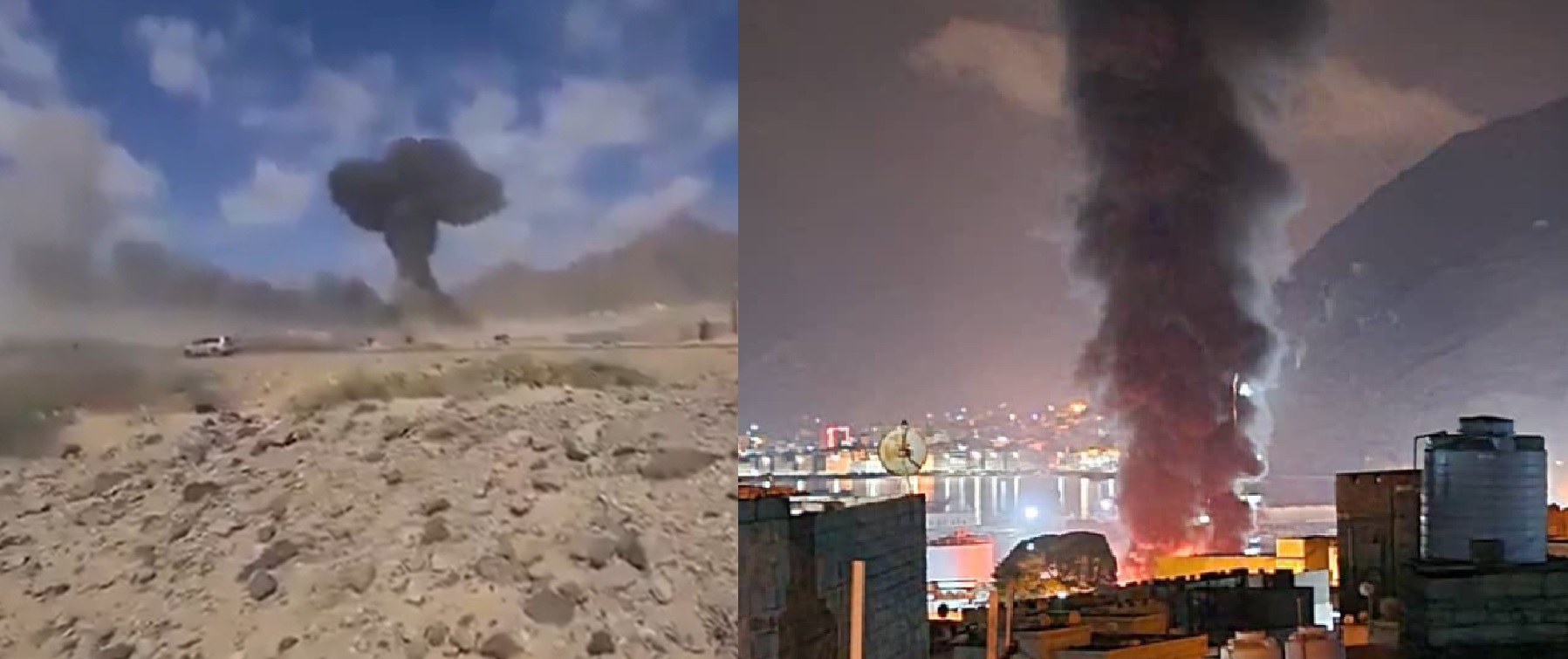
Al-Mukalla, Yemen — Fighter aircraft of the Royal Saudi Air Force (RSAF) carried out precision airstrikes on UAE-backed Southern Transitional Council (STC) camps in and around the strategic port city of Al-Mukalla, sharply escalating tensions between Saudi Arabia and the United Arab Emirates over control and influence in eastern Yemen.
The strikes underscore Riyadh’s assertion of full air superiority over Yemen and signal a decisive shift toward direct action against Emirati-aligned forces operating outside the authority of Yemen’s internationally recognised government.
Saudi Ultimatum Expired, Air Campaign Begins
According to regional security sources and Yemeni officials, the air operation followed the expiry of a Saudi ultimatum demanding the immediate withdrawal of Emirati forces and their STC proxies from Hadramout Province. The ultimatum reportedly included the evacuation of camps, weapons depots, and logistics hubs linked to the STC.
When the deadline passed without compliance, Saudi jets began targeted strikes aimed at neutralising STC military infrastructure. Riyadh accused the STC of refusing to disengage despite repeated warnings, leaving airstrikes as what officials described as a “necessary security response.”
Targets Near Port And Military Camps Hit
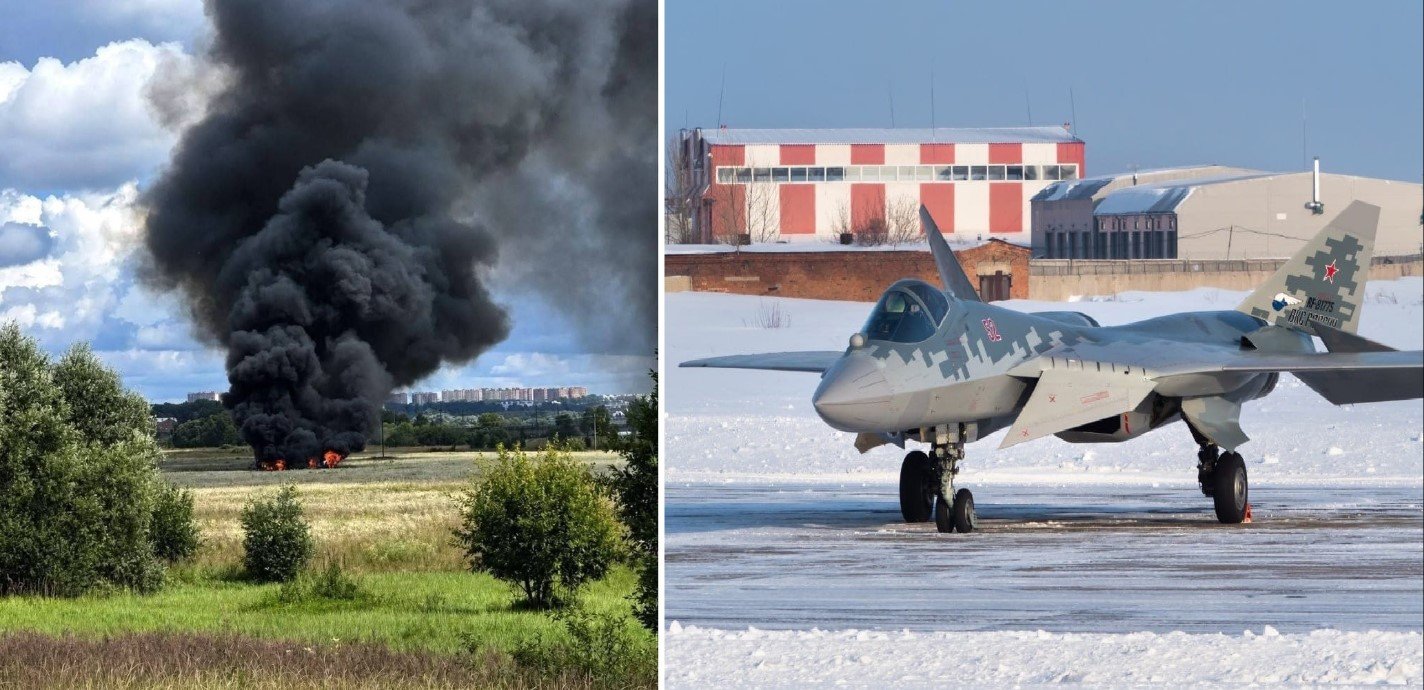
Local sources reported multiple air raids striking STC camps, command centres, and vehicle concentrations, including locations close to Al-Mukalla Port, a vital commercial and logistical hub. Footage circulating from the aftermath showed destroyed facilities, damaged vehicles, and heavy smoke rising from targeted areas.
STC officials acknowledged the attacks, confirming that several of their positions were hit. They reported fatalities and injuries among fighters, though exact numbers remain unverified due to restricted access and ongoing security operations.
Civil authorities advised residents to avoid military zones and port areas, citing the risk of further strikes.
Rival Gulf Powers, Competing Agendas
Saudi officials say the airstrikes were designed to halt what they describe as unauthorised foreign military support to separatist forces. Riyadh has repeatedly accused the UAE of supplying the STC with weapons, armoured vehicles, and financial backing, claims Abu Dhabi has denied.
The UAE maintains that it has significantly reduced its military presence in Yemen and insists its remaining role is focused on counter-terrorism and local security support. Abu Dhabi has so far issued no detailed public response to the latest Saudi strikes.
The Southern Transitional Council, which seeks autonomy or independence for southern Yemen, condemned the attacks, accusing Saudi Arabia of undermining southern political aspirations and warning that continued air operations could destabilise Hadramout.
Strategic And Humanitarian Risks
Al-Mukalla, the capital of Hadramout, is one of Yemen’s most important ports and a critical artery for trade, fuel imports, and humanitarian aid. Any sustained military activity around the city risks disrupting civilian life and worsening an already severe humanitarian crisis.
Analysts warn that the Saudi-Emirati rift, now spilling into open military confrontation, could redefine alliances within Yemen’s fragmented conflict and complicate international efforts to stabilise the country.
Uncertain Path Ahead
With Saudi Arabia demonstrating a willingness to directly strike UAE-backed forces, attention now turns to whether the air campaign will expand, whether the STC will retaliate on the ground, and whether diplomatic channels can prevent a broader Gulf confrontation.
For Yemen, the strikes represent yet another escalation in a long-running war — one in which regional rivalries continue to shape the battlefield, and civilians remain the most vulnerable victims.
——— End of Article ———