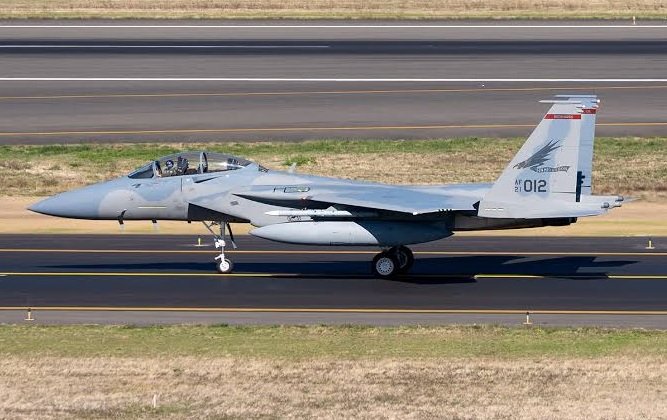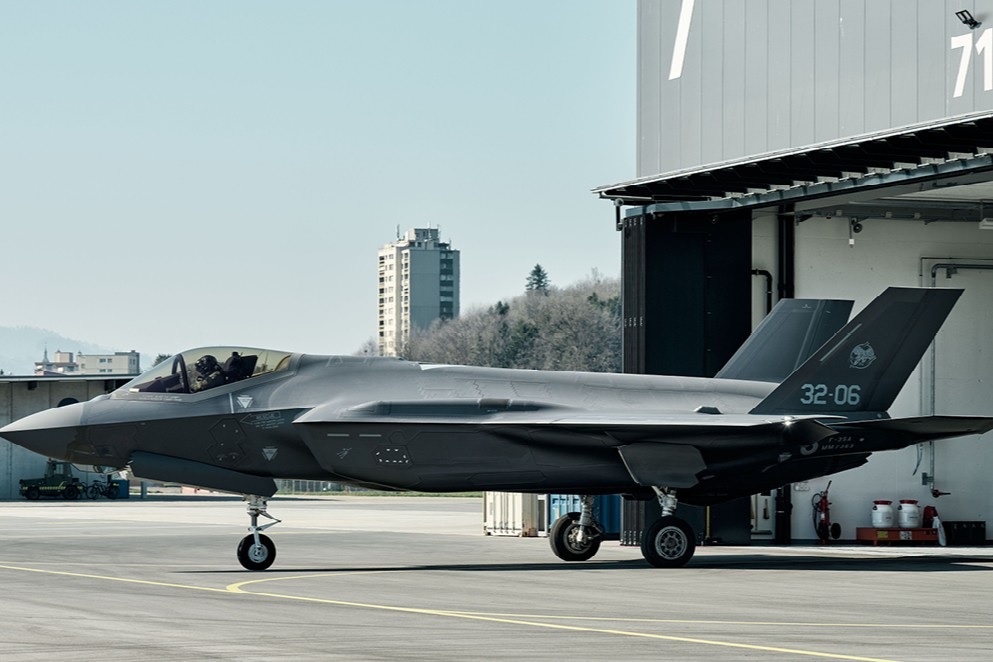
LISBON, February 26, 2026 : The United States has formally advocated for the selection of the Lockheed Martin F-35A Lightning II as Portugal evaluates options to replace the Portuguese Air Force (FAP)’s aging fleet of F-16 Fighting Falcon aircraft. The diplomatic engagement comes as Lisbon continues parallel discussions with European aerospace manufacturers regarding potential alternatives.
U.S. Ambassador to Portugal John Arrigo stated in an interview with CNN Portugal on February 23 that the F-35A would ensure interoperability with leading European air forces and strengthen Portugal’s operational integration within NATO structures. He described the aircraft as a fifth-generation stealth platform and said that more than 900 F-35 aircraft are either in service or on order across Europe. Arrigo also noted that approximately 25 percent of the aircraft’s components are manufactured in Europe and urged Portugal to increase defense spending from around 2 percent of gross domestic product to NATO’s 5 percent target by 2035.
Current Fleet and Replacement Requirement
The Portuguese Air Force currently operates approximately 25 F-16AM/BM aircraft based at Monte Real Air Base. The fleet was acquired during the 1990s under the Peace Atlantis programs and consists of 21 single-seat F-16A variants and four two-seat F-16B aircraft. The jets range in age from 31 to 42 years and have undergone mid-life upgrades, including modernization to the Operational Flight Program S3.25 standard.
FAP leadership has confirmed that the F-16 fleet will remain operational until a fifth-generation replacement is introduced. Chief of Staff João Cartaxo Alves stated in December 2025 that the replacement process is underway at the institutional level. He indicated that the air force is prioritizing the acquisition of at least 14 fifth-generation fighters, with the total number potentially increasing to 28 aircraft procured in one or two phases. Alves also acknowledged that the modernization process should have begun approximately two decades earlier.
The proposed procurement program is estimated to range between €3.0 billion and €4.8 billion, depending on the final aircraft selection and quantity.
Government Position and Procurement Status
Portuguese Defense Minister Nuno Melo stated in November 2025 that no formal tender process had been launched and no acquisition decision had been made. He previously emphasized the need to evaluate geopolitical considerations and assess European defense options that could provide economic returns to Portugal’s domestic aerospace and defense industry.
The fighter replacement program forms part of the Airpower Transformation Plan 2024–2030. While technical requirements are being finalized by the air force for submission to political authorities, no official timeline has been announced for issuing a formal tender or selecting a preferred platform.
European Industry Engagement
Portugal has engaged in discussions with multiple European aerospace manufacturers as part of its evaluation process.
Sweden’s Saab has presented the Saab JAS 39 Gripen E/F as a cost-effective alternative, emphasizing lower operating and maintenance costs as well as potential industrial participation for Portuguese firms.
France’s Dassault Aviation has offered the Dassault Rafale multirole fighter. Dassault Chief Executive Officer Éric Trappier confirmed the company’s readiness to supply the aircraft. The proposal aligns with broader French government efforts, led by President Emmanuel Macron, encouraging European nations to prioritize domestically produced defense systems.
In addition, Airbus Defence and Space, representing the Eurofighter consortium, has signed a Memorandum of Understanding (MoU) with the Portuguese Cluster for Aeronautics, Space and Defence Industries (AED) to examine potential integration of Portuguese companies into the supply chain should the Eurofighter Typhoon be selected.
Strategic and Operational Considerations
The evaluation process is expected to assess multiple factors, including acquisition and lifecycle costs, delivery schedules, industrial participation, NATO interoperability, and the avoidance of capability gaps in national air defense.
Portugal is not currently a member of the F-35 program. A selection of the F-35A would place the country among a growing group of European operators, including Denmark, Norway, and the Netherlands, which have already transitioned or committed to the platform.
The Portuguese government has not announced a decision date. Political authorization will be required before a formal procurement phase can begin.
——— End of Article ———