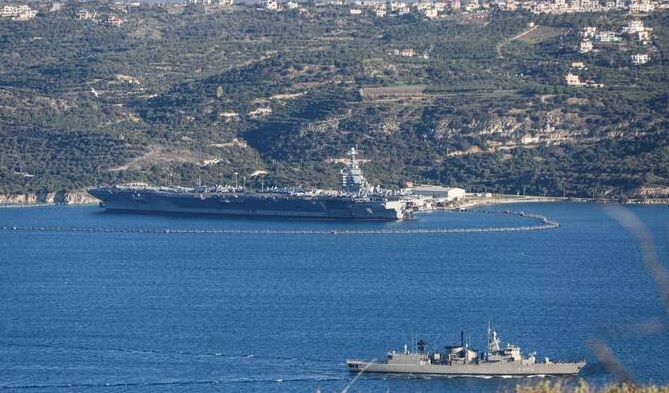
SOUDA BAY, GREECE / WASHINGTON, February 26, 2026 : The United States Navy aircraft carrier USS Gerald R. Ford (CVN-78) departed Naval Support Activity Souda Bay on the Greek island of Crete on February 26 after completing a scheduled four-day port visit for refueling and resupply operations.
The nuclear-powered carrier is now transiting eastward through the Mediterranean Sea and is expected to reach its initial operating area off the Israeli coast within 24 hours. U.S. defense officials indicated that the deployment is part of the current American naval posture in the eastern Mediterranean and surrounding waters.
The USS Gerald R. Ford had arrived at Souda Bay earlier in the week for routine logistical support. No details were released regarding the specific escort ships currently accompanying the carrier strike group, though officials confirmed that it continues to operate with its assigned surface combatants and support vessels.
Initial Deployment Off Israel
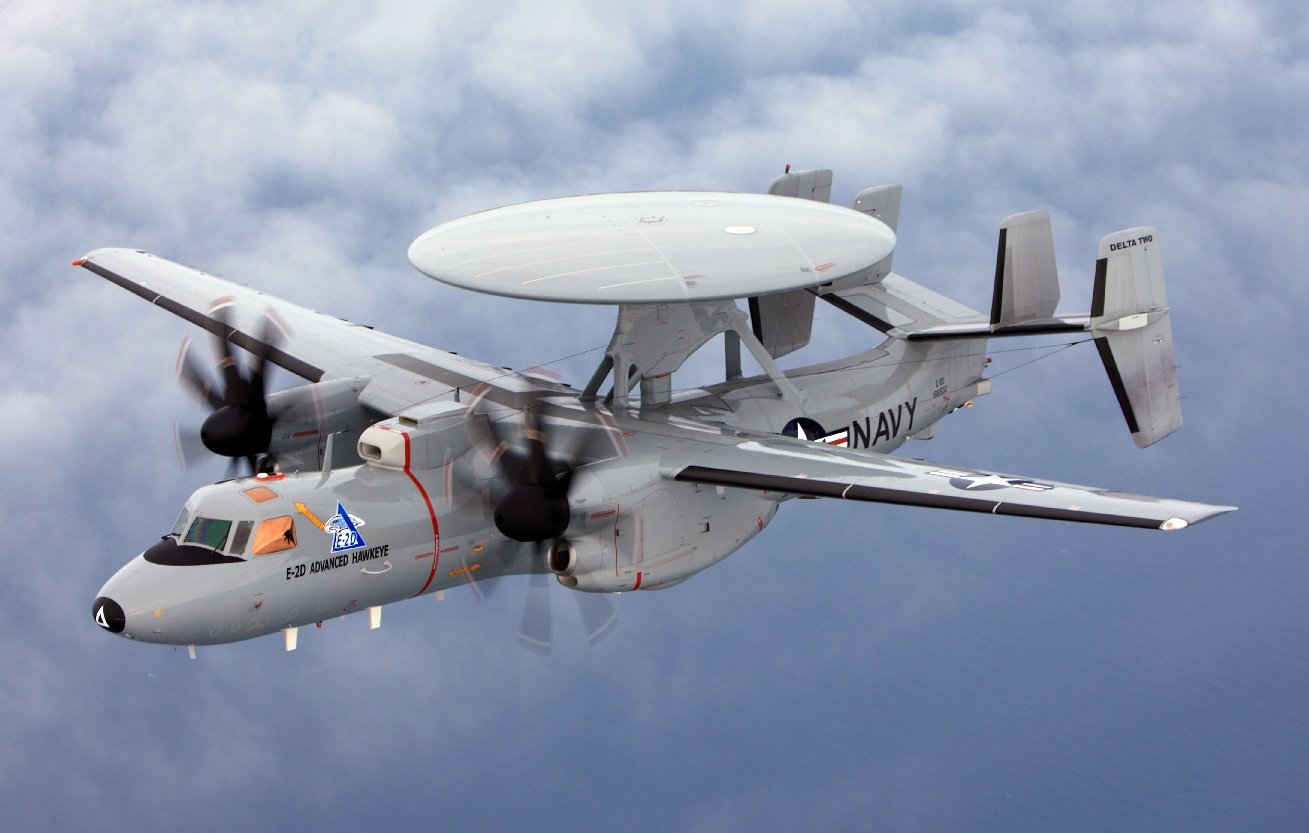
According to U.S. defense sources, the carrier’s initial tasking involves operating off the coast of Israel to support regional air defense requirements. The vessel’s embarked Carrier Air Wing 8 provides fighter, attack, electronic warfare, airborne early warning, and helicopter squadrons capable of countering drones and cruise missile threats.
Military planners stated that the carrier’s aviation assets could complement Israel’s air defense systems in the event of potential Iranian ballistic missile launches or other aerial threats. The ship’s presence offers extended early warning coverage and additional interception capability in the eastern Mediterranean theater.
Alternative Operational Theaters Under Consideration
While the carrier is proceeding toward the Israeli coast for its initial deployment, U.S. naval officials noted that its final station will depend on evolving security assessments over the next 24 to 48 hours. Three primary operational options remain under consideration:
Eastern Mediterranean: The carrier may maintain position off Israel to provide sustained defensive air coverage and maritime security support.
Red Sea / Gulf of Aden: Naval commanders could direct the carrier strike group to transit the Suez Canal and deploy off the coast of Yemen. Such a positioning would serve as a deterrent against Houthi forces and aim to prevent renewed attacks on international shipping lanes and long-range strikes directed toward Israel.
Arabian Sea: A third option would involve continuing transit into the Arabian Sea to integrate with the USS Abraham Lincoln Carrier Strike Group, which has been operating in the region since January 2026. Operating both carrier strike groups in proximity would significantly increase available tactical aviation assets, expanding the number of strike aircraft in the area for potential military operations targeting Iran.
Vessel Specifications and Capabilities
USS Gerald R. Ford is the lead ship of the Ford-class aircraft carriers and is currently the world’s largest aircraft carrier. The vessel has a full-load displacement of approximately 100,000 tons and is powered by two nuclear reactors, enabling sustained high-speed operations without reliance on conventional fuel.
The carrier has a crew of nearly 4,600 personnel, including ship’s company and embarked air wing members. Its design incorporates advanced systems for aircraft launch and recovery, increased sortie generation rates, and enhanced radar and command-and-control capabilities compared to previous Nimitz-class carriers.
The USS Gerald R. Ford was redirected to the Middle East following prior operations in the Caribbean, aligning with the current U.S. military presence in the region. The USS Abraham Lincoln Carrier Strike Group remains deployed in the broader Middle East area.
The carrier’s movement from Souda Bay forms part of ongoing U.S. naval operations in the eastern Mediterranean, with further deployment decisions expected to reflect regional security developments in the coming days.
——— End of Article ———