Space & Technology
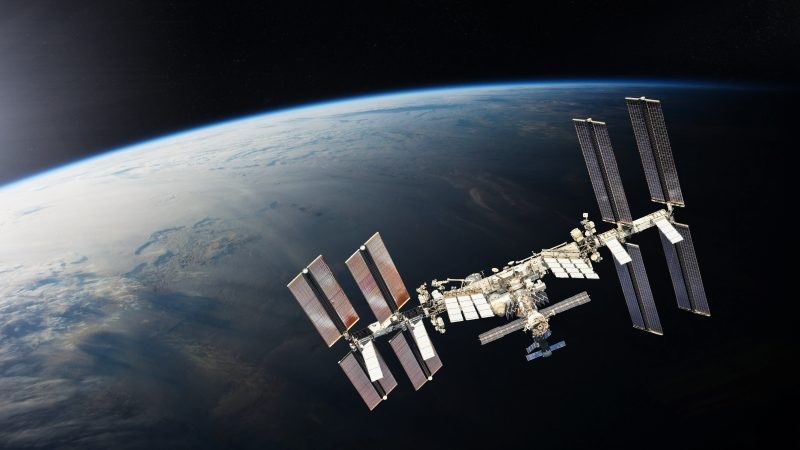
In a startling event, a defunct Russian satellite recently disintegrated into thousands of fragments in space, raising concerns about the growing threat of space debris. This incident prompted astronauts aboard the International Space Station (ISS) to take precautionary measures, seeking shelter to avoid potential collisions with the debris.The breakup occurred at an altitude of approximately 355 kilometers in low-Earth orbit, a region bustling with active satellites, including SpaceX's expansive Starlink network and numerous Chinese satellites. This area has long been a critical zone for satellite operations, making any additional debris particularly hazardous.While the exact cause of the satellite's disintegration remains unclear, initial reports suggest that leftover fuel might have ignited, causing the satellite to explode. Despite the dramatic nature of the event, Russian space agency Roscosmos has not provided detailed information on what led to the sudden breakup.The incident was first reported around 10 a.m. ET, sending astronauts aboard the ISS into precautionary lockdown. This maneuver is standard procedure whenever space debris poses a potential threat, as even small fragments can cause significant damage due to their high velocity.Fortunately, according to Yahoo News, the debris from this particular satellite breakup does not pose an immediate threat to other operational satellites in orbit. However, the increasing accumulation of space junk remains a growing concern for space agencies worldwide. Each new piece of debris adds to the existing clutter, increasing the risk of collisions that could damage vital satellites or even the ISS itself.Russia has been under scrutiny from the United States and other countries regarding its handling of space debris, particularly following controversial anti-satellite missile tests. These tests have previously generated significant debris, adding to the congestion in low-Earth orbit.As discussions continue about the responsibility and management of space debris, this latest incident underscores the urgent need for international cooperation. Addressing the space junk problem is crucial to ensure the safety of current and future space missions.While the astronauts on the ISS are now safe, the event serves as a stark reminder of the fragile environment beyond our atmosphere. The space community must work together to develop strategies to mitigate the risks posed by defunct satellites and other debris, ensuring that space remains a viable domain for exploration and technology.
Read More → Posted on 2024-06-30 15:53:10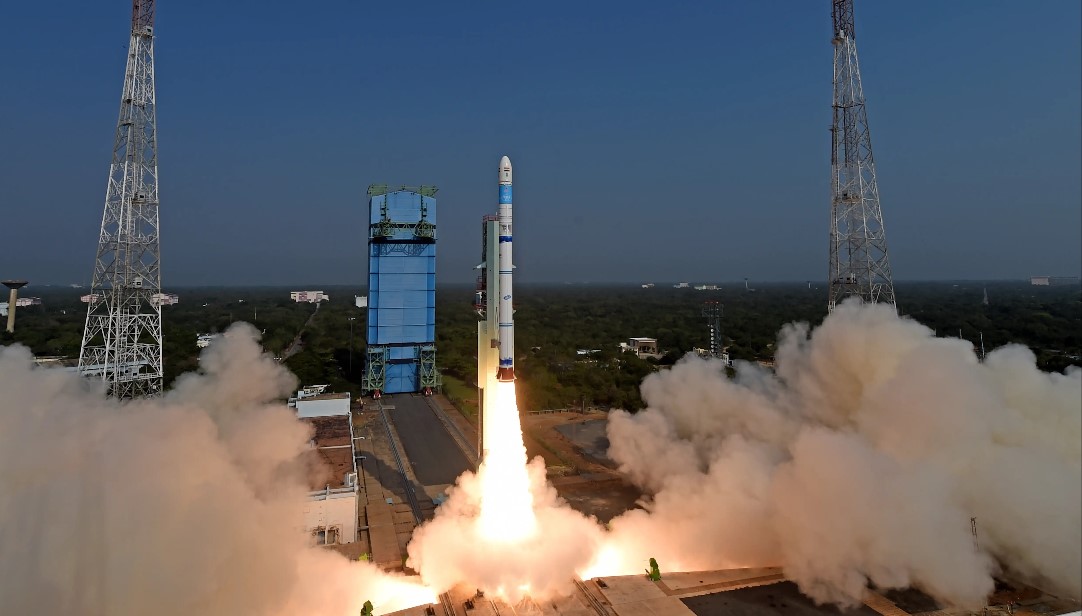
Space & Technology
ISRO (Indian Space Research Organisation) is gearing up for the third and final developmental flight of its Small Satellite Launch Vehicle (SSLV), designated SSLV-D3. This mission, scheduled for July 10, 2024, marks a significant milestone in ISRO's efforts to provide cost-effective and efficient launch services for small satellites.The SSLV is specifically designed to cater to the growing demand for launching mini, micro, and nano satellites. It is a lightweight vehicle, weighing about 110 tonnes, and can carry payloads up to 500 kg to low Earth orbit (LEO) and 300 kg to Sun-synchronous orbit (SSO). The SSLV stands out for its low cost, quick turnaround time, and flexibility in accommodating multiple satellites, making it a valuable asset for both commercial and scientific purposes.The second developmental flight, SSLV-D2, successfully launched on February 10, 2023, placing three satellites (EOS-07, Janus-1, and AzaadiSAT-2) into their designated 450 km circular orbit within a 15-minute flight. This mission helped validate the SSLV's design and performance, following the partial failure of the first developmental flight, SSLV-D1, in August 2022 due to a software issue during the second stage separation.The lessons learned from SSLV-D2 have been incorporated into the SSLV-D3 iteration, further enhancing its reliability and performance. The upcoming SSLV-D3 mission is expected to solidify ISRO's position in the small satellite launch market, providing a versatile and reliable option for launching small payloads on demand.This mission is not just a technical achievement but also a strategic move to strengthen India's space capabilities and foster greater collaboration with the private sector in satellite manufacturing and launch services. The successful deployment of the SSLV will enable ISRO to increase its launch frequency and better serve the global small satellite market, supporting various applications from earth observation to scientific research.Overall, the SSLV-D3 launch represents a crucial step in ISRO's journey towards offering competitive and efficient launch services, thereby advancing India's space exploration and satellite deployment capabilities.
Read More → Posted on 2024-06-28 15:44:36
Space & Technology
The Indian Space Research Organisation (ISRO) has laid out ambitious plans for the future of India's space exploration efforts. At a recent press briefing in New Delhi, ISRO Chairman S. Somanath revealed key projects awaiting government approval: the Indian Space Station, Bharatiya Antariksha Station (BAS), and the Chandrayaan-4 lunar mission.Bharatiya Antariksha Station (BAS)OverviewISRO's vision for India's own space station, the Bharatiya Antariksha Station (BAS), marks a significant milestone in the nation's space capabilities. The finalized plans will soon be presented to the government for approval, setting the stage for India's independent operations in low-Earth orbit.SpecificationsLaunch Vehicle: The BAS will be launched using the Launch Vehicle Mark-III (LVM3), ISRO's current heaviest rocket.Timeline: The first module of the BAS is targeted for launch by 2028.Configuration: The first configuration has been engineered, and the proposal includes detailed timelines, required technologies, and costs.Facilities and InfrastructureNew Launch Complex: A new, heavier launch complex weighing nearly 4,000 tons is needed to support the BAS and other upcoming missions.International Partnerships: ISRO’s commercial arm, NewSpace India Ltd (NSIL), signed a partnership with the Australian government to invest $18 million in Indian space projects. This includes an $8.5 million satellite launch contract for the Australian firm Space Machines.Chandrayaan-4OverviewFollowing the success of Chandrayaan-3, which landed on the lunar south pole, ISRO is gearing up for its next lunar mission, Chandrayaan-4. This mission aims to bring back samples from the moon, a significant step towards advancing India's space exploration capabilities.SpecificationsLaunch Vehicle: The mission will use the Next Generation Launch Vehicle (NGLV), which will replace the current LVM3.Mission Configuration: Chandrayaan-4 will include a crucial space docking station, necessary for returning lunar samples to Earth.Target Date: The mission is planned for a 2028 launch, with a two-phase approach to ensure success.Key Technologies and ExperimentsSpace Docking: The Spadex (space docking experiment) will test docking capabilities both in Earth orbit and lunar orbit. This technology is vital for the success of Chandrayaan-4.Sample Return: Chandrayaan-4 aims to bring back lunar soil samples, a complex task requiring advanced spacecraft and docking technology.SignificanceGaganyaan Mission: The success of Chandrayaan-4 is crucial for the Gaganyaan mission, which aims to place an Indian astronaut on the lunar surface by 2040.Lunar Research: Returning samples from the moon will provide valuable scientific data and insights into lunar geology.Future ProspectsLow-Earth Orbit (LEO) InitiativesISRO and In-Space (a state-affiliated space promotions and authorization agency) are working on building a low-earth orbit earth observation satellite constellation. This initiative aims to boost internal demand and foster the development of applications for satellite data.Manufacturing HubISRO's goal is to transform India into a manufacturing hub for satellites and launch capabilities. The privatization of India's space sector in 2020 has already spurred the development of multiple space start-ups and launch vehicles. By fostering domestic demand and building necessary infrastructure, ISRO aims to support the rapid growth of the space industry in India.Challenges and OpportunitiesThe key challenges include securing government approval and funding for these ambitious projects. However, the potential benefits are immense, ranging from scientific advancements and international collaborations to economic growth through a thriving space sector.In conclusion, ISRO's plans for the Bharatiya Antariksha Station and Chandrayaan-4 represent a bold step forward in India's space journey. These projects, once approved and implemented, will not only enhance India's space capabilities but also contribute significantly to global space research and exploration.
Read More → Posted on 2024-06-27 16:19:47
Space & Technology
ISRO Chairman S Somanath on Wednesday said there is not enough internal demand for the satellite launch market in India but it can be created through more work on the application of satellite technology.Addressing the India Space Congress 2024, he said big companies are willing to enter the space sector but they are concerned about the timeline for breaking even and securing orders. “When I talk to many of those industries who are willing to come and set up facilities, they are all very ready to do it. But they are asking when they are going to break even and where the orders are so that they can safely invest in this. I think this is a big question.“It is the bigger challenge of convincing investors to come in a big way in big state projects,” the leading space scientist said.At a press conference on the sidelines of the Space Congress, he said, “We need to create more internal demand. That implies internal demand is not enough. All of us are working towards that. The demand will come from the user side, from the communication segment, which, of course, includes big satellite builders.” “We would like to find orbital slots and frequencies which can be given to industry to build satellites and launchers. This is the first step towards creating internal demand. InSpace has already announced a funding plan to create a new earth observation constellation. That’s again another step towards creating internal demand.” Somanath also said although the cost of accessing space has decreased significantly globally, largely due to SpaceX, India’s rocket costs have not seen similar reductions.Reducing costs could boost small satellite launches and attract new participants in the space sector, he said.Somanath mentioned that Prime Minister Narendra Modi’s vision for Amrit Kaal includes extending human space activity beyond the Gaganyaan mission, with the goal of landing on the moon by 2040.However, he said India’s current rockets are not sufficient for round trips to the moon. Developing rockets with higher payload capacity is essential for both bringing back samples and future human missions, the ISRO chairman said.“Though GSLV MKIII (LVM3) is the biggest rocket that we have, it is not big enough. It has just enough capability to go up to the moon, but it cannot even come back. We need to develop the capability to bring samples back and then send humans to the moon and bring them back,” he said.Somanath said the development of such capabilities must also consider commercial sustainability. Space activities should support a broader ecosystem and not just focus on lunar missions, he said.The scientist said India’s industrial capacity to produce launchers needs significant enhancement and more companies must enter this field to increase production capabilities.Somanath told reporters that GSAT-20 is set to launch in mid-August onboard Falcon 9 and it has received clearance to be moved to the United States for launch.
Read More → Posted on 2024-06-27 15:42:56
Space & Technology
OpenAI’s recent decision to bar access to its services for developers based in China has ignited a flurry of activity within the Chinese artificial intelligence (AI) sector, prompting local companies to accelerate their efforts in developing competitive alternatives to global offerings.The move, slated to take effect on July 9th, marks a significant development in the landscape of AI technology adoption in China. Despite not officially launching its services in mainland China and Hong Kong, OpenAI’s decision is expected to have far-reaching implications, according to industry experts and analysts.Zhou Hongyi, CEO of Qihoo 360, a prominent cybersecurity firm in Beijing, highlighted the potential for growth within China’s own large language model (LLM) industry. In a recent social media post, Zhou emphasized that OpenAI’s restriction would expedite the development and adoption of locally-built LLMs. This sentiment underscores a growing sentiment among Chinese tech leaders that domestic solutions can fill the void left by international restrictions.Chinese developers, traditionally adept at circumventing regulatory barriers through virtual private networks (VPNs) and APIs, are now redirecting their focus towards homegrown alternatives. Companies like Zhipu AI and established tech giants such as Alibaba and Baidu have swiftly responded with migration plans and incentives, including discounted access and technical support, to attract former OpenAI users.Zhipu AI, touted as a frontrunner in China’s AI market, unveiled a comprehensive migration strategy dubbed the “special house-moving plan,” aimed at simplifying the transition for users switching from OpenAI to their platform. Similarly, Baichuan, spearheaded by Wang Xiaochuan of Sogou fame, promises a seamless switch that takes mere minutes, illustrating the competitive edge and user-centric approach of these local contenders.The competition in China’s LLM sector is fierce, with over 200 locally developed models already approved for public use as of early 2024. This abundance of options has sparked a pricing war among industry heavyweights like Baidu, who have opted to offer free access to their less powerful models in a bid to entice new customers.The strategic responses from Chinese AI firms underscore a broader trend towards self-sufficiency and innovation within the country’s tech ecosystem. Analysts such as Zhang Yi from consultancy iiMedia note that the swift reaction from local players reflects both the competitive pressures and the market maturity driving China’s AI sector forward.As China continues to assert its position in the global AI landscape, the ramifications of OpenAI’s decision are poised to reshape the dynamics of AI development and deployment worldwide. With domestic players poised to capitalize on regulatory shifts and heightened demand for localized solutions, the future of AI innovation in China appears increasingly robust and self-reliant.In conclusion, while OpenAI’s restriction may initially appear as a setback for Chinese developers, the ensuing surge in local AI innovation signals a pivotal moment in the evolution of China’s technology sector. As these developments unfold, the world watches with anticipation to see how China’s burgeoning AI industry will redefine global standards and push the boundaries of technological advancement.
Read More → Posted on 2024-06-26 15:28:15
Space & Technology
In a historic achievement for lunar exploration, China's Chang'e 6 mission has successfully returned samples from the mysterious far side of the moon, marking a significant milestone in space science and advancing our understanding of Earth's celestial neighbor.The culmination of this groundbreaking mission occurred early Tuesday morning as Chang'e 6's return capsule touched down in China's Inner Mongolia Autonomous Region. Launched on May 3, the mission swiftly reached lunar orbit before descending to the moon's surface within the expansive South Pole-Aitken basin on June 1. This region, spanning 1,600 miles in diameter, is a colossal impact feature on the moon's far side, largely unexplored until now.Equipped with a lunar lander, an orbiter, an ascender, and a return capsule, Chang'e 6's complex architecture enabled the collection of approximately 4.4 pounds (2 kilograms) of lunar material. The samples, obtained using sophisticated scooping and drilling mechanisms, were then transferred to the mission's orbiter, initiating their journey back to Earth.This triumph not only underscores China's growing prowess in space exploration but also fills a critical gap in lunar research. Prior missions, including China's own Chang'e 5, focused exclusively on the moon's near side, leaving the far side largely uncharted due to communication challenges—resolved in part by China's deployment of dedicated relay satellites.Scientists eagerly anticipate analyzing these newly acquired samples, expecting them to unveil vital insights into the moon's geological history and the broader evolution of our solar system. Of particular interest is the South Pole-Aitken basin's formation, believed to date back 4.26 billion years, raising questions about its relation to the Late Heavy Bombardment period and its potential role in delivering crucial materials to Earth, including water and organic compounds.The success of Chang'e 6 builds on China's earlier achievements, notably the 2019 landing of Chang'e 4 on the moon's far side, which continues to operate with its rover Yutu 2. Looking forward, China plans to launch Chang'e 7 and Chang'e 8 in the coming years, paving the way for establishing a lunar base near the moon's south pole by the 2030s.As humanity's exploration of the moon enters a new era of discovery, China's ambitious lunar program not only promises groundbreaking scientific advancements but also lays the groundwork for future missions that could redefine our understanding of the cosmos and our place within it.In summary, China's Chang'e 6 mission represents a pivotal leap forward in lunar exploration, offering tantalizing glimpses into the moon's far side and setting the stage for even more ambitious endeavors in the years to come.
Read More → Posted on 2024-06-25 15:57:18
Space & Technology
In 1974, Gerard O'Neill, a Princeton University professor and space visionary, proposed using electromagnetic rail guns, or "mass drivers," to launch payloads from the Moon. These mass drivers, based on a coil gun design, were intended to accelerate non-magnetic objects, enabling the launch of lunar materials into space for manufacturing purposes. O'Neill, working with Henry H. Kolm and student volunteers at MIT, developed the first prototype mass driver with support from the Space Studies Institute. Over time, subsequent prototypes have refined and improved upon this concept.Today, this concept finds a practical application aboard the U.S. Navy's Gerald R. Ford nuclear aircraft carrier. The carrier employs the Electromagnetic Aircraft Launch System (EMALS), which uses electromagnetic fields to launch aircraft. Manufactured by General Atomics Electromagnetic Systems (GA-EMS), EMALS has successfully completed over 10,000 launches and landings, proving its reliability and efficiency.In a report titled "Lunar Electromagnetic Launch for Resource Exploitation to Enhance National Security and Economic Growth," General Atomics outlined a vision for applying electromagnetic launch technology to lunar resource exploitation. Authored by Robert Peterkin, the report was submitted to the Air Force Office of Scientific Research (AFOSR). It emphasizes that the Moon is rich in resources such as silicon, titanium, aluminum, and iron, and highlights the potential for using lunar water.The report proposes that a future lunar economy could use these resources to resupply, repair, and refuel spacecraft in lunar orbit more cost-effectively than transporting resources from Earth. Electromagnetic launches from the lunar surface are highlighted as more efficient than chemical rocket launches, which require fuel to be imported from Earth. By using solar energy as a power source, these launches could be more sustainable.Peterkin advocates for the U.S. government to fund the development of a lunar electromagnetic launch system, evolving from the existing EMALS technology used on the Gerald R. Ford. The goal is to achieve higher speeds at lower mass to launch pound-class payloads from the lunar surface into low lunar orbit at 3,758 miles per hour (1.68 kilometers per second). Demonstrating the ability to achieve this speed for at least 100 launches without needing to replace launcher components is crucial for proving viability.Establishing a path to a mature lunar ecosystem involves moving materials off the Moon reliably, affordably, and safely. Initially, this will depend on machinery and systems supplied from Earth. However, the ultimate aim is to create a self-sustaining ecosystem that extracts, processes, and launches lunar materials to support cislunar spacecraft and space settlements.
Read More → Posted on 2024-06-24 16:19:30
Space & Technology
The Indian Space Research Organisation (ISRO) is once again at the forefront of innovation with the upcoming launch of its SSLV-D3 (Small Satellite Launch Vehicle). Scheduled for launch, this mission represents a significant leap forward in the realm of space technology, particularly in making satellite launches more accessible and affordable for a wider range of users.The SSLV-D3 is part of ISRO's ambitious efforts to cater to the growing demand for launching small satellites. This demand has surged due to the increasing number of smaller, more versatile satellites being developed by various entities, including private companies, educational institutions, and research organizations. These satellites are critical for a variety of applications, from scientific research and environmental monitoring to communication and technology demonstrations.One of the standout features of the SSLV is its cost-effectiveness. Traditionally, launching satellites into space has been an expensive endeavor, often limited to large, well-funded organizations. However, the SSLV-D3 aims to democratize access to space by significantly reducing the cost of launching small satellites. This is achieved through a streamlined design and the use of advanced materials and manufacturing techniques that lower production costs.In addition to being affordable, the SSLV-D3 is designed for rapid deployment. Unlike larger launch vehicles that require extensive preparation and long lead times, the SSLV can be assembled and launched in a relatively short period. This agility is crucial in the modern era, where timely data from space can drive critical decisions in disaster management, climate monitoring, and various other fields.The upcoming launch of the SSLV-D3 will carry several small satellites, showcasing the vehicle's capability to handle multiple payloads simultaneously. This multipayload capacity is another factor that enhances the cost efficiency of the SSLV, as it allows multiple customers to share the launch costs. Furthermore, the vehicle's design ensures a high degree of reliability and precision, essential for placing satellites into their intended orbits.ISRO's focus on the SSLV is part of a broader strategy to capture a significant share of the global small satellite launch market. With the SSLV-D3, ISRO aims to attract international clients by offering a competitive, reliable, and efficient launch service. This move is expected to bolster India's position as a leading player in the global space industry, complementing its successes with larger launch vehicles like the PSLV (Polar Satellite Launch Vehicle) and GSLV (Geosynchronous Satellite Launch Vehicle).Moreover, the SSLV-D3 represents a step towards sustainability in space missions. Its ability to deploy small satellites with minimal resource usage aligns with global efforts to make space exploration more environmentally friendly. By optimizing the launch process and reducing waste, ISRO is contributing to the long-term sustainability of space activities.As the SSLV-D3 prepares for its launch, the excitement within the scientific community and the space industry is palpable. This mission not only highlights ISRO's technical prowess but also its commitment to making space more accessible and beneficial for humanity. By providing an affordable and reliable launch option for small satellites, ISRO is paving the way for innovative research and development that could have far-reaching impacts on various sectors.In conclusion, the SSLV-D3 launch marks a significant milestone for ISRO and the global space community. It promises to revolutionize the small satellite launch market by offering an affordable, efficient, and sustainable solution. As the countdown to the launch continues, the world watches with anticipation, ready to witness another groundbreaking achievement in space exploration.
Read More → Posted on 2024-06-24 15:48:44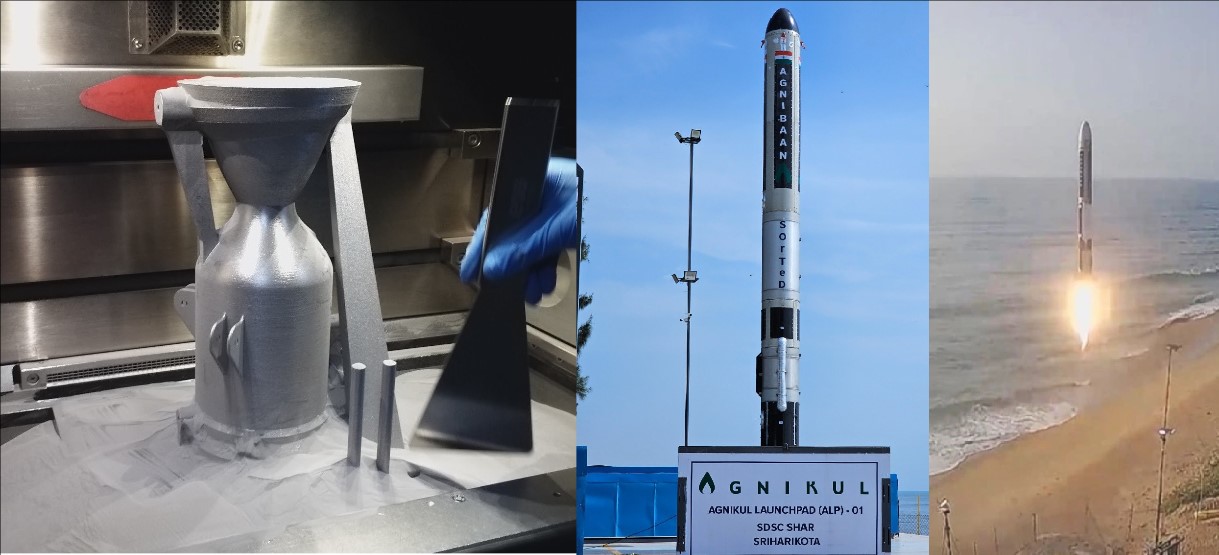
Space & Technology
Agnikul Cosmos achieves a milestone in space technology with the world's first single-piece, 3D-printed rocket engine, powering India's Agnibaan launch vehicle. This innovation promises faster production, lower costs, and a transformative impact on space exploration.Agnikul Cosmos, a rising star in the Indian space industry, has made history with the successful launch of Agnibaan – a launch vehicle powered by the world's first ever single-piece, 3D-printed rocket engine. This groundbreaking achievement marks a significant leap forward in space technology, promising faster development cycles, lower costs, and a potential revolution in how we access space.Blazing a Trail with 3D PrintingTraditionally, rocket engine manufacturing is a complex and time-consuming process involving numerous parts assembled meticulously. Agnikul's innovation lies in utilizing 3D printing technology to create a complete engine in a single piece. This method, using a high-performance alloy called Inconel, offers a multitude of advantages:Unmatched Speed: Agnikul's 3D printing process can manufacture a complete engine in a mere 72 hours, compared to the industry standard of 2-3 months required by conventional methods. This drastic reduction in production time translates to faster development cycles and the ability to adapt to evolving launch needs.Cost Efficiency: 3D printing eliminates the need for intricate assembly processes and reduces material wastage. Agnikul estimates their 3D-printed engine to be a fraction of the cost – roughly one-tenth – compared to a traditionally manufactured engine. This opens doors for more affordable space exploration and broader participation from private companies and research institutions.Design Freedom: 3D printing allows for intricate designs that might be impossible with traditional methods. This opens doors for further optimization of engine performance and efficiency in future iterations.Agnibaan's Maiden Flight: A Historic MomentOn May 30, 2024, Agnikul successfully launched Agnibaan from India's first private launchpad, Dhanush, at Sriharikota. This suborbital vehicle not only showcased the capabilities of the 3D-printed engine but also marked several other firsts:India's First Semi-Cryogenic Engine: The Agnibaan engine, named Agnilit, utilizes a "semi-cryogenic" fuel – subcooled oxygen – offering better performance than traditional rocket propellants.Private Launch Success: This launch marks the second successful launch by a private Indian space company, highlighting the growing potential of the domestic space industry.The Road Ahead: A Brighter Future for Space ExplorationAgnikul's achievement represents a significant step towards "on-demand" rocket launches. The potential for faster production, lower costs, and design flexibility paves the way for a more agile and accessible space industry. This could lead to:More Frequent Launches: Faster production times could enable more frequent launches, facilitating advancements in space research, satellite deployment, and exploration missions.Reduced Launch Costs: Lower production costs for rockets could make space exploration more accessible, opening doors for new players and innovative missions.Customization Possibilities: The design freedom offered by 3D printing could enable the creation of engines tailored to specific launch requirements, promoting mission versatility.Agnikul's pioneering work with 3D-printed rocket engines has ignited a new era in space exploration. With continued development and innovation, this technology has the potential to democratize access to space and propel us towards a future filled with exciting discoveries.
Read More → Posted on 2024-06-21 15:54:31
Space & Technology
Indian companies are set to produce ISRO's powerful LVM-3 rocket under a new public-private partnership, aiming to boost production from two to six rockets annually.The Indian Space Research Organisation (ISRO) is set to boost the production of its most powerful rocket, the LVM-3, through a new public-private partnership initiative. The New Space India Limited (NSIL), ISRO's commercial arm, issued a request for qualification (RFQ) on May 10, 2024, inviting private companies to participate in the large-scale production of the LVM-3. This initiative aims to increase the production rate from the current two rockets per year to four, and eventually to six rockets annually over the next twelve years.Production Goals and Development PhaseThe selected commercial partner will be responsible for producing four to six LVM-3 rockets each year. The partnership includes a two-year "development phase" where ISRO will transfer the necessary technology and know-how to the private entity. This phase is crucial to ensure that the private partner can meet ISRO's standards and production requirements.Background of the LVM-3 RocketThe LVM-3, also known as the GSLV MK-III, is India's most powerful and heaviest rocket. It has successfully launched seven times, including significant missions like the Chandrayaan-2 lunar mission and the deployment of multiple satellites in low Earth orbit. The rocket is a cornerstone of ISRO's mission to increase its presence in the global space industry.Surge in Private ParticipationThe Indian space sector is witnessing a surge in private participation, with at least ten companies expressing interest in building the LVM-3 rocket. Unlike the PSLV project, where NSIL funded rocket construction, the LVM-3 project might require private firms to invest their own capital. This shift signifies a new level of commitment and investment from the private sector in India's space endeavors.Boost from HAL's New FacilitiesHindustan Aeronautics Limited (HAL) is also stepping up to support ISRO's growing production needs. New facilities being established by HAL will significantly enhance its rocket manufacturing capacity, enabling it to support the production of six LVM-3 rockets per year, up from the current capacity of two rockets annually. This increase in capacity will be critical in meeting the heightened production targets set by NSIL and ISRO.ConclusionThere is substantial interest from Indian companies in the production of ISRO's LVM-3 rocket. The public-private partnership initiative by NSIL aims to boost the production rate of this powerful rocket to meet growing demand. With the involvement of private partners and enhanced facilities by HAL, ISRO is poised to significantly scale up its LVM-3 production, reinforcing India's position in the global space industry.
Read More → Posted on 2024-06-21 15:09:20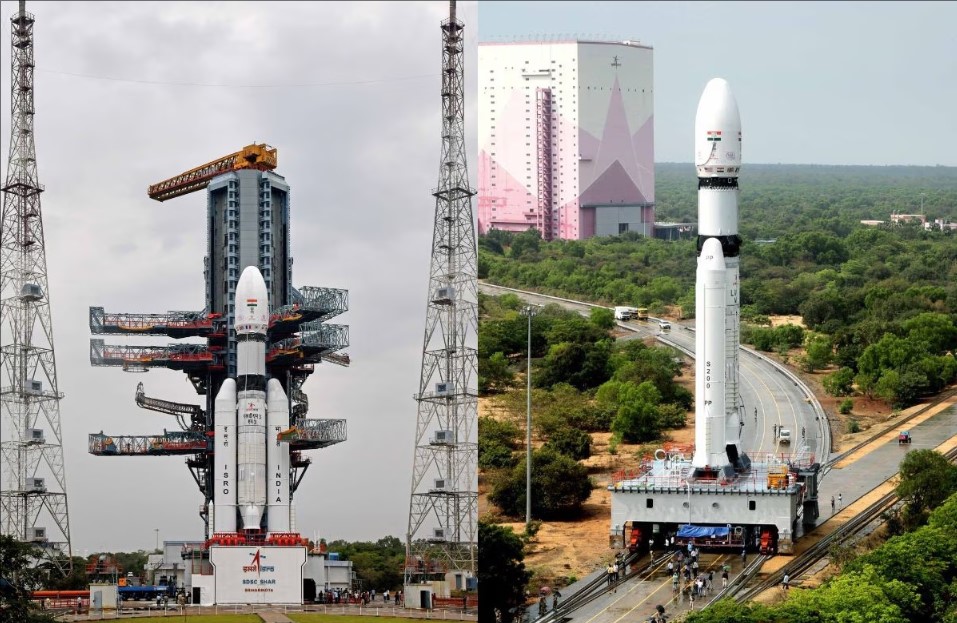
Space & Technology
ISRO confirmed the successful re-entry of the LVM3 M3/OneWeb India-2 mission's upper stage, adhering to space debris mitigation guidelines and enhancing confidence in its launch capabilities.ISRO announced that the cryogenic upper stage of the LVM3 M3/OneWeb India-2 mission re-entered the Earth's atmosphere. The nearly 3-ton rocket body, left in a 450 km orbit after deploying 36 OneWeb satellites on March 26, 2023, has successfully re-entered. This mission marked the sixth consecutive successful flight of the LVM3, placing satellites for the UK-based OneWeb into their designated orbit.Following standard procedures, ISRO passivated the upper stage by depleting excess fuel to minimize the risk of accidental break-up. The re-entry window was estimated between 14:35 UTC to 15:05 UTC on June 14, with the most probable impact time at 14:55 UTC over the Indian Ocean. Only components made from high-melting-point materials, such as gas bottles, nozzles, and tanks, were expected to survive the re-entry heating.ISRO tracked the re-entry using its Multi-object Tracking Radar (MOTR) at Sriharikota and continuously monitored the event through its ISRO System for Safe and Sustainable Space Operations Management (IS4OM) and ISTRAC facilities. The disposal of the LVM3-M3 rocket stage followed natural orbital decay within two years, adhering to international guidelines, including the UN space debris mitigation guidelines and India's Debris Free Space Missions (DFSM) initiative, which mandates space objects in low Earth orbit to remain in orbit for less than five years post-mission.This mission, part of a contract to launch 72 OneWeb satellites, highlighted ISRO's capability in commercial satellite launches and the enhanced performance of its upgraded S200 motors, which will be crucial for future missions like Gaganyaan.
Read More → Posted on 2024-06-19 15:01:03
Space & Technology
China aims to construct a $5-billion particle collider, the Circular Electron Positron Collider (CEPC), to study the Higgs boson in unprecedented detail. The project is expected to start in 2027 and be completed in about a decade, with significant international collaboration anticipated.China is moving forward with plans to build the Circular Electron Positron Collider (CEPC), a $5-billion project designed to study the Higgs boson particle in unprecedented detail. This ambitious initiative, which will compete with Europe's proposed Future Circular Collider (FCC), aims to provide critical insights into fundamental questions about the universe.The proposal for the CEPC will be reviewed by the Chinese government next year for possible inclusion in its next five-year plan. If approved, construction could begin in 2027, with completion expected in the late 2030s. The project’s comprehensive technical-design report, published on June 3, outlines a 100-kilometer underground tunnel where electrons and positrons will collide at high energies, generating millions of Higgs bosons for detailed study.The CEPC is estimated to cost 36.4 billion yuan (US$5.2 billion), significantly less than the FCC’s projected $17 billion cost. The collider aims to advance beyond the Standard Model of particle physics, exploring mysteries such as dark matter and the matter-antimatter asymmetry in the universe.Physicist Wang Yifang, director of the Chinese Academy of Sciences’ Institute of High Energy Physics in Beijing, expressed confidence in the project’s feasibility, noting that many components are already being tested at other facilities in China. The country’s existing expertise, bolstered by the Beijing Electron Positron Collider, positions it well to undertake this large-scale project.International collaboration is expected to be crucial for the CEPC, particularly in developing the collider’s detectors. While geopolitical tensions may pose challenges for securing international funding, China has a track record of successful international cooperation in large physics projects, such as the Jiangmen Underground Neutrino Observatory.Despite these challenges, Wang remains optimistic about international involvement in the CEPC. Currently, international researchers constitute a significant portion of teams working on major physics facilities in China. An engineering-design report is also underway to provide further construction details and ensure project readiness.
Read More → Posted on 2024-06-17 16:06:15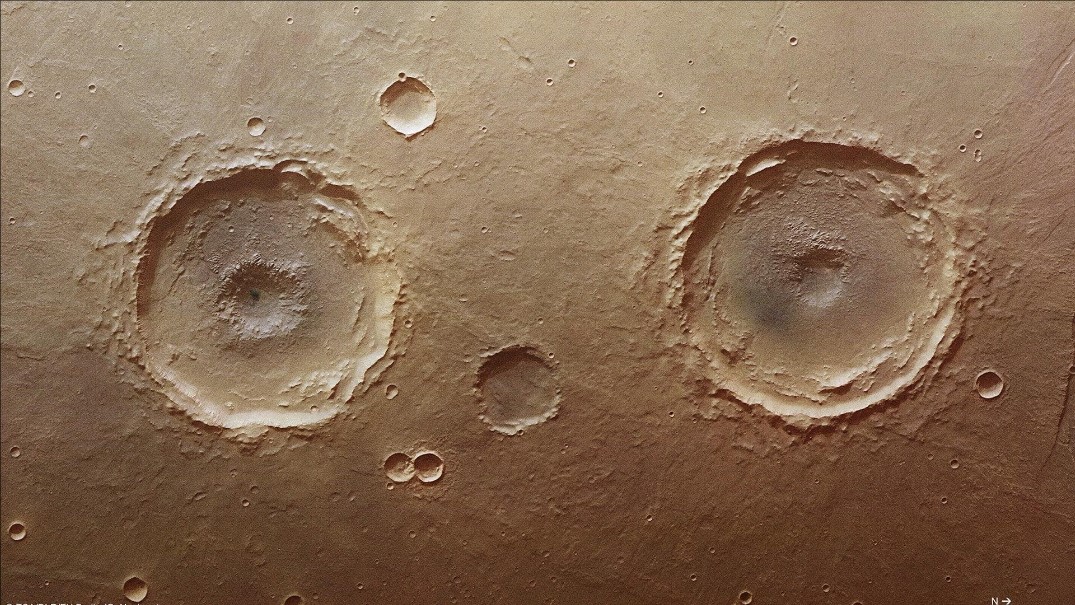
Space & Technology
Three newly discovered Martian craters have been named after physicist Devendra Lal and the towns of Mursan and Hilsa, highlighting significant geological findings on Mars.Three craters recently discovered on Mars have been named in honor of the renowned cosmic ray physicist Devendra Lal and the towns of Mursan and Hilsa in northern India. This naming was approved by the International Astronomical Union (IAU) Working Group for Planetary System Nomenclature on June 5, 2023. The discovery and naming were facilitated by scientists from the Physical Research Laboratory (PRL) in Ahmedabad, India, a unit of the Department of Space of the Government of India.The craters are located in the Tharsis volcanic region of Mars, a vast plateau near the equator in the planet's western hemisphere. Tharsis is known for housing the largest volcanoes in the Solar System.Crater Details:Lal Crater: The largest of the three, Lal Crater is 65 km wide. It was named after Professor Devendra Lal, who served as the director of PRL from 1972 to 1983. The crater is significant because evidence suggests that water once moved large volumes of sediment into it, indicating that Mars was once wet and had flowing water on its surface. The subsurface of Lal Crater contains a 45-meter thick sedimentary deposit, discovered using SHARAD (Mars SHAllow RADar sounder) on NASA's Mars Reconnaissance Orbiter (MRO).Mursan and Hilsa Craters: These craters, each around 10 km wide, are located on the eastern and western rims of the Lal Crater, respectively. Named after towns in Uttar Pradesh and Bihar, India, they provide a timeline for the infilling process of the Lal Crater, suggesting that the infilling occurred in episodic events.Scientific Discovery:The discovery was made within the Mangala crater of Mars using data from SHARAD on the MRO probe. The research team included Rajiv Bharti, Isaac Smith, S. K. Mishra, N. Srivastava, and Shital Shukla. Bharti, Mishra, and Srivastava are affiliated with PRL, while Shukla is with Gujarat University and Smith is from York University in Toronto, Canada.The PRL release highlights that the entire area of Lal Crater is covered with lava but also contains geophysical evidence of other materials, including significant sedimentary deposits. This discovery adds to the growing body of evidence that Mars once had significant amounts of water on its surface.Tharsis, the region where these craters are located, is a focal point for studying Martian geology due to its extensive volcanic features. Understanding the sedimentary processes in this region can provide insights into Mars' climatic history and the potential for past life on the planet.In conclusion, the naming of these craters after an eminent physicist and Indian towns not only honors these namesakes but also underscores the collaborative and international nature of planetary science. The discoveries made in these craters will continue to contribute to our understanding of Mars' geological history.
Read More → Posted on 2024-06-13 15:42:23
Space & Technology
ISRO's MARBLE project features a novel coaxial rotor system designed to operate in Mars' thin atmosphere, enhancing lift and efficiency for Martian exploration.The Indian Space Research Organisation (ISRO) is advancing Martian exploration with its ambitious project, the Martian Boundary Layer Explorer (MARBLE). A key innovation in this project is the development of a novel coaxial rotor system designed to function efficiently in the thin and harsh Martian atmosphere.Challenges of Martian Atmosphere:Mars presents a unique set of challenges for rotorcraft:The atmosphere is approximately 100 times thinner than Earth’s, making lift generation difficult.The average surface temperature is around -63°C (210K), a harsh environment for traditional helicopter designs.Coaxial Rotor System:To address these challenges, ISRO is developing a coaxial rotor system. This design includes two sets of rotors, one above the other, rotating in opposite directions. The coaxial configuration provides several benefits:Increased Lift: The design allows for a smaller rotor diameter while still generating enough lift, which is crucial for the thin Martian air.Reduced Rotor Stress: By spreading lift generation across two rotors, the stress on each blade is reduced, lowering the risk of issues related to high Mach number flow.Aerodynamic Optimization: The blades are specifically crafted for Martian conditions, maximizing efficiency and thrust.Significance for Mars Exploration:The coaxial rotor system for MARBLE represents a significant milestone in ISRO’s Mars exploration efforts. This innovative design is poised to overcome the atmospheric challenges of Mars, potentially enabling future helicopters to gather essential scientific data and explore the Martian surface in greater detail than ever before.By developing this advanced technology, ISRO is positioning itself at the forefront of Martian exploration, contributing to our understanding of the Red Planet and paving the way for more sophisticated missions in the future.
Read More → Posted on 2024-06-10 15:54:31
Space & Technology
The Aeronautical Society of India inaugurated its Ahmedabad Branch at ISRO's Space Applications Centre, enhancing aeronautical research and collaboration in the region.The Aeronautical Society of India (AeSI) has inaugurated its Ahmedabad Branch at the Space Applications Centre, ISRO Ahmedabad. This new branch aims to advance aeronautical sciences and foster collaboration among aerospace professionals.The inauguration began with a welcome address, followed by a felicitation and lamp invocation. DK Singh, Associate Director at SAC, welcomed the dignitaries with a traditional shawl. Siddharth Kumar from AeSI Headquarters introduced the society, highlighting its mission to promote aeronautical research and innovation in India.Dr. G Satheesh Reddy, former Scientific Adviser to the Defence Minister and President of AeSI, delivered a presidential address on “Defence Technologies for India’s National Security.” He emphasized the importance of advanced technologies in strengthening India's defence capabilities and the goal of achieving self-reliance through technological development.S. Somanath, Secretary of the Department of Space and Chairman of ISRO, who is also the President-Elect of AeSI, gave the keynote address. He discussed the strategic importance of aerospace advancements and the collaborative efforts needed to propel India to the forefront of global aerospace research and innovation. He noted that AeSI could play a significant role in developing aeronautics in western India, with Ahmedabad poised to become a hub for aeronautics.The ceremony also included the felicitation of the Secretary of the Department of Space and the former Secretary of the Department of Defence R&D by the SPACE Society of Mechanical Engineers (SSME). Dr. G Satheesh Reddy was conferred honorary SSME life membership by Shri Neeraj Mathur, President of SSME.The establishment of the AeSI Ahmedabad branch is expected to foster greater engagement and collaboration among aerospace professionals in the region. This initiative aligns with the national goals of technological advancement and innovation in the aeronautical field, contributing to India’s growing presence in global aerospace research.
Read More → Posted on 2024-06-09 14:38:56Search
Top Trending in 24 Hours
-
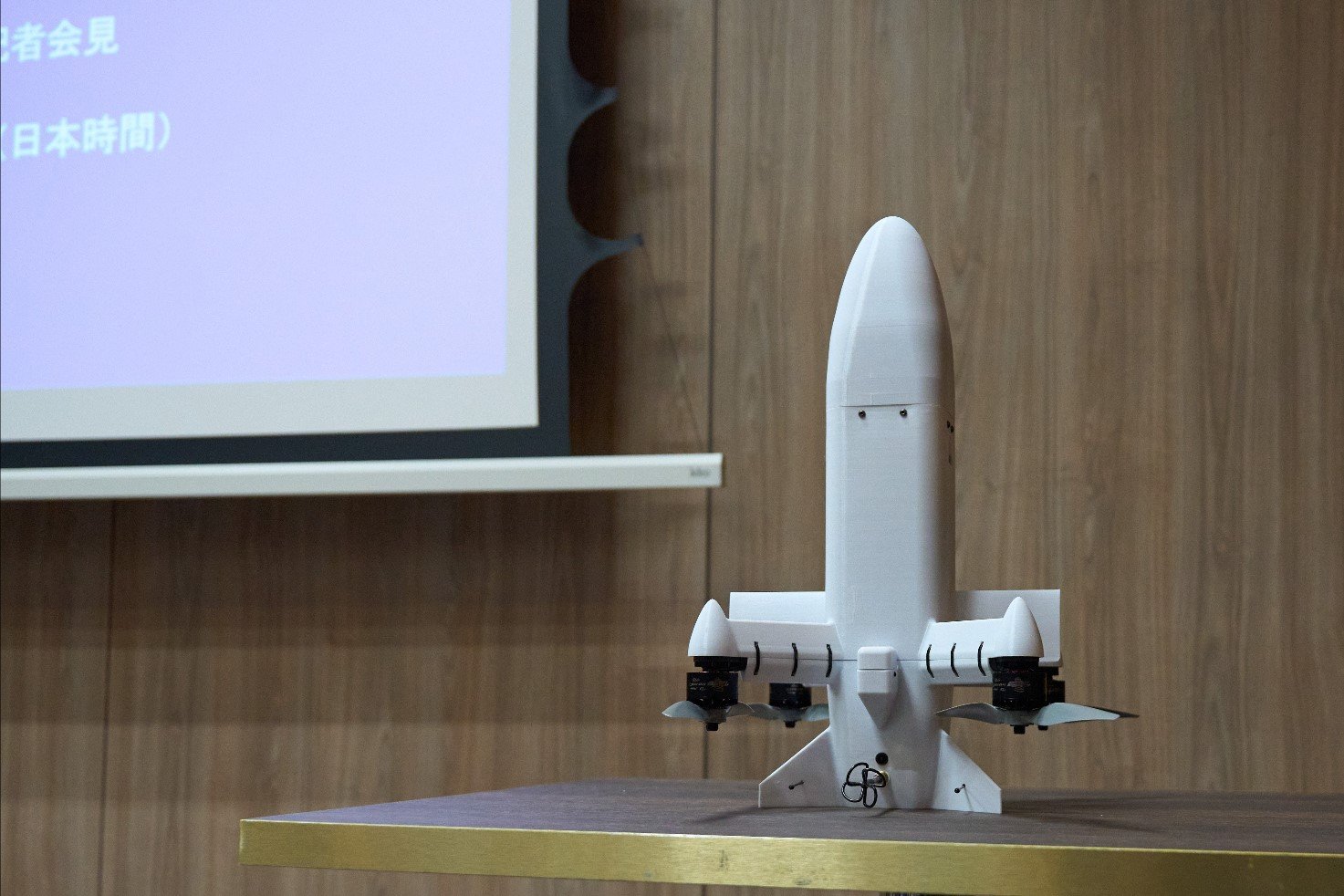 Japan Selects Terra Drone’s Terra B1 for Mass Production of Interceptor UAVs
-
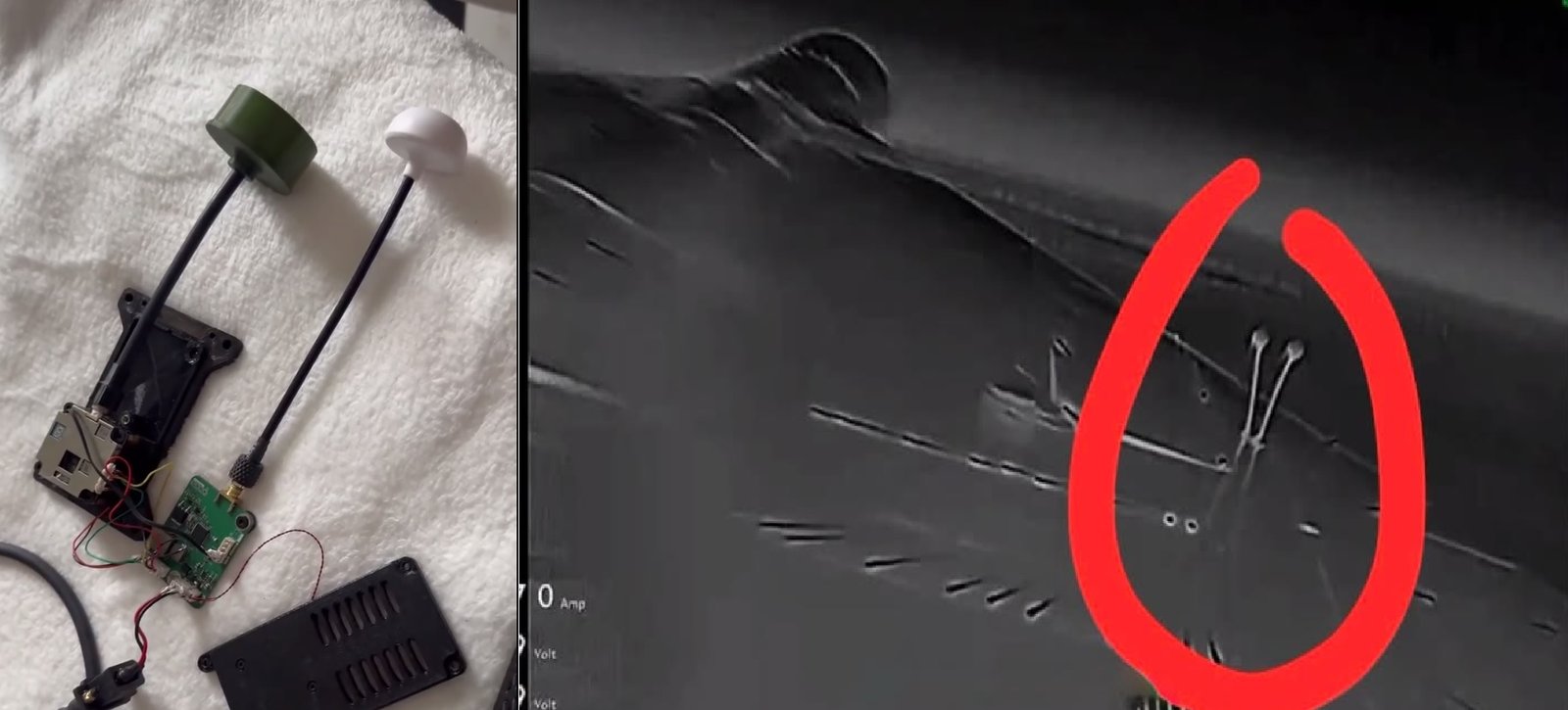 Russia Equips Shahed and Geran Drones With Electronic Warfare Systems to Jam Ukrainian Interceptor Video Links
-
 Austria Receives First Modernized Leopard 2A4Ö Tank and Ulan NV Infantry Fighting Vehicle
-
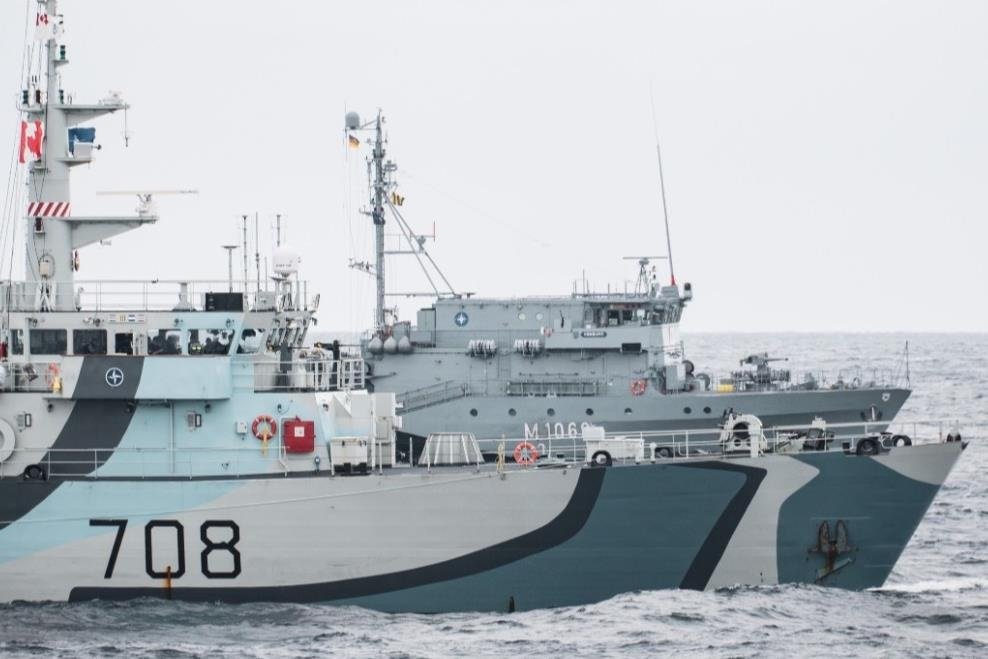 NATO Launches Exercise Northern Viking 26 in Iceland to Secure North Atlantic Routes
-
 Ukraine Reduces Use of Western Tanks as Cheap Drones Become a Major Battlefield Threat
-
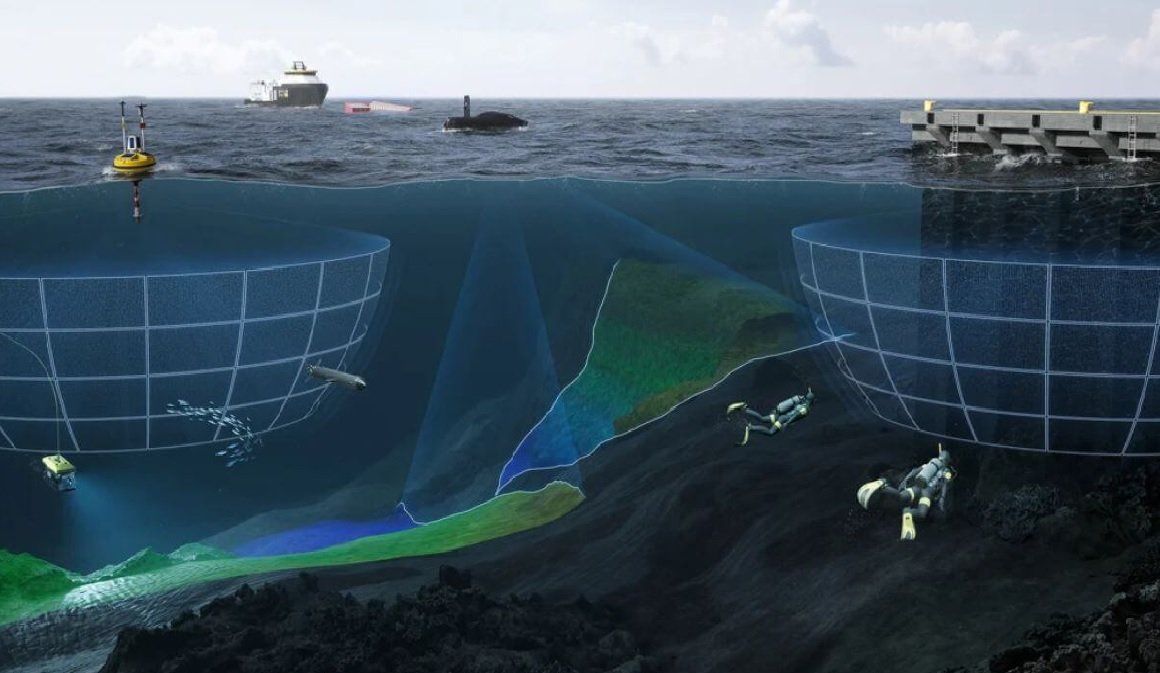 Kongsberg Introduces Aegir SSA Sonar Family With AI-Powered Monitoring for Continuous Underwater Surveillance
-
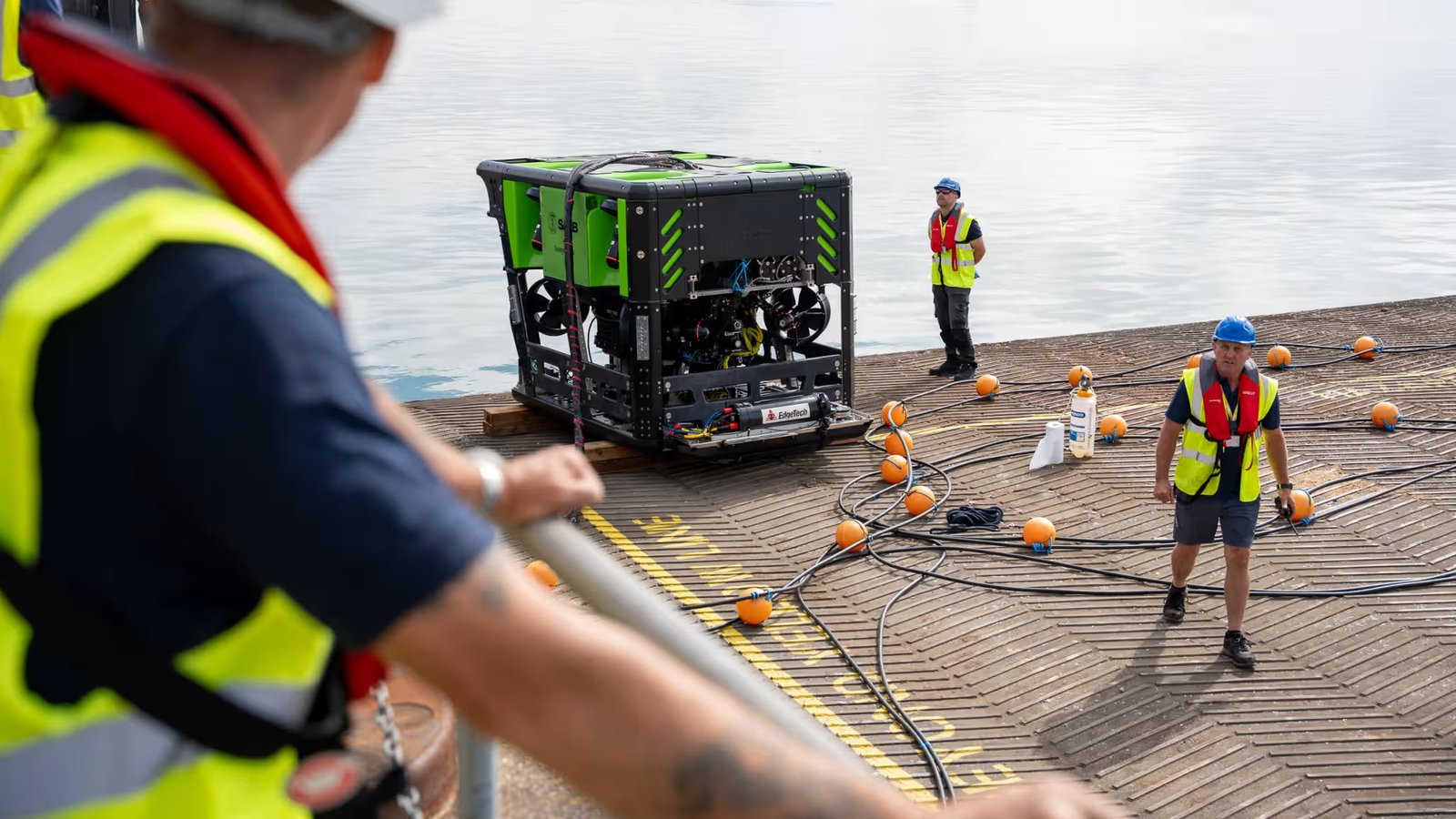 Saab UK Completes Key Trials of Seaeye SR20 eWROV, Moves to Next Development Phase
-
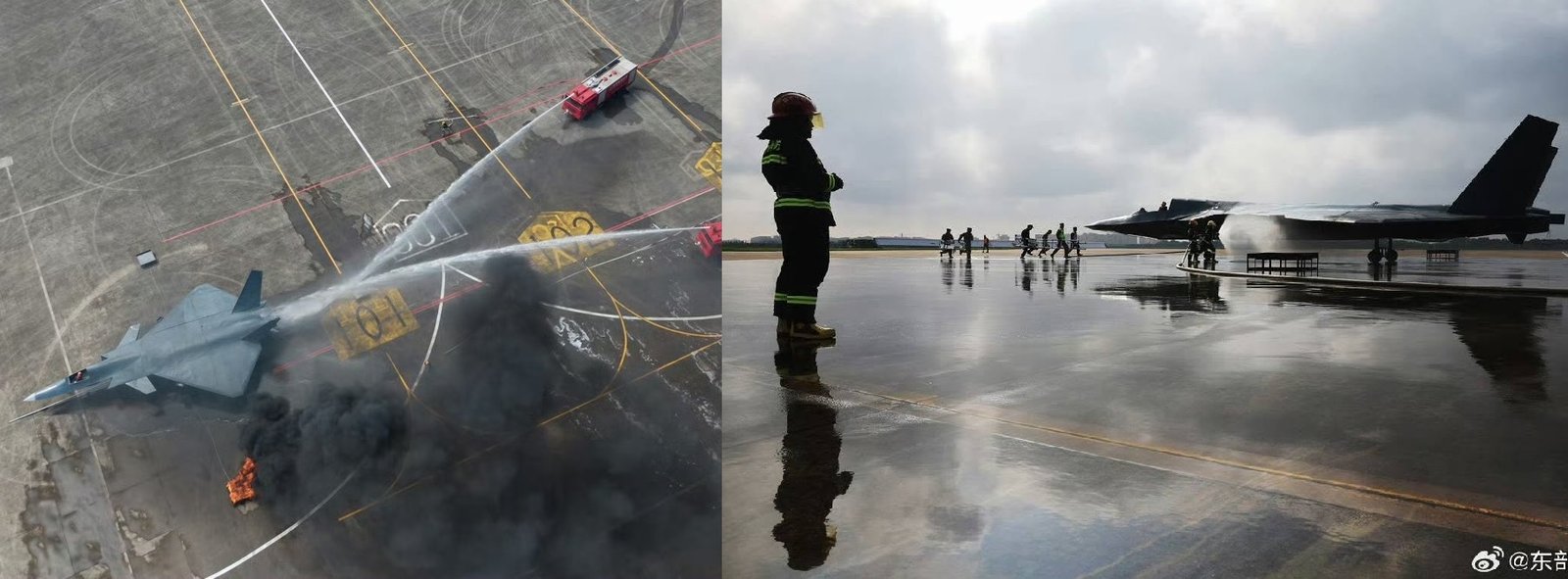 Mystery Chinese J-20-Like Object Seen at Former Airport Was a Firefighting Training Mock-Up
Top Trending in 4 Days
-
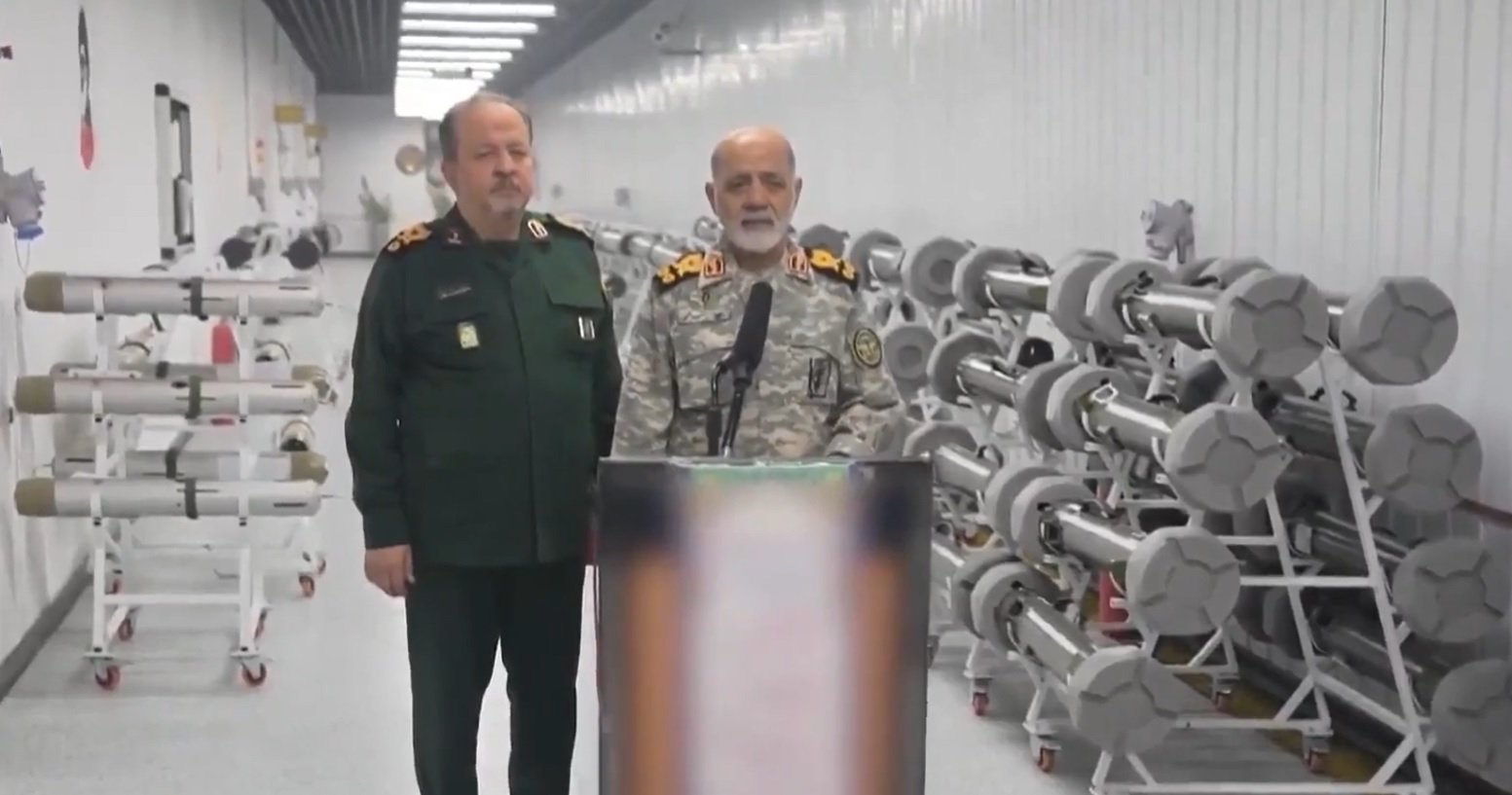 Iran Reveals Underground Weapons Manufacturing Facility for First Time on State TV
-
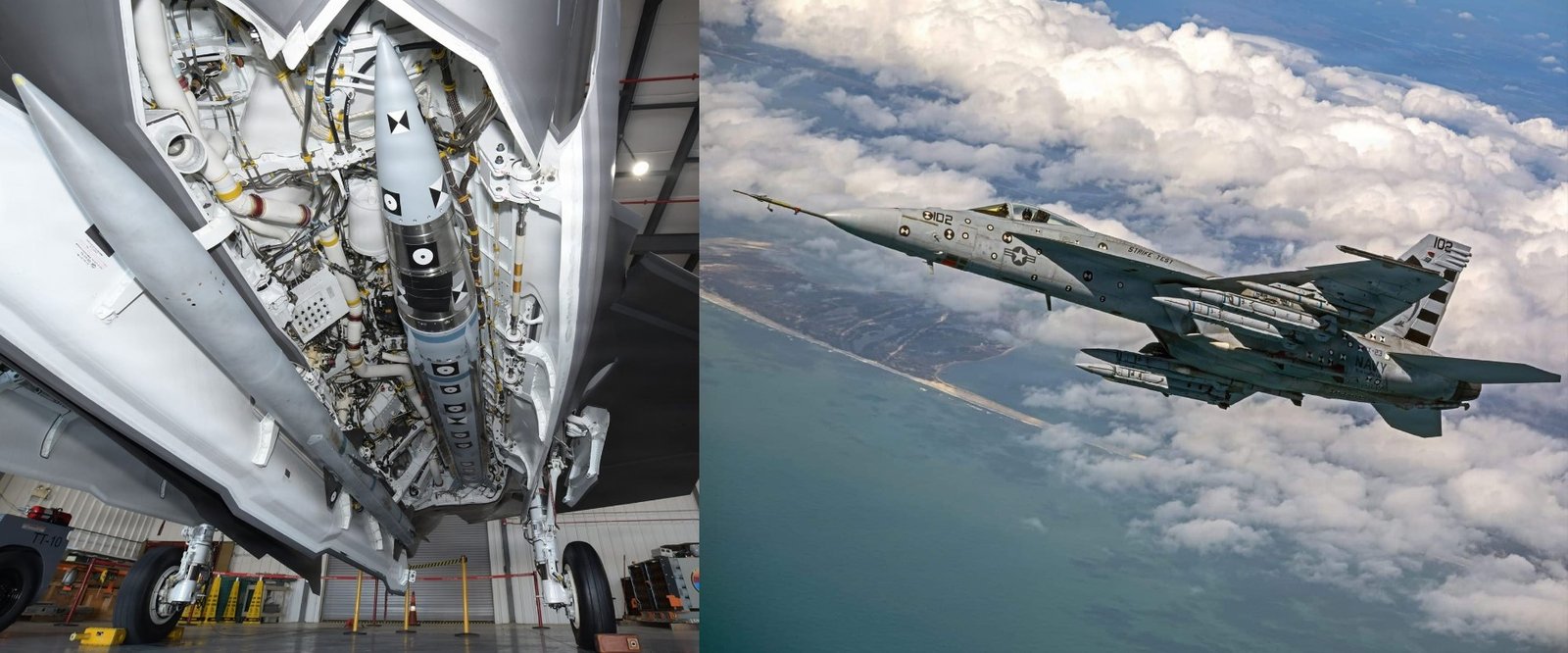 U.S. Navy Unveils New AIM-424 ‘Malice’ Air-to-Air Missile With 463+ km Range for F-35C, Super Hornet and F/A-XX
-
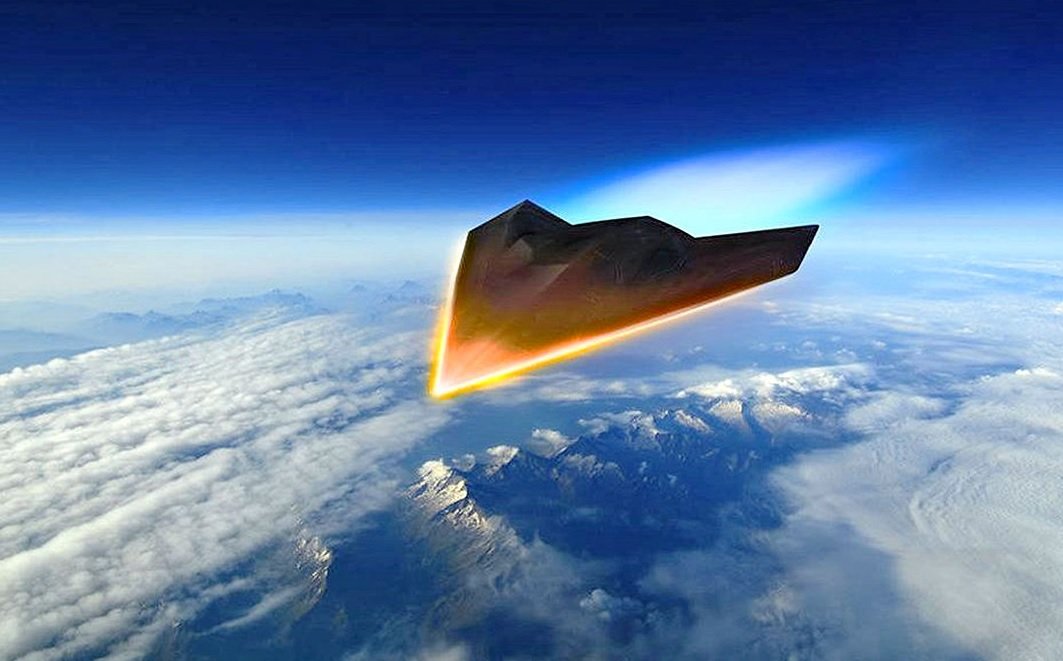 China Develops Hypersonic Glide Vehicles Capable of Launching Air-to-Air Missiles Mid-Flight
-
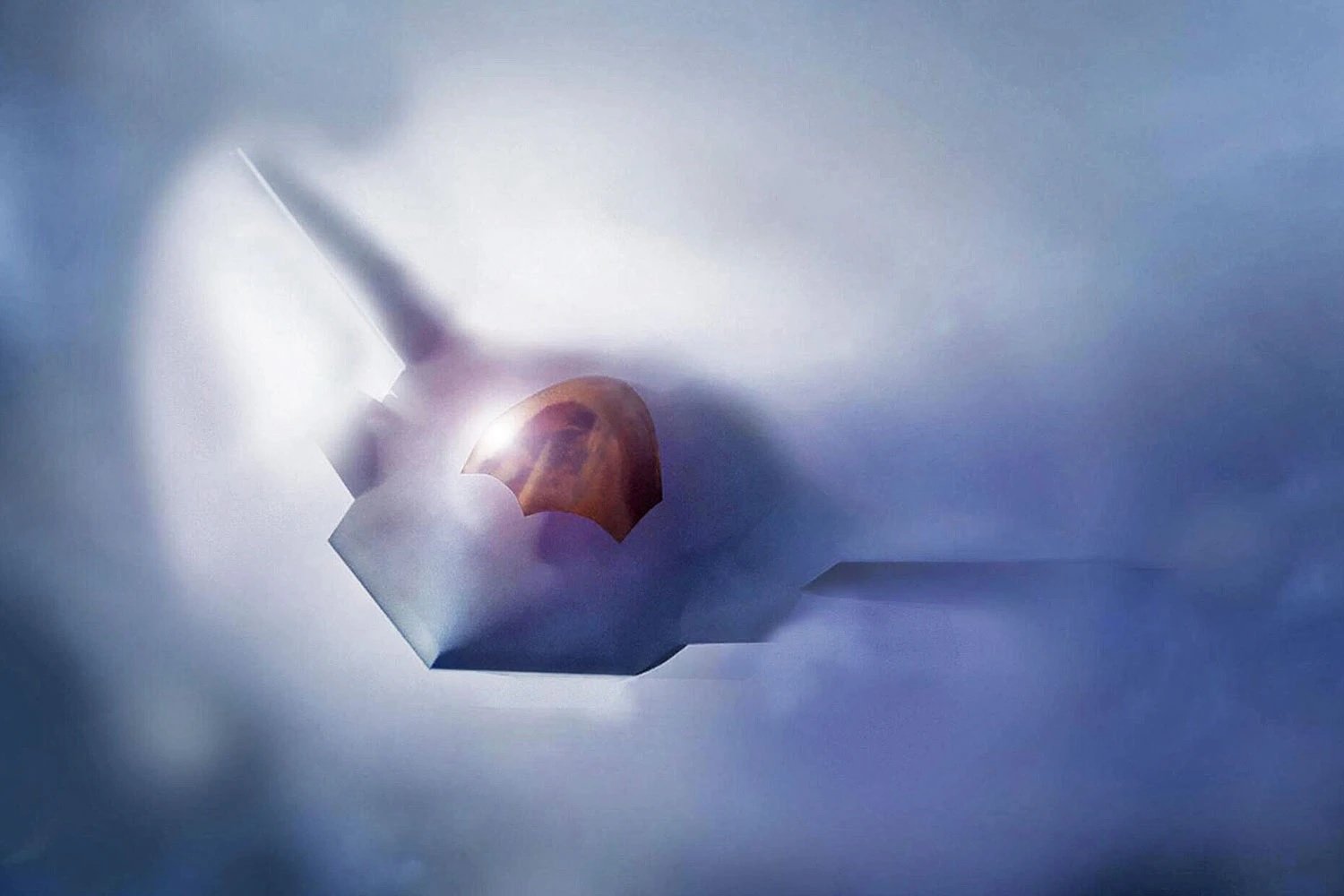 Israel Explores Potential Acquisition of U.S. F-47 Sixth-Generation Fighter
-
 Iran-Linked Hackers Shut Down UK Power Plant for Four Days in First Known Attack
-
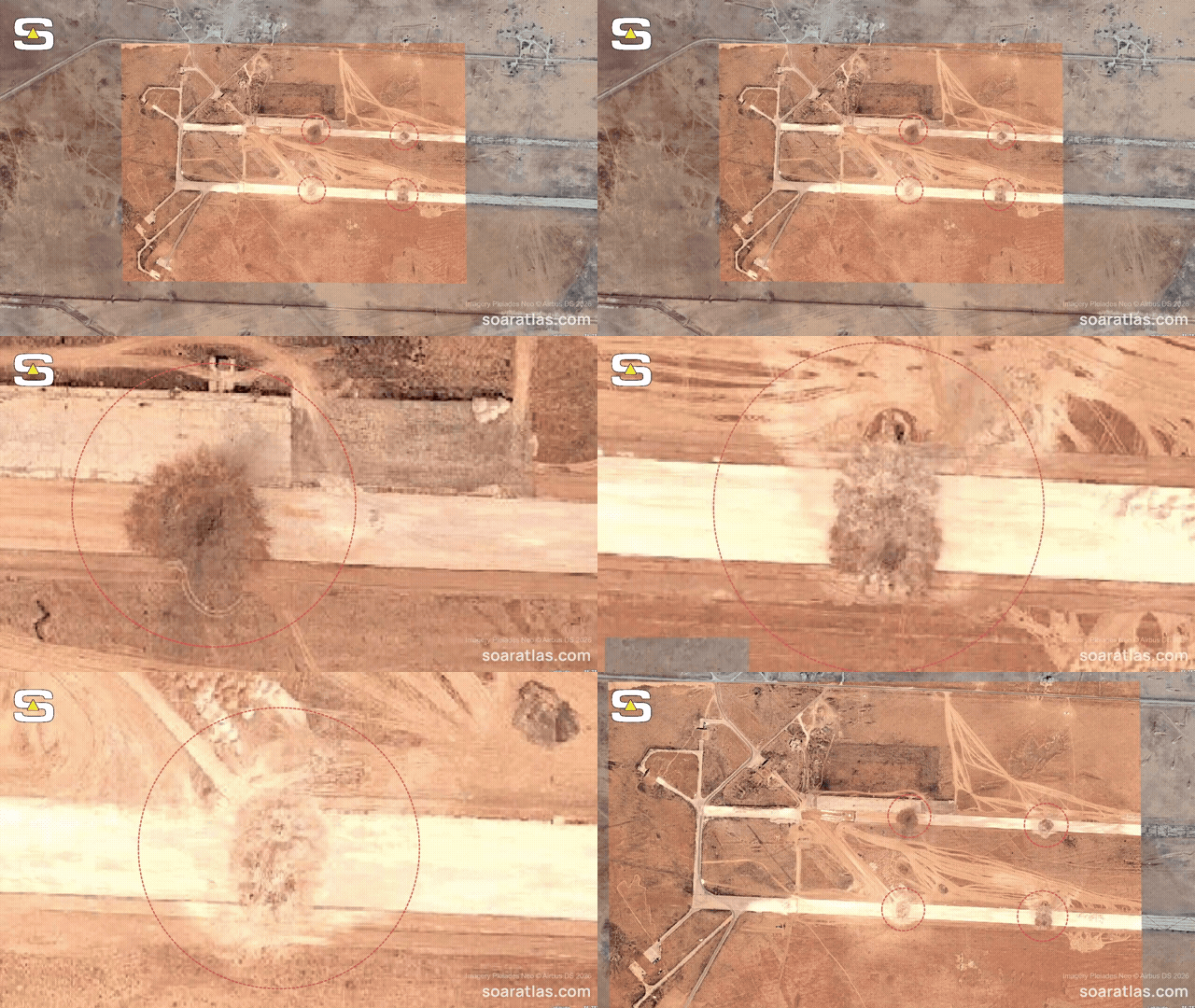 Satellite Imagery Shows Damage From Israeli Strikes on Turkey Military Occupied Syria’s Abu al-Duhur Airbase
-
 Ukraine Holds World’s First Unmanned Military Parade on 35th Independence Day
-
 UAE Completes Protective Metal Structures Around Fuel Tanks Near Dubai International Airport