Space & Technology
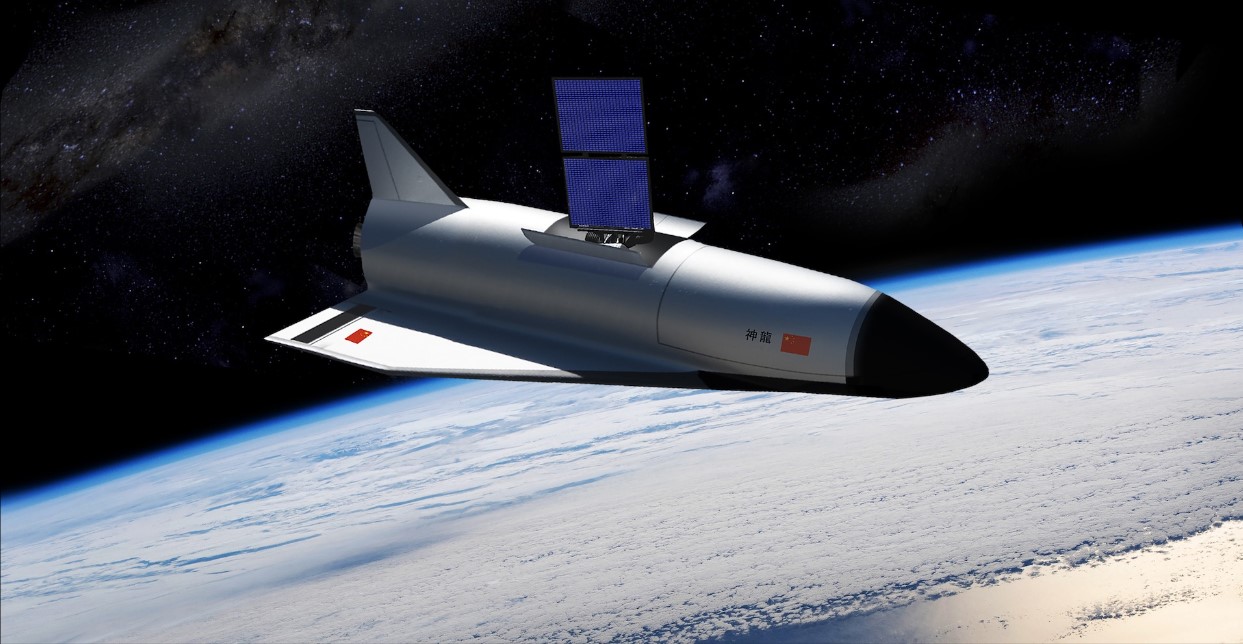
China's experimental reusable spacecraft, Shenlong, recently released an object into low-Earth orbit during its third mission, sparking interest and speculation about its purpose and capabilities.China’s experimental reusable spacecraft, Shenlong, recently ejected an object while orbiting 600 km (372 miles) above the Earth. This event, detected by the US Space Force on May 25, raises curiosity about Shenlong’s mission and capabilities, especially since it has not deployed operational satellites this time.The released object, catalogued as 59884, has remained in a stable orbit similar to Shenlong’s but has not made any maneuvers since its ejection. Jonathan McDowell, an astronomer and space activity tracker at the Harvard-Smithsonian Centre for Astrophysics, suggests the object might be an inert piece of hardware.Scott Tilley, an amateur astronomer known for finding a lost NASA satellite, reported that neither the object nor Shenlong has emitted new signals since the release. This observation adds to the mystery surrounding the object’s purpose and status.Shenlong, often compared to the US military’s X-37B space plane, embarked on its third mission on December 14, 2023, from the Jiuquan Satellite Launch Centre in the Gobi Desert. The details of Shenlong’s size and capabilities remain largely undisclosed.Shenlong’s maiden flight in 2020 lasted only two days. Its second mission in August 2022, which lasted nine months, involved testing satellite deployment and retrieval technologies. During its current mission, Shenlong reportedly released at least five objects, though these were likely debris from the Long March rocket used for its launch, according to Tilley.In late January, Shenlong raised its orbit from around 300 km to 600 km, where it has stayed since. Chinese space authorities have provided minimal information about this mission. State media reported that Shenlong would conduct reusable technology verification and space science experiments to support the peaceful use of space. However, specifics about the mission’s progress and the spacecraft’s return date remain undisclosed.As Shenlong continues its mission, the global space community watches closely, intrigued by the advancements and implications of China’s reusable spacecraft technology.
Read More → Posted on 2024-06-08 15:51:49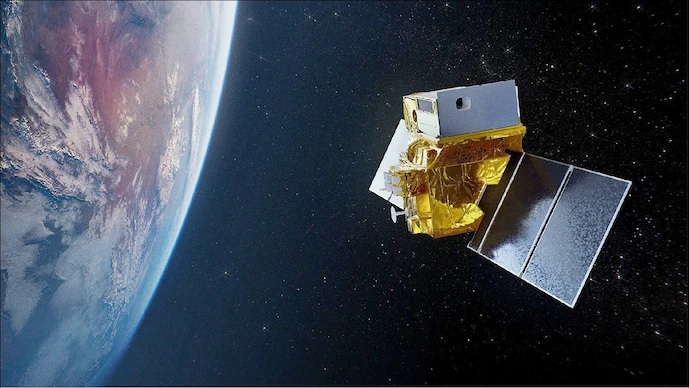
Space & Technology
ISRO and CNES are collaborating on the TRISHNA mission to launch an infrared earth observation satellite in 2025, aiming to monitor global surface temperature, water management, and climate impacts.The Indian Space Research Organisation (ISRO) and the French space agency CNES have announced a collaborative mission to launch the TRISHNA (Thermal Infra-Red Imaging Satellite for High-Resolution Natural Resource Assessment) satellite. Scheduled for launch in 2025, this satellite aims to provide critical data for monitoring global surface temperatures and water management, which are essential for understanding and mitigating climate change impacts.Mission ObjectivesThe TRISHNA satellite will focus on several key areas:1. Surface Temperature Monitoring: Using advanced infrared imaging, TRISHNA will monitor thermal anomalies, surface heat emission, and urban heat islands. This data is crucial for understanding the distribution of heat across different regions and identifying areas prone to excessive heat.2. Water Management: The satellite will assess evapotranspiration, which includes soil evaporation and plant transpiration. This information will help manage water resources better, especially in agriculture, by maintaining soil moisture levels and addressing drought impacts.3. Climate Impact Studies: TRISHNA will track water presence and concentrations, dynamics like melting glaciers, and overall water usage on land. This will provide insights into water depletion causes and help in developing strategies to mitigate these issues.4. Atmospheric Monitoring: The satellite will also study aerosols, water vapor, and clouds, contributing to a better understanding of their role in the Earth's climate system.Payload DetailsTRISHNA will carry two primary payloads:Thermal Infra-Red (TIR) Payload: Developed by CNES, this payload will have a four-channel long-wavelength infrared imaging sensor to study high-resolution surface temperatures and map the heat radiated back from the land.Visible Near Infrared-Red Short Wave Infrared-Red (VNIR-SWIR) Payload: Developed by ISRO, this payload will cover seven bands to measure the Earth's surface reflectivity or albedo. It will help calculate various biophysical and radiation budget variables.Technological AdvancementsThe TRISHNA mission will significantly boost remote sensing technology, which involves monitoring the Earth from orbit. The high-resolution infrared imaging and high-repeat imaging capability (allowing multiple observations of the same area) will enhance the understanding of natural processes and contribute to global climate change mitigation efforts.Addressing Global ChallengesThe data provided by TRISHNA will be instrumental in tackling critical issues such as:Water and Food Security: By providing essential data for sustainable water policies and helping agro-industries and the farming community, the satellite will play a crucial role in addressing water and food security challenges, particularly in regions affected by extreme weather events and climate change.Sustainable Policy Development: The insights gained from TRISHNA’s data will aid watershed managers and policymakers in developing strategies to manage natural resources sustainably, ensuring long-term environmental health.ConclusionThe TRISHNA mission, a collaboration between ISRO and CNES, represents a significant step forward in Earth observation and climate monitoring. By providing detailed data on surface temperature, water management, and atmospheric conditions, this satellite will help address some of the most pressing environmental challenges of our time. As extreme temperatures and weather events become more common, the insights from TRISHNA will be invaluable in crafting effective mitigation and adaptation strategies.
Read More → Posted on 2024-06-08 15:11:46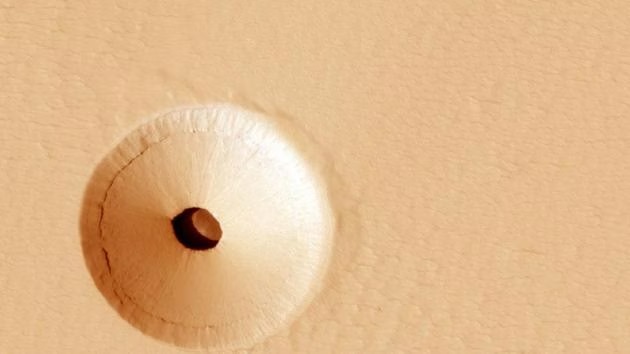
Space & Technology
Explore the significance of the small pits scattered across Mars' volcanoes, potentially revealing caverns and insights into past or present Martian life, and their importance for future human exploration.Exploring Mars, scientists have stumbled upon a peculiar find: small pits dotting the sides of ancient volcanoes. These pits, discovered by NASA's Mars Reconnaissance Orbiter on August 15, 2022, which was about 159 miles (256 kilometers) above the Martian surface at the time. may hold secrets to Mars' past and future.The pits, found on the slopes of Arsia Mons, a dormant Martian volcano, are stirring excitement among researchers. Some speculate that these pits, only a few meters across, could lead to vast underground caverns, while others believe they might be remnants of ancient lava tubes formed during the volcano's active days.Why the fuss over these seemingly insignificant holes? Well, there are two compelling reasons. First off, they could provide refuge for future astronauts. Mars' thin atmosphere offers little protection from cosmic radiation, with radiation exposure on the Martian surface averaging between 40 and 50 times greater than on Earth. These pits might offer safe havens, shielding humans from harmful radiation.But it's not just about shelter. These pits could be time capsules, harboring clues about Martian life. They may have once provided cozy homes for microbial organisms, shielded from the harsh Martian surface. And who knows? There might still be life lurking in the depths of these hidden caverns.So, how do these pits form? It all goes back to the volcanic activity that shaped Mars' landscape. As lava flows from the volcano, it can carve out tunnels underground. When the volcano goes dormant, these tunnels may collapse, leaving behind pits and caverns.Similar features have been spotted on Earth's moon, hinting at a common geological process. And on Mars, these pits often form in chains, following the path of ancient lava tubes.While there's still much to learn about these enigmatic pits, one thing is clear: they hold the key to unlocking Mars' secrets. Whether it's providing shelter for future explorers or revealing clues about Martian life, these pits are a tantalizing glimpse into the Red Planet's hidden worlds.
Read More → Posted on 2024-06-07 16:02:50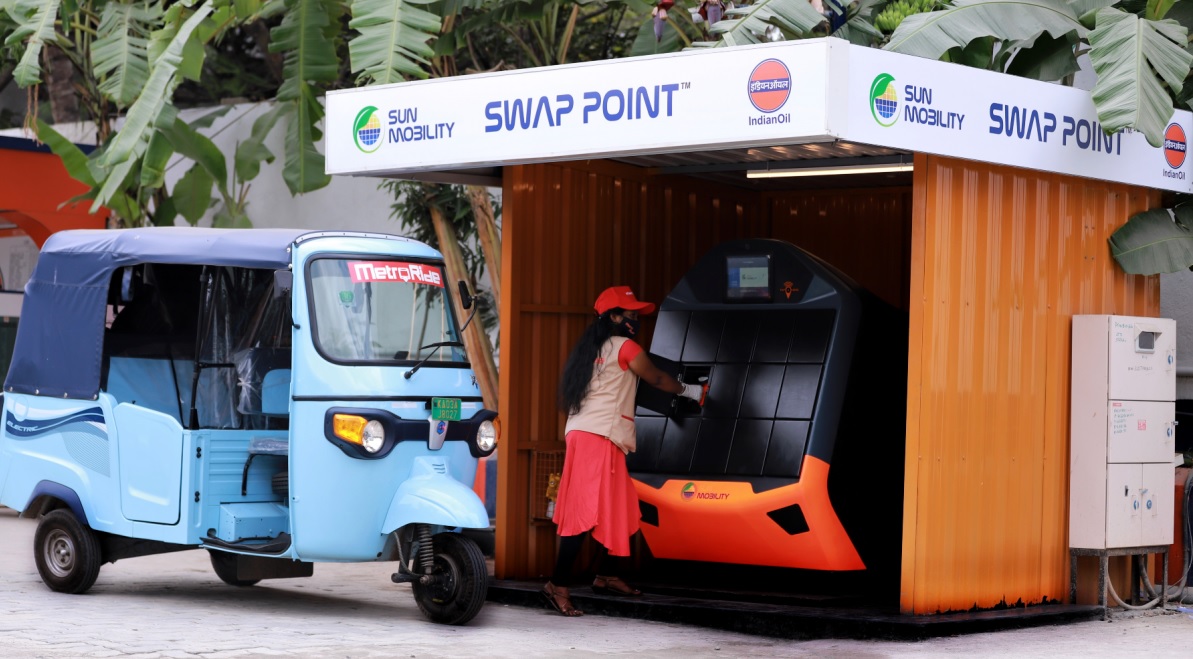
Space & Technology
SUN Mobility and IndianOil have announced a joint venture to create one of India's largest battery swapping networks for electric vehicles, aiming for over 10,000 stations by 2030.SUN Mobility, a leader in energy infrastructure and services for electric vehicles (EVs), has teamed up with IndianOil, a major diversified energy company, to launch a joint venture aimed at building one of India’s largest battery swapping infrastructure networks by 2030. This initiative will deploy over 10,000 battery swapping stations across more than 40 cities within the next three years.This partnership aims to provide a convenient "Battery as a Service" (BaaS) model. This approach will revolutionize electric mobility for two-wheelers, three-wheelers, and small four-wheelers, making the adoption of EVs more accessible and seamless for users.Currently, SUN Mobility supports over 25,000 electric vehicles across 20 Indian cities through a network of more than 630 swapping stations and over 50,000 smart batteries. Their infrastructure already facilitates over a million battery swaps per month, serving a diverse customer base of two- and three-wheeler users.Chetan Maini, Co-Founder & Chairman of SUN Mobility, expressed his enthusiasm for the partnership, stating that SUN Mobility was founded to make electric vehicles affordable, reduce range anxiety, and minimize charging time. He emphasized that this collaboration would transform mobility in India and set a global benchmark.The joint venture leverages IndianOil’s extensive network of over 37,000 fuel stations nationwide, combined with SUN Mobility’s advanced battery swapping technology. The goal is to make battery swapping as convenient as refueling at traditional gas stations, addressing key concerns for EV users regarding battery cost, maintenance, replacement, and charging time.IndianOil, a Fortune 500 company with revenue exceeding Rs 866,000 crores in the fiscal year 2023-24, has been actively expanding its presence in renewable and alternative energy sectors. This collaboration aligns with IndianOil's commitment to promoting sustainable transportation solutions.The strategic partnership is expected to significantly accelerate the adoption of electric vehicles in India by providing a comprehensive and user-friendly battery swapping infrastructure. By offering battery swapping as a service, the joint venture aims to eliminate barriers to EV ownership and contribute to a cleaner and greener future for India’s transportation sector.
Read More → Posted on 2024-06-07 15:45:34
Space & Technology
Slingshot Aerospace's AI system, Agatha, improves satellite anomaly detection for DARPA, enhancing space safety and security through advanced data analysis.Slingshot Aerospace has introduced an advanced AI system named Agatha, designed to identify anomalies within large satellite constellations. Developed for DARPA, Agatha aims to enhance situational awareness in space, especially in the increasingly crowded low-earth orbit.Advanced Anomaly DetectionThe Agatha AI system is part of an initiative to monitor low-earth orbit satellites and identify any unusual activities or malfunctions. Slingshot Aerospace explained that the system was developed using over six decades of simulated data and has been rigorously tested on operational commercial constellations. The results from these tests were authenticated by corresponding satellite operators, confirming the system’s accuracy and reliability in identifying anomalies based on mission, hardware, and operational parameters.How Agatha WorksAgatha leverages high-resolution astrometric and photometric data, along with contextual information from Slingshot’s extensive database and global sensor network. It also analyzes the timing and location of communications between satellites and ground stations to detect irregularities. This comprehensive approach allows Agatha to identify both malfunctioning satellites and potentially hostile ones.Breakthrough TechnologyAccording to Dr. Dylan Kesler, Director of Data Science and AI at Slingshot Aerospace, Agatha's ability to sift through vast amounts of data and pinpoint anomalies is unmatched by human capabilities. The system's algorithm provides clear insights into why specific satellites are flagged, offering context and explainability.Future ApplicationsSlingshot Aerospace assembled the Agatha system between March 2023 and January 2024. The company is currently in discussions with the US government and space firms to explore future applications of this technology. Dr. Kesler highlighted the importance of quickly identifying anomalies to ensure the safety and security of space assets and operations.Broader ImplicationsThe technology behind Agatha could have applications beyond space. Dr. Kesler, with a background in BioTech and gene editing technologies like CRISPR, suggests that similar AI approaches could be valuable in fields requiring anomaly detection in large datasets, such as genomic analysis.As space becomes more congested with satellites, tools like Agatha will be crucial in maintaining order and security, preventing potential collisions, and identifying any nefarious activities. Slingshot Aerospace's innovative approach signifies a major advancement in space situational awareness and highlights the growing importance of AI in managing complex, data-intensive environments.
Read More → Posted on 2024-06-06 16:35:33
Space & Technology
Boeing's Starliner capsule has successfully launched its first astronauts to the International Space Station, overcoming years of setbacks and delays.On Wednesday, Boeing successfully launched its first astronauts to the International Space Station (ISS) aboard the Starliner capsule. This marks a significant milestone for Boeing, as it joins a select group of spacecraft capable of carrying humans beyond Earth.Astronauts Butch Wilmore and Sunita Williams, both experienced with two previous spaceflights each, lifted off at 10:52 am (1452 GMT) from Cape Canaveral Space Force Station in Florida. They are set for a roughly one-week stay on the ISS. The launch was the third attempt, after two previous bids were aborted due to technical issues.Before liftoff, Commander Butch Wilmore expressed their excitement, saying, “Sunita and I are honored to share this dream of spaceflight with each and every one of you. Let’s put some fire in this rocket, and let’s push it to the heavens.”The Starliner is now the sixth US-built spaceship to fly NASA astronauts, following the Mercury, Gemini, and Apollo programs, the Space Shuttle, and SpaceX’s Crew Dragon. The program faced numerous delays and safety concerns, making this successful mission a crucial step for Boeing.Both Boeing and SpaceX received multibillion-dollar contracts from NASA in 2014 to develop crew capsules following the end of the Space Shuttle program. This left the US reliant on Russian rockets for space travel. Despite Boeing’s long history, their program experienced significant delays and setbacks, such as a software bug during the first uncrewed test and flammable tape found in the cabin after the second.The first crewed launch attempt was halted due to a valve issue on the United Launch Alliance Atlas V rocket. The second attempt was stopped just minutes before liftoff due to a power supply issue with the ground launch computer. Both issues were resolved, allowing Wednesday’s successful launch.During their mission, Wilmore and Williams will thoroughly test the Starliner, including manual control and safety evaluations. They will also simulate using the spacecraft as a safe haven in case of emergencies on the ISS. After their stay, Starliner will re-enter the atmosphere, slowing down from 17,500 miles per hour to a gentle landing with parachute and airbag assistance in the western United States.This mission is a critical step for NASA, which aims to certify Boeing as a second commercial operator to ferry crews to the ISS alongside SpaceX. This would end a challenging period for Boeing, marked by safety concerns and delays, and establish them as a reliable partner in space exploration once more.
Read More → Posted on 2024-06-06 14:35:32
Space & Technology
China’s Chang’e-6 mission successfully collects and returns lunar samples from the Moon's far side, marking a significant achievement in space exploration.China’s Chang’e-6 probe has successfully launched from the far side of the Moon, carrying the first rock samples ever collected from this rarely explored terrain back to Earth. This ambitious mission, which highlights China's growing presence in space exploration, is a significant milestone for the country.At 7:38 am (Beijing Time) on Tuesday, the ascender lifted off from the lunar surface, as reported by the state-run Xinhua news agency. The China National Space Administration (CNSA) announced that the ascender has entered a pre-set orbit around the Moon. The return journey to Earth is expected to take about three weeks, with the samples expected to land in China’s Inner Mongolia region around June 25.The Chang’e-6 mission, which includes an orbiter, a lander, an ascender, and a returner, was launched on May 3. It is the first mission to collect and return samples from the Moon’s far side. After the sampling was completed, a Chinese national flag was unfurled on the Moon’s far side, a first in human history.This mission is China’s second successful landing on the far side of the Moon, following a similar achievement in 2019. The lander-ascender combination separated from the orbiter-returner combination on May 30 and touched down at the South Pole-Aitken (SPA) Basin on June 2. The spacecraft performed rapid and efficient sampling, collecting both subsurface and surface samples using a drill and a robotic arm.The CNSA reported that during the sampling process, researchers conducted simulated operations in a ground lab based on data from the Queqiao-2 relay satellite. This provided crucial support for decision-making throughout the mission. The lander was equipped with various scientific instruments, including cameras and detectors, which performed their tasks as planned.International cooperation was also a part of the mission. The lander carried payloads developed by the European Space Agency (ESA) and Sweden, as well as by France, which contributed to the scientific research.The ascender will now perform an unmanned rendezvous and docking with the orbiter-returner combination in lunar orbit. The collected samples will be transferred to the returner, which will then wait for the optimal time to return to Earth. Upon re-entering Earth’s atmosphere, the returner will aim for a landing at Siziwang Banner in Inner Mongolia.China has ambitious future plans for lunar exploration. By 2030, the country aims to land astronauts on the Moon and build a research base at its south pole, a region thought to contain water ice. The Chang’e-6 mission is a crucial step towards achieving these goals, laying the groundwork for more advanced exploration and potential human habitation on the Moon.
Read More → Posted on 2024-06-05 06:43:37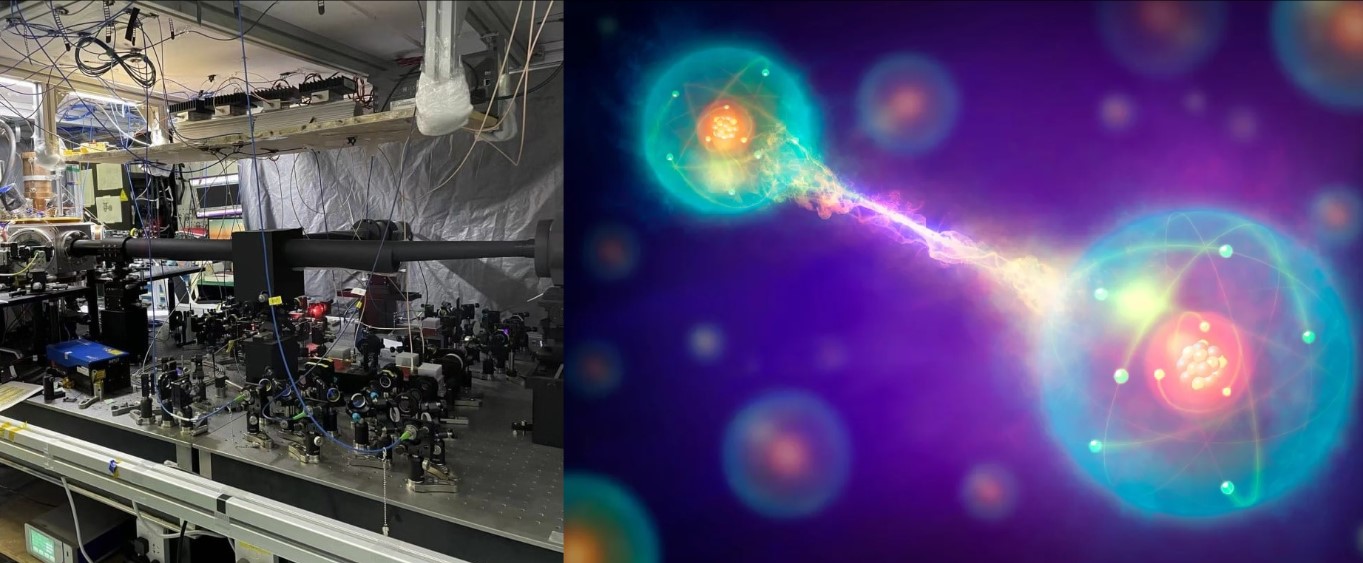
Space & Technology
Chinese scientists have successfully demonstrated a quantum engine powered by entanglement, marking a significant step toward more efficient quantum computing.Researchers from the Chinese Academy of Sciences have made a groundbreaking advancement in quantum physics, showcasing the potential of quantum engines powered by entanglement. This phenomenon allows two photons to remain connected, regardless of the distance between them, as if they communicate faster than light.The team, led by Zhou Fei and Feng Mang, published their findings in the journal *Physical Review Letters* on April 30. Their study is the first to experimentally realize a quantum engine utilizing entanglement as a form of fuel.Traditional engines rely on thermal combustion, but a quantum engine uses lasers to move particles between quantum states, converting light into kinetic energy. Zhou and Feng's team demonstrated that entanglement significantly enhances the output efficiency of these engines.In their experiments, the researchers used ultra-cold calcium ions (40Ca+) confined in an ion trap. They designed a thermodynamic cycle that converts external laser energy into vibrational energy of the ions. By precisely adjusting the laser's frequency, amplitude, and duration, the ions transitioned from their initial pure states to highly entangled states.The team measured the engine's performance by examining two metrics: conversion efficiency, which measures how many vibrations (phonons) are produced per unit of light (photons), and mechanical efficiency, which assesses the usable energy compared to the total energy output. The results showed that higher levels of ion entanglement led to greater mechanical efficiency, though conversion efficiency remained largely unaffected.This discovery suggests that entanglement can act as a "fuel" in quantum engines, despite its complex nature. Quantum engines have the potential to exceed the efficiency limits of classical thermodynamics, potentially achieving energy conversion efficiencies of more than 25%. This efficiency could power large-scale quantum computers and circuits, advancing the development of quantum technology.Moreover, the study indicates that entangled states can enhance the maximum extractable energy in micro-energy devices like quantum motors and batteries. Although quantum batteries may not store as much energy as those in electric vehicles, their true advantage lies in powering large-scale quantum computing systems.Future research will focus on increasing the number of working materials without compromising the fidelity of the entangled states, thereby enhancing the output of quantum engines. This promising development opens new avenues for more efficient and powerful quantum technologies.By leveraging the unique properties of quantum entanglement, researchers are paving the way for next-generation computing and energy devices that could revolutionize various technological fields.
Read More → Posted on 2024-06-02 15:58:18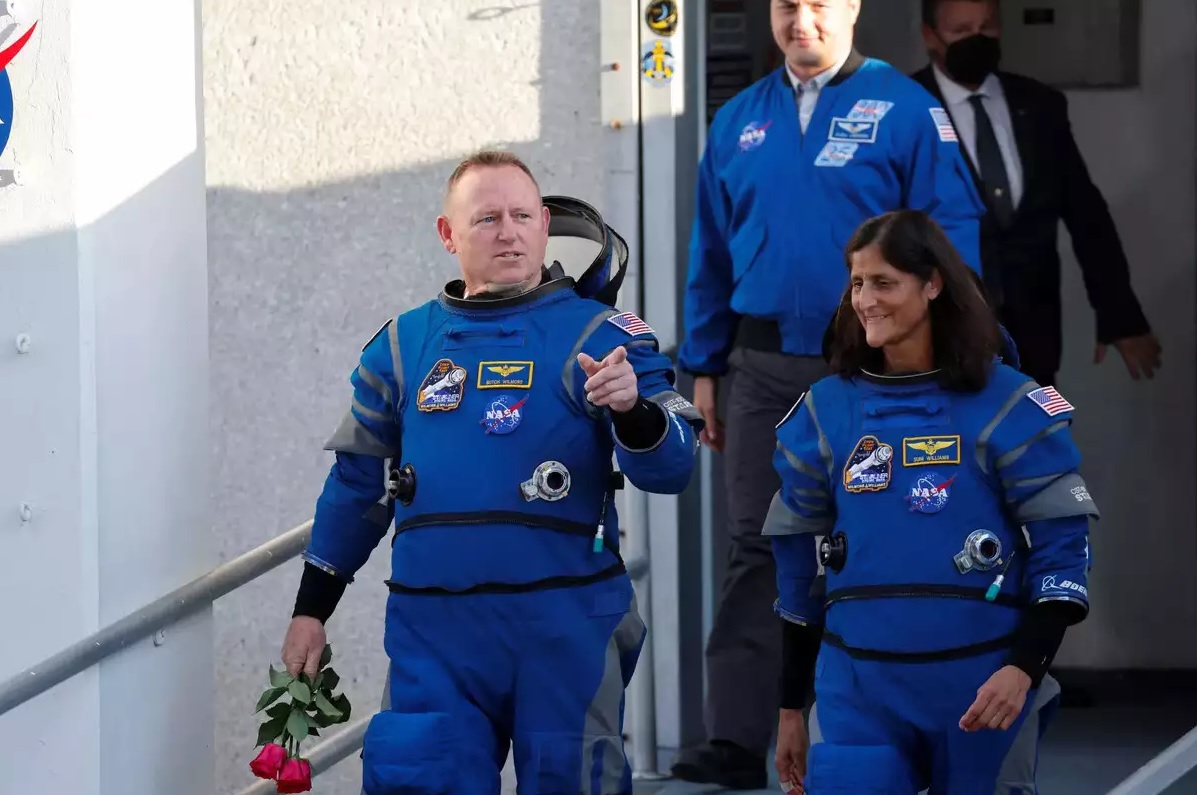
Space & Technology
Boeing's Starliner spacecraft, carrying astronauts Sunita Williams and Barry Wilmore, faced a last-minute launch cancellation due to technical issues. A new launch attempt is scheduled for Sunday.NASA had to cancel the first human crewed flight of Boeing's Starliner spacecraft just minutes before its scheduled takeoff from the Kennedy Space Center. The mission, which included Indian-origin astronaut Sunita Williams, was halted 3 minutes and 50 seconds before liftoff by an automated computer system.NASA stated, "Teams have scrubbed today's launch attempt for BoeingSpace's Starliner Crew Flight Test due to an automatic hold of the ground launch sequencer." This system manages the final countdown and initiates the rocket launch.A backup launch attempt is planned for Sunday at 12:03 PM ET (9:33 PM IST), provided that the United Launch Alliance (ULA) resolves the issue that caused the cancellation. ULA, responsible for the Atlas V rocket, also has additional launch windows on Wednesday and Thursday if needed.At a press conference, Mark Nappi, Boeing's Vice President and Program Manager for the Commercial Crew Program, explained that the issue was related to a slight increase in voltage when Starliner switched from ground to internal power. This caused the cabin fans, crucial for cooling the astronauts, to turn off briefly. "Tomorrow or whenever we try our next launch attempt, we'll have that figured out," Nappi assured.Despite the setback, NASA's Commercial Crew Program Manager, Steve Stich, remained optimistic, stating, "We got really close today." Tory Bruno, ULA's President and CEO, echoed this sentiment, indicating that if the issue is fixed promptly, the launch could still proceed as early as Sunday.The Starliner mission, named the Crew Flight Test, aims to transport astronauts Sunita Williams and Barry "Butch" Wilmore to the International Space Station (ISS) for about a week. This mission is crucial for obtaining NASA's clearance for regular Starliner operations.NASA's Commercial Crew Program, which began after the Space Shuttle Program ended in 2011, funded both Boeing and SpaceX to develop new spacecraft for ISS missions. Boeing received over $4 billion, while SpaceX received about $2.6 billion. SpaceX's Crew Dragon has already completed 12 crewed missions since its first launch in May 2020. In contrast, Boeing's Starliner has faced multiple delays and technical issues, including failed uncrewed test flights in 2019 and 2021 before a successful test in May 2022.The launch on May 6 was also delayed due to a valve issue in the Atlas V rocket's second stage and a minor helium leak in the spacecraft's service module. Additionally, a "design vulnerability" in the propulsion system was identified, though it was deemed a remote risk.Sunita Williams, who has logged 322 days in space across two missions, and her fellow astronaut Butch Wilmore, are currently in quarantine at the Kennedy Space Center's Neil A. Armstrong Operations and Checkout Building, awaiting the next launch attempt.This launch is a critical step for Boeing and NASA's partnership to ensure reliable human spaceflight capabilities to the ISS.
Read More → Posted on 2024-06-02 15:53:17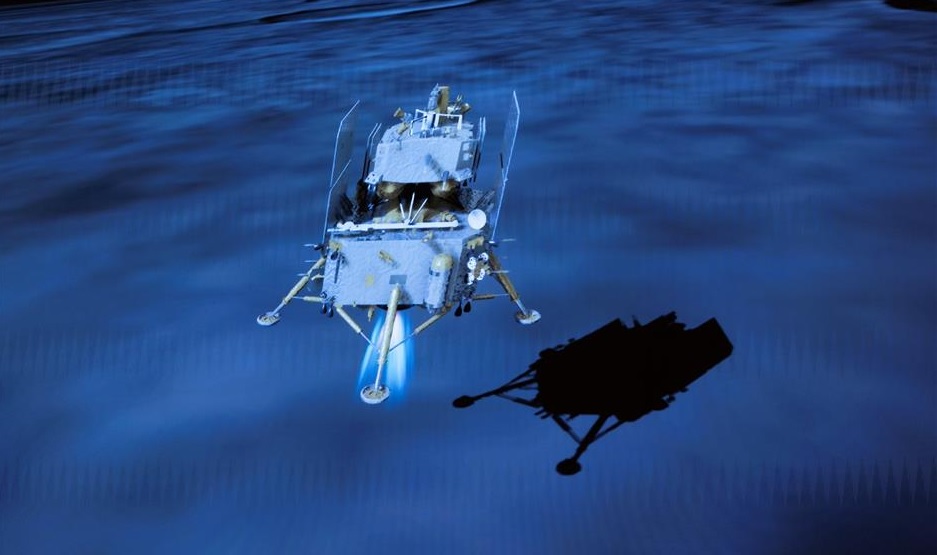
Space & Technology
China's Chang'e-6 successfully lands on the Moon's far side, marking a historic first in lunar sample collection from this rarely explored region.China's Chang'e-6 lunar probe has achieved a groundbreaking milestone by landing on the far side of the Moon and beginning a mission to collect samples from this rarely explored terrain. This marks the first time in human history that samples will be gathered from this enigmatic region of the lunar surface, according to Chinese state media.The China National Space Administration (CNSA) announced this achievement, highlighting the significance of the Chang'e-6 mission. Supported by the Queqiao-2 relay satellite, the Chang'e-6 lander-ascender combination successfully touched down in the South Pole-Aitken (SPA) Basin, a unique and scientifically valuable area on the Moon's far side.Launched on May 3, the Chang'e-6 mission consists of an orbiter, a returner, a lander, and an ascender. The mission followed a meticulously planned journey from Earth-Moon transfer, near-Moon braking, lunar orbiting, to its final descent to the lunar surface. Each step was executed with precision by the CNSA.The chosen landing site, the Apollo Basin, was selected for its scientific importance and favorable landing conditions. Despite the rugged terrain typical of the Moon's far side, the relatively flat surface of the Apollo Basin offers an ideal location for landing and sampling operations.Following the successful landing, Chang'e-6 is set to begin its sampling mission, which is expected to be completed within two days. The probe will collect samples from the lunar subsurface using a drill and from the surface using a robotic arm.The Chang'e-6 development team prepared extensively for this mission. They established a simulation lab replicating the lunar environment to refine sampling strategies and equipment control procedures. This careful preparation ensures the accuracy and efficiency of the mission.Communication with the far side of the Moon presents challenges due to the obstruction of direct signals. To address this, the Chang'e-6 mission incorporates advanced autonomous capabilities, allowing the probe to execute instructions and make decisions independently. This reduces the need for constant intervention from Earth-based controllers.A significant advancement in the Chang'e-6 mission is the reduction of instructions sent from ground control, from approximately 1,000 to 400 throughout the sampling process. This exemplifies the progress in autonomous space exploration.The Chang'e-6 mission not only demonstrates China's growing capabilities in space exploration but also contributes valuable scientific knowledge by collecting samples from a previously unexplored region of the Moon. This mission represents a significant step forward in our understanding of the Moon and the broader universe.
Read More → Posted on 2024-06-02 15:26:30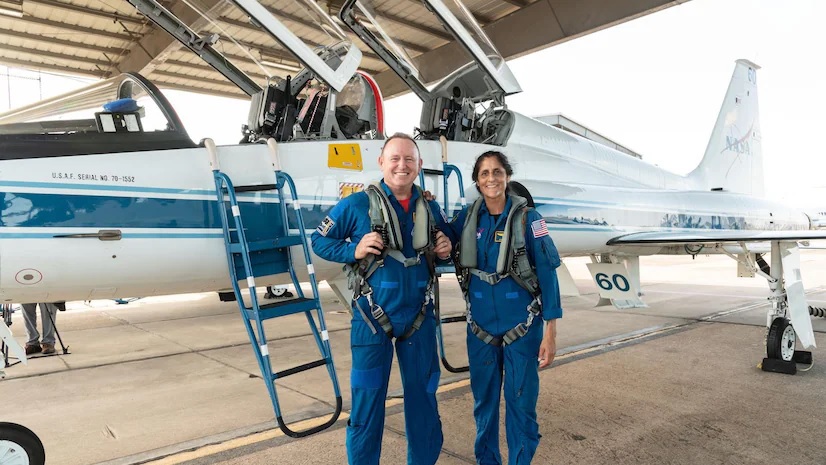
Space & Technology
NASA astronauts Sunita Williams and Barry Wilmore are set to pilot Boeing's Starliner spacecraft in a landmark mission to the ISS, marking a significant milestone for NASA's Commercial Crew Program.Indian-origin astronaut Sunita Williams and fellow NASA astronaut Barry "Butch" Wilmore are set to make history as the first humans to board Boeing's Starliner spacecraft. This mission, a joint effort between NASA and Boeing, aims to demonstrate the capabilities of the Starliner under the Commercial Crew Program. The launch is scheduled for today at around 10 PM Indian Standard Time from Florida's Kennedy Space Center.Mission OverviewThe Starliner spacecraft, which will be launched atop an Atlas V rocket provided by United Launch Alliance (ULA), is slated to dock with the International Space Station (ISS) on Sunday. Williams and Wilmore will spend approximately a week at the ISS, conducting various tests to ensure the spacecraft's systems perform as expected. Following the mission, the Starliner will return to Earth, landing in the southwestern United States on June 10, assisted by parachutes and airbags.Preparations and DelaysThe mission has faced several delays due to technical issues. Initially scheduled for an earlier launch, the mission was postponed due to a valve glitch in the Atlas V rocket's upper stage and a helium leak in the spacecraft's service module. These issues were resolved by May 17, and the final launch date was set for June 1.Significance of the MissionIf successful, this flight will pave the way for NASA to certify the Starliner for regular crewed missions to the ISS. This mission is crucial for diversifying NASA’s options for transporting astronauts to low Earth orbit, alongside SpaceX's Crew Dragon, which has already completed 12 crewed missions since 2020.Astronaut ProfilesSunita Williams, born in Needham, Massachusetts, has a distinguished career with NASA. She holds a degree in physical science from the US Naval Academy and a master’s in engineering management from the Florida Institute of Technology. Selected as an astronaut in 1998, Williams has spent a total of 322 days in space across two missions and has completed seven spacewalks, totaling over 50 hours.Barry Wilmore, 61, also a seasoned astronaut, has logged 178 days in space and completed four spacewalks. Both astronauts have previously commanded the ISS, bringing significant experience to this mission.The Future of StarlinerBoeing's Starliner is designed to be reusable for up to ten missions with a six-month turnaround time. The spacecraft is a key component of NASA's strategy to maintain a continuous human presence in space, facilitating scientific research and international cooperation on the ISS. Over the next six years, Boeing plans to conduct six manned missions with the Starliner, coinciding with the projected end of the ISS's operational life.NASA's Commercial Crew Program, which awarded Boeing over $4 billion and SpaceX approximately $2.6 billion, is critical for ensuring that the United States can independently send astronauts to the ISS. This mission marks a significant milestone for Boeing, which seeks to match the success of SpaceX's Crew Dragon.ConclusionToday's launch of the Starliner with Sunita Williams and Barry Wilmore marks a significant step forward for NASA's Commercial Crew Program. This mission is expected to validate the Starliner's readiness for regular crewed flights, further enhancing NASA's capabilities for space exploration and maintaining the ISS. As we await the outcome, the successful deployment of the Starliner could herald a new era of commercial space travel.
Read More → Posted on 2024-06-01 15:47:23
Space & Technology
Chennai-based startup Agnikul Cosmos successfully launches the world's first rocket powered by a single-piece 3D-printed engine from India's first private launchpad at Sriharikota.Chennai-based space startup Agnikul Cosmos has made history by launching the world’s first rocket powered by a single-piece 3D-printed engine. The launch took place on May 30 from Sriharikota, at India’s first private launchpad, named ‘Dhanush’, established by Agnikul. The startup, incubated at IIT-Madras, achieved this milestone entirely through indigenous design and development.The mission, named 'Agnibaan - SOrTeD' (Sub-Orbital Technology Demonstrator), marks India's first semi-cryogenic engine-powered rocket launch. The primary goal of this test flight was to demonstrate the in-house developed technologies, gather essential flight data, and ensure the optimal functioning of systems for future orbital launches by Agnikul's main launch vehicle, the ‘Agnibaan’.Prime Minister Narendra Modi praised the launch, calling it a "momentous occasion for India’s space sector and a testament to the remarkable ingenuity of our Yuva Shakti" in a post on social media platform X.Dr. S Somanath, Chairman of ISRO, congratulated Agnikul on their success, highlighting the significant achievements in 3D-printed semi-cryogenic engines and flight control systems. He emphasized that this success motivates ISRO to support space startups and non-governmental entities in fostering innovation and self-reliance (Atmanirbharta) to create a vibrant space ecosystem in India.Agnikul's flagship launch vehicle, ‘Agnibaan’, is designed to be compatible with the mobile launchpad 'Dhanush', allowing for flexible launch locations. Agnibaan can carry payloads ranging from 30 kg to 300 kg, making it versatile for various mission requirements. The startup aims to fly an orbital mission by the end of the financial year 2025 and plans to offer regular commercial flights starting in 2025.The vision of Agnikul Cosmos is to democratize access to space by making launches affordable and customizable to meet customer needs. The Agnikul team comprises over 200 engineers, supported by 45 former ISRO scientists who bring invaluable expertise to their mission.This single-stage rocket, called the “Agnibaan - Sub-Orbital Technology Demonstrator (SOrTeD)”, is powered by the Agnilet engine, the world’s first single-piece 3D-printed rocket engine. The successful vertical lift-off and precise flight maneuvers during this launch demonstrate the strength of Agnikul’s indigenous design and technological innovation.The success of Agnikul Cosmos underscores the growing capabilities and potential of India's private space sector. It reflects the startup’s dedication and hard work in pushing the boundaries of space technology, setting a new benchmark for future space missions.3D Printing in Space Tech: The use of 3D printing in rocket engines allows for significant cost reduction and faster manufacturing times. The Agnilet engine’s design is a pioneering example of how 3D printing can revolutionize space technology. Private Space Sector in India: The Indian government has been actively promoting private participation in space activities. The establishment of IN-SPACe (Indian National Space Promotion and Authorization Center) is a step towards encouraging startups and private enterprises in the space sector.Global Context: Agnikul’s achievement places it alongside other international private space companies like SpaceX and Rocket Lab, which are also advancing the use of 3D printing and other innovative technologies in their rocket designs.This achievement by Agnikul Cosmos is a significant step forward for India's space industry, highlighting the potential for innovation and growth in the private sector.
Read More → Posted on 2024-05-31 16:24:07
Space & Technology
China's Chang'e 6 mission aims to land on the moon's far side, collect samples from the South Pole-Aitken Basin, and return them to Earth for scientific study.China's Chang'e 6 mission is on track for a landmark lunar exploration, targeting a landing on the far side of the moon. The mission, which launched on May 3 and reached lunar orbit five days later, aims to collect samples from the South Pole-Aitken (SPA) Basin. This area is the largest and oldest impact basin on the moon, providing a unique opportunity to study its geology and history.Mission DetailsChang'e 6's mission profile closely mirrors that of its predecessor, Chang'e 5. The earlier mission, which landed in December 2020, brought back 61 ounces (1,731 grams) of lunar material from the near side of the moon. Chang'e 6 plans to land on June 2 Beijing time, which corresponds to the evening of June 1 for North America. Once on the lunar surface, the mission will spend three days studying the area and collecting samples.Sample Collection and ReturnThe collected samples will be stored in the mission's ascent module, which will then launch back into lunar orbit. There, it will dock with the lunar orbiter, transferring the samples into a return module for the journey back to Earth. The sample capsule is expected to land on Earth on June 25 Beijing time.Scientific SignificanceThe samples from the SPA Basin are particularly valuable because they could provide insights into the moon's magmatic processes and mantle properties. As the basin is one of the oldest lunar features, the samples might reveal details about the moon's formation and geological history. Post-Mission AnalysisUpon returning to Earth, the samples will be analyzed in a lunar receiving lab in Beijing. The China National Space Administration (CNSA) plans to catalog and document these specimens before making them available for study by the global scientific community.In the case of the Chang'e 5 mission, China distributed about 0.6 ounces (17 grams) of samples to 13 research institutions worldwide. The expectation is that Chang'e 6 samples will also be shared widely for scientific research.Technology and EngineeringThe Chang'e 6 lander is equipped with various scientific instruments, including a panoramic camera and lunar radar. These tools will help map the terrain and investigate the geological structure of the landing site. The mission also relies on solar panels for power, with the chosen landing site in the SPA Basin offering sufficient solar illumination and reliable communication signals.Future ImplicationsThe success of the Chang'e 6 mission could pave the way for future lunar exploration and the potential for crewed missions to the moon's far side. The detailed study of these samples might also contribute to our understanding of other celestial bodies and the broader solar system.In summary, China's Chang'e 6 mission represents a significant step in lunar exploration, with the potential to enhance our understanding of the moon's history and geological processes. The scientific community eagerly awaits the return of these precious samples for further study.
Read More → Posted on 2024-05-31 15:57:13
Space & Technology
Agnikul Cosmos achieves a significant milestone with the successful launch of the Agnibaan SoRTed-01 mission, marking India's first private launch from their launchpad at SDSC SHAR, Sriharikota.On Thursday, the Indian Space Research Organisation (ISRO) announced that Agnikul Cosmos successfully launched its Agnibaan (Suborbital Tech Demonstrator) SoRTed-01 mission. The launch took place from Agnikul's private launchpad at the Satish Dhawan Space Centre (SDSC SHAR) in Sriharikota.ISRO praised Agnikul Cosmos, highlighting the launch as a major milestone. The agency congratulated the team on X (formerly Twitter), noting the successful controlled flight of a semi-cryogenic liquid engine, which was realized through additive manufacturing, also known as 3D printing.The engine test was powered by Agnikul's in-house designed data acquisition systems and flight computers. This achievement also demonstrated the capability of the entire avionics chain of the SoRTed vehicle to control its propulsion system effectively.The Agnibaan rocket can carry payloads of up to 300 kg to orbits around 700 km high. It is designed for flexibility, capable of accessing both low and high inclination orbits. Additionally, the rocket is mobile and can be launched from more than 10 different launch ports worldwide. Driven by liquid oxygen (LOX) and kerosene engines across all its stages, the Agnibaan rocket can be customized based on the mission requirements, the satellite, and the launch port, determining the number of engines used in the first stage.Union Minister Rajeev Chandrasekhar also extended his congratulations to Agnikul Cosmos, emphasizing the significance of the launch. He noted that it was the world's first flight with a single-piece 3D printed rocket engine and India's first flight with a semi-cryogenic engine. The vehicle was entirely designed and assembled at Agnikul's facilities within IIT Madras.This achievement adds to India's impressive track record in space exploration. In 2023, India successfully landed Chandrayaan-3 on the Moon's South Pole and launched Aditya-L1, the country's first solar mission. These milestones have bolstered India's position in the global space economy and energized the private space sector.Looking ahead, India has ambitious plans, including setting up the 'Bharatiya Antariksha Station' by 2035 and sending the first Indian to the Moon by 2040. These goals reflect India's growing capabilities and aspirations in space exploration.
Read More → Posted on 2024-05-30 16:27:58
Space & Technology
IIT Bombay partners with TCS to create a Quantum Diamond microchip imager, enhancing semiconductor quality control through advanced quantum sensing technology.The Indian Institute of Technology (IIT) Bombay has announced a strategic partnership with Tata Consultancy Services (TCS) to create India’s first Quantum Diamond microchip imager. This advanced sensing tool, to be developed at IIT Bombay’s PQuest Lab, aims to improve the quality control of semiconductor chips. Over the next two years, experts from TCS will collaborate with IIT Bombay to build this innovative device.Improving Semiconductor QualityThe Quantum Diamond microchip imager will enhance the efficiency and reliability of electronic devices by reducing the chances of chip failures. This new tool leverages quantum sensing technology to provide a non-destructive method for examining semiconductor chips. As semiconductor components become increasingly smaller, traditional methods struggle to detect faults accurately. The Quantum Diamond microchip imager addresses this issue by using defects in a diamond’s structure, known as Nitrogen-Vacancy (NV) centers, to identify and analyze anomalies in the chips.National Quantum Mission AlignmentThis collaboration aligns with India's National Quantum Mission, which aims to position the country as a leader in quantum technology. By integrating quantum diamond microscopy with AI and machine learning-powered software imaging, this project will help India advance in the global quantum technology race.Wide-Ranging ApplicationsBeyond semiconductors, the Quantum Diamond microchip imager has potential applications in various fields. It can be used for fine-scale imaging of magnetic fields, biological imaging, and geological studies. The technology's versatility makes it a valuable tool for multiple sectors, including electronics and healthcare.Expert InsightsDr. Kasturi Saha, Associate Professor in the Department of Electrical Engineering at IIT Bombay, expressed enthusiasm about the collaboration. "We are excited to work with TCS on developing a quantum imaging platform for the nondestructive examination of chips. Our expertise in quantum sensing will drive innovation and help transform various sectors."TCS’s Chief Technology Officer, Harrick Vin, emphasized the importance of the project in the context of the Second Quantum Revolution. "The rapid progress in quantum technologies necessitates pooling resources and expertise to build advanced capabilities in sensing, computing, and communication."ConclusionThe partnership between IIT Bombay and TCS marks a significant step forward in India's quantum technology journey. By developing the Quantum Diamond microchip imager, they are set to revolutionize semiconductor quality control and open up new possibilities in various scientific and industrial fields.This initiative not only underscores India's commitment to technological innovation but also highlights the collaborative efforts needed to stay at the forefront of global advancements in quantum technologies.
Read More → Posted on 2024-05-29 07:31:32Search
Top Trending in 24 Hours
-
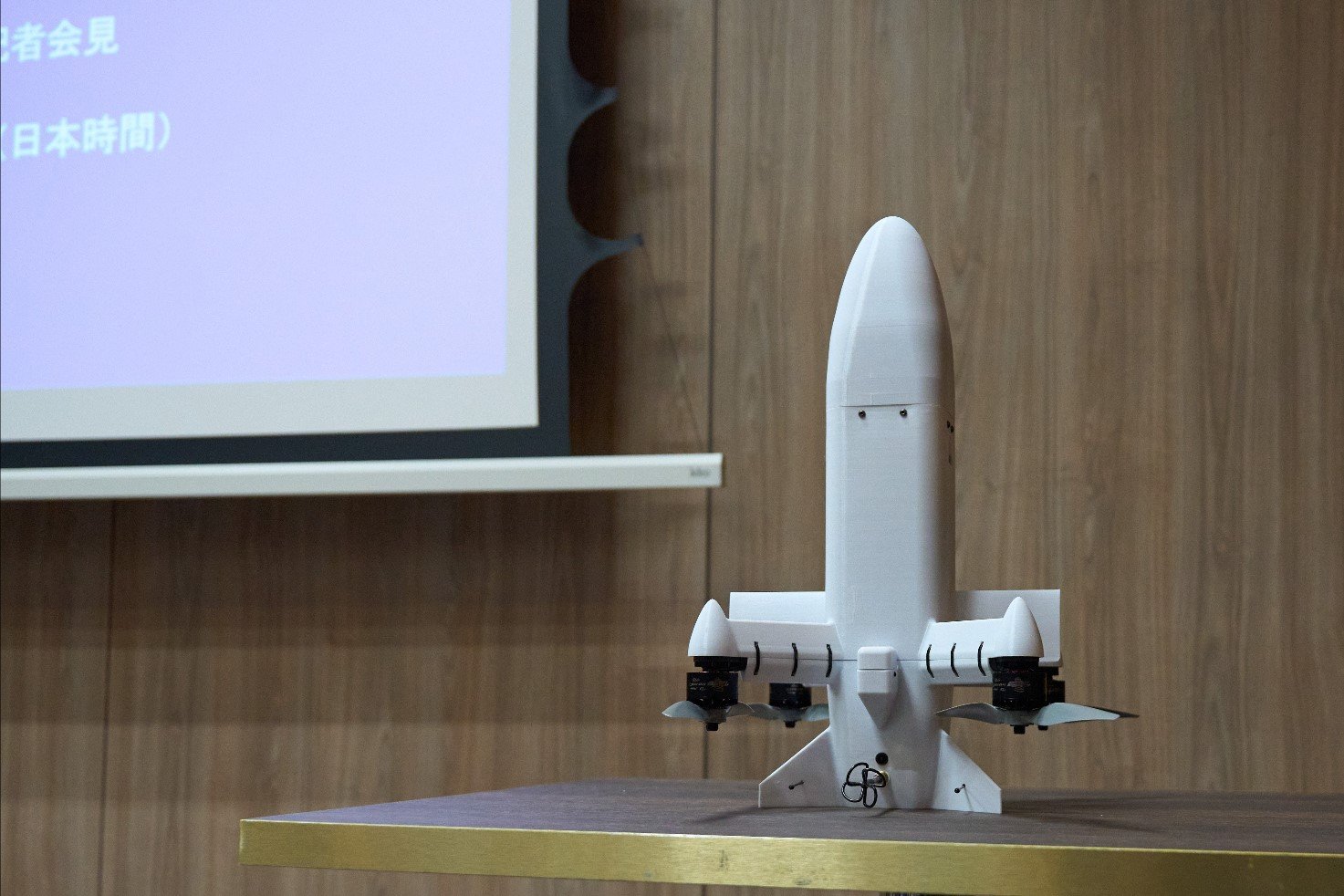 Japan Selects Terra Drone’s Terra B1 for Mass Production of Interceptor UAVs
-
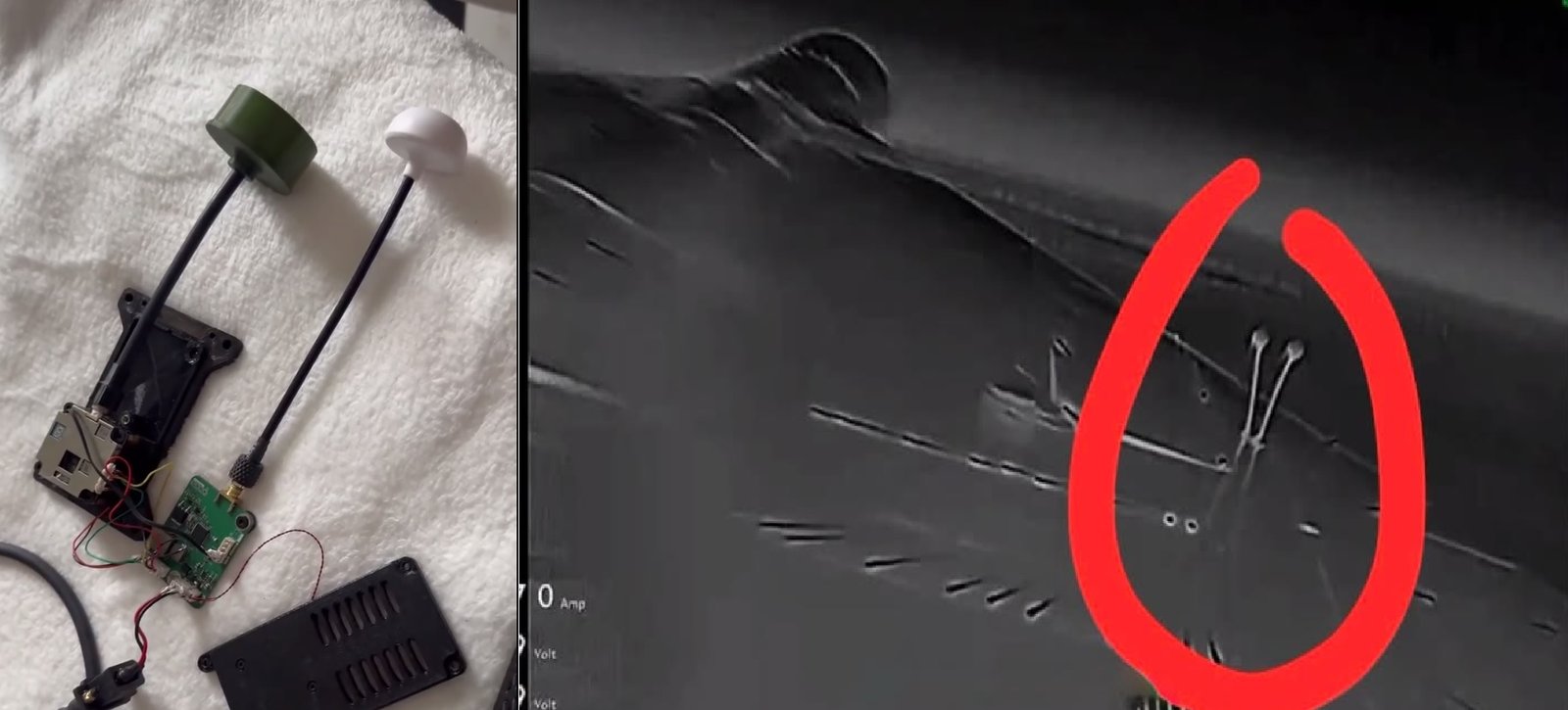 Russia Equips Shahed and Geran Drones With Electronic Warfare Systems to Jam Ukrainian Interceptor Video Links
-
 Austria Receives First Modernized Leopard 2A4Ö Tank and Ulan NV Infantry Fighting Vehicle
-
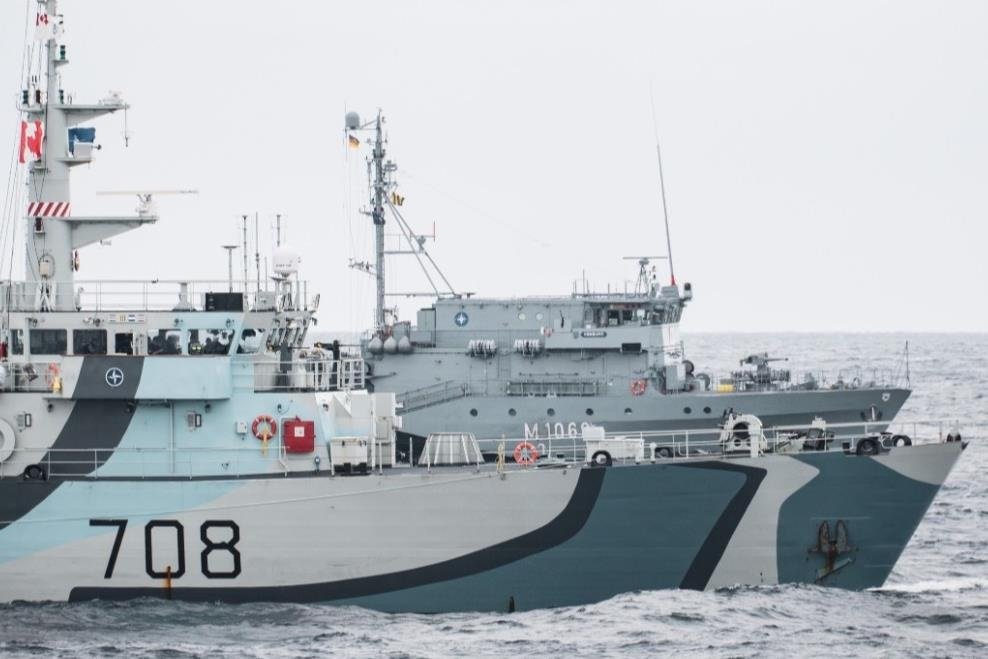 NATO Launches Exercise Northern Viking 26 in Iceland to Secure North Atlantic Routes
-
 Ukraine Reduces Use of Western Tanks as Cheap Drones Become a Major Battlefield Threat
-
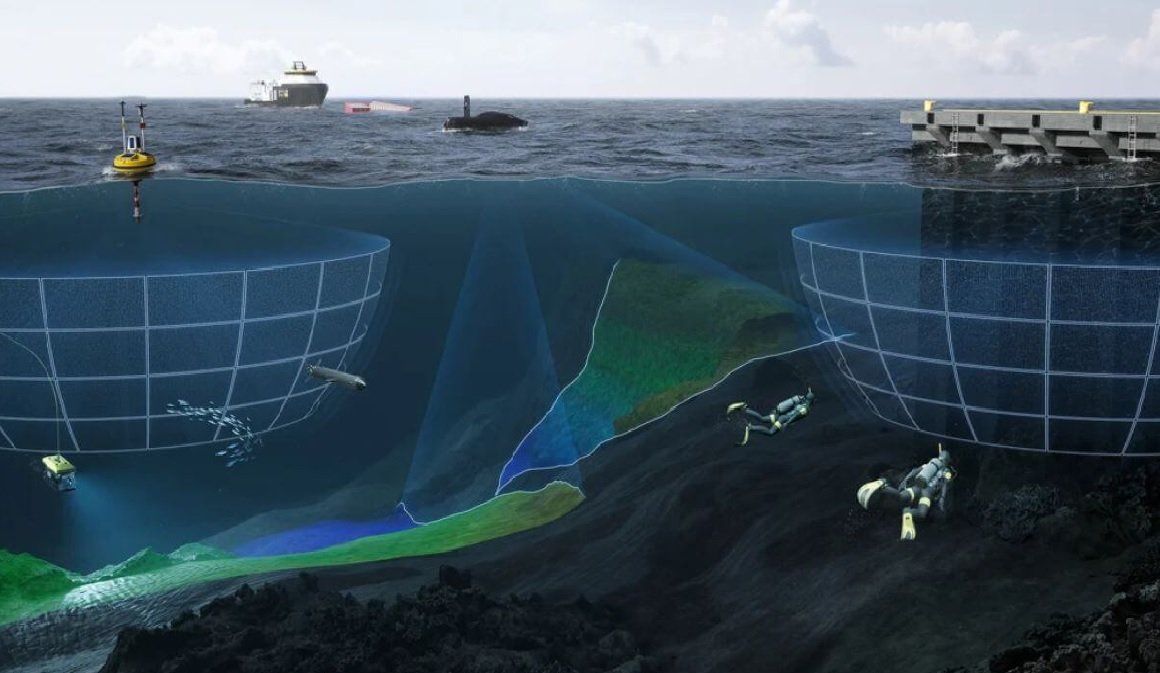 Kongsberg Introduces Aegir SSA Sonar Family With AI-Powered Monitoring for Continuous Underwater Surveillance
-
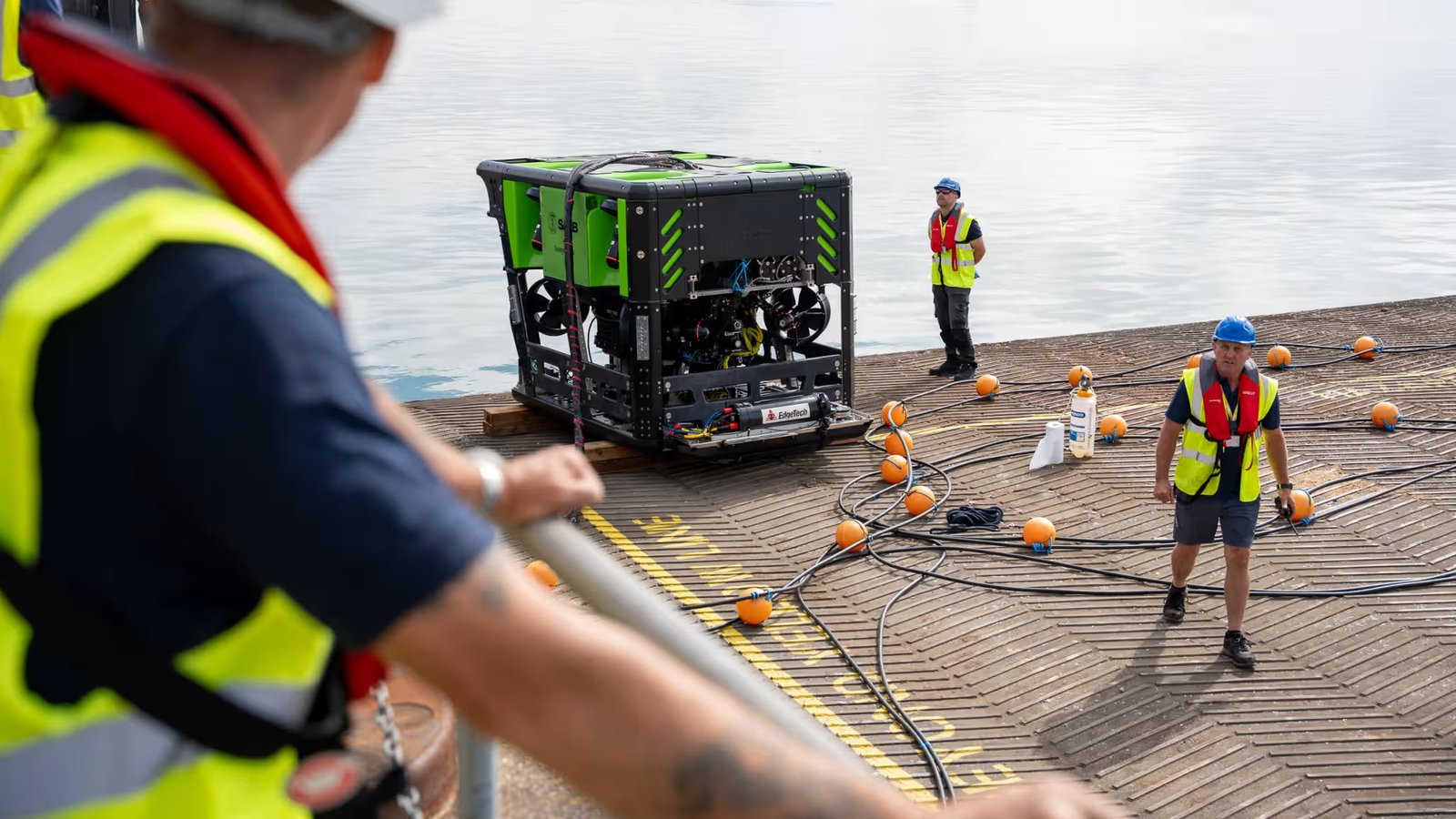 Saab UK Completes Key Trials of Seaeye SR20 eWROV, Moves to Next Development Phase
-
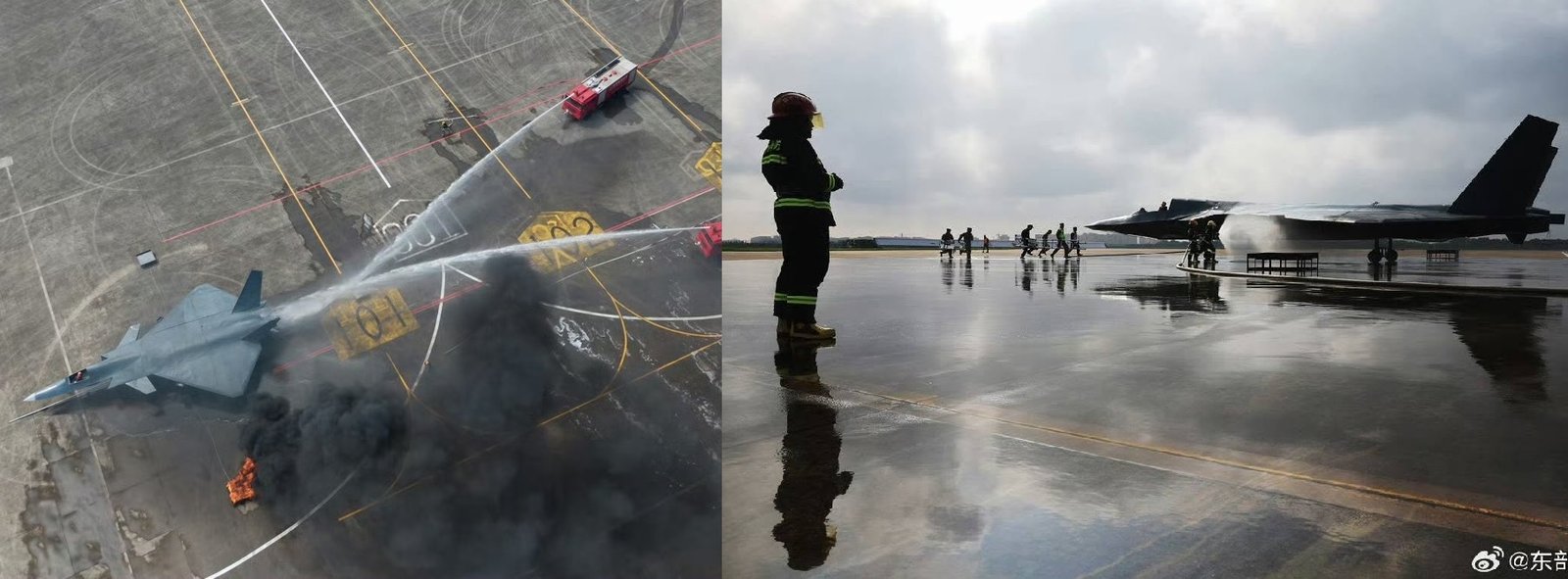 Mystery Chinese J-20-Like Object Seen at Former Airport Was a Firefighting Training Mock-Up
Top Trending in 4 Days
-
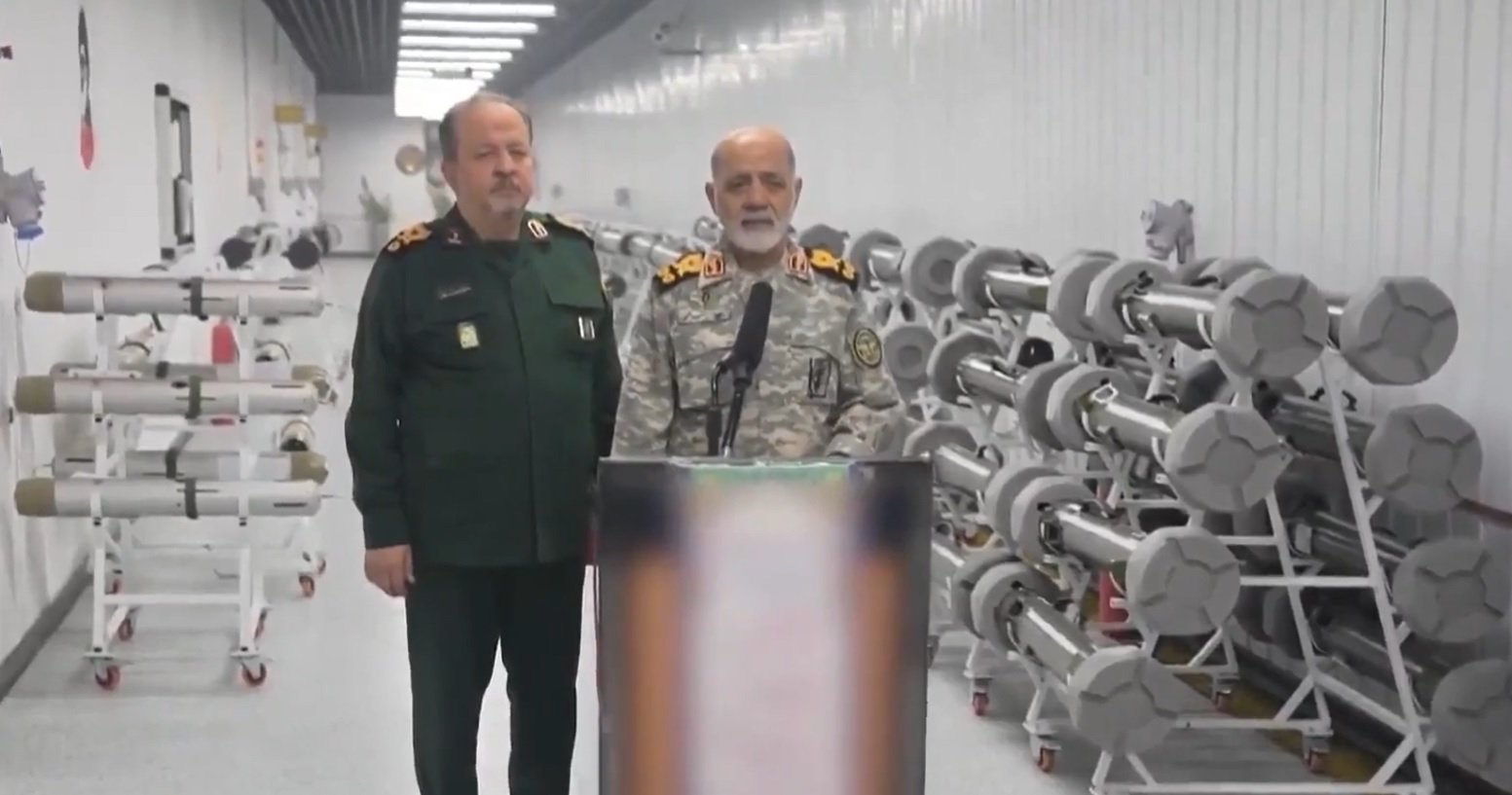 Iran Reveals Underground Weapons Manufacturing Facility for First Time on State TV
-
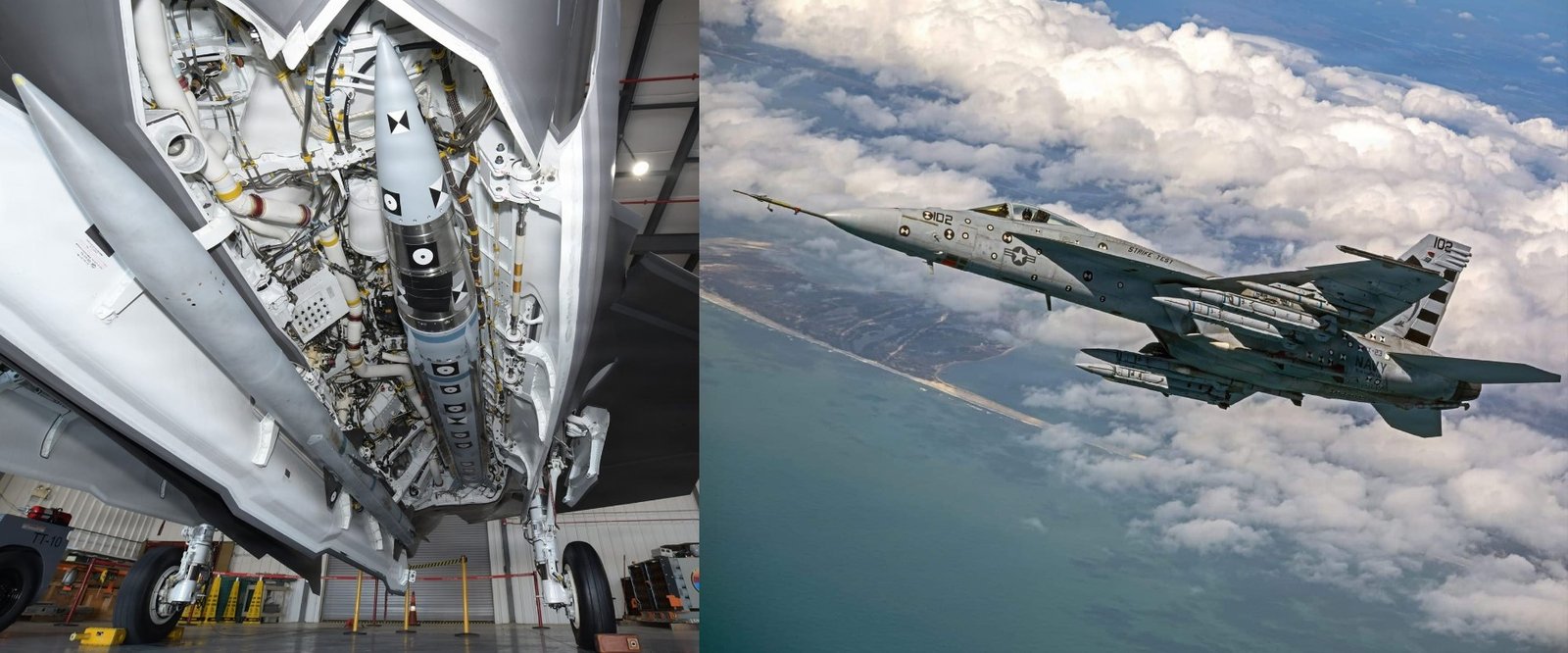 U.S. Navy Unveils New AIM-424 ‘Malice’ Air-to-Air Missile With 463+ km Range for F-35C, Super Hornet and F/A-XX
-
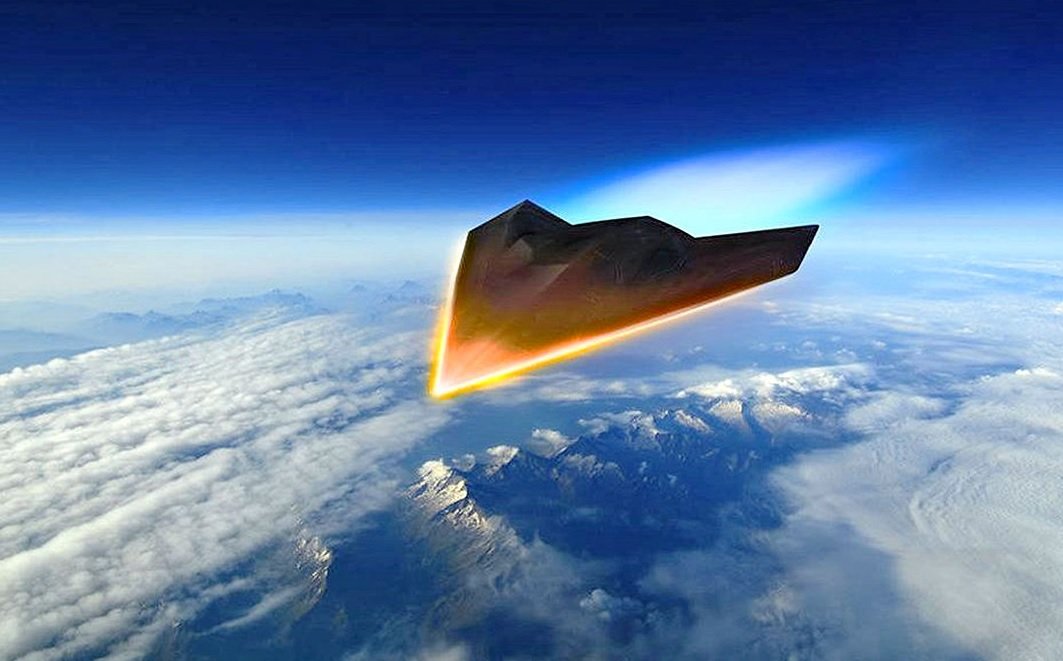 China Develops Hypersonic Glide Vehicles Capable of Launching Air-to-Air Missiles Mid-Flight
-
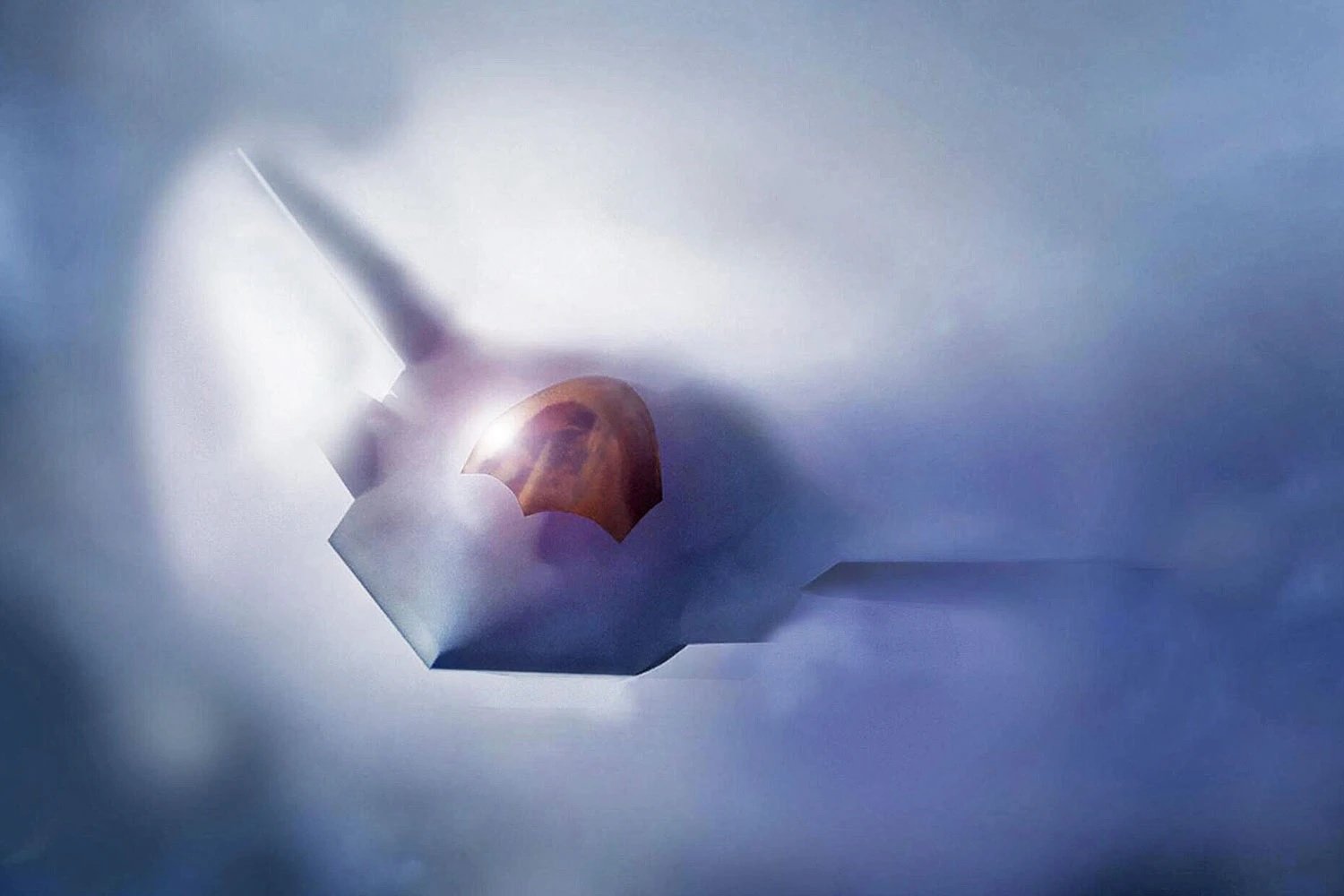 Israel Explores Potential Acquisition of U.S. F-47 Sixth-Generation Fighter
-
 Iran-Linked Hackers Shut Down UK Power Plant for Four Days in First Known Attack
-
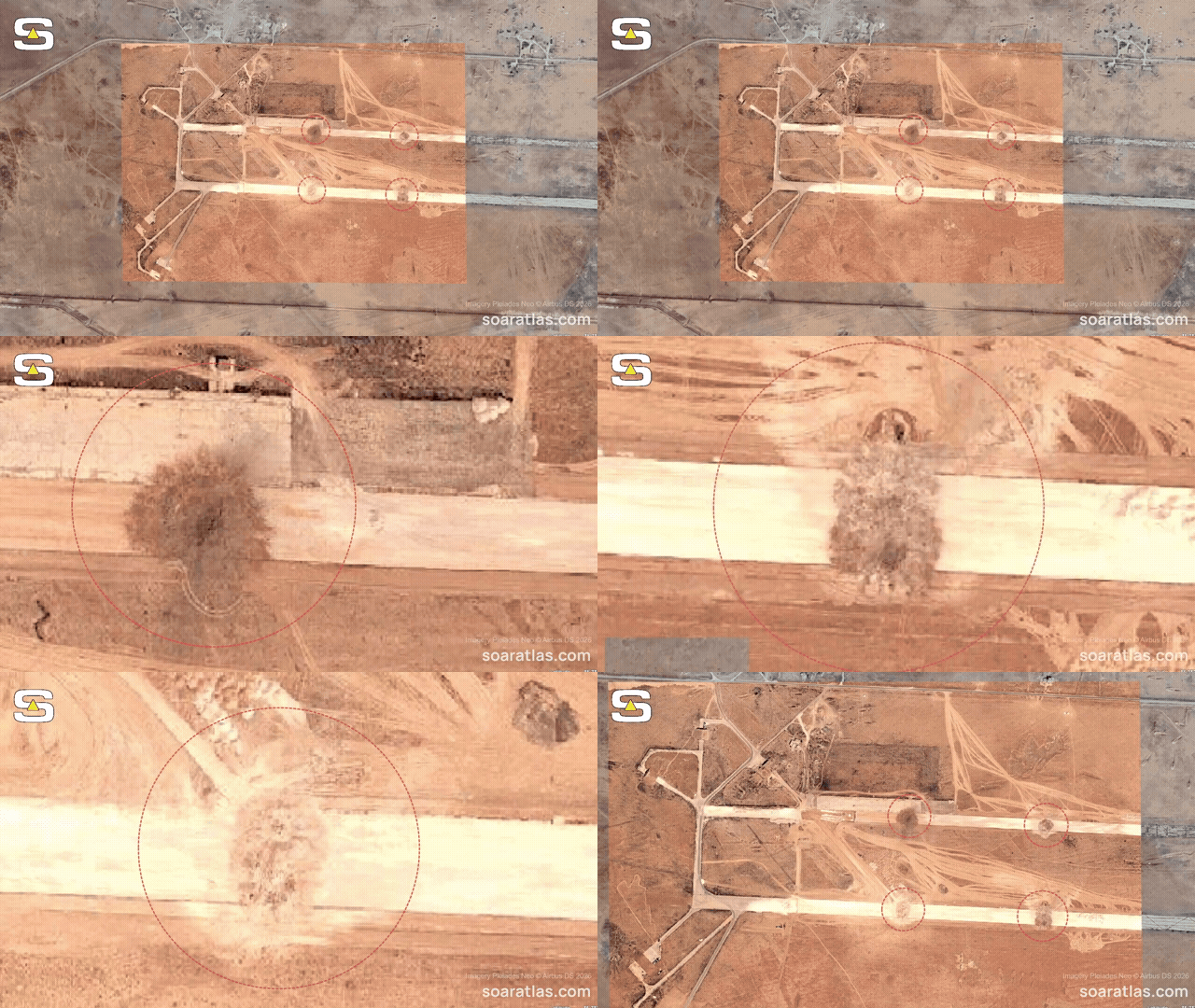 Satellite Imagery Shows Damage From Israeli Strikes on Turkey Military Occupied Syria’s Abu al-Duhur Airbase
-
 Ukraine Holds World’s First Unmanned Military Parade on 35th Independence Day
-
 UAE Completes Protective Metal Structures Around Fuel Tanks Near Dubai International Airport