In a landmark achievement for India’s space technology, the Tamil Nadu-based start-up Space Zone India, in collaboration with the Martin Group, successfully launched the country’s first reusable hybrid rocket, ‘RHUMI-1.’ The launch took place at Thiruvidandhai, near Chennai, marking a significant milestone in India’s evolving space sector. The rocket, designed to serve both scientific and commercial purposes, carried a payload of 53 satellites—3 CubeSats and 50 PICO satellites—into a suborbital trajectory.
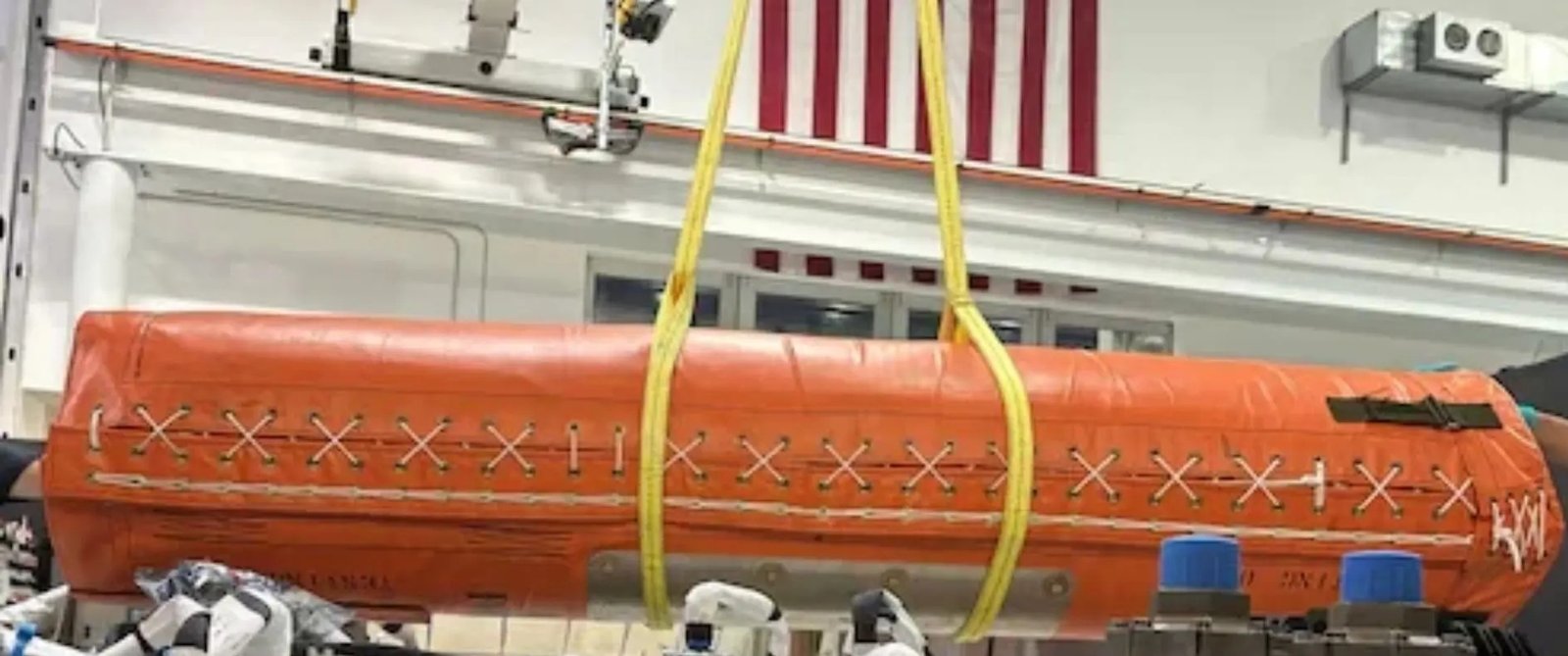
RHUMI-1, a product of years of innovation and research, has been designed with advanced technology to balance the benefits of liquid and solid fuel systems. The hybrid motor uses a generic fuel mix, offering a more efficient and cost-effective solution compared to traditional propulsion systems. The rocket’s uniqueness lies in its pyrotechnic-free design, which eliminates the need for TNT, making it one of the safest hybrid rockets of its kind. Additionally, it features an electrically triggered parachute deployer for smooth recovery and reusability, setting a new standard in the global space industry.
The mission, spearheaded by Anand Megalingam, the founder of Space Zone India, was carried out under the mentorship of Dr. Mylswamy Annadurai, the former director of ISRO Satellite Centre (ISAC). The launch represents a shift in India’s space initiatives toward sustainability, efficiency, and cost reduction, especially in small satellite deployment.
The satellites aboard RHUMI-1 will focus on collecting data for research on global warming and climate change, addressing urgent environmental concerns. This mission reflects Space Zone India’s commitment to offering low-cost, long-term solutions for space research, while also making technology accessible to a wider audience.
Space Zone India is not just focused on launches but also on building a strong foundation for the future of India’s aerospace sector. The company actively engages with educational institutions, offering hands-on training in satellite technology, rocket technology, and aerodynamic principles. Their flagship project, the ‘Dr. APJ Abdul Kalam Students Satellite Launch,’ involved over 2,500 students from across India in designing and building satellite launch vehicles, highlighting the company’s dedication to fostering young talent.
The successful launch of RHUMI-1 demonstrates India’s growing capabilities in space exploration and its ability to integrate advanced technologies with cost-effective strategies. This achievement is not only a step forward for Space Zone India but also a promising development in India’s efforts to lead in the global space arena.
——— End of Article ———