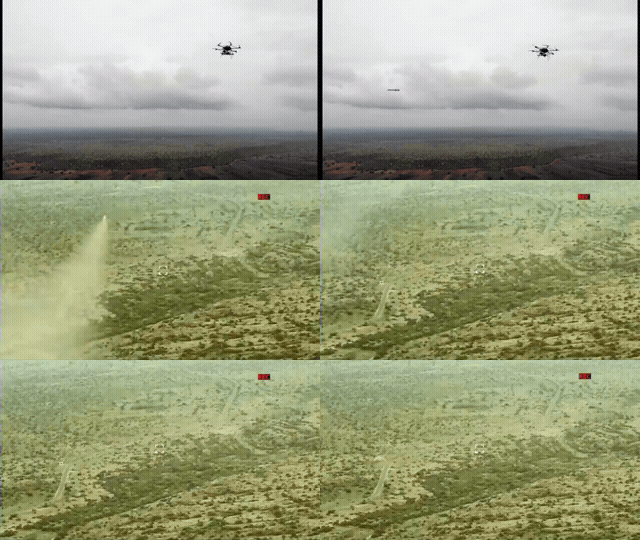
HYDERABAD, — May 11, 2026 : The Indian Army has inducted two indigenous combat systems — the UAV-Launched Precision Guided Munition (ULPGM) and the AGNIKAA VTOL-1 First-Person View (FPV) Kamikaze Drone — under the Emergency Procurement (EP-6) framework following a series of operational validation trials conducted in challenging combat conditions.
The formal handover ceremony took place in Hyderabad in the presence of officials from the Army’s Western Command. Prior to induction, both systems completed high-altitude testing, electronic warfare (EW) evaluations, and precision-guided munition firing trials to confirm operational readiness for deployment in difficult terrains and contested environments.
Both platforms were designed, developed, and manufactured in India, supporting the Army’s ongoing effort to expand indigenous precision-strike and loitering munition capabilities for frontline operations.
ULPGM Loitering Munition
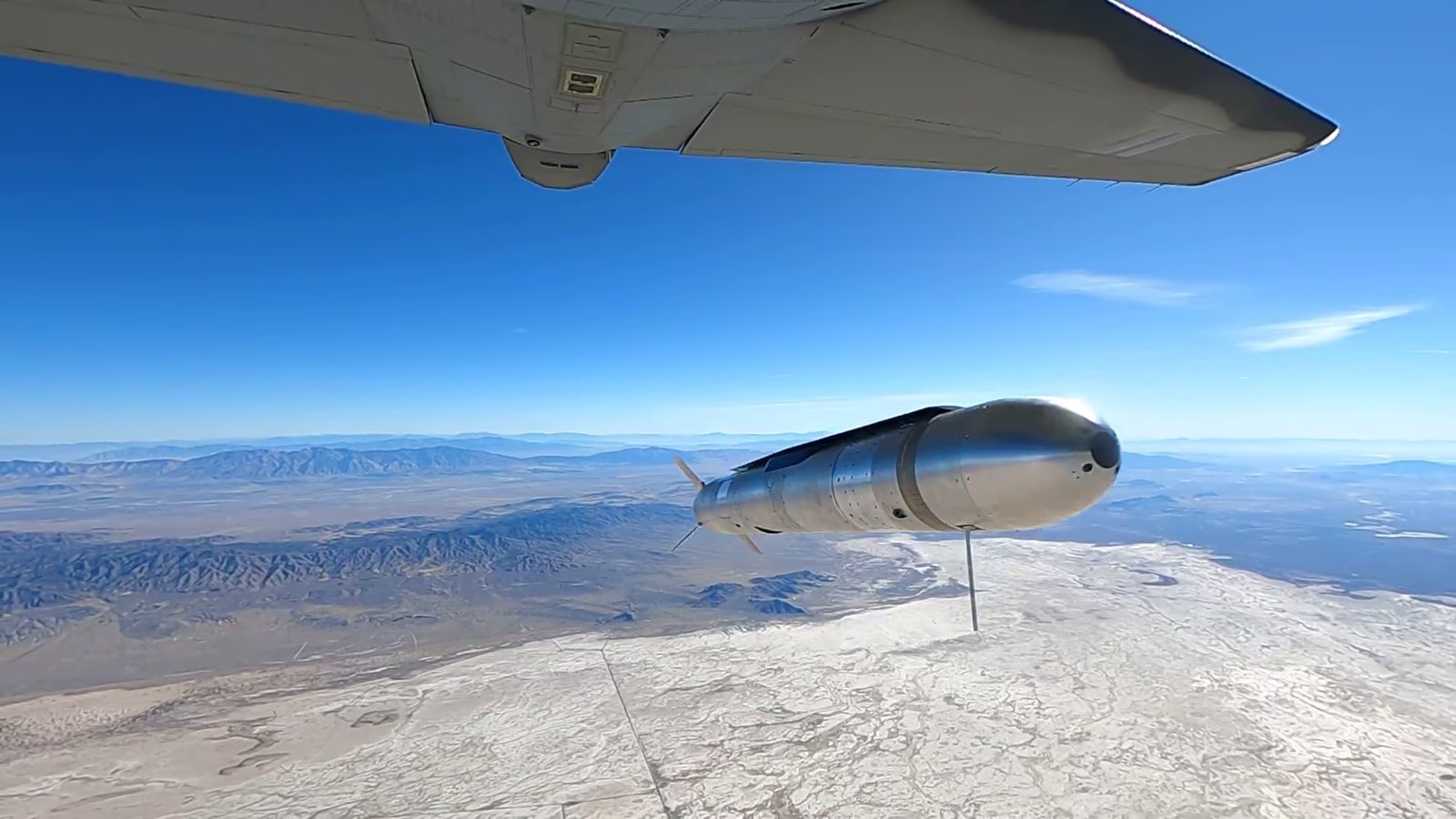
The ULPGM, co-developed by the Defence Research and Development Organisation (DRDO) and Adani Defence & Aerospace, is classified as India’s first indigenous loitering munition in its category. The system is integrated with retractable UAV launch platforms, providing greater operational flexibility during missions in contested areas.
The launch UAV has an operational range of up to 20 kilometres, while the precision-guided munition itself is capable of engaging targets at a direct strike range of 2.5 kilometres. The system is equipped with an Imaging Infrared (IIR) seeker that enables engagement of both stationary and moving targets during day and night operations.
The munition carries a two-kilogram warhead intended for use against soft and hard targets and is reported to achieve an accuracy of one metre Circular Error Probable (CEP). The ULPGM also incorporates anti-jamming and anti-spoofing capabilities to maintain operational reliability in GPS-denied and communication-jammed environments.
AGNIKAA VTOL-1 FPV Kamikaze Drone
The second inducted system, the AGNIKAA VTOL-1, has been designated as India’s first FPV kamikaze drone in its class. Built with a vertical take-off and landing (VTOL) configuration, the platform is designed for rapid deployment during urban warfare operations, confined-space engagements, and open battlefield missions.
The drone has an operational range of up to five kilometres, a flight endurance of 30 minutes, and a maximum speed of 60 kilometres per hour. Its payload is designed with a lethality radius of five metres against personnel and soft-skinned vehicles.
To improve operational safety and mission reliability, the AGNIKAA VTOL-1 is equipped with a three-layered trigger mechanism and a four-layer trigger safety system. Similar to the ULPGM, the drone is designed to remain operational in GPS-denied settings and complex electronic warfare environments.
Indigenous Capability Expansion
The induction of both systems under the EP-6 emergency procurement route reflects the Indian Army’s increasing focus on rapidly deployable indigenous unmanned combat systems for precision-strike operations. The platforms are expected to strengthen operational capabilities in high-risk sectors while supporting wider integration of domestically developed defence technologies into frontline formations.
——— End of Article ———