HYDERABAD, — May 9, 2026 : The Defence Research and Development Laboratory (DRDL) in Hyderabad has successfully completed the second long-duration ground test of its Actively Cooled Full Scale Scramjet Combustor, marking a significant step in India’s ongoing hypersonic missile development programme.
The test was conducted on May 9 at DRDL’s Scramjet Connect Pipe Test (SCPT) Facility, where the combustor operated continuously for more than 1,200 seconds. The test represents the longest duration achieved by India in a full-scale scramjet combustor ground trial.
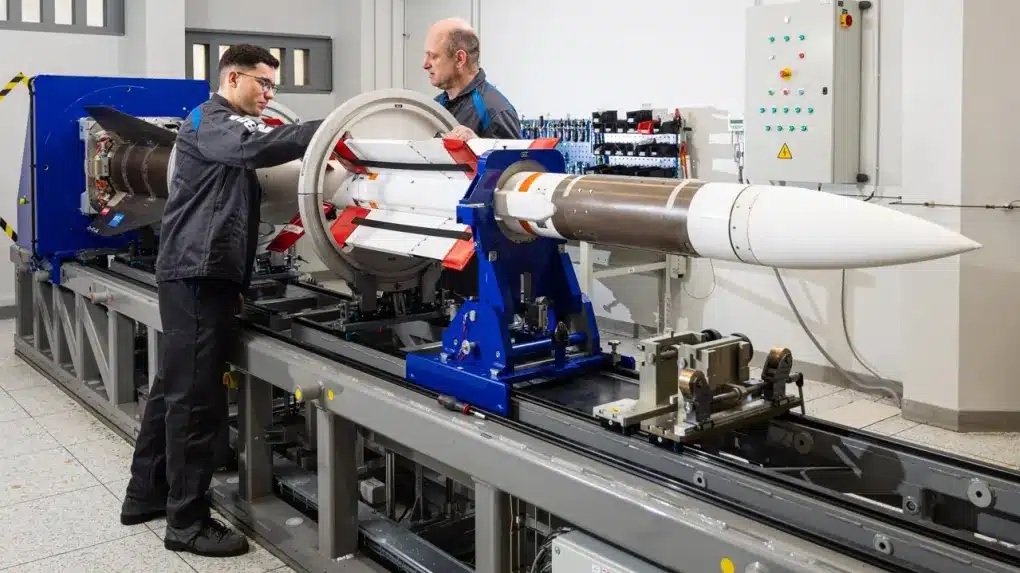
DRDL, a laboratory under the Defence Research and Development Organisation, designed and developed both the combustor and the SCPT facility with support from domestic industry partners. The SCPT facility was developed to simulate the high-temperature and high-speed operating conditions required for hypersonic air-breathing propulsion systems.
The latest trial follows an earlier full-scale test conducted on January 9, 2026, during which the combustor sustained operation for 12 minutes at the same facility. Before the full-scale programme, DRDL had also completed a successful ground test of an actively cooled subscale scramjet combustor for more than 1,000 seconds in April 2025.
Scramjet engines are designed for sustained hypersonic flight at speeds above Mach 5. Unlike conventional rocket systems, scramjets use atmospheric oxygen for combustion and therefore do not require onboard oxidisers. The technology depends on maintaining stable supersonic combustion under extreme aerodynamic and thermal conditions.
At speeds approaching Mach 7, the external surface temperature of hypersonic vehicles can exceed 1,000 degrees Celsius because of atmospheric friction. To manage these temperatures, DRDL has incorporated an active cooling mechanism in which the missile fuel absorbs heat from the combustor walls before entering the combustion chamber.
According to officials associated with the programme, the repeated long-duration tests at the SCPT facility validated both the combustor design and the associated thermal management systems required for sustained hypersonic operation.
A scramjet-powered cruise missile operating at Mach 6 to Mach 7 can travel at speeds of around 7,400 kilometres per hour. Sustained engine operation for approximately 20 minutes significantly increases the potential powered flight range of such systems when combined with an initial booster stage.
Unlike ballistic missiles that follow predictable high-altitude trajectories, hypersonic cruise missiles powered by scramjet engines remain within the atmosphere throughout flight. Their ability to maneuver at high speeds and lower altitudes makes interception by existing radar and air defence systems more difficult.
The successful test advances India’s Hypersonic Missile Programme by demonstrating the maturity of the full-scale actively cooled combustor configuration. DRDL is continuing work on related technologies, including high-temperature materials, flame stabilisation systems and integration of the combustor into complete propulsion systems for future hypersonic platforms.
With the latest long-duration validation, India joins a limited group of countries that have demonstrated sustained hypersonic scramjet propulsion capabilities for potential operational applications.
——— End of Article ———