
India
In a significant leap toward autonomous border defence, BSS Advance Technologies has unveiled the Triyam‑3D, an AI-powered autonomous lethal weapon system capable of operating without human presence for up to 21 consecutive days. Designed for high-threat, high-altitude environments, the Triyam‑3D combines machine precision, AI logic, and rugged construction to offer a smart, self-reliant combat system—tailored for India’s modern battlefield requirements. At its core, the Triyam‑3D reflects a simple yet powerful doctrine: Detect, Decide, Destroy. But behind this motto lies a sophisticated web of sensors, robotics, and decision-making algorithms engineered to hold the line when human soldiers cannot. A Lethal Watchdog Powered by AI Triyam‑3D is not merely a remote-controlled gun. It is a fully autonomous defensive platform capable of: Detecting threats up to 800 meters, Tracking multiple targets in real-time, Engaging and neutralizing them without human input, and Sustaining continuous operation for over 500 hours when powered by its high-capacity 48V 100Ah lithium-ion battery. This makes it a powerful asset for military posts situated in remote high-altitude regions, where the deployment of troops can be physically taxing and logistically complicated. Engineered for Battlefield Harshness Unlike conventional weapon systems that rely on constant human oversight, the Triyam‑3D thrives in isolation. Built to function in temperatures ranging from −30°C to +60°C, withstanding 95% humidity, it is ideally suited for both icy Himalayan outposts and humid borderlands alike. Weighing just 62 kg (excluding weapon and power units), it supports a wide range of NATO-standard firearms including the INSAS 5.56 mm, IWI Negev LMGs (both 5.56 and 7.62 mm), and MMGs chambered in 7.62×51 mm. Its 4K UHD vision module, complete with 30x optical zoom and gyrostabilization, ensures visibility even in challenging light and terrain conditions. Its laser range finder, accurate from 10 meters up to 1,200 meters, ensures pin-point targeting with ±1 meter precision. Autonomous, Yet Adaptable Triyam‑3D offers both Human-In-the-Loop (HITL) and Human-Out-of-the-Loop (HOOTL) modes. Operators can opt for full autonomy or maintain control for manual target verification, depending on mission needs and engagement protocols. Once zeroed and deployed—a process that takes less than 5 minutes with a trained operator—the system can independently identify, track, and engage moving or static targets using sub-milliradian precision actuators, ensuring unparalleled accuracy. Advanced Features for Modern Combat What sets Triyam‑3D apart is its modular and scalable design. It is capable of: Detecting drones via acoustic sensing and AI-powered triangulation, Coordinating with other deployed units to form a smart defence grid (Swarm Coordination), Executing autonomous target engagement based on pre-defined threat profiles. It can rotate 360° horizontally, tilt between −30° to +68° vertically, and move with rotational precision up to 1/1400 degree—making it agile enough to track fast-moving aerial and ground threats. Its internal armature-actuated braking system ensures zero wear and tear during operation, enhancing long-term deployment capability. A Made-in-India Marvel Manufactured under the ‘Make in India’ initiative, Triyam‑3D stands as a testament to the country's growing capabilities in smart defence manufacturing. With a “Patent Pending” status, the system is poised not just for domestic deployment, but also as a potential export product for friendly foreign nations operating in similar hostile terrains. At a time when adversaries are increasingly resorting to drones, asymmetric incursions, and electronic warfare, the need for a 24/7 autonomous frontline guardian has never been greater. The Triyam‑3D is India’s answer—smart, durable, and deadly. The battlefield is evolving, and with it, so must the defenders. In Triyam‑3D, BSS Advance Technologies has created more than a weapon—it has built a digital sentry that never sleeps. With the ability to hold ground without rest, without fear, and without faltering, Triyam‑3D could well define the future of static border defence—not just in India, but worldwide. As India faces mounting challenges across its northern and western frontiers, innovations like Triyam‑3D ensure that the country's first line of defence remains resolute, relentless, and ready—day and night, for 21 days straight, without a single human on site.
Read More → Posted on 2025-06-30 15:30:33
India
India’s state-run aerospace and defence giant, Hindustan Aeronautics Limited (HAL), is close to selecting a strategic international partner to co-develop an indigenous Electronic Warfare (EW) suite for the Light Combat Helicopter (LCH), a key platform in India's high-altitude combat fleet. In what could be a decisive step toward defence self-reliance, HAL is evaluating proposals from some of the world’s leading defence electronics companies—Sweden’s SAAB, Italy’s Elettronica, Germany’s Hensoldt, and Israel’s Elbit Systems—for a long-term collaboration that will shape the future of Indian rotary-wing EW capability. The decision, expected within the coming months, will pave the way for integrating an Indianised, high-performance EW system tailored specifically for the LCH, also known as ‘Prachand’. Developed for operations in some of the world's most challenging terrains—such as the Siachen Glacier and the Himalayan border zones—the LCH is already operational with the Indian Air Force and Army, but HAL now wants to give it the edge it needs in electronic survivability. A Leap Towards EW Autonomy At the heart of HAL’s search is the goal to indigenise critical EW capabilities that remain largely import-dependent. Instead of relying on ready-made foreign solutions, HAL seeks a true co-development framework—one that not only supplies India with advanced EW tech, but also allows Indian engineers and technicians to build, modify, and even export variants in the future. HAL's selection criteria are highly focused and technical: Depth of Technology Transfer: The extent to which foreign companies are willing to share core technologies, not just black-box solutions. Modular and Open Architecture: Systems must be designed with flexibility in mind, so they can evolve with new threats and adapt to other Indian platforms like the Dhruv or future unmanned helicopters. Customisability: India’s operational environments, especially high-altitude and asymmetric warfare zones, require unique sensor configurations and thermal tolerances. Speed of Integration: With LCH production ramping up, HAL aims to integrate the new EW suite in time to meet the upcoming deployment schedules. IP Ownership and Export Rights: The partnership must allow HAL to own critical software and export the system with minimal restrictions, especially as the LCH is being pitched to countries in Africa, Southeast Asia, and Latin America. What the EW Suite Will Contain The indigenous suite will likely include: Radar Warning Receivers (RWR) to detect hostile radar tracking, Laser Warning Systems (LWS) to identify threats from laser-guided munitions, Missile Approach Warning Sensors (MAWS) to warn of incoming missile threats, Countermeasure Dispensing Systems (CMDS) to deploy chaff and flares in response, Signal Processing and Data Fusion Units for better situational awareness. These components must work seamlessly with the LCH’s existing mission computers and display systems. The integration must also be rugged enough to withstand high-altitude conditions, temperature extremes, and high electromagnetic interference levels typical of contested airspace. Global Firms, Indian Priorities The four shortlisted firms are all seasoned in providing helicopter-borne EW systems. SAAB already supports the Indian Navy’s Dhruv helicopters with its IDAS suite and has previously offered deep technology partnerships under ‘Make in India’. Elettronica, known for equipping Eurofighter Typhoons and NH90s, has extensive experience in modular systems. Hensoldt has emerged as a strong contender with scalable architecture EW solutions compatible with NATO and non-NATO systems. Elbit Systems, with a long-standing track record in Israeli rotary-wing platforms, offers compact, battle-proven systems, many of which are already exported globally. Each proposal is being carefully weighed for how well it aligns with India’s operational and strategic imperatives, not just technological prowess. The Bigger Picture This EW development project is not just about enhancing one helicopter. It is part of a broader push by the Ministry of Defence to create a self-sustaining ecosystem for high-end defence electronics. The suite developed with this program could find future application in the Indian Navy’s MH-60R helicopters, future unmanned rotorcraft, or the multi-role helicopter program (IMRH). Moreover, HAL’s move is timely. With China rapidly expanding its electronic warfare footprint across the Himalayas and Pakistan fielding new radar-guided weaponry, the need for indigenous, adaptive EW systems on Indian platforms is urgent. The integration of such systems will directly enhance the survivability of LCH units deployed along the Line of Actual Control (LAC), where electronic signature management is often the difference between mission success and failure. Looking Ahead HAL is expected to complete technical and commercial evaluations by the end of 2025. Following that, the development phase will commence, targeting system trials on LCH testbeds by 2026 and integration into production-line helicopters shortly after. India’s defence roadmap is clear—achieve technological sovereignty through strategic partnerships that enable deep capability, not dependency. The LCH’s new electronic brain will be a litmus test of how well HAL can execute this doctrine. If successful, this program will mark a turning point in India's combat aviation landscape—moving from assembly and license production to truly smart, sovereign, and export-ready electronic warfare capability.
Read More → Posted on 2025-06-30 15:14:43
India
India is rapidly strengthening its military surveillance capabilities in space. In a bold and ambitious move, the government has approved a plan to launch 52 dedicated defence satellites by the year 2029. This network of satellites will act as a permanent eye in the sky, keeping constant watch over India’s borders with China and Pakistan, as well as the strategically important Indian Ocean Region. The project, known as Space-Based Surveillance Phase-3 (SBS-III), received clearance from the Cabinet Committee on Security (CCS) in October 2024. With a budget of ₹26,968 crore, the initiative marks one of the largest investments in India’s space-based defence infrastructure to date. A Lesson from Operation Sindoor This major space push was triggered by the operational experiences of Operation Sindoor, a classified military mission that involved precision air and missile strikes deep inside enemy territory. The operation heavily relied on space-based intelligence and real-time satellite data to locate and neutralize high-value targets. It clearly demonstrated how crucial modern surveillance technology is for military success in today’s rapidly changing warfare environment. Who’s Building the Satellites? The ambitious plan will be jointly executed by the Indian Space Research Organisation (ISRO) and the private sector. Out of the total 52 satellites: 21 will be built and launched by ISRO 31 will be developed and deployed by three private Indian aerospace companies The entire program will be managed by the Defence Space Agency (DSA), which operates under the Integrated Defence Staff (IDS) of the Ministry of Defence. How Will These Satellites Work? The new satellites will be deployed in two types of orbits: Low Earth Orbit (LEO) — roughly 300 to 1,200 km above Earth. These satellites will offer high-resolution, rapid-revisit surveillance, ideal for border and maritime monitoring. Geostationary Orbit (GEO) — at around 36,000 km above Earth. These will provide continuous coverage over specific strategic regions like the Indian Ocean and neighboring territories. The satellites will carry advanced optical imaging systems, Synthetic Aperture Radar (SAR) for all-weather and night-time surveillance, electronic intelligence (ELINT) sensors, and AI-powered data analysis tools for quick and accurate threat detection. This combination ensures that India will be able to track troop movements, missile launches, naval deployments, and other potential security threats in near real-time. Faster, Smarter Launch Capability To meet the tight deadlines and respond swiftly during emergencies, India will rely on its new Small Satellite Launch Vehicle (SSLV) technology. These smaller, more agile rockets can quickly send satellites into space with short preparation times, allowing rapid reinforcement of space assets if needed. Complementary Systems: High-Altitude Pseudo Satellites (HAPS) In addition to satellites, India is also working on High-Altitude Pseudo Satellites (HAPS) — unmanned, long-endurance aircraft that fly at stratospheric heights, performing surveillance tasks like satellites, but at a much lower cost and with greater flexibility. These will provide an extra layer of persistent surveillance over sensitive areas, supporting and enhancing satellite operations. A New Military Space Doctrine India’s armed forces are currently finalizing a comprehensive military space doctrine to manage these new assets. This doctrine will set guidelines for how satellites are used in joint military operations, how to protect them from enemy actions (including anti-satellite weapons), and how to counter potential threats in space. A Giant Leap in Military Preparedness The deployment of these 52 defence satellites marks a turning point in India’s military preparedness and space capability. It not only strengthens national security by enhancing intelligence gathering and early warning systems but also signals India’s arrival as a serious space power in an era where space is becoming an increasingly contested domain. By 2029, India aims to have a powerful, persistent, and resilient space-based defence shield safeguarding the country’s strategic interests for decades to come.
Read More → Posted on 2025-06-30 15:00:46
India
India’s land warfare capabilities are on the verge of a major leap forward with the upcoming land-based version of the BrahMos-NG (Next Generation) supersonic cruise missile. Once inducted, this lighter and more compact missile is expected to double or even triple the Indian Army’s current missile salvo strength, significantly enhancing its ability to strike quickly and decisively. The BrahMos-NG is being developed as a more agile and compact version of the original BrahMos missile, which is already in service with the Indian Army, Navy, and Air Force. While the existing land-based BrahMos systems allow for only three missiles per launcher, the NG variant’s reduced size and weight could allow six to nine missiles to be loaded onto a single Transporter Erector Launcher (TEL) vehicle. This enhanced capacity will dramatically boost the Army’s ability to execute salvo strikes—a combat strategy that involves launching multiple missiles in quick succession to overwhelm enemy air defenses. More missiles per launcher mean fewer vehicles needed for the same or greater firepower, making the force more mobile, lethal, and efficient in battlefield scenarios. The technical edge of the BrahMos-NG lies in its compact design. Weighing around 1.3 tonnes, it is about half the weight of the original BrahMos (which weighs around 3 tonnes). Despite the size reduction, the NG version will retain a similar strike range of 290 kilometers, thanks to its advanced propulsion and lightweight airframe. It is also expected to fly at speeds exceeding Mach 2.8 (roughly 3,400 km/h), enabling it to reach high-value targets before they can react. To ensure compatibility with the Army’s existing mobile launch platforms, the land-based BrahMos-NG will include a booster stage, giving it the necessary thrust at launch. This addition makes it suitable for rapid deployment across India’s varied terrain, from plains to mountainous regions. Originally designed for the Indian Air Force to equip fighter jets like the Tejas LCA—which cannot carry the heavier standard BrahMos—the NG variant is now gaining the interest of the Indian Army due to its versatility and scalability. For the Air Force, it means more aircraft can be armed with supersonic cruise missiles. For the Army, it means more missiles in the field, less logistical footprint, and greater fire saturation in combat. According to Sudhir Mishra, former head of BrahMos Aerospace, the Indian Army’s active interest in the land-based BrahMos-NG underscores the missile’s strategic and operational importance. It is a core part of India’s broader plan to modernize its armed forces while maintaining strategic autonomy and technological superiority. The BrahMos-NG represents not just another weapon system, but a significant upgrade to India’s military posture. Its successful deployment across all three services would reinforce India’s precision-strike capabilities and strengthen its position as a powerful and technologically advanced military force in the region.
Read More → Posted on 2025-06-30 14:53:29
India
The Indian Space Research Organisation (ISRO) is working on a major technological upgrade for future satellites. Through its U R Rao Satellite Centre (URSC) in Bengaluru, ISRO is developing an advanced Integrated Avionics Package (IAP) — essentially a compact ‘satellite brain’ that will manage most of a satellite’s core functions from a single, integrated unit. This new system is designed to simplify satellite architecture by combining various critical systems into one, making future satellites lighter, more efficient, and quicker to build and launch. What Is the Integrated Avionics Package (IAP)? In traditional satellite design, different functions like communication, telemetry (data transmission to and from the satellite), positioning, data handling, and on-board computing are handled by separate hardware units. The IAP aims to merge all these essential subsystems into a single compact module. This integrated system would not only reduce the size and weight of satellites but also lower their power consumption — a major advantage in space missions where every kilogram and watt counts. Key Features and Technical Details The IAP is being designed to fit into a small space measuring 220mm x 220mm x 60mm, and will weigh under 4 kilograms. Despite its compact size, it will carry out multiple critical functions by integrating: On-Board Computer (OBC) for satellite control Baseband Data Handling (BDH) to manage satellite data streams Solid State Recorder (SSR) for on-board data storage Satellite Positioning System (SPS) for accurate orbit tracking Telemetry and Telecommand (TTC) System for two-way communication with ground stations Payload Data Transmitter RF Chain for transmitting mission data to Earth The IAP uses multiple printed circuit boards (PCBs) for managing RF signals, data processing, power management, and avionics interfaces. A notable feature is its RF/data handling card, capable of operating up to 10 RF channels across a frequency range of 600 MHz to 12 GHz, with programmable modulation schemes and data transmission speeds up to 12.5 Gbps — making it versatile for various satellite missions. Why Is ISRO Developing This? This development is part of ISRO’s strategic plan to expand India’s satellite fleet over the next five years. As India prepares to build and launch more satellites — both for Earth observation, navigation, and deep-space missions — it needs systems that are modular, scalable, and efficient. By simplifying the internal architecture of satellites, the IAP will make it easier and faster to assemble and test new spacecraft, increasing ISRO’s capacity for both domestic and international satellite missions. Industry Collaboration: A Call for Partners To help test and validate this sophisticated system, ISRO has invited private companies to participate in building a ground test system for the IAP. The agency has issued an Expression of Interest (EOI) seeking firms with expertise in space systems testing. The selected industry partner will be responsible for designing a testbed capable of simulating the space conditions and operational interfaces the IAP will encounter once in orbit. It must support satellite platforms up to the I-1K class (a widely-used satellite bus by ISRO) and handle different configurations of the IAP during its development. ISRO will evaluate proposals based on a company’s technical know-how, previous experience, infrastructure, skilled workforce, and financial stability. A Step Towards Future-Ready Satellites As of December 2024, India operates 22 satellites in Low Earth Orbit (LEO), 31 in Geosynchronous Orbit (GEO), and runs deep-space missions like Chandrayaan-2 orbiter and Aditya L-1. In 2024 alone, ISRO executed 261 launches with a 97% success rate — a record for the agency. With such a rapid pace of operations, future-ready, efficient technologies like the Integrated Avionics Package are critical. This initiative reflects ISRO’s vision of making India a leader in next-generation satellite manufacturing and space systems integration, supported by a growing ecosystem of Indian space industry players. The Integrated Avionics Package marks an important shift in satellite design — from multiple, bulky units to a streamlined, integrated system acting as the ‘brain’ of the spacecraft. Through this effort, ISRO not only advances its technological capabilities but also opens up new opportunities for private industry collaboration, strengthening India’s position in the global space sector.
Read More → Posted on 2025-06-30 14:45:30
India
As Prime Minister Narendra Modi prepares to visit Brazil between July 5 and 8 for the BRICS summit and bilateral talks, one of the most strategic areas of focus is defence cooperation. Among the key agendas under discussion is Brazil’s growing interest in acquiring India’s Akash air-defence system—a proven indigenous weapon that recently demonstrated remarkable combat effectiveness during the high-stakes Operation Sindoor. This potential defence pact could mark a new chapter in Indo-Brazilian military ties, with Akash at its center—not just as a missile system, but as a symbol of India’s maturing defence manufacturing ecosystem. Brazil Turns to India for Air Defence Modernization Brazil has long lacked a credible, medium-range, mobile surface-to-air missile system capable of countering evolving aerial threats such as cruise missiles, UAVs, and standoff munitions. With growing security needs, Brazil is now actively evaluating systems that offer reliability, affordability, and combat experience. According to recent reports from BharatShakti and The Economic Times, Brazilian defence officials have already begun technical assessments of the Akash system, with discussions leaning toward a government-to-government deal possibly backed by EXIM Bank financing. The agreement could also pave the way for co-production under a “Make in Brazil” model, aligning with Brazil’s local manufacturing push. Akash’s Rise After Operation Sindoor Akash’s reputation on the global stage surged dramatically following its heroic performance in Operation Sindoor, a four-day military conflict in May 2025 in which Pakistan launched a coordinated assault using Turkish-supplied Bayraktar TB2 drones and Fatah-1 short-range ballistic missiles. In that engagement, the Indian Air Defence Forces, supported by the Akash and its digitized command system Akashteer, achieved a 100% kill rate, intercepting over 600 hostile aerial targets without a single failure. Akash’s radar-guided interceptors demonstrated high precision, especially in downing Turkish drones and neutralizing multiple Fatah-1 missiles that were aimed at key Indian military installations. Akash’s success not only drew global attention but also highlighted its capability to perform under saturation attack conditions—a vital benchmark for any modern air defence system. The Akash Family: Three Variants and Growing India’s Akash air defence system has evolved into a family of versatile solutions tailored for various threat spectrums. Currently, there are three primary variants: Akash Mk-I Range: 25–30 km Altitude: Up to 18 km Radar: Rajendra 3D phased array Guidance: Command guidance Warhead: 60 kg fragmentation Ideal for neutralizing aircraft, UAVs, and helicopters. Akash Mk-II (Under advanced development) Extended range of 40–50 km Enhanced seeker and ECCM features Designed for faster response and higher kill probability in complex jamming environments. Akash-NG (Next Generation) Range: 70–80 km Features: Active RF seeker, dual-pulse solid motor, canisterized launch Capable of engaging cruise missiles, stealth drones, and fast maneuvering jets Reduced reaction time and higher precision for saturated attack scenarios. Each variant builds upon the last, offering increased range, accuracy, and survivability. The Akash-NG, in particular, has been tested with the Indian Air Force and is now entering production. Brazil’s interest reportedly centers around this next-gen model, due to its modular design and export-oriented roadmap. A Strategic Complement to the S-400 While India has deployed Russian-made S-400 Triumf systems for long-range defence, the Akash fills the vital medium-range air defence layer, covering zones of 25–80 km. During Operation Sindoor, the Akash-S400 pairing proved especially effective: while the S-400 managed wide-area early tracking, Akash’s faster response and multiple-target engagement capability neutralized threats closer to the national airspace. Brazil, which does not possess S-400 equivalents, views Akash as a cost-effective alternative to expensive Western and Russian systems—yet with the same level of battlefield credibility. Why Akash Attracts the World Now India has already exported Akash systems to countries like Armenia and received interest from Southeast Asian and African nations. After Operation Sindoor, demand has surged. Key reasons for its global appeal include: Battle-proven in real conflict, not just test ranges 100% interception accuracy against UAVs and SRBMs Integrated ECCM capability to defeat jamming and decoys Modular design for ease of deployment, even in remote terrains Competitive pricing, estimated at 1/3rd of Western systems with similar performance Export readiness, backed by EXIM financing and tech-transfer willingness As Brazil seeks to modernize its armed forces, India is emerging as not just a defence supplier but a trusted strategic partner. PM Modi’s visit to Brazil in early July is expected to yield a series of military-to-military agreements, with the Akash air defence system likely to take center stage. The growing popularity of Akash—especially the NG version—marks India’s coming-of-age moment in the global air defence market. Once seen as a regional player, India is now being recognized as a serious competitor to legacy producers like Raytheon, Almaz-Antey, and Rafael. If the Brazil deal materializes, it could open the gates for a wider Latin American interest, firmly establishing Akash as the new front-runner in combat-proven, cost-effective missile defence. From the deserts of Rajasthan to the diplomatic halls of Brasília, Akash is proving that Indian defence technology is ready to compete with the best in the world—and win.
Read More → Posted on 2025-06-30 14:30:23
India
India has achieved a significant technological breakthrough with the Defence Research and Development Organisation (DRDO) successfully developing the country's first Photonic Radar—a cutting-edge system that uses light instead of traditional radio waves for object detection. The radar is expected to begin trials in the coming months, marking a major leap in indigenous sensing and surveillance capabilities and potentially placing India among a very exclusive group of nations exploring or fielding this futuristic technology. What is Photonic Radar? A photonic radar uses optical or photonic technologies (typically lasers or modulated light waves) to detect objects, unlike conventional radars that rely on microwave radio frequency signals. It integrates optical fibers, lasers, and high-speed modulators to generate, transmit, and receive electromagnetic signals across much higher frequencies—typically in the millimeter wave or even terahertz ranges. This allows photonic radars to offer: Higher resolution Improved target detection Lower electromagnetic interference Stealthier emissions (harder to detect by adversary systems) Why This Is a Major Achievement for India Strategic Capability Development:With China, the US, and some EU countries already pursuing or testing photonic radar tech, DRDO’s prototype places India firmly in the global race for next-generation radar superiority. Indigenous Innovation:According to officials familiar with the project, DRDO’s radar uses domestically developed photonic components, including high-speed optical modulators and fiber-based signal processing chains. This reduces dependency on imports in a domain traditionally dominated by Western defense industries. Military and Civilian Utility:This radar could revolutionize Indian platforms across sectors—fighter jets, naval destroyers, missile defense systems, and even air traffic control could benefit from its ultra-resolution and low latency capabilities. How It Differs from Current Radars Feature Traditional Radar Photonic Radar Transmission Medium Radio/microwave signals Modulated light via photonics Frequency Range Up to ~100 GHz 100 GHz to several THz Size & Weight Bulkier Compact due to photonic integration Resolution Limited Extremely high (sub-millimeter level possible) Resistance to Jamming Moderate Very high Signal Leakage Detectable by EW systems Much lower and stealthier Traditional radars, including AESA (Active Electronically Scanned Array) radars, are already highly advanced, but photonic radars have the potential to outclass them in performance, especially in cluttered environments or under electronic warfare conditions. Global Landscape: Who Else Is Developing It? United States – Agencies like DARPA and companies like Raytheon and Lockheed Martin are exploring photonics for radar and LiDAR hybrid applications, including stealth aircraft tracking. China – Chinese military institutions have reported prototype demonstrations with photonically generated signals that can detect stealth aircraft. European Union (notably France and Germany) – Focused on dual-use photonic radar systems for both aviation safety and defense. Japan – Actively pursuing photonics in radar signal processing, particularly in maritime defense. India’s DRDO joins this elite circle, but unlike most of these nations which rely heavily on defense corporates, India’s project is publicly funded and state-developed, making the achievement even more notable. Applications of Photonic Radar Detection of Stealth Aircraft:Traditional radars struggle with stealth platforms like the F-35. Photonic radar, due to its high resolution and broader spectrum, can detect subtle electromagnetic reflections stealth aircraft emit. Space Surveillance:Ideal for tracking small objects in space due to precise resolution and low latency. Missile Tracking and Air Defense:Can track hypersonic or maneuverable missiles in cluttered or ECM-heavy environments. Maritime Surveillance:For detecting low-observable vessels or submarines’ periscopic radar cross-sections. Civilian Applications:Can be used in autonomous vehicles, weather forecasting, and disaster monitoring, especially where high imaging fidelity is critical. What’s Next? According to DRDO insiders, the radar is currently at Technology Readiness Level (TRL) 6, meaning that a working prototype is ready for real-world demonstration. The next phase will involve integration with test platforms, including a stationary testbed and later UAV or naval platforms, possibly starting with light surveillance aircraft or naval corvettes. DRDO is also collaborating with Indian startups and academic institutions under the DRDO Young Scientists Lab (DYSL-QT) to further miniaturize the radar components and explore adaptive uses in both land and space domains. DRDO’s indigenous development of a Photonic Radar is not just a technological innovation—it’s a strategic move toward future-proofing India’s defense systems. As warfare grows more electronic and stealth-focused, such high-end sensor capabilities will be crucial to detect, deter, and defeat advanced threats. With trials on the horizon, this could soon be another jewel in India’s growing arsenal of indigenous high-tech defense solutions.
Read More → Posted on 2025-06-29 16:57:35
India
In a remarkable leap for Indian aerospace innovation, Lucknow-based Kalam Labs has achieved a historic milestone by conducting the highest-ever unmanned aerial vehicle (UAV) flight in Indian history, reaching a staggering altitude of 32,000 feet (9.7 km) above the Himalayan landscape. This mission not only places Kalam Labs in the national record books but also underscores the growing potential of homegrown aerospace technology in both civilian and defence applications. A Flight Above the Clouds The mission, executed in June 2025, involved a high-performance UAV that was launched into near-space conditions—first carried aloft by a balloon to over 116,000 feet, and then released to glide and cruise autonomously at around 32,000 feet. This was not a typical drone test. It was a demonstration of altitude endurance, environmental resilience, and autonomous control in one of the harshest aerial environments on Earth. The UAV successfully navigated extreme weather conditions, including sub-zero temperatures (-60°C), strong stratospheric winds (50+ km/h), and rapidly changing atmospheric pressure. It maintained stable flight at cruising speeds near Mach 0.75 (approximately 800 km/h) over a horizontal range of nearly 800 km, before safely landing at a predetermined site. The UAV Behind the Mission While Kalam Labs has not publicly disclosed the full specifications of the UAV, available information indicates it is a glider-type, fixed-wing aerial platform built using lightweight composite materials. Designed for stratospheric and near-space missions, the drone was equipped with: Sub-2 metre wingspan Sub-4 kg all-up weight Fixed-wing design with ultra-light composite materials Autonomous navigation system and return-to-launch capability based on a custom nano flight controller High-precision barometers and thermal sensors A 160 MHz microcontroller The system was developed with a heavy emphasis on modularity and education, incorporating technologies also used in Kalam Labs’ commercial drone kits designed for students and STEM labs. About Kalam Labs Founded in Lucknow under Volderaven Pvt. Ltd., Kalam Labs has evolved from a STEM education startup into a frontier player in India’s UAV and near-space research ecosystem. Backed by Y Combinator, Lightspeed Venture Partners, and other top investors, the company is known for its unique blend of educational innovation and advanced aerospace R&D. Its previous achievements include: Launch of the TIRANGA satellite platform in early 2024 Testing of stratospheric gliders in late 2024 Ongoing development of a Stratospheric Airship slated for release by late 2025 In all these missions, Kalam Labs has consistently aimed to push the limits of what student-led, indigenous innovation can accomplish. Significance for India’s Armed Forces This successful flight isn’t just a technological curiosity—it has real strategic implications for India's defence ecosystem. High-altitude UAVs like this can be pivotal in: Over-the-horizon surveillance Communication relay during conflict or disaster Environmental monitoring over Siachen-like terrain Electronic intelligence collection Disaster relief mapping in remote areas The UAV’s autonomy, high-altitude operation, and long endurance make it an attractive platform for military applications, especially in high-conflict zones along India’s mountainous borders. Moreover, its launch flexibility—being deployable via balloon or from high altitudes—adds strategic value in contested airspaces where traditional UAV launches may not be viable. A Milestone in India’s Aerospace Journey What makes this mission particularly significant is that it is entirely indigenous. From concept and design to integration and flight control, all systems were developed in-house by Kalam Labs in Lucknow. This not only fits squarely within the vision of ‘Atmanirbhar Bharat’ (Self-reliant India) but also shows how startups outside metro tech hubs are now at the forefront of India’s space and defence innovation. Furthermore, the mission inspires a new generation of engineers and aerospace scientists, as Kalam Labs continues to collaborate with institutions like IITs, BITS Pilani, and TIFR to integrate practical aerospace R&D into India’s education pipeline. What’s Next? Building on this record-setting flight, Kalam Labs is actively working on the Stratospheric Airship, a solar-powered aerial platform capable of remaining airborne for extended durations at altitudes above 60,000 ft. Such platforms could one day serve as "pseudo-satellites"—providing real-time data, communication coverage, and strategic surveillance without the complexity or cost of satellite launches. Kalam Labs’ record-setting UAV flight represents more than just a number. It is a symbol of the possibilities when young minds, backed by deep engineering and an appetite for risk, take to the skies. With this mission, the Lucknow startup has not only written history but has also shown that the future of aerospace innovation in India may just be flying out of classrooms and into the stratosphere. If you’d like a version tailored for defence journals, school STEM programs, or policy analysis, I can create one too.
Read More → Posted on 2025-06-29 15:28:07
India
The Royal Thai Air Force (RTAF) recently held a high-level conference to analyse the air campaign carried out by the Indian Air Force (IAF) during the May 2025 India-Pakistan conflict. The Thai military experts, led by RTAF Deputy Chief of Air Staff for Intelligence, Sommai Leelitham, praised India’s Operation Sindoor as a flawless example of modern aerial warfare, commending its deep-strike accuracy, layered defence strategy, and complete lack of combat losses. Operation Sindoor was launched by India on May 7, 2025, as a response to a deadly terrorist attack in Pahalgam, Jammu and Kashmir, which had killed 26 civilians just two weeks earlier. Over the next four days, the IAF executed a series of highly coordinated strikes against 11 of Pakistan’s 13 main airbases, targeting high-value military infrastructure across Rawalpindi, Shorkot, and Sargodha. Key installations such as runways, radar sites, and command centres were successfully destroyed. A major highlight of the operation was the neutralisation of Pakistan’s Swedish-made Saab 2000 Erieye airborne early warning and control (AEW&C) aircraft while it was grounded at Bholari airbase. This effectively blinded Pakistan’s air surveillance and disrupted coordination among its fighter squadrons. The Thai analysis emphasised the IAF’s strategic use of advanced weapon systems. India deployed a diverse arsenal, including BrahMos supersonic cruise missiles, French-origin SCALP air-launched cruise missiles, and Israeli Harop loitering munitions. These precision weapons enabled deep strikes into heavily defended Pakistani airspace, bypassing radar and evading intercept attempts. The IAF also used a smart tactic to expose Pakistan’s radar network. Decoy aircraft were first flown into Pakistani airspace, triggering radar systems. These radar locations were then hunted and destroyed by Harop drones, which are capable of autonomously detecting and striking radio emissions. This cleared the way for Su-30MKIs, Rafales, and Mirage 2000s to carry out the main wave of attacks. According to the Thai report, the main strike phase was completed in just 23 minutes—underscoring the speed and precision of India’s air operation. Another key factor in India’s success, as noted by the RTAF, was the integration of the Russian-made S-400 Triumf air defence system with India’s domestic Integrated Air Command and Control System (IACCS). Together, they created a formidable air defence shield. On May 10, this system reportedly thwarted 26 separate Pakistani air intrusion attempts and was credited with destroying the Saab Erieye AEW&C aircraft before it could take off. Satellite images from commercial firms confirmed heavy damage to Pakistani air bases, including destroyed hangars, deep craters on runways, and damaged radar domes. The Thai report also highlighted the failure of Pakistan’s Chinese-supplied defence equipment. The HQ-9 air defence systems and PL-15 air-to-air missiles, used by the JF-17 Block III fighters, failed to detect or intercept India’s incoming missiles and drones. This raised doubts about the reliability of Chinese military hardware in actual combat. As per the Thai assessment, Pakistan suffered the loss of: 2 JF-17 Block III fighter jets 1 F-16 1 Mirage-5 1 C-130 Hercules transport aircraft 1 Saab 2000 AEW&C surveillance plane The damage reportedly caused a loss of critical assets worth billions of dollars and is expected to set back Pakistan’s air force by at least five years in terms of operational capability. Despite Pakistani claims that it had shot down six Indian jets, the RTAF dismissed these as unsubstantiated and likely intended for domestic propaganda. There were no verifiable images or international confirmations to support Pakistan’s assertions. In its final assessment, the Royal Thai Air Force concluded that Operation Sindoor stands as a vital case study for modern air forces worldwide. It showcased how a well-integrated, technologically superior, and tactically intelligent air campaign can achieve decisive results without suffering attrition. For Thailand and other regional powers, the operation has become a reference point for how air dominance can be achieved using a mix of precision weapons, real-time intelligence, and electronic warfare tactics. With Operation Sindoor, India has demonstrated not only its growing strategic maturity but also its readiness to project air power decisively and defensively when required.
Read More → Posted on 2025-06-29 14:42:27
India
Pakistan has welcomed a recent ruling by the Permanent Court of Arbitration (PCA) in The Hague over two disputed hydroelectric projects—Kishenganga and Ratle—being built by India in Jammu and Kashmir. The PCA’s latest ruling, called a “supplemental award,” upholds its jurisdiction to adjudicate the long-standing dispute raised under the Indus Waters Treaty (IWT) of 1960. While Pakistan sees this as a major legal victory, India has outright rejected the ruling, calling the arbitration panel “illegally constituted” and its findings “non-binding.” The core of the dispute centers on the design and operational details of the Kishenganga (330 MW) and Ratle (850 MW) hydroelectric projects on the Jhelum and Chenab rivers, respectively—both rivers allocated to Pakistan under the treaty. Pakistan contends that certain design features of the Indian projects violate the treaty’s conditions that restrict India from altering the natural flow of water or creating storage capacity on rivers meant for Pakistan’s use. In technical terms, Pakistan objected to features such as: Low-level gated spillways on the Ratle dam that could potentially allow India to manipulate water flow. Drawdown flushing in the Kishenganga project that may reduce sediment buildup but could also be used to control water release. The Permanent Court of Arbitration has ruled that India's recent move to suspend the Indus Waters Treaty in April does not impact the court’s authority to continue hearing the case. According to the PCA, its jurisdiction was established prior to India's suspension of the treaty and remains valid. The court emphasized that its decisions are binding on both parties. India, however, has strongly opposed this conclusion. The Ministry of External Affairs (MEA) stated that India never recognized the establishment of this court, claiming that its creation itself was a “serious breach” of the Indus Waters Treaty, which already provides a structured mechanism for dispute resolution. India maintains that the valid channel for resolving such disputes is through bilateral negotiations or a Neutral Expert, not an arbitral tribunal. In fact, India views the PCA proceedings as a parallel and unauthorized mechanism initiated unilaterally by Pakistan, contrary to the treaty’s dispute resolution process. India argues that Pakistan’s repeated attempts to internationalize technical disagreements are a misuse of international legal forums. Reacting to the PCA’s assertion of authority, India reiterated that no court—even one claiming to be under the Indus Waters Treaty—can question its sovereign decisions, especially after India placed the treaty “in abeyance” in April 2024 following a deadly terrorist attack in Pahalgam. India justified this move under international law, citing Pakistan’s ongoing support for cross-border terrorism as the reason to suspend its treaty obligations. Meanwhile, Pakistan said it remains open to dialogue and called on India to return to "meaningful engagement" over water-sharing arrangements. The Pakistani Foreign Ministry said the ruling sends a clear message that India cannot unilaterally suspend or sideline the Indus Waters Treaty, which has been a cornerstone of peaceful water-sharing between the two nations for over six decades. The growing legal, political, and strategic tensions around water-sharing between India and Pakistan underline the fragility of the treaty in the face of terrorism-related hostilities and rising infrastructure development in sensitive regions. While Pakistan sees the ruling as an international validation of its concerns, India remains adamant that it has followed all technical norms and sees the arbitration as an act of overreach. With this latest ruling deepening the diplomatic standoff, prospects for a resolution through dialogue remain uncertain—yet essential to prevent further escalation over shared water resources.
Read More → Posted on 2025-06-29 14:05:24
India
In a stern reminder of the perilous dynamics in South Asia, Capt (IN) Shiv Kumar, India’s Defence Attaché in Jakarta, declared, “If there’s a nuclear attack on India by Pakistan, our policy is very clear—Pakistan will not exist.” This uncompromising statement reflects Delhi’s longstanding doctrine of massive retaliation, but also reveals deep strategic calculations rooted in credible deterrence. Nuclear Arsenal: India vs Pakistan According to the Stockholm International Peace Research Institute (SIPRI), as of January 2025, India holds around 180 nuclear warheads, compared to Pakistan’s approximately 170 . Though the margin is small, India maintains a more diversified nuclear triad—land, sea, and air delivery systems—while Pakistan’s remains incomplete. India’s delivery platforms include : Land-based ballistic missiles: Agni-I/-II/-III/-IV, long-range Agni-V (~5,000–8,000 km), developing Agni-VI (10,000+ km) and canisterized Agni-P; Air-delivered: Nuclear-capable Mirage 2000H (48 warheads), with Rafale and Su-30MKI platforms under development; Sea-based: SSBNs INS Arihant and INS Arighat, deploying K-15 (700 km) and test-trial K-4 (3,500 km) SLBMs . Pakistan’s arsenal includes : Land-based ballistic: Shaheen-I/-II/-III (650 to 2,750 km), Ghauri, Abdali; Air-delivered: F‑16s and Mirage V, with possibility of JF‑17 future integration; Massive Retaliation vs Full-Spectrum Deterrence India’s nuclear doctrine—anchored in No First Use (NFU)—promises a devastating second strike, committing to symmetric nuclear retaliation if attacked . Pakistan, conversely, follows a Full-Spectrum Deterrence policy, preparing to use tactical or strategic nukes even in a conventional conflict to counterbalance India’s superior conventional forces . Capt. Shiv Kumar’s “Pakistan will not exist” warning underscores India’s readiness to leverage its large and diverse arsenal to deliver an overwhelming counterstrike in the event of a nuclear aggression—an unequivocal reaffirmation of its doctrine. How Many Times Could India Strike? With 180 warheads and multiple delivery platforms, India’s strike capacity far surpasses Pakistan’s 170 warheads . Assuming a conservative posture: Land-based: Agni-V and Agni-IV cover all of Pakistan; multiple canisterized missiles facilitate readiness. Air: Dozens of strategic bombers and Rafales can deliver nuclear loads into deep targets. Sea: SSBNs from hidden ocean positions bolster second-strike resilience. This multi-platform strength suggests India could deploy significantly more nuclear weapons than Pakistan, especially across diverse domains—underscoring how, in Capt Kumar’s scenario, India could “destroy Pakistan” multiple times over, though the reality of nuclear war is unthinkably catastrophic. Strategic Implications and Risks India’s posture aims to deter by ensuring mutual assured destruction (MAD). Yet, the thermonuclear capability on both sides—estimated to kill millions and create global environmental damage—raises severe escalation risks . While India maintains NFU in theory, Capt. Kumar’s statement reflects a doctrine of “massive retaliation”—essentially saying, “If you strike first, we strike back even harder.” The result: any nuclear engagement would nearly guarantee Pakistan’s annihilation. Capt. Shiv Kumar’s sharp warning wasn’t mere bravado—it reflected a credible arsenal: 180 warheads, ICBM-range missiles, nuclear-capable air, sea, and land platforms. Coupled with a firm doctrine, it places Pakistan in a strategically precarious position. Yet, the nuclear tag makes it imperative for both nations—and the world—to prioritize peace, diplomacy, and restraint over rhetoric and brinkmanship.
Read More → Posted on 2025-06-28 15:52:30
India
After two weeks of silence, failed repair attempts, and growing embarrassment, the United Kingdom has finally agreed to move its stranded F-35B Lightning II stealth fighter jet to a Maintenance, Repair and Overhaul (MRO) hangar at Thiruvananthapuram International Airport in Kerala. The aircraft, which made an emergency landing on June 14, remains grounded due to a critical hydraulic system failure, exposing both the vulnerabilities of fifth-generation fighter technology and the logistical challenges of deploying such platforms far from home. The jet had been operating from HMS Prince of Wales, a Royal Navy aircraft carrier participating in multinational exercises. Forced to divert due to low fuel and reported mechanical issues, it landed safely in Kerala thanks to the swift coordination between Indian Air Force (IAF) controllers, local airport authorities, and security forces. However, what followed was an increasingly uncomfortable public episode for the UK’s defense establishment. Despite the best efforts of British engineers deployed with the carrier group, multiple attempts to fix the fault on-site failed. Without access to specialized diagnostic systems or an appropriate hangar for repairs, the situation stagnated—leaving one of the world’s most advanced fighter jets parked near the runway, increasingly drawing global attention. The F-35B’s complex design is at the heart of the issue. Unlike its F-35A and F-35C counterparts, the B variant includes a lift fan system to enable Short Takeoff and Vertical Landing (STOVL), making it far more mechanically intricate and sensitive. When the hydraulic systems that support the aircraft’s control surfaces and vertical lift system fail, repairs require controlled environments and precision tools not readily available on foreign airstrips. This prolonged delay didn’t go unnoticed by the public. As the days passed, the stranded jet became a viral sensation across social media platforms. Memes poking fun at the UK’s "100 million-dollar paperweight" flooded Twitter and Instagram. The F-35B, often lauded as the pinnacle of aviation engineering, was suddenly a punchline—stuck in a tropical airport while monsoon clouds gathered above. Some posts sarcastically labeled it “the most expensive parking spot in India,” while others humorously suggested that the stealth was working “too well”—as no one knew what to do with it. Indian netizens in particular had a field day, contrasting the grounded jet with India’s Tejas, which recently completed international demos without issue. While the jokes came fast, they underscored a growing perception: that even the most advanced technology is only as good as its reliability in the field. Eventually, under growing scrutiny, the UK agreed to move the aircraft into an MRO facility at the airport. A 40-member British technical team—including engineers flown in specifically for the task—is now working alongside Indian officials to restore the jet to operational condition. If they are unable to do so, the backup plan reportedly involves airlifting the jet back to the UK aboard a military transport aircraft, an expensive and logistically complex endeavor. While the aircraft’s emergency landing highlighted the strength of India’s Integrated Air Command and Control System and its capacity to host and manage sensitive foreign military assets, it also put a spotlight on the maintenance challenges plaguing the F-35 program globally. According to a 2024 U.S. GAO report, the average repair time for unscheduled F-35 maintenance exceeds 140 days, particularly for issues involving internal hydraulics or avionics. The UK’s F-35B fleet currently numbers around 30, with plans to expand to 48. But incidents like this raise critical questions—not just about the jet’s performance, but about the logistical readiness required to operate and support such systems worldwide. The Royal Navy’s image of cutting-edge naval aviation has taken a hit, and public patience for high-cost, low-reliability assets is wearing thin. For now, the fighter rests inside an Indian hangar, awaiting another round of diagnostics and repair. But the incident will be long remembered—not only as a technical snag, but as a PR misfire. As modern warfare becomes as much about perception as firepower, the saga of the stranded F-35B serves as a reminder: even stealth can’t hide from public opinion.
Read More → Posted on 2025-06-28 15:33:13
India
In a quiet but potentially groundbreaking move, India has unofficially offered its Long-Range Land Attack Cruise Missile (LRLACM) to Greece, in a deal that, if realized, could shift the strategic balance in the Eastern Mediterranean. While neither government has formally acknowledged the offer, defense analysts familiar with the development believe this move signals a calculated deepening of Indo-Greek defense cooperation, driven by mutual concerns over regional stability and adversarial posturing—particularly from Turkey. Unlike the BrahMos missile, which is known for its supersonic speed, the LRLACM is a subsonic cruise missile with significantly longer reach—between 1,000 to 1,500 kilometers. Based on the technology foundation laid by India’s Nirbhay cruise missile program, the LRLACM has been designed for precision deep-strike missions, capable of carrying both conventional and nuclear warheads. The missile is a product of India’s Aeronautical Development Establishment (ADE), under DRDO, and represents a Mission Mode Project approved by the Defence Acquisition Council (DAC). Built in collaboration with major defense industry players like Bharat Dynamics Limited (BDL) and Bharat Electronics Limited (BEL), it is tailored to evade enemy radar by flying low and hugging terrain contours. Its 6-meter length, one-tonne weight, and compact diameter of 0.52 meters make it compatible with various mobile and ship-based platforms. From a tactical standpoint, the LRLACM is India’s answer to the U.S. Tomahawk and Russia’s Kalibr cruise missiles—long-range, terrain-hugging, stealth-capable, and relatively cost-effective. Its quiet subsonic profile makes it difficult for adversaries to detect in time, especially when launched in saturation salvos. Such features make it highly desirable for a country like Greece, which is looking to expand its precision-strike arsenal amid rising tensions with Turkey. Greece's ongoing defense rivalry with Turkey—particularly over disputed maritime boundaries, airspace violations in the Aegean, and competing claims in the Eastern Mediterranean—has pushed Athens to modernize its armed forces. The acquisition of Rafale fighter jets, French Belharra frigates, and talks for advanced munitions form part of this broader strategic recalibration. A missile like the LRLACM would significantly increase Greece's strategic depth, giving it the ability to strike military installations, radar facilities, and logistics hubs deep within Turkish territory—without crossing into enemy airspace. For India, the unofficial missile offer is about far more than just arms exports. It serves as an indirect geopolitical message to Ankara, which in recent years has increased military and diplomatic support for Pakistan, including joint defense projects and open backing on international platforms. By offering strategic weaponry to Greece, India is responding asymmetrically—arming Turkey’s rival in much the same way that Ankara has aligned with Islamabad. This is a subtle but sophisticated way for New Delhi to apply pressure on Turkey without direct confrontation. It also aligns with India’s rising ambition to become a global defense exporter and a player in the European security space. With successful exports like the BrahMos to the Philippines and artillery systems to Armenia, the LRLACM could be the next chapter in India’s outward defense diplomacy. While the missile has not yet been inducted in large numbers into the Indian armed forces, its technological maturity is progressing swiftly, with multiple successful flight trials already conducted. If Greece does move forward with the acquisition—either through government-to-government discussions or through a larger NATO-aligned framework—it would mark the first export of an Indian-developed long-range cruise missile to Europe. There are political and logistical hurdles, of course. Greece, being a NATO member, must ensure compatibility with its allies and weigh the optics of procuring non-NATO-origin systems. But India's recent strategic convergence with France—a key defense supplier to both India and Greece—could help smooth these considerations. In conclusion, while the offer remains unofficial, it reflects a new, more assertive Indian foreign policy—one that doesn't hesitate to counter adversaries by supporting their regional rivals. For Greece, it represents an opportunity to enhance long-range deterrence with a combat-proven system that fits its threat landscape perfectly. And for the broader Eastern Mediterranean, it introduces a new variable into an already volatile equation.
Read More → Posted on 2025-06-28 14:51:57
India
In a significant yet low-key transition, Parag Jain, a senior Indian Police Service (IPS) officer of the 1989 batch from the Punjab cadre, will assume charge as the new chief of the Research and Analysis Wing (RAW) on July 1. Appointed for a two-year term by the Appointments Committee of the Cabinet, Jain will take over from the retiring chief, Ravi Sinha, bringing with him decades of deep field experience and strategic insight. Jain’s elevation comes at a time when India's external intelligence agency is navigating a complex geopolitical environment marked by rising regional threats, persistent cross-border terrorism, and the growing intersection of technology with espionage. Known for his sharp operational mind and discreet working style, Jain has spent much of his career in some of the most sensitive and volatile theatres of Indian national security. Currently serving as the head of the Aviation Research Centre (ARC)—a technical intelligence wing under RAW—Jain played a pivotal role in Operation Sindoor, which enabled precision missile strikes on terror camps across the Line of Control. The success of such missions has cemented his reputation as a leader who combines tactical ground intelligence with high-end surveillance technology. Throughout his career, Jain has worked across multiple key postings, including in conflict-prone Jammu and Kashmir, as well as diplomatic intelligence roles in Canada and Sri Lanka. These stints helped him build an extensive understanding of regional intelligence networks, particularly in the Af-Pak region—a domain where RAW has maintained sharp focus due to persistent terror threats and political instability. His earlier postings in Punjab during the sensitive post-militancy years—covering districts like Bhatinda, Mansa, and Ludhiana—further honed his instincts in counterinsurgency and internal threat management. Colleagues and insiders describe Jain as someone who balances the traditional strengths of human intelligence with the precision of technological tools, creating layered and nuanced threat assessments. Parag Jain takes over at a crucial time when RAW is under increasing pressure to adapt and evolve. With Pakistan's military signaling a more assertive stance, and growing concerns over China’s regional ambitions, RAW's strategic outlook under Jain is expected to undergo recalibration. Observers anticipate that his leadership will bring sharper focus on intelligence modernisation, inter-agency coordination, and regional foresight, all while maintaining the secrecy RAW is known for. Though quiet in his demeanor, Jain’s reputation as a clear-headed strategist and operations man signals a firm yet thoughtful leadership at the helm of India’s most shadowed agency. His ability to read between the lines—and beyond the visible—is likely to define RAW’s next chapter in navigating global intelligence challenges.
Read More → Posted on 2025-06-28 14:24:01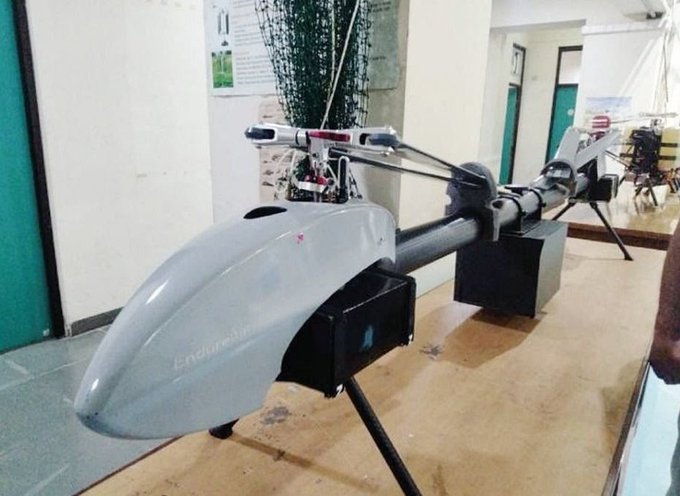
India
IIT Kanpur’s Department of Aerospace Engineering is set to unveil one of India’s most formidable UAVs to date: the Sabal‑50, a high-payload unmanned aerial vehicle designed for both combat and emergency logistics. Positioned as a significant leap forward from its predecessor, the Sabal‑20, this drone represents a bold fusion of academic research, industrial incubation, and defence-oriented innovation. A Heavy‑Lifter for the Frontlines Weighing approximately 150 kg and capable of carrying a 50 kg payload, the Sabal‑50 is the heaviest and most powerful UAV Amazon developed at IIT Kanpur, where earlier models topped out at 20 kg payloads . In comparison, its sibling, the Sabal‑20, introduced last year has already proven operational value, deployed for logistics duties by the Indian Army . Built for Extreme Environments Sabal‑50 isn’t just strong—it’s tough. Developed with endurance in mind, it has undergone rigorous testing at altitudes reaching 17,000 ft, including the notoriously harsh conditions of the Siachen Glacier . Its construction incorporates technologies to resist turbulence, low temperatures, and even snowstorms, ensuring mission readiness in India’s most challenging theatres. Tactical Versatility: Combat, Logistics, ISR This drone is built with dual-use functionality. On the logistics side, it can transport essential cargo—ammunition, rations, medical supplies—directly to forward bases or isolated personnel . On the combat front, it’s designed to be weaponized for coordinated aerial strikes, with the capability to loiter for 3–4 hours while transmitting live high-resolution imagery . Further enhancing situational awareness, the Sabal‑50 is equipped with AI-enabled autonomy and advanced cameras that deliver clear visuals even through dust or snow, critical for target identification and ISR tasks . Tandem-Rotor and Variable-Pitch Innovations Developed in collaboration with the IIT Kanpur-incubated firm EndureAir, Sabal‑50 builds upon cutting-edge UAV engineering . Its tandem-rotor design, low-RPM operation, and variable-pitch rotors combine the heavy-lift efficiency of helicopter tech with the stealth-like silence of drones—ideal for covert supply and strike missions . A Landmark in Indo-Defence Innovation The drone’s design and development have been steered by aerospace faculty like Prof. Abhishek and incubator leaders Dr. Abhishek, Rama Krishna, and Chirag Jain, underscoring the project's blend of academic rigor and industrial deployment . Notably, about 90% of its materials are indigenous, reinforcing the drive toward Atmanirbhar Bharat in defence . On the Path to Service Final trials for Sabal‑50 are reportedly underway, and defence analysts believe induction into the Indian Army’s UAV fleet could occur later this year . Already, the Sabal‑20 variant is actively deployed in strategic zones like Arunachal Pradesh and near Siachen What Sabal‑50 Brings to the Battlefield Heavy-Payload Delivery: Capable of carrying 50 kg—2.5× the load of its predecessor—Sabal‑50 can supply forward troops quickly in terrain that’s otherwise unreachable. Combat-Ready Versatility: Its loitering capacity, AI-driven targeting, and combat modules mark it as a multipurpose asset for future conflicts. High-Altitude Resilience: Designed to withstand glacial winds and thin air, it's a perfect fit for doctrine operations in regions like Ladakh. Indigenous Edge: With substantial indigenization in design and components, Sabal‑50 is a beacon of India’s self-reliant defence ambitions. Sabal‑50 is more than an academic project—it’s a mission-ready exemplar of how Indian technological institutions, startups, and the defence ecosystem can collaborate to achieve world-class UAV capabilities. If current tests succeed, this drone could become a cornerstone of India's future battle network, supporting troops with supplies, intelligence, and firepower in near-real time—even in the toughest terrain. With the Sabal‑50 on the horizon, IIT Kanpur has once again shown that India can lead in aerospace innovation, delivering systems that are not only cutting-edge—but fiercely suited to the needs of a modern military.
Read More → Posted on 2025-06-27 16:11:13Search
Top Trending in 24 Hours
-
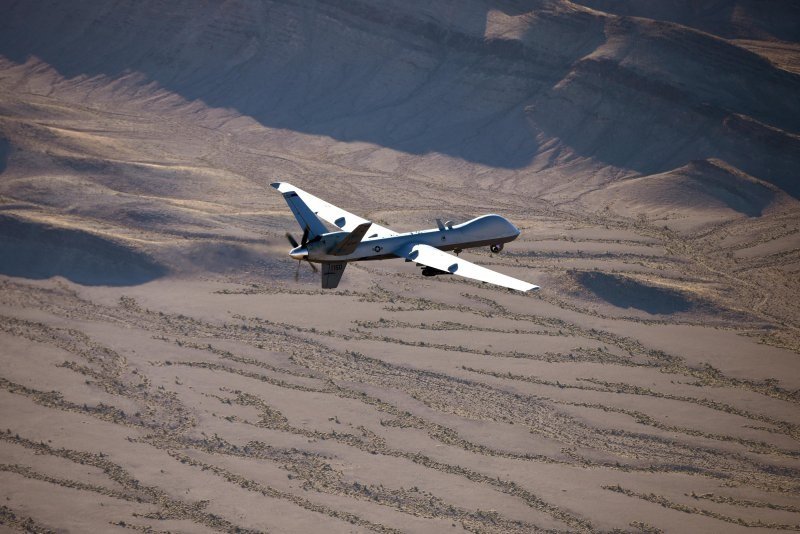 Iran’s IRGC Claims It Shot Down 53rd U.S. MQ-9 Reaper Over Qeshm Island
-
 Thales Launches HexaForce AI-Enhanced Command and Control System for Multi-Domain Operations
-
 China Privately Urges Iran to Restrain Houthis After Saudi Appeal
-
 Pakistani Navy’s PNS Hunain Damaged After Collision With Indian Navy Warship in North Arabian Sea
-
 Pentagon Raises Concerns Over Defense Industry Capacity for F-47 and F/A-XX Sixth-Generation Fighter Programs at the Same Time
-
 U.S. Navy Awards $280.5 Million in Prototype Agreements to Three Shipyards for LCU 1700 Landing Craft
-
 Former Italian Navy Carrier Enters Indonesian Waters to Join Indonesian Navy as Indonesia’s First Aircraft Carrier
-
 U.S. Intelligence Warns Proposed F-35 Sale to Saudi Arabia Could Expose Technology to China
Top Trending in 4 Days
-
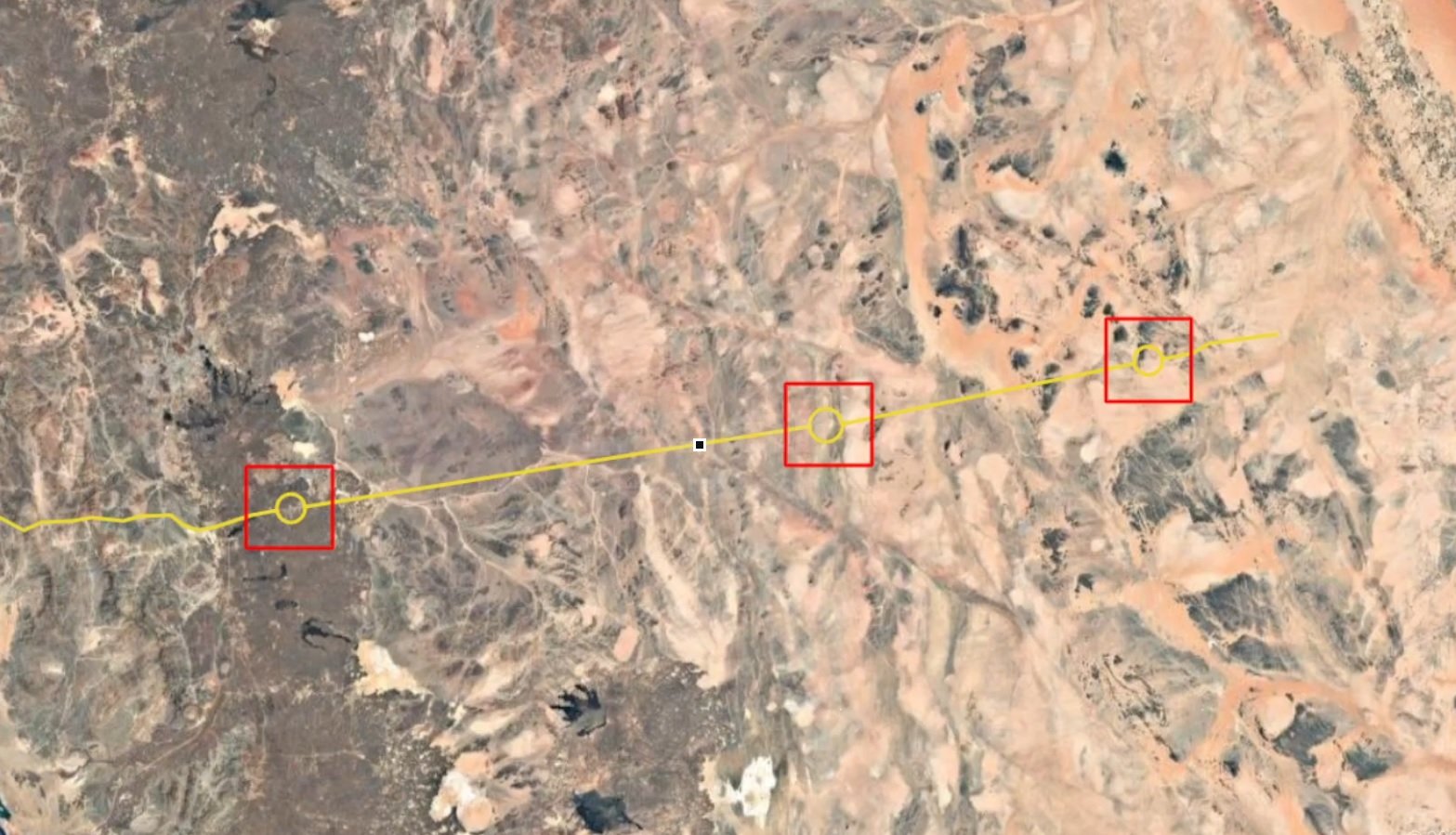 Satellite Imagery Shows Extensive Damage to Saudi Arabia’s East-West Oil Pipeline, Indicating More Than a Single Strike
-
 U.S. Firm Swarm Aero Unveils Gamera Group 5 UAS With 9,000-Nautical-Mile Range and Heavy Strike Payload
-
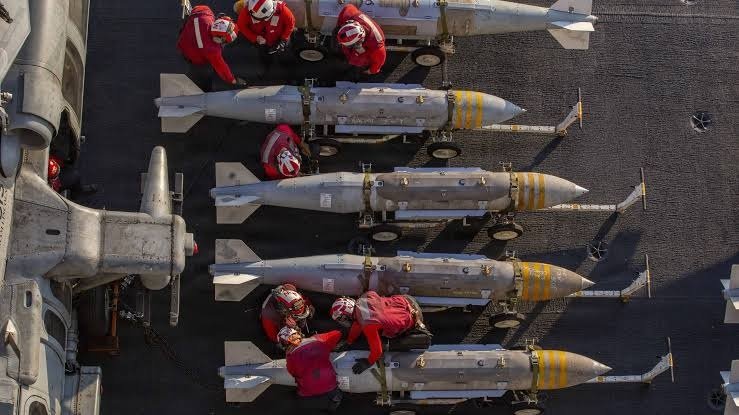 Pentagon Inspector General Report Finds Iran War Caused U.S. Ammunition Shortfalls and Industrial Bottlenecks
-
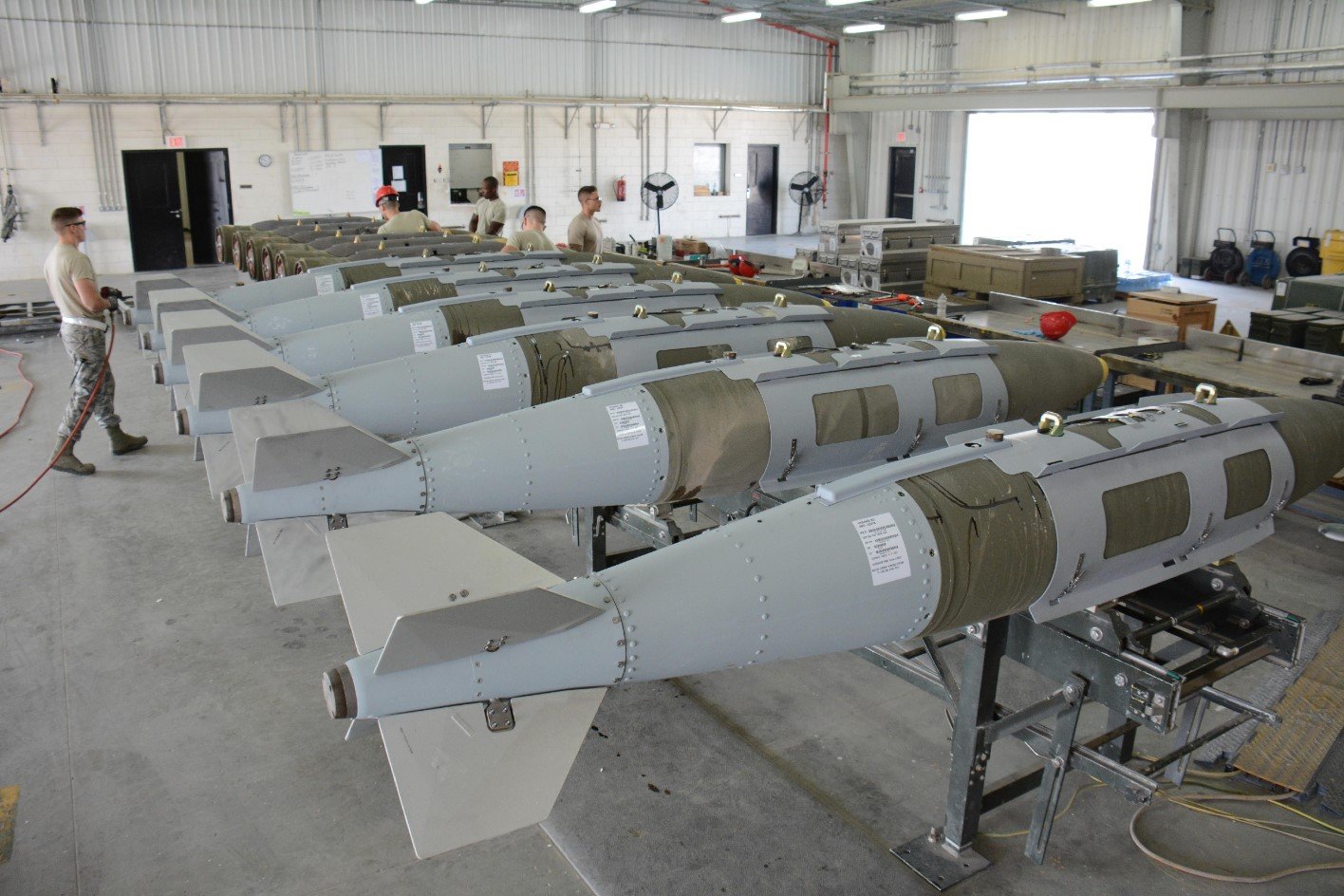 U.S. Plans $2.8 Billion Sale of 40,000 Heavy Bombs and 20,000 I-2000 Penetrator Warheads to Israel
-
 Pentagon and Honeywell Complete Four-Hour Pacific Flight Using Quantum Magnetic Navigation Without GPS
-
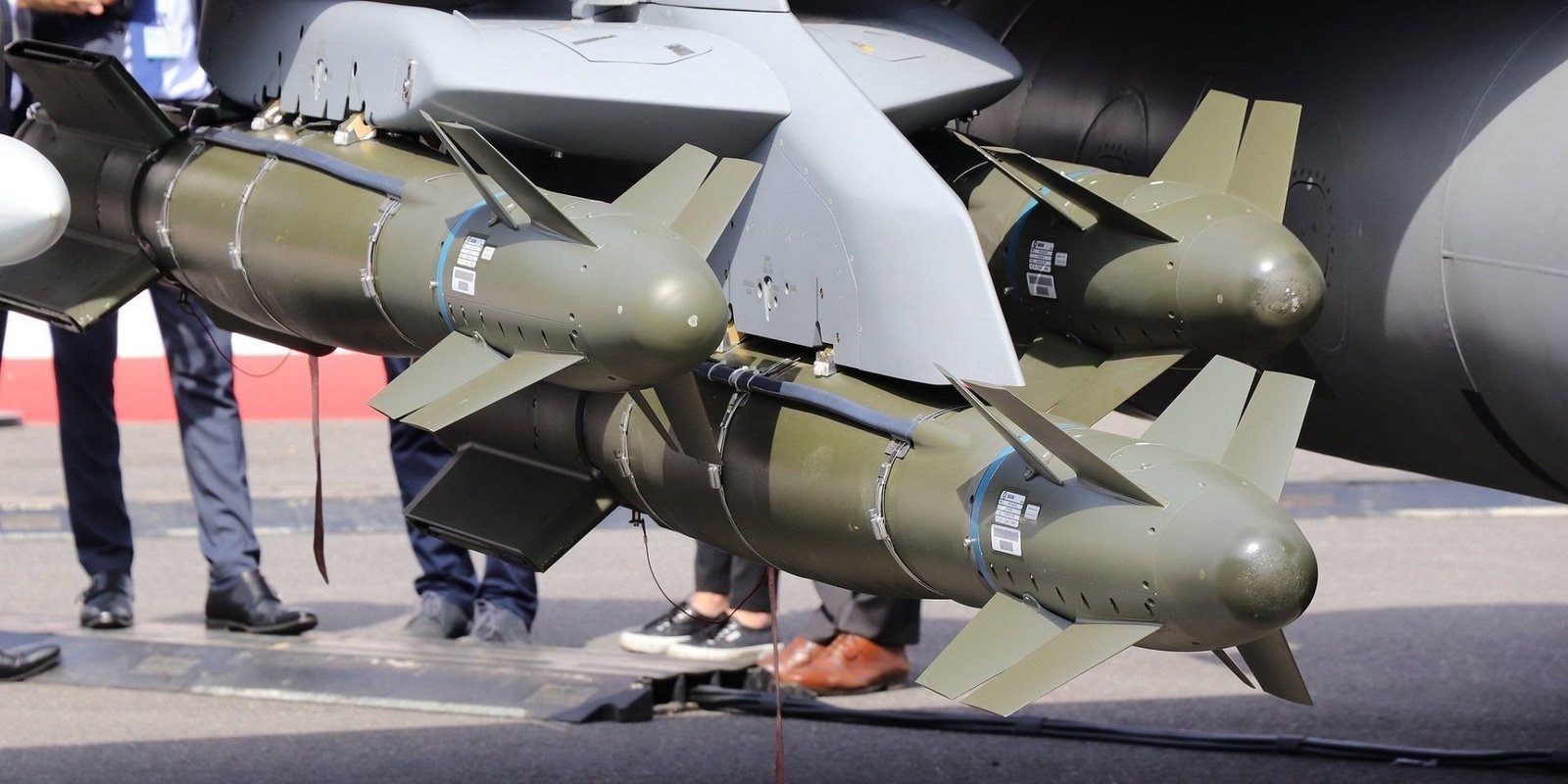 Swedish Gripens Bound for Ukraine to Be Armed with French Rocket-Assisted Hammer Precision Bombs
-
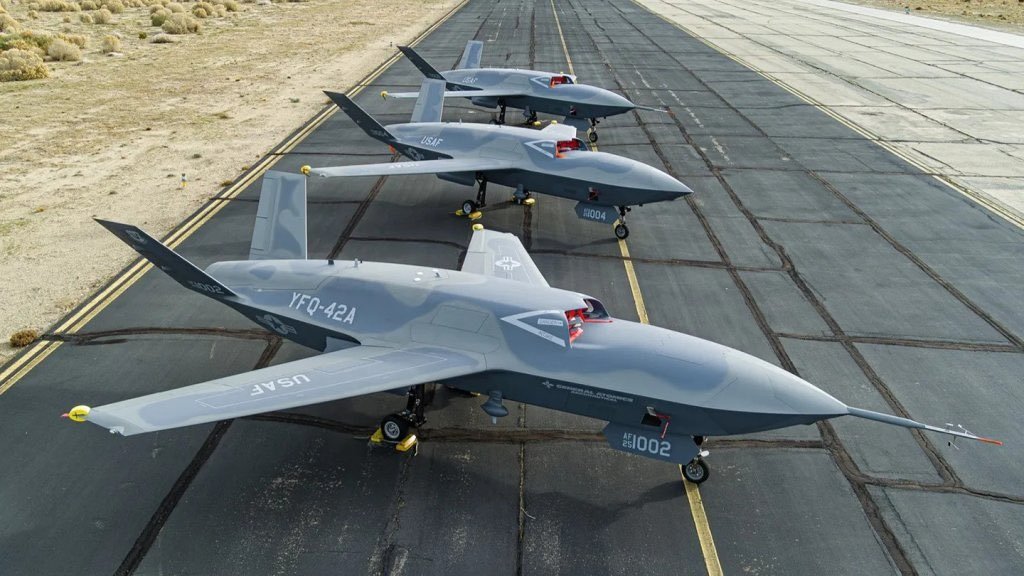 U.S. Air Force Officially Names First Collaborative Combat Aircraft FQ-42 Vengeance and FQ-44 Fury, Targets 500 by 2032
-
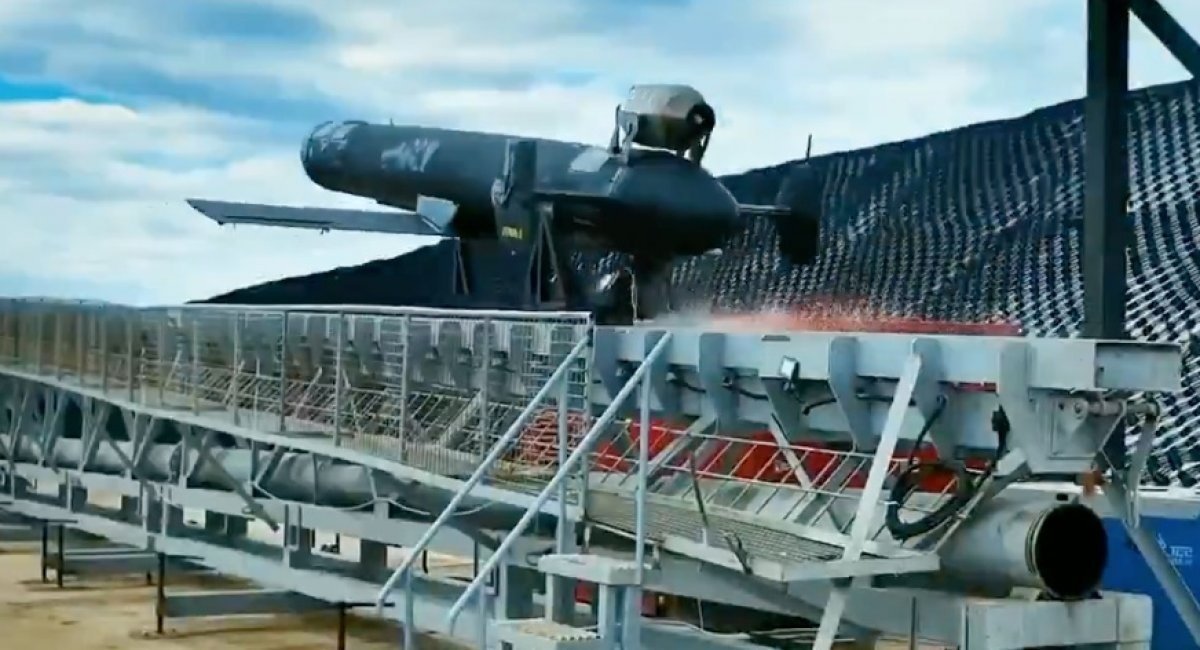 Russia Ramps Up Production of Jet-Powered Geran-5 Drones and Banderol Missiles, With Low Cost of Around $100,000 Per Unit