India
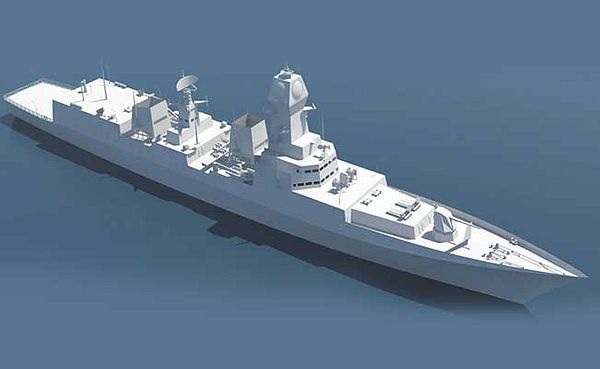
The Indian Navy is preparing to significantly boost its surface combat capabilities with the development of the Next Generation Destroyers (NGDs) under the ambitious Project-18. These new destroyers, projected to displace between 10,000 to 13,000 tonnes, will be the most heavily armed surface warships ever built in India, featuring a cutting-edge Vertical Launch System (VLS) configuration totaling 144 missile cells. According to preliminary design layouts and publicly available concept models, each Project-18 class vessel will house: 32 VLS cells for long-range surface-to-air missiles (LRSAM). 48 universal VLS cells for launching supersonic or hypersonic cruise missiles like BrahMos-ER or future BrahMos-II variants, and 64 smaller VLS cells for short- and medium-range air defense missiles. This three-tier VLS configuration, spread across forward and aft sections of the ship, is supplemented by 8 inclined launchers for larger, canisterized missiles, allowing the destroyer to engage aerial, surface, and sub-surface threats across vast distances. The VLS units will be based on Universal Vertical Launch Module (UVLM) technology, providing the flexibility to house a variety of missile types — from anti-air and anti-ship to land-attack and anti-submarine weapons. The ships are also expected to be compatible with future indigenous anti-ballistic missile systems, such as the XR-SAM or Project Kusha, greatly enhancing area denial and layered defense capabilities. High-End Specs with Strategic Focus The Project-18 destroyers will be equipped with advanced integrated masts, stealthy design features, and a full suite of sensors and combat management systems. They are expected to incorporate: Electric propulsion systems, enabling reduced acoustic signatures, Integrated mast systems with multifunction AESA radars, Space for unmanned systems, including UAVs and USVs. The Warship Design Bureau (WDB) is spearheading the design process, while Mazagon Dock Shipbuilders Ltd (MDL) and Garden Reach Shipbuilders and Engineers (GRSE) are likely to be considered for construction. The total cost of the program is estimated to be around ₹80,000 crore (~US$10 billion). Timeline and Fleet Expansion The Indian Navy aims to acquire 8 to 10 destroyers under Project-18. The Defence Acquisition Council (DAC) is expected to clear the proposal by 2025–26, with the Request for Proposal (RFP) and construction kickoff likely in the late 2020s. The first vessel is anticipated to enter service by the early to mid-2030s. At present, the Navy operates 13 destroyers across the Delhi, Kolkata, and Visakhapatnam classes. The induction of Project-18 will significantly expand and modernize India’s destroyer fleet, narrowing the quantitative and qualitative gap with naval powers such as China and the United States. Strategic Implication With this configuration, Project-18 destroyers will rival the world's most powerful surface combatants, including the US Navy’s Arleigh Burke-class and China’s Type-055 class. The sheer number of VLS cells, combined with indigenous weapons and sensor suites, positions these warships as central to India’s future blue-water naval doctrine, capable of leading carrier strike groups and defending strategic interests across the Indian Ocean Region (IOR).
Read More → Posted on 2025-07-26 16:14:25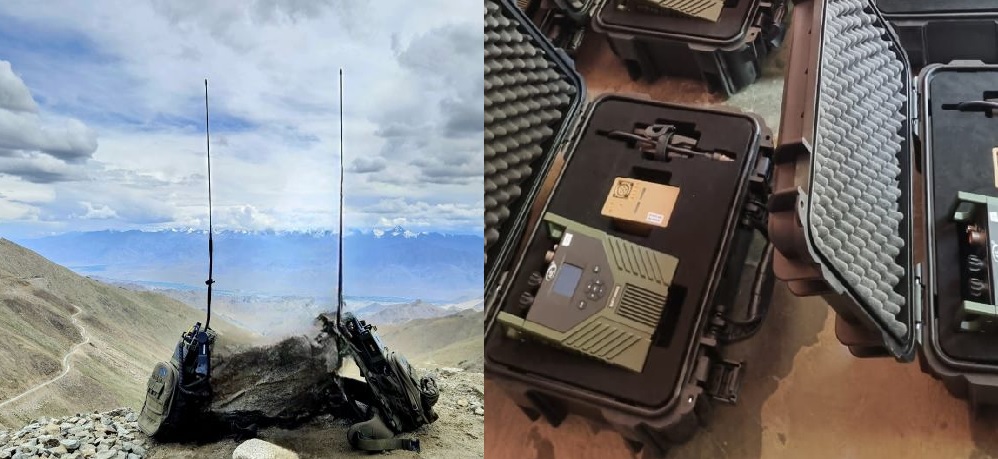
India
Hyderabad-based Astra Rafael Comsys Pvt. Ltd. (ARC), a joint venture between India’s Astra Microwave Products Ltd. (AMPL) and Israel’s Rafael Advanced Defense Systems, has successfully completed user trials of its BNET‑MANAS V/UHF Software‑Defined Radio (SDR) for the Indian Army, under the Ministry of Defence’s Make‑II initiative . Key Technical and Strategic Highlights • Development and Specifications The BNET‑MANAS Manpack SDR, part of ARC’s broader BNET family, was developed from scratch according to stringent Indian Army requirements . ARC markets the BNET architecture as enabling digitized battlefield connectivity, featuring ultra‑wideband data, low latency, and high data integrity and availability, which together support seamless force‑level communication without relay dependencies . • User Trial Phases The trials were conducted in three distinct phases to validate the SDR’s operational capabilities across environments: Lab Trials: Bench-level and controlled testing to benchmark performance. Field Trials (HOT): Conducted in Jodhpur, Rajasthan, to assess survivability and performance under high-temperature conditions. High-Altitude Trials (COLD): Held at Leh, Ladakh, to verify operation in extreme cold and high-altitude terrain . Completion of these phases demonstrates robustness, reliability, and adaptability in operational scenarios integral to Indian defense operations. • Strategic Context BNET‑MANAS is participating in the Indian Army’s strategic Make‑II program, which emphasizes indigenous design, development, and production (IDDM) by private-sector defense firms . This success aligns with the Atmanirbhar Bharat (self‑reliance) and Make in India initiatives, aiming to reduce dependence on foreign systems and boost local defense manufacturing . • Implications and Outlook The trial results position ARC as a leading private‑sector player in India’s defense communications space, especially in SDR, electronic warfare (EW), and cognitive radio systems . With user trials complete, BNET‑MANAS is now moving into final evaluation phases leading up to a potential procurement contract under Make‑II. ARC has an existing contract to supply BNET radios (including hand‑held, man‑pack, vehicular, and airborne variants) to the Indian Air Force, further reaffirming its expanding defense footprint . The successful completion of user trials for the BNET‑MANAS SDR marks a significant milestone in India's pursuit of indigenously developed tactical communication systems. Backed by rigorous testing in diverse climatic and geographical conditions, the BNET‑MANAS system is well-positioned for adoption by the Indian Army. The achievement bolsters ARC’s credibility as a key defense electronics provider, aligning with India’s broader goals of self-reliance in critical defense technology. If you’d like deeper insights into BNET architecture, ARC’s capabilities, or comparisons with other SDRs, I'd be happy to help!
Read More → Posted on 2025-07-26 16:04:34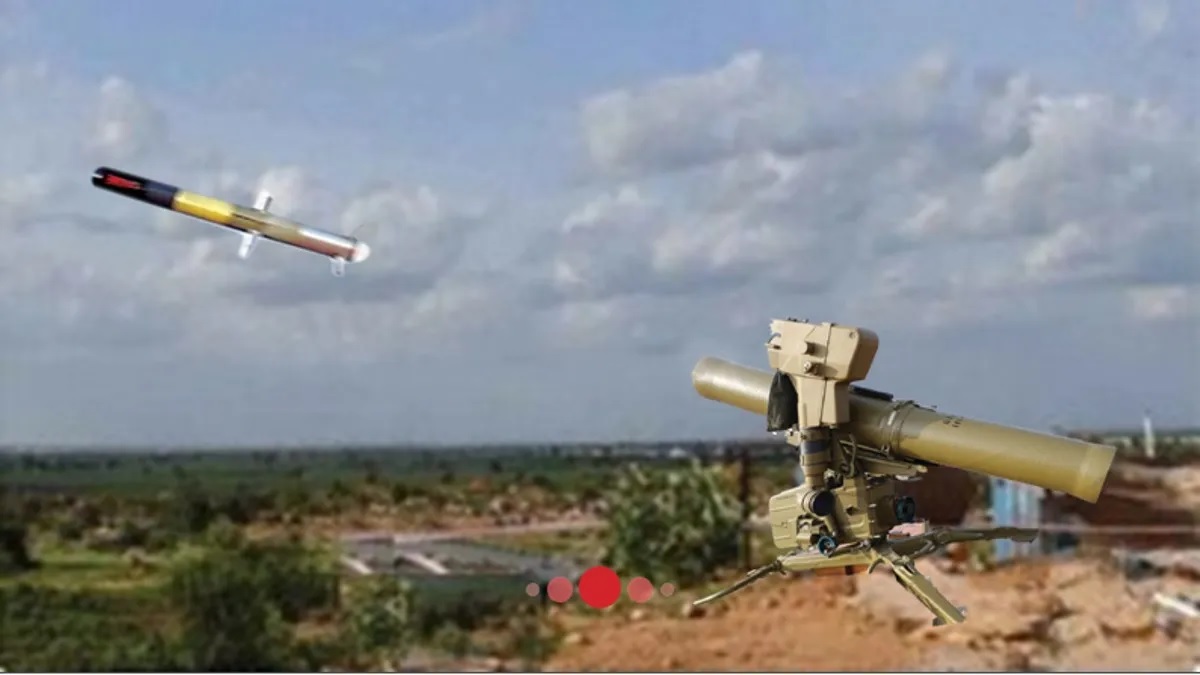
India
Bharat Dynamics Limited (BDL) has secured a ₹809 crore (approximately USD 92 million) order from Armoured Vehicles Nigam Limited (AVNL) for the supply of Anti-Tank Guided Missiles (ATGMs). The order, announced via a regulatory filing on July 25, is to be executed over a period of three years and marks a key milestone in India’s efforts to enhance self-reliance in advanced weapon systems under the “Make in India” initiative. “The order is not a related-party transaction and neither the promoter nor promoter group has any interest in the entity placing the order,” BDL stated in its stock exchange disclosure. While BDL has not officially disclosed the missile type due to operational sensitivities, defence industry sources suggest that the Konkurs-M ATGM is the likely system being supplied under this contract. The Konkurs-M is a second-generation, semi-automatic, wire-guided missile, designed to defeat armored targets protected by Explosive Reactive Armor (ERA), with an effective range of up to 4 kilometers. These missiles are typically integrated with BMP-2 infantry combat vehicles, manufactured by AVNL. The ATGMs are manufactured by BDL under a licensed production agreement with the original Russian developer, with a significant degree of indigenisation already achieved. This aligns with the Indian government’s strategic push to reduce dependence on foreign suppliers for critical defence systems. This latest order comes amid a robust business outlook for BDL. As of April 1, 2025, the company reported an order book of ₹22,700 crore, which includes multiple high-value contracts from India’s armed forces and defence PSUs. During the current financial year alone, BDL has secured orders worth ₹6,668 crore. Market reaction to the announcement was modest. BDL shares closed at ₹1,657 on the Bombay Stock Exchange on July 25, down nearly 2% from the previous day. However, the stock has witnessed a strong rally of over 38% in the past six months, driven by increasing order inflows and strategic tie-ups. BDL also recently announced a final dividend of ₹0.65 per share for FY 2024–25, reinforcing its financial stability and commitment to shareholder returns. The ₹809 crore contract not only strengthens BDL’s production pipeline but also showcases effective collaboration between India’s state-owned defence manufacturers. For AVNL—formed in 2021 from the corporatisation of the Ordnance Factory Board—this procurement will enhance the firepower of Indian mechanised infantry units with reliable, combat-proven ATGMs. As India continues to ramp up indigenous defence manufacturing, this deal reinforces the growing capabilities of public sector units like BDL and AVNL in supporting critical operational requirements of the armed forces.
Read More → Posted on 2025-07-26 16:00:06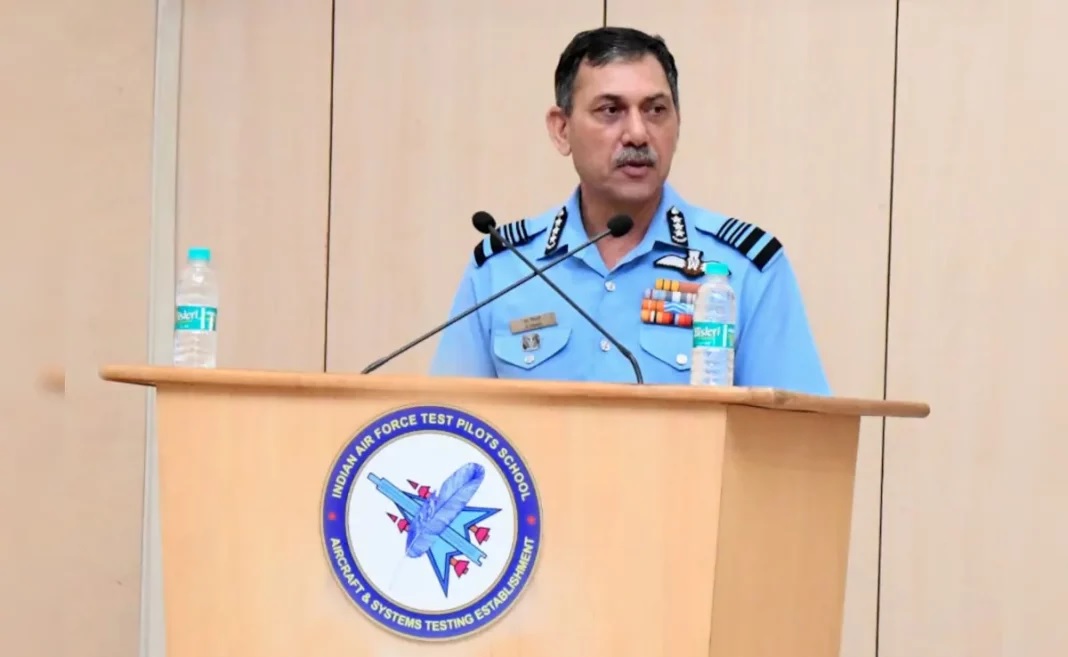
India
In a significant revelation, Indian Air Force Vice Chief Air Marshal Narmdeshwar Tiwari has confirmed that fewer than 50 air-launched weapons used by the Indian Air Force (IAF) during Operation Sindoor were sufficient to neutralize key Pakistani military infrastructure and push Islamabad to seek a ceasefire and return to the negotiating table. “Less than 50 air-launched weapons fired by India at airbases and radar sites in Pakistan during Operation Sindoor compelled the western adversary to come to the negotiating table and sue for peace,” said Air Marshal Tiwari, addressing a defence conclave in New Delhi. He described the operation as a "masterclass in strategic air power and minimalistic force projection." What Was Operation Sindoor? Launched in early May 2025, Operation Sindoor was India’s calibrated military response to the Pahalgam terror attack of April 22, which killed many Hindu civilians. The Indian government authorised limited high-precision air strikes aimed at degrading Pakistan’s military infrastructure while avoiding escalation into full-scale war. The strikes were carried out by frontline IAF fighter jets — including Rafales, Mirage 2000s, and Su-30MKIs — targeting multiple sites inside Pakistan and Pakistan-occupied Kashmir. The mission reportedly lasted 23 minutes and involved real-time coordination using AWACS, satellite surveillance, and ISR drones. Weapons Used Although the IAF has not officially confirmed the inventory used, sources indicate that a mix of stand-off precision-guided munitions were deployed: SCALP-EG cruise missiles launched from Rafale jets SPICE-2000 bombs and Crystal Maze-II missiles Smart Anti-Airfield Weapons (SAAW) developed by DRDO Air-launched BrahMos-A cruise missiles Rampage and AASM Hammer systems for runway and bunker destruction Loitering munitions for mobile or time-sensitive targets These weapons were chosen for their accuracy, stand-off range, and ability to neutralize hardened and critical infrastructure with minimal collateral damage. Impact on Pakistani Military Infrastructure The strikes focused on airbases, radar stations, command and control facilities, and fuel depots. According to open-source assessments and satellite imagery cited by defence analysts, the following outcomes were observed: Forward radar installations were disabled Two major airbases suffered temporary operational paralysis Fuel and munitions storage sites were hit Communication and air defence nodes were disrupted Sources in the Indian security establishment stated that the strike had immediate tactical impact, catching Pakistan’s air defence network off guard and leaving several forward positions exposed. Pakistan’s Diplomatic Outreach and Ceasefire Within hours of the strikes, Pakistan reportedly activated backchannel diplomatic communications, first through the United States and then via official lines with New Delhi. A ceasefire agreement was reached by May 10, just three days after the operation began. Air Marshal Tiwari noted that the operation demonstrated how calibrated, high-precision strikes can yield strategic results without escalation. “This was not about how many weapons were fired. It was about what those weapons achieved. Operation Sindoor exemplified how modern air power, backed by intelligence and technology, can change the course of conflict with minimal force,” he added. A Doctrinal Shift for India Operation Sindoor has been hailed within defence circles as a turning point in India’s coercive diplomacy. Unlike the Balakot airstrike of 2019, which was a single-target raid, Sindoor was a multi-target, multi-theatre operation showcasing India's growing precision-strike capabilities. The operation reinforced India's commitment to a graduated response doctrine — using military force proportionally, decisively, and with strategic restraint. Defence observers suggest that the IAF's modernised air fleet, improved ISR capabilities, and deep inventory of PGMs have fundamentally changed the rules of engagement along the western front. With Air Marshal Tiwari’s comments now public, Operation Sindoor is being viewed as one of the most successful uses of limited yet decisive air power in South Asia's recent history. The ability to force a nuclear-armed adversary to the negotiating table with less than 50 air-launched weapons marks a significant moment in India’s evolving military doctrine.
Read More → Posted on 2025-07-26 15:52:34
India
In a significant move to curb the spread of explicit and obscene content on digital platforms, the Government of India has banned 21 Over-The-Top (OTT) apps, including popular names like Ullu, ALTT (formerly ALTBalaji), Rabbit Movies, and Prime Play. The decision, taken by the Ministry of Information and Broadcasting in coordination with the Ministry of Electronics and IT, is part of a wider crackdown on digital content platforms allegedly violating decency standards and India's cyber laws. The platforms were found to be distributing adult content with little to no content regulation, often bypassing age verification and censorship norms. Several of these apps, the government said, not only violated the IT Rules, 2021, but were also operating outside the jurisdictional compliance of the Indian Cinematograph Act and other digital media guidelines. 🚫 List of OTT Platforms Banned for Obscene Content: Ullu ALTT (ALTBalaji) Desiflix Big Shots Boomex MoodX NeonX VIP Mojflix Triflicks Hulchul App HotX VIP Uncut Adda Besharams Xtramood Chikooflix Fugi Nuefliks Prime Play Hunters Rabbit Movies Voovi X Prime Yessma Dreams Films Hot Shots VIP (Note: While 21 names were officially mentioned, additional platforms with overlapping or affiliated operations were also identified during the probe.) Why Were These Platforms Banned? According to government sources, these platforms: Regularly published sexually explicit web series and content that was pornographic in nature, thinly veiled under the genre of adult comedy or romance. Were accessible to minors due to inadequate age-verification systems. Lacked any content classification or parental control, violating IT Rules, 2021. Operated without proper licensing or often hosted on foreign servers to avoid Indian jurisdiction. Promoted vulgarity, objectification, and unfiltered nudity, which regulators believe is damaging to societal values and public morality. The Modi government has, over the past few years, emphasized the need for digital platforms to maintain a healthy cultural ethos and abide by the nation's moral and legal standards. While mainstream OTTs like Netflix, Amazon Prime Video, and Disney+ Hotstar operate under stricter self-regulation codes, many smaller or fringe platforms had begun exploiting regulatory loopholes to stream borderline or outright obscene content. The bans come in the wake of increasing public and legal pressure to act against digital vulgarity, especially as these platforms became widely accessible during the smartphone and data boom in India. Authorities have issued notices to telecom and internet service providers to block access to these apps and websites immediately. Any attempt to distribute or mirror the content via alternate URLs or platforms will face further legal action under the IT Act and criminal statutes. At the same time, the Ministry of I&B is reportedly working on a more robust content classification system and updated digital media regulations that will apply to all OTT players operating in India, regardless of their size or country of origin.
Read More → Posted on 2025-07-26 15:07:52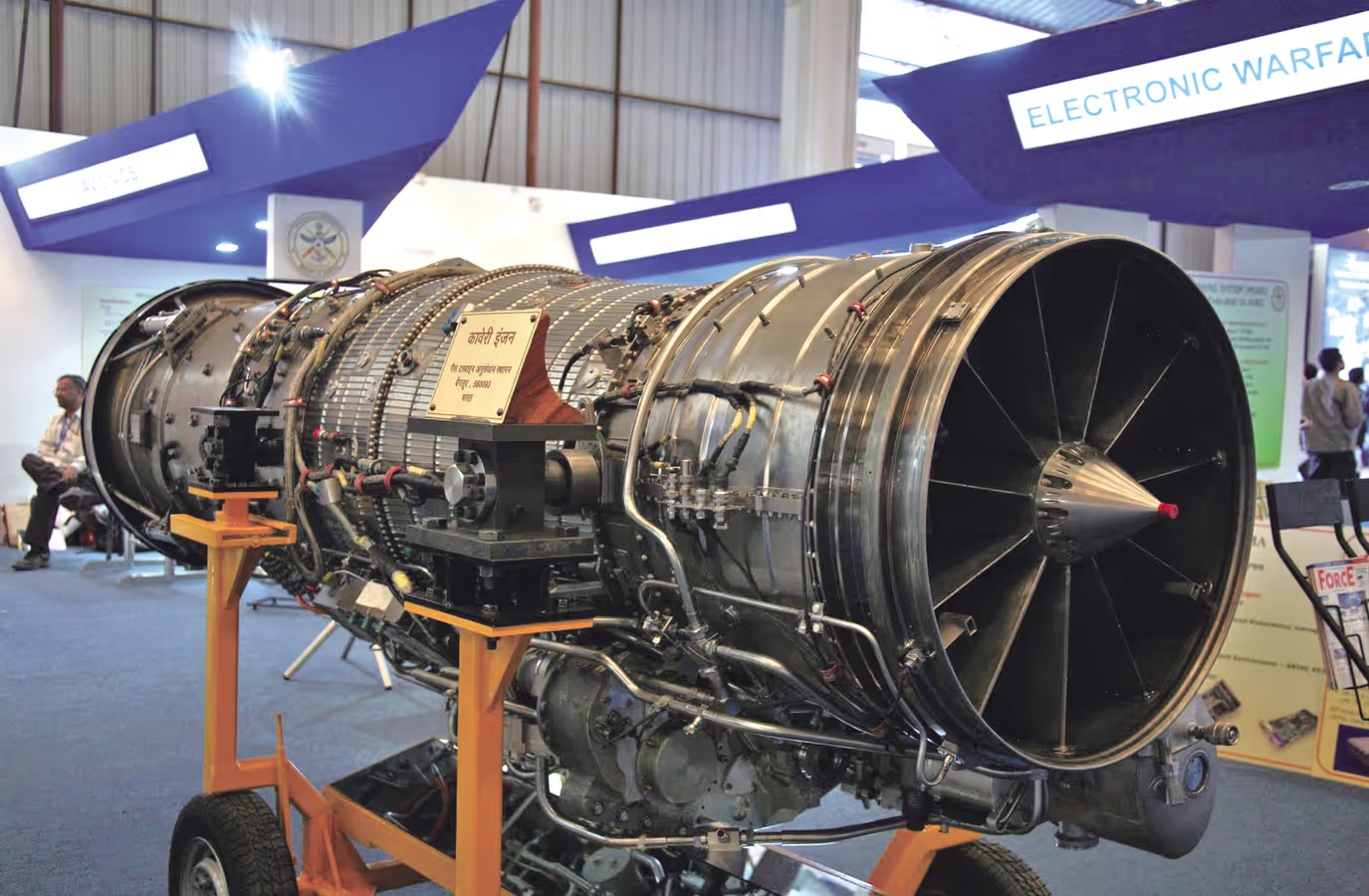
India
The Ministry of Defence (MoD) has approved two crucial Kaveri engine projects worth ₹723.59 crore, aimed specifically at powering the upcoming Ghatak Unmanned Combat Aerial Vehicle (UCAV). The funding marks a decisive step toward reducing India’s dependency on foreign aero-engines and enhancing its self-reliance under the Atmanirbhar Bharat initiative. The two newly sanctioned projects, cleared under the Technology Development Fund, are: Flightworthy Kaveri Dry Engine Development – Allocated ₹472.42 crore, this is focused on creating a flight-ready engine variant tailored for the Ghatak UCAV. Technology Demonstration of the Kaveri Derivative ‘Dry’ Engine – With ₹251.17 crore earmarked, this part of the program is meant to validate core engine technologies and demonstrate the engine’s capabilities in unmanned applications. Together, these efforts form part of a broader commitment from the MoD, which has allocated ₹29,558 crore to DRDO projects over the past three years. The Kaveri Derivative Engine (KDE) is a non-afterburning turbofan designed to produce 46–49 kN of thrust. While this is not enough for modern fighter jets, it is ideal for drones like the Ghatak, where fuel efficiency, low infrared signature, and reliability are more important than raw power. Originally developed to power the Tejas fighter jet, the Kaveri engine was delinked from the project in 2008 due to technical hurdles, but DRDO continued development, now steering it toward unmanned aerial platforms. The Ghatak UCAV, formerly known as AURA, is a stealth flying-wing drone under development by India. Designed for deep strike missions, the drone is expected to have: A maximum take-off weight of 12–13 tons An internal weapons bay that can carry up to 1.5 tons A service ceiling of 30,000 feet Combat endurance of 5–8 hours, depending on the mission Advanced capabilities like autonomous navigation, Manned-Unmanned Teaming (MUM-T), and low observability The Kaveri Derivative Engine has already completed over 140 hours of testing, including altitude trials in Russia and ground tests in India. In December 2024, the engine was cleared for in-flight testing. It will undergo 70 hours of flight tests aboard a modified Russian Il-76 aircraft. Notably, during high-altitude simulations at Russia’s Central Institute of Aviation Motors (CIAM), the engine delivered 48.5 kN of thrust — exceeding the original 46 kN target. These trials are essential because India currently lacks domestic infrastructure to simulate such high-altitude performance. Once these tests are completed and validated, the engine is expected to be certified by 2026 for integration into the Ghatak UCAV. In a significant industrial development, Godrej Aerospace has been entrusted with building six Kaveri Derivative engines by August 2025. The company delivered the first two modules to DRDO’s Gas Turbine Research Establishment (GTRE) in April 2025. This marks an important milestone in involving the private sector in core defence technologies under Development-cum-Production Partner (DcPP) frameworks. The success of these Kaveri engine programs will be critical for the future of India’s unmanned strike capabilities. The Indian Air Force has shown interest in acquiring up to 150 Ghatak drones, potentially forming 8–9 operational squadrons. If the dry Kaveri variant succeeds, it could open the door for developing afterburning versions for manned platforms such as future AMCA fighters, creating synergy across India’s aerial combat ecosystem. Ultimately, these developments highlight a long-awaited strategic shift: India is not just buying or assembling military platforms anymore — it’s building the engines that power them.
Read More → Posted on 2025-07-26 14:28:44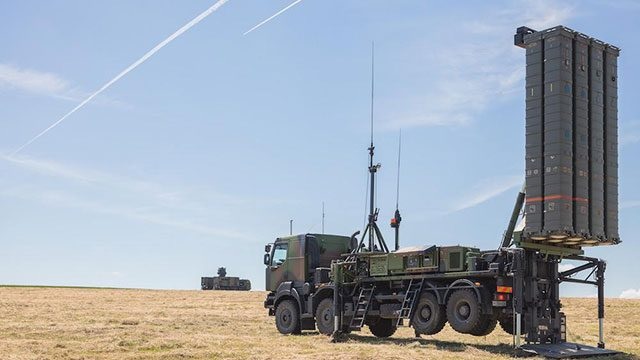
India
India’s ambitious Project Kusha has taken a crucial step forward with the development of two highly advanced missile canister designs. These new canisters—equipped with shock dampers, sliding mechanisms, and tailored support for multiple interceptor variants—are set to significantly enhance the performance and deployment of India's upcoming long-range surface-to-air missile system. Officially called the Extended Range Air Defence System (ERADS), Project Kusha is a high-stakes initiative led by the Defence Research and Development Organisation (DRDO). Approved by the Cabinet Committee on Security in May 2022, and granted formal procurement clearance in September 2023, the project is backed by a ₹21,700 crore (~$2.6 billion) budget to supply five Indian Air Force squadrons. Full deployment is planned between 2028 and 2030. This system lies a trio of missiles—M1 (150 km), M2 (250 km), and M3 (350–400 km)—each tailored to neutralise a specific class of threat, ranging from stealth aircraft and drones to ballistic and cruise missiles. The upcoming canisters are being built to house these missiles securely and ensure reliable launch, even under extreme battlefield conditions. The first of these, Canister Type-1, is designed specifically for the M1 interceptor missile, the closest-range variant. Intended for quick-response tactical engagements, the M1’s canister includes mechanical dampers and isolators that act as cushions to protect its sensitive dual-pulse rocket motor and warhead during road transport and launch. Made with lightweight materials like aluminium alloys or fibre-reinforced plastic, this design is also compact—ideal for mobile deployment units. Meanwhile, the more sophisticated Canister Type-2 is a modular, dual-purpose container for the M2 and M3 missiles. Because these long-range interceptors vary in size and weight—especially with the M3's extended booster stage—the new design incorporates a smart internal sliding mechanism. This lets engineers adjust the canister’s internal supports depending on the missile inside, ensuring a snug fit and stable launch regardless of configuration. This adaptive format removes the need for separate canisters for each missile type—simplifying logistics, reducing production complexity, and giving operators far greater mission flexibility. The interior is also lined with felt or rubber-based padding for additional vibration dampening. As a system, Project Kusha is India’s answer to global missile defence systems like Russia’s S-400, but with a key difference: it’s being built from the ground up by Indian hands. The launchers, radars, interceptors, and now the canisters—everything is being developed domestically, marking a significant leap toward Atmanirbhar Bharat (self-reliant India) in defence technology. Initial test flights for the M1 missile are slated for September 2025, and their success will be closely watched as a benchmark for future progress. The Indian Air Force will integrate the system into its Integrated Air Command and Control System (IACCS)—the same backbone that links sensors from S-400 radars and other indigenous surveillance assets—offering a 360-degree real-time threat detection and response capability. What’s more, the Indian Navy also plans to equip its next-gen warships with the M1 and M2 missile variants, adding an advanced layer of maritime defence—particularly against rising regional threats like China’s DF-21D “carrier-killer” missile. In short, these smart new canister designs aren’t just metal shells—they’re a symbol of how far India’s defence technology has come. With advanced features, precision engineering, and adaptability built into the core, Project Kusha is shaping up to be one of India’s most advanced air defence systems yet.
Read More → Posted on 2025-07-26 13:43:50
India
In a major step toward enhancing survivability and situational awareness for frontline fighter jets, the Defence Research and Development Organisation (DRDO) has showcased its Dual Colour Missile Warning System (DC-MWS), developed by its Defence Avionics Research Establishment (DARE) lab. This indigenous sensor suite is a critical self-protection system designed to detect and warn against incoming missile threats—both infrared-guided and optically-tracked—in real-time. The system was displayed prominently at Aero India and is now undergoing platform-specific integration trials, with the Su-30MKI expected to be the first beneficiary of this capability. What is the Dual Colour Missile Warning System (DC-MWS)? The DC-MWS is an advanced electro-optical threat warning system that uses dual-colour infrared (IR) sensors to detect the thermal signatures of incoming missile plumes. Unlike conventional single-band IR sensors, the dual-colour design improves discrimination between real threats and false alarms—such as flares, hot engine exhausts, or ground reflections. Key Components & Architecture (As seen in the image): Multiple Dual-Colour IR Sensors: These are mounted around the aircraft to ensure 360-degree coverage. Central Processor Unit: Receives and analyzes sensor input, classifies threats, and determines response. 1553B Data Bus Interface: Ensures smooth communication with the aircraft's onboard avionics. Airborne Recorder: Logs threat data for post-mission analysis and system refinement. Integration with CMDS & DIRCM: The system can automatically cue Countermeasure Dispensing Systems (CMDS) or Directed Infrared Countermeasures (DIRCM) to defeat detected missiles. Advantages of DRDO’s DC-MWS Enhanced Survivability: Provides pilots with early warning of missile launches, allowing timely deployment of flares or decoys. Reduced False Alarms: The dual-colour seeker technology improves detection accuracy, reducing unnecessary countermeasure usage. Night and All-Weather Capability: IR-based sensing allows reliable performance during day and night operations. Networked Defense: Can be integrated with other electronic warfare systems onboard to form a multi-layered defense suite. Fully Programmable: Can be upgraded via software to counter evolving threats, without replacing hardware. Current Status and Future Deployment As of mid-2025, the Dual Colour Missile Warning System has completed extensive lab and simulated flight testing, and airborne trials are ongoing aboard DRDO-modified test aircraft. The Su-30MKI, which forms the backbone of the Indian Air Force, is expected to be the first combat platform to receive this indigenous warning suite. Other aircraft under consideration for integration include the LCA Tejas Mk1A, Tejas Mk2, TEDBF, and even future platforms like the AMCA. Additionally, the DC-MWS could find use in rotary-wing platforms and strategic airlifters in future variants. Strategic Relevance With the proliferation of shoulder-fired missiles and air-to-air IR-guided weapons in modern warfare, the ability to detect and neutralize incoming threats is no longer optional—it is critical. This DRDO-developed system ensures that India no longer needs to rely entirely on imported missile warning systems and can customize performance based on its specific operational needs. Furthermore, by reducing dependence on foreign OEMs, India strengthens its Atmanirbhar Bharat (self-reliant India) initiative, especially in the sensitive domain of aircraft survivability technologies. The DRDO’s Dual Colour Missile Warning System represents a leap forward in electronic warfare and aircraft self-protection. By marrying indigenous hardware with modern threat-detection algorithms, India is positioning itself as not just a consumer but a developer of next-generation survivability systems for aerial platforms. As trials proceed and operational deployment begins, this system is poised to become a standard feature on future Indian military aircraft.
Read More → Posted on 2025-07-25 16:35:09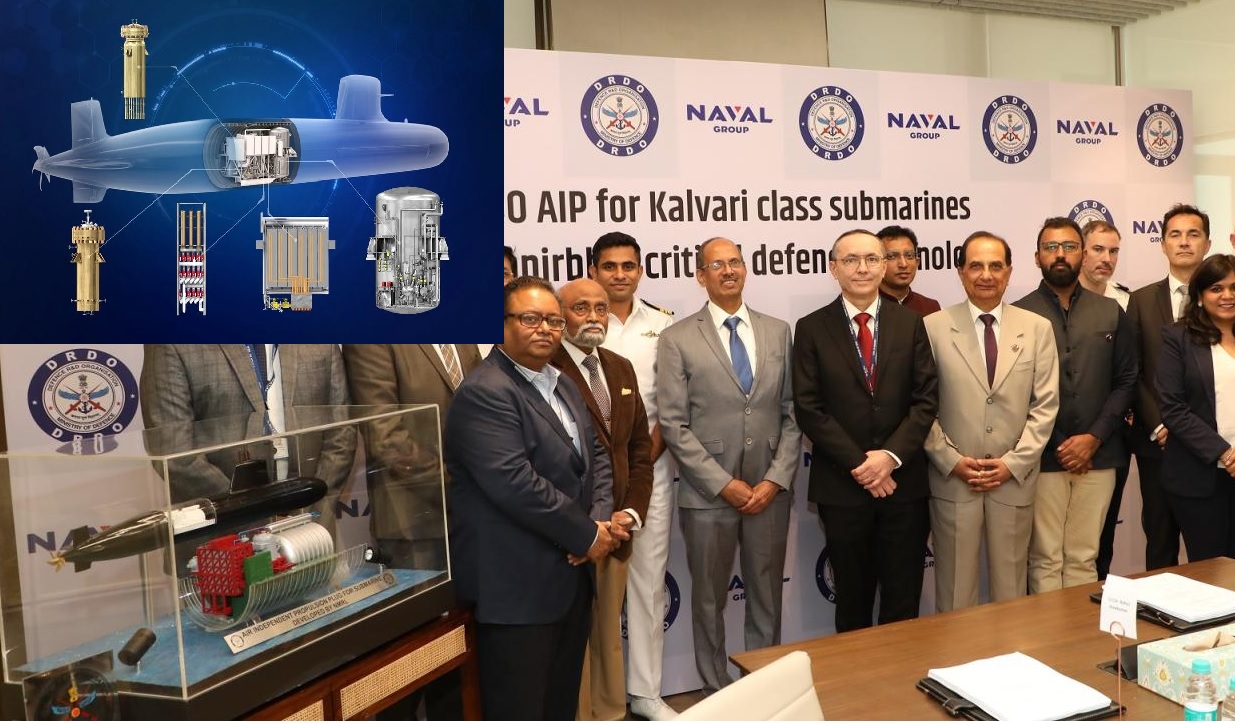
India
In a major step toward enhancing the endurance and stealth capabilities of India's submarine fleet, Mazagon Dock Shipbuilders Limited (MDL) and France’s Naval Group have extended their strategic collaboration to support the integration of the DRDO-developed Air Independent Propulsion (AIP) system into the Indian Navy’s Kalvari-class submarines. This announcement signals a significant milestone in India's journey towards self-reliance in advanced underwater propulsion technologies and reaffirms France’s commitment to supporting India's indigenous defence manufacturing initiatives under the Make in India framework. Focus on Indigenous AIP Integration The core objective of the extended partnership is to retrofit the Kalvari-class (Scorpène-class) submarines—built by MDL in collaboration with Naval Group—with DRDO’s Fuel Cell-based AIP module during their scheduled mid-life upgrades (MLU). This AIP system, developed by DRDO's Naval Materials Research Laboratory (NMRL), is designed to significantly increase the underwater endurance of conventional diesel-electric submarines, allowing them to operate submerged for extended periods without surfacing. The current agreement ensures a smooth technical roadmap for integration by leveraging the original design expertise of Naval Group and MDL’s industrial capacity. Current Status of DRDO’s AIP System (2025) Technology: The AIP system is based on a Phosphoric Acid Fuel Cell (PAFC) technology that converts hydrogen and oxygen into electricity. Validation: DRDO’s AIP completed land-based prototype testing in early 2024 and passed all endurance, safety, and performance parameters. Sea Trials: DRDO is currently preparing a marine-certified AIP prototype, with onboard trials expected in late 2025 or early 2026. Integration Timeline: The first retrofit is planned on INS Kalvari when it enters dry dock for refit in the 2026–2027 timeframe. Partnerships: L&T and Thermax are supporting production, while MDL will carry out physical integration during submarine upgrades. Why AIP Matters Air Independent Propulsion allows diesel-electric submarines to remain submerged for two to three weeks, as opposed to the current limitation of just 2–3 days without snorkeling. This stealth capability is critical in high-threat environments, particularly in contested regions like the Indian Ocean or near adversary coastlines, where detection by enemy assets must be avoided. While Naval Group originally offered its own AIP system for the Scorpène-class, India insisted on indigenous integration as part of its long-term strategy to localize critical underwater technologies. The cooperation from Naval Group in facilitating DRDO's system into a French-designed platform reflects strong bilateral trust. Statements from the Stakeholders An MDL spokesperson said: “This collaboration ensures that Kalvari-class submarines will continue to evolve with advanced indigenous technologies, keeping them relevant and lethal well into the 2030s.” Naval Group India’s CEO added: “We are proud to extend our support to India’s AIP ambitions and continue to work closely with MDL and DRDO to achieve seamless integration.” Strategic Implications With China expanding its submarine presence in the Indo-Pacific and Pakistan already operating AIP-equipped submarines, India’s move to retrofit its frontline Kalvari-class boats with DRDO's AIP is both timely and necessary. It also lays the groundwork for deploying the same system in future platforms, such as the upcoming Project-75I and potentially even SSK derivatives of India’s SSN program. The extended MDL–Naval Group collaboration marks a key turning point in India’s underwater warfare modernization efforts. By pairing foreign design expertise with indigenous propulsion innovation, India is set to field a more survivable, silent, and longer-enduring submarine force—essential for maintaining maritime dominance in an increasingly contested Indo-Pacific region.
Read More → Posted on 2025-07-25 16:15:10
India
Ministry of Defence (MoD) has significantly ramped up its investment in indigenous defence research and development (R&D), with over ₹29,558 crore worth of projects sanctioned for DRDO (Defence Research and Development Organisation) in the last three years alone. Between 2023 and mid-2025, DRDO was handed 103 projects, showcasing the government’s growing trust in homegrown innovation. The biggest jump came in 2024, when 43 projects worth a massive ₹22,175.49 crore were cleared. In comparison, ₹3,842.71 crore was sanctioned for 40 projects in 2023, while ₹3,540.46 crore has been committed for 20 projects so far in 2025. Among the key developments is the Kaveri Derivative Engine (KDE) — a crucial powerplant for the upcoming remotely piloted strike aircraft, also referred to as the IUCAV. Two significant projects tied to this include the Flightworthy Kaveri Dry Engine Development (₹472.42 crore) and a technology demonstration project (₹251.17 crore). Together, they represent a renewed focus on developing indigenous jet engine technology — a long-sought capability in India's aerospace journey. But it's not just about funding. The MoD is also reshaping the defence R&D ecosystem with deep structural reforms that aim to bridge civil and military sectors. One major move is the designation of Development-cum-Production Partners (DcPPs) to speed up prototyping and move technology faster from labs to battlefield use. These industry partners now benefit from a zero royalty policy when supplying DRDO-developed technologies to the Indian Armed Forces, and no transfer-of-technology (ToT) fees either. To make sure new innovations don’t stay stuck in academia, the DRDO is also bringing industries closer to research institutions through 15 Centres of Excellence (DIA-CoEs) set up at premier institutions like IISc Bengaluru and several IITs. These hubs are driving forward targeted research in critical defence technologies. Certification, which has long been a bottleneck in defence manufacturing, is also being streamlined. The Centre for Military Airworthiness and Certification (CEMILAC), DRDO’s certifying body, is now working hand-in-hand with the DGCA (civil aviation regulator) to align standards for Unmanned Aerial Vehicles (UAVs). Lower-weight UAVs will now undergo common certification procedures for both military and civilian use — a move that could greatly simplify processes for drone makers. CEMILAC has also initiated dialogues with European (EASA) and Brazilian (ANAC) aviation authorities, as well as companies like Airbus and Embraer, to create a clear path for civil-military aircraft certification inside India — another step towards boosting local aircraft production. On the grassroots level, the Technology Development Fund (TDF) continues to provide financial backing to Indian industries, especially MSMEs and startups, for developing defence products. Meanwhile, the popular Dare to Dream 4.0 challenge, launched during DefExpo, aims to tap into the scientific genius of individuals and start-ups with problem statements straight from the Indian defence sector. And to ensure no innovation goes to waste, DRDO has opened up its patents for free use by Indian industries. It has also made several of its world-class testing facilities available for private sector use — a rare move that shows the government’s intent to treat industry not as a vendor, but as a partner. All these updates were shared by Raksha Rajya Mantri Shri Sanjay Seth in a written reply to MP Tejasvi Surya in the Lok Sabha, highlighting the government’s renewed determination to make India a global defence powerhouse — not just a buyer, but a builder. The road to Aatmanirbhar Bharat in Defence is being paved not just with money, but with trust, collaboration, and bold reforms.
Read More → Posted on 2025-07-25 16:02:11
India
Research and Development Organisation (DRDO) has successfully conducted flight trials of the UAV-Launched Precision Guided Missile V3 (ULPGM-V3) at the National Open Area Range (NOAR) in Kurnool, Andhra Pradesh. The missile, also known in its extended-range configuration as ULM-ER, marks the latest evolution in India’s indigenous drone-launched weapon systems. Defence Minister Rajnath Singh congratulated the DRDO and associated industry partners for the achievement, stating, “This successful trial reaffirms that Indian industry is ready to absorb and produce critical defence technologies.” A New Chapter in India's Unmanned Warfare The ULPGM-V3 is a high-precision air-to-surface missile launched from unmanned aerial vehicles (UAVs). Developed by DRDO’s Research Centre Imarat (RCI), it is designed for quick, accurate strikes on static and moving ground targets such as bunkers, command posts, vehicles, and insurgent hideouts. The V3 variant brings several improvements over its predecessors — the baseline V1 and the operational V2 — including longer range, improved seeker technology, and multiple warhead configurations. These upgrades allow for deployment in a variety of operational environments, from high-altitude conflict zones to dense urban terrain. Specifications and Capabilities of ULPGM-V3 (ULM-ER) Parameter Details Type UAV-Launched Precision Guided Munition (Air-to-Surface) Variant ULPGM-V3 (Extended-Range), also known as ULM-ER Weight ~12.5 kg Propulsion Dual-thrust solid rocket motor Seeker Passive Imaging Infrared (IIR) for day & night targeting Range Up to 4 km (day), ~2.5 km (night) Guidance Fire-and-forget with real-time two-way data link Launch Platform Tactical UAVs (e.g., Archer-NG, Tapas-BH) Warhead Options Anti-armor, fragmentation, and multi-purpose variants Target Types Static positions, light-armored vehicles, mobile threats The missile’s fire-and-forget capability combined with imaging infrared guidance ensures that once launched, it can autonomously track and strike targets without further input from operators. The addition of a two-way datalink gives operators the option to reassign or abort missions mid-flight, offering unmatched battlefield flexibility. Industry Partnerships and Future Prospects The development of the ULPGM series represents a powerful collaboration between DRDO and Indian private and public sector industries. Adani Defence and Bharat Dynamics Limited (BDL) have been identified as the key industrial partners for the production phase, with BDL expected to lead integration and series manufacturing once user trials are complete. This successful test also validates technologies showcased earlier this year at Aero India 2025, where the ULPGM-V3 (ULM-ER) was displayed to the public for the first time, signaling DRDO’s growing confidence in the system’s maturity. Strategic Significance With the operationalization of ULPGM-V3, India is positioning itself among a handful of nations with domestically developed drone-launched guided munitions. This is particularly vital for surgical strike operations, counter-terror missions, and high-risk engagements across the Line of Control (LoC) or Line of Actual Control (LAC), where unmanned systems provide standoff advantage without risking soldier lives. The modularity of warheads, coupled with the ability to function in low-visibility conditions, makes the V3 highly effective for use in challenging terrain such as mountains, deserts, and dense forest zones—where terrorist hideouts or enemy outposts may be difficult to reach. The successful flight trial of the ULPGM-V3 underscores India’s rapid advancement in precision strike capabilities using UAVs. As global warfare trends shift towards unmanned and smart weapon platforms, India is asserting its place with a growing suite of indigenous technologies that combine accuracy, lethality, and strategic depth. With production set to ramp up through public-private partnerships and user trials expected to begin soon, the ULPGM-V3 may soon become a central pillar in India’s evolving doctrine of remote, high-precision counter-force operations.
Read More → Posted on 2025-07-25 15:32:52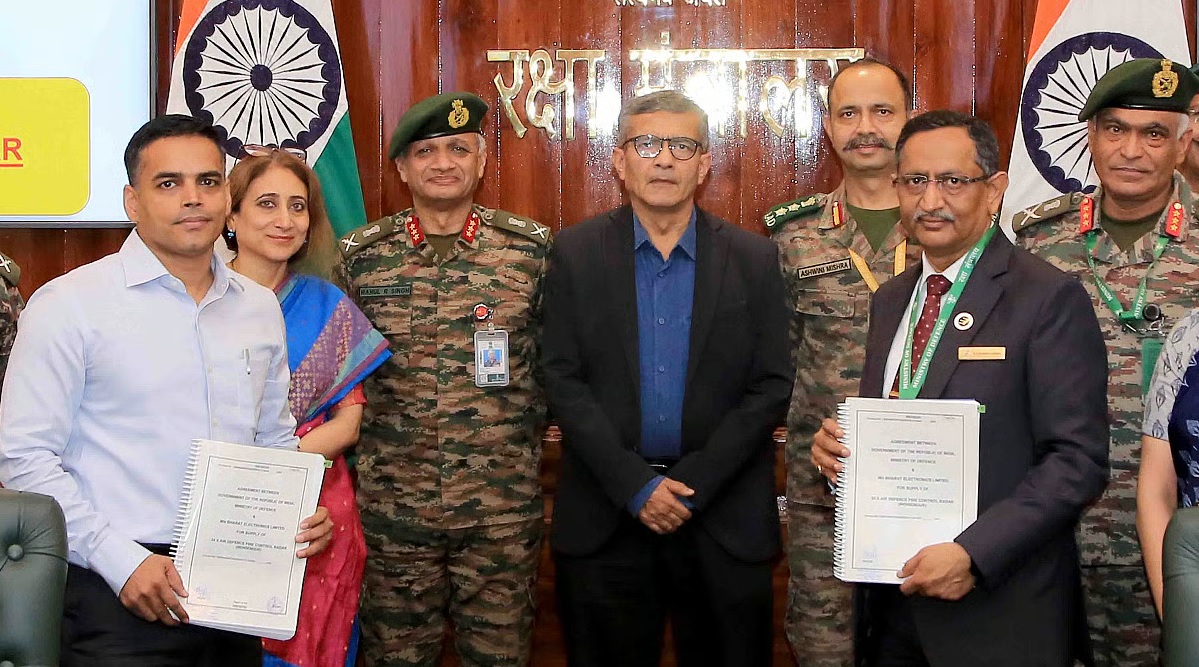
India
Ministry of Defence has signed a ₹2,000 crore contract with Bharat Electronics Limited (BEL) for the supply of advanced air defence fire control radars to the Indian Army. These new radars are specially designed to detect and track airborne threats like fighter jets, attack helicopters, and drones, providing a critical edge in real-time battlefield awareness and response. The defence ministry highlighted that these systems will play a key role in protecting the country’s airspace, especially at a time when drone threats and airspace intrusions are becoming more frequent and sophisticated. What makes this contract even more significant is that it falls under the ‘Indian-indigenously designed, developed, and manufactured (IDDM)’ category. With at least 70% indigenous content, the radars are a showcase of Make in India in the defence sector and a big boost for domestic military technology. According to the ministry, this deal is not just about acquiring new technology—it’s a milestone in the modernisation of India’s air defence regiments. Once deployed, these radars will enhance the Indian Army’s operational readiness, helping it to act swiftly and accurately against aerial threats. The project is also expected to support economic growth, as the high indigenous content ensures that most of the manufacturing, development, and supply chain processes remain within India, creating jobs and encouraging innovation. This agreement with BEL comes at a time when India is accelerating its efforts to build self-reliant defence capabilities. With these modern fire control radars, the Indian Army will be better equipped to secure its skies and respond effectively in high-threat environments.
Read More → Posted on 2025-07-25 15:17:03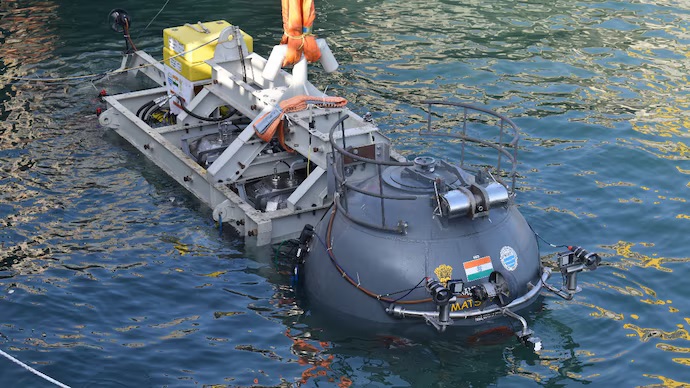
India
India has taken a significant step toward realizing its first crewed deep ocean exploration mission as scientists from the National Institute of Ocean Technology (NIOT) and the Indian Space Research Organisation (ISRO) successfully completed a critical welding process on the Matsya-6000, the country's first deep-sea manned submersible. At the heart of this milestone is the welding of a titanium alloy crew sphere—a pressure-resistant chamber designed to carry three humans to depths of up to 6,000 meters (nearly 20,000 feet) below sea level. For the first time in India, such a thick titanium structure was electron beam welded, marking a technological breakthrough in India's deep-sea capabilities. Matsya-6000: India's Gateway to the Deep Ocean The Matsya-6000 is being developed under the Samudrayaan Mission, a flagship project of India’s Deep Ocean Mission spearheaded by the Ministry of Earth Sciences. The mission aims to explore untapped resources, biodiversity, and geological processes in the deep ocean, similar to how space agencies explore outer space. The submersible will be capable of carrying three people and will be equipped with life support and safety systems for missions lasting up to 12 hours, with emergency support for up to 96 hours. It is designed to withstand crushing pressures of nearly 600 times that at sea level, a feat achieved by constructing the pressure hull from titanium alloy Ti-6Al-4V, known for its high strength, corrosion resistance, and compatibility in deep-sea environments. Electron Beam Welding: A First for India The electron beam welding (EBW) technique used on the Matsya-6000’s spherical pressure hull is notable for its high precision and minimal thermal distortion—essential when working with thick titanium materials that must retain structural integrity under extreme pressure. The welding was performed at the ISRO Inertial Systems Unit (IISU) in Thiruvananthapuram, a facility that specializes in advanced joining technologies. Electron beam welding allows for deep penetration with clean, high-quality welds, making it ideal for aerospace, nuclear, and now deep-sea applications. The weld has now passed non-destructive testing and radiographic evaluation, ensuring the hull's safety and reliability for human missions. Why It Matters: India's Deep Ocean Ambitions With this achievement, India joins a select group of nations—including the United States, Russia, France, Japan, and China—that have developed the capability for human-rated deep-sea submersibles. The project is aligned with India’s broader goals of blue economy development, which include: Mapping and studying the ocean floor Exploring polymetallic nodules, which contain rare earth elements Understanding deep-sea biodiversity Monitoring environmental changes and seismic activity India’s exclusive economic zone (EEZ) spans over 2 million square kilometers, and the successful deployment of Matsya-6000 would greatly enhance the country’s scientific and strategic reach under the ocean surface. What's Next With the successful welding of the pressure hull complete, the focus will now shift to: Integrating life support systems, control modules, and safety redundancies Pressure testing the assembled submersible in hyperbaric chambers Uncrewed test dives, likely in 2025–26 A crewed mission to the 6,000-meter depth is expected by 2026, depending on sea trial results The submersible will be launched from NIOT's deep-sea research vessel, which will provide power, navigation, and recovery support. The completion of the titanium sphere welding for Matsya-6000 marks a monumental step in India’s scientific and engineering journey into the deep ocean. It reflects India’s growing capabilities in complex undersea technology and aligns with the nation's aspirations to become a leader in ocean exploration, on par with its progress in space. With the Samudrayaan Mission gaining momentum, India is not just looking up to the stars but also diving deep into the last great frontier on Earth — the ocean.
Read More → Posted on 2025-07-24 17:46:02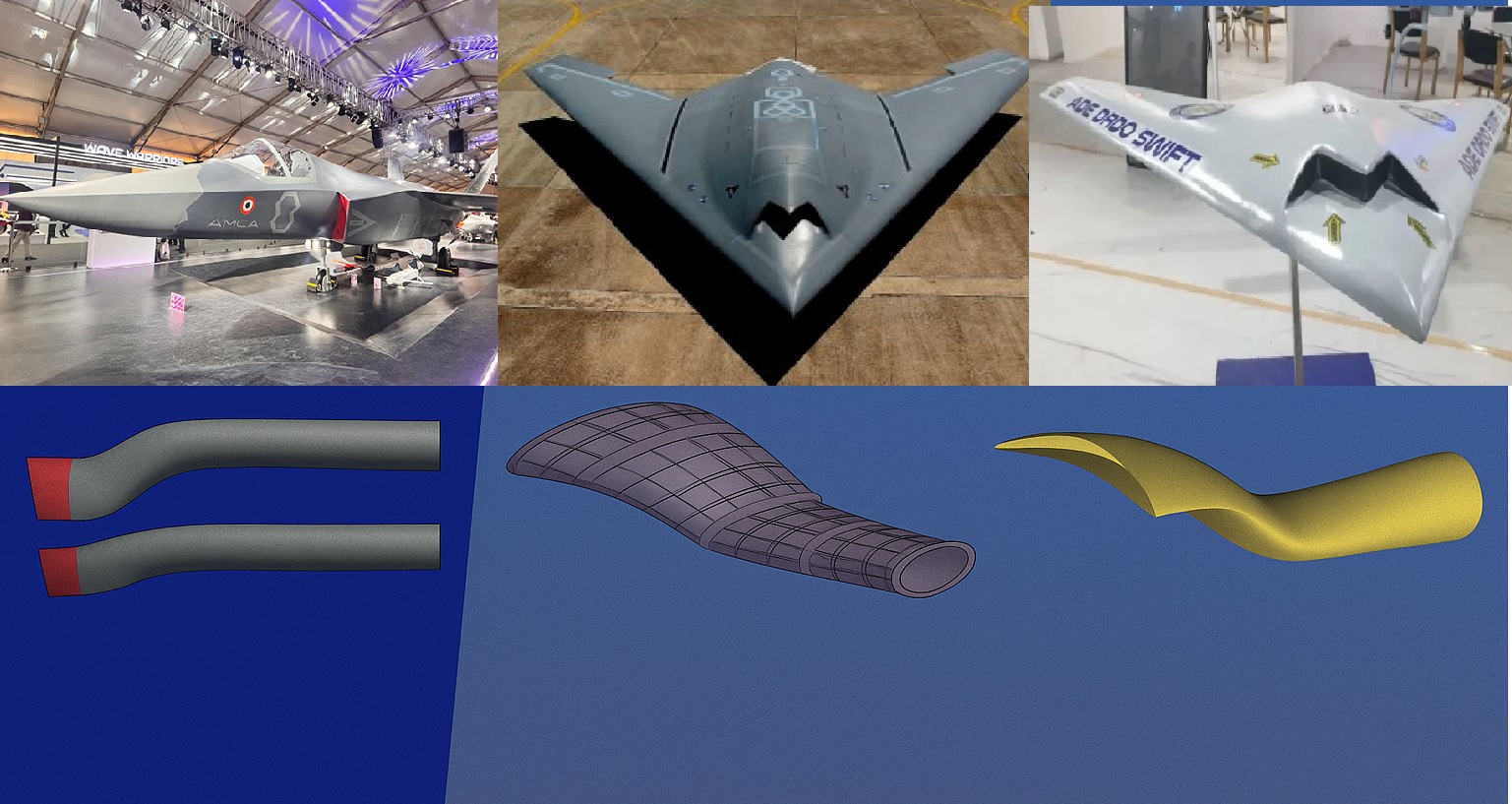
India
Defence Research and Development Organisation (DRDO) is developing next-generation Low Radar Cross Section (RCS) air intake ducts for the upcoming AMCA fighter jet, Ghatak unmanned combat aerial vehicle (UCAV), and its testbed SWiFT. These ducts are a critical part of stealth aircraft design, helping reduce radar visibility by shaping and absorbing electromagnetic waves. Designed with a serpentine geometry, the ducts block direct radar line-of-sight to the engine, a major source of radar returns. Internally, they are lined with Radar Absorbing Structures (RAS) made from carbon composite materials, engineered to suppress radar reflections in the 2–18 GHz frequency band. These measures are expected to provide over 10 decibels (dB) of radar signature reduction, significantly boosting survivability in contested airspace. Three major designs are under development: AMCA intake ducts, aimed at >10 dB RCS reduction in frontal aspects. Ghatak UCAV ducts, following a similar reduction profile. SWiFT ducts, optimized for up to 40-degree radar incidence angles, mimicking extreme combat conditions. The technology effort isn't limited to shape alone. DRDO has identified and is testing advanced RAS materials like ferrite foams, ceramic radar-absorbent composites, and conductive polymers. The structural design is tuned to allow non-uniform cladding thickness, exploiting the physics of multiple radar reflections to reduce radar bounce-back while keeping weight under control. Work is being carried out at multiple DRDO labs, including DLRL, DMSRDE, RCI, ADE, and CEMILAC, with support from simulation and materials centers like DMRL and LASTEC. Advanced simulations, electromagnetic validation, and structural prototype testing are already underway, with full-scale ducts being fabricated for integration trials. Overcoming challenges such as material endurance at high speed, thermal resilience, and aerodynamic flow stability, the program is progressing with high national priority. Once operational, these indigenous stealth air intake ducts will become a cornerstone of India’s ambition to field true fifth-generation aircraft with deep penetration and low observability, reducing dependence on foreign stealth technologies. This marks a critical milestone in India's aerospace self-reliance under the Atmanirbhar Bharat initiative.
Read More → Posted on 2025-07-24 17:41:47
India
In a significant move to address the Indian Air Force’s immediate operational needs, Defence Secretary RK Singh has confirmed that the government is actively considering the import of fifth-generation fighter jets as a short-term solution until the indigenous stealth fighter project is ready. The announcement comes at a time when the IAF has flagged a growing capability gap amid regional tensions and delays in India’s domestic fifth-gen fighter programme, the Advanced Medium Combat Aircraft (AMCA). Urgent Requirement for 40–60 Fighters According to officials familiar with the matter, the IAF has proposed the procurement of two to three squadrons—roughly 40 to 60 aircraft—from a foreign supplier. These fighters are expected to serve as a stopgap measure while the indigenous AMCA is still under development. A high-level empowered committee headed by Defence Secretary RK Singh has reportedly reviewed the proposal and recommended the immediate induction of fifth-generation fighters to strengthen the IAF’s deterrence posture, particularly along the northern and western borders. IAF's Presentation to the Government As per sources, the Indian Air Force recently made a formal presentation to the central government, highlighting the urgent strategic need for advanced fighter aircraft. The presentation warned that without such a move, India risks falling behind in terms of aerial superiority, especially in light of the growing capabilities of neighbouring countries. Possible Options: F-35 or Su-57 In the current global market, only two fifth-generation fighter aircraft are available for potential export: The F-35 Lightning II from the United States, a combat-proven stealth fighter used by multiple allied nations. The Su-57 Felon from Russia, Moscow’s most advanced multirole stealth platform. India’s final decision will hinge on a range of factors including geopolitical considerations, cost-effectiveness, technology transfer, and delivery timelines. Massive Defence Spending Ahead Defence Secretary RK Singh also revealed that the government plans to sign defence contracts worth ₹2 lakh crore (approximately $24 billion) in financial year 2025–26. These deals will cover various modernization programmes across all three services, with a focus on critical capability enhancements for the Indian Air Force. As India works toward achieving self-reliance in defence through projects like the AMCA, the immediate need to fill the capability void has prompted the consideration of importing fifth-generation fighters. The government’s decision, once finalized, is expected to play a pivotal role in securing India’s air dominance in the face of evolving regional threats.
Read More → Posted on 2025-07-24 17:37:24Search
Top Trending in 24 Hours
-
 U.S. Plans $2.8 Billion Sale of 40,000 Heavy Bombs and 20,000 I-2000 Penetrator Warheads to Israel
-
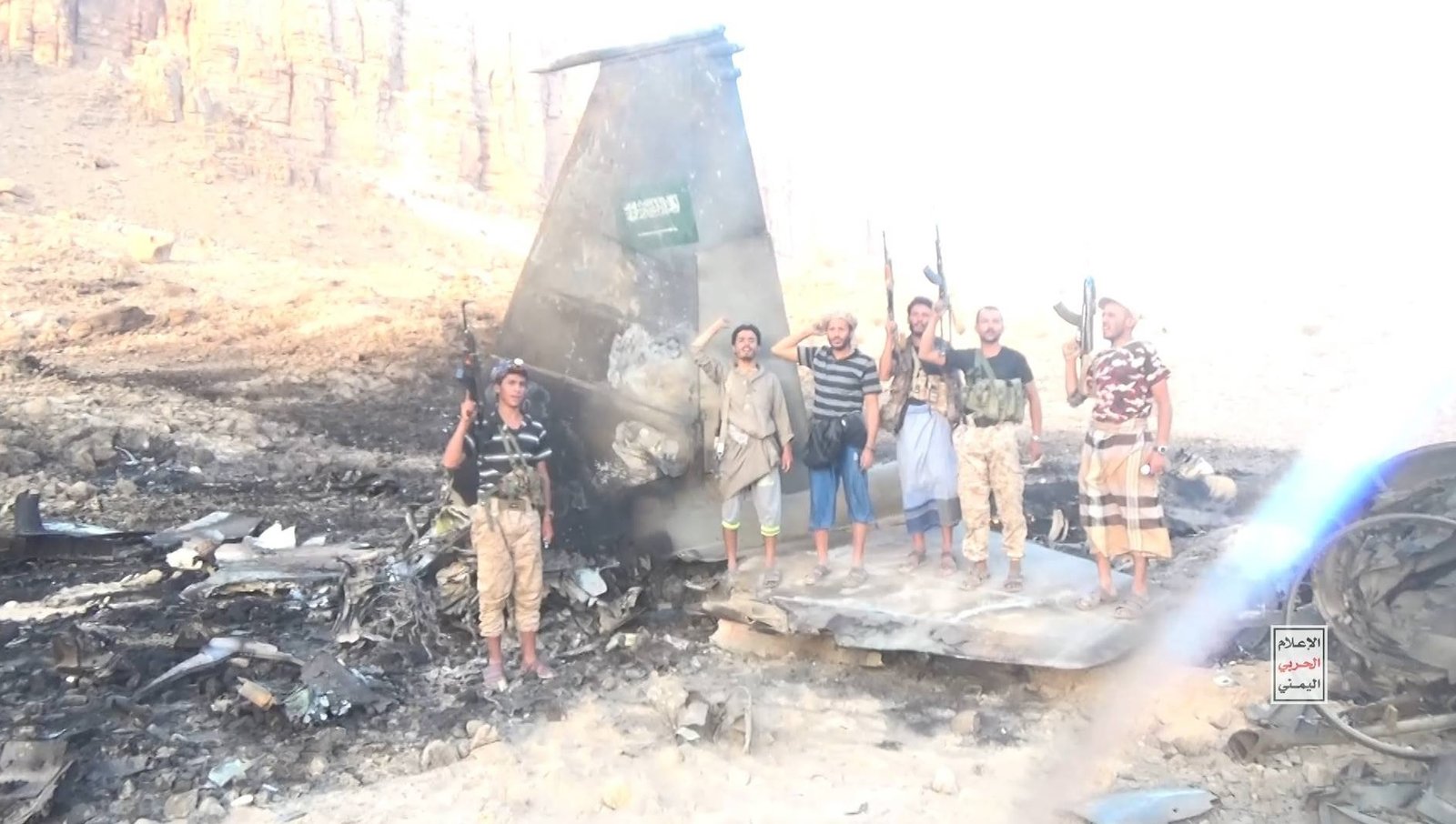 Houthis Claim Downing of Saudi F-15 and Wing Loong II Drone Over Marib
-
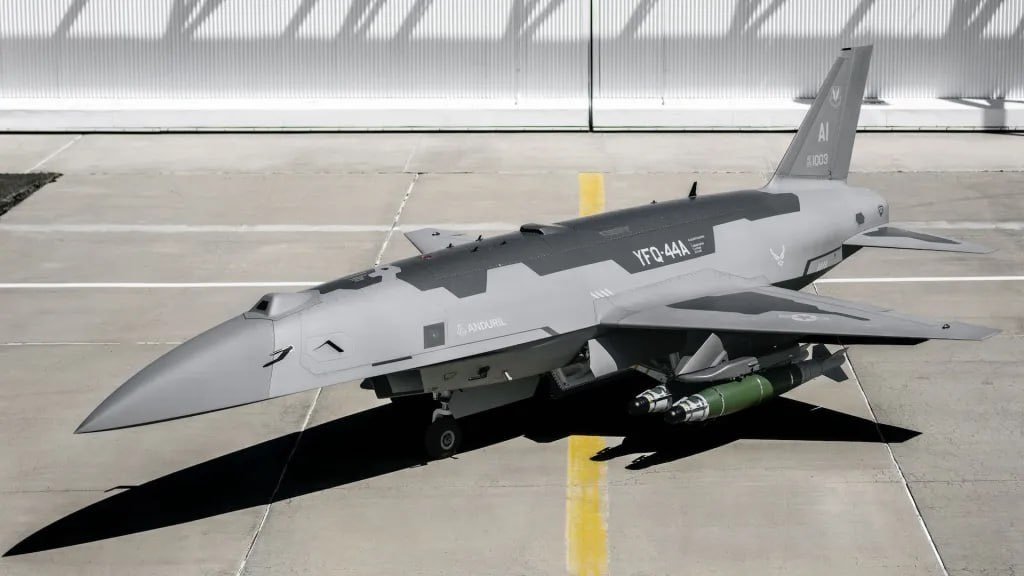 Anduril Conducts Ground Fit-Checks of Air-to-Ground Weapons on YFQ-44A Fury
-
 Lockheed Martin Demonstrates Legion Pod-to-Pod Data Link on F-16s for Passive Targeting
-
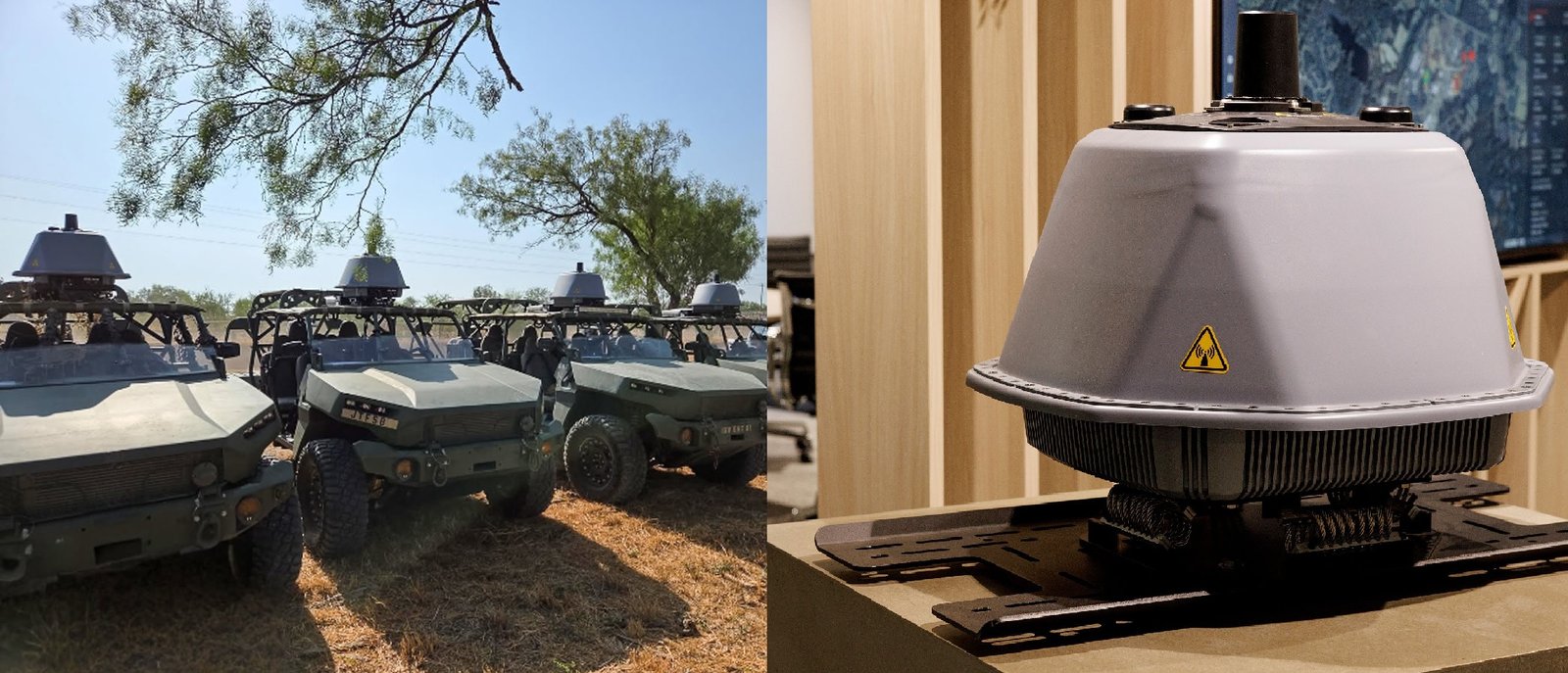 U.S. Military Deploys DroneShield Counter-Drone Systems on Infantry Squad Vehicles
-
 BAE Systems Unveils Shadow EW Suite for Small Drones and Autonomous Aircraft
-
 Photos Reveal Damaged E-3 Sentry, Buildings and Vehicles at U.S. Bases in Saudi Arabia and Kuwait After Iranian Strikes
-
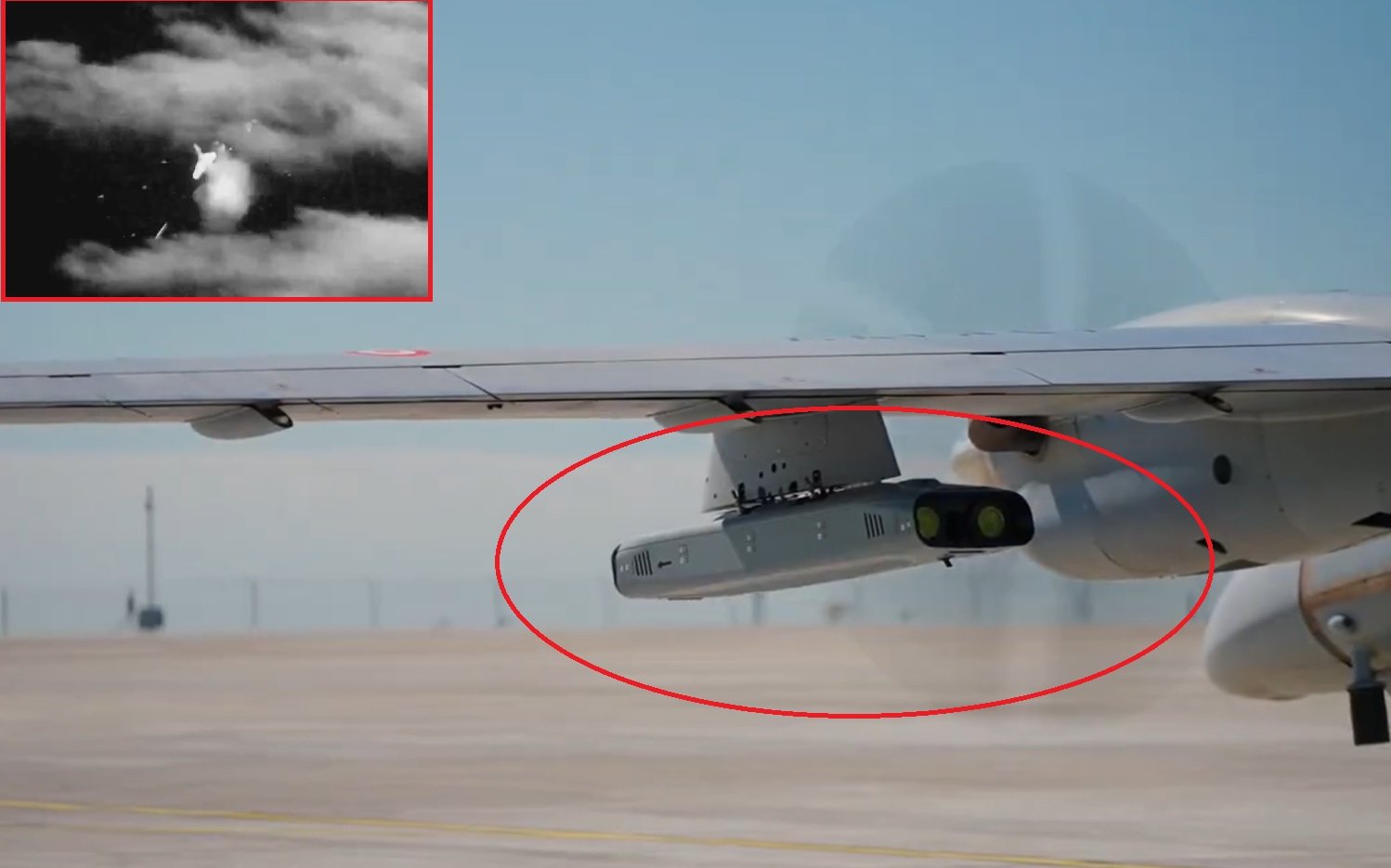 Turkey’s AKINCI Drone Hits High-Speed Aerial Target with SUNGUR Missile in Black Sea Test
Top Trending in 4 Days
-
 Pentagon Awards BlueHalo Up to $99.8 Million Contract for Orbital Battlespace R&D Program
-
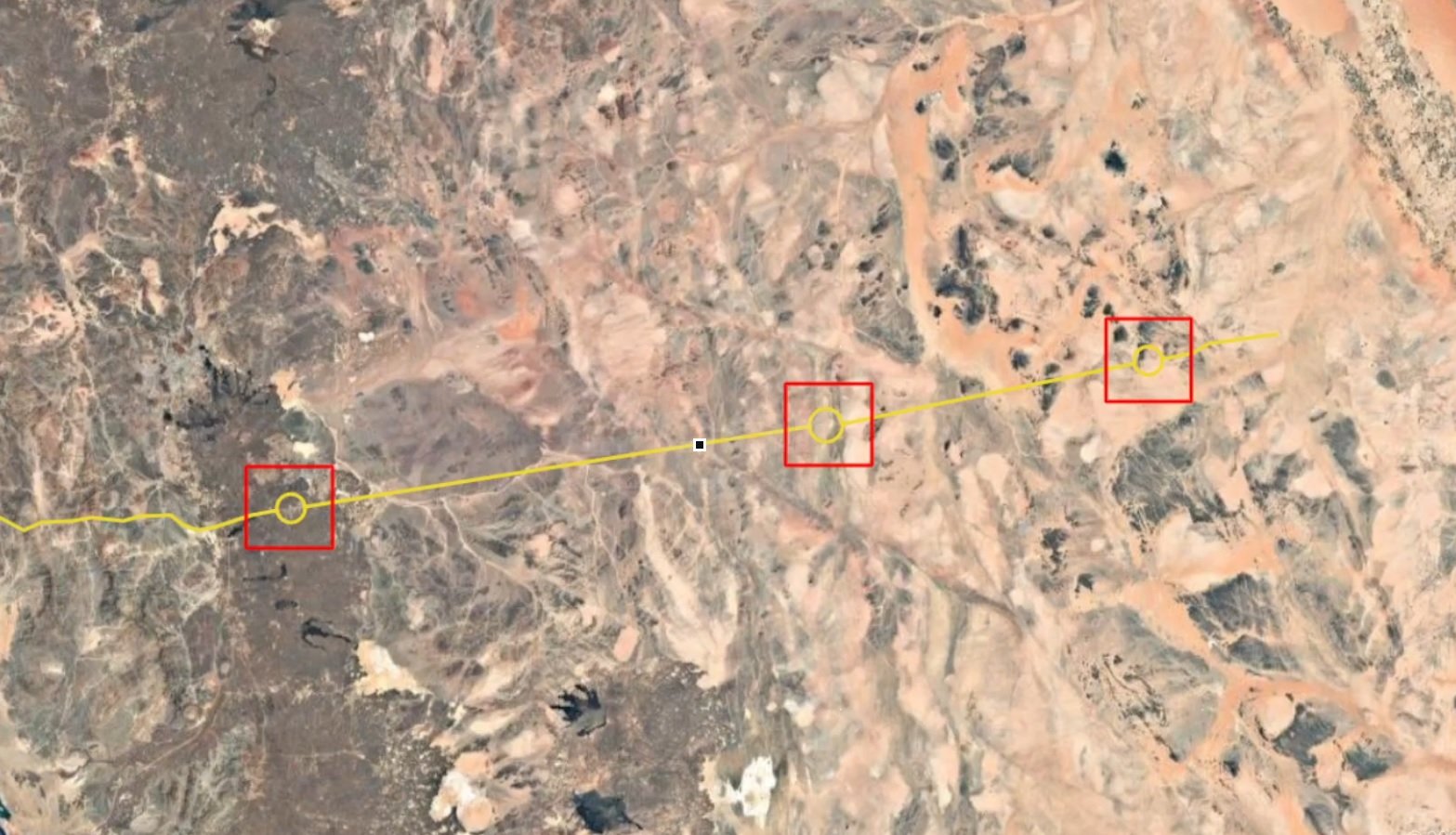 Satellite Imagery Shows Extensive Damage to Saudi Arabia’s East-West Oil Pipeline, Indicating More Than a Single Strike
-
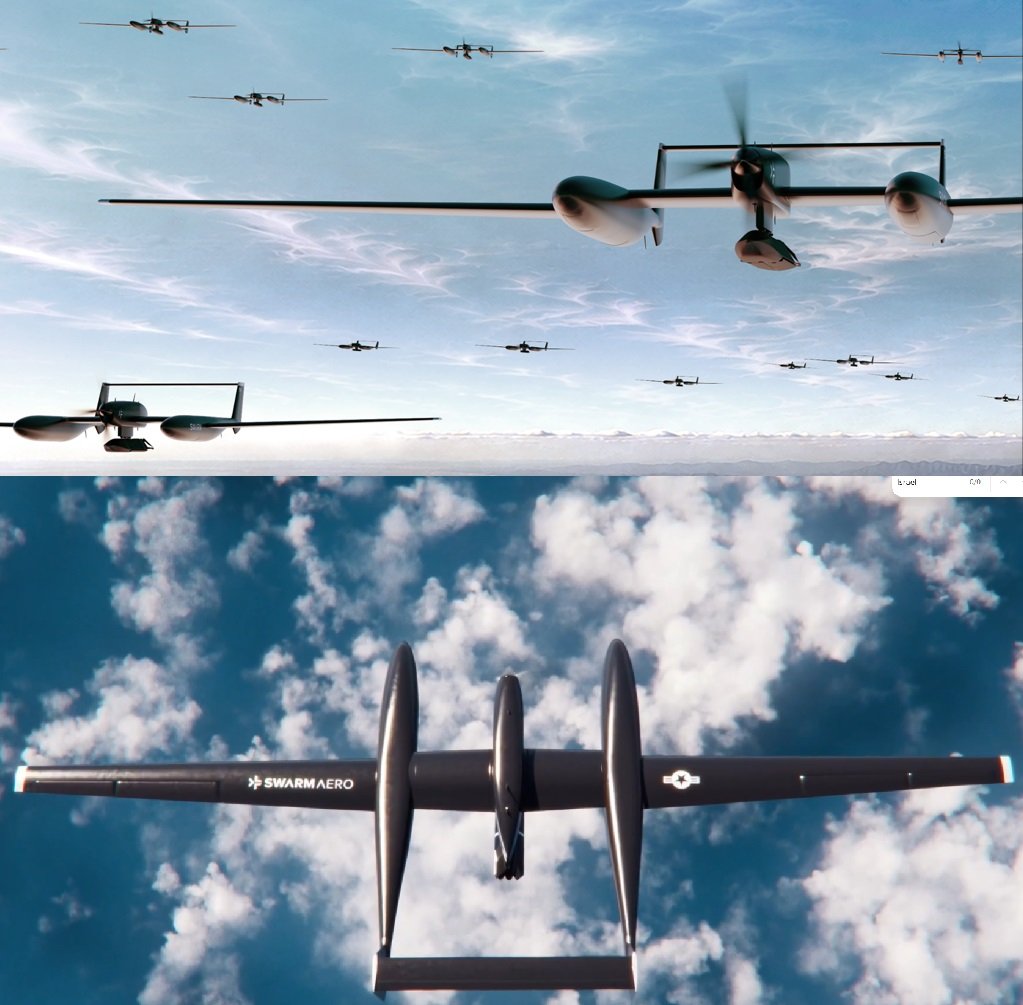 U.S. Firm Swarm Aero Unveils Gamera Group 5 UAS With 9,000-Nautical-Mile Range and Heavy Strike Payload
-
 DRDO Demonstrates Indigenous 3.5×3 mm GaN Chip Delivering 30 Watts for Next-Generation Radars and Electronic Warfare
-
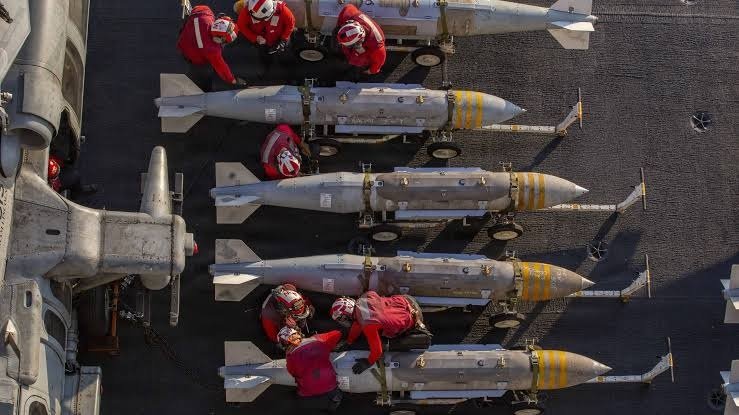 Pentagon Inspector General Report Finds Iran War Caused U.S. Ammunition Shortfalls and Industrial Bottlenecks
-
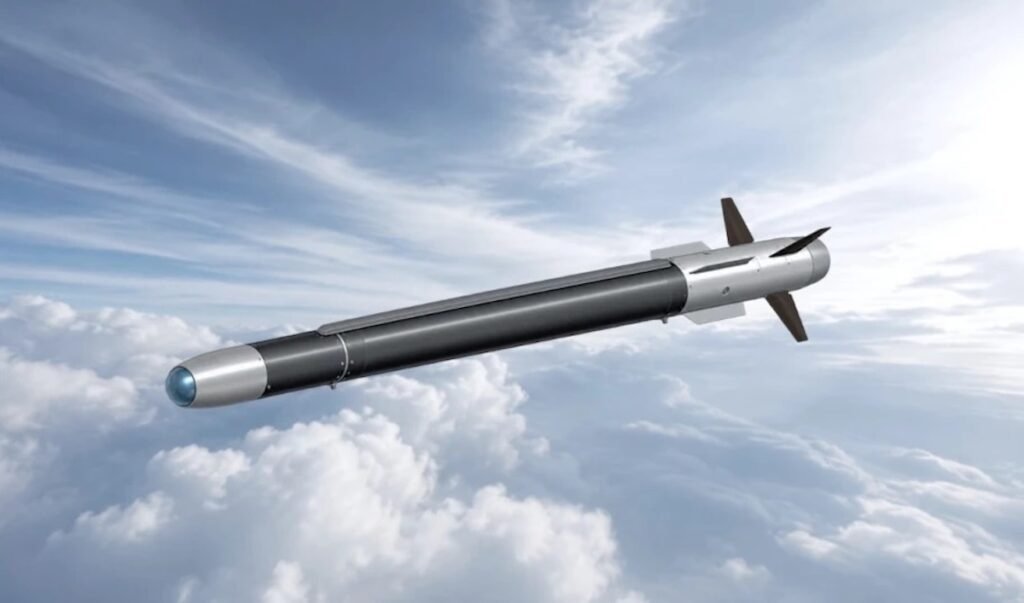 MBDA and Poland’s WITU Advance Low-Cost Supersonic Interceptor Against Swarm Attacks, Seeker Trials Successfully Completed
-
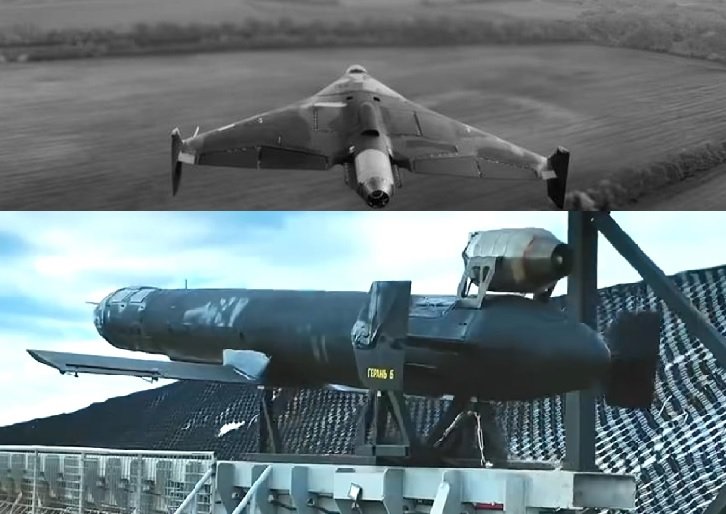 Iran Requests Advanced Geran-4 and Geran-5 Drones From Russia, FT Reports
-
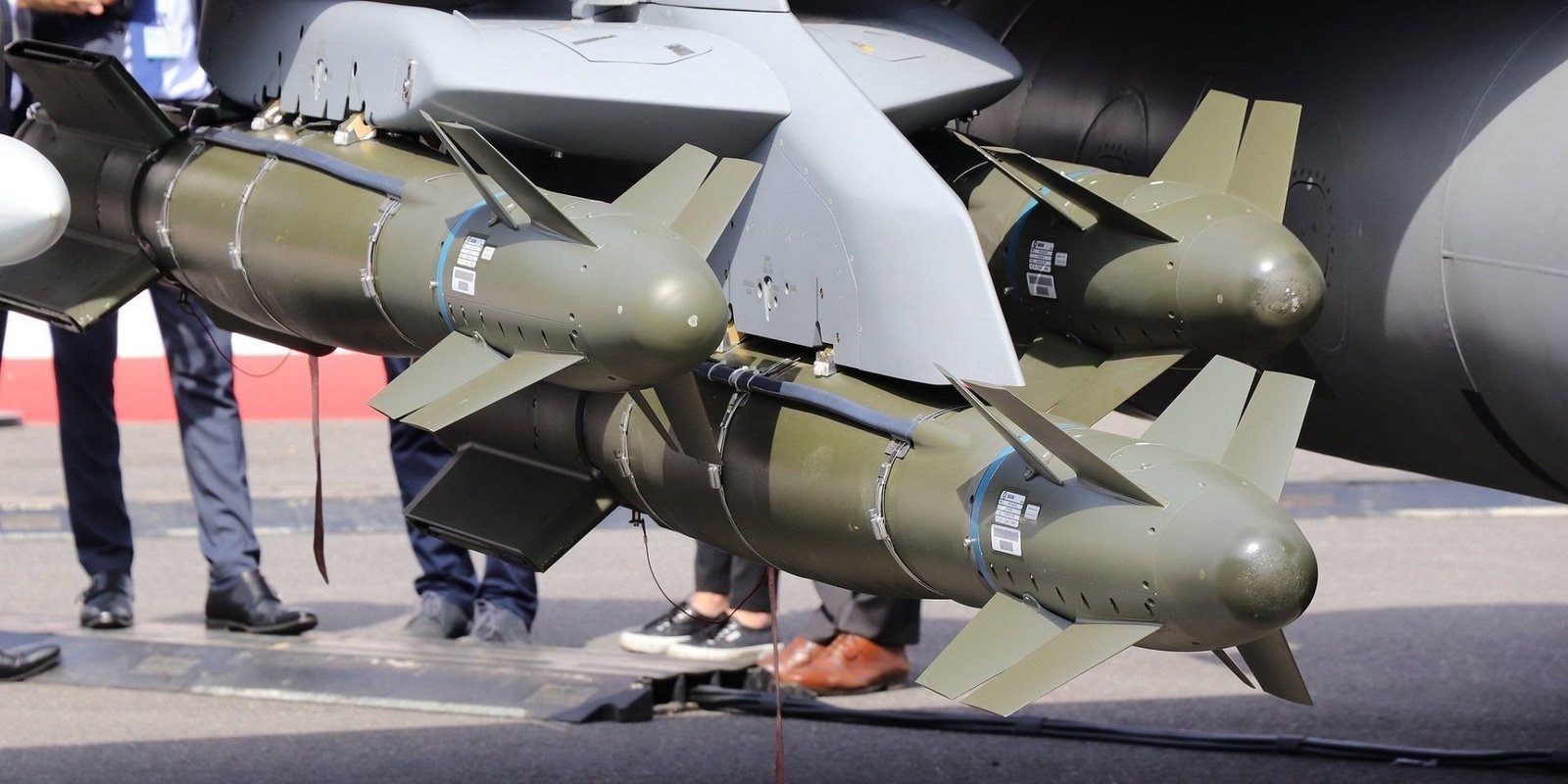 Swedish Gripens Bound for Ukraine to Be Armed with French Rocket-Assisted Hammer Precision Bombs