India
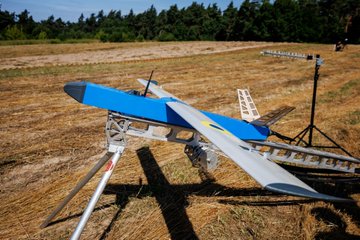
Lviv, August 16, 2025 – Ukraine has unveiled a new weapon in its fight against Russia’s relentless drone strikes: the Besorar 3210, a reusable interceptor drone that uses a 12-gauge shotgun and automated targeting system to shoot down enemy drones at close range. The aircraft was showcased at the IRON DEMO 2025 defense exhibition in Lviv, highlighting Ukraine’s rapid push to innovate under the pressures of war. How It Works The Besomar 3210 is a fixed-wing drone launched from a ground catapult, capable of flying at speeds of 150 to 200 km/h with an endurance of about one hour. It carries a thermal camera for day and night tracking, while its onboard computer and automated fire-control system calculate when to fire, releasing shotgun rounds at a distance of roughly 20 meters for a high-probability hit. The prototype carries two cartridges, with the potential to expand to four in future versions. Designed with reusability in mind, the drone can be recovered, rearmed, and relaunched multiple times per day. A frequency-hopping communication system makes it resistant to Russian jamming efforts, ensuring stable guidance in contested airspace. Answering Russia’s Drone Swarms Ukraine is facing an unprecedented drone threat, with over 6,000 Russian drones launched in a single recent month — the highest rate since the start of the full-scale invasion. Most of these are Geran-2 loitering munitions (the Russian version of Iran’s Shahed-136), which are cheap, numerous, and difficult to stop without expending costly air-defense missiles. The Besomar 3210 provides a low-cost alternative: instead of using million-dollar missiles to shoot down drones worth only tens of thousands, Ukraine can rely on interceptors like the Besomar that are cheaper to build, operate, and reuse. Specifications at a Glance Launch method: Ground catapult Speed: 150–200 km/h Endurance: ~60 minutes Sensors: Thermal camera + automated targeting Comms: Jam-resistant frequency-hopping system Weapons: 12-gauge shotgun (2–4 cartridges) Effective range: ~20 meters Recovery: Reusable, quick turnaround for multiple sorties Part of a Larger Strategy Kyiv is not relying on a single solution. The Besomar 3210 is part of a broader layered defense approach, combining electronic warfare to jam drones, ground-based air-defense systems to protect critical infrastructure, and interceptor drones to sweep up what gets through. Ukrainian officials have set an ambitious goal of producing hundreds to over a thousand interceptors daily, aiming to create a constant defensive screen over major cities and power plants. The Besomar 3210 may not be a silver bullet, but it reflects Ukraine’s ability to adapt quickly and innovate under fire. With its reusability, automation, and affordability, the drone is designed to blunt Russia’s strategy of overwhelming Ukrainian defenses with sheer numbers. If produced at scale, it could play a decisive role in keeping Ukraine’s skies safer from nightly drone raids.
Read More → Posted on 2025-08-16 15:38:23
India
Visakhapatnam, August 2025 – India is preparing to induct its most advanced nuclear-powered ballistic missile submarine yet, the INS Aridhaman (S4), which is currently undergoing sea trials and is expected to be commissioned later this year. The submarine, built at the Ship Building Centre in Visakhapatnam, represents a major leap in India’s Arihant-class SSBN program and will greatly enhance the nation’s nuclear triad. Bigger, Quieter, More Lethal Weighing around 7,000 tonnes, Aridhaman is significantly larger than India’s first two Arihant-class boats. It is powered by an 83 MW CLWR-B1 nuclear reactor, an upgraded design that allows longer patrol endurance and a quieter acoustic signature, making it harder for enemy navies to detect. At nearly 130 meters long and capable of reaching 24 knots submerged, the submarine is designed for extended deterrence patrols in both the Arabian Sea and Bay of Bengal. Nuclear propulsion means it can stay at sea indefinitely, limited only by crew endurance and supplies. Missile Firepower Aridhaman carries eight vertical launch tubes, double the capacity of India’s lead boat INS Arihant. These tubes can be loaded with: Eight K-4 SLBMs with a range of about 3,500 km Or the future K-5 SLBMs, with an estimated range of 5,000–6,000 km Alternatively, up to 24 shorter-range K-15 missiles This greatly improves India’s second-strike capability, allowing Aridhaman to strike targets deep inside enemy territory while remaining hidden at sea. Indigenous Effort The submarine boasts about 70% indigenous content, showcasing India’s growing expertise in submarine construction, reactor design, sonar systems, and weapons integration. Systems like the USHUS sonar and Panchendriya combat suite highlight how far Indian shipbuilding has come since the first SSBN project began in the late 1990s. Class Status and What’s Next INS Arihant (S2) – commissioned in 2016, first deterrence patrol in 2018. INS Arighaat (S3) – commissioned in August 2024. INS Aridhaman (S4) – undergoing sea trials, expected in service by late 2025. Fourth hull (S4)* – launched in October 2024, under construction with expanded missile capacity and further reactor improvements. By the early 2030s, India aims to field a fleet of at least four operational SSBNs, ensuring that one submarine is always at sea on deterrence patrol. Strategic Significance Aridhaman comes at a critical time for India’s defense posture. With China expanding its nuclear submarine fleet and Pakistan moving ahead with Chinese-built Hangor-class conventional submarines, the ability to keep nuclear weapons survivable at sea is vital. Unlike land-based or air-based nuclear forces, a submarine operating silently underwater provides the most credible assured second strike in case of a nuclear exchange. The arrival of Aridhaman will allow India to shift from a single-hull nuclear deterrent—which depended solely on Arihant—to a continuous at-sea deterrence model, where at least one submarine is always available for patrol even when others undergo refit or training. At a Glance – INS Aridhaman (S4): Type: Nuclear-powered ballistic missile submarine (SSBN) Displacement: ~7,000 tonnes Length: ~130 meters Speed: 24 knots submerged Reactor: 83 MW CLWR-B1, upgraded for endurance & stealth Missile tubes: 8 (K-4 / K-5 / K-15 SLBMs) Indigenous content: ~70% Status: Sea trials, commissioning in 2025
Read More → Posted on 2025-08-16 15:31:38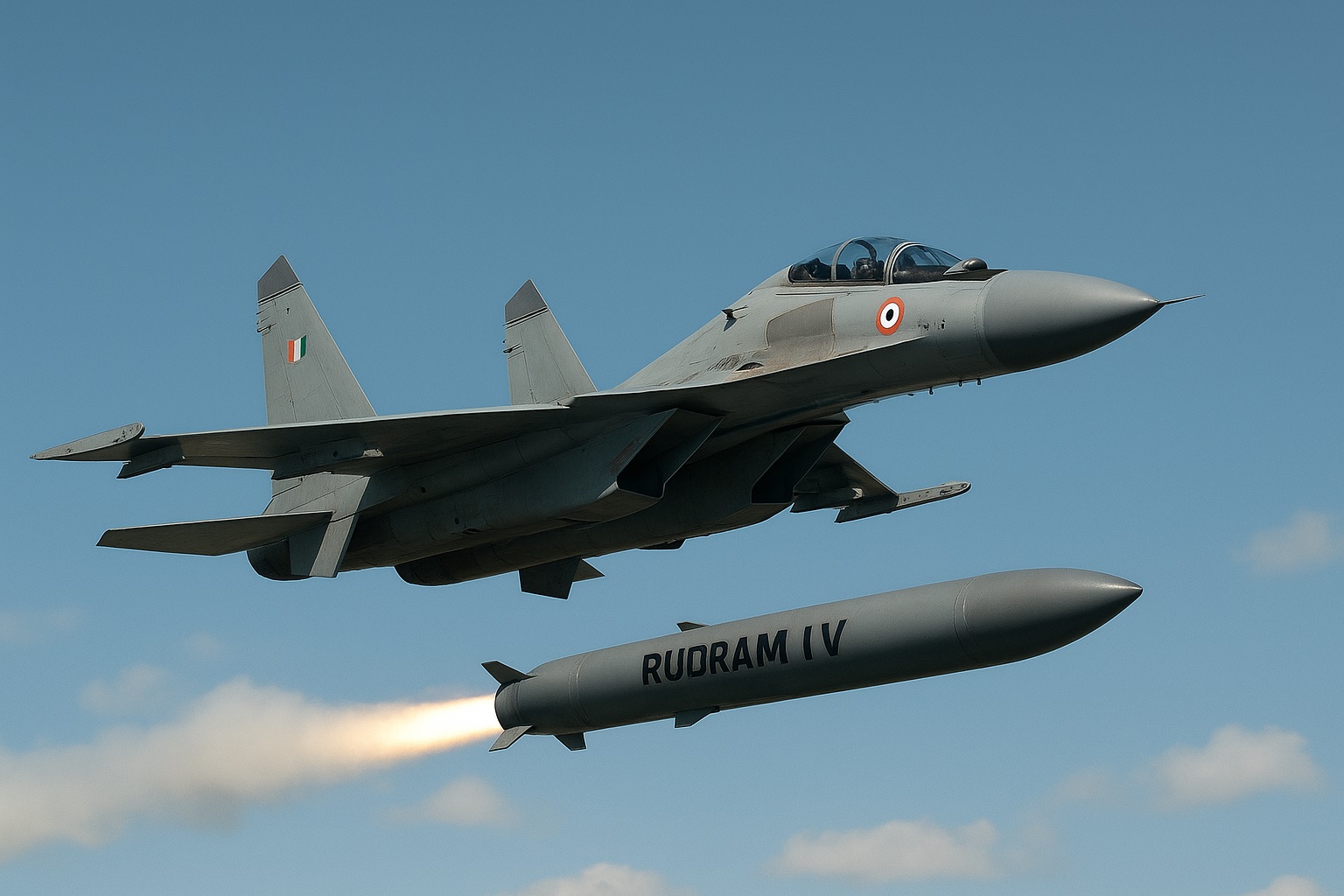
India
India’s next-generation missile, Rudram-4, is not just another variant of the Pralay missile—it’s a distinct, advanced addition to the Rudram series, offering unmatched reach, speed, and precision. What We Know: Rudram vs. Pralay Pralay is a surface-to-surface tactical ballistic missile developed by DRDO. It is roughly 5 tonnes in weight, two-staged, travels at about Mach 6.1, and is launched from ground-based transporter erector launchers. Its role is strategic ground strike, not aerial launch. Rudram-4, by contrast, belongs to a family of air-launched, air-to-surface missiles designed to neutralize enemy ground-based defenses like radar, command centers, and bunkers. It’s hypersonic and optimized for operations launched from fighter aircraft. Rudram-4: Speed, Range, and Tactical Edge Below is a snapshot of how the Rudram series has evolved: Variant Range Speed Notable Features Rudram-1 ~200 km ~Mach 2 Anti-radiation, supersonic, integrated Rudram-2 ~300 km ~Mach 5.5 Dual-role: ground attack & ARM, hypersonic Rudram-3 ~550 km Hypersonic Two-stage, highly maneuverable Rudram-4 (est.) ~1,000–1,500 km >Mach 5 (hypersonic) Long-range, lightweight LRSOW variant Rudram-4 is being developed as a Long-Range Stand-Off Weapon (LRSOW) with a projected range between 1,000 and 1,500 km. It’s designed for hypersonic speeds (faster than Mach 5), making interception extremely challenging. The missile will likely use a quasi-ballistic trajectory with low-altitude maneuvers, ideal for evading advanced air-defenses. Equipped with INS-GPS/ENG guidance and possibly Imaging Infrared (IIR) or passive homing heads, Rudram-4 aims for pinpoint accuracy against hardened or radar-equipped targets. It’s designed to integrate with multiple fighter platforms such as Su-30MKI, Mirage 2000, and Rafale, enhancing deployment flexibility. Development got a boost in 2023 when the Defence Acquisition Council approved its Acceptance of Necessity (AoN), signaling path to operational deployment within 3–4 years. Strategic Implications Rudram-4 is a game-changer in India’s SEAD/DEAD (Suppression/Destruction of Enemy Air Defenses) capabilities. Its combination of range and speed could neutralize threats deep inside adversary territory while keeping Indian aircraft at safe stand-off zones. Designed especially to counter threats from China and Pakistan, it addresses sophisticated air defense systems like the HQ-9 and S-400. The development of Rudram-4 represents India’s growing competence in hypersonic missile technology, alongside global powers like Russia, China, and the US. It underscores India’s commitment to indigenous, network-centric defense capabilities and enhances deterrent credibility. Rudram-4 stands as a distinct and significant leap beyond the Pralay missile—offering hypersonic speed, extended reach (1,000–1,500 km), low-altitude maneuverability, and multi-platform aerial launch capability. Rather than being an A2G version of Pralay, it represents a strategic and technological evolution in air-to-ground strike capacity.
Read More → Posted on 2025-08-15 17:08:30
India
Former U.S. President Donald Trump has once again stirred controversy by revising his account of the India-Pakistan conflict of May 2025, now claiming that six to seven jets were shot down during the clashes — an increase from his earlier statement of five. Speaking at a White House event on August 14, Trump also repeated his long-standing assertion that he personally averted a potential nuclear war between the two South Asian rivals by intervening through trade negotiations and diplomatic outreach. He argued that his actions should place him among the frontrunners for a Nobel Peace Prize. However, India has firmly rejected the notion that Washington played any mediation role. Officials in New Delhi reiterated that the ceasefire following Operation Sindoor was achieved through direct military-to-military talks between the countries’ Directors General of Military Operations (DGMO), without any external involvement. The latest round of claims has left strategic analysts skeptical. Trump has offered no evidence to back his version of events, and India’s defense establishment has not verified his figures on aircraft losses. Pakistan, meanwhile, had claimed it shot down six Indian jets during the skirmishes, but India dismissed the figure, acknowledging only “some” losses without providing specifics. The May 2025 clashes — the most intense exchange of fire along the Line of Control in years — began after a series of cross-border strikes and artillery exchanges escalated rapidly. Operation Sindoor, launched by India, aimed at neutralizing militant camps and Pakistani military positions believed to be aiding infiltration into Jammu & Kashmir. The confrontation raised regional and global alarm, given both nations’ nuclear capabilities. Trump’s narrative appears to be aimed at building his profile as a global dealmaker and crisis manager ahead of a possible return to the political arena. His emphasis on the nuclear angle, despite lack of corroboration, has been interpreted as part of a broader campaign to position himself as a peacemaker in volatile regions. Regional security experts caution that exaggerating battlefield outcomes or behind-the-scenes diplomacy could distort the historical record and complicate future crisis management between India and Pakistan.
Read More → Posted on 2025-08-15 15:37:45
India
On this Independence Day, Prime Minister Narendra Modi made a high-impact announcement that blends India’s ancient heritage with cutting-edge defence technology. From the ramparts of the Red Fort, he declared the launch of the “Rashtra Suraksha Kavach” — a nationwide security shield — and the “Sudarshan Chakra Mission”, a fully indigenous air-defence system aimed at protecting both critical military and civilian infrastructure while delivering decisive counterstrikes against any hostile threat. The Rashtra Suraksha Kavach will deploy advanced technology platforms to safeguard hospitals, religious sites, vital industries, and other sensitive national landmarks. It is not just a physical shield; it is a nationwide protective network built on emerging technologies, ensuring that from large cities to remote areas, every Indian feels secure. Modi set an ambitious goal — by 2035, the shield will be expanded, strengthened, and fully modernised, with all systems researched, developed, and manufactured in India. At the heart of this broader security push lies the Sudarshan Chakra Mission. Taking its name from Lord Krishna’s legendary celestial weapon, the system is expected to be a next-generation air defence shield comparable in concept to Israel’s Iron Dome — but built entirely in India, with indigenous innovations. Its purpose is twofold: to neutralise enemy missile or drone attacks before they can cause harm, and to launch precision counterstrikes that can cripple an adversary’s capabilities. Modi’s announcement comes at a tense time. Reports have hinted at Pakistan’s military leadership threatening possible strikes on Indian infrastructure in any future conflict, even naming strategic targets like the Jamnagar oil refinery. Pakistan’s prime minister recently revealed plans to build a “rocket force” modelled on China’s example. Against this backdrop, the Sudarshan Chakra Mission sends a clear message — India is not only prepared to defend but also to respond with force. Technically, the system will be integrated into India’s Integrated Air Command and Control System (IACCS) — a fully automated network that links radars, sensors, and weapon systems across the Army, Navy, and Air Force. This setup ensures real-time threat detection and allows seamless coordination to intercept hostile missiles, drones, or aircraft. In past operations, IACCS proved its worth by preventing Pakistani missile penetration for almost 100 hours during Operation Sindoor. Sources suggest that the Sudarshan Chakra will go beyond just intercepting incoming threats. It will incorporate precision counterstrike weapons, electronic warfare systems, and even anti-cyber capabilities to neutralise digital threats before they can disrupt critical infrastructure. This multi-layered approach means India will be able to protect, retaliate, and deter, all within seconds of detecting an attack. The project will bring together DRDO scientists, the armed forces, and private-sector innovators, ensuring that the technology is not only homegrown but also future-ready. It fits directly into the Aatmanirbhar Bharat vision of making India self-reliant in defence technology — a strategic move that reduces dependence on foreign systems and keeps sensitive capabilities within the country. Beyond the technology, there is a psychological dimension. By invoking the name Sudarshan Chakra and keeping many of its specifications under wraps, India has created an air of mystery around its true capabilities. This uncertainty forces potential adversaries like Pakistan and China to second-guess what the system can do — and that very doubt acts as a deterrent. In essence, the Rashtra Suraksha Kavach and Sudarshan Chakra Mission mark a major leap in India’s security posture. They promise not just to shield the nation’s vital arteries from harm, but to ensure that any attack is met with a swift, precise, and punishing response. From ancient legend to modern battlefield, India’s new defence shield is set to redefine the balance of power in the region — and keep its enemies constantly on edge.
Read More → Posted on 2025-08-15 15:09:48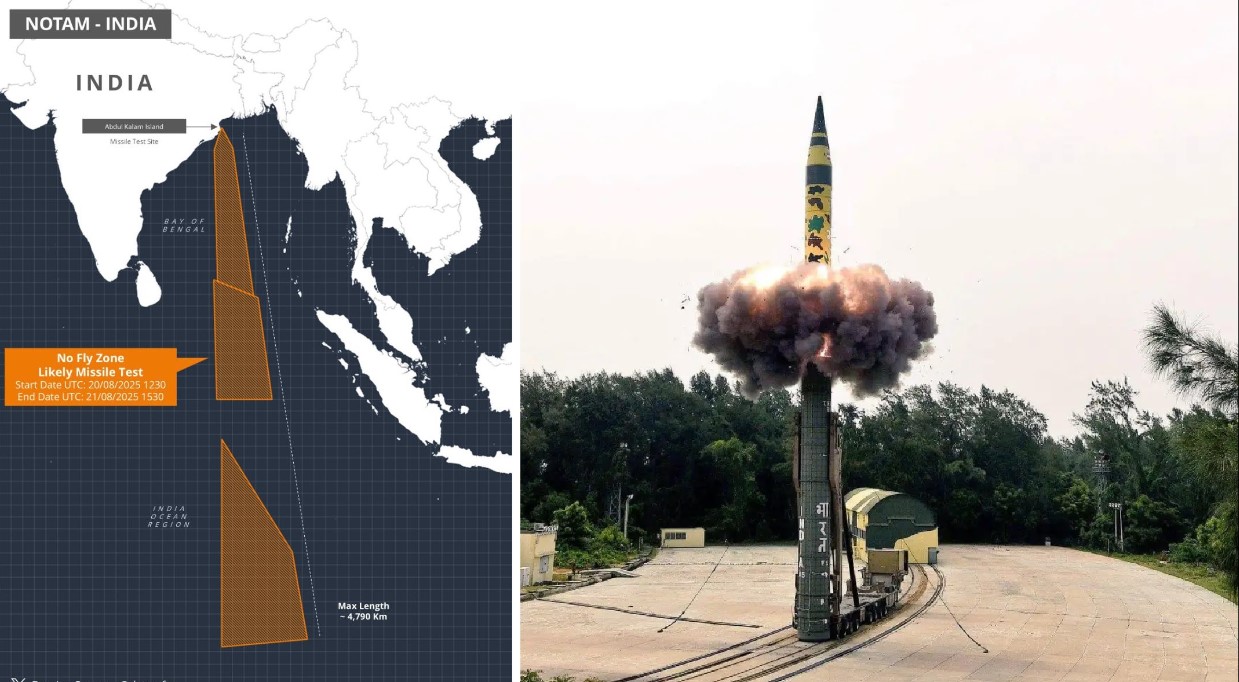
India
India has issued an updated Notice to Airmen (NOTAM) for a missile test scheduled between 20–21 August 2025 from the Integrated Test Range (ITR) at Dr APJ Abdul Kalam Island, off the Odisha coast. The initial warning, covering a 1,560 km range, was significantly extended—first to approximately 2,530 km, and now to an expansive 4,790 km into the Indian Ocean Region. Evolving Danger Zones 1,560 km zone — Issued around 12 August 2025, marking the first safety perimeter for the test window. 2,530 km zone — Later expanded to enhance safety assurances over maritime and airspace. 4,790 km zone — The most recent and substantial extension, stretching deep into the Indian Ocean and issued around 15 August 2025. Why the Expansion Matters Such a massive test zone underscores a potential trial of next-generation missile systems—possibly a new variant of the Agni series, such as an Agni-V MK2, or even the advanced Agni-VI ICBM. The extended range hints at capabilities well beyond conventional missile reach, marking a significant stride in India’s long-range strike arsenal. Agni-VI & Future Technologies Agni-VI, still under development, is projected as a three-stage ICBM with an 8,000–12,000 km range and MIRV (Multiple Independently Targetable Re-entry Vehicles) capability. Further development of Agni-V variants for conventional bunker-buster or airburst roles suggests enhanced precision and destructive capabilities at 2,500–3,000 km ranges, traveling at hypersonic speeds (Mach 8–20). India is also pursuing hypersonic cruise missiles, but the current NOTAM range exceeds the reach of these systems, pointing towards a far more powerful platform. Safety and Strategic Signaling The escalating NOTAM range ensures civilian and maritime traffic safety across an increasingly vast swath of air- and seaways. But beyond safety, the move signals a strategic shift: India is bolstering long-range deterrence, reinforcing its second-strike capability, and asserting missile reach across the Indo-Pacific. Possibilities: Agni-5 or Agni-6? Agni-V (and its variants) is a proven platform with capabilities beyond 5,000 km, and modified versions could be undergoing validation. Agni-VI, designed for ultra-long-range and MIRV payloads, remains a strong candidate given the expanded test radius, though it has yet to be fully test-fired. India’s incremental expansion of the missile test danger zone—from 1,560 km to an unprecedented 4,790 km—likely reflects the testing of advanced long-range missiles. Whether it’s a modified Agni-V or the futuristic Agni-VI, the development highlights India’s accelerating journey toward strategic self-reliance and powerful deterrence.
Read More → Posted on 2025-08-15 14:58:04
India
Twenty-six officers and airmen of the Indian Air Force (IAF) have been conferred the Vayu Sena Medal (Gallantry) for missions that included precision strikes on targets inside Pakistan and the operation of S-400 and other air-defence systems that thwarted every planned Pakistani attack on Indian soil during the recent crisis. Announced on the eve of Independence Day, the awards form part of the President-approved national gallantry list and underscore how air power and layered air defence proved decisive during Operation Sindoor in May 2025. The list includes fighter pilots credited with deep-strike and suppression missions, as well as surface-to-air missile (SAM) crews, radar controllers, and battle-management teams who created an airtight defensive umbrella. What these medals recognise The Vayu Sena Medal (Gallantry) is awarded for acts of exceptional courage that hold special significance for air operations. In this cycle, it honours: Strike crews that executed time-sensitive targeting missions against Pakistani military infrastructure, using stand-off weapons, decoys, and electronic-warfare escorts to reduce exposure to enemy air defences. Air-defence operators who ran India’s integrated air-defence network (IADN)—including S-400, Akash, Pechora, and SPYDER batteries—coordinated with AWACS and ground-based radars to detect, classify, and intercept inbound threats ranging from cruise missiles and armed drones to tactical aircraft. Mission planners and controllers who fused satellite, AWACS, and ground sensor feeds to deliver real-time cueing for both offensive and defensive missions, enabling rapid retasking and multi-axis salvos. Why this matters The awards validate India’s evolving doctrine of combining long-range precision strike with a tiered air shield. During Operation Sindoor, the IAF’s quick-reaction missiles and SAM batteries created narrow “windows of advantage” for strike packages while denying airspace to adversary aircraft and munitions. Recognition for S-400 teams highlights how strategic SAMs—integrated with legacy and medium-range systems—can push enemy aircraft back, protect logistics hubs, and guard high-value assets such as airbases and command centres. Honouring both aircrew and ground-based defenders reflects the joint nature of modern air warfare: precision strikes succeed when defended air corridors, electronic attack, and ISR all line up in the same minute-by-minute battle rhythm. The bigger picture India’s 2025 gallantry roll also includes multiple Vir Chakras for IAF fighter pilots from the same campaign, indicating the scale and intensity of air operations. Official tallies of awards show 26 Vayu Sena Medals (Gallantry) this year—an unusually high number for the IAF—capturing the breadth of roles from cockpit to command post. Together, the decorations tell a clear story: India’s conventional missile-and-air-defence pairing has matured into a combat-credible deterrent. About the Vayu Sena Medal (Gallantry) Instituted in 1960, the Vayu Sena Medal recognises courage and devotion to duty with a specific “Gallantry” designation for acts in the face of the enemy. It may be awarded to any rank of the IAF, and repeat awards are recognised by a bar on the ribbon.
Read More → Posted on 2025-08-14 16:00:33
India
Pakistan has officially unveiled a new missile-focused military formation, the Army Rocket Force (ARF), in what officials describe as a major step toward modernizing the country’s conventional strike capabilities. The announcement came from Prime Minister Shehbaz Sharif during the nation’s 78th Independence Day celebrations, just months after the May 2025 conflict with India—known in India as Operation Sindoor—that saw some of the heaviest missile and drone exchanges in South Asian history. Indian officials have claimed that during Operation Sindoor, Indian missile strikes inflicted heavy losses on Pakistan’s key military infrastructure, including air defense sites, ammunition depots, and forward operating bases. According to New Delhi, precision attacks carried out by the Pralay, Prahaar, and Pinaka Mk-II systems crippled several Pakistani units within the first 48 hours of the operation. India has stood firmly by its claim of operational success, stating that these strikes demonstrated the effectiveness of its modern conventional missile doctrine. Pakistan has not publicly confirmed the extent of the losses, but the sudden announcement of the ARF is widely seen as an acknowledgment of the gap in its conventional missile defense and deployment capabilities. A Doctrinal Shift in Pakistan’s Military Until now, Pakistan’s missile forces largely fell under the Army Strategic Forces Command (ASFC), which is tied to the Strategic Plans Division Force (SPDF) and the National Command Authority—institutions primarily responsible for nuclear deterrence. The ARF marks a clear break from that structure, focusing entirely on conventional deterrence. The force is expected to operate short- to medium-range missile systems such as the NASR (Hatf-9) tactical ballistic missile with a 70 km range, Babur cruise missiles with ranges beyond 700 km, and future Shaheen-series variants that could reach up to 2,750 km. It will focus on rapid launch readiness, mobility, and precision targeting, integrating its operations closely with drones, reconnaissance satellites, and air force assets to improve survivability and strike effectiveness. Regional Parallels with India The creation of the ARF mirrors India’s Integrated Rocket Force (IRF) concept, which has been in discussion since 2022. India’s arsenal includes Pinaka Mk-II guided rockets (90 km), Prahaar tactical missiles (150 km), the Pralay quasi-ballistic missile (up to 500 km), and the Agni series reaching well beyond 5,000 km. The IRF is designed for rapid, massed missile salvos against high-value targets, supported by satellite-based intelligence. Indian defense analysts say Pakistan’s move is a direct counter to India’s Integrated Battle Groups (IBGs) and growing missile dominance. Many in New Delhi argue that the performance of Indian missile forces in Operation Sindoor—where key objectives were reportedly neutralized within hours—proved the decisive advantage of rapid-strike precision missile warfare in the modern South Asian battlefield. Lessons from Operation Sindoor The May conflict underscored how conventional missile forces now play a central role in regional warfare. For the first time since the 1999 Kargil War, high-tempo missile salvos shaped the outcome of a major clash. Indian forces claim their missile strikes not only halted Pakistani advances but also degraded command-and-control capabilities, leaving several sectors vulnerable. Defense experts believe this experience may have been a driving factor behind Islamabad’s urgency in establishing the ARF. International Implications and Future Development Global observers are watching closely. The United States has privately voiced concern over the accelerating arms competition, while China—Pakistan’s primary defense partner—is expected to provide assistance in guidance systems, ISR integration, and satellite-based targeting to improve missile precision. Pakistan’s plan to raise its defense budget by 20 percent to roughly USD 9 billion reflects a broader shift from relying solely on nuclear deterrence toward building a fast, flexible, and survivable conventional missile strike force. The ARF’s development could mark the beginning of a new phase in South Asia’s military rivalry—one in which precision conventional firepower becomes as strategically significant as nuclear weapons in shaping the balance of power.
Read More → Posted on 2025-08-14 15:52:02
India
In a fresh boost to India’s naval capabilities and indigenous shipbuilding drive, Garden Reach Shipbuilders and Engineers (GRSE) Ltd has handed over the Survey Vessel (Large) Ikshak to the Indian Navy. The delivery marks yet another milestone for the shipyard, which has built and delivered more warships for the Navy than any other yard in the country. ‘Ikshak’, meaning “Guide,” is the third vessel in a series of four Sandhayak-class SVLs designed for detailed hydrographic surveys. The first of the class, INS Sandhayak, joined the Navy in December 2023, followed by INS Nirdeshak in October 2024. The fourth and final vessel is currently under construction. Notably, this handover comes less than a month after GRSE delivered the advanced guided missile frigate Himgiri, underscoring the shipyard’s high production pace. At 110 metres long, the Ikshak is one of the largest survey platforms ever built in India. It is also the 802nd ship and the 113th warship to roll out of GRSE’s docks, making it the 75th warship delivered to the Indian Navy by the shipyard since their partnership began in 1961 with the indigenous warship INS Ajay. Over the decades, this collaboration has transformed the Navy from a “buyer” of warships to a self-reliant builder, in line with the government’s Atmanirbhar Bharat vision. Advanced Hydrographic Capabilities The Ikshak is equipped with sophisticated survey systems to conduct full-scale coastal and deep-sea hydrographic surveys, including mapping port approaches, navigation channels, and offshore routes. The data gathered will be used not only for naval operational planning but also to update maritime charts for commercial shipping. The vessel can also undertake maritime limit surveys and collect oceanographic and geographical data critical for defence purposes. Multi-Role Functionality The SVL class can carry a helicopter, perform low-intensity combat missions, and be quickly converted into a hospital ship for medical emergencies. Its design also supports Humanitarian Assistance and Disaster Relief (HADR) operations, making it a vital tool during natural disasters. Powered by two marine diesel engines and equipped with fixed-pitch propellers along with bow and stern thrusters, the vessel can manoeuvre with precision at low speeds—essential for accurate survey work. Built using Integrated Construction technology and adhering to Indian Register of Shipping (IRS) standards, the Ikshak stands as an example of modern naval engineering. Looking Ahead GRSE is currently building 14 more warships for the Indian Navy, including two Project 17A advanced guided missile frigates, one more SVL, seven anti-submarine warfare shallow water crafts, and four next-generation offshore patrol vessels. The delivery of Ikshak reinforces India’s maritime mapping strength at a time when accurate and rapid hydrographic data is increasingly vital for both strategic and commercial reasons. With this addition, the Navy is better positioned to maintain secure sea lanes, support maritime trade, and respond effectively to challenges across the Indian Ocean region.
Read More → Posted on 2025-08-14 15:00:46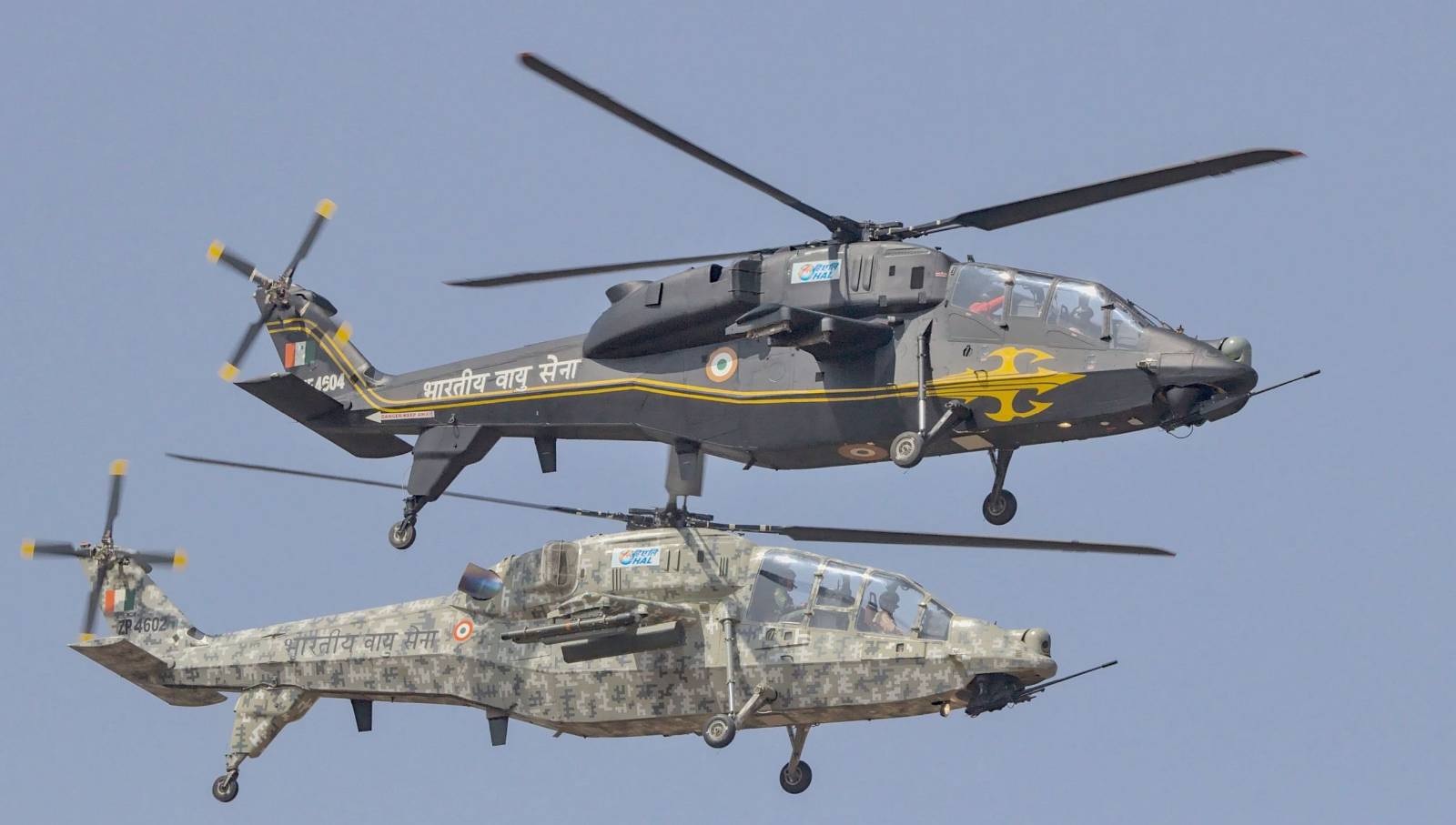
India
India's light combat helicopter (LCH), known as "Prachand," has entered its second phase of weapon integration, setting the stage for full-scale induction. Hindustan Aeronautics Limited (HAL) has commenced this critical step and is slated to begin deliveries of mission-ready helicopters in roughly three years. Weapon Integration Enters Next Stage HAL recently kick-started the second phase of weapon integration for the LCH, which involves seamlessly fitting advanced armaments—such as anti-tank guided missiles, rocket systems, and 20 mm cannon—into the helicopter’s design. This marks a key milestone toward achieving operational readiness for combat deployment. Delivery Timeline and Contract Scope Earlier this year, the Indian government approved a landmark deal for 156 LCHs—66 units for the Air Force and 90 for the Army, valued at over ₹62,000 crore (approximately $7.3 billion). According to the contract, the first batch of helicopters will be delivered beginning in March 2028, with subsequent production ramping up to 30 units annually. HAL plans to fulfill all deliveries within five to six years thereafter. Production and Indigenous Content Goals Prachand helos will be manufactured across HAL’s aerospace complexes in Bengaluru and Tumkuru. A strategic objective is to locally source at least 65% of the helicopter's components. The contract also earmarks nearly 40% of the workshare for private sector firms, supporting over 250 domestic MSMEs and creating thousands of jobs. High-Altitude Capability and Multi-Role Design Developed specifically for high-altitude combat, the LCH is uniquely capable of operating above 5,000 meters, even landing and taking off in Himalayan regions such as Siachen and Ladakh. Its narrow, stealth-optimized fuselage, armour protection, advanced avionics, and tandem cockpit make it versatile for missions including close air support, anti-armour engagement, and counter-insurgency operations. Enhanced Arms and Sensor Suite Prachand is equipped with: A 20 mm nose-mounted cannon integrated with a helmet-mounted sight system. 70 mm unguided rocket systems with modern fire-control capabilities. Anti-tank guided missiles such as Helina, along with air-to-air missiles like Mistral 2. A cutting-edge sensor suite, including FLIR, electro-optical targeting, radar warning receivers, and missile approach warning systems—enhancing situational awareness and survivability. Strategic Impact The ramped-up production of Prachand strengthens India’s defence posture along its mountainous frontiers with China and Pakistan. The indigenous nature of the platform aligns with the Make-in-India initiative and underlines the country’s push toward self-reliance in combat aviation.
Read More → Posted on 2025-08-13 16:49:53
India
India’s indigenous Light Combat Aircraft (LCA) Tejas Mk1A program has reached a significant milestone in its production journey, with Hindustan Aeronautics Limited (HAL) making substantial progress in delivering these advanced fighter jets to the Indian Air Force (IAF). As of August 2025, HAL has successfully built 10 Tejas Mk1A aircraft, with two additional units in the final stages of assembly. Furthermore, one Tejas Mk1A trainer variant has been manufactured, and two more trainers are currently on the assembly line. This development positions HAL to have approximately 14 to 15 Tejas Mk1A aircraft ready by December 2025, marking a critical step toward bolstering India’s air defense capabilities and advancing the nation’s self-reliance in defense manufacturing under the "Make in India" initiative. Production Momentum and Milestones The Tejas Mk1A, an advanced variant of the Tejas Mk1, is a lightweight, multi-role supersonic fighter designed to replace the IAF’s aging MiG-21 fleet. The aircraft features upgraded avionics, improved radar systems, and enhanced combat capabilities, including a top speed of Mach 1.8 (approximately 2,223 km/h) and a combat range of about 1,500 kilometers. Powered by the GE Aerospace F404-IN20 engine, the Tejas Mk1A is equipped with a 23mm twin-barrel cannon, precision-guided munitions, and a versatile array of air-to-air and air-to-surface missiles, making it a formidable asset in modern aerial warfare. HAL’s production efforts have gained significant momentum in 2025, following the resolution of critical supply chain bottlenecks, particularly the delayed delivery of F404-IN20 engines from GE Aerospace. The first engine was delivered in March 2025, nearly two years behind schedule, and a second engine followed recently, with GE committing to supply 12 engines by early 2026. These engines are pivotal to the program, and their steady flow has enabled HAL to ramp up production across its facilities in Bengaluru and Nashik. The Bengaluru facility, with two operational production lines, has been restructured to increase output, while a third production line in Nashik received flight clearance on August 11, 2025, from the Directorate General of Aeronautical Quality Assurance (DGAQA). Each production line in Bengaluru and Nashik is capable of producing eight aircraft annually, with plans to scale up to a combined output of 16 to 24 Tejas Mk1A jets per year starting in 2025-26. The activation of the Nashik line has decentralized production, reducing risks associated with supply chain disruptions and enhancing operational flexibility. Private Sector Collaboration A key factor in the accelerated production of the Tejas Mk1A is the involvement of private sector companies, aligning with India’s push for indigenous defense manufacturing. Larsen & Toubro (L&T) delivered the first set of wing assemblies for the Tejas Mk1A to HAL in Coimbatore on July 17, 2025, marking a significant milestone. L&T plans to supply four wing sets annually initially, with the potential to scale up to 12 sets per year through advanced automation and assembly techniques. Other private players contributing critical components include: Lakshmi Machine Works: Air intake assemblies Alpha Tocol Engineering Services Pvt Ltd: Rear fuselage assemblies Amphenol: Loom assemblies Tata Advanced Systems: Fin and rudder assemblies VEM Technologies: Center fuselage assemblies This collaboration has enabled HAL to establish a parallel aircraft structural assembly line in the private sector, significantly boosting production capacity. HAL’s Chairman and Managing Director, Dr. D.K. Sunil, emphasized this partnership, stating, “HAL is actively collaborating with both large companies and SMEs to drive Aatmanirbharta in aerospace and defence.” Delivery Timelines and Future Orders The current production status indicates that HAL is on track to deliver up to 12 Tejas Mk1A aircraft by the end of 2025, with the first batch of six jets scheduled for delivery by March 2026. The completion of 10 aircraft, with two in final assembly and three trainers (one completed and two in progress), suggests that HAL is poised to meet or exceed its target of 14 to 15 aircraft by December 2025. The first Nashik-built Tejas Mk1A is expected to be delivered in August 2025, further reinforcing the program’s progress. The IAF has placed high expectations on the Tejas program, with a contract for 83 Mk1A aircraft signed in February 2021 for ₹48,000 crore. An additional order for 97 jets, valued at ₹67,000 crore, is in the pipeline, bringing the total planned fleet to 180 aircraft by 2031. This expansion is critical as the IAF’s squadron strength has dwindled to 31, against an authorized strength of 42.5, due to the retirement of aging aircraft like the MiG-21, MiG-27, and Jaguars. The Tejas Mk1A is seen as a vital component in closing this gap and enhancing India’s aerial combat readiness amid regional tensions with China and Pakistan. Challenges and the Road Ahead Despite the progress, the Tejas Mk1A program has faced significant challenges, including delays in engine deliveries and the integration of critical systems like the Astra air-to-air missile. The global supply chain disruptions and GE Aerospace’s production challenges had previously stalled progress, with only one engine delivered by early 2025. However, recent commitments from GE to deliver 12 engines by March 2026 and 20 annually thereafter have alleviated some concerns. Additionally, HAL and GE are in discussions for co-production and technology transfer of the F414 engines for the Tejas Mk2, further aligning with India’s self-reliance goals. The Ministry of Defence has also taken proactive steps to address systemic delays by forming a five-member Defence Empowerment Committee, led by Defence Secretary Rajesh Kumar Singh. The committee has recommended involving private players in the production chain and streamlining processes to ensure timely deliveries. Strategic Importance The Tejas Mk1A program is a cornerstone of India’s “Atmanirbhar Bharat” vision, reducing dependence on foreign suppliers and fostering innovation in the aerospace sector. The successful delivery of 14 to 15 aircraft by December 2025 will mark a turning point for HAL and the IAF, signaling India’s growing capability to produce advanced, homegrown combat aircraft. As HAL scales up production and integrates more indigenous components, the Tejas Mk1A is poised to become a powerful symbol of India’s defense self-reliance, strengthening its strategic posture in a volatile geopolitical landscape.
Read More → Posted on 2025-08-13 16:46:26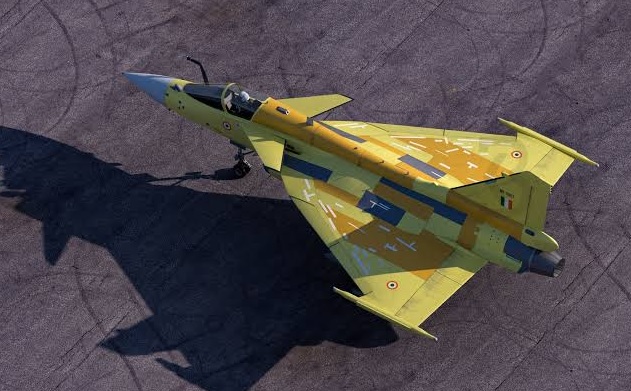
India
Hindustan Aeronautics Limited (HAL) has confirmed that the first prototype of the Tejas Mk-2 fighter jet will now roll out by May 2026, marking a slight delay from its earlier plan to unveil the aircraft by late 2025. The postponement comes as part of an adjusted development schedule for India’s ambitious next-generation light combat aircraft program. As of February 2025, HAL reported that over 55% of the prototype’s airframe had already been fabricated. Both the wings and forward fuselage were nearing completion, while the center fuselage had been fully built. Production of the rear fuselage was set to begin shortly thereafter. The Tejas Mk-2, also known as the Medium Weight Fighter (MWF), is being designed to bridge the gap between India’s light fighters and heavier platforms like the Su-30MKI. It will feature a more powerful GE F414 engine, advanced avionics, and enhanced payload capacity compared to the Tejas Mk-1. The aircraft’s design improvements are intended to replace ageing fleets such as the Mirage-2000, Jaguar, and MiG-29 in the Indian Air Force. To ensure precision and accelerate timelines, HAL is leveraging advanced digital manufacturing techniques, including 3D digital modeling and laser scanning. Once the first prototype rolls out, HAL plans to conduct ground power-on tests and taxi trials, aiming for the aircraft’s maiden flight by last-2026 or Early 2027. The program will produce four prototypes by 2027, each contributing to testing and certification phases. The Indian Air Force expects Final Operational Clearance (FOC) for the Tejas Mk-2 around late 2030, paving the way for mass production in the early 2030s. With its advanced design and indigenous systems, the Tejas Mk-2 is seen as a cornerstone in India’s journey toward self-reliance in aerospace and defense manufacturing.
Read More → Posted on 2025-08-13 16:36:18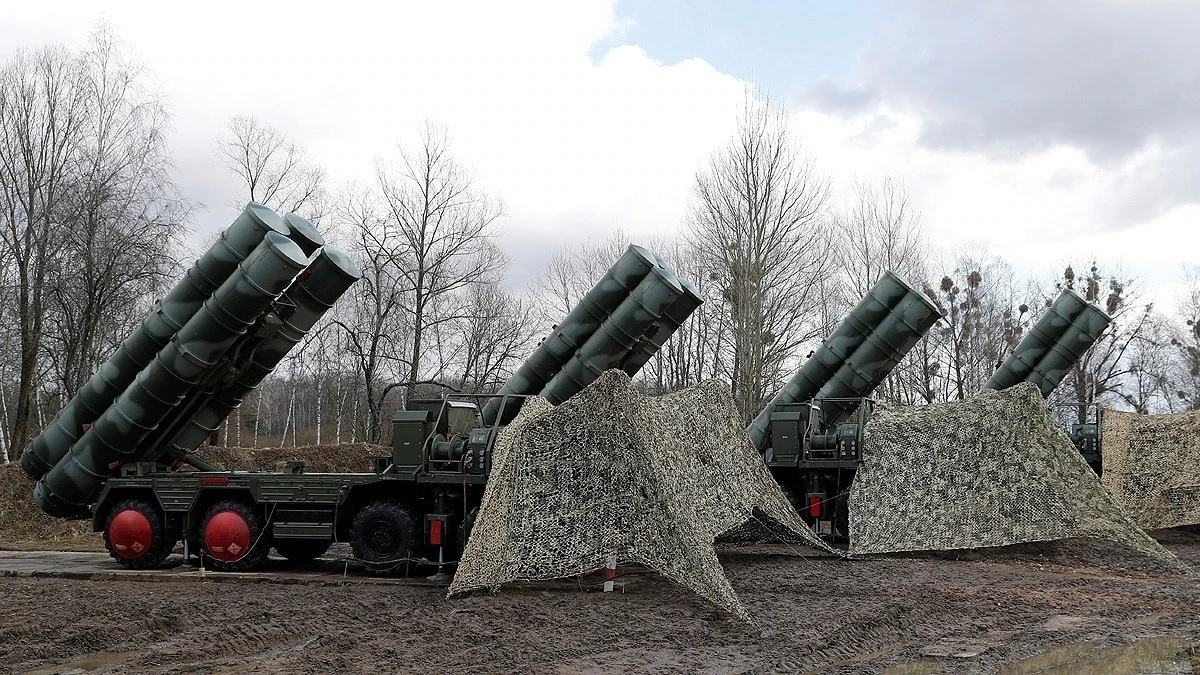
India
The Indian Air Force (IAF) is considering the purchase of at least two additional S-400 Triumf air defence squadrons from Russia, building on the five already on order. The move comes after the system’s spectacular performance in Operation Sindoor, where it played a decisive role in intercepting enemy missiles and shooting down six Pakistani military aircraft during clashes in May. Air Chief Marshal A.P. Singh confirmed that the S-400 units deployed during the operation achieved unprecedented results, including the destruction of a high-value surveillance aircraft at a range of 300 kilometres – believed to be the longest surface-to-air kill on record. The system also contributed to taking down five Pakistani fighter jets, crippling enemy air power and neutralising key threats before they could approach Indian airspace. India’s original S-400 deal, worth $5.4 billion and signed in 2018, covers five squadrons. Three are already operational, protecting sensitive sectors along the borders with Pakistan and China. The remaining two are expected by 2026–27, but IAF planners are now pushing for an expanded fleet to ensure layered coverage and redundancy across the country’s air defence network. Officials say the decision is influenced not only by recent combat success but also by the need to counter growing threats from both western and northern fronts. Pakistan’s evolving air combat capabilities and China’s expanding missile arsenal are driving India to maintain a technological edge. The S-400 system, capable of tracking and engaging multiple targets including aircraft, drones, and ballistic missiles, has a range of up to 400 kilometres and can be integrated into India’s Integrated Air Command and Control System (IACCS). In Operation Sindoor, it operated in close coordination with other assets, allowing rapid threat detection and precision engagement. The IAF’s future air defence strategy is also expected to blend the S-400 with Project Kusha, an indigenous long-range surface-to-air missile programme under development. While Kusha is projected to enter service by the late 2020s, the S-400’s proven capabilities make it a critical shield for the present decade. Defence analysts note that expanding the S-400 fleet would enhance deterrence against both state and non-state aerial threats, while sending a clear message to adversaries about India’s readiness to act decisively. The push for more squadrons also comes amid closer India–Russia defence ties, despite global geopolitical tensions. If approved, the additional S-400 units could be fast-tracked for delivery, ensuring the IAF maintains its advantage in long-range air defence well into the 2030s.
Read More → Posted on 2025-08-13 16:28:51
India
India has formally submitted a bid to host the 2030 Commonwealth Games in Ahmedabad, positioning the city as the centerpiece of one of the world’s largest multi-sport events. The proposal, sent to the Commonwealth Games Federation (CGF), highlights India’s readiness to deliver a modern, large-scale sporting spectacle and signals the country’s ambition to return as host after nearly three decades — the last time being the 2010 Games in New Delhi. Ahmedabad, known for its rapid urban development, is being pitched as the ideal venue thanks to its world-class infrastructure, expanding metro network, upgraded roads, and state-of-the-art sporting facilities. The city’s iconic Narendra Modi Stadium — the largest cricket stadium in the world — is expected to play a central role, with other sports to be spread across newly developed arenas and complexes. If selected, the 2030 Games could align with India’s broader sports vision, which includes hosting more international events and investing in athlete training programs. Sources familiar with the bid indicate that the government and Gujarat authorities have pledged significant funding and logistical support, aiming to match — or surpass — global standards in security, sustainability, and hospitality. The bid also emphasizes Ahmedabad’s accommodation capacity, with new hotels and an improved transport network to cater to tens of thousands of athletes, officials, and visitors. Additionally, organizers are focusing on green initiatives, including renewable energy-powered venues and low-emission transportation for participants. The competition to host the 2030 edition is expected to be stiff, with other cities worldwide also expressing interest. However, India’s pitch highlights its growing influence in global sports, bolstered by recent successes in hosting the 2023 Cricket World Cup and securing international recognition for its sporting infrastructure. A decision on the host city is expected within the next year, and if Ahmedabad wins, it would mark a historic moment for both the city and the nation — further cementing India’s place on the global sporting map.
Read More → Posted on 2025-08-13 16:22:42
India
In a major boost to India’s long-range strike capabilities, the Defence Research and Development Organisation (DRDO) is upgrading its Smart Anti-Airfield Weapon (SAAW) from an unpowered precision glide bomb into a jet-powered mini air-launched cruise missile. The powered version will feature a compact turbojet engine and a built-in fuel tank, enabling it to fly more than 200 kilometres—over double the current unpowered range of about 100 km. This transformation means the weapon will no longer rely solely on gravity and glide but will have sustained propulsion, allowing Indian Air Force (IAF) fighters to hit high-value targets from far outside enemy air defence zones. From Glide Bomb to Cruise Missile The SAAW, originally developed by DRDO’s Research Centre Imarat (RCI) in Hyderabad, is a 125 kg precision-guided munition designed to take out runways, bunkers, and fortified shelters with pinpoint accuracy. The present version, which uses foldable wings for aerodynamic glide, has already been integrated with aircraft such as the Sukhoi Su-30 MKI, Jaguar, and Hawk, with plans to add it to the Rafale and Tejas Mk1A fleets. An indigenous Smart Quad Rack system enables a Su-30 MKI to carry up to 20–32 SAAW units, allowing the IAF to carry out mass saturation strikes on enemy airbases in a single sortie. Next-Gen Targeting Capability The upgraded, jet-powered SAAW will come with an advanced Electro-Optical (EO) seeker using Imaging Infrared (IIR) technology. This will provide a “fire-and-forget” capability, letting the weapon autonomously identify and lock onto targets using visual or heat signatures. Unlike the current GPS and inertial navigation-based guidance, the IIR seeker will allow the missile to strike moving targets such as mobile missile launchers, armoured convoys, or radar systems—critical in fast-changing battlefield environments. It will also be resilient against GPS jamming, an increasingly common tactic in modern warfare. With a Circular Error Probable (CEP) of less than three metres, the system ensures near-surgical precision. Strategic Edge in South Asia The extended range and autonomy could significantly change the IAF’s operational playbook. From safe standoff positions, Indian fighters could target airfields, command centres, and supply depots deep inside hostile territory—including sensitive locations like Skardu in Pakistan-administered Gilgit-Baltistan or Sargodha in Punjab province—without crossing into enemy airspace. Along the Line of Actual Control (LAC) with China, the weapon could hit high-altitude logistics hubs and airstrips, which are otherwise difficult to target due to terrain and air defence constraints. DRDO is expected to conduct a series of powered SAAW flight trials by late 2025, testing the weapon in varying altitudes, weather conditions, and day-night scenarios. Once proven, it will be integrated across multiple fighter platforms, dramatically enhancing India’s precision-strike reach in the region. With this upgrade, India is not just modifying a weapon—it is reshaping the IAF’s strike doctrine, ensuring it can project power deep into adversary territory without exposing its pilots or high-value aircraft to unnecessary risk.
Read More → Posted on 2025-08-13 14:51:12Search
Top Trending in 24 Hours
-
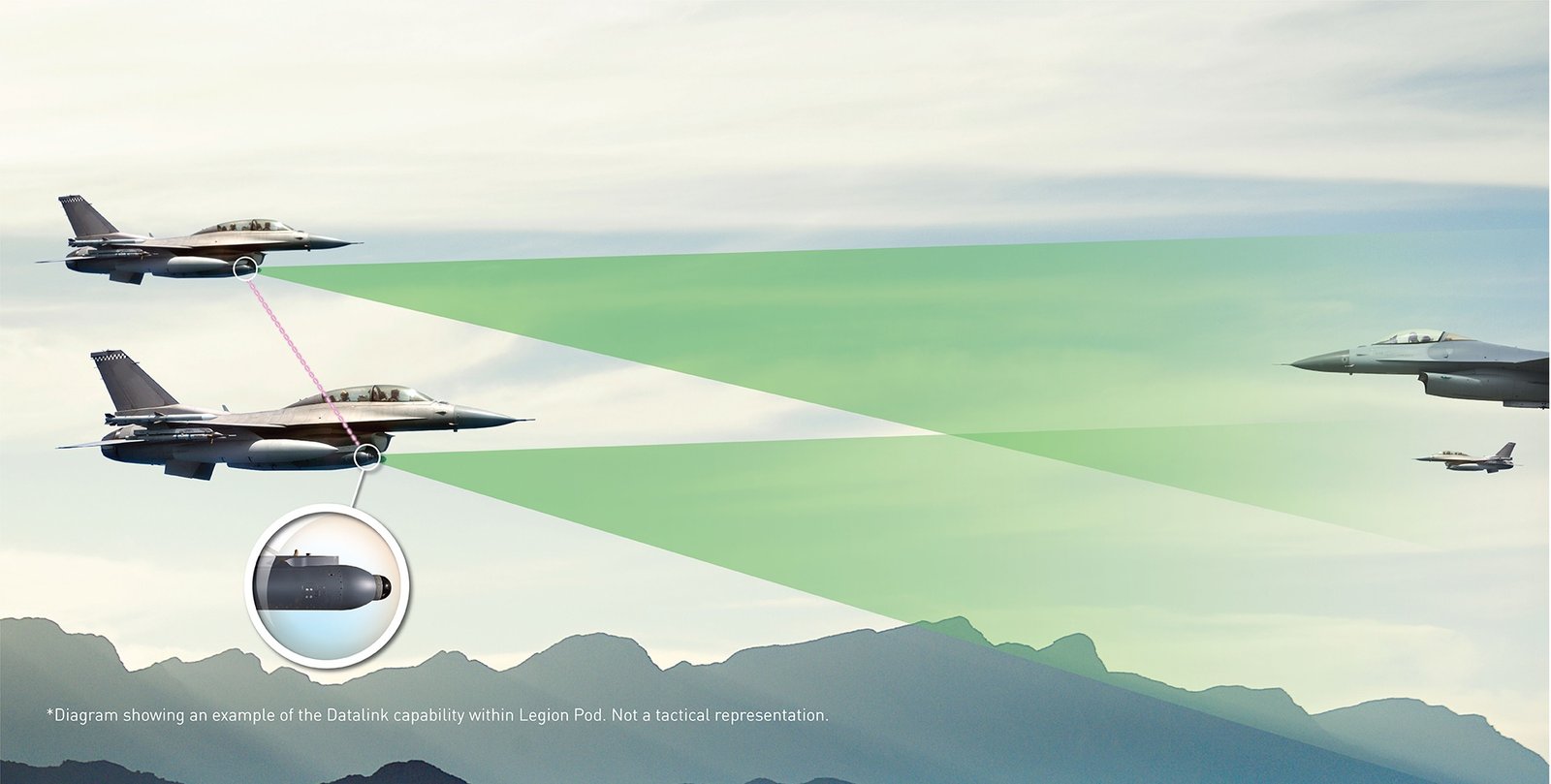 Lockheed Martin Demonstrates Legion Pod-to-Pod Data Link on F-16s for Passive Targeting
-
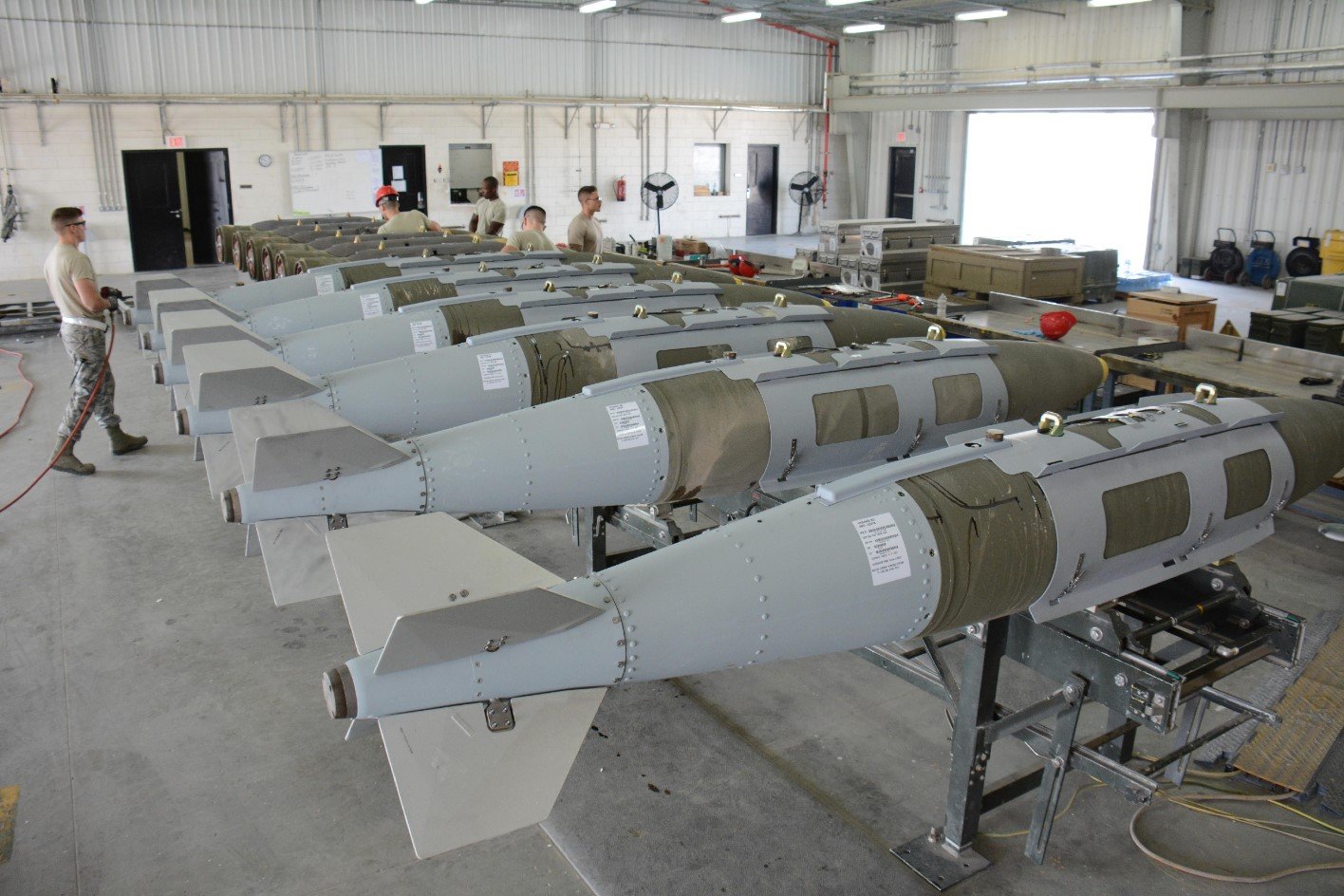 U.S. Plans $2.8 Billion Sale of 40,000 Heavy Bombs and 20,000 I-2000 Penetrator Warheads to Israel
-
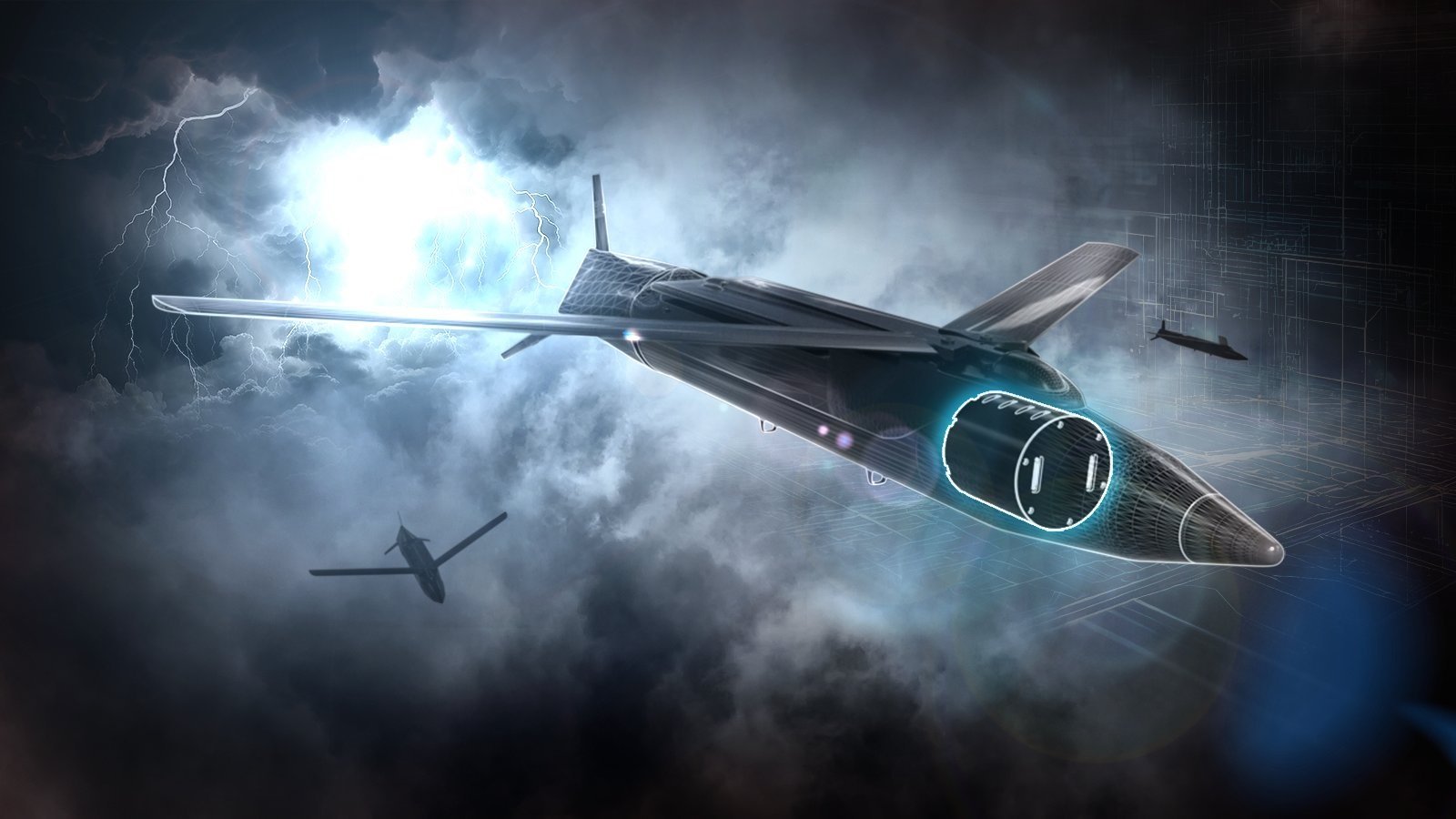 BAE Systems Unveils Shadow EW Suite for Small Drones and Autonomous Aircraft
-
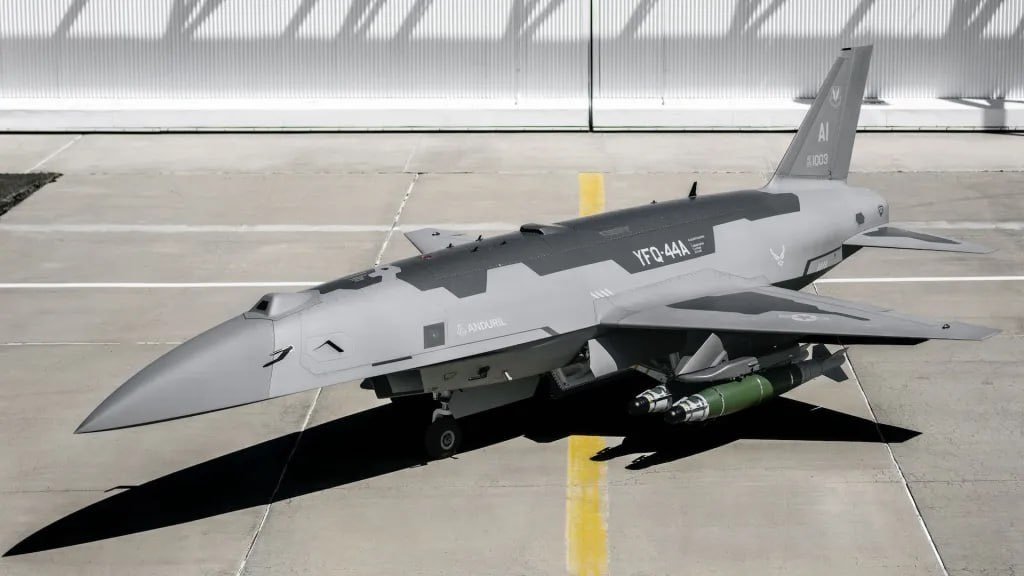 Anduril Conducts Ground Fit-Checks of Air-to-Ground Weapons on YFQ-44A Fury
-
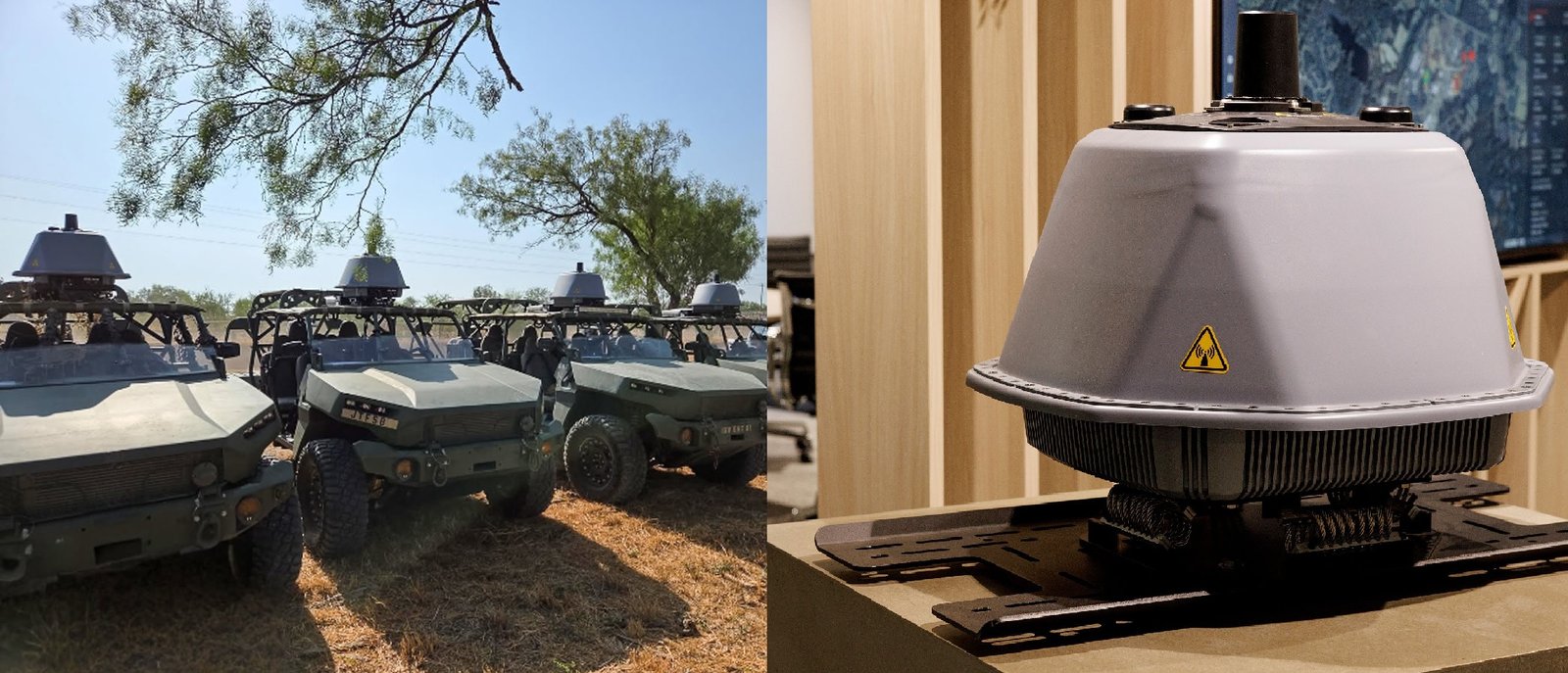 U.S. Military Deploys DroneShield Counter-Drone Systems on Infantry Squad Vehicles
-
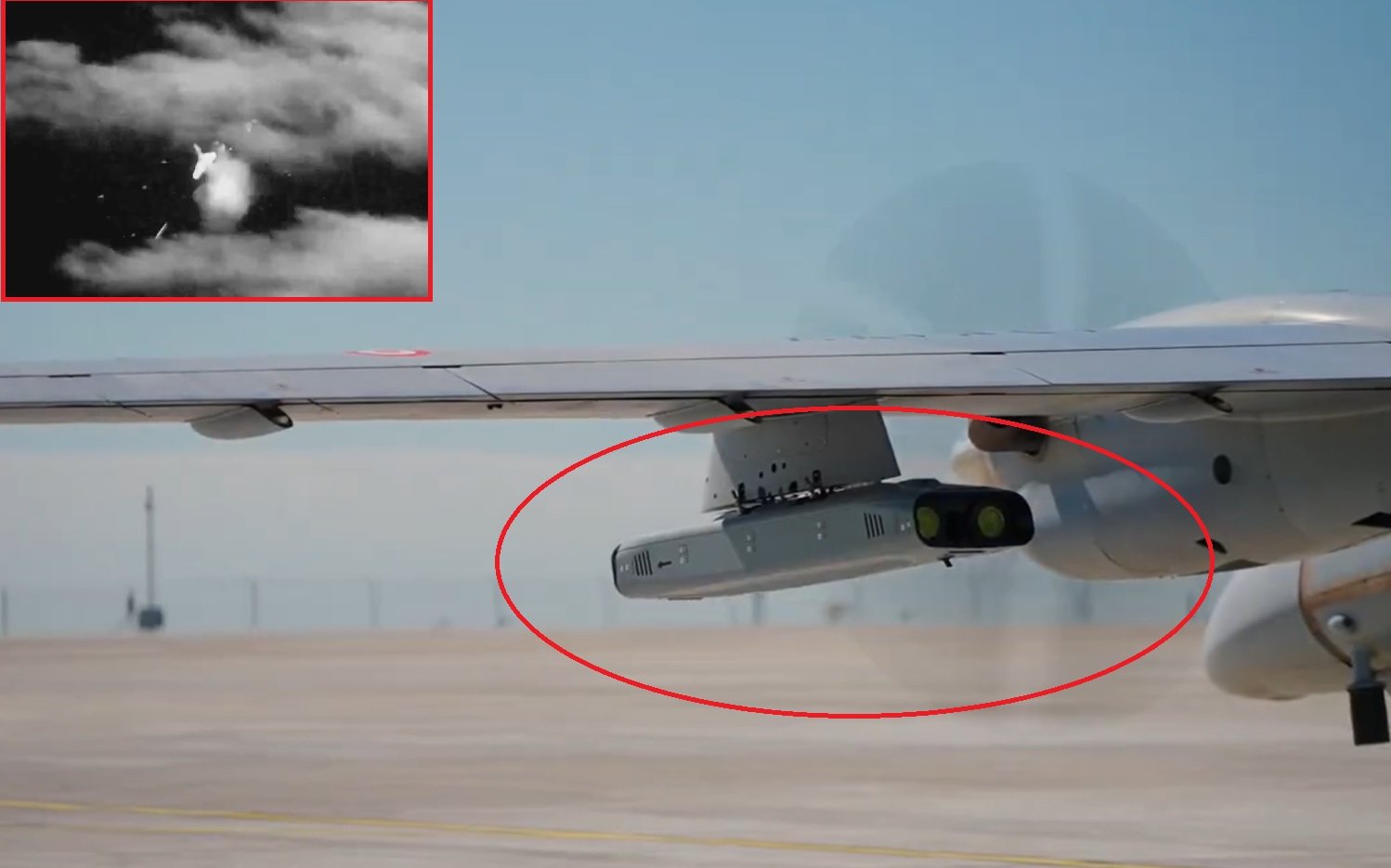 Turkey’s AKINCI Drone Hits High-Speed Aerial Target with SUNGUR Missile in Black Sea Test
-
 Diehl Defence and Elbit Systems Complete SkyStriker Loitering Munition Live-Fire Trials in Germany
-
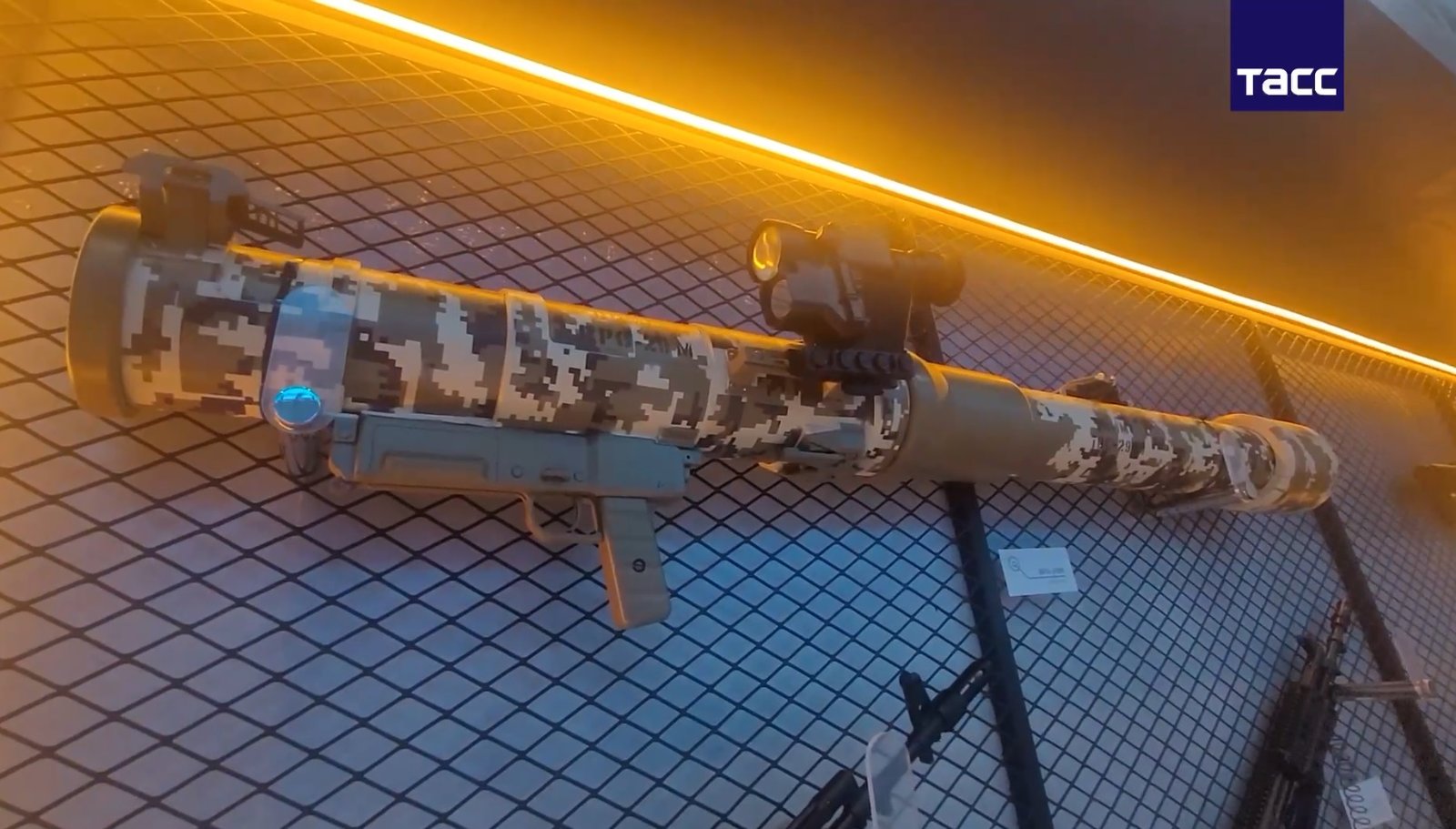 Russia Unveils RPG-29M Lightweight Anti-Tank Launcher at Africa Aerospace and Defence 2026
Top Trending in 4 Days
-
 Pentagon Awards BlueHalo Up to $99.8 Million Contract for Orbital Battlespace R&D Program
-
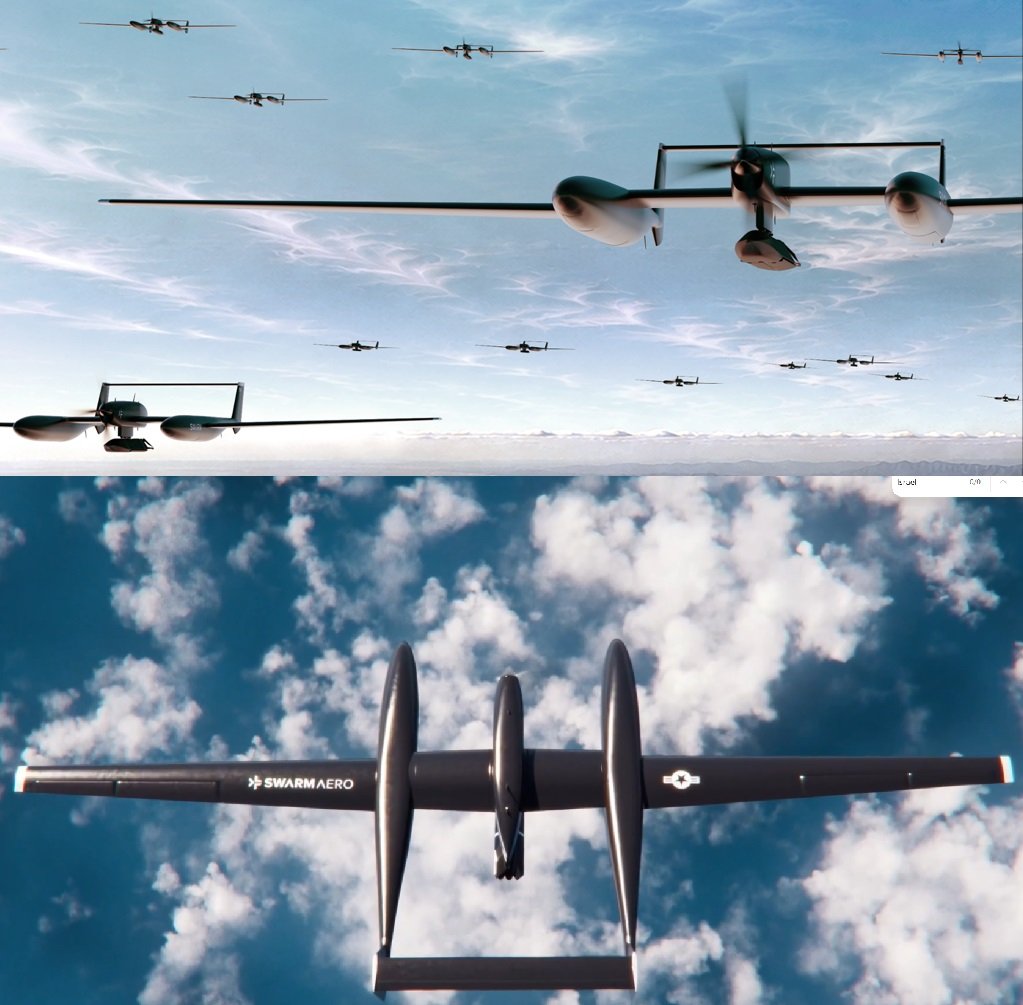 U.S. Firm Swarm Aero Unveils Gamera Group 5 UAS With 9,000-Nautical-Mile Range and Heavy Strike Payload
-
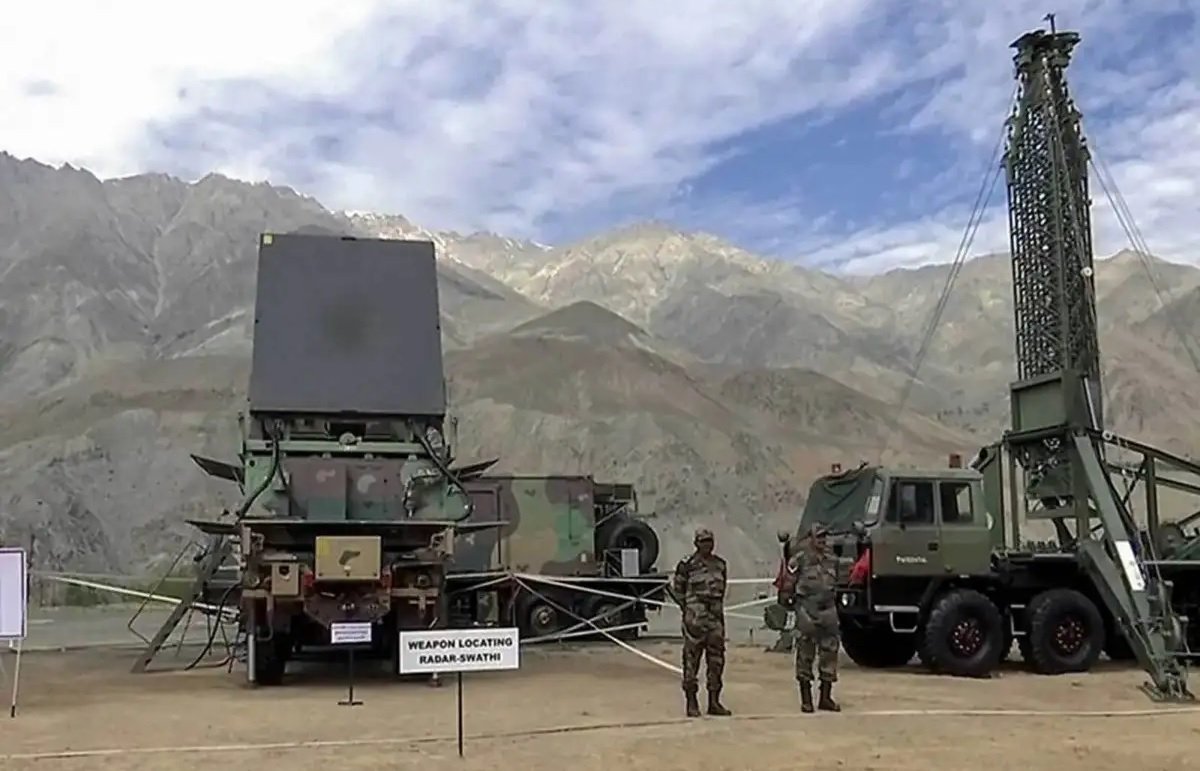 DRDO Demonstrates Indigenous 3.5×3 mm GaN Chip Delivering 30 Watts for Next-Generation Radars and Electronic Warfare
-
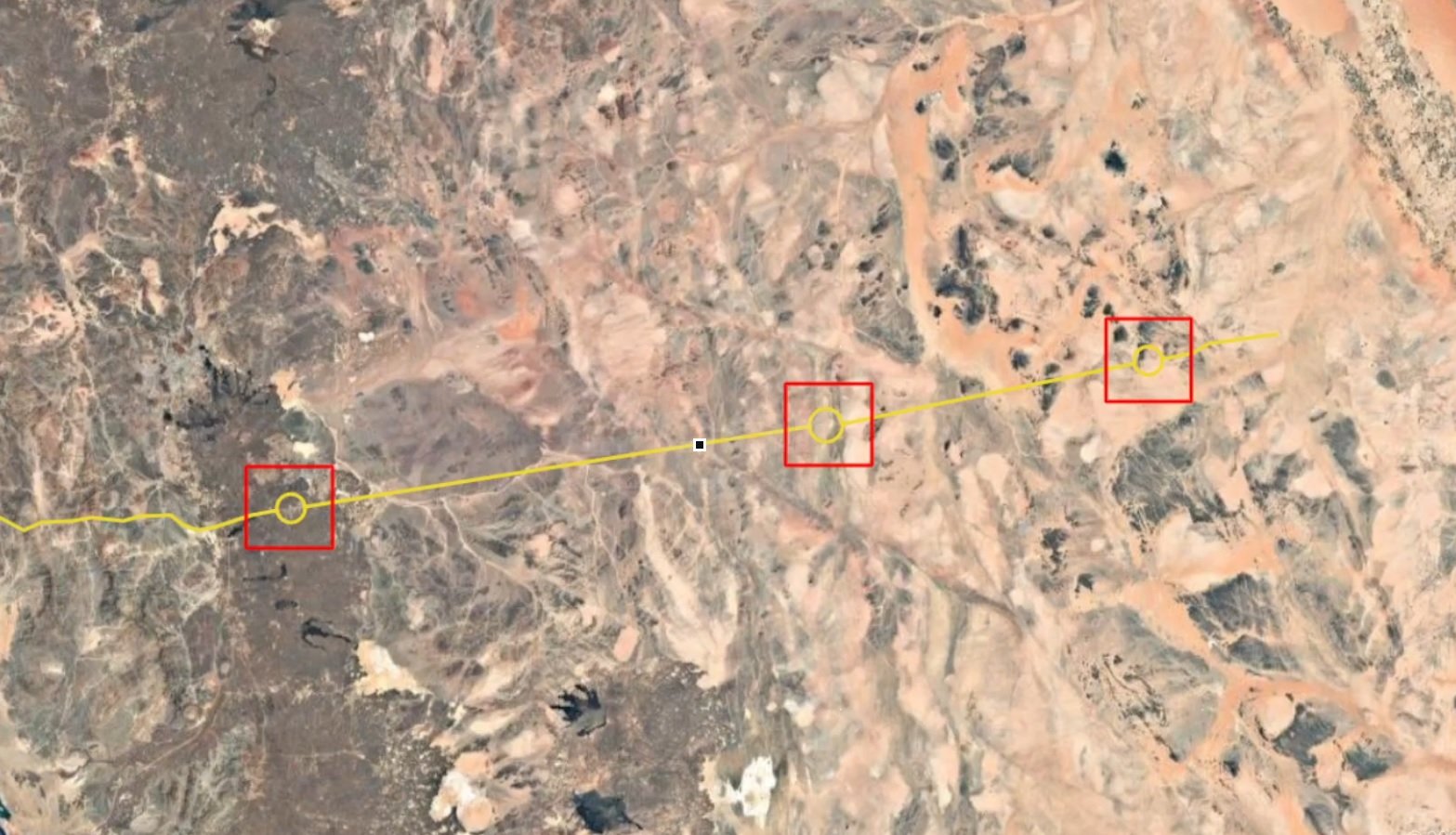 Satellite Imagery Shows Extensive Damage to Saudi Arabia’s East-West Oil Pipeline, Indicating More Than a Single Strike
-
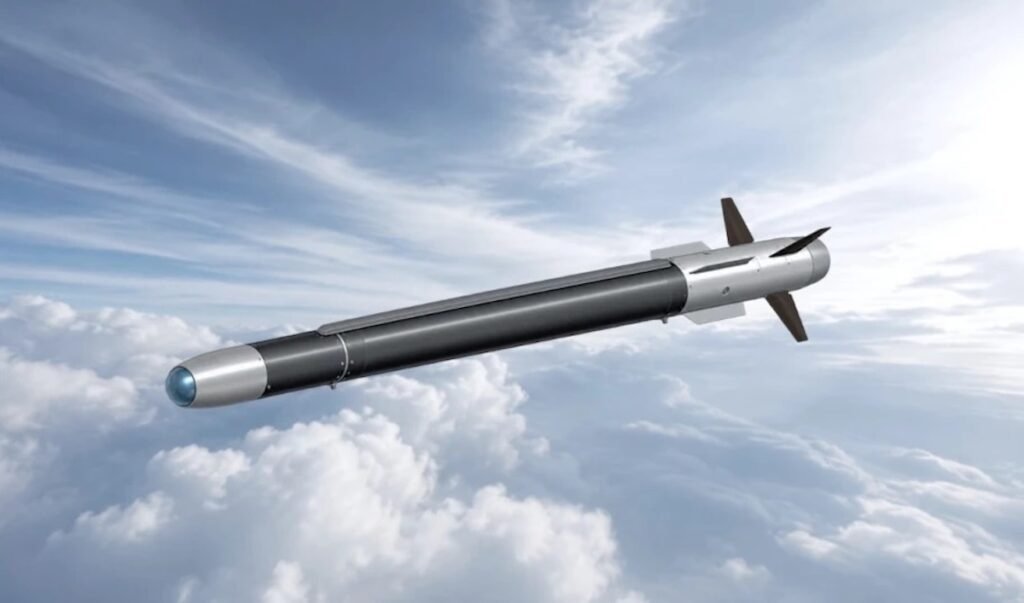 MBDA and Poland’s WITU Advance Low-Cost Supersonic Interceptor Against Swarm Attacks, Seeker Trials Successfully Completed
-
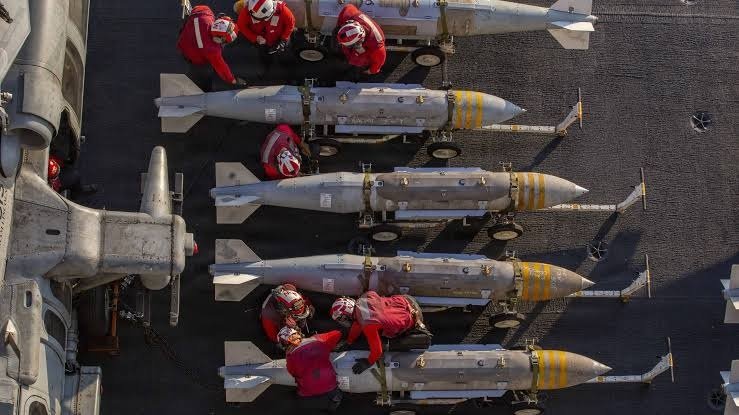 Pentagon Inspector General Report Finds Iran War Caused U.S. Ammunition Shortfalls and Industrial Bottlenecks
-
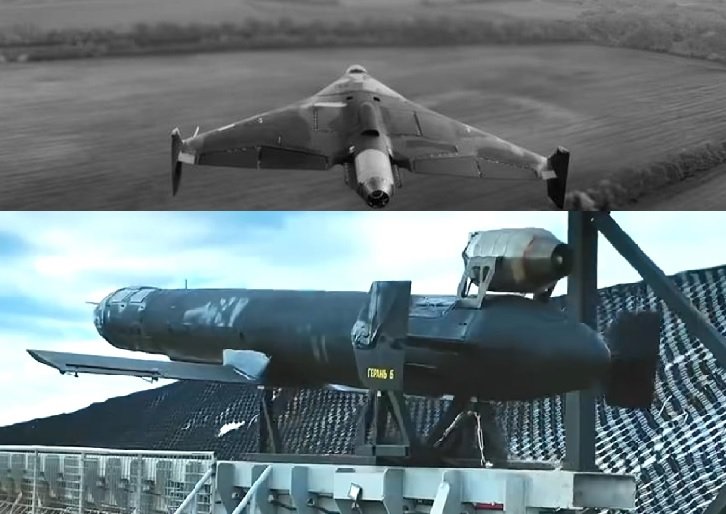 Iran Requests Advanced Geran-4 and Geran-5 Drones From Russia, FT Reports
-
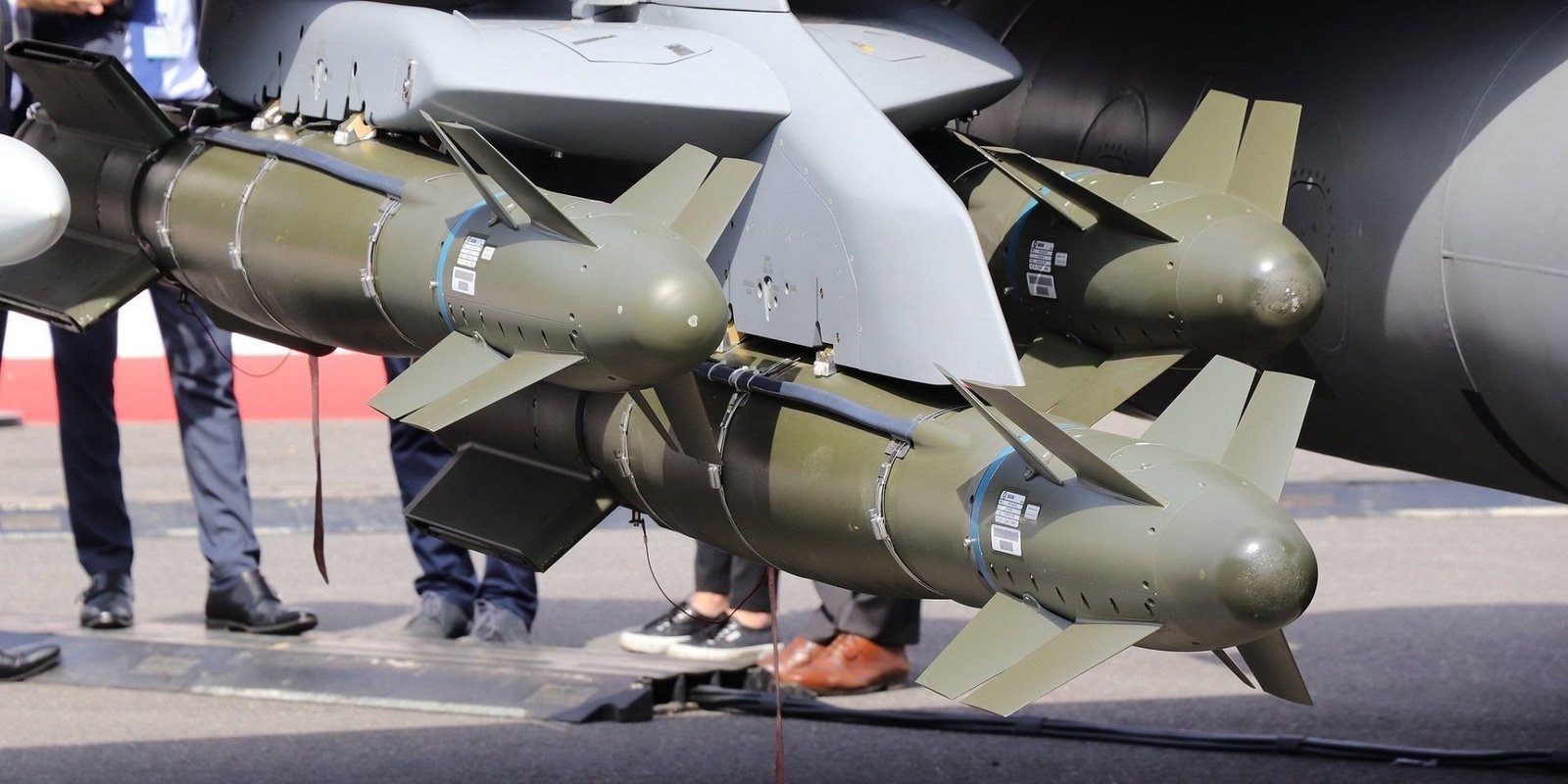 Swedish Gripens Bound for Ukraine to Be Armed with French Rocket-Assisted Hammer Precision Bombs