
India
In a move to enhance its air defence against modern aerial threats, the Indian Army has issued a Request for Information (RFI) for the procurement of an Air Defence Fire Control Radar - Drone Detector (ADFCR-DD). This upgraded radar system is being developed to address the rising threat of unmanned aerial vehicles (UAVs), along with conventional threats like fighter jets and attack helicopters. The newly proposed ADFCR-DD is designed as a highly mobile and fully integrated air defence radar system, mounted on a single high-mobility vehicle, capable of being rapidly deployed in any terrain, including plains, deserts, coastal regions, and high-altitude zones up to 4,500 meters. Its purpose is to provide short-range and very short-range point defence, operating day and night, in all weather conditions. At the heart of the system are several key subsystems: An X-Band Active Array Antenna-based 3D Search Radar for broad airspace surveillance A Ka-Band Tracking Radar to follow targets with precision Electro-Optical (EO) Sensors for passive 2D tracking A Laser Range Finder (LRF) for independent target range estimation A Gun Control Unit to manage and guide firing operations Power management systems for autonomous operation What makes this radar particularly effective is its ability to simultaneously track and engage up to 16 aerial targets, including drones, and assign fire missions to at least two L-70 anti-aircraft guns at once. The system also supports networked data transmission, allowing real-time sharing of targeting information with other air defence platforms, significantly improving response time and coordination. The ADFCR-DD is expected to have a minimum tracking range of 12 kilometres, and is built to resist electronic warfare (EW) attacks, including enemy jamming. Its capability to detect and respond to electronic countermeasures (ECM) makes it a valuable asset in today’s contested electromagnetic environments. In terms of policy, this procurement falls under the “Buy (Indian – IDDM)” category, which mandates that at least 70% of the content must be indigenous. This aligns with the government’s Atmanirbhar Bharat (Self-Reliant India) initiative and is aimed at promoting local defence manufacturing. The Indian Army's move comes after a noticeable increase in drone threats along the border, especially during recent security operations such as Operation Sindoor, where over 600 Pakistani drones were reportedly intercepted or neutralised. The ADFCR-DD is seen as a strategic response to such incursions, ensuring India's defensive lines remain robust and technologically superior. Moreover, DRDO is simultaneously working on advanced variants of ADFCR, integrating Directed Energy Weapons (DEWs) and laser-based anti-drone systems. These future systems are intended to form part of a layered air defence network, pushing India’s capabilities even further against emerging threats. By acquiring a modern, lightweight, multi-functional radar system with high indigenous content, the Indian Army is not just addressing today’s threats but preparing for tomorrow’s challenges as well. The ADFCR-DD will serve as a key enabler of India’s evolving air defence doctrine, especially in the era of drone warfare.
Read More → Posted on 2025-08-06 16:24:28
India
In a deepening of defence-industrial collaboration, India and Russia have signed a landmark agreement to jointly establish an advanced wind tunnel facility in India and to produce small aircraft piston engines domestically. The move marks a significant step in bolstering India’s aviation manufacturing capabilities under its Make in India campaign and longstanding strategic cooperation with Russia. Key Elements of the Agreement Modern Wind Tunnel Facility: The agreement includes the design, technology transfer, and setup of a modern aerodynamic wind tunnel in India. The facility will be capable of supporting high-precision aerodynamic testing for aircraft design and engine performance validation, serving both military and civil aviation projects. Small Aircraft Piston Engine Production: Russia will transfer engine designs and provide technical assistance for manufacturing light piston aircraft engines within India. These engines are intended for use in flight training aircraft, ultralight planes, and other general aviation applications. This collaboration builds on a legacy of joint projects between the two nations, such as the licensed production of AL-31FP turbofan engines for the Su-30MKI and the BrahMos missile program. Aircraft Using Piston Engines in India Several piston-engine-powered aircraft are actively operated in India by flight schools, civilian operators, and government institutions. These include: NAL Hansa-NG – A two-seat trainer aircraft developed indigenously, powered by a Rotax 912iSc engine. Widely used in training academies and aerospace research. Bharat Swati – Developed for India’s flying clubs, it runs on a Lycoming O-235 piston engine. It has served as a primary trainer in the past. Raj Hamsa X-Air Hanuman – A popular ultralight aircraft used for recreation and training. It can be fitted with Rotax 582 or 912 engines or the Jabiru 2200. Cessna 172 & Piper Cherokee Series – Operated extensively by flight schools across India, using piston engines such as the Lycoming O-320 or O-360. P&M QuikR Microlight & Zenith CH Series – Popular among sport aviation enthusiasts in India, using Rotax series piston engines. These aircraft currently depend heavily on imported engines, spare parts, and maintenance kits—making domestic engine production a cost-effective and strategic alternative. Strategic Significance Aviation Self-Reliance: Local production of piston engines can reduce India’s dependence on Western suppliers, streamline logistics, and cut costs for flight schools and civilian operators. R&D and Innovation Boost: The wind tunnel will support advanced aerodynamic research for unmanned systems, small aircraft, and experimental platforms—many of which were previously tested abroad. Industrial Ecosystem Development: Engine component manufacturing, testing, and certification can foster new MSMEs, enhance job creation, and improve India's global competitiveness in aviation technology. Support for Pilot Training: India trains thousands of commercial and military pilots every year. Domestic engine production and testing infrastructure will improve aircraft availability and operational readiness for training institutions. The India–Russia agreement to establish a modern wind tunnel and initiate domestic piston engine production represents a strategic step toward a self-reliant and technologically capable Indian aviation sector. Beyond enhancing pilot training infrastructure and small aircraft development, the collaboration sets the stage for deeper civil-military aerospace integration and industrial growth. As India expands its aviation footprint, these foundational capabilities will play a key role in achieving its long-term ambitions.
Read More → Posted on 2025-08-06 16:21:15
India
In a dramatic turn of events, former U.S. President Donald Trump has imposed an additional 25% tariff on Indian imports—raising the total to 50%—in response to India’s ongoing importation of discounted Russian oil. Concurrently, India has halted new U.S. arms procurements, including a $3.6 billion deal for six Boeing P‑8I maritime patrol aircraft, signaling a decisive shift in bilateral dynamics. Trump’s Trade Escalation On July 30–31, 2025, Trump announced a 25% reciprocal tariff on Indian goods, citing both stalled trade talks and India’s energy and defense ties with Russia. On August 6, 2025, he followed through with an additional 25% tariff tied specifically to India’s Russian oil purchases—effectively testing India with a 50% levy. The tariffs take effect August 27, with a 21-day negotiation window inserted. Top officials warned India might face even 100% tariffs if it continued buying Russian oil. China, despite its higher volume of purchases, was not similarly penalized in this round. India’s foreign ministry condemned the move, calling it “unfair, unjustified and unreasonable” and vowed to defend its economic sovereignty. The tariffs threaten up to $64 billion in Indian exports, especially from sectors like pharmaceuticals, textiles, jewelry, gems, and petrochemicals. Economists estimate this could shave off up to ~2% of India’s GDP, though the RBI maintains a 6.5% growth forecast for the fiscal year. Strategic Freeze on U.S. Defense Deals India has paused approval of all major U.S. defense contracts, including the prospective order of six additional P‑8I Poseidon aircraft. That deal—valued at approximately $3.6 billion—was already under review due to rising costs and now faces strategic re-evaluation. This move indicates a broader cooling in military procurement from the U.S.—at least until tensions diminish or a new framework is negotiated. P‑8I Legacy Deal India originally ordered eight P‑8Is in 2009 for $2.1 billion, followed by four more in 2010/2016. Variants include India-specific sensors like the APS‑143 OceanEye radar and magnetic anomaly detector, plus Harpoon and Mark 54 torpedo armaments. A 2021 Letter of Request for six more aircraft came amid increased maintenance costs tied to supply shocks in 2025. F‑35 Rebuffed In 2025, Trump personally floated the idea of permitting India to acquire F‑35 stealth fighters—a watershed moment in defense diplomacy. However, Indian officials declined the offer, preferring technology-sharing agreements and indigenous manufacturing over full platform buys. New Delhi emphasized its “Make in India” defense posture and insistence on clear offsets. Other U.S.–India Defense Ties Despite diplomatic turbulence, previous cooperation remains substantial: Notifications since 2021 include high-value U.S. systems: MQ‑9B Sky Guardian drones, MH‑60R Seahawk helicopters, AH‑64E Apache, CH‑47F Chinook, C‑130J, and C‑17 Globemaster III transports, as well as torpedoes, sonobuoys, missiles, and training packages. These acquisitions underscore that India hasn't abandoned U.S. defense collaboration—but further expansions are on ice, at least temporarily. Geopolitical Tug-of-War Trump’s manufacturing of a bilateral showdown—coupled with closer ties to Pakistan and promises of an oil and trade deal there—marks a sharp recalibration of U.S. strategy in South Asia. India, in response, is doubling down on energy security and strategic autonomy, even at the cost of short-term trade friction. Trade talks have collapsed amid miscommunications and mutual miscalculations. India believed it was offering significant concessions; the U.S. wanted headline-grabbing leverage, and ultimately found those inadequate. What followed was that 25% tariff, now augmented to 50%, and a new strain in defense cooperation. Why This Matters India is signaling a new posture: one less deferential to U.S. pressure, more rooted in national economic and strategic interests. The Punjab‑Modi‑Trump camaraderie of 2023 has been replaced by suspicion, assertion of sovereignty, and a pivot toward diversifying energy and defense ties. As the U.S. tightens screws, India is doubling down on Russia connections, while pursuing its own Make in India narrative—insisting that future deals prioritize joint design, industrial participation, and minimal imports. India has made its message clear: it’s not the old India—deferential to U.S. timelines or transactional optics. It is the new India, willing to balance global forex inflows, energy needs, and defense capabilities against geopolitical coercion.
Read More → Posted on 2025-08-06 16:04:35
India
In a sharp escalation of trade tensions between the United States and India, former U.S. President Donald Trump on August 6, 2025, signed an executive order imposing an additional 25% tariff on Indian imports, taking the total tariff burden to a staggering 50%. This move, Trump said, was a punitive response to India's continued purchase of Russian oil, despite Western sanctions against Moscow over the Ukraine war. Trump has openly accused India of “profiting from war” by purchasing deeply discounted Russian crude, and in some cases, allegedly reselling it at a premium to other nations. He lashed out in recent interviews, saying India is “not a good trading partner”, and dismissed recent Indian gestures to reduce import tariffs on select U.S. goods as “not good enough.” With this order, the United States has doubled tariffs on a wide range of Indian exports. Products likely to be hit hard include pharmaceuticals, garments, gems and jewelry, and petrochemicals. According to trade estimates, around $64 billion worth of Indian exports to the U.S. could now face higher costs, potentially threatening India’s global price competitiveness in several key sectors. India’s Response:The Indian government strongly objected, calling the move “unjustified and unreasonable.” Officials pointed out that both the U.S. and the European Union still maintain various forms of trade with Russia, even as they pressure others to reduce ties. Indian ministries defended their energy policy, arguing that buying Russian oil has helped stabilise global markets, especially when Western nations had earlier encouraged such purchases post the Ukraine conflict. India insists that its actions are based on economic need and strategic autonomy, and has made it clear that it will not be coerced into altering its foreign policy to suit other powers’ interests. What the New Tariffs Mean:The increased tariffs could have a moderate but notable impact on India’s economy. Experts suggest that while exports to the U.S. account for just around 2% of India’s GDP, there could be growth losses of up to 40 basis points, according to analysis referenced by the Reserve Bank of India. In the U.S., the new tariffs could lead to higher input costs for American businesses that depend on affordable Indian goods, and potentially raise consumer prices. Sectors such as retail, healthcare, and oil refining might see pressure on margins if the price hikes persist. Escalation Risks and Global Fallout:Trump hinted that this could just be the beginning, saying tariffs could go “very substantially higher” in the coming days. There are growing concerns that this may turn into a broader trade conflict, not just with India but with other countries buying Russian oil — including China. Diplomatic experts warn that the decision could lead to a prolonged standoff, pushing India to deepen alternative trade partnerships and rely more heavily on BRICS and non-Western alliances. As it stands, India-U.S. relations have taken a serious hit, and the road ahead for trade talks appears rough. With Trump’s return to high-profile policymaking, the global trade landscape may be in for renewed turbulence, especially for countries navigating multi-aligned strategies in a divided world.
Read More → Posted on 2025-08-06 15:40:55
India
In a revelation that underscores the global tensions during India’s Operation Sindoor, a recent Wall Street Journal (WSJ) report has claimed that former U.S. President Donald Trump feared a possible nuclear confrontation between India and Pakistan when India fired BrahMos cruise missiles at Pakistani military targets in early May. According to the report, as India launched multiple BrahMos missiles on May 7 in retaliation for the deadly Pahalgam terror attack, U.S. intelligence officials became increasingly anxious. They reportedly believed there was a risk that one of the missiles could be armed with a nuclear warhead if the crisis escalated further. This triggered emergency discussions at the White House, where Trump urged key officials like then-National Security Adviser Robert Vance and Secretary of State Marco Rubio to immediately reach out to their Indian and Pakistani counterparts to prevent the situation from spiraling out of control. The report added that Pakistan’s potential nuclear retaliation was also a major source of concern for Washington, not just India’s actions. While the U.S. intelligence community evaluated the possibility of the BrahMos being modified for nuclear delivery, India strongly denied these assumptions. India Reaffirms BrahMos is a Conventional Weapon Officials from the Indian Embassy in Washington reiterated that India adheres strictly to its "No First Use" nuclear policy and emphasized that the BrahMos is not a nuclear-capable missile. They pointed out that the BrahMos is not under the control of India’s Strategic Forces Command (SFC) — the body that manages the country’s nuclear weapons — but is instead operated by the Army, Navy, and Air Force for conventional tactical missions. The BrahMos carries a conventional warhead weighing 200 to 300 kg, designed to strike high-value enemy targets like radars, bunkers, airbases, and runways. It is not meant for nuclear use, Indian officials clarified, countering fears raised in the WSJ article. Operation Sindoor and Use of BrahMos During Operation Sindoor, India reportedly launched air-launched and ground-launched BrahMos missiles at terror launch pads in Pakistan-occupied Kashmir (PoK) and at military infrastructure deep inside Pakistan. These strikes were part of India's response to the Pahalgam attack, targeting key assets including runways, hangars, and underground bunkers. The operation, which showcased the BrahMos’ precision and destructive capability, significantly influenced India’s decision to ramp up its missile procurement plans. The BrahMos Missile: Speed, Accuracy, and Impact The BrahMos, a product of joint development between India’s DRDO and Russia’s NPO Mashinostroyeniya, is the world’s only supersonic cruise missile in active service. Flying at speeds up to Mach 2.8, it has a two-stage propulsion system — a solid-fuel booster followed by a liquid-fuelled ramjet engine. Its "fire-and-forget" design, low radar profile, and ability to fly as low as 10 meters during the terminal phase make it extremely difficult to intercept. Named after the Brahmaputra and Moskva rivers, the missile has been operational since the early 2000s and is deployed across all three branches of the Indian military. Indigenous Push and BrahMos-II Following its success, India has increased its focus on domestic production of the BrahMos missile, aligning with its ‘Atmanirbhar Bharat’ (self-reliant India) vision. Prime Minister Narendra Modi hailed its performance during Operation Sindoor as a testament to India’s indigenous defence capability, including its air defence systems, drones, and missile platforms. India is also developing the next-generation BrahMos-II, a hypersonic missile expected to reach speeds of Mach 9, powered by scramjet technology. Inspired by Russia’s Zircon missile, BrahMos-II aims to offer even greater range and velocity. However, the programme has been delayed due to past restrictions under the Missile Technology Control Regime (MTCR) and ongoing engineering challenges. India’s Clear Stand Amid Global Scrutiny Despite the U.S. concern during Operation Sindoor, India has maintained a firm stance: its actions were within the bounds of conventional warfare, proportionate, and in self-defence. The BrahMos, though powerful, remains non-nuclear and highly precise, and its usage was a deliberate signal of India’s ability to act decisively without escalating to nuclear warfare. A senior Indian defence official recently stated that no external pressure will affect India’s defence posture, especially as the country continues to make sovereign decisions regarding defence procurements and partnerships, including those involving Russia. The WSJ’s revelations highlight the high-stakes global diplomacy and nuclear caution that accompanied India's bold use of conventional firepower during Operation Sindoor. While the U.S. intelligence community feared the worst, India’s calibrated and disciplined use of BrahMos missiles offered a different narrative: one of control, confidence, and capability — not nuclear brinkmanship. For India, the distinction between conventional strike and nuclear restraint remains central to its defence doctrine. And even as the U.S. watches closely, India shows no sign of altering its strategic path.
Read More → Posted on 2025-08-06 15:29:50
India
In a major push towards enhancing India's defence preparedness and self-reliance, the Defence Acquisition Council (DAC), chaired by Defence Minister Rajnath Singh, on Monday approved capital acquisition proposals worth approximately ₹67,000 crore. These proposals span across all three armed services—Army, Navy, and Air Force—as well as tri-service and strategic maintenance programs. The proposals were approved under various categories with a strong emphasis on indigenous design, development and manufacturing, in line with the government’s Aatmanirbhar Bharat initiative. The Ministry of Defence (MoD) confirmed that a significant portion of the contracts will go to Indian industries. Indian Army: Enhanced Night-Fighting Capabilities The DAC cleared the Acceptance of Necessity (AoN) for the procurement of Thermal Imager-based Driver Night Sights for BMP infantry combat vehicles. These advanced sights will significantly improve night-time driving and mobility, enhancing tactical manoeuvrability and battlefield visibility in low-light environments. Indian Navy: Maritime Surveillance and ASW Strengthening The Indian Navy received approvals for multiple key systems, including: Compact Autonomous Surface Craft (CASC) for anti-submarine warfare (ASW) missions. These unmanned platforms are designed to detect, classify, and neutralise underwater threats, boosting maritime situational awareness. Procurement of BrahMos Fire Control Systems and Launchers, reinforcing the Navy’s sea-based precision strike capability. Upgradation of the BARAK-1 Point Defence Missile System, enhancing the Navy’s close-in air defence mechanism against aerial threats. Indian Air Force: Mountain Surveillance and Air Defence Upgrades For the Indian Air Force, the DAC approved: Procurement of Mountain Radars, which will significantly improve border surveillance and tracking capabilities, especially in high-altitude terrain. Upgradation of the SAKSHAM/SPYDER Air Defence Systems, with enhanced integration into the Integrated Air Command and Control System (IACCS). This integration will allow real-time coordination across air defence networks and radar systems. Tri-Services: Boost to Drone Warfare One of the most significant approvals was granted for Medium Altitude Long Endurance (MALE) Remotely Piloted Aircraft (RPA) for tri-services. These drones, capable of long-range and all-weather operation, will strengthen India’s 24x7 intelligence, surveillance, reconnaissance (ISR) and precision strike capabilities. The RPAs will be equipped with multi-payload options, enhancing their adaptability for missions across theatres. Maintenance & Operational Readiness Support In addition to acquisitions, the DAC approved proposals related to the sustenance and long-term maintenance of existing high-value platforms: Sustenance support for the C-17 Globemaster III and C-130J Super Hercules transport aircraft, critical to India’s heavy-lift and logistics operations. Annual Maintenance Contract (AMC) for the S-400 Triumf Long Range Surface-to-Air Missile (LR-SAM) System, ensuring its operational readiness and system integrity. Indigenisation & Strategic Impact According to the Ministry of Defence, a substantial portion of the ₹67,000 crore worth of proposals will be sourced from Indian vendors, with many items to be procured under the Buy (Indian-IDDM) and Buy (Indian) categories. This reflects a continued effort to boost indigenous industry, reduce dependency on imports, and foster technological innovation within the country. In recent months, the DAC has approved a series of high-value acquisitions, reinforcing India’s goal of self-reliant and modernised armed forces. This latest set of clearances is expected to be a key enabler of India’s military readiness in the face of evolving security challenges along its borders and in the maritime domain.
Read More → Posted on 2025-08-05 16:10:01
India
In a significant milestone for India's indigenous defense capabilities, Bengaluru-based Prime Toolings has unveiled the country’s first Rotating Detonation Engine (RDE), marking a new chapter in propulsion technology for next-generation missile and rocket systems. The 1–2 kilonewton-class RDE is the first of its kind developed in India and is specifically aimed at powering missiles with operational ranges between 300 to 500 kilometers. According to company officials, the engine could eventually be integrated into advanced missile systems that demand compact design, enhanced fuel efficiency, and high thrust-to-weight ratios. Unlike traditional rocket engines that rely on subsonic combustion, the RDE operates on a continuous detonation cycle. This results in a more efficient pressure gain mechanism, offering up to 25% improvement in fuel efficiency and thrust performance. The engine uses an annular combustion chamber where detonation waves continuously rotate, enabling more energy to be extracted from the same amount of fuel. “This is a breakthrough in propulsion technology and a proud moment for Indian industry,” said a Prime Toolings spokesperson. “With no moving parts, lower complexity, and compact architecture, RDEs are ideal for high-speed, short-range missiles. We’re confident this technology will support India’s growing need for rapid and agile weapons platforms.” The development aligns with India’s Atmanirbhar Bharat initiative, which encourages domestic defense production and reduces reliance on foreign suppliers. While RDE technology is still in its early stages globally—with agencies like NASA, JAXA, and DARPA leading experimental efforts—Prime Toolings’ achievement places India among the few nations actively prototyping this next-gen propulsion system. The company has also leveraged advanced manufacturing techniques, including additive manufacturing (3D printing), to create critical engine components and ensure thermal resilience under extreme detonation conditions. Initial tests have reportedly confirmed stable operation, and further performance validation is expected at high-altitude and ground test ranges in the coming months. Globally, Rotating Detonation Engines are being explored for applications ranging from tactical missile systems to hypersonic vehicles and even future space propulsion. Prime Toolings' system, though currently in the 1–2 kN thrust class, could evolve into larger configurations suitable for heavier platforms or satellite launch systems in the future. Defense experts say the technology is still maturing, and challenges remain in maintaining stable combustion, reducing thermal wear, and integrating the engine into existing missile architectures. However, the unveiling of this RDE prototype signals strong potential for indigenous innovation in India’s strategic defense sector. As India continues to modernize its missile arsenal, indigenous propulsion technologies like the RDE could play a pivotal role in shaping future combat capabilities, both tactically and strategically.
Read More → Posted on 2025-08-05 16:04:07
India
In a carefully timed move, the Indian Army on Tuesday brought attention to a long-forgotten chapter in U.S.-Pakistan relations by posting an old newspaper clipping from 1971, highlighting how the United States had supplied over $2 billion worth of military equipment to Pakistan between 1954 and 1971. The post, shared by the Army’s Eastern Command under its archival series “This Day That Year,” served as a subtle reminder of America’s historic tilt toward Pakistan — just as Washington reopens energy cooperation talks with Islamabad. According to the 1971 news excerpt, the U.S. had equipped Pakistan with fighter jets, missiles, submarines, tanks, and artillery — much of it at concessional or “throw-away prices.” The information was originally disclosed in Parliament by then Defence Production Minister V. C. Shukla, who expressed concern over continued arms support to Pakistan despite its brutal crackdown in East Pakistan (now Bangladesh). The timing of the post is significant. It came just hours after reports emerged of U.S. officials showing renewed interest in developing Pakistan’s oil sector, a move widely seen as a new phase in U.S.-Pakistan economic engagement. This also follows a recent visit by Pakistan Army Chief General Asim Munir to the United States, suggesting warming ties between the two nations. Interestingly, this rekindled cooperation comes even as former U.S. President Donald Trump criticizes India’s oil trade with Russia, adding another layer of geopolitical irony. Many analysts believe the Indian Army’s post was not just a historical throwback, but a pointed message—highlighting that U.S. support for Pakistan has long existed despite serious human rights concerns and regional instability. The 1971 article also captured a warning from then Pakistan President Yahya Khan, who threatened war if any aggression was carried out in East Pakistan. Just months later, in December 1971, war did break out between India and Pakistan, resulting in the creation of Bangladesh. The archival post is being seen by observers as a quiet but firm diplomatic signal. While New Delhi has refrained from making any official statements on the latest U.S.-Pakistan oil overtures, the Indian Army’s reminder of past American favoritism has stirred fresh discussions in strategic circles. As India walks a fine line balancing its oil imports from Russia and its complex relations with Washington, the resurfaced memory of past military alignments serves as a reminder of how history still shapes the present.
Read More → Posted on 2025-08-05 15:14:06
India
In a major reaffirmation of intent, British aerospace major Rolls-Royce has declared that it remains “very much in the game” to co-develop the engine for India’s fifth-generation stealth fighter, the Advanced Medium Combat Aircraft (AMCA). The statement comes amid growing reports that France’s Safran has emerged as the likely partner for the ambitious engine program. India has long sought a foreign collaborator to develop a high-thrust engine in the 110–130 kN class for AMCA Mk-2, which is scheduled for induction around 2035. While the early Mk-1 variants will be powered by GE’s F414 engines, the indigenous engine will be the technological backbone of future AMCA variants and possibly other platforms. Although Safran has reportedly secured preliminary approval for its offer, Rolls-Royce insists that the final decision is yet to be made. Speaking to Indian media, Alex Zino, Executive Vice President for Business Development at Rolls-Royce, said, “We’re still in talks; we’re still putting an offer on the table through the UK government.” Rolls-Royce has proposed a completely new engine design, developed in collaboration with India’s Gas Turbine Research Establishment (GTRE), and tailored specifically to meet the AMCA’s stealth and performance requirements. The UK-based firm is offering: Complete Transfer of Technology (ToT) Indian ownership of Intellectual Property (IP) Co-development of design and core technologies Manufacturing in India under Make-in-India framework The company has also suggested that the proposed engine architecture could be scaled up to 200 kN thrust, allowing it to power future sixth-generation aircraft or twin-engine deck-based fighters. Meanwhile, Safran’s proposal has gained traction within Indian defence circles due to its established track record with the Kaveri engine revival, its offer of full technology sharing, and the willingness to set up full-scale manufacturing and design facilities in India. Safran is reportedly planning to share core hot-section technology—a capability no country has transferred to India so far. However, Rolls-Royce’s latest public statement may reintroduce competitive pressure as the Indian government moves toward a final decision. Officials from the Ministry of Defence (MoD) have indicated that a selection will likely be made by the end of 2025, following detailed technical and commercial evaluations. Defence analysts see this competition as a turning point for India’s long-struggling aero-engine capability. “The stakes are high—not just for AMCA, but for India's entire aviation ecosystem over the next 30 years,” said an expert from the Institute for Defence Studies and Analyses (IDSA). “Whichever partner India chooses will help shape its technological self-reliance in jet propulsion.” While Safran may be ahead, Rolls-Royce’s reaffirmation ensures that the race is far from over. Both firms have aligned their proposals with India’s Atmanirbhar Bharat (self-reliance) vision and promised joint development models that would significantly enhance India’s research, design, and manufacturing capabilities. With a decision expected in the coming months, the AMCA engine partnership could become a landmark in India's military-industrial history, potentially giving birth to the country's first truly indigenous high-thrust fighter engine.
Read More → Posted on 2025-08-04 17:08:18
India
India’s Light Combat Helicopter (LCH) ‘Prachand’, developed by HAL, now boasts enhanced survivability thanks to newly demonstrated lightweight armour panels capable of withstanding rounds from 7.62 × 54R API and 12.7 × 10⁸ API weapons. Armour Design & Protection Armour coverage area is approximately 3.12 m², with a total weight around 102 kg—a design that ensures critical coverage while keeping the helicopter agile. The armour is rated to stop a single 12.7 × 10⁸ API round (48 kg/m² protection density) and a 7.62 × 54R API projectile (28 kg/m² density), each shot tested under controlled conditions. These ceramic-based hard plates—up to 45 mm thick against 12.7 mm threats and 12 mm against 7.62 mm—were demonstrated successfully through stand-alone tests and prototype aircraft fitting. Technological Highlights Hybrid Ceramic Structure: Lightweight ceramic-faced armour (“Felid‑²″), built using stand-alone ceramic-faced hard armour panels and field ballistics demonstration, shows high energy absorption with minimal mass. Optimized Placement: Armour mounted at key protection zones—cockpit sides and frontal areas—delivers maximum benefit with minimal weight penalty. Tactical Benefit: At roughly 100 kg for 3.12 m² coverage, the armour imposes minimal drag, preserving the LCH’s high-altitude performance and manoeuvrability. Broader Context & Impact The armour is part of LCH’s ongoing survivability upgrades, alongside bulletproof windshields, self-sealing fuel tanks, damage‑tolerant rotor blades, and radar‑absorbing panels—all contributing to Prachand's ability to operate safely in hostile environments. Lightweight armour greatly enhances battlefield survivability against small‐arms and heavy‐machine‐gun fire—especially crucial in low‐altitude counter‑insurgency and anti‑armour missions near ground engagements. As India begins serial induction with 156 helicopters ordered for the Army and Air Force—with the deal worth around ₹62,000 crore—the armour kits will likely be standard fitment in future production blocks . Why It Matters Prachand is the first Indian-designed helicopter built to fight and survive in conflict zones at high altitudes like Ladakh and Siachen. The light armour upgrade underscores a key evolutionary step: balancing firepower, altitude performance and protection without compromising agility. At a time when India is scaling up LCH deployment and preparing exports, modular and lightweight armour can also serve as a differentiator—making Prachand one of the few light attack helicopters worldwide optimized for high-altitude, protected operations. With its new light-armour configuration, the LCH Prachand achieves a critical balance of tactical protection and maneuverability, enabling enhanced survivability in real combat. As Prachand enters full-scale production and deployment, these armour enhancements position it as a resilient, indigenous solution built for modern battlefield requirements.
Read More → Posted on 2025-08-04 17:01:29
India
In a major push for indigenous defense innovation, Jindal Defence’s TITUS 100G Remote-Controlled Weapon Station (RCWS) is slated to undergo high-altitude trials with the Indian Army in the coming months, marking a significant milestone in its development cycle. The trials aim to validate the AI-enabled weapon system’s performance in challenging operational environments, such as mountainous terrain and extreme cold, where India faces some of its most pressing strategic threats. Unveiled earlier this year, the TITUS 100G is an advanced, AI-powered hard-kill protection system designed to detect and intercept incoming threats in the 7.62mm and 12.7mm caliber range. The system integrates cutting-edge machine learning algorithms to autonomously track, identify, and neutralize small arms fire and other kinetic threats before impact. Tested for the High Frontier Sources indicate that the upcoming trials will take place in high-altitude regions under Indian Army supervision, possibly including forward areas in Ladakh or Sikkim. These zones, characterized by thin air, sub-zero temperatures, and rugged terrain, present unique challenges for both mechanical systems and sensor-based platforms. The Indian Army will assess the TITUS 100G’s target acquisition accuracy, AI classification efficiency, system responsiveness, and ruggedness under harsh conditions. The system is also equipped with geo-fencing capabilities to ensure safe operational boundaries and prevent unintended engagement, an important safety feature for deployment in populated or civilian-adjacent areas. System Capabilities at a Glance Threat Interception Range: 7.62mm and 12.7mm kinetic projectiles Operating Modes: Fully autonomous with manual override AI Features: Real-time target classification, friend-or-foe identification Applications: Armored vehicles, border outposts, static infrastructure defense Operational Enhancements: Geo-fencing, rapid-response firing logic A Step Forward in ‘Make in India’ TITUS 100G’s deployment readiness is aligned with India’s growing focus on self-reliant defense manufacturing. If the trials prove successful, the system could be inducted into border security units and mechanized infantry formations, replacing or supplementing foreign-imported active protection systems (APS) with a domestic alternative. A senior defense analyst familiar with the system noted,"This is one of India’s first RCWS platforms to integrate a full-spectrum AI kill-chain with hard-kill capability in the small-arms threat class. High-altitude validation is critical for its future across the northern borders." Jindal Defence has steadily expanded its footprint in the Indian defense sector, and the TITUS 100G represents a notable leap into the field of autonomous battlefield systems. The company’s push into AI-driven lethality and perimeter security is reflective of a global trend, where militaries are increasingly relying on automation to respond to fast-evolving threats. As the Indian Army prepares for high-altitude evaluations, all eyes will be on how the TITUS 100G performs under real-world tactical conditions. A successful outcome could pave the way for its deployment across India’s most sensitive and strategically critical terrains.
Read More → Posted on 2025-08-04 16:43:11
India
In a significant leap for India's naval air defense capabilities, the Defence Research and Development Organisation (DRDO) is developing a next-generation Long-Range Surface-to-Air Missile (LR-SAM) system for the Indian Navy, capable of intercepting anti-ship ballistic missiles (ASBMs) traveling at speeds up to Mach 7. The system, under active development, is expected to have a strike range between 200 to 300 kilometers, placing it among the most advanced naval missile shields in the Indo-Pacific. This new missile system forms part of India’s Project Kusha, an ambitious initiative to create a family of indigenous long-range interceptors to protect Indian airspace and maritime assets from evolving missile threats. Designed for the Maritime Threat Environment The naval LR-SAM is specifically engineered to counter modern high-speed threats, including ballistic missiles aimed at aircraft carriers and frontline naval vessels. According to sources familiar with the program, the missile is expected to engage incoming ASBMs in their terminal phase, a highly challenging interception profile due to the projectile's steep angle and hypersonic velocity. Designed as a naval variant of the M2 interceptor from Project Kusha, this missile offers a range bracket of 250–300 km and is likely to be equipped with advanced seekers and thrust vector control for terminal guidance precision. Specifications and Features (Expected) Feature Specification Type Naval Long-Range Surface-to-Air Missile Range 200–300 km Target Types Aircraft, cruise missiles, ASBMs (up to Mach 7) Interceptor Variant Based on Project Kusha's M2 Launch System Vertical Launch from naval warships Guidance System Active radar homing + AI-assisted targeting Defensive Envelope Layered area defence with shipborne radar support Strategic Significance The development comes at a time when anti-ship ballistic missiles like China’s DF-21D and DF-26 pose an increasing threat to surface fleets, particularly in contested maritime regions. With China fielding long-range carrier-killer missiles and testing them in the Indo-Pacific, India's naval doctrine is now shifting toward hardened fleet defense capabilities. According to BharatShakti.in, the Indian Navy’s version of the LR-SAM will function similarly to the U.S. Navy’s SM-6, offering both anti-air and anti-ballistic missile roles as part of a comprehensive layered defense architecture. Defence analysts believe that equipping Indian warships with such interceptors will dramatically reduce their vulnerability to standoff missile strikes, particularly during high-value operations involving aircraft carriers or amphibious task groups. Project Kusha and the Interceptor Family Project Kusha, DRDO’s flagship program for advanced air defense, includes three variants: M1: ~150 km range M2: ~250–300 km range (naval and land-based) M3: 350–400 km range with potential for hypersonic threat interception The naval LR-SAM derives its capability base from the M2 missile, with adaptations for vertical launch integration and ship-based fire control systems. In April 2023, DRDO conducted successful trials of Ballistic Missile Defence (BMD) systems at sea, validating India's technological readiness to intercept high-speed projectiles in naval environments. Expert Commentary A senior Navy officer familiar with the program stated: “This system will provide our fleets with a formidable defensive umbrella. The ability to intercept ASBMs at Mach 7 is not only a technical milestone but a necessity in future sea-based warfare.” According to SPS Naval Forces, the system is already undergoing initial lab-level testing, with full-scale ship-based trials expected by 2027. Integration with the Navy’s new-generation destroyers and frigates is planned once testing and validation are complete. Boost to Indigenous Capability The development of this advanced missile system is in line with the Aatmanirbhar Bharat (Self-Reliant India) initiative, pushing DRDO and Indian industry to replace foreign missile defense systems like Israel’s Barak-8 and Russia’s S-300 variants with homegrown solutions. The LR-SAM will operate in tandem with existing systems such as the VL-SRSAM and MR-SAM, creating a multi-layered defense net around naval platforms operating in hostile or contested waters. The DRDO’s naval LR-SAM is poised to become a game-changing asset in India’s maritime defense doctrine. With its ability to tackle hypersonic anti-ship missiles at extended ranges, the system not only enhances survivability for naval fleets but also places India among a select group of nations capable of sea-based ASBM interception. With trials and integration expected in the coming years, this indigenous solution promises to solidify India’s maritime security architecture amid a rapidly evolving threat landscape.
Read More → Posted on 2025-08-04 16:36:47
India
In a significant development for India’s indigenous defence mobility sector, state-owned Armoured Vehicles Nigam Limited (AVNL) has officially unveiled the BP Jonga 4×4 Light Bullet Proof Vehicle (LBPV). The new platform marks AVNL’s entry into the growing segment of light armoured tactical vehicles, currently dominated by the Mahindra ALSV “Armado” and the Tata LAMV. Developed by Vehicle Factory Jabalpur (VFJ), a key production unit of AVNL, the BP Jonga was showcased recently at the 10th International Police Expo and also drew attention at the Mini Defence Expo in Tanzania, where AVNL exhibited its export potential with this latest offering. A Modern Rebirth of a Legacy Platform The BP Jonga is based on the classic Jonga 4×4 chassis, which once served the Indian military as a rugged, go-anywhere utility vehicle. AVNL’s new variant, however, has undergone a comprehensive transformation, turning it into a fully armoured platform suitable for modern battlefield and internal security roles. The vehicle offers ballistic protection against 9mm and 7.62mm small arms fire, featuring armour plating and bullet-proof glass across all sides. It also incorporates a V-shaped hull design aimed at deflecting mine blasts and improvised explosive device (IED) shocks — a feature increasingly essential in asymmetric warfare scenarios. Key Specifications Configuration: 4×4 light armoured patrol vehicle Protection: Bulletproof to withstand 9mm and 7.62mm rounds Blast Resistance: V-shaped hull for IED/mine protection Tyres: Equipped with run-flat capability Winch System: 10-tonne front-mounted winch for self-recovery Crew Capacity: Driver + several personnel (exact number undisclosed) Applications: Reconnaissance, convoy escort, VIP protection, internal security AVNL officials indicated that the vehicle has been designed to support low-intensity conflict operations, border patrols, and quick reaction tasks — aligning it with the needs of Central Armed Police Forces (CAPFs) and state police units. Designed for Affordability and Export What sets the BP Jonga 4×4 apart is its cost-effective design, which leverages existing manufacturing infrastructure at Jabalpur while offering operational features found in more expensive imports. The vehicle is expected to cater not just to Indian paramilitary units, but also to international buyers looking for affordable and rugged tactical vehicles. During the Mini Defence Expo in Tanzania, AVNL received encouraging responses from African defence delegations, reinforcing the company’s intention to expand its export footprint. Mixed Reactions on Design Despite its tactical features, the BP Jonga has sparked mixed reactions online. Some social media users and defence analysts have questioned its aesthetic, describing the design as “dated” and “stuck in the 1950s.” However, AVNL insiders defended the vehicle’s utilitarian look, stating that it was engineered for function, survivability, and ease of mass production — not style. A Competitive Space With Mahindra Defence already fielding the ALSV “Armado” and Tata Advanced Systems offering the LAMV with higher payload and modular options, the tactical armoured vehicle market in India is quickly becoming competitive. AVNL’s BP Jonga, however, is expected to appeal to customers looking for a simpler, battlefield-proven platform with a lower acquisition cost and local support ecosystem. While the vehicle has been displayed to select audiences, AVNL is likely to pitch the BP Jonga for trials with India’s security forces in the coming months. If successful, this could open the doors for larger-scale production and formal induction. AVNL’s foray into light armoured tactical vehicles with the BP Jonga represents both a revival of legacy and a step forward in Atmanirbhar Bharat’s defence goals. As the demand for versatile, homegrown solutions continues to rise, the race for India’s next standard light tactical vehicle has just become more interesting.
Read More → Posted on 2025-08-03 16:22:07
India
In a major step toward deepening defence cooperation and boosting indigenous production, India and Russia have entered into advanced discussions to locally manufacture ramjet engines for the BrahMos missile system. The move is seen as a significant milestone in India's quest for defence self-reliance and could substantially reduce the cost of the world’s fastest supersonic cruise missile. According to reliable defence sources and reports from The Economic Times and Sputnik India, the talks are aimed at setting up local production lines for the ramjet propulsion systems used in both the standard BrahMos and the upcoming BrahMos-NG variants. The discussions come in the wake of India’s successful operational use of BrahMos missiles and increased export interest from Southeast Asian and Latin American countries. Ramjet Production Likely at Lucknow Facility The proposed engine manufacturing is likely to take place at the BrahMos Aerospace facility in Lucknow, which was inaugurated in March 2024 under the Uttar Pradesh Defence Industrial Corridor initiative. The ₹300 crore plant is already capable of producing 80 to 100 BrahMos missiles annually and is expected to play a central role in the production of advanced variants. Russian officials are reportedly willing to provide complete technical support to localize production. This includes the transfer of know-how and test-bed integration of engine prototypes using Indian components. Strategic and Economic Benefits At present, the ramjet engine—previously imported entirely from Russia—constitutes a major share of the BrahMos missile’s cost, estimated at around ₹34 crore per unit. Indigenous production is expected to slash the overall missile cost and make it more viable for large-scale induction and exports. A senior DRDO official, speaking on condition of anonymity, confirmed that India is also developing its own Liquid-Fuel Ramjet (LFRJ) engines for future versions of BrahMos, as part of a broader effort to minimize import dependence. “With more than 75% of the BrahMos now indigenized, the engine is the last big piece of the puzzle. Manufacturing ramjet engines locally will not only reduce cost but will also provide strategic control,” the official said. BrahMos-NG and Future Roadmap India and Russia are also expected to co-develop and produce the next-generation BrahMos-NG, a smaller and lighter version of the missile designed for fighter aircraft, submarines, and lighter land platforms. The BrahMos-NG is likely to benefit from the same localized engine manufacturing setup once the initial production stabilizes. BrahMos Aerospace has already started early integration and testing efforts for NG variants. The Indian Air Force has shown interest in equipping Su-30MKIs and future AMCA jets with the BrahMos-NG, while the Indian Navy is exploring its deployment on frontline warships. Export Boost India's ambition to become a major global arms exporter is also expected to get a boost. With the Philippines already signed on as the first international customer for the BrahMos, and negotiations ongoing with Vietnam and Latin American nations, a cheaper, fully Made-in-India BrahMos could open new markets. “Reduced dependency on Russian imports, combined with a competitive price, will make the BrahMos far more attractive on the global stage,” said Lt Gen (Retd) D. S. Hooda, a strategic analyst. The ongoing talks between India and Russia to locally manufacture ramjet engines represent a landmark development for India's missile program and the ‘Atmanirbhar Bharat’ initiative. If finalized, the agreement would enhance India's strategic autonomy, reduce costs, and boost exports, while also cementing Indo-Russian defence ties for the foreseeable future.
Read More → Posted on 2025-08-03 15:40:01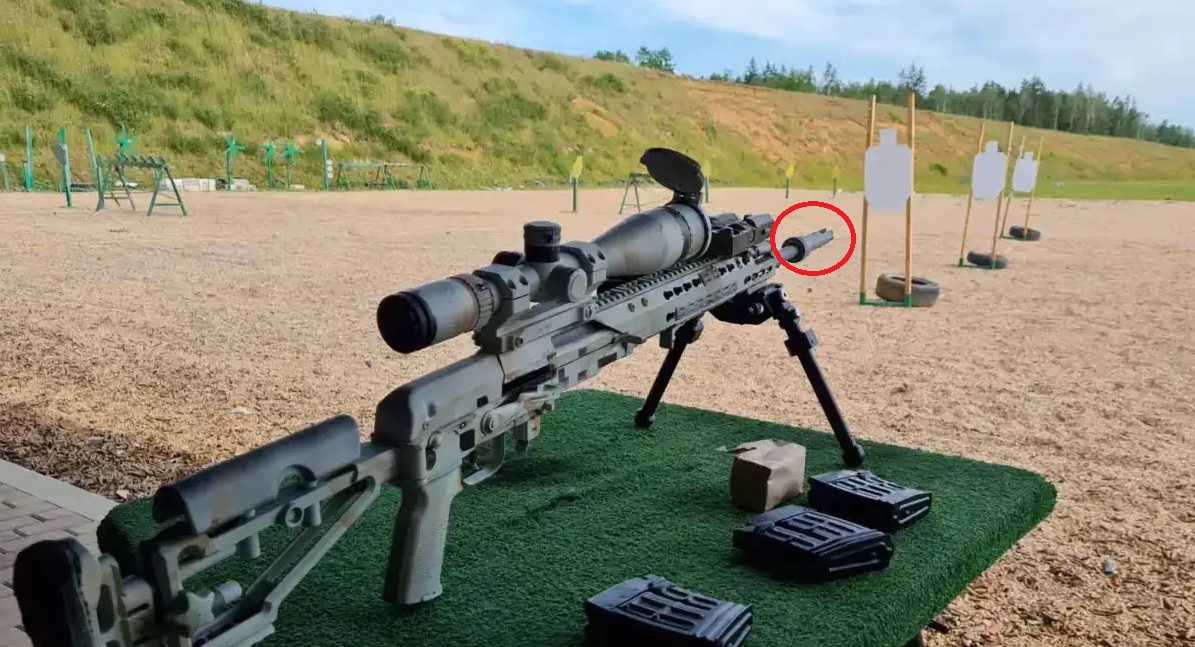
India
In a major boost to India’s defence self-reliance efforts, Bengaluru-based SSS Defence has become the first Indian company to successfully supply indigenous suppressors for the Sako TRG-42 sniper rifles to the Indian Army. This marks a significant shift from the military’s earlier reliance on imported suppressors for precision sniper operations. The Sako TRG-42, originally manufactured by Finnish company SAKO, is a highly accurate bolt-action sniper rifle, typically chambered in .338 Lapua Magnum. It is designed for long-range precision shooting, capable of engaging targets up to 1,500 meters. Suppressors for such rifles play a critical tactical role—reducing noise and muzzle flash, allowing snipers to remain undetected during missions. Until now, Indian forces depended heavily on foreign-made suppressors, but the arrival of SSS Defence's indigenously developed solution is a game-changer. These suppressors have been specifically tailored to meet Indian operational environments, particularly along sensitive regions like the Line of Control (LoC). SSS Defence, which transitioned from the automotive sector, has rapidly emerged as a strong player in India’s private defence industry. The company now designs and manufactures small arms, optics, ammunition, and accessories as part of a complete combat system. Its manufacturing facility in Jigani, near Bangalore, spans 80,000 square feet, and supports both domestic needs and exports. In addition to the suppressors, the company has also developed two sniper rifles: The Viper (7.62x51mm) The Saber (.338 Lapua Magnum) These rifles are designed with Indian special forces and frontline units in mind. Notably, the Saber has gained international attention, with 10–11 countries reportedly showing interest in purchasing it, according to recent defence sector sources. This successful delivery of suppressors to the Indian Army also reflects the objectives of India’s ‘Make in India’ initiative, aimed at fostering defence manufacturing independence and reducing reliance on imports. It also improves logistics by enabling quicker supply chains, easier maintenance, and customization for Indian terrain and combat needs. SSS Defence has already won several defence contracts, including a $50 million ammunition supply deal and export orders for sniper rifles. The company is also involved in upgrading legacy systems, such as modernising AK-47 rifles used by Indian troops. The inclusion of indigenous suppressors for the elite Sako TRG-42 rifles is a landmark achievement. It not only strengthens the Indian Army’s operational edge but also places SSS Defence among the few private Indian defence companies capable of delivering high-end, mission-critical components for modern warfare. This development is expected to pave the way for further exports and collaborations, bolstering India’s status as an emerging global hub for advanced defence technologies.
Read More → Posted on 2025-08-03 14:33:43Search
Top Trending in 24 Hours
-
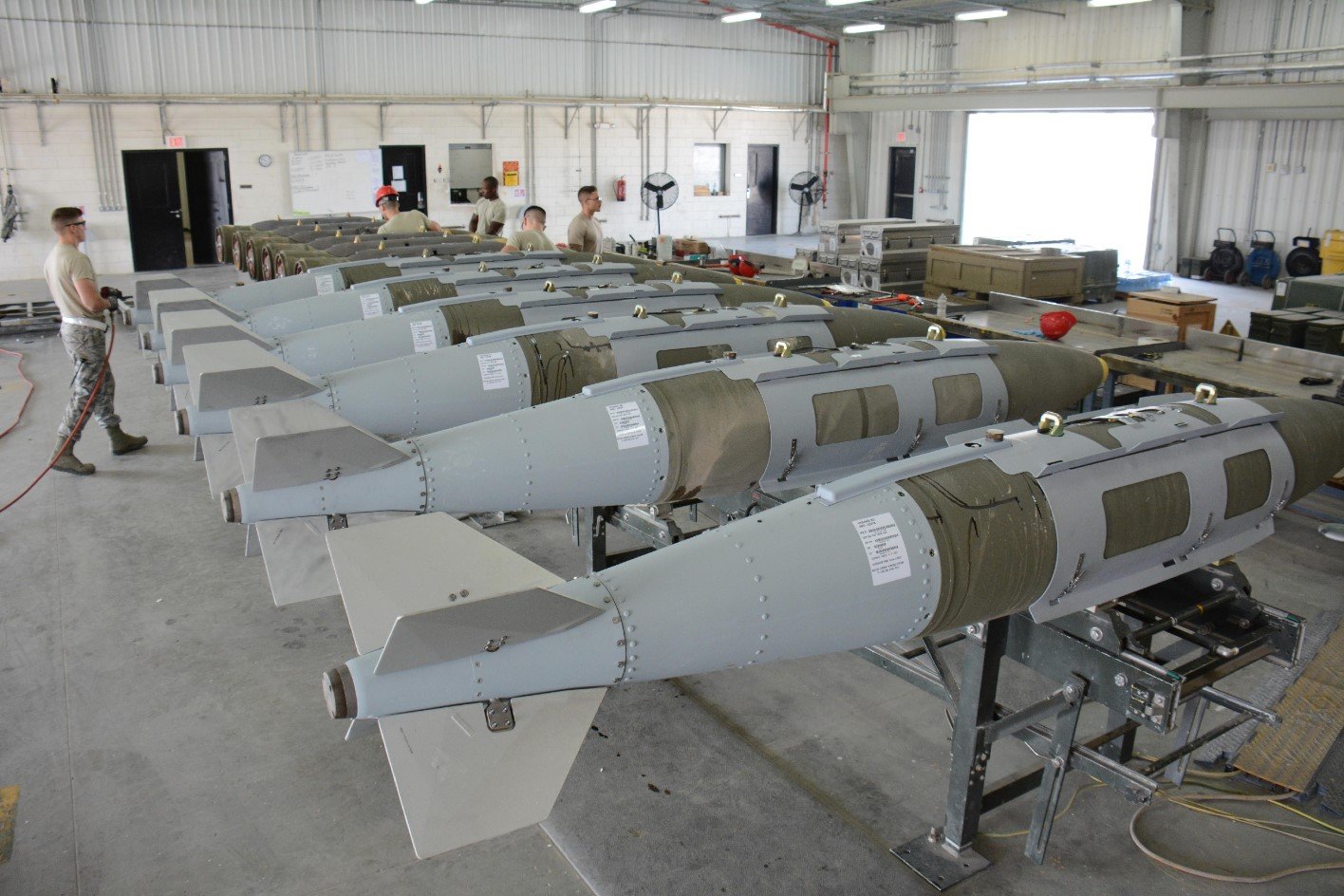 U.S. Plans $2.8 Billion Sale of 40,000 Heavy Bombs and 20,000 I-2000 Penetrator Warheads to Israel
-
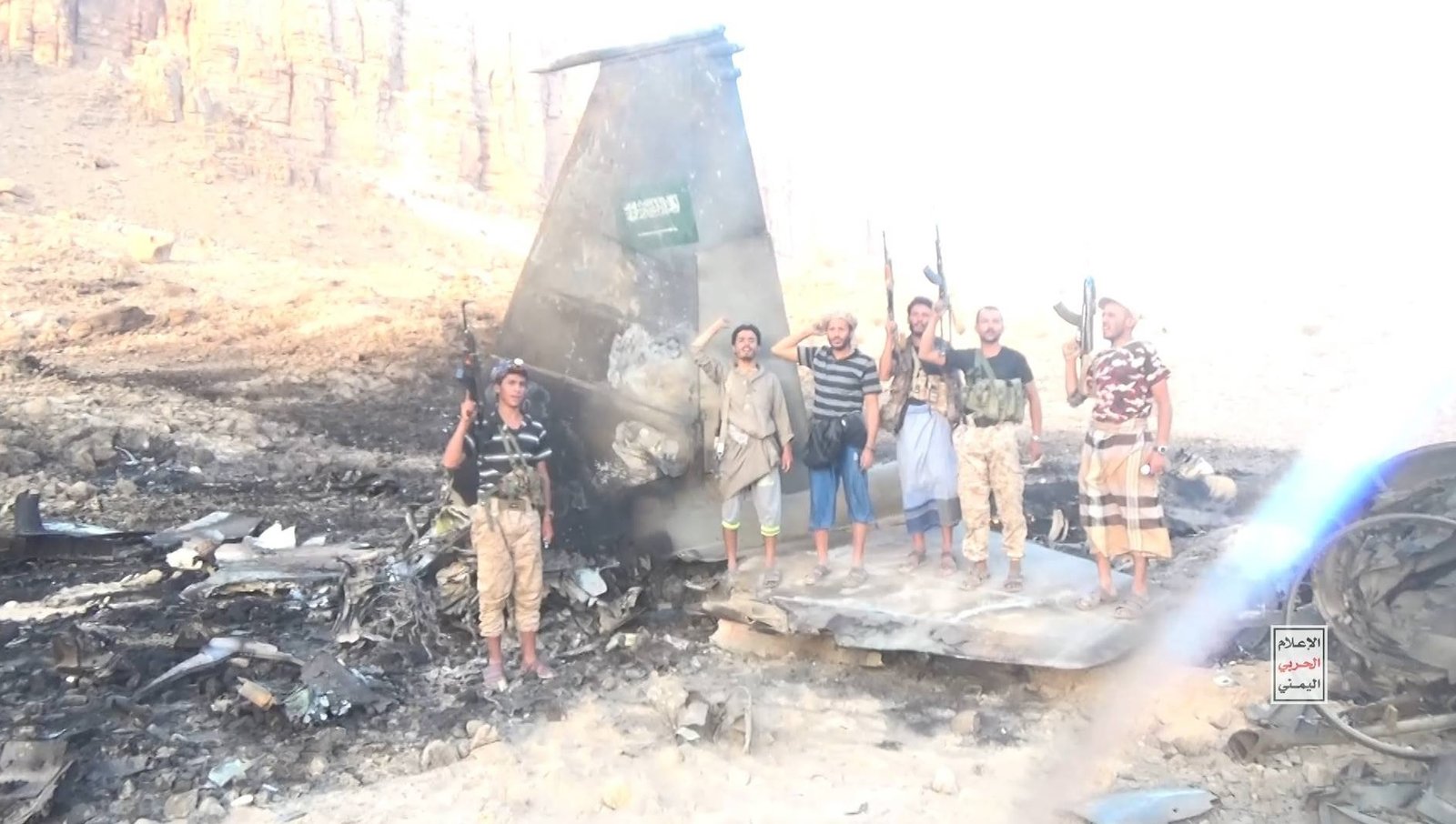 Houthis Claim Downing of Saudi F-15 and Wing Loong II Drone Over Marib
-
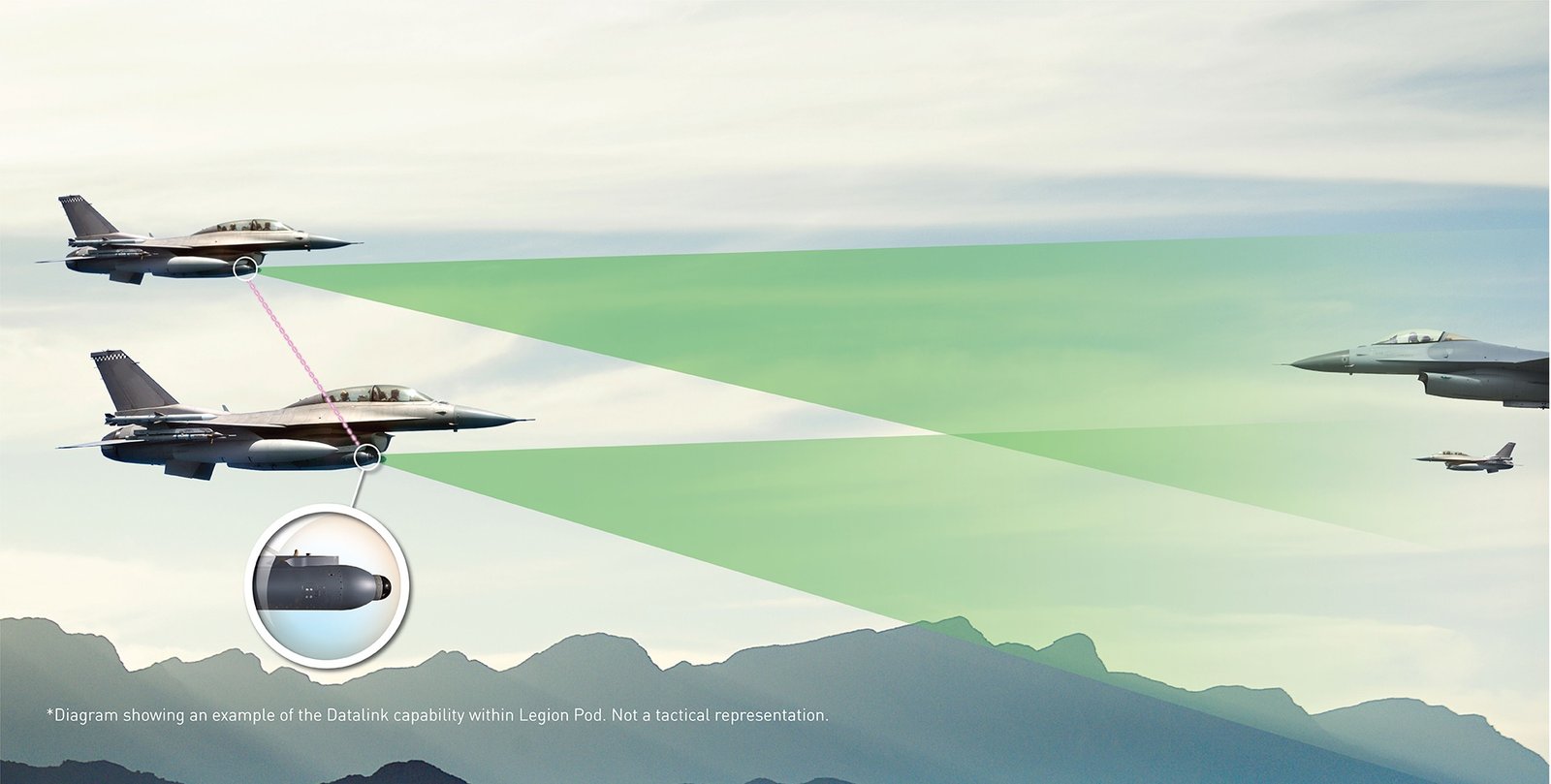 Lockheed Martin Demonstrates Legion Pod-to-Pod Data Link on F-16s for Passive Targeting
-
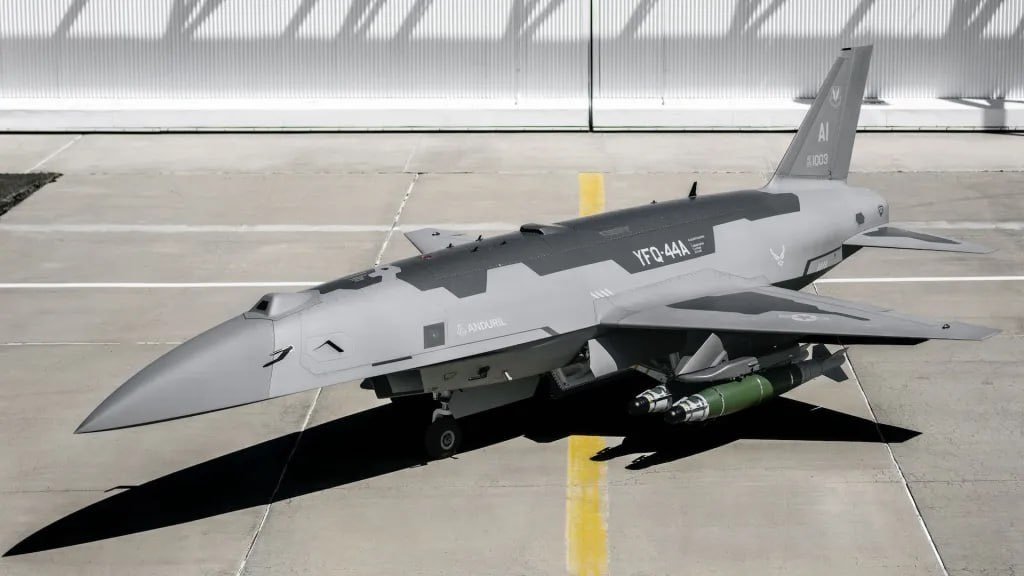 Anduril Conducts Ground Fit-Checks of Air-to-Ground Weapons on YFQ-44A Fury
-
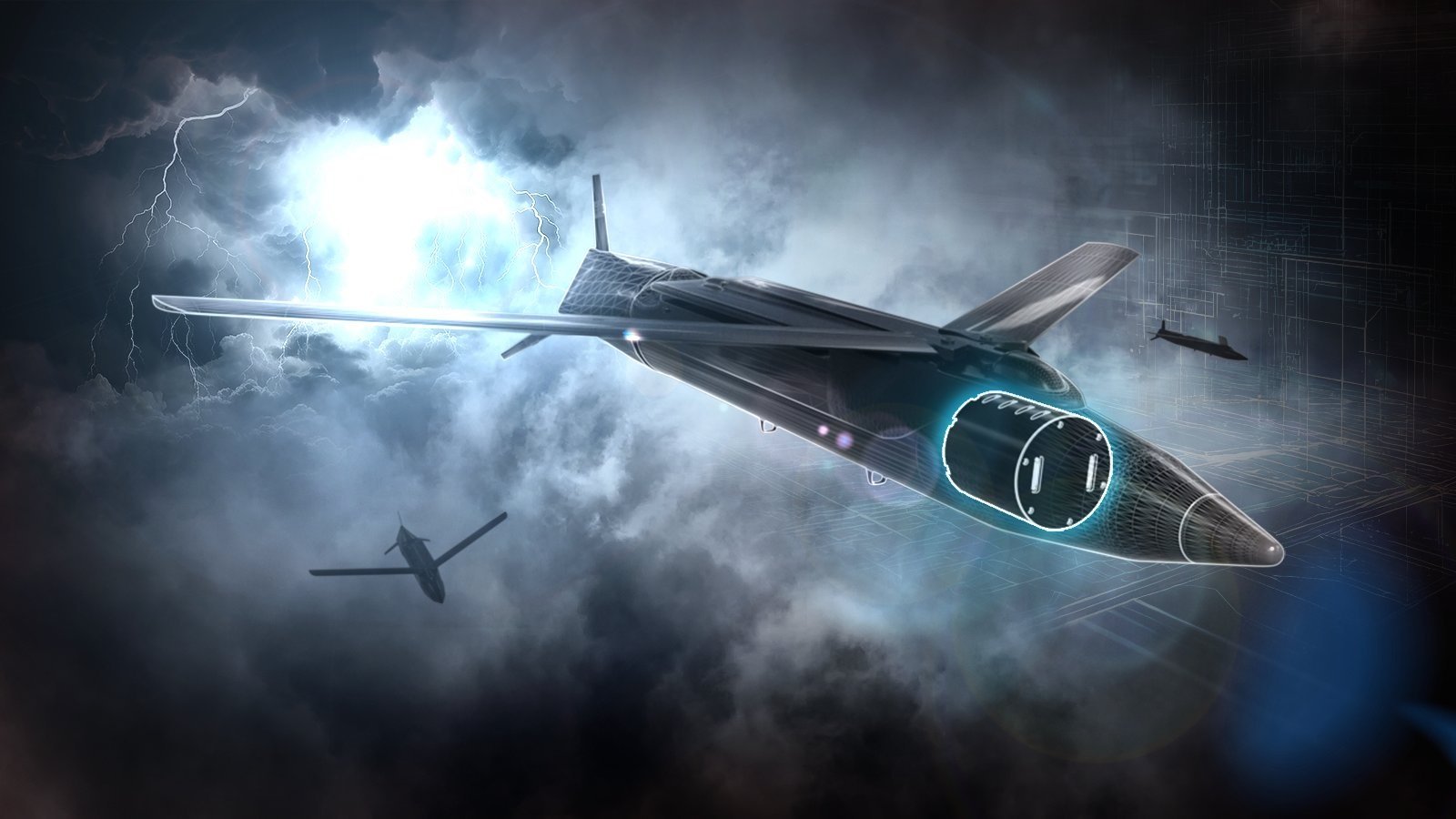 BAE Systems Unveils Shadow EW Suite for Small Drones and Autonomous Aircraft
-
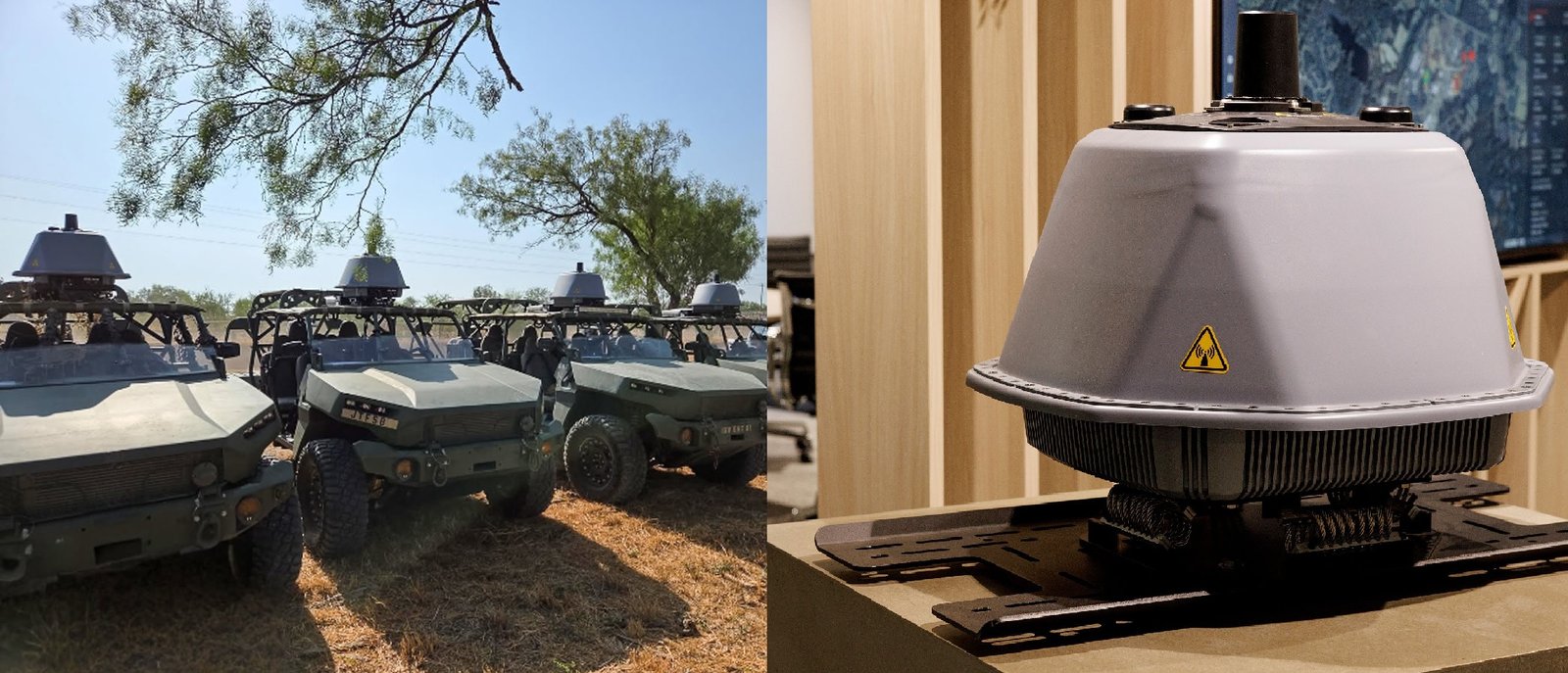 U.S. Military Deploys DroneShield Counter-Drone Systems on Infantry Squad Vehicles
-
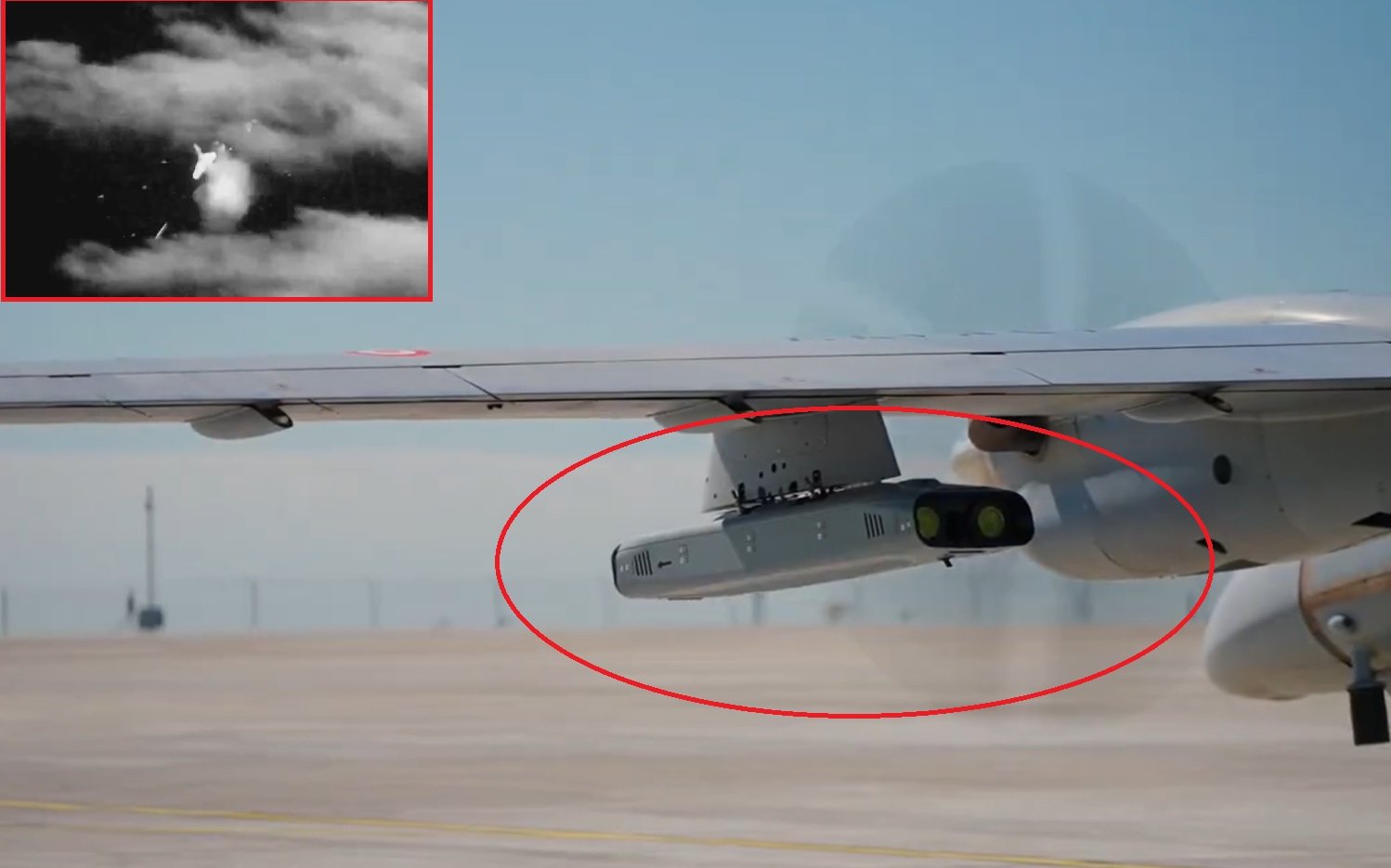 Turkey’s AKINCI Drone Hits High-Speed Aerial Target with SUNGUR Missile in Black Sea Test
-
 Photos Reveal Damaged E-3 Sentry, Buildings and Vehicles at U.S. Bases in Saudi Arabia and Kuwait After Iranian Strikes
Top Trending in 4 Days
-
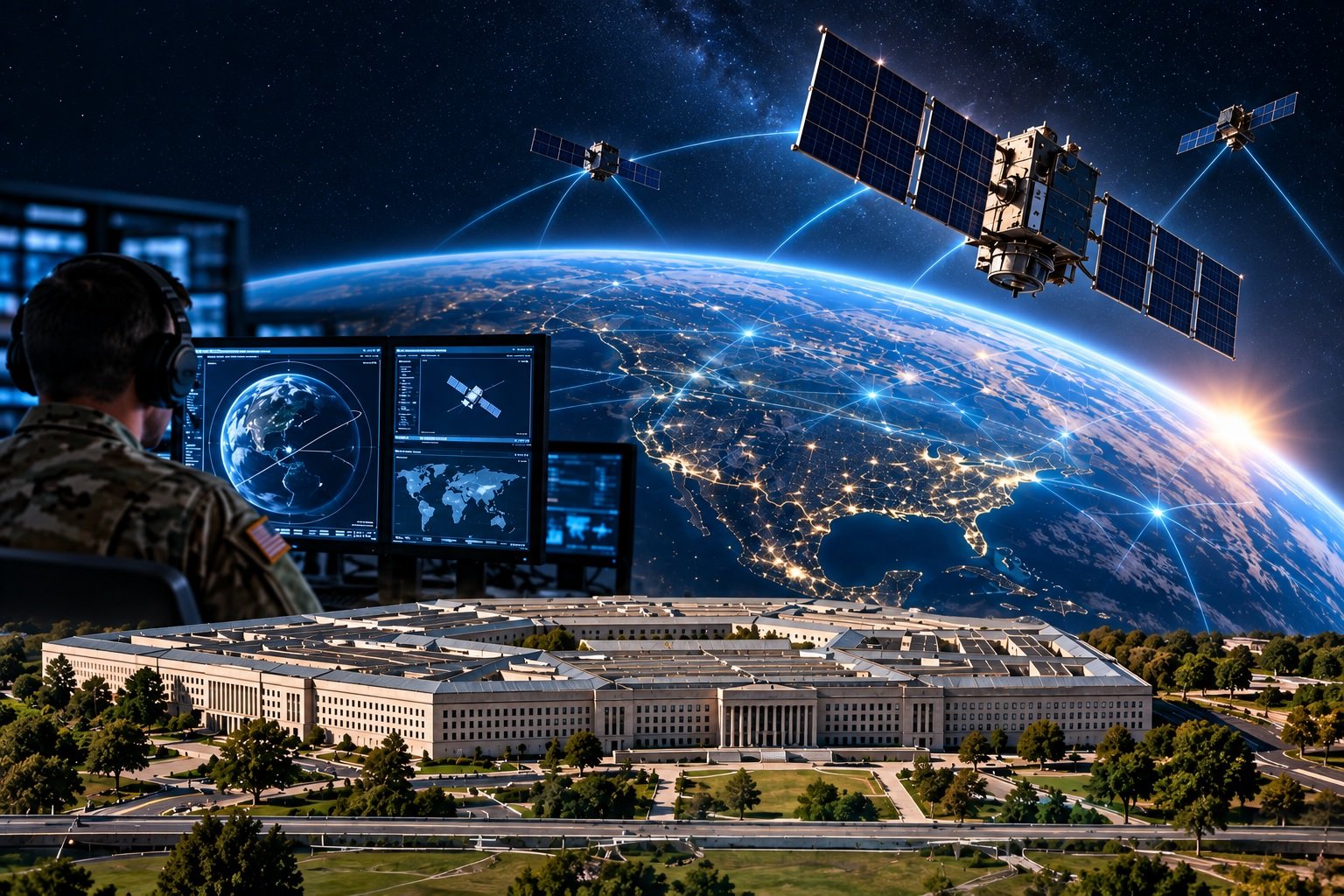 Pentagon Awards BlueHalo Up to $99.8 Million Contract for Orbital Battlespace R&D Program
-
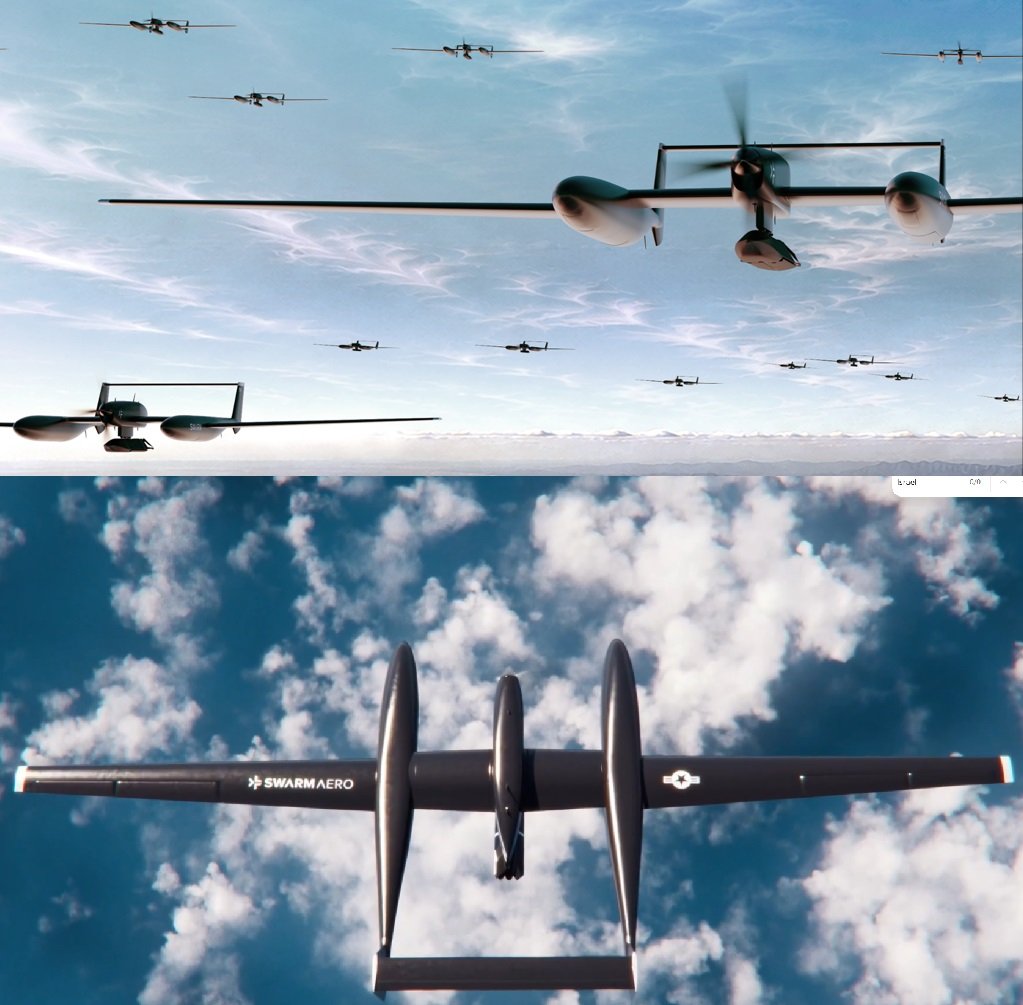 U.S. Firm Swarm Aero Unveils Gamera Group 5 UAS With 9,000-Nautical-Mile Range and Heavy Strike Payload
-
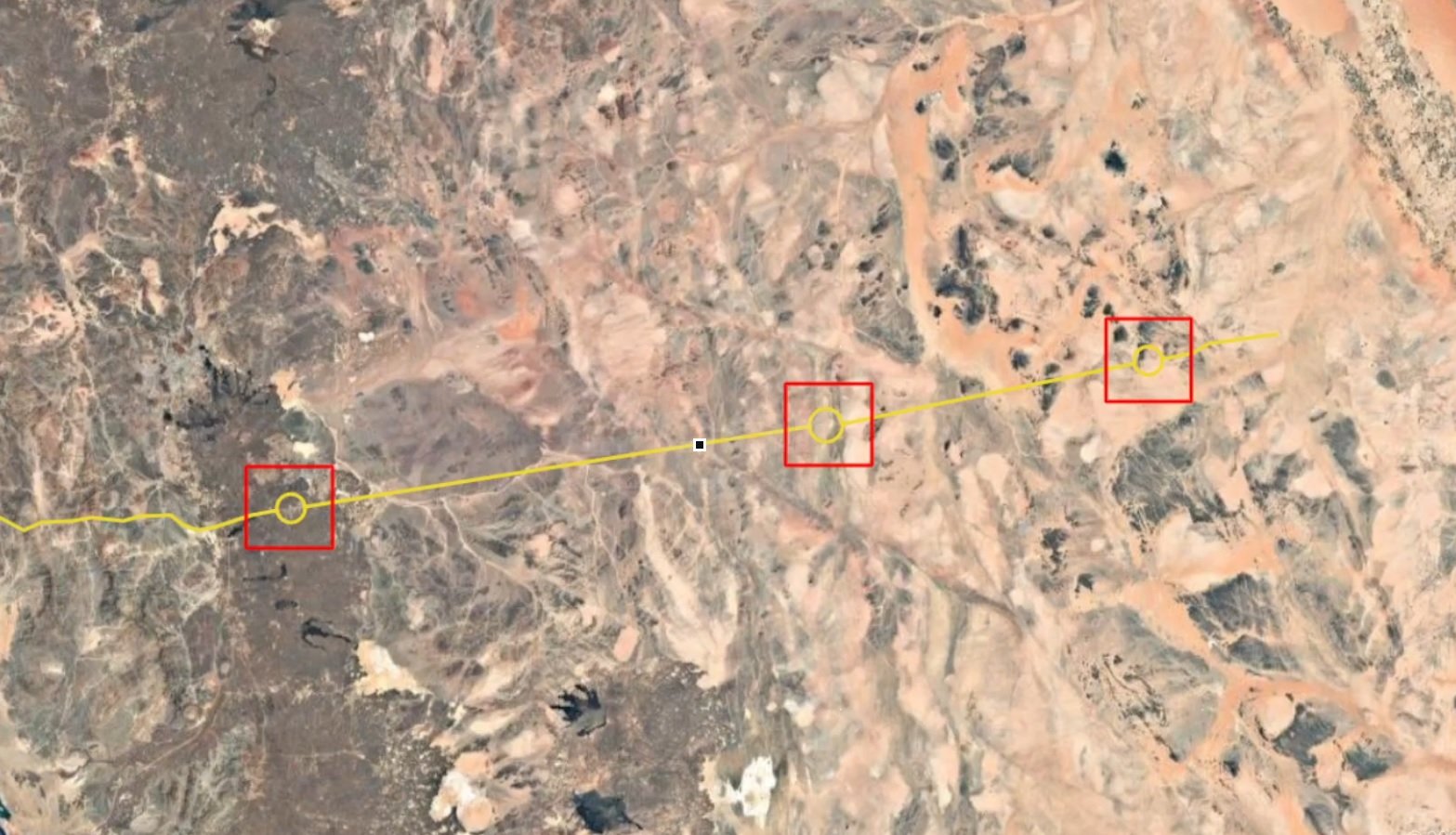 Satellite Imagery Shows Extensive Damage to Saudi Arabia’s East-West Oil Pipeline, Indicating More Than a Single Strike
-
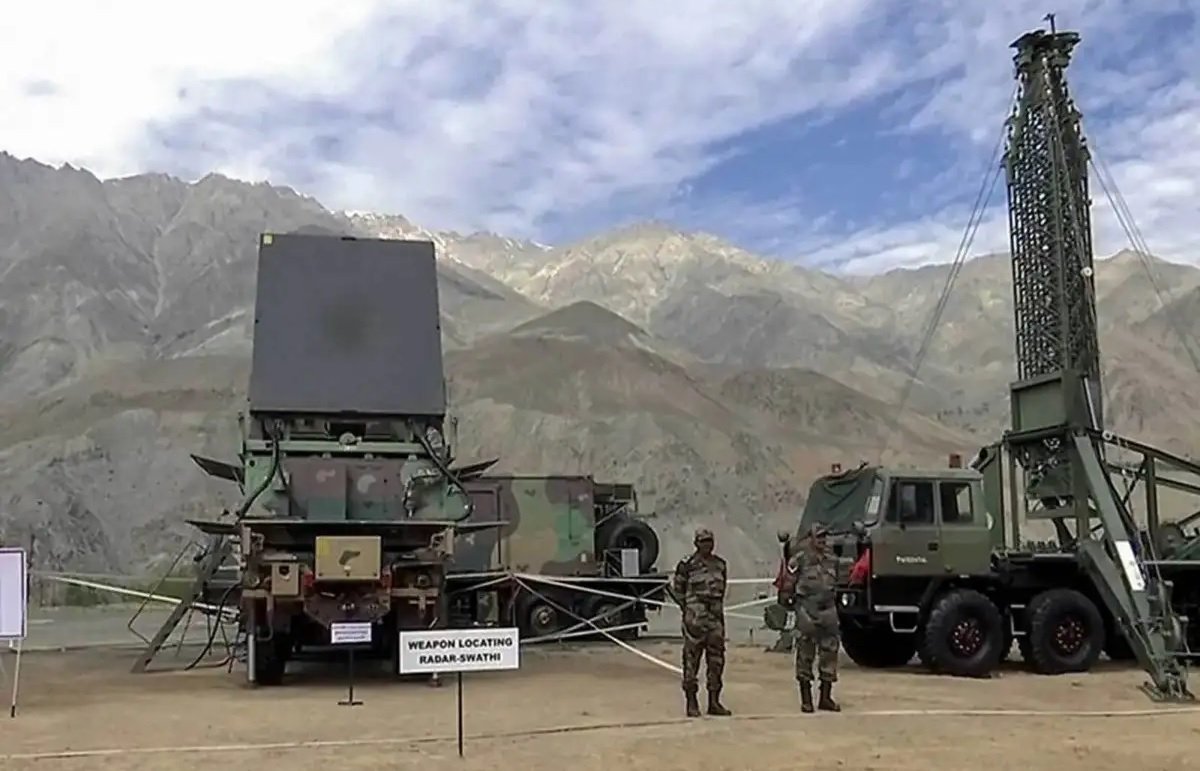 DRDO Demonstrates Indigenous 3.5×3 mm GaN Chip Delivering 30 Watts for Next-Generation Radars and Electronic Warfare
-
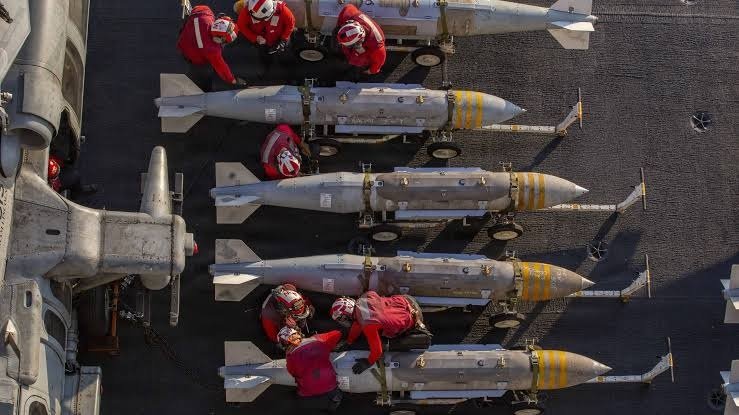 Pentagon Inspector General Report Finds Iran War Caused U.S. Ammunition Shortfalls and Industrial Bottlenecks
-
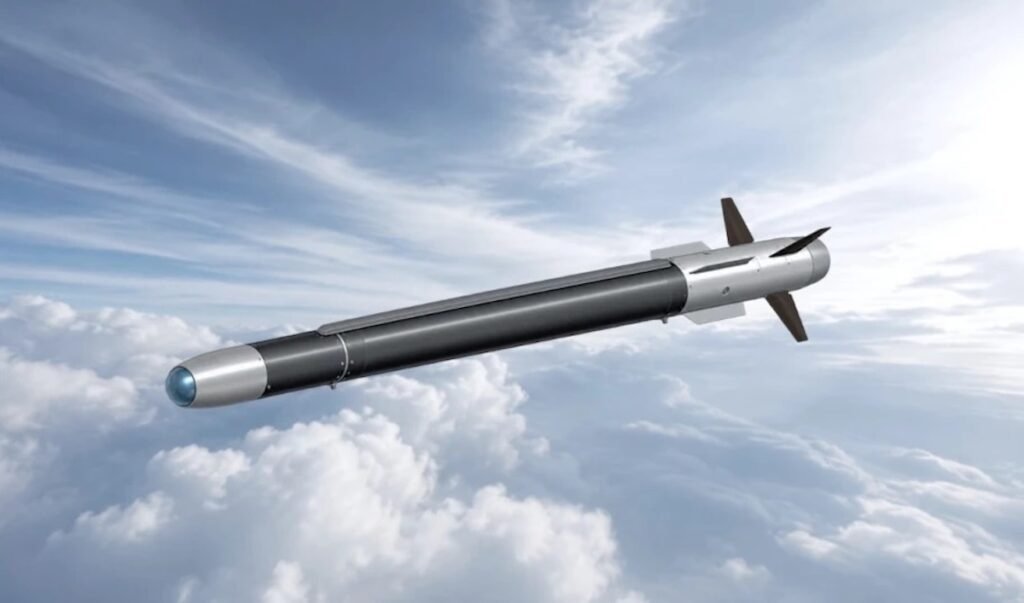 MBDA and Poland’s WITU Advance Low-Cost Supersonic Interceptor Against Swarm Attacks, Seeker Trials Successfully Completed
-
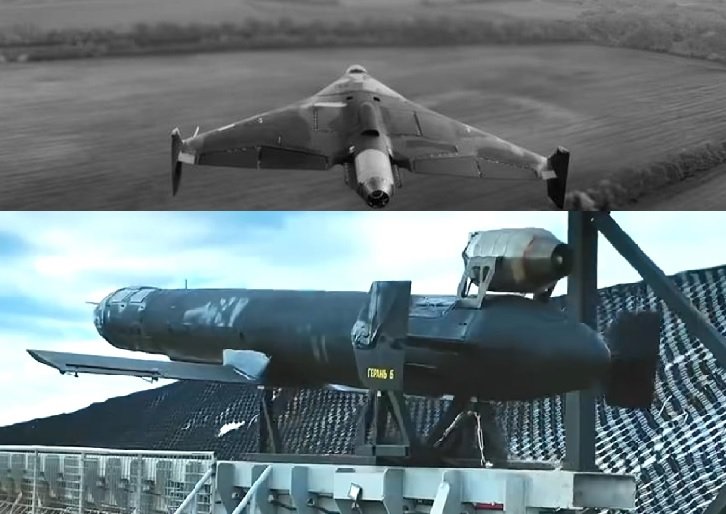 Iran Requests Advanced Geran-4 and Geran-5 Drones From Russia, FT Reports
-
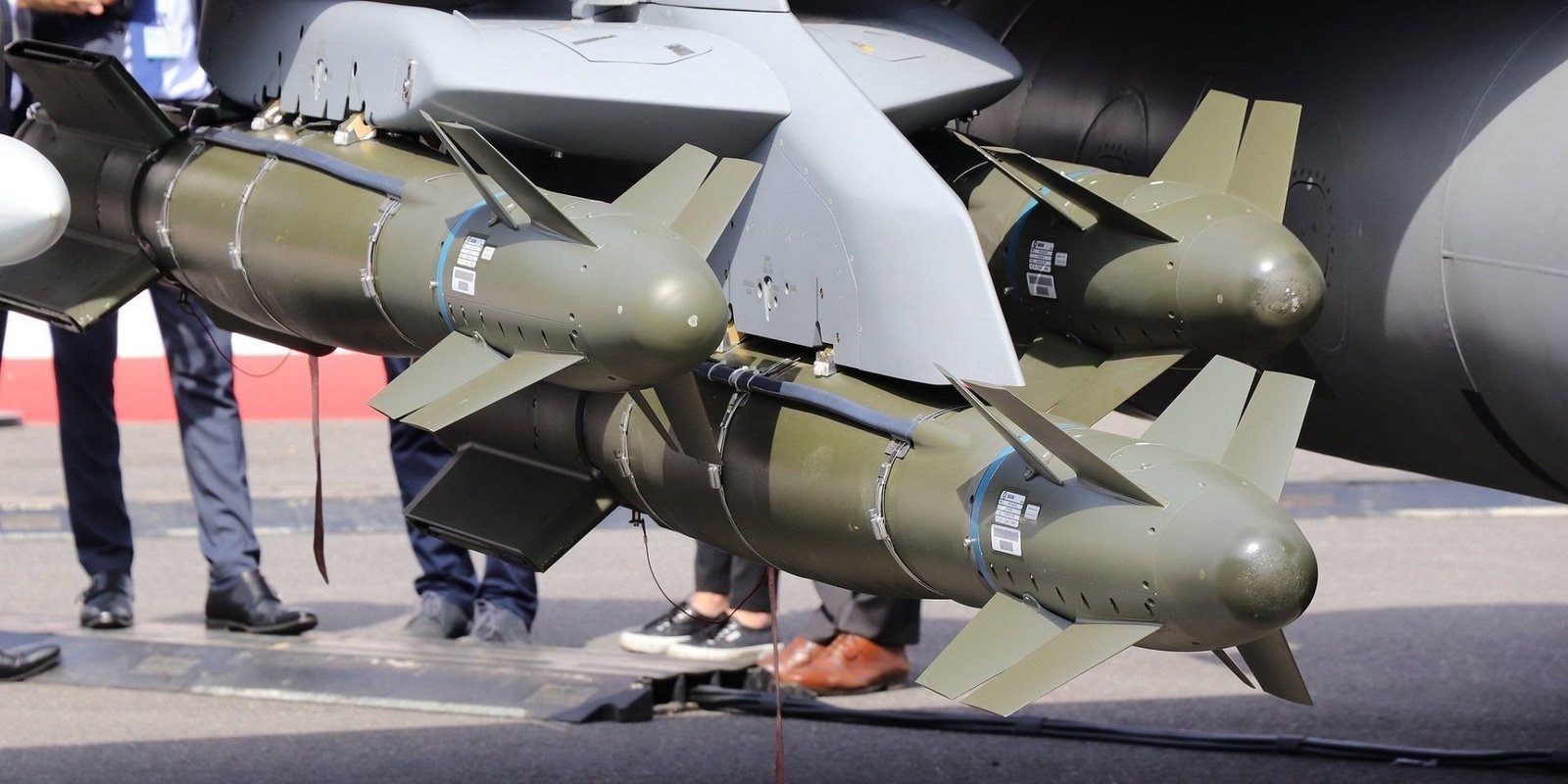 Swedish Gripens Bound for Ukraine to Be Armed with French Rocket-Assisted Hammer Precision Bombs