
India
Mumbai, August 2025 – Mazagon Dock Shipbuilders Limited (MDL) has received official clearance to construct a new floating dry dock with an advanced launching facility at Nhava Sheva near Mumbai. This major project is expected to boost India’s naval and shipbuilding capabilities, while also supporting the nation’s goal of greater self-reliance in defence infrastructure. What is a Floating Dry Dock? A floating dry dock is a large, U-shaped floating structure that can be submerged to allow a ship to enter and then raised to lift the vessel above water. This allows engineers to carry out construction, maintenance, and repair work below the waterline. Unlike traditional land-based dry docks, it can be relocated and adapted as per operational needs, giving greater flexibility to shipbuilders and navies. The addition of a launching facility means that new vessels can be assembled on site and then launched directly into the sea, reducing dependence on limited land slipways and traditional docks. Key Features of the Project Size & Capacity: The new dry dock will be nearly 180 metres long, covering around 13,500 square metres, making it one of the largest of its kind in India. Prefabricated Assembly: Major blocks of the dock will be prefabricated at shipyards in Gujarat and then transported to Nhava for assembly. Modern Design: It will incorporate advanced safety, environmental, and digital systems for efficient operations. Timeline: The project is expected to be completed and fully operational by 2026. Why is This Important? 1. Expanding Shipbuilding Capacity The facility will allow MDL to construct and service larger warships, submarines, and commercial vessels. This will ease pressure on Mumbai’s already congested land-based dockyards and expand overall shipbuilding capacity. 2. Strategic Defence Gains The Indian Navy and Coast Guard will directly benefit, as the new dock will make it easier to build, repair, and modernise frontline warships and submarines. It will also be critical for supporting future large-scale naval projects, including next-generation destroyers and amphibious assault ships. 3. Economic Growth and Jobs The project is expected to generate employment, strengthen the shipbuilding supply chain, and give a boost to India’s maritime economy. It aligns with the national goal of “Atmanirbhar Bharat” (self-reliant India) by enhancing domestic capacity in naval construction. 4. Environmental Clearance Authorities have cleared the project after a detailed assessment. The location near Elephanta Island was chosen as it provides natural protection from waves. Officials confirmed that mangroves and coastal ecology will not be significantly impacted, making the project environmentally feasible. Long-Term Impact This floating dry dock will mark a significant leap in India’s blue-water naval capabilities. By adding flexible and scalable infrastructure, MDL will be able to respond faster to naval requirements, reduce shipbuilding timelines, and support larger and more complex projects. It also places India in the league of advanced maritime nations that rely on floating dock technology to maintain and expand their fleets efficiently. The clearance for MDL’s floating dry dock and launching facility at Nhava Sheva is more than just an infrastructure upgrade. It represents a strategic investment in India’s defence preparedness, shipbuilding self-reliance, and maritime future. Once complete, it will not only strengthen the Indian Navy’s operational edge but also give a major boost to the nation’s shipbuilding industry and coastal economy.
Read More → Posted on 2025-08-20 16:33:13
India
New Delhi, August 2025 – The Cabinet Committee on Security (CCS) has approved a project worth ₹19,000 crore to acquire six Airborne Early Warning and Control (AEW&C) aircraft for the Indian Air Force (IAF). The aircraft will be based on the Airbus A321 platform and equipped with advanced indigenous surveillance systems. According to officials, the A321 aircraft will be modified and fitted with the Netra Mk II mission suite, developed by the Defence Research and Development Organisation (DRDO). The new system will give the IAF enhanced radar coverage, long-range detection, and better command-and-control capability. Major Upgrade for Air Defence The project involves converting existing Air India Airbus A321 jets into fully capable AEW&C aircraft. The aircraft will be structurally strengthened, refitted, and integrated with radar and mission electronics. The Netra Mk II will feature an Active Electronically Scanned Array (AESA) radar mounted on the fuselage, providing about 300 degrees of coverage. A smaller radar in the nose section will help fill blind spots, giving near-complete situational awareness. Officials said the aircraft will help detect enemy aircraft, drones, and missiles at long ranges and guide Indian fighters and missile systems in real time. The upgraded capability is considered essential for India’s security environment, particularly along the northern and western borders. Expanding the Fleet The IAF currently operates three Embraer ERJ-145 based Netra Mk I aircraft and three IL-76 Phalcon AWACS. However, the limited numbers and the ageing IL-76 platforms have created gaps in 24x7 aerial surveillance. With the induction of the six A321-based systems, the IAF will significantly expand its airborne surveillance strength. Deliveries are expected to begin by 2026–27, with all aircraft operational by 2028–29. The AEW&C project is seen as a milestone for India’s defence industry. While Airbus will assist in modifying the aircraft structure, the mission systems, radars, and integration will be handled in India under DRDO leadership. Indian companies are also expected to play a major role in the development and supply chain. Officials stressed that this step aligns with the government’s focus on “Atmanirbhar Bharat” and marks an important achievement in building complex defence technology within the country. Experts said the new aircraft will provide the IAF with the ability to monitor airspace deep inside hostile territory, track multiple aerial threats, and coordinate fighter and missile operations more effectively. The move comes at a time when both China and Pakistan are strengthening their airborne surveillance fleets. With the approval of this project, India will take a decisive step toward ensuring stronger command, control and surveillance capabilities in contested skies.
Read More → Posted on 2025-08-20 16:23:41
India
Washington, August 2025 — In a dramatic turn of U.S. foreign policy, President Donald Trump has announced a fresh round of sanctions targeting India, doubling tariffs on Indian goods to 50 percent. The move, confirmed by White House Press Secretary Karoline Leavitt, is part of a broader strategy of applying “secondary pressure” on Russia by going after some of its key trading partners. The White House justified the sanctions by pointing to India’s continued oil imports and defence purchases from Moscow, which Washington believes are indirectly sustaining Russia’s wartime capacity in Ukraine. According to Leavitt, Trump’s message to New Delhi is clear: align more closely with Western sanctions efforts, or face economic consequences. Strategic Timing and Diplomatic Push Trump’s decision comes at a sensitive moment in global diplomacy, as the administration tries to accelerate peace talks between Moscow and Kyiv. The White House revealed that the U.S. President recently held his “best conversation” yet with Ukrainian President Volodymyr Zelensky, and has even signaled openness to a potential trilateral summit with Russian President Vladimir Putin to personally mediate a ceasefire or peace framework. In the days following Trump’s private talks with Putin in the U.S., several European leaders and NATO Secretary General Jens Stoltenberg rushed to Washington for consultations. According to the administration, this sequence highlights a diplomatic momentum rarely seen in the conflict, with Trump’s personal involvement casting him as a proactive dealmaker. Leavitt emphasized that unlike his predecessors, Trump has provided direct, timely readouts of Russia’s positions to allies, claiming that this transparency has bolstered European confidence in Washington’s leadership. India in the Crosshairs The tariffs on India are seen as the most striking element of this broader strategy. For years, India has deepened its energy trade with Russia, importing record amounts of discounted crude oil and refining it for both domestic use and exports. Additionally, India continues to rely on Russian-origin defence equipment, from S-400 air defence systems to naval hardware. U.S. officials argue that these ties undermine Western sanctions designed to choke Moscow’s revenue streams. Trump’s administration now views tariffs as leverage to push India away from Russia and into tighter alignment with the West. But the move risks complicating relations with New Delhi, which Washington has long regarded as a critical strategic partner in the Indo-Pacific, especially as a counterweight to China. Analysts warn that alienating India could weaken the Quad security framework and complicate U.S. regional goals. Trump’s Diplomatic Framing The White House has leaned heavily on Trump’s personal narrative that the Ukraine war would never have started under his presidency. Leavitt went further, claiming that Vladimir Putin himself acknowledged this view, a statement that adds to Trump’s framing of himself as uniquely capable of deterring conflict through direct diplomacy. The administration portrays these sanctions not as punitive toward India, but as part of a grand strategy to bring Moscow to the table faster. Trump is described as dedicating substantial personal time and energy to ensure that any eventual peace agreement will be long-lasting, with robust security guarantees underpinned by NATO and European partners. Risks and Payoffs For Trump, the gamble is significant. By targeting India, he risks straining a partnership that has been nurtured over two decades by both Democratic and Republican administrations. However, the White House argues that the global stakes—ending a war that has dragged on for more than three years and destabilized energy and food markets—justify such measures. If successful, Trump’s approach could position the U.S. as the central mediator in the Ukraine crisis, reshaping the narrative of American leadership in Europe and beyond. But if it backfires, Washington risks pushing New Delhi closer to strategic autonomy, or even deeper into energy and defence ties with Moscow. Trump’s decision to sanction India underscores his unconventional, high-risk diplomatic style—using economic levers not directly against Russia, but against its partners, in hopes of forcing progress on peace talks. With potential Trump-Putin-Zelensky negotiations on the horizon, Washington is betting that this mix of pressure and personal diplomacy can achieve what traditional approaches have not: a breakthrough in Europe’s most devastating war since World War II.
Read More → Posted on 2025-08-20 14:58:43
India
In a significant boost to India's strategic defense capabilities, the Ministry of Defence announced on Wednesday, August 20, 2025, that the country had successfully test-fired the Intermediate Range Ballistic Missile 'Agni-5' from the Integrated Test Range at Chandipur in Odisha. "The launch validated all operational and technical parameters. It was carried out under the aegis of the Strategic Forces Command," the MoD stated in an official release. This test marks another milestone in India's indigenous missile development program, showcasing the nation's advancing prowess in ballistic missile technology. The successful firing comes on the heels of a prominent Notice to Airmen (NOTAM) issued for the Bay of Bengal region, which had sparked widespread speculation among defense analysts and observers. The NOTAM, effective from August 20 to 21, 2025, designated a vast no-fly zone extending approximately 4,795 kilometers into the Indian Ocean from the Odisha coast. This extensive corridor, one of the longest ever notified by India for such activities, was intended to ensure aviation safety during the high-stakes missile trial. Issued from the Abdul Kalam Island launch site, the warning covered a danger zone of about 2,530 nautical miles initially, but was later revised to nearly 4,790 kilometers, fueling discussions about the potential testing of advanced long-range systems. Defense experts noted that such a prolonged NOTAM suggests preparations for a missile with intercontinental capabilities, aligning with the Agni-5's reported range of over 5,000 kilometers, which classifies it as an Inter-Continental Ballistic Missile (ICBM) despite some reports labeling it as intermediate-range. The Agni-5, developed by the Defence Research and Development Organisation (DRDO), features advanced technologies including multiple independently targetable re-entry vehicles (MIRV) in some variants, enabling it to deliver payloads with high precision over vast distances. This capability enhances India's nuclear deterrence posture, particularly in the context of regional security dynamics. The NOTAM was first reported around August 11, 2025, with initial coordinates indicating a 1,560-kilometer zone in the Bay of Bengal. Subsequent updates extended the restricted area significantly, prompting analyses that the test might involve an upgraded version of the Agni series, such as the Agni-5 MIRV or even speculative mentions of the Agni-6. Social media and open-source intelligence trackers highlighted the unusual length of the corridor, comparing it to previous tests like the 2022 Agni-5 trial, which had a NOTAM range of around 5,400 kilometers. Conducted under the Strategic Forces Command, the launch on August 20 validated the missile's operational readiness, including guidance systems, propulsion, and re-entry mechanisms. The MoD emphasized that all technical parameters were met, underscoring the reliability of the three-stage, solid-fueled missile, which can carry a nuclear warhead weighing up to 1.5 tons. This test is part of India's ongoing efforts to strengthen its second-strike capabilities, amid evolving geopolitical tensions in South Asia and beyond. The Bay of Bengal has long served as a primary testing ground for India's missile programs due to its expansive maritime area, minimizing risks to populated regions. Previous NOTAMs for similar tests have been issued for systems like the Agni-4 and K-4 submarine-launched ballistic missiles. The recent extension of the danger zone also coincided with international observations, including port calls by foreign naval vessels in nearby areas, raising questions about potential surveillance activities. As India continues to indigenize its defense arsenal, the successful Agni-5 test and the associated NOTAM highlight the nation's commitment to maintaining a credible minimum deterrence. With the missile now nearing full induction into the armed forces, this development is poised to reshape strategic equations in the region.
Read More → Posted on 2025-08-20 14:54:56
India
The Tejas Mk2, India’s much-anticipated 4.5-generation fighter jet, has taken a major step forward with the unveiling of its advanced simulator cockpit, offering the first detailed look into the aircraft’s design and systems. Developed by the Aeronautical Development Agency (ADA) under the Light Combat Aircraft (LCA) program, the Tejas Mk2 is positioned as a significant leap from the Tejas Mk1, with enhanced combat capabilities, greater payload, and longer endurance. The first prototype is scheduled to roll out by May 2026, with flight testing expected soon after. Next-Gen Cockpit for Next-Gen Pilots According to ADA test pilots, the Tejas Mk2 cockpit has been engineered with a clear focus on automation, reduced workload, and situational awareness. Unlike the Mk1, which had numerous switches and conventional controls, the Mk2 adopts a Large Area Display (LAD)—a wide, touch-enabled digital interface that integrates flight and tactical data. This modern cockpit design reduces clutter and provides pilots with a streamlined, intuitive control environment. The controls are supported by HOTAS (Hands-On Throttle and Stick), allowing pilots to manage critical functions such as communication, electronic warfare, and weapons release without moving hands away from the throttle and stick. The cockpit also includes a side-stick design, helmet-mounted display and sight system (HMDS), and a large head-up display (HUD), giving pilots enhanced visibility and control in high-pressure combat scenarios. Sensor Fusion for Superior Combat Awareness One of the most important upgrades in the Tejas Mk2 is sensor fusion technology, which combines data from radar, electronic warfare systems, and other onboard sensors into a single tactical picture. This integration allows the pilot to instantly recognize threats, differentiate between friendly and hostile aircraft, and even receive system-generated suggestions such as engaging or evading an enemy. In addition, pilots flying in formation can assign targets and distribute tasks seamlessly, improving coordination and combat efficiency in multi-aircraft operations. Simplified Targeting and Engagement The Mk2 introduces a Target Designate Button and cursor control system that allow pilots to quickly lock onto targets without shifting focus or moving hands from primary controls. Once locked, the pilot can engage instantly using the trigger, a feature that speeds up missile deployment and reduces reaction time during dogfights or beyond-visual-range engagements. Electronic Warfare and Self-Protection Equipped with a Radar Warning Receiver (RWR) and Missile Approach Warning System (MAWS), the Mk2 offers strong defensive capabilities. These systems alert pilots of incoming threats in real time, allowing rapid countermeasures such as electronic jamming, decoys, or evasive maneuvers. More Weapons, More Fuel, Longer Missions The Tejas Mk2 addresses one of the key limitations of its predecessor—the payload and endurance. With 11 hardpoints, the aircraft can carry up to 10 Beyond Visual Range (BVR) missiles and is compatible with a wide variety of advanced munitions, including SCALP cruise missiles, SPICE precision bombs, and HAMMER smart weapons. The internal fuel capacity has been raised to 3,300 kg, while external tanks increase total carriage to 6,000 kg, giving the aircraft the ability to fly 3.5-hour patrols. When equipped with mid-air refueling capability, its endurance stretches to nearly 10 hours, giving the Indian Air Force unmatched operational flexibility for both defensive and offensive missions. Environmental and Autopilot Systems To ensure pilot comfort and effectiveness, the cockpit includes an advanced climate control system, capable of maintaining a steady 25–26°C even in extreme weather conditions, ranging from desert heat to freezing altitudes. A canopy demist function prevents fogging and maintains clear visibility. The autopilot system is highly advanced, covering four dimensions—position, altitude, time, and speed—allowing the pilot to delegate route navigation to the system while focusing entirely on tactical operations. Simulator-Driven Development The Tejas Mk2 simulator is not just a display tool but an integral part of development. By refining cockpit ergonomics and interfaces in a simulated environment, ADA ensures that pilot feedback is incorporated early, avoiding costly last-minute design changes. This approach mirrors global best practices in fighter jet development, ensuring the aircraft is combat-ready from the outset. India’s Leap Toward Indigenous Air Power The Tejas Mk2 is designed as a medium-weight fighter, bridging the gap between the Tejas Mk1 and advanced foreign aircraft like the Rafale. Powered by the GE F-414 engine, it is expected to deliver almost double the payload capacity of the Mk1 and integrate next-generation sensors, avionics, and weapons. With its rollout scheduled for 2026, the aircraft is projected to be inducted by the end of this decade, replacing ageing MiG-29s, Mirage-2000s, and Jaguars in the Indian Air Force fleet. The unveiling of the Tejas Mk2 cockpit through the simulator marks a turning point in India’s fighter jet program. With advanced avionics, sensor fusion, enhanced weapon capacity, and longer range, the Mk2 is not just an upgrade but a transformative step towards self-reliance in aerospace. If timelines are met, it will significantly boost India’s air combat capabilities and establish the country as a strong contender in the global defence aviation market.
Read More → Posted on 2025-08-19 16:23:13
India
New Delhi, August 2025 — In a major step for India’s military modernisation, the Union Government has approved the procurement of 97 additional LCA Tejas Mk-1A fighter jets for the Indian Air Force (IAF). The deal, worth ₹62,000 crore ($7.1 billion), is one of the largest-ever indigenous fighter aircraft orders and will significantly enhance the IAF’s combat strength while ensuring long-term stability for India’s aerospace industry. Expanding the Tejas Fleet The Tejas Mk-1A, developed by the Aeronautical Development Agency (ADA) and manufactured by Hindustan Aeronautics Limited (HAL), is an advanced variant of India’s Light Combat Aircraft. It features a state-of-the-art AESA radar, beyond-visual-range missile capability, electronic warfare systems, and mid-air refuelling, making it a versatile fourth-plus generation fighter. This new order comes in addition to the 83 Tejas Mk-1A fighters contracted in 2021. With the latest clearance, the IAF’s total order book for the Mk-1A rises to 180 aircraft, ensuring multiple squadrons are equipped with modern fighters to replace ageing MiG-21s and Jaguars. Production and Delivery HAL has been expanding its production capacity at Bengaluru and Nashik to meet rising demand. With the new order, the company will sustain a manufacturing pace of 24–30 aircraft annually, ensuring deliveries stretch well into the 2030s. The first deliveries from the 2021 contract have already begun. The only potential challenge lies in the supply rate of the GE F404 engines, which power the Mk-1A. While HAL is ready to scale up production, the pace of engine deliveries from the United States will play a crucial role in keeping the manufacturing schedule on track. Economic and Strategic Impact The project will provide a major boost to the domestic aerospace ecosystem, with hundreds of local companies in the supply chain and thousands of jobs in design, assembly, and maintenance. It will also support India’s growing reputation as a manufacturer of reliable, modern combat aircraft, with interest already coming from countries in Asia, Africa, and Latin America. For the IAF, the Tejas Mk-1A will fill a critical gap at a time when squadron strength is below the sanctioned 42 units. Its induction ensures flexibility across the western and northern borders, providing a cost-effective yet modern platform until the more advanced LCA Mk-2 and AMCA enter service in the coming years. The clearance of this ₹62,000 crore deal for 97 Tejas Mk-1A jets is a decisive moment for the Indian Air Force. With nearly 180 aircraft now on order, the Tejas will soon become the backbone of India’s fighter fleet. The only hurdle ahead is whether GE can increase the supply rate of F404 engines quickly enough to match HAL’s accelerated production timeline.
Read More → Posted on 2025-08-19 16:07:26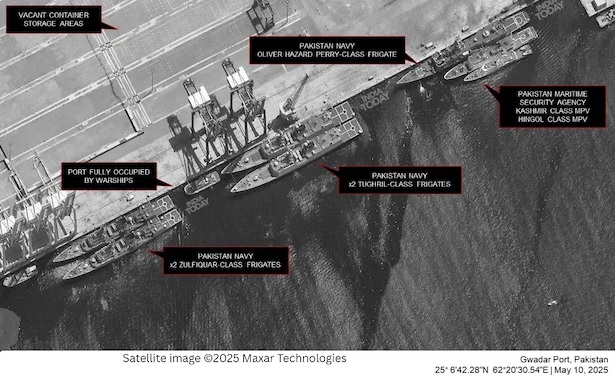
India
The May 2025 Indo-Pak conflict, codenamed Operation Sindoor, marked a turning point in South Asian naval strategy. Following India’s precision strikes on nine terror-linked locations across Pakistan and PoJK on the night of May 6–7, New Delhi declared its mission complete. Yet, while Islamabad vowed retaliation, the reality captured in satellite imagery of Karachi and Gwadar ports told a different story—one of strategic retreat and defensive repositioning. Karachi: Commercial Terminals Turned into Naval Refuge Satellite pictures dated May 8, 2025, revealed a striking shift in Pakistan Navy (PN) operations. Instead of projecting power seaward, several frontline warships were docked at Karachi’s commercial container terminals—a move that senior naval experts interpreted as an attempt to shield assets under civilian cover. Ships Identified at Karachi: PNS Alamgir (Oliver Hazard Perry-class frigate) A Babur-class corvette A Damen Offshore Patrol Vessel (OPV) At least one additional frigate at the container terminal These vessels were berthed just meters away from cargo ships and containers, blending with civilian maritime activity. Retired Vice Admiral S.C. Suresh Bangara, a veteran of the 1971 Karachi harbour attack, described this as a “clear sign of low operational readiness.” He added, “Berthing them in the commercial port area is a sign of hoping to evade missile attacks, even at the cost of civilian risk.” Gwadar: From CPEC Jewel to Naval Fallback The Gwadar port, touted as the crown jewel of the China–Pakistan Economic Corridor (CPEC), played an unexpectedly military role during the conflict. By May 10, high-resolution imagery from Maxar Technologies showed Gwadar’s 600-meter berth packed with warships, while its commercial container storage areas lay empty. Ships Identified at Gwadar: Two Tughril-class (Type 054A/P) frigates Two Zulfiquar-class (F-22P) frigates One Oliver Hazard Perry-class frigate (PNS Alamgir) Two Maritime Security Agency patrol vessels (Kashmir-class and Hingol-class) Instead of hosting container trade, Gwadar became a temporary naval refuge, barely 100 km from Iran. Vice Admiral Bangara observed, “Gwadar, bereft of commercial activity, was the wrong choice to berth front-line ships. They stuck out prominently. It would appear that the only force at sea were their submarines.” The INS Vikrant Factor At the heart of Operation Sindoor was INS Vikrant, India’s first indigenous aircraft carrier, which undertook its maiden combat deployment. Backed by a Carrier Battle Group (CBG) of destroyers, frigates, submarines, and BrahMos-equipped platforms, Vikrant’s presence in the Arabian Sea exerted immense psychological and strategic pressure. Geo-intelligence researcher Damien Symon noted that Pakistan Navy’s decision to disperse and hide its fleet mirrored the deterrent effect of Vikrant. He explained, “India postured toward potential military objectives in Karachi, forcing Pakistan to scatter its fleet between civilian berths and Gwadar.” Operational Weaknesses in Pakistan Navy Despite showcasing its new P282 ship-launched ballistic missile in late 2024, the Pakistan Navy struggled to demonstrate credible deterrence. Many of its submarines were sidelined for refits and maintenance, significantly diluting its undersea strength at a critical juncture. Moreover, Pakistan’s Army-dominated joint command limited the Navy’s operational autonomy. This asymmetry allowed India to conduct coordinated joint operations, achieving objectives swiftly while conserving ordnance. As Vice Admiral Bangara summarized:“India’s clear articulation of punitive retaliation saw the end of a swift operation without firing a single missile from the sea. Remember, Operation Sindoor has only been paused.” Strategic Takeaways Pakistan’s Defensive Posture – Instead of confronting the Indian Navy, PN warships sheltered in commercial and fallback ports. Gwadar’s Shift in Role – Marketed as a commercial hub, it turned into a naval hideout, exposing CPEC’s dual-use vulnerabilities. INS Vikrant’s Debut – Proved decisive in establishing India’s maritime dominance. Civilian Cover Risks – Pakistan’s use of commercial berths and proximity to civilian ships mirrored its earlier practice of shadowing military aircraft with commercial flights. The satellite imagery of May 2025 underscores a critical reality: while Pakistan threatened retaliation, its naval fleet sought shelter rather than sea control. Karachi’s commercial terminals and Gwadar’s underutilized berths became makeshift sanctuaries, highlighting both India’s maritime ascendancy and Pakistan’s defensive frailties. Operation Sindoor was not just about airstrikes—it was a demonstration of deterrence from the sea, with INS Vikrant at its core. The images captured from space reveal a navy forced into hiding, symbolizing the widening gap in naval readiness between India and Pakistan.
Read More → Posted on 2025-08-18 16:41:36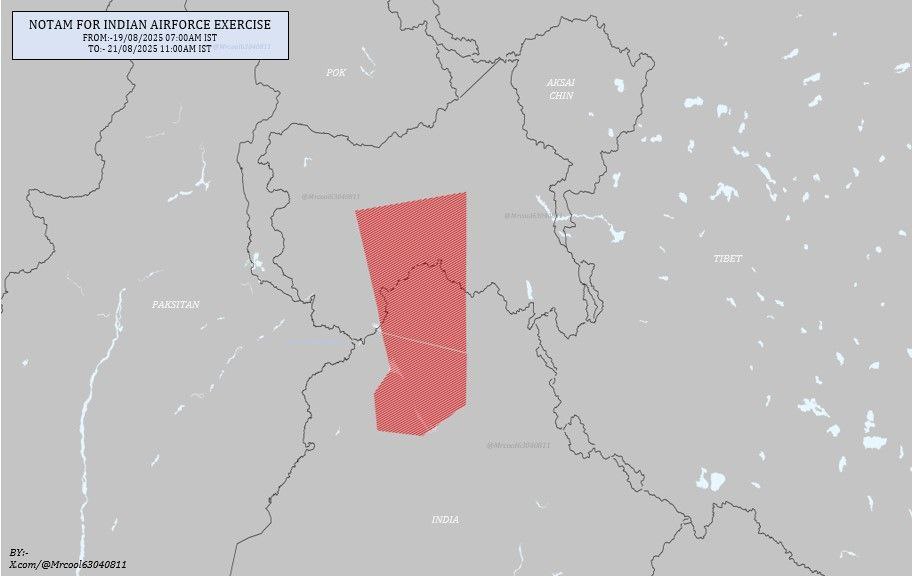
India
The Indian Air Force (IAF) has issued a Notice to Airmen (NOTAM) announcing restricted airspace over Jammu & Kashmir and Punjab for an upcoming air exercise scheduled between August 19 and 21. The NOTAM covers specific zones close to the Line of Control (LoC), and during this period, civilian flights will be rerouted to ensure safe conduct of the exercise. Such airspace restrictions are a standard practice during large-scale IAF drills, allowing fighter jets and other assets to operate freely without interference from commercial aviation. The exercise comes at a time when India has also extended its ban on Pakistani aircraft entering Indian airspace until August 23, reflecting the heightened focus on security in northern sectors. Aviation trackers have highlighted that the NOTAM indicates intensive IAF activity, with temporary adjustments expected for civilian air traffic in the affected region. Interestingly, the J&K and Punjab exercise coincides with a separate NOTAM over the Bay of Bengal (August 20–21) for a scheduled missile test, showing the IAF and DRDO’s parallel operational and testing activities. This drill underscores the IAF’s ongoing efforts to maintain combat readiness in sensitive sectors, particularly near the western and northern borders.
Read More → Posted on 2025-08-18 16:31:05
India
In a significant step towards strengthening defence ties between India and the Philippines, Delhi-based SMPP Limited has entered into a joint venture with the Asia Defence & Firepower Corporation (ADFC) of the Philippines to locally manufacture defence products. The agreement, signed during the state visit of Philippine President Ferdinand Marcos Jr. to India, highlights the deepening strategic partnership between the two nations as they mark 75 years of diplomatic relations. The new joint venture company, to be established in the Philippines, will focus on the production and assembly of SMPP’s advanced defence systems, including ballistic protection equipment, helmets, armor kits, and ammunition components. While SMPP will bring its expertise and technology to the table, ADFC will handle local operations, workforce development, and eventual transfer of manufacturing capabilities to Filipino industry. The initiative aligns with the Philippines’ Self-Reliant Defence Posture (SRDP) program, which emphasizes indigenous production to reduce reliance on foreign suppliers. Under Philippine law, the joint venture will maintain majority Filipino ownership, enabling it to access government incentives and benefit from preferential procurement policies. For India, the move reinforces the “Make in India, Make for the World” vision by extending defence manufacturing partnerships abroad, turning India into a co-producer rather than just an exporter. For the Philippines, it represents a crucial step toward building local industrial capacity and strengthening national security amid increasing regional challenges, particularly in the South China Sea. SMPP is already a trusted supplier to the Indian armed forces, with expertise in bulletproof jackets, helmets, ceramic armor, and combustible cartridge cases. The company recently secured major orders from the Indian Army and is expanding its production to include 155 mm artillery shells. Its track record gives confidence that the partnership will deliver world-class products tailored to the Philippines’ defence needs. The joint venture is expected to create local jobs, enhance skills, and boost the Philippines’ ability to produce modern defence equipment. Future plans could see expansion into areas such as unmanned systems, vehicle armor, and advanced ammunition, further widening the scope of cooperation. This collaboration not only deepens India-Philippines defence relations but also sends a strategic message about regional cooperation in the Indo-Pacific, providing both nations with stronger capabilities while countering external security pressures.
Read More → Posted on 2025-08-18 16:28:10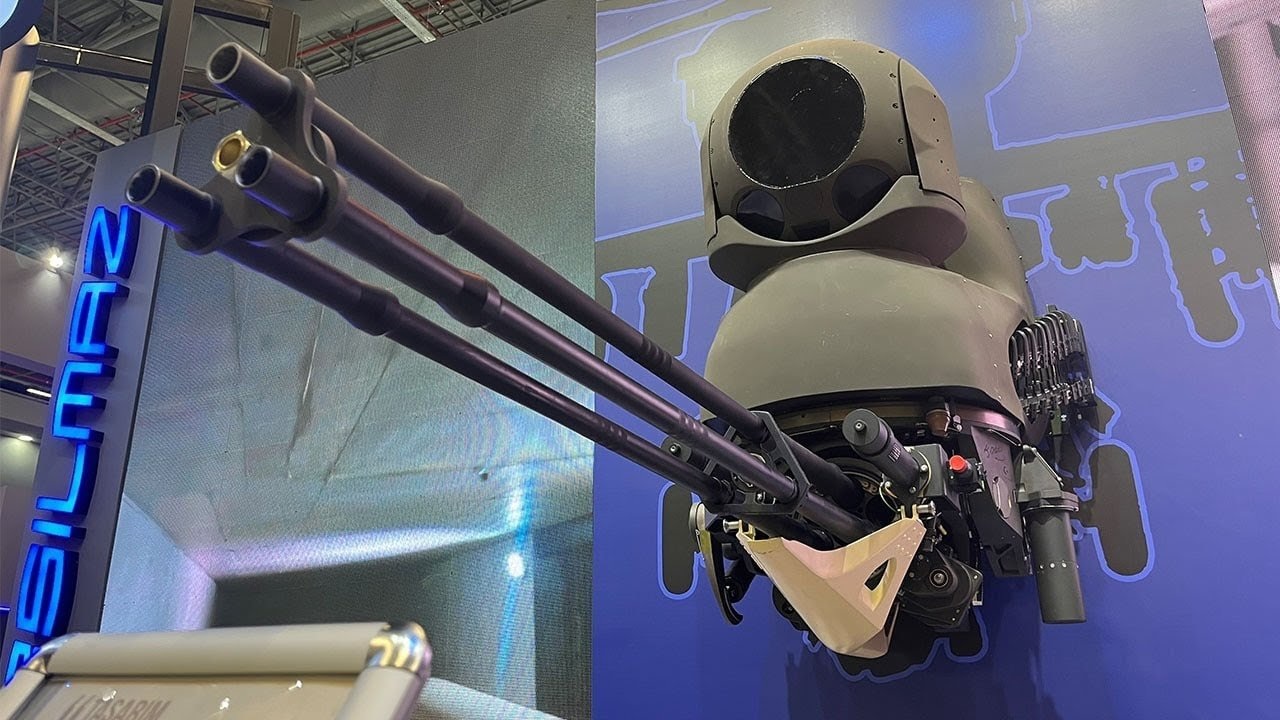
India
The Armament Research and Development Establishment (ARDE), a premier laboratory under India’s Defence Research and Development Organisation (DRDO), is pushing forward a major initiative to design and develop indigenous heavy calibre weapons. This effort underscores India’s long-term strategy to strengthen self-reliance in defence technology while modernising its armed forces. At the heart of this development are two critical projects: the 12.7mm Heavy Machine Gun (HMG) and a 20mm helicopter-mounted cannon. Both systems are designed to replace imported or outdated weapons currently in service and to give India’s soldiers and aviators modern firepower tailored to the country’s operational requirements. The 12.7mm HMG is a versatile and powerful weapon, intended for use in multiple roles including infantry support, anti-aircraft operations, and engaging light armoured vehicles and fortifications. Known worldwide for its effectiveness, weapons of this calibre are considered essential for ground forces, capable of providing suppressive fire and defending against low-flying aircraft. ARDE’s indigenous version will allow the Indian Army to field a homegrown system with improved reliability, ease of maintenance, and compatibility with existing platforms. Equally significant is the development of the 20mm helicopter-mounted cannon, aimed at addressing a critical capability gap in India’s rotary-wing fleet. Presently, helicopters such as the HAL Dhruv, Rudra, and Light Combat Helicopter (LCH) rely on imported or legacy weapon systems with limited scope for modernisation. The new indigenous cannon is expected to deliver high velocity with low weight, incorporating recoil absorption technologies and compatibility with modern fire control and aiming systems. Once integrated, it will enhance these platforms’ capabilities for close air support, suppression of enemy defences, anti-infantry roles, and light armour destruction. The indigenous program also reflects India’s broader Make-in-India defence initiative, focusing on reducing dependence on foreign suppliers, cutting costs, and enabling greater customisation for the armed forces. By designing these systems domestically, ARDE ensures adaptability to unique operational environments such as high-altitude regions, where performance demands are particularly stringent. The development cycle will include extensive testing and evaluation phases to ensure both weapons meet the Indian Army and Air Force’s rigorous standards. This includes reliability under extreme conditions, maintainability in the field, and seamless integration with existing platforms. With these efforts, ARDE is not only building weapons but also strengthening India’s capacity to independently sustain and advance its heavy weapons manufacturing ecosystem. The move highlights a strategic shift towards long-term operational self-sufficiency and technological advancement in India’s defence arsenal. The indigenous 12.7mm HMG and 20mm helicopter-mounted cannon projects mark an important step in empowering India’s armed forces with next-generation, homegrown firepower while reinforcing the nation’s journey towards defence modernisation.
Read More → Posted on 2025-08-18 14:42:57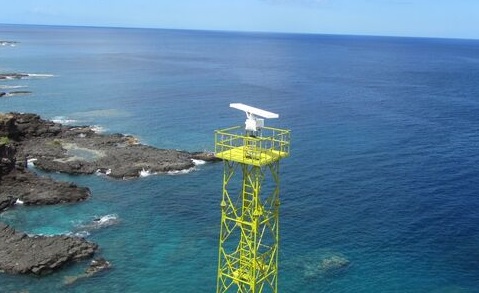
India
The Indian Coast Guard (ICG) is set to operationalise Phase II of its Coastal Surveillance Network (CSN), adding 38 new radar stations across the country’s coastline by the end of this year. The move marks a significant expansion of India’s maritime domain awareness and coastal security architecture, strengthening defences against threats ranging from terrorism and piracy to smuggling and illegal fishing. The Coastal Surveillance Network project was launched after the 26/11 Mumbai terror attacks, when terrorists exploited gaps in coastal monitoring to enter Indian waters. Phase I of the project, completed earlier, established 46 radar stations covering key stretches of the western and eastern seaboards. With the addition of Phase II sites, the network will grow to 84 radar stations, providing near-continuous coverage along India’s 7,516-kilometre coastline, including island territories. Each station will be equipped with radar, day-night cameras, and communication equipment, feeding real-time data to the National Command Control Communication and Intelligence (NC3I) network, headquartered in Gurugram. This data is further integrated with inputs from the Indian Navy, Marine Police, and other maritime agencies, creating a layered and coordinated surveillance mechanism. Senior Coast Guard officials have confirmed that Phase II will focus on filling gaps in coverage along sensitive stretches, particularly around Lakshadweep, Andaman & Nicobar Islands, and the Odisha–West Bengal coast, while also adding redundancy to ensure uninterrupted monitoring in case of equipment failure. The 38 new radar stations will be strategically located as follows: Andaman & Nicobar Islands – 10 stations Lakshadweep & Minicoy Islands – 6 stations Eastern Coast (Odisha, Andhra Pradesh, Tamil Nadu, West Bengal) – 12 stations Western Coast (Maharashtra, Goa, Gujarat, Kerala, Karnataka) – 10 stations Officials say that once operational, the upgraded CSN will allow authorities to track vessels as small as fishing boats up to 25 nautical miles from shore, helping to detect suspicious movements at an early stage. The system will also be integrated with Automatic Identification System (AIS) data to monitor commercial shipping. By the time Phase II is completed, the Indian Coast Guard will have a surveillance network capable of giving near-seamless visibility across the entire Indian Ocean coastline. Maritime experts note that such capability not only strengthens national security but also supports search and rescue missions, disaster response, and marine environment protection. The expansion of the CSN is part of India’s larger effort to become a net security provider in the Indian Ocean Region (IOR). With rising Chinese naval activity and continued concerns over seaborne terrorism, the operationalisation of 38 new radar stations by year-end is expected to significantly boost India’s maritime security posture.
Read More → Posted on 2025-08-17 16:06:18
India
In a stunning development that has cast serious doubts on Pakistan’s war narrative, a leaked report from Pakistani news channel SAMAA TV briefly published a list of 155 Pakistan Army personnel killed during India’s Operation Sindoor in May 2025. The report, which included the names, ranks, and provinces of the fallen soldiers, was quickly removed under pressure from the Pakistani military, fueling accusations that Islamabad has been hiding the true scale of its battlefield losses. The list, which circulated online before being scrubbed from official platforms, revealed that nearly all the casualties were from the Punjab province, with only a handful from Balochistan. Most of the slain were sepoys (junior enlisted soldiers), along with a few non-commissioned officers. Many of the names were prefixed with “Shaheed”, Pakistan’s honorific for martyrs, indicating that the military had formally acknowledged their deaths internally even as it denied them publicly. The revelation directly contradicts Islamabad’s repeated claims that India’s strikes had only hit “empty hills” and “uninhabited targets.” Instead, the list points to the destruction of multiple Pakistani military bases, validating India’s assertion that Operation Sindoor inflicted heavy losses on Pakistan’s armed forces. Military analysts note that this episode is not just about battlefield numbers but also about credibility. By silencing its own media and suppressing casualty figures, Pakistan’s leadership has exposed its propaganda strategy—downplaying defeats while amplifying minor successes. The suppression of SAMAA TV’s report has also sparked questions within Pakistan about the freedom of press and the military’s tight grip over information during wartime. India, for its part, has maintained that its strikes were precise, targeting command centers, logistics hubs, and forward bases. The accidental publication of Pakistan’s casualty list appears to confirm this narrative, delivering a major propaganda victory for New Delhi and an embarrassing setback for Islamabad. The leaked list also raises another uncomfortable truth: Pakistan’s reliance on its Punjab-heavy military recruitment base. With the majority of the casualties from Punjab, the war’s burden has fallen disproportionately on a single province, something that has historically fueled resentment in other regions like Sindh and Balochistan. For the Pakistani establishment, the incident is more than a military loss—it is a political and psychological blow. The exposure of hidden casualties undermines its narrative of resilience and paints Operation Sindoor as a decisive failure for Pakistan’s armed forces. Meanwhile, for India, it strengthens claims of having achieved a strategic upper hand and of dismantling Pakistan’s ability to wage prolonged conflict. The suppression of SAMAA TV’s report cannot erase the digital trail of the soldiers’ names. Their sacrifice now serves as a stark reminder of the cost of war—and the dangers of propaganda in concealing truths that eventually surface.
Read More → Posted on 2025-08-17 15:48:16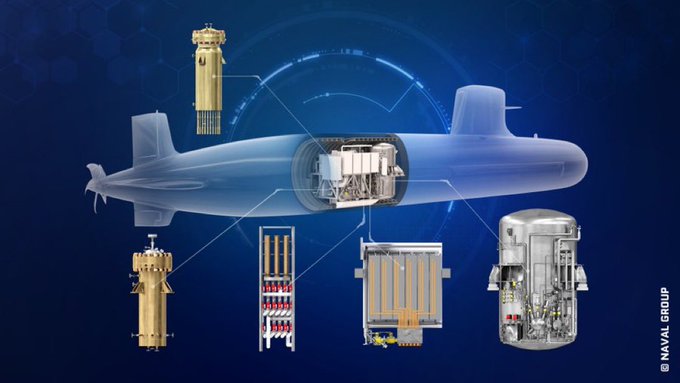
India
India’s ambitious plan to equip its six Scorpene-class submarines with a homegrown Air-Independent Propulsion (AIP) system has hit yet another setback, pushing the timeline further. The first submarine, INS Kalvari, which was commissioned in 2017, is currently undergoing its scheduled refit but will not receive the AIP system as originally intended. Instead, the integration has now been deferred to the second Scorpene, INS Khanderi, when it enters refit in mid-2026. The AIP project, based on indigenously developed fuel-cell technology by the Defence Research and Development Organisation (DRDO) in partnership with Larsen & Toubro (L&T), was sanctioned back in 2014 with an allocation of ₹270 crore. Initially, the system was slated for completion by June 2017, in time to be retrofitted on the first submarine during its first major refit. However, technical hurdles, prolonged testing phases, and delays in operational certification have stretched the program well beyond the original timeline. While recent trials have indicated promising results, the AIP is still not considered ready for full-scale operational deployment. The technology is crucial for conventional diesel-electric submarines, allowing them to remain submerged for extended periods without surfacing to recharge batteries. This significantly enhances stealth, survivability, and combat endurance, especially in contested waters where detection risks are high. India currently operates six Kalvari-class submarines built at Mazagon Dock Shipbuilders Limited (MDL) under a technology transfer agreement with France’s Naval Group. With increasing Chinese presence in the Indian Ocean and Pakistan also inducting new submarines with advanced propulsion systems, the delays in India’s AIP program raise concerns about maintaining undersea combat edge in the region. Officials maintain that despite setbacks, the indigenous AIP remains a strategic necessity for self-reliance in critical defence technology. Once integration begins with INS Khanderi, the remaining Scorpene submarines are expected to be gradually upgraded during their respective refits in the coming years.
Read More → Posted on 2025-08-17 14:36:57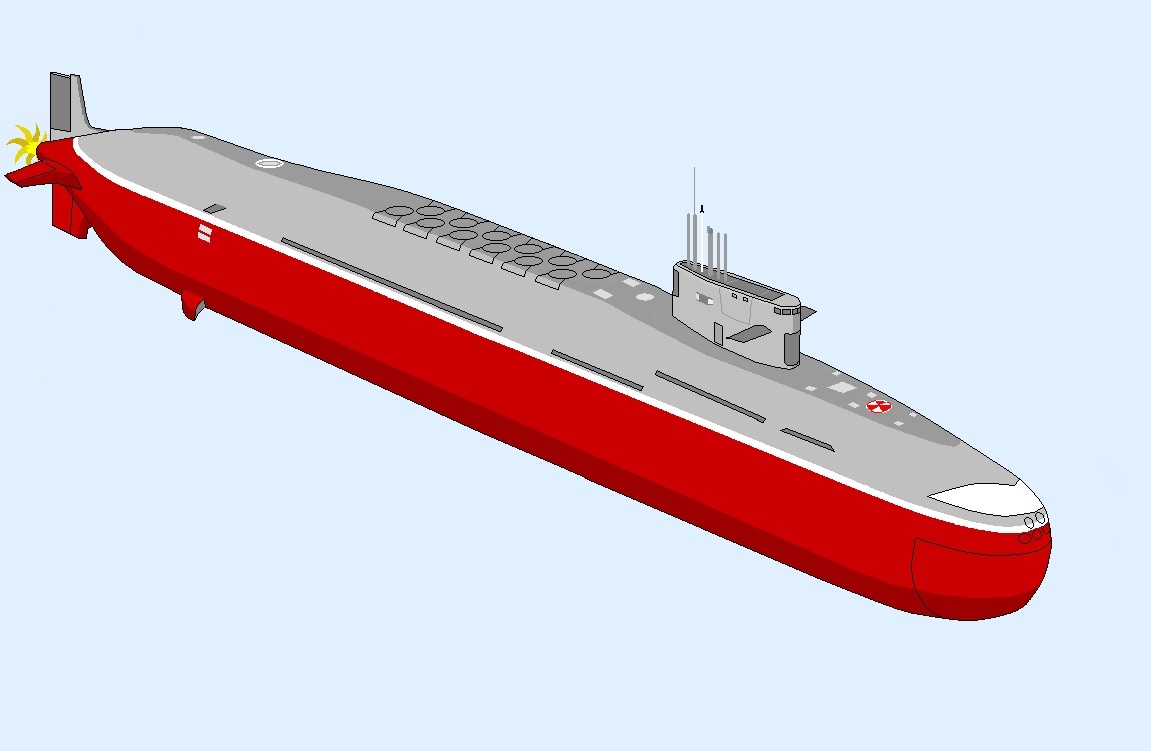
India
India is preparing to take a major leap in its nuclear deterrence capabilities with the upcoming S5-class nuclear-powered ballistic missile submarines (SSBNs), which are expected to enter production by 2027. These submarines will be the largest and most powerful built in India, forming the backbone of the country’s sea-based nuclear arsenal. Bigger, Stealthier, and More Powerful The S5-class submarines are projected to have a displacement of around 13,500 tonnes, making them nearly twice the size of the existing Arihant-class SSBNs. They will be powered by a 190 MW pressurized water reactor developed by the Bhabha Atomic Research Centre (BARC), a significant upgrade over the 83 MW reactor used in earlier submarines. This enhanced reactor is designed to run for up to a decade without refueling, giving the submarines greater endurance and stealth. The submarines are expected to feature pump-jet propulsion technology, which will reduce noise levels and make them harder to detect under water. With an expected endurance of several months at sea, the S5-class will enable India to maintain continuous nuclear deterrent patrols. Formidable Missile Payload The defining strength of the S5 will be its missile load. Each submarine is designed to carry 12 to 16 ballistic missiles, including the upcoming K-5 and K-6 submarine-launched ballistic missiles (SLBMs). These missiles are believed to have ranges between 5,000 km and 8,000 km, and the K-6 is expected to carry MIRV (Multiple Independently targetable Reentry Vehicle) warheads, allowing one missile to strike multiple targets. Future upgrades could see the S5 armed with even longer-range SLBMs under development, further strengthening India’s ability to deter adversaries at greater distances. Production and Fleet Expansion A new submarine construction facility has already been developed to support the S5 program, with the capacity to build up to three submarines at the same time. India reportedly plans to build at least four S5-class SSBNs, ensuring that at least one submarine is always on deterrent patrol while others undergo maintenance and training. Construction of each submarine could take seven to eight years, with the first expected to be completed in the mid-2030s. Part of India’s Nuclear Triad The S5-class will significantly strengthen India’s nuclear triad, which relies on land-based missiles, air-delivered weapons, and submarine-launched missiles. SSBNs are considered the most survivable leg of the triad, as they can remain hidden underwater and provide a reliable second-strike capability in the event of a nuclear attack. With the Arihant-class already in service and the larger S4 and S4 variants* nearing completion, the S5-class represents the next evolutionary step in India’s undersea deterrent. Strategic Impact The arrival of the S5-class will bring India closer to the capabilities of global nuclear powers like the United States, Russia, China, France, and the UK, all of which operate advanced SSBN fleets. For India, it ensures a credible, survivable deterrent against both Pakistan and China, reinforcing stability in the Indo-Pacific region. At a Glance – S5-Class SSBN Displacement: ~13,500 tonnes Reactor: 190 MW BARC pressurized water reactor Propulsion: Pump-jet (low acoustic signature) Missiles: 12–16 SLBMs (K-5/K-6, MIRV capable) Range of missiles: Up to 8,000 km (future >10,000 km) Construction start: 2027 Fleet size: At least 4 submarines planned
Read More → Posted on 2025-08-16 17:11:13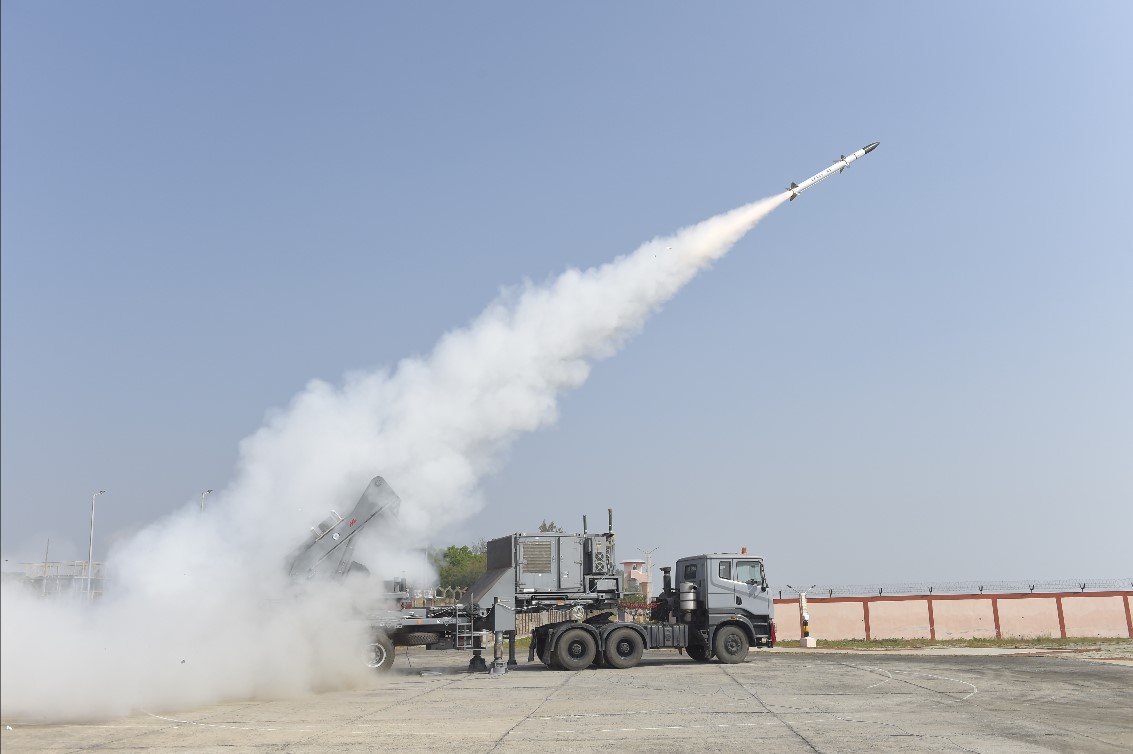
India
New Delhi, August 2025 – India’s next-generation Akash surface-to-air missile (Akash-NG) has entered user trials with the armed forces, a key step before its induction into operational service. Developed by the Defence Research and Development Organisation (DRDO), the missile is designed to provide longer range, higher accuracy, and better reliability compared to the current Akash system. The Akash-NG has already completed a series of successful developmental trials over the past few years. With the system now handed over to the Army and the Air Force for testing in real battlefield conditions, India is moving closer to deploying one of its most advanced air defence systems. Stronger Capabilities The Akash-NG has a range of 70 to 80 kilometres, more than double that of the earlier Akash variant. It uses a dual-pulse solid rocket motor, giving it faster acceleration and longer endurance in the air. The missile is guided by an indigenous Ku-band active radar seeker, capable of tracking and intercepting small, fast-moving, and low-flying targets such as drones, cruise missiles, and fighter aircraft. The system is paired with a modern AESA multi-function radar, a canisterized launcher for rapid deployment, and an optical proximity fuse for precision engagement. These features allow the Akash-NG to engage multiple targets at once, even in difficult weather or high-altitude conditions. Successful Tests So Far The missile’s first trial took place in January 2021, followed by a series of tests against high-speed aerial targets in the same year. More recent evaluations, including a test in January 2024, confirmed its ability to intercept enemy aircraft at low altitudes and in challenging environments. Upcoming trials will focus on high-altitude performance, particularly in regions like Ladakh, where thin air and extreme cold present unique challenges. A Push for Self-Reliance The Akash-NG is being developed with wide participation from Indian defence industries, including Bharat Electronics Limited (BEL) and Bharat Dynamics Limited (BDL). With a unit cost expected to be much lower than comparable foreign missile systems, it is not only strategically valuable but also economically efficient. Officials say the missile could be inducted by 2026–27 once the current phase of user trials is completed. Strategic Importance The Akash-NG will form a key part of India’s layered air defence shield, alongside systems like the indigenous QRSAM and foreign platforms such as the S-400. Its long range and advanced seeker technology will give India an effective response against modern aerial threats, strengthening security along both western and northern borders.
Read More → Posted on 2025-08-16 16:40:37Search
Top Trending in 24 Hours
-
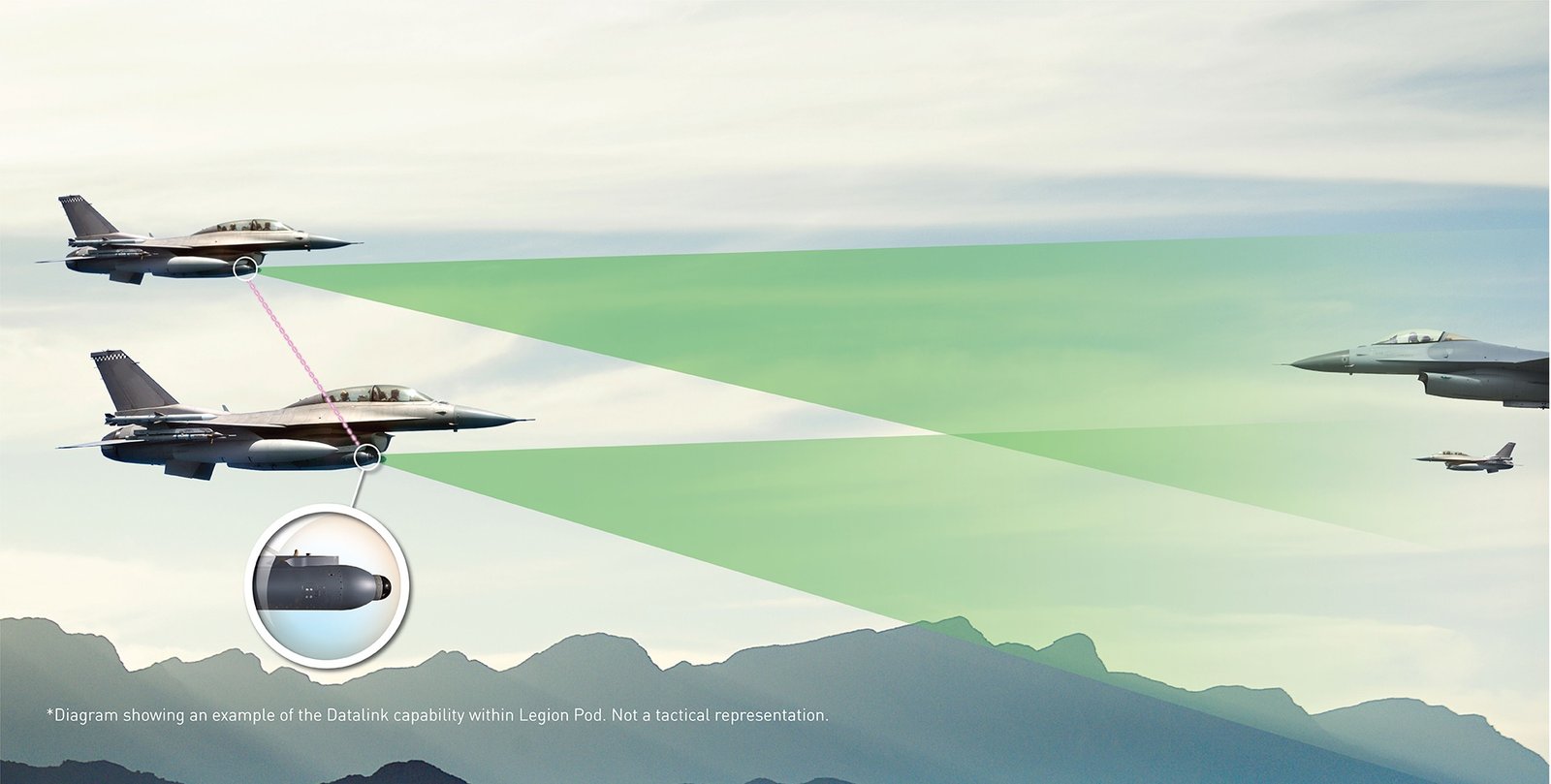 Lockheed Martin Demonstrates Legion Pod-to-Pod Data Link on F-16s for Passive Targeting
-
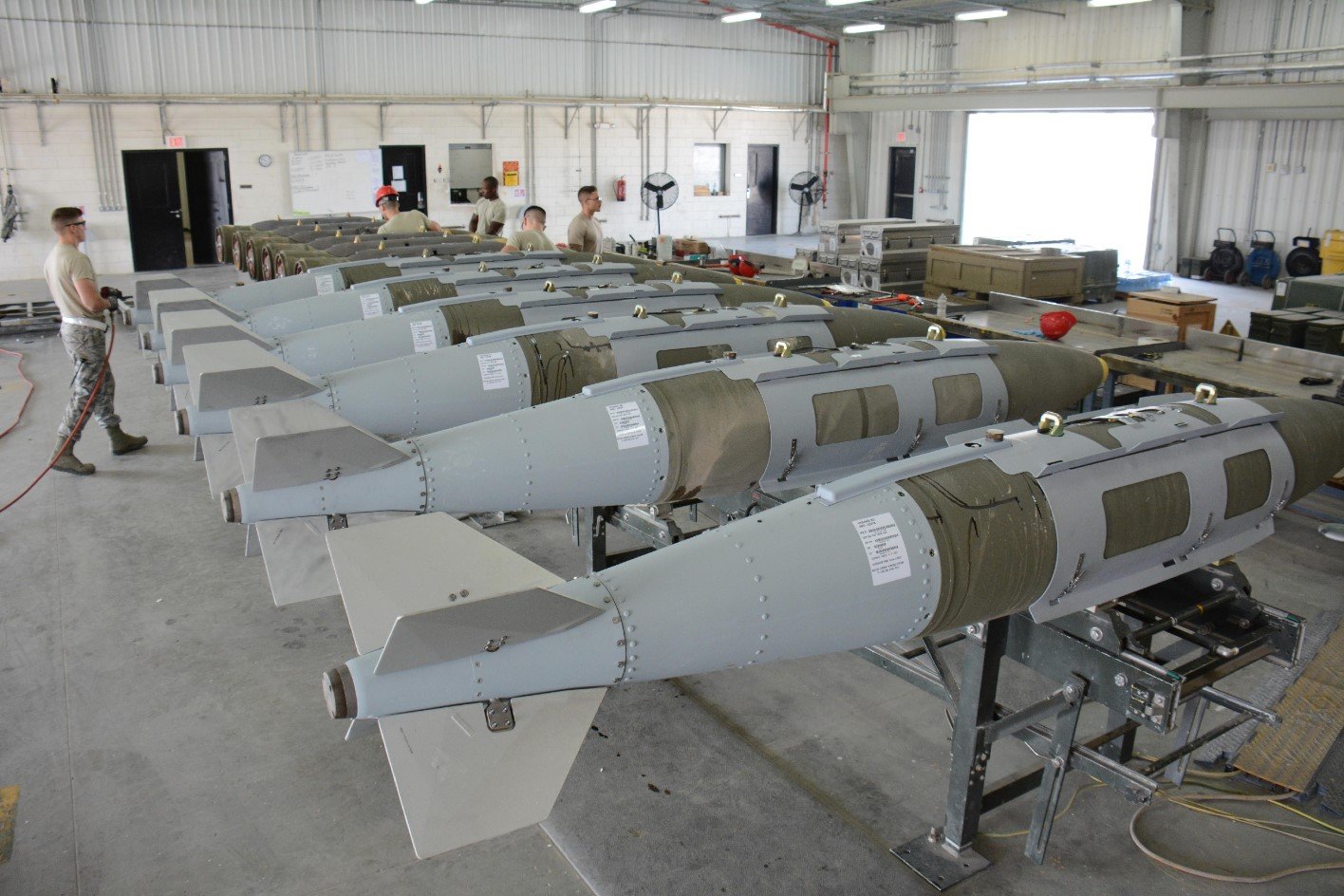 U.S. Plans $2.8 Billion Sale of 40,000 Heavy Bombs and 20,000 I-2000 Penetrator Warheads to Israel
-
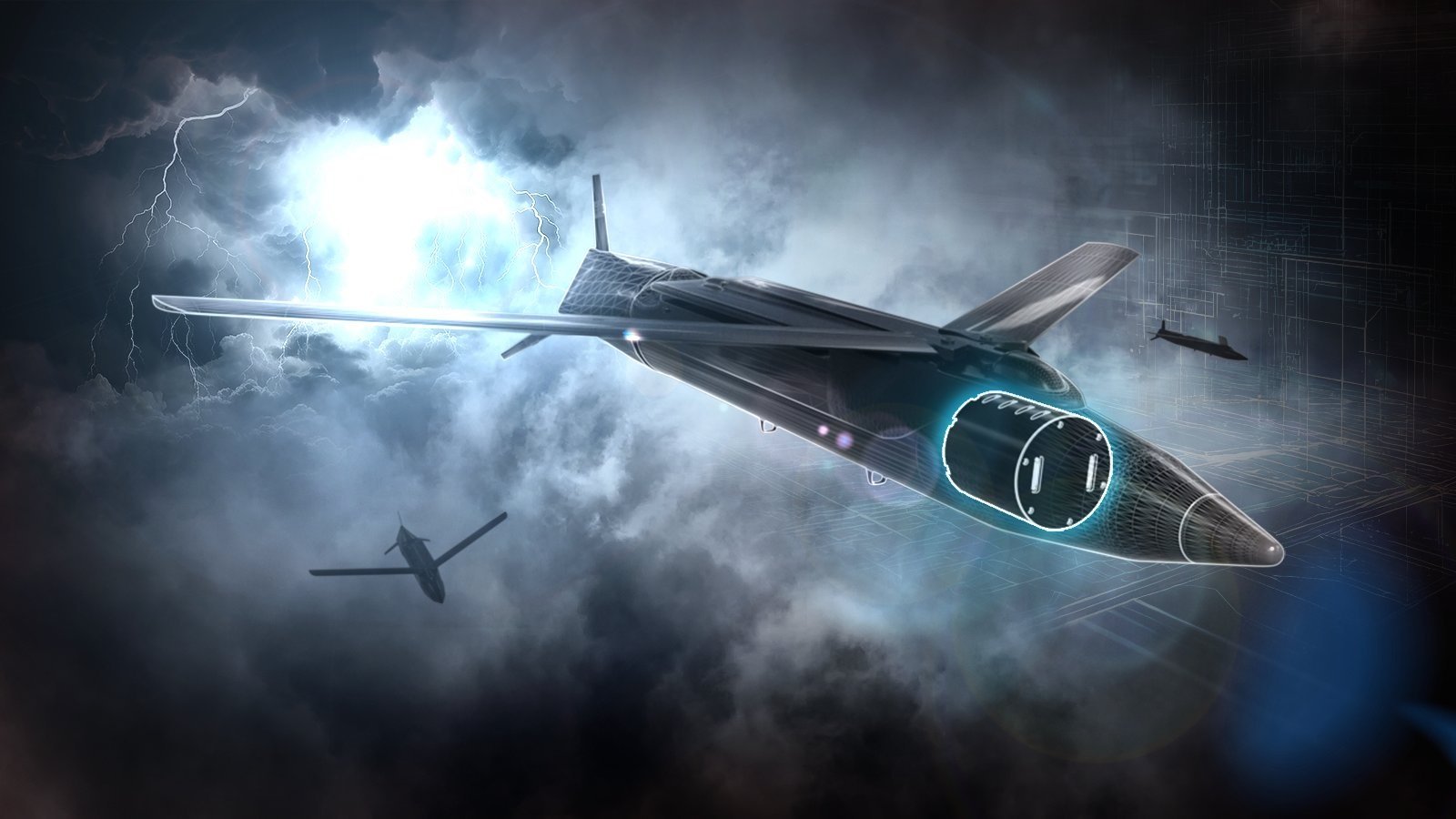 BAE Systems Unveils Shadow EW Suite for Small Drones and Autonomous Aircraft
-
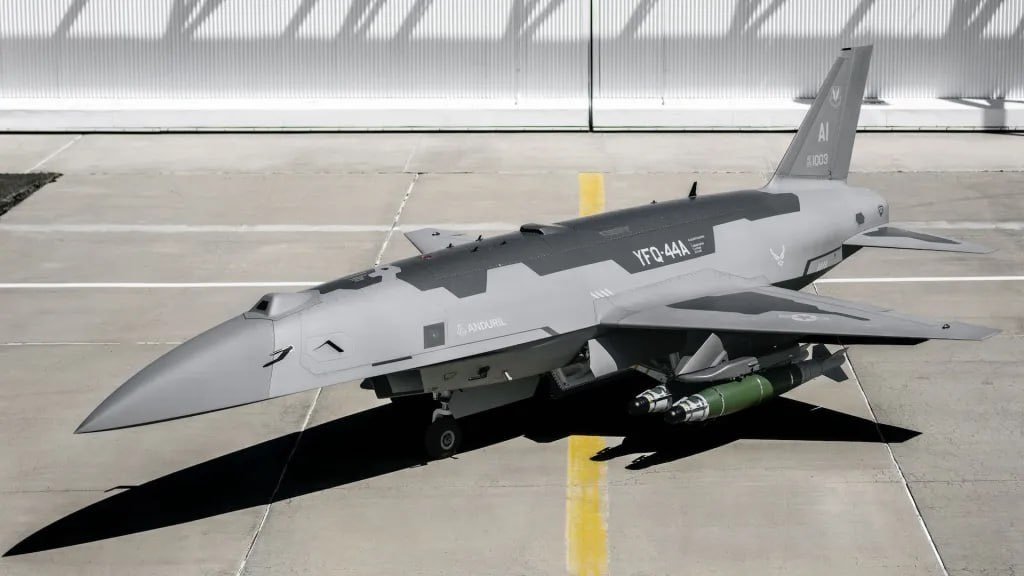 Anduril Conducts Ground Fit-Checks of Air-to-Ground Weapons on YFQ-44A Fury
-
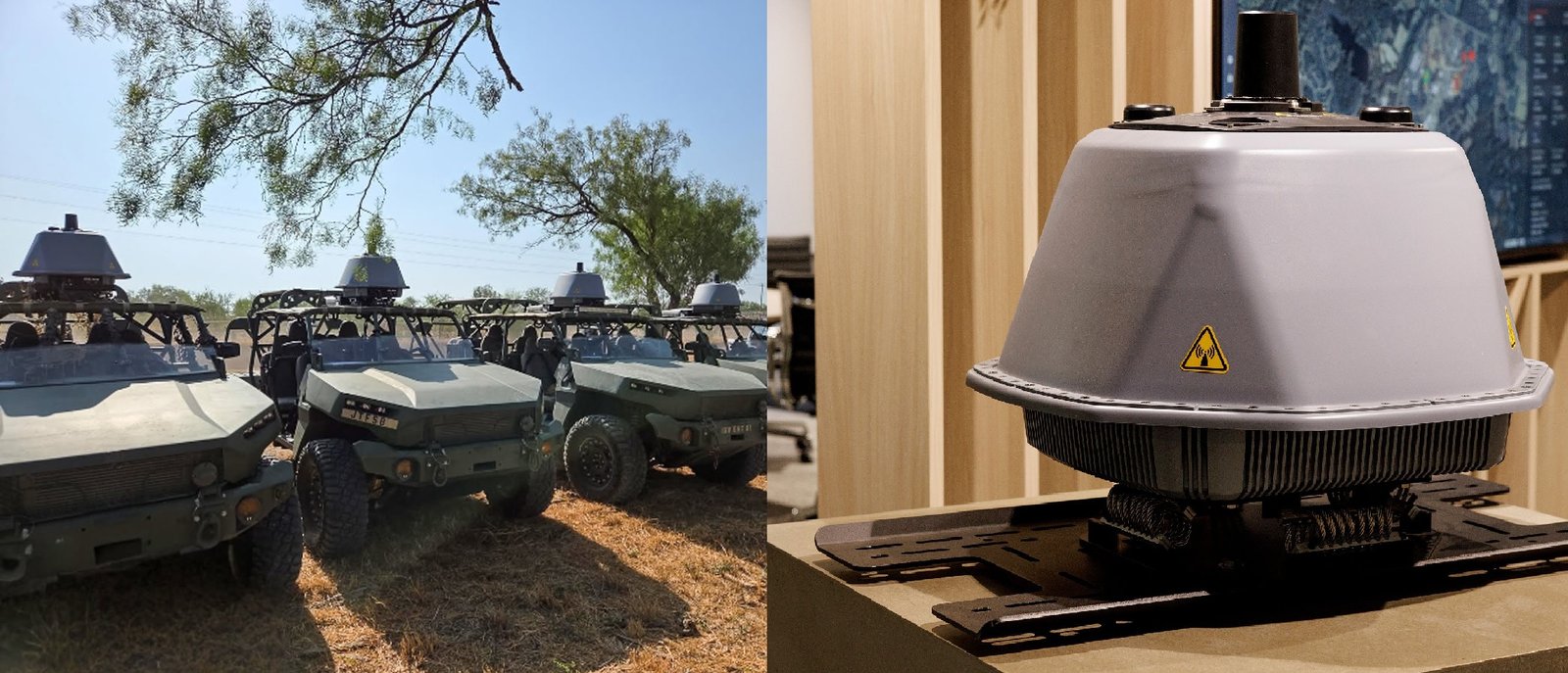 U.S. Military Deploys DroneShield Counter-Drone Systems on Infantry Squad Vehicles
-
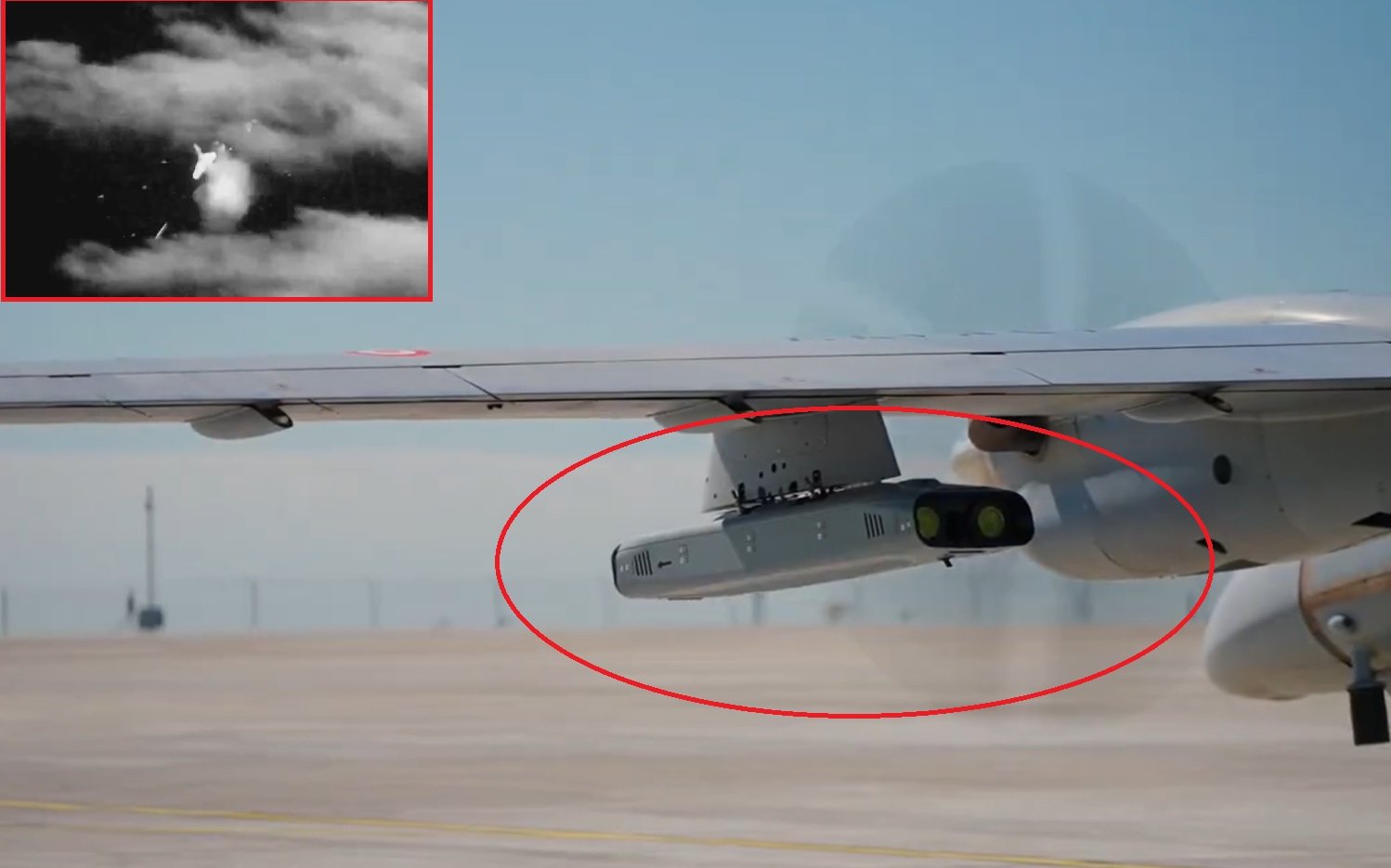 Turkey’s AKINCI Drone Hits High-Speed Aerial Target with SUNGUR Missile in Black Sea Test
-
 Diehl Defence and Elbit Systems Complete SkyStriker Loitering Munition Live-Fire Trials in Germany
-
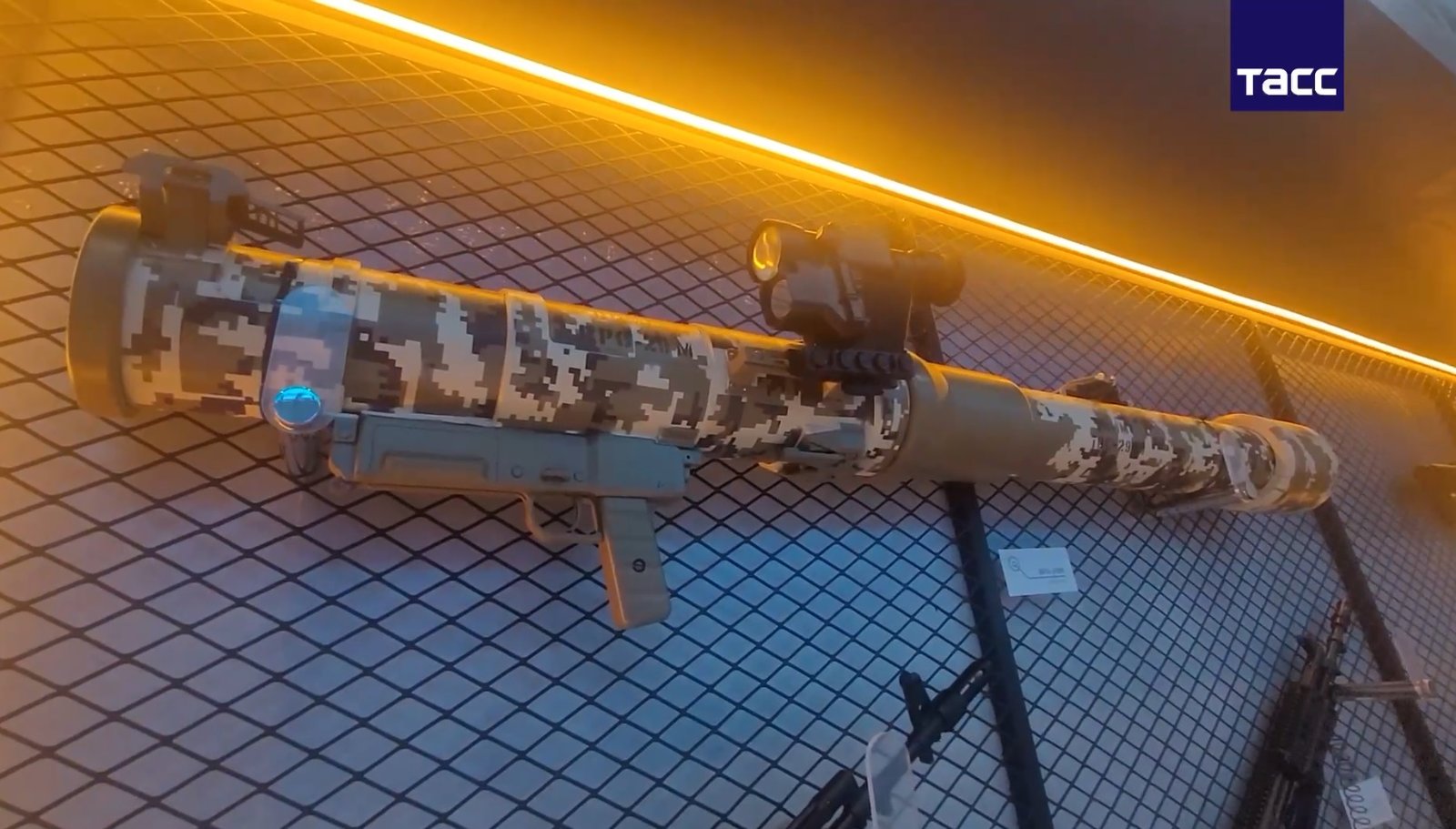 Russia Unveils RPG-29M Lightweight Anti-Tank Launcher at Africa Aerospace and Defence 2026
Top Trending in 4 Days
-
 Pentagon Awards BlueHalo Up to $99.8 Million Contract for Orbital Battlespace R&D Program
-
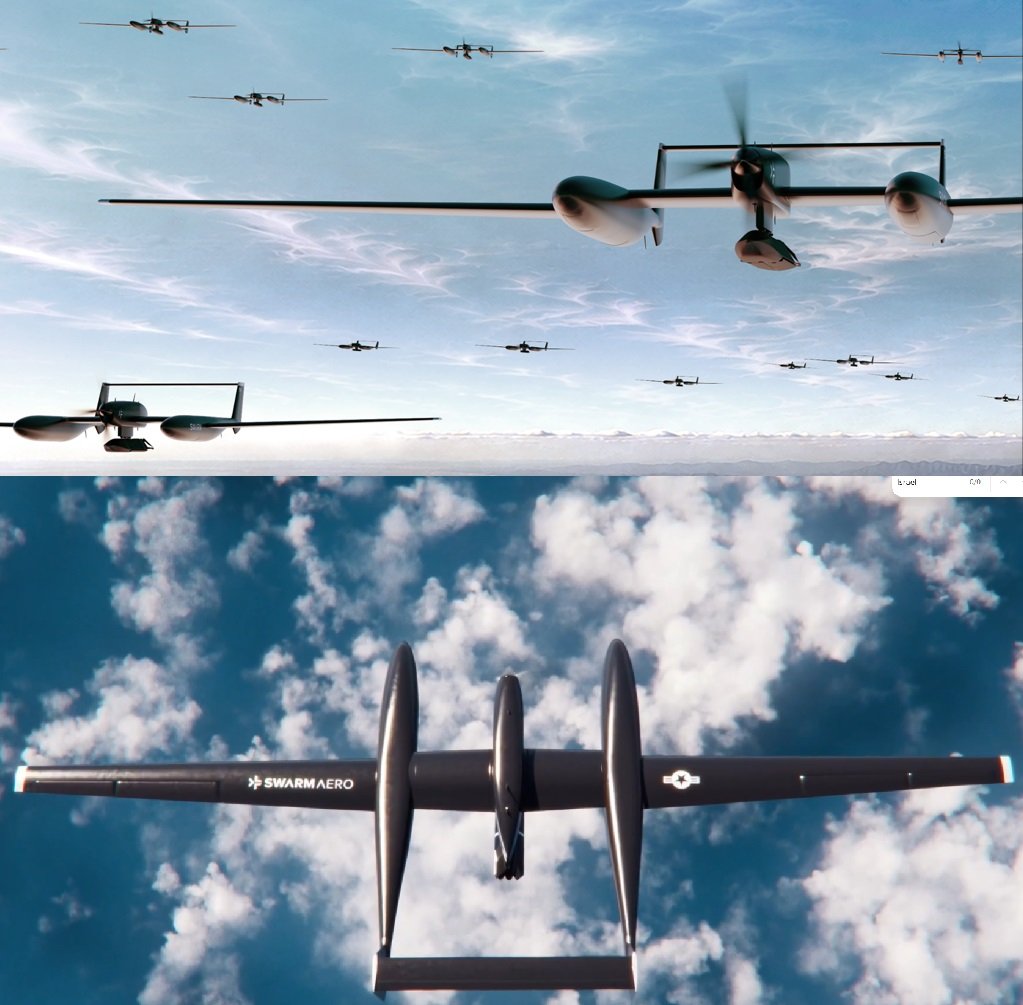 U.S. Firm Swarm Aero Unveils Gamera Group 5 UAS With 9,000-Nautical-Mile Range and Heavy Strike Payload
-
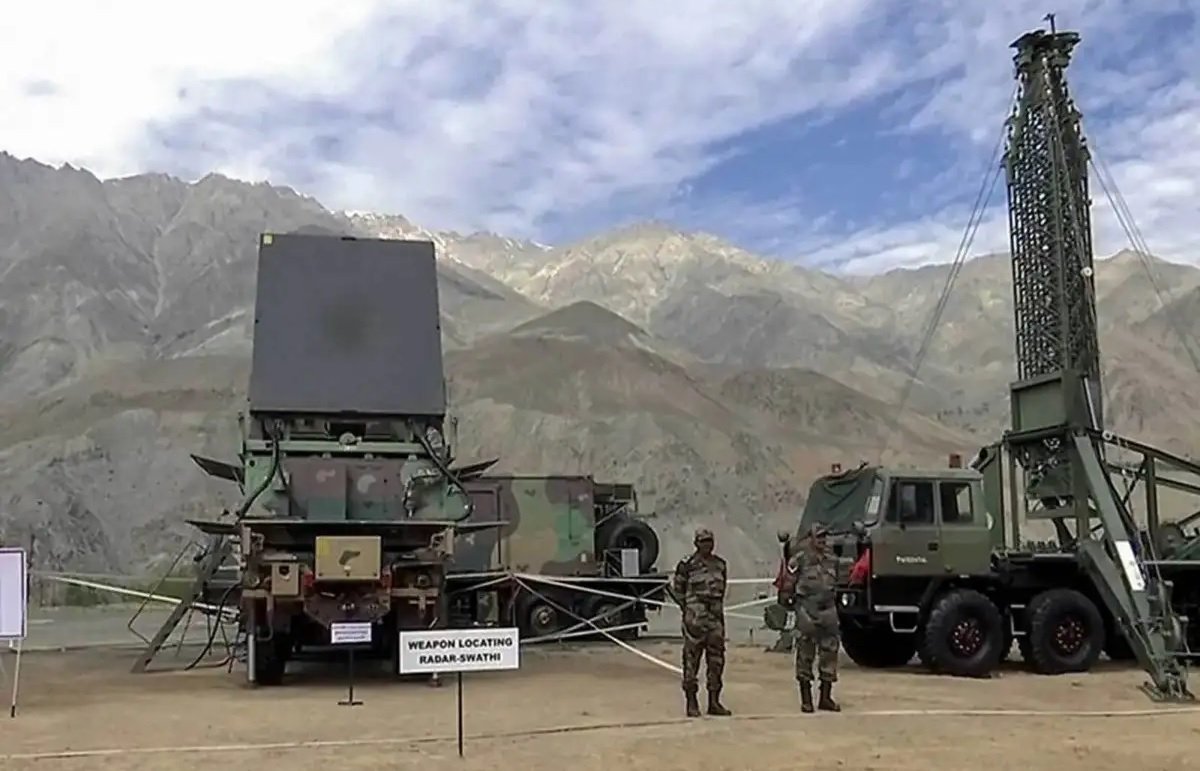 DRDO Demonstrates Indigenous 3.5×3 mm GaN Chip Delivering 30 Watts for Next-Generation Radars and Electronic Warfare
-
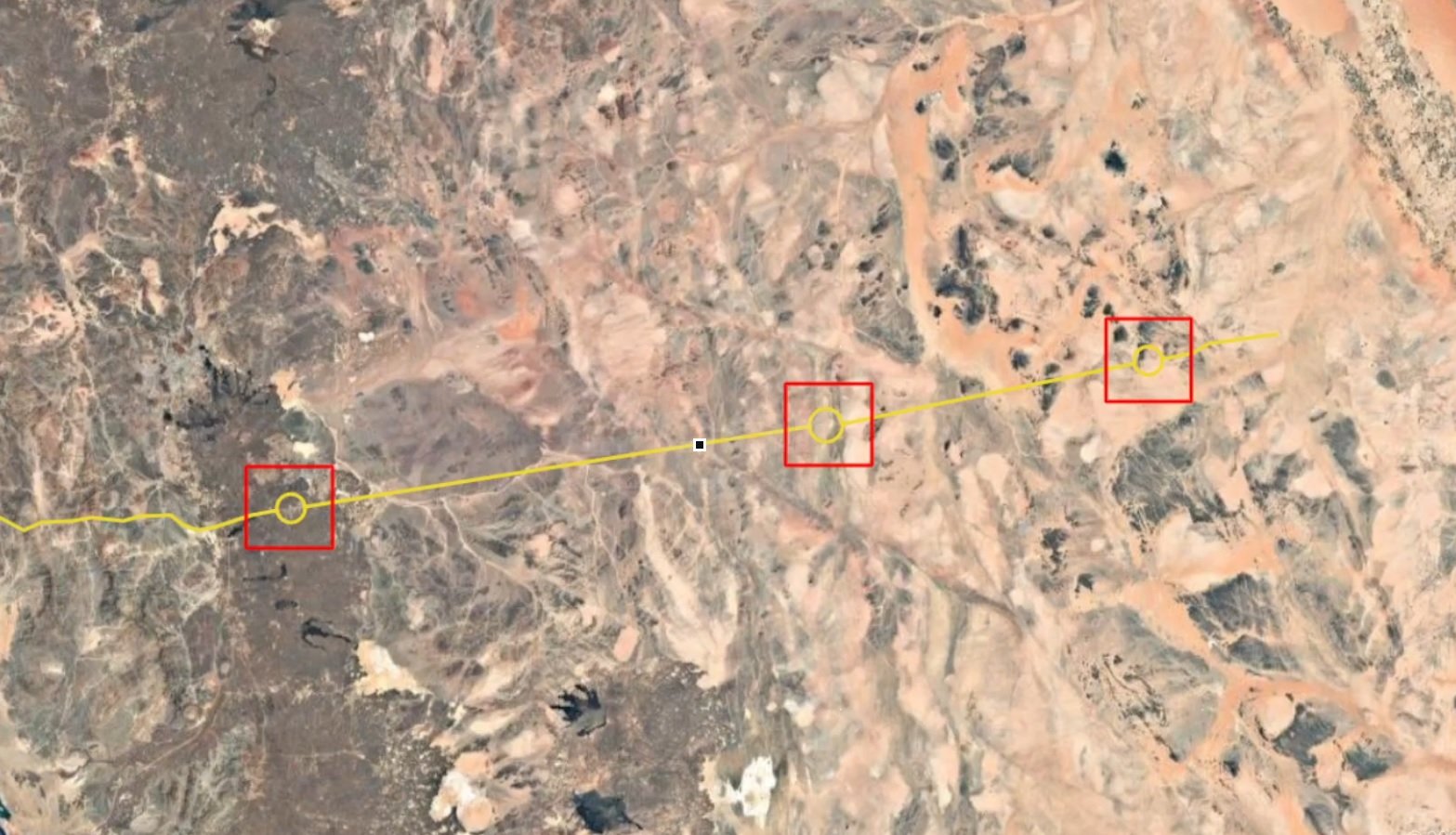 Satellite Imagery Shows Extensive Damage to Saudi Arabia’s East-West Oil Pipeline, Indicating More Than a Single Strike
-
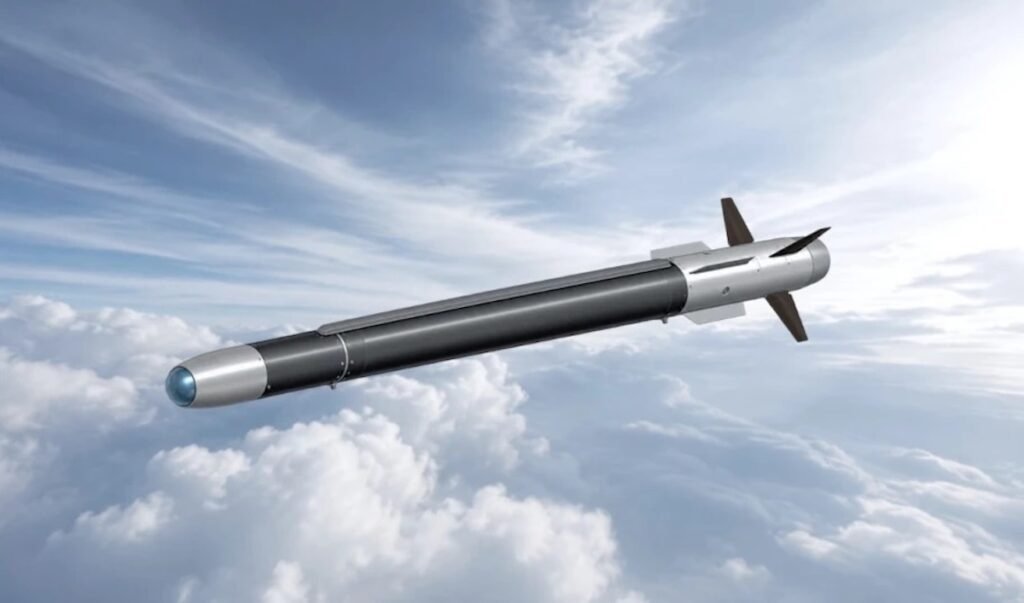 MBDA and Poland’s WITU Advance Low-Cost Supersonic Interceptor Against Swarm Attacks, Seeker Trials Successfully Completed
-
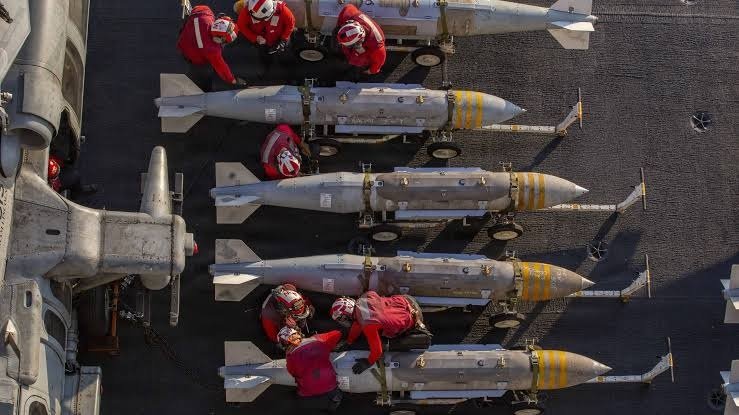 Pentagon Inspector General Report Finds Iran War Caused U.S. Ammunition Shortfalls and Industrial Bottlenecks
-
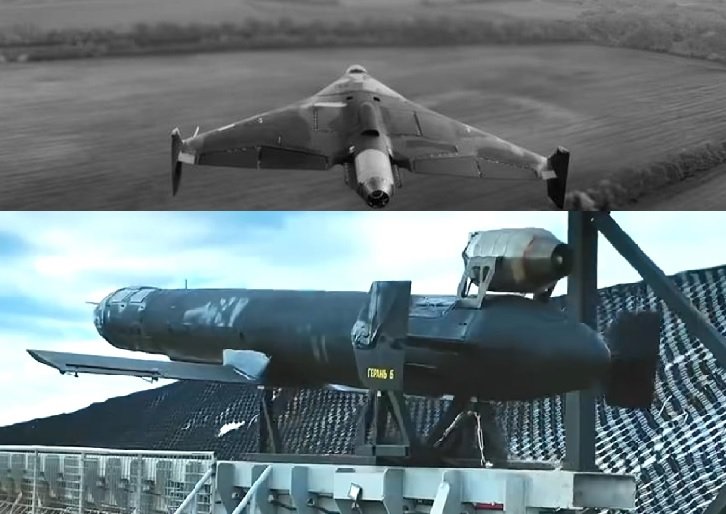 Iran Requests Advanced Geran-4 and Geran-5 Drones From Russia, FT Reports
-
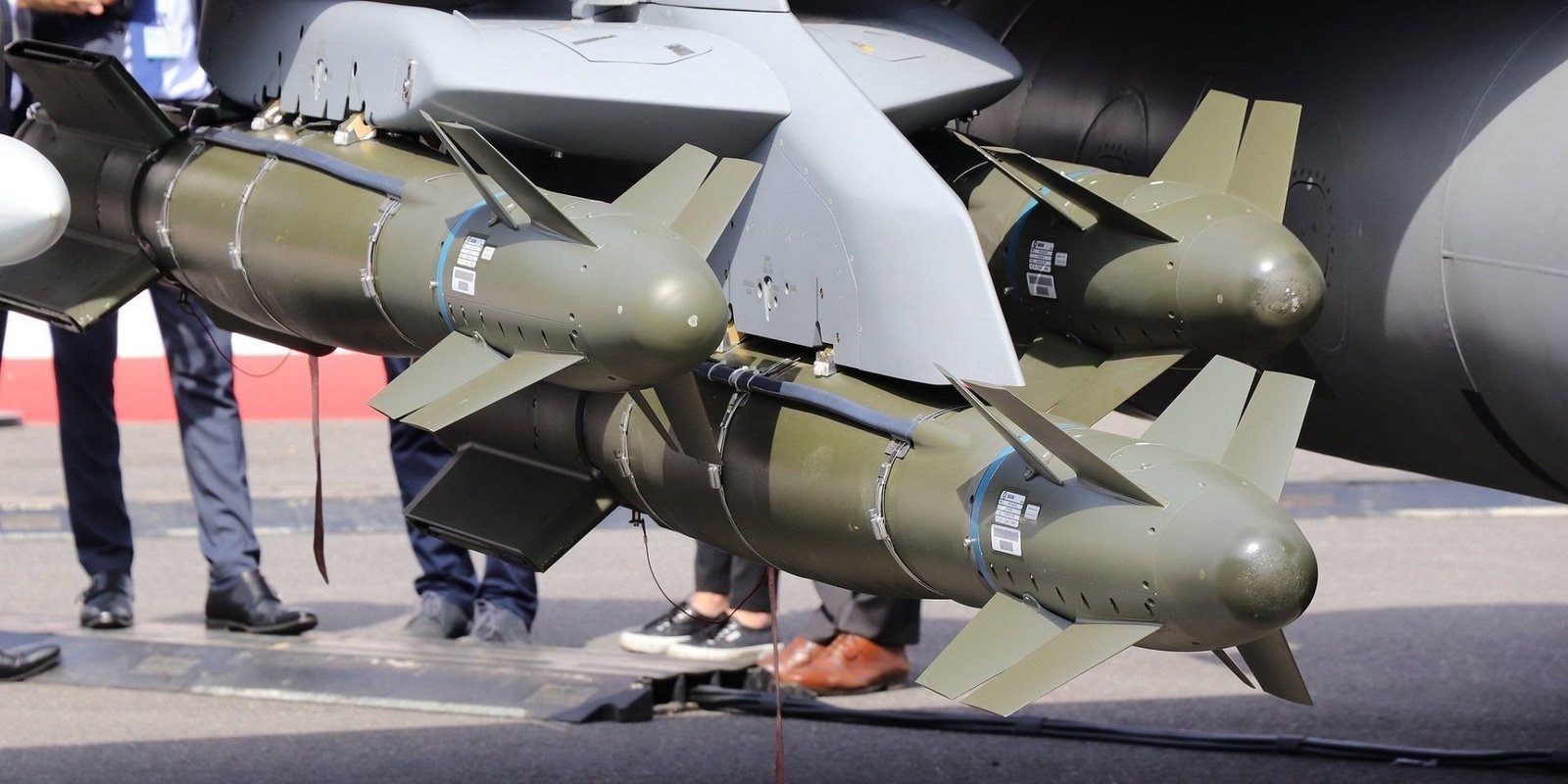 Swedish Gripens Bound for Ukraine to Be Armed with French Rocket-Assisted Hammer Precision Bombs