India
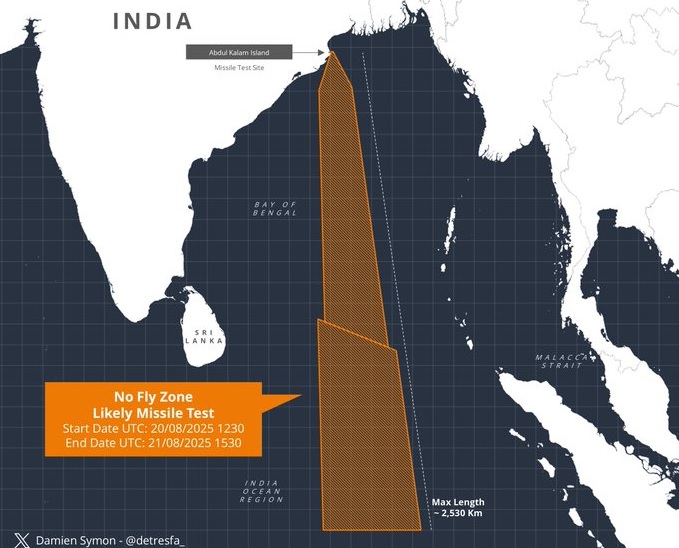
India has issued an updated Notice to Airmen (NOTAM) for a likely missile test from the Odisha coast, extending the designated danger zone far deeper into the Indian Ocean Region. The revised notification now covers a range of approximately 2,530 kilometers, a significant increase from the earlier announced 1,560 km. The test window is scheduled for August 20–21, 2025, with operations expected to take place from Dr. APJ Abdul Kalam Island off the coast of Odisha, India’s premier missile test facility. While the exact type of missile remains unconfirmed, defense analysts believe it could involve a long-range ballistic missile such as an Agni-series system or possibly a next-generation interceptor missile under development. The extended range in the new notification suggests the trial could be aimed at validating enhanced range performance, testing advanced re-entry vehicles, or demonstrating new propulsion and guidance upgrades. Such a distance also places the danger zone well into the central stretches of the Bay of Bengal, signaling the test’s strategic significance. The NOTAM serves as a safety measure, alerting both aviation and maritime traffic to avoid the designated area during the test window to prevent any risk to civilian aircraft or ships. India’s long-range missile program has been a key component of its defense modernization and self-reliance drive, aligning with the ‘Atmanirbhar Bharat’ initiative. In recent years, the country has conducted a series of trials for systems like the Agni-V, which can reach over 5,000 km, and advanced interceptors for its Ballistic Missile Defence (BMD) program. Strategic experts view the upcoming test in the context of regional security challenges, particularly the evolving missile arsenals in China and Pakistan. Expanding the range of missile capabilities strengthens deterrence posture, provides greater second-strike assurance, and enhances India’s ability to project power across a wider geographical span. If the test involves a new or upgraded missile, it could mark another milestone in India’s transition toward a fully indigenous long-range strike capability, further reducing dependence on foreign technology. With the expanded NOTAM now in place, attention will be focused on the Bay of Bengal later this month, where the outcome of the trial could signal the next leap in India’s strategic missile capabilities.
Read More → Posted on 2025-08-12 16:06:13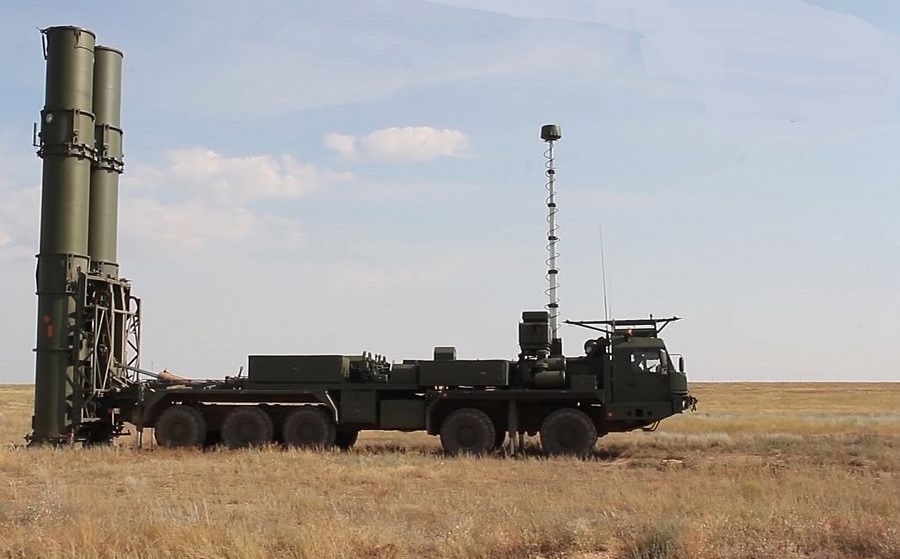
India
In a move that could redefine India’s air defence capabilities, Russia has reportedly offered its most advanced S-500 ‘Prometey’ missile defence system to New Delhi under a government-to-government (G2G) arrangement. The proposal is said to include full transfer of technology (ToT) and a co-production framework that would allow India to manufacture major components domestically, a step that dovetails with the country’s Make in India and Aatmanirbhar Bharat defence initiatives. A Leap Beyond the S-400 The S-500 represents a generational upgrade over the S-400 ‘Triumf’, which India has already inducted along its sensitive northern and western borders. Developed by Russia’s Almaz-Antey, the S-500 is designed to counter an unprecedented range of aerial threats — from stealth aircraft and hypersonic cruise missiles to intercontinental ballistic missiles (ICBMs) and even satellites in low Earth orbit. With an anti-aircraft engagement range of up to 600 km and the ability to intercept ballistic missiles up to 500 km away, the S-500 pushes the boundaries of air defence technology. Its advanced radar systems, combined with 77T6 and 76N6 interceptors, allow engagements at altitudes as high as 200 km, effectively providing a shield not just against air-breathing threats, but also near-space targets. Strategic Timeliness India’s interest in such a system comes amid intensifying regional security challenges. China is rapidly advancing its hypersonic missile programmes, fielding systems like the DF-21D and DF-26, while Pakistan continues to expand its ballistic and cruise missile arsenal. The S-500, integrated with India’s existing S-400 units and indigenous Akash missile batteries, would create a multi-layered defensive network capable of countering threats across different altitudes and ranges. Sources in the Indian defence establishment note that the S-400 played a decisive role in Operation Sindoor in May 2025, helping counter aerial incursions by Pakistani JF-17 and J-10CE fighters. The S-500’s longer range and anti-space capabilities would further strengthen deterrence. A Geopolitical Win-Win For Russia, the offer is as much about strategic economics as defence. Western sanctions have squeezed its state-owned defence firms, limiting their global market reach. By co-producing the S-500 in India, Moscow can tap into new export markets via a trusted partner, bypassing restrictions and maintaining a footprint in the global arms trade. For India, the benefits are twofold: enhanced security and a boost to its domestic defence industry. The proposed plan reportedly includes local production of radars, command-and-control units, and interceptor missiles, with Indian firms potentially becoming suppliers for global customers approved under the arrangement. Future Export Potential Defence analysts suggest that co-production could make India a hub for advanced air defence exports, targeting friendly nations in Southeast Asia, the Middle East, and Africa that may be reluctant to procure directly from Russia. This mirrors India’s growing success in defence exports, highlighted by recent deals such as the sale of Pinaka rocket systems to Armenia. While India is already exploring the procurement of two more S-400 squadrons, the S-500 proposal offers a long-term vision for the India–Russia defence partnership. If accepted, it would not only give India one of the most advanced missile defence systems in the world but also firmly position it as a manufacturing and export hub for high-end military technology — a combination that could reshape the balance of power in Asia’s skies.
Read More → Posted on 2025-08-12 15:00:02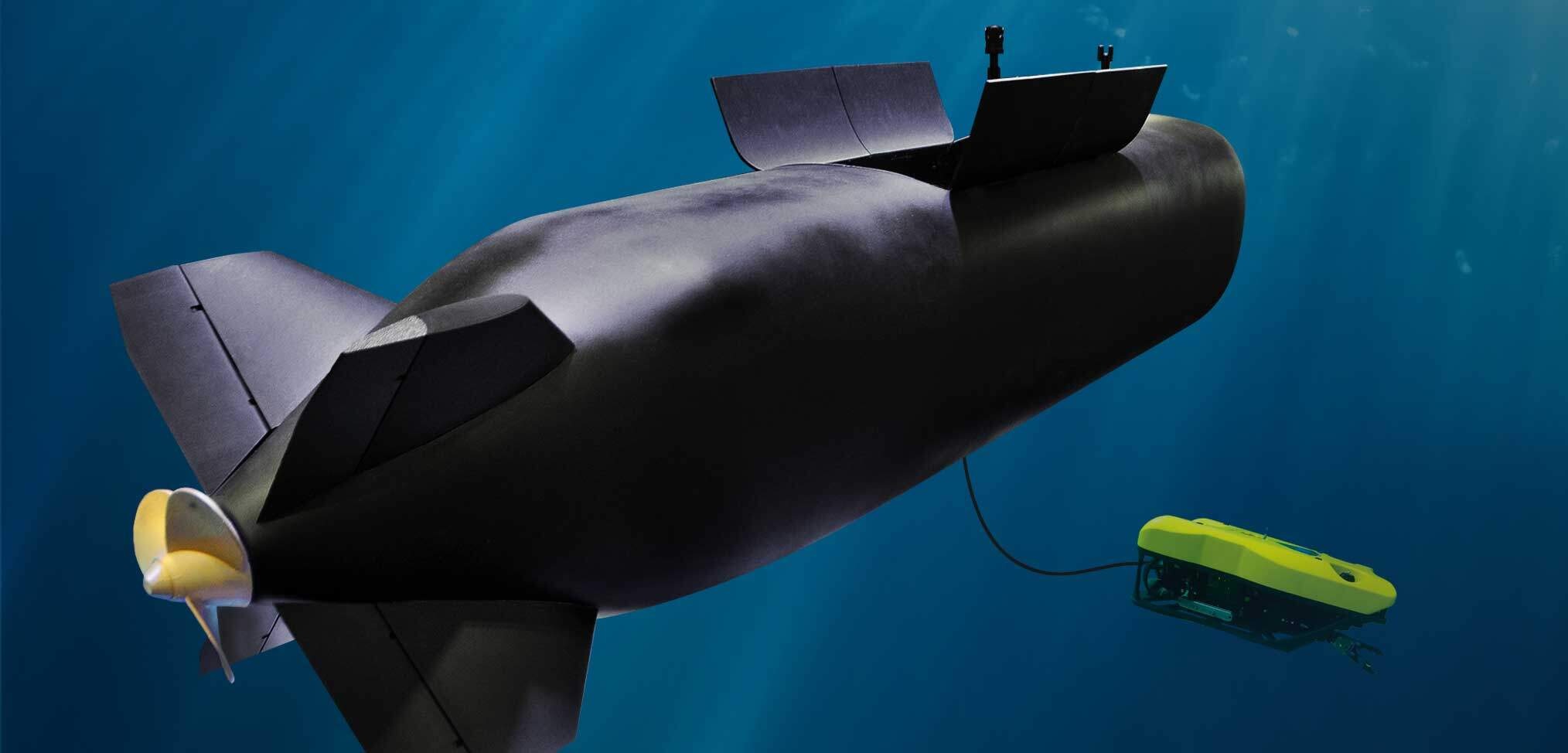
India
In a landmark decision that could redefine India’s undersea warfare capabilities, the Ministry of Defence has approved the development of 100-tonne Extra-Large Unmanned Underwater Vehicles (XLUUVs), marking the country’s most ambitious leap yet into autonomous naval combat technology. Backed by a budget of approximately ₹2,500 crore (about $290 million), the programme will be spearheaded by the Defence Research and Development Organisation (DRDO). The first XLUUV prototypes will be engineered for long-duration stealth missions, enabling the Indian Navy to operate deep in contested waters without risking human lives. A Three-Tier Unmanned Force The 100-tonne XLUUVs will be multi-role platforms, designed for deep-sea surveillance, covert intelligence gathering, strategic mine deployment, and anti-submarine warfare (ASW). These large drones are expected to dramatically extend the Navy’s operational reach across the Indian Ocean Region (IOR) and into the Indo-Pacific, where China’s naval presence has been steadily increasing. But this is only phase one. The Navy’s roadmap already points towards the future development of a 500-tonne armed autonomous submarine—a far more formidable platform that will shift the focus from reconnaissance to direct combat operations. This massive hunter-killer is expected to be armed with both lightweight torpedoes for submarine interception and heavyweight torpedoes capable of sinking large warships. Such a vessel will be able to operate alongside manned submarines or conduct independent long-range patrols deep within hostile waters. Equipped with advanced artificial intelligence-driven navigation and targeting systems, ultra-quiet propulsion, and extended endurance, it will be designed to breach heavily defended maritime zones and strike strategic targets. Alongside these larger vessels, the Navy is also developing a 20-tonne unmanned underwater vehicle (UUV) optimised for shallow-water and coastal missions. This smaller platform will monitor chokepoints, survey enemy ports, and provide base security, plugging a critical gap in near-shore defence. Strategic Implications Together, the 20-tonne, 100-tonne, and 500-tonne classes will form a layered unmanned undersea fleet—each tailored to a specific operational niche. This fleet will not only strengthen peacetime maritime domain awareness but also provide the Navy with rapid-response strike options during crises. Analysts believe the programme could act as a force multiplier for India’s naval strategy, especially as its manned submarine fleet undergoes gradual modernisation. Autonomous vehicles can remain on patrol for weeks or even months, creating a persistent undersea presence and reducing the risk to human crews in high-threat areas. With this move, India joins a small group of global powers—including the United States, China, and the UK—that are pushing the boundaries of unmanned underwater warfare. The U.S. Navy’s Orca XLUUV, for example, is already undergoing trials, while China is investing heavily in long-range unmanned submarines to expand its influence in the Pacific. For India, the adoption of such advanced platforms is more than just a technological upgrade—it is a strategic necessity in an era where control of the undersea domain is becoming as critical as air superiority. As geopolitical tensions rise in the Indo-Pacific, these stealthy, AI-enabled systems could provide the edge needed to safeguard India’s vast maritime interests.
Read More → Posted on 2025-08-12 14:50:11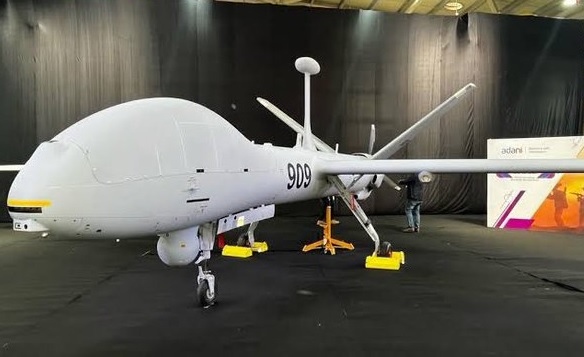
India
In a major push to modernize its armed forces, the Defence Acquisition Council (DAC) has approved a ₹30,000 crore ($3.4 billion) deal to acquire 87 Medium Altitude Long Endurance (MALE) drones for the Indian Army, Navy, and Air Force. The decision marks one of India’s largest indigenous drone procurement programs to date. The contract will be split between two manufacturers, with orders divided in a 64:36 ratio. This approach will not only create two separate production lines but also promote competition, speed up delivery timelines, and reduce dependence on a single supplier. The plan aligns with India’s broader “Aatmanirbhar Bharat” vision by encouraging domestic manufacturing and technology development. These MALE drones are designed to operate at medium altitudes for extended periods, giving the military enhanced reconnaissance, electronic warfare (EW) capabilities, and precision strike options. They are expected to play a crucial role in surveillance over land and maritime borders, counter-terrorism operations, and real-time battlefield intelligence sharing. Each system will be equipped with advanced sensors, synthetic aperture radar, optical targeting systems, and secure communication links, allowing the drones to operate effectively even in adverse weather and contested environments. Some variants may also be armed with precision-guided munitions to strike high-value targets with minimal collateral damage. The procurement is seen as a timely step given India’s expanding security challenges, including heightened border tensions, maritime monitoring in the Indian Ocean, and the need for persistent surveillance in high-altitude areas such as Ladakh and Arunachal Pradesh. Officials indicated that the production split between two firms will not only increase manufacturing capacity but also ensure redundancy in supply chains—a critical factor in times of conflict. Additionally, both vendors will be required to meet strict timelines and performance benchmarks, with penalties for delays. Industry experts believe this move could also position India as an export hub for MALE-class drones, as the technology developed under this program could be marketed to friendly foreign nations in Asia, Africa, and Latin America. With delivery expected to begin within the next few years, the armed forces will soon have a significant boost in surveillance and strike capabilities, closing a long-standing gap in India’s unmanned systems inventory.
Read More → Posted on 2025-08-11 17:23:29
India
India has taken a significant leap in drone defense technology with the induction of the D4 Counter-Drone System, jointly developed by the Defence Research and Development Organisation (DRDO) and productionised by Bharat Electronics Limited (BEL). The system, which has already proven itself in operational scenarios, is designed to detect, track, and neutralize hostile drones in real time, offering the military a powerful shield against the growing threat of unmanned aerial vehicles (UAVs). The D4 system is capable of tackling both micro and small drones—the kind often used for surveillance, smuggling, or even weaponized attacks. Using advanced sensors and integrated command systems, it can search, detect, and track drones, then neutralize them either through soft kill (electronic jamming, GPS spoofing) or hard kill (direct destruction). How It Works The D4’s core components include: RADAR System – Detects and tracks drones at long ranges. Electro-Optical (EO) System – High-resolution CCD and infrared cameras with laser rangefinders to visually identify targets both day and night. DF Counter-Drone Subsystem – Intercepts the drone’s communication signals, jams its radio frequencies, and disrupts GPS navigation to disable it without physical destruction. Laser Directed Energy Weapon – A powerful 12 kW laser capable of destroying drones mid-flight with pinpoint accuracy. Command & Control Centre (C3) – Coordinates all sensors and weapons, providing operators with optical/thermal images and RF spectrum data in real time. Why It Matters Drones are increasingly being used by both state and non-state actors for spying, contraband delivery, and even cross-border terrorist activities. Recent incidents along the India-Pakistan border have shown small drones carrying weapons and explosives into Indian territory. The D4 system gives security forces the ability to respond instantly, stopping such threats before they can cause harm. The 12 kW laser represents a major leap in India’s directed-energy capabilities, allowing for rapid, precise destruction of drones without relying solely on ammunition. Unlike missiles or gunfire, lasers can operate with minimal logistical resupply, making them highly cost-effective for sustained defense. With its combination of radar surveillance, electro-optical tracking, RF jamming, and laser destruction, the D4 is considered a multi-layered defense system—capable of protecting military bases, airports, critical infrastructure, and even VIP events from drone intrusions. Officials say the system will be deployed at strategic locations across the country, with further upgrades planned to extend range, enhance AI-based automatic target recognition, and integrate with India’s wider air defense network. This marks a crucial step in India’s push toward self-reliance in advanced defense technologies while also placing the country among a small group of nations capable of operationalizing high-powered laser-based counter-drone weapons.
Read More → Posted on 2025-08-11 17:16:36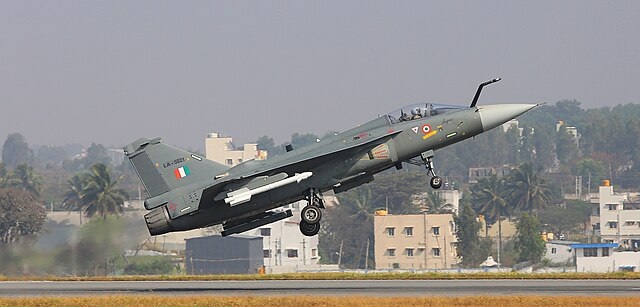
India
India’s indigenous fighter jet programme has reached another milestone, with the Directorate General of Aeronautical Quality Assurance (DGAQA) granting Flight Clearance for the LCA Tejas Mk-1A manufactured at Hindustan Aeronautics Limited’s (HAL) Nashik Division. The clearance means that the aircraft built in this facility has met all the stringent safety, structural integrity, and performance checks required to begin official flight testing. In simpler terms, it’s the green signal that the fighter is airworthy and ready to take to the skies for operational trials. Until now, production of the Tejas series was mainly handled by HAL’s Bengaluru complex. The addition of the Nashik line — better known for building Sukhoi Su-30MKI fighters — marks a significant expansion in India’s indigenous aircraft production capacity. This step will help speed up deliveries under the 83-aircraft contract for the Indian Air Force, which was signed in 2021. The Tejas Mk-1A is a modernized version of the baseline Tejas, featuring advanced active electronically scanned array (AESA) radar, electronic warfare suites, mid-air refuelling capability, improved maintainability, and integration with beyond-visual-range missiles. These upgrades are designed to make it more capable in modern aerial combat and enhance survivability. HAL’s Nashik facility has been retooled to support Tejas production alongside existing projects. This parallel manufacturing approach is crucial to meeting the IAF’s timelines, as the Air Force is keen to induct the Mk-1A quickly to replace its aging MiG-21 fleet and strengthen its fighter squadron numbers. The first Nashik-built Tejas Mk-1A is expected to commence flight tests shortly, followed by a formal handover to the IAF once trials are successfully completed. This development also aligns with India’s push for self-reliance in defence manufacturing under the “Atmanirbhar Bharat” initiative, reducing dependence on foreign suppliers for frontline combat aircraft. With both Bengaluru and Nashik now producing the fighter, India’s capacity to roll out advanced indigenous jets has effectively doubled — a move that could also position the Tejas as a stronger contender in the global light combat aircraft export market.
Read More → Posted on 2025-08-11 16:42:53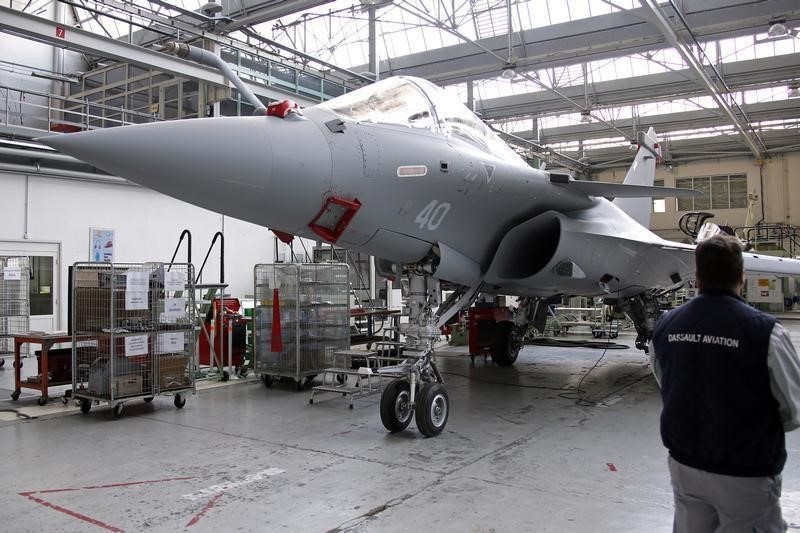
India
The Indian Air Force (IAF) is pressing for a government-to-government (G2G) agreement with France to acquire 114 additional Rafale fighter jets, seeking to bypass the lengthy and often delayed Multi-Role Fighter Aircraft (MRFA) tender process. The move comes as the IAF looks to rapidly strengthen its combat fleet amid rising tensions along the borders with China and Pakistan. Currently, the Air Force operates 36 Rafales — 30 single-seat and 6 twin-seat variants — acquired under a 2016 deal with France’s Dassault Aviation. These jets have already proven their operational worth in high-altitude deployments in Ladakh and during large-scale air exercises. The MRFA programme, which was designed to invite global bids for a new multi-role fighter fleet, has been stalled for years due to procedural delays, budget negotiations, and the complexities of technology transfer agreements. By opting for a direct G2G deal, the IAF hopes to cut through bureaucratic red tape, negotiate faster delivery timelines, and secure favorable terms similar to the previous Rafale contract. According to defence officials, the proposal could involve joint production or assembly in India under the Make in India initiative, possibly in partnership with Hindustan Aeronautics Limited (HAL) or a private Indian defence manufacturer. This would not only speed up induction but also boost domestic aerospace manufacturing capabilities. The plan also aligns with India’s strategic push to maintain an edge in the region’s air power race. China continues to expand its fleet of J-20 stealth fighters, while Pakistan is inducting advanced J-10C jets from China. The additional Rafales, equipped with Meteor beyond-visual-range missiles, SCALP cruise missiles, and cutting-edge electronic warfare systems, would give the IAF a decisive advantage in both air superiority and deep-strike missions. If cleared, the new deal could see deliveries start within three to four years, with some jets potentially coming directly from Dassault’s production line in France while the rest are assembled in India. However, final approval will depend on the Ministry of Defence, budget allocations, and negotiations over industrial participation. For the IAF, the priority is clear — avoid the long delays of the MRFA tender and bring in combat-ready aircraft quickly to plug squadron gaps, with at least 42 squadrons needed for optimal operational readiness, but currently operating only around 31.
Read More → Posted on 2025-08-11 15:44:28
India
In a development that has drawn significant attention due to its timing and proximity, the navies of India and Pakistan are set to conduct separate naval firing exercises in the Arabian Sea on August 11 and 12, 2025. The exercises, positioned approximately 60 nautical miles apart, highlight the ongoing strategic posturing between the two nations in a region critical for maritime security and trade. This article explores the details of these exercises, their context, and their implications, drawing on official notifications and recent regional developments. Details of the Naval Exercises Indian Navy Exercises The Indian Navy has announced a firing drill in the northern Arabian Sea, scheduled for August 11 and 12, 2025, off the coasts of Porbandar and Okha in Gujarat. According to official notifications, the exercise will take place between 11:30 AM and 1:30 PM on August 11, involving an unspecified warship. The Navy has issued a Notice to Airmen (NOTAM) to restrict air traffic over the designated maritime zone during the drill, ensuring safety for cargo vessels, oil tankers, and foreign naval ships passing through the area. While specific details about the warship or the type of missile to be tested have not been disclosed, the exercise is expected to involve live firing and maneuvers, potentially including aircraft, to demonstrate operational readiness. Pakistan Navy Exercises Simultaneously, the Pakistan Navy has announced a two-day firing exercise within its territorial waters, starting at 4:00 AM on August 11 and continuing until 3:00 PM on August 12, 2025. Like India, Pakistan has issued a NOTAM to restrict air traffic over its exercise zone. The Pakistan Navy has not revealed details about the missiles or weapon systems involved, but the exercise is seen as a demonstration of its operational capabilities. The proximity of the exercise—approximately 60 nautical miles from the Indian drill zone—has raised concerns due to the sensitive maritime boundary shared by the two nations. Proximity and Timing The exercises are notably close, occurring just 60 nautical miles apart, a rare occurrence that underscores the strategic significance of the Arabian Sea. This region is a vital corridor for maritime trade, connecting the Persian Gulf to global shipping routes, and is crucial for both nations' security interests. The simultaneous scheduling of these drills, while described as routine by defense officials, has drawn attention due to its timing, coming just months after a significant military confrontation between India and Pakistan. Context: Operation Sindoor and Recent Tensions The naval exercises follow a period of heightened tensions between India and Pakistan, primarily triggered by the April 22, 2025, terror attack in Pahalgam, Jammu and Kashmir, which claimed 26 civilian lives. In response, India launched Operation Sindoor on May 7, a coordinated tri-services offensive targeting terror infrastructure linked to groups like Jaish-e-Mohammed and Lashkar-e-Taiba in Pakistan and Pakistan-occupied Jammu and Kashmir. The operation involved precision strikes by the Indian Army, Air Force, and Navy, resulting in the elimination of over 100 terrorists and the destruction of nine terror targets. During Operation Sindoor, the Indian Air Force neutralized Pakistani missile and drone capabilities, downed six fighter jets, and destroyed an AWACS aircraft, while India also conducted retaliatory strikes on 11 Pakistani airbases following Pakistan’s drone and missile attacks. A ceasefire was reached on May 10, 2025, after direct communication between the Directors General of Military Operations of both countries, with no third-party mediation. Indian Prime Minister Narendra Modi described the operation as a decisive response, emphasizing that India would not tolerate terrorist attacks and that nuclear threats from Pakistan would not deter its actions. Despite the ceasefire, Operation Sindoor is reported to be ongoing, with India maintaining its focus on countering terrorism. The naval exercises, therefore, serve as a continuation of military vigilance and a signal of readiness in a region marked by fragile peace. Strategic Significance of the Arabian Sea The Arabian Sea is a critical maritime domain for both India and Pakistan, serving as a key route for global trade, particularly oil and gas shipments from the Persian Gulf. For India, the region is vital for securing its western coastline, including major ports like Porbandar and Mumbai, and maintaining dominance in the Indian Ocean Region. For Pakistan, the Arabian Sea provides access to its primary port, Karachi, and is essential for its maritime security and economic interests. The proximity of the exercises—within 60 nautical miles—highlights the delicate balance of power in this shared maritime space, where both nations seek to assert their presence. The Indian Navy’s exercise is likely to involve advanced warships, such as the recently commissioned INS Vikrant, India’s second aircraft carrier, and possibly stealth frigates like INS Tamal, which recently participated in exercises with the Royal Moroccan Navy. Pakistan, meanwhile, is developing its indigenous Jinnah-class warships, designed for anti-surface, anti-submarine, and anti-air warfare, signaling its intent to bolster its naval capabilities. Implications and Observations While both navies have emphasized that these exercises are routine, the timing and proximity have raised concerns among analysts. The drills occur against the backdrop of Operation Sindoor and ongoing tensions, suggesting a strategic signaling of strength and readiness. Indian Defense Minister Rajnath Singh’s remarks post-Operation Sindoor about the Navy’s role in potential future surgical strikes, and Prime Minister Modi’s assurance to the Naval Chief that “your turn will come,” indicate that India views its navy as a critical component of its defense strategy against Pakistan. Pakistan’s decision to conduct simultaneous exercises, supported by its recent naval advancements and alliances (e.g., summoning a Turkish warship during Operation Sindoor), reflects its intent to counterbalance India’s naval dominance. The involvement of a Turkish warship in Karachi during the May conflict also suggests Pakistan’s efforts to strengthen regional partnerships. The close proximity of the exercises increases the risk of miscalculation, particularly given the history of confrontations in the region. However, the issuance of NOTAMs by both nations indicates a degree of transparency to avoid unintended escalations, ensuring that commercial and military air traffic is diverted from the exercise zones. The simultaneous naval exercises by India and Pakistan in the Arabian Sea on August 11-12, 2025, reflect the complex dynamics of their relationship, marked by competition, strategic posturing, and a fragile ceasefire following Operation Sindoor. While described as routine, the proximity of the drills—60 nautical miles apart—and their timing underscore the ongoing military preparedness in a region vital to both nations’ security and economic interests. As the Arabian Sea remains a flashpoint for India-Pakistan relations, these exercises serve as a reminder of the need for vigilance, communication, and restraint to prevent escalation in an already tense geopolitical landscape.
Read More → Posted on 2025-08-11 15:40:28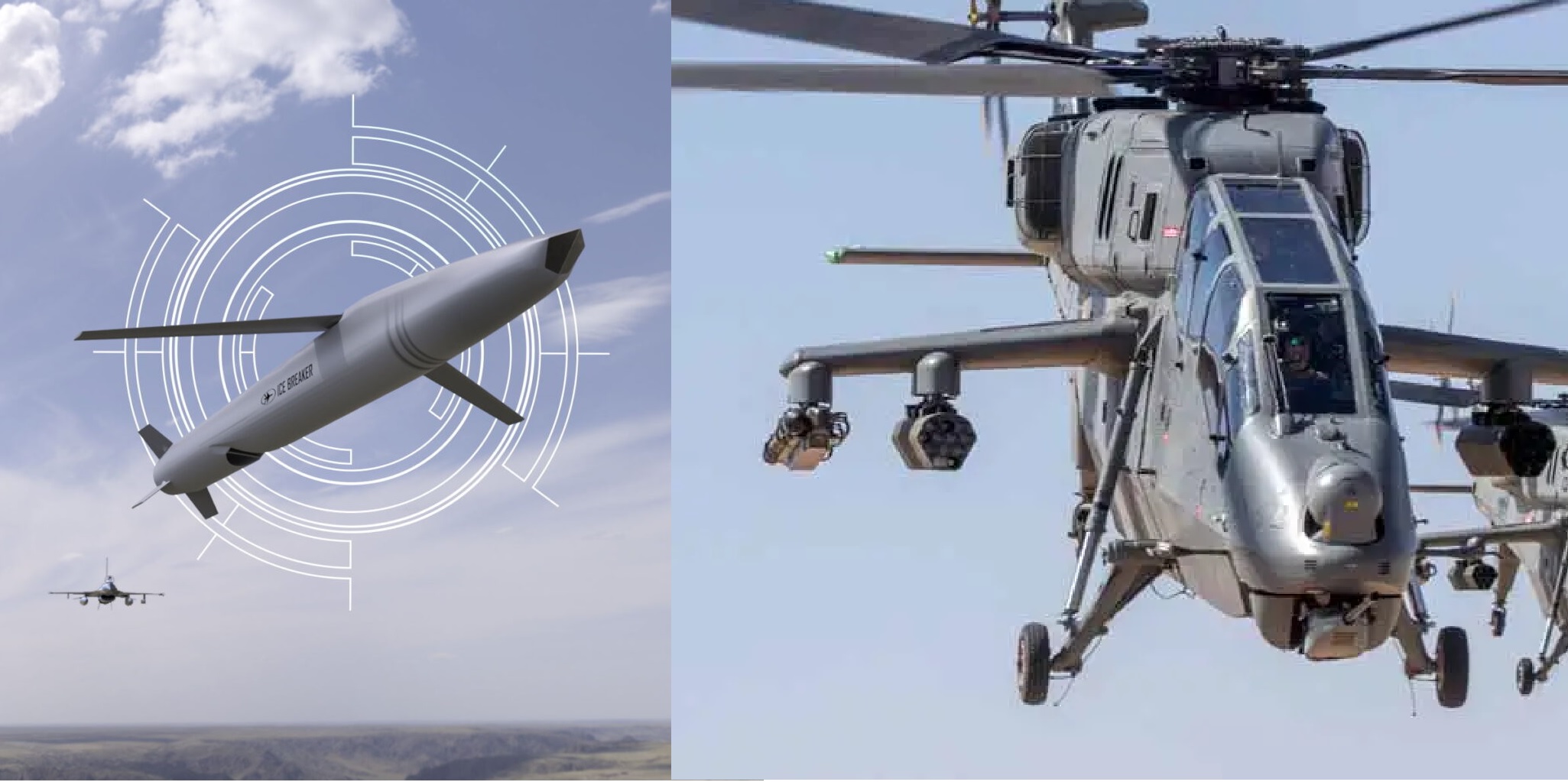
India
India’s indigenous Light Combat Helicopter (LCH) ‘Prachand’ could soon gain the ability to strike targets as far as 300 kilometres away, thanks to an integration proposal from Israel’s RAFAEL Advanced Defence Systems. The upgrade, if approved, would transform the high-altitude attack helicopter into a long-range precision strike platform—a role typically reserved for advanced fighter jets. The missile in question, RAFAEL’s Ice Breaker, is a fifth-generation, multi-domain precision missile designed for both land and sea attack. Originally pitched for the Indian Air Force’s fighter fleet, RAFAEL has now confirmed that it can also be mounted on the LCH without major performance compromises. A feasibility study conducted with Indian defence engineers has already determined that integration is technically achievable. Missile Specifications – Ice Breaker Type: 5th-generation autonomous standoff missile Length: ~4 meters Weight: ~400 kg Range: Up to 300 km Speed: High subsonic Warhead: ~250 kg multi-purpose warhead capable of penetrating fortified structures or striking naval vessels Guidance: Advanced electro-optical seeker with artificial intelligence, GPS/INS navigation, anti-jamming capability Attack Profile: Capable of low-altitude sea-skimming, pop-up terminal manoeuvres, and multi-directional approaches Given that the LCH Prachand can carry up to 920 kg of weapons, it could be fitted with one or two Ice Breakers depending on mission requirements. This would grant the helicopter a “standoff” strike ability, enabling it to destroy high-value targets from beyond the reach of most short-range air defence systems—critical for operations along contested areas such as the Line of Actual Control (LAC) with China. The missile’s autonomous guidance allows it to operate even in GPS-denied environments, using AI-driven image recognition to identify and hit targets with extreme accuracy. Its versatility makes it effective against fortified bunkers, command centres, radar installations, and even moving warships. For the Indian Air Force, this would mean that a platform traditionally designed for close air support and anti-armour roles could now perform deep-strike missions, bridging the gap between helicopter gunships and strike aircraft. Military planners note that this could significantly increase India’s tactical flexibility in high-altitude warfare, where Prachand’s ability to operate at altitudes above 15,000 feet already gives it an advantage over most foreign attack helicopters. The Ice Breaker has also been offered to the Indian Navy for use on MiG-29K and Rafale M fighters, raising the prospect of a shared long-range strike weapon across the Air Force, Navy, and potentially Army Aviation. This interoperability could streamline logistics, reduce training time, and create a unified munitions inventory. If approved, this would mark one of the most significant upgrades to an Indian-made combat helicopter to date, turning the LCH into a formidable force multiplier capable of conducting precision strikes far behind enemy lines—without ever crossing into hostile airspace.
Read More → Posted on 2025-08-11 14:02:14
India
In a historic moment for the nation’s maritime power, the Indian Navy is set to commission two state-of-the-art stealth frigates — INS Udaygiri (F35) and INS Himgiri (F34) — on August 26, 2025, at Visakhapatnam. This will mark the first time that two major warships from prestigious Indian shipyards are commissioned together, underscoring India’s growing self-reliance in advanced naval shipbuilding. Both vessels belong to the Project 17A class of stealth-guided missile frigates, designed and built indigenously with cutting-edge technology to reduce radar signatures and enhance survivability in hostile environments. They are equipped with advanced weapons, sensors, and combat systems, enabling them to carry out a range of missions — from anti-air and anti-submarine warfare to long-range strike capabilities. INS Udaygiri, built by Mazagon Dock Shipbuilders Limited (MDL) in Mumbai, is the second ship of its class from MDL under Project 17A. INS Himgiri, constructed by Garden Reach Shipbuilders & Engineers (GRSE) in Kolkata, is the first of its series from GRSE. Both warships feature a high degree of automation, improved stealth design, and enhanced operational efficiency, making them formidable additions to the Navy’s frontline fleet. The commissioning ceremony will be attended by top naval leadership, senior defence officials, and representatives from the shipyards. The event will not only celebrate a milestone in India’s indigenous shipbuilding capabilities but also highlight the success of the “Make in India” initiative in the defence sector. With their induction, the Indian Navy will significantly boost its operational reach and deterrence capabilities in the Indian Ocean Region, reinforcing India’s commitment to safeguarding maritime interests and ensuring security in the region. The twin commissioning of INS Udaygiri and INS Himgiri marks a proud chapter in India’s naval history — a clear demonstration of the country’s technological progress and strategic resolve.
Read More → Posted on 2025-08-10 15:56:23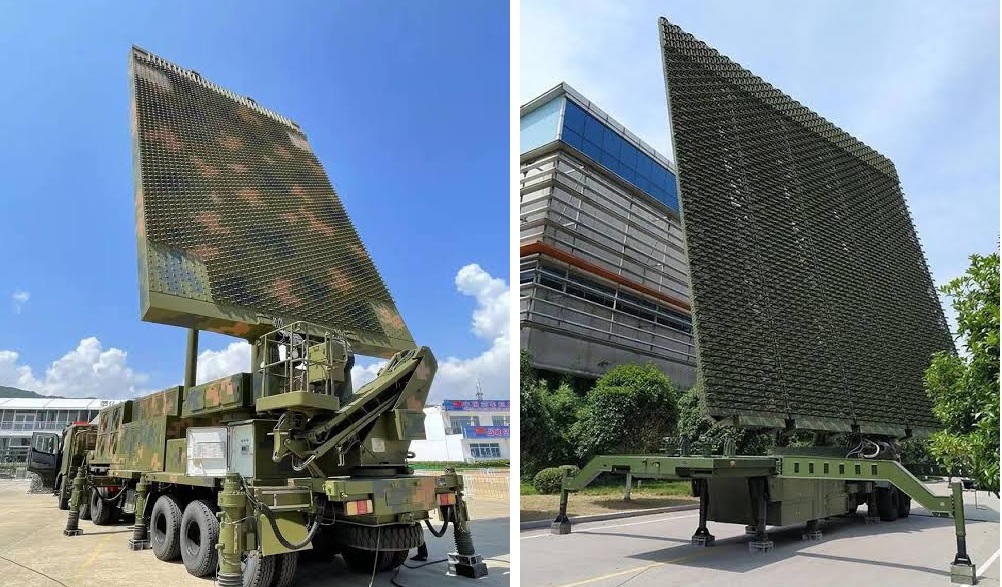
India
On May 7, 2025, the Indian Air Force (IAF) launched Operation Sindoor, a decisive retaliatory operation targeting terrorist infrastructure and military assets in Pakistan following a deadly terrorist attack in Pahalgam, Jammu and Kashmir, on April 22, 2025, which claimed 26 lives. A significant outcome of this operation was the destruction of Pakistan’s Chinese-supplied YLC-8E anti-stealth radar at the Chunian Air Base in central Punjab, casting serious doubts on the radar’s effectiveness and China’s reputation as a reliable arms supplier. The YLC-8E: China’s Flagship Anti-Stealth Radar The YLC-8E, developed by China’s state-owned China Electronics Technology Group Corporation (CETC), is a UHF-band, three-dimensional surveillance radar marketed as a cutting-edge system capable of detecting stealth aircraft like the U.S. F-22 Raptor and F-35 Lightning II at ranges exceeding 500 kilometers. With an antenna the size of two badminton courts and advanced signal processing, it was designed to counter modern stealth technology and track missile threats up to 700 kilometers. Transferred to Pakistan from the People’s Liberation Army in 2023, the radar was a cornerstone of Pakistan’s Comprehensive Layered Integrated Air Defence (CLIAD) system, intended to counter India’s advanced aircraft, such as the Rafale, and long-range munitions like the BrahMos cruise missile. Priced at an estimated $50–100 million per unit, the YLC-8E is a costly investment, reflecting Pakistan’s heavy reliance on Chinese military hardware, which accounts for 82% of its defense imports. Chinese state media had touted the radar as a “flagship” of stealth detection technology, superior to international competitors due to its active phase-controlled array and anti-jamming features. Operation Sindoor: A Blow to Pakistan’s Air Defense During Operation Sindoor, the IAF executed precision strikes using air-launched cruise missiles, likely BrahMos, to neutralize key Pakistani military installations, including the YLC-8E radar at Chunian Air Base, located 70 kilometers south of Lahore. The radar’s destruction, confirmed by satellite imagery and Indian military briefings on May 10, 2025, significantly disrupted Pakistan’s early warning and airspace monitoring capabilities in central Punjab. This strike was part of a broader Indian strategy of Suppression of Enemy Air Defences (SEAD), targeting radar installations, command centers, and weapon storage sites across eight Pakistani bases, including Rafiqui, Murid, and Sukkur. The YLC-8E’s failure to detect or counter Indian drones and missiles exposed critical vulnerabilities. Indian forces, leveraging their ELM-2090U Ultra UHF radars, electronic warfare systems, and real-time intelligence, bypassed Pakistan’s air defense network, including the Chinese-made HQ-9 system, in just 23 minutes. The operation highlighted the radar’s inability to detect Indian drones, despite its claims of tracking advanced stealth aircraft like the F-22 and F-35. This failure suggests that the YLC-8E’s capabilities were overhyped, relying more on media promotion than proven combat effectiveness. Broader Implications for Chinese Military Technology The destruction of the YLC-8E radar is not an isolated incident but part of a pattern of underperformance by Chinese-supplied systems during Operation Sindoor. Pakistan deployed various Chinese-origin equipment, including J-10C and JF-17 Block III fighter jets, PL-15 air-to-air missiles, CM-400AKG air-to-surface missiles, and Wing Loong-II drones armed with AR-1 missiles. These systems consistently failed to counter Indian operations. For instance, PL-15 missiles malfunctioned mid-flight, and Indian air defenses neutralized Chinese drones and missiles with ease. The Indian military even displayed fragments of a PL-15 missile that landed in Hoshiarpur without hitting its target, further discrediting Chinese claims of superiority. Analysts have pointed to systemic issues in Chinese military technology, including defective components, poor quality control, and inadequate after-sales support. Previous instances of faulty Chinese equipment, such as frigates for the Pakistan Navy and fighter jets for Nigeria and Myanmar, underscore a recurring problem. The failures in Operation Sindoor have damaged China’s reputation as a global arms exporter, with some Chinese nationals attributing the shortcomings to Pakistan’s inadequate training and operational inefficiencies rather than flaws in the equipment itself. Strategic and Economic Fallout The loss of the YLC-8E radar represents a strategic setback for Pakistan, weakening its ability to monitor and respond to aerial threats along its eastern border. For China, the incident has broader implications, as it undermines confidence in its defense exports at a time when it seeks to compete with Western and Russian suppliers. The operation also showcased India’s growing defense capabilities, with its Integrated Air Command and Control System (IACCS) and indigenous Akashteer system enabling rapid, coordinated responses. India’s mix of homegrown and Western technology outperformed Chinese systems, highlighting a credibility gap that could impact China’s arms market share, which had already been declining due to quality concerns. Social media reactions reflect mixed sentiments. Some Chinese netizens criticized Pakistan’s handling of their equipment, while Indian observers celebrated the operation as proof of their military’s technological edge. Posts on X echoed this sentiment, with users noting the “utter poor performance” of Chinese systems, including the YLC-8E, and questioning their reliability in real-world combat. Operation Sindoor has exposed the YLC-8E radar as a costly but ineffective system, unable to live up to its anti-stealth claims against Indian drones and missiles. The operation not only demonstrated India’s military precision but also highlighted systemic flaws in Chinese defense technology, challenging its media-driven narrative of superiority. As India strengthens its indigenous defense capabilities, the failures of Chinese systems in Pakistan may shift the global arms market dynamics, favoring combat-proven alternatives.
Read More → Posted on 2025-08-10 15:55:00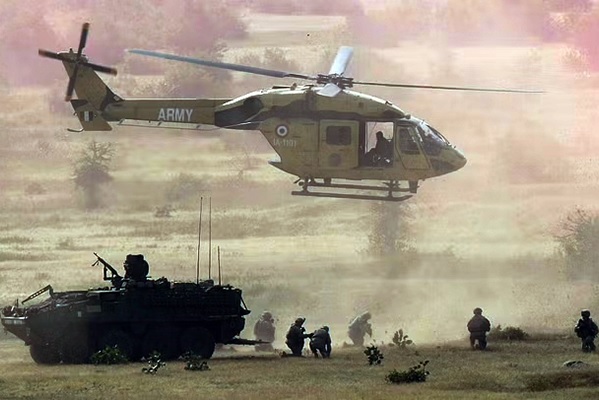
India
The Indian Army is set to deploy two Rudra Integrated Battle Groups (IBGs) in eastern Ladakh and Sikkim along the Line of Actual Control (LAC) with China within the next few months, marking a significant step in modernizing its border defense strategy. Announced by Army Chief General Upendra Dwivedi on July 26, 2025, during the Kargil Vijay Diwas, these brigades represent a transformative approach to warfare, integrating advanced technologies like the Internet of Things (IoT) to enhance operational readiness. This article explores the Rudra IBGs, the role of IoT in modern warfare, the benefits it offers, and the evolution from the earlier IBG concept. Rudra Integrated Battle Groups: A New Era of Warfare The Rudra IBGs are agile, brigade-sized units designed to be self-sufficient and versatile, combining infantry, mechanized infantry, tanks, artillery, special forces, and unmanned aerial systems (UAVs) under a single command. Unlike traditional brigades that focus on specific roles, Rudra IBGs are multi-domain, all-arms formations tailored for rapid response in diverse terrains, such as the high-altitude regions of Ladakh and Sikkim. These units incorporate advanced weaponry, including armed drones, loitering munitions, and precision-guided systems, supported by dedicated logistics and combat support. The strategic deployment in eastern Ladakh, a flashpoint since the 2020 Galwan clash, and Sikkim, a geopolitically sensitive tri-junction with China and Bhutan, underscores their importance in strengthening India’s northern frontier. The Role of IoT in Modern Warfare The Internet of Things (IoT) refers to the network of interconnected devices that collect, share, and analyze data in real-time, enabling enhanced decision-making and operational efficiency. In modern warfare, IoT integrates sensors, drones, vehicles, weapons systems, and soldier-worn devices into a cohesive network, creating a "smart battlefield." For the Rudra IBGs, IoT is a cornerstone of their technological edge, enabling seamless communication, real-time intelligence, and coordinated operations across multiple domains. Key IoT Applications in Rudra IBGs Real-Time Surveillance and ISR (Intelligence, Surveillance, Reconnaissance): IoT-enabled drones and sensors provide continuous battlefield monitoring, delivering real-time data on enemy movements and terrain conditions. The Divyastra batteries, part of the Rudra framework, use IoT to integrate surveillance UAVs and loitering munitions for precise targeting. Networked Command and Control: IoT facilitates a centralized command system where commanders can access data from all units—infantry, artillery, and drones—instantly, improving situational awareness and response times. Smart Logistics: IoT streamlines supply chains by tracking equipment, ammunition, and fuel in real-time, ensuring self-sufficiency in remote areas like Ladakh and Sikkim. Predictive Maintenance: IoT sensors on tanks, vehicles, and artillery predict maintenance needs, reducing downtime and enhancing operational readiness. Soldier Systems: Wearable IoT devices monitor soldiers’ health, location, and vitals, enabling rapid medical response and improving troop safety. Benefits of IoT in Warfare The integration of IoT into the Rudra IBGs offers several strategic advantages: Enhanced Situational Awareness: IoT provides a comprehensive battlefield picture, allowing commanders to make informed decisions quickly. For instance, drone platoons in infantry battalions enhance surveillance capabilities. Rapid Response and Agility: IoT-enabled systems reduce the time between detection and action, critical for the Rudra IBGs’ mission of swift, multi-axis offensives. Precision and Efficiency: IoT-driven precision strikes, as seen in the Shaktibaan artillery regiments, minimize collateral damage and maximize impact. Operational Independence: By integrating logistics and combat support, IoT ensures Rudra IBGs can operate autonomously in challenging terrains, reducing reliance on external reinforcements. Cost Efficiency: IoT optimizes resource use, such as fuel and ammunition, and reduces maintenance costs through predictive analytics, aligning with the Indian Army’s goal of economical modernization. Evolution from Old Integrated Battle Groups The concept of Integrated Battle Groups (IBGs) was first proposed in 2019 by former Army Chief General Bipin Rawat under the Cold Start Doctrine, aimed at rapid, limited offensives against Pakistan. These IBGs were envisioned as brigade-sized units of 5,000–6,000 troops, led by Major Generals, combining infantry, armor, artillery, and support units for swift strikes within 12–48 hours. Two IBGs were planned—one under the 9 Corps (Western border with Pakistan) and another under the 17 Strike Corps (Northern border with China). However, the initiative faced challenges, including bureaucratic delays, funding issues, and resistance to abolishing the Brigadier rank. The Rudra IBGs, announced in 2025, are a refined evolution of this concept. Unlike the original IBGs, Rudra brigades are smaller (around 3,000 troops), led by Brigadiers, and focus on integrating advanced technologies like IoT, drones, and cyber capabilities. They build on lessons from recent operations, such as Operation Sindoor, and align with global trends toward leaner, tech-driven forces, as seen in the U.S. Army’s Brigade Combat Teams and China’s Combined Arms Brigades. The Rudra IBGs also address past logistical and doctrinal hurdles by reorganizing existing units rather than raising new ones, making them more feasible to implement. Challenges and Future Prospects While the Rudra IBGs promise a leap forward, challenges remain: Training Complexity: Soldiers must be trained to handle diverse equipment and IoT systems, requiring extensive programs. Integration Issues: Combining multiple arms and technologies demands robust communication systems and interoperability. Logistical Demands: Supporting advanced equipment in remote, high-altitude areas poses significant challenges. Cost Management: While reorganizing existing units is cost-effective, IoT and advanced weaponry require substantial investment. Looking ahead, the Rudra IBGs are expected to serve as a template for broader military modernization, potentially aligning with India’s Integrated Theatre Commands. Their success will depend on rigorous training, technological integration, and feedback from initial deployments in Ladakh and Sikkim. The deployment of Rudra IBGs in Ladakh and Sikkim marks a pivotal moment in India’s military evolution, blending traditional combat strategies with cutting-edge IoT technologies. By enhancing situational awareness, agility, and precision, IoT empowers these brigades to address modern warfare’s complexities. Building on the lessons of the earlier IBG concept, the Rudra IBGs represent a pragmatic, technology-driven approach to securing India’s borders. As they become operational in the coming months, these units will likely redefine India’s defense capabilities, ensuring a robust response to threats in an increasingly volatile geopolitical landscape.
Read More → Posted on 2025-08-10 15:42:23
India
India has officially welcomed the upcoming summit between U.S. President Donald Trump and Russian President Vladimir Putin, set for August 15, 2025, in Alaska. In a statement, the Ministry of External Affairs said the meeting “holds the promise of bringing to an end the ongoing conflict in Ukraine and opening up the prospects for peace,” while reaffirming Prime Minister Narendra Modi’s consistent message that “this is not an era of war.” India also expressed readiness to assist in any peace process that might emerge from the talks. The decision to endorse the summit comes despite recent strains in India–U.S. relations. Washington has sharply increased tariffs on Indian goods, citing New Delhi’s continued purchase of Russian crude oil. India has defended its position as a matter of national interest and criticised what it sees as double standards in the way sanctions are applied by Western nations. Ahead of the Alaska meeting, Prime Minister Modi and President Putin held a phone conversation reaffirming their commitment to deepening the India–Russia strategic partnership, with discussions also covering the latest developments in Ukraine. On the economic front, National Security Adviser Ajit Doval recently met Russia’s First Deputy Prime Minister Denis Manturov to explore industrial collaboration, including in aviation. The summit will mark the first face-to-face meeting between Trump and Putin since 2021, and Putin’s first visit to the United States since 2015. President Trump has hinted that a peace deal could involve territorial adjustments between Russia and Ukraine — a proposal firmly rejected by Ukrainian President Volodymyr Zelensky, who insists Ukraine will not cede “a single inch” of its territory. European leaders have echoed Kyiv’s demand that any agreement must include Ukraine directly in the talks and come with strong security guarantees. The Alaska summit is being seen as one of the most high-profile U.S.–Russia engagements in decades. For India, backing this diplomatic effort reflects its strategy of balancing ties with both Washington and Moscow while promoting dialogue over conflict, even as it navigates the complex geopolitical pressures of the Ukraine war.
Read More → Posted on 2025-08-10 15:37:08
India
India’s Zorawar Light Tank, a cutting-edge indigenous defense project, is set to take a major leap forward as the Defence Research and Development Organisation (DRDO) and its industry partner Larsen & Toubro (L&T) prepare to roll out the second prototype for user trials starting in September 2025. This 25-tonne tank, designed for high-altitude warfare in regions like Ladakh, has already shown impressive results in earlier tests, and these upcoming trials mark a critical step toward its planned induction into the Indian Army by 2027. The Zorawar, named after the 19th-century Dogra General Zorawar Singh, was developed to address the Indian Army’s need for a lightweight, agile tank capable of operating in the rugged, high-altitude terrain along the Line of Actual Control (LAC) with China. The urgency for such a vehicle became clear during the 2020 Galwan Valley clash, where heavier tanks like the T-72 and T-90 struggled with mobility in mountainous regions. The Zorawar, built by DRDO’s Combat Vehicles Research & Development Establishment (CVRDE) in collaboration with L&T, is designed to fill this gap with its rapid deployability, amphibious capabilities, and advanced firepower. Proven Performance in Early Trials The first prototype, unveiled in July 2024 at L&T’s Hazira facility in Gujarat, has already undergone rigorous testing. In September 2024, the tank aced its preliminary automotive and firing trials in Rajasthan’s desert terrain, hitting targets with pinpoint accuracy using its 105mm Cockerill turret. Further tests in December 2024 at Nyoma, Ladakh, at elevations above 4,200 meters, showcased its ability to navigate steep gradients and perform in sub-zero conditions. The tank’s amphibious capabilities were also validated in water obstacles like Pangong Tso, and it was successfully airlifted by the Indian Air Force’s C-17 Globemaster III, proving its suitability for rapid deployment in remote areas. Upgrades in the Second Prototype The second prototype, set for rollout in September 2025, incorporates feedback from the Army and data from earlier trials. Key upgrades include: Improved Suspension System: Enhances mobility over rough, mountainous terrain. Advanced Engine Cooling: Ensures optimal performance in the thin air of high altitudes. Enhanced Situational Awareness: Additional sensors provide better battlefield visibility for the crew. The tank is powered by a 760 horsepower Cummins engine, delivering a 30 hp/tonne power-to-weight ratio for superior agility. Future production models may feature a more powerful 1,000 hp Cummins Advanced Combat Engine (ACE) or an indigenous 700 hp engine under development as part of India’s Atmanirbhar Bharat (self-reliant India) initiative. The Zorawar’s 105mm main gun, capable of firing anti-tank guided missiles (ATGMs) and conventional shells, is paired with a 12.7mm remote-controlled machine gun and advanced sighting systems. Its modular armor and active protection system (APS) boost survivability, while the low-profile design reduces detectability. Strategic Importance The Zorawar is a direct response to China’s deployment of modern light tanks like the T-15 along the LAC. Its ability to operate at altitudes above 5,000 meters and cross rivers makes it a game-changer for India’s mountain warfare capabilities. The Indian Army has placed an initial order for 59 tanks, with a total requirement of 354 units valued at approximately ₹17,500 crore (US$2.1 billion). The tank’s airlift capability ensures it can be rapidly deployed to contested border regions, strengthening India’s posture against potential threats. Upcoming User Trials Starting in September 2025, the Indian Army will conduct user trials lasting 12 to 18 months, testing the Zorawar across diverse conditions, including summer, winter, and high-altitude environments. These trials will evaluate the tank’s reliability, combat readiness, and performance under extreme weather. The second prototype will be compared against the first to finalize the design before large-scale production begins. L&T, as the lead manufacturer, is poised to deliver the initial batch, with contributions from Micro, Small, and Medium Enterprises (MSMEs) and other Indian industries highlighting the project’s role in boosting indigenous defense manufacturing. A Step Toward Self-Reliance Defence Minister Rajnath Singh has praised the Zorawar project as a milestone in India’s pursuit of self-reliance in defense technology. The collaboration between DRDO, L&T, and other private players like Bharat Forge marks a shift from the challenges faced by earlier programs like the Arjun Main Battle Tank, which suffered delays due to over-reliance on imported components. While the Zorawar uses foreign subsystems like the Cummins engine and Cockerill turret, efforts are underway to localize production through technology transfers, ensuring long-term self-sufficiency. With user trials kicking off next month, the Zorawar Light Tank is on track to become a cornerstone of India’s armored capabilities in high-altitude regions. By 2027, the first regiments are expected to be operational, providing the Indian Army with a versatile, modern asset to counter emerging threats along its northern borders. This project not only strengthens India’s defense posture but also sets a benchmark for future indigenous defense programs, blending innovation, collaboration, and strategic pragmatism.
Read More → Posted on 2025-08-09 16:55:32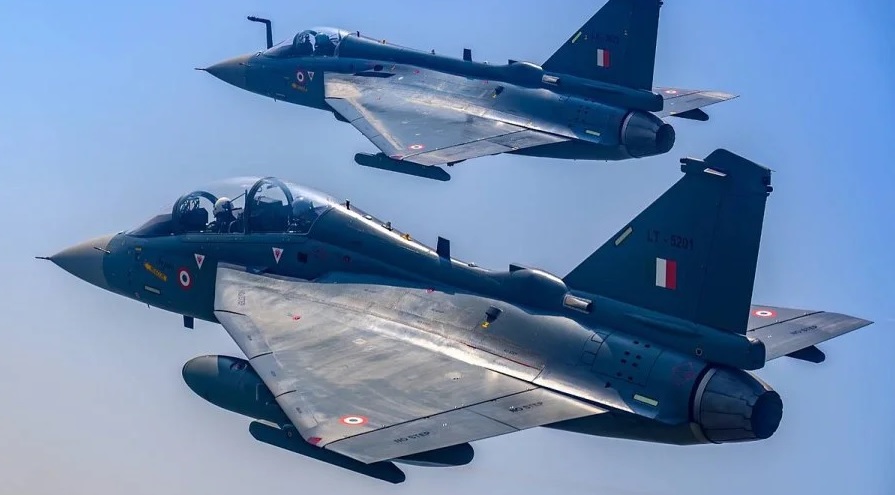
India
In a major step toward modernizing India’s indigenous fighter fleet, Hindustan Aeronautics Limited (HAL) will begin upgrading the Tejas Mk 1 IOC and FOC aircraft with Software-Defined Radio (SDR) starting in 2026. The upgrade will align the early-batch Tejas jets with the Mk 1A’s advanced communication capabilities, boosting their effectiveness in network-centric warfare. According to sources, the upgrade will require structural modifications, including new antenna placements and wiring changes, similar to those implemented on the Mk 1A. HAL is also expected to integrate enhanced avionics, AESA radar systems, and electronic warfare (EW) suites as part of the broader modernization package. SDR technology replaces conventional fixed-function radios with software-driven, multi-band, multi-waveform systems, allowing pilots to switch frequencies and waveforms on the fly. This enables secure, jam-resistant communications and ensures interoperability with other air and ground platforms. The system also supports future upgrades via software, making the aircraft future-proof for evolving communication standards. While the initial installations will use SDR units already proven on the Mk 1A—reportedly similar to Israel’s B-NET system—HAL is concurrently advancing an indigenous SDR-1 project. Designed to operate across V/UHF and L-bands, SDR-1 supports frequency-hopping waveforms, D-TDMA networking, and interfaces like MIL-STD-1553B and Ethernet. HAL aims to deploy SDR-1 in later Tejas variants, including the Mk II, to strengthen India’s defense self-reliance under Atmanirbhar Bharat. The move will significantly improve the IAF’s data-sharing capabilities, enabling faster decision-making and better situational awareness in joint operations. Secure datalinks will allow Tejas pilots to coordinate seamlessly with other fighter jets, AEW&C aircraft, and ground control units. With these upgrades, the Tejas Mk 1 fleet will see a substantial jump in combat potential without undergoing a complete redesign. Experts believe this phased modernization is a cost-effective way to enhance combat readiness while keeping older airframes relevant for the next decade.
Read More → Posted on 2025-08-09 16:52:24Search
Top Trending in 24 Hours
-
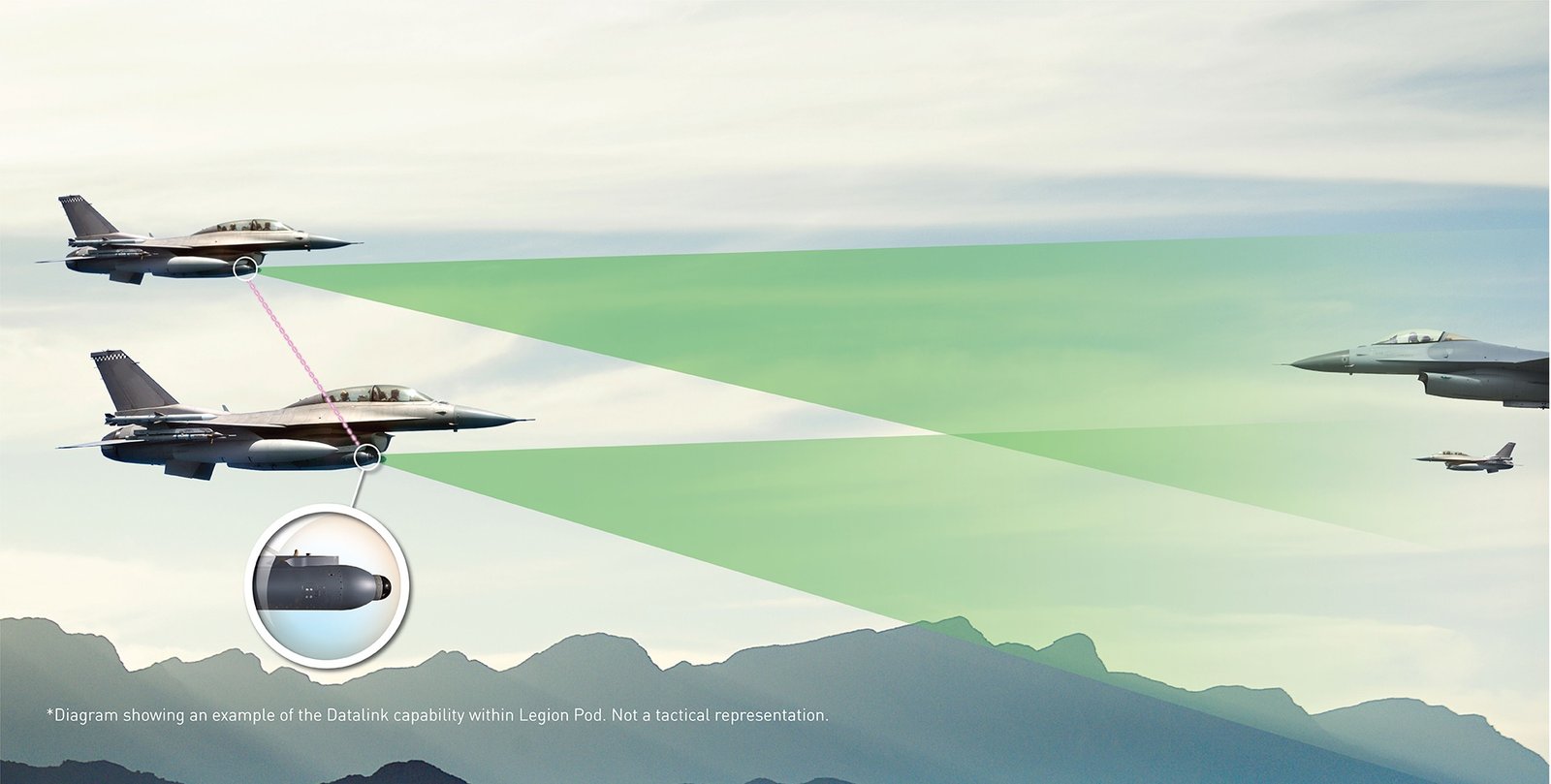 Lockheed Martin Demonstrates Legion Pod-to-Pod Data Link on F-16s for Passive Targeting
-
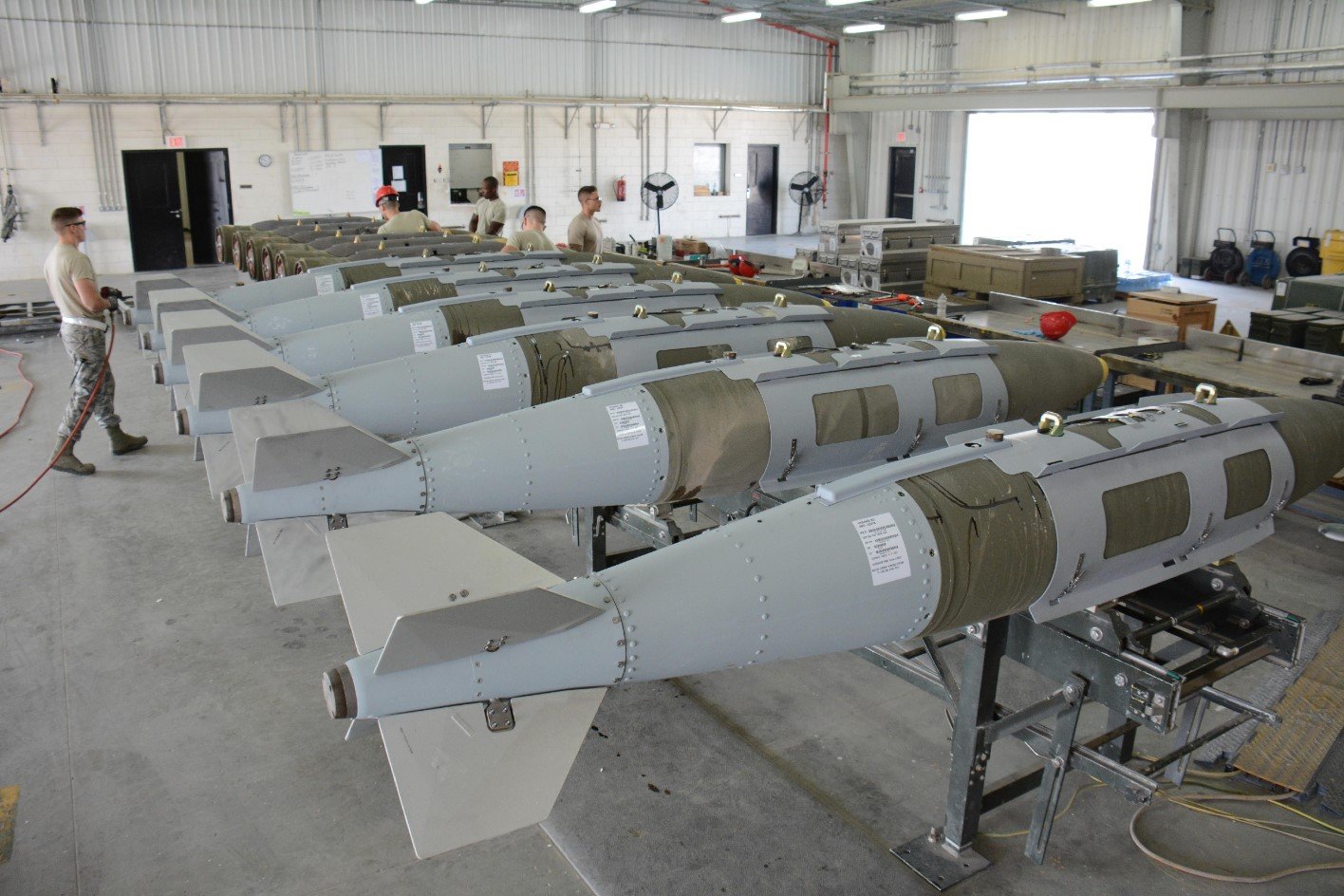 U.S. Plans $2.8 Billion Sale of 40,000 Heavy Bombs and 20,000 I-2000 Penetrator Warheads to Israel
-
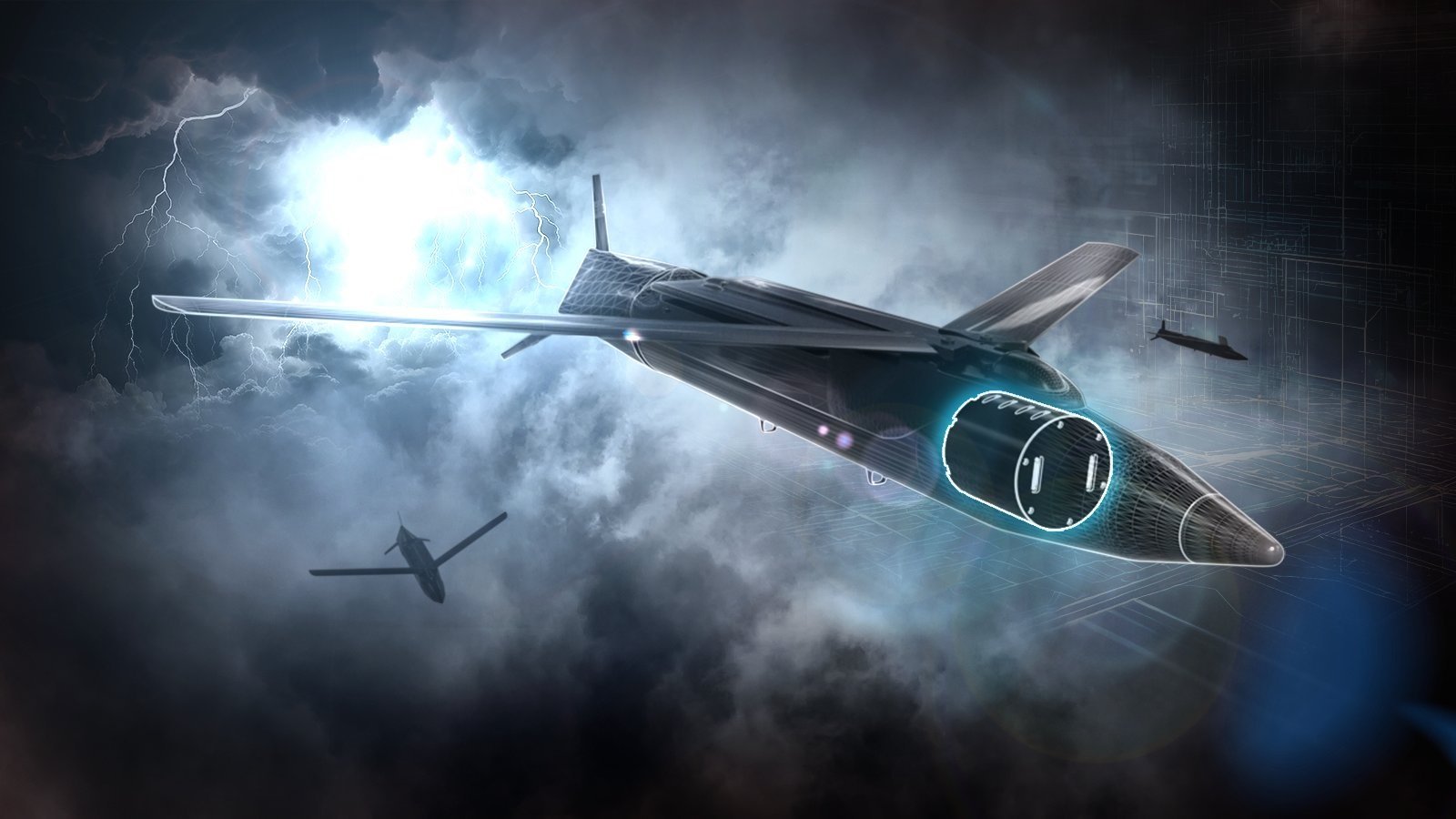 BAE Systems Unveils Shadow EW Suite for Small Drones and Autonomous Aircraft
-
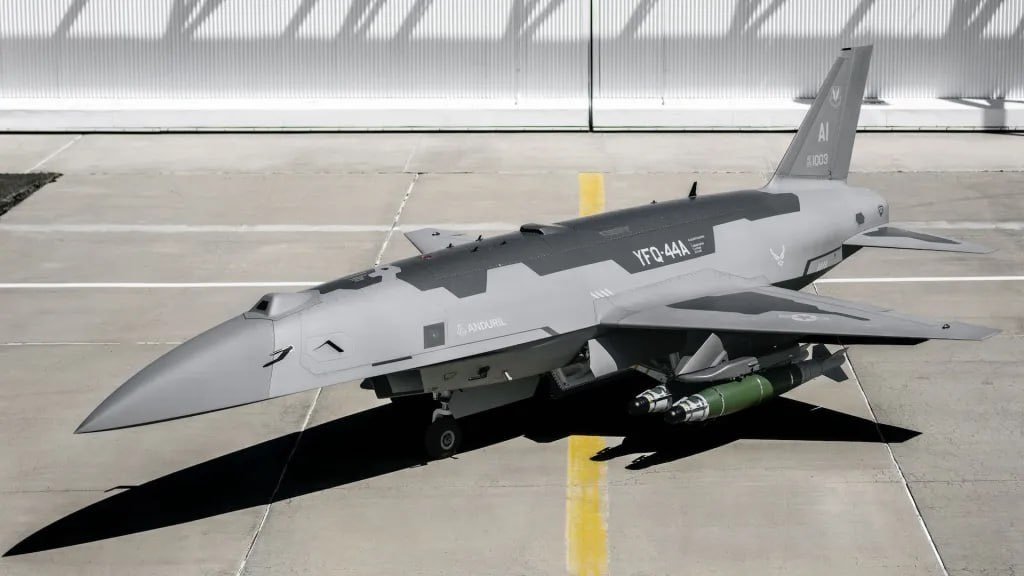 Anduril Conducts Ground Fit-Checks of Air-to-Ground Weapons on YFQ-44A Fury
-
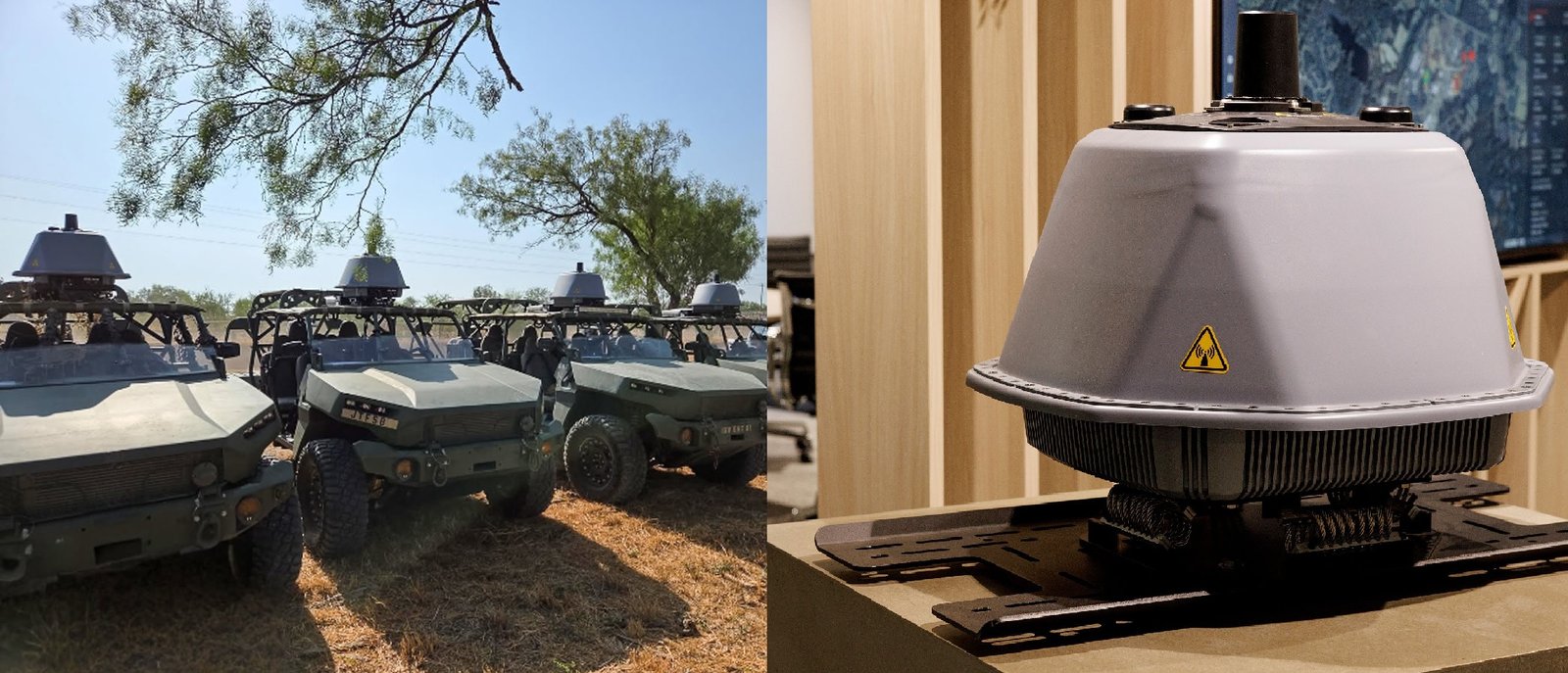 U.S. Military Deploys DroneShield Counter-Drone Systems on Infantry Squad Vehicles
-
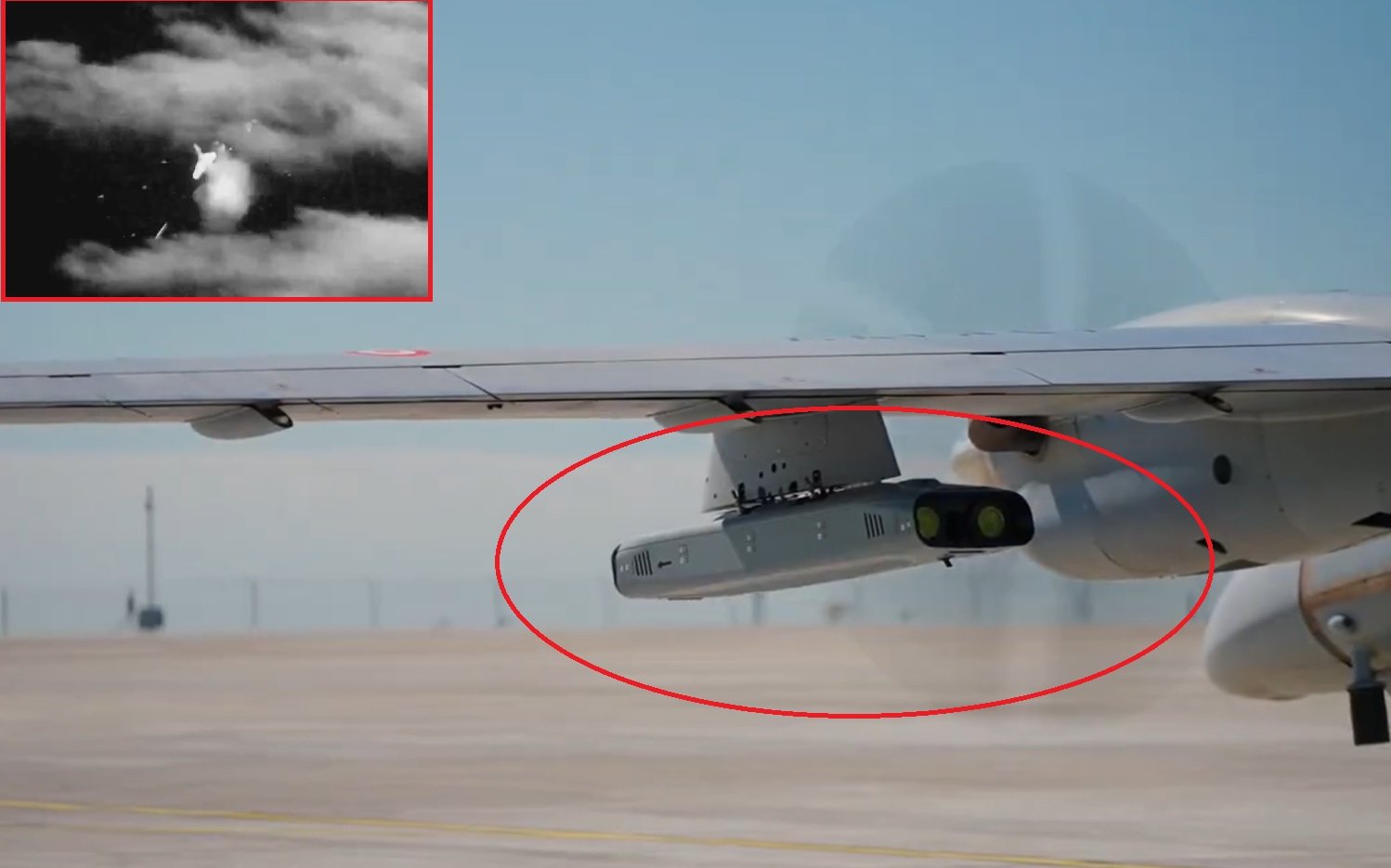 Turkey’s AKINCI Drone Hits High-Speed Aerial Target with SUNGUR Missile in Black Sea Test
-
 Diehl Defence and Elbit Systems Complete SkyStriker Loitering Munition Live-Fire Trials in Germany
-
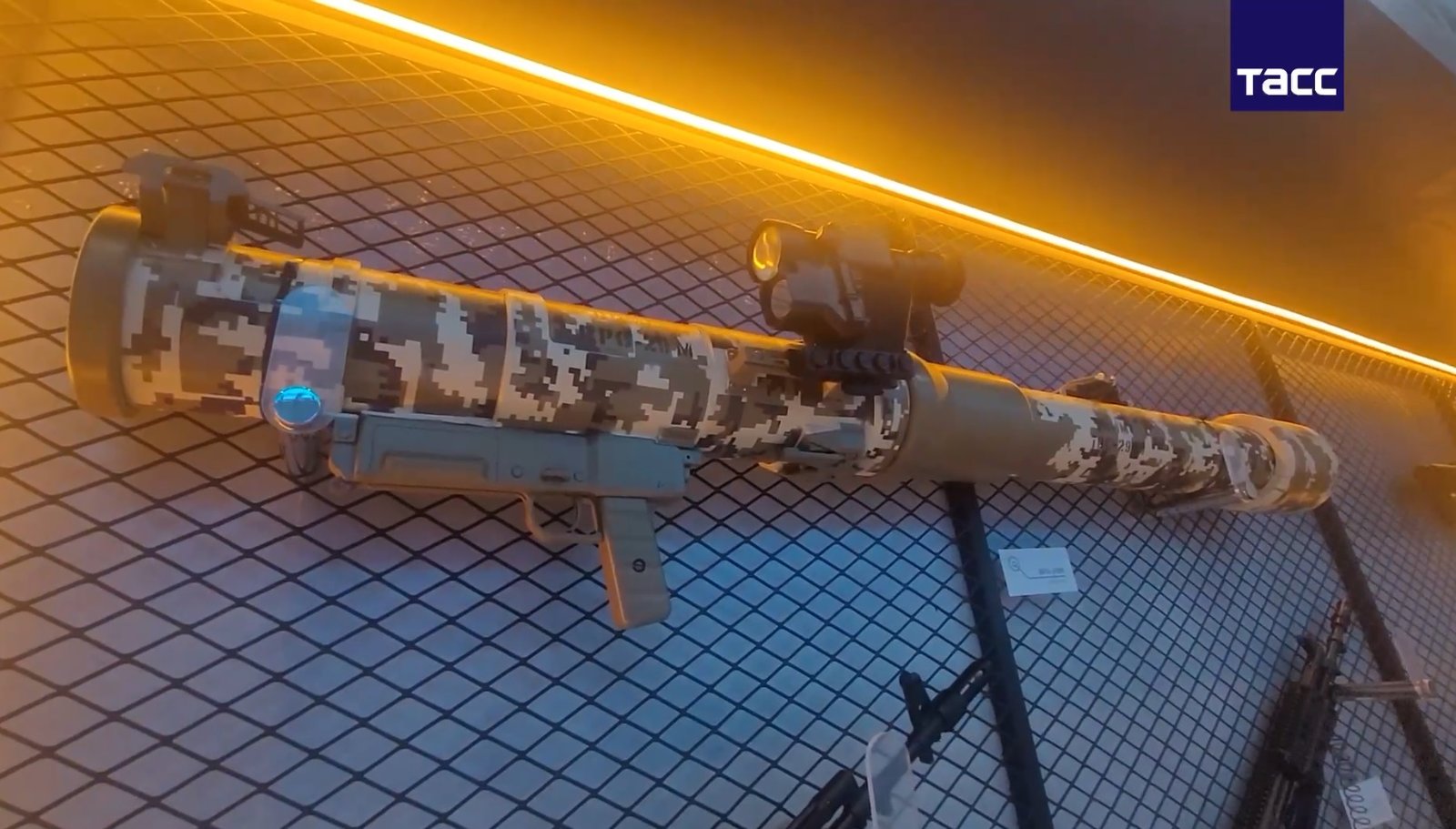 Russia Unveils RPG-29M Lightweight Anti-Tank Launcher at Africa Aerospace and Defence 2026
Top Trending in 4 Days
-
 Pentagon Awards BlueHalo Up to $99.8 Million Contract for Orbital Battlespace R&D Program
-
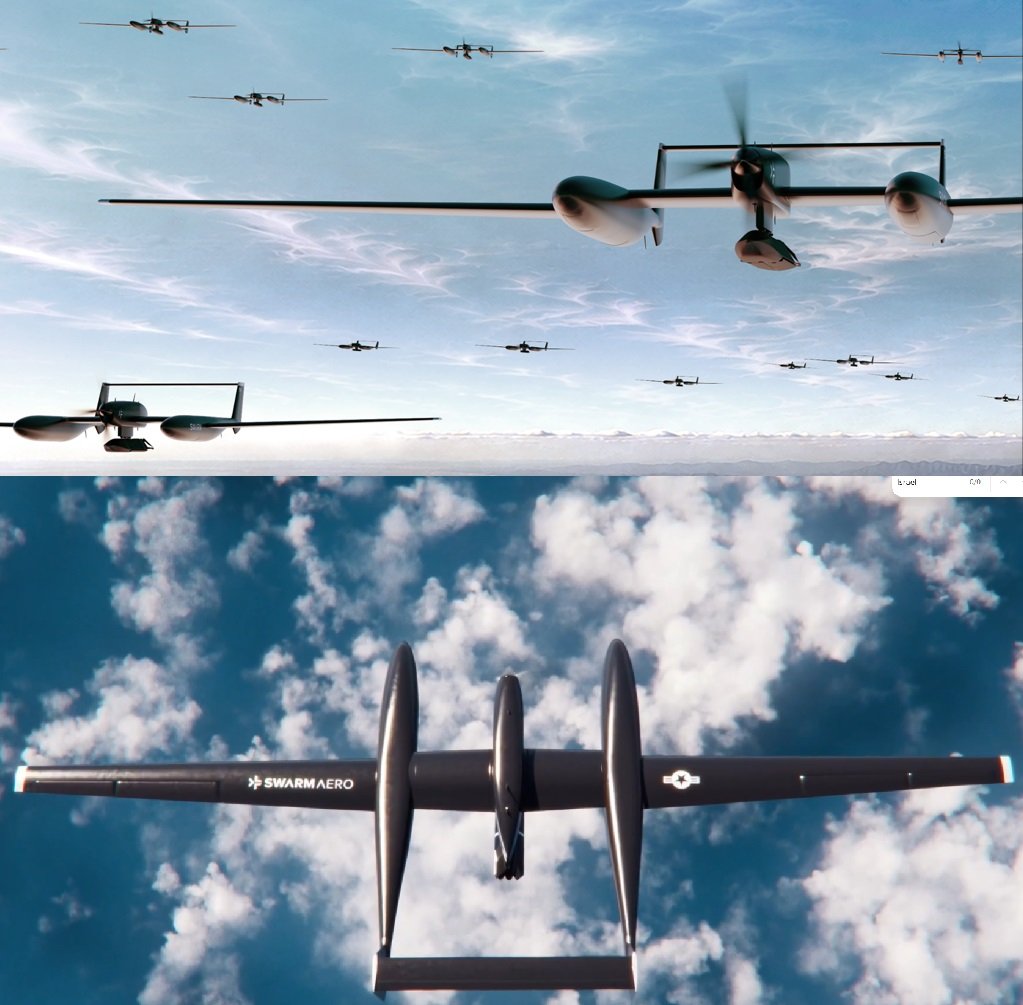 U.S. Firm Swarm Aero Unveils Gamera Group 5 UAS With 9,000-Nautical-Mile Range and Heavy Strike Payload
-
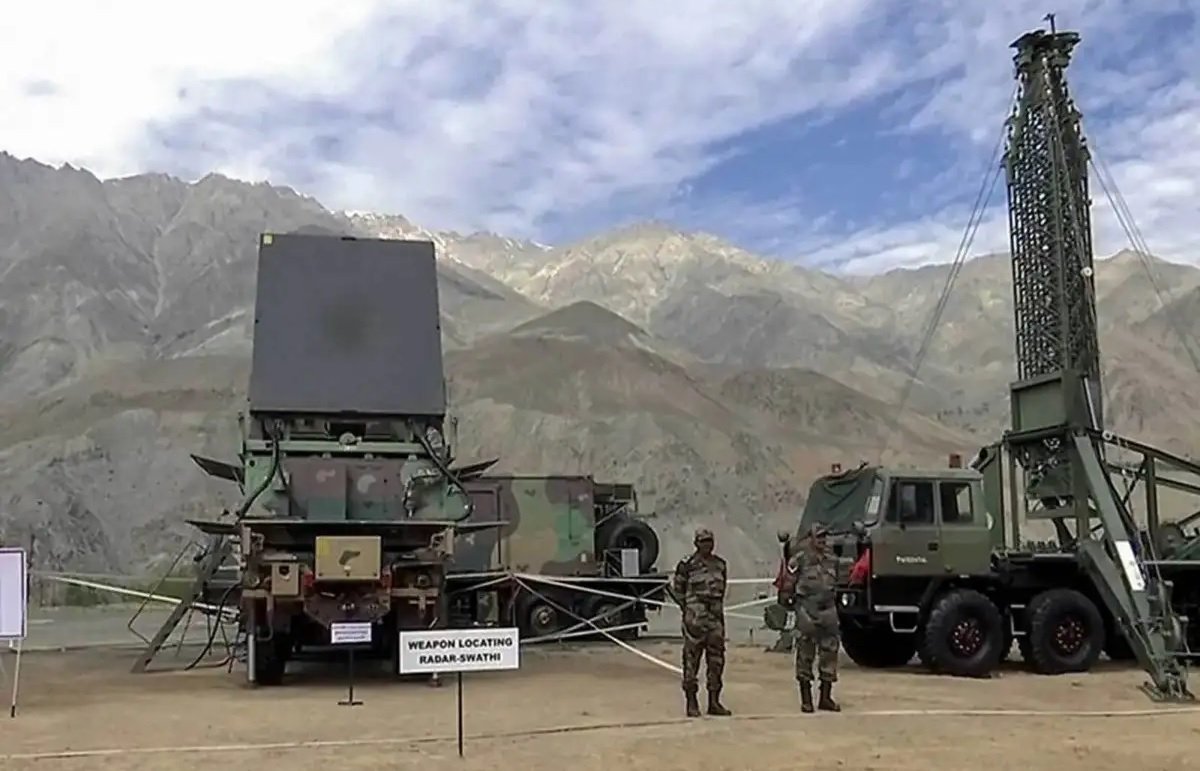 DRDO Demonstrates Indigenous 3.5×3 mm GaN Chip Delivering 30 Watts for Next-Generation Radars and Electronic Warfare
-
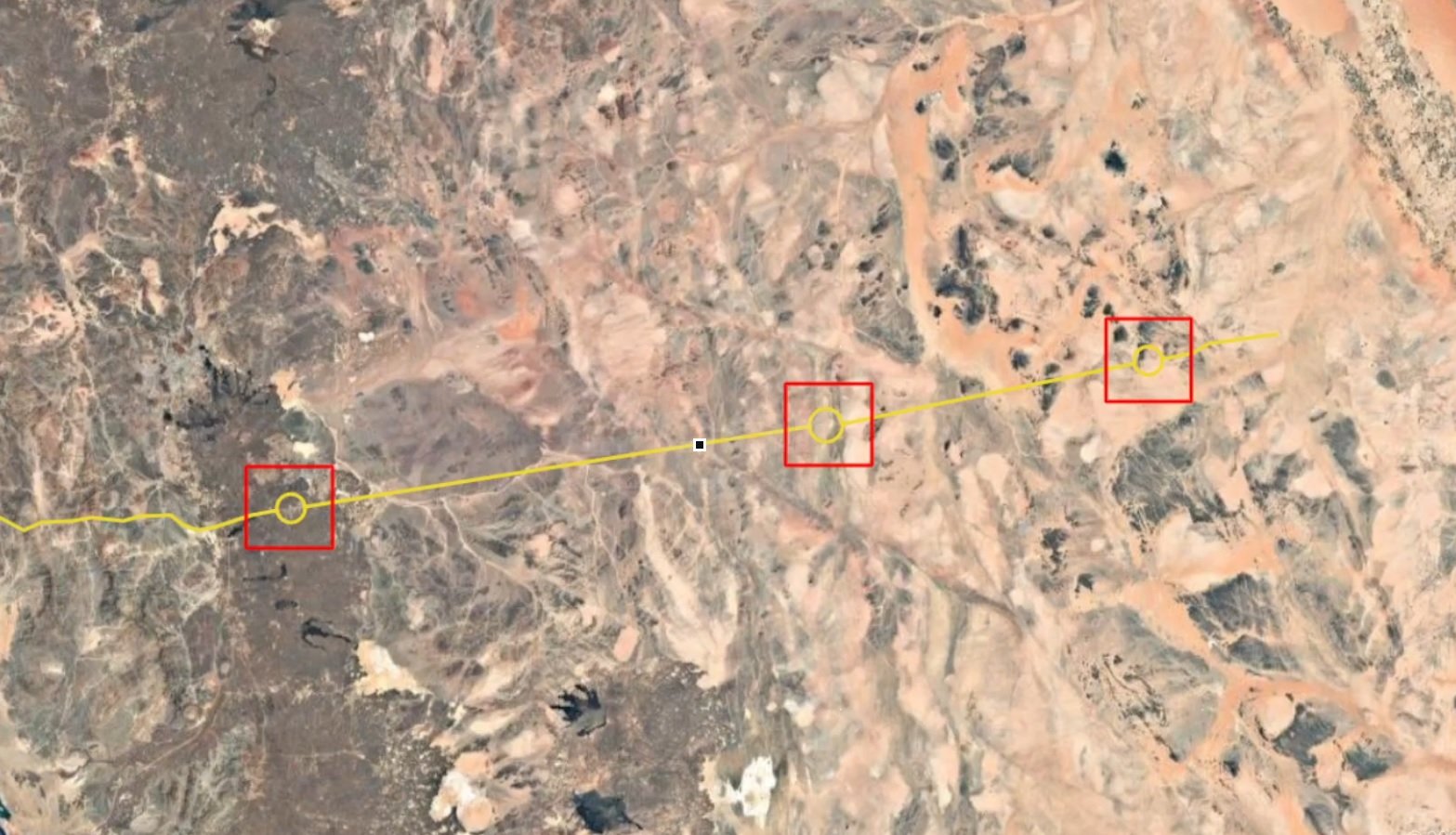 Satellite Imagery Shows Extensive Damage to Saudi Arabia’s East-West Oil Pipeline, Indicating More Than a Single Strike
-
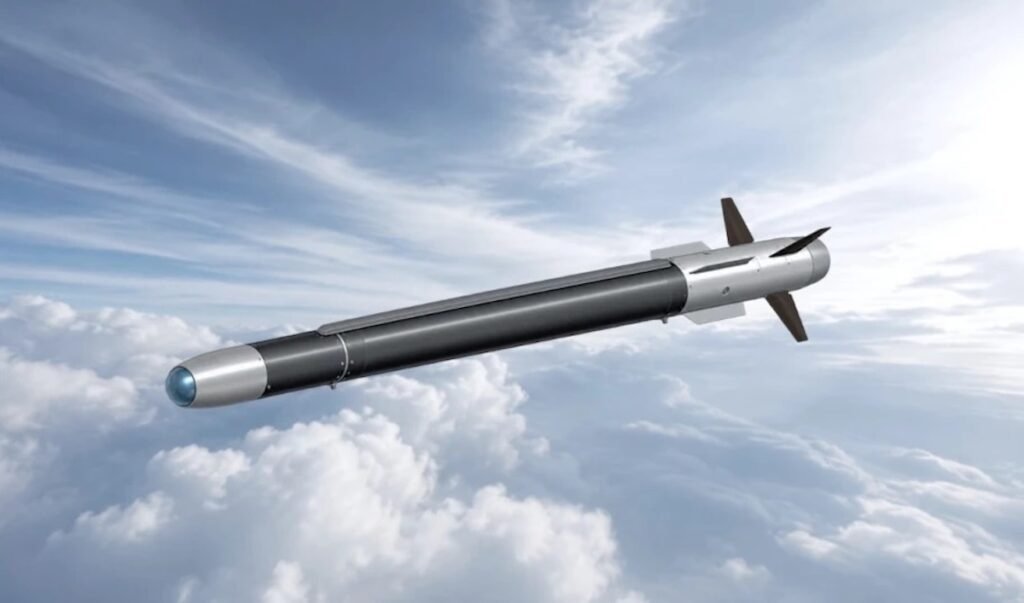 MBDA and Poland’s WITU Advance Low-Cost Supersonic Interceptor Against Swarm Attacks, Seeker Trials Successfully Completed
-
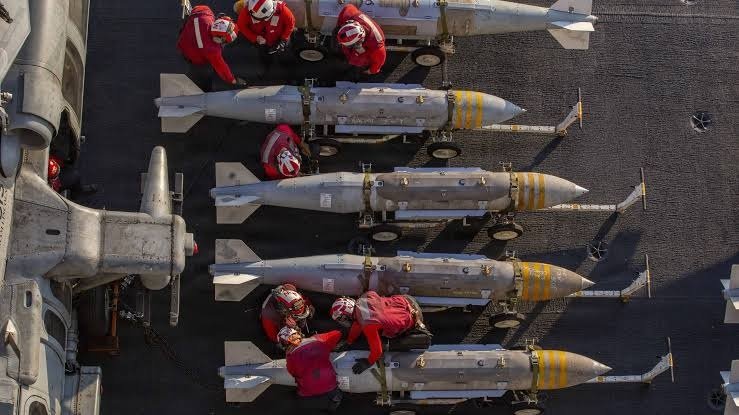 Pentagon Inspector General Report Finds Iran War Caused U.S. Ammunition Shortfalls and Industrial Bottlenecks
-
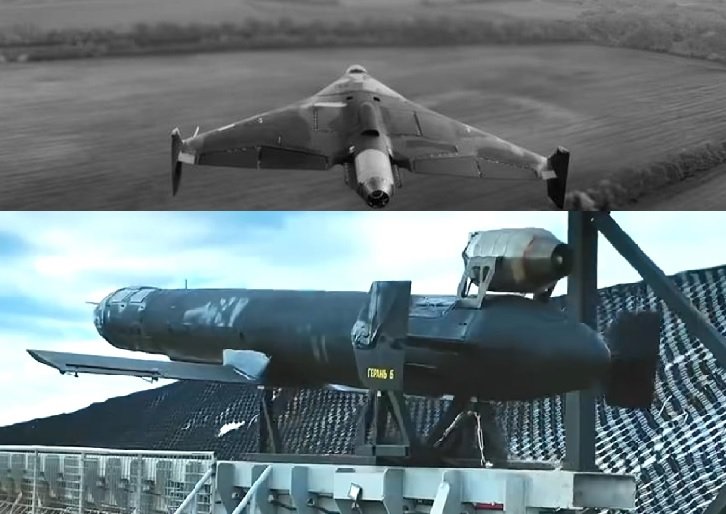 Iran Requests Advanced Geran-4 and Geran-5 Drones From Russia, FT Reports
-
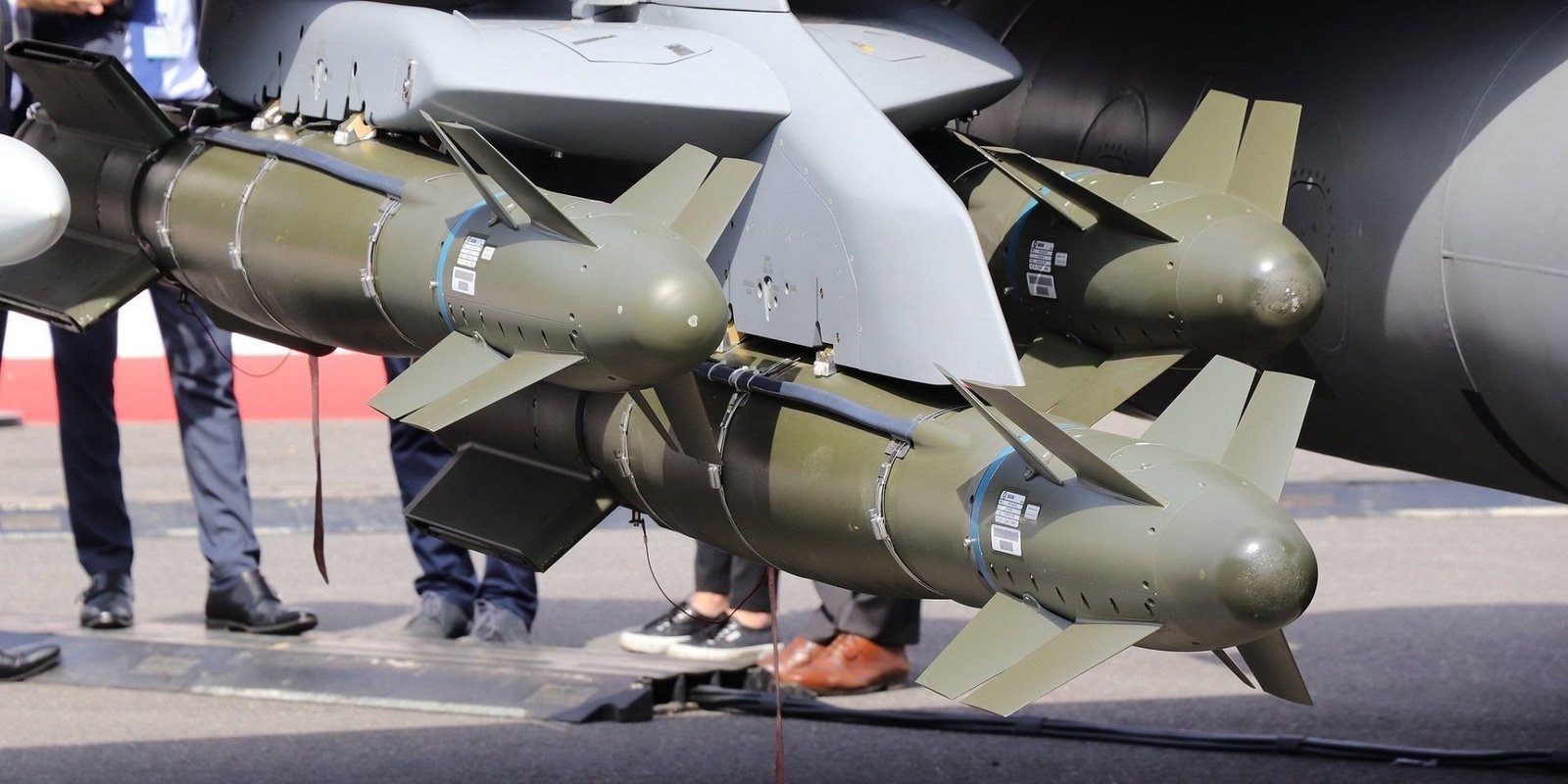 Swedish Gripens Bound for Ukraine to Be Armed with French Rocket-Assisted Hammer Precision Bombs