India
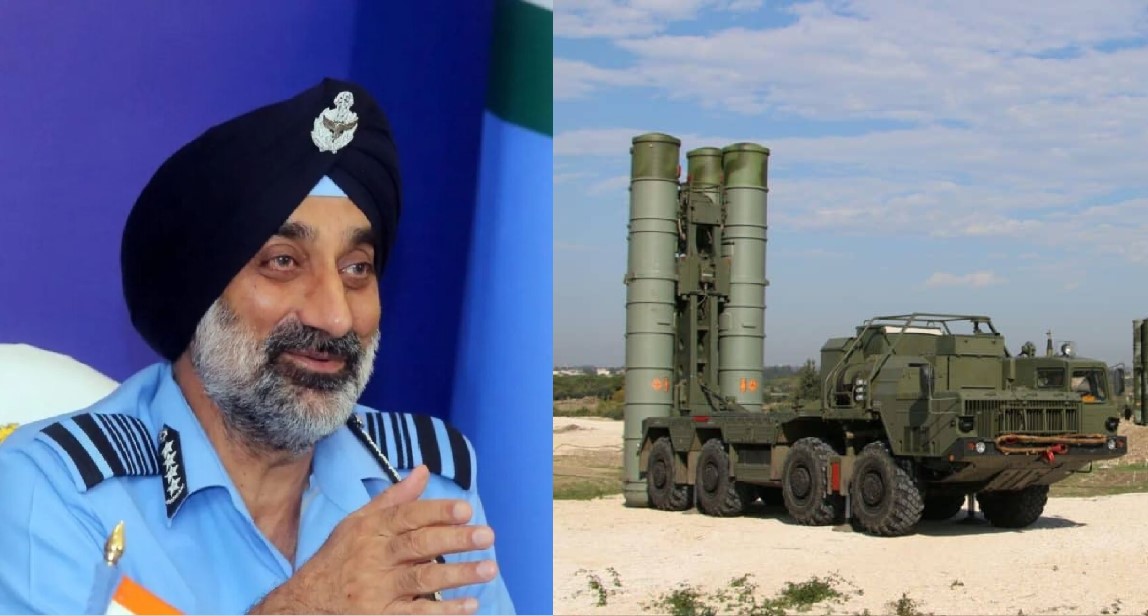
In a major disclosure at the Air Chief Marshal L.M. Katre Memorial Lecture in Bengaluru, Air Chief Marshal Amar Preet Singh confirmed that during Operation Sindoor, the Indian Air Force (IAF) shot down six Pakistani aircraft—five fighter jets and one high-value surveillance aircraft, believed to be an AWACS or ELINT platform. This included the longest recorded surface-to-air kill in history, at around 300 km. Singh also revealed that a grounded Pakistani jet, parked inside a hangar, was destroyed during precision strikes, but it was not counted in the official tally of six kills. Operation Sindoor, launched on May 7 in retaliation for the April 22 terror attack in Pahalgam that killed 26 civilians, struck nine terror camps across Pakistan and Pakistan-Occupied Kashmir (PoK). Defence sources report that the mission eliminated over 100 militants. The IAF used before-and-after satellite imagery to show the accuracy of its strikes, including visuals of the Bahawalpur Jaish-e-Mohammed headquarters, where Singh noted there was “hardly any collateral damage” despite the scale of the attack. The Russian-origin S-400 air defence system was credited as a game-changer, allowing the IAF to intercept high-value aerial targets and preventing Pakistan from using long-range glide bombs. Targets included key military airbases such as Bholari, Rahim Yar Khan, and Jacobabad, where F-16 fighters under maintenance and an AEW&C platform in a hangar were hit. The strikes were supported by BrahMos cruise missiles, loitering munitions, electronic warfare assets, and advanced drones. The four-day operation involved seamless coordination between the Air Force, Army, and Navy, with no operational restrictions imposed by the government. Singh stressed that the campaign was “not just about retaliation — it was about precision, professionalism, and purpose.” Operation Sindoor has since been hailed as a defining moment in India’s modern military history, demonstrating technological superiority, integrated force capability, and strategic restraint.
Read More → Posted on 2025-08-09 16:19:05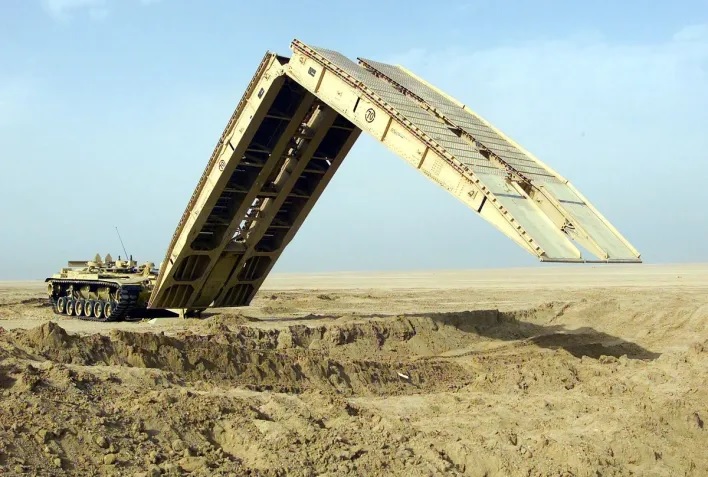
India
The Indian Army has issued a Request for Information (RFI) to acquire upgraded PMS (Ponton Modular System) Assault Bridges, marking another step in its effort to strengthen battlefield mobility and engineering capabilities. These PMS Assault Bridges play a vital role in helping mechanised and infantry units quickly cross obstacles such as rivers, canals, and ditches, ensuring rapid troop and vehicle movement during both offensive and defensive operations. The upgraded systems are expected to bring several key improvements, including longer span length, faster deployment, enhanced mechanical launching and retrieval systems, greater ruggedness, and better mobility to match the pace of modern mechanised forces. These upgrades aim to ensure seamless movement even in challenging and diverse terrain conditions. In recent years, the Indian Army inducted mechanically-launched 46-metre modular assault bridges developed by DRDO and produced by Larsen & Toubro. Mounted on 8×8 and 10×10 heavy-mobility vehicles, these bridges replaced older manually-launched Medium Girder Bridges, greatly improving deployment speed and operational efficiency. The new RFI indicates plans to build on this proven design, but with further technological enhancements to support fast-paced, high-mobility operations. The initiative also aligns with India’s goals of defence modernisation, self-reliance, and indigenisation, ensuring that future bridging systems are not only more advanced but also domestically developed and produced. In simple terms, after introducing the 46-metre modular bridges, the Army now wants an even better version—faster, tougher, and more adaptable—to meet the demands of modern warfare.
Read More → Posted on 2025-08-09 15:20:18
India
India’s Defence Research and Development Organisation (DRDO) scientists have employed an advanced ramp-cavity combustor in the Hypersonic Technology Demonstrator Vehicle (HSTDV), marking a significant leap in indigenous hypersonic propulsion engineering. This design is tailored for extreme flight conditions — specifically Mach 6.5 at an altitude of 32.5 km — where stable combustion is notoriously difficult to achieve. The ramp-cavity combustor integrates 14 ramps to compress and shape the incoming high-speed airflow before it enters the combustion chamber. Following this, 120 miniature fuel injectors, each only 0.4 mm in diameter, introduce fuel into the stream at an entry Mach number of 2.0 and a pressure of 0.5 bar. The cavity structure itself acts as a flameholder, ensuring ignition stability within the fraction of a millisecond available for combustion at hypersonic speeds. This configuration allows for superior fuel-air mixing, resulting in more efficient combustion and improved performance while also managing the extreme thermal loads inside the engine. By stabilising the flame and optimising burn efficiency, the ramp-cavity design maximises thrust while reducing the amount of fuel needed for sustained hypersonic flight. Why Hypersonic Combustion Is So Hard When you’re flying at Mach 6.5 (over 2 km/second), the air entering the engine is so fast that it barely spends a millisecond in the combustion chamber before leaving. In that fraction of a second, three things must happen: The air must slow down and compress enough to allow fuel mixing. Fuel must be injected, vaporised, and mixed with the air. Ignition must occur and remain stable despite the intense turbulence and shockwaves. If the flame blows out (like a candle in a storm), the engine shuts down instantly. This is why most hypersonic scramjet programs fail — they can’t keep the flame lit. The technology is adaptable beyond the HSTDV, with potential applications in hypersonic cruise missiles, space launch systems, and reusable spaceplanes. It positions India at the forefront of global scramjet engineering, demonstrating the capability to master one of the most complex aspects of high-speed aerodynamics and propulsion
Read More → Posted on 2025-08-08 17:27:14
India
In a boost to India’s growing defence manufacturing sector, Pune-based NIBE Limited has secured a significant export order from Israel’s Elbit Systems for the manufacturing and supply of a ship-mounted Universal Rocket Launching System. The advanced launcher, designed for precision maritime strike roles, will be manufactured entirely in India, reinforcing the government’s Make in India and defence export push. Company officials said the system will provide naval platforms with long-range, rapid-response strike capabilities, capable of engaging both land and maritime targets with high accuracy. The launcher features a modular design, enabling it to fire multiple types of rockets, and is engineered for ease of operation, low maintenance, and high reliability in combat conditions. This adaptability makes it a force multiplier for ships tasked with littoral and blue-water operations. The latest order builds on NIBE’s earlier success in securing contracts for land-based versions of the Universal Rocket Launcher, which have ranges of up to 300 km. In those deals, valued at around ₹150 crore, the company’s share price surged, reflecting strong investor confidence in its expanding global footprint. Defence analysts see the contract as further evidence of the deepening strategic cooperation between India and Israel, particularly in high-tech weapon systems. For India, it marks another step towards self-reliance in advanced defence manufacturing and expanding its role as a reliable supplier to global militaries. With manufacturing facilities in Pune and Bengaluru, NIBE is emerging as a key player in both land and naval artillery systems. The ship-mounted launcher deal is expected to open the door to more export opportunities in the rapidly growing naval weapons market. This achievement underscores how Indian companies are steadily moving up the value chain in defence production—delivering complex, combat-ready systems to some of the world’s most advanced militaries.
Read More → Posted on 2025-08-08 16:54:13
India
The Philippines is moving to strengthen its coastal defence forces with a planned purchase of an additional 6–9 BRAHMOS coastal missile batteries from India, a move that would give Manila one of the most formidable shore-based anti-ship arsenals in Southeast Asia. This expansion is directly influenced by the combat-proven performance of the BRAHMOS in India’s recent Operation Sindoor — a high-profile demonstration of the missile’s capability against sophisticated air-defence systems. From the first deal to a major expansion In January 2022, the Philippines signed its first BRAHMOS contract with India for three coastal batteries valued at approximately PHP 18.9 billion. These systems, delivered from April 2024, are already in service with the Philippine Marines, tasked with protecting the nation’s vast maritime approaches and denying enemy surface forces access to strategic waterways. The proposed follow-on order for 6–9 more batteries would more than triple the Philippines’ BRAHMOS capacity, giving it the ability to saturate enemy naval forces across multiple choke points. This reflects Manila’s growing trust in the missile and in its Indian suppliers. Operation Sindoor: A live demonstration of BRAHMOS power The catalyst for this accelerated interest is Operation Sindoor, in which India conducted precision strikes that successfully neutralized key Pakistani military sites. According to Indian military briefings, BRAHMOS missiles were used with pinpoint accuracy, penetrating Pakistani airspace and destroying targets despite the presence of Chinese-supplied HQ-9B long-range surface-to-air missile systems. India backed its claims with satellite imagery, debris analysis, and radar track data, all of which were made available for independent examination. The evidence clearly showed destroyed targets, unexploded missile fragments, and even temporary closures of multiple Pakistani air bases following the strikes — a strong indicator of the mission’s success and the shock impact on Pakistan’s military readiness. By contrast, Pakistan provided no credible evidence to counter India’s claims, nor did it release radar logs or satellite images to prove its version of events. International observers noted that this silence undermined Pakistan’s counter-narrative and strengthened India’s position. Why BRAHMOS matters for the Philippines The BRAHMOS missile is widely regarded as one of the fastest and most lethal supersonic cruise missiles in service today. Its Mach 2.8 speed, sea-skimming flight profile, and high terminal manoeuvrability make interception extremely difficult, even for modern air-defence systems. Operation Sindoor reinforced this reality — BRAHMOS struck its targets cleanly in an environment defended by a modern Chinese-made missile shield. For the Philippines, facing increasing maritime challenges in the West Philippine Sea, this combination of speed, accuracy, and proven penetration capability offers a decisive deterrent. Shore-based BRAHMOS batteries could engage hostile surface combatants long before they threaten Philippine territorial waters, forcing adversaries to operate at far greater distances. Strategic implications If Manila proceeds with this expanded order, it will send a clear signal to the region — the Philippines is not only modernising but also choosing combat-proven systems with verified battlefield performance. For India, it would mark a major export success, consolidating its status as a reliable defence partner and further showcasing the BRAHMOS as a missile capable of defeating some of the world’s most advanced air-defence networks. Operation Sindoor has done more than achieve its immediate military objectives — it has proven, in real-world combat, the unmatched effectiveness of the BRAHMOS missile. India’s willingness to share transparent, verifiable evidence of its success, contrasted with Pakistan’s inability to produce any counter-proof, has only strengthened the missile’s reputation. For the Philippines, investing further in BRAHMOS is not just a purchase — it’s a strategic choice to align with a partner whose technology has already demonstrated its worth under fire.
Read More → Posted on 2025-08-08 16:40:39
India Issue RFI For 200 New Reconnaissance Choppers to Replace Ageing Chetak and Cheetah Helicopters
India
The Union Ministry of Defence has issued a Request for Information (RFI) for the procurement of 200 light helicopters designed specifically for reconnaissance and surveillance missions. The helicopters—120 for the Indian Army and 80 for the Indian Air Force—are intended to replace the ageing Chetak and Cheetah helicopters, which have been in service since the 1960s. The move comes amid growing concerns over the reliability and serviceability of these decades-old platforms. Many of the Cheetahs and Chetaks are between 30 and 50 years old, with the Army currently operating around 190 units, and about 25 of them always under maintenance at Hindustan Aeronautics Limited (HAL). This results in a 37% shortage in operational capability, significantly hampering real-time surveillance, troop support, and medical evacuation missions—especially in high-altitude regions like Siachen. The new RFI outlines the requirement for multi-role light helicopters that can perform operations both day and night, and support reconnaissance, surveillance, special troop transport, search and rescue, casualty evacuation, and even civil assistance. The Indian Army and IAF are looking for helicopters that capable of handling India's diverse and challenging terrains, especially near the borders with China and Pakistan. A vendor interaction session is scheduled for August 22, 2025, and the final date for submission of responses is October 18, 2025. The RFI aims to identify qualified domestic and international suppliers, potentially encouraging joint ventures between Indian defence firms and global OEMs (Original Equipment Manufacturers). This aligns with the Atmanirbhar Bharat mission, which promotes indigenous defence manufacturing. In addition to this RFI, the Ministry of Defence has approved the purchase of 156 Light Combat Helicopters (LCH) from HAL in a deal valued at over ₹45,000 crore. These attack helicopters will work in tandem with the upcoming surveillance fleet to secure high-threat zones along India's borders. Meanwhile, HAL’s Light Utility Helicopter (LUH)—which has already completed initial flight tests—is expected to play a key role in the broader replacement plan. However, delays in certification and production scaling mean that full induction of LUH could still take several years. With HAL's current production capacity limited to about 30 LUHs per year, replacing the entire Cheetah-Chetak fleet could take over a decade. Given the urgent operational needs, especially in forward areas, the Defence Ministry is also exploring leasing options as an interim solution. The Indian Air Force, too, is advancing on multiple fronts with indigenous upgrades to fighters, transport aircraft, UAVs, and helicopters, reinforcing a long-term self-reliance strategy. This fresh RFI not only signifies India’s shift towards advanced and self-sustained defence capabilities, but also reflects the country’s strategic intent to reduce dependence on ageing imports and build a resilient aerospace ecosystem at home. Once inducted, the 200 new reconnaissance and surveillance helicopters are expected to enhance operational readiness and sharpen India’s surveillance edge in critical zones across the subcontinent.
Read More → Posted on 2025-08-08 15:30:03
India
The Indian Defence Ministry has firmly rejected recent media reports suggesting that India has paused talks with the United States on purchasing new weapons systems and aircraft. Calling the claims “false and fabricated,” officials clarified on Thursday that all ongoing procurement processes are moving forward as per established norms and procedures. The response came after a report by Reuters, which quoted unnamed Indian officials, claimed that New Delhi had put a hold on planned arms deals with Washington. According to Reuters, this was seen as a sign of diplomatic strain, allegedly stemming from tariffs imposed on Indian exports during former U.S. President Donald Trump's administration. The report suggested that the situation had dragged ties between the two nations to a low point. However, Indian defence authorities have strongly denied any such disruption, saying there has been no freeze on talks or procurement plans with the U.S. In fact, India continues to engage with the U.S. on several high-level military platforms, including drones, fighter jets, and surveillance systems. These platforms are not only combat-proven but also tested in real-world battlefield environments, offering India a technological edge. While there have been occasional strains in the relationship—such as disagreements over claims made by Trump regarding India-Pakistan ceasefire mediation—officials say the strategic defence cooperation remains robust. This includes intelligence sharing, joint military exercises, and technology collaboration under agreements like COMCASA, LEMOA, and BECA. India has steadily been diversifying its defence imports, moving away from a traditional dependency on Russian arms. According to the Stockholm International Peace Research Institute (SIPRI), India is now importing more from countries like France, Israel, and the United States. This shift has been partly due to Russia's limited export capacity amid its ongoing war in Ukraine. Meanwhile, Russia continues to pitch high-end systems like the S-500 air defence platform to India, but officials have stated there’s no immediate need for such purchases. New Delhi remains focused on modernising its armed forces with a mix of indigenous development and strategic imports, particularly from partners that align with its long-term interests in the Indo-Pacific. Despite the media noise, the broader picture shows that U.S.-India defence cooperation is continuing without disruption. Defence officials have reiterated that no decisions have been taken to pause or cancel arms deals with the United States, and discussions on new platforms and upgrades are very much alive. This clarification comes at a time when both countries are deepening collaboration in response to shared security concerns, especially involving China in the Indo-Pacific region. The Ministry’s strong denial aims to reassure stakeholders that India’s defence diplomacy remains on track and guided by its own strategic calculus—not by media speculation or short-term political noise.
Read More → Posted on 2025-08-08 15:10:47
India
Armenia is actively exploring the purchase of 8 to 12 Su-30MKI fighter jets from India, signaling a strategic shift in its defense planning. Negotiations are reportedly underway with Hindustan Aeronautics Limited (HAL), India’s principal military aircraft manufacturer . This move comes as Armenia seeks to modernize its air force in the face of growing regional threats. With Azerbaijan’s recent acquisition of 40 advanced JF-17 Block III jets—equipped with modern avionics and long-range PL-15 missiles—Armenia is looking to India’s Su-30MKI as a credible counterbalance . These Indian-made jets bring powerful capabilities—like long-range strike, advanced avionics, and the ability to carry indigenous weapons such as the Astra air-to-air missile and the BrahMos cruise missile. They're viewed as a cost-effective alternative to Western fighters like the French Rafale . Additionally, Armenia is also looking to upgrade its existing fleet of four Russian-made Su-30SM fighters with India's newer "Super Sukhoi" systems, potentially adding features like AESA radar, enhanced electronic warfare suites, and integration of Indian munitions . This interest in Indian combat aviation further strengthens India-Armenia defense ties, following recent arms purchases by Armenia—such as the Akash-1S air defense system and Pinaka rocket systems—which already make it one of India's largest defense buyers in the region. If finalized, the deal could mark a strategic milestone—granting Armenia advanced airpower while bolstering India’s role as an emerging arms exporter in the South Caucasus.
Read More → Posted on 2025-08-08 04:54:50
India
India is close to completing the Kandla–Gorakhpur LPG Pipeline, a 2,805 km-long project that will be the world’s longest liquefied petroleum gas pipeline. Stretching across Gujarat, Madhya Pradesh, and Uttar Pradesh, the pipeline is expected to be fully operational by mid-2025, with major construction work now in its final stages. Mega Energy Corridor The project is being developed by IHB Limited, a joint venture of Indian Oil, BPCL, and HPCL. It will transport LPG from coastal terminals and refineries in Kandla, Dahej, Pipavav, Koyali, and Bina to 22 bottling plants across three states. Once operational, the pipeline will have the capacity to carry 8.3 million tonnes of LPG every year, meeting about a quarter of India’s total LPG demand. Lower Costs, Safer Transport The ₹9,000–10,000 crore investment will significantly cut transport costs by reducing dependence on LPG tanker trucks. It will also improve safety by reducing the risk of road accidents linked to hazardous cargo movement. Timeline and Rollout Construction began in 2019, and the first phase is expected to start operations in March 2025, with full commissioning planned for June 2025. Boost for Clean Energy Goals Officials say the pipeline will strengthen LPG supply to millions of households, especially under schemes like Ujjwala Yojana, while reducing carbon emissions linked to road transport. Once completed, the Kandla–Gorakhpur pipeline will stand as a major milestone in India’s push for secure, efficient, and cleaner energy delivery across the country.
Read More → Posted on 2025-08-08 04:43:33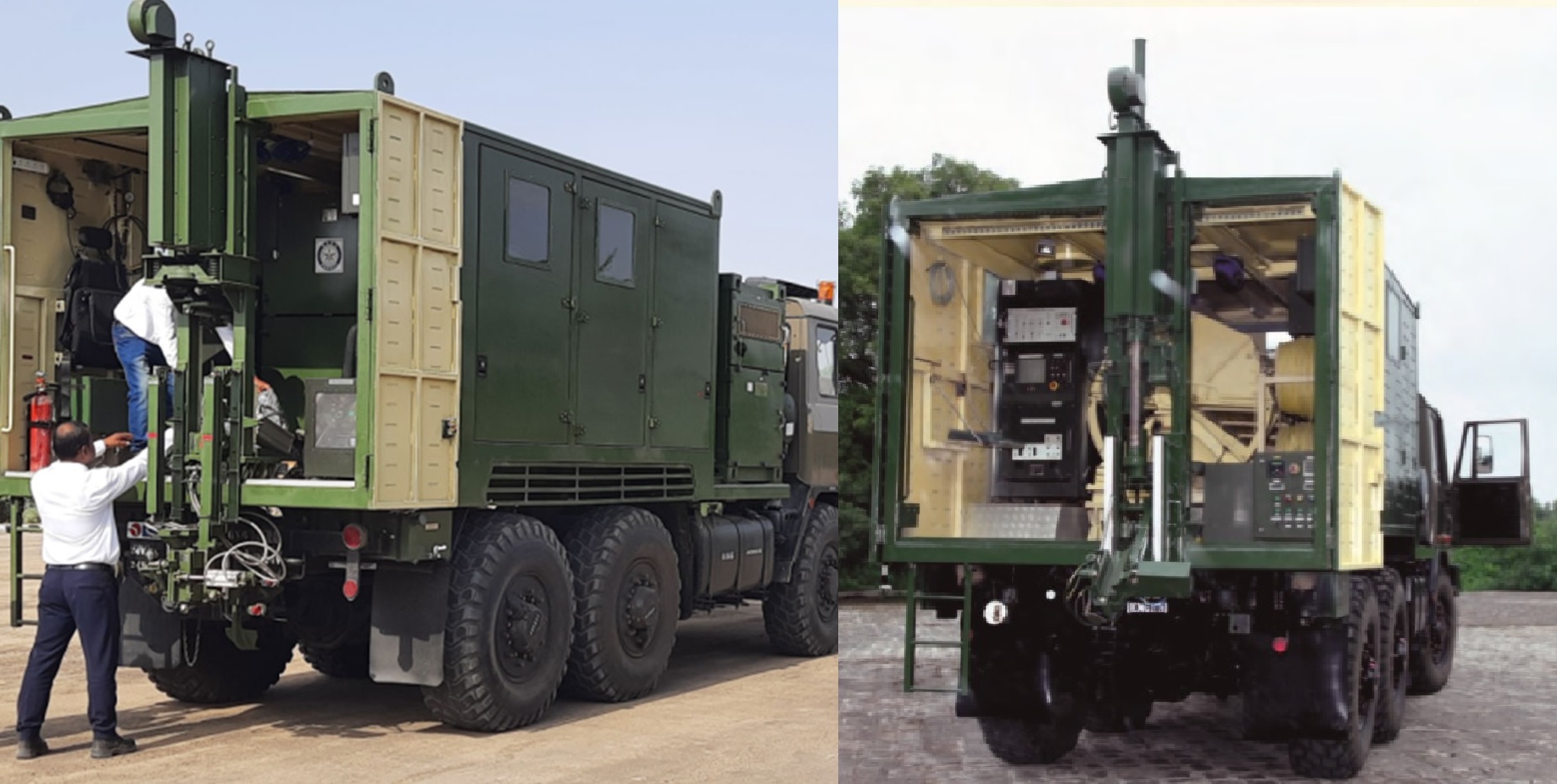
India
In a significant boost to combat engineering capabilities, the Indian Army has inducted the indigenous Mechanical Minefield Marking Equipment Mark–II (MMME Mk-II) developed and manufactured by Bharat Earth Movers Limited (BEML). This induction marks a major step towards enhancing operational efficiency, safety, and self-reliance in minefield management. The MMME Mk-II is designed to rapidly and accurately mark minefields to prevent accidental entries by friendly forces and ensure safer operational planning during combat. Built on the robust BEML TATRA 6x6 platform, the system is capable of operating in diverse terrains and challenging conditions faced by Indian troops. Key Features of MMME Mk-II: High Mobility: Mounted on a 6x6 TATRA vehicle chassis for cross-country operability. Efficient Marking: Equipped with an automatic post-driving mechanism to insert marking poles at regular intervals while moving. Dual Operation Mode: Can be operated both manually and automatically, ensuring flexibility in different field scenarios. Night Operations: Integrated with illumination features to support night-time minefield marking. Storage Capacity: Can carry a large number of marking poles, streamlining logistics during operations. Operational Significance: The MMME Mk-II plays a critical role in combat zone preparation, especially during tactical mine-laying operations. It drastically reduces the time and manpower required to mark minefields and eliminates the high-risk factor associated with manual marking. The equipment was designed by the R&D wing of BEML in collaboration with the Indian Army's Corps of Engineers, with rigorous trials conducted across varying field conditions before its final induction. This move aligns with the Indian Army’s commitment to Atmanirbhar Bharat (Self-Reliant India) in defense manufacturing and modernizing its engineering corps with indigenous solutions. The induction of MMME Mk-II will significantly enhance the operational readiness and safety protocols of the Indian Army during conflict situations and in active deployment zones. The Indian Army has consistently pushed for domestically developed systems to reduce dependency on foreign imports and promote the indigenous defense ecosystem. With the successful induction of MMME Mk-II, BEML has once again proven its capability in delivering world-class military equipment tailored to the Army's specific operational needs.
Read More → Posted on 2025-08-07 16:20:49
India
In a significant step toward indigenization of defense production, the Indian Army has inked a ₹17 crore contract with Hyderabad-based Lokesh Machines Ltd for the procurement of 7.62mm medium machine gun (MMG) modular kits. What makes this move especially notable is that the firm is currently under U.S. sanctions for alleged links with the Russian defense industry. The agreement aims to upgrade the Army’s existing inventory of 7.62mm MMGs, making them more modular and adaptable for operational requirements. This procurement is in line with India's Make in India and Atmanirbhar Bharat (self-reliant India) initiatives, which emphasize strengthening indigenous defense capabilities. Despite facing U.S. trade restrictions under the CAATSA (Countering America's Adversaries Through Sanctions Act) list, Lokesh Machines has continued to gain support from Indian defense forces. The company, previously known for its contributions to precision engineering and defense hardware, was also the manufacturer of components for the ASMI submachine gun, India’s first indigenously designed 9mm SMG developed by the Indian Army's Army Design Bureau and DRDO. The deal underscores the Indian Army's strategic intent to prioritize domestic manufacturing partners, even in the face of international scrutiny. It also highlights a growing confidence in Indian private-sector defense firms to deliver critical components for military modernization. This order for MMG modular kits will not only help enhance the lethality, flexibility, and maintainability of existing machine guns but also reduce dependency on imports, which have traditionally been a source of delays and rising costs. The move comes at a time when India is trying to balance strategic partnerships with both the United States and Russia while expanding its own defense manufacturing ecosystem. The Army’s decision to support Lokesh Machines sends a strong message about its commitment to fostering self-reliance, regardless of external pressure. With this deal, Lokesh Machines is poised to play a larger role in India’s evolving defense industrial base, despite geopolitical headwinds.
Read More → Posted on 2025-08-07 16:13:31
India
In a major step toward strengthening its defence partnership with India, Rolls-Royce has announced it is exploring the setup of a Maintenance, Repair and Overhaul (MRO) facility in India for the AE2100 engine, which powers aircraft operated by the Indian Air Force (IAF). This move comes in alignment with the India-UK Comprehensive Economic and Trade Agreement (CETA) and the broader UK-India Vision 2035. The AE2100D3 engine, specifically, is used to power the C-130J Super Hercules transport aircraft, a critical part of India’s military airlift capability. The proposed MRO facility would enable faster turnaround times, reduce dependency on overseas repairs, and boost operational readiness of the IAF’s fleet. Speaking about the company’s plans, Abhishek Singh, Senior Vice President - Defence (India and South-East Asia) at Rolls-Royce, said, “We are exploring potential opportunities to set up an MRO for the AE2100 engine operated by the Indian Air Force, and to further scale the partnership for assembly and testing for the Multi-Role Transport Aircraft (MTA) programme.” He added that India is not just seen as a customer but as a strategic partner in areas of co-development, innovation, and capability-building. Rolls-Royce also aims to bring more global technical expertise to India, create local talent pipelines, and expand its supplier ecosystem. The announcement comes as part of a broader push by the British engine maker to deepen its aerospace and defence footprint in India. Rolls-Royce has already declared its intent to double sourcing from India over the next five years, especially in complex aero engine components, in support of India’s ambitions to become a key player in global supply chains. Currently, Rolls-Royce has multiple industrial partnerships in India, including joint ventures with Hindustan Aeronautics Limited (HAL) and Force Motors, as well as collaborations with Tata, Godrej & Boyce, and Bharat Forge. These partnerships are expected to play a crucial role in the company’s growing ambitions. With the India-UK CETA acting as a catalyst for deeper cooperation, Rolls-Royce envisions the next phase of collaboration under the Defence Industrial Roadmap—a plan aimed at increasing localisation, boosting manufacturing capacity, and creating new defence capabilities in India. This potential MRO facility for the AE2100 engine could be a significant step toward self-reliance in defence maintenance infrastructure, supporting India's Atmanirbhar Bharat (self-reliant India) initiative while offering strategic and logistical advantages to both nations.
Read More → Posted on 2025-08-07 15:38:53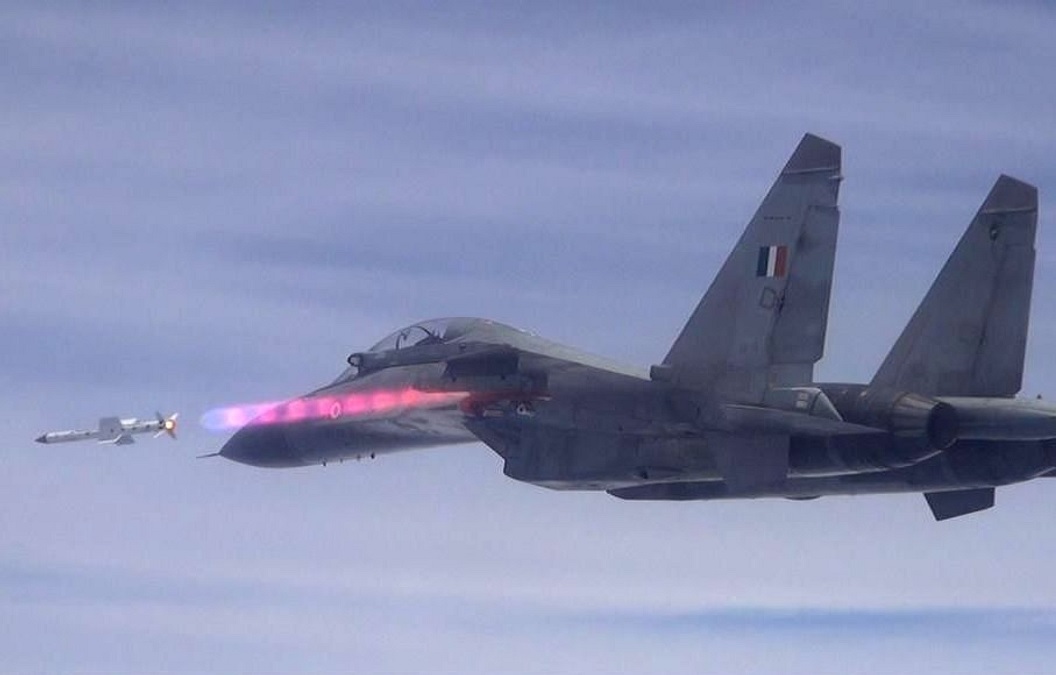
India
India is about to take a major step forward in its air combat capabilities as the Astra MK-2, an advanced Beyond Visual Range Air-to-Air Missile (BVRAAM), is now ready to enter user trials with the Indian Air Force’s (IAF) Su-30MKI fighter jet. This comes after a series of successful developmental tests and represents a big leap in India’s efforts toward defence self-reliance. The Astra MK-2, developed by the Defence Research and Development Organisation (DRDO), is a much-improved version of the Astra MK-1, offering a significantly longer strike range of 140 to 160 kilometres. In comparison, the MK-1 had a range of up to 110 km. With this extended reach, the Astra MK-2 now stands in the same league as top global air-to-air missiles like the American AIM-120D AMRAAM and the Chinese PL-15. What makes the Astra MK-2 stand out is its dual-pulse solid rocket motor, a critical upgrade that improves its energy management and manoeuvrability, especially in the final phase of an engagement. This helps expand its "no-escape zone", making it harder for enemy aircraft to evade the missile once locked. Another major highlight is the missile’s indigenously developed AESA (Active Electronically Scanned Array) seeker, which provides precise targeting even in electronic warfare environments. This feature is especially important when facing modern enemy aircraft like the JF-17 Block-III or the Chinese J-10C, both of which are equipped with advanced jamming and countermeasure systems. The Astra MK-2 has already undergone extensive captive and flight trials on the Su-30MKI. These earlier tests have confirmed that the missile performs well in flight, tracks targets accurately, and integrates effectively with the aircraft's advanced avionics and radar systems. Now, in its final phase of testing, the missile will go through user trials, which involve real-world combat evaluations with frontline IAF pilots. These trials will ensure the missile can hit high-speed, manoeuvring targets under different weather and combat conditions. The focus will also be on refining the integration between the missile and the Su-30MKI’s fire-control systems, ensuring flawless operation in live missions. As of mid-2025, the Astra MK-2 has already entered limited series production, with the Ministry of Defence planning dual production lines to meet expected demand. Once user trials are complete—likely by 2026—the missile is expected to be inducted into service by 2027. The missile is also being prepared for integration with other platforms such as the TEJAS MK-1A, Rafale, and MiG-29K. The program is part of a larger national effort to reduce dependence on foreign missile systems. Over 50 Indian companies, including key players like HAL and BDL, are involved in manufacturing critical components, indicating strong public-private collaboration in defence manufacturing. With its extended range, high agility, cutting-edge seeker, and integration with frontline jets, the Astra MK-2 is set to become a key asset in the Indian Air Force’s arsenal, helping India maintain air superiority in contested airspaces and counter modern aerial threats more effectively than ever before.
Read More → Posted on 2025-08-07 15:18:52
India
In a surprising and controversial report, Reuters has claimed that during a recent India–Pakistan aerial confrontation—allegedly named Operation Sindoor—a Chinese-made PL-15E missile launched from a Pakistani J-10CE fighter jet shot down an Indian Rafale aircraft at a range of over 200 kilometers. This narrative has set off a firestorm, not just for its military implications, but for the lack of evidence, dubious technical claims, and the questionable motivations behind such reports. While the article paints a dramatic picture of a 110-aircraft night battle on 6–7 May, supposedly involving advanced platforms like Saab Erieye, Su-30MKIs, and Rafales, the biggest red flag lies in its unverified and highly exaggerated claim: that the PL-15 missile—a system known to have an operational engagement range of approximately 150 km in export variant (PL-15E)—managed to strike a Rafale at 200 km or more. The Range Fallacy: Basic Physics or Fantasy? Military experts and open-source defense analysts have been quick to challenge this report on several fronts: PL-15E Range Cap: The export variant of the PL-15, officially acknowledged even by Chinese arms marketing material, is capped at 150 km. Claims of a 200+ km kill violate both international arms control regimes and the physics of high-speed aerial engagements, especially against highly maneuverable, stealth-optimized jets like the Rafale. No Proof from Pakistan: The Pakistani military has not released a single radar track, gun camera footage, or wreckage evidence to support this “kill.” By contrast, India, during Operation Sindoor, provided concrete evidence of its precision strikes—including images of unexploded PL-15 missile remnants, satellite-confirmed destruction at targeted sites inside Pakistan, and credible intelligence showing that multiple Pakistani airbases were shut down for days following the attack. Despite this, global media agencies chose to ignore these verifiable facts while amplifying unsubstantiated claims from Pakistan. Past Behavior Matters: Pakistan’s information warfare playbook has long relied on making lofty, unverified claims after conflict events—ranging from inflating damage assessments to denying obvious losses. Yet, many international outlets continue to amplify their claims without scrutiny, revealing a clear editorial bias or, worse, complicity in narrative shaping. Reuters and the Selective Narrative Problem It is concerning that a reputed news agency like Reuters would run a report citing unnamed “defense officials” while failing to verify critical facts, such as: The actual range of the PL-15E missile. The lack of third-party or sensor data corroborating any Rafale kill. The absence of official confirmation from either Pakistan or India on the Rafale loss. More alarmingly, while the article suggests “growing export interest” in Chinese missiles based on this engagement, it appears more like defense marketing disguised as journalism, serving the interests of Chinese arms manufacturers rather than readers seeking truth. Why does Reuters fail to highlight India’s successful use of BrahMos strikes, or the fact that no Indian manned aircraft losses occurred after the first night, thanks to revised tactics and air defense? Why ignore that India's Rafales operate with Meteor missiles, which themselves outclass the PL-15E in both no-escape zone and range performance? The Real Agenda: Undermining India’s Deterrence This isn’t just about one missile or one jet. It's about perception warfare—a battle to shape narratives that favor adversaries like China and Pakistan while casting doubts on India’s military capabilities. Despite India offering comprehensive situational reports, including sensor feeds, EW logs, and damage assessments, global agencies often choose to overlook these, while giving air-time to Pakistan’s unverified, unattributed, and unverifiable claims. India has a modern air force, equipped with systems like the S-400, Netra AEW&C, Rafales with Spectra EW suites, and upgraded Su-30MKIs with Astra Mk1/2 missiles—none of which are easy prey in a real-world battlefield, let alone against systems that are unproven under live combat conditions. The Bigger Question: Who Benefits? With rising geopolitical tensions and growing defense exports from China, such stories create artificial hype around Chinese weapons—at a time when Beijing is desperately trying to penetrate global arms markets. By repeating claims like the “longest air-to-air missile kill in history” without demanding a shred of evidence, media houses become unwitting—or willing—participants in psychological warfare. The burden of proof lies with the claimant. Until Pakistan provides verifiable proof of any such Rafale shootdown—including radar logs, wreckage imagery, or pilot status reports—such stories remain in the realm of speculative fiction, not defense journalism. India must continue to call out this selective reporting, and readers must demand better: real analysis, real evidence, and not propaganda masquerading as news. When defense narratives are manipulated, it’s not just national pride at stake—it’s truth itself.
Read More → Posted on 2025-08-06 16:46:49
India
In a significant boost to India’s homeland security infrastructure and industrial manufacturing capabilities, Swan Defence and Heavy Industries Limited (SDHI), a Navi Mumbai-based engineering firm, has signed a strategic agreement with US-based Varex Imaging Corporation to manufacture advanced cargo and vehicle inspection systems in India. The agreement will see SDHI locally manufacture high-energy linear accelerator (LINAC) based imaging systems at its state-of-the-art shipbuilding and heavy engineering facility in Pipavav, Gujarat—marking a major step in India’s push for self-reliance in critical security technologies. A Homeland Security Milestone The high-energy imaging systems—commonly used at ports, airports, and border crossings—enable non-intrusive inspection of vehicles and containers for explosives, contraband, and illicit goods. These scanners will be built under the Make in India initiative, combining Varex’s world-class technology with SDHI’s heavy fabrication and systems integration capabilities. “This partnership aligns with our vision to support India’s strategic needs in border security and customs infrastructure through indigenous manufacturing,” said a senior SDHI official. “By bringing Varex’s technology to India, we are not only strengthening national security but also creating export opportunities.” How the System Works At the core of these inspection systems is Varex’s linear accelerator (LINAC) technology, which generates high-energy X-rays capable of penetrating dense materials—far more powerful than conventional X-ray systems. Here’s how it functions: A LINAC emits a controlled beam of X-rays through a vehicle or cargo container. Digital detectors, including flat panel arrays and photon-counting sensors, capture the image data in real-time. Advanced software processes the scanned data, flagging potential threats such as hidden explosives, narcotics, or unauthorized goods. This non-intrusive inspection process increases efficiency at border checkpoints while ensuring high levels of security. These systems are particularly useful in high-volume environments like seaports, where opening each cargo container is time-consuming and impractical. Built in Gujarat for India and the World The systems will be manufactured at SDHI’s expansive facility in Pipavav, home to India’s largest dry dock (662 m x 65 m) and a fabrication capacity of 144,000 tonnes per annum. This facility, originally built for shipbuilding and naval work, is now being diversified into advanced homeland security manufacturing. According to SDHI, the partnership with Varex will not only cater to Indian agencies like the Customs Department, Border Security Force (BSF), and Central Industrial Security Force (CISF), but also open export avenues to Southeast Asia, the Middle East, and Africa. Global Context and Market Trends Varex Imaging, headquartered in Salt Lake City, Utah, is a global leader in X-ray imaging technology. In 2025 alone, it secured over $55 million in orders for high-energy cargo inspection systems, including recent contracts worth $17 million and $25 million from international customers. With rising global concerns around smuggling, terrorism, and illegal arms trafficking, the demand for non-intrusive scanning systems is at an all-time high. Analysts expect the partnership to capitalize on this demand while helping India reduce its dependency on foreign imports for sensitive inspection equipment. Strengthening National Security This collaboration is expected to significantly bolster India’s port and border security framework, especially at high-risk entry points such as: Land border crossings with Pakistan, Bangladesh, and Nepal. Major seaports like Mumbai, Kandla, and Vizag. Inland container depots (ICDs) and logistics parks. Officials familiar with the project indicate that the first batch of Indian-made scanners could be deployed by mid-2026, with future plans for joint R&D and component localization of key parts such as detectors and X-ray tubes. The SDHI–Varex partnership is more than a manufacturing agreement—it represents a broader strategic alignment between Indian industrial capability and U.S. technology leadership. With a focus on Make in India, national security, and global competitiveness, this collaboration has the potential to transform how India scans, secures, and supervises its critical trade and transit infrastructure. As nations worldwide tighten security at ports and borders, India is stepping up—with cutting-edge tech, made at home.
Read More → Posted on 2025-08-06 16:29:34Search
Top Trending in 24 Hours
-
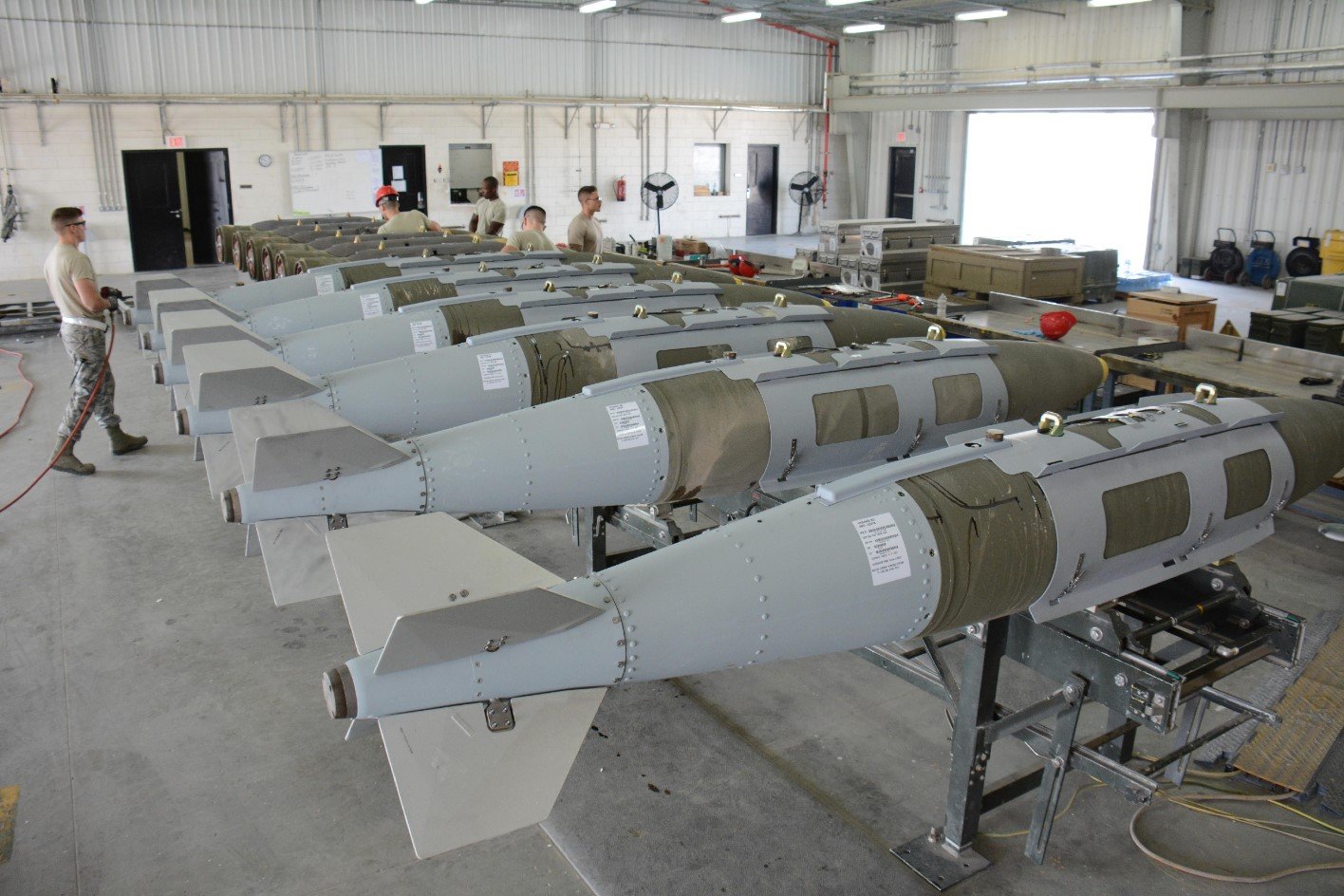 U.S. Plans $2.8 Billion Sale of 40,000 Heavy Bombs and 20,000 I-2000 Penetrator Warheads to Israel
-
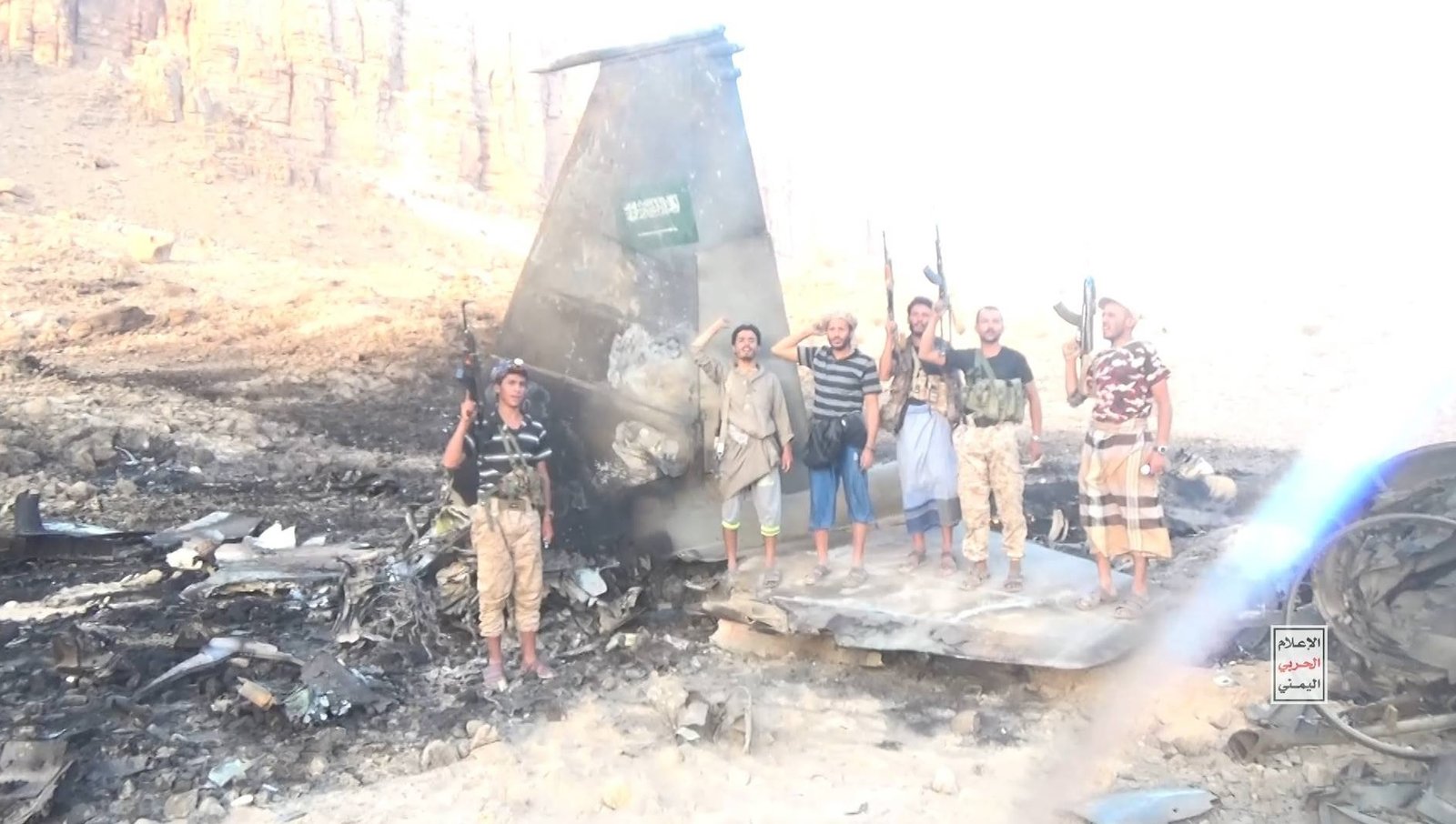 Houthis Claim Downing of Saudi F-15 and Wing Loong II Drone Over Marib
-
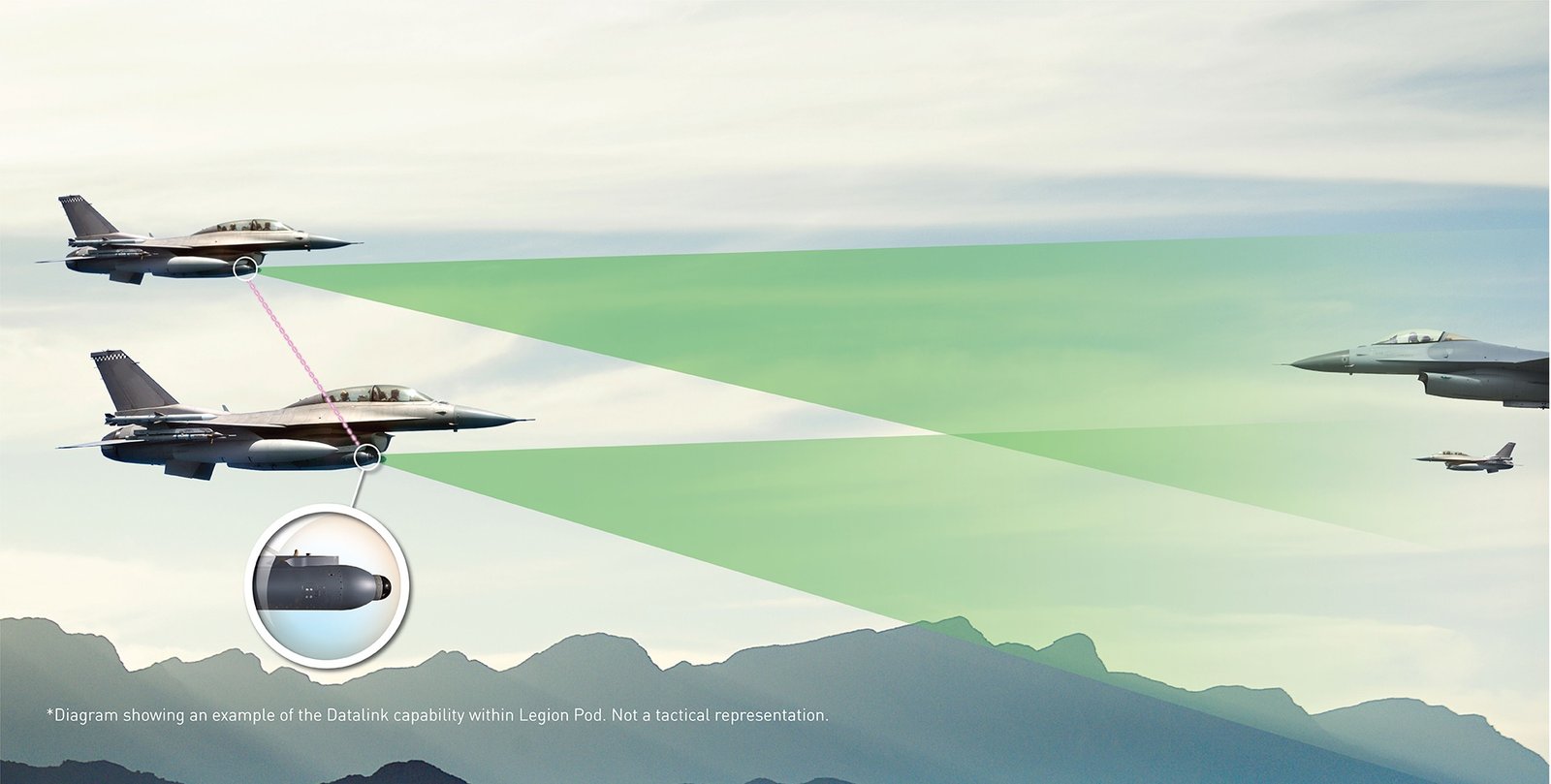 Lockheed Martin Demonstrates Legion Pod-to-Pod Data Link on F-16s for Passive Targeting
-
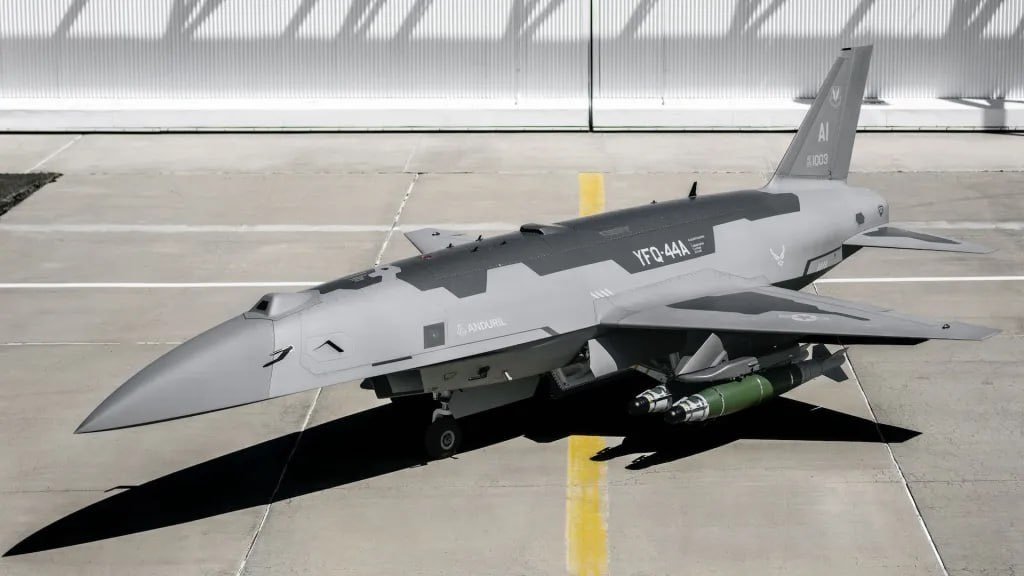 Anduril Conducts Ground Fit-Checks of Air-to-Ground Weapons on YFQ-44A Fury
-
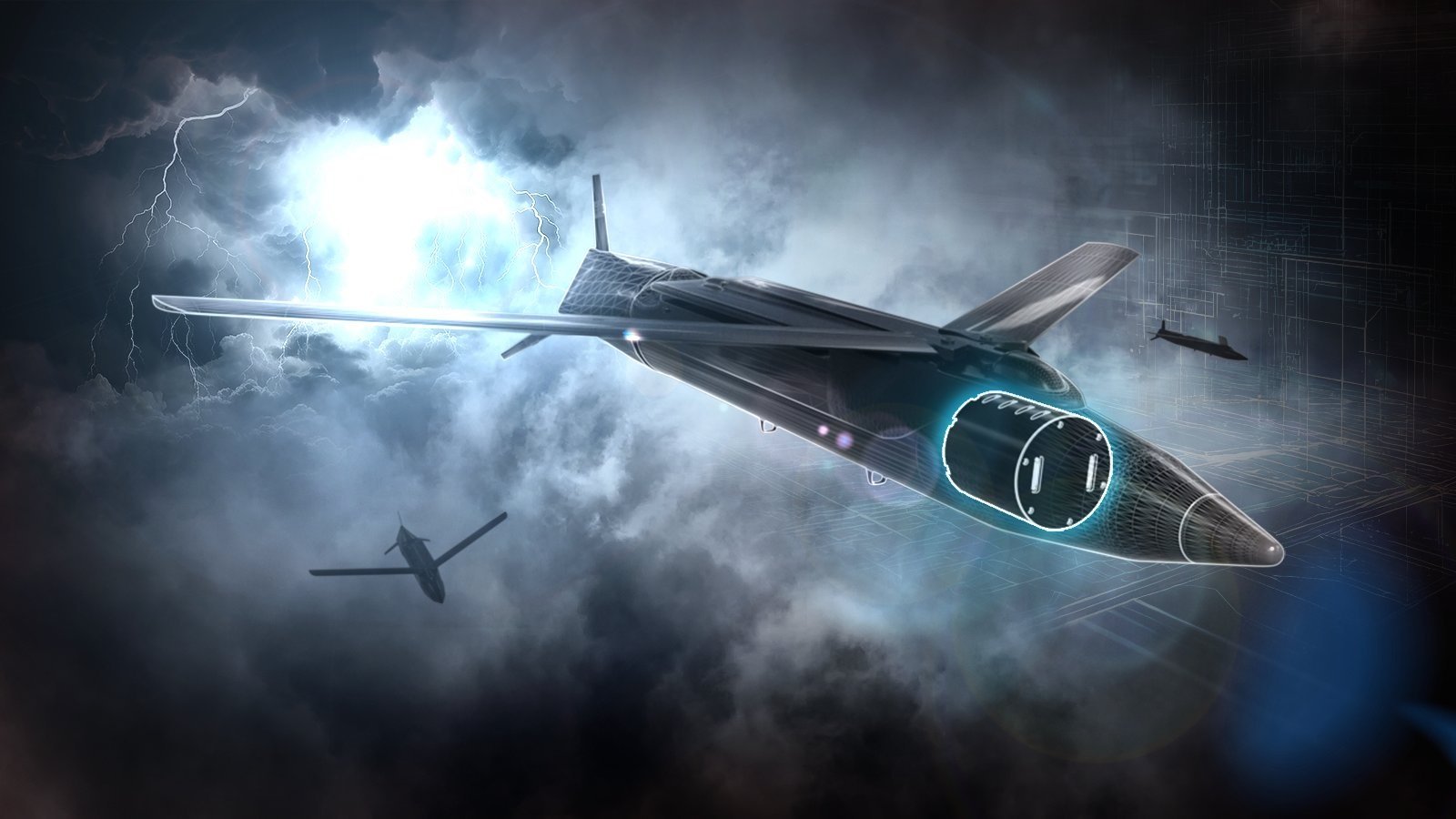 BAE Systems Unveils Shadow EW Suite for Small Drones and Autonomous Aircraft
-
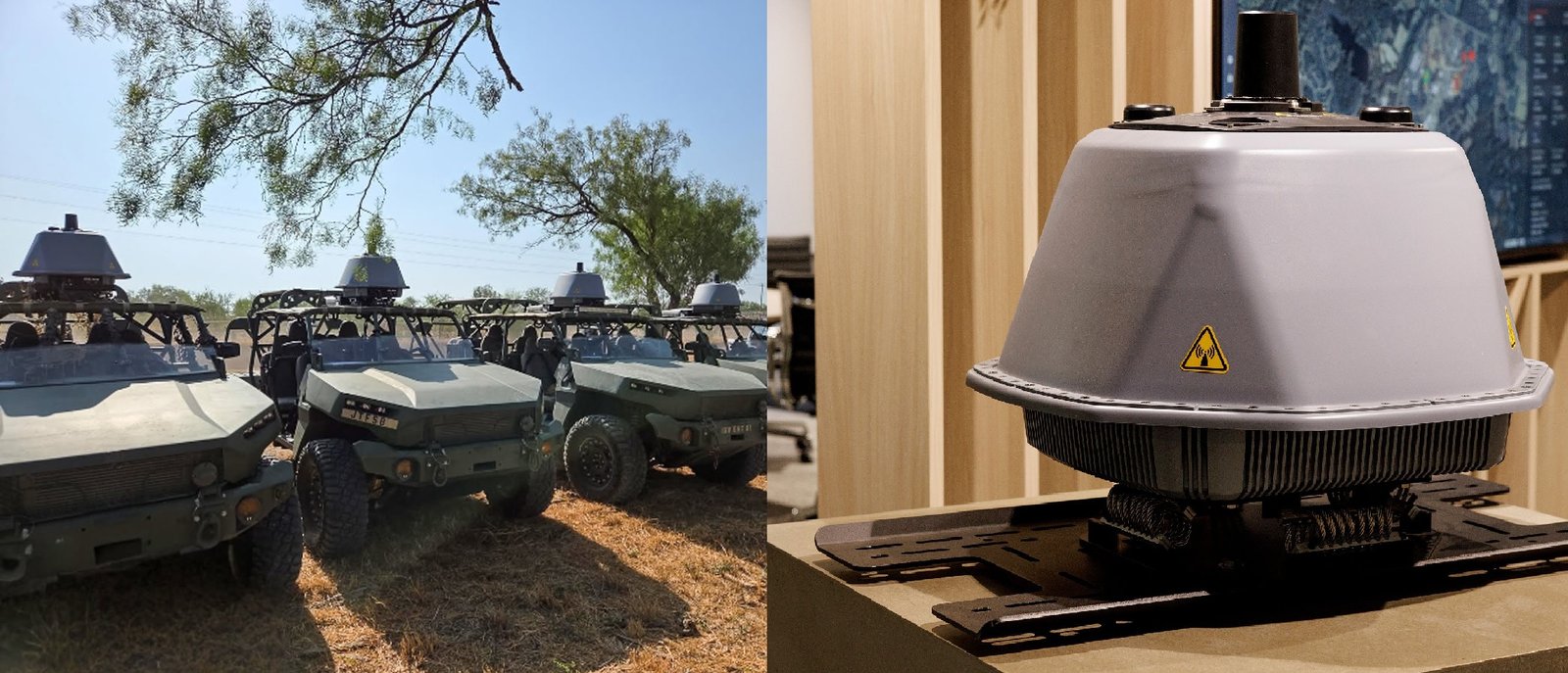 U.S. Military Deploys DroneShield Counter-Drone Systems on Infantry Squad Vehicles
-
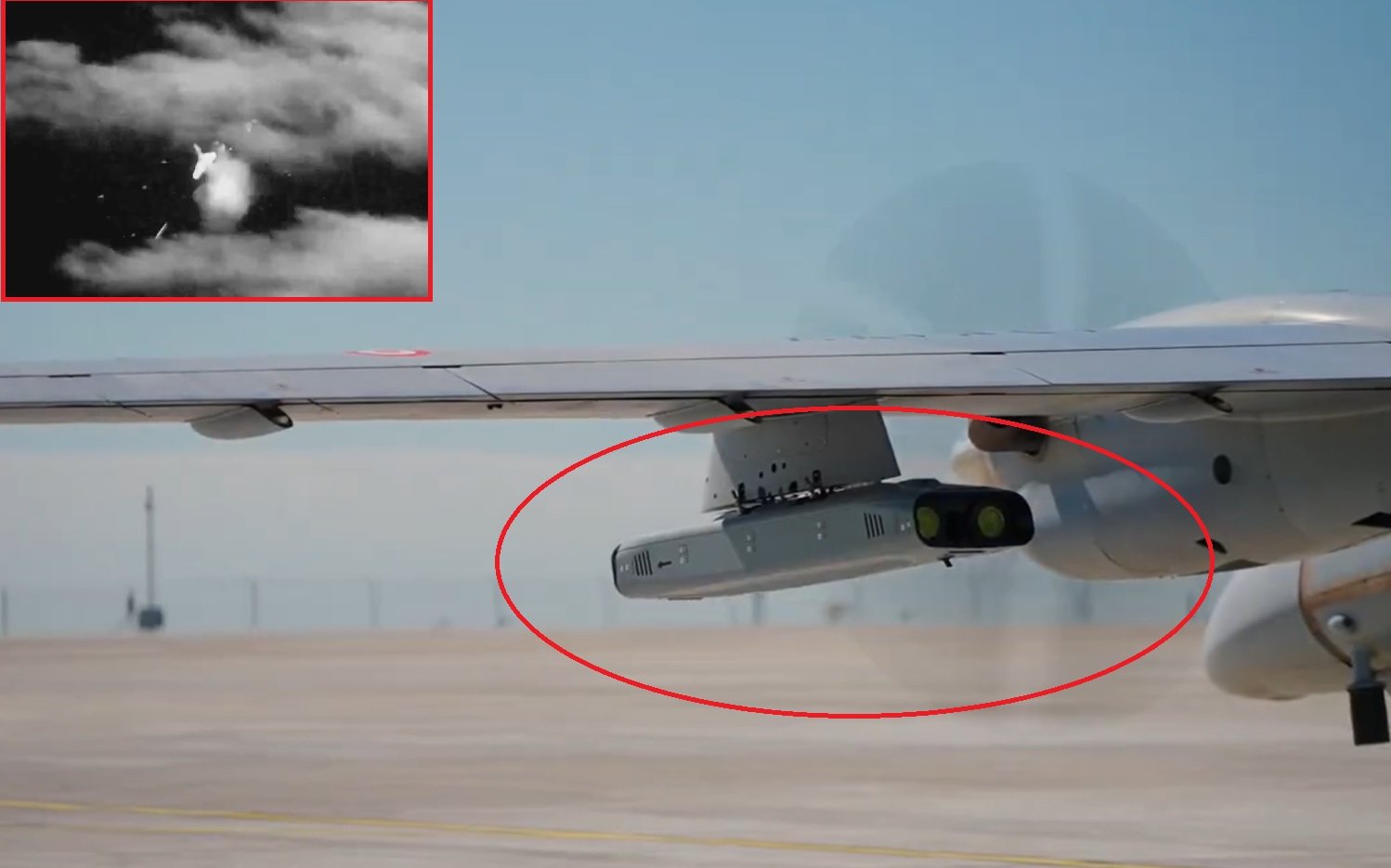 Turkey’s AKINCI Drone Hits High-Speed Aerial Target with SUNGUR Missile in Black Sea Test
-
 Photos Reveal Damaged E-3 Sentry, Buildings and Vehicles at U.S. Bases in Saudi Arabia and Kuwait After Iranian Strikes
Top Trending in 4 Days
-
 Pentagon Awards BlueHalo Up to $99.8 Million Contract for Orbital Battlespace R&D Program
-
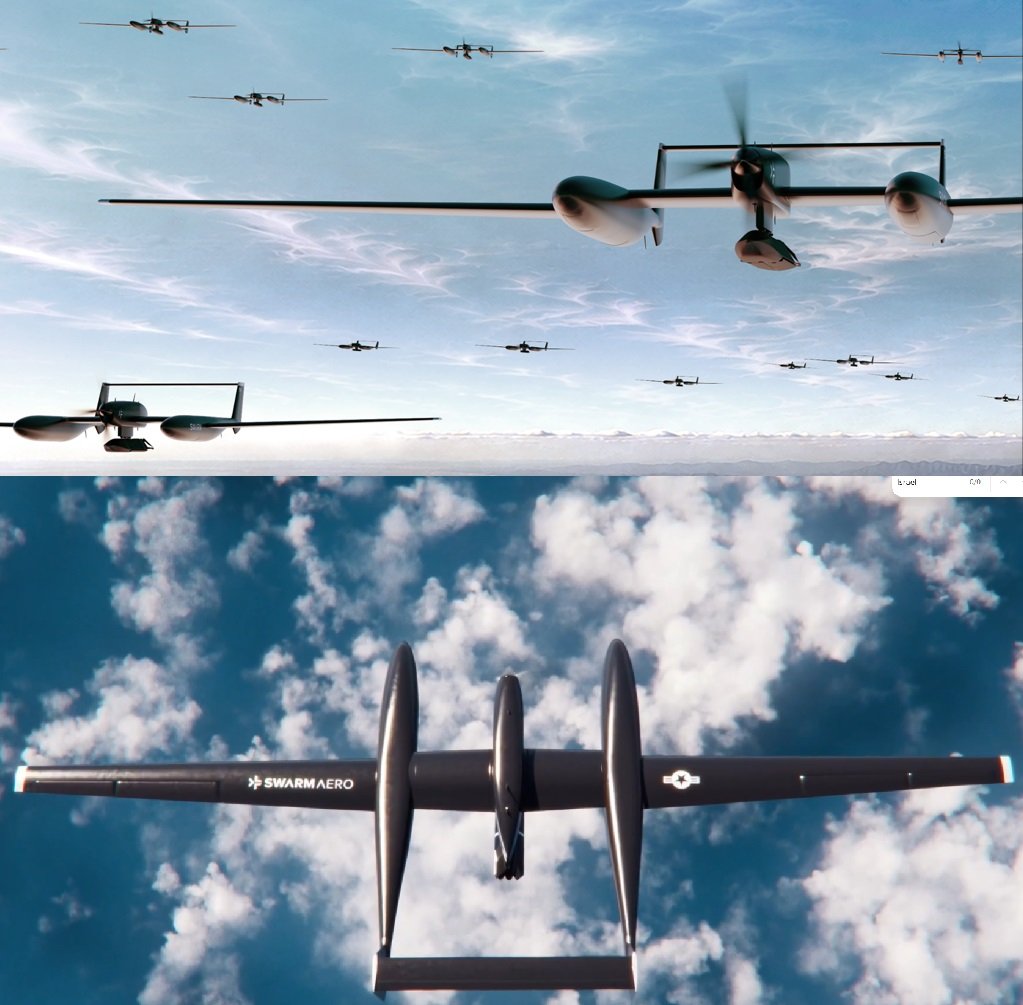 U.S. Firm Swarm Aero Unveils Gamera Group 5 UAS With 9,000-Nautical-Mile Range and Heavy Strike Payload
-
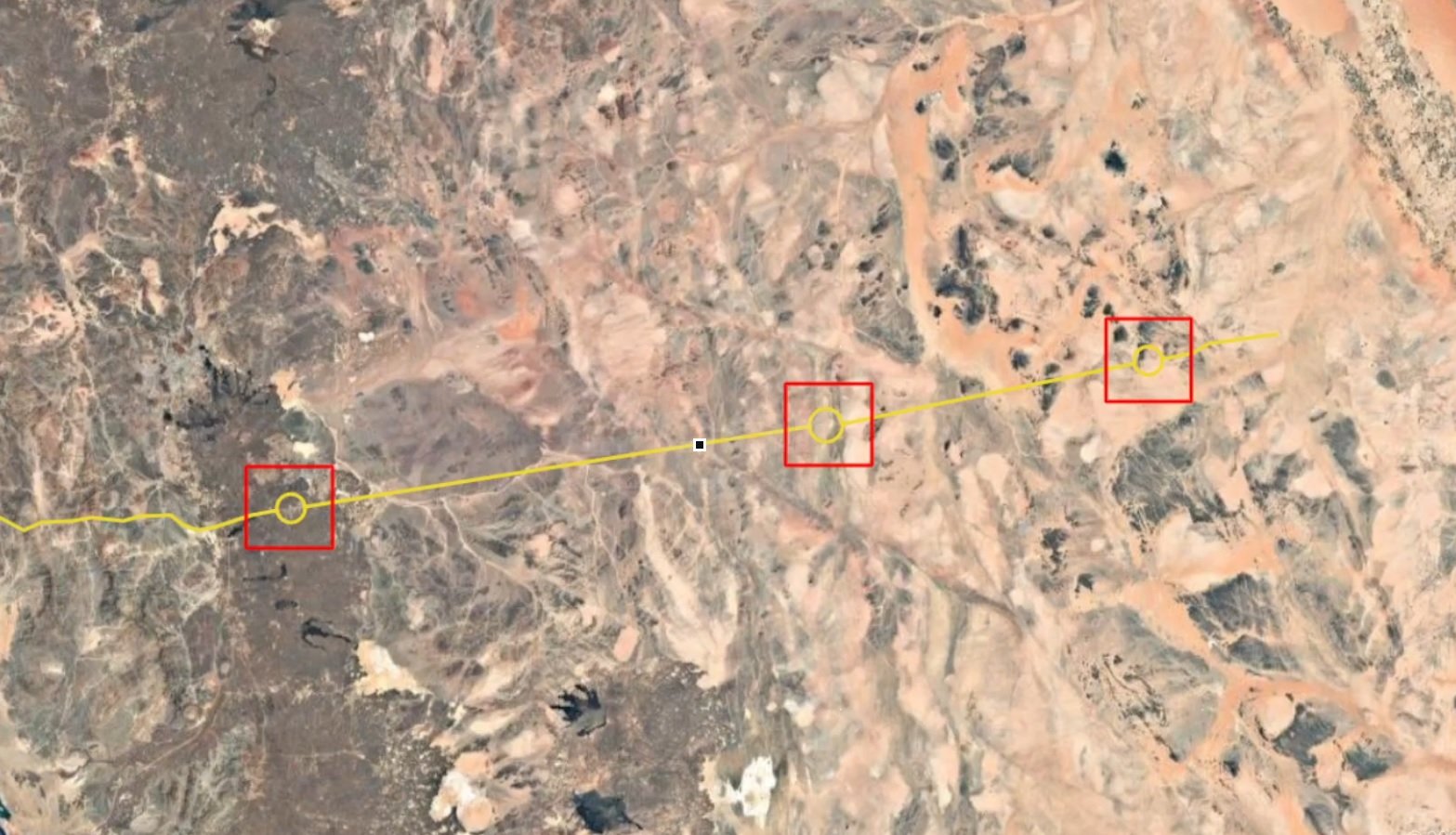 Satellite Imagery Shows Extensive Damage to Saudi Arabia’s East-West Oil Pipeline, Indicating More Than a Single Strike
-
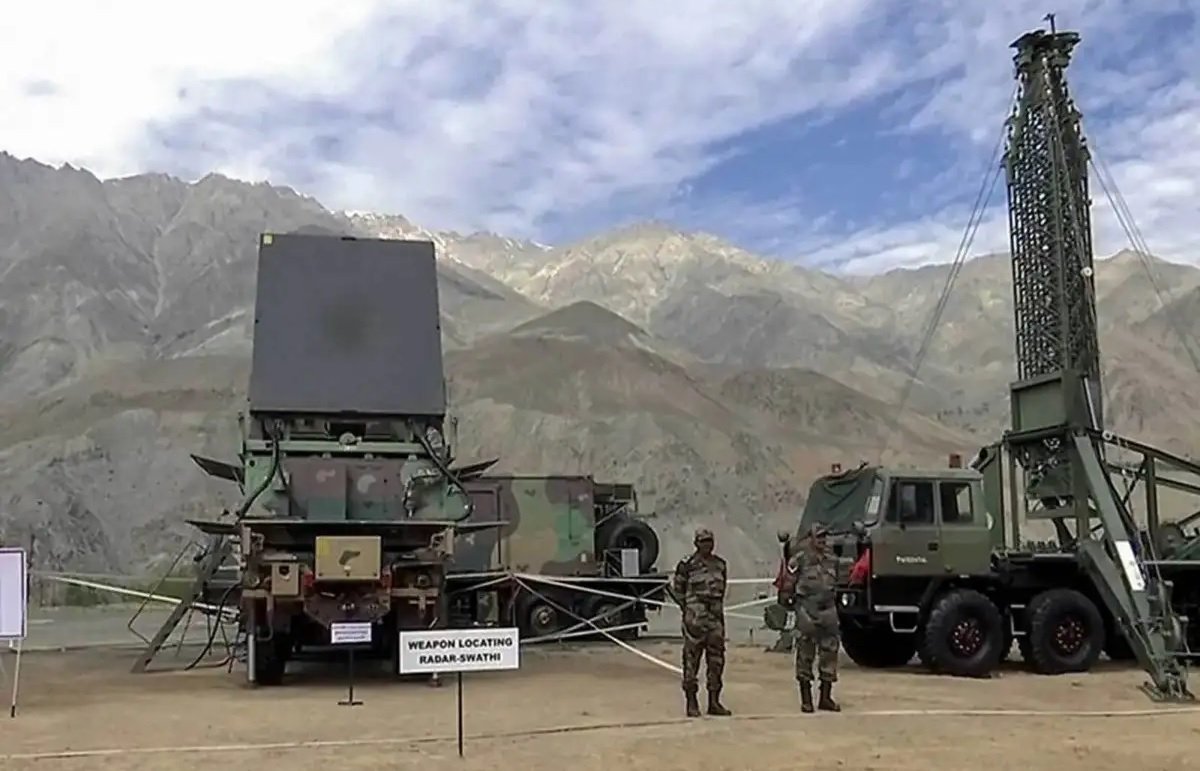 DRDO Demonstrates Indigenous 3.5×3 mm GaN Chip Delivering 30 Watts for Next-Generation Radars and Electronic Warfare
-
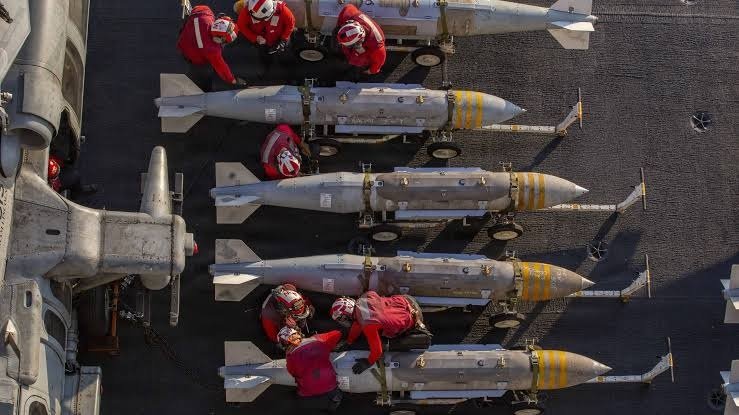 Pentagon Inspector General Report Finds Iran War Caused U.S. Ammunition Shortfalls and Industrial Bottlenecks
-
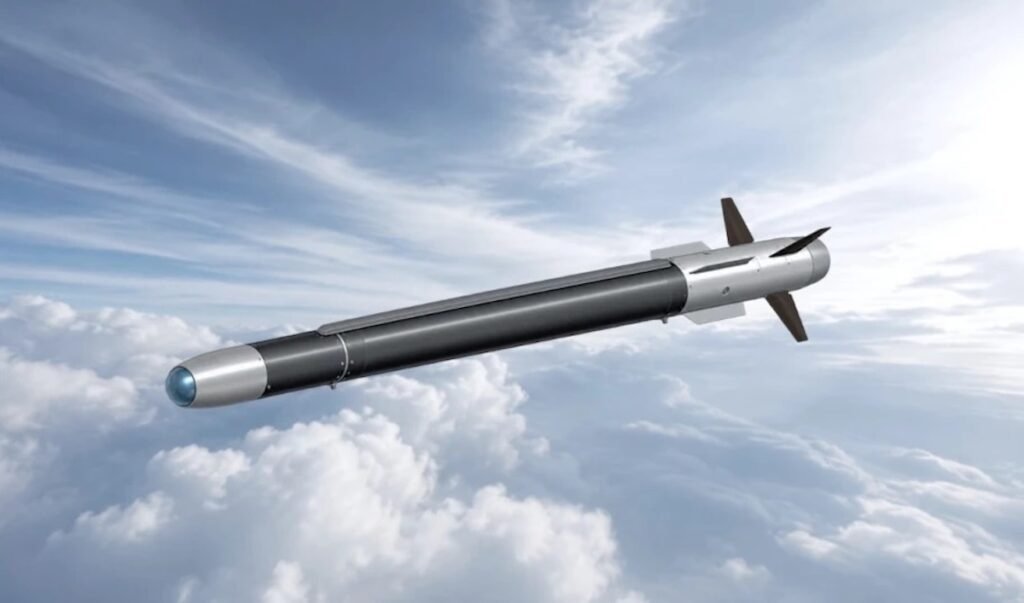 MBDA and Poland’s WITU Advance Low-Cost Supersonic Interceptor Against Swarm Attacks, Seeker Trials Successfully Completed
-
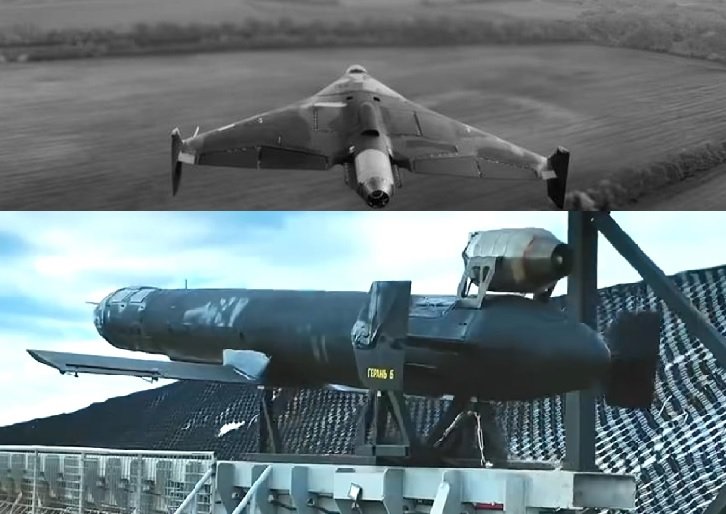 Iran Requests Advanced Geran-4 and Geran-5 Drones From Russia, FT Reports
-
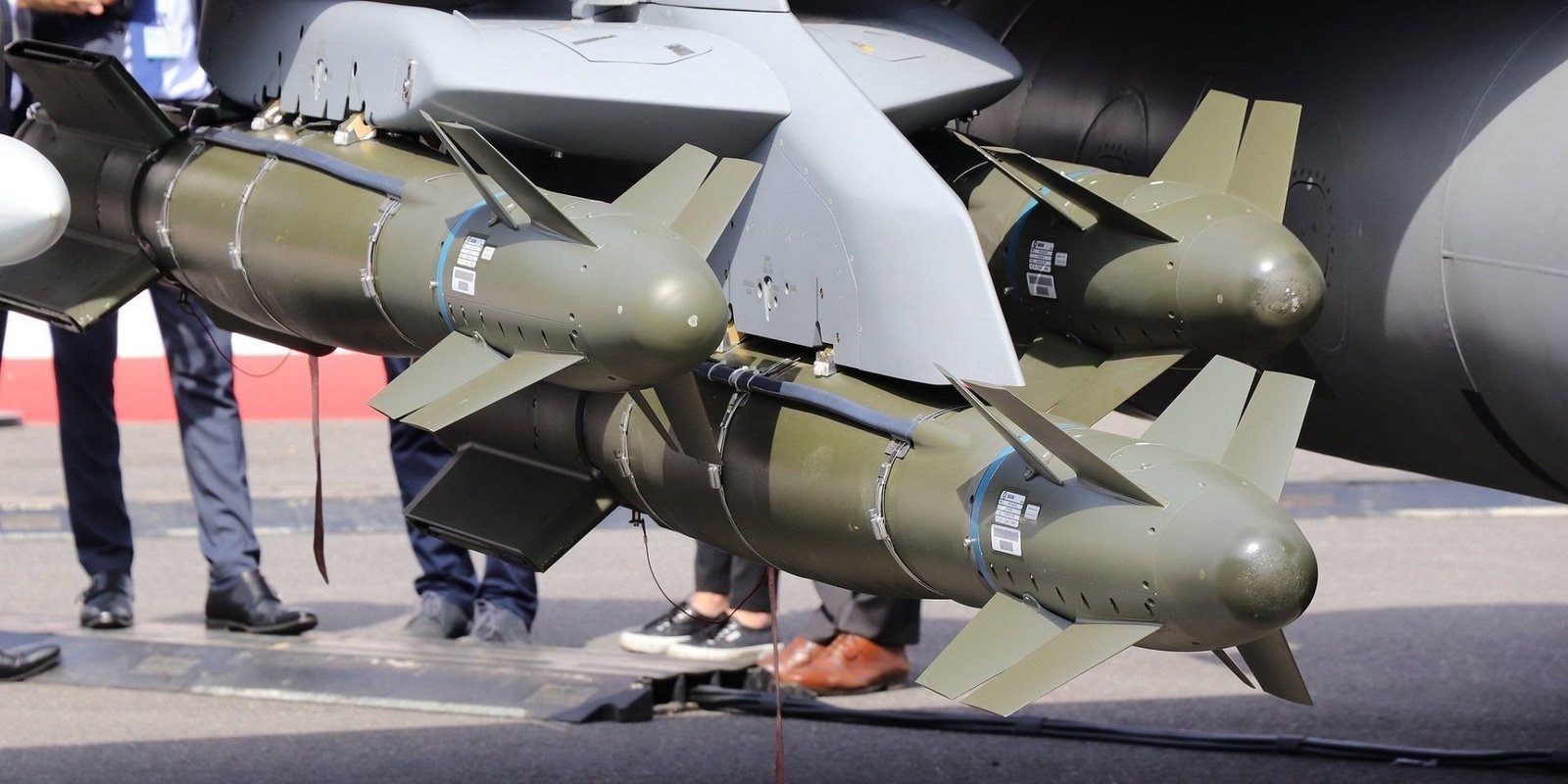 Swedish Gripens Bound for Ukraine to Be Armed with French Rocket-Assisted Hammer Precision Bombs