India
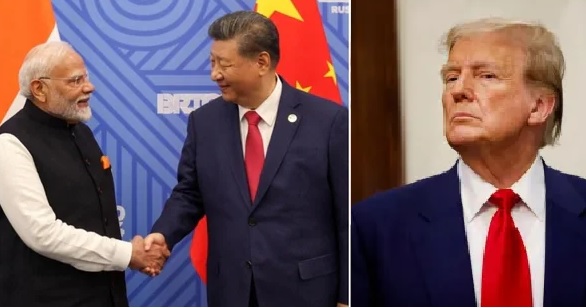
New Delhi / Beijing, August 29, 2025 — A discreet yet momentous shift in Asia’s geopolitics is underway. In March this year, as U.S. President Donald Trump escalated a global tariff war—slapping punitive duties on both China and India—Chinese President Xi Jinping covertly reached out to Indian President Droupadi Murmu. The confidential letter, relayed to Prime Minister Narendra Modi, is now seen as the catalyst for a striking India–China rapprochement. The letter was framed as a cautious probe to “test the waters on improving ties,” signaling Beijing’s eagerness to recalibrate relations during a moment of intense external pressure. By June, the outreach had prompted India to reciprocate, reviving high-level diplomatic exchanges after years of tension. Xi’s Concerns Xi reportedly expressed deep worry that any U.S.–India trade deals or strategic arrangements could harm China’s interests. His fears included: India siding with Washington’s tariff regime, which could worsen China’s economic challenges. New Delhi joining supply chain initiatives designed to exclude Chinese firms. Closer military or technology cooperation between India and the U.S., potentially shifting the regional balance. India aligning with U.S. positions on the border dispute, Indo-Pacific security, and sanctions, which could embolden anti-China coalitions. In a notable gesture, Xi also named a provincial official to serve as Beijing’s dedicated liaison for India, reflecting a seriousness beyond routine diplomatic channels. From Border Tensions to Reset This outreach came against the backdrop of the deadly 2020 Galwan Valley clash, which had frozen ties for years. But by early 2025, quiet de-escalation was already underway. China reinstated the Kailash Mansarovar pilgrimage, reopened direct flights, and signaled troop disengagement along parts of the Line of Actual Control. India responded cautiously at first, but by June, officials initiated structured dialogue on border management, trade facilitation, and hydrological data sharing. Key trade passes were reopened, paving the way for Prime Minister Modi’s upcoming visit to Tianjin for the August 31 SCO Summit. US Pressure Cooker Meanwhile, India’s relations with Washington soured. Trump imposed 50% tariffs on Indian exports, citing New Delhi’s continued purchase of Russian oil. Indian officials condemned the move as “unfair and unreasonable.” Tensions deepened further when Trump claimed he had personally mediated a ceasefire between India and Pakistan—a claim India flatly denied. Combined with economic strain, these moves accelerated New Delhi’s search for alternatives, making Beijing’s overture more attractive. Strategic Ramifications Analysts believe Xi’s move was aimed at pre-empting a stronger U.S.–India alignment by offering India a pragmatic partnership. By mid-2025, Modi’s acceptance of Chinese gestures sent a clear signal of India’s strategic autonomy—warning Washington that excessive pressure could push Delhi closer to Beijing. At the same time, India has also strengthened ties with Japan, agreeing to expand cooperation in defense, AI, supply chains, and high-speed rail. This balancing act shows that India is not pivoting solely eastward, but hedging its bets across multiple partnerships. As Modi heads to China for the SCO Summit—his first visit in seven years—expectations are high. Observers anticipate firm agreements on border protocols, trade corridors, and hydrological cooperation, testing whether the thaw is tactical or lasting. The Xi-Murmu exchange may ultimately be remembered as one of the most consequential diplomatic signals of the decade—reshaping India-China ties, unsettling Washington, and redefining Asia’s power balance in an era of tariff wars and shifting alliances.
Read More → Posted on 2025-08-29 16:24:10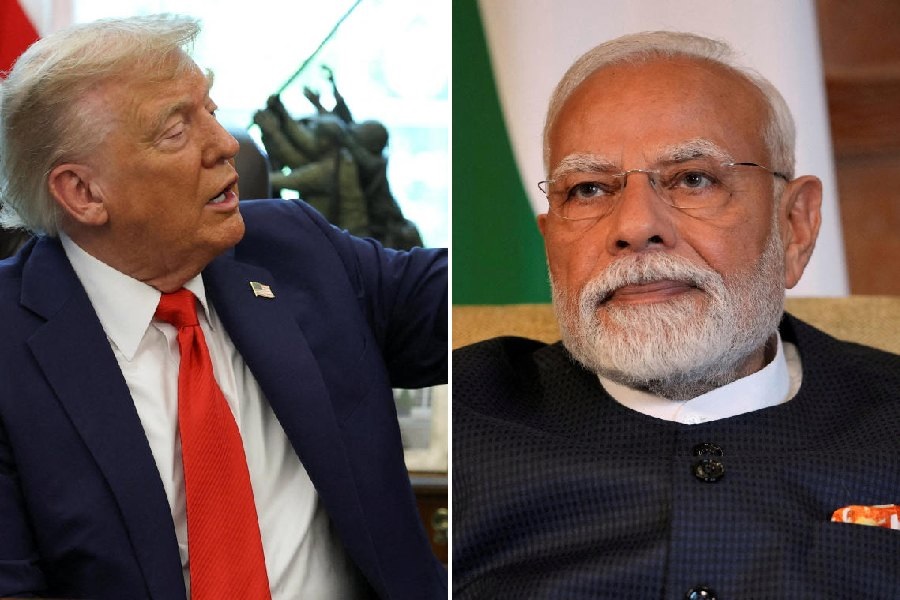
India
In a striking revelation, the German daily Frankfurter Allgemeine Zeitung (FAZ) reported that U.S. President Donald Trump attempted to reach Prime Minister Narendra Modi on multiple occasions—but his calls went unanswered. Modi’s silence is seen as a deliberate diplomatic stance, highlighting India’s refusal to bow under external pressure, especially as tensions rise between Washington and New Delhi. From Warmth to Friction Just months ago, Modi’s White House visit was hailed as a high point in Indo-U.S. relations. The two leaders had launched ambitious initiatives in trade and defense, even coining slogans about a strengthened partnership. However, the goodwill quickly soured when the Trump administration imposed sharp tariffs on Indian exports, citing India’s continued oil trade with Russia as a trigger point. The new tariff, at 50%, was one of the harshest trade measures ever directed at India. The Missed Calls—and What They Mean According to FAZ, Modi deliberately chose not to respond to Trump’s repeated attempts to speak with him. This silence comes in the backdrop of Trump’s insistence that he had “brokered” a ceasefire between India and Pakistan following clashes earlier in the year. Modi, however, firmly rejected this claim in a later conversation, clarifying that no foreign mediation was involved and that India and Pakistan settled the matter through direct military communication. This refusal to engage reflects not just displeasure at Trump’s public statements but also India’s strong message that it will not tolerate interference in its internal or regional matters. Standing Firm Against Pressure External Affairs Minister S. Jaishankar later emphasized that no calls had taken place between April and mid-June, apart from a single condolence call, further debunking Trump’s claims of involvement in regional diplomacy. The episode highlights India’s broader policy—accepting partnerships but rejecting mediation or coercion. By refusing to take President Trump’s calls, Prime Minister Modi has drawn a clear diplomatic line: India values its independence and will not bend to pressure, whether in trade, defense, or foreign policy. The move, though subtle, is a powerful assertion of India’s sovereignty in an increasingly turbulent global order.
Read More → Posted on 2025-08-27 16:39:42
India
India’s state-owned Oil and Natural Gas Corporation (ONGC) has commenced natural gas production from the Discovered Small Field (DSF-II) block RJ/ONDSF/Chinnewala/2018, also known as the Chinnewala Tibba field, marking a significant milestone in the Rajasthan Kutch Onland Exploratory Asset (RKOEA). The field, located near the Indo-Pakistan border in western Rajasthan and covering an area of about 73 square kilometres, has now entered the production stage. ONGC is initially producing around 100,000 standard cubic metres of gas per day, contributing to India’s domestic supply at a time when the nation is focused on reducing energy imports. The gas produced from Chinnewala Tibba is being evacuated to Rajasthan Rajya Vidyut Utpadan Nigam Ltd (RRVUNL) in Ramgarh through ONGC’s Gamnewala Gas Collection Station (GCS). This direct supply will support local power generation, enhancing electricity reliability for Rajasthan while ensuring that the gas is consumed near its source, reducing transmission losses. The development of this field is a result of India’s DSF policy, which was introduced to monetise smaller, discovered fields quickly through faster approvals and streamlined processes. Chinnewala Tibba is an example of how this initiative is helping unlock untapped resources, transforming them into commercially viable production in record time. While the current output is modest on a national scale, it is strategically important. The gas not only strengthens local energy availability but also demonstrates ONGC’s ability to operationalise DSF-II assets effectively. Industry observers also note that production from this field could be scaled up in the future as infrastructure and demand grow. Why it matters Boost to local power supply: Gas evacuation directly to RRVUNL Ramgarh ensures reliable electricity generation for Rajasthan. Supports energy security: Adds to India’s domestic production, reducing dependence on costly imports. Policy success story: DSF-II is delivering results by bringing discovered but undeveloped resources into production. In short, the start of gas production from Chinnewala Tibba is a small but significant step in strengthening India’s energy security and demonstrating the effectiveness of policy-driven resource monetisation.
Read More → Posted on 2025-08-27 16:03:43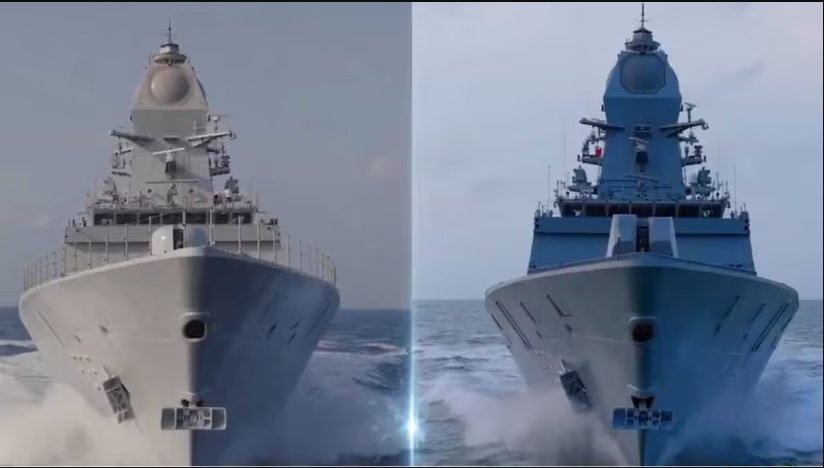
India
Visakhapatnam, August 26, 2025 – The Indian Navy scripted history by commissioning two advanced Project 17A Nilgiri-class stealth frigates, INS Udaygiri (F35) and INS Himgiri (F34), simultaneously at the Eastern Naval Command. This is the first time two frontline surface combatants built at different Indian shipyards have been inducted together, highlighting the country’s shipbuilding prowess and self-reliance drive. A Tale of Two Shipyards INS Udaygiri was constructed at Mazagon Dock Shipbuilders Limited (MDL), Mumbai. INS Himgiri was built by Garden Reach Shipbuilders & Engineers (GRSE), Kolkata. MDL is building four ships of this class while GRSE is constructing three. The remaining vessels are scheduled to join the fleet by mid-2026. Both frigates will strengthen the Eastern Fleet, which already operates the three Shivalik-class frigates and the lead ship of the Nilgiri class, INS Nilgiri. Indigenous Strength and Modern Design These stealth frigates are 6,700-tonne multi-role warships, about 5% larger than the preceding Shivalik class. They feature a sleeker hull, reduced radar signature, modular construction techniques, and advanced stealth measures. INS Udaygiri was delivered in record time post-launch, becoming the quickest ship of her class, showcasing efficiency achieved through modular construction. She is also the 100th warship designed by the Navy’s Warship Design Bureau, a landmark achievement. Both ships have 75% indigenous content, with contributions from over 200 Indian MSMEs, creating thousands of jobs across the defence ecosystem. Combat Power and Technology The frigates are equipped for multi-dimensional warfare: Propulsion: Combined Diesel or Gas (CODOG) system using LM2500 gas turbines and diesel engines, controlled by an Integrated Platform Management System (IPMS). Weapons: 8 × BrahMos supersonic cruise missiles 32 × MRSAM surface-to-air missiles 76 mm naval gun (Udaygiri carries the older BHEL–OTO Melara, Himgiri the upgraded Strales version) 2 × 30 mm AK-630 CIWS L&T triple torpedo launchers & indigenous rocket launchers Multiple 12.7 mm guns Sensors: MF-STAR AESA radar (partly made by BEL) LANZA-N 3D radar from Indra Sistemas and Tata BEL HUMSA-NG sonar Advanced electronic warfare and intelligence systems These capabilities make them among the most advanced frigates in the Indian Ocean Region. Voices from the Ceremony Defence Minister Rajnath Singh declared the induction a “picture of the realization of Aatmanirbhar Bharat,” affirming that no future Indian Navy warships will be built overseas. He hailed the frigates as “floating F-35s” of the sea, reflecting their high-tech systems and combat capabilities. Navy Chief Admiral D.K. Tripathi highlighted the frigates’ strategic importance, referencing Operation Sindoor, where the Navy’s swift deployment—including INS Vikrant—forced the Pakistan Navy to retreat and seek a cease of kinetic actions. He underlined that the new ships strengthen India’s ability to dominate maritime battlespace and ensure security in the Indian Ocean. Project 17B India is already preparing for the next step with Project 17B, a follow-on class of seven frigates valued at around ₹70,000 crore (~$8 billion). The order is expected to be split between MDL and GRSE, continuing the push for indigenous warship building. The commissioning of INS Udaygiri and INS Himgiri is not just about adding two powerful frigates to the fleet. It is a strong statement of India’s naval self-reliance, indigenous design capability, and blue-water ambitions. These stealth titans, carrying the legacy of their namesakes, will guard India’s maritime frontiers and shape the future of its naval power projection.
Read More → Posted on 2025-08-27 15:56:33
India
New Delhi / Visakhapatnam, August 26, 2025 — The Steel Authority of India Limited (SAIL) has played a pivotal role in strengthening India’s naval power by supplying around 8,000 tonnes of critical-grade steel for the newly commissioned stealth frigates INS Udaygiri and INS Himgiri. Defence Minister Rajnath Singh commissioned the two advanced warships at the Eastern Naval Command in Visakhapatnam, marking a historic moment for the Indian Navy. Twin Commissioning Milestone This is the first time in India’s naval history that two frontline warships, built at different shipyards, were commissioned simultaneously. INS Udaygiri was constructed by Mazagon Dock Shipbuilders Limited (MDL) in Mumbai, while INS Himgiri was built by Garden Reach Shipbuilders & Engineers (GRSE) in Kolkata. Both belong to the Project 17A (Nilgiri-class) stealth frigates, displacing about 6,700 tonnes each and equipped with advanced technologies to reduce radar and infrared signatures. Their arsenal includes BrahMos supersonic cruise missiles, Barak-8 surface-to-air missiles, torpedoes, close-in weapon systems, and a cutting-edge sensor suite including MF-STAR radar and HUMSA-NG sonar. Notably, INS Udaygiri is also the 100th warship designed by the Indian Navy’s Warship Design Bureau, showcasing five decades of indigenous warship design expertise. SAIL’s Critical Contribution The 8,000 tonnes of special steel were supplied from SAIL’s plants in Bokaro, Bhilai, and Rourkela. The company emphasized that by developing such critical-grade steel domestically, it is directly contributing to ‘Atmanirbhar Bharat’ and ‘Make in India’ initiatives. This achievement significantly reduces India’s dependence on imported special steels for defense production. Over the years, SAIL has provided steel for several major naval assets including INS Vikrant, INS Nilgiri, INS Ajay, INS Nistar, INS Arnala, INS Vindhyagiri, and INS Surat. Special grades such as DMR 249A steel plates from the Bokaro Steel Plant have strengthened many of these vessels, enhancing their stealth, resilience, and endurance. Boost to Indigenous Defence Industry The Project 17A frigates feature over 75% indigenous content and are supported by a network of more than 200 MSMEs, reflecting India’s expanding domestic defense manufacturing ecosystem. The program has also created nearly 4,000 direct jobs and 10,000 indirect jobs, further boosting the national economy. Speaking at the commissioning, Defence Minister Rajnath Singh hailed the warships as “unparalleled guardians of the sea,” adding that they symbolize India’s growing ability to produce complex frontline combatants independently. Strengthening India’s Maritime Edge With their cutting-edge weaponry and stealth features, INS Udaygiri and INS Himgiri will significantly enhance the Indian Navy’s Eastern Fleet and strengthen maritime security across the Indian Ocean Region. Their induction reflects not just technological progress but also the strategic synergy between Indian shipyards, the Navy, and SAIL in building a self-reliant defense framework.
Read More → Posted on 2025-08-27 15:07:28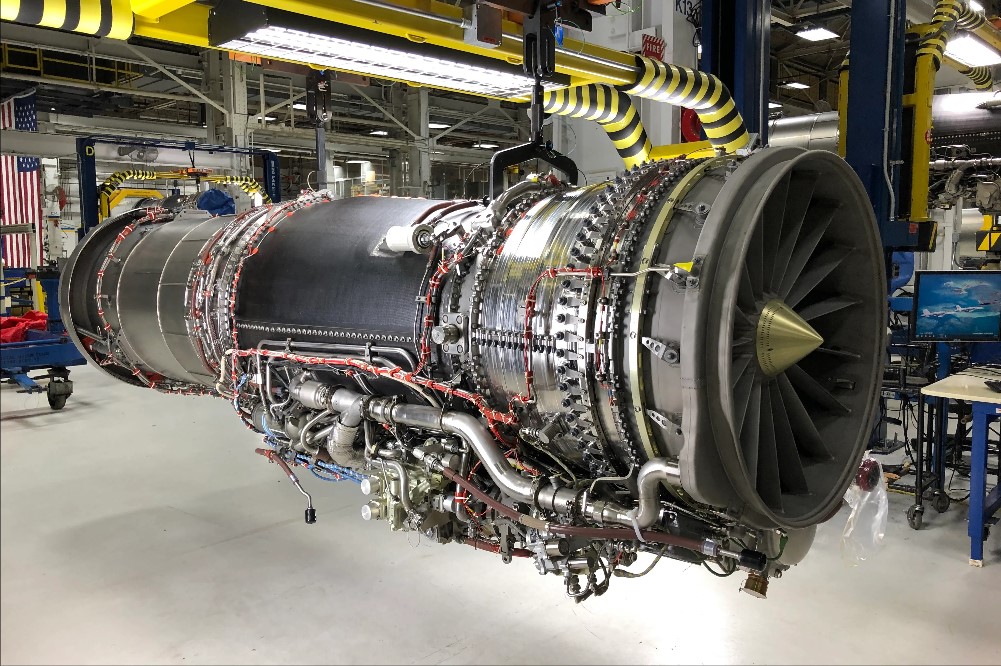
India
New Delhi, August 2025 – India is finalizing a major $1 billion agreement with U.S. aerospace giant General Electric (GE) for the supply of 113 F404-IN20 fighter jet engines, which will power the country’s indigenous Light Combat Aircraft (LCA) Tejas Mk-1A. The deal, in advanced negotiation between Hindustan Aeronautics Limited (HAL) and GE, is expected to be signed by next month. Ensuring Continuity in Engine Supply This order comes as a follow-on to the 2021 contract, under which HAL had already purchased 99 engines worth about $716 million. Deliveries of those engines began earlier this year after initial supply chain delays, and GE has committed to delivering about two engines per month until early 2026. With this new order, HAL will receive a total of 212 GE-404 engines, enough to power all 180 Tejas Mk-1A fighters — 83 ordered earlier and 97 newly cleared by the Cabinet Committee on Security (CCS) earlier this month at a cost of nearly ₹62,000 crore. Tejas Mk-1A: Upgraded Indigenous Fighter The Tejas Mk-1A represents a significant leap over the earlier version. It is equipped with: AESA radar for superior target tracking, Modern electronic warfare systems, Mid-air refueling capability, Integration with advanced weapons such as the Astra Mk-1 air-to-air missile and the upcoming BrahMos-NG cruise missile. Production is planned at 24 aircraft per year, making timely engine deliveries critical to meet deadlines. The first batch of 83 jets is expected to be inducted into the Indian Air Force by 2029–30, with the next 97 aircraft likely to follow by 2033–34. Scaling Up Production To support India’s needs, GE has assured it will increase annual production of the F404-IN20 engines to 24 units per year by 2027, avoiding bottlenecks and ensuring steady flow for HAL’s assembly lines. Next Step: Co-Producing Advanced Engines Alongside this agreement, India is negotiating a $1.5 billion deal with GE to co-produce the more powerful F414 engines in India, with an 80% technology transfer arrangement. These engines are intended for the Tejas Mk-2 fighter, currently in the prototype stage, and the Advanced Medium Combat Aircraft (AMCA), India’s fifth-generation stealth fighter program. Strategic Significance This engine procurement is not just about numbers — it comes at a time when the Indian Air Force’s fighter squadron strength is at its lowest since 1965. The deal ensures uninterrupted Tejas production, while the F414 co-production project represents a long-term leap towards self-reliance in aerospace technology under the government’s “Make in India” initiative.
Read More → Posted on 2025-08-27 14:55:59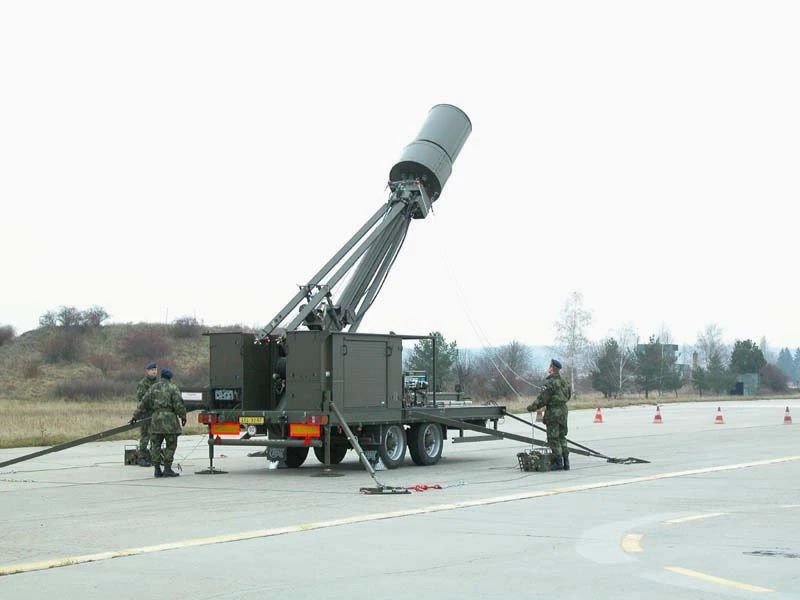
India
New Delhi, August 2025 – In a decisive move to strengthen its surveillance and reconnaissance infrastructure, the Indian Army has issued a Request for Proposal (RFP) for the procurement of 30 Passive Surveillance Suite & Detection Systems (PSS&DS) under the Buy (Indian) category. This initiative highlights the Army’s increasing emphasis on indigenous defence solutions and the need to bolster electronic intelligence (ELINT) and air defence surveillance capabilities. What the Passive Surveillance Suite Does The Passive Surveillance Suite & Detection System is a highly advanced electronic system that enables the Army to: Detect, intercept, locate, identify, and track both active and passive targets. Monitor enemy radar emissions, communications, and electronic signatures without itself emitting signals, thus staying hidden. Enhance air defence and battlefield situational awareness by silently collecting critical intelligence data. The suite generally comprises Remote Receiving Stations (RRSs) deployed in forward areas and a Master Receive and Control Station (MRCS) that fuses data into a unified operational picture. Key Features & Requirements According to the RFP, the system must meet rigorous operational and technical standards to ensure reliable performance in combat conditions. Highlights include: Multi-target tracking capability to handle simultaneous aerial and ground threats. Long operational life of at least 20 years. Protection against electromagnetic pulses (EMP) and battlefield electronic warfare conditions. Lightning protection and ruggedisation for extreme weather and terrain. Deployment adaptability for high-altitude zones, deserts, and maritime environments. Two-year warranty and comprehensive product support, with assured maintenance and material availability for up to 20 years. Operational Significance Unlike conventional radars, passive surveillance systems operate without emitting detectable signals, making them extremely valuable for stealthy and continuous monitoring. This makes them especially effective against: Stealth aircraft, which reduce their radar visibility but still emit electronic signatures. Unmanned Aerial Vehicles (UAVs), whose communication links and control signals can be intercepted. Electronic Warfare (EW) systems, enabling countermeasures and defensive tactics. These systems will provide the Army with the ability to map enemy electronic order of battle (EOB) and improve real-time coordination of air defence assets like Akash SAM batteries and future long-range missile systems. Indigenous Push under Buy (Indian) This RFP falls under the ‘Buy (Indian)’ procurement category, meaning the systems must be designed, developed, and manufactured by Indian companies, with a preference for maximum indigenous content. Indian defence majors such as Bharat Electronics Limited (BEL), Data Patterns, Astra Microwave, and several private-sector firms with expertise in electronic warfare are expected to participate in the bid. The initiative reflects the government’s Atmanirbhar Bharat vision and strengthens India’s ability to independently develop critical surveillance infrastructure without relying on imports. Strategic Context The timing of this procurement comes as India faces growing challenges in the Indo-Pacific and along its northern and western borders, where advanced aerial platforms and electronic warfare tactics are increasingly deployed by adversaries. By acquiring these systems, the Army will be able to: Strengthen early warning networks across sensitive regions. Provide commanders with real-time electronic intelligence for faster decision-making. Enhance jointness with the Air Force and Navy, enabling a tri-service surveillance grid. The procurement of 30 Passive Surveillance Suite & Detection Systems represents a critical step in modernizing the Indian Army’s surveillance and intelligence-gathering infrastructure. By opting for indigenous systems under the Buy (Indian) category, the Army is not only enhancing operational capabilities but also reinforcing India’s self-reliance in defence technology. Once deployed, these systems will significantly improve the Army’s ability to detect, track, and counter modern aerial threats, while providing a strategic edge in both conventional and electronic warfare environments.
Read More → Posted on 2025-08-26 16:14:57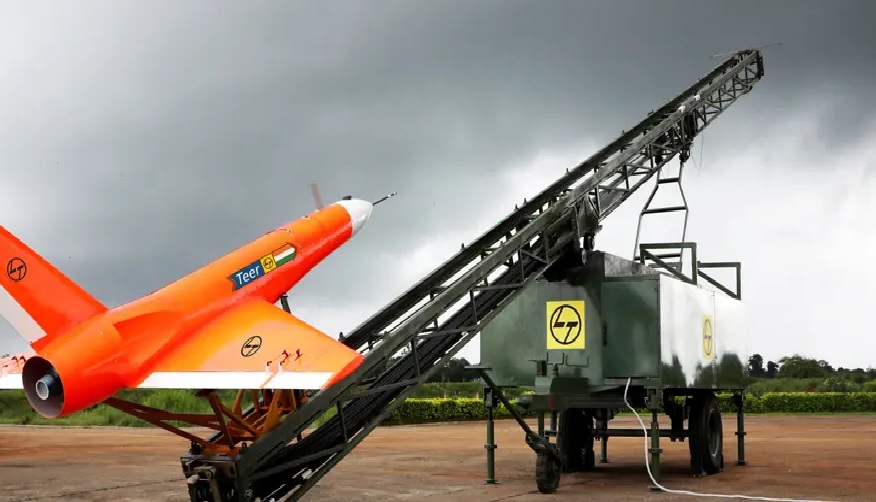
India
New Delhi, August 2025 – Larsen & Toubro (L&T) has successfully completed multiple flight trials of its indigenous Teer target drone, a Manoeuvrable Recoverable Aerial Target (MRAT) system. The milestone marks a major advance in India’s efforts to build self-reliant defence technologies under the Atmanirbhar Bharat initiative. A New Era of Target Drones The Teer drone has been designed to replicate advanced aerial threats, enabling the Indian Armed Forces to realistically train, test, and evaluate air defence weapon systems. Its flight trials have demonstrated: High-speed manoeuvrability Agility in complex aerial patterns Reliable performance in replicating hostile aircraft and missile-like threats The trials confirmed the system’s readiness for deployment in operational training environments, providing highly realistic combat simulation for air defence gunners. Sophisticated Onboard Payloads The Teer is equipped with a suite of advanced payloads that enhance its realism during trials: Radar Augmentation Systems – to amplify radar signatures, simulating fighter aircraft or cruise missile threats. Infrared and Smoke Flares – to mimic missile exhaust or decoys, producing both visual and thermal effects. Acoustic Miss Distance Indicator (AMDI) – to measure how close a missile or gunfire round comes to the target, providing precise evaluation of weapon effectiveness. These features make Teer a versatile and cost-effective aerial target platform, suitable for testing a wide range of defence systems. Operational Flexibility The drone is launched via a modular catapult launcher, which is lightweight, mobile, and easy to deploy in diverse battlefield conditions. Its recoverable design ensures it can be reused multiple times, reducing long-term costs compared to expendable targets. Next-Generation Variant: Teer NG Building upon Teer’s success, L&T is developing the Teer NG (Next Generation) – a High-Speed Low-Flying Aerial Target (HSLFAT). This variant will have: Greater payload capacity Higher speeds to simulate supersonic threats Enhanced ability to emulate modern low-altitude cruise missiles The Teer NG will be vital for testing future Indian air defence missile systems like the XRSAM (Extra Long Range Surface-to-Air Missile), the QRSAM (Quick Reaction Surface-to-Air Missile), and even upcoming laser-based directed energy weapons. Strategic Importance The successful trials of Teer strengthen India’s air defence training infrastructure by providing realistic and indigenous aerial targets. Until recently, India relied heavily on imported aerial target drones such as the Russian E95M and Israeli Banshee Jet 80+. Teer now offers a domestically developed alternative, reducing dependence on foreign suppliers. By mastering indigenous target drone technology, India enhances its ability to test, validate, and fine-tune weapon systems ranging from short-range SAMs to long-range anti-aircraft missile shields. The successful flight trials of the L&T Teer drone represent a major leap forward in India’s indigenous defence capabilities. By delivering a reusable, manoeuvrable, and payload-rich aerial target, Teer ensures that India’s air defence crews are trained against realistic modern threats. With the upcoming Teer NG set to push the envelope further, India is poised to achieve complete self-reliance in the field of aerial target drones—an often-overlooked but critical component of combat readiness and national security.
Read More → Posted on 2025-08-26 16:09:49
India
Kyiv/New Delhi, August 26, 2025 – Ukrainian President Volodymyr Zelenskyy has expressed gratitude to Prime Minister Narendra Modi for his warm greetings on Ukraine’s Independence Day, reiterating Kyiv’s hope that India will play a significant role in bringing an end to the ongoing war with Russia. In a social media post on Tuesday, Zelenskyy said, “Now, as the entire world strives to end this horrible war with dignity and lasting peace, we count on India’s contribution.” He also praised India’s consistent emphasis on peace and dialogue, adding that decisions that strengthen diplomacy contribute to security not just in Europe, but also in the Indo-Pacific and beyond. Diplomatic Exchange of Independence Day Greetings On August 16, Prime Minister Modi extended greetings to the people of Ukraine, wishing them a future of “peace and progress.” In response, President Zelenskyy posted a letter he received from Modi on August 24, where the Indian leader thanked him for his thoughtful wishes on India’s Independence Day. In his letter, Modi warmly recalled his visit to Kyiv in August last year, highlighting the progress in India-Ukraine bilateral ties since then. He reiterated India’s commitment to dialogue and diplomacy, stating, “India has always stood on the side of peace and remains committed to extending all possible support for sincere efforts seeking an early, abiding and peaceful resolution of the conflict.” India’s Balancing Act Since the beginning of the Russia-Ukraine conflict in February 2022, India has walked a careful diplomatic path. New Delhi has consistently called for an immediate end to hostilities and emphasized the importance of respect for sovereignty and territorial integrity, while also maintaining its longstanding ties with Russia, a key defense and energy partner. India has provided humanitarian assistance to Ukraine, including medical supplies, equipment, and relief aid, while avoiding direct criticism of Moscow. This approach has allowed India to engage with both Russia and Western powers, positioning itself as a potential mediator in future peace talks. Ukraine’s Call for Greater Involvement President Zelenskyy has repeatedly invited India to take a more active role in peace efforts, underscoring New Delhi’s growing influence on the global stage. In recent months, Ukraine has welcomed India’s participation in international conferences aimed at finding pathways to peace, while urging the Modi government to support frameworks that guarantee Ukraine’s territorial sovereignty. Zelenskyy’s latest remarks come at a delicate time, with the international community pushing for renewed negotiations. His appeal reflects Kyiv’s recognition of India’s diplomatic weight in both the Global South and in forums like the G20, where India has advocated for dialogue as the only viable route to a lasting resolution. Geopolitical Context The exchange also comes amid heightened global tensions. Reports indicate that a U.S. tariff deadline on Indian imports related to Russian crude purchases is looming, adding economic pressure to India’s careful diplomacy. Meanwhile, Ukraine continues to seek greater support from Asian powers, beyond traditional Western allies, to broaden international consensus against Russian aggression. By keeping open communication channels with both Kyiv and Moscow, India has emerged as a credible voice for de-escalation, with several Western and European leaders encouraging New Delhi to step up its mediating role. As the war drags on, with no immediate breakthrough in sight, both Kyiv and the wider international community are looking for alternative diplomatic initiatives. Zelenskyy’s call for India’s involvement underscores the expectations placed on New Delhi as a nation capable of bridging divides and supporting pathways to peace. For India, the challenge remains to balance its strategic autonomy while upholding its stated commitment to global peace. The coming months will show whether New Delhi can translate its diplomatic capital into a tangible role in shaping the endgame of one of the world’s most dangerous conflicts.
Read More → Posted on 2025-08-26 16:04:51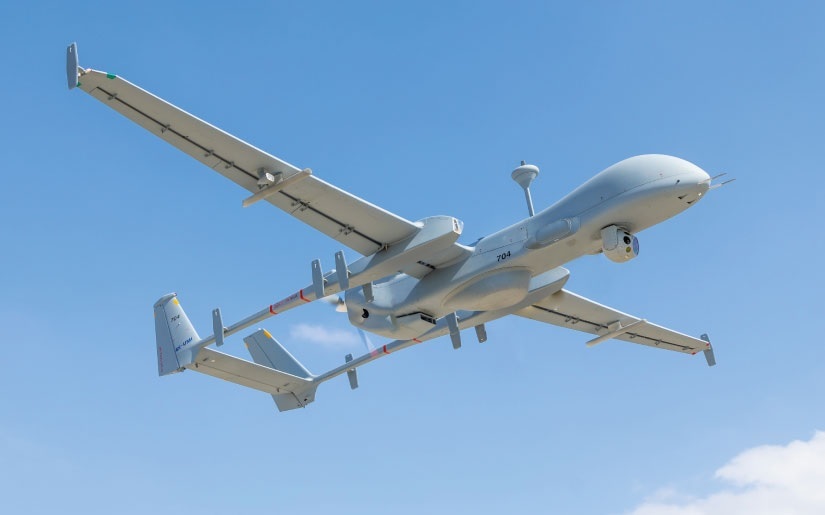
India
Bengaluru, August 2025 – India’s indigenous Archer-NG unmanned aerial vehicle (UAV) is preparing for its first flight next month, following the expected clearance from the Centre for Military Airworthiness and Certification (CEMILAC). The UAV, developed by DRDO’s Aeronautical Development Establishment (ADE), has successfully completed both low-speed and high-speed taxi trials, proving its readiness for airborne testing. A New Era in Indian UAV Development The Archer-NG is a Medium Altitude Long Endurance (MALE) drone designed to perform intelligence, surveillance, and reconnaissance (ISR) missions, along with the ability to carry out precision strike roles. Built with a high degree of indigenous content, the UAV represents a major leap toward India’s goal of self-reliance in advanced defence technologies. Key features of the Archer-NG include: Endurance: Up to 29 hours of continuous flight. Ceiling: Operational altitude of around 30,000 feet. Payload Capacity: Two hardpoints supporting up to 300 kg of mission equipment or weapons. Engine: 177-horsepower indigenous turbocharged engine. Weight: Approximately 1,800 kg all-up weight. Strategic Importance The Archer-NG fills a crucial gap between smaller tactical UAVs and larger systems like the Rustom series. It offers the ability to conduct persistent surveillance over long distances, while also being adaptable for light strike missions. Its design includes modern avionics, advanced communication systems, and provisions for integration with India’s existing command-and-control infrastructure. Officials also emphasize that the UAV will significantly strengthen India’s capabilities in areas such as border surveillance, counter-insurgency operations, and real-time intelligence gathering—critical for both peacetime and combat scenarios. Future Roadmap The current Archer-NG is focused on ISR roles, but a weaponized variant is already in the pipeline, expected within the next three years. This version will carry precision-guided munitions and loitering systems, making it comparable to some of the world’s most advanced MALE UAVs. The Indian Air Force, which has closely monitored the project, is likely to be the primary operator, though the Indian Navy has also shown interest in its long-endurance maritime surveillance potential. With its first flight scheduled next month, the Archer-NG will mark a historic milestone for India’s indigenous UAV program. Once operational, it will not only reduce dependence on imported drones but also position India among the few nations capable of fielding advanced, weaponizable MALE platforms.
Read More → Posted on 2025-08-25 16:49:17
India
New Delhi, August 2025 – In a decisive step towards enhancing operational agility and combat readiness, the Indian Army is set to deploy five Bhairav Light Commando Battalions by the end of this month. The move comes as part of a broader modernization push aimed at preparing the Army for possible two-front challenges from both China and Pakistan. Strategic Role and Deployment Out of the five battalions, three will be positioned along the northern borders, strengthening defenses in critical sectors of Ladakh and Arunachal Pradesh, while one battalion each will be deployed in the northeast and the western front. These units are designed to operate as highly mobile, rapid-reaction forces, capable of executing missions such as cross-border interdiction, reconnaissance, sabotage of enemy supply lines, and swift defensive actions. The Bhairav battalions serve as a bridge between the regular infantry and the elite Special Forces, ensuring that India has an effective mid-tier rapid strike capability that is both cost-efficient and operationally versatile. Composition and Training Each Bhairav battalion is expected to have about 250 personnel. The troops undergo a two-stage training program: Basic Training at regimental centers focusing on endurance, mountain warfare, close-quarter battle, and rapid mobility. Advanced Training conducted alongside Special Forces units, which includes airborne operations, heli-borne insertion, precision strikes, and advanced weapons handling. This dual-phase preparation ensures that Bhairav units can seamlessly integrate into joint operations with both conventional and special units when required. Part of the Army’s Transformation Drive The induction of Bhairav battalions aligns with the Army’s long-term modernization plan known as the “Decade of Transformation (2023–2032)”. Under this vision, the Army is restructuring its formations into more modular and agile Integrated Battle Groups (IBGs). Alongside Bhairav units, the Army is also: Raising Rudra All-Arms Brigades, combining infantry, artillery, armored units, UAVs, engineers, and logistics under a single integrated command. Equipping every infantry battalion with dedicated drone platoons, improving real-time battlefield surveillance and precision strike capability. Expanding its artillery strength with Divyastra Batteries and Shaktibaan Regiments, which integrate loitering munitions, precision artillery, and rapid sensor-to-shooter systems. Future Numbers and Expansion By November 2025, the Army plans to field a total of 23 Bhairav battalions across multiple frontiers. This expansion follows a “Save and Raise” model, where units are created using existing manpower and resources, ensuring minimal financial strain while maximizing readiness. Why This Matters Agility and Speed: Bhairav battalions give the Army the ability to respond within hours to localized threats. Two-Front Preparedness: Their deployment strengthens deterrence against China in the north and Pakistan in the west. Operational Balance: By handling quick-response missions, Bhairav units allow elite Special Forces to focus on complex, high-priority operations. Integration with Technology: Their training emphasizes synergy with drones, surveillance systems, and modern artillery, aligning with future warfare needs. The deployment of five Bhairav Commando battalions signals a major doctrinal shift for the Indian Army. These specialized units will not only enhance frontline resilience but also improve the Army’s flexibility in tackling simultaneous challenges across two borders. With more battalions planned in the coming months, the Bhairav forces are set to become a key pillar of India’s modern warfighting strategy, combining speed, precision, and adaptability.
Read More → Posted on 2025-08-25 16:42:32
India
New Delhi, August 2025 – In a landmark step toward achieving self-reliance in unmanned aerial vehicle technology, the Tapas BH-201 UAV, developed by the Aeronautical Development Establishment (ADE) under the Defence Research and Development Organisation (DRDO), is set to begin flight trials with a newly integrated indigenous engine. This advancement is seen as a turning point in India’s efforts to eliminate dependence on foreign propulsion systems, moving the country closer to its vision of indigenous defence manufacturing under the Atmanirbhar Bharat initiative. The New Indigenous Engine The new powerplant replacing imported systems is a 2.2L, 4-cylinder inline turbocharged CRDi engine, jointly developed by DRDO’s Vehicle Research and Development Establishment (VRDE) in collaboration with JAYEM Automotives, a Coimbatore-based firm known for automotive technology. Key performance features include: 180 horsepower at 11,000 feet altitude. Capability to operate up to 32,000 feet. FADEC (Full Authority Digital Engine Control) system with redundancy to ensure safety, reliability, and fully automated operation. This integration increases the UAV’s indigenous content to nearly 80%, strengthening India’s design-to-deployment ecosystem in unmanned aviation. Tapas BH-201: India’s MALE UAV The Tapas BH-201 (Tactical Airborne Platform for Aerial Surveillance-Beyond Horizon 201) is India’s first indigenous Medium Altitude Long Endurance (MALE) UAV, designed for persistent intelligence, surveillance, and reconnaissance (ISR). So far, the UAV has achieved: Service ceiling of 28,000 feet. Endurance of 18 hours. Over 200 successful test flights, including integrated trials with the Indian Navy over sea and land. While the system initially struggled to meet the Joint Services Qualitative Requirements (JSQRs) of 30,000 feet altitude and 24 hours endurance, upgrades—particularly in propulsion—are expected to bridge much of this performance gap. Why This Milestone Matters The deployment of an indigenous engine is more than just a technical upgrade—it directly addresses long-standing challenges in India’s UAV program. Until now, imported engines posed limitations in availability, maintenance, and adaptability for India’s unique operating conditions. The new engine not only enhances operational flexibility but also strengthens supply chain security in defence systems, reducing the risk of dependency on foreign suppliers. Upcoming Flight Trials The certification flight trials, scheduled in the coming months, will focus on validating four critical parameters: Aerodynamic performance of the UAV with the new engine. Flight control system integration. Propulsion performance and endurance validation. Airframe structural integrity. These trials are essential for the UAV’s airworthiness certification and eventual induction into the armed forces. Strategic and Naval Applications The Indian Navy has shown particular interest in Tapas for maritime surveillance missions, including deployment in the Andaman and Nicobar Islands, where shorter runways make specialized UAV capabilities vital. For the Navy, the ability to operate long-range UAVs equipped with indigenous propulsion is a game-changer for monitoring sea lanes, island territories, and strategic chokepoints in the Indo-Pacific. Catalyst for Future UAVs The knowledge gained from the Tapas program is expected to accelerate the development of more advanced platforms, including: The upcoming Ghatak stealth UCAV, which will draw heavily on propulsion and control technologies proven in Tapas. Future MALE and HALE (High Altitude Long Endurance) UAVs optimized for both defence and export markets. Experts believe that once proven, the indigenous engine could be adapted for other UAV projects, offering India a competitive edge in the global drone market. The integration of the indigenous engine into the Tapas BH-201 UAV marks a pivotal moment in India’s defence journey. It is not just about testing a drone—it symbolizes the nation’s maturing aerospace ecosystem, blending advanced propulsion technology, systems integration, and operational capability. If upcoming flight trials succeed, the Tapas program could finally cross the critical threshold from development to deployment, ensuring India fields a homegrown, combat-ready MALE UAV tailored for its unique strategic needs.
Read More → Posted on 2025-08-25 15:39:59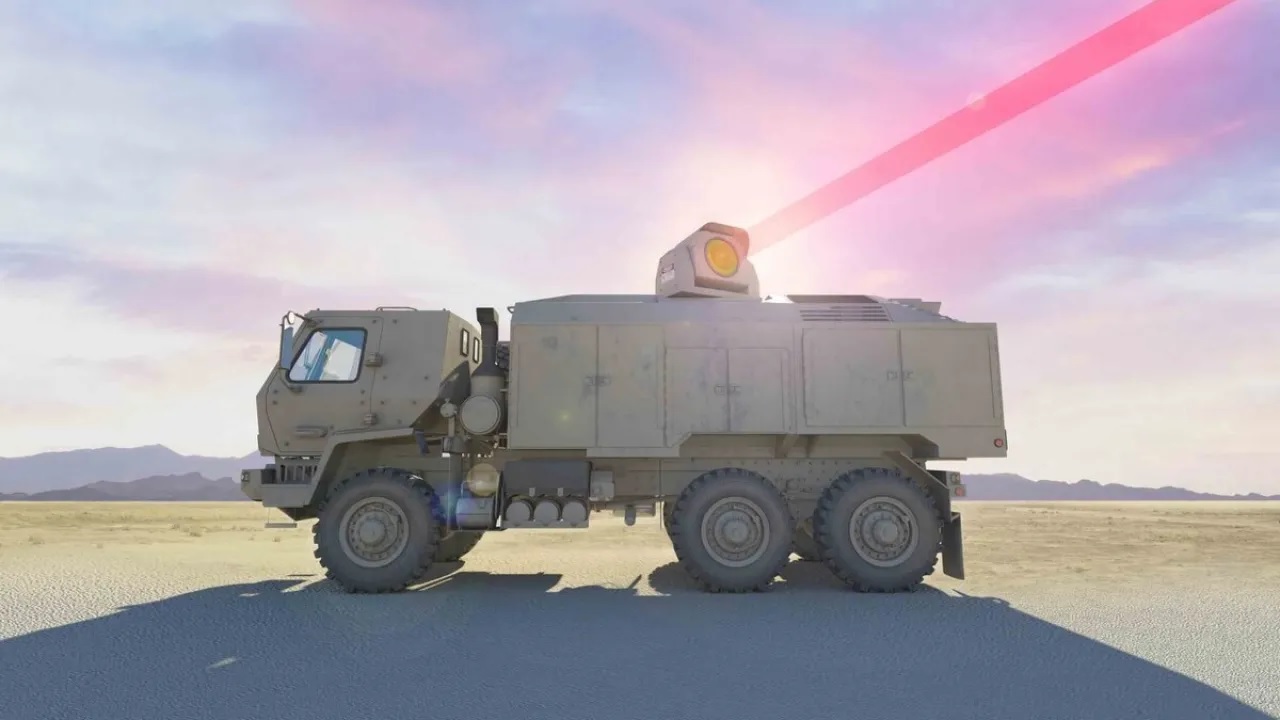
India
New Delhi, August 2025 – India’s successful test of the Integrated Air Defence Weapon System (IADWS), featuring a high-power laser-based Directed Energy Weapon (DEW), has drawn rare acknowledgment from Chinese military experts, who described the achievement as a “significant advancement” in air defence technology. The IADWS, developed by the Defence Research and Development Organisation (DRDO), is a multi-layered air defence system that integrates three components: Quick Reaction Surface-to-Air Missiles (QRSAMs) Very Short-Range Air Defence System (VSHORADS) missiles High-power laser Directed Energy Weapon (DEW) The system was flight-tested off the coast of Odisha on Saturday, successfully intercepting multiple low and mid-altitude aerial targets. Chinese Experts Acknowledge India’s Progress Wang Ya’nan, chief editor of Beijing-based Aerospace Knowledge magazine, told China’s state media that while the QRSAM and VSHORADS are not novel technologies, the laser weapon system marks a major step forward. “Among the three layers of the IADWS, the vehicle-based missile QRSAM and the man-portable air defence system VSHORADS are not technologically new, but the laser system should indeed be considered a significant advancement,” Wang said. He emphasized that very few countries, including the United States, Russia, China, the UK, Germany, and Israel, have been able to develop and deploy such systems. Wang highlighted the unique advantages of laser-based defence systems: Speed-of-light engagement against threats like drones and cruise missiles Silent, precise attacks that are difficult to detect Continuous operation without the need for expensive missile reloads High cost-effectiveness compared to traditional interceptor systems Strategic Significance The Chinese commentary is being regarded as important, considering the People’s Liberation Army (PLA) is itself heavily investing in directed energy weapons. China’s LW-30 laser defence system, often referred to as a UAV-killer, is currently one of the few operational systems of its kind. Chinese experts admitted that India’s breakthrough places it among an elite group of nations with operational DEW technology, which will likely influence the regional balance of power. Regional Security Context The timing of India’s IADWS tests is noteworthy, coming just three months after Operation Sindoor, where Pakistan attempted to use Chinese-supplied drones and cruise missiles. According to the Stockholm International Peace Research Institute (SIPRI), over 81% of Pakistan’s military hardware is sourced from China, making the development of indigenous Indian defences particularly critical. Analysts believe that the inclusion of a laser-based air defence layer will provide India with a game-changing capability to counter low-cost swarm drone attacks and stealth cruise missiles, threats increasingly deployed in regional conflicts. Information Fusion at the Core Wang also pointed out that the success of IADWS will depend on its information distribution network, ensuring real-time coordination between radar, missile, and laser components. Without this integration, the system would be “merely a collection of independent weapons.” Indian officials have indicated that the IADWS uses advanced sensor fusion algorithms to create a unified threat picture, allowing automatic assignment of targets to the most effective layer—missiles for medium-range threats and lasers for low-altitude drones or UAVs. India’s IADWS is set to undergo further evaluations before induction. Defence experts suggest that the laser weapon system could be expanded for use on naval ships and even airborne platforms in the future, creating a comprehensive, multi-domain shield against evolving aerial threats. By earning acknowledgment from Chinese defence analysts, India’s achievement not only strengthens its strategic deterrence but also signals a shift in regional defence dynamics. The test underscores India’s ambition to become a leader in next-generation air defence technologies, joining the world’s most advanced military powers.
Read More → Posted on 2025-08-25 15:25:12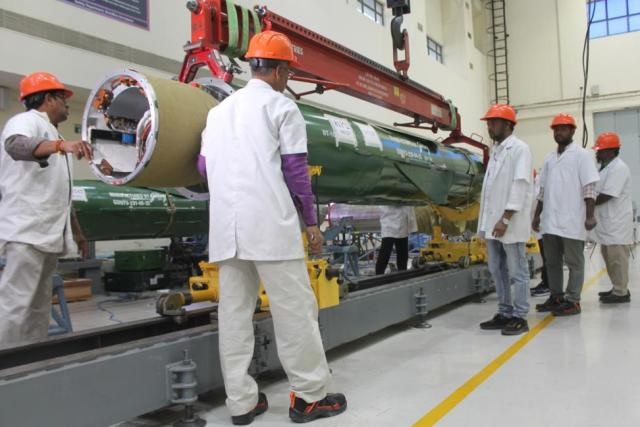
India
Lucknow, August 2025 – In a major boost to India’s defence manufacturing ecosystem, PTC Industries has secured a ₹110 crore order from BrahMos Aerospace for the production and supply of critical titanium castings used in the BrahMos supersonic cruise missile. The order will be executed over the next 24 months, reinforcing PTC’s role as a key contributor to India’s most strategic missile programme. Vital Components for a Strategic Weapon The titanium castings ordered are essential components for the BrahMos missile, which is known for its Mach 2.8–3 speed, high precision, and versatility across platforms, including ships, land-based launchers, aircraft, and submarines. Titanium alloys are indispensable for such high-performance systems due to their exceptional strength-to-weight ratio, corrosion resistance, and ability to withstand extreme heat and stress during missile flight. By mastering these complex metallurgical processes, PTC ensures reliable performance of one of the world’s most advanced cruise missiles. Building on a Long-Term Partnership This deal extends a collaboration that began in 2019, when PTC first started supplying titanium castings and raw materials to BrahMos Aerospace. Over the years, the company has consistently delivered precision-engineered titanium components, helping to strengthen the indigenous supply chain for the missile programme. This partnership reflects India’s larger goal of reducing import dependence in defence production, aligning with the government’s Atmanirbhar Bharat initiative. PTC Industries’ Expanding Defence Role PTC Industries has steadily emerged as one of India’s leading advanced materials companies in defence and aerospace. It supplies titanium and superalloy castings not only to BrahMos Aerospace but also to: Hindustan Aeronautics Limited (HAL) for aircraft and engine components. Defence Research and Development Organisation (DRDO) for advanced missile and aerospace projects. Global aerospace leaders such as Safran, Dassault Aviation, BAE Systems, and Israel Aerospace Industries. The company’s global recognition demonstrates India’s growing capability in aerospace-grade titanium casting technology, an area traditionally dominated by only a few advanced nations. State-of-the-Art Manufacturing in Lucknow PTC’s recent success is anchored in its state-of-the-art facility located in the Uttar Pradesh Defence Industrial Corridor in Lucknow. This facility features a fully integrated Titanium and Superalloy Mill, enabling end-to-end production of critical materials such as ingots, billets, bars, plates, and sheets. The vertical integration of raw material processing with precision casting allows PTC to deliver aerospace-grade titanium products domestically, cutting down reliance on costly imports and ensuring supply-chain security for defence programmes. Strengthening India’s Strategic Autonomy The importance of this order goes beyond business value. By indigenously producing such high-performance titanium castings, India demonstrates the ability to support critical missile and aerospace programmes without foreign dependence. This places the nation in an elite club capable of producing advanced titanium materials for defence use. For the BrahMos programme, which is co-developed by India and Russia but increasingly focused on Indian industrial participation, this represents another step toward full localisation of production. Government Alignment and Future Prospects The government’s recent policy push to increase indigenous content in defence projects to over 70% directly benefits companies like PTC. With India also exploring the export of BrahMos missiles to friendly nations such as the Philippines, Vietnam, and others, demand for indigenous suppliers of critical components is expected to grow rapidly. This positions PTC not only as a pillar of India’s defence industrial base but also as a potential contributor to the country’s expanding role in the global missile and aerospace supply chain. The ₹110 crore order from BrahMos Aerospace is more than just a business win for PTC Industries – it is a strategic milestone. It highlights India’s accelerating march toward self-reliance in defence manufacturing, strengthens the indigenous ecosystem for missile and aerospace technologies, and underscores the country’s emergence as a serious global player in advanced materials engineering. With its expertise in titanium and superalloys, PTC Industries is poised to play an even greater role in shaping the future of India’s defence production landscape while supporting the nation’s pursuit of technological autonomy and global competitiveness.
Read More → Posted on 2025-08-25 15:15:41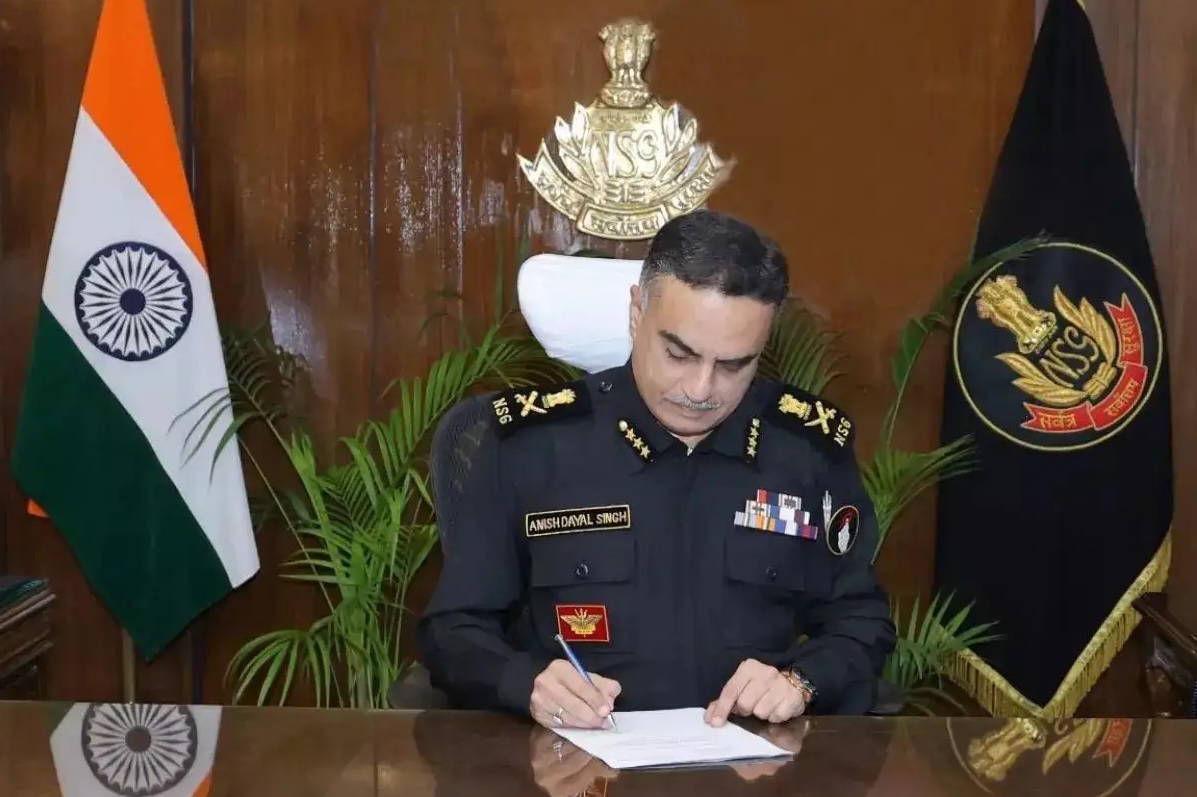
India
New Delhi, August 2025 – The Government of India has appointed Anish Dayal Singh, former Director General of the Central Reserve Police Force (CRPF), as the country’s new Deputy National Security Adviser (Deputy NSA). Singh, a 1988-batch IPS officer of the Manipur cadre, will now serve in the National Security Council Secretariat (NSCS) and report directly to National Security Adviser Ajit Doval. Strengthening India’s National Security Team Singh’s appointment comes as part of a wider strengthening of India’s top security establishment. Alongside him, the NSCS is currently helmed by a strong bench of senior officers, including: Ajit Doval, National Security Adviser. Rajinder Khanna, former RAW chief, serving as Additional NSA. T.V. Ravichandran and Pawan Kapoor, both Deputy NSAs handling key strategic domains. With Singh’s entry, the NSCS brings in an officer with deep operational experience in internal security, counter-insurgency, and paramilitary operations. Role as Deputy NSA As Deputy NSA, Singh will focus on internal security matters, including: Counter-insurgency operations in Jammu and Kashmir. Combating Left-Wing Extremism across central and eastern India. Managing security in India’s Northeast region, which continues to face challenges from cross-border insurgent groups. This role will see Singh applying his decades of field experience to national-level policy and strategy formulation. Legacy as CRPF Chief During his one-year tenure as Director General of the CRPF (January to December 2024), Singh implemented several historic reforms and operational measures: Established more than three dozen forward operating bases in Maoist-affected states, extending the CRPF’s reach deep into extremist strongholds. Raised four new battalions in Left-Wing Extremism zones. Oversaw the realignment of 130 battalions — the first comprehensive restructuring in eight years. Introduced “Samvaad” (dialogue) sessions to directly engage with company commanders and incorporate ground-level feedback into operational planning. Directed the CRPF’s massive security deployments for the 2024 Lok Sabha elections and the historic first Assembly elections in Jammu and Kashmir after the region’s reorganisation. Policy Initiatives and Personnel Welfare Singh is credited with initiating important reforms for the welfare of Central Armed Police Forces (CAPF) personnel: Advocated for and secured approval of the policy granting honorary ranks to retiring personnel, a long-standing demand finally cleared by the Union government. Pushed through a promotion reform plan to tackle stagnation, addressing cases where constables had waited nearly two decades for their first promotion. These measures earned Singh respect across the ranks for addressing long-standing grievances of CAPF soldiers. Decorations and Recognitions Over his distinguished career spanning more than three decades, Singh has been awarded several honors, including: Police Special Duty Medal (twice, including 1997). Indian Police Medal for Meritorious Service (two terms, including 2004). President’s Police Medal for Distinguished Service (2012). His service reflects both operational effectiveness and a deep focus on personnel welfare. Strategic Implications Singh’s elevation to the Deputy NSA role strengthens India’s internal security leadership at a time when the nation is grappling with challenges such as: Cross-border infiltration in Jammu and Kashmir. The evolving threat of Left-Wing Extremism, though significantly reduced in recent years. Emerging hybrid warfare tactics, including cyber threats and drone-based surveillance from hostile actors. His appointment also highlights the government’s approach of bringing senior police and paramilitary leaders into strategic policymaking positions, ensuring that operational realities inform national security strategies. With his proven track record as a reformer and field strategist, Anish Dayal Singh is expected to play a crucial role in shaping India’s internal security architecture under NSA Ajit Doval. His blend of operational expertise, structural reforms, and personnel-focused leadership makes him a valuable addition to the National Security Council Secretariat, as India continues to navigate complex security challenges in the coming decade.
Read More → Posted on 2025-08-24 16:01:24Search
Top Trending in 24 Hours
-
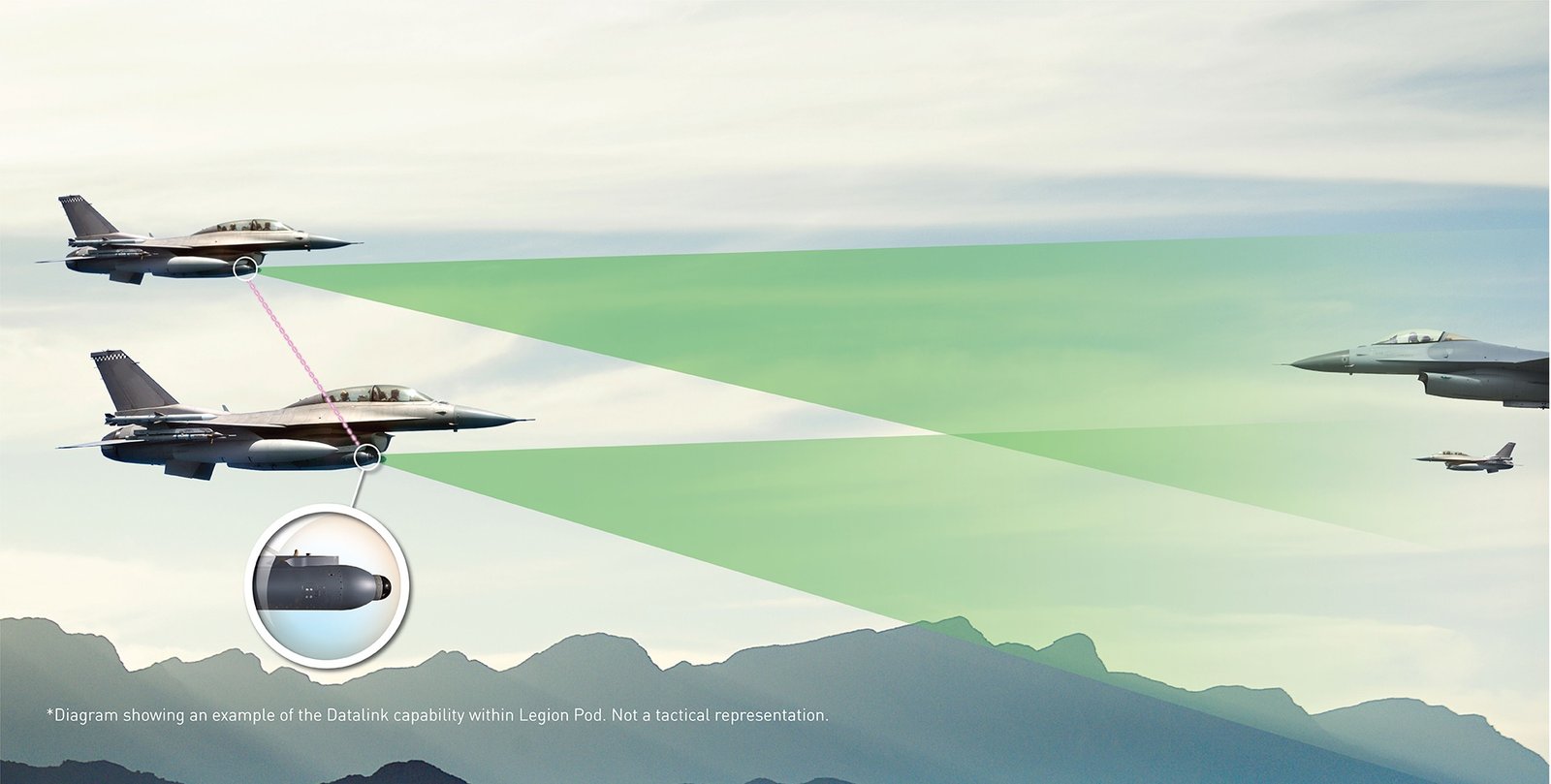 Lockheed Martin Demonstrates Legion Pod-to-Pod Data Link on F-16s for Passive Targeting
-
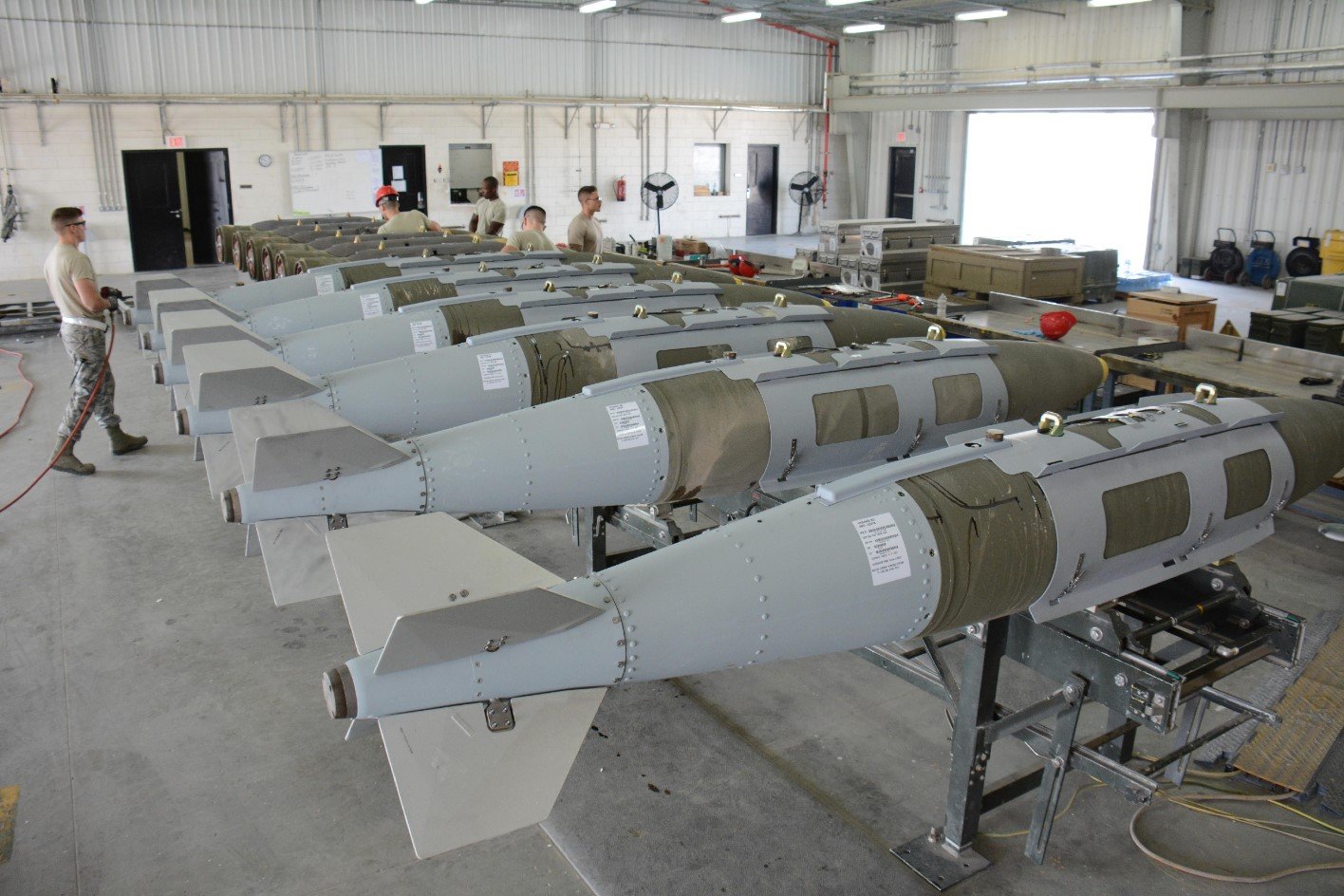 U.S. Plans $2.8 Billion Sale of 40,000 Heavy Bombs and 20,000 I-2000 Penetrator Warheads to Israel
-
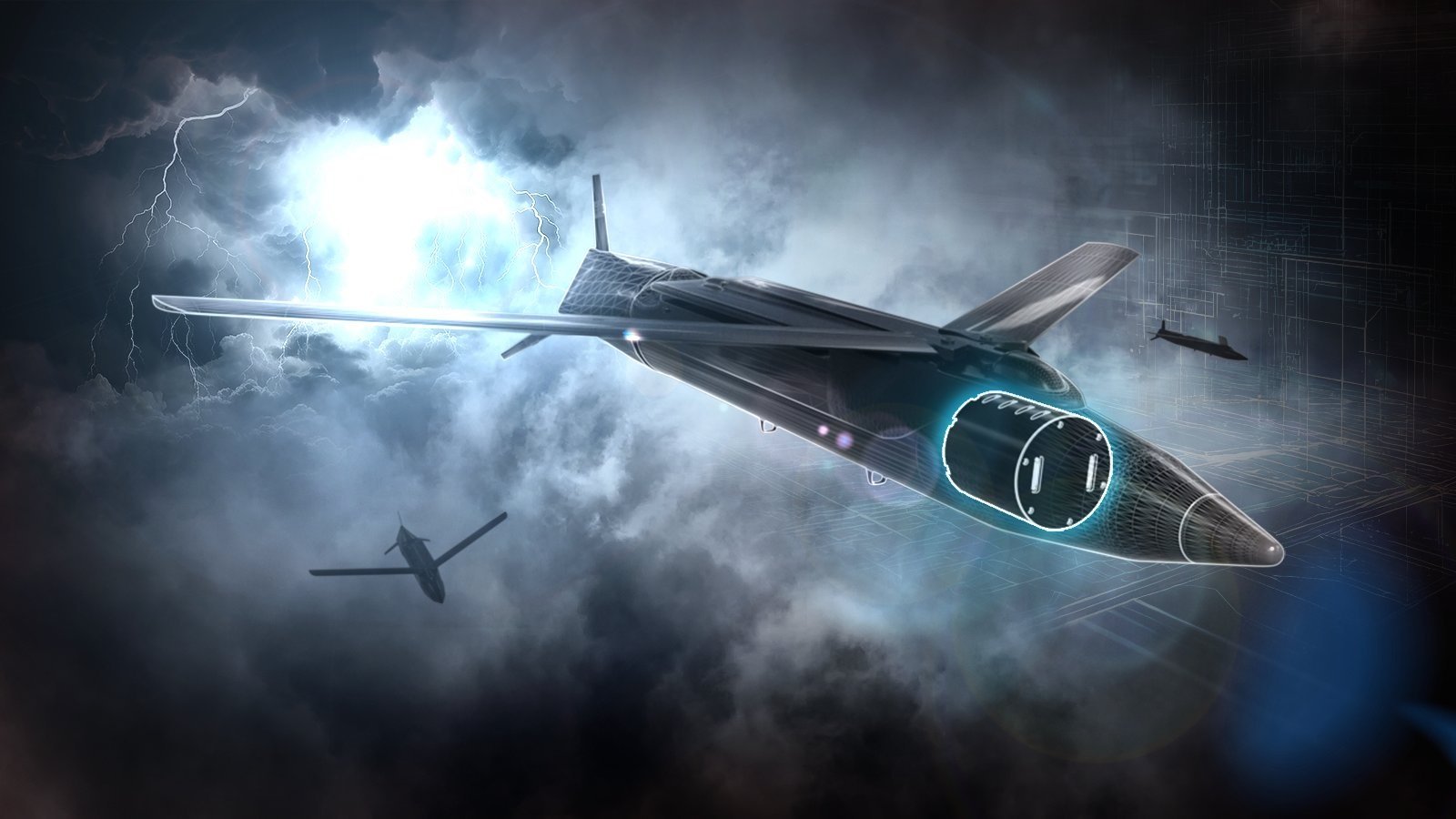 BAE Systems Unveils Shadow EW Suite for Small Drones and Autonomous Aircraft
-
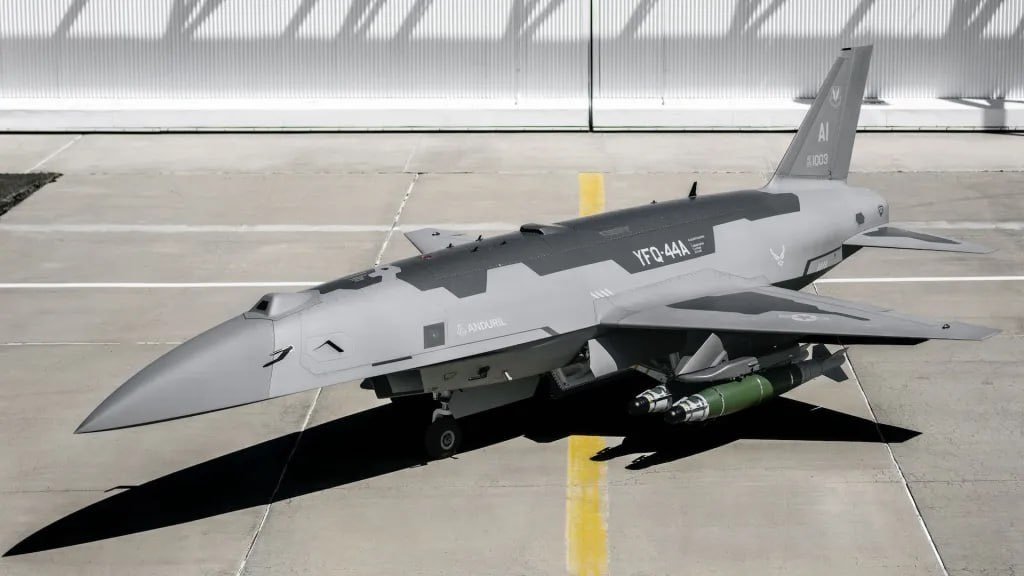 Anduril Conducts Ground Fit-Checks of Air-to-Ground Weapons on YFQ-44A Fury
-
 Diehl Defence and Elbit Systems Complete SkyStriker Loitering Munition Live-Fire Trials in Germany
-
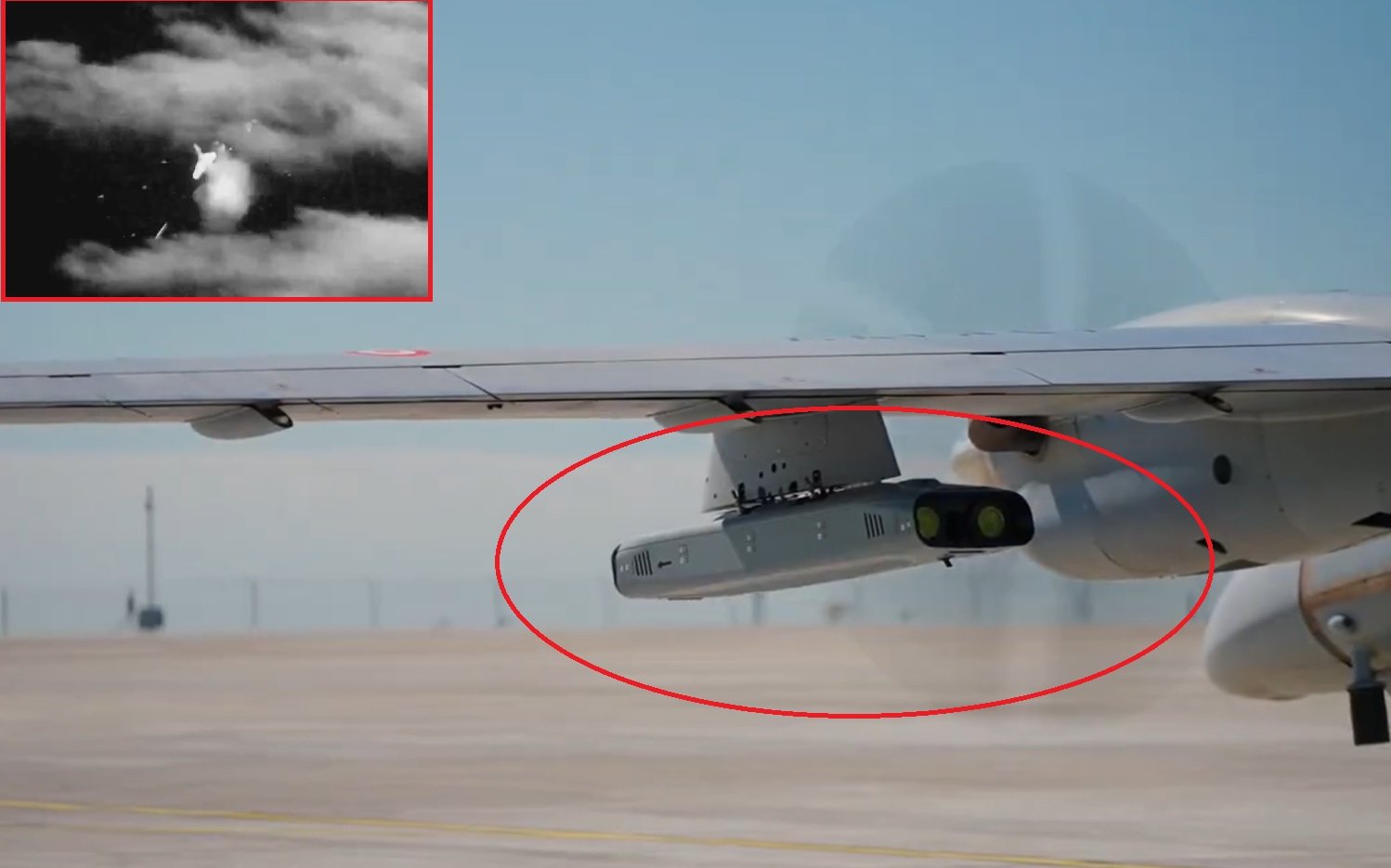 Turkey’s AKINCI Drone Hits High-Speed Aerial Target with SUNGUR Missile in Black Sea Test
-
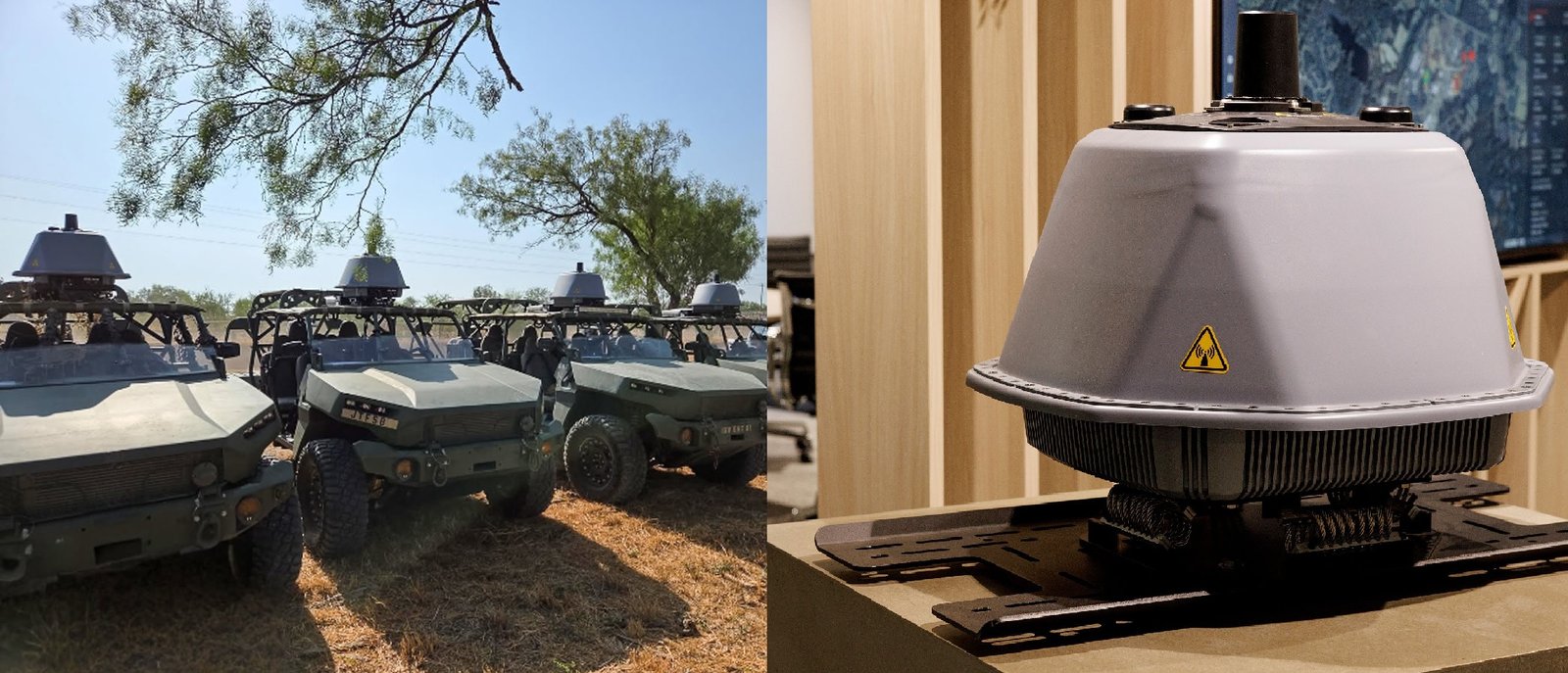 U.S. Military Deploys DroneShield Counter-Drone Systems on Infantry Squad Vehicles
-
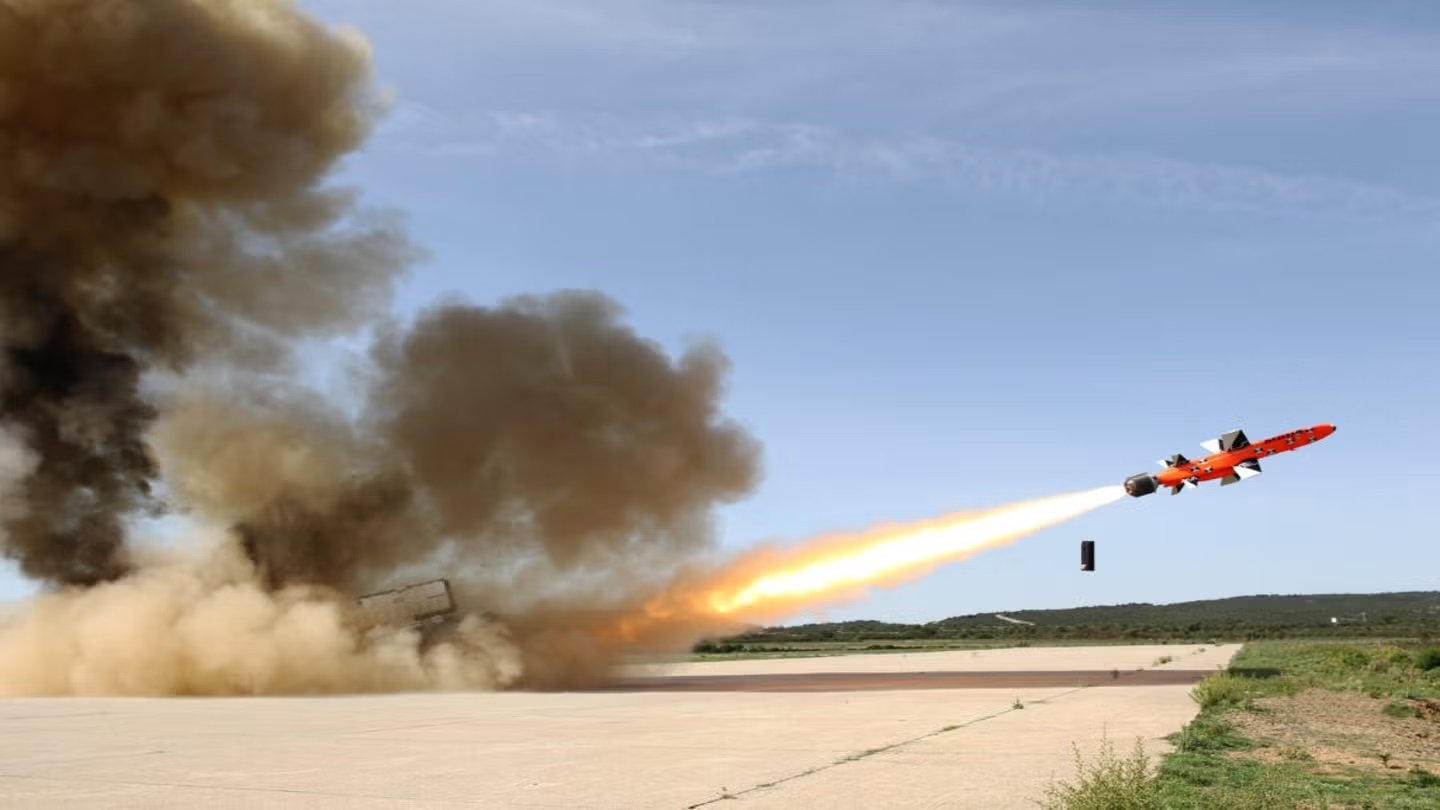 MBDA Completes Validation Firing of TESEO MK2/E Anti-Ship Missile for Italian Navy
Top Trending in 4 Days
-
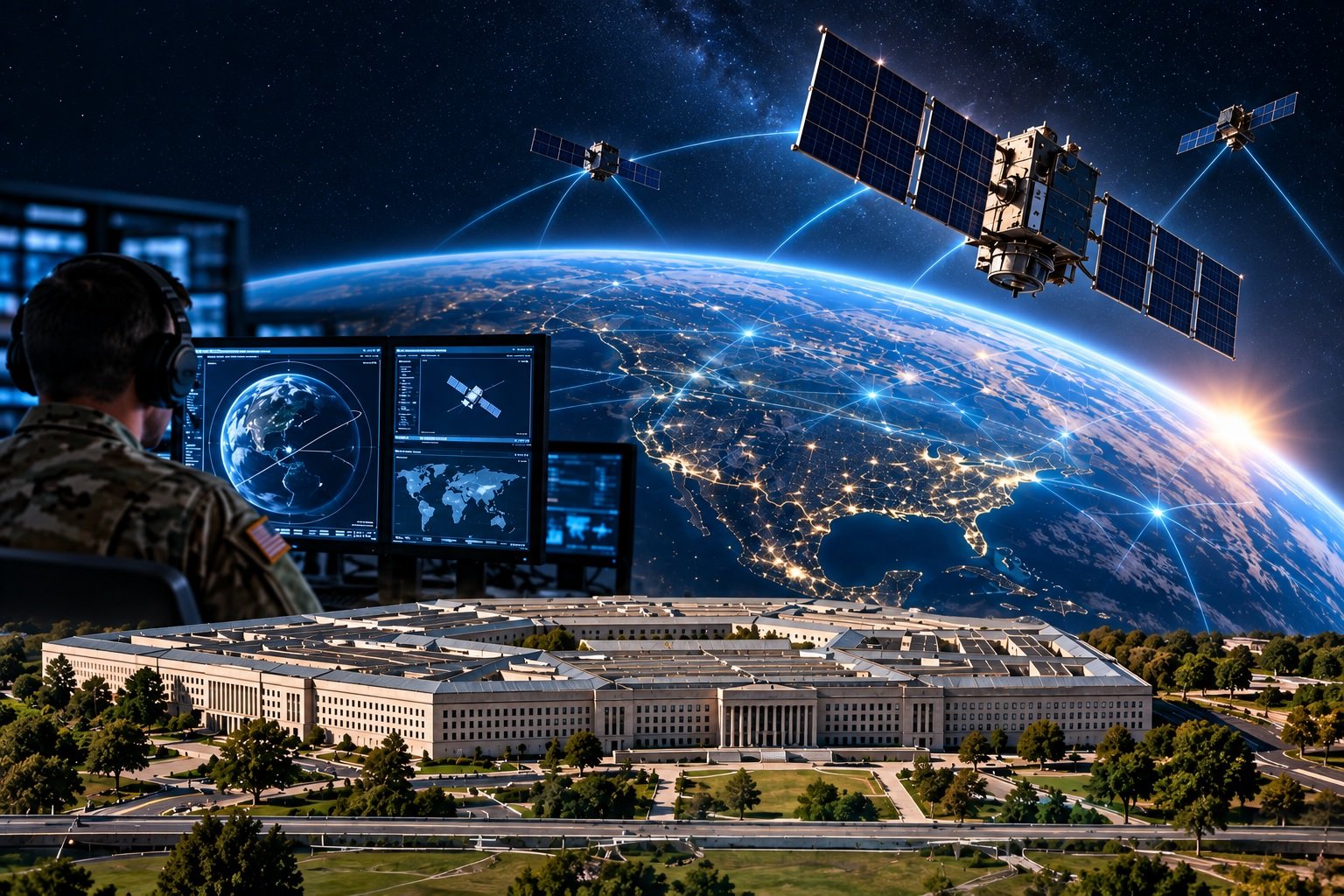 Pentagon Awards BlueHalo Up to $99.8 Million Contract for Orbital Battlespace R&D Program
-
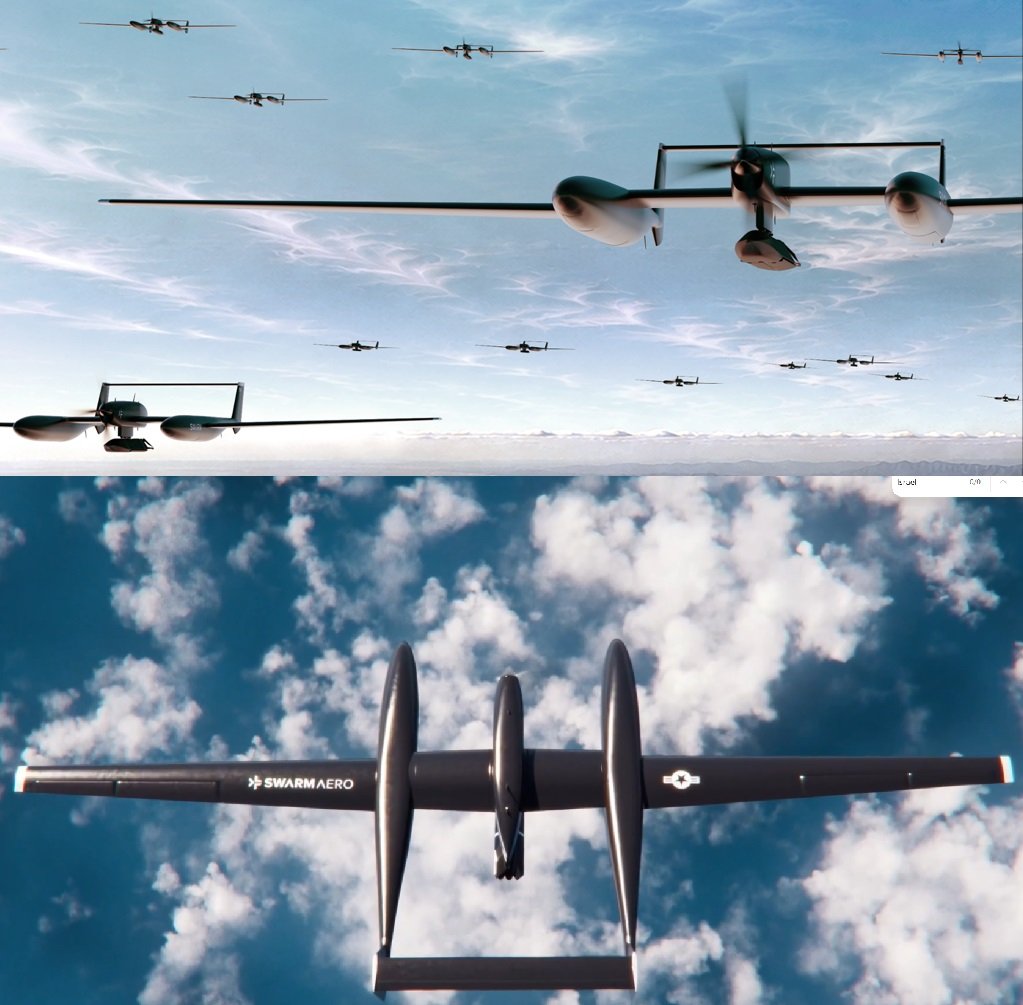 U.S. Firm Swarm Aero Unveils Gamera Group 5 UAS With 9,000-Nautical-Mile Range and Heavy Strike Payload
-
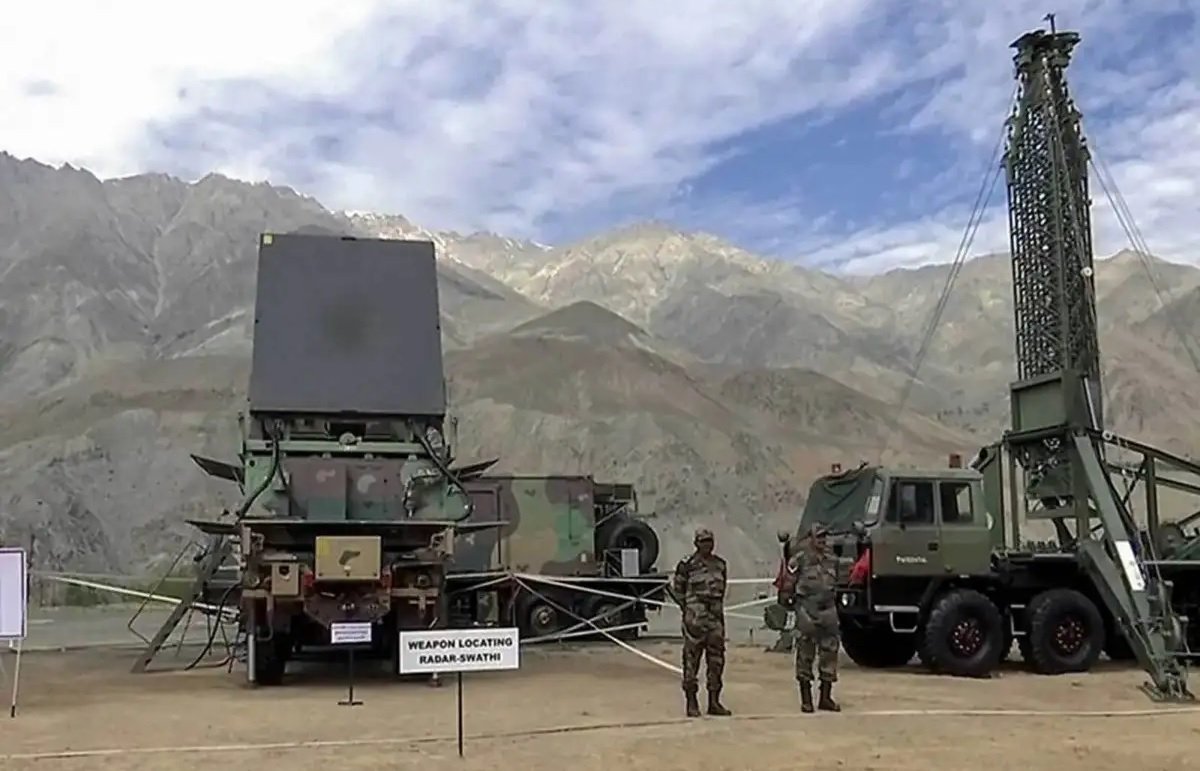 DRDO Demonstrates Indigenous 3.5×3 mm GaN Chip Delivering 30 Watts for Next-Generation Radars and Electronic Warfare
-
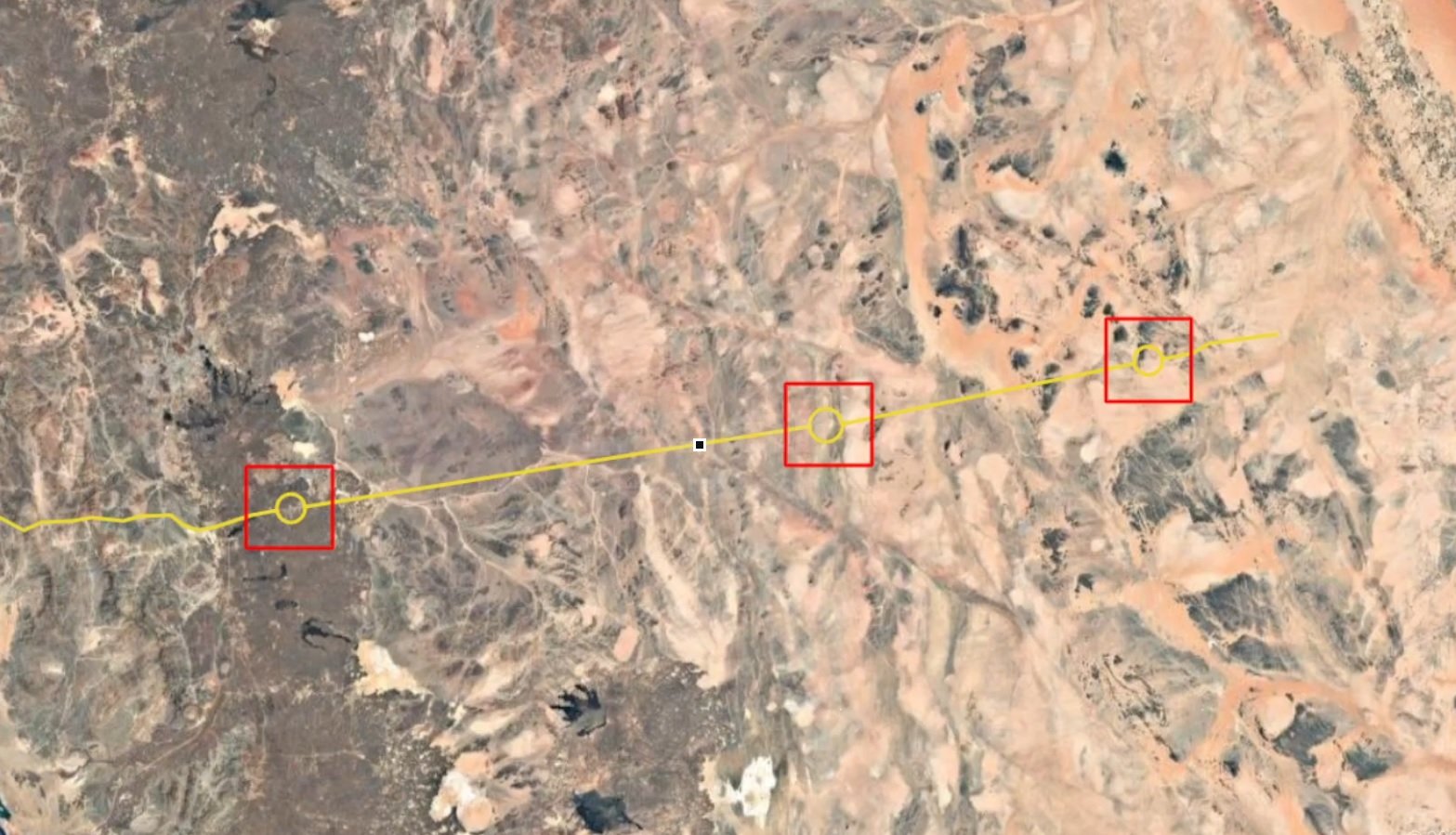 Satellite Imagery Shows Extensive Damage to Saudi Arabia’s East-West Oil Pipeline, Indicating More Than a Single Strike
-
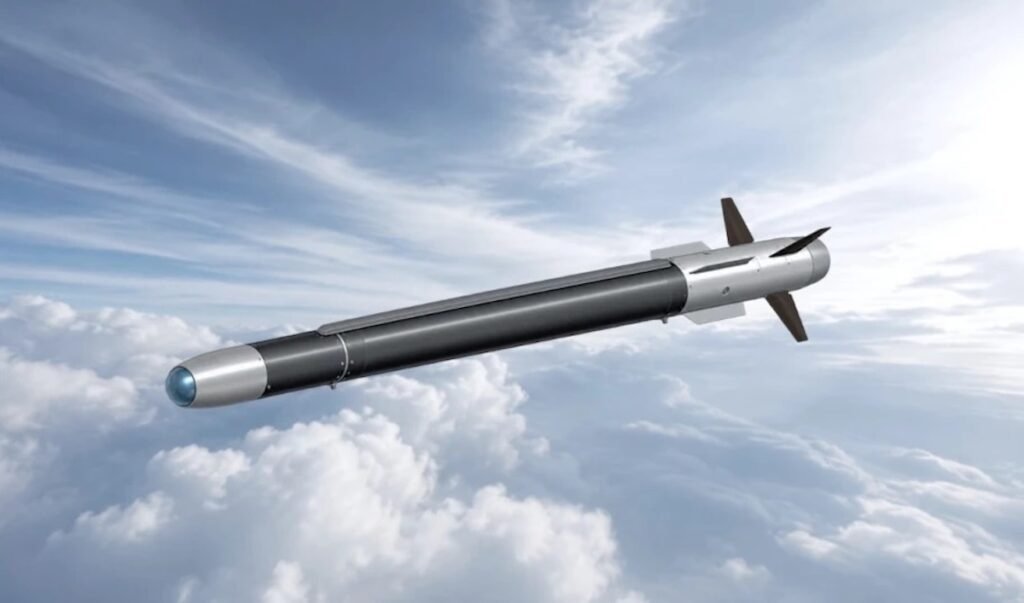 MBDA and Poland’s WITU Advance Low-Cost Supersonic Interceptor Against Swarm Attacks, Seeker Trials Successfully Completed
-
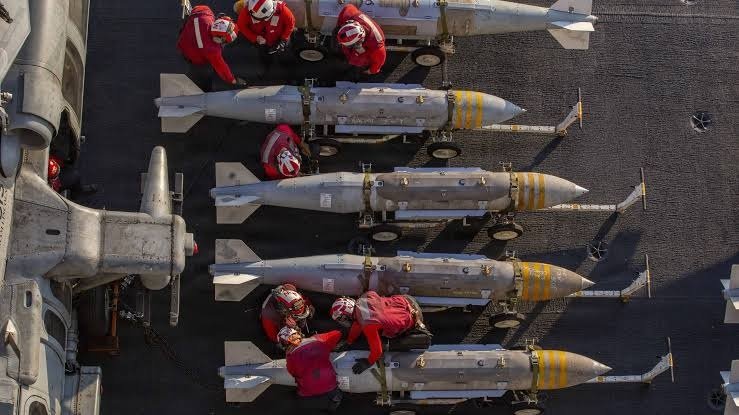 Pentagon Inspector General Report Finds Iran War Caused U.S. Ammunition Shortfalls and Industrial Bottlenecks
-
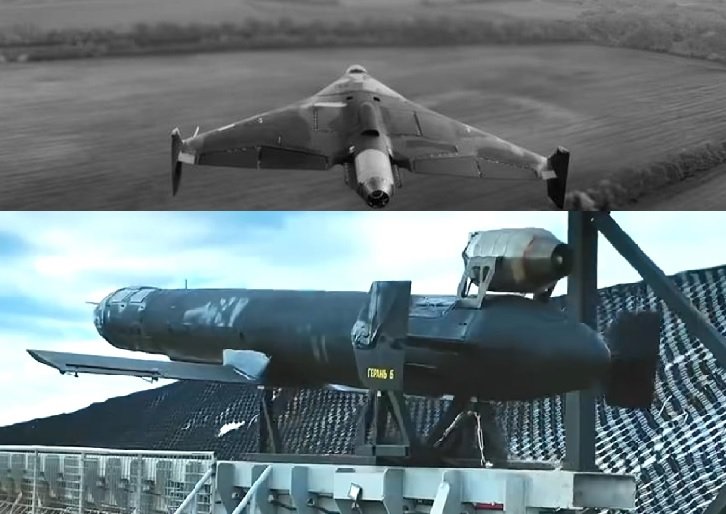 Iran Requests Advanced Geran-4 and Geran-5 Drones From Russia, FT Reports
-
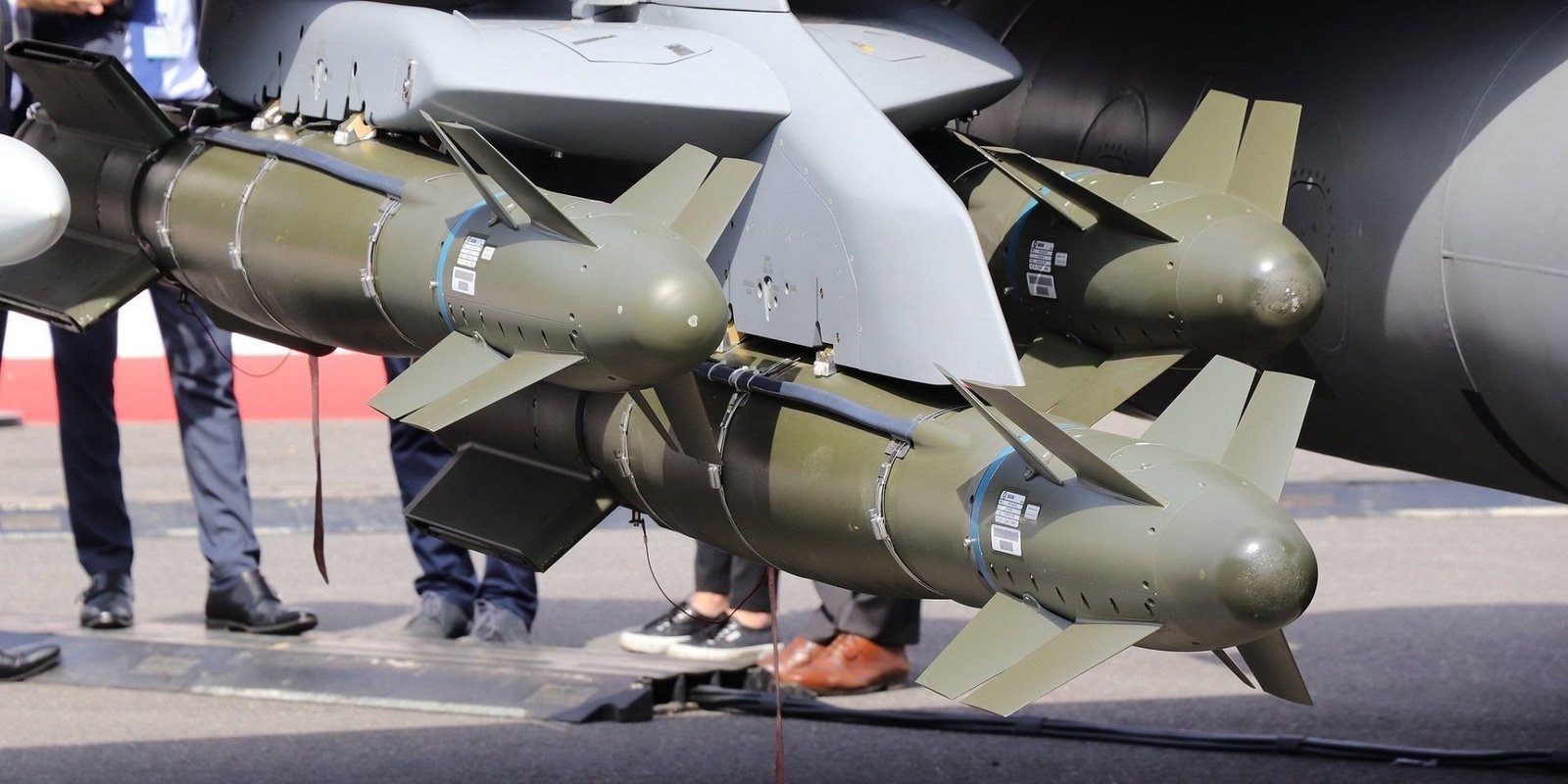 Swedish Gripens Bound for Ukraine to Be Armed with French Rocket-Assisted Hammer Precision Bombs