India
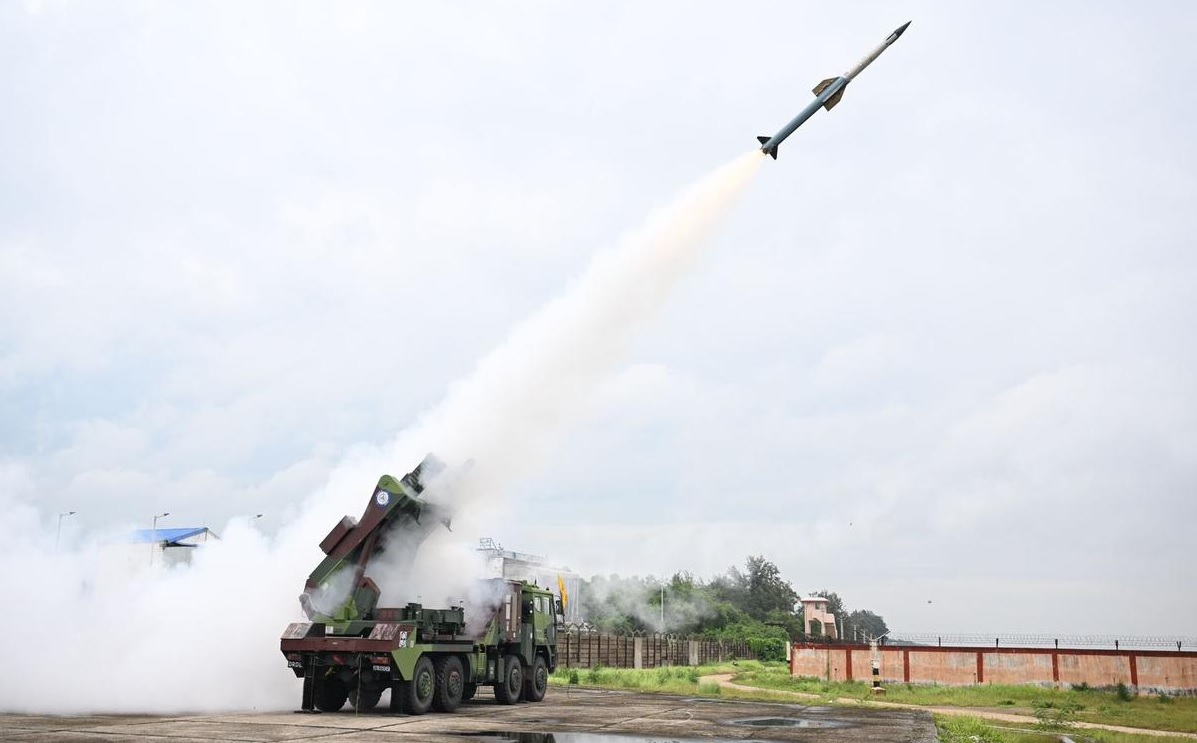
Odisha, August 23, 2025 – In a landmark achievement for India’s defence research and indigenous capability development, the Defence Research and Development Organisation (DRDO) successfully carried out the maiden flight test of the Integrated Air Defence Weapon System (IADWS) at 12:30 pm off the coast of Odisha. The test validated India’s most advanced multi-layered air defence architecture, designed to protect critical infrastructure and military formations from a wide spectrum of aerial threats. India’s First Multi-Layered Defence Network The IADWS is India’s first fully indigenous integrated air defence system, combining Quick Reaction Surface-to-Air Missiles (QRSAMs), the Advanced Very Short Range Air Defence System (VSHORADS), and a Directed Energy Weapon (DEW) into a unified shield. Together, these systems form a multi-tiered architecture with overlapping layers of protection, eliminating gaps that single-layered defences often suffer from. QRSAM: Provides medium-range defence, intercepting hostile aircraft, drones, or cruise missiles at 30–35 km range and altitudes up to 15 km. It is road-mobile, offering both flexibility and speed, ideal for protecting forward bases and mobile formations. VSHORADS: Covers the low-altitude domain, targeting helicopters, UAVs, and low-flying aircraft within 6–7 km. This ensures effective point defence where longer-range systems may be less effective. Directed Energy Weapon (DEW): Perhaps the most revolutionary component, the high-power laser system offers speed-of-light engagement, near-unlimited firing cycles, and cost-efficient neutralisation of aerial threats. This non-kinetic option is particularly effective against drone swarms and saturation attacks, where conventional missiles may prove too expensive or limited. Successful Test and Operational Significance During the maiden trial, DRDO validated: Target acquisition and tracking radars. Command and control networks. Coordination between multiple layers of the defensive shield. Engagement protocols for simultaneous threats. The demonstration confirmed that the IADWS can neutralise multiple categories of threats in real time under a unified command structure. Defence Minister Rajnath Singh congratulated the DRDO team, stating that the system showcases the maturity of India’s indigenous defence R&D ecosystem. He emphasised that the capability would provide critical area defence for vital installations and enhance India’s self-reliance in advanced defence technologies under the Atmanirbhar Bharat initiative. Strategic Context The successful IADWS test comes just three days after the Agni-5 Intermediate-Range Ballistic Missile test on August 20, 2025, underscoring India’s dual-track strategy of strengthening both offensive and defensive capabilities. Together, these achievements mark a comprehensive approach to deterrence: Offensive Strike Power through long-range ballistic missiles. Defensive Superiority through multi-layered air defence systems. This integrated deterrence posture significantly boosts India’s ability to counter threats from drones, stealth aircraft, cruise missiles, and even emerging hypersonic weapons. Closing the Gap with Global Powers Globally, layered air defence systems are dominated by solutions like the U.S. Patriot and THAAD, Russia’s S-400, and Israel’s Iron Dome and Barak systems. With the IADWS, India now joins the league of nations capable of fielding homegrown multi-tiered air defence networks. Importantly, by developing these technologies indigenously, India reduces dependence on imports while creating opportunities for future exports under the “Make in India – Make for the World” vision. The inclusion of directed-energy weapons marks a future-oriented step, resonating with next-generation warfare concepts where laser-based defences could transform both the economics and dynamics of aerial combat. With the maiden test successfully demonstrating proof of concept, the IADWS will now undergo extensive field trials across varied terrains and operational scenarios. These will include live intercepts of fast-moving aircraft, cruise missile surrogates, drone swarms, and coordinated electronic warfare environments. Once fully operational, the IADWS will be deployed to safeguard strategic assets, including nuclear installations, command hubs, air bases, and vital industrial zones. The successful maiden test of the Integrated Air Defence Weapon System (IADWS) marks a technological breakthrough and a major step toward fortifying India’s skies against 21st-century aerial threats. By combining QRSAM, VSHORADS, and laser-directed energy weapons into a seamlessly integrated defence shield, DRDO has laid the foundation for a future-ready, indigenously built national air defence network. This achievement not only boosts India’s strategic deterrence but also signals the country’s emergence as a global leader in advanced defence technologies.
Read More → Posted on 2025-08-24 15:18:16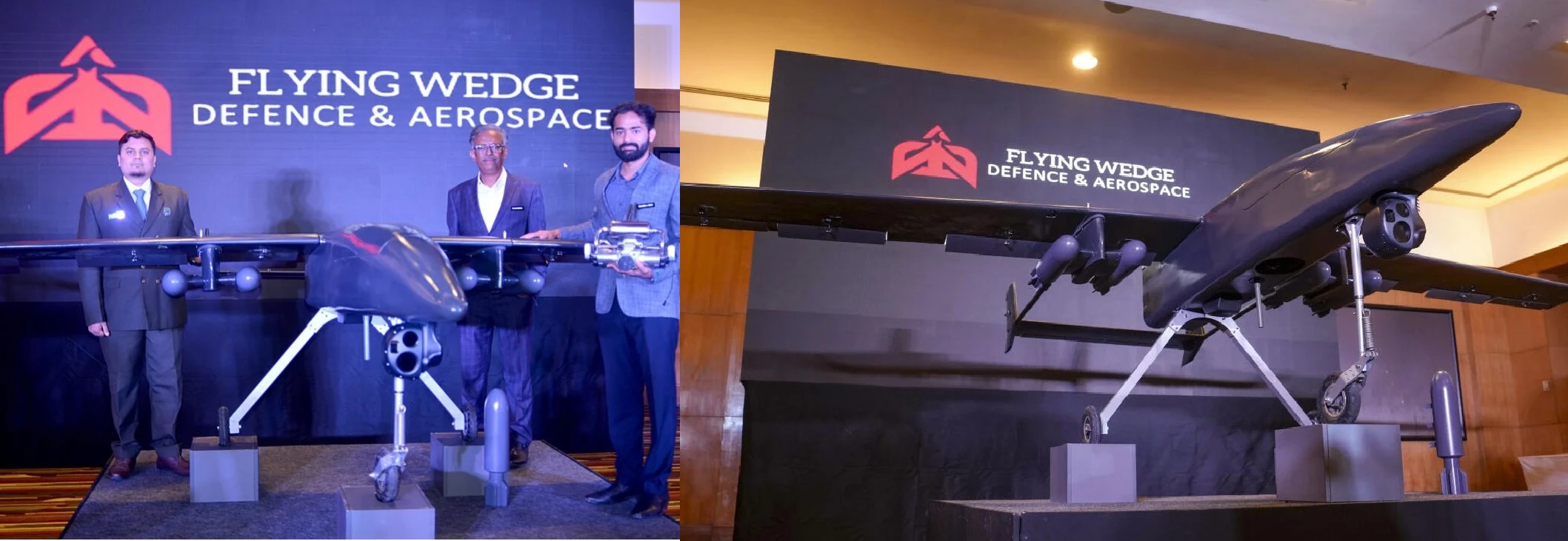
India
New Delhi, August 2025 – India has unveiled its first fully indigenous combat drone, named ‘Kaala Bhairav’, marking a milestone in the country’s push for defense self-reliance under the Atmanirbhar Bharat initiative. The advanced unmanned system has already attracted international attention, securing a $30 million export contract with a South Asian nation. Developed by Flying Wedge Defence & Aerospace, a Bengaluru-based private firm, the Kaala Bhairav represents a significant leap in India’s unmanned aerial capabilities. Unlike earlier drone projects dominated by government research agencies, this platform is entirely industry-driven, highlighting the growing role of startups in India’s defense ecosystem. High-Endurance, Long-Range Power The Kaala Bhairav has been designed to perform a wide variety of roles, from surveillance and reconnaissance to precision strike missions. According to the developers, the drone can: Stay airborne for up to 30 hours. Cover distances of 3,000 km with the support of satellite communication (SATCOM). Operate at altitudes of nearly 20,000 feet. Carry multiple payloads, including sensors and precision-guided weapons. Crucially, the platform features AI-enabled autonomy, allowing it to adapt to battlefield situations, make flight adjustments, and even conduct swarm strikes in coordination with other drones. Strategic Importance Officials and defense analysts point out that Kaala Bhairav offers performance comparable to advanced imported systems such as the U.S.-made MQ-9 Predator and China’s Wing Loong II, but at only a fraction of the cost. This makes it particularly valuable not only for India’s armed forces but also for potential foreign buyers. Equipped with indigenous hardware and software, the drone eliminates concerns about hidden vulnerabilities such as remote deactivation or “kill switches,” which are often associated with foreign-origin platforms. Boost to Defense Exports India’s defense export sector has been steadily growing, and the $30 million export order for Kaala Bhairav is seen as a major breakthrough. Experts believe it could open the door for further deals with countries in Asia, Africa, and Latin America that are looking for affordable, high-performance drones. A New Era for Indian UAVs While DRDO has developed UAVs such as Rustom and Tapas, they have faced delays and limited operational success. In contrast, Kaala Bhairav is being hailed as a combat-ready platform, developed at a faster pace and with direct market appeal. “Kaala Bhairav shows that Indian private industry can not only innovate but also deliver world-class defense products with strong export potential,” a senior defense analyst noted. With its combination of long endurance, advanced AI, and swarm warfare capability, the Kaala Bhairav sets a new benchmark for India’s defense innovation. The export success further signals India’s emergence as a credible global player in unmanned combat aerial systems, strengthening both its strategic autonomy and international defense partnerships.
Read More → Posted on 2025-08-23 17:00:04
India
Islamabad, August 2025 – In a clear rebuttal to former U.S. President Donald Trump’s past claims and opposition propaganda, Pakistan’s Deputy Prime Minister and Foreign Minister, Ishaq Dar, has categorically stated that Islamabad never requested any third-party intervention to arrange talks with India. Pakistan’s Firm Position Dar clarified that Pakistan has not approached Washington or any other country to mediate dialogue. He said while some international players had shown willingness to facilitate talks, these proposals came from them, not from Pakistan. He reiterated that Pakistan is ready for engagement, but only on a comprehensive agenda that covers all disputes, especially Jammu and Kashmir. A Blow to Trump and Congress Narratives This statement comes as a direct slap to Trump’s earlier assertions during his presidency, when he repeatedly claimed that both India and Pakistan had asked him to mediate. New Delhi firmly denied it at the time, and now Islamabad’s latest clarification once again undercuts that narrative. Pakistan’s position also counters Congress party propaganda in India, which had echoed Trump’s claims for political point-scoring. Dar’s remarks reinforce that Islamabad is not seeking external involvement in bilateral matters. India and Pakistan: Stalemate Continues India maintains that any talks must be restricted to terrorism and Pakistan-Occupied Kashmir (PoK). Pakistan, on the other hand, insists that dialogue cannot move forward without addressing Kashmir, water-sharing disputes, trade, and other bilateral issues under a broader composite framework. Ceasefire Still Holding Dar recalled that the ceasefire agreement along the Line of Control (LoC), reaffirmed in May, continues to hold. He noted that it was India that turned to Washington to help stabilize the ceasefire, while Pakistan’s position remained unchanged: Islamabad never desired war but will defend itself if provoked. Bilateralism Reasserted By rejecting the idea of mediation, Pakistan has effectively reinforced the long-standing principle of the Simla Agreement (1972), which states that all disputes must be resolved bilaterally. While Islamabad remains open to talks, the deep mistrust between the two countries keeps the process at a stalemate. Dar’s categorical denial delivers another diplomatic slap to Trump’s past claims of mediation and exposes the weakness of propaganda narratives that suggested otherwise. With both India and Pakistan standing firm on opposing preconditions, the chances of meaningful dialogue remain slim—leaving the ceasefire as the only fragile bridge preventing escalation.
Read More → Posted on 2025-08-23 16:53:52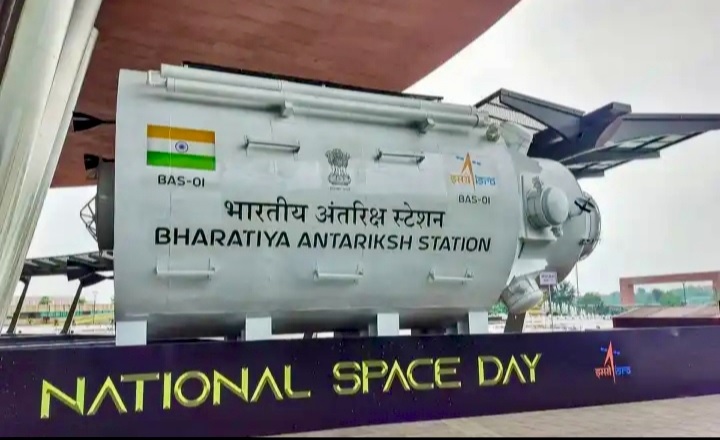
India
New Delhi, August 2025 – The Indian Space Research Organisation (ISRO) has taken a historic step in its human spaceflight journey by unveiling a full-scale model of the Bharatiya Antariksh Station (BAS) during the National Space Day celebrations at Bharat Mandapam, New Delhi. The model, standing 3.8 meters wide and 8 meters long, showcases India’s vision for its first indigenous space station, designed to establish a permanent Indian presence in low Earth orbit (LEO). This landmark unveiling signals India’s entry into the exclusive league of nations capable of operating their own orbital laboratories. Currently, only the International Space Station (ISS) and China’s Tiangong station serve as functioning human habitats in orbit. India’s Orbital Ambition: Roadmap to 2035 According to ISRO’s roadmap, the Bharatiya Antariksh Station will be built in phases, beginning with the launch of the first module, BAS-01, in 2028 using the LVM3 heavy-lift rocket. The 10-tonne module will orbit at 450 km altitude, operating initially in an unmanned mode. Over the next decade, ISRO plans to progressively expand BAS into a five-module orbital complex by 2035, enabling long-duration human missions, cutting-edge scientific research, and even commercial space tourism. Timeline of BAS milestones: 2025–2026: Finalisation of design, ground testing of life support and docking systems. 2027: Validation missions, including orbital demonstration of docking, refuelling, and hatch automation. 2028: Launch of BAS-01, equipped with Environmental Control and Life Support System (ECLSS), docking ports, and microgravity research labs. 2029–2030: Addition of a second module for scientific research; short-duration crewed missions begin. 2031–2032: Third module launched, enabling stays up to 3 months; EVA (spacewalk) capabilities and space tourism initiated. 2033–2034: Fourth module added with expanded labs and living quarters; regular crew rotations and international partnerships. 2035: Fifth and final module completes the station, creating a fully operational orbital habitat with sustained human presence. Key Features of BAS The Bharatiya Antariksh Station will include: Environmental Control and Life Support System (ECLSS) developed indigenously to sustain astronauts. Bharat Docking System and Berthing Mechanism to enable modular expansion and visiting spacecraft. Automated hatch systems for crew and cargo safety. Microgravity laboratories for research in medicine, material science, and life sciences. Advanced shielding against radiation, thermal fluctuations, and orbital debris. Spacesuit and airlock systems for extravehicular activities (EVA). Propellant refuelling and consumable replenishment systems to extend operational life. Scientific and Commercial Potential The BAS is expected to serve as a hub for cutting-edge research, including: Life sciences and medicine – studying human health in space to prepare for lunar and Mars missions. Material sciences – developing alloys, composites, and drugs only possible in microgravity. Earth observation and remote sensing – enhancing climate monitoring and disaster management. Technology demonstrations – from robotic operations to in-orbit refuelling. ISRO also envisions BAS as a future hub for space tourism, opening India’s participation in the fast-growing commercial space economy. Building on Gaganyaan The unveiling comes as ISRO prepares for its first human spaceflight mission, Gaganyaan, expected in the coming years. Technologies being developed for Gaganyaan – such as crew modules, life support, docking systems, and astronaut training – will serve as stepping stones for the successful realisation of BAS. The ISRO Human Space Flight Centre (HSFC) in Bengaluru is leading the program, supported by national laboratories, academia, and private industry partners. Global Collaboration and Inspiration The BAS project is expected to foster international collaborations, similar to how the ISS has brought together multiple space agencies. ISRO has signalled openness to foreign participation in research, technology exchange, and astronaut missions aboard the station. The unveiling of the model also serves as an inspiration to India’s youth. ISRO officials emphasized that BAS represents not just a technological leap, but also a vision to make India a global leader in sustainable space exploration. By revealing the full-scale model of the Bharatiya Antariksh Station, ISRO has showcased a bold roadmap that will transform India from a pioneering spacefaring nation into one of the world’s leaders in long-term human space presence. With the first module targeted for launch in 2028, the BAS is set to redefine India’s role in space – moving from Earth orbit to the stepping stones of lunar and Martian exploration.
Read More → Posted on 2025-08-23 16:13:27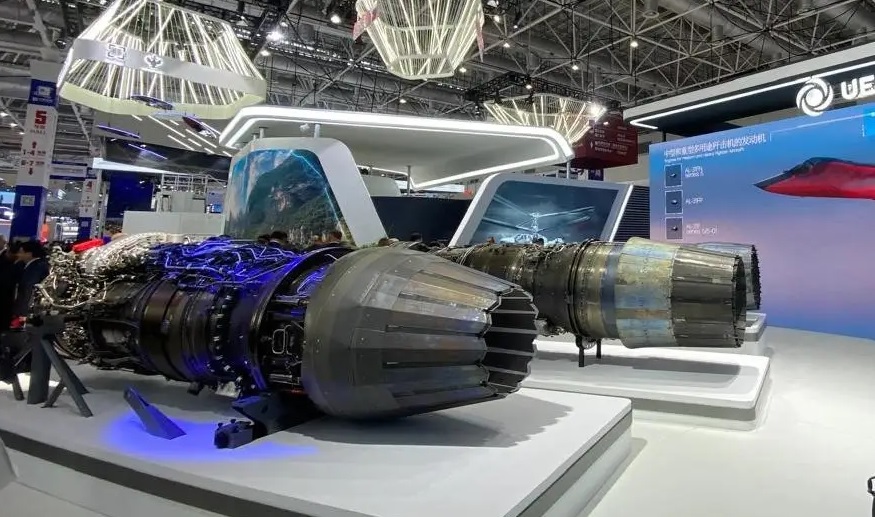
India
Bengaluru, February 2025 – In a major proposal with far-reaching implications for India’s air combat capabilities, Russia has offered to equip the Indian Air Force’s Su-30MKI fighters with the advanced AL-41 engines, the same powerplants that power Russia’s fifth-generation Su-57 stealth fighter. The offer, confirmed at Aero India 2025, forms a central part of the IAF’s ambitious “Super Sukhoi” modernisation programme. From AL-31 to AL-41: A Leap in Capability The Su-30MKI’s current AL-31FP engines, built under license by Hindustan Aeronautics Limited (HAL), deliver a thrust rating of about 123 kN with afterburner. While reliable, the engine represents technology from the 1980s–1990s era. In contrast, the AL-41F1S engine (also known as izdeliye 117S) offers a 14–16% increase in thrust at around 142 kN, along with significant improvements in fuel efficiency and service life. Key enhancements include: Thrust-to-weight ratio boost, allowing better climb rates and payload capacity. Full Authority Digital Engine Control (FADEC) for optimized performance, reduced pilot workload, and improved maintainability. Increased service life from 2,000 hours (AL-31) to up to 4,000 hours (AL-41). Improved supercruise capability (sustained supersonic flight without afterburner). Greater compatibility with advanced thrust-vectoring nozzles for agility in dogfights. These upgrades would effectively bring the Su-30MKI’s performance closer to that of a 4.5+ generation aircraft, narrowing the gap with newer platforms like the Rafale and Su-57. India’s Super Sukhoi Modernisation Plan The Defence Acquisition Council (DAC) had already approved in November 2023 the ₹66,829 crore (US$7.9 billion) modernisation of 84 Su-30MKI jets. The comprehensive upgrade involves: Integration of the indigenous Uttam AESA radar. New electronic warfare suites and advanced avionics. Compatibility with indigenous weapons like the Astra Mk-1/2 beyond-visual-range missiles and Rudram anti-radiation missiles. Cockpit upgrades with wide-area displays and digital flight management systems. The proposed AL-41 engine upgrade fits neatly into this roadmap, giving the aircraft a new lease of life and greatly expanding its strike radius and survivability. HAL Nashik at the Core The proposal also includes licensed production of the AL-41 engines at HAL’s Nashik facility, which already manufactures the AL-31FP engines. With two decades of expertise in assembling Su-30MKI aircraft and their engines, Nashik has the infrastructure and skilled workforce to absorb the new technology. This transition would not only ensure technology transfer but also align with India’s “Make in India” and Atmanirbhar Bharat goals, strengthening indigenous manufacturing. Operational and Strategic Impact For the IAF, which operates around 260 Su-30MKIs, the upgrade would: Sharpen air dominance by matching next-generation threats in the region. Enhance long-range strike potential with heavier weapons loadouts. Improve survivability through higher agility and jamming resistance. Extend fleet life, keeping the Su-30MKI relevant for the next two decades. Officials note that the AL-41’s design compatibility with the Su-30MKI airframe means the integration process would be less disruptive, avoiding major structural redesign and reducing costs and timelines. Challenges and Considerations While attractive, the proposal is not without hurdles: Cost and timeline evaluations are ongoing, with India seeking maximum local manufacturing. Geopolitical factors, including the risk of U.S. CAATSA sanctions, are under review. Domestic options, such as upgraded AL-31FP variants with higher indigenous content and future Indian engine programs, are being studied as cost-effective alternatives. Russian Assurance At Aero India, Vadim Badekha, head of Russia’s United Aircraft Corporation, reaffirmed the offer: “We are offering the new AL-41 engine as part of the Sukhoi-30 upgrade to India. This engine will significantly enhance speed, endurance, and overall combat effectiveness.” The Russian proposal to equip India’s Su-30MKI fleet with the AL-41 engine represents a transformative opportunity in the Super Sukhoi modernisation programme. If accepted, it would not only extend the frontline relevance of the Su-30MKI but also elevate it to a class of aircraft capable of competing with newer generation fighters. For India, the decision balances the promise of cutting-edge Russian technology with the imperatives of indigenous self-reliance, cost, and geopolitical strategy. Whichever path is chosen, the Su-30MKI is set to remain the backbone of the Indian Air Force for decades to come.
Read More → Posted on 2025-08-23 16:07:32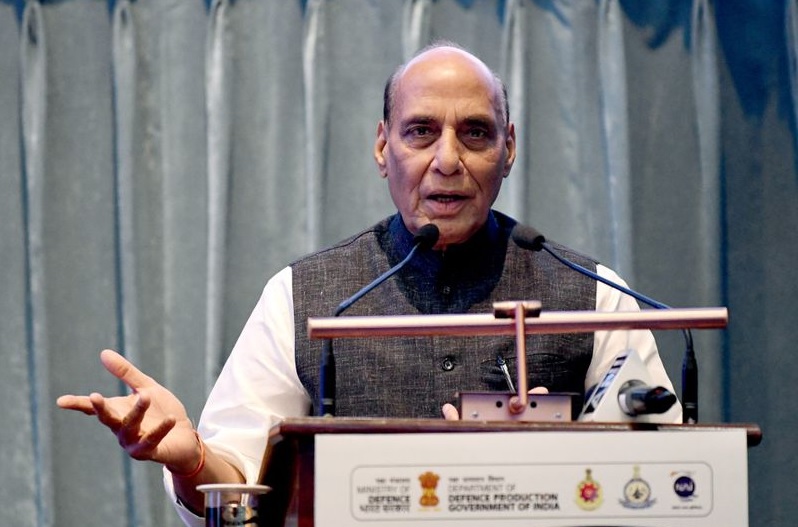
India
New Delhi, August 2025 – In a landmark announcement that signals a new chapter in India’s defence self-reliance journey, Defence Minister Rajnath Singh declared that India will jointly manufacture engines for fifth-generation fighter aircraft in collaboration with French aerospace giant Safran. The announcement came during the Economic Times World Leaders’ Forum in New Delhi, where Singh underscored India’s commitment to building advanced combat aircraft indigenously while also inviting global defence companies to participate in the country’s rapidly growing aerospace sector. India’s First Step Toward Fifth-Generation Engines “We have taken steps forward in the direction of building fifth-generation fighter aircraft. We are about to start engine manufacturing work in India with the French company Safran,” Singh stated, adding that the project would be a cornerstone of India’s future combat aviation capabilities. The move is expected to directly support India’s Advanced Medium Combat Aircraft (AMCA) programme, a fifth-generation stealth fighter project currently spearheaded by the Aeronautical Development Agency (ADA) with Hindustan Aeronautics Limited (HAL) and private partners. About the AMCA Programme Approved earlier this year by the Defence Ministry under a new “Execution Model,” the AMCA is being designed as a 25-tonne class, twin-engine stealth fighter with features such as: Internal weapons bays to maintain low radar visibility. Stealth shaping and coatings for reduced detectability. Sensor fusion and advanced avionics for enhanced situational awareness. Supercruise capability, allowing sustained supersonic flight without afterburners. Multi-role versatility, with both air superiority and deep-strike missions. The first prototype of the AMCA is expected to roll out before the end of this decade, with an initial project cost pegged at ₹15,000 crore. The Engine Challenge and the Safran Partnership Engines have long been India’s weak point in military aviation. While HAL and DRDO have successfully developed airframes and avionics, the indigenous Kaveri engine project fell short of delivering power levels required for modern fighters. The tie-up with Safran, which powers France’s Rafale jets through its M88 turbofan, aims to bridge this gap. Under the collaboration, India is expected to co-develop a 110 kN-class engine, providing the thrust necessary for the AMCA’s stealth and supercruise performance. This partnership will also ensure high levels of technology transfer, allowing India to establish a domestic engine ecosystem capable of supporting not just AMCA but also future aircraft programs, including unmanned combat aerial vehicles (UCAVs). Strategic and Industrial Impact Singh’s announcement aligns with the broader ‘Atmanirbhar Bharat’ initiative, focusing on cutting foreign dependency and building a globally competitive defence industry. He added, “Our Make in India is not limited to India only. When you Make in India, you will make for the world. India’s thinking is oriented towards development and peace, but collective development is most important.” The Safran partnership is also expected to benefit the civilian aerospace sector, with spinoff technologies in materials, manufacturing, and thermal management. It will open opportunities for Indian MSMEs and private companies to integrate into global supply chains. Geopolitical Context The announcement comes at a time of heightened security focus, especially after Operation Sindoor, India’s military response to the Pahalgam terror attack earlier this year. Strengthening indigenous air power has become a strategic priority to counter both conventional and asymmetric threats. By committing to a fifth-generation jet engine programme, India joins an elite group of nations—including the U.S., Russia, China, and France—capable of developing advanced combat engines domestically. The India-Safran joint engine project is expected to begin detailed design and prototype work within the next two years. Once operational, it will serve as the powerplant for the AMCA Mk-2 and potentially for the Indian Navy’s future carrier-based fighters. With this, India moves closer to its long-cherished goal of fielding a fully indigenous fifth-generation fighter jet, reducing its reliance on foreign suppliers and asserting itself as a rising aerospace power on the global stage.
Read More → Posted on 2025-08-22 15:40:47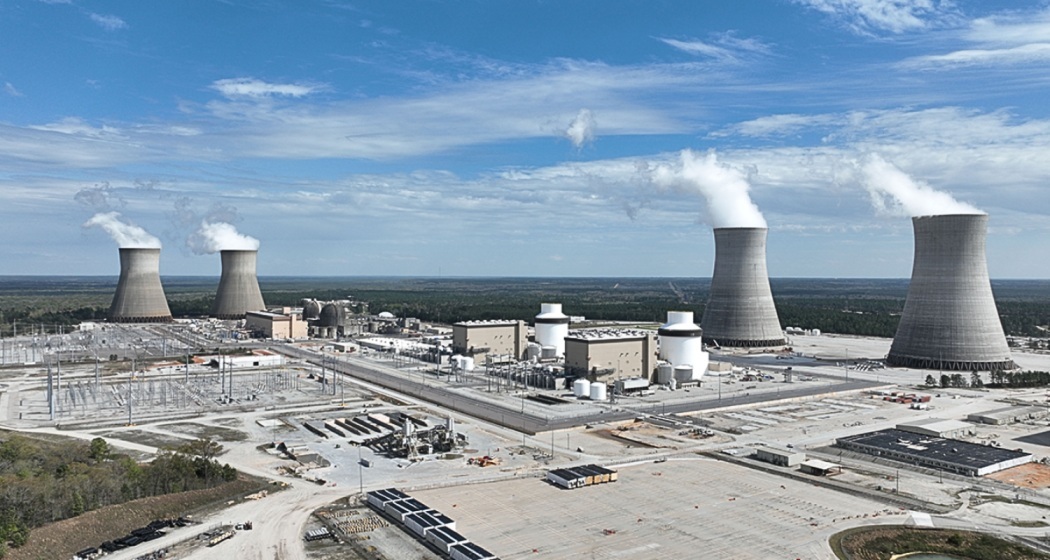
India
New Delhi, August 2025 – India has announced an ambitious ₹20,000 crore Nuclear Energy Mission, marking a decisive leap forward in the global clean energy race. The initiative, led by the Department of Atomic Energy (DAE), focuses on the development of three advanced Small Modular Reactor (SMR) designs aimed at reshaping the country’s power landscape, accelerating the transition away from fossil fuels, and reinforcing India’s position as a future nuclear technology exporter. Shaping a New Nuclear Era The programme is a cornerstone of India’s broader commitment to achieve net-zero carbon emissions by 2070, while ensuring energy security and industrial resilience for one of the fastest-growing economies in the world. Unlike traditional nuclear reactors, which are large, complex, and capital-intensive, SMRs are compact, scalable, and flexible, making them suitable for diverse deployment environments. The three reactor designs under development reflect targeted solutions for India’s evolving energy needs: 1. Bharat Small Modular Reactor (BSMR-200) – 200 MWe The BSMR-200 has been designed as a direct replacement for retiring coal-fired thermal power plants. By installing modular reactors on existing brownfield coal plant sites, India can reuse grid connections, water systems, and other infrastructure, dramatically cutting down construction costs and timelines. This innovative approach helps India address two pressing issues simultaneously: Phasing out coal while preventing stranded infrastructure. Maintaining reliable power supply by plugging SMRs into the existing grid. Energy-intensive industries such as aluminium, steel, and petrochemicals are also expected to benefit, with captive BSMR-200 units ensuring uninterrupted clean power for their operations. 2. SMR-55 – 55 MWe The SMR-55 is designed for remote, off-grid, and hard-to-access regions. With a capacity of 55 MWe, it will replace diesel-based power in hilly terrain, island territories, and India’s Northeast, where electricity supply is often unreliable. Apart from providing clean and stable power for civilian needs, the SMR-55 also offers a strategic edge by supplying electricity to defence outposts and border infrastructure in isolated geographies. This dual role makes it a vital asset for both national development and security. 3. High Temperature Gas-Cooled Reactor (HTGR) – 5 MW(th) Perhaps the most transformative of the three, the 5 MW(th) High Temperature Gas-Cooled Reactor (HTGR) is focused exclusively on green hydrogen production. Instead of producing electricity, this reactor uses high-temperature process heat to split water more efficiently, offering a zero-carbon pathway to hydrogen. This aligns with India’s National Hydrogen Mission, which aims to make the country a leading global hub for green hydrogen production and export. The HTGR will support hard-to-abate industries such as steel, cement, and fertilisers, while also enabling cleaner transport systems. Deployment Strategy According to the DAE’s roadmap: First-of-a-kind units for each SMR design will be built at controlled DAE facilities to ensure safe commissioning and regulatory oversight. Once proven, subsequent reactors will be deployed at retiring coal power plant sites and end-user industrial facilities, maximising reuse of existing assets. This phased rollout will minimise costs and risks while ensuring faster adoption of the technology. Global and Strategic Significance By investing heavily in SMR development, India joins the ranks of leading nations such as the United States, Russia, and China, all of whom are exploring modular nuclear technologies. Unlike conventional large nuclear plants, which can take over a decade to construct, SMRs can be built in shorter timeframes and deployed in a modular fashion based on demand. India’s approach—linking SMRs with coal retirement, remote energy access, and hydrogen production—demonstrates a unique model tailored to developing economies. Experts believe this could position India not only as a domestic user but also as an exporter of SMR technology to countries in Asia, Africa, and beyond, where modular reactors could deliver sustainable and affordable clean energy. Beyond Traditional Nuclear Historically, India’s nuclear programme has revolved around Pressurised Heavy Water Reactors (PHWRs) and fast breeder technologies. With the launch of this mission, India is embracing flexible, modular, and application-specific nuclear solutions that integrate with emerging clean energy vectors such as hydrogen and decentralised grids. This represents a paradigm shift in nuclear strategy, expanding from large-scale generation to distributed, multipurpose energy solutions. The ₹20,000 crore Nuclear Energy Mission is more than just a technological project—it is a strategic roadmap for India’s clean energy future. By combining repurposed coal sites, decentralised SMRs, and nuclear-powered hydrogen, India is addressing the triple challenge of: Transitioning away from coal, Expanding reliable power access, and Decarbonising heavy industries. As the world looks toward Small Modular Reactors as the next frontier of nuclear power, India’s early and ambitious investment ensures that it will not only meet its own clean energy goals but also emerge as a global leader in modular nuclear technologies.
Read More → Posted on 2025-08-22 14:15:21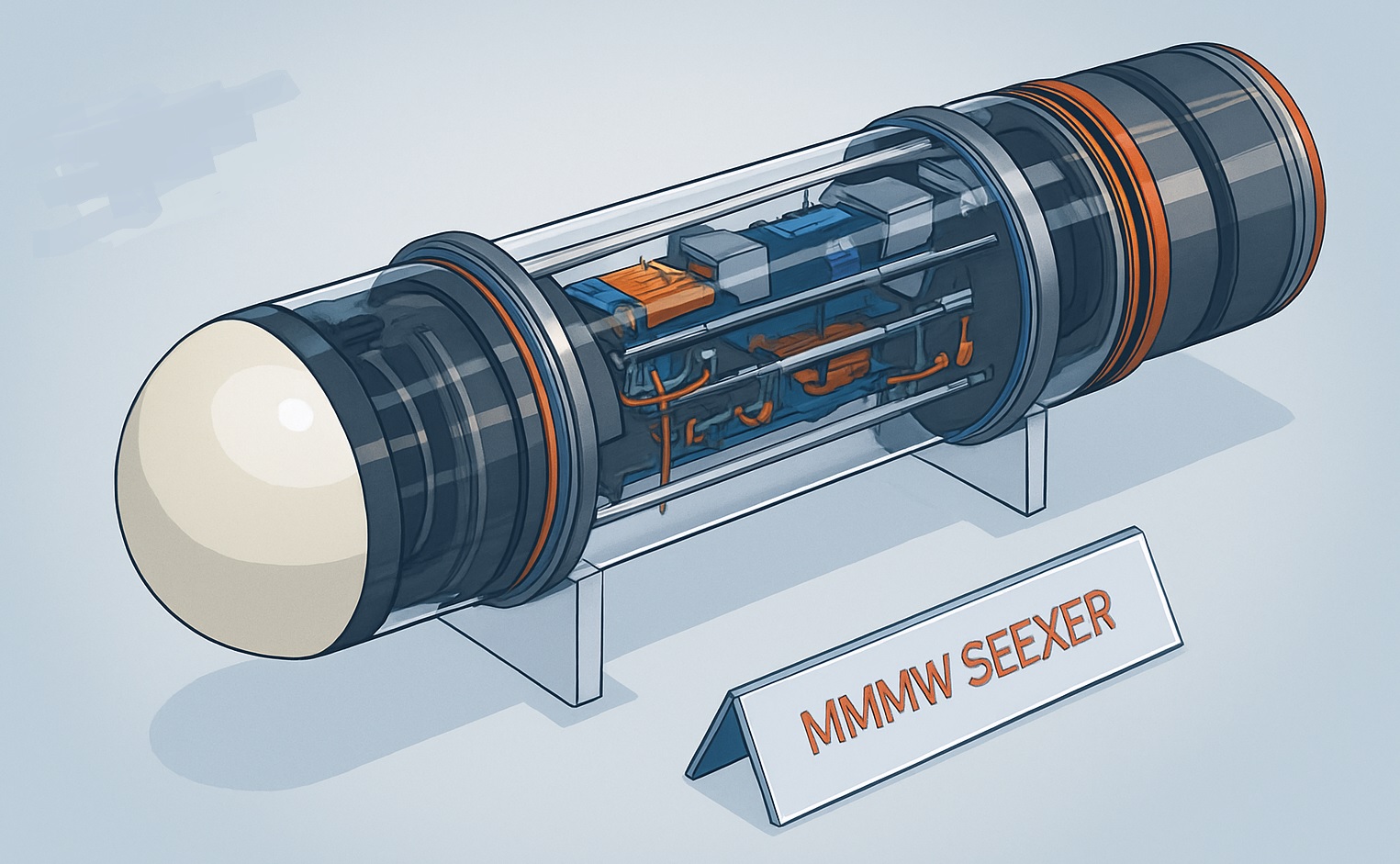
India
New Delhi, August 2025 – India’s Defence Research and Development Organisation (DRDO) has successfully designed and developed a cutting-edge Millimetre-Wave (MMW) Mk-II Seeker, now equipped with both Lock-On-After-Launch (LOAL) and Lock-On-Before-Launch (LOBL) capabilities. This marks a substantial leap in missile guidance technology, potentially elevating the precision and versatility of India’s next-generation missile systems. What Sets the Mk-II Seeker Apart Dual Lock-On Modes: The seeker supports both LOBL (allowing target acquisition before missile release) and LOAL (enabling the missile to acquire the target mid-flight). This dual-mode flexibility greatly enhances engagement options against dynamic, long-distance, or stealthy targets. Millimetre-Wave Precision: By harnessing millimetre-wave radar frequencies, the seeker offers exceptional resolution and target discrimination—even under adverse weather, low visibility, or electronic warfare conditions. All-Weather, Jam-Resistant Performance: The seeker’s radar-based approach ensures reliable operation in diverse environments and resilience against common countermeasures. Strategic Significance Enhanced Combat FlexibilityWith both pre-launch and post-launch locking capabilities, missile operators gain multiple engagement strategies—ideal for both static and mobile targets, increasing mission success probabilities. Superior Targeting AccuracyMMW technology offers high-resolution imaging, allowing the missile to distinguish closely spaced targets and engage effectively even when adversaries use stealth or dispersion. Robustness Against Electronic WarfareRadar-based seekers fare better than infrared or electro-optical systems when faced with jamming or deceptive tactics, ensuring reliable operability in contested environments. Alignment with DRDO’s Future-Ready Strategy DRDO’s introduction of the Mk-II seeker fits seamlessly into its broader push towards next-generation, indigenous missile technologies. Notable advancements under DRDO’s vision include improved seekers for the Astra missile, emerging EO/IR dual-mode seekers, and guidance modules for anti-radiation and air-to-ground systems. The Mk-II represents another strategic building block aimed at achieving self-reliance and operational supremacy. Where It Could Be Deployed The Mk-II seeker is not limited to a single missile type. Potential platforms include: Air-to-Air Missiles (AAMs) like Astra variants—pushing for longer range and higher accuracy. Anti-Radiation Missiles (ARMs) such as Rudram-2, which already boast LOBL/LOAL functionality. Surface-to-Air Missiles (SAMs), especially future developments in Akash-NG or other indigenous programs. Precision Air-to-Ground Weapons, including next-gen SAAW platforms equipped for dynamic targeting. India is steadily closing the gap in advanced missile guidance technology. With developments like the MMW Mk-II seeker, the nation is gaining not just technological prowess but also operational autonomy, reducing reliance on imported systems. This strategic climb is supported by collaborative efforts across DRDO labs, allied research institutions, and trusted industry partners.
Read More → Posted on 2025-08-21 17:00:54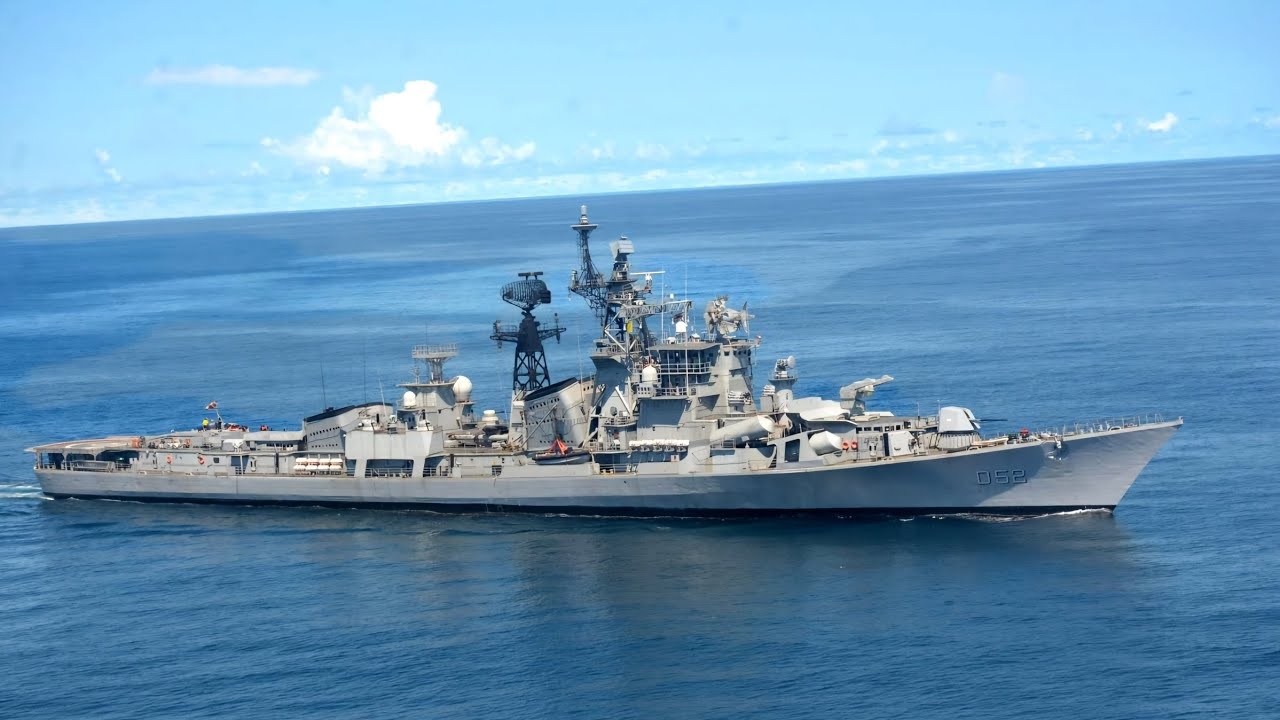
India
Bengaluru, August 2025 – In a significant boost to the Indian Navy’s surveillance and combat capabilities, the indigenously developed MFR X-Band Radar has been successfully integrated with the frontline warship INS Rana, a Rajput-class destroyer. The radar, jointly developed by the Defence Research and Development Organisation (DRDO) and Bharat Electronics Limited (BEL), was showcased at Aero India and represents a leap forward in naval radar technology for India. Advanced Features for Maritime Operations The Multi-Function Radar (MFR) X-Band is built to deliver superior tracking and targeting performance even in rough sea states. Its design includes: Electronic stabilization to compensate for ship roll and pitch during operations. Distributed T/R module design that ensures graceful degradation of system performance in case of localized failures, improving reliability. Automatic acquisition and tracking of both air and surface targets with high update rates. Seamless integration with CMS (Combat Management System) and WCS (Weapon Control System), enabling precise engagement of threats with surface-to-air missiles (SAMs) and naval guns. Technical Specifications The radar operates in the X-band frequency and employs four phased-array antennas that provide 360° azimuth coverage. Its elevation coverage extends up to 70°, allowing effective tracking of high-angle aerial threats, including anti-ship missiles and fast maneuvering aircraft. Key highlights include: Solid-state active array technology with electronic scanning in both azimuth and elevation. Detection range over 200 km in Track While Scan (TAWS) mode. Extended range beyond 300 km in Long Range Surveillance (LRS) mode. Lightweight design with antenna weight around 1.27 tons, making it adaptable for various classes of naval platforms. Fully compliant with MIL-STD and JSS55555:2012 naval qualification standards. Strategic Importance for INS Rana INS Rana, a Rajput-class guided missile destroyer, has been in service since 1982 and continues to play a crucial role in the Navy’s Eastern Fleet. The integration of the MFR X-Band radar significantly enhances its air defense and maritime strike capabilities, providing the ship with a modern sensor suite that can effectively counter new-generation threats such as sea-skimming missiles, drones, and stealth aircraft. This upgrade also reflects India’s focus on indigenous solutions for warship modernisation, reducing dependence on foreign radars and strengthening self-reliance under the Atmanirbhar Bharat initiative. Part of a Larger Naval Modernisation Drive The induction of MFR X-Band radars is part of a broader naval plan to equip Indian warships with multi-function active phased array radars capable of long-range surveillance, precision tracking, and fire-control functions. These radars are expected to be standard fits on future destroyers, frigates, and aircraft carriers, ensuring seamless integration across platforms. The successful integration of the MFR X-Band radar aboard INS Rana represents a vital step in India’s efforts to modernise its naval fleet with indigenous, next-generation electronic systems. With its advanced tracking, targeting, and surveillance capabilities, the radar will significantly improve the Indian Navy’s operational readiness and provide a decisive edge in safeguarding maritime interests in the Indo-Pacific region. Do you also want me to prepare a comparison box at the end (e.g., MFR X-Band Radar vs existing naval radars like RAWL-02 or EL/M-2248 MF-STAR) so readers can easily see its technological leap?
Read More → Posted on 2025-08-21 16:51:34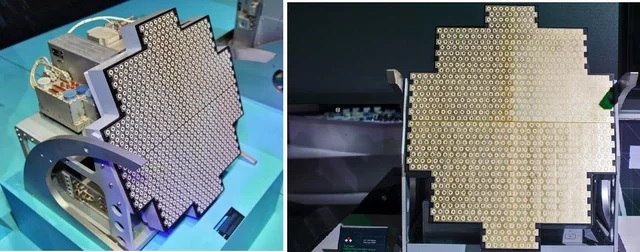
India
New Delhi, August 2025 – The Defence Research and Development Organisation (DRDO) has achieved a major technological breakthrough by successfully completing the site acceptance test of the country’s first-ever photonic radar system. Developed by DRDO’s Electronics and Radar Development Establishment (LRDE), this cutting-edge radar uses light-based components for signal processing, offering ultra-high resolution, the ability to detect stealth targets, and strong immunity against jamming. A Leap in Radar Technology Unlike conventional radars that rely on electronic circuits for generating and processing radio frequencies, the photonic radar employs laser and optical techniques. This allows it to work at much higher frequencies and with greater precision than traditional systems. Key benefits of the system include: Ultra-high resolution for detecting even very small targets. Effective detection of stealth aircraft and drones, which are usually hard to track with current radar technology. Strong resistance to jamming, making it reliable in electronic warfare environments. Lightweight and compact design, allowing integration on fighter jets, drones, naval ships, and ground-based platforms. India Joins Select Global League With this achievement, India joins the ranks of only a handful of nations – including the United States, China, and Israel – that have developed photonic radar technology. This positions India at the forefront of next-generation radar innovation and significantly strengthens its air defense capabilities. Role of Astra Microwave A significant part of the radar’s hardware, especially the photonic components, has been developed and supplied by Astra Microwave, an Indian private-sector defense partner. This reflects the growing contribution of domestic industry in India’s defense ecosystem and supports the vision of self-reliance under Atmanirbhar Bharat. From Lab to Field Trials Following the successful site acceptance test, the radar will now undergo extensive field trials. These trials will test its performance in different environments, including: Detection of stealth aircraft and cruise missiles. Tracking of small, low-flying drones. Operation in high electronic warfare conditions. Integration with existing air defense and surveillance systems. The trials, expected later this year, will be a decisive step in proving the radar’s effectiveness under real combat-like conditions. Part of DRDO’s Future Vision The development of the photonic radar is aligned with DRDO’s broader “next-generation warfare technologies” roadmap, which includes advances in directed energy weapons, quantum technologies, autonomous systems, and AI-based defense solutions. Together, these innovations aim to provide India with a decisive edge in future conflicts. Why It Matters Strengthens India’s ability to counter stealth fighters and drones. Provides a game-changing edge in radar technology, where India now competes with the world’s most advanced nations. Enhances self-reliance in defense production, reducing dependency on foreign systems. Opens the door for export potential, as several countries are seeking reliable counter-stealth radar solutions. With the successful test of its first photonic radar, DRDO has laid the foundation for one of the most advanced surveillance technologies in the world. Once trials are complete, the radar is expected to be integrated into India’s defense network, giving the armed forces a powerful tool to detect, track, and neutralize modern aerial threats. This marks a significant step in India’s journey toward building a self-reliant, future-ready defense ecosystem, while demonstrating the country’s growing technological prowess on the global stage.
Read More → Posted on 2025-08-21 16:39:11
India
Even as signs of positive movement in Indo-China relations emerge through recent diplomatic engagements, Indian military planners are expected to remain on high alert along the Line of Actual Control (LAC). The underlying concern is China’s extensive border infrastructure build-up, which provides the People’s Liberation Army (PLA) with the ability to rapidly redeploy forces to forward positions despite any pullback agreements. PLA’s Infrastructure Advantage Over the past five years, the PLA has constructed an extensive network of roads, bridges, tunnels, helipads, and permanent habitats along the LAC stretching from eastern Ladakh to Arunachal Pradesh. This network allows Chinese troops to pull back 100–150 km and still return to forward posts within a few hours. A senior Indian Army officer noted, “The way China has built roads, bridges, tunnels and habitats along the entire LAC, PLA troops can easily afford to pull back and then come back again in 2–3 hours.” Although some Combined Arms Brigades (CABs) of the PLA have retreated about 100 km in recent months, many remain forward deployed. Each CAB typically consists of 4,500–5,000 troops, supported by tanks, armored vehicles, artillery and surface-to-air missile systems. This gives the PLA greater mobilisation flexibility compared to Indian forces, which face a longer response time to deploy equivalent strength in the same sectors. Trust Deficit Persists Despite Stabilisation Diplomatically, progress has been made. During Chinese Foreign Minister Wang Yi’s recent visit, both sides agreed to discuss a long-term de-escalation framework. On the ground, the situation has stabilised since troop disengagement at Depsang and Demchok in October 2024, but Indian officials underline that a deep trust deficit continues. Another senior Army officer explained, “There is no disruption in coordinated patrolling by the rival soldiers. But we cannot let our guard down since there has been no let-up in the PLA’s military preparedness and infrastructure build-up.” Both armies remain forward deployed across the 3,488-km-long LAC with tanks, artillery, air defence systems, and fighter aircraft support. New Border Management Mechanisms As part of ongoing efforts to manage tensions, both nations are now working on new military-to-military mechanisms beyond the existing Ladakh-level talks. These will include general-level discussions for the eastern sector (Sikkim and Arunachal Pradesh) and the middle sector (Uttarakhand and Himachal Pradesh). From India’s side: In the middle sector, the Lt-General commanding the Uttar Bharat Area (Bareilly) will likely be the key participant. In the eastern sector, the Dimapur-based 3 Corps or the Tezpur-based 4 Corps will engage with the PLA counterparts. Restoration of Patrolling Rights A major unresolved issue for India remains the restoration of patrolling rights in areas where “no-patrol buffer zones” were created during disengagement rounds up to September 2022. These buffer zones — ranging from 3 to 10 km — were established in sensitive areas such as Galwan Valley, Pangong Tso’s north bank, the Kailash Range, and Gogra-Hot Springs. Initially described as temporary moratoriums, they have continued to restrict Indian patrols in areas New Delhi considers part of its own territory. Military planners view this as a loss of operational access, which India hopes to reverse in the next phase of talks. Trade Channels Reopened Adding a diplomatic layer to the developments, India and China recently agreed to resume border trade through three traditional routes: Lipulekh Pass (Uttarakhand), Shipki La Pass (Himachal Pradesh), and Nathu La Pass (Sikkim). The move is being seen as a step toward improving bilateral ties, though analysts caution that trade normalisation does not equate to resolution of military tensions. Strategic Outlook Experts highlight that the PLA’s rapid mobilisation advantage will remain a critical factor for Indian military planners. While India has accelerated infrastructure development in border areas in recent years — including all-weather roads, bridges, forward airstrips, and advanced logistics hubs — the time differential in mobilisation remains in Beijing’s favor. In response, New Delhi continues to prioritise infrastructure upgrades, deployment of additional mountain strike formations, and integration of high-altitude surveillance systems to counterbalance China’s numerical and mobility advantages. For now, even as diplomatic channels reopen and border trade resumes, the Indian Army remains on heightened alert, determined to avoid repeating past mistakes of underestimating the PLA’s preparedness.
Read More → Posted on 2025-08-21 16:12:32
India
New Delhi, August 2025 – After suffering severe losses during Operation Sindoor, the Pakistan-based terror outfit Jaish-e-Mohammad (JeM) has launched a massive fundraising campaign worth Rs 3.91 billion under the pretext of constructing over 300 mosques across Pakistan, Indian security officials have revealed. According to intelligence assessments, the initiative is designed not only to rebuild destroyed terror camps but also to replicate Lashkar-e-Taiba’s decentralised network of markaz (religious and training centres). This move aims to ensure that future Indian strikes have minimal impact on the group’s overall terror infrastructure. Fundraising Through Digital Wallets Unlike earlier years when JeM depended on donations through cash, animal hides, and charities, the group has now shifted to digital wallets like EasyPaisa and Sadapay, allegedly controlled by family members of its chief Masood Azhar. Accounts linked to Azhar’s brother Talha Al Saif, his son Abdullah Azhar, and senior commanders such as Aftab Ahmad and Syed Safdar Shah have been identified as key channels for the flow of funds. Officials say over 250 wallet accounts are being used to funnel donations. JeM has also been aggressively promoting the campaign on social media platforms like Facebook and WhatsApp, posting videos, posters, and appeals from Masood Azhar himself, urging supporters to contribute. Each so-called mosque is projected to cost Rs 12.5 million, though actual costs are believed to be far lower, leaving a huge surplus for weapons procurement. Link to Operation Sindoor The fundraising comes in the aftermath of Operation Sindoor, when the Indian Armed Forces carried out precision missile strikes on JeM facilities in Pakistan and Pakistan-occupied Kashmir in retaliation to the Pahalgam terror attack. Between May 7 and May 10, Indian operations destroyed JeM’s main headquarters, Markaz Subhanallah, and four other training centres including Markaz Bilal, Markaz Abbas, Mahmona Joya, and the Sargal camp. Pakistan’s government later pledged to help rebuild the destroyed facilities, but intelligence inputs suggest JeM has simultaneously sought to generate independent funds through this “mosque construction” project. Hidden Motives Behind Mosque Construction While the outfit publicly claims it is building 313 mosques, security officials highlight two hidden objectives: Decentralisation of Terror Infrastructure – By spreading training and logistics across hundreds of smaller centres, JeM can avoid heavy losses in case of future Indian military strikes. Safe Houses for Leadership – Larger markaz would double as secure residences for Masood Azhar and his family, allowing Pakistan to continue its deniability of Azhar’s presence. Under this structure, three to four large centres would act as safe houses, medium-sized facilities as training camps, and the rest as logistics hubs, creating a nationwide terror network disguised as religious institutions. Financial Surplus and Weapons Procurement Though JeM claims each mosque will cost Rs 12.5 million, officials estimate smaller markaz cost only Rs 4–5 million to build. Large facilities like Subhanallah or Usman-o-Ali may cost Rs 100 million, but only a handful of such structures are planned. This means that from the Rs 3.91 billion campaign, only around Rs 1.23 billion may be used for actual construction, leaving a massive surplus for arms and equipment. Officials warn that with JeM’s close ties to Tehreek-e-Taliban Pakistan (TTP) and Hamas, the group could use these funds to acquire advanced weapons systems, drones, and quadcopters, significantly increasing its strike capability. Already, JeM’s arsenal includes machine guns, rocket launchers, and mortars, and with ISI support, the group has access to the black market for cheaper arms purchases. ISI Role and FATF Concerns India has long accused the Inter-Services Intelligence (ISI) of providing direct and indirect support to JeM. Intelligence agencies now believe the ISI is backing this fundraising campaign by ensuring that money moves through digital wallets instead of traceable bank accounts, allowing Pakistan to mislead the Financial Action Task Force (FATF). In 2019, Pakistan was placed on the FATF grey list due to inadequate action against terror financing, including JeM activities. It was removed from the list in 2022 after pledging reforms such as banning cash donations and seizing JeM facilities. However, with the new digital methods, Pakistan can continue claiming compliance while money flows freely to Azhar’s network. Strategic Implications for India Security experts caution that JeM’s fundraising drive could reinvigorate its terror infrastructure and extend operational capability for the next decade. If left unchecked, this campaign could result in: Renewed infiltration attempts along the Line of Control. Increased drone-based attacks in Jammu & Kashmir. Stronger JeM presence in Pakistan’s Punjab and Khyber Pakhtunkhwa, with safe havens harder to target. Indian officials have emphasized that this development must be taken seriously by the international community, as it exposes the continuing nexus between Pakistan-based terror groups and the ISI despite repeated commitments to crack down on them. The exposure of JeM’s Rs 3.91 billion fundraising drive highlights how terror outfits adapt quickly to changing circumstances. By cloaking terror infrastructure under the guise of religious construction, JeM is seeking to secure its future operations, evade global scrutiny, and maintain the safety of its leadership. For India, the developments serve as a reminder that despite battlefield setbacks like Operation Sindoor, Pakistan-backed terror outfits continue to regroup, rearm, and reorganize with state support—posing a persistent challenge to regional security.
Read More → Posted on 2025-08-21 16:04:22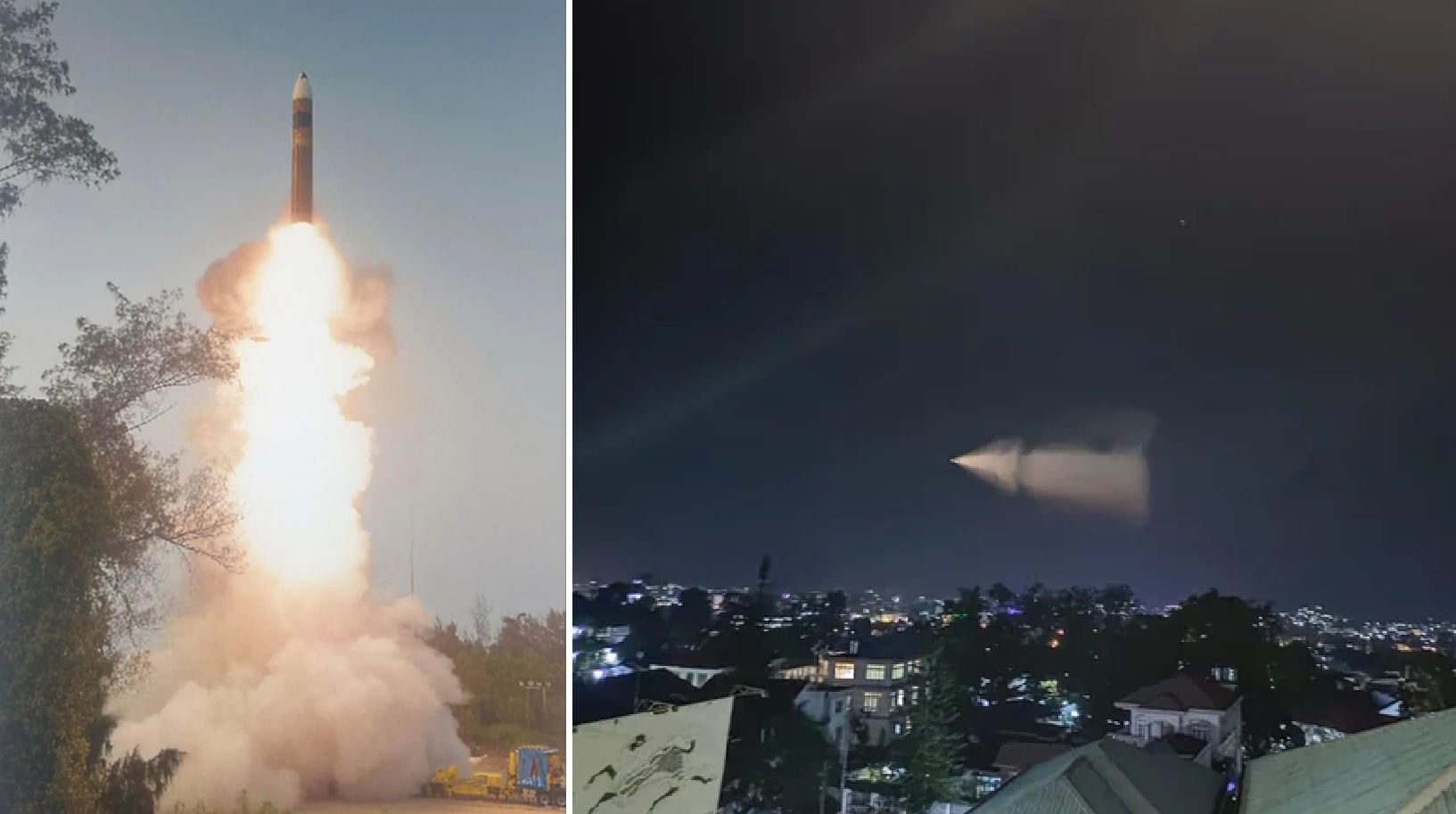
India
On August 20, 2025, India marked a significant milestone in its defense capabilities with the successful test-firing of the Agni-5 intermediate-range ballistic missile from the Integrated Test Range at Chandipur in Odisha. This user trial, conducted under the aegis of the Strategic Forces Command, validated all operational and technical parameters, reinforcing India's commitment to a credible minimum deterrence posture. The missile, developed indigenously by the Defence Research and Development Organisation (DRDO), showcased its precision and reliability in a real-world scenario. The test garnered widespread attention due to the missile's visibility across multiple regions, as captured in numerous videos shared on social media platforms. Eyewitness accounts and footage highlighted sightings from various states in eastern India, including Odisha—where the launch originated—and West Bengal, with notable videos emerging from coastal areas like Digha. Remarkably, the missile's bright ascent was also spotted from neighboring Bangladesh, underscoring the high-altitude trajectory that made it observable over a broad expanse. These observations, shared by users on X (formerly Twitter), depicted a spectacular streak of light illuminating the evening sky, emphasizing the missile's powerful thrust and elevation. Analysis of the launch trajectory, based on these social media videos and expert insights, indicates a lofted profile with an estimated launch angle between 75° and 80°. This steep angle explains the widespread visibility, as the missile ascended rapidly to a high apogee, allowing it to be seen from distant locations despite the test's controlled range. Lofted trajectories are often employed in missile testing to simulate operational conditions while ensuring the projectile remains within designated safety zones, such as those outlined in Notices to Airmen (NOTAMs). In this case, the NOTAM specified a hazard area extending approximately 4,790 km into the Indian Ocean, aligning with the observed flight path. To understand the implications of this trajectory, we turn to the classical projectile range formula (neglecting air drag for simplification) This estimation suggests that, if launched at the optimal 45° angle, the Agni-5 could achieve a theoretical maximum range of 9,580 km to 14,000 km, depending on the exact launch angle used in the test. Such capabilities position the missile as a formidable intercontinental asset, far exceeding its officially stated intermediate-range classification of over 5,000 km. The Agni-5 incorporates advanced features that enhance its strategic value. It is nuclear-capable, with the ability to carry a payload of up to 1.5 tonnes, including multiple independently targetable reentry vehicles (MIRVs) for striking several targets simultaneously. The missile reaches hypersonic speeds of up to Mach 24 during its terminal phase, making it difficult to intercept. Its canister-launched, road-mobile design allows for rapid deployment and survivability against preemptive strikes. This test builds on previous successes, including the integration of MIRV technology demonstrated earlier, and underscores India's progress in indigenous defense manufacturing under the Atmanirbhar Bharat initiative. Geopolitically, the test bolsters India's deterrence against potential adversaries, covering vast swathes of Asia and beyond. It comes amid regional tensions, with neighboring countries monitoring developments closely—Pakistan, for instance, issued its own NOTAM shortly after, sparking speculation of reciprocal activities. Experts note that the lofted trajectory not only validates the missile's performance under varied conditions but also signals India's growing prowess in long-range precision strikes.
Read More → Posted on 2025-08-21 15:59:43
India
New Delhi, August 2025 – Russia has reaffirmed its energy partnership with India by offering a 5 percent discount on crude oil sales, despite mounting U.S. and international pressure over Moscow’s war in Ukraine. The move highlights Russia’s strategy to deepen its energy footprint in Asia after being shut out of Western markets, while placing India in the middle of a growing trade standoff with Washington. The announcement was made by Evgeniy Griva, Russian Deputy Trade Representative to India, who said the discount reflects a traditional commercial practice where price fluctuations often hover around the ±5% range. According to Griva, India’s oil imports from Russia are expected to remain stable, underscoring the “mutual trust and pragmatic cooperation” that define their energy relationship. Moscow’s Energy Lifeline in Asia With European markets largely closed due to sanctions, Russia has shifted its focus to India and China, which together now account for more than half of its crude oil exports. Moscow’s discounted pricing, coupled with flexible shipping arrangements through non-European routes, has made Russian oil highly competitive compared to Middle Eastern suppliers. Roman Babushkin, Russia’s Deputy Chief of Mission in New Delhi, acknowledged the challenging environment created by Western sanctions but described India as a “dependable and resilient partner.” He emphasised that energy cooperation is anchored in strategic trust that withstands geopolitical pressure. Industry analysts note that Russia’s discounts provide India with crucial breathing space at a time when global oil prices remain volatile. India, the world’s third-largest oil importer, sources nearly 85 percent of its crude needs from abroad, making affordability a key factor in sustaining economic growth. U.S. Retaliation: Tariffs on Indian Exports In sharp contrast, the United States has escalated economic pressure by imposing 50 percent tariffs on Indian exports, a measure announced under the Trump administration. Washington has accused India of acting as a “global clearinghouse” for Russian crude, re-exporting refined petroleum products to international markets and indirectly funding the Kremlin’s war effort. White House Trade Adviser Peter Navarro argued that such measures were necessary to deny Moscow access to global financial streams, while Press Secretary Karoline Leavitt described the tariffs as part of a broader “secondary pressure” campaign designed to accelerate the end of the Ukraine conflict. However, New Delhi has condemned the U.S. move as “unfair, unjustified, and unreasonable,” warning that punitive tariffs will harm Indian industries such as textiles, marine products, and leather goods — all heavily reliant on U.S. market access. Indian officials fear prolonged tariff regimes could threaten tens of thousands of jobs and derail trade talks that had been showing progress. India’s Balancing Act Prime Minister Narendra Modi has responded firmly, reiterating that India will not bow to external economic coercion. He has underlined India’s policy of strategic autonomy, making clear that New Delhi will safeguard its national interests even as it values ties with both Washington and Moscow. This balancing act has become increasingly delicate. On one side, cheap Russian oil bolsters India’s energy security and supports industrial growth. On the other, U.S. tariffs threaten to undercut Indian exports at a critical moment when New Delhi is trying to position itself as a global manufacturing hub. Geopolitical experts warn that U.S. economic pressure could inadvertently push India closer to Russia and China, undermining Washington’s broader Indo-Pacific strategy that relies on India as a counterweight to Beijing. Global Strategic Implications Russia’s discounted oil offer reflects its urgent need to maintain cash flows amid sanctions, but it also signals a long-term pivot to Asia as its primary energy market. India’s acceptance of these terms underscores its ability to leverage geopolitical competition for economic gain, while refusing to take sides outright in the Ukraine conflict. For Washington, however, the new tariff measures are a gamble. While they increase economic pressure on Moscow, they risk alienating India, a nation seen as a critical partner in balancing Chinese influence in the Indo-Pacific. The unfolding dynamic illustrates the complex triangular relationship between India, Russia, and the United States. Russia’s oil discounts strengthen India’s energy security, while U.S. tariffs place stress on its export-driven industries. By standing firm, India is signalling its intent to pursue strategic autonomy, navigating between great-power rivalries without compromising its core interests. In the months ahead, New Delhi’s challenge will be to maintain access to discounted Russian oil while negotiating pathways to ease U.S. tariff pressures. The outcome will not only shape India’s energy and trade future but could also tilt the balance of global power alignments in Asia.
Read More → Posted on 2025-08-21 14:27:25
India
Mumbai, August 2025 – Mazagon Dock Shipbuilders Limited (MDL) has received official clearance to construct a new floating dry dock with an advanced launching facility at Nhava Sheva near Mumbai. This major project is expected to boost India’s naval and shipbuilding capabilities, while also supporting the nation’s goal of greater self-reliance in defence infrastructure. What is a Floating Dry Dock? A floating dry dock is a large, U-shaped floating structure that can be submerged to allow a ship to enter and then raised to lift the vessel above water. This allows engineers to carry out construction, maintenance, and repair work below the waterline. Unlike traditional land-based dry docks, it can be relocated and adapted as per operational needs, giving greater flexibility to shipbuilders and navies. The addition of a launching facility means that new vessels can be assembled on site and then launched directly into the sea, reducing dependence on limited land slipways and traditional docks. Key Features of the Project Size & Capacity: The new dry dock will be nearly 180 metres long, covering around 13,500 square metres, making it one of the largest of its kind in India. Prefabricated Assembly: Major blocks of the dock will be prefabricated at shipyards in Gujarat and then transported to Nhava for assembly. Modern Design: It will incorporate advanced safety, environmental, and digital systems for efficient operations. Timeline: The project is expected to be completed and fully operational by 2026. Why is This Important? 1. Expanding Shipbuilding Capacity The facility will allow MDL to construct and service larger warships, submarines, and commercial vessels. This will ease pressure on Mumbai’s already congested land-based dockyards and expand overall shipbuilding capacity. 2. Strategic Defence Gains The Indian Navy and Coast Guard will directly benefit, as the new dock will make it easier to build, repair, and modernise frontline warships and submarines. It will also be critical for supporting future large-scale naval projects, including next-generation destroyers and amphibious assault ships. 3. Economic Growth and Jobs The project is expected to generate employment, strengthen the shipbuilding supply chain, and give a boost to India’s maritime economy. It aligns with the national goal of “Atmanirbhar Bharat” (self-reliant India) by enhancing domestic capacity in naval construction. 4. Environmental Clearance Authorities have cleared the project after a detailed assessment. The location near Elephanta Island was chosen as it provides natural protection from waves. Officials confirmed that mangroves and coastal ecology will not be significantly impacted, making the project environmentally feasible. Long-Term Impact This floating dry dock will mark a significant leap in India’s blue-water naval capabilities. By adding flexible and scalable infrastructure, MDL will be able to respond faster to naval requirements, reduce shipbuilding timelines, and support larger and more complex projects. It also places India in the league of advanced maritime nations that rely on floating dock technology to maintain and expand their fleets efficiently. The clearance for MDL’s floating dry dock and launching facility at Nhava Sheva is more than just an infrastructure upgrade. It represents a strategic investment in India’s defence preparedness, shipbuilding self-reliance, and maritime future. Once complete, it will not only strengthen the Indian Navy’s operational edge but also give a major boost to the nation’s shipbuilding industry and coastal economy.
Read More → Posted on 2025-08-20 16:33:13Search
Top Trending in 24 Hours
-
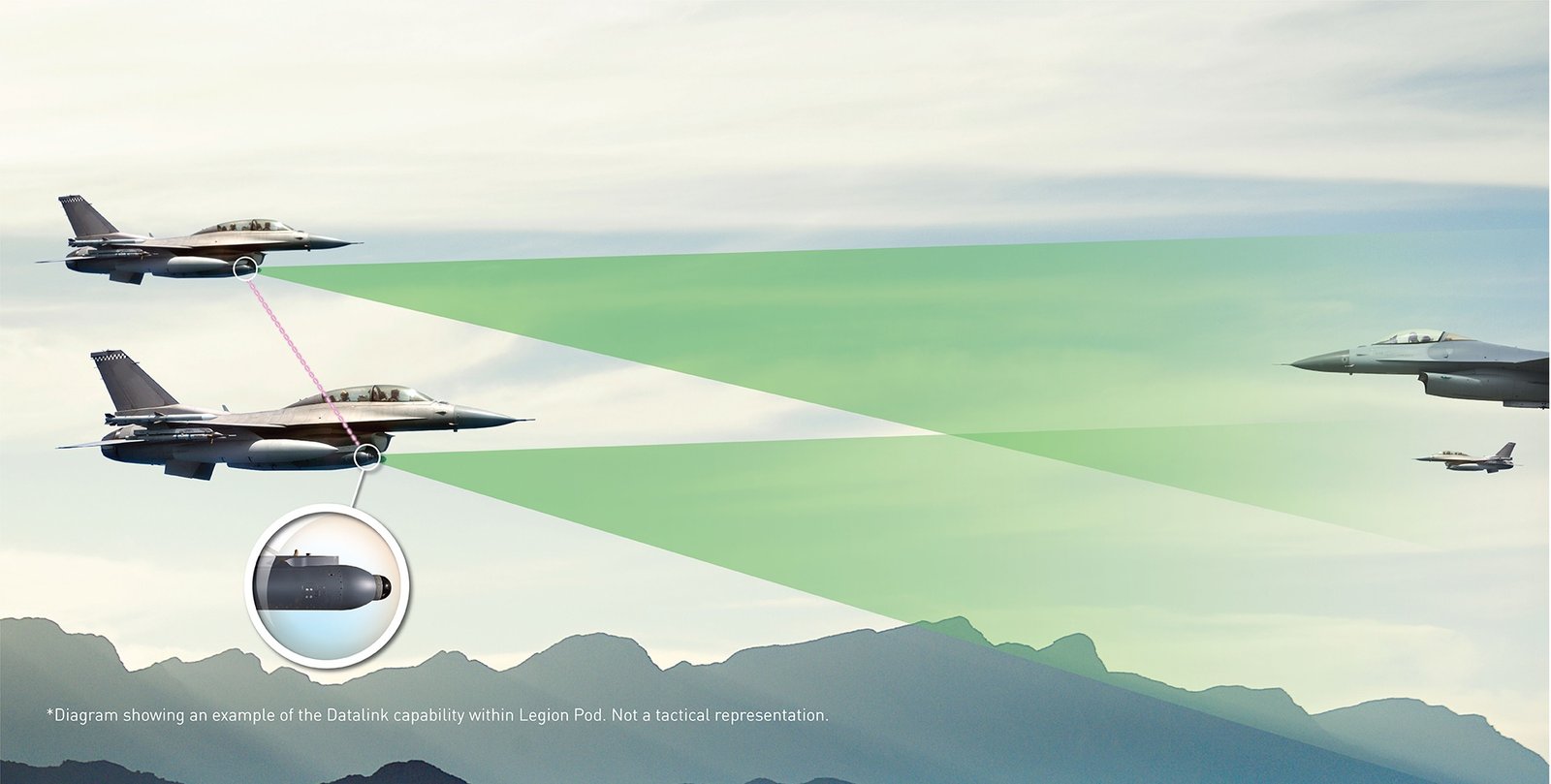 Lockheed Martin Demonstrates Legion Pod-to-Pod Data Link on F-16s for Passive Targeting
-
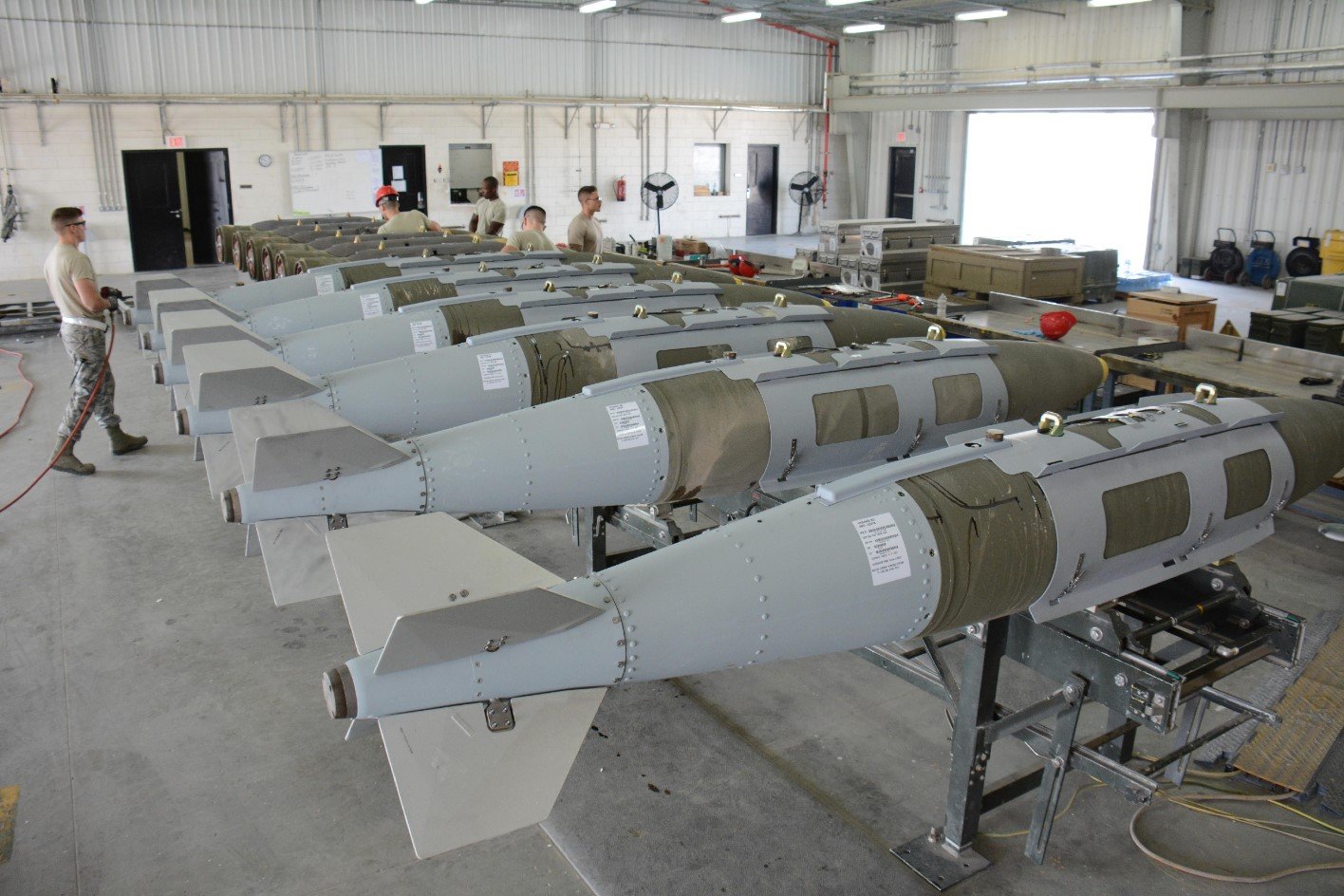 U.S. Plans $2.8 Billion Sale of 40,000 Heavy Bombs and 20,000 I-2000 Penetrator Warheads to Israel
-
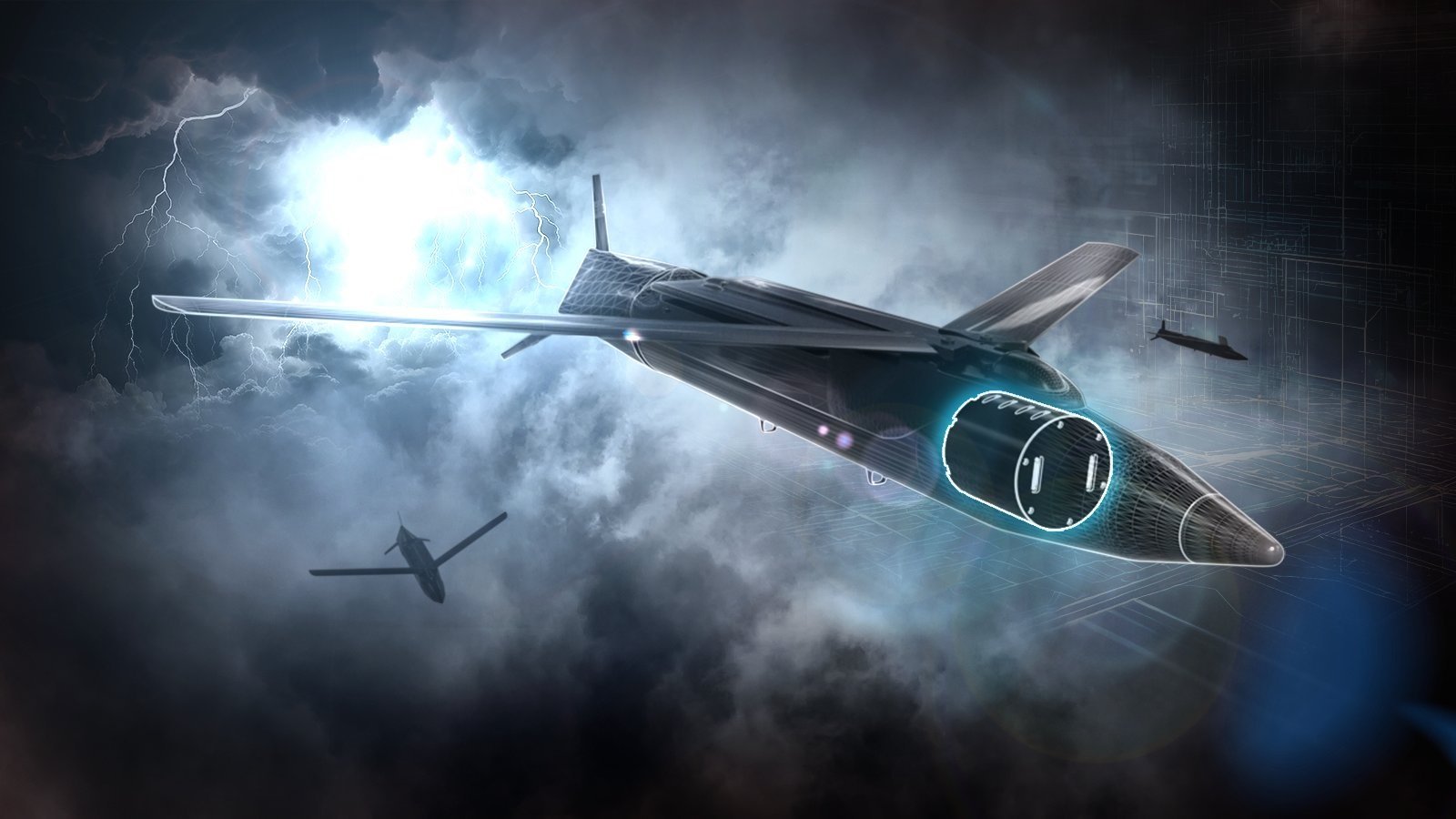 BAE Systems Unveils Shadow EW Suite for Small Drones and Autonomous Aircraft
-
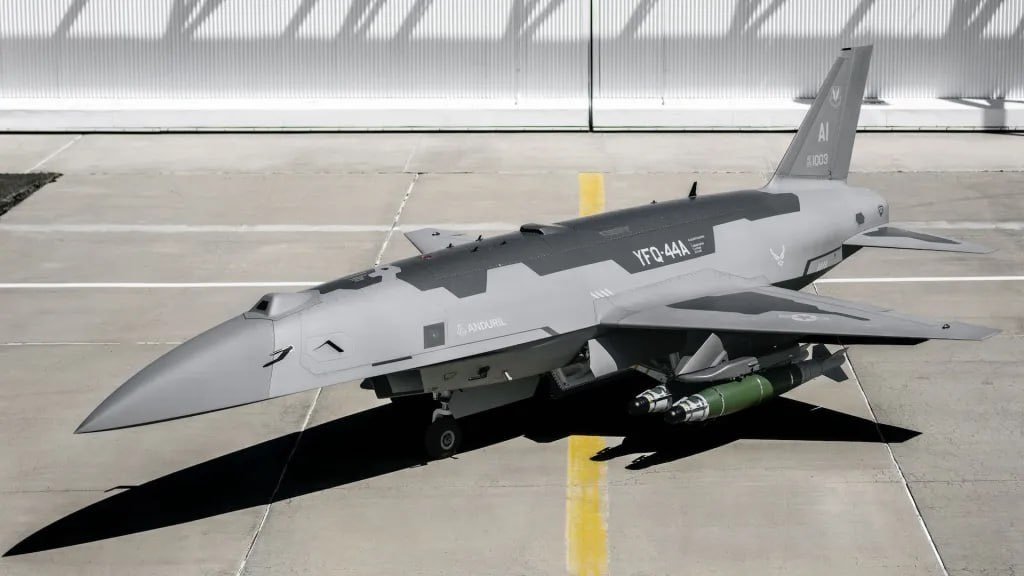 Anduril Conducts Ground Fit-Checks of Air-to-Ground Weapons on YFQ-44A Fury
-
 Diehl Defence and Elbit Systems Complete SkyStriker Loitering Munition Live-Fire Trials in Germany
-
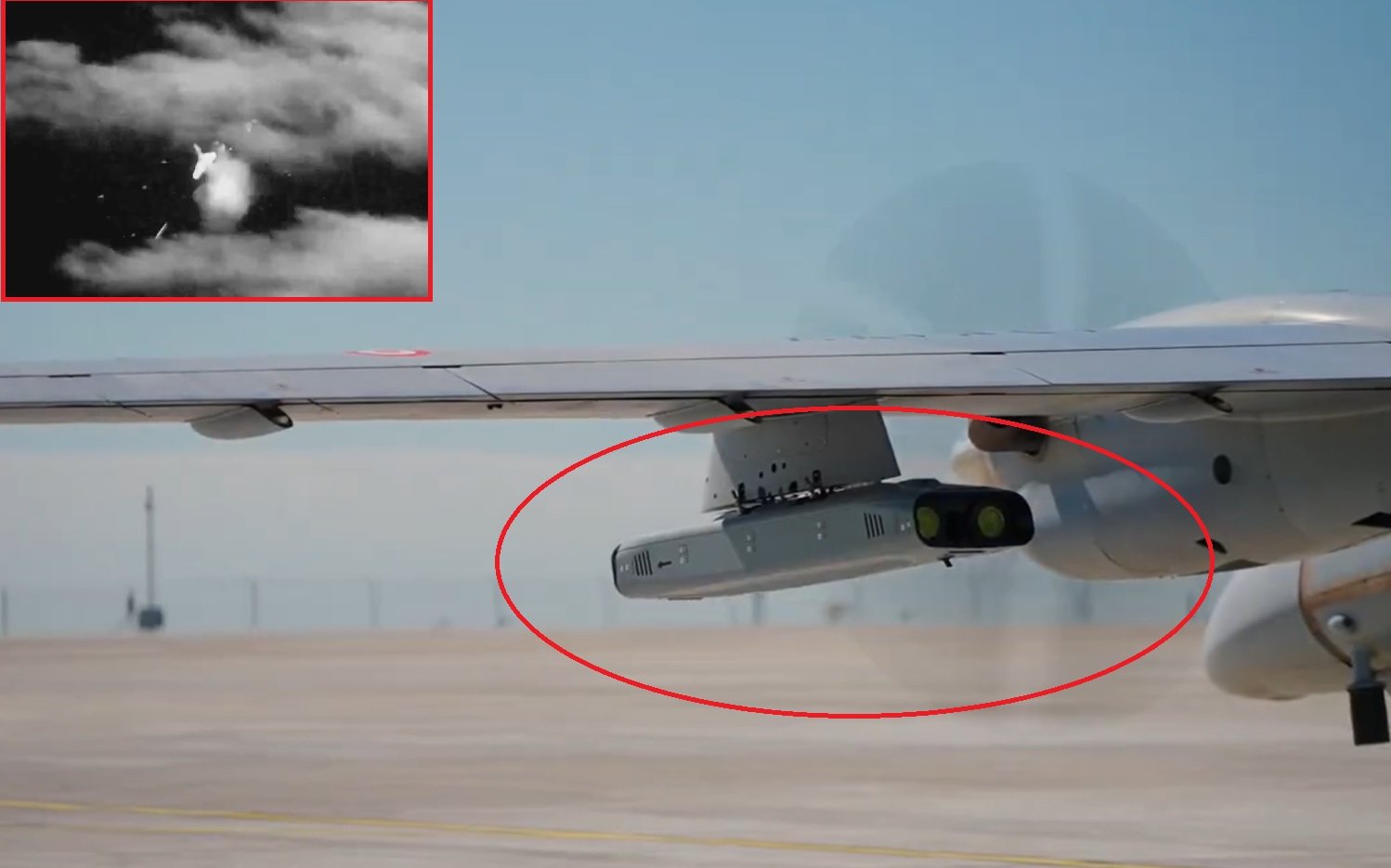 Turkey’s AKINCI Drone Hits High-Speed Aerial Target with SUNGUR Missile in Black Sea Test
-
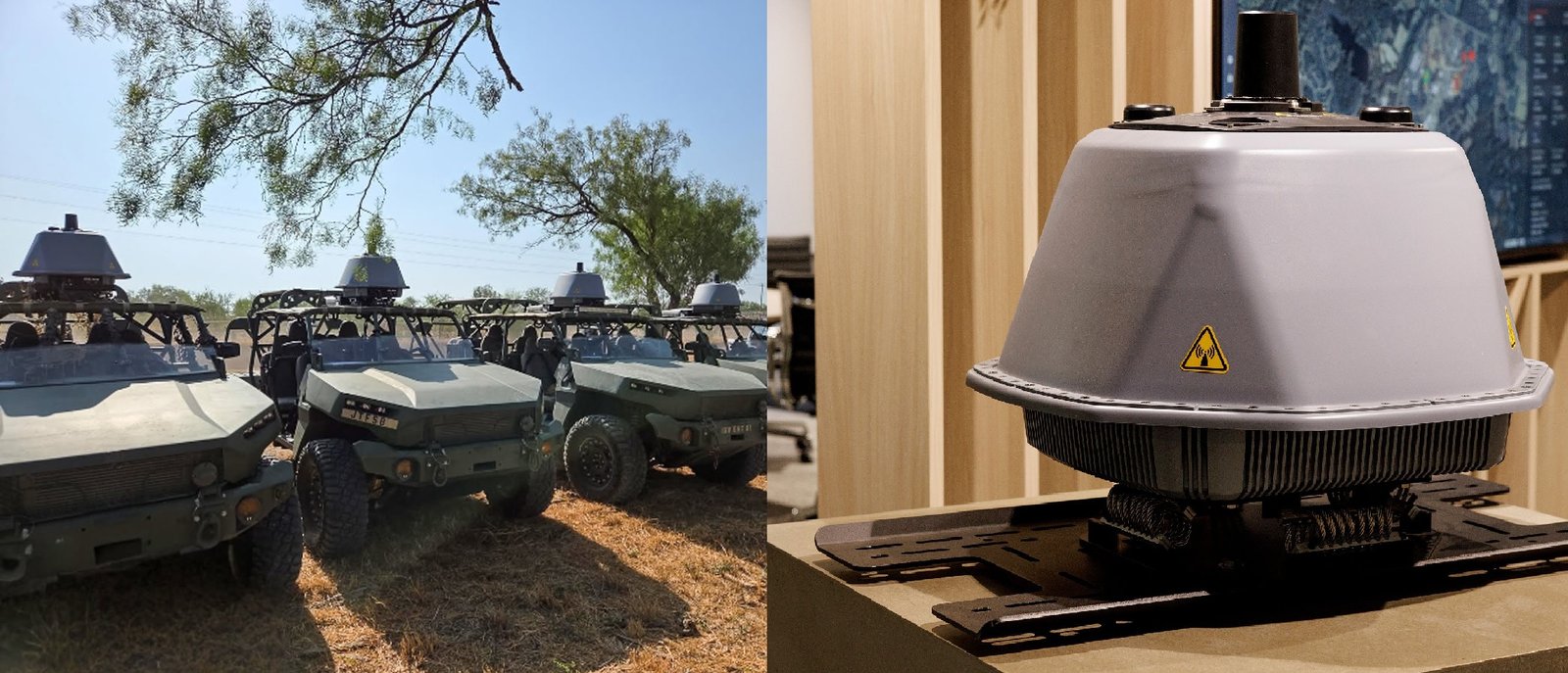 U.S. Military Deploys DroneShield Counter-Drone Systems on Infantry Squad Vehicles
-
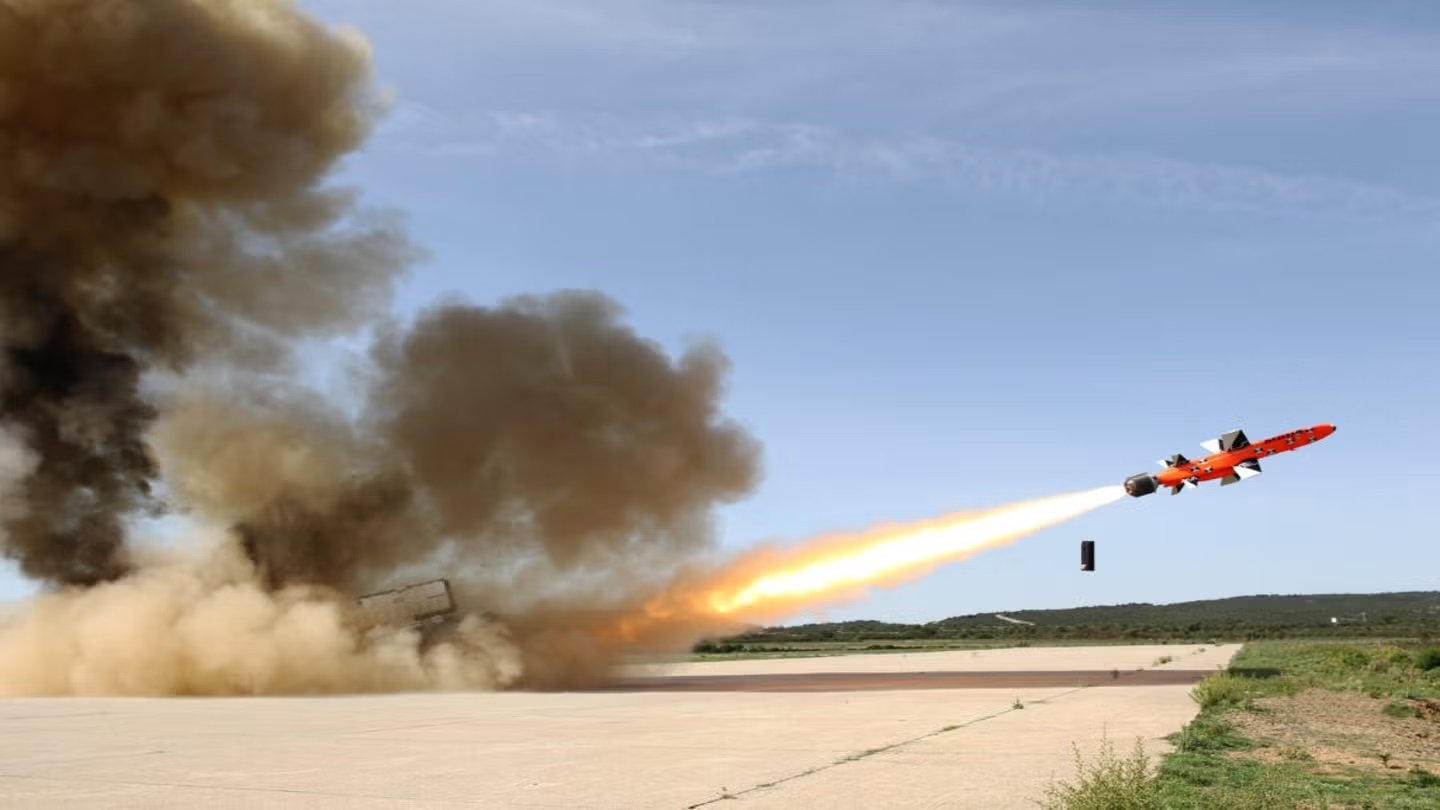 MBDA Completes Validation Firing of TESEO MK2/E Anti-Ship Missile for Italian Navy
Top Trending in 4 Days
-
 Pentagon Awards BlueHalo Up to $99.8 Million Contract for Orbital Battlespace R&D Program
-
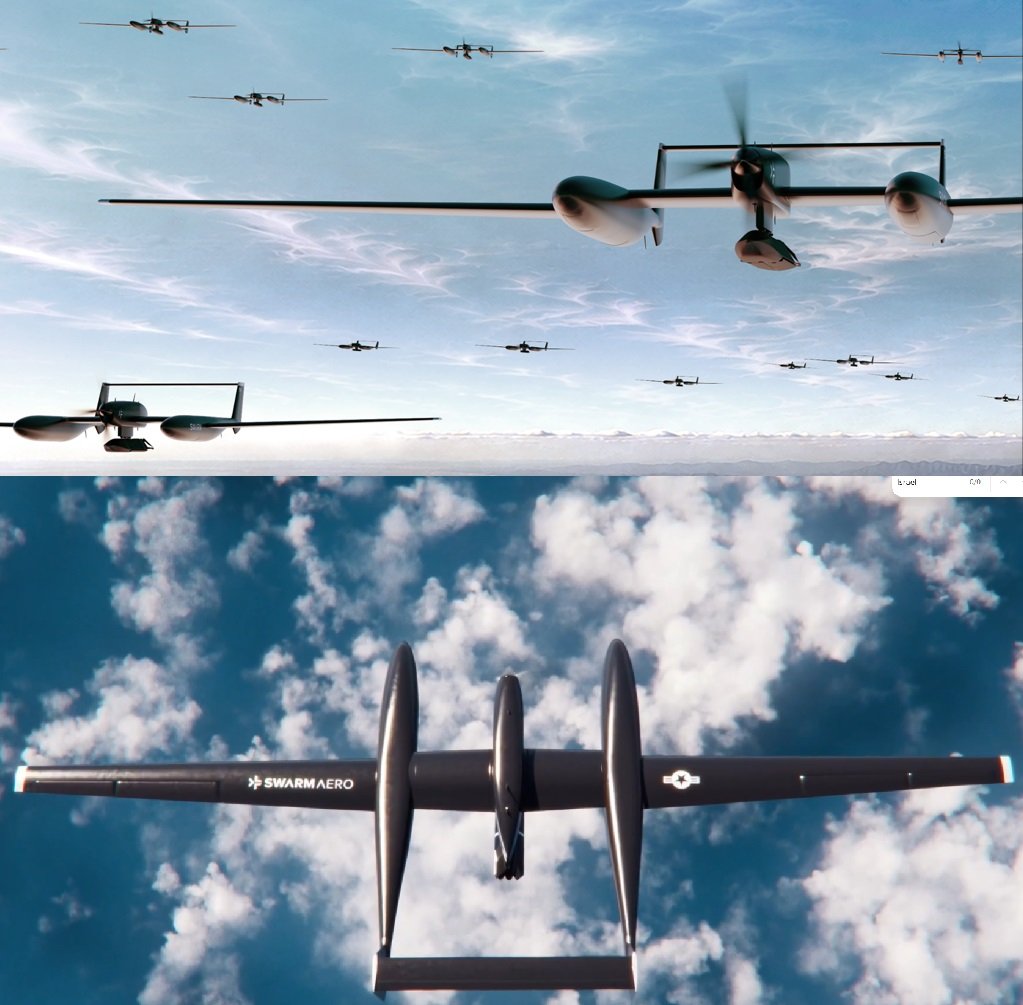 U.S. Firm Swarm Aero Unveils Gamera Group 5 UAS With 9,000-Nautical-Mile Range and Heavy Strike Payload
-
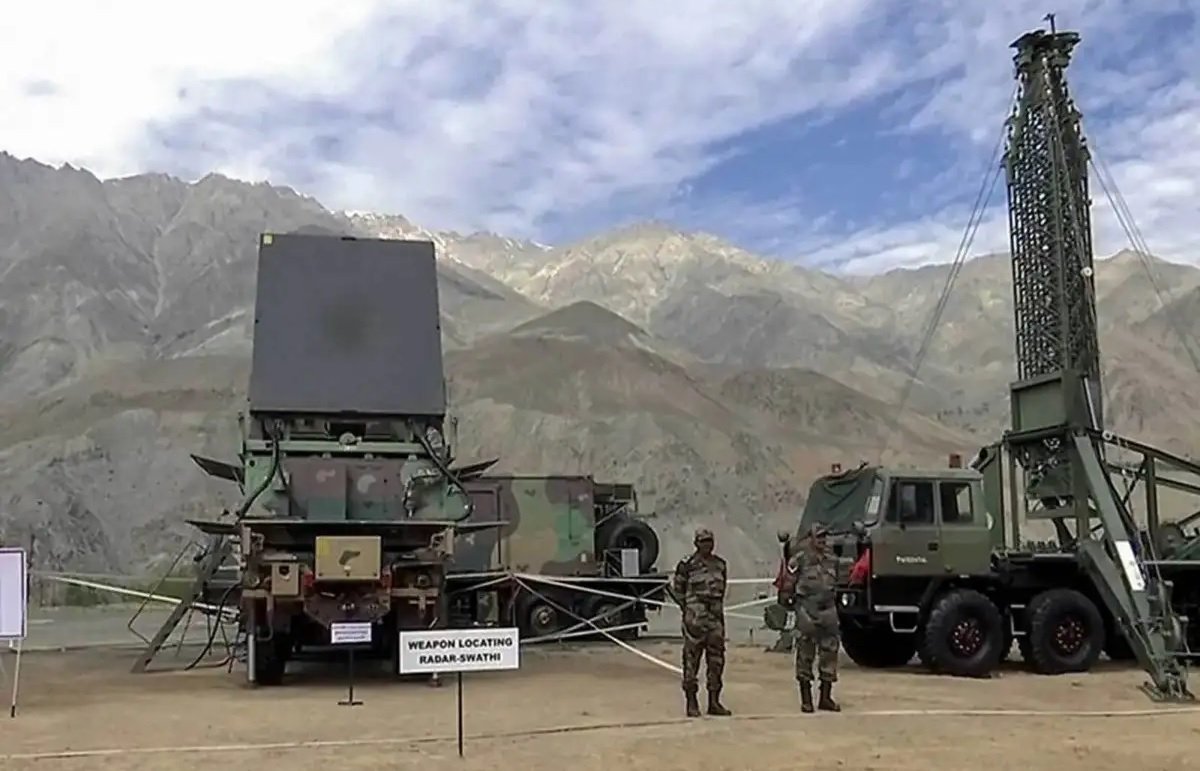 DRDO Demonstrates Indigenous 3.5×3 mm GaN Chip Delivering 30 Watts for Next-Generation Radars and Electronic Warfare
-
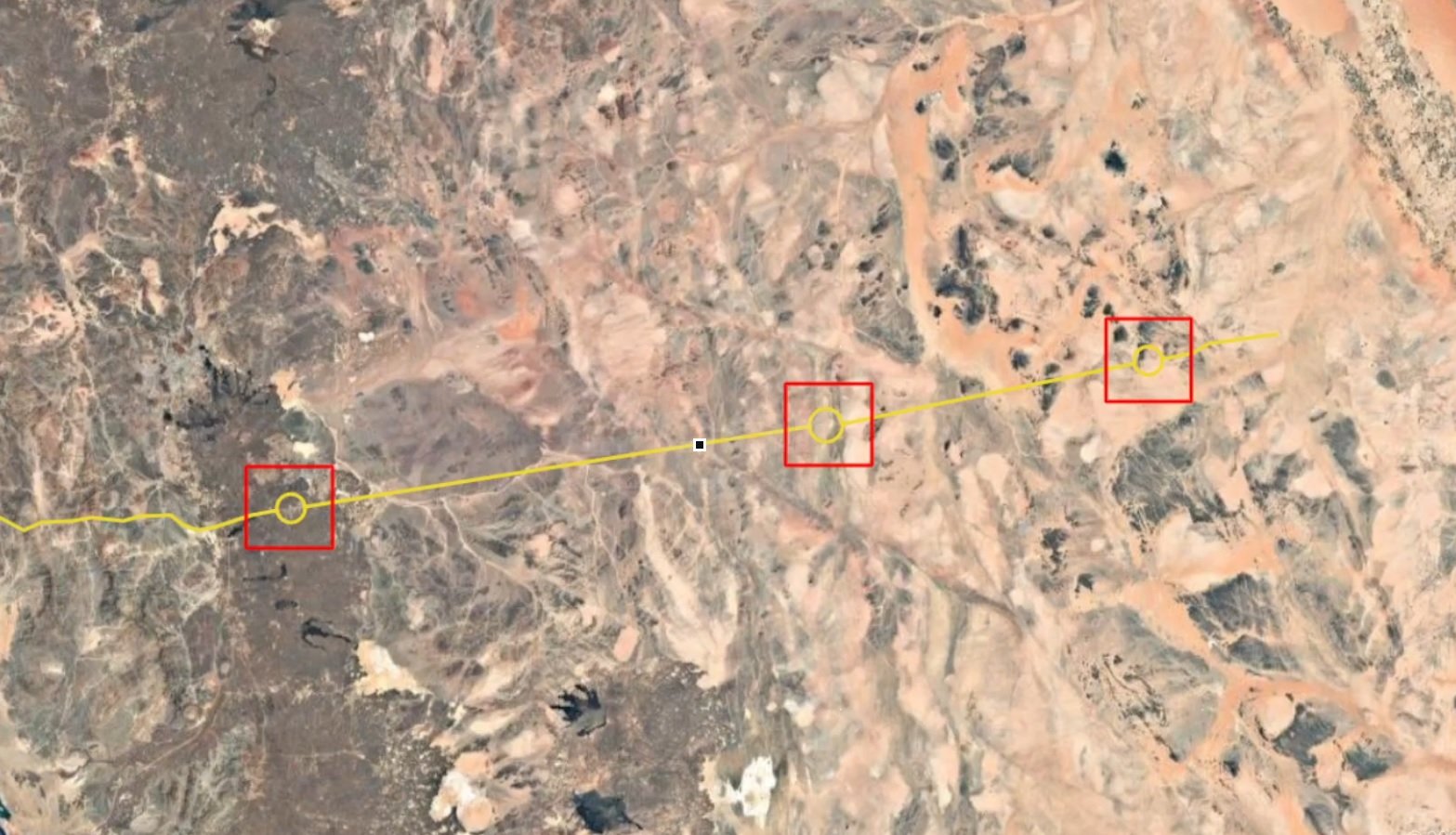 Satellite Imagery Shows Extensive Damage to Saudi Arabia’s East-West Oil Pipeline, Indicating More Than a Single Strike
-
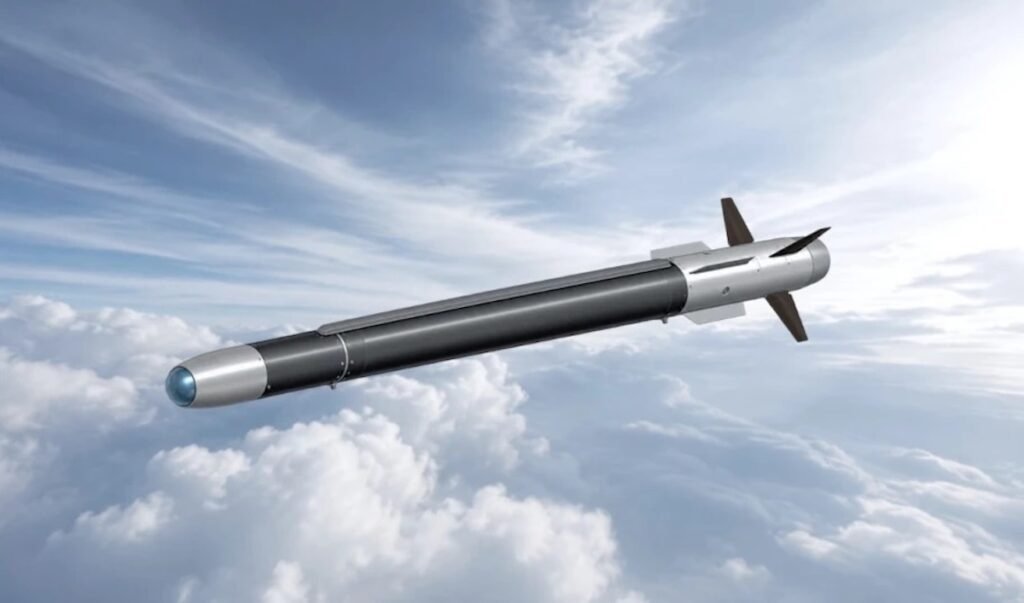 MBDA and Poland’s WITU Advance Low-Cost Supersonic Interceptor Against Swarm Attacks, Seeker Trials Successfully Completed
-
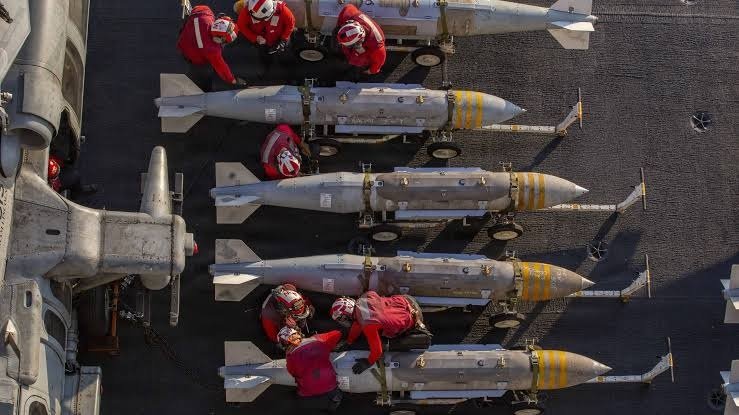 Pentagon Inspector General Report Finds Iran War Caused U.S. Ammunition Shortfalls and Industrial Bottlenecks
-
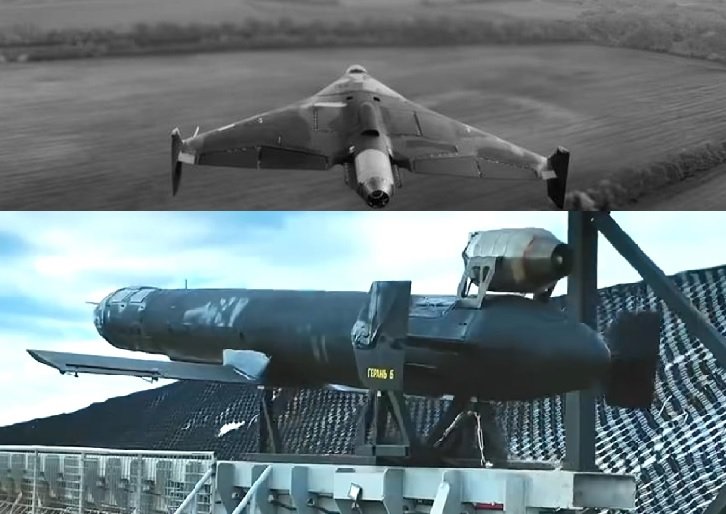 Iran Requests Advanced Geran-4 and Geran-5 Drones From Russia, FT Reports
-
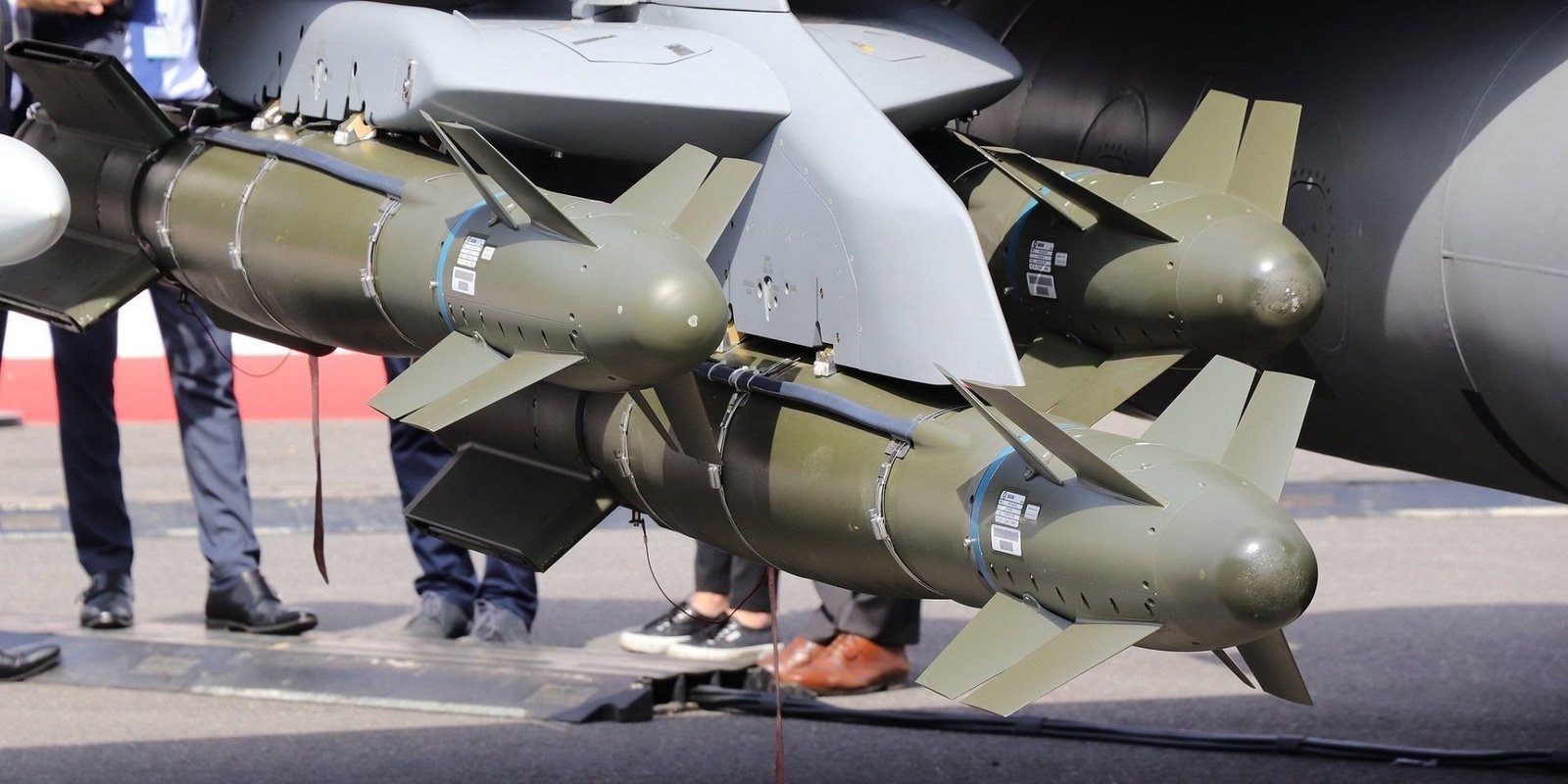 Swedish Gripens Bound for Ukraine to Be Armed with French Rocket-Assisted Hammer Precision Bombs