India
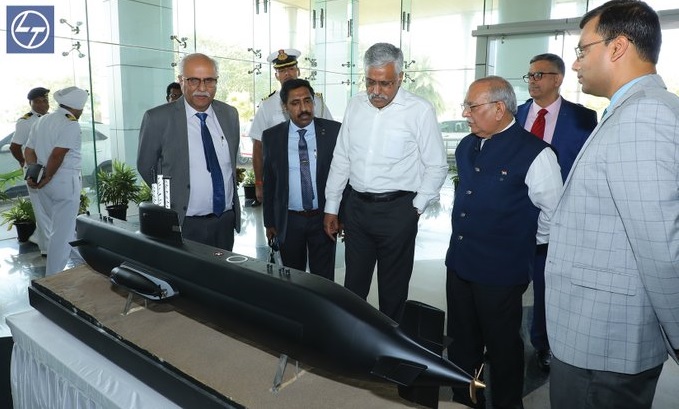
In a significant stride towards enhancing India's naval capabilities, Larsen & Toubro (L&T) is progressing with the development of the P-76 conventional submarine. This project, based on an extended design of the SOV500 class, is slated for design completion by 2026–27. The first submarine is anticipated to be delivered within a decade following the order. Indigenous Development and Strategic Importance The P-76 submarine is a part of India's broader initiative to bolster its indigenous defense manufacturing under the 'Atmanirbhar Bharat' (Self-Reliant India) campaign. L&T, in collaboration with the Warship Design Bureau, is spearheading the design phase, with the finalization expected by 2026–27. The submarine will feature advanced technologies, including Air Independent Propulsion (AIP) systems, enhancing its stealth and endurance capabilities. The strategic importance of the P-76 project is underscored by the Indian Navy's objective to modernize its fleet amidst increasing maritime challenges. The successful induction of the P-76 submarines is expected to significantly augment India's underwater warfare capabilities and contribute to regional security stability. Project Timeline and Future Outlook Following the design finalization in 2026–27, the construction of the first submarine is projected to commence shortly thereafter. The delivery of the first vessel is anticipated within 10 years from the order, aligning with the Indian Navy's long-term strategic plans. This timeline reflects the commitment to indigenization and the development of advanced defense technologies within the country. The P-76 project is poised to play a pivotal role in India's defense landscape, marking a significant milestone in the nation's journey towards self-reliance in defense manufacturing. With the collaborative efforts of L&T and the Warship Design Bureau, the P-76 submarines are set to enhance the Indian Navy's operational capabilities and contribute to the nation's defense preparedness.
Read More → Posted on 2025-09-12 17:07:39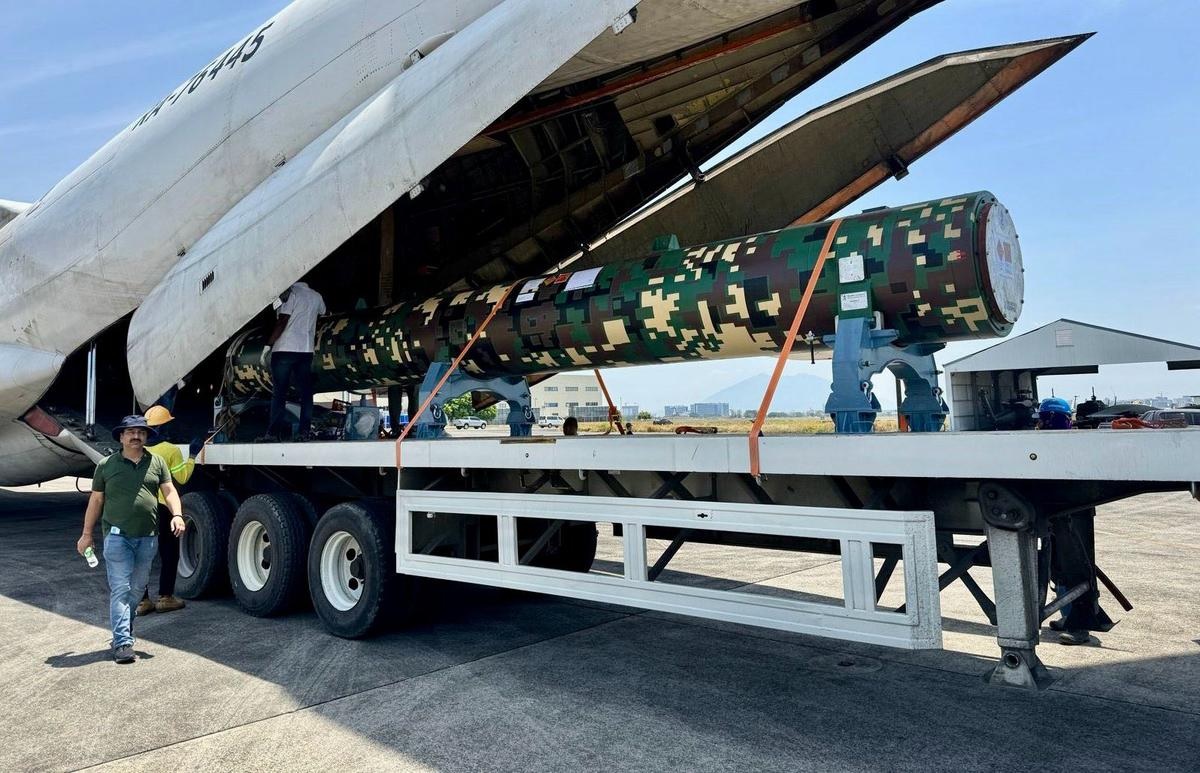
India
Arrah, Bihar, India — September 12, 2025 : India is set to deliver the third and final batch of BrahMos supersonic cruise missiles to the Philippines, completing a significant $375 million defense agreement signed in 2022. This delivery marks the culmination of a strategic partnership aimed at bolstering the Philippines' coastal defense capabilities amid rising maritime tensions in the Indo-Pacific region. The BrahMos missile system, developed by the Indian-Russian joint venture BrahMos Aerospace, is renowned for its speed and precision. With a range of 290 kilometers and a speed of Mach 2.8, it is capable of targeting both maritime and land-based threats. The Philippine Marine Corps has been integrating these systems into its Coastal Defense Regiment, enhancing its ability to safeguard the nation's exclusive economic zones, including contested areas like the Spratly Islands and Scarborough Shoal. The first batch of BrahMos missiles was delivered in April 2024, followed by the second batch in April 2025. According to BrahMos Aerospace CEO and Managing Director Jaiteerth Joshi, the final batch is prepared for timely delivery, reaffirming India's commitment to fulfilling its defense export obligations. This export solidifies India's position as a reliable defense partner in the Indo-Pacific region. The BrahMos missile acquisition is part of the Philippines' broader military modernization efforts under its Horizon 2 and Horizon 3 programs. These initiatives aim to enhance the country's defense infrastructure and capabilities, particularly in response to China's assertive actions in the South China Sea. The delivery of the BrahMos system underscores India's "Act East" policy, reflecting its growing defense cooperation with Southeast Asian nations. In addition to the BrahMos deal, India and the Philippines have elevated their bilateral relations to a strategic partnership, focusing on defense and trade. This development was highlighted during the visit of Philippine President Ferdinand R. Marcos Jr. to New Delhi in August 2025, emphasizing the strengthening of defense ties between the two nations. As the Philippines receives the final batch of BrahMos missiles, the move is expected to serve as a deterrent against potential maritime threats, contributing to the collective security of the Indo-Pacific region. The successful implementation of this defense agreement not only enhances the Philippines' defense posture but also exemplifies India's growing role as a key defense exporter in the global arena.
Read More → Posted on 2025-09-12 17:01:13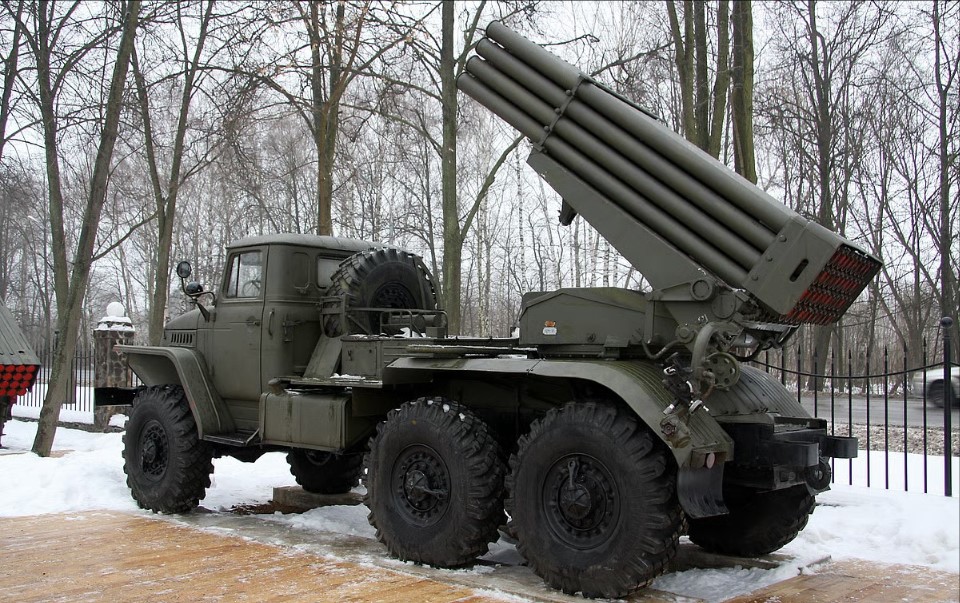
India
Hyderabad-based Apollo Micro Systems Ltd (AMS) has signed a Memorandum of Understanding (MoU) with US-based Dynamic Engineering and Design Inc. (DEDI) to co-develop and produce rocket motors for the BM-21 Grad ER and non-ER rocket systems. The agreement was formalized at the Defence and Security Equipment International (DSEI) exhibition in London on September 10, 2025. Apollo Strategic Technologies Pvt Ltd (ASTPL), a subsidiary of Apollo Defence Industries Pvt Ltd (ADIPL) and a step-down subsidiary of AMS, will collaborate with DEDI on technology transfer and co-development of rocket motors. This partnership aims to enhance India’s self-reliance in defence manufacturing under the government’s ‘Make in India’ initiative. The BM-21 Grad rockets are widely used in multi-barrel rocket launchers (MBRLs) for rapid-fire capabilities. The rocket motor is a critical component, comprising the propellant, casing, nozzle, and ignition system, which determines the range, stability, thrust, and accuracy of artillery rockets. Apollo Micro Systems has already developed a 122mm rocket warhead in-house and plans to begin trials shortly, with full-scale production targeted by mid-2026. The collaboration will enable the integration of these indigenous warheads with domestically produced rocket motors, marking a significant milestone in India’s private defence manufacturing sector. This strategic collaboration not only boosts India’s defence manufacturing capacity but also strengthens its position as a reliable supplier in the global defence value chain. The MoU reflects a significant step toward indigenising propulsion technologies for multi-barrel rocket systems and advancing self-reliance in critical defence systems. Shares of Apollo Micro Systems Ltd have rallied in recent trading sessions, reflecting investor confidence in the company’s strategic initiatives and growth prospects in the defence sector.
Read More → Posted on 2025-09-12 16:56:29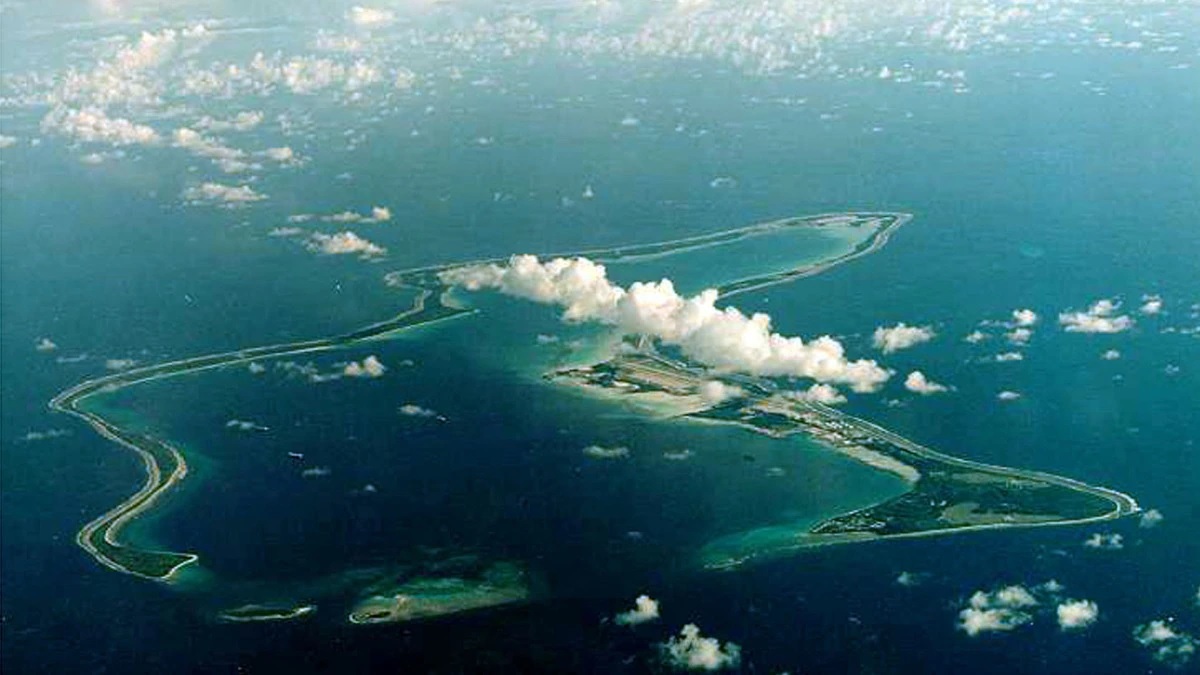
India
In a significant diplomatic development, Mauritius has requested the Indian government to provide a vessel for a symbolic flag-raising ceremony on the Chagos Islands, following the United Kingdom’s agreement to transfer sovereignty of the archipelago back to Mauritius. The UK had initially offered a ship for this purpose, but Mauritian Prime Minister Navinchandra Ramgoolam emphasized that an Indian vessel would be more meaningful for the occasion. He stated, “We wanted a ship. The British offered us one, but we indicated that we preferred an Indian ship because, symbolically, it would make more sense.” The Chagos Islands, including Diego Garcia, have been a point of contention between Mauritius and the UK for decades. In May 2025, the UK agreed to transfer sovereignty of the islands to Mauritius, while retaining control over the Diego Garcia military base under a 99-year lease. This agreement has been hailed as a step towards decolonization and recognition of Mauritius' territorial claims. The request for an Indian vessel underscores the growing strategic partnership between India and Mauritius. India has been actively involved in supporting Mauritius' development and security initiatives, including a $680 million economic assistance package announced during Prime Minister Ramgoolam's visit to India. This package aims to bolster infrastructure, healthcare, and maritime security, with a particular focus on the Chagos Marine Protected Area. The Indian government's support for Mauritius' sovereignty over the Chagos Islands aligns with its broader regional strategy to counterbalance China’s growing influence in the Indian Ocean. By assisting Mauritius in this symbolic gesture, India not only strengthens bilateral ties but also asserts its role as a key player in regional security and maritime affairs. As preparations for the flag-raising ceremony continue, the involvement of an Indian vessel would mark a historic moment in the Chagos Islands' transition and further solidify the strategic partnership between India and Mauritius.
Read More → Posted on 2025-09-12 16:43:30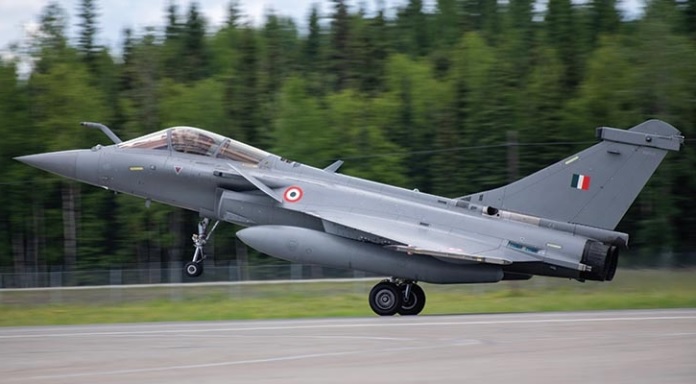
India
The Indian Ministry of Defence has commenced deliberations on a significant proposal from the Indian Air Force (IAF) to procure 114 'Made in India' Rafale fighter jets. This initiative aims to bolster India's air combat capabilities and promote indigenous defense manufacturing. The proposal, valued at over ₹2 lakh crore, outlines plans for the construction of these advanced aircraft within India, in collaboration with French aerospace manufacturer Dassault Aviation. Notably, the project is expected to incorporate more than 60% indigenous content, aligning with India's 'Make in India' initiative. Once approved, this acquisition would significantly enhance the IAF's fleet, increasing the number of Rafale aircraft to 176. Currently, the IAF has inducted 36 Rafale jets, and the Indian Navy has placed orders for 26 naval variants, with deliveries scheduled for completion by 2030. The proposed deal would thus represent a substantial expansion of India's Rafale fleet. The proposal is currently under review by various departments within the Ministry of Defence, including the Defence Finance division. Following internal discussions, the proposal is expected to be presented to the Defence Procurement Board (DPB) and, subsequently, the Defence Acquisition Council (DAC) for final approval. This move comes in the wake of the Rafale's commendable performance during Operation Sindoor, where it effectively neutralized threats from advanced Chinese PL-15 air-to-air missiles using its Spectra electronic warfare system. The new batch of 'Made in India' Rafales is anticipated to feature enhanced capabilities, including longer-range air-to-ground missiles, surpassing the existing Scalp missiles. In addition to the aircraft acquisition, the French side plans to establish a Maintenance, Repair, and Overhaul (MRO) facility for the Rafale's M-88 engines in Hyderabad. This facility is expected to support both Indian and global markets, further strengthening the domestic defense infrastructure. The proposed deal underscores India's commitment to enhancing its defense capabilities through indigenous production and international collaboration. If finalized, it would mark a significant milestone in India's defense procurement history. As the proposal progresses through the necessary approval channels, it is poised to play a pivotal role in shaping the future of India's air defense strategy.
Read More → Posted on 2025-09-12 16:32:06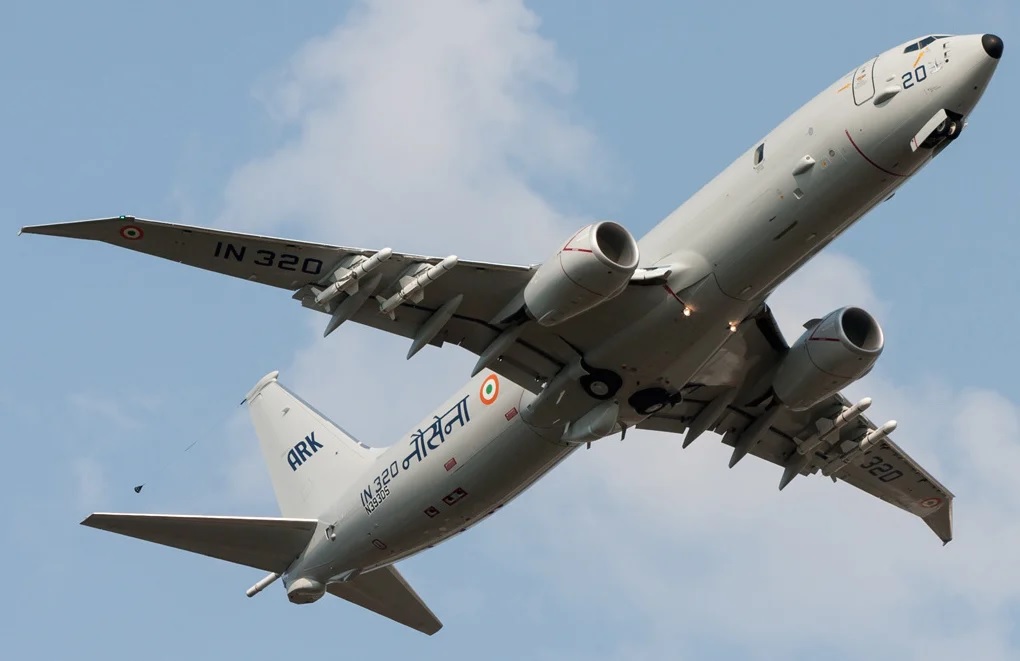
India
New Delhi, 12 September 2025 : A high-level delegation from the United States, including senior officials from the Department of Defense and executives of Boeing, is scheduled to visit India from September 16 to 19 to negotiate the sale of six additional P-8I maritime patrol aircraft. The deal, estimated at $4 billion, is aimed at strengthening India’s maritime surveillance capabilities and deepening defense cooperation between the two nations. The P-8I, a variant of Boeing’s P-8 Poseidon, has become the backbone of the Indian Navy’s long-range maritime reconnaissance and anti-submarine operations. The Navy already operates 12 P-8Is from its bases in Arakkonam and Goa, where the aircraft have proven vital in monitoring strategic waters, tracking submarines, and gathering intelligence. The proposed acquisition would expand this fleet and enhance India’s operational readiness in the Indian Ocean. Rising Costs and Delays The deal has been under discussion since 2019 but faced repeated delays over pricing and terms. Initially valued at $2.4 billion, the cost rose to nearly $4 billion due to revised specifications, inflation, supply chain disruptions, and the inclusion of expanded support packages and training. The imposition of higher U.S. tariffs on Indian goods earlier this year further complicated negotiations, leading New Delhi to reassess its financial commitments. Strategic Significance The urgency of the procurement has grown amid an increasingly contested security environment in the Indian Ocean. China has stepped up submarine patrols in the region, while Pakistan is inducting new Hangor-class submarines armed with Babur-3 cruise missiles. These developments have heightened India’s concerns over undersea threats. Defense analysts say the P-8I’s long-range sensors, sonobuoys, and integrated mission systems will be crucial in countering these challenges. Strengthening Defense Ties Beyond immediate defense needs, the acquisition is expected to bolster U.S.-India strategic relations. The deal is likely to include training programs, long-term maintenance support, and potential avenues for future technology cooperation. Officials say expanding the fleet will also improve coordination with allied navies, enhance maritime domain awareness, and reinforce deterrence in the wider Indo-Pacific. Key Focus of Talks During the upcoming visit, discussions will cover contract pricing, delivery timelines, and operational integration. Long-term support arrangements, training packages, and possibilities for local collaboration are also expected to be on the agenda. Observers believe the outcome of these talks could serve as a bellwether for U.S.-India defense relations, reflecting both nations’ commitment to maintaining regional stability and securing strategic interests in the Indian Ocean.
Read More → Posted on 2025-09-12 16:20:56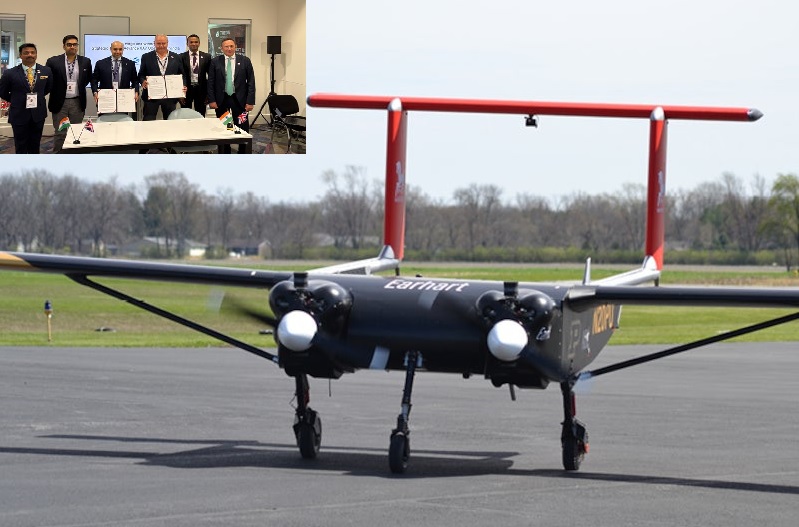
India
In a significant move to bolster India's unmanned aerial vehicle (UAV) capabilities, Bharat Forge Limited has signed a Memorandum of Understanding (MoU) with UK-based Windracers Limited. The agreement, formalized at the DSEI UK 2025 defense exhibition in London, focuses on the deployment, localization, and application of Windracers' ULTRA UAV across India. This collaboration aims to enhance logistics and operational efficiency in both defense and civil sectors. Specifications of the Windracers ULTRA UAV The Windracers ULTRA UAV is a robust, self-flying cargo aircraft designed for heavy-lift operations. It features a 10-meter wingspan and is powered by two 50 hp Hirth F23 engines, doubling the power output of its predecessor. The UAV has a maximum take-off weight of 510 kg and can carry a useful payload of up to 150 kg over distances of up to 1,000 km. Its design includes a twin-boom configuration with a high T-tail, allowing easy access to its 700-liter cargo compartment. The aircraft operates autonomously using Windracers' Masterless avionics system, which ensures automated takeoff and landing capabilities. The system’s dual or triple redundancy design ensures safe operation even in the event of hardware or software failures. Strategic Implications for India This partnership aligns with the UK-India Free Trade Agreement (FTA) and supports the goals of the India-UK Vision 2035.Amit Kalyani, Joint Managing Director of Bharat Forge, emphasized that the Windracers ULTRA UAV enhances India's indigenous UAV capabilities and provides robust solutions for high-stakes logistics across some of the world's most challenging geographies. The MoU, initially set for a two-year term, allows both companies to advance localization efforts, conduct joint trials, and establish a definitive deployment agreement in India.The collaboration is expected to address emerging requirements across the Indian military and civil sectors, including Carrier On Board Delivery (COD) operations for the Indian Navy, critical logistics for the Indian Army and Air Force, and other key roles in varied operational environments. Simon Muderack, CEO of Windracers, noted that collaborating with Bharat Forge represents a major step in expanding the dual-use operation of the Windracers ULTRA. The partnership leverages years of research, development, testing, and operation to deliver strategic benefits and operational autonomy for India's defense and civil stakeholders. The collaboration between Bharat Forge and Windracers marks a significant advancement in India's UAV capabilities, promising enhanced logistics and operational efficiency across various sectors.
Read More → Posted on 2025-09-11 17:17:26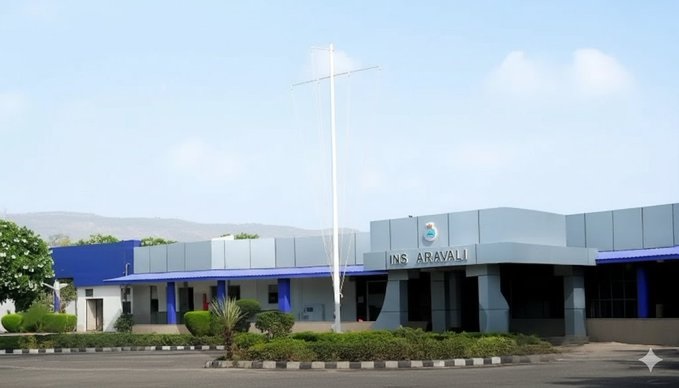
India
On September 12, 2025, the Indian Navy officially commissioned INS Aravali at its new base in Gurugram. The ceremony was presided over by Admiral Dinesh K. Tripathi, Chief of the Naval Staff, marking a significant milestone in the enhancement of India's maritime security infrastructure. INS Aravali, named after the resilient Aravali mountain range, is strategically positioned to support various information and communication centres integral to the Navy's command, control, and Maritime Domain Awareness (MDA) framework. These centres play a pivotal role in safeguarding India's extensive maritime interests by providing real-time surveillance and intelligence across the nation's vast coastline. The base's crest features central mountain imagery symbolizing the unwavering strength of the Aravali Range, complemented by a rising sun representing eternal vigilance, resilience, and the dawn of advanced technological capabilities in communications and MDA. This emblem reflects the base's steadfast commitment to defending India's maritime borders through continuous innovation and collaboration. Guided by the motto 'सामुद्रिकसुरक्षायाः सहयोगं' or 'Maritime Security through Collaboration,' INS Aravali embodies a cooperative ethos, working seamlessly with naval units, MDA centres, and allied stakeholders to strengthen India's maritime security. The establishment of this base underscores the Navy's dedication to enhancing its operational readiness and strategic capabilities in an increasingly complex maritime environment. The commissioning of INS Aravali represents a significant step forward in the Indian Navy's ongoing efforts to modernize its infrastructure and enhance its maritime domain awareness capabilities. As the Navy continues to adapt to evolving security challenges, INS Aravali will serve as a cornerstone in its mission to ensure the safety and security of India's maritime interests.
Read More → Posted on 2025-09-11 17:13:47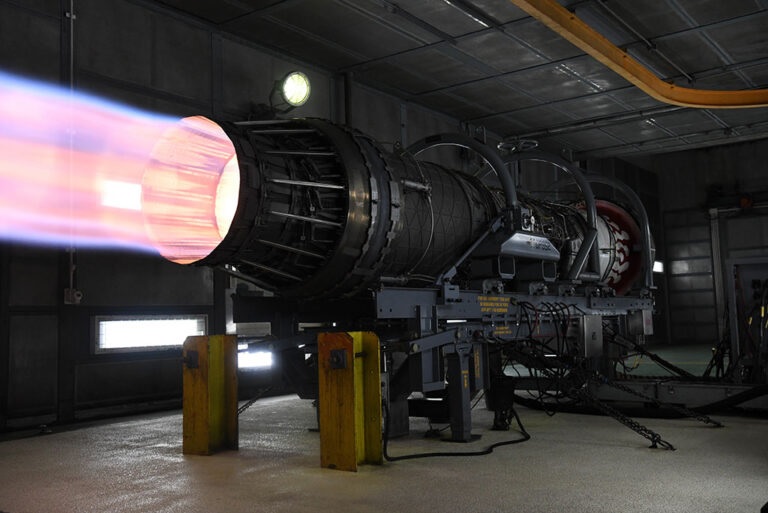
India
Bengaluru, September 11, 2025 – In a significant stride towards self-reliance in defense technology, India has embarked on a landmark collaboration with French aerospace giant Safran to co-develop a 120-kilonewton (kN) thrust fighter jet engine. This initiative, led by the Defence Research and Development Organisation (DRDO) through its Gas Turbine Research Establishment (GTRE), marks a pivotal move in India's quest to enhance its indigenous defense capabilities. The ambitious project envisions the development of nine engine prototypes over a 12-year period, with the first flight test scheduled for 2028. The initial engines will deliver 120 kN of thrust, with plans to scale up to 140 kN by the end of the development cycle. This progression aims to meet the evolving requirements of India's Advanced Medium Combat Aircraft (AMCA) program, a fifth-generation stealth fighter currently under development. A key feature of this collaboration is the full technology transfer from Safran to DRDO, encompassing advanced technologies such as single-crystal blade technology. These blades, constructed from superalloys, offer superior efficiency, longevity, and resilience under high heat and stress conditions. While DRDO has developed this technology, adapting it for high-powered jet engines presents a unique challenge. Safran’s commitment to transferring 100% of its technology to DRDO underscores the depth of this strategic partnership. The project, estimated at approximately ₹61,000 crore (about $7 billion), is poised to significantly bolster India's defense manufacturing sector. It aligns with the government's 'Make in India' initiative, aiming to reduce dependence on foreign defense imports and promote domestic innovation. The collaboration also strengthens the strategic ties between India and France, reflecting a shared commitment to advancing aerospace technology. The Safran-GTRE partnership is expected to produce the first batch of engines by 2036, with full-scale production commencing thereafter. This timeline is synchronized with the AMCA's development phases, ensuring that the aircraft is equipped with state-of-the-art propulsion systems upon induction. The successful realization of this project will not only enhance the capabilities of the Indian Air Force but also position India as a formidable player in the global aerospace arena. As the project progresses, it is anticipated that the collaboration will lead to the establishment of advanced manufacturing facilities and research centers in India, further contributing to the nation’s technological prowess and economic growth. The Safran-DRDO partnership stands as a testament to India’s growing self-reliance in defense technology and its determination to achieve excellence in aerospace innovation.
Read More → Posted on 2025-09-11 17:10:25
India
In a significant diplomatic development, the European Union has firmly declined U.S. President Donald Trump's request to impose 100% tariffs on goods from India and China.The proposal was part of a broader strategy to pressure Russian President Vladimir Putin by targeting nations that continue to purchase Russian oil. Despite the U.S. administration's push, EU officials have expressed strong reservations about implementing such sweeping tariffs.They argue that tariffs differ from sanctions and require extensive legal investigations to justify.This process could delay the imposition of any measures and complicate the EU's legal standing.Furthermore, the EU is cautious about disrupting sensitive trade relations, particularly with India, as ongoing negotiations for a Free Trade Agreement (FTA) are underway.The EU prefers targeted sanctions on specific entities involved in aiding Russia's military operations, rather than broad tariffs that could have far-reaching economic consequences. The EU's decision underscores its commitment to a more measured and legally sound approach to international trade and sanctions.While aligning with the U.S. on many fronts, the EU maintains its autonomy in crafting policies that align with its legal frameworks and economic interests.This divergence highlights the complexities of international diplomacy and the balancing act nations face when aligning foreign policy objectives with domestic legal and economic considerations. As the situation develops, it remains to be seen how the U.S. will respond to the EU's stance and whether alternative strategies will be pursued to address the ongoing conflict in Ukraine and its global economic implications.
Read More → Posted on 2025-09-11 16:47:26
India
In a bold stride towards maritime dominance, the Indian Navy has unveiled an ambitious plan to expand its fleet to over 200 warships and submarines by 2035, up from the current 140. This strategic move aims to bolster India's maritime security and assert its presence in the Indo-Pacific region, countering the growing naval influence of China and Pakistan. Strategic Expansion and Indigenous Development The Indian Navy's expansion plan is anchored in indigenous development, with 55 warships currently under construction across six domestic shipyards. The Defence Ministry has approved the procurement of 74 additional warships, signaling a significant boost to India's shipbuilding capabilities. This initiative aligns with the government's vision of achieving self-reliance in defense manufacturing, reducing dependency on foreign imports. The fleet modernization encompasses the induction of advanced vessels, including nuclear-powered aircraft carriers and destroyers equipped with BrahMos supersonic cruise missiles. By 2030, the Navy plans to have 13 destroyers and 20 frigates, each armed with over 300 BrahMos missiles, enhancing its strike capabilities and deterrence posture. Technological Advancements and Future Readiness The Navy's roadmap also emphasizes technological advancements, with plans to develop nuclear-powered surface warships, hypersonic missiles, and laser-based weapons. These cutting-edge technologies aim to enhance the Navy's operational efficiency and response capabilities in a rapidly evolving maritime security environment. Chief of Naval Staff Admiral Dinesh K Tripathi highlighted the importance of integrating disruptive technologies, including space, cyber, and artificial intelligence, to create a future-ready Navy. The Navy's focus on technological integration reflects its commitment to maintaining a strategic edge over regional adversaries. Global Naval Power Rankings When assessed by combat capability—particularly the number of aircraft carriers, nuclear-powered submarines, destroyers, frigates, corvettes, and trained personnel—the Indian Navy stands among the world's top four naval forces. As of 2025, India operates two aircraft carriers, one nuclear-powered submarine, 11 destroyers, 13 frigates, and 22 corvettes, supported by a professional force of nearly 70,000 naval personnel. This robust combination of high-value combat assets places India ahead of several regional powers and only slightly behind the United States, China, and Russia in terms of blue-water operational reach. With the planned expansion to three aircraft carriers, four nuclear submarines, 13 destroyers, 20 frigates, and more than 30 corvettes by 2035—alongside enhanced personnel training and infrastructure—India is projected to solidify its position as the third or fourth most powerful navy globally. This growth will not only increase India’s deterrence capability but also strengthen its ability to secure vital sea lanes and respond to evolving security threats across the Indo-Pacific region. India's ambitious naval expansion plan reflects its commitment to safeguarding maritime interests and asserting its presence in the Indo-Pacific region. Through indigenous development, technological advancements, and strategic planning, the Indian Navy is poised to become a formidable force in global maritime security.
Read More → Posted on 2025-09-11 16:16:05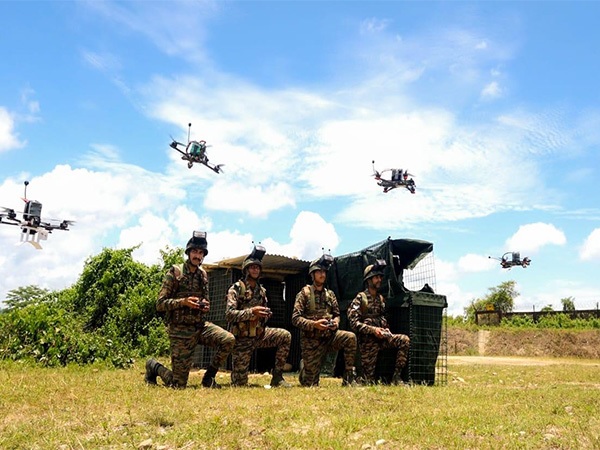
India
The Indian Army successfully conducted Exercise Siyom Prahar from September 8 to 10, 2025, in Arunachal Pradesh, marking a significant leap in the use of drone technology for modern tactical operations. The exercise was carried out under realistic battlefield conditions, focusing on validating the operational employment of unmanned aerial vehicles (UAVs) to enhance combat readiness. The scope of the exercise included continuous surveillance, battlefield reconnaissance, target acquisition, and precision strikes, demonstrating the transformative role of drones in providing real-time intelligence and rapid, accurate engagement capabilities. Various tactical drones and larger operational UAVs were deployed, highlighting their utility across both frontline and support roles. A central aim of Exercise Siyom Prahar was the development and validation of new Tactics, Techniques, and Procedures (TTPs) suitable for future battlefields. These innovations included integrating drone data with conventional artillery and infantry operations, streamlining joint targeting processes, and improving decision-making speed in dynamic combat scenarios. The exercise also emphasized interoperability between traditional combat units and emerging technological assets, ensuring seamless coordination on the battlefield. Military experts noted that exercises like Siyom Prahar are crucial for preparing the Army for high-intensity conflict environments, particularly in border areas requiring rapid intelligence and responsive strike capabilities. The Army also tested drone-assisted logistics and casualty evacuation simulations, showcasing the growing versatility of UAVs beyond purely combat roles. Through this exercise, the Indian Army reaffirmed its commitment to remaining at the forefront of military innovation. By combining cutting-edge technologies like UAVs with traditional warfighting skills, the Army continues to strengthen its operational effectiveness, adaptability, and readiness for evolving security challenges. The outcomes of Siyom Prahar provide valuable lessons for future operational integration, force multiplication, and the development of next-generation combat doctrines, ensuring that India’s armed forces remain future-ready and combat-capable.
Read More → Posted on 2025-09-11 15:52:38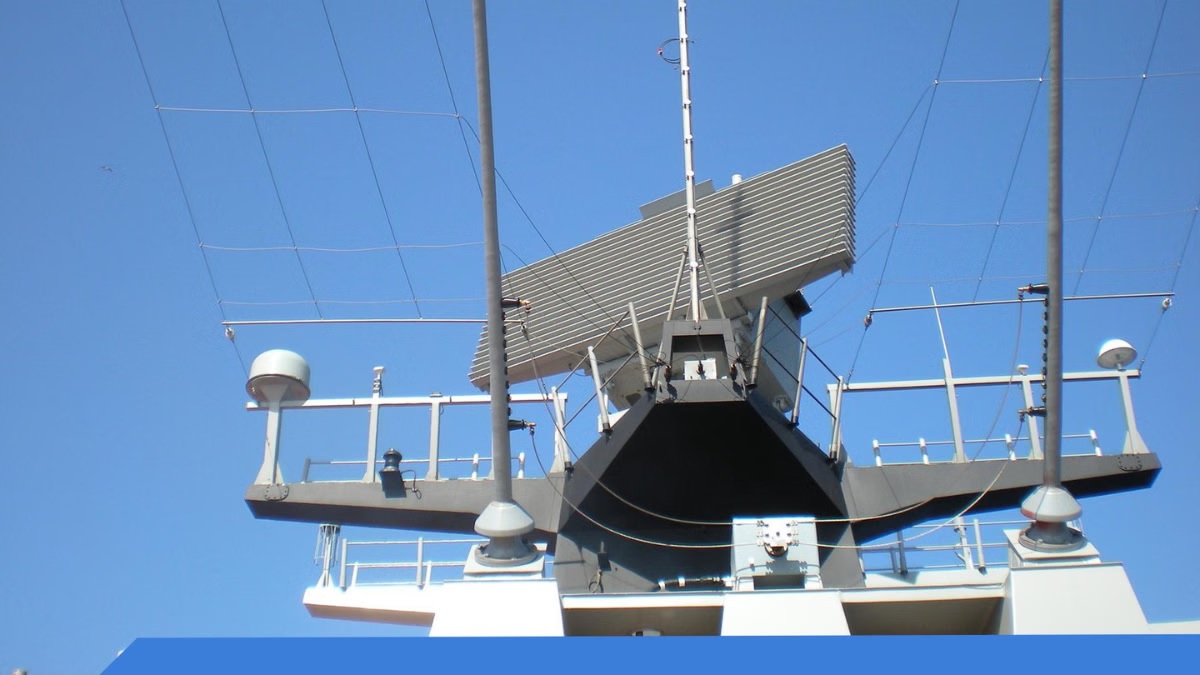
India
Bengaluru / New Delhi, 11 September 2025 : In a major breakthrough for India’s defence industry, Tata Advanced Systems Ltd (TASL), in partnership with Spanish defence firm Indra, has successfully manufactured, delivered, and commissioned the Lanza-N 3D Air Surveillance Radar (3D-ASR) on an Indian Navy warship. This marks the first time such a system has been built and integrated in India, placing TASL at the forefront of advanced naval radar manufacturing. What Makes the Lanza-N Radar Special Three-Dimensional Long-Range Coverage: The radar provides detection and tracking in range, azimuth, and elevation, enabling early warning against aircraft, drones, missiles, and naval vessels. L-Band Operation with Pencil-Beam Scanning: Designed for high accuracy, the radar uses advanced beam-forming techniques and monopulse tracking for precise target location. Robust Against Electronic Warfare: Equipped with strong counter-jamming and clutter suppression features, it maintains performance in contested environments. High Range Capability: The radar has an instrumented detection range of up to 254 nautical miles, providing extended situational awareness. Integrated IFF/SSR: Includes secondary surveillance radar functions with multiple identification modes, allowing clear friend-or-foe classification. Rugged Naval Adaptation: Engineered for tropical maritime conditions, it withstands high temperatures, humidity, vibration, and salt exposure. Scalable & Modular Design: Suitable for frigates, destroyers, and aircraft carriers, the radar can be configured for different naval platforms. Production and Localisation Under a 2020 contract, 23 radars are to be supplied: three fully built in Spain, and 20 more assembled and integrated in India. To support this, TASL has established a dedicated radar assembly, integration, and testing facility in Karnataka. The facility will not only accelerate deliveries but also enable long-term servicing and upgrades. This makes it the first time the Lanza-N system is operational outside Spain, underscoring India’s growing role in advanced defence manufacturing. Strategic Significance Boost to Atmanirbhar Bharat: By indigenously assembling and integrating next-generation surveillance radars, India moves closer to self-reliance in high-end defence systems. Stronger Maritime Shield: Once deployed across multiple classes of warships, the radar will enhance India’s air and surface surveillance envelope in the Indian Ocean Region. Technology Transfer Advantage: Local assembly and testing ensure India gains technical know-how, creating a skilled workforce and reducing reliance on foreign suppliers. Operational Readiness: Local support ensures faster maintenance, lower lifecycle costs, and greater availability of naval assets. Expert Views Sukaran Singh, CEO & MD of TASL, called the achievement a “major leap in India’s ability to produce advanced radars indigenously,” highlighting the role of local supply chains and technical collaboration. Ana Buendia, Head of Indra’s Naval Business Unit, noted that the project is not limited to radar deliveries. “It has also enabled us to build a radar factory in Bengaluru with TASL, ensuring closer service support for the Indian Navy.” The successful commissioning of the Lanza-N on an Indian Navy vessel is a powerful signal of India’s determination to build, integrate, and sustain next-generation defence systems at home. With the rest of the radar deliveries scheduled in phases, the Navy is set to gain a decisive surveillance edge in protecting India’s maritime interests.
Read More → Posted on 2025-09-11 15:11:29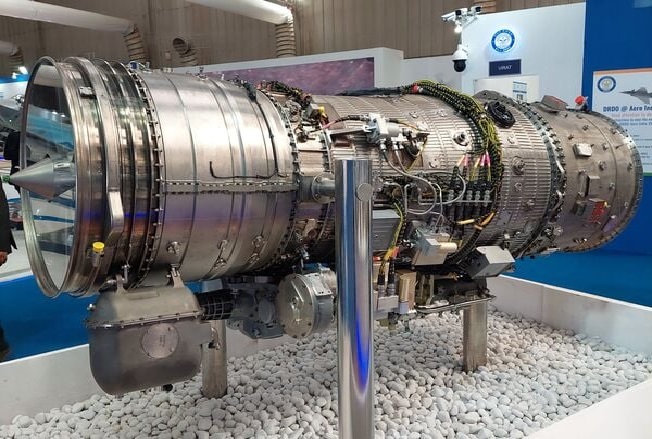
India
India’s long-standing quest for aerospace self-reliance has entered a new phase with the successful transformation of the indigenous Kaveri jet engine program. Once a stalled initiative struggling to meet the requirements of manned fighters, the Kaveri Derivative Engine (KDE) has now been repurposed as the propulsion system for the Ghatak stealth unmanned combat aerial vehicle (UCAV)—a move that marks a critical step toward indigenous defence technology development. Milestone Achievement: Unrestricted Throttle Test Success The Gas Turbine Research Establishment (GTRE), under the Defence Research and Development Organisation (DRDO), recently achieved a major breakthrough by conducting a successful performance test of the Kaveri Dry Engine (KDE) with unrestricted throttle movement. This test confirmed that the engine could maintain smooth operation across the entire throttle range, without performance degradation or instability, an essential requirement for reliable thrust control during combat missions. The KDE, a non-afterburning version of the Kaveri turbofan engine, is designed to deliver approximately 46 to 49 kN of thrust, with ground trials indicating outputs nearing 50 kN. Stable combustion across the throttle spectrum and advanced fuel delivery mechanisms ensure operational efficiency under diverse flight scenarios. The UCAV Rebirth: A New Role for Kaveri Unlike the original Kaveri, which was developed for India’s Light Combat Aircraft (LCA) Tejas with an afterburner requirement of 85 kN thrust, the new derivative serves as the heart of India’s stealth UCAV platform. The absence of afterburners allows the engine to be lighter, more fuel-efficient, and stealthier—attributes critical for deep-penetration missions. The Ghatak UCAV, sanctioned in 2018, is expected to cruise at speeds close to Mach 0.9, with a service ceiling of up to 13,000 meters (approximately 40,000 feet) and endurance of around two hours on internal fuel. It is projected to have a maximum take-off weight of 13 tonnes, an operational range exceeding 1,000 kilometres, and the ability to carry precision-guided munitions for strategic strikes. GTRE Director SV Ramana Murthy explained that the UCAV’s reduced thrust requirements and stealth-oriented design allowed engineers to adapt the Kaveri core, achieving 75% commonality with the original variant while implementing advanced compressors, improved turbine blades, and materials resistant to high temperature and stress. Addressing Past Challenges with New Technologies The Kaveri’s earlier hurdles in achieving desired thrust, reliability, and performance were overcome by incorporating lessons from global aerospace collaborations. GTRE leveraged interactions with Safran (France) and NPO Saturn (Russia), gaining access to advanced aerodynamic designs, compressor configurations, and high-temperature alloys without compromising strategic independence. The upgraded KDE incorporates state-of-the-art digital control systems, enabling superior fuel management and engine monitoring, crucial for unmanned platforms operating in complex combat theatres. A Cost-Effective Development Journey Since its inception in 1983, India’s investment in the Kaveri program has been approximately $239 million (₹2,000 crore)—a fraction of the cost compared to other global aerospace programs. For context, the development of the Eurofighter’s EJ200 and Rafale’s M88 engines required around $1.6 billion each, while the F-35’s F135 engine development crossed $6.7 billion. Even China’s WS-15, meant for its stealth fighters, saw investments exceeding $42 billion. This modest investment underscores the importance of targeted, sustained research and development and reflects India’s approach to balancing strategic autonomy with resource efficiency. Future Pathways: Fifth and Sixth Generation Engines The success of KDE has opened doors for next-generation propulsion initiatives. GTRE is now working on a 120 kN thrust engine tailored for fifth-generation fighter jets, with ambitions of enhancing thrust-to-weight ratios, fuel efficiency, and engine life beyond 2,000 operational hours. Looking further ahead, the organisation is spearheading the sixth-generation propulsion program for the Advanced Medium Combat Aircraft (AMCA) MK-2, aiming for turbine entry temperatures of 2,100 Kelvin, putting India on par with advanced engines globally. These efforts also include technology collaborations with Safran, Rolls-Royce, and General Electric, focusing on joint development and future-proof designs. Infrastructure and Collaboration: A Strong Foundation GTRE’s 130 kN Twin Engine Test Bed Facility at Rajankunte, Bangalore, expected to be fully operational by October 2025, represents another cornerstone in India’s aerospace ambitions. The facility will support endurance and high-stress testing for larger engines, further accelerating indigenous development efforts. According to K Rajalakshmi Menon, Director General of Aeronautical Systems at DRDO, India has reached a stage where international aerospace firms recognize the country’s capability to participate in advanced engine development programs. “Equal partnership, technological maturity, and strategic intent position India as a credible collaborator in global aerospace ventures,” she noted. Strategic Independence through Indigenous Innovation As KDE approaches certification for the Ghatak UCAV, and derivative technologies expand into naval and ground platforms, the programme exemplifies how persistence in research, coupled with strategic partnerships, yields long-term benefits. India’s journey from technological setbacks to breakthroughs reflects a broader national goal: reducing dependence on foreign suppliers and building a self-reliant defence ecosystem capable of meeting future combat challenges. The Kaveri program’s revival is not just a story of engineering resilience—it is a blueprint for how sustained innovation, strategic vision, and international collaboration can propel India into the front ranks of aerospace technology development.
Read More → Posted on 2025-09-09 16:50:57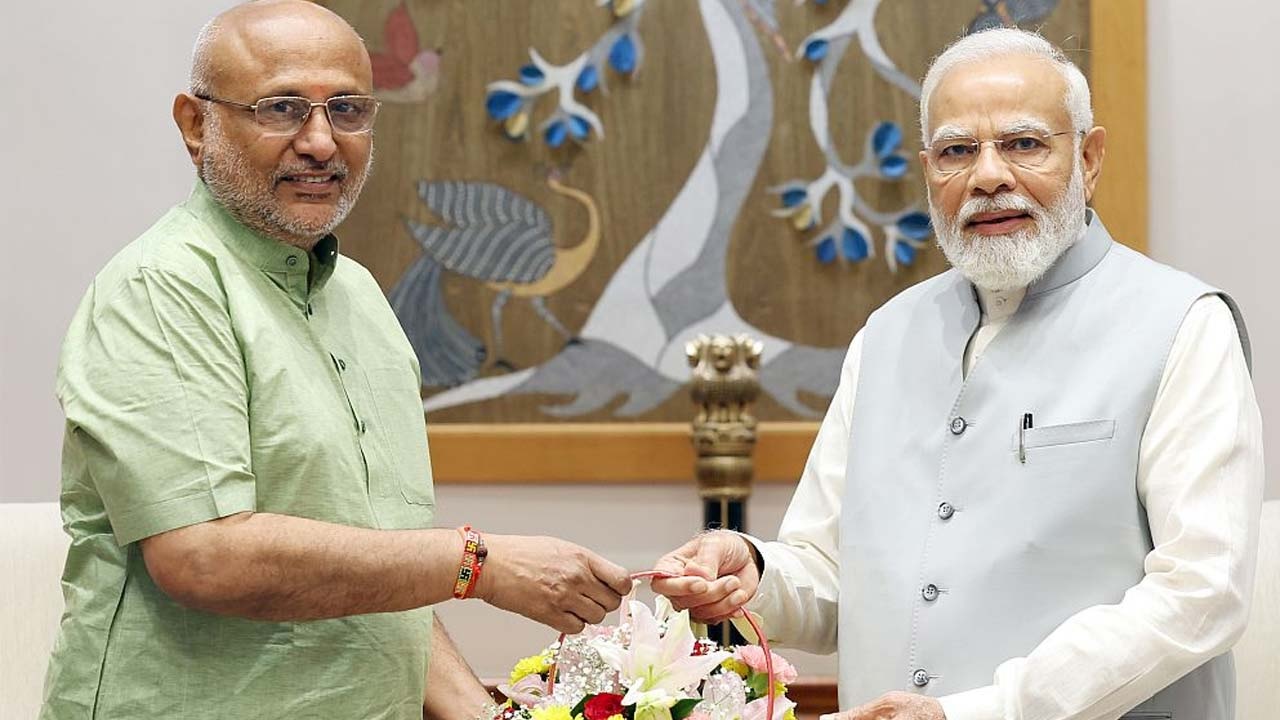
India
In a closely contested election held on September 9, 2025, C.P. Radhakrishnan, the Governor of Maharashtra and a seasoned BJP leader, was elected as the 15th Vice President of India. He secured 452 votes, defeating the opposition candidate, Justice B. Sudershan Reddy, who garnered 300 votes. A total of 754 votes were cast, with 15 votes declared invalid. The voter turnout was notably 96%, reflecting the significance of the election. Radhakrishnan’s victory marks a significant political development, reinforcing the National Democratic Alliance (NDA)’s influence in India’s constitutional offices. His election also underscores the strategic importance of the Vice President’s role, which includes presiding over the Rajya Sabha and stepping in as Acting President when necessary. The election process was conducted through a secret ballot, allowing Members of Parliament to vote independently. Despite the NDA’s strong support, there were indications of cross-voting, with at least 15 opposition MPs reportedly casting their votes in favor of Radhakrishnan. This suggests a degree of fragmentation within the opposition ranks. C.P. Radhakrishnan’s political career includes serving as a two-term Member of Parliament from Coimbatore and holding leadership positions within the BJP in Tamil Nadu. He has also served as Governor of Jharkhand and Maharashtra, gaining recognition for his administrative acumen and commitment to public service. His election to the Vice President’s office is seen as a testament to his longstanding dedication to the nation’s democratic values and governance. As the newly elected Vice President, Radhakrishnan is poised to play a pivotal role in India’s legislative processes and uphold the constitutional responsibilities entrusted to the office. His leadership is anticipated to bring a balanced and experienced perspective to the functioning of the Rajya Sabha and the broader political landscape of the country.
Read More → Posted on 2025-09-09 16:45:20Search
Top Trending in 24 Hours
-
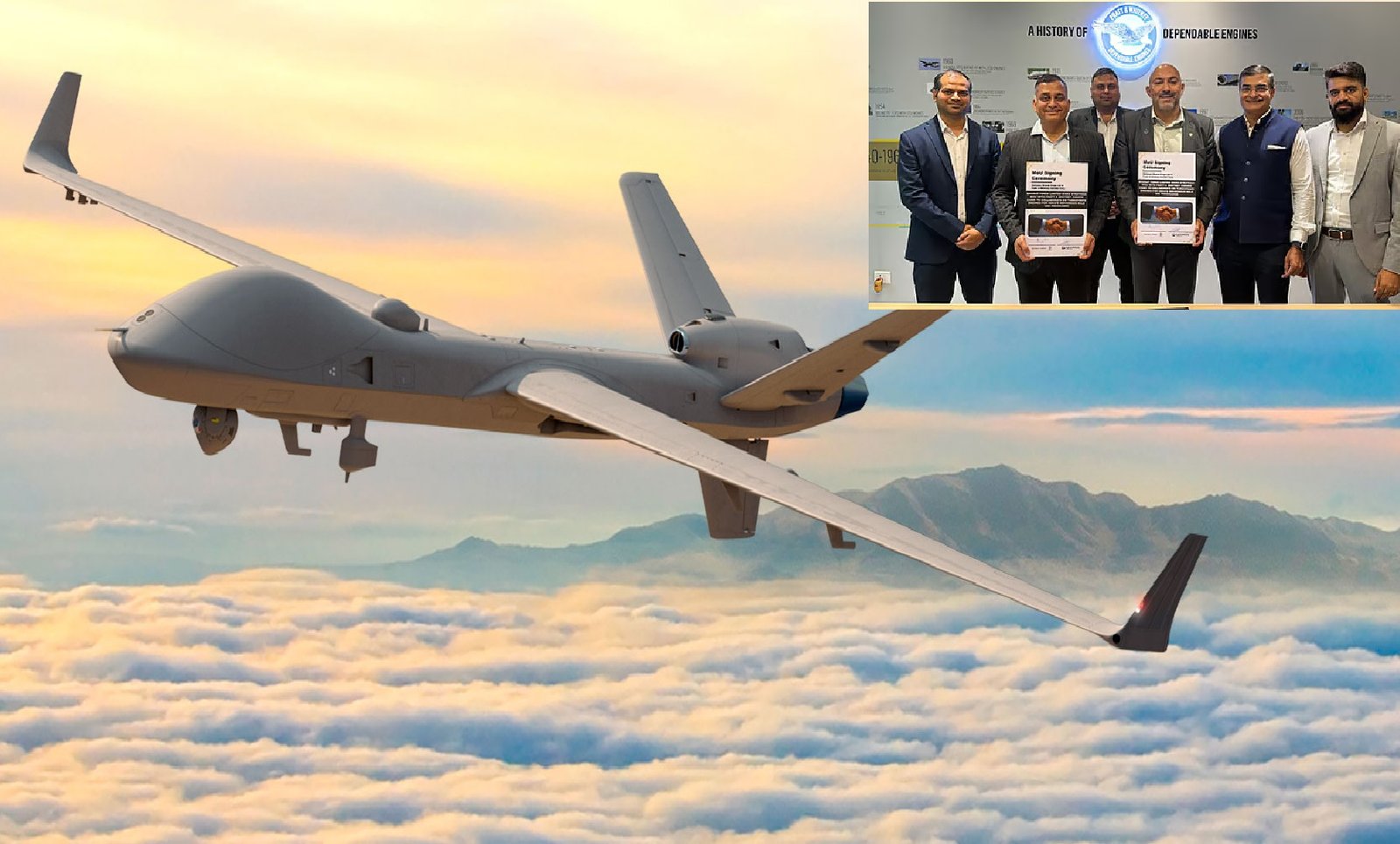 Bharat Forge, Pratt & Whitney Canada to Evaluate Turboprop Engines for DRDO’s Indigenous HALE UAV
-
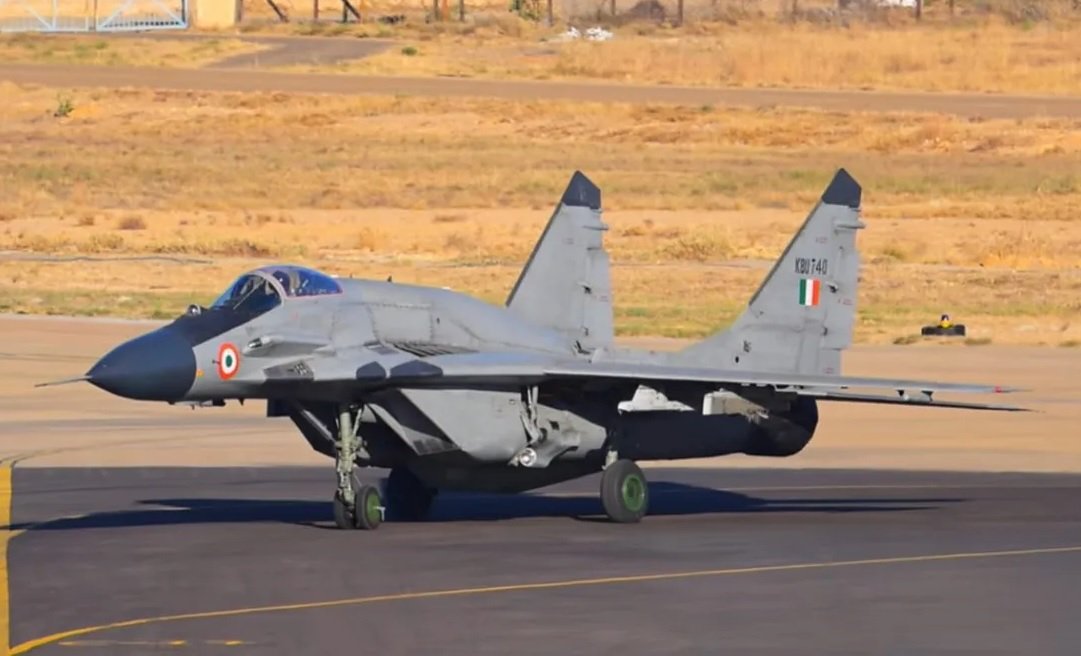 Ukraine’s SpetsTechnoExport Emerges as L1 Bidder for ₹107.47 Crore IAF MiG-29UPG Spares Tender
-
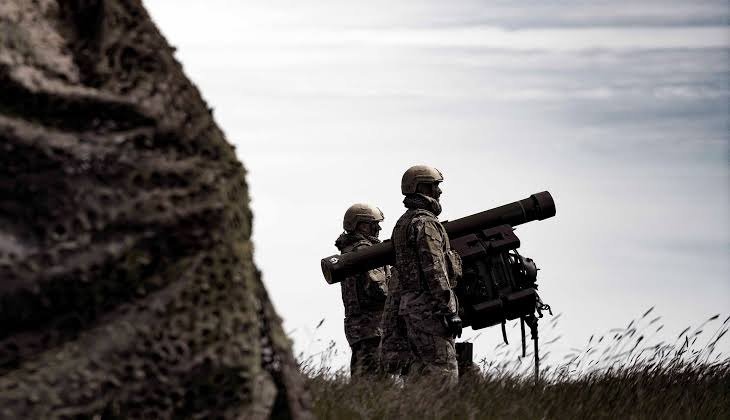 Ukraine Authorizes 81 Companies to Join Private Air Defence Network
-
 Thales Launches HexaForce AI-Enhanced Command and Control System for Multi-Domain Operations
-
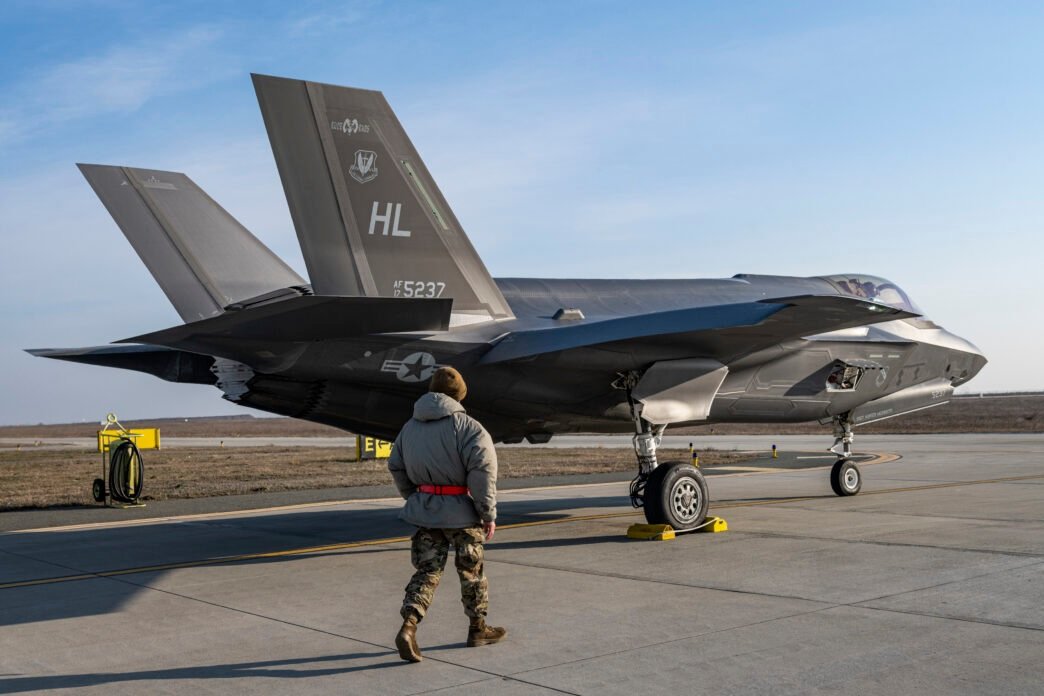 U.S. Intelligence Warns Proposed F-35 Sale to Saudi Arabia Could Expose Technology to China
-
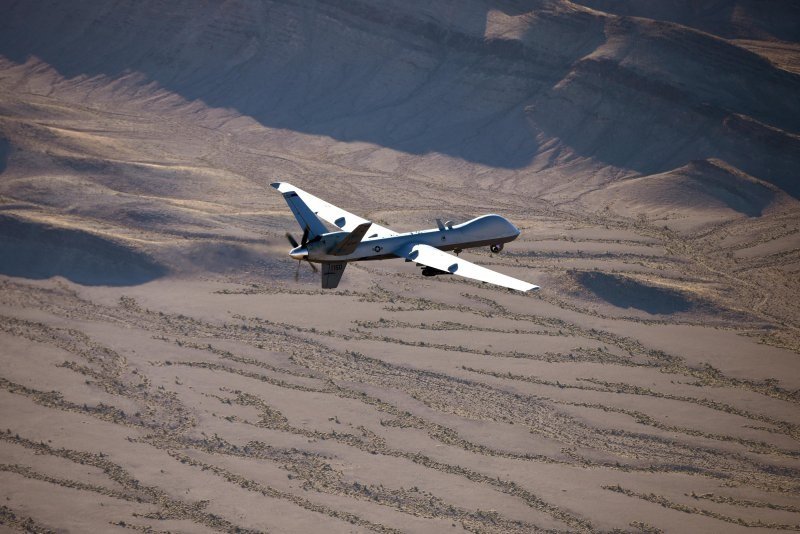 Iran’s IRGC Claims It Shot Down 53rd U.S. MQ-9 Reaper Over Qeshm Island
-
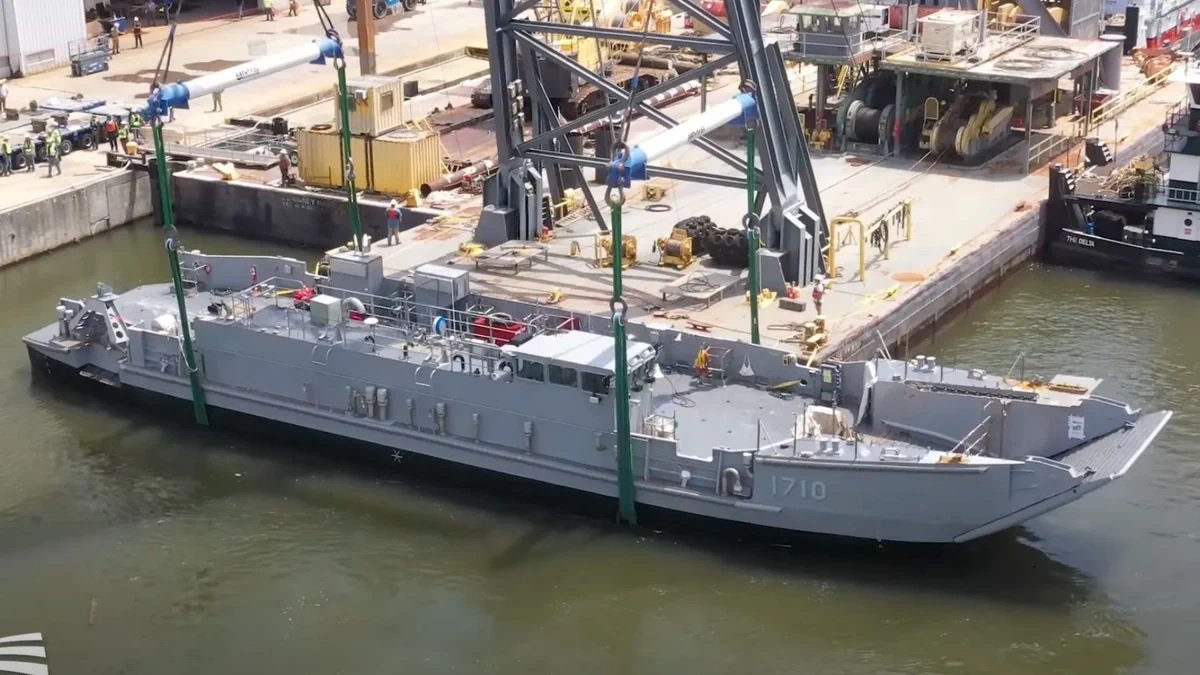 U.S. Navy Awards $280.5 Million in Prototype Agreements to Three Shipyards for LCU 1700 Landing Craft
-
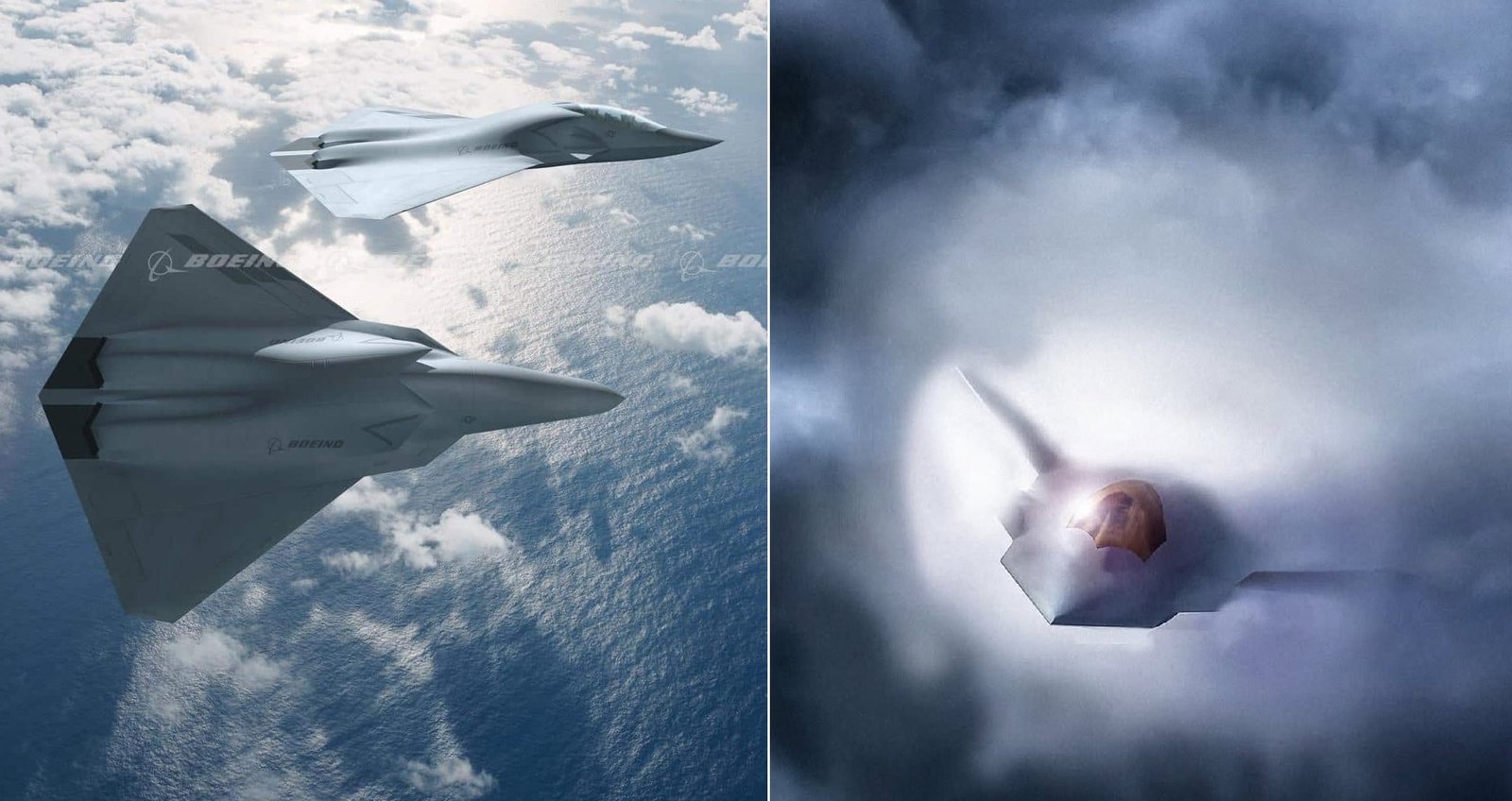 Pentagon Raises Concerns Over Defense Industry Capacity for F-47 and F/A-XX Sixth-Generation Fighter Programs at the Same Time
Top Trending in 4 Days
-
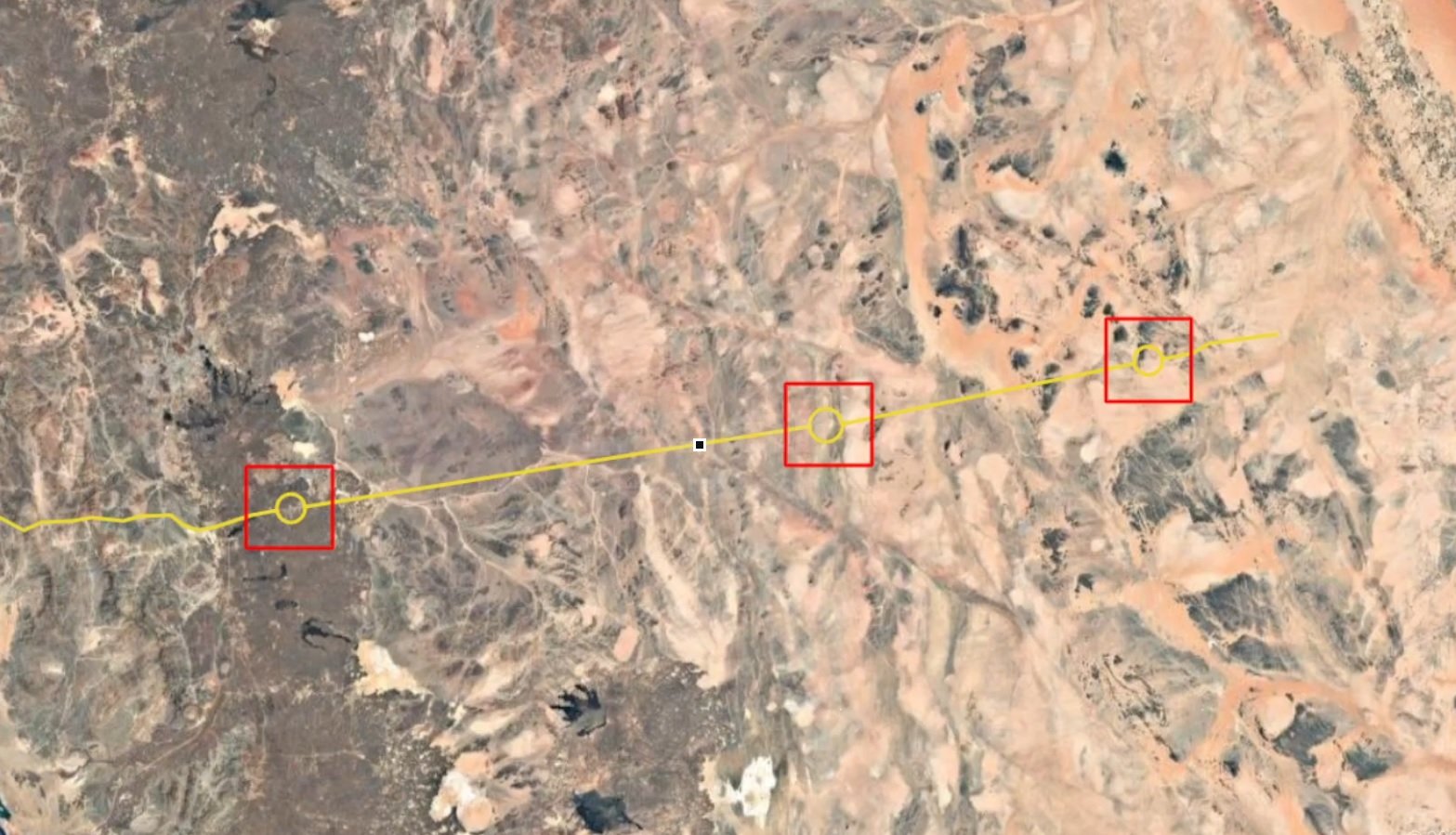 Satellite Imagery Shows Extensive Damage to Saudi Arabia’s East-West Oil Pipeline, Indicating More Than a Single Strike
-
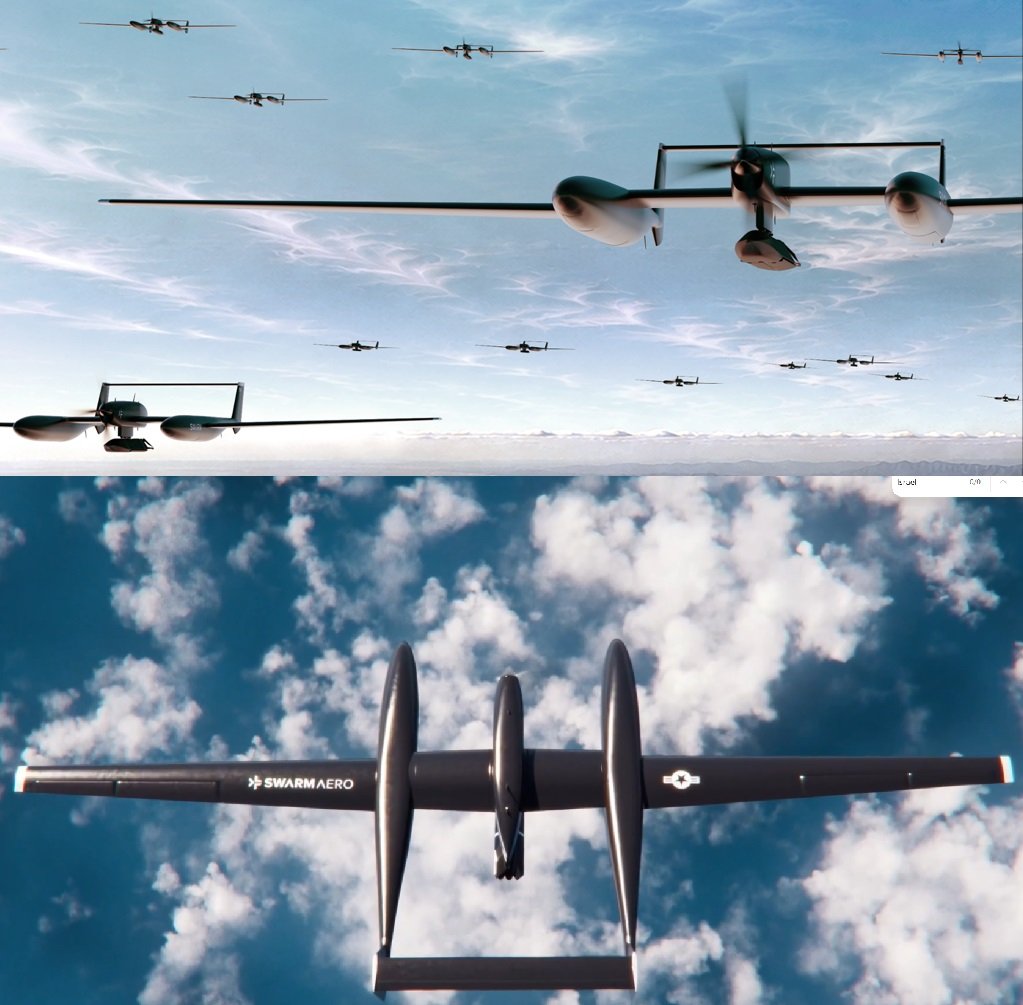 U.S. Firm Swarm Aero Unveils Gamera Group 5 UAS With 9,000-Nautical-Mile Range and Heavy Strike Payload
-
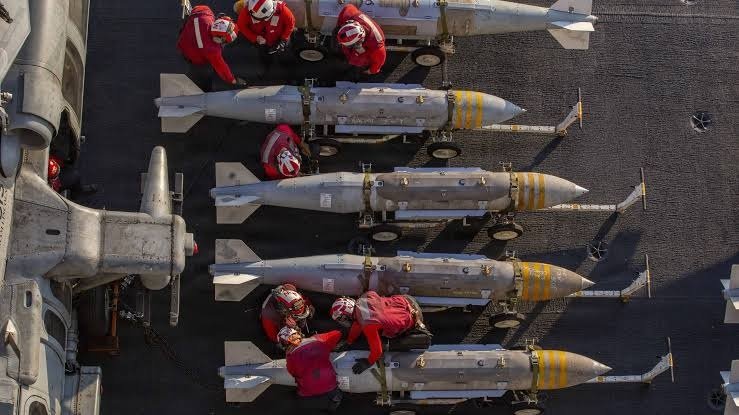 Pentagon Inspector General Report Finds Iran War Caused U.S. Ammunition Shortfalls and Industrial Bottlenecks
-
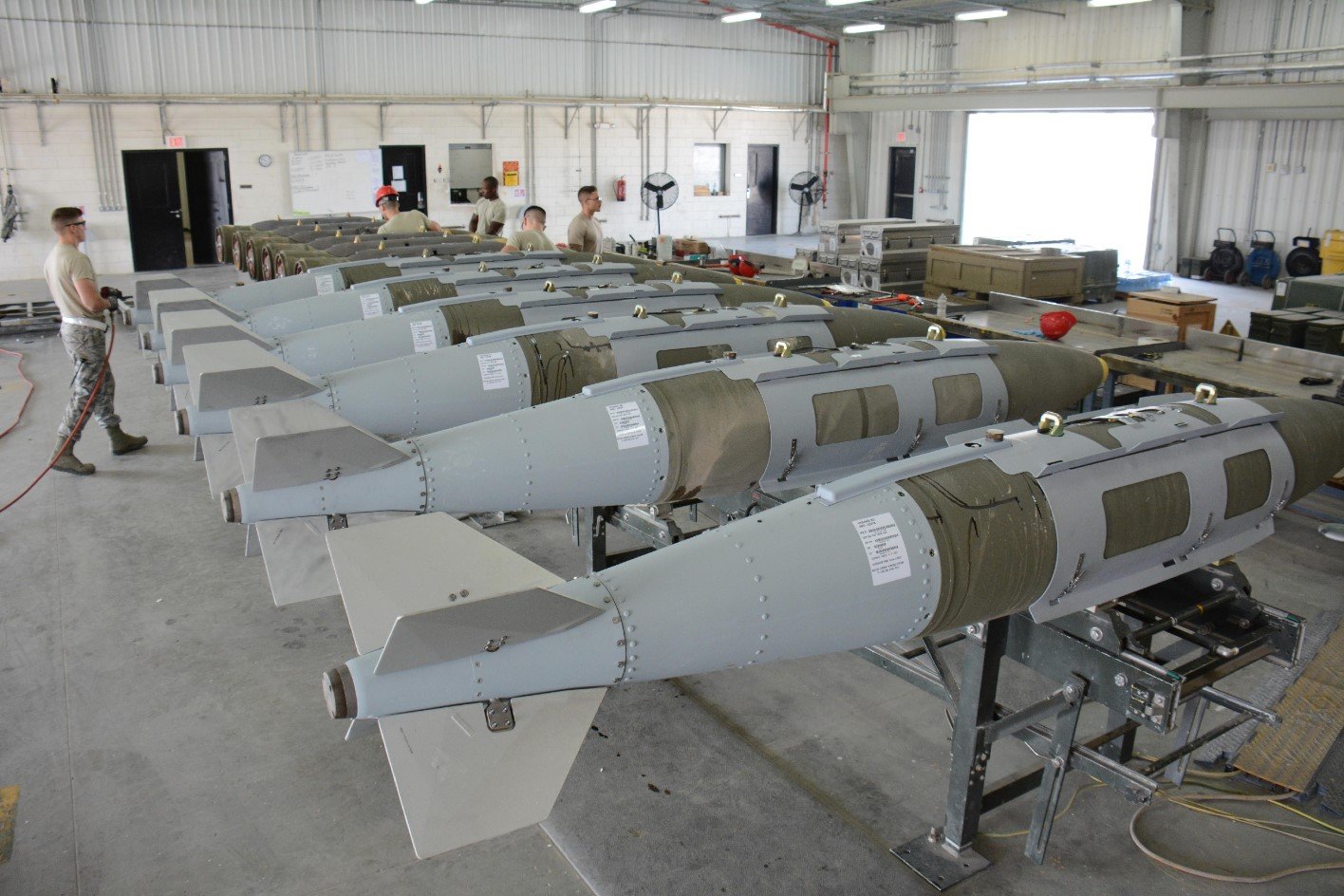 U.S. Plans $2.8 Billion Sale of 40,000 Heavy Bombs and 20,000 I-2000 Penetrator Warheads to Israel
-
 Pentagon and Honeywell Complete Four-Hour Pacific Flight Using Quantum Magnetic Navigation Without GPS
-
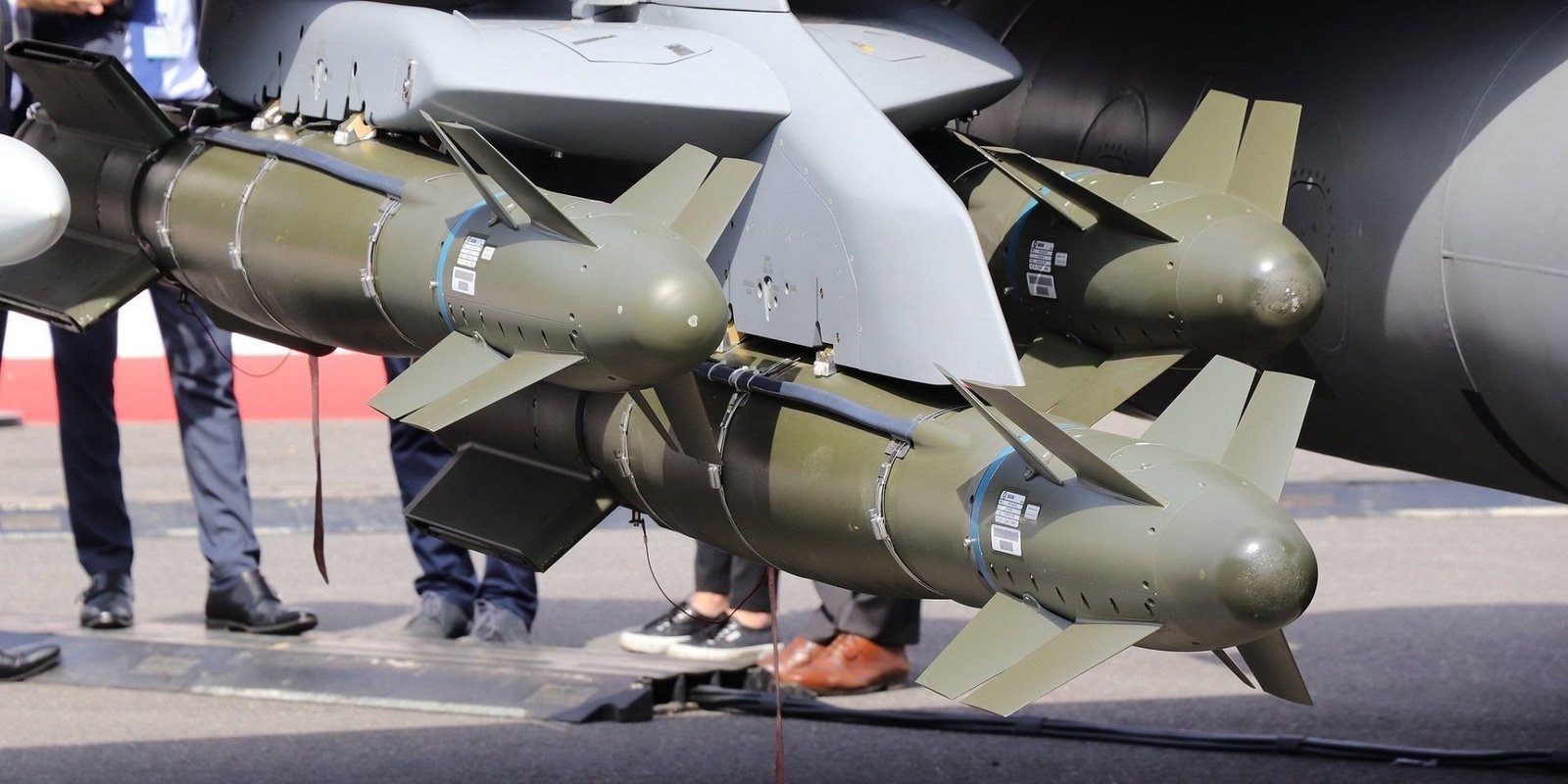 Swedish Gripens Bound for Ukraine to Be Armed with French Rocket-Assisted Hammer Precision Bombs
-
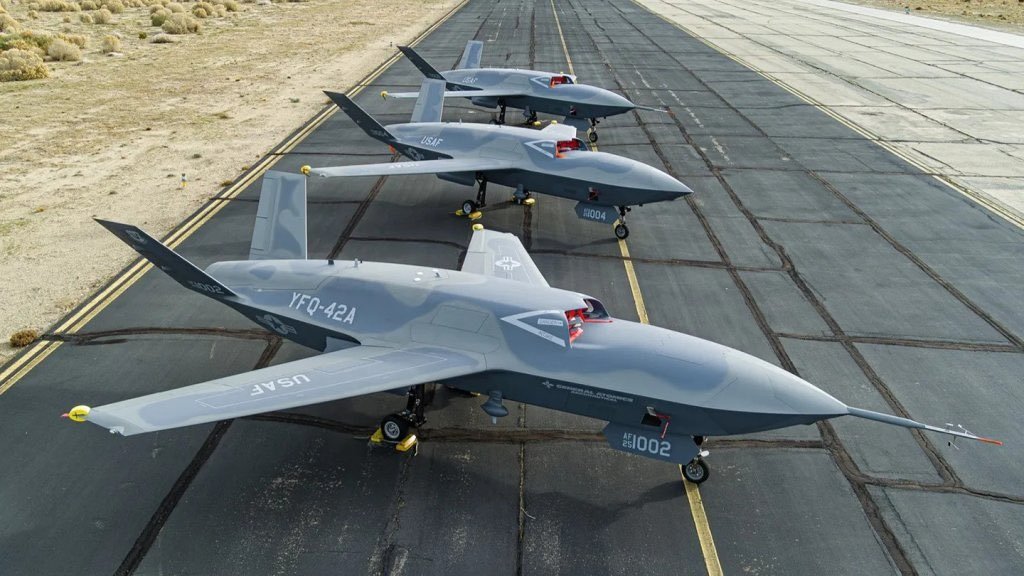 U.S. Air Force Officially Names First Collaborative Combat Aircraft FQ-42 Vengeance and FQ-44 Fury, Targets 500 by 2032
-
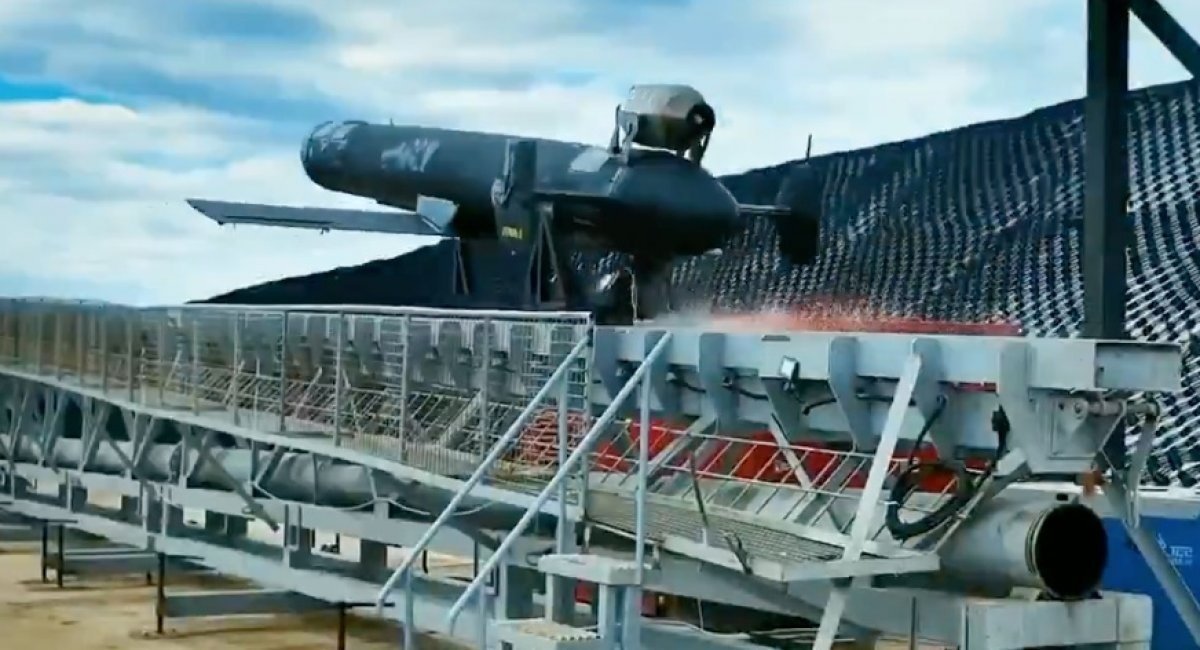 Russia Ramps Up Production of Jet-Powered Geran-5 Drones and Banderol Missiles, With Low Cost of Around $100,000 Per Unit