India
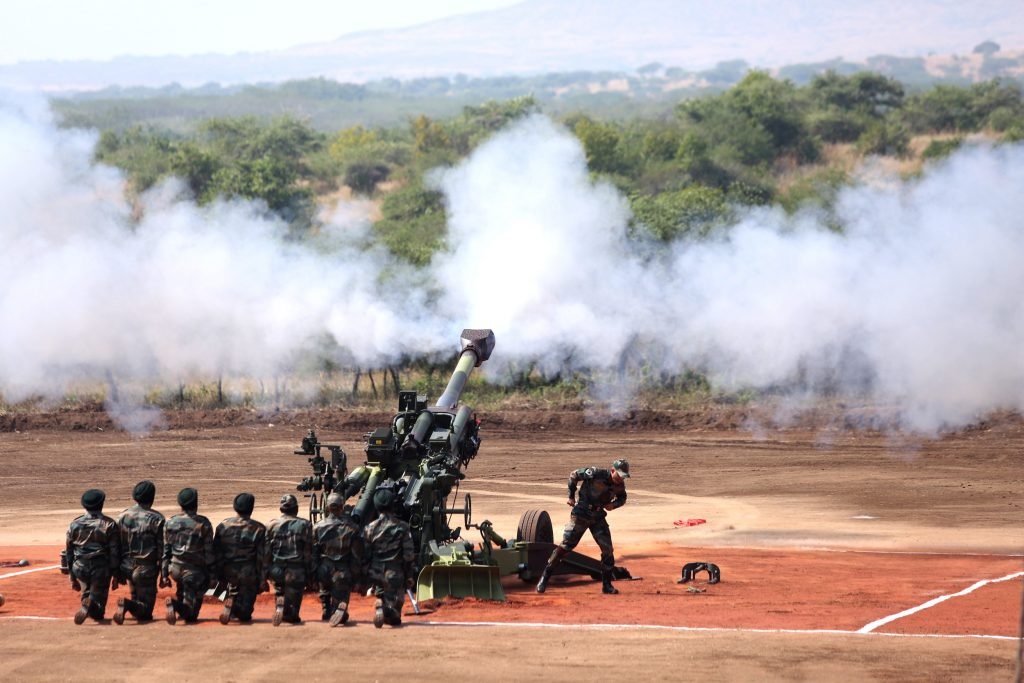
The Indian Army’s Corps of Electronics & Mechanical Engineers (EME) has started upgrading its FH‑77B (Bofors) howitzers by replacing the ageing Auxiliary Power Units (APUs) with new Cummins engines. The upgrade aims to improve the reliability, mobility, and operational efficiency of these artillery guns, which have been serving in the Army since the 1980s. The existing Volvo B20 APUs used in the FH‑77B guns are no longer in production, and spare parts are becoming increasingly difficult to procure. The new Cummins engine, already used in the Dhanush howitzer, is expected to solve these problems by offering better availability of spares, improved fuel efficiency, and simplified maintenance. The integration process involves reengineering the engine mounts and ensuring compatibility with hydraulic and control systems. After retrofitting, each howitzer undergoes a series of field trials to test mobility, fuel consumption, and performance in various terrains and weather conditions. Officials stated that standardising the engines across artillery platforms would lead to significant logistical benefits. Mechanics’ training, maintenance schedules, and spare-part inventories can be streamlined, making support easier and faster in operational environments. The APU upgrade also allows the howitzers to move under their own power for short distances, increasing their deployment flexibility in difficult terrains such as high-altitude areas or deserts. The FH‑77B howitzer, with its 155 mm/39 calibre gun, has been a backbone of the Indian Army’s artillery force. However, with components becoming obsolete and operational readiness affected by spare-part shortages, modernisation has become essential. The Army plans to phase out the FH‑77B by around 2030, but upgrading them with new engines will extend their service life and keep firepower levels intact during the transition to newer artillery systems. This move is part of a broader artillery modernisation programme that includes the induction of Dhanush and ATAGS (Advanced Towed Artillery Gun System), which promise extended range and greater precision. Experts believe that this upgrade will significantly enhance the combat readiness of artillery units while allowing for cost-effective maintenance and standardisation across platforms. With the Cummins engine upgrade, the Indian Army is strengthening its artillery capability by combining proven systems with modern technology, ensuring that legacy platforms remain relevant until the next generation of guns is fully operational.
Read More → Posted on 2025-09-15 16:14:19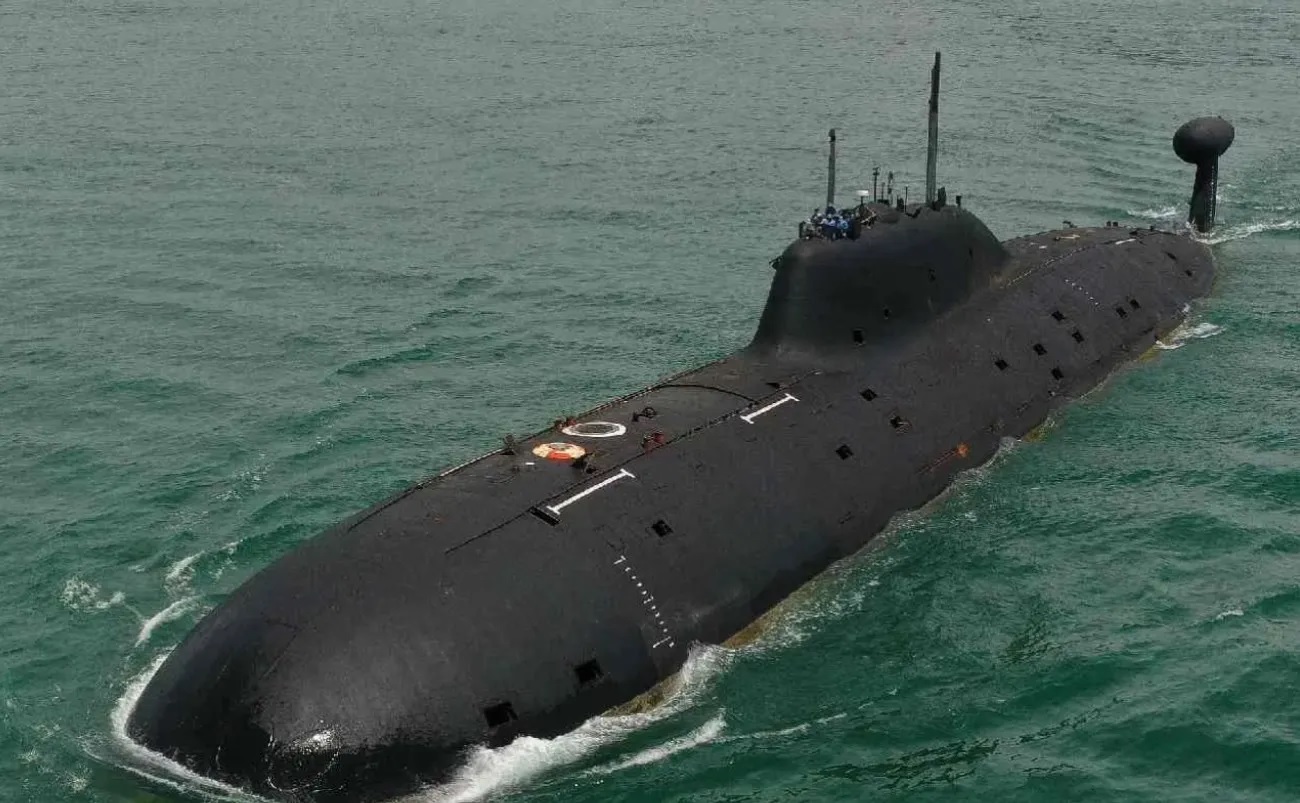
India
India’s submarine modernisation drive is entering a new phase of momentum, with multiple indigenous programmes — including Project 75(I), Project 75(AS), Project 76, and Project 77 — showing fresh developments even as delays and technical challenges persist. Key private and public shipyards, government R&D bodies, and foreign partners are all in play, overlapping timelines and design stages. Key Programmes: Status & Players Programme Type / Role Major Entities Involved Current Stage / Updates Timelines & Indigenous Content Project 75 (Scorpene or “P75”) Diesel-electric attack submarines (SSKs) State-owned Mazagon Docks Ltd (MDL) & Naval Group (France) Six Kalvari-class submarines inducted. Efforts to integrate domestic AIP (air-independent propulsion) modules delayed. First AIP plug likely in INS Khanderi by 2026-27. Energy module expected to be ready by December 2025. Base platform mostly foreign-designed; domestic integration increasing. Project 75 India (P75I) Next-gen attack submarines with AIP MDL + TKMS (Germany). L&T + Navantia competed earlier. MDL and TKMS have begun official contract negotiations. TKMS signed MoUs with Indian firms for heavyweight torpedoes and subsystems. TKMS AIP will be key to programme. First submarine ~7 years after contract. Indigenous content 45% initially, rising to 60% by sixth submarine. Project 75(AS) Modified Kalvari class (stopgap SSKs) MDL & Indian Navy Aimed to add three more Kalvari-class boats to maintain fleet numbers. Contract was expected by March 2025 but remains unsigned; project in limbo. Three boats planned. Provides breathing space until P75I. Project 76 (P76) Indigenous conventional submarines (SSKs) L&T, MDL, DRDO, Submarine Design Group (Navy) Preliminary design underway. Six submarines planned. Full design expected by 2026-27, production in 6–7 years. Displacement ~3,000 tons. Armed with indigenous torpedo-tube-launched cruise missiles. High indigenous content (~95%). Project 77 (P77) Nuclear-powered attack submarines (SSNs) DRDO, L&T, BARC, Navy Design Bureau CCS approved programme in late 2024. First of six SSNs projected by 2036-37. Work underway on new reactor design (CLWR-B2) and quiet propulsion systems. Displacement larger than Arihant SSBNs (5,000–7,000 ton class expected). Indigenous content projected at ~95%. Additional Details & Technical Insights Reactor & Propulsion (P77): India is developing a more powerful compact light-water reactor (CLWR-B2) with an output of around 190 MWt. Nuclear-electric propulsion is under study to reduce acoustic signatures. Sensors & Weapons: Development underway for conformal bow arrays, flank and towed sonars, non-penetrating optronic masts, indigenous heavyweight torpedoes, and weapon-control systems. Displacement: P76 submarines are expected to displace ~3,000 tons, significantly larger than the Kalvari class. The P77 SSNs could reach 7,000 tons submerged. Infrastructure: The Ship Building Centre (SBC) in Visakhapatnam will lead SSN assembly. L&T’s Hazira facility will handle major hull sections. BARC is working on nuclear reactor modules. AIP Integration: The domestic AIP module being developed by DRDO and L&T is facing schedule slippages. The first live plug is expected to be fitted into INS Khanderi during its refit in 2026-27. Strategic Implications Fleet Strength: With ageing Kilo and HDW submarines nearing retirement, the Indian Navy faces capability gaps. The combined set of P75I, P75(AS), and P76 programmes aims to stabilise fleet numbers. Indigenisation: All new projects focus heavily on indigenous content, with P76 and P77 targeting 90–95% local systems and technology. Deterrence & Reach: Nuclear-powered SSNs from P77 will provide blue-water endurance and power projection, while advanced AIP-equipped SSKs will strengthen coastal and regional defence. Timelines: While ambitious, overlapping programmes risk delays if budgetary approvals, R&D milestones, or industrial capacities slip. Outlook India’s undersea warfare roadmap is now more comprehensive than ever: P75(AS) to plug immediate gaps. P75I to bring new-generation AIP submarines. P76 to establish an indigenous conventional design line. P77 to finally give the Navy a fleet of nuclear-powered attack submarines. The coming decade will be decisive: the success of AIP integration, finalisation of P75I contracts, and timely execution of P76/P77 will determine how effectively India transforms its submarine arm into a balanced, modern, and largely indigenous force.
Read More → Posted on 2025-09-15 15:35:05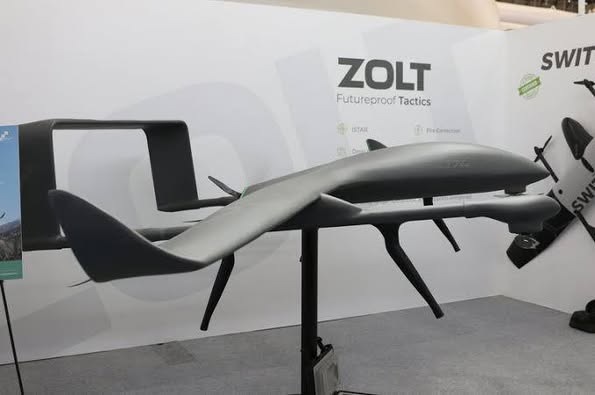
India
New Delhi – ideaForge, one of India’s leading drone manufacturers, has officially launched its latest unmanned aerial vehicle (UAV) “ZOLT”, positioning it as a combat-capable platform that blends long endurance, payload flexibility, and precision strike ability. This marks a significant evolution in India’s indigenous UAV ecosystem, expanding from surveillance drones to weaponized platforms. Key Features Endurance & Range: ZOLT can remain airborne for up to six hours, providing commanders with persistent intelligence, surveillance, and loitering strike options. With an operational range of over 50 km, it supports medium-range tactical missions and standoff operations. Payload Capacity: Capable of carrying up to 10 kg, the UAV can be fitted with diverse mission modules—from ISR (intelligence, surveillance, reconnaissance) payloads to smart munitions—making it a versatile battlefield asset. Weapon Integration: In partnership with Zeus Numerix, ZOLT is equipped with smart guided munitions that enable accurate targeting of enemy assets. These munitions provide precision strike capabilities, offering tactical forces a decisive edge while minimizing collateral damage. Operational Roles ZOLT is designed for counter-insurgency, border security, and limited tactical strike missions. By bridging the gap between small quadcopters and larger MALE-class drones, it delivers both extended surveillance and offensive capability in a compact form factor. Strategic Importance The unveiling of ZOLT signals a broader trend in India’s defence sector—moving towards indigenously developed combat UAVs. For the Indian armed forces, ZOLT represents a cost-effective and locally produced alternative to imported loitering munitions and armed drones. Its modular architecture, combined with precision guidance technology, reflects India’s drive to enhance self-reliance in defence manufacturing. The Role of Zeus Numerix Zeus Numerix, a Pune-based defence technology firm, has played a critical role by developing the guidance and targeting systems integrated into ZOLT’s strike payloads. The company specializes in precision guidance kits and UAV weaponization systems, providing scalable solutions for converting unmanned platforms into combat-ready assets. Future Outlook With ZOLT, ideaForge has strengthened its portfolio beyond ISR-focused UAVs, directly supporting India’s vision of equipping its forces with indigenous, versatile, and weaponized unmanned platforms. The system’s mix of long-duration flight, offensive payload integration, and affordability makes it a strong candidate for deployment in both domestic security operations and battlefield scenarios.
Read More → Posted on 2025-09-15 14:50:10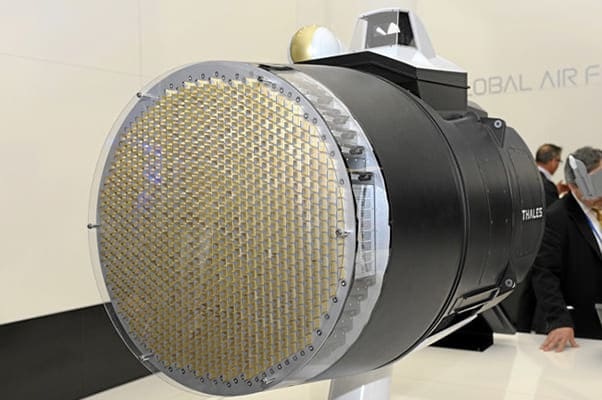
India
The Indian Air Force (IAF)’s Rafale fleet is confronting a significant technological challenge as delays in the delivery and export of advanced Gallium Nitride (GaN) radars from France threaten to widen the operational gap with China’s stealth fighters. Originally, India sought the GaN variant of the RBE2 AESA radar for its Rafale jets, which offers superior detection capabilities, enhanced resistance to electronic warfare, and improved thermal management compared to the older Gallium Arsenide (GaAs) systems. However, setbacks at French defense giant Thales in testing and export development forced the IAF to settle for the less capable GaAs version. Despite the Rafale program’s strategic importance, India was unable to secure future integration rights for the GaN radar as part of the original deal signed in 2016, which only included the delivery of the F3R version of the aircraft without binding commitments for upgrades. This has raised concerns within the Indian defense establishment, especially in light of growing tensions with China and the increasing capabilities of its Chengdu J-20 stealth fighter. The GaN technology, which has been part of France’s Rafale modernization program since the F4.2 upgrade, provides roughly double the power output in a compact design, enabling longer detection ranges—estimated at a 20-30% improvement—multi-target tracking, and enhanced immunity against jamming systems. These capabilities are vital in Beyond Visual Range (BVR) combat scenarios, where situational awareness and sensor fusion determine survival and mission success. In contrast, the J-20 is believed to be equipped with a GaN-based AESA radar similar to China’s Type 1475 system, reportedly capable of detecting targets over 300 kilometers away and tracking multiple threats simultaneously. Additionally, it boasts advanced electronic warfare systems, decoy pods, and frontally optimized stealth features, further widening the capability gap. Without GaN radars, the Rafale's operational effectiveness depends heavily on coordination with AWACS platforms and other assets, limiting its ability to independently confront adversaries like the J-20. The trials for the GaN radar began as early as 2014, but industrial limitations, certification hurdles, and budgetary constraints led Thales to prioritize French aircraft modernization over export commitments. As a result, operational GaN radars for export only began rolling out in 2024, leaving India to operate without the latest technology for nearly a decade despite its investment of approximately €7.8 billion in the Rafale program. This dependency on foreign timelines and technologies has sparked debate within Indian defense circles. Without access to manufacturing or integration rights, the IAF must rely on French logistical chains through Mérignac and Limours for radar maintenance and upgrades, further complicating readiness during high-tension scenarios along the Himalayan border. India’s indigenous efforts, such as the Uttam AESA radar under development by Bharat Electronics Ltd. and DRDO for the Tejas Mk2, are still years away from meeting the performance benchmarks necessary for frontline fighters like the Rafale. The absence of mature GaN technology domestically leaves India strategically vulnerable, despite ongoing investments in research and development. Within the IAF, voices are emerging advocating diversification toward platforms that feature native GaN radars, such as the Russian Su-57 equipped with the N036 Byelka system or the American F-15EX with its next-generation radar suite. However, formal agreements for these alternatives have not yet materialized. On the French side, the industrial bottleneck remains acute. Europe’s sole certified military-grade GaN production line in Limoges can only produce a limited number of radar modules annually, far below global requirements. Thales has reportedly delivered only 4 to 6 GaN units for export trials in 2025, all earmarked for pilot programs rather than full-scale deployment. While the French Ministry of Armed Forces has avoided public comment, internal discussions are believed to be underway to accelerate production and meet international demand. Plans under consideration include making GaN radars available for export by late 2026, with operational integrations beginning in 2027. However, given the escalating Indo-Chinese border tensions, this timeline is viewed by some in New Delhi as dangerously delayed. The situation underscores a broader challenge in global defense procurement—how strategic partnerships and technology transfer agreements must keep pace with battlefield realities. For India, the GaN radar setback is more than a technical hiccup—it is a test of sovereignty, resilience, and the ability to confront emerging threats in an era of rapid technological advancement. The coming years will determine whether India can bridge this gap or remain at a strategic disadvantage in Asia’s most volatile airspace.
Read More → Posted on 2025-09-14 16:04:19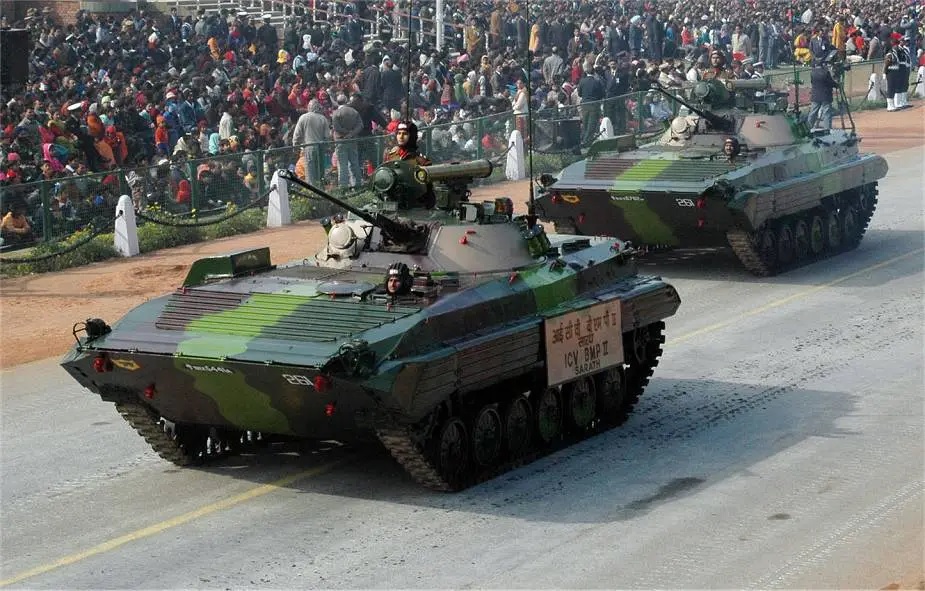
India
In a significant stride towards modernizing its mechanized forces, the Indian Army has announced the procurement of advanced anti-tank loitering munition (LM) systems to enhance the offensive capabilities of its BMP-2 and T-72 platforms. This move aligns with the Army's ongoing efforts to integrate cutting-edge technologies into its arsenal, ensuring preparedness against evolving battlefield threats. Procurement Details The Army plans to acquire 16 systems for the BMP-2, each comprising five units, totaling 80 loitering munitions. Similarly, for the T-72 tanks, 20 systems will be procured, each consisting of four units, amounting to another 80 loitering munitions. These procurements are part of a broader initiative to equip various platforms, including T-90 tanks, BMP-2K infantry combat vehicles, and carrier mortar tracked vehicles, with canister-launched anti-armour loitering munitions (CALM) systems. The overarching goal is to procure 180 CALM systems to provide remote-controlled, beyond-visual-line-of-sight capabilities to mechanized infantry and armoured units, enabling them to destroy enemy armoured fighting vehicles at stand-off ranges of up to 15 km. System Specifications and Integration The loitering munitions are required to be launched from canisters, with each unit and its canister not exceeding 25 kg in weight. The launch altitude must be up to 4,500 meters above mean sea level, ensuring operational effectiveness across diverse terrains. The integration of these systems into the BMP-2 and T-72 platforms is expected to enhance their lethality and survivability, providing troops with advanced capabilities to counter modern anti-tank threats. Strategic Implications The acquisition of loitering munitions underscores the Indian Army's commitment to modernizing its mechanized forces and enhancing their operational effectiveness. By integrating these advanced systems, the Army aims to bolster its offensive capabilities, ensuring readiness to address contemporary and future battlefield challenges. This initiative also reflects a broader trend within the Indian military to adopt indigenous and advanced technologies, aligning with the Make in India initiative and reducing dependency on foreign suppliers. The procurement of anti-tank loitering munitions for the BMP-2 and T-72 platforms marks a significant advancement in the Indian Army's modernization efforts. By enhancing the capabilities of these platforms, the Army is poised to strengthen its mechanized forces, ensuring they remain formidable and responsive in the face of evolving threats.
Read More → Posted on 2025-09-14 15:58:21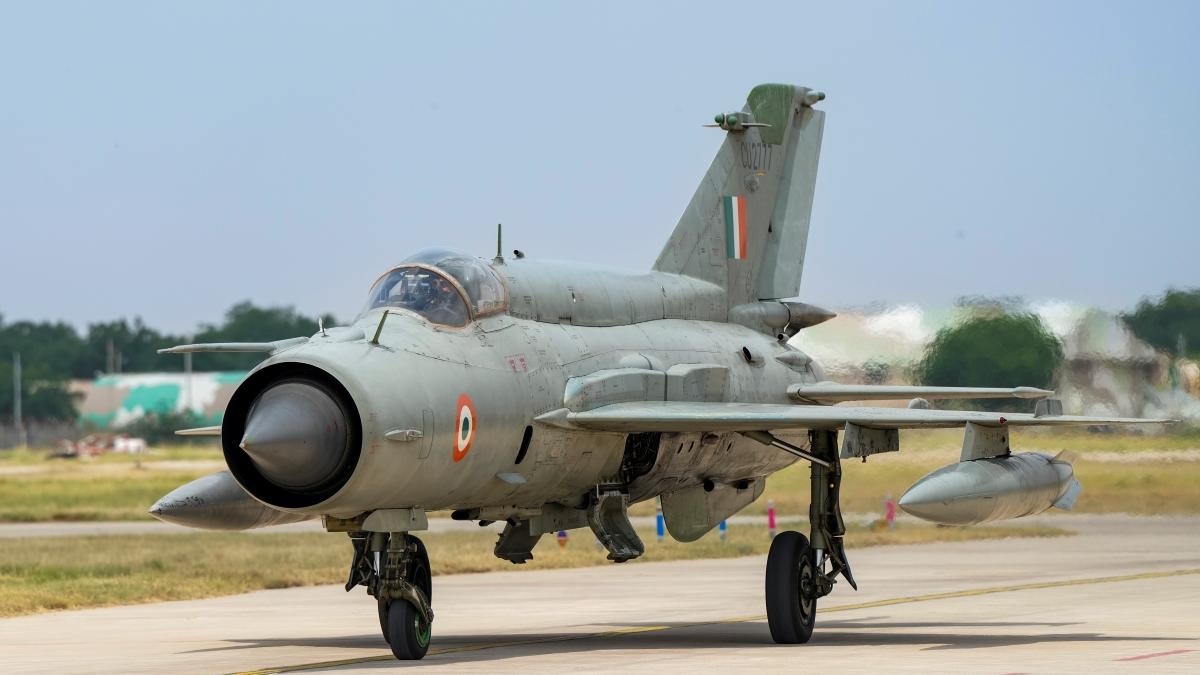
India
The Indian Air Force (IAF) is set to retire its iconic MiG-21 fighter aircraft on September 26, 2025, bringing an end to over six decades of dedicated service. The decision marks the closure of a historic chapter in India’s military aviation, as the MiG-21, once the backbone of the IAF’s fighter fleet, prepares to bid farewell after playing a crucial role in safeguarding the nation’s skies. The Beginning: MiG-21 Joins Indian Air Force in 1963 The MiG-21, a supersonic jet fighter of Soviet origin, was inducted into the Indian Air Force in 1963. At that time, India was focused on modernizing its air defense capabilities in the aftermath of regional security challenges. The aircraft’s impressive speed, maneuverability, and combat capabilities made it an ideal choice to bolster the country’s aerial strength. Over the years, more than 860 MiG-21 variants were delivered, and the aircraft was manufactured under license in India by Hindustan Aeronautics Limited (HAL). It earned the nickname “Flying Coffin” due to its accident-prone nature but remained a workhorse that stood strong in critical combat scenarios. Historic Combat Operations The MiG-21 proved its mettle in several wars and military operations. It played a decisive role during the 1965 Indo-Pak War and again in the 1971 Bangladesh Liberation War, where its strike capability and agility contributed significantly to India’s air superiority. The aircraft also participated in the Kargil conflict in 1999, providing air support under challenging mountainous conditions. Despite its limitations compared to modern aircraft, the MiG-21’s ability to adapt to evolving technologies kept it operational for decades. It underwent multiple upgrades, including avionics improvements and weapon system enhancements, ensuring it remained combat-ready. The Phase-Out and Modernization Drive The retirement of the MiG-21 is part of the IAF’s ongoing effort to modernize its fleet. With the induction of more advanced platforms like the Su-30MKI, Rafale, and Tejas, the IAF is moving toward a network-centric, multi-role air combat force. The phased retirement aims to enhance operational readiness and reduce maintenance challenges associated with older aircraft. The IAF plans to fully decommission the MiG-21s by the end of 2025, with their roles being gradually taken over by newer aircraft and upgraded squadrons. A Legacy Remembered Over its six decades of service, the MiG-21 has trained generations of pilots, supported countless missions, and instilled a sense of duty and pride among the personnel. Its contribution to national defense and its role in shaping the modern air force remain unmatched. Even as it exits active service, the MiG-21’s legacy will continue to be celebrated in military history and aviation circles. As the curtain falls on this venerable aircraft’s journey, the IAF honors the MiG-21’s unwavering service and the brave pilots who flew it through war and peace alike.
Read More → Posted on 2025-09-14 15:51:33
India
Bengaluru-based SSS Defence has introduced the RAPTOR, a next-generation carbine chambered in .300 AAC Blackout (7.62x35). This advanced weapon system is entirely designed, developed, and manufactured in India, underscoring the nation's growing capabilities in indigenous defense production. The RAPTOR is engineered to meet the rigorous demands of Special Forces and SWAT units. Its design incorporates an adjustable gas regulator, allowing optimal performance with both subsonic and supersonic ammunition. This versatility ensures effective operation across various tactical scenarios. A standout feature of the RAPTOR is its integrally suppressed system. Unlike traditional suppressors that are added externally, the RAPTOR's suppressor is built into the barrel assembly. This design significantly reduces the weapon's signature, making it ideal for covert operations where stealth is paramount. The carbine's construction emphasizes modularity and ergonomics. Its monolithic upper receiver and lightweight aluminum handguard contribute to its durability and ease of handling. These features are particularly beneficial in close-quarter combat situations, where maneuverability and quick response times are critical. Vivek Krishnan, CEO of SSS Defence, highlighted the RAPTOR as a testament to India's commitment to advancing its defense manufacturing capabilities. He emphasized that the RAPTOR is not just a product but a symbol of the nation's growing self-reliance in the defense sector. The introduction of the RAPTOR carbine marks a significant milestone in India's defense industry, showcasing the nation's ability to produce cutting-edge weaponry tailored to the specific needs of its armed forces. As global defense markets continue to evolve, the RAPTOR positions India as a formidable player in the international arms manufacturing arena. With the RAPTOR, SSS Defence has not only enhanced the operational capabilities of India's Special Forces but has also contributed to the broader goal of achieving Atmanirbhar Bharat—a self-reliant India in defense manufacturing.
Read More → Posted on 2025-09-14 15:33:48
India
Mumbai, September 14, 2025 – Godrej Enterprises Group (GEG) has announced that it has won a five-year contract from Safran Aircraft Engines to manufacture critical components for the LEAP engine, one of the world’s most advanced aircraft propulsion systems developed by CFM International, the joint venture between GE Aerospace and Safran. Under the agreement, GEG will produce titanium-based complex ventilation assemblies, a highly demanding component category that requires complex machining, precision welding, and advanced non-destructive testing to meet the stringent global civil aviation standards. “This contract is a strong endorsement of India’s growing role in the global aerospace ecosystem. By producing such highly complex components right here in India, we are advancing the vision of Make-in-India for the world,” said Maneck Behramkamdin, Executive Vice President and Business Head for the aerospace division of Godrej Enterprises Group. Dominique Dupuy, Senior Vice President for Purchasing at Safran Aircraft Engines, added: “By expanding this long-standing partnership with Godrej Enterprises Group, we are supporting the LEAP programme and advancing Safran’s vision of fostering long-term industrial ties with India as a strategic hub in the global aerospace ecosystem.” Key Highlights Titanium Components: The assemblies are designed to endure extreme thermal, pressure, and vibration conditions inside modern jet engines. High Standards: Production will comply with aviation-grade certifications such as AS9100 and involve rigorous process validation and ultrasonic, radiographic, and eddy current testing. Make-in-India Push: The project aligns with India’s ambition to become a global aerospace manufacturing hub and reduce reliance on imports. Strengthened Partnership: The contract further deepens Safran’s collaboration with Indian companies, following its recent expansions in Bengaluru and Hyderabad for manufacturing and MRO services. Global Context The LEAP engine powers leading next-generation aircraft, including the Airbus A320neo, Boeing 737 MAX, and COMAC C919, and is known for delivering 15–20% better fuel efficiency, lower emissions, and reduced noise compared to previous generations. India’s aerospace industry has been steadily building expertise in titanium machining, additive manufacturing, forging, and precision assembly, with players such as HAL, Tata Advanced Systems, and Godrej Aerospace expanding global partnerships. With this mandate, Godrej Enterprises Group consolidates its position as a key global supplier of high-precision aerospace components, while India takes another major step in becoming a trusted partner in the global aviation supply chain.
Read More → Posted on 2025-09-14 15:14:53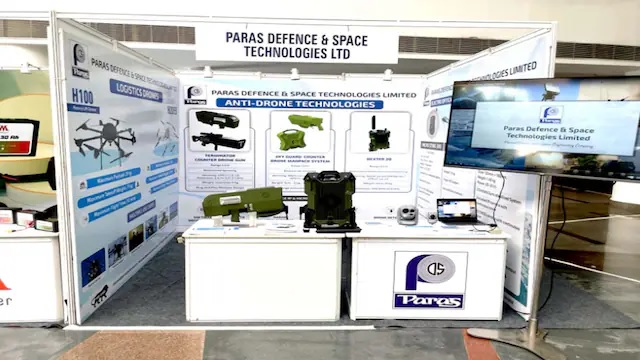
India
Mumbai, September 2025: Paras Defence & Space Technologies Ltd. has secured an order worth ₹26.6 crore from the Opto Electronics Factory (OLF), a unit of India Optel Limited, for the supply of Electronic Control Systems to be integrated into Thermal Imaging Fire Control Systems (TIFCS) for battle tanks. The scope of the contract includes the supply of Control Panels for Ballistic Computers, Ballistic Computers, and Gun Positioning Systems, all of which are critical subsystems in ensuring accurate targeting and stabilisation functions of main battle tanks. The execution period for the order is scheduled between December 2025 and September 2026. With this incremental contract, Paras Defence’s total order book for Electronic Control Systems under the TIFCS program has risen to about ₹141.6 crore, strengthening its long-term presence in the land systems segment. Boost to Indian Army’s Modernisation TIFCS technology significantly improves the combat effectiveness of tanks by enabling crews to detect, track, and engage targets under night, fog, and smoke conditions. The electronic systems supplied by Paras Defence will ensure that ballistic calculations, gun positioning, and weapon stabilisation function seamlessly, thereby enhancing the all-weather fighting capability of the Indian Army’s armoured fleet. The integration of advanced fire-control electronics is part of ongoing modernisation programs for the T-72, T-90, and future main battle tank platforms. By upgrading legacy tanks with thermal imaging and ballistic computing, the Army ensures operational parity with adversaries fielding night-capable armour. Strategic Importance While the financial value of ₹26.6 crore is relatively modest, the contract carries significant strategic importance. It highlights Paras Defence’s growing role in indigenous defence electronics, aligned with the government’s Atmanirbhar Bharat drive to reduce dependency on foreign OEMs for specialised subsystems. India Optel Ltd., a defence public sector undertaking, specialises in optronics and fire-control systems for armoured vehicles. Through partnerships with private firms like Paras Defence, it is strengthening the domestic ecosystem for tank modernisation projects. Market and Industry Impact The order also adds credibility to Paras Defence’s order book, which has been expanding across space optics, drones, simulators, and electro-optics. This diversification improves revenue visibility and bolsters investor confidence in the company’s long-term growth. With a growing order pipeline of high-technology contracts, Paras Defence is positioned to play a larger role in India’s defence production landscape, while also opening up potential export opportunities in the electro-optic and fire-control systems domain.
Read More → Posted on 2025-09-14 14:15:02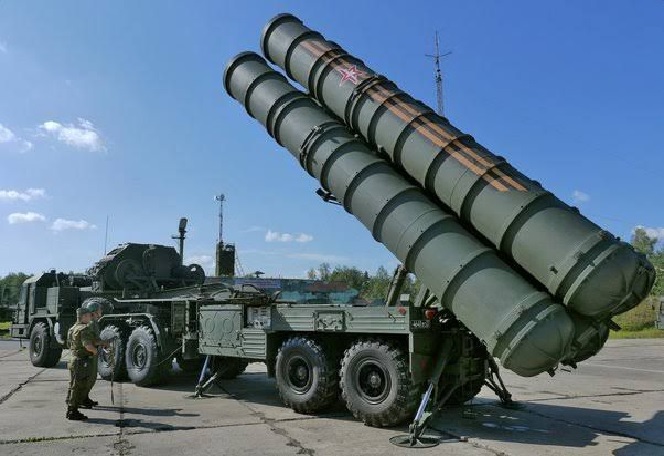
India
New Delhi : The Indian Air Force (IAF) has moved to procure 400 inflatable decoys that replicate the visual, radar and thermal signatures of frontline fighter aircraft and advanced air-defence systems, including S-400 Triumf batteries. The purchase — part of an effort to expand India’s camouflage, concealment and deception (CCD) capabilities — will allow the IAF to rapidly create convincing false targets across dispersal fields and airbases, complicating an adversary’s reconnaissance and targeting cycle. Made from specialised materials and designed for quick deployment, these decoys are intended to simulate the radar cross-section (RCS) and infrared (IR) heat signatures of real platforms. Once inflated and combined with emitters and heat sources, the dummies can fool satellites, drones and manned reconnaissance aircraft into reporting a larger and more widely dispersed set of high-value targets than actually exists. The IAF plans models that visually and electronically mimic Su-30MKI, Rafale and Tejas fighters as well as complex air-defence layouts. Why the IAF is buying decoys — tactical and strategic benefits Diluting enemy firepower. By increasing the number of apparent targets, decoys force an adversary to spread missiles and strike aircraft across many false positions, increasing the chance that real assets survive initial strikes. This can blunt the effectiveness of precision-guided munitions and make an opponent expend scarce high-value ordnance. Buying time and conserving stockpiles. Successful deception compels extra reconnaissance passes, re-tasking of aircraft and additional missile launches — all of which slow an enemy campaign and reduce their available munitions for later strikes. In a prolonged conflict this attrition of enemy ordinance can have strategic consequences. Enhancing survivability and dispersal doctrine. Coupled with hardened shelters, dispersal airstrips and electronic-warfare measures, realistic decoys are a force multiplier: they preserve sortie generation capability by protecting runways, aircraft on ground and command nodes from being promptly eliminated. Psychological and operational deterrence. Inflating the perceived density and survivability of Indian airpower complicates an adversary’s campaign planning and may raise the threshold for initiating strikes, thus contributing to deterrence by increasing uncertainty and expected costs for the attacker. How the decoys work in practice Modern decoys are not mere inflatable mannequins. To be convincing they combine visual shapes, metallised surfaces to affect radar returns, engineered internal structures to approximate RCS characteristics, and artificial heating elements or flares to create IR signatures. When paired with small radio-frequency emitters that mimic radar or communication signatures, the ensemble presents a multi-sensor “target” that can survive cursory checks by overhead ISR (intelligence, surveillance and reconnaissance) assets. Their lightweight construction also allows rapid emplacement and removal in varied climates and terrains. Lessons from recent conflicts Military analysts point to widespread use of decoys in recent conflicts — most notably Ukraine — where inflatable and mock-up systems (from howitzers to HIMARS and S-300 replicas) have successfully drawn strikes away from real systems and forced adversaries to waste expensive munitions. That practical experience has fed a global re-evaluation of CCD techniques and spurred demand for commercially produced decoys that can be integrated into layered defensive postures. Operational limits and countermeasures Decoys are not a cure-all. Advanced sensors and multi-spectral analysis (combining radar, electro-optical, IR and signal-intelligence cues) can eventually detect fakery if the decoys are poorly managed or left in place too long. This is why modern doctrine treats them as part of an integrated deception package — rotated frequently, combined with emissions control, electronic jamming, and physical dispersal — rather than a standalone solution. Strategic context For the IAF, procurement of hundreds of decoys reflects a deliberate shift to make survivability, deception and cost-imposition central to national air-defence planning. By compelling an adversary to assume a larger target set, India increases the logistical and operational burden on potential attackers. In crisis or wartime, that burden may translate to fewer successful strikes, diminished enemy ordinance, and crucial additional time for India to mount counter-operations.
Read More → Posted on 2025-09-14 14:04:38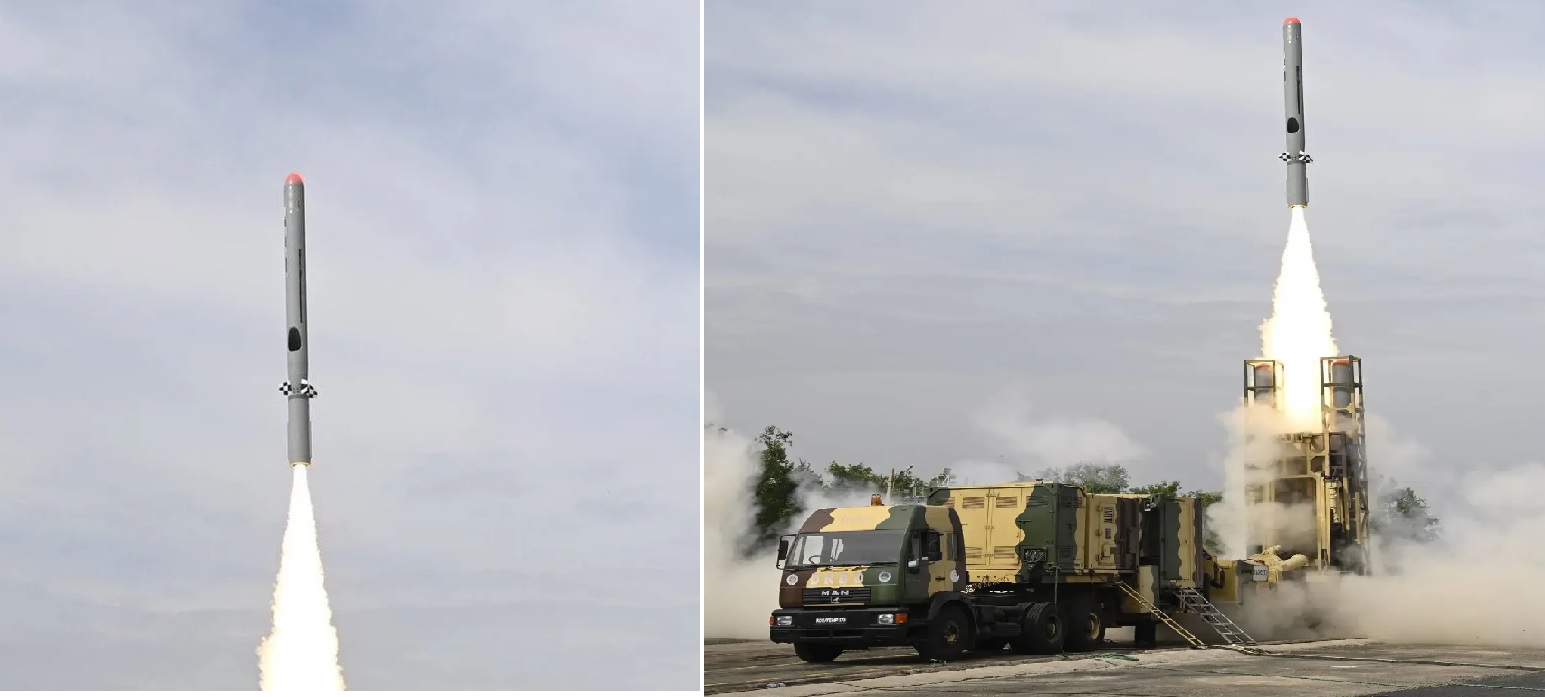
India
New Delhi : India’s long-range strike capability is set for a major boost, with the Defence Research and Development Organisation (DRDO) working to extend the range of its new Long Range Land Attack Cruise Missile (LR-LACM) from 1,000 km to 2,000 km. The missile, developed by DRDO’s Aeronautical Development Establishment (ADE), completed its first flight test on November 12, 2024. Launched from a mobile truck-based launcher at Chandipur, Odisha, it demonstrated accuracy and operational flexibility. Officials said the upgrade will be carried out in phases. The first step will extend the missile’s range to 1,500 km, before reaching the final goal of 2,000 km. The LR-LACM is a subsonic cruise missile designed to fly at low altitudes, evading enemy radar before striking targets with precision. It is powered by the indigenous “Manik” Small Turbo Fan Engine (STFE) and guided by an advanced Active Electronically Scanned Array (AESA) seeker, making it resistant to electronic jamming. The system is intended as a successor to the Nirbhay missile project, incorporating lessons from earlier trials to ensure greater reliability. It can be deployed from land-based mobile launchers as well as naval platforms, enhancing flexibility across services. Defence analysts say that once operational, the 2,000 km variant will allow India to hit high-value targets deep inside enemy territory, strengthening both conventional strike options and strategic deterrence. The project, with its emphasis on indigenous design and technology, is also a major step towards the government’s “Aatmanirbhar Bharat” initiative in defence.
Read More → Posted on 2025-09-13 15:35:08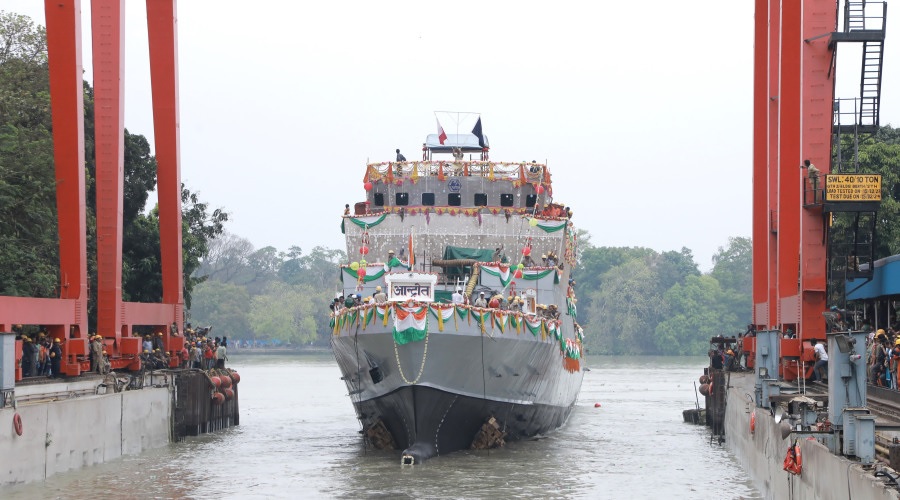
India
Kolkata / New Delhi, September 2025 Defence PSU Garden Reach Shipbuilders & Engineers (GRSE) has handed over to the Indian Navy the second vessel in its series of Anti-Submarine Warfare Shallow Water Craft (ASW-SWC), named Androth. It is the second of eight being built by GRSE under India’s drive for greater indigenisation in naval capabilities. The first of the series, INS Arnala, was delivered in May and commissioned in June. Below are the vessel’s special capabilities, role in anti-submarine warfare, and what makes the ASW-SWC class significant for India’s maritime security. What Androth / ASW-SWC Class Can Do Feature Details Size, Propulsion & Stealth Approximately 77 metres in length, with a shallow draught (≈ 2.7 metres), allowing operations close to shore and in littoral / shallow water zones. Powered by marine diesel engines driving water-jets, enabling high manoeuvrability, reduced underwater noise, better agility, and sprint capability. Stealth features include low radar cross-section, low infrared (IR) signature, and low acoustic signature. Sensors & Sonar Suite Hull-mounted sonar (Abhay system) for both passive and active submarine detection. Towed Low Frequency Variable Depth Sonar (LFVDS), which can dip deeper or adjust depth to counter environmental effects. Underwater acoustic communication systems. Combat management system integrating sensors, weapons control, electronic warfare (EW) and data links. Electronic warfare systems, navigation radar, optronics. Armament Lightweight torpedoes launched from twin triple 324 mm torpedo tubes. RBU-6000 anti-submarine rocket launcher for short-range engagements. Anti-submarine warfare rockets; anti-torpedo decoy launchers. A 30 mm Naval Surface Gun (NSG) at the bow — indigenously built by GRSE — plus 12.7 mm stabilized remote-controlled gun stations for close-in defence. Mine rails for laying anti-submarine / defensive mines. Role & Operations Designed primarily for anti-submarine warfare in shallow water / littoral / coastal zones, including suppression and neutralisation of enemy submarines, midget submarines, and possibly unmanned underwater vehicles (UUVs). Also capable of subsurface surveillance, search-and-attack missions, coordinated operations with maritime patrol aircraft. Secondary roles include mine-laying, low-intensity maritime operations, search & rescue, and general coastal security. What Makes This Special in Anti-Submarine Warfare Shallow-Water Expertise: Submarines, especially smaller conventional or midget types, often exploit shallow waters to evade detection. ASW-SWCs like Androth are specially tailored for such environments. Indigenous Content & Self-Reliance: Over 80% indigenous content in design, sensors, armaments, and manufacturing. The 30 mm NSG gun on Androth is indigenously produced. Stealth & Low Signatures: Designed with reduced acoustic, IR, and radar signatures, plus water-jet propulsion for quieter operations. Speed, Manoeuvrability & Draught: Shallow draught and water-jet propulsion allow rapid response and entry into areas inaccessible to larger warships. Comprehensive Sensor-to-Weapon Integration: Integration of sonar, torpedoes, rockets, decoys, and mines via a combat management system ensures quick detection-to-attack capability. Modern Replacement: The class replaces the ageing Abhay-class corvettes, bringing advanced technologies to face modern submarine threats. Strategic Significance Part of a 16-ship programme (8 by GRSE, 8 by Cochin Shipyard), these vessels will boost India’s coastal surveillance and defence. Critical for protecting ports, offshore installations, and island territories against underwater threats. Enhances maritime domain awareness in the Indian Ocean Region, countering rising submarine activity. Strengthens India’s defence industrial base through higher indigenous content and advanced shipbuilding expertise. In the Case of Androth Androth, named after the Androth Island in the Lakshadweep archipelago, mirrors the capabilities of Arnala but holds added importance: It is the second ship delivered in GRSE’s share of the project. It is also the second warship of its class fitted with the indigenous 30 mm Naval Surface Gun. With Androth joining, the Navy advances its plan of inducting the entire ASW-SWC fleet, strengthening shallow water anti-submarine warfare capabilities. The delivery of INS Androth marks another milestone in India’s naval modernization. With indigenous design, modern ASW sensors, stealth, and agility, the ASW-SWC class is set to transform shallow water anti-submarine operations. As more ships are inducted, India’s coastal defences will be significantly more resilient against underwater threats.
Read More → Posted on 2025-09-13 15:20:58
India
Russia is reportedly preparing to invite India to join its ambitious Il-100 “Slon” super-heavy transport aircraft programme. Designed as a modern successor to the Il-76 and An-124, the Il-100 could offer India a crucial solution as the Indian Air Force (IAF) grapples with the declining reliability of its four-decade-old Il-76 “Gajraj” fleet. IAF’s Growing Strategic Airlift Challenge The Il-76 has been the backbone of the IAF’s heavy-lift capability since the mid-1980s, but its serviceability rates have often dropped below 40 percent against the required 70 percent benchmark. Spare parts shortages, aging engines, and sanctions-related delays have worsened the fleet’s condition, leaving several aircraft grounded at any given time. Meanwhile, India’s 11 C-17 Globemaster III aircraft have performed with near-perfect reliability, but Boeing’s production line for the C-17 closed in 2015, making additional acquisitions almost impossible. That leaves India searching for a long-term replacement for its 17 remaining Il-76s. Il-100 “Slon”: Russia’s Modern Successor The Il-100 Slon is being developed by the Ilyushin Design Bureau as a new-generation strategic airlifter. With a projected payload of up to 100 tonnes, it would nearly double the capacity of the Il-76 and exceed that of the C-17. Key features under design include: Payload: 90–100 tonnes (vs. 45–50 tonnes for Il-76). Range: More than 5,000 km unrefueled. Runway performance: Expected capability from shorter, semi-prepared strips, enabling operations in high-altitude Himalayan regions. Cargo flexibility: Able to carry main battle tanks, oversized equipment, troops, or humanitarian aid supplies. The design blends characteristics of the C-17 (high-wing layout, rear loading ramp) with elements of the massive An-124 Ruslan. Powered by the Advanced PD-35 Engine At the heart of the Il-100 will be four PD-35 turbofan engines, being developed by Russia’s United Engine Corporation. Each is designed to deliver around 35 tonnes of thrust, making it one of the most powerful engines of its class. The PD-35 uses technologies such as composite fan blades, 3D-printed components, and advanced cooling materials. While serial production is now expected around 2030, ground tests of its core modules have already been completed. The new engines promise higher fuel efficiency, longer range, and stronger payload capacity compared to earlier Russian designs. India’s Strategic Dilemma If New Delhi accepts Russia’s offer, it would gain access to a platform that not only replaces the Il-76 but also enhances airlift capability beyond the current C-17 fleet. Advantages for India: Opportunity to co-develop and influence design. Potential for technology transfer and industrial participation. A solution to sustain strategic airlift capacity into the 2030s and beyond. Challenges ahead: Long development timelines, with real induction unlikely before the next decade. Dependence on a single foreign supplier during an era of sanctions and supply-chain disruption. Financial costs of co-development and sustaining old fleets until the Il-100 becomes operational. For India, the decision will hinge on whether to embrace a long-term partnership that carries inherent risks but promises unmatched heavy-lift capacity. With few alternatives available globally—given the closure of the C-17 line and no other new heavy airlifters under active production—the Il-100 “Slon” could represent a rare and significant opportunity. If Russia formally extends the invitation, New Delhi will need to weigh the urgency of replacing the Il-76 fleet against the uncertainties of joining a programme that may take years to mature.
Read More → Posted on 2025-09-13 13:52:23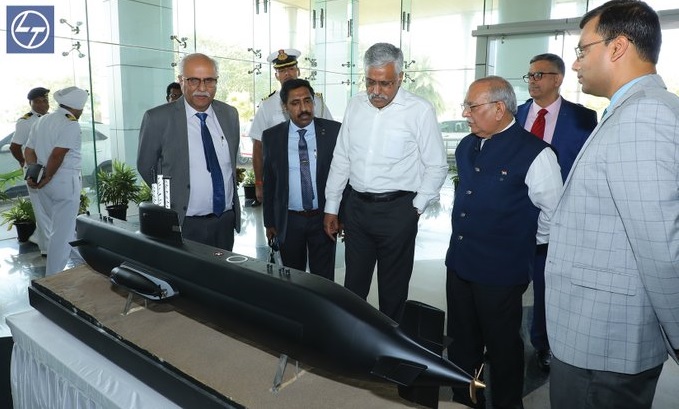
India
In a significant stride towards enhancing India's naval capabilities, Larsen & Toubro (L&T) is progressing with the development of the P-76 conventional submarine. This project, based on an extended design of the SOV500 class, is slated for design completion by 2026–27. The first submarine is anticipated to be delivered within a decade following the order. Indigenous Development and Strategic Importance The P-76 submarine is a part of India's broader initiative to bolster its indigenous defense manufacturing under the 'Atmanirbhar Bharat' (Self-Reliant India) campaign. L&T, in collaboration with the Warship Design Bureau, is spearheading the design phase, with the finalization expected by 2026–27. The submarine will feature advanced technologies, including Air Independent Propulsion (AIP) systems, enhancing its stealth and endurance capabilities. The strategic importance of the P-76 project is underscored by the Indian Navy's objective to modernize its fleet amidst increasing maritime challenges. The successful induction of the P-76 submarines is expected to significantly augment India's underwater warfare capabilities and contribute to regional security stability. Project Timeline and Future Outlook Following the design finalization in 2026–27, the construction of the first submarine is projected to commence shortly thereafter. The delivery of the first vessel is anticipated within 10 years from the order, aligning with the Indian Navy's long-term strategic plans. This timeline reflects the commitment to indigenization and the development of advanced defense technologies within the country. The P-76 project is poised to play a pivotal role in India's defense landscape, marking a significant milestone in the nation's journey towards self-reliance in defense manufacturing. With the collaborative efforts of L&T and the Warship Design Bureau, the P-76 submarines are set to enhance the Indian Navy's operational capabilities and contribute to the nation's defense preparedness.
Read More → Posted on 2025-09-12 17:07:39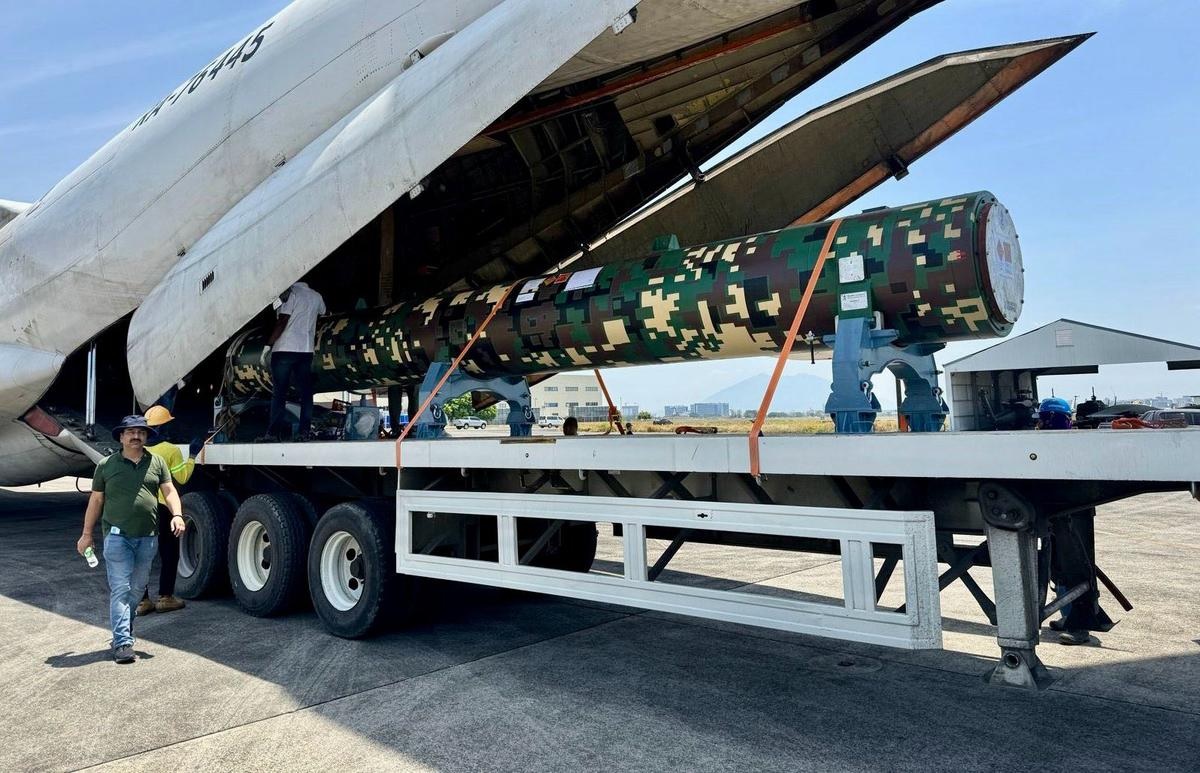
India
Arrah, Bihar, India — September 12, 2025 : India is set to deliver the third and final batch of BrahMos supersonic cruise missiles to the Philippines, completing a significant $375 million defense agreement signed in 2022. This delivery marks the culmination of a strategic partnership aimed at bolstering the Philippines' coastal defense capabilities amid rising maritime tensions in the Indo-Pacific region. The BrahMos missile system, developed by the Indian-Russian joint venture BrahMos Aerospace, is renowned for its speed and precision. With a range of 290 kilometers and a speed of Mach 2.8, it is capable of targeting both maritime and land-based threats. The Philippine Marine Corps has been integrating these systems into its Coastal Defense Regiment, enhancing its ability to safeguard the nation's exclusive economic zones, including contested areas like the Spratly Islands and Scarborough Shoal. The first batch of BrahMos missiles was delivered in April 2024, followed by the second batch in April 2025. According to BrahMos Aerospace CEO and Managing Director Jaiteerth Joshi, the final batch is prepared for timely delivery, reaffirming India's commitment to fulfilling its defense export obligations. This export solidifies India's position as a reliable defense partner in the Indo-Pacific region. The BrahMos missile acquisition is part of the Philippines' broader military modernization efforts under its Horizon 2 and Horizon 3 programs. These initiatives aim to enhance the country's defense infrastructure and capabilities, particularly in response to China's assertive actions in the South China Sea. The delivery of the BrahMos system underscores India's "Act East" policy, reflecting its growing defense cooperation with Southeast Asian nations. In addition to the BrahMos deal, India and the Philippines have elevated their bilateral relations to a strategic partnership, focusing on defense and trade. This development was highlighted during the visit of Philippine President Ferdinand R. Marcos Jr. to New Delhi in August 2025, emphasizing the strengthening of defense ties between the two nations. As the Philippines receives the final batch of BrahMos missiles, the move is expected to serve as a deterrent against potential maritime threats, contributing to the collective security of the Indo-Pacific region. The successful implementation of this defense agreement not only enhances the Philippines' defense posture but also exemplifies India's growing role as a key defense exporter in the global arena.
Read More → Posted on 2025-09-12 17:01:13Search
Top Trending in 24 Hours
-
 Pentagon and Honeywell Complete Four-Hour Pacific Flight Using Quantum Magnetic Navigation Without GPS
-
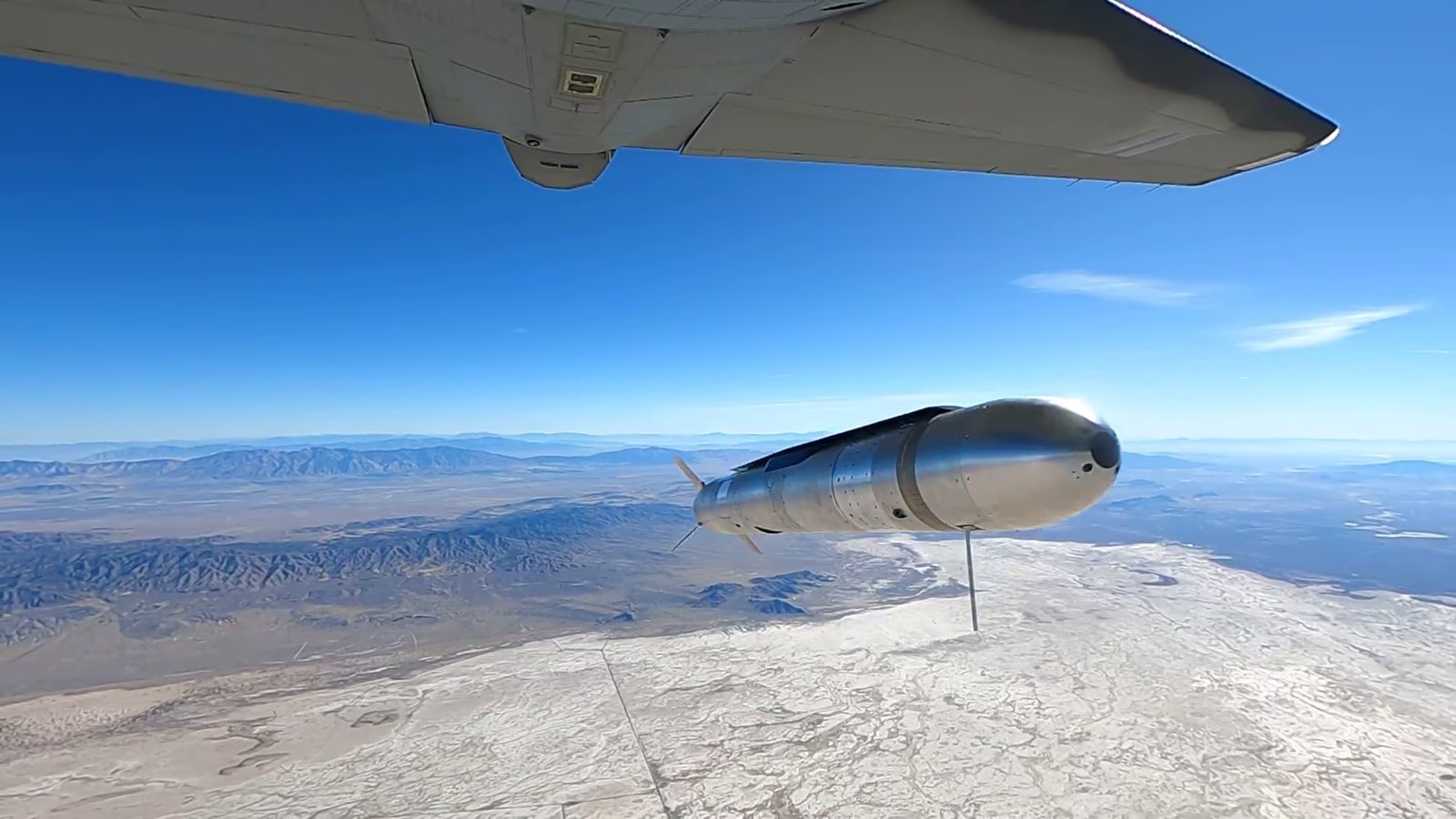 U.S. Air Force Special Operations Command Clears AGM-190A Havoc Spear for Wider Service After Combat Evaluation in Africa
-
 U.S. Confirms Deployment of On-Orbit Space Control Weapons for First Time
-
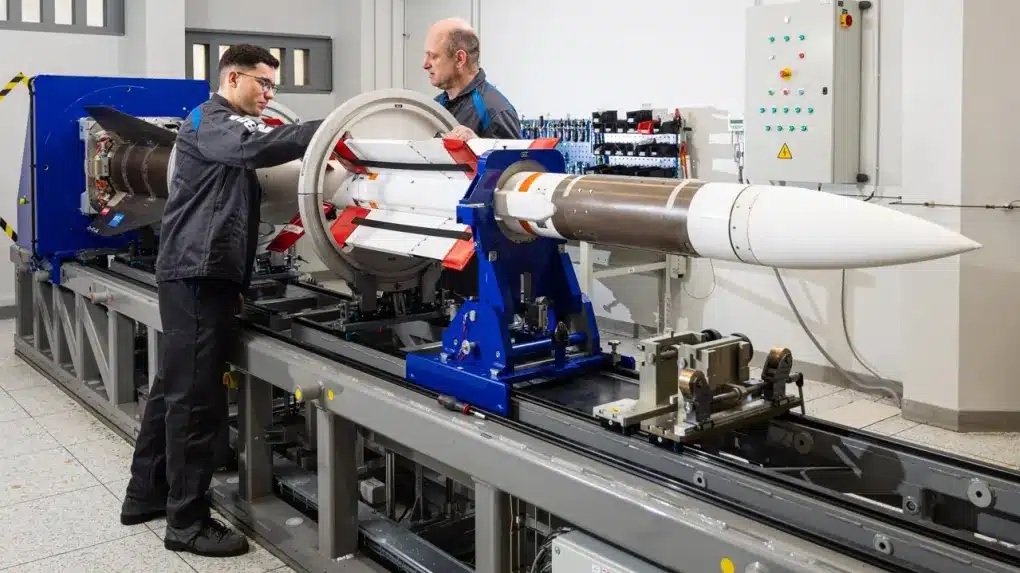 MBDA to Build New Missile Production Plant Near Orleans to Expand Missile Production
-
 U.S. Begins Process to Return $43–44 Million in Frozen Belarusian Funds
-
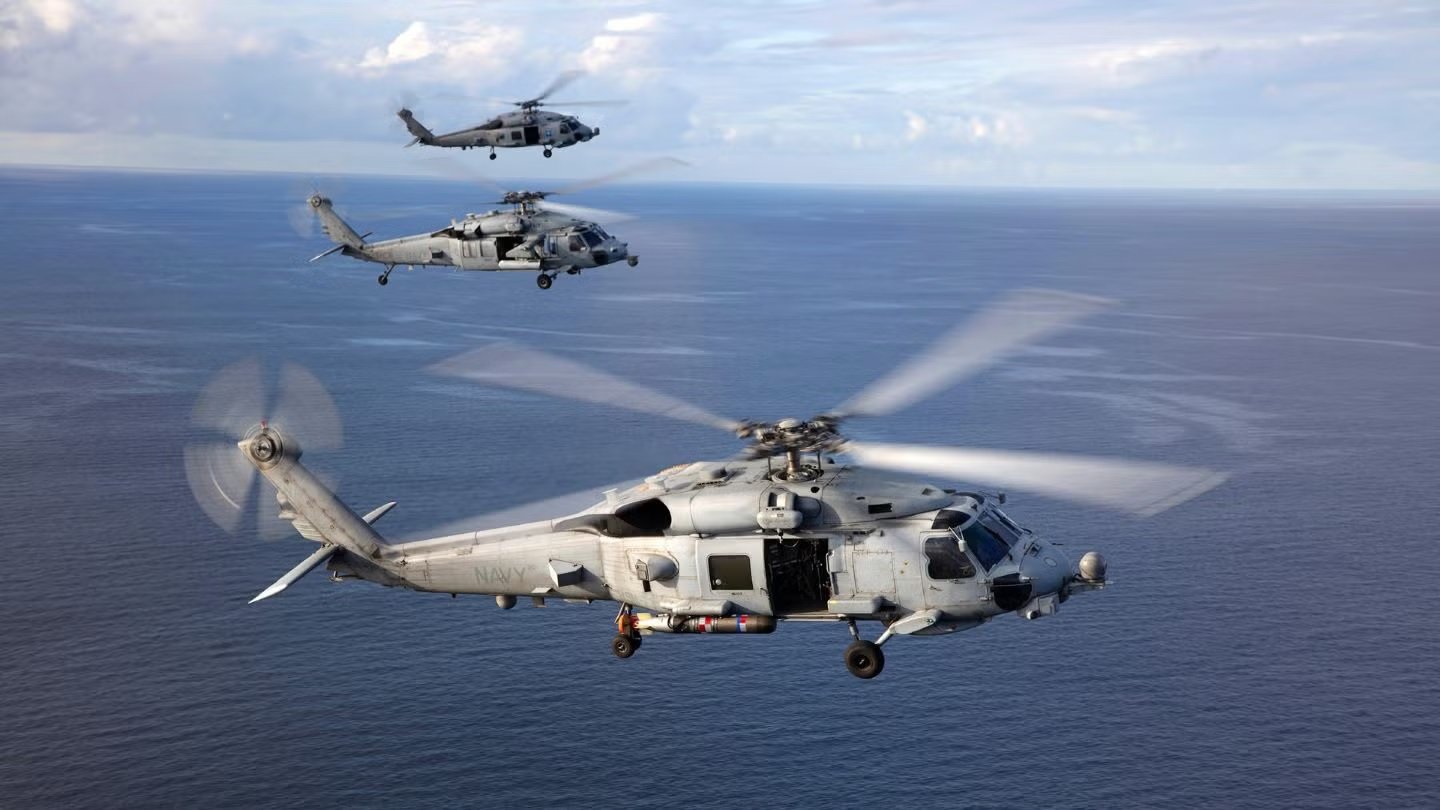 South Korea Approves $2.4 Billion Acquisition of 20 Additional MH-60R Seahawk Anti-Submarine Helicopters
Top Trending in 4 Days
-
 Pentagon Awards BlueHalo Up to $99.8 Million Contract for Orbital Battlespace R&D Program
-
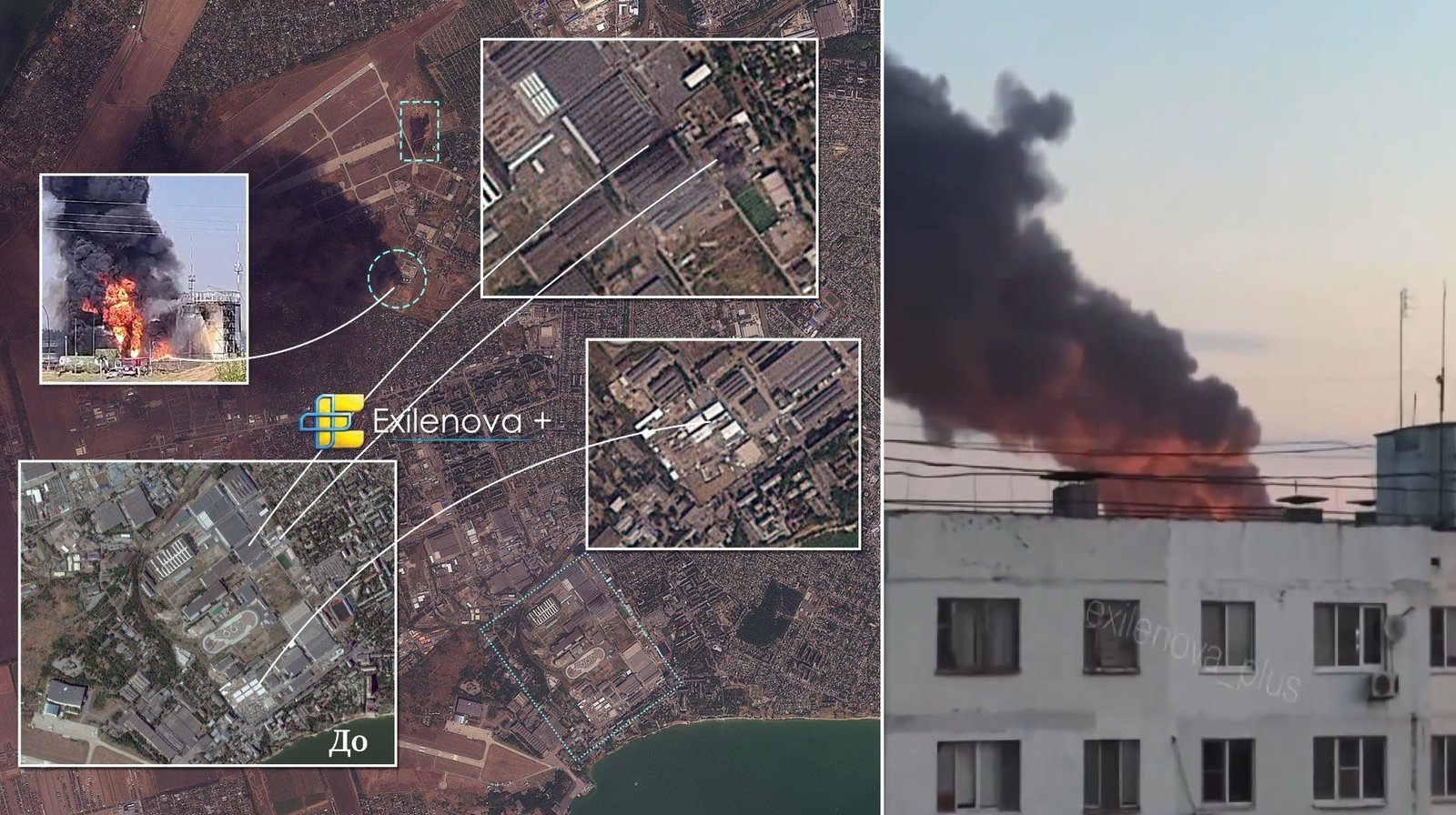 Ukrainian Drones Strike Russian UAV Manufacturer and Chemical Plants in Taganrog and Tolyatti
-
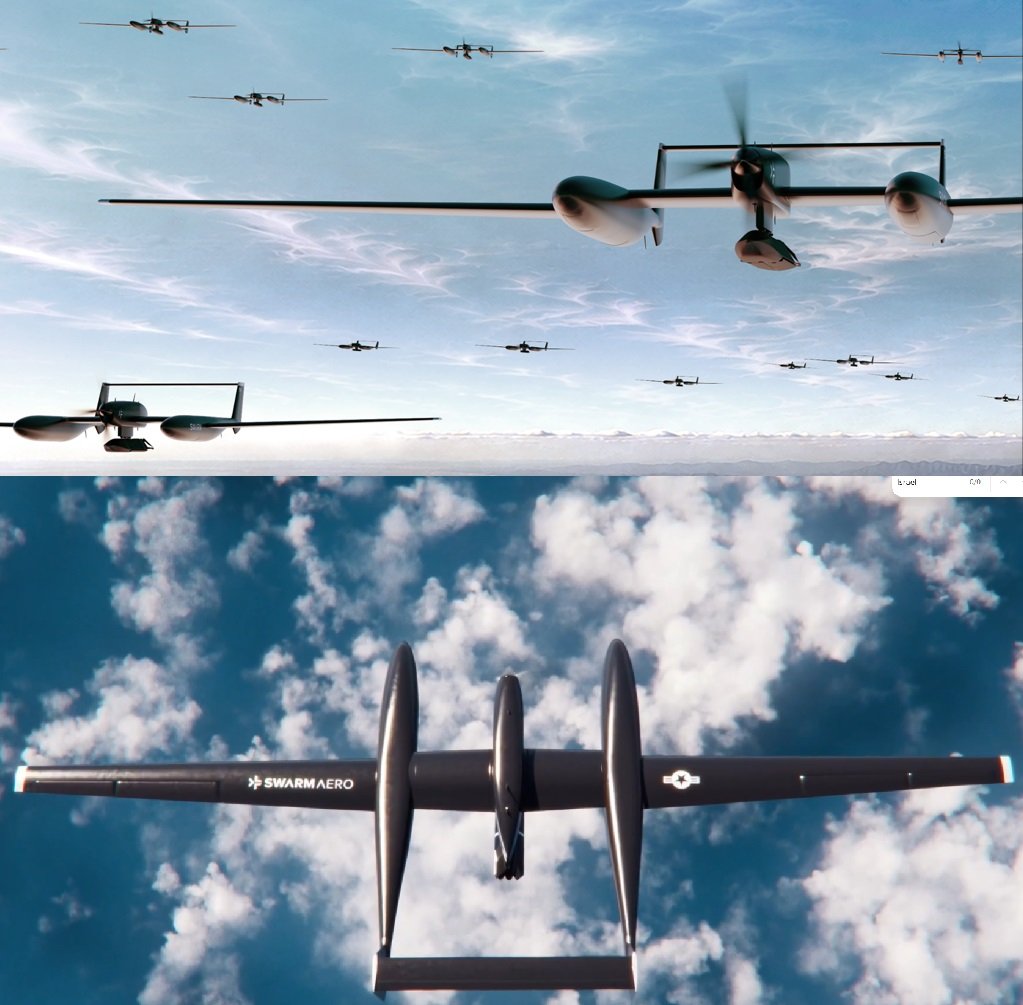 U.S. Firm Swarm Aero Unveils Gamera Group 5 UAS With 9,000-Nautical-Mile Range and Heavy Strike Payload
-
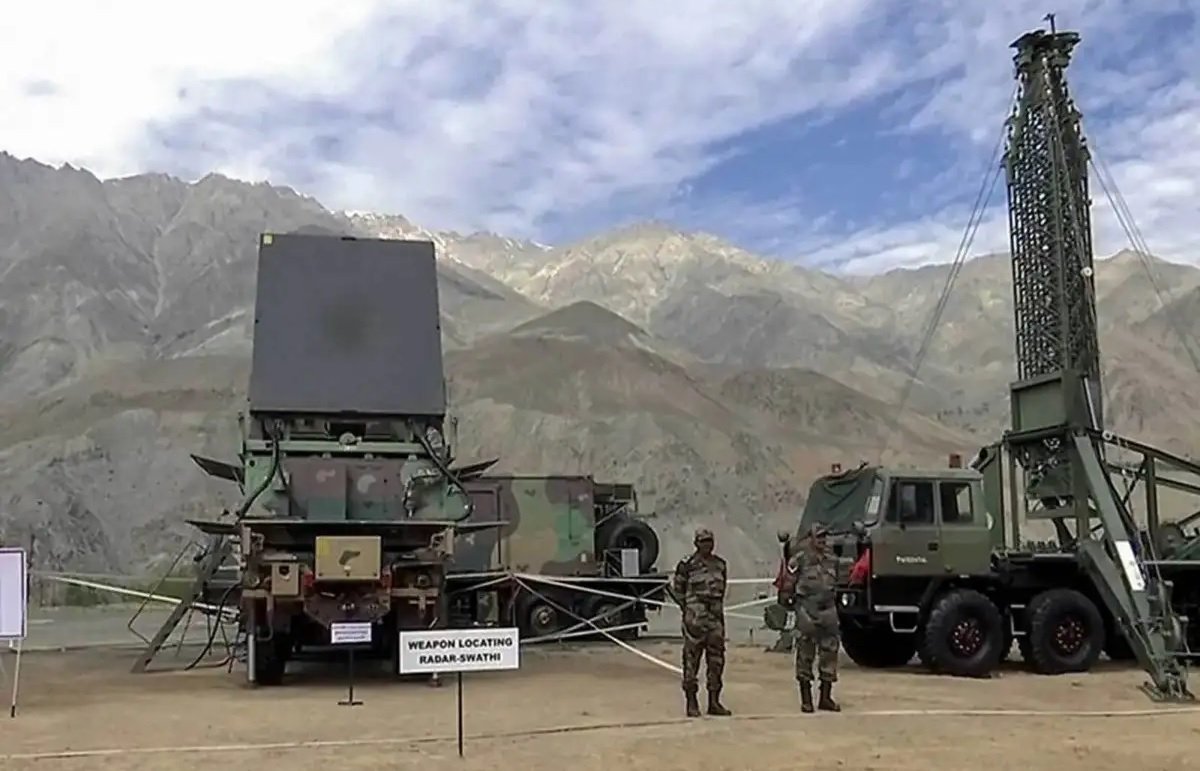 DRDO Demonstrates Indigenous 3.5×3 mm GaN Chip Delivering 30 Watts for Next-Generation Radars and Electronic Warfare
-
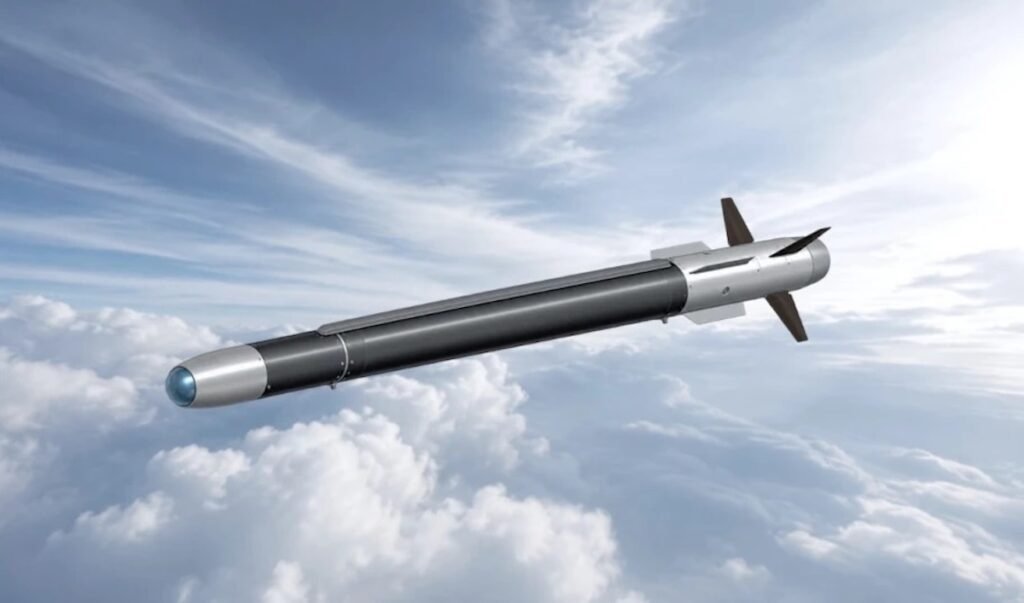 MBDA and Poland’s WITU Advance Low-Cost Supersonic Interceptor Against Swarm Attacks, Seeker Trials Successfully Completed
-
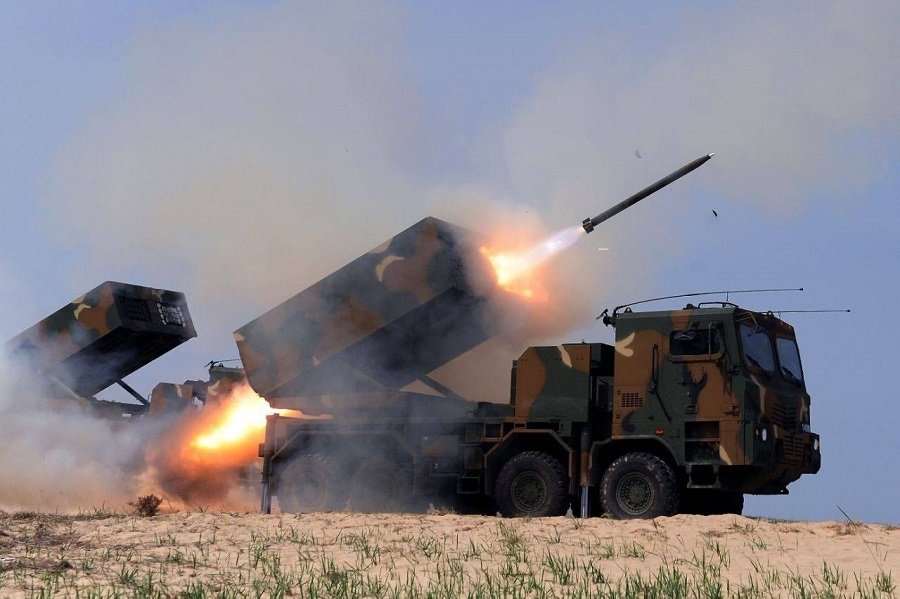 Croatia Signs €410 Million Contract with Hanwha Aerospace for 18 Chunmoo Rocket Launchers
-
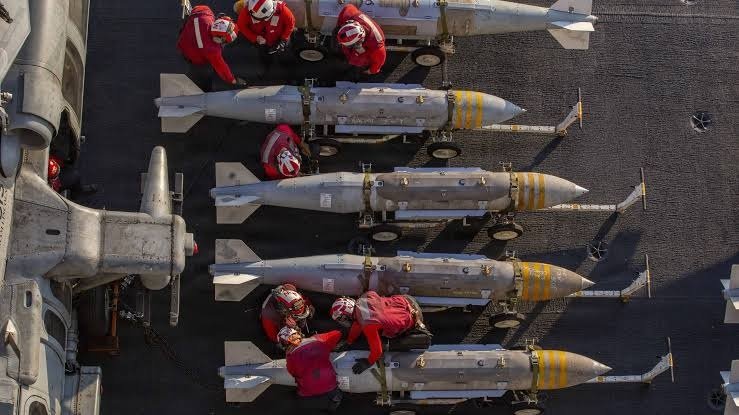 Pentagon Inspector General Report Finds Iran War Caused U.S. Ammunition Shortfalls and Industrial Bottlenecks
-
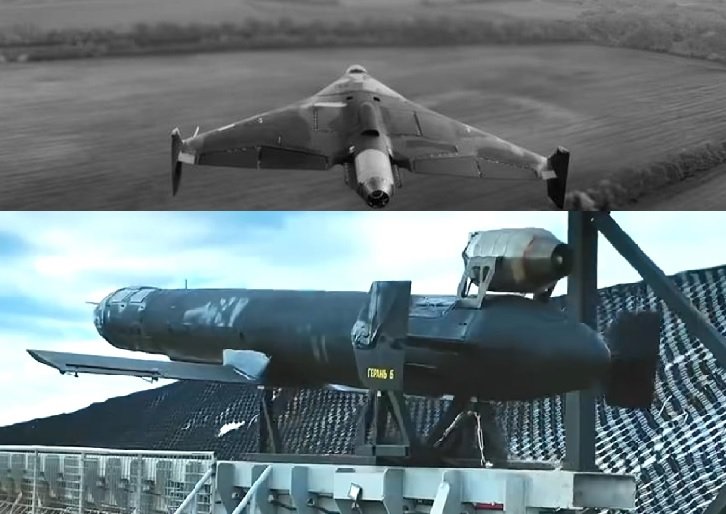 Iran Requests Advanced Geran-4 and Geran-5 Drones From Russia, FT Reports