
India
In a significant development, India's Operation Sindoor has been indirectly validated by admissions from both Lashkar-e-Taiba (LeT) and Jaish-e-Mohammed (JeM) commanders, undermining Pakistan's consistent denials of the May 7 precision strikes. A viral video features LeT commander Qaasim acknowledging that the Indian Air Force destroyed the Markaz Taiba complex in Muridke, Pakistan's most notorious terror hub, while vowing to rebuild the camp "even bigger." Established in 2000, the Muridke Markaz functioned as the ideological and operational center of LeT, housing arms depots, physical training facilities, radical indoctrination programs, and dawa’h networks. Though projected as a charitable and religious institution, the complex served as the alma mater for generations of LeT operatives and was directly connected to multiple high-profile attacks, including the 26/11 Mumbai terror strikes. By striking Muridke, India targeted not just a symbolic site but the core of LeT's recruitment and training pipeline that had links to global terror networks, including al-Qaeda. Simultaneously, JeM commander Masood Ilyas Kashmiri admitted that India's strikes devastated the Markaz Subhan Allah headquarters in Bahawalpur, killing several family members of JeM chief Masood Azhar. Among the dead were Yusuf Azhar, a prime accused in the 1999 IC-814 hijacking and JeM's weapons trainer, and Hafiz Muhammed Jameel, another of Azhar's brothers-in-law who oversaw indoctrination and fundraising operations. This facility, active since 2015, was central to JeM's training ecosystem and had direct involvement in planning and executing major attacks, including the 2019 Pulwama suicide bombing. Kashmiri's confession that Masood Azhar's family was "torn into pieces" corroborates Indian claims that Operation Sindoor eliminated high-value assets and degraded JeM's senior command structure in Bahawalpur. The videos of Qaasim and Kashmiri also highlight the sectarian-terror proxies' strategy following their losses. Qaasim used his appearance at Muridke's ruins to rally new "Mujahideen and Talaba" through the Daura-e-Suffa training program, which fuses basic combat skills with ideological radicalisation. This underscores LeT's intent to rapidly regenerate cadres despite the destruction of its nerve center. Meanwhile, JeM is reportedly turning towards innovative funding models, including large-scale fundraising disguised as mosque construction, coupled with the use of digital wallets linked to terror leaders' families to circumvent FATF scrutiny. Operation Sindoor, launched after the April 22 Pahalgam massacre that killed 26 civilians, represents a watershed in India's cross-border counter-terror doctrine. By targeting headquarters of LeT at Muridke and JeM at Bahawalpur—long presumed untouchable assets shielded deep inside Pakistan's Punjab heartland—India struck at the operational core of its most persistent enemies. The dual admissions now circulating online confirm the scale of devastation, the strategic precision of Indian strikes, and the cumulative blow dealt to both terror groups' infrastructure, leadership, and training capabilities while simultaneously exposing Islamabad's duplicity in shielding and funding UN-designated outfits. This development adds international pressure on Pakistan to address terrorism on its soil and validates India's counter-terrorism operations across the border. In conclusion, Operation Sindoor has not only disrupted the operational capabilities of LeT and JeM but has also exposed the underlying nexus between these groups and elements within Pakistan, challenging the international community to reassess the region's security dynamics.
Read More → Posted on 2025-09-20 15:59:53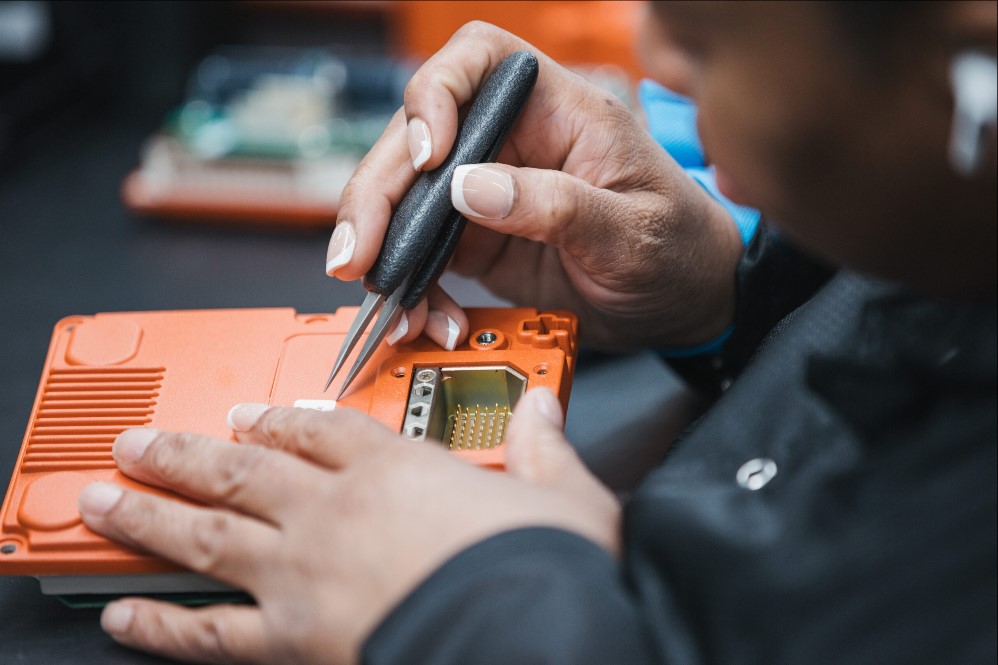
India
India : US-based Acron Aviation has announced the launch of a new MRO (Maintenance, Repair and Overhaul) facility in Bengaluru, marking a significant step in its expansion across the Asia-Pacific region. The centre is aimed at reducing repair turnaround times, improving localized support, and cutting dependence on overseas repair hubs. The new facility will initially focus on repair and testing capabilities for the SRVIVR25, an essential onboard safety system. Over the next three years, the centre is expected to expand its capabilities to include flight recorders, TCAS (Traffic Collision Avoidance Systems), and advanced cockpit display systems. To ensure compliance and global reliability, the Bengaluru centre is currently in the process of obtaining DGCA CAR-145 approval. Future certifications such as FAA, EASA, and CAAC are also being considered, which will allow the facility to cater to a wider range of international operators. Strategically, the Bengaluru hub is envisioned as a regional centre for engineering, customer success, and field support. This move will help operators across the Asia-Pacific region save both time and cost, as they will no longer need to send faulty avionics and systems abroad for repairs. The facility is fully integrated into Acron Aviation’s global network, ensuring consistent quality standards and the safeguarding of intellectual property. According to company officials, the centre reflects Acron Aviation’s long-term commitment to supporting India’s growing aviation ecosystem and its ambition to become a major MRO hub in Asia. By strengthening localized repair capabilities, the new centre will contribute to improved safety, operational efficiency, and enhanced service for airlines and operators in the region.
Read More → Posted on 2025-09-19 16:22:21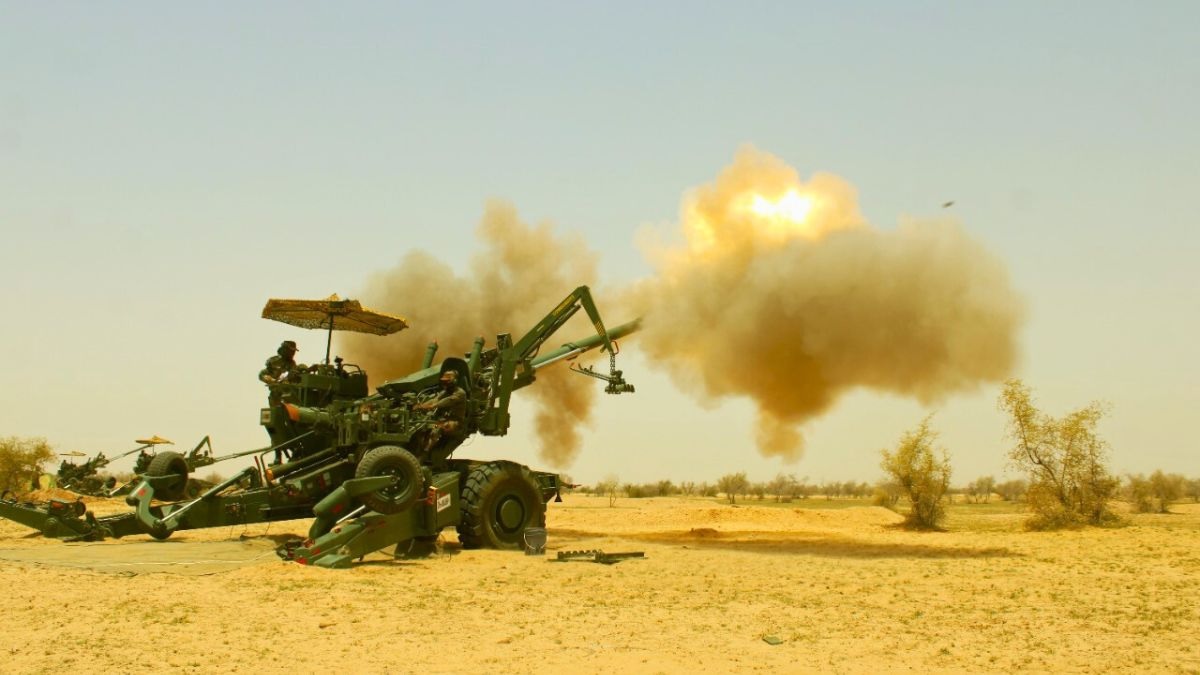
India
India : The Central Bureau of Investigation (CBI) has launched a probe against Delhi-based Sidh Sales Syndicate for allegedly supplying Chinese components that were falsely certified as German-made for India’s indigenously developed Dhanush howitzers. The case has raised serious concerns over quality assurance and integrity in the country’s defence supply chain. According to the investigation, the firm supplied Wire Race Roller Bearings sourced from a Chinese company, Sino United Industries (Luyang) Ltd, while claiming they were manufactured by CRB Antriebstechnik of Germany. Forged documents and fake certificates were allegedly used to misrepresent the origin of the parts. Tests conducted at the Gun Carriage Factory (GCF), Jabalpur, revealed dimensional deviations in the bearings, rendering them unsuitable for use in the Dhanush system. This discovery prompted the filing of a First Information Report (FIR), which not only names Sidh Sales Syndicate but also brings certain factory officials under scrutiny for approving the substandard supplies. The probe has highlighted vulnerabilities in India’s defence procurement process. The Dhanush howitzer, often called the “desi Bofors,” is a critical artillery system designed to fire 155 mm NATO-standard ammunition and enhance the Indian Army’s firepower. Any compromise in its components poses a direct risk to operational reliability. The financial details of the case trace back to 2013, when Sidh Sales Syndicate secured a contract worth over ₹35 lakh to supply the bearings. The value was later revised to approximately ₹53 lakh in 2014, with deliveries made in multiple batches that year. Beyond the immediate issue, the scandal underscores broader challenges in ensuring transparency and accountability in defence manufacturing. With India pushing for self-reliance in defence production, such cases threaten to undermine confidence in indigenous systems if not addressed decisively. The CBI investigation is ongoing, focusing on the supply chain, forged certifications, and the possible role of insiders. Strict action, including criminal charges and blacklisting of involved parties, is expected once the probe concludes. This case serves as a reminder of the importance of stringent oversight in defence contracts, where even the smallest compromised component can impact the safety and effectiveness of vital weapon systems like the Dhanush.
Read More → Posted on 2025-09-19 16:17:32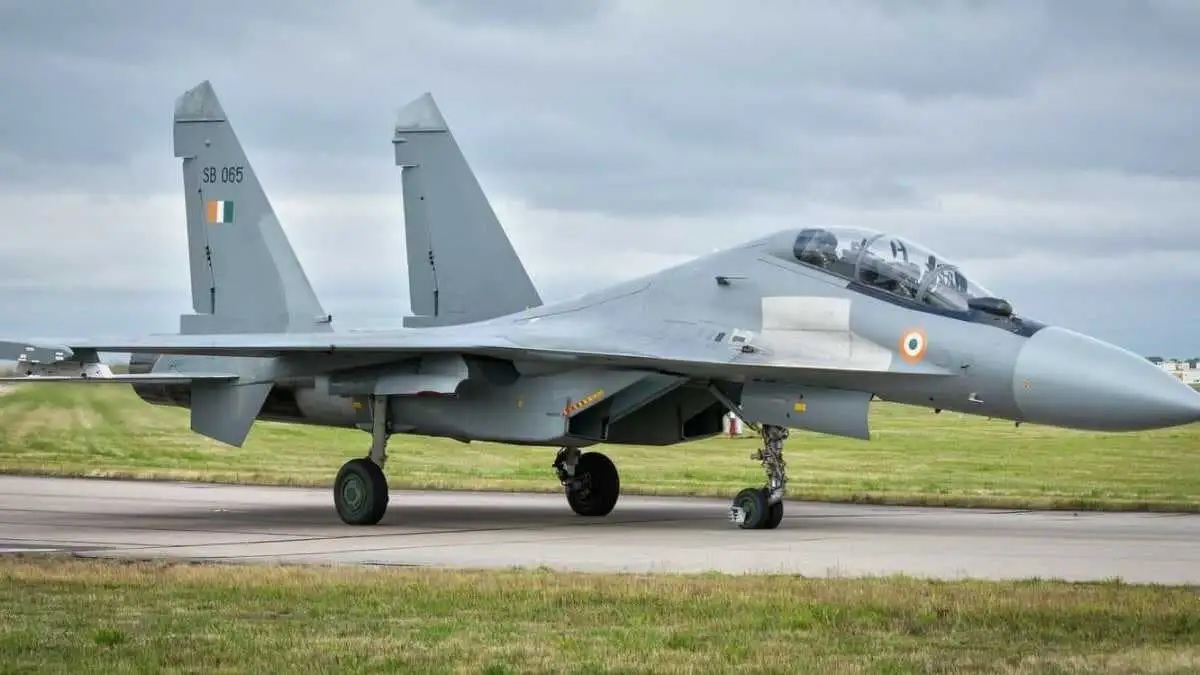
India
India : In a bid to speed up the validation and certification of indigenous aerospace technologies, a proposal has been drawn up to employ two Su-30MKI aircraft with additional instrumentation for flight evaluation. The initiative focuses on reducing delays in testing and certification while ensuring the reliability of homegrown components compared to their foreign-supplied counterparts. According to the proposal, the evaluation will begin with the mapping of critical parameters on original equipment manufacturer (OEM) supplied systems vis-à-vis indigenous ones. This step is aimed at establishing operational parity and building confidence in domestic production. To enhance safety, a Failure Modes, Effects, and Criticality Analysis (FMECA) will be conducted to identify potential failure modes in advance. Alongside, the plan emphasizes limited component testing, focusing more on validating the manufacturing process rather than redesigning the component itself. The proposal also introduces a staircase approach for granting airworthiness clearance. Under this method, systems will first be approved for limited use with restricted service life. Based on satisfactory performance data from the Flight Test Bed (FTB), further clearance will be granted. This concurrent process ensures faster deployment of indigenous systems without compromising safety standards. Importantly, the approach promises faster certification cycles by using real-time flight test data. For India’s aerospace and defense sector, this marks a crucial step toward achieving greater self-reliance under the Atmanirbhar Bharat initiative, while also strengthening the operational readiness of the Indian Air Force. The Su-30MKI, a frontline multirole fighter jet, thus emerges as a critical test platform for India’s push to indigenize defense technologies, paving the way for reduced dependence on foreign suppliers.
Read More → Posted on 2025-09-19 16:02:27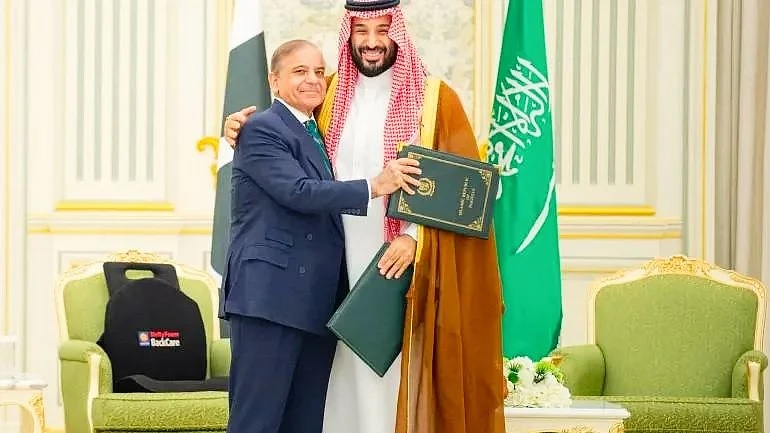
India
In a landmark move, Saudi Arabia and Pakistan have signed a Strategic Mutual Defence Agreement (SMDA) in Riyadh, under which “any aggression against either country shall be considered an aggression against both.” The pact was signed by Crown Prince Mohammed bin Salman and Prime Minister Shehbaz Sharif, with Army Chief Field Marshal Asim Munir present — underscoring the endorsement of Pakistan’s powerful military. Key Provisions & Signals Pakistan’s Defence Minister declared that Pakistan’s nuclear capability “will be made available” to Saudi Arabia under this pact, marking a historic acknowledgement of what had long been speculated as an informal nuclear umbrella. The agreement has been described as comprehensive, covering all military means of defence. Saudi officials stopped short of naming adversaries, but the timing — just after Israel’s strike on Doha, which killed senior Hamas leaders — highlights the urgency behind the move. The pact signals a deliberate shift by Riyadh from a purely US-centric security order toward a more diversified and independent security framework. Regional & Global Implications For Gulf & Middle East Security This pact marks a departure from total reliance on US security guarantees. Saudi Arabia, long anxious about Washington’s willingness to act decisively in its defence, is now anchoring its security directly with Pakistan. This provides Riyadh with a credible nuclear deterrent, altering calculations across the region. For Israel, the agreement complicates military planning. Any strike against Gulf targets could now theoretically provoke a response tied to Pakistan’s nuclear umbrella. It could slow Israel’s normalization talks with Riyadh and force Tel Aviv to proceed with far greater caution in its regional operations. The pact also has consequences for the Gulf’s approach to Iran and to non-state actors like the Houthis in Yemen. With nuclear-armed backing, Saudi Arabia might act with increased assertiveness in countering these threats. For India For India, this agreement is a major diplomatic headache. A Pakistan newly empowered with Saudi financial and political backing may take a harder line on Kashmir and on terrorism-related disputes. If Saudi funds support Pakistan’s military modernization, New Delhi could face a stronger adversary on its western frontier. India is expected to respond by: Deepening its defence partnership with Israel. Ramping up military procurement and modernization. Strengthening ties with Gulf capitals to avoid an overt pro-Pakistan tilt. Expanding defence cooperation with the United States and other Indo-Pacific partners to balance this emerging bloc. For Israel & Global Power Balance The agreement introduces new deterrence risks into the region. With Pakistan’s nuclear deterrent formally or informally tied to Gulf security, the costs of military miscalculation rise sharply. This could either stabilize the region by deterring aggression — or escalate risks if crises spiral. At the same time, the deal highlights waning US influence in the Gulf. It opens the door for China, already a close partner of both Islamabad and Riyadh, to play a greater role as mediator, arms supplier, and economic partner. Toward an ‘Islamic NATO’? The pact has revived debates about an “Islamic NATO” — a collective Muslim military alliance. With Saudi Arabia, custodian of Islam’s holiest sites, aligning formally with Pakistan, the only Muslim nuclear power, momentum for a broader bloc may grow. Still, internal rivalries among Arab states, differences with Iran, and geopolitical divides make such an alliance difficult to realize. Yet, the symbolism of this pact is powerful and may inspire countries like Qatar and Turkey to consider similar arrangements. Challenges & Uncertainties Ambiguity: The pact leaves unclear what level of aggression would trigger a joint response, or how nuclear assets would be coordinated. Escalation risks: With mutual defence in place, even small cross-border clashes could spiral into larger confrontations. International scrutiny: Questions about nuclear proliferation and arms race dynamics are likely to intensify. Domestic balancing: Pakistan faces economic strain, while Saudi Arabia must weigh this bold step against its ties with the US, Israel, and Western partners. The Saudi-Pakistan defence pact is more than a symbolic gesture. It represents a strategic shift in regional power structures — placing Pakistan’s nuclear umbrella at the heart of Gulf security, unsettling India, complicating Israel’s calculations, and signaling reduced reliance on Washington. For India, the message is clear: recalibrate diplomacy, modernize militarily, and re-engage strategically — because a more assertive, Riyadh-backed Pakistan has just entered the regional equation.
Read More → Posted on 2025-09-19 15:22:25
India
The European Union has openly acknowledged that Indo-Russian relations are proving to be a stumbling block in the path of closer India-EU cooperation. The remarks come at a time when Brussels is pushing hard to conclude a Free Trade Agreement (FTA) with New Delhi, while also seeking stronger collaboration on defence, technology, and climate issues. EU Foreign Policy Chief Kaja Kallas stated that India’s continued purchase of Russian oil and participation in Russian-led military drills undermine the bloc’s expectations of strategic alignment. According to her, such moves make it difficult for Brussels to treat India as a fully reliable partner, despite recognising India’s importance in balancing power in the Indo-Pacific. The EU and India have been negotiating an ambitious FTA, aiming to seal it by the end of this year. Alongside the trade talks, the EU recently unveiled a Strategic Roadmap with India, focusing on trade, connectivity, defence cooperation, and technology. However, the Russia factor continues to overshadow these efforts. Since the Ukraine conflict began in 2022, India has sharply increased imports of discounted Russian crude oil, a step that has benefited its domestic economy but frustrated Western partners. Adding to European unease, Indian forces recently took part in Zapad 2025, a large-scale military exercise led by Russia and Belarus near NATO’s eastern front. India, however, views its relationship with Russia as deeply rooted in history, particularly in areas of defence and energy security. New Delhi has repeatedly stressed that it will act according to its national interests and maintain balanced ties with all global powers. The EU’s concerns come just four months after the bloc extended financial and humanitarian support to Pakistan, a development that has not gone unnoticed in Indian strategic circles. The timing of these remarks raises questions about the EU’s balancing of interests in South Asia. How Much Trade Still Happens: EU-Russia Data Despite strong sanctions and restrictions since 2022, trade between the EU and Russia has not disappeared completely. In 2024, the total value of goods trade (imports plus exports) between the EU and Russia was about €67.5 billion. EU imports from Russia were around €35.9 billion, largely dominated by energy products, minerals, and raw materials. EU exports to Russia were about €31.5 billion, led by chemicals, machinery, transport equipment, and food. In the second quarter of 2025, trade fell sharply: EU imports from Russia were roughly €7 billion, and exports to Russia were about €7.5 billion, bringing total bilateral trade to around €14.5 billion. Compared with early 2022, this represents an 82% collapse in overall trade. Imports have fallen about 86%, while exports are down by about 61%. The EU’s energy trade deficit with Russia, which stood at over €40 billion in early 2022, dropped to about €4.2 billion by mid-2025 due to reduced reliance on Russian fuel. Why This Matters These numbers highlight that while India is being pressed over its energy and defence ties with Moscow, the EU itself still maintains a reduced but notable level of trade with Russia. This duality underscores the complexity of global diplomacy, where economic necessities and strategic alignments often clash with political messaging. For India, the challenge is to sustain its historic partnership with Russia while expanding trade and technological cooperation with the EU. For Brussels, the task is to balance its principles with its own remaining dependencies on Russian goods. The EU’s statement that Indo-Russian relations stand in the way of closer India-EU ties reflects the new reality of global geopolitics. India continues to walk a tightrope between its long-standing ties with Moscow and its desire for deeper engagement with Europe. Whether both sides can bridge this divide will determine if the much-awaited FTA and broader partnership move forward or stall once again.
Read More → Posted on 2025-09-18 16:00:04
India
In a major boost to India’s defence indigenisation drive, Rourkela-based Coratia Technologies has won a ₹66 crore contract from the Indian Navy to supply indigenous Underwater Remotely Operated Vehicles (UWROVs). Valued at around $7.5 million, the deal underscores the Navy’s confidence in Indian startups to deliver advanced deep-tech solutions for maritime operations. A Startup Making Waves Founded by engineers incubated at the National Institute of Technology (NIT) Rourkela, Coratia Technologies has emerged as one of the few deep-tech startups in India working on advanced underwater robotics. The company’s journey from academic research to securing a multi-crore defence contract reflects the growing synergy between India’s innovation ecosystem and the armed forces. Role of UWROVs in Naval Operations UWROVs are unmanned submersible platforms designed to be remotely operated from the surface. They are critical for: Underwater surveillance and reconnaissance Seabed mapping and exploration Inspection of underwater pipelines, ship hulls, and naval infrastructure Salvage assistance in recovery of objects and wreckage Mine countermeasures and disposal of hazardous objects With growing maritime challenges in the Indian Ocean Region, these capabilities are vital for safeguarding naval assets, enhancing situational awareness, and reducing risks to divers in hostile environments. Specifications and Features While the Navy has not disclosed exact classified specifications, Coratia’s indigenous UWROV prototypes are reported to feature: Depth capability: up to 300 metres, suitable for most littoral and harbour operations. Payload options: High-definition cameras, sonar systems, manipulators for gripping and cutting tools. Endurance: Around 4 to 6 hours of continuous operation, depending on payload configuration. Real-time data relay: Fibre-optic tethered systems ensuring low-latency transmission. Navigation: Equipped with advanced DVL (Doppler Velocity Log), INS (Inertial Navigation System), and GPS for precise underwater positioning. Multi-mission adaptability: Can switch between surveillance, inspection, and light intervention roles. These features will enable the Indian Navy to conduct operations that traditionally required expensive imported systems. Strategic Significance The deal aligns with India’s Atmanirbhar Bharat and Make in India initiatives, cutting dependence on foreign vendors for specialised underwater technologies. It also marks a recognition of startups as trusted suppliers in defence contracts, an area traditionally dominated by large public sector units and established private defence firms. For the Indian Navy, the induction of indigenous UWROVs will provide greater flexibility, lower lifecycle costs, and faster deployment of systems tailored for Indian waters. For Coratia Technologies, this breakthrough establishes it as a credible player in the global underwater robotics space, potentially opening doors to exports in friendly navies. With this contract, India joins the league of nations developing their own underwater robotic systems. The Navy is expected to deploy these UWROVs for both coastal security and offshore operations, strengthening maritime domain awareness. This development not only strengthens India’s defence preparedness but also demonstrates the rising role of homegrown startups in shaping the future of advanced military technology.
Read More → Posted on 2025-09-18 15:52:36
India
New Delhi – The Indian Air Force (IAF) is finalising plans for the acquisition of 114 Rafale fighter jets, a mega deal valued at over ₹2 lakh crore ($23.8 billion). The contract, expected to be signed by next year, will combine quick off-the-shelf deliveries from France with a long-term plan to build the majority of aircraft in India under the Make in India initiative. Fast-Track Deliveries At least 18 Rafales will be supplied directly from France in fly-away condition to fill urgent operational gaps. These jets will arrive with Meteor beyond-visual-range missiles, Scalp cruise missiles, and India-specific upgrades, allowing them to enter frontline service almost immediately. The accelerated delivery plan bypasses the lengthy tender process, ensuring the IAF strengthens its fleet without delay. Operational Need The urgency comes as the IAF’s squadron strength has fallen to 29, well below the sanctioned 42.5 squadrons needed to counter potential threats from both China and Pakistan. The retirement of the MiG-21 fleet has worsened the shortfall. Recent combat drills, including Operation Sindoor, highlighted the Rafale’s ability to defeat advanced threats such as the Chinese PL-15 missile, underlining the aircraft’s importance in maintaining air superiority. Made in India Drive The bulk of the order—over 90 aircraft—will be assembled in India, with an indigenous content target of 60%. Dassault Aviation and Tata Advanced Systems are establishing a Rafale assembly line in Hyderabad, marking the first time Rafale fuselages will be built outside France. The facility will manufacture major airframe sections and is expected to scale up to producing two fuselages per month by 2028. Future Indian-assembled Rafales will also receive upgrades beyond the current F4 standard, including longer-range weapons and enhanced avionics. A new Maintenance, Repair, and Overhaul (MRO) hub for the M-88 engines is also planned, reducing reliance on foreign service centers. Strategic Edge The deal is structured with sovereign guarantees from the French government, ensuring secure payments and guaranteed timelines. Once complete, the IAF’s Rafale fleet will grow to 176 aircraft, combining the original 36 already in service, the new 114 for the Air Force, and 36 ordered for the Navy. Deliveries of the French-built batch are expected to begin soon after contract signature, while Indian production will ramp up through 2029–30. The plan balances immediate combat readiness with long-term industrial growth, supporting India’s push for strategic autonomy in defence. With this landmark deal, the Rafale is set to remain the backbone of India’s fighter fleet until indigenous platforms like the Tejas Mk-1A and the fifth-generation AMCA enter service in the next decade.
Read More → Posted on 2025-09-18 14:50:50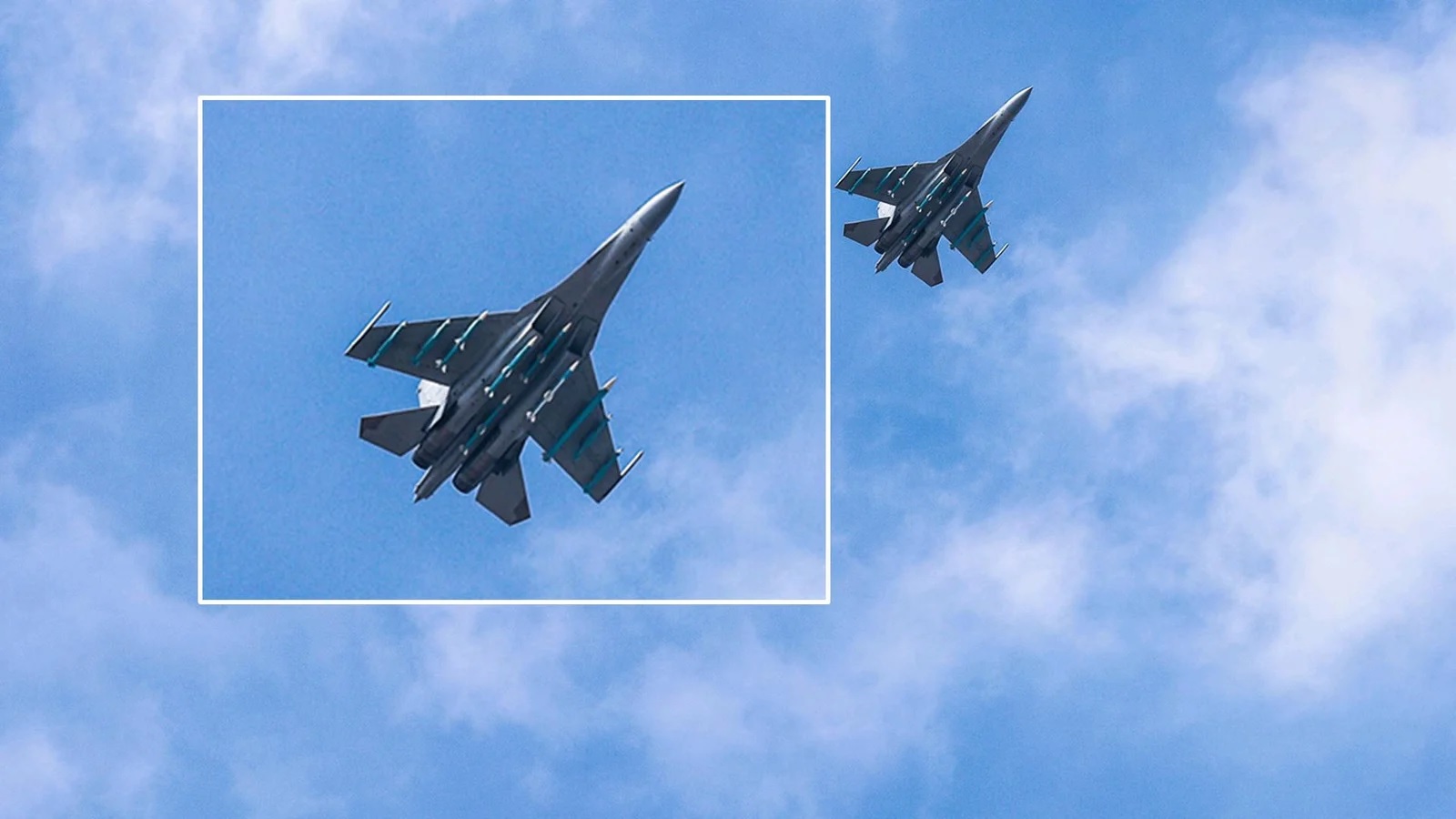
India
In the aftermath of the May 2025 India-Pakistan clash known as Operation Sindoor, Pakistan is reported to be considering acquisition of China’s advanced PL-17 long-range air-to-air missile, in response to the apparent failure of its current premier missile, the PL-15E. The developments mark a sharp escalation in aerial weapons capability pressure on India, prompting renewed urgency within the Indian defence establishment to shore up air superiority and protection of high-value airborne assets. Operation Sindoor and PL-15E’s Ineffective Debut Operation Sindoor began on 6–7 May 2025 as India’s retaliation for the Pahalgam terror attack of April 22, which killed 26 civilians. Indian forces struck nine sites in Pakistan and Pakistan-occupied Kashmir linked to Jaish-e-Mohammed (JeM) and Lashkar-e-Taiba (LeT). During these strikes, the Pakistan Air Force (PAF) attempted to intercept Indian aircraft using PL-15E beyond-visual-range air-to-air missiles (BVRAAMs) launched from its J-10C and JF-17 Block III fighters. The PL-15E is the export version of China’s PL-15, boasting a range of about 145 km and an AESA radar seeker. Yet, despite these on-paper advantages, none of the missiles achieved confirmed kills. Indian defence officials highlighted several reasons: Electronic Warfare (EW): The Rafale’s SPECTRA suite and the Su-30MKI’s Israeli-supplied EL/M-8222 jamming pods disrupted the missile’s guidance systems. Tactical errors: PAF fighters fired missiles near their maximum range, often without support from AWACS aircraft, which reduced accuracy and allowed Indian pilots to evade. This failure exposed the limitations of PL-15E against modern electronic warfare and tactical counter-measures, creating concern within Pakistan’s defence establishment. Pakistan Eyes the PL-17: The “AWACS Killer” Having learned from the PL-15E’s shortcomings, Pakistan is reportedly accelerating plans to acquire the PL-17, a next-generation Chinese missile designed to neutralize strategic high-value targets. Key features of the PL-17 include: Extended Range: Believed to reach up to 300–400 km, dwarfing the PL-15E’s 145 km envelope. Strategic Role: Unlike conventional dogfight missiles, the PL-17 is intended to strike AWACS, airborne early warning aircraft, and mid-air refuelling tankers. Eliminating these assets could cripple the IAF’s command, surveillance, and long-range strike capabilities. Advanced Propulsion: The missile is thought to employ a ramjet engine, sustaining high speeds across vast distances. Multimode Guidance: It reportedly combines inertial navigation, satellite updates, and a multimode seeker to track high-value targets with greater resistance to counter-measures. How many PL-17s can a J-10C carry ? The J-10C has multiple external hardpoints (an 11-station configuration), but the PL-17 is very large and heavy — roughly several metres long — so it is not a small underwing missile. Open-source imagery and defence reporting indicate the J-10C is normally seen carrying a single PL-17 (typically on a strong centerline or inner pylon). While test photos sometimes show experiments with different mounts, operationally a J-10C would most likely carry only one PL-17 because of the missile’s size, weight and aerodynamic/structural constraints. This means each J-10C armed with PL-17s would usually field one such ultra-long-range weapon at a time, rather than multiple PL-17s per aircraft. Strategic Implications for India The prospect of Pakistan fielding the PL-17 forces India to adapt quickly. Likely responses include: Stronger Electronic Warfare & Self-Protection Upgrading EW suites on Rafale, Su-30MKI, and Tejas fighters. Deploying more advanced jamming pods, missile warning systems, and decoys. Better Protection for Force Multipliers Operating Phalcon AWACS and IL-78 tankers at safer standoff distances. Increasing escort fighter protection and employing advanced EW cover. Indigenous Missile Development Fast-tracking the Astra Mk-2 and Mk-3 long-range missiles, with dual-pulse or ramjet propulsion. Improving multi-mode seekers to match Chinese advancements. Tactical & Doctrinal Adjustments Revising combat air patrol strategies and escort tactics. Expanding sensor networks and secure datalinks to detect long-range missile threats earlier. Strategic Posturing Deploying more air defence systems near key airbases. Strengthening alliances and technology partnerships to counterbalance Pakistan’s acquisitions. The May 2025 clashes revealed the ineffectiveness of the PL-15E against India’s advanced electronic warfare systems, boosting confidence in the IAF but also highlighting future risks. Pakistan’s reported interest in the PL-17 “AWACS killer” underscores the intensifying missile race in South Asia. For India, the challenge is immediate and severe: protect its high-value airborne assets, accelerate the Astra missile program, and maintain air superiority in the face of rapidly evolving threats. The skies over the subcontinent are entering a new era where very-long-range air-to-air weapons could decide the outcome of conflicts before dogfights even begin.
Read More → Posted on 2025-09-18 13:25:20
India
New Delhi – Emphasizing the importance of a strong domestic defence industry, Defence Minister Rajnath Singh on Tuesday highlighted the need for India’s military preparedness in an era marked by sudden and unpredictable warfare. Addressing top commanders at the Combined Commanders Conference, Singh underlined that surge capacity in the defence sector is critical to ensuring that the armed forces have access to indigenously developed systems in times of crisis. The minister shared that a committee has been formed to draft a realistic and action-oriented plan for Project Sudarshan Chakra – a bold initiative aimed at achieving comprehensive national defence. The project, announced last month by Prime Minister Narendra Modi, seeks to integrate defence systems across both military and civilian sites, ensuring a unified approach to safeguarding the nation. Speaking about the changing dynamics of warfare, Singh pointed out, “Wars of today are so sudden and unpredictable that it is extremely difficult to foretell its duration. It can be two months, a year, or even five years. We need to be prepared. We need to ensure that our surge capacity remains sufficient.” The committee is tasked with devising a medium-term roadmap for the next five years and a long-term strategy for the next decade. The minister urged the armed forces to embrace emerging threats and challenges, which are increasingly invisible and unconventional in nature. “We must be ready to deal with threats such as information warfare, ideological warfare, ecological warfare, and biological warfare,” Singh remarked, stressing that military thinking should go beyond traditional battlefields. A key component of this effort is to foster deeper engagement with industry and academia in the development of future-ready technologies. Singh stressed the need for jointness and synergy between different branches of the armed forces, calling it essential for meeting both current and future threats. Referring to past successes, the minister cited Operation Sindoor, stating, “Strength, strategy, and self-reliance are the three pillars that will give India the power it needs in the 21st century.” He added that India’s progress in indigenous platforms and systems, combined with the resilience and courage of its soldiers, equips the country to face any challenge head-on. In addition to military preparedness, defence indigenisation is also contributing to economic growth, creating employment opportunities, and expanding defence corridors, shipyards, and aerospace clusters. These efforts have a multiplier effect on the economy, supporting both innovation and manufacturing at scale. Experts note that India’s focus on self-reliance is aligned with global trends where nations are prioritizing secure supply chains and reducing dependence on foreign imports. The country’s push for Make in India in defence has already resulted in significant advances in areas such as missile systems, radar networks, and combat aircraft development. With Project Sudarshan Chakra, the government aims to institutionalize this progress by creating structured plans, enabling faster response mechanisms, and strengthening partnerships across government, private sector, and research organizations. This initiative is seen as a critical step toward transforming India’s defence ecosystem and positioning it as a global leader in technology-driven warfare readiness.
Read More → Posted on 2025-09-17 15:55:43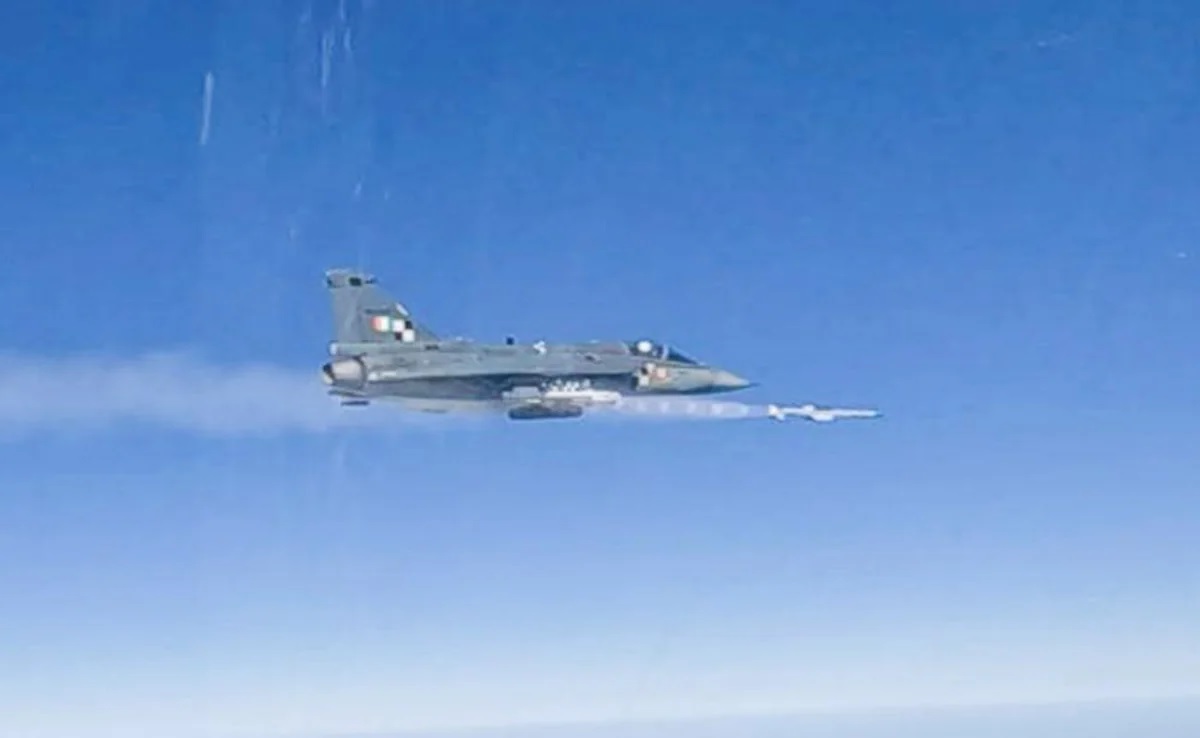
India
India : In a significant advancement for India's indigenous defense capabilities, the Light Combat Aircraft (LCA) Tejas Mk-1A has commenced its weapons firing trials, marking a pivotal phase in its journey toward operational readiness with the Indian Air Force (IAF). These trials, which began on September 15, 2025, involve the integration and testing of advanced missile systems, including the Advanced Short Range Air-to-Air Missile (ASRAAM) and the Astra Beyond Visual Range Air-to-Air Missile (BVRAAM). ASRAAM Trials: Enhancing Close-Combat Capabilities The initial phase of the trials focuses on the ASRAAM, a high-performance short-range missile designed to engage aerial threats at close distances.The integration of ASRAAM with the Tejas Mk-1A aims to bolster the aircraft's agility and effectiveness in close combat scenarios.The trials are being conducted at a firing range in India's eastern sector, with defense experts noting that this phase is crucial for testing the aircraft’s handling and response during high-intensity engagements. Astra BVRAAM Trials: Extending Engagement Range Following the ASRAAM trials, the Tejas Mk-1A will undergo tests with the Astra BVRAAM, an indigenously developed missile capable of engaging targets beyond visual range.The Astra missile has previously demonstrated successful test firings from the Tejas Mk-1 prototype, achieving direct hits on flying targets at ranges exceeding 100 kilometers.These upcoming trials will further validate the missile's integration with the Tejas Mk-1A's avionics and fire control systems, strengthening the aircraft’s long-range combat capability. Integration with Advanced Radar Systems A critical aspect of these trials is the verification of the Tejas Mk-1A's compatibility with advanced radar systems, notably the Israeli-origin Elta ELM-2052 Active Electronically Scanned Array (AESA) radar.The integration of this radar enhances the aircraft's situational awareness and targeting precision, essential for effective deployment of both ASRAAM and Astra missiles. HAL's Progress and Delivery Timeline Hindustan Aeronautics Limited (HAL), the manufacturer of the Tejas Mk-1A, has received the third GE-404 engine for the aircraft, supporting its performance and production targets.HAL is on track to deliver the first two upgraded Tejas Mk-1A fighters to the IAF in October 2025, contingent upon the successful completion of these weapons firing trials. Strategic Implications The successful integration and testing of these advanced missile systems signify a major leap in India's self-reliance in defense technology.The Tejas Mk-1A, with its enhanced capabilities, is poised to play a crucial role in the IAF's modernization efforts, providing a versatile and cost-effective solution for a range of aerial combat scenarios. As the trials progress, the Tejas Mk-1A's performance will be closely monitored, with expectations that the aircraft will meet the stringent requirements set by the IAF, leading to its induction into active service in the near future.
Read More → Posted on 2025-09-16 16:51:20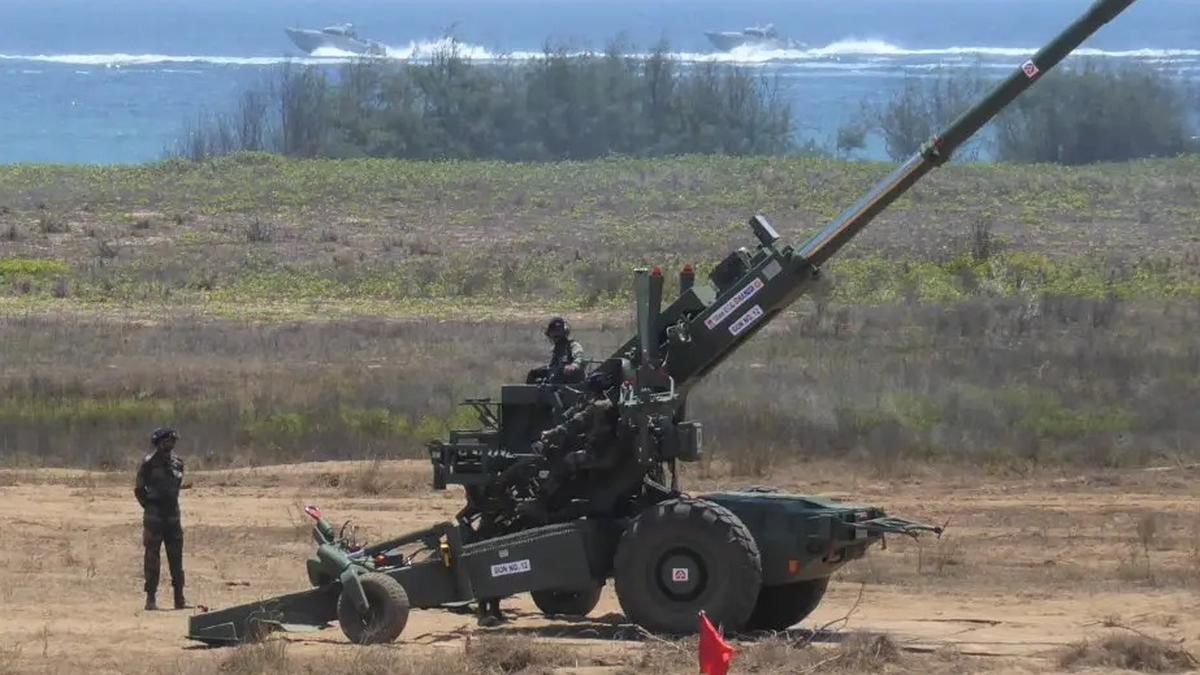
India
India : In a significant development impacting India's artillery modernization efforts, the Indian Army has officially rejected the upgraded Sharang artillery guns supplied by AWEIL. This decision follows the identification of multiple quality issues in the delivered units. Background of the Sharang Project The Sharang project was initiated to modernize 300 Soviet-era 130mm M-46 artillery guns by upgrading them to the 155mm/45 calibre standard. This upgrade aimed to enhance the guns' range from 27 km to 39 km, thereby significantly improving the Indian Army's artillery capabilities. The project, valued at approximately ₹200 crore, was initially overseen by the Ordnance Factory Board (OFB) and later managed by AWEIL following the corporatization of OFB. Quality Issues Identified To date, 159 upgraded Sharang guns have been delivered to the Indian Army. However, these units have exhibited serious defects, including mechanical, electrical, electronic, and metallurgical issues, compromising their performance and reliability. As a result, the Indian Army has decided to halt the induction of the remaining 141 guns until AWEIL addresses these concerns and ensures that future deliveries meet the required quality standards. Implications for Artillery Modernization This setback raises significant concerns about the progress of India's artillery modernization program, which is a critical component of the Field Artillery Rationalisation Plan (FARP). Under FARP, the Indian Army aims to replace outdated artillery systems with modern 155mm calibre guns. The rejection of the Sharang guns underscores the challenges faced in achieving self-reliance in defense manufacturing and the importance of stringent quality control measures. The Indian Army's decision to reject the upgraded Sharang artillery guns highlights the critical importance of quality assurance in defense procurement. While the move may cause temporary delays in the modernization program, it underscores the Army's commitment to ensuring that only reliable and effective equipment is inducted into service. The outcome of this situation will likely influence future defense manufacturing and procurement strategies in India.
Read More → Posted on 2025-09-16 16:36:23
India
In a dramatic admission, Jaish-e-Mohammad’s senior commander Masood Ilyas Kashmiri has confirmed that the family of the terror outfit’s chief, Maulana Masood Azhar, was killed in India’s counterterror campaign Operation Sindoor. The operation, carried out on May 7, targeted JeM’s nerve centre Markaz Subhanallah in Bahawalpur, Pakistan, dealing one of the heaviest blows to the group in recent years. In a viral video, Ilyas, flanked by armed guards, said in a high-pitched tone: “After sacrificing everything, on May 7, Maulana Masood Azhar’s family was torn apart by Indian forces in Bahawalpur.” The Bahawalpur Headquarters The Markaz, located along the Karachi–Torkham Highway (NH-5), has long served as JeM’s operational hub. It housed over 600 cadres, hosted training for recruits, and was the planning ground for major attacks, including the 2019 Pulwama strike. The May 7 strike reduced key facilities to rubble, reportedly killing 10 members of Azhar’s family and several close aides. Among those killed were Azhar’s elder sister, her husband, his mother, a nephew, nieces, and children, along with four of his trusted associates. Trigger for the Operation Operation Sindoor was India’s direct retaliation to the April 22 Pahalgam terror attack, where a Lashkar-e-Taiba wing massacred 26 civilians, mostly tourists, in Jammu and Kashmir’s Baisaran Valley. It was one of the deadliest attacks on Indian soil in recent years, prompting New Delhi to order coordinated military action against terror sanctuaries across the border. India’s Strikes and Pakistan’s Response India’s strikes hit nine major terror hubs across Pakistan and Pakistan-occupied Kashmir, including JeM’s Bahawalpur base and Lashkar-e-Taiba’s headquarters in Muridke. Within days, Pakistan attempted retaliatory drone and missile strikes, all of which were intercepted by India’s air defence systems. In the second wave, India expanded its operation, striking airbases at Nur Khan and Rahim Yar Khan, sending a strong signal of escalation control. Strategic Significance The strikes marked one of the deepest and most successful cross-border operations by India in recent memory. Unlike past actions, Operation Sindoor targeted not just infrastructure but the families of top terror leaders, inflicting psychological and organisational damage on JeM. For the first time, JeM itself has publicly admitted its losses, something the group has historically denied or downplayed. India described the mission as a measured and proportionate response, while Pakistan condemned it as “aggression”, further heightening tensions between the two nuclear-armed neighbours.
Read More → Posted on 2025-09-16 14:27:49
India
As Ukraine intensifies its drone strikes on Russian refineries, India is positioning itself to gain both economically and geopolitically from the disruption. With an estimated 17 percent of Russia’s refining capacity — some 1.1 million barrels per day — disabled by recent attacks, India is capitalizing on cheaper crude and rising demand for non-Russian fuels, particularly from Europe. What’s Happening Refinery damage and export port disruption in Russia have forced a reduction in local processing capacity. Several major plants have been hit, while key Baltic ports such as Primorsk and Ust-Luga have seen damage affecting loading and shipping operations. As Russian refining weakens, more crude oil that would have been refined domestically is being exported. This increases supplies of discounted Russian oil on global markets. Europe is preparing for a ban from January 2026 on fuels refined from Russian crude, leading to a rush for supply alternatives. India has stepped in to fill that gap. India’s Gains Massive Export GrowthIn August 2025, India’s diesel exports to Europe rose about 137% year-on-year, reaching approximately 242,000 barrels per day, driven by anticipation of the EU ban on fuels from Russian crude. Stronger Refining MarginsLower crude purchase costs from Russia, combined with tight global diesel supplies, have boosted profit margins (crack spreads) for Indian refiners. Industry analysis suggests significantly improved returns for companies such as Reliance and IOC. Geopolitical and Strategic Leverage India has rejected U.S. pressure to reduce oil imports from Russia, insisting procurement is driven by cost and security. By serving as a swing supplier — especially to Europe — India gains influence in global energy flows. Filling Supply Gaps While Chinese refineries undergo maintenance, Indian plants are running at full capacity, processing more Russian crude and expanding exports. The EU’s sanctions are triggering stockpiling, which India is able to supply. Risks & Challenges Ahead U.S. Tariffs & Diplomatic Pressure: The U.S. has imposed tariffs up to 50% on certain Indian goods, aiming to penalize energy ties with Russia. EU Sanctions Compliance: Proof of crude origin will become critical; Indian refineries often process mixed sources, raising documentation hurdles. Logistical Constraints: Shipping, storage, insurance, and port capacity may limit sustained export growth. Russian Recovery: If Russia repairs damaged facilities, discounts may narrow. Volatile Prices: A prolonged conflict risks further oil market shocks. Expert Views Analysts estimate 17–20% of Russian refining capacity has been disabled in recent months. Some believe India could sustain high refining margins through late 2025 due to European demand and seasonal cycles. Others caution that tariffs and sanctions could offset economic gains if not managed. If Ukraine’s drone attacks continue to constrain Russian refining, India is likely to: Secure crude at steep discounts Maintain high refinery utilization Expand its role as a key supplier of diesel and refined fuels Leverage energy strength for geopolitical advantage India’s opportunistic energy strategy highlights a core truth of today’s oil markets: disruption creates both risk and opportunity. With its refining capacity, flexible procurement, and export networks, India has turned global upheaval into a chance to cement itself as a powerful player in the oil order.
Read More → Posted on 2025-09-16 13:58:24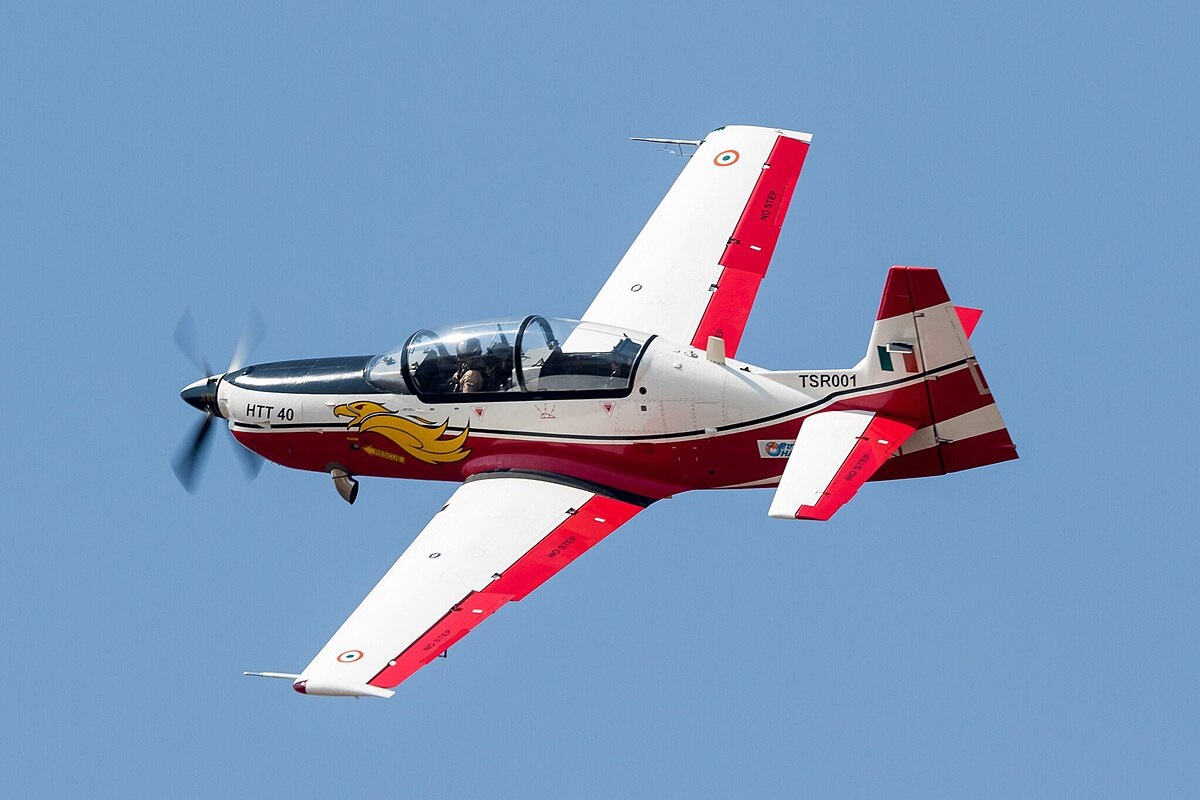
India
Hindustan Aeronautics Limited (HAL) is facing a setback in its efforts to deliver the HTT-40 basic trainer aircraft to the Indian Air Force (IAF) due to delays in the supply of Honeywell's TPE331-12B turboprop engines. Originally scheduled for delivery in September 2025, the first engine is now expected in November 2025, with subsequent deliveries to follow in early 2026. This delay has prompted HAL to use a 'Category B' (used) engine from one of the prototypes for the maiden flight of the series production aircraft, planned for late September 2025. The TPE331-12B engine, renowned for its reliability and efficiency, is a critical component for the HTT-40 trainer. Under a $100 million contract signed in July 2022, Honeywell is to supply 88 engines and kits to HAL, with 32 units to be delivered by Honeywell and the remaining 56 to be manufactured by HAL through technology transfer. The delay in engine deliveries has raised concerns about HAL's ability to meet its contractual obligations to the IAF. HAL has urged Honeywell to expedite the delivery schedule to ensure that the first batch of 12 HTT-40 aircraft can be supplied to the IAF within the current financial year. Production is underway at HAL's facilities in Nashik and Bengaluru, with 10 units from Nashik and 2 from Bengaluru expected in the initial batch. The HTT-40 is designed to replace the aging fleet of HPT-32 trainers and is integral to the IAF's pilot training program. The delay in engine supply underscores the challenges faced by defense manufacturing programs, where supply chain issues can significantly impact timelines and operational readiness. HAL continues to work closely with Honeywell to resolve the delays and meet the training needs of the IAF.
Read More → Posted on 2025-09-15 16:18:03Search
Top Trending in 24 Hours
-
 Pentagon and Honeywell Complete Four-Hour Pacific Flight Using Quantum Magnetic Navigation Without GPS
-
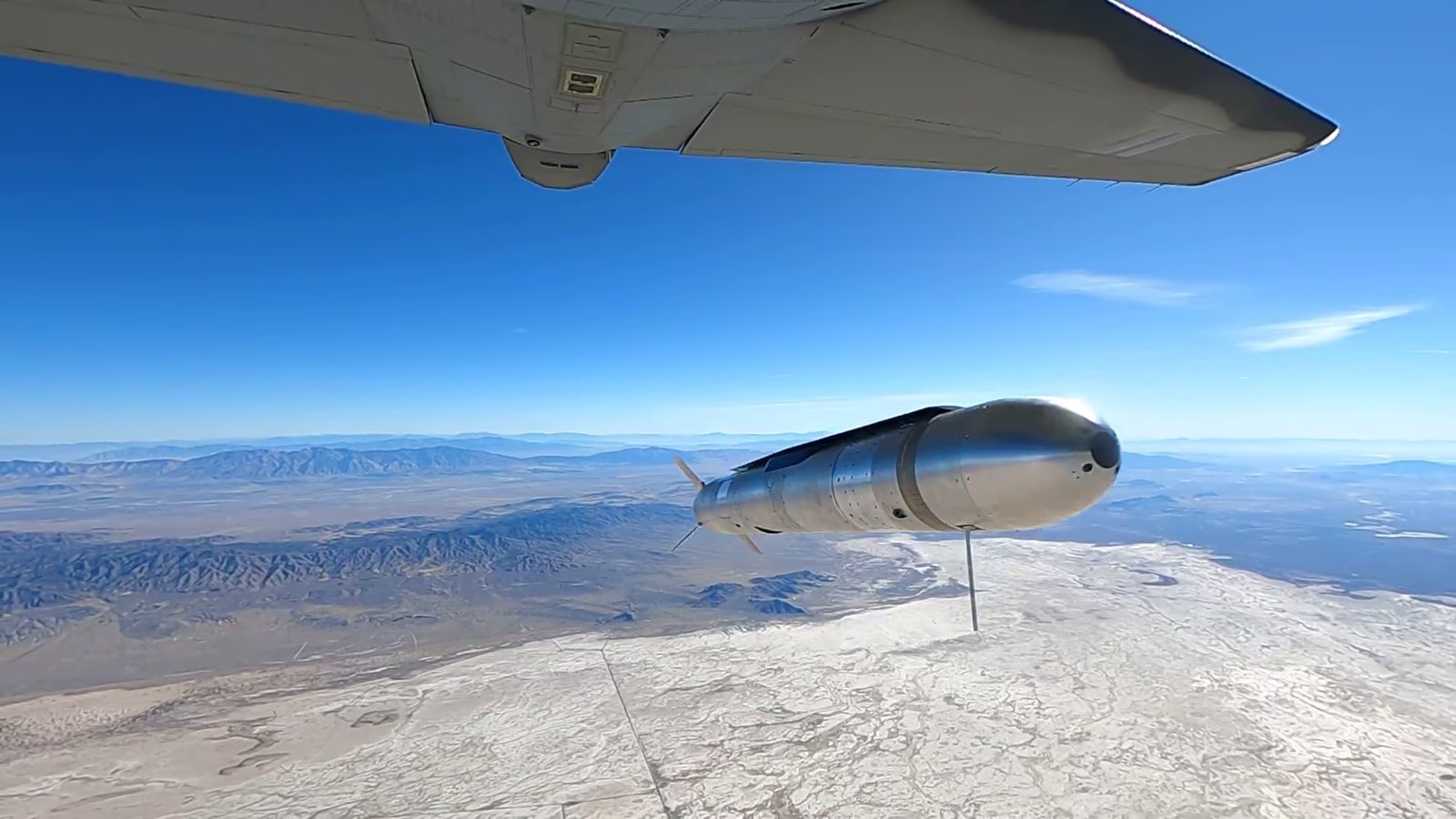 U.S. Air Force Special Operations Command Clears AGM-190A Havoc Spear for Wider Service After Combat Evaluation in Africa
-
 U.S. Confirms Deployment of On-Orbit Space Control Weapons for First Time
-
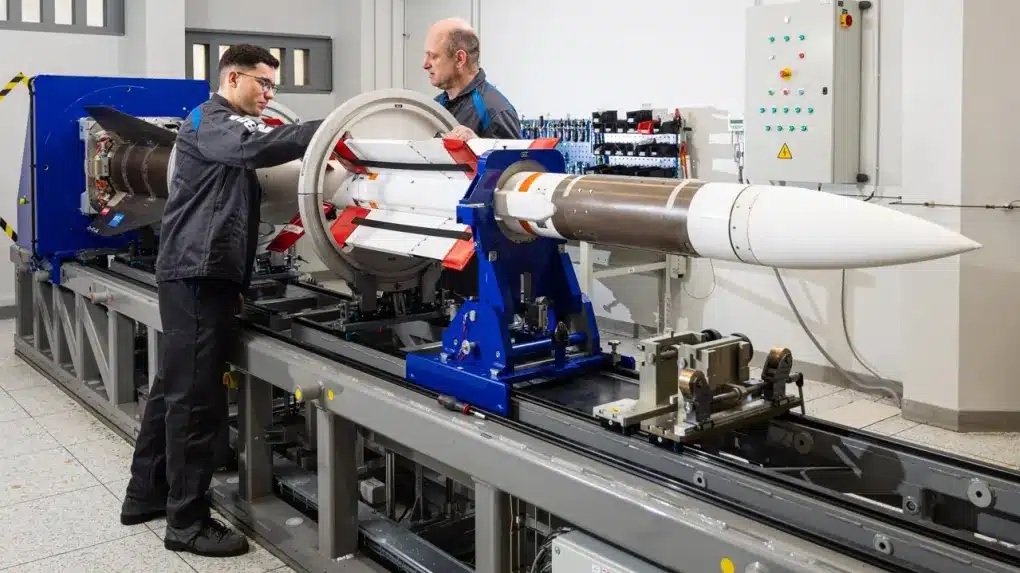 MBDA to Build New Missile Production Plant Near Orleans to Expand Missile Production
-
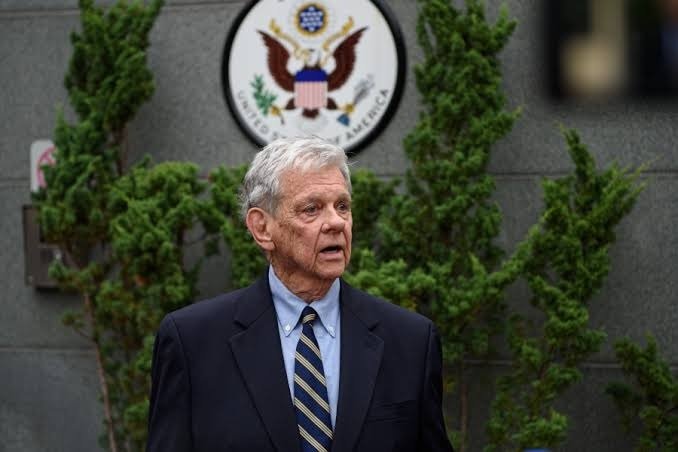 U.S. Begins Process to Return $43–44 Million in Frozen Belarusian Funds
-
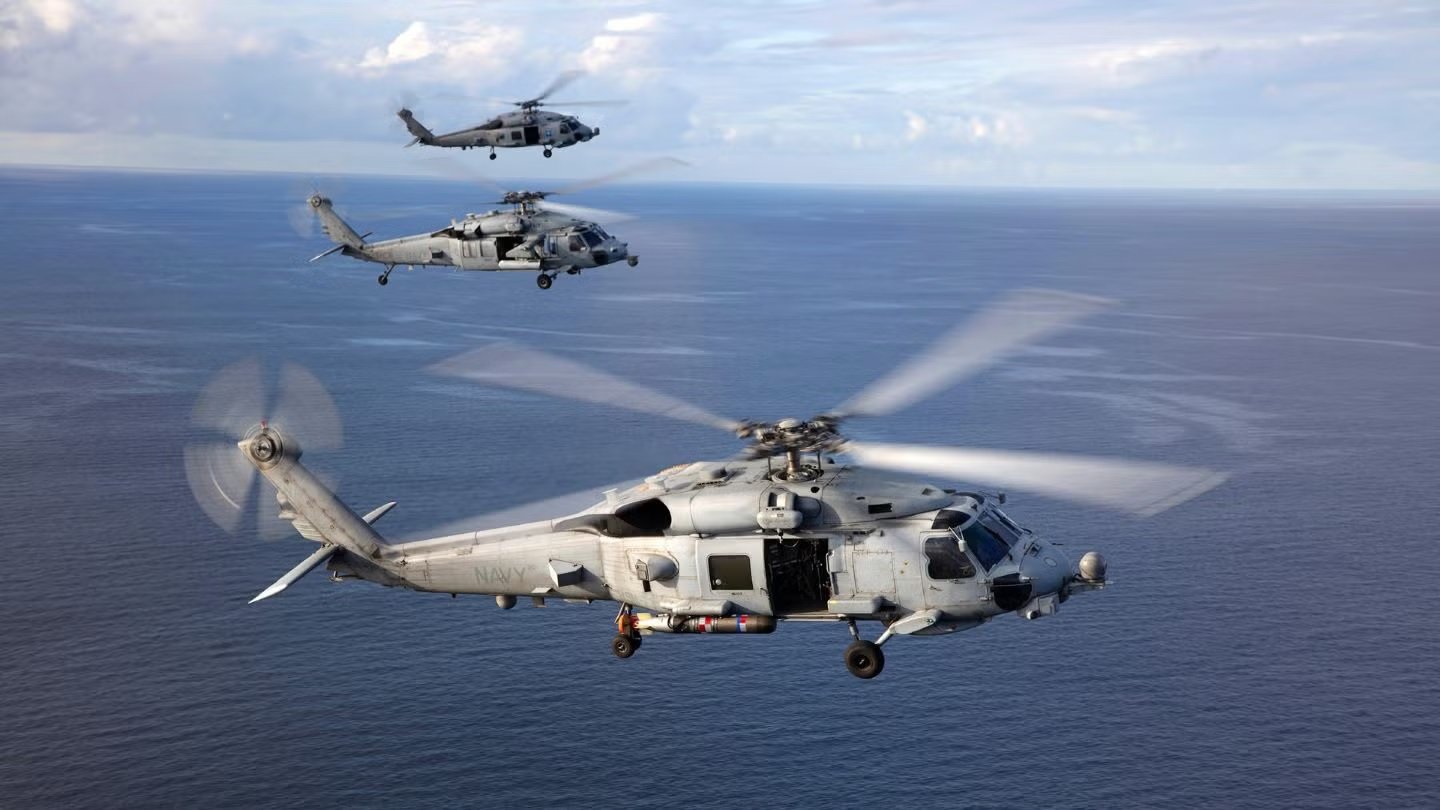 South Korea Approves $2.4 Billion Acquisition of 20 Additional MH-60R Seahawk Anti-Submarine Helicopters
Top Trending in 4 Days
-
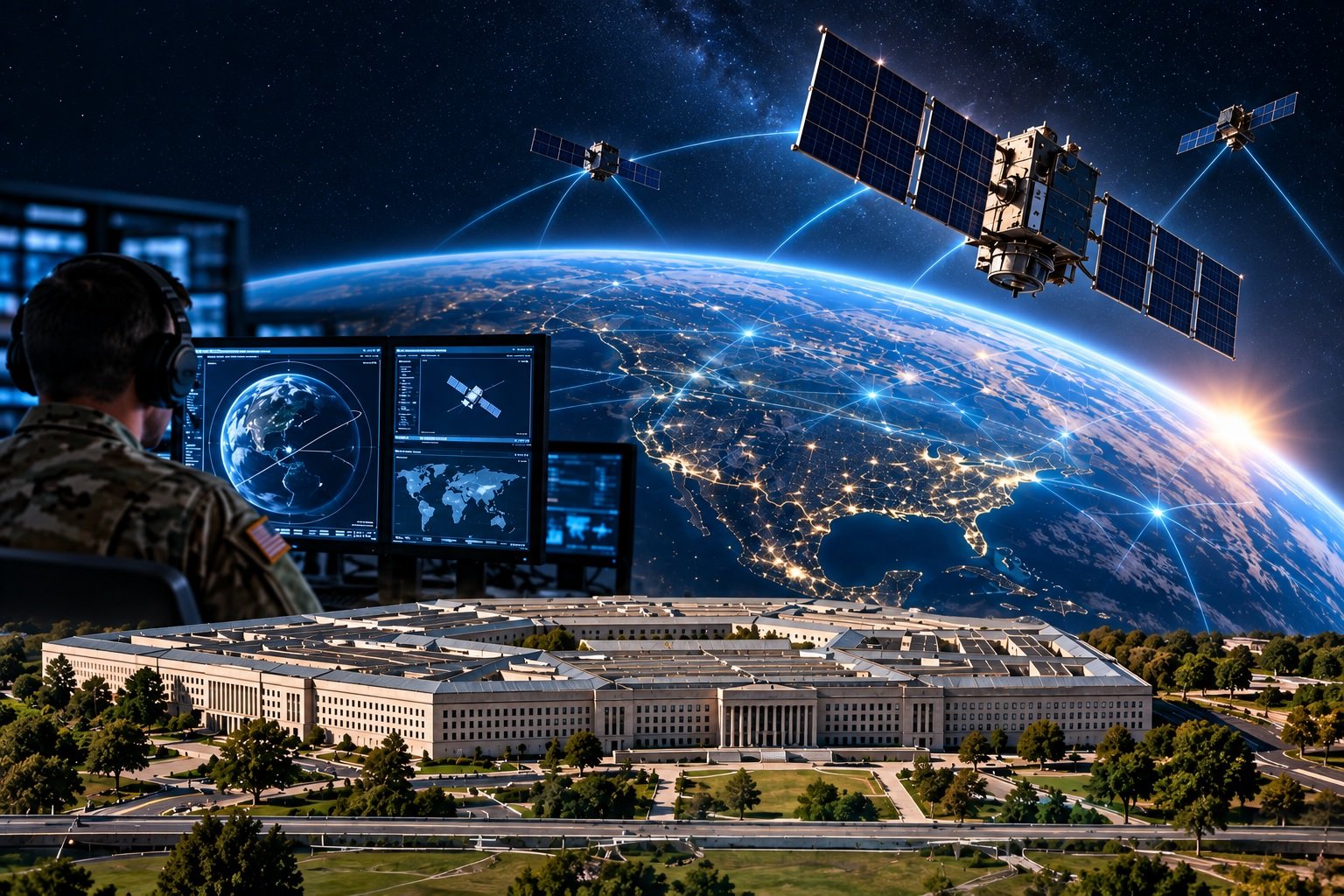 Pentagon Awards BlueHalo Up to $99.8 Million Contract for Orbital Battlespace R&D Program
-
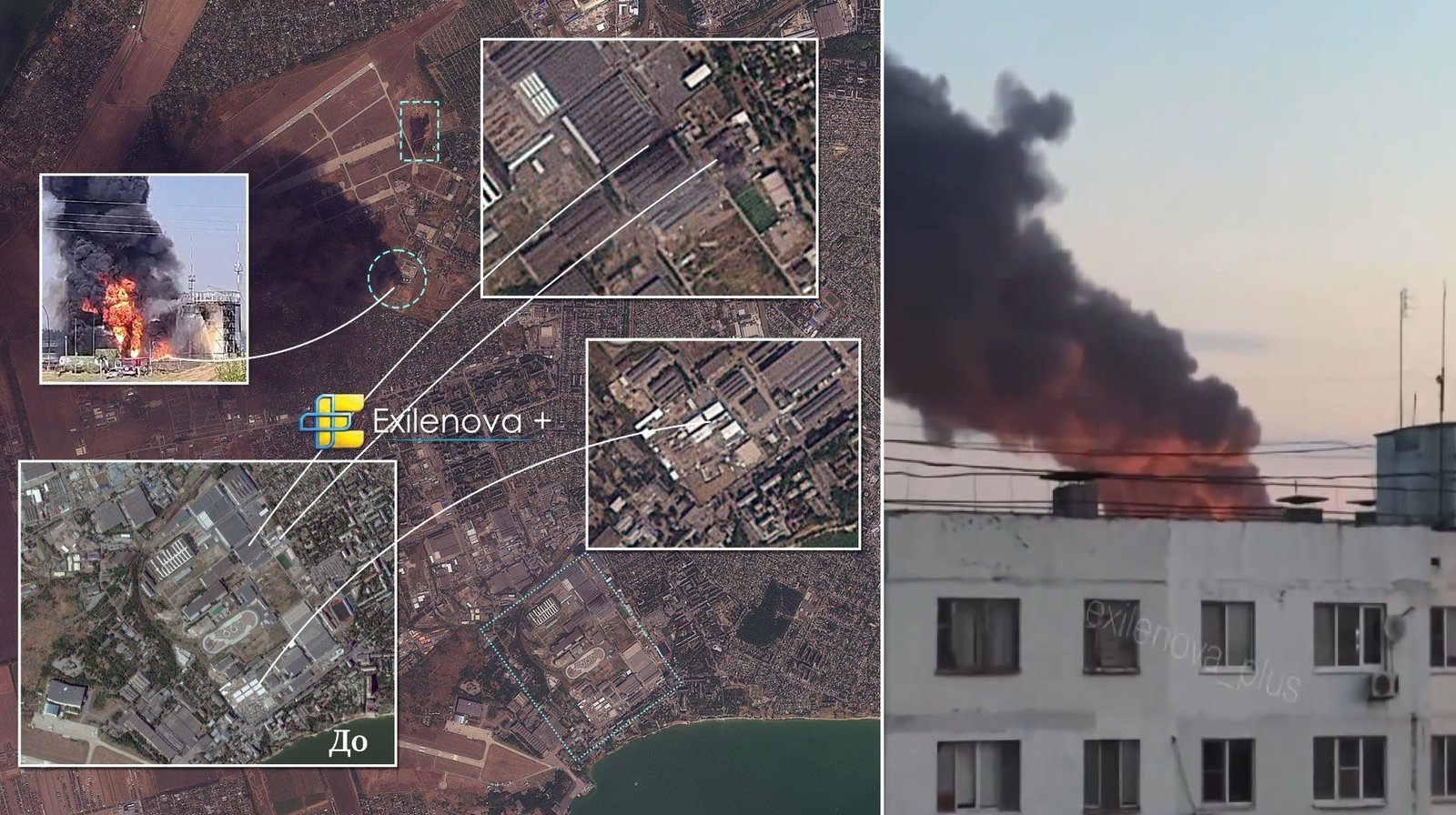 Ukrainian Drones Strike Russian UAV Manufacturer and Chemical Plants in Taganrog and Tolyatti
-
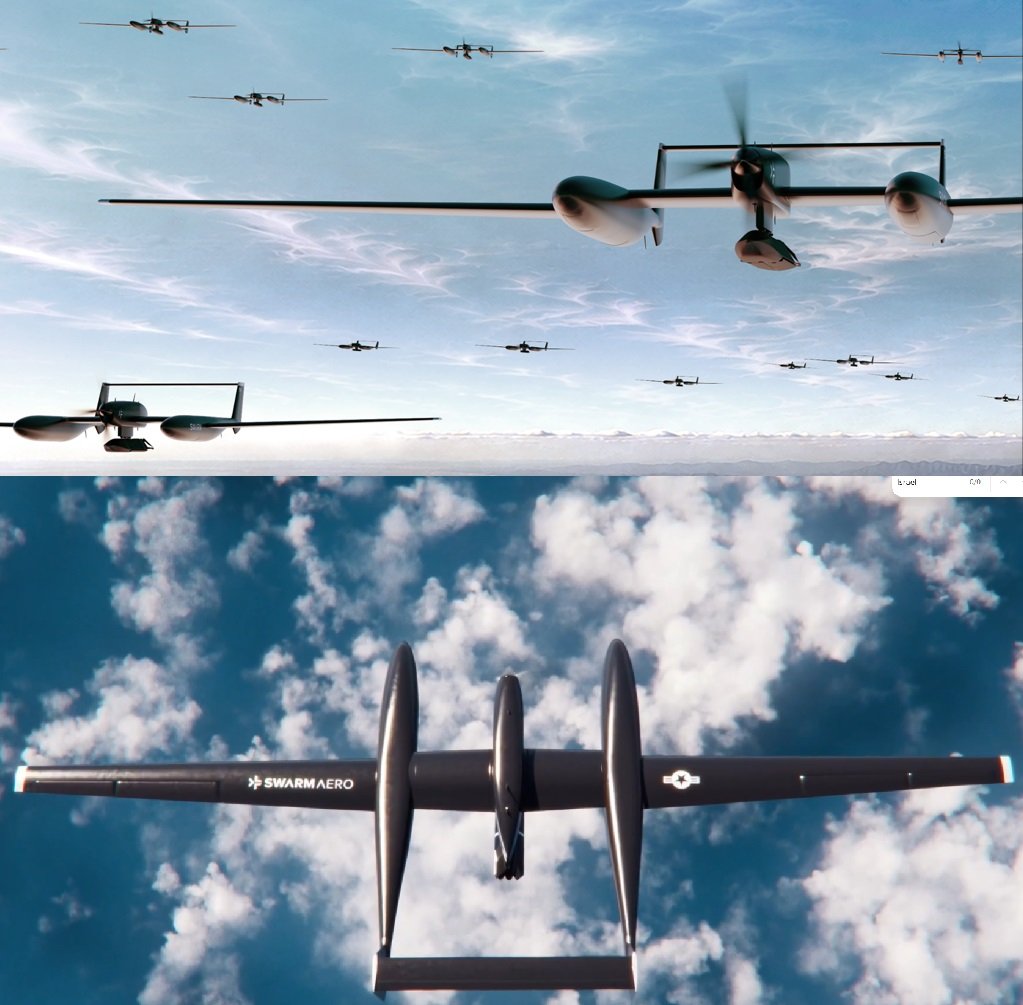 U.S. Firm Swarm Aero Unveils Gamera Group 5 UAS With 9,000-Nautical-Mile Range and Heavy Strike Payload
-
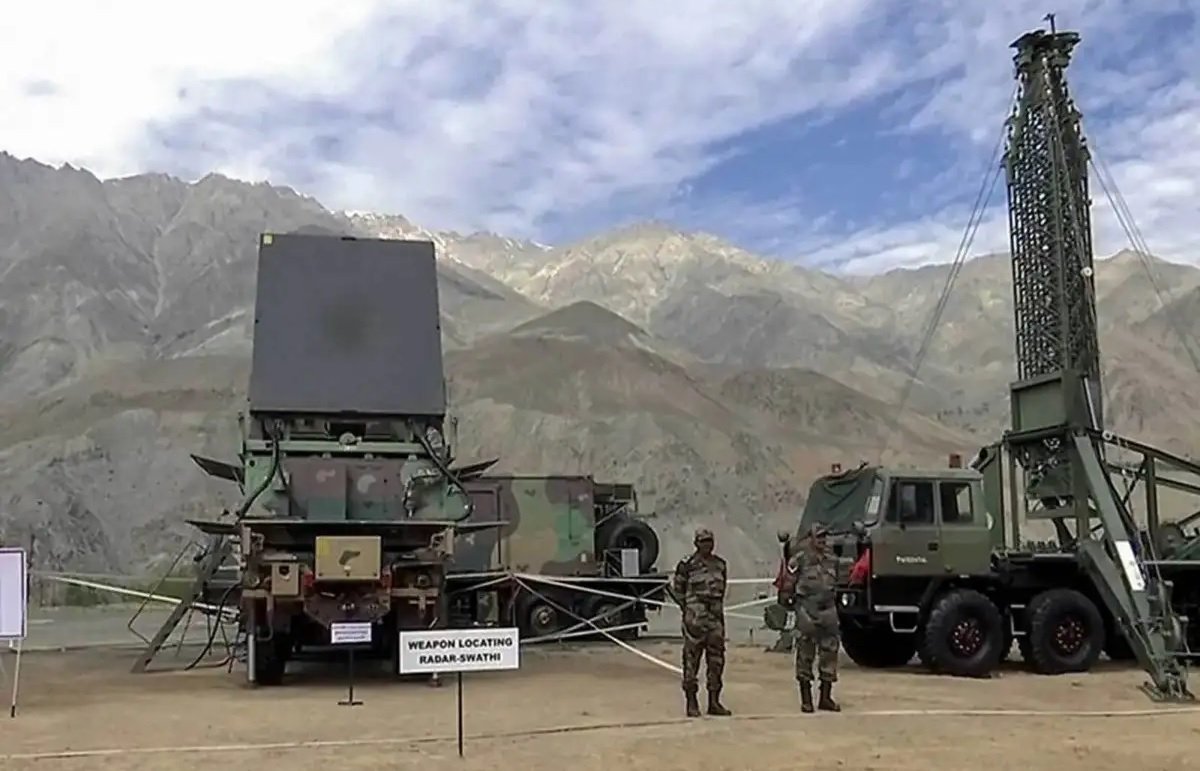 DRDO Demonstrates Indigenous 3.5×3 mm GaN Chip Delivering 30 Watts for Next-Generation Radars and Electronic Warfare
-
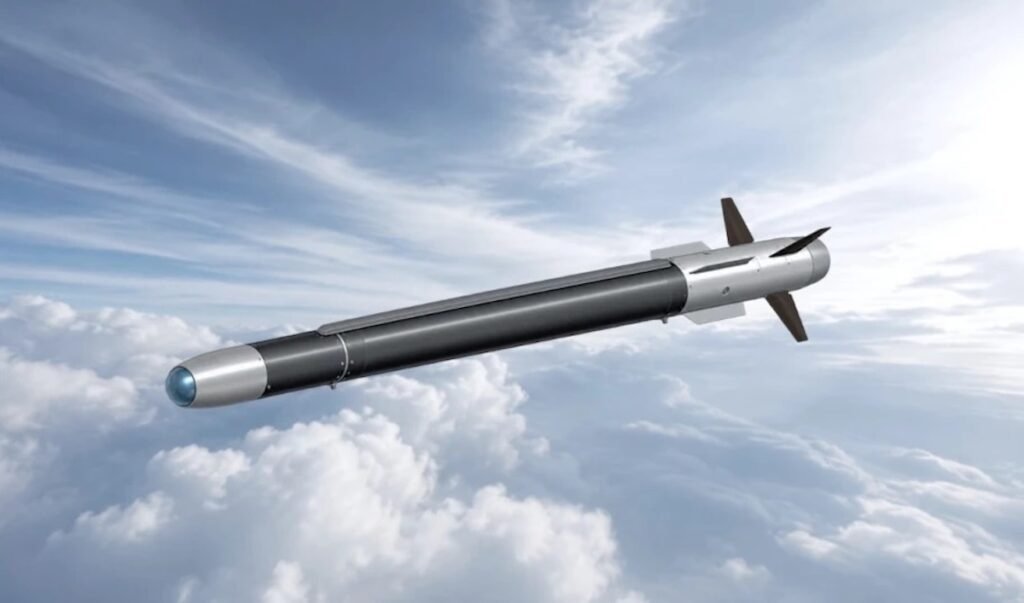 MBDA and Poland’s WITU Advance Low-Cost Supersonic Interceptor Against Swarm Attacks, Seeker Trials Successfully Completed
-
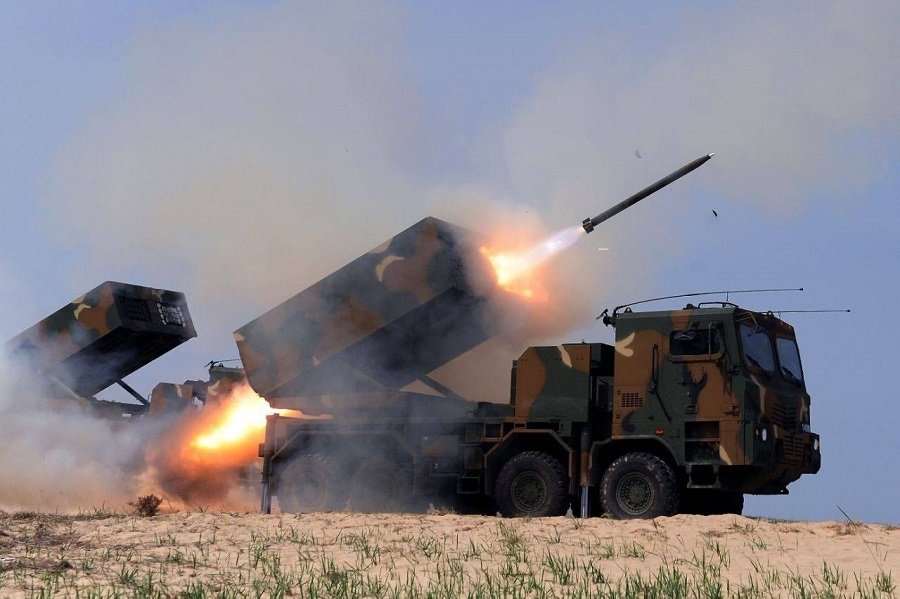 Croatia Signs €410 Million Contract with Hanwha Aerospace for 18 Chunmoo Rocket Launchers
-
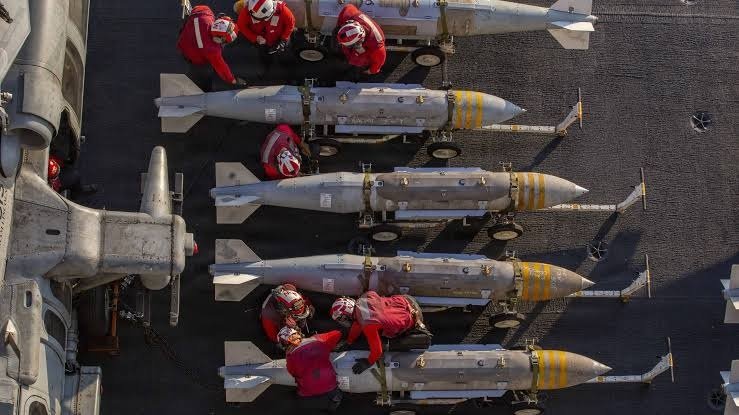 Pentagon Inspector General Report Finds Iran War Caused U.S. Ammunition Shortfalls and Industrial Bottlenecks
-
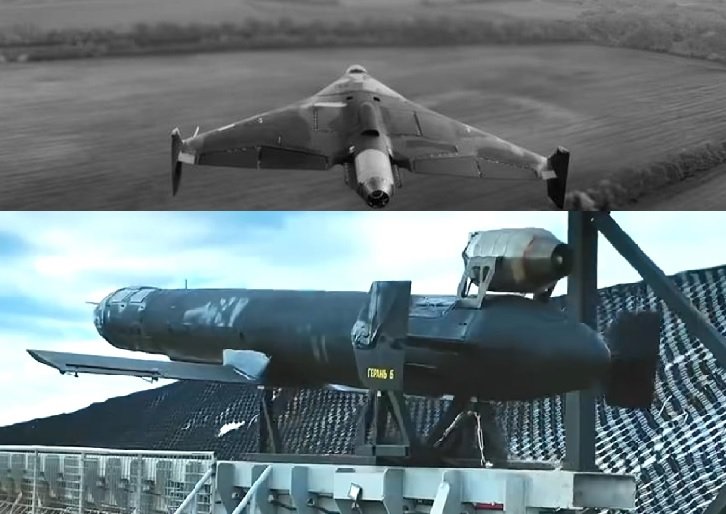 Iran Requests Advanced Geran-4 and Geran-5 Drones From Russia, FT Reports