India
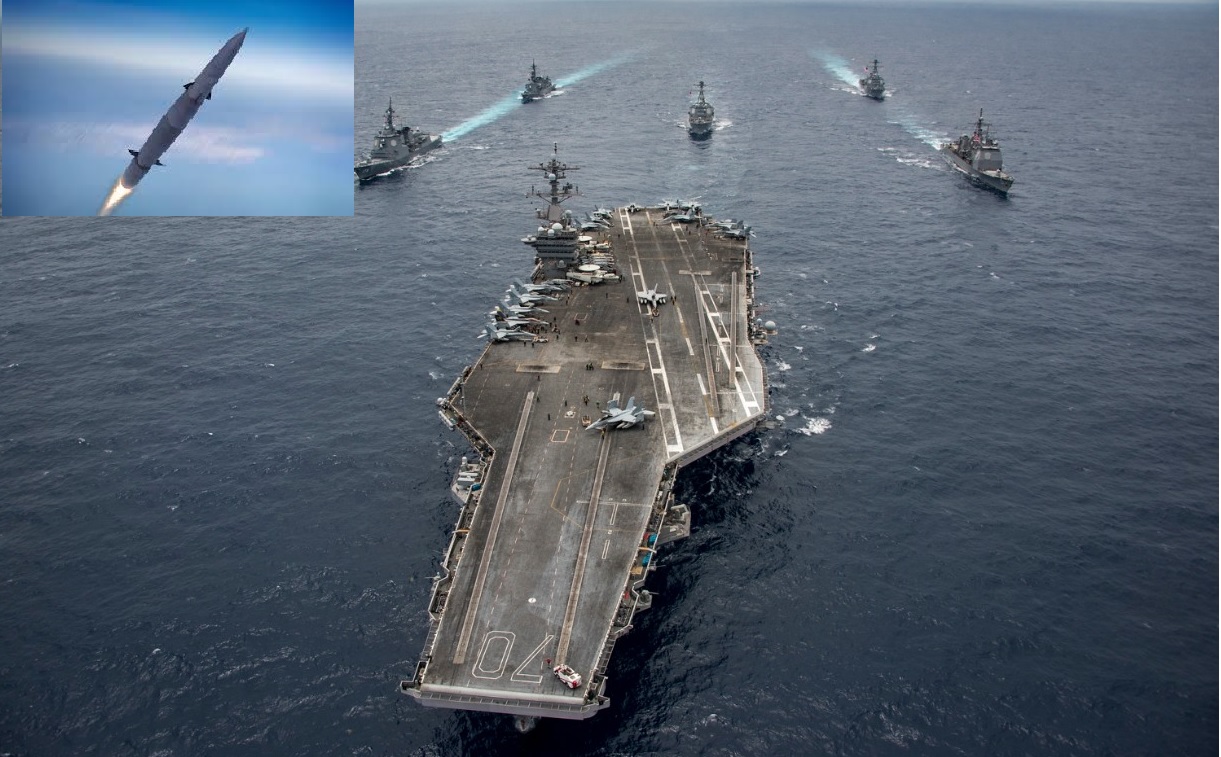
New Delhi, September 5, 2025 — India’s Ministry of Defence has released an ambitious 15-year Technology Vision and Capability Roadmap, outlining military acquisitions worth hundreds of billions of dollars. The plan covers over 200 advanced systems across domains—aiming to build a future-ready force equipped with nuclear-powered warships, hypersonic missiles, AI-enabled drones, and directed-energy weapons. Army: Tanks, Missiles & AI Warfare Next-Gen Tanks: The Army plans to induct 1,800 new main battle tanks and 400 light tanks designed for mountain warfare, integrated with drones, electronic warfare, and loitering munitions. Anti-Armour & Precision Systems: At least 50,000 tank-mounted ATGMs and 50,000 portable next-gen ATGMs will be inducted, each with over 90% accuracy. Artillery & Mortars: Around 600,000 enhanced range artillery rounds and 3,000 vehicle-mounted 81mm mortar systems are required. UAV Fleet: At least 70 MALE/HALE UAVs with 1,500 km range and 60,000 ft altitude, plus 400 loitering munitions and 800 precision-guided weapons. Electronic Warfare: Over 60,000 software-defined radios, 4,000+ AI-as-a-service tools, and systems for smart jamming against drone swarms (50 units) and electronic denial bubbles (50 units) are planned. Counter-IED Robotics: 700 robotic devices will enhance counter-insurgency and urban operations. Navy: Nuclear Surface Fleet & Carrier Power Aircraft Carrier: One new carrier will be built with Electromagnetic Aircraft Launch Systems (2 needed) for heavier jets. Surface Combatants: 10 next-gen destroyers and frigates, 7 next-gen corvettes, and over 10 mine-countermeasure vessels are planned. Fleet Support: 5 logistics support ships of 44,000 tonnes each and 4 landing platform docks for amphibious operations are needed. Fast Attack Craft & Submarines: 100 next-gen interceptors and 6 lithium-ion submarine batteries will strengthen littoral warfare. Autonomous & Nuclear Assets: 20 high-endurance underwater vehicles for anti-submarine warfare and nuclear propulsion systems for 10+ future surface combatants, including the new carrier. Naval Aviation: The roadmap highlights the induction of deck-based multirole fighters and maritime utility helicopters. Air Force: Hypersonics, UCAVs & Stratospheric Platforms Stealth UCAVs: About 150 stealth combat drones capable of supersonic speeds, internal weapons bays, and operating at altitudes above 15 km. Drone Fleet: 350+ medium-altitude long-endurance drones (30,000 ft, 24+ hours endurance) and 100+ remotely piloted aircraft (including VTOL ship-borne drones). High-Altitude Systems: 75 high-altitude pseudo satellites and 20 stratospheric airships for surveillance and communication relay. Space & Sensors: 5 programmable RF sensor satellites to enhance situational awareness. Directed Energy: Both tactical high-energy lasers and high-power electromagnetic weapons are earmarked “in high numbers” for offensive and defensive roles. Anti-Drone Defence: Over 250 anti-swarm drone systems and 20 directed-energy weapons will secure Indian airspace. Hypersonic Missiles & Strategic Strikes India plans to deploy at least 500 scramjet-powered hypersonic missiles capable of precision high-speed strikes. Detection systems for tracking incoming hypersonics are also part of the plan. Space & Cyber Resilience The roadmap includes: Cyber defence for satellites and hardened satcom links. Laser-based range finders, modular miniaturized sensors, and multi-constellation GNSS receivers. Satellite servicing & on-orbit refueling to ensure autonomy in space. Strategic Significance This roadmap is the largest modernization plan in India’s defence history, marking a decisive step toward multi-domain warfare capabilities. It integrates land, air, sea, cyber, and space operations with emerging technologies such as AI, quantum systems, unmanned swarms, and direct-energy weapons. By pursuing nuclear-powered carriers, hypersonic strike forces, and AI-driven swarm defences, India aims to not only secure its borders but also project credible deterrence in an increasingly contested Indo-Pacific and space domain.
Read More → Posted on 2025-09-05 15:15:23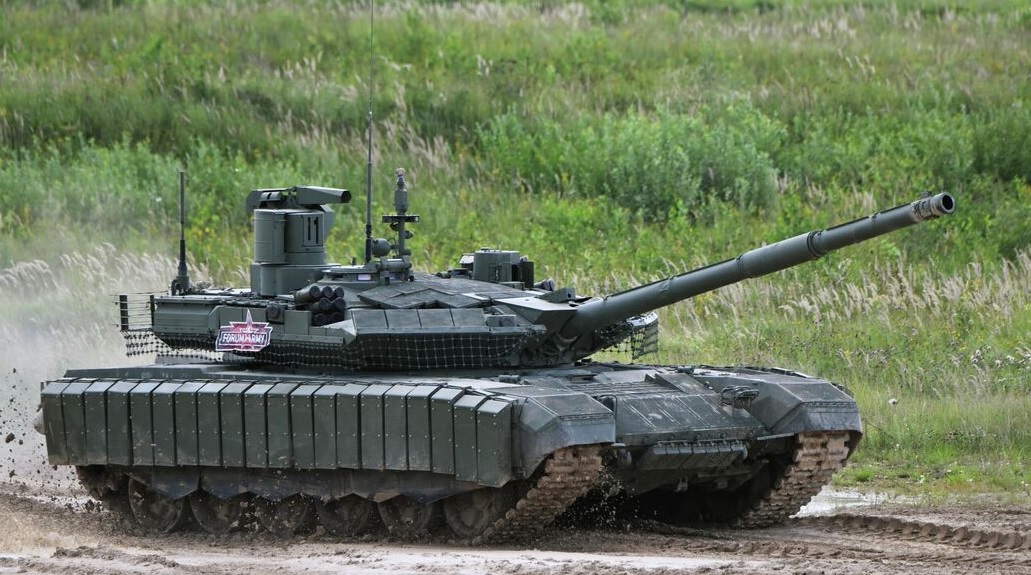
India
New Delhi, September 5, 2025 — In a decisive push to modernize its armored forces and promote self-reliance in defence, the Indian Army has signed two major contracts worth ₹2,565 crore (around US $300 million) with the state-owned Armoured Vehicle Nigam Limited (AVNL). The contracts cover the comprehensive overhaul of 40 T-90 main battle tanks and 100 BMP-2 infantry combat vehicles, both of which remain the backbone of India’s mechanised warfare capability. Scope of the Overhaul The projects involve deep refurbishment to extend service life and enhance battlefield performance: T-90 Tanks: Overhauls will include replacement of worn-out engines and power packs, refurbishment of main gun systems, recalibration of fire-control systems, and upgrades to electronic and communication subsystems. BMP-2 Vehicles: Work will cover drivetrain restoration, refurbishment of turret and weapon stations, strengthening of amphibious features, and modernisation of vision devices, thermal imagers, and fire-control systems. This deep-level maintenance ensures both fleets remain combat-effective for several more years while reducing downtime during deployments. Strategic Importance 1. Modernisation without Gaps While new platforms such as the Future Infantry Combat Vehicle (FICV) and advanced tank projects are under development, keeping the T-90s and BMP-2s fully operational ensures the Army maintains continuous readiness across both strike and pivot formations. 2. Push for Indigenisation By awarding the entire project to AVNL, India reinforces its Atmanirbhar Bharat vision. The move strengthens domestic repair, spares production, and heavy vehicle maintenance capacity, reducing dependence on foreign manufacturers for mid-life upgrades. 3. Operational Readiness in Sensitive Theatres With ongoing security challenges along the northern and western borders, particularly against Pakistan and China, the availability of overhauled tanks and infantry combat vehicles will directly boost the Army’s operational preparedness. Upgraded optics and fire-control systems will also improve night-fighting capability and enhance infantry–armour coordination. AVNL: A Central Pillar Formed after the corporatisation of the Ordnance Factory Board, AVNL has steadily become the Army’s long-term armoured lifecycle partner. The company already manages production, spares, and repairs for T-72, T-90, and BMP-2 fleets. These new contracts further establish its central role in India’s armoured ecosystem and position it strongly for future projects such as the FICV and indigenous light tank programmes. Wider Defence Context This announcement adds to a wave of indigenous defence modernisation efforts: In March 2024, a contract was signed to upgrade 693 BMP-2M vehicles with night-fighting and modern fire-control systems developed by DRDO and BEL. In July 2025, the Defence Acquisition Council cleared procurement of indigenous 1,350 HP engines for T-90 tanks, ensuring high performance in high-altitude regions. In August 2025, approvals worth ₹67,000 crore were cleared for modernisation, including advanced thermal-imager-based driver night sights for BMP fleets. Together, these initiatives form part of a comprehensive modernisation roadmap balancing sustainment of legacy systems with induction of next-generation platforms. The ₹2,565 crore contracts represent a strategic convergence of modernisation, indigenisation, and operational readiness. They ensure that India’s proven T-90 and BMP-2 fleets remain battle-ready even as new platforms are developed, while simultaneously strengthening the country’s domestic defence industrial base. With this step, the Indian Army and AVNL move in tandem toward building a resilient, responsive, and self-reliant armoured warfare capability for the decades ahead.
Read More → Posted on 2025-09-05 14:49:42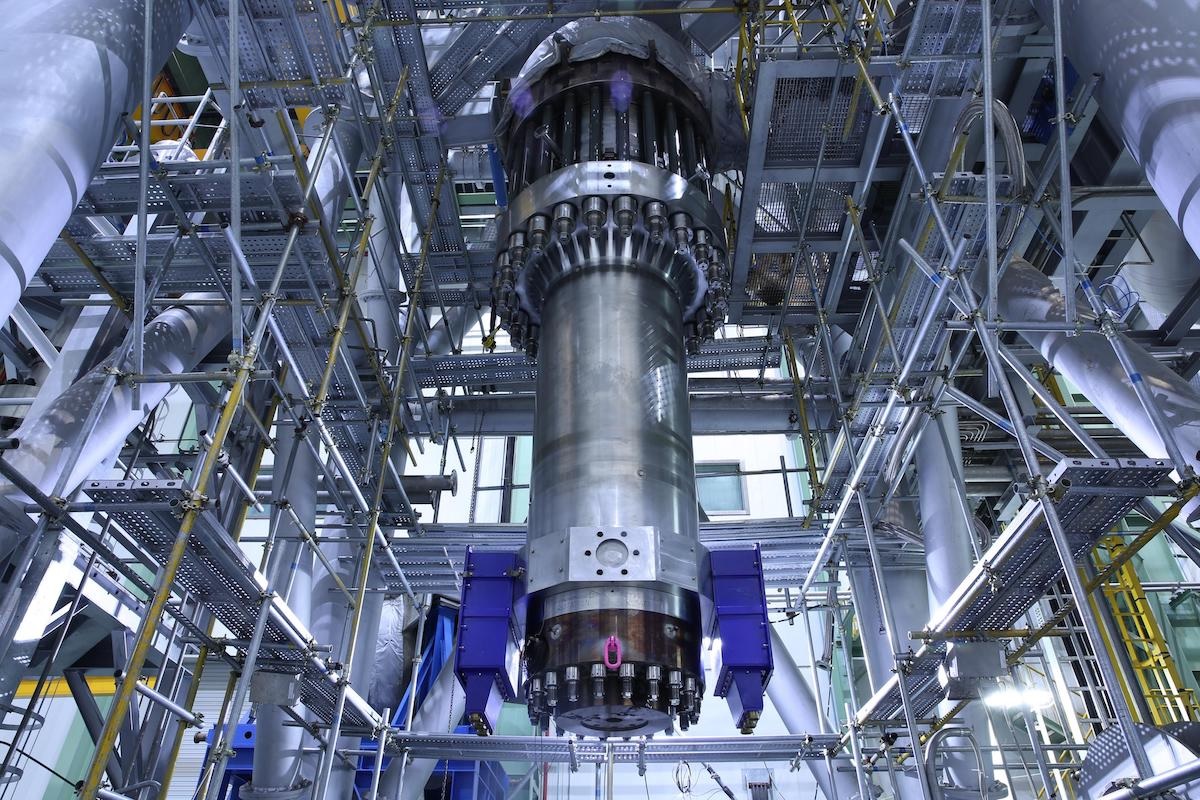
India
New Delhi / Washington, D.C., September 2, 2025 — In a groundbreaking development for India’s civil nuclear energy ambitions, U.S. firm Flowserve Corporation and Indian engineering powerhouse CORE Energy Systems Ltd. have signed a landmark agreement to bring primary coolant pump (PCP) technology to India for local manufacturing. The deal was signed in Washington, D.C., in the presence of top officials from the U.S. Department of Energy and the Indian Embassy, with approvals secured from both the U.S. Department of Energy and India’s Department of Atomic Energy (DAE). Why the PCP Technology Matters Primary coolant pumps are among the most technologically sophisticated and safety-critical components of a nuclear power plant. These pumps circulate coolant through the reactor core, dissipating heat and ensuring stable and safe power generation. Without them, reactors cannot operate safely or efficiently. Localizing this technology will significantly enhance India’s supply chain resilience and capacity to safely expand its nuclear energy infrastructure. A Landmark Achievement in Nuclear Tech Transfer This agreement marks the first-ever transfer of PCP technology to India under the U.S.–India Civil Nuclear Cooperation framework. Flowserve obtained the crucial approval under U.S. export controls (10 CFR Part 810), a milestone that took nearly five years to secure, according to CORE Energy’s Chairman and Managing Director, Nagesh Basarkar. Basarkar underscored the significance of this step: “This is the first time under Indo-US cooperation... not a single technology could be transferred before.” He added, “We have set an ambitious target of 100 GW of nuclear capacity by 2047. We are currently around 8.2 GW.” Aligning with India’s Vision and Clean Energy Goals The agreement aligns with India’s long-term vision of energy independence and the government’s ‘Atmanirbhar Bharat’ initiative. It comes on the heels of Prime Minister Narendra Modi’s February 2025 visit to the U.S., where he and President Trump re-affirmed their commitment to implementing the U.S.–India 123 Civil Nuclear Agreement and accelerating technology localization for Indian nuclear reactors. Ihab Botros, Flowserve’s Vice President and General Manager for Engineered Pumps, emphasized the collaboration’s global impact: “This achievement marks a significant step forward in India’s nuclear growth and the global clean-energy transition.” He highlighted Flowserve’s extensive experience, stating the company has over 5,000 pumps operating across more than 200 reactors worldwide. Strategic and Practical Implications Supply Security & Scalability: India’s nuclear expansion — targeting 100 GW by 2047 — requires a robust domestic supply chain for critical components. Indigenizing PCP production reduces reliance on global suppliers and mitigates geopolitical risks. Reactor Fleet Support: The technology will support India’s fleet of Pressurized Heavy Water Reactors (PHWRs), which rely on these pumps to keep reactor cores cool and safe. Private Sector Engagement: CORE Energy’s involvement signals greater private-sector participation in India’s civil nuclear sector, a shift from the historically state-dominated NPCIL model. What This Means for the Future India’s civil nuclear program stands at a turning point: With domestic PCP manufacturing now possible, India can accelerate reactor construction, particularly for its advanced IPHWR-700 series, which relies on reliable coolant flow systems for safety. Future technology transfers may follow, potentially including equipment from other major players like Westinghouse, as CORE aims to open a broader pipeline for localization and innovation. The deal showcases improved geopolitical trust and strategic collaboration, reflecting the evolving Indo-US relationship and shared priorities in clean energy and non-proliferation.
Read More → Posted on 2025-09-05 14:22:44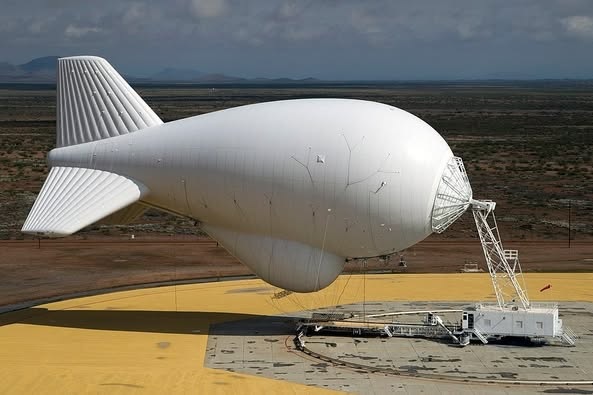
India
In a major step toward strengthening India’s surveillance capabilities, the Defence Research and Development Organisation (DRDO) has initiated plans to develop a compact, lightweight radar system specifically designed for balloon-based platforms. The project will be supported under the Technology Development Fund (TDF) scheme, with a focus on fully indigenous design and production. Key Features of the Radar According to the requirements outlined, the radar must meet strict Size, Weight, and Power (SWaP) constraints, as balloon platforms have limited payload capacity. The specifications include: Radar Technology: Preference for Active Electronically Scanned Array (AESA) radar for agile and precise detection, though mechanically scanned systems may also be considered. Weight & Dimensions: The system must weigh under 20 kilograms and fit into a compact structure, approximately 0.5m × 0.5m × 0.3m. Detection Capability: Persistent surveillance within a 50–100 km range. Ability to detect small radar cross-section (RCS) targets such as drones (0.01 m² RCS) at 10–20 km. Tracking of over 100 aerial objects simultaneously, with target classification features like distinguishing between drones and birds. Operational Standards: Low power consumption (under 500 W), all-weather resilience from –20°C to +55°C, and resistance to high winds and electromagnetic interference. Integration: Seamless compatibility with India’s existing network-centric systems, including the Akashteer air defense control system, and data fusion with optical or infrared sensors. Cost & Indigenization: The radar will be developed under the 100% IDDM (Indigenously Designed, Developed and Manufactured) category, with a target unit cost below ₹10 crore. Why Balloon-Based Platforms? Balloon-based systems, also known as aerostats or tethered balloons, can remain airborne for long durations and provide continuous, wide-area coverage at low cost. Unlike drones or manned aircraft, balloons do not require frequent refueling and are less expensive to operate. They are particularly useful for: Border surveillance against low-flying drones and intrusions. Coastal monitoring to detect small, fast-moving objects. Urban security, offering persistent watch over sensitive areas. Recent DRDO Progress This radar initiative is part of DRDO’s broader push in lighter-than-air surveillance platforms. In May 2025, DRDO successfully tested a Stratospheric Airship Platform at an altitude of around 17 km. The test validated key systems like pressure regulation and emergency deflation, paving the way for long-endurance surveillance from the stratosphere. In parallel, DRDO’s radar research wing is also advancing work on next-generation photonic radar technology, which promises higher precision and the ability to track very small objects—strengthening India’s layered air defense. The Bigger Picture Together, these projects form a multi-layered surveillance architecture: Low altitude balloons with lightweight radars for local monitoring. Stratospheric airships for long-duration, wide-area coverage. Advanced radars such as AESA and photonic systems for future aircraft and UAVs. With this, India is moving closer to achieving persistent, cost-effective, and indigenous air surveillance capabilities to counter emerging threats, particularly the growing challenge of drone warfare.
Read More → Posted on 2025-09-03 17:05:12
India
In a sharp rebuke of former U.S. President Donald Trump, ex-National Security Advisor Jake Sullivan has alleged that Trump sidelined America’s growing relationship with India in order to pursue his family’s business interests in Pakistan. Sullivan, speaking in a recent interview, said that Pakistan’s willingness to strike business deals with the Trump family became a decisive factor in shaping U.S. policy, at the cost of strategic cooperation with India. “Pakistan's willingness to do business deals with the Trump family has sidelined the India relationship. A strong US-India relationship serves our interests. Now, because of Trump, America's other friends will feel they can’t rely on us in any way,” Sullivan remarked. For decades, Washington had built a bipartisan strategy to strengthen ties with New Delhi—covering defense, technology, trade, and cooperation in countering China’s rise in Asia. According to Sullivan, this long-term effort was undermined during Trump’s presidency when personal financial considerations began to outweigh strategic priorities. The former NSA also criticized Trump’s tariff policies that heavily targeted Indian goods, raising duties up to 50 percent, while Pakistan faced far lower tariffs. Many observers saw this imbalance as further evidence of Trump’s tilt away from India. Sullivan warned that such moves extend beyond the Indo-U.S. corridor, damaging America’s global credibility. “Imagine being Germany, Japan, or Canada and thinking—‘that could be us tomorrow’,” he said, noting that countries worldwide may now hedge against American unpredictability. The criticism comes at a delicate moment, with India reassessing its foreign policy options while reiterating its stance of “strategic autonomy.” Analysts believe this rift could weaken broader U.S. initiatives in the Indo-Pacific, including the Quad alliance with India, Japan, and Australia, ultimately benefiting China’s influence in the region. Sullivan concluded that Trump’s approach has put America’s brand at risk globally. “The American brand is in the toilet,” he said, pointing to declining trust in the U.S. among its closest allies. The remarks have ignited debate in policy circles about how deeply personal business ties may have influenced one of Washington’s most important strategic relationships, and whether this damage can be repaired.
Read More → Posted on 2025-09-03 17:01:03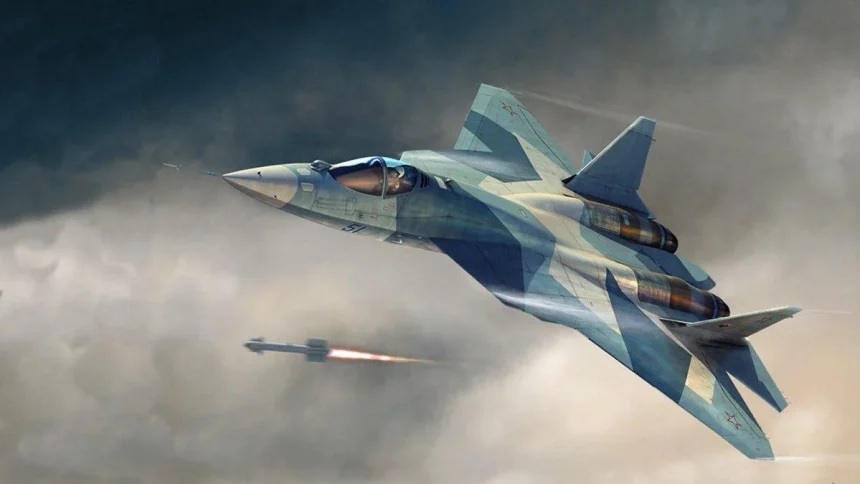
Su-57 in India? Moscow Exploring Cost of Make-in-India, Technology Transfer of Fifth-Gen Fighter Jet
India
Russia is conducting studies to evaluate the costs and requirements of manufacturing its advanced Su-57 fifth-generation stealth fighter in India. New Delhi has indicated a need for at least two to three squadrons, with both the Su-57 and the American F-35 under consideration as contenders for the Indian Air Force (IAF). Rosoboronexport’s Offer At the Aero India 2025 exhibition, Rosoboronexport, Moscow’s state arms exporter, pitched a strong proposal: a full transfer of technology and local manufacturing in India. Officials stressed that domestic production would shield supply chains and maintenance support from potential Western sanctions. They added that if India approves, the first Su-57 units could enter production in the country as early as this year. HAL as a Key Hub Hindustan Aeronautics Limited (HAL), which already assembles Su-30MKI fighters at its Nashik plant, is the most likely production partner. Russian officials said that adapting the existing Su-30 production line for Su-57 manufacturing would require less than 30% retooling, lowering costs and ensuring quicker rollout. Other Indian facilities producing Russian-origin equipment may also be tapped to support the project. Pricing and Advantage Over Rivals Russia has claimed that a Made-in-India Su-57 would cost less than the F-35A, which is priced at around $80 million per aircraft. While no final figures have been disclosed, this pricing advantage, coupled with local assembly, could make the Russian offer financially attractive. A Revival of Old Ties India had previously partnered with Russia on the Fifth Generation Fighter Aircraft (FGFA) programme, but withdrew nearly a decade ago due to disputes over cost, performance, and technology transfer. With global geopolitics shifting, experts believe the idea of reviving advanced fighter cooperation with Moscow is once again under serious consideration. India’s Air Power Needs The Indian Air Force currently operates 31 combat squadrons, well short of its sanctioned strength of 42, and faces a pressing need to expand capacity. While India’s indigenous Advanced Medium Combat Aircraft (AMCA) programme has been cleared and is expected to see its first flight by 2028 with induction by 2035, the Su-57 could serve as a critical interim capability booster. Strategic and Industrial Implications Local Su-57 production would carry broader implications than just aircraft numbers: Secure supply chains insulated from geopolitical disruptions. Reduced long-term sustainment costs thanks to local spares. Expansion of the domestic defence industrial base under the Make-in-India vision. A deeper strategic alignment with Russia at a time of global power rebalancing. Balancing With the F-35 The United States continues to pitch the F-35, but Washington’s approach is coupled with ongoing trade and tariff issues. Russia, in contrast, offers greater technology transfer and localized manufacturing. However, reliance on Russian systems could expose India to risks tied to Moscow’s strained relations with the West. The Su-57 proposal gives India an immediate path to acquiring a cutting-edge fifth-generation fighter while strengthening its defence industry. Yet, with both Washington and Moscow vying for influence, New Delhi’s decision will hinge not only on price and performance but also on long-term strategic independence.
Read More → Posted on 2025-09-02 15:15:08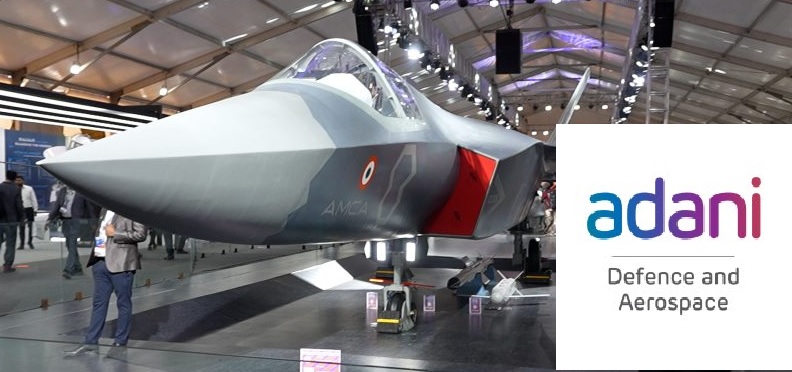
India
Adani Defence & Aerospace has officially announced its participation in the Expression of Interest (EoI) stage of India’s Advanced Medium Combat Aircraft (AMCA) programme—now open for the first time to private players. With proposals due by September 30, 2025, Adani has marked its intent to play a substantial role in India’s most ambitious fifth-generation stealth fighter jet project. The AMCA programme, spearheaded by the Aeronautical Development Agency (ADA) under DRDO, aims to produce a twin-engine, multirole stealth fighter capable of air superiority, deep-strike missions, and advanced electronic warfare. A major reform has recently been introduced through the Programme Execution Model, approved by Defence Minister Rajnath Singh. For the first time, India has allowed both public and private entities to bid for a project of this scale. Around ₹15,000 crore has been earmarked for the development phase. According to ADA guidelines, companies—acting individually, as consortia, or through joint ventures—must demonstrate expertise in prototyping, flight testing, certification, manufacturing infrastructure, and systems integration. The selected partner will be tasked with completing key development milestones within eight years of contract signing. Current targets project prototype rollout by 2028–29, first flight by 2029, certification by 2032, and induction into the Indian Air Force by 2034–35. So far, interest from private companies has been cautious. Over two dozen firms, including Tata Advanced Systems, L&T, Bharat Forge, Mahindra Aerospace, Godrej Aerospace, Azad Engineering, and Adani Defence, attended pre-bid meetings. However, concerns over high investment risks and commercial viability have slowed responses, forcing ADA to extend the EoI deadline. Meanwhile, efforts to build industrial infrastructure for AMCA are also in motion. The Andhra Pradesh government has proposed a 10,000-acre aerospace hub at Lepakshi–Madakasira, which could host HAL’s production lines for both AMCA and the Tejas fighter. This is seen as part of India’s larger plan to establish a major defence manufacturing corridor. On the propulsion front, India has deepened cooperation with France’s Safran for advanced jet engine development, with technology transfer aimed at strengthening indigenous capabilities. Talks are also being held with global majors such as Rolls-Royce to support long-term engine solutions. Adani’s entry into the AMCA race reflects a growing role of private industry in India’s defence sector. The success of this project, however, will depend on how effectively the government balances industry concerns with national security timelines.
Read More → Posted on 2025-09-01 15:45:43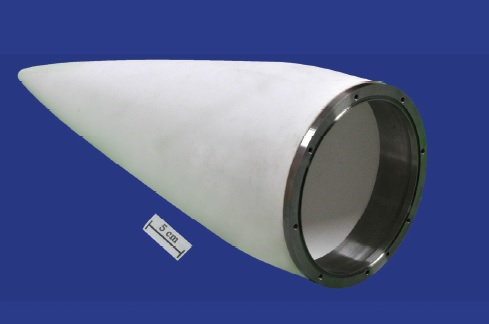
India
Hyderabad / New Delhi, 1 September 2025 — In a major boost to India’s defence manufacturing, Bharat Heavy Electricals Limited (BHEL) has signed a Licensing Agreement for Transfer of Technology (LAToT) with the Defence Metallurgical Research Laboratory (DMRL), a premier establishment of the Defence Research and Development Organisation (DRDO). The agreement enables BHEL to take up the production of fused silica radar domes, also known as radomes, using advanced cold isostatic pressing and sintering processes. Why Radomes Matter Radar domes play a critical role in missile systems by protecting seeker sensors from extreme environments while allowing unhindered passage of electromagnetic signals. They are indispensable for precision guidance in advanced missile technologies, making their indigenous production a strategic necessity for India’s defence sector. Technology & Self-Reliance DMRL, based in Hyderabad, is known for its expertise in advanced materials such as aerospace alloys, armor steels, and ceramics. By transferring this technology to BHEL, DRDO ensures that India reduces its dependence on imported radomes, in line with the ‘Aatmanirbhar Bharat’ (self-reliant India) initiative. Market Response The announcement has also boosted market sentiment, with BHEL shares gaining up to 2.5% on stock exchanges following the news, reflecting investor confidence in the company’s growing role in defence manufacturing. Strategic Impact This collaboration between DRDO and BHEL highlights the government’s focus on building domestic defence capability. With this step, India not only secures its missile systems with indigenous radomes but also strengthens industrial capacity for future high-tech defence programs. Key Benefits of the Agreement: Enhanced Defence Autonomy: Indigenous radome production reduces reliance on imports. Industrial Growth: Strengthens BHEL’s role in advanced defence technologies. Economic Impact: Boosts investor confidence and creates high-tech manufacturing opportunities. National Security: Ensures reliable supply of critical components for missile guidance systems. This LAToT between DMRL and BHEL marks a significant milestone in India’s journey toward self-reliance in strategic defence technologies, blending advanced research with large-scale industrial production.
Read More → Posted on 2025-09-01 15:22:29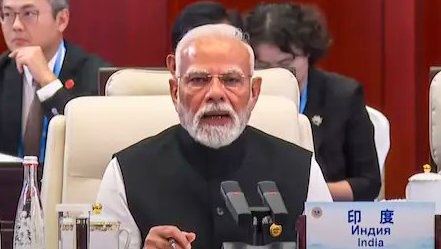
India
India has blocked Azerbaijan’s attempt to gain full membership in the Shanghai Cooperation Organisation (SCO), citing concerns about Baku’s close strategic alignment with Pakistan and Turkey. The decision underscores the growing geopolitical rivalry in the region and highlights how bilateral tensions are influencing multilateral platforms. While China expressed support for Azerbaijan’s membership, emphasizing the “Shanghai Spirit” of cooperation and inclusivity, India’s veto stalled the bid. According to officials, New Delhi views Baku’s overt military and political support for Pakistan as incompatible with its own strategic interests. Azerbaijan has regularly backed Pakistan’s stance on Kashmir and deepened defense ties with Ankara and Islamabad in recent years, a factor that raised alarm in Indian policy circles. Diplomatic observers noted that India’s move reflects a broader strategic posture. Following Operation Sindoor and the Pahalgam terror attack, both Azerbaijan and Turkey openly voiced support for Pakistan, sparking public anger in India and calls for boycotts of Turkish and Azerbaijani goods. New Delhi’s latest decision is being described as a continuation of that hardline approach. In response, Pakistan blocked Armenia’s SCO membership bid, seen as a direct counter to India’s stance on Azerbaijan. This tit-for-tat action has further polarized the bloc, highlighting how regional rivalries are spilling into multilateral institutions. Azerbaijan’s President Ilham Aliyev criticized India’s veto, calling it politically motivated and declaring that Baku’s partnerships with Pakistan and Turkey would remain unchanged. Officials in Baku argued that India’s move contradicts the multilateral ethos of the SCO, which is supposed to prioritize consensus, cooperation, and respect for sovereignty over bilateral disputes. The SCO, founded in 2001 by China, Russia, and Central Asian states, has expanded over the years to include India, Pakistan, and Iran as full members. It positions itself as a platform for Eurasian security, economic cooperation, and political dialogue. However, the latest developments suggest that bilateral rivalries are increasingly shaping its decision-making, raising questions about the bloc’s future effectiveness. Implications Going Forward China’s backing may encourage Azerbaijan to pursue closer ties with Beijing and other allies. India–Pakistan rivalry could further dominate SCO proceedings, reducing the group’s ability to function as a neutral regional body. Regional polarization may intensify, with Armenia and Azerbaijan’s disputes now reflected within the organization’s expansion process. Trust in SCO’s consensus model may weaken if political disputes continue to dictate membership decisions. India’s decision to block Azerbaijan’s entry reflects its firm stance on protecting national interests against adversaries aligned with Pakistan and Turkey, but it also risks deepening divides within an organization that was originally designed to promote regional harmony.
Read More → Posted on 2025-09-01 15:16:01
India
Srinagar, August 31, 2025 – In a major counter-terrorism success, security forces have eliminated Bagu Khan—infamously known as the “Human GPS”—in a fierce encounter in the Gurez sector of north Kashmir on August 28. Khan, a veteran facilitator of cross-border militancy, had guided infiltrators through treacherous Himalayan terrain for nearly three decades. Operation Naushera Nar IV: A Precision Strike Based on intelligence inputs provided by the Jammu and Kashmir Police regarding an imminent infiltration bid, the Army launched Operation Naushera Nar IV in the Gurez sector of Bandipora. Alert troops noticed suspicious movement along the Line of Control. When challenged, the infiltrators opened fire, prompting a swift counter-response. In the ensuing gunfight, two militants were killed—one identified as Bagu Khan and the other believed to be a Pakistani national. Who Was Bagu Khan? Aliases and Background: Known by several names including Samandar Chacha and Chaudhary, Bagu Khan originally hailed from Bandipora. In 1995, he crossed over into Pakistan-occupied Kashmir (PoK) for training. Initially joining Hizbul Mujahideen, over time he also worked with Lashkar-e-Taiba and Jaish-e-Mohammed. Strategic Role: His reputation came not from gunfights but from his unmatched skill in logistics. For nearly 30 years, he served as a guide for infiltrators, escorting them across dangerous ridges, icy passes, and dense forests. Why the Nickname “Human GPS”? Bagu Khan earned the tag “Human GPS” because of his extraordinary navigation skills in some of the world’s toughest terrain. He could find hidden trails, safe river crossings, and escape routes across the Line of Control. He guided militants without maps or devices, relying only on his memory and deep knowledge of the terrain. Officials credit him with facilitating over 100 infiltration attempts, most of them successful. This rare ability made him indispensable to Pakistan-based terror outfits. His brain effectively functioned like a living navigation system, allowing militants to move undetected through high-altitude terrain where even modern technology often fails. Why His Killing Matters A Major Setback to Terror Networks: Security officials describe Khan’s killing as a serious blow to infiltration logistics. His unmatched knowledge made him a “living archive” of secret routes and tactics. With his death, terror outfits will struggle to replace him. Impact on Infiltration: Analysts believe future infiltration attempts may slow down as there are few guides with comparable expertise in high-altitude terrain. Part of a Larger Push: This year, 16 militants have been killed in Kashmir, including three top Lashkar operatives linked to the April Pahalgam attack. Khan’s elimination adds to this list of high-profile operational successes. Wider Security Developments Pulwama Property Seizure: J&K Police attached immovable property belonging to Gulzar Ahmad Dar, father of Al-Badr terrorist Arjumand Gulzar alias Hamza Bhai. Police also warned the public against providing shelter or support to militants, cautioning that strict legal action would follow. Bihar on Alert: In another development, Bihar police issued a high-security alert after intelligence suggested three Jaish-e-Mohammed operatives had crossed over from Nepal. Their photos and details have been circulated across districts. End of the “Human GPS” Era The elimination of Bagu Khan is seen as one of the most significant counter-terror achievements in recent years. For decades, he was the invisible hand enabling infiltration across some of the world’s toughest mountain terrain. His death marks the end of an era for cross-border militancy in Kashmir—removing a key bridge between handlers in Pakistan and militants on Indian soil.
Read More → Posted on 2025-08-31 15:57:12
India
At the NDTV Defence Summit 2025, leaders from Boeing Defence India, Pratt & Whitney, and Adani Defence & Aerospace outlined how India’s defence manufacturing industry is fast evolving—striking a balance between Atmanirbharta (self-reliance) and its global export ambitions. Boeing Defence India: Long-Term Commitment Nikhil Joshi, Managing Director of Boeing Defence India, underlined that U.S. tariffs remain a serious challenge for India’s aerospace and defence sector. Despite this, Boeing reaffirmed its long-standing commitment to India, built over eight decades, directly and indirectly supporting more than 20,000 jobs. Joshi noted that a joint statement earlier this year by President Donald Trump and Prime Minister Narendra Modi highlighted the strong synergy between American engineering expertise and India’s technical talent—a partnership that can sustain long-term defence manufacturing growth. He stressed Boeing’s deep integration into India’s defence ecosystem, pointing to its legal registration in the country and direct involvement in critical operations, including Operation Sindoor. While manufacturing investments remain largely U.S.-based for now, Boeing is steadily expanding local sourcing, research & development, and manufacturing to meet India’s defence needs. Pratt & Whitney: Imports as Enablers Ashish Saraf, Vice President and Country Head of Pratt & Whitney India, challenged the perception that imports are inherently negative. Instead, he argued that imports, when strategically leveraged, enrich the domestic ecosystem and help build long-term capabilities. Saraf highlighted the remarkable transformation of India’s defence supply chain over the last 15 years. Where a $100 million investment once seemed ambitious, today even a billion-dollar investment feels insufficient, reflecting the sector’s rapid growth. He pointed to massive capital inflows from global players like RTX and Pratt & Whitney, which have enabled India to scale up certification, engineering, and manufacturing capacities. Pratt & Whitney alone has invested more than $40 million in India in the past four years, with over 800 employees supporting nearly 600 aircraft, both civilian and military. Adani Defence & Aerospace: Tech-Driven Growth Ashok Wadhawan, Joint President of Adani Defence & Aerospace, emphasized the company’s forward-looking strategy, bringing advanced technologies such as loitering munitions to India before they gained global traction. Wadhawan said Adani’s philosophy is to avoid redundant reinvention, focusing instead on rapid capability building that serves both Indian defence forces and international customers. Over the past decade, Adani has steadily expanded into missile and ammunition manufacturing, while forging partnerships with global players like Elbit, Thales, and EDGE. Wider Industry Context India’s defence production crossed ₹1 lakh crore in FY 2023–24, marking a historic milestone. Defence exports rose by more than 30%, with India targeting USD 25 billion in turnover within the next five years. Global aerospace firms, including Airbus, Pratt & Whitney, Rolls-Royce, and Collins Aerospace, are turning to India to strengthen their supply chains, with Indian firms now moving beyond low-end assembly into high-value engineering and system integration. India’s Emerging Defence Hub The summit highlighted three complementary viewpoints: Boeing sees long-term resilience through integration and local expansion. Pratt & Whitney stresses the importance of smart import utilization and capital investment. Adani champions rapid, tech-driven growth without duplication of effort. Together, these perspectives underscore India’s dual ambition: building self-reliant defence capabilities while emerging as a competitive global exporter. From BrahMos missile exports to a rapidly maturing supply chain, India is no longer just a market—it is fast becoming a global hub for defence innovation and manufacturing.
Read More → Posted on 2025-08-31 15:50:24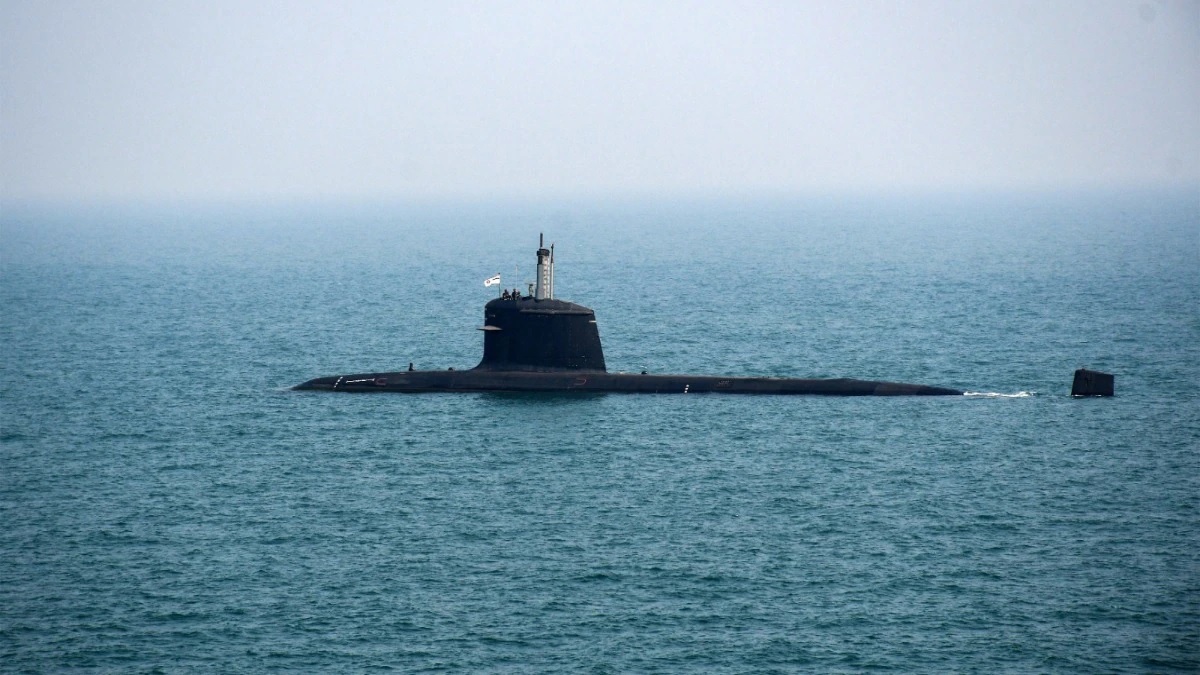
India
New Delhi, 31 August 2025 – In a decisive step to boost its naval strength against growing Chinese presence in the Indian Ocean, India is preparing to seal two mega submarine deals worth over ₹1 lakh crore by the middle of next year. These landmark projects are expected to transform the Navy’s underwater warfare capabilities over the next decade. First Deal: Three More Scorpène Submarines (₹36,000 Crore) The first contract under negotiation involves the purchase of three additional Scorpène-class submarines. These will be built jointly by Mazagon Dock Limited (MDL) and France’s Naval Group in Mumbai. This deal, cleared by the Defence Ministry more than two years ago, faced delays due to technical and commercial discussions. Once signed, the three new submarines will join the Navy’s Kalvari-class fleet, of which six have already been delivered under Project-75. Unlike the earlier batch, the new submarines will feature advanced technologies such as Air-Independent Propulsion (AIP) systems developed by DRDO, improved combat management systems, and higher indigenous content to strengthen self-reliance. Second Deal: Project-75I—Six Advanced Stealth Submarines (₹65,000 Crore) The second and much larger project is the ambitious Project-75 India (P-75I), under which the Navy will induct six next-generation stealth diesel-electric submarines. After a long evaluation process, Germany’s ThyssenKrupp Marine Systems (TKMS), in partnership with MDL, has emerged as the lead partner. The boats will feature cutting-edge stealth, fuel-cell based AIP, and advanced strike weapon systems, making them far superior to the current fleet. This programme is also one of the biggest ‘Make in India’ defence projects, with the first submarine expected to have around 45% indigenous content, gradually rising to 60% in later boats. This ensures not only stronger defence manufacturing in India but also full technology transfer from Germany. Timelines and Delivery Negotiations for the Scorpène submarines are nearly complete, and the contract is expected to be signed early next year. The more complex P-75I programme will take longer, with final cost negotiations expected to conclude within six to nine months. Deliveries under both deals will begin about six years after contract signing, meaning the first submarines could enter service in the early 2030s, with the full fleet arriving by the mid-to-late 2030s. Strategic Importance India currently operates a fleet of 16 conventional submarines, but many of them—such as the Russian-built Kilo class and German Shishumar class—are over three decades old. With China rapidly expanding its naval power and deploying submarines in the Indian Ocean, India urgently needs modern undersea platforms to maintain a credible deterrent. The Scorpène follow-on order will provide a proven and reliable platform, while the P-75I submarines will introduce next-generation technology, giving the Navy a significant edge in stealth operations, intelligence gathering, and sea-denial missions. Industrial Impact These projects also have massive industrial significance. They will create thousands of jobs, boost India’s shipbuilding capacity, and expand the country’s defence supply chain. MDL is expected to upgrade its infrastructure to handle both projects simultaneously, ensuring timely execution. By combining foreign technology transfer with indigenous development—particularly through DRDO’s AIP system—India is not just acquiring submarines but also building long-term capability to design and construct advanced submarines independently in the future. In short, these twin submarine deals mark a turning point in India’s naval modernisation drive. Together, they will strengthen the Navy’s undersea fleet, ensure operational superiority in the Indian Ocean, and reinforce India’s path toward defence self-reliance.
Read More → Posted on 2025-08-31 15:34:49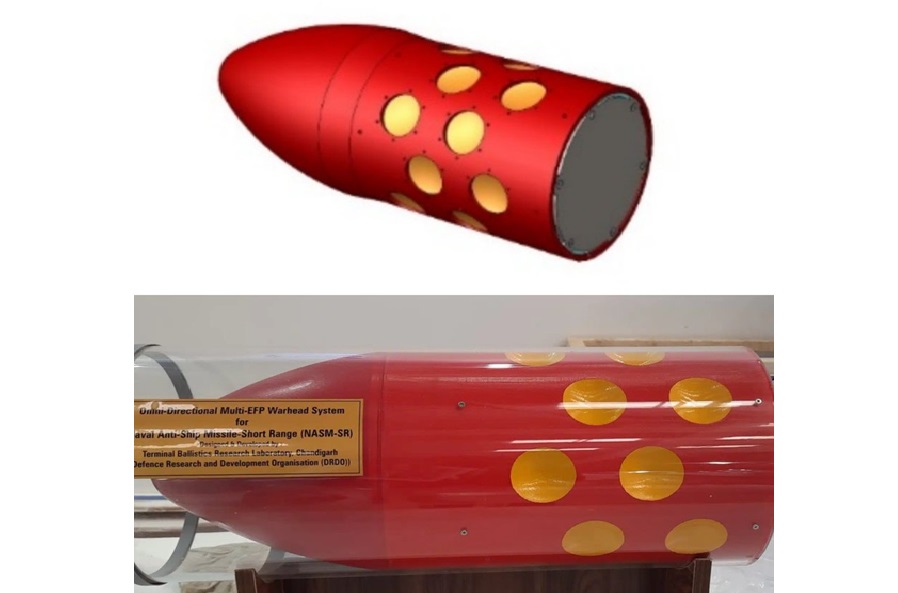
India
Hyderabad / New Delhi, August 29, 2025 – The Defence Research and Development Organisation (DRDO) has signed a Transfer of Technology (ToT) agreement with Hyderabad-based Apollo Micro Systems Ltd for the Omni-Directional multi-EFP warhead designed for the NASM-SR (Naval Anti-Ship Missile–Short Range). Alongside this, Apollo Micro Systems has also been designated as the production agency for the Multi-Influence Ground Mine (MIGM) – Vighana under DRDO’s Directorate of Civilian Production and Procurement. Strategic Importance NASM-SR Warhead: The Omni-Directional multi-EFP warhead is a key element of India’s first indigenous air-launched anti-ship missile. The NASM-SR is being developed for the Indian Navy, providing a much-needed capability for targeting enemy surface vessels with precision. MIGM – Vighana Production: By entrusting Apollo Micro Systems with the manufacturing of this advanced mine system, DRDO has further strengthened the role of the private sector in critical defence programmes. Market & Financial Impact The announcement had a significant impact on Apollo Micro Systems’ performance in the stock market, with its shares soaring nearly 12% to a record high, hitting around ₹271. This momentum reflects investor confidence following the deal. The company had already posted strong Q1 FY 2025–26 results, with net profit more than doubling to ₹17.68 crore and total income rising 46.5% year-on-year to ₹134.45 crore. Broader Defence Significance Boost to Indigenous Defence Manufacturing: The ToT and production responsibilities highlight growing reliance on Indian private firms for critical weapons systems. Advanced NASM-SR Features: The missile integrates imaging infrared seekers, inertial navigation systems, radar altimeters, two-way datalinks, and fire-and-forget capability, ensuring effective engagement of naval targets. Private Sector Rising: Apollo Micro Systems’ involvement in both warhead and mine production shows its emergence as a trusted partner in the defence supply chain. DRDO’s ToT agreement with Apollo Micro Systems for the NASM-SR warhead, combined with its appointment as the production agency for the MIGM – Vighana, marks a crucial step in India’s drive toward self-reliance in defence technologies. The development strengthens the country’s naval strike capability while boosting confidence in private-sector participation in high-end military projects.
Read More → Posted on 2025-08-30 15:55:01
India
New Delhi, August 30, 2025 — The Indian Air Force (IAF) revealed that during Operation Sindoor, fewer than 50 precision weapons were used to cripple Pakistan’s military capability, forcing Islamabad to request an end to hostilities by mid-day on May 10. Speaking at the NDTV Defence Summit, Vice Chief of the Air Staff Air Marshal Narmdeshwar Tiwari said the IAF achieved “complete domination” over Pakistan’s military within four days of strikes. “In less than 50 weapons, we were able to achieve complete domination. It has not happened before,” he stated, praising the planning and flawless execution. Operation Sindoor – Timeline of Events The operation was launched on 7 May 2025, following the April 22 Pahalgam terror attack, which killed 26 civilians. India initially struck terrorist infrastructure across Pakistan-controlled territory, avoiding escalation and restricting strikes to military-linked targets. On the night of 9–10 May, Pakistan retaliated with its own attack. In response, the IAF launched pan-front strikes, destroying critical Pakistani military sites — some of which were never hit even during the 1971 war. By 10 May afternoon, Pakistan officially sought to halt military action. Precision and Planning Tiwari revealed that the government was presented with operational options within 48 hours of the Pahalgam attack. After assessing dozens of possibilities, the IAF narrowed its list down to nine key targets, chosen for maximum strategic impact. The success of the mission relied heavily on the Integrated Air Command and Control System (IACCS), enabling real-time, coordinated strikes. Despite the high risk of long-range targeting, the IAF ensured zero collateral damage. “It is not just about the pilot firing the weapon. There are hundreds of planners and ground staff who make every shot count,” Tiwari explained. Impact on Pakistan Operation Sindoor dealt a severe blow to Pakistan’s military: The IAF confirmed the shooting down of five Pakistani fighter jets and one large military aircraft. Several strategic installations and air defense systems were destroyed, crippling Pakistan’s frontline capability. The strikes were so effective that senior officers later admitted India had the option to continue further attacks but chose strategic restraint once Pakistan sought a truce. Air Chief Marshal A.P. Singh remarked that the decision to stop was deliberate: “Aur maarna tha, but we had already sent the right message.” India’s Message Air Marshal Tiwari emphasized that India’s goal was not escalation but to neutralize Pakistan’s capacity for further misadventure. By relying on fewer than 50 precision weapons, the IAF showcased both technological superiority and calibrated restraint, sending a clear signal: India can deliver overwhelming force with pinpoint accuracy — while avoiding civilian harm. 👉 Operation Sindoor is now seen as a turning point in modern air warfare, underlining India’s ability to combine restraint, precision, and overwhelming dominance in record time.
Read More → Posted on 2025-08-30 15:07:09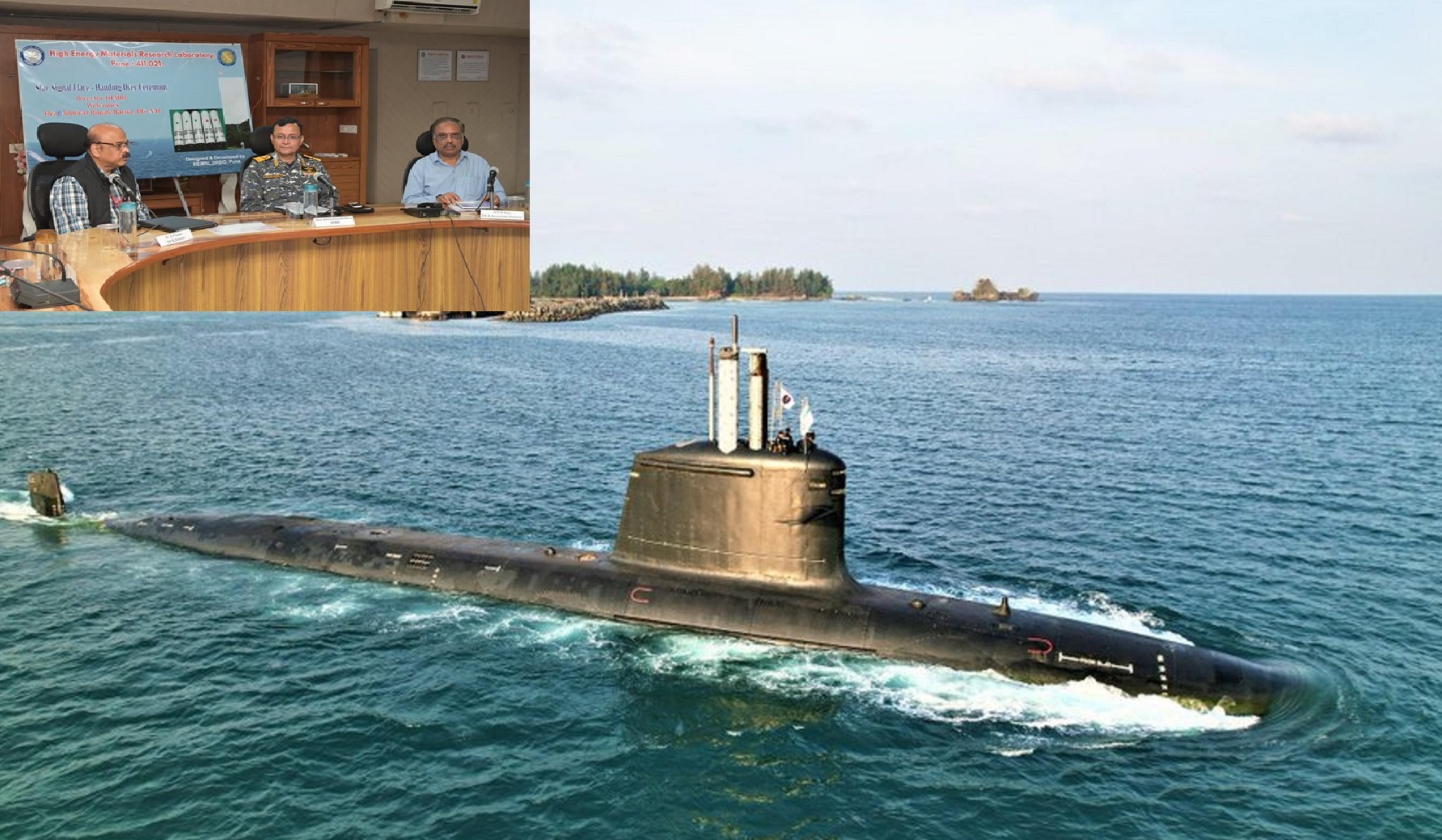
India
Pune, August 29, 2025 — In a landmark advancement under India’s Atmanirbhar Bharat initiative, the Defence Research and Development Organisation’s High Energy Materials Research Laboratory (HEMRL) has successfully developed and handed over the indigenous Signal Star Naval Flare—a state-of-the-art underwater pyrotechnic signalling system designed for the Indian Navy’s Kalvari-class submarines. At a formal ceremony held in Pune, the Director of HEMRL handed over the system to Rear Admiral Rupak Barua, Director General of Naval Armament Inspection (DG-NAI), marking its official induction into the Navy’s underwater warfare suite. Operational Capabilities & Design Features Deployment & ActivationThe Signal Star Naval Flare is launched from a submarine’s signal ejector and rises through the water column. Upon surfacing, a hydrostatic mechanism triggers ignition, releasing a high-intensity, star-like illumination visible over extended distances. This ensures effective signalling in adverse weather and night operations. Dual-Colour SignallingThe system provides two distinct colour options: Red: Used in distress, emergencies, or urgent tactical communication. Green: Used for identification, recognition, or safe-operational communication, particularly useful during coordinated fleet manoeuvres. Robust EngineeringEncased in a pressure-resistant housing, the flare is designed to withstand the immense hydrostatic pressures of deep-sea operations. It offers long shelf-life, durability, and consistent performance in harsh marine environments—reflecting India’s growing expertise in pyrotechnics, material sciences, and structural design. Strategic and Operational Significance Enhanced Safety & CommunicationThe flare boosts the operational readiness of Kalvari-class submarines, ensuring secure communication with surface vessels and aircraft. It also provides emergency location marking, fleet training support, and safe surfacing during joint missions. Wartime & Peacetime UtilityBeyond tactical wartime use, the system is vital in rescue operations, fleet coordination, and peacetime exercises, making it a versatile tool for naval operations. Reducing Import DependencyWith this indigenous development, India no longer relies on foreign suppliers for this critical submarine system, closing a major gap in naval logistics and strengthening strategic autonomy. Context: Kalvari-Class Submarines The Kalvari-class (Project-75) submarines, built in India with technology transfer from France’s Naval Group and Mazagon Dock Shipbuilders Limited (MDL), are among the most advanced conventional diesel-electric submarines in service. They are designed for anti-surface warfare, anti-submarine warfare, intelligence gathering, minelaying, and surveillance, forming the backbone of India’s conventional underwater fleet. A Milestone in Self-Reliance The successful induction of the Signal Star Naval Flare demonstrates India’s growing capabilities in naval warfare technology and defence manufacturing self-reliance. By replacing imports with an indigenous solution, the system strengthens India’s defence preparedness and supports the long-term strategic vision of Atmanirbhar Bharat. Officials associated with the project emphasised that the achievement not only enhances the operational strength of the Indian Navy but also establishes India’s credibility in an area long dominated by advanced foreign suppliers.
Read More → Posted on 2025-08-30 14:27:33Search
Top Trending in 24 Hours
-
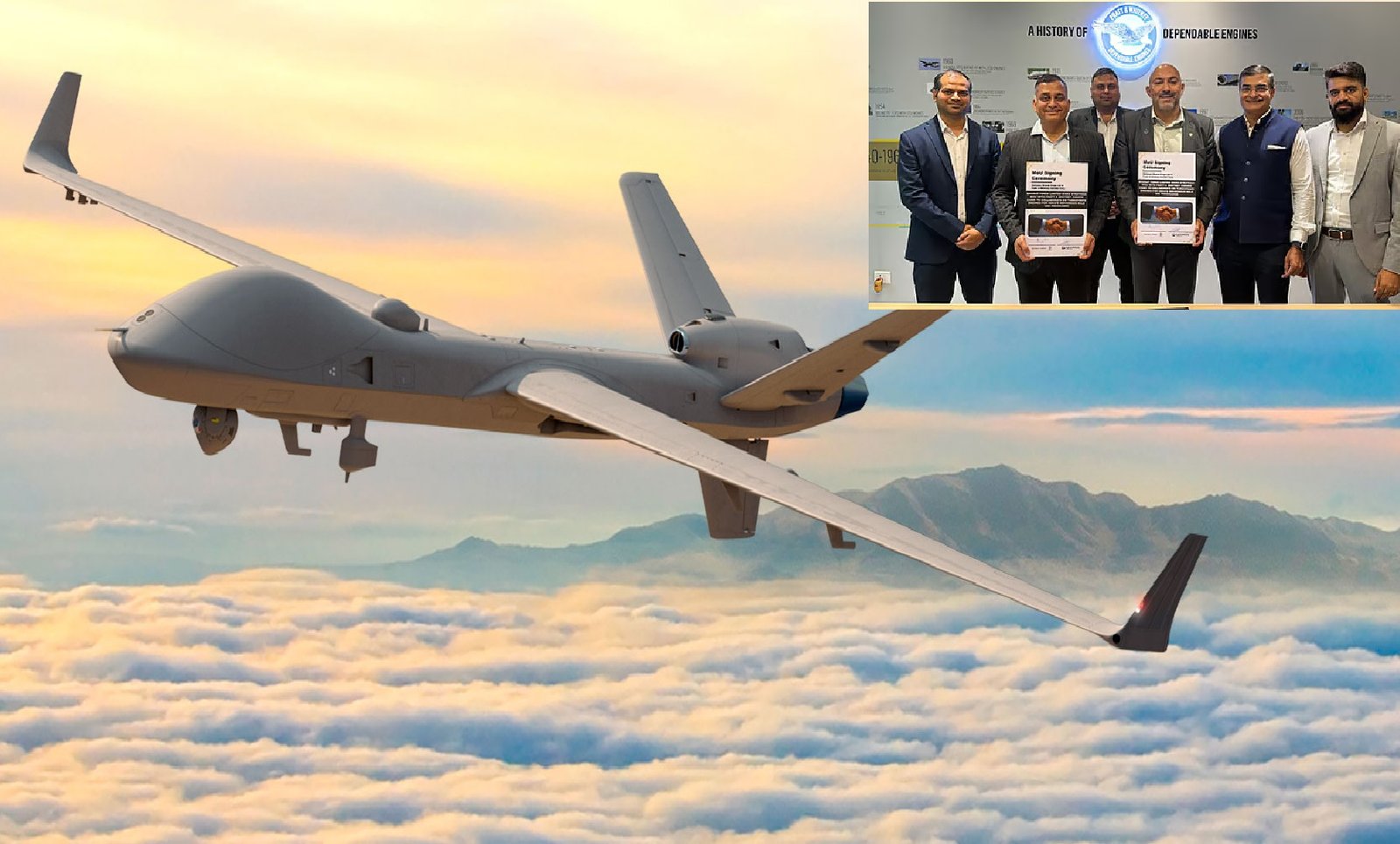 Bharat Forge, Pratt & Whitney Canada to Evaluate Turboprop Engines for DRDO’s Indigenous HALE UAV
-
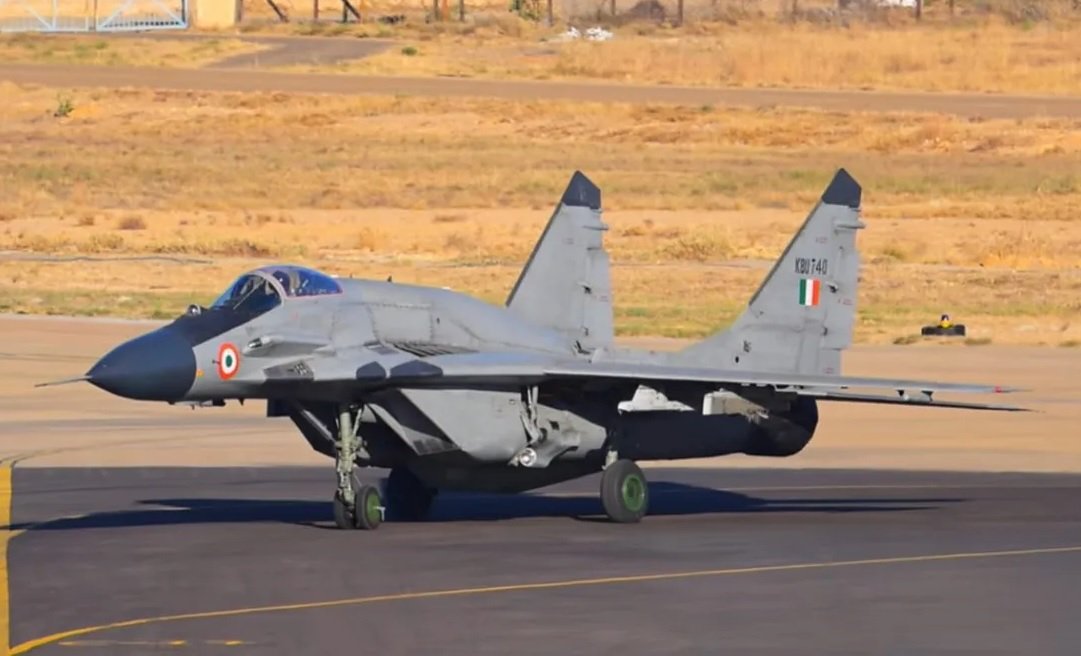 Ukraine’s SpetsTechnoExport Emerges as L1 Bidder for ₹107.47 Crore IAF MiG-29UPG Spares Tender
-
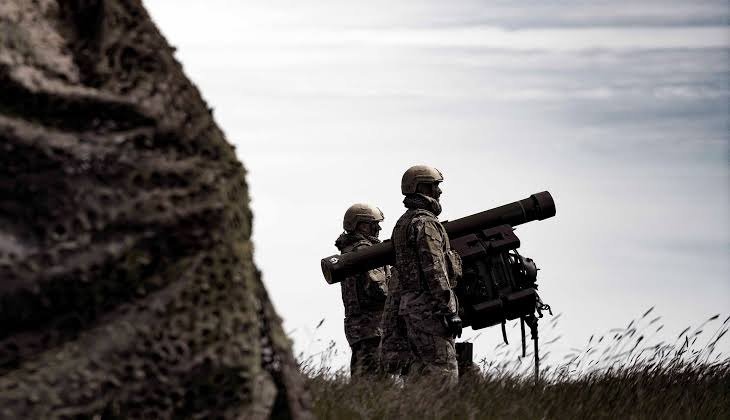 Ukraine Authorizes 81 Companies to Join Private Air Defence Network
-
 Thales Launches HexaForce AI-Enhanced Command and Control System for Multi-Domain Operations
-
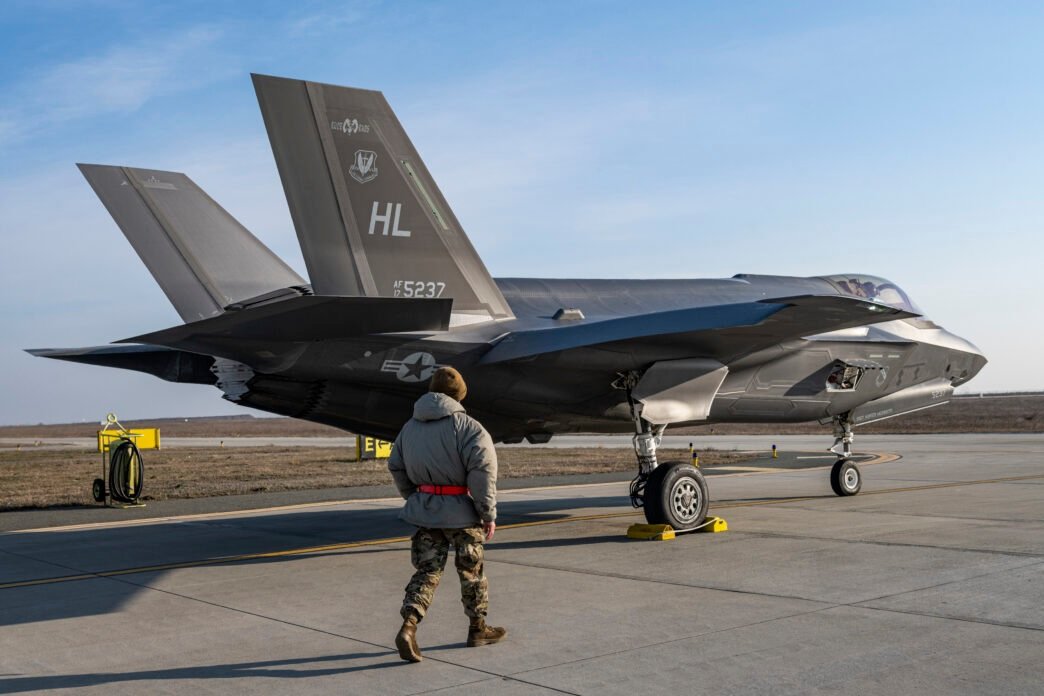 U.S. Intelligence Warns Proposed F-35 Sale to Saudi Arabia Could Expose Technology to China
-
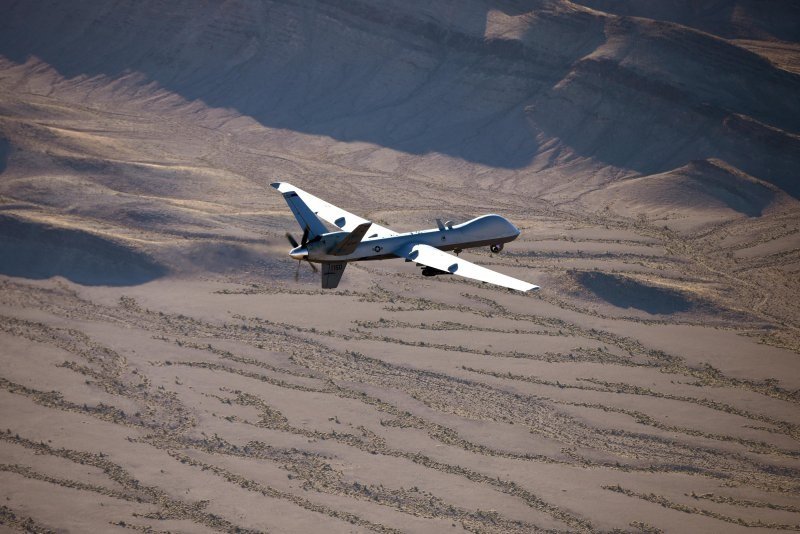 Iran’s IRGC Claims It Shot Down 53rd U.S. MQ-9 Reaper Over Qeshm Island
-
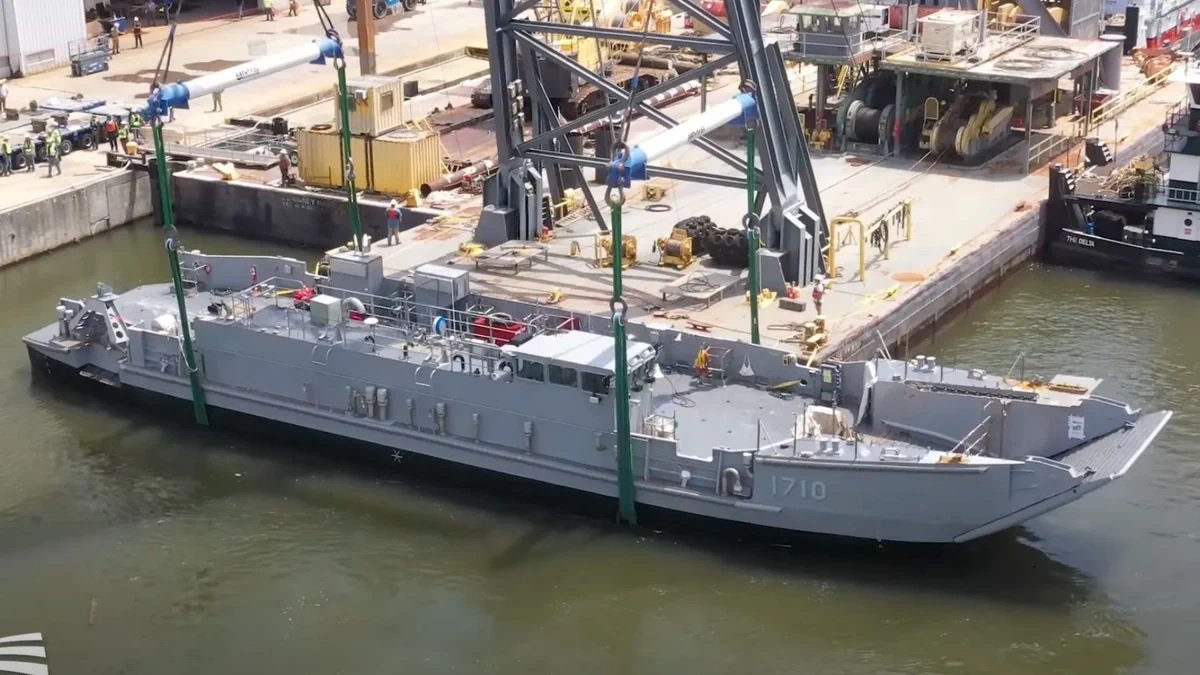 U.S. Navy Awards $280.5 Million in Prototype Agreements to Three Shipyards for LCU 1700 Landing Craft
-
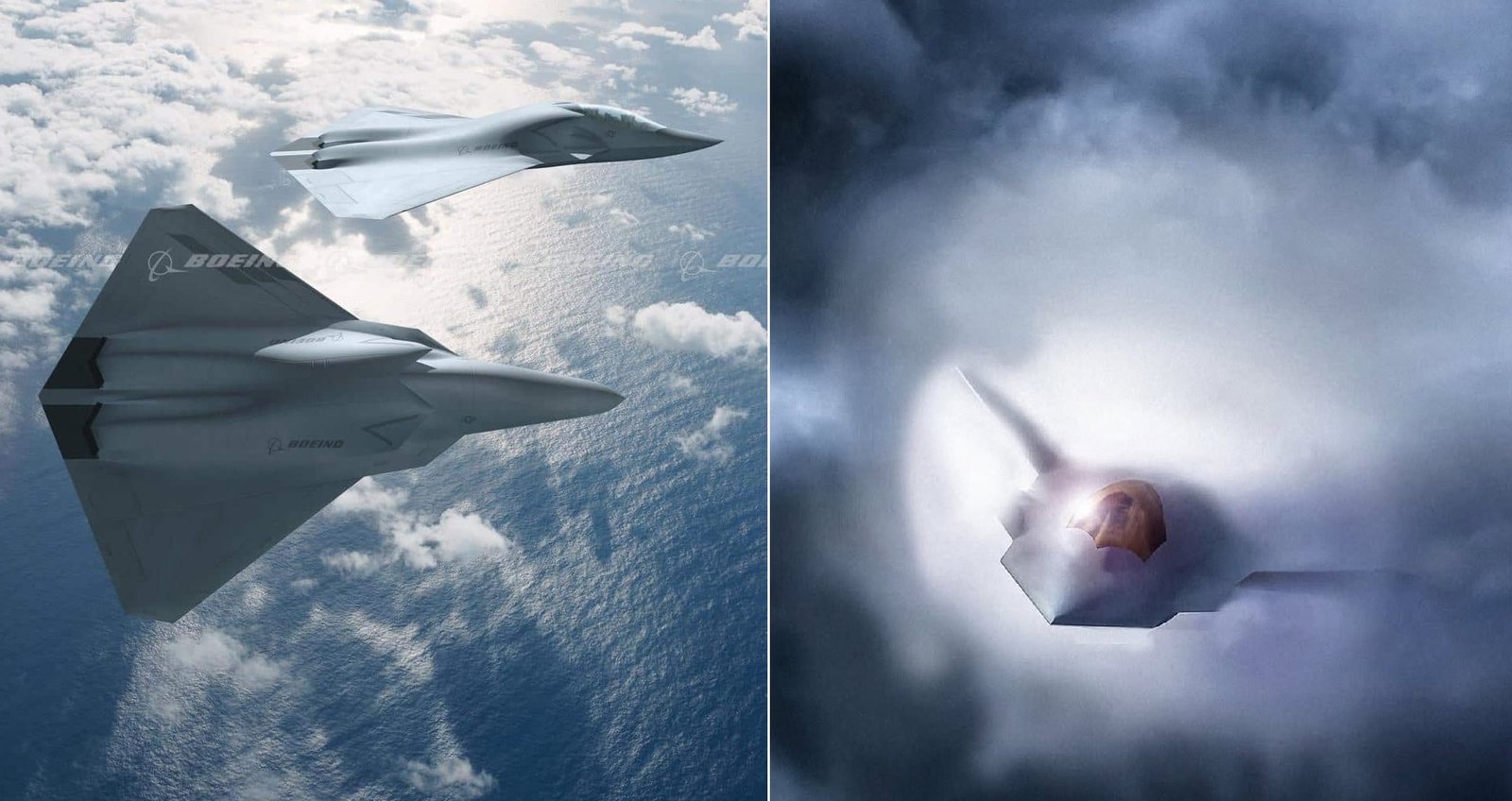 Pentagon Raises Concerns Over Defense Industry Capacity for F-47 and F/A-XX Sixth-Generation Fighter Programs at the Same Time
Top Trending in 4 Days
-
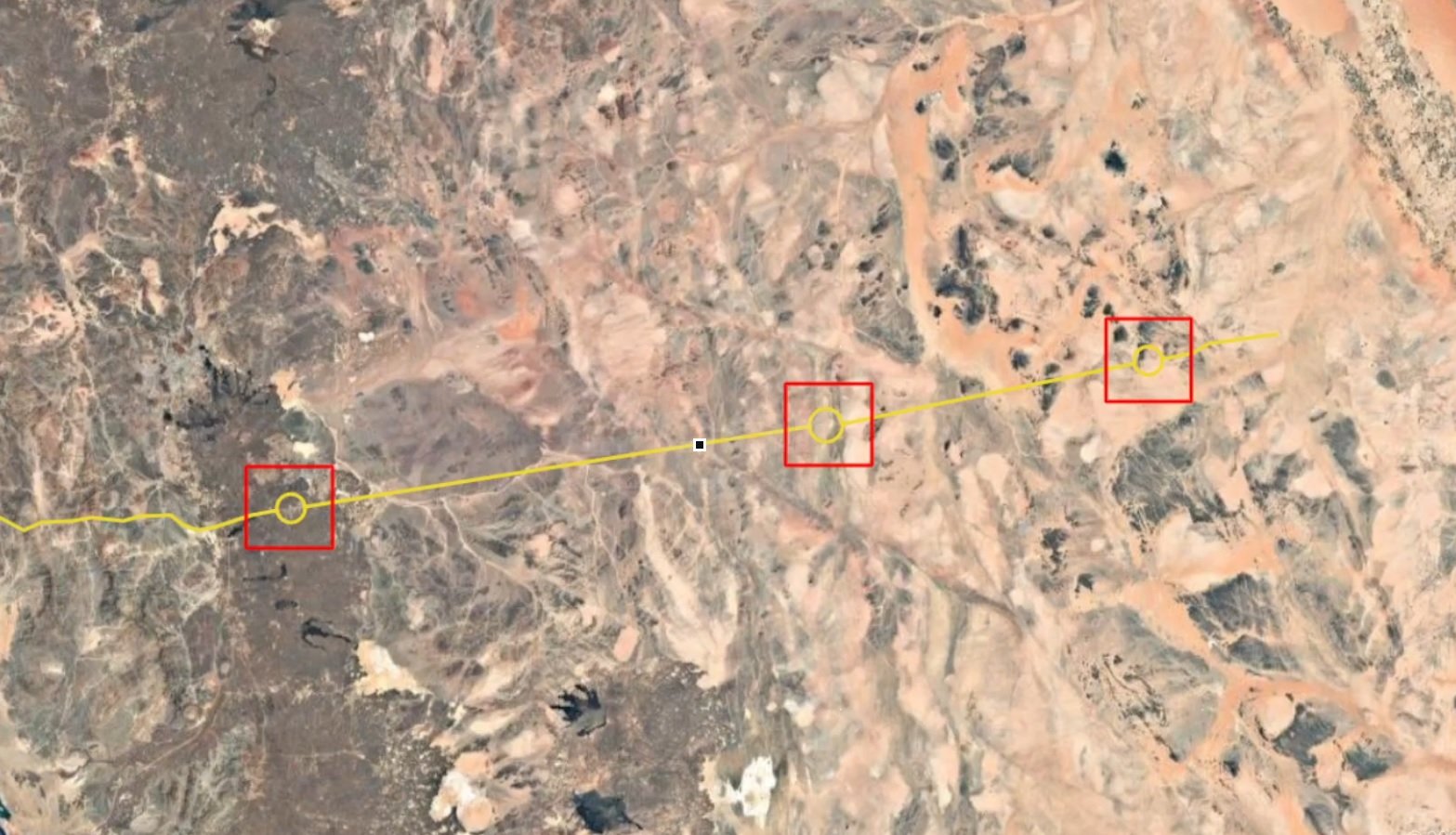 Satellite Imagery Shows Extensive Damage to Saudi Arabia’s East-West Oil Pipeline, Indicating More Than a Single Strike
-
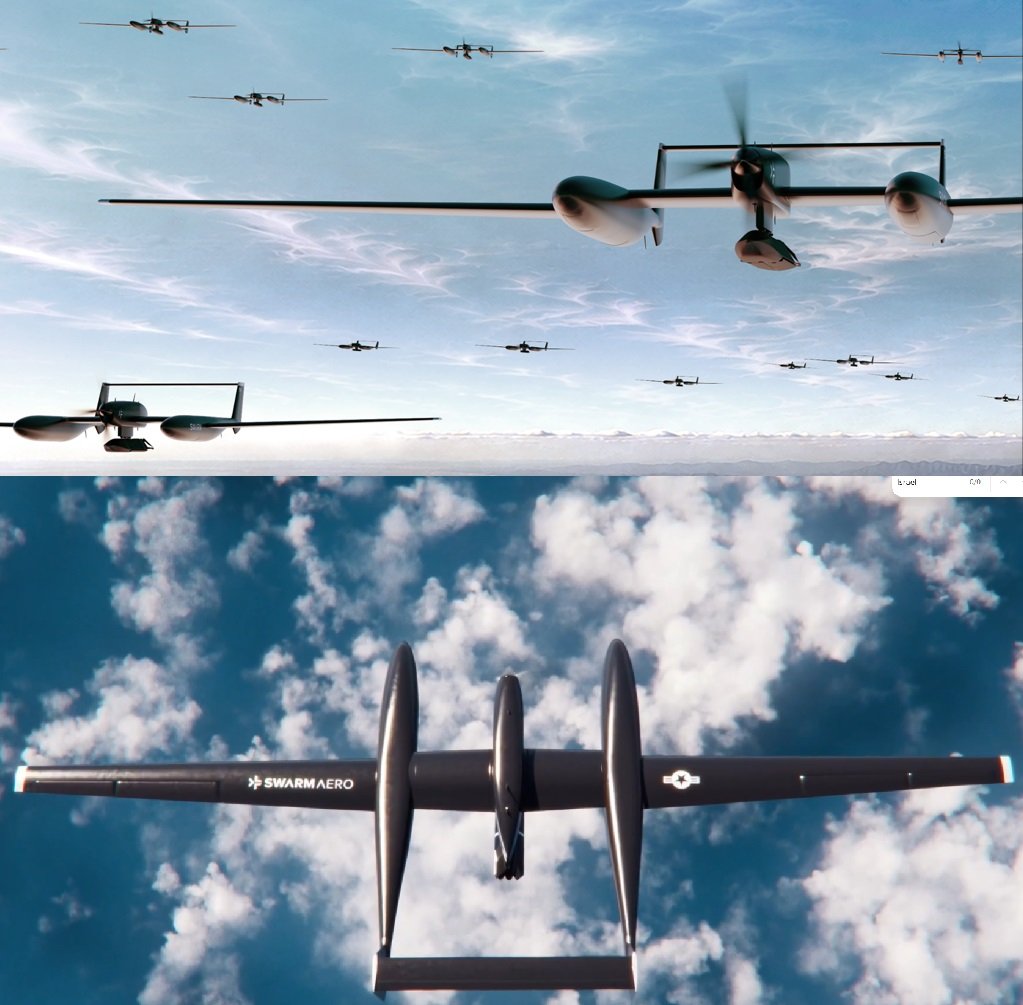 U.S. Firm Swarm Aero Unveils Gamera Group 5 UAS With 9,000-Nautical-Mile Range and Heavy Strike Payload
-
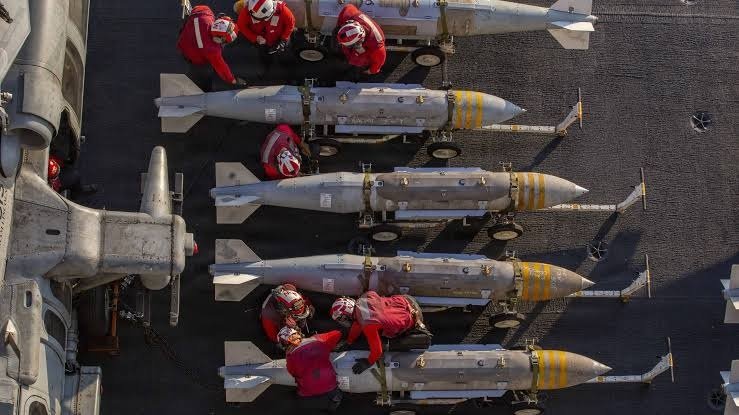 Pentagon Inspector General Report Finds Iran War Caused U.S. Ammunition Shortfalls and Industrial Bottlenecks
-
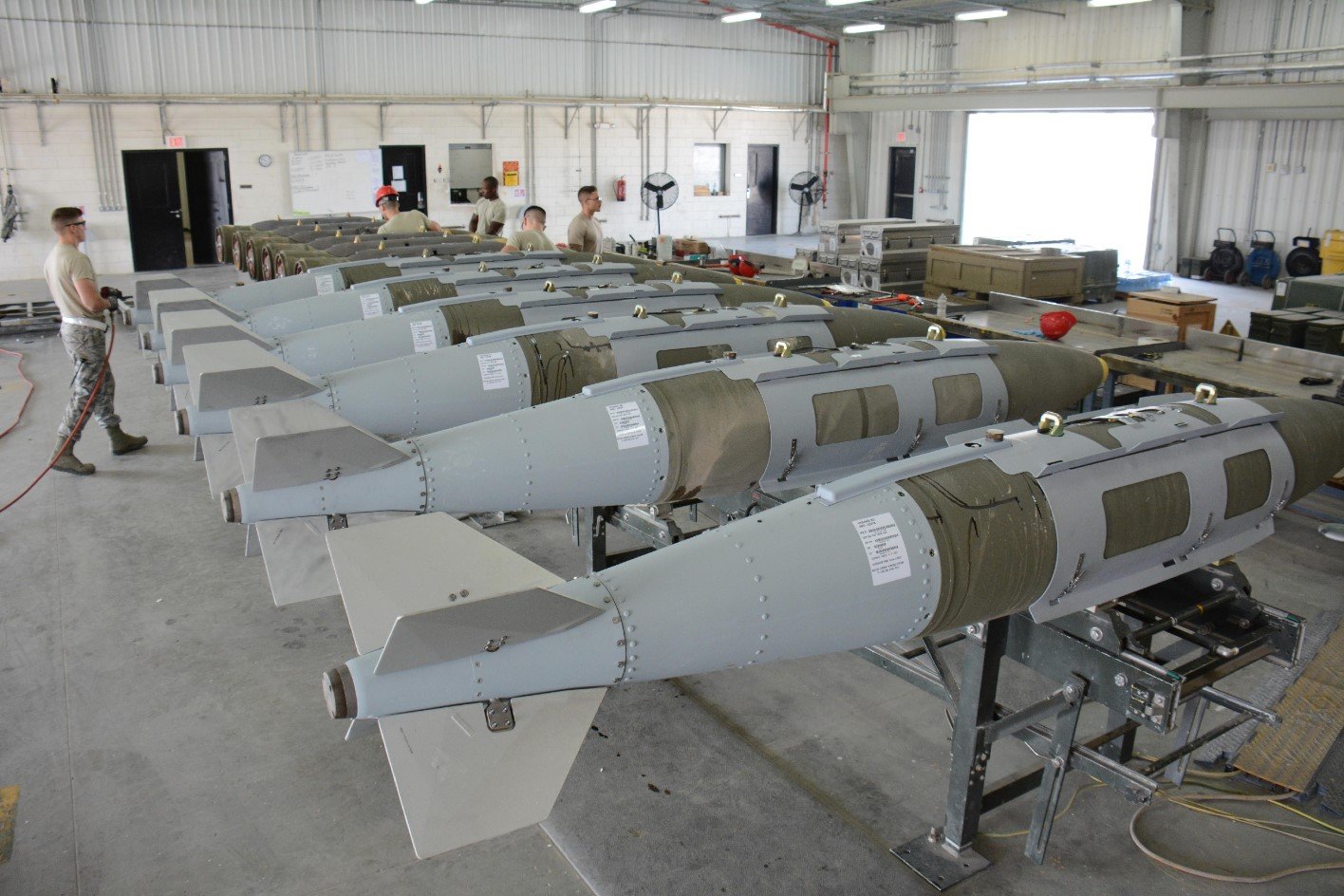 U.S. Plans $2.8 Billion Sale of 40,000 Heavy Bombs and 20,000 I-2000 Penetrator Warheads to Israel
-
 Pentagon and Honeywell Complete Four-Hour Pacific Flight Using Quantum Magnetic Navigation Without GPS
-
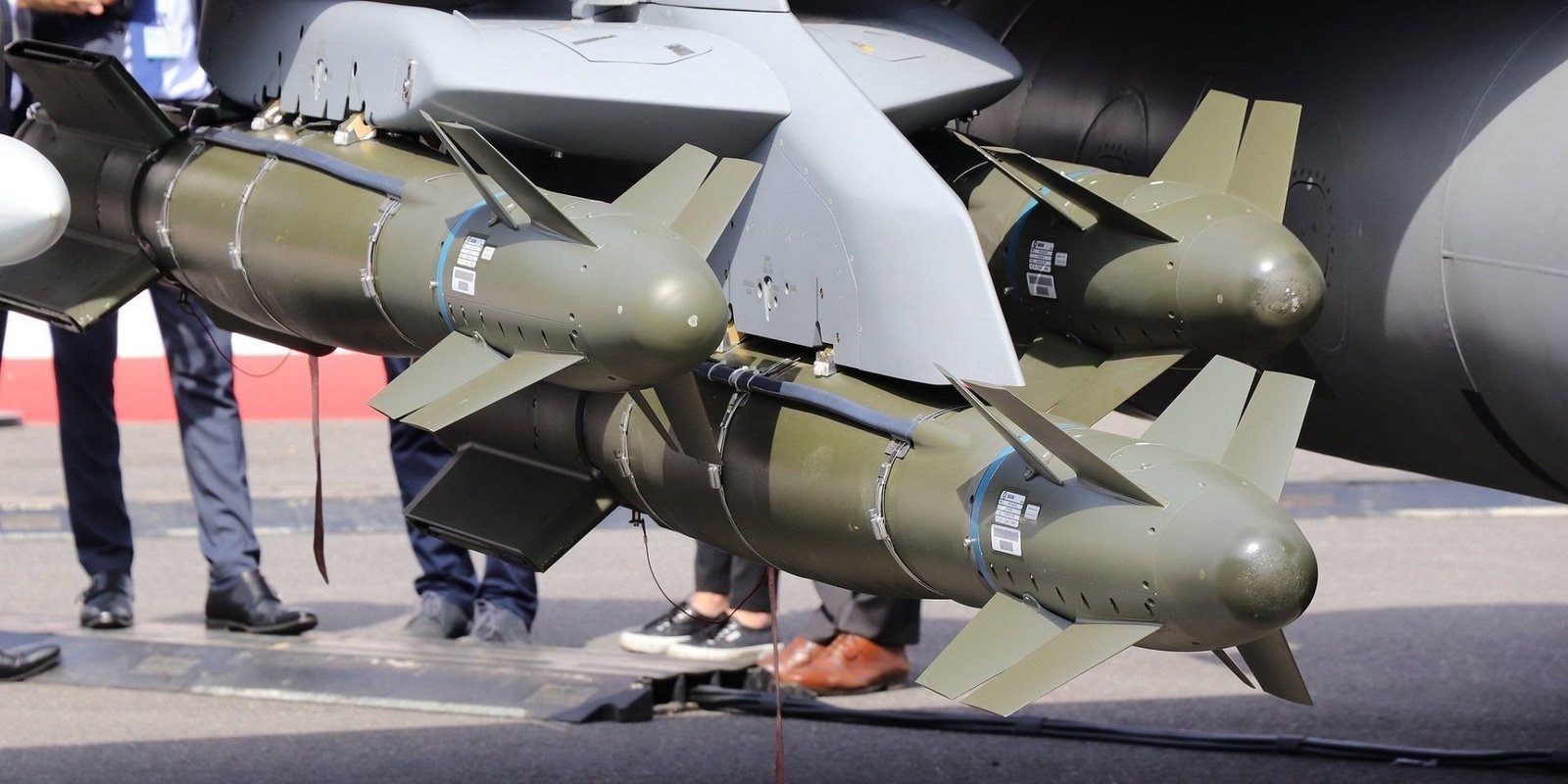 Swedish Gripens Bound for Ukraine to Be Armed with French Rocket-Assisted Hammer Precision Bombs
-
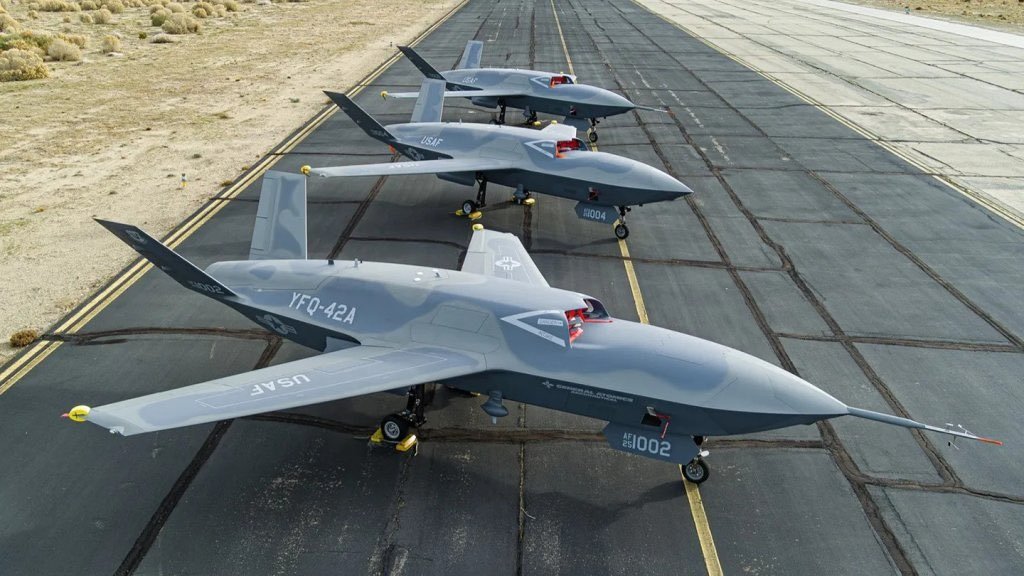 U.S. Air Force Officially Names First Collaborative Combat Aircraft FQ-42 Vengeance and FQ-44 Fury, Targets 500 by 2032
-
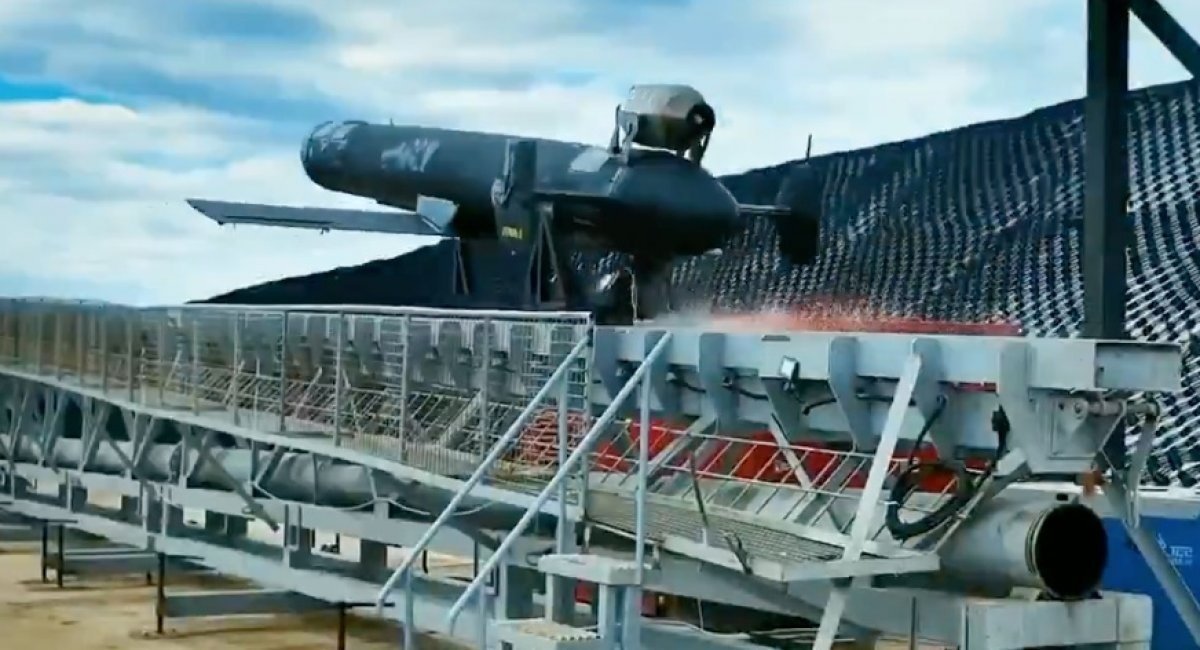 Russia Ramps Up Production of Jet-Powered Geran-5 Drones and Banderol Missiles, With Low Cost of Around $100,000 Per Unit