India
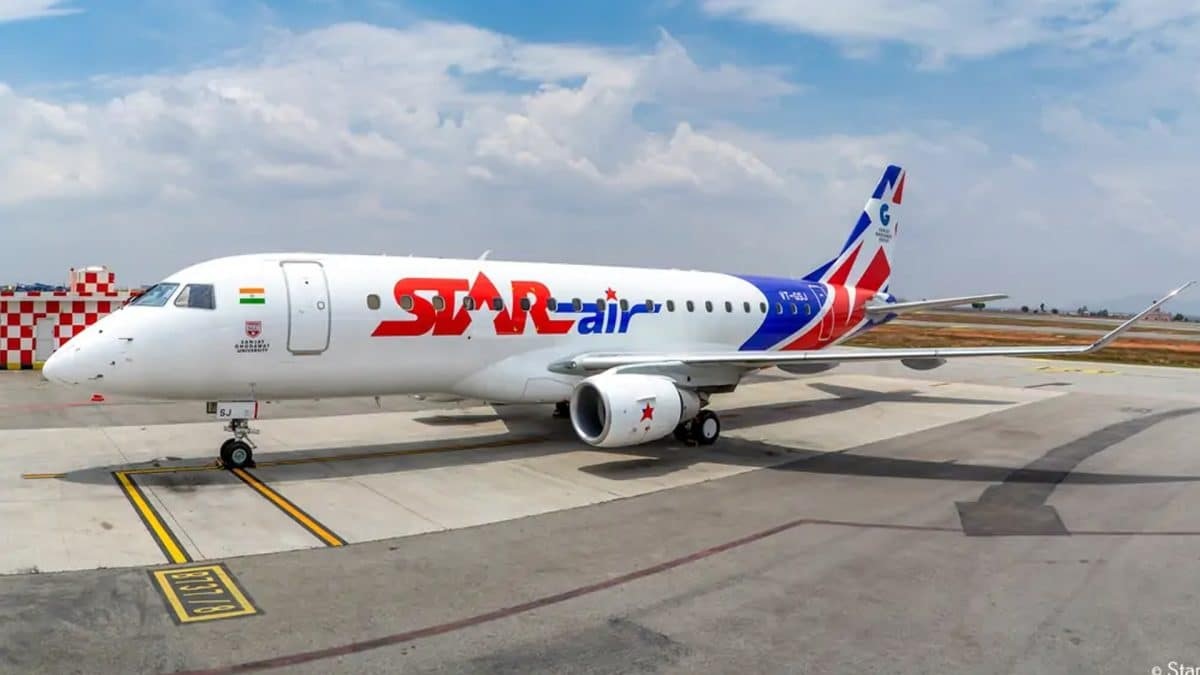
In a significant development for India's aviation sector, Bengaluru-based regional carrier Star Air has entered into a strategic partnership with Hindustan Aeronautics Limited (HAL) to set up a dedicated Maintenance, Repair, and Overhaul (MRO) unit for Embraer aircraft at HAL's Ozar facility near Nashik, Maharashtra. This collaboration marks a pivotal step in enhancing indigenous MRO capabilities for regional aircraft in India. Strengthening Domestic MRO Capabilities The new MRO unit aims to provide comprehensive support for Star Air's fleet of Embraer jets, including the ERJ 145 and E175 models. Previously, such aircraft required maintenance services from overseas hubs, incurring substantial costs. By establishing this facility, the partnership seeks to reduce dependency on foreign MRO centers and bring significant cost savings to Indian airlines. HAL's Nashik facility, traditionally known for its defense aircraft production, has been undergoing upgrades to accommodate civil aviation requirements. The facility now boasts advanced tooling, skilled labor, and safety infrastructure to support heavy maintenance, structural repairs, and eventually engine and component services for Embraer aircraft. Comprehensive Support and Training Initiatives Under the Memorandum of Understanding (MoU), HAL will provide full MRO support for Star Air's Embraer fleet and other aircraft under its contracts. This includes complete aircraft painting services and the conduction of training programs for Star Air's workforce. HAL's expertise in aircraft maintenance, coupled with its state-of-the-art facilities, is expected to enhance the operational efficiency and safety standards of Star Air's fleet. Expansion of HAL's Civilian MRO Services This collaboration signifies HAL's expansion into the civilian MRO sector. In recent months, HAL's Nashik facility has successfully overhauled Embraer aircraft and an Airbus A320neo for IndiGo, marking its first ventures into civilian aircraft maintenance. The partnership with Star Air further solidifies HAL's commitment to diversifying its operations and contributing to the growth of India's civil aviation industry. Economic Implications and Industry Impact Experts estimate that Indian airlines spend approximately ₹15,000 crore annually on MRO services abroad. The establishment of this dedicated MRO unit is expected to retain a significant portion of this expenditure within the country, fostering economic growth and job creation in the aviation sector. Industry leaders have lauded the initiative for its potential to boost local employment and stimulate business opportunities in the Nashik region. About Star Air Star Air, the aviation arm of the Sanjay Ghodawat Group, is an Indian regional airline headquartered in Bengaluru. Operating since January 2019, the airline has expanded its network under the Government of India's UDAN (Ude Desh ka Aam Naagrik) scheme, connecting underserved regions across the country. As of 2025, Star Air operates an all-Embraer fleet, comprising ERJ 145 and E175 aircraft, and serves 29 domestic destinations. About Hindustan Aeronautics Limited (HAL) HAL is a state-owned aerospace and defense company headquartered in Bengaluru, Karnataka. Established in 1964, HAL has been a cornerstone of India's defense manufacturing sector. In recent years, the company has diversified its operations to include civilian aircraft maintenance, aiming to bolster India's self-reliance in aviation services. This collaboration between Star Air and HAL represents a significant milestone in India's journey toward self-sufficiency in aircraft maintenance and underscores the growing synergy between the country's defense and civil aviation sectors.
Read More → Posted on 2025-09-07 16:10:42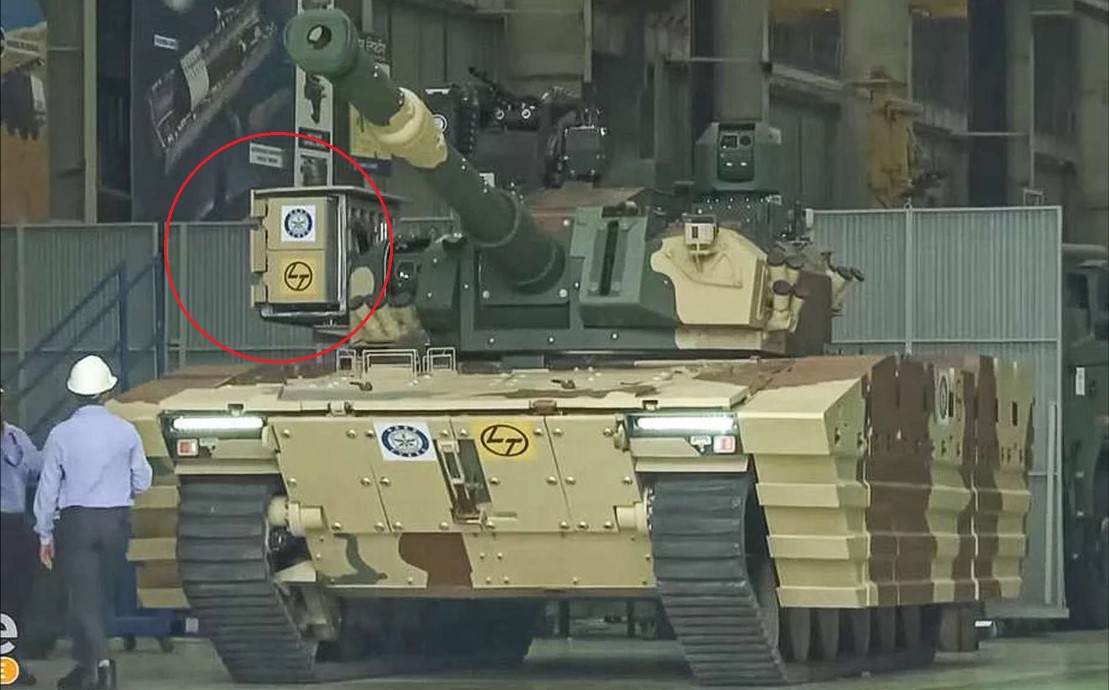
India
In a significant advancement for India's indigenous defense capabilities, the Defence Research and Development Organisation (DRDO) and Larsen & Toubro (L&T) are preparing to conduct firing trials of an indigenous Anti-Tank Guided Missile (ATGM) from the Zorawar Light Tank (LT). This development marks a crucial step towards enhancing the firepower and versatility of the Zorawar LT, which is designed for high-altitude and rapid-deployment operations. The Zorawar LT, a 25-tonne amphibious light tank, is equipped with a 105mm rifled gun turret and has been developed under the 'Make in India' initiative. It features advanced technologies, including artificial intelligence, surveillance drones, and loitering munitions, making it a formidable asset for the Indian Army in mountainous terrains. The upcoming firing trials aim to validate the integration and performance of the indigenous ATGM with the Zorawar LT's weapon system. These trials are expected to take place in the coming weeks, following the successful completion of previous developmental and high-altitude trials. The outcome of these trials will be pivotal in determining the tank's readiness for induction into the Indian Army. The collaboration between DRDO and L&T underscores India's commitment to self-reliance in defense technology and its strategic focus on enhancing military capabilities in challenging terrains. The successful integration of the indigenous ATGM with the Zorawar LT will significantly bolster the Indian Army's operational effectiveness in high-altitude regions. As the firing trials approach, the defense community anticipates a positive outcome that will pave the way for the Zorawar LT's induction into service, further strengthening India's defense preparedness.
Read More → Posted on 2025-09-07 15:50:38
India
On 7 September 2025, Hindustan Aeronautics Limited (HAL) issued a clarification after a newspaper reported about a possible defect in the Tail Drive Shaft (TDS) of the Advanced Light Helicopter (ALH) Dhruv fleet. HAL described the newspaper article of 6 September 2025 as a “one-sided view with misleading commentary.” The company explained that the One-Time Check (OTC) ordered by the Indian Army is a routine safety practice that follows the detection of an anomaly in any aircraft component. It stressed that such measures are standard and do not imply a fundamental flaw in the helicopter. According to HAL, expert teams have been deployed to work closely with the Army to identify the root cause of the TDS issue. The company further emphasised that maintenance is critical to ensuring safe and reliable flight operations and that all operators must follow maintenance directives strictly. HAL highlighted the proven record of the ALH Dhruv, which has logged more than 4.5 lakh flying hours over two decades. The fleet has been extensively used across the Indian Army, Air Force, Navy, Coast Guard, and civil operators, and has flown successfully in extreme terrains—from high-altitude Himalayan regions to coastal environments. The helicopters have also played a crucial role in flood rescue missions and casualty evacuation operations, demonstrating their reliability and the trust of the armed forces. The clarification came after an incident on 4 September 2025, when a TDS bearing mount broke during flight on an Army helicopter, leading the Directorate General of Electronics & Mechanical Engineers (Aviation) to order an immediate OTC across the fleet. Importantly, the helicopters were not grounded, indicating continued confidence in their safety. Earlier this year, the ALH fleet had already been cleared for flying in May after undergoing checks following a separate technical issue. HAL concluded by urging that media reporting must be accurate and based on comprehensive facts, warning against “erroneous conclusions” that could misrepresent the performance of India’s flagship indigenised helicopter.
Read More → Posted on 2025-09-07 13:41:10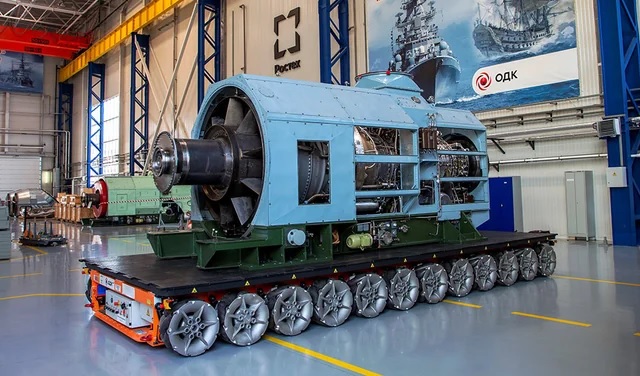
India
In a major step towards strengthening India’s naval self-reliance, Russia has formally offered its advanced M-90FR marine gas turbine engine to the Indian Navy, along with a full transfer of technology (ToT) for local manufacturing. The proposal comes at a critical time as India looks for a long-term solution to the propulsion challenges created by the Russia–Ukraine conflict. Reliance on Ukraine and Emerging Challenges For decades, India’s Talwar-class frigates and Delhi-class destroyers have been powered by Ukrainian engines supplied by Zorya-Mashproekt. But since the escalation of the Russia–Ukraine war in 2022, the supply of engines and spare parts has been disrupted, delaying projects and complicating maintenance. The problem was evident in the commissioning of INS Tushil, where India had to source Ukrainian engines independently and send them to Russia for installation. With two more Talwar-class frigates under construction at Goa Shipyard Limited, India urgently needs a dependable and future-ready propulsion system. Russia’s M-90FR: A Proven Solution The M-90FR, developed by Russia’s United Engine Corporation (UEC-Saturn), is a modern marine power plant already in service with Russia’s Admiral Gorshkov-class (Project 22350) frigates. It delivers 27,500 shaft horsepower and achieves 36% thermal efficiency, compared to the 32% of Ukrainian engines. This means better fuel efficiency, greater operational range, and lower running costs. Full Technology Transfer: A Game Changer Unlike a simple supply deal, Russia’s offer includes a comprehensive technology transfer, allowing India to manufacture the M-90FR engines domestically. This aligns perfectly with the government’s “Make in India” and “Atmanirbhar Bharat” (Self-Reliant India) programs. Local manufacturing would: Reduce long-term costs and dependence on imports Ensure a steady supply of engines and spares Build a skilled industrial ecosystem for marine propulsion Enable future upgrades and mid-life refits of existing ships Public sector enterprises such as Hindustan Aeronautics Limited (HAL), which already produces Russian-origin aircraft engines under license, could play a key role in setting up the production line. Strategic Implications for the Navy Operational Continuity: A seamless replacement for Ukraine-supplied turbines on Russian-origin ships. Fleet Expansion Support: Critical for India’s plan to grow to 175 warships by 2035. Industrial Growth: Boost to domestic defense manufacturing and MRO (maintenance, repair, overhaul) capacity. Strategic Autonomy: Insulation from geopolitical supply shocks. India’s Diversification Efforts India has already diversified by integrating GE LM2500 engines from the United States into its Shivalik-class and Nilgiri-class frigates. However, the M-90FR remains the most compatible option for India’s large fleet of Russian-origin warships, making it vital for continuity and standardization. If finalized, the M-90FR deal would not only secure propulsion for new ships under construction but also ensure that existing vessels receive reliable upgrades throughout their service life. More importantly, it would mark a historic shift from dependence on external suppliers to true indigenous capability in naval propulsion. India now faces a strategic opportunity: to turn a supply crisis into a long-term advantage, using Russian technology to fuel self-reliance and maritime dominance in the Indian Ocean Region.
Read More → Posted on 2025-09-07 13:36:36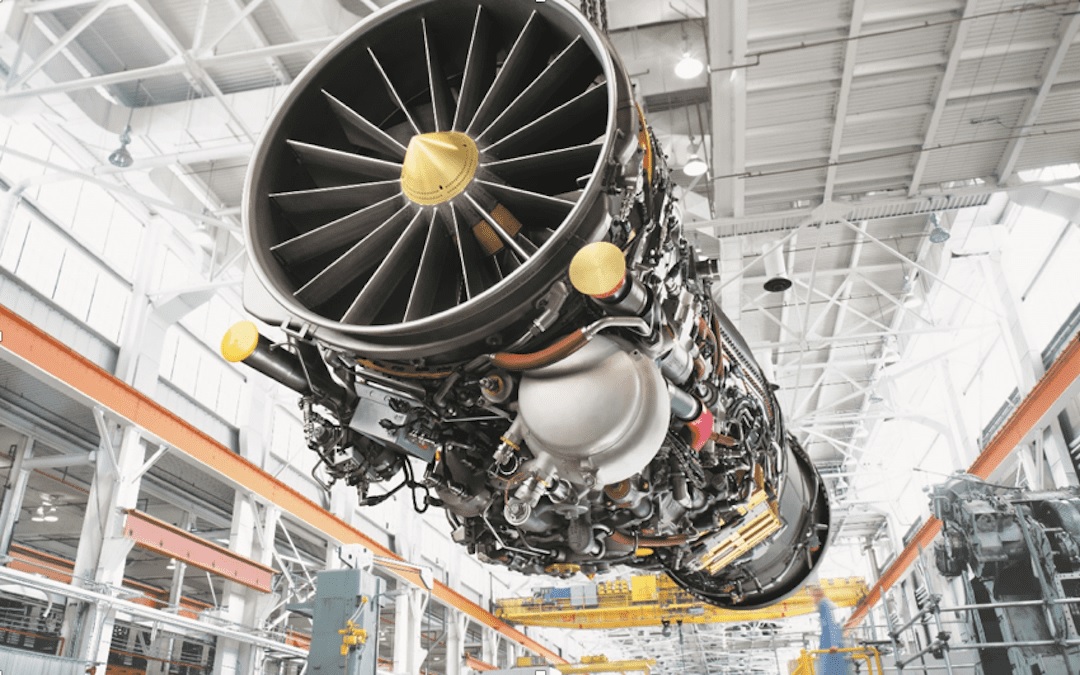
India
Hindustan Aeronautics Limited (HAL) will send a delegation to the United States later this month for the fifth round of negotiations with General Electric (GE) on the joint production of the GE F414-INS6 engines in India. The engines are earmarked for the indigenous TEJAS Mk-2 fighter and the first prototypes of the Advanced Medium Combat Aircraft (AMCA), making the deal one of the most critical milestones in India’s defence aviation roadmap. Defence Ties Resilient Amid Trade Frictions The upcoming talks come at a time when trade and tariff disputes persist between New Delhi and Washington. Yet, both nations continue to show a strong commitment to deepening defence cooperation. The presence of senior GE officials and representatives from the U.S. State Department in the negotiations underlines the strategic and political weight of this engine deal. Agreement Highlights Technology Transfer: The deal is expected to provide up to 80 percent technology transfer, primarily in manufacturing and assembly processes. This includes advanced know-how such as single-crystal turbine blades, special high-temperature coatings, digital engine control systems, and precision laser-drilling. Manufacturing License: HAL has already signed a manufacturing license agreement with GE, paving the way for a large-scale production facility in India, likely near Bengaluru. Scale of the Deal: Valued at close to $1 billion, the program is one of the largest engine collaborations India has signed, with scope for expansion if timelines are met. Role in Tejas Mk-2 The TEJAS Mk-2 is a 4.5-generation single-engine multi-role fighter that will replace ageing aircraft such as the Mirage-2000, MiG-29, and Jaguar in the Indian Air Force. Compared with the Mk-1 and Mk-1A, it offers: Longer fuselage with greater internal fuel capacity Close-coupled canards for higher manoeuvrability Higher payload capacity and extended combat range Powered by the 98 kN F414-INS6 engine, offering superior thrust over the F404 engines used in the Mk-1A Production of the Mk-2 is slated to begin with limited series production by 2026, the first flight in 2027, and operational induction by 2031 after a three-year testing and certification phase. Strategic Link to AMCA The AMCA project, India’s first stealth-capable fifth-generation fighter program, is closely tied to this propulsion deal. Early AMCA prototypes and production variants will be powered by the F414-INS6. Over time, however, India plans to shift to a co-developed 120 kN-class engine with France’s Safran, which will power later AMCA blocks. This dual-track engine strategy ensures India meets immediate combat needs while building long-term indigenous design capabilities. Broader Impact Propulsion Sovereignty – While the F414 deal does not cover core design, mastering 80% of engine manufacturing technologies will significantly reduce India’s dependence on foreign suppliers. Industrial Growth – Setting up the engine line in India will boost HAL’s ecosystem and involve private players in precision component manufacturing. Defence Diplomacy – It highlights New Delhi’s ability to leverage its strategic partnerships, even in the face of economic frictions. Next Step: Design Leadership – Collaboration with Safran positions India for future indigenous engine design and autonomy, a domain long considered the “holy grail” of aerospace technology. If concluded smoothly, the HAL-GE F414-INS6 partnership will deliver engines at scale for the TEJAS Mk-2 and AMCA, directly addressing the IAF’s fighter shortfall. More importantly, it will serve as a bridge from licensed manufacturing to joint design and indigenous development, marking a decisive leap in India’s pursuit of aerospace self-reliance.
Read More → Posted on 2025-09-07 13:14:26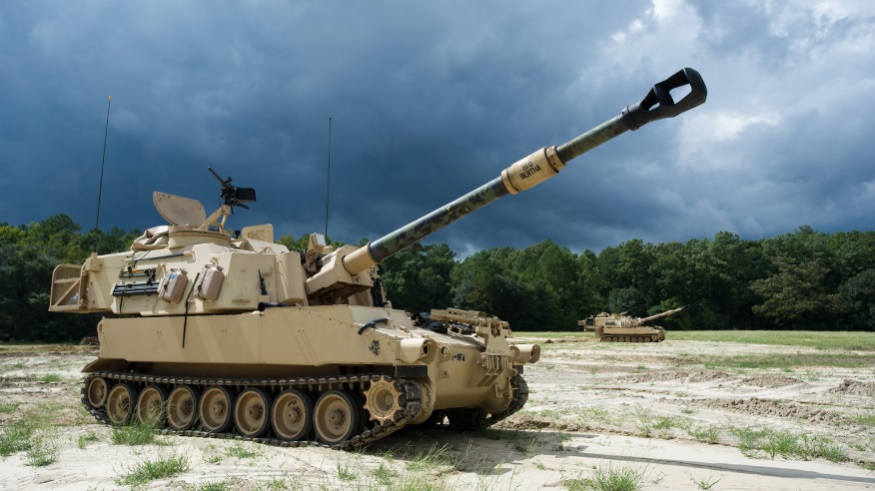
India
In a significant development for India's defense sector, Bharat Forge, a leading private sector defense company and flagship of the Kalyani Group, has entered into a landmark agreement with the UAE's state-owned EDGE Group. Signed on September 1, 2025, the contract is valued at over ₹50 crores for the supply of 155x52mm barrels for the M109 self-propelled howitzer. The M109 is a 155mm self-propelled tracked howitzer, a versatile artillery platform widely used by armed forces globally. The United Arab Emirates acquired 87 M109A3 howitzers from the Netherlands in 1995, which have since been upgraded and deployed in operations, including the Saudi-led intervention in Yemen. The barrels, a critical component of the howitzer, require precision engineering to ensure optimal performance and longevity. Bharat Forge’s contract to supply these barrels highlights its advanced manufacturing capabilities and positions it as a trusted partner for the UAE Ministry of Defence. This agreement marks the first collaboration of its kind between an Indian company and a UAE firm, underscoring India’s growing prominence in the global defense market. The initial order involves a test batch of barrels, with the potential for the total order to scale up to ₹500 crores, depending on the success of the test phase and future requirements. Given the global demand for M109 barrels, which could number in the thousands, this agreement represents a significant opportunity for Bharat Forge to expand its footprint in the international defense market. The partnership with Bharat Forge reflects confidence in India’s indigenous defense manufacturing capabilities and aligns with the Indian government’s “Aatmanirbhar Bharat” initiative, which emphasizes the development and export of domestically produced defense platforms. This deal also strengthens the growing defense ties between India and the UAE. In recent years, the two nations have deepened their strategic partnership through joint exercises, high-level exchanges, and collaborations in defense production. Notably, in June 2024, EDGE Group signed a strategic partnership with India’s Adani Group to manufacture missiles, weapons, and unmanned systems, further cementing bilateral defense cooperation. Bharat Forge's success in securing this contract not only enhances its global standing but also contributes to India's broader defense export strategy, particularly in the Middle East, where demand for advanced artillery systems is on the rise.
Read More → Posted on 2025-09-06 16:45:56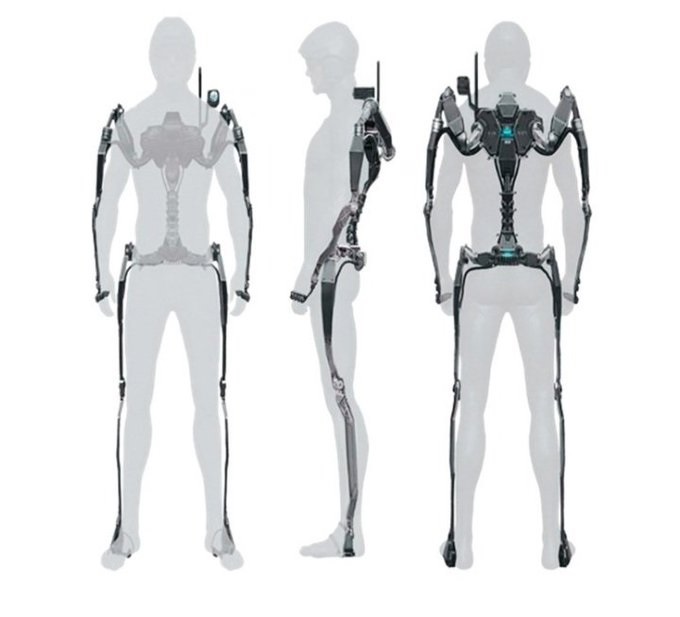
India
Kota-based Raik Deftech has successfully developed the initial prototype of its 'Hanumanta Exo', a custom exosuit designed to enhance soldier strength, stamina, and endurance. The exosuit aims to reduce fatigue and physical strain during heavy load carrying and prolonged operations, improving operational efficiency in diverse missions. Aligned with the Indian Army's vision for future warfare, the 'Hanumanta Exo' supports enhanced mobility, endurance, and load-bearing capacity, making soldiers more effective in combat and challenging environments. Raik Deftech develops cutting-edge technology in the fields of Robotics, Exoskeleton Suits (Passive and Active), Smart Materials, Electronics & Communication, Bullet-Resistant Vests, Riot-Suits, Anti-Stab Vests, Self-Recovering Composite Ceramic-Armour, Freebody Passive and Active Exo-Suits, Multirole Utility Belts, and other futuristic, affordable, and highly effective defense equipment designed to perform in various constraint-based conditions. The company plans further testing and collaboration with defense agencies to refine the exosuit, marking a significant step in India's journey toward indigenous defense technology.
Read More → Posted on 2025-09-06 16:42:06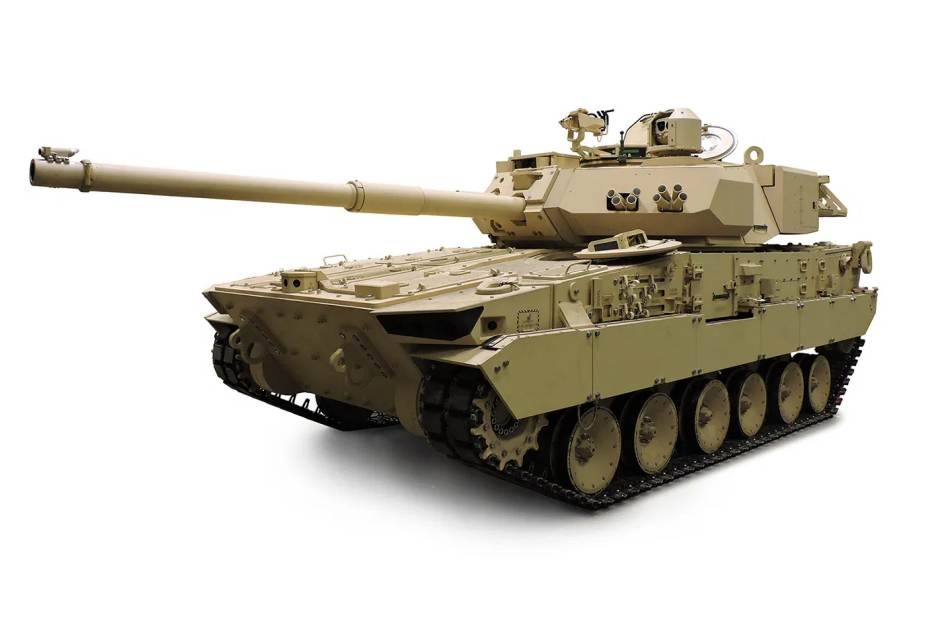
India
Pune-based Bharat Forge, led by Baba Kalyani, is advancing India’s defense capabilities with the development of a state-of-the-art indigenous light tank. This project is aimed at enhancing the Indian Army’s mobility and firepower, particularly in challenging terrains such as mountains and areas with limited infrastructure. Design and Specifications The new light tank is designed to weigh under 25 tonnes, making it air-transportable and suitable for rapid deployment. It is equipped with a 105mm cannon, offering significant firepower while maintaining agility and speed. The prototype is expected to undergo trials later this year to test its performance under diverse operational scenarios. Technological Innovations The tank features advanced technologies including a glass cockpit, automated ammunition handling, and India’s first indigenous turret system. These innovations aim to enhance crew efficiency, reduce operational complexity, and strengthen the overall battlefield capability of the tank. Strategic Implications This development positions Bharat Forge as a key contender in the Indian Army’s light tank program, alongside other projects like L&T’s Zorawar tank. The Indian Army plans to acquire over 350 light tanks, part of which will be sourced through competitive procurement processes. Future Prospects Beyond light tanks, Bharat Forge is also focusing on the development of Future Infantry Combat Vehicles (FICVs) in both tracked and wheeled versions. The unveiling of the first prototype is expected by the end of this year, further underscoring the company’s commitment to self-reliant defense manufacturing. Through this initiative, Bharat Forge is contributing significantly to the modernization of the Indian Army while strengthening India’s position as a defense manufacturing hub.
Read More → Posted on 2025-09-06 16:34:12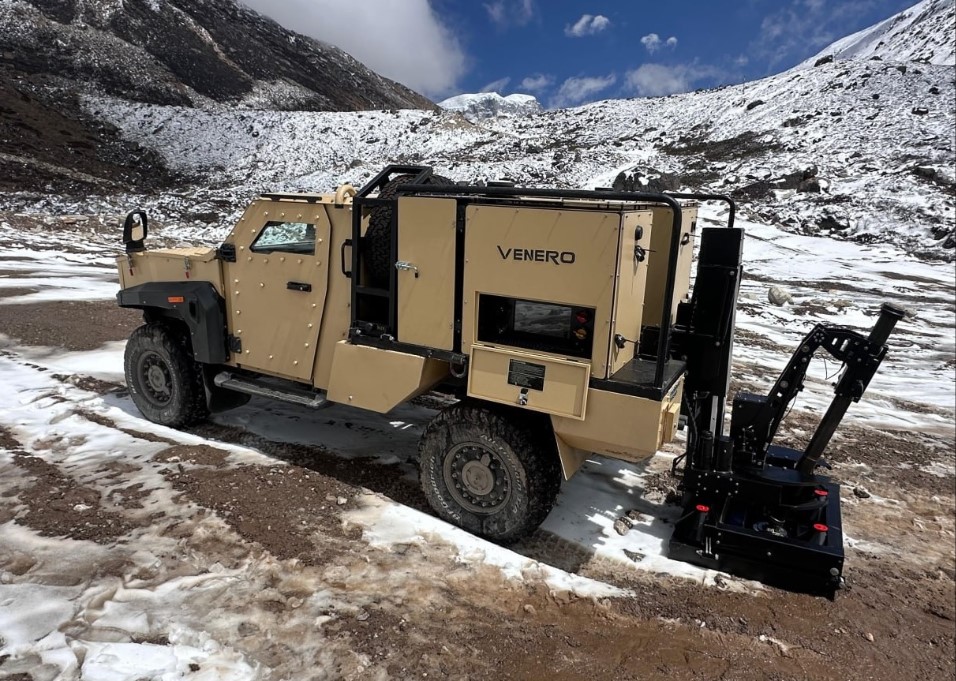
India
In a significant stride towards modernizing its artillery capabilities, the Indian Army is set to procure approximately 3,000 automated Vehicle-Mounted Infantry Mortar Systems (VMIMS). This acquisition aims to bolster rapid-response firepower and enhance operational agility across diverse terrains. The VMIMS, developed by Mahindra Defence Systems Limited (MDSL), integrates the Alakran-L automated mortar system with a 4×4 Armoured Light Specialist Vehicle (ALSV). This combination allows for swift deployment and repositioning, crucial for effective counter-battery operations and minimizing exposure to enemy fire. Key features of the VMIMS include: 81 mm Mortar System: Capable of delivering precise fire support with a range of up to 7.2 km. High Mobility: The 4×4 ALSV ensures rapid movement across various terrains, enhancing operational flexibility. Automated Firing Mechanism: Reduces crew requirements and increases firing rate, contributing to quicker response times. The Indian Army's decision to deploy these systems, particularly along sensitive borders such as the Line of Actual Control (LAC) in Sikkim, underscores the strategic importance of enhancing artillery capabilities in border areas. The VMIMS's ability to provide immediate and potent fire support is expected to significantly improve the Army's operational readiness. This move aligns with the Indian Army's broader modernization efforts, including the Field Artillery Rationalization Plan (FARP), which seeks to induct approximately 3,000 modern artillery systems by 2030. The integration of VMIMS into this plan reflects a commitment to indigenization and technological advancement in defense capabilities. The procurement of these automated mortar systems marks a pivotal development in the Indian Army's artillery modernization, aiming to enhance rapid-response firepower and maintain strategic superiority in critical regions.
Read More → Posted on 2025-09-06 16:23:16
India
Bengaluru – In a major development for India’s defense technology, the Gas Turbine Research Establishment (GTRE) under DRDO has increased the bypass ratio of the Kaveri engine to 0.20. This improvement is aimed at enhancing the engine’s performance and efficiency for manned combat aircraft. The Kaveri engine is a low bypass, twin-spool afterburning turbo fan engine that has been designed with a focus on combat requirements. The increased bypass ratio means that 20% of the incoming air bypasses the core combustion chamber, improving fuel efficiency, cooling, and thrust modulation during flight. The engine is equipped with a full authority digital electronic controller (FADEC), enabling pilots to optimize performance under demanding combat scenarios. Other key features include a three-stage low-pressure compressor, a six-stage high-pressure compressor, an annular direct-flow combustion chamber, and cooled turbines. According to technical specifications, the Kaveri engine offers: Air mass flow: 78 kg/s Max thrust (dry): 49 kN Max thrust (reheat): 71 kN Overall pressure ratio: 20.5 Specific fuel consumption (dry): 0.824 kg/kgf-hr The development is seen as a significant step toward improving fuel efficiency, thermal management, and stealth capabilities for India’s next-generation fighter aircraft. The higher bypass airflow helps in reducing noise and managing heat, while the advanced controls enable better thrust adjustments. The Kaveri engine, which has been under development for several years, is expected to play a critical role in enhancing India’s self-reliance in aerospace propulsion systems. Officials at GTRE believe that the upgraded design will meet the demanding requirements of high-speed combat operations while reducing operational costs. This achievement marks another milestone in India’s pursuit of indigenous defense technologies and strengthens its position in advanced aerospace engineering. Further trials and integration are expected in the coming months as the engine moves closer to deployment in fighter platforms.
Read More → Posted on 2025-09-06 16:18:47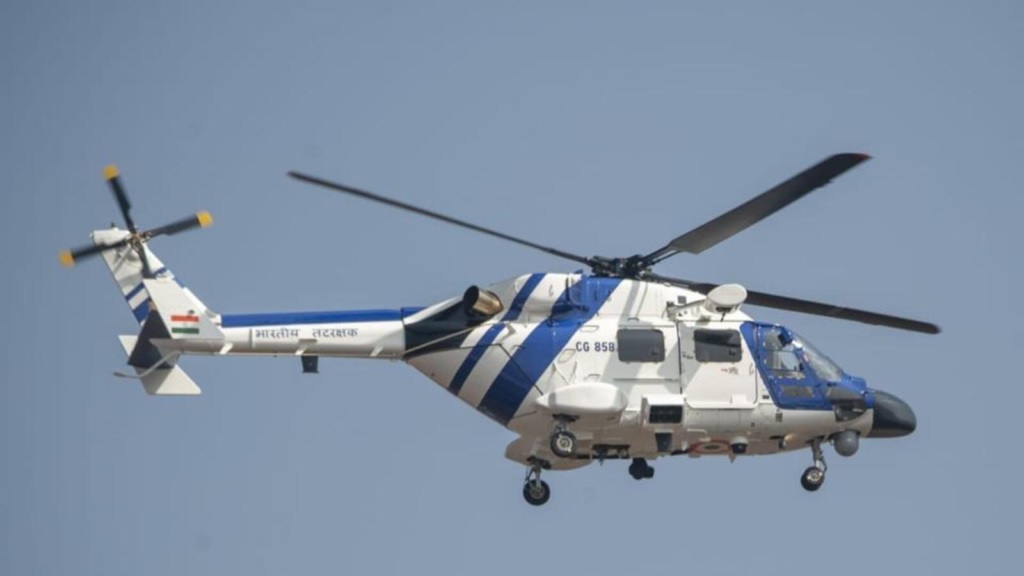
India
The Indian Army has launched a comprehensive inspection of its Dhruv Advanced Light Helicopter (ALH) fleet following a critical tail drive shaft (TDS) failure during a mid-flight operation on September 4, 2025. The incident involved helicopter IA-1134, which suffered a TDS malfunction, raising serious flight safety concerns. In response, the Directorate General of Electronics & Mechanical Engineers (Aviation) has mandated a one-time, fleet-wide inspection across all ALH units operated by the Army, Air Force, and Navy. The inspections will focus on TDS bearings, elastomeric bushes, tail boom cracks, and bracket fasteners (rivets), using magnified visual checks and thorough scrutiny to ensure aircraft airworthiness. This development comes just months after the ALH fleet was recertified in May 2025, following extensive safety checks prompted by a tragic January 2025 crash in Porbandar linked to a swashplate fracture. While the Army and Air Force ALHs resumed operations, the Navy and Coast Guard helicopters remain grounded, awaiting resolution of maritime-specific defects. The Indian Navy and Coast Guard have been conducting extensive maritime trials to address recurring issues and ensure their helicopters are fully operational for naval missions. Meanwhile, the Army has requested Hindustan Aeronautics Limited (HAL) to expedite the root cause analysis of the IA-1134 failure. The fleet-wide inspection underscores the Indian Armed Forces’ commitment to highest safety standards and operational readiness, highlighting the importance of the Dhruv ALH fleet in a range of operational missions.
Read More → Posted on 2025-09-06 16:09:25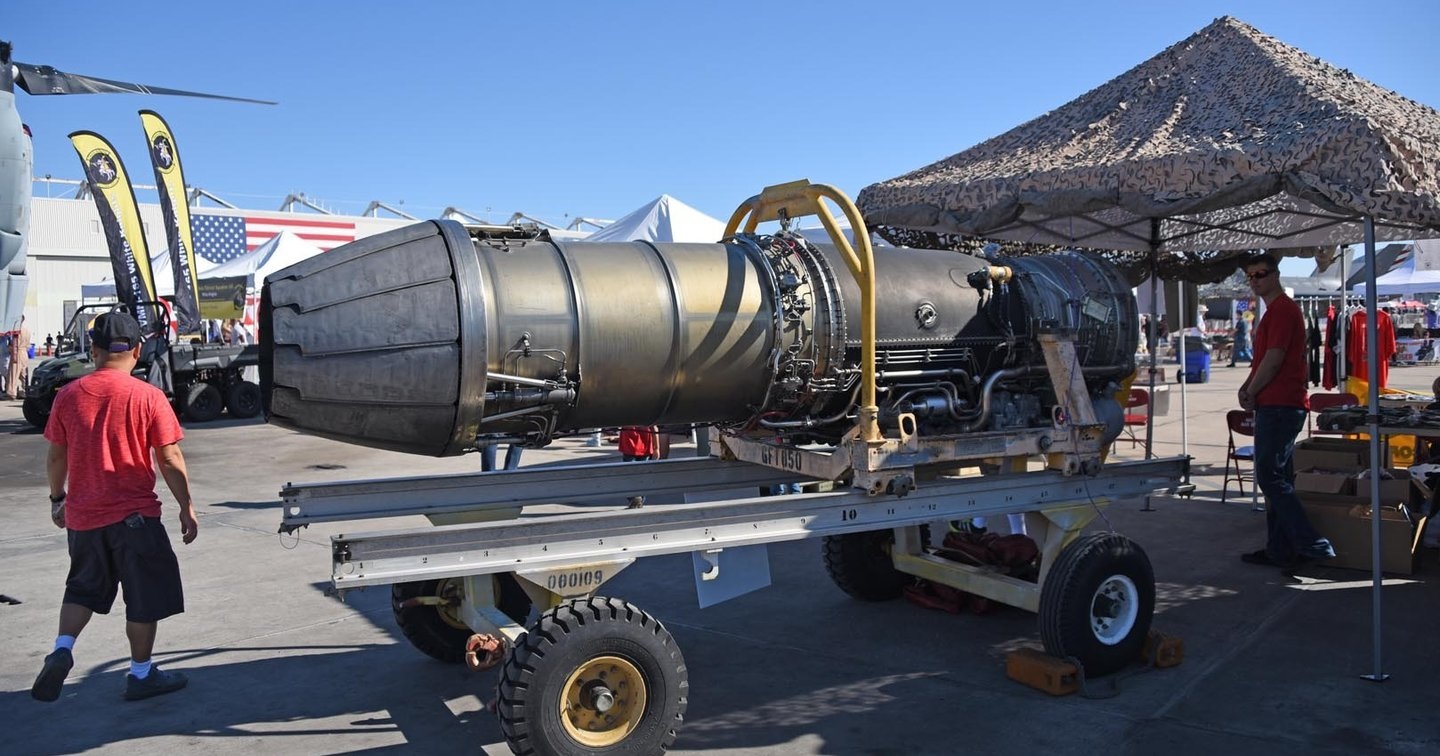
India
New Delhi : Hindustan Aeronautics Limited’s (HAL) ambitious Tejas Mk-1A fighter jet programme has hit turbulence as delays in the supply of F-404 jet engines from General Electric (GE) slow production schedules and push back deliveries to the Indian Air Force (IAF). Engines in Short Supply The U.S. aerospace giant had earlier completed a batch of 65 F-404 engines for India in 2016, after which the production line was shut. A fresh order of 99 engines placed in 2021 required GE to restart the line, but reactivation has been slower than expected due to supply chain bottlenecks and disrupted vendor networks. While deliveries began in March 2025, with another in July, GE has been unable to meet the promised monthly supply. Missed deliveries in August have forced GE to assure HAL that 3–5 engines will arrive by September–October to make up for the backlog. GE has committed to stabilising deliveries at two engines per month by March 2026, and later ramping up to 24–30 engines annually from 2027 onwards. HAL’s Production Bottlenecks HAL has so far assembled two Tejas Mk-1A fighters fitted with the available engines. Both are undergoing advanced weapon trials, including tests of Astra air-to-air missiles, laser-guided bombs, and the Israeli ELTA ELM-2052 radar. One of these jets is stationed at the new Nashik facility, inaugurated to scale up Tejas production, and is expected to be handed over to the IAF around October this year. The delays have already impacted HAL’s financials, with the company reporting an 8% drop in quarterly profit earlier this year due to slower aircraft handovers. Officials, however, remain confident that with stabilised engine supplies, HAL will be able to deliver 12–16 aircraft annually from 2026, rising to nearly 30 jets a year by 2028 across its Bengaluru and Nashik plants. IAF’s Expanding Demand The IAF’s requirement has grown sharply. The initial ₹45,000-crore contract for 83 Mk-1A fighters has now been followed by Cabinet approval for an additional 97 aircraft, raising the total production target to around 180 jets by 2032. This expansion means HAL will require more than 110 additional F-404 engines beyond the original contract, putting further pressure on GE to scale up its production line. Future Hinges on F-414 Deal Even as the Mk-1A programme struggles with engine supplies, attention is turning to the next stage. India and GE are deep in negotiations over the more powerful F-414 engines, which will power the Tejas Mk-2 and the fifth-generation Advanced Medium Combat Aircraft (AMCA). A high-level Indian delegation is set to visit the U.S. later this year, with both sides aiming for a final agreement by 2026. Experts stress that while the F-404 is vital for the Tejas Mk-1A fleet, the F-414 will be the cornerstone of India’s future fighter jet capability. At the same time, pressure is mounting on India to accelerate indigenous engine development to reduce strategic dependence on foreign suppliers.
Read More → Posted on 2025-09-06 14:36:07
India
New Delhi, September 2025 — In a significant humanitarian and legal step, the Indian government has issued a new order allowing persecuted minorities from Afghanistan, Bangladesh, and Pakistan—namely Hindus, Sikhs, Buddhists, Jains, Parsis, and Christians—who entered India on or before December 31, 2024, to remain in the country even without valid passports or travel documents, and without the threat of deportation or penalties. This move complements the Citizenship (Amendment) Act (CAA), which fast-tracks citizenship for individuals from these same communities who arrived on or before December 31, 2014. The latest decision addresses concerns of those who crossed into India after 2014 but remained uncertain about their legal status. What the New Order Entails Exemption from penalties: Those who entered India by the end of 2024—whether without valid documents or with expired ones—are now exempt from legal action under the newly enforced Immigration and Foreigners Act, 2025, which came into effect on September 1, 2025. Distinction from CAA: The exemptions do not automatically provide citizenship. CAA’s eligibility criteria remain tied to the 2014 cutoff date. Administrative clarity: The Ministry of Home Affairs (MHA) issued the Immigration and Foreigners (Exemption) Order, 2025, specifying that such migrants will not be penalized for document-related violations. Voices from the Ground In places like Nagpur, many families—particularly Pakistani Hindus facing difficulties with passport renewals or embassy delays—have expressed relief, calling the order a “life-saving step.” Community groups such as the Sindh Hindi Panchayat had long campaigned for this measure. In contrast, areas such as Gadchiroli continue to see anxiety among undocumented Bangladeshi Hindus, with reports of sporadic police action despite the exemptions. Activists argue that more awareness and local-level coordination are needed to prevent harassment. Political and Social Reactions In Assam, the move has sparked protests, with local groups warning of possible demographic changes. Concerns over cultural integrity and resource pressures remain strong. Officials, however, point out that fears may be overstated. Under the CAA, only 12 applications have been processed in Assam, and just 3 individuals have so far been granted citizenship. Policy Context: CAA, Documentation, and Reform The Citizenship (Amendment) Act, 2019 was introduced to fast-track Indian citizenship for non-Muslim refugees from neighboring countries, provided they entered before December 31, 2014. While critics have opposed the religious selectivity of the law, the government has defended it as a humanitarian measure to protect persecuted minorities. The current extension to 2024 does not alter the citizenship criteria but ensures that more recent arrivals are shielded from prosecution under the Foreigners Act. This balances humanitarian concerns with India’s legal framework. What Lies Ahead Eligible individuals can live in India without fear of deportation, but they will need further policy changes if they wish to gain full citizenship. The move may influence upcoming political debates, particularly in Assam and West Bengal, where migration remains a sensitive issue. Human rights groups are urging the government to consider extending citizenship eligibility to arrivals beyond 2014, citing continuing persecution in neighboring countries. By extending legal stay to persecuted minorities arriving by December 31, 2024, India has provided much-needed relief to vulnerable communities. At the same time, the decision highlights ongoing tensions between humanitarian responsibilities and political sensitivities.
Read More → Posted on 2025-09-05 16:19:17
India
New Delhi, September 5, 2025 — India’s Ministry of Defence has released an ambitious 15-year Technology Vision and Capability Roadmap, outlining military acquisitions worth hundreds of billions of dollars. The plan covers over 200 advanced systems across domains—aiming to build a future-ready force equipped with nuclear-powered warships, hypersonic missiles, AI-enabled drones, and directed-energy weapons. Army: Tanks, Missiles & AI Warfare Next-Gen Tanks: The Army plans to induct 1,800 new main battle tanks and 400 light tanks designed for mountain warfare, integrated with drones, electronic warfare, and loitering munitions. Anti-Armour & Precision Systems: At least 50,000 tank-mounted ATGMs and 50,000 portable next-gen ATGMs will be inducted, each with over 90% accuracy. Artillery & Mortars: Around 600,000 enhanced range artillery rounds and 3,000 vehicle-mounted 81mm mortar systems are required. UAV Fleet: At least 70 MALE/HALE UAVs with 1,500 km range and 60,000 ft altitude, plus 400 loitering munitions and 800 precision-guided weapons. Electronic Warfare: Over 60,000 software-defined radios, 4,000+ AI-as-a-service tools, and systems for smart jamming against drone swarms (50 units) and electronic denial bubbles (50 units) are planned. Counter-IED Robotics: 700 robotic devices will enhance counter-insurgency and urban operations. Navy: Nuclear Surface Fleet & Carrier Power Aircraft Carrier: One new carrier will be built with Electromagnetic Aircraft Launch Systems (2 needed) for heavier jets. Surface Combatants: 10 next-gen destroyers and frigates, 7 next-gen corvettes, and over 10 mine-countermeasure vessels are planned. Fleet Support: 5 logistics support ships of 44,000 tonnes each and 4 landing platform docks for amphibious operations are needed. Fast Attack Craft & Submarines: 100 next-gen interceptors and 6 lithium-ion submarine batteries will strengthen littoral warfare. Autonomous & Nuclear Assets: 20 high-endurance underwater vehicles for anti-submarine warfare and nuclear propulsion systems for 10+ future surface combatants, including the new carrier. Naval Aviation: The roadmap highlights the induction of deck-based multirole fighters and maritime utility helicopters. Air Force: Hypersonics, UCAVs & Stratospheric Platforms Stealth UCAVs: About 150 stealth combat drones capable of supersonic speeds, internal weapons bays, and operating at altitudes above 15 km. Drone Fleet: 350+ medium-altitude long-endurance drones (30,000 ft, 24+ hours endurance) and 100+ remotely piloted aircraft (including VTOL ship-borne drones). High-Altitude Systems: 75 high-altitude pseudo satellites and 20 stratospheric airships for surveillance and communication relay. Space & Sensors: 5 programmable RF sensor satellites to enhance situational awareness. Directed Energy: Both tactical high-energy lasers and high-power electromagnetic weapons are earmarked “in high numbers” for offensive and defensive roles. Anti-Drone Defence: Over 250 anti-swarm drone systems and 20 directed-energy weapons will secure Indian airspace. Hypersonic Missiles & Strategic Strikes India plans to deploy at least 500 scramjet-powered hypersonic missiles capable of precision high-speed strikes. Detection systems for tracking incoming hypersonics are also part of the plan. Space & Cyber Resilience The roadmap includes: Cyber defence for satellites and hardened satcom links. Laser-based range finders, modular miniaturized sensors, and multi-constellation GNSS receivers. Satellite servicing & on-orbit refueling to ensure autonomy in space. Strategic Significance This roadmap is the largest modernization plan in India’s defence history, marking a decisive step toward multi-domain warfare capabilities. It integrates land, air, sea, cyber, and space operations with emerging technologies such as AI, quantum systems, unmanned swarms, and direct-energy weapons. By pursuing nuclear-powered carriers, hypersonic strike forces, and AI-driven swarm defences, India aims to not only secure its borders but also project credible deterrence in an increasingly contested Indo-Pacific and space domain.
Read More → Posted on 2025-09-05 15:15:23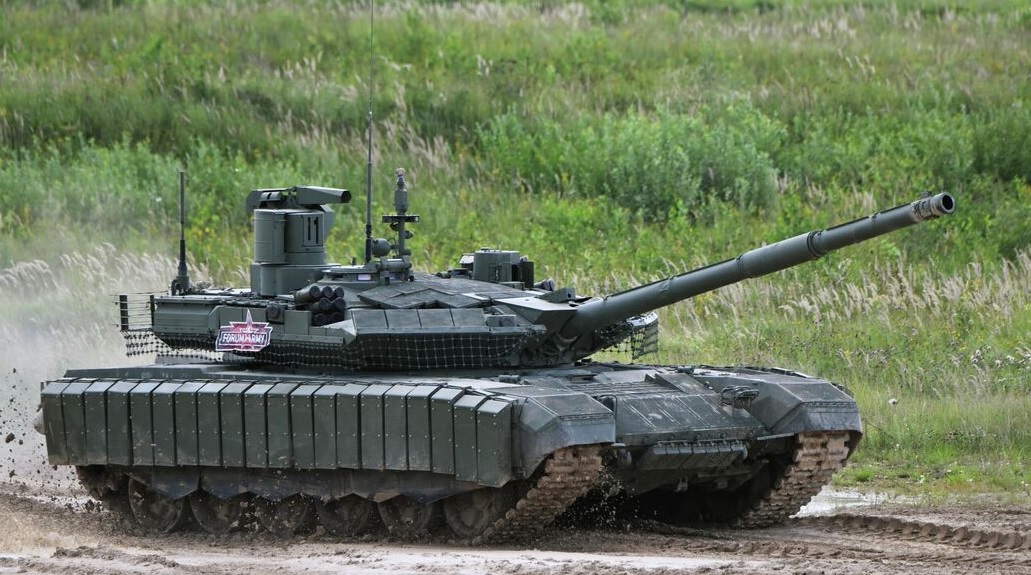
India
New Delhi, September 5, 2025 — In a decisive push to modernize its armored forces and promote self-reliance in defence, the Indian Army has signed two major contracts worth ₹2,565 crore (around US $300 million) with the state-owned Armoured Vehicle Nigam Limited (AVNL). The contracts cover the comprehensive overhaul of 40 T-90 main battle tanks and 100 BMP-2 infantry combat vehicles, both of which remain the backbone of India’s mechanised warfare capability. Scope of the Overhaul The projects involve deep refurbishment to extend service life and enhance battlefield performance: T-90 Tanks: Overhauls will include replacement of worn-out engines and power packs, refurbishment of main gun systems, recalibration of fire-control systems, and upgrades to electronic and communication subsystems. BMP-2 Vehicles: Work will cover drivetrain restoration, refurbishment of turret and weapon stations, strengthening of amphibious features, and modernisation of vision devices, thermal imagers, and fire-control systems. This deep-level maintenance ensures both fleets remain combat-effective for several more years while reducing downtime during deployments. Strategic Importance 1. Modernisation without Gaps While new platforms such as the Future Infantry Combat Vehicle (FICV) and advanced tank projects are under development, keeping the T-90s and BMP-2s fully operational ensures the Army maintains continuous readiness across both strike and pivot formations. 2. Push for Indigenisation By awarding the entire project to AVNL, India reinforces its Atmanirbhar Bharat vision. The move strengthens domestic repair, spares production, and heavy vehicle maintenance capacity, reducing dependence on foreign manufacturers for mid-life upgrades. 3. Operational Readiness in Sensitive Theatres With ongoing security challenges along the northern and western borders, particularly against Pakistan and China, the availability of overhauled tanks and infantry combat vehicles will directly boost the Army’s operational preparedness. Upgraded optics and fire-control systems will also improve night-fighting capability and enhance infantry–armour coordination. AVNL: A Central Pillar Formed after the corporatisation of the Ordnance Factory Board, AVNL has steadily become the Army’s long-term armoured lifecycle partner. The company already manages production, spares, and repairs for T-72, T-90, and BMP-2 fleets. These new contracts further establish its central role in India’s armoured ecosystem and position it strongly for future projects such as the FICV and indigenous light tank programmes. Wider Defence Context This announcement adds to a wave of indigenous defence modernisation efforts: In March 2024, a contract was signed to upgrade 693 BMP-2M vehicles with night-fighting and modern fire-control systems developed by DRDO and BEL. In July 2025, the Defence Acquisition Council cleared procurement of indigenous 1,350 HP engines for T-90 tanks, ensuring high performance in high-altitude regions. In August 2025, approvals worth ₹67,000 crore were cleared for modernisation, including advanced thermal-imager-based driver night sights for BMP fleets. Together, these initiatives form part of a comprehensive modernisation roadmap balancing sustainment of legacy systems with induction of next-generation platforms. The ₹2,565 crore contracts represent a strategic convergence of modernisation, indigenisation, and operational readiness. They ensure that India’s proven T-90 and BMP-2 fleets remain battle-ready even as new platforms are developed, while simultaneously strengthening the country’s domestic defence industrial base. With this step, the Indian Army and AVNL move in tandem toward building a resilient, responsive, and self-reliant armoured warfare capability for the decades ahead.
Read More → Posted on 2025-09-05 14:49:42Search
Top Trending in 24 Hours
-
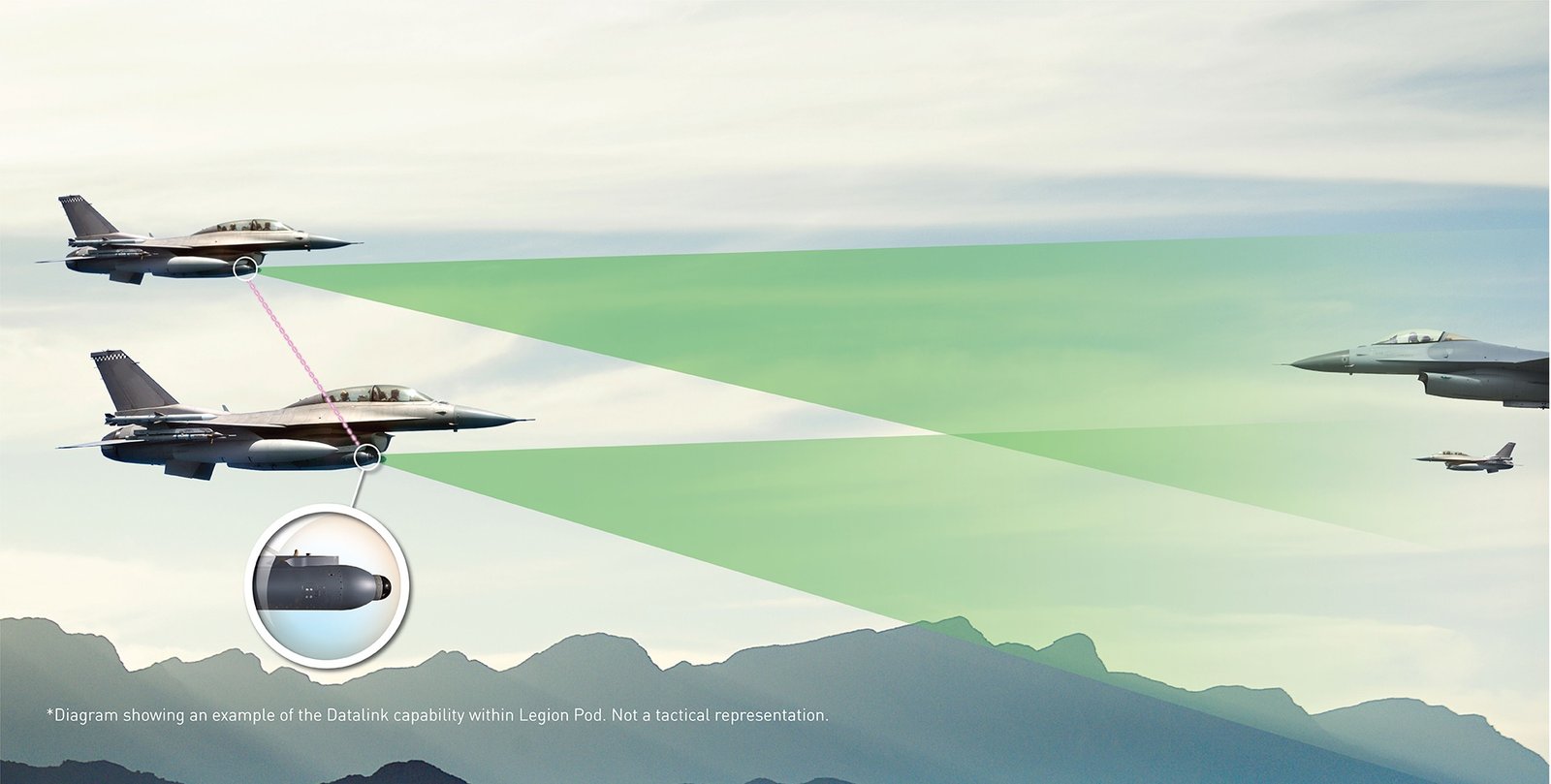 Lockheed Martin Demonstrates Legion Pod-to-Pod Data Link on F-16s for Passive Targeting
-
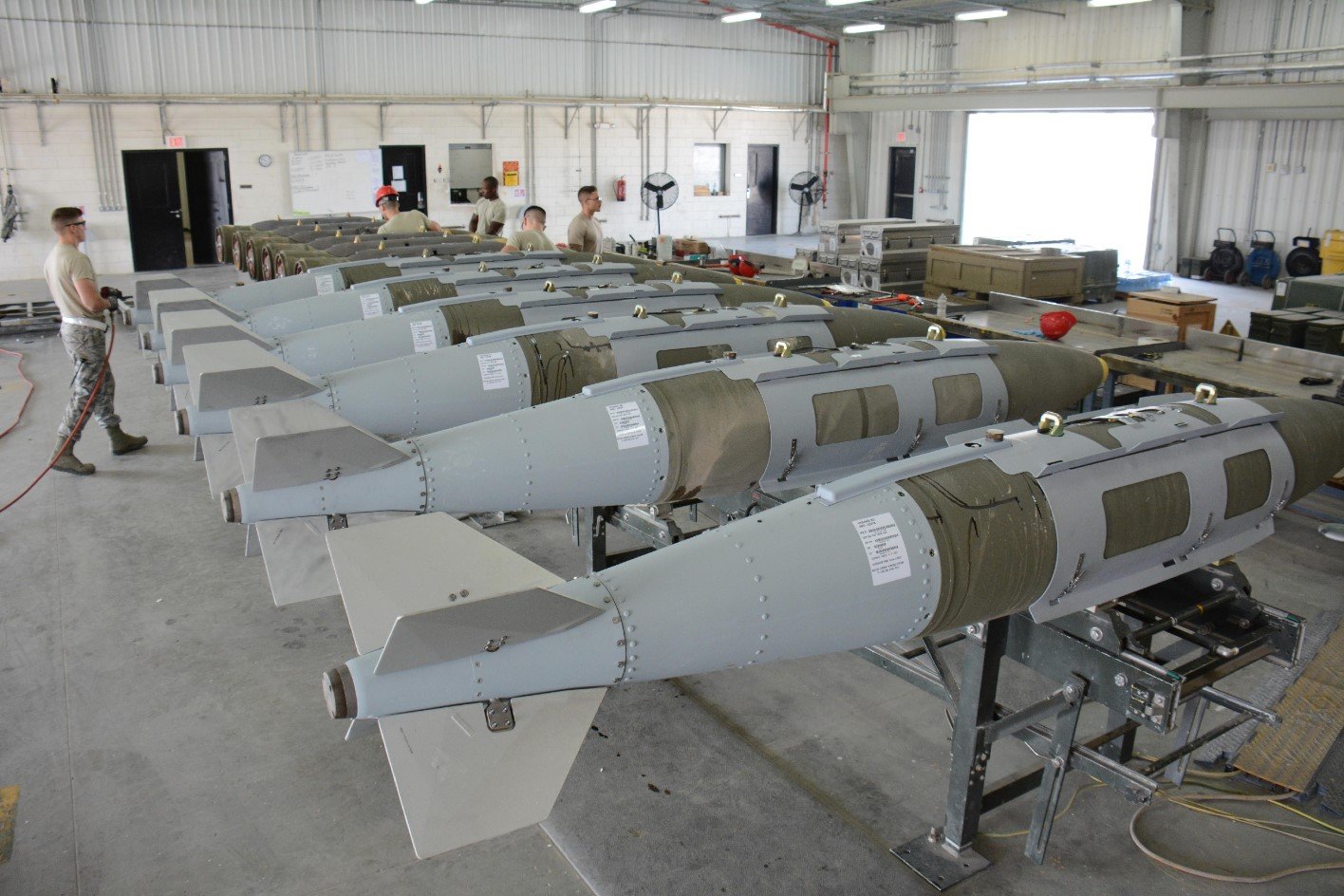 U.S. Plans $2.8 Billion Sale of 40,000 Heavy Bombs and 20,000 I-2000 Penetrator Warheads to Israel
-
 Diehl Defence and Elbit Systems Complete SkyStriker Loitering Munition Live-Fire Trials in Germany
-
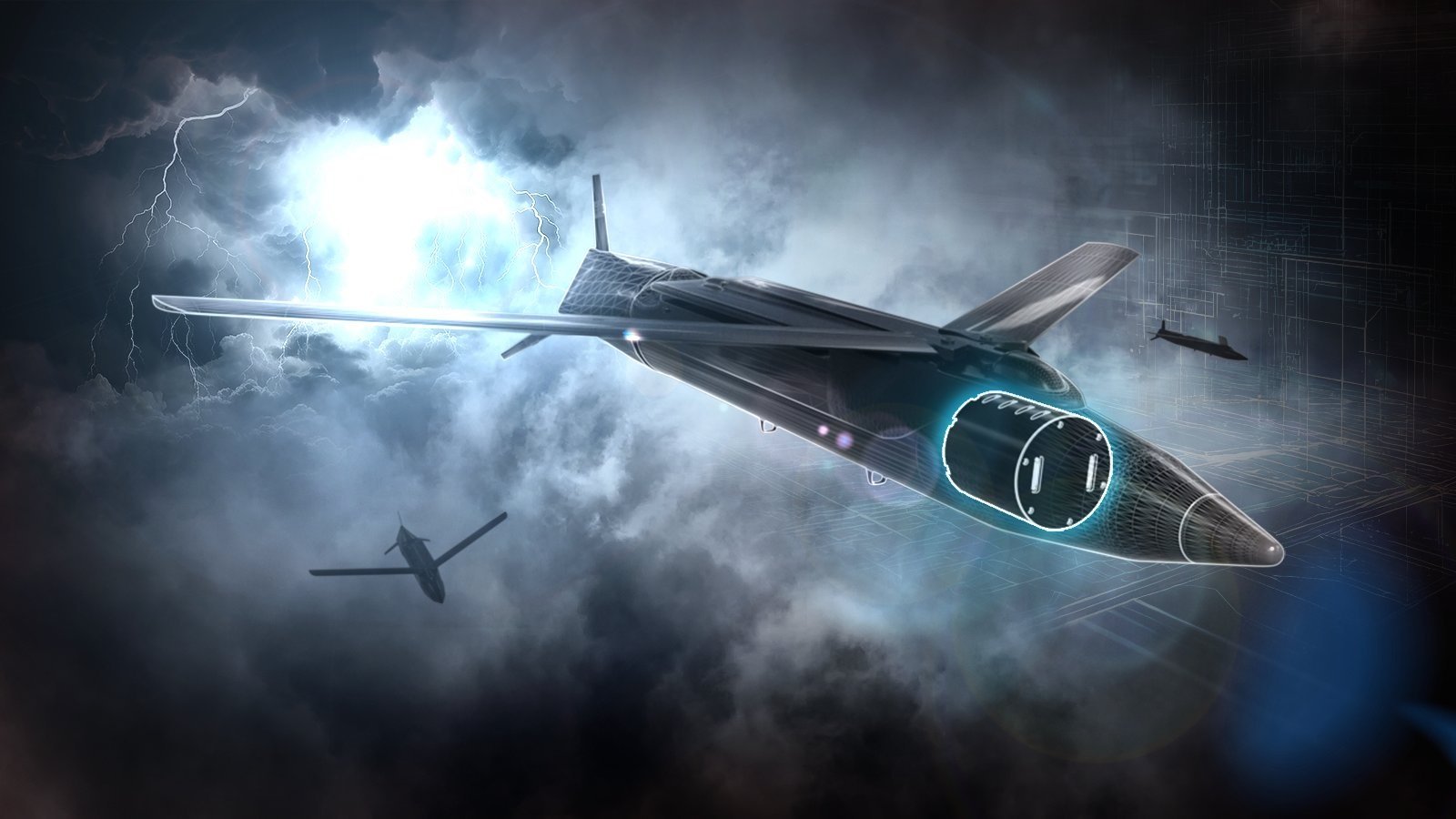 BAE Systems Unveils Shadow EW Suite for Small Drones and Autonomous Aircraft
-
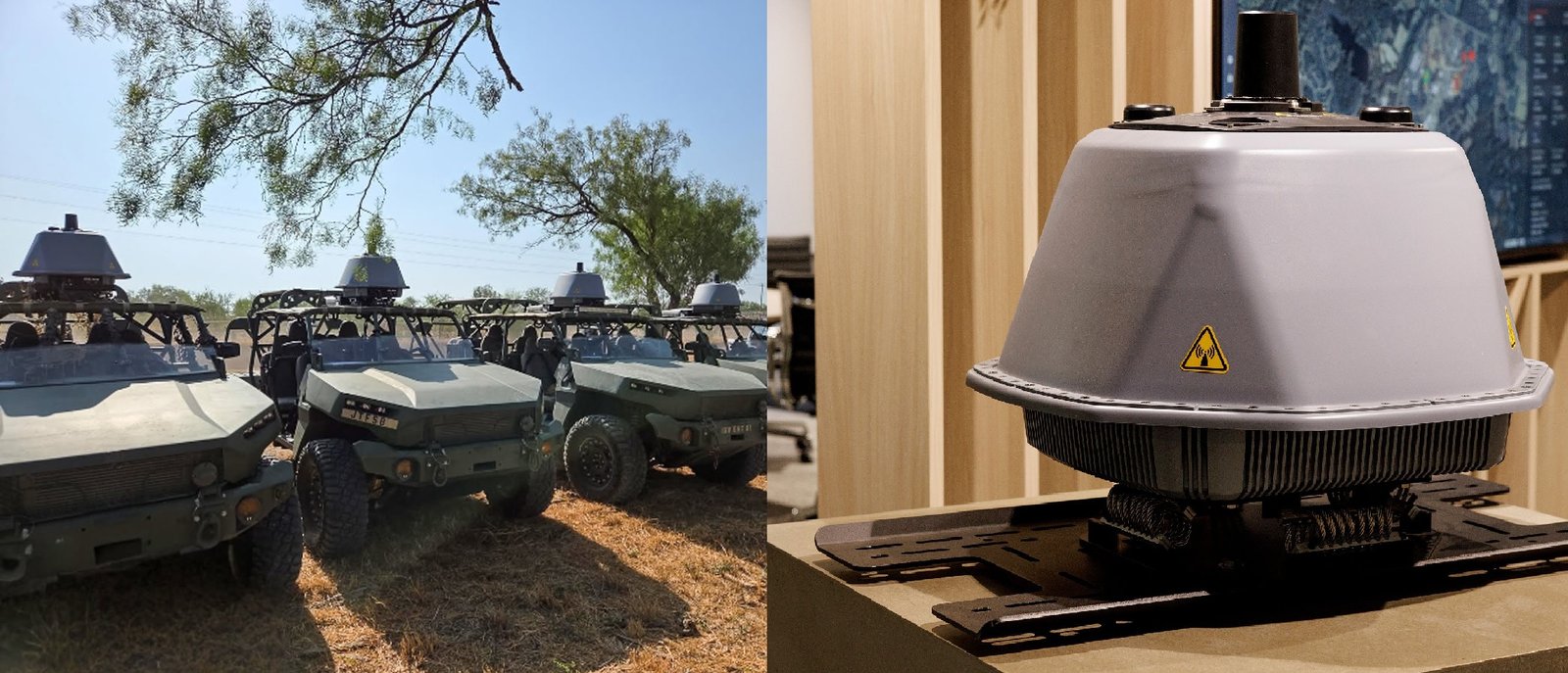 U.S. Military Deploys DroneShield Counter-Drone Systems on Infantry Squad Vehicles
-
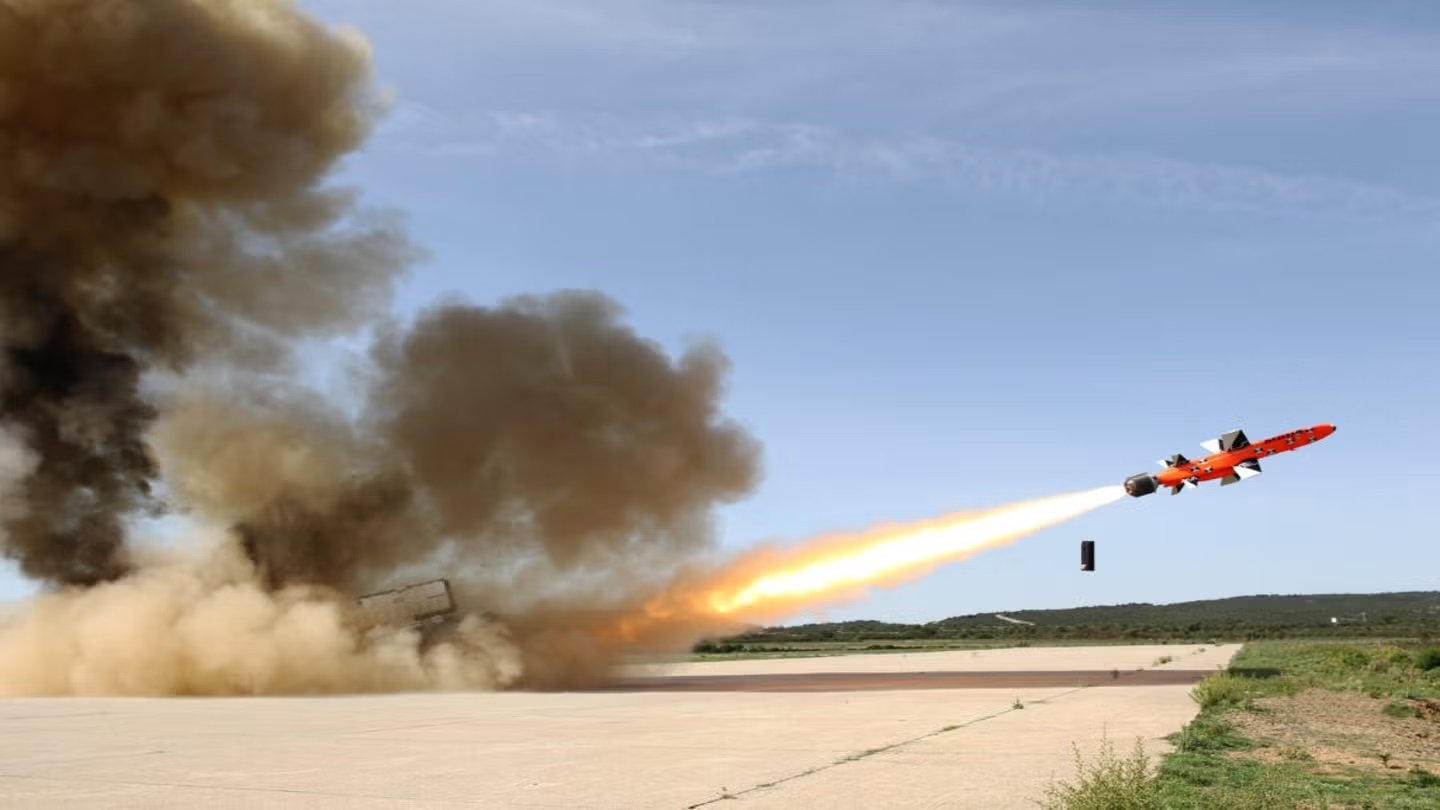 MBDA Completes Validation Firing of TESEO MK2/E Anti-Ship Missile for Italian Navy
-
 Indra Unveils SQUALL Low-Cost Cruise Missile at UNVEX 2026 for Precision and Mass Attacks
-
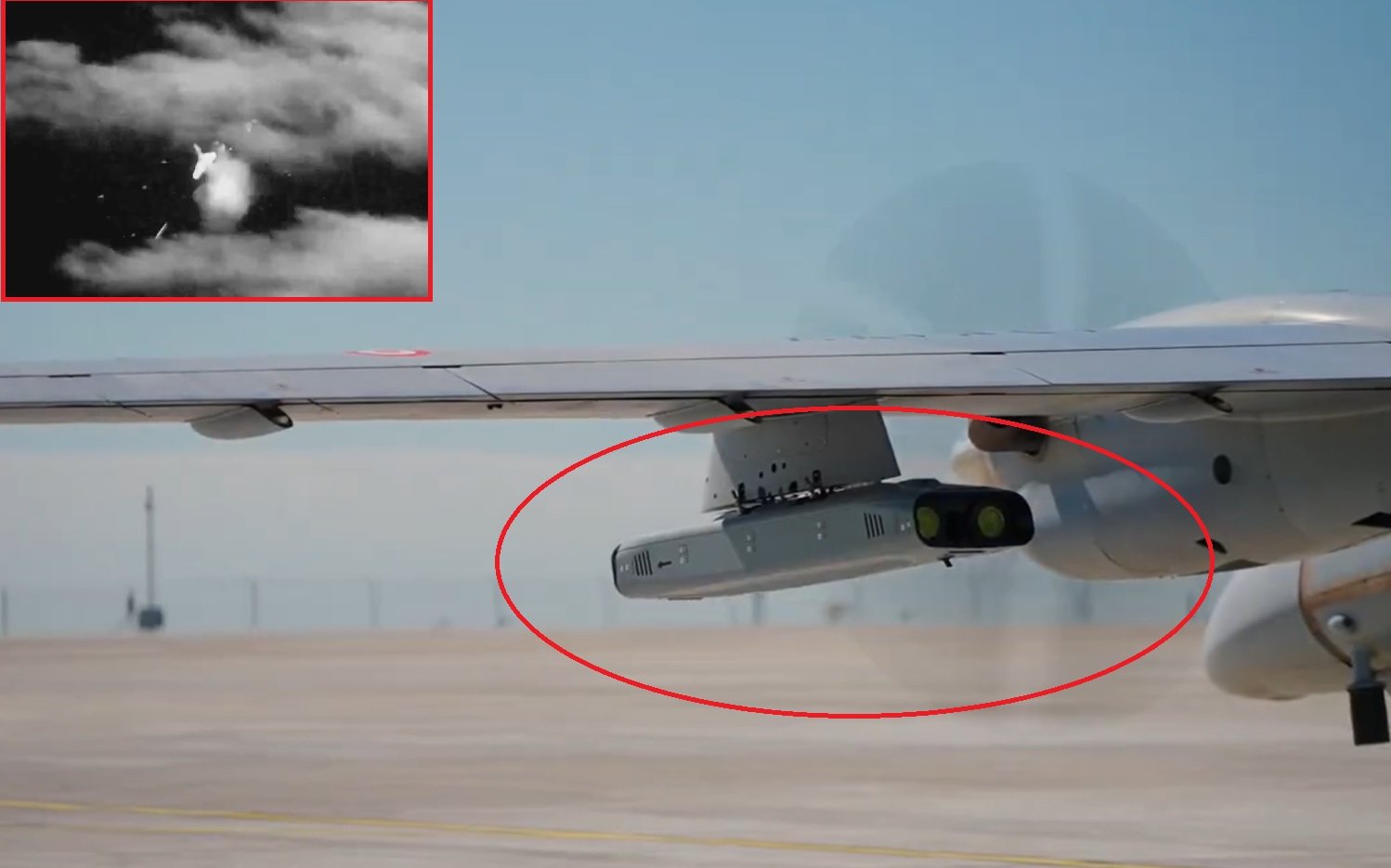 Turkey’s AKINCI Drone Hits High-Speed Aerial Target with SUNGUR Missile in Black Sea Test
Top Trending in 4 Days
-
 Pentagon Awards BlueHalo Up to $99.8 Million Contract for Orbital Battlespace R&D Program
-
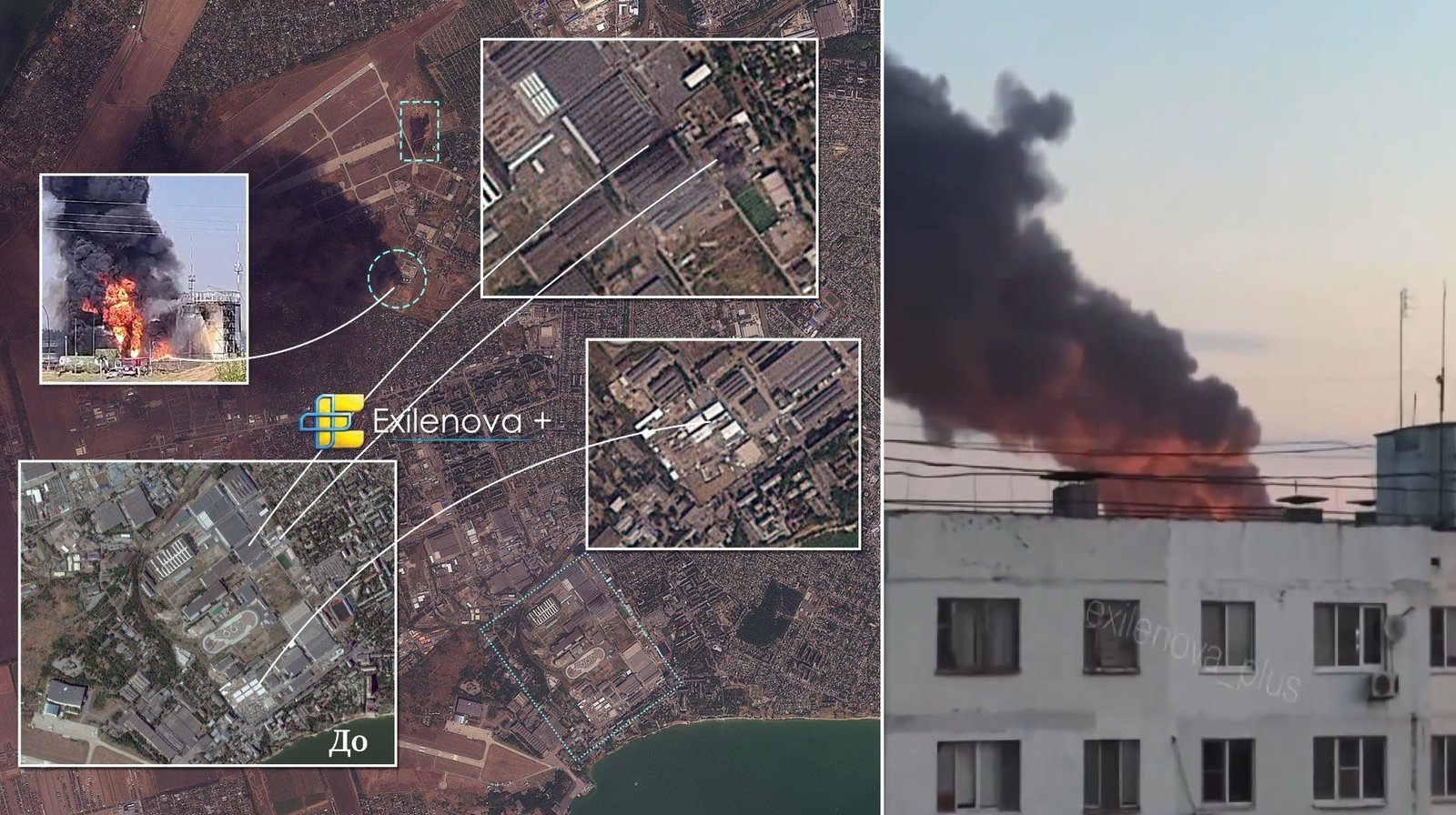 Ukrainian Drones Strike Russian UAV Manufacturer and Chemical Plants in Taganrog and Tolyatti
-
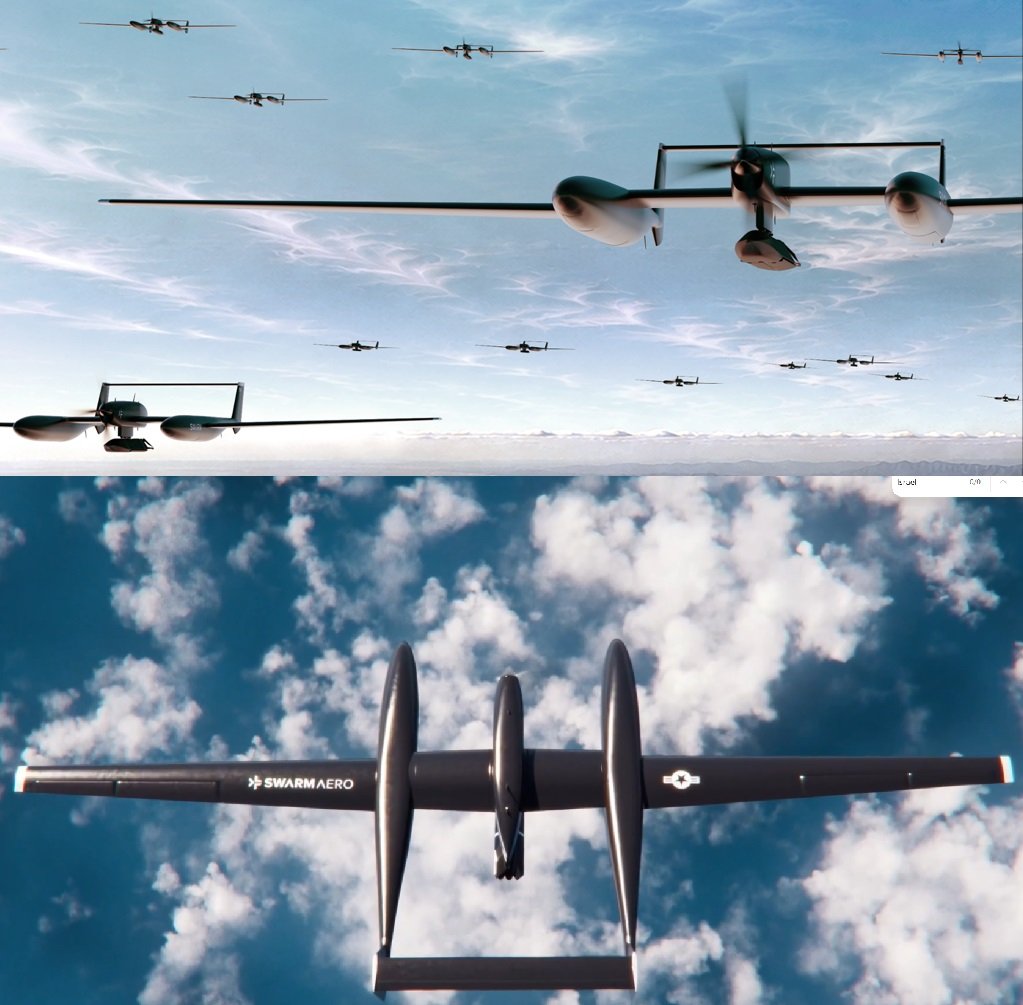 U.S. Firm Swarm Aero Unveils Gamera Group 5 UAS With 9,000-Nautical-Mile Range and Heavy Strike Payload
-
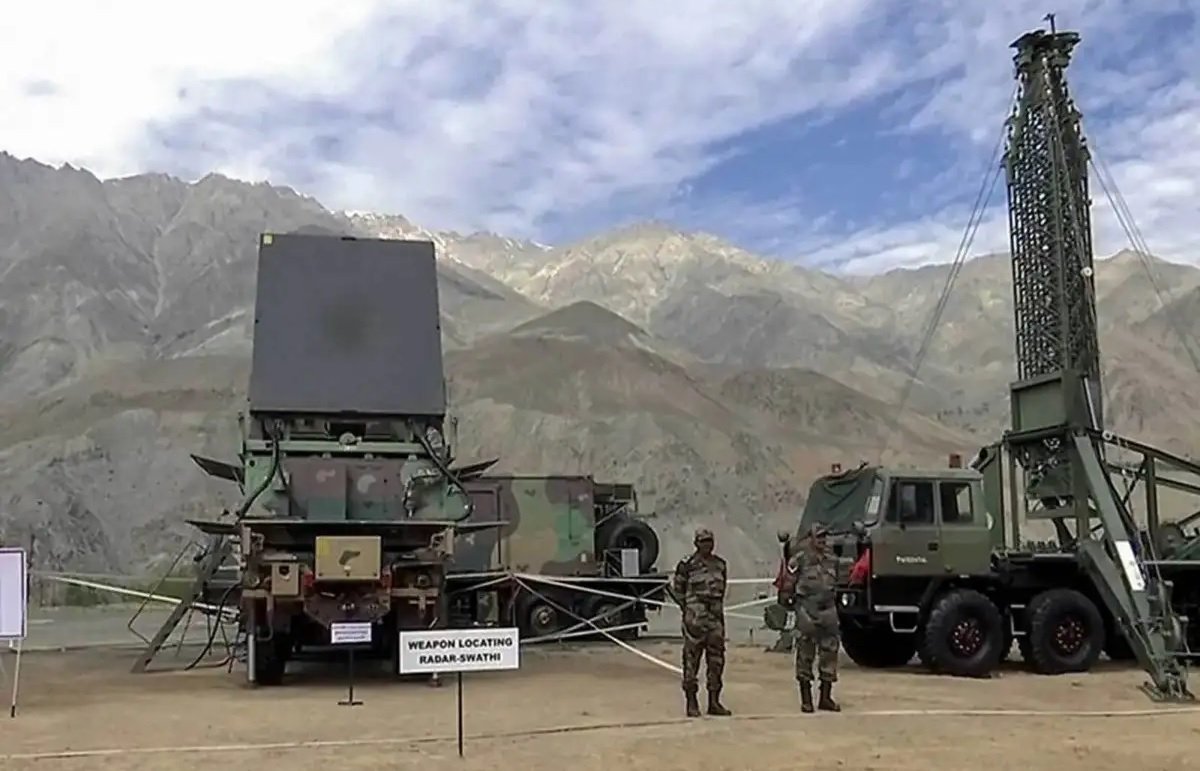 DRDO Demonstrates Indigenous 3.5×3 mm GaN Chip Delivering 30 Watts for Next-Generation Radars and Electronic Warfare
-
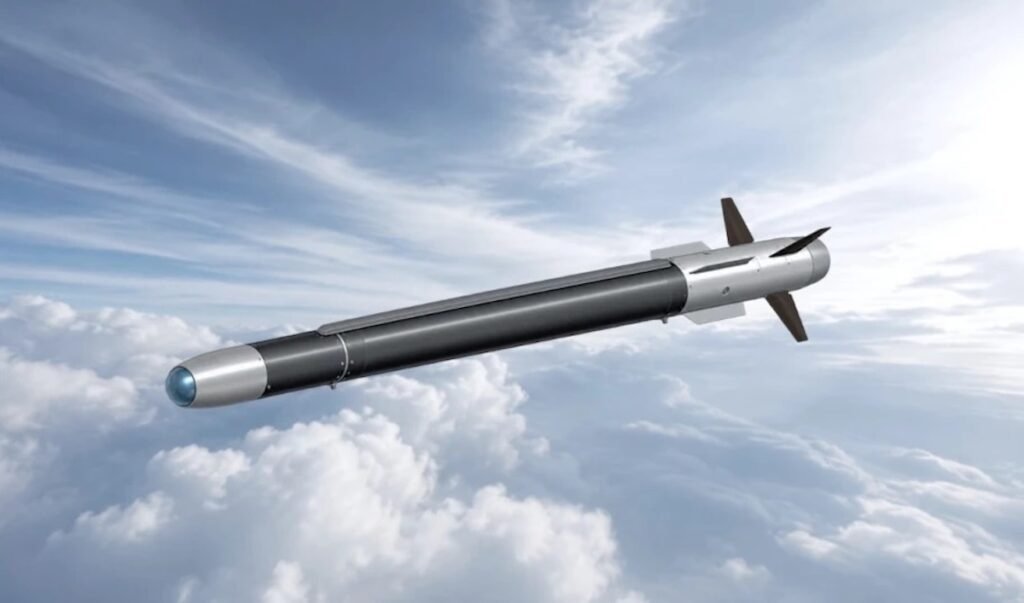 MBDA and Poland’s WITU Advance Low-Cost Supersonic Interceptor Against Swarm Attacks, Seeker Trials Successfully Completed
-
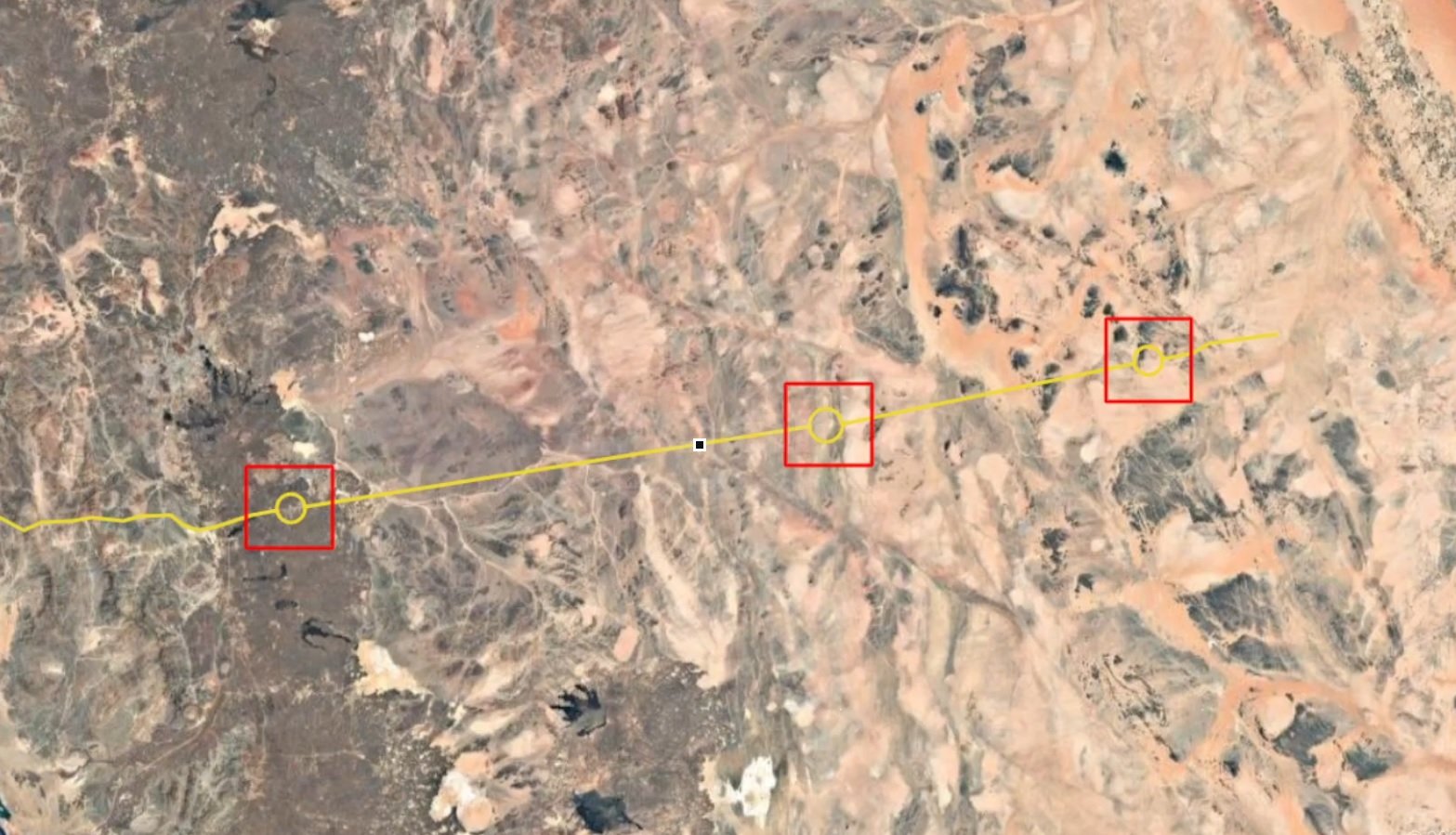 Satellite Imagery Shows Extensive Damage to Saudi Arabia’s East-West Oil Pipeline, Indicating More Than a Single Strike
-
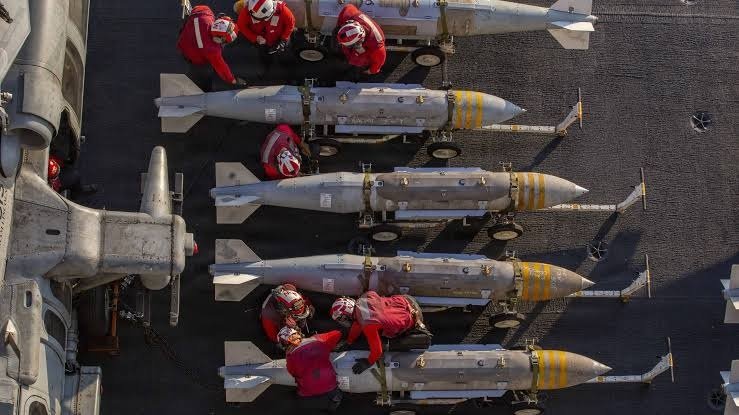 Pentagon Inspector General Report Finds Iran War Caused U.S. Ammunition Shortfalls and Industrial Bottlenecks
-
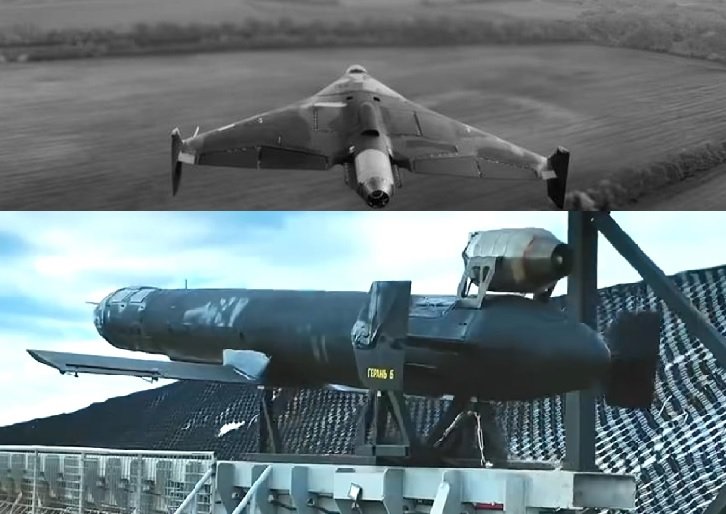 Iran Requests Advanced Geran-4 and Geran-5 Drones From Russia, FT Reports