India
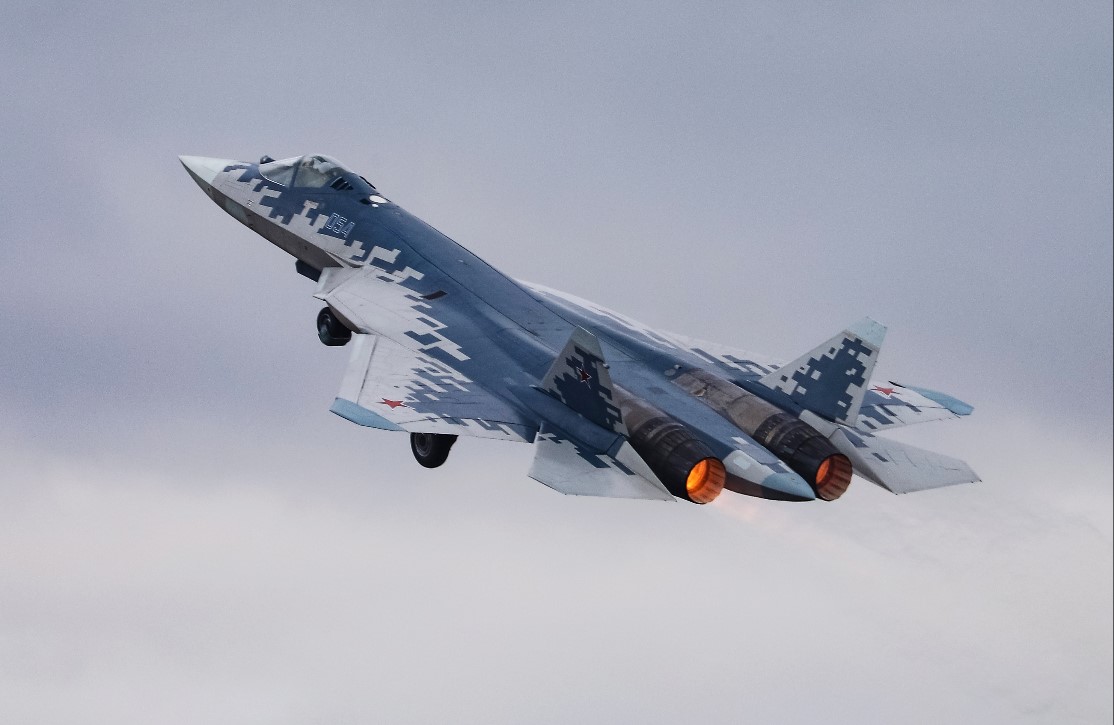
Su-57: India is reported to be examining the purchase of two squadrons of Russia’s Su-57 fifth-generation fighter in fly-away condition, while exploring local assembly/production for another 3–5 squadrons under a Make-in-India arrangement. This move is being discussed as a way to quickly boost IAF fifth-generation capability while building local industry capacity over the next few years. What the Su-57 offers The Su-57 is Russia’s answer to a modern, multi-role, low-observable fighter: sensor fusion, internal weapons bays, advanced avionics and aircraft shaping that reduces radar returns compared with older fighters. For India, buying a small number of finished jets (fly-away) plus assembling others locally would give a faster operational edge while transferring manufacturing know-how. Engines and why that matters for stealth Two engines commonly discussed around the Su-57 are: AL-41F1 / Product 117 — the interim engine derived from the AL-31 family. It has powered early Su-57 prototypes and initial production jets but was always considered a stopgap. Izdeliye-30 / AL-51 (Product 30) — the next-generation “clean-sheet” engine being developed to replace the interim powerplant. It promises higher thrust, better fuel efficiency, lower maintenance and design features that reduce signatures. Why the engine affects stealth in practice: Nozzle shape and materials: A round, exposed afterburner nozzle reflects radar and emits a strong infrared (IR) signature. Newer engine designs for stealth fighters use nozzle geometries and serrated/treated surfaces to lower radar returns and scatter heat — for example, recent Su-57 prototypes have been seen testing flatter, 2-D thrust-vectoring nozzles which improve stealth compared with older round nozzles. Heat and IR: Engines are the hottest part of a jet. Even if the airframe shape is low observable, a hot exhaust makes detection by IR sensors easier. New engine tech aims to manage exhaust temperature and flow to make the aircraft harder to spot with IR seekers. Because the Su-57 initially flew with an interim engine, its early stealth performance has been considered less complete than Western fifth-generation jets that were designed from day-one around specific low-observable engines and exhaust treatments. That’s why Indian and other analysts describe some aspects of the Su-57 as “partially stealthy” rather than fully stealth-optimized yet. Can India “fit” better engines or finish stealth upgrades locally? In principle, yes — Russia’s development path for the Su-57 already plans the newer Izdeliye-30 engine as a drop-in replacement for production aircraft. A production/assembly arrangement with technology transfer could allow India to fit later-generation engines and nozzle treatments on locally assembled airframes as those upgrades mature. But there are real caveats: Technology and timelines: Product-30 development has had delays; full series production and mature reliability take time. India would need to coordinate delivery schedules and likely accept a phased introduction (interim jets first, upgraded engines later). Industrial readiness: Local assembly of a fifth-generation fighter requires deep industrial capability — not just final assembly but supply chains, composite manufacturing, precision systems and avionics integration. HAL and Indian industry know how to assemble complex aircraft, but full tech transfer for engines/nozzles is a separate, sensitive domain. Why India might still find the Su-57 attractive Faster squadron build-up: Buying a small number of finished jets gets capability into service faster than waiting for domestic AMCA to mature. Make-in-India potential: A local assembly line for Su-57 components would boost domestic jobs and give HAL experience with 5th-gen manufacturing under license. Operational pairing with S-400: India already operates the S-400 long-range surface-to-air missile system. The Su-57’s sensors and datalinks can benefit from integration with ground-based radars and command systems (shared situational awareness, queued targeting and layered defence). In simple terms: a long-range S-400 radar can see targets at very long ranges and share cues with fighters, helping them survive and operate more effectively in contested airspace. That networked approach is a practical force multiplier. Straight talk: limitations and the tradeoffs Not “invisible” — even modern stealth fighters are not literally invisible; they reduce detection ranges and signatures in certain bands and angles. The Su-57’s early engine/nozzle choices meant compromises between raw maneuverability, thrust-vectoring and some aspects of low observability. Upgrade path matters: If India wants the most mature stealth performance, it will depend on timelines for engine upgrades (Izdeliye-30 / AL-51 family) and nose/skin/IR suppression technologies — and on how much of that technology Russia is willing to transfer. India’s interest in two fly-away Su-57 squadrons plus local assembly of several more is a pragmatic mix: quick capability now, manufacturing buildup later. Engines and exhaust treatment are the key technical reasons the Su-57 today is not the “perfect” stealth jet — but planned engine upgrades (Izdeliye-30 / AL-51 family) and nozzle redesigns are intended to close that gap. Paired with India’s S-400 and Indian-built infrastructure, a Su-57 fleet (especially one that is upgraded over time) could be a meaningful addition to the IAF — provided timelines, technology transfer and local industry readiness line up.
Read More → Posted on 2025-09-24 07:39:49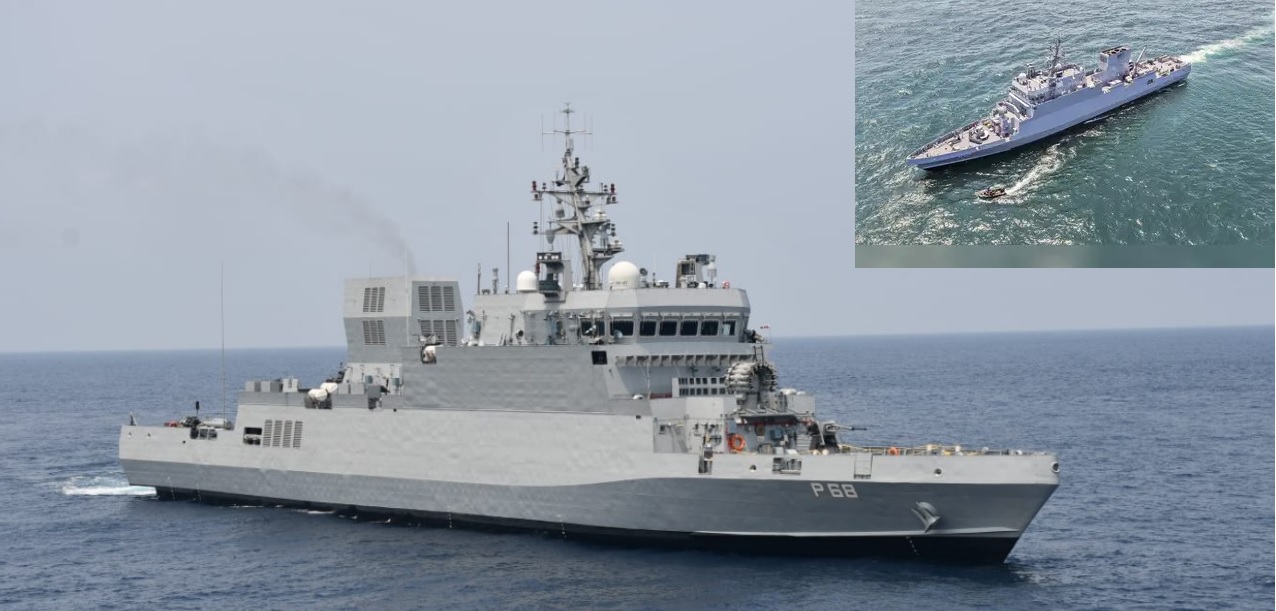
India
The Indian Navy is poised to commission INS Androth, the second ship of the Arnala-class corvettes, at Visakhapatnam Naval Dockyard on October 6. This marks another leap forward in India’s efforts to strengthen its anti-submarine warfare capabilities in coastal waters. After the induction of INS Arnala in June 2025, the commissioning of INS Androth will bring the Navy closer to its goal of operating 16 advanced anti-submarine warfare shallow water craft (ASW-SWC). These vessels are specially designed for operations in littoral zones—the coastal areas where larger warships often struggle to operate effectively. The ceremony will be presided over by Vice Admiral Rajesh Pendharkar, Flag Officer Commanding-in-Chief, Eastern Naval Command. What Makes INS Androth Special High Indigenous Content: The ship is built by Garden Reach Shipbuilders & Engineers (GRSE), Kolkata, with over 80 % domestic components—a strong stride in India’s quest for self-reliance. Modern Propulsion: It is powered by a diesel engine–waterjet system, enabling agile manoeuvres in shallow waters. Dimensions & Range: The vessel is about 77.6 meters long, displaces around 900 tonnes, and can operate up to 1,800 nautical miles at cruising speeds. Weapons & Sensors: • A forward RBU-6000 anti-submarine rocket launcher • Twin triple 324 mm lightweight torpedo tubes • Anti-torpedo decoy launchers • Hull-mounted and variable-depth sonar systems to detect, track, and classify underwater threats Versatile Roles: While its main mission is submarine hunting in shallow seas, it can also conduct surveillance, mine laying, search & rescue, and coastal defence tasks. Strategic Significance The induction of INS Androth comes at a time when submarine proliferation is increasing in the Indian Ocean Region. Countries like China and Pakistan are expanding underwater fleets, making it imperative for India to bolster its undersea vigilance. These Arnala-class ships are intended to replace the aging Abhay-class corvettes and plug gaps in India’s coastal defence shield. The new vessels, built under a public–private partnership, also support the “Make in India” vision by involving many Indian firms across the supply chain. With INS Androth joining the fleet, India strengthens its frontline in underwater warfare—guarding coastlines, protecting strategic assets, and ensuring safer seas for its naval forces.
Read More → Posted on 2025-09-24 07:30:57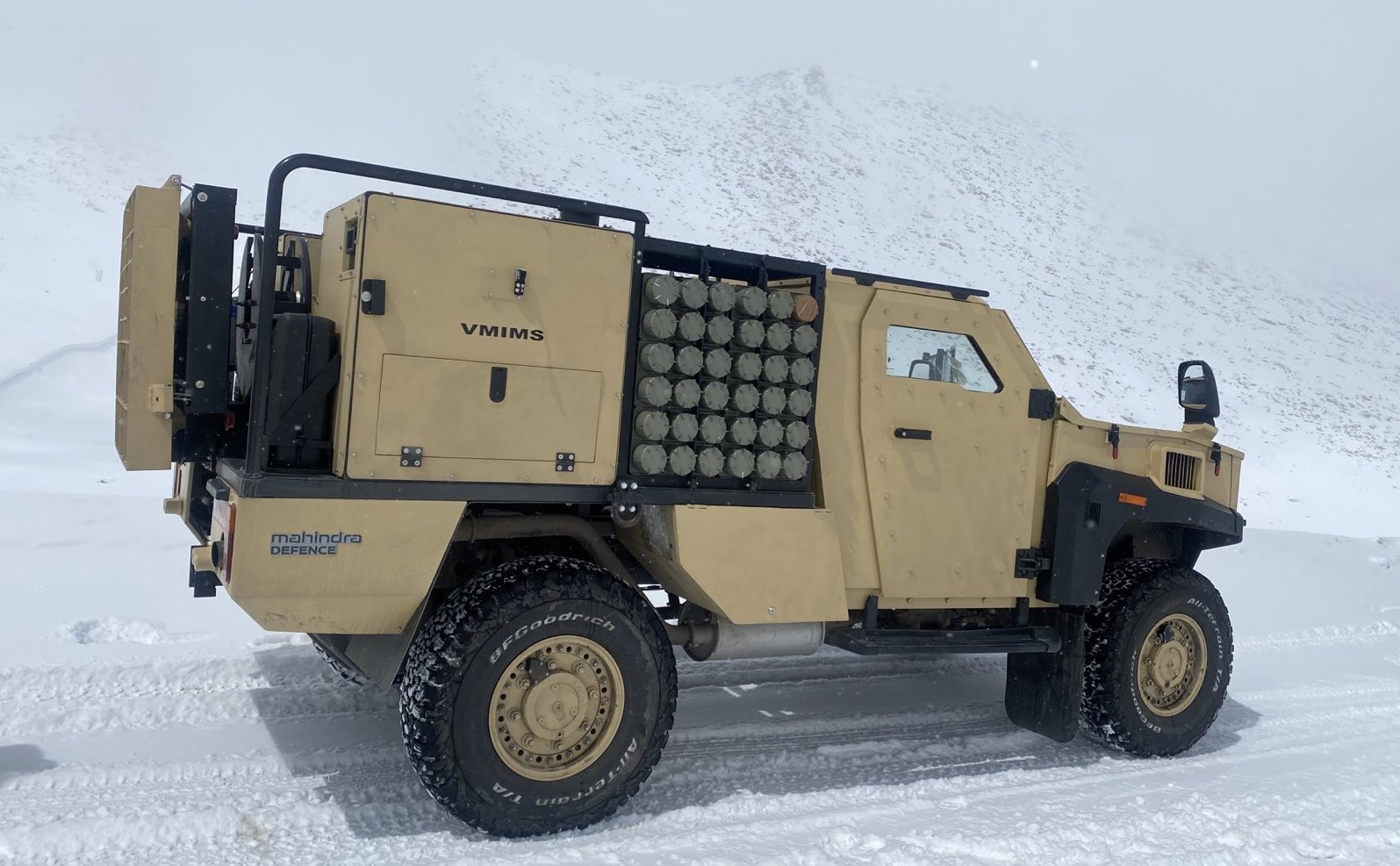
India
In a significant development, the Indian Army is reportedly considering the procurement of up to 3,000 vehicle-mounted mortar systems to bolster its rapid-response firepower along the China border. This move underscores India's commitment to enhancing its defense capabilities and achieving greater self-reliance in military technology. The Vehicle-Mounted Infantry Mortar System (VMIMS) The core of this initiative is the Vehicle-Mounted Infantry Mortar System (VMIMS), which integrates the 81mm Alakran-L automated mortar system developed by Milanion NTGS, Spain, onto the Mahindra Armored Light Specialist Vehicle (ALSV). This combination offers a highly mobile and efficient artillery platform. Key Features and Capabilities Automated Deployment: The Alakran-L system features an electromechanical lift mechanism that lowers the mortar to a ground baseplate, ensuring stability and accuracy during firing. Rapid Setup: The system's automated laying and fire control systems enable quick deployment and firing, crucial for dynamic battlefield scenarios. Mobility and Protection: Mounted on the ALSV, the VMIMS provides enhanced mobility across rugged terrains, with limited armor protection against small arms and fragments. Firepower: The 81mm mortar has a range of up to 7.5 km and a maximum rate of fire of 20 rounds per minute, allowing for effective suppression of enemy positions. Strategic Importance This acquisition aligns with India's strategic objectives to strengthen its defense posture along the Line of Actual Control (LAC) with China. The VMIMS offers several advantages: Enhanced Artillery Reach: The system's mobility and rapid deployment capabilities enable artillery support in areas previously inaccessible to traditional towed or self-propelled systems. Self-Reliance in Defense: The integration of indigenous vehicles with advanced foreign technology exemplifies India's "Make in India" initiative, promoting self-reliance in defense manufacturing. Operational Flexibility: The VMIMS supports a "shoot-and-scoot" tactic, allowing units to deliver firepower and quickly relocate to avoid counterattacks. Future Prospects While the initial procurement focuses on the 81mm variant, there is potential for future integration of the 120mm Alakran-L system, which offers extended range and greater firepower. This progression would further enhance the Indian Army's artillery capabilities. The potential acquisition of 3,000 vehicle-mounted mortar systems marks a pivotal step in modernizing the Indian Army's artillery units. By combining advanced technology with indigenous manufacturing, India is poised to enhance its defense capabilities and assert its strategic interests along the LAC. This initiative not only strengthens India's military readiness but also reflects a broader commitment to self-reliance and technological advancement in defense.
Read More → Posted on 2025-09-23 16:17:43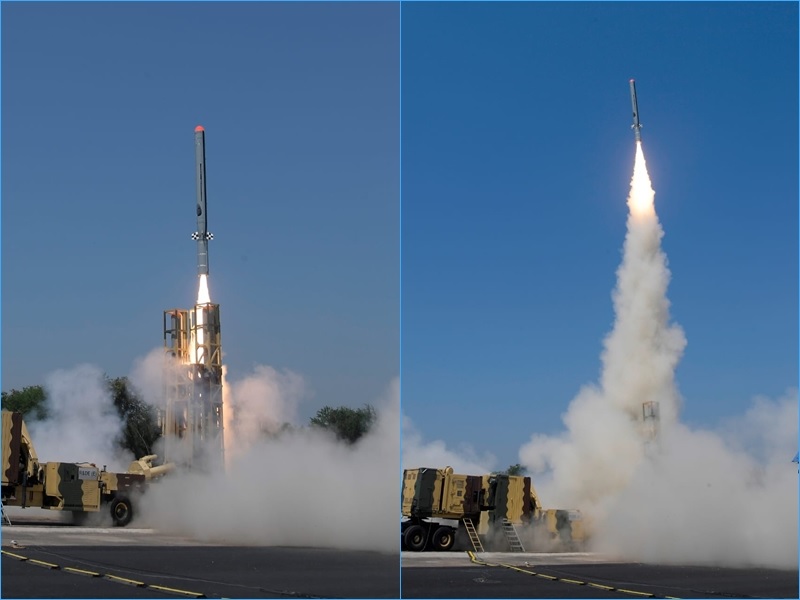
India
India is preparing for a crucial test of the Indigenous Technology Cruise Missile (ITCM), a new long-range subsonic cruise missile developed by DRDO in collaboration with the Indian Navy. Designed to strike targets at distances of up to 1,000 kilometres, this missile will boost India’s ability to hit both land and maritime targets deep inside enemy territory. Design The ITCM is the technological successor to the Nirbhay cruise missile program, which served as India’s test platform for developing long-range subsonic missiles. Unlike earlier Nirbhay versions that relied on imported propulsion, the ITCM uses the indigenous “Manik” small turbofan engine, developed under the Small Turbofan Engine (STFE) project. This provides greater reliability, local supply security, and longer endurance. Features and Capabilities Range: Capable of striking targets up to 1,000 km away. Flight Profile: Flies at subsonic speed but uses ground-hugging and sea-skimming paths to avoid radar detection. Seeker & Guidance: Equipped with an indigenous radio-frequency seeker and advanced navigation systems for precise target engagement. Stealth Features: Low altitude flight and advanced avionics reduce the chance of detection. Compatibility: Designed for smooth integration with naval combat management systems, allowing launch from frontline warships. Naval Integration A major focus of the upcoming test is its integration with naval warships. DRDO has developed a temporary Vertical Launch System (VLS) to test ship launches. In the future, the Indian Navy plans to deploy ITCM through Universal Vertical Launch Modules (UVLMs) — versatile launchers that can fire multiple missile types like BrahMos and ITCM from a single system, enhancing fleet flexibility. Variants Under Development To ensure the missile can serve across different branches of the armed forces, DRDO is creating several variants of the ITCM. The ship-launched version will arm surface warships, giving the Navy a long-range precision strike tool. A submarine-launched variant (SLCM) is also in the works, aimed at providing undersea strike capability and adding an extra layer to India’s deterrence strategy. On land, the Long-Range Land Attack Cruise Missile (LRLACM) is being developed to carry out deep strikes against critical enemy infrastructure. Finally, an air-launched version is being explored, which could be integrated on frontline fighters or bombers, allowing India’s Air Force to hit high-value targets from a safe distance without entering hostile airspace. Strategic Importance The ITCM is not meant to replace the BrahMos missile but rather to work alongside it. BrahMos, with its supersonic speed of nearly Mach 3 and a range of about 300–450 kilometres, is ideal for quick and devastating strikes at medium distances. On the other hand, ITCM, though slower at subsonic speeds, has a much longer reach of up to 1,000 kilometres and is designed for stealthy penetration into enemy territory. When used together, the two missiles give India a balanced strike capability — the BrahMos delivers speed and shock value at shorter ranges, while ITCM ensures long-range precision and the ability to engage targets deep inside enemy defences. The upcoming ship-based test will be crucial in proving the missile’s readiness for naval service. This trial will show whether ITCM can be effectively launched from Indian warships, work seamlessly with their radar and combat systems, and hit long-range targets over the sea. It will also validate key features like navigation accuracy, seeker performance, stealthy low-altitude flight, and overall endurance. If the test succeeds, ITCM will be established as a next-generation indigenous cruise missile. More importantly, it will represent a significant step forward for Atmanirbhar Bharat, strengthening India’s self-reliance in defence technology and giving the Indian Navy greater power to project force across the Indian Ocean and beyond.
Read More → Posted on 2025-09-23 15:49:41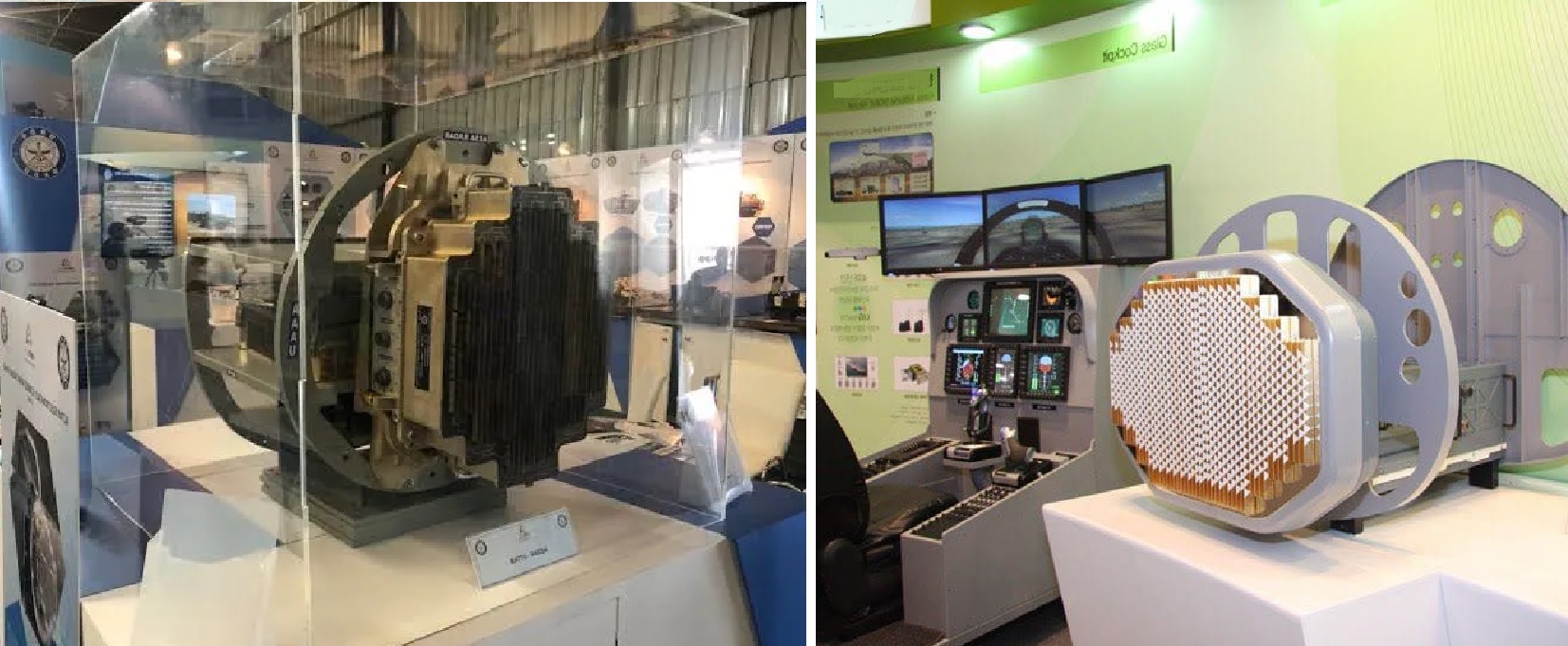
India
India has taken a giant stride in defence self‐reliance with the development of its own Uttam AESA radar, which recent reports suggest is around 25% better than the proven Israeli EL/M-2052 used in early Tejas Mk1A jets. Built by DRDO’s LRDE in collaboration with BEL, the Uttam radar is being readied to equip later batches of the Tejas, and lays the groundwork for even more advanced radars in future aircraft. Here’s a clear, up-to-date picture of what this radar is, where it stands, and what it means. What is the Uttam AESA Radar AESA stands for Active Electronically Scanned Array. Rather than moving parts, AESA uses many small transmit/receive modules (TRMs) to steer the beam electronically. This enables faster target detection, tracking multiple targets, air-to-air and air-to-ground operations, and greater resistance to interference or jamming. The Uttam radar is indigenously designed and manufactured by DRDO’s LRDE, with production support from BEL. Earlier versions used Gallium Arsenide (GaAs) components; a more powerful Gallium Nitride (GaN)-based variant is in the works. It was started around 2008, with more recent flight test efforts increasing in intensity. As of April 2024, Uttam had completed over 125 sorties aboard Tejas Mk1 prototypes. Performance Highlights & Comparison Here are some of the claimed or observed performance features of Uttam, especially compared with the EL/M-2052: Feature Uttam AESA (India) EL/M-2052 (Israel) & Others Uttam’s Advantage TRM (Transmit/Receive Module) count Around 980 GaAs-based TRMs in the current Uttam Mk1 version. ~900 in those EL/M-2052 radars fitted into early Mk1A Tejas. More modules → potentially higher power, better resolution, better target discrimination. Detection / Search Range Claims of detecting a Tejas-sized fighter at ~140 km in trials; more generally >100 km for many modes. EL/M-2052’s published ranges are typically somewhat lower (platform-dependent). Uttam edges ahead in head-on detection in those trials. Simultaneous Target Tracking Over 100 targets tracked simultaneously in some evaluations; with ability to engage multiple active radar homing missiles simultaneously. EL/M-2052 tracks up to ~64 targets in equivalent configurations. Uttam gives better multitarget engagement potential. Resistance to Jamming / Side Lobes Uttam is reported to have ultra-low sidelobe antenna and good electronic counter-countermeasures (ECCM) to resist jamming. EL/M-2052 also has mature ECCM, but Uttam aims to surpass certain metrics. Greater survivability and better performance in contested electromagnetic environments. What’s Next: GaN, More Jets, and Future Aircraft Uttam’s GaN-based version is expected to be rolled out for the second batch of 97 Tejas Mk1A jets (including trainers) post-2027. GaN modules bring advantages: higher power, greater efficiency, better heat handling, potentially longer range and better performance overall vs GaAs versions. After this, Uttam (or its upgraded variants) are likely to be used in Tejas MkII, and possibly in AMCA (India’s planned 5th-generation fighter) and in other platforms. Why Israeli Radar is Still in Use Even with its impressive results, the Uttam radar has not yet been installed on the first 83 Tejas Mk1A aircraft. This is primarily due to the pressing need for timely deliveries to the Indian Air Force. Integrating a new radar system is not just about performance—it requires exhaustive certification, reliability checks, and fine-tuning for all operational conditions. To avoid delays, the Israeli radar was chosen for the early batches so that the IAF could induct the jets without waiting for Uttam’s full clearance. This does not diminish Uttam’s achievements. On the contrary, it reflects a pragmatic strategy: deploy a proven foreign system for immediate readiness while continuing to test and perfect the indigenous radar for the next batches. Once Uttam completes its certification cycle, it will gradually replace imported systems, making India less dependent on outside suppliers for such critical technology. What This Means for India The emergence of Uttam as a credible, even superior, alternative to foreign radars carries immense significance. It is a strong expression of Atma-Nirbharta, reducing reliance on external partners for high-tech military hardware. It also demonstrates the growing expertise of Indian institutions like LRDE and BEL, which are mastering the complexities of advanced electronics, cooling systems, and electronic counter-countermeasures. Strategically, Uttam offers India greater confidence in contested skies. In modern air combat, where electronic warfare and stealth play decisive roles, the ability to see farther, track more, and resist jamming provides a critical advantage. By developing such technology at home, India joins an exclusive club of nations capable of producing state-of-the-art AESA radars for fighters.
Read More → Posted on 2025-09-22 15:18:49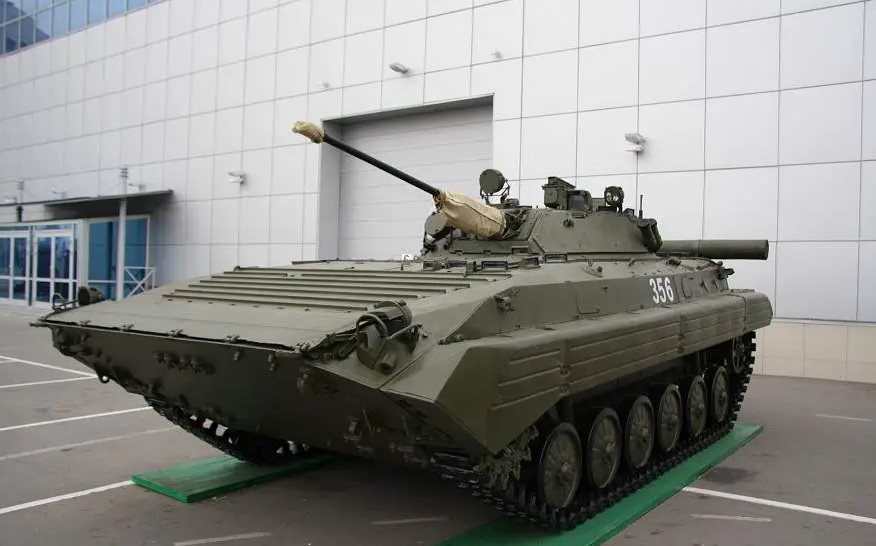
India
India : India’s Armoured Vehicles Nigam Limited (AVNL), a state-owned manufacturer under the Ministry of Defence, is in advanced negotiations with Nigeria and Tanzania to export approximately 30–40 upgraded BMP-2 amphibious infantry fighting vehicles (IFVs). This move underscores India's growing presence in Africa's defence markets and strengthens military cooperation with key regional partners. Indigenisation and Modernisation of BMP-2 The BMP-2, originally developed in the Soviet Union, has been extensively upgraded in India with an indigenisation level of 98.5%. These enhancements align with India's "Atmanirbhar Bharat" (self-reliant India) initiative, aiming to reduce dependence on foreign suppliers for spare parts and future maintenance. Key upgrades to the BMP-2 include: Advanced Night-Vision Systems: Enabling 24/7 operations in low-visibility environments. Modern Fire-Control Systems: Allowing faster target acquisition and improved accuracy during movement. Enhanced Protection: Upgrades to withstand small arms fire, shrapnel, and anti-tank threats. Retained Amphibious Capability: Ensuring operational flexibility in riverine and marshy terrains. Strategic Importance for Nigeria and Tanzania Both Nigeria and Tanzania currently operate BMP-2s and are seeking to modernise their fleets. Nigeria faces persistent insurgencies in its northern regions and requires fast-deployment infantry support platforms. Tanzania aims to strengthen its mobility and defence preparedness along regional hotspots. By sourcing upgraded BMP-2s from AVNL, these nations can benefit from a cost-effective, compatible alternative to Russian imports, especially amid global supply chain disruptions. Broader Implications for India's Defence Exports This potential deal represents a significant milestone for AVNL and contributes to India's expanding defence export portfolio. It aligns with India's long-term vision of becoming a global supplier of affordable, reliable, and combat-proven military hardware tailored for friendly nations. As negotiations progress, the outcome of this deal could pave the way for further collaborations between India and African nations in the defence sector. In conclusion, AVNL's engagement with Nigeria and Tanzania highlights India's commitment to enhancing its defence manufacturing capabilities and fostering international partnerships. The upgraded BMP-2 IFVs stand as a testament to India's technological advancements and strategic foresight in the global defence arena.
Read More → Posted on 2025-09-22 14:59:11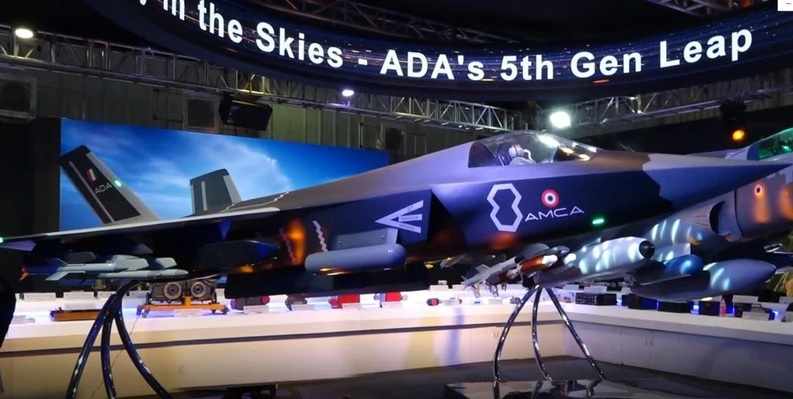
India
India :- India’s Advanced Medium Combat Aircraft (AMCA) project has reached a make-or-break stage. For the first time, Hindustan Aeronautics Limited (HAL) is stepping out of its monopoly comfort zone, forced to open its doors to private sector giants. With 28 firms lining up and a shortlist due by 30 September, the future of India’s fifth-generation stealth fighter is no longer just about engineering—it is about whether India can finally prove it has the discipline, technology, and ambition to compete with the world’s best. Why This Matters The AMCA is not just another fighter jet. It is India’s declaration of intent in the global aerospace race. China already flies the J-20 Mighty Dragon, is working on the J-35 and J-36, and whispers are growing about a sixth-generation J-50. Pakistan is eyeing stealth fighters of its own. If India wants to remain a credible regional air power, it cannot afford delays, excuses, or bureaucratic red tape. The Cabinet Committee on Security gave its nod last year, releasing ₹15,000 crore for development. That decision was bold—but approving money is the easy part. Delivering a flying prototype by 2029 and full certification by 2034 is the real challenge. The HAL Dilemma For decades, HAL has held absolute control over fighter manufacturing in India. But this time, the rules of the game are different. ADA’s conditions for financial compliance are stacked against HAL itself, with its enormous order book-to-turnover imbalance. The irony? HAL, the “national champion,” is now at a disadvantage compared to private companies like Tata Advanced Systems, Larsen & Toubro, Mahindra Defence, and Adani Defence. This is both a risk and an opportunity. Risk, because HAL has never shared centre stage. Opportunity, because India’s private sector has been hungry for years to break into cutting-edge aerospace manufacturing. If the consortium works, it could transform India’s defence industry. If it fails, AMCA could become another case study in lost time and wasted potential. The Jet Itself At nearly 25 tons, the AMCA will be a twin-engine stealth fighter designed for swing-role dominance—meaning it will strike deep into enemy territory and win air superiority battles in the same mission. Its features read like a wish list: stealth shaping, internal weapons bays, sensor fusion, 360° situational awareness, super-cruise capability, and advanced survivability against next-gen threats. The MK-1 version will rely on GE’s F-414 engines. But the real prize is the MK-2, powered by a new 120 kN-class engine co-developed with Safran. Unlike past deals where India remained a license-assembler, this time the plan includes full transfer of intellectual property rights—a watershed moment if it truly materialises. The Stakes Let’s be clear: the AMCA is not just about building a jet. It is about proving that India can execute complex aerospace programmes on time. Every missed deadline will not just delay the aircraft—it will erode credibility, weaken deterrence, and hand strategic advantage to China and Pakistan. If the first prototype really flies in 2029, it will send a powerful message: that India is no longer a buyer of technology but a creator of it. But if delays push the programme into the late 2030s or beyond, India risks being stuck with ageing fleets while rivals leap ahead with sixth-generation platforms. A Defining Decade The AMCA is India’s most ambitious aerospace venture ever. It is a chance to break old habits, embrace private-public synergy, and show that India can build the kind of high-tech defence systems that match its global aspirations. The next ten years will decide whether the AMCA becomes India’s Mighty Leap—or just another missed opportunity buried under files and deadlines.
Read More → Posted on 2025-09-22 13:52:09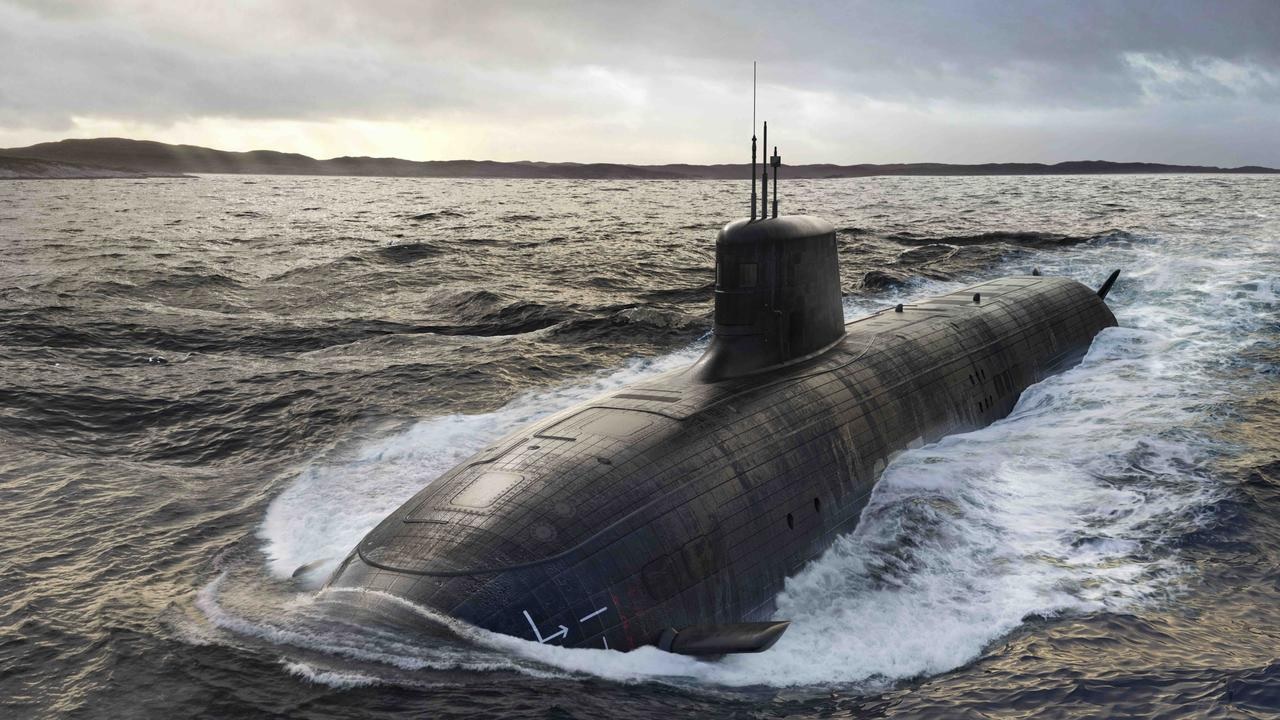
India
India : The Bhabha Atomic Research Centre (BARC) has announced the development of a state-of-the-art 200 MW nuclear reactor, designed to power India's forthcoming S5-class SSBNs (Ship Submersible Ballistic Nuclear) and Project-77 SSNs (Nuclear Attack Submarines). This advancement marks a significant leap in India's indigenous defense capabilities, reinforcing its strategic maritime deterrence. Advancements in Reactor Technology The new reactor, identified as the CLWR-B2, is a substantial upgrade over the existing 83 MW reactors powering the Arihant-class submarines. This development is poised to more than double the endurance of these submarines, enabling them to remain submerged and operational for extended periods without surfacing. The reactor's design incorporates advanced pressurized light-water reactor (PWR) technology, utilizing enriched uranium as fuel, which enhances efficiency and power output. Strategic Implications for India's Naval Capabilities The S5-class SSBNs, with a submerged displacement exceeding 13,000 tons, are expected to carry 12 to 16 intercontinental-range ballistic missiles (ICBMs), such as the K-5 SLBM with a range of 5,000 km, significantly enhancing India's second-strike capability. In contrast, the Project-77 SSNs, designed as hunter-killer submarines for tasks like anti-shipping, land-attack, and intelligence, surveillance, and reconnaissance (ISR) missions, require a reactor capable of delivering high-speed acceleration and dynamic power demands for rapid maneuvers. The 200 MW reactor's versatility allows it to support both mission profiles, with tailored tuning to optimize performance. Enhancing Strategic Deterrence This reactor development is a direct response to the growing maritime capabilities of regional adversaries, particularly the People's Liberation Army Navy (PLAN), which operates a formidable fleet of 60 submarines, including six SSBNs and six SSNs. The enhanced capabilities of India's next-generation submarines will ensure a credible deterrence posture and bolster the nation's strategic defense infrastructure. Future Prospects The S5-class SSBNs are slated to enter production by 2027, with the first vessel expected to be commissioned shortly thereafter. This timeline aligns with India's broader defense modernization efforts, aiming to achieve self-reliance in defense technology under the Atmanirbhar Bharat initiative. The successful integration of the 200 MW reactor into these submarines will mark a pivotal milestone in India's naval capabilities, positioning it as a formidable force in the Indo-Pacific region. As the development progresses, the Bhabha Atomic Research Centre continues to play a crucial role in advancing India's defense and energy sectors, ensuring the nation's preparedness to address emerging challenges in the global maritime domain. This strategic initiative underscores India's commitment to enhancing its defense capabilities through indigenous innovation and technological advancement.
Read More → Posted on 2025-09-21 17:18:07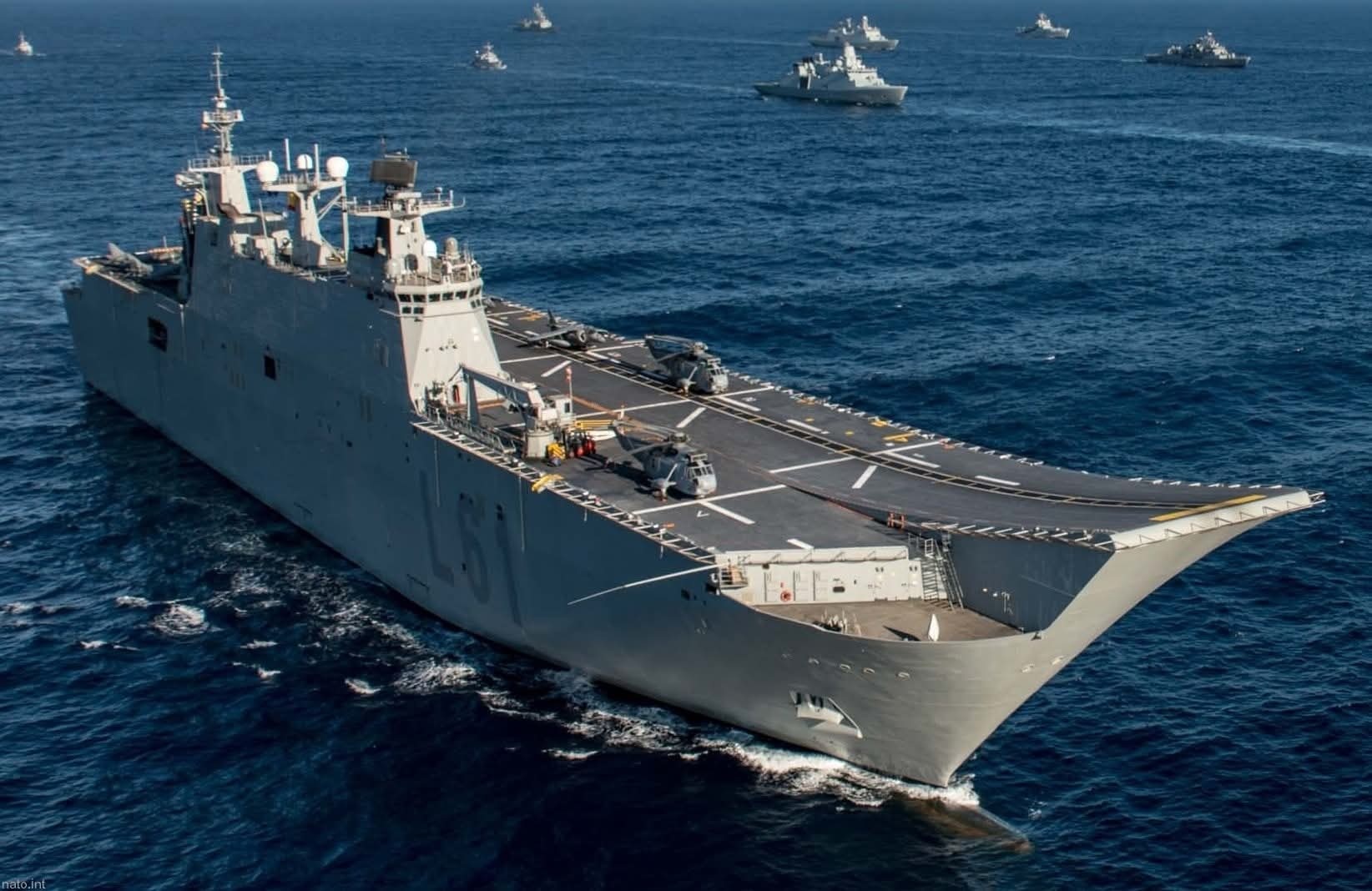
India
The Indian Navy is set to significantly enhance its amphibious warfare capabilities with the upcoming issuance of a ₹80,000 crore ($9 billion) tender for the construction of four large-sized Landing Platform Dock (LPD) warships. This initiative aims to bolster India's maritime strength and strategic reach in the Indo-Pacific region. Project Overview and Strategic Importance The proposed LPDs are envisioned to be among the largest surface warships constructed in India. These vessels are expected to feature a displacement of 30,000–40,000 tons, a length of approximately 200 meters, and an endurance of over 45 days. They will be capable of carrying up to 900 troops and 540 sailors, with provisions for operating medium-lift helicopters and landing craft. The ships will be equipped with integrated electric propulsion systems, ensuring efficient and sustainable operations. The primary objectives of these LPDs include: Rapid Deployment: Facilitating swift deployment of troops and equipment to strategic locations. Humanitarian Assistance: Providing support during natural disasters and humanitarian crises. Strategic Mobility: Enhancing the Navy's ability to project power and influence in the region. These capabilities are crucial for maintaining maritime security and asserting India's presence in the Indo-Pacific, especially amidst increasing geopolitical tensions. Design Options and Collaborations Several international and domestic designs are being considered for the LPDs: Juan Carlos I Class (Spain) Displacement: Approximately 26,000 tons Length: 231 meters Beam: 32 meters Features: Versatile design capable of operating both fixed-wing aircraft and helicopters. Equipped with a ski-jump ramp for aircraft operations and a well deck for amphibious vehicles. Origin: Designed by Navantia for the Spanish Navy. Mistral Class (France) Displacement: 16,500 tons (empty), 21,300 tons (full load) Length: 199 meters Beam: 32 meters Features: Offers a well-deck for amphibious operations and a flight deck for helicopters. Known for its rapid deployment capabilities. Origin: Developed by Naval Group for the French Navy. Trieste Class (Italy) Displacement: 38,000 tons (full load) Length: 245 meters (overall), 213.4 meters (length between perpendiculars) Beam: 47 meters Features: Emphasizes modularity and flexibility, allowing for various mission configurations, including humanitarian assistance and amphibious warfare. Origin: Designed by Fincantieri for the Italian Navy. Project 23900 (Russia) Displacement: Approximately 40,000 tons Length: 220 meters Beam: 38 meters Features: A large amphibious assault ship featuring a well deck and a flight deck capable of operating heavy-lift helicopters. Origin: Developed by United Shipbuilding Corporation for the Russian Navy. Dokdo Class (South Korea) Displacement: 14,800 tons (empty), 19,000 tons (full load) Length: 199 meters Beam: 31 meters Features: Designed for amphibious operations with a well deck and a flight deck, capable of carrying a significant number of troops and vehicles. Origin: Developed by Hyundai Heavy Industries for the Republic of Korea Navy. Indigenous Indian Design Displacement: Approximately 40,000 tons (anticipated) Length: Approximately 230 meters (anticipated) Beam: Approximately 35 meters (anticipated) Features: A proposed design emphasizing indigenous shipbuilding capabilities, incorporating advanced technologies and systems tailored to the Indian Navy's requirements. Origin: To be developed by Indian shipyards such as Larsen & Toubro (L&T), Mazagon Dock Shipbuilders Limited (MDL), and Cochin Shipyard Limited (CSL). Domestically, Indian shipyards such as Larsen & Toubro (L&T), Mazagon Dock Shipbuilders Limited (MDL), and Cochin Shipyard Limited (CSL) are potential contenders for constructing these LPDs. L&T has previously collaborated with Navantia to unveil an LPD design tailored for Indian requirements. Indigenous Development and Future Prospects The Indian Navy has been operating the INS Jalashwa, an amphibious warfare ship procured from the U.S. Navy, which has been instrumental in humanitarian missions and amphibious operations. However, the need for a fleet of indigenous LPDs has become evident to ensure self-reliance and operational flexibility. The upcoming LPDs are expected to be constructed under the "Make in India" initiative, promoting domestic shipbuilding capabilities and reducing dependence on foreign suppliers. The project aligns with India's broader defense modernization goals and its commitment to enhancing indigenous defense production. The issuance of the ₹80,000 crore tender for the construction of four LPDs marks a significant step in strengthening India's amphibious warfare capabilities. By investing in these advanced warships, India aims to bolster its maritime security, enhance its strategic reach, and assert its presence in the Indo-Pacific region. The collaboration between domestic shipyards and international partners will play a pivotal role in achieving these objectives, paving the way for a more self-reliant and formidable Indian Navy.
Read More → Posted on 2025-09-21 17:05:46
India
New Delhi: The Prime Minister's Office (PMO) has announced a high-level meeting on September 23, 2025 to deliberate on the creation of India’s own BIG FOUR accounting and consulting firms. The meeting aims to reduce India’s dependence on global giants like Deloitte, PwC, EY, and KPMG, while giving domestic firms the opportunity to scale and compete internationally. This initiative is being viewed as a key step toward a self-reliant India in the financial services sector. Purpose of the Meeting The meeting will be chaired by the Principal Secretary to the Prime Minister, Shaktikanta Das, and attended by senior officials from the Ministry of Finance and the Ministry of Corporate Affairs. The government is expected to discuss measures to relax existing rules, simplify regulatory frameworks, and provide supportive policies that help domestic firms grow in size and capability. The focus will be on nurturing homegrown firms to operate at a global standard, thereby reducing dependence on foreign consulting giants for audits, advisory services, and tax consulting. Experts believe that this could create thousands of high-quality jobs and also increase India’s presence in global financial services markets. ICAI and Digital Transformation The Institute of Chartered Accountants of India (ICAI) has welcomed the initiative and is actively exploring ways to assist smaller and mid-sized CA firms in merging or forming strategic alliances. A digital platform is being planned to facilitate partnerships, share resources, and provide access to global standards of auditing and consulting. Such efforts will enable domestic firms to expand their client base, handle large-scale projects, and gradually become India’s own BIG FOUR, capable of competing with the top multinational firms. Significance for India’s Economy Experts highlight that strengthening domestic firms will contribute significantly to India’s financial independence. By fostering self-reliant accounting and consulting services, the government aims to reduce outflow of revenue to foreign firms while building world-class expertise domestically. Moreover, creating India’s own BIG FOUR will encourage innovation in the sector, improve audit quality, and enhance transparency in corporate governance. It aligns with the broader ‘Atmanirbhar Bharat’ mission, ensuring that Indian firms are globally competitive while retaining critical knowledge and revenue within the country. The upcoming high-level PMO meeting is a landmark move in India’s journey toward financial self-reliance. By supporting domestic accounting and consulting firms, the government hopes to nurture a new generation of global-scale Indian companies, reduce dependence on international giants, and strengthen India’s position in the global economy.
Read More → Posted on 2025-09-21 16:54:33
India
India : India is considering establishing a strategic reserve of critical minerals and rare earth elements to ensure uninterrupted supplies for defence manufacturing, according to a senior Ministry of Defence official. This move comes amid rising global tensions and export restrictions on essential materials. Rajesh Kumar Singh, a top defence official, stated that the reserve would be used to "tide over immediate requirements" during emergencies, ensuring that defence production is not hampered by supply chain disruptions. The plan is part of India's broader strategy to enhance self-reliance in defence manufacturing and reduce dependency on external sources for critical materials. The proposed reserve would focus on materials such as lithium, cobalt, nickel, and rare earth elements, which are vital for producing advanced defence equipment, including missiles, aircraft, and electronic systems. These materials are currently in high demand globally, leading to supply constraints and price volatility. India's move aligns with global trends where countries are accelerating efforts to secure their domestic supply chains for critical materials. For instance, the United States has established the Minerals Security Partnership (MSP) to promote resilient and secure supply chains for critical minerals. India's participation in the MSP underscores its commitment to diversifying sources and reducing reliance on a single country for essential materials. The Indian government has also initiated the National Critical Minerals Mission (NCMM), which aims to uncover new reserves of critical minerals within the country. The mission encourages both public and private sector enterprises to invest in exploration and development of these resources. While the exact details of the proposed reserve are still being finalized, the plan reflects India's proactive approach to securing its defence manufacturing capabilities in an increasingly uncertain global environment. As the situation develops, further announcements are expected regarding the establishment and management of the strategic reserve.
Read More → Posted on 2025-09-21 16:46:28
India
U.S : In a sweeping move that has sent shockwaves through the global tech industry, President Donald Trump has signed a proclamation imposing a $100,000 one-time fee on all new H-1B visa applications. This decision, effective immediately, has ignited widespread controversy, particularly among Indian nationals who constitute the majority of H-1B visa holders. Key Details of the New H-1B Visa Fee Applicability: The $100,000 fee applies exclusively to new H-1B visa petitions. Existing visa holders and those seeking to renew their visas are exempt from this fee. Implementation Date: The fee is effective from September 21, 2025, and will be levied per petition for each new applicant. Clarification: Despite initial confusion caused by conflicting statements from officials, the White House has clarified that the fee is a one-time charge and not an annual fee. Purpose: The administration asserts that the fee aims to deter the displacement of American workers by foreign labor and to address national security concerns. Trump Relief for H-1B Visa Holders Existing H-1B holders are granted relief and do not need to pay the new fee. Renewals for current visa holders remain unaffected, ensuring that those already in the U.S. or returning temporarily can continue their work without additional financial burden. This relief is aimed to minimize disruption for companies and families dependent on H-1B employees. International Repercussions and Indian Government's Response The Indian government has expressed deep concerns over the potential humanitarian impact of this policy. A spokesperson stated that the fee could disrupt the lives of thousands of families dependent on H-1B visa holders working in the United States. In response to the policy, major Indian tech companies are exploring alternative avenues to support their employees, including legal challenges and diplomatic engagements to seek exemptions or modifications to the new fee structure. Flight Booking Disruption: 'Operation Clog the Toilet' Amid the uncertainty surrounding the new visa policy, a coordinated campaign by users on the online forum 4chan has exacerbated the situation. The campaign, dubbed 'Operation Clog the Toilet', involves users intentionally holding flight reservations without completing purchases, thereby blocking seats for genuine travelers. This tactic has led to a significant surge in airfares and limited availability of flights from India to the United States. The airline industry has condemned these actions as unethical and disruptive, urging authorities to investigate and take appropriate action against those responsible. Industry Reactions and Legal Perspectives Tech giants such as Microsoft, Amazon, and JPMorgan have advised their employees holding H-1B visas to remain in the United States or return promptly to avoid complications arising from the new fee. Legal experts anticipate challenges to the proclamation, arguing that such significant changes to the H-1B program typically require congressional approval. If contested in court, the policy could face delays or modifications. President Trump's imposition of a $100,000 fee on new H-1B visa applications marks a significant shift in U.S. immigration policy, with far-reaching implications for the tech industry and international relations. As the situation unfolds, stakeholders across the globe are closely monitoring developments and preparing for potential legal and diplomatic responses.
Read More → Posted on 2025-09-21 16:41:18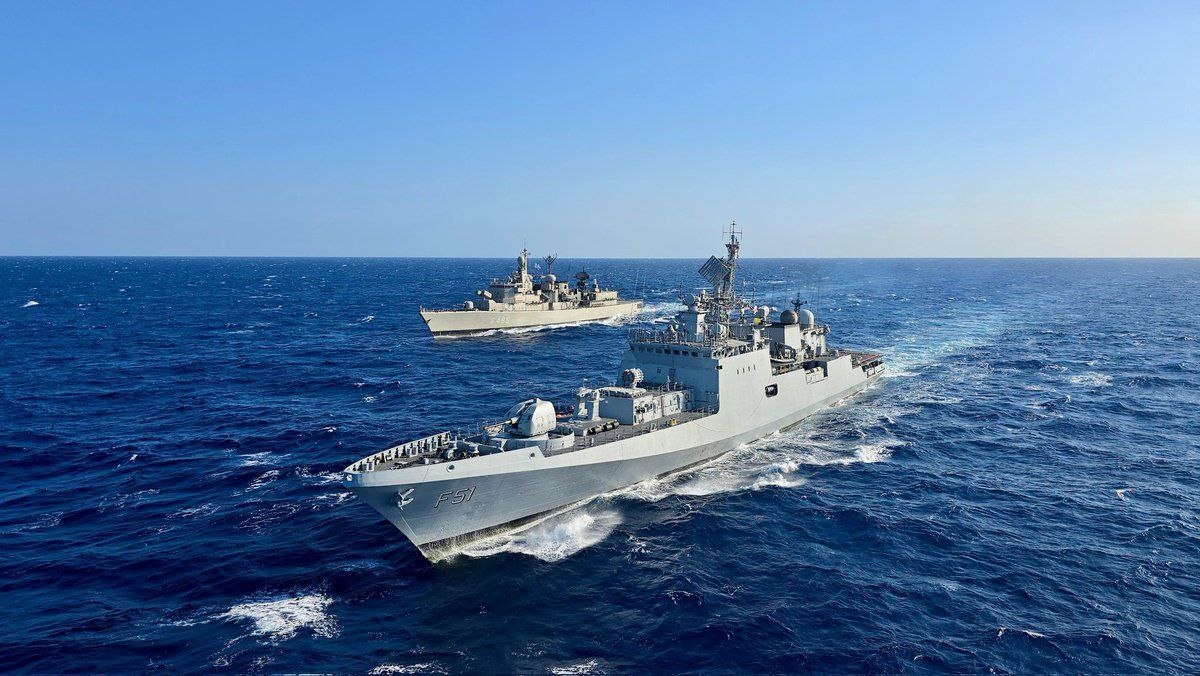
India
In mid-September 2025, India and Greece came together in the Mediterranean Sea for their first-ever bilateral naval exercise, an event that may look routine on the surface but in reality carries deep strategic meaning. With the Indian Navy’s INS Trikand joining hands with the Hellenic Navy’s HS Themistokles, both countries signaled not only military cooperation but also a shared vision for stability in a turbulent region. A Blend of Training and Diplomacy The exercise was structured in two parts — a harbour phase at the Salamis Naval Base, and a sea phase across the Mediterranean waters. On paper, these phases focused on cross-deck visits, professional exchanges, VBSS drills, anti-submarine operations, and gun firing practice. But the real story lies beyond tactics: The harbour phase allowed Indian and Greek sailors to step aboard each other’s warships, exchange professional knowledge, and participate in cultural programs. Symbolically, it showed that the exercise was not only about ships and weapons, but also about human connection and trust-building. The sea phase demonstrated joint strength, as both navies practiced night-time boarding operations, replenishment-at-sea drills, and coordinated helicopter operations. These maneuvers displayed a growing ability to function as one cohesive force in real-world scenarios. Why the Mediterranean Matters for India For India, operating in the Mediterranean is not simply a demonstration of naval reach. It is part of a broader effort to expand influence into regions where energy security, trade routes, and strategic partnerships intersect. The Mediterranean has historically been a zone of great power competition, and India’s visible presence there sends a message: New Delhi is willing to be a stakeholder in European security as much as in the Indian Ocean. For Greece, the exercise is equally symbolic. Situated at the crossroads of Europe, the Middle East, and Africa, Greece faces security challenges in its maritime environment. Its partnership with India offers not just military cooperation but also a chance to diversify alliances in a changing geopolitical climate. Beyond Military Manoeuvres This exercise also carried strong diplomatic undertones. A cultural evening on INS Trikand, attended by Indian diplomats and senior Greek naval officials, reinforced the sense that defence ties are becoming part of a broader strategic partnership. The visit of Indian sailors to the Acropolis in Athens reflected another layer of exchange — one that values history and heritage alongside hard power. A Step Toward the Future The real impact of this first-ever exercise will be measured not only in tactical skills gained but also in how it shapes the India–Greece relationship over the coming years. Both nations share concerns about maritime security, free navigation, and the stability of sea routes. By training together, they build the muscle memory for cooperation in times of crisis, whether it involves humanitarian missions, counter-terrorism at sea, or responding to regional tensions. Looking ahead, this initiative could expand into larger, multilateral frameworks, bringing in other European or Indo-Pacific partners. If that happens, the 2025 India–Greece exercise will be remembered as the first step in a wider strategic convergence. The India–Greece naval exercise in the Mediterranean Sea is much more than a military drill. It represents a new alignment of interests between a rising Asian power and a European state positioned at a strategic crossroads. It reflects India’s growing confidence in projecting naval strength far from home and Greece’s recognition of India as a partner beyond the traditional Euro-Atlantic framework. In the years to come, such exercises could become defining markers of how nations build trust, interoperability, and common vision in an era where the seas remain central to global power dynamics.
Read More → Posted on 2025-09-21 16:08:30
India
India : Defence Minister Rajnath Singh has embarked on a historic two-day visit to Morocco from September 22–23, marking the first-ever visit by an Indian Defence Minister to the North African nation. The visit, at the invitation of Morocco’s Minister Delegate of National Defence Abdeltif Loudiyi, underlines the growing momentum in bilateral ties and sets the stage for a new chapter in India’s defence diplomacy. A highlight of the visit is the inauguration of Tata Advanced Systems Maroc’s new manufacturing facility at Berrechid. The plant is dedicated to producing the Wheeled Armoured Platform (WhAP) 8x8, a combat vehicle jointly developed by Tata Advanced Systems and DRDO. This facility is the first Indian defence production establishment on African soil, symbolising a major milestone within the Aatmanirbhar Bharat framework. The project represents India’s transformation from being primarily a defence buyer to becoming a global supplier and industrial collaborator. The Berrechid facility is expected to produce around 150 WhAP vehicles for the Royal Moroccan Armed Forces over the next three years. Importantly, the initiative will generate local employment with nearly 90 direct jobs and about 250 indirect jobs, while ensuring local value-addition starting at 35%, with a roadmap to increase it to 50%. Such collaboration demonstrates India’s ability to share not just platforms but also industrial capacity, making Morocco a critical partner in Africa’s defence landscape. During the visit, Rajnath Singh will hold extensive talks with Abdeltif Loudiyi to advance cooperation in military exchanges, training, joint initiatives in defence technology, and structured industrial collaboration. Both sides are set to formalise these engagements through the signing of a Memorandum of Understanding (MoU) on Defence Cooperation. This will provide an official framework for enhanced defence ties, enabling opportunities for greater engagement between the two armed forces and defence industries. Beyond defence, the Indian Defence Minister will meet Morocco’s Minister of Industry and Trade, Ryad Mezzour, to explore broader industrial linkages in aerospace and advanced manufacturing. In addition, he will interact with the vibrant Indian diaspora in Rabat, reflecting the importance India places on people-to-people connections as part of its strategic outreach. Maritime ties also feature prominently. Indian Navy ships have made regular port calls at Casablanca, and with the signing of the MoU, these linkages are expected to expand to joint drills, port visits, and broader naval cooperation, thereby reinforcing the maritime dimension of India-Morocco relations. Strategically, the visit builds on the momentum generated since King Mohammed VI and Prime Minister Narendra Modi strengthened bilateral engagement in 2015. Morocco, with its pivotal location in North Africa, provides India with an anchor for expanding its influence across the African defence landscape. The inauguration of a physical defence manufacturing presence in Morocco stands as a symbolic leap in India’s global defence journey. It showcases the strength of the private sector-led export model, reinforces India’s image as a reliable partner in global security frameworks, and underlines the country’s ambition to emerge as a major player in international defence supply chains.
Read More → Posted on 2025-09-21 15:37:12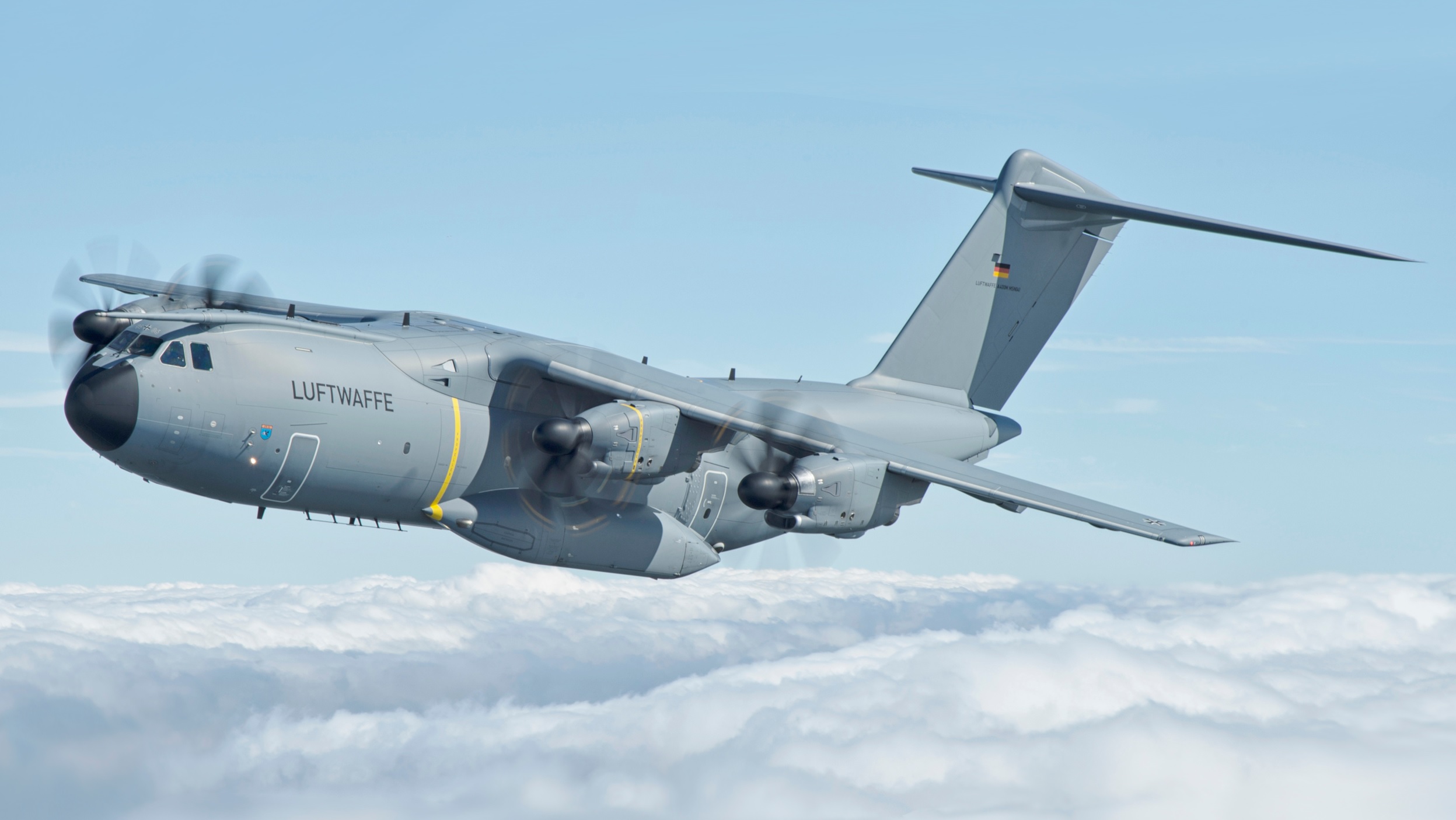
India
India : Germany is intensifying efforts to supply its advanced Airbus A400M Atlas military transport aircraft to the Indian Air Force (IAF), aiming to bolster India's strategic airlift capabilities. This proposal was highlighted during high-level talks in New Delhi on September 3, 2025, between German Foreign Minister Johann Wadephul and India's External Affairs Minister S. Jaishankar. The discussions underscored a deepening of Indo-German defence relations, building upon the successful "Make in India" initiative exemplified by the recent Airbus C-295M aircraft deal. Strategic Rationale and Capabilities Minister Wadephul emphasized the A400M's versatility, describing it as a "reliable, versatile platform" essential for enhancing the IAF's tactical and strategic mobility. The A400M's capabilities are particularly important for operations in India's challenging high-altitude terrains along the Line of Actual Control (LAC) with China. With a maximum payload capacity of 37 tonnes, the A400M can transport heavy equipment such as the Indian Army's 25-tonne Zorawar light tank, nearly doubling the load capacity of the C-130J Super Hercules. Its ability to operate from short and unpaved runways, combined with a high cruising speed of 780 km/h, makes it ideal for rapid deployment of troops and material across India's vast geography. Medium Transport Aircraft (MTA) Program The A400M is a leading contender for India's Medium Transport Aircraft (MTA) program, which seeks to procure 40 to 80 new aircraft. This initiative, valued at over $10 billion, is critical for replacing the IAF's aging fleet of more than 100 Soviet-era Antonov An-32 and Ilyushin Il-76 aircraft. The program emphasizes technology transfer and domestic manufacturing to boost India's indigenous defence industry. Germany's offer includes the establishment of a final assembly line in India, potentially in collaboration with Tata Advanced Systems Limited (TASL), following the successful model used for the C-295M aircraft. Broader Bilateral Cooperation The talks also covered broader issues, including efforts to double bilateral trade, Indo-Pacific stability, and global security challenges. Minister Jaishankar welcomed the deepening defence cooperation, emphasizing the 25-year milestone of the Indo-German Strategic Partnership. He noted that India looks to Germany for support in concluding the long-pending Free Trade Agreement (FTA) with the European Union and for collaboration on counter-terrorism efforts. The talks also included Germany’s encouragement for India to use its diplomatic channels with Russia to help find a peaceful resolution to the Ukraine conflict. Challenges and Considerations Despite its advanced capabilities, the A400M faces significant challenges, primarily its high procurement cost, estimated at $220-250 million per unit, higher than competitors. Airbus argues that the aircraft's multi-role versatility and fuel efficiency result in lower long-term operational costs, offsetting the initial expense. The IAF is expected to conduct user trials for the MTA program by 2026, with the goal of beginning inductions between 2030 and 2035 to systematically phase out its older transport fleets. Germany's proposal to supply the A400M Atlas to the IAF represents a significant step in strengthening Indo-German defence ties and enhancing India's strategic airlift capabilities. The outcome of the MTA program will be pivotal in shaping the future of India's military transport fleet.
Read More → Posted on 2025-09-21 15:08:35Search
Top Trending in 24 Hours
-
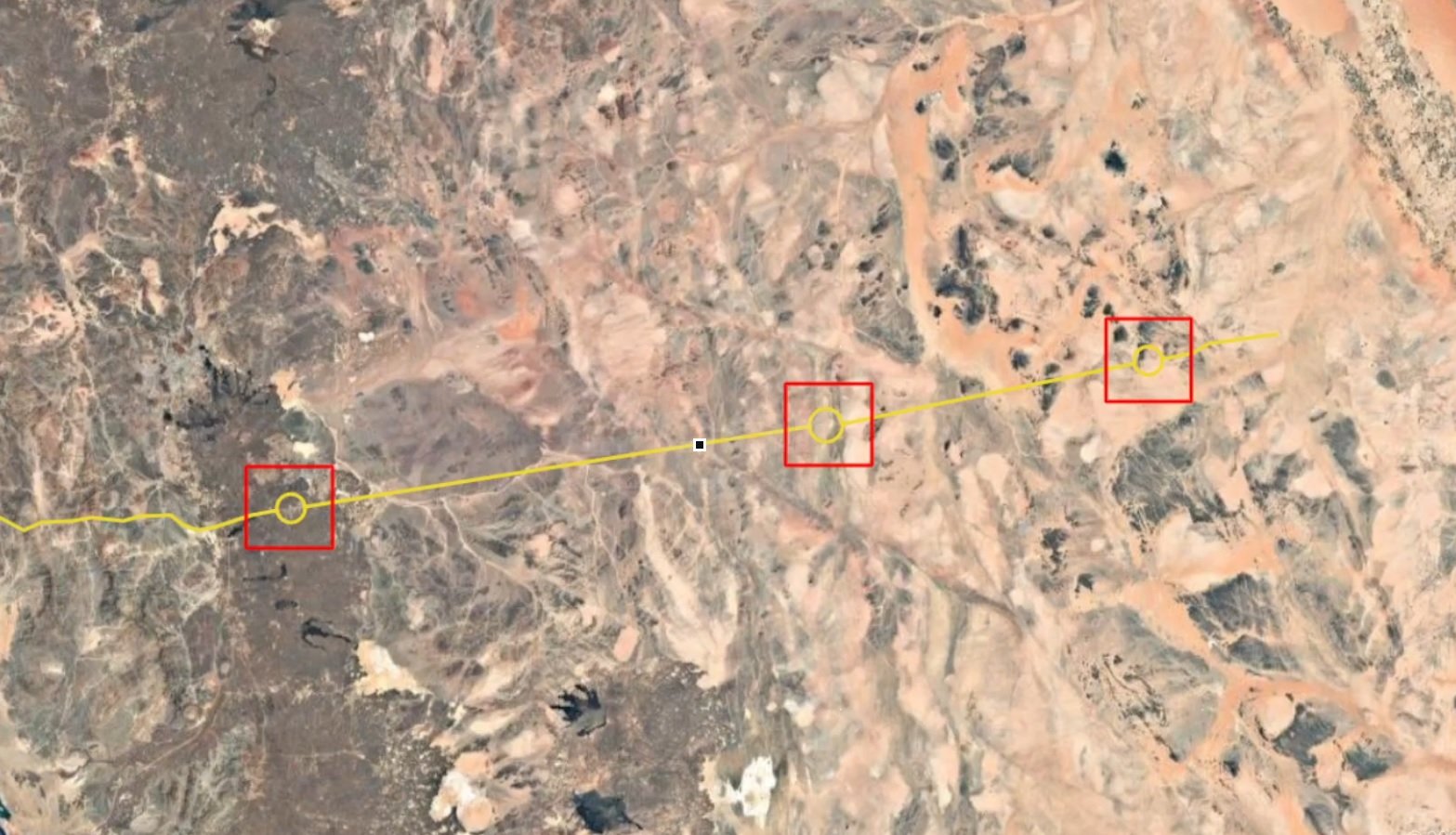 Satellite Imagery Shows Extensive Damage to Saudi Arabia’s East-West Oil Pipeline, Indicating More Than a Single Strike
-
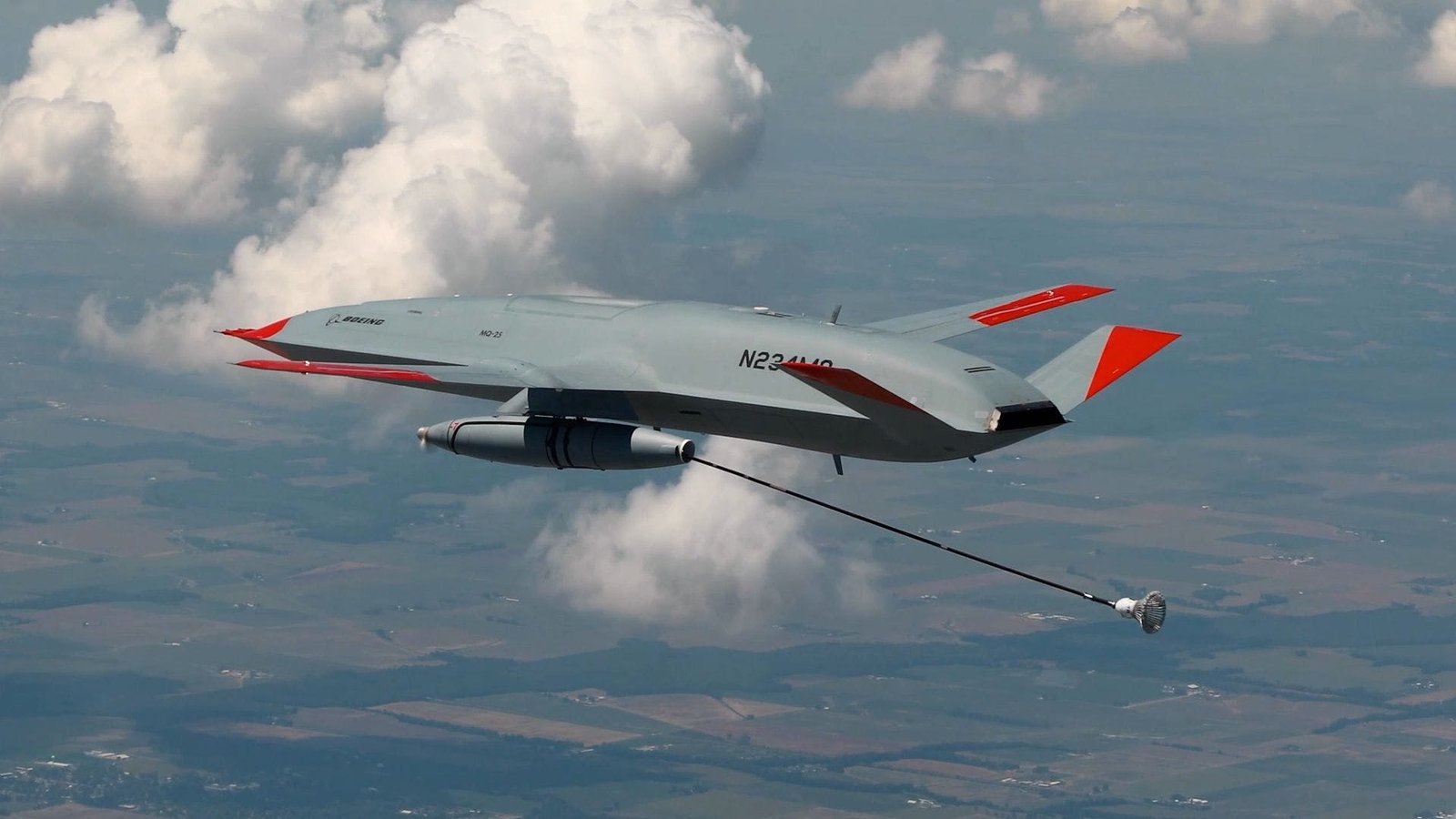 U.S. Navy Awards Boeing $562 Million Contract for First Production MQ-25A Stingray Tanker Drones
-
 Pentagon and Honeywell Complete Four-Hour Pacific Flight Using Quantum Magnetic Navigation Without GPS
-
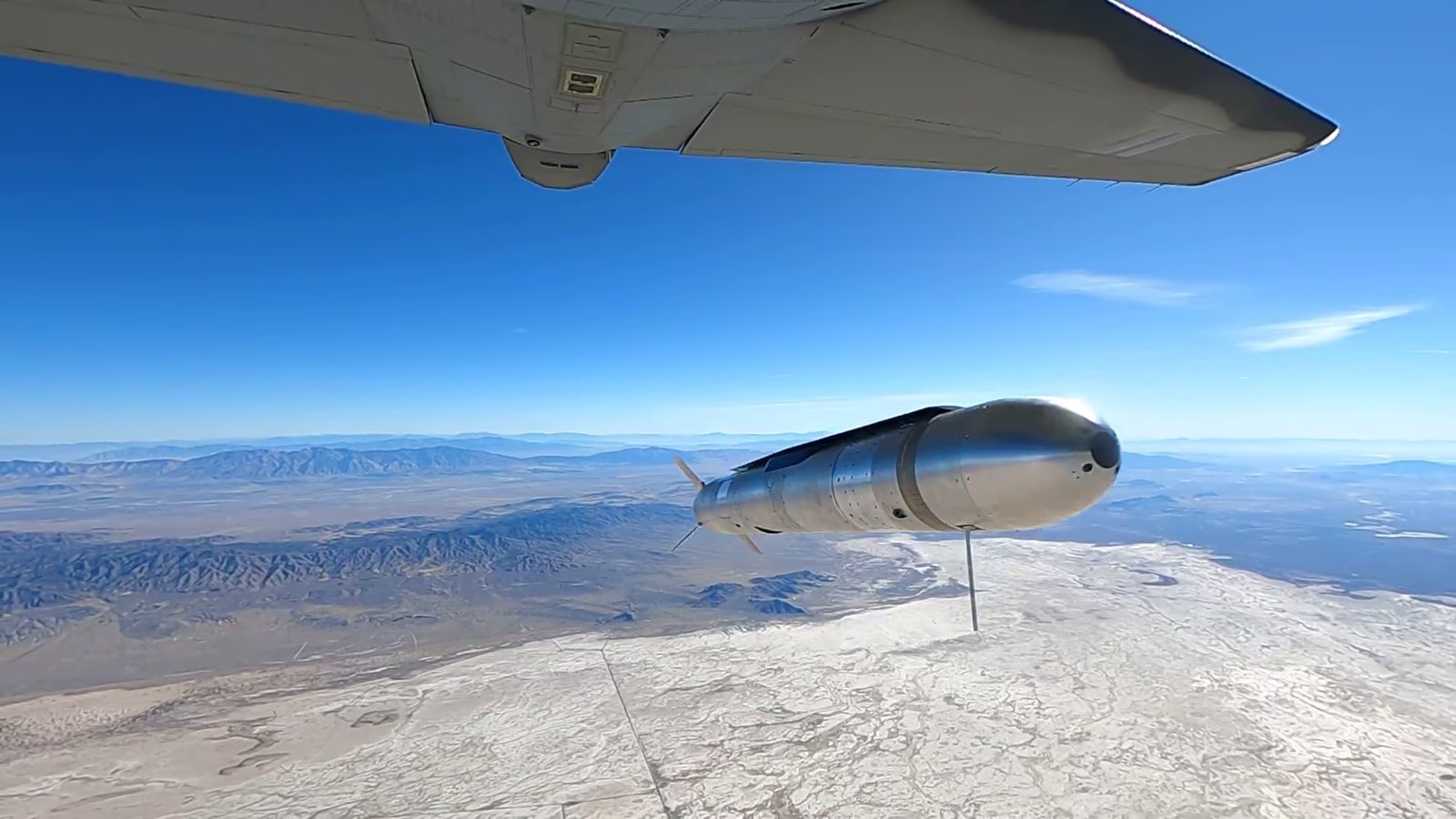 U.S. Air Force Special Operations Command Clears AGM-190A Havoc Spear for Wider Service After Combat Evaluation in Africa
-
 U.S. Confirms Deployment of On-Orbit Space Control Weapons for First Time
-
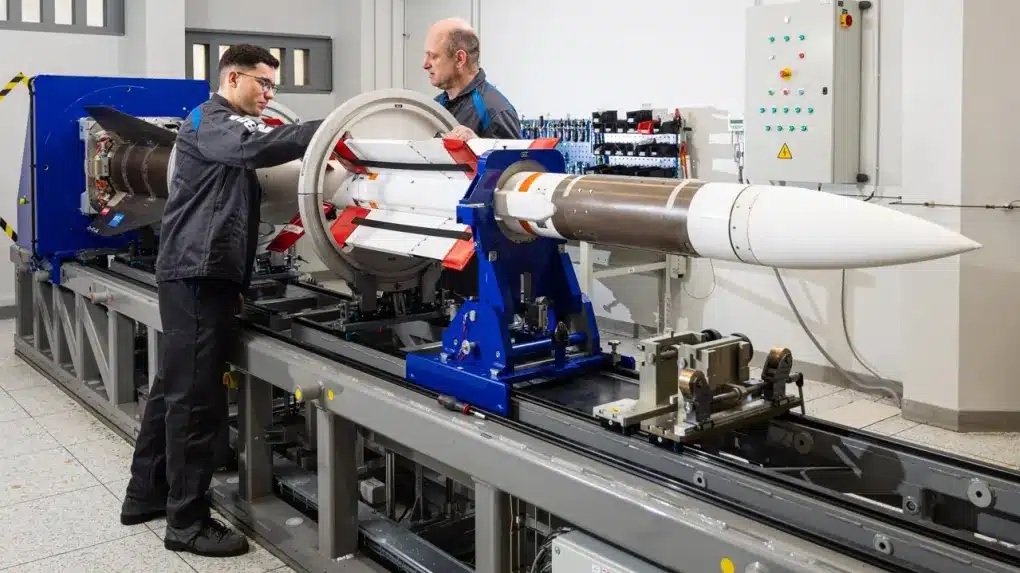 MBDA to Build New Missile Production Plant Near Orleans to Expand Missile Production
-
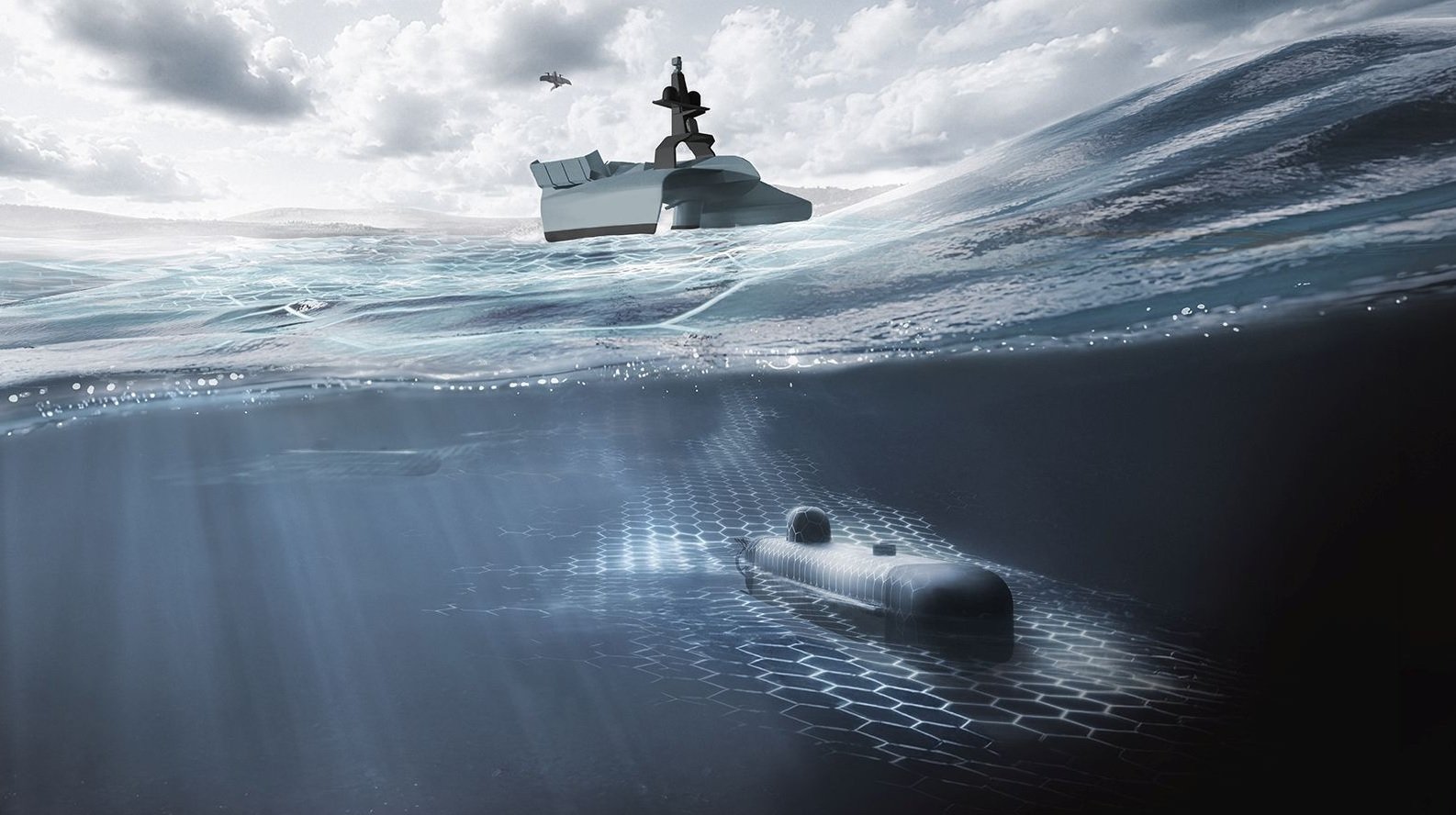 Quantum Systems Expands Into Maritime Domain With Seavex and Subvex Unmanned Systems
-
 U.S. Begins Process to Return $43–44 Million in Frozen Belarusian Funds
Top Trending in 4 Days
-
 Pentagon Awards BlueHalo Up to $99.8 Million Contract for Orbital Battlespace R&D Program
-
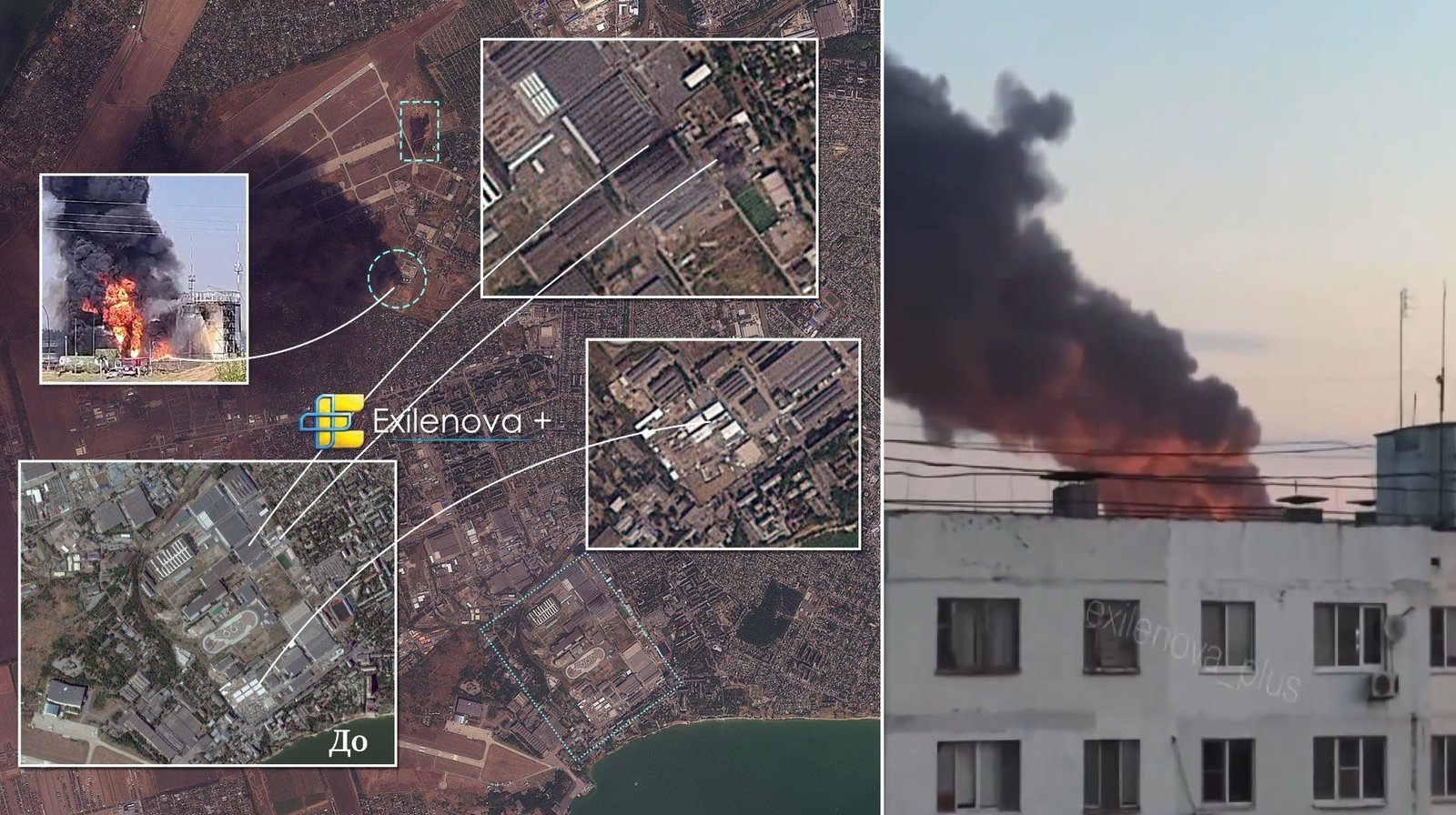 Ukrainian Drones Strike Russian UAV Manufacturer and Chemical Plants in Taganrog and Tolyatti
-
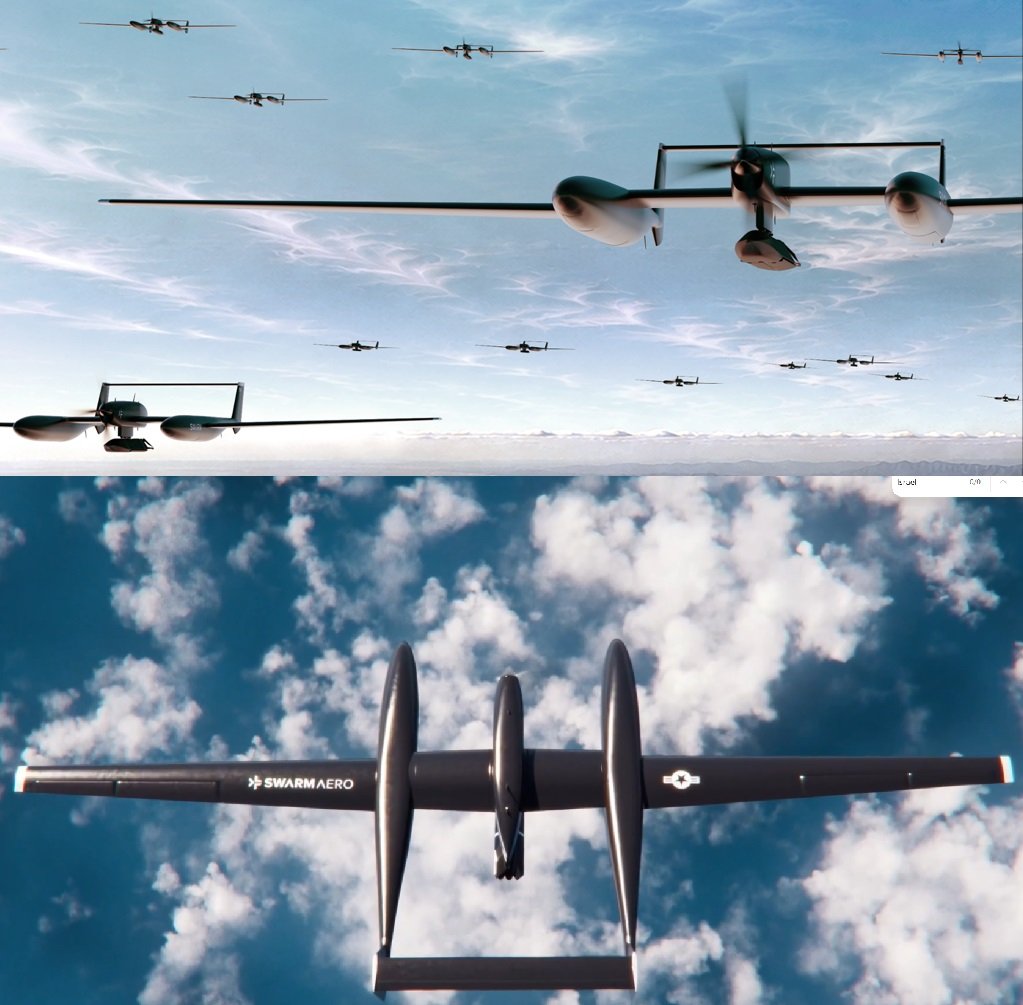 U.S. Firm Swarm Aero Unveils Gamera Group 5 UAS With 9,000-Nautical-Mile Range and Heavy Strike Payload
-
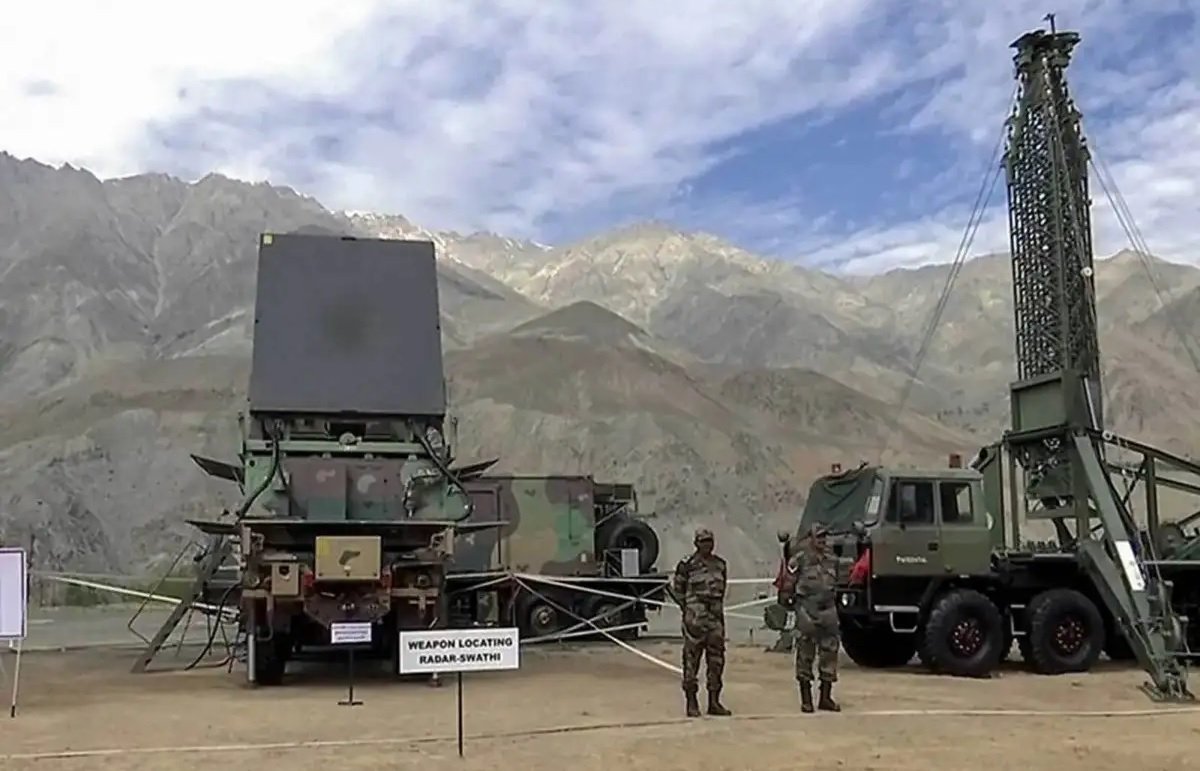 DRDO Demonstrates Indigenous 3.5×3 mm GaN Chip Delivering 30 Watts for Next-Generation Radars and Electronic Warfare
-
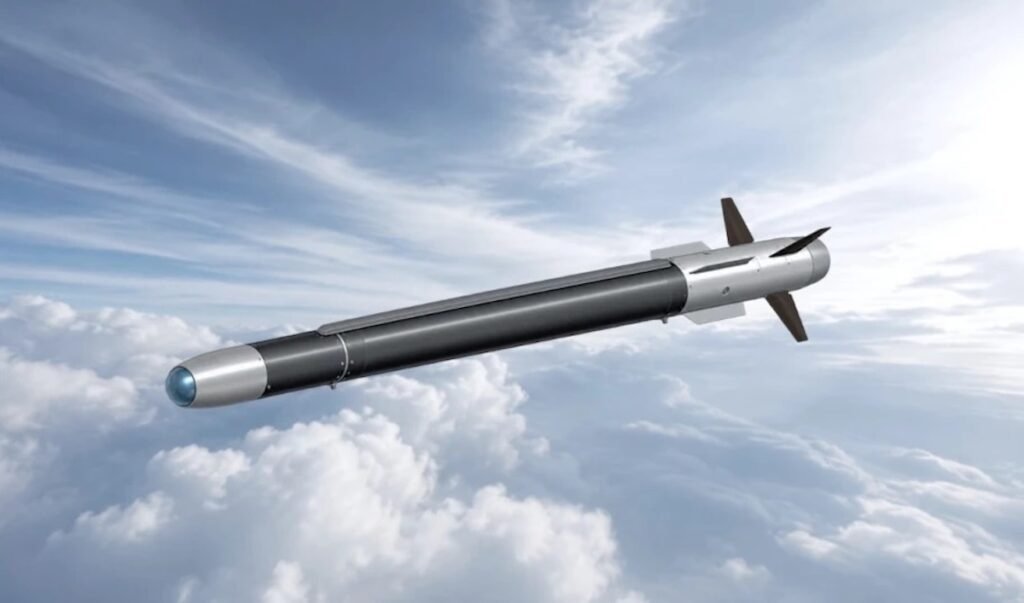 MBDA and Poland’s WITU Advance Low-Cost Supersonic Interceptor Against Swarm Attacks, Seeker Trials Successfully Completed
-
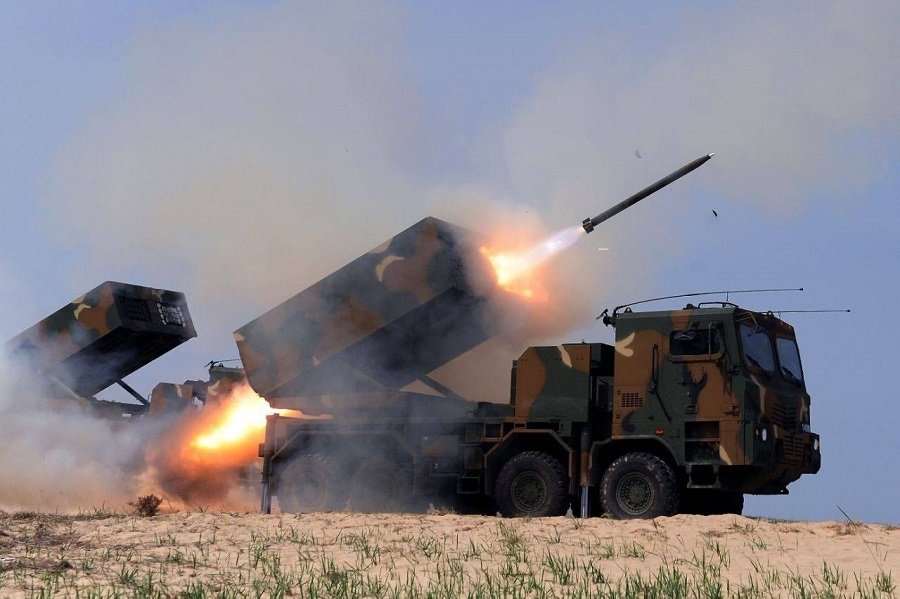 Croatia Signs €410 Million Contract with Hanwha Aerospace for 18 Chunmoo Rocket Launchers
-
 Eutelsat to Invest About €1 Billion in 229 More OneWeb Satellites From Airbus
-
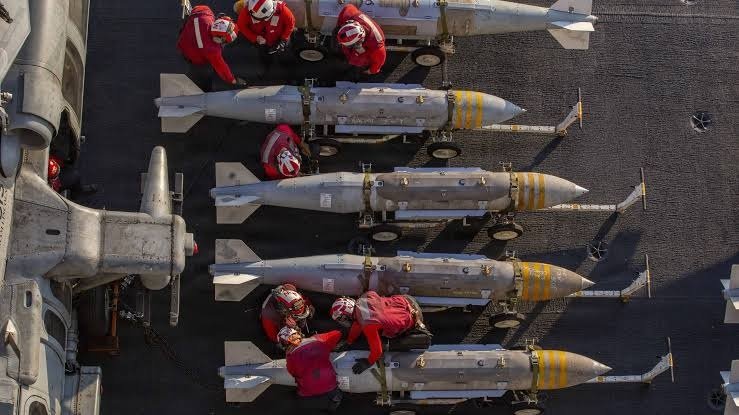 Pentagon Inspector General Report Finds Iran War Caused U.S. Ammunition Shortfalls and Industrial Bottlenecks