
India
The Defence Research and Development Organisation (DRDO) has achieved a major milestone in underwater warfare technology with the successful development of new-generation Man-portable Autonomous Underwater Vehicles (MP-AUVs) designed specifically for mine countermeasure (MCM) operations. The breakthrough comes from the Naval Science & Technological Laboratory (NSTL) in Visakhapatnam, a premier DRDO facility specializing in naval systems. Advanced AUVs Built for Modern Mine Warfare According to officials, the newly developed MP-AUVs are compact, lightweight platforms engineered to operate in shallow and deep-water environments where naval mines pose severe risks to warships, submarines, and commercial vessels. Each unit is equipped with: High-resolution Side Scan Sonar (SSS) for seabed imaging Underwater Electro-Optical Cameras to visually confirm mine-like objects Deep-learning based target recognition algorithms Underwater Acoustic Communication System for inter-AUV networking Real-time data link for mission monitoring The MP-AUVs can autonomously detect, classify, and map Mine-Like Objects (MLOs) with high accuracy, drastically reducing the time and manpower required for conventional mine-hunting missions. Their man-portable design allows deployment from small naval boats, unmanned surface vessels (USVs), and other vessels of opportunity. AI-Driven Autonomy Cuts Mission Time One of the most significant innovations is the AI-driven target recognition system, which uses deep learning to autonomously classify underwater threats. This capability sharply reduces operator burden by filtering out false positives and delivering an accurate threat picture. The autonomy system enables: Automated detection and classification of naval mines Reduction in mission duration by nearly 40–60% Improved operator safety Coordinated multi-AUV operations through acoustic networking Successful Trials Completed Recent field trials conducted at NSTL’s Harbour Test Facility validated the system’s sonar performance, communication reliability, endurance, and multi-vehicle operation. The AUVs demonstrated consistent detection accuracy across various seabed conditions, including sandy, rocky, and silty terrain. Production to Begin Soon DRDO has partnered with multiple industry players for production. According to NSTL, the MP-AUVs will be ready for manufacturing in the coming months, with rapid induction expected once user evaluation trials with the Indian Navy are completed. Strategic Importance for India Naval mines are among the most cost-effective and deadly threats used in maritime warfare. With India’s expanding naval responsibilities—from the Arabian Sea to the Indo-Pacific—the ability to clear mines swiftly and safely is crucial. The MP-AUV program boosts India's indigenous undersea warfare capabilities by: Strengthening mine detection and clearance Reducing dependency on imported systems Supporting Atmanirbhar Bharat in defense Enabling rapid port clearance during conflicts or disasters A Step Toward Future Underwater Swarm Systems NSTL officials indicated that the MP-AUVs lay the foundation for future autonomous swarm-based underwater systems, where multiple AUVs can secure large maritime zones quickly and efficiently. With these new MP-AUVs, DRDO places India among a select group of nations capable of developing advanced autonomous underwater mine countermeasure technology, marking a major step in strengthening India’s maritime defense ecosystem.
Read More → Posted on 2025-11-14 17:24:16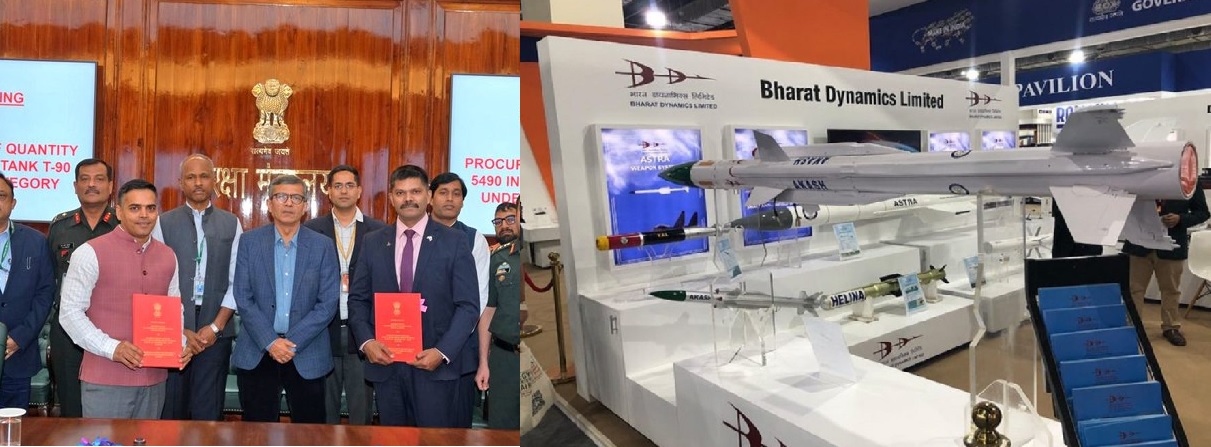
India
The Ministry of Defence (MoD) has signed a major defence procurement contract worth ₹2,095 crore with Bharat Dynamics Limited (BDL) for the acquisition of INVAR Anti-tank Guided Missiles (ATGMs). The deal, concluded under the ‘Buy (Indian)’ category, marks another significant push toward strengthening India’s armoured warfare capability and promoting domestic defence manufacturing. Boost for T-90 Tank Regiments According to the MoD, the induction of the INVAR missiles will substantially enhance the firepower and lethality of the Indian Army’s T-90 Bhishma main battle tanks, which serve as the backbone of the Army’s armoured regiments.The missile, fired from the tank’s main gun, is a laser-guided, high-precision anti-armour weapon capable of neutralising heavily protected enemy tanks at long ranges. High Accuracy and Combat-Proven Performance Officials highlighted that the INVAR ATGM has a very high hit probability, making it a highly reliable system during intense armoured engagements.The missile boasts advanced guidance technology, tandem warhead capability, and effective performance against explosive reactive armour (ERA), allowing T-90 crews to engage targets with greater confidence and accuracy. Strengthening Indigenous Defence Manufacturing The contract is expected to provide a significant boost to India’s Atmanirbhar Bharat (self-reliant India) initiative by driving domestic production. BDL, a key state-owned manufacturer of missile systems, will undertake large-scale production to meet the Army’s operational requirements. Senior officials noted that the procurement aligns with the government’s long-term vision of reducing import dependency and strengthening India’s defence industrial base through indigenous capability development. Operational Importance The Army’s T-90 fleet plays a critical role along the western and northern borders, where the potential for high-intensity armoured conflict remains a strategic reality.By equipping these tanks with modern guided missiles, the Army aims to maintain a technological edge and ensure rapid, accurate destruction of enemy armour and fortifications.
Read More → Posted on 2025-11-14 12:22:47
India
New Delhi — Investigators probing the car explosion near the Red Fort on 10 November 2025 say the case has broadened into an inter-state and international inquiry after large quantities of explosive precursor chemicals were recovered and new evidence pointed to travel and handler links abroad. Police and federal agencies now say the explosive materials moved into India on a circuitous route that included Bangladesh and Nepal, and that at least two suspects travelled to Turkey as part of planning activity. The probe remains active and several key facts are still being verified. What investigators say happened (so far) According to police briefings and media reporting, a vehicle exploded near the Red Fort metro area on the evening of 10 November. The blast killed multiple people and injured scores of others; forensic examination has identified ammonium-nitrate based explosive mixtures among the residues recovered from the scene. The National Investigation Agency (NIA) has since taken over the lead of the probe. Massive ammonium-nitrate recoveries — and a missing consignment In coordinated raids following the blast, security agencies uncovered a very large cache of ammonium-nitrate and other IED-making material in and around Faridabad (Haryana). Indian outlets report slightly different totals as investigations moved quickly: authorities have announced recoveries in the range of about 2,500–2,900 kg of ammonium-nitrate and related components from multiple locations linked to the suspects. Some reports cite 2,563 kg recovered from one site.Separately, police sources told reporters that about 300 kg of ammonium nitrate listed on manifest or tracking leads has not yet been located and is still being searched for. The totals reported vary between agencies and media outlets as forensic accounting continues. Bangladesh → Nepal → India: alleged smuggling corridor Investigators briefed to the media say preliminary tracing indicates the ammonium nitrate consignments were smuggled into India via a cross-border route involving Bangladesh and Nepal, using intermediaries and commercial freight channels that obscured the shipment trail. Officials say this is under active verification with customs, border-police and intelligence inputs; multiple Indian news channels reported the route based on police sources.Agencies are now working to reconstruct the logistic chain and identify suppliers, transporters and handlers in each country. Given the sensitive diplomatic angle, authorities are coordinating with external affairs and customs departments on outreach to Bangladesh and Nepal where required. Turkey connection — travel and handlers under scrutiny Another line of inquiry centres on two doctors named in reporting — identified by police as Dr Umar (Umar Un Nabi) and Dr Muzammil (Muzammil Shakeel Ganaie) — who are from Pulwama and worked at medical institutions in north India. Multiple Indian outlets report that both men travelled to Turkey in 2025 and that investigators have recovered digital and human-intelligence links suggesting contact with handlers who operated from Turkey and Afghanistan. These are investigative leads at present; no foreign government has been publicly accused by India.Security agencies note that the orders for terror blasts in India are being investigated for origin in Turkey, with indications that the module had planned attacks on Ayodhya and Kashi (Varanasi). According to published reports, the Delhi explosion was carried out after the original plans for Diwali attacks failed — and a plot for 26 January (Republic Day) was reportedly next in line. Accusations of Pakistan Army involvement A further layer of complexity emerged when Pakistani journalist Taha Siddiqui alleged that the Pakistan Army was “behind” the Delhi blast, terming those involved as “assets” of the Army. His claim on X (formerly Twitter) asserted that both Delhi and Islamabad blasts were linked to suicide bombers and military-assets controlled by Pakistan.However, Indian official sources have not publicly attributed the attack to the Pakistan Army, and investigations are ongoing; officials caution that attribution is preliminary. Arrests and legal steps Police in Jammu & Kashmir and Haryana have arrested several people in connection with the explosives seizures and the alleged terror module. Media reporting identifies Dr Muzammil among those detained in Faridabad after searches uncovered large quantities of ammonium nitrate, weapons and timers; others, including persons identified as associates or providers, are reportedly in custody or being traced. The Delhi Police and central agencies have registered cases under counter-terrorism statutes, and the probe has a strong focus on both the origin of materials and the chain of direction for the attack. What different media outlets report — discrepancies and cross-checks Indian national outlets broadly agree on the main outlines: (a) an explosion near the Red Fort was a terror incident. (b) large ammonium-nitrate caches were seized in the Delhi-NCR region. (c) suspects had travelled abroad (reported visits to Turkey). (d) agencies are tracing an international supply route. However, the reported seizure totals differ between publications (2,563 kg, 2,900 kg, “nearly 3 tonnes” appear in various pieces), and some local outlets have quoted police sources that refer specifically to a Bangladesh→Nepal→India smuggling corridor, while others note only “foreign origin” or “cross-border routes.” These differences reflect fast-moving investigations, ongoing forensic accounting, and separate raids yielding new material over 48–72 hours. Readers should view the numbers as preliminary and subject to official confirmation following laboratory analysis and legal processes. What investigators are now prioritising Authorities say they are concentrating on several immediate tasks: Locating the missing ~300 kg of ammonium nitrate and any associated munitions. Tracing financial and communication links — including travel records to Turkey and any cross-border funds or remittances. Forensic analysis of blast residue to confirm the composition and whether all recovered materials were intended for this incident or for further attacks. International cooperation with customs and security agencies in Bangladesh and Nepal to identify the origin of consignments; and diplomatic engagement related to Turkish-based handler leads where necessary. Wider implications Security analysts say the case underscores three vulnerabilities:(1) the misuse of commercial fertilizer (ammonium nitrate) channels for illicit explosive manufacture;(2) the ease with which small, mobile terror modules can source large precursor amounts when supply-chain checks are weak; and(3) the growing use of regional transit hubs as meeting points for transnational handlers.The incident is likely to prompt stricter controls on fertilizer movement, enhanced screening at land borders, and closer cooperation with Bangladesh and Nepal on customs intelligence. Caution and legal status Important: many of the details circulating in Indian media are based on preliminary police statements and source reporting. Investigations are ongoing and multiple agencies (Delhi Police, NIA, Jammu & Kashmir Police, Haryana Police and federal intelligence units) are involved. Formal charges, court filings and forensic confirmations will be necessary to establish criminal liability, smuggling channels and any external direction conclusively. International linkages — including the extent of any role played by Pakistani groups, Turkish-based handlers, or other third parties — remain subject to legal and intelligence verification. Where this story stands now The probe has turned a single catastrophic blast into a multilayered investigation that touches on cross-border smuggling, large-scale precursors, and international travel by suspects. Officials continue searches for missing consignments, are expanding arrest efforts, and have placed the case at the centre of national security reviews. As agencies release formal reports and charges are filed, the picture will become clearer; until then, many publicly reported details should be treated as provisional.
Read More → Posted on 2025-11-12 17:33:34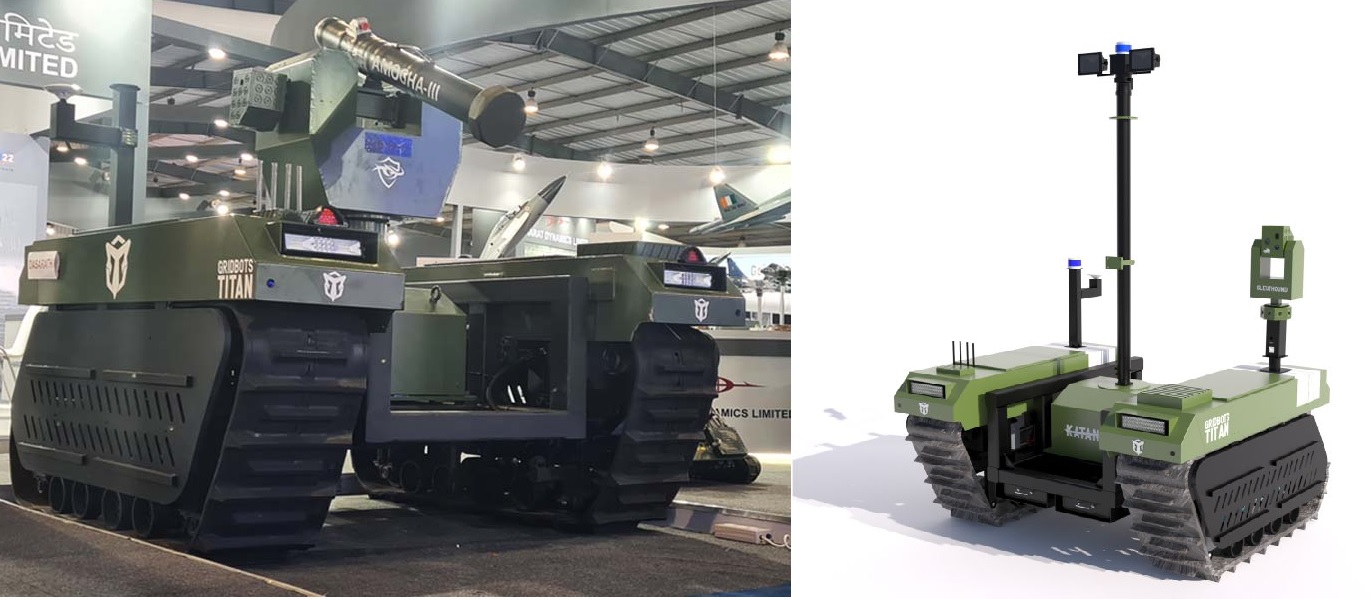
India
Gridbots Technologies Pvt. Ltd., an Ahmedabad-based robotics firm, has developed the ‘Titan Fortifier’, described as the world’s first fully autonomous anti-tank (AT) minelaying robot. The system is designed to carry up to 50 brick mines weighing a total of around 600 kilograms and can deploy them over a range of 50 kilometers on a single charge. A New Step in Automated Engineering The Titan Fortifier is a heavy-duty unmanned ground vehicle (UGV) developed for automated mine deployment in defensive operations. It can navigate and lay mines independently using onboard sensors, mapping systems, and AI-based route planning. Once programmed with a mission path, it can move through uneven terrain, identify suitable areas, and place mines according to pre-set instructions — all without direct human control during operation. The system aims to improve the speed and safety of minefield deployment, reducing the need for human personnel in hazardous areas. According to Gridbots, the robot can also return to base or relocate after completing its mission, making it suitable for repetitive engineering tasks in field conditions. Technical Overview The Titan Fortifier is based on Gridbots’ Titan UGV platform, which has been used for industrial and defense applications. Its main features include: Payload capacity: Up to 600 kg, allowing the transport of approximately 50 AT brick mines. Operational range: Around 50 km per battery charge. Autonomy: Equipped with LiDAR, GPS, and vision-based navigation for pathfinding and obstacle avoidance. Deployment module: Automated mechanism for precise mine placement at programmed intervals. The system’s chassis and suspension are designed for off-road terrain, allowing it to operate in desert, mountain, or semi-urban environments. Global Context While autonomous mine-clearing robots have existed for years, fully autonomous mine-laying systems are still rare. Globally, most systems remain semi-automated or remotely operated. Russia has fielded engineering vehicles like the Uran-6 (for mine-clearing) and Uran-9 (for combat roles), but not fully autonomous minelayers. China has reportedly tested UGVs capable of limited mine deployment under human supervision. Ukraine and Turkey have experimented with remotely controlled engineering UGVs for minefield setup, but these are not autonomous. This makes the Titan Fortifier one of the first publicly known systems to perform autonomous anti-tank mine deployment. Operational Use and Implications In defense operations, mine deployment is often time-consuming and dangerous, requiring engineers to work close to potential combat zones. The Titan Fortifier is designed to reduce that risk by performing these tasks autonomously. The system could be useful for: Area denial and border defense, especially in remote or rugged terrain. Rapid fortification in defensive positions. Support to engineering corps where manpower or access is limited. The robot can also be integrated into battlefield management systems, enabling synchronized operation with surveillance drones or reconnaissance vehicles for coordinated defensive planning. Legal and Safety Aspects Mine deployment remains a sensitive area in international law. While anti-personnel mines are banned under the Ottawa Treaty, anti-tank mines remain permitted for defensive purposes under regulated conditions. Gridbots has indicated that the Titan Fortifier is designed for compliance with international standards and can be equipped with self-neutralizing or self-deactivating mines, depending on operational requirements. Such features help reduce long-term risks associated with unexploded ordnance. India’s Role in Defense Robotics Gridbots has worked on several automation and robotics projects for defense, nuclear, and industrial applications. The company specializes in developing robotic platforms for hazardous environments, including bomb disposal robots, inspection crawlers, and industrial automation systems. The Titan Fortifier expands Gridbots’ Titan series of UGVs, which includes platforms for logistics, surveillance, and reconnaissance. Its development aligns with India’s goals of enhancing indigenous defense production and adopting AI-driven automation in field operations. The Titan Fortifier represents a significant step in automated military engineering. With its ability to carry a heavy payload, operate autonomously over long distances, and lay mines accurately, it introduces greater efficiency and safety to mine deployment tasks. While similar systems are in early stages elsewhere, the Titan Fortifier stands out as one of the most advanced and field-ready platforms of its kind. Its development underlines how autonomous robotics are steadily becoming part of modern defense infrastructure — designed to make military operations safer, faster, and more reliable.
Read More → Posted on 2025-11-12 15:01:40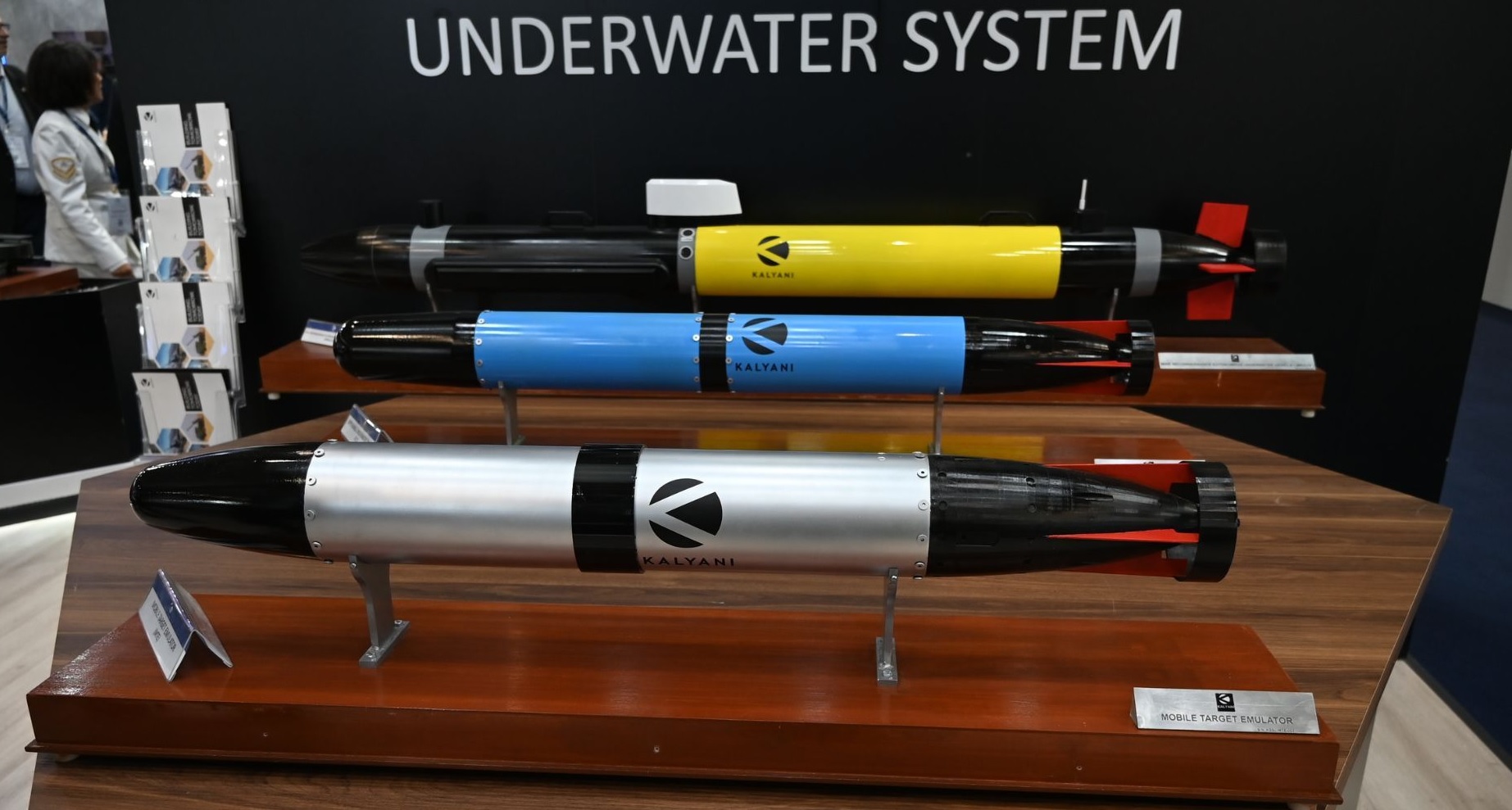
India
In a significant boost to India’s naval modernization efforts, Kalyani Strategic Systems Ltd. (KSSL) — a wholly owned subsidiary of Bharat Forge Ltd. — has been awarded contracts worth over ₹2,500 million by the Indian Ministry of Defence (MoD) for the supply of advanced underwater systems. The agreement, signed on November 10, 2025, mandates delivery within a year — by November 2026 — under the Ministry’s Fast Track Procurement (FTP) procedures. The new contracts mark a major milestone in India’s growing emphasis on indigenous defense manufacturing, especially in the underwater domain, which is emerging as a strategic frontier for naval warfare and surveillance. Expanding India’s Underwater Warfare Capabilities According to the company’s announcement, the awarded projects involve cutting-edge underwater systems designed to enhance the Indian Navy’s situational awareness, surveillance, and autonomous operations. These systems are expected to form part of India’s expanding fleet of unmanned and autonomous underwater vehicles (AUVs) — a domain where KSSL has built strong competencies over the past five years. KSSL has been instrumental in the design, development, and production of unmanned marine and autonomous underwater vehicles, several of which are already operational within the Indian Navy. These vehicles are used for missions such as reconnaissance, mine countermeasures, and underwater inspection, allowing the Navy to extend its reach into deeper and more challenging environments. Strategic Focus on Naval and Marine Systems KSSL’s latest contracts underline the company’s long-term strategy to become a key player in India’s underwater and maritime defense ecosystem. Beyond underwater systems, KSSL has been actively investing in naval gun systems, marine equipment, and advanced platform integration, aligning its roadmap with the Navy’s future warfare requirements. In its press release, KSSL stated: “The underwater domain is a key focus area for KSSL, along with naval guns and marine equipment. We are ramping up our capabilities to align closely with the Indian Navy’s urgent and mission-critical requirements. We remain committed to ensuring timely delivery of these advanced solutions.” The company emphasized its ability to rapidly execute complex defense contracts, reflecting the advantages of the Fast Track Procurement framework — a process designed to speed up acquisitions for critical operational needs without compromising quality or oversight. A Subsidiary of Bharat Forge’s Expanding Defence Vision Kalyani Strategic Systems Ltd. functions as the defense arm of Bharat Forge Ltd., a company with a market capitalization of ₹67,018.46 crore and a rich legacy in engineering, metallurgy, and manufacturing. Over the years, Bharat Forge has transformed from a global leader in automotive and industrial forging into a major defense manufacturer supporting India’s “Atmanirbhar Bharat” (self-reliant India) initiative. KSSL has emerged as Bharat Forge’s flagship defense subsidiary, driving the group’s entry into high-technology defense segments, including artillery systems, armored vehicle platforms, aerospace structures, and unmanned systems. Its strong design and manufacturing ecosystem, supported by Bharat Forge’s global facilities and R&D network, allows KSSL to deliver complex defense products at competitive costs and within tight timelines. The company’s Pune-based defense campus has been steadily expanding its production lines for naval and underwater systems, incorporating AI-enabled navigation, acoustic sensors, and autonomous control technologies — elements that are shaping the next generation of naval operations. Industry Implications and Strategic Importance The new contracts further strengthen KSSL’s position as one of India’s leading private defense manufacturers contributing to the indigenization of critical naval technologies. As India continues to counter increasing underwater activity in the Indian Ocean Region (IOR), self-reliant development in underwater warfare systems becomes strategically crucial. Defense analysts note that the underwater space is now one of the most competitive areas in modern naval strategy, covering anti-submarine warfare, intelligence gathering, and mine countermeasures. KSSL’s role in this ecosystem enhances India’s capability to operate more autonomously across multiple maritime zones.
Read More → Posted on 2025-11-12 12:44:22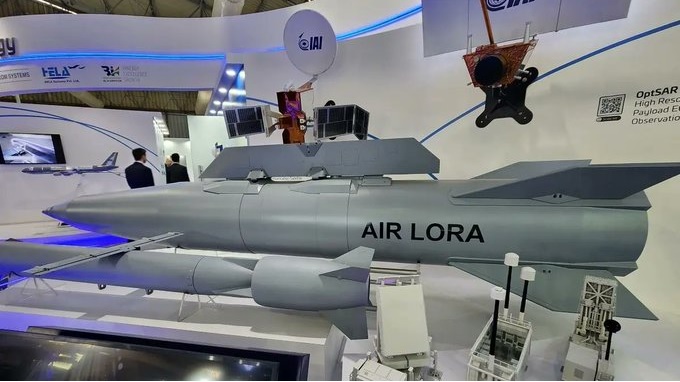
India
In a historic breakthrough for India’s defense modernization and self-reliance goals, the Ministry of Defence (MoD) has finalized a complete technology transfer (ToT) agreement with Israel for two next-generation missile systems — the Air LORA quasi-ballistic missile and the Ice Breaker smart cruise missile. This unprecedented deal grants India full access to source codes, blueprints, seeker technologies, and production methodologies, marking one of the most comprehensive defense technology transfers ever achieved with a foreign partner. According to defense sources, a confidential Indian delegation recently concluded high-level meetings in Tel Aviv, sealing the foundation for indigenous production of both systems. The agreement is set to significantly bolster India’s precision-strike capabilities while reinforcing the ‘Atmanirbhar Bharat’ (self-reliant India) initiative in defense manufacturing. Strategic Partnership and Domestic Production Under the new framework, Bharat Electronics Limited (BEL) and Hindustan Aeronautics Limited (HAL) will jointly lead domestic production efforts, supported by the Defence Research and Development Organisation (DRDO). BEL will oversee production of seekers, avionics, composite structures, and the guidance electronics for both systems. HAL will manage aircraft integration, test validation, and system optimization for India’s current and future combat platforms, including the LCA Tejas Mk1A, Su-30MKI, and TEDBF (Twin-Engine Deck-Based Fighter). DRDO will assimilate the transferred knowledge into indigenous missile programs such as the Next-Gen Cruise Missile (NGCM) and Pralay-ER initiatives. Air LORA: Quasi-Ballistic Precision Weapon Developed by Israel Aerospace Industries (IAI), the Air LORA (Long Range Artillery) is a precision quasi-ballistic missile designed for deep-strike missions and hardened target destruction. Its advanced guidance suite allows it to perform terminal maneuvers with extremely high accuracy — making it a deterrence-class weapon for India’s future strategic arsenal. Key Specifications – Air LORA: Range: 400+ km Warhead: 570 kg high-explosive or penetration-type Speed: Approx. Mach 4.5 Circular Error Probable (CEP): <10 meters Launch Platform: Air-launched from Su-30MKI, Rafale, and future AMCA aircraft Guidance: INS/GPS hybrid with terminal electro-optical seeker Flight Profile: Quasi-ballistic trajectory with in-flight retargeting capability The Air LORA’s unpredictable flight path and high terminal velocity make interception by enemy missile defenses extremely difficult. Its integration into the Indian Air Force’s strike fleet will provide India with the ability to neutralize enemy radar installations, bunkers, and C4ISR nodes deep behind enemy lines. BEL’s upcoming “Missile Electronics Integration Complex” in Bengaluru is expected to handle the production of the Air LORA’s composite airframe, precision guidance units, and terminal seekers. Ice Breaker: AI-Powered Multi-Role Cruise Missile Complementing Air LORA’s ballistic punch, the Ice Breaker — developed by Rafael Advanced Defence Systems — is an AI-enabled multi-role cruise missile built for precision strikes across land and sea domains. A successor to the proven Sea Breaker, the Ice Breaker uses machine learning algorithms for target recognition and flight optimization, allowing it to operate in GPS-denied and electronically jammed environments — a vital capability in modern warfare. Key Specifications – Ice Breaker: Range: 300+ km Weight: ~400 kg Speed: High subsonic Warhead: 150 kg multi-purpose blast/penetration Guidance: INS + EO/IR + AI-based image recognition Navigation: GPS-independent with data-link for real-time control Launch Platforms: LCA Tejas, Jaguar, Su-30MKI, TEDBF, and naval surface vessels The Ice Breaker’s low radar cross-section, adaptive flight profile, and stealth shaping make it one of the most survivable cruise missiles in its class. It can autonomously loiter, identify, and engage moving or static targets, making it ideal for complex anti-ship and ground-strike missions. HAL will integrate the Ice Breaker with Indian combat aircraft, leveraging experience gained from the Astra and BrahMos-A integration programs, while BEL will domestically produce electronic subsystems and targeting sensors. Strengthening Deterrence on Both Fronts The missile acquisition comes amid a shifting regional balance of power. China’s deployment of layered air defense systems along the Line of Actual Control (LAC) and Pakistan’s increasing use of GPS jamming and EW capabilities have accelerated India’s need for precision, long-range, and jam-resistant strike systems. During Operation Sindoor (May 2025), Israeli-made Rampage air-launched missiles demonstrated exceptional performance despite GPS interference — directly influencing India’s decision to pursue the Air LORA and Ice Breaker under a full-technology framework. These systems will not only serve as force multipliers for the Indian Air Force and Navy but will also reinforce India’s second-strike capability and strategic depth across both its northern and western theaters. Economic and Industrial Impact The overall procurement and ToT framework is estimated to be part of a $20 billion aerospace modernization package, to be submitted for Cabinet Committee on Security (CCS) approval by mid-2026. The production model envisions a secure ecosystem of public and private suppliers, ensuring no dependency on foreign manufacturing nodes. Once full-scale production stabilizes, India aims to export both missile systems to friendly Indo-Pacific and African nations, expanding its footprint as a trusted defense exporter. This approach aligns with India’s broader strategy under the ‘Make in India – Defence’ initiative, encouraging indigenous design, production, and intellectual property development. A Leap Toward Strategic Autonomy The Air LORA and Ice Breaker technology transfer marks a watershed moment in Indo-Israeli defense cooperation. Unlike earlier limited-licensing models, this agreement represents a full-spectrum ToT, enabling Indian engineers to independently replicate, modify, and innovate upon the acquired technologies. For India’s defense industry, the deal signifies a transition from dependency to capability — a move from being a buyer of systems to a producer of technologies. It also strengthens India’s long-term missile development roadmap under Mission Shakti 2.0, which seeks to create an indigenous portfolio of next-gen strike and defense platforms. The full technology transfer for the Air LORA and Ice Breaker missiles signals the emergence of India as a global missile power, capable of designing, producing, and exporting advanced precision-strike weapons. It demonstrates Israel’s strategic trust in India’s technological ecosystem and highlights how geopolitical partnerships are evolving beyond procurement into deep industrial collaboration. As production begins under BEL, HAL, and DRDO leadership, these systems will not only enhance India’s deterrence posture but also propel its defense manufacturing ecosystem into a new era of self-reliant innovation and global competitiveness.
Read More → Posted on 2025-11-11 15:29:57
India
Washington D.C., November 11, 2025 — In a major diplomatic and economic announcement, U.S. President Donald Trump declared that the United States will cut tariffs on Indian goods by 50%, signaling what he described as a “much fairer” trade arrangement between the two nations. Speaking to reporters at the White House, Trump said Washington and New Delhi are “getting close” to sealing a new deal that will reshape bilateral trade ties strained in recent years. “We’re making a deal with India — a much different deal than we had in the past,” Trump said. “So right now, they don’t love me, but they’ll love us again. We’re getting a fair deal — just a fair trade deal. We had pretty unfair trade deals before, but we’re getting close.” Trump revealed that India’s high tariffs — which were imposed during earlier trade tensions — are being substantially reduced, partly due to India’s decision to scale back its purchases of Russian oil, which had earlier drawn U.S. scrutiny. “Right now, the tariffs on India are very high because of Russian oil,” Trump explained. “But they’ve been reduced very substantially. Yes, we are going to bring the tariffs down… At some point, we will bring them down.” A New Chapter in U.S.–India Trade Relations The announcement represents a turning point after years of economic friction between the two democracies. Relations cooled during Trump’s first term when the U.S. revoked India’s preferential trade status under the Generalized System of Preferences (GSP) in 2019, citing market access barriers. The decision affected billions in Indian exports, leading to retaliatory tariffs and a noticeable decline in bilateral trade momentum. Since then, both nations have been working to rebuild trust. The new deal — which Trump described as “a fair and balanced arrangement” — is expected to roll back some of the tariff measures and open new avenues for cooperation in energy, manufacturing, and digital trade. According to officials familiar with the negotiations, the framework could include mutual tariff reductions, expanded agricultural trade, and greater access for U.S. technology and medical equipment firms to India’s markets. Link Between Tariffs and Russian Oil The U.S. decision to ease tariffs reportedly follows India’s gradual reduction of Russian crude imports, which had surged after Western sanctions on Moscow in 2022. Washington had previously viewed India’s purchases of discounted Russian oil as a challenge to its sanctions regime. By early 2025, however, New Delhi began diversifying its oil imports, increasing supplies from the U.S., Saudi Arabia, and the UAE. Trump acknowledged this shift in his remarks, calling India’s adjustment “a positive move that strengthens our energy cooperation.” “They’ve cut Russian oil imports very substantially. That’s a big step in the right direction. So yeah, we will be bringing the tariffs on India down,” he said. This linkage underscores how geopolitics, trade, and energy have become deeply intertwined in U.S.–India relations — where strategic alignment often translates into economic incentives. Economic and Strategic Implications Analysts view the tariff reduction as more than a trade gesture — it’s a strategic recalibration aimed at reinforcing India’s position as a key U.S. partner in the Indo-Pacific. Dr. Elaine Parker, an international trade expert at the Atlantic Policy Institute, noted, “This is not just about economics. It’s about consolidating alliances. Trump’s administration sees India as central to counterbalancing China’s economic and military influence. Lower tariffs could boost U.S.–India trade by as much as 30% over the next two years.” India is currently the ninth-largest trading partner of the United States, with bilateral trade expected to exceed $200 billion in 2025. A 50% tariff cut could sharply increase exports in textiles, pharmaceuticals, auto components, and electronics — sectors where India has been seeking greater U.S. access. The deal is also expected to encourage American investments in Indian manufacturing, aligning with Prime Minister Narendra Modi’s “Make in India” and “Atmanirbhar Bharat” initiatives, which aim to position India as a global manufacturing hub. Remaining Challenges Despite the positive tone, several hurdles remain before a final deal is signed. Washington continues to press India for: Stronger intellectual property protections for U.S. companies, Market access reforms in agriculture and dairy, and Regulatory transparency in digital trade and e-commerce sectors. Meanwhile, New Delhi seeks easier visa rules for Indian professionals and relief from duties on steel, aluminum, and IT exports. Sources in both capitals say negotiators are working to finalize a phased tariff reduction roadmap, likely to be announced early next year, following consultations with business and trade representatives. A Political and Diplomatic Win For Trump, the announcement also carries political weight. Amid global concerns over trade wars and inflation, a breakthrough with India allows his administration to demonstrate progress in expanding U.S. markets while improving ties with a major Asian democracy. For India, the development is equally significant. It offers a boost to exports, reduced trade friction, and a reaffirmation of strategic trust with Washington — especially important as both nations deepen defense and technology cooperation under the Quad alliance. “It’s a fair deal for both sides,” Trump said confidently. “India will be happy, and the U.S. will be happy. We’re working on something that benefits both nations — something very big.” The U.S. decision to cut tariffs on India by half could mark the start of a new phase in one of the world’s most important bilateral relationships. What began as a transactional negotiation over trade imbalances has evolved into a strategic partnership anchored in shared economic and security interests. If the proposed agreement moves forward as signaled, it could redefine U.S.–India trade relations for the next decade — replacing friction with cooperation, and protectionism with partnership. For now, both Washington and New Delhi seem aligned on a common goal: rebuilding trust, boosting trade, and proving that diplomacy and economic pragmatism can still triumph in a divided world.
Read More → Posted on 2025-11-11 11:58:04
India
In a major counter-terror breakthrough in India, the Gujarat Anti-Terrorism Squad (ATS) has foiled what could have been one of the most catastrophic biological attacks in India’s history. Acting on precise intelligence, the ATS arrested three individuals — including a doctor with an MBBS degree (Dr. Ahmed Mohiyuddin Saiyed, who worked with Azad Suleman Sheikh and Mohammed Suhail Mohammad Saleem) — who were allegedly preparing the deadly toxin ricin, a biological agent that is nearly 6,000 times more lethal than cyanide and has no known antidote. The Arrest and Discovery The operation, conducted near Adalaj on the Ahmedabad–Mehsana highway, led to the arrest of Dr. Ahmed Mohiyuddin Saiyed, a 35-year-old medical graduate from Hyderabad who had earned his MBBS degree from China. Two accomplices from Uttar Pradesh were also taken into custody. Investigators revealed that the group had already carried out reconnaissance of sensitive sites in Lucknow, Delhi, and Ahmedabad, including religious and political buildings. During the raid, officials seized firearms, cartridges, chemical materials, and laboratory equipment used to extract ricin from castor beans. Digital evidence also linked the accused to Islamic State Khorasan Province (ISKP), an Afghanistan-based terror outfit. The suspects were reportedly in touch with a handler named “Abu Khadija”, who was providing operational guidance for the plot. What Is Ricin and Why It’s So Dangerous Ricin is a naturally occurring toxin derived from the waste product of castor bean processing — a plant commonly used to produce castor oil. While castor oil itself is harmless, the leftover material, called mash, contains ricin, which can be extracted and refined into a lethal biological poison. Once inside the body, ricin halts protein synthesis, killing cells and causing multi-organ failure. Symptoms of poisoning can vary depending on the exposure route — ingestion, inhalation, or injection — but generally include severe vomiting, bloody diarrhea, respiratory distress, and rapid organ shutdown. Even microgram quantities can be fatal, and there is no antidote. Treatment is limited to supportive care, making ricin one of the deadliest known biotoxins. The U.S. Centers for Disease Control and Prevention (CDC) lists ricin as a Category B bioterror agent, a classification for agents that can cause widespread illness and panic if released. A New and More Insidious Form of Terrorism Experts warn that this case reveals a new phase in terrorism — one moving beyond guns and bombs toward silent, mass-death weapons like biological and chemical agents. Unlike traditional bomb attacks, which cause instant destruction and are easily visible, biological or toxin-based attacks are stealthier, slower, and harder to trace. Victims may take hours or even days to show symptoms, during which they can unknowingly spread contamination or panic. Compared to older terror methods, this “new-generation attack” is far more dangerous: Invisible and delayed: No explosion or smoke; the damage unfolds silently. Difficult to detect: Ordinary security systems can’t identify toxins. Impossible to treat effectively: No antidote for ricin means high mortality. Psychological impact: The fear of an “unseen killer” spreads faster than the toxin itself. Minimal logistical requirements: Ricin can be extracted from everyday castor seeds, making it easy to obtain yet devastating in effect. Security analysts say terrorists are increasingly exploiting science and technology to bypass conventional defenses — blending chemistry, biology, and medical knowledge to create “next-generation” weapons of mass harm. Global Precedents: Ricin and Biological Attacks Worldwide While India has rarely faced a biological terror attempt, ricin and other toxins have been used or planned for use in attacks across the world, showing the global pattern of such threats. 1978 – The “Umbrella Assassination” (London):Bulgarian dissident Georgi Markov was assassinated on a London street after being injected with a ricin pellet via a modified umbrella, allegedly by the KGB. He died three days later from multiple organ failure. 2003 – Ricin Letter Attacks in the U.S.:Several letters containing ricin were mailed to the White House and the U.S. Senate. The toxin was crudely made but potent enough to kill if inhaled or ingested. 2013 – Ricin Letters to President Obama:Another series of ricin-laced letters were sent to then-U.S. President Barack Obama and other officials. Though intercepted, they highlighted how easy it was for individuals to attempt bioterrorism using simple substances. 1995 – Aum Shinrikyo Sarin Gas Attack (Tokyo):The Japanese doomsday cult Aum Shinrikyo released sarin nerve gas in the Tokyo subway, killing 13 people and injuring over 1,000. The cult had also experimented with ricin and anthrax, proving how non-state actors could weaponize science. 2018 – Ricin Attempt in Germany:German police foiled a plot by a Tunisian national who had produced enough ricin to kill thousands. He planned to use it in a public area before being arrested. 2020 – Ricin Envelope to the White House:U.S. law enforcement intercepted a ricin-laced envelope addressed to then-President Donald Trump, again underscoring the recurring use of biological toxins as terror weapons. These incidents, though geographically and politically varied, share a chilling theme — the accessibility of biological agents and the willingness of terrorists to use them for mass harm. How Catastrophic the Indian Plot Could Have Been If the Gujarat cell had succeeded in synthesizing and dispersing ricin, the results could have been devastating beyond imagination.A small quantity released in a crowded metro station, shopping mall, or religious gathering could have killed hundreds within hours and left thousands sick — with no immediate way to stop the spread. Because ricin acts silently, the initial symptoms could have been mistaken for food poisoning or viral infection, delaying medical intervention and increasing fatalities. The psychological and economic impact would have rivaled that of a major bomb attack — or worse. The Suspects and Their Links Investigations have revealed that Dr. Ahmed Mohiyuddin Saiyed was radicalized online and had been in close contact with operatives of ISIS-Khorasan (Islamic State Khorasan Province – ISKP), who guided him in preparing the deadly toxin Ricin. Communication records show that he used encrypted messaging platforms to receive detailed instructions from his handler, identified as Abu Khadija, a key figure within ISIS-Khorasan’s network operating from Afghanistan. Saiyed’s medical background made him particularly dangerous — he possessed the scientific understanding of toxicology, chemistry, and human anatomy, enabling him to handle and potentially weaponize biological substances with precision. His two accomplices were tasked with scouting potential targets across Ahmedabad, Lucknow, and Delhi, and procuring raw materials such as castor beans and chemical equipment needed for ricin extraction. The Gujarat ATS also seized foreign-made pistols, ammunition, and digital evidence, suggesting that the group intended to combine a biological attack with armed violence to maximize casualties and chaos. Preliminary findings further indicate that the module had links to Pakistan-based intermediaries who may have facilitated funding, logistics, or ideological indoctrination. Investigators believe the group was part of a wider ISIS-Khorasan-backed network attempting to establish sleeper cells inside India. The case has now been transferred to the National Investigation Agency (NIA) for a nationwide probe into the ISIS-Khorasan-linked ricin terror conspiracy, to trace all handlers, supporters, and cross-border connections involved. Lessons and Significance The Gujarat ATS operation represents a landmark success in Indian counter-terrorism. It exposed not just a terror cell but a new trend — the fusion of science, medicine, and terrorism into a weapon of silent destruction. The case also shows the importance of intelligence-led policing, digital surveillance, and inter-agency coordination. The ATS’s quick action prevented what could have been a mass-casualty event, saving countless lives. A Broader Security Wake-Up Call This incident serves as a wake-up call for global and Indian security agencies. The nature of terrorism is evolving — from bombs to biology. The next generation of terror threats may come not from explosions but from colorless, odorless, and invisible killers like ricin, anthrax, or nerve agents. India’s response now must focus on biosecurity, early detection, and rapid public health response systems. Training hospitals, emergency teams, and laboratories to recognize and contain chemical or biological attacks is essential to national preparedness.
Read More → Posted on 2025-11-10 04:52:12
India
India has taken a major stride in the race for next-generation cybersecurity with QNu Labs, a Bengaluru-based deep-tech startup, unveiling the world’s first end-to-end quantum-safe drone communication platform. The indigenous system represents a breakthrough in secure unmanned operations, offering unprecedented protection for both defense and industrial UAVs. This innovation is not just a milestone for India’s defense and tech ecosystem — it’s a global first that positions the country at the forefront of quantum-secure communications. Quantum-Safe Architecture for the Drone Era The newly launched platform integrates post-quantum encryption, a hardware root-of-trust, and high-speed data protection to ensure mission-critical communication security between drones and their control stations. Developed entirely in India, the system prevents data theft, command spoofing, and signal interference — challenges that have long threatened UAV operations in contested or high-stakes environments. QNu Labs’ drone security solution uses Quantum Key Distribution (QKD) and Quantum Random Number Generation (QRNG), technologies that rely on the fundamental principles of quantum mechanics rather than mathematical complexity. This ensures that encryption keys can’t be decoded — even by future quantum computers capable of breaking today’s strongest cryptographic algorithms. The Core Technology: Quantum Security in Motion The platform functions as a quantum-secure communication layer, seamlessly integrating into existing UAV systems. Every signal, from telemetry to video feeds, is encrypted using keys generated from true quantum randomness — not software-based pseudo-random algorithms. Key Components: Quantum Key Distribution (QKD): Exchanges encryption keys via quantum states of light. Any interception instantly alters these states, alerting the system. Quantum Random Number Generator (QRNG): Produces completely unpredictable random numbers, ensuring uncrackable encryption keys. Post-Quantum Encryption Layer: Provides resistance to decryption attempts by future quantum computers. Hardware Root-of-Trust: Ensures that the encryption process begins from a secure, tamper-proof hardware foundation. This layered approach creates a tamper-proof, unhackable communication network between drones and operators, protecting against cyberattacks, spoofing, or unauthorized command takeover. Defense and Industrial Use-Cases In defense operations, drones are vital for reconnaissance, surveillance, and electronic warfare — all of which demand absolute communication integrity. Traditional encryption is increasingly vulnerable to both advanced hacking and future quantum decryption. QNu Labs’ system guarantees that even if intercepted, the transmitted data remains undecipherable. For industrial applications, such as oil and gas pipeline monitoring, infrastructure inspection, and logistics delivery, the quantum-safe layer ensures secure and authenticated communication, protecting corporate and operational data in real time. By ensuring data confidentiality, authenticity, and integrity, this platform enhances not only security but also mission reliability, especially in long-range or beyond-visual-line-of-sight (BVLOS) operations. Part of India’s National Quantum Mission This breakthrough isn’t isolated — it’s part of QNu Labs’ larger effort under the National Quantum Mission (NQM) to establish a robust, quantum-safe communication ecosystem across India. Recently, the company achieved another major milestone by launching a 500 km quantum-safe intercity communication network, connecting critical nodes with QKD-secured fiber infrastructure. This network lays the groundwork for a future where quantum encryption secures everything from government networks to critical infrastructure and defense systems. The National Quantum Mission, announced by the Indian government, aims to place India among the world’s top quantum research and innovation hubs by supporting startups, academia, and industry collaboration. QNu Labs’ achievement is a prime example of how this mission is translating into real-world applications with strategic importance. Advantages of QNu’s Quantum-Safe Platform Unbreakable Security: Quantum encryption ensures absolute protection against current and future cyber threats, including those from quantum computers. Real-Time Tamper Detection: Any interception attempt is instantly identified, maintaining communication integrity. Hardware-Level Trust: Built-in hardware root-of-trust ensures that security starts at the chip level. Ultra-Fast Encryption: High-speed data protection supports real-time HD video, telemetry, and command control without latency. Scalable and Interoperable: Can integrate seamlessly with existing UAV command and control architectures, both military and civilian. Strategic Significance for India By developing a fully indigenous, quantum-safe communication platform, QNu Labs enhances India’s strategic independence in defense and aerospace technology. It reduces reliance on imported cryptographic solutions and mitigates risks of foreign surveillance or backdoor vulnerabilities. This breakthrough aligns with India’s “Atmanirbhar Bharat” (Self-Reliant India) initiative and strengthens the quantum technology pillar of the country’s defense modernization programs. As defense agencies like DRDO, BEL, and private drone manufacturers increasingly seek secure communication systems, QNu Labs’ innovation could become a cornerstone for quantum-secure defense networks and future UAV command infrastructure. About QNu Labs: India’s Quantum Pioneers Founded in 2016, QNu Labs has established itself as a leader in quantum cryptography and post-quantum cybersecurity. Its product line includes: Armos – Quantum Key Distribution (QKD) system Tropos – Quantum Random Number Generator (QRNG) Hodos – Quantum Secure Communication platform With its latest addition — the Quantum-Safe Drone Communication Platform — QNu Labs expands its footprint from terrestrial to aerial applications, bringing quantum security to the skies. As quantum computing accelerates globally, the threat it poses to conventional encryption grows. QNu Labs’ platform anticipates that future, creating an operationally viable, field-ready solution that can defend India’s aerial assets against the cybersecurity challenges of the quantum age. From military UAVs and industrial fleets to critical national communication networks, this development signals the dawn of a new era — one where quantum-safe technologies protect India’s digital and strategic sovereignty. In the years ahead, as India continues to expand its quantum ecosystem, QNu Labs’ innovation could become the benchmark for secure, intelligent, and resilient communication systems — ensuring that the nation’s drones fly not just higher, but safer.
Read More → Posted on 2025-11-08 14:55:35
India
Over the past few days, India’s skies have witnessed a wave of GPS spoofing incidents—a sophisticated form of signal manipulation that has caused serious disruption to air traffic, particularly around Delhi’s Indira Gandhi International Airport (IGIA) and the India–Pakistan border. The phenomenon, previously confined to conflict zones like Ukraine and the Middle East, now appears to be affecting Indian airspace, raising deep concerns about both aviation safety and national security. According to flight tracking data and reports from pilots, more than 400 flights were grounded or delayed for up to two hours, as aircraft approaching Delhi began to experience erratic navigation readings. Pilots described seeing sudden jumps in altitude and position, with aircraft computers reporting inaccurate coordinates—classic symptoms of a GPS spoofing attack. What Exactly Is GPS Spoofing? Unlike a typical GPS “jammer,” which simply blocks satellite signals, GPS spoofing is an advanced deception technique. It involves transmitting counterfeit satellite signals that overpower the genuine ones, tricking aircraft receivers into calculating false positions or altitudes. In essence, it’s like replacing a pilot’s map with a fake one—accurate enough to look believable, but slightly altered to mislead navigation. For aircraft performing RNP (Required Navigation Performance) approaches that rely on satellite data, this can create dangerous flight path deviations during critical phases such as landing. How Attackers Do It Spoofing can be conducted using portable transmitters, often built from off-the-shelf software-defined radios and open-source GNSS signal generators. These devices can broadcast false GPS signals powerful enough to mislead receivers within a range of several kilometers. Some advanced systems, likely state-sponsored, can coordinate matched-signal spoofing, synchronizing with legitimate satellite timing to gradually shift aircraft off their true path without immediate detection. Such capabilities are often found in electronic warfare units or military-grade jamming systems, several of which have been observed deployed by neighboring countries near sensitive borders. The Impact on Aviation When spoofing occurs, aircraft navigation systems may suddenly display incorrect data—sending autopilot systems off course or causing confusion in the cockpit. Pilots must then switch to manual or ground-based navigation, a complex process during crowded approach sequences. According to one Delhi-based pilot, “The aircraft was showing we were lined up with Runway 28, but radar confirmed we were nearly two miles off track. It’s not a glitch—it’s deliberate interference.” In response, Air Traffic Control (ATC) has been issuing manual radar vectors and advisories to all inbound flights, while ILS (Instrument Landing Systems)—which use ground radio beams instead of satellites—have been temporarily prioritized to ensure safety. Government and DGCA Response The Directorate General of Civil Aviation (DGCA) has confirmed that an investigation is underway into the unusual GNSS anomalies. The Airports Authority of India (AAI) has reportedly fast-tracked the installation of new ILS systems on affected runways at IGI Airport to reduce dependency on satellite navigation. Security agencies are also working with the Indian Air Force and the National Technical Research Organisation (NTRO) to trace the sources of these spoofing signals. Given their geographic concentration, officials suspect cross-border electronic warfare systems could be responsible—though no formal attribution has yet been made. A senior DGCA official told The Times of India: “We’re treating this as a security and operational issue. Data from multiple flights show clear interference patterns, but investigations are ongoing to identify the source.” Why It Matters India’s civil aviation network is one of the busiest in Asia, with over 1,200 daily flight movements in and out of Delhi alone. The integration of satellite-based navigation systems was meant to enhance safety and efficiency—but spoofing demonstrates their vulnerability. In modern warfare and espionage, electromagnetic and cyber operations have become tools of strategic disruption. Even brief interference near major airports can ripple across the air traffic network, causing logistical chaos and potential safety incidents. Globally, similar spoofing campaigns have been recorded over Iran, Iraq, Ukraine, and the Black Sea, often near regions of geopolitical tension. Aviation analysts note that India’s recent pattern of interference resembles localized electronic attacks, possibly aimed at testing detection capabilities. Could This Be Linked to Earlier Events? Online speculation has connected the recent spoofing wave to an alleged “failed attempt” during the SCO Summit involving Prime Minister Narendra Modi, suggesting that the same network behind that incident may still be active. However, security officials have dismissed these claims as unverified and speculative, emphasizing that no credible evidence links the current interference to any assassination plot. The official focus, they said, remains on the technical and operational aspects of the spoofing incidents. How to Counter GPS Spoofing Experts say India must urgently strengthen its GNSS resilience through a mix of technology and policy measures: Redundant navigation: Maintain and modernize ground-based systems like ILS, VOR, and DME for all major airports. Multi-constellation receivers: Use GPS, GLONASS, Galileo, and NavIC together to reduce reliance on a single satellite system. Authentication and monitoring: Implement signal-authentication protocols and real-time interference monitoring networks. Rapid-response units: Deploy mobile detection teams capable of triangulating spoofing sources within hours. India already operates NavIC, its indigenous regional satellite system, which can serve as a vital backup if integrated across commercial aviation fleets. A Wake-up Call The Delhi spoofing incident is a sobering reminder that airspace security now extends beyond radar and missiles—it includes electromagnetic warfare. The disruption of satellite navigation can paralyze airports as effectively as a cyberattack or a physical strike. While flights have since resumed normal operations, the event underscores a growing reality: in the modern digital battlespace, invisible signals can cause visible chaos. As one aviation expert summarized: “This isn’t just a glitch—it’s a message. Someone is testing our defenses in the electromagnetic domain. And India must be ready to respond.”
Read More → Posted on 2025-11-08 11:44:01
India
In a landmark moment for India’s quantum technology ambitions, Bengaluru-based deep-tech company QpiAI has announced the launch of “Kaveri”, the country’s most powerful 64-qubit superconducting quantum processor. The company confirmed that Kaveri will be commercially available by the third quarter of 2026, positioning India among the select few nations developing advanced, high-qubit quantum computing systems. From Indus to Kaveri: India’s Quantum Journey QpiAI’s announcement marks the next step in a journey that began with the launch of its 25-qubit Indus processor, unveiled earlier this year. The Indus system represented India’s first full-stack superconducting quantum computer — built entirely within the country and integrated with AI-based optimization software, cryogenic hardware, and control electronics. Now, the Kaveri processor pushes that boundary further. Moving from 25 to 64 qubits is not just a numerical upgrade — it represents a significant leap in computational capability. With enhanced coherence times, higher gate fidelities, and improved interconnect performance, Kaveri is designed to handle more complex quantum algorithms and hybrid AI workloads. According to QpiAI, the new processor uses a wafer-scale flip-chip architecture, which minimizes signal loss and boosts stability between qubits. The design is also expected to support multi-chip scaling, paving the way for 128- and 256-qubit processors in the future. The Power of 64 Qubits Quantum processors operate on qubits — units that can exist in multiple states simultaneously, unlike classical bits that are either 0 or 1. The jump from 25 to 64 qubits means Kaveri can theoretically explore vastly larger computational spaces. While current systems still belong to the Noisy Intermediate-Scale Quantum (NISQ) era, such devices are becoming powerful enough to address practical problems in drug discovery, materials design, supply-chain optimization, and artificial intelligence. QpiAI claims Kaveri will deliver the precision and scalability needed for enterprise-grade quantum computing, providing access through its Quantum-AI hybrid platform, which integrates quantum algorithms with classical AI and machine learning tools. Commercial Availability by 2026 QpiAI stated that Kaveri will be ready for commercial deployment by Q3 2026. Enterprises and research institutions will be able to access it via the company’s cloud-based “Quantum Computing-as-a-Service (QCaaS)” platform, the same infrastructure that currently supports the Indus processor. The company’s long-term roadmap includes developing fault-tolerant quantum systems and scaling beyond 100 qubits. Kaveri will serve as the critical intermediate step, enabling Indian industries to experiment with quantum algorithms on a robust local platform. Funding and partnerships are already in place. QpiAI recently secured $32 million in Series A investment to accelerate its quantum roadmap, with collaborators including L&T Cloudfiniti and multiple Indian academic institutions. Strategic Significance for India The launch of Kaveri is more than a technological milestone — it is a strategic achievement under India’s National Quantum Mission (NQM), a government initiative aimed at developing domestic quantum computing capabilities. QpiAI is one of the startups supported under this program, which seeks to make India a global hub for quantum technologies by 2030. Having a 64-qubit system developed locally demonstrates India’s growing independence in high-end hardware fabrication and cryogenic engineering — areas previously dominated by a handful of Western companies. Moreover, quantum computing has implications far beyond research. It influences national security, secure communications, climate modeling, and AI acceleration, making indigenous development of such systems a matter of strategic importance. Applications Across Industries With Kaveri, QpiAI envisions solving some of the most complex problems that classical computers cannot efficiently handle. Potential applications include: Drug discovery: Simulating molecular interactions and optimizing candidate compounds. Materials science: Designing next-generation catalysts and superconductors. Finance: Enhancing risk modeling and real-time portfolio optimization. Logistics and manufacturing: Streamlining production chains and route optimization using quantum-AI algorithms. By combining quantum processors with AI-driven simulation tools, QpiAI aims to offer an integrated ecosystem rather than just standalone quantum hardware. Challenges on the Horizon Despite the excitement, QpiAI acknowledges that challenges remain. The quantum industry globally faces issues like error correction, decoherence, and environmental noise, all of which affect computation reliability. Scaling from prototype systems to commercial readiness will require not just hardware innovation, but also a mature software stack, talent pool, and industrial adoption. Still, the company’s progress — from a 25-qubit device in 2024 to a 64-qubit machine scheduled for 2026 — underscores the rapid pace of India’s quantum advancement. Over the next 18 months, QpiAI plans to conduct a series of hardware demonstrations, showcasing Kaveri’s performance benchmarks such as qubit fidelity, error rates, and coherence times. The firm will also expand its cloud access to research partners and enterprises for early use-case testing. If QpiAI delivers on its timeline, Kaveri will not just be a processor — it will be a statement of India’s arrival in the global quantum computing race. For a country rapidly emerging as a leader in AI, space, and semiconductors, the leap into quantum hardware signals the beginning of a new technological era. In essence, Kaveri represents India’s quantum dawn — a powerful synthesis of science, strategy, and self-reliance.
Read More → Posted on 2025-11-08 11:23:35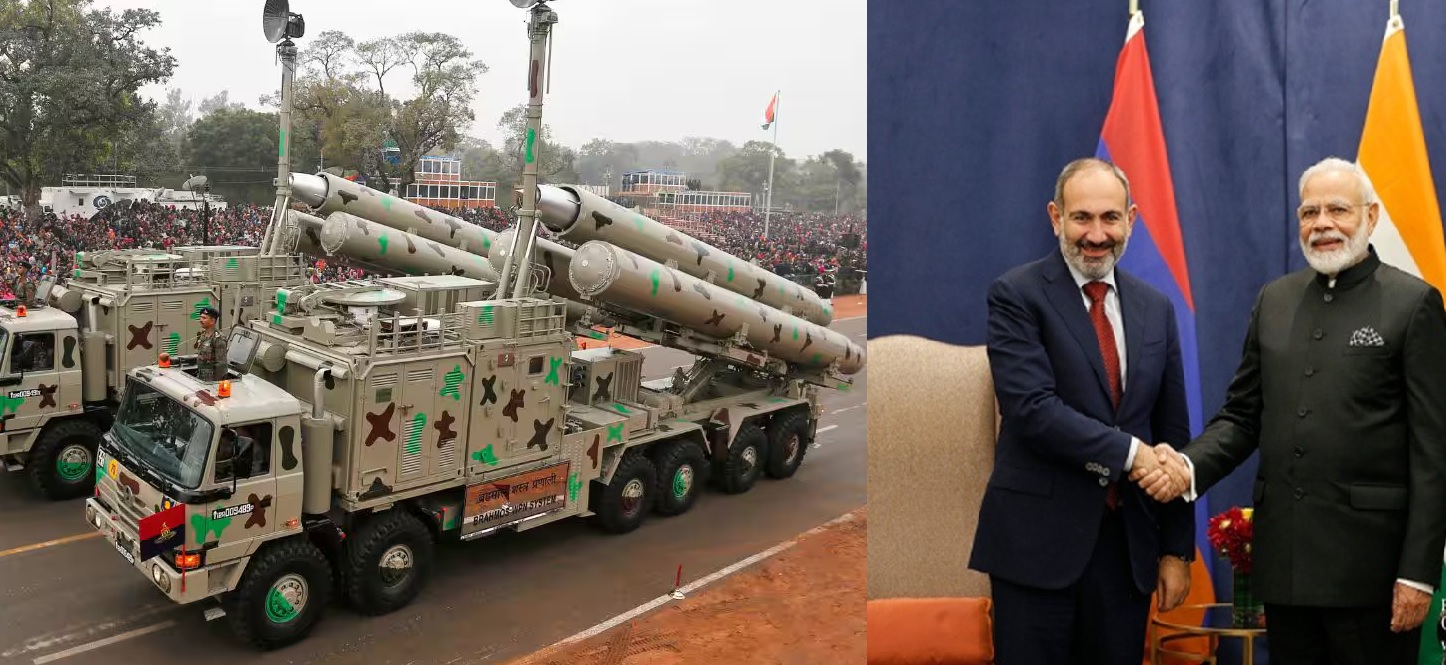
India
India and Armenia are close to signing defence memoranda of understanding (MoUs) worth an estimated $3.5 to $4 billion, marking one of New Delhi’s largest-ever defence export agreements. According to diplomatic and defence sources, the forthcoming deals are centred on modernising Armenia’s air defence network, missile systems, and artillery — a move that could reshape the balance of power in the volatile South Caucasus. Akash-NG: The Cornerstone of Armenia’s Air Defence Revival Sources told Republic Network that negotiations are at an advanced stage for the Akash-NG surface-to-air missile system, India’s next-generation SAM designed by DRDO. The system features an extended interception range of 70–80 km, enhanced radar seeker, and can target multiple aerial threats simultaneously, including drones, aircraft, and cruise missiles. If finalised, the integration of Akash-NG into Armenia’s layered air defence network would mark a strategic leap, providing Yerevan with autonomous protection capabilities independent of Russian-supplied S-300 and 9K33 Osa systems. Armenian officials reportedly see Akash-NG as the backbone of their modern air-defence architecture — flexible, mobile, and battle-proven under Indian conditions. BrahMos Surge After Operation Sindoor The BrahMos supersonic cruise missile — co-developed by India and Russia — has emerged as another focal point of Indo-Armenian discussions. Sources indicate that demand for BrahMos has surged sharply following its successful operational deployment during India’s “Operation Sindoor”, which showcased the missile’s precision and reliability. Negotiators are currently finalising a co-production framework that would allow licensed assembly of BrahMos components within Armenia. This would make Yerevan not just a buyer, but a partner in missile production, a landmark step for India’s growing global defence industry. If concluded, this would be the first instance of BrahMos assembly outside India, underlining both nations’ trust and long-term strategic alignment. Pinaka MLRS: Expanding Armenia’s Artillery Reach Parallel negotiations are also progressing on the Pinaka Multi-Barrel Rocket Launcher System (MLRS) — a powerful, indigenously developed artillery weapon capable of delivering concentrated firepower up to 75 km away. Armenia has shown keen interest in Pinaka due to its mobility, quick deployment, and precision-guided rocket capability, ideal for the country’s mountainous terrain and contested borders. Analysts say the induction of Pinaka would significantly enhance Armenia’s long-range strike and deterrence capabilities, filling a crucial gap in its existing artillery inventory. From Buyer to Partner: Armenia’s Pivot Toward India The groundwork for this unprecedented partnership was laid quietly over the past three years. Armenia, which once relied almost entirely on Russian defence supplies, began diversifying its procurement sources after 2020’s Nagorno-Karabakh conflict. In May 2023, Yerevan posted its first defence attaché in New Delhi, signalling a diplomatic and military realignment. India reciprocated a year later by establishing its first-ever military attaché in Yerevan — the only such posting in the Caucasus region. The relationship deepened with Armenia’s purchase of four Swathi Weapon Locating Radars worth $40 million, systems now deployed along its frontlines and praised for outperforming comparable Russian and Polish models. Since then, India has delivered a steady stream of equipment — from Konkurs anti-tank missiles and Zen anti-drone suites to 155 mm artillery guns and Akash batteries — all under the umbrella of India’s “Make in India” export initiative. Geopolitical and Industrial Significance The upcoming $4 billion deal underscores India’s rise as a global defence supplier. It fits neatly within New Delhi’s goal of reaching $26 billion in defence production by 2030. For Armenia, the agreements offer a strategic alternative to Russian dependency, ensuring supply security and access to advanced, cost-effective technology. This growing partnership also carries regional implications. Armenia’s collaboration with India complements its expanding diplomatic outreach to Greece, Cyprus, and Iran — countries that share a cautious stance toward Turkey and Azerbaijan’s growing assertiveness. By bringing Akash-NG, BrahMos, and Pinaka into Armenia’s arsenal, New Delhi is effectively extending its strategic influence westward into the Caucasus — an area traditionally dominated by Moscow and Ankara. Beyond Weapons: A Broader Strategic Relationship Beyond hardware, both sides are building institutional linkages. The India–Iran–Armenia trilateral dialogue, held in New Delhi in December 2024, focused on transport corridors and cultural cooperation. A week later, Armenia participated in defence-specific talks in Athens with Greece and Cyprus — further proof of its westward reorientation. Each of these developments is part of a larger framework aimed at transforming India–Armenia ties from transactional to strategic.
Read More → Posted on 2025-11-07 16:01:39
India
Aeronautics Limited (HAL) has sealed a landmark agreement with GE Aerospace to procure 113 F404-GE-IN20 engines along with a comprehensive support package to power the Light Combat Aircraft (LCA) Tejas Mk1A programme. The new deal, announced in November 2025, will ensure the continuity of Tejas production through the early 2030s, marking a key step in India’s aerospace self-reliance drive. The engine acquisition supports the ₹62,370 crore contract that the Ministry of Defence (MoD) signed with HAL on September 25, 2025, for 97 new Tejas Mk1A aircraft — comprising 68 single-seat and 29 twin-seat fighters for the Indian Air Force (IAF). This order expands the indigenous fighter fleet and gives HAL a clear production roadmap for the next decade. Scope and Delivery Timeline Under the fresh agreement, GE Aerospace will supply 113 F404-GE-IN20 engines — including installed units, spares, and support kits — between 2027 and 2032. The timeline has been aligned with the IAF’s Mk1A delivery schedule, ensuring that propulsion availability matches HAL’s growing assembly capacity in Bengaluru and Nashik. The number of engines ordered exceeds the number of aircraft to account for spares, test usage, and attrition reserves, following standard IAF logistics practice. HAL officials have confirmed that the deal includes an engine maintenance and technical support package, which will help the company streamline the fleet’s life-cycle management during initial service years. Building on Earlier Orders This latest deal builds on HAL’s earlier procurement of 99 F404-GE-IN20 engines from GE in 2021, valued at around US$716 million (approximately ₹6,000 crore). That earlier order was meant to power the first batch of 83 Tejas Mk1A aircraft, contracted by the MoD in February 2021. However, global supply-chain disruptions and the need to restart GE’s F404 production line delayed initial deliveries. Over the last two years, deliveries have gradually resumed — a steady sign that the programme has regained momentum. On September 30, 2025, GE Aerospace officially handed over the fourth F404-GE-IN20 engine to HAL at its Bengaluru facility, marking another milestone in fulfilling the 2021 contract. The earlier three engines were delivered After July-2025. This progress demonstrates that GE’s engine production cadence has begun stabilizing, paving the way for larger-scale deliveries under the new 2025 agreement. GE Commits to Ramp Up F404 Engine Production for HAL, Targets 24 Units Per Year by 2027 HAL’s Expanding Production Ecosystem HAL has aggressively expanded its manufacturing footprint to handle the combined orders for 180+ Tejas Mk1A aircraft (83 from 2021 and 97 from 2025). A new Tejas assembly line was inaugurated in Nashik in October 2025, in addition to the existing Bengaluru lines. Once fully operational, HAL will be capable of producing 24 aircraft per year — double its previous rate. However, the company’s production speed is closely tied to the timely availability of engines and imported components such as radars, EW suites, and flight-control actuators. The new 113-engine GE deal is therefore seen as removing a critical bottleneck that had constrained earlier deliveries. The HAL–GE Aerospace agreement for 113 F404-GE-IN20 engines is more than a procurement contract — it’s a structural enabler for India’s indigenous fighter ecosystem. With the first batch of engines from the 2021 deal already in HAL’s possession (the fourth handed over on September 30, 2025), and the next wave of 113 engines scheduled between 2027 and 2032, India’s Tejas Mk1A programme now has a clear propulsion roadmap. This ensures HAL’s assembly lines can operate without critical delays, strengthens the Indian Air Force’s modernization drive, and positions the Tejas as a cornerstone of India’s long-term aerospace independence.
Read More → Posted on 2025-11-07 14:44:44
India
Former U.S. President exposes Islamabad’s secret plea after heavy military losses and damaged bases Before Donald Trump’s stunning revelation, defense analysts and global intelligence reports had already indicated that it was Pakistan — not India — that first begged for a ceasefire during the intense May 2025 conflict. Satellite imagery released in the days following the clashes revealed extensive damage to Pakistani airbases, radar stations, and forward-deployed assets, confirming that Islamabad had suffered a far heavier blow than it publicly admitted. Now, Trump’s latest comments have confirmed what the world already suspected — that Pakistan’s Prime Minister Shehbaz Sharif personally pleaded with Washington to intervene before the crisis escalated into what he described as a potential “nuclear war.” “They were going to have a nuclear war with Pakistan,” Trump said in his latest interview.“The Prime Minister of Pakistan stood up the other day and said, if Trump didn’t get involved, many millions of people would have been dead right now.” These remarks directly point to Shehbaz Sharif’s acknowledgment that U.S. intervention under Trump’s guidance stopped the war, a truth that completely contradicts Pakistan’s official narrative that India asked for a ceasefire first. Global Analysts Already Knew: Pakistan Was the First to Plead Even before Trump’s words, military satellite analysis from multiple international agencies had shown Pakistan’s infrastructure in ruins after the intense May 2025 engagements along the Rajasthan–Sindh and Sialkot–Jammu sectors. Independent analysts from the U.S., France, and India identified cratered runways, destroyed hangars, and charred radar domes at key Pakistani airbases, including Mianwali, Shorkot, and Jacobabad. Radio intercepts captured by defense intelligence agencies suggested urgent calls from Pakistan’s General Headquarters (GHQ) to American and Chinese military attachés, seeking emergency diplomatic channels to stop the Indian offensive. This clear pattern of panic left little doubt: Pakistan had lost control of the escalation, and its leadership feared that India might strike deeper if hostilities continued. Trump Confirms: Shehbaz Sharif Pleaded for U.S. Help In Trump’s own words, it was Shehbaz Sharif who stood up publicly and praised him as a “Man of Peace.” That remark, made during an Islamabad press conference shortly after the ceasefire, now takes on a new meaning. At the time, Shehbaz’s statement appeared to be routine diplomacy. But Trump’s revelation exposes it as a confession — an acknowledgment that U.S. intervention saved Pakistan from total military humiliation. “If Trump didn’t get involved, millions would have died,” Shehbaz said, calling the former U.S. President “a man who prevented war.” Trump’s recollection makes it clear: Pakistan begged Washington to stop the war before it lost more aircraft, bases, and credibility. Eight Pakistani Aircraft Downed — Not Seven Perhaps the most explosive part of Trump’s statement was his offhand mention that “eight planes were shot down” — a figure that aligns with independent defense analyses but exceeds Pakistan’s own admission. During the May 2025 conflict, Pakistan’s Air Force launched a series of retaliatory sorties against Indian positions in Rajasthan and Punjab. In response, the Indian Air Force (IAF) conducted electronic counter-air missions and precision strikes, downing multiple Pakistani aircraft over the border zone. Initial Pakistani claims stated that only “a few drones and one aircraft” were lost. But post-conflict radar data, intercepted communications, and satellite heat signatures suggested at least eight confirmed losses, including JF-17s, one upgraded F-16 Block 52, and several UAVs. Trump’s statement confirms U.S. intelligence had a precise assessment — and that Pakistan’s losses were far higher than admitted publicly. Satellite Imagery Exposed Pakistan’s Damaged Bases Within 48 hours of the ceasefire, international commercial satellites — including those operated by Maxar Technologies and Airbus Defence — released imagery showing large-scale damage at Pakistani airbases. At Mushaf Air Base (Sargodha), satellite photos showed burnt shelters and smoke plumes still visible days later. At Mianwali, two hardened aircraft shelters were visibly cratered, suggesting precision strikes by India’s stand-off weapons. Near Jacobabad, radar installations and a logistics depot appeared destroyed, consistent with Indian use of long-range SPICE and Rudram anti-radiation missiles. These visuals left no doubt that Pakistan had absorbed significant punishment, contradicting its official claims of minimal damage. The False Narrative: Pakistan’s “India Asked First” Lie After the ceasefire was declared, Pakistan’s state media immediately claimed that India was the one who requested an end to hostilities — a narrative pushed domestically to protect the government and military from backlash. But diplomats in Washington, New Delhi, and London already knew the truth: Pakistan was the one begging behind closed doors.Trump’s admission simply made public what intelligence circles had been whispering for months — that Islamabad’s ceasefire appeal was born from fear, not strategy. Strategic Aftermath: India Held the Upper Hand By the time the ceasefire took effect, India had already achieved air and electronic superiority, having successfully neutralized several Pakistani radar sites and forward air defenses. Sources in the Indian defense establishment described the May 2025 conflict as “decisive and one-sided”, with Pakistan unable to match India’s advanced drone warfare, electronic jamming, and missile strike capability. For Islamabad, the cost was steep — not just in military losses but in credibility. The revelation that its leadership secretly sought Trump’s help, while publicly claiming victory, has now destroyed Pakistan’s moral and strategic narrative.
Read More → Posted on 2025-11-07 11:18:40
India
In a move underscoring India’s tightening space and communication security policies, the Indian National Space Promotion and Authorisation Centre (IN-SPACe) has rejected new applications from Chinese and Hong Kong-based satellite operators — including Chinasat, ApStar, and AsiaSat — to provide satellite broadcasting and communication services to Indian firms. The decision effectively prevents these foreign operators from leasing transponders or offering bandwidth to Indian broadcasters and telecom companies. The order, issued quietly but with far-reaching consequences, directs all Indian television broadcasters and DTH service providers currently using foreign satellite capacity from these companies to migrate to Indian or approved Western satellites by March 2026. The approved alternatives include India’s GSAT series (operated by ISRO) and Intelsat, a U.S.-based operator with which India has ongoing collaboration for commercial communication services. National Security and Regulatory Considerations Officials familiar with the matter indicate that the denial of Chinese-origin satellite services was driven primarily by national security and data sovereignty concerns. The government’s internal assessment reportedly found that allowing foreign—particularly Chinese-controlled—satellite networks to beam into Indian territory or carry Indian broadcast signals could pose risks to information security, surveillance, and electromagnetic spectrum integrity. Although the rejected companies—Chinasat, ApStar, and AsiaSat—have been long-time global players in satellite communication, they are either state-owned or have significant Chinese government shareholding. Under India’s evolving space policy, any satellite operator wishing to serve Indian customers must undergo strict scrutiny under IN-SPACe and Department of Space (DoS) guidelines, including origin tracing, data handling standards, and end-use verification. An IN-SPACe official, speaking on condition of anonymity, said that the regulator “has taken a cautious approach given the geopolitical situation and the growing sensitivity around space assets and communication networks.” Impact on Indian Broadcasters The immediate effect of this policy shift will be on private TV broadcasters, telecom transmission companies, and content distributors who have leased bandwidth on foreign satellites for years due to limited domestic capacity. Channels that currently rely on AsiaSat-7, ApStar-6C, or Chinasat-12 will now need to transition to ISRO’s GSAT platforms or partner with Intelsat for continued service. To avoid disruption, the government has given a transition window until March 2026, allowing companies time to realign their satellite uplink operations and obtain new transponder leases. The Ministry of Information and Broadcasting (MIB) and Department of Telecommunications (DoT) are expected to jointly issue updated operational guidelines to facilitate a smooth shift. Industry executives acknowledge that while the transition will come with costs and logistical challenges, it also aligns with India’s push for self-reliance in space-based communication infrastructure. ISRO, through its commercial arm NewSpace India Limited (NSIL), has already begun offering additional C-band and Ku-band capacity on the GSAT-30, GSAT-31, and upcoming GSAT-N2 satellites to accommodate displaced broadcasters. A Strategic Policy Direction The rejection of Chinese and Hong Kong-based satellite operators reflects India’s broader strategy to secure its orbital and spectrum assets, especially as the country’s broadcasting and internet infrastructure becomes increasingly satellite-dependent. Over the past few years, India has expanded cooperation with trusted global operators like Intelsat, SES, and Eutelsat while limiting exposure to entities linked with adversarial nations. The move is also consistent with the government’s 2023 Space Policy, which emphasizes the use of Indian-registered or friendly-nation satellites for services within India’s jurisdiction. The policy framework allows private participation but under strict oversight of IN-SPACe, which acts as the gatekeeper for all foreign satellite service approvals. For Indian broadcasters, the 2026 deadline represents both a challenge and an opportunity — a challenge in terms of cost and transition, but an opportunity to participate in a more secure and indigenous satellite communication network. As GSAT capacity expands and private Indian space firms begin launching their own small communication satellites, dependency on foreign transponders is expected to decline steadily. Analysts see the latest IN-SPACe decision as another step in India’s effort to safeguard its space-based communication infrastructure from potential vulnerabilities while promoting Make in India solutions in the satellite services sector. By March 2026, if the migration proceeds as planned, all Indian television and communication signals will either pass through Indian or allied-controlled satellites — marking a quiet but significant milestone in India’s pursuit of space security and strategic autonomy.
Read More → Posted on 2025-11-06 16:06:50Search
Top Trending in 24 Hours
-
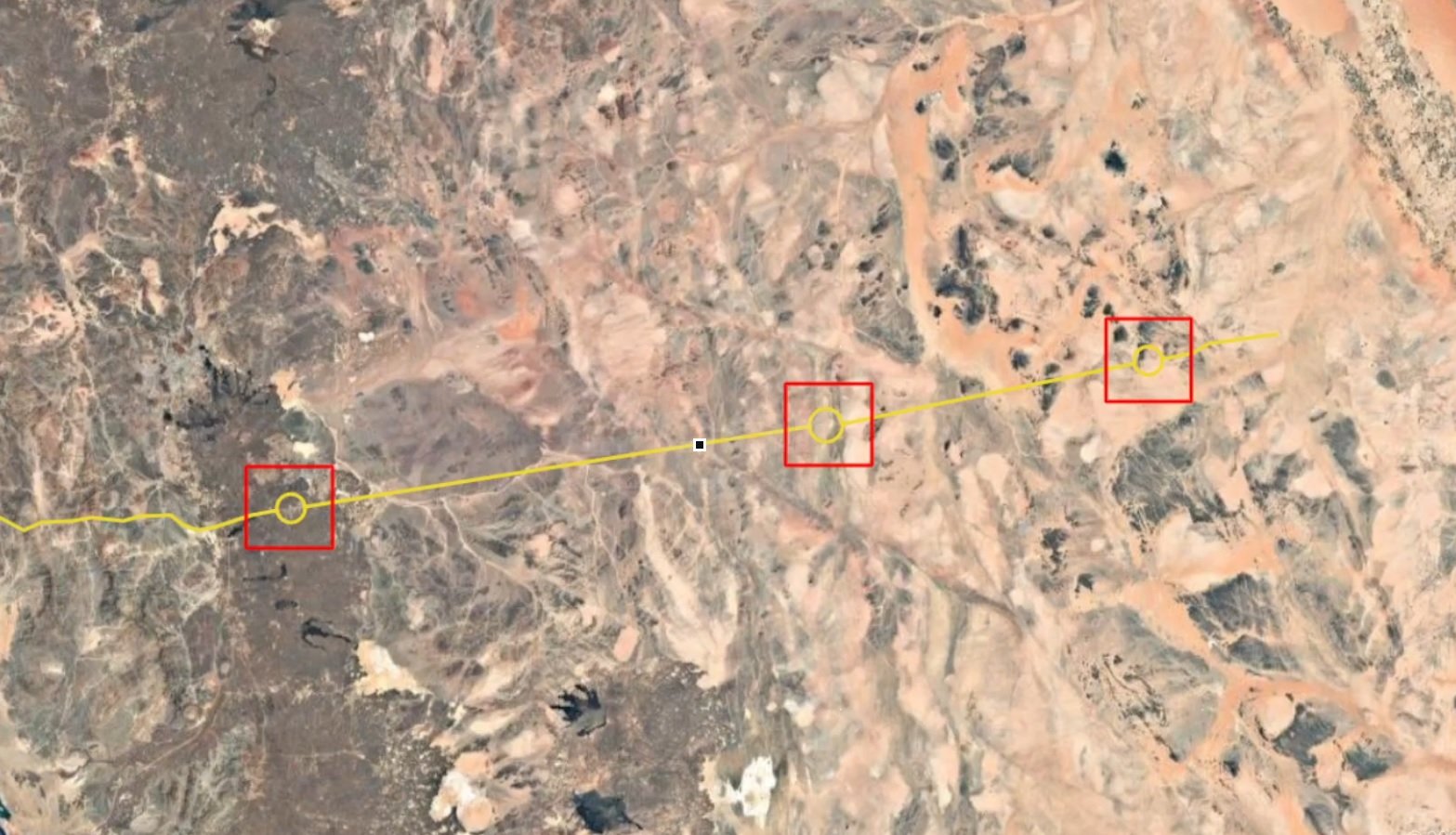 Satellite Imagery Shows Extensive Damage to Saudi Arabia’s East-West Oil Pipeline, Indicating More Than a Single Strike
-
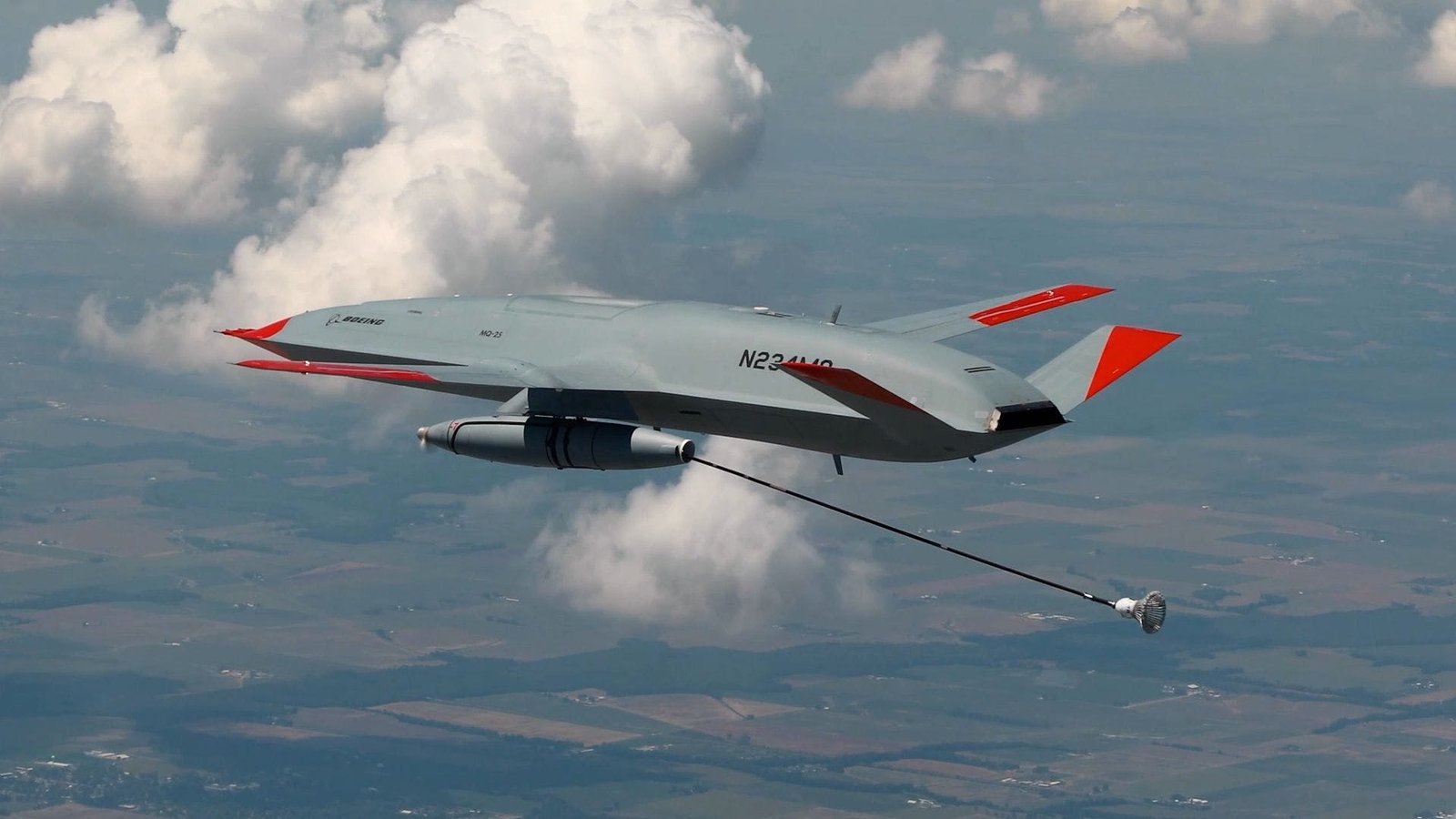 U.S. Navy Awards Boeing $562 Million Contract for First Production MQ-25A Stingray Tanker Drones
-
 Pentagon and Honeywell Complete Four-Hour Pacific Flight Using Quantum Magnetic Navigation Without GPS
-
 U.S. Air Force Special Operations Command Clears AGM-190A Havoc Spear for Wider Service After Combat Evaluation in Africa
-
 U.S. Confirms Deployment of On-Orbit Space Control Weapons for First Time
-
 China Builds New Shanghai Vessel to Serve as Mothership for Large Uncrewed Submarines
-
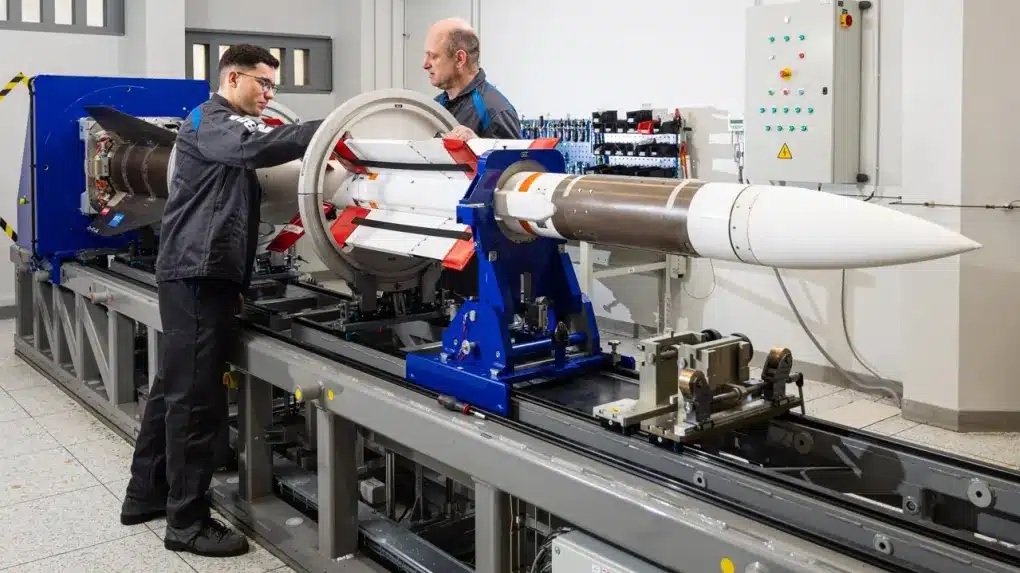 MBDA to Build New Missile Production Plant Near Orleans to Expand Missile Production
-
 Israel Provides Intelligence Support to Saudi Arabia Against Houthi Attacks, Mediated by US CENTCOM
Top Trending in 4 Days
-
 U.S. Air Force Awards Antares $161 Million to Develop Nuclear Reactor for Spacecraft
-
 Pentagon Awards BlueHalo Up to $99.8 Million Contract for Orbital Battlespace R&D Program
-
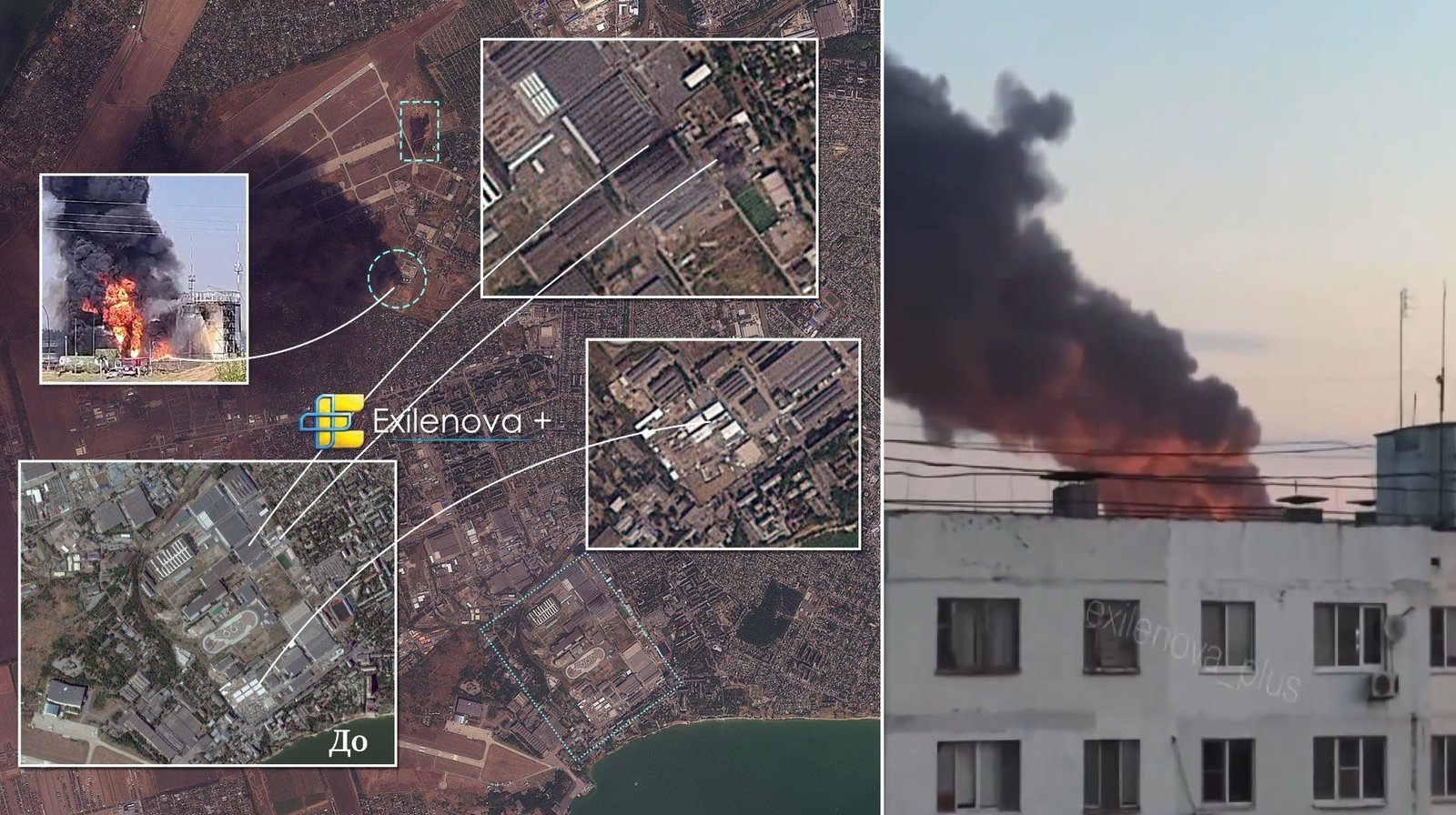 Ukrainian Drones Strike Russian UAV Manufacturer and Chemical Plants in Taganrog and Tolyatti
-
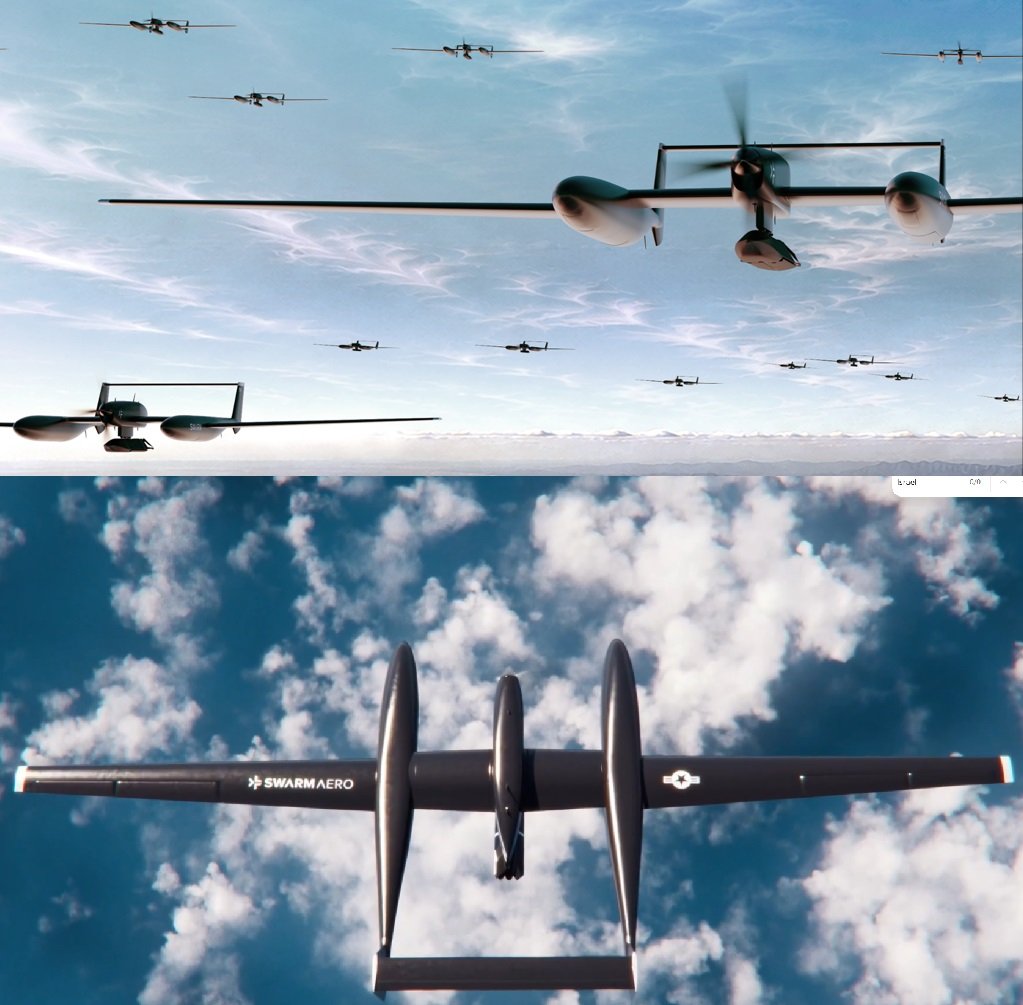 U.S. Firm Swarm Aero Unveils Gamera Group 5 UAS With 9,000-Nautical-Mile Range and Heavy Strike Payload
-
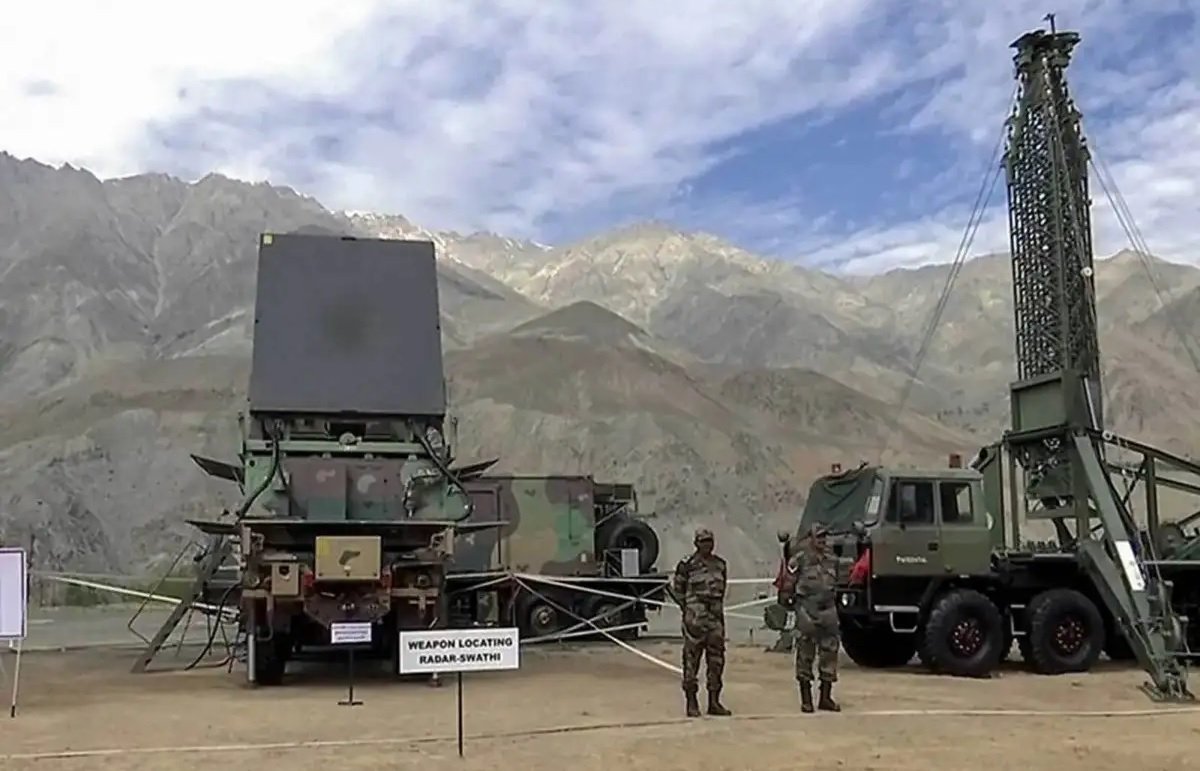 DRDO Demonstrates Indigenous 3.5×3 mm GaN Chip Delivering 30 Watts for Next-Generation Radars and Electronic Warfare
-
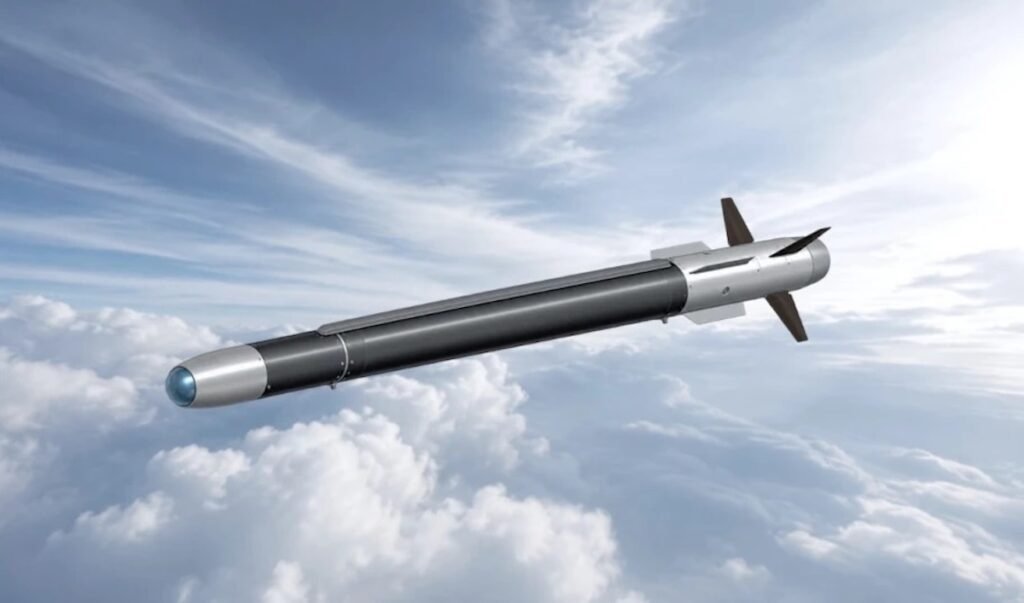 MBDA and Poland’s WITU Advance Low-Cost Supersonic Interceptor Against Swarm Attacks, Seeker Trials Successfully Completed
-
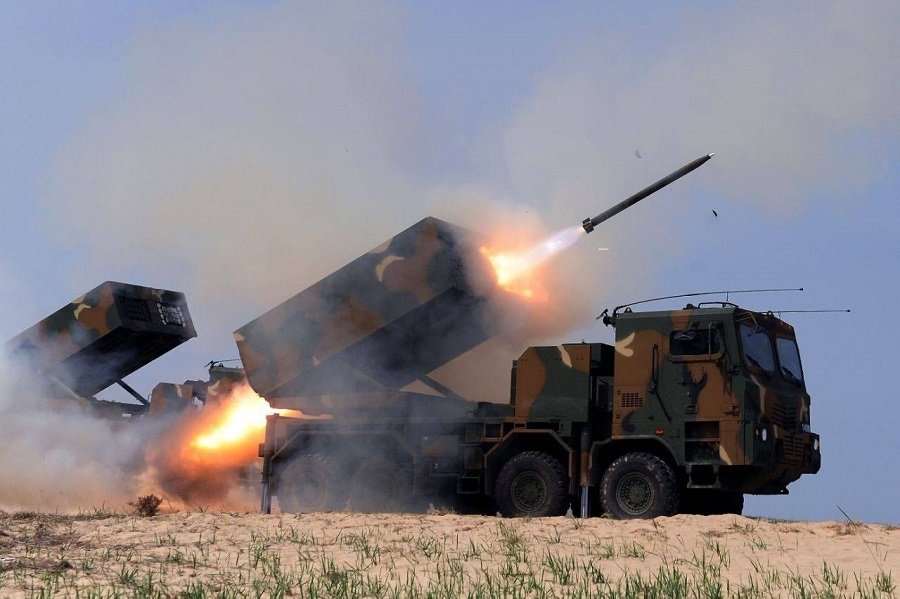 Croatia Signs €410 Million Contract with Hanwha Aerospace for 18 Chunmoo Rocket Launchers
-
 Eutelsat to Invest About €1 Billion in 229 More OneWeb Satellites From Airbus