
India
Bangalore-based deep-tech firm Prime Toolings has embarked on one of India’s most ambitious propulsion development programs, marking a defining moment in the country’s quest for self-reliance in advanced defence technologies. The initiative, which blends dual-booster propulsion with Rotating Detonation Engine (RDE) technology, is aimed at dramatically increasing missile range, thrust efficiency, and operational versatility across multiple platforms. Indigenous Missile Propulsion According to defence sources, the programme—quietly advancing since early 2025—entered a crucial phase in October 2025, when Prime Toolings began developing dual-booster engines engineered to operate in tandem with its indigenous detonation engine. This dual-configuration propulsion system is expected to revolutionize the thrust-to-weight dynamics of Indian missile systems, offering greater altitude gain and extended range performance. The dual-booster setup, which integrates advanced combustion physics and modular engine design, is designed to be compatible with various missile classes—ranging from short-range interceptors to long-range surface-to-air and anti-ship systems. By combining two synchronized booster units with a core detonation chamber, the system ensures a more stable combustion process, resulting in enhanced acceleration and superior payload delivery. Towards a New Generation of Missile Engines Prime Toolings plans to conduct a full-scale test of its long-range missile engine by February 2026, marking a major milestone in India’s propulsion capability. The test engine will reportedly be integrated with a modified variant of the Barak missile, a system jointly developed by India and Israel. Preliminary simulations and early-stage testing indicate that the new propulsion design could extend the missile’s range well beyond the current 100 kilometres, placing it in a class suitable for longer-range interception and strike roles. This performance boost could have a transformative impact on the Indian Navy’s and Air Force’s air-defence and anti-ship operations, where range, speed, and reaction time are critical to deterrence and precision engagement. The Rotating Detonation Engine: A Game-Changing Innovation The foundation of Prime Toolings’ propulsion push lies in its pioneering Rotating Detonation Engine (RDE), first unveiled in April 2025. Unlike conventional rocket or turbojet engines that rely on deflagration (subsonic combustion), the RDE harnesses continuous supersonic detonation waves to generate thrust. This unique process results in significantly higher energy efficiency and reduced fuel consumption, potentially improving performance by up to 25 percent compared to traditional designs. In practical terms, such efficiency gains could enable short-range missiles, which typically operate in the 150–250 km bracket, to reach ranges between 300 and 500 kilometres without increasing engine size or fuel mass. The compact architecture of the RDE also makes it ideal for small, agile missile platforms, unmanned aerial vehicles, and space launch applications. Aligning with the Atmanirbhar Bharat Vision The propulsion advancements by Prime Toolings align closely with India’s Atmanirbhar Bharat (Self-Reliant India) initiative. By developing home-grown solutions for high-performance propulsion systems—traditionally dominated by foreign suppliers—Prime Toolings is helping India reduce its strategic dependence on imports in one of the most sensitive areas of defence technology. Industry analysts note that propulsion technology has long been a bottleneck in India’s missile and aerospace ecosystem, often reliant on Russian, Israeli, or Western design inputs. Prime Toolings’ initiative signals a shift towards complete indigenous design, testing, and production, a critical step in achieving technological sovereignty. Strategic Implications The implications of this development go beyond a single engine or missile. A successful test of the dual-booster and RDE integration could lead to a new generation of indigenous missile systems, capable of longer ranges, higher speeds, and improved survivability. It would also open pathways for export opportunities, as nations in Asia, Africa, and the Middle East increasingly seek cost-effective, locally produced missile propulsion systems outside the Western supply chain. Furthermore, RDE-based propulsion could be adapted for hypersonic flight research, satellite launch vehicles, and next-generation UAVs, offering a scalable technology base for future defence and space applications.
Read More → Posted on 2025-10-29 14:27:03
India
Mazagon Dock Shipbuilders Limited (MDL) has signed a Teaming Agreement with Swan Defence to work together on the design and construction of Landing Platform Docks (LPDs) for the Indian Navy. The agreement supports India’s plan to build four amphibious warfare vessels under a project estimated at ₹33,000 crore. The signing took place in Mumbai, where both companies confirmed their cooperation to advance domestic shipbuilding under the ‘Make in India’ and ‘Atmanirbhar Bharat’ programs. MDL brings long experience in warship and submarine construction, while Swan Defence will contribute to design and technology integration. The Indian Navy’s LPD project aims to enhance its ability to transport troops, vehicles, and equipment for amphibious operations and disaster-relief missions. Each ship is expected to displace about 25,000 to 30,000 tonnes, with space for helicopters, tanks, armored vehicles, and landing craft. The vessels will also assist in humanitarian and evacuation operations during natural disasters. The LPD program has been under discussion for several years and has gone through multiple stages of evaluation. MDL, along with L&T, is one of the shortlisted shipyards. The new agreement with Swan Defence will strengthen MDL’s technical capability to meet the Navy’s requirements for multi-role amphibious ships. Under the agreement, Swan Defence will assist in areas such as concept design, system architecture, and integration of propulsion and automation systems. The partnership will help MDL align with the Navy’s operational and technical standards. There is also consideration that the LPDs may feature a longer or continuous flight deck, allowing them to operate multiple helicopters and unmanned aerial vehicles (UAVs). The companies are expected to focus on increasing the use of Indian-made equipment and systems, particularly in propulsion, communication, and control technologies. The new LPDs will enhance the Navy’s ability to deploy personnel and equipment quickly and support maritime operations across the Indian Ocean region. They will provide additional capacity for logistical support, command operations, and amphibious missions. This partnership between MDL and Swan Defence also represents a growing collaboration between public and private shipbuilders in India’s defense sector. As the project moves forward, the MDL–Swan Defence team will focus on finalizing the design and preparing for potential construction once the Navy awards the contract. The first ship could be delivered later this decade, providing the Indian Navy with a modern platform for both defense and disaster-response operations. The agreement is a practical step in India’s effort to build advanced naval platforms domestically and improve its overall shipbuilding capability.
Read More → Posted on 2025-10-28 15:22:20
India
In a major display of surveillance and missile-tracking capability, the Indian Air Force (IAF) and the National Technical Research Organisation (NTRO) successfully detected and tracked a Pakistani Strategic Plans Division (SPD) missile test conducted at dawn on Tuesday. The missile, launched from a site near Harnai in Balochistan, was observed throughout its entire flight path by India’s ELM-2090 Strategic Early Warning dual-band radar system, based near Udaipur, Rajasthan. According to initial assessments, while the radar maintained continuous lock on the missile from launch to termination, the test did not achieve its intended result. Sources indicate that Pakistan’s technical teams are currently investigating the cause of the failure, which reportedly involved a guidance or propulsion anomaly during mid-course flight. The launch, executed during the Fajr (dawn) window, was believed to be part of Pakistan’s ongoing missile validation exercises under the SPD’s supervision. India’s Strategic Sentinel: The ELM-2090 TERRA Radar The radar that tracked the test is none other than the ELM-2090 TERRA, one of the most advanced dual-band strategic early-warning radar systems in operation globally. Developed by Israel Aerospace Industries’ ELTA Systems, the TERRA system combines UHF- and S-band arrays — designated respectively as ULTRA and SPECTRA — to provide highly accurate, long-range detection of ballistic and aerodynamic threats. India operates this radar jointly through the IAF and NTRO, with the Udaipur-based installation serving as a vital node in India’s western early-warning network. The system boasts an effective detection range of around 2,500 kilometers and reportedly employs 10,000 Transmit/Receive Modules (TRMs), giving it extraordinary tracking precision and target discrimination capability even against low-RCS objects. The dual-band configuration enables the radar to track high-altitude ballistic targets while simultaneously monitoring smaller or stealthier threats. This makes it particularly effective against ballistic missile launches, hypersonic glide vehicles, and advanced air-breathing systems. Udaipur Radar Site: India’s Western Watchtower Situated in the Aravalli hills near Udaipur, this radar installation is one of India’s most critical early-warning assets. Construction of the site began in the early 2020s as part of India’s classified Phase-II Ballistic Missile Defence (BMD) expansion plan, aimed at creating a seamless national missile warning and tracking grid. The massive radar domes of the Udaipur site are visible from several kilometers away and are paired with another similar installation near Bhopal, ensuring overlapping coverage across the western and central sectors. Together, these sites feed real-time data into India’s Integrated Air Command and Control System (IACCS) and the Ballistic Missile Defence (BMD) command chain, forming the backbone of India’s early-warning architecture. How the Harnai Missile Test Unfolded According to defense monitoring sources, the Pakistani SPD conducted a surface-to-surface missile test from a range near Harnai, Balochistan, just before sunrise. The test involved a ballistic vehicle believed to be of medium-range classification. Within seconds of launch ignition, the Udaipur-based ELM-2090 radar detected the heat plume and trajectory signature, initiating continuous tracking. The system followed the missile through its boost phase, mid-course climb, and terminal descent, maintaining radar contact throughout. The radar reportedly provided launch-point coordinates, trajectory plotting, and predicted impact location data to India’s western-sector command centers in near real time. Indian analysts confirmed that the radar maintained a stable lock even as the missile deviated from its intended course, highlighting the robustness of the system’s beam agility and tracking algorithms. Unsuccessful Pakistani Test Raises Technical Questions Despite the successful detection from India’s side, reports emerging from across the border suggest that Pakistan’s test was unsuccessful. The missile reportedly failed to complete its intended flight profile due to a mid-course instability, possibly linked to propulsion cutoff or guidance system malfunction. Defense analysts believe this test may have involved an upgraded variant of a Shaheen or Ghauri-class ballistic missile, though official confirmation remains absent. The failure comes at a time when Pakistan’s SPD has been pushing for modernization of its missile inventory, particularly with new guidance packages and mobile launch systems. The failure, however, inadvertently allowed India’s radar systems to collect valuable telemetry, trajectory, and signature data — offering insights into Pakistan’s missile behavior and testing protocols. India’s Expanding Early-Warning Network For India, this event underscores the growing maturity of its missile detection ecosystem. The ELM-2090 radars form the first tier of India’s multi-layered surveillance grid, soon to be complemented by indigenous long-range AESA radars and space-based infrared sensors under development with ISRO. Data from these systems are integrated within IACCS nodes, providing instantaneous threat evaluation and coordination with interceptor batteries like the AD-1/AD-2 and Prithvi Air Defence (PAD) systems. The Udaipur radar’s demonstrated ability to track a cross-border ballistic launch from Balochistan in real time validates the strength of India’s early-warning posture — effectively granting the country several minutes of decision advantage in any potential hostile scenario. Strategic Implications The Udaipur radar’s tracking success serves as a message of both deterrence and capability. It reinforces India’s technological edge in long-range situational awareness and highlights its preparedness to counter regional missile threats. For Pakistan, the test’s failure near Harnai may spark internal reviews of its missile development and testing practices, especially as its systems face scrutiny from increasingly capable Indian detection networks. This episode also comes at a time of heightened regional competition, with both India and Pakistan advancing strategic delivery platforms and missile defenses. India’s ability to monitor and record such launches in real time provides a powerful intelligence advantage, shaping future policy and deterrence dynamics. The dawn missile launch from Harnai, Balochistan, may have ended in technical failure for Pakistan, but it marked a quiet triumph for India’s strategic surveillance apparatus. The IAF–NTRO-operated ELM-2090 TERRA radar near Udaipur successfully tracked the missile’s entire flight — from ignition to termination — demonstrating the radar’s exceptional reach and reliability. As India continues to expand its radar and space-based early-warning infrastructure, the Udaipur site stands as a symbol of a maturing strategic defense ecosystem — one that not only watches the skies but safeguards the nation’s future against any airborne threat.
Read More → Posted on 2025-10-28 14:19:30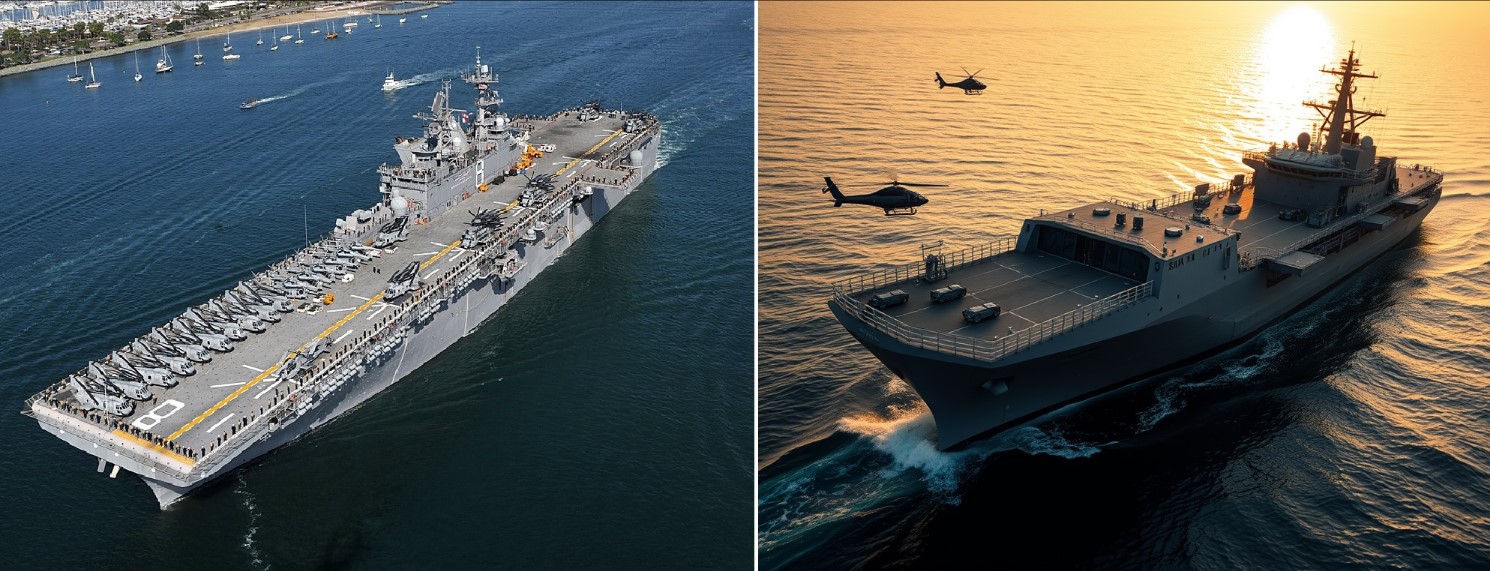
India
The Indian Navy’s long-awaited Landing Platform Dock (LPD) project — a ₹33,000-crore program for four massive amphibious assault ships — remains one of the most intriguing yet least understood defense initiatives in India’s naval modernization drive. With bids expected from L&T and Cochin Shipyard Limited (CSL) under the “Make in India” framework, speculation is mounting over whether these future vessels will emerge as true Landing Helicopter Docks (LHDs) — capable of operating advanced aircraft — or remain limited to conventional LPD roles focused on troop and vehicle transport. LPD or LHD: Where Does the Line Blur? At its core, an LPD (Landing Platform Dock) serves as a transport and amphibious operations ship — designed to carry troops, armored vehicles, and landing craft to hostile shores. An LHD (Landing Helicopter Dock), however, goes a step further — featuring a full-length flight deck and hangars to launch helicopters and vertical takeoff/landing (VTOL) aircraft. For India, this distinction is crucial. The Indian Navy’s vision of expeditionary capability, especially in the Indo-Pacific, will hinge on whether these vessels can serve as sea-control platforms or remain limited to amphibious logistics. If New Delhi opts for an LHD-style configuration, it would give India its first mini aircraft carrier-class amphibious ships, capable of supporting helicopters, UAVs, and potentially even future STOVL (Short Take-Off and Vertical Landing) jets. Landing Platform Dock vs Landing Helicopter Dock: Understanding the Difference A Landing Platform Dock (LPD) and a Landing Helicopter Dock (LHD) share a common role in enabling amphibious operations but differ sharply in capability and design philosophy. An LPD is primarily built for transporting troops, armored vehicles, and landing craft to shore, featuring a well deck for amphibious operations and a small flight deck that supports a few helicopters for logistics and assault missions. An LHD, on the other hand, takes the concept further — designed with a full-length flight deck and larger hangars, it can launch and recover multiple helicopters and even STOVL (Short Take-Off and Vertical Landing) aircraft, such as the F-35B. This makes the LHD functionally closer to a light aircraft carrier, capable of sustained air operations, command-and-control, and power projection. In essence, while an LPD focuses on amphibious transport and support, an LHD serves as a multirole aviation-capable flagship, blending amphibious warfare with air superiority. Budget vs Capability: What Does ₹33,000 Crore Buy? The sanctioned amount — roughly ₹33,000 crore for four ships — sets a clear cost ceiling. That figure is ambitious, especially if the Navy expects displacement above 25,000 tons, a through-deck design, and advanced aviation facilities. For comparison, a single Spanish Juan Carlos I-class LHD costs over $1 billion, while the South Korean Dokdo-class hovers around $700 million per unit. India’s budget averages around $990 million per ship, leaving limited space for exotic systems — but still sufficient for a hybrid design, one that balances amphibious transport with aviation capability. In essence, India might end up with an LPD+, a vessel that sits between a true LHD and a heavy transport dock — large enough for helicopter operations and UAV launches but without a full carrier-style air wing. The EMLS Factor: A Game Changer for UAV Launches One of the most promising technologies that could shift the balance is DRDO’s Electromagnetic Launch System (EMLS). Currently under advanced testing, the EMLS can launch payloads up to 400 kilograms over a span of 16–18 meters, making it ideal for tactical UAVs, loitering munitions, and light strike drones. Integrating EMLS into the upcoming LPD/LHD design would dramatically enhance the ship’s strike and surveillance envelope. UAVs could be launched without depending solely on helicopters, giving the Navy persistent aerial reconnaissance and precision strike capability far beyond visual range. Even at this stage, DRDO’s EMLS serves as a proof-of-concept for India’s eventual EMALS, a larger system intended for future aircraft carriers like INS Vishal. By first deploying it aboard LPDs, India could test, refine, and scale the technology in operational environments — a smart, incremental approach to achieving carrier-class capability. Strategic Context: Beyond Amphibious Operations India’s growing focus on the Andaman & Nicobar Command, Maritime Domain Awareness, and island-chain defense strategy aligns perfectly with the LPD/LHD concept. These ships would not only deploy Marines, vehicles, and supplies during contingencies but also function as floating command centers, UAV hubs, and disaster-response platforms in the Indian Ocean. If designed with a through-deck and modular launch zones, the ships could support unmanned systems, rotary-wing AEW (Airborne Early Warning) assets, and even short-range UCAVs — bringing the Indian Navy closer to a networked, multi-domain amphibious fleet. Balancing Ambition with Realism Ultimately, whether India’s four LPDs turn into genuine LHDs depends on political will, industrial maturity, and naval doctrine. A conservative design would yield highly capable transport docks — valuable but limited. A more ambitious design, however, could mark India’s entry into the class of blue-water powers that deploy multi-role amphibious carriers. With DRDO’s EMLS maturing, domestic shipyards ready, and strategic necessity pressing from two maritime fronts, the question isn’t just about size or tonnage anymore — it’s about vision. Will the Indian Navy settle for an LPD, or will it quietly build the foundation of a next-generation LHD fleet?
Read More → Posted on 2025-10-28 11:14:54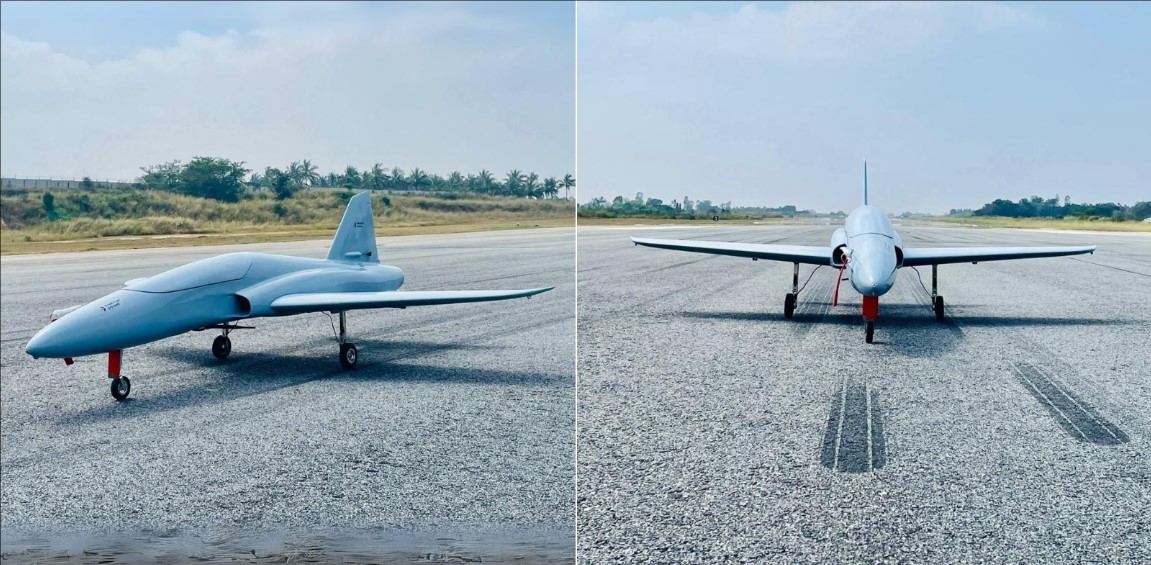
India
Dynauton Systems, a Bengaluru division of Dynamatic Technologies, has introduced KAATIL, a compact jet-powered loitering munition intended for fast, precision engagements in environments where navigation signals may be contested. Company materials and trade reporting describe KAATIL as a small, single-use unmanned aerial vehicle with a jet engine, GNSS-resilient guidance and a modular warhead. Public figures place KAATIL’s maximum take-off weight (MTOW) at about 12 kilograms and its wingspan near 2 metres, with a removable payload of roughly 1 kilogram. The vehicle uses a small jet engine and is reported to reach speeds up to about 600 km/h. These characteristics indicate the system is designed for relatively short-duration, high-speed transit rather than long-endurance surveillance. The system’s guidance suite is described as combining GNSS navigation with optical guidance and onboard processing, intended to allow mission completion when GNSS is jammed or unavailable. The manufacturer indicates the vehicle can follow low-altitude, terrain-matching flight paths and execute different attack profiles—such as steep dives or top-attack angles—appropriate for engaging exposed components or lightly armoured targets. Tactically, KAATIL is likely to be used against radars, command nodes, logistics vehicles, exposed personnel and sensor suites—targets where a small warhead can be effective. Its speed and short response time make it suitable for attacking time-sensitive targets or for use in coordinated groups intended to engage local point-defence systems. The system is described as launchable by catapult or from a short runway, which supports forward deployment with limited logistics. Dynauton first publicised KAATIL in early 2025, ahead of industry events such as Aero India 2025, where the concept and prototype were shown to trade media. Since that initial appearance, trade outlets and the company’s public materials have been the main sources of technical detail. There are no widely available independent test reports or confirmed procurement contracts in the public domain; most technical information currently comes from the manufacturer and trade coverage. The system has limitations that follow from its size and payload. A roughly 1-kilogram warhead is not intended to defeat heavily armoured main battle tanks, though certain attack profiles can affect lighter armoured vehicles or exposed systems. Reported speed and low-altitude flight reduce the time available for interception but do not by themselves ensure penetration of modern, integrated air-defence layers. Endurance and range are not fully specified in public materials, so operational planners must infer mission parameters from disclosed weight, propulsion type and expected fuel capacity. In doctrinal terms, KAATIL fits into a graduated set of strike options where operators have a range of effects available: small, low-cost loiterers for local suppression, mid-tier precision loiterers for sensor and node denial, and larger missiles for hardened or deep targets. For the domestic defence sector, KAATIL also reflects private-sector involvement in complete system development rather than only subcontracting roles—which may affect future procurement and export discussions subject to government policy. Overall, KAATIL is a compact, jet-powered loitering munition with GNSS-resilient guidance and a modular warhead. Public information highlights its speed, modularity and design for contested navigation environments, while independent performance data and confirmed service adoptions are not yet available in the public record.
Read More → Posted on 2025-10-28 10:57:48
India
In a significant development for India’s civil aviation and aerospace manufacturing sectors, Hindustan Aeronautics Limited (HAL) and Russia’s United Aircraft Corporation (UAC) have signed a Memorandum of Understanding (MoU) in Moscow to jointly produce the SJ-100 commuter aircraft in India. The agreement grants India the rights to manufacture the SJ-100 for domestic civil use, marking a major step in India’s efforts to expand its indigenous passenger aircraft production capabilities while deepening its aerospace partnership with Russia. Strategic Partnership for Civil Aviation The MoU between HAL and UAC, signed during a bilateral industry meeting in Moscow, establishes a cooperative framework for local assembly and licensed production of the SJ-100, an upgraded and fully Russian-made version of the earlier Sukhoi Superjet 100 (SSJ100) regional jet. Unlike previous versions that relied heavily on Western components, the new SJ-100 (sometimes referred to as “Superjet-New”) has been completely “Russified”, using 100% Russian-made systems, avionics, and engines. This transformation allows Russia to offer the aircraft free from Western supply chain dependencies—a key factor in enabling export partnerships like this one with India. Under the agreement, HAL will produce the SJ-100 under license in India. However, the deal does not include rights for indigenous design modification, meaning that while the aircraft will be built locally, its engineering and intellectual property will remain under Russian control. The Aircraft: SJ-100 — Russia’s 100% Indigenous Short-Haul Jet The SJ-100 is designed as a short-to-medium range regional jet intended for domestic and regional routes. It is an updated, re-engineered evolution of the Sukhoi Superjet 100, tailored to meet the post-2022 reality of Russian aviation, where Western engines and electronics are no longer available. The new variant replaces the previous PowerJet SaM146 engine (a Franco-Russian design) with the Aviadvigatel PD-8, a fully Russian turbofan engine that successfully completed flight testing in 2023. The aircraft’s avionics, landing gear, and hydraulics have all been re-sourced from Russian suppliers to achieve complete independence from Western vendors. SJ-100 Specifications Feature Specification Seating Capacity 98–108 passengers Engines 2 × Aviadvigatel PD-8 turbofans Maximum Range 3,000–4,500 km (depending on configuration) Cruise Speed Mach 0.78 (approx. 830 km/h) Service Ceiling 12,200 meters (40,000 ft) Takeoff Distance ~1,750 meters Maximum Takeoff Weight 49,000 kg Cabin Width 3.24 meters Crew 2 Airframe Materials Advanced aluminum alloys with composite sections These specifications place the SJ-100 in the regional jet category, directly competing with aircraft such as Embraer’s E190-E2 and Mitsubishi’s SpaceJet M90—not with the larger Airbus or Boeing narrowbodies. The SJ-100 is optimized for short-haul operations, ideal for connecting tier-2 and tier-3 cities in India’s expanding regional aviation network. India’s Role: Licensed Production, Not Indigenous Design The HAL–UAC partnership provides India with production rights, enabling HAL to assemble the aircraft domestically using Russian kits, components, and sub-systems. However, India’s role will be limited to manufacturing and maintenance, as the MoU excludes indigenous design authority. This arrangement mirrors earlier models of defense-industrial collaboration, where India gained production experience without full technological ownership. Nonetheless, the deal is strategically valuable for HAL, marking its entry into civil passenger jet production—a new frontier beyond its traditional military aircraft portfolio. According to initial assessments, the SJ-100 could be produced in India for regional airlines and government-supported connectivity schemes like UDAN, serving routes too small for Airbus A320s or Boeing 737s but too large for turboprops such as the ATR-72. Why the SJ-100 Fits India’s Regional Needs India’s domestic civil aviation market is one of the fastest-growing globally, with demand surging in short and medium-haul segments. However, India currently lacks an indigenous regional jet program, relying entirely on imports for this category. The SJ-100 offers several advantages: Ideal Capacity: 100-seat configuration aligns perfectly with regional airline requirements. Operational Range: Suitable for routes under 1,500–2,000 km connecting smaller cities. Lower Acquisition Cost: Russian aircraft traditionally cost less than Western equivalents. Maintenance Simplicity: Modular engine and airframe design aimed at lower lifecycle costs. By producing the SJ-100 locally, India could reduce its dependence on Western OEMs and introduce a locally assembled, mid-range commuter jet at competitive pricing, potentially benefiting both public and private operators. Russia’s Gain: A Partner in a Sanctions World For Russia, the deal represents both a commercial opportunity and a geopolitical statement. Facing Western sanctions that restrict exports and technology transfer, Moscow has aggressively promoted its domestically re-engineered aircraft like the SJ-100 and MC-21 as proof of its industrial resilience. By licensing the SJ-100 to India, Russia gains a manufacturing partner outside its immediate geopolitical orbit and strengthens bilateral industrial cooperation with a key strategic ally. The deal also helps Russia secure new export markets for its re-domesticated aviation products in Asia and beyond. Future Prospects While initial production will likely focus on meeting India’s internal civil aviation needs, there is potential for regional exports to friendly nations in South Asia, Africa, and the Middle East in later phases—especially if cost competitiveness and service reliability match projections. HAL’s involvement also raises the possibility of joint MRO (Maintenance, Repair, and Overhaul) facilities, further supporting India’s ambition to become a global aviation hub. However, success will depend on several factors — from certification under Indian and international aviation standards to ensuring steady supply chains for Russian components and engines. The HAL–UAC MoU to produce the SJ-100 commuter aircraft in India represents a major step toward diversifying India’s civil aviation industry. While India will not own the design, local production of this 100-seat regional jet could fill a critical gap in the domestic market and position HAL as a credible player in the civil aerospace sector. For Russia, the agreement validates its effort to achieve full technological independence in aerospace manufacturing. For India, it offers a pathway to industrial experience, aviation infrastructure growth, and reduced import dependence in a sector dominated by Western manufacturers. The SJ-100, symbolizing Russia’s post-sanctions aviation resilience, may soon take flight under Indian assembly lines — marking a new chapter in the India–Russia aerospace partnership.
Read More → Posted on 2025-10-28 10:28:24
India
In a major diplomatic and economic breakthrough, India and the United States are on the verge of finalizing a landmark trade agreement, with both sides reporting that talks have progressed smoothly and no major differences remain. The deal, which has been under discussion for months, marks a turning point in bilateral economic relations and could redefine the balance of trade between the two democracies. According to senior officials, Washington has agreed to several of India’s key terms, including the firm stance on banning genetically modified (GM) agricultural products and seeds from entering Indian markets. This clause ensures that India’s agricultural sovereignty and biodiversity remain protected, while upholding domestic food safety standards that have long been a cornerstone of New Delhi’s policy. In another significant win for India, the country’s dairy market will remain completely closed to foreign companies and vendors, preserving it exclusively for Indian farmers, cooperatives, and consumers. This decision was non-negotiable for New Delhi, given the deep social and economic importance of the dairy sector, which supports over 80 million rural households. With consensus reached on sensitive sectors like agriculture and dairy, both sides have signaled that the final agreement could be signed before the fall deadline, potentially during a high-level visit later this year. On the economic front, the United States has agreed to dramatically slash import duties on Indian goods, bringing tariffs down from the current average of 50% to roughly 15–16%. This move is expected to boost exports from India’s manufacturing, textiles, and pharmaceutical sectors, providing a major fillip to Prime Minister Narendra Modi’s “Make in India” initiative. In return, India has offered measured concessions, including a gradual reduction in imports of Russian crude oil — a key point of contention in recent U.S.-India diplomatic exchanges. While India will maintain its right to diversify energy sources, the phased adjustment is seen as a gesture of goodwill and strategic balance. The United States, in turn, will gain greater market access for American agricultural commodities, including corn and ethanol, aligning with New Delhi’s efforts to diversify its biofuel sources and enhance energy security. This also dovetails with India’s ambitious ethanol blending program, aimed at reducing dependence on imported petroleum. Experts believe that this trade deal could unlock a new era of strategic and economic convergence between the two nations. It reflects not only economic pragmatism but also a shared recognition that the Indo-Pacific partnership is central to global stability and growth. Analysts note that India’s firm stance on protecting its domestic agriculture and dairy markets — combined with Washington’s willingness to accommodate those red lines — shows a maturing relationship built on mutual respect and strategic trust, rather than one-sided concessions. If signed, the agreement would be the most comprehensive India–U.S. trade pact in decades, setting a framework for cooperation in technology, clean energy, pharmaceuticals, and supply chain resilience. With the framework nearly finalized and both capitals expressing optimism, the stage is now set for a historic signing ceremony later this year — one that could redefine the future of India–U.S. economic relations and further cement their position as strategic partners in a rapidly shifting global order.
Read More → Posted on 2025-10-27 17:11:25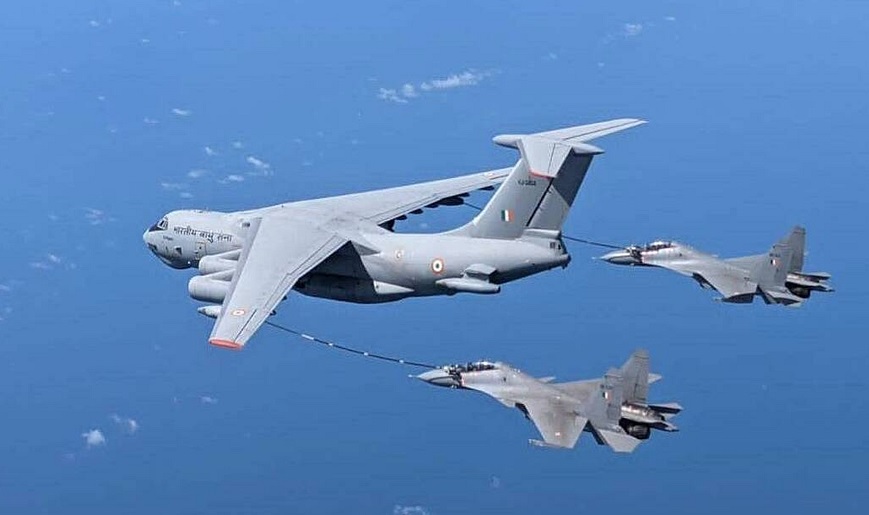
India
In a major boost to Indo-Israeli defense cooperation, Israel Aerospace Industries (IAI) is reportedly set to win the ₹8,000 crore (approximately $900 million) contract to convert six second-hand Boeing 767 aircraft into Multi-Role Tanker Transport (MRTT) aerial refuelers for the Indian Air Force (IAF). The deal, which is in its final stages of approval, will significantly strengthen India’s mid-air refueling capability — a critical asset for extending the operational range of fighters such as the Rafale, Su-30MKI, and Tejas Mk1A. Why IAI Was Chosen According to defense officials, IAI emerged as the frontrunner due to its proven expertise in aircraft conversion programs and cost efficiency compared to Western competitors. The Israeli aerospace firm has decades of experience converting Boeing 767s into MRTT platforms through its Bedek Aviation Group, which has delivered similar refueling systems to the air forces of Brazil, Colombia, and Azerbaijan. Under the upcoming agreement, IAI will acquire six pre-owned Boeing 767 passenger jets—likely sourced from the civilian market—and convert them into full-fledged refueling aircraft equipped with advanced hose-and-drogue and boom refueling systems, mission avionics, and cargo transport configurations. The aircraft will be tailored to the IAF’s operational needs, allowing them to refuel multiple fighter types in a single sortie. India’s Long Quest for New Tankers This deal follows more than a decade of attempts by the IAF to modernize its refueling fleet. Currently, the service operates six Russian-origin Ilyushin Il-78MKI tankers, inducted in the early 2000s. These aircraft, based at Agra, have suffered from maintenance challenges and low availability rates, prompting repeated efforts to acquire a new generation of refuelers. India previously evaluated and shortlisted Airbus A330 MRTT twice — once in 2009 and again in 2016 — but both tenders were cancelled due to high costs and bureaucratic hurdles. The decision to go with converted Boeing 767s from IAI reflects a shift toward a more affordable and flexible solution without compromising operational capability. Technical Details and Advantages The IAI 767 MRTT is capable of carrying over 90 tonnes of fuel, enabling simultaneous refueling of two fighters via wing pods and one large aircraft through the central boom. It can also carry cargo, personnel, or medical evacuation modules, making it a multi-role platform ideal for both peacetime logistics and combat support. Key features include: Dual refueling systems (hose-and-drogue + boom) for compatibility with multiple aircraft types. Range: Over 11,000 km (with maximum fuel load). Cargo capacity: Around 45 tonnes. Crew: Two pilots plus mission operators. Advanced mission management suite for fuel control and coordination. The aircraft will likely be maintained in India with IAI providing technology transfer and maintenance support to HAL or a private Indian partner, ensuring local capability development. Strategic Implications Once inducted, the six Boeing 767 MRTTs will dramatically enhance the IAF’s power projection across the Indian Ocean and along the northern borders. They will allow fighter aircraft to undertake long-range patrols, maritime strike missions, and rapid response operations without relying on ground-based refueling stops. The deal also underscores the deepening defense-industrial partnership between India and Israel, which has grown steadily over the past decade. IAI has already delivered major systems to India, including Heron UAVs, Barak-8 air defense systems, and radar technologies. Next Steps Sources indicate that the formal contract announcement could come within the next few months, pending final cost negotiations and Cabinet Committee on Security (CCS) approval. Once signed, IAI is expected to complete the first aircraft conversion within 24–30 months, with the remaining five delivered over the following two years. If finalized, this would mark India’s first operational use of converted commercial airliners as refueling platforms, setting a precedent for cost-effective modernization in the IAF’s support fleet. With IAI’s proven record and India’s urgent need for reliable aerial refueling assets, the upcoming agreement could finally bring an end to the IAF’s two-decade-long search for new tankers, firmly anchoring Israel as a key partner in India’s aerospace modernization.
Read More → Posted on 2025-10-27 16:56:03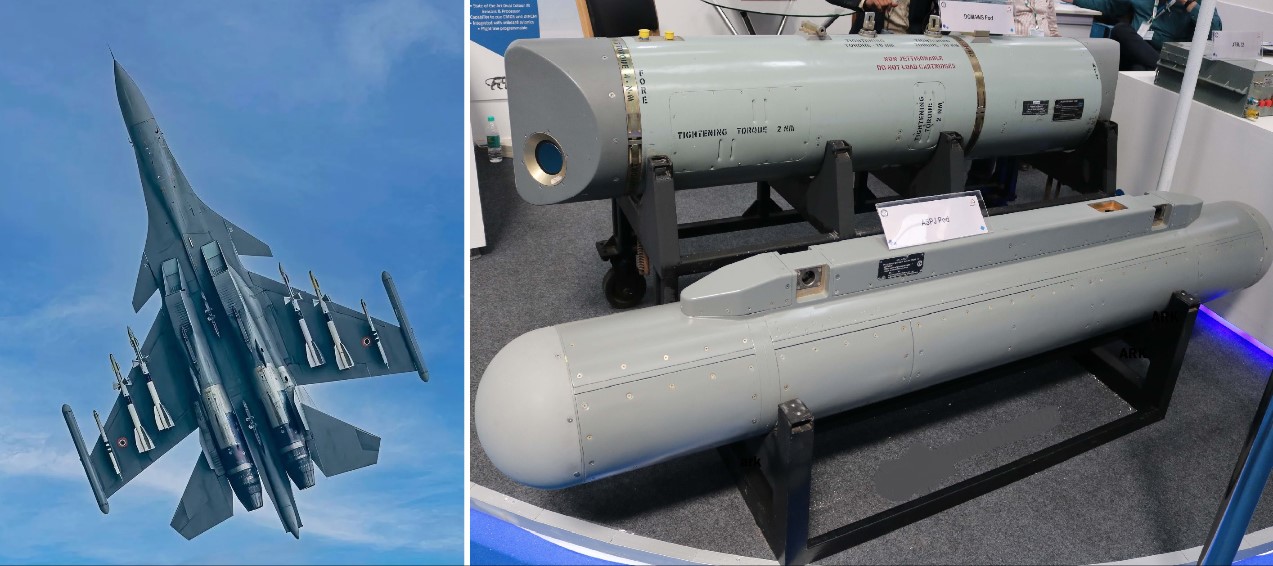
India
The Indian Air Force (IAF) has issued a Request for Information (RFI) seeking the procurement of 100 Advanced Self-Protection Jammer (ASPJ) pods for its fleet of Su-30MKI multirole fighters. The move is aimed at strengthening the aircraft’s survivability and electronic warfare (EW) resilience against modern radar-guided threats, marking a critical step in India’s ongoing effort to modernize its combat fleet under the ‘Make in India’ framework. According to the RFI, the IAF plans to acquire 100 complete ASPJ systems, including pods, associated electronics, ground support equipment, integration kits, and documentation. The procurement aims to enhance the Su-30MKI’s ability to operate effectively in high-threat environments saturated with enemy radars and surface-to-air missile systems. The document also highlights an emphasis on indigenous content, seeking responses from firms capable of delivering locally produced or co-developed systems with robust after-sales and maintenance support within India. The ASPJ is designed to detect, analyze, and jam hostile radar signals using real-time electronic countermeasures. It can confuse or degrade enemy tracking and missile guidance systems, ensuring that the aircraft remains undetected or protected during critical missions. These pods will work in tandem with the DRDO’s ‘Dhruti’ Radar Warning Receiver (RWR), creating a comprehensive self-protection suite for the Su-30MKI. Several domestic players are expected to respond to the RFI. The Defence Avionics Research Establishment (DARE) and Defence Electronics Research Laboratory (DLRL), both under the Defence Research and Development Organisation (DRDO), have been actively developing indigenous jamming pods based on Gallium Nitride (GaN) technology and Active Electronically Scanned Array (AESA) architecture. These pods use Digital Radio Frequency Memory (DRFM) techniques to effectively spoof and deceive enemy radars by replicating or altering radar returns. Private defense companies such as Bharat Electronics Limited (BEL) and Data Patterns are also likely participants, given their expertise in airborne electronic warfare systems. Data Patterns has previously unveiled its ‘Talon Shield’ ASPJ system, which can be configured for large fighter platforms such as the Su-30MKI. The ASPJ procurement is also expected to align with the ‘Super Sukhoi’ modernization program, which aims to upgrade over 200 Su-30MKI aircraft with advanced avionics, the new ‘Virupaksha’ AESA radar, digital mission computers, and upgraded EW systems. Once operational, the ASPJ pods will dramatically improve the fighter’s ability to survive in contested airspace, particularly against emerging long-range radar systems and networked air-defense networks deployed by potential adversaries. Technically, the new jammer pods are expected to operate across a wide 4 to 40 GHz frequency band and will likely include features such as automatic threat recognition, 360-degree coverage, and high-power jamming output for both defensive and offensive EW operations. Integration will be carried out under IAF and Hindustan Aeronautics Limited (HAL) supervision to ensure compatibility with existing mission computers and weapon systems. The RFI seeks detailed inputs from qualified vendors regarding system specifications, integration timelines, indigenous content, and lifecycle support capabilities. The submissions will form the basis for a forthcoming Request for Proposal (RFP) phase, where shortlisted vendors will submit detailed bids. Industry observers suggest that flight integration and testing could commence by 2026, with production deliveries possibly starting around 2027–2028. Once fully inducted, these jammer pods will significantly enhance the Su-30MKI’s survivability, ensuring that India’s air dominance platform remains combat-relevant against future threats in the Indo-Pacific region. By investing in advanced jamming technology, the IAF is reinforcing its strategy of building a self-reliant electronic warfare ecosystem, ensuring that its frontline aircraft remain shielded from the increasingly sophisticated radar and missile systems of potential adversaries.
Read More → Posted on 2025-10-27 16:20:18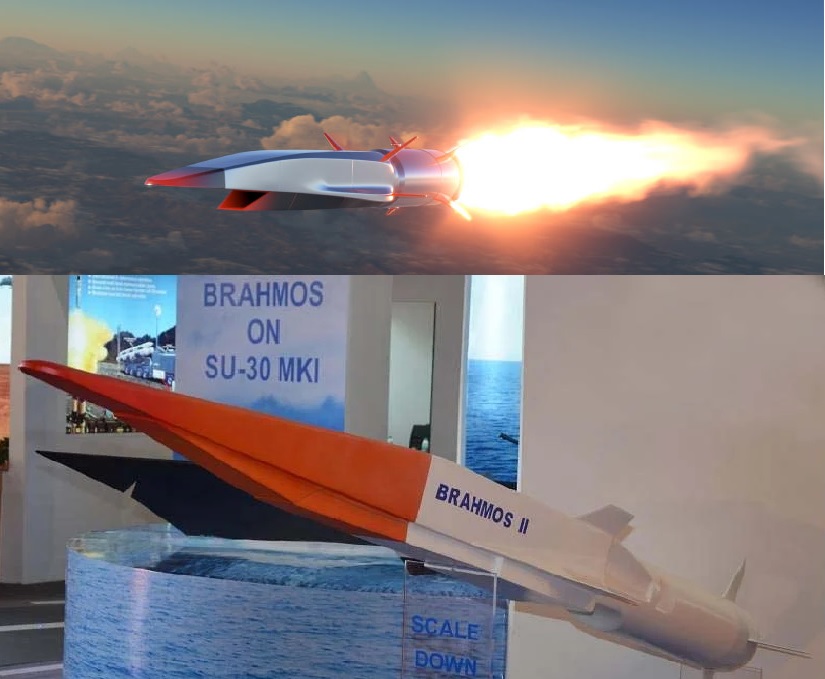
India
India and Russia are reportedly in the final stages of approving the BrahMos-II, a next-generation hypersonic cruise missile designed to reach speeds of Mach 7 and a range of up to 1,500 kilometers. The new missile, developed jointly by BrahMos Aerospace—a collaboration between India’s DRDO and Russia’s NPO Mashinostroyeniya—aims to succeed the current BrahMos series with far greater speed, endurance, and survivability against modern air defenses. A Leap into Hypersonic Domain The BrahMos-II, also referred to as BrahMos-2K, represents the most ambitious phase of the Indo-Russian missile partnership since the early 2000s. While the original BrahMos became the world’s fastest operational supersonic cruise missile with speeds around Mach 3, its successor pushes deep into the hypersonic regime—where sustained flight above Mach 5 introduces unique challenges of heat, plasma formation, and control. At the heart of BrahMos-II lies a Russian scramjet propulsion system, derived from the technological lineage of the 3M22 Zircon missile. The scramjet (supersonic combustion ramjet) allows the missile to maintain speeds near Mach 7 for long durations, dramatically shrinking response times for targets. Unlike traditional rocket-powered ballistic missiles, BrahMos-II will fly a lower, maneuverable trajectory, making it far harder to detect or intercept. Indian Seeker, Indigenous Electronics Whereas propulsion expertise is drawn from Russian programs, the avionics, seekers, and electronic warfare (EW) systems are being developed domestically by Indian scientists. DRDO engineers are focusing on building indigenous guidance systems capable of maintaining accuracy under intense thermal stress and heavy jamming. The missile’s EW-resistant avionics suite will enable it to operate effectively in contested electromagnetic environments—crucial for modern warfare where GPS denial and radar spoofing are routine. The seeker package reportedly combines active radar and imaging sensors, allowing the missile to identify and engage maritime or land targets with high precision, even at extreme speeds. Range and Multi-Platform Capability According to program sources, BrahMos-II is expected to achieve a strike range of up to 1,500 km, significantly expanding beyond the original BrahMos’s 300–500 km range. While export variants will likely remain restricted under the Missile Technology Control Regime (MTCR) limits, India’s own configuration could exploit its full range potential. The missile is designed for multi-platform deployment—from land-based launchers, surface ships, and submarines, with future potential for an air-launched version. Its modular design mirrors the versatility that made the BrahMos family integral to India’s Army, Navy, and Air Force strike doctrines. Program Timeline The concept for BrahMos-II was first introduced in the early 2010s, following the success of the original BrahMos. Formal development agreements were signed soon after, setting in motion a series of ground-based scramjet tests and computational fluid dynamics trials in both India and Russia. By 2021–2024, engineers reportedly conducted combustor and materials testing to validate sustained high-temperature performance. Sources within the Indian defense establishment indicate that prototype testing could begin around 2025–2026, with flight trials to follow soon after. If successful, the first operational units could be inducted before 2030. Strategic Significance The BrahMos-II will mark a defining moment in India’s missile evolution—signaling entry into the global hypersonic league alongside the United States, Russia, and China. Once operational, it will drastically cut down strike response times and allow India to hit time-sensitive or high-value targets deep within enemy territory before they can react. For Russia, the program reinforces its long-standing defense technology cooperation with India, particularly at a time when Moscow’s access to Western technology is constrained. Joint development also strengthens the strategic autonomy of both nations in the high-speed weapons domain. Despite the optimism, BrahMos-II faces steep technical hurdles. Sustained scramjet operation at Mach 7 requires advanced heat-resistant composites, high-precision control algorithms, and miniaturized avionics that can survive extreme G-forces. Guidance under plasma sheathing remains a key obstacle, as ionized air around the missile can block radar and GPS signals. Program delays have already occurred due to material sourcing and integration complexity, but both DRDO and NPO Mash are reportedly accelerating collaboration through a renewed 2025–2030 roadmap. If successful, BrahMos-II will serve as a technological bridge to future hypersonic strike systems—including air-launched and dual-role variants capable of conventional or potentially strategic missions. It could also pave the way for India’s indigenous Hypersonic Technology Demonstrator Vehicle (HSTDV) to evolve into a fully deployable platform. As India and Russia finalize approvals for full-scale testing, the Mach 7 BrahMos-II stands poised to redefine conventional deterrence in the Indo-Pacific, establishing India as one of the few nations mastering operational hypersonic technology.
Read More → Posted on 2025-10-26 16:37:34
India
In a major boost to India’s defence capabilities, the Ministry of Defence (MoD) on Thursday granted the preliminary “acceptance of necessity (AoN)” for a series of high-value military modernization projects worth around ₹79,000 crore ($9 billion). The approvals, cleared by the Defence Acquisition Council (DAC) chaired by Defence Minister Rajnath Singh, cover a wide spectrum of systems from amphibious warfare ships to advanced missiles, swarm drones, and indigenous anti-tank systems. Amphibious Warfare Ships: ₹33,000 Crore The largest project sanctioned is the construction of four large amphibious warfare ships (Landing Platform Docks or LPDs) at a cost of ₹33,000 crore. Each vessel, with a displacement exceeding 20,000 tonnes, will be built at an Indian shipyard to be selected through competitive bidding. Officials explained that the LPDs will significantly strengthen the Navy’s capabilities, enabling joint amphibious operations with the Army and Air Force, in addition to supporting peacekeeping and disaster relief missions. S-400 Missile Expansion: ₹10,000 Crore A substantial ₹10,000 crore has been earmarked for the procurement of surface-to-air missiles for India’s S-400 Triumf air defence systems, covering ranges of 120 km, 200 km, 250 km, and 380 km. This order aims to replenish existing stocks and build strategic reserves. The S-400 systems were pivotal during the May cross-border hostilities with Pakistan, where the IAF reportedly neutralized at least five advanced Pakistani fighters, including F-16 and JF-17 aircraft, as well as an ELINT/AEW&C platform at a record 314-km engagement range during Operation Sindoor. The final two of the five ordered S-400 squadrons, originally contracted in 2018 for $5.43 billion (₹40,000 crore), are expected to be delivered next year after delays caused by the Russia-Ukraine war. With President Vladimir Putin’s visit to India in early December, plans are underway to acquire at least three additional squadrons, according to reports. Swarm Drones: ₹5,500 Crore Under the ‘Make-II’ category, the Ministry of Defence has approved swarm drones valued at ₹5,500 crore. These cutting-edge systems, officially termed Collaborative Long-Range Target Saturation/Destruction Systems (CLRTS/DS), are designed for autonomous operations, including take-off, navigation, landing, target detection, and payload delivery in designated mission areas. With a range exceeding 1,000 km, they are capable of executing precision strikes on enemy airfields and other critical targets. Prototype development for these systems is funded by domestic industry, with platforms such as NewSpace Sheshnaag 150 and NAL Loitering Munition among the likely contenders. Army Modernisation For the Army, approvals include: Nag Mark-2 (tracked) missile systems: 107 units for ₹2,500 crore, designed to neutralize tanks, combat vehicles, bunkers, and field fortifications. Ground-Based Mobile ELINT Systems (GBMES): Provide continuous electronic intelligence of enemy emitters. High-Mobility Vehicles (HMVs) with cranes: Enhance logistical support across varied terrains. Naval Enhancements In addition to LPDs, the Navy will also receive: 30mm surface guns (₹1,200 crore) for low-intensity maritime and anti-piracy operations. Advanced lightweight torpedoes for anti-submarine warfare. Electro-optical infra-red search and track systems for advanced surveillance. Smart ammunition for 76mm super rapid gun mounts on warships. DAC AoN ₹79,000 Crore Split-Up Defence System Cost (₹ Crore) Purpose Amphibious Warfare Ships (LPDs) 33,000 Joint operations, disaster relief, peacekeeping S-400 Missile Stockpile 10,000 Air defence replenishment, strategic reserve Swarm Drones (Make-II) 5,500 Autonomous target saturation and destruction Nag Mark-2 Missile Systems 2,500 Anti-tank and battlefield support Navy Surface Guns & Smart Ammo 1,200 Low-intensity maritime and anti-piracy roles Others (GBMES, HMVs, torpedoes, sensors) 26,800 Electronic intelligence, mobility, anti-submarine & surveillance This massive ₹79,000 crore modernization drive marks a significant leap in India’s multi-domain military readiness, emphasizing indigenous capabilities, strategic deterrence, and modern warfare preparedness across the Army, Navy, and Air Force.
Read More → Posted on 2025-10-25 11:42:30
India
Former CIA officer John Kiriakou has said that Pakistan must come to a policy conclusion that there is nothing to gain from fighting with India, emphasizing that Islamabad would lose any conventional war. Speaking in an interview with ANI, Kiriakou—who served 15 years with the CIA and headed its counterterrorism operations in Pakistan—shared his perspective on Pakistan’s military strategy, its nuclear program, and regional tensions with India. Kiriakou’s comments come as India continues to maintain a firm policy against cross-border terrorism, demonstrated through surgical strikes in 2016, the Balakot airstrikes in 2019, and Operation Sindoor in May 2025, conducted after the Pahalgam terror attack that killed 26 civilians. The operation targeted terror infrastructure in Pakistan and Pakistan-occupied Jammu and Kashmir (PoJK), signaling India’s determination to respond to any form of terrorism decisively. Recalling his time in Pakistan in the early 2000s, Kiriakou said, “When I was stationed in Pakistan in 2002, I was told unofficially that the Pentagon controlled the Pakistani nuclear arsenal, and that President Pervez Musharraf had handed control to the United States.” Over time, however, Pakistan’s military leadership has denied this claim, insisting that control of the nuclear weapons remains with its own generals. When asked whether this information was ever shared with India, Kiriakou expressed doubt. “I don’t think the Americans ever told India that,” he said, noting that U.S. officials were primarily focused on avoiding escalation. “The State Department told both sides—if there’s a fight, keep it short and non-nuclear. Because once nuclear weapons are used, it changes everything.” Kiriakou stated clearly that there is no benefit for Pakistan in provoking India. “Nothing good will come out of a war between India and Pakistan,” he said. “The Pakistanis will lose. And I’m not talking about nuclear weapons—just in a conventional war. India’s military and economic advantages are clear.” His observations align with a broader view among analysts that Pakistan’s continued reliance on terrorism and nuclear posturing has damaged its international standing. India, meanwhile, has focused on building military strength and intelligence-driven counterterrorism capabilities, ensuring quick and targeted responses to attacks. Kiriakou also discussed Abdul Qadeer Khan (AQ Khan), known for developing Pakistan’s nuclear program and for his role in nuclear technology smuggling. “If we had taken the Israeli approach, we would have just killed him,” Kiriakou said. “We knew where he lived and what his routine was. But Saudi Arabia intervened, asking us to leave him alone because they were working with him. That was a mistake by the U.S. government.” AQ Khan’s proliferation network had provided sensitive technology to Iran, North Korea, and Libya, raising serious global concerns about nuclear security. Despite international pressure, Khan remained protected in Pakistan for years, highlighting the complex nature of its nuclear establishment. Kiriakou, who spent the latter part of his CIA career in counterterrorism, became known in 2007 for revealing details of the CIA’s interrogation practices. Although he later faced legal action and served 23 months in prison, he said he had no regrets about his decision to speak publicly. In his latest remarks, Kiriakou reiterated that Pakistan’s confrontational approach offers no advantage and urged it to focus on stability and development instead. With India’s defense modernization and expanding global partnerships, he said, Pakistan would benefit more from improving diplomatic and economic relations than from maintaining hostility. His conclusion was straightforward: “There’s nothing positive for Pakistan in fighting India. In a conventional conflict, they will lose. It’s that simple.”
Read More → Posted on 2025-10-25 11:15:50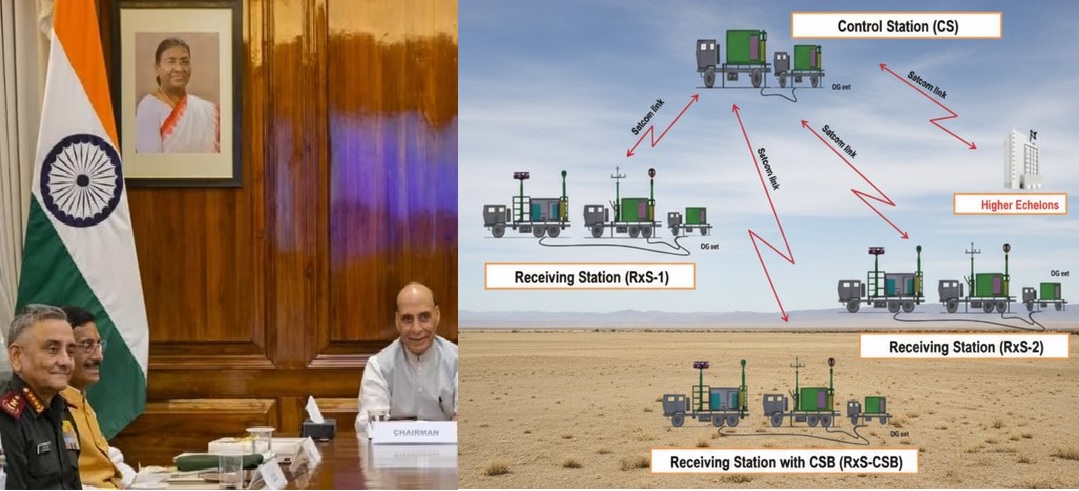
India
The Defence Acquisition Council (DAC), chaired by Defence Minister Rajnath Singh, on Thursday granted Acceptance of Necessity (AoN) for defence procurement proposals worth nearly ₹79,000 crore (about $9 billion) for the three services. The approvals cover a broad slate of capital acquisitions — from amphibious ships and missiles to surveillance and electronic-intelligence systems — intended to strengthen combat readiness and India’s indigenous defence-industrial base. Among the items cleared, the DAC approved an allocation of roughly ₹1,000 crore for an upgraded Ground‑Based Mobile ELINT System (GBMES) for the Indian Army/IAF — a mobile electronic‑intelligence capability designed to detect, monitor, classify and geolocate hostile electronic emitters such as radars, communications nodes, and jammers. GBMES is listed among the Army’s priority acquisitions. What GBMES will bring — operationally and tactically GBMES is a force multiplier for electronic intelligence (ELINT) and electronic warfare (EW). The system’s core functions — detecting emitter activity, identifying signal characteristics and fixing emitter location — provide commanders with an “electronic order of battle”: where enemy radars and communications are, what frequencies they use, and when they are active. That information is crucial for planning strikes, suppression of enemy air defences (SEAD), route planning, and force protection. Because GBMES is mobile, it can be redeployed across sectors (mountains, deserts, plains, and border belts), giving commanders a persistent, flexible ELINT posture rather than a network of fixed listening posts. Mobility improves survivability and allows forces to tailor ELINT coverage to shifting operational priorities and terrain. How GBMES works (architecture and techniques) The existing generation of GBMES-type systems — and the upgraded variants the DAC has funded — typically combine three broad elements: distributed receivers, a command/control station, and analysis/processing suites. • Receiving Stations (RS): Multiple spatially separated receiver vans/units scan radio‑frequency bands continuously to detect and record emissions (radar pulses, datalinks, voice/data transmissions). By deploying several receivers, the system can use time‑difference‑of‑arrival (TDOA) and angle‑of‑arrival (AOA) techniques to triangulate an emitter’s position. • Control Station (CS) & Processing: The CS synchronises the receivers, runs signal‑processing algorithms to extract pulse descriptors (PRI, pulse width, carrier frequency, modulation), and performs emitter classification and geo-location. Modern GBMES installations include automated signal libraries and machine-assisted classification to match signatures to known radar/communications types. • Emitter Location & Correlation: Using AOA bearings, TDOA timing differences, and multilateration, the system computes emitter coordinates. GIS overlays and fusion with other ISR sources (satellite imagery, UAV feeds, human reports) refine accuracy. Operational effects and systems integration • Fire-control and weapons cueing: Location fixes from GBMES can be fed into fire-control systems (FCS) and indirect fire platforms — artillery, rockets, or missile systems — to cue precision fires against emitters or pre‑plan SEAD strikes. • Electronic warfare (offense & defence): Knowing emitter characteristics lets EW operators select appropriate jamming waveforms, employ tailored spoofing/decoy techniques, or harden own systems against likely interference. GBMES thus lays the groundwork for both offensive EW and defensive measures. • Tactical tempo & decision advantage: Continuous monitoring of adversary emitters gives commanders advance warning of activity surges and contributes to deception detection and campaign-level situational awareness. Why a ₹1,000-crore investment matters An investment of this scale signals a move from niche deployments toward more widespread, modernised GBMES formations — with improved receivers, better timing/synchronisation hardware, larger signal libraries, greater automation, and secure datalinks for real-time sharing across formations. That shortens the kill-chain between detection and action and improves the survivability of friendly forces. Indigenous design and industrial impact Past GBMES efforts in India have involved DRDO and domestic firms for development and production of ELINT/EW suites; the DAC’s approval aligns with the government’s push for “Make in India” in defence, and with other recent procurements aimed at strengthening indigenous production lines and technology absorption.
Read More → Posted on 2025-10-24 16:08:59
India
Former CIA officer John Kiriakou has made startling revelations about the United States’ relationship with Pakistan during General Pervez Musharraf’s rule. According to Kiriakou, the U.S. “essentially purchased” Musharraf with millions in aid, while Musharraf reportedly handed over control and monitoring of Pakistan’s nuclear arsenal to Washington. “We Essentially Just Purchased Musharraf” In an interview with ANI, Kiriakou, who served 15 years in the CIA as an analyst and counterterrorism officer, said the U.S. enjoyed “very, very good relations” with Pakistan under Musharraf after the 9/11 attacks. “The United States loves working with dictators,” Kiriakou said. “Because then you don’t have to worry about public opinion or the media anymore. And so, we essentially just purchased Musharraf.” He explained that the U.S. provided millions of dollars in military and economic aid, met regularly with Musharraf, and gained broad operational freedom inside Pakistan. Musharraf, Kiriakou said, needed to keep Pakistan’s military elite satisfied, which allowed him to balance U.S. demands with domestic pressures. Nuclear Arsenal Under U.S. Oversight Kiriakou claimed that Musharraf quietly handed over control and monitoring of Pakistan’s nuclear weapons program to the United States. This gave Washington unprecedented influence over Pakistan’s nuclear command and security protocols, including warhead safety, storage, and operational readiness. Experts note that after 9/11, the U.S. sought safeguards on Pakistan’s nuclear assets due to concerns about insider threats and proliferation. Musharraf’s cooperation allowed American specialists to advise Pakistan on permissive action links, nuclear security, and monitoring protocols, effectively giving Washington visibility and influence over one of the region’s most sensitive assets. Dual Policy: Public Cooperation, Private Divergence Kiriakou said Musharraf maintained a “dual life”: publicly cooperating with the U.S. on counterterrorism while tolerating militant networks targeting India. “The military didn’t care about Al-Qaeda; they cared about India,” he explained. “To keep the military and some extremists satisfied, Musharraf allowed them to continue this dual life — pretending to cooperate with the Americans while committing terror against India.” He noted that India and Pakistan came close to war in 2002, following the December 2001 Indian Parliament attack, illustrating the risks of this balancing act. Lavish Corruption Among Pakistan’s Political Elite Kiriakou criticized the deep corruption in Pakistan’s political class. He recounted a visit to Benazir Bhutto in exile in Dubai, describing her multimillion-dollar Gulf residence and joking about her husband Asif Ali Zardari buying luxury cars. He used the anecdote to highlight the disconnect between Pakistan’s elite and ordinary citizens: “She lived in a $5 million palace on the Gulf, and he had a collection of Bentleys. How can they go back to Pakistan and look the people in the face when those people don’t even have shoes or enough food to eat? That level of corruption — come on!” Kiriakou lamented that such leaders reinforce the struggles of the Pakistani public, who remain vulnerable to poverty and neglect. Musharraf’s Strategic Calculus In his autobiography, In the Line of Fire, Musharraf admitted that Pakistan’s decision to abandon the Taliban and align with the U.S. was based on survival: “I war-gamed the United States as an adversary,” Musharraf wrote. “The answer was no — we could not survive on three counts: our military would be wiped out, our economy destroyed, and our nation divided.” This led to a U.S.-aligned Pakistan, massive aid inflows, and deeper American involvement in strategic and nuclear oversight. Fragile Nation Held Together by Money and Power Kiriakou warned that Pakistan’s chronic political instability remains a major risk, with factional fights often spilling into violence: “Pakistanis have a tendency to get themselves spun up. People die during demonstrations, political figures are attacked, assassinated, and the country isn’t known for leaders making transformative, positive decisions.” Analysts say decades of U.S. financial aid, combined with domestic corruption and military dominance, created a fragile state dependent on external support. Background: Billions in Aid After 9/11, Pakistan became a top recipient of U.S. military and economic assistance, receiving over $20 billion between 2001 and 2011. In exchange, Washington gained strategic access to Pakistani airspace, intelligence cooperation, and logistical support in Afghanistan. Kiriakou’s revelations suggest that this aid came with hidden costs: compromised sovereignty, elite corruption, and U.S. oversight over Pakistan’s nuclear arsenal.
Read More → Posted on 2025-10-24 15:21:50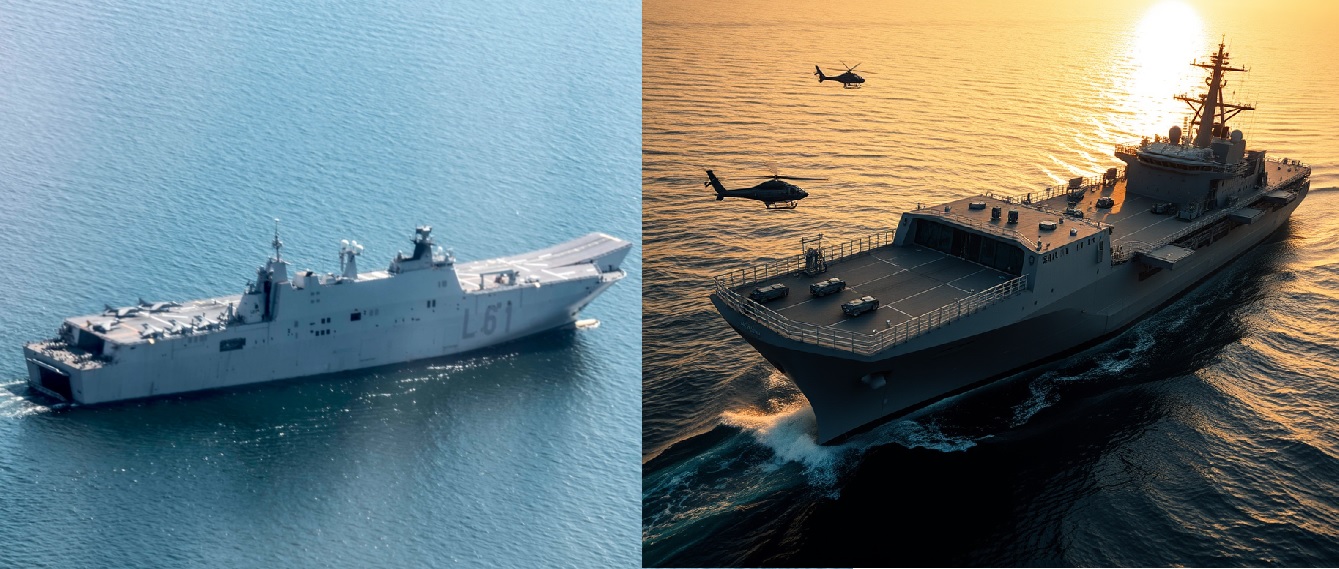
India
The Defence Acquisition Council (DAC), chaired by Defence Minister Rajnath Singh, has approved Acceptance of Necessity (AoN) for defence procurement proposals worth nearly ₹79,000 crore (about $9 billion), marking one of India’s largest multi-service acquisition rounds in recent years. The clearances encompass key capability enhancement programs for the Indian Army, Navy, and Air Force, focusing on indigenous platforms, self-reliance, and network-centric warfare systems. Among the most significant approvals is a ₹33,000-crore AoN for the Landing Platform Dock (LPD) program, officially reviving the long-delayed amphibious warfare ship project, originally conceived as the Multi-Role Support Vessel (MRSV) nearly a decade ago. This decision allows the Indian Navy to issue Requests for Proposal (RFPs) to shortlisted Indian shipyards — notably Larsen & Toubro (L&T) and Cochin Shipyard Limited (CSL) — paving the way for price negotiations and final design finalization. LPD Project: India’s Strategic Amphibious Capability Reborn The Indian Navy has long sought four large Landing Platform Docks (LPDs) to strengthen its expeditionary and amphibious operations capability. The new AoN confirms that all four ships will be built in India, under the ‘Buy (Indian)’ category, with extensive indigenous content — from hull fabrication to combat systems integration. The LPDs will serve as floating command centers capable of launching maritime strike, amphibious landing, and humanitarian assistance operations. These platforms will enable India to rapidly project power in the Indian Ocean Region (IOR), reinforcing its position as a regional security provider. Expected Design Parameters The LPDs are expected to displace between 20,000 and 25,000 tonnes, with an overall length of about 200 to 220 meters, and an endurance of up to 45 days at sea. A Combined Diesel and Diesel (CODAD) propulsion system is likely to power the vessels, though an electric propulsion option is being considered to enhance fuel efficiency and reduce noise signatures for better stealth performance. Each ship will feature a large flight deck capable of operating six to eight medium or heavy-lift helicopters, including Seaking, ALH Dhruv, and the upcoming IMRH. The well deck will support Landing Craft Air Cushion (LCACs) and Landing Craft Mechanized (LCMs) for troop and vehicle deployment during amphibious operations. In addition, the ships will carry a fully integrated command and control center for task force operations, supported by modern C4ISR systems. For self-defence, they will be armed with Close-In Weapon Systems (CIWS), Super Rapid Gun Mounts (SRGM), and short-range surface-to-air missiles (SAMs). Each LPD will be able to embark around 900 troops, 20 main battle tanks, and a variety of armored and utility vehicles, giving the Navy a major boost in power projection and disaster relief capability. Timeline and Procurement Path With the AoN granted in October 2025, the Indian Navy is now preparing the final set of design specifications and operational requirements for the program. The Request for Proposal (RFP) is expected to be issued by mid-2026, followed by detailed evaluation and commercial negotiations. If the process proceeds as planned, the contract signing could take place between late 2027 and 2028, setting the stage for construction to begin shortly thereafter. The first LPD is expected to be delivered by early 2033, with subsequent vessels following at regular intervals. Both L&T’s Kattupalli Shipyard and Cochin Shipyard Limited (CSL) are expected to compete aggressively for the contract. Each has extensive experience in building large and complex naval platforms — L&T with its submarine modules and offshore vessels, and CSL with the successful construction of the INS Vikrant aircraft carrier and Kavaratti-class corvettes. The final selection will likely depend on cost competitiveness, delivery timelines, and indigenous content commitments. Strategic Importance The LPD program represents a cornerstone of India’s long-term plan to develop a blue-water navy capable of sustained operations across the Indo-Pacific. These ships will be critical for joint amphibious operations, supporting Marine Commandos (MARCOS) and Army amphibious brigades, while also playing key roles in humanitarian and disaster relief missions. The revival of the LPD project underscores India’s commitment to Aatmanirbhar Bharat, ensuring that advanced naval shipbuilding capabilities remain within the country. It also strengthens India’s ability to act as a net security provider in the Indian Ocean Region, consistent with the government’s SAGAR (Security and Growth for All in the Region) vision.
Read More → Posted on 2025-10-24 14:35:25Search
Top Trending in 24 Hours
-
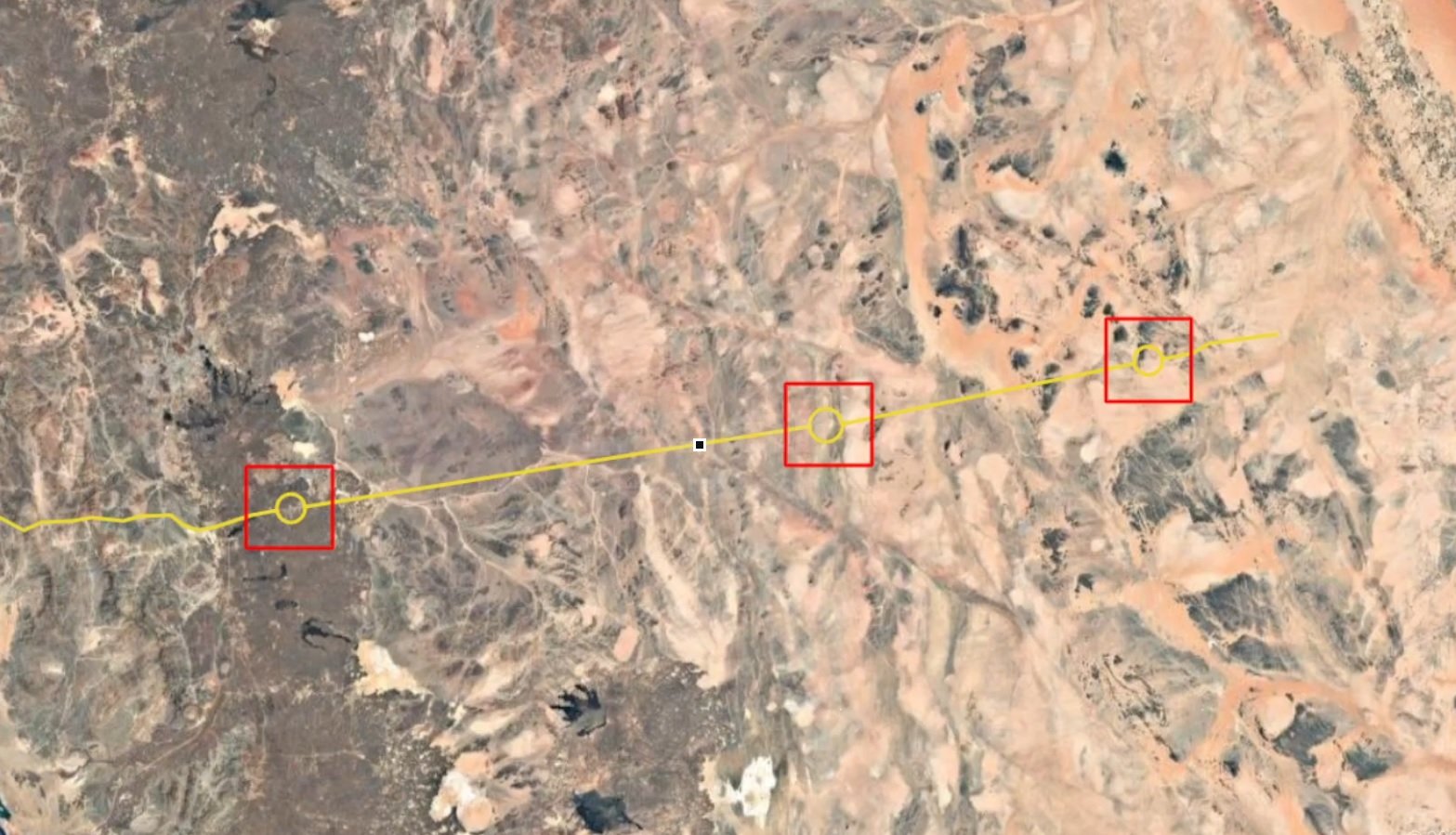 Satellite Imagery Shows Extensive Damage to Saudi Arabia’s East-West Oil Pipeline, Indicating More Than a Single Strike
-
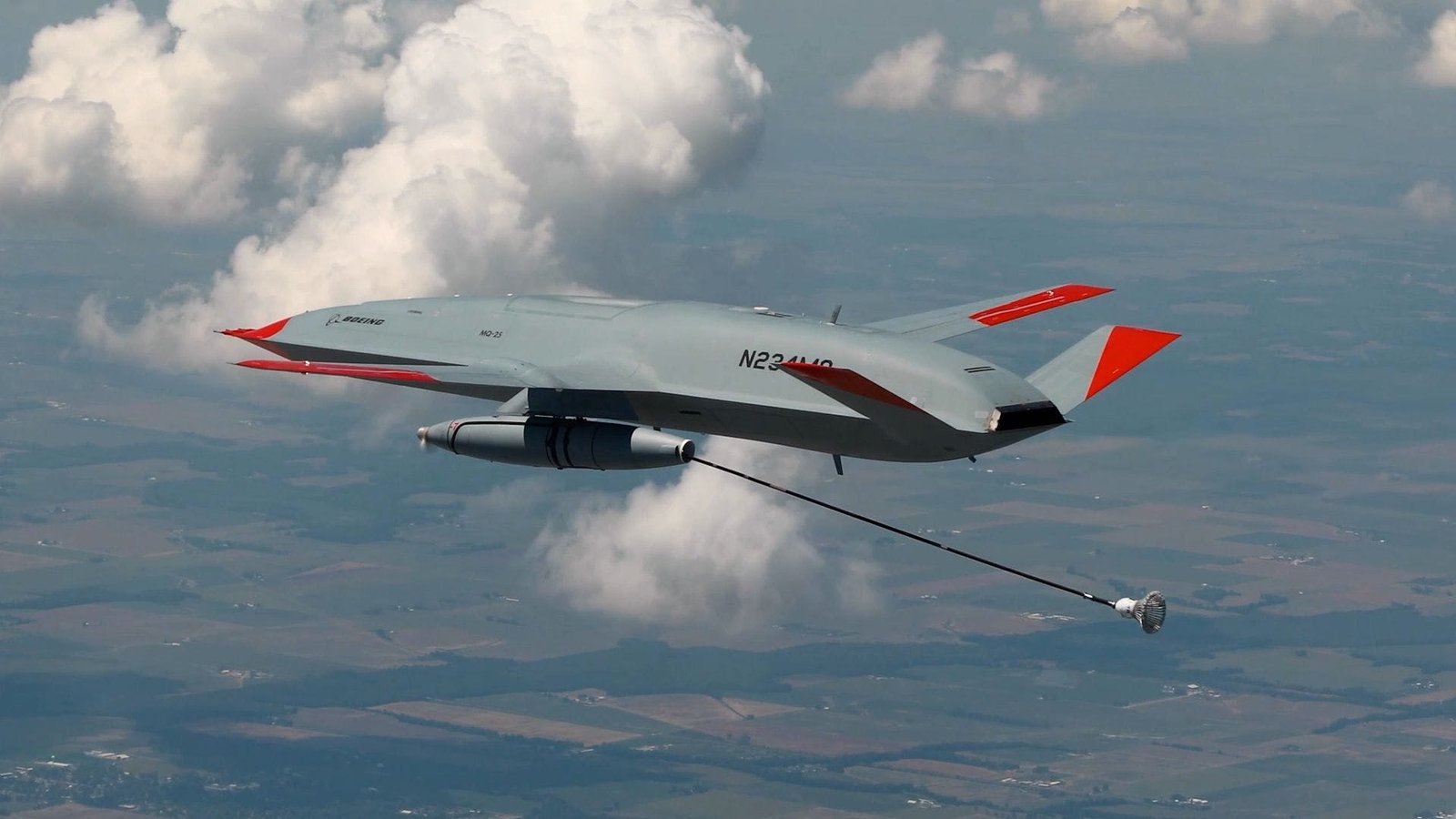 U.S. Navy Awards Boeing $562 Million Contract for First Production MQ-25A Stingray Tanker Drones
-
 Pentagon and Honeywell Complete Four-Hour Pacific Flight Using Quantum Magnetic Navigation Without GPS
-
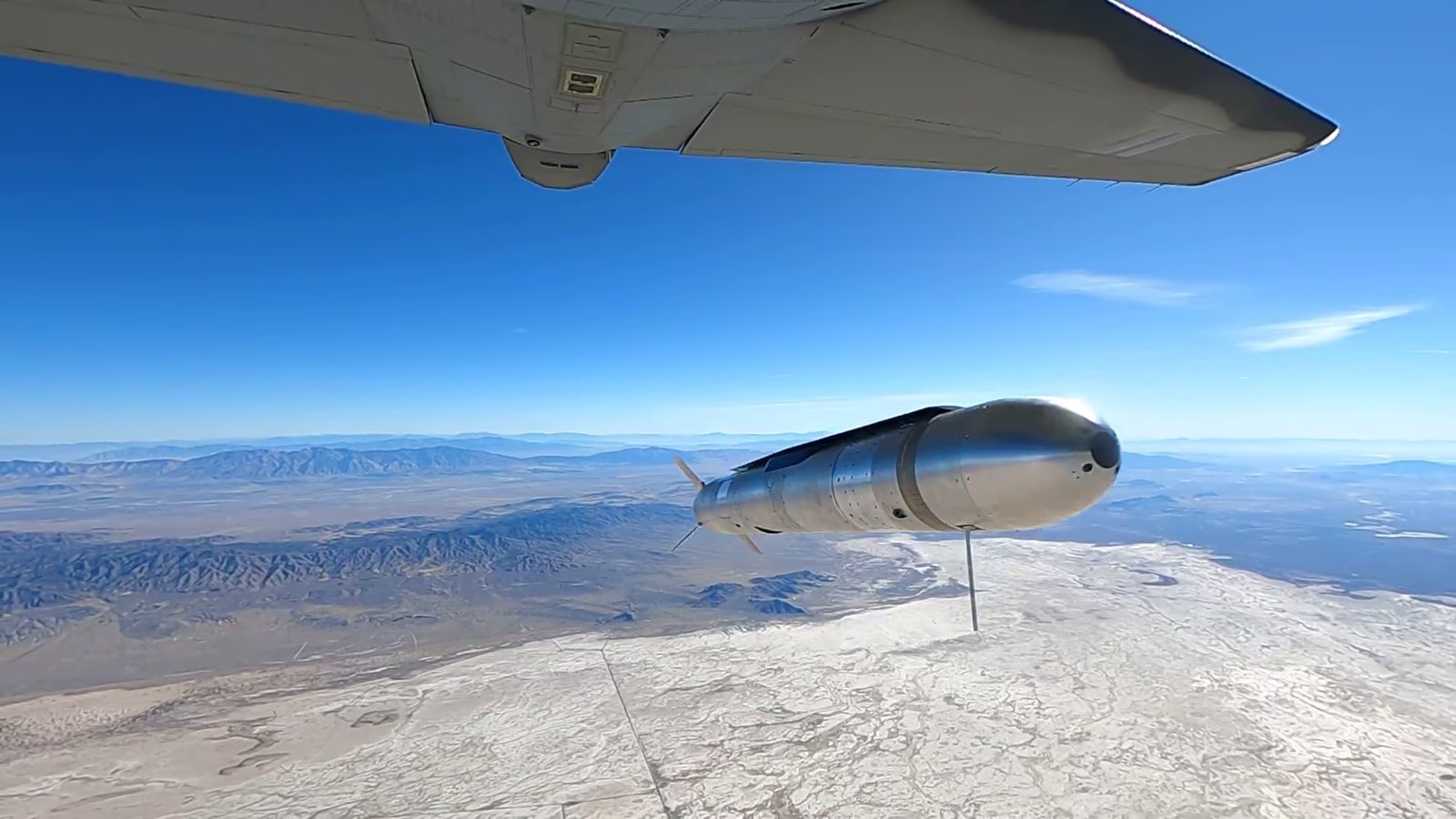 U.S. Air Force Special Operations Command Clears AGM-190A Havoc Spear for Wider Service After Combat Evaluation in Africa
-
 U.S. Confirms Deployment of On-Orbit Space Control Weapons for First Time
-
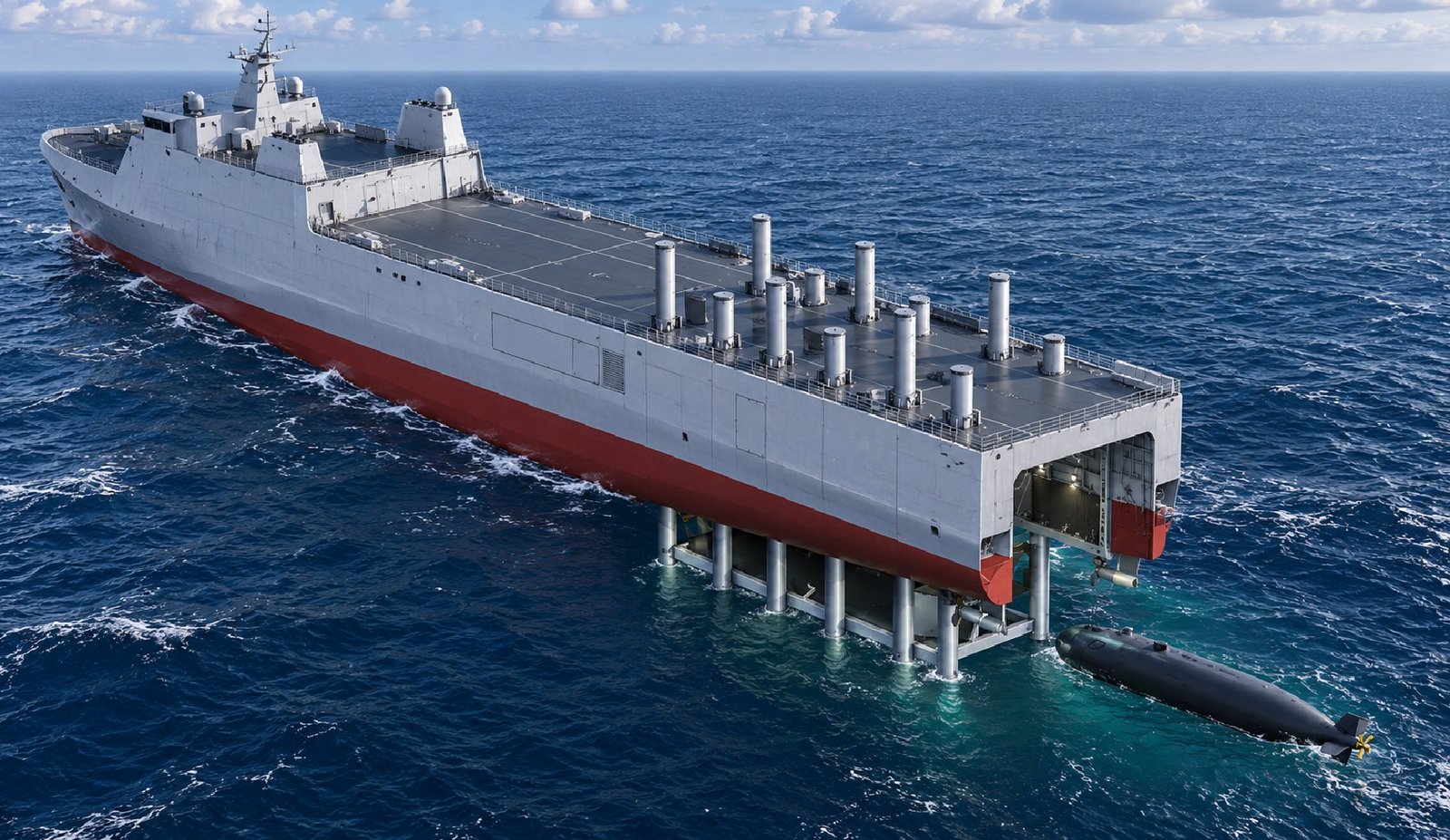 China Builds New Shanghai Vessel to Serve as Mothership for Large Uncrewed Submarines
-
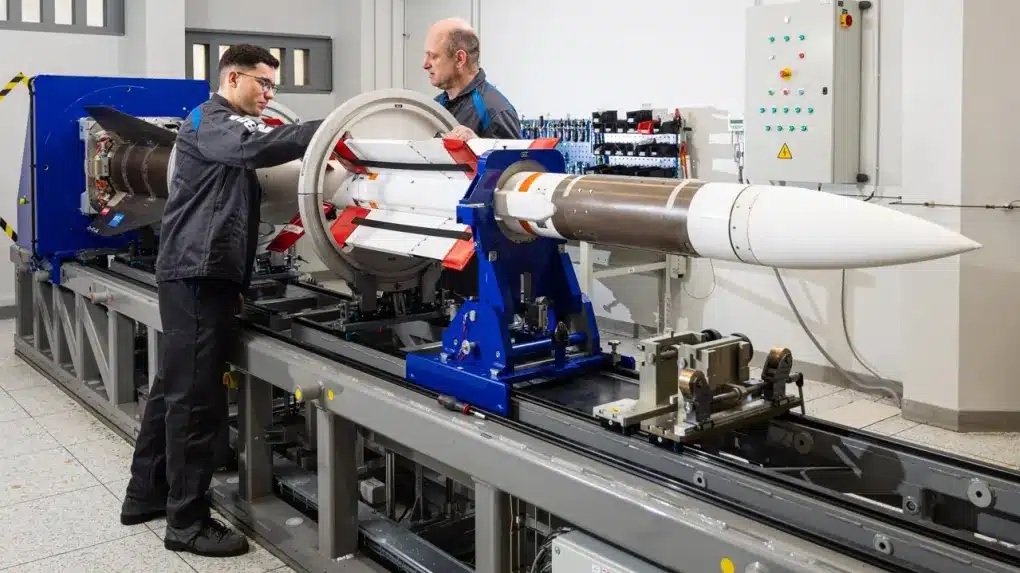 MBDA to Build New Missile Production Plant Near Orleans to Expand Missile Production
-
 Israel Provides Intelligence Support to Saudi Arabia Against Houthi Attacks, Mediated by US CENTCOM
Top Trending in 4 Days
-
 U.S. Air Force Awards Antares $161 Million to Develop Nuclear Reactor for Spacecraft
-
 Pentagon Awards BlueHalo Up to $99.8 Million Contract for Orbital Battlespace R&D Program
-
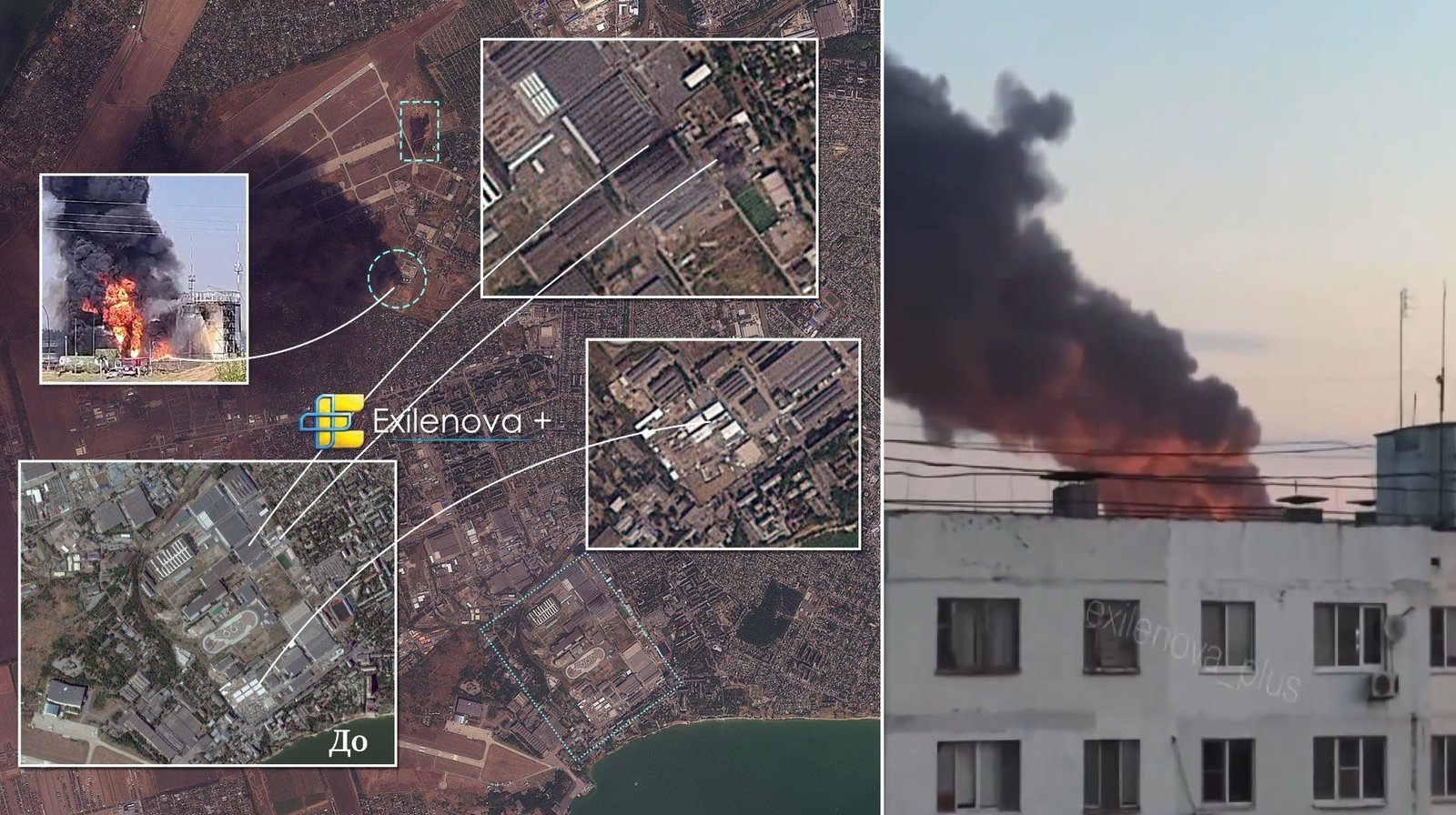 Ukrainian Drones Strike Russian UAV Manufacturer and Chemical Plants in Taganrog and Tolyatti
-
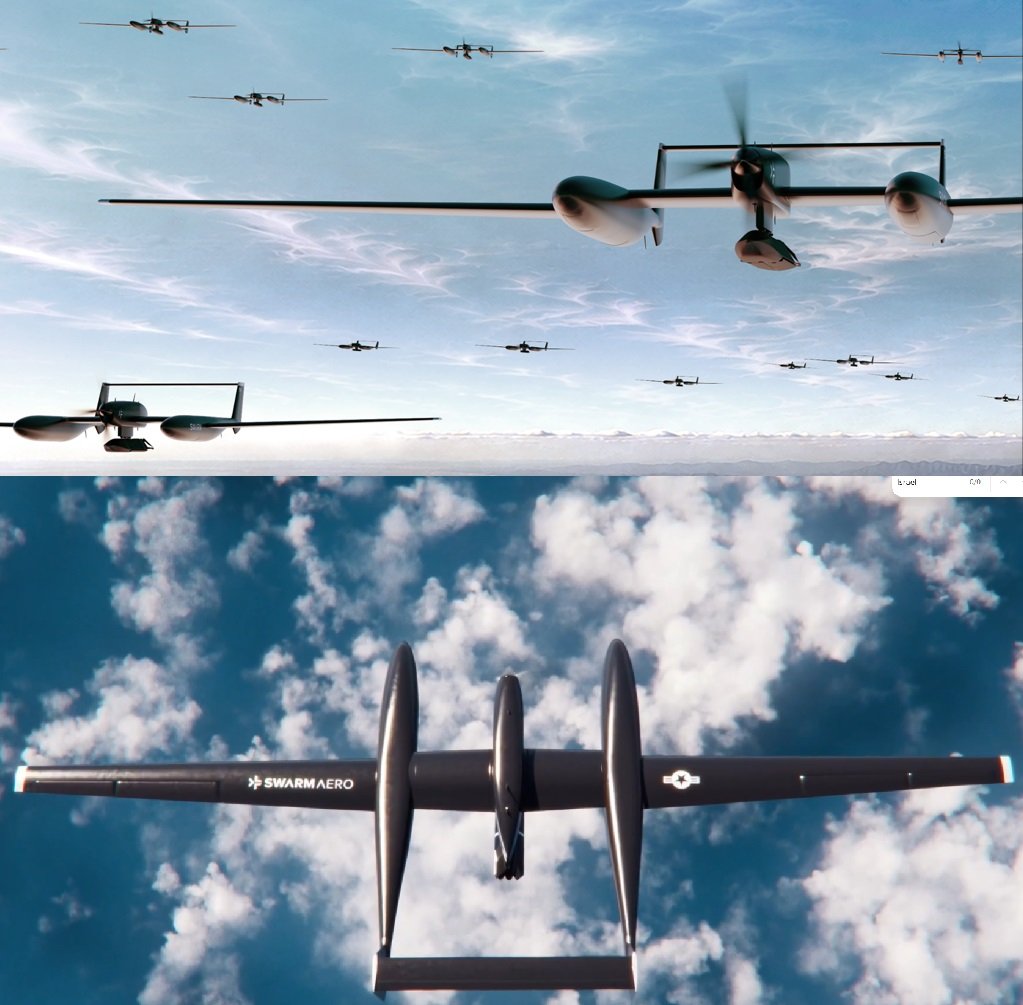 U.S. Firm Swarm Aero Unveils Gamera Group 5 UAS With 9,000-Nautical-Mile Range and Heavy Strike Payload
-
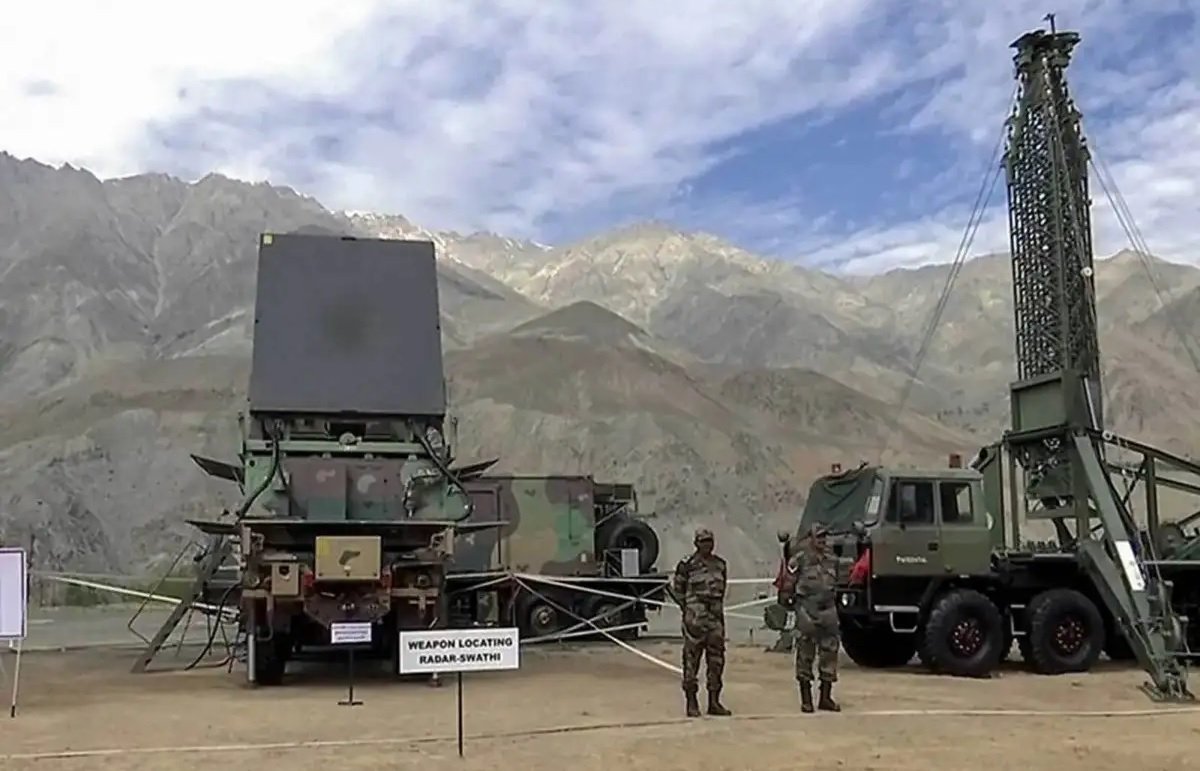 DRDO Demonstrates Indigenous 3.5×3 mm GaN Chip Delivering 30 Watts for Next-Generation Radars and Electronic Warfare
-
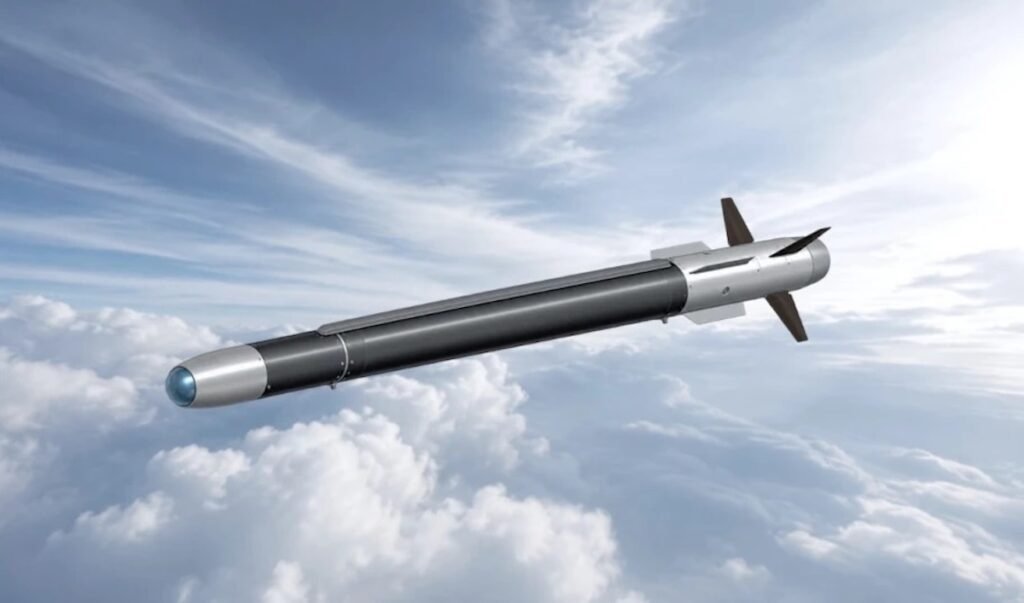 MBDA and Poland’s WITU Advance Low-Cost Supersonic Interceptor Against Swarm Attacks, Seeker Trials Successfully Completed
-
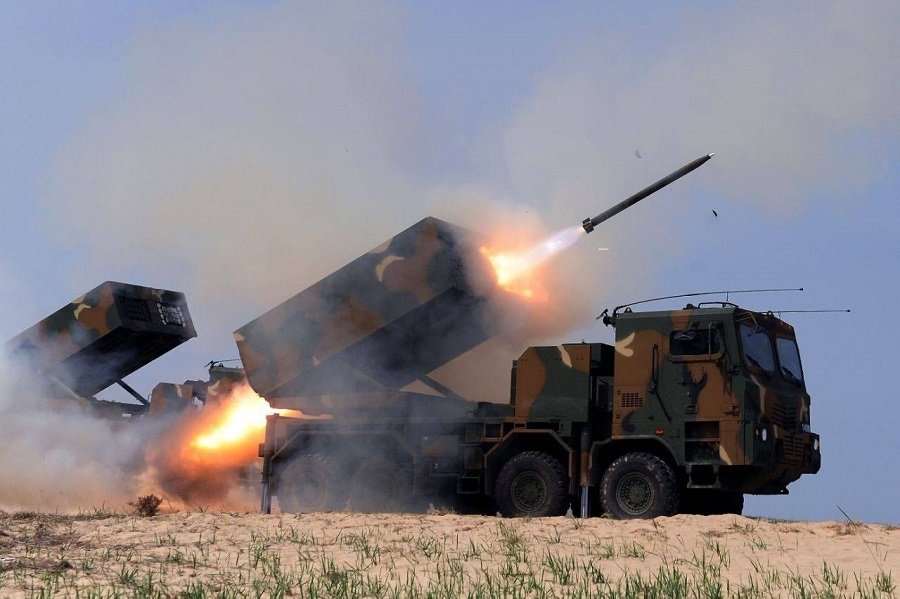 Croatia Signs €410 Million Contract with Hanwha Aerospace for 18 Chunmoo Rocket Launchers
-
 Eutelsat to Invest About €1 Billion in 229 More OneWeb Satellites From Airbus