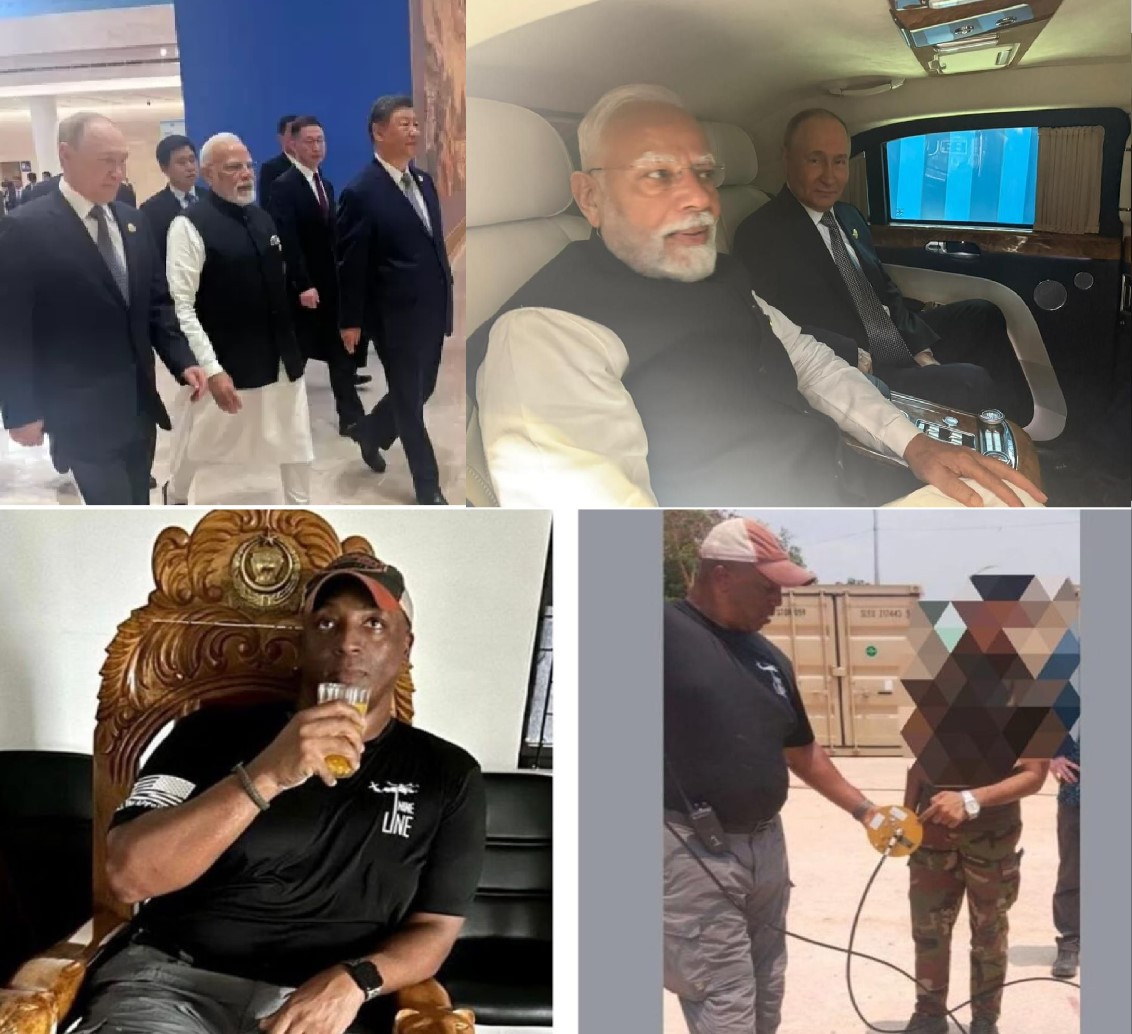
What Indicates Possible CIA Links to the Potential Threat Against Modi’s Life During the SCO Meeting
India
The mysterious death of Terrence Arvelle Jackson in Dhaka on August 31, 2025 — the same day Prime Minister Narendra Modi attended the Shanghai Cooperation Organisation (SCO) summit — has triggered serious speculation about a potential CIA connection to a threat targeting Modi. When studied alongside unusual movements by Russian and Indian security teams, the evidence suggests that a covert operation may have been underway, which was neutralized just in time. 1. Timing of Death and SCO Summit Overlap Jackson was found dead at around 6:00 PM in The Westin Hotel, Dhaka — the same day Modi was attending the SCO summit. However, investigators believe that the actual time of death may have occurred several hours earlier, suggesting that his body had been lying undiscovered for a considerable period before being officially reported. This delay raises further doubts about what Jackson was doing in his final hours and who may have interacted with him prior to death. Police had initially misreported his check-in date but later confirmed that he had arrived two days earlier than first stated, pointing toward possible intentional concealment of his movements or falsification of hotel records. No postmortem was conducted in Bangladesh before U.S. authorities took possession of his body and returned him to the United States. At roughly the same time frame, Modi and Putin were together, reportedly spending 45 minutes inside Putin’s car even after arriving at the bilateral meeting venue — a highly irregular delay for leaders of their rank. This unusual pause strongly hints that Indian and Russian security agencies were managing an active threat situation and possibly coordinating actions to neutralize a danger already detected hours earlier, around the same window when Jackson is believed to have died. 2. Putin’s Breach of Protocol According to reports, President Vladimir Putin waited nearly 10 minutes for Prime Minister Modi before departing the SCO venue.He insisted that both travel together in his car to the Ritz-Carlton hotel — breaking diplomatic protocol. Such decisions are rarely spontaneous; they usually follow intelligence alerts about possible risks to a motorcade or venue.This action signals that Russian security likely received information — possibly through counterintelligence intercepts — of a credible threat to Modi’s convoy, prompting direct coordination with Indian agencies. 3. Who Was Terrence Arvelle Jackson? Open-source records describe Jackson as a U.S. Army Special Forces Officer (18A) with over 20 years of service.A LinkedIn profile under his name listed his current role as Special Forces Officer, or 18A. He joined the US Army in 2006 after three years with the Army National Guard.He arrived in Bangladesh in April 2025 on what was described as a “business trip,” conducting “government-related work” in various regions. After his death, the U.S. Army Special Operations Command (USASOC) denied any such officer was missing or deployed abroad — insisting “the individual is alive in the U.S.”Yet, no photographic proof or public record was produced to support this claim, raising suspicions that the denial was a standard CIA cover procedure used when operatives die during unacknowledged missions. 4. Pattern of U.S. Denial and Media Pressure When reports of Jackson’s death spread, U.S. defense spokespeople immediately demanded corrections from outlets such as Northeast News. The response was swift and defensive — another common indicator of an agency-driven disinformation clean-up, designed to erase traces of a compromised operation. The U.S. Embassy in Dhaka also declined to comment, citing “no authority,” which is unusual in a case involving an alleged American serviceman found dead in a foreign capital. 5. Multiple Intelligence Deaths in Dhaka Shortly after Jackson’s death, another shocking incident reportedly occurred — the death of a Pakistani ISI agent at the Sheraton Hotel in Dhaka. If accurate, this suggests overlapping intelligence operations were taking place in Bangladesh, possibly connected to monitoring or interfering with the SCO summit proceedings. The close timing of these deaths may indicate joint countermeasures taken by Indian, Russian, and Chinese intelligence to dismantle a multi-agency plot. 6. The 45-Minute Car Delay: Security Neutralization Window The unexplained 45-minute period when Modi and Putin remained inside the Russian president’s car could have served a crucial security window. In intelligence operations, such deliberate holds are used to neutralize active threats — clearing routes, disabling surveillance, or eliminating hostile operatives before movement resumes. Given that this delay coincided precisely with Jackson’s reported time of death, it supports the theory that coordinated neutralization efforts were underway. 7. The CIA Footprint in Bangladesh Bangladesh has long served as a listening post for Western intelligence, particularly the CIA, due to its proximity to India, China, and Myanmar. Jackson’s presence there under “business cover,” during a period coinciding with the SCO summit, fits a known CIA operational pattern — staging personnel in third countries near key summits for surveillance or contingency operations. The U.S. denial, timing, and covert nature of his visit all point toward a deep-cover intelligence assignment possibly linked to the summit’s high-value targets. Conclusion While no conclusive evidence proves that the CIA directly plotted against Prime Minister Modi, the sequence of coincidences — Terrence Arvelle Jackson’s suspicious death, Putin’s break of protocol, Dhaka-based intelligence deaths, and the security delay — strongly suggests that foreign intelligence assets were active in the region during the SCO summit. The rapid denials by U.S. agencies and the lack of transparency further indicate an attempt to mask operational footprints, reinforcing the possibility that the CIA was indirectly connected to the threat environment India and Russia neutralized. These observations are based on a combination of verified reports and unverified claims, and should be viewed as part of an ongoing analysis rather than confirmed evidence.
Read More → Posted on 2025-10-24 13:08:53
India
In a decisive move for India’s next-generation fighter program, Bharat Electronics Limited (BEL) has emerged as the winner of the Distributed Aperture System (DAS) project for the Advanced Medium Combat Aircraft (AMCA) MK-2, outbidding its competitor Data Patterns. This contract marks a significant milestone in India’s push to indigenously develop advanced avionics and sensor systems for its fifth-generation fighters. Development Contract and Delivery Schedule The project is structured around two variants of the DAS. The High Definition (HD) version has been awarded at a cost of ₹12.92 crore, while the more advanced Dual Band (DB) variant carries a value of ₹41.97 crore. The delivery timelines are ambitious yet strategic, with the HD variant expected by 29 August 2026 and the DB variant by 29 August 2027, ensuring timely integration into the AMCA MK-2’s development schedule. Role and Function of the Distributed Aperture System The Distributed Aperture System is a network of sensors positioned around the aircraft to provide pilots with complete 360-degree situational awareness. By continuously monitoring the surrounding airspace, the system can detect and track incoming threats, including missiles, enemy aircraft, and hostile fire. This capability is particularly vital for stealth aircraft like the AMCA MK-2, as DAS effectively allows pilots to "see through" the airframe, reducing blind spots and enhancing survivability. Beyond threat detection, DAS plays a crucial role in night and all-weather operations. Its combination of infrared and multi-spectral sensors ensures operational efficiency even under low visibility or adverse environmental conditions. The system also integrates seamlessly with the aircraft’s mission computers, enabling faster target prioritization and engagement decisions. The Dual Band variant, with its multi-spectral capability, further enhances threat detection, electronic warfare resilience, and operational effectiveness in complex combat scenarios. Strategic Importance for the AMCA MK-2 Program For the AMCA MK-2, the DAS is more than just a sensor system; it is a cornerstone of pilot survivability and combat effectiveness. By delivering real-time data and situational awareness, DAS allows pilots to respond swiftly to emerging threats, significantly enhancing the aircraft’s defensive and offensive capabilities. BEL’s indigenous development of this system also underscores India’s commitment to self-reliance in defense technology, reducing dependency on foreign suppliers for critical fighter avionics. With the HD variant scheduled for 2026 and the DB variant following in 2027, BEL is poised to become a central player in the AMCA MK-2’s avionics ecosystem. The successful deployment of DAS will not only provide Indian pilots with world-class situational awareness but also demonstrate India’s growing prowess in advanced sensor technologies. As the program progresses, the integration of DAS with other next-generation avionics and weapon systems will be a decisive factor in positioning the AMCA MK-2 as a truly formidable fifth-generation fighter in the region.
Read More → Posted on 2025-10-24 11:27:09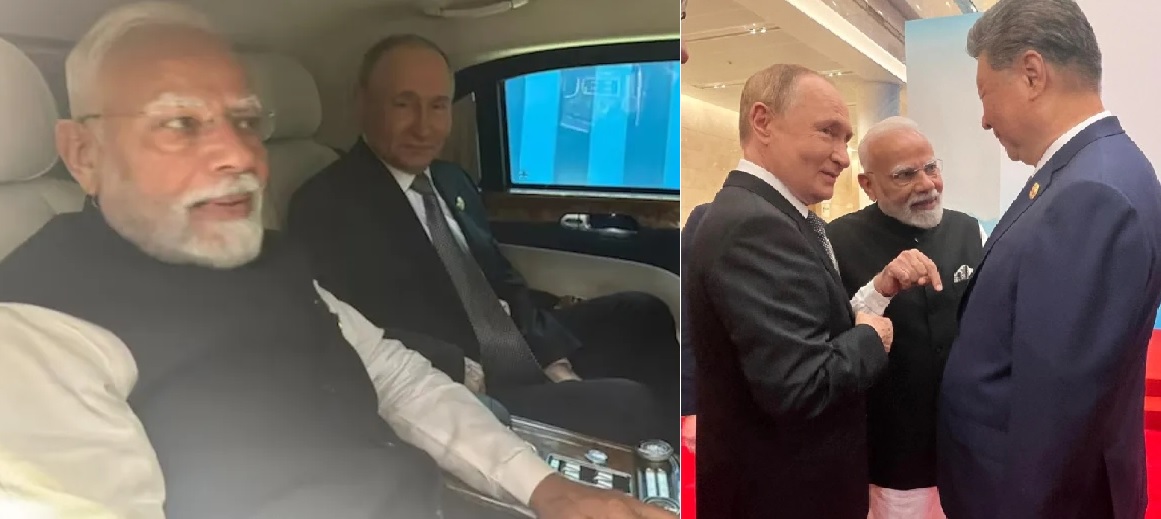
India
A web of intelligence intrigue has begun to unfold following the confirmed death of U.S. Special Forces officer Terrence Arvelle Jackson in Dhaka, Bangladesh, just days after the Shanghai Cooperation Organisation (SCO) Summit attended by Prime Minister Narendra Modi and President Vladimir Putin. Multiple clues, analysts say, indicate that this was not an isolated incident — and that the chain of events may point to a larger geopolitical undercurrent involving the United States, Russia, and India. Putin Waited for Modi — Then Invited Him into His Own Car During the SCO Summit, sources within diplomatic circles confirm that Russian President Vladimir Putin personally waited for Prime Minister Modi before their bilateral meeting — an unusual move in diplomatic protocol. According to individuals familiar with the summit’s security planning, Russian intelligence had intercepted sensitive communications suggesting a potential threat to Modi’s life. Acting on this intelligence, Putin reportedly insisted that Modi ride in his personal official vehicle rather than the separate Indian convoy initially prepared for the summit. Analysts now interpret the gesture as more than symbolic — it was a protective measure, executed after last-minute intelligence coordination between Russian and Indian security agencies. “This was not a casual decision,” noted a Moscow-based strategic analyst. “Putin personally ensuring Modi’s security in his own car shows the gravity of what Russian intelligence may have uncovered.” The Dhaka Connection — Death of Terrence Arvelle Jackson Shortly after the summit concluded, reports emerged from Bangladesh that U.S. Army Special Forces officer Terrence Arvelle Jackson had been found dead under mysterious circumstances at a high-security hotel in Dhaka. Bangladeshi police confirmed the discovery but withheld several critical details, citing “diplomatic sensitivity.” Within hours, U.S. Embassy officials secured the hotel room, removed Jackson’s personal effects, and arranged immediate repatriation of the body, bypassing standard investigative protocol. CCTV footage captured unidentified men entering and leaving the premises moments before the incident. Local sources claim Jackson had entered Bangladesh under non-diplomatic cover, possibly linked to a classified reconnaissance or intelligence mission in South Asia. ISI Agents and Multiple American Deaths Raise Questions In the days following Jackson’s death, at least three other American security contractors and former U.S. military personnel were also found dead across Dhaka and Chittagong, And Some Pakistani ISI Agent also found dead at Sheraton Hotel in Dhaka, Bangladesh. according to local media and intelligence trackers. Although officially described as “unrelated incidents,” investigators in Bangladesh and India believe the timing and pattern of the deaths suggest a connected covert operation gone wrong. A senior Indian counterintelligence official, speaking anonymously, stated: “There are signs these individuals were part of an American operational network. Their deaths in close sequence cannot be dismissed as coincidence.” Claims of CIA Involvement — and a Possible Operation Uncovered Multiple sources within South Asian intelligence communities claim that elements linked to the U.S. Central Intelligence Agency (CIA) may have been operating under diplomatic or contractor cover in the region during the SCO summit. While there is no official acknowledgment from Washington, Indian and Russian analysts privately allege that Jackson’s team was engaged in a surveillance or influence operation targeting key SCO figures — particularly focusing on India’s evolving strategic independence and its growing alignment with Russia. An independent Eurasian security analyst commented: “The pattern fits what intelligence services call a shadow presence — embedded operatives moving between diplomatic and commercial fronts. When one mission collapses, cover stories are activated, and evidence disappears quickly.” Modi’s Cryptic Remark — “Are You Clapping Because I Came Back?” After returning from the summit, Prime Minister Modi made a remark that has since drawn widespread attention. Speaking at a public event, he asked: “Are you clapping because I went there — or because I came back?” At first dismissed as a joke, the comment has taken on a deeper undertone amid emerging reports of a threat to his safety. Analysts now view it as a subtle acknowledgment that the Prime Minister was aware of a serious danger during his foreign visit — one that may have been neutralized at the last moment. Sources in New Delhi Claim that India’s intelligence agencies conducted immediate post-trip reviews of international threat data, in coordination with Russia’s FSB, after the SCO summit. A Larger Geopolitical Undercurrent The developments come amid growing friction between India and the United States over issues ranging from defense imports and energy trade with Russia to India’s refusal to join Western sanctions. Analysts say these tensions have led to heightened intelligence competition in South Asia — where Washington seeks to maintain influence while New Delhi strengthens independent ties with Moscow and Tehran. The death of Jackson and other U.S. personnel in Bangladesh — a nation strategically positioned near the Bay of Bengal and Indian maritime corridors — is being seen as part of this larger chessboard of intelligence operations. Was There a Foiled Plot? Though neither New Delhi nor Moscow has publicly confirmed any assassination attempt, multiple security experts believe that a covert plan targeting Indian leadership may have existed — possibly through indirect or proxy channels. “The sudden coordination between Putin’s security detail and Indian agencies, the unusual diplomatic behavior, and the immediate post-summit intelligence lockdown — these are not routine,” said a retired Indian RAW officer. “It looks like something serious was intercepted.” The Shadow War Ahead Whether the Dhaka deaths represent a failed CIA-linked mission, a rogue operation, or simply collateral fallout in the intelligence underworld, the incident has deepened mistrust between major powers. India’s security establishment has since initiated a comprehensive audit of external intelligence threats, and bilateral counter-intelligence cooperation between Moscow and New Delhi has reportedly intensified. As one Indian strategic analyst summed up: “The real battles today are not fought in open wars but in whispers, data links, and silent corridors. What happened around the SCO summit shows that India is no longer just an observer — it’s now a primary target in the new global shadow war.”
Read More → Posted on 2025-10-23 17:30:05
India
India is on the verge of a major technological leap in its cruise missile program as the Defence Research and Development Organisation (DRDO) conducts final rounds of testing for an 800-kilometer range variant of the BrahMos—the world’s fastest operational supersonic cruise missile. According to The Times of India report dated October 20, 2025, the enhanced-range version will feature a modified indigenously developed liquid-fuel ramjet engine, a key step toward full self-reliance in one of India’s most complex weapons systems. Sources cited by ToI revealed that the 800-km variant is “more or less developed” and undergoing final tests to validate the performance of its improved ramjet propulsion and hybrid navigation system, which combines an internal inertial navigation system (INS) with external global navigation satellite systems (GNSS). These refinements are designed to ensure higher accuracy, greater resilience, and resistance to jamming—an essential capability in modern electronic warfare environments. From 280 km to 800 km: The Evolution of BrahMos The BrahMos missile—named after the Brahmaputra and Moskva rivers—was initially restricted to a 280-km range to comply with the Missile Technology Control Regime (MTCR) before India became a member in 2016. Following this, DRDO and BrahMos Aerospace began gradually extending the missile’s range. At Aero India 2017, then-DRDO chief Dr. S. Christopher announced the first extended-range version, capable of reaching 450 km, achieved by tweaking the flight trajectory and allowing the missile to cruise at higher altitudes. He also hinted at an 800-km variant, stating it could be realized within two and a half years. A BrahMos official at the time confirmed that the increased range was achieved without changing the missile’s dimensions, instead using lighter composite materials and optimized fuel management to improve engine efficiency. Developments on the Road to 800 km Several key milestones paved the way for this extended-range BrahMos: May 2018: DRDO tested BrahMos with non-metallic airframe components and a new indigenous fuel management system, crucial for range enhancement. September 2020: The organization successfully flight-tested a BrahMos featuring a fully indigenous booster and airframe section, a major “Make in India” breakthrough. July 2021 (MAKS Air Show, Russia): Russian defense sources confirmed that an 800-km BrahMos was under joint development with new components, particularly an upgraded booster for greater launch energy. By 2021, DRDO had successfully indigenized major sub-systems of the missile, including the ramjet fuel tank, airframe, and pneumatic fuel supply systems. The final missing piece—an Indian-built ramjet engine—was under accelerated development. The Indigenous Ramjet Engine: India’s Technological Leap Initially, all BrahMos missiles were powered by Russian-made liquid-fuel ramjet engines produced at the Orenburg plant. However, in the last decade, DRDO’s Defence Research and Development Laboratory (DRDL) and BrahMos Aerospace embarked on an ambitious mission to replicate—and then improve—this technology domestically. By 2021, India achieved full indigenization of the Russian LFRJ (Liquid Fuel Ramjet). In June 2024, BrahMos Aerospace CEO Atul Dinkar Rane confirmed that DRDO was prioritizing ramjet engine advancement, emphasizing that the achievement would significantly reduce per-unit missile costs while increasing reliability and performance control. In May 2024, DRDO’s Defence Materials and Stores Research and Development Establishment (DMSRDE) achieved a crucial milestone by developing a new generation of liquid ramjet fuel in partnership with BPCL and Mineral Oil Corporation Pvt Ltd. The fuel was successfully tested on a Ramjet Test Bed at DRDL, confirming India’s ability to independently design and sustain the propulsion ecosystem of the BrahMos family. What Enables the 800-km Range? Analysts point to a combination of engineering refinements that have nearly doubled BrahMos’s reach: Weight Reduction: Use of advanced carbon fiber composites and non-metallic airframe materials reduced structural weight, enabling more fuel storage without altering external dimensions. Improved Booster: A more efficient solid-fuel booster stage that accelerates the missile to higher Mach speeds before the ramjet ignites. Optimized Ramjet: The new liquid-fuel ramjet design offers better combustion efficiency and sustained thrust, allowing the missile to maintain speeds above Mach 3 for longer durations. Enhanced Fuel Composition: The newly developed indigenous liquid fuel ensures higher energy density and thermal stability, crucial for long-endurance supersonic flight. Integrated Navigation System: The INS-GNSS hybrid system ensures precise target tracking even in GPS-denied or jamming-heavy environments. These enhancements make the 800-km BrahMos capable of striking deep strategic targets across mountain ranges or naval formations from standoff distances—without compromising accuracy or speed. Strategic Implications Once operational, the 800-km BrahMos will redefine India’s conventional deterrence capability. For land-based and ship-launched variants, it means the ability to strike farther inside enemy territory, including hardened bunkers, command centers, and airbases. For the BrahMos-A (air-launched) version, the extended range will allow Indian Su-30MKI fighters to launch missiles from within Indian airspace, hitting high-value targets deep within adversarial regions. This range expansion aligns with India’s goal of achieving full autonomy in missile propulsion, reducing dependency on Russia amid shifting geopolitical equations. Old Russian-Made vs. Indian-Made BrahMos Ramjet: The Key Differences Feature Russian-Made Ramjet Indian-Made Ramjet Origin Manufactured in Orenburg, Russia Fully developed and produced by DRDO & Indian industry Fuel Type Russia Conventional kerosene-based liquid fuel Advanced indigenous liquid ramjet fuel (higher efficiency) Material Composition Predominantly metallic structure Composite + metallic hybrid (lighter and stronger) Efficiency High thrust, moderate fuel efficiency Optimized thrust-to-weight ratio and higher combustion efficiency Range Capability ~450 km max Up to 800 km with improved endurance Maintenance & Cost Imported components, higher cost Lower cost, domestic supply chain Control & Customization Limited by Russian design parameters Fully modifiable for Indian operational needs Integration Partly dependent on Russian testing Integrated with DRDO’s indigenous fuel, booster, and guidance systems In essence, the Indian-made ramjet engine is not just a copy of the Russian design—it’s an evolution. It combines lighter materials, superior fuel chemistry, and enhanced thermal management to deliver nearly double the range and better mission flexibility. The upcoming 800-km BrahMos marks a decisive milestone in India’s missile modernization journey. What began as a joint Indo-Russian venture two decades ago is now transforming into a largely indigenous weapon ecosystem, driven by DRDO’s innovation and India’s industrial base. With testing almost complete, the extended-range BrahMos is expected to enter service within the next two years, strengthening India’s position among the few nations capable of designing, producing, and fielding advanced supersonic cruise missiles with complete domestic propulsion technology—a true testament to India’s growing defense self-reliance.
Read More → Posted on 2025-10-23 12:43:16
India
In a sweeping move that underscores India’s accelerating push toward military modernisation and self-reliance, the Defence Acquisition Council (DAC), chaired by Defence Minister Rajnath Singh, has granted Acceptance of Necessity (AoN) for defence procurement proposals worth nearly ₹79,000 crore (approximately $9 billion). The approvals, announced on October 23, 2025, cover a broad range of critical systems for the Army, Navy, and Air Force, reflecting a comprehensive vision of capability enhancement across land, sea, and air. The clearances, primarily under the Buy (Indian-IDDM) category, place strong emphasis on indigenous production and technology development, aligning with the ‘Aatmanirbhar Bharat’ initiative aimed at reducing import dependency in defence equipment. Army Gets a Firepower and Mobility Boost For the Indian Army, the DAC approvals represent a significant upgrade in both offensive and support capabilities. Among the headline systems cleared is the Nag Mk-2 Missile and its tracked launcher system, part of the Nag Missile System (NAMIS) program. This advanced anti-tank guided missile is designed to neutralize heavily armoured enemy targets and fortified bunkers with pinpoint precision. The Nag Mk-2 is expected to feature improved range, better target acquisition, and enhanced seeker technology, offering superior lethality against modern battle tanks. Accompanying this is the approval of the Ground-Based Mobile Electronic Intelligence System (GBMES) — a high-end electronic warfare asset designed to intercept, locate, and analyse enemy radar and communication signals. This will significantly improve the Army’s situational awareness and electronic battlefield dominance. To bolster logistics and mobility in high-altitude and rough terrain operations, the Army will also induct High Mobility Vehicles (HMVs) equipped with Material Handling Cranes, enabling faster movement of heavy equipment and supplies to forward areas. Collectively, these systems will enhance the Army’s ability to fight smarter and move faster in a contested environment. Navy’s Blue-Water Ambitions Strengthened The Indian Navy has emerged as a major beneficiary of this DAC meeting, with multiple high-value clearances aimed at strengthening its operational depth and amphibious warfare capabilities. The most notable is the approval for Landing Platform Docks (LPDs) — large amphibious assault ships capable of transporting troops, armoured vehicles, and helicopters for beach landings and island operations. The LPDs will serve as a crucial element in India’s future expeditionary and humanitarian missions, enhancing the Navy’s reach across the Indian Ocean Region (IOR). Complementing this is the green light for the Advanced Light Weight Torpedo (ALWT), an indigenous anti-submarine weapon developed by DRDO’s Naval Science and Technological Laboratory (NSTL). Designed for deployment from surface ships, helicopters, and submarines, the ALWT can engage enemy submarines with high precision in both shallow and deep waters. Additionally, the Navy will procure the 30mm Naval Surface Gun (NSG) for patrol vessels and corvettes, and integrate Electro-Optical Infrared (EO/IR) Search and Track Systems along with Smart Ammunition for its 76mm Super Rapid Gun Mounts. These systems are tailored to improve maritime surveillance, counter asymmetric threats, and enhance surface engagement capabilities. Together, these acquisitions represent a substantial leap toward India’s vision of a robust, technologically advanced blue-water navy capable of securing national and regional maritime interests. Air Force Focuses on Autonomy and Precision The Indian Air Force (IAF), too, is set to benefit from cutting-edge technology with the approval of the Collaborative Long-Range Target Saturation/Destruction System (CLRTS/DS). This futuristic weapon system combines autonomy, networked coordination, and long-range strike capability — allowing multiple platforms to work collaboratively to overwhelm enemy defences. The CLRTS/DS represents India’s gradual shift toward autonomous and swarm-based strike systems, marking an important step in adapting to new-generation warfare dominated by drones, unmanned combat systems, and AI-driven targeting solutions. While details on additional IAF procurements were not fully disclosed, the overall focus remains clear: enhancing precision, survivability, and network-centric warfare capabilities across all operational domains. Aatmanirbhar Bharat at the Core A key highlight of this ₹79,000 crore push is its commitment to indigenisation. Nearly all the approved systems will be developed, manufactured, or integrated in India — either through DRDO, DPSUs, or private Indian defence firms. The government aims to ensure that these projects generate employment, boost local supply chains, and nurture a globally competitive defence industrial base. The Advanced Light Weight Torpedo and Nag Mk-2 Missile are shining examples of indigenous innovation, both developed under the DRDO umbrella, while the LPDs are expected to involve major Indian shipyards such as L&T or Cochin Shipyard Limited. Strategic and Regional Implications The DAC’s approvals come at a time of rising tensions along India’s borders and a rapidly evolving maritime landscape in the Indo-Pacific. The mix of offensive and defensive platforms reflects India’s recognition of the need for multi-domain readiness — from the icy heights of the Himalayas to the depths of the Indian Ocean. For the Army, the Nag Mk-2 and NAMIS strengthen deterrence against armoured threats from across borders. For the Navy, LPDs and ALWTs enhance maritime mobility, power projection, and anti-submarine defence. For the Air Force, autonomous strike systems like CLRTS/DS prepare India for the next generation of high-tech warfare. Collectively, these acquisitions signal India’s intent to evolve from a regional power into a self-reliant, high-technology defence ecosystem capable of defending its interests and supporting partners in the region. Challenges Ahead While the approvals mark a significant milestone, implementation remains the true test. Historically, India’s defence procurement programs have faced delays due to bureaucratic hurdles, budget constraints, and technological challenges. Timely execution, industrial coordination, and clear accountability will be crucial to ensure that the ₹79,000 crore investment translates into tangible battlefield advantage. The DAC’s clearance of nearly ₹79,000 crore worth of proposals marks one of the most significant defence modernisation waves in recent years. By empowering all three services with a balanced mix of firepower, mobility, and intelligence systems — and ensuring that most of it is indigenously produced — India is laying the foundation for a new era of strategic autonomy. If these projects proceed as planned, they will not only strengthen India’s defence posture but also transform its defence industrial base into one of the most dynamic in the world — turning vision into capability and policy into power.
Read More → Posted on 2025-10-23 11:51:17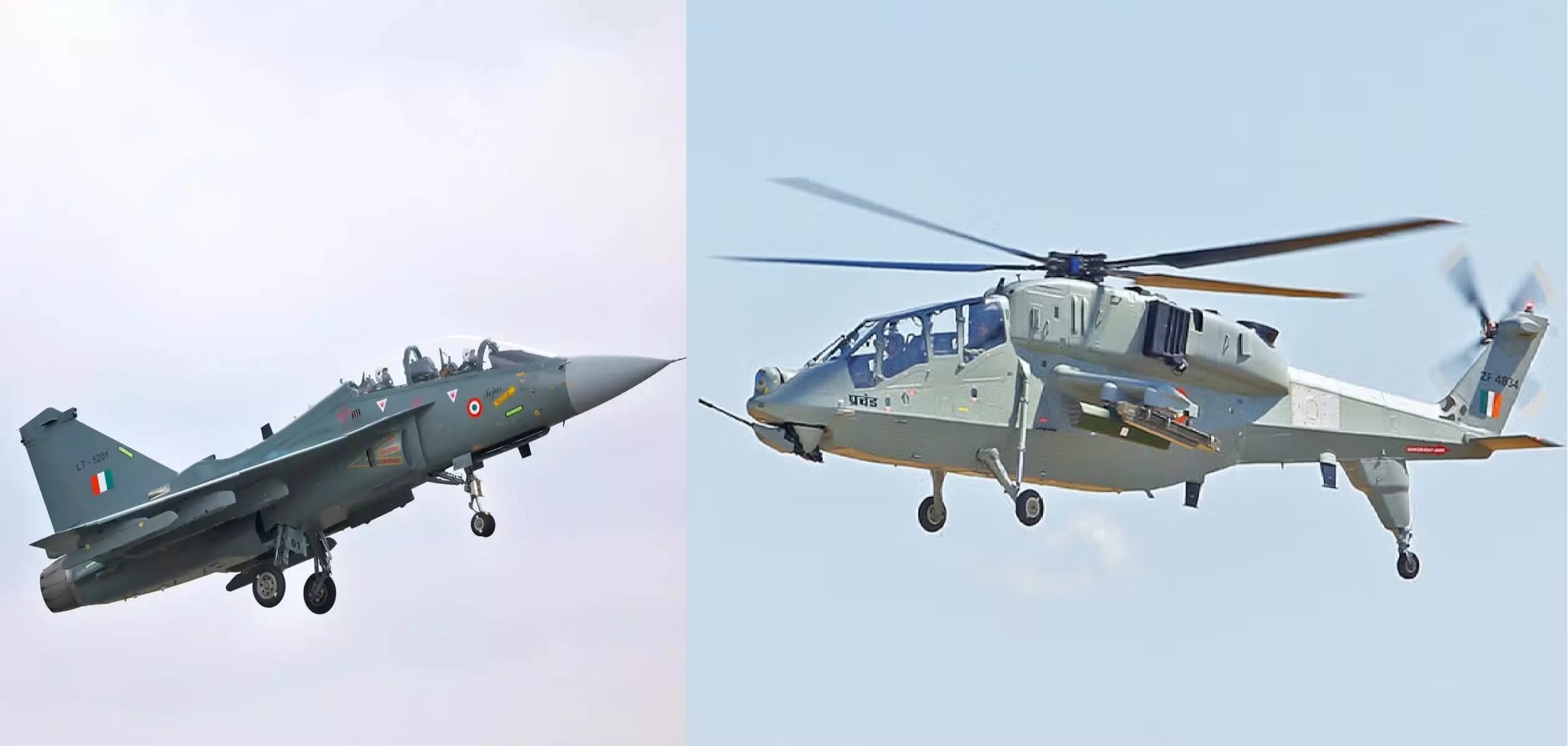
India
In a major development in global defense cooperation, Brazilian media, citing sources within the country’s Defense Ministry, report that Brazil is set to acquire 32 Tejas Mk1A fighter jets and 24 Prachand attack helicopters from India. The deal is reportedly structured as a reciprocal arrangement, with India planning to purchase 80 C-390M transport aircraft from Brazil. The proposed exchange highlights a new era of defense collaboration between the two countries. The Tejas Mk1A, developed by Hindustan Aeronautics Limited (HAL), is a lightweight, multi-role fighter aircraft designed for air superiority and ground attack missions. The Prachand, also known as the Light Combat Helicopter (LCH), is tailored for precision strikes and high-altitude operations, offering versatility in both offensive and defensive roles. On the other side of the agreement, Brazil’s C-390M is a modern military transport aircraft capable of carrying heavy cargo over long distances and operating from short or unprepared airstrips—an ideal platform to support India’s strategic mobility requirements. Brazilian officials have emphasized the reciprocal nature of the deal. According to Brazilian Ambassador to India Kenneth da Nóbrega, “If India procures Brazilian platforms, Brazil will purchase an equivalent number of weapons from India,” underscoring the mutually beneficial structure of the arrangement. Strategically, the deal would allow Brazil to modernize its air force, replacing aging fleets such as the AMX and F-5 jets. For India, acquiring the C-390M addresses a critical need to replace its aging Ilyushin Il-76 transport aircraft while enhancing operational reach across diverse terrains. The negotiations also open the door for potential industrial collaboration. Talks are reportedly underway for local assembly and technology transfer of the C-390M in India, potentially involving Indian defense companies such as Mahindra Defence Systems. Such cooperation would bolster India’s domestic aerospace sector and support the “Make in India” initiative. If finalized, this defense barter agreement would mark a significant milestone in India-Brazil relations, demonstrating a creative approach to international defense trade and mutual capability enhancement. Observers suggest that the success of this deal could pave the way for similar reciprocal arrangements between nations seeking to strengthen strategic ties while optimizing procurement costs.
Read More → Posted on 2025-10-22 16:04:14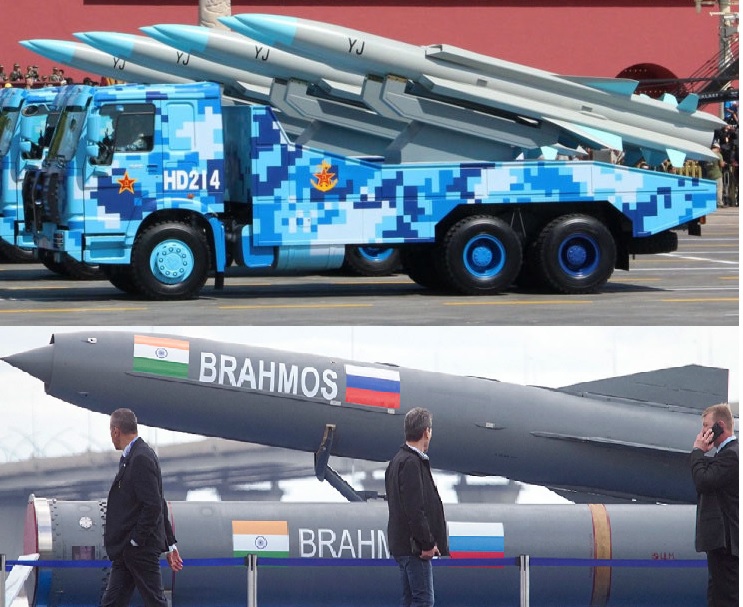
India
Indonesia is reportedly moving toward an ambitious — and geopolitically sensitive — push to modernize its coastal strike capability by acquiring two supersonic cruise missiles from very different producers: India/Russia’s BrahMos and China’s CM-302. Local and regional defence outlets say Jakarta is exploring a dual-track procurement and an integration concept informally being called Project “Missile Umbrella”, aimed at creating complementary layers of standoff lethality to deter and, if needed, deny access to hostile surface forces approaching Indonesia’s long coastline. Why two different missiles? The logic of a “missile umbrella” is simple: depth and redundancy. A layered coastal defence uses different missiles that overlap in range, speed, and flight profiles so that no single point of failure — a countermeasure, an interception attempt, or a diplomatic supply cutoff — disables the whole system. Reports indicate Indonesia sees the BrahMos as the longer-range, precision strike layer and the CM-302 as an additional supersonic anti-ship punch to saturate defences or provide alternative launch options from different platforms. Specifications (export/service variants) BrahMos (Indian-Russian joint venture) BrahMos is a ramjet-powered supersonic cruise missile family capable of ship, land, sub-surface and air launch. Exported versions are the likely model for Indonesia. Headline figures for export/standard tactical variants: Range (export): ~290 km (export-limited). Speed: Mach 2.8–3.5 (sustained supersonic cruise). Warhead: ~200–300 kg high-explosive / semi-armour-piercing. Guidance: inertial navigation with multi-GNSS and active radar/IR terminal seeker options; sea-skimming terminal profile. Launch platforms: vertical/box canisters on ships, road TELs for land-based batteries; submarine/air adaptations exist. Operationally, BrahMos is prized for its combination of speed, accuracy and a proven service record — suitable as a precision standoff layer in a coastal umbrella. CM-302 (China — YJ-12 family derivative claims) The CM-302 is a Chinese supersonic anti-ship cruise missile design promoted for export. Publicly available and manufacturer-claimed figures are: Range (export): commonly reported ~280–400 km, with export-sensitive figures often around ~280–290 km. Speed: Mach 2–3.3 depending on profile (supersonic cruise with high terminal speed). Warhead: roughly ~250 kg high-explosive, designed for heavy terminal effects against large ships. Guidance & profile: air-breathing/ramjet propulsion enabling high speed and sea-skimming terminal approach. Launch platforms: typically ship-launched and coastal variants; air-launched derivatives are conceptually possible. Public material mixes manufacturer claims with observed data; nonetheless, the CM-302 is positioned as a high-speed anti-ship weapon useful for saturation attacks or rapid-response coastal defence. Integration — technical and operational realities Marrying missiles from two different vendors (and two geopolitical competitors) into a single “Missile Umbrella” is possible, but not plug-and-play. Key integration challenges include: Fire-control interoperability: Coastal batteries require integrated C2, targeting datalinks, engagement sequences, and deconfliction rules. Indonesia would likely develop middleware or local systems to fuse targeting data for both BrahMos and CM-302 launchers. Sensor suites and targeting: Both missiles benefit from over-the-horizon targeting (satellites, maritime patrol aircraft, ship sensors). Investments in shore radars, airborne ISR and secure datalinks are needed to cue missiles beyond line-of-sight. Logistics and sustainment: Dual suppliers mean separate training pipelines, spare-parts chains, and sustainment contracts — increasing complexity and cost. Political and export constraints: Export restrictions and supplier political decisions can affect availability, upgrade paths and integration of certain features (for example, range variants or particular seekers). Strategic and political implications A dual-supplier Missile Umbrella gives Jakarta a stronger, more resilient deterrent — but it also raises diplomatic balancing acts. Procuring BrahMos signals closer defence ties with India (and indirect Russian involvement), while acquiring CM-302 hardware engages China’s defence industry. Benefits include stronger deterrence across Indonesia’s archipelago and operational redundancy; downsides include dependence on divergent suppliers and potential diplomatic friction if regional tensions escalate. What’s next — procurement, testing and posture If Indonesia proceeds, expect a phased approach: purchase agreements for one or both systems, personnel training, emplacement of coastal batteries, and combined live-fire exercises to validate layered engagements. Parallel investments in maritime ISR, hardened infrastructure, and secure C2 will be necessary to make the umbrella credible. Final thought Project “Missile Umbrella” is a pragmatic way for a medium-power state to use diverse suppliers and layered capabilities to maximise deterrence across long coastal approaches. Technically feasible and strategically sensible from Jakarta’s perspective, success depends on harmonising C2, logistics, and diplomatic commitments while absorbing the cost and complexity of operating two different supersonic missile families.
Read More → Posted on 2025-10-22 11:03:10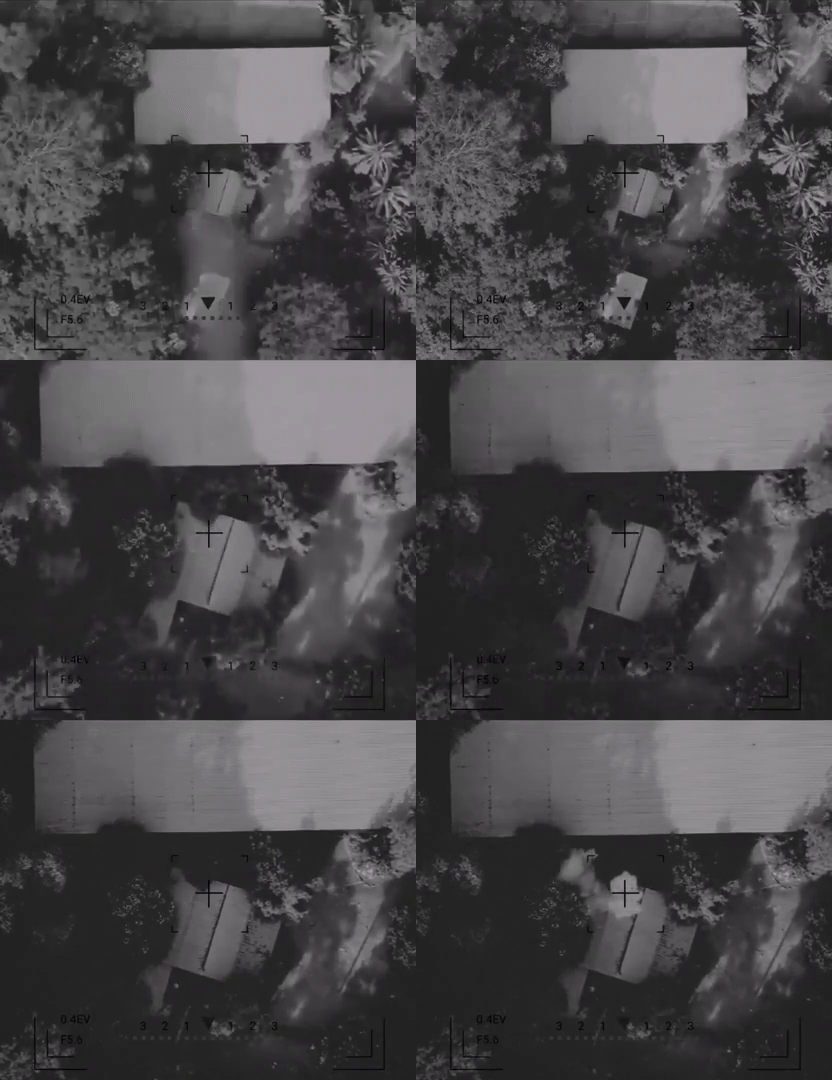
India
In a stunning display of precision and intelligence dominance, India has reportedly carried out a drone strike deep inside Myanmar’s Sagaing Region, targeting militant camps belonging to NSCN (K-YA) — the Yung Aung faction of the National Socialist Council of Nagaland (Khaplang). The strike, which is said to have also hit joint facilities used by ULFA (I) and the People’s Liberation Army (PLA) of Manipur, marks one of the most significant cross-border counter-insurgency actions in recent years. According to emerging reports, the drone assault inflicted heavy casualties, with the NSCN (K-YA) itself admitting to the death of 26 militants, including two senior leaders. A top field commander is believed to be among those killed. The camps were reportedly located in the Taga area of Sagaing, a known safe haven for several anti-India insurgent groups operating under the umbrella of the United Liberation Front of Western South East Asia (UNLFWSEA). While there has been no official statement from the Indian Armed Forces or the Ministry of Defence, the scale and precision of the attack have left little doubt about the level of coordination and technological prowess behind it. The drones used in the operation remain unidentified, with local sources in Myanmar referring to them as “unknown aircraft.” A Message Beyond Borders The strike sends an unmistakable message — India’s patience with cross-border insurgency sanctuaries has limits. The Myanmar-based camps had long served as logistical and training hubs for anti-India militants who carried out ambushes and attacks across the Northeast, particularly in Arunachal Pradesh and Nagaland. Analysts believe this operation follows a similar pattern to India’s 2015 surgical strike in Myanmar, when para-commandos crossed the border to neutralize NSCN(K) militants after they ambushed Indian soldiers in Manipur. However, this time, the use of drones indicates a new phase in India’s counter-insurgency doctrine — one that blends deniability with technological precision. The message is not just for militants operating from Myanmar, but also for anti-India networks based in Pakistan and beyond. The strike underscores New Delhi’s resolve to neutralize threats wherever they emerge, without the need for overt declarations or publicity. Technological and Tactical Shift The success of this operation, if officially confirmed, highlights India’s growing unmanned aerial warfare capabilities. Over the past few years, India has significantly expanded its drone fleet, acquiring systems like the Heron Mk2, MQ-9B Reaper, and indigenous drones such as Tapas-BH-201 and AURA stealth UCAV. The integration of precision-guided munitions and real-time surveillance has given Indian forces the ability to strike swiftly and silently across difficult terrain — a critical advantage in the complex jungles along the Indo-Myanmar border. Reports also suggest that the strike could have been supported by satellite and SIGINT (signals intelligence) inputs, possibly from the Defence Intelligence Agency and RAW’s Aviation Research Centre, which have been monitoring militant activity in the region for months. Regional Implications Myanmar’s Sagaing Region, currently embroiled in civil conflict between the junta and pro-democracy resistance groups, has become increasingly lawless — providing fertile ground for Indian insurgents to regroup. The tacit cooperation between Indian and Myanmar security agencies has historically enabled limited joint operations, though Naypyidaw’s ongoing instability has complicated coordination. If confirmed, this operation demonstrates India’s ability to act unilaterally when required, a move that reinforces its strategic autonomy and deterrence posture. It also comes amid rising Chinese influence in Myanmar, where Beijing’s shadowy support for certain insurgent elements has raised alarms in New Delhi. A Silent Strike, a Loud Message While the Indian government remains silent, the impact on the ground is undeniable. The NSCN(K-YA)’s acknowledgment of casualties is rare and indicative of the severe blow they’ve suffered. The loss of senior leadership could cripple their cross-border coordination, while the destruction of logistics hubs will hinder supply chains to other Northeast militant outfits. In essence, this drone-based surgical strike is more than a tactical success — it’s a strategic signal to every actor exploiting porous borders or foreign safe havens. It reinforces India’s doctrine of “offensive defense”, blending modern warfare technology with the age-old principle of deterrence through decisive action.
Read More → Posted on 2025-10-21 09:44:17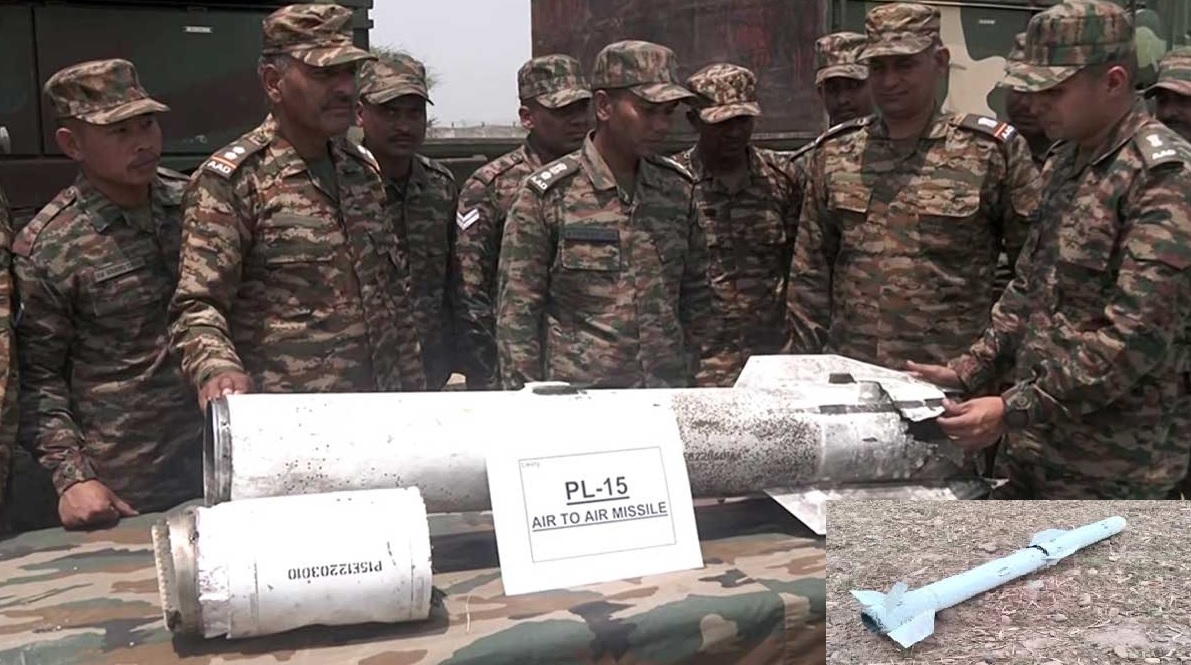
India
When parts of a Chinese PL-15 long-range air-to-air missile were recovered in India during the May 2025 clashes (widely reported in media coverage of Operation Sindoor), two parallel stories immediately appeared. One: a sober, technical effort inside DRDO and allied labs to disassemble, analyse, and understand the weapon so India could defeat it if used again. Two: sensational headlines claiming DRDO would simply graft PL-15 technology into India’s Astra Mk-2/Mk-3 programmes. The truth is the first story is the realistic one — reverse-engineering a captured missile is overwhelmingly about defeat and resilience, not quick cloning. What India Actually Recovered — and What Forensic Analysis Gives You Open-source reporting from the May 2025 engagements documents that export variants of the PL-15 were used by Pakistani fighters, and that wreckage and debris were recovered inside India. That recovery made it possible for Indian labs to do hands-on forensic work: identify seeker type and likely radar waveforms, inspect guidance and datalink hardware, characterise propellant residue and plume signatures, and examine fuze and autopilot design. In short, the debris provides fingerprints — the very information defenders need to design effective countermeasures and to tune sensors and tactics. Why does that matter? Because modern BVR (beyond-visual-range) missiles are defeated not only by out-riding them with a better missile, but by making them ineffective through a layered response: improved warning and tracking, electronic countermeasures (ECM) tuned to the missile’s seeker, better chaff/flare signatures, optimized engagement doctrine, and coordinated sensor fusion (airborne-to-airborne and ground-based). A reverse-engineering exercise supplies the data needed to implement those countermeasures quickly and accurately. Reverse-Engineering ≠ Cloning: The Engineering Reality There’s a persistent misconception in some media and social posts: that if you take a foreign seeker or propulsion unit, you can bolt it onto your missile and instantly match its performance. That’s not how complex aerospace systems work. A seeker’s hardware and software are deeply coupled to the missile’s guidance algorithms, datalink design, airframe aerodynamics, thermal environment, and manufacturing processes. Integrating a foreign subsystem requires years of systems-level re-engineering, flight qualification, and supply-chain adaptation. So while reverse-engineering can produce valuable design insights, turning those into a production-worthy component for Astra Mk-2 or Mk-3 would be a long-term, resource-intensive process — not a shortcut. The Pragmatic Objective: Build Countermeasures, Protect Platforms DRDO’s immediate priority after recovering a foreign missile is defensive: how to stop it. Practical outputs from forensic work include: Seeker-waveform signatures that let RWRs (radar-warning receivers) and MAWS (missile approach warning systems) detect the missile earlier. ECM waveforms tuned against that seeker’s weaknesses. Chaff/decoy profiles and dispense logic optimized to fool the missile’s radar tracker. Tactics and rules of engagement that minimize exposure to the missile’s no-escape zone, with cooperative jamming and sensor fusion support. These defensive improvements raise the cost and risk for an adversary relying on the PL-15 family — often more quickly and effectively than trying to copy a foreign design. Analysts reviewing the May 2025 events confirmed that India’s focus was on threat defeat and hardening, not imitation. On Claims That Astra Mk-2 / Mk-3 Already Surpass PL-15 or Meteor There are two key threads that often get mixed together: Open claims and expert analysis: Several Indian defence research platforms and analysts — including reports cited by the Indian Defence Research Wing (IDRW) — have stated that Astra Mk-3, built around an advanced ramjet/ducted rocket propulsion system, is designed to match or even exceed the European Meteor missile. The missile’s improved seeker, high-energy motor, and advanced guidance algorithms reportedly give it greater accuracy and sustained speed at long ranges. These sources indicate that Astra Mk-2 and Mk-3 are not only closing the gap but are technologically ahead of both PL-15 and Meteor in key performance areas like target-lock precision and no-escape zone. The honey-trap espionage revelation: In 2023–24, during an investigation into a DRDO honey-trap case, a senior scientist reportedly disclosed in his private chat with a foreign operative that Astra’s guidance and strike accuracy are superior to Meteor’s. This conversation — later part of the investigation record — revealed that even within DRDO’s internal assessments, the Astra missile’s precision systems outperform Meteor’s in real-world targeting capability. The revelation confirmed what many within India’s defence community had already believed: the Astra program has achieved a technical maturity surpassing its Western counterpart in accuracy and reliability. During the May 2025 conflict, the Chinese-origin PL-15 missiles used by Pakistani fighter jets were observed to be largely ineffective against Indian Air Force aircraft, failing to achieve the expected engagement success rate. Several intercept attempts reportedly missed or were countered by Indian electronic warfare systems, advanced sensor fusion, and tactical manoeuvres that neutralized the missile’s long-range advantage. This operational outcome exposed performance limitations of the PL-15’s seeker and datalink under real combat conditions. Following these setbacks, Pakistan reportedly began exploring other countries’ BVR missile options, a move that itself underscores growing doubts about the reliability and overall quality of PL-15 technology in high-intensity engagements. The Astra Mk-2 160-kilometre variant weighs 175 kilograms, while the PL-15E has a 150-kilometre range and weighs 210 kilograms, so despite offering a longer stated reach the Astra is about 35 kilograms lighter, which implies better mass-efficiency in propulsion, propellant energy or structural/design packaging and likely a more optimized integration of seeker/avionics and warhead; on these simple mass-to-range metrics the Astra Mk-2’s figures suggest a more advanced, better-optimized design than the PL-15E. Why the “DRDO Will Copy PL-15 Into Astra” Headlines Are Misleading After Operation Sindoor, some websites and social media posts claimed DRDO’s forensic work was an attempt to harvest PL-15 technology to accelerate Astra development. Those takes miss two core facts: The most immediate and actionable gains from analysing a captured missile are defensive — improving countermeasures and tactics, not cloning. Any effort to transplant foreign seeker or propulsion designs into Astra would require a multi-year engineering program, create supply dependencies, and contradict India’s emphasis on indigenisation. Calling the forensic effort “reverse-engineering to copy PL-15 into Astra” is a misleading oversimplification that serves a sensational narrative, not technical accuracy. India’s hands-on analysis of PL-15 wreckage after Operation Sindoor was a textbook defensive strategy: gather real-world threat data, reduce uncertainty, and enhance electronic warfare (EW) defences to neutralize the missile’s effectiveness. That approach protects aircraft and pilots far more effectively than trying to import foreign design elements. Claims that Astra Mk-2/3 already dominate PL-15 or Meteor, or that DRDO copied PL-15 technology, are either premature or misleading when measured against the real technical timelines and goals of India’s missile development program.
Read More → Posted on 2025-10-20 10:22:08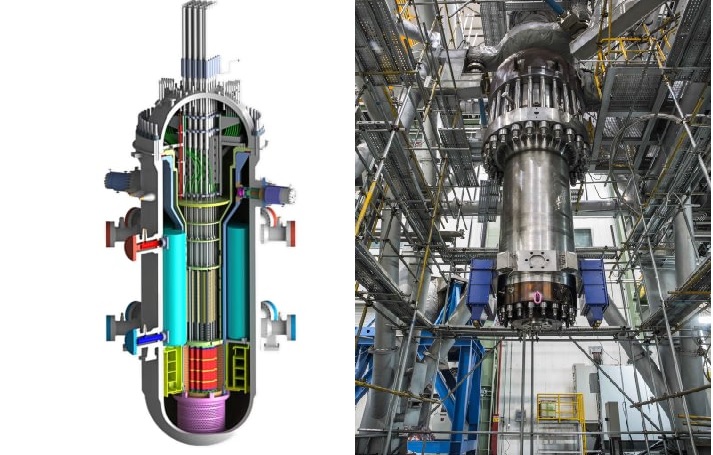
India
India is advancing a groundbreaking initiative to develop compact 200 MW nuclear reactors, designed not only for land-based industrial power generation but also for deployment on large commercial ships, marking a major milestone in the country’s nuclear and maritime innovation journey. According to a senior official familiar with the project, scientists at the Bhabha Atomic Research Centre (BARC) are currently developing two types of Bharat Small Modular Reactors (BSMRs) — one rated at 55 MW and another at 200 MW. These reactors are designed to provide flexible, clean, and reliable energy to energy-intensive sectors, such as steel, cement, and chemical industries, as well as to merchant navy and cargo vessels. “Nuclear power is generated by causing nuclear fission to create heat that leads to electricity production. You can put the reactor wherever you want, even on a ship,” said a senior official, highlighting the modular and mobile design philosophy behind the new reactors. Compact, Safe, and Versatile: The Bharat Small Modular Reactor (BSMR) The BSMR design represents the next phase in India’s civil nuclear program, emphasizing compactness, enhanced safety, and modular construction. Unlike traditional large-scale reactors that require extensive infrastructure and long build times, these modular units can be factory-built and transported to the deployment site, significantly reducing cost and construction timelines. BARC officials note that the BSMRs feature passive safety systems, self-contained coolant loops, and fail-safe shutdown mechanisms, making them capable of operating safely even in the event of external disruptions. The design ensures that the reactors can be deployed in remote industrial zones, islands, or aboard large ocean-going vessels, offering strategic flexibility. The potential for maritime deployment is particularly significant. While India already operates 83 MW reactors on its Arihant-class nuclear submarines, the new 200 MW units could power merchant ships, icebreakers, or special-purpose naval support vessels, enabling months of operation without refueling. Expanding India’s Nuclear Energy Footprint Currently, India operates 24 nuclear reactors across seven power stations, generating around 8.8 GW of electricity. However, under Prime Minister Narendra Modi’s Vision 2047, the government aims to scale this capacity to 100 GW — a tenfold increase — by mid-century. To achieve this, the government is pursuing a multi-pronged approach: Introducing Small Modular Reactors (SMRs) for decentralized and industrial power generation. Encouraging private sector participation in nuclear power through legislative reforms. Diversifying fuel sources, including exploring thorium-based fuel cycles, where India holds one of the world’s largest reserves. Legal and Policy Framework: Opening the Nuclear Sector To facilitate this transformation, the government plans to amend the Atomic Energy Act (AEA), 1962, to allow private players to participate in both construction and operation of nuclear power plants. This marks a major policy shift from the current state-monopoly model under the Nuclear Power Corporation of India Limited (NPCIL). The proposed amendments also include provisions for: Allowing private operators to source nuclear fuel from foreign suppliers under international safeguards. Introducing a take-back clause for spent fuel, where supplier countries will retrieve used material to prevent proliferation risks. Revising the Civil Liability for Nuclear Damage Act (CLND) to limit supplier liability, encouraging greater participation from foreign technology partners. Officials indicate that these legal changes are in the final stages of inter-ministerial consultations before being introduced in Parliament. Strategic and Economic Significance The development of compact nuclear reactors aligns with India’s twin goals of energy security and strategic autonomy. As global energy demand rises, modular reactors can supply consistent, carbon-free power to industries and transport sectors that are otherwise dependent on fossil fuels. For the maritime sector, nuclear propulsion offers a transformative capability — enabling long-range commercial shipping with zero emissions, drastically reducing operational costs and dependence on marine fuel. Strategically, the BSMR program also strengthens India’s expertise in miniaturized nuclear propulsion, a technology crucial for next-generation submarines, unmanned undersea vehicles, and future aircraft carriers — though officials have avoided confirming any direct military applications. India’s move to develop 55 MW and 200 MW compact nuclear reactors represents a technological leap that bridges the gap between civilian energy needs and strategic capability. With the Bharat Small Modular Reactor (BSMR) program, India joins a select group of nations — including the United States, Russia, and China — pursuing modular nuclear power for both industrial and maritime applications. If successfully implemented, these reactors could revolutionize India’s energy architecture, turning nuclear power from a centralized utility into a flexible, mobile, and exportable solution — powering both factories and fleets in the decades to come.
Read More → Posted on 2025-10-20 09:46:42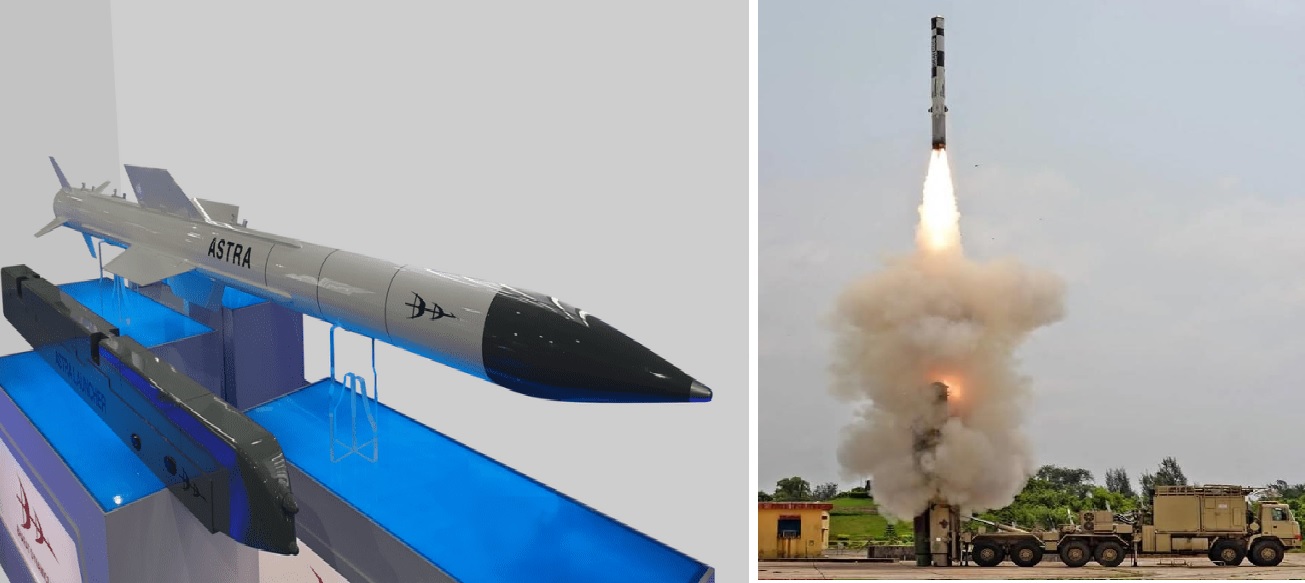
India
India’s missile arsenal is poised for a major leap in range, precision, and lethality. The country is set to induct the new 800-kilometre-range BrahMos supersonic cruise missile within the next two years, alongside the Astra Mark-2 beyond-visual-range (BVR) air-to-air missile, which will enter serial production by 2026–27. Together, these systems mark a decisive step toward India’s goal of strategic self-reliance and technological dominance in precision-guided weaponry. The Next-Generation BrahMos: Doubling the Reach, Sharpening the Accuracy According to top defence sources cited by The Times of India, developmental trials are currently underway for the 800-km BrahMos, featuring a modified ramjet engine and enhanced avionics. These upgrades aim to significantly extend range and improve precision, while maintaining the missile’s hallmark speed of Mach 2.8—nearly three times the speed of sound. The missile, built jointly by India’s Defence Research and Development Organisation (DRDO) and Russia’s NPO Mashinostroyenia, has evolved from its original 290-km variant into a formidable multi-platform strike weapon. The current 450-km BrahMos already serves as the primary conventional precision-strike system across the Indian Armed Forces. It has reportedly been used in real combat conditions, including Operation Sindoor (May 2025), where Sukhoi-30MKI fighters carried out deep-penetration strikes inside Pakistan. “The 800-km BrahMos is nearly ready, pending a few more tests to validate the combination of its inertial navigation system (INS) and external global navigation satellite systems (GNSS). These will ensure unmatched accuracy and resistance to electronic jamming,” a senior defence official said. Software Upgrade to Extend Naval and Ground Versions One of the major advantages of the 800-km variant is that existing BrahMos systems can be upgraded without major hardware changes. The missile’s airframe and launcher remain the same; only the software, fire-control interface, and guidance logic require modification. This means that Indian Navy warships and Army mobile launch batteries, which currently field the 450-km version, can transition to the new variant with minimal downtime. Sources confirm that the Navy and Army will be the first to induct the extended-range BrahMos, with the air-launched version for the IAF following later. At present, about 20 frontline warships, including the Visakhapatnam-class destroyers and Shivalik-class frigates, are equipped with vertical-launched BrahMos systems. The induction of the longer-range variant will extend India’s maritime strike envelope deep into the Indo-Pacific. Astra Mark-2: Extending the IAF’s Beyond-Visual-Range Punch Parallel to the BrahMos upgrade, DRDO is advancing the Astra Mark-2 air-to-air missile, extending its range to over 200 kilometres, up from the 160 km achieved during initial trials. The improvements are driven by trajectory shaping, enhanced propulsion systems, and refined guidance algorithms. “The propulsion upgrade provides greater thrust and sustained burn time. If current trials succeed, production can begin within six months,” a source revealed. The Indian Air Force has already placed orders for around 700 Astra Mark-2 missiles, which will equip its Sukhoi-30MKI and Tejas Mk1A fighters. Meanwhile, over 280 Astra Mark-1 missiles with 100-km range are in induction phase. DRDO is also developing the Astra Mark-3, powered by a solid-fuel ducted ramjet (SFDR), which could reach ranges up to 350 km—placing it in the same class as China’s PL-15 and Europe’s Meteor missiles. The Astra-3 is expected to be operational by 2028. Strategic Impact: A Step Toward Complete Missile Self-Reliance The Astra missile family is designed to replace expensive imported beyond-visual-range missiles such as the Russian R-77, French MICA, and Israeli Derby. Once fully operational, the Astra series will become India’s standard BVR missile across all fighter platforms, reducing foreign dependence and cutting operational costs significantly. The BrahMos program, meanwhile, has already become the cornerstone of India’s precision-strike capability. With contracts worth over ₹58,000 crore, the Indo-Russian joint venture BrahMos Aerospace has delivered missiles to the Army, Navy, and Air Force, as well as secured its first export orders—notably from the Philippines, which is inducting the shore-based coastal defence system. In March 2024, the Defence Ministry inked a ₹19,519 crore contract for over 220 BrahMos missiles for the Indian Navy—the largest-ever such deal. Following Operation Sindoor, the Defence Acquisition Council (DAC), chaired by Defence Minister Rajnath Singh, also cleared procurement of 110 air-launched BrahMos missiles for the IAF, valued at around ₹10,800 crore. 2027 and Beyond By 2027–28, India’s strike and air combat capabilities will look markedly different. The BrahMos 800-km variant will give India the ability to strike deep into adversary territory—from the Arabian Sea to the Tibetan plateau—without crossing the border. Meanwhile, the Astra Mk-2 and Mk-3 will allow Indian fighters to engage enemy aircraft long before they are detected by radar. Together, these systems embody India’s “Long-Range Precision” doctrine, emphasizing deterrence, flexibility, and autonomy. As Defence Minister Rajnath Singh recently remarked, “Every inch of Pakistan is within BrahMos range—and soon, every threat in the sky will be within Astra’s reach.”
Read More → Posted on 2025-10-20 09:31:30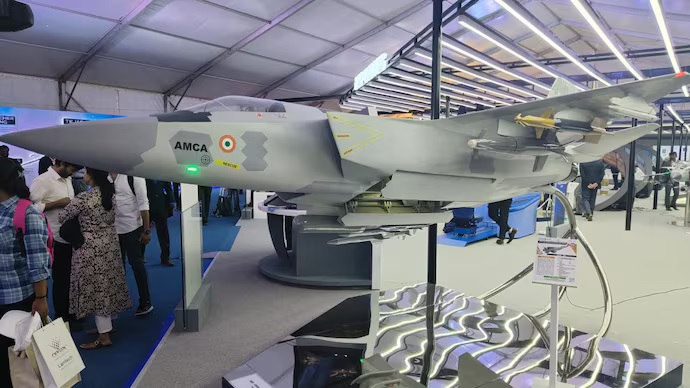
India
The Defence Research and Development Organisation (DRDO), through its Centre for Military Airworthiness and Certification (CEMILAC), has granted PTC Industries a Letter of Technical Acceptance (LoTA) for the development and production of the Titanium Rear Fin Root Casting for India’s Advanced Medium Combat Aircraft (AMCA) program. The Letter of Technical Acceptance is a critical milestone in defence manufacturing. It signifies that the proposed design, materials, and production processes meet the stringent technical and airworthiness standards set by the DRDO and the Indian Air Force (IAF). Essentially, it is a green signal allowing the company to transition from prototype development to full-scale production under strict quality and performance guidelines. The Titanium Rear Fin Root Casting is a vital structural component of the AMCA, contributing to its aerodynamic stability and structural integrity. Titanium is favored in modern combat aircraft due to its high strength-to-weight ratio, excellent corrosion resistance, and ability to withstand extreme temperatures, all of which are essential for a stealth fighter like the AMCA. With this approval, PTC Industries can now manufacture components that will undergo rigorous testing and integration into the AMCA airframe. This step also reflects the progress of India’s indigenous fifth-generation fighter program, which aims to reduce dependence on foreign suppliers and strengthen the nation’s defence manufacturing ecosystem. Currently, the AMCA program has achieved significant development milestones, including advanced design finalization, wind tunnel testing, and avionics integration. The approval of critical airframe components like the Titanium Rear Fin Root Casting indicates that the program is steadily moving toward prototype assembly and flight testing phases. The partnership between DRDO, CEMILAC, and private industry players like PTC Industries showcases India’s Make in India initiative in aerospace, encouraging indigenous production of advanced materials and components for future combat aircraft. This step marks a crucial technical and industrial achievement, bringing India closer to realizing a fully indigenous fifth-generation stealth fighter capable of competing with global counterparts.
Read More → Posted on 2025-10-18 17:50:31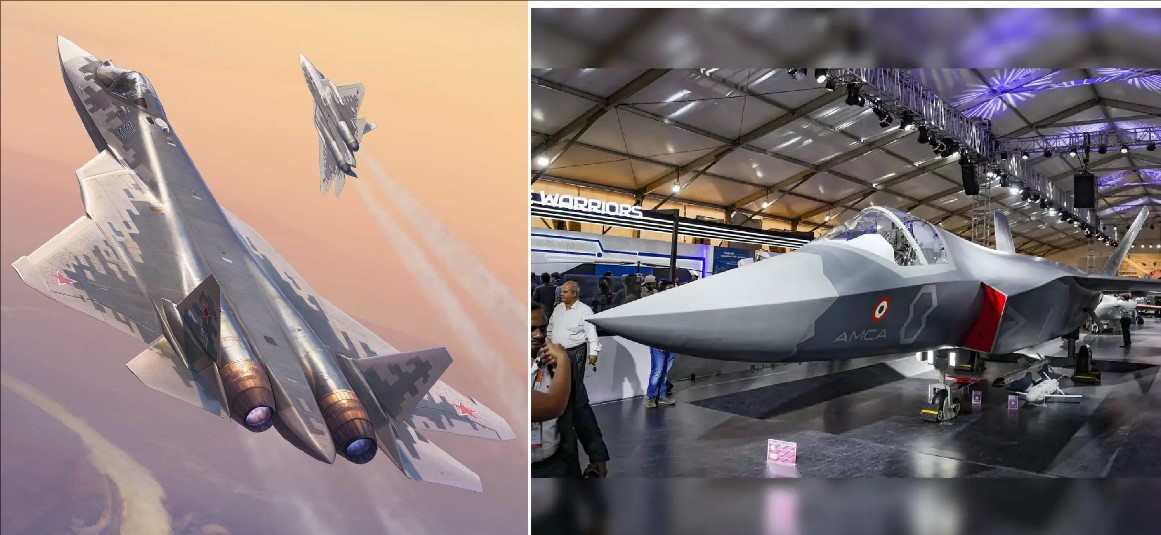
India
In a significant development for India’s defense ambitions, Russian Ambassador Denis Alipov has announced that Moscow is ready to support India’s Advanced Medium Combat Aircraft (AMCA) programme through the licensed local production of the Su-57 fighter jet. The proposal includes transferring critical technologies in areas such as stealth coatings, supercruise engines, and integrated avionics, with the potential for co-production by Indian companies like Hindustan Aeronautics Limited (HAL), Tata Advanced Systems, and Larsen & Toubro (L&T). This initiative is designed to directly aid India’s indigenous stealth fighter development and strengthen the country’s strategic air capabilities. The Su-57, Russia’s fifth-generation stealth fighter, comes equipped with advanced radar-absorbing materials and coatings, which drastically reduce its visibility to enemy radar. By sharing these technologies, Russia aims to help India enhance the AMCA’s low-observability features, a key requirement for operating in high-threat environments. In addition, the transfer of supercruise engine technology—engines capable of sustained supersonic flight without afterburners—would allow India to develop aircraft that are not only faster but also more fuel-efficient, enhancing the operational range and survivability of its future stealth fleet. Integrated avionics is another critical area where Russia’s assistance could prove invaluable. The Su-57’s avionics suite combines advanced sensors, communication systems, and electronic warfare capabilities into a single, highly coordinated system. By gaining access to such technology, Indian engineers could develop a more sophisticated and capable avionics infrastructure for the AMCA, improving situational awareness and combat effectiveness in complex operational scenarios. The collaboration is expected to involve major Indian defense manufacturers. HAL, which has extensive experience assembling the Su-30MKI, would play a central role in producing the Su-57 under license, while Tata Advanced Systems and L&T would contribute to manufacturing critical components. This arrangement aligns with India’s "Make in India" initiative, promoting self-reliance in defense production while simultaneously strengthening the domestic industrial base. Importantly, the Su-57 could serve as an interim solution to fill capability gaps until the AMCA becomes operational. With China rapidly expanding its fleet of advanced stealth aircraft, India faces increasing pressure to maintain air superiority in the region. The introduction of the Su-57 would provide the Indian Air Force with a modern, stealth-capable platform, helping to counter emerging threats while offering valuable experience in operating fifth-generation fighters ahead of the AMCA’s induction. Russia’s offer reflects the deepening strategic partnership between the two countries. By providing technology transfer and co-production opportunities, Moscow is not only supporting India’s indigenous development efforts but also helping it achieve greater autonomy in defense manufacturing. This move has significant implications for India’s long-term air combat capabilities, ensuring that the country remains well-positioned to face evolving regional challenges. As India advances its stealth fighter programme, the potential collaboration with Russia represents a critical step in bridging technological gaps and accelerating the development of its next-generation air combat assets. The combination of Su-57 technology and indigenous AMCA development promises to strengthen India’s defense posture and enhance its ability to respond effectively to regional threats.
Read More → Posted on 2025-10-18 17:45:48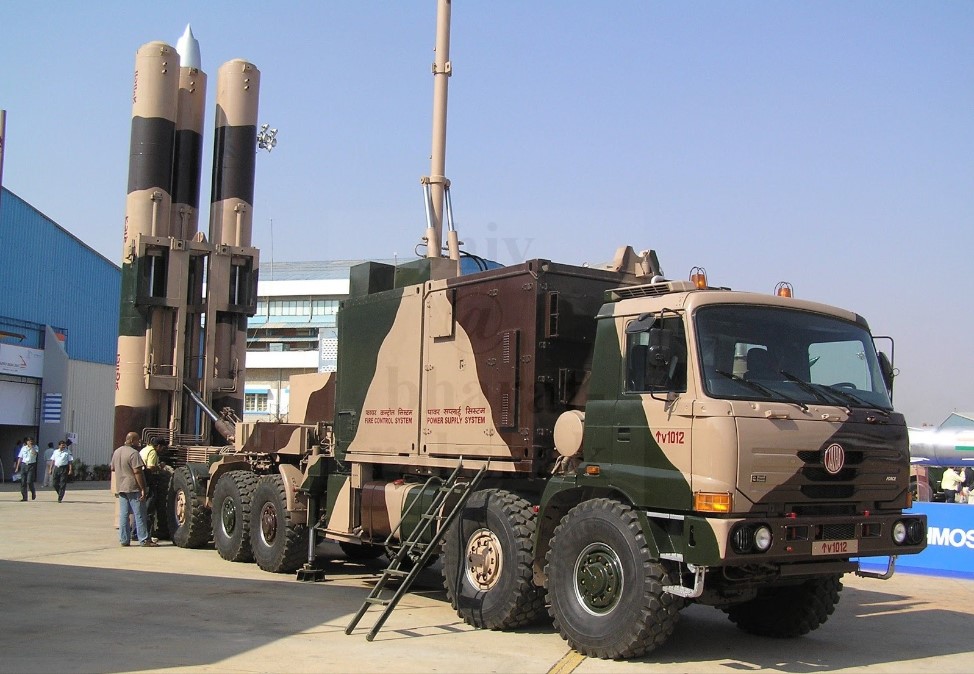
India
India has achieved another milestone in its growing defence export journey, with BrahMos Aerospace reportedly signing contracts worth around ₹4,000 crore (US $455 million) for the export of its BrahMos supersonic cruise missiles to two foreign countries. The announcement was made by Defence Minister Rajnath Singh during the flag-off ceremony of the first batch of BrahMos missiles from the company’s new manufacturing facility in Lucknow. While the names of the two countries have not been officially disclosed due to confidentiality clauses, the deals mark a significant expansion of India’s global defence footprint. The BrahMos system, jointly developed by India and Russia, has already established its reputation as one of the world’s fastest cruise missiles, capable of striking targets at speeds exceeding Mach 2.8 with pinpoint precision. Expanding India’s Defence Exports The ₹4,000 crore contracts come amid India’s rising status as a reliable arms exporter under its “Make in India, Make for the World” initiative. According to Rajnath Singh, these new deals underscore the country’s capability to deliver advanced, combat-proven weapon systems to friendly nations. India’s first export success for BrahMos came in 2022, when the Philippines signed a US $375 million (₹2,789 crore) contract for three batteries of the shore-based anti-ship version of the missile. The deal with Manila not only elevated India’s credibility in the international arms market but also opened doors for similar negotiations with other Southeast Asian nations. Who Could the Two New Buyers Be? Although official confirmation is awaited, Vietnam and Indonesia are widely seen as the most likely buyers of these new BrahMos missile systems. Both countries have shown consistent interest in acquiring BrahMos missiles for coastal defence amid growing tensions in the South China Sea. Vietnam has long been in discussions with India for the missile, with reports in late 2024 suggesting a deal worth around US $700 million was close to finalisation. Indonesia, too, was reported to be in advanced talks for a possible US $450 million acquisition of the shore-based variant for its naval forces. The combined estimated value of these potential deals aligns closely with the ₹4,000 crore figure recently revealed by the Indian government. Possible Number of Missiles If we take the earlier Philippine contract as a reference—three batteries for US $375 million—each battery costs roughly US $125 million (₹930 crore). Based on this rate, the latest ₹4,000 crore contracts could involve around four batteries of BrahMos systems in total, which translates to 20–40 missiles, depending on configuration and support systems included. Each battery typically includes multiple mobile launchers, command and control vehicles, radar units, and a stock of ready-to-fire missiles. The export variant is limited to a range of 290 km in accordance with Missile Technology Control Regime (MTCR) regulations. Strategic and Industrial Significance The contracts represent a huge boost to India’s defence manufacturing ecosystem and reinforce the capabilities of the Lucknow BrahMos unit, which has been designed to produce up to 100 missile systems annually. The deals will also help strengthen India’s strategic partnerships in the Indo-Pacific, especially with nations looking to counter regional maritime threats. For the purchasing countries, BrahMos offers a proven deterrent and rapid-response weapon system with high survivability and precision. For India, it showcases the country’s transformation from being an arms importer to a global exporter of advanced missile systems. Though the identities of the two buyer nations have not yet been officially disclosed, all indicators point to Southeast Asia as the destination for these new BrahMos systems. With a total export value of ₹4,000 crore and an expanding customer base, the BrahMos missile continues to reinforce India’s image as a major player in the international defence market. These latest deals not only boost India’s export figures but also reflect growing confidence among foreign militaries in the reliability and performance o
Read More → Posted on 2025-10-18 16:00:23
India
Defence Minister Rajnath Singh on Friday inaugurated the third production line of the Light Combat Aircraft (LCA) Tejas Mk1A and the second production line of the Hindustan Turbo Trainer-40 (HTT-40) at Hindustan Aeronautics Limited’s (HAL) Nashik facility. He also flagged off the first Tejas Mk1A aircraft built at the plant, marking a major milestone in India’s drive toward self-reliance in defence manufacturing. In his address, the Defence Minister described the flight of the indigenously built Tejas Mk1A as a shining example of India’s growing Aatmanirbharta in defence. Highlighting the transformation of the sector over the past decade, Singh said that India, which once imported nearly 70 per cent of its critical military hardware, now manufactures 65 per cent of its equipment domestically. He reiterated the government’s determination to raise this figure to 100 per cent in the years to come. “When we came to power in 2014, we realised that without self-reliance, we can never be truly secure,” Singh said, recalling that the defence sector at that time suffered from limited preparedness and heavy import dependency. “Everything was confined to government enterprises, with little private sector participation and minimal innovation. This forced us to depend on other countries for critical systems, which increased costs and created strategic vulnerabilities. But this challenge pushed us toward reform and self-reliance, and today, we are building at home what we once imported — from fighter aircraft and missiles to engines and electronic warfare systems,” he added. The Defence Minister noted that annual defence production, valued at ₹46,429 crore in 2014-15, has now reached a record of over ₹1.5 lakh crore in 2024-25, while exports have surged from less than ₹1,000 crore to ₹25,000 crore. The government has now set an ambitious goal to achieve ₹3 lakh crore in defence manufacturing and ₹50,000 crore in exports by 2029. Speaking about the evolving nature of modern warfare, Singh said that technologies like artificial intelligence, cyber warfare, drones and next-generation aircraft are reshaping the battlefield. He urged HAL to stay ahead in this race and to make its mark in next-generation platforms, unmanned systems and civil aviation, rather than limiting itself to current projects like the Tejas and HTT-40. He also commended HAL’s critical role in ensuring the operational readiness of the Indian Air Force (IAF) during Operation Sindoor, where its Nashik team installed BrahMos missiles on Su-30 aircraft that destroyed terrorist hideouts. Rajnath Singh lauded the Nashik division of HAL for being a key pillar of India’s aerospace development over the past six decades, transforming from the manufacturing base of MiG-21s and MiG-27s to becoming the production hub of the Su-30MKI and now the Tejas Mk1A and HTT-40. He said this journey reflects India’s technological and industrial growth in defence. Following the inauguration of the new production lines, India’s manufacturing capability for both aircraft has received a major boost. HAL’s total annual capacity for the Tejas Mk1A has now increased from 16 to 24 aircraft per year, as the Nashik line adds the ability to produce around eight additional fighters annually. The Bengaluru facilities, which previously handled all Tejas production, will continue to focus on deliveries to the Indian Air Force, while the Nashik line will accelerate output to meet upcoming commitments. HAL is also planning to gradually scale production to about 30 Tejas Mk1A fighters per year by 2027 through greater private-sector involvement and improved component outsourcing. The HTT-40 trainer program has similarly gained momentum. With the second production line inaugurated at Nashik, HAL is now positioned to deliver about 12 HTT-40 trainers in the current financial year, with output expected to increase to around 20 aircraft annually from 2026 onwards. The company has an order for 70 HTT-40s, which will be produced and delivered over the next six years. The Nashik division will handle most of this production, while the Bengaluru unit will focus on initial training and testing aircraft. Both programs are supported by a large network of Indian industry partners and MSMEs, contributing to the government’s goal of building a resilient aerospace ecosystem. However, engine supply remains a critical factor. The Tejas Mk1A relies on General Electric’s F404-IN20 engines, and delivery schedules from the US are key to maintaining full-rate production. Similarly, the HTT-40’s TPE331-12B engines from Honeywell have faced delivery delays, though efforts are underway to stabilise the supply chain. Secretary (Defence Production) Sanjeev Kumar, who attended the ceremony, said that the inauguration of the two lines was a symbol of India’s growing technological confidence and strategic foresight. He described the LCA Tejas Mk1A as more than just a fighter aircraft — a statement of India’s design and manufacturing excellence — and the HTT-40 as proof of HAL’s ability to conceptualise and deliver a fully indigenous defence platform. HAL CMD Dr. D.K. Sunil added that the Nashik expansion has already created around 1,000 new jobs and supported over 40 partner industries in the region. HAL Chief Test Pilot (Fixed Wing) Group Captain K.K. Venugopal (Retd) flew the first Tejas Mk1A sortie from the new facility, followed by an impressive aerial display by Su-30MKIs and HTT-40s. The Tejas Mk1A received a traditional water cannon salute, symbolising a new era in India’s aviation industry. With the new lines operational, HAL’s annual output of 24 Tejas Mk1A fighters and 20 HTT-40 trainers will significantly strengthen India’s airpower and training infrastructure. More importantly, it demonstrates that India’s aerospace sector, once dependent on foreign suppliers, is now capable of designing, developing and producing world-class aircraft on its own soil. The Nashik facility stands as a proud testament to this transformation — representing not just industrial expansion, but the flight of a self-reliant nation.
Read More → Posted on 2025-10-17 16:44:28Search
Top Trending in 24 Hours
-
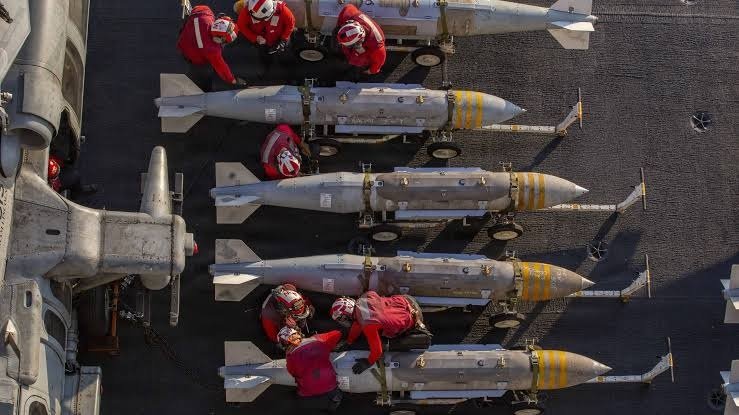 Pentagon Inspector General Report Finds Iran War Caused U.S. Ammunition Shortfalls and Industrial Bottlenecks
-
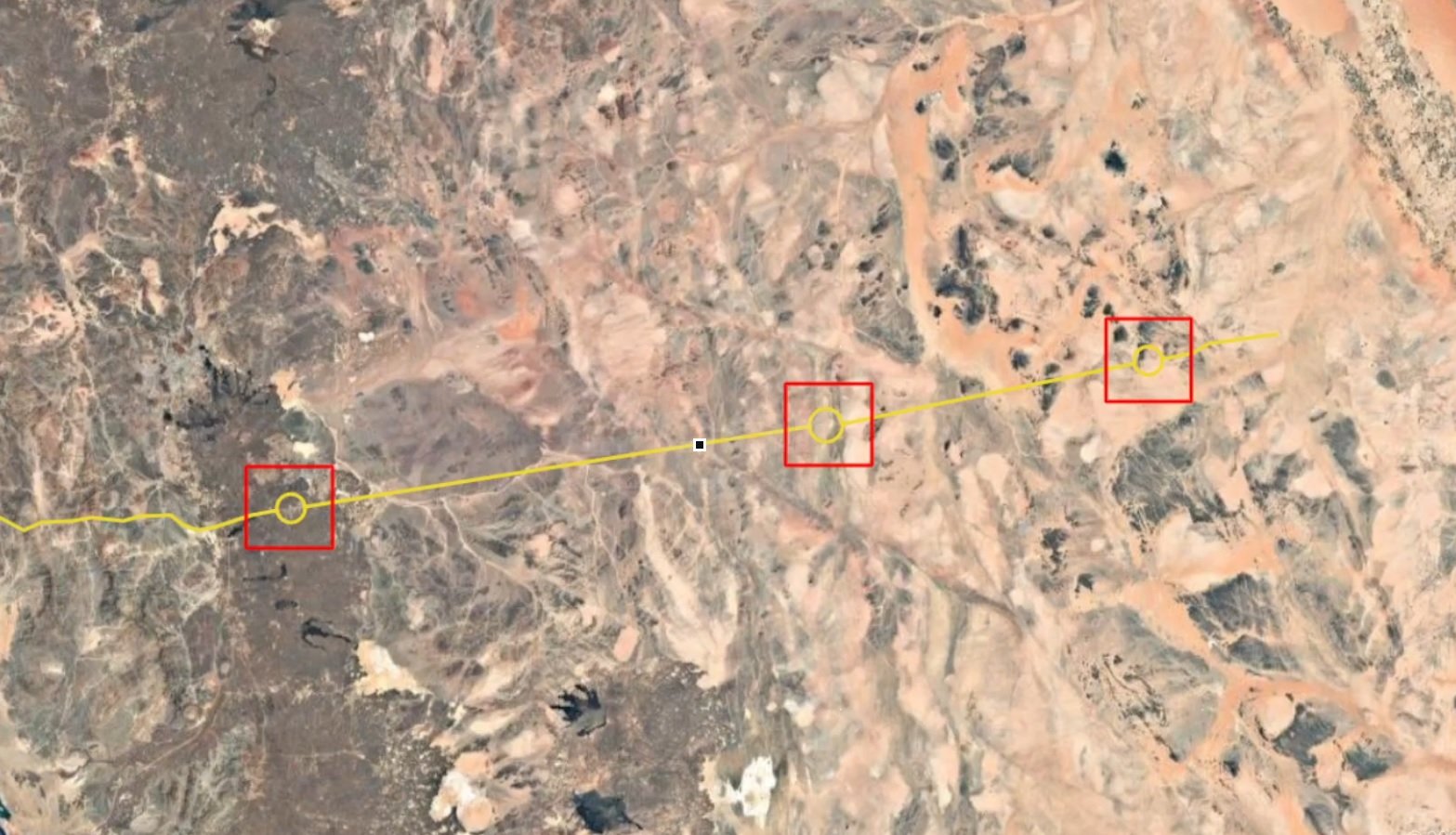 Satellite Imagery Shows Extensive Damage to Saudi Arabia’s East-West Oil Pipeline, Indicating More Than a Single Strike
-
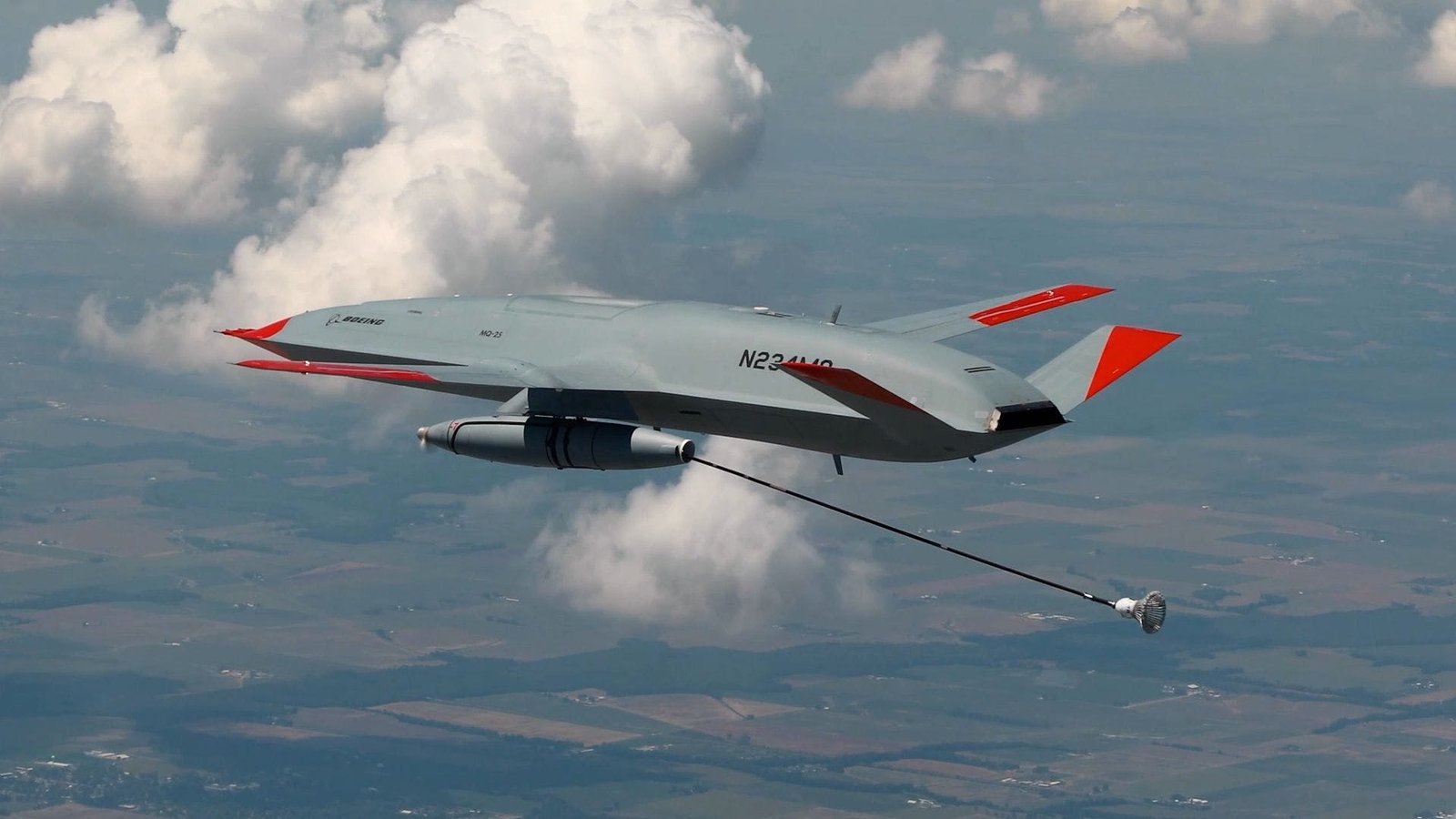 U.S. Navy Awards Boeing $562 Million Contract for First Production MQ-25A Stingray Tanker Drones
-
 Pentagon and Honeywell Complete Four-Hour Pacific Flight Using Quantum Magnetic Navigation Without GPS
-
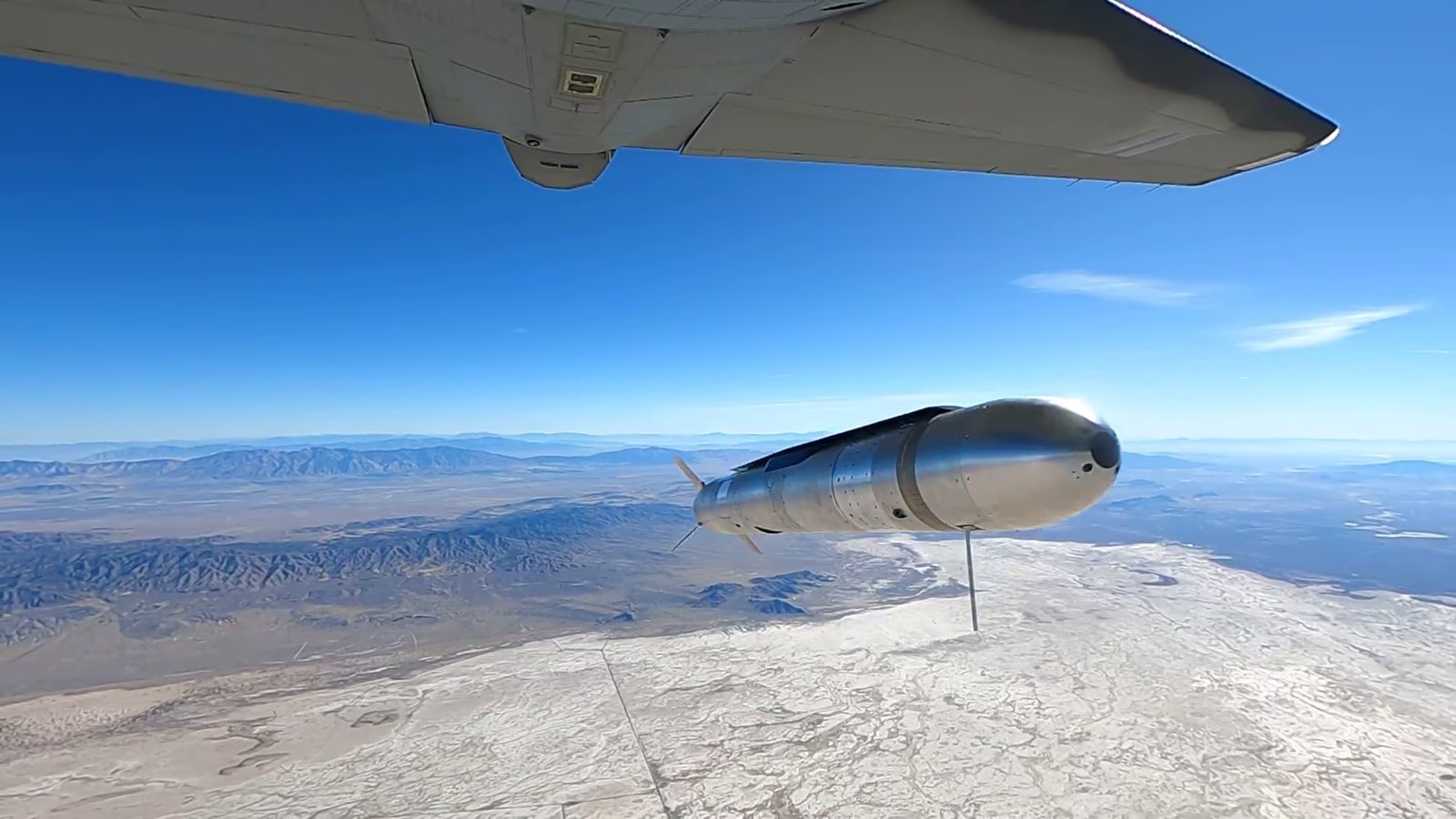 U.S. Air Force Special Operations Command Clears AGM-190A Havoc Spear for Wider Service After Combat Evaluation in Africa
-
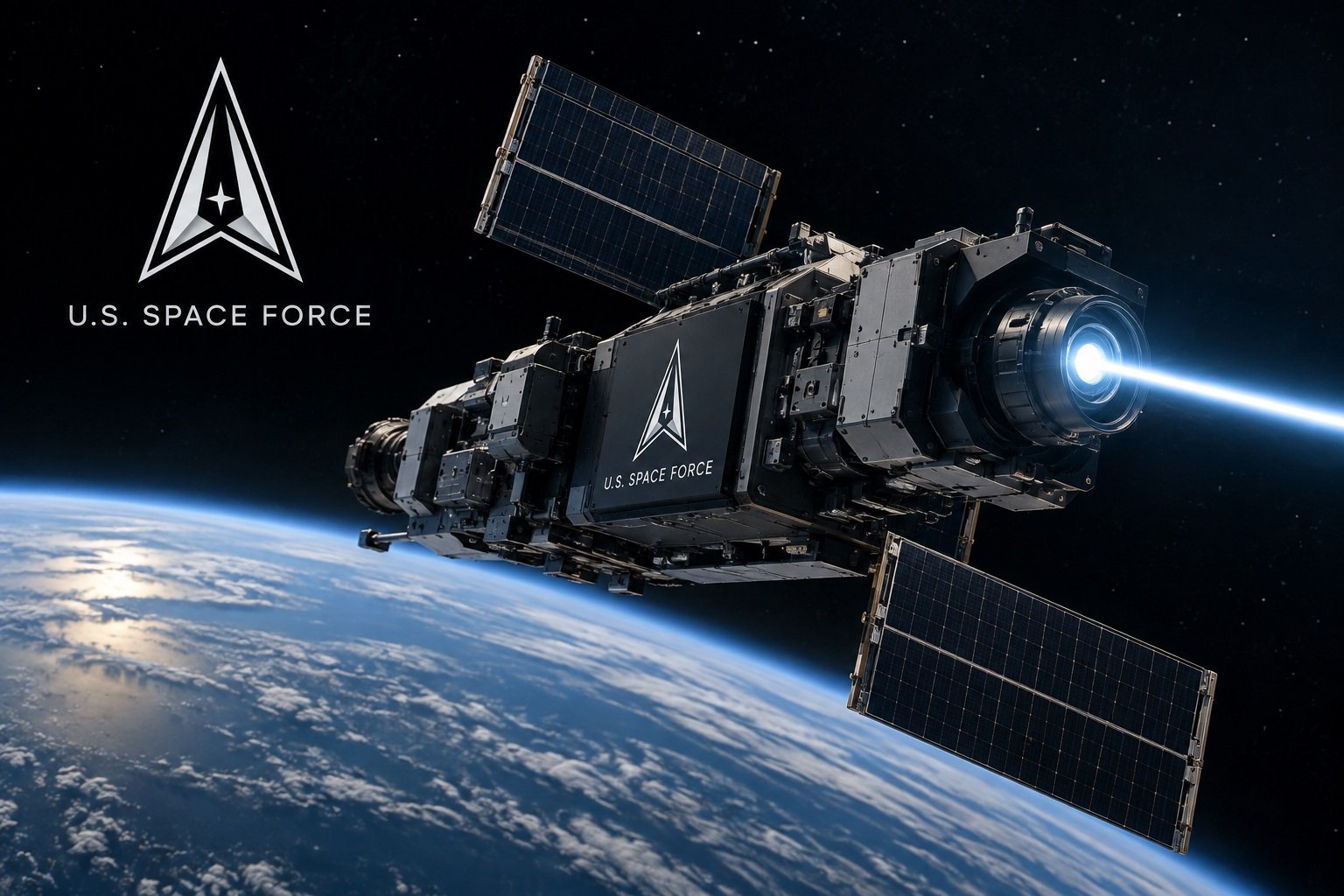 U.S. Confirms Deployment of On-Orbit Space Control Weapons for First Time
-
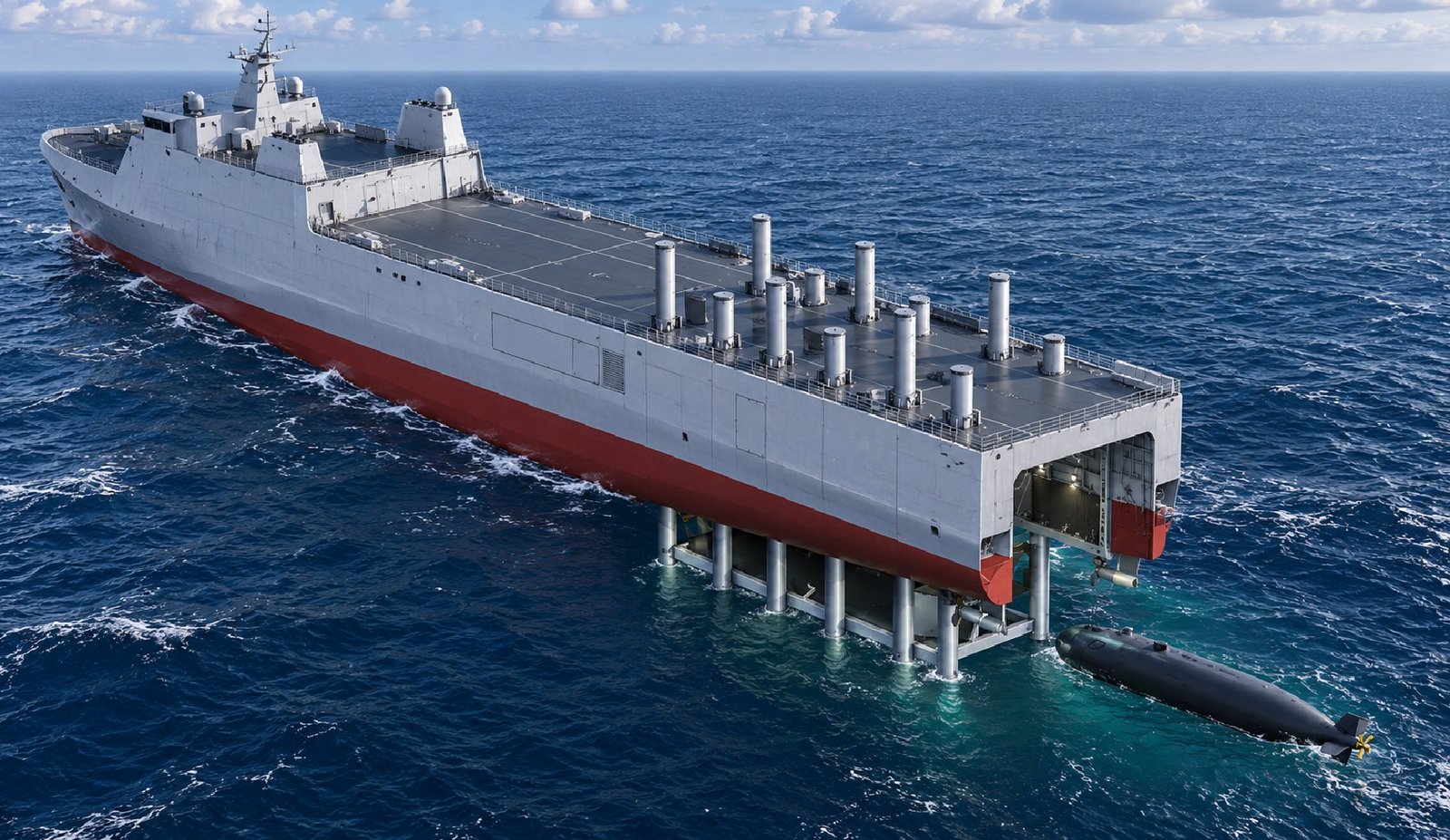 China Builds New Shanghai Vessel to Serve as Mothership for Large Uncrewed Submarines
-
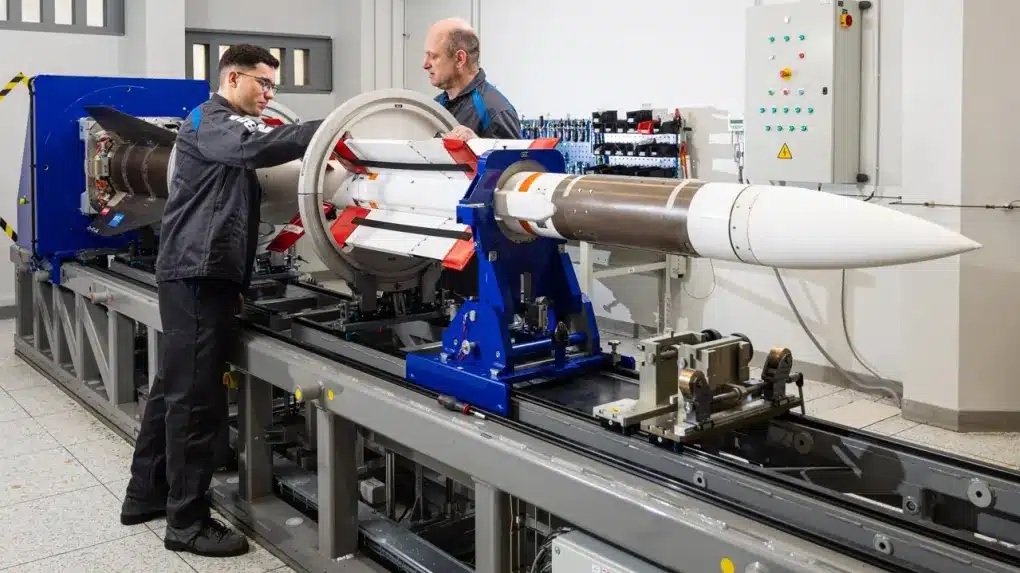 MBDA to Build New Missile Production Plant Near Orleans to Expand Missile Production
Top Trending in 4 Days
-
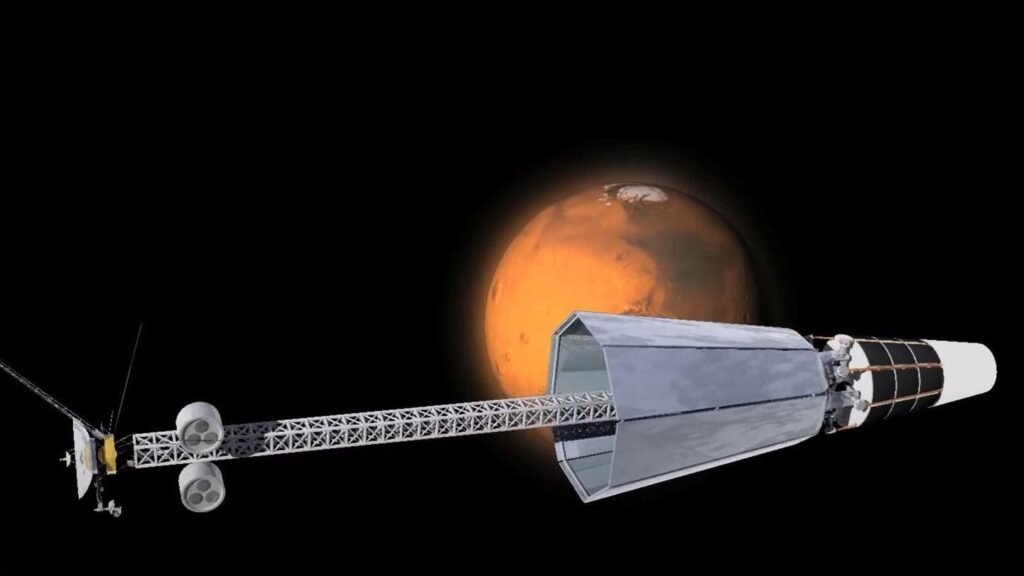 U.S. Air Force Awards Antares $161 Million to Develop Nuclear Reactor for Spacecraft
-
 Pentagon Awards BlueHalo Up to $99.8 Million Contract for Orbital Battlespace R&D Program
-
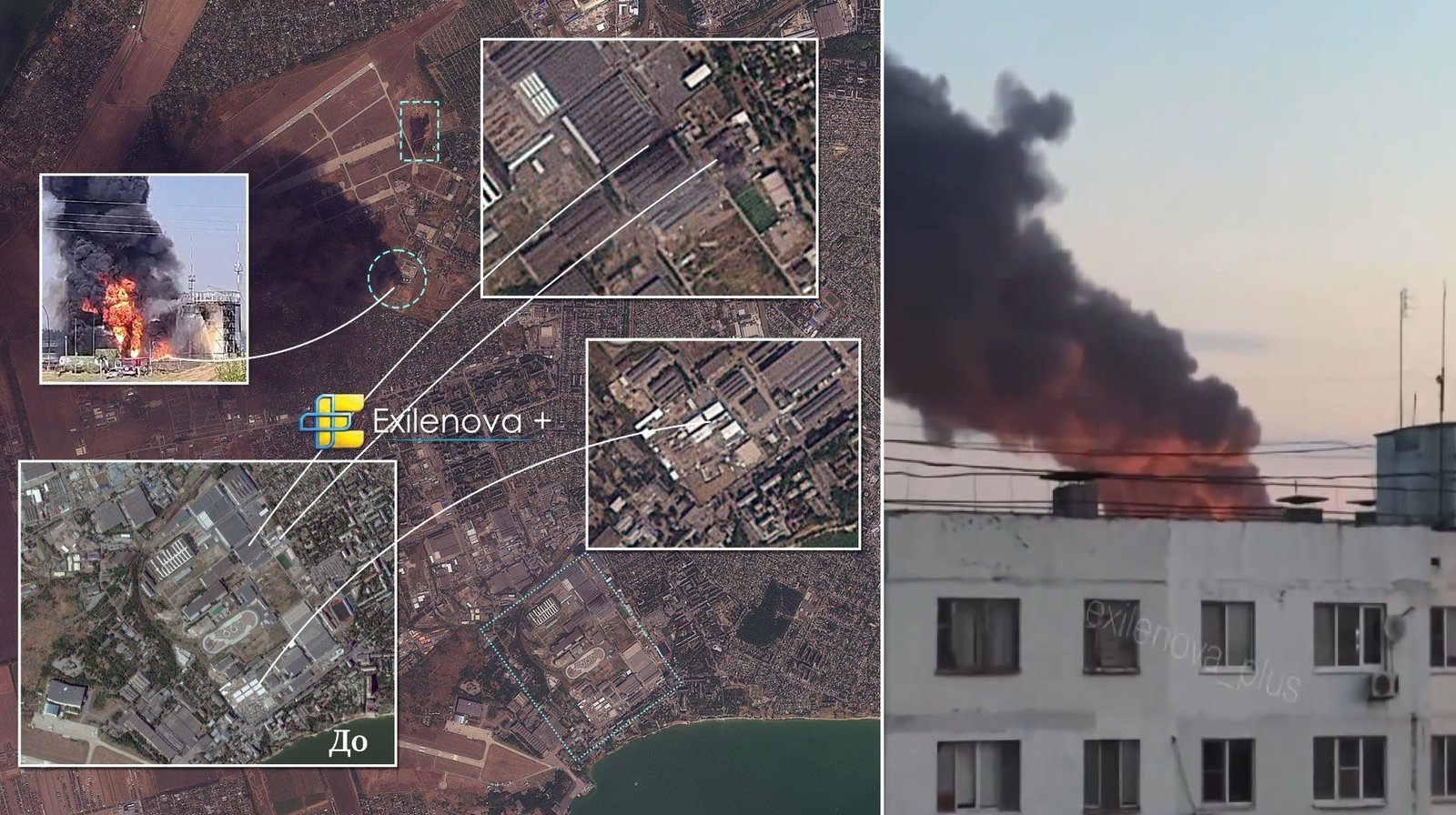 Ukrainian Drones Strike Russian UAV Manufacturer and Chemical Plants in Taganrog and Tolyatti
-
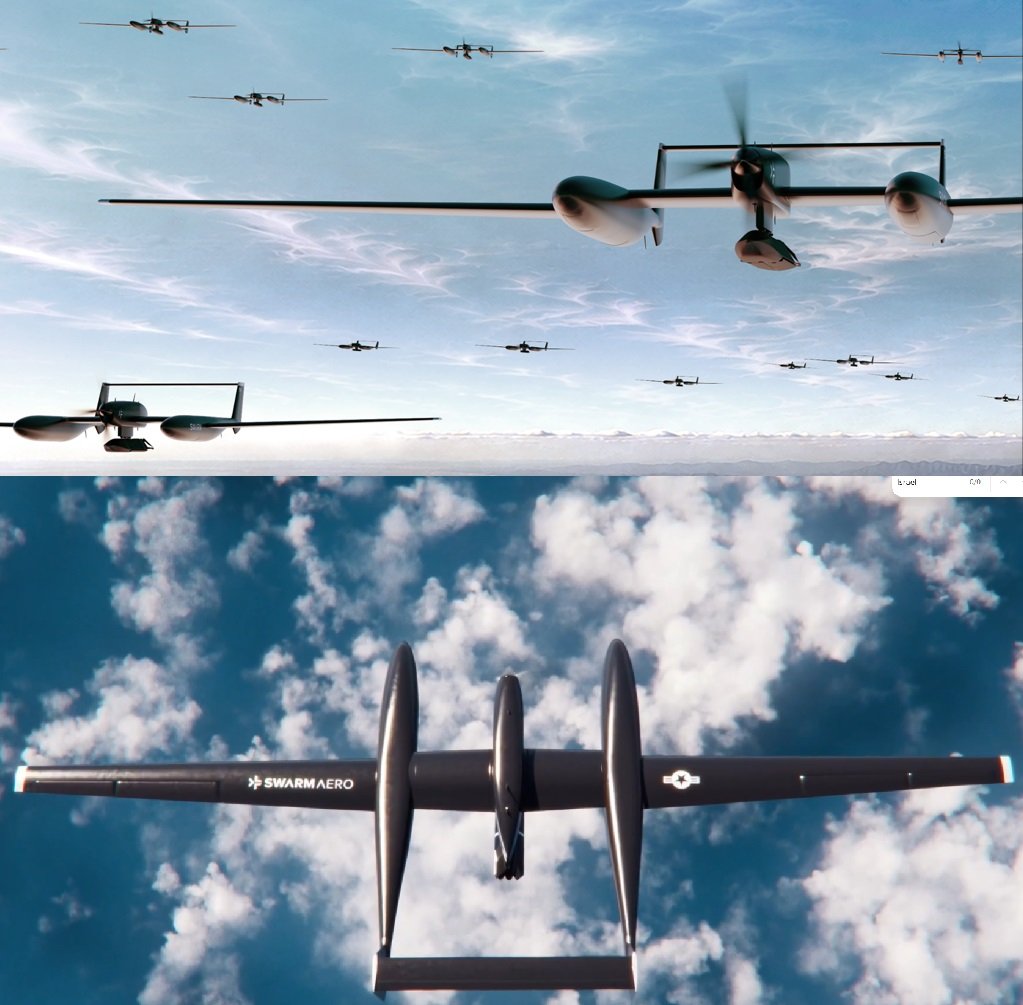 U.S. Firm Swarm Aero Unveils Gamera Group 5 UAS With 9,000-Nautical-Mile Range and Heavy Strike Payload
-
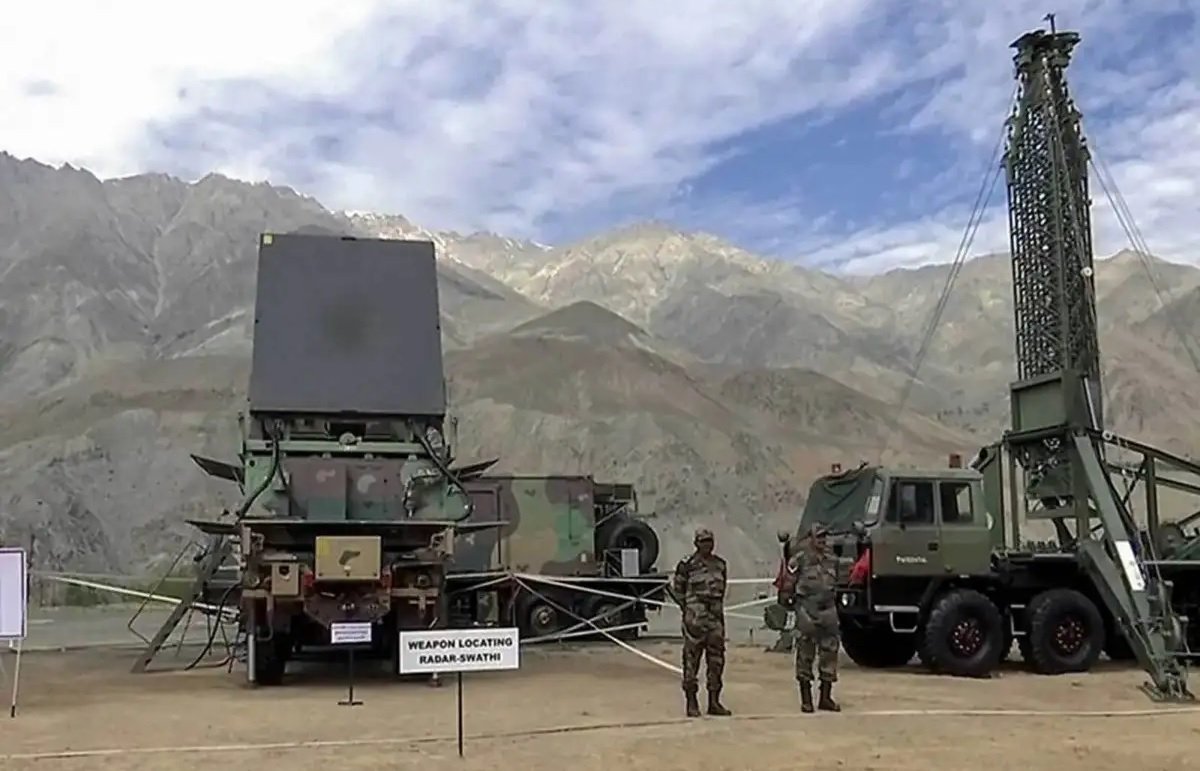 DRDO Demonstrates Indigenous 3.5×3 mm GaN Chip Delivering 30 Watts for Next-Generation Radars and Electronic Warfare
-
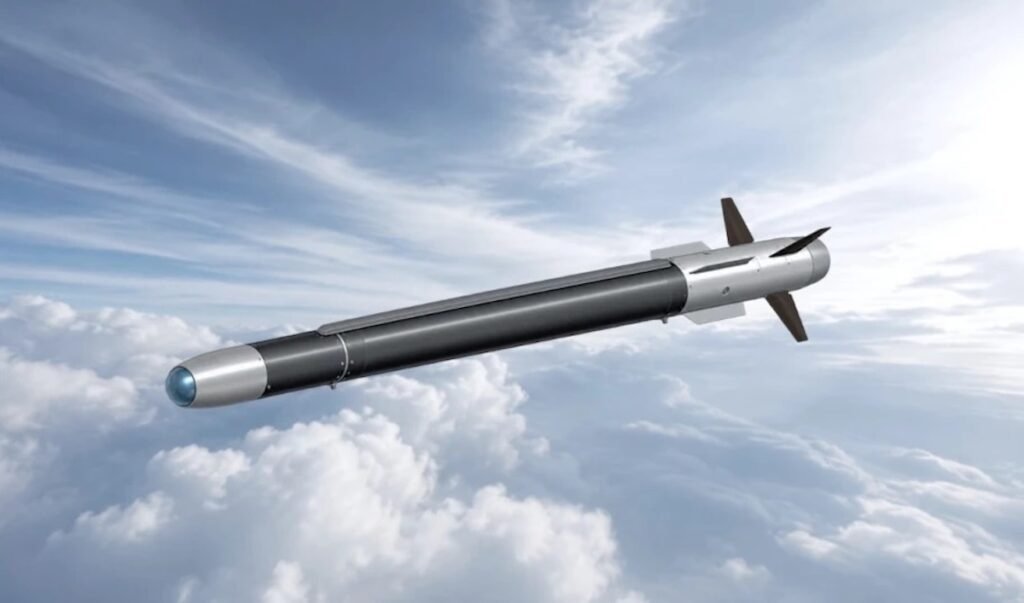 MBDA and Poland’s WITU Advance Low-Cost Supersonic Interceptor Against Swarm Attacks, Seeker Trials Successfully Completed
-
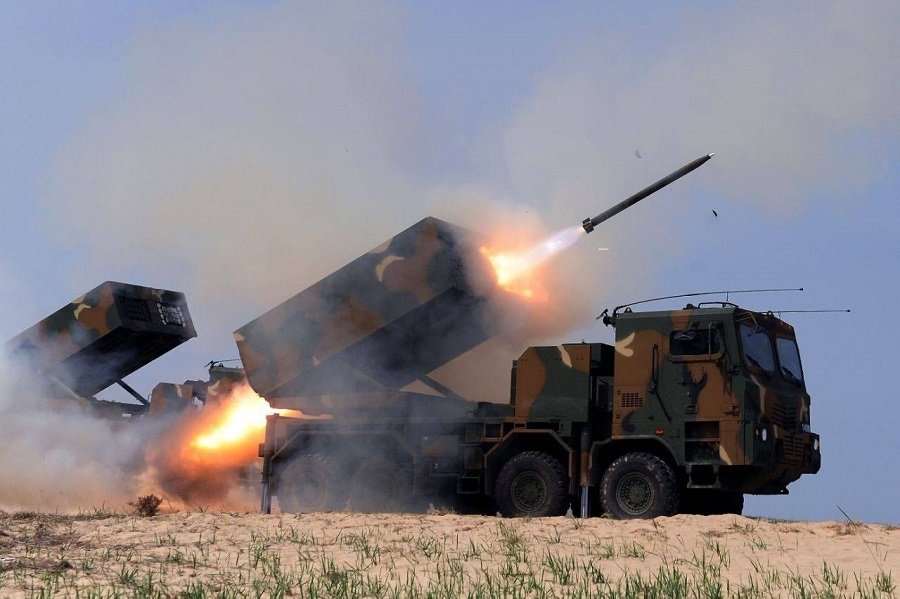 Croatia Signs €410 Million Contract with Hanwha Aerospace for 18 Chunmoo Rocket Launchers
-
 Eutelsat to Invest About €1 Billion in 229 More OneWeb Satellites From Airbus