
India
Visakhapatnam: India has moved closer to completing the first phase of its sea-based nuclear deterrent with the commencement of sea trials of its fourth ballistic missile submarine (SSBN), S4*. The 7,000-tonne nuclear-powered submarine sailed out from the Shipbuilding Centre (SBC) in Visakhapatnam sometime last week, marking a major milestone for the country’s indigenous strategic submarine programme. The S4* is the final submarine in the Arihant-class SSBN series and is designed to carry eight nuclear-capable K-4 submarine-launched ballistic missiles (SLBMs), each with a range exceeding 3,500 kilometres. Officials familiar with the programme indicate that the submarine will undergo nearly a year of harbour and sea trials, following which it is expected to be ready for induction into the Indian Navy by early 2027. Highest Indigenous Content in the Arihant Class A key distinction of the S4* is its indigenous content of over 80 per cent, the highest achieved among the four Arihant-class submarines constructed so far. This reflects the growing maturity of India’s strategic industrial base under the Advanced Technology Vessel (ATV) Project, encompassing domestic capabilities in nuclear propulsion, hull fabrication, combat management systems, sensors and missile integration. With the S4* entering trials, India now has four SSBNs at sea, comprising two submarines already in service and two undergoing trials. The third unit, INS Aridhaman, has completed its sea trials and is scheduled for commissioning in late 2026. Four Decades in the Making The current milestone marks the culmination of a strategic programme initiated in 1984, when India set up the Advanced Technology Vessel Project to develop an indigenous nuclear-powered ballistic missile submarine capability. The effort gathered momentum after India’s nuclear weapons tests and was aimed at creating a credible and survivable second-strike deterrent. The hull of the first submarine of the class, INS Arihant, was laid down in 1998, the same year India conducted the Pokhran-II nuclear tests. Arihant was launched in 2009, commissioned in 2016, and completed its first deterrent patrol in 2018, formally operationalising India’s sea-based leg of the nuclear triad. The second submarine, INS Arighaat, was commissioned on August 29, 2024, adding operational depth and redundancy to the SSBN fleet. Larger Design, Greater Firepower While INS Arihant and INS Arighaat are identical in size—over 110 metres in length with a displacement of more than 6,000 tonnes—and can carry 16 K-15 SLBMs or four K-4 SLBMs, the later boats represent a clear design evolution. Both INS Aridhaman and the S4* feature a stretched hull, incorporating a 10-metre plug that enables them to carry four additional K-4 missiles, raising their total to eight SLBMs. This enhancement significantly improves strike range, payload flexibility and deterrence credibility. The official name of the S4* has not yet been announced. However, following established naming conventions, it is expected to carry a name prefixed with “Ari”, derived from Sanskrit and meaning enemy. Bridge to the Next-Generation S5 Submarines The S4* was sanctioned over a decade ago as an interim solution between the Arihant-class submarines and the larger S5 SSBN programme. Construction of the first two S5 submarines has already begun under the ATV framework. With a projected displacement of 13,500 tonnes, the S5 SSBNs will be almost twice the size of the Arihant class and are expected to carry a larger missile load, improved stealth features and more powerful reactors. The first S5 submarine is expected to enter service in the early 2030s, with four S5 SSBNs planned for induction by the late 2030s. Strategic Significance Though conducted away from public view, the sea trials of the S4* represent a defining moment for India’s strategic forces. Once inducted, the submarine will complete India’s first operational quartet of SSBNs, ensuring continuous at-sea deterrence and reinforcing the survivability of the nation’s nuclear arsenal. As India advances toward a more capable next-generation SSBN fleet, the S4* stands as both the culmination of the Arihant-class programme and a critical stepping stone toward a more resilient and enduring nuclear deterrent posture.
Read More → Posted on 2025-12-29 15:24:46
India
In a significant boost to India’s defence manufacturing ecosystem, MSA Global Technology & Engineering Pvt Ltd has become India’s first company to successfully manufacture fully metallic rocket launcher barrels for the Grad BM-21 system within the country. The achievement marks a major step in the Indian Army’s ongoing push for complete indigenisation of critical artillery subsystems. The milestone follows the successful firing of 15 live rockets by the Indian Army, using indigenously manufactured barrels supplied by MSA Global. After meeting all performance, safety, and consistency parameters, the Army has formally issued the Firing Trial Certificate (Phase-1), validating the barrel design for operational progression. From Imports to Indigenous Precision Until now, the BM-21 Grad’s launcher barrels — a critical pressure-bearing component — were either imported or sourced with limited domestic value addition. With this breakthrough, the entire barrel assembly is now designed, manufactured, and qualified in India, sharply reducing dependence on foreign suppliers while improving long-term sustainment and lifecycle control. The newly developed barrels are all-metal, high-strength, precision-machined units capable of withstanding repeated high-pressure rocket launches while maintaining tight tolerances for accuracy and safety. According to officials familiar with the trials, all 15 rockets fired during Phase-1 performed within stipulated dispersion and structural integrity limits, confirming the barrels’ operational reliability. Phase-2 Trials to Validate Salvo Firing Capability Following the Phase-1 clearance, the programme will now advance to Phase-2 firing trials, a more demanding test designed to simulate real battlefield conditions. In this phase, five additional indigenous barrels will be integrated, enabling a six-barrel salvo firing configuration using identical, fully indigenous barrels. Phase-2 will assess simultaneous firing stresses, thermal endurance, vibration loads, and structural fatigue, ensuring that the barrels can handle rapid, multi-rocket launches without degradation. Successful completion would effectively clear the system for wider induction and serial production. Seven-Year Indigenous Development Effort The indigenous BM-21 barrel programme has been under development since 2018, reflecting a long-term and methodical approach rather than a rushed replacement. MSA Global worked in close technical collaboration with the Indian Institute of Science (IISc), leveraging advanced materials research, metallurgical modelling, and stress-analysis simulations. Testing and validation were conducted in partnership with NABL-accredited laboratories, ensuring compliance with nationally recognised quality and safety standards. The development cycle included material selection, forging and machining optimisation, internal surface treatment, pressure testing, and live-fire evaluation, bringing the system in line with global military benchmarks. Strategic Impact for Indian Rocket Artillery The BM-21 Grad remains a key component of India’s rocket artillery inventory, valued for its 122-mm rockets, high-volume firepower, and battlefield flexibility. Indigenous barrel manufacturing not only strengthens operational readiness but also enables faster repairs, upgrades, and future modifications, particularly important during prolonged deployments or high-intensity conflict. Defence analysts note that this success creates a domestic industrial foundation for next-generation rocket systems, including improved accuracy variants and extended-range rockets. It also positions Indian industry to support exports, spares production, and technology upgrades for legacy systems operated by friendly nations. A Concrete Step Toward Full Indigenisation With Phase-1 trials completed and Phase-2 underway, the BM-21 Grad barrel programme stands as a practical demonstration of India’s maturing defence manufacturing capabilities. More importantly, it shows that complex, safety-critical artillery components — once considered difficult to localise — can now be designed, built, tested, and fielded entirely within India. As the Indian Army continues to modernise its artillery forces, the successful indigenisation of BM-21 Grad barrels represents not just a technical achievement, but a strategic shift toward self-reliance in firepower systems.
Read More → Posted on 2025-12-28 14:46:07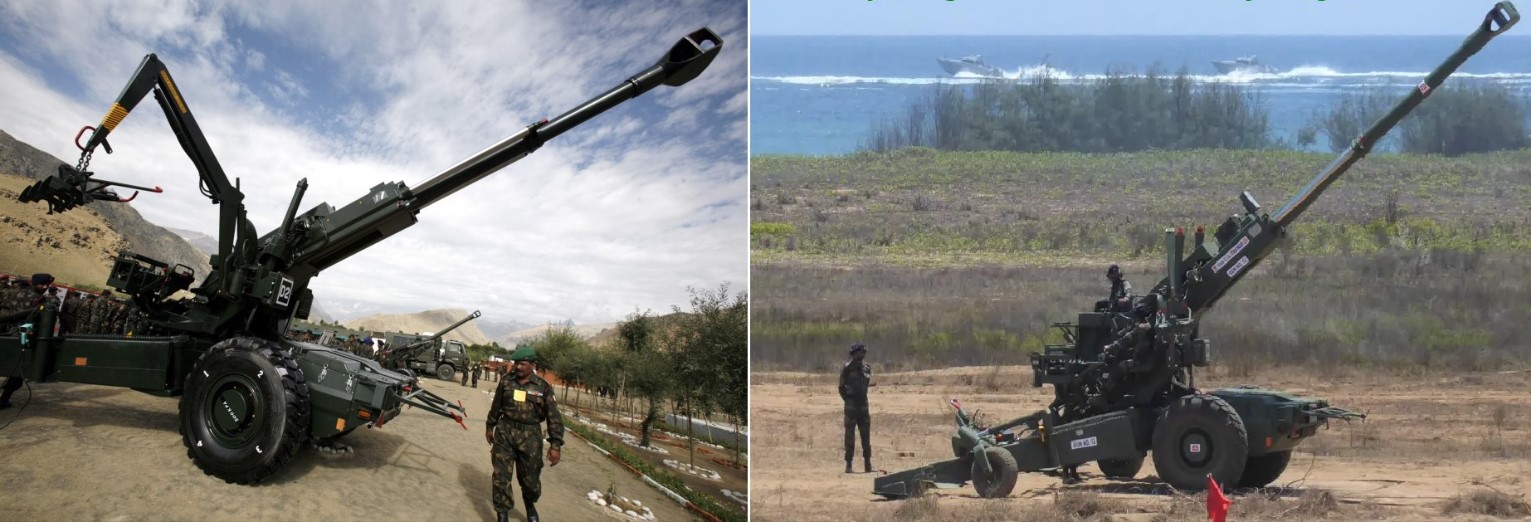
India
The Indian Army has successfully restored a 155mm/45-calibre Sharang artillery gun to full mission readiness, following a comprehensive overhaul carried out by the 506 Army Base Workshop under the Corps of Electronics and Mechanical Engineers (EME). The development highlights the Army’s growing focus on indigenous sustainment, repair capability, and life-cycle management of critical combat systems alongside ongoing artillery modernisation. Officials familiar with the activity stated that the restoration involved detailed inspection, repair, and recalibration of major mechanical, hydraulic, and recoil systems, along with checks on the carriage, trail mechanisms, and firing safety assemblies. After completing mandatory workshop trials and safety clearances, the gun was formally declared fit for operational deployment, reaffirming its readiness for frontline artillery units. Why the Sharang Matters The 155mm Sharang is an indigenously upgraded artillery system derived from the legacy 130mm M-46. The upgrade converts the gun to the NATO-standard 155mm calibre, enabling the Indian Army to standardise ammunition, enhance lethality, and significantly improve battlefield reach while optimising existing assets. Following the upgrade, the Sharang achieves an effective firing range of 39 kilometres, compared to roughly 27 kilometres for the original M-46 configuration. This increase in range strengthens the Army’s counter-battery capability and allows deeper engagement of enemy targets without relocating gun positions. History of the Sharang Programme India inducted the 130mm M-46 artillery gun in large numbers starting in the late 1960s, where it served as a backbone of Indian artillery for decades. As global artillery standards shifted toward the 155mm calibre, the Indian Army initiated multiple efforts to modernise its existing gun fleet rather than replace it outright. This led to Project Sharang, an indigenous up-gunning initiative driven by India’s ordnance and defence manufacturing ecosystem. In October 2018, the Ministry of Defence approved the upgrade of 300 M-46 guns to the 155mm/45-calibre Sharang configuration, with deliveries planned over a four-year period. The first upgraded guns began entering service around 2020, following extensive proof-firing trials at the Long Proof Range near Jabalpur. The name “Sharang” symbolises long-range precision, drawing from Indian mythology. Role of 506 Army Base Workshop The latest restoration underscores the importance of 506 Army Base Workshop, a major EME sustainment facility located in Jabalpur, one of India’s historic artillery and ordnance hubs. The workshop is responsible for deep overhauls, major repairs, and life-extension programmes for complex weapon systems across the Army. By restoring the Sharang gun entirely within Army infrastructure, the workshop demonstrated its ability to rapidly return high-value artillery systems to service without dependence on external manufacturers. This capability reduces downtime, improves fleet availability, and enhances operational preparedness. Operational Significance As the Indian Army balances new artillery inductions with upgraded legacy systems, the ability to sustain and restore guns has become a critical element of combat readiness. The successful return of a 155mm Sharang to full mission readiness reflects a broader shift toward self-reliance, technical depth, and institutional capability within the Army’s maintenance ecosystem. With 300 Sharang guns planned to form a substantial part of India’s towed artillery strength, the performance of Army Base Workshops like 506 ABW will directly influence the availability, reliability, and combat effectiveness of India’s artillery arm in future contingencies.
Read More → Posted on 2025-12-27 15:08:17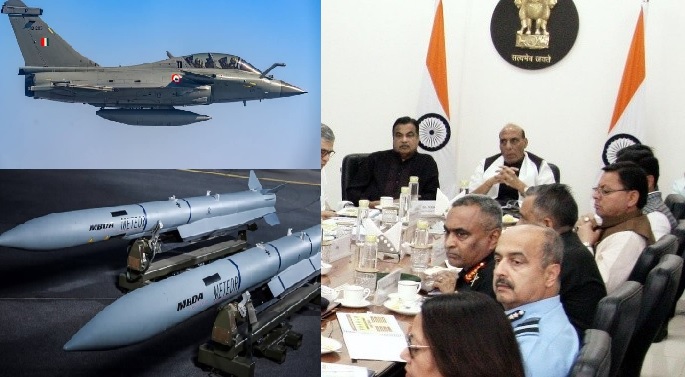
India
In a significant move aimed at accelerating India’s military modernisation, the Defence Acquisition Council (DAC) on December 26, 2025, extended the emergency procurement powers of the armed forces, clearing the path for a wide range of critical acquisitions and indigenous defence programmes spanning the Air Force, Army and Navy. A key outcome of the decision is the proposed clearance for the acquisition of Meteor Beyond Visual Range Air-to-Air Missiles (BVRAAMs) for the Indian Air Force (IAF)’s Rafale fighter fleet. The Meteor, known for its long engagement range and high no-escape zone, is expected to substantially enhance the IAF’s air-dominance capability. The procurement is likely to be aligned with parallel clearances for indigenous air-to-air weapons to ensure both capability and supply resilience. At the same time, the DAC is set to push forward major indigenous air defence initiatives, including the development of a homegrown integrated air defence weapon system to protect the Delhi National Capital Region (NCR) from aerial threats. The proposed system is designed to counter a spectrum of dangers, ranging from aircraft and cruise missiles to drones and loitering munitions, through a layered network of sensors, interceptors and command-and-control elements. Unmanned warfare capabilities also feature prominently in the proposals. To strengthen tactical strike and battlefield surveillance roles, the Indian Army is expected to move ahead with plans to procure around 850 loitering munitions. These systems, which can hover over target areas before executing precision strikes, are increasingly viewed as essential for modern, high-intensity conflict scenarios, particularly along sensitive borders. On the maritime front, the Indian Navy is likely to place a proposal before the DAC for the procurement of a large number of Medium-Range Surface-to-Air Missile (MRSAM) systems from indigenous sources. The move is aimed at bolstering the air defence capability of frontline warships against hostile aircraft, missiles and unmanned aerial threats, enhancing fleet survivability in contested environments. The meeting is also expected to consider a decision on the leasing of two Sea Guardian MQ-9B High-Altitude Long-Endurance (HALE) drones from the United States for a period of around three years. This interim arrangement is intended to quickly augment India’s surveillance and reconnaissance capabilities. India has already signed a contract for 31 MQ-9B drones, which are scheduled to begin arriving from 2028 onwards, marking a major long-term expansion of unmanned aerial operations across all three services. Missile development remains a core focus of the IAF’s future combat plans. The Defence Ministry is likely to clear the development and procurement of a very large number of Astra Mark-2 air-to-air missiles, an indigenous weapon system with a strike range exceeding 200 kilometres. The clearance is expected to include a defined quantity of Meteor missiles as well, creating a balanced mix of imported and domestically developed long-range air-to-air capabilities. In the armoured segment, the Indian Army has proposed the indigenous overhaul of 200 T-90 main battle tanks through a defence public sector undertaking. The programme aims to extend the service life of the tanks, upgrade critical components and deepen domestic expertise in heavy armour maintenance and modernisation. Collectively, the decisions and proposals discussed on December 26 underline the government’s intent to fast-track critical military capabilities, reduce procedural delays through extended emergency powers, and place strong emphasis on indigenous defence production. With multiple high-value projects now moving closer to approval, the coming months are expected to see accelerated contract finalisations and execution across India’s armed forces.
Read More → Posted on 2025-12-27 07:58:07
India
The Indian Army has indigenised 159 of the 175 ammunition variants used across its inventory, achieving 91% self-sufficiency and reducing reliance on imported ammunition. The initiative is intended to ensure continuous availability of ammunition during extended military operations, defence officials said. Work is currently underway to indigenise the remaining 16 ammunition variants, which involve more complex manufacturing and testing requirements. The focus on domestic ammunition production reflects a reassessment of operational logistics. Defence planners note that modern conflicts place sustained demand on ammunition stocks, and dependence on overseas supply chains can create vulnerabilities during periods of heightened tension or conflict. Indigenous manufacturing is therefore viewed as essential for maintaining operational continuity. The current level of indigenisation is the result of a gradual process spanning more than a decade. In 2014, defence planning documents and parliamentary discussions identified shortfalls in ammunition availability and highlighted the risks associated with import dependence. These findings led to a structured effort to expand domestic manufacturing capacity. By 2023, the government informed Parliament that 154 of the 175 ammunition variants, or about 88%, had been indigenised. The increase to 159 variants by 2025 indicates that five additional ammunition types have since transitioned to domestic production. The 16 variants that remain to be indigenised are understood to include specialised ammunition types requiring advanced materials, precision components, or specific energetic formulations. Defence sources indicate that development and industrial scaling for these variants are in progress. The programme is being implemented under the Army’s long-term framework titled Manufacture of Ammunition for Indian Army by Indian Industry, which was introduced in the mid-2010s. The framework aims to ensure at least one domestic manufacturing source for every ammunition type over a 10-year production horizon, supporting long-term supply stability. The indigenisation effort is linked to the Army’s War Wastage Reserves (WWR) planning. According to defence planning norms cited in 2014, WWR levels were structured to support approximately 40 days of high-intensity operations. These norms emphasised that stockpiles must be complemented by the ability to replenish ammunition through domestic production during ongoing operations. With 91% indigenisation now achieved, attention is shifting toward maintaining production quality, strengthening testing infrastructure, and ensuring the ability to increase output when required. Officials stated that these factors are necessary to support operational requirements over extended periods. The indigenisation of 159 ammunition variants has reduced the Army’s exposure to external supply constraints and strengthened control over its ammunition supply chain. Completion of the remaining 16 variants is expected to further improve supply assurance and logistical planning.
Read More → Posted on 2025-12-26 16:53:22
India
In a major leap for India’s strategic deterrence and private defence capability, Digantara has announced plans to build India’s first privately developed space-based missile early-warning system, marking the company’s transition from orbital safety to frontline national security. The programme, internally known as Albatross, is targeted for operational deployment between 2026 and 2027, according to company officials. The move comes on the back of Digantara’s recently closed USD 50 million Series-B funding round, one of the largest raises by an Indian space startup to date. The capital infusion is being channelled into satellite manufacturing scale-up, advanced sensor development, and global expansion across the United States and Europe, while simultaneously positioning the company for upcoming Indian government and allied defence tenders. From Space Debris to Strategic Deterrence Digantara’s rise began with space situational awareness (SSA)—the ability to track orbital debris, satellites, and fast-moving objects in Earth’s increasingly congested orbits. That capability was demonstrated with the launch of its SCOT (Space Camera for Object Tracking) satellite in January 2025, which validated high-precision optical sensing and real-time tracking from low Earth orbit. Those same technologies are now being repurposed for a far more consequential role: missile early warning. Engineers at Digantara have adapted their infrared and optical payloads to detect the intense heat plume generated during the boost phase of missile and rocket launches, enabling detection seconds after ignition, rather than minutes later when a weapon enters radar range. What Is Albatross—and Why It Matters Albatross is designed as a space-based launch-detection satellite, capable of spotting missile and rocket firings at the source, well before they approach Indian airspace. Unlike ground-based radars constrained by terrain, line-of-sight limitations, and the curvature of the Earth, a space-based sensor has an unobstructed vantage point. According to programme details, Albatross will be capable of detecting and tracking ballistic missiles, cruise missiles during their boost phase, guided multiple-launch rocket systems (GMLRS), and large-scale saturation rocket attacks. Within seconds of detection, command centres can receive data on launch location, trajectory, velocity, missile class, and probable impact zone—crucial inputs for rapid defensive decision-making. AIRA: Fusing Space and Ground Intelligence Albatross is not a standalone satellite but a key node in Digantara’s broader surveillance architecture known as AIRA—Advancement of Space Assets through Intelligence & Recognition of Ambiguity. Data from Albatross satellites is fused with inputs from Skygate, Digantara’s network of ground-based sensors, to generate a near real-time three-dimensional trajectory map of hostile projectiles. This fused intelligence can significantly enhance the reaction window for India’s layered air-defence ecosystem, including interceptor and surface-to-air missile systems. While Digantara’s platform is not a missile shield like Israel’s Iron Dome or Arrow systems, it acts as a critical early-warning layer, compressing detection timelines and improving interception probabilities. A Startup at the Strategic Core What makes the initiative especially notable is its origin. Founded in 2018 by a team that includes former scientists and engineers from ISRO and DRDO, Digantara represents a new generation of Indian defence-technology firms operating outside the traditional public-sector framework. Until recently, missile early-warning systems were the exclusive domain of superpowers and state-run defence programmes. Digantara’s Albatross mission signals a shift, showcasing how India’s maturing private space sector is beginning to address strategic-grade military requirements once thought unreachable for startups. Looking Ahead to 2026–27 With satellite launches planned over the next two years, Digantara aims to demonstrate a persistent, space-based missile detection capability aligned with India’s broader push for Atmanirbhar Bharat in high-technology defence. If successfully deployed, Albatross would place India among a select group of nations with indigenous, space-enabled early-warning infrastructure—this time, powered by the private sector. Once focused on watching space debris, Digantara is now turning its sensors toward something far more critical: the earliest moments of a threat to national security.
Read More → Posted on 2025-12-26 16:40:58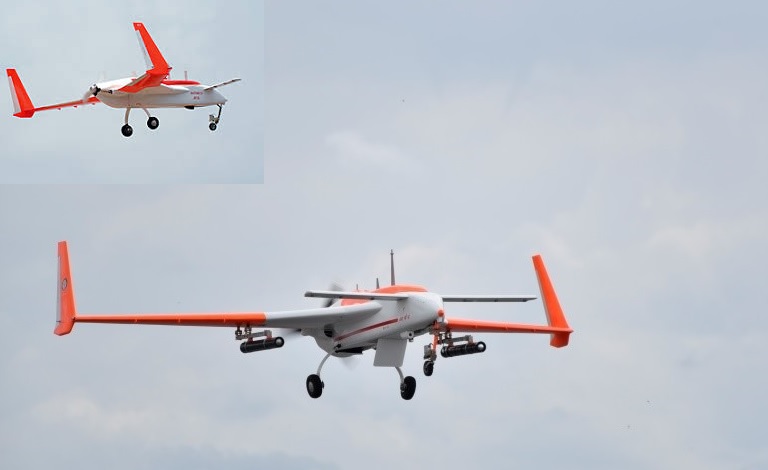
India
The Indian Army has issued a Request for Information (RFI) to begin procurement of 20 Tactical Remotely Piloted Aircrafts (RPAs)—10 units for operations in the plains and 10 units for high-altitude / mountainous sectors—signalling a fresh push to expand day-night, all-terrain ISR coverage with indigenous platforms. The RFI framework places the requirement in the “Make in India” and Atmanirbhar Bharat spirit, while noting that the exact MAKE category for the buy will be decided later in the process. What the RFI Says the Army Wants According to details reported from the RFI, the tactical RPAs are expected to remain operational by day and by night, and function across “commonly encountered” weather conditions in Indian terrain sets—from plains to high mountains. The RFI also lays out demanding environmental thresholds, including the ability to operate in strong winds of up to 60 kt in high-altitude areas and 30 kt in plains, withstand rainfall of up to 20 mm per hour, and tolerate gusts of up to 10 kt during take-off and landing, with operations also expected within non-thunderous clouds. A central theme is modularity. The RFI emphasises a modular and scalable design to support future upgrades with minimal modifications, without degrading performance of any system or sub-system. It also calls for the platform to fly with at least two different payload types simultaneously, indicating that the Army is looking for a multi-mission “one airframe, many sensors” approach rather than single-role drones. On payloads, the RFI’s “shopping list” spans advanced surveillance and electronic-intelligence roles, referencing packages such as EO/IR cameras, COMINT, ELINT, SAR, FOPEN radar, and communication relay payloads—suggesting the Army is designing requirements not only for imaging, but also for communications and signals-domain awareness. Why 800 kg MTOW Matters The Army’s stated requirement band—up to 800 kg MTOW—sits in a tactical “sweet spot”: large enough to carry meaningful multi-sensor payloads and stay aloft for longer periods, but still smaller and more deployable than MALE-class systems that demand larger infrastructure and higher lifecycle costs. This weight class also aligns with the Army’s stated emphasis on mobility and reduced dependence on fixed runways, as highlighted in reporting around the RFI. How This Fits Into the Army’s Larger Drone Expansion The RFI emerges as the Army continues to formalise drones as a routine combat support layer across units. Reporting tied to the same procurement push notes the Army has raised 380 dedicated ASHNI platoons for drone operations, with each platoon comprising 20 trained soldiers, alongside a broader force structure that includes 380 infantry units (excluding Para/Para SF battalions). In that context, a 20-unit tactical RPA induction could be positioned as a higher-capability surveillance tier meant to complement smaller quadcopters/FPV drones and loitering systems already proliferating at unit level. What Happens Next The stated purpose of the RFI is to help finalise Services Qualitative Requirements (SQRs), identify probable Indian vendors, and decide the eventual procurement category under the Make framework. With the Army explicitly splitting the buy into 10 plains and 10 high-altitude systems, the eventual selection will likely hinge on which platform can prove stable performance under the RFI’s harsh wind and weather thresholds, while carrying two payload types together and retaining growth headroom for future upgrades
Read More → Posted on 2025-12-26 15:04:40
India
China has categorically rejected a recent United States defense assessment that evaluated Beijing’s evolving approach toward India, accusing Washington of distorting facts to sow discord between Asia’s two largest neighbors. The sharp response underscores China’s growing unease over U.S. scrutiny of Sino-Indian relations at a time when regional geopolitics is entering a more volatile phase. During a routine press briefing, Lin Jian, spokesperson of China’s Foreign Ministry, stated that Beijing views its relationship with India from a “strategic height and long-term perspective.” He firmly objected to what he described as external interference in bilateral matters, particularly the long-standing border dispute, which China insists should be handled exclusively between New Delhi and Beijing. US Report Sparks Diplomatic Pushback The reaction follows the release of the United States Department of Defense report titled “Military and Security Developments Involving the People’s Republic of China 2025.” The document suggested that China’s recent de-escalation measures along the Line of Actual Control (LAC) may be tactically motivated, aimed at stabilizing ties with India while countering the deepening strategic partnership between India and the United States. Chinese officials dismissed this interpretation as “irresponsible.” Lin Jian asserted that China opposes any third party making judgments on China–India relations, urging Washington to refrain from actions that could undermine regional stability. Border Disengagement and Renewed Dialogue The U.S. report referenced an October 2024 disengagement agreement between Indian and Chinese forces at key friction points along the LAC—one of the most notable confidence-building measures since the military standoff began in 2020. The agreement was announced shortly before a rare bilateral interaction between President Xi Jinping and Prime Minister Narendra Modi on the sidelines of the BRICS Summit. Following that engagement, both sides agreed to resume monthly high-level military and diplomatic talks, focusing on border management, confidence-building mechanisms, and selective normalization measures. These included discussions on direct flight restoration, visa facilitation, and renewed exchanges among academics, journalists, and think tanks—initiatives widely seen as confidence signals rather than full normalization. Galwan’s Shadow Still Looms Despite these developments, relations remain weighed down by the legacy of the June 2020 Galwan Valley clash, the deadliest confrontation between the two armies in decades. The incident triggered a prolonged military standoff, mass troop deployments, and a fundamental reset in India’s approach toward China. Although multiple rounds of corps commander-level talks have resulted in partial disengagement, analysts agree that complete normalization hinges on sustained peace and tranquility along the LAC—a position India has reiterated consistently. External Affairs Minister S. Jaishankar has repeatedly stated that bilateral ties cannot return to normal unless the border situation is fully stabilized, signaling New Delhi’s reluctance to delink diplomacy from ground realities. China’s Concern Over US-Led Alignments China’s rejection of the Pentagon report also reflects broader anxieties about U.S.-led regional groupings, particularly the Quadrilateral Security Dialogue, which includes India, the U.S., Japan, and Australia. Beijing has accused Washington of amplifying the “China threat” narrative to justify security coalitions designed to contain China’s influence in the Indo-Pacific. At the same time, India continues to deepen defense and technology cooperation with the United States, including through frameworks such as iCET and expanded military exercises, while carefully preserving its strategic autonomy by maintaining ties with Russia and engaging multilaterally through platforms like BRICS. A Fragile Calm Heading Into 2025 Despite record bilateral trade volumes and ongoing diplomatic engagement, mutual distrust persists, exacerbated by China’s infrastructure expansion near the LAC, unresolved disengagement zones, and lingering political sensitivities. As 2025 approaches, regional analysts view the fragile calm along the border as a litmus test for whether strategic restraint can prevail over intensifying great-power rivalry in Asia. China’s strong rebuttal of the U.S. defense report signals a clear message: Beijing prefers a bilateral management framework for its relationship with India, free from American influence, even as the broader Asia-Pacific security environment grows increasingly contested.
Read More → Posted on 2025-12-26 13:32:00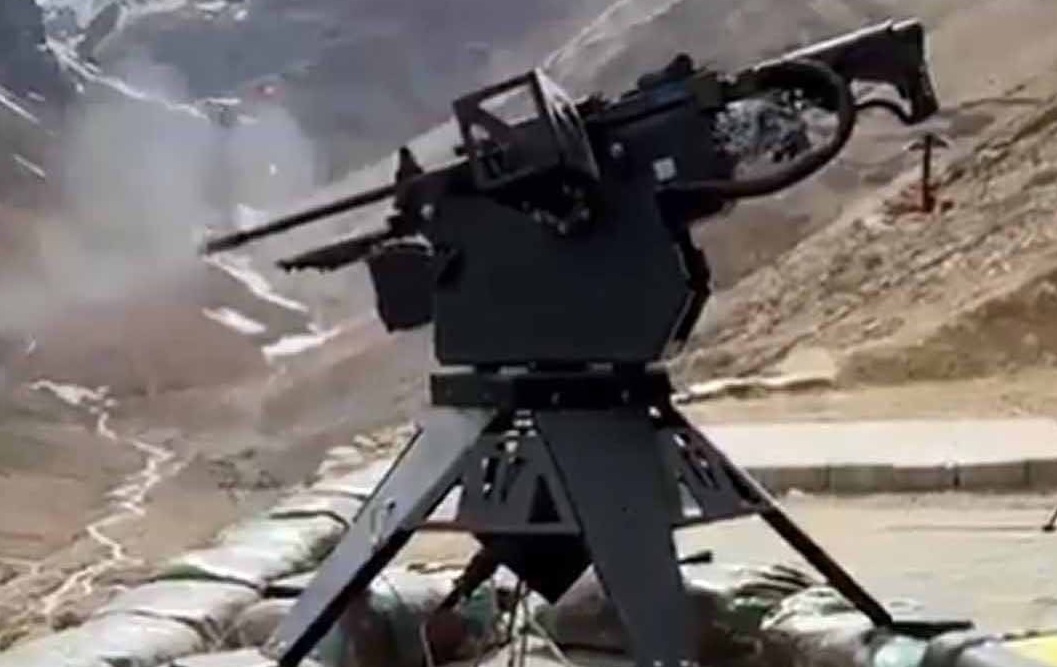
India
India’s long-running effort to modernise its infantry has reached a pivotal moment as indigenous manufacturing and artificial intelligence (AI) converge on the battlefield. The domestically produced 7.62×51mm Negev NG7 light machine gun (LMG), manufactured by Adani Defence & Aerospace under licence from Israel Weapon Industries, is emerging as a cornerstone of this transformation. With large-scale deliveries scheduled from early 2026 and autonomous variants already tested at extreme altitudes, the programme signals a structural shift in India’s ground combat capabilities. Meeting the Infantry’s Operational Requirements The Indian Army’s requirement for a modern LMG has been shaped by operational experience across counter-insurgency theatres and high-altitude deployments along the Line of Actual Control (LAC). The Negev NG7, chambered for the 7.62×51mm NATO round, delivers the range, penetration and accuracy required for contemporary infantry combat. Its design supports both belt-fed and magazine-fed operation, enabling soldiers to transition between sustained suppressive fire and controlled close-quarters engagements. The availability of a semi-automatic firing mode enhances controllability, particularly in urban, mountainous and confined environments. At approximately 7.95 kilograms, the NG7 is significantly lighter than legacy general-purpose machine guns, a critical advantage in high-altitude warfare, where mobility, endurance and rapid repositioning often decide tactical outcomes. Indigenous Production and Scale of Induction Adani Defence’s small-arms manufacturing facility in Gwalior is preparing to commence deliveries of the first batch of around 40,000 Negev NG7 LMGs from early 2026. Officials associated with the programme indicate that indigenous content has already crossed 75 per cent, with plans to raise it to nearly 90 per cent as additional components, materials and sub-systems are localised. The production effort extends beyond assembly of imported kits. It includes domestic machining, quality assurance, supplier ecosystem development, and process transfer, aligning with India’s broader push for sustainable defence manufacturing capacity. AI-Enabled Autonomous Variant: A Battlefield Force Multiplier What distinguishes the NG7 programme from previous infantry inductions is the parallel development of an AI-enabled autonomous configuration. In recent trials conducted at altitudes exceeding 14,000 feet, the system demonstrated its ability to function as a robotic sentry in extreme weather conditions. Integrated with thermal and optical sensor suites, the AI-enabled NG7 successfully scanned terrain, detected potential targets, and maintained continuous surveillance through fog, snow and low-visibility environments—without direct human control. These trials were conducted in conditions representative of forward high-altitude posts, where manpower deployment is logistically demanding and operationally risky. While Adani Defence provides the weapon platform, the AI algorithms, sensors and control architecture have been developed by Indian firms, including BSS Materiel. Defence analysts view this capability as especially relevant for bunker defence, perimeter security and border surveillance roles. The Kanpur–Gwalior Firepower Corridor The NG7 induction is underpinned by a rapidly expanding domestic defence industrial base. Through PLR Systems, its joint venture with IWI, Adani Defence has established South Asia’s largest ammunition and missile manufacturing complex in Kanpur, complemented by a dedicated small-arms hub in Gwalior. Together, these facilities form what industry officials describe as the Kanpur–Gwalior firepower corridor, offering end-to-end indigenous capability spanning ammunition, infantry weapons and associated sub-systems. The integrated model is designed to ensure supply chain resilience, rapid scalability, and operational readiness during crises. A Broader Aerospace and Defence Transformation The infantry weapons programme is part of a wider aerospace and defence expansion by the Adani Group. Key focus areas include aircraft structures and composites, unmanned aerial vehicles (UAVs), counter-drone systems, defence electronics, and AI-enabled surveillance and intelligence platforms. Strategic acquisitions such as Air Works for defence aircraft maintenance and investments in flight simulation and training infrastructure underscore a long-term effort to enhance force readiness across the Army, Navy and Air Force. Industry estimates place cumulative investments at over ₹10,000 crore. Strategic Implications for India’s Armed Forces For the Indian armed forces, the convergence of indigenous production and artificial intelligence represents more than incremental modernisation. It supports a gradual doctrinal shift from manpower-intensive deployments to technology-driven force multipliers, particularly in static defence and surveillance roles. Autonomous and semi-autonomous systems are increasingly viewed as essential to maintaining round-the-clock vigilance in inhospitable terrain, while reducing risk to personnel and optimising force allocation. The Road Ahead As India continues its push toward Aatmanirbhar Bharat in defence, the Negev NG7 programme stands out as a model combining licensed manufacturing, deep indigenisation, and domestic AI innovation. Modern warfare, military planners argue, is no longer defined solely by calibre or numbers, but by intelligent, networked and locally sustained systems. In that context, the emergence of an AI-enabled, Made-in-India light machine gun marks a significant milestone in the evolution of India’s infantry combat power—and offers a clear indication of the future direction of the country’s ground forces.
Read More → Posted on 2025-12-24 17:27:20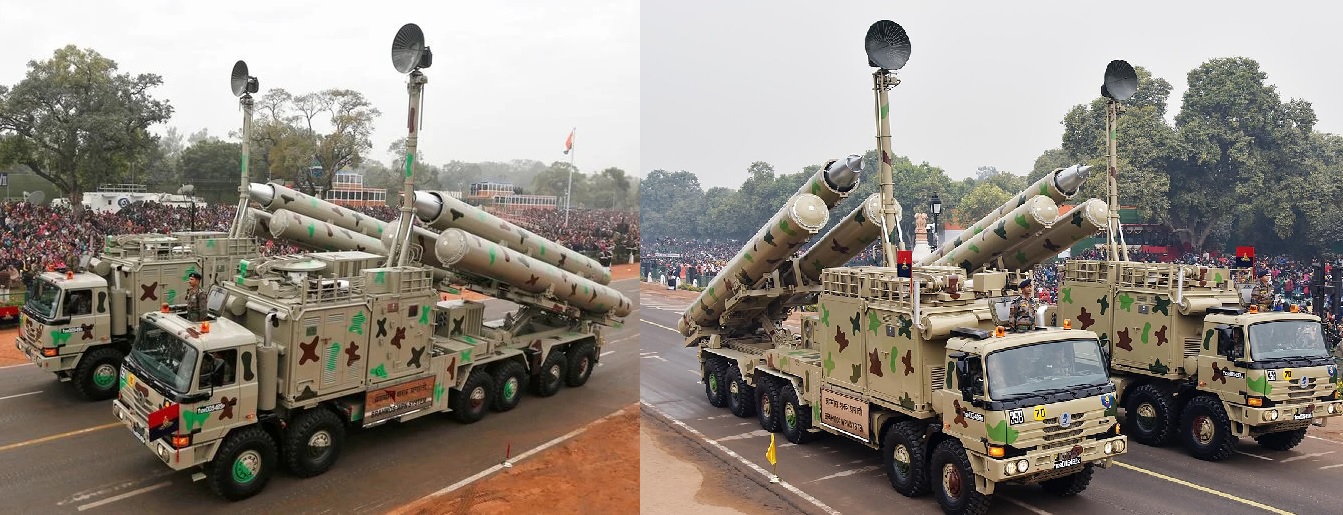
India
India has moved significantly closer to finalising two major defence export agreements to supply the BrahMos Supersonic Cruise Missile System to Vietnam and Indonesia, deals that together are estimated to be worth more than ₹4,000 crore, people familiar with the matter said. The proposed contracts, once concluded, would mark one of India’s largest missile export initiatives and reinforce New Delhi’s expanding footprint in the Indo-Pacific defence market. Negotiations with both Southeast Asian nations have reached an advanced stage, with the broad commercial and operational terms already agreed upon. What now stands between the discussions and formal signing is a written No-Objection Certificate (NOC) from Moscow, a mandatory step because BrahMos is produced by BrahMos Aerospace, an India–Russia joint venture that incorporates Russian-origin technology. Officials indicated that Russia has conveyed its approval in principle, and the remaining clearance is largely procedural. Once the NOC is issued, the contracts can move quickly toward execution, including finalisation of delivery timelines, training packages, and long-term logistical support. Strategic Push In Southeast Asia The twin deals are part of India’s broader strategy to position itself as a reliable supplier of advanced weapon systems to friendly countries, particularly in Southeast Asia, where maritime security concerns have intensified. Both Vietnam and Indonesia have been seeking to strengthen their coastal defence and sea-denial capabilities amid growing strategic competition in regional waters. Defence planners say the BrahMos system fits well with these requirements. Known for its high speed and low-altitude flight profile, the missile is designed to penetrate modern air-defence networks and strike naval or land targets with short reaction times. Export variants are configured in line with international regimes, while still offering what officials describe as a credible deterrent capability. Scope For Follow-On Orders People tracking the talks said that the current negotiations focus on initial acquisition packages, but both Vietnam and Indonesia are expected to consider additional orders in the future once the systems are inducted and operational experience is gained. Such phased procurement is common in missile programmes, where countries often expand purchases after evaluating performance, integration with existing platforms, and training outcomes. This approach mirrors the experience of the Philippines, which became the first foreign customer for BrahMos. Manila signed a $375-million contract in 2022 for a shore-based coastal defence system, with deliveries beginning in 2024. That deal is widely seen within the Indian defence establishment as a proof of concept for exporting high-end missile technology. Russia’s Role And The Final Hurdle BrahMos Aerospace is jointly owned by India and Russia, making Russian approval essential for third-country exports. While geopolitical complexities have at times slowed decision-making, officials described the current stage as a formality rather than a substantive obstacle. The expectation is that once Moscow issues the formal NOC, the Vietnam and Indonesia agreements could be signed without significant delay. Boost To India’s Defence Export Ambitions If concluded, the two contracts would significantly bolster India’s defence export figures and underline the shift from being primarily an arms importer to an emerging exporter of sophisticated systems. Beyond their commercial value, the deals are also seen as strategically important, deepening defence partnerships with key ASEAN nations and aligning with India’s broader Indo-Pacific outreach. For New Delhi, the prospective BrahMos sales to Vietnam and Indonesia would send a clear signal: India is not only willing but increasingly capable of supplying complex, frontline weapon systems to partners seeking to enhance their security in a rapidly changing regional environment.
Read More → Posted on 2025-12-24 16:44:55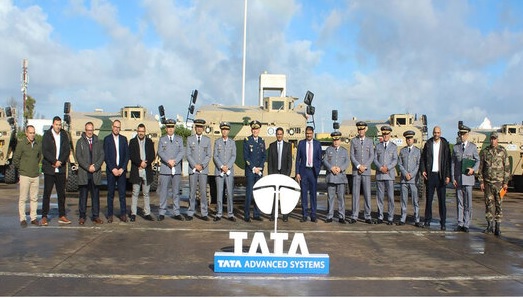
India
India’s expanding footprint in global defence manufacturing marked a major milestone on Wednesday as Tata Advanced Systems Limited (TASL) handed over the first lot of Wheeled Armoured Platform (WhAP) 8x8 armoured combat vehicles to the Royal Moroccan Army, signalling a significant step forward in India–Morocco defence cooperation. The development was announced by TASL through a post on X, where the company termed the delivery a “proud milestone” and emphasised that the vehicles are “Made in Morocco”, reflecting the programme’s focus on local manufacturing and technology transfer. The handover marks the first overseas delivery of India’s indigenous WhAP platform and the execution phase of the largest export contract for Indian-made armoured vehicles. Indigenous WhAP Platform Enters Global Market The WhAP 8x8 is an indigenously designed and developed armoured vehicle, jointly created by the Defence Research and Development Organisation (DRDO) and Tata Advanced Systems. The platform has been positioned as a flagship example of Indian defence innovation and is being actively promoted for international military requirements. DRDO has previously showcased the vehicle’s performance across diverse operational environments, including high-altitude trials in Ladakh, desert trials, and amphibious capability demonstrations. In a social media update earlier this year, DRDO said the WhAP was “ready to take Indian defence innovation to the global stage”, highlighting its versatility and combat readiness. Defence Manufacturing Facility in Morocco Operational The momentum behind the WhAP programme was further strengthened in September with the inauguration of a state-of-the-art defence manufacturing facility in Berrechid, Morocco. The facility was jointly inaugurated by India’s Defence Minister Rajnath Singh and Morocco’s Minister Delegate in charge of National Defence Administration, Abdelatif Loudyi. Spread over 20,000 square metres, the Berrechid plant has been established exclusively to manufacture WhAP 8x8 vehicles for the Royal Moroccan Army. Defence officials said TASL will produce 150 Wheeled Armoured Platform combat vehicles under the contract, with deliveries scheduled to be completed within three years. The deal is being described as the largest-ever contract for Indian armoured vehicles, both domestically and internationally, and a landmark achievement for India’s private defence industry. ‘Make in India’, ‘Make with Friends’ Vision Calling the inauguration of the Berrechid facility a historic moment, Defence Minister Rajnath Singh said the project reflected India’s evolving approach to defence self-reliance under Aatmanirbhar Bharat. “For India, self-reliance does not mean isolation,” Singh said. “Along with ‘Make in India’, we are also pursuing ‘Make with Friends’ and ‘Make for the World’. This facility in Morocco is a shining example of that philosophy.” Singh also noted that the plant became operational three months ahead of schedule, making it the first defence manufacturing facility established in Africa by an Indian private company. He said the project would create significant defence-related employment and help build a local ecosystem of engineers, technicians and suppliers. According to the Ministry of Defence, around one-third of the components and sub-systems will be sourced and assembled locally in the initial phase, with local value addition rising to nearly 50 per cent in the coming years. Advanced Capabilities and Multi-Role Design The WhAP 8x8 is a modern, modular wheeled combat vehicle designed for high mobility, enhanced protection and mission adaptability. It features a survivable monocoque hull, scalable ballistic and mine protection, independent suspension, a central tyre inflation system, and a high-power engine optimised for off-road performance. The platform can be configured for multiple operational roles, including infantry fighting vehicle, armoured personnel carrier, reconnaissance vehicle, command post, mortar carrier, and battlefield ambulance. It also supports manned and unmanned weapon stations and can be integrated with anti-tank guided missile systems. DRDO has described the WhAP as an amphibious wheeled armoured vehicle with a common platform architecture capable of fulfilling roles such as 30 mm Infantry Combat Vehicle, 105 mm Light Tank, 120 mm Mortar Carrier, CBRN vehicle, and other specialised variants. The organisation has highlighted the vehicle’s excellent mobility, protection and firepower, including its ability to operate in muddy and slushy terrain and withstand mine blasts. Growing Operational Footprint Variants of the WhAP are available with 7.62 mm and 12.7 mm remotely controlled weapon stations (RCWS). In addition, a paramilitary version of the WhAP 8x8 with amphibious capabilities has already been inducted into India’s paramilitary forces, underscoring the platform’s operational versatility. With the first overseas deliveries now completed and a full-scale manufacturing ecosystem taking shape in Morocco, defence analysts view the WhAP programme as a template for future Indian defence exports and a key step in positioning India as a reliable global supplier of advanced military platforms.
Read More → Posted on 2025-12-24 16:25:18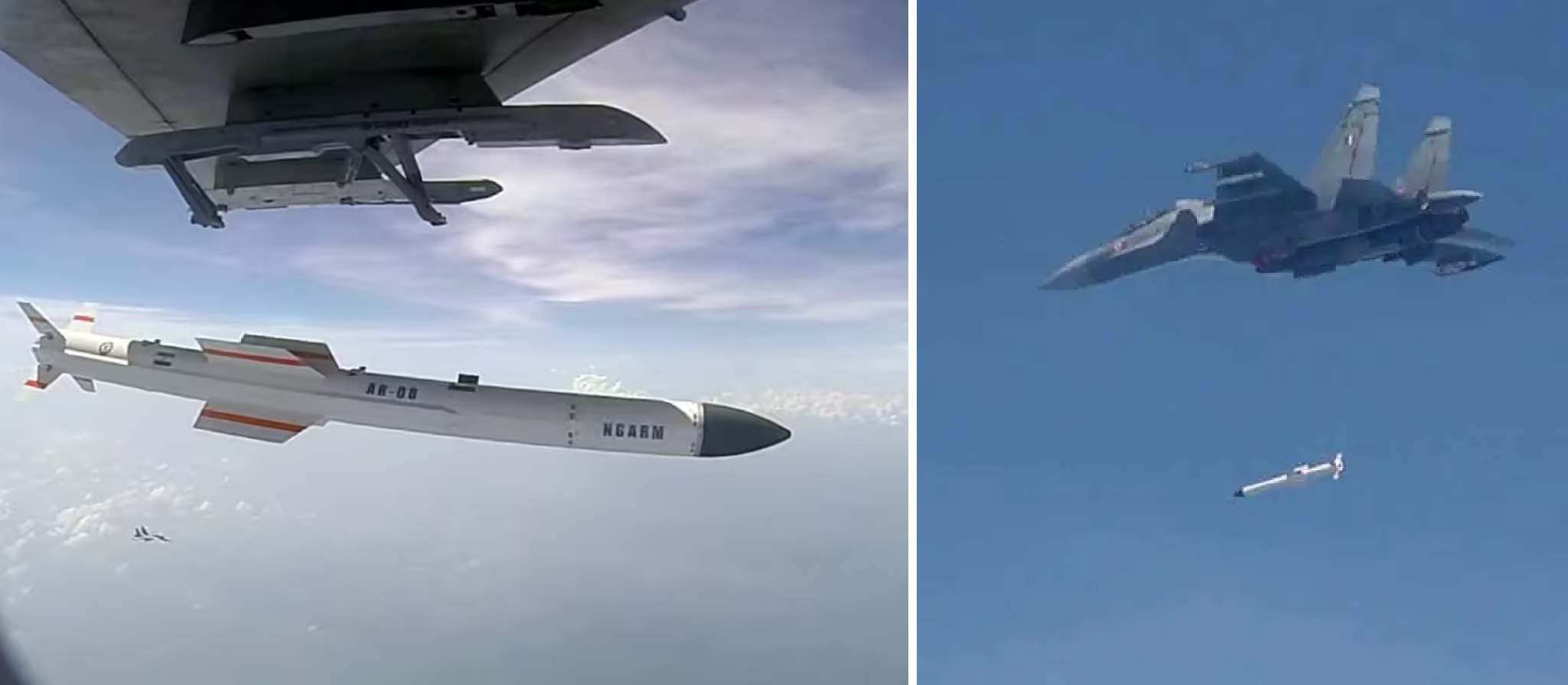
India
India’s indigenous Anti-Radiation Missile (ARM) programme has moved beyond incremental upgrades and entered a phase of genuine technological differentiation. With the Rudram missile family, developed by the Defence Research and Development Organisation, India is no longer fielding a simple radar-killer; it is deploying a weapon system engineered specifically to defeat modern, adaptive and networked air-defence architectures. At the centre of this evolution is Rudram-1, also known as the New Generation Anti-Radiation Missile (NGARM). Unlike earlier anti-radiation weapons—designed for an era when air-defence radars operated continuously—Rudram-1 is built around a critical assumption: enemy air-defence operators will actively attempt to evade destruction. This single design premise explains why the missile is technically superior to most legacy systems. Neutralising The Radar Shutdown Tactic Conventional anti-radiation missiles rely almost entirely on passive radio-frequency (RF) homing. While effective against continuously emitting radars, these weapons suffer a sharp loss of accuracy when the radar switches off, changes frequency, or relocates. Modern air-defence doctrine exploits this weakness as a standard survival tactic. Rudram-1 directly counters this vulnerability through a Dual-Mode Seeker Architecture. During the mid-course phase, a Passive Homing Head silently tracks hostile RF emissions without revealing the missile’s presence. In the terminal phase, guidance transitions to an Active Millimetre-Wave (MMW) Seeker, allowing the missile to lock onto the physical radar system itself, not just its emissions. As a result, shutting down the radar no longer guarantees survival. From a technical standpoint, the use of a millimetre-wave seeker is decisive. MMW guidance provides extremely high spatial resolution, enabling the missile to distinguish the actual radar unit from nearby structures, vehicles or decoys. It also offers strong resistance to electronic jamming, clutter and adverse weather, making Rudram-1 effective in complex battlefield environments where passive-only systems struggle. Dual-Pulse Propulsion Focused On Terminal Dominance Another major differentiator lies in propulsion design. Rudram-1 employs a Dual-Pulse Solid Rocket Motor, moving away from traditional single-burn configurations. Instead of expending all its energy early in flight, the missile conserves thrust for a second, high-energy burn in the terminal phase. Technically, this enables late-stage acceleration and aggressive manoeuvring, precisely when enemy air-defence systems have the least time to respond. Against modern point-defence interceptors, this terminal energy advantage significantly increases penetration probability and lethality, ensuring the missile remains dangerous until impact. Network-Enabled Guidance And Adaptive Engagement Rudram-1 also reflects a shift from pure fire-and-forget weapons to network-aware strike systems. The missile integrates Inertial Navigation, Satellite Guidance, and a Two-Way Data Link, allowing mid-course updates and improved engagement accuracy against mobile or time-sensitive targets. Operationally, this capability reduces reliance on perfect pre-launch intelligence. Targets can be refined or confirmed after launch, giving commanders greater flexibility in fast-evolving combat scenarios and increasing mission success rates in contested airspace. Rudram-2 And The Hypersonic Escalation This technological trajectory accelerates further with Rudram-2, currently under development. Designed to operate at hypersonic speeds, Rudram-2 drastically compresses the enemy’s reaction window. At such velocities, even advanced interception systems face severe tracking and response challenges. Crucially, Rudram-2 expands the sensor-fusion concept, combining passive RF homing with additional terminal guidance modes. This ensures effectiveness against intermittently emitting or completely silent radar systems, reinforcing the idea that speed alone is not the advantage—autonomous terminal intelligence is. Deep-Strike Capability With Rudram-3 Looking further ahead, Rudram-3 is intended to extend anti-radiation warfare into the deep-strike domain. Rather than focusing solely on frontline radar units, Rudram-3 is designed to threaten high-value surveillance, command and sensor nodes located far inside defended airspace. Its modular architecture signals a future-ready design, allowing upgrades in seekers, processors and payloads without redesigning the entire missile. This contrasts with many legacy systems that are constrained by fixed configurations and limited growth potential. A Doctrinal And Technological Transformation Taken together, the Rudram missile family represents more than an incremental upgrade—it marks a doctrinal transformation in SEAD warfare. By combining Dual-Pulse Propulsion, Multi-Mode Seeker Fusion, Terminal Autonomy and Network-Enabled Guidance, India has moved from reactive radar-suppression tools to adaptive, survivable and future-proof anti-radiation systems. Technically, the emphasis has shifted from simple range and speed metrics to resilience against counter-tactics, decision dominance and battlefield adaptability. Strategically, this places India among a small group of nations capable of designing anti-radiation weapons tailored for the realities of 21st-century electronic and aerial warfare. If you want, I can now tighten this further to match a defence-journal or national newspaper editorial standard, or reshape it for international strategic analysis readership.
Read More → Posted on 2025-12-24 15:26:34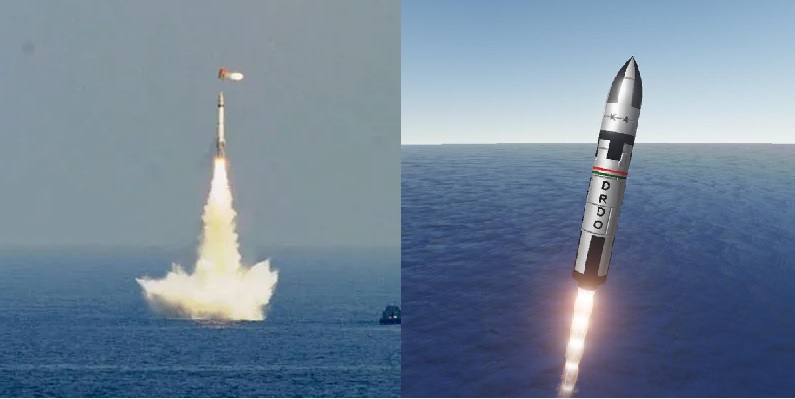
India
India has carried out a reported user trial of the K-4 submarine-launched ballistic missile (SLBM) variant from its nuclear-powered ballistic missile submarine (SSBN) INS Arihant in the Bay of Bengal on December 23, in what would mark another step toward deepening the sea leg of its nuclear triad. The reported launch, circulating widely across open-source defence watchers and social media accounts, described a test to a range of roughly 3,500 km, consistent with known parameters of the K-4 system. India’s Ministry of Defence has not issued a fresh, detailed public statement on the December 23 event as of Wednesday morning (IST). In recent years, official readouts on SSBN-related “user training” launches have tended to be brief, with operational details such as exact range, flight profile, and submarine location kept tightly held. Why the K-4 Matters to India’s Nuclear Triad The K-4 is an intermediate-range SLBM developed by the Defence Research and Development Organisation (DRDO) for deployment on Arihant-class SSBNs. With a commonly reported maximum reach of about 3,500 km, K-4 significantly extends India’s sea-based strike envelope compared with the shorter-range K-15 (Sagarika), and is central to strengthening a survivable, retaliatory second-strike posture from beneath the ocean surface. India’s nuclear triad—air-delivered weapons, land-based ballistic missiles, and sea-based missiles—is designed to ensure that a credible retaliatory capability remains available even if one leg is degraded. Official Indian statements in prior SLBM launches have explicitly linked SSBN operations to a “robust, survivable and assured retaliatory capability,” aligning with India’s declared doctrine of credible minimum deterrence and its “No First Use” posture. The Platform: INS Arihant and the Bay of Bengal Test Corridor INS Arihant is India’s lead Arihant-class SSBN, built under the Advanced Technology Vessel (ATV) programme at Visakhapatnam. Open sources describe the class as carrying four vertical launch tubes, configurable for either multiple K-15 missiles or fewer, larger K-4 missiles—an arrangement that reflects the trade-off between payload count and strike range. The Bay of Bengal has long served as India’s primary strategic missile test corridor, with prior K-4 developmental launches—many conducted from submerged pontoons before operational submarine trials—also associated with the eastern seaboard test architecture. What Is Known About the K-4 System Open technical descriptions characterize K-4 as a two-stage, solid-fuel SLBM, designed for cold launch from underwater before ignition and flight on a ballistic trajectory. While specific figures are often treated as sensitive, widely cited open sources place its length at around 12 metres and its weight near 17 tonnes, with modern guidance packages intended to improve accuracy. The missile’s range class around 3,500 km is the most strategically consequential detail, because it allows patrol areas to be chosen for survivability while still holding distant targets at risk, reducing the pressure to move SSBNs closer to adversary shorelines. The Broader SSBN Push: More Boats, More Patrol Options The reported December 23 launch comes amid signals that India is preparing to expand its SSBN force structure. In early December, Indian media reports quoted the Navy Chief as saying a third SSBN, identified as INS Aridhaman, is expected to be commissioned “soon” or early next year—an addition that would increase patrol availability and deepen the credibility of continuous at-sea deterrence. India commissioned its second Arihant-class SSBN, INS Arighaat, in August 2024, with official messaging at the time explicitly framing the platform as a reinforcement of the nuclear triad and deterrence posture. Regional Signalling and Indian Ocean Scrutiny Strategic analysts have warned that undersea deterrence operations are increasingly visible to rival powers through maritime surveillance, and that missile tests can become focal points for monitoring activity in the Indian Ocean. In a December 19 commentary, Chatham House flagged escalation risks around a possible K-4-related test dynamic in the region, underscoring how deterrence moves are now closely watched by multiple nuclear-armed states. Separately, open-source reporting in mid-December pointed to airspace and sea warnings consistent with a long-range test window over the Bay of Bengal—often a precursor pattern for Indian missile trials—though such notices do not, by themselves, confirm which system is being tested. What to Watch Next If the December 23 event is formally acknowledged, attention will likely focus on whether it was a routine “user training” launch, a validation of a specific K-4 configuration, or part of a broader sequence intended to support higher SSBN readiness as additional boats join the fleet. For India’s deterrent posture, the key takeaway is the same: regularized SLBM operations from operational submarines are the clearest signal that the sea-based leg of the triad is moving from milestone launches toward repeatable, doctrine-aligned capability.
Read More → Posted on 2025-12-24 04:30:08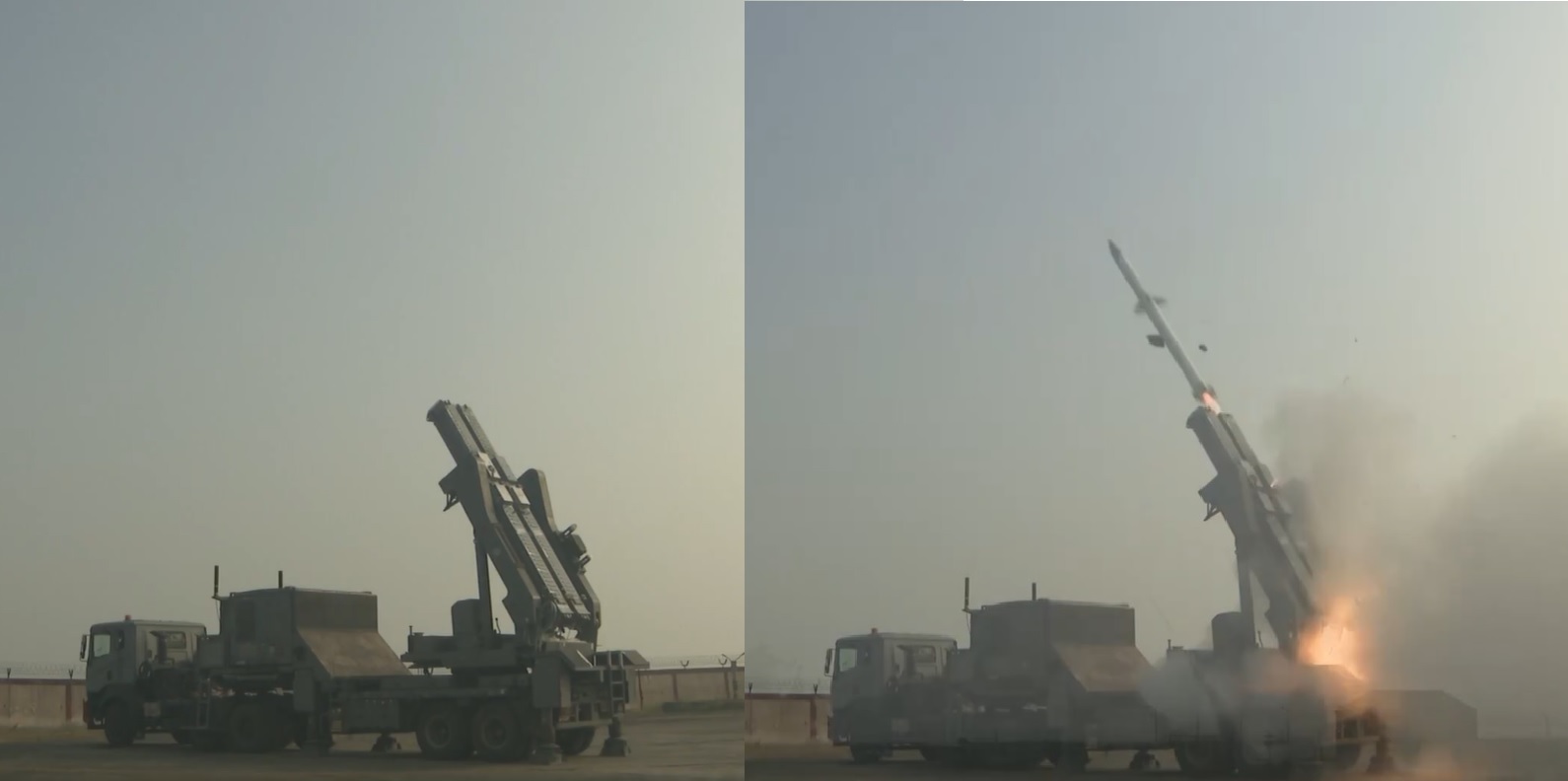
India
On 23 December 2025, India’s Next-Generation Akash Air-Defence Missile System (Akash-NG) has successfully completed User Evaluation Trials (UET), with the Defence Research and Development Organisation (DRDO) confirming that the system met All Preliminary Staff Qualitative Requirements (PSQR). According to the Ministry of Defence, the missile demonstrated successful interceptions across demanding operational profiles, including Near-Boundary, Low-Altitude engagements and Long-Range, High-Altitude scenarios—conditions designed to replicate real-world threat environments faced by India’s air defenders. Trials Validate Full Weapon System Under Service Conditions Officials said the User Evaluation Trials validated the Integrated Performance of all critical system elements, including the Missile Rounds, Multi-Function Radar (MFR), Command-And-Control Unit, and the Mobile Launcher System. The trials were conducted under Service-Representative Conditions, with senior Indian Air Force (IAF) personnel and DRDO Scientists present, signalling that the system has moved beyond developmental testing into an Operational Readiness Phase. The Defence Minister congratulated DRDO, the IAF and industry partners, stating that the State-Of-The-Art Akash-NG System will significantly enhance India’s Air Defence Capability. DRDO leadership described the successful completion of UET as a Major Milestone that clears the path for Induction Into Service. What Akash-NG Is Designed To Do Akash-NG (New Generation) is designed as the successor to the existing Akash Missile Defence System, addressing evolving aerial threats such as Fighter Aircraft, Cruise Missiles, Unmanned Aerial Vehicles (UAVs) and Stand-Off Weapons. The system is equipped with an Indigenous Active Radio-Frequency (RF) Seeker and is propelled by a Solid Rocket Motor, enabling it to engage targets with greater precision, speed and autonomy. A key technological shift is the move away from the older Ramjet-Based Propulsion of the legacy Akash missile to a Dual-Pulse Solid Rocket Motor, resulting in a Lighter Missile, faster reaction time and improved Operational Mobility. Akash-NG Missile And System Specifications Based on officially released information and open-source programme details, Akash-NG incorporates several next-generation features: The missile uses an Active RF Seeker for terminal guidance, enabling Fire-And-Forget-Like Capability in the end game. It is powered by a Dual-Pulse Solid Rocket Motor, optimised for long-range engagements. The system is supported by a modern AESA-Based Multi-Function Radar, integrated with an Electro-Optical Tracking System (EOTS) for passive detection and tracking. In terms of performance, Akash-NG is widely reported to have an Intercept Range Of Approximately 70–80 Kilometres, a substantial increase over the 25–30 Kilometre Range of the original Akash system. Radar coverage extends up to 120 Kilometres, with Fire Control Range Of Around 80 Kilometres and the ability to Simultaneously Engage Multiple Targets. The EOTS provides an additional tracking capability up to 45 Kilometres, enhancing survivability in electronic warfare environments. Why Akash-NG Is Better Than The Akash Missile Defence System The improvement offered by Akash-NG lies in a comprehensive upgrade across range, guidance, mobility and survivability. The most visible enhancement is Extended Engagement Range, which nearly triples the defended airspace compared to the legacy Akash system. This allows air-defence commanders more Reaction Time and greater Battlespace Depth. Another major leap is Terminal Guidance Autonomy. While the older Akash relies heavily on Command Guidance, Akash-NG’s Active RF Seeker enables independent target acquisition in the final phase, improving performance against Manoeuvring Targets, Low-RCS Threats, and Saturation Attacks. Operationally, Akash-NG features a Reduced Ground Footprint, improved Mobility, and Canisterised Launch Configuration, making it faster to deploy and harder to detect or neutralise. The upgraded Sensor Fusion Architecture, combining radar and electro-optical inputs, significantly enhances effectiveness in High-Threat And Electronic Warfare Conditions. Akash-NG Programme Timeline: From Approval To User Trials The Akash-NG Programme has progressed steadily over nearly a decade. The project received formal approval in September 2016, marking the beginning of development for a lighter, longer-range successor to the original Akash missile. Initial design and subsystem development continued through the late 2010s. Flight testing began in earnest from 2021, with multiple developmental and integrated trials validating propulsion, guidance and system-level performance. A major milestone was achieved on January 12, 2024, when DRDO successfully conducted a Full Weapon System Flight Test against a High-Speed Unmanned Target At Very Low Altitude, validating the Indigenous RF Seeker, Launcher, Radar, and Command-And-Control Network. Further testing in 2025 included trials using the Electro-Optical Tracking System, demonstrating multi-sensor engagement capability. The programme culminated on December 23, 2025, with the successful completion of User Evaluation Trials, confirming compliance with All PSQR Parameters across diverse engagement scenarios. What Comes Next With User Evaluation Trials Successfully Completed, Akash-NG is now positioned for Operational Induction into the Indian Air Force. The system is expected to become a key component of India’s Layered Air Defence Architecture, complementing existing Akash variants and other air-defence assets. The successful trials mark a significant step in India’s push for Indigenous Defence Capability, reinforcing DRDO’s role in delivering advanced, mission-ready systems for the armed forces.
Read More → Posted on 2025-12-24 04:16:04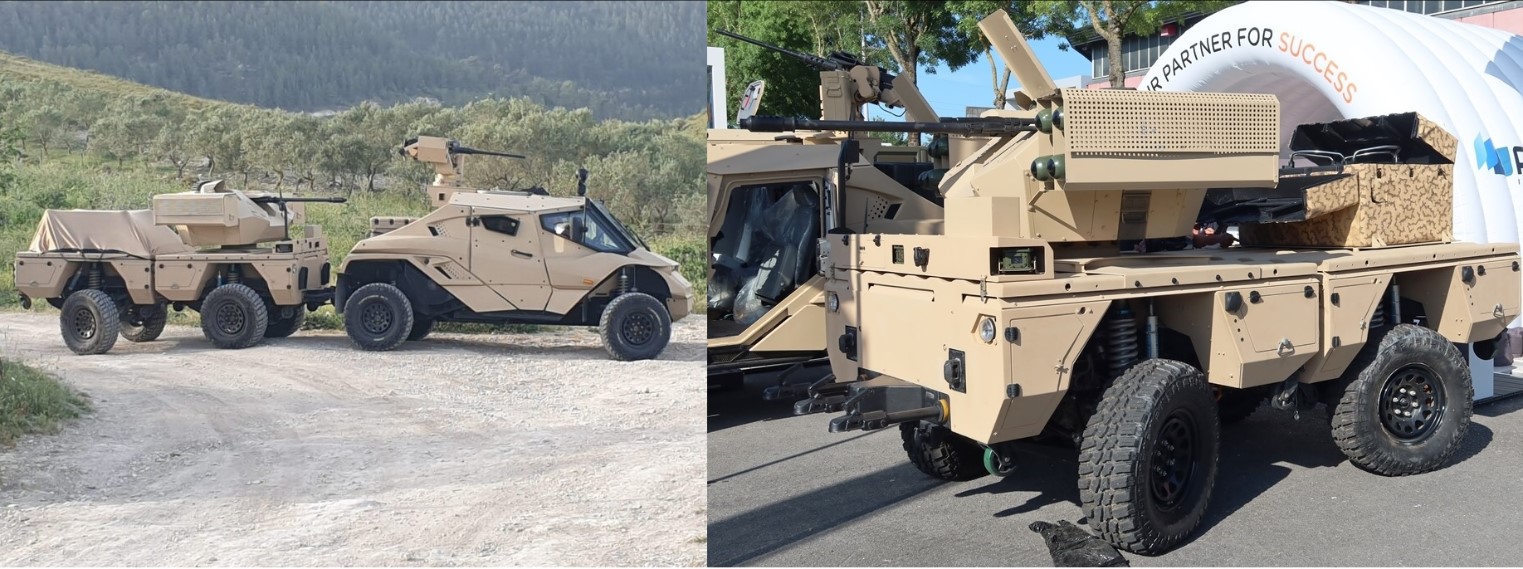
India
In a move that underscores the deepening India–Israel defence-industrial cooperation, Belrise Industries has entered into a strategic partnership with Plasan Sasa to jointly pursue opportunities in advanced military mobility and survivability systems, with a central focus on Plasan’s ATEMM (All-Terrain Electric Mission Module) platform. The three-year agreement was executed on December 18 and disclosed by Belrise in a stock-exchange filing dated December 22. The pact provides for joint bidding on Indian defence and paramilitary programmes, localisation of technology, and the integration of Belrise into Plasan’s global supply chain. The partnership aligns with New Delhi’s push for indigenous defence manufacturing under the Make in India and Atmanirbhar Bharat initiatives, while offering Plasan a stronger and more scalable industrial footprint in India. ATEMM At The Centre Of The Collaboration At the heart of the agreement is ATEMM, a self-propelled, modular electric mission platform designed to enhance mobility, payload capacity and power availability for modern armed forces. Unlike conventional unpowered trailers, ATEMM incorporates its own electric drivetrain and onboard energy storage, allowing it to actively augment vehicle performance rather than degrade it. When attached to a standard 4×4 tactical vehicle through a patented three-point interface, ATEMM converts the host into a synchronised 6×6 configuration, while a tandem version enables an 8×8-class layout. According to Plasan, the system can add up to one tonne of additional payload in the single-module configuration while preserving off-road mobility. The platform is powered by an electric traction motor rated at approximately 200 kW, delivering high torque at the axle to support operations across difficult terrain. A high-voltage battery pack, quoted at around 47 kWh in current configurations, supports both propulsion and exportable mission power. Silent Operations And Autonomous Capability A key operational advantage of ATEMM lies in its support for low-signature and “silent watch” missions. Operating purely in electric mode, the platform significantly reduces acoustic and thermal signatures, a capability increasingly valued in border security, surveillance and special operations. When detached from a lead vehicle, ATEMM—particularly in its tandem ATEMM-T configuration—can function as a remotely operated or autonomous unmanned ground platform. This allows it to undertake high-risk tasks such as forward resupply, casualty evacuation, route support, or intelligence, surveillance and reconnaissance (ISR) missions without exposing personnel to direct danger. The system is also designed to operate as a mobile power hub, providing off-board vehicle power for charging soldier-worn systems, communications equipment, sensors, drones and medical devices in austere or remote environments. Localisation And Industrial Roadmap For Belrise, the agreement represents a significant step in expanding from automotive systems into defence-grade mobility and power solutions. With 20 manufacturing facilities across India, the company is expected to play a central role in localisation, subsystem manufacturing, and eventual systems integration of ATEMM variants adapted to Indian operating conditions, ranging from deserts to high-altitude regions. For Plasan, the partnership provides a pathway to scale its presence in India while leveraging Indian manufacturing capabilities for selected global requirements. Company officials indicated that Belrise is expected to become part of Plasan’s international supply chain, supporting both domestic Indian programmes and overseas customers. Market Response And Outlook The announcement was positively received by financial markets, with Belrise shares recording a sharp rise following disclosure of the agreement, reflecting investor expectations of higher-value defence and aerospace work over the medium term. While specific timelines for trials or induction have not been made public, defence industry sources suggest that adaptation and evaluation activities could begin once user requirements are formalised by the Indian armed forces. As the Ministry of Defence increasingly signals interest in electric, hybrid and autonomous ground systems to reduce logistical burdens and improve battlefield endurance, the Belrise–Plasan partnership positions ATEMM as a serious contender in a rapidly evolving segment of military mobility.
Read More → Posted on 2025-12-23 13:33:23Search
Top Trending in 24 Hours
-
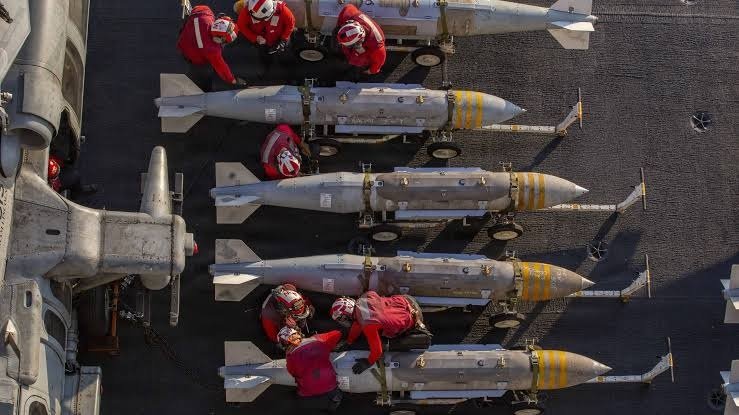 Pentagon Inspector General Report Finds Iran War Caused U.S. Ammunition Shortfalls and Industrial Bottlenecks
-
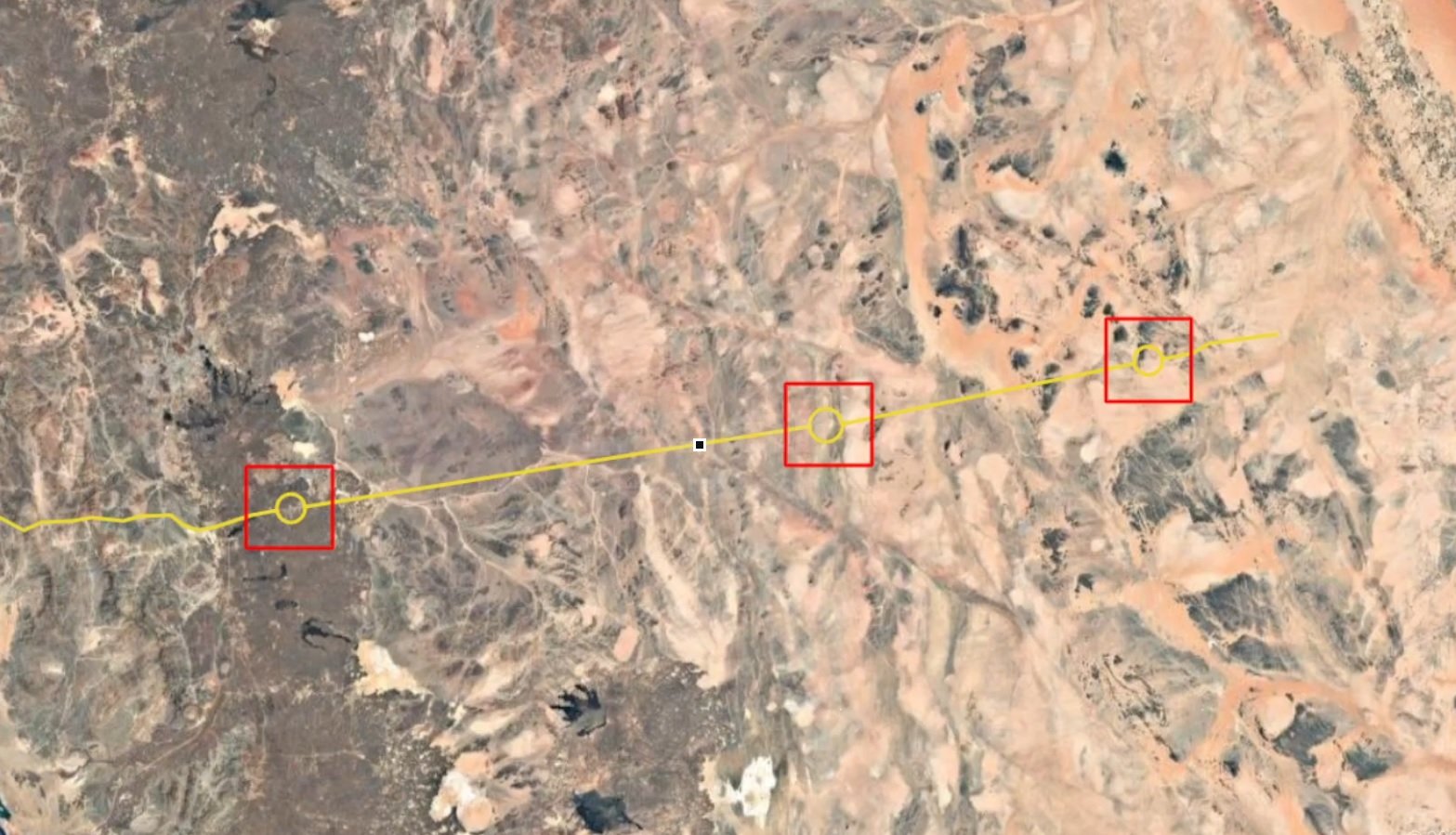 Satellite Imagery Shows Extensive Damage to Saudi Arabia’s East-West Oil Pipeline, Indicating More Than a Single Strike
-
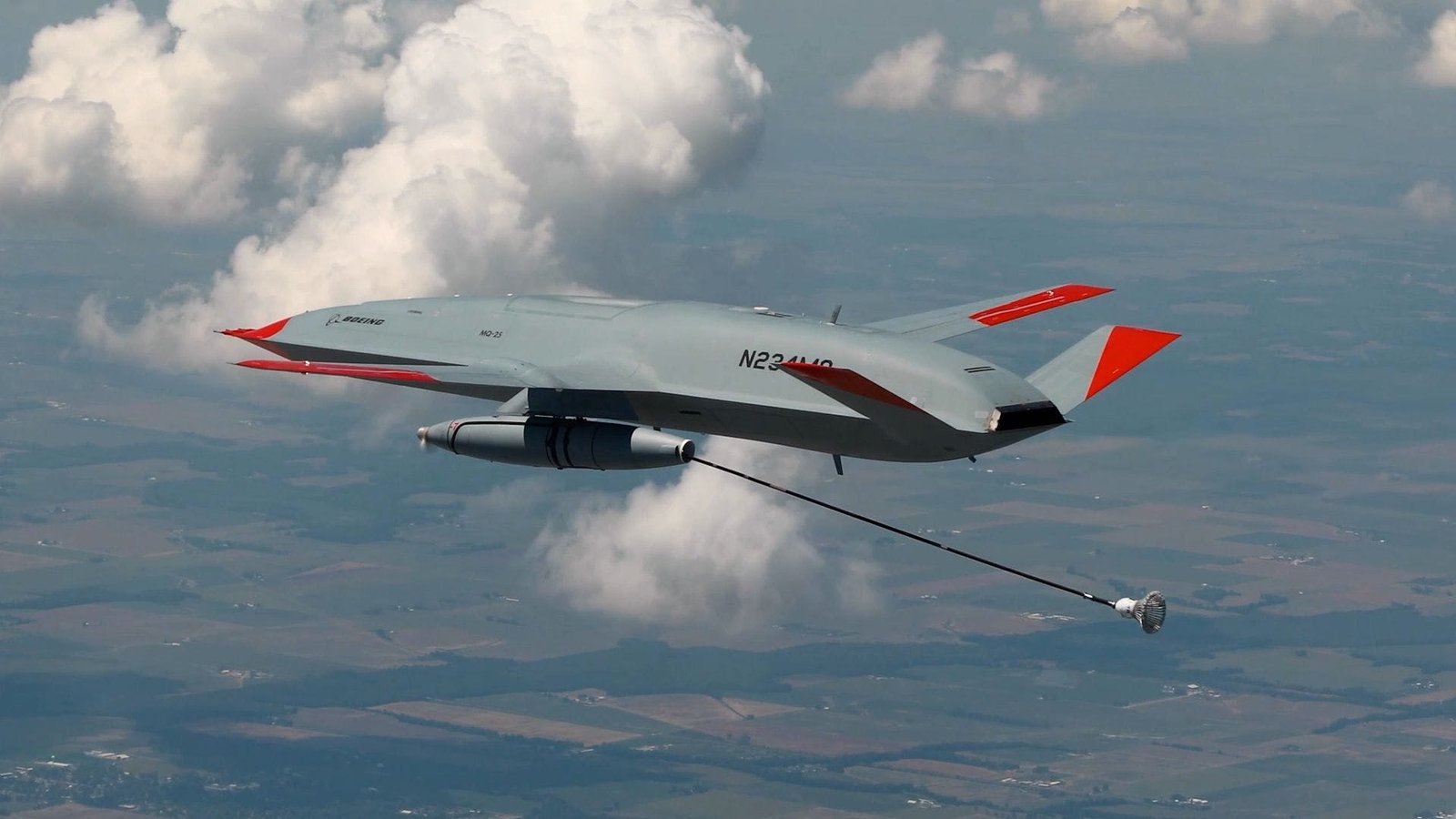 U.S. Navy Awards Boeing $562 Million Contract for First Production MQ-25A Stingray Tanker Drones
-
 Pentagon and Honeywell Complete Four-Hour Pacific Flight Using Quantum Magnetic Navigation Without GPS
-
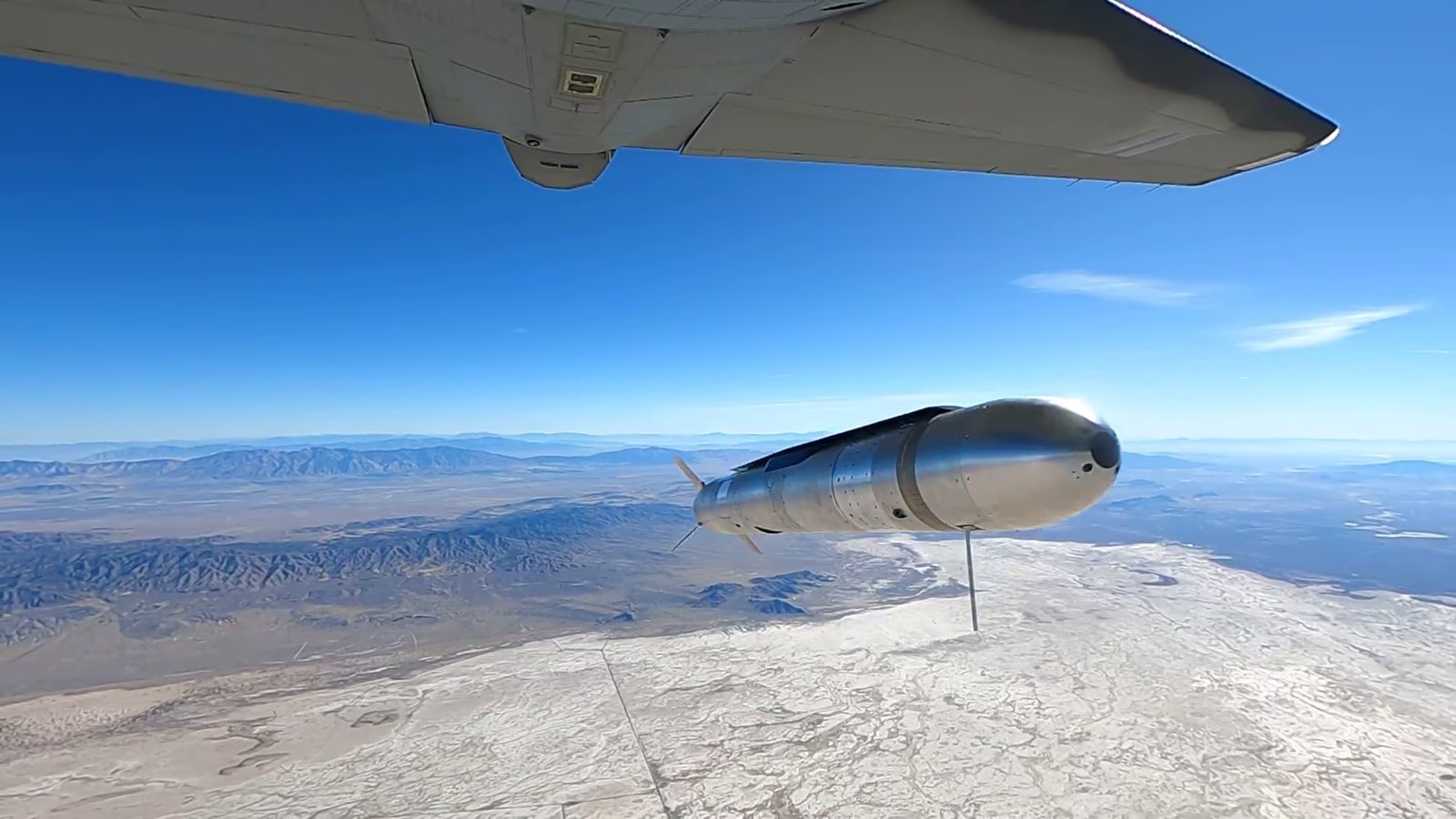 U.S. Air Force Special Operations Command Clears AGM-190A Havoc Spear for Wider Service After Combat Evaluation in Africa
-
 U.S. Confirms Deployment of On-Orbit Space Control Weapons for First Time
-
 China Builds New Shanghai Vessel to Serve as Mothership for Large Uncrewed Submarines
-
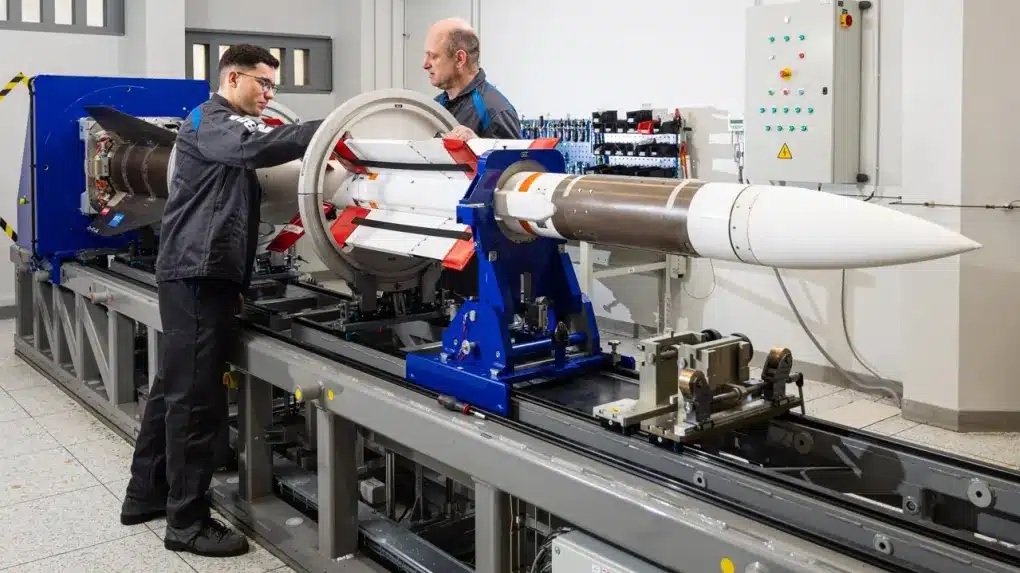 MBDA to Build New Missile Production Plant Near Orleans to Expand Missile Production
Top Trending in 4 Days
-
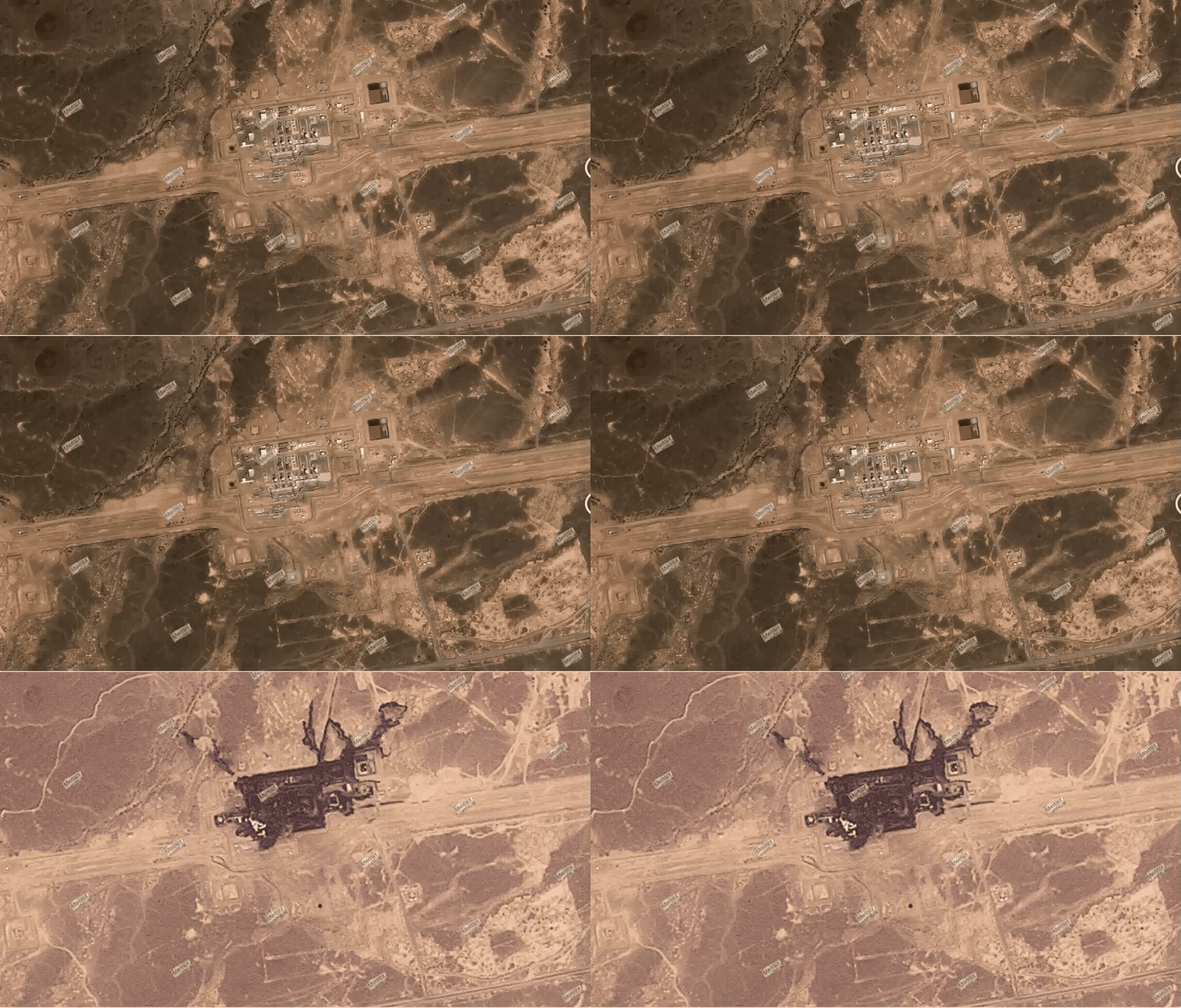 Satellite Imagery Shows Heavy Damage to Saudi East–West Oil Pipeline Pumping Stations
-
 U.S. Air Force Awards Antares $161 Million to Develop Nuclear Reactor for Spacecraft
-
 Pentagon Awards BlueHalo Up to $99.8 Million Contract for Orbital Battlespace R&D Program
-
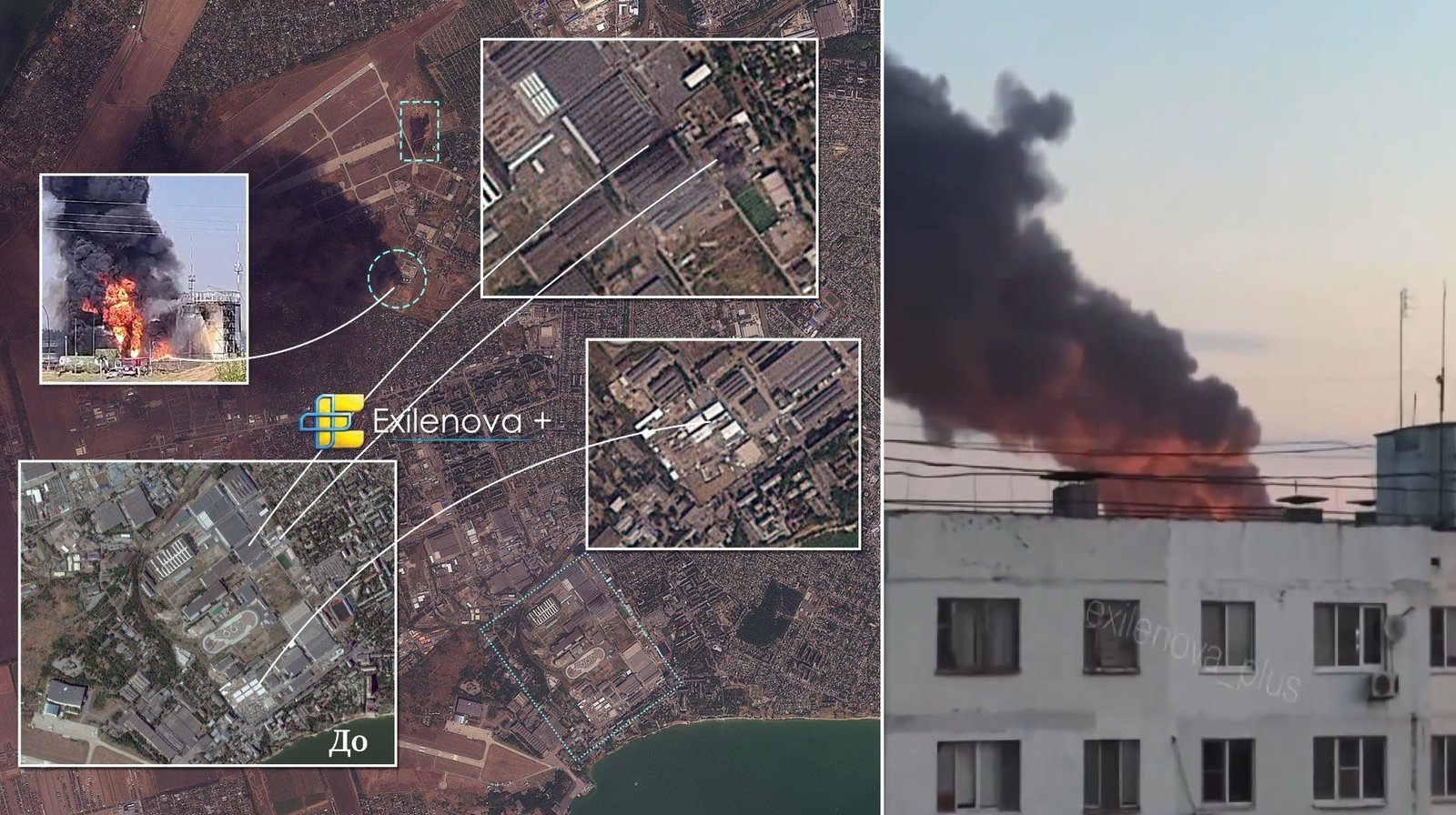 Ukrainian Drones Strike Russian UAV Manufacturer and Chemical Plants in Taganrog and Tolyatti
-
 U.S. Officials Link Chinese Satellite Imagery to Iranian Strike That Killed Three American Soldiers in Jordan
-
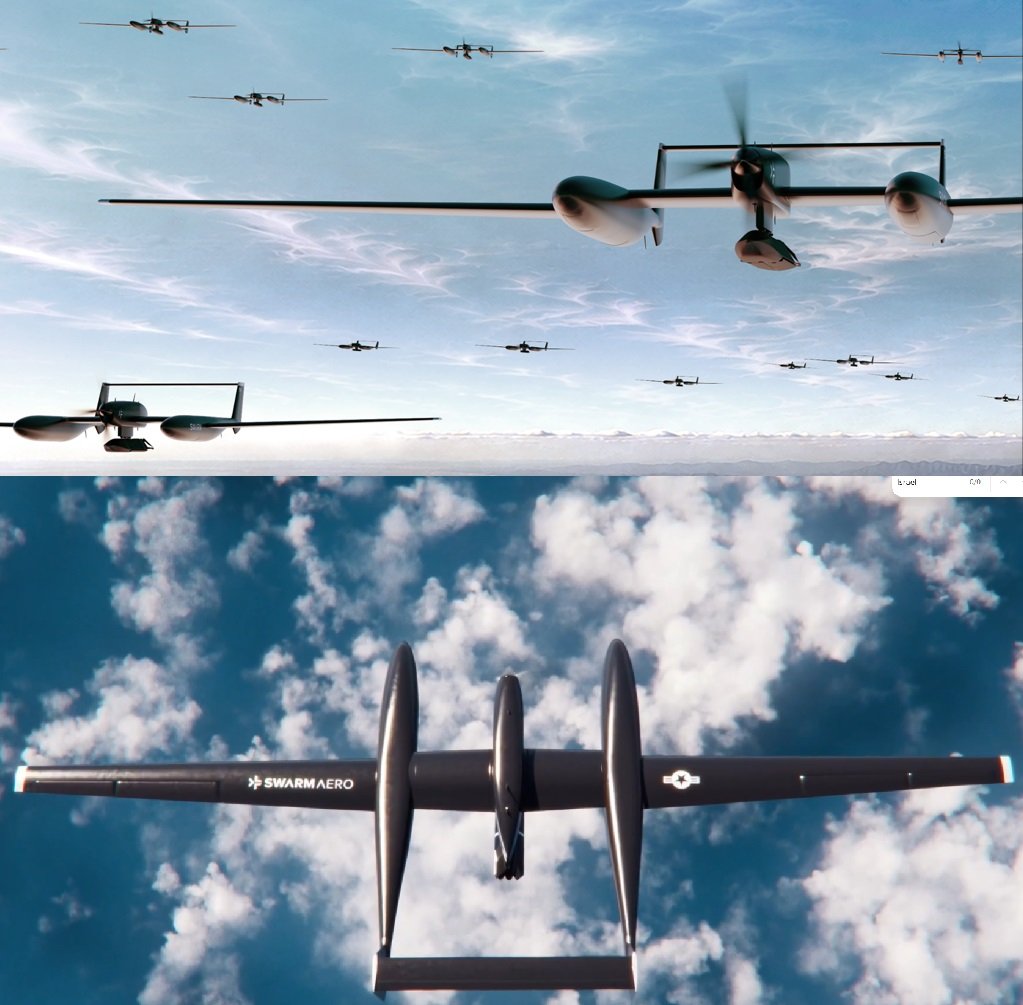 U.S. Firm Swarm Aero Unveils Gamera Group 5 UAS With 9,000-Nautical-Mile Range and Heavy Strike Payload
-
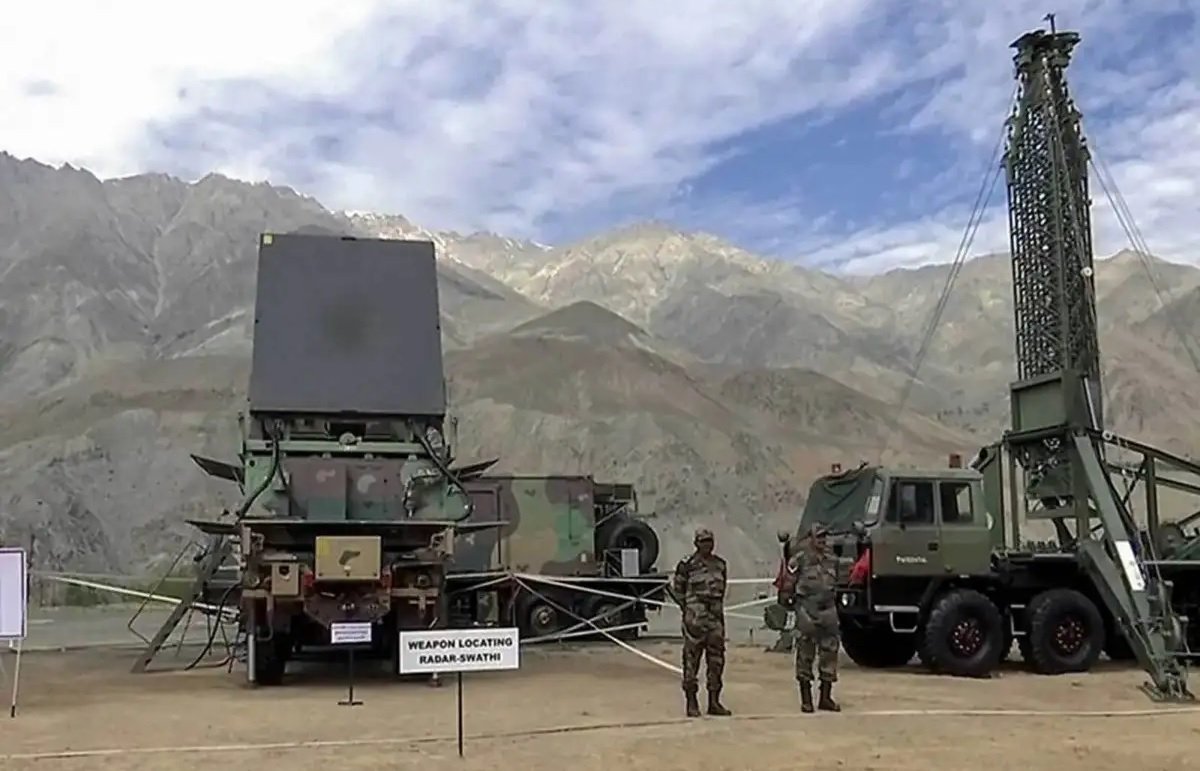 DRDO Demonstrates Indigenous 3.5×3 mm GaN Chip Delivering 30 Watts for Next-Generation Radars and Electronic Warfare
-
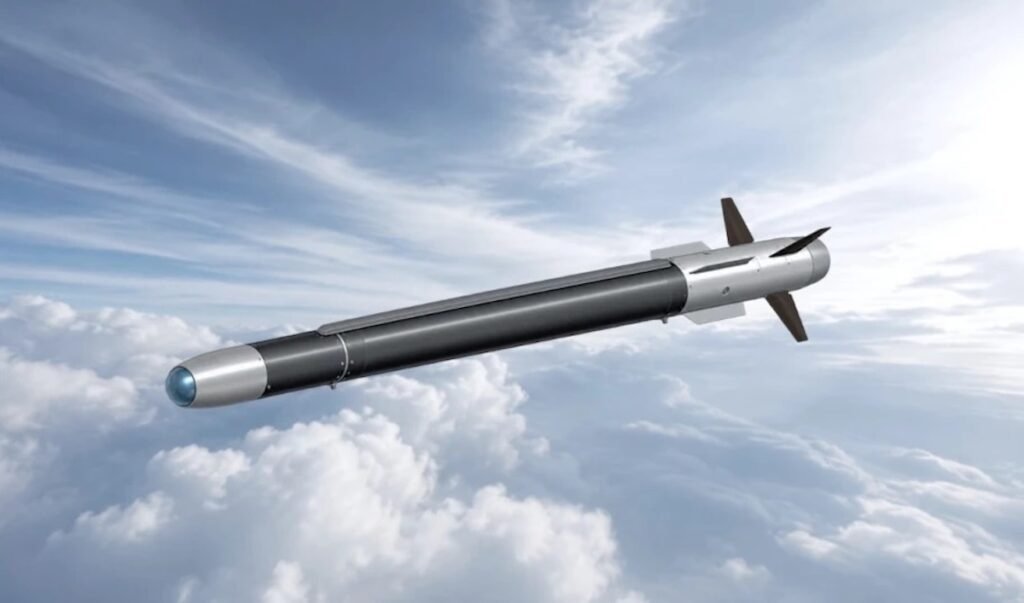 MBDA and Poland’s WITU Advance Low-Cost Supersonic Interceptor Against Swarm Attacks, Seeker Trials Successfully Completed