India
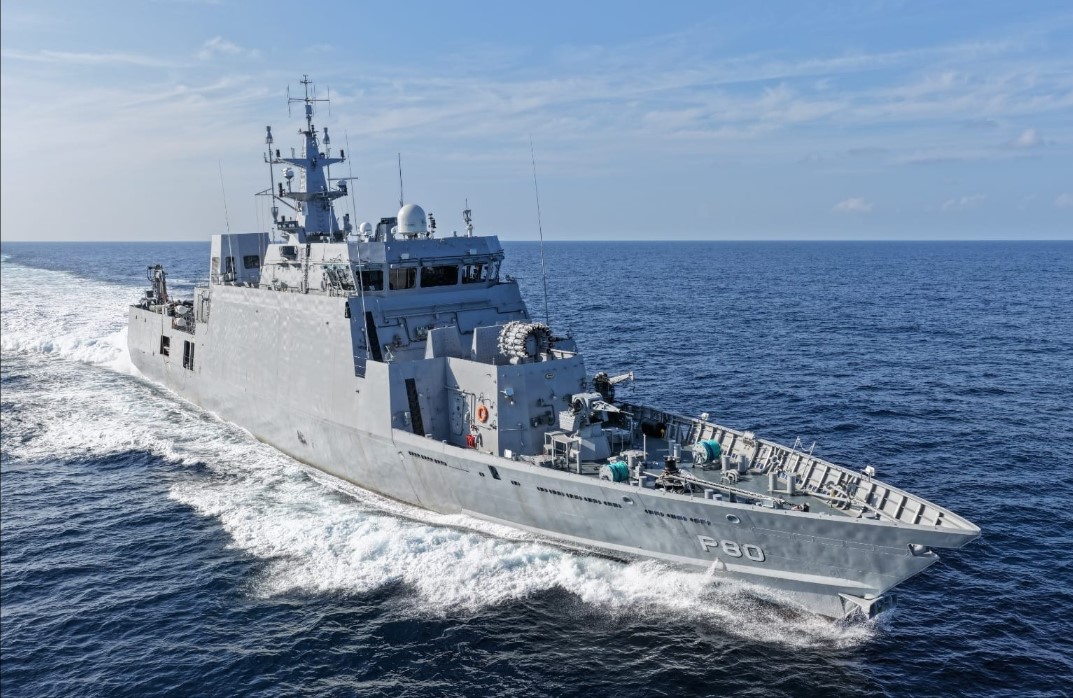
In a significant stride for indigenous defence manufacturing, Garden Reach Shipbuilders and Engineers (GRSE) Ltd delivered the INS Anjadip, the third of eight Anti-Submarine Warfare Shallow Water Crafts (ASW SWCs), to the Indian Navy on Monday at Chennai Port Trust, officials confirmed. This marks the fifth warship handed over by the Kolkata-based shipyard in 2025, underscoring GRSE’s deepening role in strengthening India’s maritime capabilities. The vessel was formally accepted by Rear Admiral Gautam Marwaha, VSM, Chief Staff Officer (Technical), Eastern Naval Command, on behalf of the Navy. INS Anjadip is the 115th warship constructed by GRSE and the 77th delivered to the Indian Navy. A New Asset in Coastal Defence INS Anjadip has been indigenously designed and constructed under the Make in India initiative as part of the ASW SWC programme, jointly executed by GRSE and L&T Shipyard, Kattupalli under a public-private partnership. These vessels are built to the Indian Register of Shipping (IRS) classification standards and tailored for shallow-water anti-submarine operations. Spanning approximately 77 metres in length, INS Anjadip is among the largest waterjet-propelled warships in the Indian Navy’s inventory. Powered by three waterjets driven by marine diesel engines, the craft achieves speeds in excess of 25 knots while requiring a shallow draught of 2.7 metres, enabling agile manoeuvrability in littoral zones. Designed to operate with a complement of 57 personnel including seven officers, the vessel is equipped with an advanced suite of sensors and weapons tailored for sub-surface detection and engagement. Key features include: Sophisticated sonar systems, including hull-mounted and low-frequency variable depth sonar for enhanced underwater surveillance and target detection. Combat Management System and integrated platform management suites to ensure coordinated responses across surveillance, navigation, and weapons operations. Anti-submarine armaments such as lightweight torpedo launchers, RBU-6000 anti-submarine rocket launcher, and anti-submarine mining capability. Indigenous 30 mm Naval Surface Gun and stabilized remote-controlled 12.7 mm guns for surface and aerial defence. These capabilities enable the ASW SWC class to undertake comprehensive sub-surface surveillance, search and attack missions, coordinated operations with naval aircraft, and mine-laying missions in coastal waters. Self-Reliance in Defence Manufacturing INS Anjadip epitomizes India’s growing defence self-sufficiency, featuring nearly 88 percent indigenous content, including weapons and key subsystems manufactured domestically. Like its predecessors – INS Arnala and INS Androth – the vessel reinforces the government’s Aatmanirbhar Bharat vision for home-grown defence solutions. Earlier in 2025, GRSE delivered four other major warships, including the Advanced Guided Missile Frigate INS Himgiri, ASW SWCs Arnala and Androth, and the Survey Vessel (Large) INS Ikshak — all of which have since been commissioned into service, marking a rare achievement for any shipyard in the country. Strategic Significance and Future Outlook The ASW SWC programme was initiated under contracts signed in April 2019, when the Ministry of Defence awarded GRSE and Cochin Shipyard Limited (CSL) separate orders to build eight vessels each, aimed at replacing ageing Abhay-class corvettes and enhancing the Navy’s littoral anti-submarine warfare capability. GRSE’s portion of the project, designated the Arnala class, is progressing steadily, with subsequent hulls already launched or under construction. Concurrently, CSL is delivering its Mahe class counterparts, broadening naval capacity across India’s coastal theatres. With three waterjets, advanced sonar, weapons suites, and high manoeuvrability, the ASW SWCs like INS Anjadip are set to play a pivotal role in safeguarding India’s maritime frontiers against evolving undersea threats, strengthening coastal defence, and contributing to regional maritime security
Read More → Posted on 2025-12-22 16:52:34
India
Indian private defence manufacturer SSS Defence has achieved a key milestone with its G72s submachine gun (SMG) securing an initial operational order of 500 units from the National Security Guard (NSG). The induction marks the first major institutional endorsement for the G72s and positions the weapon for heightened international exposure through the NSG’s extensive engagement with foreign special forces (SF) and counter-terrorism (CT) units. The NSG, tasked with India’s most sensitive counter-terrorism operations, is among the most closely watched users of small arms in the country. Its procurement decisions carry weight because the force regularly conducts joint training exercises with elite units from the United States, Europe, and other partner nations. Weapons fielded by the NSG are often informally evaluated during these interactions, making the G72s’ entry into service a potentially significant showcase opportunity for Indian defence manufacturing. From a technical standpoint, the G72s distinguishes itself through a roller-delayed blowback operating system, a mechanism widely regarded as battle-proven. This design is most famously associated with the Heckler & Koch MP5, long considered a global benchmark in the SMG category. Roller-delayed systems are valued for their smooth recoil impulse, enhanced controllability, and reduced mechanical stress, qualities that are critical in close-quarters battle (CQB) environments. While the G72s has yet to be seen extensively in public operational footage, its underlying mechanical philosophy is well understood within the global small-arms community. Compared to simple blowback designs, roller-delayed mechanisms help manage chamber pressure more efficiently, reducing muzzle rise and improving shot-to-shot stability. These characteristics are particularly relevant for CT units that rely on rapid, accurate fire in confined spaces. The induction of the G72s also coincides with a broader debate around modern SMG design philosophies. The United States Army recently adopted the B&T APC9, a gas-operated, rotating-bolt platform. While technologically advanced, such systems are often seen as mechanically complex and maintenance-intensive. In contrast, the G72s reflects a simpler, proven approach, appealing to users who prioritise reliability, ease of maintenance, and predictable handling over newer but more intricate operating systems. Beyond engineering, the visual design of the G72s has also attracted attention. Its modern, aggressive styling contributes to operator confidence, an often overlooked but important factor in elite units where familiarity and trust in a weapon system can influence performance under stress. For SSS Defence, the NSG order represents more than a domestic contract. It signals growing confidence in Indian private-sector small-arms development and places the G72s on a path where its performance will be observed by foreign SF and CT units during multinational engagements. If the weapon meets operational expectations, the G72s SMG could emerge as one of the most visible examples of an indigenous Indian firearm gaining traction beyond national borders.
Read More → Posted on 2025-12-22 15:56:21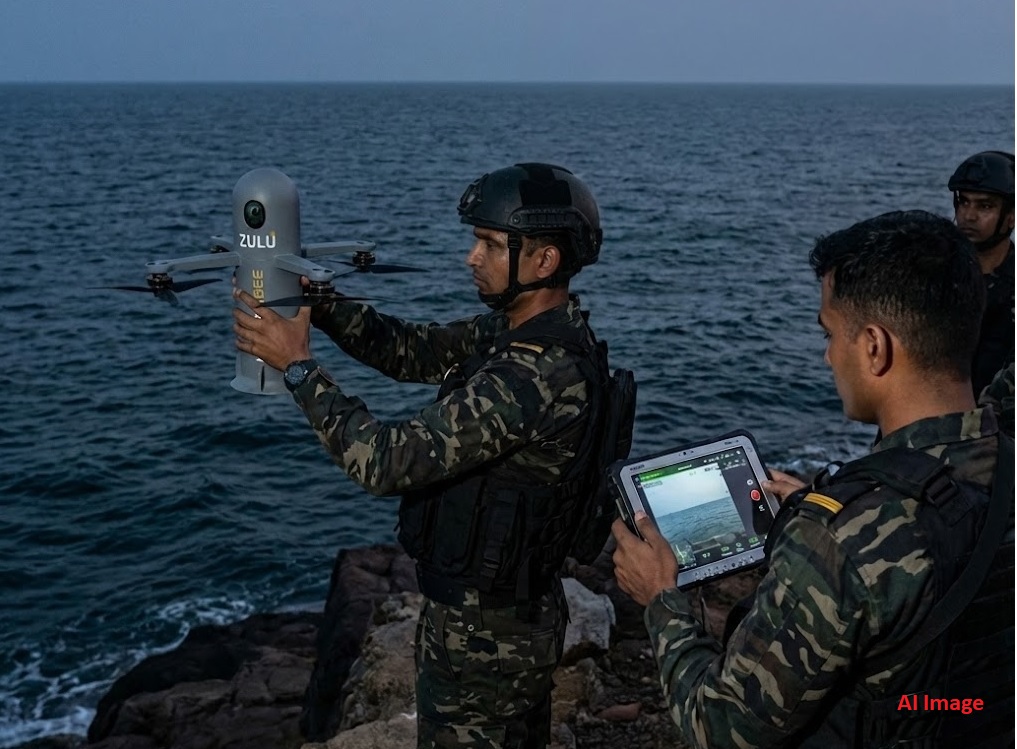
India
Zulu Defence Systems’ electrically powered Hoverbee kamikaze micro-drones have entered operational service with the Marine Commandos (MARCOS) of the Indian Navy, according to defence industry sources familiar with recent inductions. The development marks a significant step in the Navy’s effort to equip its special forces with indigenous, low-signature unmanned systems optimised for precision strikes and close-quarters missions. The Hoverbee is designed as a highly portable, vertical take-off and landing (VTOL) micro-drone that can be carried and operated by a single commando. Its electric propulsion and compact airframe are intended to keep both acoustic and visual signatures extremely low, a critical requirement for covert maritime and littoral operations typically undertaken by MARCOS. Sources indicate the system has been cleared for operational use following evaluation cycles focused on urban, ship-borne, and coastal mission profiles. A Drone Built For Surgical Missions Zulu Defence Systems has positioned the Hoverbee as a platform for rapid, surgical engagements where speed, stealth, and precision matter more than range or payload size. For MARCOS teams, this translates into the ability to deploy a drone within seconds, manoeuvre it inside confined spaces such as ship compartments or coastal structures, and engage targets without exposing operators to direct fire. The Hoverbee’s modular design allows it to function either as a reconnaissance asset or as a loitering munition. In its strike configuration, the drone carries a small explosive payload and is intended for one-way missions against personnel or lightly protected targets. The emphasis, according to officials familiar with the system, is on controlled effects and target discrimination, rather than area damage. Reported Specifications And Capabilities Available open-source and industry information suggest the Hoverbee is a sub-one-kilogram micro-UAS with a foldable frame that fits into a compact backpack. In its ISR (intelligence, surveillance and reconnaissance) configuration, it is equipped with an electro-optical (EO) camera capable of transmitting live video to a handheld controller, with an optional thermal imaging payload for night and low-visibility operations. The system is reported to have an operational control range of up to 2 km, depending on terrain and electromagnetic conditions. Endurance figures cited by industry material indicate 30–45 minutes of flight time in surveillance mode, while the kamikaze variant trades endurance for payload. In its strike role, the Hoverbee is reported to carry an explosive charge in the 400-gram class, with multiple detonation modes including operator command, impact, or proximity-based triggering. Onboard navigation, stabilised flight, and obstacle-avoidance features are designed to support operations in cluttered environments, including indoors. The electric propulsion system enables near-silent flight at short ranges, a characteristic highlighted as one of the platform’s most important advantages for special operations forces conducting raids, counter-terror actions, or ship-clearing missions. Indigenous Push And Operational Relevance The reported induction of the Hoverbee with MARCOS aligns with a broader indigenous defence manufacturing push, as the Indian armed forces accelerate the adoption of small unmanned systems developed by domestic firms. Recent conflicts worldwide have demonstrated the tactical value of loitering munitions and micro-drones, particularly in urban warfare and special operations. For the Indian Navy, such systems are especially relevant for ship-boarding operations, counter-piracy missions, and coastal counter-terror roles, where the ability to neutralise threats inside tight, enclosed spaces without heavy weapons provides a clear tactical advantage. Details Yet To Be Disclosed Neither the Indian Navy nor Zulu Defence Systems has publicly released details on order quantities, delivery timelines, or the exact variant fielded by MARCOS. Information related to electronic counter-countermeasures, secure data links, and rules of engagement for the kamikaze configuration also remains undisclosed. Even so, defence analysts note that the reported entry of the Hoverbee kamikaze drone into service reflects growing confidence in home-grown micro-UAS solutions. If formally confirmed, the system would rank among the smallest loitering munitions currently believed to be in operational use with Indian special forces, underlining a shift toward discreet, high-precision tools for modern maritime and littoral combat environments.
Read More → Posted on 2025-12-21 16:34:47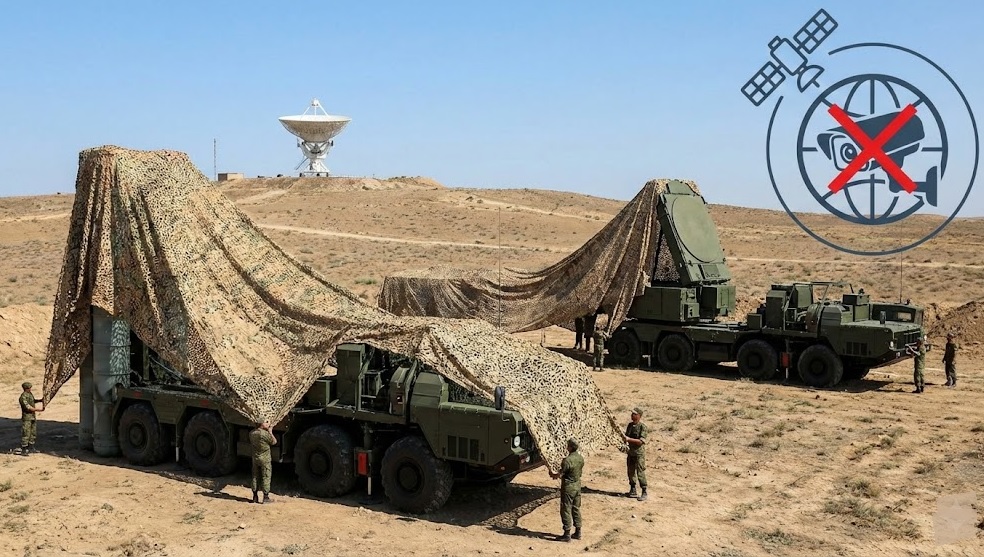
India
The Indian Air Force has initiated an urgent, indigenous programme to reduce the radar and thermal signatures of its S-400 Triumf long-range air-defence batteries, responding to the growing threat posed by foreign synthetic-aperture-radar (SAR) satellites and multi-sensor space surveillance. According to defence-industry reporting and officials familiar with the effort, the programme is aimed at making the S-400, one of India’s most strategically valuable air-defence assets, significantly harder to detect, track and classify from orbit. The initiative blends new materials, deployable structures, and revised operational practices, with first induction planned for mid-2027 and a fleet-wide rollout by 2030. Why Space-Based Radar Has Changed the Equation Modern SAR satellites can image targets day and night, through cloud cover, and revisit the same locations at short intervals. For ground-based air-defence systems, this persistence allows adversaries to build a high-confidence targeting picture, identifying vehicle layouts, radar masts, power units, and even routine movement patterns. The challenge is compounded by thermal sensors, which can highlight heat emissions from generators, radar electronics and missile support vehicles. Indian planners assess that in a high-intensity conflict, advanced air-defence systems are likely to be identified first from space, then tracked over time, and finally engaged with long-range precision weapons. Inside the Indigenous “Stealth Kit” At the heart of the programme is an indigenous “stealth kit” tailored for ground-based air-defence assets. The package reportedly includes radar-absorbent coatings applied to critical vehicle surfaces and radar structures, alongside deployable metamaterial screens that can be erected around high-value components when a battery is operational. These metamaterial screens are not designed to render the system invisible, but to distort and weaken radar returns, complicating SAR-based identification and reducing confidence in target classification. In parallel, engineers are working on thermal-signature suppression, using improved heat management, insulation, and masking of prominent heat sources. Indian defence laboratories and academic institutions have invested in metamaterials and multispectral camouflage research for several years, and officials say the S-400 effort leverages this domestic technology base, reinforcing the push for self-reliance. Decoys and Rapid Mobility Technology alone is only one pillar of the effort. The IAF is also refining operational doctrines centred on rapid mobility, frequent relocation, and deception. Decoy launchers, false emitters, and thermal decoys are expected to be deployed alongside real batteries, creating multiple plausible targets for adversary sensors. By combining reduced signatures, deception, and high mobility, planners aim to disrupt pattern-of-life analysis and compress an adversary’s “find-fix-finish” timeline, increasing the survivability of the S-400 network during the most critical phases of conflict. Timelines and Broader Context Sources indicate that the first operational S-400 unit equipped with the full indigenous signature-reduction package is expected by mid-2027, followed by a phased rollout across all regiments by 2030. The schedule aligns with India’s broader air-defence modernisation roadmap, including the development of indigenous long-range air-defence systems later in the decade. Officials suggest that lessons learned from the S-400 stealth initiative will directly inform the design philosophy and deployment concepts of future Indian systems. Strategic Significance India’s S-400 batteries form a critical layer of national air defence, safeguarding key regions and strategic assets. Enhancing their survivability against space-based surveillance marks a shift in thinking—from traditional camouflage to active signature management as a continuous operational requirement. If implemented as planned, the programme would place India among a small group of countries actively adapting ground-based air-defence systems to an era of persistent satellite observation. For the Indian Air Force, the message is clear: in modern warfare, survivability on the ground increasingly depends on remaining unseen from space.
Read More → Posted on 2025-12-21 16:02:47
India
Russia has floated a stopgap proposal to supply the Indian Navy with three upgraded Kilo-class diesel-electric submarines, aiming to bridge a widening submarine capability gap as ageing platforms retire faster than replacements can be inducted. According to defence and naval-industry sources, the offer envisages the transfer of three refurbished Kilo-class boats for a package price reported to be under $1 billion. Each submarine would undergo a comprehensive mid-life refit, extending its operational life by around 20 years, and would be equipped to fire torpedo-launched Kalibr cruise missiles, providing a reported strike range of up to 1,500 kilometres. The proposal comes at a critical juncture, with the Indian Navy facing mounting pressure from delayed indigenous inductions, slow procurement cycles and the impending retirement of older submarines—factors that could trigger a sharp capability dip by the early 2030s. Acute submarine shortage driving interim solutions India’s conventional submarine arm has been under sustained strain. Several legacy submarines are nearing the end of their service lives, while replacement programmes have progressed unevenly. The induction of Scorpene-class (Kalvari-class) submarines has improved fleet strength, but not at a pace sufficient to offset retirements. Meanwhile, the long-pending Project-75(I) programme for next-generation submarines with air-independent propulsion (AIP) remains stalled. Naval planners have repeatedly warned that, without interim inductions or life-extension measures, the Navy risks losing critical capabilities in undersea surveillance, sea denial and deterrence operations, particularly in the increasingly contested Indian Ocean Region. Details of the Russian proposal The Kilo-class submarines, known in Russian service as Project 877 and the improved Project 636 variants, are among the quietest diesel-electric submarines of their generation and have been widely exported. India’s long experience with the platform is seen as a key factor behind Moscow’s outreach. Under the reported proposal, each submarine would receive: Major hull and systems refit for a 20-year life extension Upgraded sonar, navigation and combat management systems Overhauled propulsion and power-generation systems, including new batteries Integration of Kalibr cruise missiles, launched from 533-mm torpedo tubes The inclusion of Kalibr missiles would significantly enhance the boats’ strike and deterrence capability, allowing land-attack and anti-ship missions well beyond traditional torpedo ranges. Upgraded Kilo-class submarine: Key specifications While final specifications would depend on contract terms, upgraded Kilo-class submarines are typically assessed to feature: Type: Diesel-electric attack submarine Displacement: 2,300–3,000 tonnes (surfaced), 3,000–4,000 tonnes (submerged) Length: 72–74 metres Beam: ~9.9 metres Speed: 10–12 knots (surfaced), up to 20 knots (submerged) Endurance: Weeks-long patrol endurance, with several thousand nautical miles range Crew: 50–60 personnel Armament: Six 533-mm torpedo tubes Heavyweight torpedoes and naval mines Kalibr (Club) submarine-launched cruise missiles Sensors: Hull-mounted sonar, electronic support measures and modern fire-control systems Strategic implications for the Indian Navy Acceptance of the Russian offer would allow India to arrest the near-term decline in submarine numbers and maintain operational continuity while indigenous programmes mature. The addition of submarine-launched cruise missiles would also strengthen conventional deterrence and provide greater flexibility in maritime strike operations. However, defence analysts caution that even upgraded Kilo-class boats remain conventionally powered, lacking the endurance of nuclear-powered submarines or newer AIP-equipped designs. As a result, they are best viewed as a short-to-medium-term solution, rather than a substitute for long-term fleet modernisation. Decision still pending There has been no official confirmation from the Ministry of Defence or the Indian Navy on whether the proposal is under active consideration. Any acceptance would require government-to-government negotiations, detailed cost-benefit analysis, and alignment with India’s broader goal of building an indigenous and technologically advanced submarine force. For now, Russia’s offer underscores the urgency of India’s undersea challenge—and the difficult trade-offs New Delhi faces between immediate operational needs and its long-term naval modernisation strategy.
Read More → Posted on 2025-12-17 16:09:07
India
In a significant boost to India’s push for self-reliance in advanced defence technologies, Raghu Vamsi Aerospace Group on Tuesday announced the launch of a new DeepTech design, production and integration facility while unveiling a comprehensive portfolio of indigenous unmanned and autonomous defence systems. The twin announcements mark one of the company’s largest expansions to date, backed by an investment exceeding ₹100 crore in manufacturing infrastructure and next-generation technology development. The new facility, named the Citadel Campus, is located at Hardware Park near the Rajiv Gandhi International Airport, Hyderabad. Designed as a large-scale hub for design engineering, system integration, assembly and testing, the campus significantly enhances the Group’s ability to support Indian strategic defence programmes and global OEMs with faster turnaround times and scalable production capacity. Expanding Industrial Footprint Raghu Vamsi Aerospace Group currently operates 10 manufacturing facilities across three countries and employs over 1,000 professionals. The company has established itself as a key supplier of aero-engine components, missile subsystems and precision assemblies to Indian Defence Public Sector Undertakings (DPSUs) and global aerospace majors. The Citadel Campus builds on this foundation, enabling the company to move further up the value chain by integrating concept design, prototyping, qualification, and full-scale production under one roof. The facility aligns closely with the Ministry of Defence’s Aatmanirbhar Bharat initiative, aimed at reducing import dependence in critical defence technologies. Indigenous UAV and Autonomous Systems Unveiled Alongside the infrastructure launch, the company introduced six indigenous defence product families, spanning aerial, ground and mission-support domains. Developed entirely in India, these systems reflect the country’s rapidly expanding technological footprint in unmanned and autonomous warfare solutions. The unveiled portfolio includes jet-powered loitering munitions, long-endurance kamikaze UAVs, decoy drones, target drones, tethered surveillance drones, unmanned ground vehicles (UGVs), autonomous ground combat systems, air-launched missile systems, micro turbojet engines, and robotic aircraft maintenance solutions. Designed for surveillance, deep-strike missions, battlefield logistics and force protection, several platforms are capable of operating at ranges exceeding 300 km with speeds of up to 650 kmph. The product line—RV Astra, RV Maya, RV Lakshya, RV Rudra, RV Indra, RV Yodha and RV Drishti—signals a decisive shift in India’s defence ecosystem, from being a buyer of UAV and propulsion technologies to a nation capable of designing and manufacturing future-ready unmanned systems at scale. Strategic Partnerships and MoUs To accelerate development and deployment, Raghu Vamsi Aerospace Group announced the signing of four strategic MoUs with leading defence and research institutions. A key MoU was signed with the 515 Army Base Workshop of the Indian Army for the co-design, development, testing and validation of advanced drone platforms and associated systems. Under this collaboration, ARROBOT, the Group’s autonomous systems arm, will support the Workshop in becoming a system integrator and in establishing dedicated drone manufacturing facilities within its premises. Another major MoU was signed with Bharat Dynamics Limited (BDL) for the co-development and supply of fully indigenised 200 kgf thrust-class engines, intended to power next-generation autonomous fighter and high-performance unmanned platforms—a critical milestone in India’s propulsion self-reliance journey. The Group also entered into an MoU with IIIT Hyderabad to co-develop AI-based autonomy, intelligent perception systems, swarm intelligence and mission management technologies, strengthening artificial intelligence integration in future UAVs. A fourth MoU with ARCI (International Advanced Research Centre for Powder Metallurgy and New Materials) focuses on laser cladding, additive manufacturing and thermal barrier coatings for next-generation aero-engine technologies. High-Profile Defence and Scientific Presence The launch event witnessed participation from senior leaders across India’s defence and scientific ecosystem. Dignitaries included Vice Admiral Sanjay Vatsayan, AVSM, NM, Vice Chief of the Naval Staff; Commodore A Madhavarao (Retd), CMD, Bharat Dynamics Ltd; Maj Gen Shivendra Kumar, VSM, ADG-EME, Indian Army; Dr G Satheesh Reddy, former Scientific Advisor to the Raksha Mantri and DRDO Chairman; and Lt Gen Vinod G Khandare, PVSM, AVSM, SM, Principal Advisor, Ministry of Defence. Also present were Ajit Rangnekar, Director, Research and Innovation Circle of Hyderabad (RICH); Praveen P A, Director (Aerospace), Government of Telangana; Prof Ramesh Loganathan, Dean, IIIT Hyderabad; Dr R Vijay, Director, ARCI; and Dr BHVS Narayana Murthy, Vice Chancellor, Defence Institute of Advanced Technology (DIAT). Industry Outlook and Vision Commenting on the expansion, Vamsi Vikas, Founder and Managing Director, Raghu Vamsi Aerospace Group, said the facility and product lineup demonstrate India’s growing confidence in shaping its aerospace future. “This investment is about more than building capacity; it is about building core defence technologies in India. We are developing globally benchmarked systems engineered for the next era of warfare, powered by homegrown talent. India is ready not only to meet domestic defence needs but also to emerge as a global supplier of high-technology aerospace systems.” Strengthening India’s Defence Manufacturing Ecosystem With global demand rising for unmanned systems and autonomous warfare solutions, the expansion positions Raghu Vamsi Aerospace Group as a key contributor to India’s defence exports and strategic capability development. By consolidating deep-tech design, propulsion expertise and autonomous systems, the Group is reinforcing India’s position as one of the world’s fastest-advancing defence manufacturing destinations.
Read More → Posted on 2025-12-17 14:34:30
India
Raghu Vamsi Aerospace Group has entered the high-speed loitering munition segment with the development of RV ASTRA, a jet-powered kamikaze unmanned aerial vehicle (UAV) designed for precision strike missions in contested battle environments. The system is being positioned as an indigenous, attritable strike platform capable of operating at high speeds while conducting coordinated swarm attacks. High-speed precision strike platform RV ASTRA is built around a jet propulsion system that enables speeds of up to 600 kilometres per hour, significantly higher than conventional propeller-driven loitering munitions. The UAV is capable of carrying a warhead payload of up to 20 kilograms, allowing it to neutralise high-value and time-sensitive targets such as air defence assets, radar installations and fortified positions. With an estimated operational range of around 300 kilometres, the platform is intended to deliver deep precision strikes while remaining cost-effective compared to traditional cruise missile systems. Its high speed is expected to reduce enemy reaction time and improve survivability against air defences. Designed for electronic warfare environments A key design focus of RV ASTRA is its ability to operate in high-threat electronic warfare (EW) conditions. The system is equipped with secure communications, autonomous navigation modes and adaptive mission logic, enabling continued operation in GPS-denied or jammed environments. The UAV follows a fire-and-forget strike concept, with onboard guidance and terminal targeting systems ensuring high accuracy against designated targets even under electronic attack. Swarm-enabled strike capability One of the most notable features of RV ASTRA is its swarm capability, allowing multiple UAVs to operate as a networked formation. In swarm operations, individual units can share targeting data, coordinate attack profiles and execute simultaneous or sequential strikes. Such swarm-based operations are designed to overwhelm enemy air defence systems, conduct multi-axis attacks and increase the overall probability of mission success. The concept also supports roles such as decoys, saturation attacks and distributed targeting. Boost to indigenous defence manufacturing The development of RV ASTRA forms part of Raghu Vamsi Aerospace Group’s broader expansion into advanced unmanned and autonomous defence systems. The programme aligns with India’s Aatmanirbhar Bharat initiative, aimed at strengthening domestic defence manufacturing and reducing reliance on imported weapon systems. Defence analysts note that jet-powered loitering munitions represent an emerging class of weapons globally, combining the speed of missiles with the flexibility of UAVs. Outlook While detailed flight-test data and induction timelines have not yet been made public, RV ASTRA’s stated capabilities position it as a potentially game-changing tactical strike system. Further testing, validation and interest from the Indian armed forces will determine the pace of its operational deployment. For now, RV ASTRA highlights the growing role of Indian private defence companies in delivering next-generation, network-enabled strike platforms suited for modern, electronically contested warfare.
Read More → Posted on 2025-12-17 14:24:43
India
India has formally launched the development of an indigenous aviation-grade heavy machine gun, with the Defence Research and Development Organisation (DRDO) inviting domestic industry to partner in the programme. The Armament Research and Development Establishment (ARDE) has issued an Expression of Interest (EoI) for the design and development of a 12.7×99 mm Aviation Machine Gun (AMG) along with a dedicated external pod for deployment on aerial platforms of the Indian Navy and the Indian Coast Guard. The move marks a significant step in India’s effort to reduce dependence on imported airborne weapon systems and strengthen self-reliance in critical combat equipment used in maritime security operations. Project scope and objectives According to the EoI, the project will cover the complete development cycle of the aviation machine gun system, including design, prototyping, testing and qualification. In addition to the gun, ARDE is seeking solutions for an aircraft-compatible pod or mounting system, capable of safely integrating the weapon onto helicopters and fixed-wing maritime aircraft. Aviation-grade machine guns demand higher engineering standards than ground-based systems, particularly in areas such as recoil and vibration management, structural safety, environmental endurance and compatibility with aircraft avionics and power systems. Operational requirement The Indian Navy and Indian Coast Guard require airborne heavy machine guns primarily for maritime patrol, surveillance support and limited engagement roles. Such weapons are used to deter and, if necessary, engage fast-moving small boats and asymmetric threats, especially during coastal security missions and law-enforcement operations at sea. The 12.7 mm calibre provides a balance between firepower and integration complexity, offering high lethality and extended range without the weight and operational burden associated with larger automatic cannons. Calibre and capability The 12.7×99 mm (.50 BMG) round is a globally proven heavy machine gun calibre, widely used in both land and aviation roles. When mounted on aircraft, it enables precise engagement of surface targets from standoff distances, making it particularly effective in maritime environments. By developing an indigenous aviation-qualified version, India aims to gain greater control over performance parameters, logistics, maintenance and future upgrades, while also reducing long-term procurement and sustainment costs. Existing foreign-origin systems in service At present, Indian naval and coast guard aviation units largely rely on imported 12.7 mm machine guns, including M2 Browning-based systems and the FN M3M aviation machine gun, manufactured by FN Herstal of Belgium and other licensed overseas producers. While these systems are widely respected, they remain foreign-sourced, creating dependence on external suppliers for spares, upgrades and life-cycle support. The new ARDE programme is intended to replace or supplement these imported systems with a domestically developed alternative. Industry participation and development model ARDE will lead the programme and work closely with Indian defence manufacturers under a collaborative development framework. The EoI is expected to attract participation from firms with expertise in weapon design, aerospace structures, electro-mechanical systems and fire-control integration. Beyond the gun itself, industry partners are likely to contribute to the development of weapon pods, ammunition feed systems and aircraft integration solutions, depending on service requirements. Strategic significance The initiation of the indigenous aviation machine gun project comes amid growing maritime security challenges and the continued modernisation of India’s naval aviation fleet. A home-grown 12.7 mm aviation machine gun and pod system would enhance operational flexibility, improve sustainment autonomy, and reinforce India’s broader Atmanirbhar Bharat goals in defence manufacturing. Further clarity on development timelines and partner selection is expected once responses to the EoI are evaluated and the programme progresses into the contract and prototype development phase.
Read More → Posted on 2025-12-13 12:19:45
India
The Indian Navy will commission DSC A20, the first vessel of its indigenously designed and constructed Diving Support Craft (DSC) series, at Kochi on Tuesday, December 16, in a ceremony led by Vice Admiral Sameer Saxena, Flag Officer Commanding-in-Chief of the Southern Naval Command. The addition of the new vessel marks a major boost to the Navy’s underwater support and diving operations capability. Built by Titagarh Rail Systems Limited (TRSL) in Kolkata, DSC A20 is the lead ship in a fleet of five Diving Support Craft ordered by the Ministry of Defence in 2021. Conceived specifically for coastal and harbour-based underwater missions, the vessel has been engineered with advanced diving systems that meet the Navy’s highest safety and efficiency standards. According to the Ministry of Defence, DSC A20 has been “purpose-built for a wide spectrum of diving and underwater missions,” and features a modern suite of equipment for underwater inspection, salvage assistance, and specialised diving operations. The vessel is based on a catamaran-hull design, offering superior stability, increased deck space, and improved seakeeping—features essential for safe and sustained underwater tasks in varying sea conditions. The 32.9-metre-long craft displaces around 390 tonnes and is powered by twin engines delivering a combined output of approximately 2,600 horsepower, enabling a service speed of about 12 knots. It can remain deployed for up to 72 hours, carries a crew of about 18, and is fitted with essential navigation, communication, and self-defence systems, including a mount for a 12.7 mm machine gun. In keeping with India’s indigenous shipbuilding standards, the vessel has been designed and constructed in accordance with the Naval Rules and Regulations of the Indian Register of Shipping (IRS). It underwent extensive hydrodynamic analysis and model testing at the Naval Science and Technological Laboratory (NSTL) in Visakhapatnam to ensure optimal operational reliability before its handover to the Navy in September 2025. The launch of DSC A20 in 2023 and its subsequent delivery two years later mark a smooth progression of the project, which showcases strong coordination between the Indian Navy, domestic shipbuilders, and national research institutions. The remaining four vessels in the DSC series are slated for phased delivery, further expanding the Navy’s specialised support fleet. Officials said the commissioning of DSC A20 is a significant milestone in the Navy’s drive toward Aatmanirbharta and highlights the success of the ‘Make in India’ initiative in the maritime sector. The vessel will now be based in Kochi and operate under the Southern Naval Command, substantially strengthening the Navy’s operational readiness in coastal waters and enhancing India’s ability to conduct underwater inspections, diving operations, and salvage tasks with greater efficiency and autonomy.
Read More → Posted on 2025-12-12 16:49:17
India
The Indian Army has formally sought Defence Acquisition Council (DAC) approval for the purchase of next-generation Pinaka Mk-III rockets, a long-range guided variant capable of striking targets at up to 120 kilometres. The procurement proposal, valued at approximately ₹2,500 crore, marks a significant step in expanding India’s indigenous rocket artillery capability. Officials confirm that the first test firing of the Mk-III is expected shortly, indicating that the system is nearing a key developmental milestone. Pinaka Mk-III: The New Long-Range Upgrade The Mk-III rocket represents the latest advancement in DRDO’s Pinaka programme, incorporating enhanced propulsion and guidance systems. While the existing Pinaka Mk-I has a range of 38–40 km and the guided Mk-II reaches about 75 km, the Mk-III’s extended 120-km reach dramatically improves the Army’s deep-strike and counter-artillery capabilities along sensitive operational sectors. Defence sources note that development is in an advanced stage, with the upcoming test firing expected to validate performance ahead of limited-series production. Current Status of Pinaka in the Indian Army The Indian Army currently fields six Pinaka regiments, deploying over 108 launchers of the Mk-I and guided Mk-II variants across key operational sectors. These systems form the backbone of India’s indigenous rocket artillery fleet and are supported by launcher vehicles, command posts and automated fire-control units supplied by major domestic defence manufacturers. To strengthen long-range firepower, the Army has placed orders for four additional Pinaka Mk-II regiments, which will raise the total to ten regiments once inducted over the next few years. Looking ahead, the Army has outlined a long-term plan to expand the fleet to 22 Pinaka regiments, ensuring a complete transition to indigenous rocket systems and phasing out older platforms such as the BM-21 Grad. Strategic Impact Once inducted, the Pinaka Mk-III will offer the Army a potent, long-range, precision-capable strike system that fills the gap between conventional rocket artillery and ballistic missiles. Its 120-km range allows engagement of critical enemy infrastructure, logistics nodes, and artillery positions from safer standoff distances. Defence officials describe the upcoming tests and DAC’s decision as “critical milestones” that will shape induction timelines over the next several years.
Read More → Posted on 2025-12-12 15:47:57
India
Hindustan Aeronautics Limited (HAL) is moving to strengthen the manufacturing process of a key component in its ALH Dhruv helicopters after an investigation linked the part to the January 5 Porbandar crash, which killed three Indian Coast Guard personnel. The component, known as the Non-Rotating Swashplate Bearing (NRSB), plays an essential role in transferring pilot control inputs to the helicopter’s main rotor. A multi-agency Defect Investigation Committee (DIC) examined the wreckage and confirmed that the NRSB had fractured suddenly during flight, causing the crew to lose control of the helicopter. Laboratory analysis described the failure as critical and instantaneous, leaving the pilots with no time to respond. After the crash, emergency inspections of Navy and Coast Guard Dhruv fleets revealed additional cracks and early fatigue marks in several swashplate assemblies. Investigators determined that Dhruv helicopters serving with the Navy and Coast Guard operate in much harsher maritime conditions compared to land-based fleets. These helicopters face saltwater exposure, ship-deck landings, strong winds, and rapid mechanical load changes. According to the DIC, these conditions greatly increase wear and corrosion, especially on sensitive components like the NRSB. The investigation recommended that HAL upgrade and strengthen the manufacturing process to improve the bearing’s durability. HAL has accepted the findings and begun making production modifications to the NRSB. Officials said the new approach includes enhanced material treatment, improved surface finishing, and stricter quality inspections. These changes aim to increase the bearing’s fatigue life and prevent similar failures in the future. The upgrade will be carried out on 28 Dhruv helicopters operated by the Navy and Coast Guard, and the work will be done in phases to ensure essential missions can continue. Dhruv helicopters used by the Army and Air Force were not affected, as their operational environments do not expose the NRSB to the same level of corrosion or mechanical stress. Their fleets resumed flying after routine checks. The development has also brought renewed attention to earlier remarks by HAL Chairman C.B. Ananthakrishnan, who had publicly stated that the Dhruv had “no manufacturing defects” and suggested that earlier mishaps were mainly due to maintenance lapses by the user agencies. The DIC’s findings do not indicate a design flaw in the helicopter itself but confirm that this specific bearing requires stronger manufacturing standards in maritime roles. The Dhruv has been in service for over two decades and is widely used across the armed forces for transport, search and rescue, coastal patrol, and ship-based operations. While the helicopter has performed successfully in many missions, its maritime variants have faced higher mechanical stress and corrosion, contributing to periodic technical issues and temporary groundings in past years. The DIC is still preparing its final detailed report, which will shape new inspection intervals, maintenance rules, and any additional engineering changes needed. For now, HAL and the armed forces say their focus is on restoring full operational confidence in the Dhruv fleet, especially for missions where reliability is critical.
Read More → Posted on 2025-12-12 15:25:41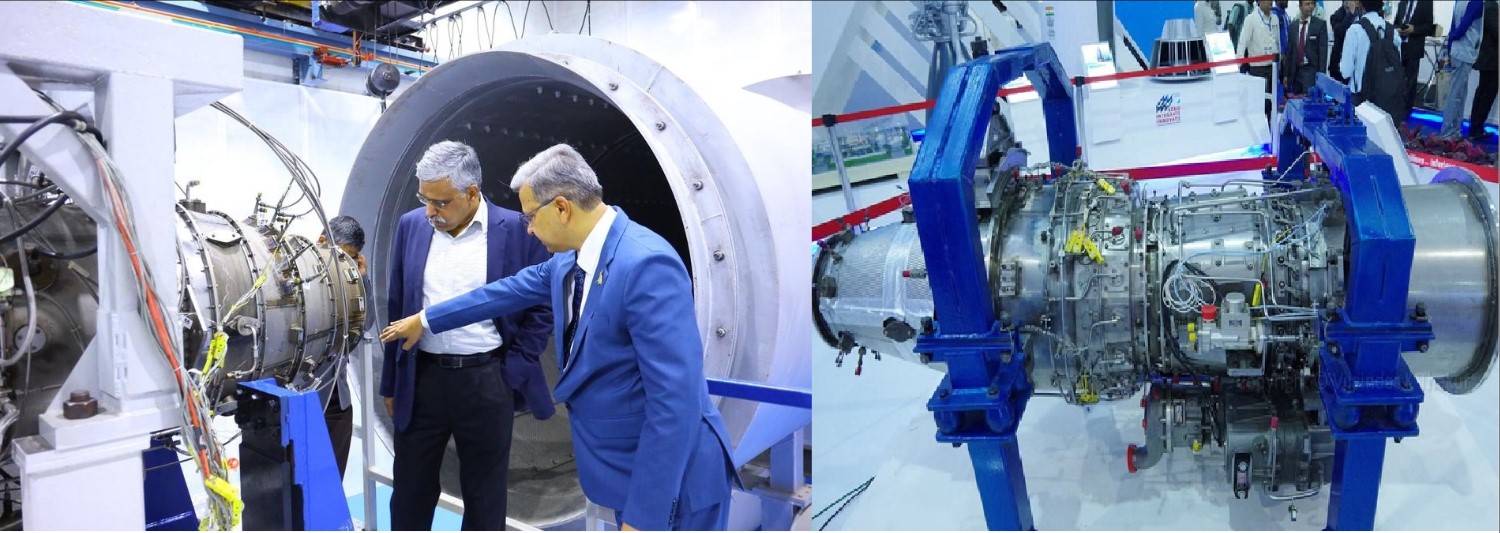
India
Bengaluru — Hindustan Aeronautics Limited’s (HAL) HTFE-25 turbofan programme has been significantly delayed due to late approvals and shortages in test-bed infrastructure, a parliamentary Committee on Public Undertakings reported in March 2025. The committee found that essential testing facilities and procurement milestones were not ready when required, resulting in schedule slippages and increased costs. Project Significance And Scope The HTFE-25 (Hindustan Turbo Fan Engine — 25 kN) is being developed at HAL’s Aero Engine Research & Development Centre (AERDC) in Bengaluru. Designed for advanced trainers, light combat aircraft, UAVs, and small jets, the engine is considered crucial for India’s goal of achieving indigenous aero-engine capability and reducing dependence on foreign suppliers. What Went Wrong: Test Beds, Procurement And Vendor Problems According to the committee, HAL encountered delayed land and clearance approvals for constructing test facilities. The absence of early-stage test-bed infrastructure forced HAL into unplanned procurement and retrofitting, further delaying progress. The report also highlighted supply-chain difficulties, including late deliveries of critical components like the Intermediate Gear Box and challenges in developing spiral bevel gears, along with limited domestic availability of specialised manufacturing processes. As a result, Full Engine Technology Demonstrator testing could not proceed on schedule because component readiness and configuration decisions were dependent on the missing test infrastructure. The committee recommended that the Ministry of Defence (MoD) ensure test beds and key facilities are established before major D&D projects begin. Official Responses And Recent Steps The MoD inaugurated upgraded test and design facilities at AERDC on December 29, 2023, aimed at accelerating India’s engine development capabilities. HAL and MoD representatives told the committee they are improving planning, procurement and vendor development to prevent recurrence of such delays. Analysts have pointed to long-standing issues such as vendor immaturity, clearance delays, and lack of specialised test rigs, urging faster capital investment and tighter oversight to keep the HTFE-25 programme moving. Impact on Timelines And Wider Implications Delays in the HTFE-25 gas-turbine project have extended R&D timelines, pushed back certification milestones, and created uncertainty for platforms expected to use the engine. The committee stressed the need for dedicated funding for test-bed infrastructure and stronger project governance. A successful HTFE-25 would strengthen India’s aerospace sector by providing a homegrown medium-thrust engine for future trainers, UCAVs, and light combat aircraft. Continued delays, however, risk prolonging dependence on foreign engines and slowing India’s Atmanirbhar defence manufacturing goals. What’s Next The committee has directed the MoD to monitor corrective actions and ensure HAL prioritises test-bed readiness and vendor development in upcoming programmes. HAL officials say remedial steps are underway; observers note that the programme’s progress will depend on achieving timely demonstrator and certification testing over the next 12–36 months.
Read More → Posted on 2025-12-12 13:43:42
India
India’s meteorological radar network is set for a significant boost as Astra Microwave Products Ltd. has secured a ₹170-crore order (₹171.38 crore including GST) from the India Meteorological Department (IMD) to deliver six S-band Doppler Weather Radar (DWR) systems along with critical supporting equipment. The contract includes Automatic Weather Stations (AWS), Disdrometers, a three-year warranty, and seven years of comprehensive maintenance, with the full project scheduled for completion within 18 months. The S-band radars being supplied are high-power, long-range systems designed to track severe weather patterns including thunderstorms, cyclones, and intense rainfall. Their enhanced detection capability is expected to strengthen IMD’s forecasting accuracy, particularly during the monsoon and cyclone seasons when early alerts are essential for public safety. This order comes at a time when Astra Microwave is rapidly expanding its presence in the country’s environmental sensing sector. The company recently confirmed that 15 Doppler Weather Radars it previously supplied to IMD are now fully operational across India, forming a key part of the national weather surveillance grid. In addition, Astra Microwave is currently developing around 20 new DWR units across multiple frequency bands, including S-band, X-band, and C-band systems, under ongoing programs to modernize India’s meteorological infrastructure. The Hyderabad-based manufacturer has also emerged as one of the few Indian companies capable of delivering indigenously designed weather radar systems, aligning with the government's Atmanirbhar Bharat push to reduce dependence on foreign radar technology. Its portfolio includes not only DWRs but also Wind Profilers, AWS networks, and integrated hydro-meteorological monitoring systems, which have become increasingly important amid rising extreme-weather events. Industry analysts noted that the latest IMD contract strengthens Astra Microwave’s already robust order book, enhancing revenue visibility for the company over the coming financial years. The deal is also expected to accelerate India’s broader initiative to expand radar coverage nationwide, closing gaps in regions that remain underserved during high-impact weather. With the six new S-band radars set to join IMD’s growing network, the project marks another step forward in India’s efforts to build a resilient, technologically advanced weather-forecasting ecosystem capable of meeting the challenges of a changing climate.
Read More → Posted on 2025-12-12 13:17:13
India
India’s push for defence self-reliance received a major endorsement this week after a parliamentary panel revealed that the Defence Research and Development Organisation (DRDO) saved ₹2,64,156 crore over the past five years through its indigenous research and development efforts. The Parliamentary Standing Committee on Defence, which tabled its latest report in Parliament on Tuesday, said these savings demonstrate the “transformative impact” of India’s domestic defence innovation ecosystem. Major Savings and Breakthrough Technologies According to the report, the DRDO’s expanding portfolio of homegrown systems—ranging from advanced missiles and sensors to protective systems and unmanned platforms—has significantly reduced dependence on costly foreign imports. The committee noted that “crucial milestones in developing next-generation hypersonic technologies and missiles have been achieved” in recent years. Among these achievements: India’s first long-range hypersonic anti-ship missile was successfully flight-tested in November 2024. The test marked a major step in India’s indigenous hypersonic capabilities, an area previously dominated by only a handful of global powers. In March 2024, DRDO conducted a landmark flight test of Multiple Independently Targetable Re-entry Vehicle (MIRV) technology using an Agni-class ballistic missile. MIRV capability allows a single missile to carry multiple warheads, each directed at different targets—an advanced strategic capability possessed by only a few nations. The organisation also successfully developed and flight-tested the Very Short Range Air Defence System (VSHORADS), designed to counter low-altitude aerial threats such as drones, helicopters, and slow-moving aircraft. The Man-Portable Anti-Tank Guided Missile (MPATGM) has completed its Provisional Staff Qualitative Requirements (PSQR) validation trials for the Indian Army, bringing India closer to fielding an indigenous alternative to imported anti-tank systems. Government Cites Expanding Indigenous Capabilities In its submission to the committee, the Ministry of Defence highlighted DRDO’s role in the Aatmanirbhar Bharat initiative, pointing to recent programmes such as next-generation combat aircraft technologies, directed-energy systems, advanced materials, underwater platforms, and AI-enabled defence solutions. Officials also revealed that DRDO laboratories are working with private industry and startups under the “DRDO Technology Development Fund” and Innovations for Defence Excellence (iDEX) to accelerate innovation cycles and reduce dependency on imports. Massive Expansion of SPARSH Pension Platform In a separate report, the committee examined progress in pension reforms across India’s defence establishment. It noted that the country currently has 6,40,536 defence civilian pensioners and 26,79,645 armed forces pensioners, forming one of the world’s largest military pension communities. The Committee praised the rapid rollout of the System for Pension Administration (Raksha) — SPARSH, a digital platform intended to streamline pension sanction and disbursement: 28.24 lakh defence pensioners have already been migrated to the platform. ₹67,388.45 crore has been disbursed through SPARSH in FY 2024–25 up to August 2024. While applauding the progress, the committee urged the Ministry to expedite migration of the remaining pensioners to ensure full standardisation and transparency in pension processing. Push to Boost Defence Exports The committee’s report also noted that to strengthen India’s global defence footprint, newly formed defence Public Sector Undertakings have begun identifying “major target countries and exportable products” aligned with global military market trends. India’s defence exports have surged sharply in the past decade—from ₹1,521 crore in 2016–17 to over ₹21,000 crore in 2023–24—driven by systems such as BrahMos missiles, Akash SAM systems, radars, armored vehicles, and maritime platforms. The new export strategy aims to consolidate India’s presence in Southeast Asia, Africa, West Asia, and Latin America. Committee Encourages DRDO’s Future Roadmap In its concluding remarks, the Parliamentary Standing Committee praised the DRDO for its “various feats” and expressed confidence that the organisation will “continue its successful stride” in mastering complex and critical technologies—from hypersonics and electronic warfare to AI-enabled systems and strategic missiles. The report underscores a broader trend: India’s rapid transition from a major defence importer to an emerging global defence innovator, with DRDO at the centre of that shift. If you want, I can also prepare a shorter version, a headline-only version, or a more narrative-style article.
Read More → Posted on 2025-12-10 14:44:29
Trump Targets Indian Rice Imports, But Indian Exporters Say U.S. Tariff Threat “Not a Major Concern”
India
A new trade flashpoint has emerged between Washington and New Delhi after U.S. President Donald Trump accused India of subsidising rice and “dumping cheap rice into the U.S. market,” a move he claims is hurting American farmers. The remarks come as the White House considers fresh tariffs on rice imports from India, Vietnam, Thailand, and China, arguing that subsidised Asian rice is distorting domestic prices. Trump Accuses India of “Dumping”; New Tariff Review Underway Speaking at a campaign event, Trump questioned why India was allowed to ship “large volumes” of rice into the United States without facing higher duties, saying Asian exporters were “killing American farmers” through unfair pricing. His comments triggered a review within the U.S. Trade Representative (USTR) office on whether additional tariffs should be imposed, potentially raising duties far above the current 50% rate. Rice imports in the U.S. have increased steadily over the past decade, driven largely by the growing demand from immigrant communities. While domestic U.S. rice farmers primarily grow long-grain varieties, Indian basmati and specialty non-basmati varieties have carved out a niche market. Indian Exporters Push Back: “No Dumping, Only Demand-Driven Trade” India’s industry has firmly rejected Trump’s allegations.Indian Rice Exporters Federation (IREF) president Dev Garg clarified: “India is not dumping any rice into the U.S. market. All Indian exports are demand-driven, and the demand for Indian rice is deeply rooted in the food habits of ethnic communities from South Asia and the Gulf region. Though the U.S. is a substantial market for Indian rice, Indian rice exports are globally diversified, and no single market defines the sector.” Garg also noted that U.S. tariffs on Indian rice originally stood at 10%, later raised to 50%, yet demand has remained steady because Indian basmati holds a unique premium niche that U.S. farmers do not compete in. Exporters say the U.S. threat “is not a major concern” because shipments to America account for only a small fraction of India’s massive global rice trade. How Much Rice Does the U.S. Actually Import From India? Despite President Trump’s sharp criticism of Indian rice exports, the trade numbers tell a very different story. India exported around 20.1 million tonnes of rice in 2024–25, maintaining its position as the world’s largest rice exporter. These shipments, covering both basmati and non-basmati varieties, reached more than 170 countries across the Middle East, Africa, and Asia. India’s Major Rice Markets The latest verified export data from FY 2023–24 shows that the bulk of India’s basmati shipments continues to flow to the Middle East: Saudi Arabia imported approximately 1.09 million tonnes of Indian basmati. Iraq received nearly 824,000 tonnes. Iran purchased around 671,000 tonnes. The United Arab Emirates (UAE) imported about 336,000 tonnes. Yemen accounted for nearly 250,000 tonnes. These markets consistently dominate global demand for Indian basmati.For non-basmati rice, the largest buyers typically include Benin, Togo, Senegal, Bangladesh, and Nepal, though country-wise verified 2024–25 figures are still being compiled. Where Does the United States Stand? The United States is, by comparison, a very small buyer.India exported around US$ 380 million worth of rice to the U.S. in 2024. Based on average export prices, this translates to approximately 230,000–250,000 tonnes — barely 1 to 1.2 percent of India’s total rice exports. Almost every shipment to the United States falls under premium basmati rice, purchased mainly by: Indian and Pakistani diaspora households, Middle Eastern and African communities, Indian food-service chains and restaurants, and Ethnic and specialty grocery retailers. Indian basmati does not compete with U.S.-grown long-grain rice, which makes the allegation of “dumping” inconsistent with market reality. In effect, Indian shipments fill a niche cultural and culinary demand rather than displacing American producers. Why U.S. Imports Rose Over the Years U.S. demand for Indian basmati grew sharply after 2014 as the South Asian population expanded and Indian, Pakistani, and Middle Eastern cuisines entered mainstream American supermarkets. At the same time, Indian basmati offered more competitive pricing than U.S.-grown long-grain rice, while also delivering a distinct aroma and taste that American producers cannot replicate. These factors helped Indian rice steadily gain a foothold in the U.S. market. However, despite the rise in demand, the United States still remains outside the top ten destinations for Indian rice exports, accounting for only a small share of India’s overall shipments. India Rejects “Dumping” Charge; WTO Rules Allow Subsidies Indian trade officials have firmly rejected allegations of dumping. They explain that India’s support to farmers through the Minimum Support Price (MSP) system follows WTO rules and remains within permitted limits. Officials also point out that the U.S. itself provides extensive subsidies to its rice farmers in states such as Arkansas, California, Louisiana, and Texas—often amounting to billions of dollars annually. Moreover, Indian basmati does not directly compete with American rice varieties, making the charge of market distortion even weaker in the view of Indian exporters and policymakers. Potential Economic and Diplomatic Impact If President Trump moves forward with additional tariffs, the immediate effect would likely be felt by American consumers, especially Asian communities who rely heavily on Indian basmati. Prices of specialty rice varieties could rise sharply in supermarkets and restaurants. For India, the impact would be limited; exporters might see minor diversions but no significant loss, as basmati enjoys strong demand in Europe, the Middle East, and Africa. The larger consequence could be diplomatic, with a tariff escalation adding another layer of tension to U.S.–India relations, already strained by past disputes involving steel duties, digital taxation, and broader market-access issues. India Unlikely to Be Significantly Affected Industry analysts note that India enjoys: A huge and diversified global market Strong basmati brand value Limited dependence on the U.S. Meanwhile, U.S. buyers rely heavily on Indian basmati due to lack of domestic substitutes. A Trade Fight with Limited Practical Stakes While politically charged, experts say Trump’s comments are unlikely to meaningfully hurt India’s rice sector. With over 150 countries importing Indian rice, the U.S. accounts for only a sliver of shipments—making any tariff hike more symbolic than impactful. Indian exporters remain confident: “The U.S. is an important market, but not big enough to disrupt our sector. Demand for Indian rice will continue globally.” If Washington escalates duties, the cost will likely fall more on American consumers than on Indian exporters.
Read More → Posted on 2025-12-09 16:59:53Search
Top Trending in 24 Hours
-
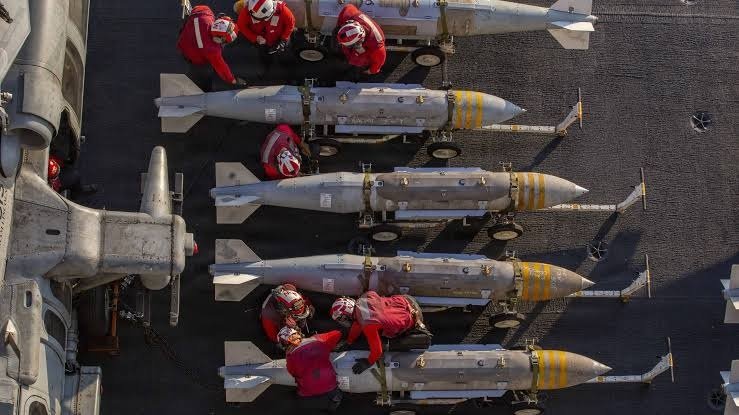 Pentagon Inspector General Report Finds Iran War Caused U.S. Ammunition Shortfalls and Industrial Bottlenecks
-
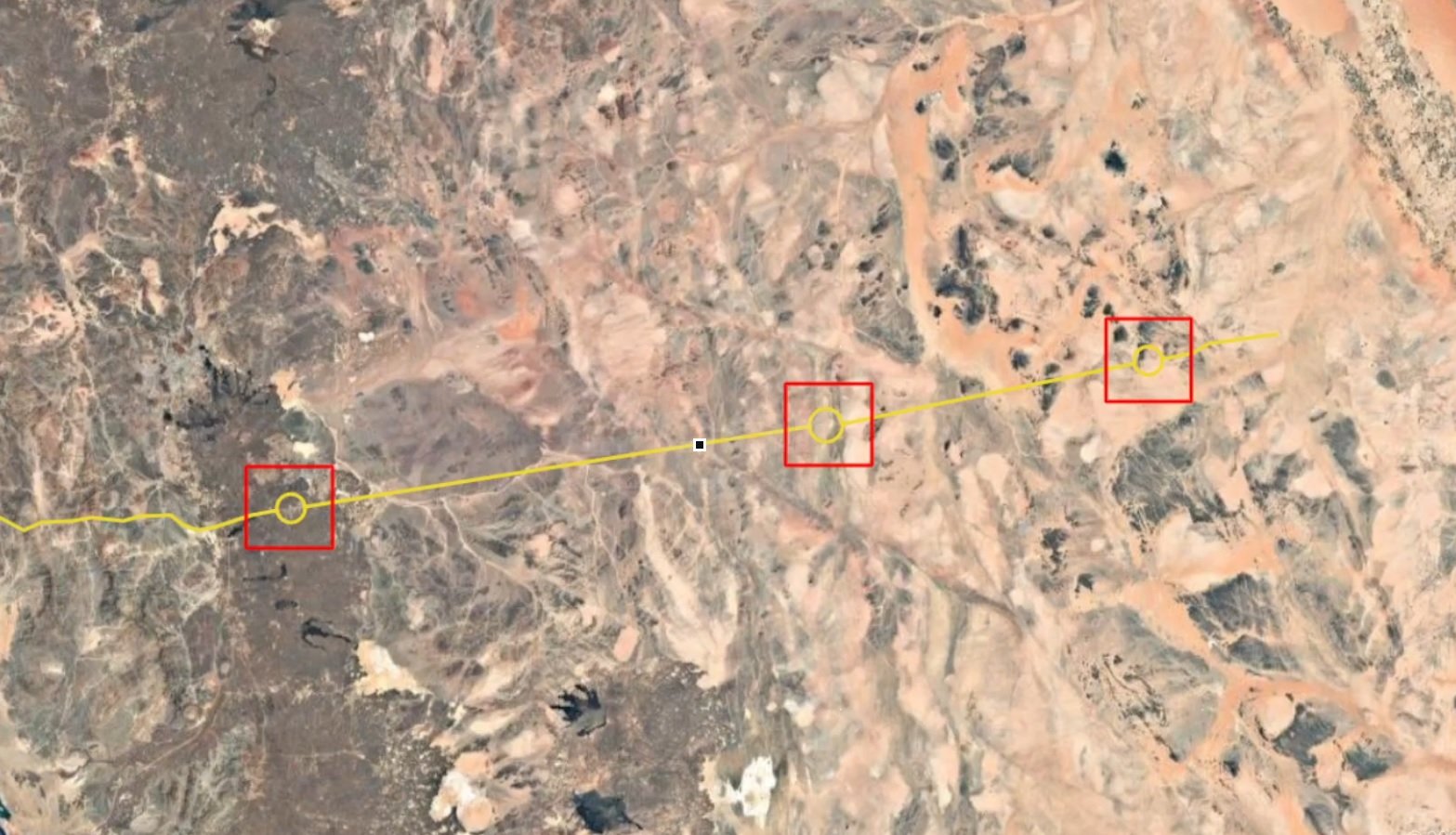 Satellite Imagery Shows Extensive Damage to Saudi Arabia’s East-West Oil Pipeline, Indicating More Than a Single Strike
-
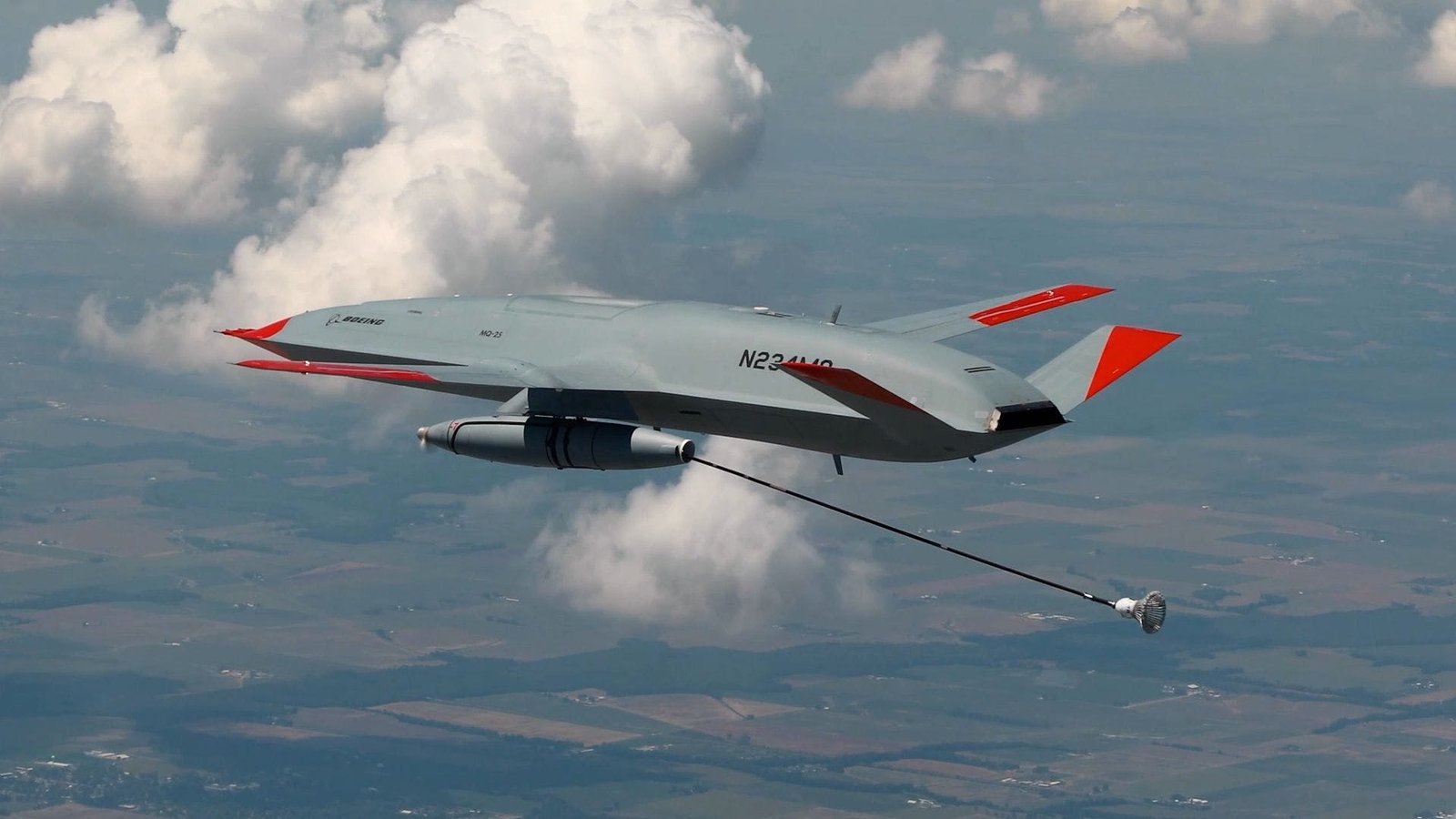 U.S. Navy Awards Boeing $562 Million Contract for First Production MQ-25A Stingray Tanker Drones
-
 Pentagon and Honeywell Complete Four-Hour Pacific Flight Using Quantum Magnetic Navigation Without GPS
-
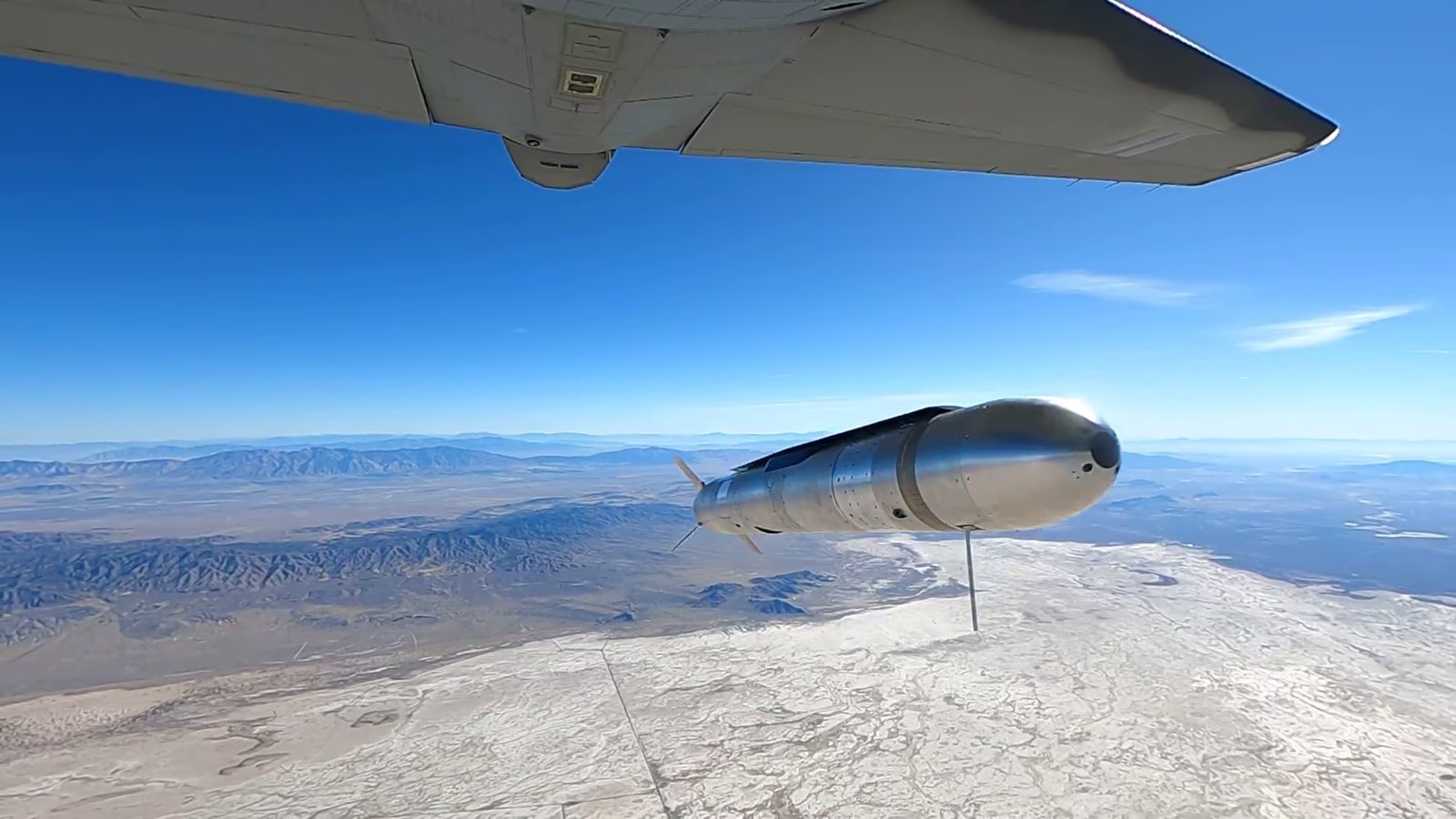 U.S. Air Force Special Operations Command Clears AGM-190A Havoc Spear for Wider Service After Combat Evaluation in Africa
-
 U.S. Confirms Deployment of On-Orbit Space Control Weapons for First Time
-
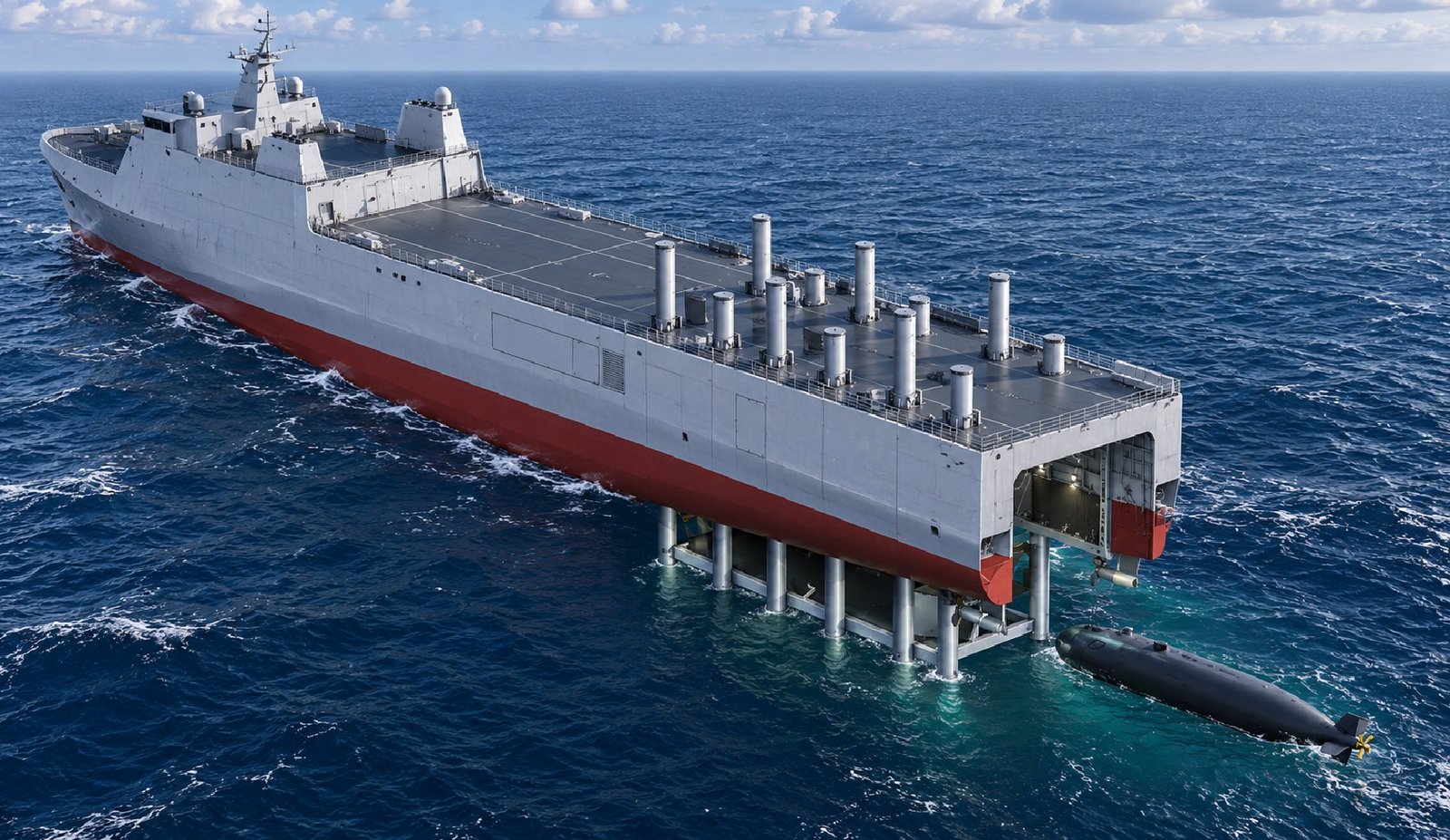 China Builds New Shanghai Vessel to Serve as Mothership for Large Uncrewed Submarines
-
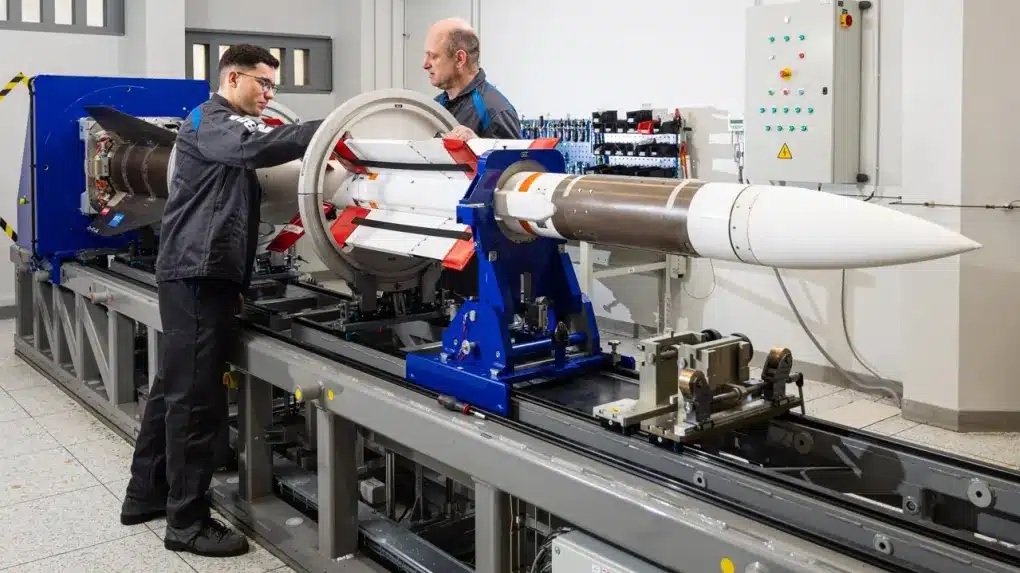 MBDA to Build New Missile Production Plant Near Orleans to Expand Missile Production
Top Trending in 4 Days
-
 Satellite Imagery Shows Heavy Damage to Saudi East–West Oil Pipeline Pumping Stations
-
 U.S. Air Force Awards Antares $161 Million to Develop Nuclear Reactor for Spacecraft
-
 Pentagon Awards BlueHalo Up to $99.8 Million Contract for Orbital Battlespace R&D Program
-
 Ukrainian Drones Strike Russian UAV Manufacturer and Chemical Plants in Taganrog and Tolyatti
-
 U.S. Officials Link Chinese Satellite Imagery to Iranian Strike That Killed Three American Soldiers in Jordan
-
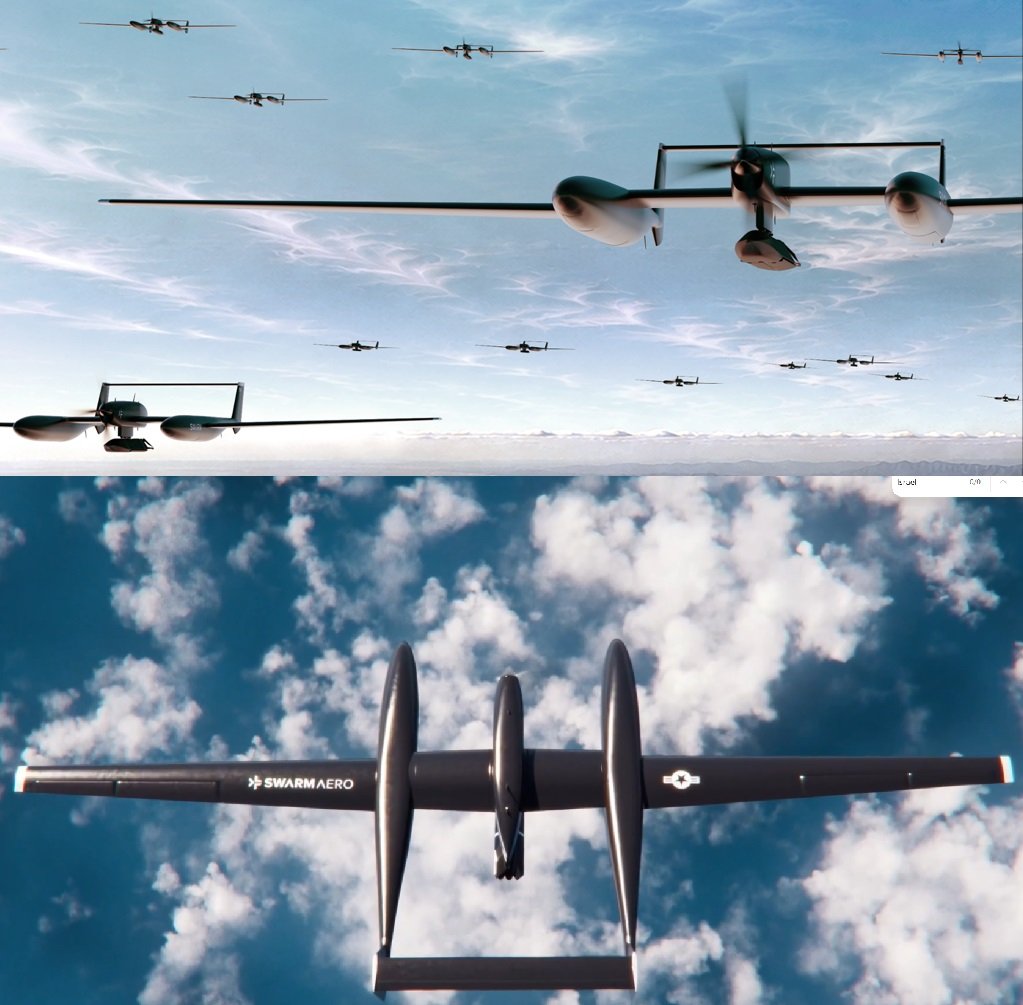 U.S. Firm Swarm Aero Unveils Gamera Group 5 UAS With 9,000-Nautical-Mile Range and Heavy Strike Payload
-
 DRDO Demonstrates Indigenous 3.5×3 mm GaN Chip Delivering 30 Watts for Next-Generation Radars and Electronic Warfare
-
 MBDA and Poland’s WITU Advance Low-Cost Supersonic Interceptor Against Swarm Attacks, Seeker Trials Successfully Completed