India
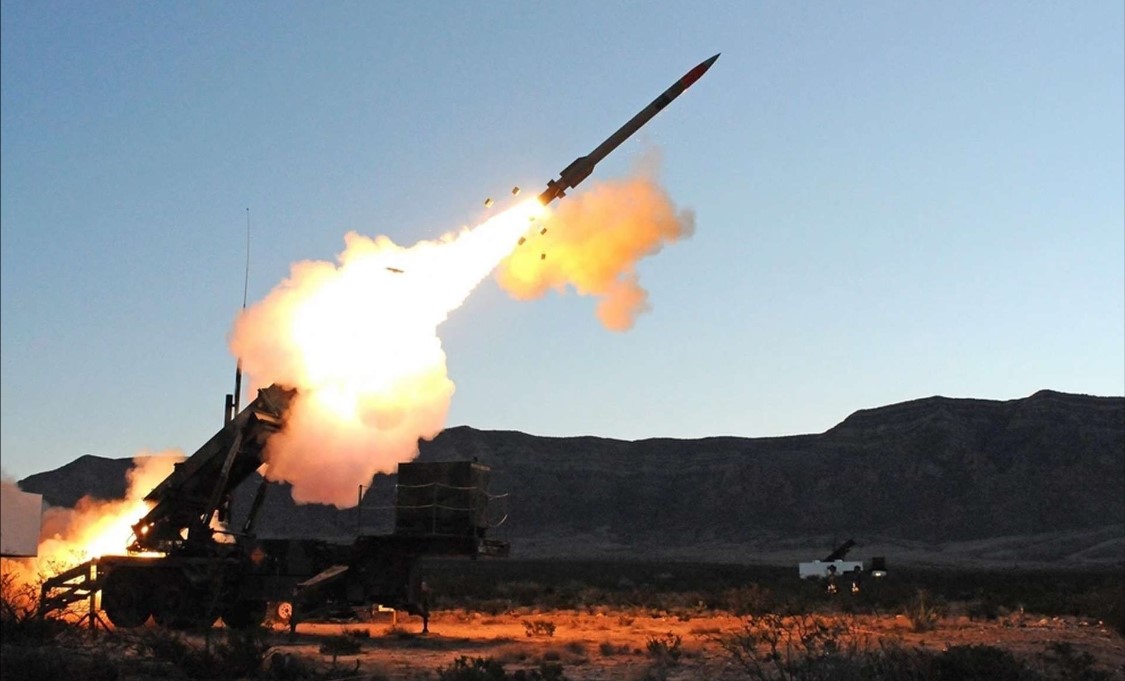
The Brazilian Army is embarking on an unexpected yet significant evaluation to acquire high-altitude air defence artillery systems from either India or China. This move has stirred the Brazilian defence market, as it was previously assumed that the Brazilian Air Force (FAB) would be solely responsible for such high-altitude defence measures, while the Army would focus on short and medium-range projects.In November 2023, the Brazilian Army issued a Request for Quote (RFQ) to assess the prices of medium-altitude air defence systems available both nationally and internationally. This was followed by a second RFQ in February 2024 to gather more detailed information. This proactive stance underscores the urgency and priority the Army is placing on enhancing its air defence capabilities.During a public hearing at the Committee on Foreign Relations and National Defence (CREDN) of the Chamber of Deputies in April 2024, Army Commander General Tomás Miguel Paiva expressed his concerns about the country's air defence gaps. He highlighted that Brazil is “relatively protected” up to an altitude of 3,000 meters but lacks advanced technologies for higher altitudes. To address this, General Paiva suggested a “government-to-government” agreement with India to procure the Akash medium-range anti-aircraft missile system, showcasing a strategic inclination towards Indian defence technology.The general's advocacy for a strategic and pragmatic approach within the BRICS framework is evident in his engagements. He emphasized that Brazil should maintain a balanced and non-ideological stance in its international defence relations. This outlook aligns with his actions, as he prepares for an official ten-day visit to China next month. During this visit, he aims to evaluate the capabilities of China's defence industrial base and explore opportunities for bilateral cooperation.This visit follows a previous delegation trip to China, where Brazilian military officials observed live-fire demonstrations of the DK-10 medium-altitude surface-to-air missile system, also known as Sky Dragon 50 or Tianlong-50, and the SH15 self-propelled howitzer. Both of these systems are produced by China North Industries Corporation (NORINCO), a state-owned enterprise. The performance of these systems during the demonstrations left a lasting impression on the Brazilian delegation, showcasing China’s advanced capabilities in air defence technology.General Paiva’s previous official visit to India further solidifies the Army’s consideration of Indian technology. The Akash missile system, known for its reliability and effectiveness, represents a viable option for enhancing Brazil’s medium-altitude air defence.The Brazilian Army’s evaluation process reflects a broader shift in the country’s defence strategy. By considering high-altitude air defence systems from both India and China, Brazil is not only addressing its immediate defence needs but also strengthening its ties within the BRICS alliance. This move signals a forward-thinking approach to national security, emphasizing technological advancement and international cooperation.
Read More → Posted on 2024-07-03 15:16:42
India
In a small village in Maharashtra's Buldhana district, the family of Agniveer Akshay Gawate has found solace in the government’s support after their tragic loss. Akshay, a young soldier from Pimpalgaon Sarai, laid down his life in the harsh terrains of Siachen on October 21, 2023. His sacrifice has not gone unnoticed, as the family recently announced they have received a financial assistance package of Rs 1.08 crore from the government.The announcement came shortly after Defence Minister Rajnath Singh addressed concerns raised by the Leader of Opposition in the Lok Sabha, Rahul Gandhi. Gandhi had criticized the Agnipath military recruitment scheme, alleging that it treated Agniveers as "use-and-throw laborers" and denied them the status of martyrs. In response, Singh clarified that the government provides a substantial compensation of Rs 1 crore to the families of Agniveers who lose their lives in the line of duty.Akshay Gawate’s father, Lakshman Gawate, detailed the breakdown of the aid received: Rs 48 lakh as an insurance cover, Rs 50 lakh from the central government, and an additional Rs 10 lakh from the state government. Despite the financial support, the Gawate family’s grief remains profound. Akshay's father also voiced a request for a government job for Akshay’s sister, hoping to secure a stable future for her.The Agnipath scheme, introduced on June 14, 2022, has been a topic of significant debate. It aims to recruit youths aged between 17-and-a-half and 21 for a four-year term, with a provision to retain 25 percent of them for an additional 15 years. This scheme was later modified to extend the upper age limit to 23 years, providing more flexibility for aspiring candidates.The Gawate family’s experience sheds light on the human aspect of the Agnipath scheme. While the policy has its critics, the support provided to families like the Gawates demonstrates the government’s commitment to honoring the sacrifices of its young soldiers. The substantial financial aid serves as a testament to the value placed on their service and the recognition of their ultimate sacrifice.As the nation continues to navigate the complexities of military recruitment and compensation, stories like Akshay Gawate’s remind us of the bravery and dedication of young soldiers. Their commitment to the nation, even at the cost of their lives, is a poignant reminder of the sacrifices made for the country’s security and peace.
Read More → Posted on 2024-07-03 15:04:53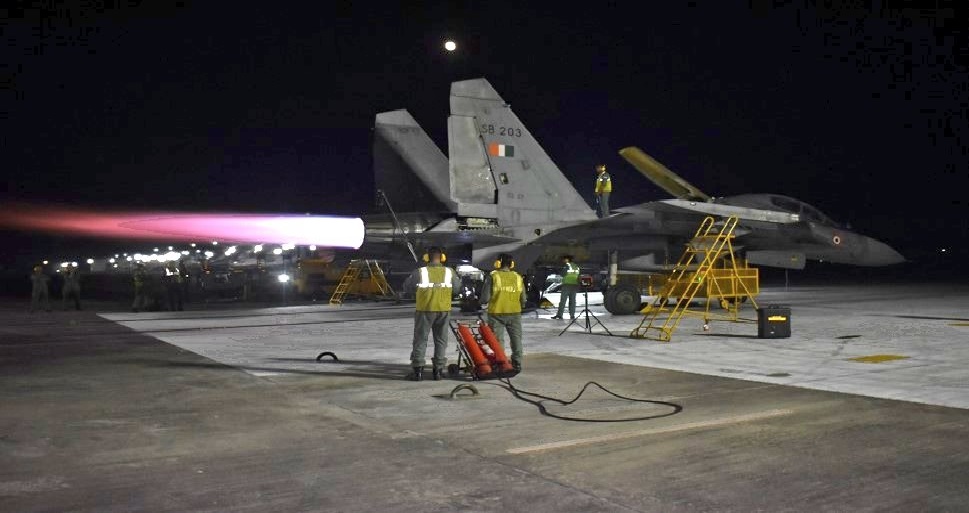
India
In a strategic move to fortify its aerial capabilities, the Indian Air Force (IAF) is set to enhance its fleet of Su-30MKI fighter jets through a significant agreement with Hindustan Aeronautics Limited (HAL). This partnership involves the procurement of 240 AL-31F jet engines, a crucial step to ensure the operational readiness and longevity of the IAF's premier fighter aircraft.The Su-30MKI, a twin-engine, multirole air superiority fighter, is the backbone of the IAF's combat fleet. Renowned for its versatility and advanced avionics, the Su-30MKI plays a pivotal role in the IAF's defense strategy. However, maintaining this fleet at peak performance requires periodic upgrades and replacements, particularly for its engines.Approximately 120 Su-30MKI jets will receive these new engines, as their existing powerplants have reached the end of their designated operational life. This replacement is essential for maintaining high sortie rates and ensuring these critical assets are always mission-ready. The new AL-31F engines, known for their reliability and performance, will not only enhance the jets' operational capabilities but also reduce maintenance requirements and downtime. This means the IAF can look forward to more frequent and sustained operations, thereby strengthening its aerial dominance.This agreement with HAL marks a significant milestone in bolstering the IAF's operational capabilities. By equipping the Su-30MKI fleet with fresh engines, the IAF ensures optimal performance, reliability, and safety for its pilots. The strategic move also highlights India's growing self-reliance in defense manufacturing, with HAL playing a pivotal role in meeting the country's defense needs.Looking ahead, the IAF plans to reassess its engine procurement strategy in August. This review will likely explore options for further upgrades and enhancements to the Su-30MKI fleet, ensuring that it remains at the cutting edge of modern air combat capabilities. Potential upgrades could include advanced avionics, improved weapon systems, and enhanced electronic warfare capabilities, ensuring that the Su-30MKI remains a formidable force in the region.The procurement of these 240 engines not only addresses the immediate needs of the IAF but also underscores the importance of continuous modernization and investment in defense infrastructure. As the geopolitical landscape evolves, maintaining a robust and technologically advanced air force becomes paramount. This move, therefore, is not just about replacing old engines but about preparing the IAF for the challenges of the future.In summary, the IAF's decision to procure 240 new engines from HAL is a testament to its commitment to maintaining air superiority. This strategic initiative ensures that the Su-30MKI fleet remains a vital component of India's defense arsenal, ready to meet any challenge with enhanced power and reliability.
Read More → Posted on 2024-07-03 14:48:31
India
In a significant stride towards bolstering its operational capabilities, the Indian Air Force (IAF) has inaugurated the Weapon Systems School (WSS) at Air Force Station Begumpet in Hyderabad. This new establishment marks a pivotal moment in the history of the IAF, aimed at recalibrating and future-proofing the force for advanced warfare scenarios.Led by IAF Chief Air Chief Marshal V R Chaudhari, the inauguration of the WSS signifies a monumental leap for the armed forces, particularly in enhancing their strategic capabilities. This initiative comes on the heels of the formation of the Weapon System (WS) branch within the IAF, a development announced in 2022 to streamline operations and training.The WSS will serve as a hub for effect-based training tailored to modern warfare demands. It will train officers across four specialized streams: the flying stream for operating airborne platforms such as the Sukhoi-30 MKI and C-130J, the remote stream for remotely piloted aircraft, mission commanders and operators for surface-to-air and surface-to-surface weapon systems, and an intelligence stream focusing on space-based intelligence and imagery.During the inauguration, Air Chief Marshal Chaudhari emphasized the consolidation of ground-based and specialist weapon systems under the WS branch, significantly enhancing the IAF's combat readiness. He commended the founding members of the WSS for their pioneering efforts and urged all personnel to establish the school as a premier center for weapon systems training in the country.The creation of the WS branch underscores the IAF's commitment to staying at the forefront of technological advancements in defense. It was announced during the Air Force Day Parade celebrations in October 2022, setting the stage for a new era of integrated and effective air power strategies.The establishment of the WSS is not just a milestone for the IAF but also a testament to India's ongoing efforts to strengthen its defense capabilities in alignment with global standards. As the school begins operations, it is poised to play a crucial role in shaping the future of air warfare tactics and training, ensuring that the IAF remains agile, adaptive, and prepared for any challenge on the horizon.
Read More → Posted on 2024-07-02 15:34:22
India
The picturesque terrain of Meghalaya is set to host a significant event as the 16th edition of the Joint Military Exercise 'Nomadic Elephant' between the armies of India and Mongolia kicks off tomorrow. This annual exercise, which alternates between India and Mongolia, symbolizes the strengthening military ties and collaborative spirit between the two nations.From July 3 to 16, soldiers from both countries will converge in Umroi, Meghalaya, to engage in a series of drills aimed at enhancing interoperability in semi-conventional operations, particularly in semi-urban and mountainous terrains. The Indian Army, in a recent statement, emphasized the importance of this exercise under the United Nations mandate, highlighting its role in preparing both forces for complex operational scenarios.The 'Nomadic Elephant' exercise is not just a routine training event; it reflects a deep-seated partnership. Last year, the 15th edition was held in Ulaanbaatar, Mongolia, where soldiers from the Mongolian Armed Forces Unit 084 and India's Jammu and Kashmir Light Infantry Regiment trained together. This year’s exercise in Meghalaya continues this tradition, fostering mutual understanding and operational synergy.The backdrop to this exercise is a robust and growing defense cooperation between India and Mongolia. In May, the 12th Joint Working Group (JWG) meeting took place in Ulaanbaatar, co-chaired by Amitabh Prasad, Joint Secretary (International Cooperation) from India’s Ministry of Defence, and Brigadier General Gankhuyag Davagdorj, State Secretary of Mongolia’s Ministry of Defence. The meeting was a testament to the ongoing efforts to enhance bilateral defense ties, reviewing past initiatives and charting new paths for collaboration.India's Ambassador to Mongolia, Atul Malhari Gotsurve, was also present at the JWG meeting. Both sides expressed satisfaction with the progress of defense cooperation and discussed the current geopolitical landscape. Amitabh Prasad highlighted the capabilities of the Indian defense industry and expressed optimism about a fruitful partnership with Mongolia’s Armed Forces. The Mongolian representatives echoed this sentiment, reinforcing their confidence in the Indian defense sector.As the 'Nomadic Elephant' exercise begins, it stands as a symbol of the growing camaraderie between India and Mongolia. This collaboration goes beyond military drills, encompassing strategic discussions and a shared vision for regional security and stability. The serene yet challenging landscape of Meghalaya provides the perfect setting for this unique partnership to flourish, demonstrating that military cooperation can indeed be a bridge to deeper, multifaceted relationships between nations.
Read More → Posted on 2024-07-02 15:16:47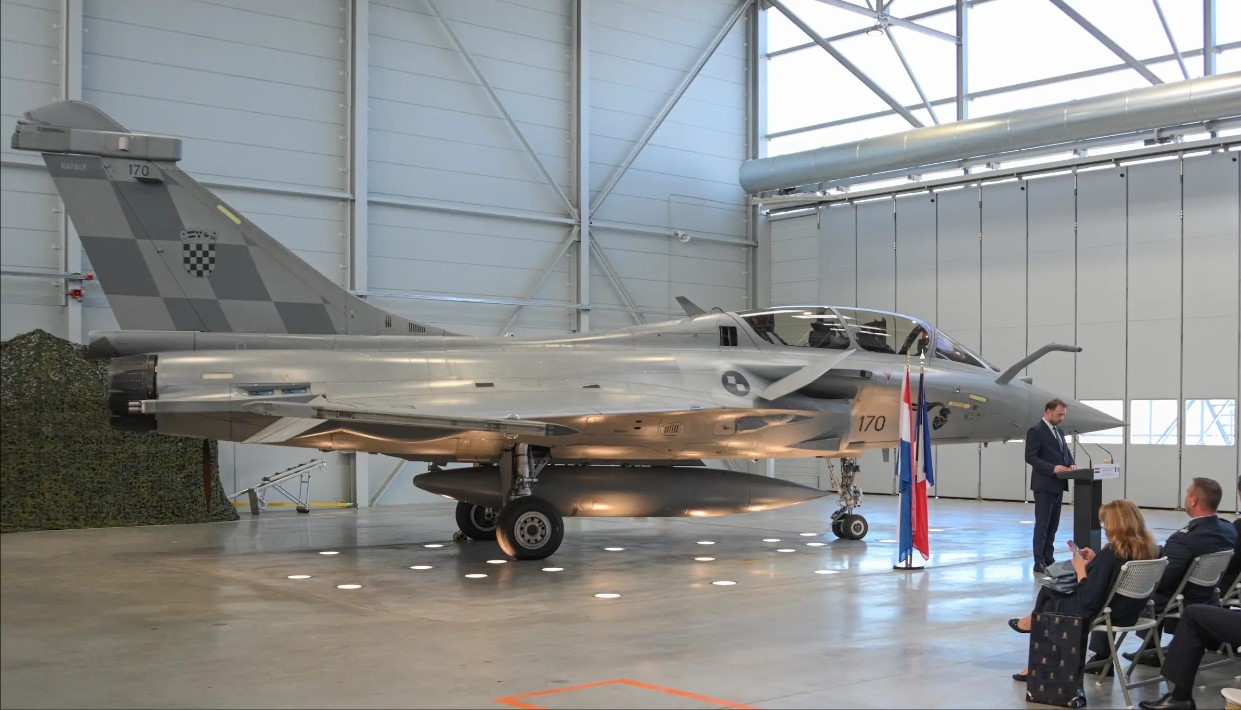
India
Dassault Aviation, the renowned French aerospace giant, is making significant strides towards bolstering its presence in India. Recently, the company has initiated plans to acquire land near Jewar International Airport for establishing a maintenance, repair, and overhaul (MRO) facility. This facility is poised to support India’s fleet of Mirage-2000 and Rafale fighters, marking a crucial step towards localizing the production of advanced Rafale variants within the country.The decision comes at a pivotal moment for the Indian Air Force (IAF), which has long awaited the addition of approximately 100 twin-engine multi-role fighters over the next two decades. This move aligns with India's "Make in India" initiative, aiming to produce Rafale fighters domestically using locally sourced components. Engine manufacturer Safran SA is also set to complement this effort by establishing an MRO facility in Hyderabad, specifically geared towards handling Rafale fighter engines, with completion anticipated by 2025.The Rafale's introduction is not just timely but strategic, especially as India prepares to phase out older Mirage-2000 aircraft with the new HAL TEJAS MK-2, featuring GE-414 engines, expected by the mid-2020s. Beyond meeting India’s defense needs, the localization of Rafale production opens avenues for potential exports to other nations, further enhancing India's defense manufacturing capabilities.Dassault has already begun integrating Indian suppliers into its global supply chain, sourcing critical titanium parts locally. This integration not only strengthens India's aerospace sector but also positions Dassault favorably for fulfilling existing international orders from countries like Croatia, Greece, and the UAE, among others.For the Modi government, this partnership signifies more than just defense procurement; it underscores a stable and enduring relationship with France, a trusted supplier since India's early defense acquisitions in the 1950s. The assurance of France's consistent licensing policies provides added confidence, contrasting with potential challenges seen in other defense procurements.Looking ahead, Safran's readiness for joint ventures in engine manufacturing for Indian Multi-Role Helicopters (IMRH) highlights a broader commitment to India’s defense ecosystem. This proactive stance is critical amid growing regional tensions, particularly with China's expanding military capabilities.In conclusion, Dassault Aviation's initiative to establish a local MRO facility for Rafale fighters in India not only strengthens defense ties between the two nations but also enhances India’s self-reliance in advanced defense manufacturing. As geopolitical dynamics evolve, this strategic move promises to bolster India's defense capabilities in a region marked by increasing challenges.
Read More → Posted on 2024-07-02 14:59:26
India
India and the United States have embarked on a pioneering collaboration aimed at pushing the boundaries of military technology. At the forefront of this partnership is the development of cutting-edge AI devices and military-grade semiconductors, crucial for guiding long-range missiles and enhancing situational awareness on the battlefield.Recent discussions between high-level delegations from both nations have highlighted ambitious plans for joint initiatives in defense technology. This includes plans for co-producing the highly effective Javelin anti-tank guided missile and the versatile Stryker armored carrier. These efforts complement ongoing projects such as the procurement of MQ9B armed drones and the joint-production of General Electric’s F414 jet engines for India's Tejas Mark 2 jets.During a recent press briefing, US State Department’s Deputy Secretary Kurt Campbell underscored the significance of the US-India initiative for Critical and Emerging Technologies (iCET). He emphasized the launch of a strategic semiconductor partnership between General Atomics and 3rd ITECH. This partnership aims to co-develop semiconductor design and manufacturing capabilities tailored for precision-guided ammunition and other essential national security electronics platforms.Campbell further elaborated on the collaborative efforts in AI technology, highlighting the development of an advanced multi-domain situational awareness product jointly created by General Atomics and 114AI. This innovative product is designed to bolster joint all-domain command and control capabilities, enhancing operational effectiveness across various military domains.The strategic partnership between India and the US in defense technology marks a significant step forward in fostering deeper industrial collaboration. With plans in motion to advance AI capabilities and semiconductor technology, both nations are poised to strengthen their defense capabilities and pave the way for future innovations in military technology.This partnership not only underscores the strategic alignment between India and the US but also sets the stage for groundbreaking advancements in defense technology that will shape the future of global security landscapes.
Read More → Posted on 2024-07-02 14:53:46
India
The Punjab Police have ramped up security measures after releasing a sketch of a suspected terrorist who was spotted near the Kathua-Pathankot border on Thursday. The sighting has raised alarm bells in the region, especially following earlier reports of two armed men seen in the same area earlier in the week.The unidentified suspect, seen close to the border, managed to evade capture, prompting a swift and robust response from the police. Multiple teams have been formed to track down the suspect, and an alert has been issued to local residents, urging them to remain vigilant and report any suspicious activity. The police have also provided three contact numbers to facilitate information sharing from the public.A senior police official confirmed the sighting, stating, "The suspect was seen near the Pathankot-Kathua border on June 27th, and we believe he may have ties to a terrorist organization." This has heightened the urgency of the situation, with authorities working around the clock to prevent any potential threat.The current heightened alert comes on the heels of a troubling incident earlier in the week. On Tuesday, a villager reported to the Pathankot police control room that two armed men had forced him to provide them with dinner at gunpoint. This alarming report triggered an extensive search operation involving the police, Border Security Forces (BSF), and the army, although the suspects remain at large.The release of the sketch by the Punjab Police adds a new dimension to the ongoing security operations. Interestingly, the Jammu and Kashmir Police had previously released a sketch of a suspected terrorist seen in Kathua, leading to questions about whether the individual spotted on Thursday is the same person.Pathankot Senior Superintendent of Police (SSP) Suhail Qasim Mir emphasized the readiness of the security forces, stating, "We are in a state of readiness to deal with any situation as vigil is being maintained." This statement underscores the heightened state of alert in the region, especially significant given the commencement of the Amarnath pilgrimage.The start of the pilgrimage has prompted enhanced security measures to ensure the safety of pilgrims and volunteers. Meetings have been held between the police and other security agencies to review and bolster security arrangements. Additionally, personnel from the Rapid Action Force and the Indo-Tibetan Border Police have been deployed to provide extra security during this sensitive period.The combination of the suspect's sighting, the earlier report of armed men, and the commencement of the Amarnath pilgrimage has created a perfect storm of security concerns. The authorities are leaving no stone unturned in their efforts to track down the suspect and ensure the safety of the region. The public's cooperation and vigilance are deemed crucial in these efforts, as the region braces for any potential threats.
Read More → Posted on 2024-07-01 15:07:10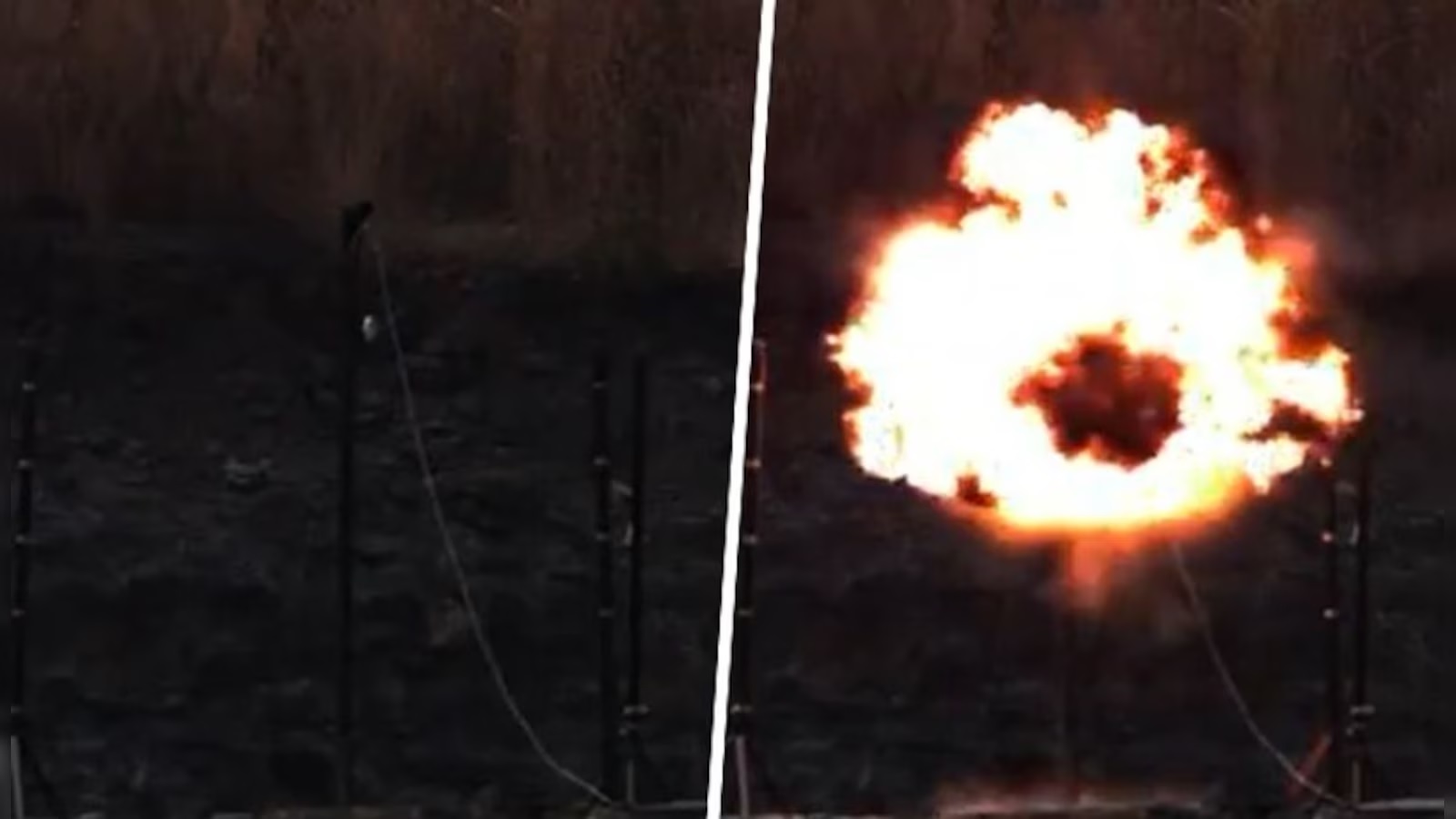
India
In a groundbreaking achievement, Economic Explosives Limited (EEL), a subsidiary of Nagpur-based Solar Industries, has unveiled a series of advanced explosive formulations, including the high-performance SEBEX-2. This development marks a significant milestone in India's journey toward self-reliance in defence manufacturing and promises to enhance the effectiveness of the nation's munitions significantly.Revolutionary Power with SEBEX-2At the forefront of this innovation is SEBEX-2, an explosive boasting a TNT equivalence of 2.01. To put this into perspective, TNT equivalence measures an explosive's power relative to trinitrotoluene (TNT), a standard benchmark in the field. SEBEX-2's high equivalence signifies that it delivers a much stronger blast than conventional explosives, such as the DENTEX/TORPEX used in Pinaka warheads, which typically have a TNT equivalence of 1.25-1.30. Even the powerful HEMEX explosive in the BrahMos missile, with a TNT equivalence of 1.45-1.50, falls short compared to SEBEX-2.This increased power could revolutionize the effectiveness of warheads, aerial bombs, and artillery shells, making SEBEX-2 a game-changer in modern warfare. Certified by the Indian Navy under its Defence Export Promotion Scheme, SEBEX-2 promises to enhance the potency and efficiency of India's weapons and ammunition. Complementary TechnologiesEEL's advancements don't stop at SEBEX-2. The company has also developed SITBEX-1, a solid thermobaric explosive designed to create a prolonged, high-temperature explosion. Thermobaric explosives, also known as fuel-air explosives, are particularly effective against fortified structures such as bunkers and tunnels. SITBEX-1 exhibits superior blast impulse, fireball temperature, and fireball diameter, making it a formidable addition to India's arsenal.Additionally, EEL has introduced SIMEX-4, an insensitive explosive formulation. Insensitive munitions are designed to withstand accidental ignition during storage, transportation, and handling, significantly enhancing safety without compromising effectiveness. SIMEX-4 has demonstrated high shock insensitivity and a large critical diameter, outperforming current insensitive explosives used in naval warheads.Significance and Future ProspectsThese developments signify a significant stride towards India's "Atmanirbhar Bharat" (self-reliant India) initiative in defence manufacturing. The increased power of SEBEX-2 could potentially enhance the effectiveness of Indian weaponry, while the specialized applications of SITBEX-1 and the safety features of SIMEX-4 open up new tactical possibilities.SEBEX-2's rigorous testing and certification by the Indian Navy highlight its readiness for deployment, with final certifications recently completed. EEL is also working on another variant with an explosive power graded at 2.3 times that of TNT, expected to be ready within six months. This ongoing innovation underscores India's growing stature in military technology and its potential as a global exporter of advanced explosive technologies.Global ImplicationsThe performance of SEBEX-2, coupled with advancements in SITBEX-1 and SIMEX-4, underscores India's leadership in military technology innovation. These new formulations can be a game-changer for the armed forces, enhancing national defence capabilities and positioning India as a significant player in global security efforts. As these technologies mature, they not only bolster national defense but also open up opportunities for strategic collaborations and export, further solidifying India's role in shaping the future of military explosives.SEBEX-2 represents a pivotal advancement in India's military technology landscape, enhancing the country's defence capabilities and paving the way for strategic collaborations in global security. With ongoing developments and certifications, India is poised to play a crucial role in shaping the future of military explosives, marking a new era of self-reliance and technological prowess.
Read More → Posted on 2024-07-01 14:59:37
India
In a solemn tribute to the victims of the Air India Flight 182 bombing, Vice President Jagdeep Dhankhar addressed the Parliament, marking the 39th anniversary of one of the darkest days in the fight against terrorism. On June 23, 1985, the Kanishka flight, en route from Montreal to India, was blown up mid-air by Sikh terrorists, killing all 329 passengers and crew members. This heinous act remains one of the deadliest terrorist attacks in aviation history, primarily affecting Canadian nationals of Indian origin.The Parliament observed a moment of silence to honor the victims of this tragic event. Lok Sabha Speaker Om Birla underscored the gravity of the incident, emphasizing the necessity for the world to adopt a zero-tolerance approach towards terrorism and violent extremism. "Such acts can never be condoned or justified," Birla asserted, echoing the sentiment that the fight against terrorism must be relentless and uncompromising.Vice President Dhankhar's poignant words, "Regrettably, justice was never fully served," resonated deeply in the Upper House. His statement highlighted the lingering sense of injustice that persists decades after the tragedy. Despite numerous investigations and trials, the complete accountability for this horrific act of terror remains elusive, leaving a scar on the collective memory of those affected.In addition to commemorating the Kanishka bombing victims, Members of Parliament also expressed their condolences for the recent Kuwait fire tragedy on June 12, 2024. This devastating incident claimed several lives and left many injured, prompting a heartfelt expression of sympathy from the assembly.The session also paid homage to international leaders who had recently passed away, recognizing their contributions to global diplomacy and bilateral relations with India. Among those remembered were President Seyyed Ebrahim Raisi and Foreign Minister H. Amir-Abdollahian of Iran, Former President Ali Hassan Mwinyi of Tanzania, and Vice President Saulos Klaus Chilima of Malawi. The Parliament acknowledged their efforts in fostering strong ties with India and enhancing mutual cooperation.The commemoration of the Kanishka bombing serves as a poignant reminder of the devastating impact of terrorism and the ongoing struggle for justice and peace. As the world continues to grapple with threats of violent extremism, the memory of the 329 lives lost on that fateful day urges a renewed commitment to ensuring such tragedies never occur again.
Read More → Posted on 2024-07-01 14:53:40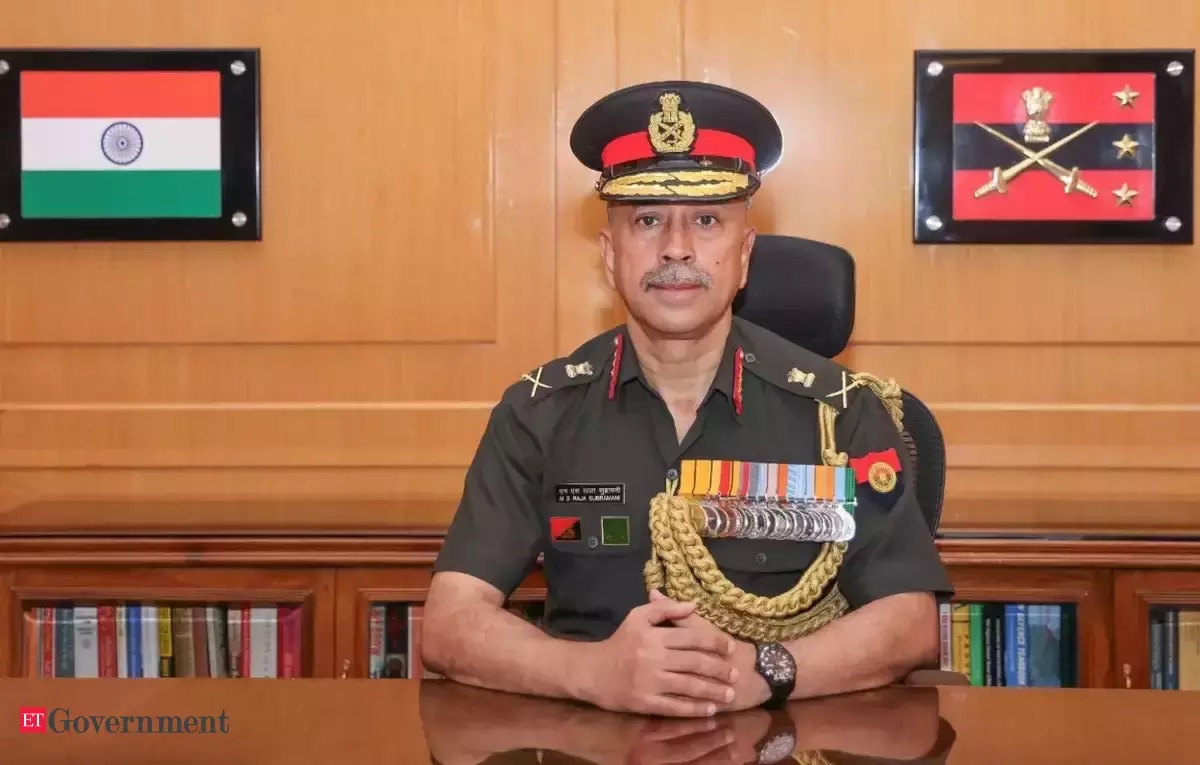
India
Lt Gen NS Raja Subramani, an officer with a distinguished military career, has assumed the role of Vice Chief of the Army Staff. On Monday, he succeeded Gen Upendra Dwivedi, who had taken over as the Chief of Army Staff just the day before. This transition marks a significant moment in the Indian Army, as Lt Gen Subramani brings his vast experience and strategic acumen to one of the highest positions in the armed forces.Lt Gen Subramani’s military journey began in 1985 when he was commissioned into the Garhwal Rifles. Over the course of more than 37 years, he has built a reputation for his deep understanding of operational dynamics on both the Western and Northern borders. His expertise in these critical areas is expected to greatly benefit the Indian Army's strategic initiatives.An alumnus of the National Defence Academy and the Indian Military Academy, Lt Gen Subramani further honed his skills and knowledge at prestigious institutions worldwide. He attended the Joint Services Command Staff College in Bracknell, UK, and the National Defence College in New Delhi. His academic credentials include a Master of Arts degree from King's College, London, and an MPhil in Defence Studies from Madras University, showcasing his commitment to continuous learning and strategic thought.Throughout his illustrious career, Lt Gen Subramani has held several key command and staff appointments. He commanded a battalion during 'Operation Rhino' in Assam, an infantry brigade along the international boundary with Pakistan, and a 'Black Cat' division in North East India. His leadership of these units under challenging conditions has been exemplary.In 2020, Lt Gen Subramani took command of the Uttar Bharat Area, further demonstrating his capability to lead large formations. His tenure at the prestigious Kharga Corps in Ambala highlighted his strategic and operational prowess. These roles have equipped him with a comprehensive understanding of the multifaceted challenges faced by the Indian Army.Lt Gen Subramani has also served in crucial staff roles, contributing significantly to the Army’s operational planning and intelligence. His positions have included Brigade Major of a mountain brigade, Assistant Military Secretary in the Military Secretary Branch, Colonel General Staff at Headquarters Eastern Command, Deputy Director General of Military Intelligence in the Integrated Headquarters of the Ministry of Defence, and Brigadier General Staff in Eastern Command.As he steps into his new role, Lt Gen Subramani's extensive experience and strategic insight are expected to drive the Indian Army's initiatives forward. His career, marked by dedication and excellence, sets a high standard for leadership and service.The Indian Army, with Lt Gen Subramani as its Vice Chief, is poised to enhance its operational readiness and strategic capabilities, reinforcing its commitment to national security.
Read More → Posted on 2024-07-01 14:49:59
India
In an unexpected yet pivotal diplomatic engagement, Zabihullah Mujahid, spokesperson for the Taliban regime in Kabul, announced on Sunday that he had held constructive talks with a senior Indian official on the sidelines of the third UN-sponsored meeting on Afghanistan in Doha. This meeting, which took place at the luxurious Ritz-Carlton, is part of ongoing international efforts to address the situation in Afghanistan.Zabihullah Mujahid, who led a six-member delegation from the Islamic Emirate of Afghanistan (IEA), used the platform to thank India for its continued support to the Afghan people. In a post on social media platform X, Mujahid revealed that he met with JP Singh, the Joint Secretary of the Pakistan, Afghanistan, and Iran Division at India's Ministry of External Affairs. Singh is a seasoned diplomat with prior experience in dealing with the Taliban."Today at noon, there was a meeting with the representative of India for Afghanistan, Pakistan, and Iran, and there was a discussion and exchange of views on the development of relations between the two countries," Mujahid posted. "India supported the position of the Islamic Emirate, and [we] thanked India for its assistance to Afghanistan."India's assistance to Afghanistan has been substantial, encompassing humanitarian aid such as wheat supplies and medicines, as well as infrastructural projects aimed at rebuilding the war-torn nation. This support has been crucial for Afghanistan, especially in light of the severe economic and social challenges it faces under Taliban rule.The meeting in Doha provided a significant opportunity for the Taliban to engage with international representatives and discuss the future of Afghanistan. Mujahid's delegation also held talks with representatives from China, Iran, Uzbekistan, Pakistan, and Russia, highlighting the broad international interest in stabilizing Afghanistan.The third UN-sponsored meeting on Afghanistan brought together special representatives from various countries, all keen to find solutions to the ongoing crisis in the region. The dialogue between the Taliban and international stakeholders is seen as a critical step towards achieving peace and stability.India's involvement in these talks underscores its strategic interest in Afghanistan and its commitment to supporting the Afghan people. Despite the complex political landscape, India's aid has been a lifeline for many Afghans, providing essential resources and fostering goodwill between the two nations.As the international community continues to grapple with the challenges posed by the situation in Afghanistan, meetings like the one in Doha serve as vital forums for dialogue and cooperation. The engagement between Zabihullah Mujahid and JP Singh is a testament to the ongoing efforts to navigate these challenges and work towards a more stable and prosperous future for Afghanistan.
Read More → Posted on 2024-07-01 14:40:53
India
On June 29, the Indian Naval Ship (INS) Ranvir arrived at the port of Chattogram in Bangladesh, marking a significant moment in the ongoing partnership between the Indian and Bangladesh navies. This visit is part of an operational deployment aimed at enhancing cooperation and interoperability, vital elements in the evolving maritime landscape of the Indian Ocean region.INS Ranvir, a Rajput-class guided missile destroyer, is part of the Eastern Fleet of the Indian Navy under the Eastern Naval Command. Equipped with state-of-the-art weapons and sensors, the majority of which are indigenous, the ship showcases India’s commitment to self-reliance, aligning with the country’s Aatmanirbhar Bharat initiative.The vessel was warmly received by the Bangladesh Navy, highlighting the mutual respect and camaraderie that exists between the two forces. The Ministry of Defence emphasized that this visit will bolster the longstanding friendship and cooperation between the two nations, in line with India’s Security and Growth for All in the Region (SAGAR) initiative.The timing of the deployment is noteworthy, coming just after Bangladeshi Prime Minister Sheikh Hasina's state visit to India on June 21-22. This context underscores the diplomatic ties that extend beyond mere military cooperation, reflecting a robust bilateral relationship built on shared values and strategic interests.During the ship’s stay in Bangladesh, a series of professional exchanges and activities are scheduled. Personnel from both navies will engage in Subject Matter Expert Exchanges (SMEE), cross-deck visits, community outreach, and friendly sports matches. These interactions are not merely ceremonial; they foster mutual understanding and provide opportunities for both navies to share expertise and best practices, enhancing their operational capabilities.The visit will culminate in a Maritime Partnership Exercise (MPX) with the Bangladesh Navy. This exercise, also known as PASSEX, is designed to enhance interoperability through joint maneuvers and communications drills, reinforcing the cooperative spirit between the two navies.INS Ranvir’s deployment to Bangladesh is more than a routine naval visit. It represents a strategic alignment of two neighboring countries committed to maintaining peace and stability in the region. As both navies engage in these collaborative efforts, they not only strengthen their operational capabilities but also contribute to regional maritime security.The partnership between India and Bangladesh is a testament to the power of maritime diplomacy, where mutual respect and shared goals can lead to significant strides in regional security and growth. The arrival of INS Ranvir in Chattogram is a chapter in this ongoing narrative of friendship and cooperation, promising a future of shared prosperity and stability in the waters of the Indian Ocean.
Read More → Posted on 2024-06-30 15:56:28
India
In a strategic move aimed at bolstering their counter-terrorism capabilities, Jammu and Kashmir's Director General of Police (DGP), R.R. Swain, has announced plans to equip the state police force with cutting-edge weaponry sourced from Israel and Germany. This initiative follows recent encounters where terrorists were found wielding sophisticated US-made M-4 carbines, underscoring the need for upgraded defensive measures.During a ceremony honoring nine Special Police Officers (SPOs) for their bravery in a successful Kathua operation, DGP Swain emphasized the imminent deployment of state-of-the-art weapon systems. "We are gearing up with the latest in weaponry to effectively confront our adversaries," he declared, highlighting the pivotal role these acquisitions will play in enhancing operational effectiveness against terrorist threats.The decision comes amidst escalating encounters across Jammu and Kashmir, including recent confrontations in Kathua and Doda that resulted in the neutralization of five foreign terrorists and the recovery of multiple high-caliber firearms. DGP Swain reiterated the force's commitment to preemptively neutralizing foreign militant threats, affirming a proactive stance in safeguarding the region.Acknowledging the steadfast support of Kathua residents in defending national security, DGP Swain outlined plans to bolster Village Defence Guards (VDGs) in the district, reinforcing local security infrastructure. Additionally, he unveiled a new policy to expedite the regularization of SPOs demonstrating exceptional valor during counter-terrorism operations, ensuring swift recognition and rewards for their gallant service.The acquisition of advanced weaponry marks a significant stride in Jammu and Kashmir's efforts to enhance security measures and combat evolving threats, positioning the state police force at the forefront of proactive defense against terrorism.
Read More → Posted on 2024-06-30 15:39:21
India
In a recent episode of the “Shawn Ryan Show,” Sarah Adams, a former CIA Targeting Officer and author of “Benghazi: Know Thy Enemy,” made explosive allegations that have sent ripples through the geopolitical landscape. The show, hosted by former Navy SEAL and CIA contractor Shawn Ryan, delves into national security issues, and Adams' revelations were nothing short of shocking.Adams, who is known by her call sign “Superbad,” claimed that India is allegedly funneling $10 million to the Afghan Taliban. This financial support, according to Adams, is used to fund assassinations of key leaders in Pakistan, including those from Kashmiri, Khalistani, and other groups. She asserts that the Taliban's terrorist network, Tehreek-e-Taliban Pakistan (TTP), is the operational arm carrying out these hits.Her allegations don't stop there. Adams also contended that the political party Jamiat Ulema-e-Islam (JUI-F) has deep connections with both the Taliban and al Qaeda. She suggested that they are working together to seize control of the Federally Administered Tribal Areas (FATA) in Pakistan, a region that has been historically significant and strategically crucial.These claims, if true, paint a disturbing picture of international espionage and covert operations. However, it is crucial to note that these allegations have not been independently verified. Given Adams' extensive background in counterterrorism, her statements are bound to provoke significant attention and possibly prompt further investigation.Adams' background lends a degree of credibility to her claims. As a CIA Targeting Officer, she was responsible for identifying and neutralizing high-value targets in counterterrorism operations. Her book, “Benghazi: Know Thy Enemy,” delves into the intricacies of terrorist networks and offers insights into her experiences and expertise.The timing of these revelations is particularly sensitive, as relations between India and Pakistan have been fraught with tension for decades, primarily over the disputed region of Kashmir. Any indication of one country funding terrorist activities within the other’s borders could escalate these tensions to a new level.Adams' appearance on the "Shawn Ryan Show" has sparked a flurry of reactions. While some view her claims with skepticism, others believe they warrant serious consideration and investigation. The allegations also raise questions about the broader implications for regional security and the dynamics of international terrorism.In the realm of geopolitics and espionage, such claims are not uncommon. However, the specificity and severity of Adams' allegations make them particularly noteworthy. If her claims are substantiated, it could lead to significant diplomatic fallout and a reassessment of security strategies in the region.As the story develops, the world will be watching closely. The potential for these allegations to reshape understandings of international relations and covert operations is immense. For now, Adams' claims remain a contentious topic, awaiting further scrutiny and verification.
Read More → Posted on 2024-06-30 15:36:19Search
Top Trending in 24 Hours
-
 Tulsi Gabbard Releases Declassified Files Detailing U.S.-Backed Network of 120 Biolaboratories Across 30+ Countries
-
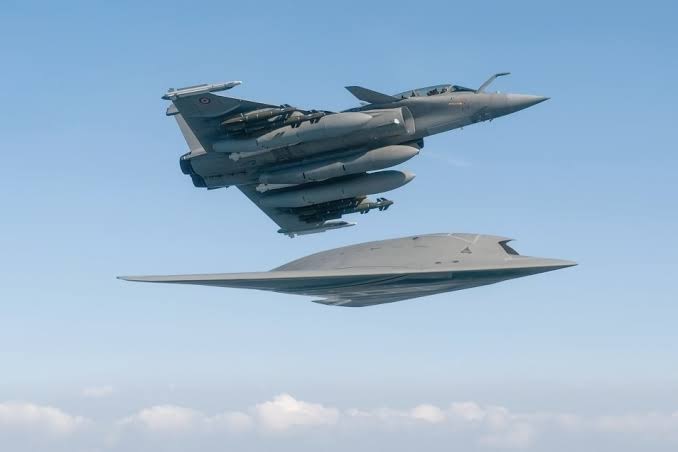 France Agrees to Equip Future Indian Rafales with AI, MUM-T and Secure Satellite Links Under F5 Standard
-
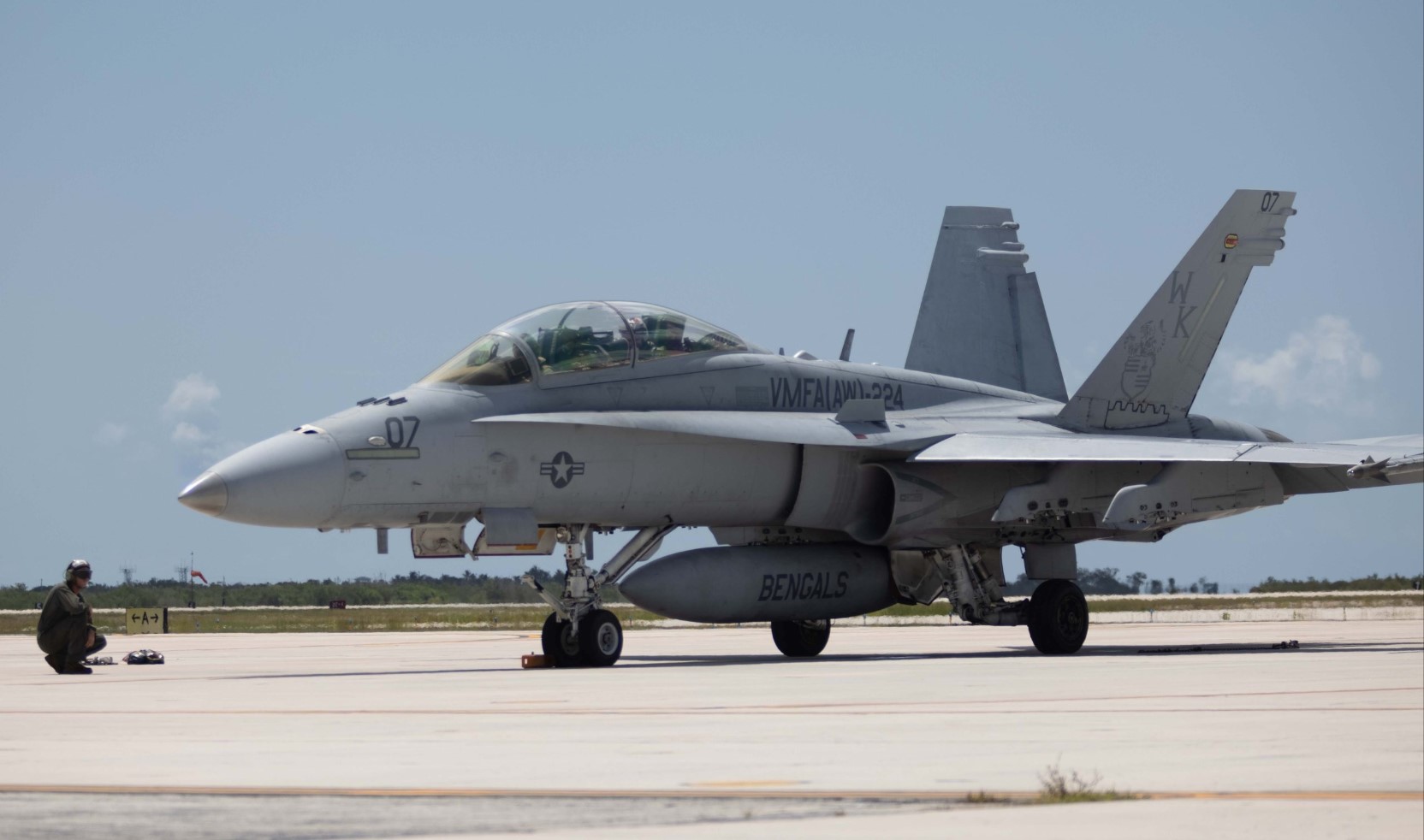 US Marine Corps F/A-18D Hornet Crashes During Training Flight in Washington Mountains; Pilot Ejects Safely
-
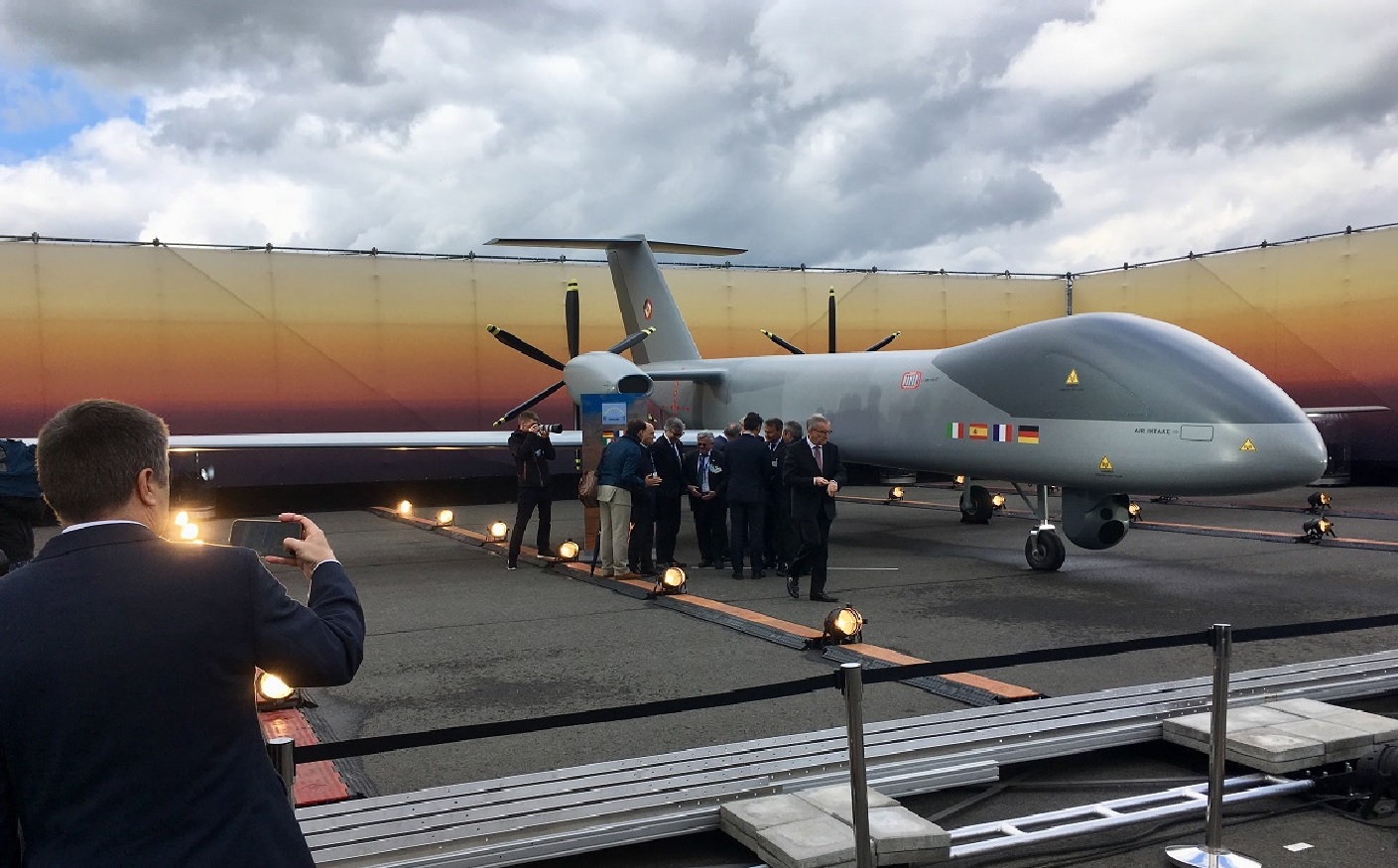 Dassault Seeks Compensation From Airbus as Eurodrone Dispute Erupts After FCAS Collapse
-
 AM General Unveils Next-Generation UGV and JLTV A2 with Counter-Drone Systems at Eurosatory 2026
-
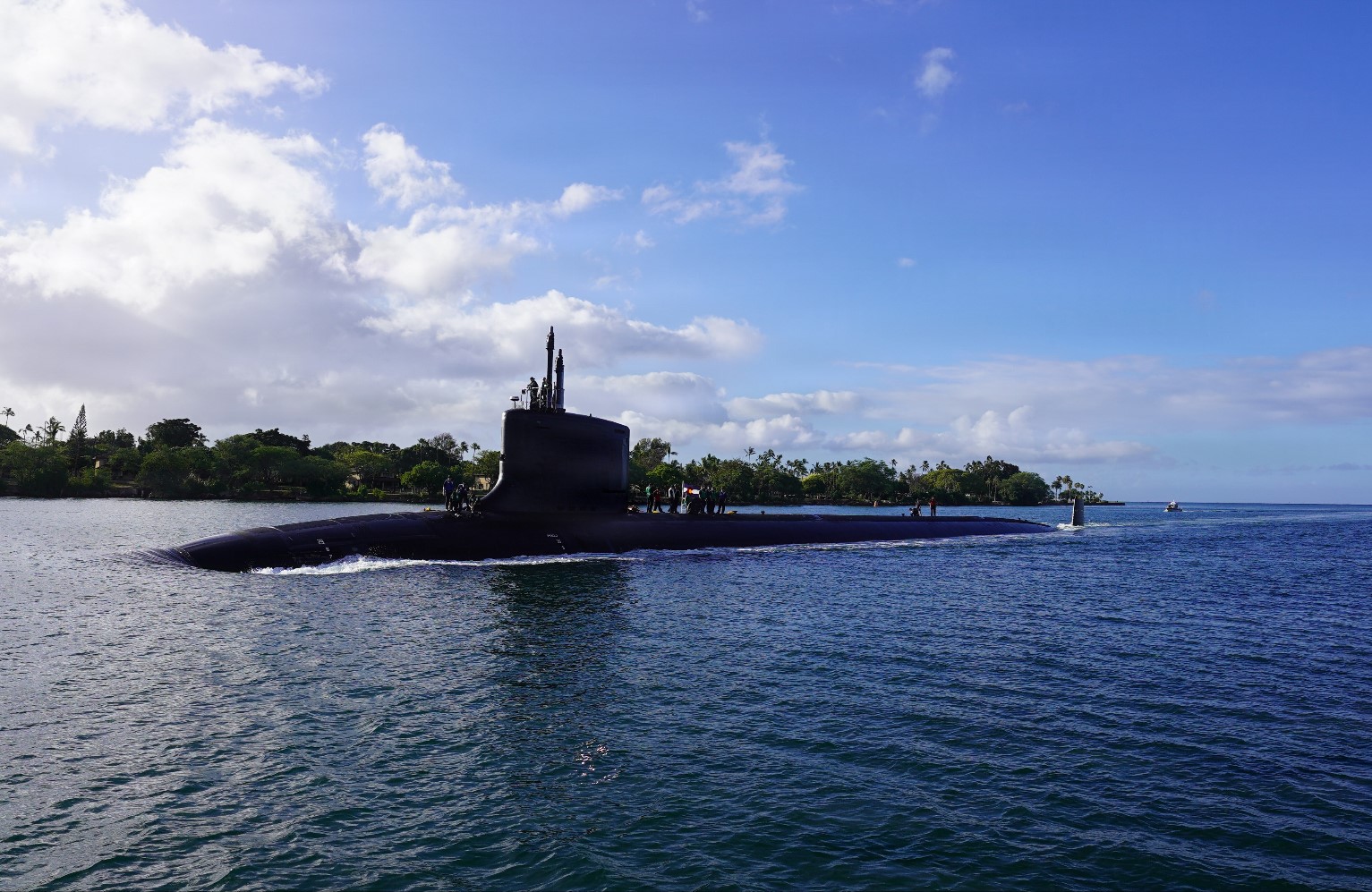 U.S. Navy's USS Colorado Submarine Returns to Pacific Fleet 29 Days Early After Major Pearl Harbor Overhaul
-
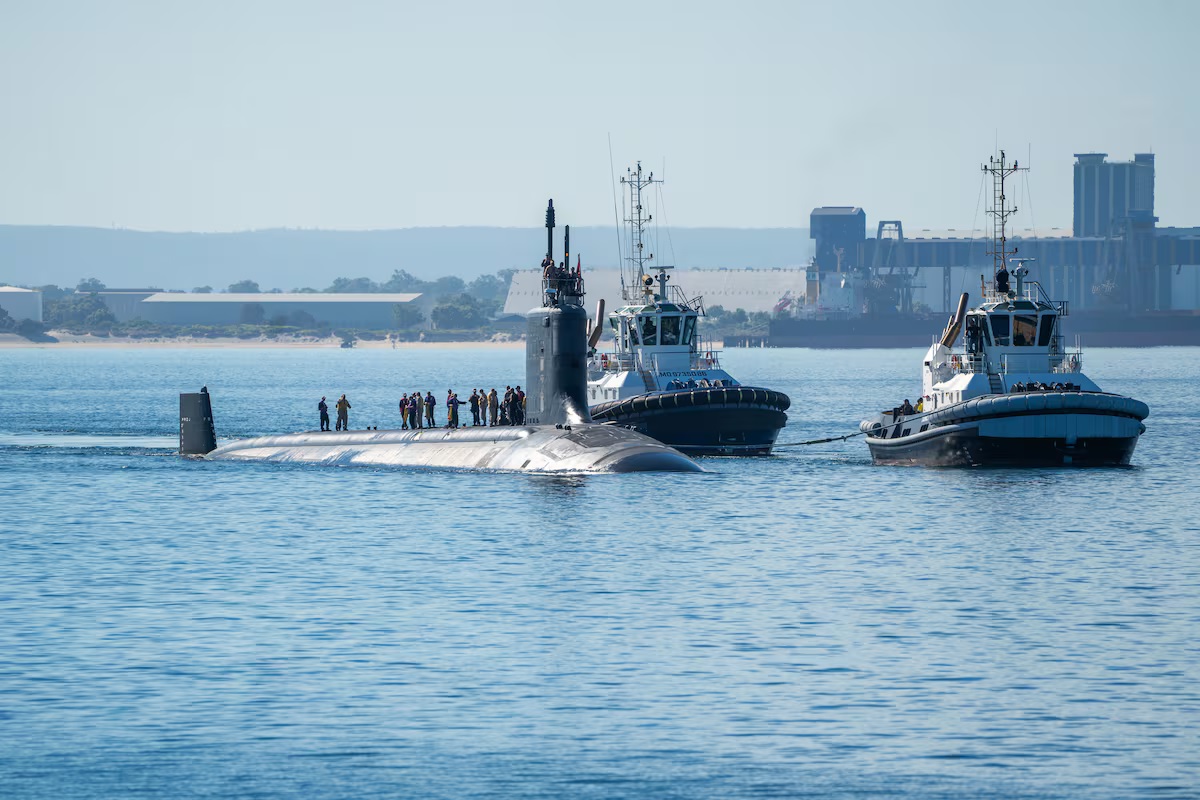 U.S. Navy Reestablishes Submarine Squadron 3 at HMAS Stirling to Support AUKUS Rotational Force
-
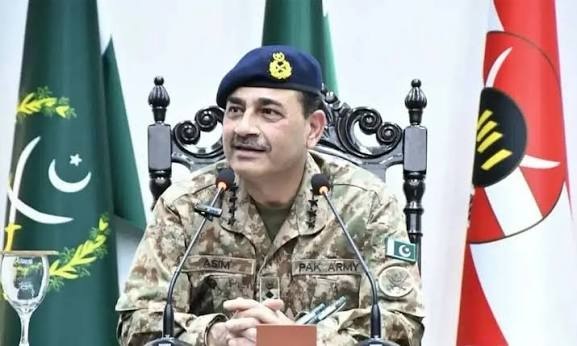 Pakistan Raises Defence Budget from $9 Billion to $10.8 Billion as J-35 Fighter and Hangor Submarine Programs Advance
Top Trending in 4 Days
-
 Iranian Media Leaks 14-Point U.S.-Iran Peace Framework Amid Ongoing Negotiations
-
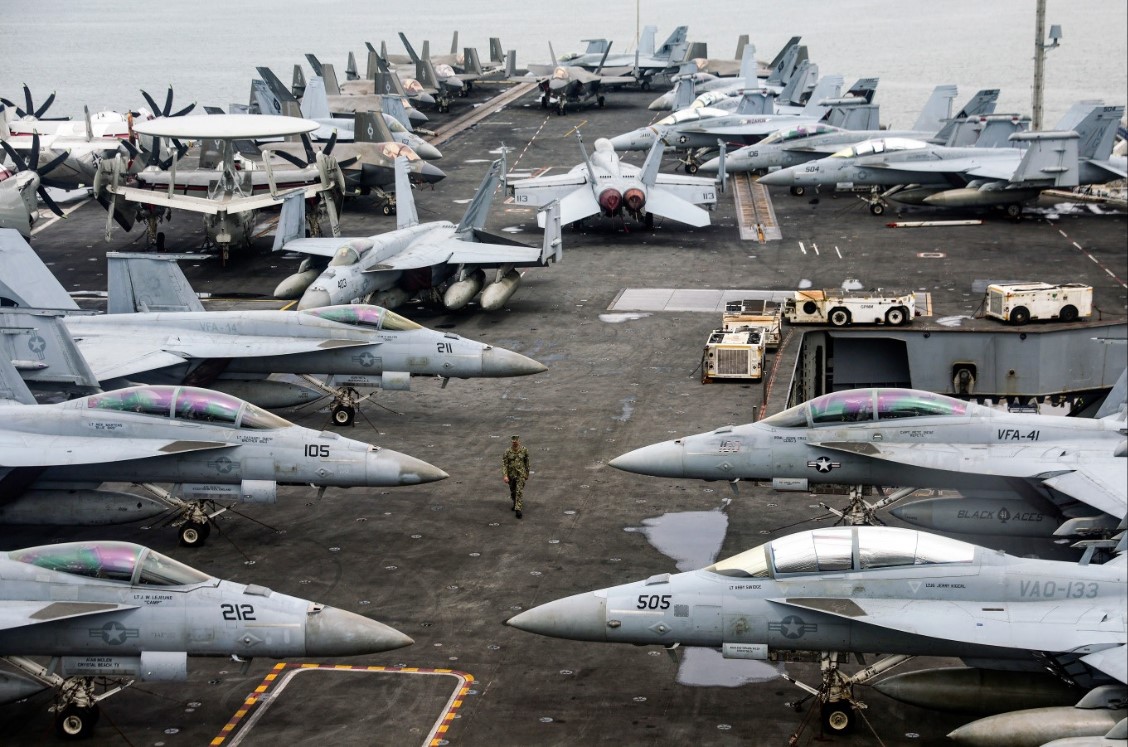 US Plans Significant Reduction of Fighter Jets and Warships for NATO Operations in Europe
-
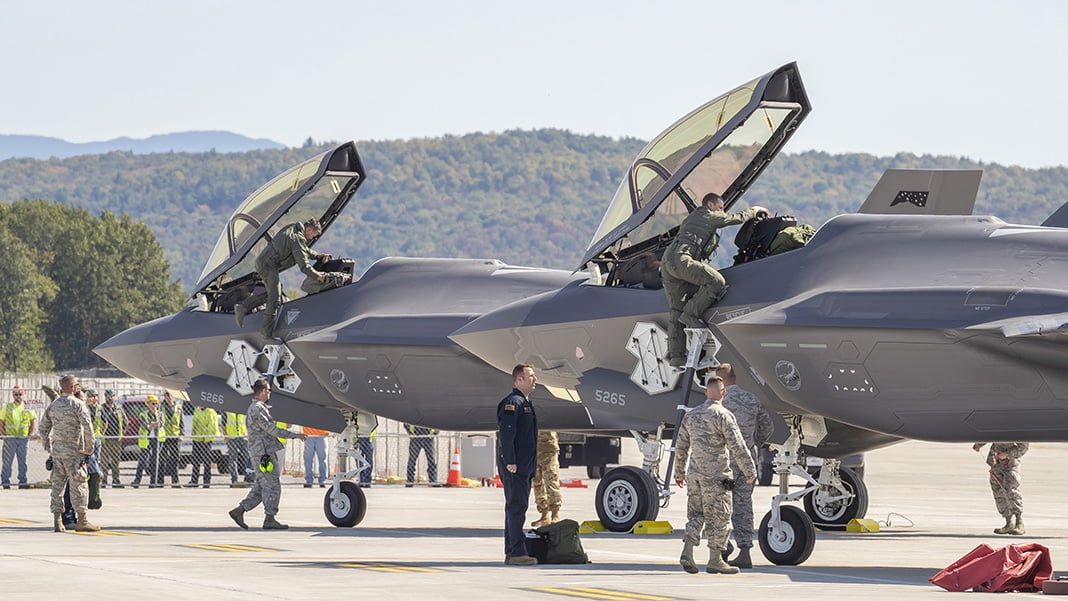 F-35 Fleet Readiness Falls to 25% Amid Parts Shortages and Software Delays: GAO Report
-
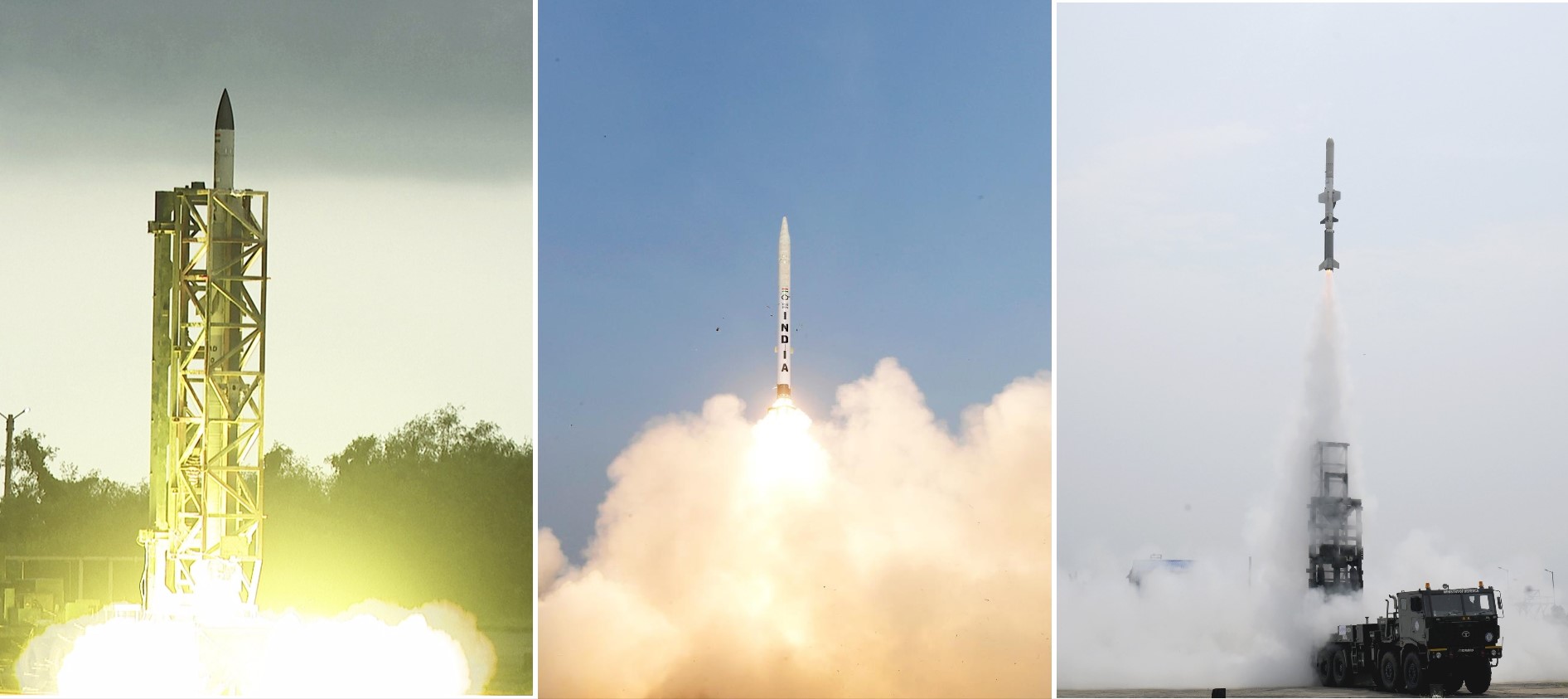 India Successfully Conducts AD-1, AD-2 Interceptor Tests and Maiden NASM-MR Flight Trial
-
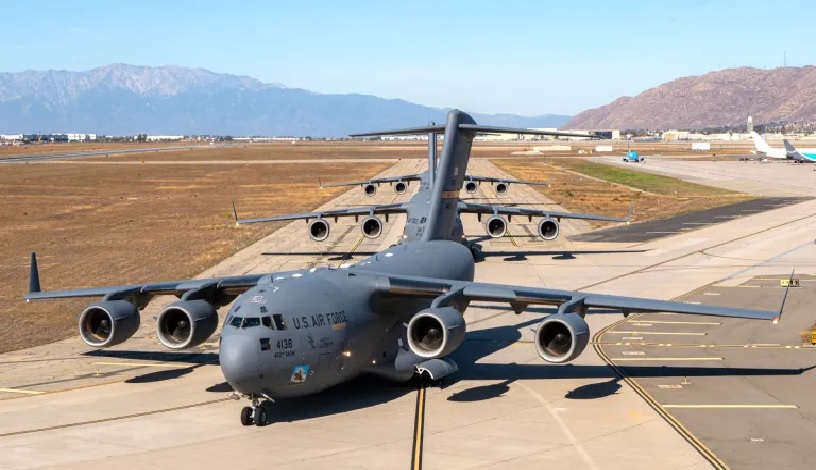 U.S. Air Force Faces Strategic Airlift Shortfall as C-17 Production Restart Remains Uncertain
-
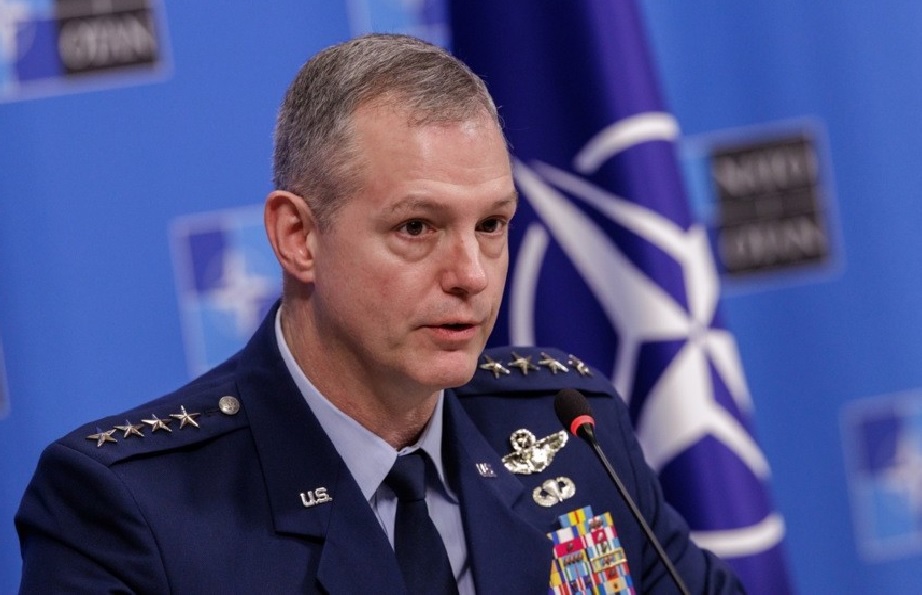 NATO Commander Says Russia Not Seeking Conflict With Alliance Despite U.S. Force Reductions
-
 Russian Defense Firm ZALA Unveils KAMA Unmanned Surface Vessel Family at FLOT-2026 Naval Exhibition
-
 U.S. Space Force Awards $437.7 Million Contracts for First PTS-G Swarm 1 Anti-Jam Satellites