
India
In a significant move to bolster national security, Indian authorities have intensified their vigilance following the arrest of six individuals in Chennai with alleged ties to Hizb ut-Tahrir, a banned Islamist organization. The crackdown in May unearthed a cache of literature and propaganda materials endorsing the group's radical ideology, signaling a potential expansion of this terror network within India.Hizb ut-Tahrir, which is outlawed in several Middle Eastern and Central Asian countries, is known for its advocacy of a global Islamic caliphate. Its activities have been associated with extremist violence and the radicalization of individuals across various regions. The Chennai arrests underscore the Indian government's growing concern over the infiltration and spread of such ideologies within its borders.This heightened alert comes at a time when neighboring Central Asian countries are also grappling with the menace of Hizb ut-Tahrir. Kyrgyzstan recently detained several members of the group, seizing weapons and radical literature. In a similar vein, Kazakhstan has arrested individuals suspected of propagating terrorist activities and extremist propaganda. These efforts reflect a broader regional clampdown on radical elements.Adding to the complexity of the situation, Kyrgyzstan has also reported the arrest of 15 suspected ISIS supporters, highlighting the escalating threat posed by the Islamic State in Afghanistan (Khorasan). This surge in extremist activities in Central Asia, a region traditionally known for its tolerance and pluralism, has prompted Indian security agencies to closely monitor developments and reassess their counter-terrorism strategies.India's response has been multifaceted. At the recent Shanghai Cooperation Organisation (SCO) Summit in Astana, New Delhi emphasized the importance of a robust stance against cross-border terrorism and radicalism. The country has forged strong counter-terrorism alliances with Central Asian nations, recognizing the need for collaborative efforts to combat the evolving threat landscape.Looking forward, India is poised to deepen its counter-terror cooperation with Central Asian states. This partnership aims to curb the spread of extremist ideologies that could jeopardize regional stability and, by extension, India's national security. The recent arrests in Chennai serve as a stark reminder of the persistent threat posed by radical groups like Hizb ut-Tahrir and the imperative for sustained vigilance and international collaboration in countering terrorism.
Read More → Posted on 2024-07-21 15:18:13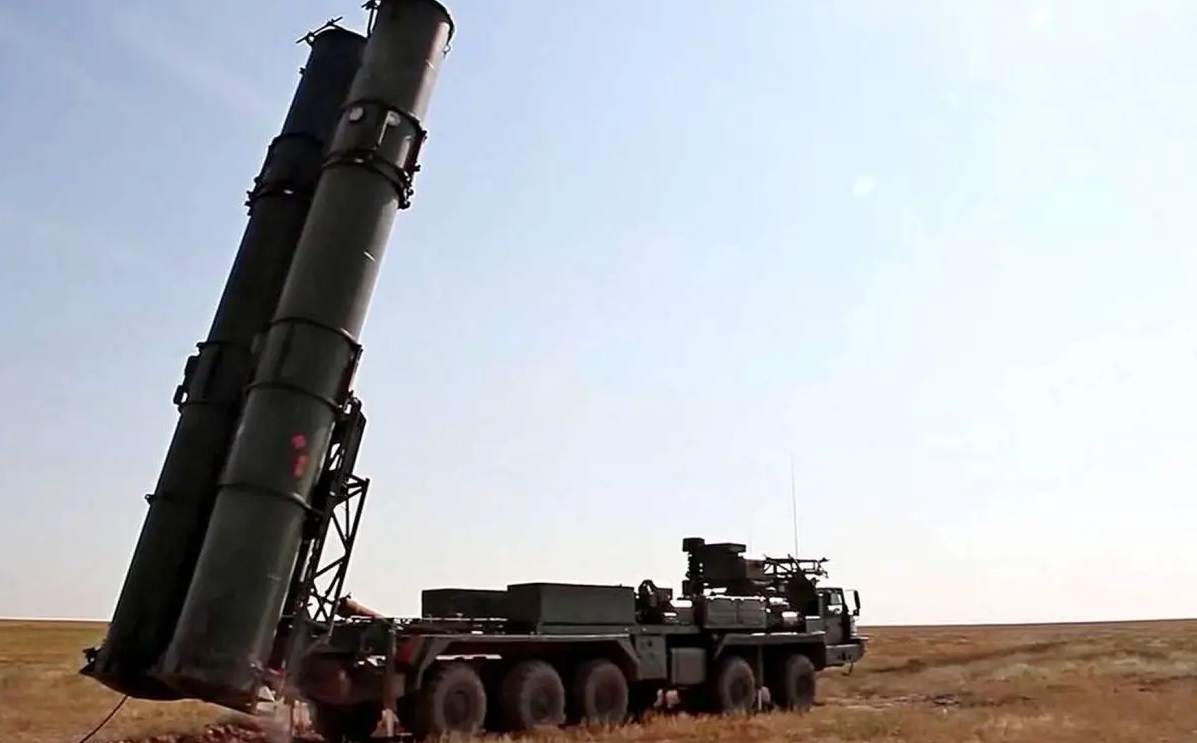
India
In a significant move to bolster India's defence capabilities, Russia has proposed the joint production of its cutting-edge S-500 air defence system during Prime Minister Narendra Modi's recent visit to Russia. This proposal highlights the deepening military cooperation between the two nations, which already share a history of successful defence projects, most notably the BrahMos missile project.The S-500, Russia's latest advancement in air defence technology, is designed to intercept a variety of modern hypersonic weapons, making it a crucial asset in the global arms race. Its ability to counter hypersonic threats is seen as a game-changer in modern warfare. The system's capabilities have been rigorously tested, with Russia claiming successful interceptions of hypersonic missiles, underscoring its strategic importance.India's interest in enhancing its border security and defence arsenal is well-documented. The country has already procured the Russian S-400 air defence system, which serves as a backbone for its air defence strategy. The addition of the S-500 would further strengthen India's defensive posture, particularly against emerging threats in the region.However, the decision to proceed with the joint production of the S-500 is not without its challenges. Geopolitical considerations and the potential for sanctions loom large over such a deal. The international community, particularly the United States, has been wary of countries engaging in defence transactions with Russia, owing to existing sanctions. This makes India's decision a complex one, requiring careful navigation of international diplomatic waters.The S-500 system itself has had a tumultuous journey to production. Initially slated for production by 2014, it faced delays due to various factors, including international sanctions and labour shortages. Despite these setbacks, Russia has announced that it has begun mass production of the S-500, with the system expected to enter service soon.The proposal for joint production with India is reminiscent of the BrahMos missile project, which has been a resounding success and a testament to the robust defence partnership between India and Russia. The BrahMos project saw the development of a supersonic cruise missile that is now a key component of India's defence capabilities, highlighting the potential benefits of collaborative defence projects.In conclusion, Russia's offer to co-produce the S-500 air defence system with India underscores the system's importance in global defence and the ongoing arms race in hypersonic missile defence. India's response to this proposal will be closely watched, as it navigates the intricate balance of enhancing its defence capabilities while managing geopolitical implications and potential sanctions. The outcome of this proposal could have significant implications for the future of Indo-Russian defence cooperation and the strategic landscape of the region.
Read More → Posted on 2024-07-21 15:14:40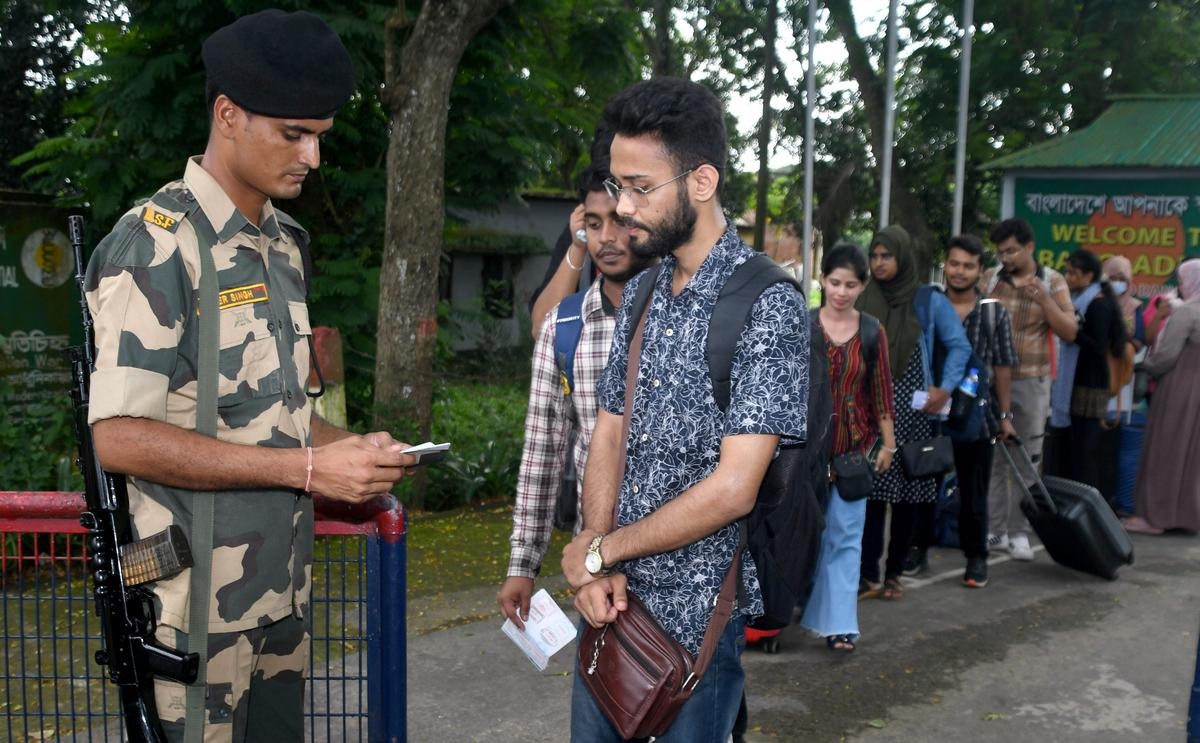
India
Following the recent violent protests in Bangladesh, the Border Security Force (BSF) has been placed on high alert. The situation in Bangladesh, triggered by anti-reservation agitation, has created significant security challenges for the border force, particularly along the 856 km border with Tripura.Tripura Frontier Inspector General (IG) of the BSF, Patel Piyush Purushottam Das, emphasized the gravity of the situation. The unrest has heightened concerns about the safety of Indian students studying in Bangladesh, with many enrolled in medical colleges in Comilla, Brahmanbaria, and Dhaka. The number of Indian students in Bangladesh is estimated to be around 8,000.In response to the crisis, the BSF has intensified its vigilance along the border. Senior BSF commanders are closely monitoring the situation, and additional forces have been deployed to ensure maximum security. The IG reassured that the BSF is fully committed to securing the borders and is prepared to handle any challenges that may arise due to the disturbances in the neighboring country.As of Saturday evening, 365 students from various Indian states have safely crossed into Tripura through four check posts, including the Integrated Check Posts (ICPs) in Agartala and Srimantapur. The BSF has made comprehensive arrangements at these check posts, providing refreshments, food packets, transportation, and medical assistance to ensure the safe arrival of the students. IG Das personally directed his officers to supervise the students' arrival to ensure a smooth process.The cooperation between the BSF and the Border Guard Bangladesh (BGB) has been instrumental in facilitating the safe passage of stranded students. The BGB, despite the challenging law and order situation, has assisted in transporting students to the Agartala border. This collaboration highlights the strong relationship and mutual support between the two border forces.The BSF anticipates more students crossing the border in the coming days and remains fully prepared to provide all necessary assistance. The security has been tightened to prevent any criminal elements from exploiting the current situation.Meanwhile, External Affairs Ministry spokesperson Randhir Jaiswal stated that around 15,000 Indian nationals, including 8,500 students, reside in Bangladesh. External Affairs Minister S. Jaishankar is actively monitoring the situation, and the Indian High Commission in Dhaka is providing regular updates.Bangladesh has announced a curfew and deployed military forces after police failed to control the escalating violence. The unrest began with student protests demanding reforms in the government job quota system, leading to widespread disturbances and a challenging situation for the authorities.The BSF's proactive measures and the collaborative efforts with the BGB underscore the commitment to ensuring the safety and security of Indian nationals and maintaining stability along the border during these turbulent times.
Read More → Posted on 2024-07-21 15:07:55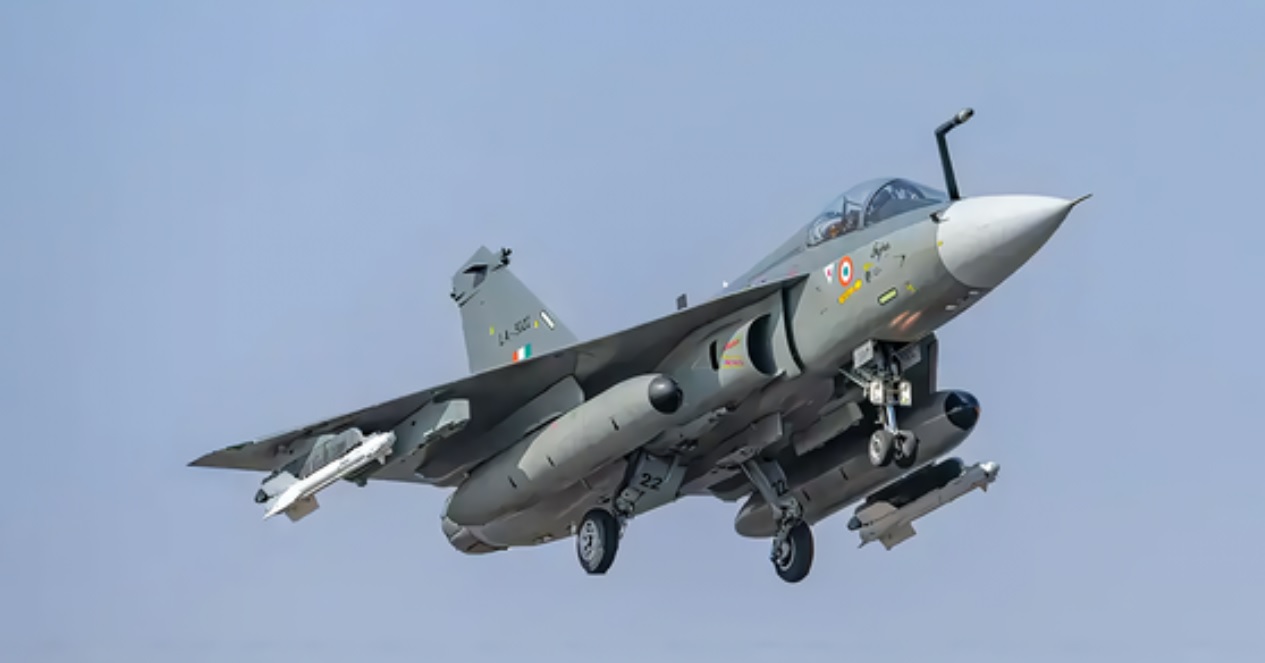
India
The Ministry of Defense (MoD) has issued a stern directive to Hindustan Aeronautics Limited (HAL) to deliver 18 Tejas Mk1A and Trainer aircraft by March 2025. This urgent mandate underscores the mounting pressure on HAL to resolve the ongoing delays plaguing the Light Combat Aircraft (LCA) program.HAL, India's state-owned aerospace giant, has encountered significant production challenges, notably a shortage of engines from its key supplier, GE Aerospace. To address this, GE Aerospace has committed to supplying two engines per month starting in September, aiming to ease the supply chain bottleneck. HAL plans to utilize these engines for new aircraft production while tapping into its existing engine reserves to meet the MoD's deadline.Despite the hurdles, HAL has made some progress. Two single-seater Tejas Mk1A jets are ready for delivery, with four more nearing completion. Additionally, six Tejas Trainer aircraft are in various stages of production and close to being delivered to the Indian Air Force (IAF).The pressure on HAL is palpable. The company must now accelerate production and streamline its supply chain to meet the MoD's stringent demands. Failure to deliver the stipulated number of aircraft by the March 2025 deadline could have serious repercussions for HAL and India's defense readiness.The Tejas program is a critical component of India's defense modernization efforts. Ensuring its success is vital for national security, as the IAF urgently needs these domestically produced fighter jets to bolster its fleet. However, the program has been plagued by delays and cost overruns for several years. The first Tejas Mk1A only took its maiden flight in March of this year, highlighting the production challenges HAL faces.This latest directive from the MoD reflects the urgent need to address these issues and expedite the delivery of these crucial aircraft. The road ahead is fraught with challenges, and HAL must navigate numerous obstacles to fulfill its commitments and meet the growing demands of the IAF.As HAL works to meet this ambitious deadline, the broader implications for India's defense capabilities and aerospace industry are significant. Successfully delivering the Tejas Mk1A and Trainer aircraft on time will be a testament to HAL's ability to overcome adversity and deliver on its promises, ultimately strengthening India's defense infrastructure.
Read More → Posted on 2024-07-21 15:02:53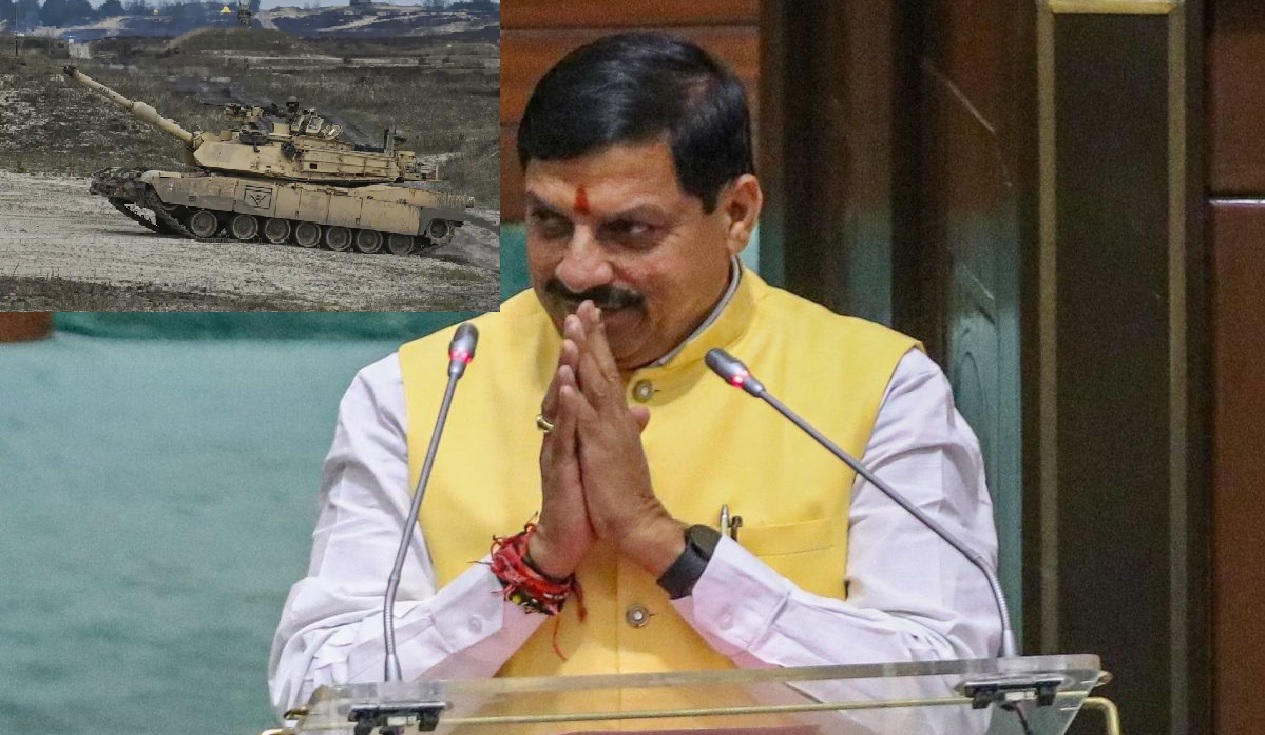
India
In a significant boost to India's defense production capabilities, Madhya Pradesh is set to embark on manufacturing tanks for the Indian Army. Chief Minister Mohan Yadav made this announcement at the Regional Industry Conclave held at the Subhash Chandra Bose Cultural and Information Center in Jabalpur district.Previously known for its involvement in cannon manufacturing, Madhya Pradesh will now expand its defense production repertoire. An agreement worth Rs 600 crores was signed between Ashok Leyland and Armored Vehicle Corporation Limited during the conclave, marking a crucial step in this new direction. This partnership signifies a substantial investment in the defense sector, emphasizing the state's commitment to innovation and development.CM Yadav highlighted the strategic importance of this move, stating, "Till now cannon manufacturing work has been going on for the defense sector in Madhya Pradesh and now tanks will also be made for the army." This transition is expected to fortify India's defense infrastructure and enhance the state's industrial capabilities.The Regional Industry Conclave also saw the initiation of 67 industrial units, with CM Yadav laying the foundation stone for 29 units and performing the groundbreaking ceremony for 38 more. These projects, with an investment of Rs 1500 crores, are anticipated to create employment opportunities for approximately 4500 people. CM Yadav underscored the state’s vast mineral wealth, positioning Madhya Pradesh as the second richest state in the mineral sector after Odisha. The state's transparent auctioning processes have garnered national recognition, encouraging further investments. Additionally, diamond cutting operations are set to commence in Madhya Pradesh, adding another feather to its industrial cap.The Chief Minister also spoke about the state's diversified industrial priorities, including textiles, pharmaceuticals, tourism, and food processing. An ultra-modern skill development center in the textile sector is in the pipeline, aimed at providing employment opportunities, particularly for women. The pharmaceutical sector in Madhya Pradesh is robust, with 275 units operational and exports reaching over 160 countries. Pithampur alone houses 60 pharmaceutical units.In the food processing sector, Madhya Pradesh is making significant strides with the establishment of two new mega food parks and the operation of eight existing ones. Relief measures on water and electricity supply have been implemented to support these industries.The conclave attracted industrialists from five countries and various Indian states, showcasing Madhya Pradesh's investor-friendly policies and abundant opportunities.CM Yadav also highlighted the state's efforts in improving education and healthcare, noting the increase in medical colleges from five to twenty-five in recent years. The state’s rich forest area offers additional opportunities for economic development and employment.By focusing on these diverse sectors, Madhya Pradesh aims to create a balanced industrial ecosystem that promotes sustainable growth and development. The manufacturing of tanks for the army marks a significant milestone in this journey, reinforcing the state's pivotal role in India's defense and industrial landscape.
Read More → Posted on 2024-07-21 14:58:50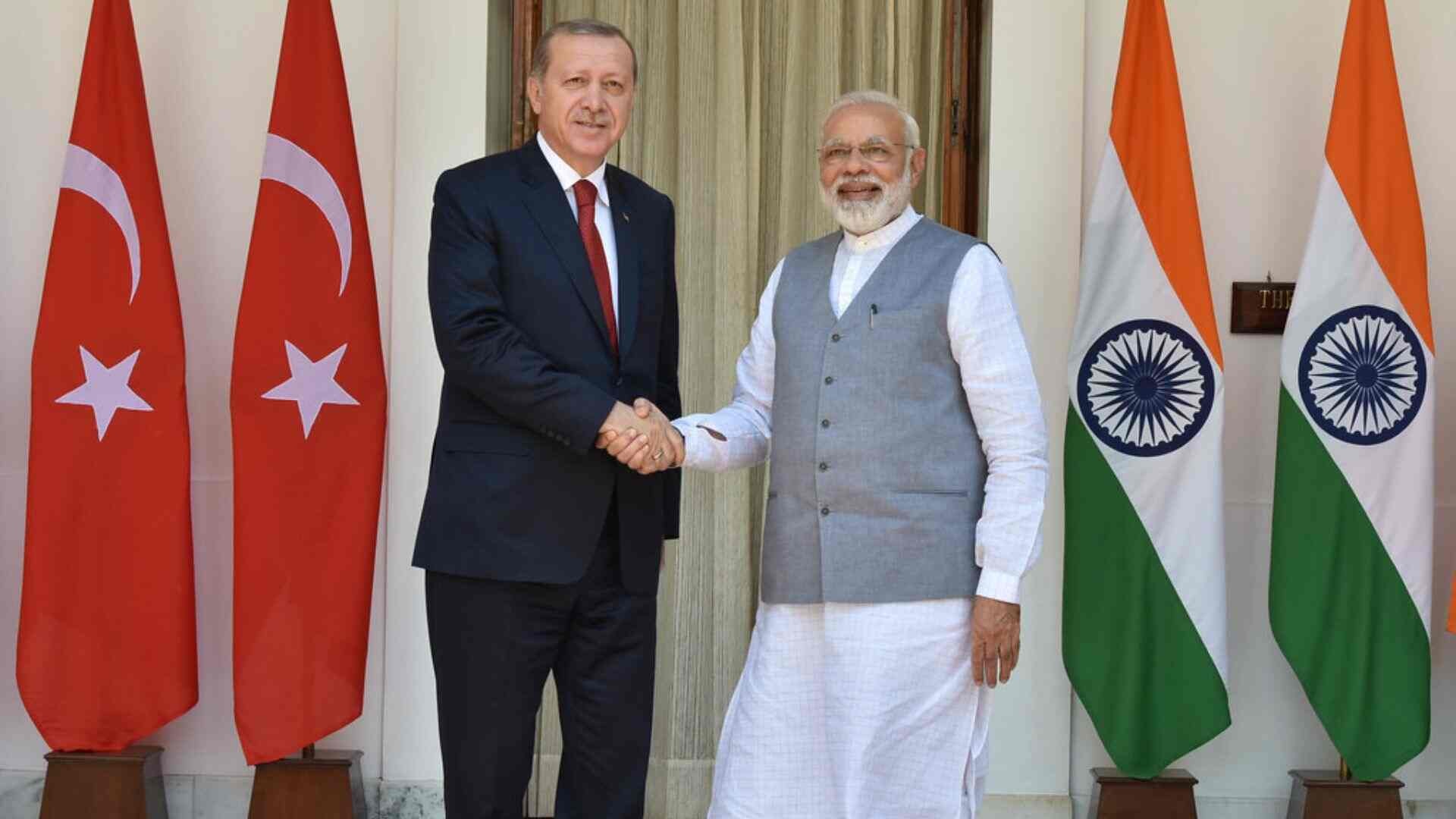
India
The Indian Ministry of External Affairs (MEA) has firmly dismissed recent media reports suggesting that Turkey has imposed a ban on military exports to India. Describing the reports as "disinformation at best," the MEA redirected further inquiries to the Turkish Embassy, emphasizing the need for caution and verification of such claims.The rumors originated from Turkey, where it was claimed that a Turkish government official disclosed the alleged ban during a confidential parliamentary session. Speculations arose that this move was aimed at favoring Pakistan, thereby further straining the already tense diplomatic relations between Ankara and New Delhi.MEA spokesperson Randhir Jaiswal addressed the issue during a press conference, clarifying that the information was inaccurate. He urged the public and the media to refrain from accepting such claims without proper verification. The MEA's firm stance aims to prevent the spread of unverified information that could potentially exacerbate diplomatic tensions.While Turkey has not issued an official statement regarding the purported ban, reports indicate that an executive from a Turkish arms procurement agency mentioned in a closed-door meeting that no permits are being granted for arms exports to India. This decision was allegedly influenced by Turkey's political circumstances and its friendship with Pakistan.Relations between India and Turkey have been on a decline in recent years. Ankara's steadfast support for Pakistan on the Kashmir issue, coupled with India's growing ties with Greece and the Armenia-Azerbaijan conflict, has contributed to the growing strain. Despite the allegations, India appears largely unaffected. New Delhi has proactively terminated weapons shipments to Turkey and canceled a significant $2.5 billion naval deal with a Turkish defense company. This move aligns with India's broader strategy of reducing dependence on foreign defense imports, especially from nations considered unreliable, and promoting domestic production.A prime example of this strategy is Hindustan Shipyard Limited (HSL), which has decided to proceed independently with the design and construction of five Fleet Support Ships for the Indian Navy. This decision was made after excluding a Turkish firm from the project due to Turkey's stance on Kashmir. The first delivery of these ships is expected in mid-2027.The ongoing situation underscores the complexities of international relations and the necessity of verifying information from multiple sources before drawing conclusions. As the incident unfolds, it remains to be seen how it will impact the already fragile diplomatic ties between India and Turkey.
Read More → Posted on 2024-07-21 14:54:28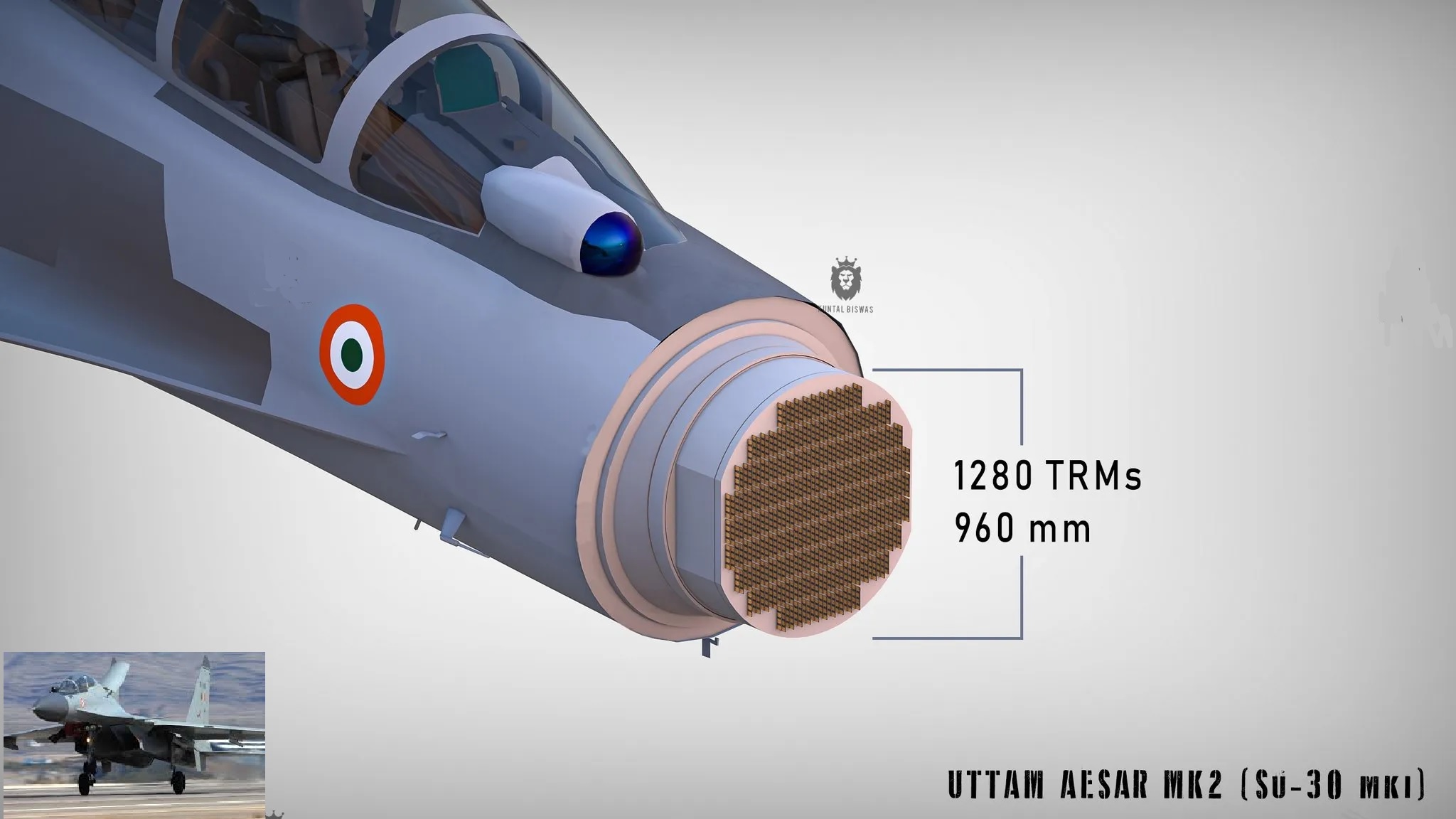
India
In a significant move towards enhancing its air combat capabilities, the Indian Air Force (IAF) is set to upgrade its fleet of Sukhoi Su-30MKI fighter jets with the indigenous Uttam Active Electronically Scanned Array (AESA) radar, developed by the Electronics and Radar Development Establishment (LRDE). This upgrade is part of the ambitious Super Sukhoi program, aimed at modernizing the IAF's premier multi-role combat aircraft.The Uttam radar represents a cutting-edge advancement in radar technology, incorporating Gallium Nitride (GaN) based components. This offers superior range, performance, and efficiency compared to traditional Gallium Arsenide (GaAs) based systems. The Su-30MKI, with its large nose cone, is ideally suited to house the radar's 1800 to 2200 Transmit/Receive (T/R) Modules, enabling significant improvements in detection and tracking capabilities.The Super Sukhoi program is poised to overhaul approximately 150 out of the 260 operational Su-30MKIs, replacing their existing radars with the Uttam AESA system. This radar has already proven its mettle, having undergone 230 hours of airborne testing on Tejas fighter jets and an executive jet. The program's success is expected to greatly enhance the air superiority of the Su-30MKI fleet, positioning them as formidable assets in India's aerial defense strategy.The Uttam AESA radar isn't limited to the Su-30MKI alone. It is also slated for integration into other key Indian air weapon systems, including the indigenous Tejas fighter jet and the upcoming HAL Advanced Medium Combat Aircraft (AMCA) stealth fighter project. With the completion of technology transfer, Hindustan Aeronautics Limited (HAL) will spearhead the production and integration of the radar, with an advanced variant known as 'Virupaksha' specifically tailored for the Su-30MKI post-upgrade.In addition to the radar upgrade, the Super Sukhoi program encompasses a suite of enhancements aimed at bolstering the Su-30MKI's combat effectiveness. These include advanced munitions such as the indigenous anti-radiation missile RudraM and the long-range subsonic cruise missile Nirbhay, alongside anti-ship missiles and the extended-range BrahMos missiles. The aircraft will also receive a state-of-the-art cockpit with modern touchscreen displays, a new mission control computer, and a domestically produced AESA radar.The cockpit upgrades will provide pilots with a more intuitive interface and enhanced situational awareness, while the new mission control computer will be capable of managing the sophisticated technologies and expanded weaponry. The integration of the 'Virupaksha' AESA radar is expected to significantly boost the Su-30MKI's surveillance and detection capabilities, making it a formidable contender in air-to-air combat.Overall, the $7.5 billion Super Sukhoi program is a major stride towards indigenization and self-reliance in defense technology for India. By equipping its Su-30MKI fleet with the indigenous Uttam AESA radar and other advanced systems, India is poised to significantly strengthen its air combat capabilities, ensuring that its air force remains a powerful deterrent and a robust defensive force in the region.
Read More → Posted on 2024-07-21 14:37:30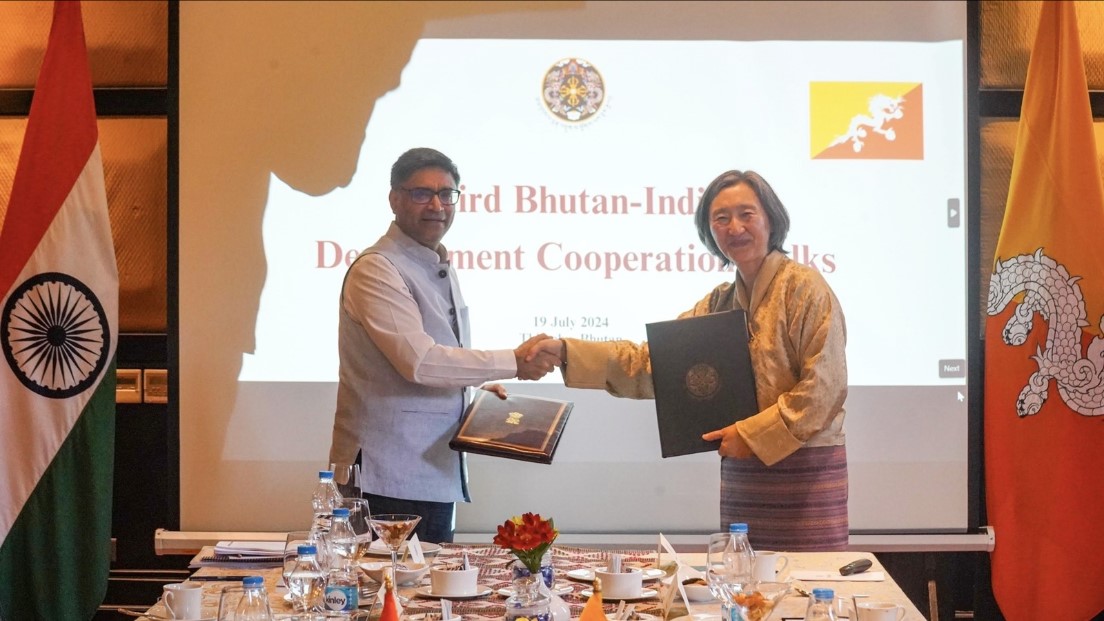
India
In a significant move to bolster its relationship with Bhutan, India has pledged ₹1,500 crore as part of an Economic Stimulus Programme over the next 18 months. This announcement came at the end of Foreign Secretary Vikram Misri's visit to Bhutan, where he engaged in wide-ranging discussions with the Himalayan nation's leadership. This commitment underscores the strong bond between the two countries, characterized by trust, goodwill, and mutual understanding.Misri's visit to Bhutan, his first foreign visit since taking office, included meetings with key figures such as Aum Pema Choden, his Bhutanese counterpart, King Jigme Khesar Namgyel Wangchuck, Prime Minister Dasho Tshering Tobgay, and Minister of Foreign Affairs and External Trade D.N. Dhungyel. These interactions emphasized the depth and breadth of the India-Bhutan partnership, covering various areas including development cooperation, energy, trade and investment, connectivity, technology, and people-to-people ties.The joint press release issued by both governments highlighted the exemplary nature of the India-Bhutan relationship, noting the satisfaction with the implementation of numerous development projects under the previous 12th Five Year Plan (FYP). Misri and Choden co-chaired the third India-Bhutan Development Cooperation Talks, focusing on the 13th FYP, which continues to prioritize developmental cooperation and mutual interests.As part of the discussions, the Bhutanese side presented proposals for the Project Tied Assistance (PTA), including the first tranche of projects for the 13th FYP. The two sides approved 61 projects amounting to Nu 49.58 billion (₹4,958 crore), spanning sectors such as connectivity, infrastructure, energy, skill development, education, health, and cultural heritage. Additionally, projects related to capacity building, industrial parks, sports, youth exchanges, digital economy, e-mobility, and space technology were also given the green light.This economic stimulus is part of a larger framework of support that India provides to Bhutan. Earlier in the year, during Prime Minister Narendra Modi's state visit to Bhutan, he announced India's development support of Nu 100 billion (₹10,000 crore) for Bhutan's 13th FYP. The Bhutanese government expressed deep appreciation for this invaluable support, which continues to drive socio-economic development in the country.The Economic Stimulus Programme is designed to frontload the full amount of ₹1,500 crore within the first 18 months, subject to the progress of implementation proposals. This initiative is expected to provide a significant boost to Bhutan's economy, helping it recover and grow amidst global challenges.The joint press release also highlighted the virtual inauguration of 19 schools in Bhutan, constructed during the 12th FYP period. This reflects the tangible outcomes of the development partnership, which has brought about significant improvements in various sectors within Bhutan.In summary, the ₹1,500 crore economic stimulus pledged by India to Bhutan not only strengthens the bilateral relationship but also underscores India's commitment to supporting Bhutan's developmental aspirations. This move is expected to further cement the ties between the two nations, fostering greater cooperation and mutual prosperity.
Read More → Posted on 2024-07-21 14:33:10
India
The Indian Navy has issued a Notice to Airmen (NOTAM) about live missile firing exercises in the lower Bay of Bengal. These exercises, scheduled to run from the 19th to the 24th of this month, are set to take place in a significant stretch of ocean roughly 730 kilometers in length, located off the coast of Sri Lanka. This area is a busy marine traffic lane, so the announcement has raised some concerns among mariners and aviators.The purpose of these exercises is to enhance the Indian Navy’s operational capabilities and ensure a high state of combat readiness. This is a routine practice for the Navy, as maintaining proficiency in missile systems and other naval operations is crucial for national security and defense. However, the exact nature of the missiles being tested has not been disclosed, leading to speculation about the potential involvement of long-range systems.The NOTAM serves as a crucial warning for both maritime and aviation sectors. Mariners and aviators in the region have been advised to exercise extreme caution and strictly adhere to the restrictions set forth in the NOTAM. This includes altering routes and schedules to avoid the designated exercise area, which can cause significant disruptions in maritime traffic. The Indian Navy’s choice of such a large area suggests the possibility of extensive and complex missile tests, possibly involving multiple types of ship-based systems.These exercises come at a time of increased maritime activity and geopolitical tension in the region. The Bay of Bengal is a strategic area for international shipping routes, making any military activity here particularly sensitive. The presence of a major military exercise in such a crucial area underscores the Indian Navy’s commitment to maintaining a robust defense posture while highlighting the importance of preparedness in an unpredictable global environment.While some might see the timing and scale of these exercises as a response to regional dynamics, it’s also part of the Navy’s regular training schedule. Ensuring that the fleet is ready for any scenario is a top priority, and live firing exercises are a key component of this readiness. By practicing in real-world conditions, the Navy can better assess the performance of its missile systems and make necessary adjustments to tactics and strategies.In summary, the Indian Navy's missile firing exercises in the Bay of Bengal are a significant event with wide-ranging implications for maritime and aviation safety in the region. The NOTAM issued serves as an essential advisory for those navigating the area, reflecting the ongoing efforts to maintain a high level of operational capability and preparedness.
Read More → Posted on 2024-07-20 16:21:52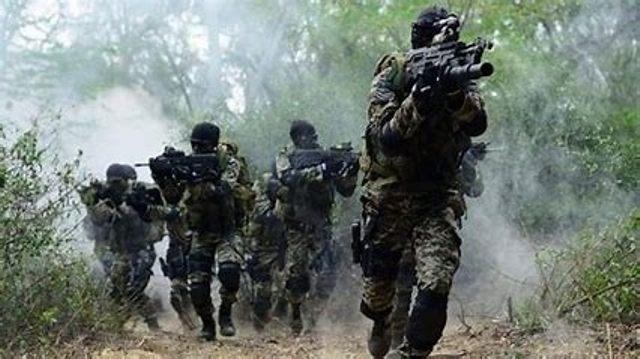
India
In response to a surge in infiltration by highly trained Pakistani terrorists, the Indian Army has ramped up its counter-terrorism operations in the Jammu region. Intelligence reports indicate that around 50-55 terrorists have crossed the border with the intent to revive militant activities in the area. This alarming development has prompted the deployment of approximately 500 Para Special Forces commandos to neutralize the threat.The Para Special Forces, renowned for their rigorous training and high operational capabilities, have been tasked with hunting down these infiltrators. According to defence sources, this elite group will be operating alongside existing counter-terrorism units, leveraging their specialized skills to dismantle the terrorist networks.In addition to the Para Commandos, the Indian Army has reinforced its presence in the region by deploying a brigade-sized force of around 3,500 to 4,000 troops. These reinforcements are part of a broader strategy to counter Pakistan's proxy aggression and ensure the security of the area. The Army's top brass have been actively devising and implementing strategies to search and destroy the infiltrators, who are reportedly equipped with the latest weaponry and communication equipment.Intelligence agencies have also intensified their efforts, enhancing their apparatus to track and dismantle the support infrastructure aiding these terrorists. This includes targeting overground workers who provide logistical and operational support to the militants. The collaboration between intelligence agencies and military forces is crucial in disrupting the terrorist operations and preventing any potential attacks.The Indian Army's existing counter-terrorism infrastructure in the region, including the Romeo and Delta forces of the Rashtriya Rifles, has been mobilized to support the ongoing operations. These forces, along with regular infantry divisions, are working in coordination to ensure a comprehensive approach to the counter-terrorism efforts.The situation in Jammu underscores the persistent threat posed by cross-border terrorism and the need for robust security measures. The Indian Army's proactive stance and strategic deployments are aimed at safeguarding the region and thwarting any attempts to destabilize it. As the operations continue, the collaboration between various military and intelligence units remains pivotal in maintaining peace and security in the area.
Read More → Posted on 2024-07-20 16:14:34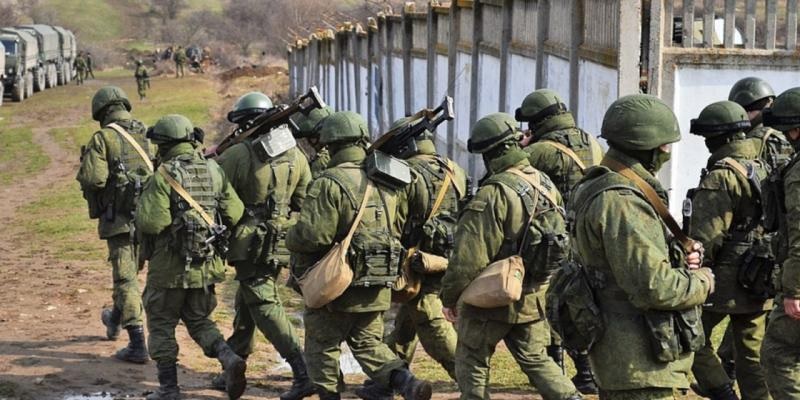
India
In a recent development, the Indian Ministry of External Affairs (MEA) confirmed that efforts are underway to secure the early discharge of approximately 50 Indian nationals currently serving in the Russian armed forces. This move follows Prime Minister Narendra Modi’s visit to Moscow, where he directly addressed the issue with Russian President Vladimir Putin.MEA spokesperson Randhir Jaiswal provided insights during his weekly media briefing, stating, “We are aware of about 50 Indian nationals who currently wish to end their employment in the Russian armed forces.” The request for discharge has come from either the individuals themselves or their concerned family members, prompting the MEA to take swift action.The MEA has been actively engaging with Russian authorities at multiple levels, including the leadership level, to expedite the process. During his visit on July 8-9, Prime Minister Modi raised the issue with President Putin, who responded positively. Both nations are now working collaboratively to ensure the early discharge of these Indian nationals.This situation has been a matter of “utmost concern” for the Indian government. Last month, the MEA highlighted the urgency of the matter and called for immediate action from Moscow. The issue gained further prominence after the deaths of two Indian nationals serving in the Russian Army were reported in the ongoing Russia-Ukraine conflict, bringing the total number of such deaths to four.On June 11, the MEA reported the tragic deaths of two Indian nationals who were recruited by the Russian Army and had recently been killed in the conflict. This incident prompted the Indian government to demand a “verified stop” to further recruitment of Indian nationals by the Russian Army. The MEA emphasized that such activities were not in line with the spirit of the India-Russia partnership.In February, Hemal Ashwinbhai Mangua, a 23-year-old from Surat, Gujarat, died in a Ukrainian air strike while serving as a “security helper” in the Donetsk region. A month later, Mohammed Asfan, a 30-year-old resident of Hyderabad, succumbed to injuries sustained while serving on the frontlines with Russian troops in Ukraine.The deaths of these young men have intensified the Indian government’s efforts to ensure the safety of its citizens and prevent further recruitment into foreign conflicts. The MEA’s strong stance and the Prime Minister’s direct intervention signify the importance India places on the welfare of its nationals abroad.The cooperation between India and Russia in this matter highlights the diplomatic efforts being made to resolve the issue amicably and swiftly. The positive response from the Russian side is a step towards ensuring the safe return of Indian nationals wishing to leave the Russian armed forces.As the situation unfolds, the MEA continues to monitor developments closely, aiming for a resolution that safeguards the interests and lives of Indian citizens. The early discharge of these individuals from the Russian armed forces remains a priority, and both nations are committed to achieving this goal in the spirit of their longstanding partnership.
Read More → Posted on 2024-07-20 16:01:46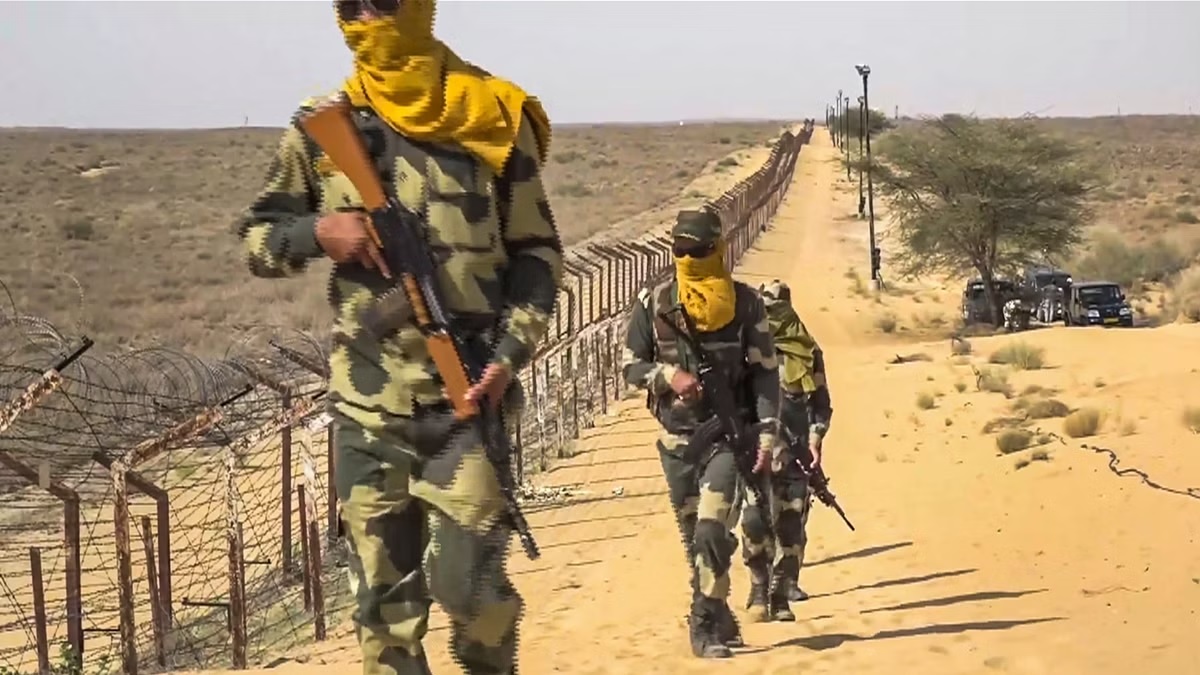
India
In a tragic incident highlighting the harsh realities of border duty, a Border Security Force (BSF) officer and a jawan succumbed to extreme heat exposure while patrolling the Harami Nallah creek area along the India-Pakistan border in Gujarat. Assistant Commandant Vishwa Deo and Head Constable Dayal Ram, part of the 59th battalion, were undertaking a routine patrol when they were overwhelmed by the severe weather conditions prevalent in the region.The incident occurred on a Friday, during a long-range border patrol in the remote and challenging terrain of Harami Nallah. This area, known for its treacherous conditions, saw temperatures soaring between 34 and 36 degrees Celsius, combined with humidity levels as high as 80 to 82 percent. Despite their training and experience, the extreme heat and humidity proved to be fatal.Sources indicate that the patrol team ran out of water and energy fluids amidst the marshy conditions of Harami Nallah. The nearest base promptly rushed supplies to the team, but the extreme conditions had already taken their toll. By the time they were evacuated to a medical facility in Bhuj, it was too late to save them.This tragic event underscores the perils faced by BSF personnel guarding the borders under harsh and unpredictable conditions. The Gujarat Frontier of the BSF is responsible for an 826 km stretch of the India-Pakistan border, from Barmer in Rajasthan to the salty marshlands of the Rann of Kutch, including the Sir Creek area. Patrolling these areas requires immense physical endurance and resilience, qualities that both Assistant Commandant Vishwa Deo and Head Constable Dayal Ram exemplified.The BSF, in a statement, praised the bravery and dedication of the two men. "Their commitment to safeguarding the nation's sovereignty, even in the face of extreme danger, will never be forgotten," the spokesperson said. "Our thoughts and prayers are with their families, friends, and colleagues during this incredibly difficult time."This incident is not isolated. Just two months prior, a jawan deployed on the India-Pakistan border in Rajasthan's Jaisalmer also lost his life due to heat stroke. These occurrences highlight the need for enhanced measures to protect personnel from extreme weather conditions, including better access to hydration and medical facilities.The loss of Assistant Commandant Vishwa Deo and Head Constable Dayal Ram is a stark reminder of the sacrifices made by those who guard the nation's frontiers. Their heroism and dedication serve as a testament to the spirit and resilience of the BSF, ensuring the safety and security of the country even in the most adverse conditions.
Read More → Posted on 2024-07-20 15:59:24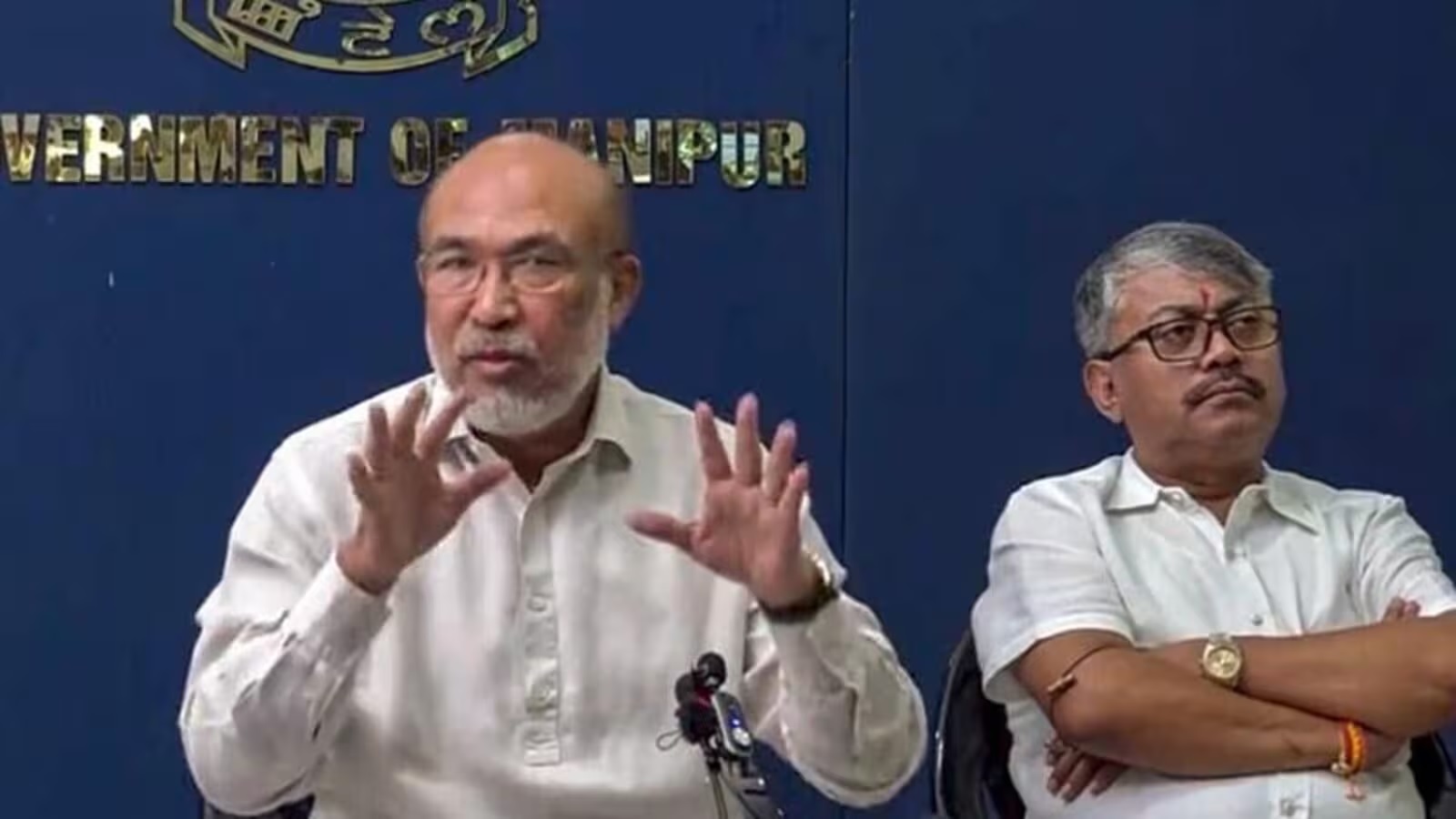
India
Manipur Chief Minister N. Biren Singh has announced that the border fencing along the India-Myanmar border will proceed despite local opposition. This decision comes in the wake of increasing concerns over infiltration, drug smuggling, and other illegal cross-border activities.The fencing project, spearheaded by the Union Home Ministry through the Border Roads Organisation (BRO), is aimed at enhancing security and maintaining demographic stability in the northeastern states bordering Myanmar. This region, known for its porous borders, has been a conduit for various illegal activities, prompting the central government to take stringent measures.Manipur shares a 398-kilometer-long border with Myanmar, a significant stretch that poses considerable challenges in terms of security management. In addition to Manipur, other northeastern states like Arunachal Pradesh, Nagaland, and Mizoram also share unfenced borders with Myanmar, collectively spanning 1,643 kilometers. The decision to fence these borders has not been without controversy, particularly due to the Free Movement Regime (FMR), which allows residents within 16 kilometers of the border to move freely between India and Myanmar without requiring passports or visas.Local leaders in Churachandpur district have reportedly threatened workers involved in the fencing project, urging them to cease their activities. Despite these threats, Chief Minister Singh has assured that the issues will be resolved and the project will continue. He emphasized the importance of the fencing in curbing infiltration and drug smuggling, which have been persistent problems in the region.Union Home Minister Amit Shah had previously announced the termination of the FMR and the initiation of the border fencing project to bolster national security and safeguard the demographic composition of the northeastern states. This decision has met with resistance, particularly from Mizoram and Nagaland, where local communities have strong ties across the border and rely on the FMR for maintaining these connections.In tandem with the border fencing efforts, the Manipur government has been cracking down on the issuance of fake Inner Line Permits (ILPs). The ILP system, established under the Bengal Eastern Frontier Regulation of 1873, regulates the entry of non-residents into certain areas of northeastern India. Recent raids led to the discovery of operations producing fake ILPs, resulting in the arrest of nine individuals, including a clerk from the labor department. These fake permits, produced at various computer centers and mobile repair shops, were believed to number around 3,500.To further investigate and address this issue, a Special Investigation Team (SIT) led by an Additional Superintendent of Police-rank officer has been formed. The Chief Minister has urged those in possession of fake ILP cards to surrender them to the authorities immediately. He also highlighted the implementation of an ILP facial recognition system to identify and catch defaulters.Despite the local resistance and the challenges involved, the Manipur government remains steadfast in its commitment to secure the border. The fencing project, coupled with stricter enforcement of the ILP system, represents a significant step towards enhancing the state's security and stability.This firm stance underscores the broader efforts by the Indian government to tackle cross-border issues and ensure the safety and integrity of its northeastern regions, even as it navigates the complex socio-political landscape of the area.
Read More → Posted on 2024-07-20 15:56:59
India
Relations between Turkey and India have hit a rough patch, culminating in Turkey imposing a comprehensive ban on military equipment exports to India. This development is significant, given India's status as one of the largest arms purchasers globally.The tensions have been brewing for a while. Earlier this year, New Delhi cancelled a contract with a Turkish company involved in a shipbuilding project at an Indian shipyard. This move seems to have triggered the Turkish government's drastic response. Although no official public announcement has been made, the decision was taken behind closed doors in the Turkish Parliament.Details about the ban emerged inadvertently during a debate in the Foreign Affairs Committee on July 10, 2024. Mustafa Murat Seker, Vice President of Turkey’s top arms procurement agency, the Presidency of Defense Industry (SSB), let slip the government's secret policy regarding India. This revelation has shed light on the simmering tensions between the two nations.India and Turkey have been at odds over various geostrategic issues. Turkey's growing closeness with Pakistan has not gone unnoticed by India, which has increasingly found itself on the opposite side of Turkey in international matters. India’s stance on the Armenia-Azerbaijan conflict and its support for Greece in the Aegean Sea dispute with Turkey have further strained relations.This escalating situation should not come as a surprise. The geopolitical landscape is constantly shifting, and nations often find themselves at odds due to their alliances and stances on global issues. The arms export ban is a clear indicator of the deepening rift between Turkey and India, with both nations taking firm stances on matters critical to their national interests.In summary, the complete arms export ban imposed by Turkey on India is a reflection of the deteriorating relations between the two countries. With both nations standing firm on their respective sides of various international disputes, the future of their bilateral relations remains uncertain. The geopolitical chessboard is intricate and ever-changing, and this latest move by Turkey adds another layer of complexity to an already tense relationship.
Read More → Posted on 2024-07-19 15:58:41
India
In a significant boost to India's defence capabilities, Hindustan Aeronautics Limited (HAL), a premier aerospace and defence company, has taken a major step forward in its involvement with the Light Combat Aircraft (LCA) AF Mk-2 program. HAL has signed an amendment to its existing Memorandum of Understanding (MoU) with the Aeronautical Development Agency (ADA), strengthening its role in the development and operational clearance of this advanced fighter aircraft.This revised MoU marks an important chapter in the LCA AF Mk-2 program. Under this agreement, HAL will now undertake a broader scope of responsibilities, particularly focusing on the completion of development activities and securing operational clearance during the Full Scale Engineering Development (FSED) Phase-3. This phase is crucial for the aircraft, valued at ₹2970.00 crore (including ₹285.00 crore in foreign exchange), as it paves the way for the LCA AF Mk-2 to become a pivotal component of the Indian Air Force's future arsenal.The collaboration between HAL and ADA is a strategic move that leverages the strengths of both organizations. HAL brings its extensive experience in aircraft production and integration to the table, while ADA contributes its expertise in design and development. This synergy is aimed at delivering a world-class fighter aircraft that can meet the evolving needs of the Indian Armed Forces.The LCA AF Mk-2 represents a significant upgrade over the existing LCA Tejas, featuring enhanced capabilities and advanced technologies. These improvements are expected to significantly enhance India's air combat prowess and move the nation closer to achieving self-reliance in defence production. The LCA AF Mk-2 is designed to be more powerful, with better avionics, advanced sensors, and superior weapons systems. It promises greater operational flexibility and survivability, ensuring that India remains at the forefront of modern aerial warfare.In recent years, India has been pushing for greater indigenization in its defence sector. The expanded role of HAL in the LCA AF Mk-2 project is a testament to this effort. By involving local companies in critical defence projects, India aims to reduce its dependence on foreign suppliers and build a robust domestic defence industry.The journey of the LCA program has not been without challenges. However, the persistent efforts of HAL and ADA have borne fruit, leading to the successful development and induction of the LCA Tejas into the Indian Air Force. The LCA AF Mk-2 is expected to build on this legacy, providing the Indian Air Force with a formidable platform to tackle future threats.Overall, the expanded partnership between HAL and ADA in the LCA AF Mk-2 program is a positive development for India's defence sector. It underscores the importance of collaboration and innovation in developing cutting-edge technologies and strengthens the country's position as a leading player in the global aerospace and defence arena.
Read More → Posted on 2024-07-19 15:54:41Search
Top Trending in 24 Hours
-
 Tulsi Gabbard Releases Declassified Files Detailing U.S.-Backed Network of 120 Biolaboratories Across 30+ Countries
-
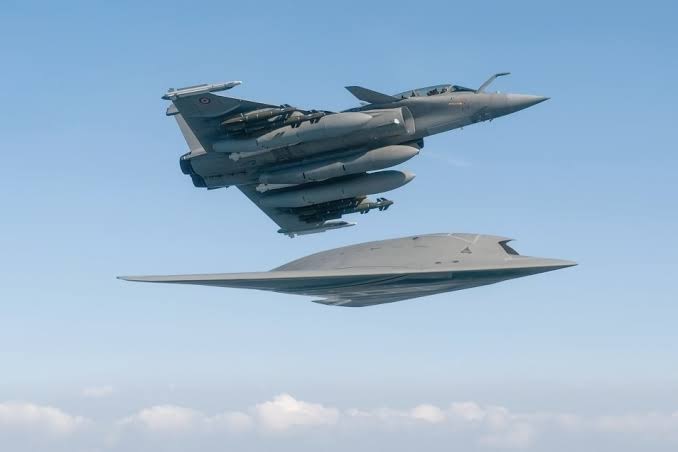 France Agrees to Equip Future Indian Rafales with AI, MUM-T and Secure Satellite Links Under F5 Standard
-
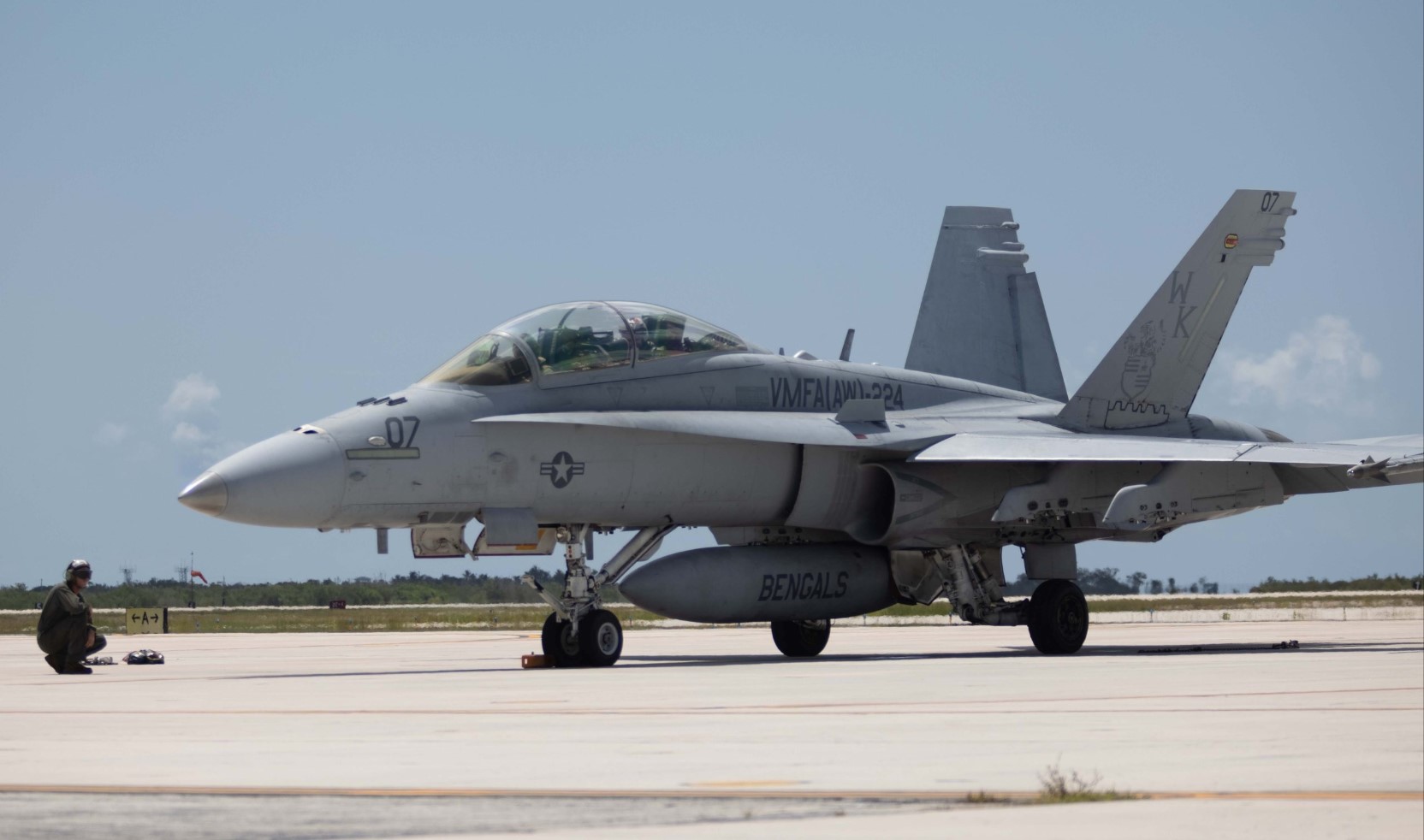 US Marine Corps F/A-18D Hornet Crashes During Training Flight in Washington Mountains; Pilot Ejects Safely
-
 Dassault Seeks Compensation From Airbus as Eurodrone Dispute Erupts After FCAS Collapse
-
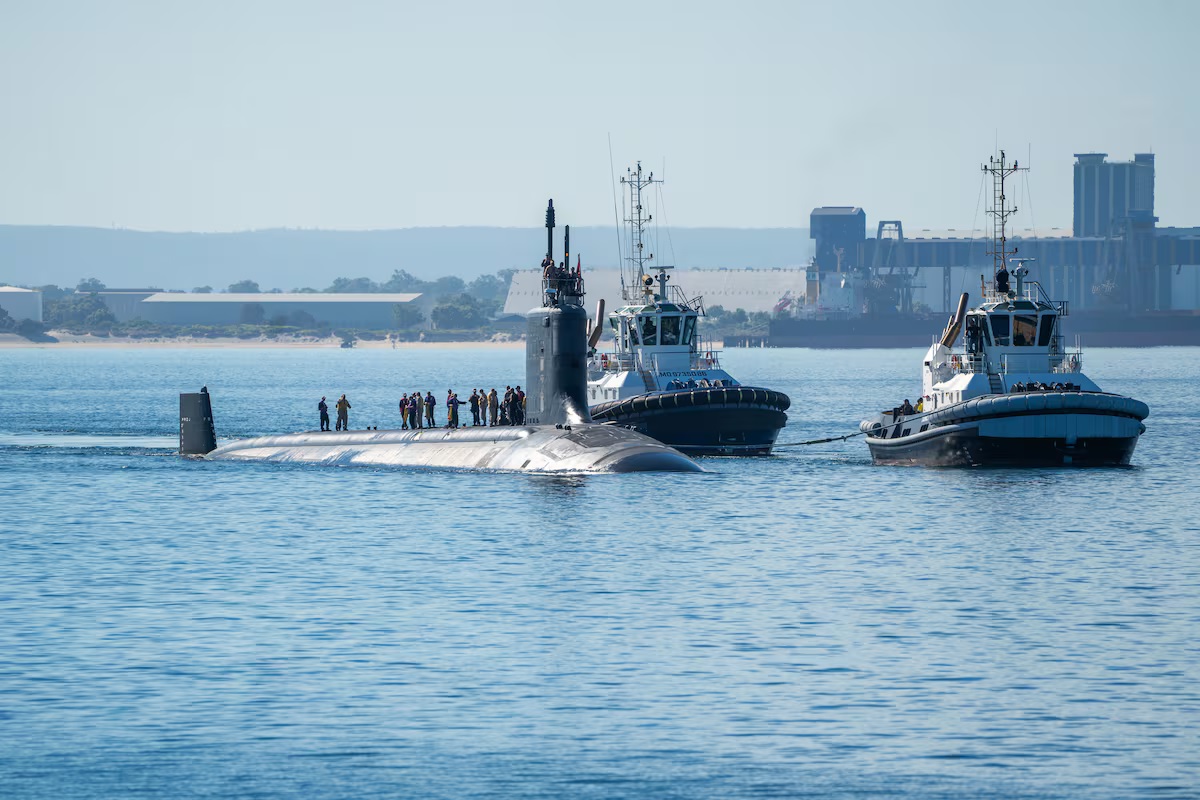 U.S. Navy Reestablishes Submarine Squadron 3 at HMAS Stirling to Support AUKUS Rotational Force
-
 AM General Unveils Next-Generation UGV and JLTV A2 with Counter-Drone Systems at Eurosatory 2026
-
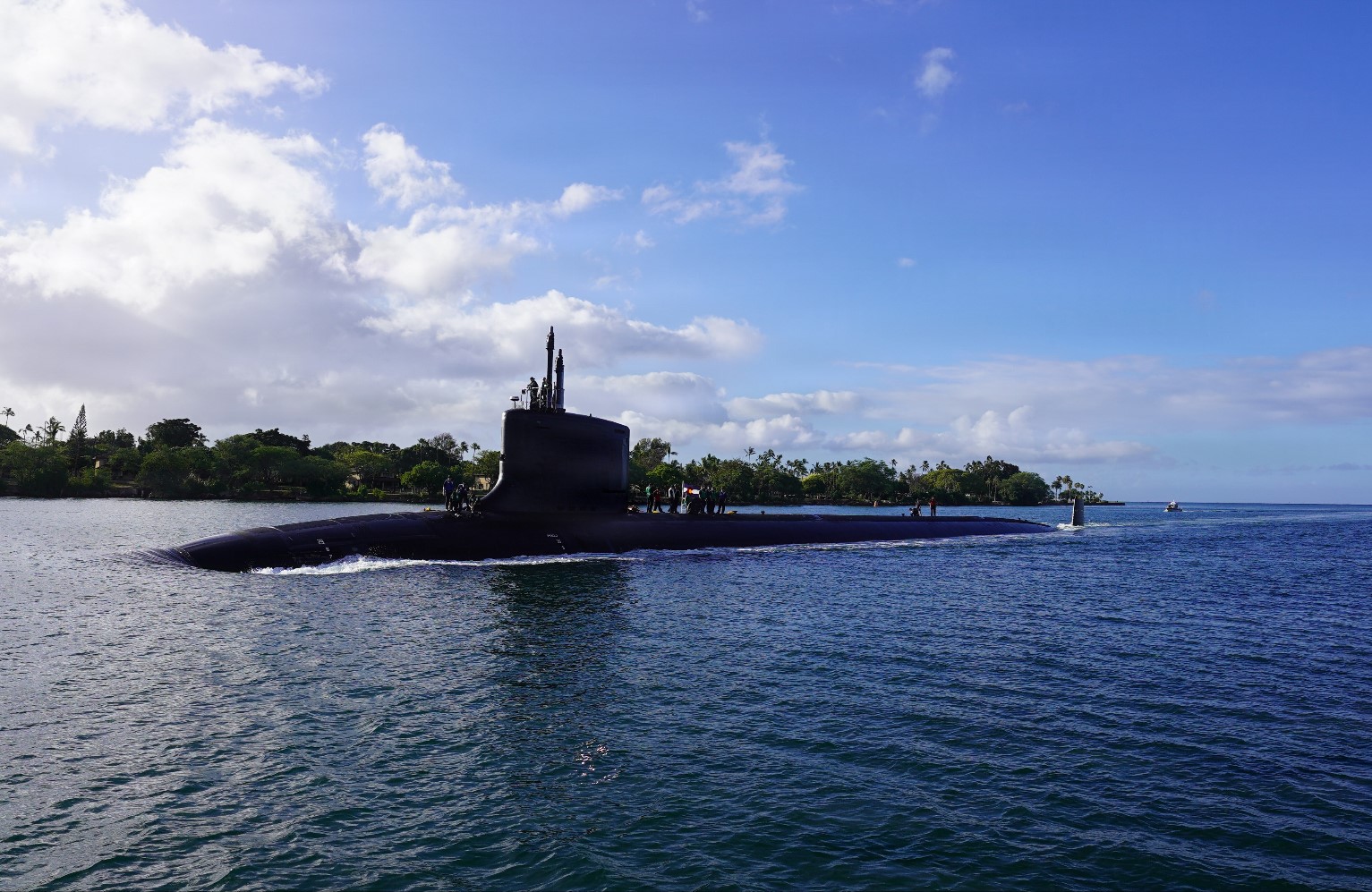 U.S. Navy's USS Colorado Submarine Returns to Pacific Fleet 29 Days Early After Major Pearl Harbor Overhaul
-
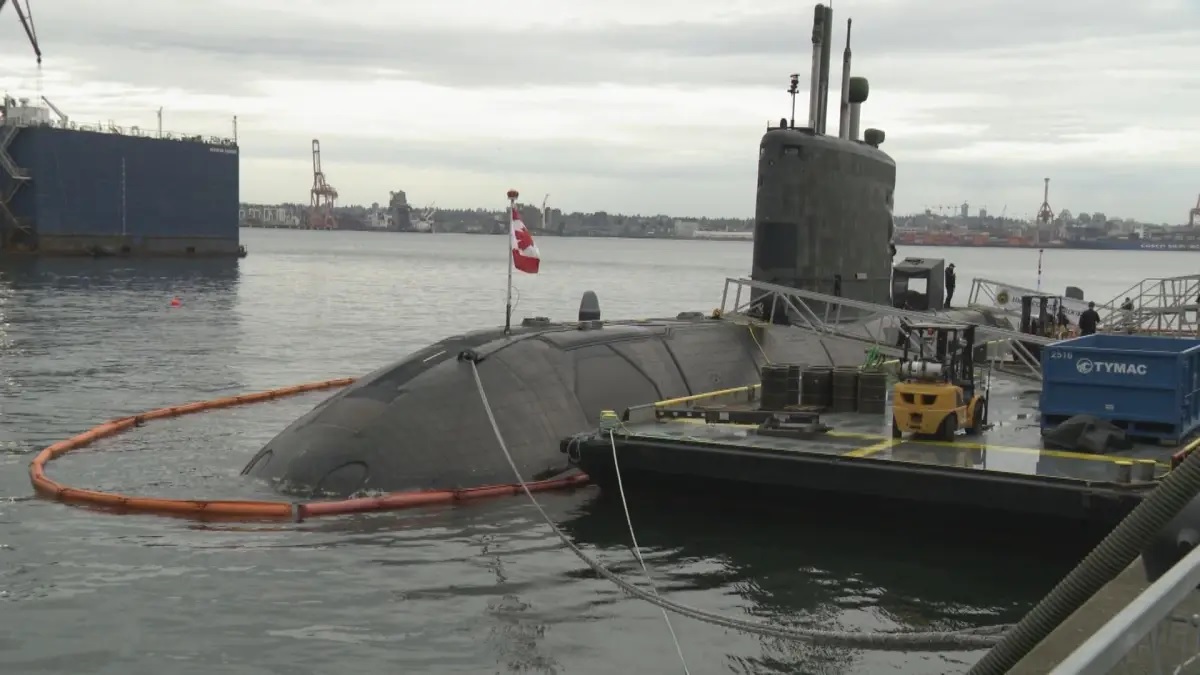 Royal Canadian Navy Deploys HMCS Corner Brook for First RIMPAC Submarine Mission in Over a Decade
Top Trending in 4 Days
-
 Iranian Media Leaks 14-Point U.S.-Iran Peace Framework Amid Ongoing Negotiations
-
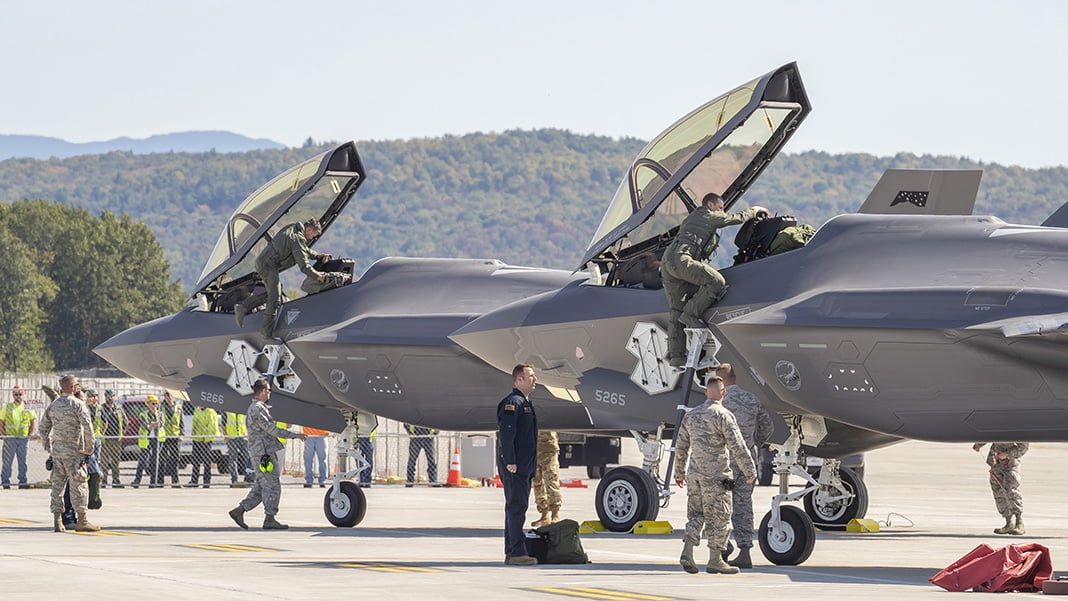 F-35 Fleet Readiness Falls to 25% Amid Parts Shortages and Software Delays: GAO Report
-
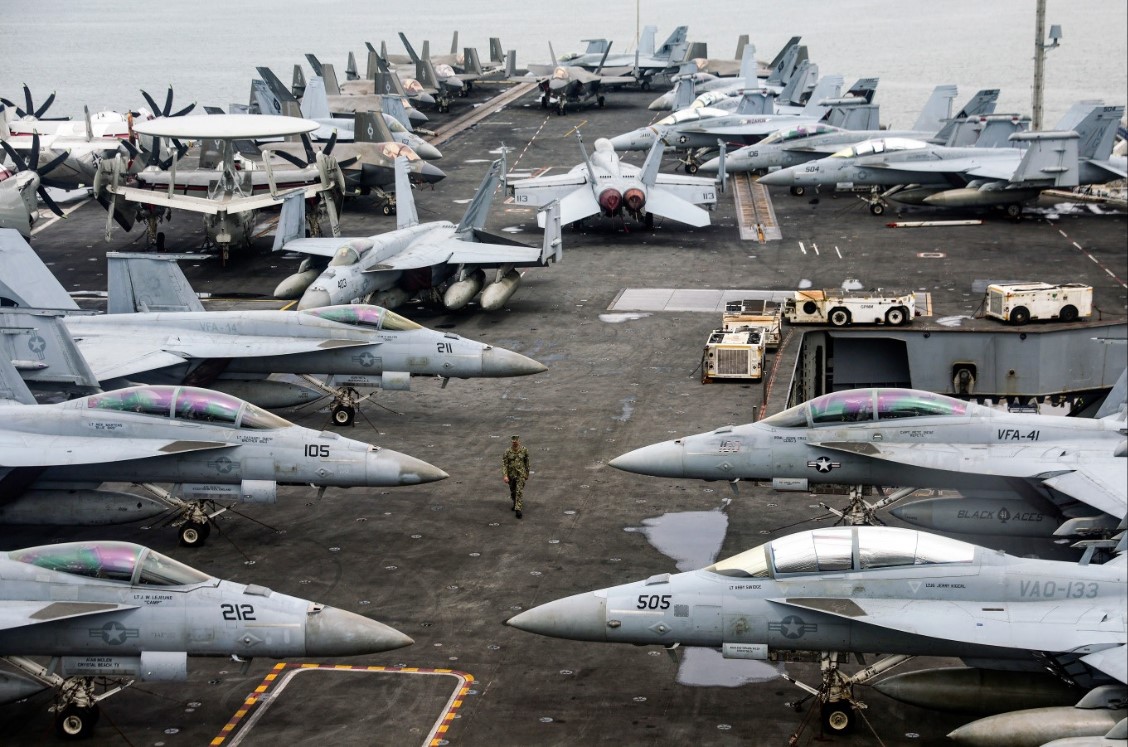 US Plans Significant Reduction of Fighter Jets and Warships for NATO Operations in Europe
-
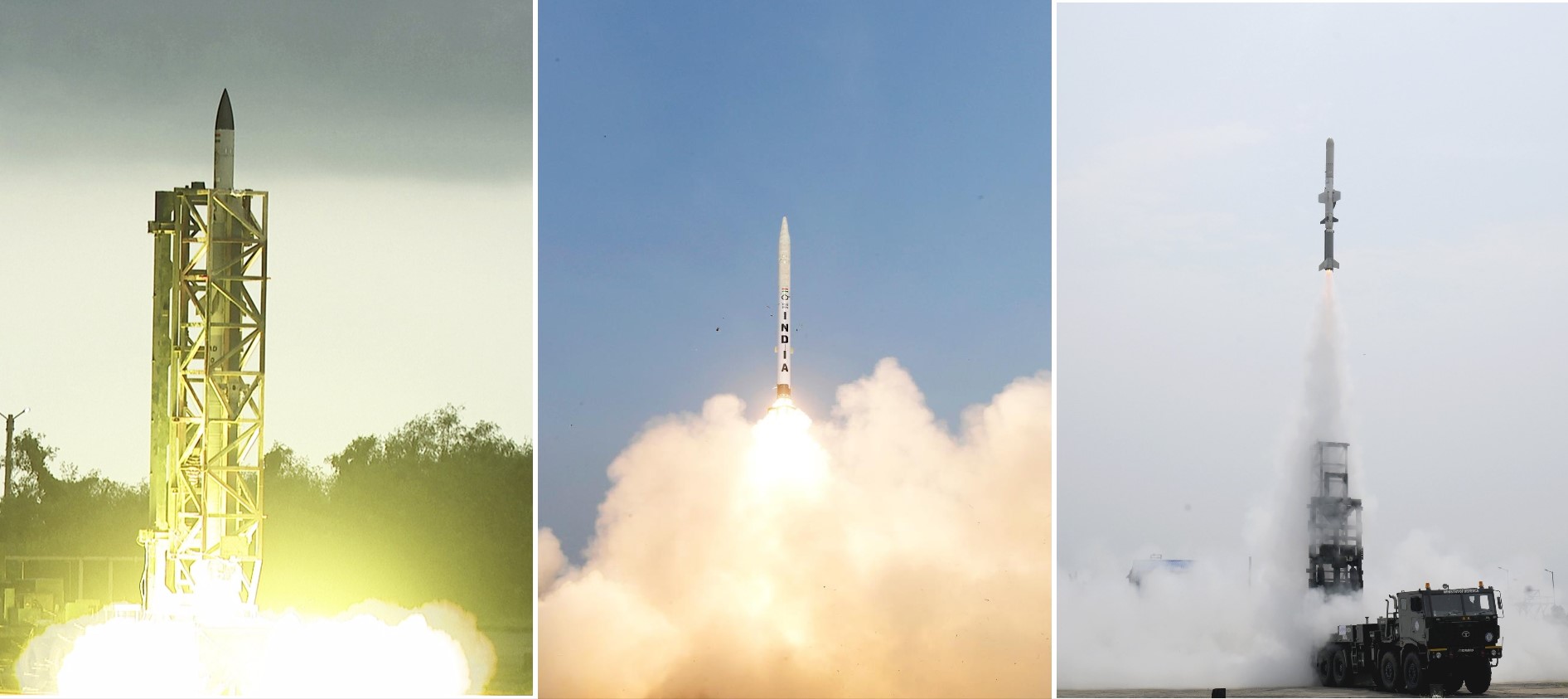 India Successfully Conducts AD-1, AD-2 Interceptor Tests and Maiden NASM-MR Flight Trial
-
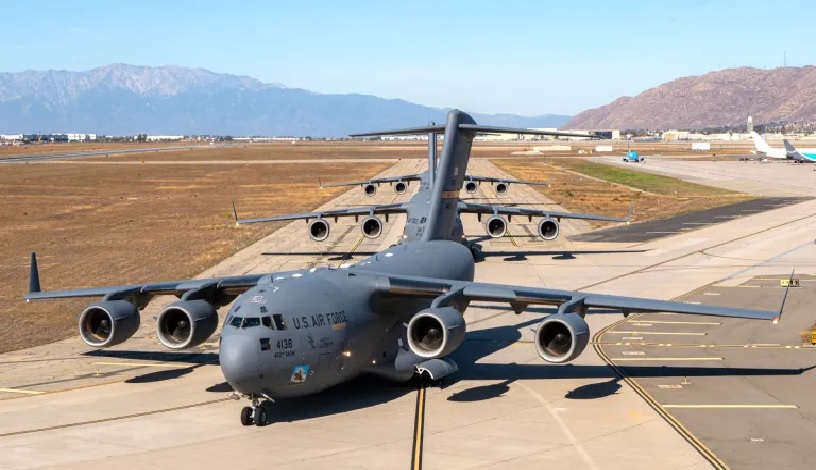 U.S. Air Force Faces Strategic Airlift Shortfall as C-17 Production Restart Remains Uncertain
-
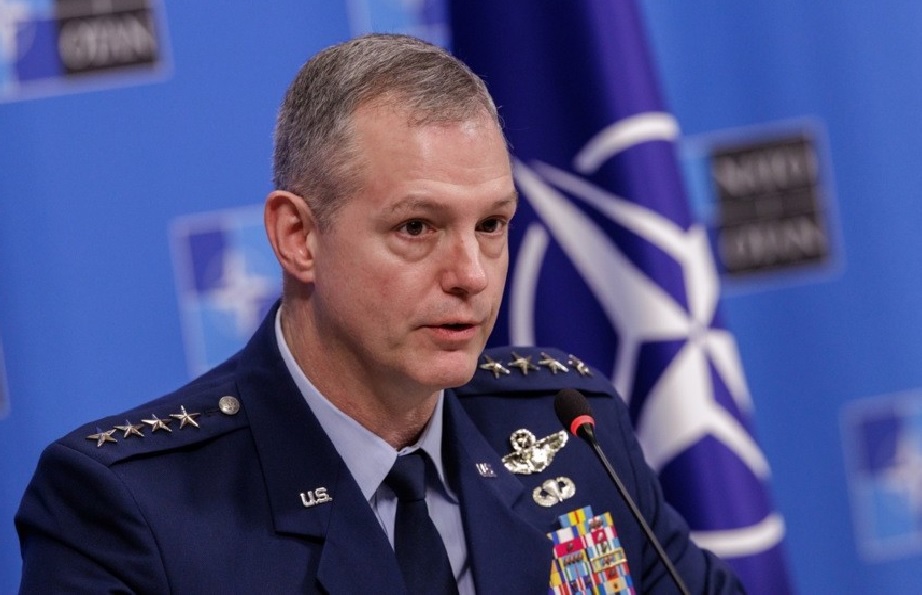 NATO Commander Says Russia Not Seeking Conflict With Alliance Despite U.S. Force Reductions
-
 U.S. Space Force Awards $437.7 Million Contracts for First PTS-G Swarm 1 Anti-Jam Satellites
-
 Russian Defense Firm ZALA Unveils KAMA Unmanned Surface Vessel Family at FLOT-2026 Naval Exhibition