
India
Hindustan Shipyard Limited (HSL) in Visakhapatnam achieved a major milestone with the keel-laying ceremony of the Indian Navy's first 44,000-ton Fleet Support Ship (FSS) on November 14, 2024. This momentous event marked the official commencement of construction on the first of five such vessels, a project that reflects India's growing self-reliance in defence manufacturing. The FSS project, part of a ₹19,000 crore ($2.3 billion) contract inked on August 25, 2023, is critical to bolstering the operational flexibility of the Indian Navy. These advanced ships are designed to resupply naval fleets with fuel, water, spare parts, and ammunition while at sea, enabling longer missions without the need to return to port. Delivery of the first vessel is slated for mid-2027, with subsequent ships expected to follow at intervals of 10 to 12 months. Technological and Strategic Highlights The Fleet Support Ship boasts cutting-edge features tailored for high seas operations. With a displacement of 44,000 tonnes, these vessels are among the largest support ships ever built in India. Their design emphasizes not only payload capacity but also speed, efficiency, and survivability, ensuring seamless integration with India's blue-water navy. Equipped with advanced replenishment systems, the FSS will enable simultaneous refueling, provisioning, and transfer of supplies to multiple ships, even in challenging sea conditions. The ships will also feature state-of-the-art navigation and communication systems, ensuring enhanced operational safety and efficiency. Strengthening Infrastructure at HSL To accommodate this ambitious project, HSL has invested heavily in upgrading its infrastructure. The installation of a new Goliath crane—capable of lifting heavy ship components—will significantly improve construction efficiency. Slipway facilities are also being enhanced to handle the unique requirements of building such large vessels. These upgrades will not only support the FSS project but also position HSL as a key player in India's shipbuilding sector for future military and commercial endeavors. Boost to Local Industry and Employment The Fleet Support Ship program is more than just a boost to India’s naval capabilities; it is a cornerstone of the nation’s "Make in India" and "Aatmanirbhar Bharat" initiatives. With a focus on indigenous design and production, the project is expected to generate thousands of jobs and stimulate economic growth in the Visakhapatnam region. Micro, small, and medium enterprises (MSMEs) stand to benefit significantly as suppliers of specialized components and systems for the ships. This symbiotic relationship between large-scale shipbuilding and smaller industries is a testament to the broader economic vision driving India’s defence manufacturing policies. Strategic Implications for the Indian Navy The addition of Fleet Support Ships will extend the operational reach of the Indian Navy, a critical component of maintaining maritime dominance in the Indian Ocean Region (IOR). These ships will enable sustained deployments for naval assets, enhancing their capability to respond swiftly to threats, provide humanitarian aid, and secure vital sea lanes. By ensuring logistical self-sufficiency at sea, the FSS aligns with India’s strategic doctrine of enhancing maritime security and projecting influence across the IOR. A Path to Self-Reliance The keel-laying ceremony at HSL symbolizes more than the start of a ship’s construction—it marks India’s growing confidence in its ability to meet the complex demands of modern naval warfare through indigenous capabilities. As these ships take shape, they will stand as a testament to India’s ambition to become a global leader in defence manufacturing. With cutting-edge technology, enhanced infrastructure, and a strong focus on local industry participation, the Fleet Support Ship project represents a new chapter in India’s maritime history, one that emphasizes self-reliance and strategic foresight.
Read More → Posted on 2024-11-15 15:35:54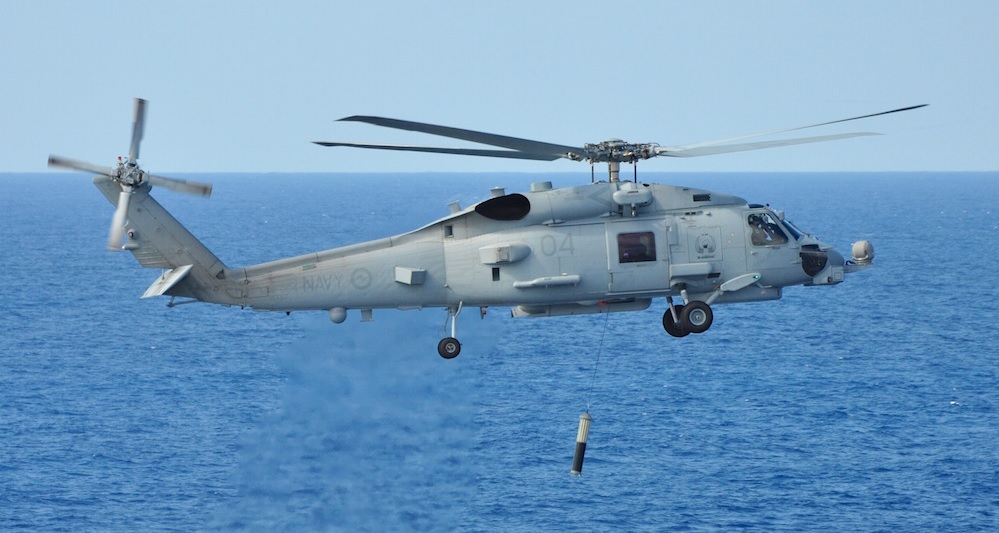
India
The Indian Navy is making a significant leap in its communication technology by equipping its entire aerial fleet with advanced, indigenously developed Software-Defined Radios (SDR). This major modernization effort aligns with India’s push towards self-reliance in defense capabilities under the "Aatmanirbhar Bharat" initiative.Developed in collaboration with Bharat Electronics Limited (BEL), these SDRs are designed to meet modern naval warfare demands. The radios are highly versatile, capable of operating across multiple frequency bands and supporting both secure and encrypted communications. Their design makes them highly adaptable, enabling smooth integration with a variety of platforms, whether helicopters like the MH-60R Seahawk or drones and maritime patrol aircraft like the P-8I Poseidon.Specifications and CapabilitiesThe indigenous SDR systems include the Naval Combat (SDR-NC), Tactical (SDR-Tac), and a Next Generation (SDR-NG) variant. These radios are programmed to handle extensive signal processing through software, making them easily upgradable to new communication standards and protocols. This software-centric design gives the Navy unmatched flexibility to adapt to new technologies by simply updating the software, as opposed to traditional, hardware-reliant radios.Key features include:Enhanced Encryption: The SDRs can handle secure voice, data, and video communications, crucial for missions where information security is paramount.Real-Time Data Sharing: The integration of Link-II, a secure data link, allows for instantaneous exchange of tactical information between ships, submarines, and airborne platforms, which is vital for coordinated maritime operations.Interference Resistance: Advanced signal processing techniques minimize signal interference, ensuring clear and reliable communication even in challenging environments.Operational AdvantagesBy using SDRs, the Indian Navy enhances its interoperability not just within its branches but also with allied forces. For instance, the MH-60R Seahawk helicopters, recently added to the fleet, will benefit greatly from these communication upgrades. These helicopters perform critical roles, from anti-submarine warfare to search and rescue missions, and require robust communication systems to coordinate efficiently with ships and aircraft.Furthermore, the SDR's flexible nature allows for seamless frequency and mode changes, enabling adaptive strategies during missions. For aerial assets operating in diverse and contested environments, this adaptability ensures continuous and secure communication, even if frequencies become compromised.Strategic Implications and IndigenizationThe installation of these radios represents more than just a technological upgrade. It underscores India's commitment to developing homegrown defense solutions, reducing reliance on foreign imports, and fostering a robust domestic defense manufacturing ecosystem. The Navy's adoption of these systems has been described as a critical move towards indigenizing key components of maritime warfare infrastructure.The modernization effort also includes plans for testing an additional SDR variant, expected to further revolutionize naval communications in the coming years. This continued development and integration demonstrate a forward-thinking approach, preparing the Navy to counter rapidly evolving maritime threats with cutting-edge technology.Through this initiative, the Indian Navy not only enhances its operational readiness but also signals a strategic shift towards comprehensive self-reliance and technological advancement, setting a new benchmark for the future of naval communications.
Read More → Posted on 2024-11-15 15:32:04
World
French defense company SOFRAME has made headlines by presenting a unique and advanced tactical system: a drone armed with a laser turret, engineered to deal with the escalating threat of small unmanned aerial vehicles. This latest innovation was showcased during the prestigious National Infantry Days, where SOFRAME emphasized how the system meets the evolving demands of modern warfare.At the heart of this cutting-edge setup is the HE441, a multi-role, ultra-lightweight 4x4 all-terrain vehicle. With its open cab design, the HE441 is optimized for rapid deployment and flexibility, traits that are essential for missions where mobility and quick reaction are paramount. But what makes this vehicle truly revolutionary is the integration of the HELMA-P laser turret, a state-of-the-art anti-drone system developed by CILAS, a subsidiary of Ariane Group.The HELMA-P laser weapon system has a two-axis turret equipped with powerful optical sensors and a 2-kilowatt laser. What sets this system apart is its dual capability: it can either burn through enemy drones at a distance of up to 1 kilometer or dazzle and disrupt their sensors at a range of up to 3 kilometers. The ability to switch between these two functions offers commanders critical flexibility in various operational scenarios. Whether it’s neutralizing a direct threat or disrupting surveillance drones that hover just out of reach, HELMA-P provides a highly adaptive solution.Development of the HELMA-P laser began in 2017 and was completed in 2019, showcasing French engineering prowess. The system’s human-machine interface (HMI) is highly intuitive, allowing a single operator to control the laser turret with precision. This means that ground forces can efficiently deploy and manage the turret in high-stress environments, with minimal additional training.As drones become increasingly prevalent on the battlefield—often used for reconnaissance, delivering payloads, or jamming communications—the necessity of robust counter-drone measures has become obvious. The HELMA-P laser addresses this need by leveraging the speed and accuracy of laser technology to take down or incapacitate aerial threats with a high degree of reliability. It is particularly effective in situations where conventional anti-air measures might be overkill or too slow to respond to agile, small-scale drones.Aside from its potent defensive capabilities, the HE441 platform itself brings several advantages to the table. Its lightweight build allows for high maneuverability across difficult terrains, making it well-suited for rapid-response missions. SOFRAME has designed this vehicle not only with performance in mind but also to support a range of military needs, from reconnaissance to frontline support.The unveiling of this laser-equipped drone system highlights a critical shift in military technology. Defense companies are increasingly focusing on directed-energy weapons as they offer a cost-effective and efficient method to neutralize threats. Lasers, unlike traditional projectiles, do not need to be reloaded and can operate continuously, provided there is a power source. This is a significant strategic advantage in sustained operations where ammunition resupply might be limited or compromised.SOFRAME’s partnership with CILAS and the Ariane Group exemplifies the growing importance of collaborations in the defense sector to develop advanced systems. By combining SOFRAME’s expertise in tactical vehicles and CILAS’s cutting-edge laser technology, they have crafted a solution that stands out in the world of anti-drone warfare.As the battlefield continues to evolve, systems like the HELMA-P-equipped HE441 are expected to play a crucial role in protecting ground forces from aerial threats. The drone-equipped laser turret marks a significant step forward, offering armed forces a glimpse into the future of tactical defense.
Read More → Posted on 2024-11-15 15:26:58
World
At Euronaval 2024 in Paris, the French Ministry of Armed Forces and the Directorate General of Armaments (DGA) unveiled the newest addition to the French Navy’s maritime arsenal: the Patrouilleur Hauturier (PH), or Offshore Patrol Vessel. This new generation of patrol vessels represents a significant upgrade from the aging D’Estienne d’Orves-class ships and Flamant-class boats, promising enhanced capabilities that align with modern maritime security demands.The development of the PH program is central to France's strategic vision of securing its maritime territories and ensuring seamless state action at sea. These new vessels are equipped to handle diverse missions, including maritime surveillance, deterrence support, evacuation operations, protection of vital infrastructure, and escort and intervention roles. As global maritime dynamics evolve, the new OPVs are crafted to counter the complex security challenges that arise in French areas of interest.A Modern Multi-Mission Maritime ForceThe Patrouilleur Hauturier program began to take shape following a November 17, 2023, contract that saw the French government order seven state-of-the-art patrol vessels. Designed collaboratively by Naval Group with contributions from PIRIOU, CMN, and SOCARENAM, the new OPVs reflect cutting-edge naval architecture. The design phase commenced in 2020, and by May 22, 2024, construction of the first vessel was underway at PIRIOU’s Concarneau shipyard. Naval Group’s role includes overseeing construction and ensuring adherence to the French Navy's rigorous standards. The first patrol vessel is slated for delivery in 2026, with full operational status expected by 2027. The entire fleet of ten ships will be commissioned by 2035, honoring heroes of WWII, with one vessel named after the Île de Sein as a tribute to Brittany’s valiant resistance during the war.Enhanced Specifications and EnduranceAt 92 meters in length and displacing 2,400 tonnes, the new OPVs are far more capable than their predecessors. They feature a diesel-electric propulsion system that delivers a top speed exceeding 21 knots and an impressive endurance of 6,000 nautical miles or 30 days at sea. The vessels boast a breadth of 14.2 meters and a draft of 3.6 meters. Designed for long-term service, each ship has a projected lifespan of 35 years, with 140 days of annual operational availability, aiming to increase to 220 days, and total year-round availability reaching 300 days.Crew capacity is also expanded: the ships can accommodate up to 84 personnel, a mix of crew and mission-specific specialists. This reflects the French Navy’s emphasis on operational flexibility, enabling the vessels to be tailored for a wide array of assignments, from coastal security to high-seas missions.Sophisticated Combat SystemsNaval Group has outfitted the new OPVs with state-of-the-art systems that optimize both combat and operational efficiency. At the heart of the ship is the SETIS-C combat management system (CMS), which integrates the latest automation technologies. The SHIPMASTER system handles platform control, managing everything from power generation to alert mechanisms, ensuring the ship can seamlessly transition between roles. The PH vessels also come equipped with Exail’s Phins Inertial Navigation Systems (INS) and Netans Data Distribution Units (DDU), which provide unparalleled navigation precision.Radar capabilities are spearheaded by Thales’ NS54 4D AESA multi-function X-band radar, a sophisticated system capable of aerial and surface surveillance, fire control, and target identification. To safeguard against underwater threats, the OPVs are fitted with the BLUEWATCHER hull-mounted sonar, a rare but vital asset in a patrol vessel, providing crucial intelligence and protection during submarine operations.Defense and WeaponryIn terms of firepower, the French Navy’s new OPVs are equipped with the formidable RapidFire 40mm gun system from Thales/KNDS, mounted prominently at the bow. This advanced weapon system can engage aerial and surface targets effectively, utilizing A3B munitions that enhance its anti-air capability. Additionally, provisions for future armament enhancements, such as the MBDA SIMBAD system with Mistral 3 surface-to-air missiles, are built into the design. The ships also feature multiple 12.7mm heavy machine guns, 7.62mm general-purpose machine guns, and a variety of non-lethal deterrence tools.The onboard surveillance capabilities are enhanced with Safran’s VIGY 4 electro-optical system, allowing for day-and-night observation, essential for modern maritime operations. CERBAIR’s HYDRA counter-drone system further secures the vessel from emerging unmanned aerial threats, with antennas strategically placed around the ship.Unmatched Versatility and Support SystemsThe new OPVs are designed with an integrated mast housing the NS54 radar, multiple navigation sensors, and communication systems. The bridge offers a panoramic view, a design feature that enhances situational awareness and operational response. The aft section includes a hangar large enough to accommodate both an Airbus H160M helicopter and an Airbus VSR700 unmanned aerial system (UAS), reflecting the OPVs' air-sea operational capability.The vessel also has space for two rigid-hulled inflatable boats (RHIBs) of different sizes: the Zodiac Hurricane EDO NG and the larger Zodiac ECUME, essential for boarding operations, search and rescue, and rapid response tasks. A large crane on the starboard side facilitates the deployment of equipment or a smaller RHIB, and the hangar deck is designed to house modular containers for mission-specific gear.A Leap Forward in Maritime SecurityThe new Patrouilleur Hauturier class represents a significant leap forward for the French Navy, combining firepower, endurance, and technological sophistication to address the broad spectrum of contemporary maritime threats. As these vessels prepare to enter service, they mark a pivotal step in reinforcing France’s maritime defense posture, ensuring the nation’s strategic interests and territorial waters remain well protected. The unveiling at Euronaval 2024 not only showcased a state-of-the-art warship but underscored France's commitment to future-proofing its naval forces in an increasingly contested maritime landscape.
Read More → Posted on 2024-11-15 15:15:57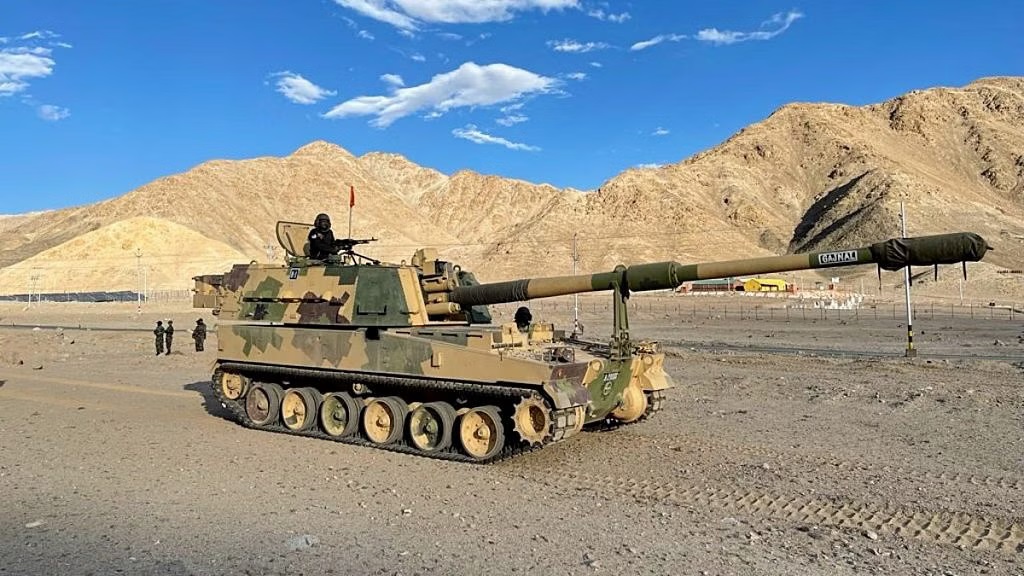
India
Larsen & Toubro (L&T) is on the verge of securing a substantial follow-up order from the Indian Ministry of Defence (MoD) for 100 more K-9 Vajra self-propelled howitzers. This anticipated acquisition follows the resounding success of the initial batch of 100 units, completed in 2021, which had a project value of ₹4,500 crore. The new deal, which is expected to surpass the previous financial terms, underscores both the growing capability of India’s indigenous defense industry and the strategic importance of these advanced artillery systems.The K-9 Vajra, co-developed by L&T in collaboration with Hanwha Defense of South Korea, is a formidable 155mm/52 caliber howitzer. It is built for superior firepower and mobility, with a maximum firing range of about 40 kilometers and a burst firing rate of three rounds in 15 seconds. This artillery gun features a fully automated laying system and a high-tech fire control system, making it exceptionally adaptable to varied terrains. The K-9 is powered by a German MTU engine that delivers reliable performance across diverse weather conditions, crucial for operations in both desert and high-altitude environments.The Indian Army’s confidence in the K-9 Vajra’s versatility has grown since its deployment in the Ladakh region following the Galwan Valley clash in 2020. Originally procured for desert operations along the western front with Pakistan, the howitzers have now proven their effectiveness at high altitudes. To adapt to such extreme conditions, L&T has introduced specialized kits to equip the K-9 Vajras for freezing temperatures, modifying key components like the engine and lubrication systems to ensure optimal performance even at sub-zero levels.Negotiations with the MoD are reportedly in the final stages, with L&T’s Senior Vice President, Arun T Ramchandani, indicating that an official announcement could be imminent. As the Indian Army looks to enhance its artillery arsenal, the timely delivery of these additional howitzers, likely by 2028, would significantly bolster India’s defensive posture along both the western and northern borders.This order will also further India’s push towards defense self-reliance. L&T’s Armoured Systems Complex in Hazira, Gujarat, which manages the assembly of these howitzers, stands as a testament to the country’s robust manufacturing ecosystem. By integrating high-end technology with local production capabilities, the K-9 Vajra project has set a benchmark for future defense collaborations.
Read More → Posted on 2024-11-15 15:09:10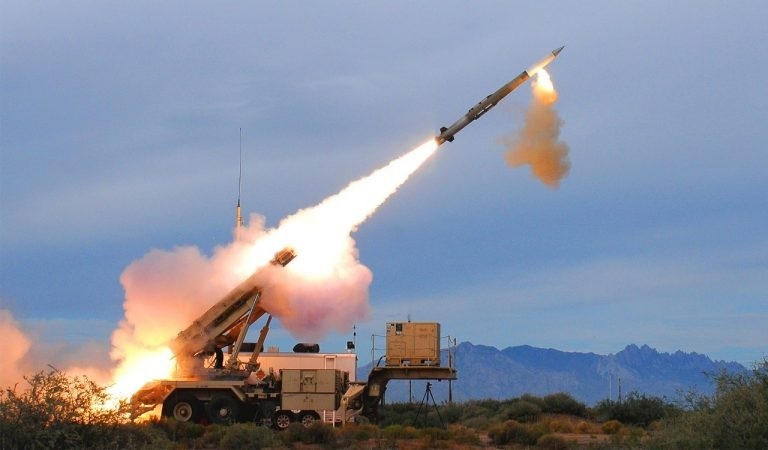
World
Lockheed Martin is gearing up to boost the production of its highly advanced Patriot Advanced Capability-3 (PAC-3) Missile Segment Enhancements (MSE) to 650 units annually, following a significant new contract from the U.S. Army. This initiative comes amid growing global demand for sophisticated air and missile defense systems, particularly in an era marked by evolving threats and escalating tensions in various regions.The PAC-3 MSE, a critical component of the U.S. and allied nations' integrated air and missile defense architecture, has long been celebrated for its remarkable precision and capability. The missile’s advanced design features a dual-pulse solid rocket motor that enables it to intercept faster and more elusive targets compared to earlier models. Equipped with cutting-edge seeker technology, the PAC-3 MSE can engage ballistic and cruise missiles with exceptional accuracy, offering a layered and robust defense shield against evolving aerial threats.Brian Kubik, Vice President of PAC-3 Programs at Lockheed Martin Missiles and Fire Control, emphasized the strategic importance of expanding production capacity. "Demand for PAC-3 MSE’s combat-proven deterrence capabilities continues to grow at a rapid pace," he remarked. To prepare for this surge, Lockheed Martin proactively invested in expanding its production facilities and strengthening its supply chain infrastructure more than a year ago. These investments have significantly increased factory output and made the company’s supply processes more agile and efficient.In just the past eight months, the PAC-3 production team at Lockheed Martin has made impressive strides, shattering previous records for missile output. Production levels have risen by over 30% this year, with plans to increase capacity by another 20% in 2024. The company is already on track to manufacture over 500 PAC-3 MSE missiles by the end of 2024, setting a new production benchmark.The PAC-3 MSE program, which recently celebrated the delivery of its 2,000th missile, remains a cornerstone of Lockheed Martin’s 21st Century Security vision. This vision aims to advance America’s defense capabilities through modernized, resilient systems while bolstering the U.S. defense industrial base. As global security dynamics continue to shift, the emphasis on reliable, high-volume production becomes even more crucial.Lockheed Martin’s strategy extends beyond merely scaling up manufacturing. The company is committed to continuous innovation and system upgrades. Each PAC-3 MSE missile embodies cutting-edge technology designed to counter sophisticated threats, from hypersonic weapons to advanced drones and aerial platforms. The missile’s onboard guidance system and agility ensure that it can neutralize enemy targets with high precision, providing unmatched protection to ground forces and strategic assets.The expanded production is a clear signal of Lockheed Martin’s dedication to meeting the demands of an increasingly interconnected and unpredictable world. As the United States and its allies invest more heavily in defense to deter potential adversaries, Lockheed Martin’s PAC-3 MSE system is positioned as a frontline defense asset. With plans to exceed the 650-missile annual production target in the coming years, the company aims to cement its role as a leader in advanced air and missile defense technology.This significant production ramp-up underscores the strategic value of the PAC-3 MSE, which has proven itself in a range of challenging operational environments. From intercepting ballistic threats in contested zones to providing a shield against aerial bombardments, the PAC-3 MSE continues to play a pivotal role in safeguarding nations and deterring aggression across the globe.
Read More → Posted on 2024-11-15 15:03:48
India
India's pursuit of modern air defence has taken a giant leap forward with the development of the next-generation Akashteer Command and Control System. As threats to national security evolve, especially with the proliferation of fast-moving aircraft, drones, and advanced missiles, the Akashteer system brings forth a new era of air defence technology.The Akashteer is not just another addition to India’s defence arsenal. It represents a sophisticated integration of sensor fusion and automated command functions designed to respond to the challenges of modern warfare. By combining data from Indian Army Air Defence (AAD) and Indian Air Force (IAF) sensors, Akashteer can create a unified, real-time air picture. This seamless integration significantly improves situational awareness across the defence network, ensuring every threat is detected and assessed quickly and efficiently.One of the standout features of Akashteer is its use of automation. As aerial threats become more agile and faster—some capable of moving at supersonic speeds—speedy data processing and minimal human intervention are crucial. Akashteer automates the identification and prioritization of targets, allowing immediate and precise responses. This automation extends to engagement decisions, ensuring that high-speed aircraft or drones cannot exploit delays in human reaction times.Moreover, Akashteer’s architecture has been specifically tailored for operations along India's sensitive borders, like those with Pakistan and China. By decentralizing the authority to engage targets, the system empowers frontline units with more autonomy while simultaneously safeguarding against errors like friendly fire. This feature ensures a balanced approach, where engagement decisions are both swift and strategically sound.Communication is another critical aspect that Akashteer addresses robustly. In an era where electronic warfare and jamming are constant threats, the system ensures uninterrupted command communication through advanced redundancy measures. It is capable of operating effectively even in electronic warfare-heavy environments, thus maintaining a steady command chain under extreme conditions.From a strategic deployment standpoint, the Akashteer system exhibits impressive flexibility. It can be stationed on mobile platforms to support advancing strike formations or as hardened installations for defensive purposes. This adaptability allows for varied defensive tactics and ensures the system is effective across different operational scenarios.As for its deployment timeline, India has already delivered 107 of the planned 455 Akashteer units, with another 105 expected by March 2025. Full deployment is anticipated by 2027, showcasing India’s determination to rapidly bolster its air defence infrastructure. This phased rollout is a clear indication of the system's critical role in national defence.The Akashteer system is more than a technological marvel; it marks a comprehensive shift in how India prepares for and counters aerial threats. By providing a multidimensional view of the airspace and automating key functions, Akashteer not only enhances the military's strategic planning but also improves tactical response times. Its deployment is a testament to India’s commitment to advancing its defence technology, keeping pace with regional and global security dynamics.Sources for this information include key defence industry updates and Indian defence publications, reflecting the latest specifications and strategic implications of the Akashteer system.
Read More → Posted on 2024-11-15 15:00:32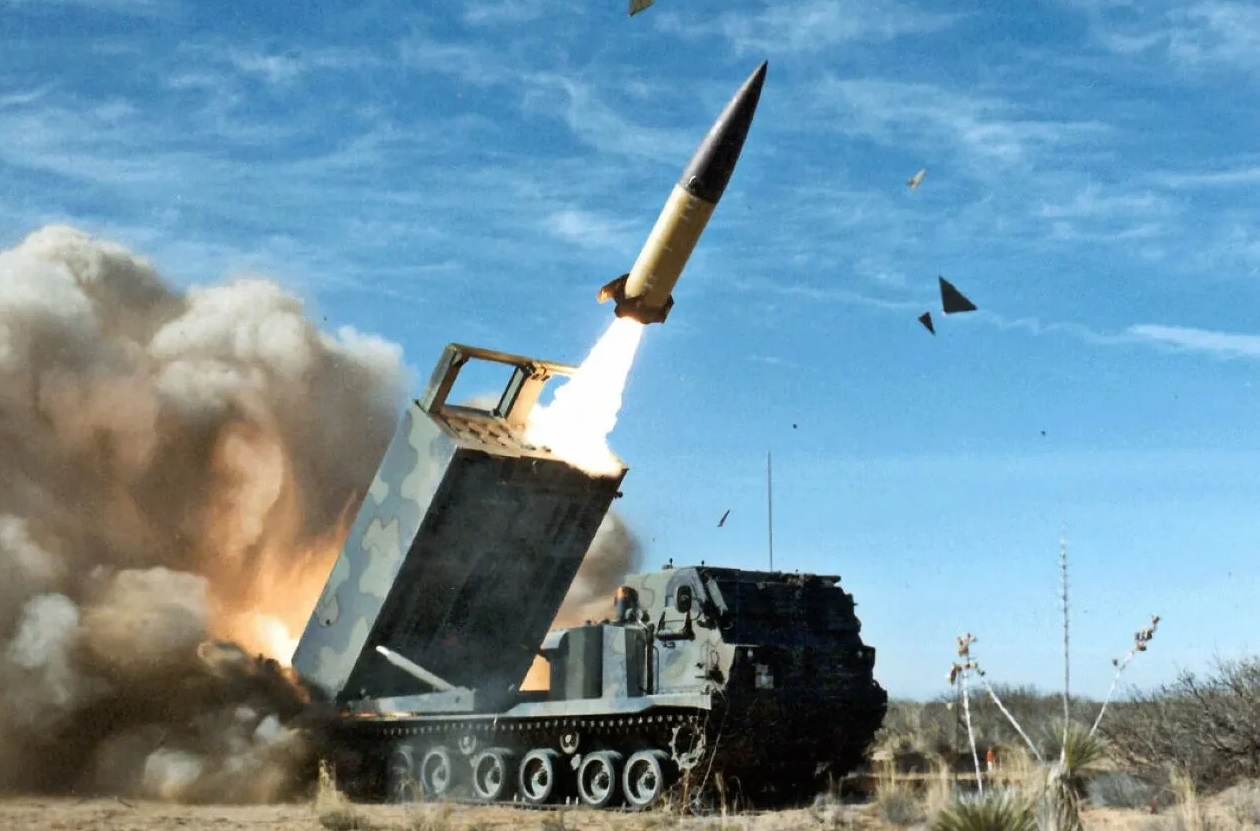
World
In a significant move likely to raise eyebrows across the Taiwan Strait, Taiwan has taken delivery of its first batch of MGM-140 Army Tactical Missile System (ATACMS) missiles from the United States. The delivery, part of a broader military acquisition deal approved during the Trump administration, aligns with Taiwan's strategic defense enhancements as it faces mounting pressure from China. Although state media in Taiwan has refrained from specifying the number of missiles received, the details surrounding the delivery suggest a major step forward for Taiwan's defense capabilities.At the heart of this new acquisition is the ATACMS, a precision-guided, long-range missile system designed to be launched from the M142 High Mobility Artillery Rocket System (HIMARS) platforms. The ATACMS delivered to Taiwan reportedly belong to the most advanced variant, with a reach of up to 300 kilometers (186 miles). This range gives Taiwan the ability to strike critical military installations on the Chinese mainland, a capability that serves as a strong deterrent amid rising tensions between Taipei and Beijing.Additionally, Taiwan recently received the initial shipment of 11 HIMARS launchers out of a total order of 29. The HIMARS system is revered for its mobility and versatility, capable of firing both the ATACMS and the Guided Multiple Launch Rocket System (GMLRS) rockets, which have a shorter range of around 70 kilometers (43 miles). This delivery is part of an expansive arms package that includes 64 ATACMS missiles, aimed at bolstering Taiwan's artillery reach and adaptability in asymmetric warfare scenarios.The new rocket artillery units have been stationed with the 58th Artillery Command of the 10th Army Corps in Taichung, where comprehensive training on these systems is underway. The strategic deployment in central Taiwan is designed to maximize defensive coverage and ensure swift response capabilities in the event of aggression from across the strait.This high-profile missile delivery comes shortly after the United States approved a separate $1.94 billion arms package for Taiwan. This deal includes National Advanced Surface-to-Air Missile Systems (NASAMS) and long-range surveillance radars, further enhancing Taiwan's air defense infrastructure. As Taiwan continues to modernize its military, the next major addition will be the arrival of 66 F-16V fighter jets, expected by 2026. The F-16Vs will be equipped with cutting-edge avionics and weapons systems, making them some of the most advanced aircraft in Taiwan's arsenal.The strategic implications of these arms sales are vast. They not only reinforce Taiwan's defensive posture but also signify a deepening military partnership between Taipei and Washington. However, such moves are sure to exacerbate tensions with China, which has persistently opposed foreign arms sales to Taiwan and continues to assert its claim over the self-governed island. The Chinese government has repeatedly denounced U.S. support for Taiwan as a violation of its sovereignty, and this latest development is likely to provoke further condemnation.As the geopolitical landscape in the region becomes increasingly complex, Taiwan's acquisition of these sophisticated weapons underscores its resolve to defend itself against potential threats, while also highlighting the pivotal role of U.S. support in maintaining the island's security and stability.
Read More → Posted on 2024-11-15 14:42:54
India
Hindustan Aeronautics Limited (HAL) is advancing its vision of a robust, technologically sophisticated helicopter fleet with the introduction of the Dual Band Multirole Helicopter (DBMRH) program. As part of this initiative, HAL has released two critical Requests for Information (RFI) aimed at equipping its new helicopter variants with state-of-the-art radar systems designed for diverse, high-stakes operational environments. The first radar system sought is an Airborne Early Warning (AEW) radar intended for the DBMRH-AEW variant. This system is set to transform India’s air defense operations by providing comprehensive aerial surveillance and precise tracking capabilities. HAL’s requirements for the AEW radar are ambitious. The radar must operate in either the S or C frequency bands, offering a full 360° coverage in azimuth and up to ±60° in elevation. The radar's detection capability is specified to identify objects with a Radar Cross Section (RCS) of 2 m² at over 300 km, ensuring long-range operational effectiveness. A key design challenge is the need for a conformal antenna that integrates seamlessly into the helicopter’s structure while maintaining a weight under 700 kg. These requirements emphasize both high performance and a streamlined, helicopter-adapted design.Parallelly, the DBMRH-S variant, tailored for special operations, requires a more specialized surveillance radar. This radar will empower the helicopter with low-altitude operational prowess, critical for missions demanding extreme stealth and precision. The surveillance radar must be lightweight, with specifications limiting it to 40 kg, and energy-efficient, with power consumption capped at 1.5 kW. Despite its compact form, it needs to deliver robust capabilities, such as terrain following, terrain avoidance, and extensive ground and sea surveillance. To be effective in diverse environments, the radar should detect small objects over 15 nautical miles and large sea targets up to 65 nautical miles away. Additional features like ground mapping, weather analysis, and beacon interrogation make this system invaluable for covert and high-risk missions.Both radar systems must align with India’s broader defense manufacturing goals, encapsulated in the "Make in India" initiative. This means that vendors, whether local or international, must be prepared for collaboration and technology transfer, fostering growth in India's defense ecosystem. HAL’s timeline is clear: the AEW radar should be ready for integration by June 2027, while the surveillance radar needs to be prepared by March of the same year. To meet these deadlines, selected vendors are required to set up design and production facilities within five years.The strategic focus of HAL on these radar capabilities underscores India's commitment to modernizing its aerial defense infrastructure. Equipped with these radars, the DBMRH fleet will significantly enhance India's situational awareness and defensive readiness. By leveraging advanced technologies, these helicopters will serve a dual role in aerial and maritime defense, thus expanding India’s strategic operational capabilities across varied threat environments.HAL’s efforts reflect a broader trend in global defense, where nations are increasingly focusing on integrating airborne radars that operate in challenging environments. With the integration of Active Electronically Scanned Array (AESA) technology, these radars are capable of high-resolution imaging and quick target detection, even in complex, cluttered environments like urban landscapes or stormy seas. In the realm of airborne surveillance, AESA radar is often a game-changer, offering precision and adaptability essential for modern combat and reconnaissance missions. These developments are poised to keep India’s defense technology in step with global standards and adversary advancements.
Read More → Posted on 2024-11-15 14:39:53
India
RRP-S4E Innovations Ltd., a dynamic and forward-thinking enterprise in India's defence manufacturing sector, is making impressive strides in the world of advanced electro-optic technologies. The company, under the leadership of Rajendra Chodankar, has earned recognition for its commitment to indigenization and cutting-edge precision engineering, contributing significantly to India's "Make in India" and "Aatmanirbhar Bharat" initiatives.The company has made headlines for its latest venture: the development and production of nearly 100% indigenous rifle-mounted optical sights, achieving a cost reduction of up to 30% compared to imported alternatives. This cost efficiency does not come at the expense of quality; instead, it is made possible by RRP-S4E’s strategic investments in state-of-the-art manufacturing technologies. Advanced Production CapabilitiesRRP-S4E boasts a manufacturing setup capable of nano-machining, achieving tolerances as precise as 1 micron and optical surface finishes down to 3 nanometers. This level of precision is critical in the production of high-performance sights, which are crucial for both military and law enforcement applications. Their factory is equipped to produce up to 25,000 units per month, a scale that sets the stage for both domestic and international market demands.The rifle-mounted sights in their product lineup are designed with modular and compact architectures, optimized for low power consumption and superior field performance. These sights integrate seamlessly with various small arms, providing enhanced accuracy and reliability in operational environments. The company is also known for its proficiency in thermal imaging and reflex sight technologies, incorporating advanced materials and electronic components sourced through strategic collaborations.Strategic Collaborations & Technological AdvancementsRRP-S4E's partnership with Israel's Meprolight has been pivotal. Through this collaboration, the company has set up a local assembly line, streamlining the production process and making sophisticated optical systems more accessible. The technology transfer has enabled the integration of innovative features such as automatic brightness adjustment, wide field-of-view optics, and night vision compatibility. Such enhancements are crucial for meeting modern battlefield requirements.Beyond this, RRP-S4E has expanded its R&D efforts to develop lightweight, AI-driven drone cameras and advanced counter-drone systems. These technologies reflect the company’s versatility in electro-optic solutions, positioning it as a global player. With a diverse portfolio that extends to air purifying systems and AI robotics, RRP-S4E is not just keeping pace with the industry but is often at the forefront, driving innovation.Looking Forward: Ambitions & Market ImpactRRP-S4E has laid out an ambitious roadmap aimed at achieving 95% localization in production by 2026. This target aligns with India's strategic push for self-reliance in defence technology and emphasizes the company’s role in reducing dependency on foreign suppliers. As global defence budgets expand and the demand for high-precision targeting and surveillance systems increases, RRP-S4E stands poised to capture a significant market share.Furthermore, the company's strategic business model, which emphasizes collaborations and continual technological upgradation, has already attracted interest from international partners. The company’s diverse product range, from thermal imagers to drone surveillance systems, is already in demand across multiple markets, including the United States and the Middle East. RRP-S4E’s blend of innovation, cost efficiency, and local manufacturing prowess could indeed set a new standard in India's defence landscape and potentially make waves on a global scale.
Read More → Posted on 2024-11-15 14:25:42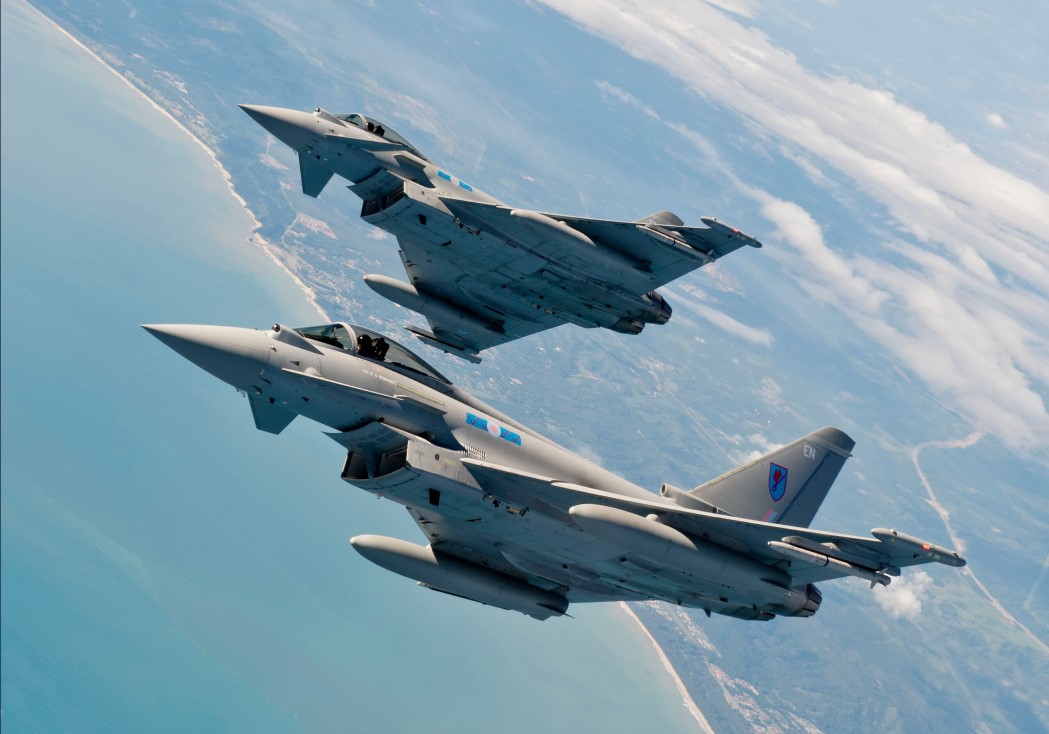
World
Germany has taken a significant step by lifting its opposition to the sale of Eurofighter Typhoon jets to Turkey, following a period of strained relations and geopolitical disputes. The decision, once a point of contention, now signals a potential shift in European-Turkish defense ties and comes after intense lobbying efforts by other members of the Eurofighter consortium, including the UK, Spain, and Italy.Initially, Berlin was hesitant to approve the sale due to Turkey's controversial policies and military activities. Concerns ranged from Ankara's operations against Kurdish forces in Syria and its strained relations with Greece in the Eastern Mediterranean, to its procurement of Russian S-400 missile systems, which had already led to Turkey's expulsion from the F-35 stealth jet program. The NATO alliance, which Germany is a part of, had watched these developments with alarm, fearing escalated tensions and compromised regional security.However, after substantial diplomatic engagements and under pressure from consortium partners, Germany relented. The prospective deal involves the procurement of 40 Eurofighter Typhoon aircraft, a state-of-the-art multi-role fighter renowned for its advanced avionics and combat versatility. Equipped with cutting-edge radar systems and the capability to deploy beyond-visual-range and precision-guided munitions, the Typhoon promises to be a formidable addition to Turkey's air force. The aircraft can perform diverse missions, from air superiority to ground attack and electronic warfare.For Turkey, the Eurofighter Typhoon represents a strategic stopgap solution. While the country remains focused on developing its own fifth-generation stealth fighter, the TAI Kaan, it has needed an interim jet to maintain aerial supremacy, especially in the wake of being denied the F-35. The Eurofighter's capabilities complement the recent deal Turkey secured with the United States for 40 F-16s and modernization kits, as Ankara seeks to enhance its aging fleet.Despite the potential benefits, the Eurofighter transaction carries weighty political implications. Analysts believe that finalizing the sale could mark a revival of trust between Germany and Turkey, strengthening NATO's collective defense posture. Yet, skepticism remains, as some European states worry about empowering Turkey's military ambitions amid ongoing territorial disputes. The success of this deal may well depend on Ankara's continued diplomatic outreach and efforts to assuage fears about regional destabilization.The upcoming meeting between Turkish President Recep Tayyip Erdoğan and German Chancellor Olaf Scholz is expected to address these delicate issues. As the situation evolves, the Eurofighter sale could either symbolize newfound cooperation or reignite the geopolitical tensions that have long shadowed Europe-Turkey relations.This development underscores the intricate balance of defense diplomacy, with strategic interests often vying against political reservations. As both nations weigh the implications, the deal’s impact will likely reverberate beyond their borders, influencing NATO’s cohesion and the European defense landscape.
Read More → Posted on 2024-11-15 14:21:33
World
In a significant show of force, U.S. Central Command (CENTCOM) recently launched airstrikes on Houthi weapon depots in Yemen, marking a proactive response to rising maritime threats in the Red Sea and the Gulf of Aden. These strikes come after repeated attacks on international shipping and coalition vessels by Houthi forces, who have been ramping up their use of advanced weaponry to disrupt critical shipping lanes. The U.S. action underscores a commitment to stabilizing these essential waterways and protecting regional allies.The Houthi-controlled weapon depots hit in the airstrikes were reportedly storing a range of sophisticated weapons, including anti-ship ballistic missiles, cruise missiles, and unmanned aerial systems (UAS). According to CENTCOM, the precision strikes targeted sites that have been a growing source of concern due to their potential to fuel further aggression against commercial and military vessels in the area. The removal of these depots not only aims to impair the Houthis’ operational capabilities but also sends a clear warning against future hostile actions.CENTCOM's spokesperson highlighted that these strikes are a strategic attempt to "weaken the Houthis’ ability to threaten our regional partners” and to neutralize the risk posed by advanced weaponry they’ve obtained. For the United States and its allies, ensuring secure navigation through the Bab al-Mandab Strait—a narrow waterway linking the Red Sea to the Gulf of Aden and a key route for global oil shipments—is of paramount importance.The U.S. Navy’s USS Stockdale and USS Spruance destroyers, along with aircraft from both the U.S. Navy and the Air Force, played integral roles in the operation, not only in launching strikes on the depots but also in intercepting and neutralizing active threats. Reports indicate that eight Houthi unmanned aerial systems, five anti-ship ballistic missiles, and four cruise missiles were detected and destroyed as they moved through the Bab al-Mandab Strait. These coordinated efforts, involving sophisticated detection and rapid-response capabilities, ensured that shipping lanes remained safe for commercial transit. This response is part of a broader U.S. strategy to secure major shipping routes in the Middle East from disruptions and attacks that have been on the rise in recent months. The Red Sea and Gulf of Aden, alongside the Bab al-Mandab Strait, are critical chokepoints for global commerce, especially for energy exports. Even a minor disruption can cause ripple effects through oil markets and have substantial economic impacts worldwide. The airstrikes thus signify not only a tactical maneuver but also a strategic stance to support international trade and stability.The targeted weapon depots in Yemen were said to contain cutting-edge missile technologies and drones that the Houthis have increasingly used in attempts to threaten and halt the movement of vessels in this highly trafficked area. The destruction of these weapons is expected to impede their ability to orchestrate further assaults on maritime assets in the near term. It also reflects CENTCOM's growing concern over the Houthis’ capacity to destabilize the region, given the backing they receive and the advanced nature of the arms they employ.In this context, CENTCOM's operation in Yemen serves as both a preventive and a punitive measure—removing immediate threats while signaling U.S. readiness to counter any similar provocations going forward. As tensions persist in the region, the Bab al-Mandab Strait, like other strategic waterways, will likely remain under close watch by both U.S. forces and their allies. The recent airstrikes are a reminder of the intricate balance between diplomacy and defense that marks U.S. operations in the region, as well as the importance of maintaining secure and open maritime routes for the global economy.
Read More → Posted on 2024-11-14 15:54:07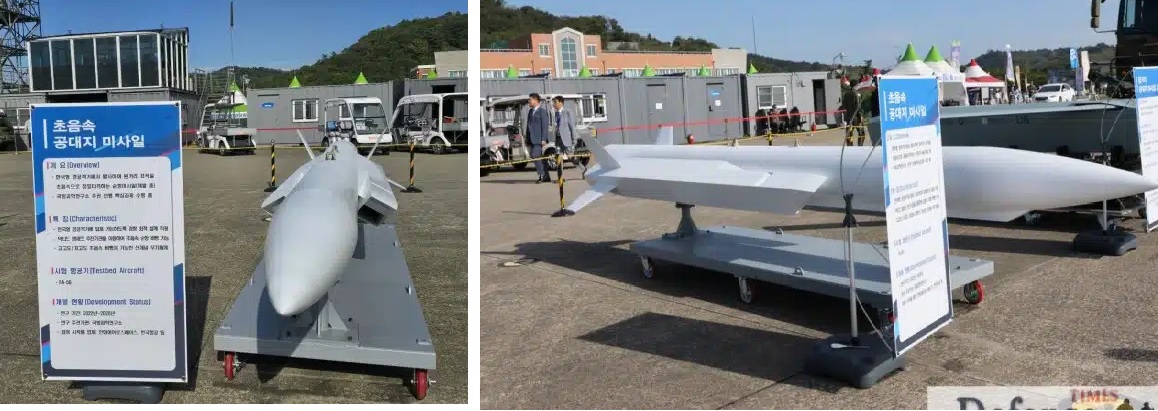
World
South Korea recently unveiled its newest military asset, a supersonic anti-ship missile known as the “Air-to-Ship Guided Missile-II,” which promises to elevate the strike capabilities of the Republic of Korea Air Force. First displayed at the 2024 Sacheon Airshow, this advanced missile is the result of ongoing research and development by South Korea’s Agency for Defense Development (ADD). Designed to operate in both high- and low-altitude environments, the missile stands out as a formidable new addition to South Korea's arsenal, boosting both air-to-ship and air-to-ground attack capacities.The missile, which is part of the ADD’s 2022-2026 development program, is a 400mm-class air-to-ship weapon tailored for South Korea’s new KF-X fighter aircraft, officially known as the KF-21 Boramae. Its introduction underscores South Korea’s ambitions to develop indigenous defense technologies that can operate in varied mission profiles. Equipped with a dual seeker system combining radar and electro-optical (EO/IR) capabilities, the missile is prepared to navigate through challenging weather conditions and execute high-precision strikes with minimal delay.High Speed, Long RangeOne of the standout features of this missile is its supersonic speed. Traveling at approximately Mach 2.5, or around 3,000 km/h, it covers significant distances in just minutes. This speed is critical, as it limits an enemy’s reaction time. Compared to slower, subsonic missiles that travel around 1,000 km/h, this missile’s supersonic speed makes interception extremely challenging. Capable of hitting targets at a range exceeding 300 km, the missile can quickly close in on targets, providing a unique advantage over many current anti-ship weapons.Ramjet Technology: Key to Supersonic CapabilityThe missile’s high speed is made possible by its ducted ramjet propulsion system. This propulsion technology, which is shared by other advanced missile systems such as France’s ASMPA, allows the missile to maintain supersonic speed while using ambient atmospheric air as the oxidizer. By drawing in atmospheric oxygen rather than carrying an onboard oxidizer, the missile can achieve extended combustion times, allowing it to reach higher speeds over long distances. This streamlined design not only reduces weight but also enables a simpler structure that supports stable, high-maneuverability flight at both high and low altitudes.Modular, Multirole DesignA notable feature of the missile is its modular design, which makes it adaptable for various mission profiles. With this modular system, it can be configured for either anti-ship or air-to-ground missions, providing flexibility in combat scenarios. South Korea’s FA-50 light combat aircraft, which is already popular with international buyers, and the KF-21 Boramae fighter will be outfitted to carry this new weapon. This dual compatibility could increase the missile’s export potential, as countries interested in either aircraft can gain enhanced strike capabilities.Stealth and Precision with Dual Seeker SystemTo improve targeting accuracy, the missile incorporates a dual seeker system with radar and EO/IR sensors. This combination ensures reliable target detection even in adverse weather conditions, enhancing the missile’s effectiveness. The dual seeker system also increases its flexibility in different mission scenarios, whether it needs to strike moving naval targets or ground-based assets.Development and Testing TimelineADD’s development plan includes prototype testing on the FA-50, with Korea Aerospace Industries (KAI) assisting in system integration. By 2025, ADD intends to begin flight tests, with three flights planned before mass production. Hanwha Aerospace and other domestic defense companies are participating in prototype manufacturing, ensuring that this is a homegrown weapon. The Defense Acquisition Program Administration (DAPA) expects full-scale production to occur from 2026 to 2035, with a substantial investment of approximately 564.1 billion KRW dedicated to this project.Potential Impact on South Korea’s Defense ExportsThe success of this missile, coupled with its integration into the FA-50 and KF-21, could open up export opportunities. South Korea’s FA-50 is already in service with the Polish Air Force, and the Philippines has shown interest in the KF-21. A supersonic anti-ship missile of this caliber could increase the attractiveness of these aircraft to potential buyers, offering them a robust and versatile strike capability.In sum, South Korea’s Air-to-Ship Guided Missile-II is set to redefine the nation's air and maritime defense capabilities. By marrying speed, flexibility, and high precision, it serves as a modern solution to emerging regional threats and positions South Korea as a significant player in the supersonic missile space. As it progresses through testing and development, this missile may well become a mainstay not only in the Republic of Korea Air Force’s arsenal but also in allied forces around the globe.
Read More → Posted on 2024-11-14 15:47:22
World
At the 2024 Association of the U.S. Army (AUSA) conference, Oshkosh Defense showcased its advanced unmanned ground vehicle—the Rogue Fires JLTV. This platform takes the rugged, battle-tested design of the Joint Light Tactical Vehicle (JLTV) and integrates advanced autonomous features and modular weapons systems. With its impressive flexibility and expanding combat capabilities, the Rogue Fires JLTV is positioned to become an integral component of the U.S. military’s strategy for contested environments, supporting both logistical and combat roles.Building on the JLTV’s Rugged FoundationThe Rogue Fires vehicle family is built on the foundation of Oshkosh’s JLTV, which has already proven its reliability and versatility in combat environments. By converting the JLTV into an unmanned platform, Oshkosh aims to provide enhanced mobility, armored protection, and advanced autonomy, giving the vehicle the flexibility to tackle various missions with minimal human intervention.As Janet Keech, Senior Director of Programs at Oshkosh, explained, the Rogue Fires JLTV family now includes multiple configurations to suit different operational needs. These configurations feature weapon systems ranging from howitzers and missile pods to support for the HIMARS system. Notably, the Marine Corps has begun low-rate initial production of Rogue Fires vehicles equipped with Naval Strike Missiles (NSM) and Mark 41 Vertical Launch Systems (VLS) for its anti-access/area denial (A2/AD) strategy. These new capabilities provide the Marine Corps with additional options for targeting enemy ships and ground forces from a safe distance.Expanded Long-Range Precision Fire CapabilitiesThe potential of the Rogue Fires JLTV to operate with long-range precision munitions is another step forward in extending the U.S. military’s reach on land and at sea. For instance, the U.S. Army’s recent tests included equipping the Rogue Fires platform with the Guided Multiple Launch Rocket System (GMLRS) and the Precision Strike Missile (PrSM) for extended-range strikes. Moreover, Oshkosh and Lockheed Martin are exploring the integration of the AGM-158C LRASM, a long-range anti-ship missile, into the Rogue Fires JLTV. This addition could offer the Marine Corps a highly effective “shoot-and-scoot” capability, allowing units to deploy, fire at targets such as enemy vessels, and quickly relocate to avoid counterstrikes. Such a feature significantly enhances A2/AD operations, which aim to deny adversaries access to specific maritime regions and littoral zones.Autonomy and Waypoint NavigationOne of the standout features of the Rogue Fires JLTV is its autonomous “leader-follower” capability, enabling a single operator to control multiple unmanned vehicles in convoy formation or deploy them to individual coordinates. This feature is set for further upgrades, which will enhance its waypoint navigation, allowing operators to set precise destinations and routes for the vehicle to follow. Waypoint navigation, combined with advanced obstacle detection, allows Rogue Fires to maneuver through complex terrain autonomously, making it highly effective in hazardous environments where traditional convoy operations would put human drivers at risk. This autonomy allows for better tactical flexibility—operators can either control the vehicle through a handheld device or set pre-defined routes for autonomous resupply missions or forward deployment.Flexibility for Multi-Role OperationsOne of the key selling points of the Rogue Fires JLTV is its adaptability across various mission profiles. The platform is capable of switching between weaponized and logistical configurations, offering the Army and Marine Corps numerous deployment options:Logistical Support: With a payload capacity of up to 6,000 pounds, the Rogue Fires can be configured to carry cargo rather than weapons, making it ideal for last-mile resupply missions to frontline troops. In contested areas, where traditional supply lines may be vulnerable, the JLTV’s autonomy allows it to reach isolated forces while minimizing the need for human-driven convoys. Missile Launching Platform: Configured for direct or indirect fire support, the Rogue Fires can carry and launch GMLRS, PrSM, and potentially even anti-ship missiles like the LRASM. Its modular design means that these weapon systems can be switched out with other configurations, depending on the mission requirements.Anti-Ship Strike Capabilities: As part of the Navy/Marine Expeditionary Ship Interdiction System (NMESIS), the Marine Corps version of Rogue Fires can launch NSMs to counter enemy ships. By integrating such systems, the Marine Corps aims to bolster its coastal defense and maritime interdiction operations.Operational Versatility and Quick Reaction PotentialIn scenarios where speed and surprise are critical, the Rogue Fires JLTV’s design is geared for rapid deployment. The unmanned system allows for “shoot and scoot” tactics, enabling it to launch attacks and quickly move to new positions before enemy forces can pinpoint its location. This capability is invaluable in maintaining the element of surprise and minimizing the risk of counter-attacks. While the JLTV does not yet have an autonomous reloading capability, operators can bring the vehicles back to a centralized base, where they can be restocked before re-deploying. This approach allows for a streamlined “reload and return” cycle that maximizes operational tempo in high-stakes combat zones.Future Path and Expanding OpportunitiesWith its current capabilities, the Rogue Fires JLTV is well-suited for integration into the U.S. Army’s evolving tactics, where both logistics and combat roles are increasingly demanding automation and autonomy. Whether for supply missions in contested areas or delivering direct firepower on the battlefield, the Rogue Fires’ versatility and ability to adapt to changing payloads make it a promising candidate for the Army’s next-generation unmanned systems.As the U.S. military continues to explore how autonomous vehicles can enhance mission efficiency and reduce human exposure to danger, the Rogue Fires JLTV stands out as a system that delivers both flexibility and firepower. By combining advanced autonomous navigation, modular payload options, and the capacity for long-range strikes, Oshkosh’s Rogue Fires JLTV could play a critical role in reshaping how the U.S. Army and Marine Corps engage in the multi-domain battlespace.
Read More → Posted on 2024-11-14 15:44:17
World
Recent photos showing North Korean long-range artillery systems arriving in Russia have ignited a wave of discussions and concerns regarding deepening military ties between Moscow and Pyongyang. The images, shared widely on Russian social media platforms, appear to depict the formidable 170-mm M1989 “Koksan” self-propelled artillery unit, well-known for its significant range and strategic impact.The M1989 “Koksan” represents one of the most potent artillery weapons in North Korea’s arsenal. This weapon system traces its origins back to the 1980s, a period marked by significant North Korean military advancements. It stands out for its sheer firepower and range, being able to launch conventional shells up to 40 kilometers and rocket-assisted projectiles even farther, reaching up to 60 kilometers. This extreme range positions it as a critical long-range asset, capable of striking well-defended or deeply entrenched enemy positions from considerable distances.The M1989 features a massive 170-mm gun mounted on a modified tank chassis. Historically, North Korea has used platforms based on Soviet and Chinese tank designs, such as the T-54, T-62, or Chinese Type 59 tanks. The Koksan comes in two main variants: the earlier M1978 model and the improved M1989. The former lacks onboard ammunition storage and crew protection, whereas the M1989 addresses these shortcomings with a protected cabin and storage capacity for 12 rounds, enhancing the weapon's operational flexibility. During deployment, the M1989 can maintain a firing rate of one to two rounds every five minutes, crucial in sustained combat situations.The significance of the M1989 isn’t just its technical specifications. Historically, these artillery units have been involved in notable conflicts, such as the Iran-Iraq War in the 1980s, where they proved effective as counter-battery weapons. Their strategic use against well-defended or vital infrastructure has cemented their reputation as battlefield game-changers. In the context of Russia’s current needs, the arrival of these artillery systems could signify an effort to bolster Russian firepower amidst ongoing military operations in Ukraine, particularly in regions where artillery supremacy is pivotal.Speculations about military cooperation between North Korea and Russia have been on the rise, especially given the geopolitical isolation both nations face. The transfer of such strategic assets raises questions about whether North Korea is being compensated in some way, either through technology transfers or economic aid. Furthermore, this situation amplifies concerns about potential violations of international sanctions placed on North Korea, as any military hardware trade or support could have significant global repercussions.With these developments, military analysts and strategic experts are closely monitoring the situation. The prospect of North Korean artillery contributing to Russian operations, particularly with such a weapon's devastating capabilities, underscores a complex and evolving alliance that has the potential to influence the geopolitical landscape dramatically.
Read More → Posted on 2024-11-14 15:38:27
World
The landscape of India’s aerospace ambitions is once again thrust into the spotlight as a leading defence expert raises a critical alarm. Amid an increasingly strained global supply chain and persistent delays in the delivery of F404 engines from GE Aerospace, the expert has called upon the Indian Ministry of Defence (MoD) to fast-track the indigenous Kaveri engine development. The emphasis lies in ensuring that the homegrown Kaveri engine could be seamlessly integrated into future batches of Tejas Mk1A fighter jets, safeguarding India's prized fighter jet program from further disruptions.The predicament isn't trivial. India’s light combat aircraft (LCA) Tejas, an emblem of indigenous capability in modern aviation, currently relies heavily on GE’s F404 engines. These American engines deliver a thrust of 84 kN and have been integral to the Tejas' flight performance. However, the ongoing delays highlight a strategic vulnerability: the risk of India’s advanced military programs stalling due to external factors beyond the nation’s control. The defence expert's argument pivots on this very point—India cannot afford to let its future defence prospects hinge on foreign suppliers.The Kaveri engine project, managed by the Gas Turbine Research Establishment (GTRE) under the Defence Research and Development Organisation (DRDO), has been in development for decades. Despite numerous setbacks, the Kaveri engine, particularly in its "dry" thrust configuration, has shown promise. The engine currently produces around 49 kN of thrust without an afterburner. However, with significant enhancements, including the integration of an afterburner, the Kaveri engine could generate “wet” thrust levels up to approximately 83.3 kN. Although this figure is marginally less than the F404’s 84 kN, there is a crucial advantage that makes Kaveri competitive: its "flat-rated" performance.The flat-rated design of the Kaveri engine ensures that its thrust output remains robust and consistent, even under high-temperature and high-altitude conditions that are common in India’s diverse and challenging environments. This technical advantage could make up for the slight shortfall in raw thrust when compared to the GE F404. A well-adapted Kaveri could, therefore, deliver reliable performance, possibly outperforming foreign engines in India-specific operational scenarios.The expert emphasizes that a fully developed Kaveri engine would do more than merely power the Tejas Mk1A; it would redefine India's strategic autonomy in defence manufacturing. By eliminating dependency on foreign engines, India could protect itself from unforeseen geopolitical complications that could otherwise derail its defence programs. Moreover, a successful Kaveri engine could be pivotal for future fighter jet platforms, including India's ambitious Advanced Medium Combat Aircraft (AMCA) and other potential indigenous aerial platforms.Yet, there are challenges. Achieving the Kaveri engine’s full potential requires a significant uptick in investment and technological collaboration. The expert underscores the need for the Indian government to double down on its commitment to the Kaveri project. A comprehensive infusion of resources, both financial and technical, is essential. Collaborations with international engine manufacturers for technological insights could further accelerate progress, helping Kaveri meet its ambitious performance targets.In practical terms, with adequate funding and strategic focus, the defence expert believes that the Kaveri engine could be fully operational and ready for the Tejas Mk1A fleet within the next five years. The timing could not be more crucial as India aims to expand its Tejas fleet while also keeping an eye on its broader aspirations of indigenous self-reliance in defence technology.The push for the Kaveri engine reflects a broader and growing sentiment within India's defence community: the urgent need to bolster self-sufficiency in critical defence technologies. In a world where geopolitical tensions and supply chain disruptions have become increasingly common, India's vision of strategic autonomy hinges significantly on achieving technological independence. Aero-engine development, often regarded as the crown jewel of defence technology, is no exception.As the Tejas program remains central to India’s air defence strategy, the integration of a homegrown engine like Kaveri could transform India's aerospace future, making it more resilient and independent. This could not only safeguard the nation's defence capabilities but also position India as a serious player in the global aerospace arena.
Read More → Posted on 2024-11-14 15:34:10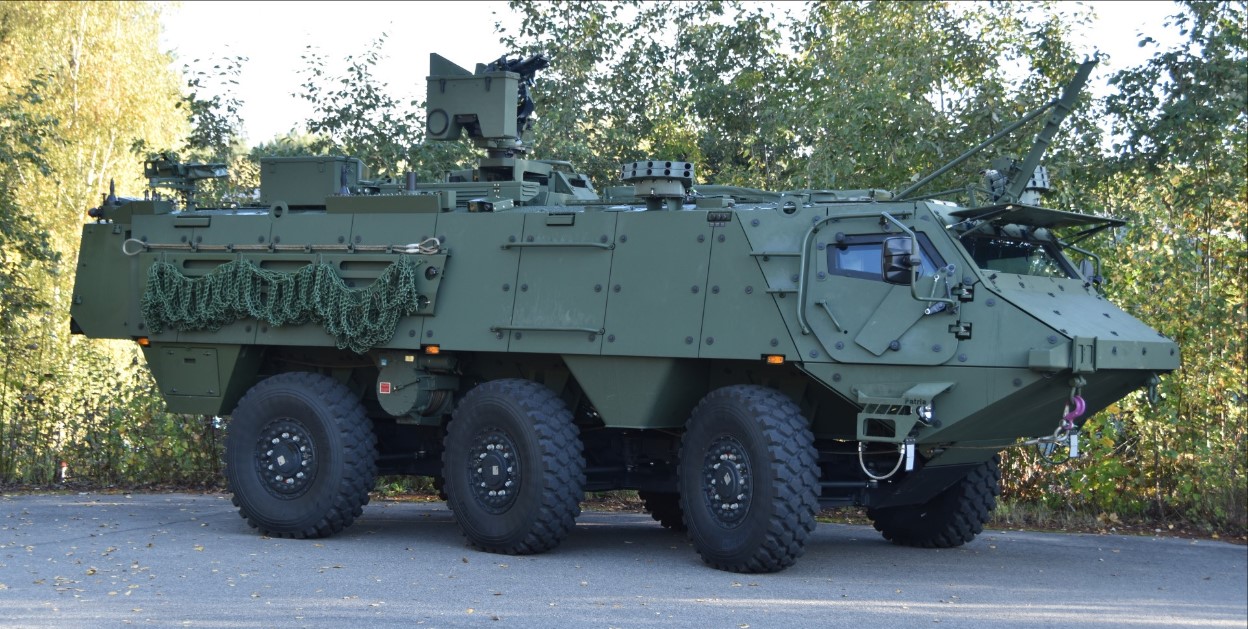
India
In a significant boost to Latvia’s defence infrastructure, Finnish defence company Patria has signed a deal with the Latvian Ministry of Defence to deliver 56 additional armoured 6x6 vehicles. These vehicles will be provided as part of the ongoing Common Armoured Vehicle System (CAVS) programme, a collaborative effort that already includes Finland, Latvia, Sweden, and Germany. The new agreement, valued at over €60 million, will introduce command and control (C2) variants of Patria's 6x6 vehicles, set to enhance military coordination and operational efficiency.The CAVS initiative, launched in 2020, focuses on developing interoperable, modular military vehicles that can be adapted across participating nations, ensuring cost-effective solutions and strategic defense capabilities. The command and control units, which Latvia will be the first to deploy, are designed to manage complex battlefield communications and decision-making processes.Deliveries of the new armoured vehicles are slated to begin in 2024, stretching through to 2029. Patria will leverage its recently inaugurated production facility in Valmiera, Latvia, underscoring a commitment to using local industry resources. This state-of-the-art facility opened in May 2024 and plays a pivotal role in Latvia’s defence manufacturing ecosystem, integrating advanced vehicle assembly and technology transfers from Finland to boost local workforce skills.The Patria 6x6 armoured vehicles stand out for their robust design and cutting-edge features. They are equipped with superior mine and ballistic protection and can be tailored for various roles, including troop transportation, medical evacuation, and electronic warfare. With a modular design and all-terrain capability, these vehicles ensure adaptability in diverse combat environments. The latest command and control variants will be integrated with sophisticated systems to coordinate battlefield units, manage real-time data sharing, and enhance situational awareness.Andris Sprūds, Latvia's Minister of Defence, emphasized the strategic impact of these deliveries, citing improvements in Latvia's command capabilities and the broader growth of its defence industry. Mats Warstedt, Patria’s Senior Vice President, highlighted the value of multinational collaboration under CAVS, showcasing how shared research and cost distribution among member nations have led to efficient development.The broader scope of the CAVS programme has already generated interest beyond the current four members. There is potential for further European participation, which could mean additional orders for Patria, whose expertise in armoured vehicle manufacturing dates back over 40 years. With more than 750 vehicles already under contract, the programme is viewed as a blueprint for future multinational defence cooperation.Latvia’s strategic alignment with Finland and other European allies through this deal reflects a growing emphasis on regional security and preparedness, especially in the context of heightened tensions near NATO's eastern flank. The Patria 6x6 command vehicles will become a backbone element of Latvia's land defence, reinforcing both national security and the broader defence network of CAVS member states.
Read More → Posted on 2024-11-14 15:30:25
India
India’s Ghatak Unmanned Combat Aerial Vehicle (UCAV) program stands as a milestone in the country's pursuit of self-reliant defense technology. Developed by the Aeronautical Development Establishment (ADE) under the Defence Research and Development Organisation (DRDO), the Ghatak UCAV is designed as a stealthy, autonomous combat platform. With an emphasis on deep-strike capabilities, this futuristic aircraft is powered by the indigenous 49kN Dry Kaveri engine, a product of years of research and commitment to indigenous aerospace development. Yet, the idea of scaling up the Ghatak UCAV into a full-fledged manned bomber is not only a fascinating concept but also a technically complex undertaking.At the heart of the Ghatak UCAV’s development lies a stealthy, tailless flying-wing design, validated through ADE’s SWiFT (Stealth Wing Flying Testbed) demonstrator. Weighing in at 1.1 tons, the SWiFT provided crucial insights into stealth technology, flight control mechanisms, and aerodynamic principles. The Ghatak itself has since evolved into a more formidable 13-ton UCAV, designed for carrying precision-guided munitions and executing autonomous offensive missions. Its performance as an unmanned platform is already impressive, but the question remains: Can this technology be scaled up to create a manned, stealth bomber capable of significantly expanding India’s aerial strike capabilities?The first technical challenge in such a transformation revolves around weight and structural integrity. A manned version of the Ghatak would demand substantial reinforcements to support the cockpit, pilot control systems, life-support mechanisms, and ejection seats. Simply adding these elements could increase the platform's weight by an estimated 2-3 tons. Additional structural enhancements to ensure safety and operational stability might add another 1-2 tons. All this could push the aircraft's Maximum Take-Off Weight (MTOW) to around 20-25 tons, considerably more than the current 13-ton UCAV.Adapting the Ghatak’s current air intake system also poses a significant challenge. The existing front-center intake design, while effective for a UCAV, is not optimal for a manned bomber that needs to maximize stealth and aerodynamic efficiency. Instead, adopting side intakes, similar to those on the B-2 Spirit stealth bomber, would likely be necessary to maintain a low radar cross-section and ensure adequate airflow to the engines. This modification, however, would involve substantial redesigns of the airframe, increasing both complexity and cost.Moreover, a bomber's role demands far more than just structural upgrades. Advanced avionics for navigation, targeting, and electronic warfare (EW) capabilities would need to be integrated, allowing the aircraft to perform strategic strike missions while defending against sophisticated enemy systems. To carry a variety of payloads, from guided bombs to standoff missiles, the aircraft would also require a modular internal bomb bay. These features, while enhancing the bomber’s strategic potential, would significantly add to the overall weight and necessitate further engineering efforts to maintain the airframe's stealth profile.The engine requirements for this scaled-up bomber version are another key hurdle. The Dry Kaveri engine, delivering 49kN of thrust, is suitable for the 13-ton Ghatak UCAV but falls short for a heavier, 20-25 ton manned platform. A bomber generally needs a thrust-to-weight ratio (TWR) ranging between 0.3 to 0.5 to ensure a balance between performance, range, and payload capacity. For an MTOW of 25 tons, this translates to a thrust requirement of between 73.5 kN (low-end) and 122.5 kN (high-end). The most plausible engine solution could be the 110 kN engine being developed for the Advanced Medium Combat Aircraft (AMCA), which could offer around 75 kN of dry thrust. Alternatively, a twin-engine configuration using two Dry Kaveri engines, producing a combined 98 kN thrust, could be explored, though this would necessitate a comprehensive redesign of the airframe, potentially compromising its stealth features.Integrating these propulsion upgrades is no simple task. A dual-engine configuration, while providing the necessary thrust, would complicate engine integration, exhaust management, and thermal signature suppression. Meanwhile, the airframe would need meticulous redesigning to accommodate these engines without undermining the platform’s stealth characteristics. Even with a single, more powerful engine, engineers would face challenges in balancing the aircraft's center of gravity, aerodynamics, and flight stability.Despite these obstacles, the concept of a manned Ghatak-derived bomber holds considerable promise for India's defense capabilities. With the right investments and technological advancements, a compact, stealthy bomber could be developed to meet the country's strategic needs. However, the transition from an unmanned UCAV to a manned bomber would be a long, expensive process requiring breakthroughs in propulsion, materials science, and stealth technology.In conclusion, scaling the Ghatak UCAV into a manned bomber platform is technically feasible but demands extensive modifications in design, propulsion, and avionics. While the endeavor is ambitious, the strategic advantages of a domestically developed, stealthy manned bomber could justify the investment, providing India with a significant edge in aerial warfare and long-range strike capabilities. Nonetheless, the path forward will require a comprehensive engineering effort and a substantial increase in funding to realize this ambitious vision.
Read More → Posted on 2024-11-14 15:24:44
World
The race to advance unmanned combat technology for the United States Air Force took a crucial leap forward as Anduril Industries and General Atomics Aeronautical Systems (GA-ASI) announced the successful completion of their Critical Design Reviews (CDR) for their Collaborative Combat Aircraft (CCA) concepts. This significant milestone means the designs are now considered mature and ready for the next stages of rigorous testing, as both companies are striving to achieve operational deployment by the end of the decade.Timothy Helfrich of the Air Force Materiel Command confirmed the CDR completion, emphasizing that the Air Force’s CCA program remains on schedule. "Both industry teammates are on track to enable first flights soon, setting the stage for real operational capability before this decade concludes," Helfrich shared at a defense forum.The Technology in FocusAnduril has put forth its ambitious multi-mission Group 5 unmanned aerial system, known as Fury. This drone stands out for its blend of artificial intelligence (AI) and machine learning capabilities. Anduril’s proprietary Lattice software lies at the core, empowering the drone to process data dynamically and make autonomous decisions on the fly. The system is designed to collaborate seamlessly with manned aircraft, performing missions ranging from reconnaissance to electronic warfare, all while adapting to real-time battlefield conditions.On the other hand, GA-ASI has proposed a variant from its established Gambit family of drones, renowned for their impressive endurance and advanced operational capabilities. These drones aim to function as critical assets in distributed air combat networks, working closely with next-generation fighter jets. GA-ASI claims that these drones are primed to be highly versatile, whether acting as sentinels, electronic attack platforms, or even first responders in contested airspace. The company's design aligns with the Air Force’s vision of integrating autonomous drones with manned jets to maximize mission success.Path to DeploymentThis CDR accomplishment follows a fiercely competitive phase earlier in the year, where Anduril and GA-ASI were selected over industry titans like Lockheed Martin, Boeing, and Northrop Grumman for the program's first increment. By securing their places in this ambitious multi-billion-dollar initiative, both companies are eyeing first flights soon, as well as potential mass deployment by the late 2020s. The Air Force has laid out plans for initial CCA fielding, with the aim to deploy a fleet that could number up to 1,000 drones. A significant competitive decision for large-scale production is expected by the 2026 fiscal year.While the CCA program also has a strong focus on developing advanced autonomous software, the hardware designs are crucial. Each drone concept must complement the evolving landscape of next-generation warfare. The idea isn't just about deploying drones but creating a cohesive system that enhances the effectiveness and survivability of manned aircraft. The stakes are high, with the military betting on companies like Anduril and GA-ASI to break new ground. According to Brian Schimpf, CEO of Anduril, this achievement demonstrates a move toward faster, scalable autonomous solutions, stressing the program's importance for modernizing air combat. Meanwhile, GA-ASI President David Alexander underscored their legacy of advancing unmanned systems and delivering efficient, combat-ready platforms.As these drone wingmen edge closer to reality, the vision of future combat scenarios—where AI-driven drones act as agile, smart allies to human pilots—is becoming less of a concept and more of a tangible, strategic reality. The coming years will be pivotal in testing and refining these systems to ensure they meet the rigorous demands of modern air warfare, with a view to establishing a new era of networked, collaborative combat.
Read More → Posted on 2024-11-14 15:18:50
India
India continues to make impressive strides in defence technology, marked by the recent successful test of its Long Range Land Attack Cruise Missile (LRLACM). This landmark achievement not only highlights the country's growing capabilities in weapon systems but also underscores a breakthrough for its indigenous propulsion technology, courtesy of the Manik engine.The test, which took place yesterday, was more than a display of India’s missile expertise. It was a powerful demonstration of the progress made by the Gas Turbine Research Establishment (GTRE), a core unit under the Defence Research and Development Organisation (DRDO). The highlight was the inclusion of the Manik engine, a turbofan propulsion marvel developed entirely within India. Its integration into the LRLACM is a milestone reflecting the nation’s commitment to self-reliance in defence, a vision driven by the "Aatmanirbhar Bharat" initiative.The Manik engine, currently produced at a rate of 12 units annually by BrahMos Aerospace, is a compact but high-performance system that can deliver sustained thrust necessary for long-range cruise missiles. It features a sophisticated design optimized for fuel efficiency and reliable operation over extended distances, making it ideal for precision strikes. One of the standout aspects of the Manik engine is its ability to perform under rigorous conditions, which was fully validated in this successful missile test.The LRLACM itself is designed for precision land attacks, boasting a range that positions it as a crucial asset for strategic military operations. With the Manik engine propelling it, the missile can cover long distances with remarkable accuracy, a vital factor for tactical planning. This integration has significant strategic implications. Most importantly, it enables India to reduce its reliance on foreign propulsion technology, enhancing national security and the reliability of its arsenal.The indigenization of the Manik engine also represents a significant cost advantage. Developing an engine domestically avoids the expenses associated with acquiring foreign-made systems, which are not only costly but may come with restrictive agreements and limited access to technology. By investing in homegrown solutions, India can channel funds into expanding and refining its defence technology ecosystem. The affordability of the Manik engine ensures that scaling up missile production is economically feasible, which could be crucial as India continues to modernize its military infrastructure.However, challenges lie ahead. One major hurdle is the current production capacity. At 12 units per year, the manufacturing rate needs to be ramped up to meet potential demand for the LRLACM and its future adaptations. Expanding this production requires investment, efficient assembly lines, and perhaps more partnerships with private industry players to ensure timely delivery and quality control.Looking to the future, the potential applications of the Manik engine extend far beyond the LRLACM. Its design could be adapted to power various other missile systems, including short-range ballistic missiles and air-launched cruise missiles. This versatility not only enhances the engine's strategic value but also positions it as a foundational element of India’s missile development initiatives. The potential for widespread adoption could transform the Manik engine into a key component of India's defence capabilities, strengthening its deterrence posture on the global stage.In essence, the successful test of the LRLACM with the Manik engine is more than a technical achievement. It represents a forward leap for India in terms of strategic self-sufficiency and military preparedness. As the nation continues to refine its defence technologies, the path ahead is clear: investment, innovation, and an unwavering commitment to indigenous production. This journey not only empowers India but also inspires confidence in its defence industry’s capability to meet the nation’s evolving security needs.
Read More → Posted on 2024-11-14 15:15:23Search
Top Trending in 24 Hours
-
 Tulsi Gabbard Releases Declassified Files Detailing U.S.-Backed Network of 120 Biolaboratories Across 30+ Countries
-
 AM General Unveils Next-Generation UGV and JLTV A2 with Counter-Drone Systems at Eurosatory 2026
-
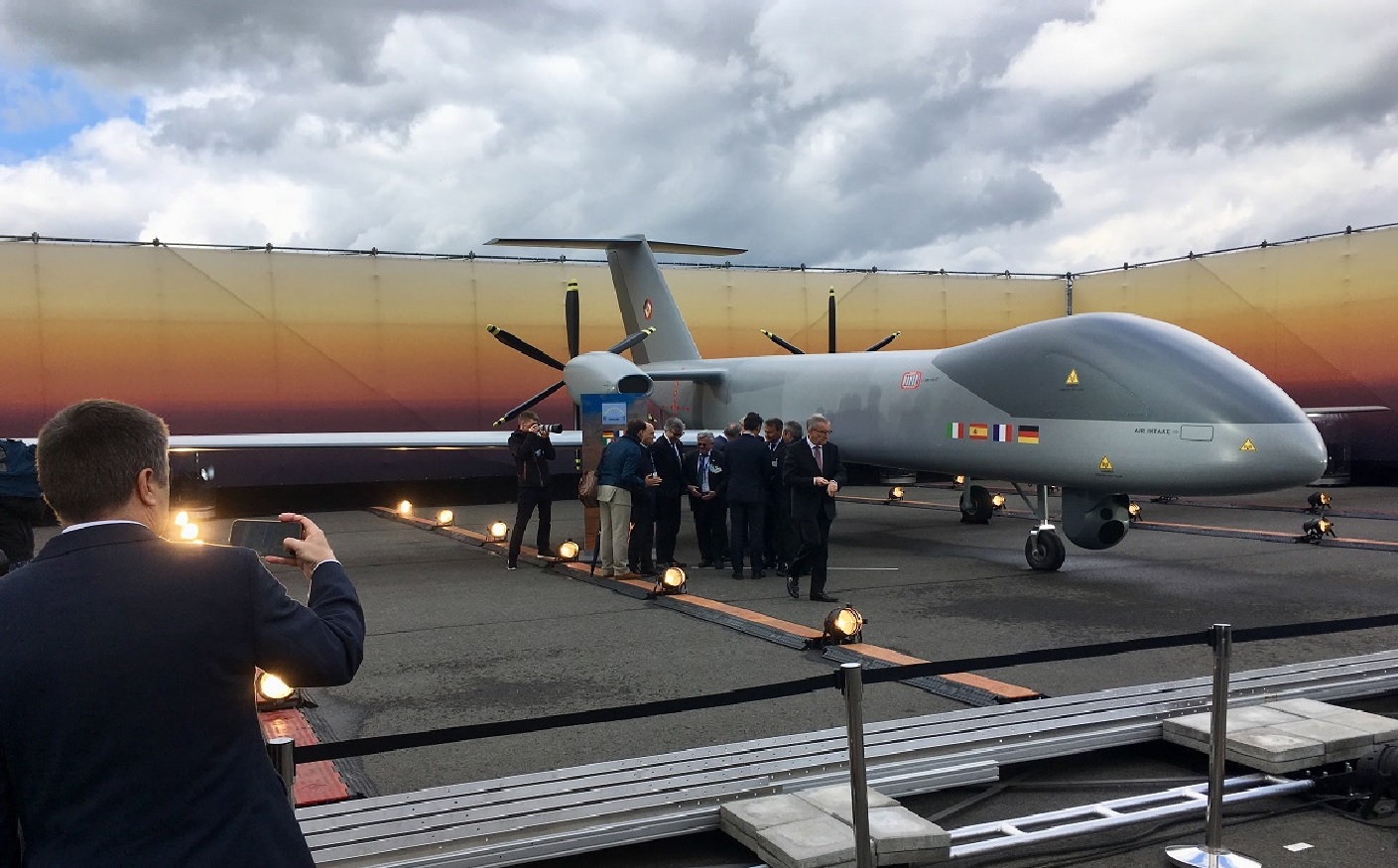 Dassault Seeks Compensation From Airbus as Eurodrone Dispute Erupts After FCAS Collapse
-
 Pakistan Raises Defence Budget from $9 Billion to $10.8 Billion as J-35 Fighter and Hangor Submarine Programs Advance
-
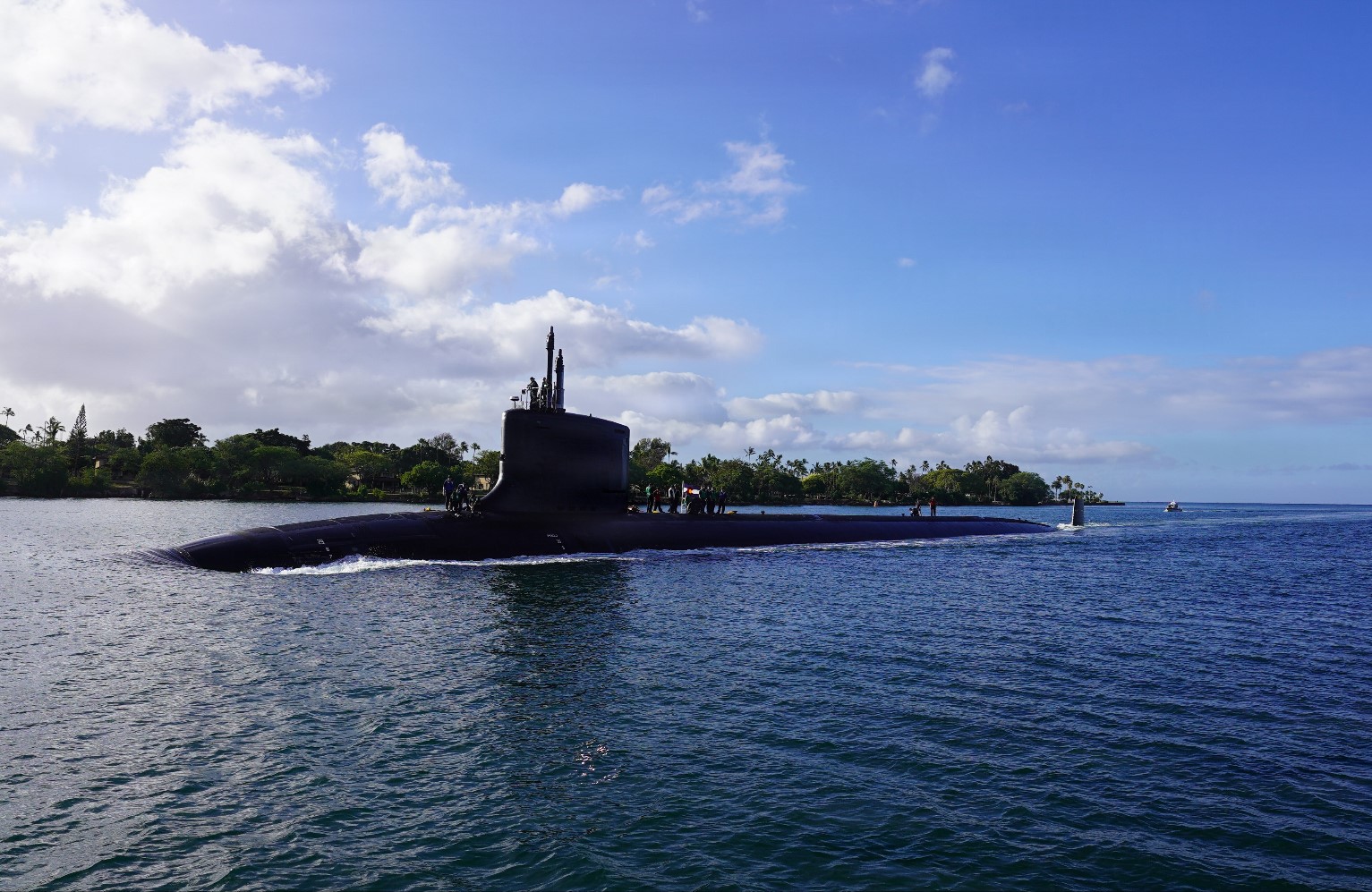 U.S. Navy's USS Colorado Submarine Returns to Pacific Fleet 29 Days Early After Major Pearl Harbor Overhaul
-
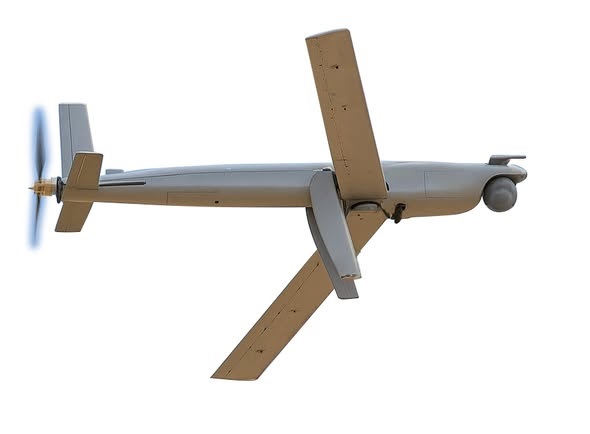 Elbit Systems and Diehl Defence Partner to Offer SkyStriker Loitering Munition to German Armed Forces
-
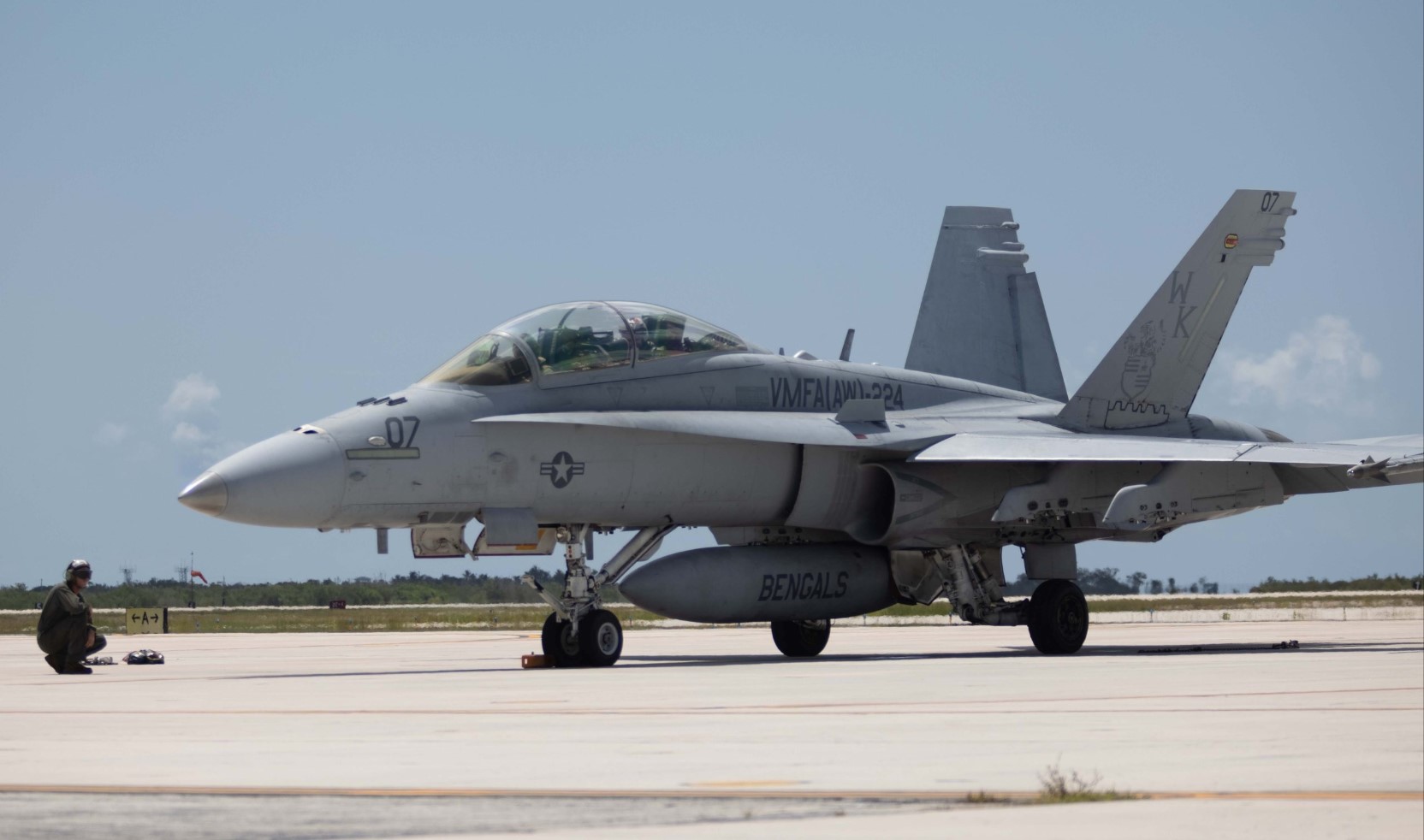 US Marine Corps F/A-18D Hornet Crashes During Training Flight in Washington Mountains; Pilot Ejects Safely
-
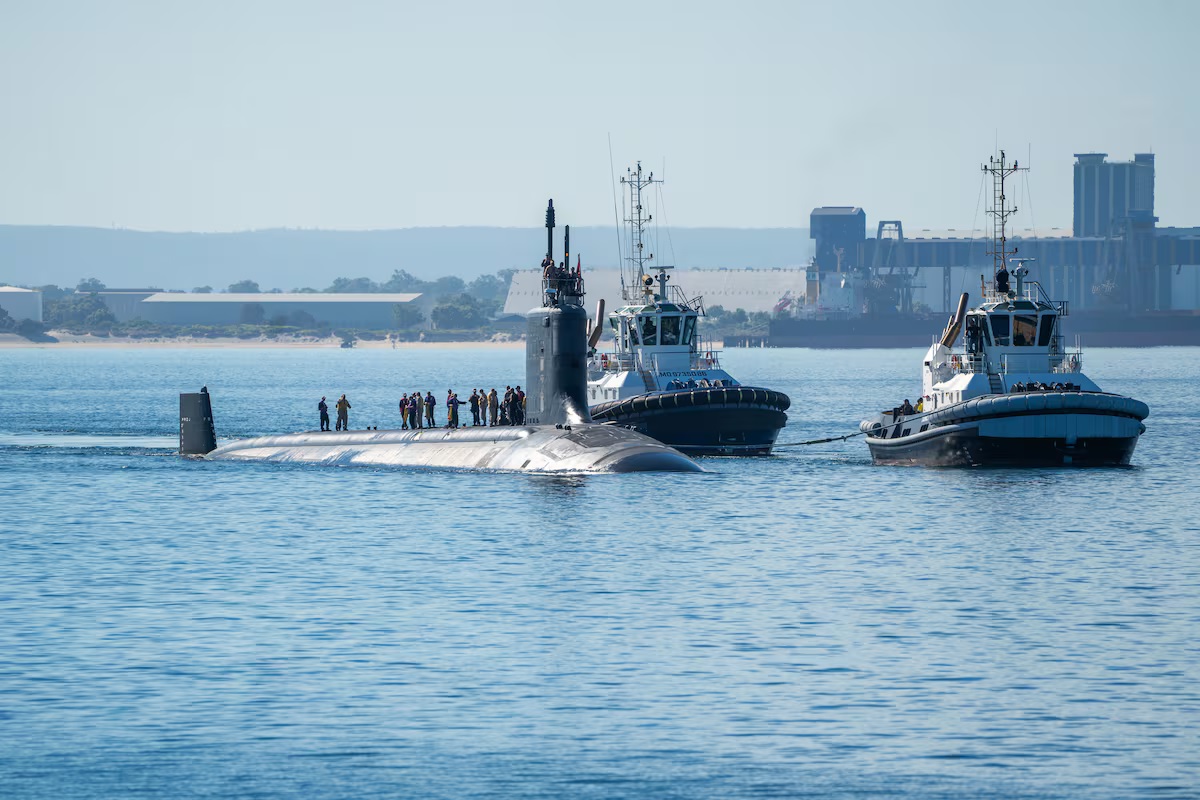 U.S. Navy Reestablishes Submarine Squadron 3 at HMAS Stirling to Support AUKUS Rotational Force
Top Trending in 4 Days
-
 Iranian Media Leaks 14-Point U.S.-Iran Peace Framework Amid Ongoing Negotiations
-
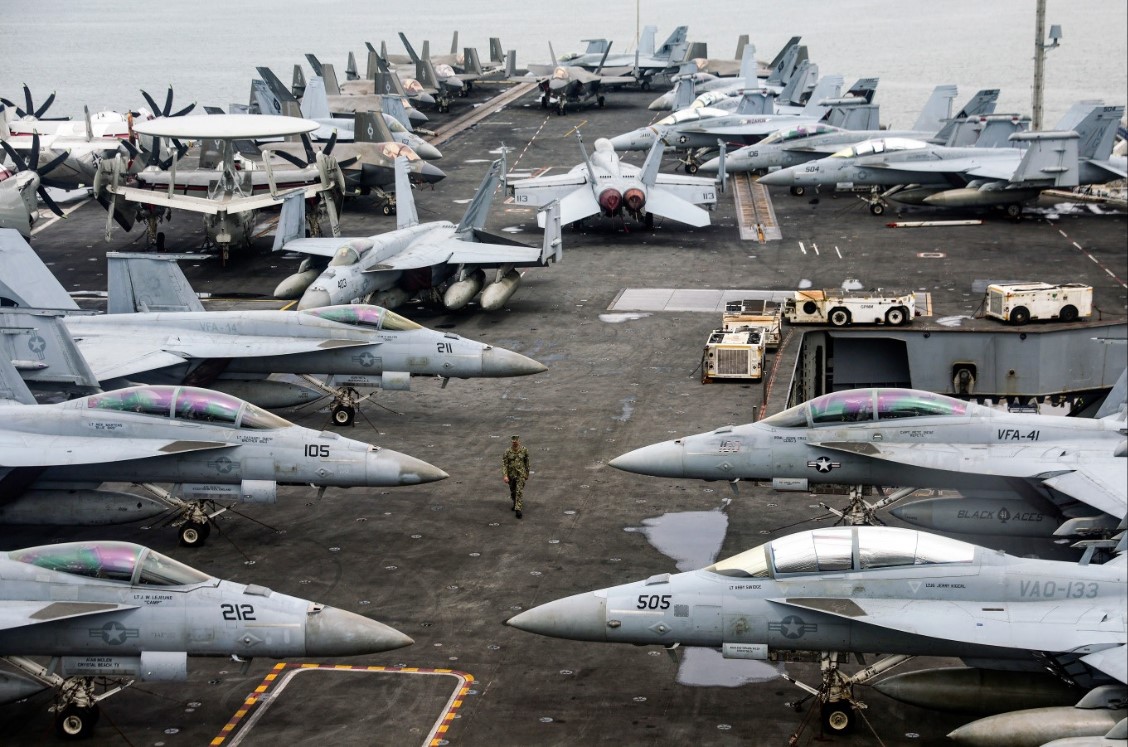 US Plans Significant Reduction of Fighter Jets and Warships for NATO Operations in Europe
-
 U.S. Air Force Faces Strategic Airlift Shortfall as C-17 Production Restart Remains Uncertain
-
 NATO Commander Says Russia Not Seeking Conflict With Alliance Despite U.S. Force Reductions
-
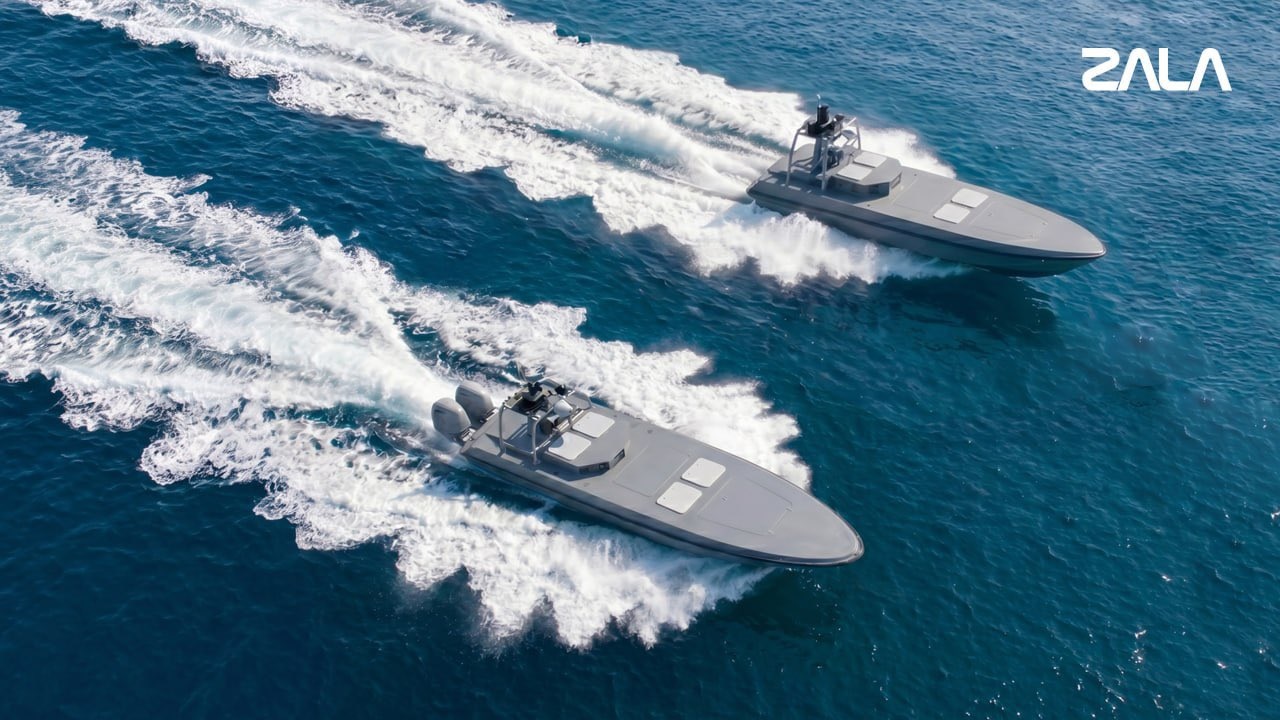 Russian Defense Firm ZALA Unveils KAMA Unmanned Surface Vessel Family at FLOT-2026 Naval Exhibition
-
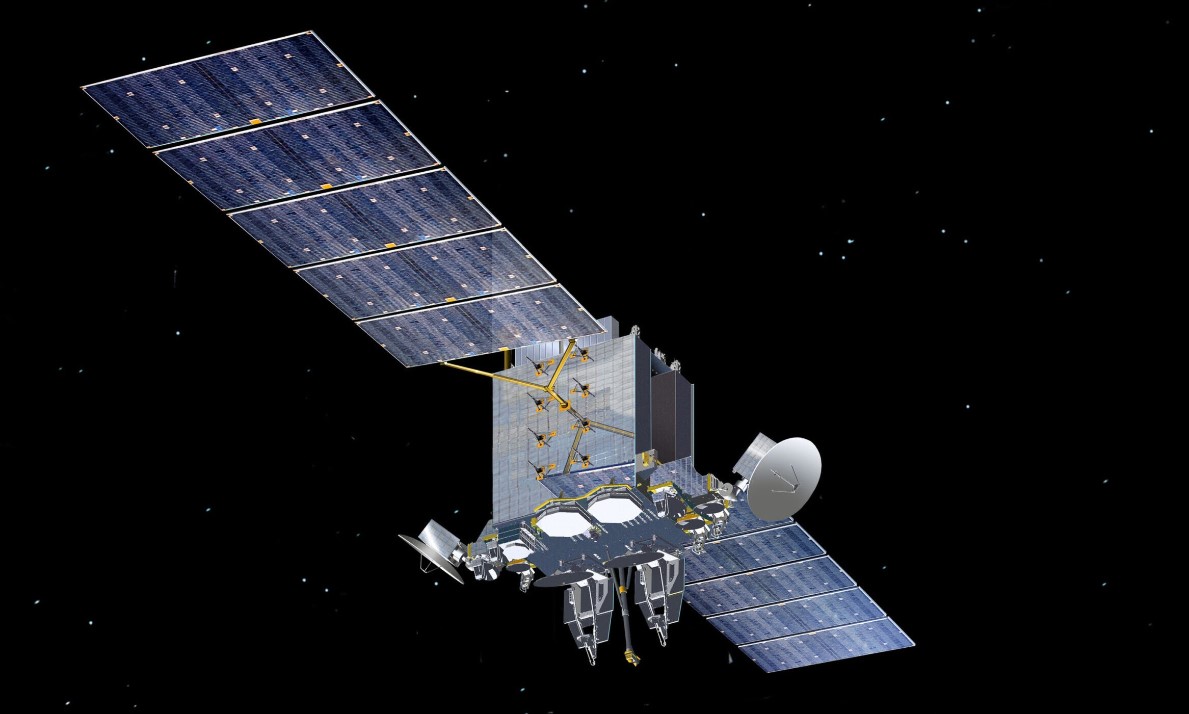 U.S. Space Force Awards $437.7 Million Contracts for First PTS-G Swarm 1 Anti-Jam Satellites
-
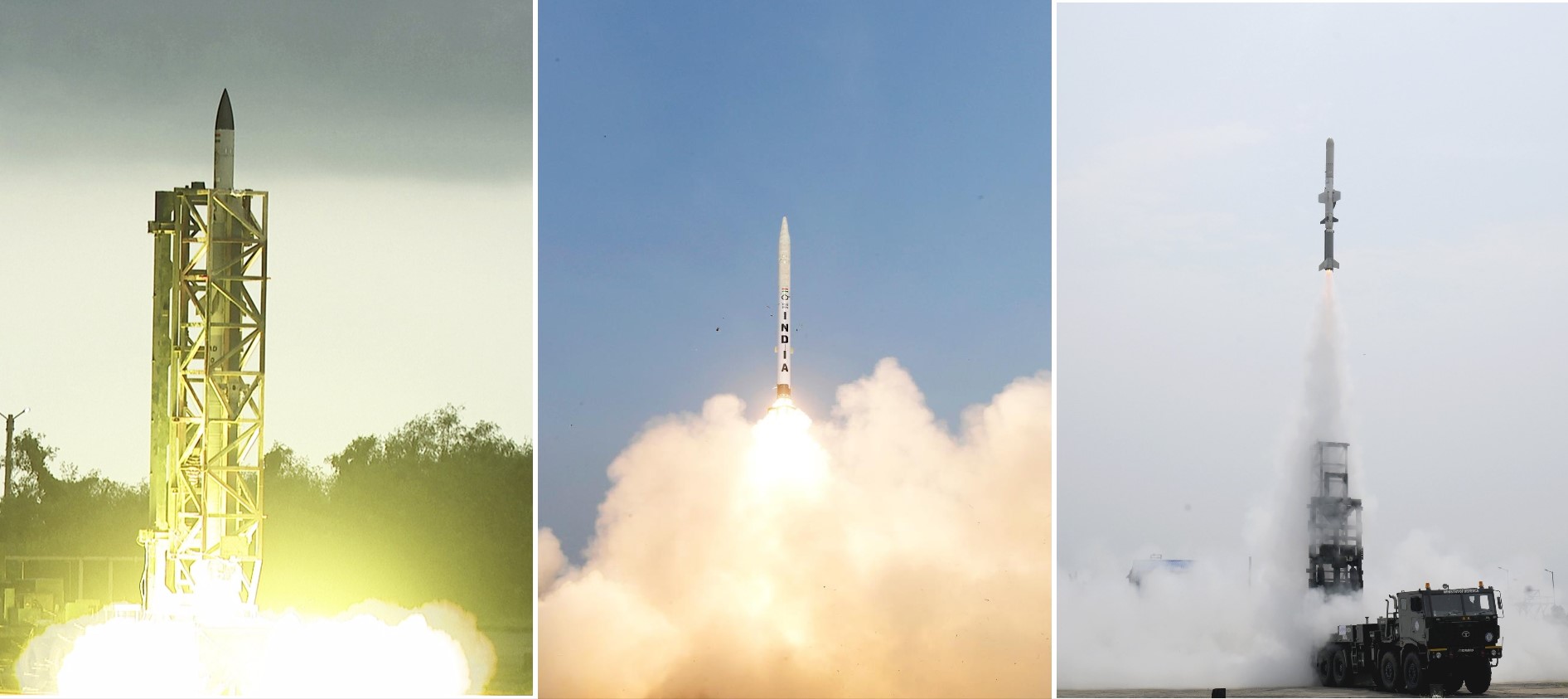 India Successfully Conducts AD-1, AD-2 Interceptor Tests and Maiden NASM-MR Flight Trial
-
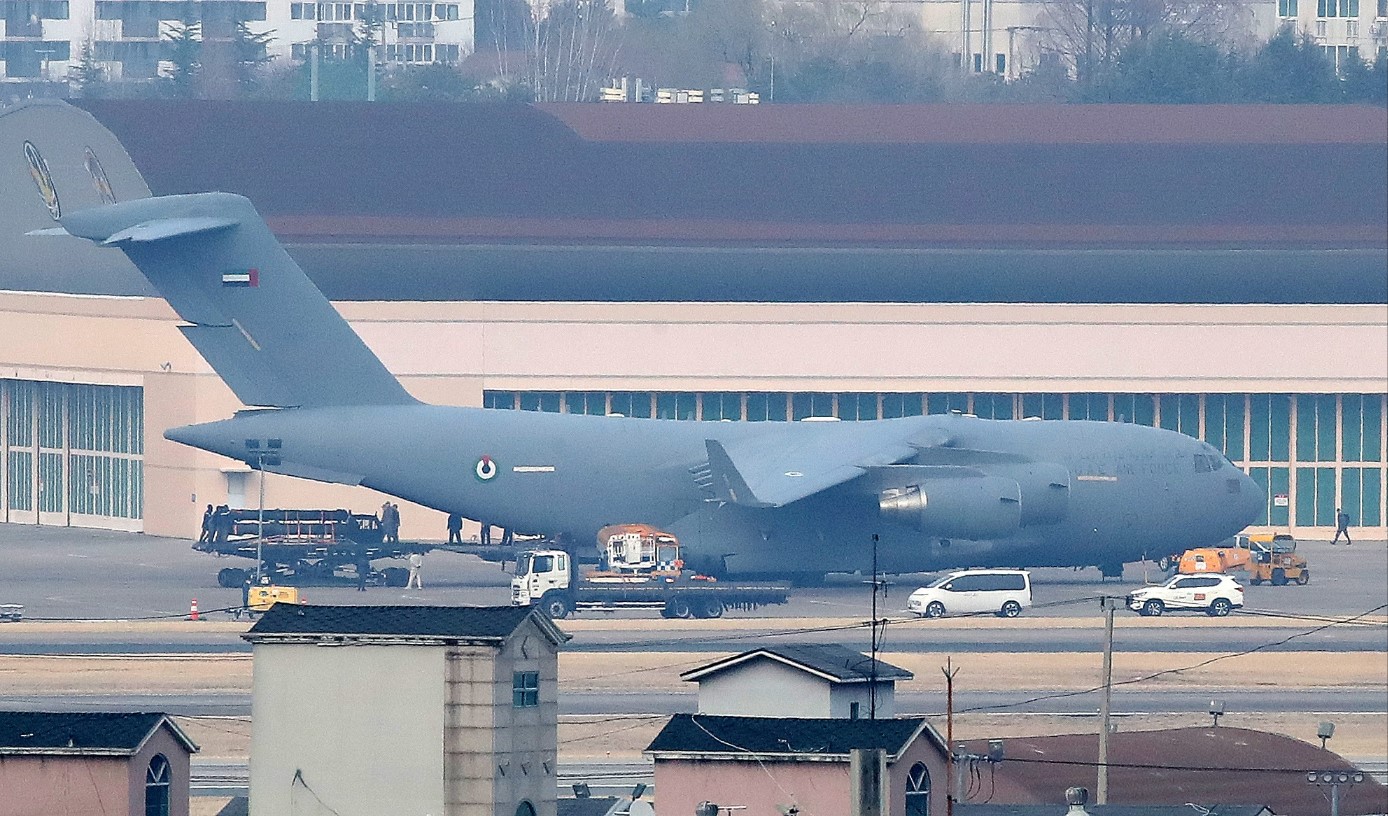 UAE Urgently Airlifts Cheongung-II Missile Defense Battery From South Korea Using Eight C-17 Aircraft
