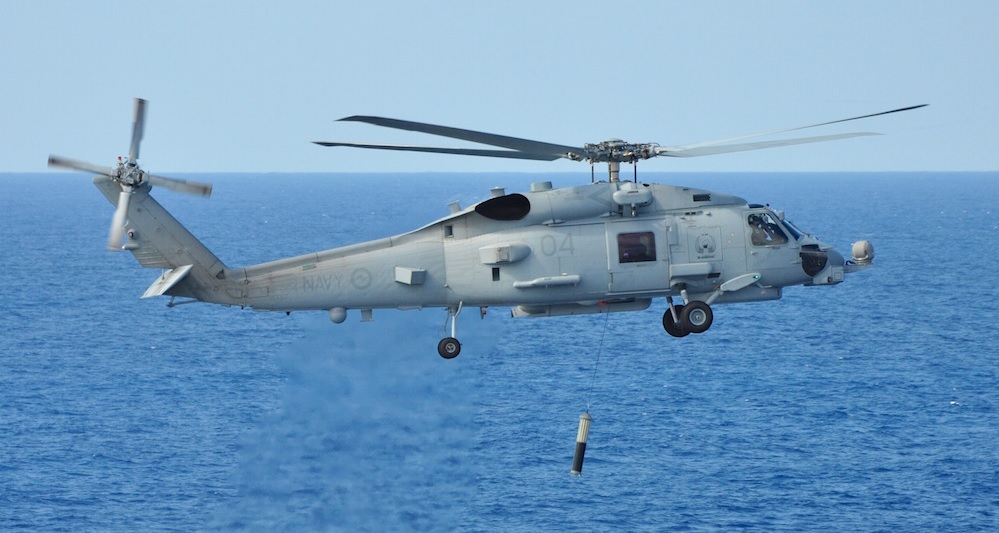
The Indian Navy is making a significant leap in its communication technology by equipping its entire aerial fleet with advanced, indigenously developed Software-Defined Radios (SDR). This major modernization effort aligns with India’s push towards self-reliance in defense capabilities under the "Aatmanirbhar Bharat" initiative.
Developed in collaboration with Bharat Electronics Limited (BEL), these SDRs are designed to meet modern naval warfare demands. The radios are highly versatile, capable of operating across multiple frequency bands and supporting both secure and encrypted communications. Their design makes them highly adaptable, enabling smooth integration with a variety of platforms, whether helicopters like the MH-60R Seahawk or drones and maritime patrol aircraft like the P-8I Poseidon.
Specifications and Capabilities
The indigenous SDR systems include the Naval Combat (SDR-NC), Tactical (SDR-Tac), and a Next Generation (SDR-NG) variant. These radios are programmed to handle extensive signal processing through software, making them easily upgradable to new communication standards and protocols. This software-centric design gives the Navy unmatched flexibility to adapt to new technologies by simply updating the software, as opposed to traditional, hardware-reliant radios.
Key features include:
- Enhanced Encryption: The SDRs can handle secure voice, data, and video communications, crucial for missions where information security is paramount.
- Real-Time Data Sharing: The integration of Link-II, a secure data link, allows for instantaneous exchange of tactical information between ships, submarines, and airborne platforms, which is vital for coordinated maritime operations.
- Interference Resistance: Advanced signal processing techniques minimize signal interference, ensuring clear and reliable communication even in challenging environments.
Operational Advantages
By using SDRs, the Indian Navy enhances its interoperability not just within its branches but also with allied forces. For instance, the MH-60R Seahawk helicopters, recently added to the fleet, will benefit greatly from these communication upgrades. These helicopters perform critical roles, from anti-submarine warfare to search and rescue missions, and require robust communication systems to coordinate efficiently with ships and aircraft.
Furthermore, the SDR's flexible nature allows for seamless frequency and mode changes, enabling adaptive strategies during missions. For aerial assets operating in diverse and contested environments, this adaptability ensures continuous and secure communication, even if frequencies become compromised.
Strategic Implications and Indigenization
The installation of these radios represents more than just a technological upgrade. It underscores India's commitment to developing homegrown defense solutions, reducing reliance on foreign imports, and fostering a robust domestic defense manufacturing ecosystem. The Navy's adoption of these systems has been described as a critical move towards indigenizing key components of maritime warfare infrastructure.
The modernization effort also includes plans for testing an additional SDR variant, expected to further revolutionize naval communications in the coming years. This continued development and integration demonstrate a forward-thinking approach, preparing the Navy to counter rapidly evolving maritime threats with cutting-edge technology.
Through this initiative, the Indian Navy not only enhances its operational readiness but also signals a strategic shift towards comprehensive self-reliance and technological advancement, setting a new benchmark for the future of naval communications.
——— End of Article ———