World
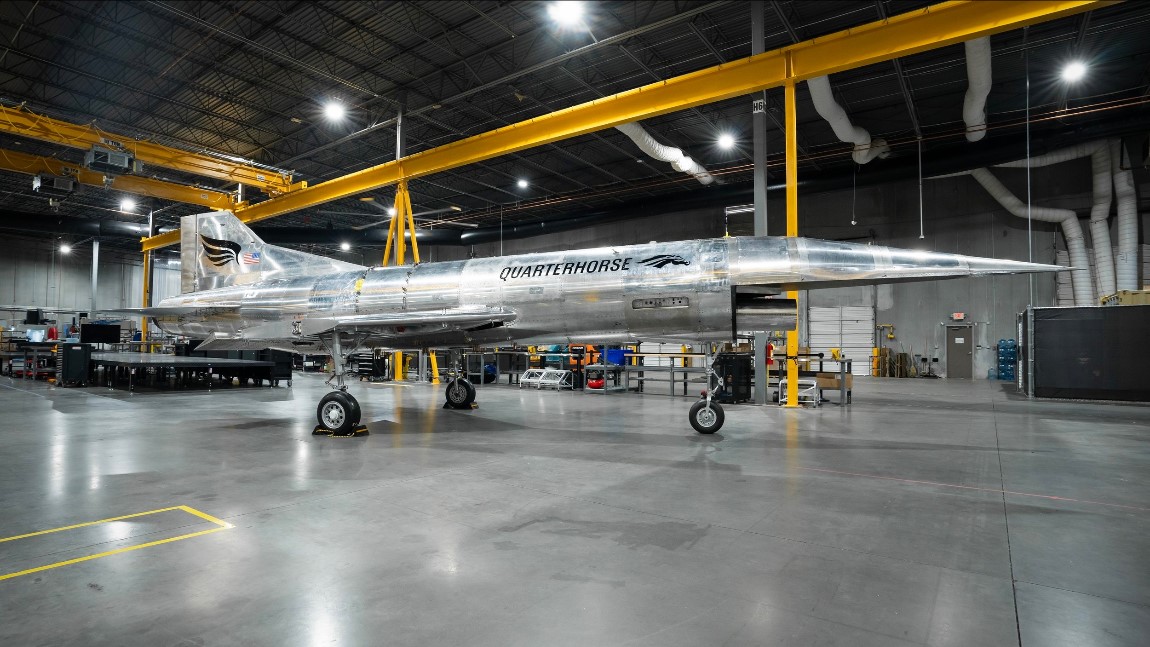
Hermeus, a cutting-edge aerospace and defense technology company, has taken a bold step toward the future of hypersonic aviation by integrating SpaceX’s Starlink satellite communication system into its Quarterhorse Mk 1 aircraft. This breakthrough highlights the synergy between hypersonic technology and advanced satellite communications, paving the way for revolutionary developments in aviation. Seamless Integration in Record Time In just 17 days, Hermeus managed to adapt and implement Starlink’s satellite communication capabilities into the Quarterhorse Mk 1—a feat that underscores the company’s rapid innovation model. This swift integration occurred without disrupting an active taxi test campaign, demonstrating the agility of Hermeus’s engineering team. The move reflects the reliability of Starlink technology, which has also been successfully tested on SpaceX’s Starship program. The primary goal of this integration is to enable robust, beyond-visual-line-of-sight (BVLOS) command and control. For an uncrewed hypersonic aircraft like the Quarterhorse, maintaining a stable communication link is critical, especially as it ventures into high-speed, high-altitude environments. Quarterhorse Mk 1: Designed for Hypersonic Innovation The Quarterhorse Mk 1 is a remotely piloted, uncrewed aircraft powered by the GE J85 engine, capable of demonstrating advanced high-speed takeoff and landing operations. This capability is central to developing future hypersonic aircraft designed for both commercial and defense applications. By leveraging Starlink’s global satellite network, the aircraft achieves unparalleled connectivity, ensuring real-time communication between ground operators and the vehicle. This integration is particularly vital for missions at hypersonic speeds, where split-second decisions rely on seamless data transfer. Current Progress and Future Goals Flight testing of the Quarterhorse Mk 1 is set to commence at Edwards Air Force Base. With the aircraft already stationed at the site, medium and high-speed taxi tests will soon assess its readiness for full-scale flight. These tests aim to validate the integration of Starlink and evaluate the performance of its high-speed systems under real-world conditions. The Quarterhorse program is just the beginning of Hermeus’s ambitious roadmap. The company is also developing the Darkhorse, another uncrewed hypersonic vehicle tailored for defense applications. Both platforms are part of Hermeus’s strategy to redefine air travel and defense by pushing the boundaries of speed, efficiency, and connectivity. Revolutionary Approach to Aerospace Hermeus employs a unique development model, combining iterative hardware testing with cutting-edge computational tools. This methodology enabled the rapid design, build, and testing of their hybrid turbojet-ramjet engine, a critical propulsion system that underpins their hypersonic vehicle programs. Starlink’s integration is more than just a milestone; it’s a testament to how advanced communication systems can enhance the capabilities of next-generation aircraft. By achieving this integration in record time, Hermeus has set a new benchmark in the aerospace industry. As hypersonic flight continues to evolve, partnerships between companies like Hermeus and SpaceX will play a pivotal role in transforming the future of aviation, unlocking speeds and capabilities once thought impossible.
Read More → Posted on 2024-11-19 16:04:33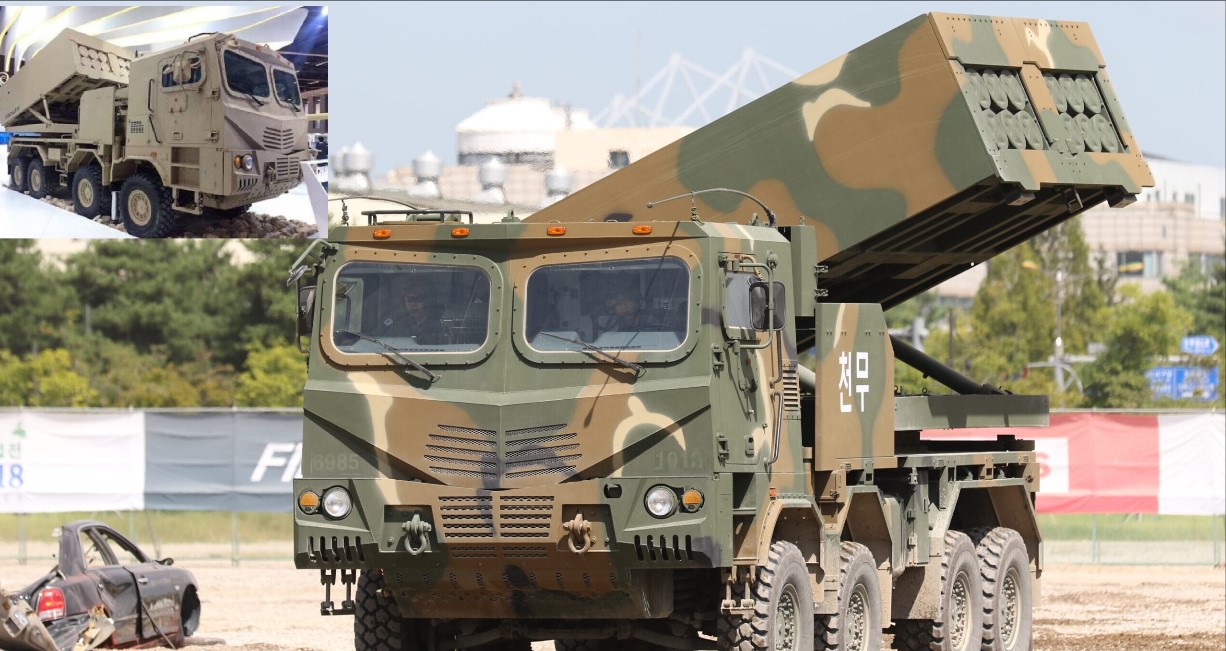
World
The K239 Chunmoo, South Korea's highly versatile rocket artillery system, has made headlines again, this time in Saudi Arabia. Defense expert Mason shared images of the system on their X platform, marking a significant moment in the growing presence of South Korean military technology in the Middle East. This sighting underscores the Chunmoo’s rising influence in a region increasingly focused on modernizing its defense capabilities. The K239 Chunmoo isn’t just any multi-launch rocket system (MLRS); it’s a modular powerhouse capable of deploying an array of precision-guided munitions. The variant seen in Saudi Arabia is equipped with a tactical ballistic missile pod featuring the CTM-290 missiles, which boast a formidable range of up to 290 kilometers. These advanced ballistic missile pods have previously been spotted in the United Arab Emirates (UAE) and were showcased during a Polish presidential visit to South Korea, further highlighting the system’s appeal to diverse global customers. A Rising Star in the Defense Market Saudi Arabia and the UAE have reportedly acquired multiple K239 systems, signaling a broader trend of Middle Eastern nations investing heavily in cutting-edge defense technology. This surge in demand reflects regional security priorities and a recognition of the Chunmoo’s adaptability and firepower. The K239 is compatible with a wide range of munitions, including 130mm, 227mm, and 239mm rockets, in addition to the CTM-290 tactical missiles. This flexibility allows the system to engage targets at varying ranges, making it suitable for diverse combat scenarios. Its firepower is complemented by advanced fire-control systems, GPS-guided targeting, and rapid reloading capabilities. With over 300 units already operational in South Korea, the K239 has also been exported to nations like Poland and the UAE, solidifying its status as a major competitor to the U.S.-made HIMARS. While HIMARS dominates the global market for advanced rocket artillery systems, the K239’s cost-effectiveness and modular design give it a competitive edge, particularly in regions looking to diversify their defense imports. Strategic Implications in the Middle East The arrival of the K239 in Saudi Arabia signifies more than just a weapons sale; it marks a strategic alignment between the Kingdom and South Korea. As Riyadh seeks to bolster its military self-reliance, systems like the Chunmoo offer an ideal mix of advanced technology and operational flexibility. The deployment also highlights the growing influence of South Korea’s defense industry on the global stage. Recent years have seen Seoul aggressively push its defense exports, with significant deals across Europe, the Middle East, and Asia. Analysts estimate that the total global exports of the K239 system could reach 500–600 units in the coming years, reflecting its growing popularity among nations seeking high-performance artillery solutions. A Challenging Rivalry with HIMARS Despite its growing footprint, the K239 Chunmoo faces stiff competition from the HIMARS, which has long been considered the gold standard in rocket artillery systems. HIMARS offers unparalleled precision and a proven track record, but the Chunmoo counters with a more customizable platform capable of accommodating diverse munitions and configurations. This flexibility makes it particularly attractive to nations seeking tailored solutions for complex security challenges. In the Middle East, where geopolitical tensions often necessitate robust defense postures, the K239’s arrival underscores a broader regional trend toward acquiring next-generation military hardware. Its deployment in Saudi Arabia not only enhances the Kingdom’s military capabilities but also positions South Korea as a formidable player in the global defense market. As Saudi Arabia and the UAE continue to expand their arsenals with state-of-the-art systems like the Chunmoo, the balance of power in the region could see a subtle but significant shift, underpinned by the growing influence of South Korean technology.
Read More → Posted on 2024-11-19 15:57:14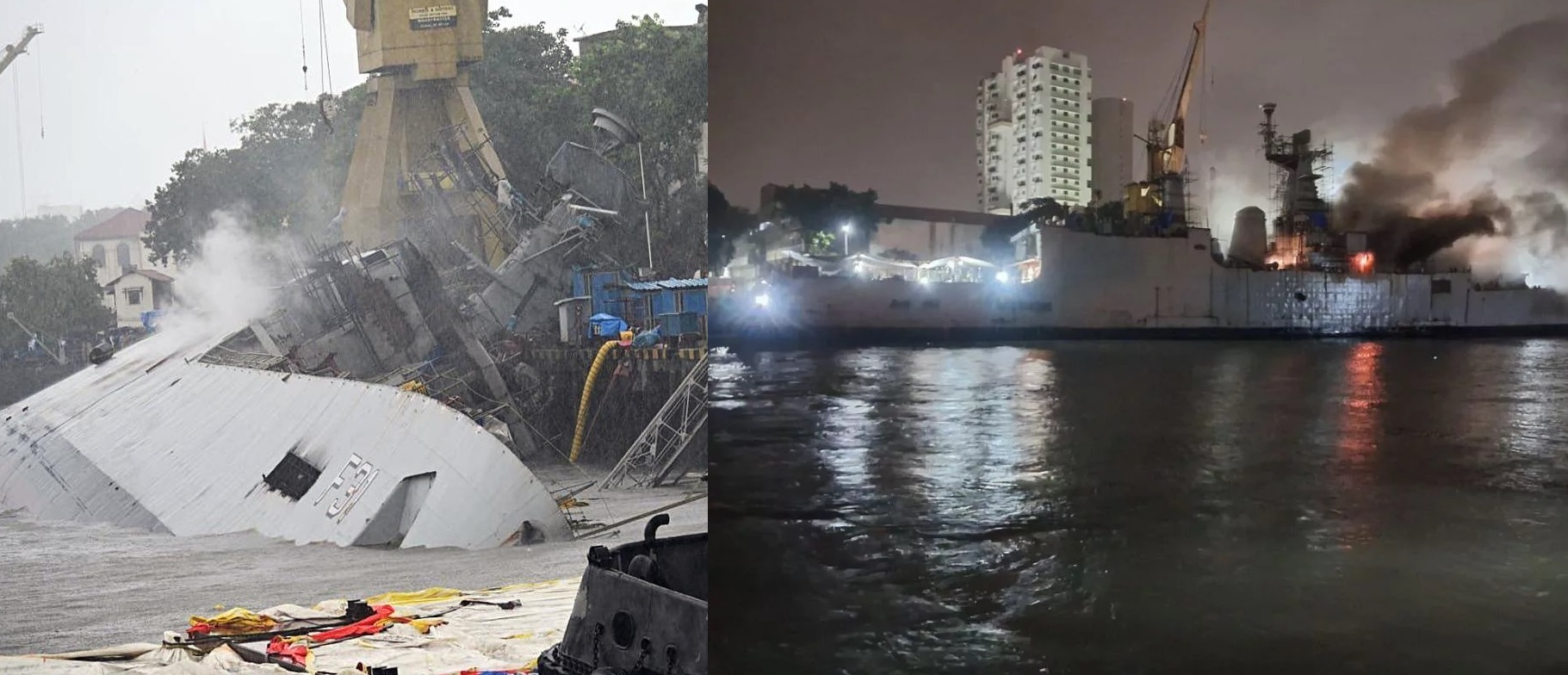
India
In a dramatic salvage operation, the INS Brahmaputra, an integral asset of India's naval power, has been righted after a severe fire nearly capsized it. The guided-missile frigate was undergoing a major refit at the Mumbai Naval Dockyard when a blaze broke out in July 2024, tragically killing one sailor and causing the ship to list precariously. The incident led to extensive flooding from firefighting efforts, which added substantial weight to the vessel, further complicating recovery attempts.The 24-year-old frigate, part of the Brahmaputra-class series, faced extensive structural damage that required unprecedented salvage techniques. A team of foreign experts, including specialists from Singapore, collaborated with the Indian Navy to de-ballast and stabilize the ship using large, balloon-like structures. These innovative devices were essential in gradually lifting the vessel from its 40-45 degree tilt, a process that demanded precision engineering and extensive planning.INS Brahmaputra's specifications underline its importance to India's maritime security. Commissioned in the early 2000s, the ship features a 5,300-ton displacement, is 125 meters long, and boasts a beam of 14.4 meters. Its armaments include advanced surface-to-air and surface-to-surface missile systems, torpedo launchers, and medium-range and close-range guns. It also supports helicopter operations with Seaking and Chetak aircraft, making it a formidable multi-role frigate. Despite its age, it remains vital to the Western Naval Fleet, which underscores the urgency of its restoration.Though the ship is now upright, Indian Navy officials warn that full repairs will be a slow and methodical endeavor, possibly stretching over several months. Specialists must assess the full extent of the damage before commencing comprehensive repairs to ensure the ship's structural integrity and seaworthiness. The complexity of the task is reminiscent of past naval incidents, such as the INS Betwa’s salvage, but Brahmaputra’s unique challenges have necessitated collaboration with global experts.Navy leadership, including Chief of Naval Staff Admiral Dinesh K Tripathi, has prioritized this operation, underscoring the frigate's strategic value. Vice Chief of Naval Staff Vice Admiral Krishna Swaminathan acknowledged the intricate challenges but expressed confidence in India's and the international team’s capabilities. Meanwhile, safety audits have been intensified across naval facilities to prevent future mishaps.As the salvage progresses, India's naval command continues to balance restoration efforts with operational readiness, aiming to reintegrate this key asset into the fleet as soon as possible, although the timeline remains uncertain.
Read More → Posted on 2024-11-19 15:50:01
World
In a significant step forward for Spain's military capabilities, Airbus has officially launched the final assembly line for the SIRTAP (Tactical Remotely Piloted Aircraft System) at its Getafe facility near Madrid. This new phase, marking the start of assembly for Spain's advanced unmanned aerial vehicle, is geared towards delivering two SIRTAP prototypes with the goal of boosting Spain’s tactical and technological independence in unmanned systems.The assembly process commenced with the arrival of key components such as the fuselage and wings, all produced by Spanish companies. This not only highlights Spain’s domestic industrial capacity but also reinforces the SIRTAP project’s focus on national technological sovereignty. Airbus has scheduled the completion of the first SIRTAP prototype by spring 2025, followed by extensive ground tests at the Getafe facility. By late 2025, the prototype will move into flight testing, with the Centre of Excellence for Unmanned Systems (CEUS) in Moguer, southern Spain, hosting the trials. This site, operated by the National Institute for Aerospace Technology (INTA), is a specialized hub for UAV testing.The SIRTAP drone, built with a modular design, is capable of fulfilling diverse operational needs, ranging from border security and disaster response to maritime surveillance. Airbus has developed the drone for the Spanish Army and the Spanish Air and Space Force, reinforcing their capacity to conduct crucial missions such as search and rescue, illegal fishing monitoring, drug trafficking prevention, and disaster assessment. The SIRTAP’s design also includes enhanced autonomy and resilience, enabling it to operate effectively in various environments, whether at sea, along rugged coastlines, or across national borders.Airbus’s agreement with Spanish defense authorities includes the delivery of nine SIRTAP systems, each comprised of three UAVs and a ground control station, ensuring robust, distributed surveillance capabilities. Additionally, two operator training simulators are being developed for this project. These simulators recently passed critical project reviews, paving the way for high-quality training for military personnel and promoting operational readiness as SIRTAP systems enter active use. The UAV simulators are expected to give operators a realistic, responsive training experience, equipping them with the skills needed to maximize the SIRTAP's capabilities in real-time missions.Highlighting the importance of the SIRTAP project, Airbus noted that the design, development, and manufacturing of this remotely piloted vehicle embody a significant leap in Spain’s strategic technological autonomy. The project not only reinforces the nation's defense capabilities but also fosters industrial growth by involving a network of Spanish suppliers in the production process.In all, the SIRTAP project promises to provide Spain with an essential tool for national security and resilience. With its advanced assembly and testing underway, Spain is set to strengthen its defense capabilities and extend its control over crucial tactical domains, ensuring an adaptable and autonomous response to a variety of modern-day challenges. The completion and deployment of the SIRTAP systems will be closely watched as a marker of Spain’s evolving role in UAV technology and defense readiness.
Read More → Posted on 2024-11-19 15:41:22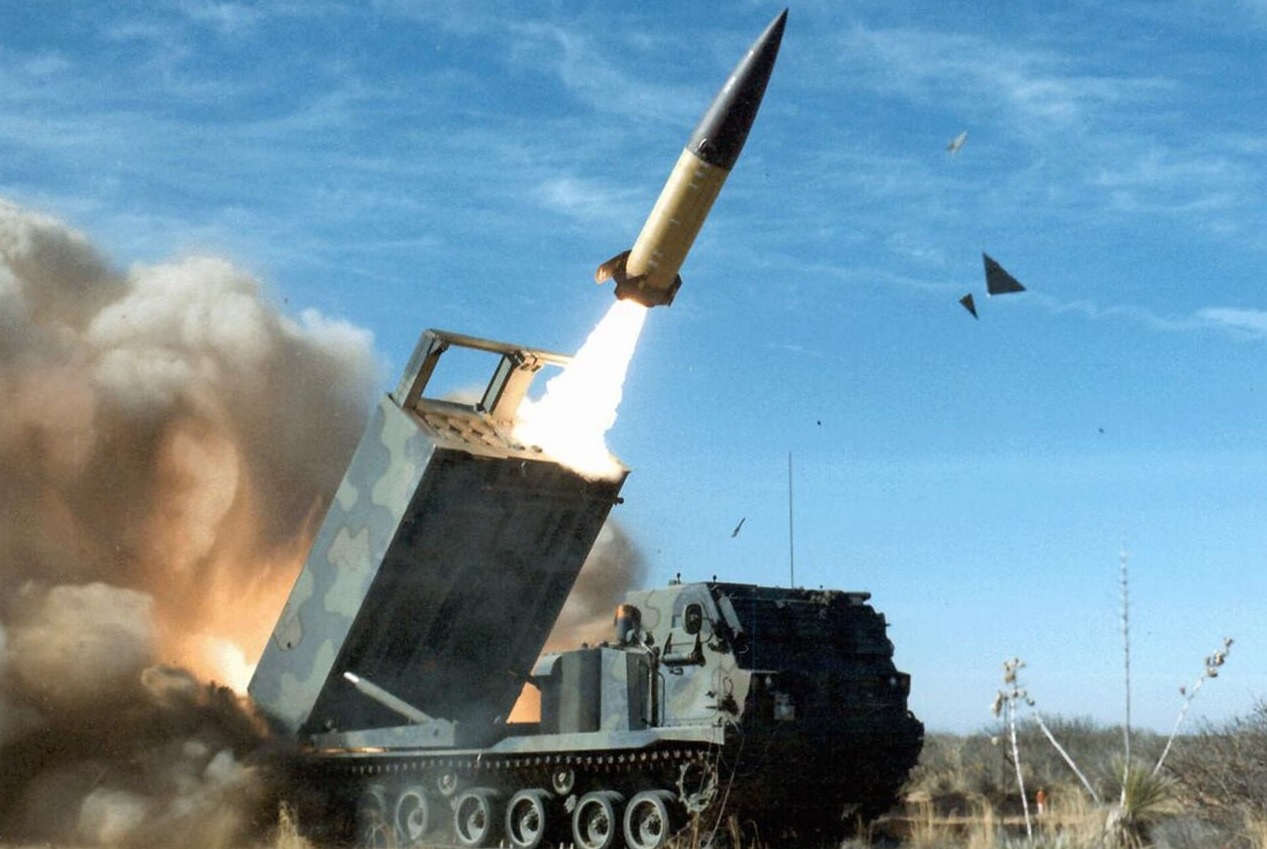
World
In a remarkable shift in its military capabilities, Ukraine marked the 1,000th day of the war with a significant blow against Russia, deploying U.S.-supplied ATACMS missiles for the first time. The attack occurred on Tuesday and aimed at a Russian military facility in the Bryansk region, approximately 110 kilometers (70 miles) from the Ukrainian border. This use of the long-range missiles symbolizes a pivotal moment in the ongoing conflict and has already prompted intense rhetoric from Moscow.Russia’s defense ministry reported that its forces managed to intercept and destroy five out of the six missiles launched by Ukraine. However, the remnants of one missile reportedly struck the targeted military installation. The damage was limited, with no casualties or serious destruction confirmed by Russian officials. Nonetheless, Ukraine celebrated the strike as a strategic success, claiming to have hit an arms depot, sparking secondary explosions that rippled across the area. The exact scale of the impact remains somewhat unclear, but the message sent was unmistakable: Ukraine now has the capability to reach deep into Russian territory.The ATACMS (Army Tactical Missile System) used by Ukraine is known for its precision and significant range, with some variants capable of hitting targets up to 300 kilometers away. The missiles can be launched from HIMARS (High Mobility Artillery Rocket Systems) and other compatible platforms, giving Ukraine a potent new tool in its arsenal. The decision to provide these weapons came after extensive negotiations between Washington and Kyiv, with President Joe Biden only granting approval earlier this week. This move has heightened tensions considerably, with Russian officials warning that such escalations risk dragging the United States directly into the conflict.Moscow has accused the U.S. of becoming a de facto participant in the war, arguing that the supply of these missiles could prompt retaliatory measures. The Kremlin's rhetoric underscores the fragile and dangerous balance between supporting Ukraine and avoiding an outright NATO-Russia confrontation. For Ukraine, however, the acquisition of ATACMS represents a long-awaited opportunity to strengthen its defensive and offensive capabilities, particularly as the country grapples with the uncertain future of Western support.As Ukraine grapples with the grinding war, President Volodymyr Zelensky remains resolute. Addressing parliament, he emphasized that the coming year would likely be a turning point. “At this stage of the war, it is being decided who will prevail,” Zelensky declared, alluding to the global stakes involved. He framed the conflict not only as a fight for Ukraine’s sovereignty but as a broader struggle for the freedom of all who oppose authoritarianism.The symbolic weight of Tuesday’s events was palpable, especially as Ukraine’s forces and citizens prepared for vigils commemorating 1,000 days of conflict. In Kyiv, the sound of air raid sirens continues to punctuate daily life, and weary soldiers on the front lines endure relentless challenges. The human cost remains staggering: thousands of lives lost, millions displaced, and entire communities fractured. The invasion ordered by Russian President Vladimir Putin has turned into Europe’s largest and most destructive conflict since World War II.Yet, even as Ukraine gains some tactical advantages, the road ahead appears daunting. Military experts note that while U.S. weapons like the ATACMS can be game-changers in specific scenarios, they are unlikely to decisively alter the broader trajectory of the war. The fighting remains brutal and costly, and both sides seem determined to avoid significant concessions.In the background, geopolitics add another layer of uncertainty. Former U.S. President Donald Trump, who is set to return to power in two months, has pledged to end the conflict swiftly, though he has not explained how he would achieve this goal. The possibility of a shift in U.S. policy, combined with war fatigue among some Western allies, has cast a shadow over Ukraine’s long-term strategy.As evening approached on Tuesday, Ukrainians prepared for a candle-lit vigil, remembering loved ones lost and reflecting on the resilience that has kept their nation standing. Despite the horrors of war, Ukraine remains defiant, ready to face whatever challenges the next phase of this grueling conflict might bring.
Read More → Posted on 2024-11-19 15:38:19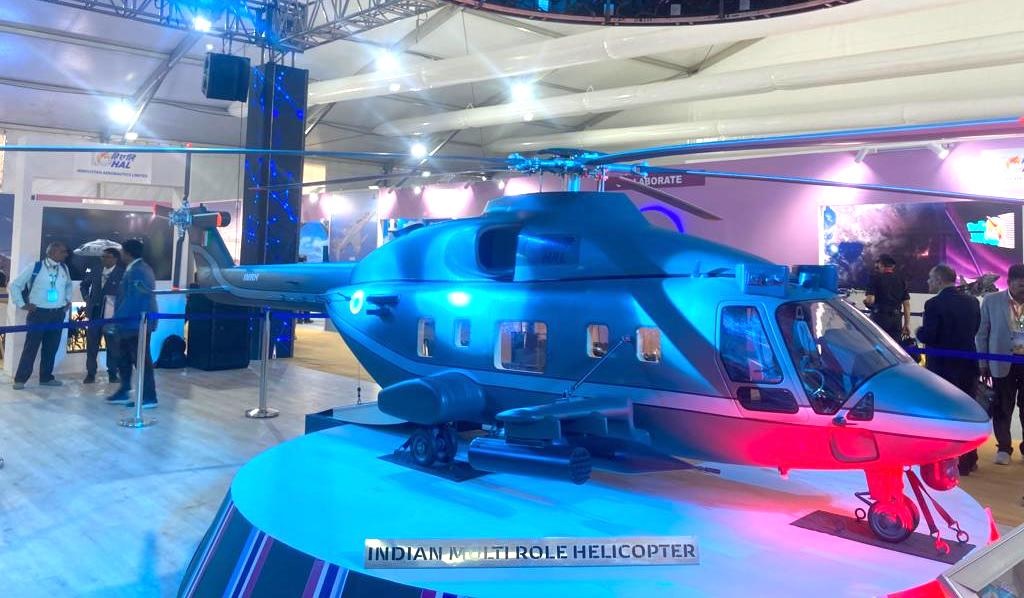
India
Hindustan Aeronautics Limited (HAL) is advancing in the development of its Indian Multi-Role Helicopter (IMRH), a bold step forward for India's aerospace industry. As part of this ambitious project, HAL has announced that the IMRH will feature the high-power Aravalli engine, developed in collaboration with SAFHAL Helicopter Engines, a joint venture with Safran Helicopter Engines. The IMRH, designed as a 13-ton medium-lift helicopter, promises to cater to the diverse needs of India’s defense forces while holding potential for civilian applications as well.First introduced during Aero India 2023, the IMRH symbolizes India’s growing prowess in aerospace technology and its commitment to self-reliance under the "Atmanirbhar Bharat" initiative. The helicopter is expected to replace a range of aging rotorcraft currently used by the Indian Armed Forces, offering a domestically produced alternative with global-level capabilities.The Aravalli Engine: A Leap Toward Self-RelianceA standout feature of the IMRH will be the integration of the indigenous Aravalli engine. This engine represents a major milestone for India's aerospace engine technology, emphasizing fuel efficiency, performance, and reliability. Developed by SAFHAL Helicopter Engines Pvt. Ltd., the engine aims to eliminate dependence on foreign powerplants and marks a transformative step for Indian aerospace engineering. The Aravalli engine will initially be rolled out in later batches of the IMRH, with early prototypes expected to use existing Safran engines.Multi-Mission Versatility and Advanced FeaturesThe IMRH’s mission profile covers a broad range of operations, such as troop transport, logistics, medical evacuation, and search and rescue. Designed to perform in extreme environments, including high-altitude regions like the Himalayas, the helicopter will be equipped with advanced avionics and safety features. The IMRH will be able to transport up to 24 fully equipped soldiers or a significant cargo load, thanks to its 13-ton lift capability.Beyond structural and aerodynamic enhancements, HAL has ensured that the IMRH's design is modular to allow for quick role changes. This versatility could extend the helicopter's utility to naval operations, where it could serve aboard warships as the Deck-Based Multi-Role Helicopter (DBMRH) variant, with design adjustments tailored to maritime conditions.Domestic and International Market PotentialHAL envisions the IMRH as a contender in the international medium-lift helicopter market, competing with established players such as the Sikorsky S-92 and Airbus H225M. Drawing on the export success of its Dhruv Advanced Light Helicopter, HAL is optimistic about the IMRH's prospects, particularly in regions where affordability and performance make Indian platforms attractive.Roadmap to 2027 and BeyondHAL has set an ambitious timeline, with the first Ground Test Vehicle and prototype expected to be ready by 2027. Following extensive testing and fine-tuning, mass production will commence, aiming to meet both domestic demand and international interest. The integration of the Aravalli engine will be a game changer, as it gradually replaces the foreign engines in the initial production runs, making the IMRH a fully indigenous product.The collaboration with SAFHAL not only aligns with India's defense self-reliance goals but also ensures that critical technologies remain within the country. With continued advancements and rigorous testing, HAL hopes that the IMRH will redefine India’s presence in the global aerospace market and enhance its strategic airlift capabilities.This development sets the stage for an exciting new chapter in Indian aviation, where cutting-edge technology and strategic foresight are driving aerospace innovation.
Read More → Posted on 2024-11-19 15:34:38
India
India's BrahMos-2 hypersonic missile project has hit the pause button, but this decision is rooted in strategic and financial calculations rather than technological incapacity. The BrahMos-2, envisioned as a high-speed missile based on Russia’s 3M22 Zircon, aimed to reach Mach 6-7. However, as hypersonic missile development remains an expensive frontier, Indian defense forces have expressed reservations about the program's feasibility, particularly the prohibitive per-unit cost, which could limit large-scale acquisition.Instead of pushing forward with the BrahMos-2, India has turned its attention to enhancing the capabilities of the already formidable BrahMos missile. Co-developed by India and Russia, the current BrahMos is a supersonic cruise missile capable of flying at Mach 3. The renewed focus is on upgrading its engine technology, aiming to nudge speeds closer to Mach 5. This enhancement could provide a "near-hypersonic" edge, significantly boosting the missile's ability to penetrate modern air defense systems.The BrahMos-1 missile family is a strategic asset for India, already versatile in its deployment from land, sea, and air platforms. The future upgrades are not just about speed. Plans include improving range capabilities—boosting the missile from its current reach of 450-500 km to potentially over 800 km—and exploring a lighter version, making it more adaptable for diverse launch platforms like submarines and smaller aircraft. This approach allows India to modernize its defense posture without the financial strain of investing in full-fledged hypersonic technology.Moreover, concerns about Russia's burgeoning ties with China have also complicated India's calculus. Although Moscow remains a critical defense partner, fears persist that Russia’s technology-sharing arrangements with China could potentially undercut Indian security interests. Additionally, global sanctions on Russia and the threat of Western repercussions on joint projects are significant risks that India cannot overlook. Despite the hold on the BrahMos-2, India continues to explore indigenous hypersonic capabilities through parallel projects like the Hypersonic Technology Demonstrator Vehicle (HSTDV) and the Shaurya missile. These initiatives reflect India's broader aim of achieving self-reliance in advanced missile technology, ensuring that the country remains ahead in the rapidly evolving field of defense systems.In short, India’s decision to focus on enhancing the BrahMos missile rather than developing BrahMos-2 at this juncture is a calculated move. It ensures operational relevance while allowing time to address the challenges associated with hypersonic technologies and the complexities of global defense partnerships.
Read More → Posted on 2024-11-19 15:30:57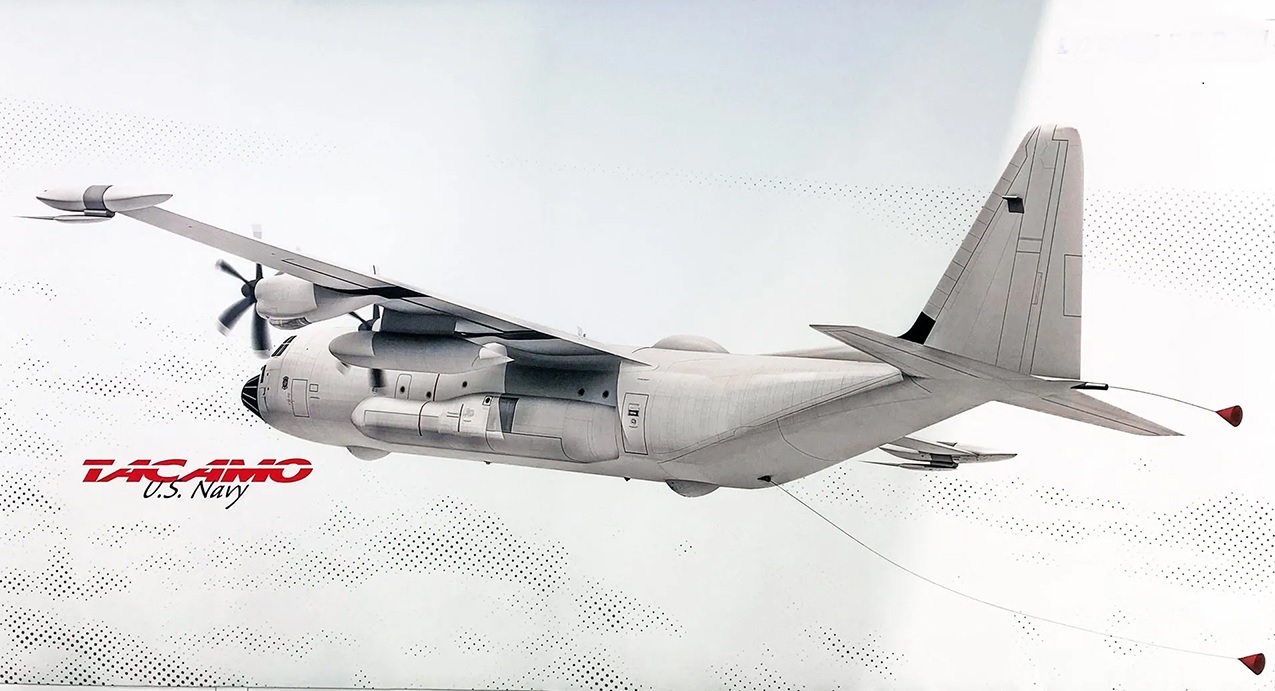
World
Lockheed Martin has officially started construction on the US Navy’s inaugural E-130J aircraft, a pivotal advancement in strategic command and control capabilities. This aircraft, developed under the Take Charge and Move Out (TACAMO) program, is poised to modernize the airborne communication infrastructure essential for national security, replacing the aging E-6B Mercury fleet.Built on the tried-and-true airframe of the C-130J-30 Super Hercules, the E-130J represents a leap forward in both performance and strategic functionality. It is designed to operate as a highly reliable airborne command center, maintaining critical communication links between national leaders, including the President and the Secretary of Defense, with strategic forces, particularly the US military’s intercontinental ballistic missile (ICBM) systems. The TACAMO mission's essence is to ensure uninterrupted connectivity, especially during times of crisis, ensuring the nuclear command and control network remains impenetrable and fully operational.The specifications of the E-130J highlight its robust design. Measuring approximately 98 feet in length and spanning a wingspan of 133 feet, it promises remarkable agility and operational endurance. The aircraft is powered by four Rolls-Royce AE 2100D3 turboprop engines, each delivering around 4,600 horsepower, allowing it to achieve a maximum speed of 362 knots (417 miles or 670 kilometers per hour). It can reach altitudes up to 28,000 feet, enabling flexibility and a broad operational range across diverse environments.One of the most transformative elements of the E-130J is its role as a strategic communication relay. It will integrate sophisticated communication systems, including a Very Low Frequency (VLF) subsystem by Collins Aerospace, vital for secure, long-range transmissions with nuclear forces. This enhancement ensures that the US nuclear deterrence posture remains robust and adaptable to evolving threats.The designation of the E-130J, confirmed in October 2024, reflects the airframe's lineage, as “E” stands for electronic installation, “130” represents its C-130 base model, and “J” denotes its variant series. The airframe will be operated by the US Navy's Strategic Communications Wing 1, headquartered at Tinker Air Force Base in Oklahoma. This wing consists of squadrons such as the “Ironmen” of VQ-3 and the “Shadows” of VQ-4, who will be responsible for the mission readiness and deployment of this critical asset.Lockheed Martin's commitment to delivering the first E-130J by 2026 underscores the strategic urgency of replacing the aging E-6B fleet, which has served as the backbone of America’s airborne command and control operations. As the E-6B nears the end of its operational life, the E-130J will assume this pivotal role, ensuring continuous and unbroken communication with US strategic forces, bolstering the nation’s nuclear deterrent and command architecture.The evolution of the TACAMO aircraft highlights the continuous advancement of strategic communication capabilities, ensuring the US maintains a technological edge in safeguarding national security interests, especially in an era of emerging threats and increasing geopolitical complexities.
Read More → Posted on 2024-11-19 15:24:01
World
Germany’s Defense Minister, Boris Pistorius, has voiced suspicions about recent damage to undersea data cables in the Baltic Sea, underscoring rising concerns about hybrid warfare threats against critical infrastructure in Europe. On Tuesday, Pistorius emphasized that although no definitive proof of sabotage exists, the incidents bear all the hallmarks of deliberate tampering, especially given the strategic importance of these connections.The first case of damage was identified on Monday on the C-Lion1 cable, a nearly 1,200-kilometer (750-mile) link stretching from Helsinki, Finland, to Rostock, Germany. Simultaneously, another key line running between Lithuania and Sweden also suffered damage. Such disruptions come at a precarious time for Europe, as the region navigates threats not only from Russia’s ongoing war in Ukraine but also from malicious hybrid activities targeting essential systems.Pistorius, speaking at an EU defense ministers' gathering in Brussels, called the incidents "a very clear sign that something is afoot," referring to the broader strategic context. He pointed out the unlikelihood of accidental damage from anchors, a common risk in busy maritime zones, dismissing theories that this might be a coincidence. Instead, he drew attention to the evolving nature of threats, which extend beyond traditional military tactics to include covert actions aimed at destabilizing European infrastructure.Germany and Finland’s foreign ministries released a joint statement noting that the timing of these disruptions raises suspicions. They stressed the need to defend vital networks that underpin not only communication but also the broader economy and security framework of Europe. The response from NATO allies has been swift, with renewed calls for robust protection measures.This incident adds to mounting worries about Europe's vulnerabilities after previous attacks, including the 2022 Nord Stream pipeline explosions. That event served as a catalyst for heightened NATO focus on safeguarding underwater infrastructure. In recent efforts, Germany and Norway have advocated for a dedicated NATO Center for Security of Critical Undersea Infrastructure. This center achieved initial operational status in early 2024 and aims to oversee an intricate network of cables and pipelines stretching across vast maritime areas, from the Black Sea to the North Atlantic.Plans are now in motion to establish regional hubs, leveraging local expertise to monitor and defend these critical lines. Germany and Norway, as leaders in these initiatives, are committed to bolstering NATO's defense strategies to counter hybrid threats that could cripple economic and communication lifelines.The damage to these data cables acts as a stark reminder of the vulnerabilities facing Europe in an era of increasingly sophisticated sabotage operations. As investigations continue, the emphasis is firmly on ensuring that the infrastructure binding the continent remains resilient against emerging threats.
Read More → Posted on 2024-11-19 15:17:14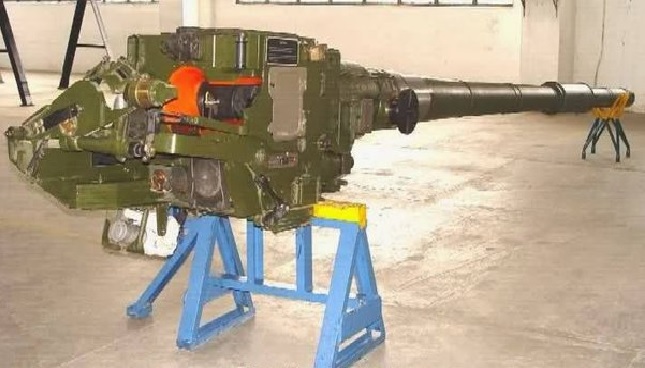
India
In an ambitious move towards reshaping its armored warfare capabilities, India's Defence Research and Development Organisation (DRDO) is developing its Future Main Battle Tank (FMBT) with the option to equip either a 120mm or 125mm smoothbore gun. This approach underlines India's effort to adapt and enhance the operational flexibility of the next-generation platform, officially called the Next Generation Main Battle Tank (NGMBT).The decision to integrate both gun systems isn’t just a minor upgrade—it signifies a profound strategic investment. Smoothbore guns, as opposed to rifled barrels, are valued for their higher projectile velocities, which translate into greater penetrative power. The Indian Army's transition to these guns for NGMBT is designed to meet emerging threats, taking a step forward from legacy technologies still present in older platforms.One of the most intriguing aspects of this development is the dual-caliber system. By creating options for both 120mm and 125mm smoothbore guns, DRDO is ensuring the tank can be tailored to various combat scenarios and ammunition advancements. The 125mm variant leverages experience with Russian-origin T-90 tanks that the Indian Army has relied upon for decades. This choice offers compatibility with existing ammunition stocks and maintains high firepower, making it ideal for situations where heavy munitions might be necessary.On the flip side, the 120mm option draws from Western tank designs and could provide advantages in terms of tank weight and mobility, crucial for high-speed maneuver warfare and for operating in terrains where agility is critical. The smoothbore design on both variants will accommodate advanced munitions like armor-piercing fin-stabilized discarding sabot (APFSDS) rounds and high-explosive anti-tank (HEAT) shells. These weapons will enable the NGMBT to engage various targets, from heavily armored vehicles to fortified positions.The NGMBT project also incorporates an array of futuristic systems that place it on par with top-tier global tanks. It is expected to feature advanced active protection systems (APS) designed to intercept incoming threats like anti-tank guided missiles, offering an additional layer of survivability. The armor itself will likely employ advanced composite materials to withstand modern kinetic energy threats while maintaining weight efficiency. Enhanced situational awareness technologies, such as 360-degree cameras and sophisticated command-and-control interfaces, will ensure crew effectiveness in both offensive and defensive roles.While these plans are impressive, the development journey will be challenging. The timelines for selecting and validating the gun systems remain flexible, but DRDO's dual-caliber strategy showcases foresight, allowing for adaptability in a rapidly evolving defense landscape. This capability enhancement is also a testament to India's growing emphasis on indigenous defense manufacturing, a goal central to the “Make in India” initiative, reinforcing the country’s position as a key player in military self-sufficiency.Overall, the NGMBT’s dual-gun flexibility and other cutting-edge features reflect India's commitment to staying ahead in regional and global armored warfare dynamics, ensuring that its forces remain versatile and formidable across diverse battle environments.
Read More → Posted on 2024-11-19 15:13:09
Space & Technology
SpaceX has achieved another impressive milestone, this time with a first-ever collaboration with the Indian Space Research Organisation (ISRO). On November 18, 2024, the launch of the GSAT-N2 communication satellite aboard SpaceX’s reliable Falcon 9 rocket from the Cape Canaveral Space Force Station in Florida marked a landmark moment for India's ambitions in space-based communication. The event unfolded seamlessly, with the rocket lifting off at 12:01 AM IST (1:31 PM EST), sending the 4,700-kilogram satellite on its journey to strengthen India's communication capabilities.Why This Collaboration is SignificantThe GSAT-N2, which also goes by the designation GSAT-20, has been crafted to enhance India’s communication networks dramatically. With a data transmission capacity of 48 Gbps, the satellite has been equipped to provide broadband internet to underserved and remote areas across the country. Notably, it’s also India’s first satellite geared to provide in-flight internet services for aircraft flying in Indian airspace, representing a significant step toward modernizing air travel experiences.The satellite is designed with 32 user beams. These include eight narrow spot beams specifically focused on the Northeastern region of India, along with 24 wider beams that will span the rest of the nation. GSAT-N2’s operational life is projected to be around 14 years, ensuring long-term reliability and service for various communication needs. An added highlight of this satellite is its exclusive operation within the Ka-band frequency, a highly coveted spectrum known for faster data transmission capabilities.Addressing Payload ConstraintsISRO’s decision to collaborate with SpaceX wasn’t taken lightly but was a strategic necessity. India’s indigenous heavy-lift rocket, the LVM-3 (also affectionately termed “Bahubali”), can handle payloads up to 4,000 kilograms, making it insufficient for this satellite’s hefty 4,700-kilogram mass. Historically, ISRO has relied on European launch vehicles to lift heavier satellites into space. By partnering with SpaceX, ISRO aims to diversify and modernize its approach, marking a turning point for future satellite launches.This venture symbolizes more than just technological collaboration. It also hints at the growing interdependence between global space agencies and commercial companies like SpaceX. In an era where the commercial space sector is rapidly expanding, this deal also signals ISRO’s openness to leveraging innovative and cost-effective solutions to meet its mission objectives.The Bigger PictureIn addition to boosting communications and broadband coverage, GSAT-N2 has strategic implications. The satellite will facilitate crucial governmental and private communication networks, enhancing digital infrastructure across India. Its ability to offer in-flight internet services adds to India's global connectivity aspirations. Additionally, experts at ISRO emphasized that once operational, GSAT-N2 will place India on the global map for in-flight connectivity, an area where the nation has lagged.While the launch itself is purely commercial, the geopolitical undertones can’t be overlooked. SpaceX, led by Elon Musk, has significant interests in India, especially with its Starlink initiative aiming to offer satellite-based internet across rural regions. However, the Indian government has been careful, requiring Starlink to comply with stringent regulations before commercial deployment.This collaboration between ISRO and SpaceX is only the beginning of what could become a series of strategic ventures, blending innovation and reliability from the world's leading space companies with India's ambitious space exploration and communication initiatives. Such partnerships are likely to shape the future of space exploration and satellite communication not only for India but also for the world.
Read More → Posted on 2024-11-19 15:07:49
World
Portugal is bolstering its air defence capabilities through a strategic acquisition of Thales’ ForceShield Very Short-Range Air Defence (VSHORAD) system. This deal, facilitated by the NATO Support and Procurement Agency (NSPA), marks a significant milestone in the country’s efforts to modernise its military under the framework of its Military Programming Law (LPM). The agreement not only underscores Portugal’s commitment to safeguarding its airspace but also positions it at the forefront of advanced air defence technology within the European Union.A Comprehensive Defence SolutionThe ForceShield system is designed to provide robust protection against a diverse array of airborne threats, including drones, helicopters, and cruise missiles. Central to the system’s effectiveness is its integration of cutting-edge technologies:Ground Master 200 Radar: This sophisticated air surveillance radar delivers advanced tracking capabilities, ensuring early detection of threats. Its high sensitivity and broad coverage make it an ideal tool for monitoring modern aerial environments.ControlView Command-and-Control Centre: Acting as the brain of the system, ControlView efficiently allocates targets to firing units, streamlining the decision-making process in high-stakes scenarios.RapidRanger Vehicles: These mobile units are equipped with StarStreak and Lightweight Multirole Missiles (LMM), offering a swift and precise response to emerging threats.Together, these components form a cohesive system capable of detecting, coordinating, and neutralising threats with exceptional efficiency.A Landmark Acquisition for ThalesThis contract is particularly noteworthy as it represents the first time Thales has supplied the ForceShield system to a European Union member state. The deal reflects the growing trust in Thales’ air defence solutions, not only within NATO but across the globe. Raphael Desi, Vice-President of Integrated Airspace Protection Systems at Thales, hailed the agreement as a testament to the company’s reputation for reliability and innovation.“This contract demonstrates the trust NATO countries and others place in Thales to safeguard their airspace sovereignty,” said Desi.Enhancing Portugal’s Defence LandscapeThales’ relationship with Portugal is long-standing, spanning over 36 years. The company employs more than 400 people in the country and has been a key player in areas such as naval engineering, air traffic management, and cybersecurity. This latest collaboration further solidifies Thales’ role in Portugal’s defence sector, contributing to both national security and technological advancement.The ForceShield acquisition aligns with Portugal’s broader goal of modernising its armed forces to meet contemporary challenges. By integrating this advanced air defence system, the Portuguese Army is better equipped to protect critical assets, respond to emerging threats, and maintain operational readiness in an increasingly complex security environment.This move also highlights the importance of NATO collaboration in enhancing the collective defence capabilities of its member states. As airborne threats become more sophisticated, investments like Portugal’s in the ForceShield system set a benchmark for others in the region.With delivery timelines and operational deployment anticipated in the near future, the ForceShield system is poised to become a cornerstone of Portugal’s air defence strategy.
Read More → Posted on 2024-11-18 16:56:10
India
In a landmark achievement for India's defense manufacturing sector, Mazagon Dock Shipbuilders Ltd. (MDL) has indigenized the Air Conditioning Plants (ACP) used in Scorpène-class submarines. Previously sourced from France, these vital systems are now being produced domestically through a collaboration with Shree Refrigerators, Karad. This breakthrough not only enhances self-reliance in critical defense technologies but also underscores India’s growing capabilities in advanced naval engineering.The Role of Air Conditioning in Submarine OperationsThe confined, high-stress environments of submarines demand advanced climate control systems to ensure operational efficiency and crew welfare. Onboard Scorpène-class submarines, 11 decentralized, self-contained Air Conditioning Units (ACUs) are strategically placed across compartments. Each unit is tailored to maintain precise air quality, temperature, and humidity levels, catering to the unique requirements of its designated space.These systems are essential for:Crew Comfort and Health: Regulating air conditions mitigates fatigue, heat stress, and other physiological impacts of long-term underwater missions.Operational Effectiveness: A controlled environment ensures the seamless operation of sensitive equipment and electronics.Equipment Longevity: Stable temperatures and humidity levels help prevent corrosion and malfunction in critical onboard systems.A Leap Towards Self-RelianceBefore this milestone, ACPs for the Scorpène submarines were imported from France, which posed challenges in procurement, cost, and maintenance. By shifting production to India, MDL and Shree Refrigerators have not only streamlined supply chains but also established a foundation for sustained technological innovation.The indigenized ACPs meet stringent standards for submarine operations, ensuring performance reliability under demanding conditions. Their development aligns with India’s Atmanirbhar Bharat (self-reliant India) vision, reducing dependency on foreign suppliers and increasing the Navy’s autonomy in managing its fleet.Technical Highlights of Indigenized ACPsCompact and Modular Design: The units are optimized for the cramped interiors of submarines while offering high operational flexibility.Energy Efficiency: Advanced technology ensures minimal power consumption, a critical factor in the resource-constrained environment of a submarine.Robust Durability: The systems are engineered to withstand the harsh conditions of prolonged underwater deployment, including high salinity and pressure variations.Customization: Each unit is fine-tuned to the specific climate control needs of its assigned compartment, ensuring localized environmental optimization.Strategic ImplicationsThe successful indigenization of ACPs marks a pivotal step in strengthening India’s defense industrial base. For the Navy, it translates into:Enhanced Maintenance Capability: Domestic production ensures ready availability of spares and simplified repair processes.Cost Efficiency: Local sourcing reduces costs associated with imports, benefitting the overall defense budget.Operational Independence: With a domestic supply chain, the Navy gains greater control over the lifecycle management of its submarines.This achievement also sets a precedent for future indigenization efforts, encouraging collaborations between public sector shipbuilders and private enterprises to address critical defense needs.Broader ImpactIndia’s success in producing these advanced ACPs signals its readiness to tackle complex engineering challenges and develop technologies previously dominated by global suppliers. As India continues to modernize its naval fleet, such initiatives will play a crucial role in achieving strategic self-sufficiency and bolstering national security.The indigenization of submarine ACPs isn’t just a technical feat—it’s a testament to India’s evolving defense ecosystem, where innovation and collaboration are driving the nation closer to complete self-reliance in critical military technologies.
Read More → Posted on 2024-11-18 16:53:09
World
As Taiwan grapples with escalating geopolitical tensions, the island is doubling down on fortifying its communications network to ensure resilience in the face of potential crises. Situated a mere 200 kilometers from mainland China, Taiwan's reliance on 15 undersea cables for external communications underscores its vulnerability. Any disruption to this infrastructure could cripple the island's ability to maintain internal stability or coordinate with the international community. Learning from Ukraine’s Playbook The Russian invasion of Ukraine has offered a stark lesson in the importance of robust communication systems during wartime. Ukraine's ability to leverage the Starlink satellite network for uninterrupted military coordination, intelligence sharing, and real-time information dissemination has profoundly influenced Taiwan’s strategy. Inspired by this model, Taipei is prioritizing the development of low Earth orbit (LEO) satellite networks to enhance its digital and military resilience. William Lai Ching-te, Taiwan’s leader, has laid out an ambitious vision for Taiwan to become the Asian hub for medium- and low-orbit communication satellites. With the establishment of the Taiwan Space Agency (TASA) in 2023, the island is poised to advance its Beyond 5G (B5G) satellite initiatives. These efforts are aimed at reducing latency and increasing transmission speed, crucial factors for military and emergency applications. Why LEO Satellites are Crucial LEO satellites, orbiting at altitudes between 160 to 2,000 kilometers, offer significantly lower latency compared to traditional geostationary satellites. This rapid signal transmission is vital for real-time applications such as drone operations, battlefield intelligence, and emergency responses. In Ukraine, such capabilities have enabled precise coordination of military operations and swift dissemination of battlefield updates to global audiences. For Taiwan, the stakes are equally high. In the event of disrupted undersea cables, LEO satellites can ensure seamless internal and external communications, allowing the government to maintain command systems and share critical updates with allies. Building a Resilient Satellite Network Taiwan has begun sourcing LEO satellite services from Eutelsat OneWeb, enabling 24-hour satellite internet with over 700 ground hotspots across the island. However, achieving self-sufficiency remains a long-term challenge. Experts estimate that Taiwan will need at least 120 LEO satellites to ensure round-the-clock, robust communication coverage. TASA's experimental B5G program is a step in this direction. Utilizing SpaceX’s Falcon Heavy rockets, the program aims to deploy two 400kg satellites into a 600km orbit to test two-way communication capabilities. These trials will validate Taiwan’s indigenous communication payloads and ground systems, marking an essential milestone in developing a fully controlled satellite network. Challenges and Opportunities Despite progress, Taiwan faces hurdles in achieving satellite self-reliance. The lack of domestic rocket launch capabilities and geopolitical complexities have complicated partnerships with foreign providers like SpaceX. Regulatory constraints and broader strategic concerns have also slowed Taiwan’s access to Starlink services. Nonetheless, Taiwan's burgeoning satellite industry, comprising over 50 companies and a government-backed sector valued at over NT$200 billion (US$6.23 billion), remains a source of optimism. TASA’s future missions, including the Formosat-8 optical remote sensing constellation and Formosat-9 radar satellites, underscore Taiwan’s commitment to strengthening its defense and technological infrastructure. A Dual Purpose: Security and Industry Growth Beyond national security, Taiwan’s satellite ambitions align with its broader strategy to bolster its aerospace industry. By fostering innovation in satellite and drone technologies, Taiwan aims to integrate itself into global supply chains while simultaneously safeguarding its sovereignty. As the island charts its path forward, its focus on communication resilience serves as a critical countermeasure to regional threats. With investments in advanced satellite systems and strategic partnerships, Taiwan is steadily transforming its vulnerability into an opportunity for technological and industrial leadership.
Read More → Posted on 2024-11-18 16:19:47
World
Peru is set to bolster its military capabilities with South Korea's K2 Black Panther main battle tanks, a move signaling significant defense collaboration beyond Asia and Europe. The news, confirmed by South Korean defense analyst Mason, outlines a contract with Hyundai Rotem that not only secures a fleet of K2s but also dives into system customization, maintenance, and extensive training initiatives.The K2 Black Panther, a marvel of modern engineering, boasts a 120mm/55-caliber smoothbore cannon equipped with a cutting-edge autoloader. The fire control system’s sophistication enables precision targeting on the move. Built to tackle rugged terrain, the K2 features composite armor paired with an Active Protection System (APS) to neutralize incoming threats, significantly enhancing crew safety. It can even wade through water obstacles, using its snorkel to submerge up to 4.1 meters.This acquisition follows Poland’s and Romania’s interest in the tank, underscoring the platform’s growing international appeal. For Hyundai Rotem, the deal is a testament to the K2’s robust design and adaptability, now set to thrive in South America’s diverse operational landscape, from the Andean highlands to dense jungles. The company will also fine-tune the tanks to meet Peru’s specific requirements, ensuring seamless integration into their defense systems.
Read More → Posted on 2024-11-18 16:11:51
World
In a brutal display of force, Russia unleashed a relentless assault on Ukraine, targeting civilian and critical energy infrastructure in one of the fiercest attacks in months. The strikes, which blanketed cities across the country, left a trail of destruction, killing at least eight people and injuring dozens more. Ukrainian officials described the offensive as a grim reminder of the heavy toll Russia’s aggression continues to exact, with fears mounting that Moscow's aim is to cripple Ukraine’s energy sector ahead of the harsh winter months.The most devastating blow landed in Sumy, a northern city located just 24 miles from the Russian border. A missile strike obliterated a nine-story residential building, killing eight people, including two young children. The powerful blast reduced sections of the structure to rubble, forcing rescuers to scour the debris in a desperate search for survivors. Over 400 residents were evacuated from the building as emergency responders combed through shattered apartments. Ukraine's Minister of Internal Affairs, Ihor Klymenko, solemnly remarked, "Every life destroyed by Russia is a big tragedy," underscoring the relentless humanitarian crisis.Elsewhere, the onslaught took a lethal toll on the southern region of Mykolaiv. A drone strike there claimed two more lives and left six others injured, including two children, as fragments of debris rained down on the area. In the strategic Odesa region, another two people perished when critical energy facilities were struck, plunging communities into darkness and cutting off essential water supplies. Both victims were employees of the national power grid operator, Ukrenergo, who had been working to keep the country’s electricity flowing amid mounting damage.Ukrainian President Volodymyr Zelenskyy confirmed the extensive nature of the assault, revealing that Russia had fired 120 missiles and 90 drones, utilizing an array of weaponry, including Iranian-made Shahed drones and high-speed ballistic missiles. Ukrainian air defense forces managed to intercept and destroy 144 out of 210 airborne threats, yet many still breached the country's defenses, inflicting extensive damage on power stations and energy distribution networks. The attacks were so widespread that they were heard across the capital, Kyiv, as well as in western and central regions, including major urban centers like Odesa and Lviv.In the heart of Kyiv, a five-story residential building caught fire when debris from intercepted missiles struck its roof, sending plumes of smoke over the historic city. A thermal power plant operated by DTEK, a leading private energy company, was also heavily damaged, adding to the strain on Ukraine's already vulnerable energy infrastructure. Russia’s Defense Ministry later confirmed that it had specifically targeted what it described as "critical energy infrastructure" linked to Ukraine’s military capabilities, although the true extent of civilian impact was clear.The timing of Russia's barrage has raised alarms about a deliberate strategy to weaken Ukraine's energy grid before temperatures plummet. Since the invasion began in February 2022, Moscow has systematically targeted energy facilities, plunging the nation into periods of blackout and forcing millions to endure harsh winters without heat. The International Atomic Energy Agency (IAEA) issued a statement expressing concern over the situation, noting that several electrical substations critical to nuclear plant operations had been damaged. Although no reactors were directly affected, the disruption adds another layer of risk to Ukraine's nuclear safety.Meanwhile, Ukraine has taken steps of its own to counter Russian aggression. President Joe Biden, after persistent lobbying from Ukrainian officials, authorized for the first time the use of U.S.-supplied long-range missiles for strikes within Russian territory. Previously, such weapons had been restricted to avoid escalation. The approval, however, comes with limitations, as the U.S. attempts to walk a fine line between empowering Ukraine and avoiding direct confrontation with Russia. Ukrainian President Zelenskyy delivered a cryptic response, emphasizing that the time for words had passed, and "the missiles will speak for themselves."The U.S. decision is particularly significant given the evolving dynamics on the front lines. Ukraine has been grappling with Russian forces along multiple axes, with the southern region of Kursk becoming a focal point of recent confrontations. The area has witnessed some of the most intense fighting since World War II, with reports that North Korea has pledged to send thousands of troops to assist Russia. This new development complicates an already volatile situation and highlights the far-reaching geopolitical implications of the conflict.As Russia and Ukraine continue to exchange blows, the fallout extends beyond their borders. Poland and its NATO allies have increased patrols and activated air defenses in response to the escalating aerial threat. The Polish armed forces wrote on X, the platform formerly known as Twitter, that measures were being taken to ensure the safety of their airspace, demonstrating the broader European unease over Russia’s actions.Ukraine has also ramped up its drone operations inside Russia, targeting military and industrial sites. In the Kursk region, a Ukrainian drone attack killed a local journalist, according to regional authorities. Nearby, in Russia’s Belgorod province, a man was killed when a Ukrainian drone dropped explosives on his car. Ukraine has even struck targets deeper inside Russian territory, with a drone hitting a factory in Izhevsk, a city known for producing military hardware. The regional governor reported only minor damage but highlighted the growing reach of Ukrainian retaliation.Amid this chaos, the human cost remains stark. Families are left grieving, infrastructure lies shattered, and millions brace for a difficult winter as the war grinds on with no clear end in sight. For many, the question remains: how much more destruction must be endured before meaningful peace talks resume?
Read More → Posted on 2024-11-18 16:04:11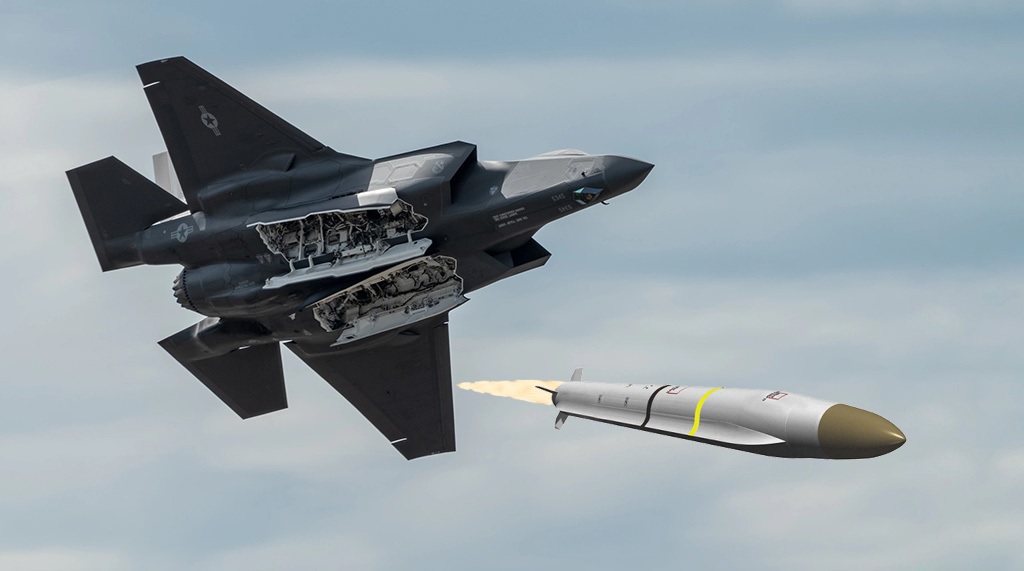
World
Northrop Grumman has reached a critical stage in developing the Stand-in Attack Weapon (SiAW) by delivering the first test missile to the U.S. Air Force. This milestone emphasizes the Air Force's ambition to secure superior capabilities in air-to-ground warfare, especially in contested environments known for sophisticated enemy defenses. The SiAW is a new-generation weapon designed to counter high-value, mobile threats, including integrated air defense systems, in regions protected by Anti-Access/Area Denial (A2/AD) strategies. These systems aim to prevent U.S. forces from entering key areas of operation.Unlike conventional air-to-ground weapons, the SiAW incorporates advanced features to maintain an edge in modern conflicts. Drawing from the Advanced Anti-Radiation Guided Missile-Extended Range (AARGM-ER) developed for the U.S. Navy, Northrop Grumman's design benefits from previous successes in missile development and integration work, particularly with the F-35 stealth fighter. This legacy provides a strong foundation for the SiAW, merging tested missile technologies with modernized software and architecture.One of the standout characteristics of the SiAW is its adaptability. Northrop Grumman has built the weapon with a modular, open-system design, leveraging agile software development and digital engineering. This approach not only streamlines future upgrades but also ensures the weapon can be reconfigured to address emerging threats, reducing long-term costs while keeping pace with evolving enemy tactics. The missile’s integration with multiple platforms, including the F-35, is a testament to this flexibility and strategic foresight.The overall development and testing process reflects a shift in defense industry practices, where digital design tools and rapid prototyping are essential. Such methodologies allow the SiAW program to condense traditional timelines, aiming for operational readiness by 2026. As global tensions heighten and adversaries invest in more complex defense networks, weapons like the SiAW are crucial in securing air superiority and operational freedom for U.S. forces.For the U.S. Air Force, this new missile is more than just a technological advancement; it represents a strategic asset capable of neutralizing some of the most advanced and dynamic threats in modern warfare. Through continuous innovation and adaptation, Northrop Grumman is reinforcing America's combat edge in a rapidly changing global security landscape.
Read More → Posted on 2024-11-18 16:00:27
India
European defense giant MBDA is significantly expanding its collaboration with Indian companies, leveraging India's robust and evolving defense manufacturing capabilities for the development of its next-generation MICA NG (Nouvelle Génération) air-to-air missile. This strategic partnership reflects India's growing influence in the global defense supply chain and highlights the nation’s potential to contribute meaningfully to advanced international military projects.The collaboration isn't a sudden initiative but rather an evolution of an existing relationship. Indian firms are already involved in producing 15 major subassemblies for the current MICA missile, including intricate mechanical, electrical, and pyrotechnic components. Building on this foundation, Indian manufacturers are poised to deliver even more complex parts for the MICA NG, which is slated to be fielded from 2026. This missile system, currently used by France and 14 other countries, is known for its versatile dual seeker configuration: infrared and radio frequency, which are cleverly integrated into a single missile casing. The MICA NG aims to revolutionize air combat through a suite of upgrades while maintaining this unique adaptability. Engineers at MBDA have completely redesigned the missile’s internal electronics to free up space for additional propellant, allowing for a significantly extended operational range. This innovation is paired with a new double-pulse rocket motor, which delivers a crucial thrust boost in the terminal phase, enhancing the missile’s agility against high-speed, evasive targets. These advances ensure the MICA NG can engage threats over greater distances and with improved precision, a critical requirement in modern air warfare.In addition to these performance enhancements, the MICA NG will also feature a state-of-the-art health monitoring system. This built-in feature provides real-time diagnostics of the missile’s status throughout its life cycle, significantly reducing maintenance needs and ensuring a higher state of readiness. This advancement not only increases operational efficiency but also aligns with the modern military's need for low-maintenance and highly reliable systems.MBDA's decision to engage deeper with Indian industry underlines the strategic advantages of this collaboration. By integrating Indian expertise into its production ecosystem, MBDA aims to streamline manufacturing processes and potentially reduce costs. For India, this partnership reinforces the country’s defense manufacturing capabilities, a crucial component of the "Make in India" initiative. It also paves the way for Indian companies to work on cutting-edge technologies, further strengthening their global standing.This collaboration benefits both MBDA and Indian defense firms, creating a win-win situation where technological know-how and manufacturing excellence are seamlessly integrated into a product that is set to redefine air combat capabilities for years to come.
Read More → Posted on 2024-11-18 15:58:39
India
In a world where military supremacy is heavily driven by technological advancements, India has made a significant stride by successfully testing a long-range hypersonic missile, developed indigenously by the Defence Research and Development Organisation (DRDO). This achievement, conducted from Dr. APJ Abdul Kalam Island off the coast of Odisha, has catapulted India into an exclusive club of nations capable of wielding such advanced military technology. With a range exceeding 1,500 kilometers and the ability to carry multiple payloads, this hypersonic missile is poised to redefine India’s defence landscape.The missile’s capabilities are more than just numbers on a report. Travelling at speeds greater than Mach 5—over five times the speed of sound, or roughly a mile per second—hypersonic missiles bring unparalleled advantages to modern warfare. Defence Minister Rajnath Singh proudly hailed the achievement, emphasizing its historic significance and the nation’s newfound status in possessing one of the most advanced technologies in the world. In a world increasingly focused on rapid and unpredictable military threats, having a hypersonic arsenal not only bolsters national security but serves as a critical deterrent.What Makes Hypersonic Missiles a Game-Changer?The true strategic advantage of hypersonic missiles lies in their sheer speed and maneuverability. Unlike traditional ballistic missiles, which arc predictably through the sky and can be tracked and intercepted by existing defence systems, hypersonic missiles can change course mid-flight. This ability to maneuver, coupled with their low-altitude travel paths, makes them nearly impossible to detect and intercept. As they streak across the sky at extreme speeds, defence systems have only seconds to respond—a formidable challenge even for the most advanced nations.India’s hypersonic missile is designed as a highly adaptive and formidable weapon that can serve various military needs. It represents a response to a global arms race in hypersonic technology, where countries like Russia, China, and the United States are already well ahead. For instance, Russia claimed to have used its Kinzhal hypersonic missiles in Ukraine in 2022, and the United States continues to invest billions into projects like the Long Range Hypersonic Weapon (LRHW) to maintain its strategic edge. By joining these ranks, India is ensuring it will not be left vulnerable in the rapidly shifting dynamics of military power.The Technical Mastery Behind Hypersonic MissilesDeveloping hypersonic missiles is no small feat. The immense speeds generate tremendous heat, caused by the friction with the atmosphere, which can melt most conventional materials. To counter this, engineers at DRDO’s Dr. APJ Abdul Kalam Missile Complex, along with partners from various Indian research labs, have had to rely on cutting-edge carbon composites and heat-resistant alloys. Furthermore, at such velocities, communication systems must be incredibly sophisticated to provide real-time navigation and guidance, ensuring the missile remains accurate and responsive to changing conditions.Then there’s the matter of propulsion. Two main types of hypersonic missiles dominate global development: Hypersonic Glide Vehicles (HGVs) and Hypersonic Cruise Missiles (HCMs). While the former uses a rocket launch to soar high before gliding towards its target, the latter relies on scramjet technology to sustain hypersonic speeds throughout the flight. The engineering challenges are immense, but India’s progress in mastering these technologies highlights an impressive leap forward.Why India Is Investing Heavily in HypersonicsFor India, the development of hypersonic weapons is driven by both regional and global strategic considerations. Surrounded by powerful and often hostile neighbors, such as China—which has already tested hypersonic glide vehicles—and an unpredictable Pakistan, India must ensure its defences remain impenetrable. Hypersonic missiles serve as an ideal countermeasure to advanced threats, providing a strategic deterrence that forces adversaries to think twice.Moreover, hypersonic weapons have the potential to deliver devastating strikes on critical infrastructure, even those hidden deep underground. Their speed and kinetic energy make them powerful enough to obliterate hardened bunkers, making them indispensable in neutralizing high-value targets.A Future of Advanced Deterrence and Self-RelianceIndia’s foray into hypersonic technology also signifies a broader commitment to technological self-reliance. By developing these capabilities indigenously, India is not only protecting itself from external dependencies but also strengthening its defence industry. This effort is part of a larger strategy to ensure the country can innovate and adapt to evolving warfare scenarios.While the success of this hypersonic missile test is commendable, there are challenges ahead. The cost of developing and deploying such advanced weapons is enormous, and sustaining a hypersonic weapons program will require continuous investment and innovation. Additionally, with the global arms race accelerating, the geopolitical implications are profound. India’s advancement may lead to new security dynamics in South Asia and beyond, requiring careful diplomatic management.Nonetheless, India’s entry into the hypersonic missile club is a defining moment for its military and technological prowess. By achieving this feat, India has not only secured a more robust defence posture but has also sent a clear message: it is ready to meet the demands of 21st-century warfare. The coming years will likely see further developments as India seeks to integrate these capabilities into its armed forces, positioning itself as a formidable and technologically advanced power on the global stage.
Read More → Posted on 2024-11-18 15:51:19
World
President Joe Biden’s recent decision to allow Ukraine to use U.S.-supplied long-range Army Tactical Missile Systems (ATACMS) to target Russian installations represents a marked shift in U.S. policy toward the Russia-Ukraine conflict. This significant authorization not only opens the door to Ukrainian attacks deeper into Russian-held areas but has raised concerns globally about the potential escalation into a broader war. With only two months remaining before President-elect Donald Trump takes office, this policy shift comes at a critical juncture, especially given Trump’s skepticism about continued military support for Ukraine.The ATACMS and Its ImplicationsThe ATACMS missiles, with a range of approximately 190 miles, now allow Ukrainian forces to strike Russian military sites previously out of reach. While these missiles have been part of the U.S. support arsenal for some time, their use had been restricted to defensive operations within Ukrainian borders. Biden’s authorization changes this, effectively enabling Ukrainian forces to hit high-value targets within Russia itself. One area already targeted includes the Kursk region, where Russian forces have seen recent reinforcements from around 10,000 North Korean troops, a new ally in Russia’s efforts against Ukraine.The decision to unleash ATACMS strikes on Russian territory, particularly with North Korean forces now in play, reflects the increasingly international nature of the conflict. U.S. officials and analysts note that North Korea’s involvement has created added urgency for Ukraine and its allies to counteract Russian gains swiftly. By aiming these high-powered missiles at Russian military hubs in Kursk, Ukraine can potentially disrupt both Russian and North Korean operations, though this comes with clear risks.Potential Impact and Risks of EscalationFor the Biden administration, this shift is as much a calculated risk as it is a signal of U.S. support for Ukraine. Some advisors see it as an effective measure to pressure Russia and deter North Korean involvement. However, others warn that such strikes on Russian soil might prompt an unpredictable response from Moscow. With Ukraine’s counteroffensive in August already straining relations, Biden’s green light on long-range missiles could provoke retaliatory steps from Russia, especially as Russian President Vladimir Putin has recently expanded his nuclear missile doctrine.Under the new doctrine, Russia asserts its right to deploy nuclear weapons preemptively if it feels an existential threat. This change highlights Russia’s readiness to escalate defenses if Ukraine, backed by U.S. support, poses what it perceives as a serious internal threat. This doctrinal shift, coupled with recent missile developments, has intensified worries in NATO countries about where the line might lie between conventional conflict and nuclear engagement.Strategic Implications for the U.S., NATO, and UkraineThe ATACMS authorization, though providing Ukraine with a strategic advantage, comes with practical limitations. Ukraine’s stockpile of these missiles is limited, and supply lines from the U.S. are already stretched. Despite the missile’s powerful reach, experts caution that this tactical boost may not fundamentally alter the war's trajectory. The risk, however, is that Russia could view continued support for Ukraine as a direct provocation, which may lead to expanded retaliatory strikes or an intensification of Russian aggression.With the U.S. taking this stance, other NATO allies, such as the United Kingdom and France, may also reconsider restrictions on their own long-range weapon systems, potentially providing further military resources to Ukraine. The ripple effect of such decisions could reshape the conflict, possibly provoking a larger confrontation, even as Biden’s team debates the long-term implications.A Last Stand Before a Shift in U.S. LeadershipThe timing of Biden’s decision is pivotal. In two months, President-elect Donald Trump, known for his cautious stance on Ukraine, will take office. Trump has previously voiced skepticism about U.S. financial and military commitments to Ukraine, suggesting that Biden’s authorization might be a final effort by the outgoing administration to bolster Ukraine’s defenses before a potentially more restrained approach is implemented.In the days ahead, international observers will be watching to see how Russia responds to Ukraine’s newfound ability to reach its borders with long-range missiles. As Russia, Ukraine, and their allies brace for the fallout, Biden’s authorization marks a critical juncture in this volatile conflict, raising questions about how far the conflict could escalate and whether a broader confrontation might indeed be on the horizon.
Read More → Posted on 2024-11-18 15:42:04Search
Top Trending in 24 Hours
-
 Tulsi Gabbard Releases Declassified Files Detailing U.S.-Backed Network of 120 Biolaboratories Across 30+ Countries
-
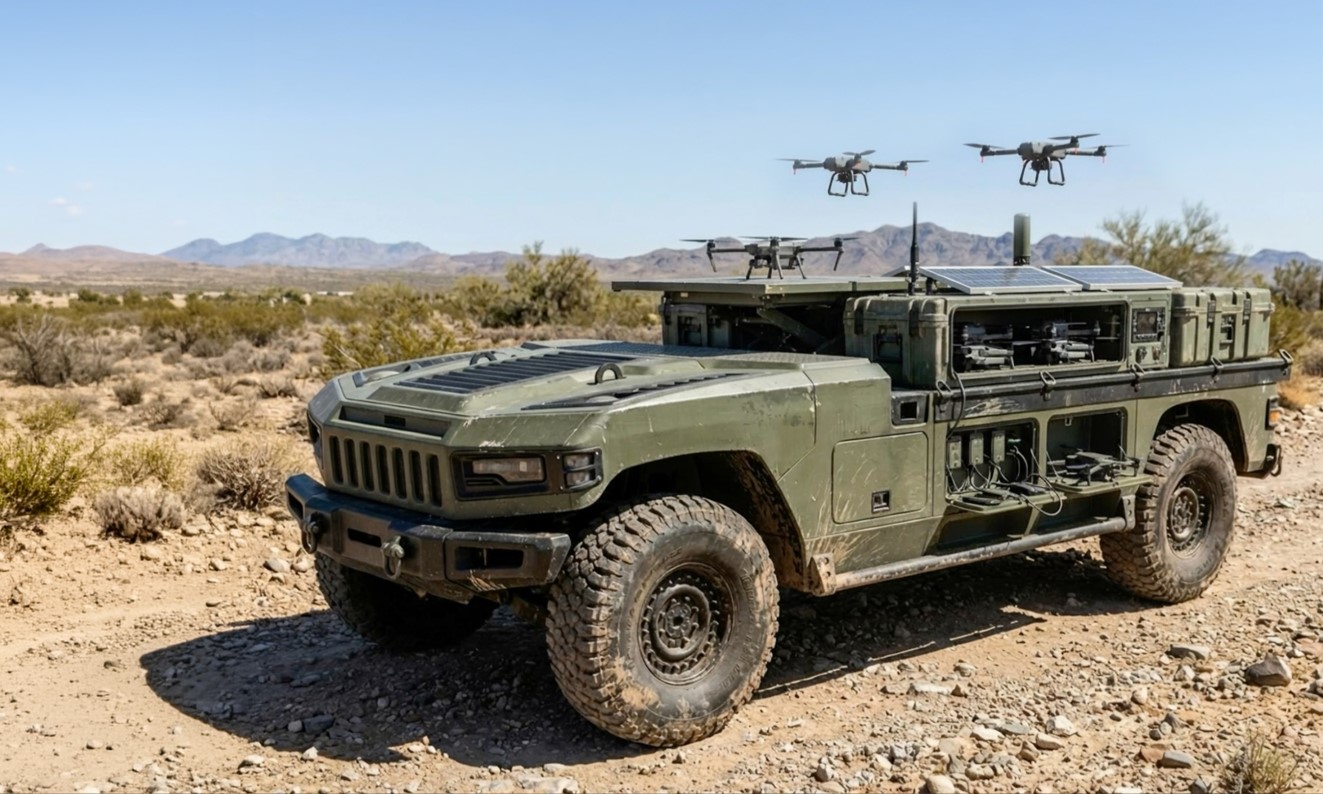 AM General Unveils Next-Generation UGV and JLTV A2 with Counter-Drone Systems at Eurosatory 2026
-
 Pakistan Raises Defence Budget from $9 Billion to $10.8 Billion as J-35 Fighter and Hangor Submarine Programs Advance
-
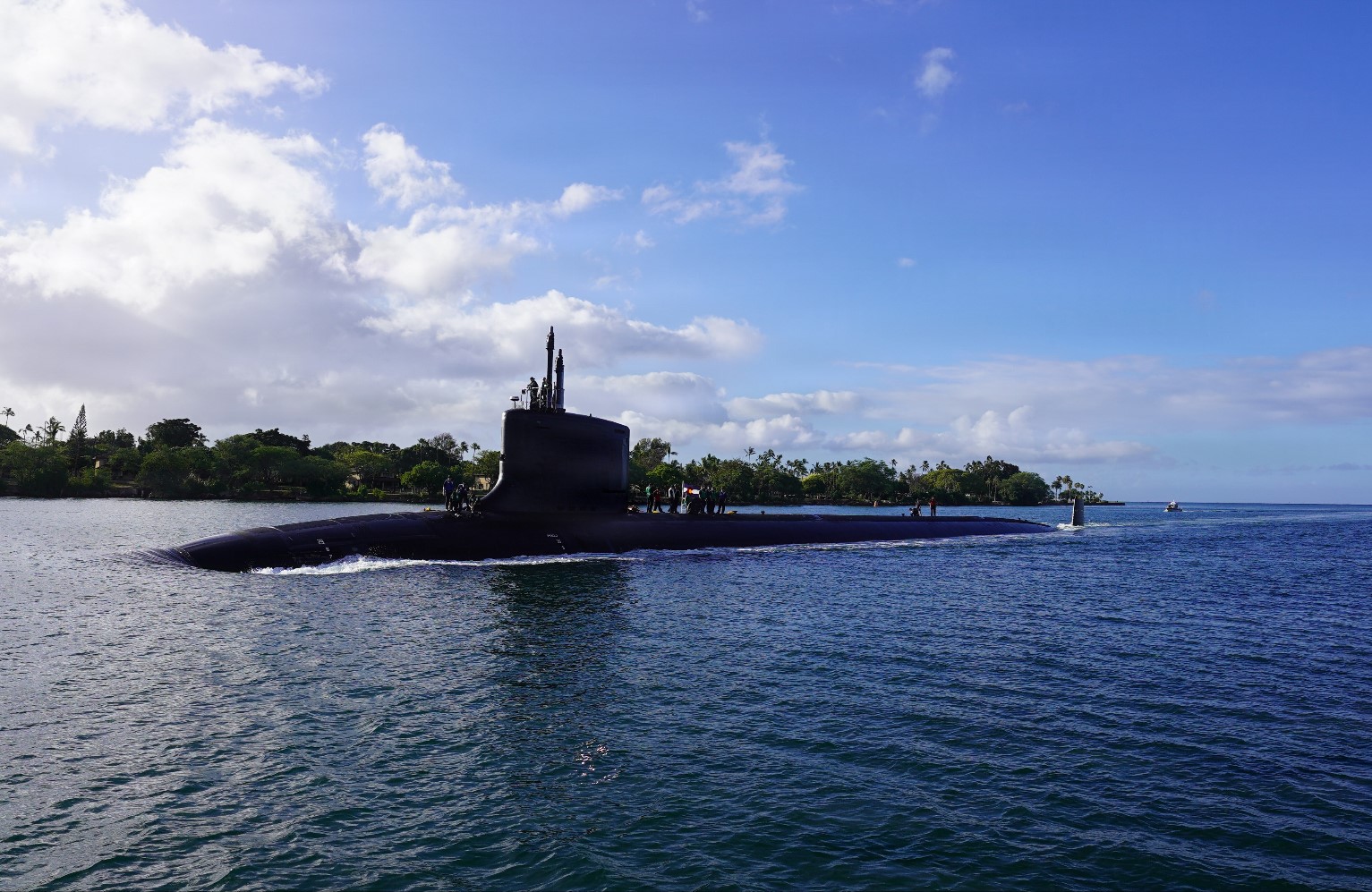 U.S. Navy's USS Colorado Submarine Returns to Pacific Fleet 29 Days Early After Major Pearl Harbor Overhaul
-
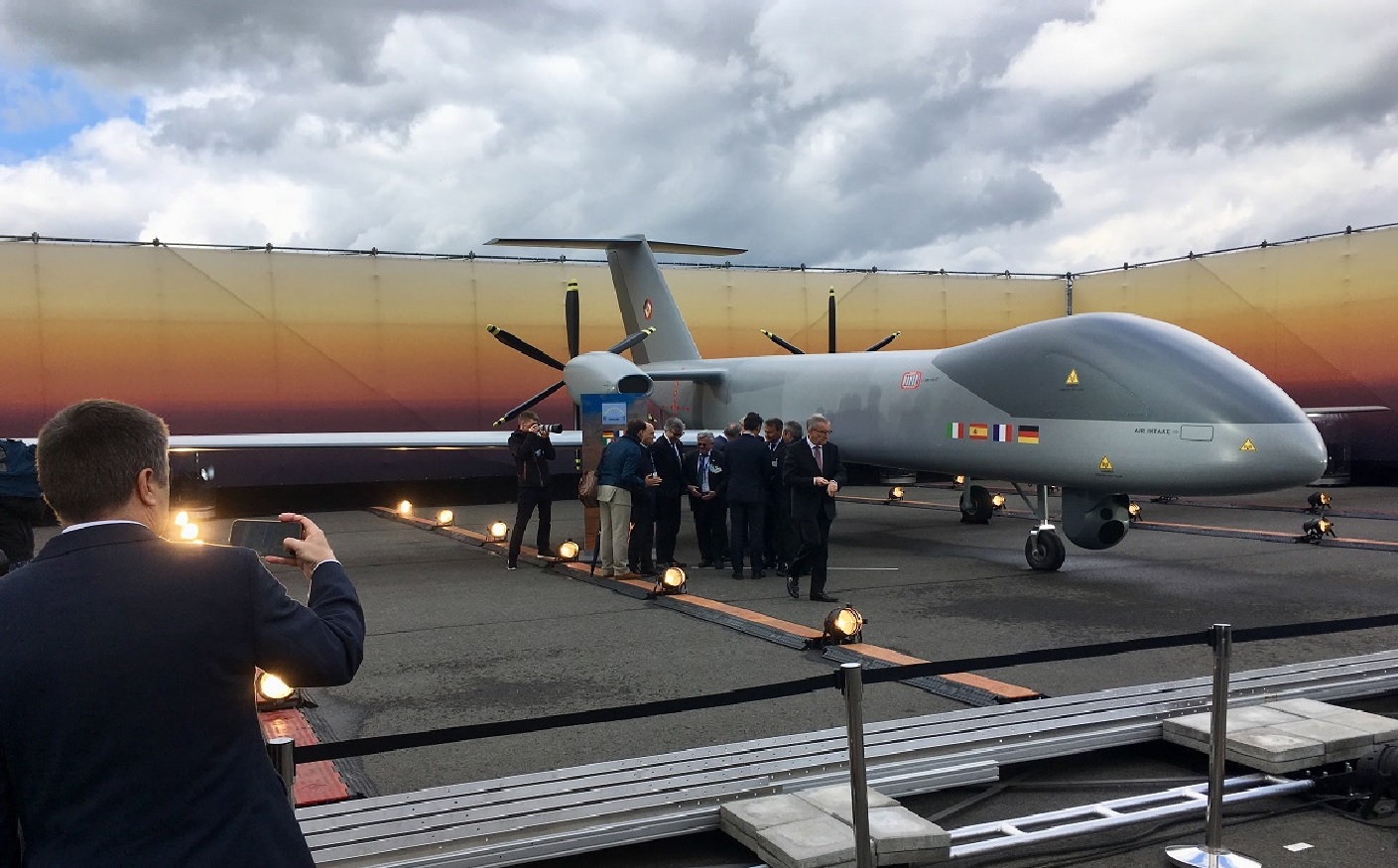 Dassault Seeks Compensation From Airbus as Eurodrone Dispute Erupts After FCAS Collapse
-
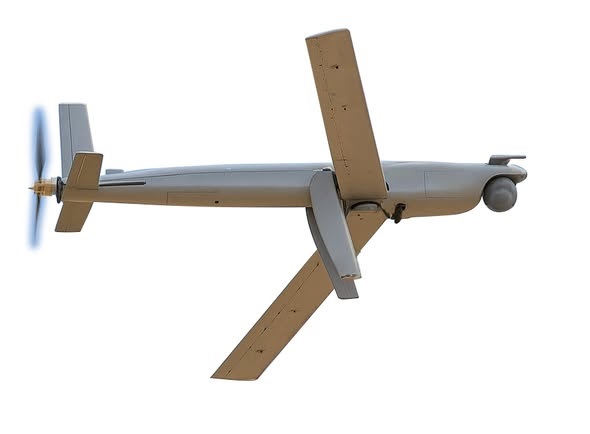 Elbit Systems and Diehl Defence Partner to Offer SkyStriker Loitering Munition to German Armed Forces
-
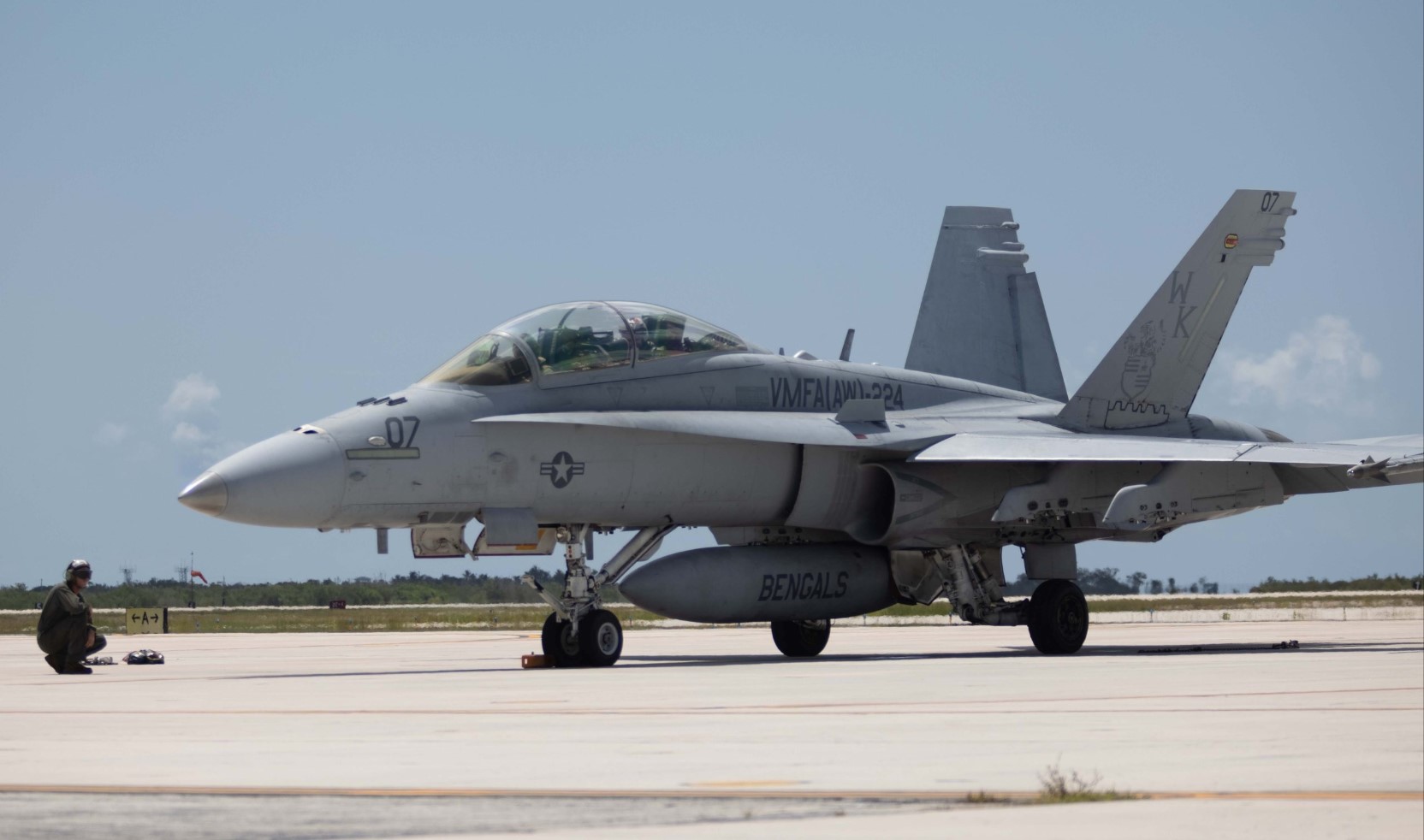 US Marine Corps F/A-18D Hornet Crashes During Training Flight in Washington Mountains; Pilot Ejects Safely
-
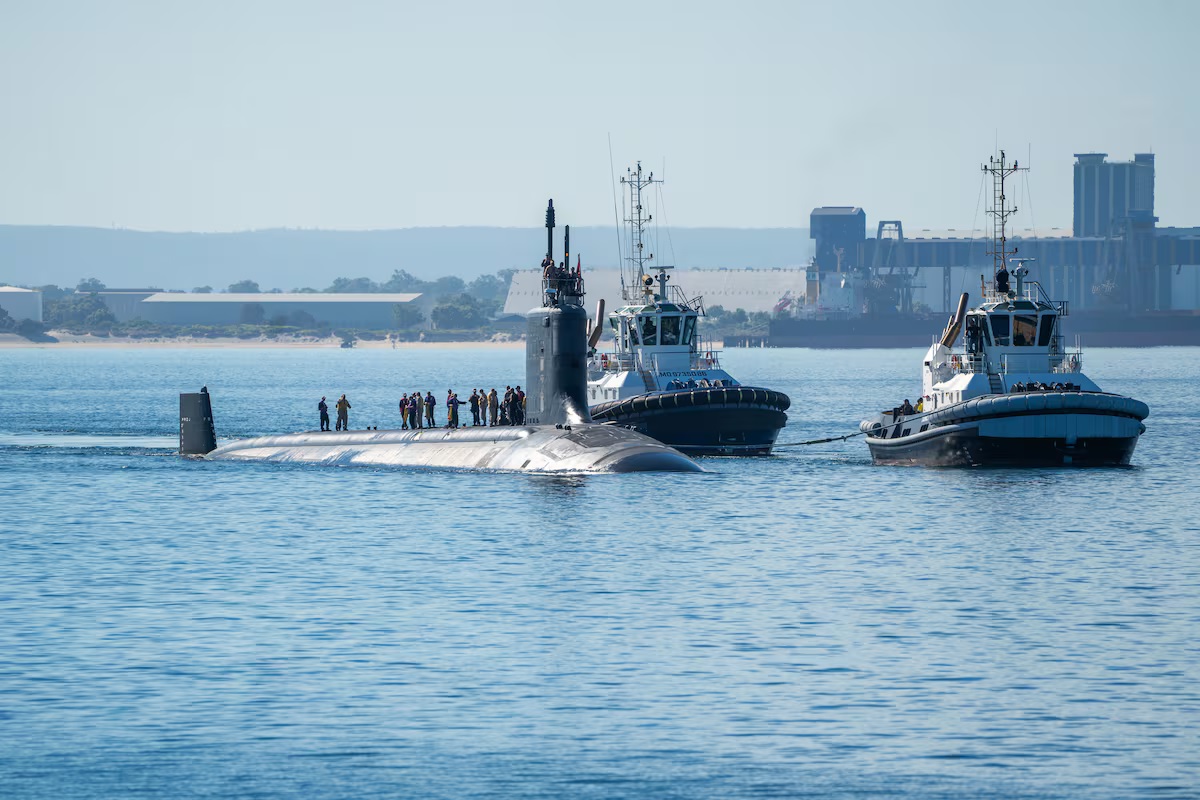 U.S. Navy Reestablishes Submarine Squadron 3 at HMAS Stirling to Support AUKUS Rotational Force
Top Trending in 4 Days
-
 Iranian Media Leaks 14-Point U.S.-Iran Peace Framework Amid Ongoing Negotiations
-
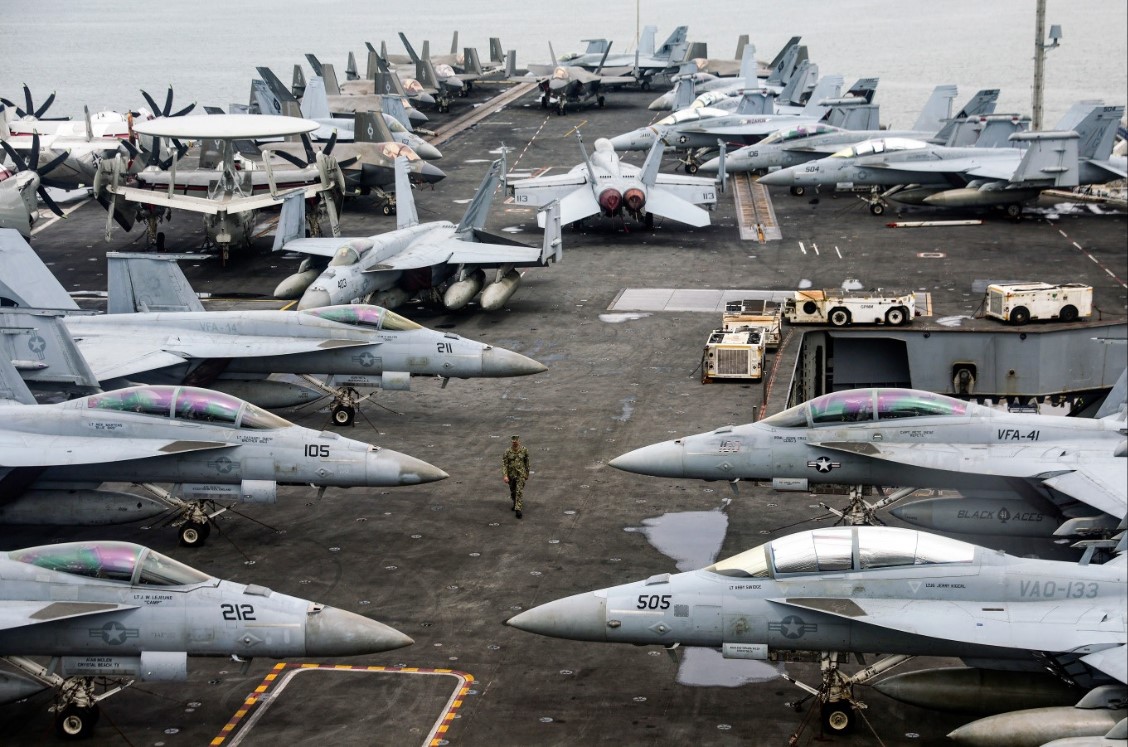 US Plans Significant Reduction of Fighter Jets and Warships for NATO Operations in Europe
-
 U.S. Air Force Faces Strategic Airlift Shortfall as C-17 Production Restart Remains Uncertain
-
 NATO Commander Says Russia Not Seeking Conflict With Alliance Despite U.S. Force Reductions
-
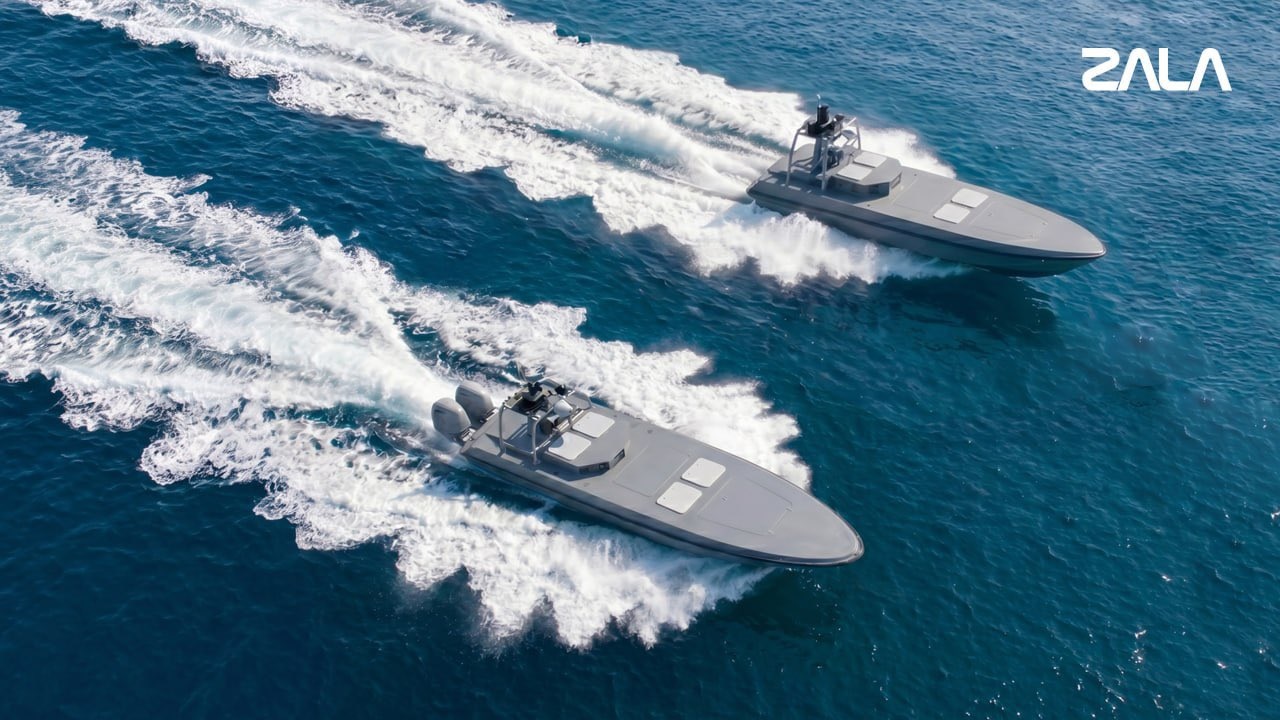 Russian Defense Firm ZALA Unveils KAMA Unmanned Surface Vessel Family at FLOT-2026 Naval Exhibition
-
 U.S. Space Force Awards $437.7 Million Contracts for First PTS-G Swarm 1 Anti-Jam Satellites
-
 India Successfully Conducts AD-1, AD-2 Interceptor Tests and Maiden NASM-MR Flight Trial
-
 UAE Urgently Airlifts Cheongung-II Missile Defense Battery From South Korea Using Eight C-17 Aircraft
