India
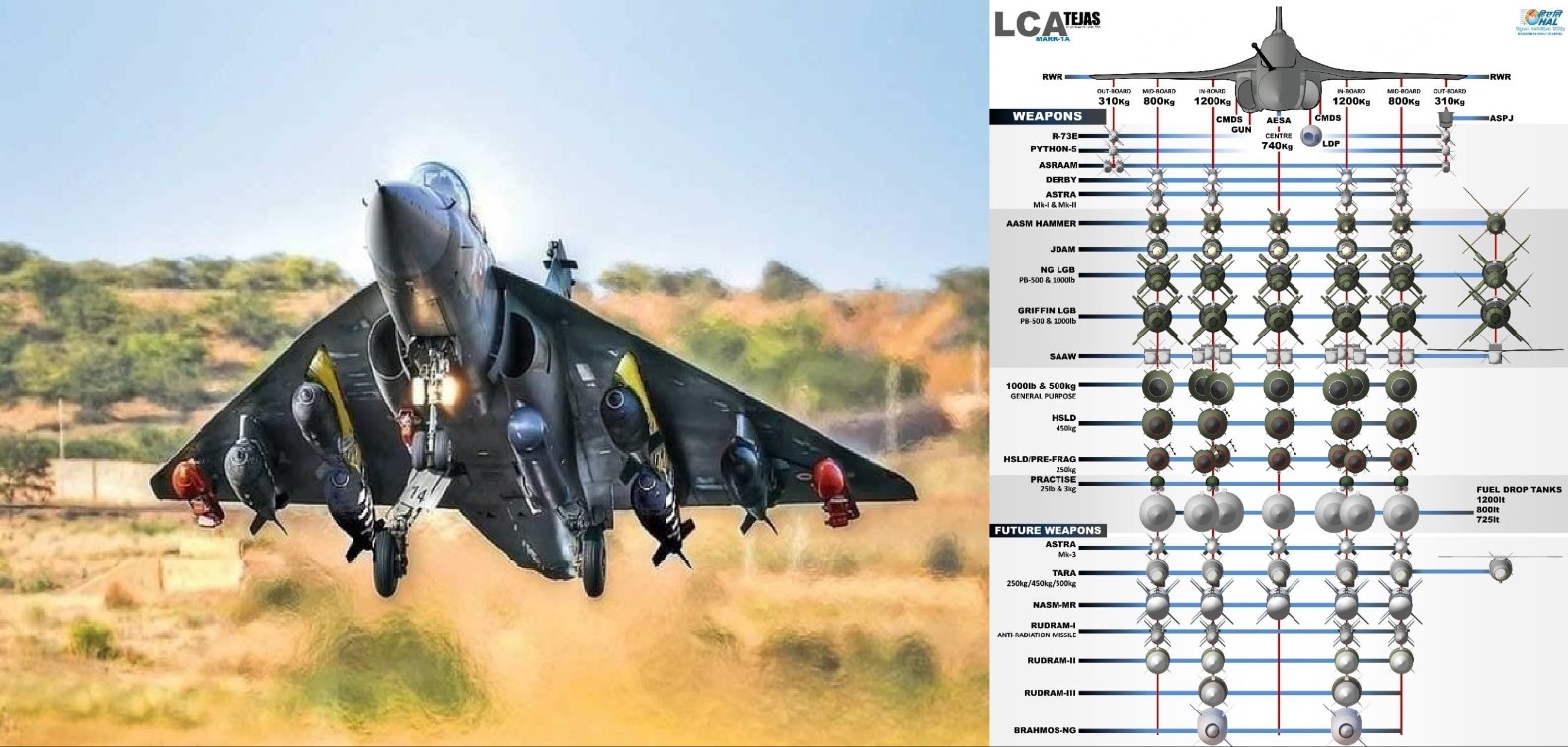
The Indian Air Force's indigenously developed fighter jet, the Tejas Mk1A, has transformed into a true powerhouse of adaptability and firepower. This advanced light combat aircraft, engineered by Hindustan Aeronautics Limited (HAL), reflects India’s strategic vision of a potent yet flexible combat platform that can meet a wide variety of operational requirements. The Tejas Mk1A's integration of weapons systems from a global spectrum of manufacturers highlights not only India’s pursuit of self-reliance but also a well-thought-out approach to diversifying its defence capabilities. What truly sets the Tejas Mk1A apart is its open architecture and modular weapon systems that allow for the seamless integration of a wide range of munitions. This flexibility is a feature more commonly seen in nations with highly developed and independent defence sectors. By equipping the Tejas with weapons sourced from multiple countries—including the United States, France, Israel, the UAE, and India itself—the aircraft achieves an unprecedented level of operational versatility.Take, for instance, the JDAM-ER from the United States. This Joint Direct Attack Munition-Extended Range transforms conventional unguided bombs into precision-guided smart munitions. With an extended range and all-weather strike capability, the JDAM-ER enables the Tejas to attack enemy positions from a safe distance, minimizing exposure to hostile air defences. This precision strike system integrates seamlessly with the Tejas’s avionics, providing a robust solution for long-range engagements.The Tejas Mk1A also boasts the highly capable HAMMER missile system from France. The HAMMER (Highly Agile Modular Munition Extended Range) is a precision-guided standoff weapon designed to strike fortified and high-value targets from a distance of up to 70 kilometers. Its modular design allows for different warheads to be tailored to specific missions, giving the Tejas a significant edge in precision and flexibility during combat scenarios.From Israel comes the SPICE family of precision-guided munitions. SPICE (Smart, Precise Impact, and Cost-Effective) bombs are renowned for their advanced electro-optical guidance systems, which allow them to function in GPS-denied environments—a crucial capability in modern warfare. This ensures that the Tejas can conduct precision strikes even when satellite navigation is compromised, offering the Indian Air Force a significant strategic advantage.The UAE’s contribution to the Tejas arsenal is the Al Tariq guided bomb system. Al Tariq bombs are known for their advanced guidance kits and versatile warhead options, including penetrative, fragmentation, and general-purpose variants. These guided munitions enhance the Tejas’s strike capabilities, making it a multi-role fighter well-suited for diverse missions. With the integration of Al Tariq weapons, the Tejas can engage a wider array of target types with exceptional precision.Furthering India's indigenous defence capabilities is the TARA Smart Bomb, developed by the Defence Research and Development Organisation (DRDO). TARA is a cost-effective, precision-guided weapon system that aligns with India’s "Make in India" ethos. It provides the Tejas with a homegrown option for high-accuracy strikes, reducing dependence on foreign suppliers and strengthening national self-sufficiency.The Tejas Mk1A's open architecture is a crucial enabler of this wide-ranging weapons integration. This flexible design allows for easy adaptation and upgrades, ensuring that the aircraft can incorporate new technologies as they become available. Such adaptability not only enhances combat effectiveness but also ensures the Tejas remains a relevant and formidable platform for decades to come.Furthermore, this diversification of munitions sources is a strategic masterstroke. By distributing its reliance across multiple nations, India reduces the risk associated with geopolitical tensions and supply chain disruptions. This ensures continuous access to cutting-edge military technology, even in an unpredictable global landscape. As the Indian Air Force continues to induct the Tejas Mk1A into its fleet, the aircraft’s unique combination of international and indigenous weapons systems positions it as a critical component of India's air defence strategy. The Tejas Mk1A stands ready to execute a variety of missions, from surgical strikes to extensive air-to-ground operations, solidifying its role as a multi-faceted force multiplier in South Asia’s evolving security environment.The Tejas Mk1A is, without a doubt, a game-changer for the Indian Air Force, a symbol of India’s commitment to building a modern and self-reliant defence infrastructure while leveraging the best technologies from around the world.
Read More → Posted on 2024-11-18 15:35:47
World
In a significant move to support Ukraine amidst the ongoing conflict with Russia, Croatia has announced a substantial military aid package consisting of Yugoslav-era military vehicles. This contribution is part of a broader effort to fortify Ukraine’s defensive capabilities while simultaneously modernizing Croatia's own armed forces. The aid package, valued at approximately 144.8 million euros ($152.8 million), includes M-84 main battle tanks and M-80 tracked infantry fighting vehicles. Though the exact numbers have not been confirmed in recent statements, earlier reports from October 2023 suggested the transfer of around 30 tanks and 30 combat vehicles, alongside necessary spare parts and munitions.Military Hardware From Croatia to UkraineThe M-84 main battle tank, an upgraded version of the Soviet T-72, entered service in the 1980s and became a critical asset during the Yugoslav Wars. This 7-meter-long tank boasts a 125mm smoothbore cannon and is capable of a top speed of 68 kilometers per hour (42 mph) thanks to its robust 1,000-horsepower V-46 diesel engine. With a combat range of 700 kilometers (435 miles), it provides both mobility and firepower, making it a formidable asset on the battlefield.The M-80 infantry fighting vehicle (IFV) is another vital component of the aid package. Introduced during the Cold War, the M-80 has been a versatile presence in various conflicts, including the Yugoslav Wars and even tensions surrounding Russia’s annexation of Crimea. This IFV is equipped with a 20mm automatic cannon and can launch anti-tank guided missiles, providing significant fire support for infantry units. Its top speed reaches 65 kilometers per hour (40 mph), powered by a 320-horsepower Daimler-Benz engine, and it has an operational range of 500 kilometers (311 miles).A Modernization Trade-OffOne unique aspect of this military aid deal is how it ties into Croatia’s defense modernization. By sending these older Yugoslavian vehicles to Ukraine, Croatia can make room for more advanced equipment. Specifically, the Croatian government is eyeing a purchase of German Leopard 2A8 main battle tanks. A deal has been struck with Germany, which includes financial compensation for the value of the vehicles dispatched to Ukraine, effectively subsidizing Croatia’s acquisition of the Leopard tanks.Croatian Defense Minister Ivan Anušić emphasized that the transition would be mutually beneficial. Germany will pay compensation into Croatia's state budget, with plans to fulfill the financial aspect of this arrangement by November 2024. This compensation mechanism reflects a strategic approach where military aid doubles as a modernization opportunity for Croatia's armed forces.Continued Support for UkraineThe Croatian government’s decision to send military aid is grounded in historical and emotional solidarity with Ukraine. Anušić underscored this connection, pointing out that Ukraine was among the first nations to recognize Croatia’s independence in 1991, a gesture Croatia has not forgotten. "We don’t forget that and never will," Anušić said, reaffirming Zagreb's unwavering commitment to supporting Ukraine's struggle for sovereignty and democracy.This recent move aligns with Croatia’s consistent support for Ukraine, which has already included over 200 million euros in military assistance since the start of Russia's invasion. As the conflict drags on, countries like Croatia are making strategic choices that not only aid Ukraine but also reinforce their own national defense priorities, showcasing a blend of solidarity and pragmatic defense policy.
Read More → Posted on 2024-11-18 15:29:27
World
In a strategic shift, the Spanish Navy has opted against outfitting its cutting-edge S-80 submarines with the Boeing submarine-launched Harpoon missiles, a plan that was once firmly on the table. This decision emerged after the U.S. Navy's recent announcement to phase out the submarine-launched Harpoon missile program, signaling an end to a weapon system that had served maritime forces worldwide for decades. The U.S. Navy’s choice to withdraw support and the eventual retirement of this missile prompted Spain to reconsider its underwater strike capabilities.The focus now turns to a modern and potent contender: the Naval Strike Missile (NSM), developed by the Norwegian defense company Kongsberg Defence & Aerospace. Known for its precision and sophisticated targeting systems, the NSM has already been selected to arm Spain's future F-100 frigates, showcasing its versatility and advanced technology. The Spanish Navy is seriously evaluating the submarine-launched version of this missile, considering it a promising option that could transform the offensive reach of the S-80 class submarines.Navantia, Spain's premier shipbuilder, has been commissioned to study the feasibility of integrating the NSM with the S-80 submarines. This contract, worth EUR 240,000, follows an earlier investment of nearly half a million euros dedicated to initial assessments and preparation for potential integration. Navantia's role involves addressing various technical challenges and ensuring the NSM’s compatibility with the S-80's unique design and operational needs. Given the strategic importance of Spain's submarine fleet, a meticulous approach to this integration is paramount.The S-80 submarines, with their air-independent propulsion (AIP) system and state-of-the-art technology, are already a significant leap forward in underwater warfare for Spain. Integrating a high-performance missile like the NSM could further elevate their combat capability. The Naval Strike Missile itself is a formidable asset, boasting a range of approximately 185 kilometers (115 miles). It features advanced target recognition, sea-skimming flight to evade enemy radar, and a flexible guidance system that uses GPS and an infrared homing seeker, allowing for precision strikes on both naval and land-based targets.However, this strategic upgrade is not as simple as swapping out one missile for another. The Spanish Navy emphasized that it would not mix the legacy Harpoon system with the NSM on its submarines, ensuring that the S-80's combat systems are streamlined and efficient. The Navy explained the rationale behind this decision, highlighting the operational and logistical complexities that would arise from attempting to maintain both systems.A statement from the Navy outlined the critical steps ahead: “After verifying the pre-feasibility of integrating and launching the missile from an S-80 submarine while submerged, it is necessary to conduct a technical study that develops certain conceptual aspects of a technical, operational, logistical, industrial, and security nature.” This study will provide a comprehensive understanding of what the integration entails, identify risks, and lay the groundwork for informed decision-making regarding industrial collaboration and future procurement.Spain’s choice to move away from the Harpoon also reflects broader trends in naval warfare, where stealth, precision, and multi-role capabilities are becoming essential. The Navy’s clear recognition of the U.S. Navy's shift away from Harpoon as a key factor underscores how international decisions can drive strategic changes within allied forces. The Spanish Navy's clarification further noted, “It has recently become known that the U.S. Navy will not continue with the submarine-launched Harpoon in any of its configurations or blocks.”While the Naval Strike Missile appears to be the front-runner, the Spanish Navy remains cautious. The ongoing technical study will ultimately determine the NSM’s suitability, addressing operational and security concerns while ensuring alignment with Spain’s long-term defense strategy. The Navy noted, “Among the missiles that best fit the needs of the Navy is the future version of the NSM missile launched from submarines,” signaling a strong interest but leaving room for final evaluation.Ultimately, the potential integration of the NSM into Spain’s advanced S-80 submarines marks a forward-thinking approach to maritime defense, reflecting a commitment to innovation and adaptability in an evolving global security landscape.
Read More → Posted on 2024-11-17 15:23:34
World
L3Harris Technologies has delivered its first infrared payload for the Space Development Agency's (SDA) Tranche 1 Tracking Layer, marking a significant achievement in advancing U.S. missile defense capabilities. This technology is central to the SDA's ambitious plan to deploy a constellation of 16 satellites designed to bolster national defense by tracking advanced missile threats, including hypersonic glide vehicles, which are among the most difficult to detect and intercept.At the heart of this development is the advanced infrared payload, engineered to provide real-time missile tracking data. This payload is equipped with precision infrared sensors that can detect heat signatures of high-speed, maneuvering threats. One of the standout features of this system is its ability to communicate swiftly through optical links, ensuring the rapid transmission of crucial threat information to U.S. forces.This milestone follows the successful completion of a rigorous Test Readiness Review (TRR), a process that validated the payload's and subsystem's compliance with stringent performance and reliability standards. With this green light, the payload is now set for integration with space vehicles, moving closer to the goal of deployment. This phase will test the payload's performance in a simulated space environment, setting the stage for the satellites' expected launch in the near future.The Tranche 1 Tracking Layer is a crucial piece of the Space Development Agency's National Defense Space Architecture, a multilayered defense system designed to address evolving threats in the modern battlefield. L3Harris's involvement in this $800 million project underscores the company's pivotal role in space-based missile defense, following earlier successes like the Tranche 0 Tracking Layer prototype satellites, which provided foundational insights for future enhancements.L3Harris's technology offers unprecedented surveillance and defense capabilities. The infrared payload includes multiple pointing modes and leverages Ka-band communication for robust and secure data transfer, supporting the warfighter's ability to respond to missile threats rapidly. Additionally, the constellation will feature networked communication systems to maintain global coverage and operational resilience, crucial in an era where space assets are a key focus for military strategy.The project comes at a time when the threat landscape is becoming increasingly complex, with nations investing in hypersonic and maneuverable missile technology. L3Harris is among the leaders in this field, driven by a commitment to agile and responsive space solutions, which are now more vital than ever for national and allied defense.By continuing to deliver cutting-edge payloads and space systems, L3Harris remains at the forefront of missile defense, ensuring that the U.S. and its partners are prepared to address present and emerging threats with a technologically superior shield.
Read More → Posted on 2024-11-17 15:15:27
India
Hindustan Aeronautics Limited (HAL) is gearing up for a landmark moment in India’s aerospace history with the Indian Multi-Role Helicopter (IMRH), a 13-ton class medium-lift rotorcraft. This ambitious project is aimed at reducing India’s reliance on foreign helicopters and meeting the wide-ranging operational needs of the Indian Armed Forces. HAL plans to unveil the first Ground Test Vehicle and flight-ready prototype by the end of 2027, signifying a pivotal step in a development journey fueled by the government’s "Atmanirbhar Bharat" vision.The IMRH, first showcased at Aero India 2023, has evolved through rigorous design optimizations aimed at enhancing its performance, safety, and mission flexibility. Recent updates reflect HAL’s focus on aerodynamic improvements and structural safety enhancements, addressing the complexities of India’s diverse and often harsh operational environments. These refinements not only make the IMRH more robust and efficient but also elevate its competitiveness on the global stage, where it will vie with established international players.A crucial advancement in the IMRH project is the development of the indigenous Aravalli engine, an initiative spearheaded by SAFHAL Helicopter Engines Pvt. Ltd., a joint venture between HAL and French aerospace giant Safran. This collaboration is more than just a technical partnership; it represents a major push for India’s self-sufficiency in aerospace propulsion. The Aravalli engine is designed to meet the power and reliability needs of not just the IMRH but also future generations of Indian-made helicopters. Until the Aravalli engine is fully operational, the initial IMRH prototypes will rely on an existing Safran powerplant, allowing HAL to conduct essential flight tests and refine the rotorcraft’s capabilities.The IMRH’s specifications are tailored to India’s unique defense and disaster response requirements. With a medium-lift capacity of 13 tons, the helicopter can carry a variety of payloads, from troops and equipment to medical supplies for evacuation missions. It is engineered to perform effectively in demanding high-altitude terrains, such as the Himalayan region, and in extreme weather conditions. This versatility ensures the IMRH can undertake troop transport, logistics support, combat search and rescue, and disaster relief operations with equal efficiency, making it a comprehensive solution for the military.The IMRH's design is also expected to be modular, offering rapid reconfiguration based on mission needs. Its high payload capacity and extended range will make it invaluable for both tactical and strategic operations. The rotorcraft’s flight characteristics are being fine-tuned to meet stringent international standards, ensuring reliability and performance that can compete with, or even exceed, foreign models like the Russian Mi-17, which it aims to replace in Indian service.As HAL marches toward 2027, the IMRH project is not just about filling a critical capability gap for the Indian Armed Forces. It also holds promise for international markets. HAL has successfully exported its Dhruv Advanced Light Helicopter (ALH) to several countries, and the IMRH could similarly capture global attention, particularly from nations that require high-performance, medium-lift helicopters at competitive pricing. The indigenous Aravalli engine will add a layer of appeal to international buyers by offering a locally supported powerplant, addressing a common concern among countries looking to avoid logistical dependency on foreign suppliers.Looking ahead, HAL’s roadmap involves extensive testing of the initial prototypes to fine-tune every aspect of the IMRH’s design. Once the Aravalli engine is ready for integration in later production models, the helicopter’s overall performance will be significantly elevated. Full-scale production is expected to follow shortly after the prototype phase, marking a new era in India’s aerospace capabilities and reinforcing the nation’s commitment to self-reliance in advanced defense technology.By aligning its efforts with national and global aviation demands, HAL’s IMRH is set to become a flagship product, bridging the gap between indigenous innovation and global competitiveness. The rollout of the IMRH is not just a leap forward for HAL but also a statement of India’s growing prowess in aerospace manufacturing.
Read More → Posted on 2024-11-17 14:05:24
Space & Technology
Imagine taking a flight from the United States to India in just 30 minutes. That once-unbelievable dream is now at the center of SpaceX’s latest ambition, spearheaded by billionaire entrepreneur Elon Musk. Musk, a towering figure in technology and space innovation, is venturing into new territory with the goal of fundamentally transforming long-distance travel using his company’s advanced Starship spacecraft. The vision is grand, the technology unprecedented, and the potential impact on global connectivity mind-blowing.For years, Musk has made waves with his ventures, from electric cars at Tesla to privatizing space travel with SpaceX. Now, he’s aiming to make intercontinental journeys nearly instantaneous. The announcement comes amid an exciting backdrop: Musk is co-leading the newly formed Department of Government Efficiency (DOGE) with another influential figure, Vivek Ramaswamy, as part of efforts to modernize government operations. This endeavor is emblematic of Musk’s approach—always futuristic, always ambitious. And this latest push, what SpaceX is calling its “Earth-to-Earth” travel concept, could bring about a paradigm shift in how humans move across the globe.The essence of SpaceX's plan involves converting its Starship rockets, initially designed for space exploration, into super-fast orbital planes. These rockets would travel briefly into the lower reaches of space, enabling them to cross vast distances at incredible speeds before landing. According to initial reports, a journey from San Francisco to Delhi could be completed in 30 minutes, a trip that currently takes over 15 hours on a standard commercial flight. Similarly, a hop from New York to Shanghai would take a mere 39 minutes, compared to almost 15 hours with traditional airliners.How exactly would these Starship rockets work for ultra-fast human transportation? Rather than flying within the Earth's atmosphere, they would exit the stratosphere, making a quick trip through the vacuum of space and then re-entering at the destination point. The advantage is that traveling through the near-vacuum of space allows for much higher speeds with significantly lower air resistance. The spacecraft’s peak velocity would outstrip anything commercial aviation currently offers. These journeys would operate with the precision of orbital mechanics, requiring highly coordinated launches and landings, and supported by carefully engineered infrastructure at strategic global hubs.Each Starship rocket is designed to carry up to 1,000 passengers, creating the capacity for mass transit across continents like never before. For comparison, modern long-haul aircraft typically carry between 200 to 300 passengers. This increase in capacity would be a game-changer, significantly reducing flight times and offering a new realm of possibilities for people and businesses. Just imagine the economic impact of reducing global travel times by 2,200%, as experts estimate. This kind of leap in technology could open up unprecedented opportunities for international business, tourism, and even emergency medical transportation.What’s fueling this rapid progression? In the aftermath of Donald Trump's presidential win, there was an influx of ideas to revamp American infrastructure, and the Federal Aviation Administration (FAA) has become more open to exploring innovative approaches to aviation and space travel. Although approvals are still pending, Musk’s confidence is growing. In response to a viral post about the FAA potentially green-lighting the project, he enthusiastically responded, “It’s now possible.” His optimism comes from an increasing interest among governments and the public alike in technologies that push the boundaries of what was once deemed feasible.Musk’s motivations aren't limited to speed alone; the concept of ultra-fast travel is also about enhancing global connectivity. The ability to traverse continents in mere minutes could revolutionize international relations and make the world feel more interconnected than ever. Critics, however, raise questions about the logistics, cost, and environmental impact of these high-speed spaceflights. Although Musk and his team have yet to release comprehensive details about ticket pricing, they claim that economies of scale could make the service competitive with premium-class air travel.The Daily Mail and other sources have highlighted that SpaceX’s Starship could make trips between Los Angeles and Toronto in 24 minutes, or between London and New York in just 29 minutes. Such incredible speeds dwarf even the fastest current air travel options. With the backing of powerful political figures and public enthusiasm, Musk believes that the world may soon witness the dawn of this new travel era. While skeptics debate the practicality and safety of these spaceflights, there’s no denying the allure of Musk’s vision: a planet where distance is no longer a barrier.In the end, as SpaceX continues its journey toward making ultra-fast travel a reality, one can’t help but wonder how this innovation might reshape our global landscape. Will the promise of crossing continents in under an hour be our new normal? With Elon Musk at the helm, it seems that the future might just arrive faster than anyone anticipated.
Read More → Posted on 2024-11-17 14:01:13
India
The Indian Air Force (IAF) is gearing up for a significant upgrade to its long-range strike capabilities with a formidable enhancement of the BrahMos-A air-launched cruise missile (ALCM). By 2026, the IAF aims to extend the range of this weapon from 450km to a staggering 800km, a strategic leap forward that promises to redefine its air power, particularly in terms of reaching distant, high-value targets.Currently, BrahMos Aerospace—a collaborative venture between India and Russia—has armed 40 Su-30MKI fighter jets with the existing BrahMos-A missile. As part of this ambitious upgrade, an additional 20 Su-30MKIs will be modified to carry the extended-range variant, bringing the total to 60 aircraft capable of launching these supersonic, precision-guided weapons. This means that, once the enhancement is complete, a substantial part of India’s fighter fleet will be capable of striking critical enemy installations or naval assets well beyond the range of conventional air-launched weapons.The BrahMos-A missile is already celebrated for its devastating speed, which approaches Mach 3, and its unrivaled precision, guided by an advanced navigation system that combines satellite and inertial guidance. The supersonic velocity not only makes it extraordinarily difficult for enemy defenses to intercept but also allows it to deliver a heavy payload—up to 300kg of explosives—on target with surgical accuracy. This high-speed and heavy-impact capability make BrahMos-A a critical asset for preemptive and retaliatory strikes against fortified enemy bases, strategic infrastructures, and carrier groups at sea.The push to extend the missile’s range to 800km involves sophisticated advancements in propulsion technology and fuel efficiency. By optimizing the missile’s fuel composition and improving the efficiency of its ramjet engine, BrahMos Aerospace plans to achieve this increased range without sacrificing speed or payload capacity. These enhancements will allow the IAF to engage enemy targets from a safer standoff distance, giving it the ability to strike deep into hostile territory while keeping its aircraft beyond the reach of most enemy surface-to-air missile systems.However, the path to operational readiness for the 800km BrahMos-A is far from simple. BrahMos Aerospace is laying out a comprehensive series of developmental trials, which are expected to kick off in 2026. These tests will scrutinize the missile's performance under a wide array of scenarios, from assessing propulsion efficiency and aerodynamic stability at extended ranges to validating its guidance and targeting systems over vast distances. These trials are essential to ensure the missile’s reliability and to fine-tune its systems for optimal performance across diverse operational conditions.The upgraded BrahMos-A will become a linchpin in India’s strategic deterrence strategy. Its capability to deliver high-precision strikes at supersonic speeds, combined with an extended reach, will provide the IAF with a flexible and powerful response mechanism against a spectrum of threats. Moreover, in the context of the rapidly evolving security landscape in the Indo-Pacific region, the ability to launch deep-strike missions without crossing enemy airspace will be a game-changer. This upgraded missile can also serve as a credible deterrent, signaling to adversaries that India possesses a sophisticated means of neutralizing high-value targets with minimal risk to its forces.BrahMos-A's integration on the Su-30MKI platform is itself a marvel of aeronautical engineering. The robust design of the Su-30MKI, which is India's heavyweight air superiority fighter, has been modified to support the weight and aerodynamic profile of the 2.5-ton BrahMos missile. Engineers had to reinforce the aircraft’s undercarriage and refine the flight control systems to ensure stability during missile launches. The combination of the Su-30MKI's impressive range and agility with the BrahMos-A's devastating firepower makes for a fearsome weapon system capable of dominating any modern battlefield.As India continues to bolster its defense capabilities, this extended-range BrahMos-A will act as a strategic force multiplier, enhancing the IAF's ability to project power and defend against regional threats. With the Su-30MKI fleet soon to be equipped with these advanced weapons, India's air defense posture will be fortified like never before, providing a credible deterrence and a significant edge over adversaries.
Read More → Posted on 2024-11-17 13:58:10
World
On Gotland, a strategically important island in the Baltic Sea, the Swedish Armed Forces recently conducted an intensive live-fire exercise featuring the upgraded RBS 70 D air defense system. This event not only showcased the system's enhanced precision but also underlined the rapidly evolving defensive infrastructure that Sweden has been developing in light of growing regional security concerns.During the exercise, troops from Gotland’s air defense company fired the RBS 70, which employs a supersonic, laser-guided missile capable of accurately striking aerial targets at long distances. This system's standout feature is its ability to avoid electronic jamming, making it exceptionally resilient against modern air threats. As the missile streaked toward its target, observers witnessed a display of precision technology, a result of years of refinement and rigorous military training.The drill represented a key step in the ongoing fortification of Gotland, a linchpin in Sweden’s defensive posture. Colonel Johan Jönsson, commanding officer of the Air Defence Regiment (Lv 6), emphasized the importance of operational readiness. "This week has demonstrated our ability to quickly train, equip, and operate our air defense systems in live scenarios," Jönsson remarked. The exercise reaffirmed the unit’s capability to respond to potential threats, enhancing Sweden’s overall deterrence.A notable aspect of the exercise was the rapid reactivation and training of reservists, many of whom had initially trained with the Lv 6 regiment in Halmstad between 2005 and 2009. In a matter of days, these experienced personnel refreshed their skills and adapted seamlessly to the updated RBS 70 system, highlighting the flexibility and efficiency of Sweden’s reserve forces. Colonel Dan Rasmussen, who heads the Gotland Regiment and Gotland Battle Group, pointed out the critical progress being made: "What we are building here is wartime capability, and we are doing it quickly."The RBS 70's technical specifications make it a formidable component of Gotland's defenses. The system can engage targets at ranges of 5 to 9 kilometers, with a missile speed surpassing Mach 2. The laser-guided nature of the missile provides precise targeting, and its mobility allows it to be easily redeployed across different terrains. Additionally, the system can work in conjunction with integrated radar and reconnaissance networks, broadening its situational awareness and threat response capabilities.Sweden’s investment in Gotland reflects its strategic imperative to defend this critical outpost, especially given the intensified focus on the Baltic region in recent years. The Gotland Battle Group, projected to grow significantly by 2027, will comprise various units, including armored, infantry, and air defense battalions. This comprehensive buildup, featuring support elements like artillery and engineers, is designed to bolster Sweden’s ability to secure its borders and maintain stability amid evolving geopolitical dynamics.The RBS 70 has also demonstrated its effectiveness in real-world conflicts, such as the war in Ukraine, where it has been used to intercept drones, fighter jets, and even cruise missiles. This real-world validation further underscores its role as a critical asset for modern air defense, providing Sweden with a versatile and robust shield against airborne threats.As Sweden continues to fortify its military presence on Gotland, the successful live-fire exercise exemplifies both the island’s significance in national defense and the broader push to enhance readiness and deterrence in the region.
Read More → Posted on 2024-11-17 13:55:31
India
India has reached another milestone in its pursuit of cutting-edge military capabilities by successfully testing a long-range hypersonic anti-ship missile off the coast of Odisha. This achievement, which was announced with enthusiasm by Defence Minister Rajnath Singh, signifies the nation's induction into a select group of countries possessing hypersonic weapon technology. Singh hailed the test as a "historic moment," emphasizing the significance of India developing a weapon system that can strike with unmatched speed and maneuverability while effectively evading contemporary air defense systems.The missile, crafted indigenously by the Defence Research and Development Organisation (DRDO), is designed to deliver both conventional and nuclear payloads over a range exceeding 1,500 kilometers. Hypersonic weapons, which can travel at speeds of Mach 5 or higher—five times the speed of sound—offer a game-changing tactical advantage by greatly reducing the enemy’s reaction time and complicating interception efforts. Advanced models can even achieve speeds over Mach 15, adding an extraordinary element of complexity for any defense measures they might encounter.The DRDO's hypersonic missile was launched from Dr. APJ Abdul Kalam Island, a key site for India’s missile program. A network of tracking and monitoring systems, stationed both on land and aboard down-range vessels, confirmed the missile’s successful maneuvers and high-precision impact on its intended target. This achievement follows years of research and collaboration across multiple DRDO facilities, such as the Dr. APJ Abdul Kalam Missile Complex in Hyderabad, and the partnership of various industrial stakeholders.While India's success in this domain represents significant progress, it is worth noting that the global race for hypersonic technology is fiercely competitive. Russia and China are considered leaders in hypersonic weapons development, with their systems already deployed and tested extensively. The United States, though catching up rapidly, has launched a series of ambitious projects aimed at narrowing this technological gap. Meanwhile, nations such as France, Japan, Australia, and Israel are also investing in hypersonic weapons research, showcasing the critical role these systems are anticipated to play in future conflicts.The latest test not only highlights India's growing indigenous defense manufacturing capabilities but also raises the strategic stakes in Asia, where regional military posturing and technological advancements are continually evolving. The government, celebrating this achievement, credits the success to coordinated efforts by DRDO scientists, the armed forces, and numerous industry partners. As nations worldwide continue to advance in hypersonic technology, India’s accomplishments in this sphere are both a symbol of technological prowess and a crucial asset for national security. This development underscores a pivotal moment in India's defense narrative, reinforcing its position on the global stage as a significant player capable of crafting next-generation weaponry to safeguard its interests and maintain strategic stability.
Read More → Posted on 2024-11-17 13:45:32
World
Electronic Warfare (EW) systems play a critical, often unseen role in modern conflicts. Unlike traditional warfare tools like tanks or aircraft, EW systems operate in the electromagnetic spectrum, making them one of the most versatile and powerful assets on the battlefield. They disrupt, deny, deceive, and destroy enemy communications and radar systems, ensuring superiority in information and decision-making.This article dives into how these systems work, their functions, and real-world examples of their effectiveness in war. The Basics: What Is Electronic Warfare? Electronic Warfare is the use of the electromagnetic spectrum (radio waves, infrared, radar, etc.) to gain a tactical advantage over an adversary. It can be divided into three primary categories: Electronic Attack (EA): Actively targeting enemy systems to degrade, disable, or destroy their electronic capabilities. Examples include jamming radar or disrupting enemy communication. Electronic Protection (EP): Shielding one’s own systems from electronic attacks, ensuring uninterrupted operations. This includes anti-jamming technologies and secure communication protocols. Electronic Support (ES): Gathering intelligence by detecting and analyzing enemy signals. This aids in identifying enemy positions, intent, or weaknesses. How Do EW Systems Work? 1. Detection and MonitoringEW systems begin by scanning the electromagnetic spectrum to detect enemy signals. Advanced receivers and sensors are used to identify radar emissions, communication frequencies, and other electronic signals. For example, an aircraft like the EA-18G Growler is equipped with sensors that can pinpoint enemy radar installations by analyzing the radar's frequency and location. 2. Analysis and Decision-MakingOnce signals are detected, they are analyzed to determine their purpose. Is it a radar searching for targets? A communication channel for troops? Or a guidance system for missiles? Modern EW systems use Artificial Intelligence (AI) and advanced algorithms to make these determinations quickly. 3. Interference or NeutralizationAfter identifying the threat, the system can either jam the signal, spoof it, or destroy it. Jamming: Floods the enemy’s frequency with noise, rendering their systems useless. For instance, jamming a radar system prevents it from detecting incoming aircraft. Spoofing: Sends false information to deceive the enemy. A spoofed radar might show a fleet of non-existent aircraft, causing confusion. Hard Kill: Involves kinetic destruction of electronic systems, such as using missiles to destroy a radar installation. Roles of EW in Modern Warfare 1. Air SuperiorityEW systems are crucial for achieving air dominance. Aircraft equipped with EW capabilities, like the F-35 Lightning II, can jam enemy radar, allowing friendly aircraft to operate undetected. The F-35's AN/ASQ-239 Barracuda EW suite protects it by disrupting enemy tracking systems. 2. Naval OperationsIn naval warfare, EW systems protect ships from threats like anti-ship missiles. For example, the Israeli Barak 8 missile system integrates EW to detect and jam incoming missile guidance systems, giving ships a chance to deploy countermeasures. 3. Land-Based Operations On the ground, EW systems disrupt enemy communications and improvised explosive devices (IEDs). For instance, the U.S. Army's CREW (Counter-Radio-Controlled Improvised Explosive Device Electronic Warfare) system jams signals used to detonate roadside bombs. 4. Cyber-Warfare IntegrationModern EW often overlaps with cyber operations. By intercepting signals, EW systems can provide valuable intelligence for cyber attacks, further crippling enemy command and control networks. Real-World Examples 1. The Gulf War (1991) During Operation Desert Storm, coalition forces used EW to disable Iraq's radar and air defense systems. EA-6B Prowlers jammed enemy radar, while Tomahawk cruise missiles followed EW-detected gaps to strike critical targets. 2. Russia-Ukraine Conflict (2022-Present) Russia's EW systems, such as the Krasukha-4, have been used to disrupt Ukrainian drone operations and communications. Meanwhile, Ukraine has countered with Western-supplied EW systems to target Russian command centers. 3. Israeli OperationsIsrael’s use of EW is highly sophisticated. During the 2007 airstrike on a Syrian nuclear facility (Operation Orchard), Israeli jets used EW to disable Syrian radar systems, entering and exiting undetected. Advantages and Limitations of EW Advantages:Non-Lethal Disruption: Disables systems without physical destruction, minimizing collateral damage. Strategic Superiority: Provides information dominance, allowing forces to act with precision. Force Multiplier: Enhances the effectiveness of traditional military assets like aircraft and missiles. Limitations:Counter-EW Tactics: Adversaries may use frequency-hopping or encryption to evade EW systems. Environmental Challenges: Dense terrain, weather, and urban environments can limit EW effectiveness. Mutual Vulnerability: Just as EW disrupts enemy systems, friendly forces must protect their own from similar attacks. Future of Electronic Warfare The evolution of EW is tied closely to advancements in AI, machine learning, and quantum computing. Future EW systems will likely feature greater automation, enabling faster analysis and decision-making. Directed energy weapons, like high-power microwaves, are also expected to complement traditional EW systems by physically disabling electronic components. Electronic Warfare is a cornerstone of modern military strategy, often serving as the invisible hand that tips the scales in battle. Whether jamming communications, deceiving radar, or gathering intelligence, EW systems offer a decisive edge by dominating the electromagnetic spectrum. As technology advances, the role of EW will only grow, shaping the future of warfare in ways we are only beginning to understand.
Read More → Posted on 2024-11-16 15:07:13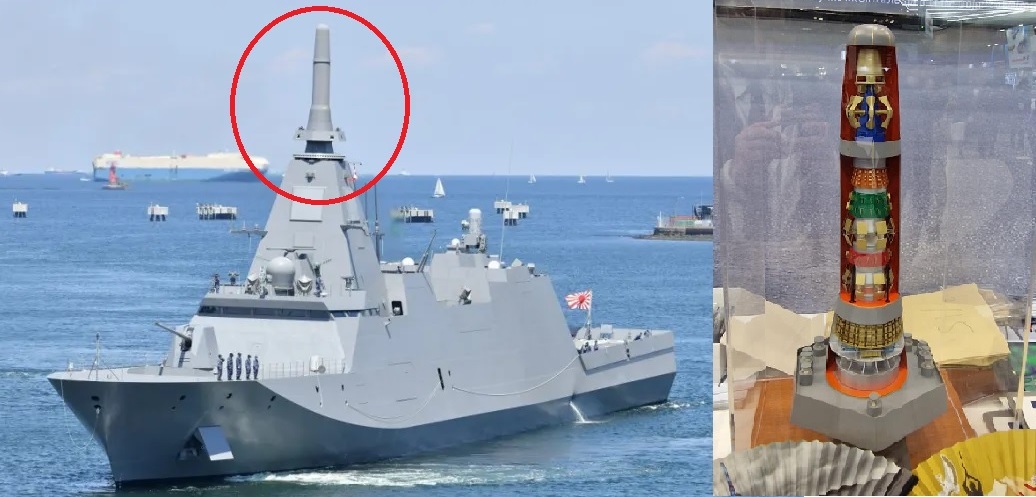
India
In a milestone development for Indo-Japanese defence collaboration, India and Japan have signed a crucial Memorandum of Implementation (MoI) to co-develop the UNICORN mast system for the Indian Navy. The signing ceremony, a testament to deepening strategic ties between the two nations, took place at the Embassy of India in Tokyo. Among those present were India's Ambassador to Japan, Sibi George, and Ishikawa Takeshi, Commissioner of Japan’s Acquisition, Technology & Logistics Agency (ATLA). Representing the Indian Navy was Cmde Digvijay Singh Pathania, alongside Fukunaga Tetsuro, Director General at Japan’s Ministry of Economy, Trade, and Industry (METI).At the heart of this agreement lies the UNICORN mast, an advanced naval technology that promises to revolutionize the stealth and communication capabilities of Indian warships. But what exactly is the UNICORN mast, and why is it so significant?Understanding the UNICORN MastUNICORN, which stands for Unified Complex Radio Antenna, represents a state-of-the-art solution designed to improve both the stealth profile and communication efficiency of naval vessels. Traditionally, warships rely on multiple external antennas, each serving different roles, such as radar, communications, and electronic warfare. However, this setup can make ships more visible to enemy radar, given the numerous surfaces and shapes that generate a higher radar cross-section.The UNICORN mast addresses this issue by consolidating these antennas into a single, unified structure housed within a protective, stealth-friendly radome. This radome is not merely a casing but a sophisticated electromagnetic shield that helps reduce the vessel's overall radar signature. The streamlined design makes warships equipped with this mast far harder to detect, significantly enhancing their survivability in hostile environments.Enhanced Capabilities and SpecificationsThe specifications of the UNICORN mast are indeed impressive. Although exact technical details are classified for security reasons, the system is engineered to handle a multitude of frequencies simultaneously. By integrating various sensor and communication modules, the mast can facilitate long-range radar detection, secure military communications, and electronic warfare operations.Additionally, the mast employs cutting-edge technology to minimize electromagnetic interference, a critical factor for modern warships that depend on multiple radio frequencies to function effectively. The material composition of the radome is specially designed to withstand harsh maritime conditions, including extreme heat, salt corrosion, and high-velocity winds, ensuring long-term reliability.Another notable feature is the ability to perform real-time signal processing, enabling quicker response times to emerging threats. By leveraging digital beamforming and advanced software algorithms, the UNICORN mast can offer enhanced situational awareness, feeding the ship's command center with precise, actionable data.Strategic and Technological CollaborationThis initiative is a historic first for India and Japan, marking the beginning of direct co-development and co-production of sophisticated defence technologies. Bharat Electronics Limited (BEL), a leading Indian defence electronics manufacturer, will spearhead the Indian side of the development, while Japanese firms will contribute their expertise in advanced materials and communication technology.This partnership exemplifies how both nations are pooling their technological resources to address common security challenges. Beyond the immediate benefits of the UNICORN mast, this collaboration sets the stage for further joint projects in critical areas such as underwater surveillance systems, autonomous naval platforms, and advanced cybersecurity measures.Impact on Naval Operations and BeyondThe integration of the UNICORN mast is expected to bolster the Indian Navy's operational capabilities, particularly in the strategically vital Indo-Pacific region. As regional tensions and naval competition escalate, having a stealthier, better-connected fleet gives India a considerable advantage. The enhanced stealth and communication capabilities mean Indian warships will be more agile in evading enemy detection while maintaining secure, uninterrupted contact with command centers and allied forces.Furthermore, this project is not just about improving military hardware; it also signifies a deeper strategic alignment between India and Japan. With both nations sharing concerns over regional maritime security and a free and open Indo-Pacific, their collaboration in developing cutting-edge defence systems sends a strong message of mutual commitment.In summary, the UNICORN mast development is more than a technological advancement; it is a symbol of growing Indo-Japanese defence cooperation and a critical step forward in ensuring maritime security. As both countries continue to innovate and work together, the future promises even more collaborative milestones that could reshape regional security dynamics.
Read More → Posted on 2024-11-16 14:53:12
India
India's indigenously developed weapons, including the Akash missile system, Light Combat Helicopter (LCH), Tejas fighter jet, and BrahMos missile, have emerged as formidable assets, often described as "battle-tested" compared to many of their European and Russian counterparts. The distinction lies not only in the rigorous testing these systems undergo but also in their deployment across some of the most challenging combat environments in the world.The Battlefield Realities of Indian WeaponsIndian weapons have been designed, developed, and deployed in environments that demand a high degree of adaptability, reliability, and resilience. From the scorching deserts of Rajasthan to the freezing altitudes of Ladakh, these systems are subjected to operational conditions that simulate real-world conflicts. Let’s delve into why they stand out.1. Continuous Deployment in Hostile ConditionsIndian systems are often deployed in live conflict zones, especially along the country's volatile borders with Pakistan and China. For example:Akash Surface-to-Air Missile System: Designed for India’s diverse terrain, Akash has been extensively deployed to protect sensitive airspaces. Its ability to perform reliably under extreme weather conditions makes it one of the most rigorously tested missile systems.The LCH has been deployed at altitudes exceeding 15,000 feet, such as in Ladakh, where it has proven its ability to operate in thin air and freezing temperatures.European and Russian systems, while technologically advanced, often lack comparable real-world testing in diverse environments. These systems are tested under simulated conditions but rarely face continuous exposure to high-stress operational zones.2. Active Border Tensions and SkirmishesIndia’s geopolitical situation ensures its defense systems are frequently tested under combat-like conditions. For instance:Tejas Fighter Jet: The Tejas has undergone extensive trials in both peace and combat-readiness missions along active borders. Its operational versatility has been proven in joint exercises and real-time surveillance missions.BrahMos Missile: Regular test launches of BrahMos missiles in operational environments showcase its capability to neutralize targets swiftly and accurately, a necessity given the volatile border disputes India faces.In contrast, European and Russian systems are rarely subjected to similar high-frequency real-world deployments, given the relative stability of their regions.3. Rigorous Testing in Extreme EnvironmentsIndian defense technology is tailored for extreme environments:Artillery systems like the ATAGS (Advanced Towed Artillery Gun System) and the Pinaka rocket system are tested in the Thar Desert’s heat and the Himalayan cold.Indian Navy's BrahMos variant is tested under varying maritime conditions, ensuring adaptability in tropical, sub-tropical, and arctic environments.European systems, while advanced, often cater to relatively mild climates and may falter in harsher conditions without further adaptation. Russian weapons are better suited to cold climates but may not perform as effectively in tropical or desert environments.4. Frequent Upgrades Based on Operational FeedbackIndian weapons undergo continuous upgrades driven by real-time operational feedback from the armed forces. For instance:The Akash missile has seen multiple iterations, with improved radar and tracking systems.Tejas has undergone continuous upgrades, from avionics to radar, to meet modern combat requirements.The LCH features advanced targeting systems and survivability measures derived from operational inputs.Such iterative development ensures that these systems evolve to meet emerging threats, a practice less prevalent in European and Russian systems, which often rely on major overhauls rather than incremental improvements.5. Lessons from Asymmetric Warfare and CounterterrorismIndia’s long history of combating insurgencies and asymmetric threats has shaped its defense systems. Indian weapons are designed not only for large-scale wars but also for counterinsurgency and surgical strikes.The BrahMos missile’s precision and rapid deployment capability have made it a go-to weapon for deterrence and preemptive strikes.The Pinaka multi-barrel rocket launcher is tailored for quick-response operations, ideal for short skirmishes.European systems are often optimized for high-tech, large-scale warfare but may lack the flexibility for small, rapid-response scenarios.6. Indigenous Manufacturing and CustomizationIndian weapons are designed with a deep understanding of the country’s unique defense requirements. This contrasts with off-the-shelf purchases from Europe or Russia, which may not fully align with India’s operational needs.Systems like Tejas and LCH are fully indigenous, allowing for seamless integration with other Indian platforms.Indian customization of systems like BrahMos (a joint venture with Russia) demonstrates the country’s ability to innovate beyond imported designs.Indian weapons like the Akash, LCH, Tejas, and BrahMos have earned their reputation as “battle-tested” not just through rigorous trials but also through active deployment in some of the world’s most challenging combat environments. The combination of real-world testing, continuous upgrades, and adaptability to asymmetric warfare ensures their reliability and effectiveness.While European and Russian systems may shine in certain areas, India’s indigenous weapons stand apart for their resilience and versatility, making them a critical backbone of the country’s defense strategy.
Read More → Posted on 2024-11-16 14:41:40
World
The conflict in Ukraine has become a battleground not just for physical clashes but for a high-tech war of electronic disruptions. Ukrainian soldiers have raised serious concerns about the performance of some sophisticated Western-supplied weaponry, especially in the face of Russia's advanced electronic warfare (EW) strategies. The issues being highlighted bring into focus the challenges and limitations that Western defense systems are encountering under real-world, contested conditions.The Achilles drone battalion of Ukraine's 92nd Assault Brigade, responsible for conducting intensive UAV operations, has shed light on these shortcomings. This unit, which deploys approximately 3,000 drones each month, has been adapting its strategies due to significant hurdles posed by Russian EW measures. Rustam Nurgudin, a key officer in the battalion, revealed in a briefing that some high-tech Western weapons, such as GPS-guided Excalibur artillery shells, are nearly ineffective under current battlefield conditions. Advanced guidance systems that rely on GPS are particularly vulnerable to Russian electronic warfare techniques, which have proven exceedingly effective at disabling or misleading these weapons.At the core of the issue is Russia’s extensive use of GPS spoofing and jamming. Spoofing attacks mislead GPS receivers by transmitting stronger, but false, signals that can trick a system into determining an incorrect position. Russian forces have demonstrated the precision to execute these tactics with such skill that they render Western guidance-dependent munitions, such as Excalibur shells and even Guided Multiple Launch Rocket System (GMLRS) rockets, inaccurate or unusable.This technological warfare has pushed Ukrainian forces to pivot away from sophisticated Western hardware and instead employ more basic, less interference-prone equipment and techniques. Simplicity, in this scenario, is proving to be an advantage. For example, rudimentary drones and manual targeting systems that are less reliant on GPS are more resilient against Russian interference, highlighting a paradox where less advanced technologies are outperforming their modern counterparts on an electronic battlefield.This situation serves as a stark lesson for Western nations. The U.S. and its allies are closely observing and gathering insights to improve their own military assets. Michael Monteleone from the U.S. Army’s Assured Positioning, Navigation, and Timing Cross-Functional Team has described the conflict as a "huge learning experience." The war in Ukraine has underlined the need for enhanced electronic warfare resilience, spurring the development of jam-resistant navigation systems and other protective measures for critical military technologies.Efforts are already underway to address these vulnerabilities. For instance, the U.S. Army has invested in new electronic warfare equipment, including jam-resistant M-code GPS cards and improved situational awareness tools for soldiers in the field. These upgrades aim to ensure that Western systems can operate effectively even in environments dominated by electronic disruption.The experiences on Ukraine’s front lines have provided a critical testing ground, influencing future military strategies and technologies to ensure that the next generation of weapons can stand firm against the sophisticated electronic warfare capabilities of adversaries like Russia.
Read More → Posted on 2024-11-16 14:32:24
India
In an ambitious stride towards revolutionizing military defense, the Indian Navy has begun developing a cutting-edge “invisibility cloak” designed to make grounded aircraft virtually undetectable by enemy radar. This innovative project is being driven under the iDEX DISC (Defence India Startup Challenge) 13 initiative, marking a critical leap in the nation’s defense capabilities and underscoring the importance of protecting air assets in a fast-evolving threat landscape.The essence of this development lies in the idea of creating a "Radar Obscurant Cloak"—a sophisticated shield that uses advanced technology to conceal aircraft parked at airbases from enemy radar detection. In today’s age of high-tech warfare, airbases and the grounded aircraft stationed there have become lucrative targets for adversaries, especially during the initial stages of a conflict. This makes them vulnerable to preemptive strikes designed to debilitate a nation’s air power even before takeoff. The Radar Obscurant Cloak addresses this vulnerability by drastically reducing the radar signature of aircraft, making them nearly impossible for enemy systems to detect.What makes this technology even more remarkable is its versatility and ease of use. The cloak is envisioned as a roll-on, roll-off system, which can be swiftly deployed or removed as needed. This feature ensures that operational activities are not disrupted, and aircraft remain mission-ready at all times. Unlike traditional camouflage or shelter structures that may be cumbersome and take considerable time to set up, this radar-defying cloak is engineered for flexibility and rapid deployment. The Indian Navy has laid out specific technical requirements for this next-generation cloak. For starters, it needs to be lightweight yet robust, ensuring that it can endure harsh conditions without compromising its effectiveness. The initial phase of the project is focusing on developing cloaks for small to medium-sized aircraft, with plans to eventually scale up to cover larger airframes. The cloak will likely use a combination of advanced materials and engineered support structures capable of dispersing or absorbing radar waves. This absorption and dispersion mechanism creates an "invisible" effect to radar systems, shrouding the aircraft in a protective shield of electronic silence.The benefits of this obscurant technology are manifold. Firstly, it dramatically reduces the vulnerability of aircraft on the ground, thereby enhancing their survivability and extending their operational readiness. The cloak also provides a strategic advantage: by masking the exact number and types of aircraft at a base, it introduces an element of uncertainty for adversaries. This uncertainty can complicate an enemy’s strategic planning and serve as a form of psychological deterrence.Additionally, the technology enables more dynamic and flexible base operations. Aircraft can be stationed closer to potential conflict zones without exposing them to an immediate threat, thereby improving the tactical options available to military commanders. This is especially relevant in the context of the Indian Navy’s evolving role in safeguarding the country's vast maritime interests, which require a responsive and resilient air defense strategy.The Indian Navy's investment in this “invisibility cloak” technology comes at a time when threats to air assets are becoming increasingly sophisticated, driven by advancements in enemy radar and surveillance capabilities. By prioritizing this project, the Navy is not only enhancing the defense of its aircraft but also signaling a broader commitment to embracing innovative solutions for national security. This effort ties into India's larger strategy of leveraging indigenous innovation through initiatives like iDEX, which seeks to harness the talent and creativity of domestic startups to solve critical defense challenges.In essence, the Radar Obscurant Cloak represents a forward-thinking approach to military protection. It highlights a blend of ingenuity, strategic foresight, and technological prowess, paving the way for a more secure and operationally agile Indian Navy in the years to come. As this technology moves closer to reality, it stands as a testament to the transformative potential of homegrown defense innovations and their role in shaping a more secure future for the nation.
Read More → Posted on 2024-11-16 14:27:00
World
In a strategic move to boost its air combat capabilities, Germany’s Ministry of Defence has secured approval from the Bundestag’s budget committee for a major procurement: a third batch of Meteor air-to-air guided missiles. The contract, valued at approximately EUR 521 million, signifies a continued investment in state-of-the-art air superiority technology, designed to give the Eurofighter Typhoon a decisive edge on the battlefield.The Meteor missile, developed by European defense giant MBDA, represents a leap forward in Beyond Visual Range Air-to-Air Missile (BVRAAM) technology. This highly advanced weapon has been the result of an extensive collaboration involving six European nations: Germany, the United Kingdom, Italy, France, Spain, and Sweden. Together, these countries have refined a missile system that changes the landscape of modern air combat.What sets the Meteor apart is its exceptional ability to engage a variety of targets, from agile fighter jets to fast-moving unmanned aerial vehicles (UAVs), in any weather condition. At the heart of its performance lies a sophisticated active radar seeker, a feature that enables the missile to detect and lock onto enemy aircraft with high reliability. Even in complex combat scenarios filled with countermeasures or electronic jamming, the Meteor maintains precision and effectiveness. This robust seeker technology ensures that the missile can distinguish between legitimate targets and decoys, a critical feature in high-stakes engagements.However, the Meteor’s real game-changer is its propulsion system. Unlike conventional rocket-powered missiles, the Meteor employs a ramjet propulsion mechanism. This advanced system provides sustained thrust throughout the missile's flight, as opposed to a rapid burnout after launch. The result is a much larger “no-escape zone” for the target, a term referring to the range within which a target cannot outmaneuver or outrun the missile. This propulsion allows the Meteor to adjust its speed and trajectory dynamically, ensuring that evasive targets have almost no chance of survival. It’s a remarkable example of engineering, designed to maximize the missile's kinetic energy and terminal phase impact.Meteor also stands out for its ability to operate seamlessly within a networked combat environment. Using a data link communication system, the missile can receive updates from the launch aircraft or even from other platforms, such as surveillance drones or friendly fighter jets. This connectivity provides the Eurofighter Typhoon with immense operational flexibility. The missile's guidance system can adjust in real-time based on the latest target information, making it a highly adaptable weapon in the chaos of aerial warfare.Germany’s commitment to integrating Meteor into its Eurofighter fleet showcases the nation’s intent to remain at the forefront of air defense technology. The Eurofighter Typhoon, already recognized for its speed, agility, and cutting-edge avionics, becomes a more formidable platform with the Meteor onboard. Together, they form a combination that not only excels in dogfights but also dominates in long-range intercept scenarios.MBDA, the manufacturer behind Meteor, has underscored the significance of this missile in modern warfare. The company highlights how Meteor "revolutionises air combat in the 21st Century," thanks to its unmatched performance characteristics. While it is primarily associated with the Eurofighter, the missile's versatility is impressive. It has already been integrated into platforms like the French Rafale and Sweden’s Gripen, with plans to make it compatible with the F-35 Lightning II in the future.Germany’s purchase is a testament to the shared defense priorities of European nations and the effectiveness of collaborative military projects. By enhancing its Eurofighter fleet with these cutting-edge missiles, Germany is ensuring that its air force remains a dominant player in European and global airspace. This investment doesn’t just strengthen national security; it also reinforces Germany's role in multinational defense initiatives, setting a high standard for air combat readiness and interoperability among allied forces.
Read More → Posted on 2024-11-16 14:23:26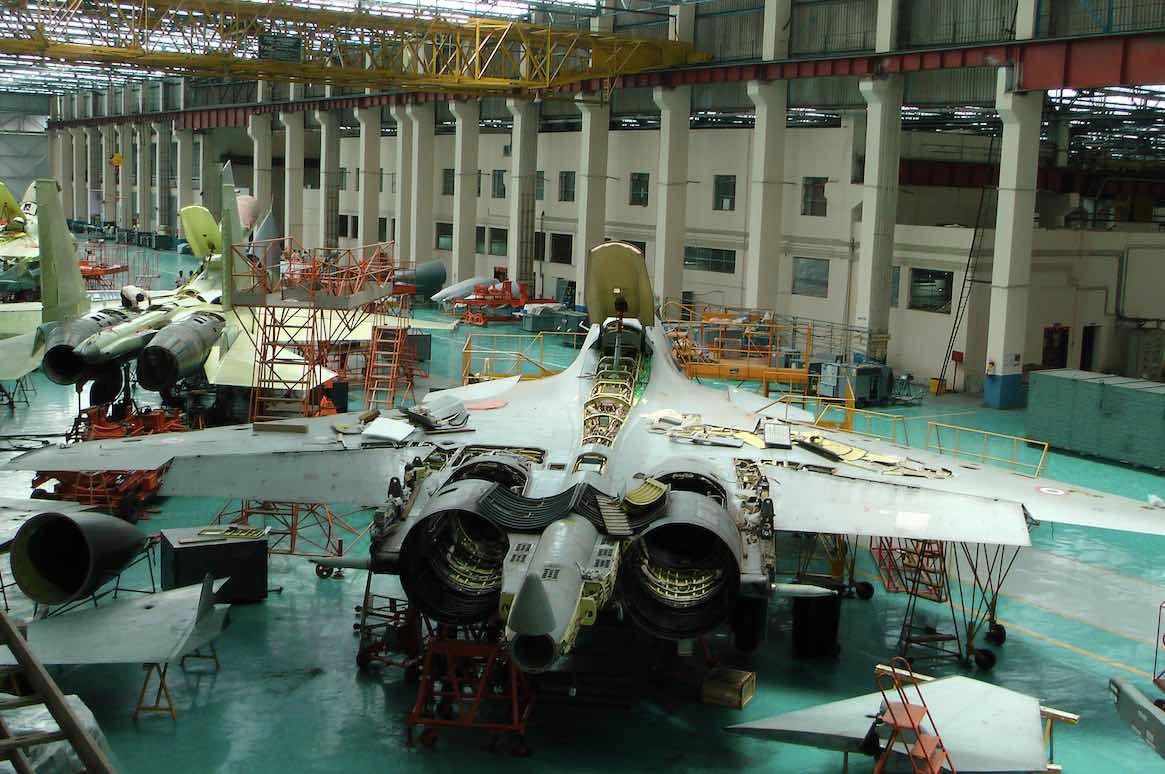
India
Hindustan Aeronautics Limited (HAL) is taking a bold step forward by reactivating its Nashik manufacturing unit to resume production of the Sukhoi Su-30MKI fighter jets. This development, sparked by a $1.3 billion deal approved in late 2023, calls for the assembly of 12 new aircraft to fortify the Indian Air Force's (IAF) capabilities. The revival of the Nashik plant is a strategic decision aligned with India’s ‘Make in India’ initiative, aiming to boost domestic defence production and minimize reliance on foreign suppliers.The Nashik facility, historically responsible for assembling the Su-30MKI jets since the early 2000s, had seen a slowdown. Now, HAL's commitment includes delivering the first batch of these newly ordered aircraft within a tight three-year schedule. More ambitiously, HAL has proposed expanding this production to add up to 72 additional Su-30MKIs, potentially pushing the IAF fleet to over 340 aircraft by the end of the decade. The comprehensive upgrade plan for these jets, often referred to as the "Super Sukhoi" or "Super-30" project, features cutting-edge enhancements that will make the aircraft more formidable.### A Closer Look at the UpgradesThe "Super Sukhoi" upgrade is extensive, aiming to match global standards for modern fighter jets. One of the most significant additions is the indigenously developed Active Electronically Scanned Array (AESA) radar, which vastly improves targeting and situational awareness. The upgrade will also include a revamped electronic warfare (EW) suite, enhancing the aircraft's ability to detect and counter threats from enemy radars and missiles. In addition, the enhanced avionics system will feature advanced mission computers, digital heads-up displays (HUDs), and a comprehensive voice-activated cockpit control system to optimize pilot efficiency.HAL is also integrating indigenous weapon systems to expand the Su-30MKI's combat capabilities. This integration will make the aircraft compatible with the latest generation of Indian-developed munitions, including BrahMos-A supersonic cruise missiles and Astra beyond-visual-range air-to-air missiles. Moreover, the new software-defined radios and helmet-mounted display systems (HMDS) are designed to provide superior communication and tactical awareness, crucial in modern air combat.### Strategic and Economic ImplicationsFor the IAF, this revival is not just about replacing losses from recent conflicts but also about fortifying its strike capabilities to counter regional adversaries effectively. The initiative also holds considerable strategic importance for India's long-term self-reliance in defence production, echoing the broader goals of the Indian government's policies to boost indigenous defence research and manufacturing.Economically, reopening the Nashik plant is expected to be a significant job creator, providing a boost to local employment and associated industries. The project will also promote advancements in India’s defence research sector, contributing positively to technological growth and national security.Overall, HAL’s revival of the Nashik plant and the associated Super Sukhoi upgrade represent a vital step forward for India’s aerospace and defence ambitions. The combination of new aircraft production and sophisticated upgrades ensures that the IAF will remain well-equipped to handle evolving threats while bolstering the country's broader strategic and economic objectives.
Read More → Posted on 2024-11-16 14:19:11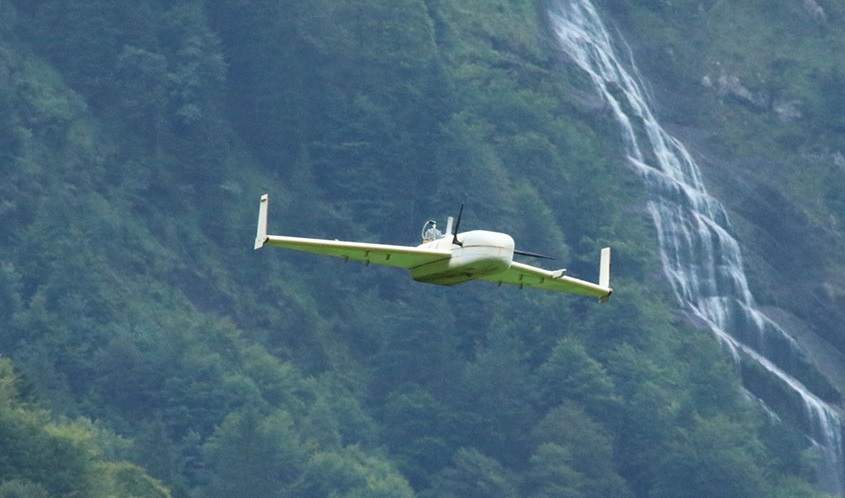
World
QinetiQ Germany has reached an impressive milestone by successfully demonstrating the Rheinmetall Delta B15 target drone in Todendorf. This accomplishment represents a critical first step in the German Uncrewed Aerial Training Services (ATS) programme, an ambitious initiative designed to bolster the air defence capabilities of the German Armed Forces. The project arrives at a time when ground-based air defence (GBAD) systems are facing rapidly evolving threats, requiring swift advancements to maintain security readiness.The Delta B15 drone is a sophisticated training asset that has been engineered to meet the rigorous needs of modern air defence units. Notably, the system has undergone updates to tackle emerging challenges, such as one-way attack drones like the SHAHED series, which have been increasingly used in asymmetric warfare scenarios. The Delta B15 is now equipped to provide robust and realistic training for air defence crews, ensuring operational systems remain sharp and effective against the latest aerial threats. Additionally, the drone's capabilities align with the operational requirements set by NATO and the European Sky Shield Initiative (ESSI), reflecting its strategic significance on a broader defence stage.The drone's specifications are noteworthy: the Delta B15 boasts high-speed performance and precision flight capabilities that make it a formidable target for advanced air defence exercises. It can simulate a wide range of threats, allowing for comprehensive training scenarios. With a flight endurance that enables extended mission profiles and a sophisticated sensor suite for tracking and monitoring, it provides unparalleled realism in defence drills. Its modular design further enhances versatility, as it can be equipped with payloads to mimic different threat systems.Operational deployment of the Delta B15 is slated for 2025, when it will become a core component of Germany’s air defence training landscape. The drone’s versatility is also evident in ongoing plans to integrate it into naval operations, reflecting a commitment to cross-domain applicability within Germany’s military forces. Such plans illustrate the drone’s potential to play a crucial role in training both land and maritime defence units, making it an adaptable asset across multiple domains.Matthias Grögor, QinetiQ Germany’s Head of Strategic Business Development, emphasised the forward-looking nature of this collaboration with Rheinmetall. “In cooperation with Rheinmetall, QinetiQ Germany can expand its market position in the relevant procurement programs of our customers in Germany. This means that we are actively preparing today for the arrival of newly procured weapon systems, always with an eye on current threats and an outlook to 2035.” His statement underscores how the programme not only addresses today’s challenges but also anticipates future defence needs.Rheinmetall, a leading defence technology partner, brings considerable expertise to the project. Mark Robert Henning, CEO of Rheinmetall Technical Publications GmbH, stressed the significance of this collaboration, stating, “We are thankful to have been chosen by QinetiQ to supply the new target drones playing an active role in the European Sky Shield Initiative. We look forward to intensifying our collaboration in this field, based on our extensive experience in target solutions for ground-based air defence training on the one hand and unmanned systems on the other.” His remarks highlight the strategic partnership’s value in both enhancing current training capabilities and setting a foundation for future innovations.The Delta B15 drone stands as a testament to continuous innovation in military training and threat response. As global aerial threats become more sophisticated, the need for advanced training platforms like the Delta B15 becomes ever more crucial. Both QinetiQ and Rheinmetall are committed to delivering cutting-edge solutions, ensuring that German and allied forces remain well-equipped to handle present and future defence challenges. With these developments, the ATS programme not only promises to elevate Germany’s defence readiness but also contributes to broader European and NATO security frameworks.
Read More → Posted on 2024-11-16 14:16:11
World
The Gas Turbine Research Establishment (GTRE), a pivotal division of India's Defence Research and Development Organisation (DRDO), has made a significant move in strengthening its capabilities in jet engine manufacturing by acquiring state-of-the-art Computer Numerical Control (CNC) machines. This enhancement comes as India continues to push for indigenous solutions in its defense sector, yet still grapples with a dependence on imported technology for critical manufacturing needs.CNC machines play a crucial role in aerospace and defense manufacturing, especially for the high-precision and complex parts that jet engines demand. These machines allow for the precise crafting of turbine blades, compressor components, and intricate housing structures from tough materials such as titanium and nickel-based superalloys. The need for accuracy in these materials stems from their application in high-stress environments, like inside a jet engine, where extreme temperatures and forces are the norm. CNC technology ensures these parts are produced with minimal tolerance errors, directly affecting engine performance and reliability.The integration of CNC technology at GTRE, specifically multi-axis machines, will enable the creation of geometrically complex parts that were previously challenging to manufacture. These systems offer unparalleled flexibility, allowing GTRE to develop custom solutions tailored to the needs of the Indian Air Force and Navy. Multi-axis CNC machines, for instance, provide the capability to machine components from various angles, eliminating the need for repositioning and significantly reducing production times. Moreover, features like automated quality control systems integrated into modern CNC setups allow real-time inspection of parts, ensuring they meet stringent aerospace standards.Despite this technological leap, there remains a stark reality: the CNC machines GTRE has procured are primarily sourced from foreign manufacturers, with key suppliers located in countries like the United States. This reliance is a reminder of the hurdles India still faces in achieving full self-reliance in high-end defense manufacturing. While domestic initiatives, spurred by the "Atmanirbhar Bharat" campaign, have made strides in reducing import dependency, the aerospace sector's reliance on foreign technology for precision machinery reveals the gaps still present in the country's industrial base.Efforts are underway to bridge this divide. Indian authorities and industry leaders are investing in developing indigenous CNC technology tailored for defense applications. However, achieving the same level of sophistication and reliability as imported counterparts is a long-term endeavor, complicated by the need for advanced research, robust supply chains, and skilled human resources. GTRE's adoption of CNC technology may boost production efficiency and improve the quality of locally produced engine parts, but a truly self-sufficient ecosystem requires significant advancements in machine tool technology developed within India.This development highlights a paradox in India's defense strategy: while acquiring world-class technology elevates current capabilities, a heavy dependence on imports could expose vulnerabilities, especially in times of geopolitical strain. Nevertheless, GTRE's progress with CNC machines sets the stage for improved indigenous production, ensuring future projects like the Kaveri engine and other strategic aerospace ventures are better equipped to meet global standards.India's path to self-reliance in defense remains both a challenge and a goal, and GTRE's recent advancements underscore the nation's commitment to this vision, even as it navigates the complexities of high-tech manufacturing dependencies.
Read More → Posted on 2024-11-16 14:11:50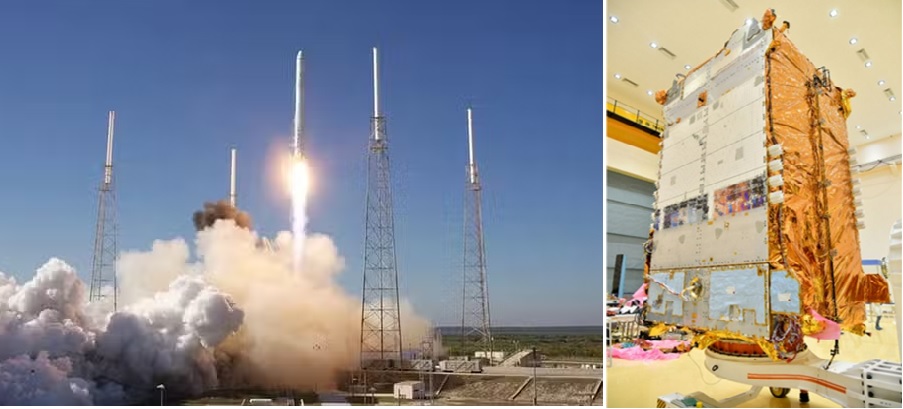
Space & Technology
In a major milestone for India's space ambitions and digital connectivity goals, the Indian Space Research Organisation (ISRO) is gearing up to launch the advanced GSAT-N2 satellite, also known as GSAT-20, aboard SpaceX's Falcon 9 rocket. This exciting mission, scheduled for the second quarter of 2024, not only represents ISRO's debut commercial launch collaboration with SpaceX but also marks a significant step in expanding high-speed internet coverage across India, including in-flight connectivity for passengers traveling over Indian skies.The GSAT-N2 satellite stands as a testament to ISRO's commitment to modernizing communication networks across the country. Weighing in at an impressive 4,700 kilograms, this high-throughput satellite (HTS) is tailored for internet data transmission and operates within the Ka-band frequency spectrum. What makes this satellite a technological marvel is its extraordinary throughput capacity of approximately 48 gigabits per second (Gbps), which will drastically enhance broadband services across India. Designed to provide extensive coverage, GSAT-N2 is equipped with 32 specialized user beams. This includes 8 narrow spot beams specifically aimed at the densely populated and strategically important Northeastern regions of India, while 24 wide spot beams will span the rest of the country. Moreover, GSAT-N2's reach extends to some of the most remote and underserved areas, such as the Andaman and Nicobar Islands and Lakshadweep, regions where reliable internet access has long been a challenge.A standout feature of GSAT-N2 is its impact on aviation connectivity. While in-flight internet has become a standard service in many parts of the world, it has remained restricted within Indian airspace until recently. This was primarily due to regulatory limitations, which have now been relaxed to allow in-flight internet services at altitudes exceeding 3,000 meters. Once operational, GSAT-N2 will close this gap, empowering airlines to offer seamless internet access to passengers from takeoff to landing over Indian territory.The advent of GSAT-N2-enabled services will require service providers to take a few critical steps. Providers will have to acquire the appropriate licenses from Indian authorities and install specialized equipment on their aircraft. Despite these technical and regulatory hurdles, companies are already preparing to harness this opportunity. Viasat Inc., a prominent satellite communications firm based in the United States, has revealed its plans to leverage GSAT-N2 for delivering maritime and in-flight internet solutions throughout India. This partnership is anticipated to set a new benchmark in on-the-move connectivity.Interestingly, ISRO's choice of SpaceX's Falcon 9 rocket for this mission was dictated by the sheer size and weight of GSAT-N2. ISRO's own launch vehicles, such as the GSLV and PSLV, lack the payload capacity needed for a satellite of this scale. Consequently, the launch will take place from Cape Canaveral, Florida, and will be handled by NewSpace India Limited (NSIL), ISRO's commercial arm, which has played a pivotal role in arranging and executing this international collaboration.Beyond just enhancing in-flight connectivity, GSAT-N2 is set to revolutionize internet access across vast swathes of India, bridging the digital divide in regions that have historically lagged in network infrastructure. With a robust operational lifespan of 14 years, the satellite promises long-term benefits for both remote communities and travelers in the skies.In an era where internet access is increasingly synonymous with economic growth and social development, GSAT-N2 is poised to be a game-changer. It exemplifies ISRO's relentless drive to harness space technology for the nation's progress and sets the stage for a new chapter in global collaboration with leading space companies like SpaceX.
Read More → Posted on 2024-11-16 14:07:03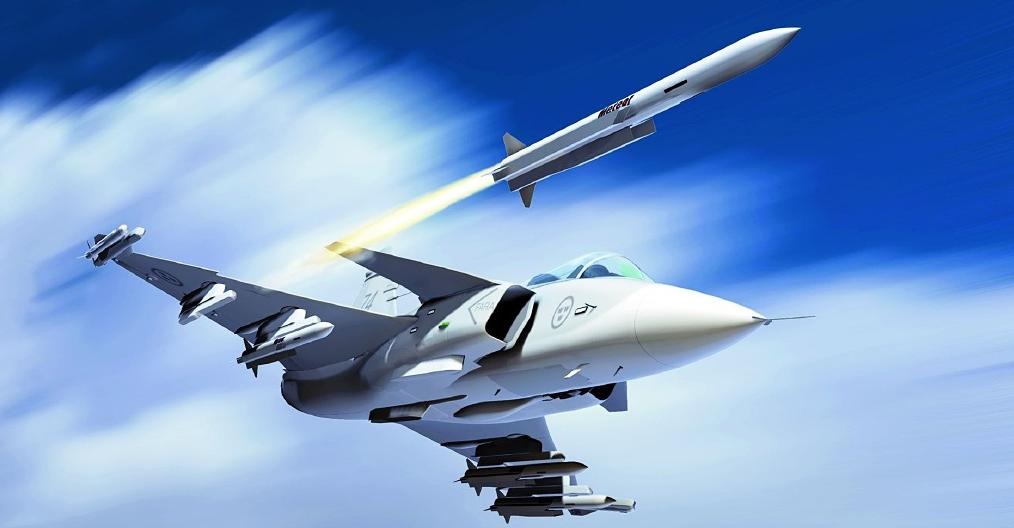
India
In the fiercely competitive race to modernize the Indian Air Force’s (IAF) fleet under the Multi-Role Fighter Aircraft (MRFA) program, Saab has made a bold pitch with its Gripen E fighter jet. Highlighting an unmatched capability, the Gripen E can carry up to seven Meteor beyond-visual-range air-to-air missiles (BVRAAMs) simultaneously, a configuration that promises to revolutionize aerial combat for the IAF.The Gripen E’s selling point isn’t just the volume of its missile loadout; it’s also about the quality of the armament it carries. The Meteor missile, developed by MBDA, is widely regarded as the gold standard among BVRAAMs. With its ramjet propulsion system and active radar seeker, the Meteor achieves exceptional range, agility, and lethality. Its standout feature is its expansive "no-escape zone," which is the largest of any missile in its class. Once locked onto a target, evading the Meteor becomes a near-impossible task for adversaries, even if they employ advanced countermeasures or high-speed maneuvers.Gripen E: A Platform Tailored for Precision and PowerSaab has designed the Gripen E with meticulous attention to weapon integration, ensuring that its avionics and data link systems fully optimize the capabilities of advanced missiles like the Meteor. The aircraft’s cutting-edge AESA radar (Active Electronically Scanned Array) and electronic warfare (EW) systems enhance its ability to detect, track, and neutralize threats from great distances.The jet’s ability to carry seven Meteor missiles simultaneously is not just an engineering feat but a tactical multiplier. This capability enables the Gripen E to engage several targets in a single sortie, reducing the need for frequent rearming and making it a formidable presence in extended combat scenarios. For missions that require securing vast airspaces or neutralizing swarms of airborne threats, this feature offers unparalleled efficiency.Advantages for the Indian Air ForceShould the Gripen E win the MRFA contract, it could offer several strategic advantages for the IAF:High Sortie Generation Rate: The Gripen E’s operational flexibility, coupled with its ability to carry more weapons, ensures faster mission turnaround times, which are critical in prolonged engagements.Multi-Target Neutralization: With seven BVRAAMs at its disposal, the Gripen E can counter a wide array of threats in a single deployment, enhancing mission efficiency and effectiveness.Enhanced Combat Readiness: Advanced avionics and the ability to carry heavy payloads mean fewer aircraft would be required for routine patrols or interception duties.Superior Situational Awareness: The combination of the jet’s AESA radar and the Meteor’s long range gives IAF pilots the capability to detect and engage threats long before they pose a direct risk to Indian airspace.Gripen E’s Competition in the MRFA ProgramThe MRFA program is vital for India, aiming to induct 114 new fighter jets into its fleet to maintain its air superiority. Saab’s Gripen E faces stiff competition from leading defense players, including the Dassault Rafale, Boeing F-15EX, F/A-18E/F Super Hornet, Lockheed Martin F-21, and Russia’s MiG-35. Each contender brings its own set of advantages, but the Gripen E’s cost-efficiency, combined with its advanced features, gives it a strong edge in terms of operational viability.The Bigger Picture: Why Meteor MattersThe Meteor missile is a pivotal element of Saab’s offer. It allows the IAF to strengthen its aerial combat capabilities against regional adversaries with advanced aircraft and electronic warfare systems. The missile’s integration with the Gripen E ensures that the platform offers a comprehensive solution for India’s air defense needs, capable of securing large airspaces with fewer sorties.Saab’s Promise to IndiaBeyond the technical specifications, Saab has also promised significant Make in India initiatives, aiming to transfer technology and set up production facilities in India if it wins the contract. This aligns with India’s vision for self-reliance in defense manufacturing, further boosting the Gripen E’s appeal.Saab’s Gripen E, with its unprecedented ability to carry seven Meteor missiles, stands out as a formidable contender in India’s MRFA competition. Its combination of cutting-edge technology, combat efficiency, and cost-effectiveness positions it as a strategic asset for the IAF. As the competition heats up, Saab’s offer underscores its commitment to providing the Indian Air Force with a decisive tactical edge for future conflicts.
Read More → Posted on 2024-11-15 15:42:33Search
Top Trending in 24 Hours
-
 Tulsi Gabbard Releases Declassified Files Detailing U.S.-Backed Network of 120 Biolaboratories Across 30+ Countries
-
 AM General Unveils Next-Generation UGV and JLTV A2 with Counter-Drone Systems at Eurosatory 2026
-
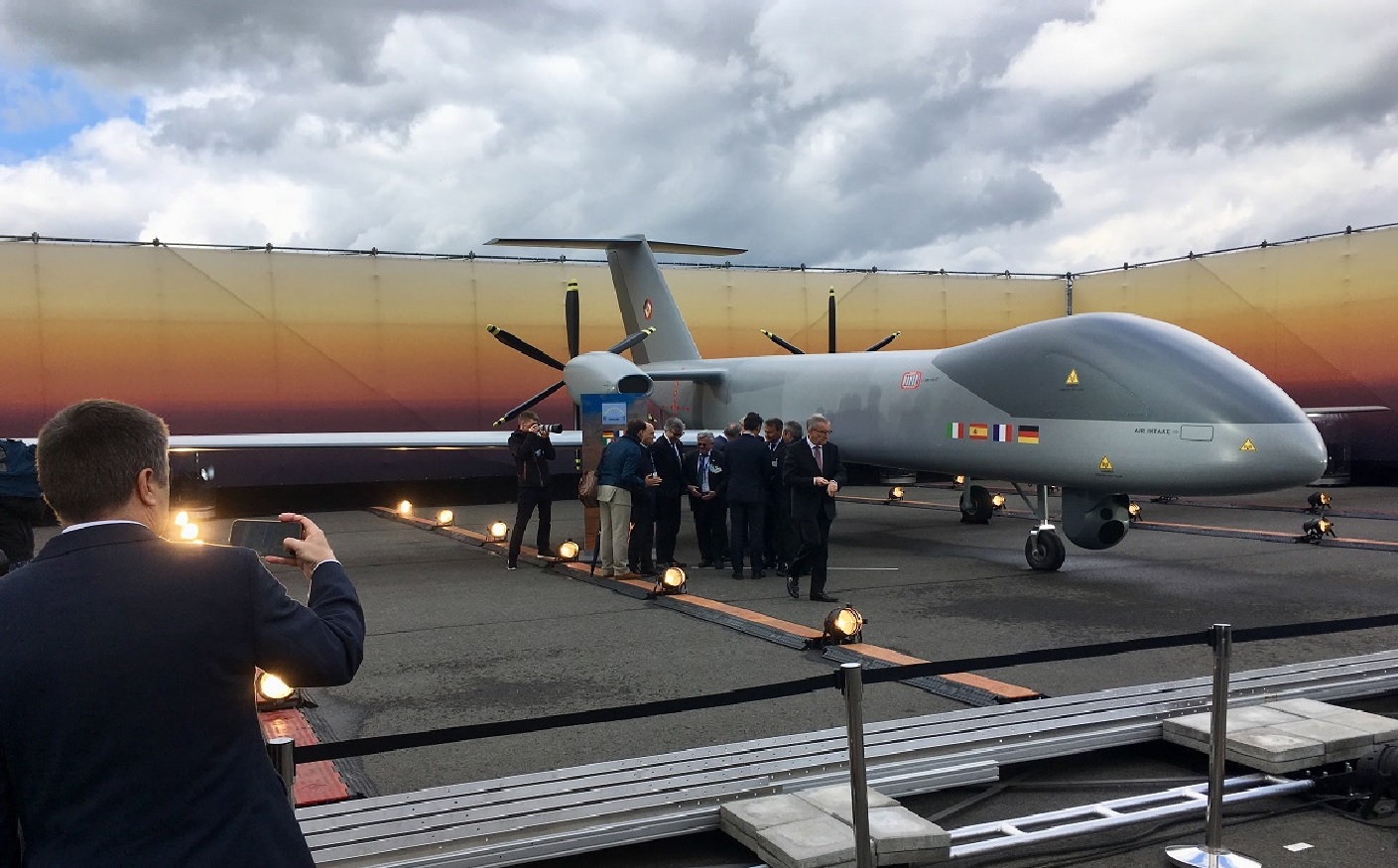 Dassault Seeks Compensation From Airbus as Eurodrone Dispute Erupts After FCAS Collapse
-
 Pakistan Raises Defence Budget from $9 Billion to $10.8 Billion as J-35 Fighter and Hangor Submarine Programs Advance
-
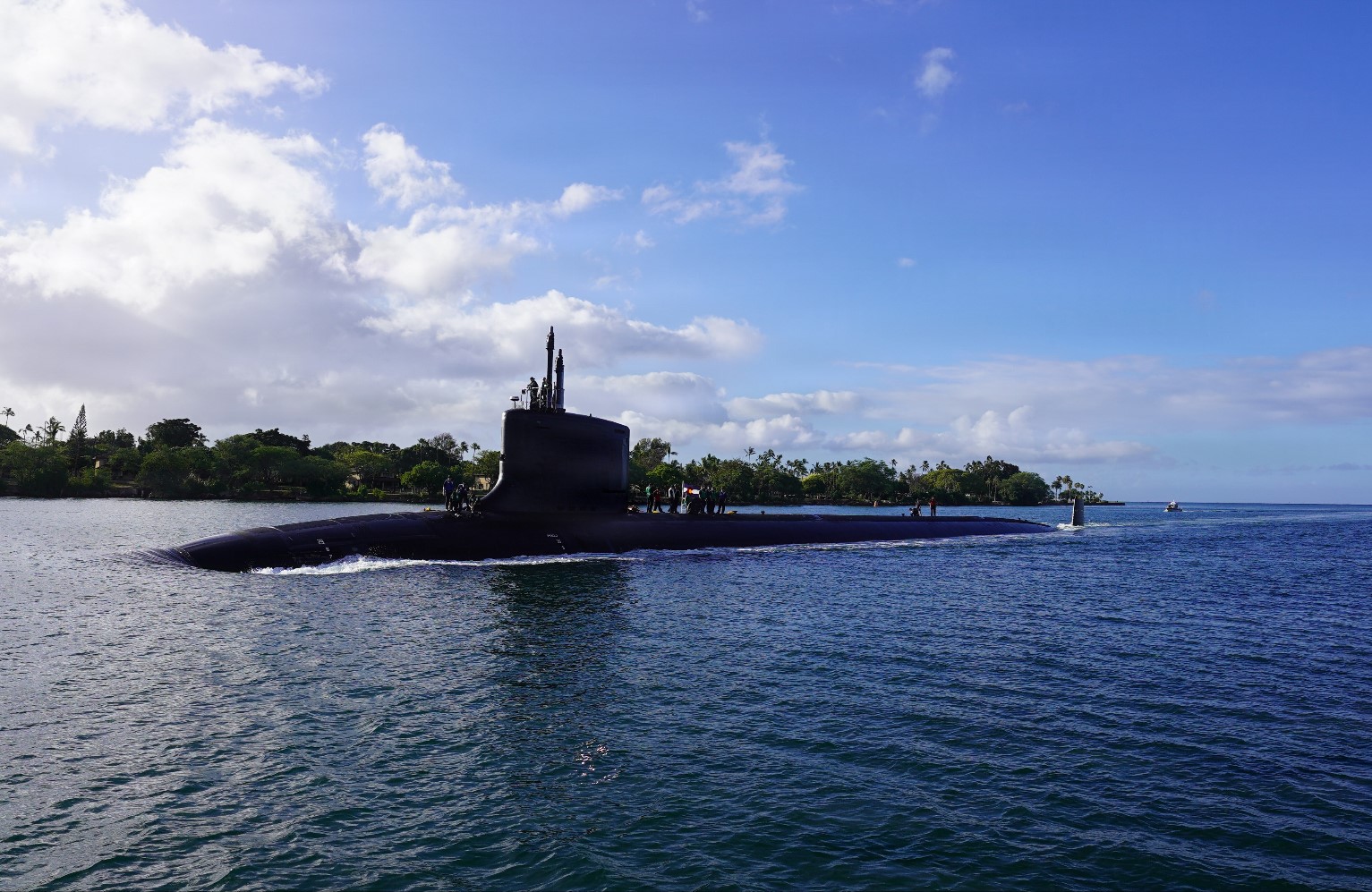 U.S. Navy's USS Colorado Submarine Returns to Pacific Fleet 29 Days Early After Major Pearl Harbor Overhaul
-
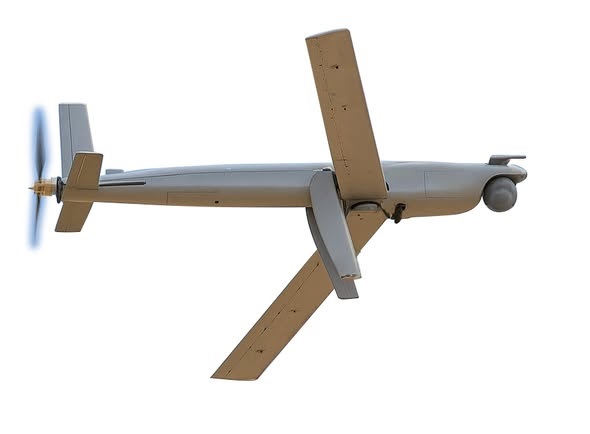 Elbit Systems and Diehl Defence Partner to Offer SkyStriker Loitering Munition to German Armed Forces
-
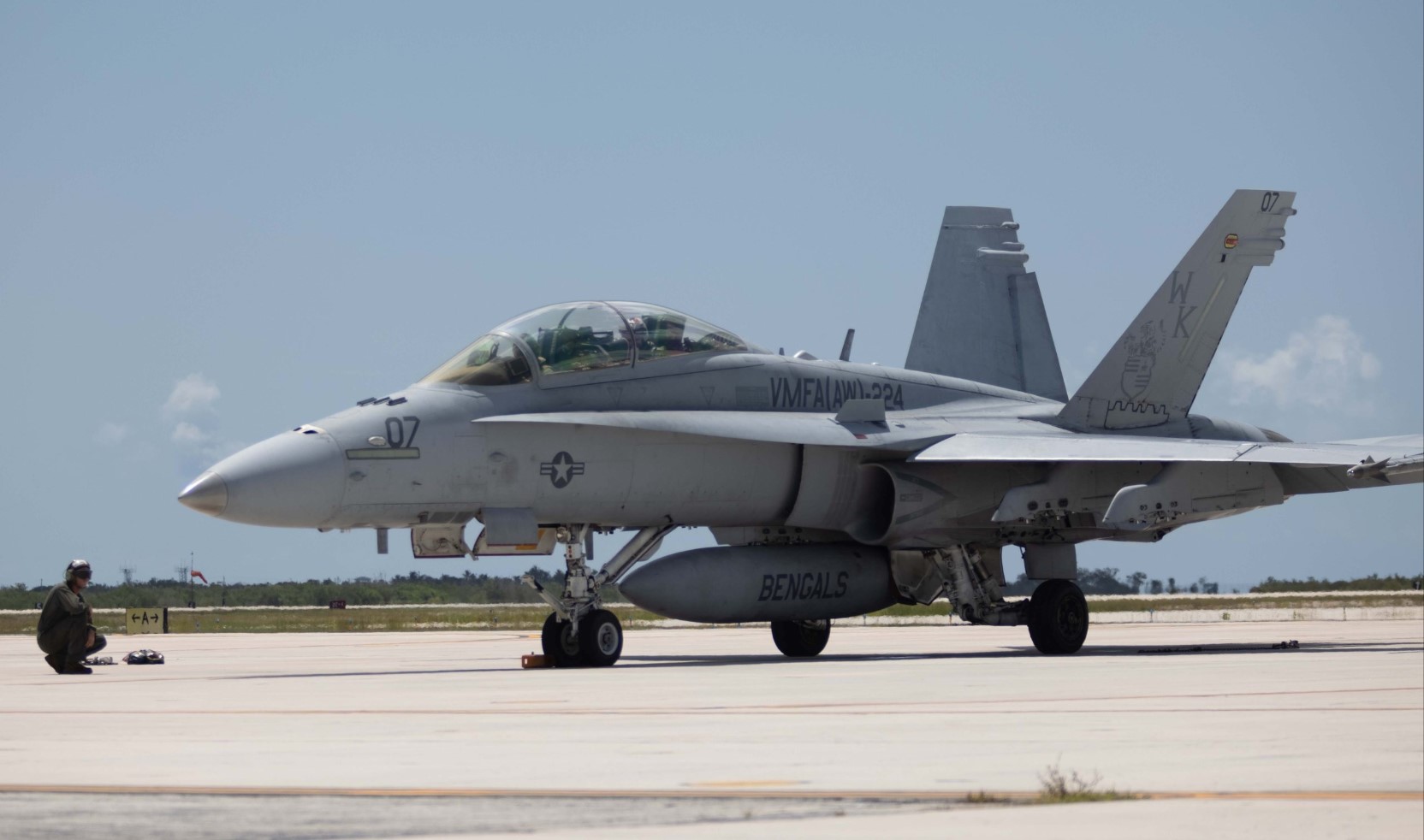 US Marine Corps F/A-18D Hornet Crashes During Training Flight in Washington Mountains; Pilot Ejects Safely
-
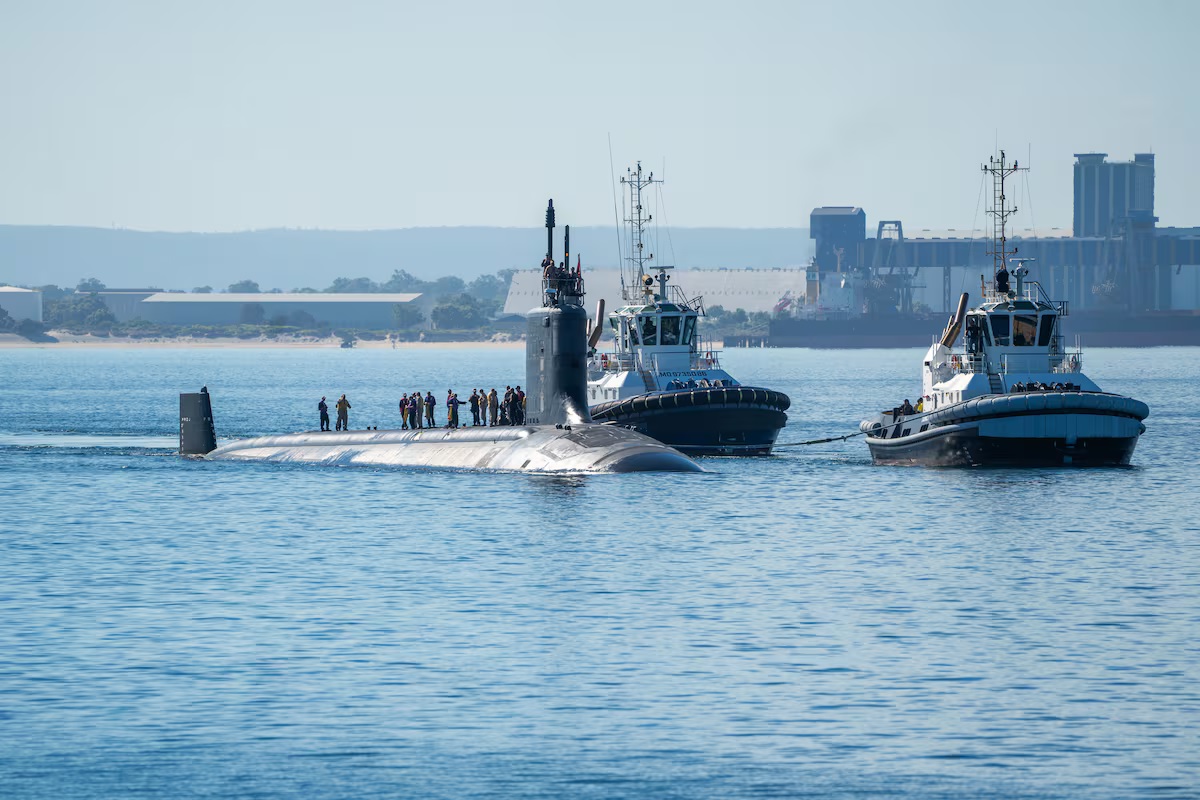 U.S. Navy Reestablishes Submarine Squadron 3 at HMAS Stirling to Support AUKUS Rotational Force
Top Trending in 4 Days
-
 Iranian Media Leaks 14-Point U.S.-Iran Peace Framework Amid Ongoing Negotiations
-
 US Plans Significant Reduction of Fighter Jets and Warships for NATO Operations in Europe
-
 U.S. Air Force Faces Strategic Airlift Shortfall as C-17 Production Restart Remains Uncertain
-
 NATO Commander Says Russia Not Seeking Conflict With Alliance Despite U.S. Force Reductions
-
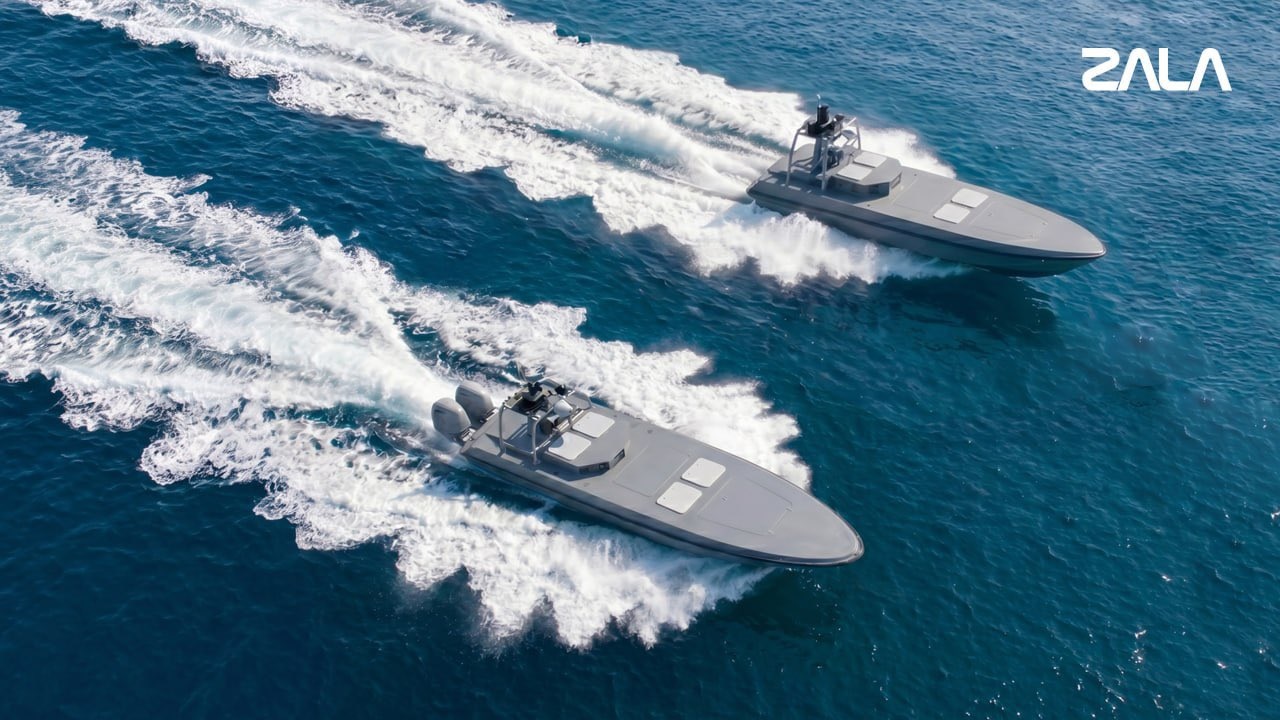 Russian Defense Firm ZALA Unveils KAMA Unmanned Surface Vessel Family at FLOT-2026 Naval Exhibition
-
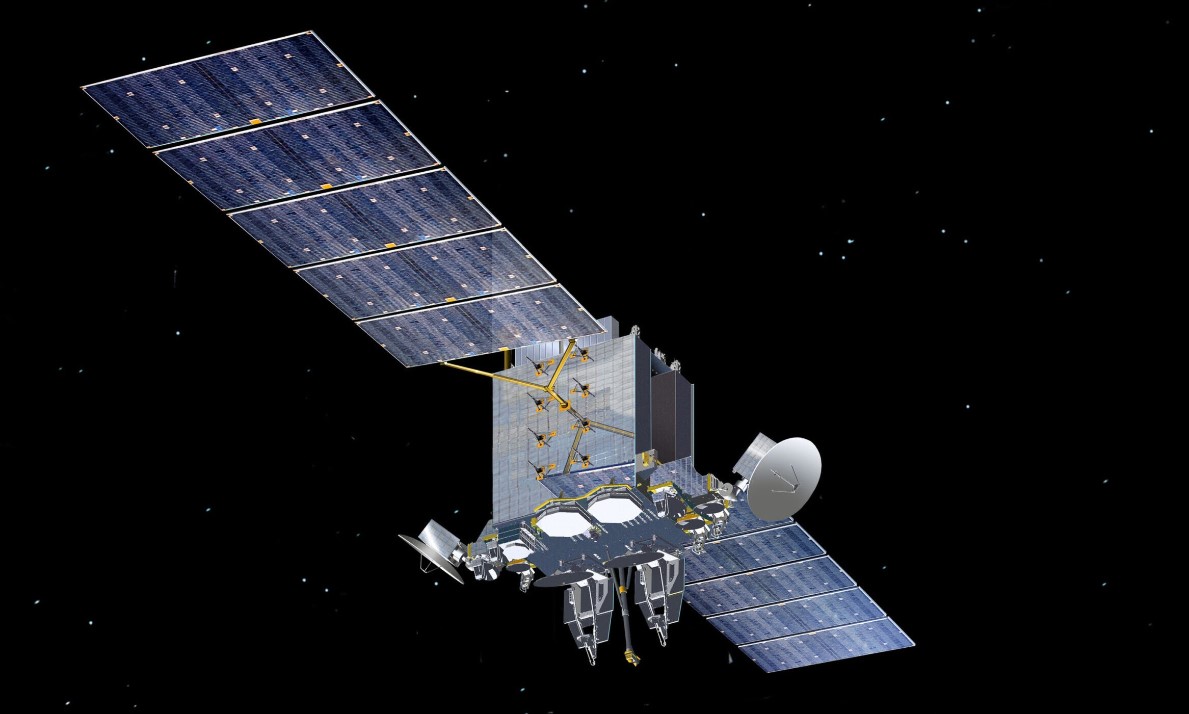 U.S. Space Force Awards $437.7 Million Contracts for First PTS-G Swarm 1 Anti-Jam Satellites
-
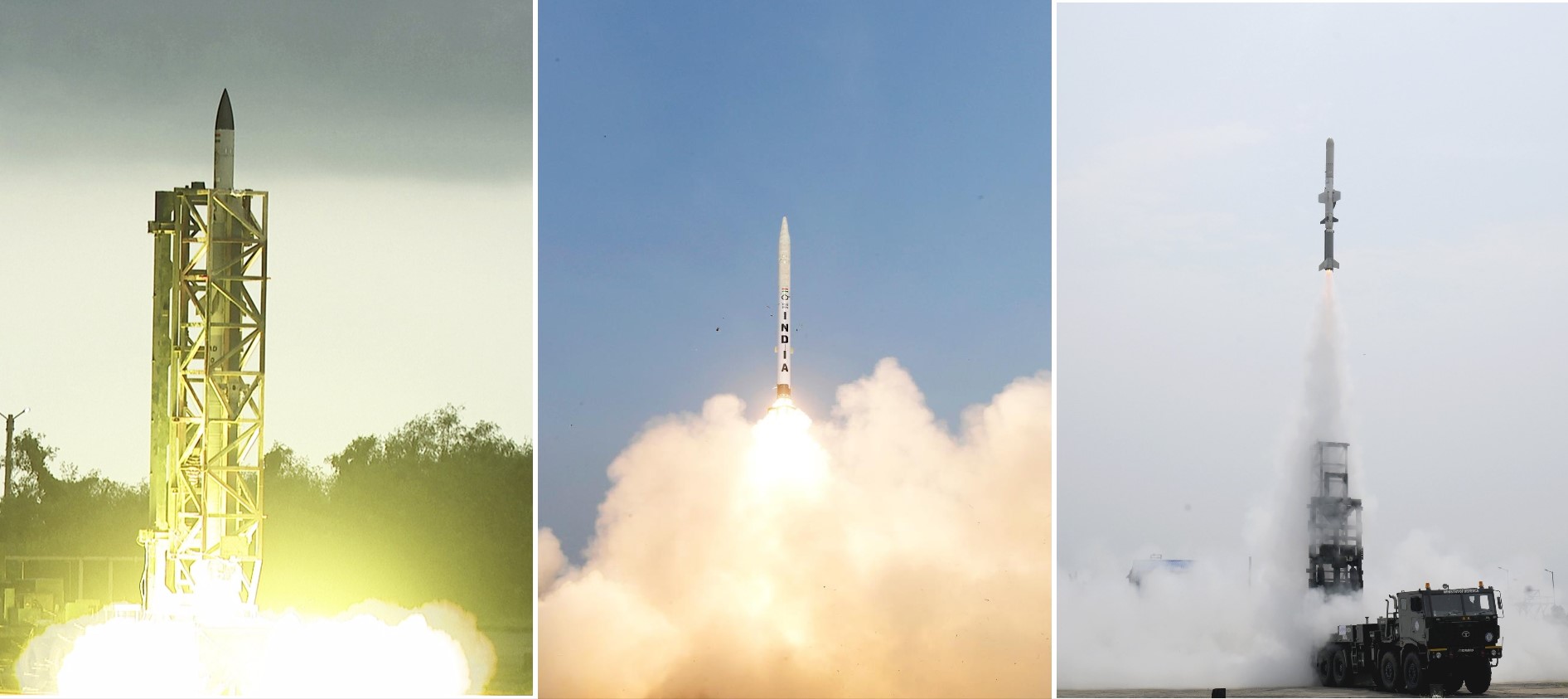 India Successfully Conducts AD-1, AD-2 Interceptor Tests and Maiden NASM-MR Flight Trial
-
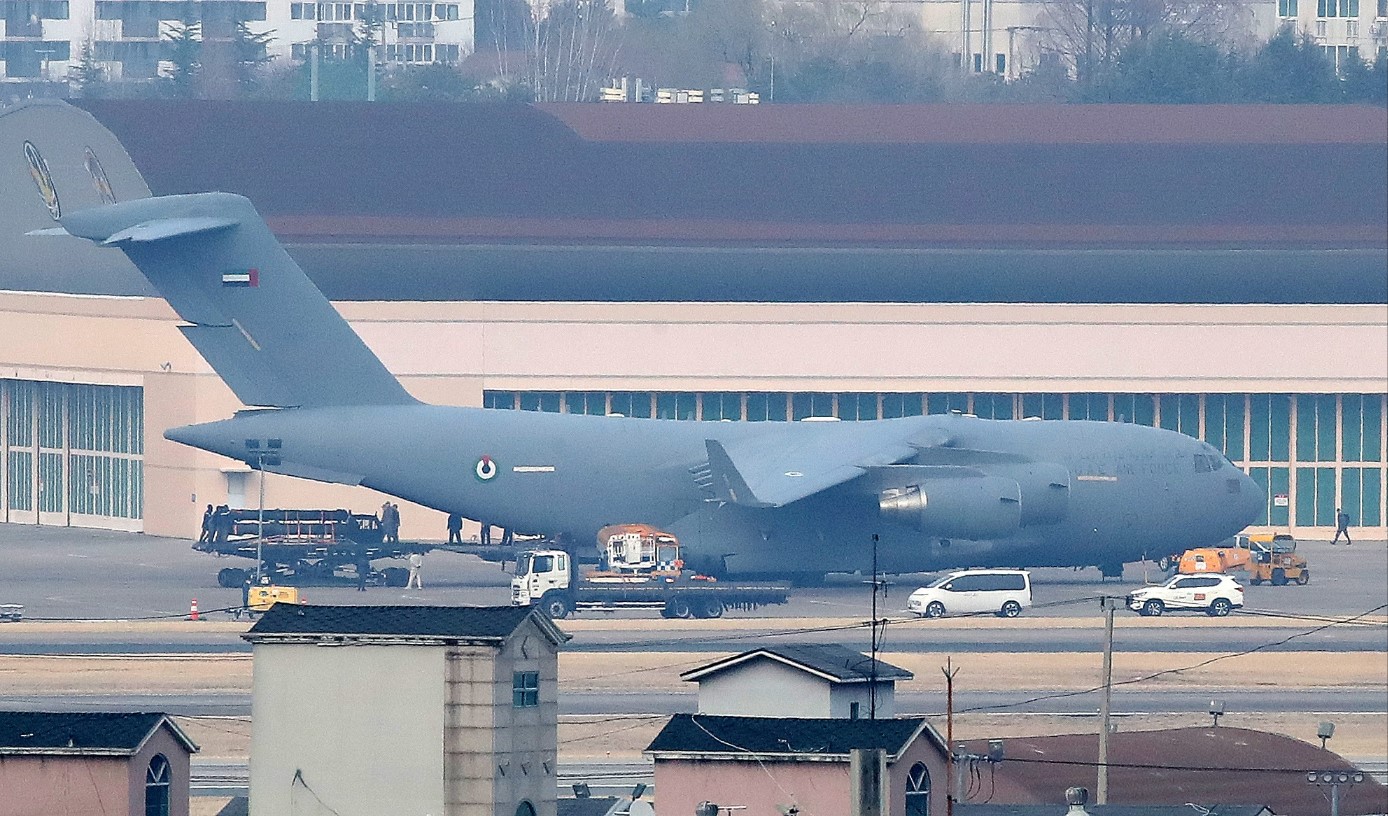 UAE Urgently Airlifts Cheongung-II Missile Defense Battery From South Korea Using Eight C-17 Aircraft
