In a significant move likely to raise eyebrows across the Taiwan Strait, Taiwan has taken delivery of its first batch of MGM-140 Army Tactical Missile System (ATACMS) missiles from the United States. The delivery, part of a broader military acquisition deal approved during the Trump administration, aligns with Taiwan's strategic defense enhancements as it faces mounting pressure from China. Although state media in Taiwan has refrained from specifying the number of missiles received, the details surrounding the delivery suggest a major step forward for Taiwan's defense capabilities.
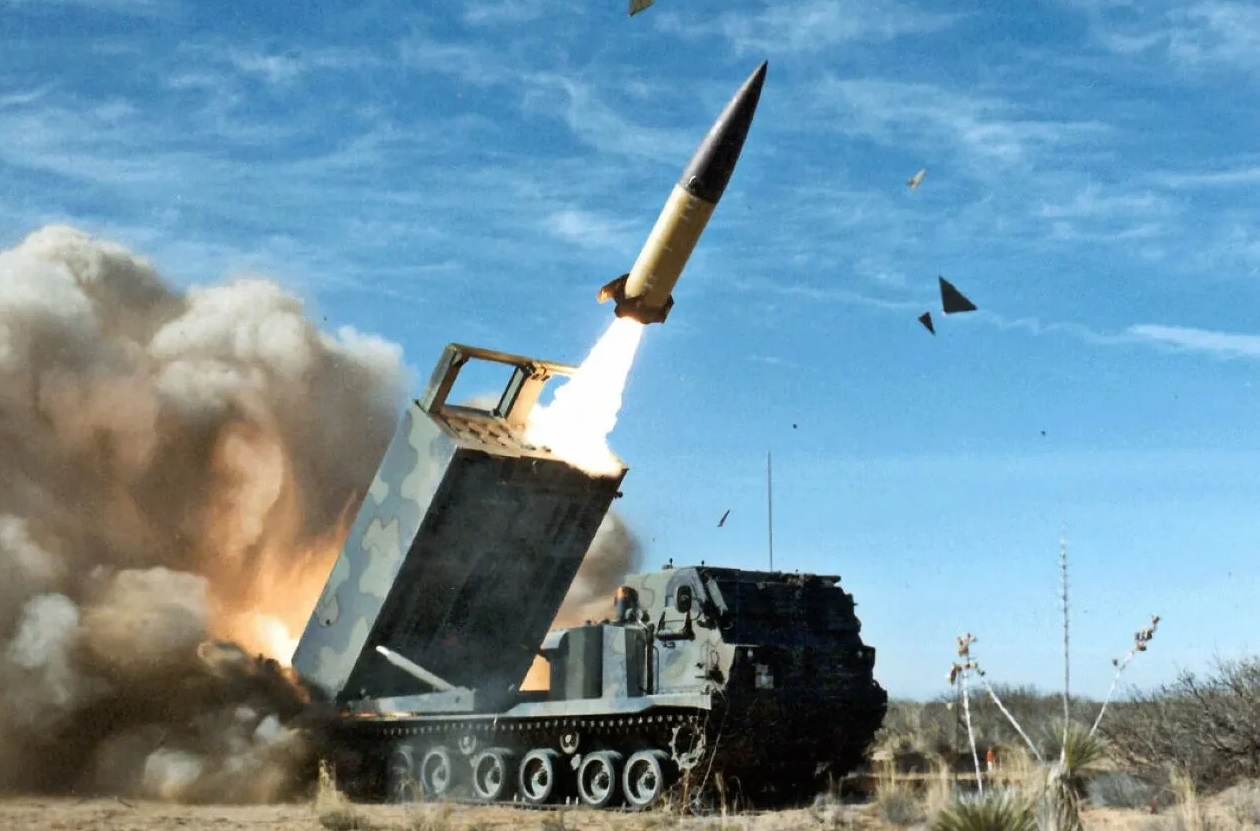
At the heart of this new acquisition is the ATACMS, a precision-guided, long-range missile system designed to be launched from the M142 High Mobility Artillery Rocket System (HIMARS) platforms. The ATACMS delivered to Taiwan reportedly belong to the most advanced variant, with a reach of up to 300 kilometers (186 miles). This range gives Taiwan the ability to strike critical military installations on the Chinese mainland, a capability that serves as a strong deterrent amid rising tensions between Taipei and Beijing.
Additionally, Taiwan recently received the initial shipment of 11 HIMARS launchers out of a total order of 29. The HIMARS system is revered for its mobility and versatility, capable of firing both the ATACMS and the Guided Multiple Launch Rocket System (GMLRS) rockets, which have a shorter range of around 70 kilometers (43 miles). This delivery is part of an expansive arms package that includes 64 ATACMS missiles, aimed at bolstering Taiwan's artillery reach and adaptability in asymmetric warfare scenarios.
The new rocket artillery units have been stationed with the 58th Artillery Command of the 10th Army Corps in Taichung, where comprehensive training on these systems is underway. The strategic deployment in central Taiwan is designed to maximize defensive coverage and ensure swift response capabilities in the event of aggression from across the strait.
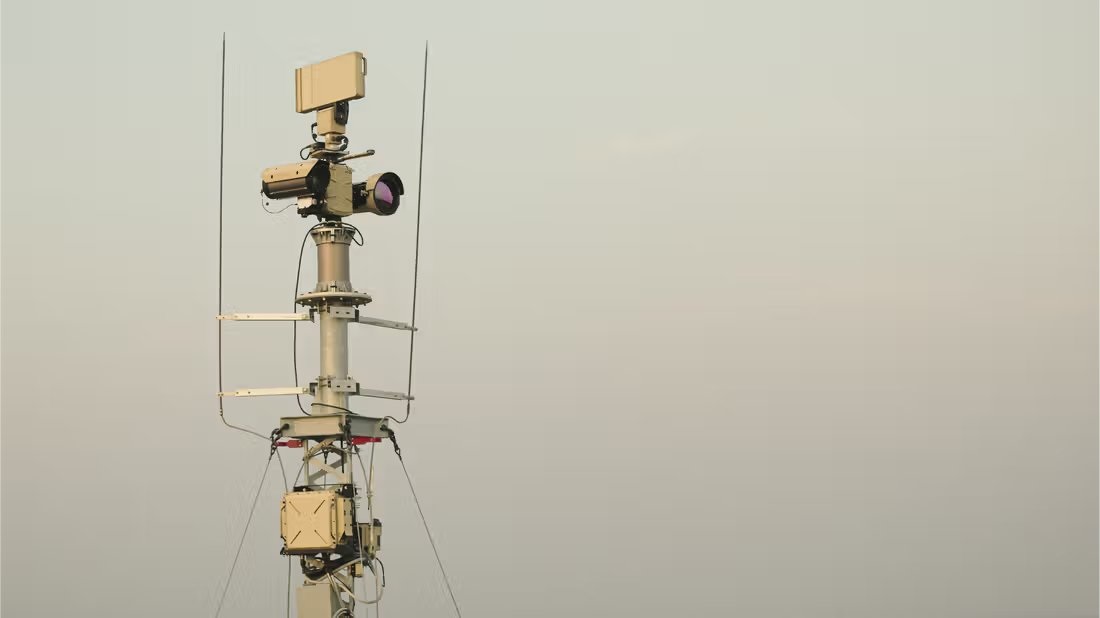
This high-profile missile delivery comes shortly after the United States approved a separate $1.94 billion arms package for Taiwan. This deal includes National Advanced Surface-to-Air Missile Systems (NASAMS) and long-range surveillance radars, further enhancing Taiwan's air defense infrastructure. As Taiwan continues to modernize its military, the next major addition will be the arrival of 66 F-16V fighter jets, expected by 2026. The F-16Vs will be equipped with cutting-edge avionics and weapons systems, making them some of the most advanced aircraft in Taiwan's arsenal.
The strategic implications of these arms sales are vast. They not only reinforce Taiwan's defensive posture but also signify a deepening military partnership between Taipei and Washington. However, such moves are sure to exacerbate tensions with China, which has persistently opposed foreign arms sales to Taiwan and continues to assert its claim over the self-governed island. The Chinese government has repeatedly denounced U.S. support for Taiwan as a violation of its sovereignty, and this latest development is likely to provoke further condemnation.
As the geopolitical landscape in the region becomes increasingly complex, Taiwan's acquisition of these sophisticated weapons underscores its resolve to defend itself against potential threats, while also highlighting the pivotal role of U.S. support in maintaining the island's security and stability.
——— End of Article ———