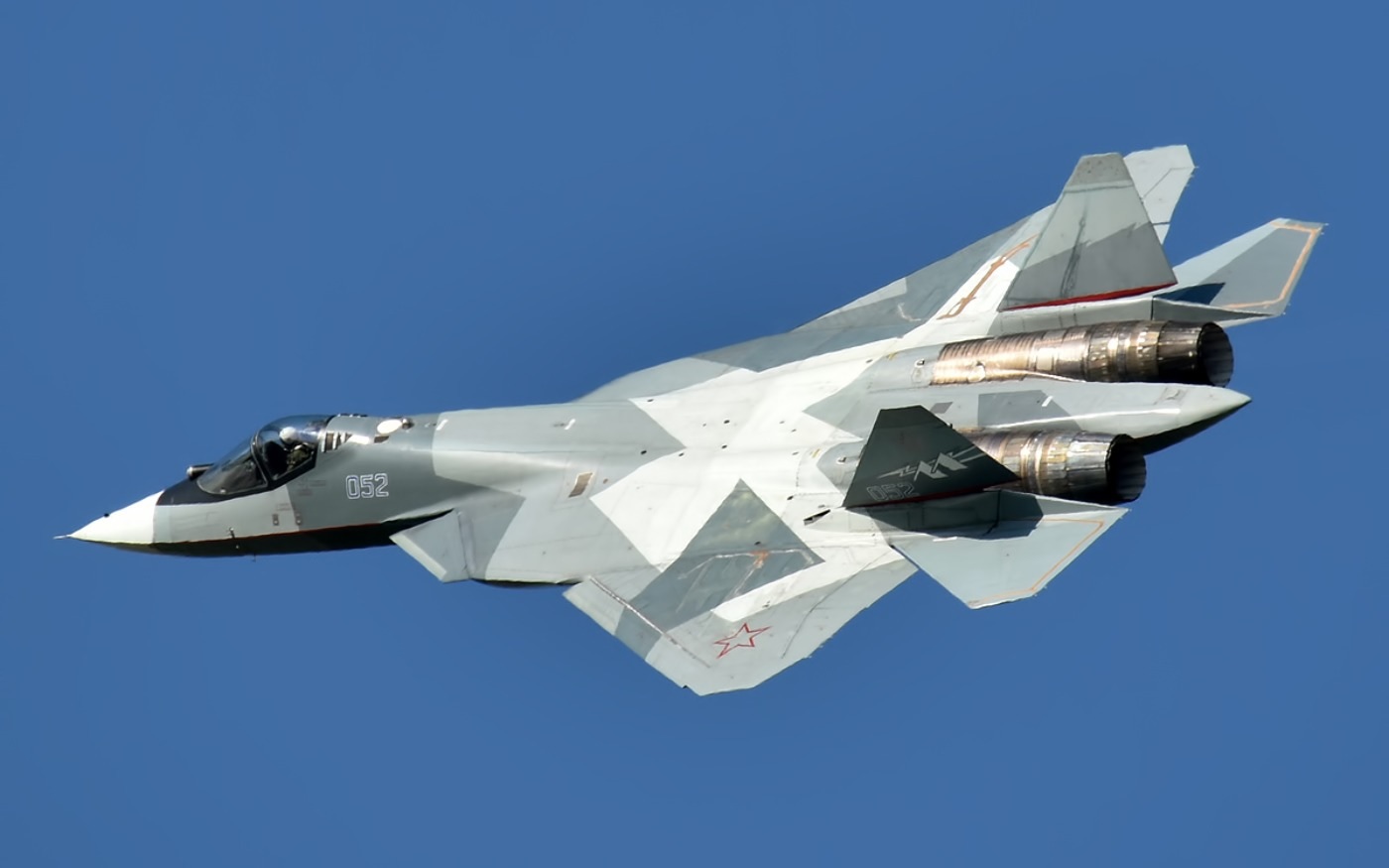
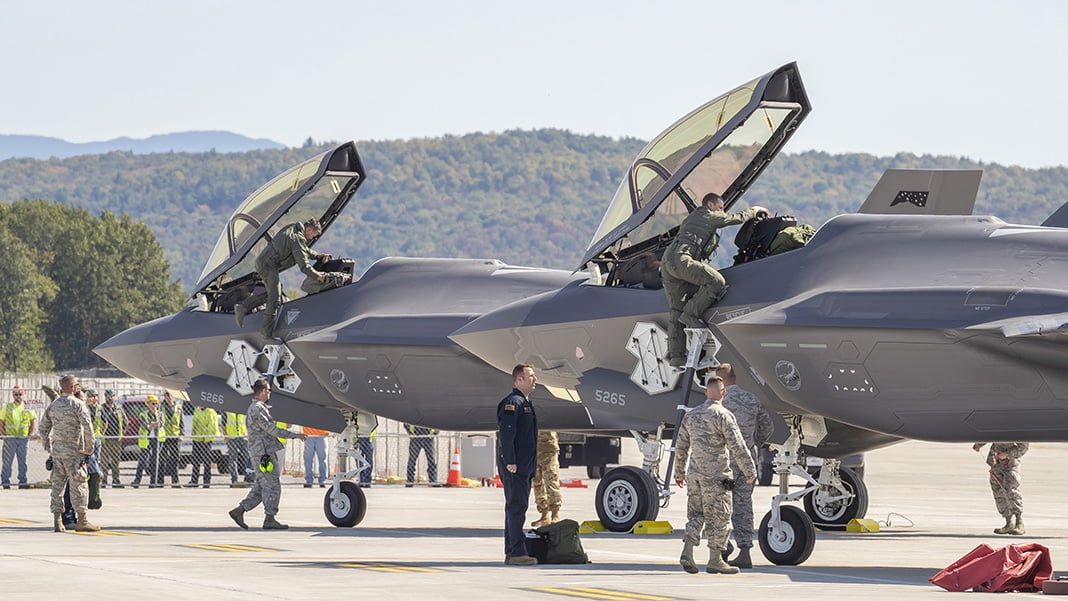
In an ambitious stride towards revolutionizing military defense, the Indian Navy has begun developing a cutting-edge “invisibility cloak” designed to make grounded aircraft virtually undetectable by enemy radar. This innovative project is being driven under the iDEX DISC (Defence India Startup Challenge) 13 initiative, marking a critical leap in the nation’s defense capabilities and underscoring the importance of protecting air assets in a fast-evolving threat landscape.
The essence of this development lies in the idea of creating a "Radar Obscurant Cloak"—a sophisticated shield that uses advanced technology to conceal aircraft parked at airbases from enemy radar detection. In today’s age of high-tech warfare, airbases and the grounded aircraft stationed there have become lucrative targets for adversaries, especially during the initial stages of a conflict. This makes them vulnerable to preemptive strikes designed to debilitate a nation’s air power even before takeoff. The Radar Obscurant Cloak addresses this vulnerability by drastically reducing the radar signature of aircraft, making them nearly impossible for enemy systems to detect.
What makes this technology even more remarkable is its versatility and ease of use. The cloak is envisioned as a roll-on, roll-off system, which can be swiftly deployed or removed as needed. This feature ensures that operational activities are not disrupted, and aircraft remain mission-ready at all times. Unlike traditional camouflage or shelter structures that may be cumbersome and take considerable time to set up, this radar-defying cloak is engineered for flexibility and rapid deployment.
The Indian Navy has laid out specific technical requirements for this next-generation cloak. For starters, it needs to be lightweight yet robust, ensuring that it can endure harsh conditions without compromising its effectiveness. The initial phase of the project is focusing on developing cloaks for small to medium-sized aircraft, with plans to eventually scale up to cover larger airframes. The cloak will likely use a combination of advanced materials and engineered support structures capable of dispersing or absorbing radar waves. This absorption and dispersion mechanism creates an "invisible" effect to radar systems, shrouding the aircraft in a protective shield of electronic silence.
The benefits of this obscurant technology are manifold. Firstly, it dramatically reduces the vulnerability of aircraft on the ground, thereby enhancing their survivability and extending their operational readiness. The cloak also provides a strategic advantage: by masking the exact number and types of aircraft at a base, it introduces an element of uncertainty for adversaries. This uncertainty can complicate an enemy’s strategic planning and serve as a form of psychological deterrence.
Additionally, the technology enables more dynamic and flexible base operations. Aircraft can be stationed closer to potential conflict zones without exposing them to an immediate threat, thereby improving the tactical options available to military commanders. This is especially relevant in the context of the Indian Navy’s evolving role in safeguarding the country's vast maritime interests, which require a responsive and resilient air defense strategy.
The Indian Navy's investment in this “invisibility cloak” technology comes at a time when threats to air assets are becoming increasingly sophisticated, driven by advancements in enemy radar and surveillance capabilities. By prioritizing this project, the Navy is not only enhancing the defense of its aircraft but also signaling a broader commitment to embracing innovative solutions for national security. This effort ties into India's larger strategy of leveraging indigenous innovation through initiatives like iDEX, which seeks to harness the talent and creativity of domestic startups to solve critical defense challenges.
In essence, the Radar Obscurant Cloak represents a forward-thinking approach to military protection. It highlights a blend of ingenuity, strategic foresight, and technological prowess, paving the way for a more secure and operationally agile Indian Navy in the years to come. As this technology moves closer to reality, it stands as a testament to the transformative potential of homegrown defense innovations and their role in shaping a more secure future for the nation.
——— End of Article ———