World
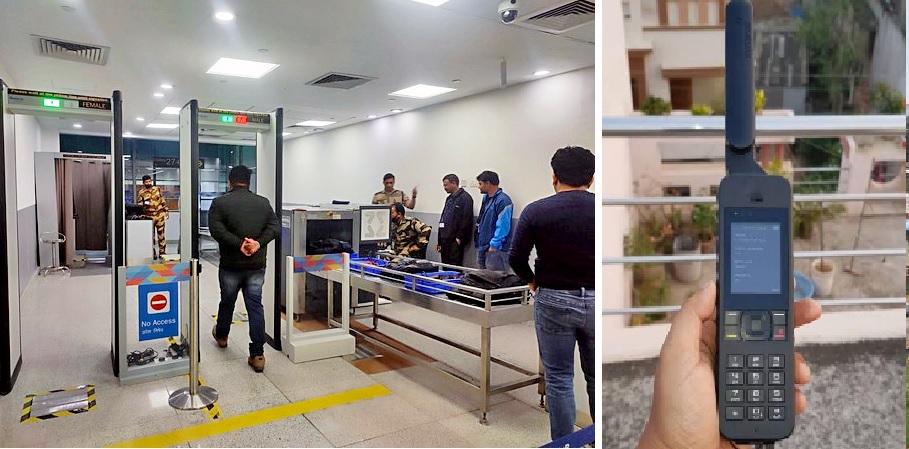
An American citizen was detained at Jolly Grant Airport in Dehradun for possession of a banned satellite phone, a device strictly regulated in India due to national security concerns. The arrest occurred during routine security checks conducted by the Central Industrial Security Force (CISF) as the individual was preparing to board a flight to Delhi. This incident underscores the critical vigilance exercised by Indian authorities in regulating sensitive communication technologies. The Arrest and Legal Implications The American, who had entered India on an e-tourist visa and was staying with a friend in Rishikesh, was stopped when the prohibited device was detected during the security screening process. Pramod Kumar, SP City Dehradun, confirmed that a case has been registered, and the individual was presented in court after being questioned by police and other investigative agencies. The possession and use of satellite phones in India without proper authorization are a direct violation of the Indian Telegraph Act. Such devices require explicit approval from the Department of Telecommunications (DoT). Unauthorized use is treated as a serious offense, with penalties ranging from confiscation of the device to legal prosecution. Why Are Satellite Phones Restricted in India? India enforces stringent restrictions on satellite phones, citing their potential misuse for secure, encrypted, and untraceable communication. These capabilities make them attractive tools for activities ranging from espionage to terrorism, posing significant risks to national security. Following incidents like the 2008 Mumbai attacks, during which satellite phones were used for coordinated communication by the attackers, authorities tightened regulations around their use. Exceptions exist, such as for government agencies, defense forces, and authorized humanitarian organizations. Even travelers and foreign nationals carrying satellite phones must secure prior approval, failing which the devices are subject to confiscation, and the users may face legal action. Broader Investigative Angle The arrested American citizen is currently being interrogated to determine their awareness of India's restrictions on satellite phones. Authorities are also probing any potential connections to unlawful activities. While preliminary findings suggest the individual may have been unaware of the regulations, investigators remain vigilant about ruling out malicious intent. Given the device's ability to operate in remote areas where conventional communication networks are unavailable, satellite phones are commonly used by adventurers, researchers, and aid workers. However, their misuse by anti-national elements highlights the need for strict monitoring. Security and Public Awareness This incident underscores the importance of educating foreign visitors about India's laws governing communication devices. Many tourists traveling to remote regions like Uttarakhand, where cellular connectivity can be spotty, might carry satellite phones for safety, inadvertently violating the law. To prevent such situations, travel advisories and consular guidance should emphasize these restrictions. For travelers, it’s crucial to familiarize themselves with local regulations to avoid legal complications. Conclusion While the American citizen’s arrest highlights a potential lapse in understanding local laws, it also serves as a reminder of the delicate balance between maintaining security and facilitating technological use. The investigation remains ongoing, with authorities keen to ensure that the incident is resolved in a manner that upholds national security without unnecessary prejudice.
Read More → Posted on 2024-12-10 16:27:50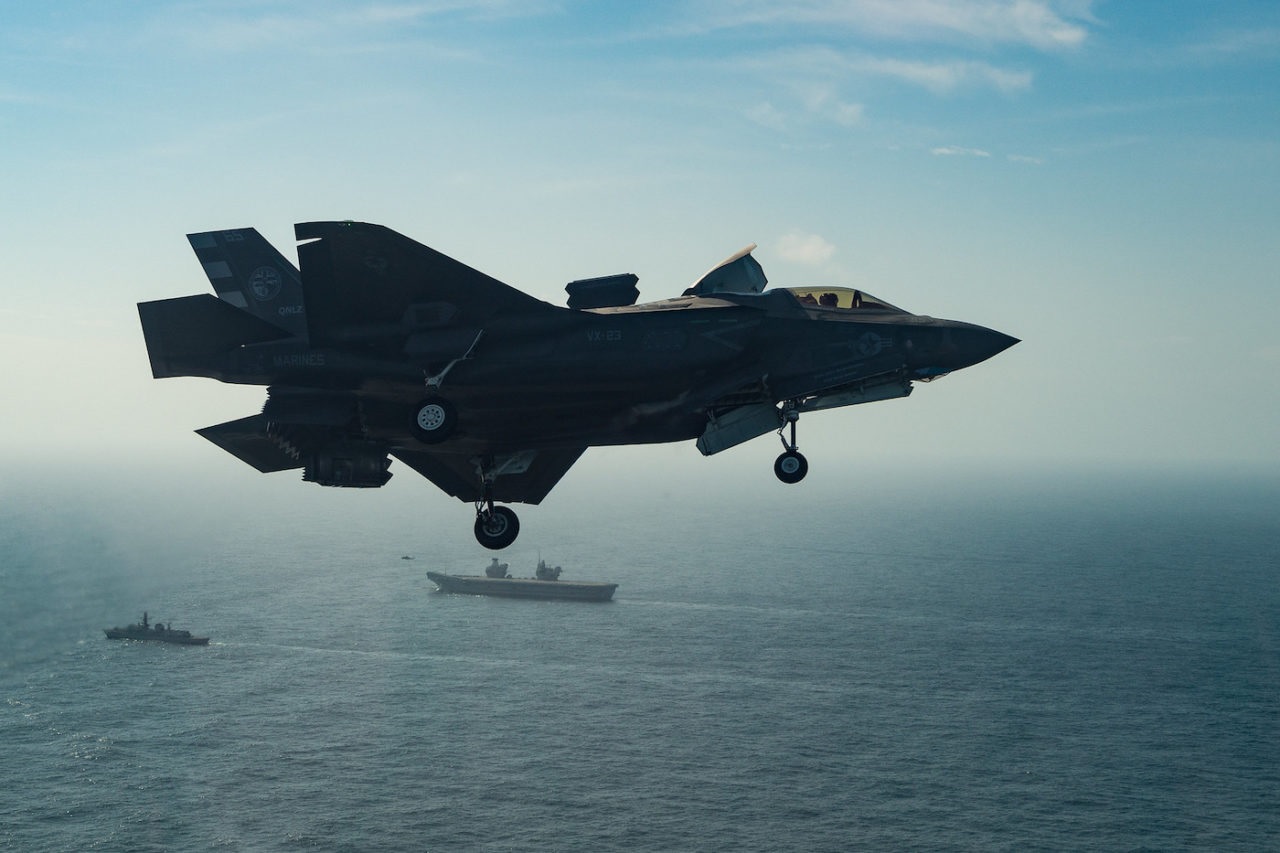
World
In a groundbreaking advancement in military aviation and data-sharing technology, an F-35 fighter jet has successfully demonstrated the ability to share classified data with a non-US Command and Control (C2) system. This historic milestone, achieved through a collaboration between Lockheed Martin Skunk Works and the UK’s Royal Air Force (RAF) Rapid Capabilities Office (RCO), marks a pivotal step toward an integrated, multinational battlespace. The Demonstration This first-ever live demonstration took place with the F-35 operating from Lockheed Martin’s facility in Fort Worth, Texas. The aircraft transmitted classified data to the UK’s Nexus combat cloud located in Farnborough. This secure data exchange was facilitated by Skunk Works’ Open Systems Gateway, leveraging commercial satellite communications technology to bridge the geographic and system-based divides. The initiative, codenamed Project DEIMOS, showcased the potential of cross-border collaboration in enhancing military operational capabilities. Air Commodore Chris Melville of the RAF praised the demonstration, stating, “This represents a key step forward towards both a future integrated battlespace and Air Command and Control environment.” Technological Marvel: The Open Systems Gateway The Skunk Works Open Systems Gateway lies at the heart of this success. Acting as a versatile interface, the gateway facilitates seamless communication between otherwise incompatible systems, a challenge often faced in multinational military operations. This technology transforms the F-35 into a hub of interoperability, enabling the real-time exchange of critical intelligence across domains and borders. Additionally, the system's reliance on commercial satellite communications reduces dependency on proprietary, military-only channels, allowing for quicker deployment and scalability. This approach also highlights the potential for using emerging commercial technologies in cutting-edge defense applications. Specifications of the F-35 in the Demonstration The F-35 Lightning II, renowned for its stealth capabilities and advanced avionics, played a central role in this experiment. Its unique features include: Sensor Fusion: Integrates data from multiple onboard sensors, providing pilots with a comprehensive view of the battlespace. Distributed Aperture System (DAS): A 360-degree situational awareness system that feeds real-time imagery to the pilot's helmet. Advanced Data Links: Including the Multifunction Advanced Data Link (MADL), enabling secure, high-speed communication among allied aircraft. Combat Range and Speed: Capable of achieving a maximum speed of Mach 1.6 and an operational range of over 1,200 nautical miles with internal fuel. In the context of the demonstration, these specifications allowed the aircraft to act as a data powerhouse, collecting and transmitting classified information with unparalleled precision. Strategic Implications The success of Project DEIMOS signifies a monumental leap in multinational defense cooperation. By enabling the seamless transmission of classified data, allied forces can achieve unprecedented levels of operational agility. In practical terms, this could mean faster decision-making during joint missions, enhanced situational awareness, and improved responsiveness to emerging threats. John Clark, Vice President and General Manager of Lockheed Martin Skunk Works, highlighted the broader implications, stating, “This exercise marks a breakthrough in multi-domain operations, demonstrating the F-35’s ability to share classified data via an open systems gateway with our international partners.” Future Prospects The demonstration underscores the growing emphasis on creating an integrated, multinational defense ecosystem. As global threats evolve, collaborative efforts like these become indispensable. Future iterations of such technologies could see integration across additional allied nations, further enhancing the interoperability of next-generation platforms like the F-35. Moreover, initiatives like Project DEIMOS pave the way for a unified Air Command and Control environment, where assets from different countries can operate as a cohesive force. With the F-35 already serving as the backbone of air forces across multiple allied nations, this capability will further cement its role as a cornerstone of global defense strategies. Conclusion The successful data-sharing demonstration between the F-35 and the UK’s Nexus combat cloud not only showcases technological ingenuity but also strengthens international defense partnerships. As militaries around the world look to adapt to increasingly complex threats, innovations like this will play a critical role in ensuring global security. This accomplishment is more than a technical feat; it’s a testament to the power of collaboration in advancing modern warfare. With the F-35 at the forefront, the future of integrated combat operations looks more connected—and secure—than ever before.
Read More → Posted on 2024-12-10 16:22:13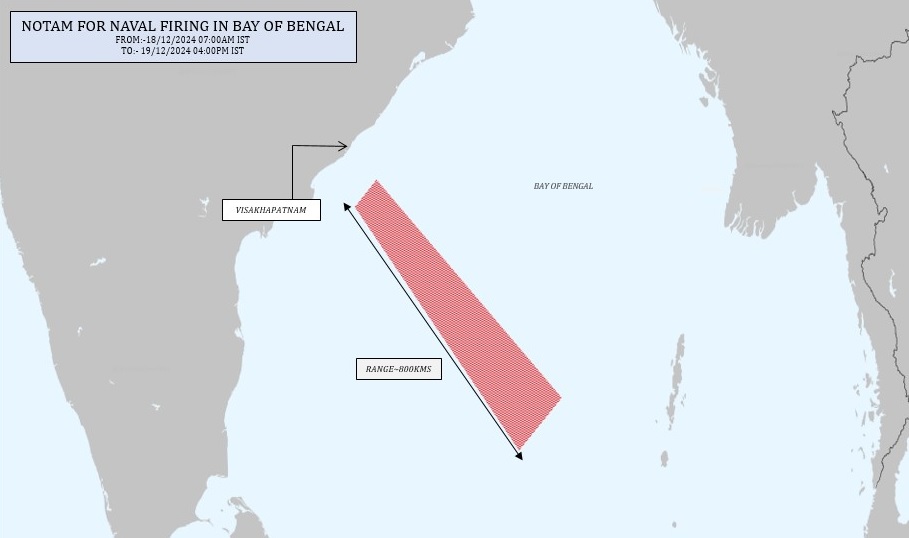
India
The Indian Navy has issued a Notice to Airmen (NOTAM) for December 18 and 19, 2024, signaling preparations for a potential missile test in the Bay of Bengal. This notification designates an area with a range of up to 800 km, sparking widespread speculation about which advanced missile system might be under trial. Two key contenders dominate discussions: the BrahMos Extended Range (ER) supersonic cruise missile and the Indigenous Technology Cruise Missile (ITCM). BrahMos-ER: A Leap in Supersonic Capability The BrahMos-ER represents a significant evolution of the Indo-Russian BrahMos cruise missile. While the original variant had a range of 290 km, the ER version extends this to over 800 km, thanks to advancements in propulsion and design. Its supersonic speed, exceeding Mach 3, ensures rapid delivery of precision strikes, making it a formidable weapon for naval and coastal defense. A successful test of the BrahMos-ER from a naval platform would mark a milestone in the Navy's ability to project power across vast maritime distances. This capability is particularly vital in the Indian Ocean Region (IOR), where control of sea lanes is essential for both security and economic stability. ITCM: A Boost for Indigenous Technology The ITCM is a subsonic cruise missile powered by the domestically developed Manik turbofan engine. Designed to replace foreign engines in India's missile arsenal, the ITCM represents a critical step toward self-reliance in defense technology. While primarily envisioned for land-based platforms, launching the ITCM from a naval warship would showcase its versatility. Its estimated range—likely comparable to the BrahMos-ER—combined with its precision navigation system, could provide the Navy with an economical yet effective tool for long-range maritime strike operations. Strategic Implications Testing either of these missiles would underscore India's commitment to enhancing its indigenous defense capabilities. The BrahMos-ER, with its unmatched speed and range, offers the Navy a cutting-edge tool for rapid response and deep-strike missions. Meanwhile, the ITCM signals India's ability to innovate in-house, reducing dependence on foreign suppliers and potentially lowering costs. In a broader context, these advancements play into India's strategic posture in the IOR. With increasing activity from rival powers, the Indian Navy’s focus on long-range precision strike capabilities bolsters its ability to deter threats and maintain dominance in this geopolitically critical region. Context and Future Outlook The NOTAM hints at a rigorous operational trial, likely simulating real-world conditions to validate the selected missile's performance. This kind of testing ensures reliability, accuracy, and integration with naval systems—crucial factors for deployment readiness. If successful, the missile test would mark a pivotal moment in India’s maritime modernization drive. The inclusion of systems like the BrahMos-ER and ITCM aligns with India's broader vision of developing a robust, indigenous defense ecosystem while preparing its armed forces for the challenges of modern warfare. Title for Search Engine Indexing "Indian Navy's Missile Test in Bay of Bengal: BrahMos-ER or ITCM to Redefine Maritime Strike"
Read More → Posted on 2024-12-10 16:18:20
Space & Technology
The sun sent a stunning wake-up call on December 8, 2024, with an impulsive X-class solar flare erupting from sunspot region 3912. The flare, classified as the most powerful type of solar eruption, peaked at 4:06 a.m. EST (0906 GMT) and was accompanied by a coronal mass ejection (CME). This dramatic celestial event disrupted radio communications across southern Africa while sparking discussions about its potential geomagnetic impacts on Earth. The X-Class Flare and Its Effects X-class solar flares, the strongest category of solar eruptions, release immense energy in the form of electromagnetic radiation. This particular event unleashed an intense burst of X-rays and ultraviolet radiation, causing ionization in Earth’s upper atmosphere. As a result, shortwave radio blackouts were reported in southern Africa, the region under direct sunlight during the flare. These blackouts highlight the vulnerability of communication systems to space weather events. When solar radiation reaches Earth, it ionizes the ionosphere, a key atmospheric layer that reflects radio waves. This ionization increases atmospheric density, which in turn disrupts the propagation of high-frequency radio signals. The charged particles in the ionosphere absorb energy from the radio waves, causing signal weakening or outright loss. For aviation, maritime communication, and amateur radio operators, these disruptions can pose serious challenges. The Role of Sunspot Region 3912 The flare originated from an active sunspot cluster known as region 3912. Sunspots are dark, cooler regions on the sun’s surface where magnetic fields are exceptionally strong. These tangled magnetic fields can become unstable, triggering solar flares and CMEs. Sunspot region 3912’s activity demonstrates how these regions are key drivers of the sun’s explosive behavior. A Coronal Mass Ejection in Tow Accompanying the solar flare was a CME, a massive plume of charged particles and magnetic fields ejected into space. CMEs are known for their ability to trigger geomagnetic storms when they collide with Earth’s magnetosphere. Space Weather Physicist Dr. Tamitha Skov explained that this CME is expected to graze Earth’s magnetic field on December 11, 2024. However, its impacts are predicted to be mild due to the trajectory and potential deflection by high-speed solar wind streams. Geomagnetic storms caused by CMEs can lead to dazzling auroras near the poles, as charged particles interact with Earth’s magnetic field. However, stronger storms can disrupt power grids, GPS systems, and satellite operations. Fortunately, the glancing blow from this CME is unlikely to cause such severe effects. Solar Flares: Nature’s Energy Bursts Solar flares like this one are categorized into five classes—A, B, C, M, and X—based on their intensity, with X-class flares being the most potent. Within each class, a numerical scale provides finer detail. For example, an X1 flare is ten times less energetic than an X10 flare. This classification helps scientists gauge the potential impacts of a flare on Earth and its technology-dependent systems. These flares occur as magnetic energy built up in the sun’s atmosphere is suddenly released. This energy manifests as light, heat, and charged particles, traveling to Earth at the speed of light. In the case of an X-class flare, the effects are almost immediate, highlighting the need for continuous monitoring of space weather. Preparing for Solar Activity As the sun approaches the peak of its 11-year solar cycle in 2025, events like this X-class flare are expected to become more frequent. Solar cycles, marked by fluctuations in sunspot activity, influence the frequency and intensity of solar storms. Scientists and agencies like NASA and NOAA’s Space Weather Prediction Center are closely monitoring solar activity to forecast potential impacts. While the December 8 flare caused temporary disruptions, it serves as a reminder of the sun’s dynamic and sometimes disruptive nature. With advancements in space weather forecasting, humanity is better equipped than ever to mitigate the risks posed by these awe-inspiring cosmic events. This X-class flare has not only demonstrated the immense power of our star but has also underscored the interconnectedness of space and Earth, where a burst of energy from 93 million miles away can momentarily silence the hum of human communication.
Read More → Posted on 2024-12-09 16:42:59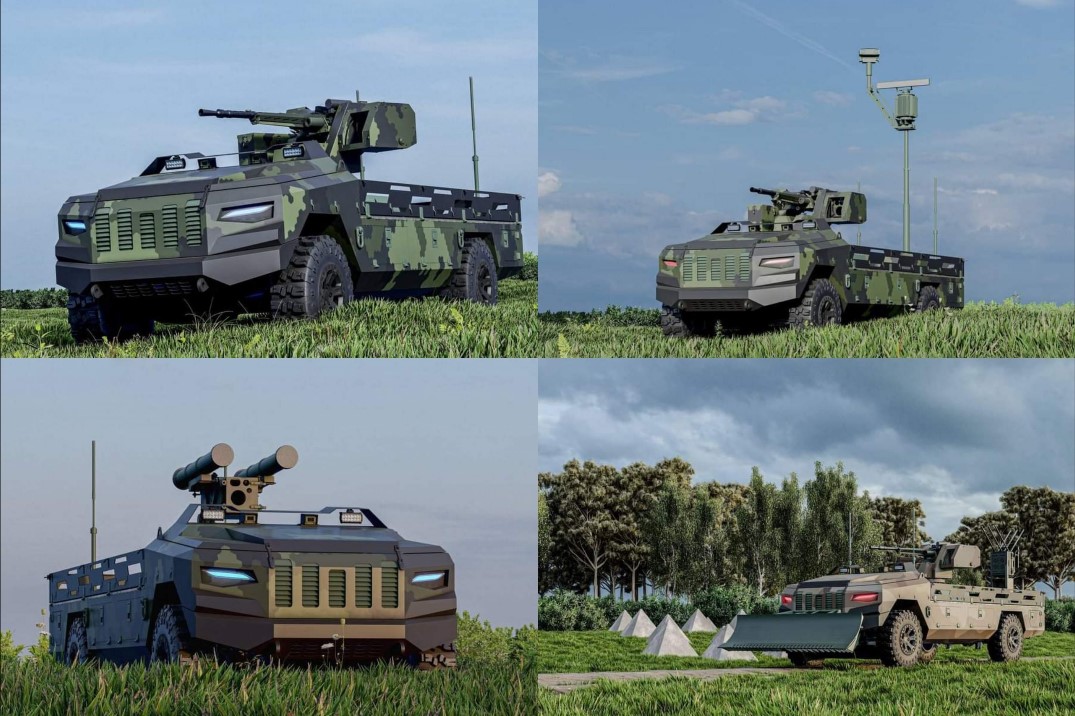
World
In the midst of its ongoing war, Ukraine continues to showcase its technological resilience, with its latest innovation taking center stage: the Protector unmanned ground vehicle (UGV). Developed by Ukrainian Armor, this cutting-edge machine promises to redefine frontline logistics while minimizing risks to personnel. The Protector was recently unveiled during field tests, where its performance under simulated battlefield conditions garnered significant attention. Designed as a logistical powerhouse, this versatile UGV is built to address the growing challenges of modern warfare. Its core mission is simple yet critical—transport vital supplies, including ammunition, construction materials, and mortar systems, to forward positions under fire or across treacherous terrain. Built for Tough Terrains and Heavy Loads The Protector is a robust vehicle, capable of carrying a payload of up to 1,200 kilograms in a single trip. Built on a 4×4 off-road chassis, it can traverse rugged landscapes and ford water bodies up to one meter deep, ensuring that it remains operational in the harshest conditions. Powered by a 190-horsepower diesel engine, the vehicle can achieve speeds of up to 65 km/h, enabling rapid resupply missions in contested areas. Its mobility is a standout feature, allowing it to navigate complex battlefields with ease, enhancing both speed and efficiency. Remote Operation for Maximum Safety One of the Protector's most remarkable features is its remote operation capability. Using a control system with a range of 10-12 kilometers, an operator positioned far from the danger zone can guide the vehicle through its mission. This remote control functionality not only reduces the risk to human life but also ensures that resupply missions can be conducted in high-risk zones without hesitation. Cost-Effective Innovation Ukrainian Armor emphasized the Protector's affordability and quick production timeline, making it a practical solution for rapid deployment. This combination of efficiency and cost-effectiveness positions the UGV as an invaluable asset in Ukraine's defense strategy, particularly in the context of the ongoing conflict where adaptability and resourcefulness are paramount. Addressing Modern Combat Challenges The Protector is a testament to Ukraine's commitment to innovation under duress. It reflects the nation's ability to develop pragmatic solutions that respond to the dynamic challenges of modern warfare. Beyond reducing human risk, the UGV enhances logistical reach and operational flexibility, offering significant advantages on the battlefield. As the war in Ukraine continues to evolve, the need for unmanned systems like the Protector becomes increasingly evident. Whether delivering critical supplies to forward positions or navigating treacherous terrain, the Protector symbolizes a shift towards smarter, safer, and more efficient methods of warfare. With its impressive specifications and groundbreaking design, the Protector is more than just a machine—it's a vital component of Ukraine's fight for survival, resilience, and independence.
Read More → Posted on 2024-12-09 16:38:31
World
The Italian Navy has officially taken delivery of the ITS Trieste (LHD), a monumental achievement for Italy’s naval and defense sectors. Built by Fincantieri, with Leonardo as the combat systems integrator, the Trieste represents the largest military vessel constructed in Italy since World War II. This €1.1 billion project, initiated 14 years ago under Italy’s Naval Law program, not only underscores Italy's advanced technological capabilities but also marks a pivotal enhancement in the nation’s power projection and humanitarian support infrastructure. A Technological Marvel The Trieste is designed under the dual-use and "one-fits-all" concepts, making it versatile for both military operations and civilian support roles. From amphibious assaults and disaster relief to serving as an alternate aircraft carrier, this ship embodies adaptability. Equipped to operate F-35B STOVL jets, it provides critical backup capabilities when Italy's Cavour aircraft carrier is unavailable. Measuring 245 meters in length and 36 meters wide at the flight deck, the ship boasts a displacement of 36,770 tonnes. Its flight deck features a 12° ski-jump and nine helicopter spots, capable of accommodating both rotary and fixed-wing aircraft, including F-35Bs, CH-47 Chinooks, and NH-90 helicopters. The Trieste can house up to 20 F-35Bs alongside additional air assets in its carrier configuration. Advanced Propulsion and Logistics The Trieste employs a CODOGOL propulsion system, featuring two Rolls-Royce MT30 gas turbines, two MAN 20V32/44CR diesel engines, and two General Electric electric motors. This configuration allows a maximum speed of 25 knots on gas turbines, 18 knots on diesel engines, and 10 knots on electric power. The vessel's logistical prowess includes a well deck capable of hosting four LC-23 landing craft or a single LCAC, along with storage space for military vehicles, including 60-tonne main battle tanks. With accommodations for over 1,000 personnel—including a 360-member crew, aviation teams, and amphibious forces—the ship can deploy a 600-person battalion. Additionally, its onboard NATO Role 2E hospital is equipped for comprehensive medical support during military and humanitarian missions. Cutting-Edge Sensors and Defense Systems The Trieste is equipped with state-of-the-art electronics, including: Radar Systems: Leonardo’s StarFire AESA radar and Kronos Power Shield L-band radar for air and ballistic missile detection. EW Suite: An advanced electronic warfare suite from ELT Group, featuring radar and communication electronic support measures. Weapons: Three 76/62 mm Super Rapido guns with DART guided munitions, three KBA 25/80 mm remotely operated guns, and provisions for the Aster 15/30 air-defense system. Sonar: Leonardo's Black Snake torpedo detection system and an obstacle avoidance sonar enhance its underwater defense capabilities. The ship's air traffic control systems include precision approach radars and visual aids designed for F-35B operations, ensuring safe and efficient flight operations in carrier mode. Strategic and Humanitarian Impact Assigned to the 3rd Naval Division, the Trieste will be homeported in Taranto. It serves as the flagship of the Italian Navy's Amphibious Task Group, complementing the Carrier Strike Group led by the Cavour. Beyond its military role, the Trieste is a vital asset for humanitarian missions, capable of supplying potable water and electricity to disaster-stricken areas. During its delivery ceremony, Minister of Defense Guido Crosetto highlighted the collective effort behind this vessel, calling it a symbol of Italian ingenuity and technological excellence. With its cutting-edge capabilities, the Trieste not only bolsters Italy’s defense posture but also underscores its commitment to global humanitarian and disaster relief efforts. As Italy continues to modernize its naval fleet, the Trieste stands as a testament to the nation’s engineering prowess and its strategic vision for the future.
Read More → Posted on 2024-12-09 16:33:37
Proba-3 Mission: ISRO and ESA Unlock Secrets of the Sun’s Corona with Precision Satellite Technology
Space & Technology
The successful launch of the European Space Agency’s (ESA) Proba-3 mission by the Indian Space Research Organisation (ISRO) marks a groundbreaking achievement in space exploration. Onboard the PSLV-C59 rocket, the Proba-3 satellites embarked on a mission to delve into the mysteries of the Sun’s corona, the Sun’s outermost and extraordinarily hot layer. This international collaboration underscores the power of partnerships in pushing the boundaries of solar physics and space weather research. A Revolutionary Design for Solar Observations Proba-3 comprises two highly specialized satellites—Coronagraph and Occulter—that will execute a precision formation flight, maintaining a separation of 150 meters. This arrangement effectively mimics a total solar eclipse, enabling continuous observation of the corona for up to six hours during each orbit. This capability far surpasses the fleeting minutes of natural eclipses, offering the scientific community an unprecedented window into solar phenomena. Equipped with a state-of-the-art coronagraph, the mission’s primary goal is to capture high-resolution images of the Sun’s corona. These observations will provide insights into the mechanisms driving the corona’s extreme heat, which exceeds the Sun’s surface temperature, and the solar wind—a stream of charged particles that influences space weather. Unveiling Space Weather Impacts Former ISRO scientist P.V. Venkitakrishnan highlighted that data from Proba-3 would be instrumental in improving space weather prediction models. Space weather events, such as solar flares and coronal mass ejections, can disrupt Earth’s magnetic field, satellite operations, and communication systems. By studying the corona and solar wind in detail, Proba-3 could pave the way for advancements in mitigating these impacts. Advanced Technology and Precision Engineering The mission employs cutting-edge technology, including an advanced propulsion system for precise orbital maneuvers. The Occulter satellite will block the Sun's bright disk, allowing the Coronagraph satellite to focus on the faint corona. This innovative setup required meticulous engineering to maintain the exact alignment necessary for uninterrupted observations. Proba-3 will deliver approximately 50 eclipse-equivalent observations annually, providing researchers with a treasure trove of data to unravel long-standing solar mysteries. ISRO’s Role and Global Space Diplomacy ISRO’s role in launching the Proba-3 mission underscores India’s growing prominence in the global space community. ESA partnered with ISRO for this mission, leveraging the reliability and cost-effectiveness of the Polar Satellite Launch Vehicle (PSLV) at a time when ESA lacks an active launch vehicle. This collaboration reflects ISRO's capabilities as a trusted provider of commercial satellite launches and a key player in fostering international space diplomacy. Implications for Future Missions Proba-3 is not just a solar experiment; it sets the stage for more ambitious missions in solar physics and space weather forecasting. The success of this mission could inspire further collaborative projects between space agencies worldwide, advancing our understanding of the Sun and its influence on Earth’s environment. By enabling detailed observations of the corona and its dynamics, Proba-3 promises to contribute significantly to solar science, while also reinforcing ISRO’s reputation as a reliable and innovative spacefaring organization.
Read More → Posted on 2024-12-09 16:27:51
India
The Kharga Kamikaze drone marks a groundbreaking leap in India’s indigenous military technology, blending innovation, cost-effectiveness, and precision into a compact, high-speed package. This cutting-edge loitering munition, developed collaboratively by IIT Kanpur and the National Aerospace Laboratories (NAL), represents a step forward in modern warfare, where agility and accuracy define success. A Revolution in Drone Warfare Nicknamed "Kharga," this kamikaze drone is purpose-built for high-precision strikes, making it an invaluable asset in India's defense arsenal. Weighing less than a few kilograms and priced at an astonishingly low ₹30,000 per unit, Kharga is as affordable as it is effective. Capable of carrying up to 700 grams of explosives, it has a range of about 1.5 kilometers and can achieve a cruising speed of 40 meters per second, enabling rapid deployment in combat zones. Drawing inspiration from the widespread use of drones in conflicts like the Russia-Ukraine war, Kharga stands out as India’s own tactical response to modern military challenges. Its compact size and stealthy design make it a nightmare for enemy defenses, allowing for seamless infiltration and target elimination. Cutting-Edge Features and Capabilities The Kharga Kamikaze drone is not just another loitering munition; it embodies a combination of advanced technologies and operational ingenuity: Stealth and Survivability: Designed to evade radar systems, Kharga enhances its survivability in contested airspaces, making it highly effective against well-guarded targets. High-Definition Optics: Equipped with a high-definition camera, the drone ensures precise target identification and delivers real-time intelligence to its operators. Electronic Countermeasures: With counter-jamming capabilities, Kharga remains operational in hostile environments where electronic warfare measures could otherwise disrupt its mission. Navigation Excellence: Leveraging ISRO’s NaVIC system, Kharga can maintain accuracy even in GPS-denied scenarios, ensuring consistent performance in challenging conditions. Tactical Edge on the Battlefield Kharga is a versatile solution for various military applications: Precision Strikes: Its ability to autonomously identify and eliminate enemy assets such as tanks, artillery, and personnel makes it indispensable in high-stakes missions. Swarm Potential: Future iterations may include swarm technology, enabling coordinated attacks with multiple drones for overwhelming tactical advantages. Platform Integration: Kharga’s modular design allows for seamless integration with existing military platforms, enhancing its utility across a wide range of operations. Innovation Spotlight: Inno-Yoddha 2024-25 Kharga’s unveiling at the Inno-Yoddha 2024-25 exhibition showcased India’s determination to develop cutting-edge indigenous technologies. The drone’s affordability, coupled with its advanced capabilities, demonstrates a commitment to the Atmanirbhar Bharat initiative, which prioritizes self-reliance in defense production. Towards a New Era in Indian Defense The Kharga Kamikaze drone signifies more than just a technological achievement; it represents a strategic pivot in India’s approach to modern warfare. Full-scale trials, slated to commence within six to eight months, will validate its operational readiness and pave the way for mass production. With the Kharga, India is poised to redefine its tactical engagements, ensuring the safety of its soldiers while enhancing its battlefield dominance. Why It Matters In an era where precision, speed, and cost-effectiveness are paramount, the Kharga Kamikaze drone stands out as a beacon of innovation. Its potential to act as a force multiplier in combat scenarios cements its role as a cornerstone of India’s future military strategy, ensuring that the nation remains at the forefront of defense technology development.
Read More → Posted on 2024-12-09 16:25:05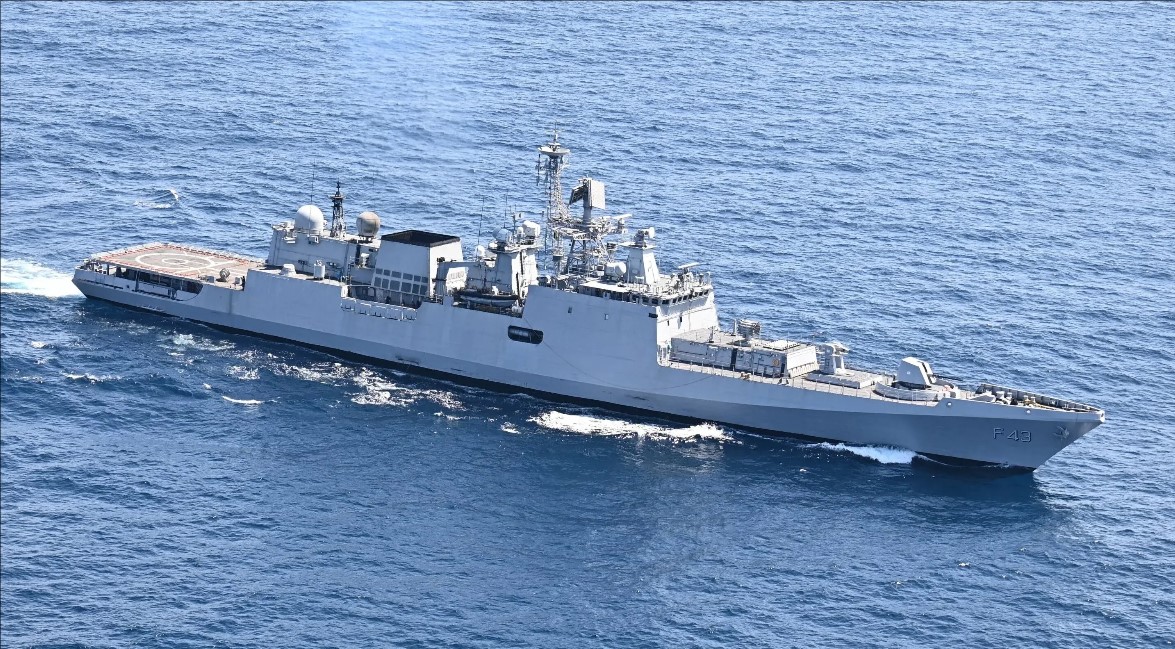
India
In a ceremony steeped in maritime tradition and diplomatic camaraderie, the Indian Navy commissioned the guided missile frigate INS Tushil at Kaliningrad, Russia. The event, graced by Defence Minister Rajnath Singh and Chief of Naval Staff Admiral Dinesh K Tripathi, marked not only the induction of a formidable warship but also a testament to the enduring strategic partnership between India and Russia. INS Tushil is part of the Indian Navy's long-term strategy to modernize its fleet amidst growing geopolitical tensions and increasing maritime activities in the Indian Ocean Region. Built under the Project 1135.6 (Talwar-class) initiative, the frigate represents an advanced iteration of the Krivak III-class design, blending Russian engineering prowess with significant Indian contributions. Origins of the Deal: A Discounted Win for India The origin of INS Tushil lies in a $2.5 billion deal inked in 2016 between New Delhi and Moscow. The agreement covered the construction of four stealth frigates—two to be built at the Yantar Shipyard in Russia and two in India at Goa Shipyard Limited (GSL). Negotiations, which initially hovered at higher costs, resulted in significant discounts due to India's long-standing defense relationship with Russia. Moreover, India's commitment to sourcing advanced weaponry and technology from Russia facilitated favorable terms. The collaboration also emphasized technology transfer and indigenous involvement. While the ships built in Russia showcased rapid delivery timelines, the Indian-built frigates are poised to incorporate even higher levels of local content, further bolstering India's "Aatmanirbhar Bharat" (self-reliant India) initiative. Technical Marvel: Specifications of INS Tushil The INS Tushil is a 3,900-tonne guided missile frigate stretching 125 meters in length and capable of reaching speeds over 30 knots. Its design reflects a leap in stealth technology, featuring reduced radar cross-section and enhanced stability. The frigate's composite superstructure and noise-dampening features are tailored to counter modern detection and surveillance technologies. Key Features: Armament: The frigate is equipped with advanced BrahMos supersonic cruise missiles, providing it with unparalleled strike capabilities. It also carries Shtil-1 surface-to-air missiles for robust aerial defense. Combat Systems: Incorporates a state-of-the-art combat management system, integrating sensors and weaponry for real-time decision-making in high-stress combat scenarios. Radar Suite: Advanced radar systems ensure comprehensive tracking of aerial and surface threats. Propulsion: Twin gas turbine engines deliver impressive maneuverability and speed, crucial for multi-theater operations. Additionally, the ship features extensive automation, reducing crew fatigue during long deployments and enhancing operational efficiency. Collaborative Craftsmanship The construction of INS Tushil involved close cooperation between Russian shipbuilders and an Indian oversight team stationed in Kaliningrad. With 26% indigenous content, key Indian defense firms like Bharat Electronics Limited (BEL) and BrahMos Aerospace contributed cutting-edge systems. Collaborations with Tata Nova Integrated Systems, Keltron, and Elcome Marine ensured that Indian expertise resonated throughout the project. This blend of Indian and Russian technologies underscores the growing sophistication of India's defense manufacturing ecosystem. The frigate's enhanced local content also reflects India's ambition to emerge as a global hub for advanced defense technology. Geopolitical Significance INS Tushil's commissioning occurs at a time when the Indian Ocean witnesses increased activity by global naval powers, particularly China’s PLA Navy. With its formidable capabilities, the frigate strengthens India's maritime posture, ensuring the security of crucial sea lanes and bolstering regional stability. The Road Ahead As India and Russia deepen their defense cooperation, INS Tushil exemplifies what can be achieved through sustained collaboration. The frigate’s induction is not just a testament to technological excellence but also a harbinger of the future of India’s naval fleet—modern, resilient, and capable of meeting emerging challenges. INS Tushil’s journey, from negotiation tables to Indian waters, is a powerful story of diplomacy, engineering brilliance, and shared vision. This warship is set to become a cornerstone of India's naval strategy, securing its maritime borders and asserting its role as a key player in global maritime affairs.
Read More → Posted on 2024-12-09 16:12:57
World
Leading Swedish defense firm Saab has secured a $48 million (525 million SEK) contract to supply its advanced Giraffe 4A radar systems to the U.S. Air Forces in Europe. Awarded by BAE Systems, the deal signifies a major step in enhancing air defense capabilities for American forces stationed abroad. Deliveries are expected to commence in 2027, with production split between Saab's facilities in Sweden and the U.S., highlighting the company's dual-region manufacturing prowess. Elevating Air Base Defense with Giraffe 4A The Giraffe 4A is no ordinary radar. Its design incorporates Active Electronically Scanned Array (AESA) technology on a digital multi-channel platform, making it one of the most versatile and powerful systems in its class. AESA technology allows the radar to deliver superior detection accuracy, rapid target tracking, and enhanced resilience against electronic countermeasures. The system is built with mobility and adaptability in mind, enabling rapid deployment in diverse operational environments. From long-range surveillance to precise airspace monitoring, the Giraffe 4A is engineered to deliver unmatched situational awareness. Its modular design allows it to integrate seamlessly into larger air defense systems, offering both standalone operation and networked functionality. Key Specifications and Features Range: Capable of detecting targets up to 300 kilometers away, ensuring robust situational awareness. Simultaneous Functions: Supports air surveillance, ground-based air defense, and counter-rocket, artillery, and mortar (C-RAM) operations. Track Capacity: Tracks over 1,000 targets simultaneously, providing reliable coverage of complex airspaces. Operational Flexibility: Designed for easy transport and quick setup, ideal for expeditionary forces. Resilience: Advanced electronic counter-countermeasures (ECCM) ensure reliability in contested environments. Interoperability: Fully compatible with NATO air defense systems, facilitating joint operations. Addressing Critical Needs Overseas The deployment of the Giraffe 4A is expected to revolutionize how the U.S. Air Forces in Europe conduct airfield surveillance and air base defense. The system’s advanced sensing capabilities will address the growing need for modernized radar solutions, particularly in regions with dynamic and evolving threats. Erik Smith, President and CEO of Saab in the U.S., emphasized the significance of the contract: “This system will modernize the U.S. Air Force’s expeditionary combat airfield surveillance operations and strengthen sensing capabilities, addressing a critical need overseas.” Saab and BAE Systems Collaboration As the prime contractor, BAE Systems Technical Solutions & Services Inc. will oversee the project, leveraging Saab's expertise to ensure seamless integration and deployment. This collaboration underscores the growing partnership between U.S. and European defense industries, aligning technological advancements with operational requirements. Conclusion Saab's Giraffe 4A radar systems represent a leap forward in air defense technology. Their delivery will provide the U.S. Air Forces in Europe with an invaluable tool to counter evolving threats, enhance situational awareness, and ensure operational readiness. With its cutting-edge features and adaptable design, the Giraffe 4A stands as a testament to Saab’s commitment to innovation and global security.
Read More → Posted on 2024-12-09 16:07:51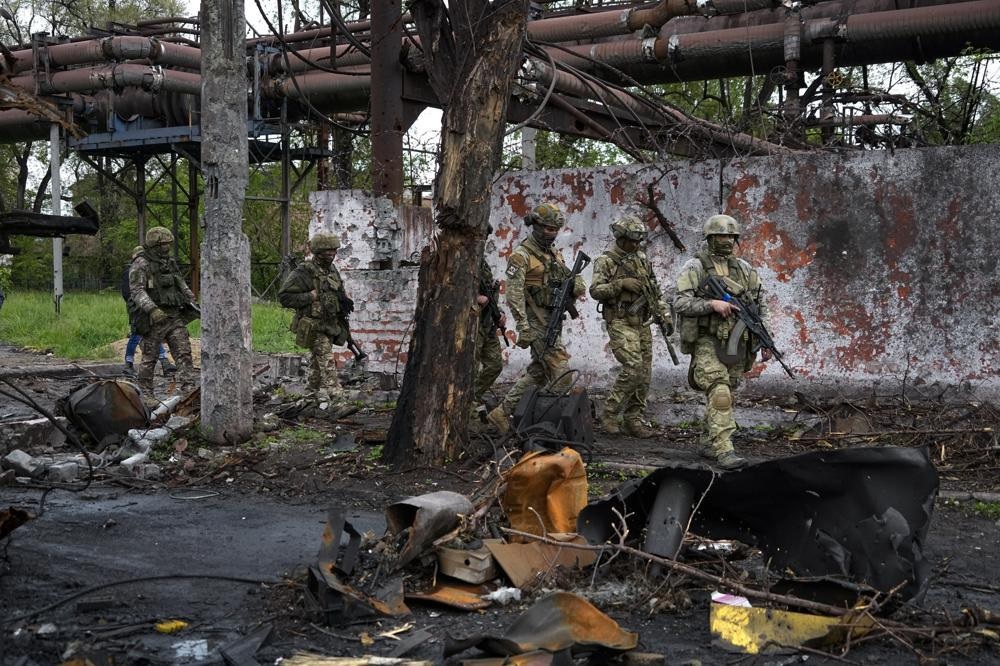
World
The ongoing conflict between Ukraine and Russia has reached a critical juncture, with Ukrainian forces facing the potential loss of five key cities in Donetsk Oblast. The cities of Chasiv Yar, Myrnohrad, Pokrovsk, Kurakhove, and Toretsk have become intense battlegrounds, according to Yehor Firsov, Chief Sergeant of the 109th Brigade’s UAV Strike Company. Speaking to Espreso TV, Firsov described the dire situation on the ground, emphasizing that both sides are struggling to sustain the grueling pace of battle. The Battle for Donetsk Oblast Russian forces have reportedly concentrated their efforts on these cities, abandoning a broader approach to focus on decisive gains. Firsov characterized this shift as a desperate "all-in" strategy, underscoring the critical stakes involved. The ferocity of the conflict has created severe shortages of weapons, ammunition, and drones on both sides. Firsov’s remarks come as Ukrainian defenders hold the line against relentless assaults, often under-equipped and facing well-coordinated Russian offensives. The potential fall of these cities would mark a significant setback for Ukraine, both strategically and psychologically. Despite substantial support from Western allies, logistical challenges persist, further complicating Ukraine's ability to maintain its defense. Casualty Figures and the Toll of War In a rare and sobering admission, Ukrainian President Volodymyr Zelensky disclosed that Kyiv’s casualties have exceeded 400,000. This includes approximately 43,000 soldiers killed and 370,000 wounded since the conflict escalated in February 2022. These numbers, which align with comments from former U.S. President Donald Trump, highlight the devastating human cost of the war. Trump, however, presented an even grimmer picture, claiming that nearly 600,000 Russian soldiers have been killed or injured over the course of the conflict. Zelensky offered differing statistics, asserting that Russia has suffered 198,000 deaths and over 550,000 injuries. These conflicting reports underscore the difficulty of obtaining reliable casualty data in an active warzone. The Larger Implications Losing control of these five cities could have cascading consequences for Ukraine's broader defense strategy. The psychological impact on Ukrainian troops, who have fought valiantly to hold these areas, could be significant. Furthermore, any major territorial losses could embolden Russian forces and undermine the international community's confidence in Kyiv's ability to resist. Firsov has called for heightened urgency from Ukraine’s Western allies, stressing that additional military aid and resources are crucial at this juncture. The current phase of the war demands not only sustained support but also a renewed focus on meeting Ukraine's immediate needs on the battlefield. Strategic and Human Dimensions Beyond the immediate combat zones, the conflict's toll on civilian populations remains profound. The contested cities are home to thousands of residents, many of whom face displacement, destruction of their homes, and lack of basic services due to the relentless fighting. Western nations continue to weigh their military and humanitarian support for Ukraine, balancing domestic priorities against the geopolitical importance of resisting Russian aggression. Meanwhile, Russia's concentrated offensives signal a determination to achieve tangible gains, even as its own casualties mount. A Pivotal Moment As the conflict enters this critical phase, the fate of the five cities in Donetsk Oblast hangs in the balance. The outcome will not only shape the course of the war but also influence the broader geopolitical dynamics of the region. For Ukraine, the battle is a testament to resilience under unimaginable strain. For the global community, it serves as a stark reminder of the human cost of prolonged conflict.
Read More → Posted on 2024-12-09 16:03:41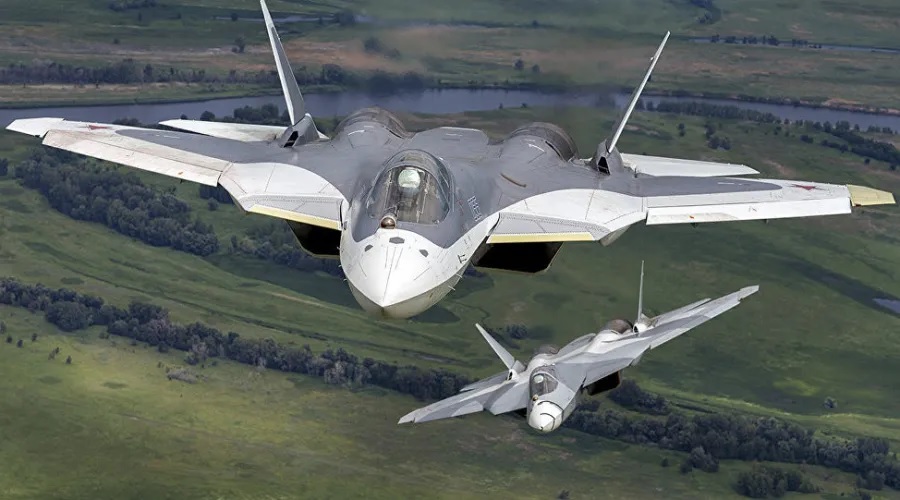
India
India's ambition to strengthen its airpower capabilities appears to have taken a significant stride, with Russian media reporting that India is evaluating the potential acquisition of a customized two-seat variant of the Su-57 Felon, Russia’s premier fifth-generation stealth fighter. If materialized, this move would not only enhance India's combat readiness but also signify a deeper Indo-Russian defense partnership. The Su-57, designed to rival the world's most advanced stealth fighters like the American F-35, is lauded for its superior maneuverability, powerful armament, and advanced stealth technology. What sets this potential deal apart is India’s specific interest in a two-seat configuration—a feature unprecedented in fifth-generation fighter jets. The Two-Seat Innovation: A Game Changer The two-seat variant, tailored for Indian requirements, could revolutionize the operational capabilities of stealth fighters. The second cockpit would likely host a weapons systems officer or a trainer, offering advantages in several key areas: Enhanced Mission Complexity: The second operator can manage electronic warfare, reconnaissance, or complex long-range strike missions, freeing the pilot to focus solely on navigation and combat maneuvers. Improved Training Efficiency: Trainees could directly experience real-time combat scenarios, making the learning curve for advanced fighter operations significantly steeper. Flexible Multirole Capabilities: Dual-operator systems could optimize performance in coordinated operations, especially in environments requiring split-second decision-making. Specifications of the Su-57 The Su-57 boasts state-of-the-art features designed for modern warfare, including: Stealth Technology: Incorporates composite materials and radar-absorbing coatings to reduce its radar cross-section. Supermaneuverability: Powered by advanced Saturn AL-41F1 engines, with future models expected to feature the more powerful Izdeliye 30 engines, enabling high agility in dogfights. Advanced Avionics: Equipped with N036 Byelka radar, which provides enhanced situational awareness and target detection capabilities. Multirole Armament: Capable of carrying advanced air-to-air missiles, guided bombs, and hypersonic weapons in internal bays to maintain stealth. Aligning with India’s Strategic Vision India’s interest in the Su-57 aligns with its overarching goal of modernizing its military infrastructure and achieving strategic autonomy. Recent acquisitions such as the S-400 missile defense system underscore India's willingness to diversify its defense imports. Integrating the Su-57 could complement existing platforms like the Rafale and bolster India’s aerial dominance in the region. The Su-57’s two-seat variant would not only address India’s immediate tactical needs but also offer a pathway for enhanced technological cooperation with Russia. The "Make in India" initiative could pave the way for localized production, reducing dependency on imports and potentially facilitating the transfer of critical stealth and avionics technologies. Challenges and Considerations While the prospect is promising, several hurdles remain. The cost of developing a customized two-seat variant and ensuring technology transfer could be substantial. Moreover, integrating such an advanced platform into India’s Air Force may pose logistical and operational challenges. Another critical aspect is balancing this acquisition with indigenous projects like the Advanced Medium Combat Aircraft (AMCA), which remains a cornerstone of India’s fifth-generation ambitions. A Strategic Leap Forward The potential acquisition of a two-seat Su-57 variant signifies a bold step in India's quest for cutting-edge airpower capabilities. Whether this deal comes to fruition will depend on the outcome of bilateral negotiations, financial considerations, and alignment with India’s long-term defense goals. If realized, the deal could set a global precedent, marking the first operational two-seat stealth fighter while cementing India’s position as a dominant player in the realm of advanced military aviation.
Read More → Posted on 2024-12-09 16:00:17
Space & Technology
Mumbai-based startup ManastuSpace has achieved a significant breakthrough in space technology by transferring its indigenous Green Propulsion System (GPS) to the Defence Research and Development Organisation (DRDO). This collaboration marks a pivotal step towards enhancing India's capabilities in sustainable and cost-effective satellite propulsion systems. The Visionaries Behind ManastuSpace ManastuSpace was co-founded in 2016 by Tushar Jadhav, a former DRDO scientist, and Ashtesh Kumar, a technologist from IIT Bombay. Both founders bring unique expertise to the table, having previously worked on IIT Bombay's Pratham satellite project, which aimed to measure electron counts in the ionosphere. Their combined experience in Aerospace Engineering and Mechanical Engineering led to the creation of an eco-friendly alternative to the hazardous hydrazine-based propulsion systems traditionally used in satellites. The Green Propulsion System: Key Features The Green Propulsion System developed by ManastuSpace offers a compelling alternative to conventional systems. It is powered by a proprietary, non-toxic fuel blend that is 40 times safer than hydrazine, a highly toxic and carcinogenic substance commonly used in satellite propulsion. This innovative system delivers several advantages: Higher Efficiency: The system boasts an impressive specific impulse of 275 seconds, a 25% improvement over hydrazine systems, which typically achieve only 220 seconds. Cost-Effectiveness: Reduced toxicity means fewer safety measures are required during handling and storage, cutting costs by nearly 60%. Extended Lifespan: Satellites using this system can operate for up to five years, significantly enhancing their value and operational utility. Bridging the Gap Between Chemical and Electric Propulsion The current satellite propulsion landscape relies heavily on electric propulsion for small adjustments and chemical propulsion for high-thrust requirements. However, hydrazine-based chemical systems come with significant environmental and safety concerns. ManastuSpace's green propulsion technology bridges this gap, offering a safer chemical alternative that delivers rapid thrust while reducing the ecological footprint. Rigorous Testing for Reliability ManastuSpace has left no stone unturned in validating its technology. Extensive testing has been conducted in their Mumbai lab and at the Shell Oil and Gas campus in Bengaluru. These trials ensure the system's reliability, safety, and efficiency, making it suitable for both commercial and defense applications. Strategic Implications for DRDO By adopting ManastuSpace’s green propulsion technology, DRDO gains access to a safer, more efficient propulsion system that aligns with India’s strategic focus on self-reliance and sustainability in space exploration. This partnership could pave the way for more indigenous innovations in India's rapidly growing space sector. Beyond Satellites: Future Prospects ManastuSpace’s propulsion technology has potential applications beyond satellite systems. It could be adapted for interplanetary missions, small spacecraft, and even reusable launch vehicles, offering cost-effective solutions for emerging space programs worldwide. Conclusion The transfer of the Green Propulsion System technology to DRDO is a landmark achievement for ManastuSpace, underscoring its commitment to sustainability and innovation. As the global space industry continues to expand, this collaboration showcases India’s rising prominence in the development of cutting-edge, eco-friendly space technologies.
Read More → Posted on 2024-12-09 15:54:53
World
In a significant development for modern warfare, Estonia's defense startup, Frankenburg Technologies, is preparing to test its cutting-edge anti-aircraft missile, dubbed the Frankenburg Mark 1, in Ukraine. Designed to counter airborne threats, particularly drones, this innovation represents a vital step in addressing the growing prevalence of unmanned aerial vehicles (UAVs) on the battlefield. The first batches of the missile are set to arrive in Ukraine within months, with testing slated for next year. A Tactical Solution to Modern Drone Warfare The Mark 1 missile is purpose-built to intercept drones like the Iranian-origin Shahed-131 and Shahed-136, which have been deployed extensively in Ukraine by Russian forces under the names Geran-1 and Geran-2. These drones typically operate at altitudes around 2 kilometers (1.24 miles), a range well within the missile's capabilities. Frankenburg’s approach emphasizes affordability and efficiency. According to CEO Kusti Salm, the missile employs an advanced artificial intelligence-powered targeting system. This system leverages situational awareness algorithms to detect, track, and neutralize UAV threats. Such innovation underscores the necessity for cost-effective countermeasures to the increasing use of inexpensive drones in modern warfare. Production and Scalability If the tests are successful and Ukraine opts to adopt the Mark 1 missile, there are plans to establish production facilities within the country. Initial manufacturing is expected to yield a few dozen missiles per week, scaling up to hundreds per week by the third quarter of 2024. This scaling would not only provide Ukraine with a sustainable supply chain but could also strengthen its defense industry infrastructure. Additionally, discussions are underway to finance the missile's production, which aligns with the broader goal of enhancing Ukraine’s ability to counter aerial threats effectively. Why the Mark 1 Stands Out Beyond its counter-drone capabilities, the Mark 1 represents a shift in how smaller nations like Estonia are contributing to global defense. By focusing on cost-efficiency and leveraging AI, Frankenburg Technologies is challenging the traditional notion that high-tech military solutions must come with exorbitant costs. The missile is also a forward-looking asset. Salm highlighted its relevance beyond Ukraine’s current conflict, stating, “A new and much bigger war is expected in Europe.” This perspective reinforces the need for advanced, scalable, and affordable military technology as geopolitical tensions remain high. Strategic Implications The Mark 1 project exemplifies the intersection of innovation and necessity in wartime. For Ukraine, acquiring such technology could significantly enhance its ability to neutralize one of the most persistent threats in the ongoing conflict: kamikaze drones. Moreover, the partnership with an Estonian startup underscores the importance of international collaboration in modern defense efforts. For Frankenburg Technologies, the missile’s potential success could position the company as a key player in the defense sector, particularly in the counter-drone niche. It also demonstrates how smaller defense companies can rapidly innovate and contribute to addressing urgent military challenges. A Glimpse Into the Future As warfare evolves, technologies like the Mark 1 highlight the growing role of artificial intelligence and cost-effective solutions in maintaining a tactical edge. Whether in Ukraine or future conflicts, this missile could serve as a blueprint for countering airborne threats effectively and affordably. If the Mark 1 lives up to its promise, it may not only help Ukraine in its current fight but also redefine how nations approach drone warfare for years to come.
Read More → Posted on 2024-12-09 14:38:32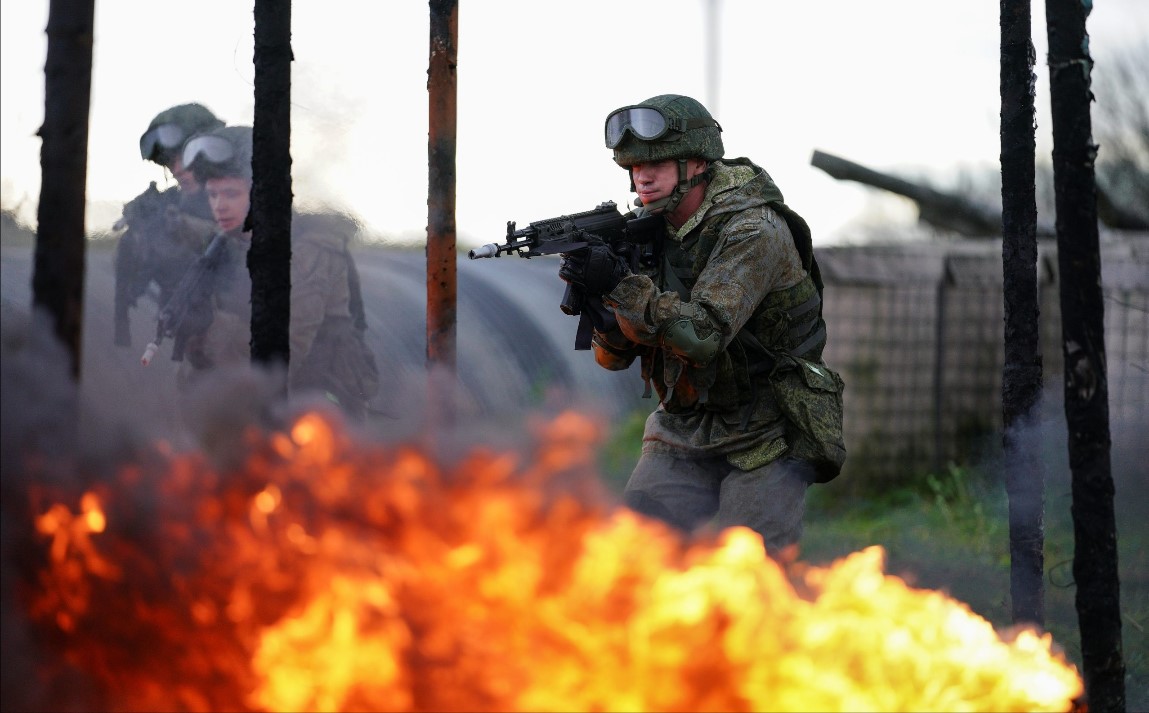
World
In the chaotic final days of Bashar al-Assad’s rule, reports surfaced that Russia’s forces bore the brunt of the fighting against advancing Syrian rebels, while Iran’s elite Islamic Revolutionary Guard Corps (IRGC) reportedly retreated in disarray. This dramatic shift highlights not only the diverging interests of Assad’s two key allies but also underscores Russia’s enduring commitment to its strategic objectives in Syria, particularly its desire for secure and unrestricted access to warm-water ports on the Mediterranean. Russia's Heavy Engagement: Fighting for Strategic Access Russia has long viewed Syria as a cornerstone of its geopolitical strategy in the Middle East. Central to this vision is the naval base at Tartus, Russia’s only warm-water port outside its borders. Tartus provides Moscow with a year-round military foothold in the Mediterranean, crucial for both its global power projection and its influence over maritime routes. When the rebel forces launched their coordinated offensive in late 2024, Russian military units were reportedly the most active in defending critical regime-held areas, including Latakia and Tartus. These regions house not only vital military infrastructure but also the Russian naval base—a non-negotiable asset for Moscow. Why Russia Fought More Intensely Strategic Port Access: Unlike Iran, whose goals in Syria are primarily ideological and tied to its influence in the "Shia Crescent," Russia’s interest is deeply rooted in maintaining its Mediterranean access. Losing Tartus would jeopardize Russia’s naval strategy and weaken its global power standing. Political Prestige: Russia has invested heavily in Assad’s survival as a symbol of its ability to challenge U.S.-led interventions. A rebel victory threatens Moscow’s image as a reliable ally in the region. Resource Security: Beyond Tartus, Russia has economic stakes in Syrian oil and gas exploration agreements. Ensuring a compliant government in Damascus is key to protecting these investments. Iran’s IRGC Retreat: A Blow to Revolutionary Ambitions Iran’s retreat, particularly the reported withdrawal of the IRGC, has raised eyebrows. Often hailed as one of the most disciplined and ideologically driven forces in the region, the IRGC’s abrupt exit seemed out of character. Observers have likened the retreat to an Olympic sprint, underscoring the scale and speed of their withdrawal. Why Did Iran Retreat? Overstretched Resources: Iran’s military and proxy networks are already stretched thin due to its commitments in Iraq, Yemen, and Lebanon. The rapid advance of Syrian rebels exposed vulnerabilities in Iran’s overstretched forces. Reduced Support from Allies: With Russia taking the lead in defending key areas, Iran’s role diminished, leading to lower morale among its forces. Domestic Pressures: Anti-regime protests in Iran have grown in intensity, with citizens criticizing the government’s expenditure on foreign wars instead of addressing domestic issues. This may have pressured Tehran to scale back its involvement in Syria. Avoiding Strategic Loss: Unlike Russia, Iran lacks critical territorial stakes in Syria. While Syria is a bridge to Hezbollah in Lebanon, Tehran may have calculated that preserving its forces for future engagements was more prudent than risking heavy losses in a losing battle. The Diverging Goals of Russia and Iran The retreat of Iranian forces highlights the fundamental differences between Russia and Iran’s objectives in Syria: Russia’s Goal: Securing its naval base at Tartus and maintaining influence over the Mediterranean, with an emphasis on long-term geostrategic gains. Iran’s Goal: Expanding its ideological influence through proxy networks and creating a continuous land corridor to Hezbollah in Lebanon. These differences became increasingly evident as rebel forces advanced. While Russia focused on defending its strategic assets, Iran appeared less willing to commit resources to the broader fight, especially in areas that held limited ideological or operational significance for Tehran. Implications for the Region Russia’s Continued Dominance With Assad’s regime effectively collapsed, Russia’s military presence in Syria is likely to persist, ensuring its access to the Mediterranean. Moscow may broker deals with the rebels or other emerging powers to safeguard Tartus and its remaining assets. Iran’s Diminished Role The IRGC’s retreat could weaken Iran’s regional influence, especially if the rebels align with Gulf-backed factions or Western interests. This retreat may also embolden domestic opposition within Iran, further challenging the regime’s stability. A Changing Geopolitical Landscape The divergent roles of Russia and Iran in the final days of Assad’s rule signal a shift in Middle Eastern alliances. As Moscow emerges as the primary power broker in post-Assad Syria, Tehran’s ability to project influence in the region could face significant challenges. Conclusion The battle for Syria in late 2024 revealed the stark contrast in the priorities of Russia and Iran. While Russia doubled down to protect its strategic foothold at Tartus, Iran’s forces retreated, leaving its regional ambitions in question. This episode not only underscores the importance of Syria’s geopolitical value to Moscow but also highlights the fragility of alliances forged during times of war. As the dust settles, the consequences of these divergent strategies will shape the future of the Middle East for years to come.
Read More → Posted on 2024-12-08 17:16:13
World
The sudden and well-coordinated offensive by Syrian rebel forces in late 2024 took the world by surprise. Combining military precision, superior intelligence, and strategic opportunism, the operation dismantled Bashar al-Assad’s regime within weeks. Below is a detailed account of the multi-directional attack, its timeline, casualty figures, and the operational tactics that made it a military phenomenon. Phase 1: The Northern Blitz (November 27–December 1, 2024) Key Events: November 27, 2024 (03:00 AM): Rebel forces, led by Hayat Tahrir al-Sham (HTS), launched a surprise assault on Aleppo, Syria’s largest city. Under cover of darkness, rebels infiltrated government positions using precision artillery strikes to disorient Assad’s forces. November 28, 2024: By dawn, Aleppo’s western districts fell to the rebels, cutting off key military supply routes from Turkey. Government casualties exceeded 1,500 soldiers, with over 10,000 civilians trapped in crossfire. November 29, 2024: HTS consolidated control over Aleppo’s central districts. Airstrikes by Assad’s remaining aircraft failed to halt the advance, and most of Aleppo fell within 48 hours. Casualties and Impact: Rebel Forces: Approximately 600 fighters killed. Government Forces: Over 3,000 soldiers killed or captured. Civilians: Estimated 2,500 casualties, primarily due to airstrikes and urban combat. Strategic Outcome: The fall of Aleppo marked the collapse of Assad’s northern defensive line, opening the path to the central regions. Phase 2: Central Offensive (December 2–December 5, 2024) Key Events: December 2, 2024 (06:00 AM): The Turkish-backed Syrian National Army (SNA) launched a coordinated assault on Hama and Homs. Armed with Turkish-supplied drones and advanced weaponry, the SNA overwhelmed government checkpoints. December 3, 2024: Rebel forces bypassed heavily fortified zones, using drone strikes to neutralize Syrian artillery positions. Hama fell by evening, with minimal resistance. December 4, 2024: Homs, Syria’s third-largest city, came under heavy attack. Rebels targeted government command centers, crippling communications. December 5, 2024: By mid-morning, Homs was under rebel control, severing the vital Damascus-Aleppo highway. Casualties and Impact: Rebel Forces: 800 fighters killed. Government Forces: Over 4,500 killed or captured. Civilians: Estimated 3,000 casualties, primarily from artillery shelling and drone strikes. Strategic Outcome: The capture of Hama and Homs isolated Damascus from northern and central Syria, leaving Assad’s forces in disarray. Phase 3: The Southern Push (December 6–December 9, 2024) Key Events: December 6, 2024 (05:00 AM): Rebel forces, supported by local insurgents, launched an offensive on Daraa and Sweida in southern Syria. These regions, already simmering with anti-government protests, fell quickly. December 7, 2024: The fall of Daraa, the birthplace of the 2011 uprising, dealt a psychological blow to the regime. Rebel commanders claimed control of all major checkpoints by nightfall. December 8, 2024: Sweida, a Druze-majority region, joined the rebellion after local leaders negotiated a ceasefire with rebels. December 9, 2024: Southern Syria was entirely under rebel control, cutting off Assad from his last remaining allies in the region. Casualties and Impact: Rebel Forces: 500 fighters killed. Government Forces: Over 2,000 killed, with 1,200 captured. Civilians: 1,800 casualties, mostly from urban clashes. Strategic Outcome: The fall of southern Syria removed Assad’s last footholds in the region, paving the way for the final assault on Damascus. Phase 4: The Siege of Damascus (December 10–December 14, 2024) Key Events: December 10, 2024: Rebels encircled Damascus, cutting off all supply routes to the capital. Using captured artillery and armored vehicles, they bombarded government positions relentlessly. December 11, 2024: Rebel forces breached the city’s outer defenses. Government forces mounted a last-ditch counterattack but were outnumbered and outmaneuvered. December 12, 2024: Reports emerged that high-ranking Syrian officials were negotiating surrender terms with rebel commanders. December 13, 2024: Assad reportedly fled Damascus, possibly to Latakia or abroad. By nightfall, the Presidential Palace was in rebel hands. December 14, 2024: Damascus was declared fully under rebel control. Celebrations erupted in rebel-held areas, marking the symbolic end of Assad’s regime. Casualties and Impact: Rebel Forces: 1,200 fighters killed. Government Forces: Over 6,000 killed, with 3,000 captured. Civilians: Estimated 5,000 casualties, primarily from airstrikes and artillery fire. Strategic Outcome: The fall of Damascus marked the end of centralized resistance, effectively bringing the Syrian Civil War to a close. Total Casualties and Strategic Analysis Overall Casualties (November 27–December 14, 2024): Rebel Forces: 3,100 killed. Government Forces: Over 15,500 killed, 4,200 captured. Civilians: Approximately 12,300 casualties. Key Tactics and Lessons Learned: Coordination: The rebels' ability to launch simultaneous attacks across multiple fronts overwhelmed government forces. Technology: Drones and advanced weaponry played a critical role, particularly in targeting fortified positions. Betrayal: Internal defections within Assad’s ranks provided critical intelligence and weakened the regime’s cohesion. Foreign Support: While not officially acknowledged, logistical and financial support from external powers likely tipped the balance in favor of the rebels. The End of an Era The rebel offensive that dismantled Assad’s regime will be studied as a case of how superior strategy and opportunism can overcome entrenched power. While the war may have ended, the challenges of rebuilding a fractured and war-torn Syria remain immense. The world watches with cautious optimism, hoping for stability in a nation that has seen over a decade of bloodshed. Title for Google Indexing:"Rebel Forces’ Lightning Offensive: A Detailed Timeline of Syria’s Collapse"
Read More → Posted on 2024-12-08 17:06:38
World
In an astonishing turn of events, rebel forces in Syria achieved the unthinkable—capturing the entire country in a matter of days. This seismic shift, which seemed implausible mere weeks ago, has left the international community stunned. The speed and precision of the offensive, combined with covert alliances, strategic betrayals, and possible foreign backing, reveal a meticulously orchestrated campaign that toppled Bashar al-Assad's regime after more than a decade of civil war. The Rapid Collapse of Assad’s Regime The offensive began with a series of lightning-fast attacks led by Hayat Tahrir al-Sham (HTS), Syria’s most powerful insurgent group, and the Turkish-backed Syrian National Army (SNA). Within days, key cities such as Aleppo, Hama, and Homs fell, cutting off Assad’s forces from their supply lines. The final blow came with the encirclement and subsequent capture of Damascus, marking the regime’s ultimate collapse. This rapid success was not solely the result of battlefield tactics. A combination of internal betrayals, strategic alliances, and shifting geopolitical dynamics played a crucial role. Reports suggest that several high-ranking Syrian military officers defected, providing rebels with critical intelligence on troop movements and weak points in Assad’s defenses. The Shadow of Foreign Influence The possibility of foreign involvement in the rebels' success cannot be ignored. While no nation has publicly claimed responsibility, signs point to covert support from several countries: The United States: Long opposed to Assad’s rule, the U.S. may have provided logistical and intelligence support to the rebels, particularly through its ties with the Kurdish-led Syrian Democratic Forces (SDF). Washington's interest in weakening Assad aligns with its broader regional strategy against Iran and Russia, Assad’s key backers. Israel: Israel has consistently viewed Assad, and his ties with Iran and Hezbollah, as a security threat. Speculation abounds that Israel facilitated the rebels’ offensive through targeted strikes on Iranian assets in Syria, weakening Assad’s defensive capabilities. Turkey: Although officially distancing itself from the rebel campaign, Turkey’s support for the SNA has been instrumental. Ankara’s interests in curbing Kurdish influence and securing its border regions align with the rebels’ objectives, making it a likely behind-the-scenes ally. Gulf States: Wealthy Gulf nations, particularly Saudi Arabia and Qatar, have historically supported anti-Assad factions. Their financial backing may have fueled the rebels’ rapid resurgence. The Role of Internal Betrayal While foreign support played a role, internal betrayal within Assad’s ranks proved decisive. Reports of secret negotiations between rebel leaders and key Syrian officials indicate that some within Assad’s inner circle switched sides, either out of disillusionment or self-preservation. These betrayals disrupted Assad’s command structure and allowed the rebels to advance with minimal resistance in several key areas. Even within Assad’s government, there were signs of discontent. Corruption, dwindling morale, and the regime’s increasing reliance on foreign proxies alienated many of its supporters. As the rebels gained momentum, some of these disaffected officials likely saw an opportunity to align with the winning side. The Impossible Made Possible The capture of Syria by rebel forces in such a short span highlights a masterclass in strategy and coordination. The rebels achieved: Unified Command: For the first time in years, factions with divergent goals, such as HTS and SNA, worked under a cohesive strategy. This unity amplified their effectiveness on the battlefield. Exploitation of Weakness: The rebels capitalized on Assad’s overextended military, which was already strained by years of fighting and dwindling support from Russia and Iran. Surprise and Speed: By launching simultaneous attacks on multiple fronts, the rebels overwhelmed Assad’s forces, preventing an organized defense. Geopolitical Implications The fall of Assad marks a significant realignment in the Middle East. With Syria now under rebel control, the balance of power in the region is shifting. Iran: One of Assad’s staunchest allies, Iran faces a major setback. Its proxy networks, including Hezbollah, have suffered significant losses, weakening Tehran’s regional influence. Russia: Moscow, preoccupied with its war in Ukraine, could not provide adequate support to Assad, raising questions about its reliability as an ally in the Middle East. The U.S. and Allies: The rapid fall of Assad may bolster U.S. influence in the region, but it also raises concerns about who will govern Syria and how the nation will stabilize. The Road Ahead The capture of Syria by rebel forces is not the end of the story but the beginning of a new chapter. The coalition of rebel factions that united to overthrow Assad may fracture as they vie for control. The country remains deeply divided along sectarian, ethnic, and ideological lines, raising fears of prolonged instability. Moreover, the international community must grapple with the aftermath. While many celebrated Assad’s fall, the question of governance in Syria remains unresolved. Whether the rebels can establish a unified, democratic government or if the country will descend into further chaos is uncertain. Conclusion The rapid capture of Syria by rebel forces demonstrates the convergence of military strategy, geopolitical maneuvering, and internal betrayal. It is a stark reminder of the fragility of power in a nation fractured by years of war. The coming months will be crucial in determining whether Syria can emerge from the shadows of conflict or if it will remain a battleground for competing interests.
Read More → Posted on 2024-12-08 16:57:01
World
The Syrian Civil War, a relentless conflict that has spanned over a decade, has entered an unprecedented and chaotic phase. The once firmly held regime of President Bashar al-Assad is now unraveling, with rebel forces sweeping across key regions of the country in a dramatic and rapid offensive. The fall of Damascus, the nation's capital, marks a turning point in a war that has claimed hundreds of thousands of lives and left millions displaced. The Shattering Offensive On November 27, 2024, a coordinated campaign led by the insurgent group Hayat Tahrir al-Sham (HTS) and the Turkish-backed Syrian National Army (SNA) launched a blitzkrieg-style assault, capturing Aleppo, Hama, and other pivotal urban centers. These advances culminated in the encirclement of Damascus. Rebel commanders, including the influential HTS leader Abu Mohammed al-Jolani, declared their objective clear: the complete overthrow of Assad's regime. HTS, originally founded as Jabhat al-Nusra with ties to al-Qaida, has evolved into a dominant force in Syria's insurgency. Its leader, al-Jolani, has sought to rebrand the group as a localized and civilian-focused organization, distancing it from its jihadist roots. Despite these efforts, HTS remains controversial, labeled a terrorist organization by the United Nations and the United States. The HTS-led coalition united factions with differing goals. The Turkish-backed SNA seeks to protect Turkish interests near the border, countering Kurdish militias. This tenuous alliance, driven by shared opposition to Assad, may fracture as factions pursue diverging visions for Syria's future. Assad's Dwindling Stronghold The loss of Aleppo and Hama dealt severe blows to Assad’s control. As of now, his forces cling to just three provincial capitals—Damascus, Latakia, and Tartus. The fall of Homs, a strategic city, has severed critical supply routes, leaving Damascus vulnerable. Rebel forces have effectively isolated the capital, launching what they call the "final stage" of their offensive. This dramatic shift reflects Assad's increasing isolation. Russia, a staunch ally, is preoccupied with its war in Ukraine, while Iran’s proxy forces, such as Hezbollah, face significant attrition after clashes with Israel. Assad's military, stretched thin and demoralized, has struggled to mount a coherent defense. Rebel Advances and Regional Implications As Damascus teeters, rebel factions across Syria have seized opportunities to advance. Local forces in Sweida and Daraa, emboldened by the momentum, have claimed territory in the south. Meanwhile, the Kurdish-led Syrian Democratic Forces (SDF), supported by the United States, maintain control over the east, though they remain wary of further conflict. These developments hint at a fractured post-Assad landscape, where regional powers, including Turkey and Iran, will likely compete for influence. The international community is now grappling with how to manage the chaos that threatens to engulf the region. Assad's Flight and Uncertain Future Amid the rebel encirclement, reports suggest that President Assad has fled Damascus, seeking refuge in Latakia or possibly abroad. While state media continues to project defiance, the reality is stark: Assad’s two-decade rule is crumbling. The United Nations has called for urgent international dialogue, emphasizing the need for an orderly political transition to prevent further destabilization. Yet, the prospects of unity among Syria’s factions remain slim, as rivalries and conflicting agendas loom large. What Lies Ahead? The fall of Damascus marks the symbolic and strategic collapse of Assad's grip on Syria. Yet, the end of his regime may not bring peace. Instead, it threatens to usher in a new phase of infighting among rebel factions and foreign interventions. The Syrian people, long caught in the crossfire, face an uncertain future. With cities reduced to rubble and millions displaced, rebuilding the nation will require not only extensive international aid but also a genuine commitment to reconciliation among its divided populace. This turning point in Syria's civil war reminds the world of the enduring human cost of conflict and the complexities of forging peace in a fractured state.
Read More → Posted on 2024-12-08 16:50:24
World
Russia’s reported withdrawal from Syria marks a potential shift in the balance of power across the Middle East, raising questions about Moscow's geopolitical objectives and military strategies. The decision, emerging amidst claims of the Assad regime’s instability, underscores a complex and challenging situation for the Kremlin, which has invested significant resources in the region for nearly a decade. Signals of Withdrawal Key Russian voices, such as the Telegram channel Voennyy Osvedomytel—noted for its ties to military insiders—have described the move as a significant loss for Moscow. The channel remarked, "It is hard to believe, but if true, this represents a colossal geopolitical defeat." It criticized both Syrian President Bashar al-Assad for his "short-sightedness" and Russian policymakers for their failure to anticipate the regime's vulnerabilities. Strategically, Russia’s bases in Syria have been instrumental not only for Middle Eastern operations but also for its broader ambitions in Africa. The Khmeimim Air Base, one of Russia’s most critical footholds in Syria, has reportedly seen increased evacuation-related activities. Observers, including The War Zone, noted heightened logistical operations involving IL-76 and AN-124 transport aircraft, as well as increased runway activity by Su-24 fighter jets. Logistical Challenges of a Full-Scale Withdrawal Russian military officer Ilya Tumanov, using the pseudonym "Fighterbomber," highlighted the difficulties of a large-scale withdrawal. He noted that evacuating personnel and equipment would require months of careful coordination. "The safe evacuation of personnel without losses must remain our top priority," Tumanov emphasized. These logistical challenges are compounded by the sheer scale of Russia's presence in Syria. Over the years, Moscow has deployed advanced air-defense systems, fighter jets, and troops, positioning itself as a dominant force in the region. Removing these assets would be a monumental task with significant operational risks. The Geopolitical Fallout The implications of a Russian withdrawal extend beyond Syria. Analysts warn that losing its military bases could severely limit Russia's ability to project power in the Middle East and Africa, where its operations often leveraged Syrian infrastructure. As one commentator noted, “This withdrawal will cost us dearly, not just militarily but politically as well.” Moscow's retreat also opens the door for rival powers, including the United States, Turkey, and Iran, to expand their influence in Syria. Each of these actors has vested interests in shaping the region’s future, and Russia's absence may shift the dynamics in unpredictable ways. The Collapse of the Assad Regime At the heart of Russia’s decision lies the perceived collapse of the Assad regime, which has been a cornerstone of Moscow's Middle Eastern strategy. Despite years of military and economic support, Assad’s government has struggled with internal dissent, economic hardships, and growing regional isolation. The Kremlin’s frustration with Assad’s leadership appears to have reached a breaking point, with sources openly blaming his “stubbornness” for the current crisis. A Moment of Reckoning Russia’s withdrawal from Syria, if confirmed, would signify a dramatic reversal of its ambitions in the region. After nearly a decade of asserting itself as a dominant Middle Eastern power, Moscow is now grappling with the consequences of its investments. The loss of its Syrian bases could not only weaken its influence but also undermine its global strategic posture. As evacuation efforts continue, the world watches closely. Whether this marks a temporary repositioning or a permanent retreat, the move signals a moment of reckoning for Russia’s Middle Eastern strategy—and potentially, its broader geopolitical ambitions.
Read More → Posted on 2024-12-08 15:36:52
Space & Technology
Austrian-based CycloTech has unveiled its groundbreaking "BlackBird" demonstrator, a flying taxi equipped with a unique propulsion system that promises to redefine urban air mobility. Unlike traditional propeller-driven aircraft, the BlackBird employs the CycloRotor, an innovative, all-electric propulsion system inspired by the Voith Schneider Propeller (VSP), commonly used in tugboats and ferries. This cutting-edge technology enables unparalleled maneuverability, efficiency, and safety, setting BlackBird apart from its competitors in the electric vertical takeoff and landing (eVTOL) sector. What Makes CycloRotor Technology Revolutionary? The CycloRotor propulsion system features circular rotors with embedded, adjustable propeller blades. These blades spin around a central axis, generating thrust in multiple directions. By altering the angle and center of rotation of the blades, the CycloRotor can precisely control the aircraft's movement, allowing it to accelerate, decelerate, or change directions mid-flight with remarkable agility. This technology enables BlackBird to achieve feats other air taxis cannot match. It can hover, spin, and execute sharp trajectory adjustments with exceptional precision, even in challenging weather conditions like strong winds. This not only ensures a smoother and safer ride for passengers but also enhances the vehicle's potential for use in complex urban environments where maneuverability is key. Specifications and Performance While still in the prototype phase, CycloTech has demonstrated the potential of its CycloRotor system with scale models. Here’s what we know about the BlackBird demonstrator: Maximum Load Capacity: The current prototype can support up to 750 pounds (340 kilograms), making it suitable for carrying passengers and light cargo. Speed: The aircraft can reach a top speed of 73 mph (118 km/h). While this is slower than a Skyhawk Cessna, which maxes out at 142 mph (229 km/h), BlackBird prioritizes vertical mobility and urban adaptability over raw speed. Energy Efficiency: Being all-electric, the BlackBird aligns with global sustainability goals, reducing carbon emissions compared to traditional combustion-engine aircraft. Passenger Comfort: The CycloRotor’s precise control over thrust vectors enhances stability, minimizing turbulence and delivering a smoother ride. Advantages Over Traditional eVTOLs Unlike other eVTOL prototypes that rely on conventional propeller systems, BlackBird's CycloRotor technology allows for greater control and flexibility. Traditional rotors are often limited in their ability to make precise adjustments during flight, especially in tight urban spaces or turbulent conditions. The BlackBird, with its advanced propulsion system, can navigate these challenges effortlessly, positioning it as a leader in the next generation of air taxis. The Road Ahead CycloTech plans to test a full-scale version of the BlackBird demonstrator by early 2025. If successful, this could mark a pivotal moment in the evolution of urban transportation, bringing the concept of flying taxis closer to reality. The ability to hover, maneuver with precision, and operate in compact airspaces makes BlackBird a promising solution for reducing congestion in cities while offering a futuristic mode of travel. Closing Thoughts The BlackBird demonstrator, with its CycloRotor propulsion system, stands as a testament to how innovative engineering can overcome traditional limitations in aviation. While the concept of flying taxis may still seem futuristic, CycloTech’s work on BlackBird makes it clear that the skies of tomorrow might be closer than we think. By pioneering a new way to think about propulsion, CycloTech isn’t just building a flying car; it’s creating a new paradigm for urban air travel. Keep an eye on BlackBird—it might soon be hovering over a city near you.
Read More → Posted on 2024-12-08 15:33:25Search
Top Trending in 24 Hours
-
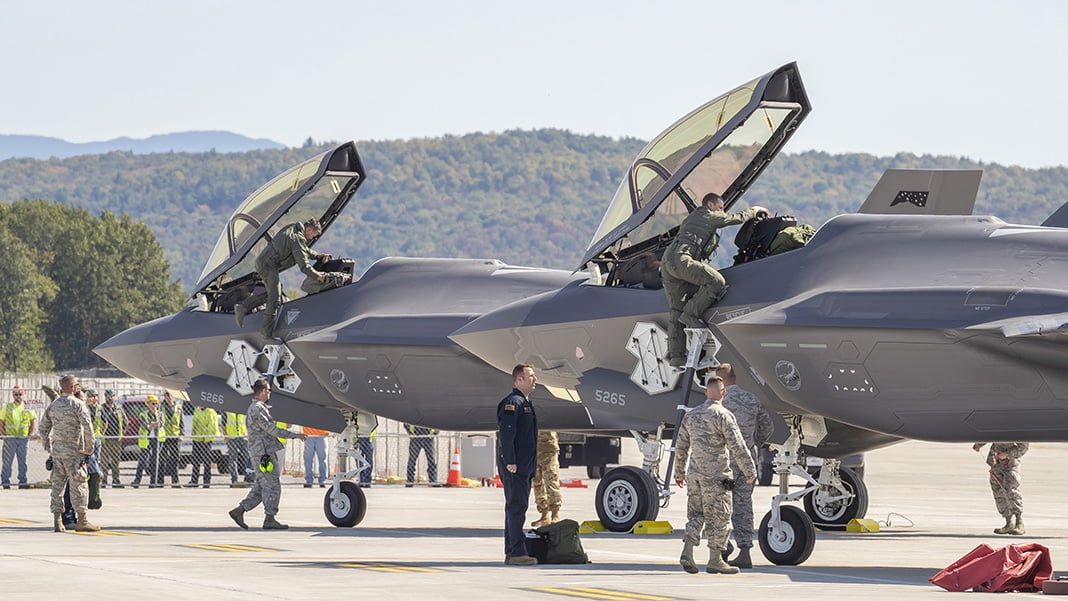 F-35 Fleet Readiness Falls to 25% Amid Parts Shortages and Software Delays: GAO Report
-
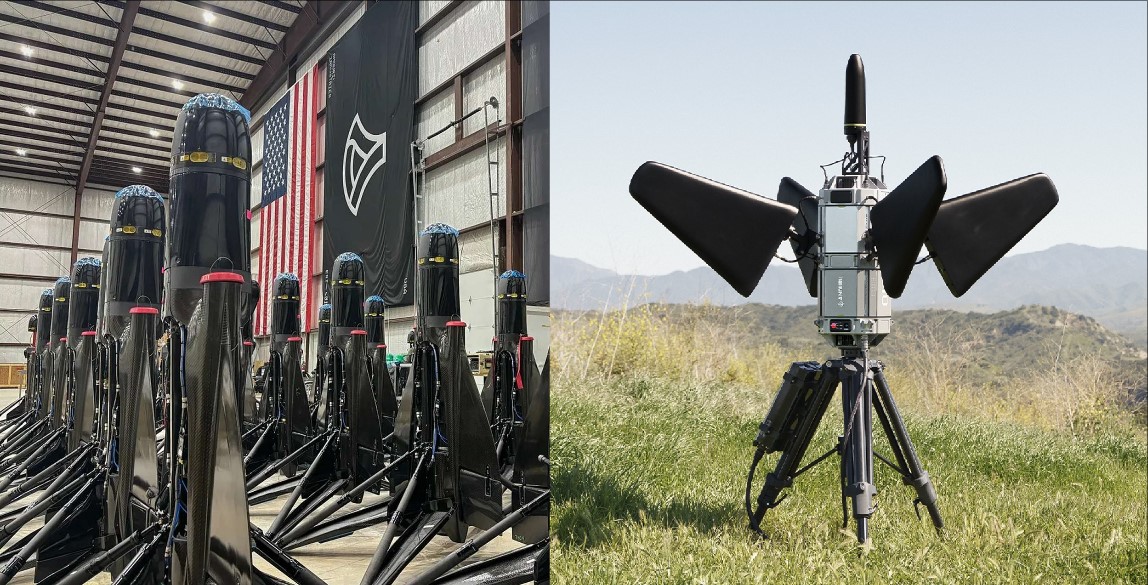 U.S. Approves $1.98 Billion Sale of Anduril AI-Powered Counter-Drone Systems to Kuwait
-
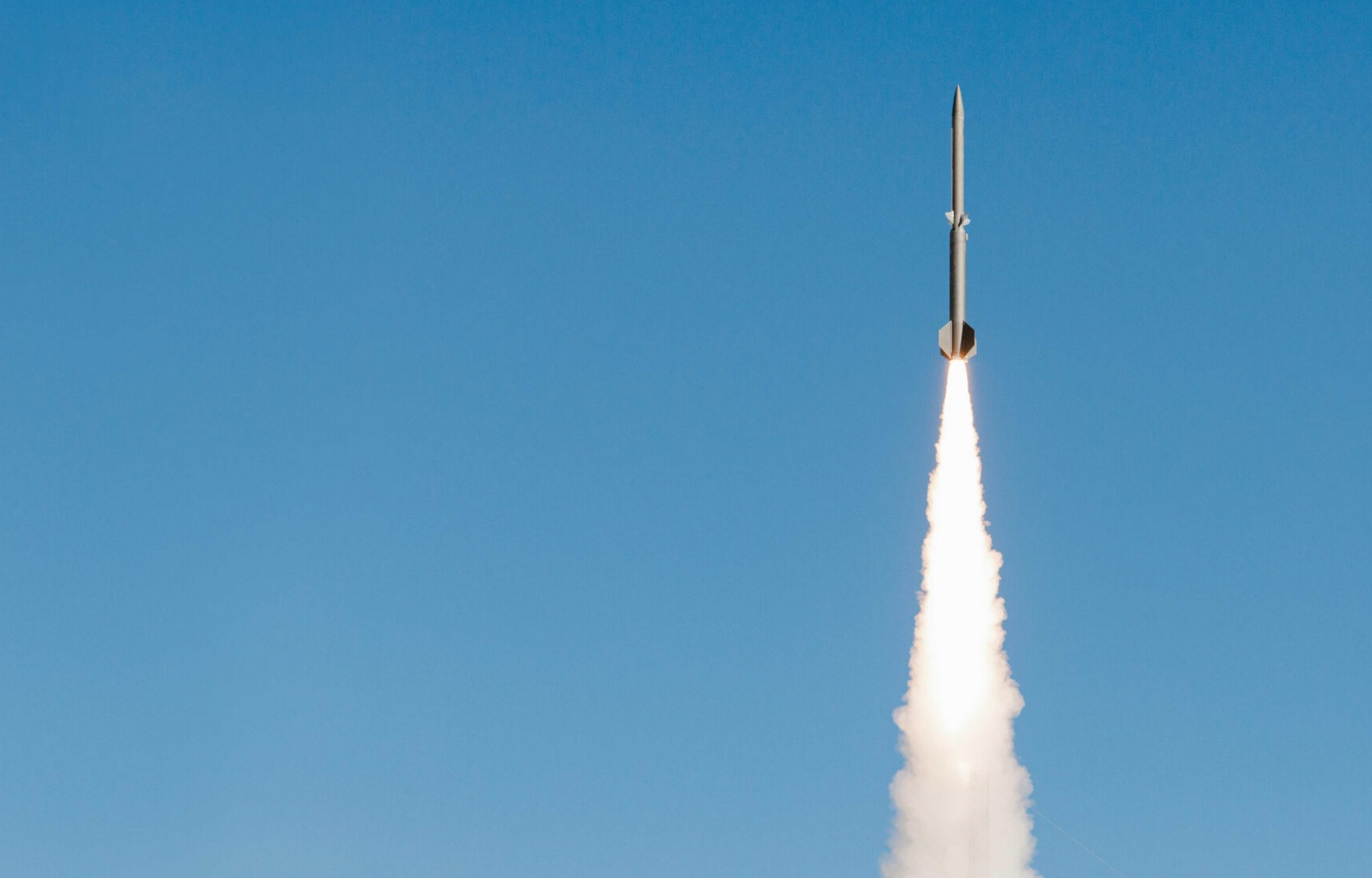 U.S Navy Orders 50 Blackbeard Hypersonic Missiles in New $23.4 Million Contract
-
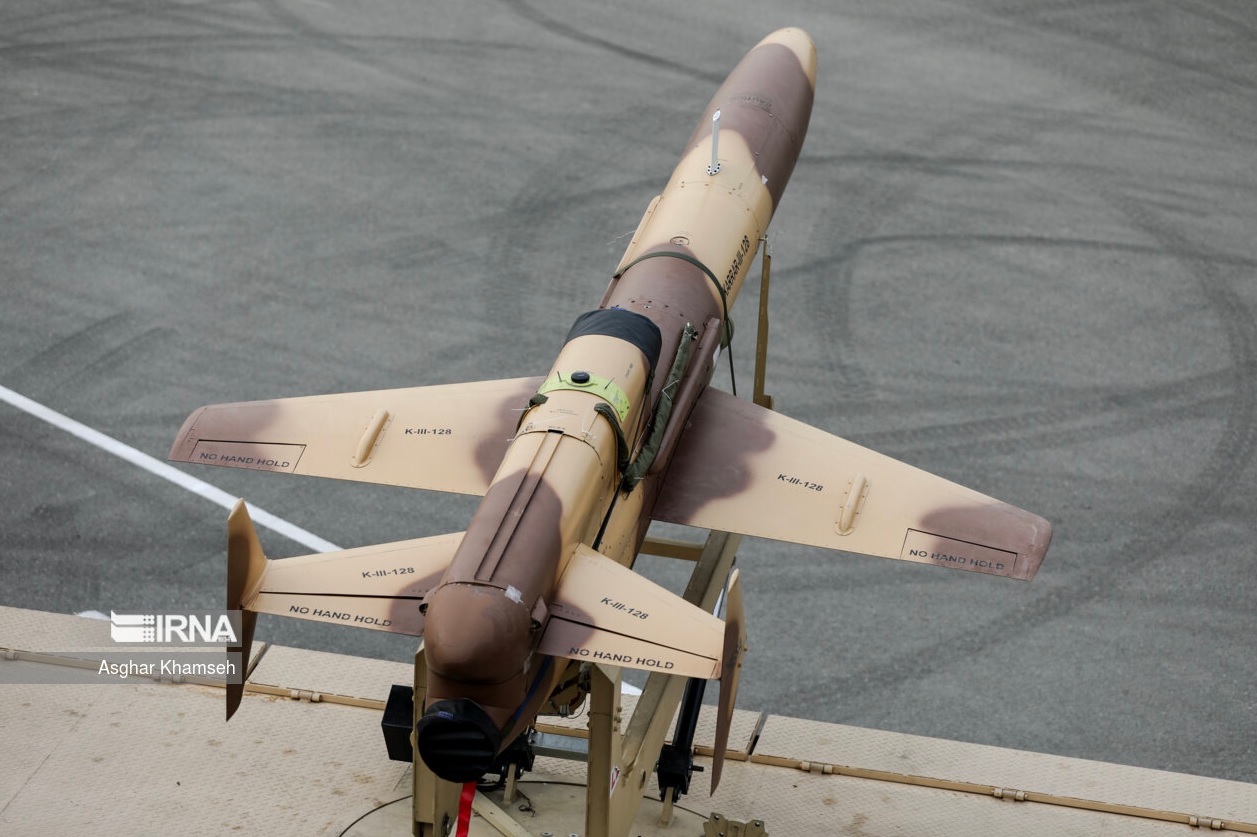 Russia Launches 1,400 Jet-Powered Drones in 2026 as Strike Tactics Evolve to Challenge Ukraine's Air Defenses
-
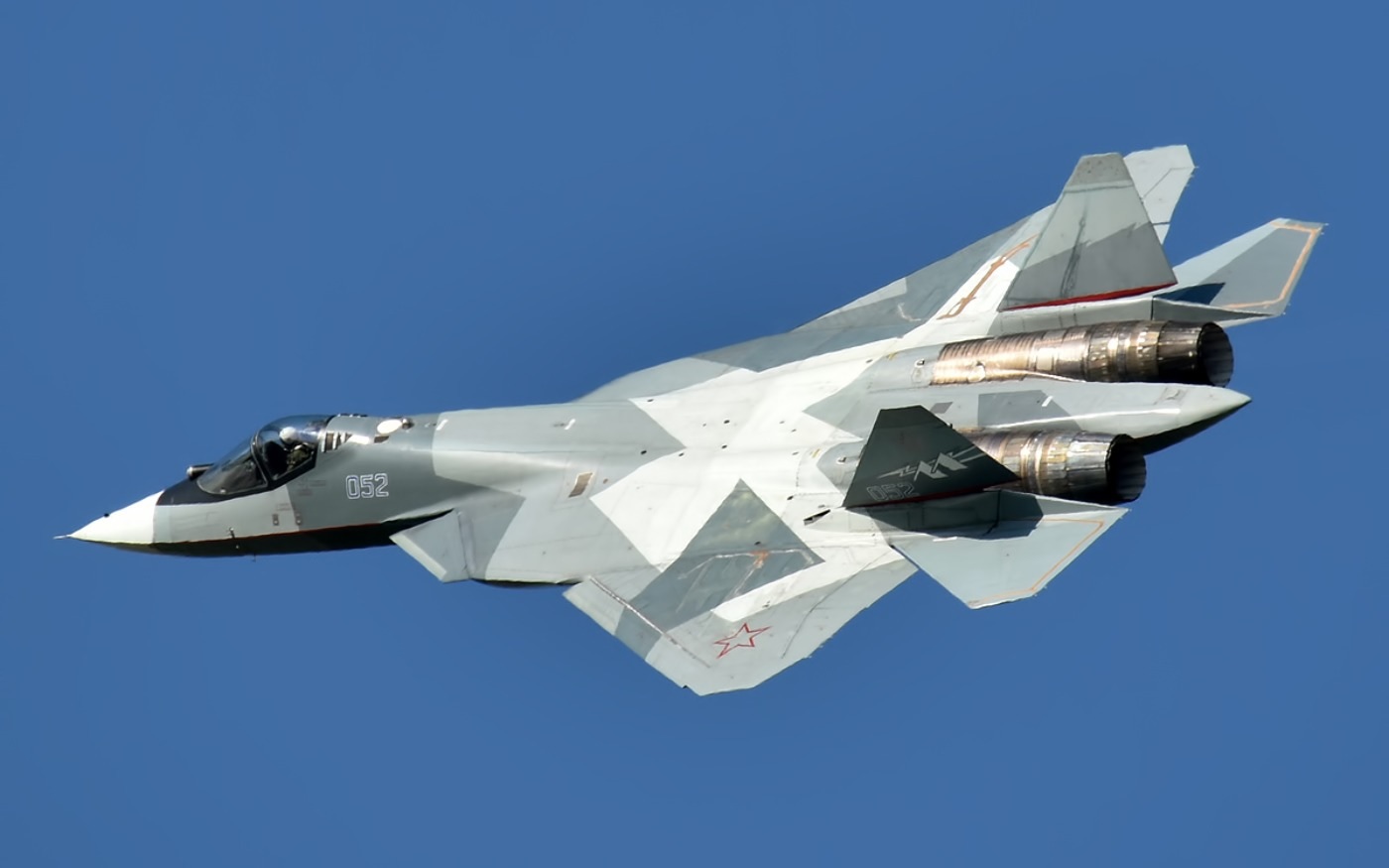 Russian Analysts Debate Su-57 Capabilities After Putin Calls Fighter Superior to F-35
-
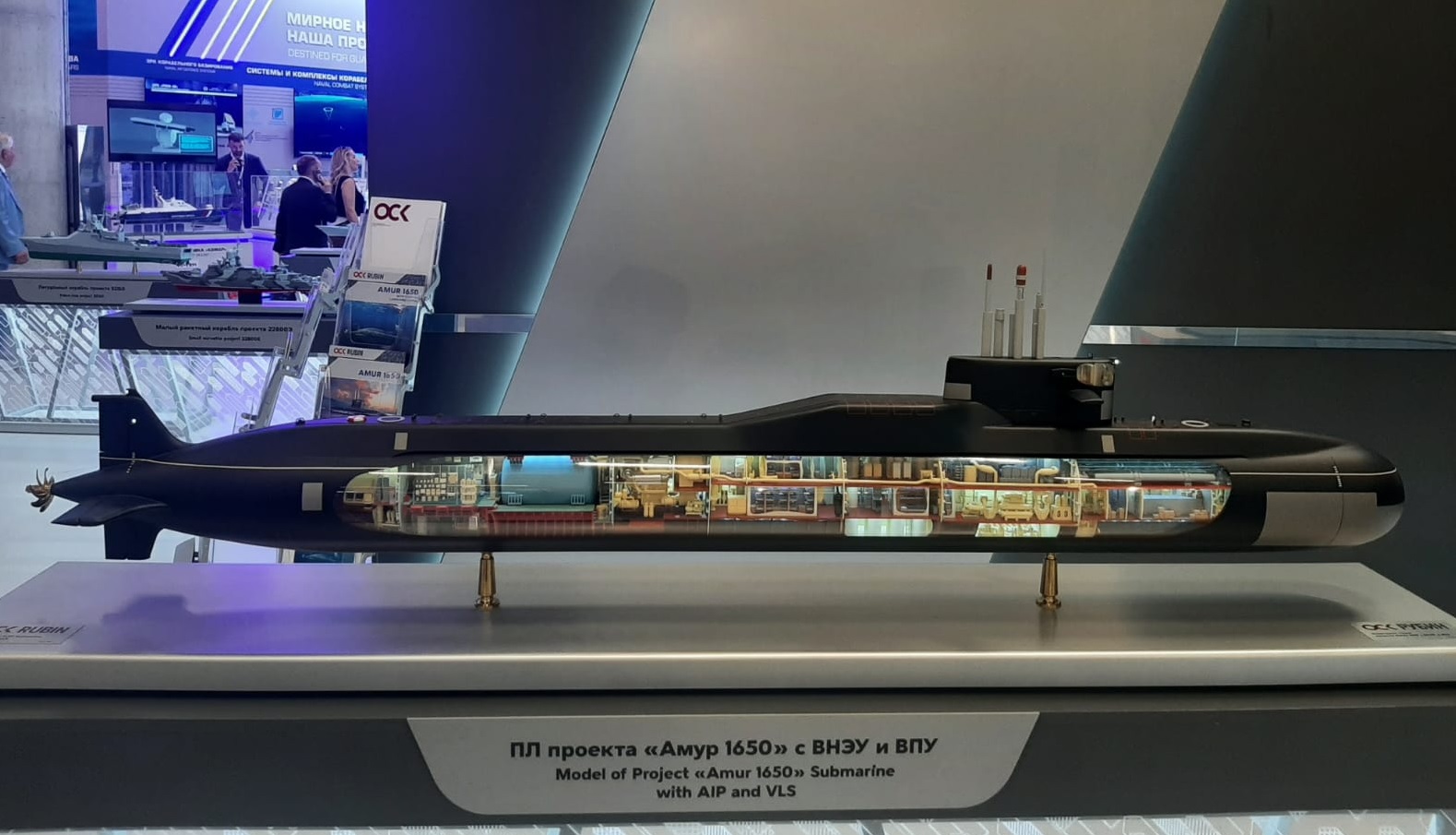 Russia Unveils Amur-1650 AIP Submarine Equipped with BrahMos Vertical Launch System at Fleet-2026
-
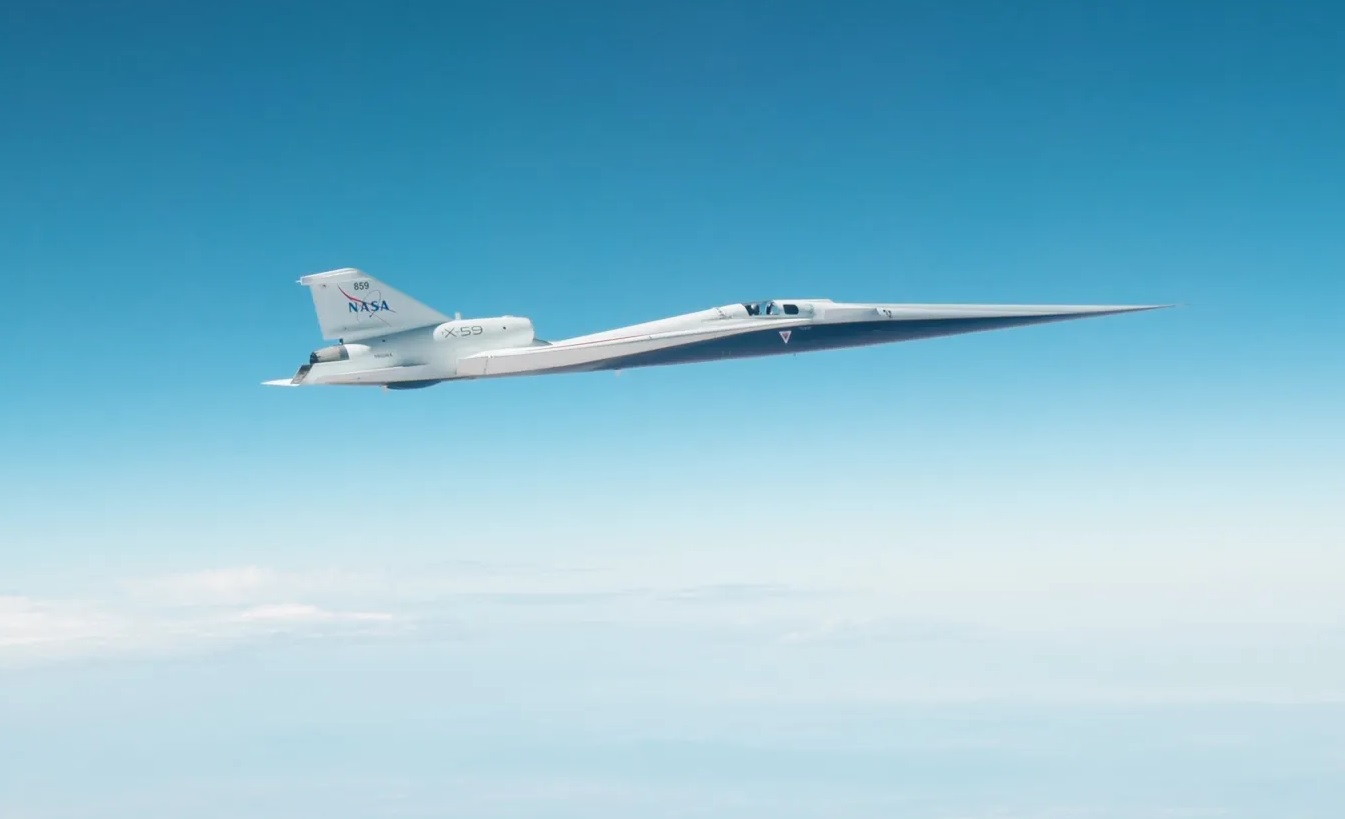 NASA X-59 Achieves Planned Mission Conditions with Mach 1.4 Flight at 55,000 Feet
-
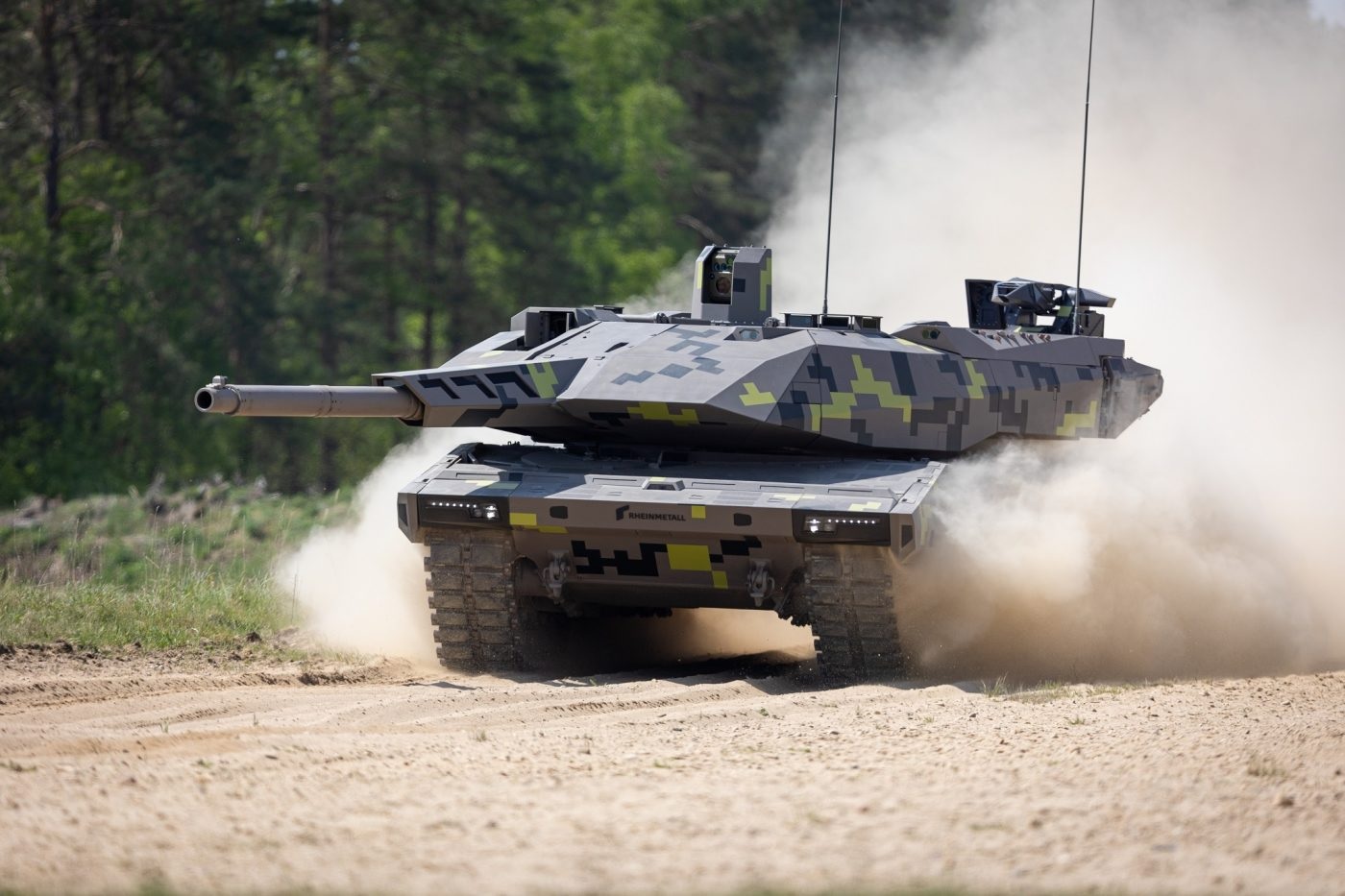 France Considers Reduced Role or Exit from Franco-German MGCS Tank Project
Top Trending in 4 Days
-
 Iranian Media Leaks 14-Point U.S.-Iran Peace Framework Amid Ongoing Negotiations
-
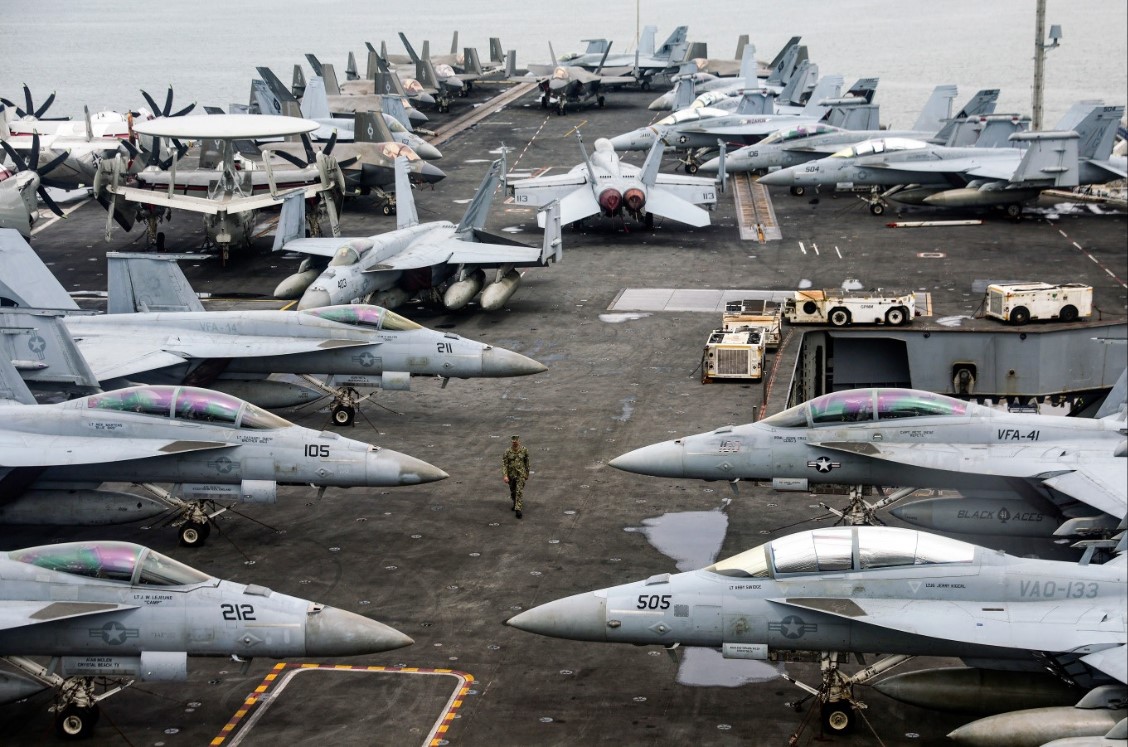 US Plans Significant Reduction of Fighter Jets and Warships for NATO Operations in Europe
-
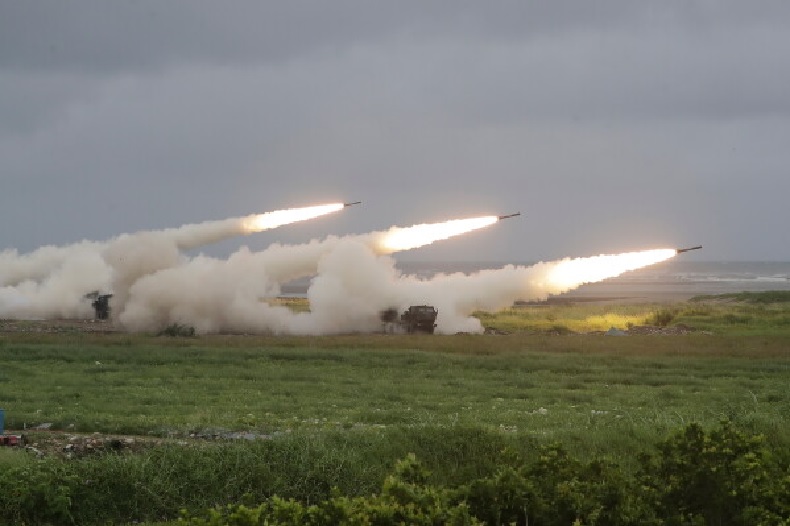 Taiwan Conducts First Live-Fire of HIMARS Rockets From West Coast During Invasion Defense Drill
-
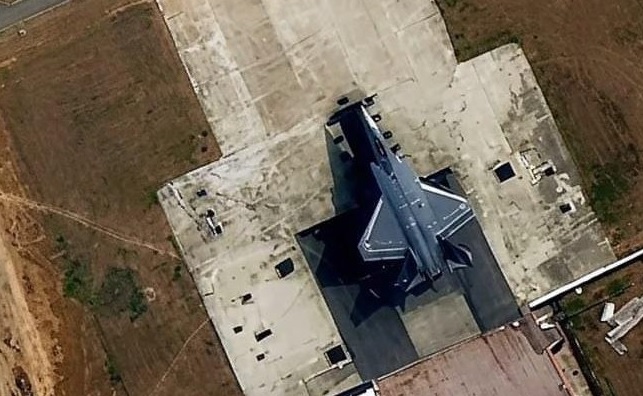 AMCA Airframe Spotted at DRDO’s ORANGE Facility for Radar Cross-Section Testing
-
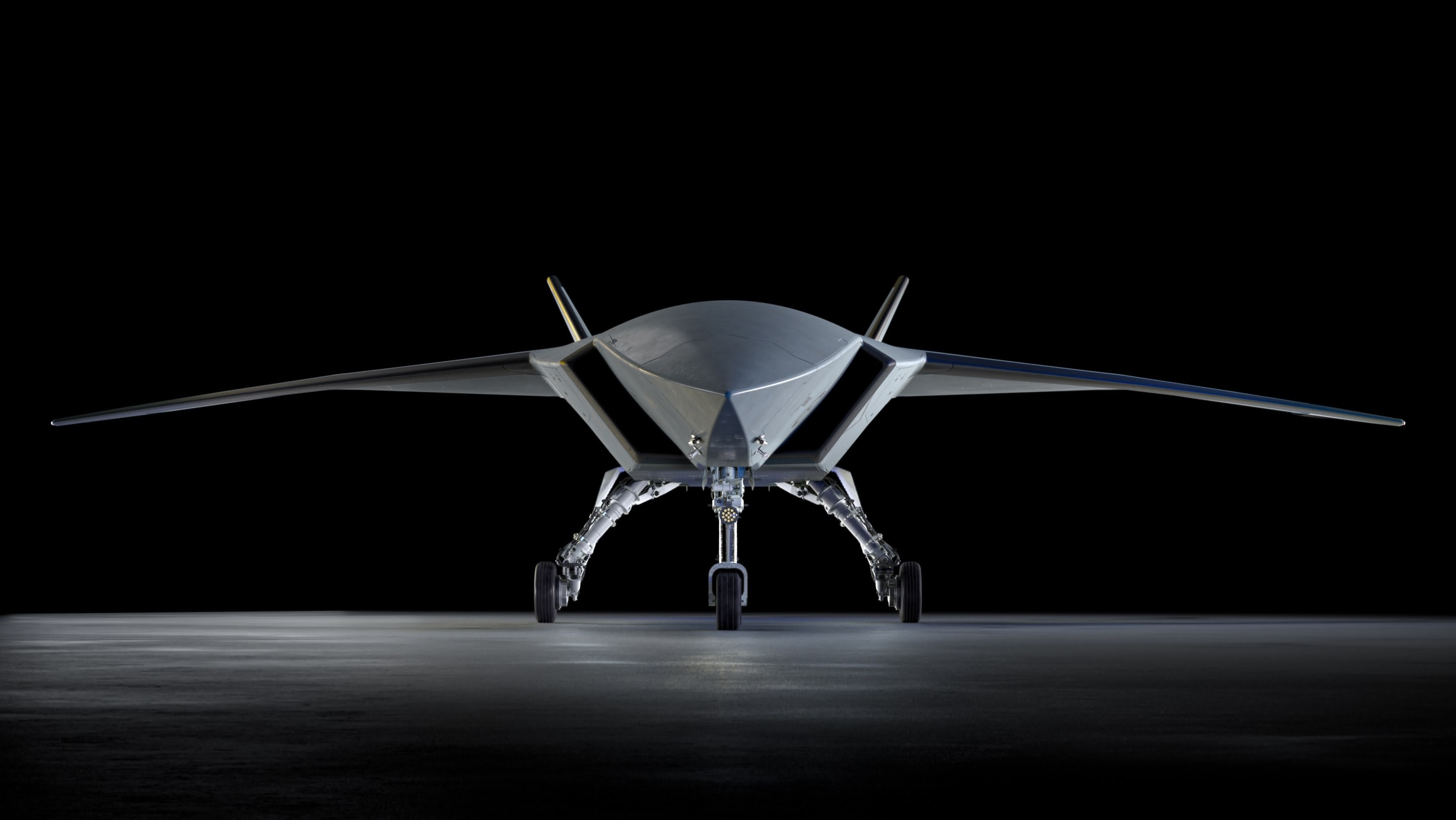 Boeing Introduces New MQ-28 Ghost Bat Upgrades with Increased Range, Payload and Weapons Capacity at ILA Berlin 2026
-
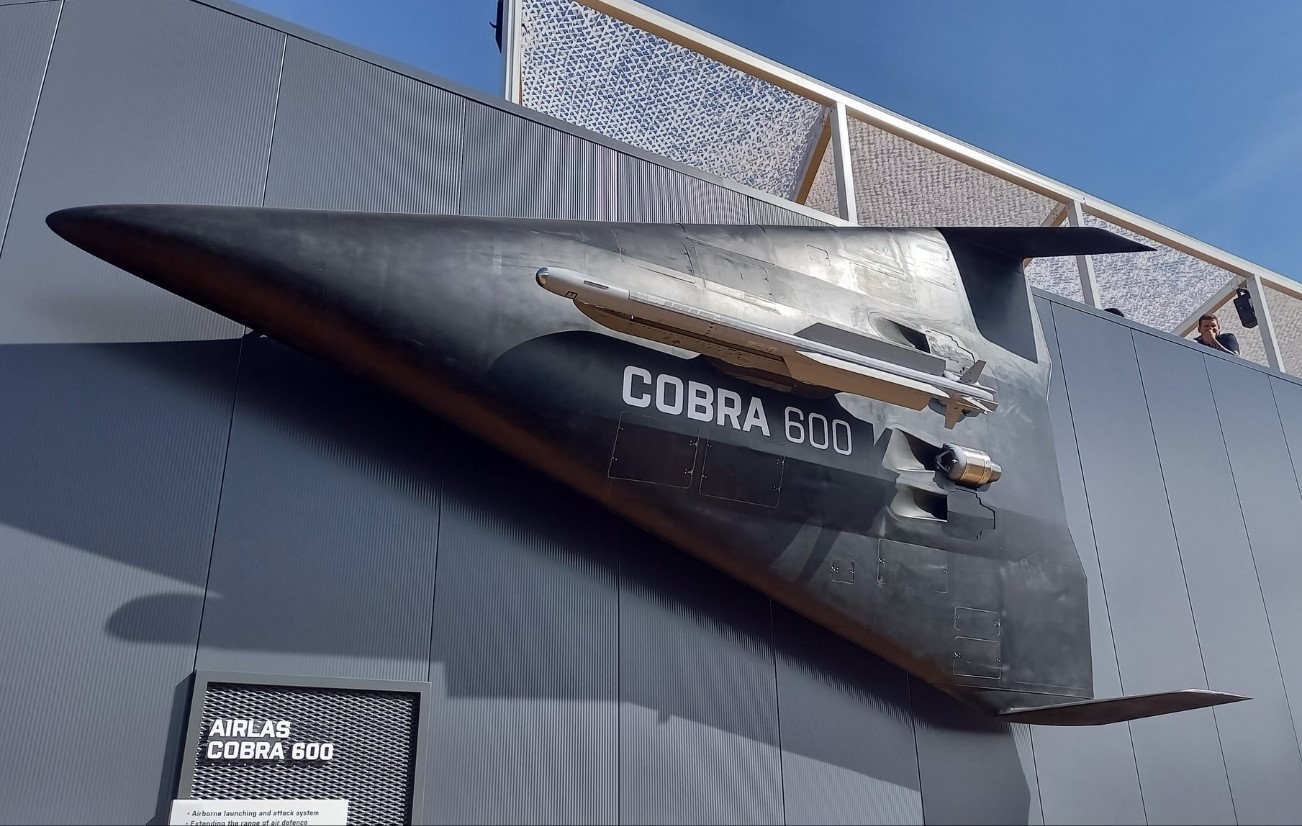 Diehl Defence Unveils IRIS-T Armed Cobra 600 Air Defense Drone at ILA Berlin 2026
-
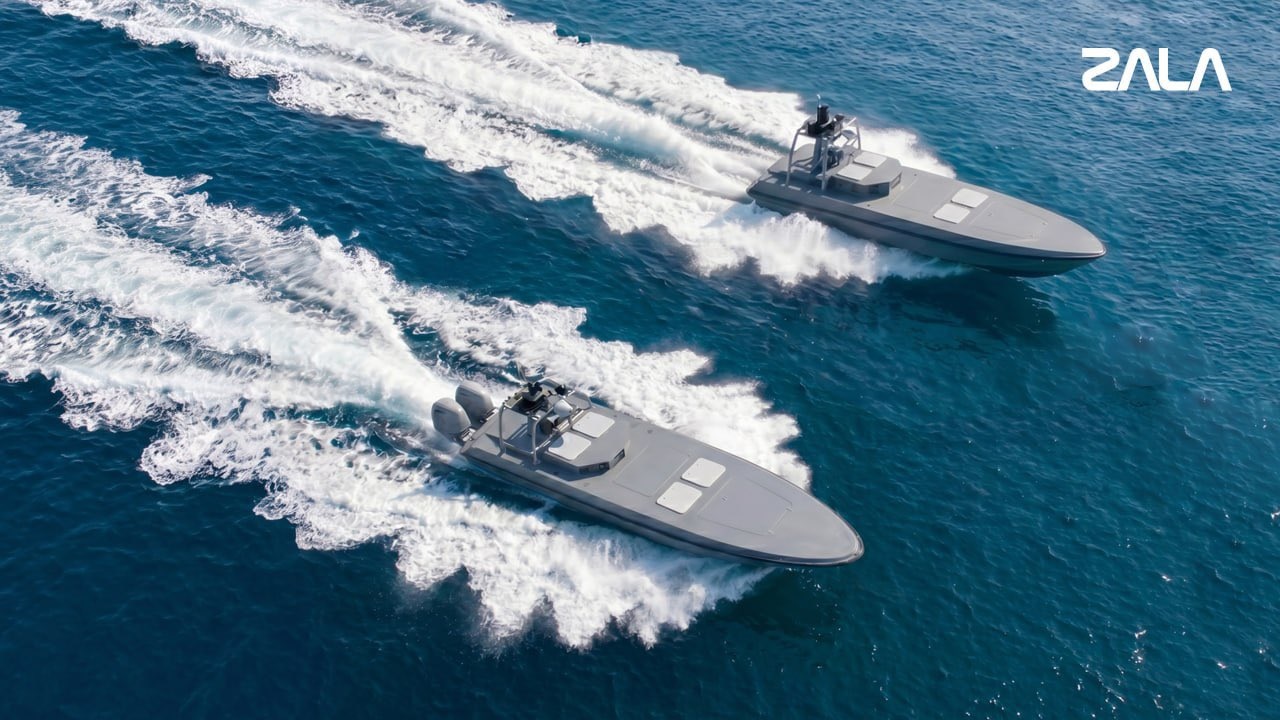 Russian Defense Firm ZALA Unveils KAMA Unmanned Surface Vessel Family at FLOT-2026 Naval Exhibition
-
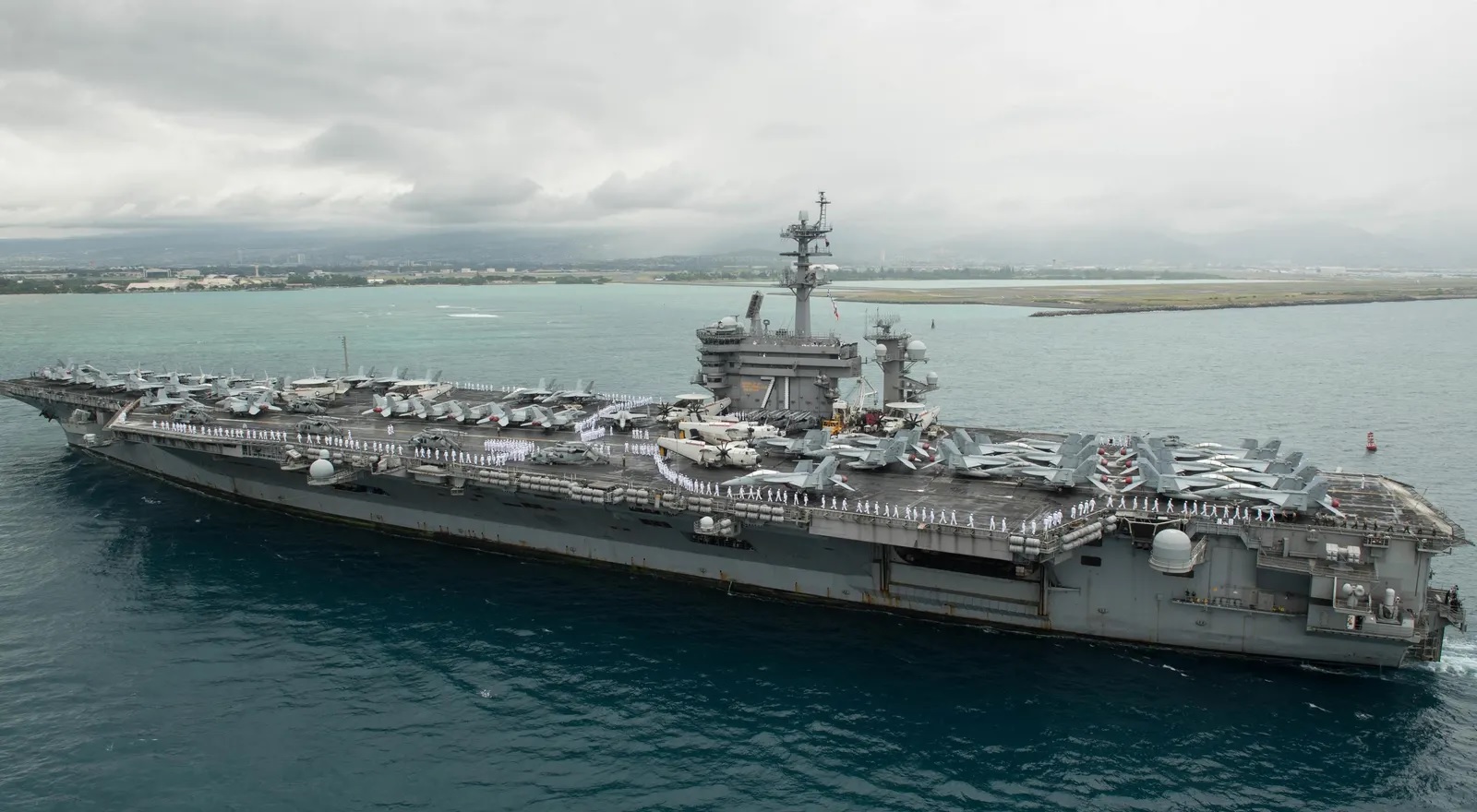 U.S Aircraft Carrier USS Theodore Roosevelt Departs San Diego for Major RIMPAC 2026 Naval Exercise
