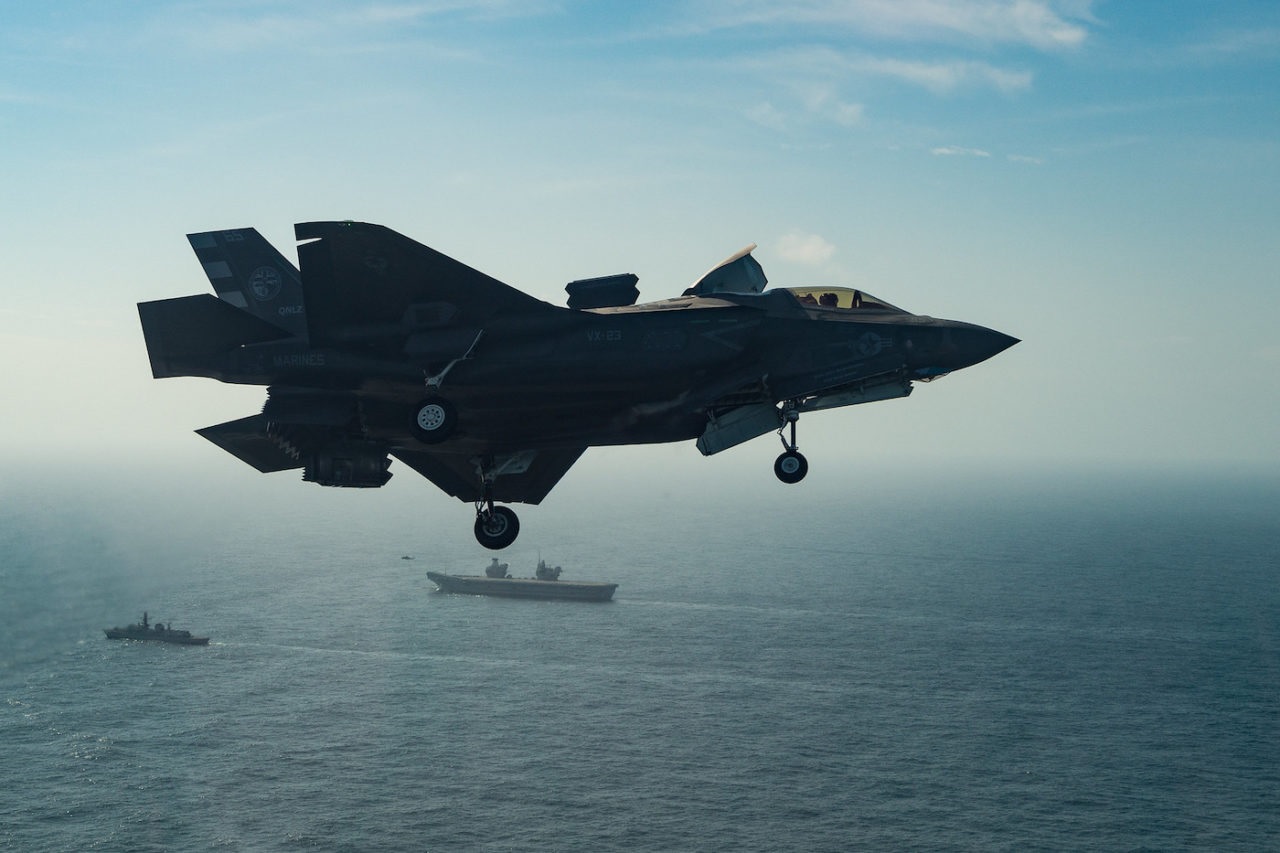
In a groundbreaking advancement in military aviation and data-sharing technology, an F-35 fighter jet has successfully demonstrated the ability to share classified data with a non-US Command and Control (C2) system. This historic milestone, achieved through a collaboration between Lockheed Martin Skunk Works and the UK’s Royal Air Force (RAF) Rapid Capabilities Office (RCO), marks a pivotal step toward an integrated, multinational battlespace.
The Demonstration
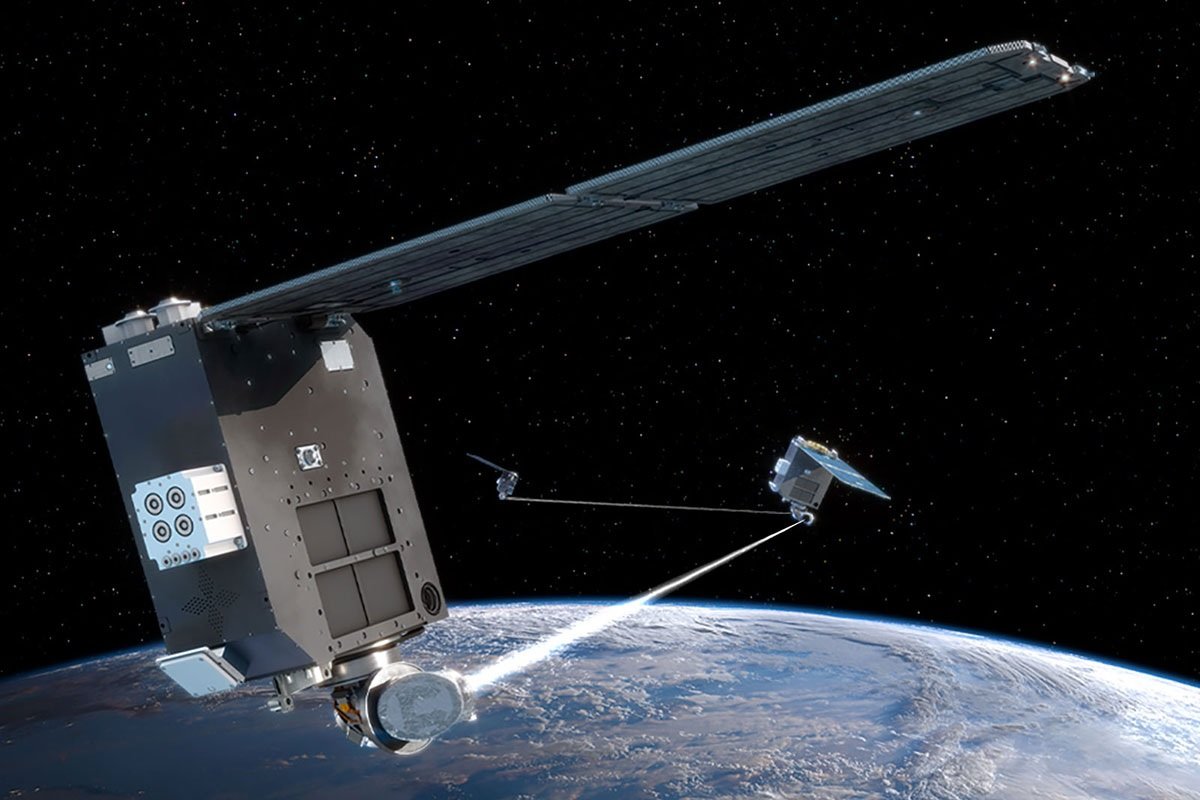
This first-ever live demonstration took place with the F-35 operating from Lockheed Martin’s facility in Fort Worth, Texas. The aircraft transmitted classified data to the UK’s Nexus combat cloud located in Farnborough. This secure data exchange was facilitated by Skunk Works’ Open Systems Gateway, leveraging commercial satellite communications technology to bridge the geographic and system-based divides.
The initiative, codenamed Project DEIMOS, showcased the potential of cross-border collaboration in enhancing military operational capabilities. Air Commodore Chris Melville of the RAF praised the demonstration, stating, “This represents a key step forward towards both a future integrated battlespace and Air Command and Control environment.”
Technological Marvel: The Open Systems Gateway
The Skunk Works Open Systems Gateway lies at the heart of this success. Acting as a versatile interface, the gateway facilitates seamless communication between otherwise incompatible systems, a challenge often faced in multinational military operations. This technology transforms the F-35 into a hub of interoperability, enabling the real-time exchange of critical intelligence across domains and borders.
Additionally, the system's reliance on commercial satellite communications reduces dependency on proprietary, military-only channels, allowing for quicker deployment and scalability. This approach also highlights the potential for using emerging commercial technologies in cutting-edge defense applications.
Specifications of the F-35 in the Demonstration
The F-35 Lightning II, renowned for its stealth capabilities and advanced avionics, played a central role in this experiment. Its unique features include:
- Sensor Fusion: Integrates data from multiple onboard sensors, providing pilots with a comprehensive view of the battlespace.
- Distributed Aperture System (DAS): A 360-degree situational awareness system that feeds real-time imagery to the pilot's helmet.
- Advanced Data Links: Including the Multifunction Advanced Data Link (MADL), enabling secure, high-speed communication among allied aircraft.
- Combat Range and Speed: Capable of achieving a maximum speed of Mach 1.6 and an operational range of over 1,200 nautical miles with internal fuel.
In the context of the demonstration, these specifications allowed the aircraft to act as a data powerhouse, collecting and transmitting classified information with unparalleled precision.
Strategic Implications
The success of Project DEIMOS signifies a monumental leap in multinational defense cooperation. By enabling the seamless transmission of classified data, allied forces can achieve unprecedented levels of operational agility. In practical terms, this could mean faster decision-making during joint missions, enhanced situational awareness, and improved responsiveness to emerging threats.
John Clark, Vice President and General Manager of Lockheed Martin Skunk Works, highlighted the broader implications, stating, “This exercise marks a breakthrough in multi-domain operations, demonstrating the F-35’s ability to share classified data via an open systems gateway with our international partners.”
Future Prospects
The demonstration underscores the growing emphasis on creating an integrated, multinational defense ecosystem. As global threats evolve, collaborative efforts like these become indispensable. Future iterations of such technologies could see integration across additional allied nations, further enhancing the interoperability of next-generation platforms like the F-35.
Moreover, initiatives like Project DEIMOS pave the way for a unified Air Command and Control environment, where assets from different countries can operate as a cohesive force. With the F-35 already serving as the backbone of air forces across multiple allied nations, this capability will further cement its role as a cornerstone of global defense strategies.
Conclusion
The successful data-sharing demonstration between the F-35 and the UK’s Nexus combat cloud not only showcases technological ingenuity but also strengthens international defense partnerships. As militaries around the world look to adapt to increasingly complex threats, innovations like this will play a critical role in ensuring global security.
This accomplishment is more than a technical feat; it’s a testament to the power of collaboration in advancing modern warfare. With the F-35 at the forefront, the future of integrated combat operations looks more connected—and secure—than ever before.
——— End of Article ———