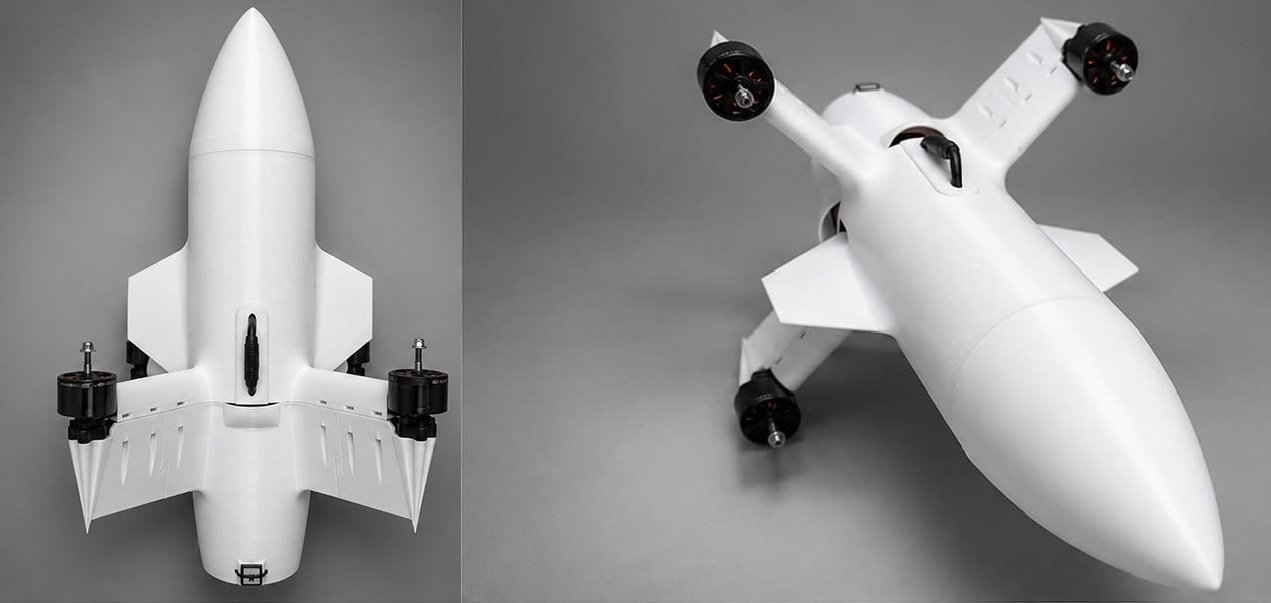
In a significant development for modern warfare, Estonia's defense startup, Frankenburg Technologies, is preparing to test its cutting-edge anti-aircraft missile, dubbed the Frankenburg Mark 1, in Ukraine. Designed to counter airborne threats, particularly drones, this innovation represents a vital step in addressing the growing prevalence of unmanned aerial vehicles (UAVs) on the battlefield. The first batches of the missile are set to arrive in Ukraine within months, with testing slated for next year.
A Tactical Solution to Modern Drone Warfare
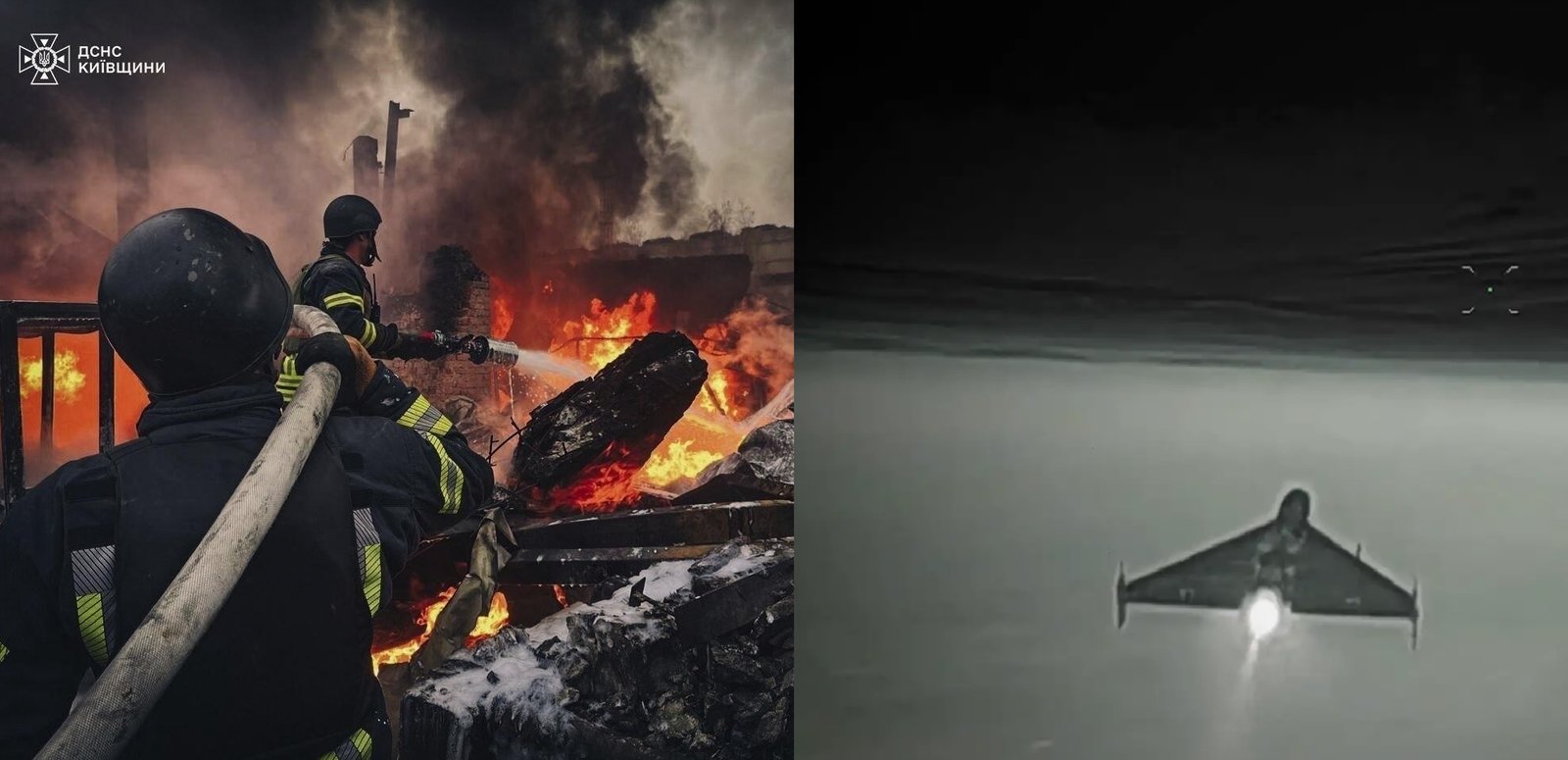
The Mark 1 missile is purpose-built to intercept drones like the Iranian-origin Shahed-131 and Shahed-136, which have been deployed extensively in Ukraine by Russian forces under the names Geran-1 and Geran-2. These drones typically operate at altitudes around 2 kilometers (1.24 miles), a range well within the missile's capabilities.
Frankenburg’s approach emphasizes affordability and efficiency. According to CEO Kusti Salm, the missile employs an advanced artificial intelligence-powered targeting system. This system leverages situational awareness algorithms to detect, track, and neutralize UAV threats. Such innovation underscores the necessity for cost-effective countermeasures to the increasing use of inexpensive drones in modern warfare.
Production and Scalability
If the tests are successful and Ukraine opts to adopt the Mark 1 missile, there are plans to establish production facilities within the country. Initial manufacturing is expected to yield a few dozen missiles per week, scaling up to hundreds per week by the third quarter of 2024. This scaling would not only provide Ukraine with a sustainable supply chain but could also strengthen its defense industry infrastructure.
Additionally, discussions are underway to finance the missile's production, which aligns with the broader goal of enhancing Ukraine’s ability to counter aerial threats effectively.
Why the Mark 1 Stands Out
Beyond its counter-drone capabilities, the Mark 1 represents a shift in how smaller nations like Estonia are contributing to global defense. By focusing on cost-efficiency and leveraging AI, Frankenburg Technologies is challenging the traditional notion that high-tech military solutions must come with exorbitant costs.
The missile is also a forward-looking asset. Salm highlighted its relevance beyond Ukraine’s current conflict, stating, “A new and much bigger war is expected in Europe.” This perspective reinforces the need for advanced, scalable, and affordable military technology as geopolitical tensions remain high.
Strategic Implications
The Mark 1 project exemplifies the intersection of innovation and necessity in wartime. For Ukraine, acquiring such technology could significantly enhance its ability to neutralize one of the most persistent threats in the ongoing conflict: kamikaze drones. Moreover, the partnership with an Estonian startup underscores the importance of international collaboration in modern defense efforts.
For Frankenburg Technologies, the missile’s potential success could position the company as a key player in the defense sector, particularly in the counter-drone niche. It also demonstrates how smaller defense companies can rapidly innovate and contribute to addressing urgent military challenges.
A Glimpse Into the Future
As warfare evolves, technologies like the Mark 1 highlight the growing role of artificial intelligence and cost-effective solutions in maintaining a tactical edge. Whether in Ukraine or future conflicts, this missile could serve as a blueprint for countering airborne threats effectively and affordably.
If the Mark 1 lives up to its promise, it may not only help Ukraine in its current fight but also redefine how nations approach drone warfare for years to come.
——— End of Article ———